Monday, May 6, 2024

Not Wild Camping


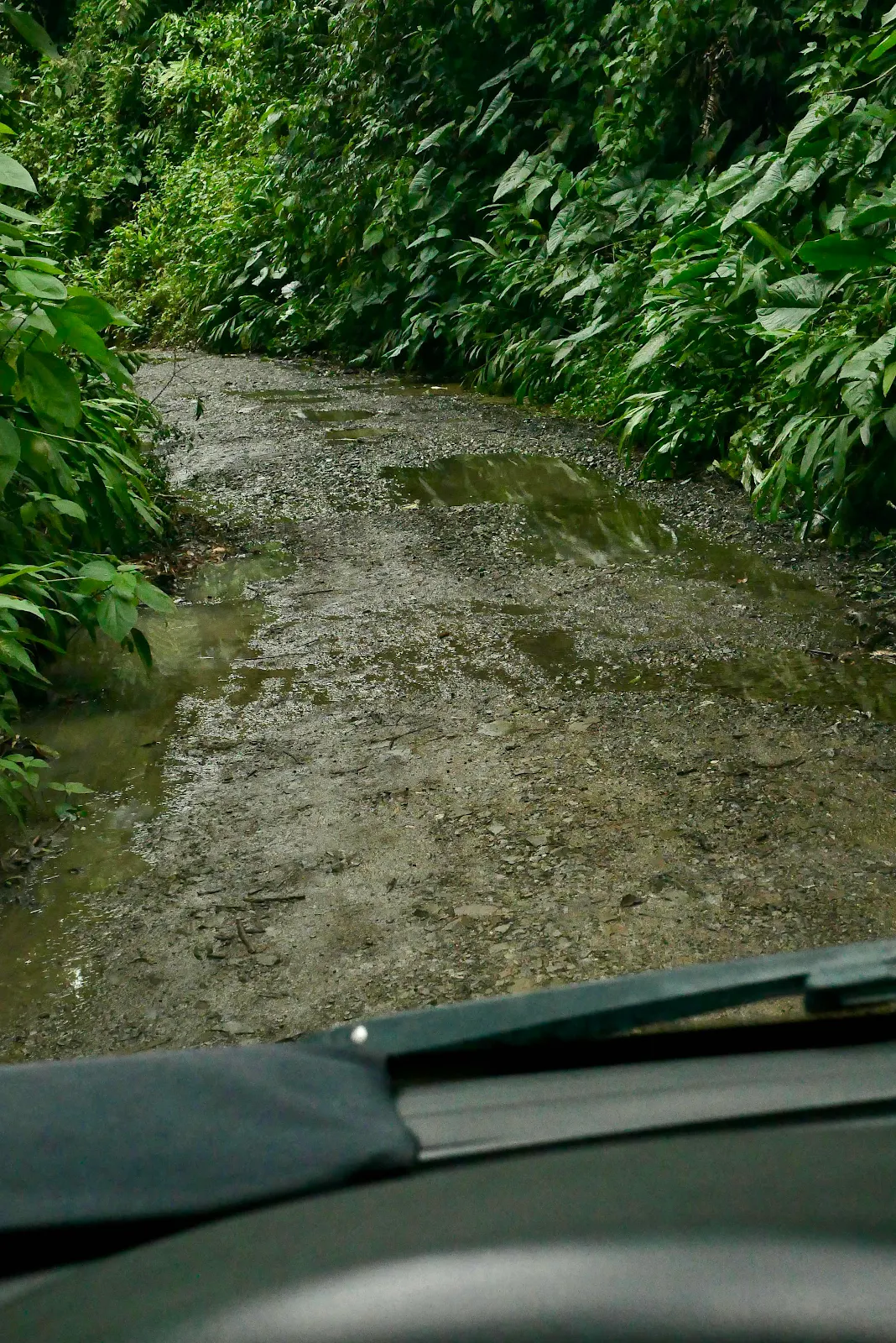
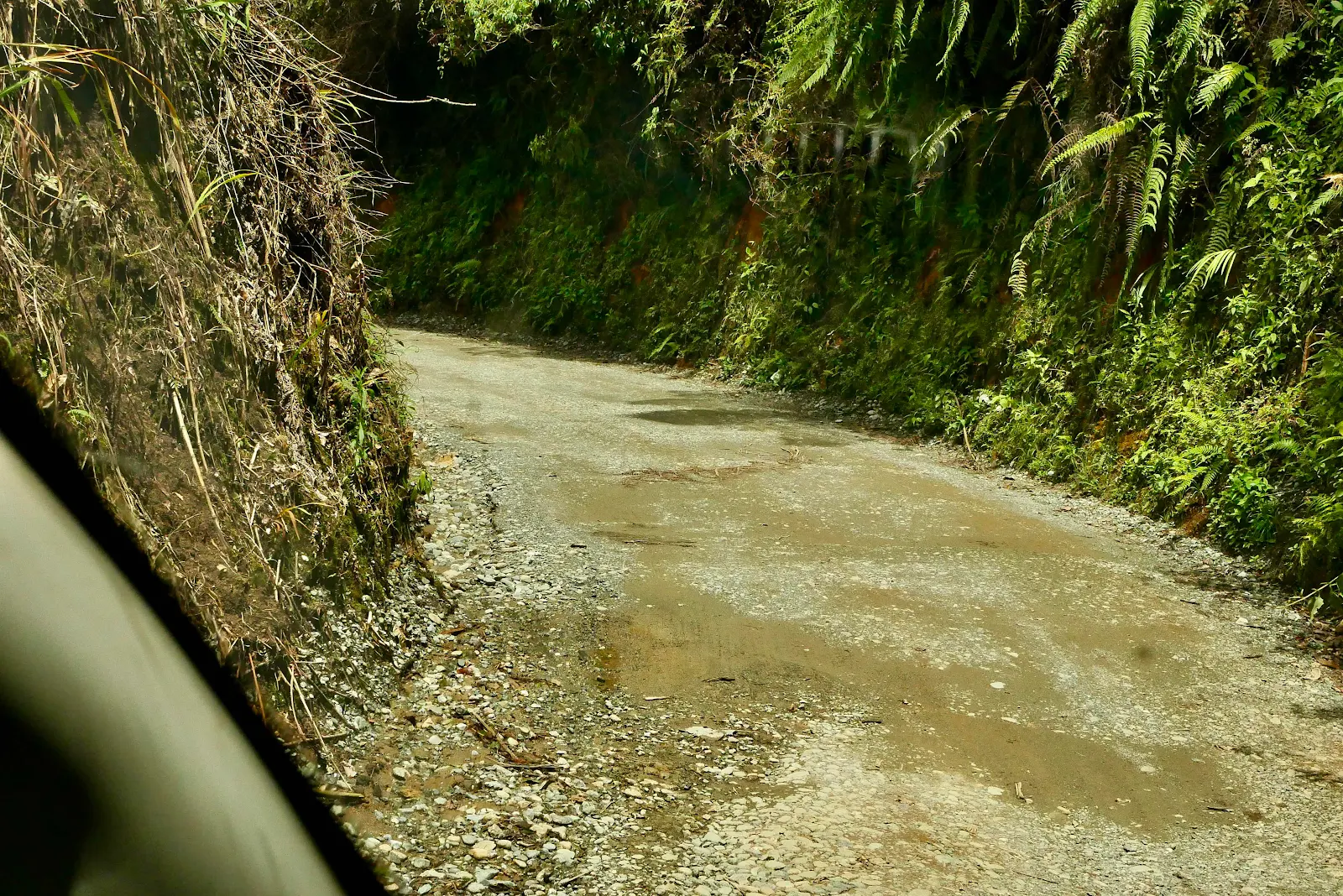
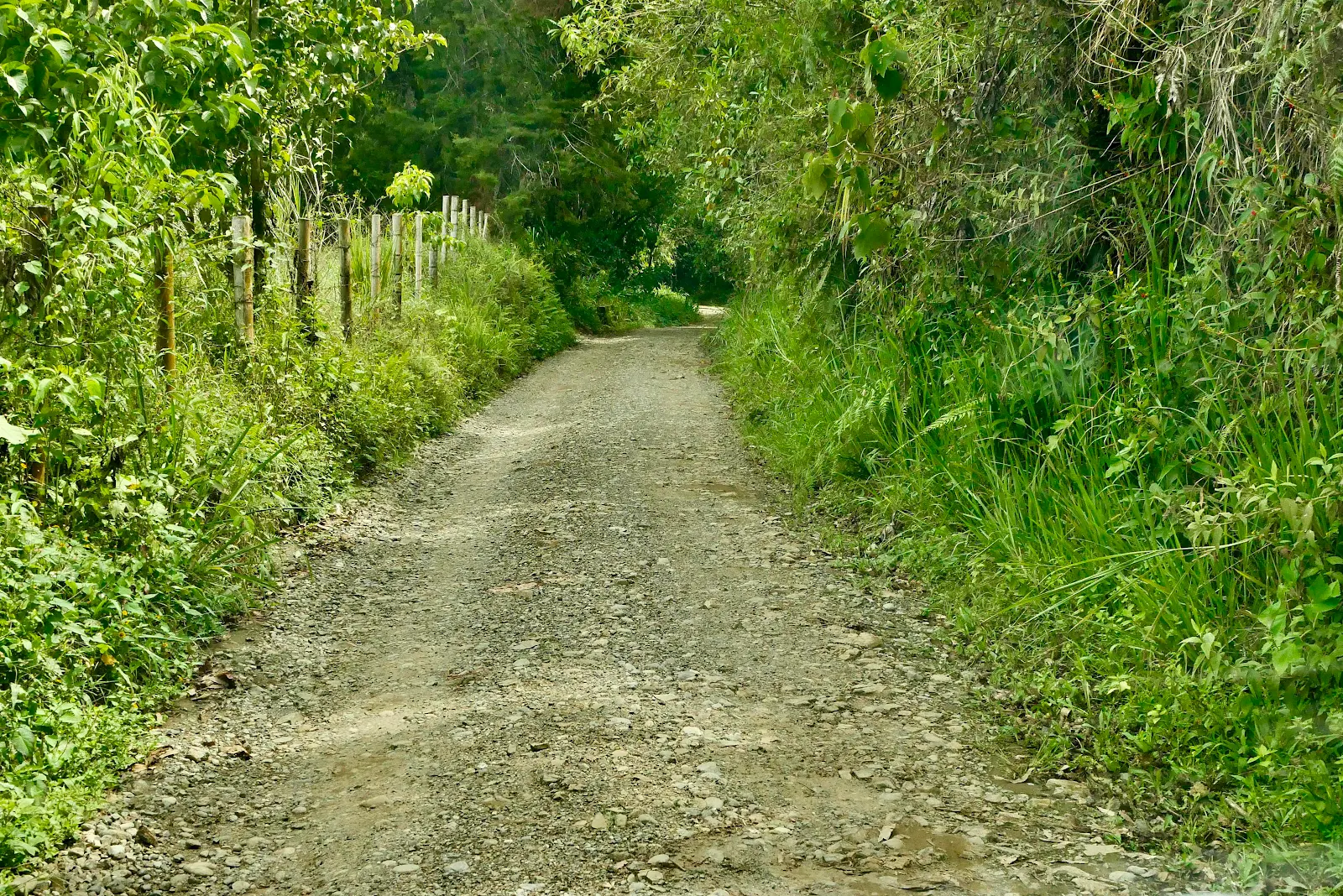
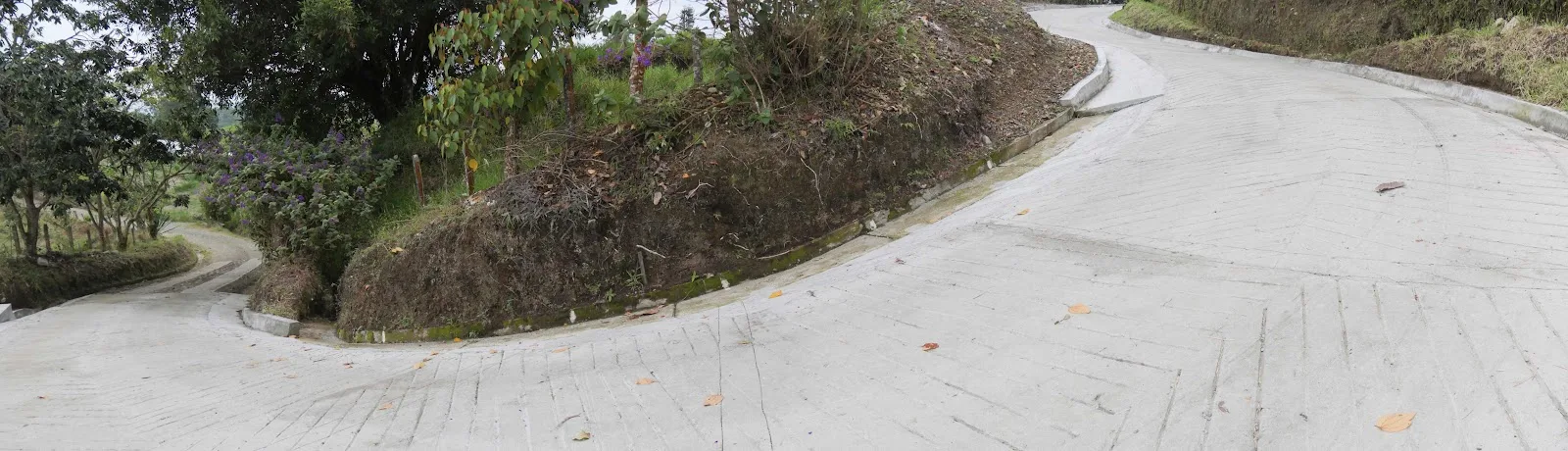
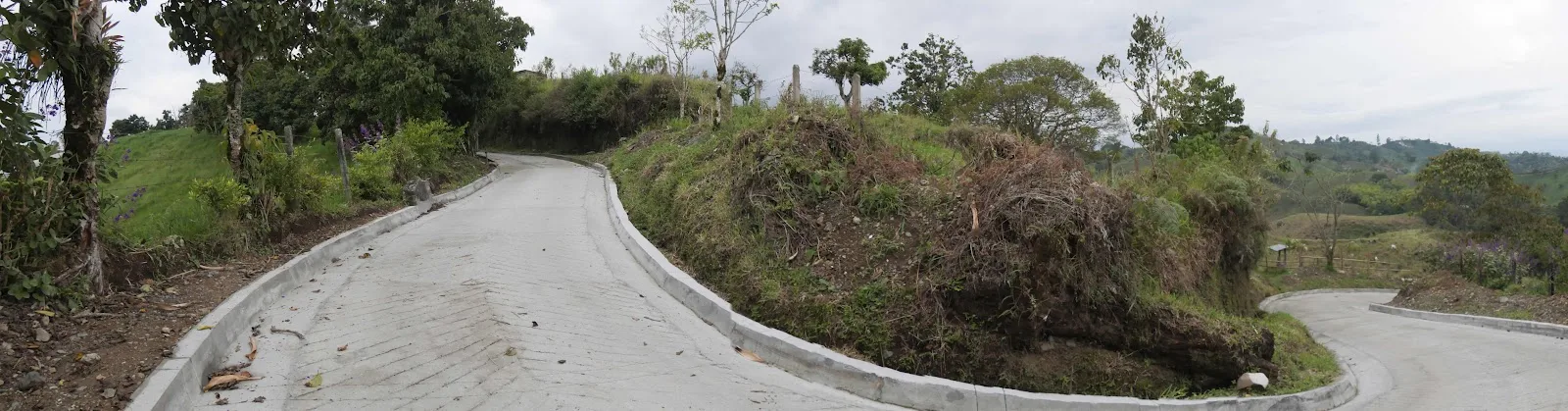
I was worried we would have trouble getting up the steep road out of the Steel Horse Campground outside Filandia. GANNET2 proved me a worry wort and Hugh the Canadian Land Rocer driver was entirely correct. We stormed up the mile and a half single track, the worst parts cemented, without a problem or a hesitation. GANNET2 shod with new gnarly all terrain KO2 tires roared up the hill in first gear faster than I could take pictures of the wet road. It’s steeper than it looks in these pictures from when I went for a walk when the road was dry. 
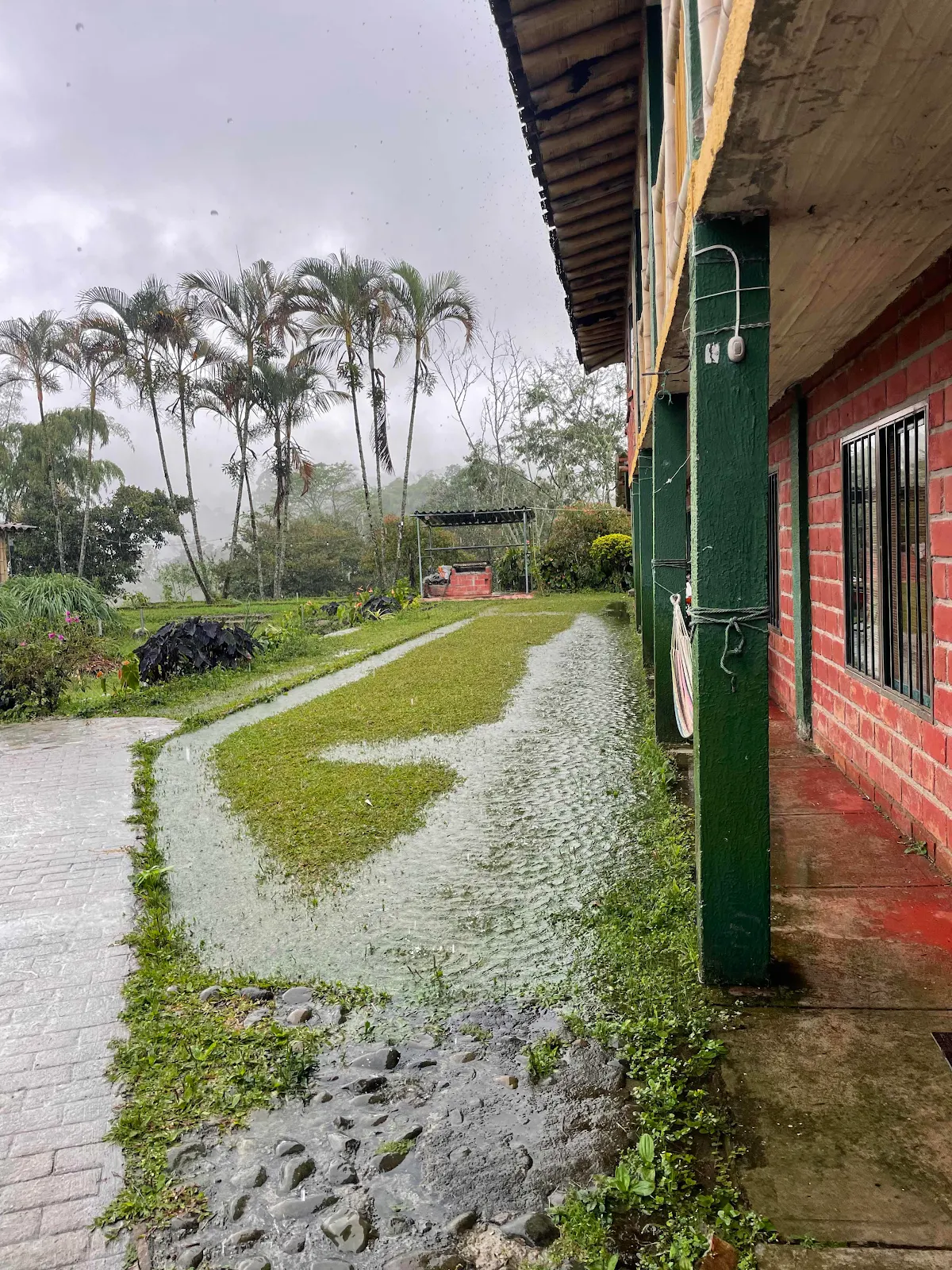
I had been feeling a bit despondent from all the rain that had been falling. “ This isn’t normal” the campground manager told us in that irritating way locals shrug off meteorological cataclysms. 
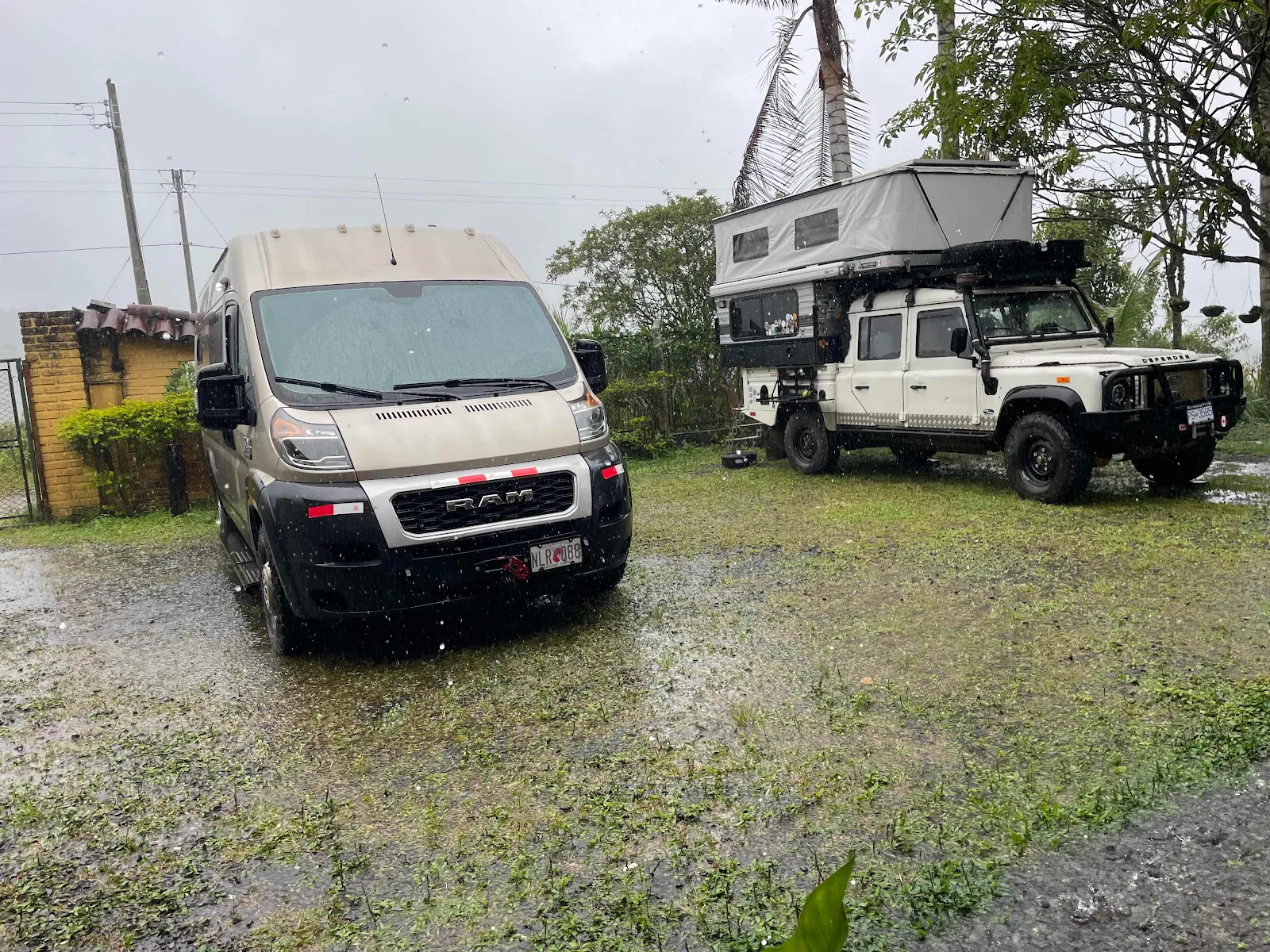
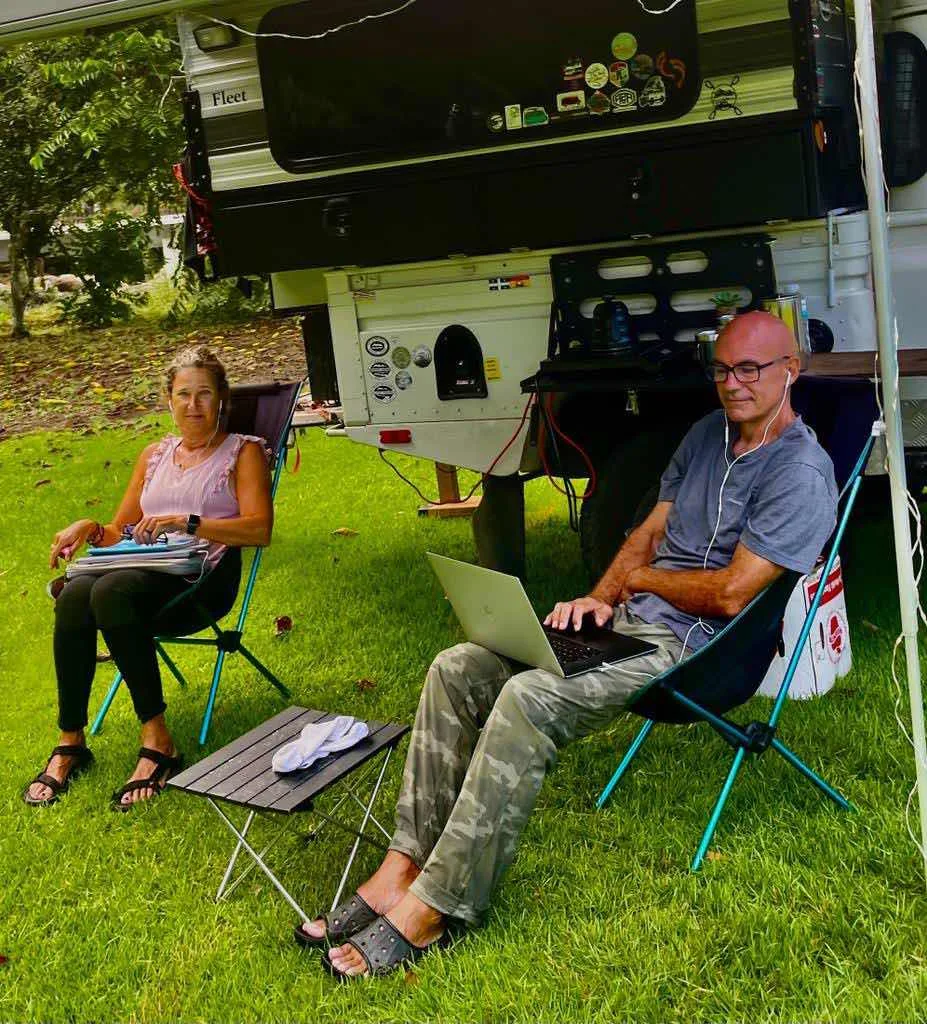
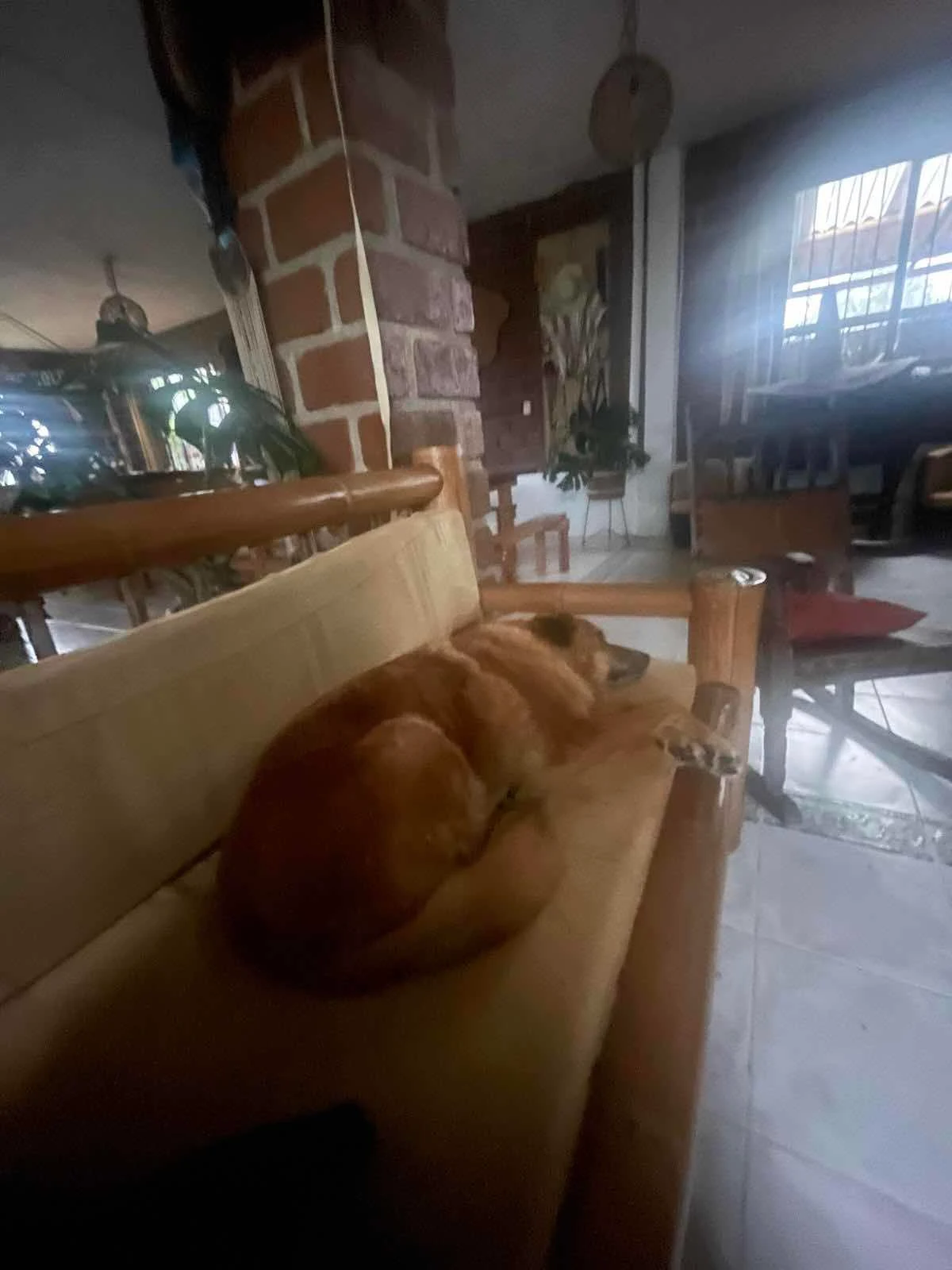
Bugger normal, this was hellacious with thirty six hours of downpours. Rusty hung out in the living area provided for our comfort an area equipped with hot showers a kitchen and places to lounge and use the WiFi. Outside we drowned. 
Inside we napped.
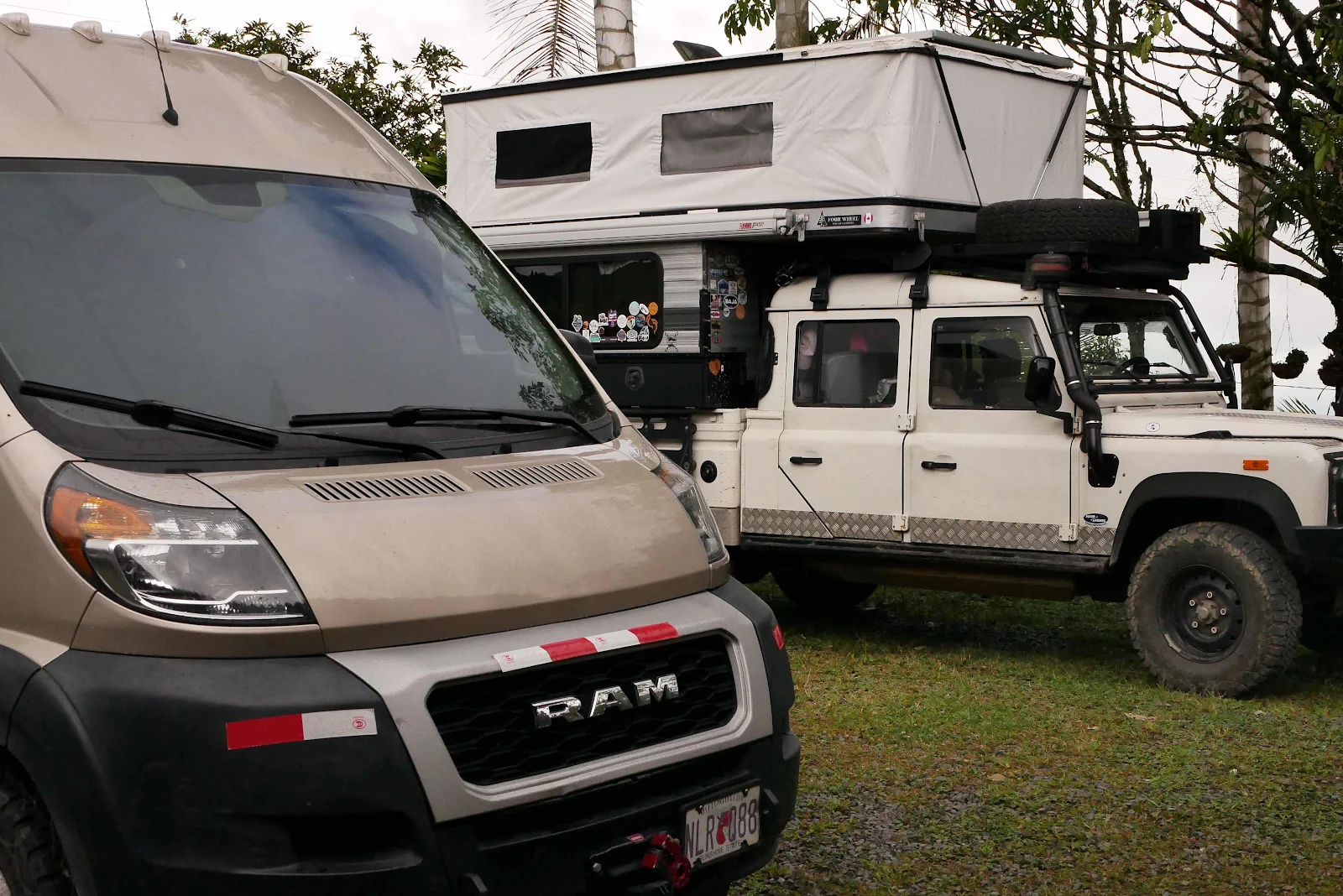
Sunday morning with butterflies in my stomach and my towing strap and shackles laid out ready for us to get stuck, we bad farewell to our friends who have an appointment with a Land Rover mechanic:
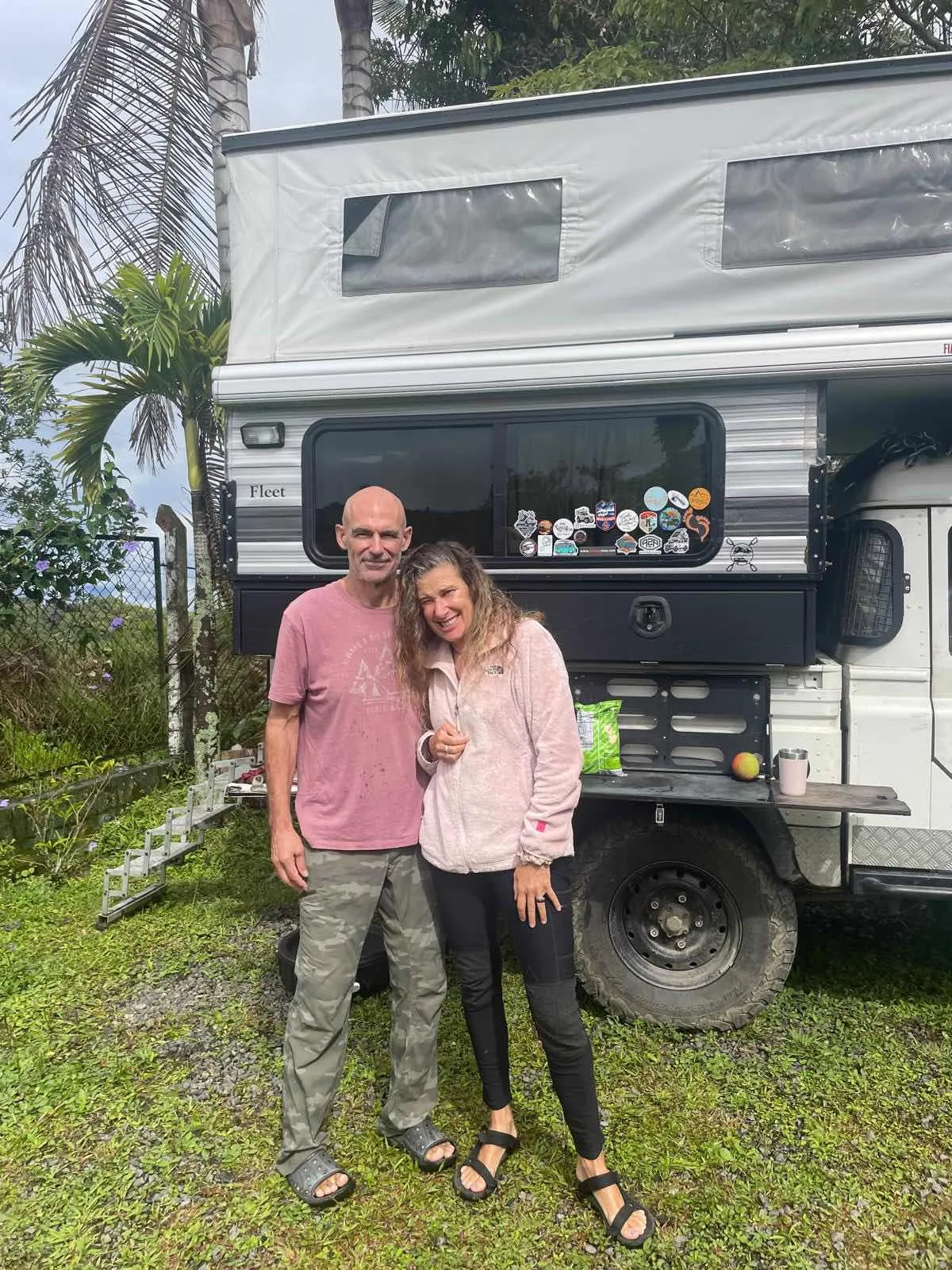
And wiggled our way out of the campground into the one lane road to the distant top of the hill. Thanks to these two we have learned a lot more about the capabilities of our properly shod van and thanks to them encouraging us we have stretched our comfort level on tricky roads. Out we went hoping we see them again before too long, on some other gnarly road. 
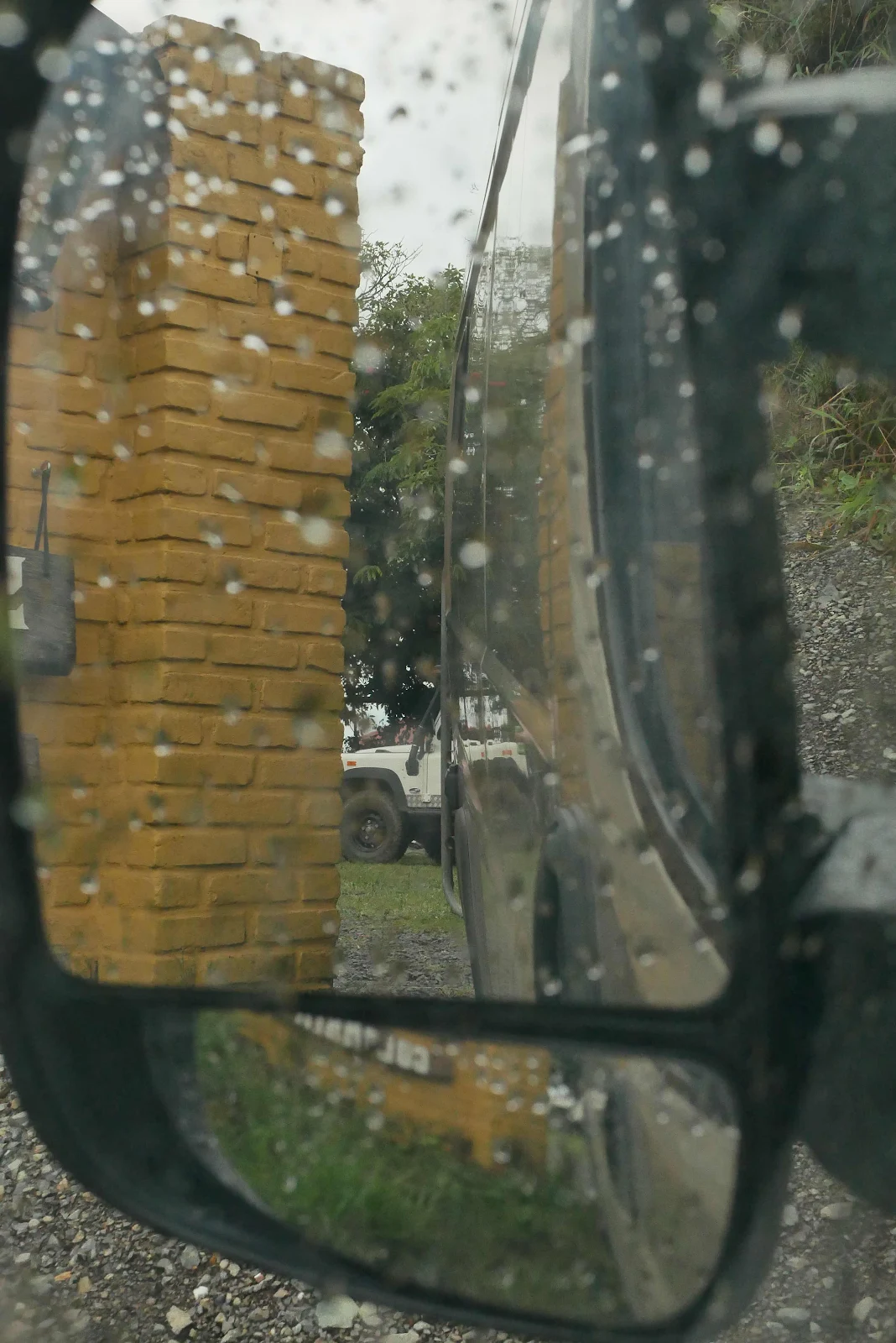
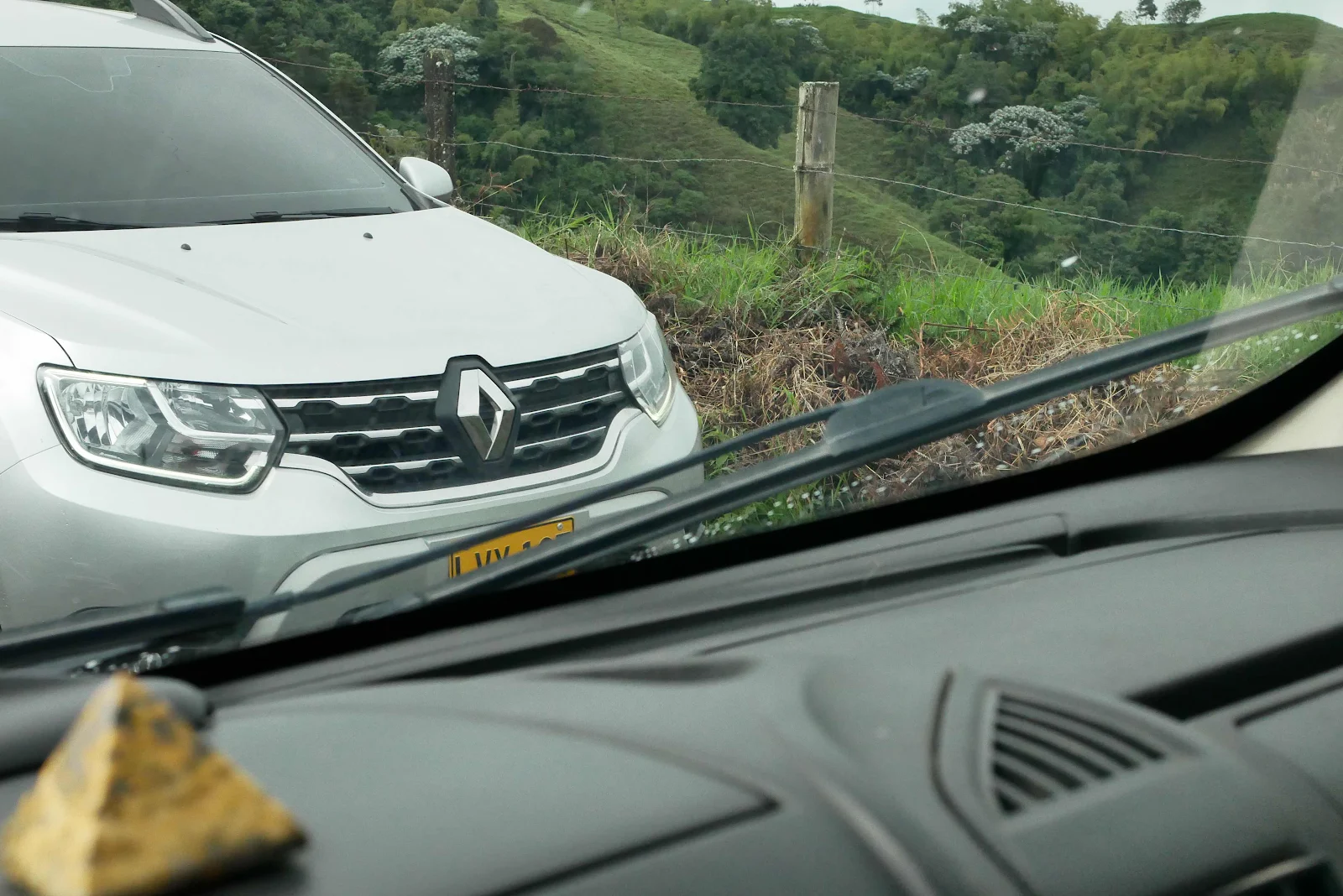
Of course we met a car on the hill but miraculously we were alongside a very rare pull out.
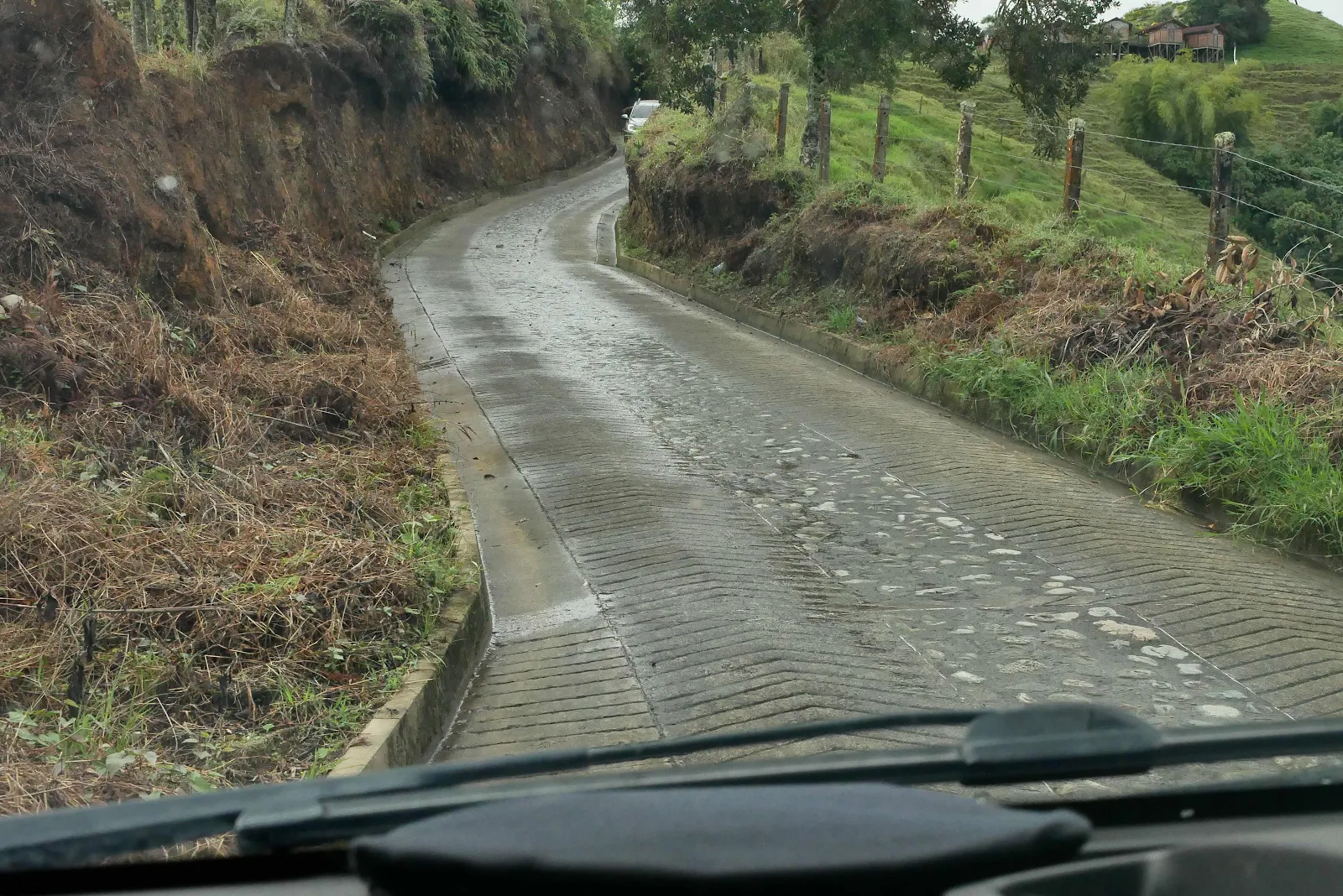
They barely slowed down and for some reason I wasn’t even slightly worried about tackling the next grade from a standstill. Sure enough GANNET2 had the bit in her teeth and off we roared straight to the top. 
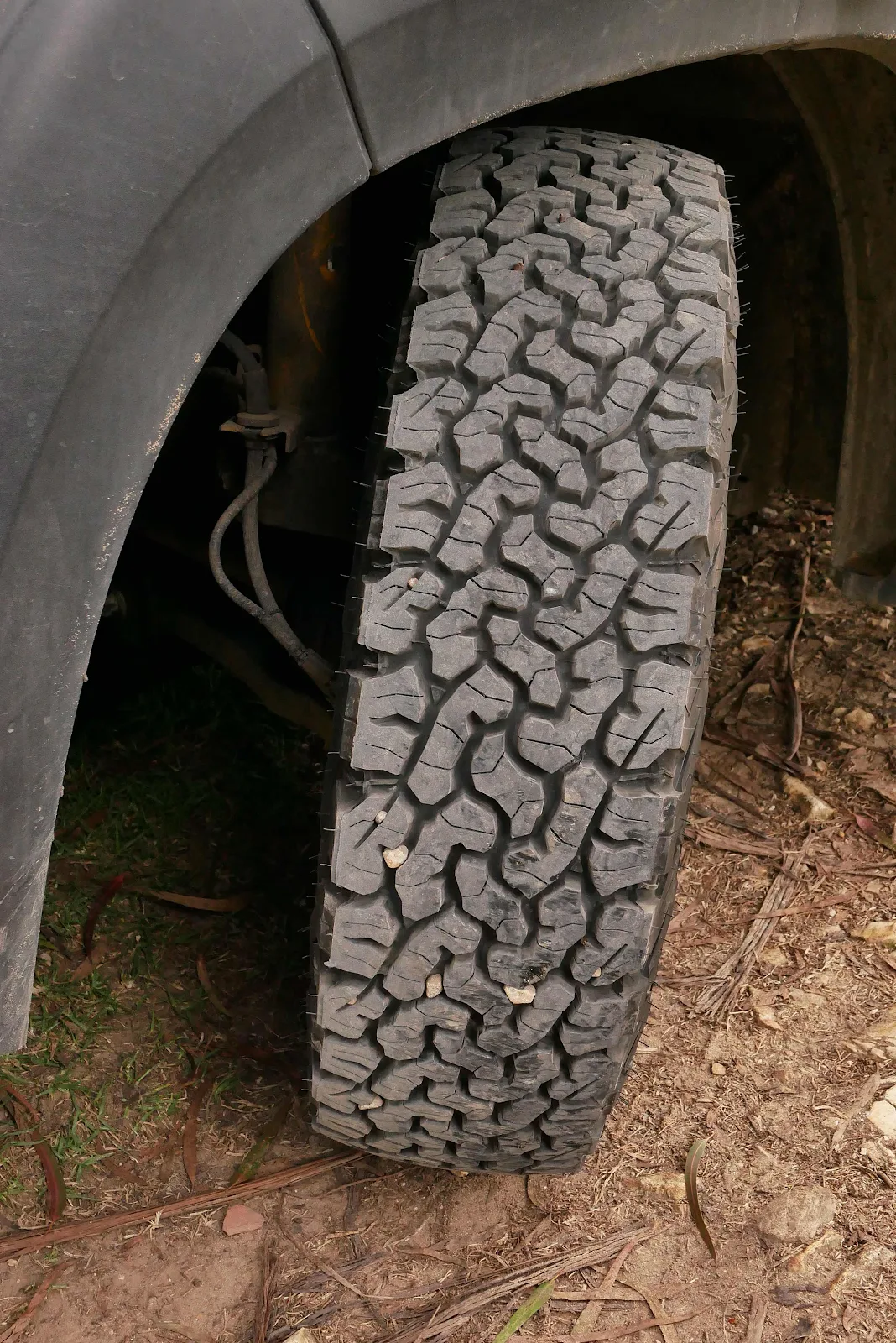
That experience of running our hefty  new tires straight up a steep continuous hill was confidence boosting to a remarkable degree. All terrain tires are noisy and wear faster but these KO2s have proved their worth on dirt mud gravel and steep grades. They track perfectly and are confidence inspiring. I should have bought them years ago. 
It was a gray day but we figured a little more sight seeing might be in order. The Valle de Corcora is famous in Colombia for its scenic beauty and its two hundred feet tall wax palms and it’s only 40 minutes (18 miles) from Filandia. 
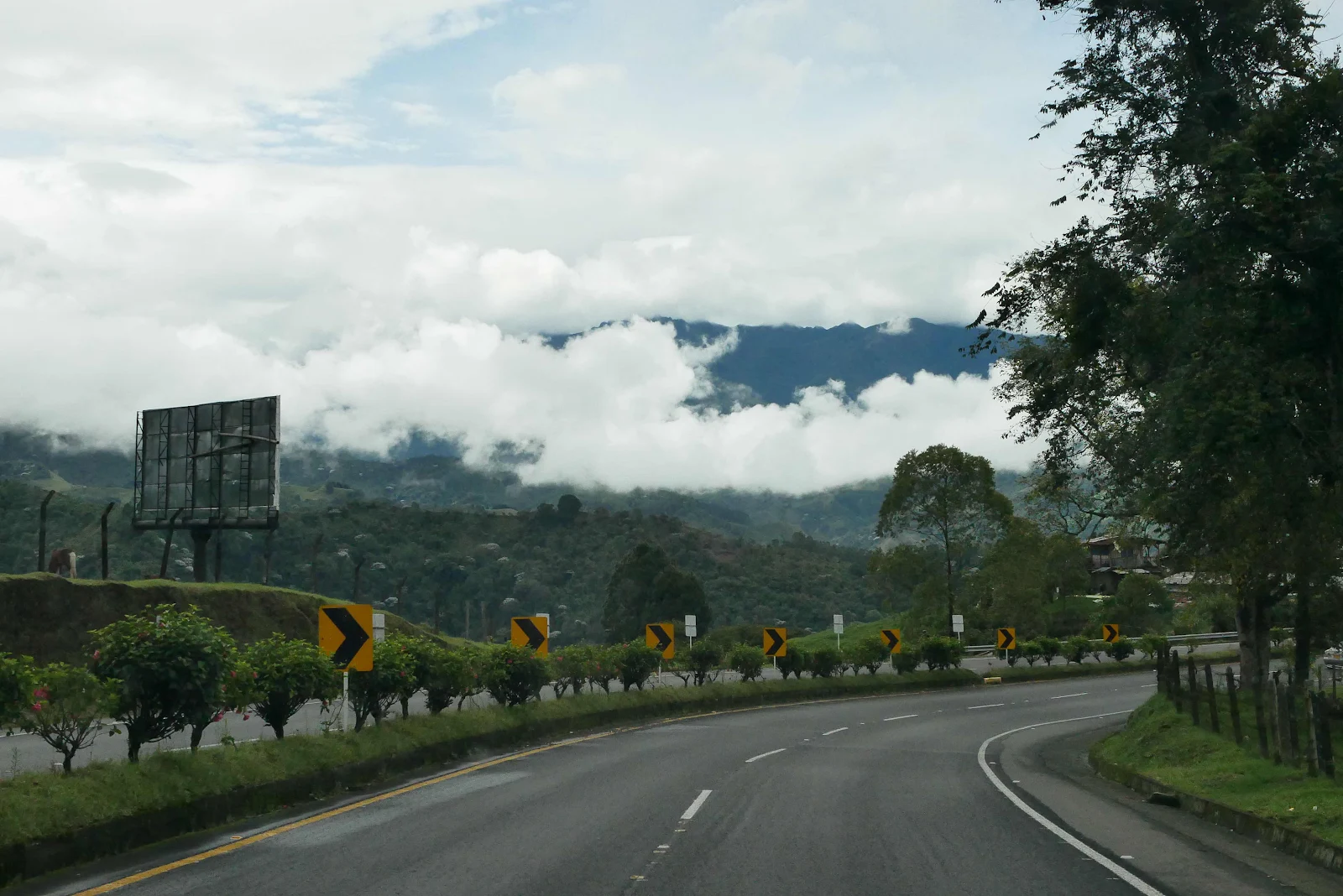
But as we drove we noticed some heavy traffic and tour buses and in our retirement fog we remembered it was a Sunday. Whoa! We need to pull over and wait the weekend out. iOverlander to the rescue and look what we found just outside the entrance to the heavily touristed valley:
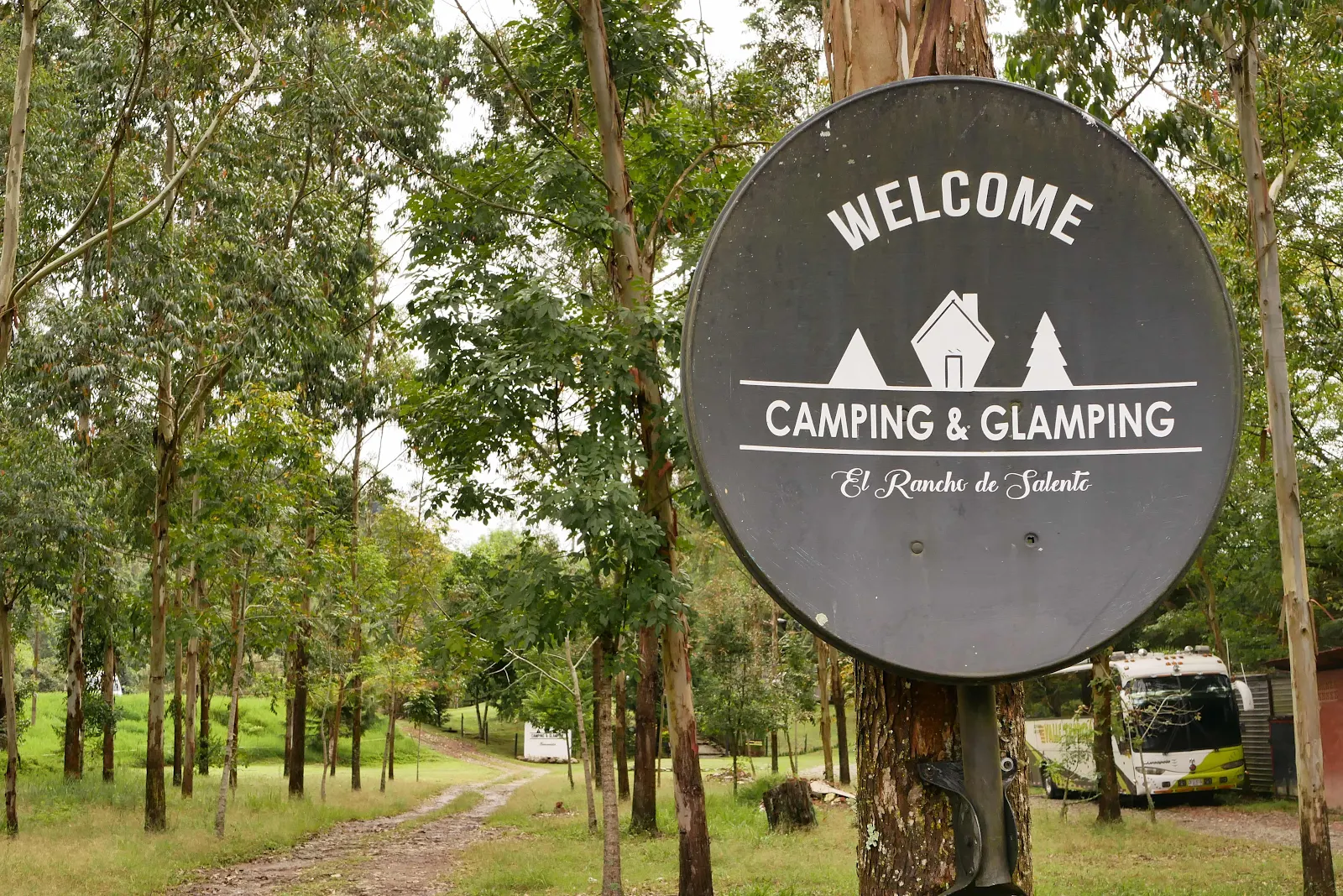
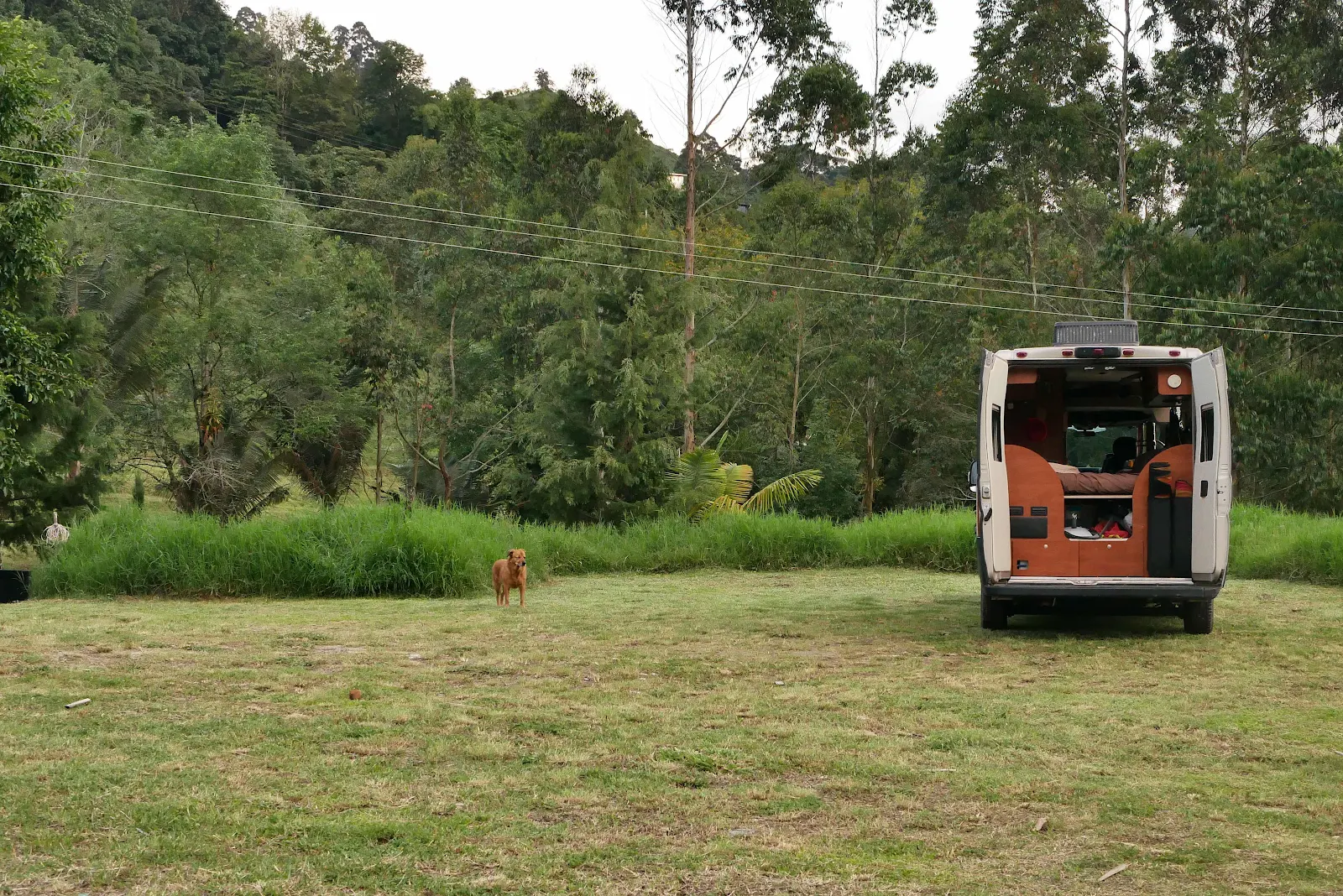
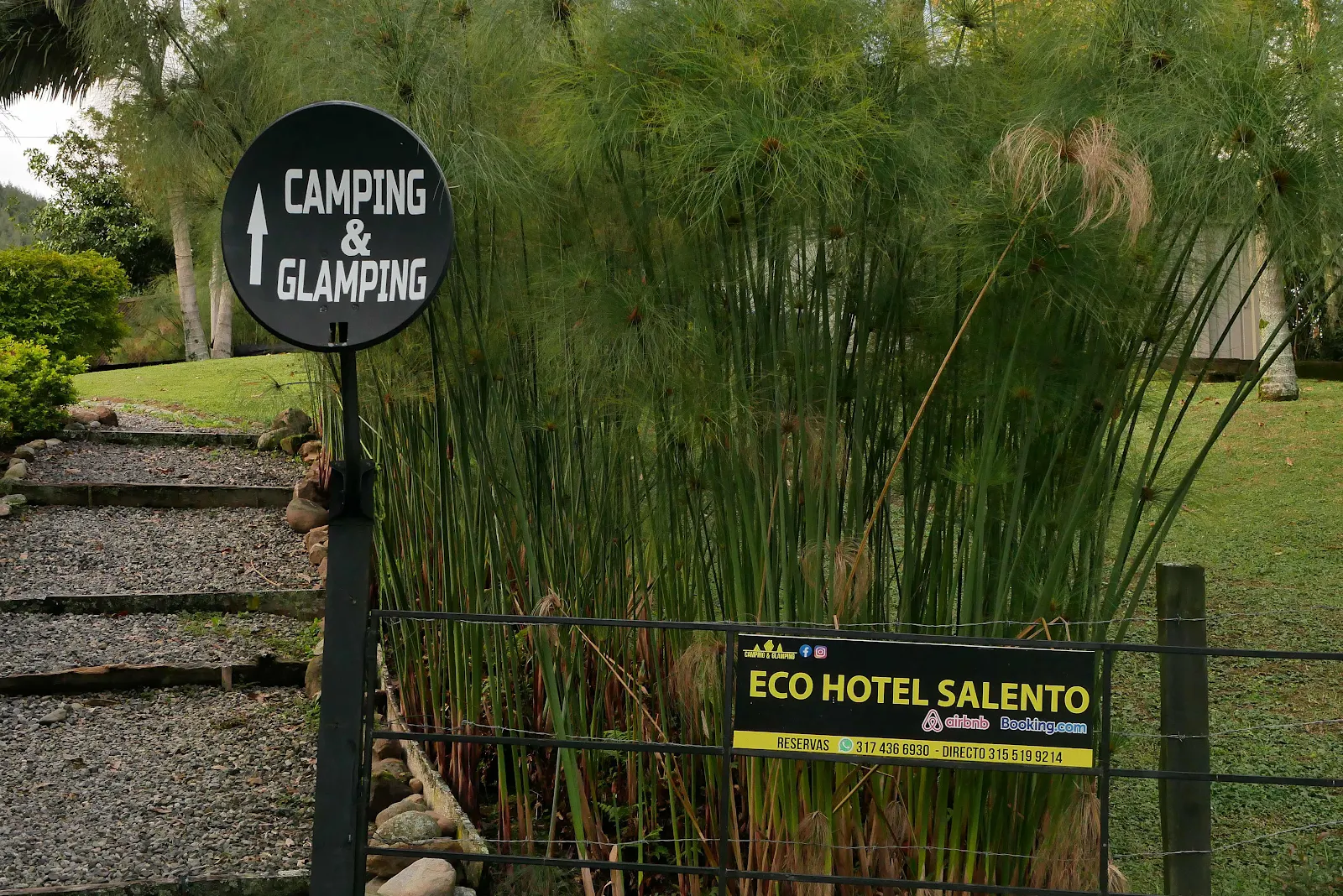
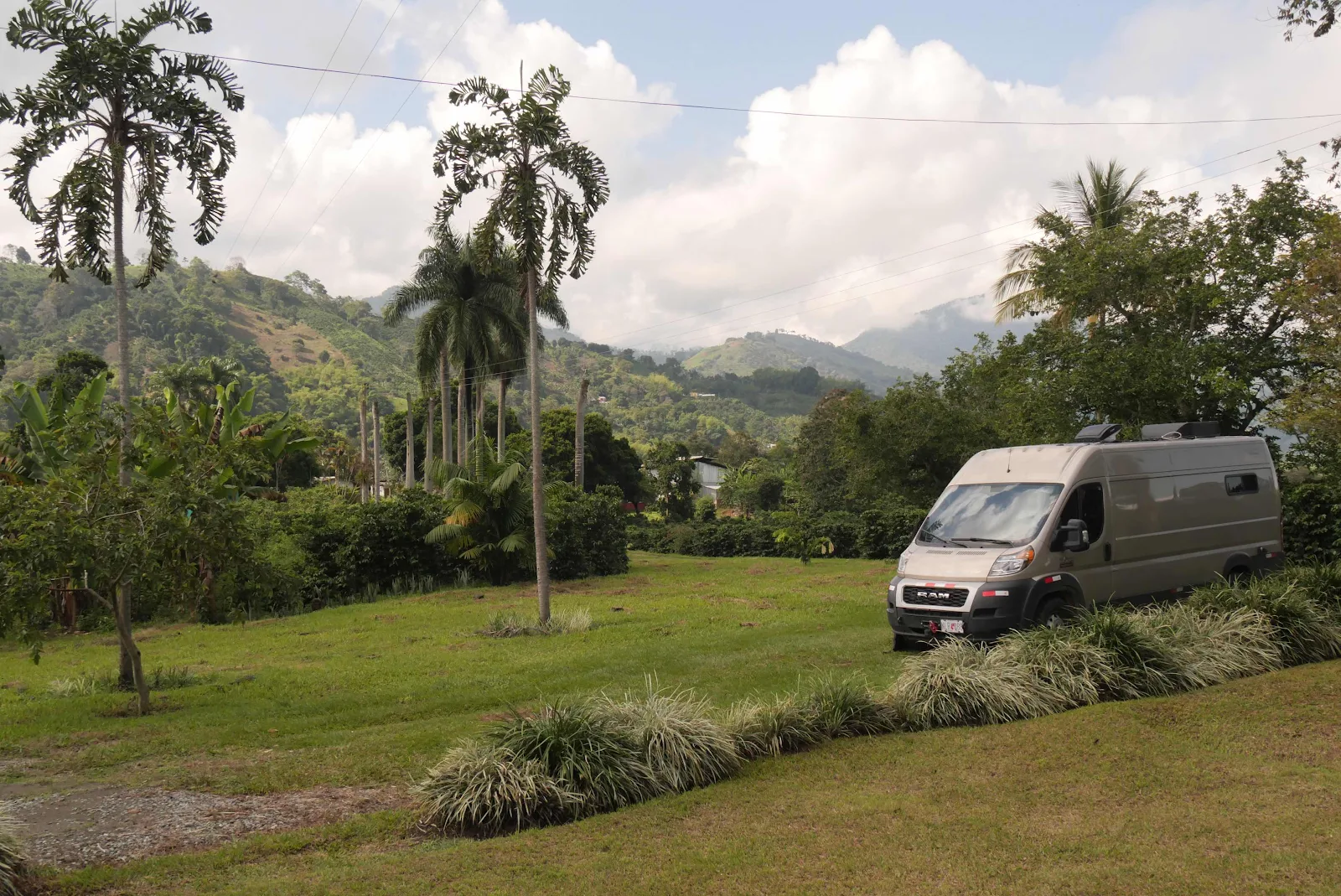
iOverlander’s instructions were to park on the grass outside the hotel parking lot and there we were, alone level and with the sound of the rushing river and views of the hills and distant passing horseback riders. It felt like one of our wild camps on public land in Colorado. 
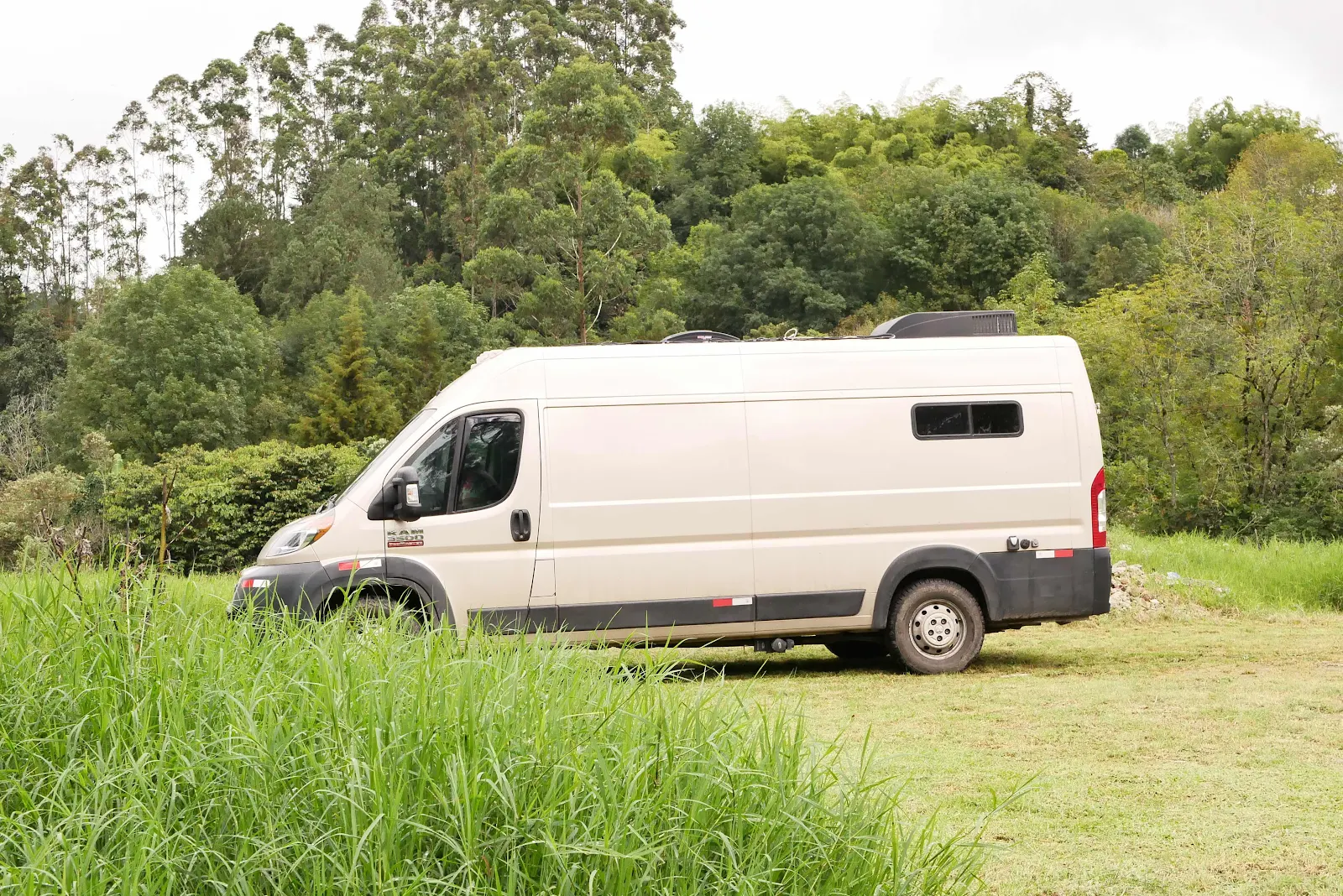
For $10 a night (40,000 pesos) we get a hot shower, a fully equipped toilet, pretty strong WiFi and restaurants nearby. I think I may veto any movement on Monday; I like it here. Oh, and the sun has been putting in an appearance. At one point our 400 watts of solar panels were generating twenty amps. 
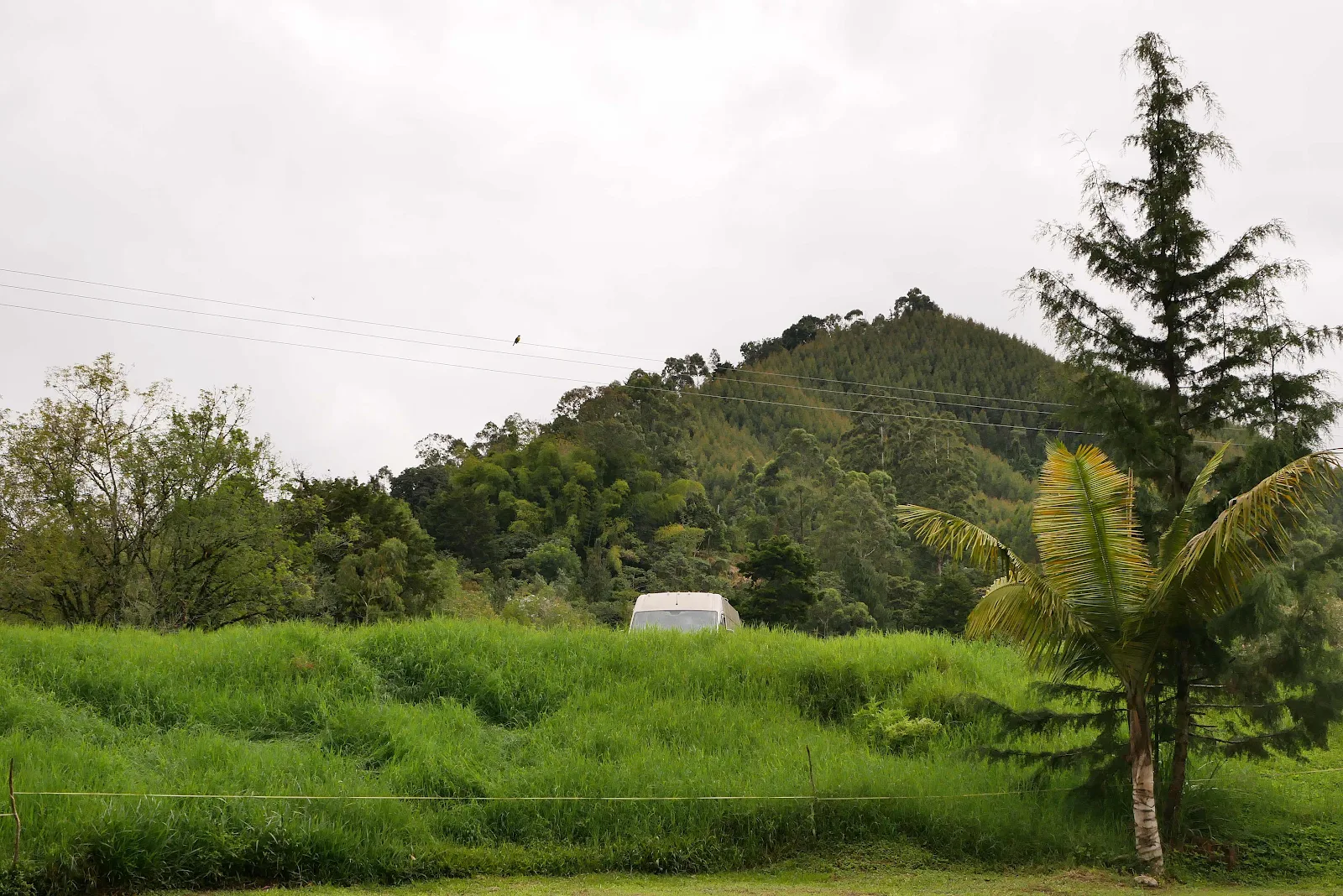
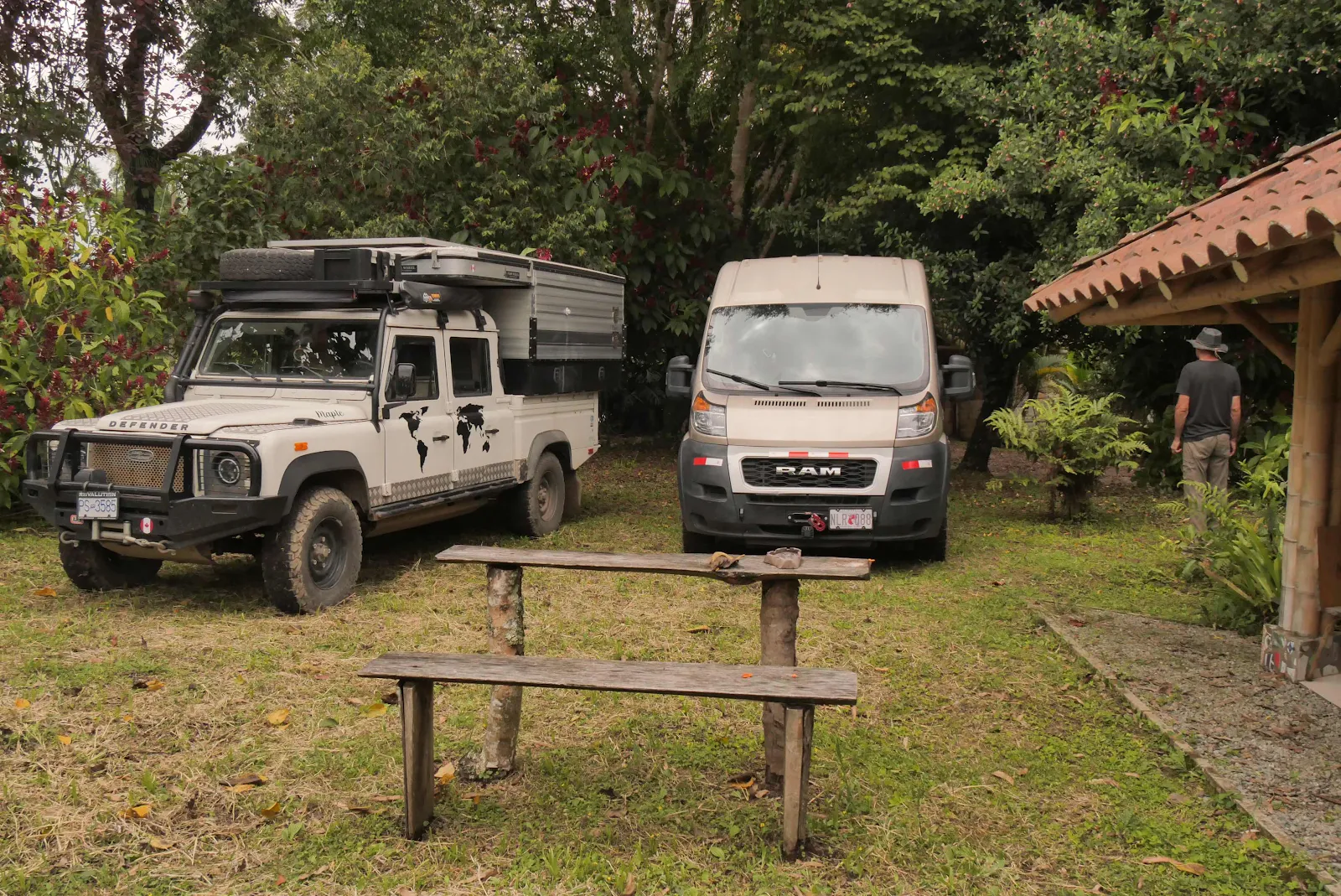
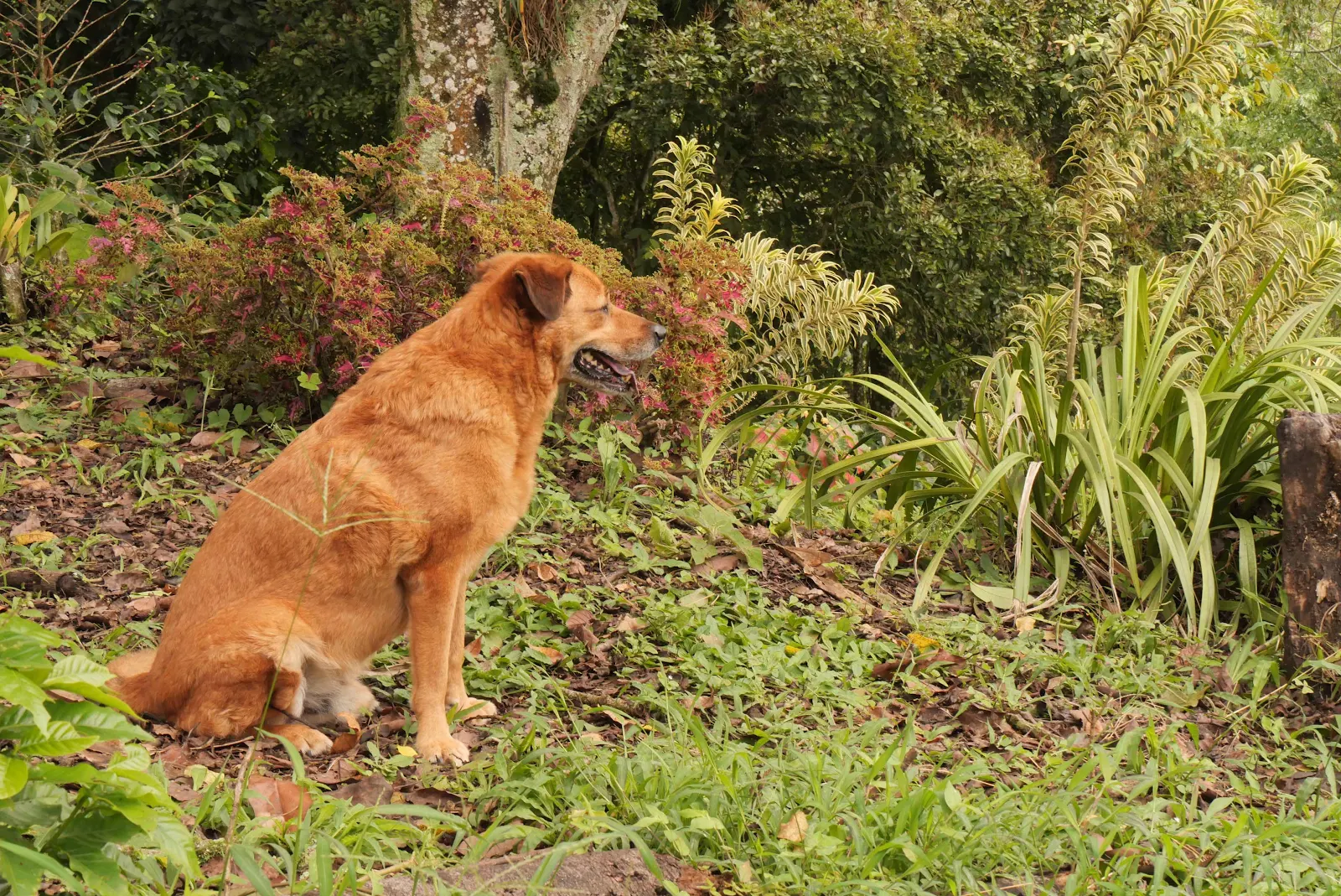
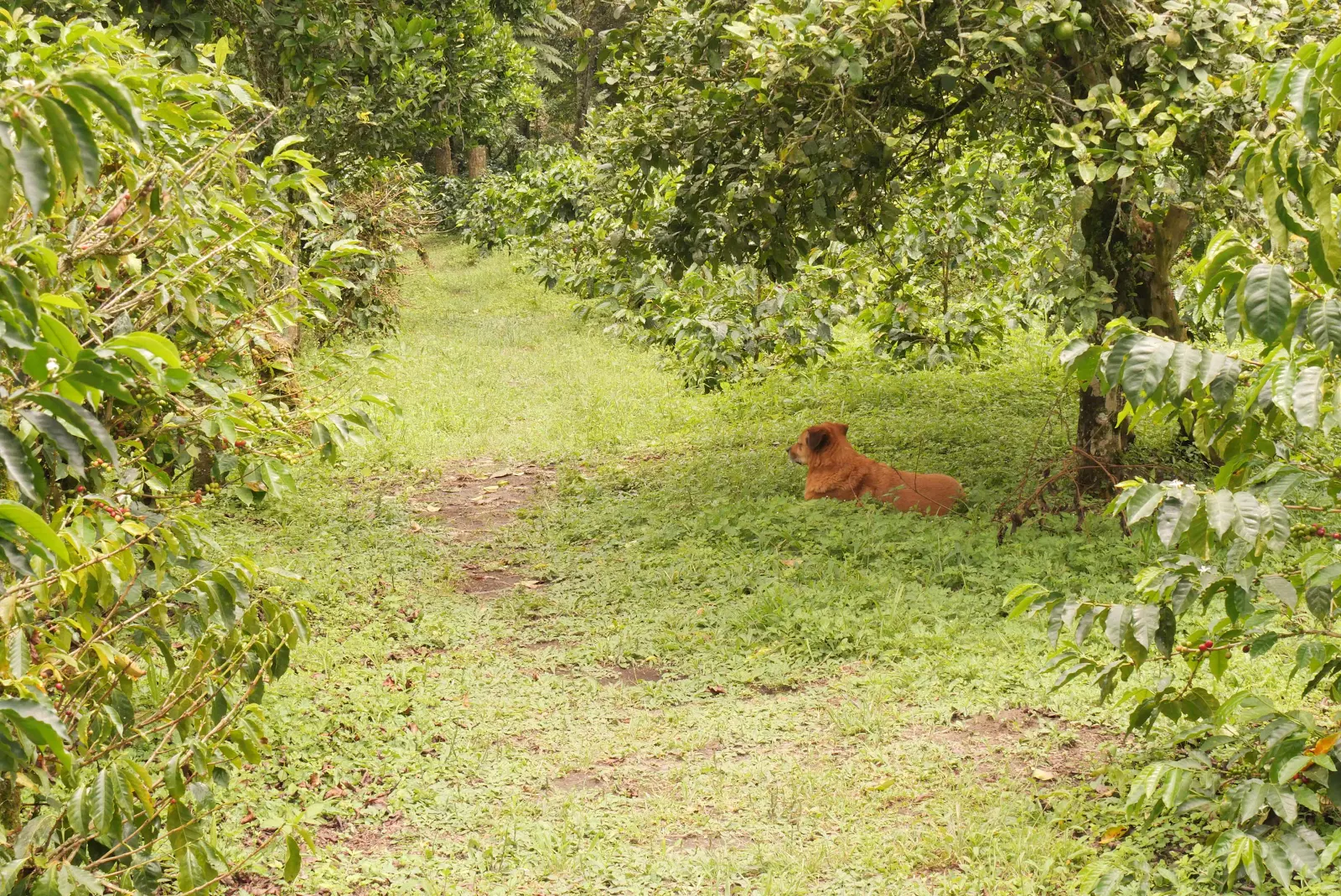
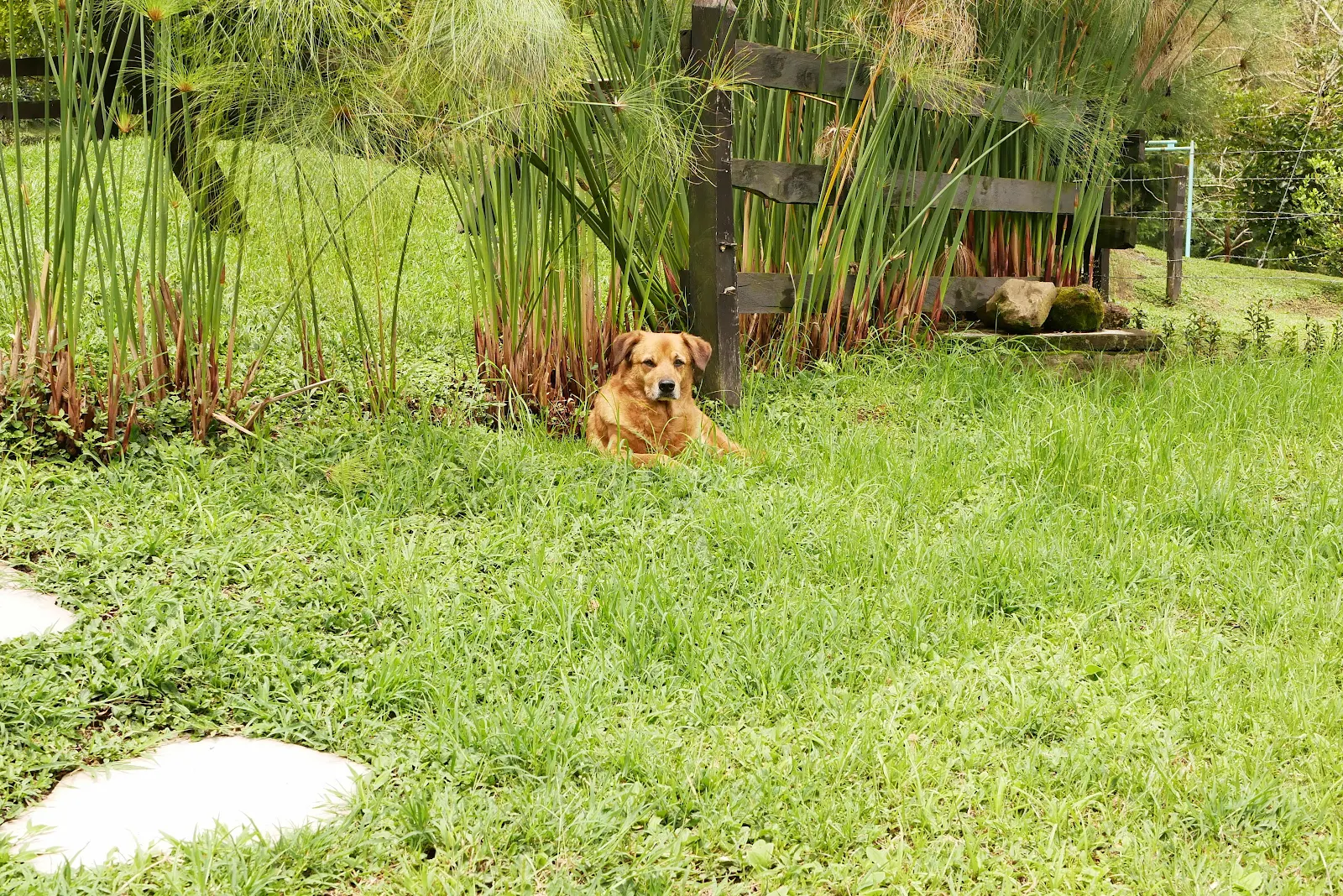
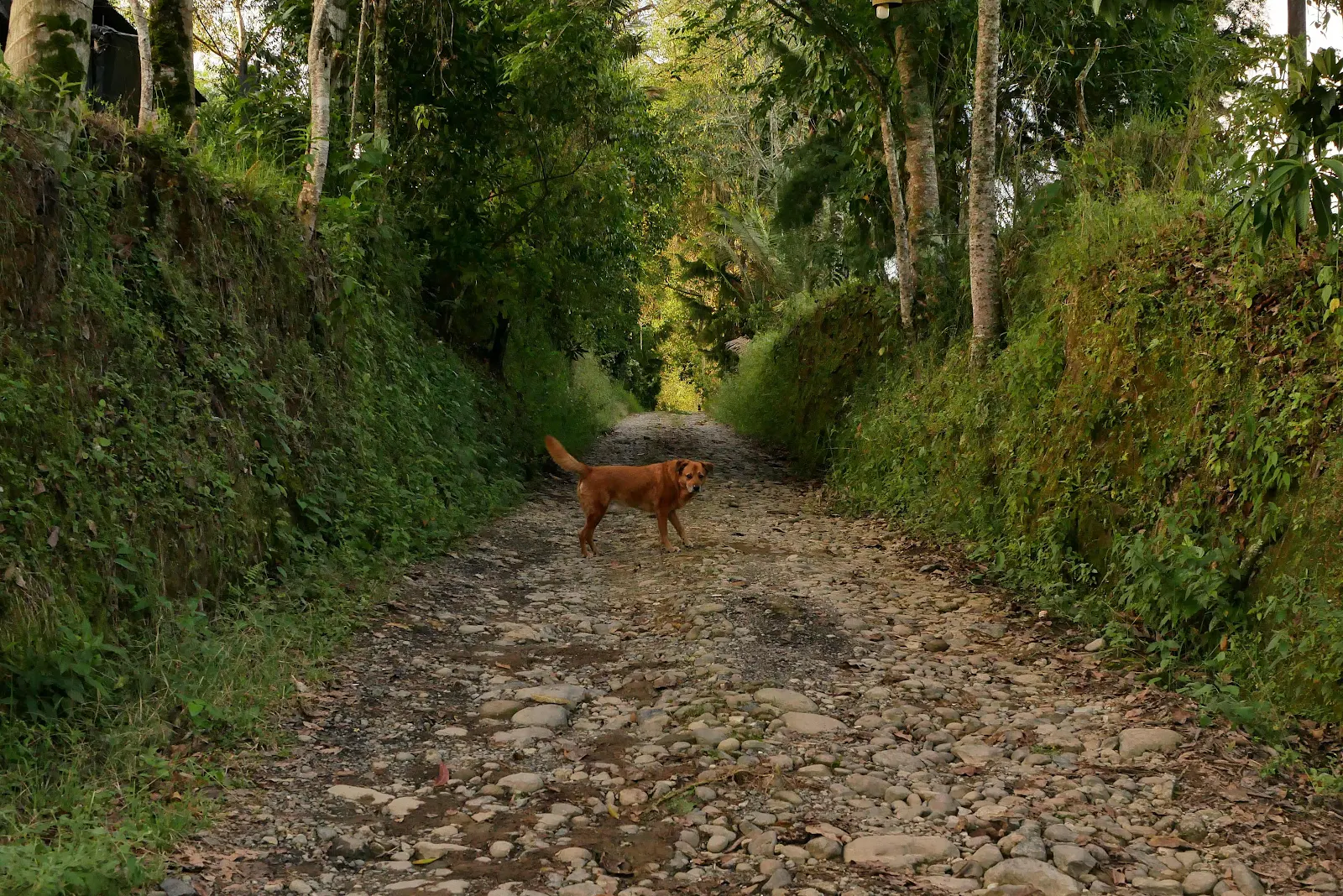
And the kicker? Rusty is in heaven, no other dogs, thick grass and lots of room to roam. The rough graveled entrance to the parking area:
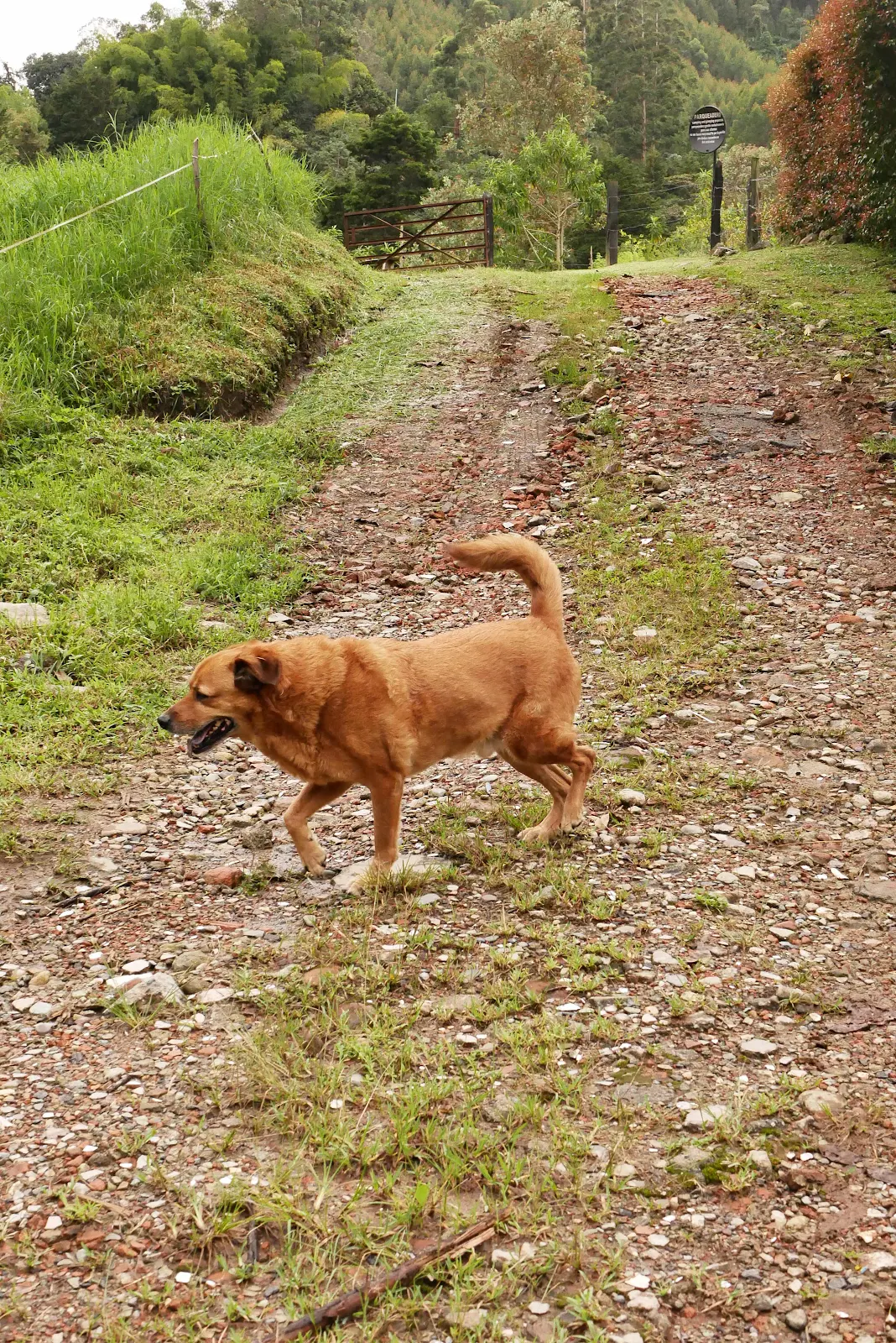
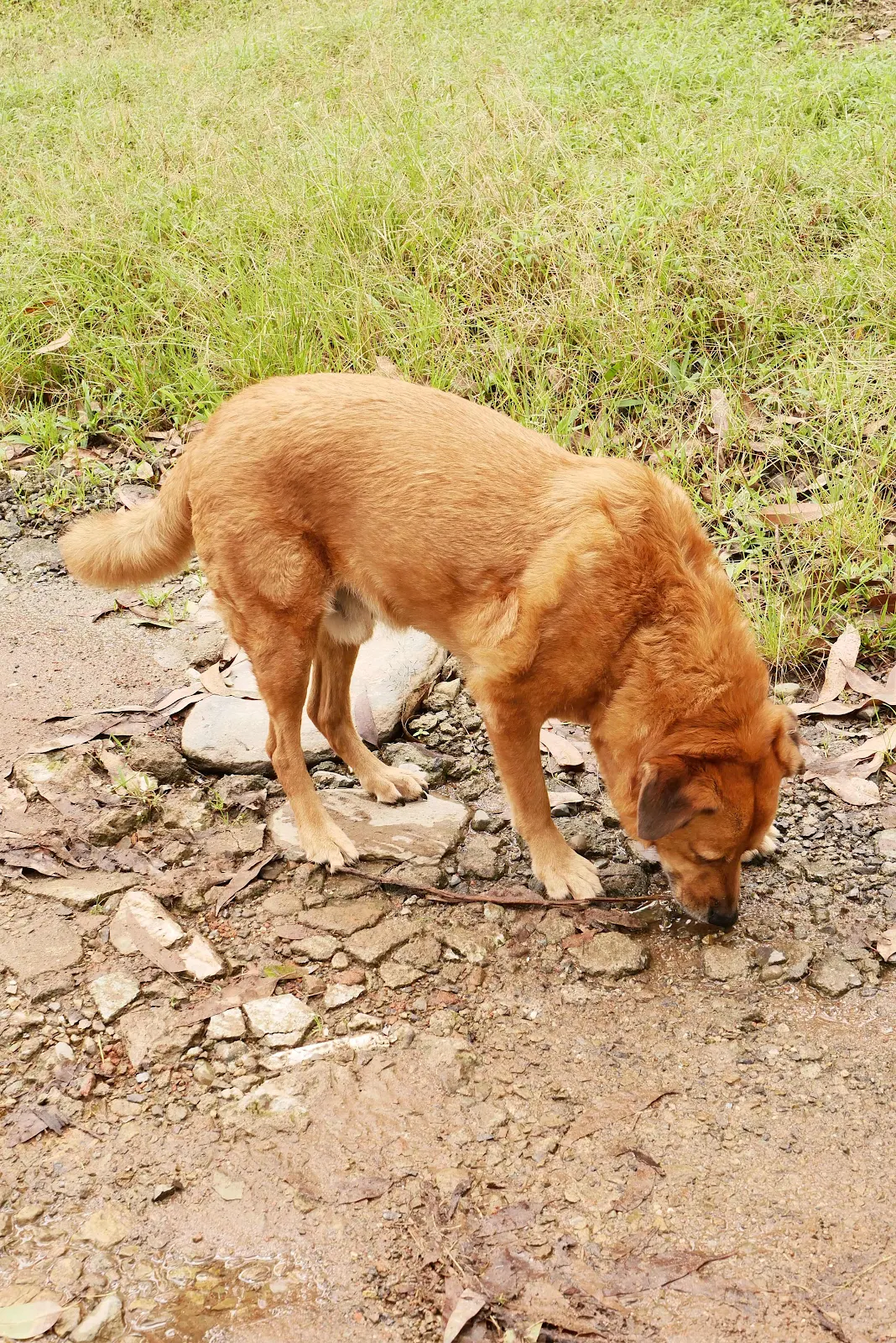

GANNET2 snugly anchored in the distance. 
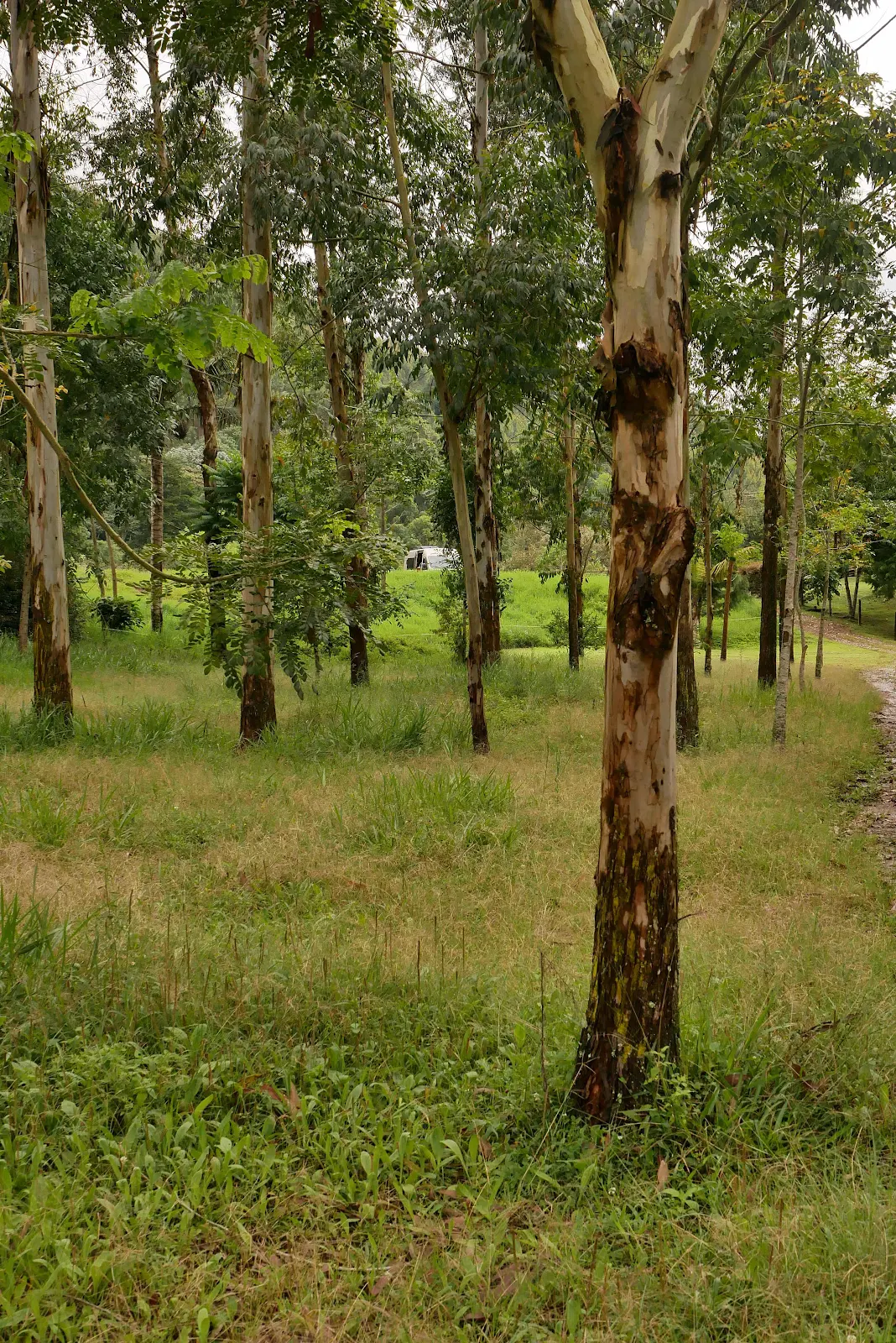
Master of his domain:
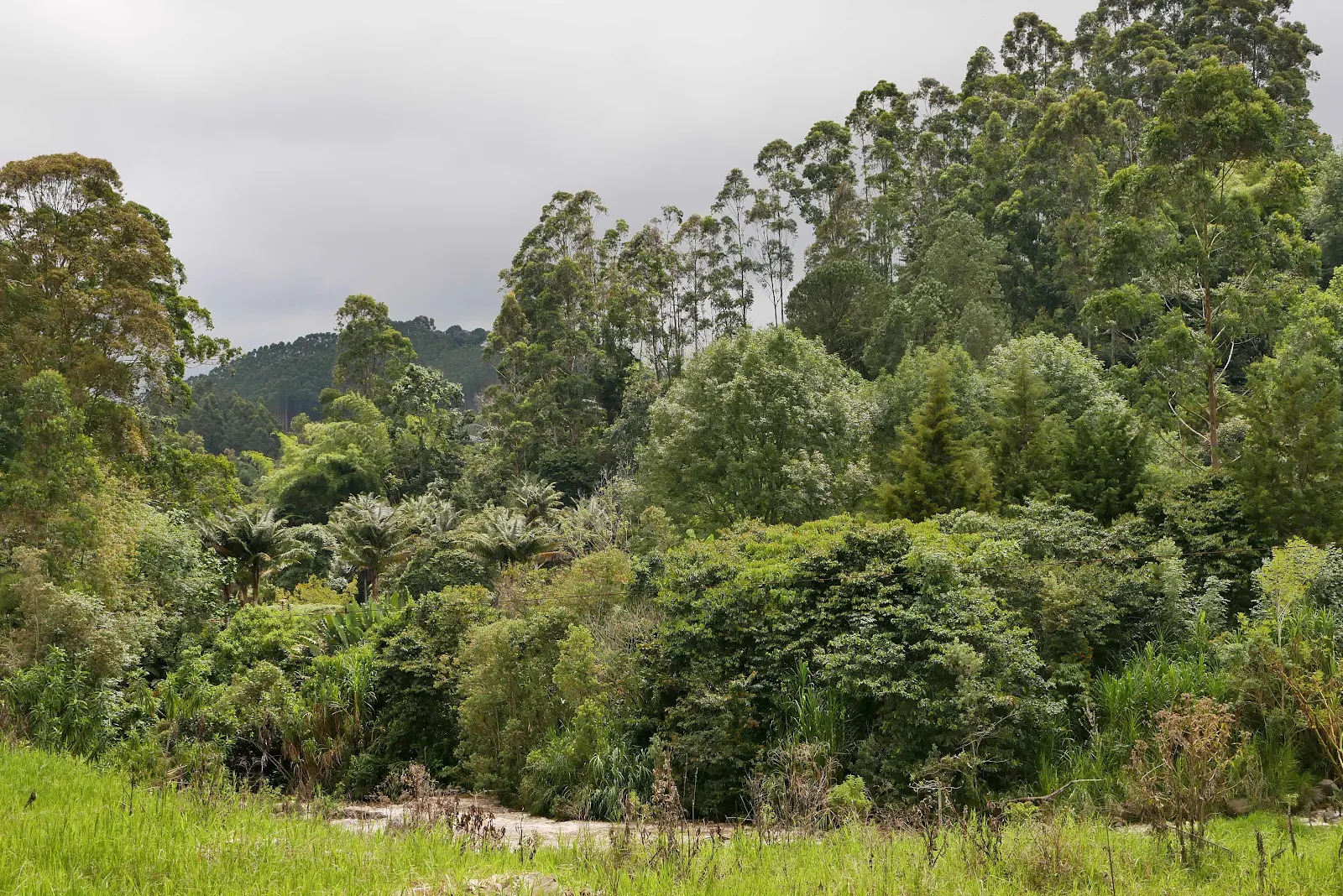
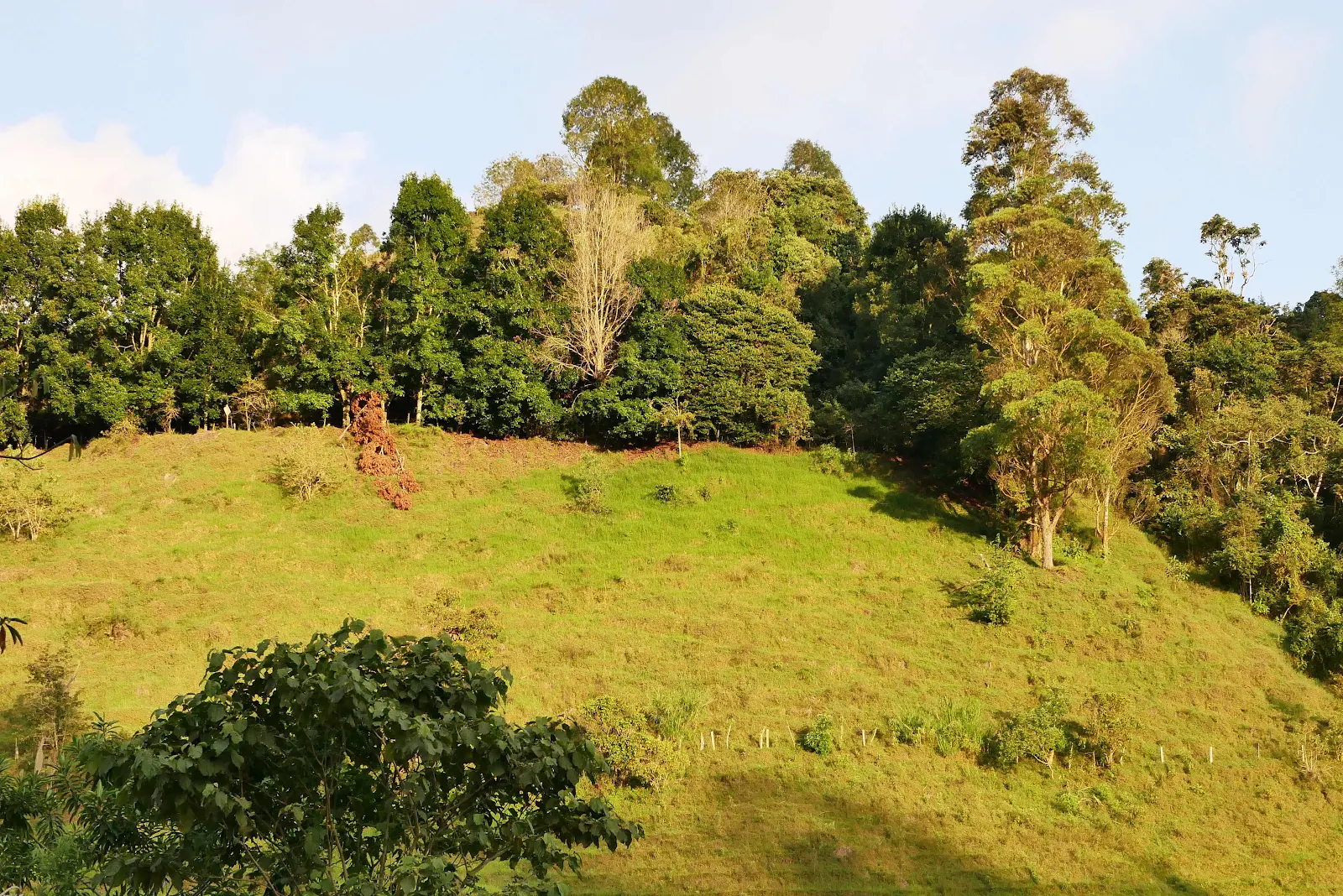
The river and the views:
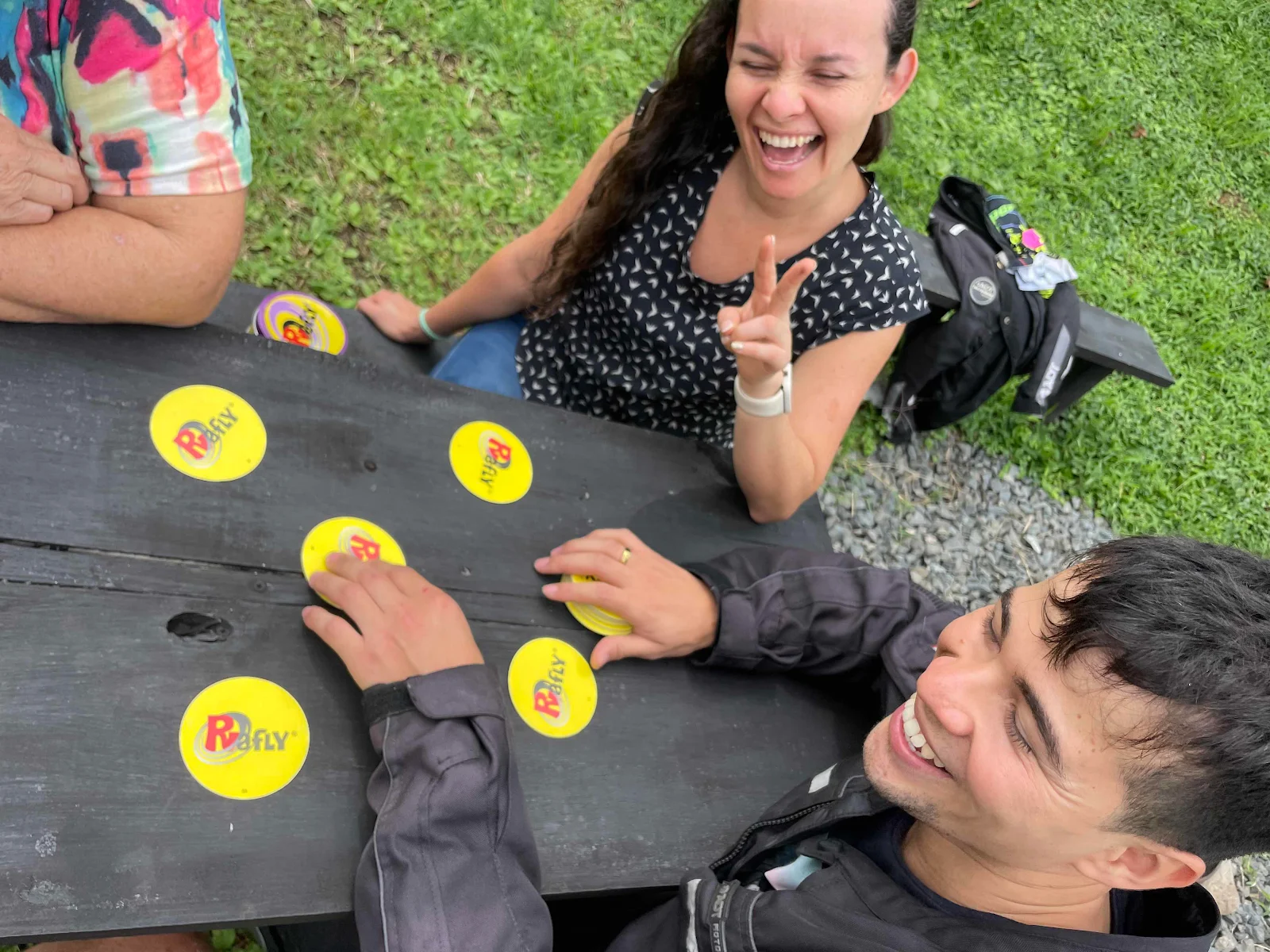
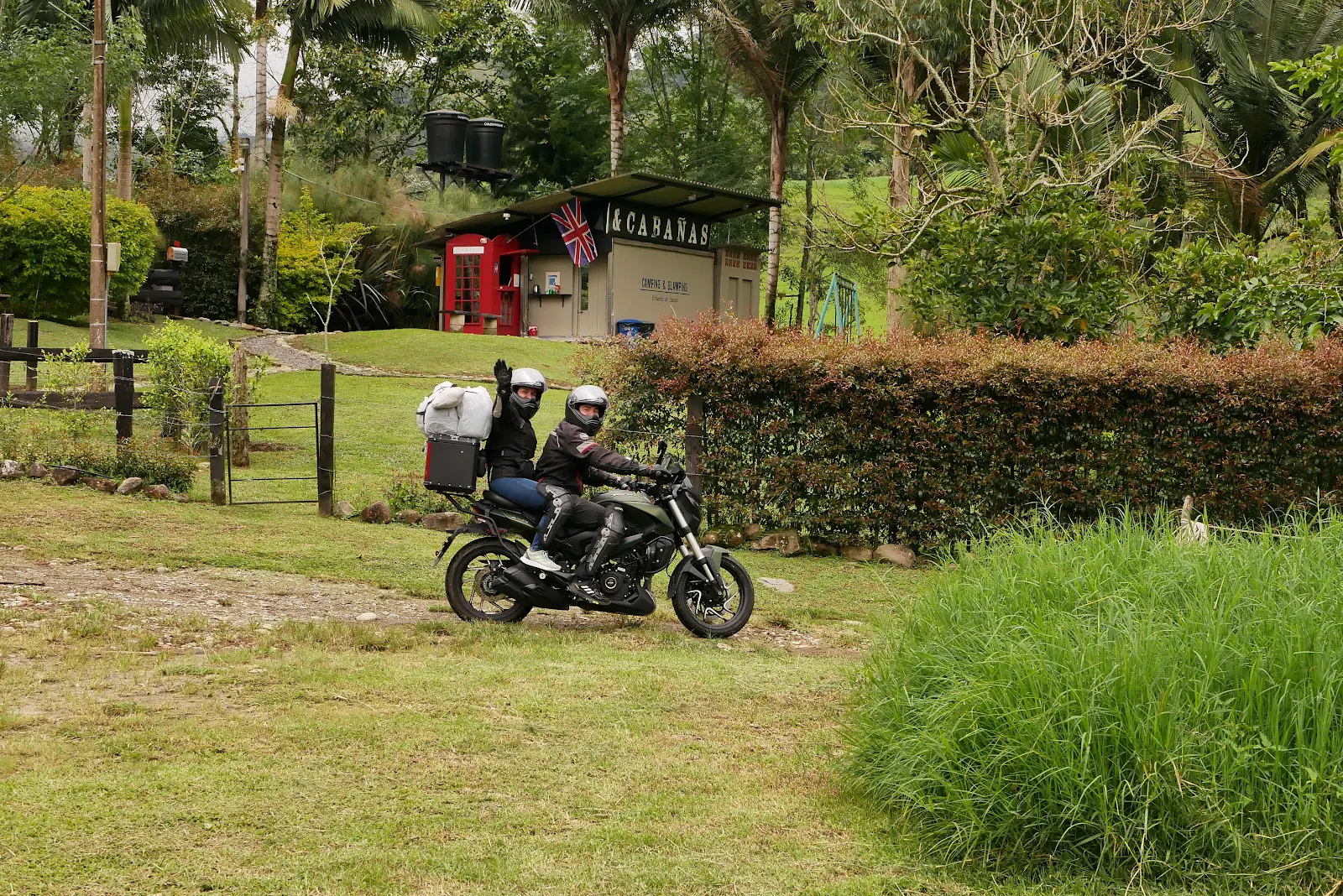
A couple of young guests from the hotel were packing their motorcycle when they saw us and they walked over… bringing a pack of cards. 
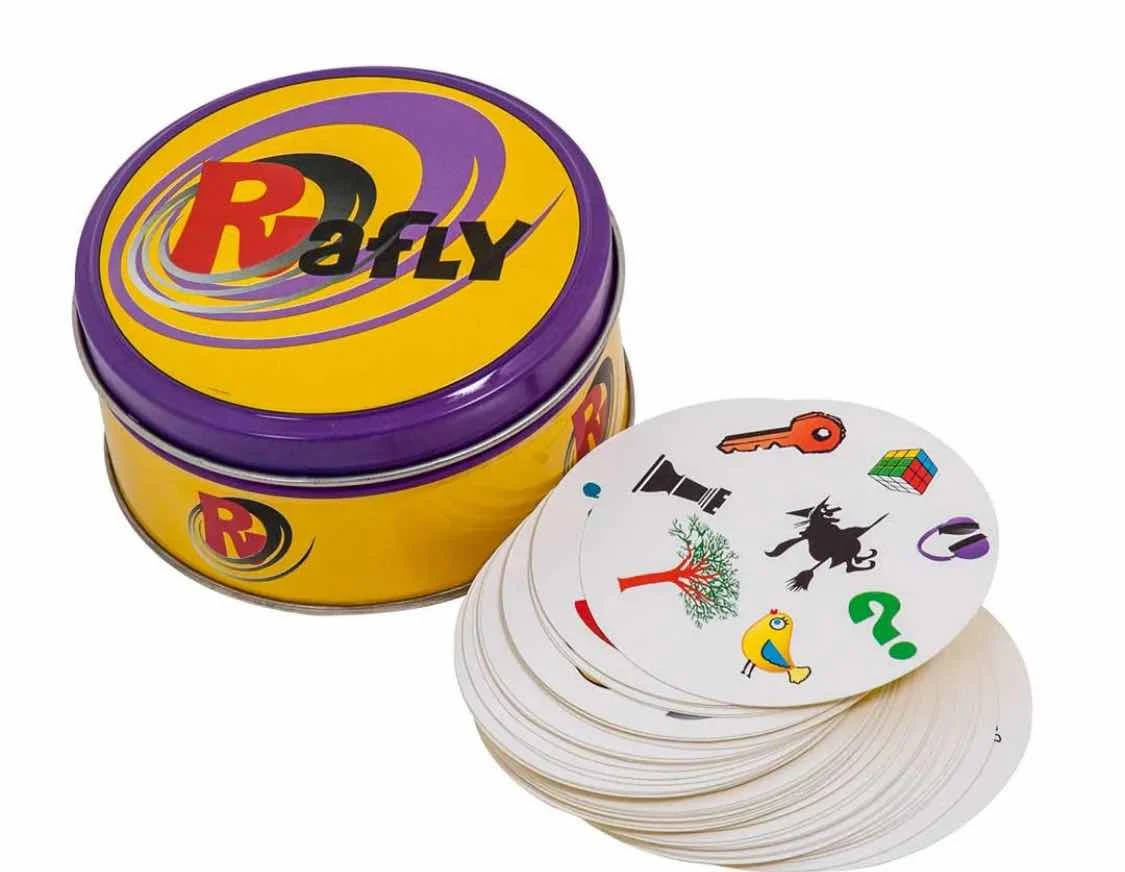
I got this picture from the Internet as I failed to photograph the fast moving game of illustrated Snap. Match the symbols -and we called them in English!- as you spot the same symbol on one of the cards you are holding. I learned a new Spanish word for “kite” which is “cometa” oddly enough: 

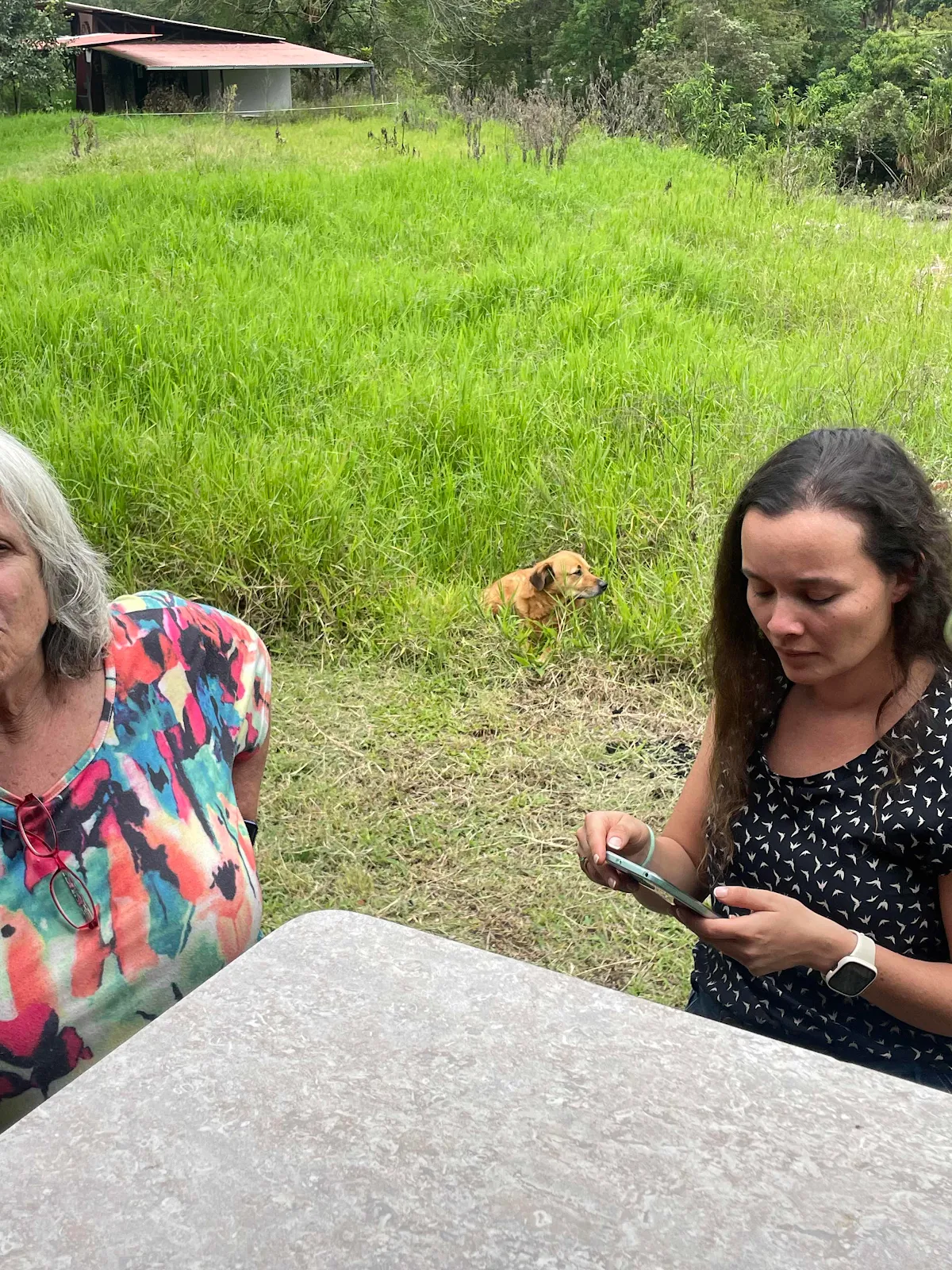
Thry are oil engineers working mostly from home for a US petroleum company. They are recently married, have two dogs and try to get away at least once a month together to explore Colombia. They are planning a honeymoon in Brazil (they speak Portuguese) or Mexico. 
An exchange of WhatsApp numbers which is what everyone in Latin America uses to communicate, and a tour of our home of course and then goodbye. 
Here we are outside Salento baking in the sun for a change and expecting more rain of course…
But the rain held off.

Sunday, May 5, 2024

Cocoa And Coffee

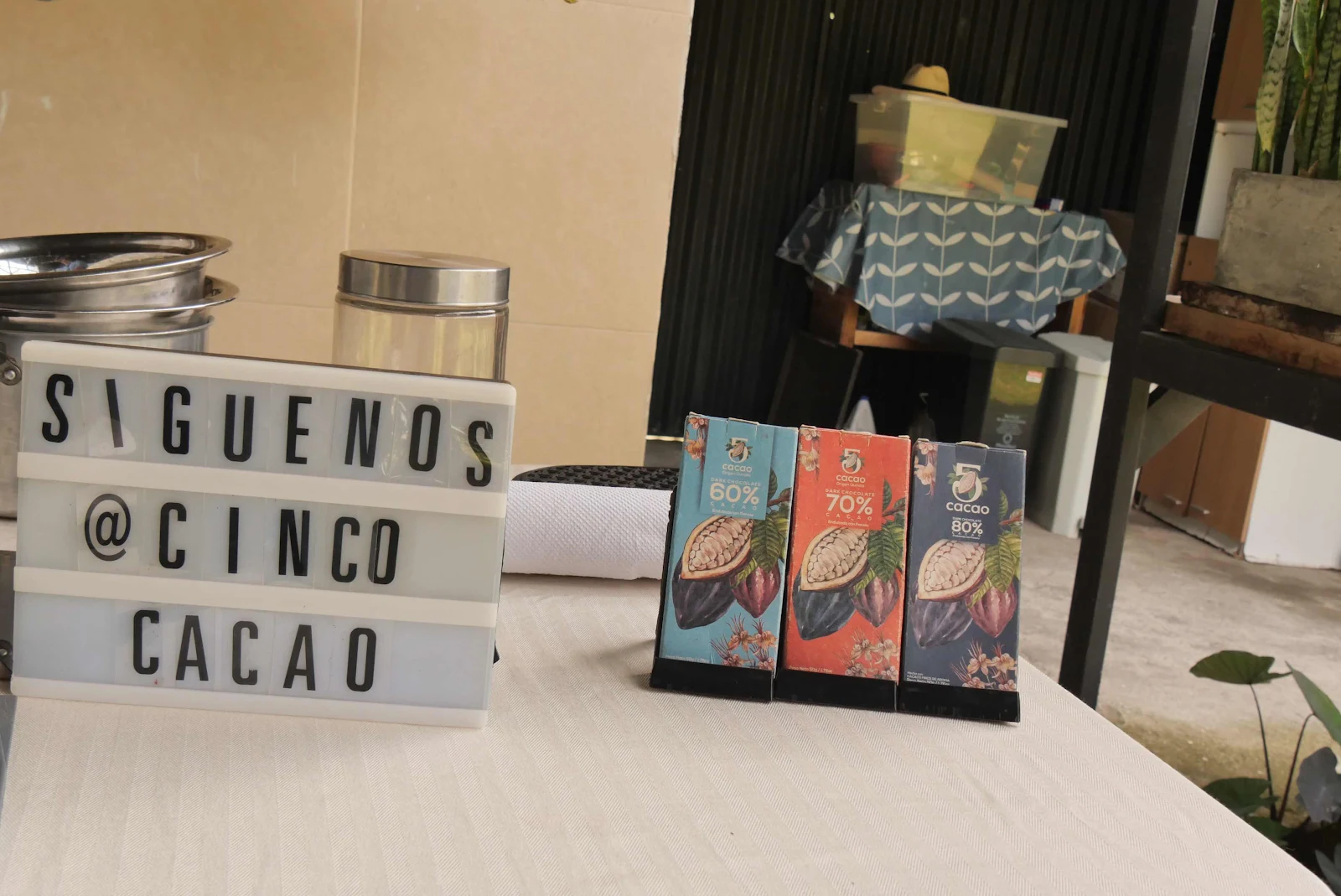
Layne had been talking about Finca (“farm”) Cinco Cacao for a while as she’d heard excellent reports on the subject of their chocolate tours. After we ordered our van parts to be delivered to Camping La Bonanza that’s where we went. Pretty nice it is too. 
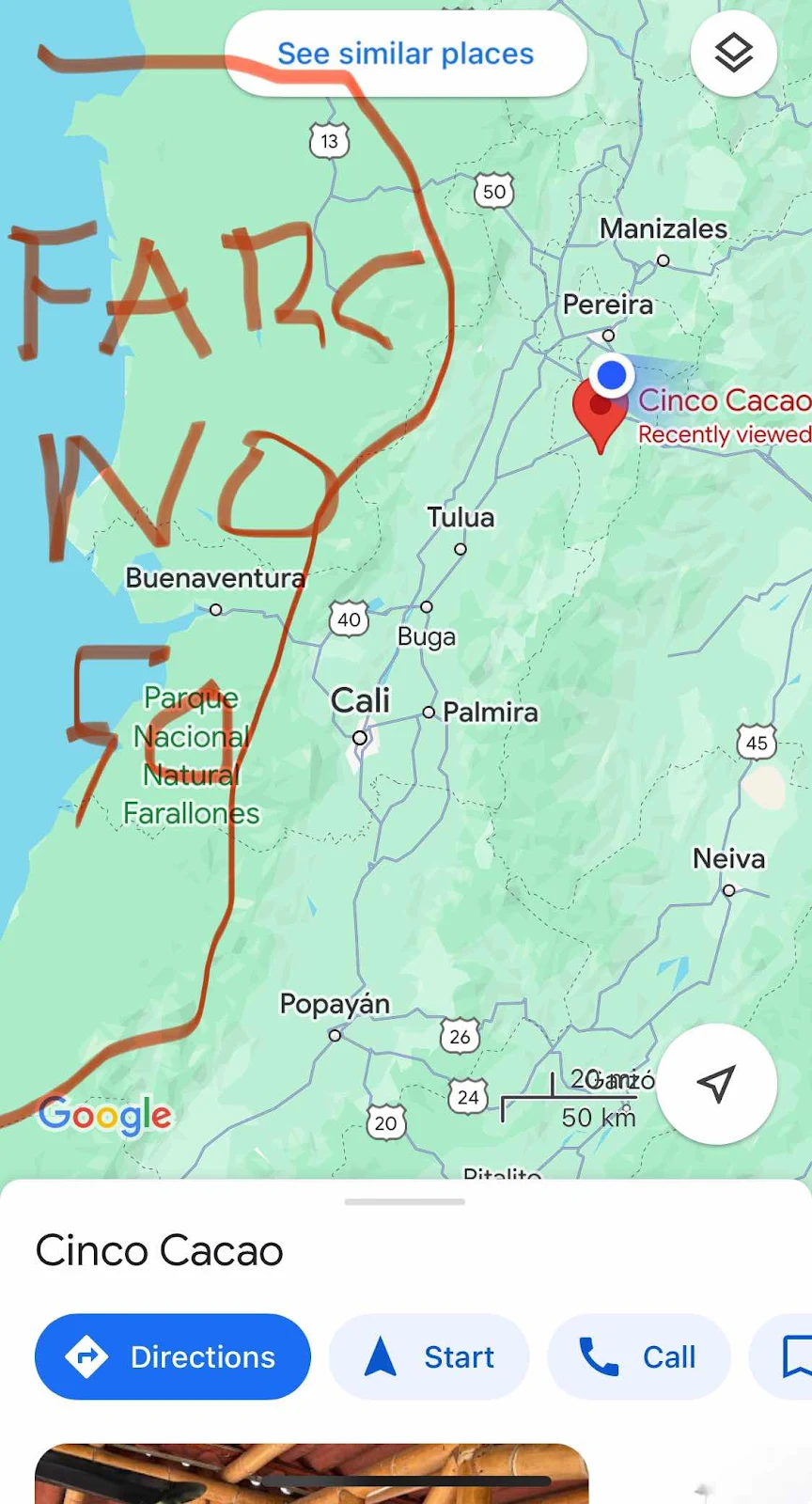
You can see on the map that coffee country lies between Cali and Medellin, around the town of Pereira, and I’ve also tried to explain why the inviting Pacific Coast is not on our itinerary. Disaffected members of the Colombian Armed Revolutionary Front control that area and make money by facilitating cocaine shipments from Peru and Ecuador so your neighbors can stuff some excitement into their joyless lives. Where there is a market there is a way.

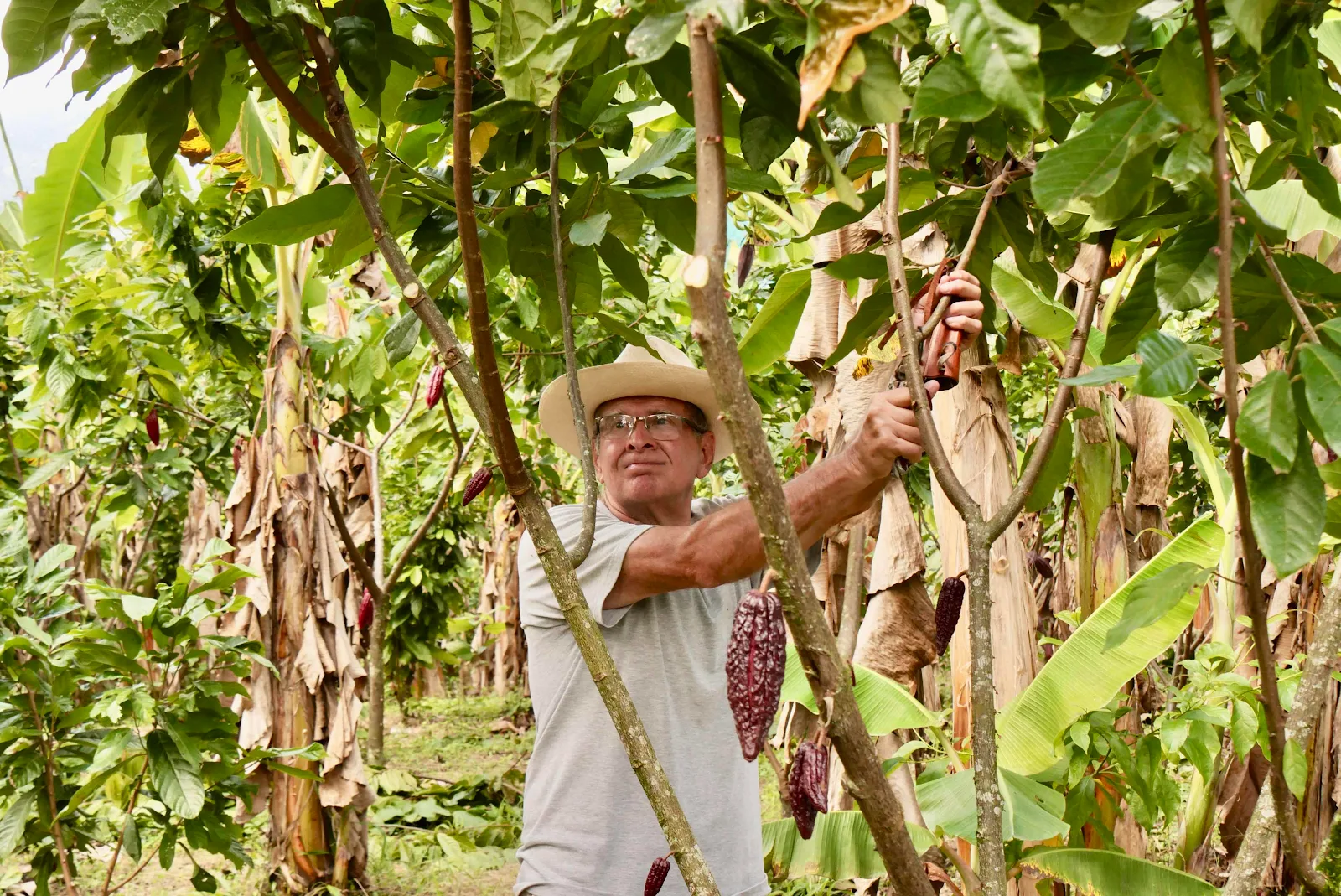
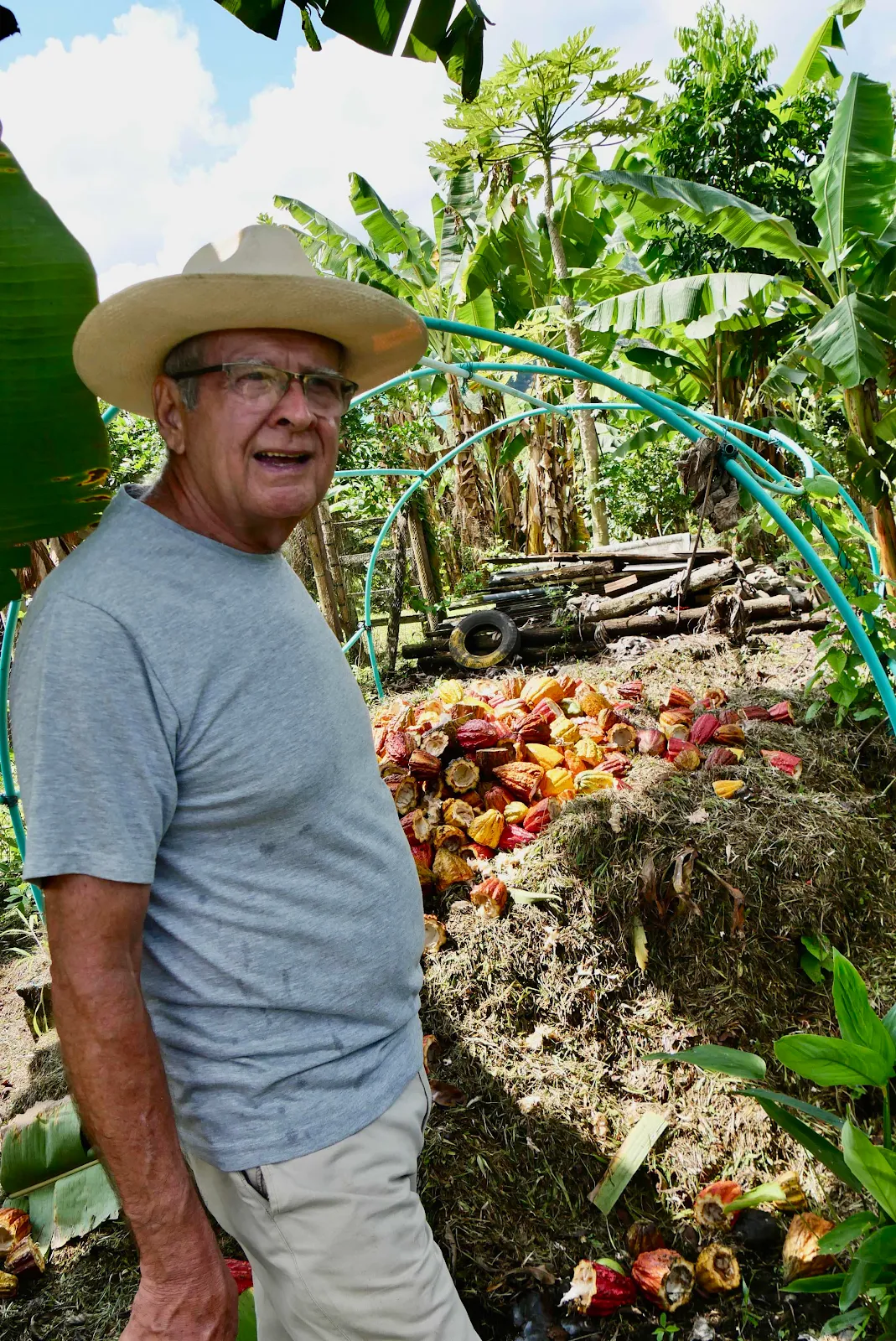
We got a pretty involved explanation about the current state of the cacao world market and history of the product that I shall try to summarize. Cacao first grew in the tropical region between the Orinoco and Amazon rivers and the belief is that humans saw animals eating the nuts and they figured they were edible. Europeans found the top echelons of South American society drinking the stuff in rituals as a sort of savory soup and tried growing the plants in Europe where they failed to take root. So they took cacao to their tropical colonies in Africa and created competition with the South American market. Don Diego showing us his compost pile of empty cacao shells:

African chocolate has been grown for a mass production market apparently with cacao bushes on large plantations to supply the major modern European manufacturers with product. So I asked how do you win back your market for your small Colombian farms? I asked. The answer is I suppose obvious. 

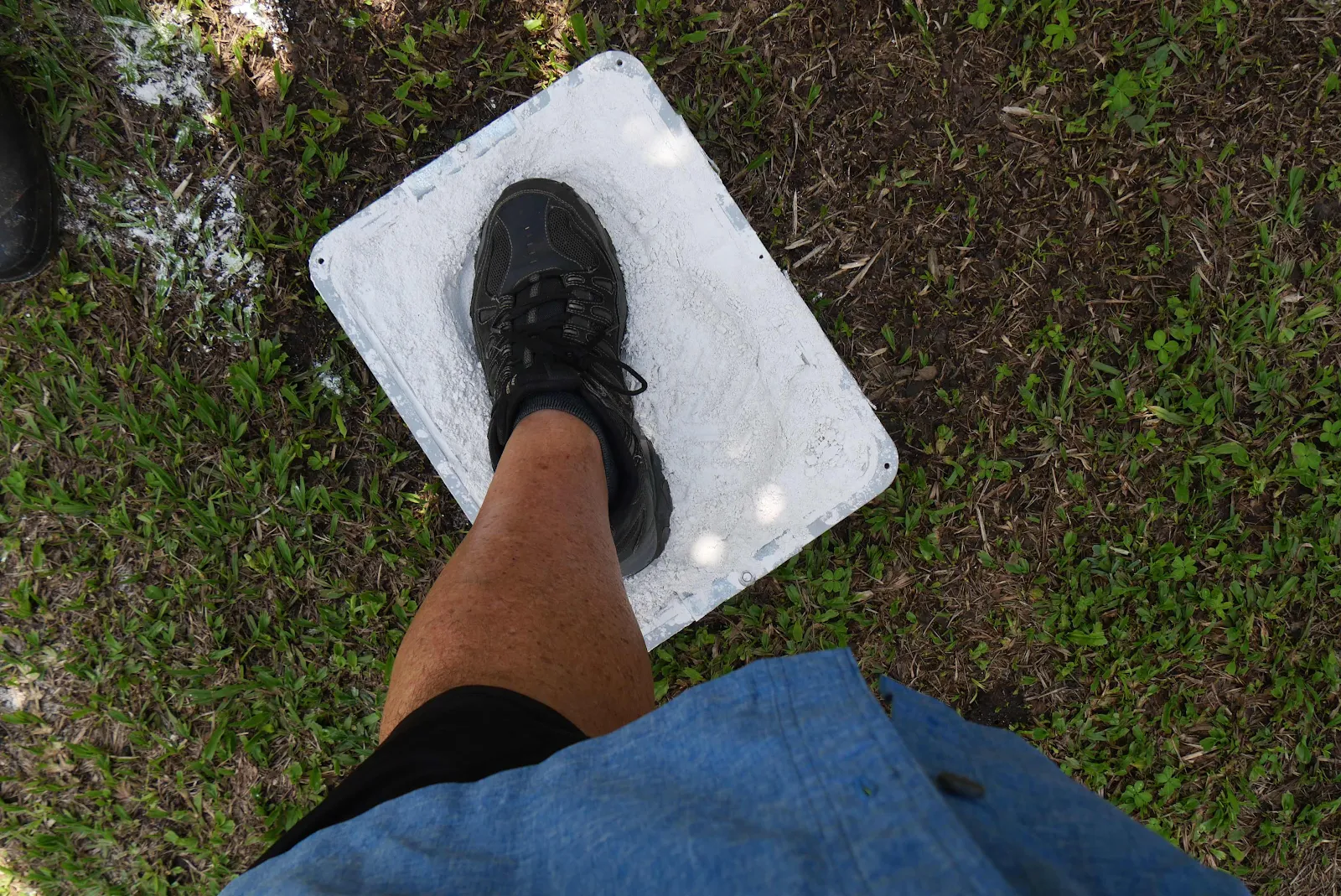
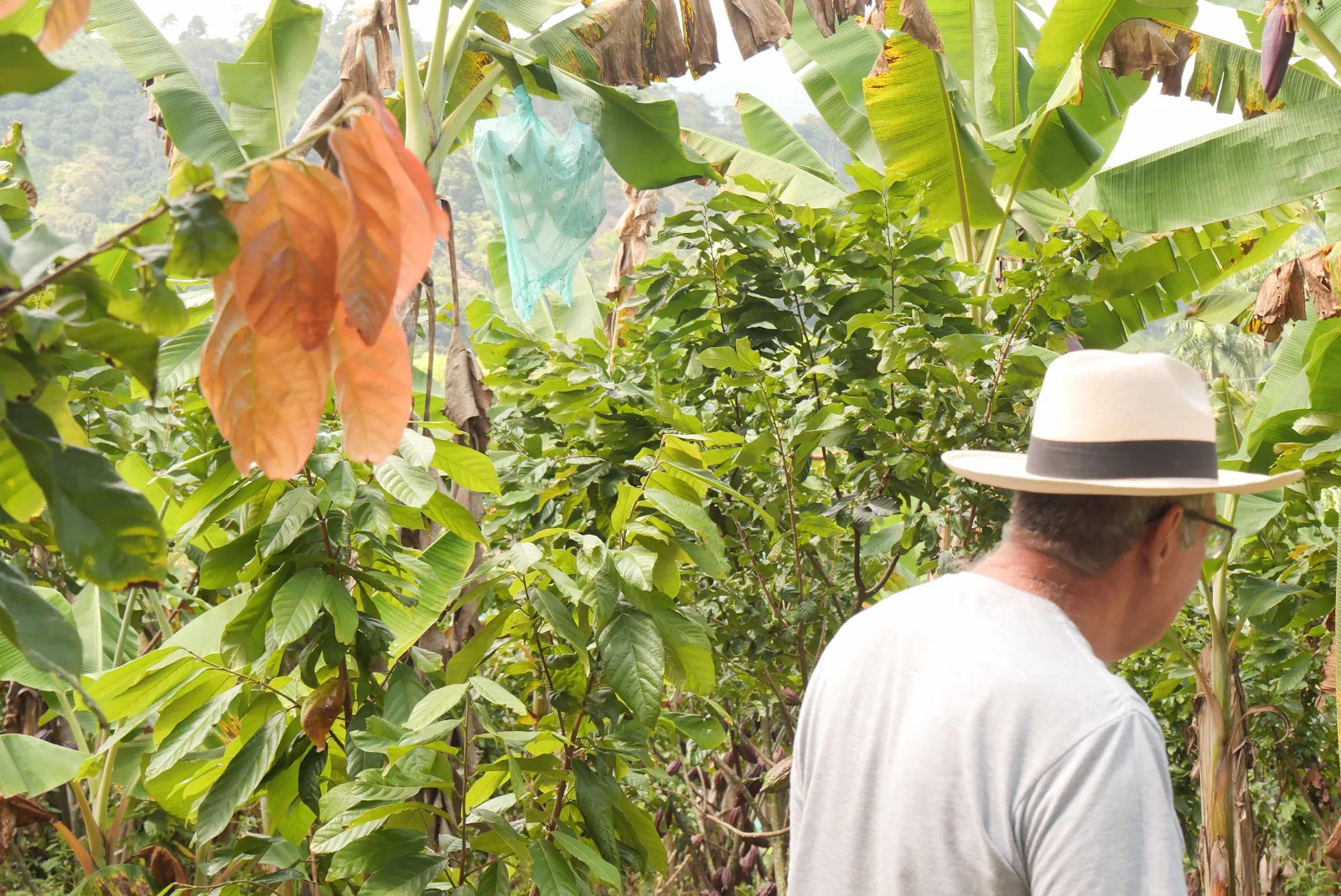
Quality through biodiversity produces organic chocolate that is grown using natural herbicides and fertilizers. Chocolate flourishes in the shade so they grow walnut trees (“Nogales” in Spanish just like the Arizona border town). And we disinfect our feet in lime before we walk the plantation. 

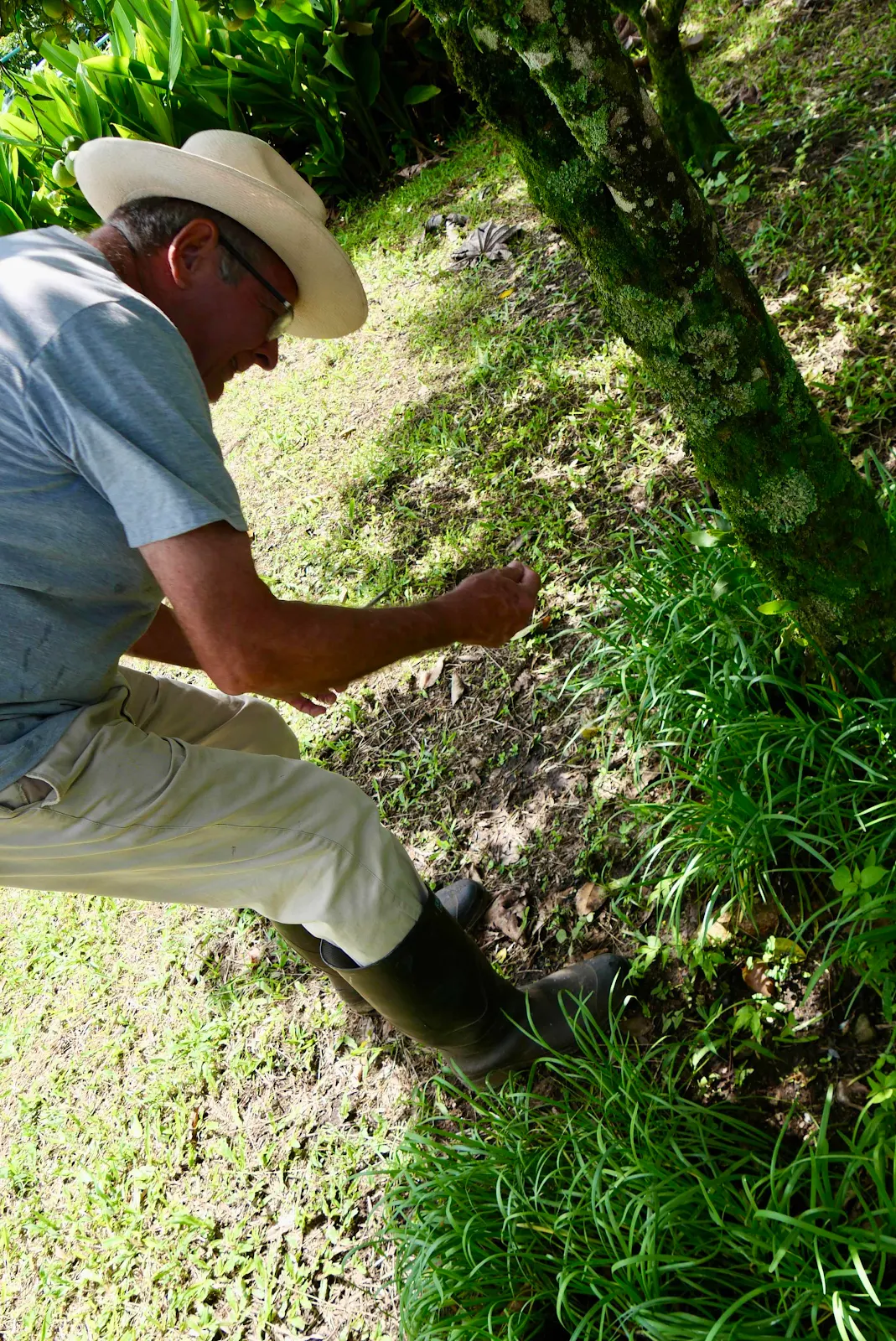
Garlic grass, 

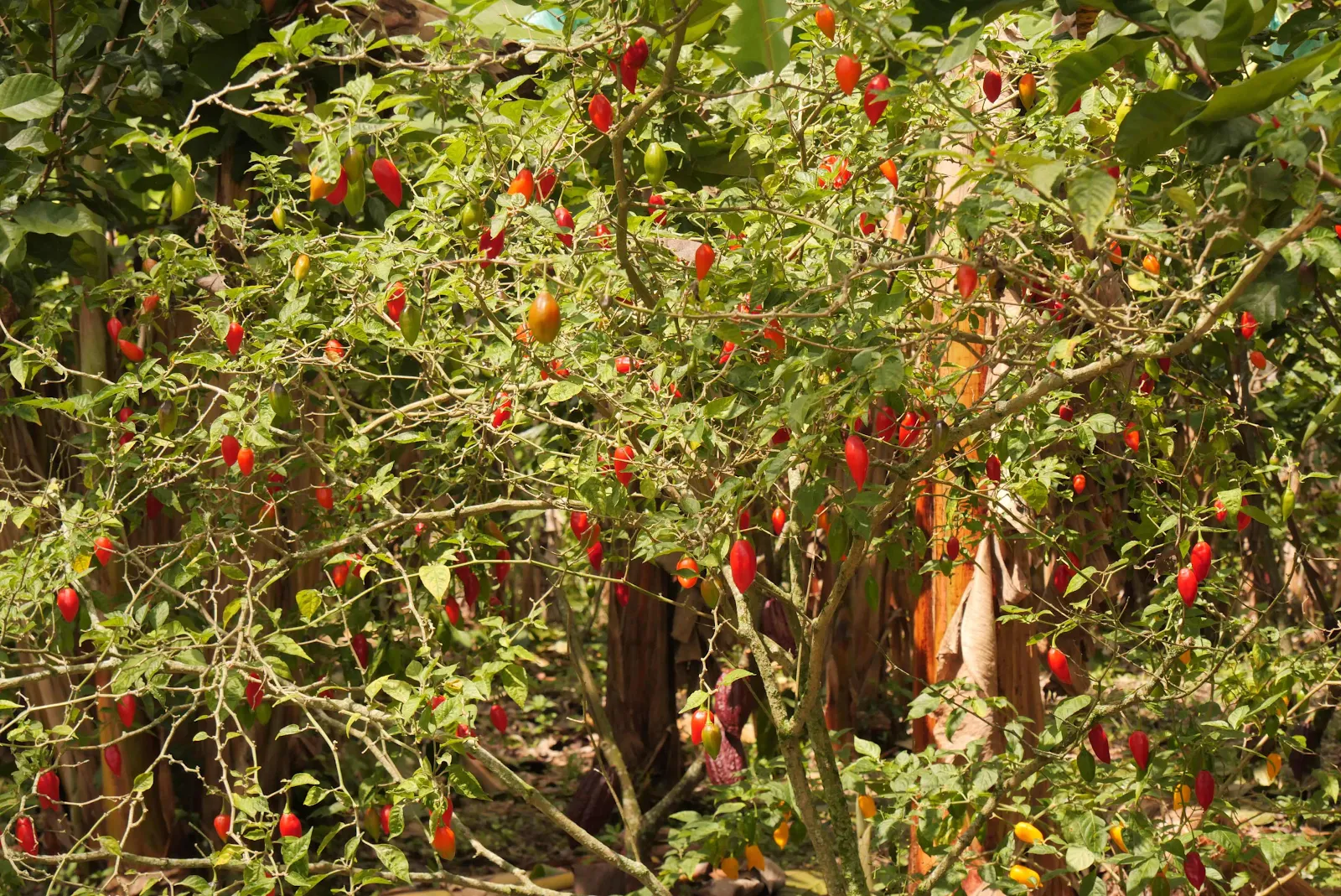
Peppers (“aji”) are hot but the sting is mitigated by sucking on a ripe coffee bean. Who knew? 

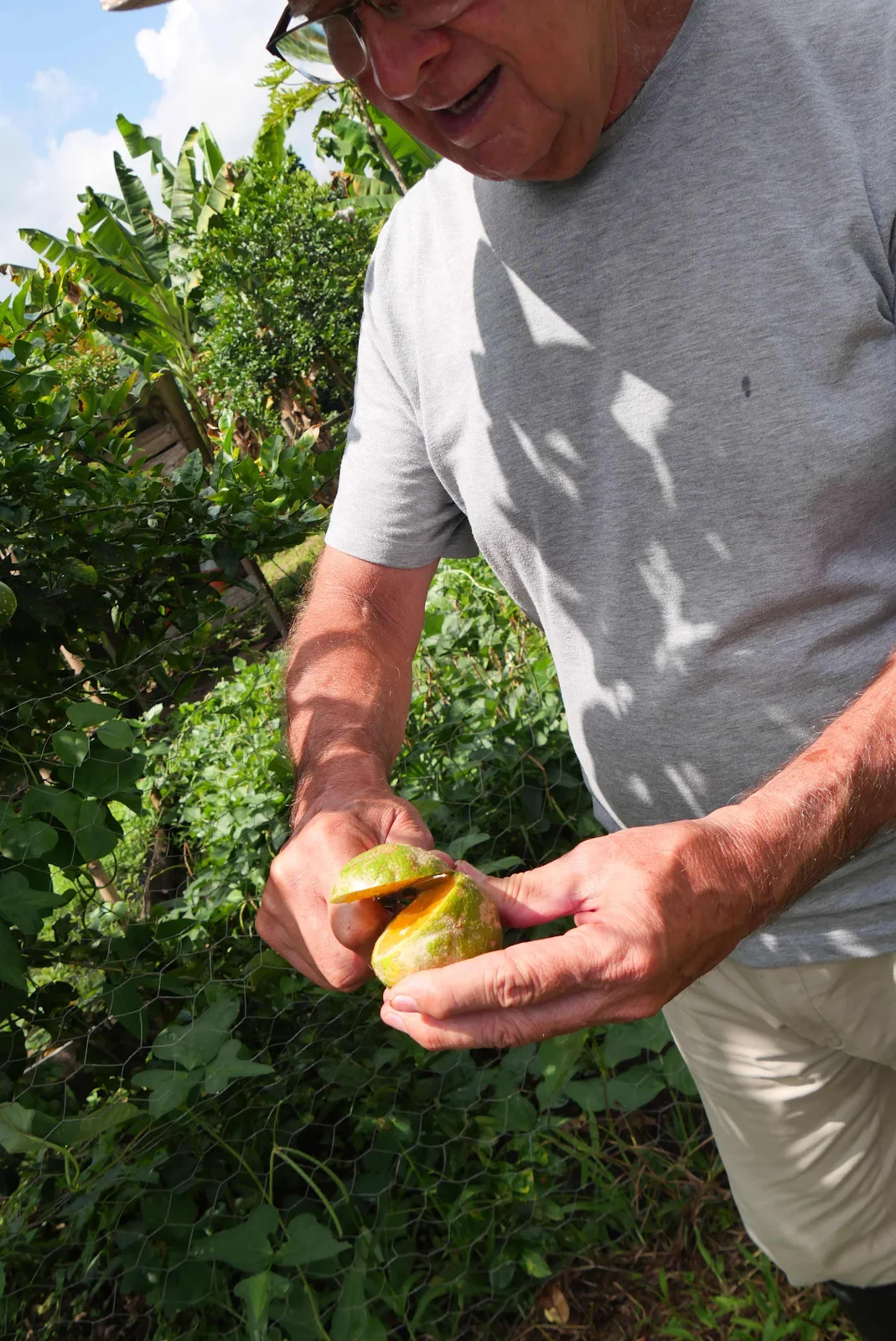
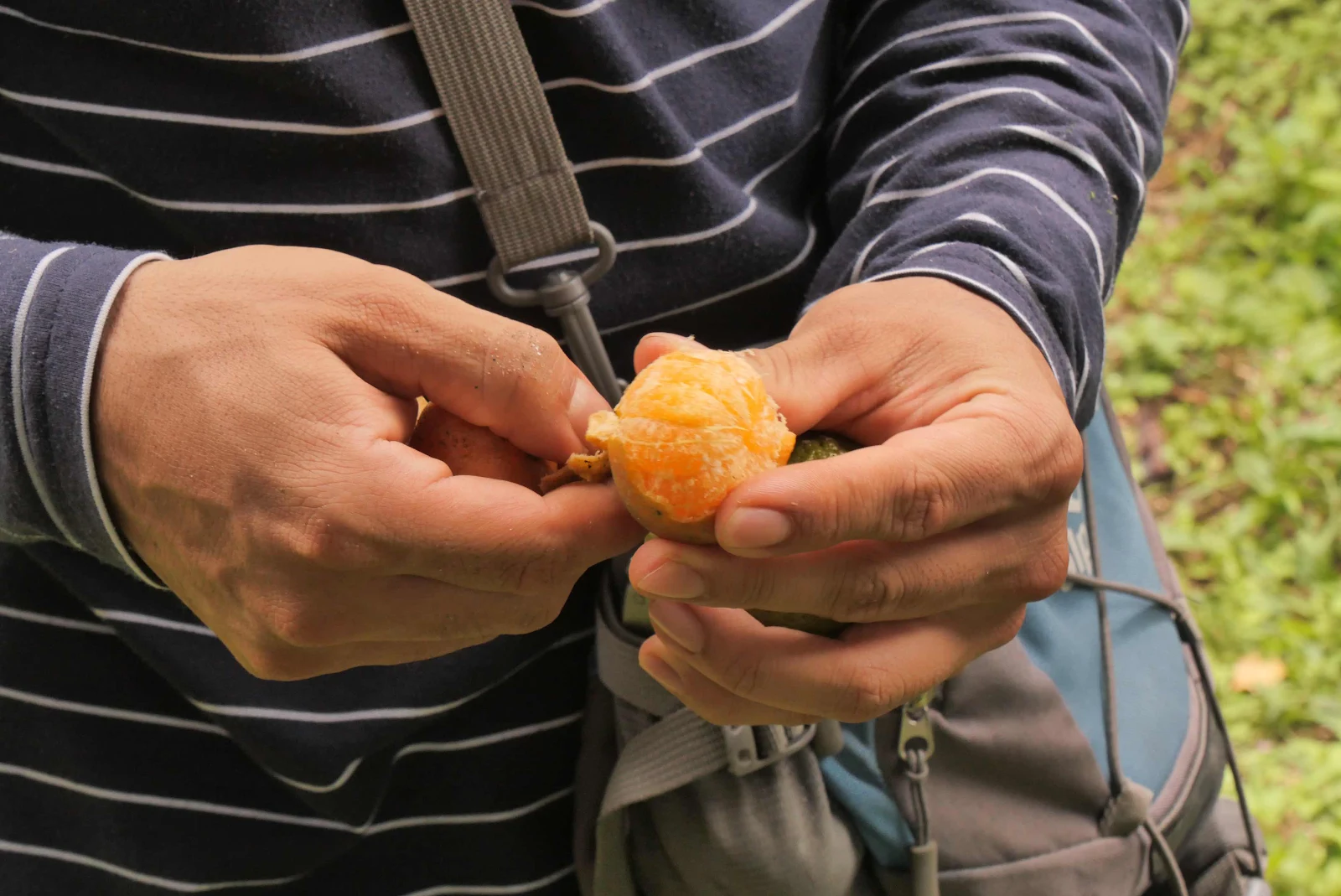
Unripe looking green oranges produce delicious sweet juice. 

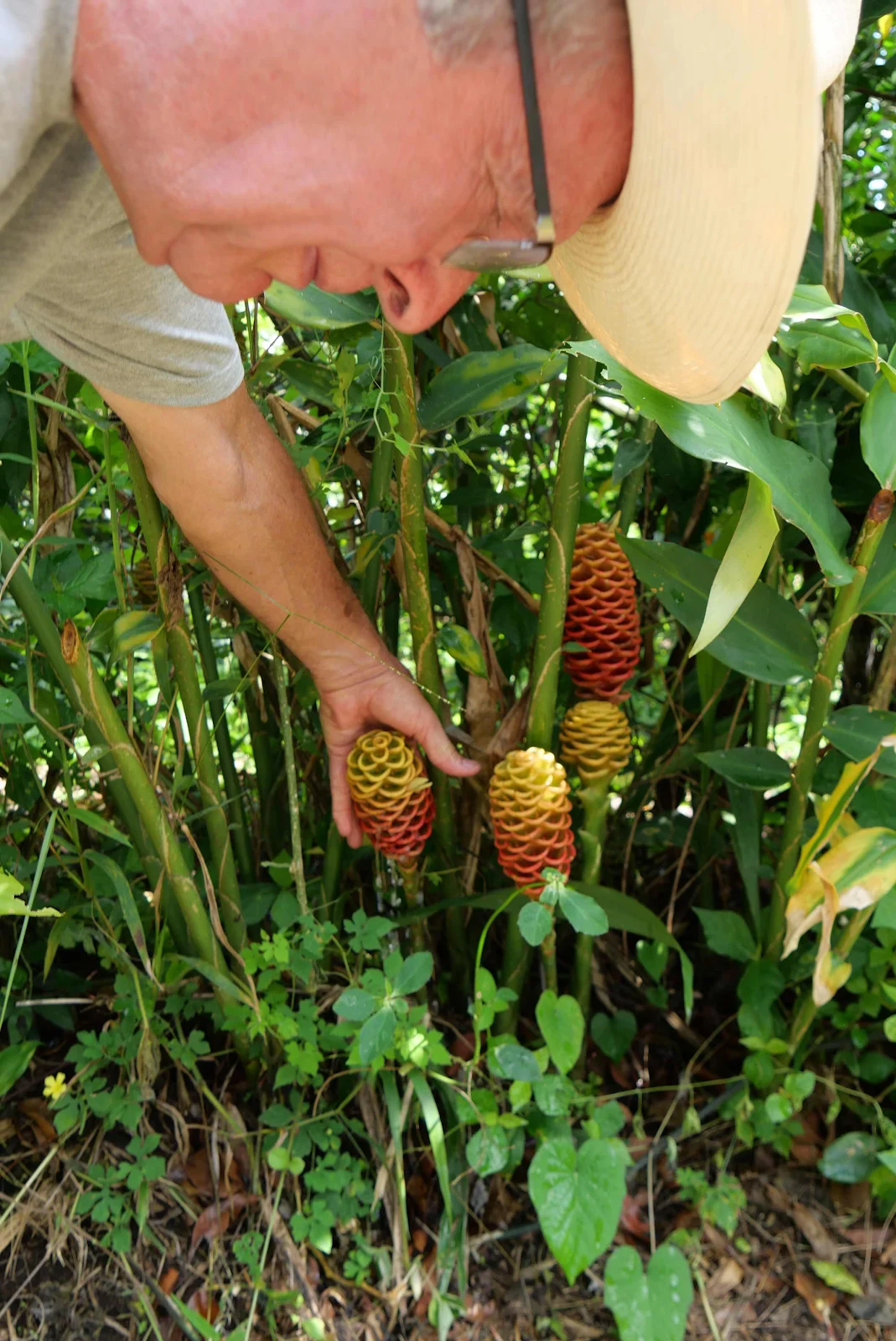
These strange plants store water for animals birds and insects to drink. Squeeze it and you can wash your hands. 

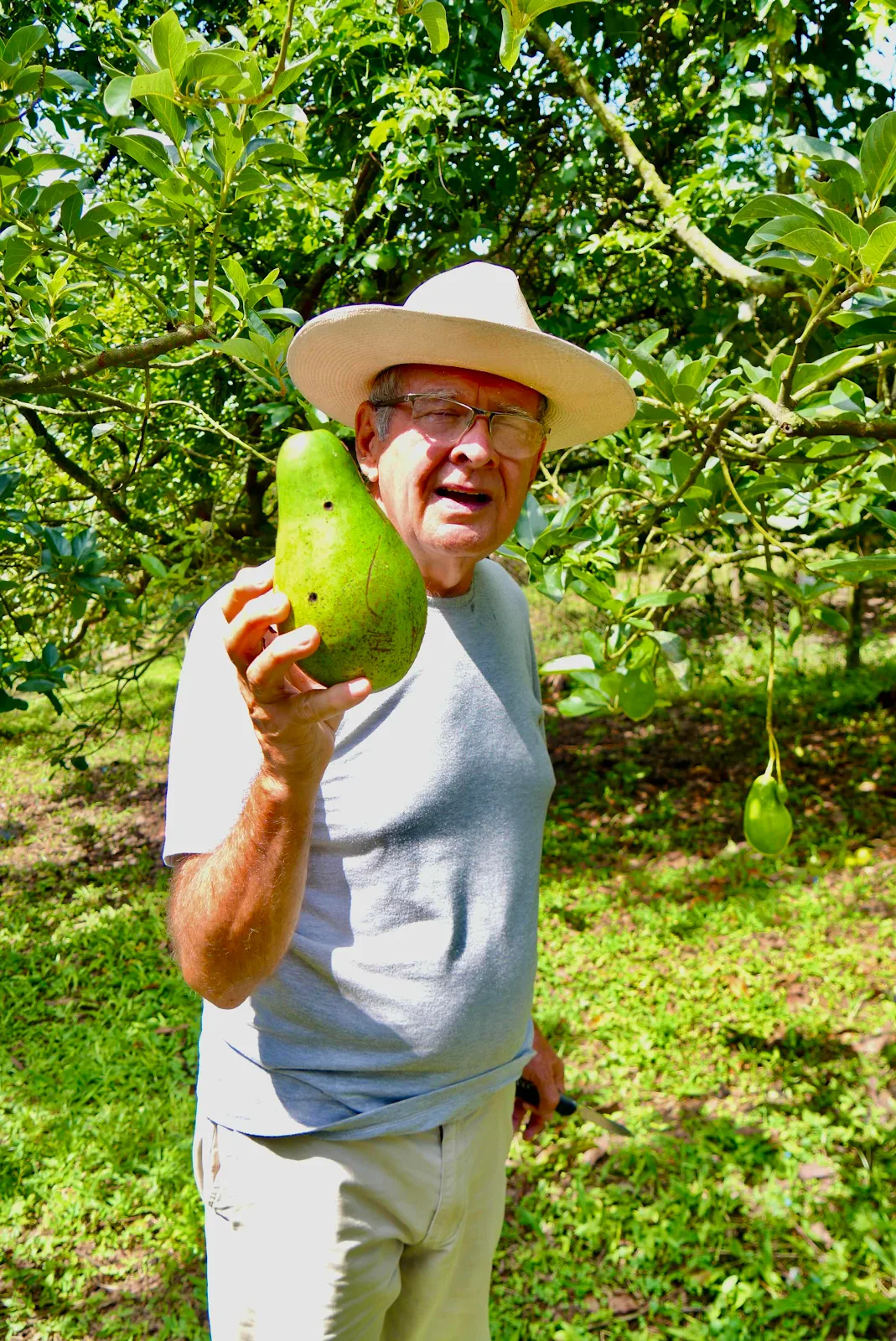
Giant avocados grow here and we are waiting for ours to ripen. 

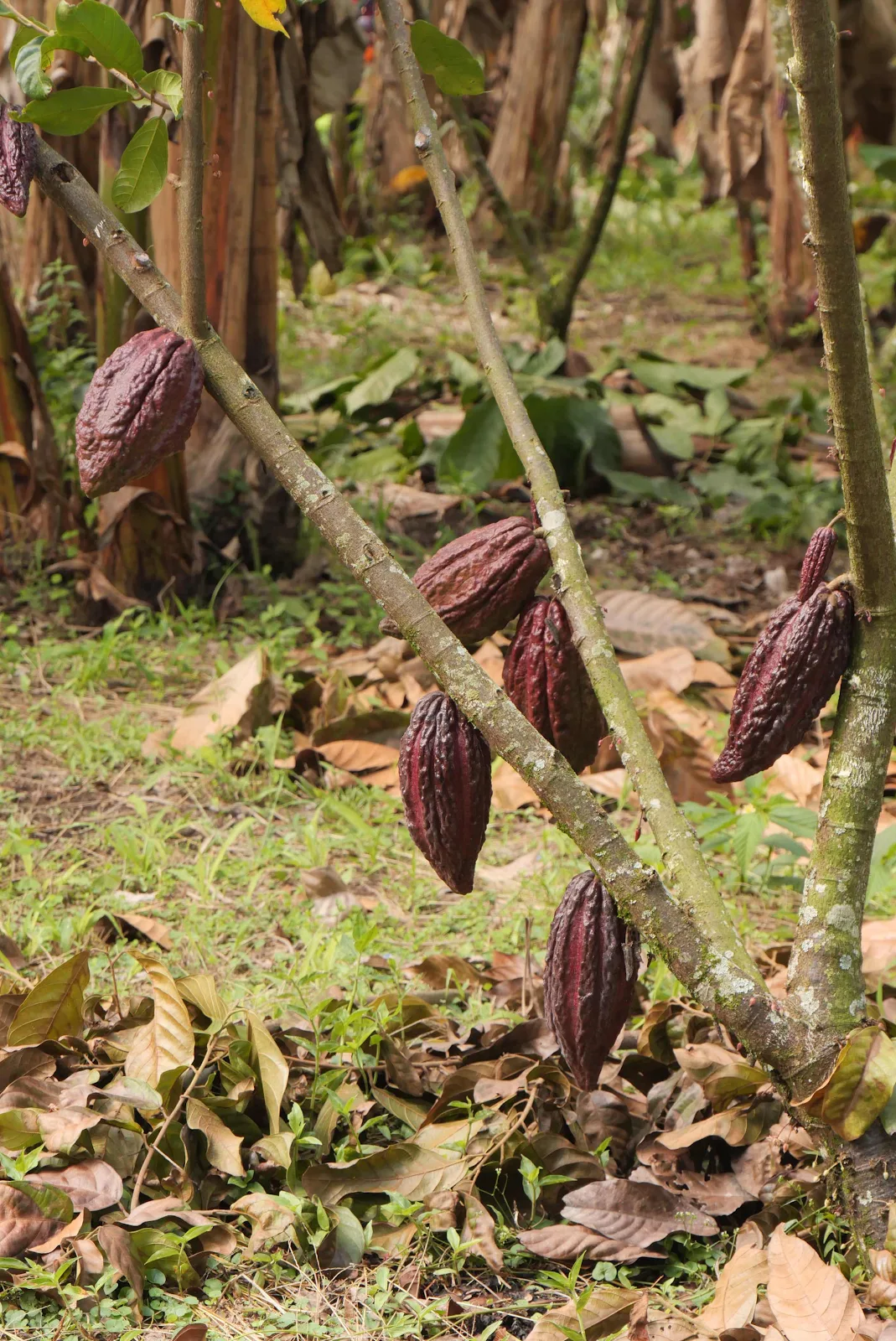
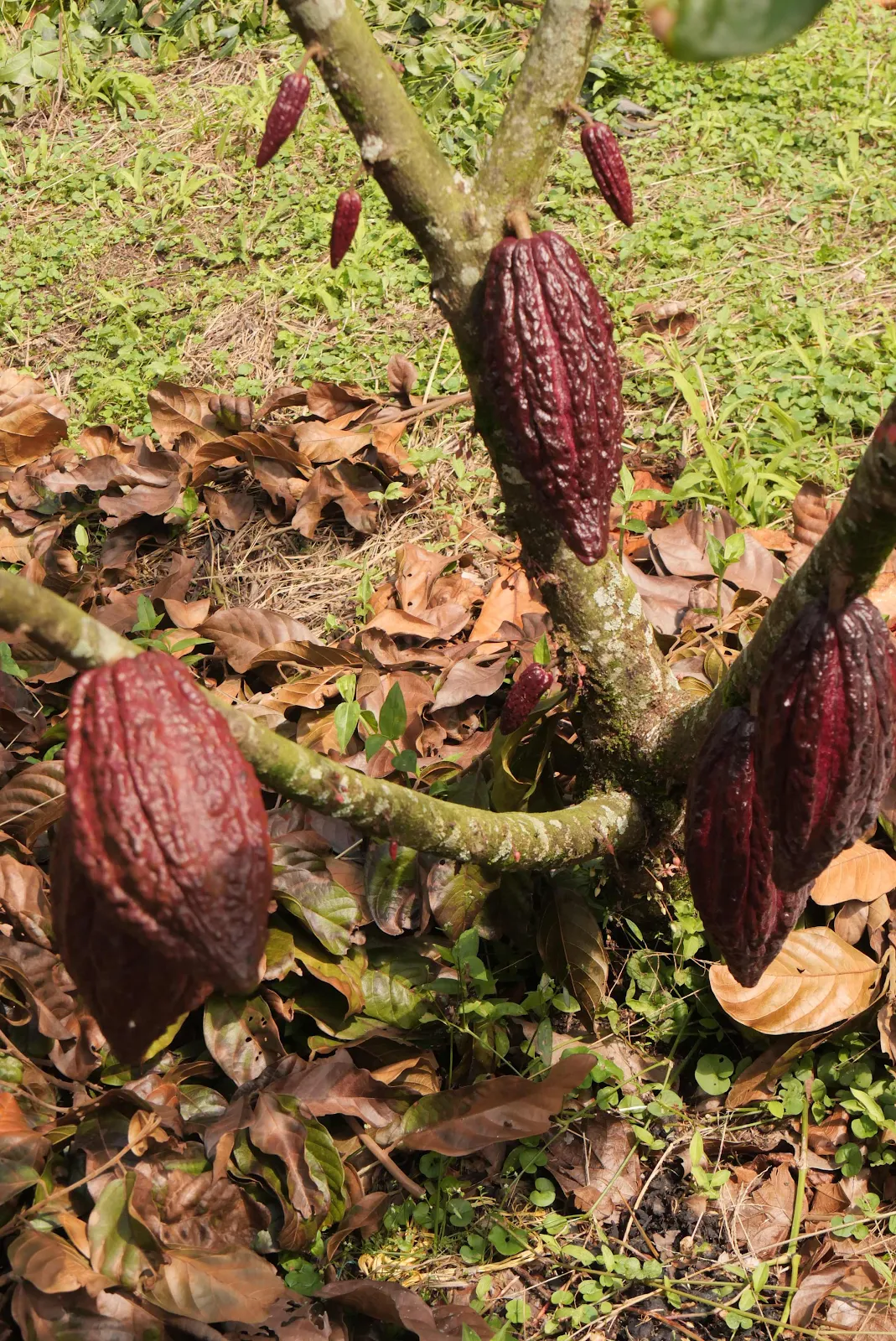
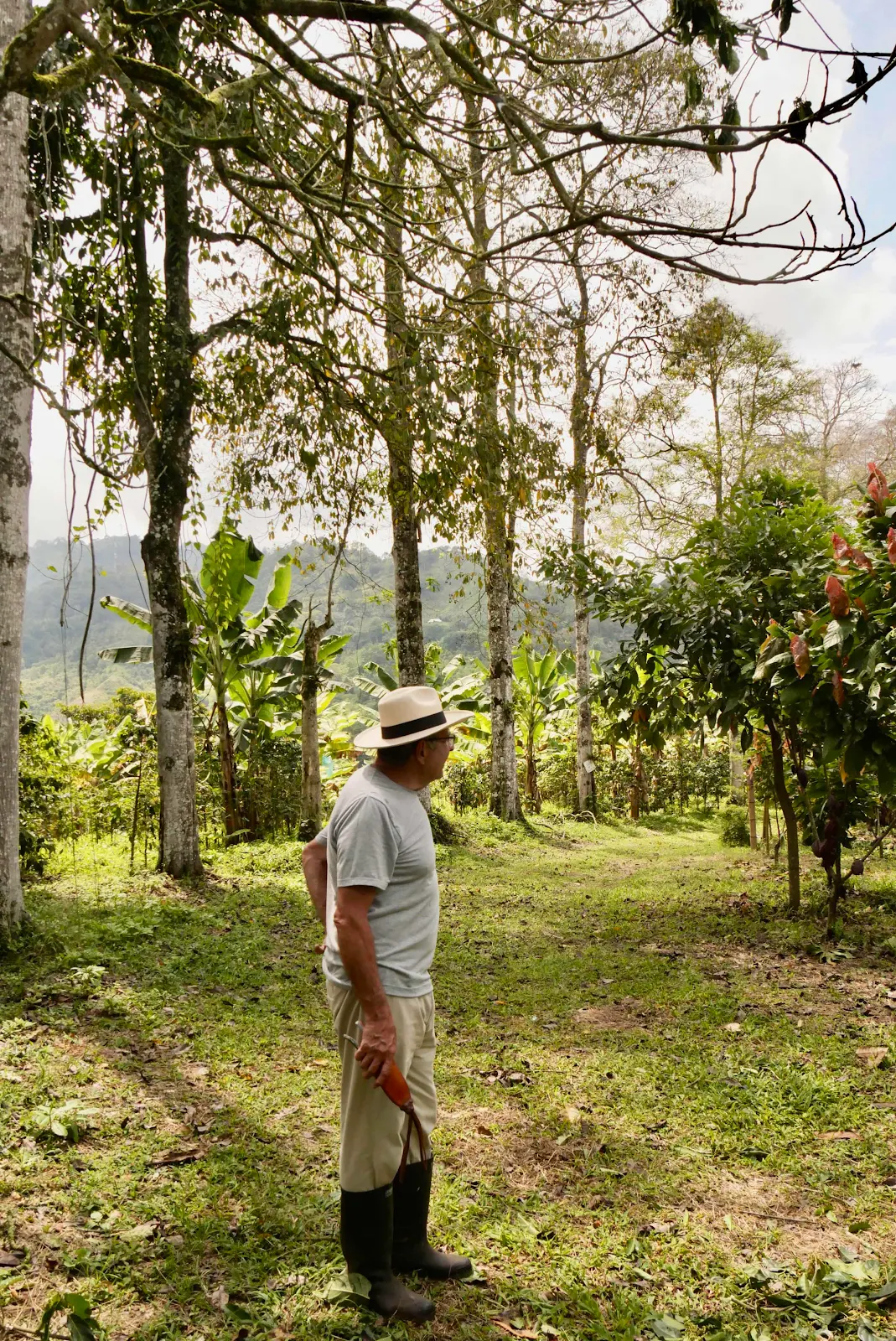
Don Diego is betting genetics will keep Colombia’s cacao production going producing better flavored chocolate for higher end products. He is even growing despised African pods:

To blend with his native South American fruit. 


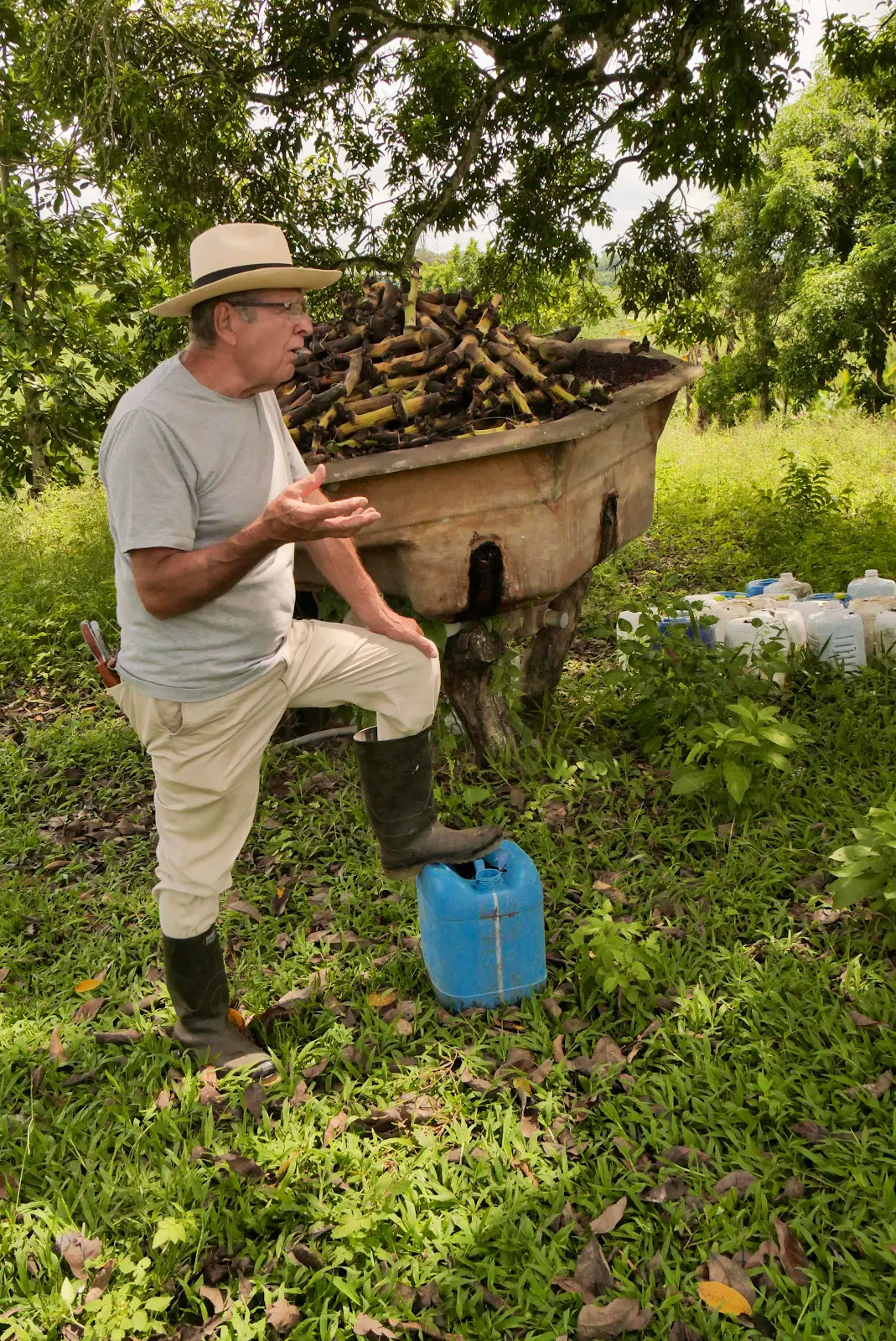
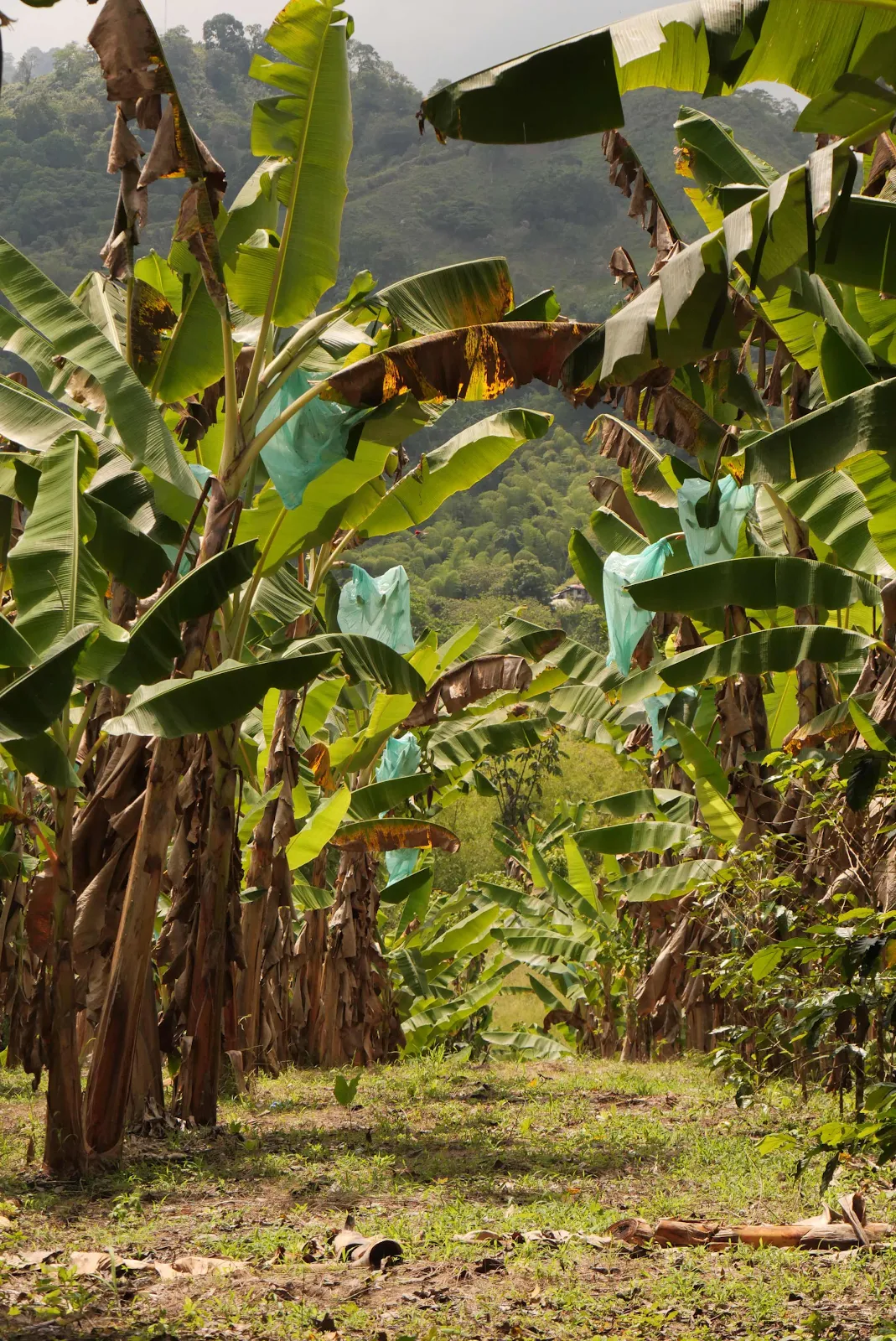
Then there is the natural fertilizer using banana stems of all things. Don Diego calls it his jacuzzi and he uses the liquid watered down suitably on his farm. 

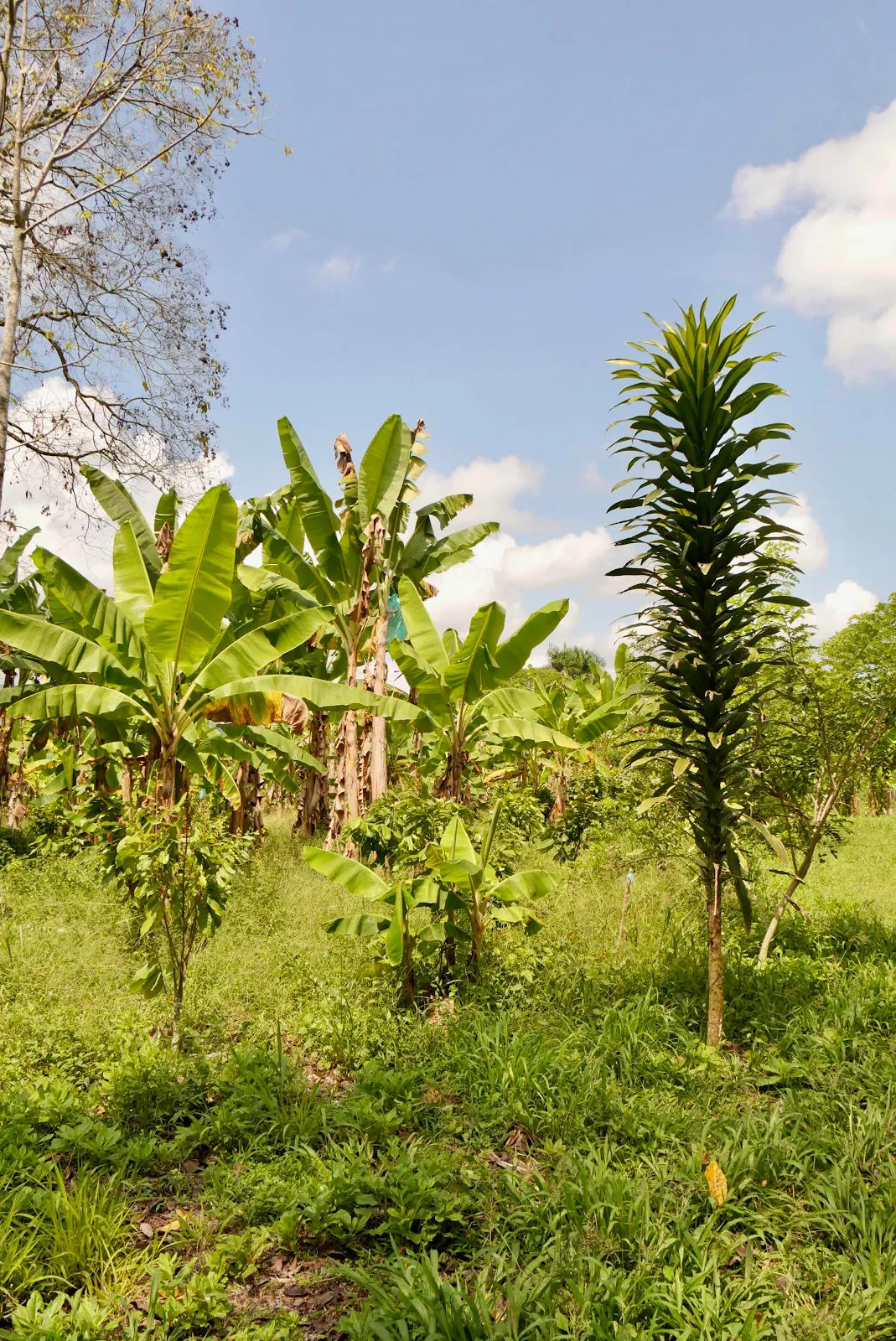
Forget the name of this tree, the straight spiky one to the right but it plays a part in the symbiosis of fruit production. The idea is to encourage birds which like this tree to sit here and crap (seriously) and North on his fruit trees creating a mess he’d need to clean up. 

Everything has a purpose and our purpose was to see chocolate being made. 

In the middle of some spectacular scenery. 

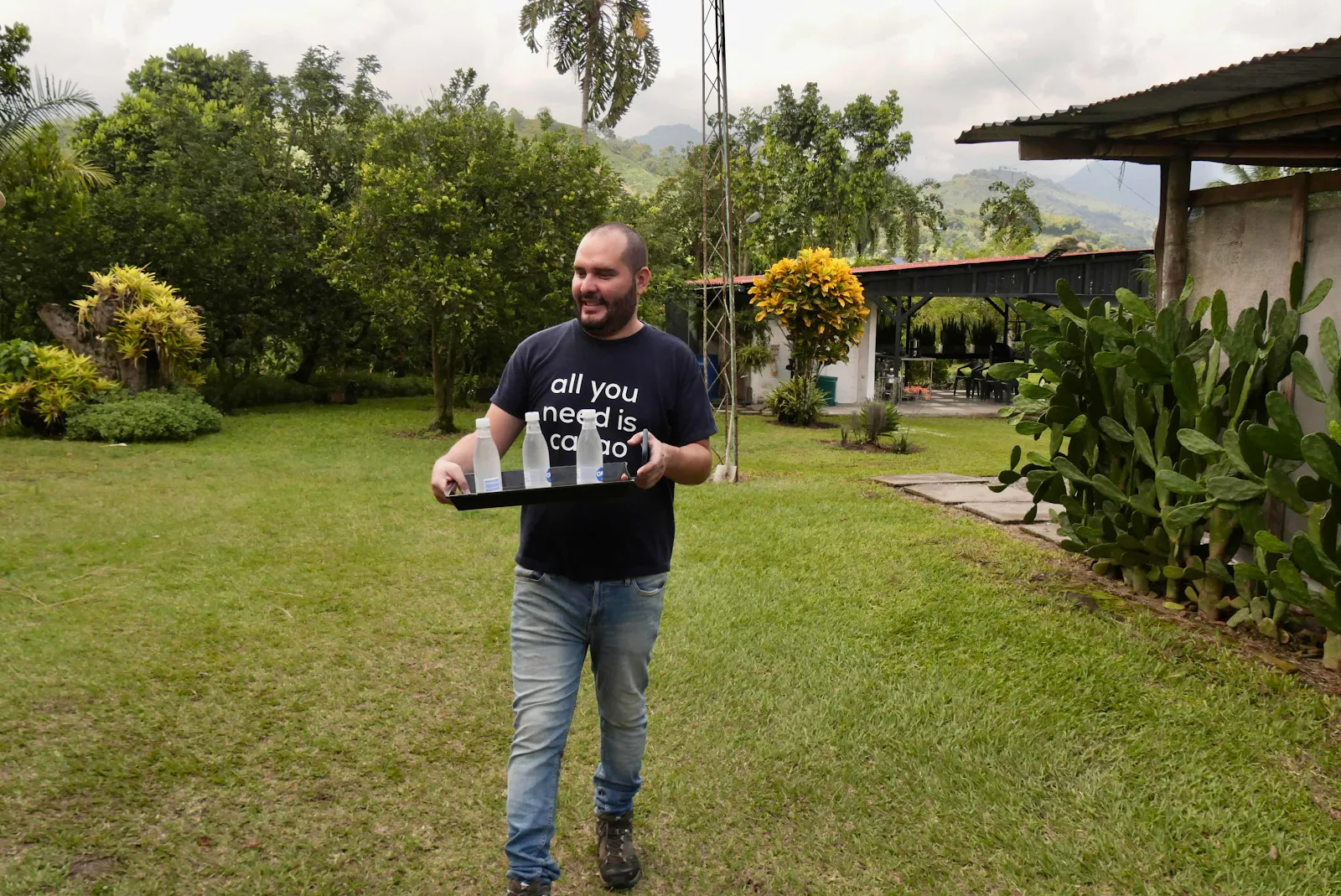
First Don Diego’s son brought us refreshment. 

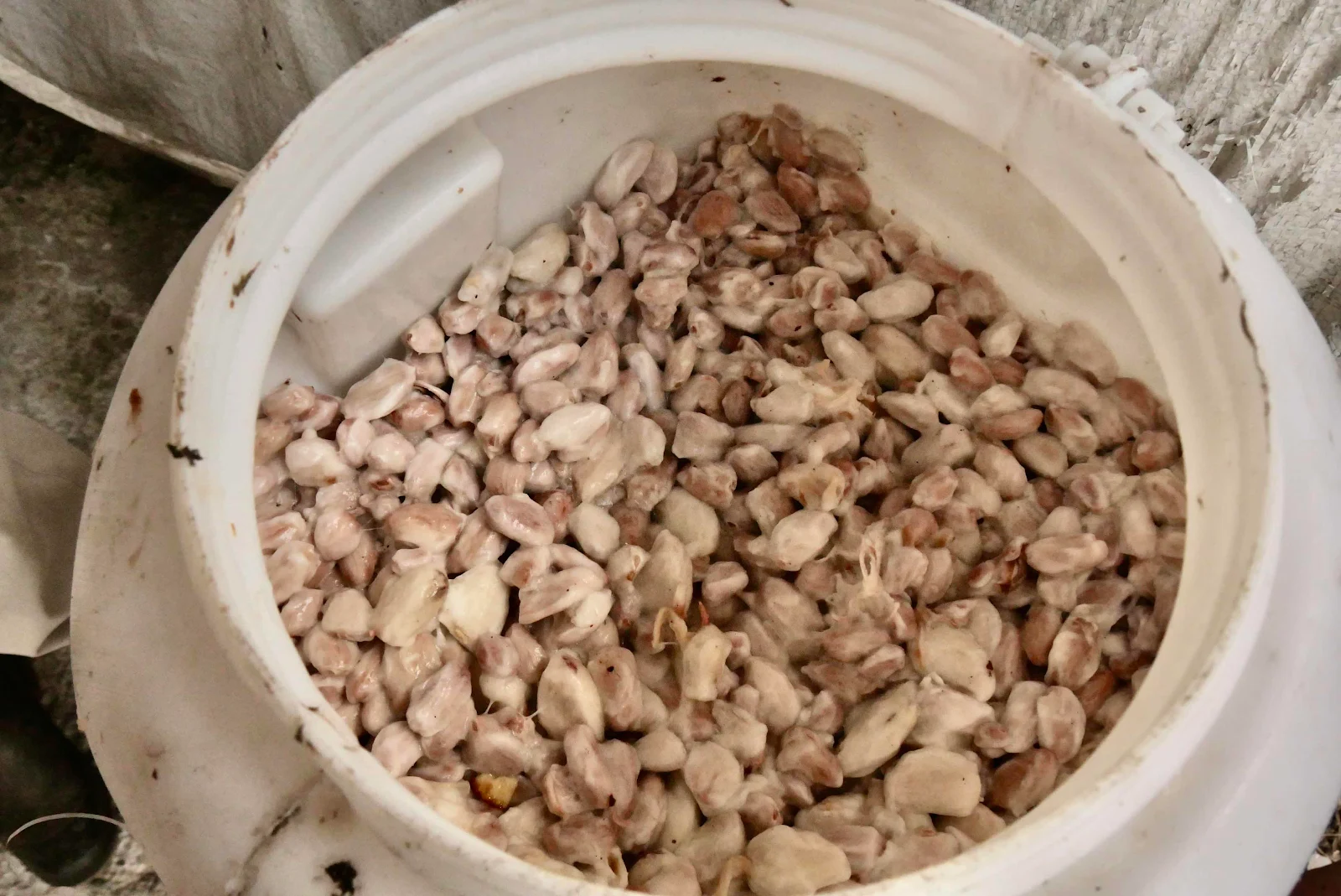
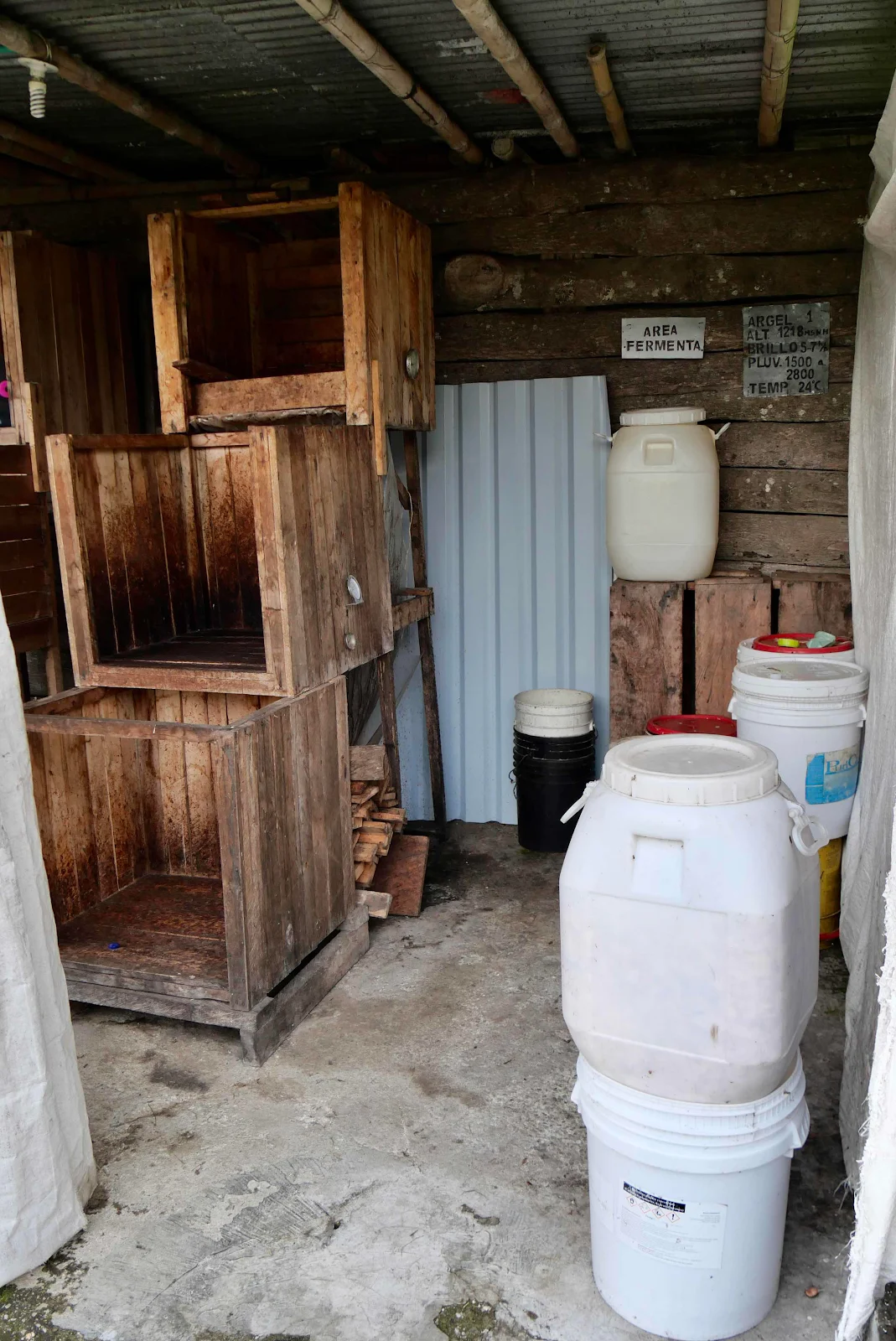
Then the beans from the pods ferment. 

They are put in boxes to ferment at precise temperatures and sifted by hand and inspected for proper color and quality. This is not mass production of chocolate by any means. 
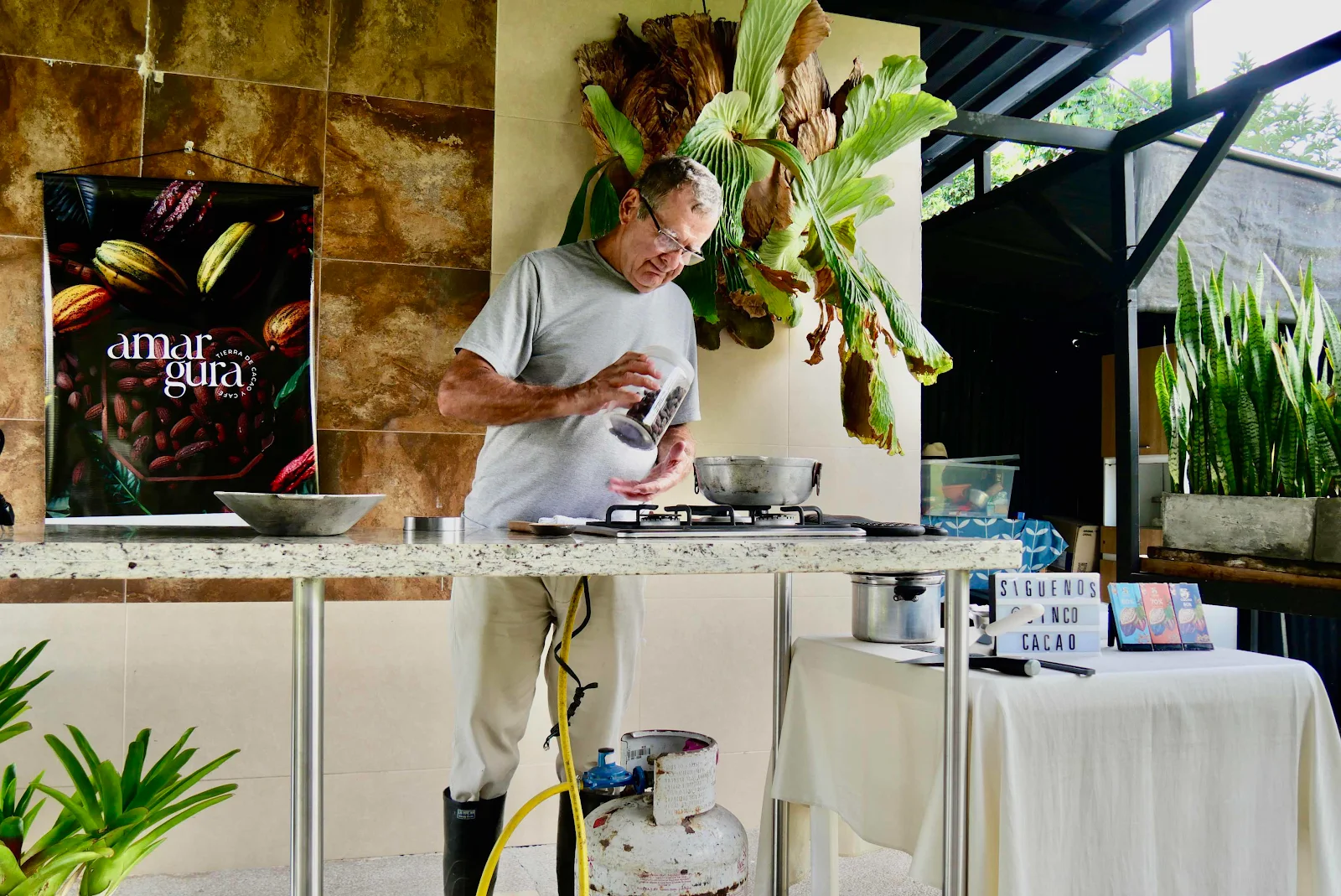
They use a lab for their daily work but they have a space to toast the beans and show us, the public how chocolate is made. 


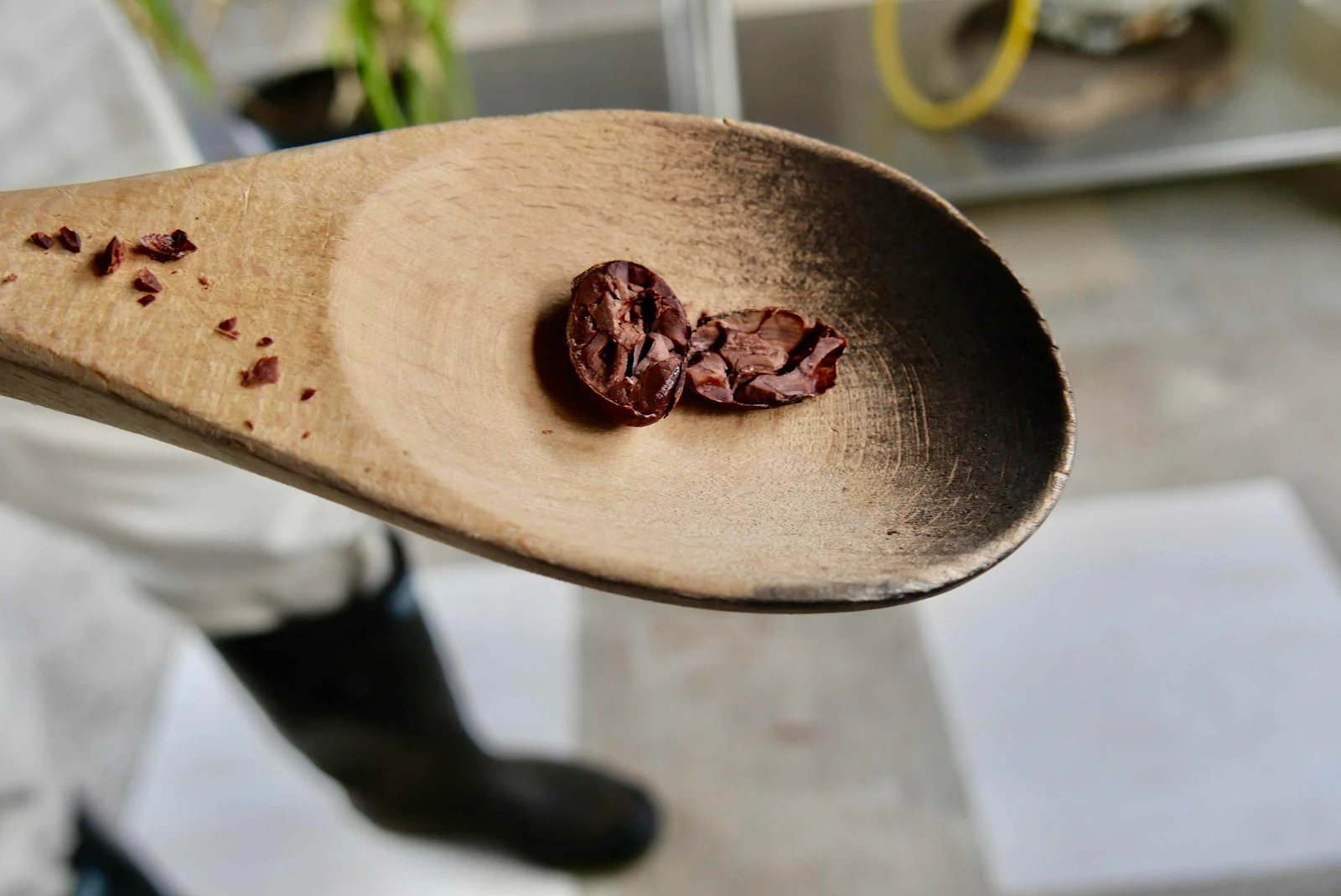
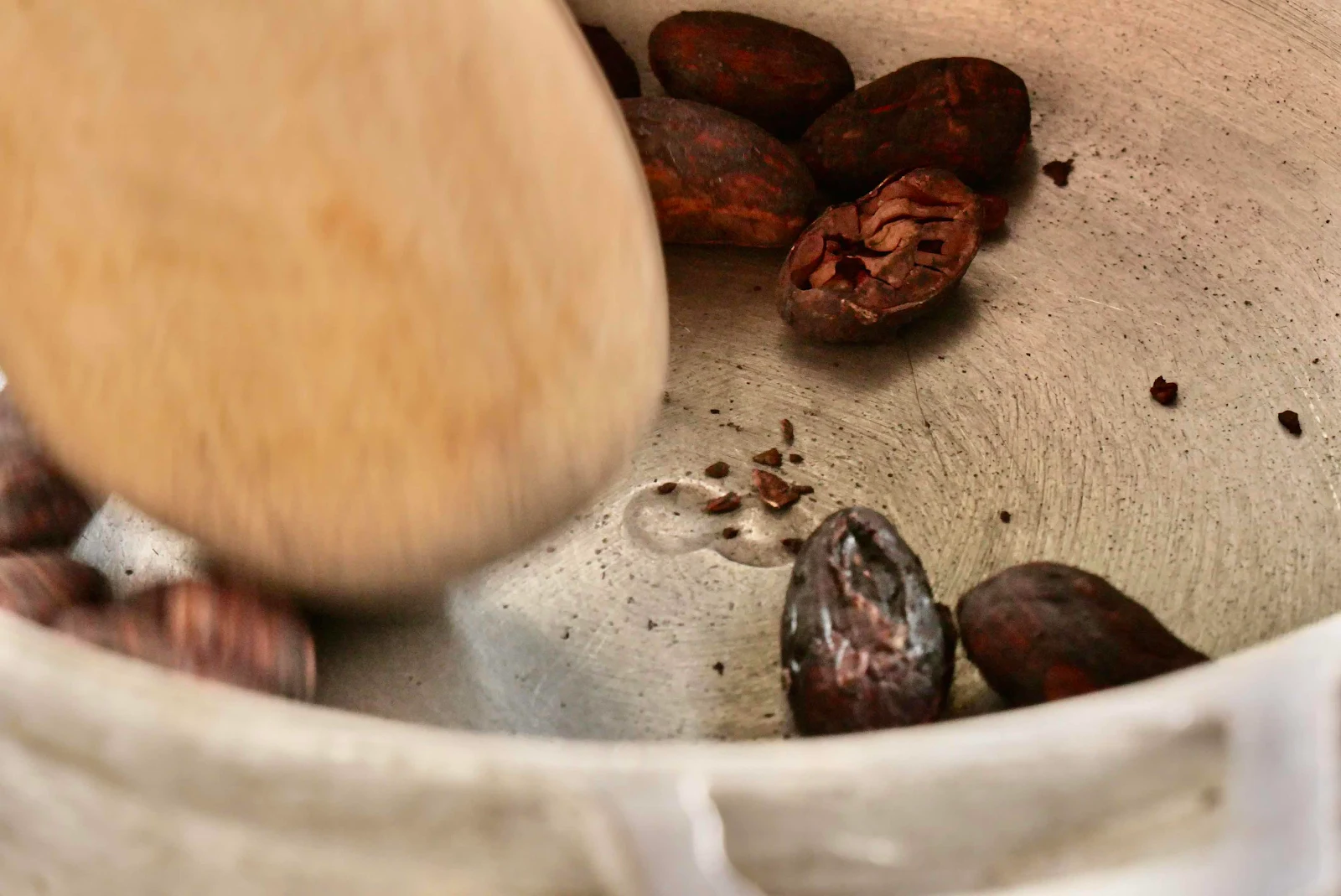
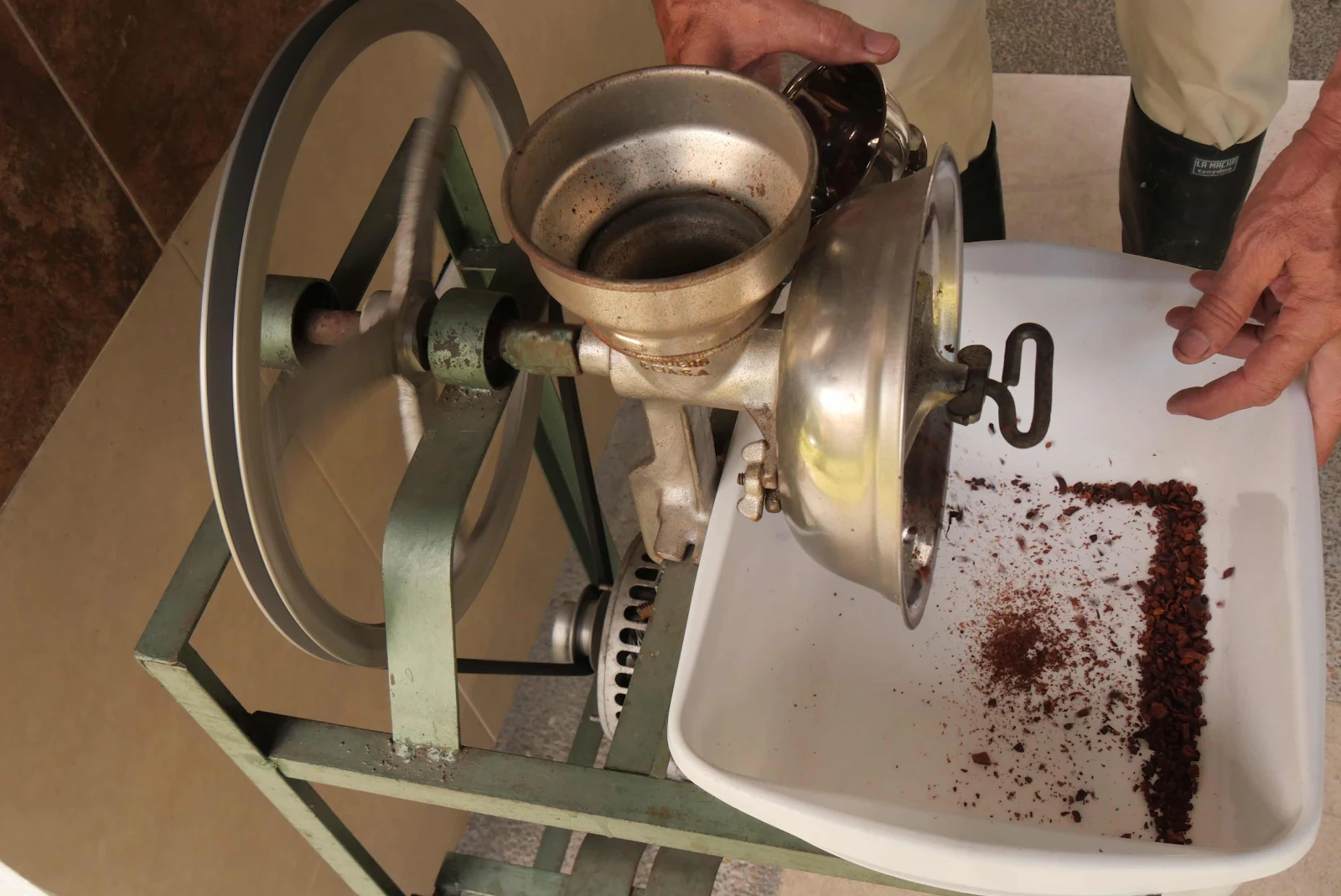
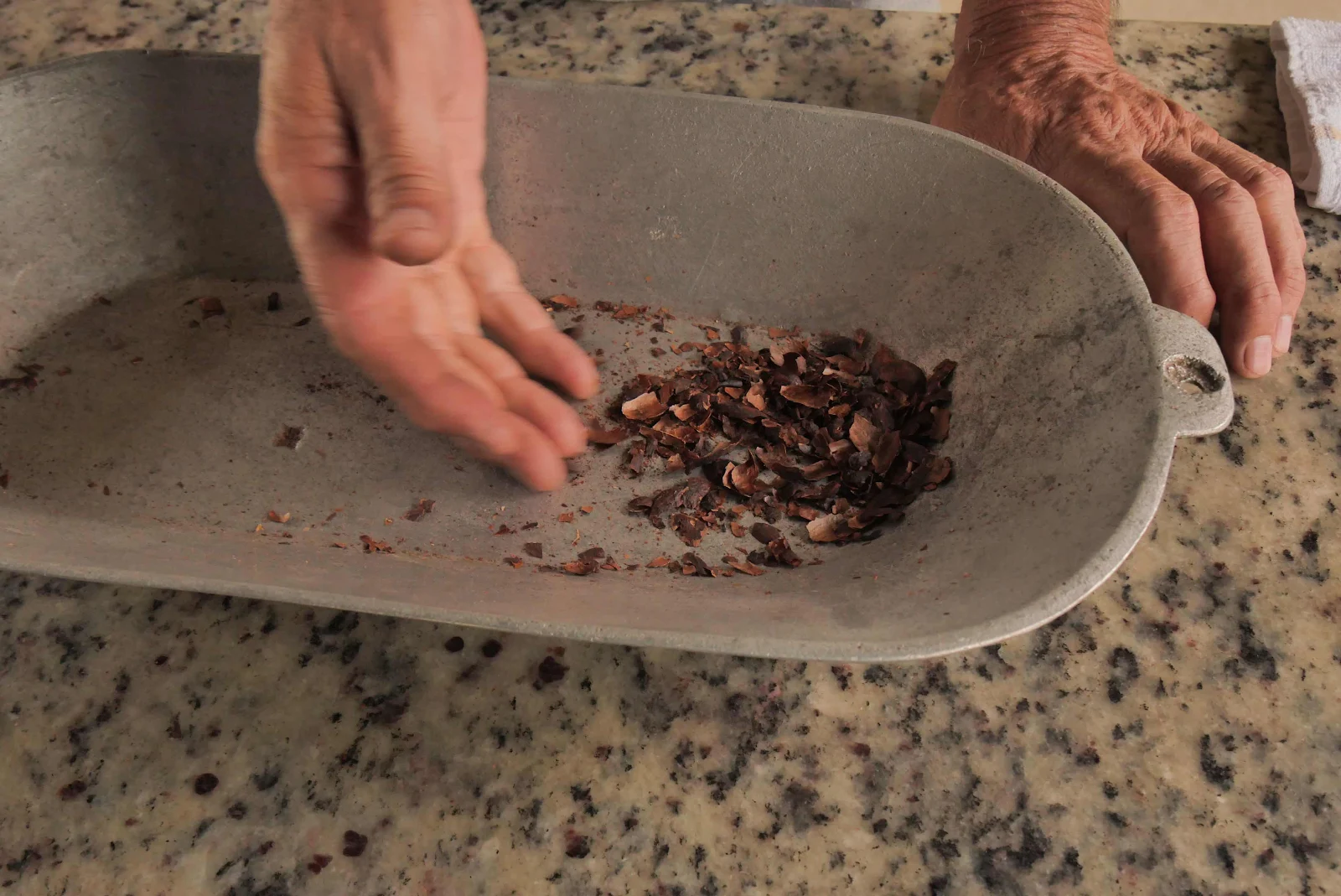
One takes the roasted nuts and sets aside the shells for use in cosmetics and grinds the chocolate to produce nibs which are said to be the healthiest way to eat chocolate. 


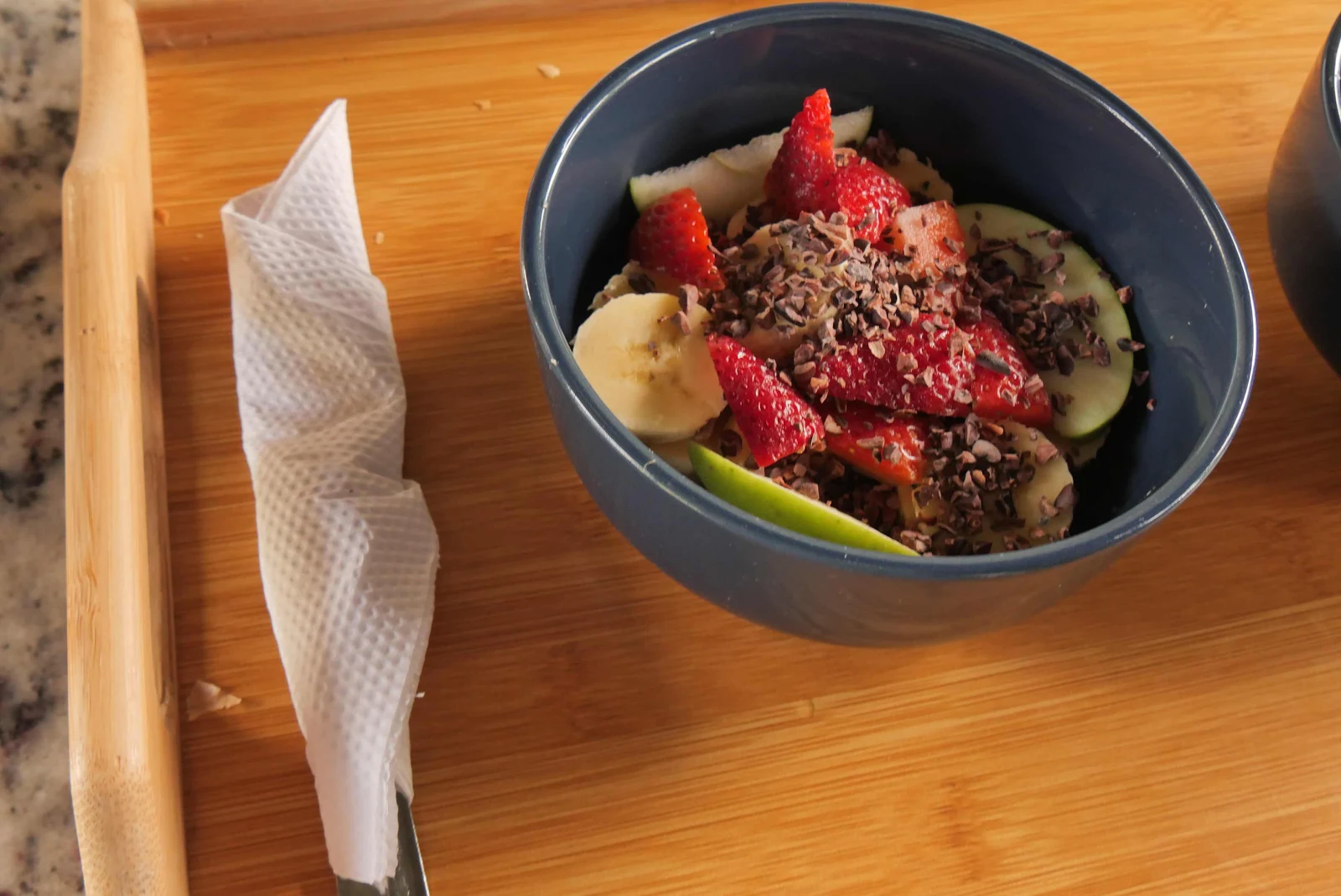
We got a sample of nibs on a fruit bowl. We bought two packets of nibs to eat on our oatmeal. 


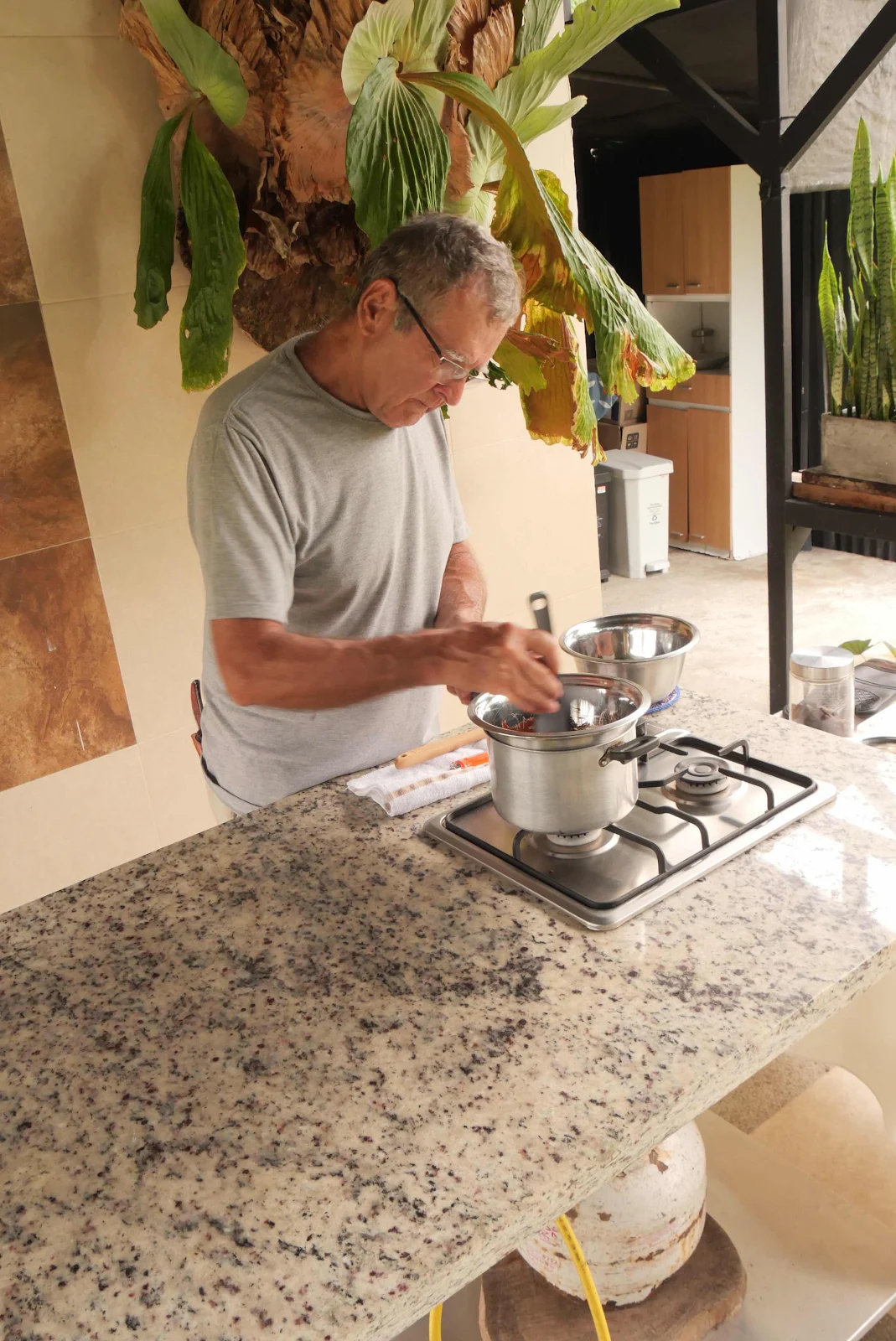
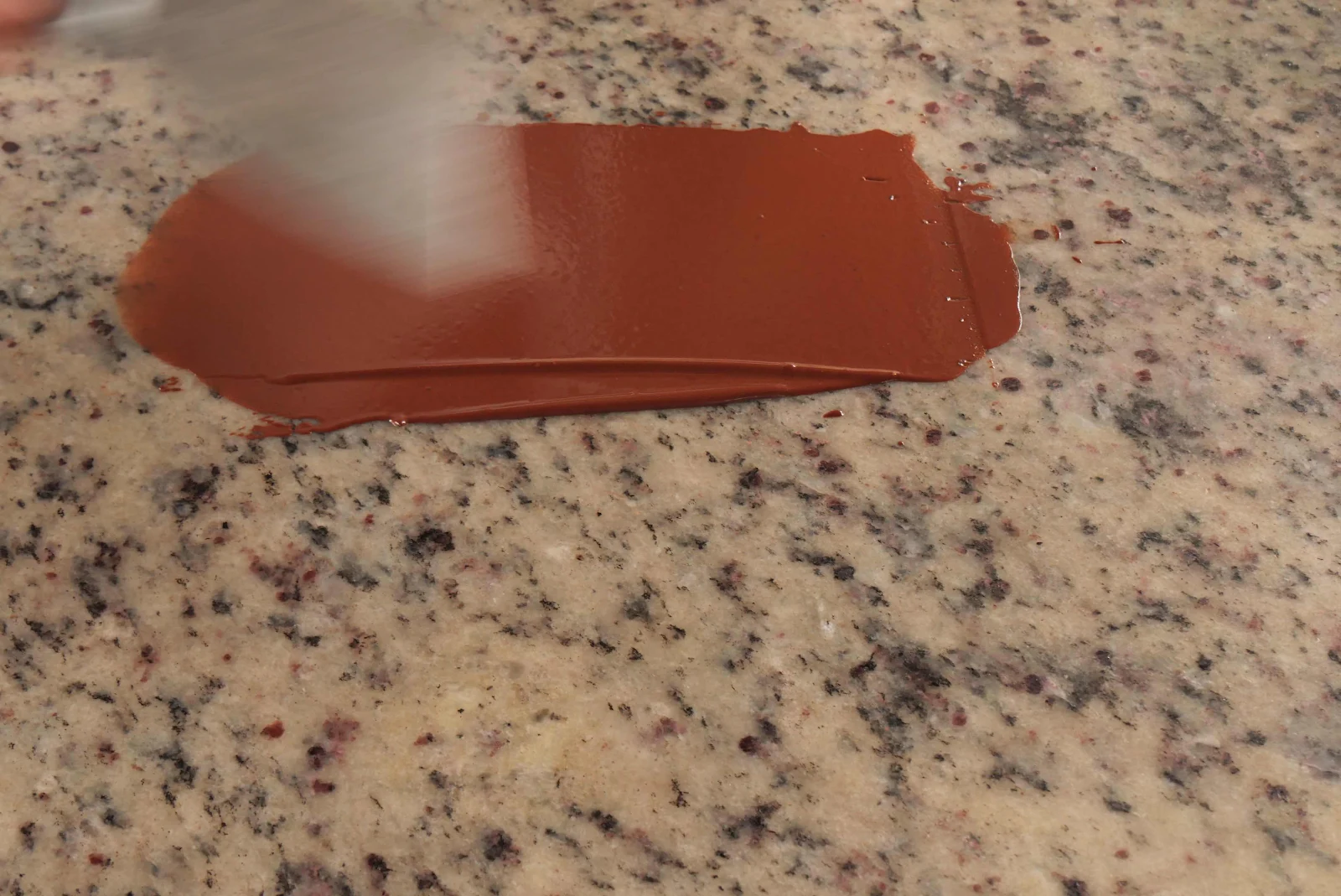
By melting the nibs you get what we identify as chocolate. 

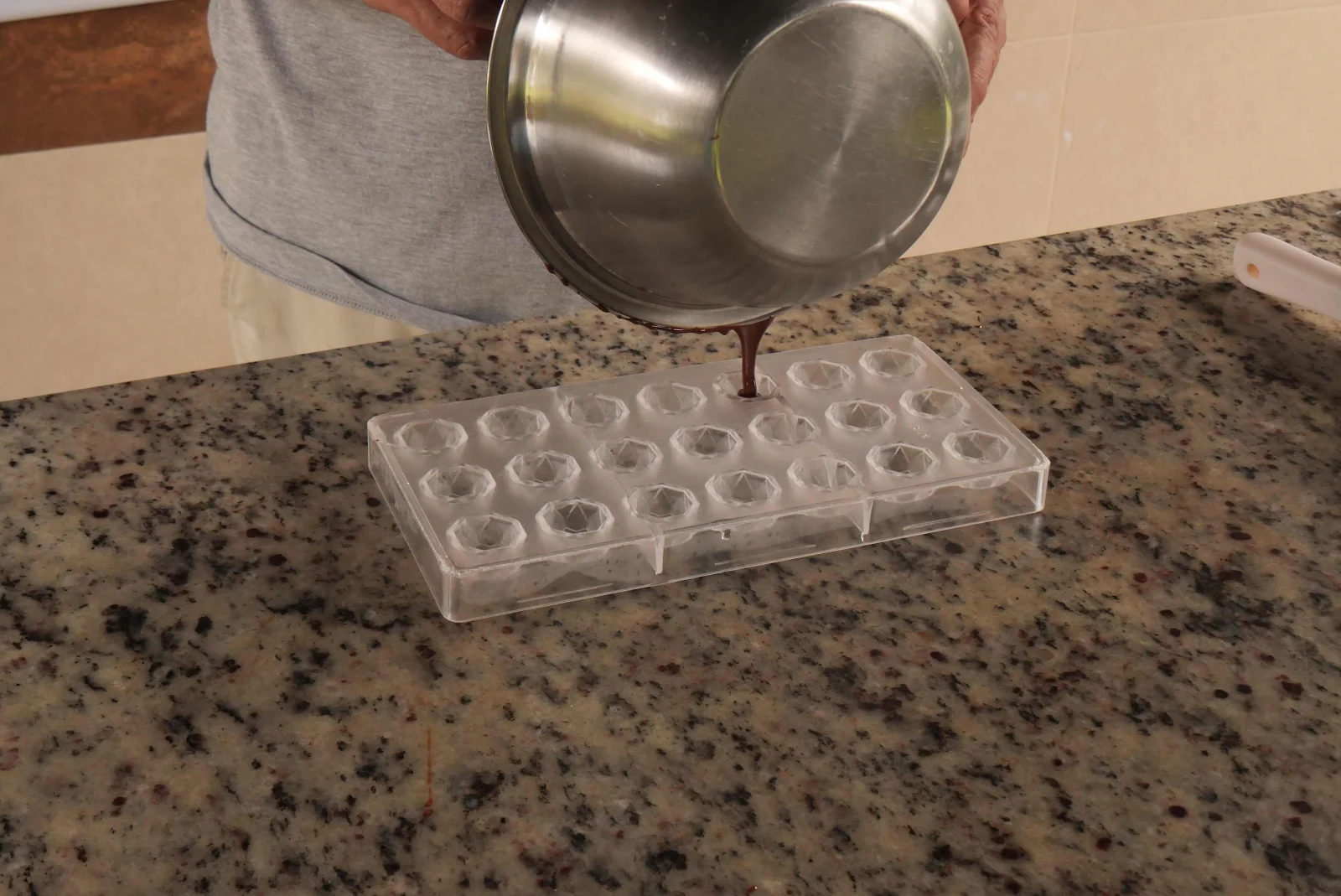
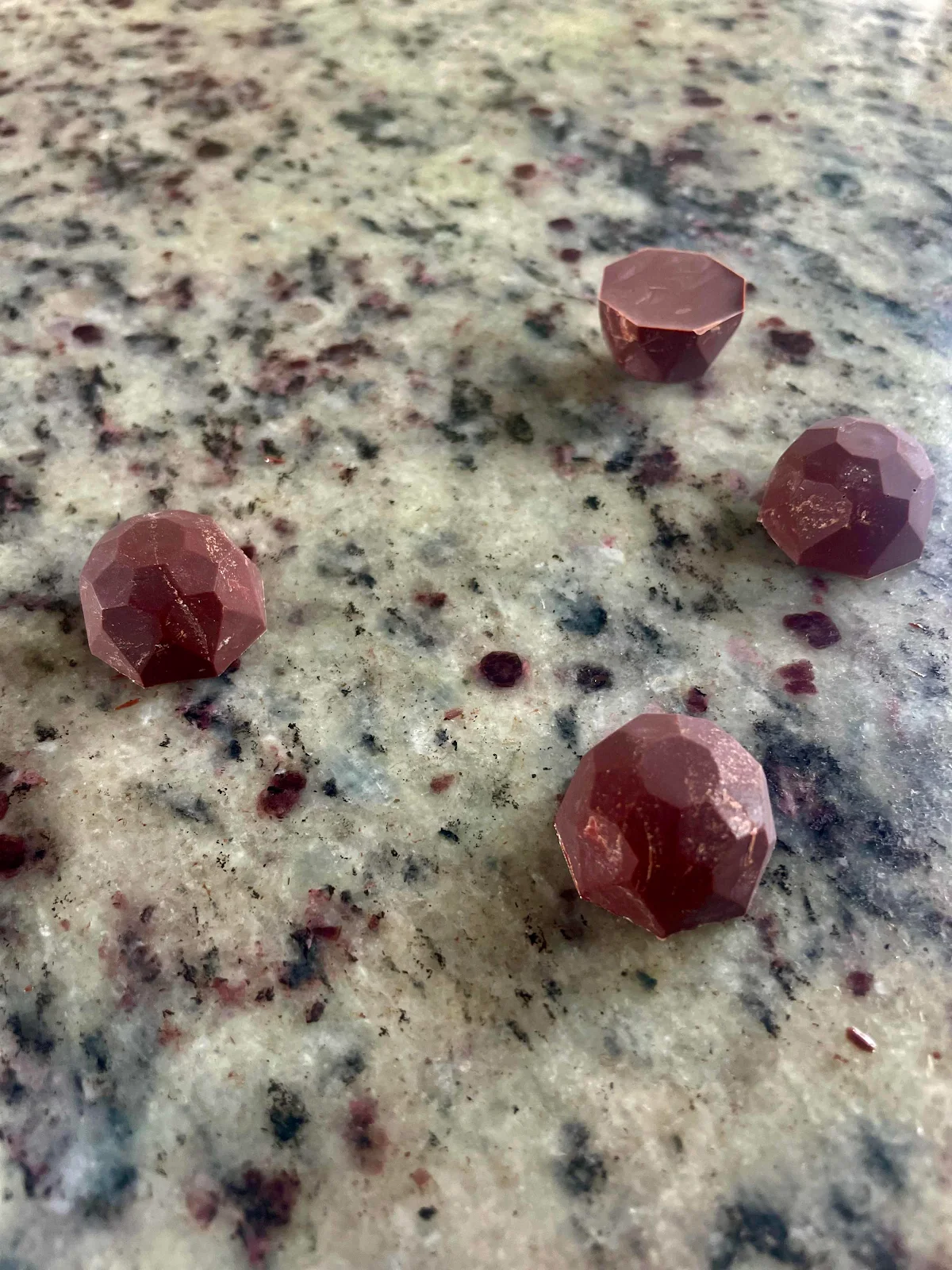
And ultimately the 60 percent cacao yielded us some truffles to go. 


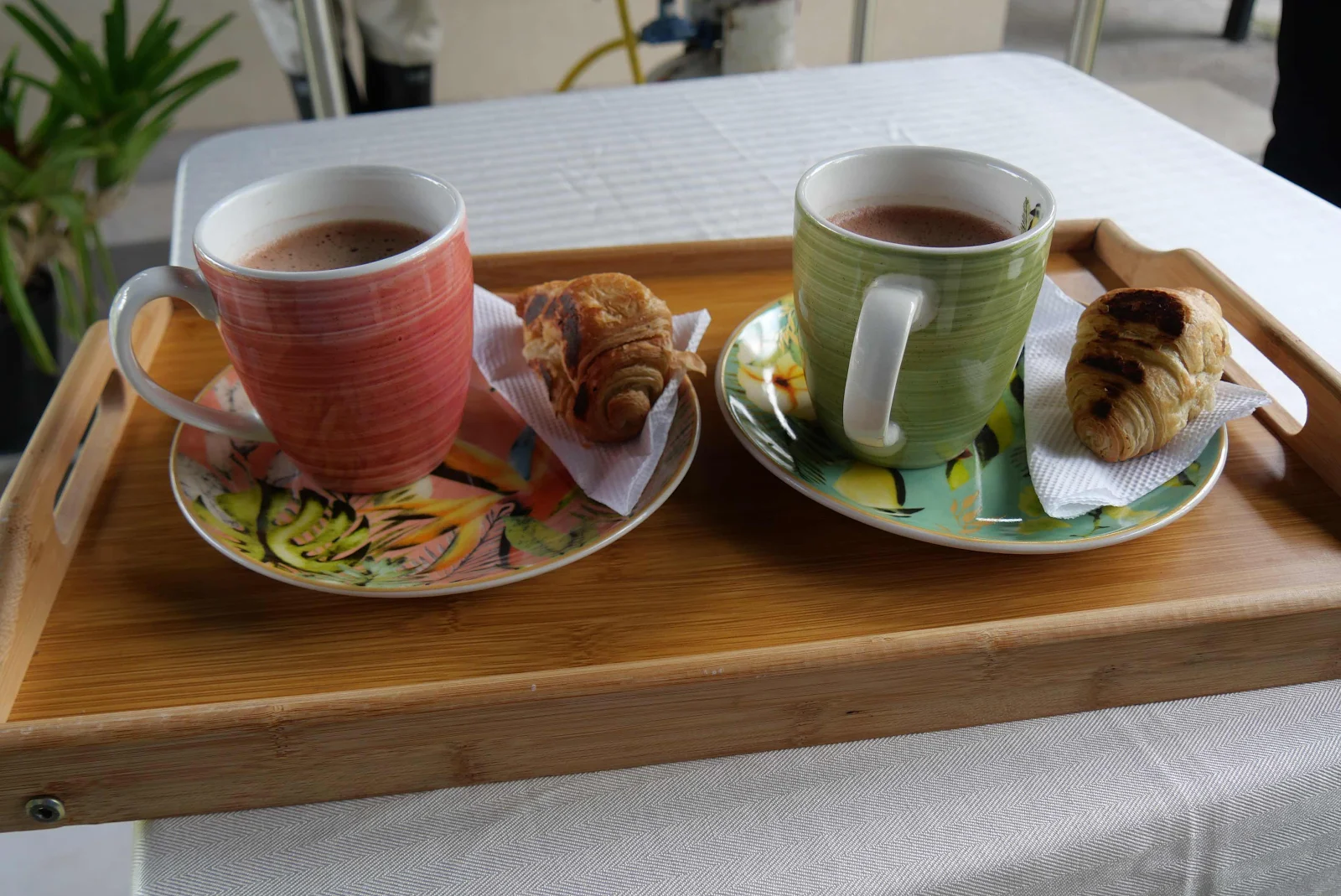
My preference is the hot chocolate which despite my sweet tooth I found perfect without additional sugar. 

I have a dreadful palate probably by genetics but doubtless not improved by living at an English boarding school in my formative years and I like milk chocolate. 60% cacao is bearable for me and even though I can taste the smoothness and delicacy of the dark chocolate I find it too bitter. 

But in the end it is not a sentiment I can ignore whatever chocolate: 

The other product we took a tour to see in production was one we had been angling to do since we were driving through Costa Rica. Check off the cocoa tour and also at last, the coffee tour.

As written about previously it was not an easy drive to get into the coffee country in the Quindío River valley but we made it. Secrions of the road were so steep downhill I doubted our van could make it back up without help but Sue and Hugh promised a tow if we needed it from their four wheel drive Land Rover to alleviate our nerves. This was definitely one of those places where by ourselves we’d have parked and organized a local tour to get us to the site. 

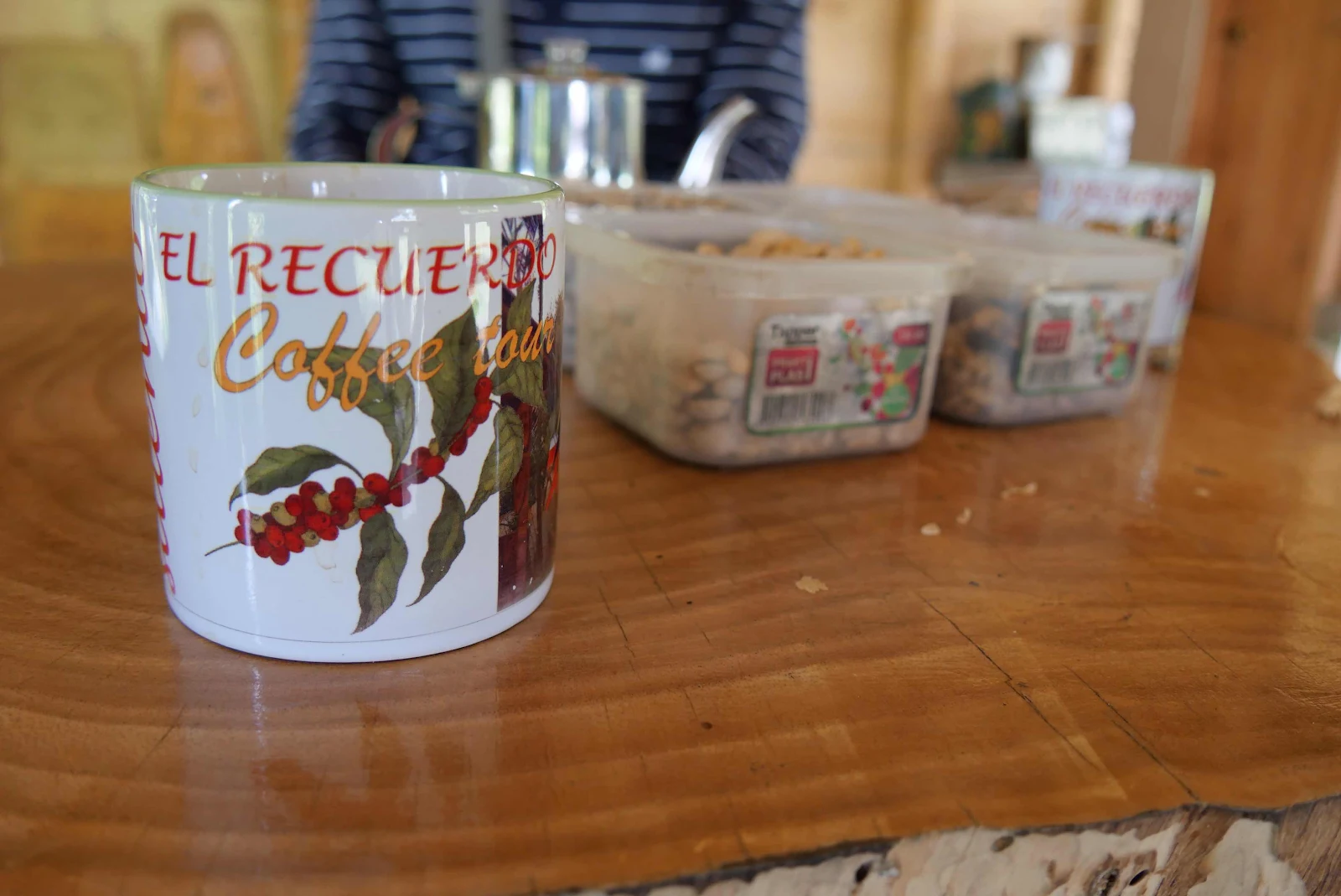
Sue had found Finca El Recuerdo (“The Memory”) after our first choice was up a hill with no decent parking. Sue and Hugh in Panama:

This place was perfect so much so we asked to spend the night. 

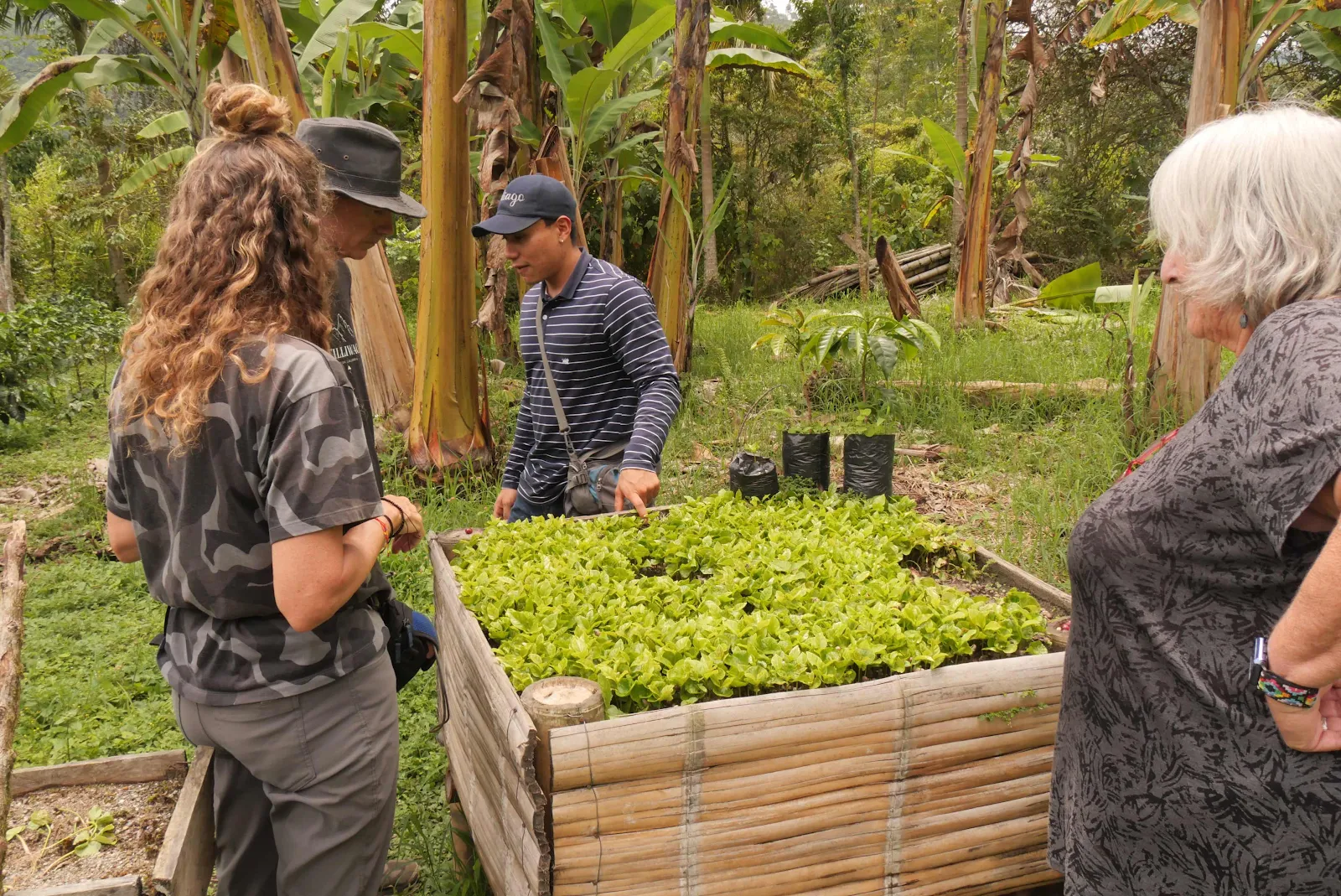
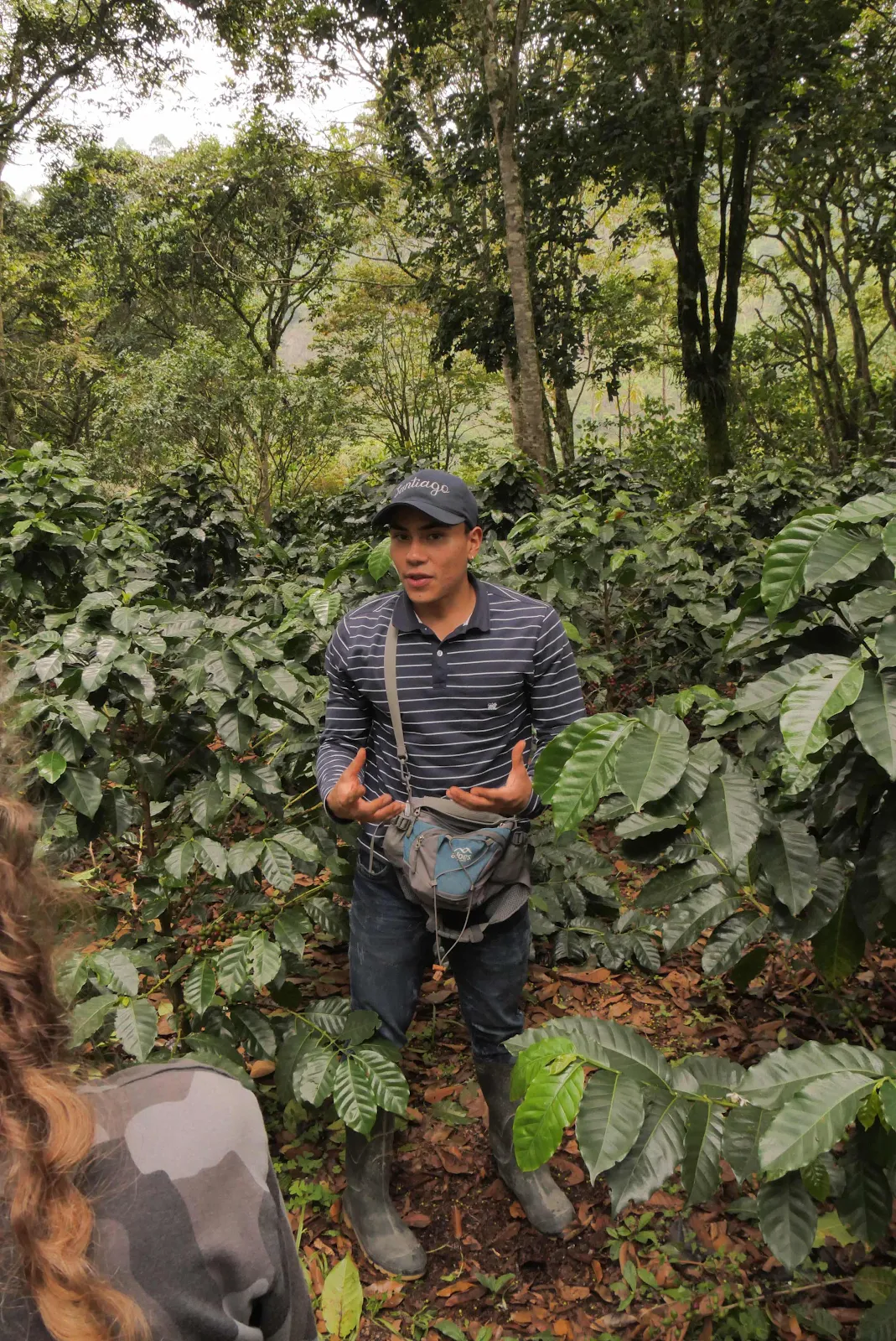
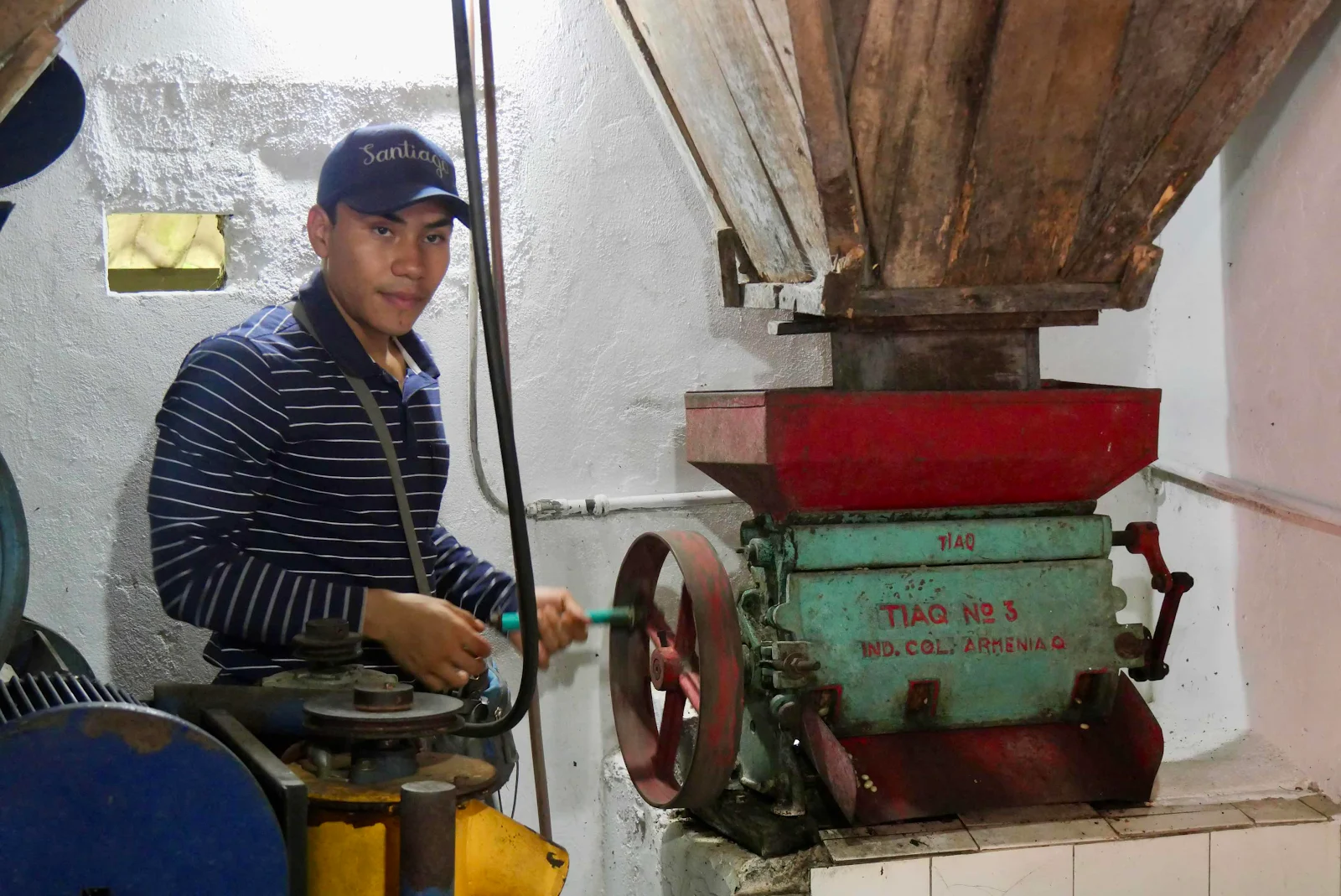
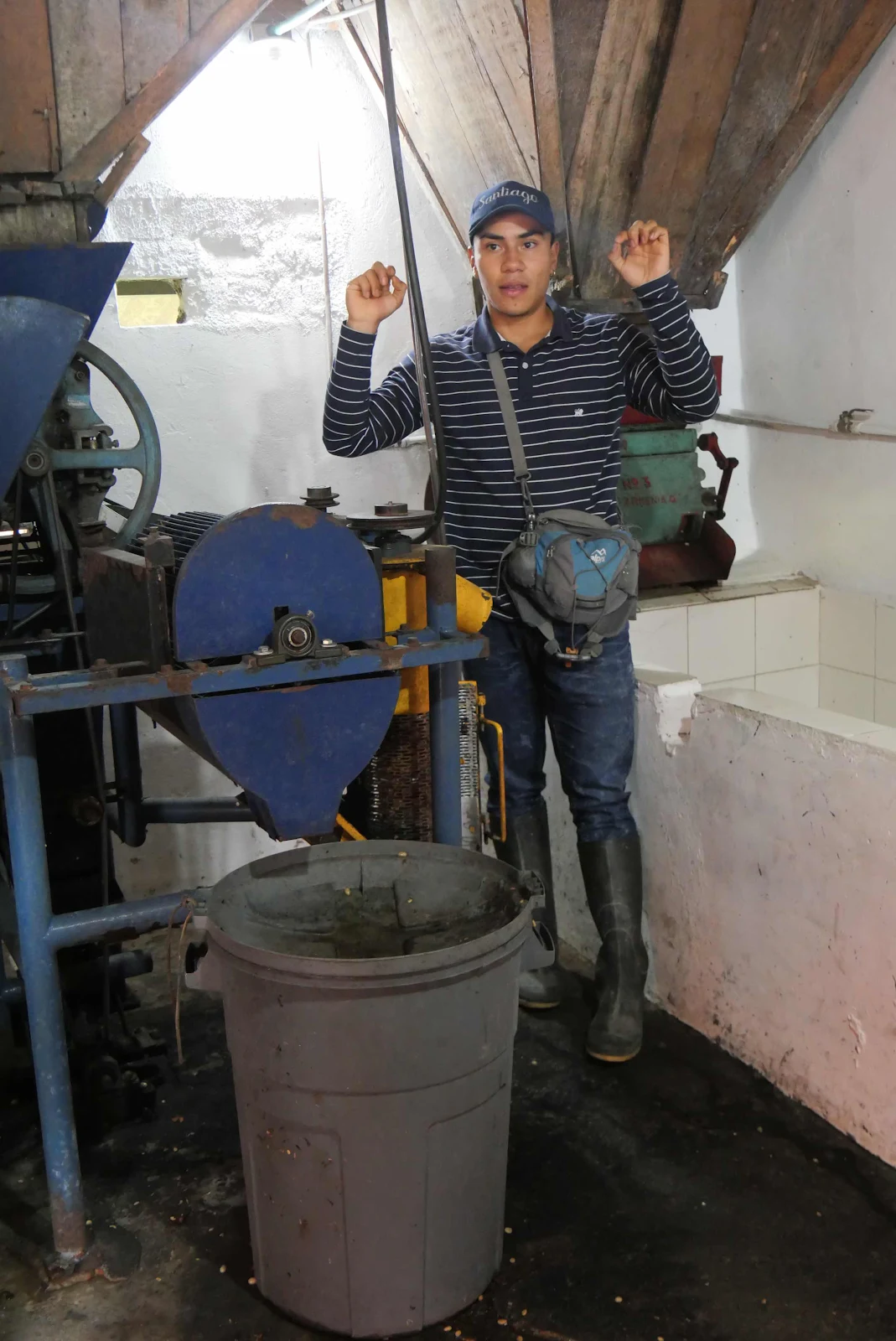
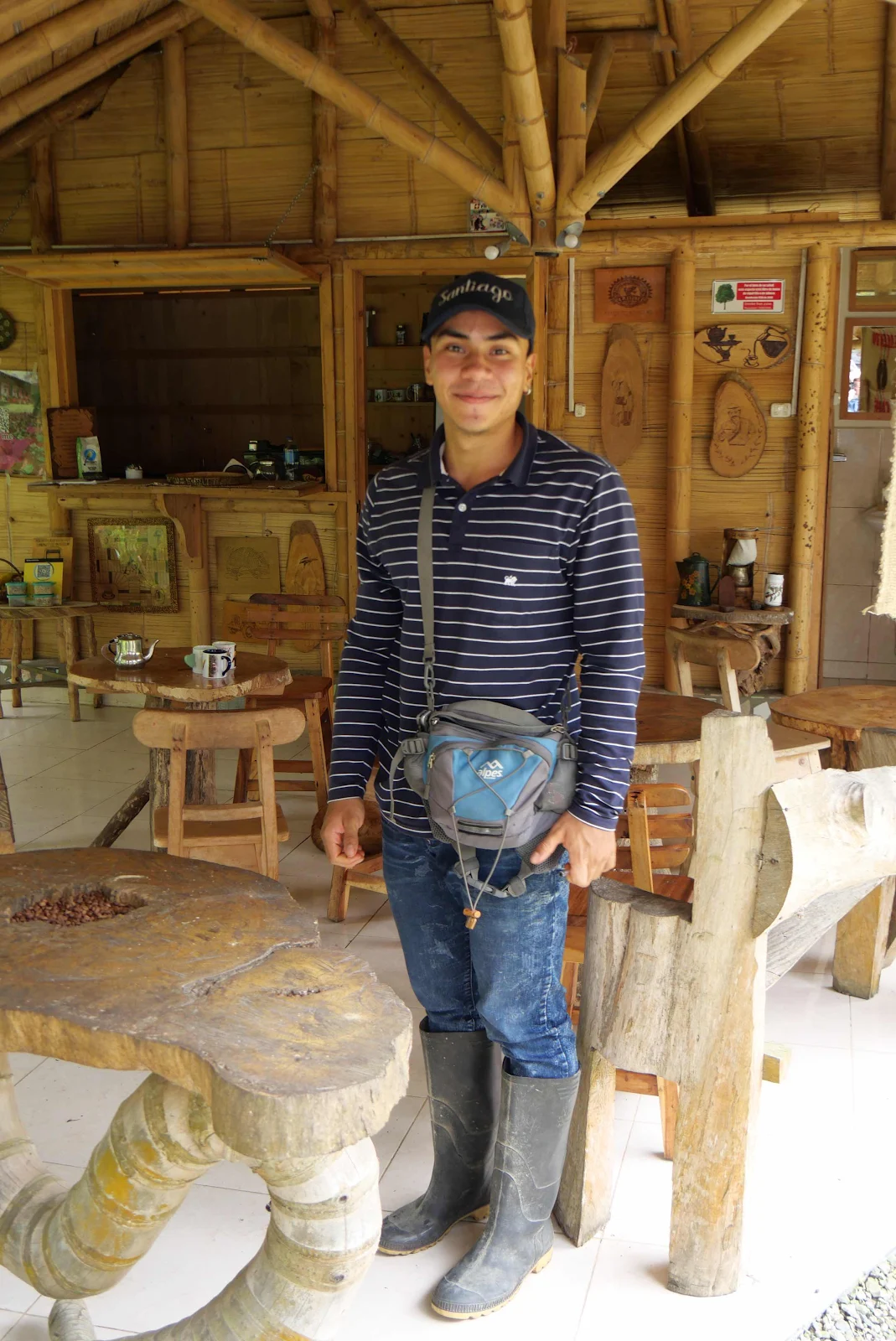
Santiago was our guide explaining how a rail line was brought into the area to supply the isolated cocoa farms and haul out their products. This was the road for our route out to the city of Armenia saving us a nerve racking climb back up the way we had come down. 

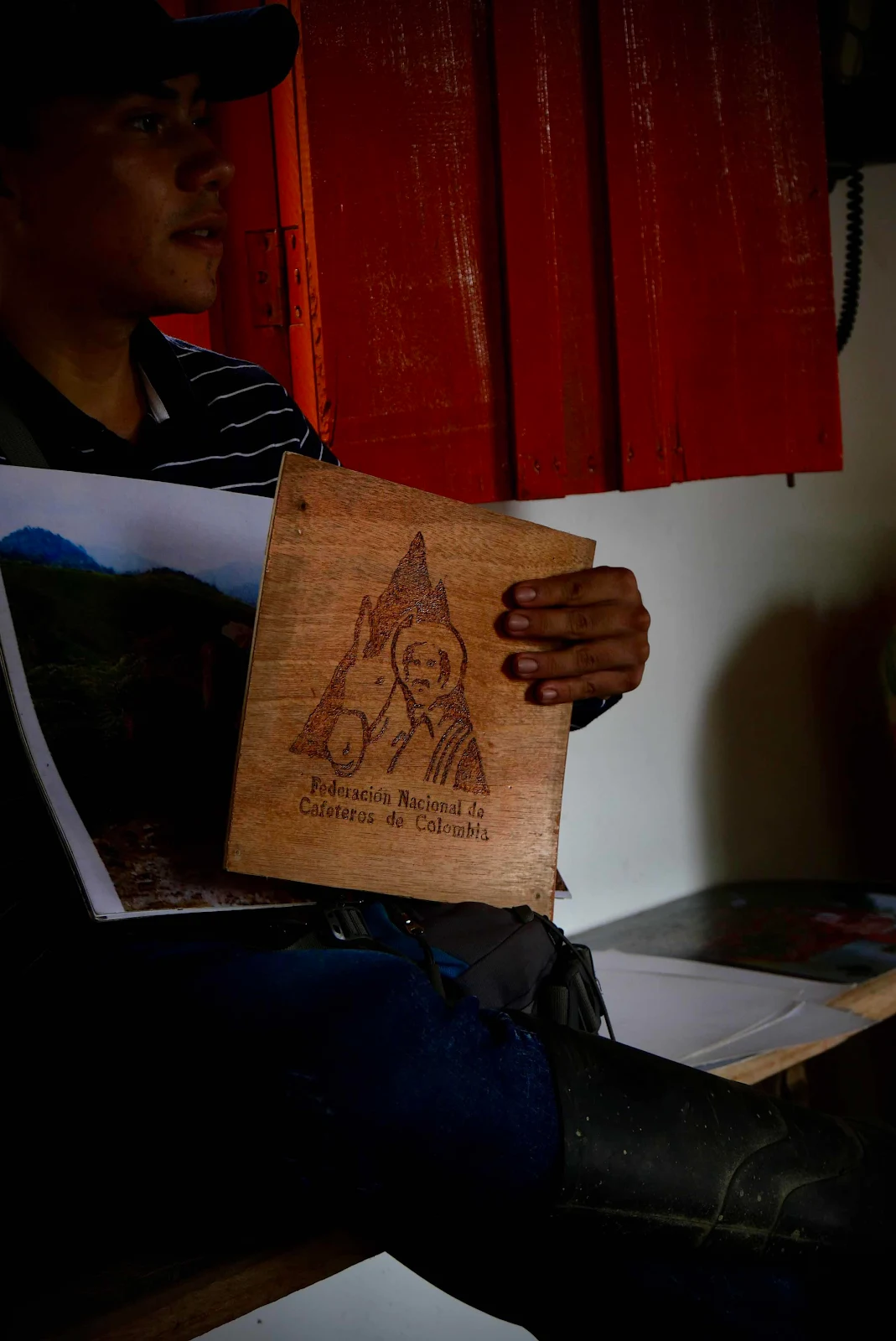
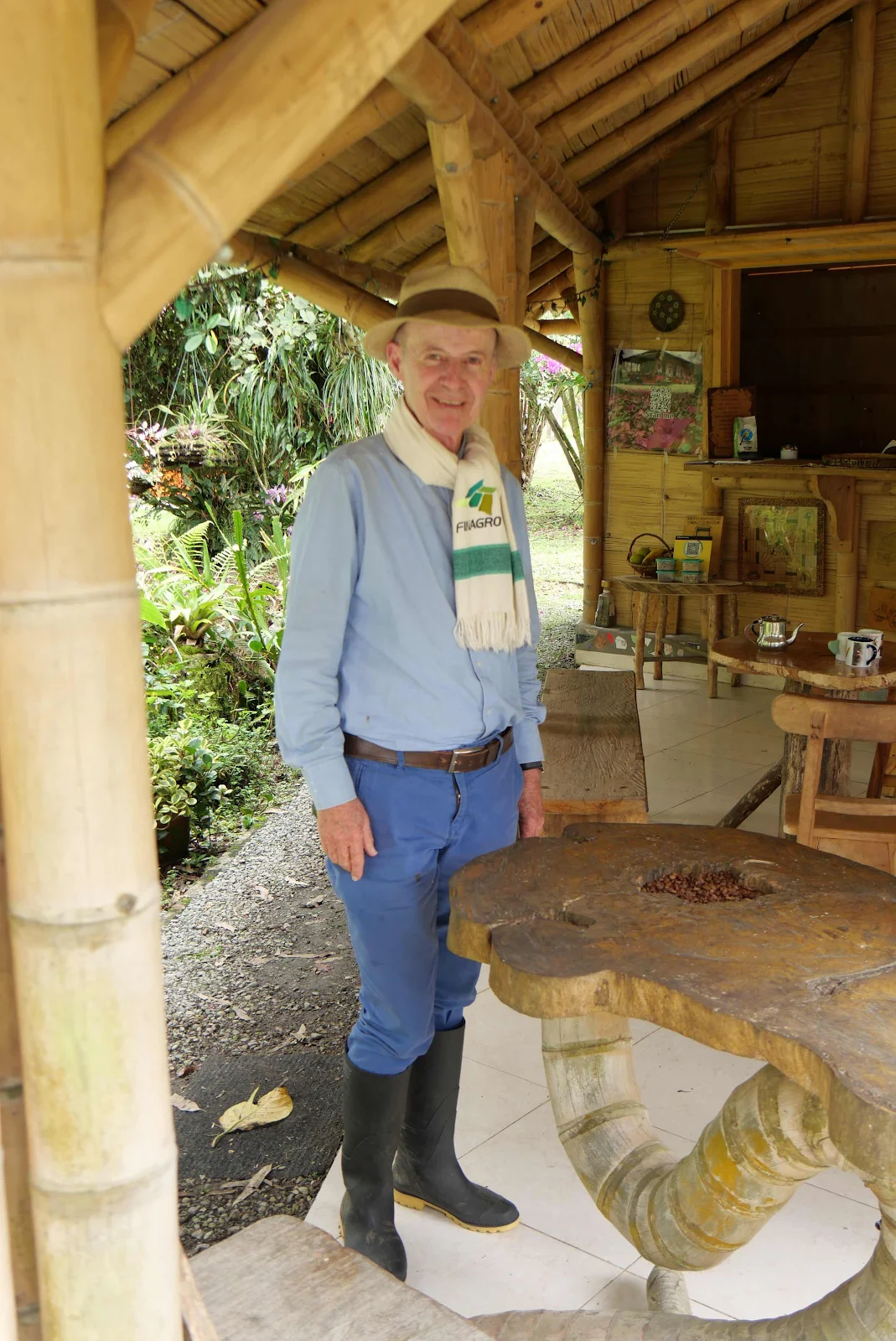
And there is the infamous Juan Valdez the symbol of Colombian coffee in North America, the cooperative that got the stuff to market. Don Carlos bought this farm 26 years ago after working with the coffee marketing people as he wanted to create an experimental farm to grow sustainable organic coffee on his seven and a half hectares (20 acres).

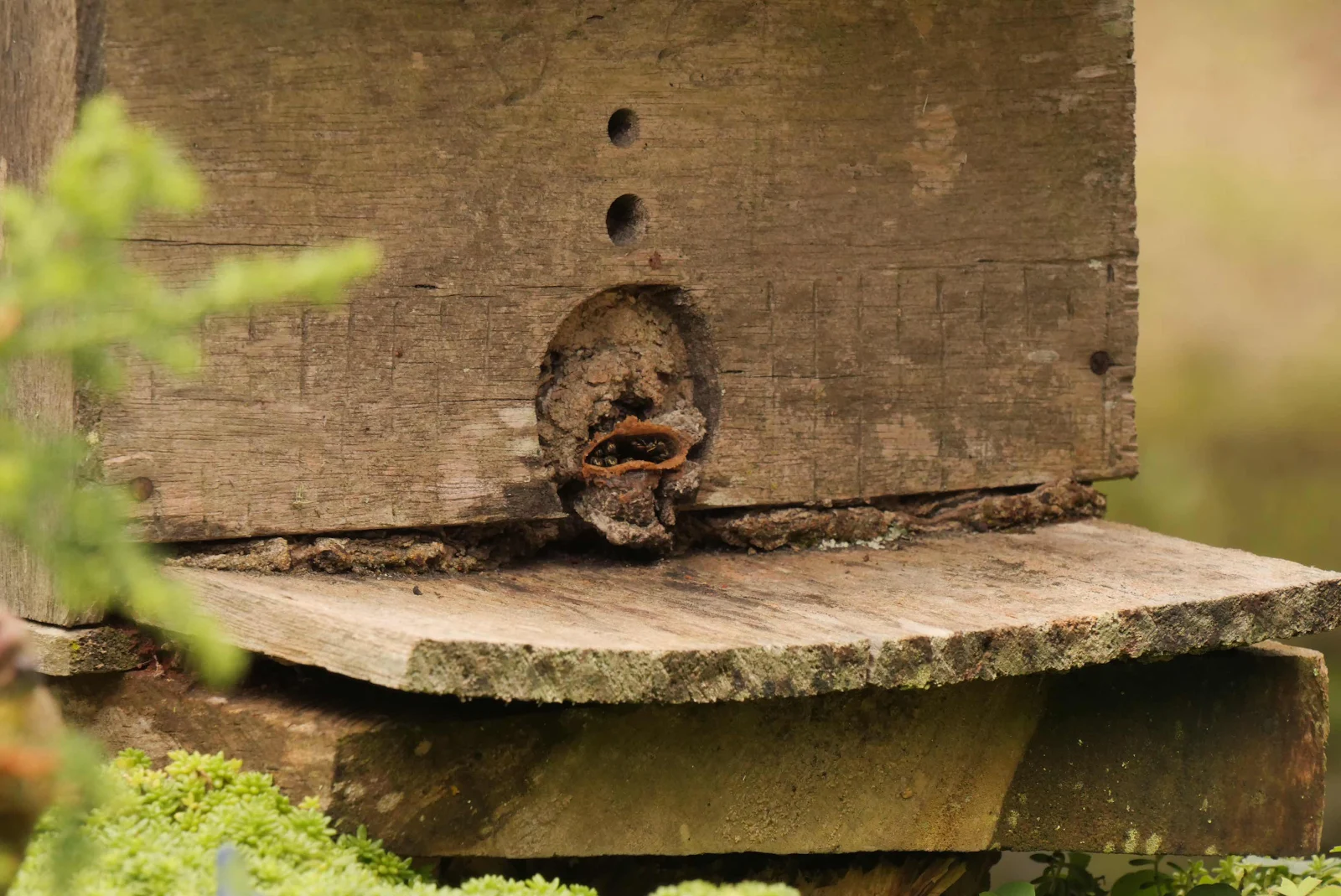
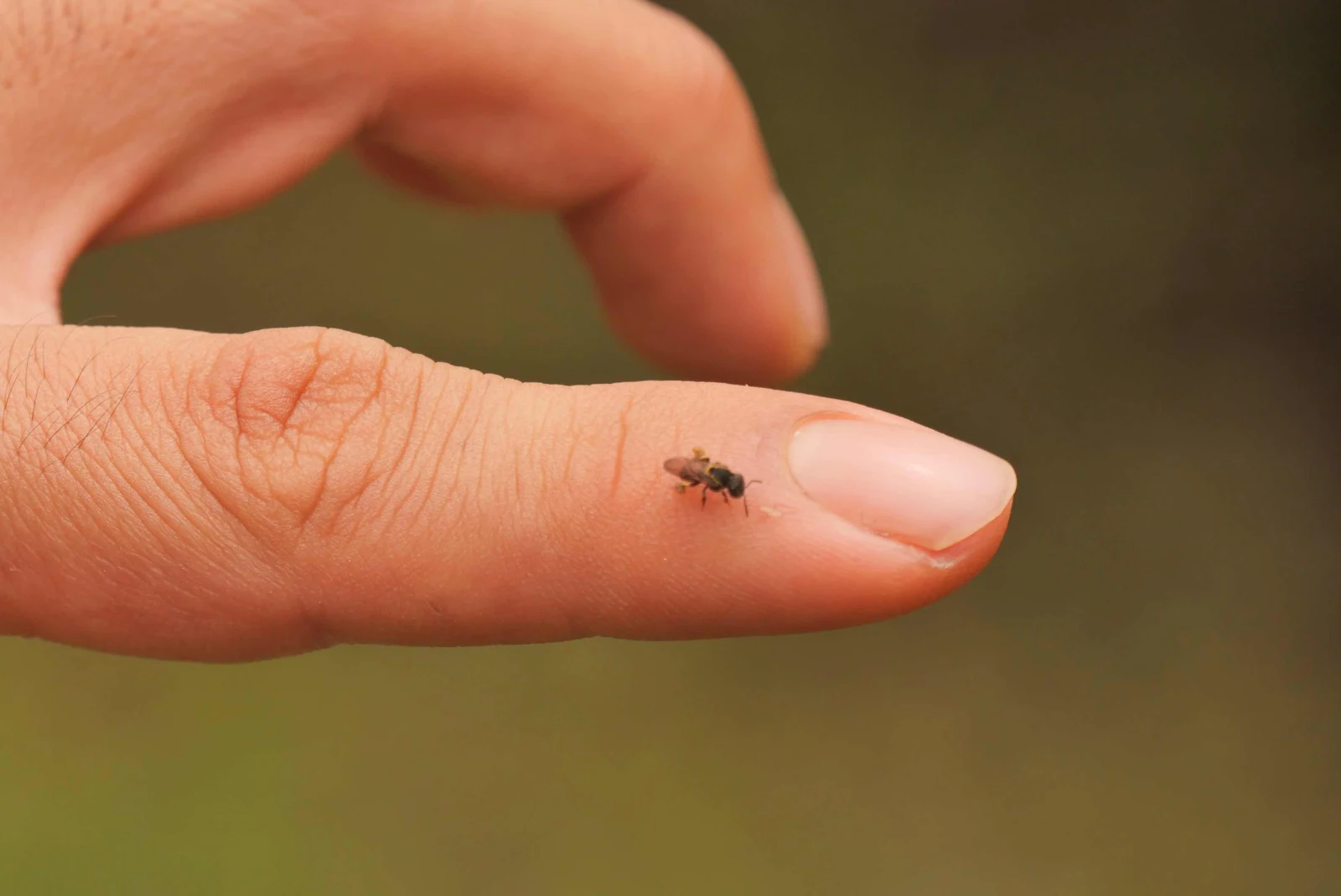
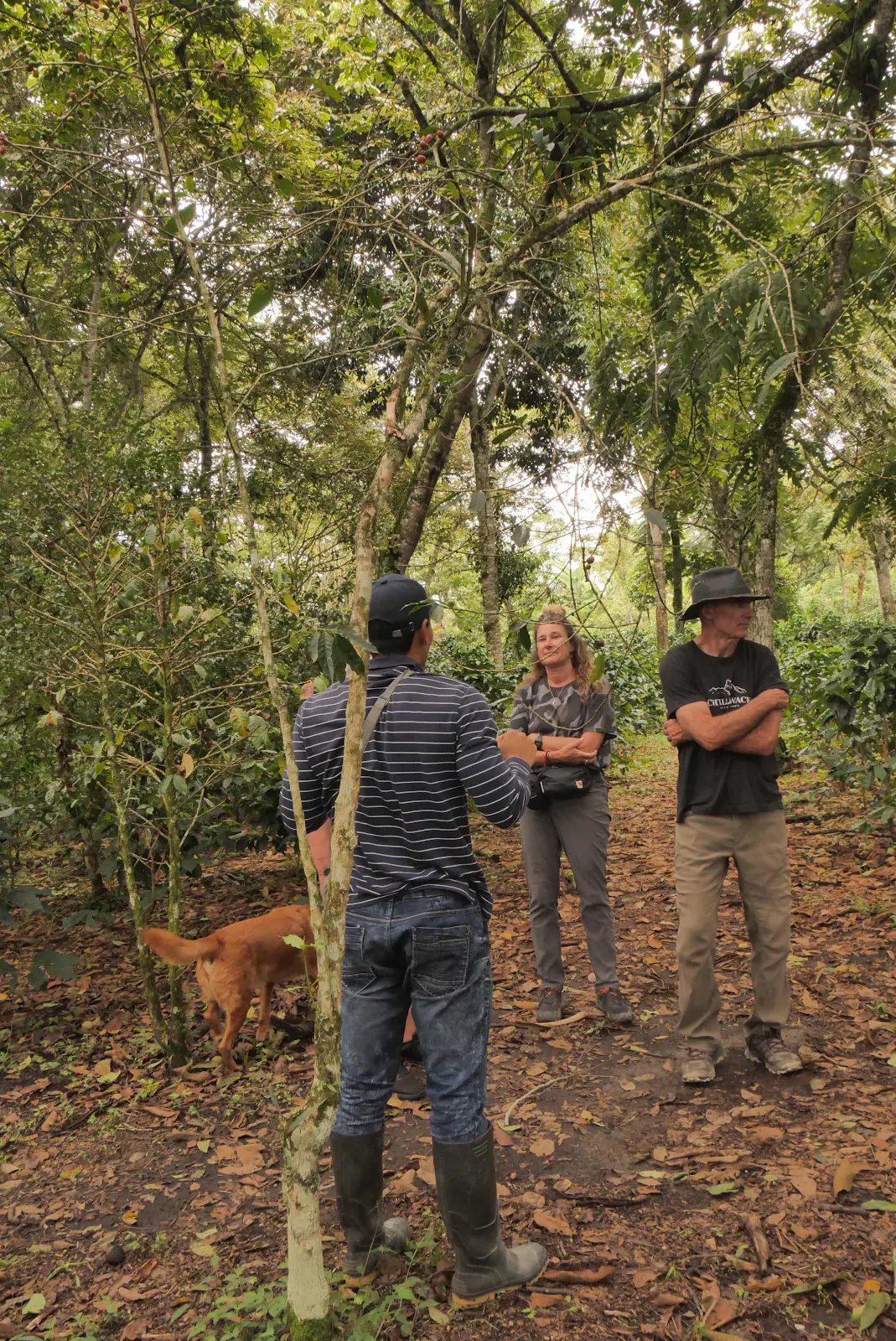
Non stinging honey bees are part of the land. I of course managed to step on a fire ant nest as though I’d never lived twenty years in Florida and I was out of the tour for a bit as I sat barefoot clearing the invaders from my skin socks and shoes.

The bees may not sting but the bastard ants do, and hard. 

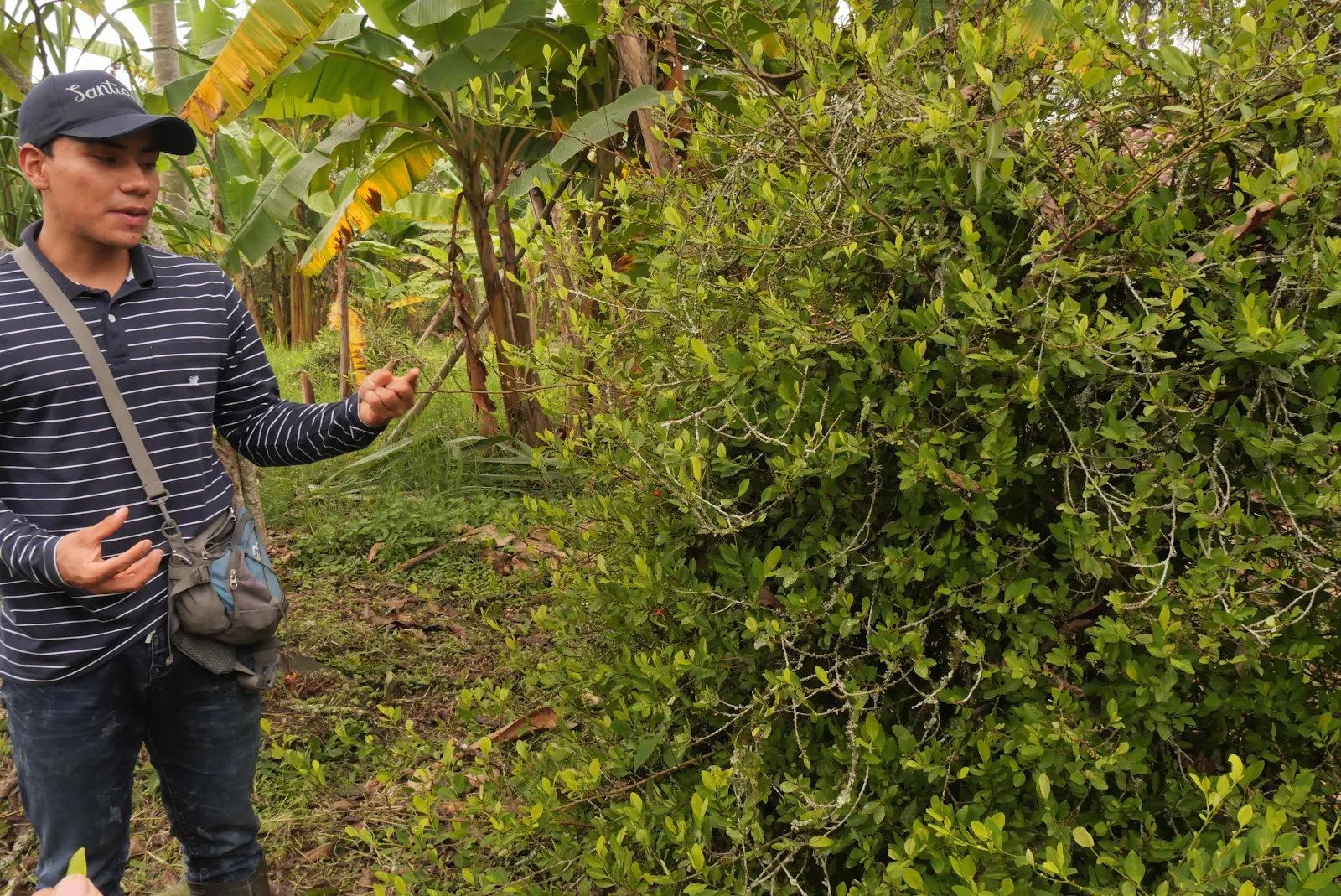
I’m trying to like coca leaves as an antidote to altitude but I’m finding chemical Tylenol more effective. I tried some fresh leaves direct from the bush but as usual I got mostly a numb tongue: 

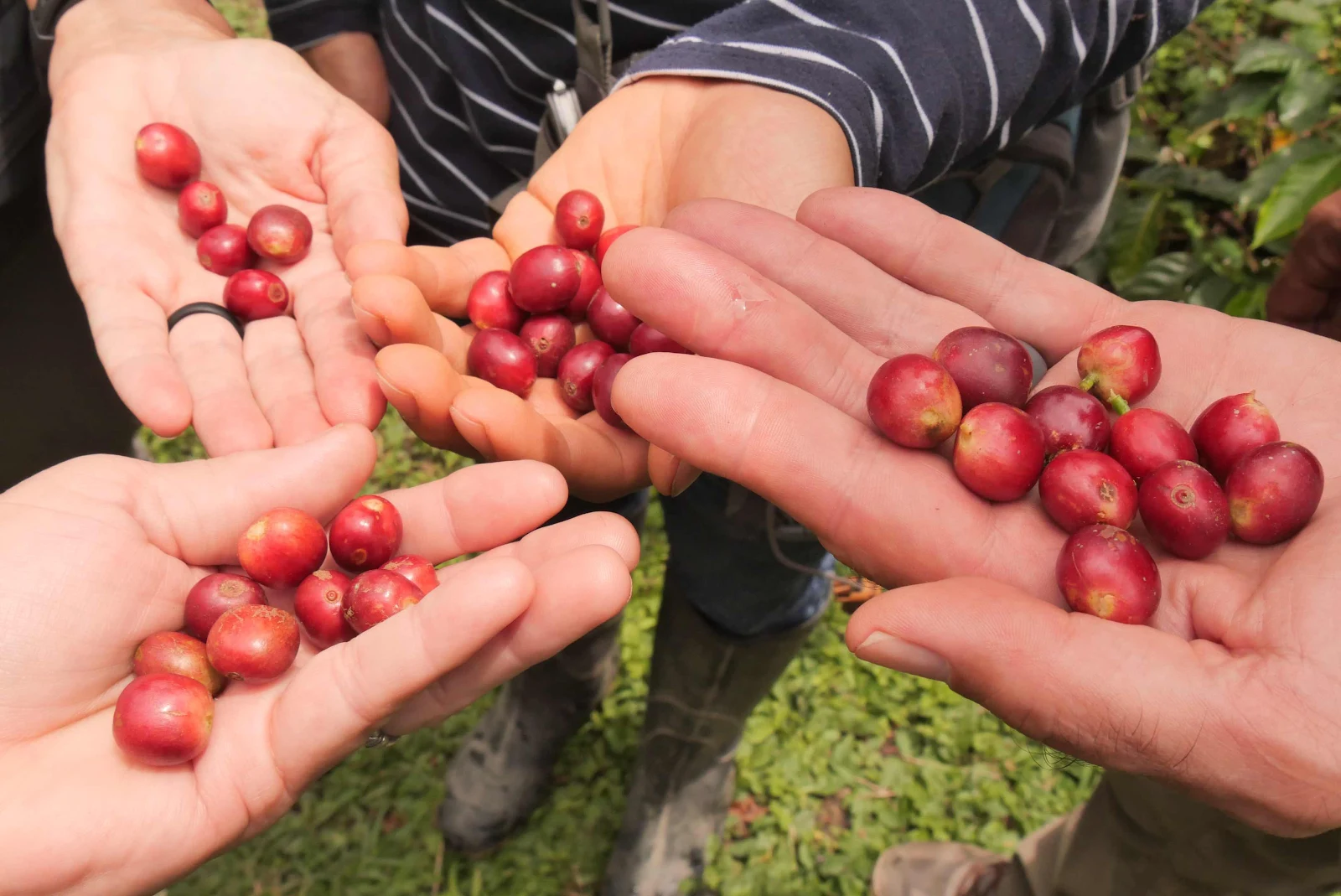
Coffee beans when ripe come with a soft sweet mushy mucus  interior surrounding the much prized bean. That was what I sucked to kill the sting of the hot peppers I tried on the cacao farm earlier. 

Coffee trees take about seven years to max out and with grafting they can last up to twenty one years producing year round crops.  

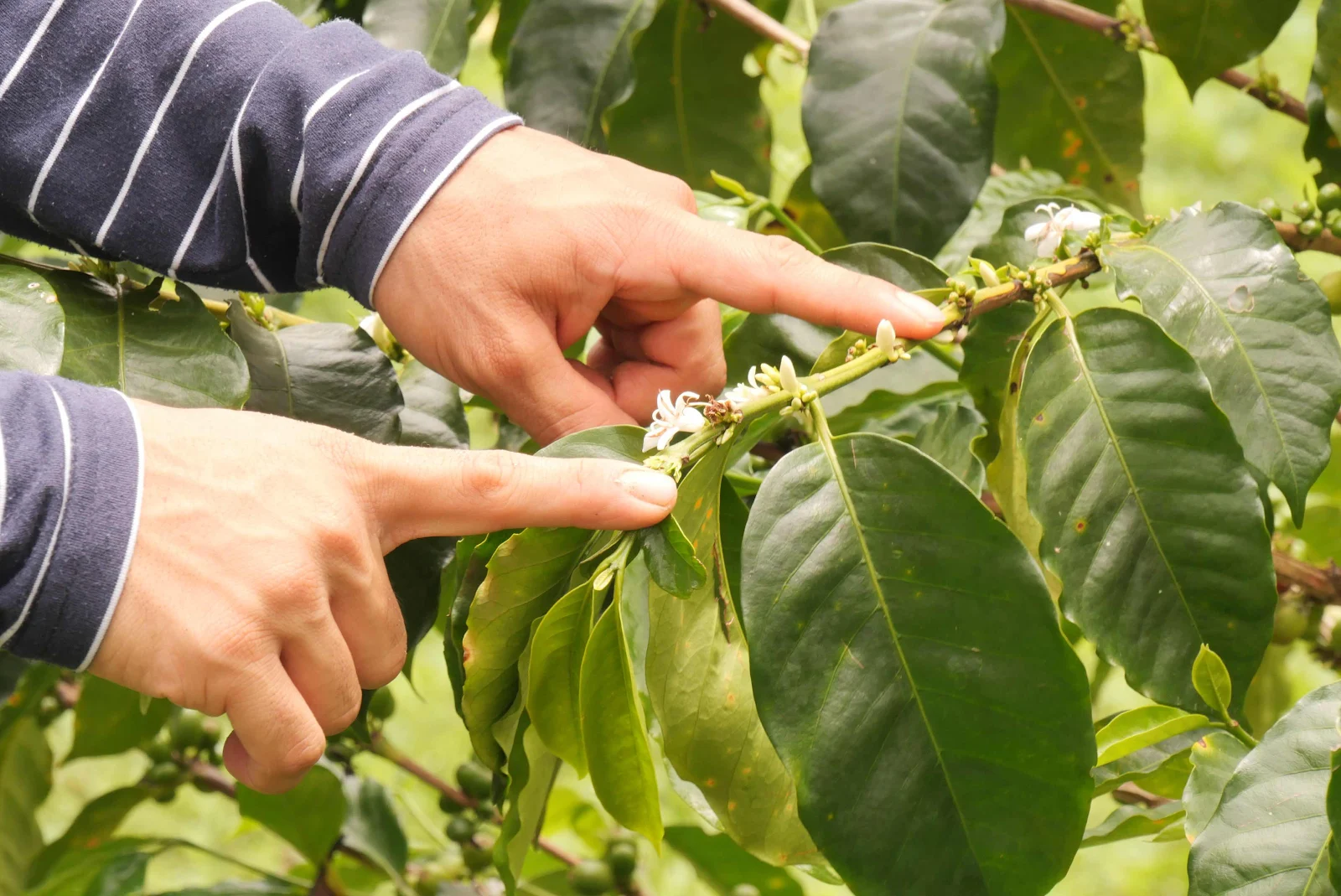
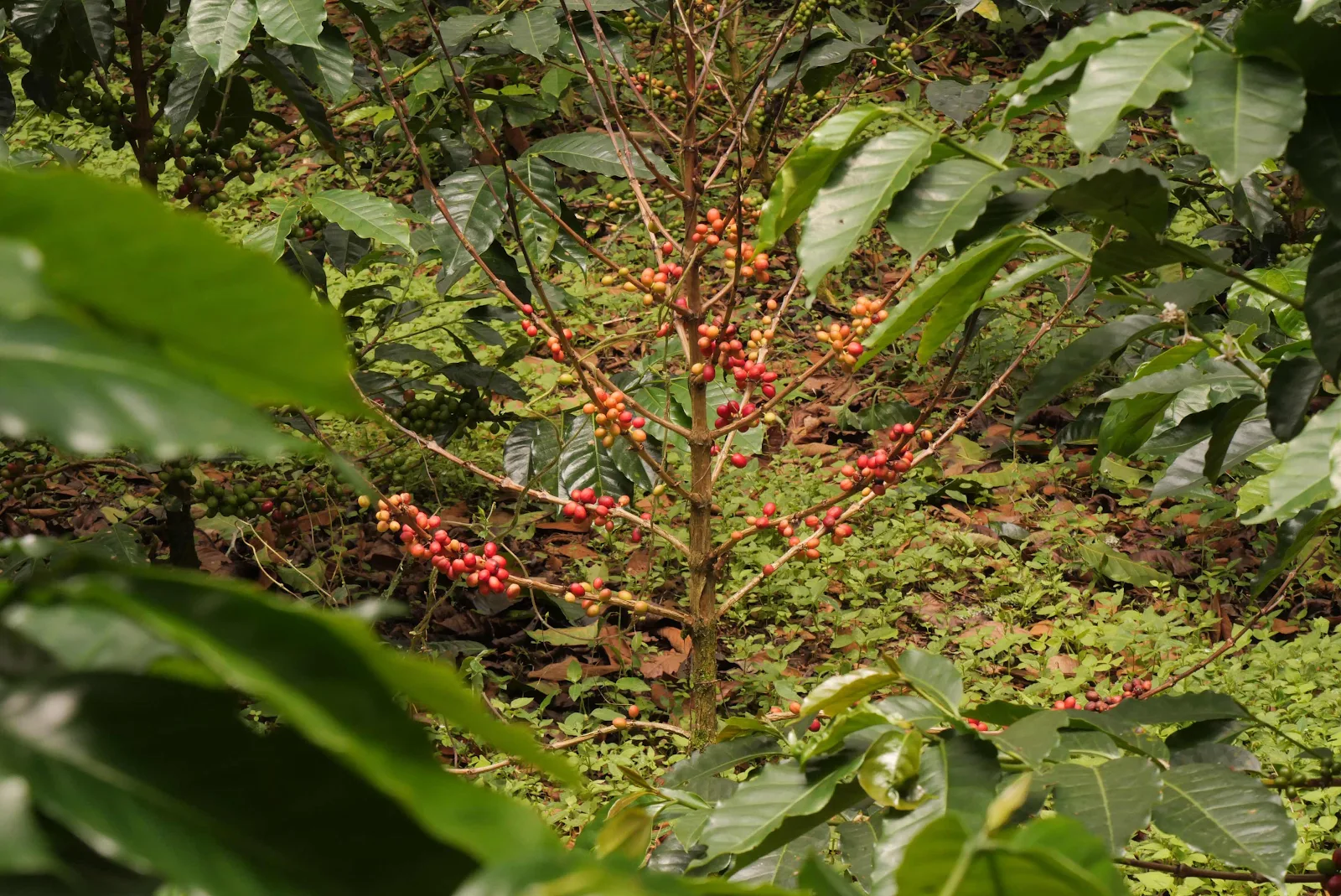
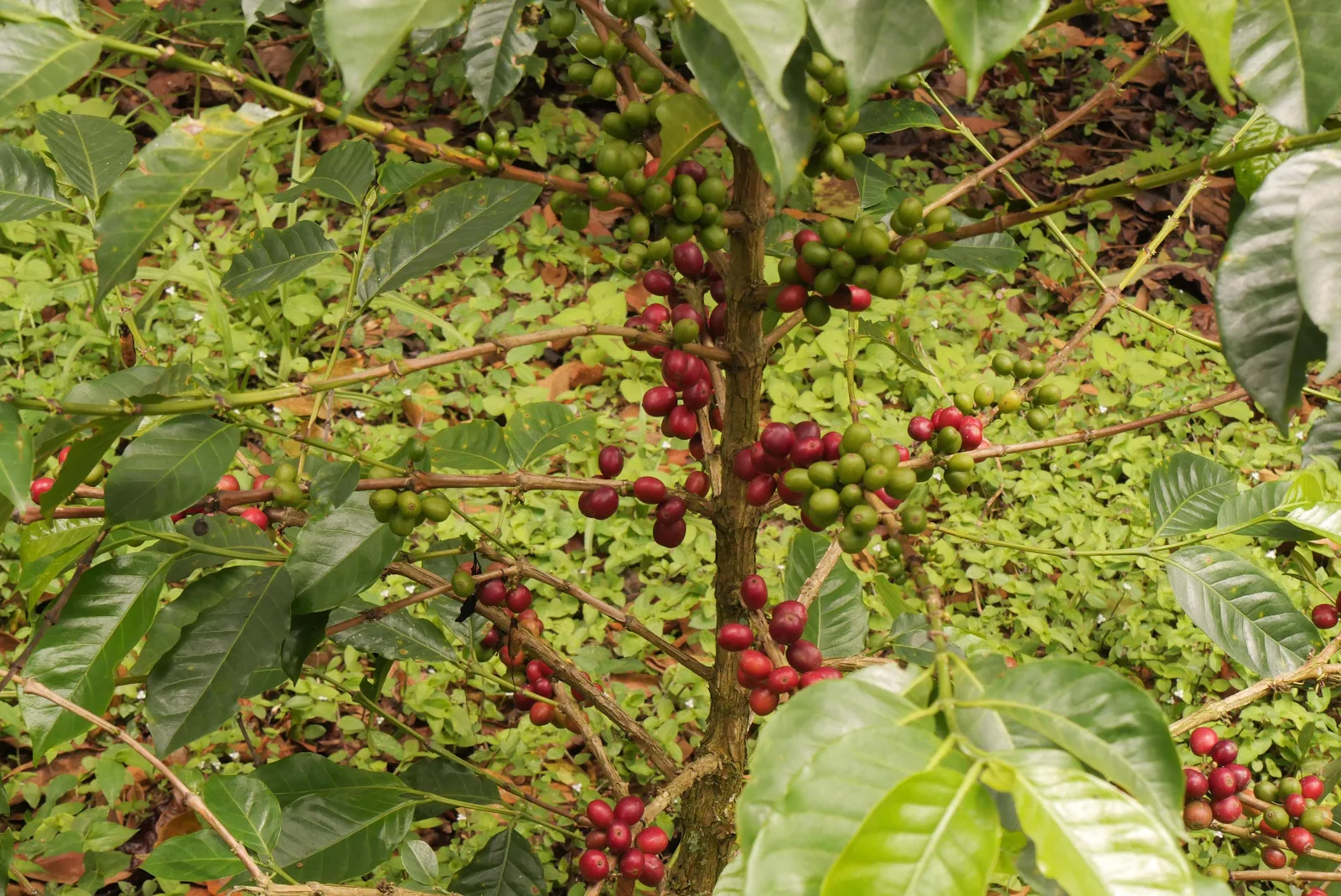
You’ll see bushes producing flowers, green beans and finally red beans all at once. This requires manual labor to select only the ripe ones obviously from each bush. 

Obviously in a mechanized world picking beans is intensive and expensive. But like chocolate production Colombia is betting on quality and organic a to fuel their market. 


Santiago pointed out that traditionally coffee in Colombia has been low quality reserving the good stuff for exports but that pattern is changing. 

Unlike mass production monocultures these small family coffee farms focus on providing shade for the delicate coffee shrubs that don’t need direct sunlight and instead of fertilizers it’s the usual story of compost and natural recycling. 

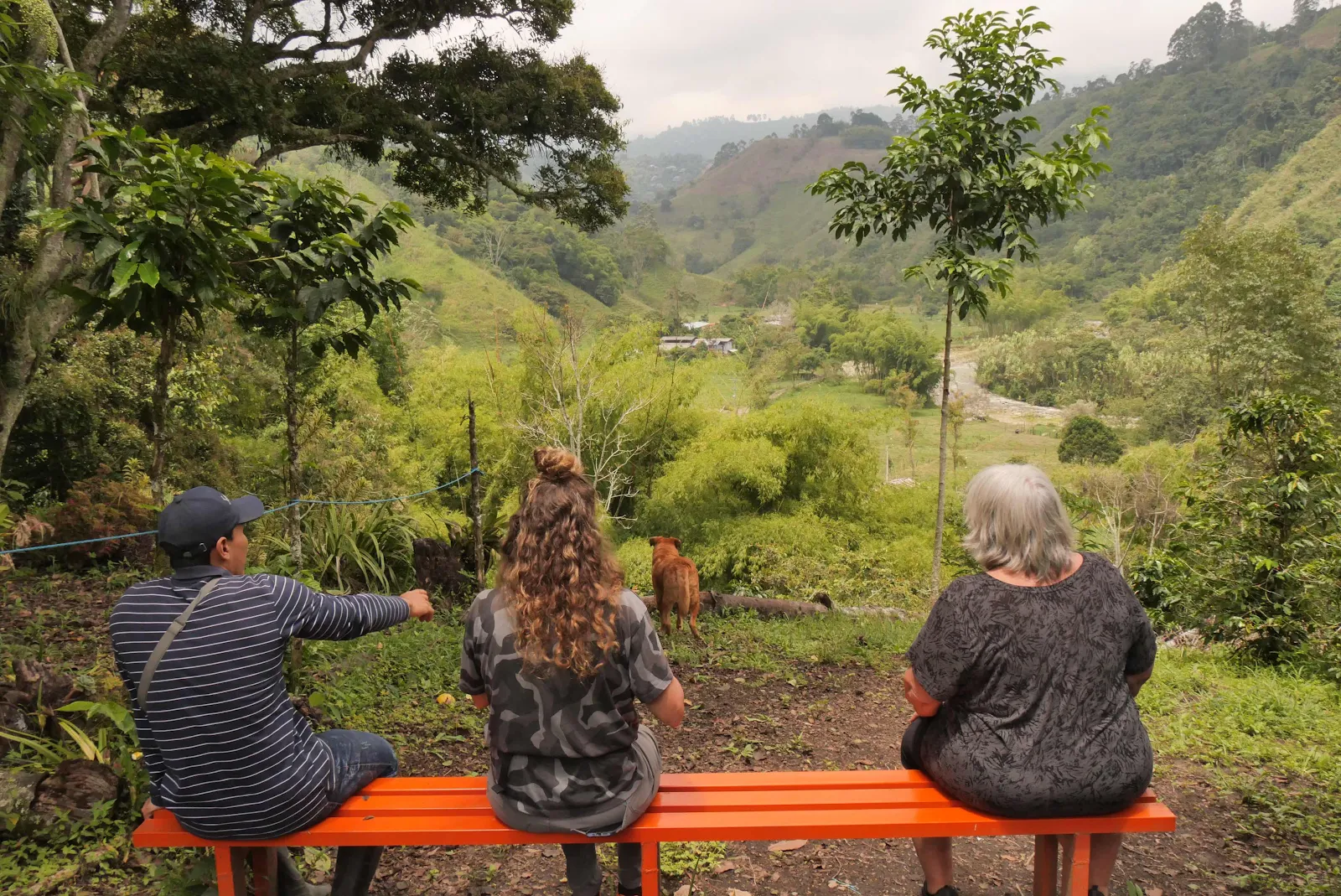
They are quite proud of their Rainforest Alliance certification at the farm. Rusty approved the cool soil and quiet spots to sit and do dog meditation. 


Lemons aren’t supposed to be orange and oranges are t supposed to have green rinds and become but this is Colombia. 

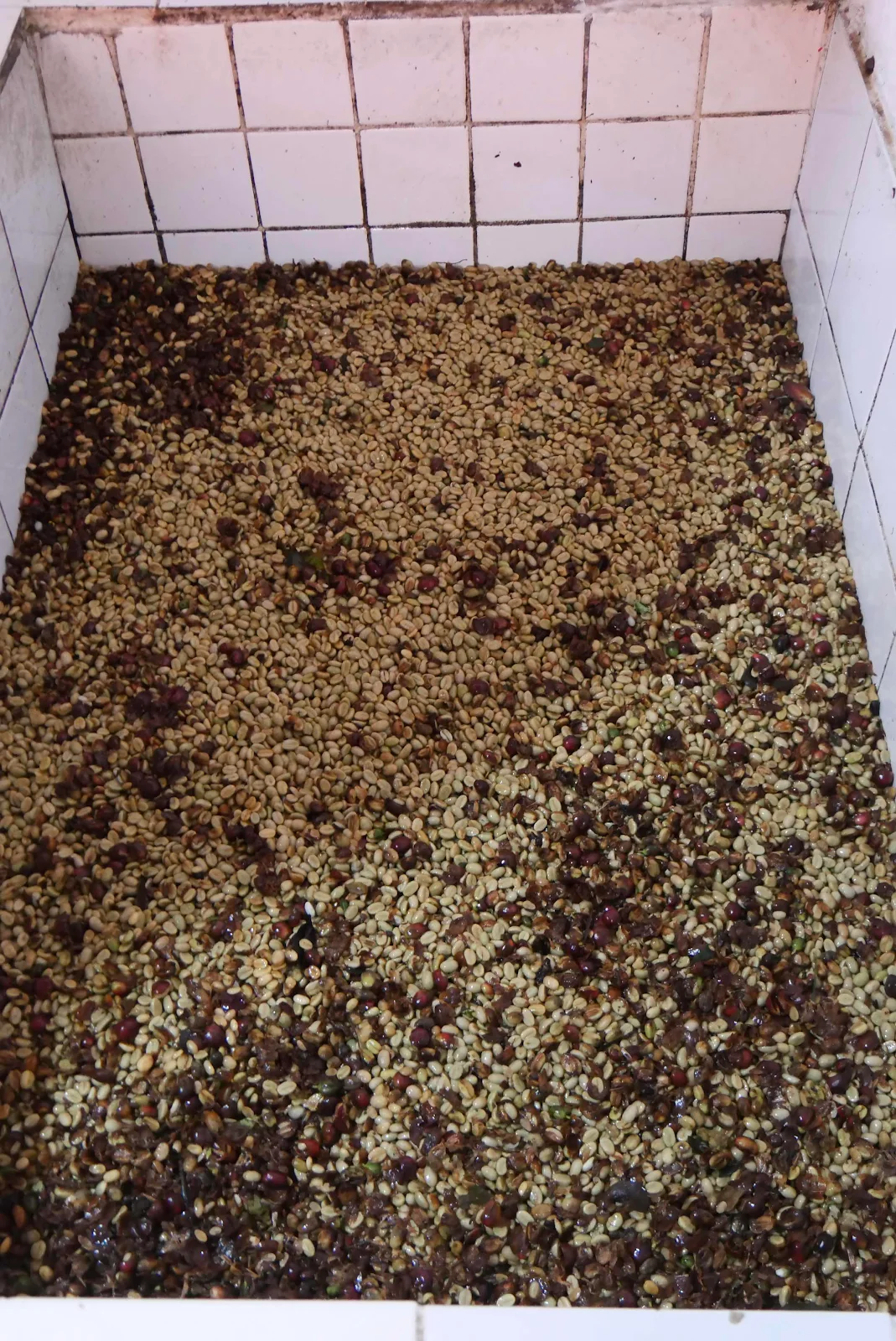
They don’t roast the beans here but they due process them to prepare them for roasting. 

They ferment the beans and clean them with an electric centrifuge. In the old days they ground them up by hand to clean the beans:


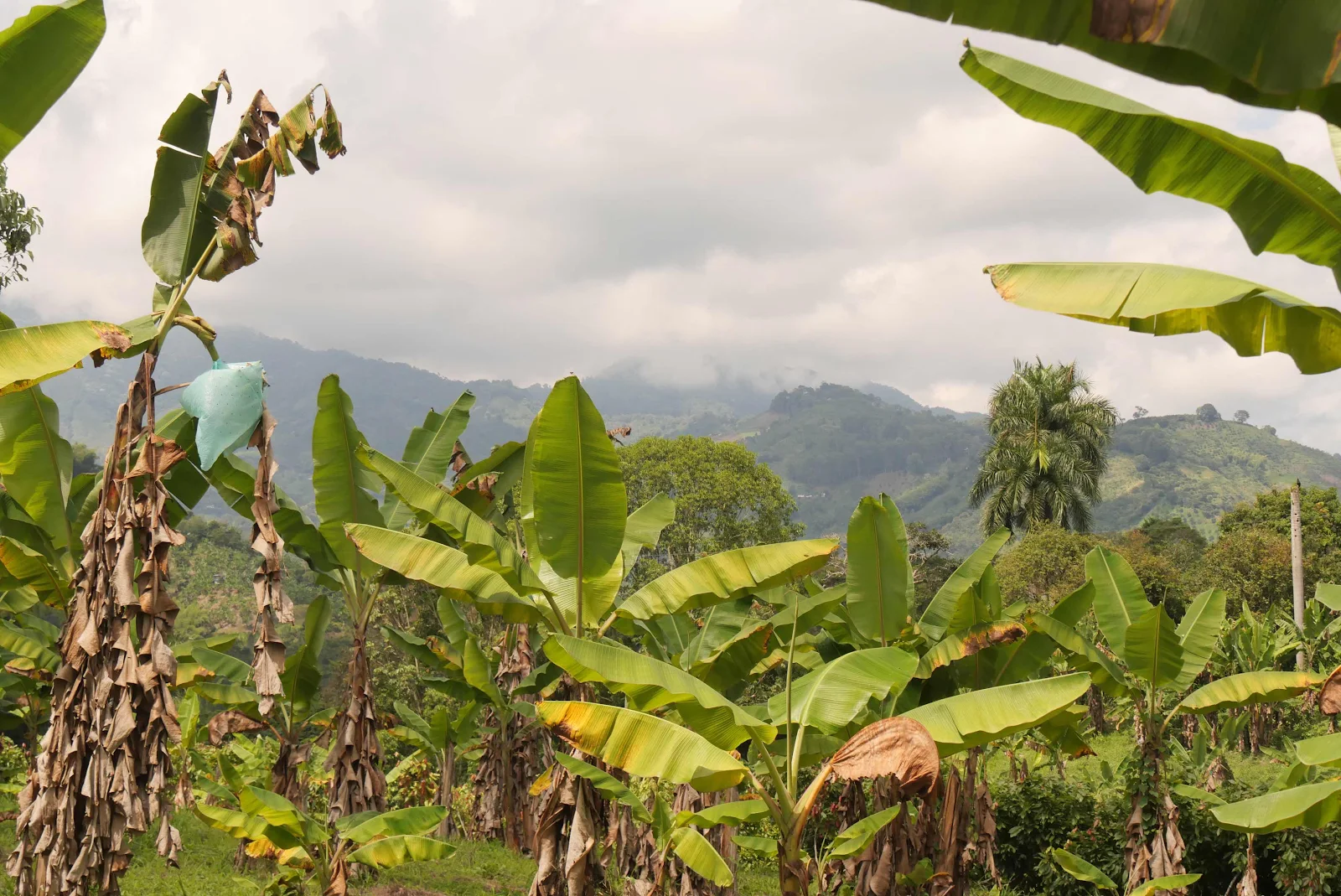
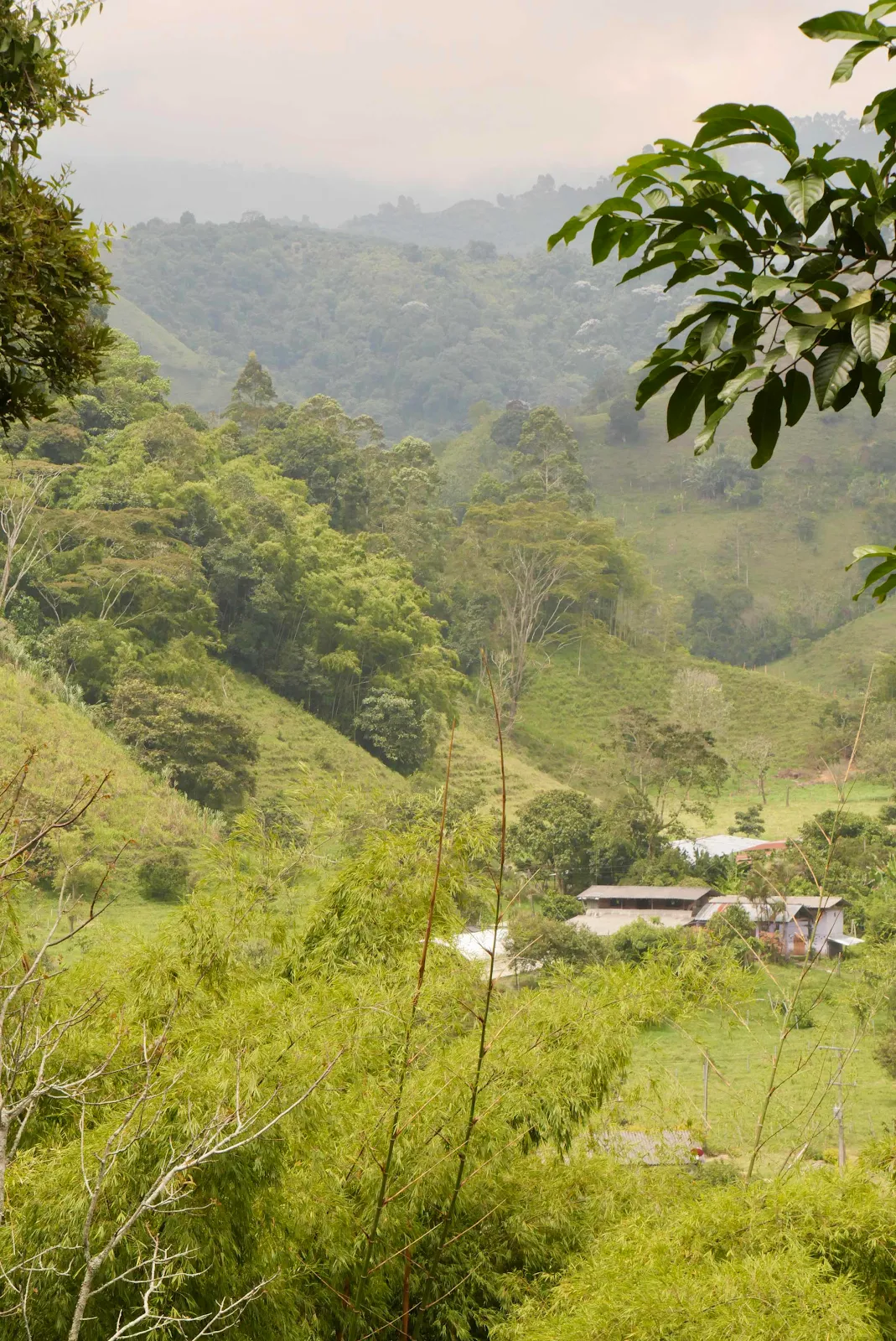
Coffee grows year round in this climate which is equatorial but at 6,000 feet. 

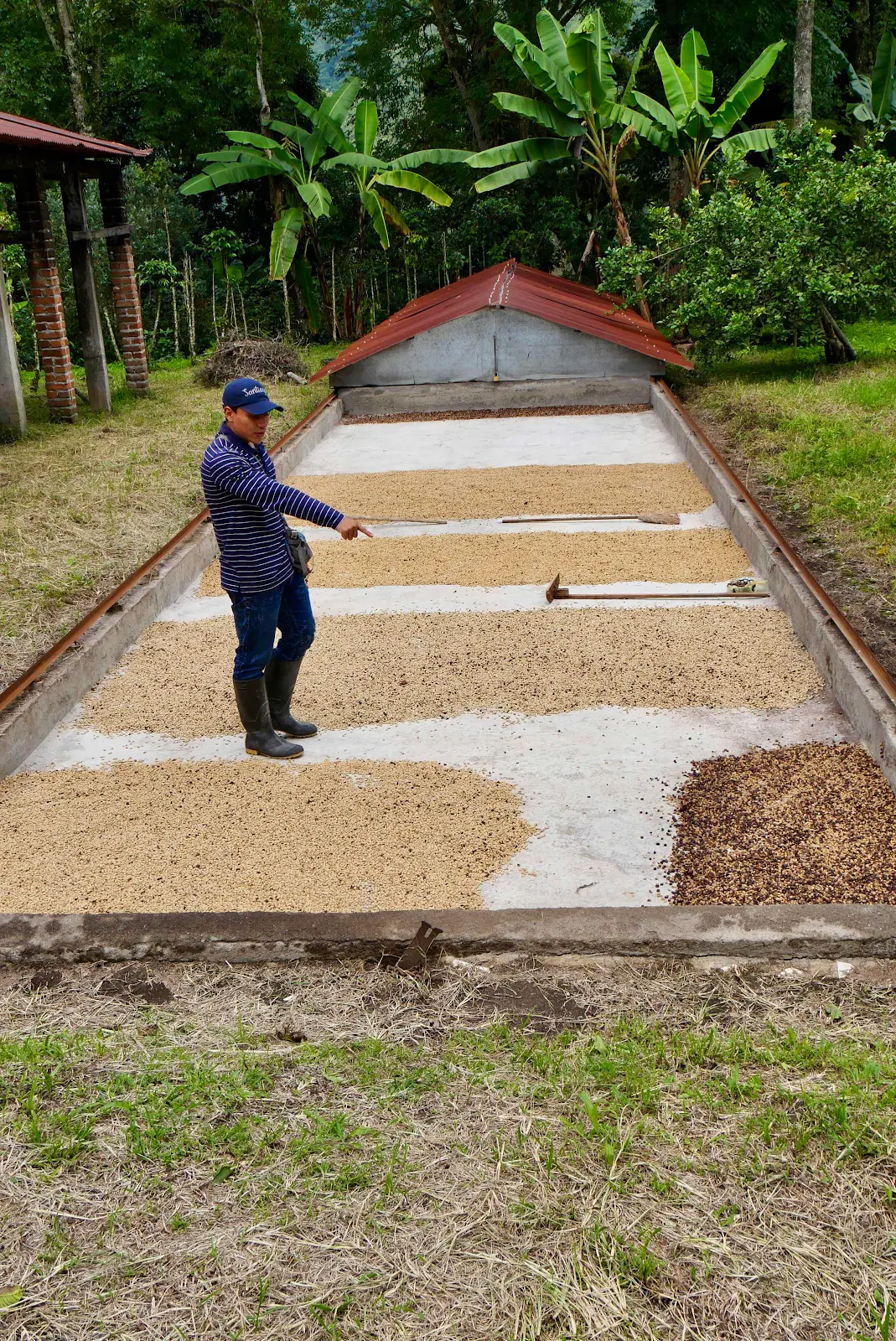
Fermented beans are dried and in if rain threatens they cover them with the sliding roof: 

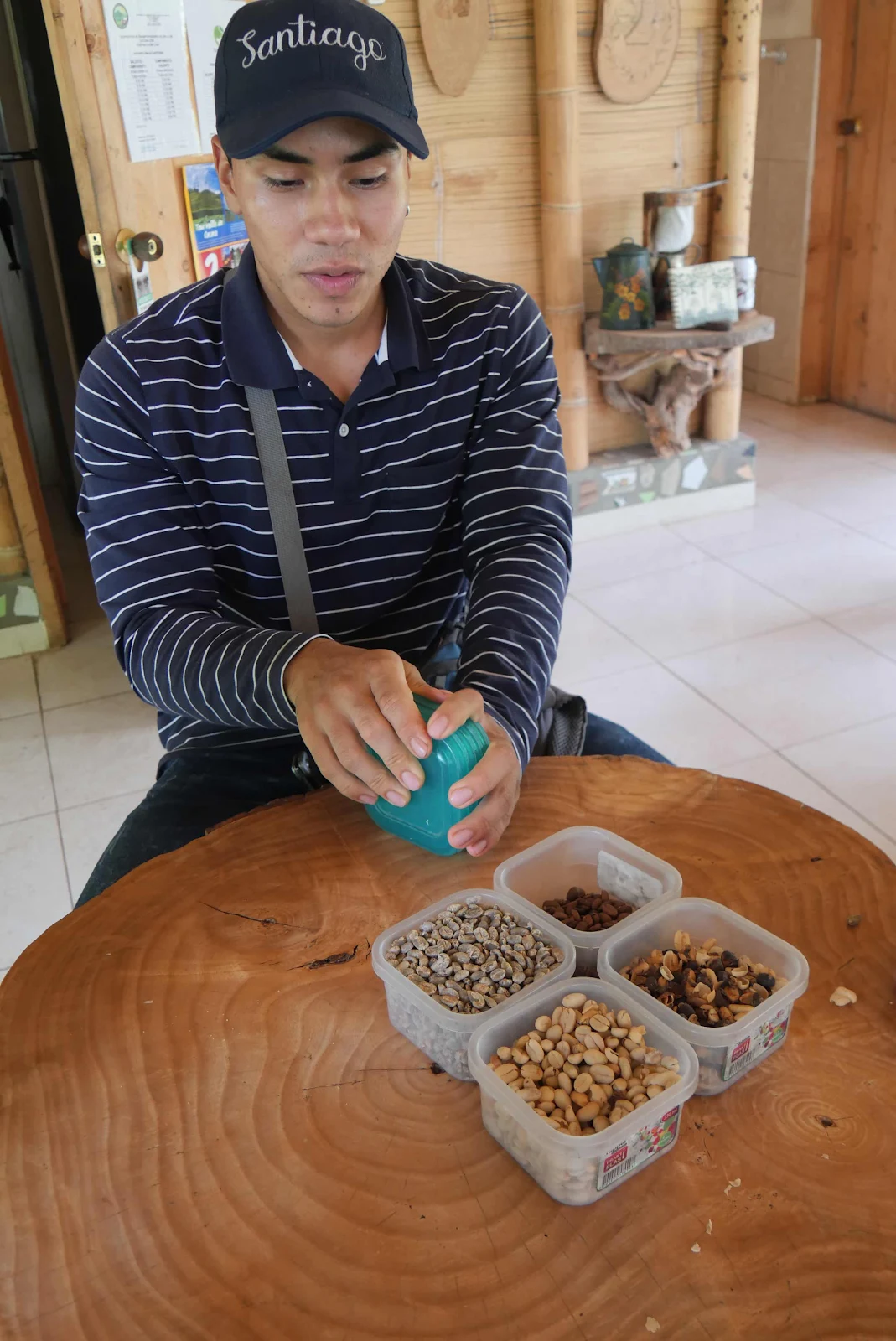
And then the tasting and it’s always a surprise that the beans themselves as so gross and woody flavorless. 

But the coffee finally isn’t. It never ceases to amaze how anyone figured out coffee making from such unpromising beans. 

We had a chat with Don Carlos and he advised us to leave the valley. Earlier in the week mudslides had closed the main trail to Armenia and road improvements (at last!) were scheduled to close the otherwise fossa out of the valley including the holy horror we had driven down. 

He said rain in the forecast meant there was every chance the only open road could be closed again by slides and if we wanted to leave it was best we got on with it. 

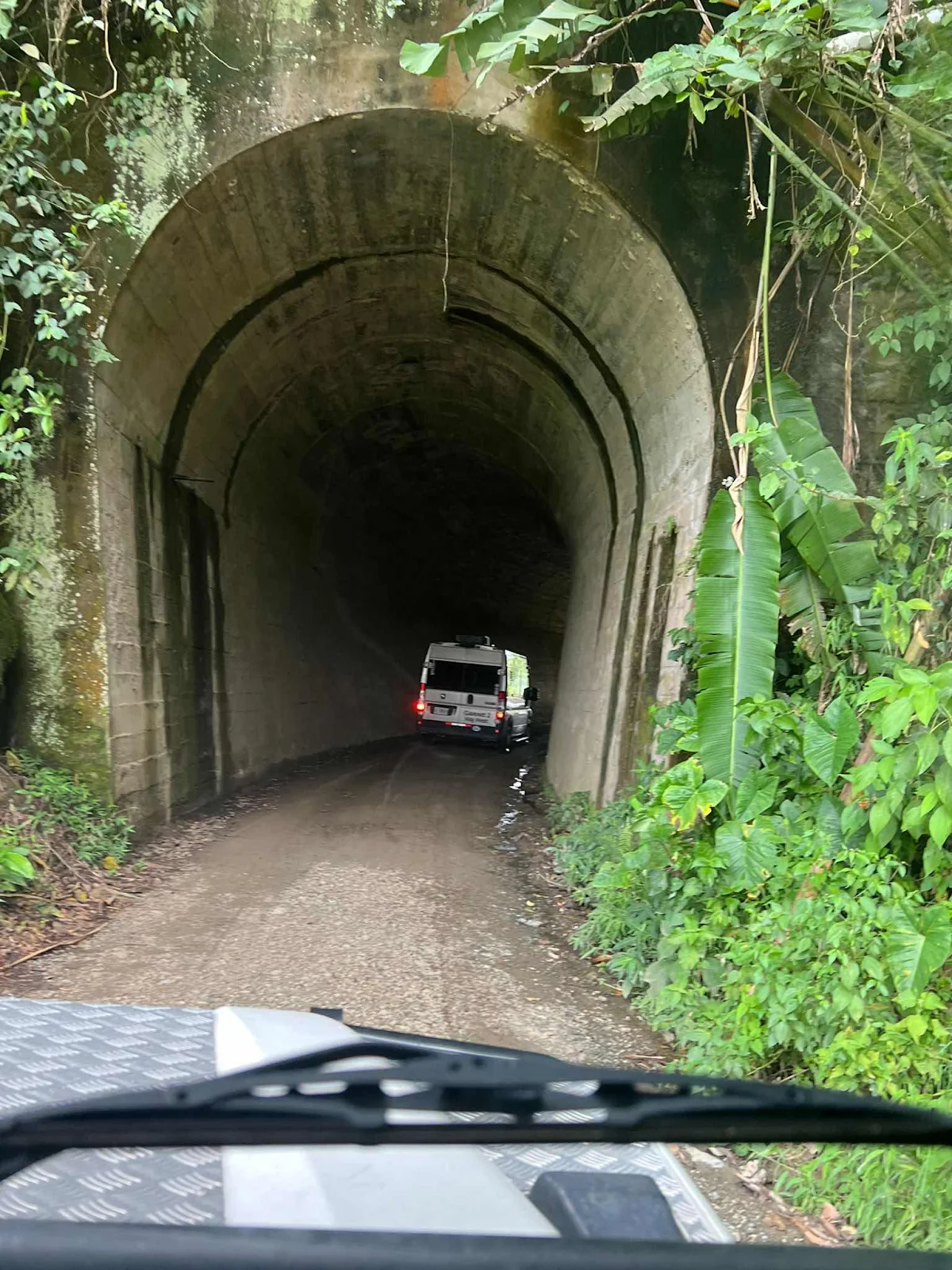
So we did. The road bed was flat and easy as it had been a railroad. 
And we are getting used to using old railroad tunnels too…

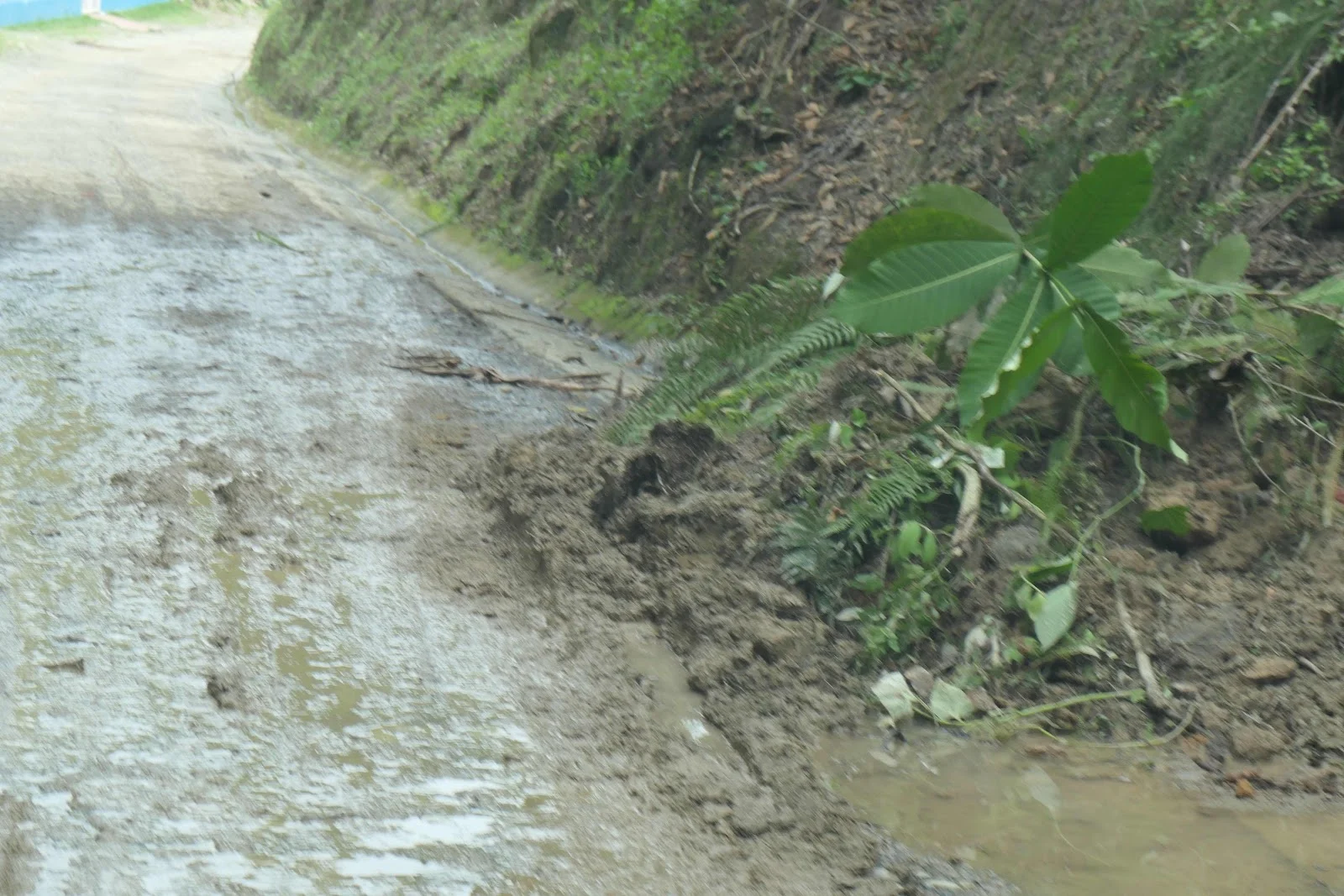
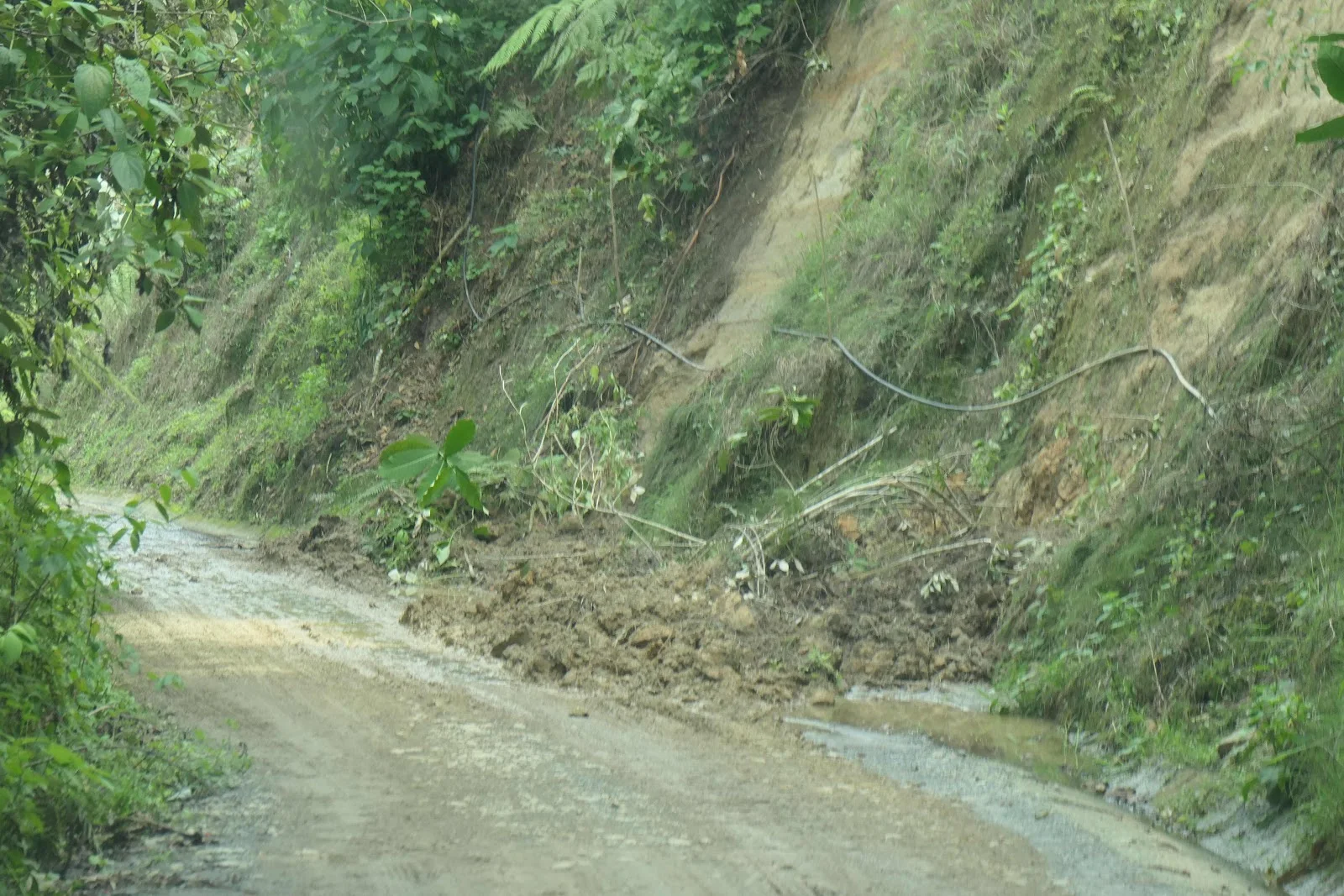
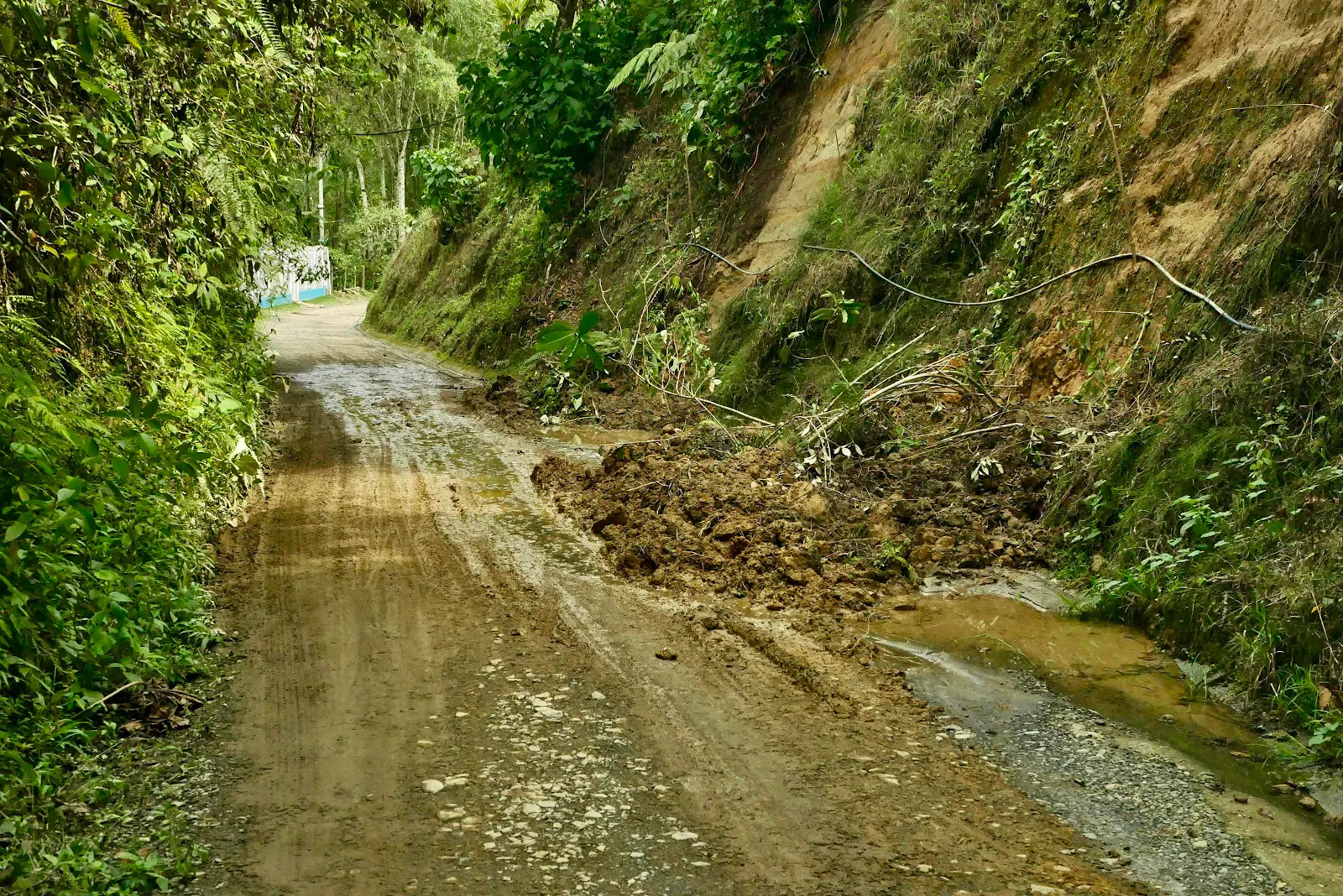
But we saw evidence of the slides,

And were glad we had left,

Before we found ourselves shoveling muck to escape the valley. 

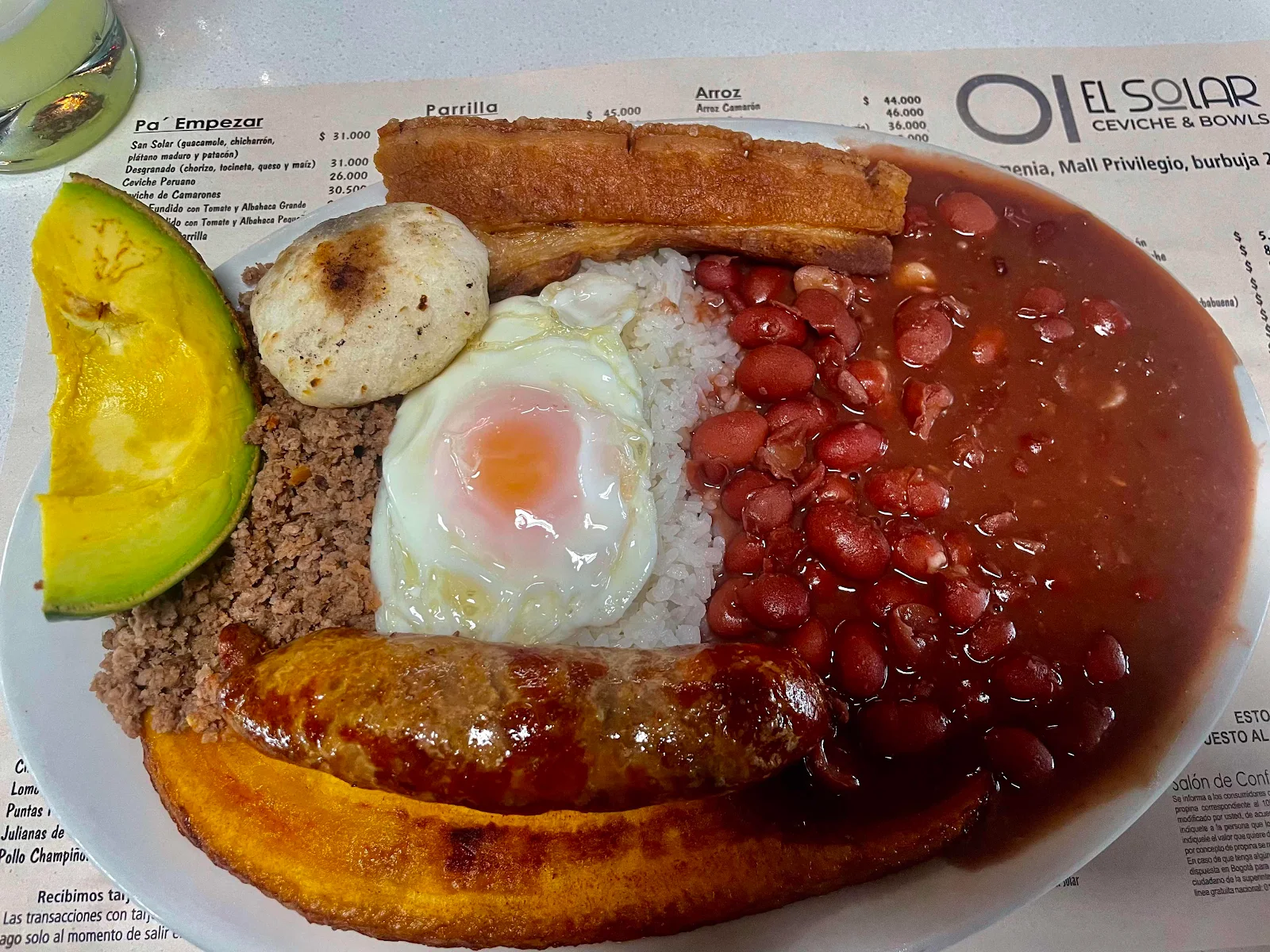
And a very late lunch of bandeja paisa. 

Steel Horse Campground for a couple of days outside Filandia.