Monday, October 28, 2024

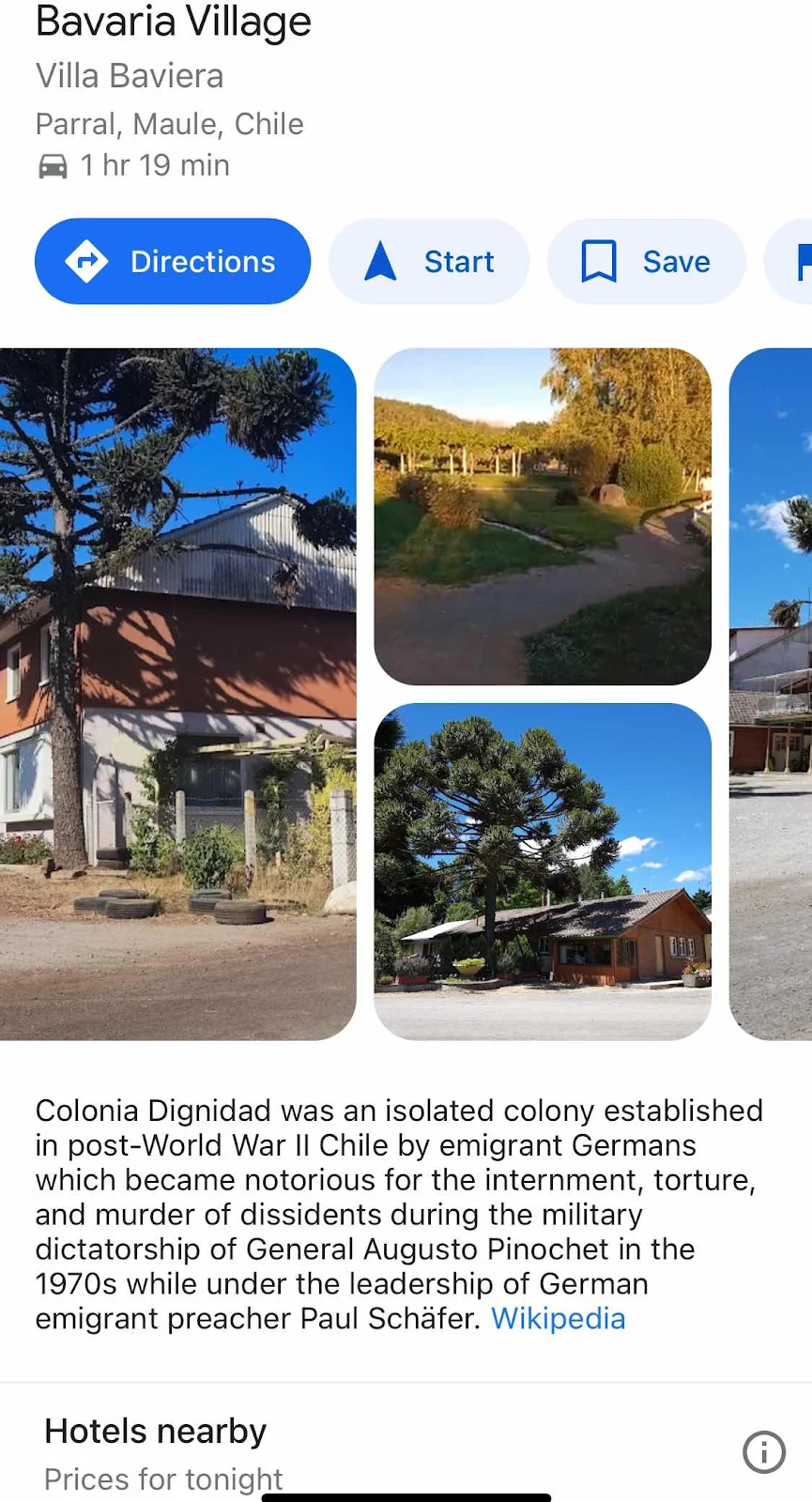
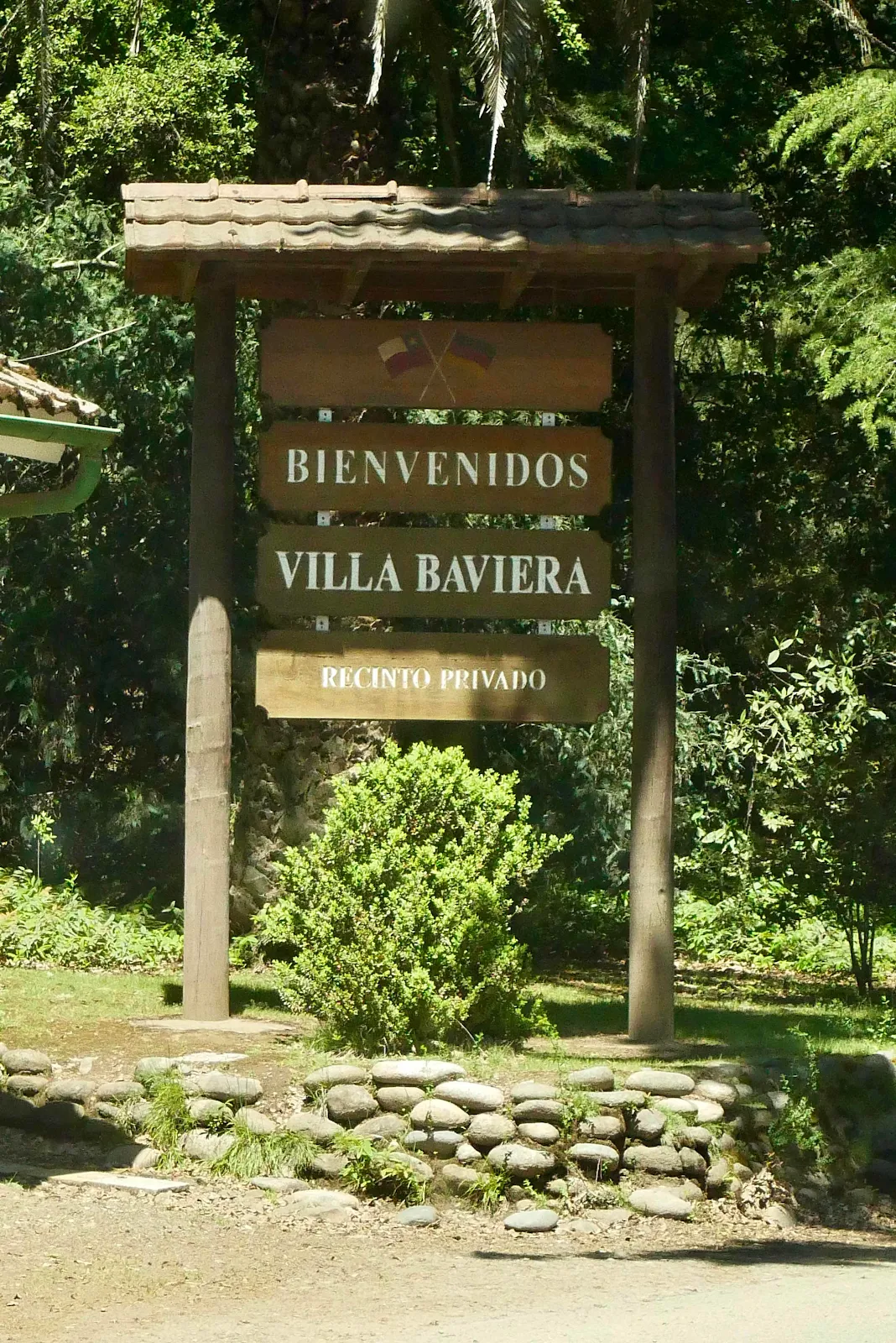
Colonia Dignidad,Villa Baviera


They say Dr Josef Mengele came by here on his way to Brazil where he later died. And they also say he wasn’t the only Nazi survivor of World War Two to come through this German hideout in Central Chile. Others reportedly showed up to train Chilean secret police how to torture and interrogate political prisoners held here during General Pinochet’s dictatorship. There is no certainty about this because of the nature of who they were and what they allegedly did but the founding of Colonia Dignidad was founded in evil that much is certain. 
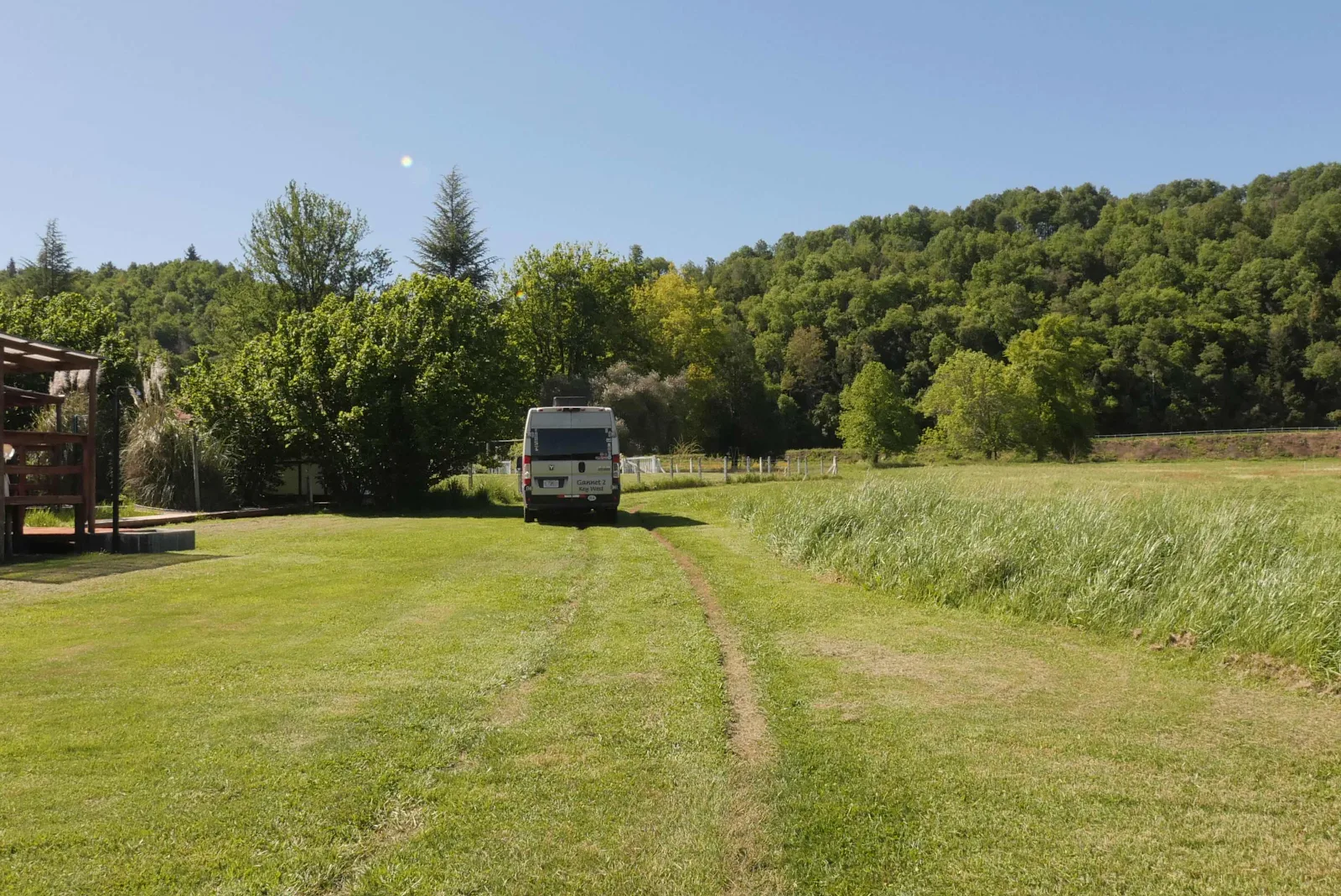
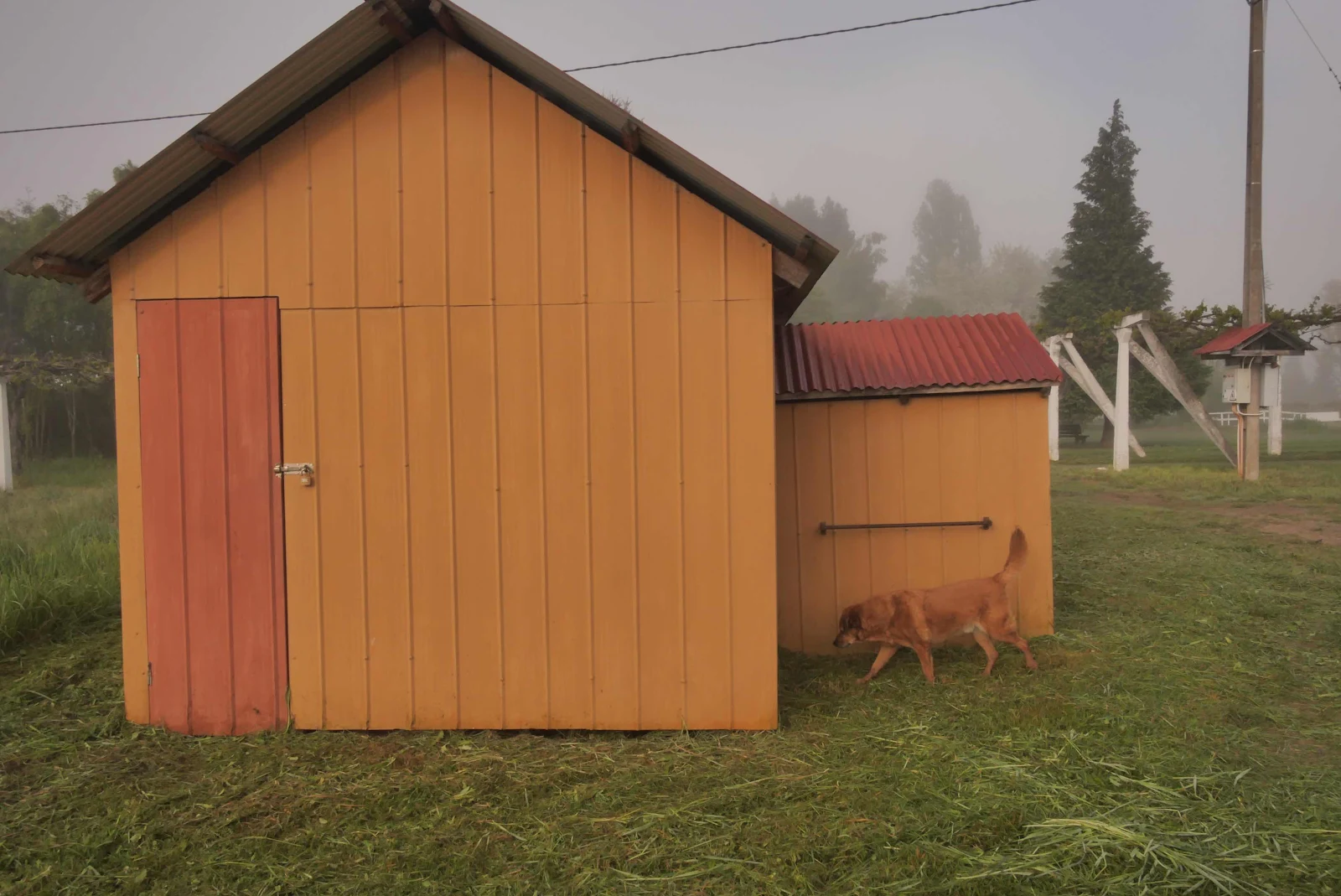
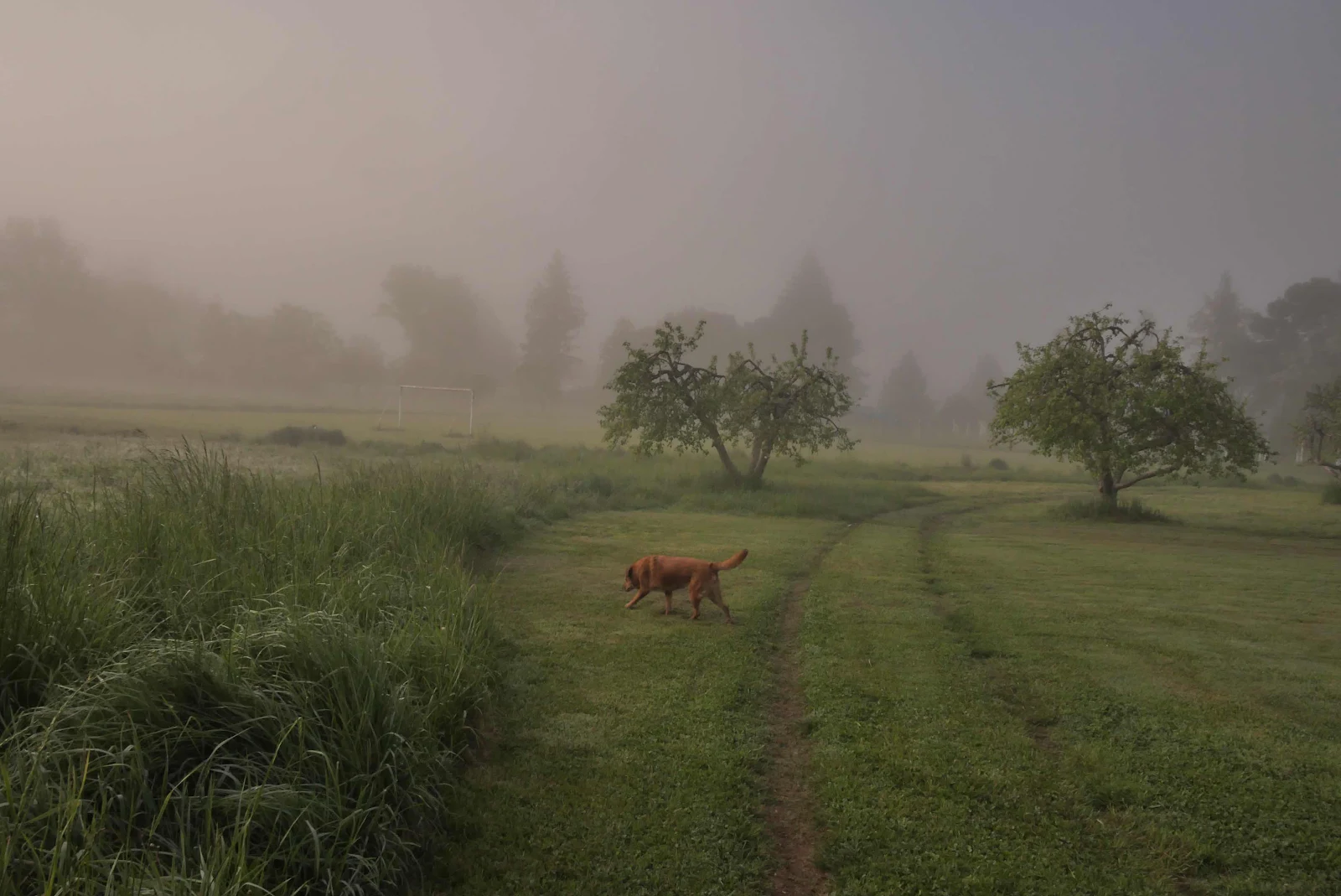
And yet here we are, two retired American civil servants wandering around South America with our dog camping happily amidst the greenery of Villa Baviera,  formerly known as Colonia Dignidad where religion, child molestation and a cult leader,a former member of the Nazi party, built a state within a state after World War Two.  The whole thing is extraordinary, made even more so by the lovely surroundings, delightful people and warm welcome you get today. Chile is full of surprises. 
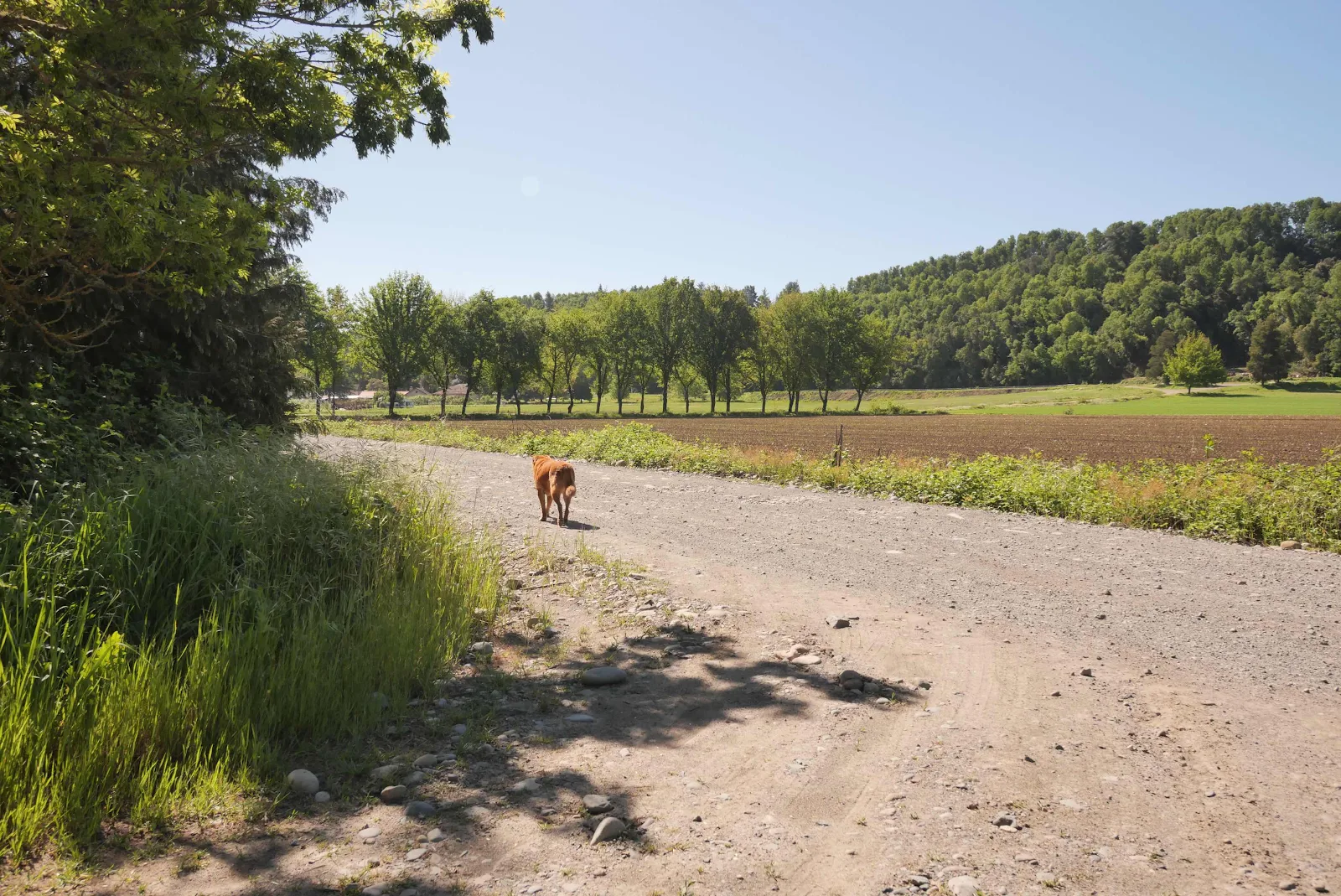

The location of the colony is in a deep valley at the end of the road with a clear view of the Andes on the eastern horizon. It’s founder, a former Nazi himself, came here to escape child molestation charges in West Germany in 1961 and he brought 70 followers with him. The rumor is they included some former Nazis and the colonists used secret contacts to get  special privileges in their new country of residence. That help came from the Chilean generals they later helped openly after the 1973 coup. It was a sordid start. 
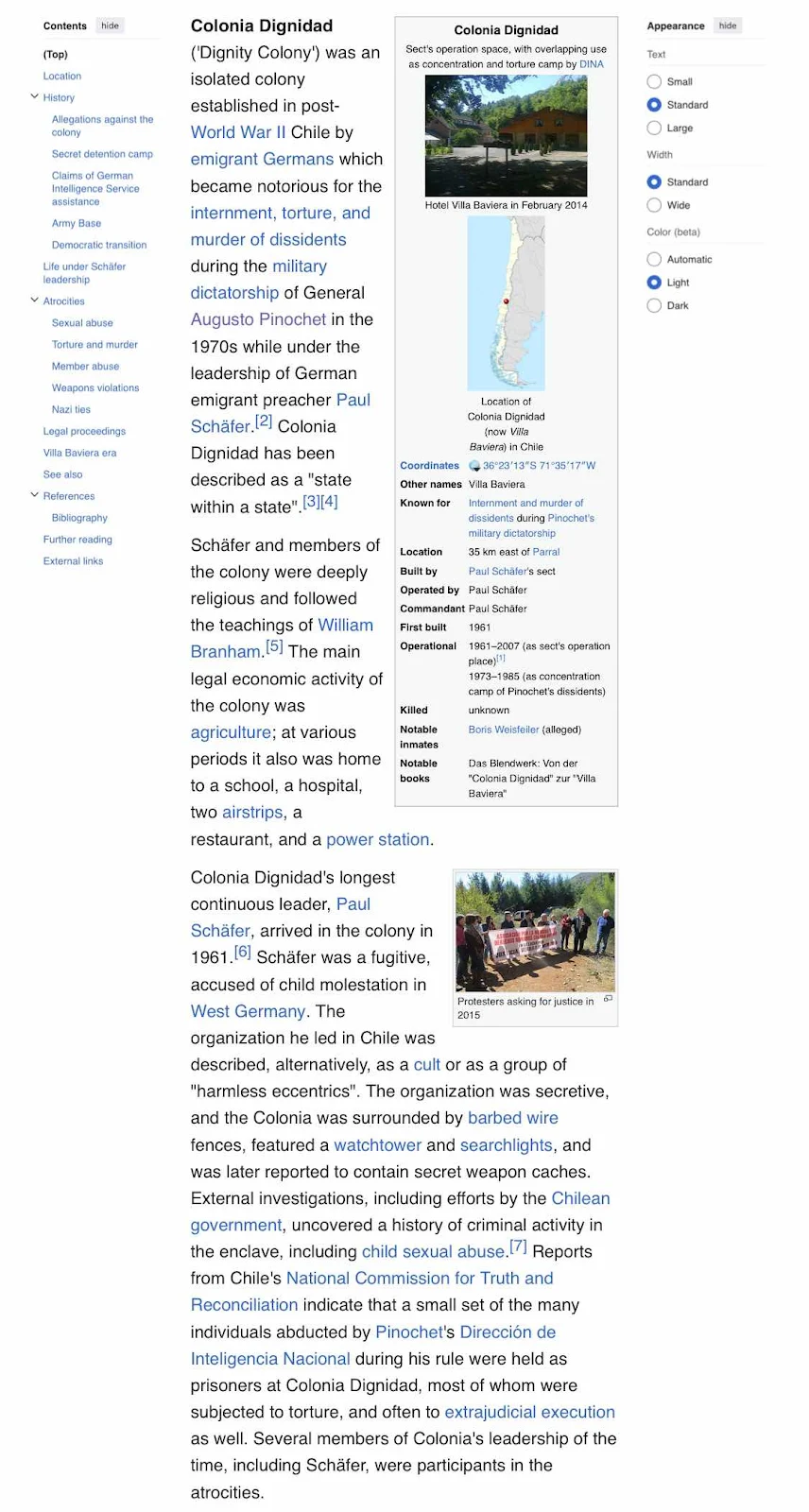


It’s a story you can get lost in online if you feel like it, a jumble of criminal activity, hocus pocus religious nonsense to control people and all the trimmings of those weird cults that come up from time to time. So you can imagine my surprise when my Jewish wife said she wanted to visit this former Nazi’s colony on our way south. But as usual Layne had a point. 
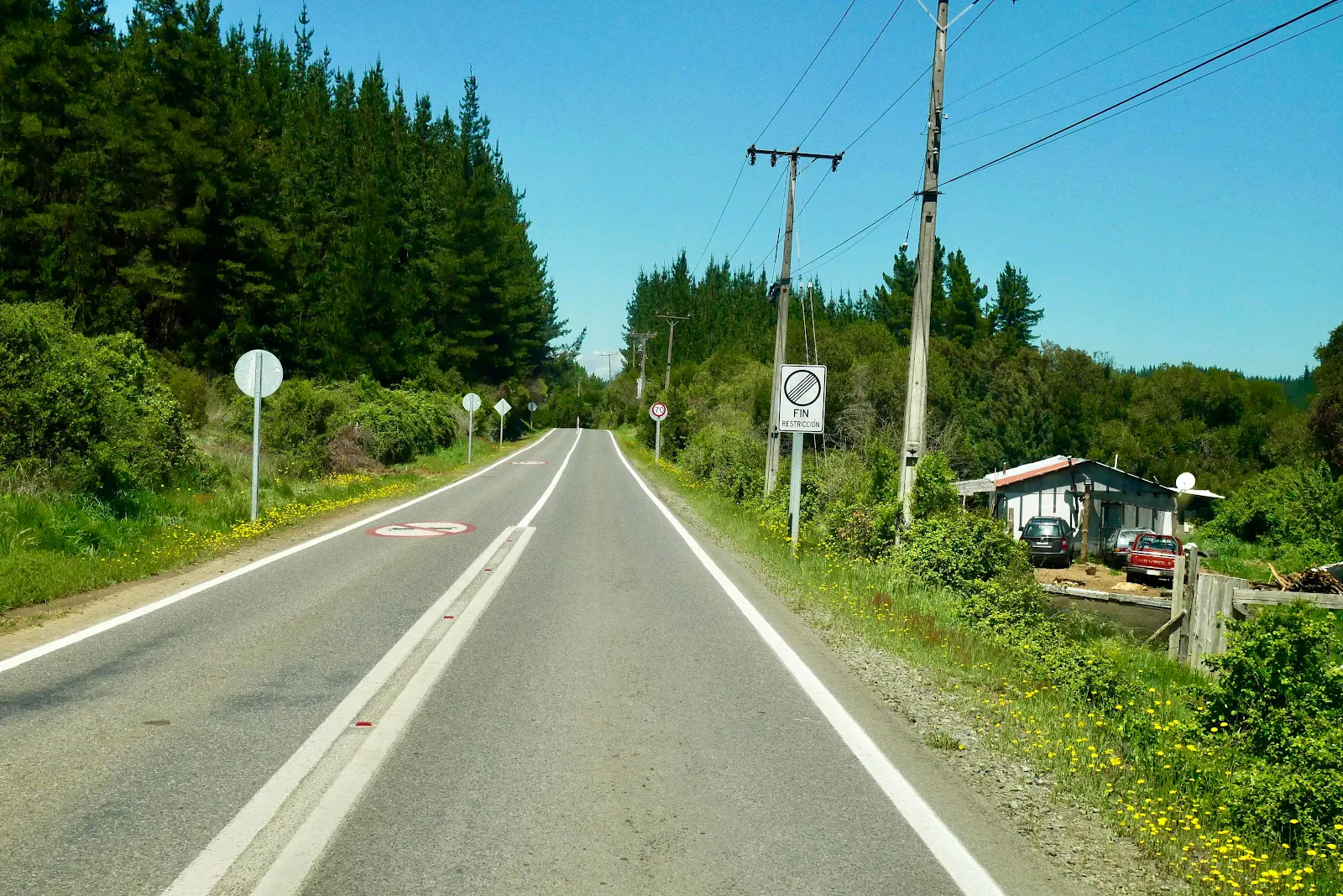


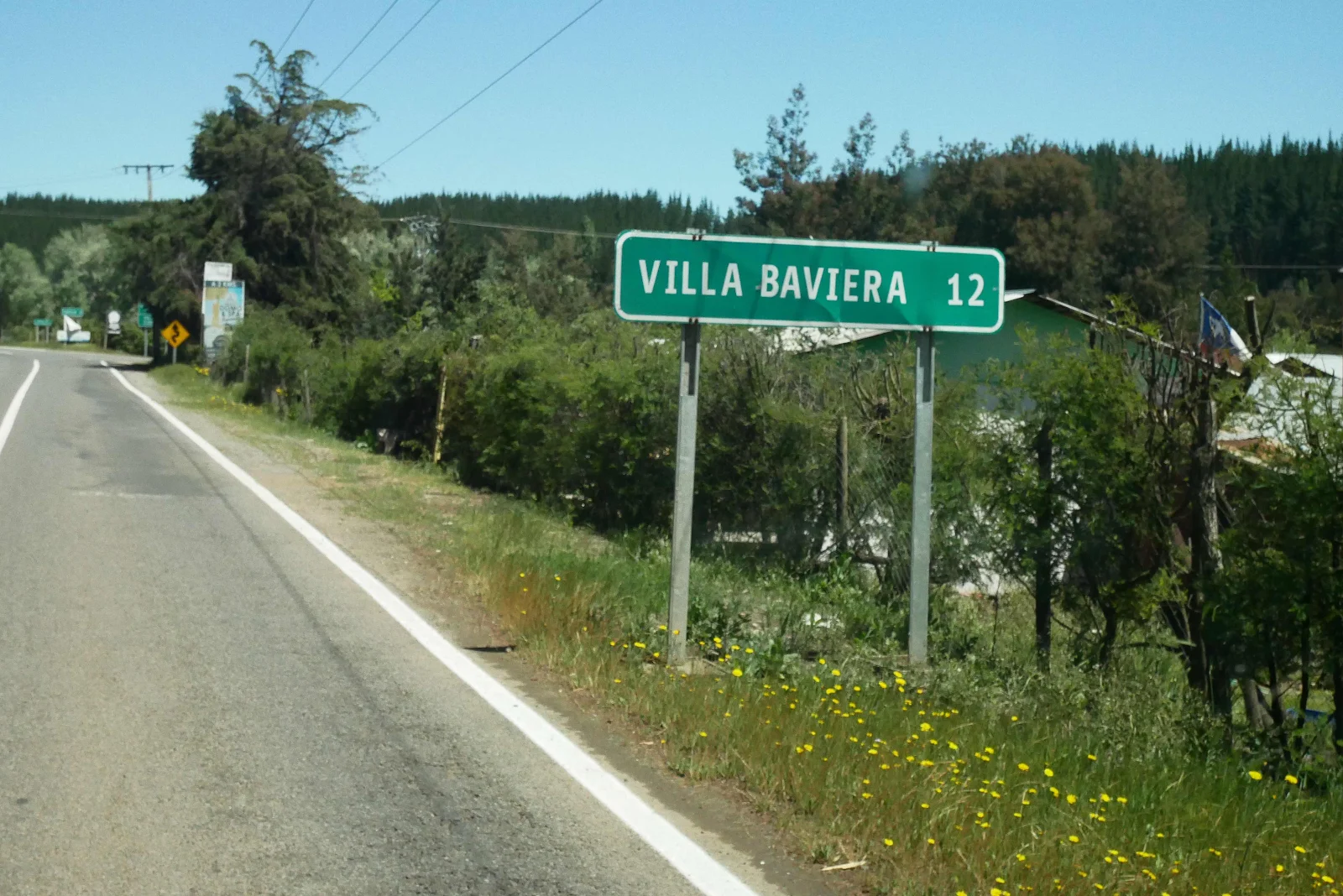
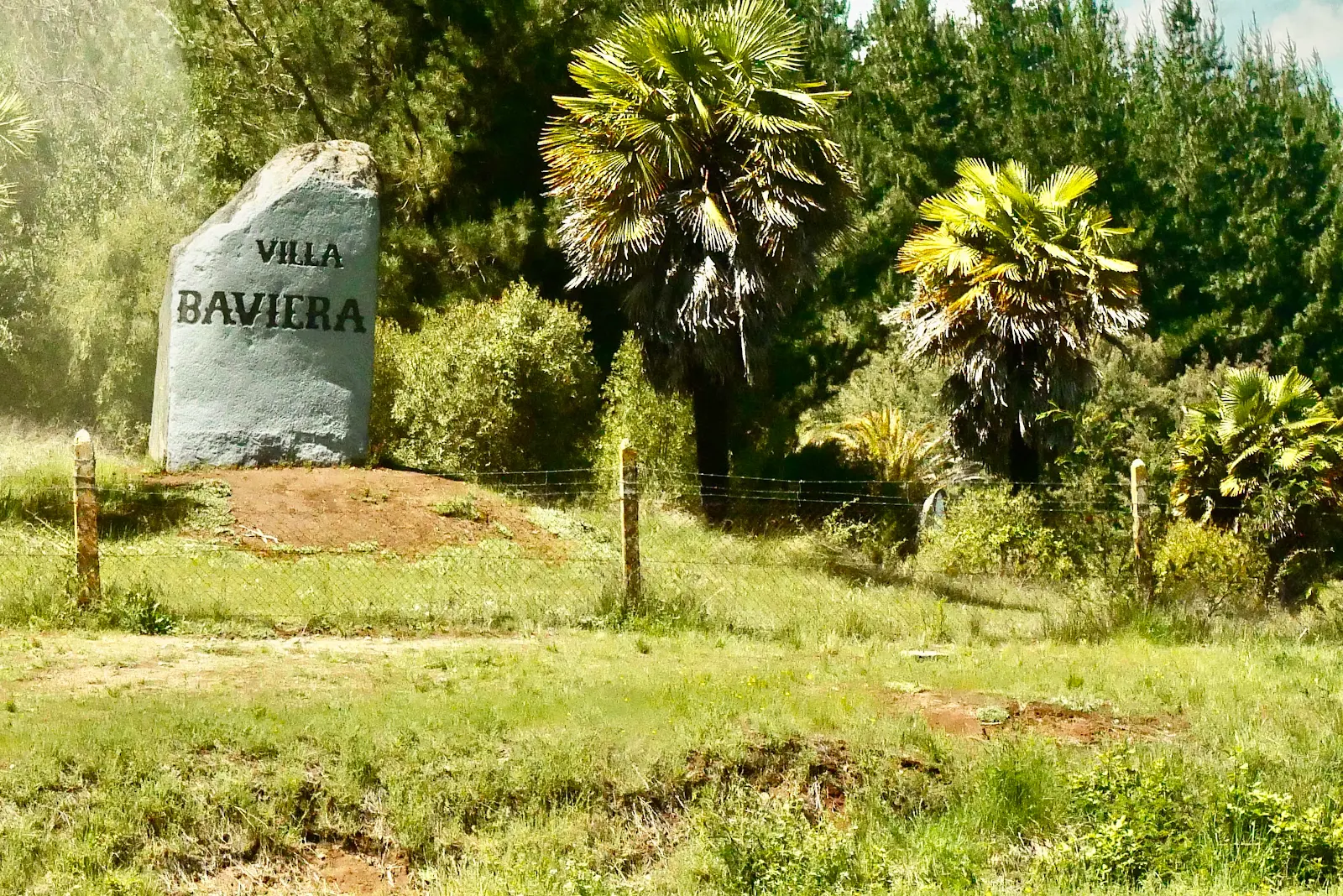
This boundary marker is five miles from the village itself. 
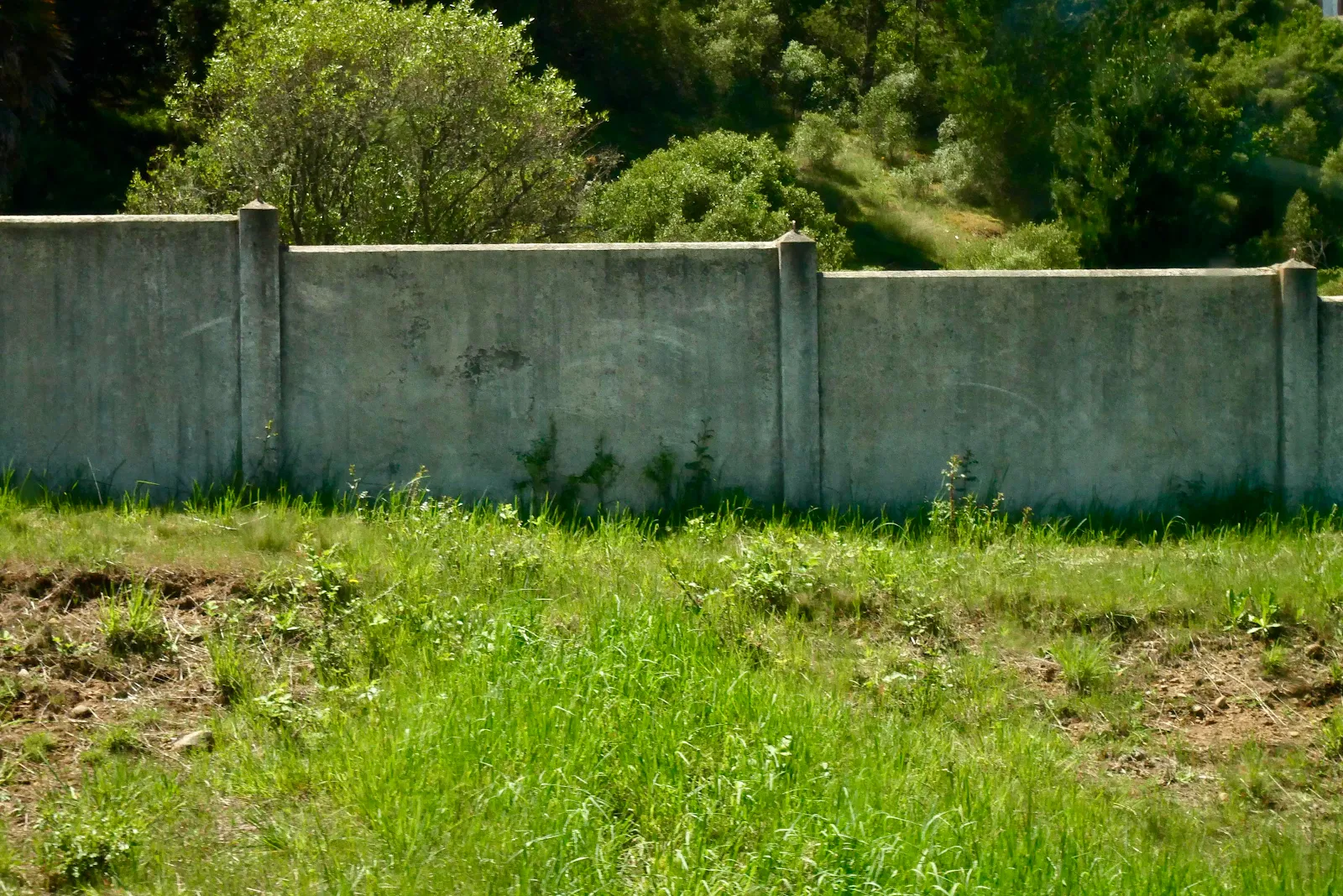
Under Paul Schäfer the colony had watchtowers and armed guards to protect the occupants. Or to keep them trapped inside. 
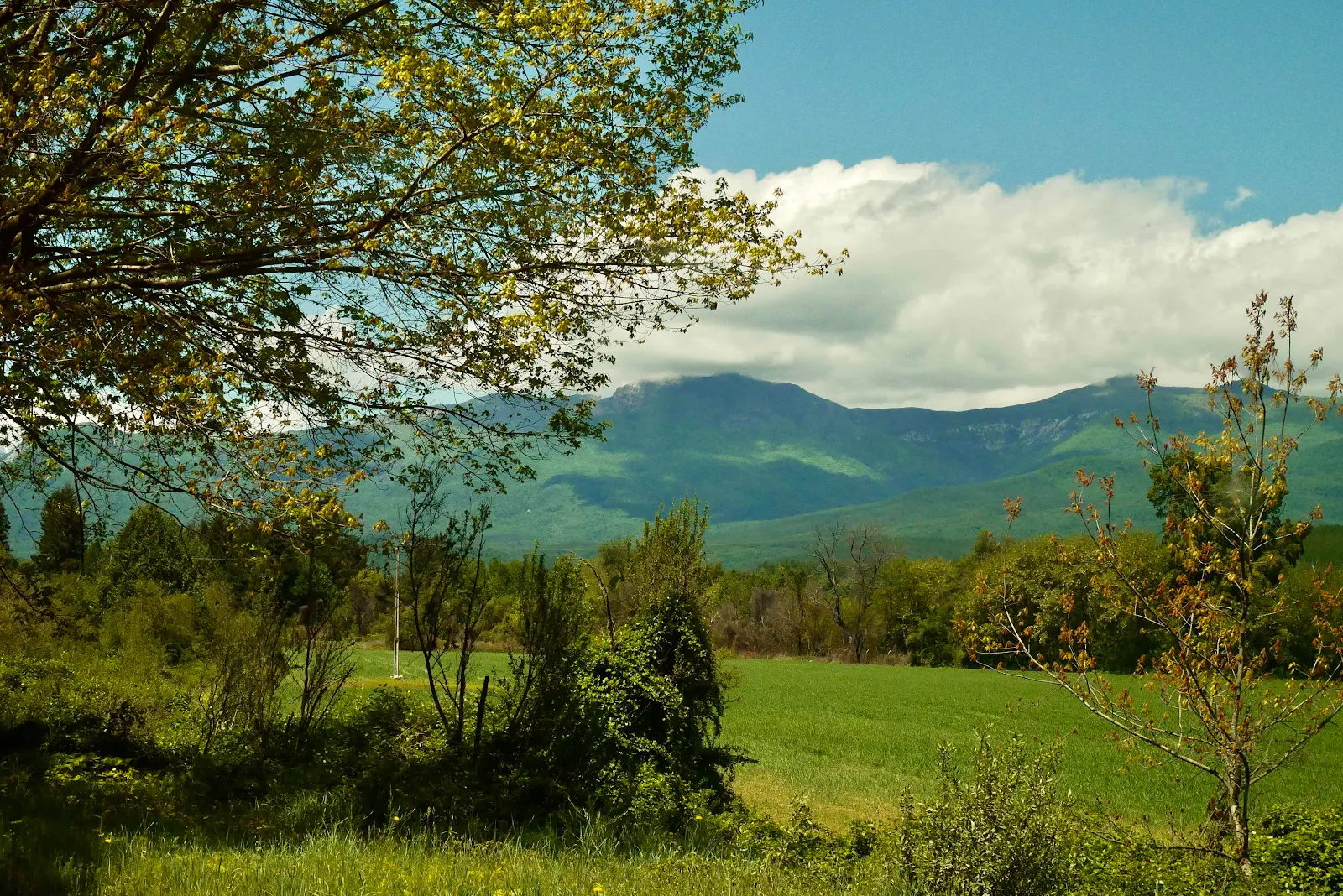
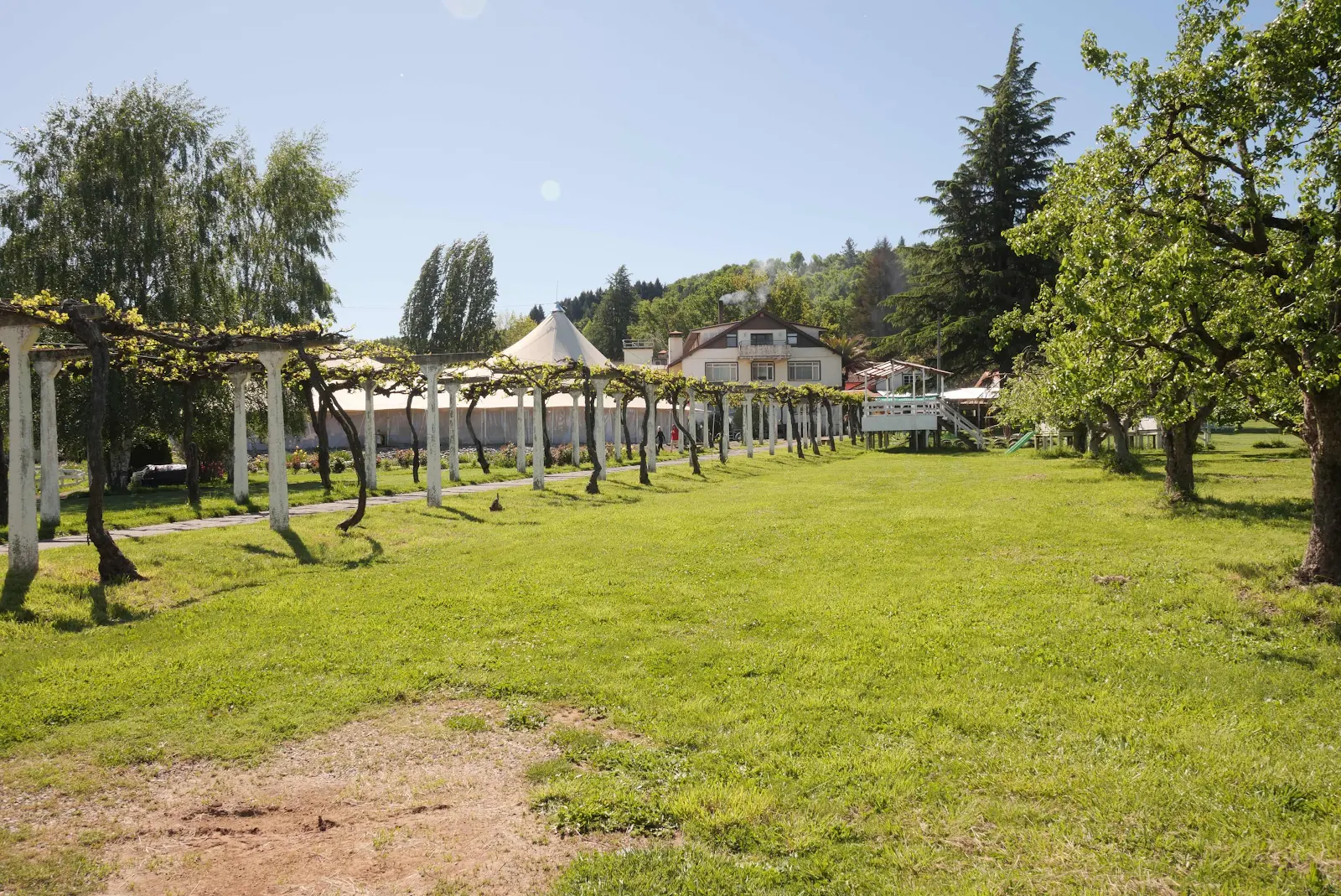
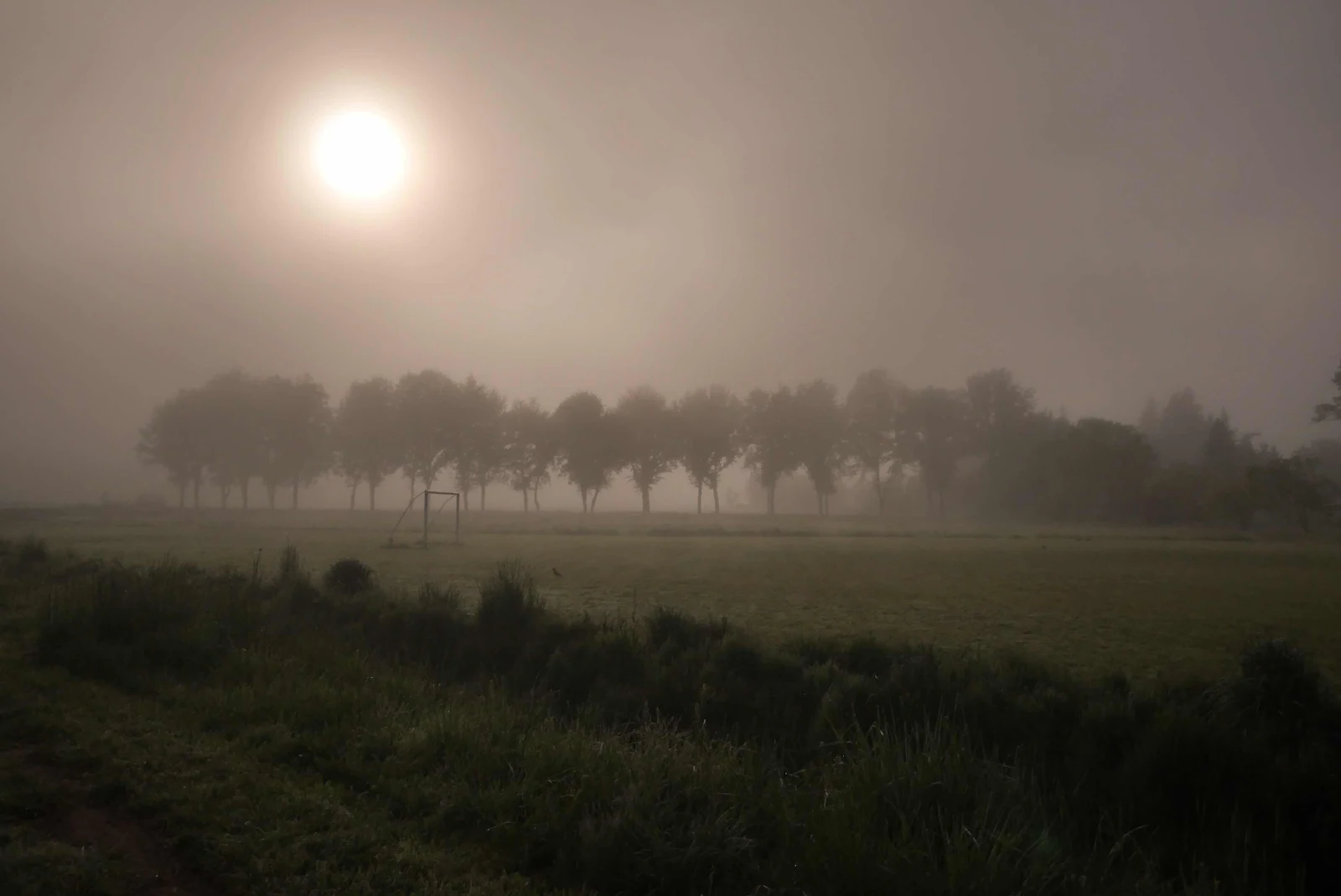
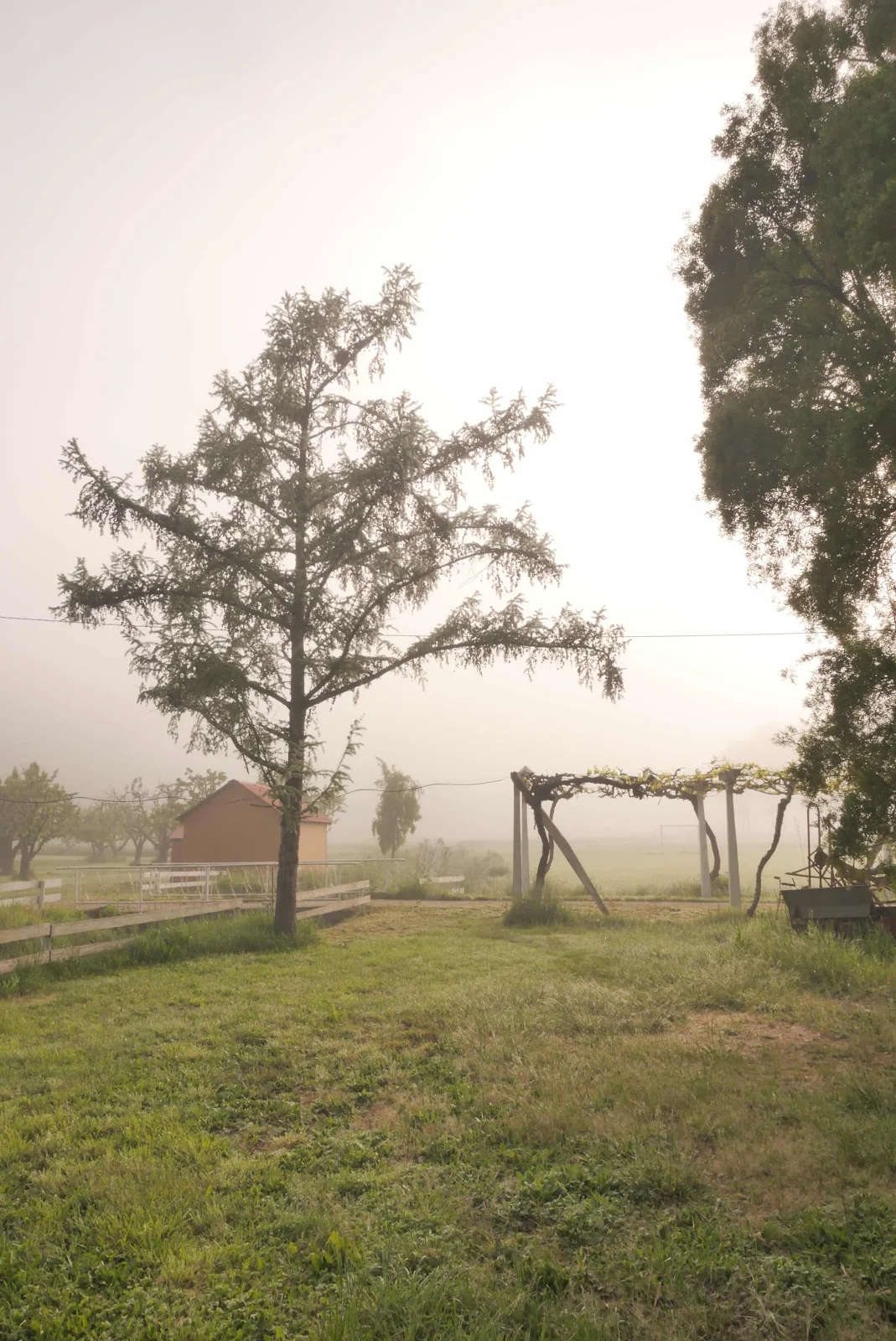
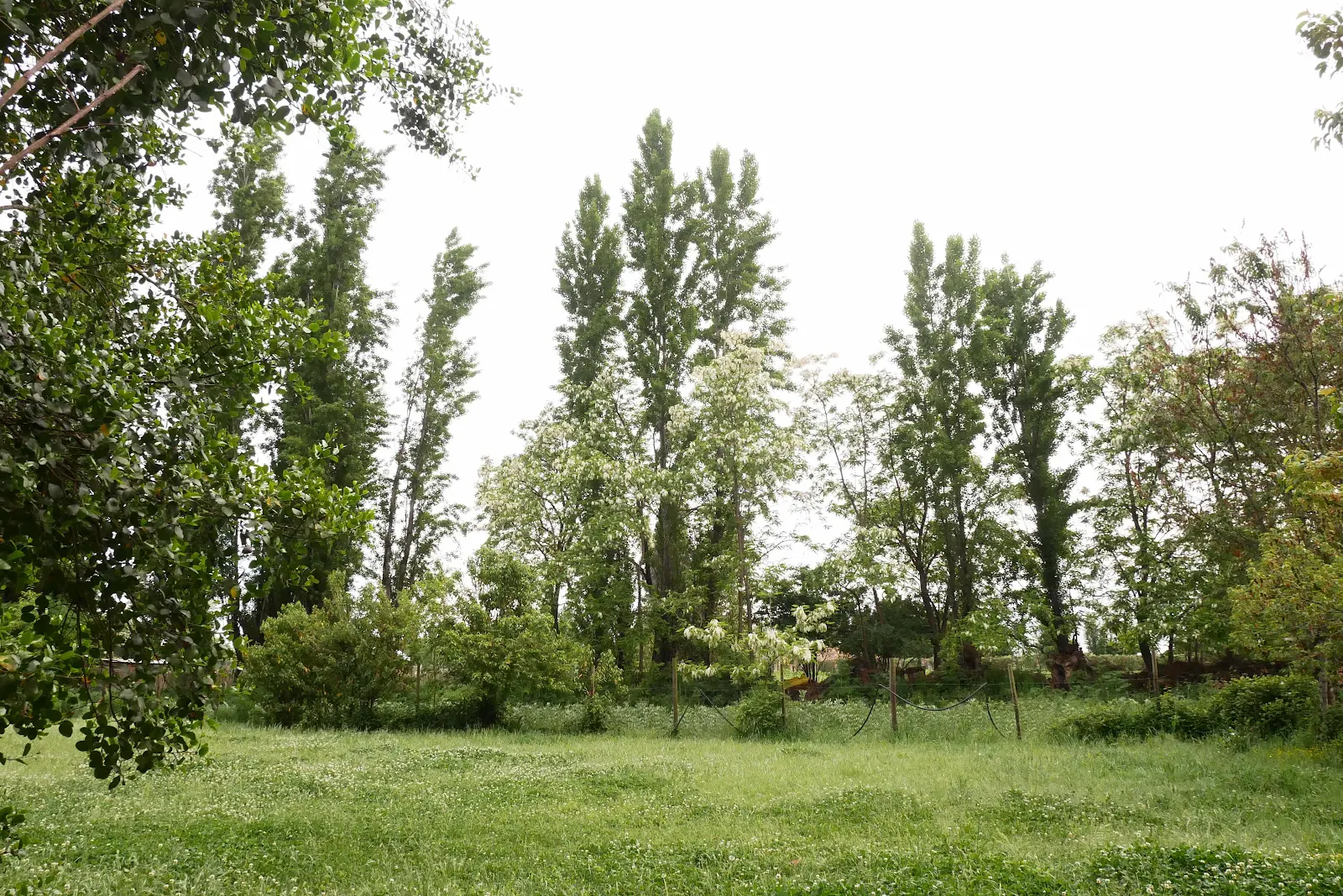
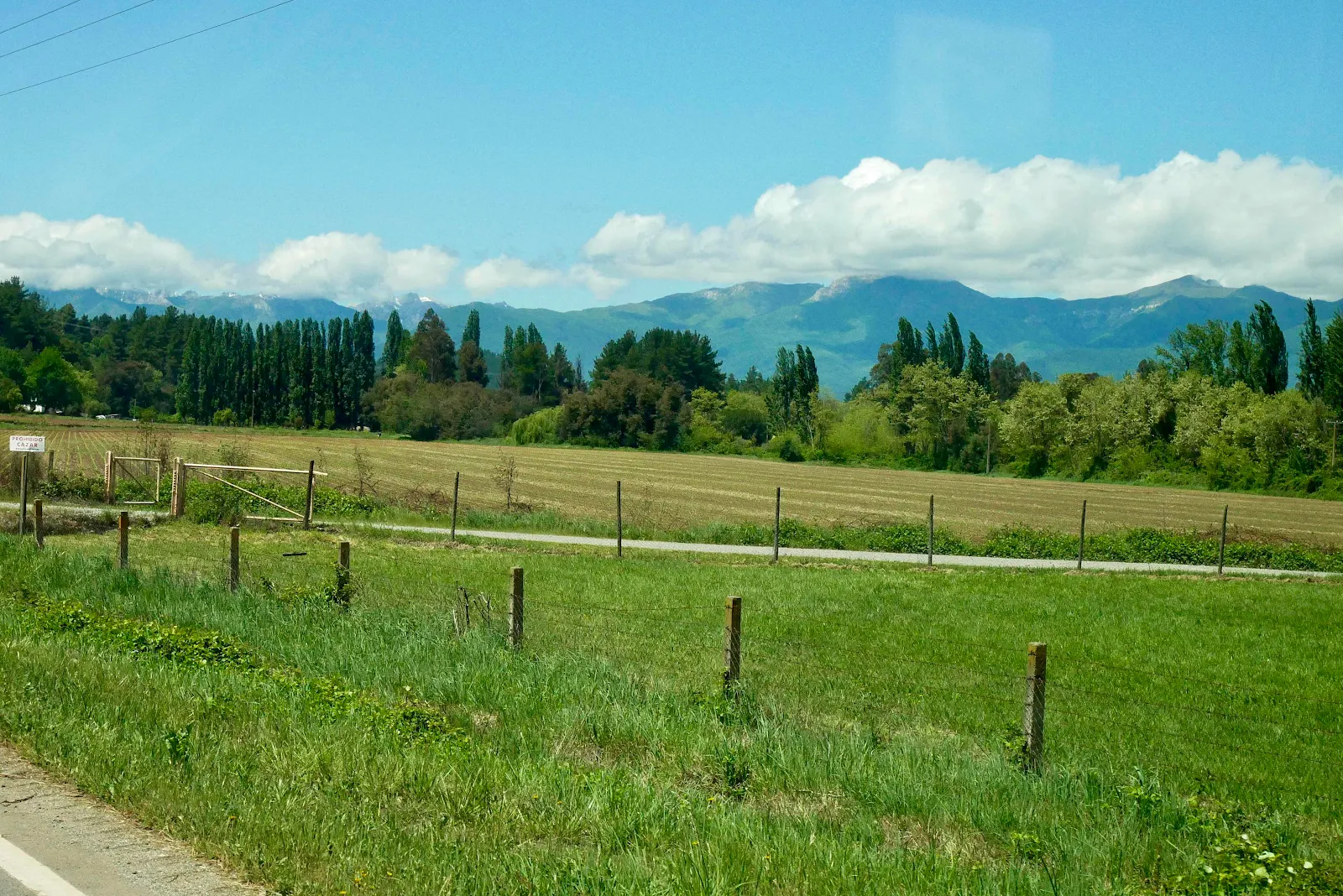
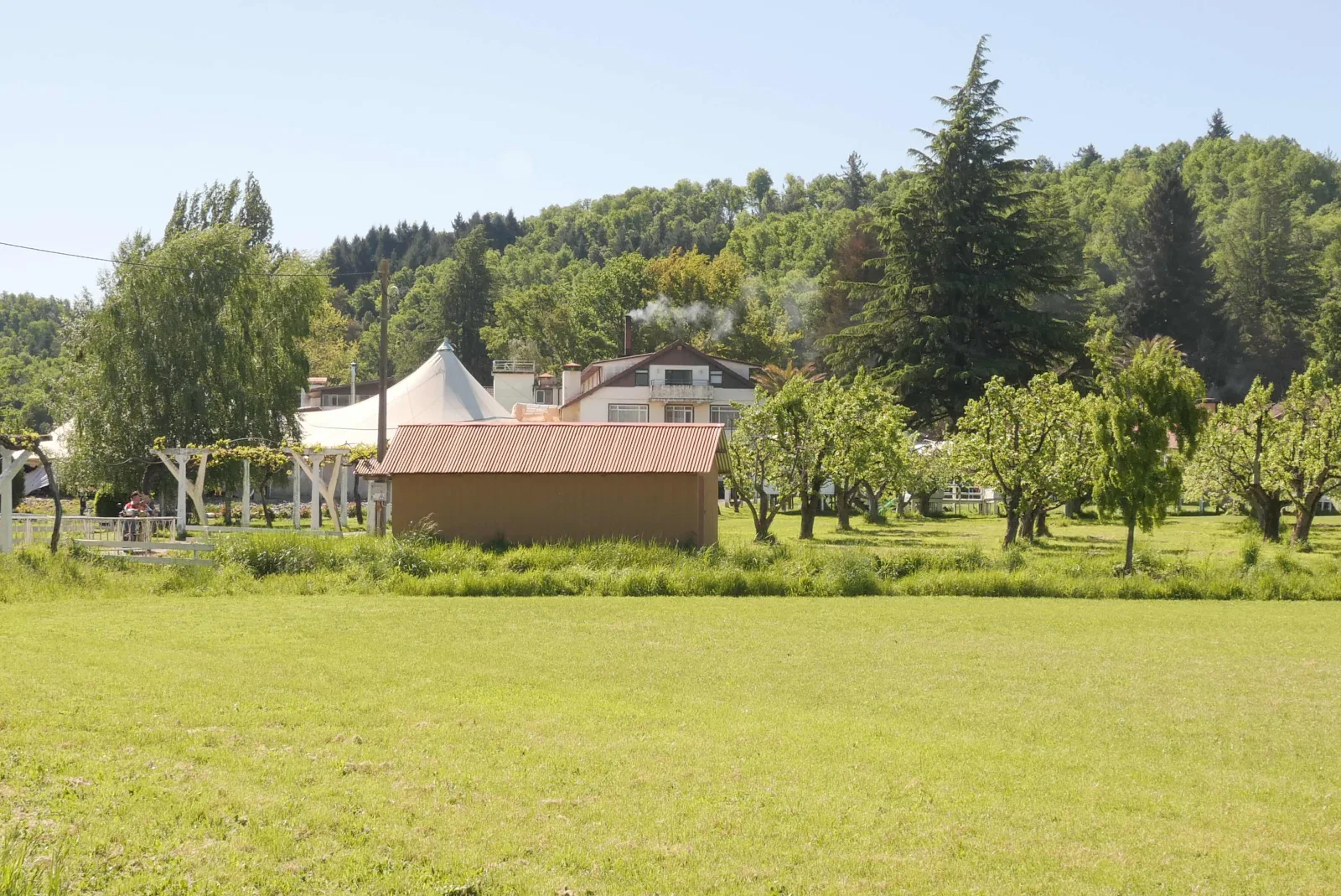
This is a lovely spot no doubt. 
The entrance gate where we were charged $2:25 each to get in. 
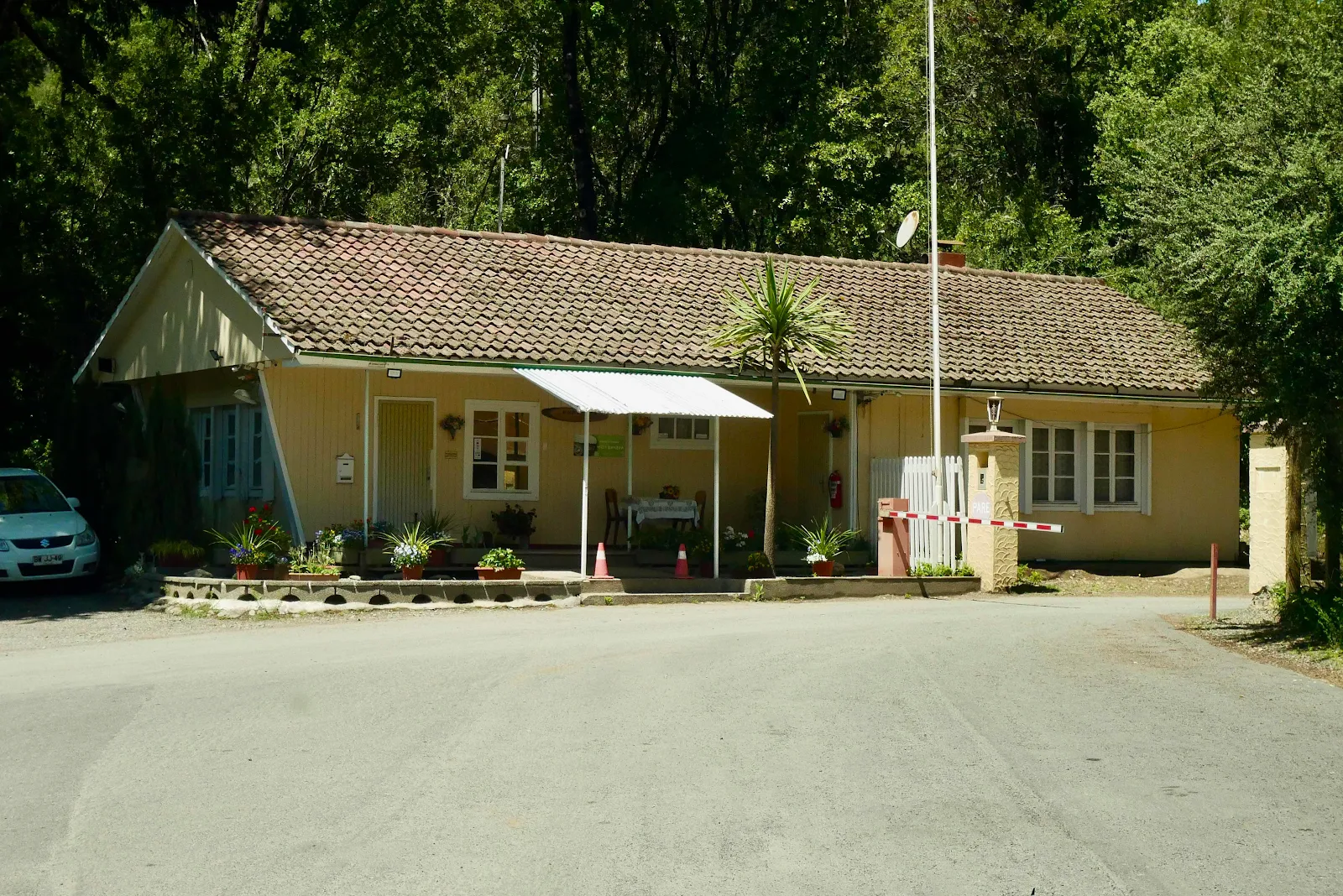
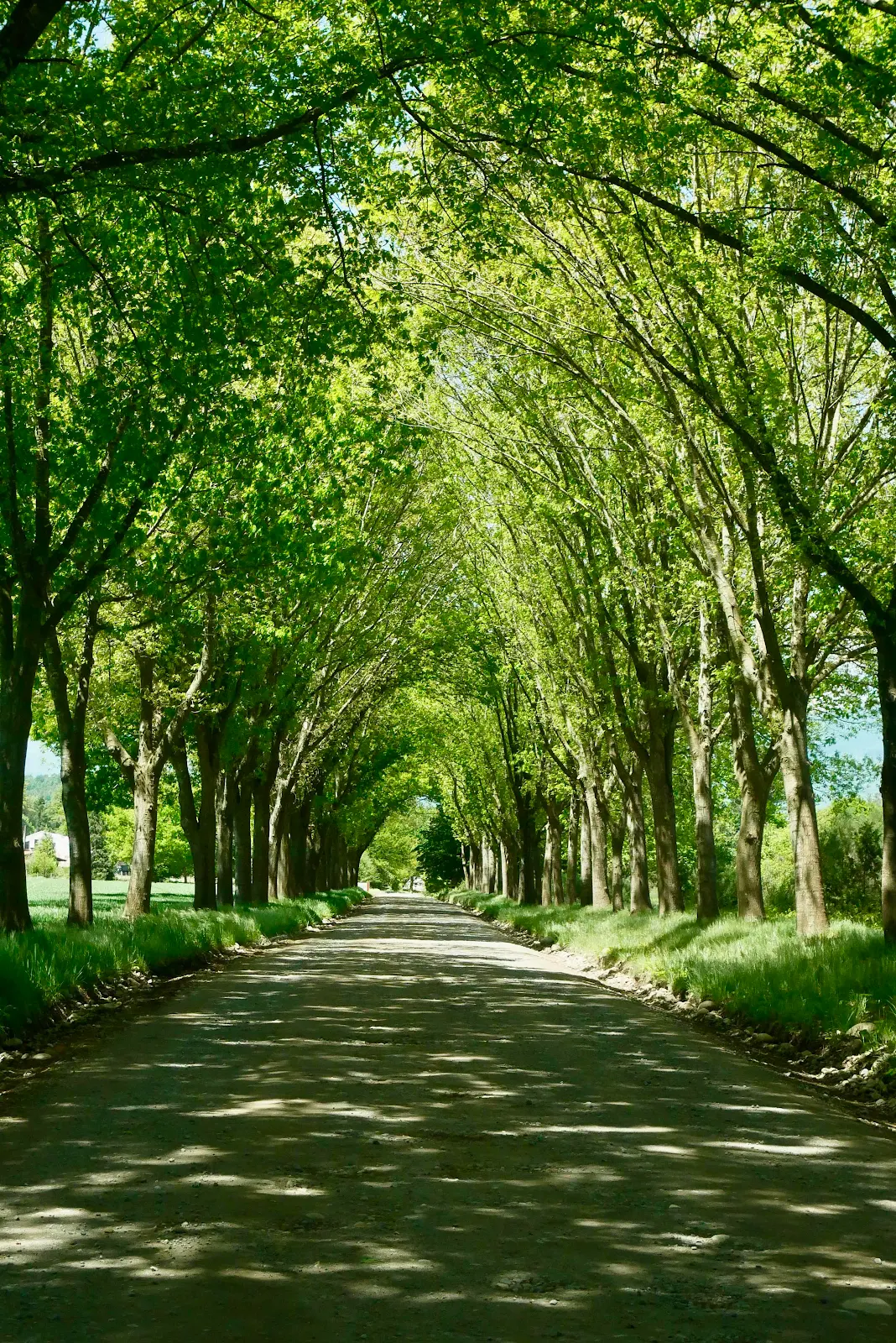
And where the road for the last mile and a half turns to potholed washboard dirt. 
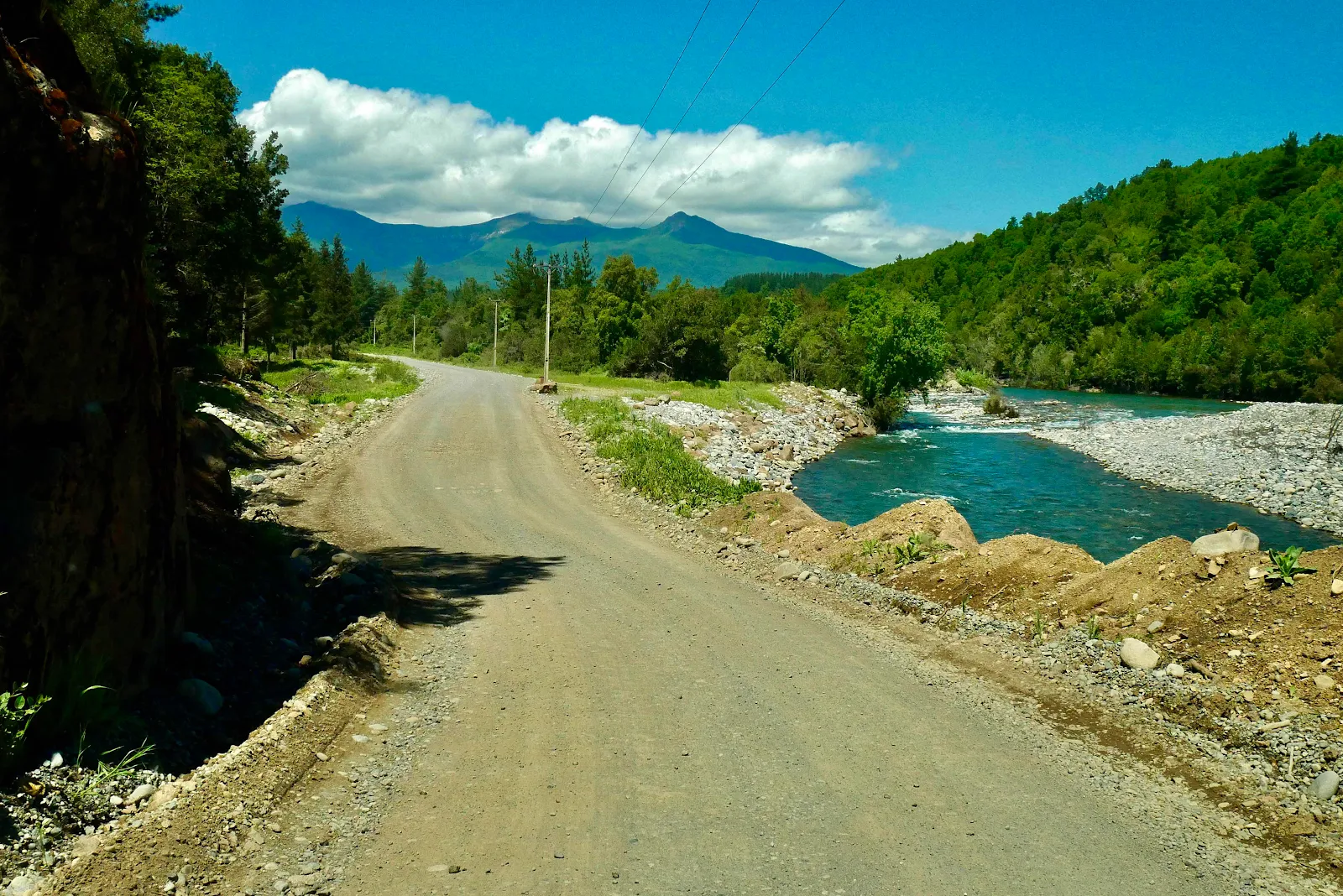
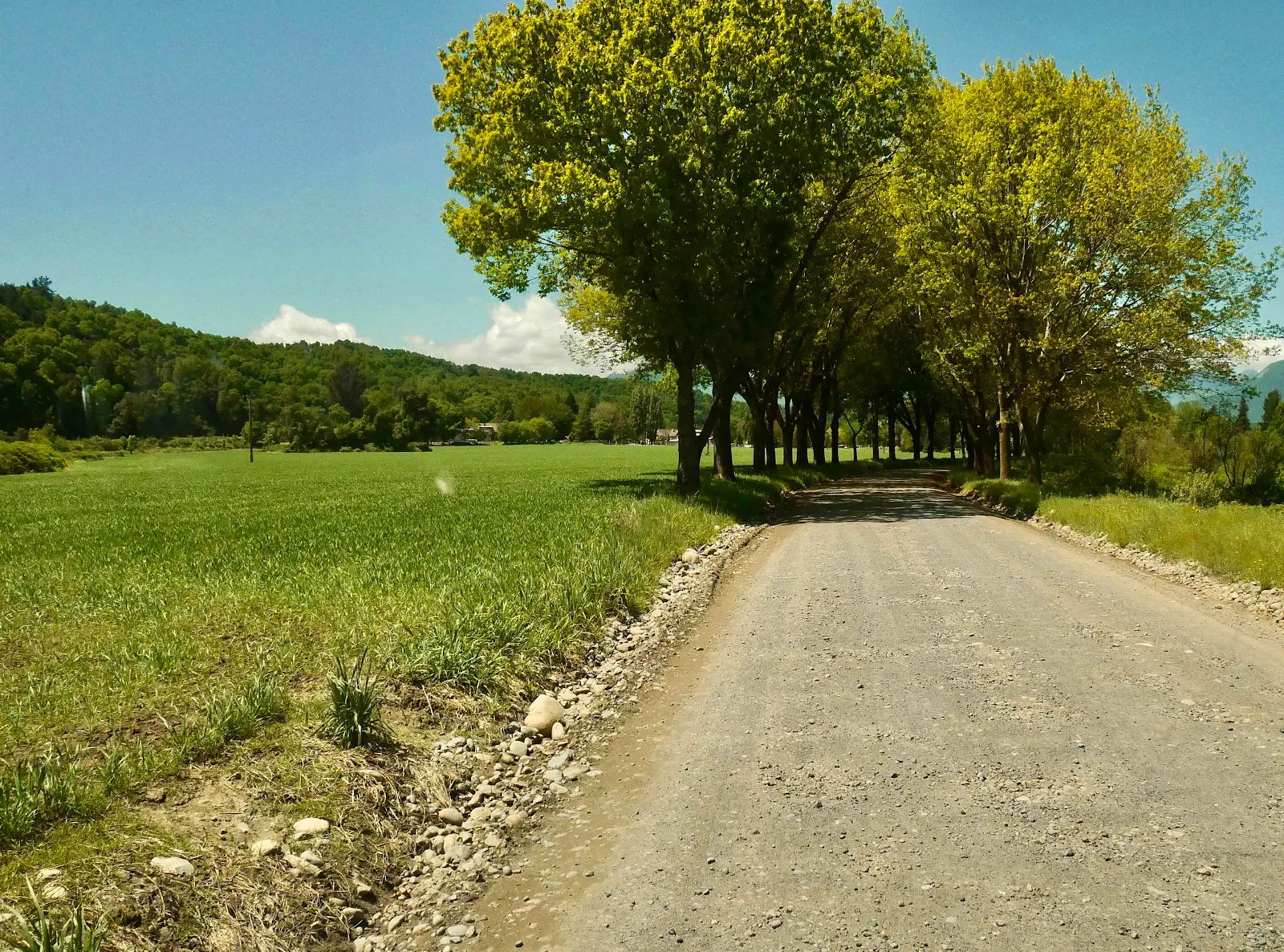
It is out in the middle of nowhere. 


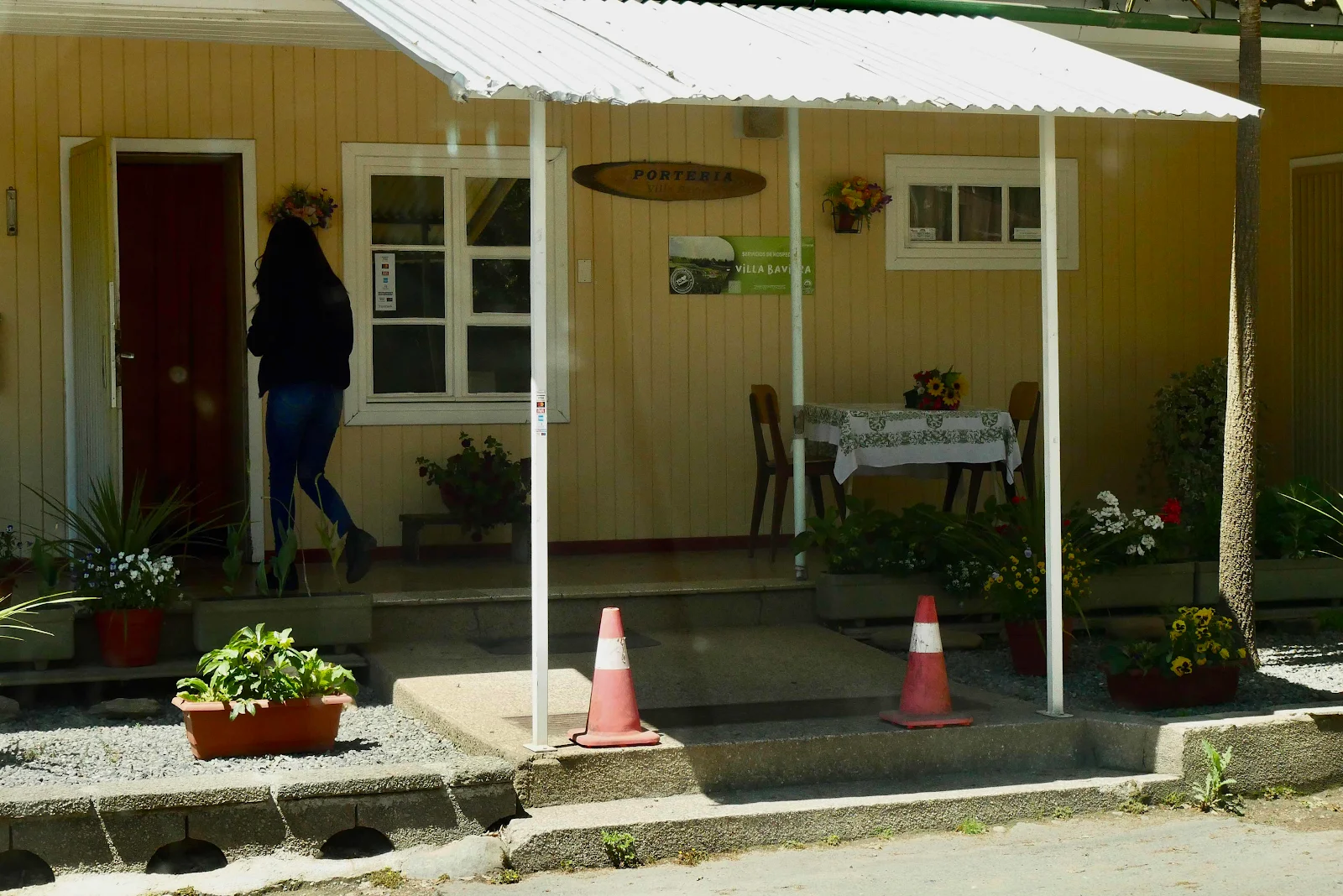
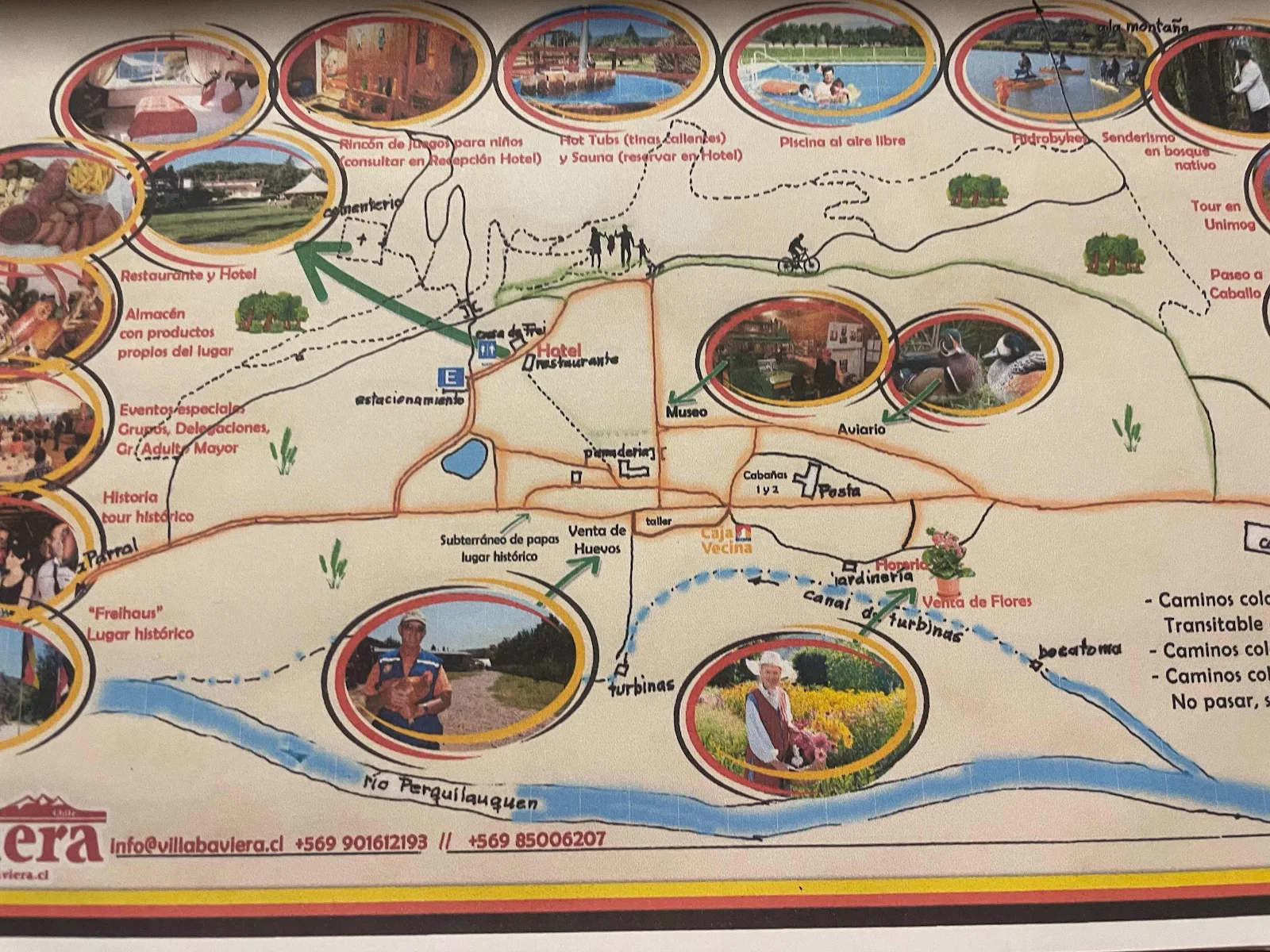
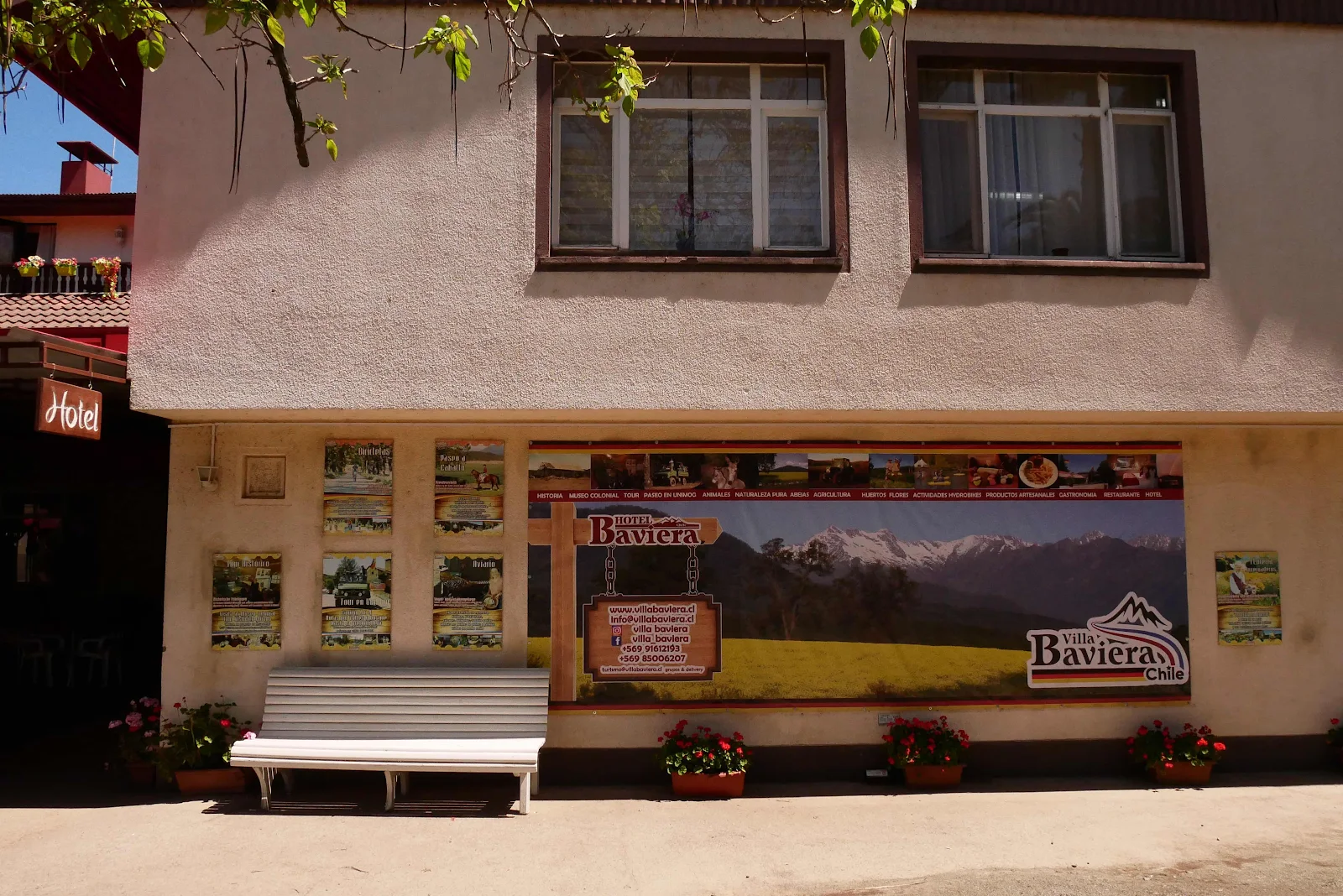
There is the hotel which acts as the reception area for visitors and also where you get permission to camp. 
Next door is a bakery shop with locally made cakes and breads and delicious they looked too, but Layne was keeping the leash pretty short. 
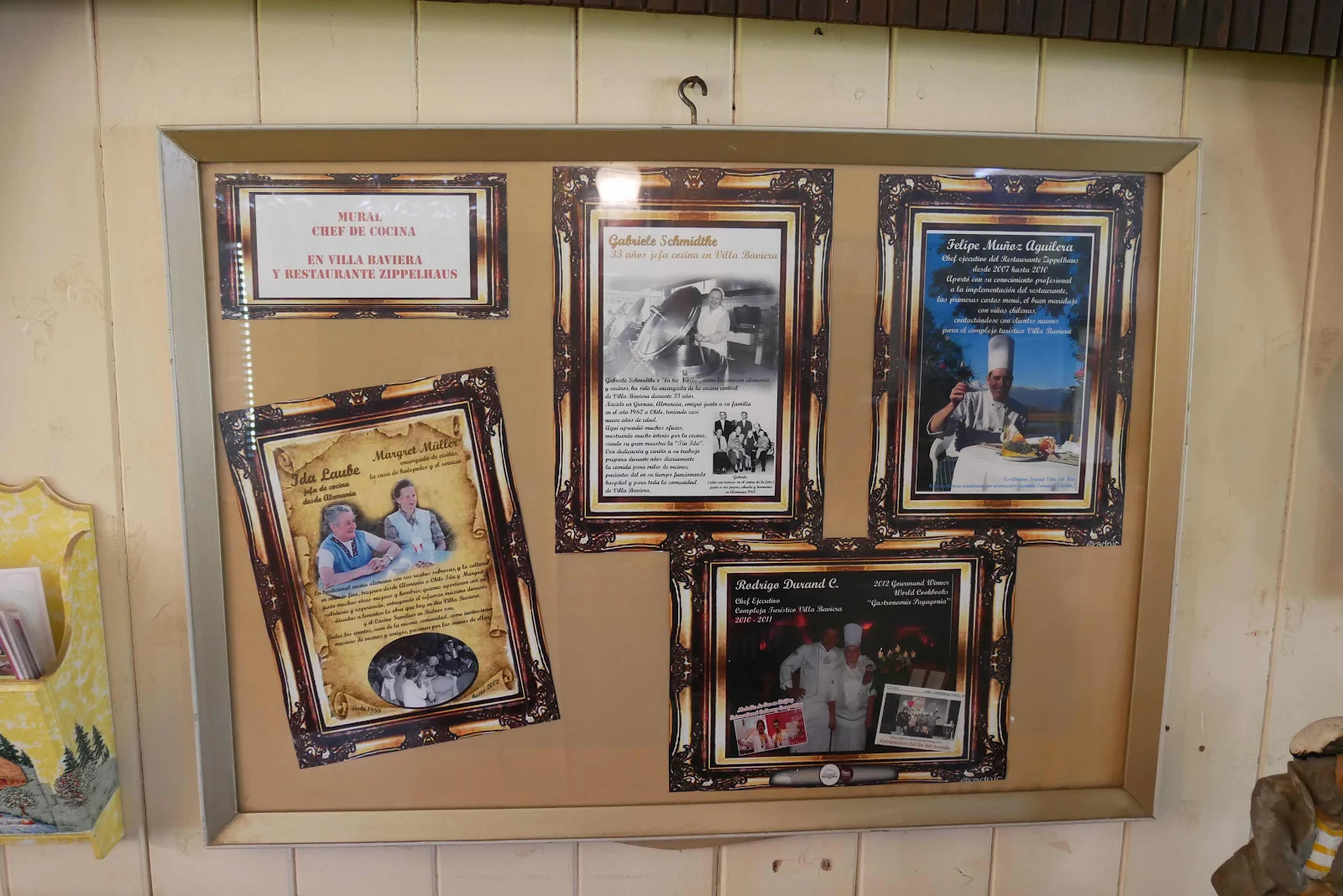
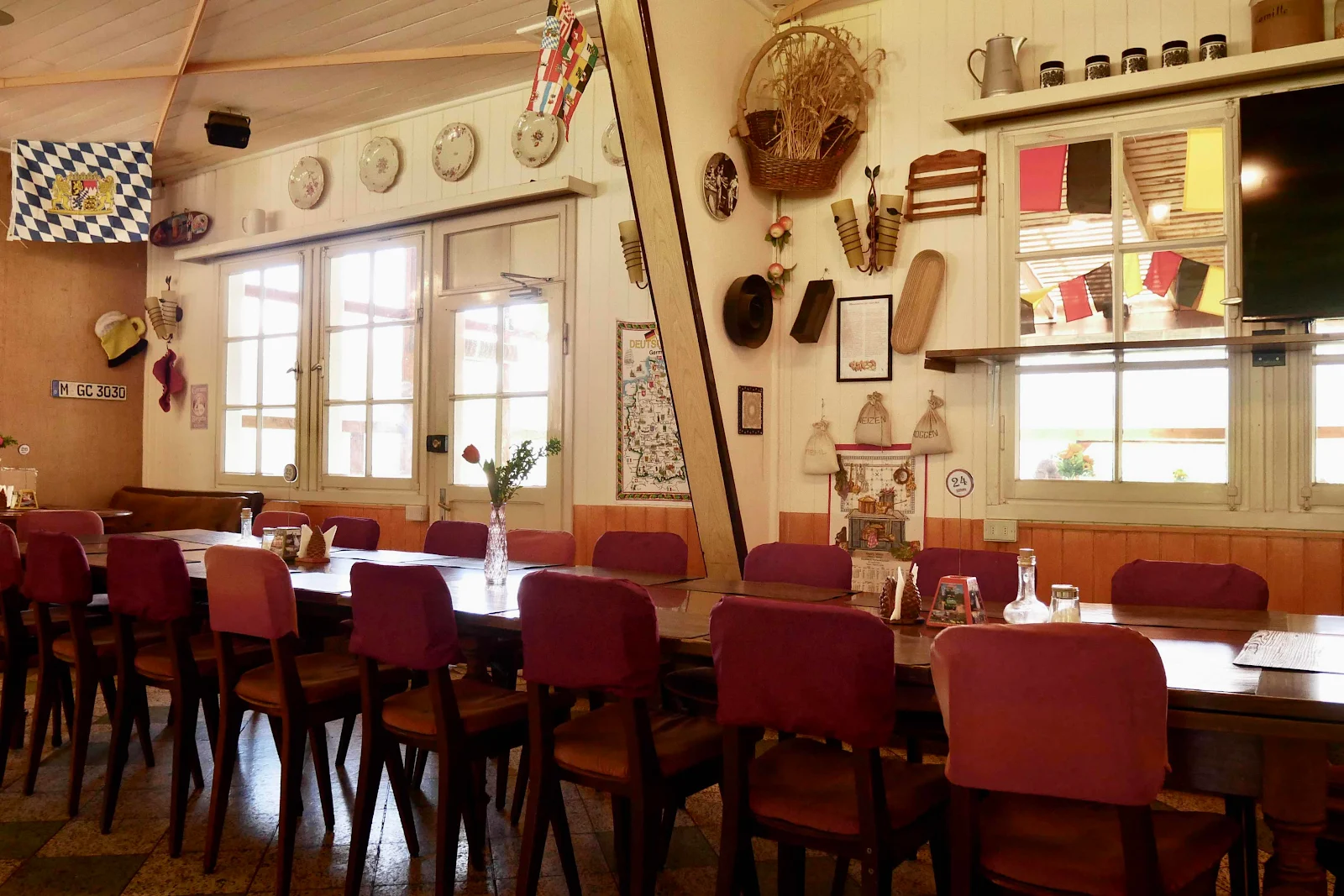
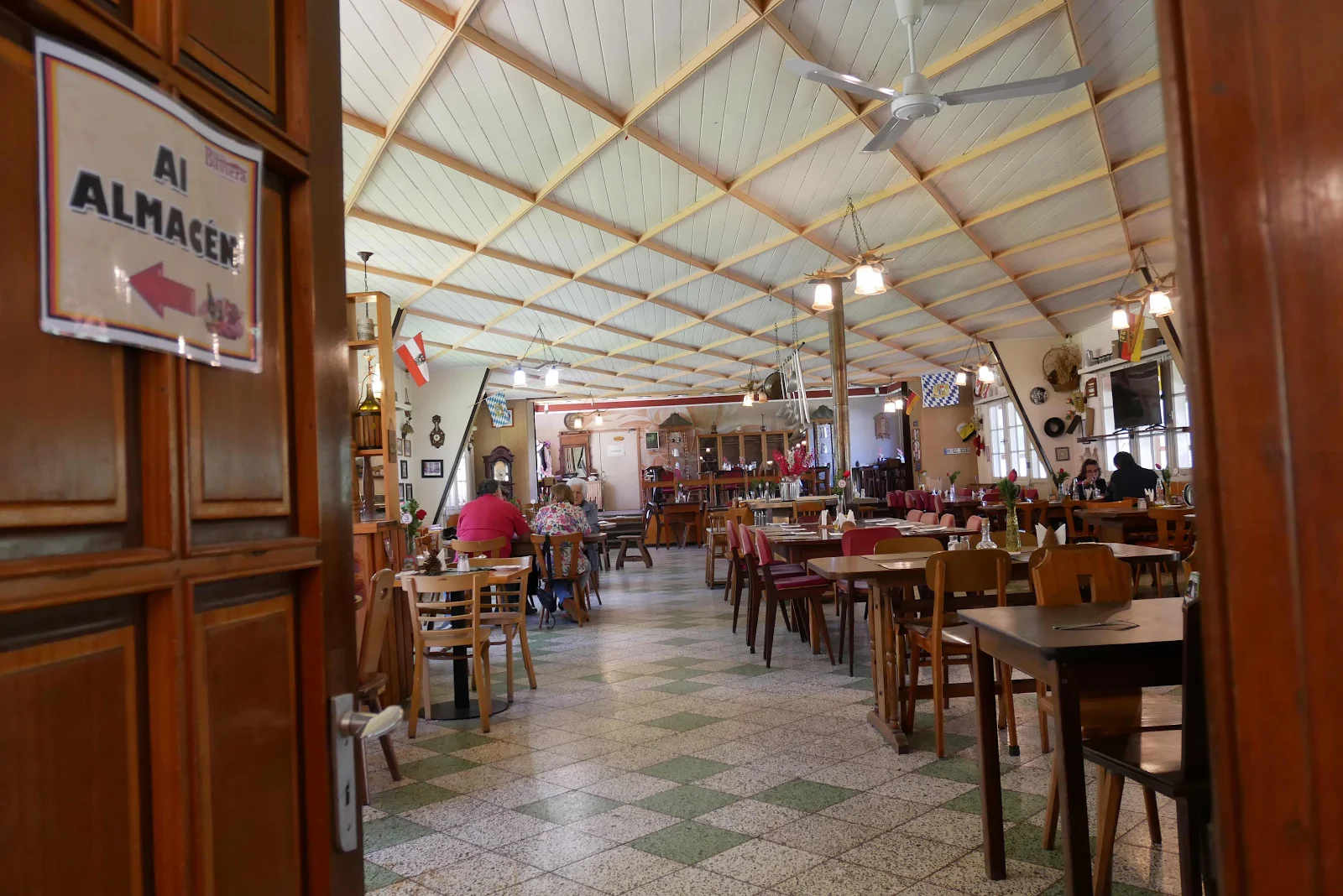
Apparently they designed the restaurant after a famous eatery in Hamburg which means nothing to me so I was wishing Florian and Cora were along to interpret but they are trying to enjoy Argentina on their mad rush to get home by Christmas. 
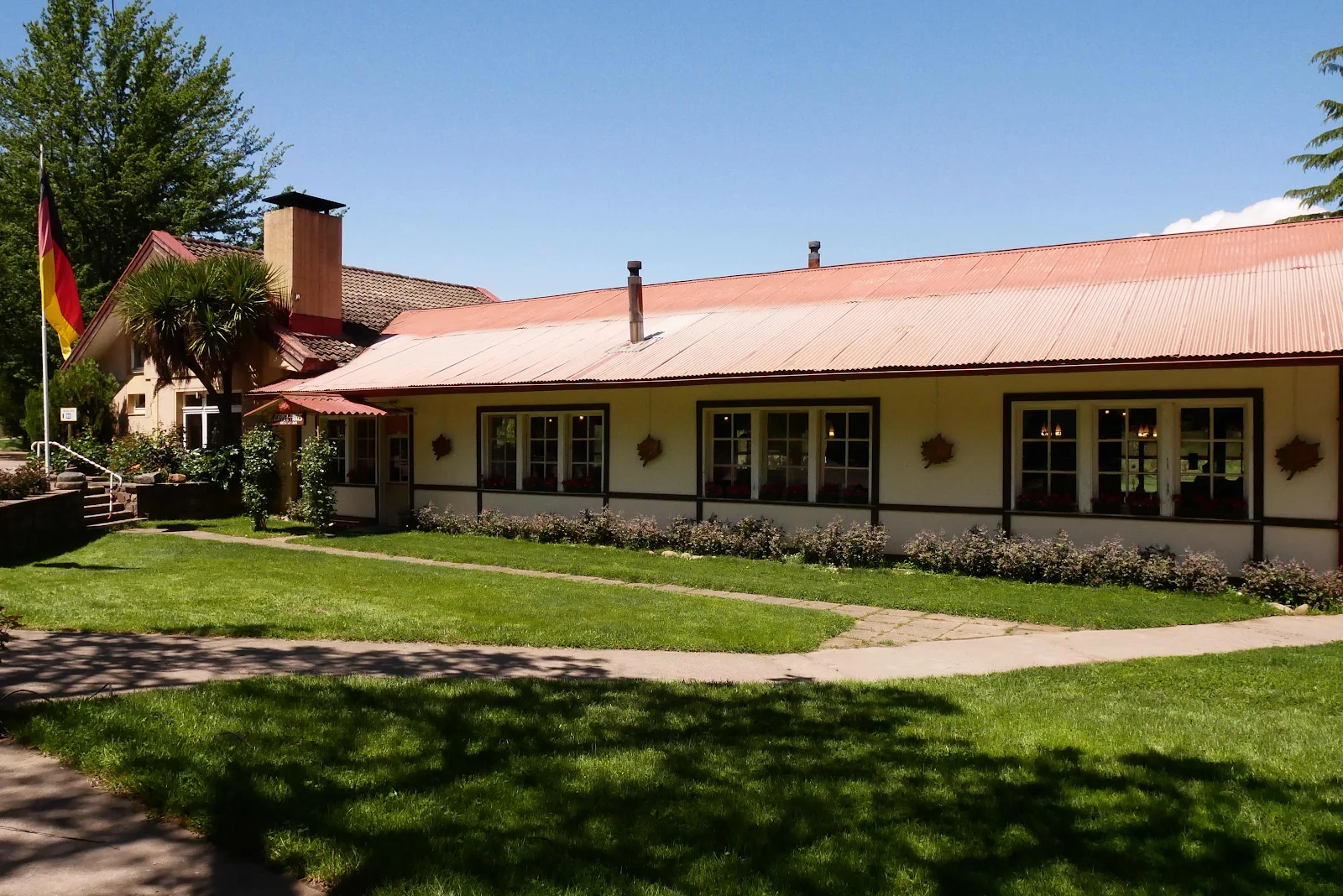


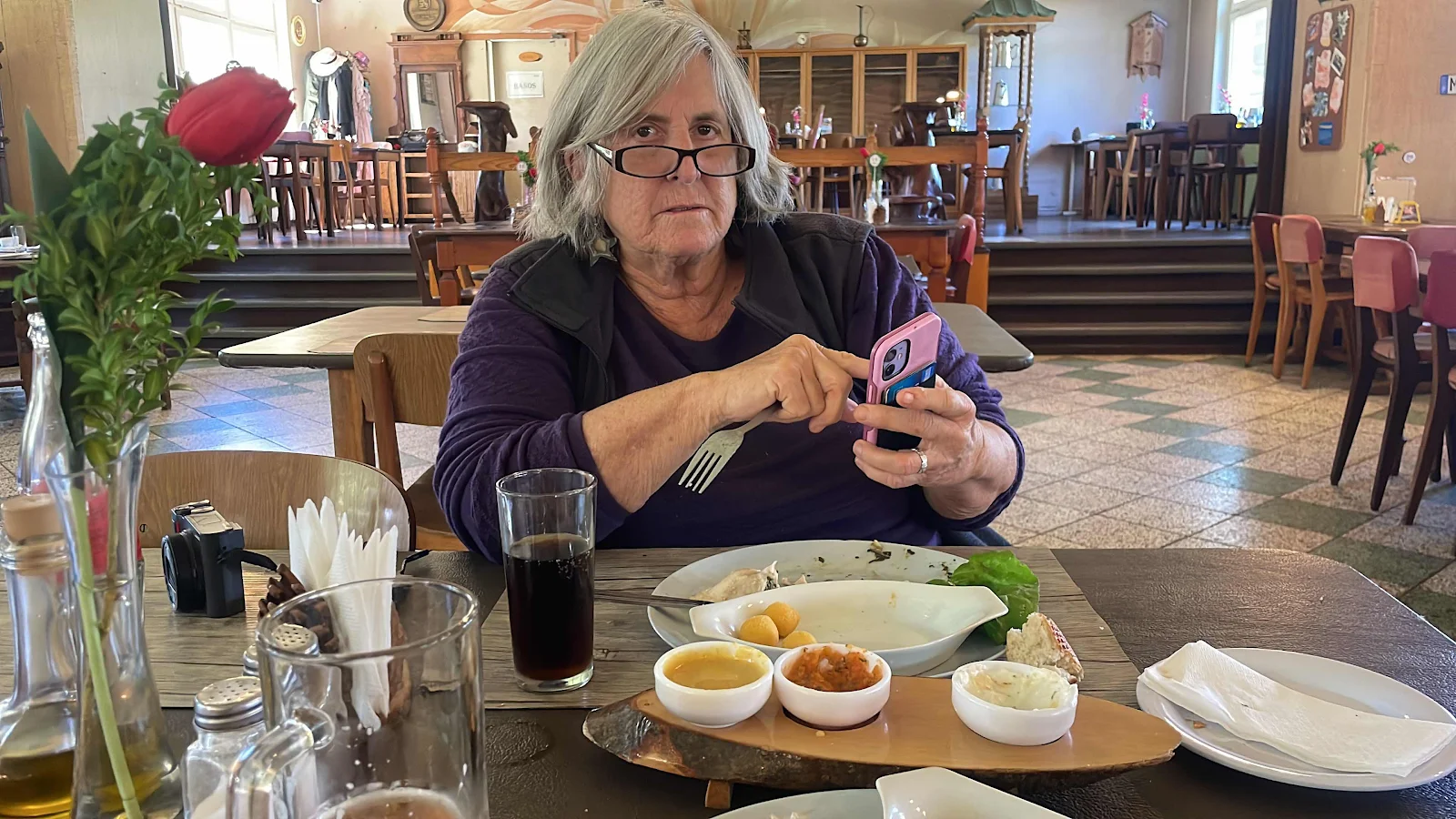
The place was actually pretty busy when we sat down to order a German lunch. 
Pernil which it turns out is smoked pig’s trotter was actually pretty good except for the fat it came encased by and which Rusty later greatly enjoyed. 
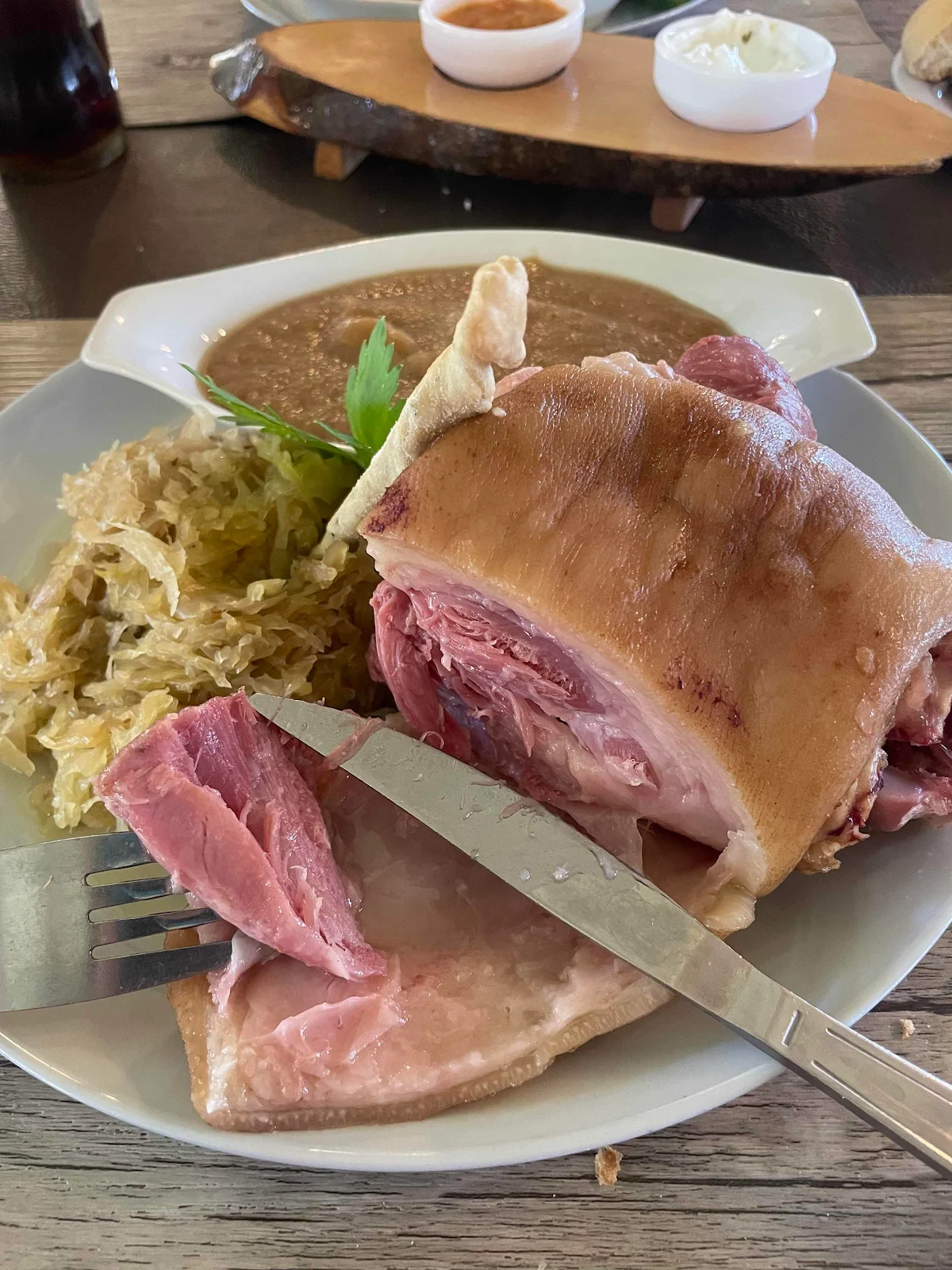
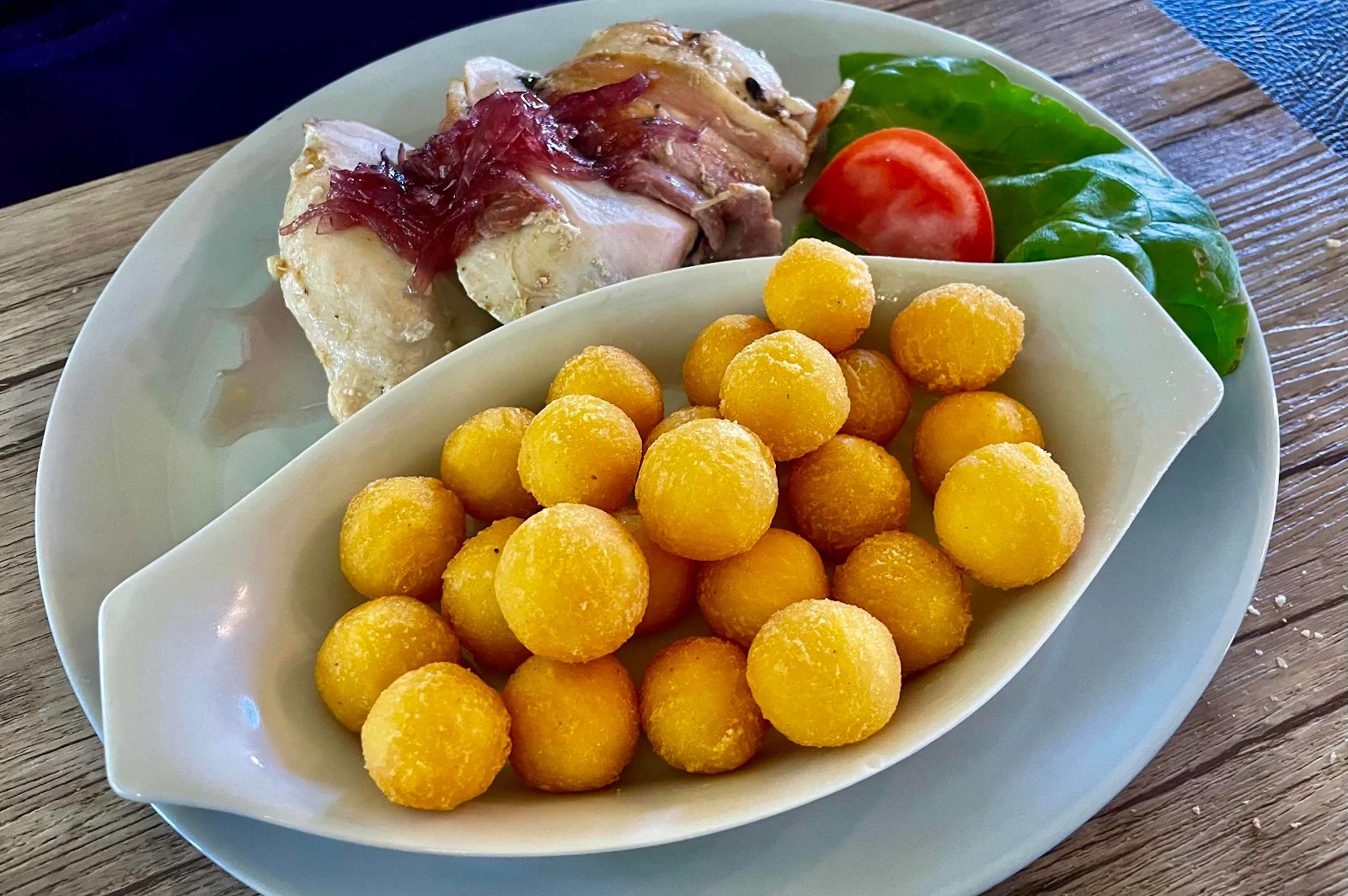
Layne likes her sauerkraut more vinegary so she preferred the cheese mushroom and spinach stuffed chicken breast with weird potato balls. This was a cultural experience for us, even though we’ve been to Germany we stuck our gastronomic necks out a bit more here. 
Google translate is an excellent menu aide in Spanish and German. 
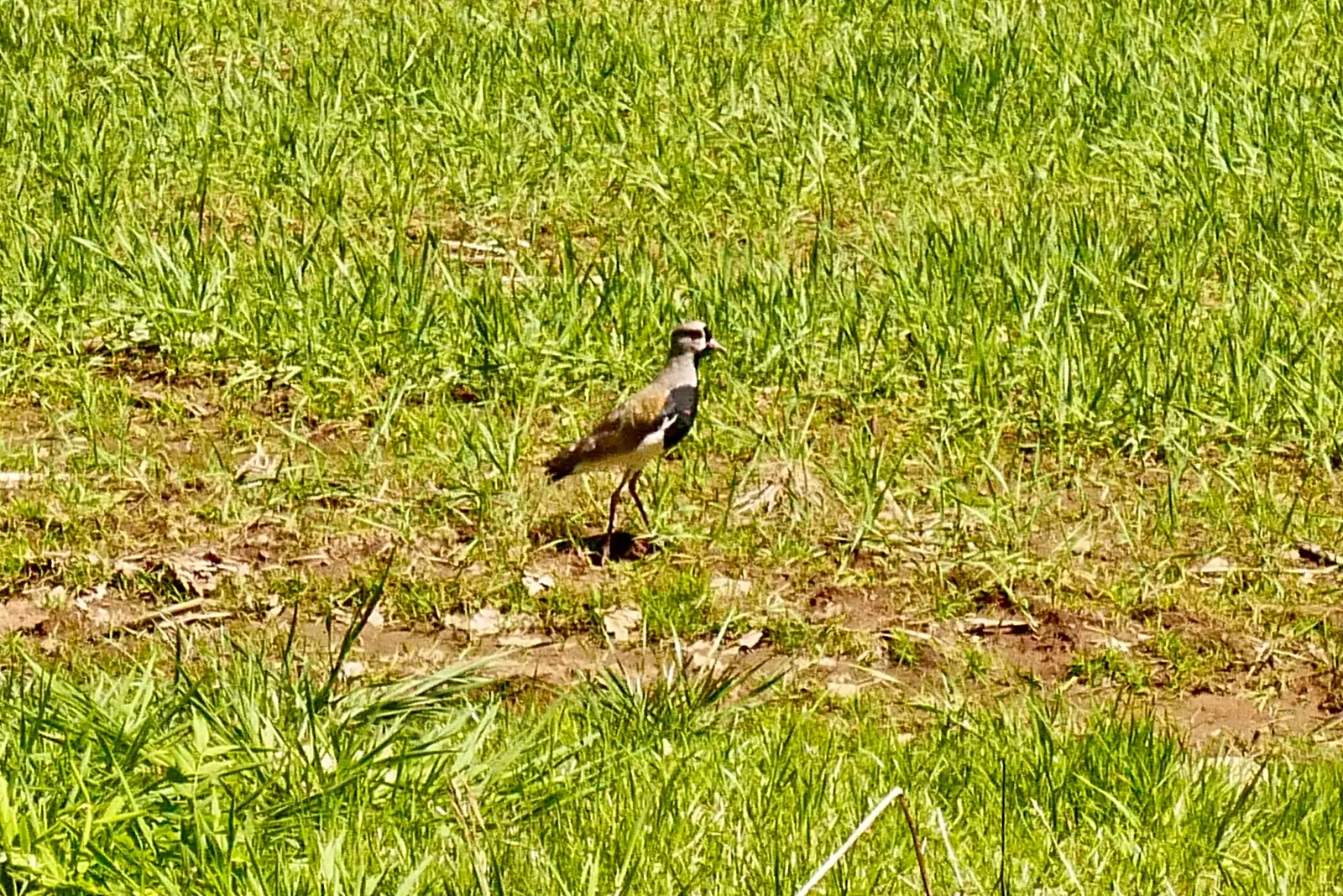
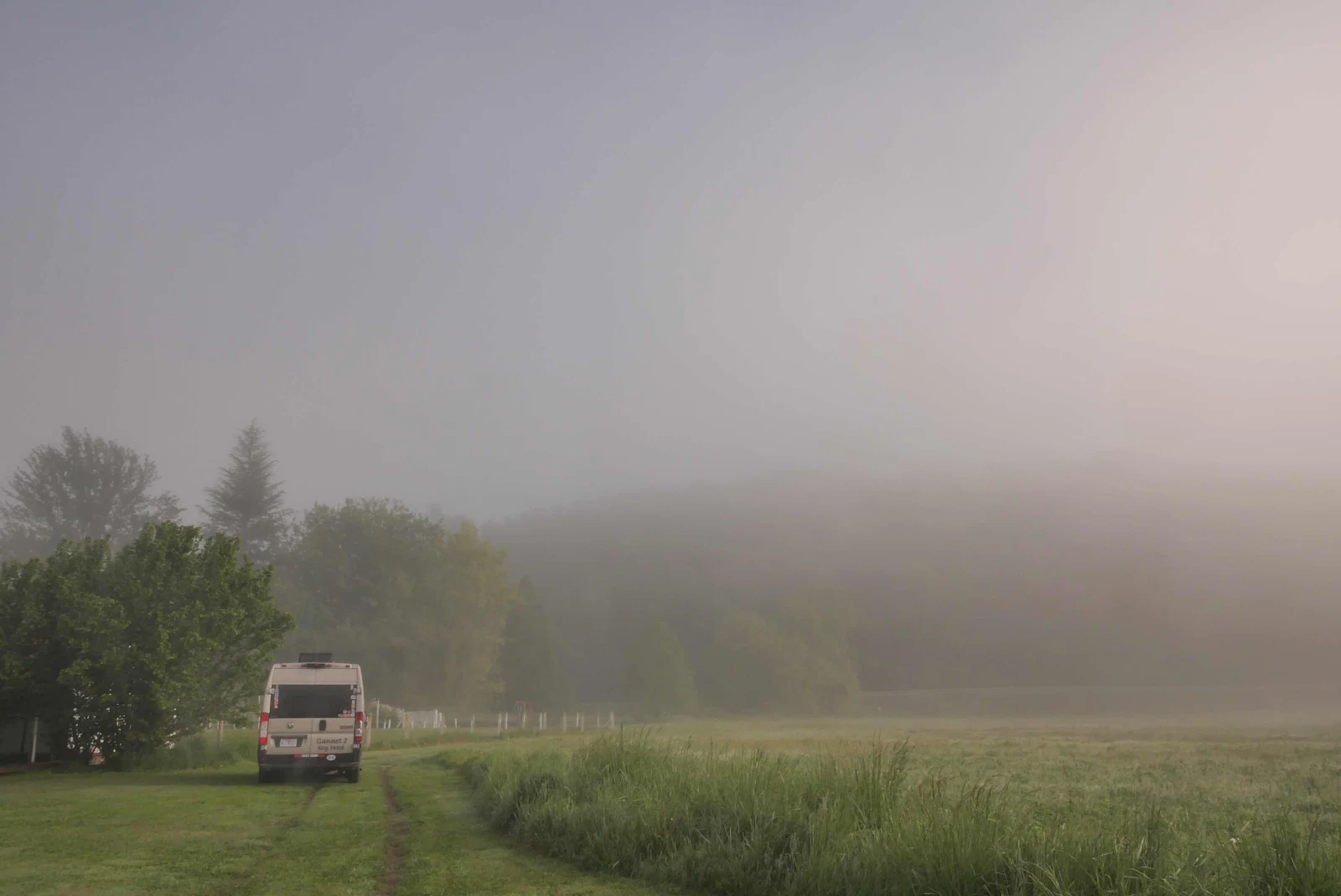
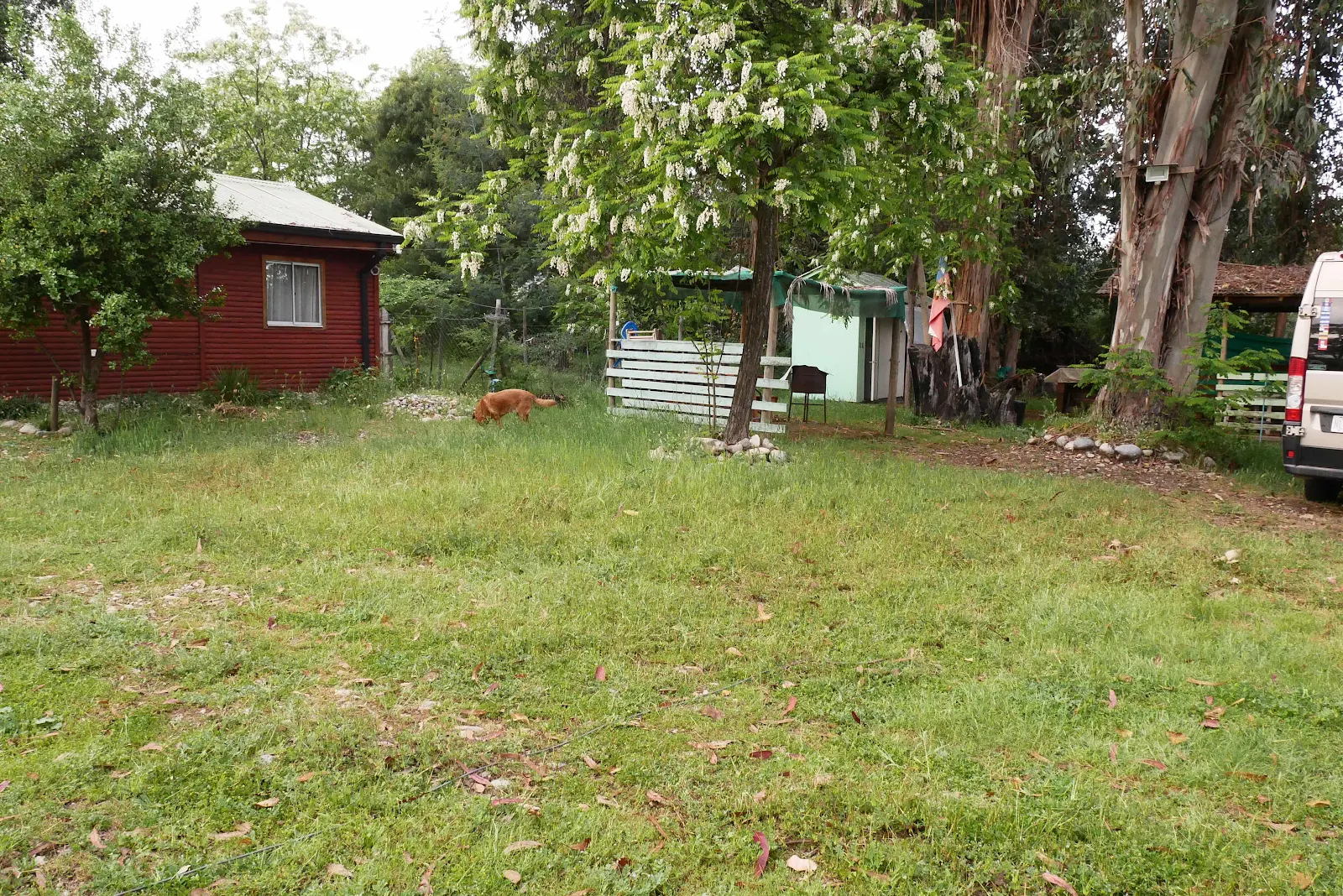
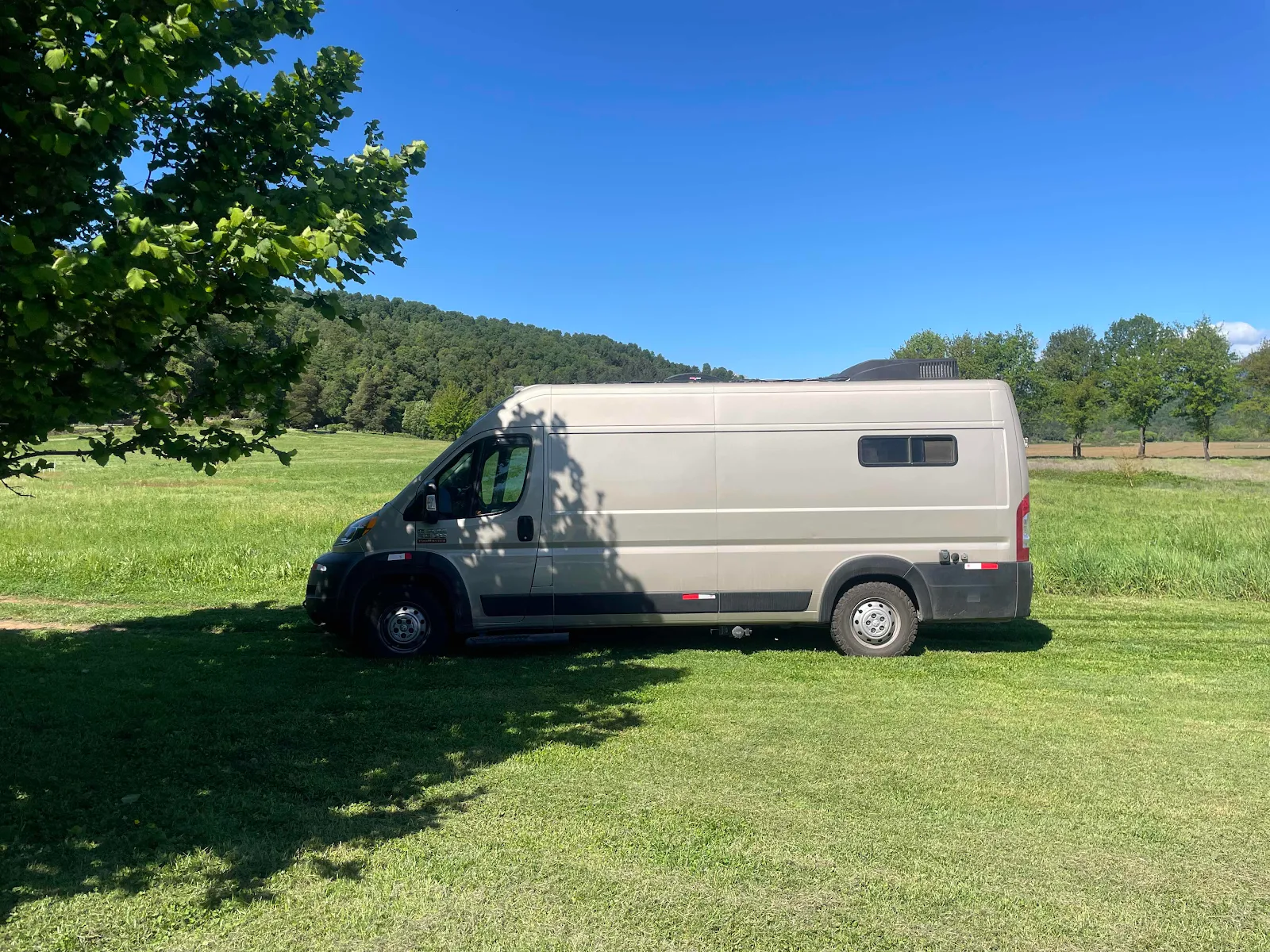
Our parking spot was lovely but with only cold showers, and an electrical plug in we didn’t need. As you may have gathered by now these are the facilities overlanders look for when they pay to camp. The bird calls and the cool breeze were thrown in for free. 
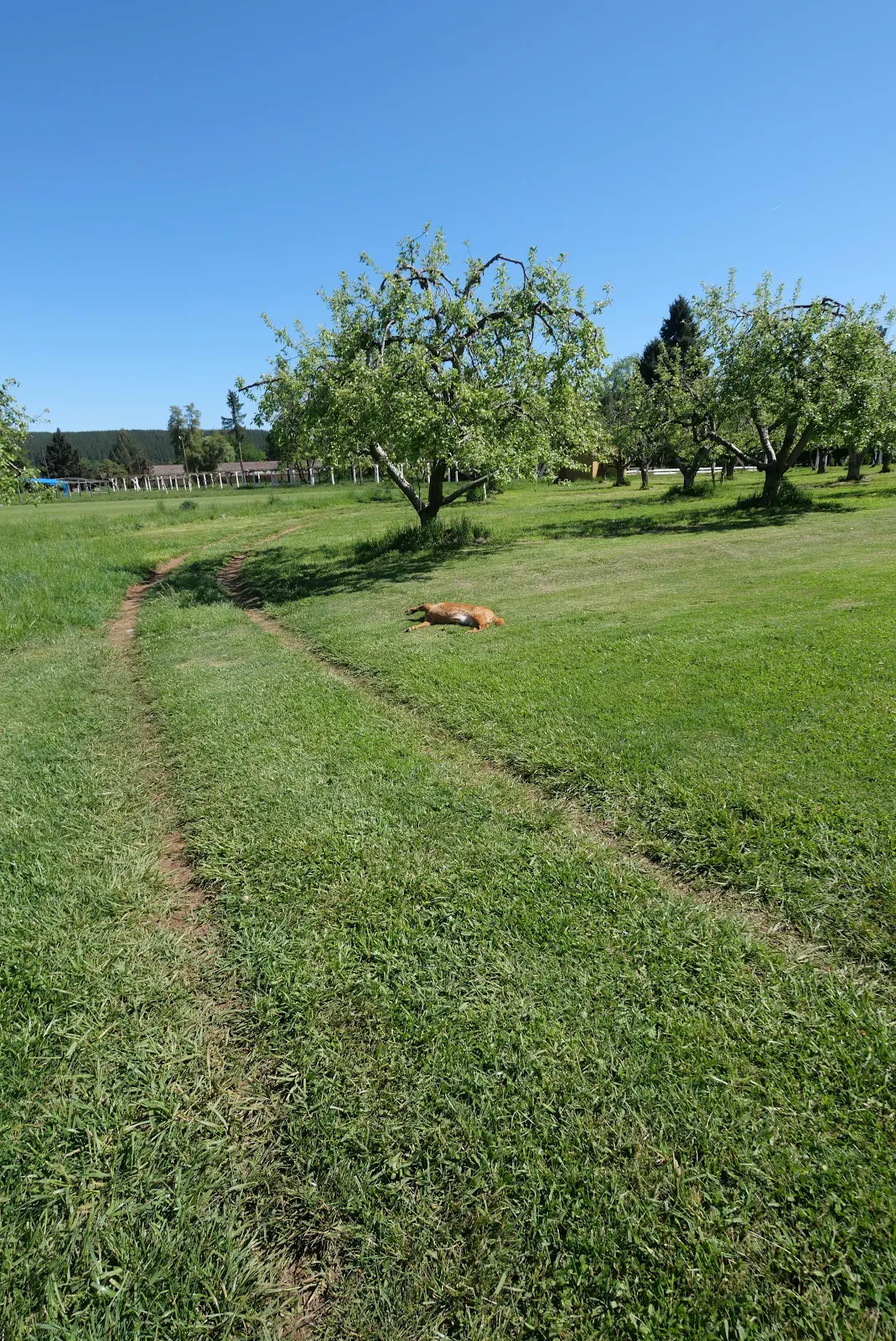
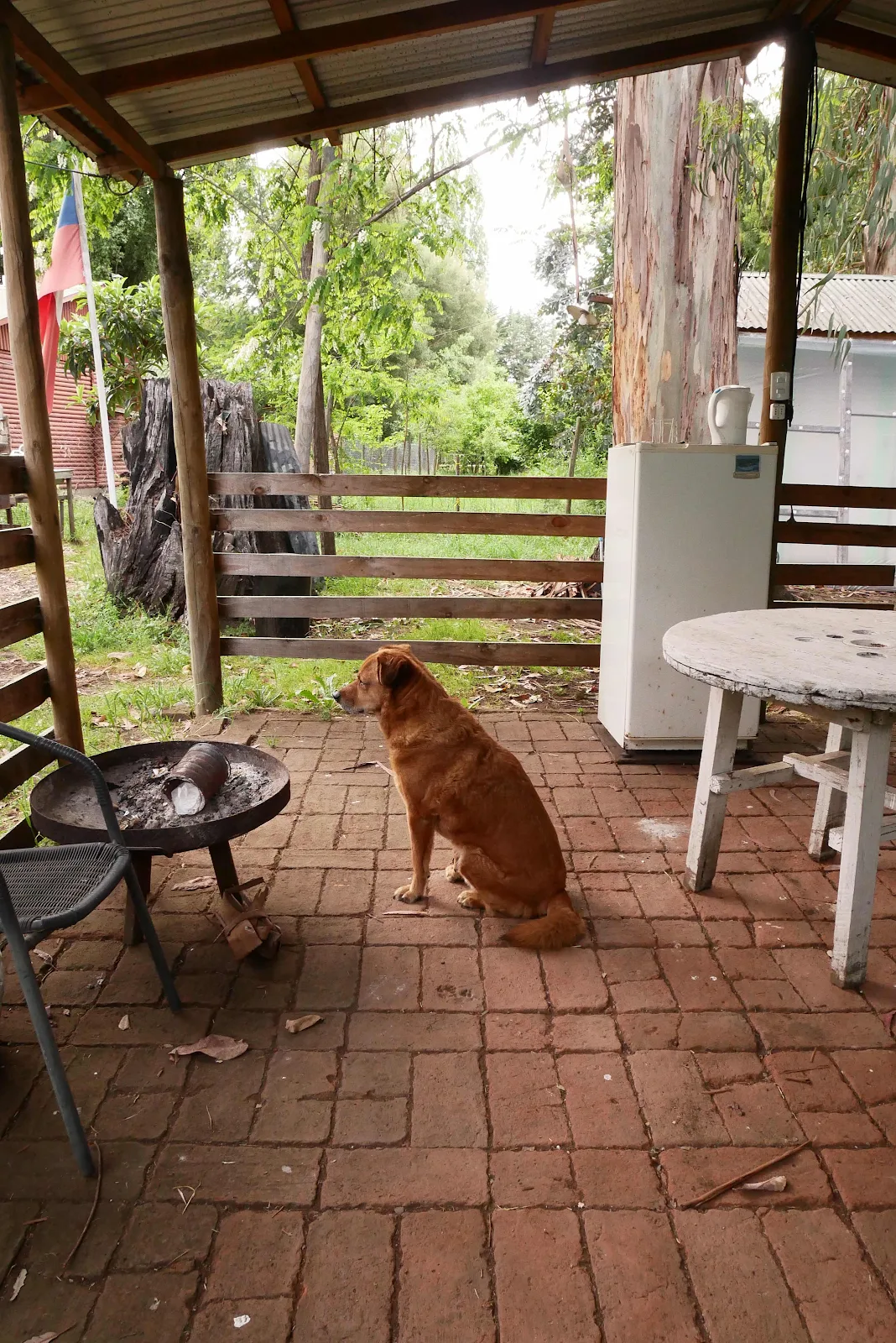
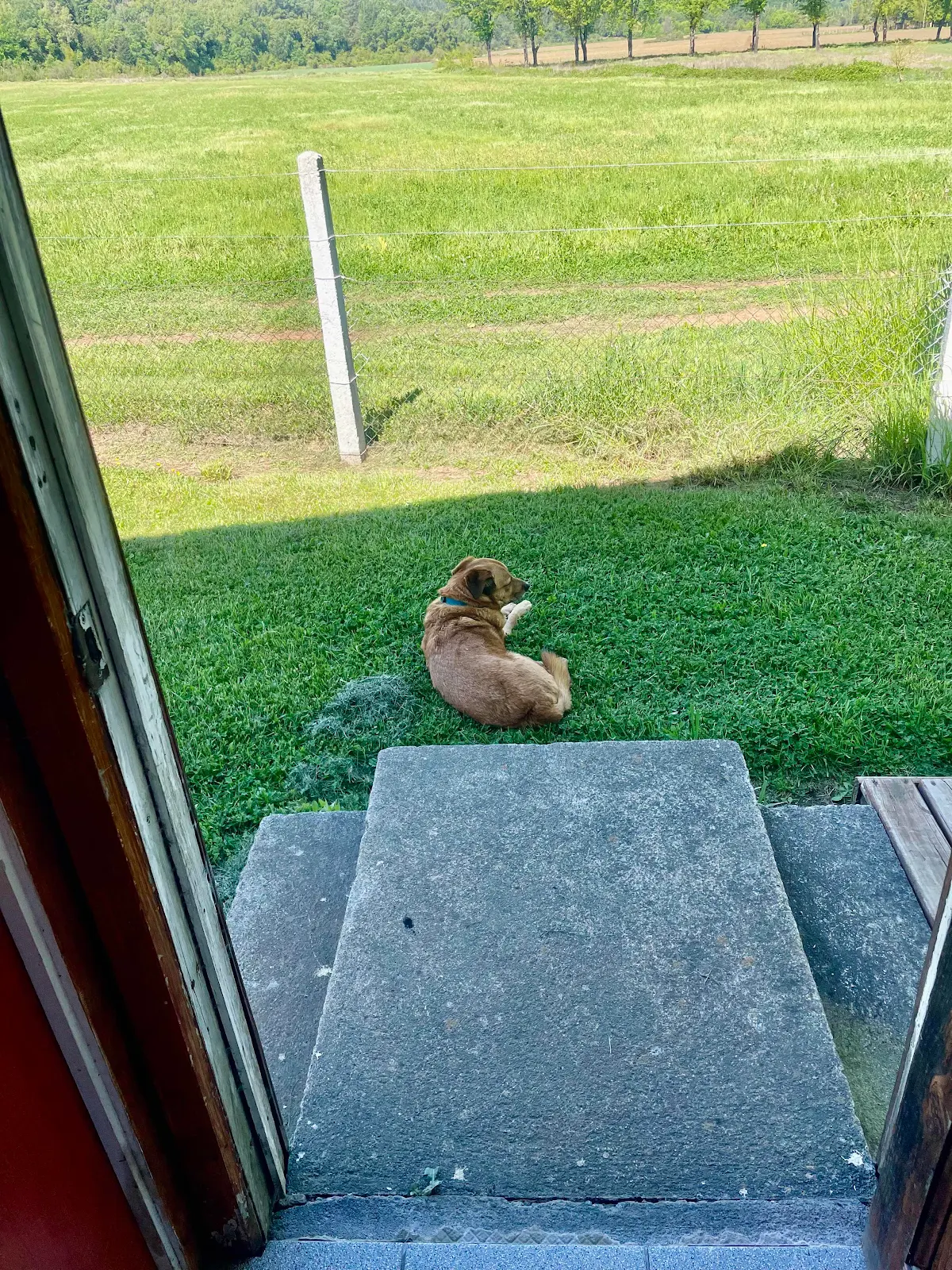
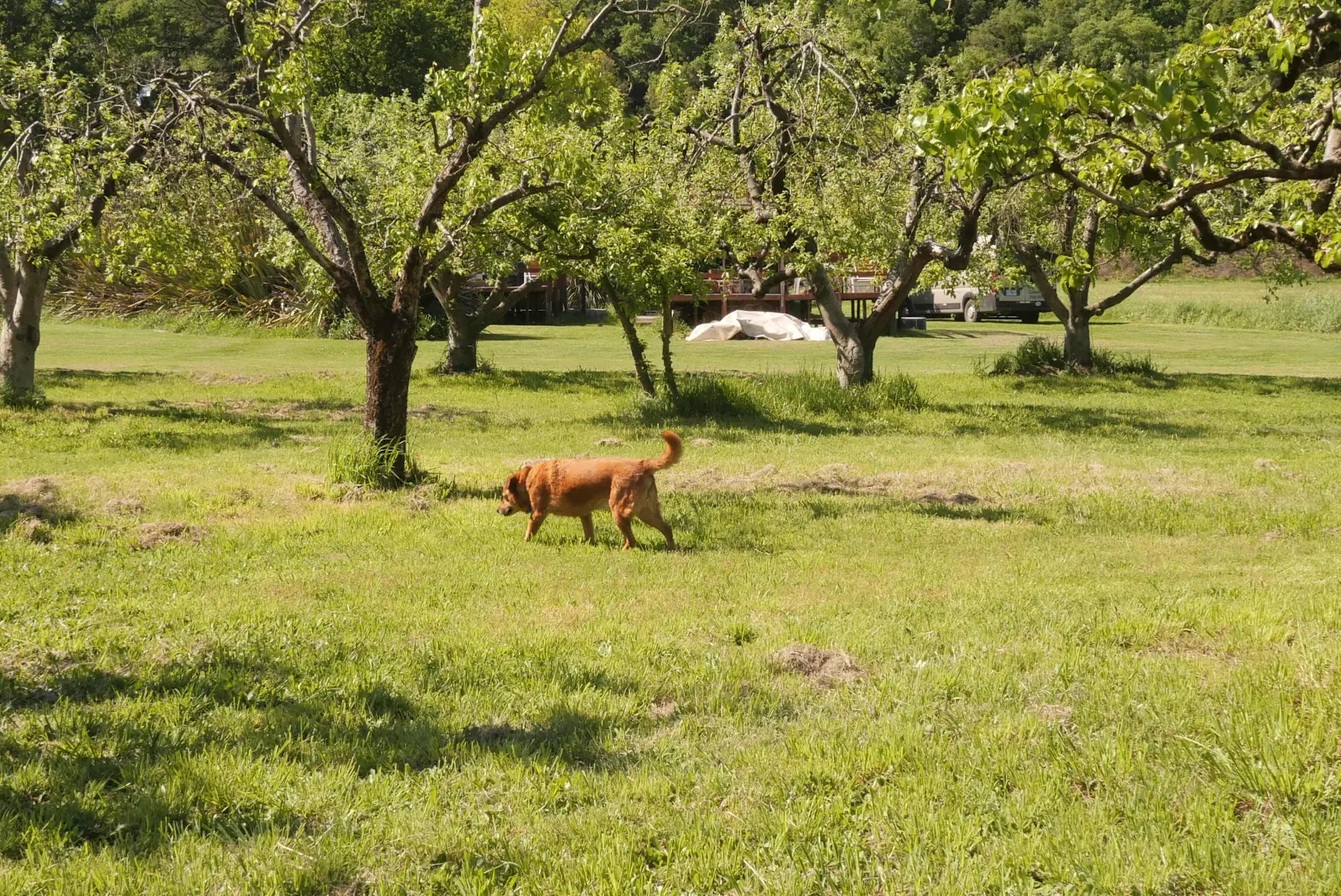
Rusty loved the thick cool grass; I loved the toilet seat and toilet paper. Priorities…


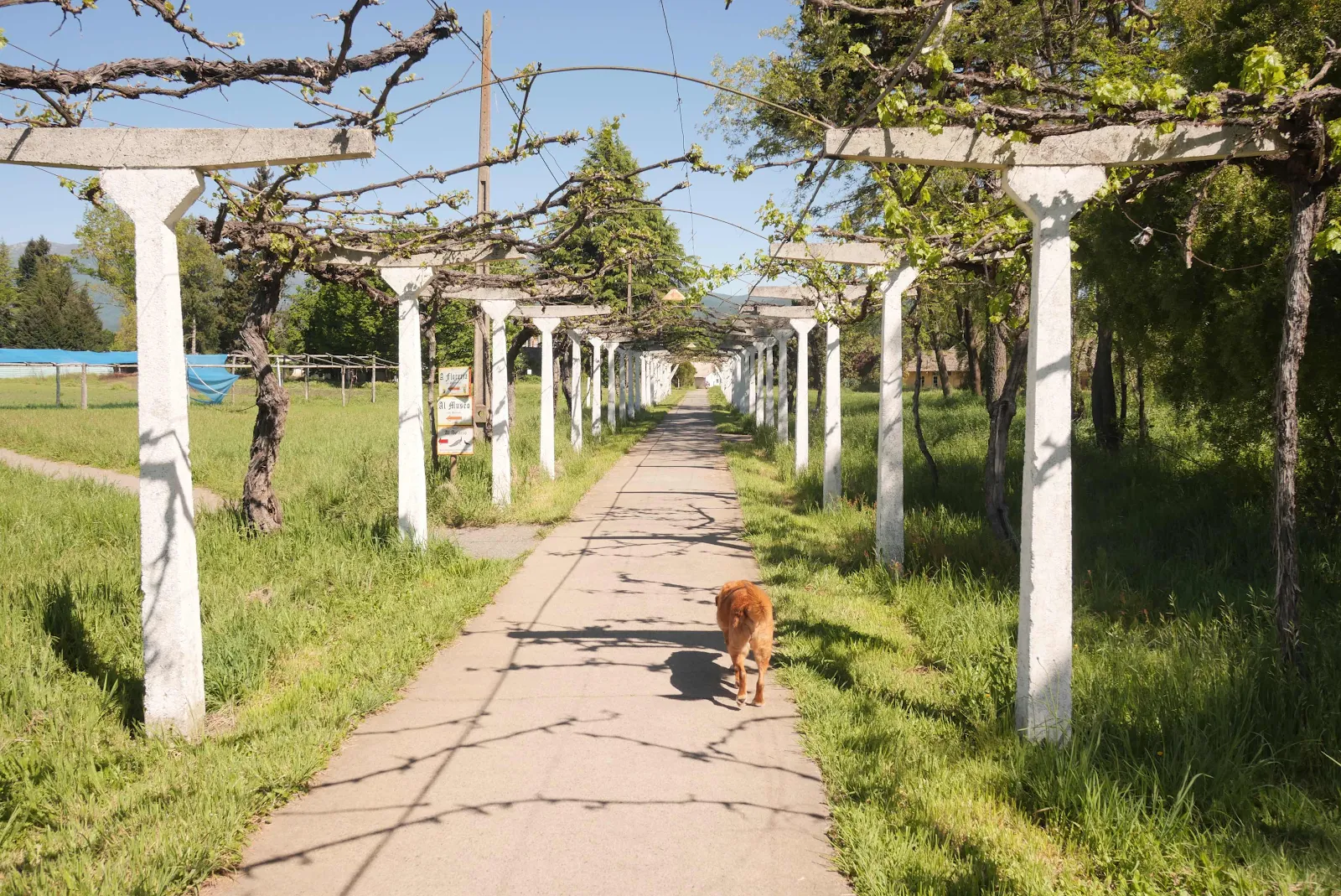
We took a walk to the museum which was closed but from what I’ve read they don’t shy away from the colony’s past. Things changed in 1991 after Pinochet left office and police investigations began and Schäfer the pedophile fled to Argentina. He spent the last four years of his life in jail and died in 2010 at age 88. It doesn’t seem quite like punishment enough to me.
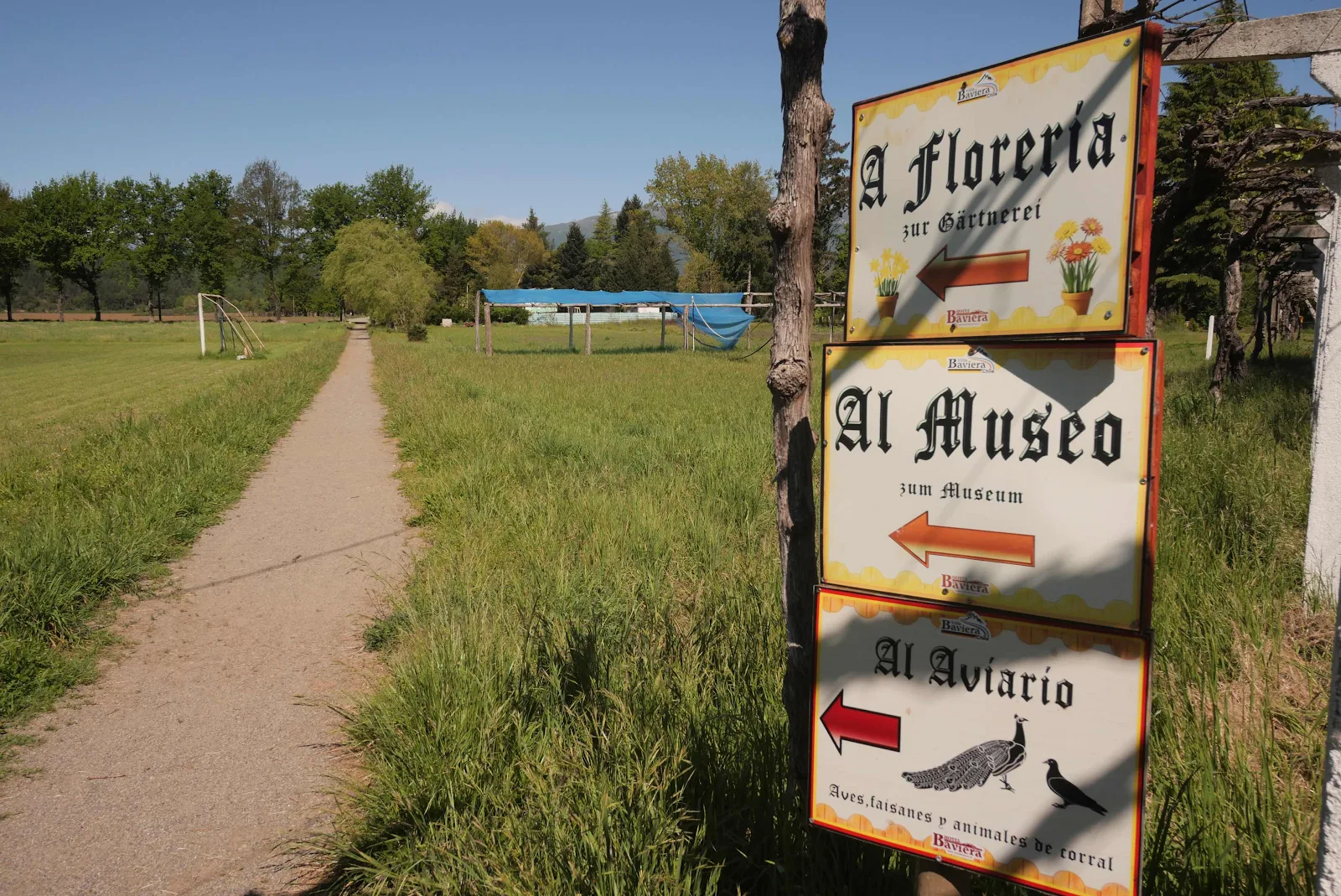
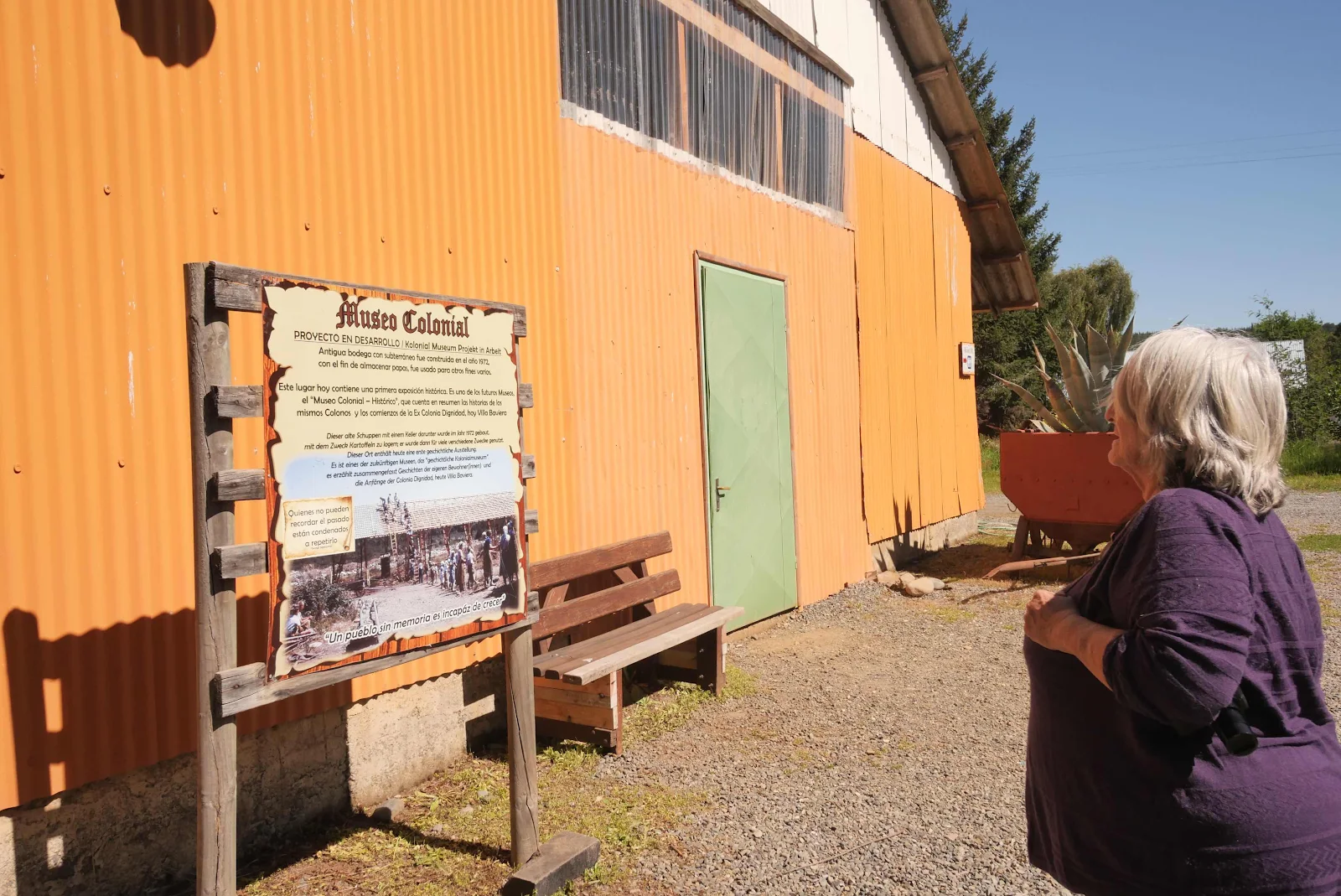

But out of all the misery and filth has come something good I hope. There are still German members of the colony and we met a few. Most of the staff appeared to be Chileans though there are a lot of German cars around here.
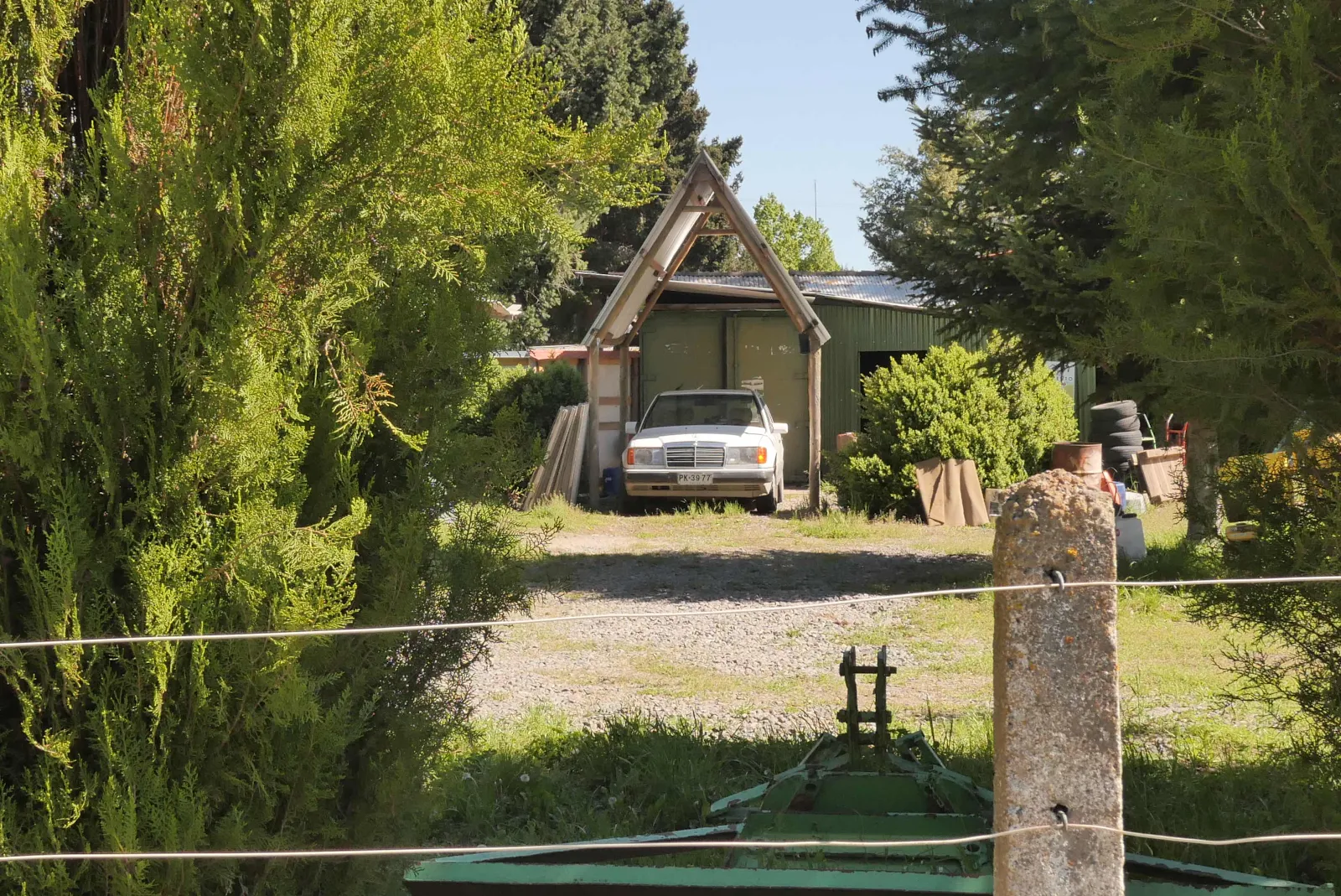
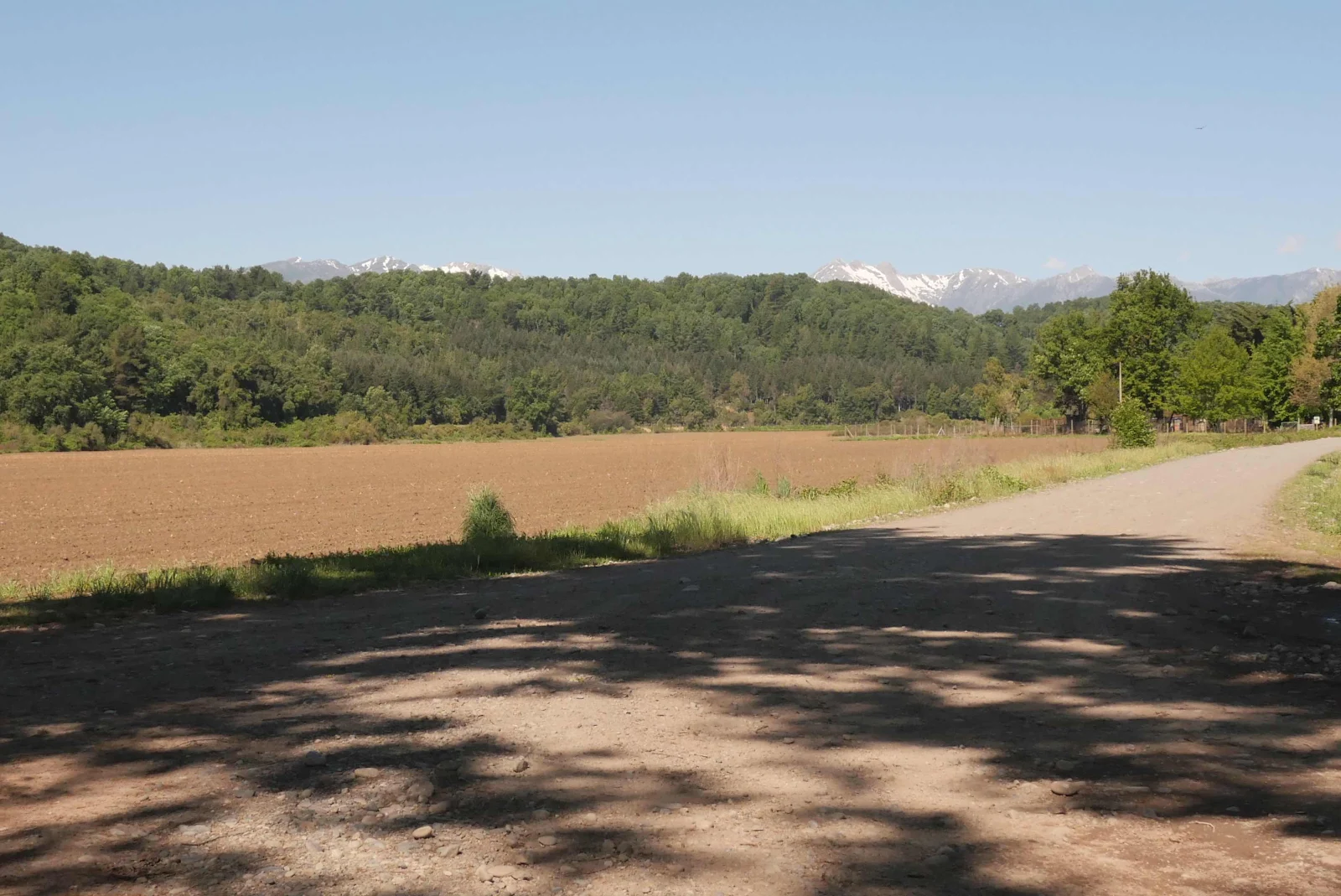
There were protests a dozen years ago when the plan became to turn the place into a tourist attraction but this is a working farm, the members are free to come and go and the arms smuggling and torture and law breaking are in the past. 
A reminder here was that we had a great beach camp at Pisagua which I learned while we were there, was a prison camp for much of the twentieth century for one reason or another. One of the nitrate mine ghost towns in the northern desert was also used a prison camp by General Pinochet. These places are known about and acknowledged all over the country. It was a bloody time in Chile between 1973 and 1990. 
I’m glad they’ve made something good out of such a place and I’d gladly go back to enjoy the countryside but also to think about and pay my respects to those who suffered. This whole journey for me has been less about driving dirt roads and more about discovering the good and the bad of the history along the PanAmerican Highway. This it turns out is a prime example. 


Sunday, October 27, 2024

My Kicks On Route 66

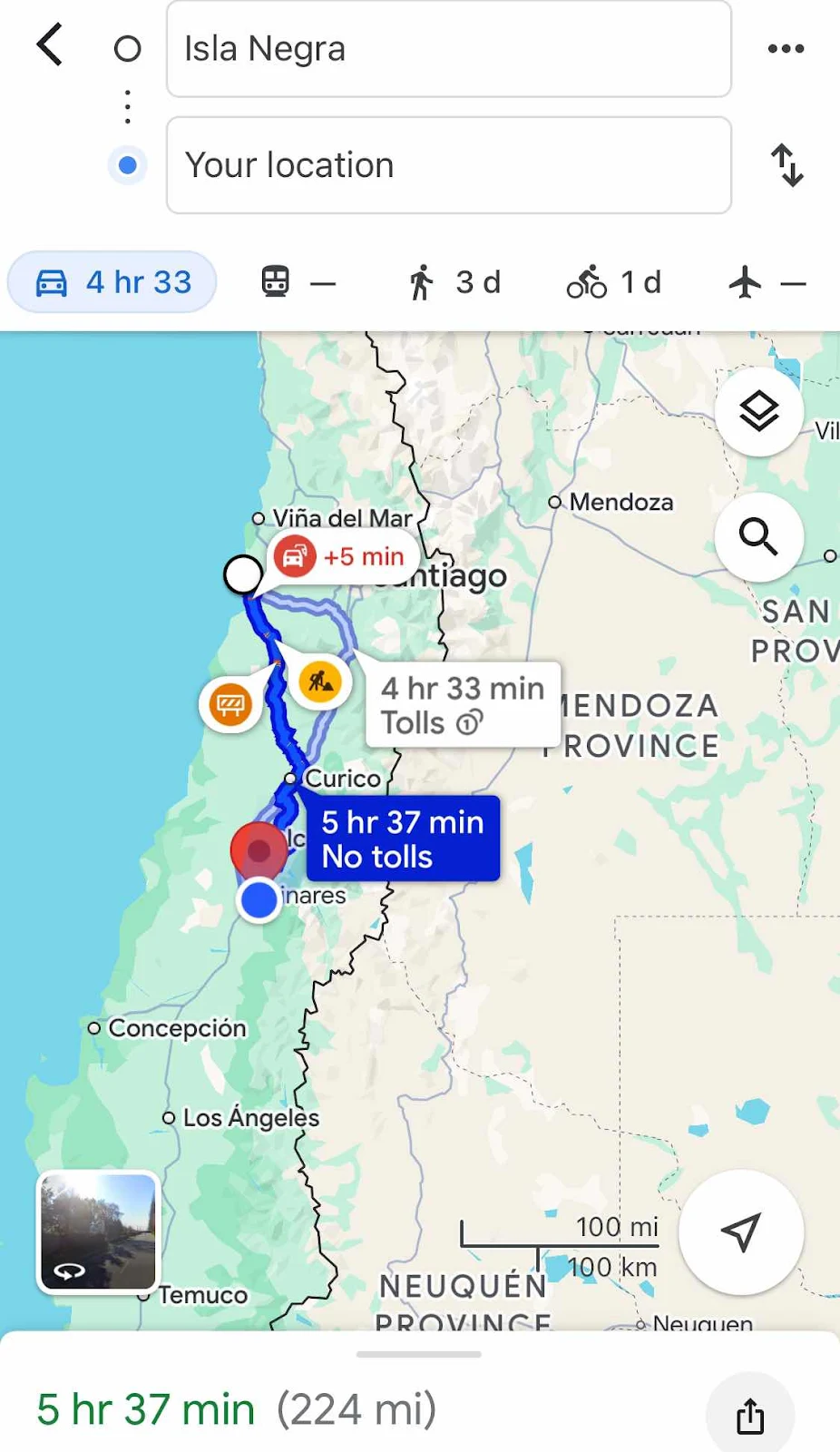
When we were at the beach at Isla Negra we had a choice of routes south and I elected to take the inland cross country route back to the PanAmerican Highway because I wanted to see interior Chile.  
We left the rundown campground in Isla Negra around eight in the morning and arrived at another campground near the town of Linares around seven in the evening. I figured you might like to see a day on the road across Chile so here it is. 
I have been greatly enjoying Chile these past few weeks and because I overthink things I was asking myself why and the answering came up with is the old adage, overused as such things always are, a change is as good as a rest. 

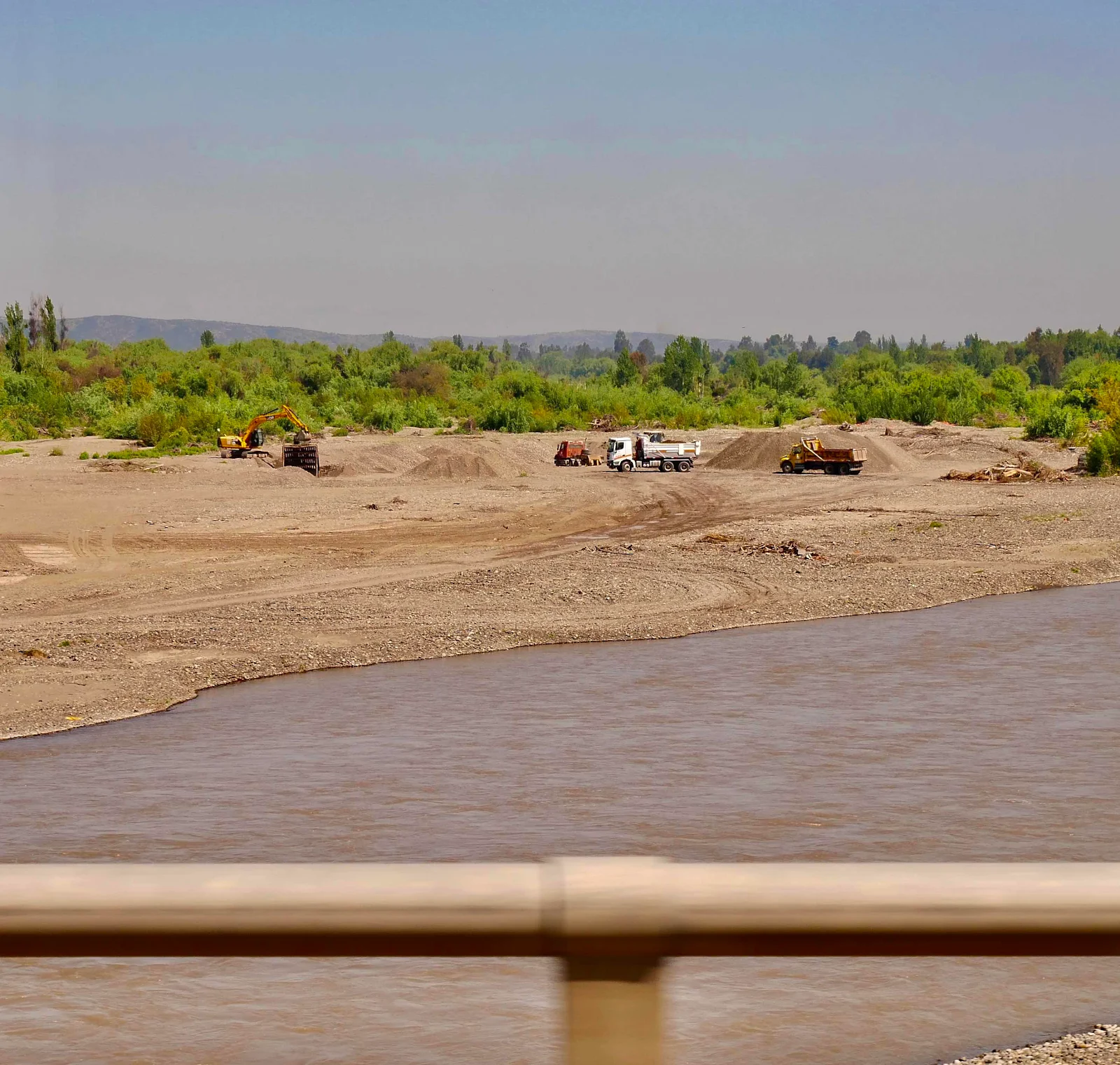
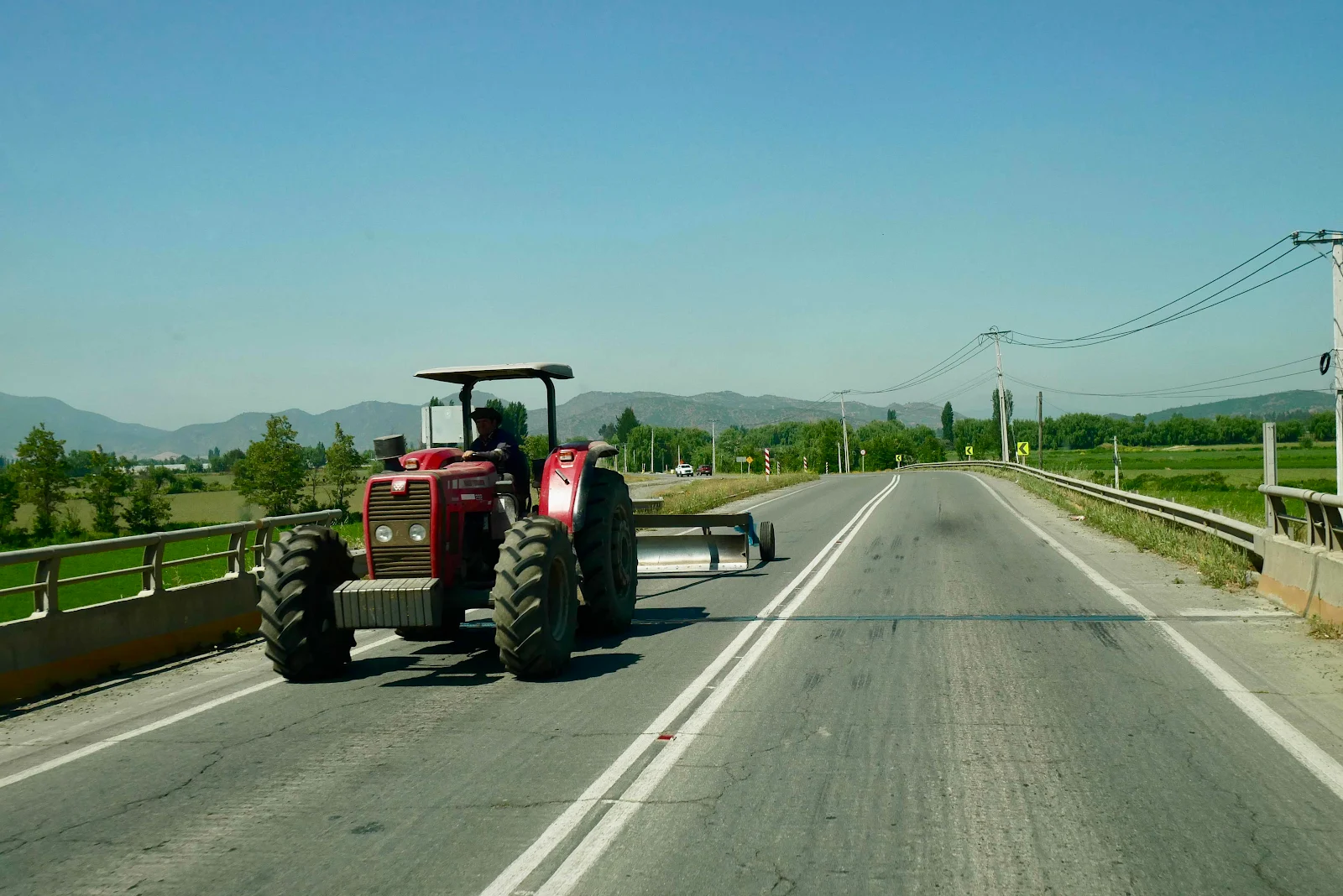
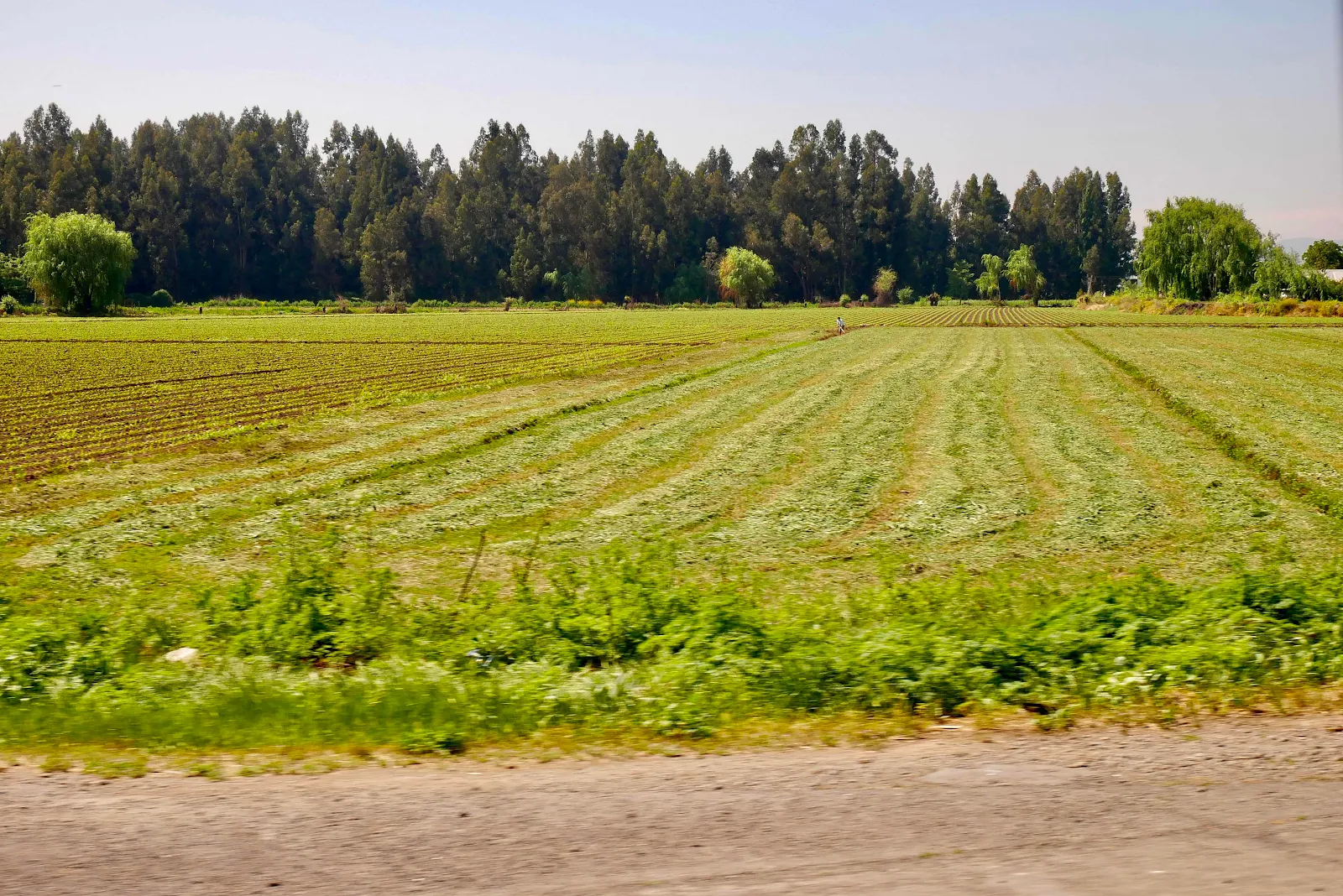
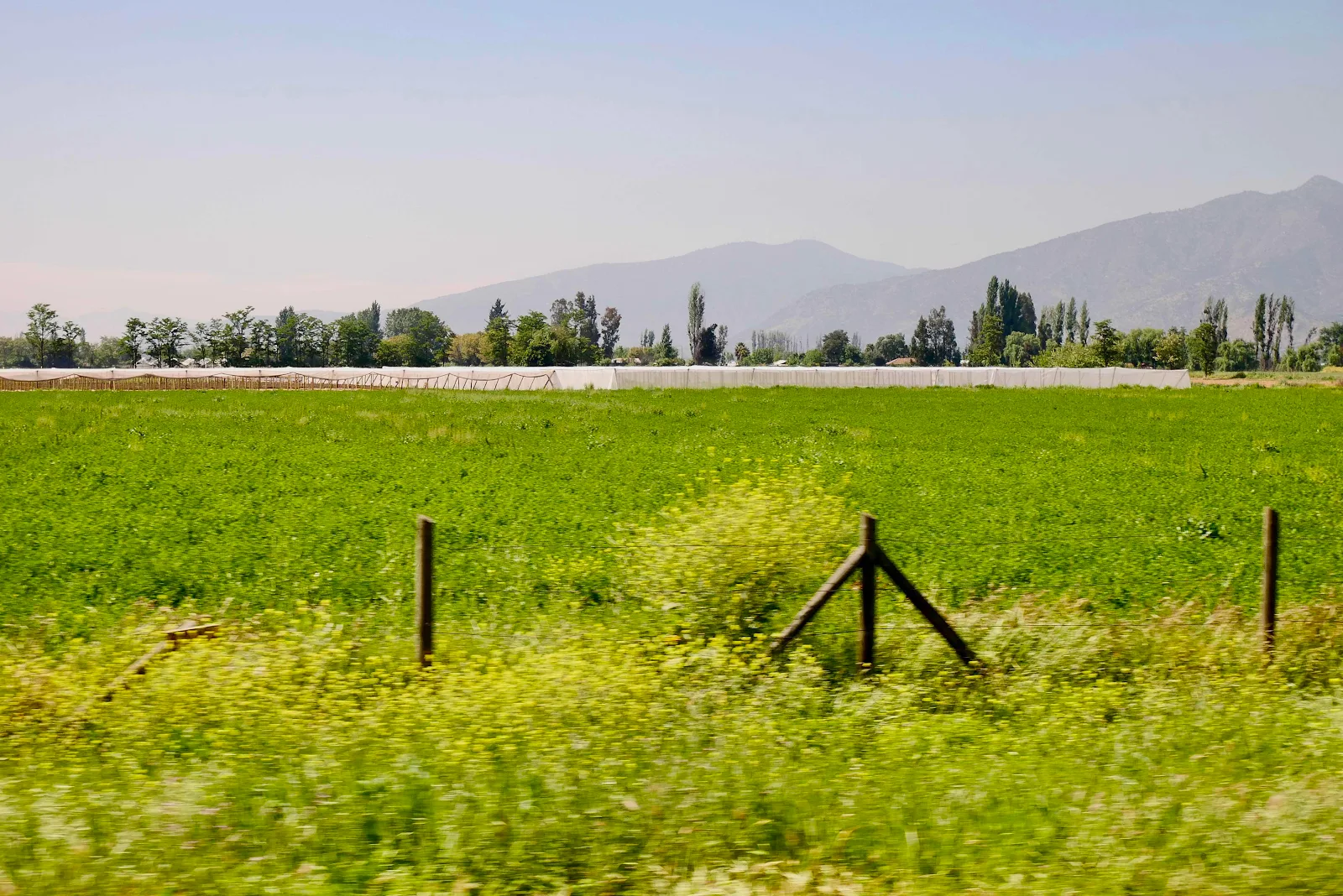
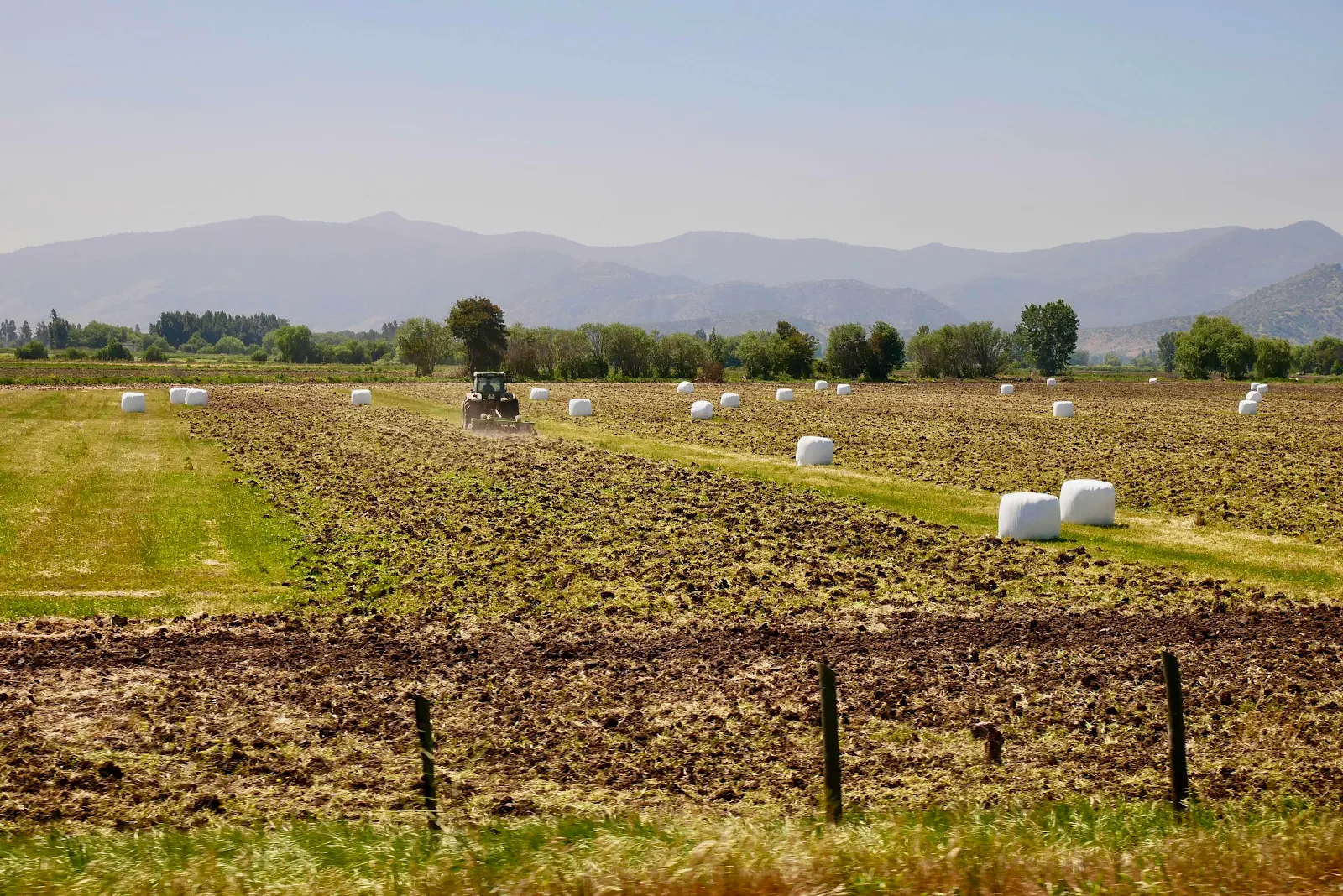
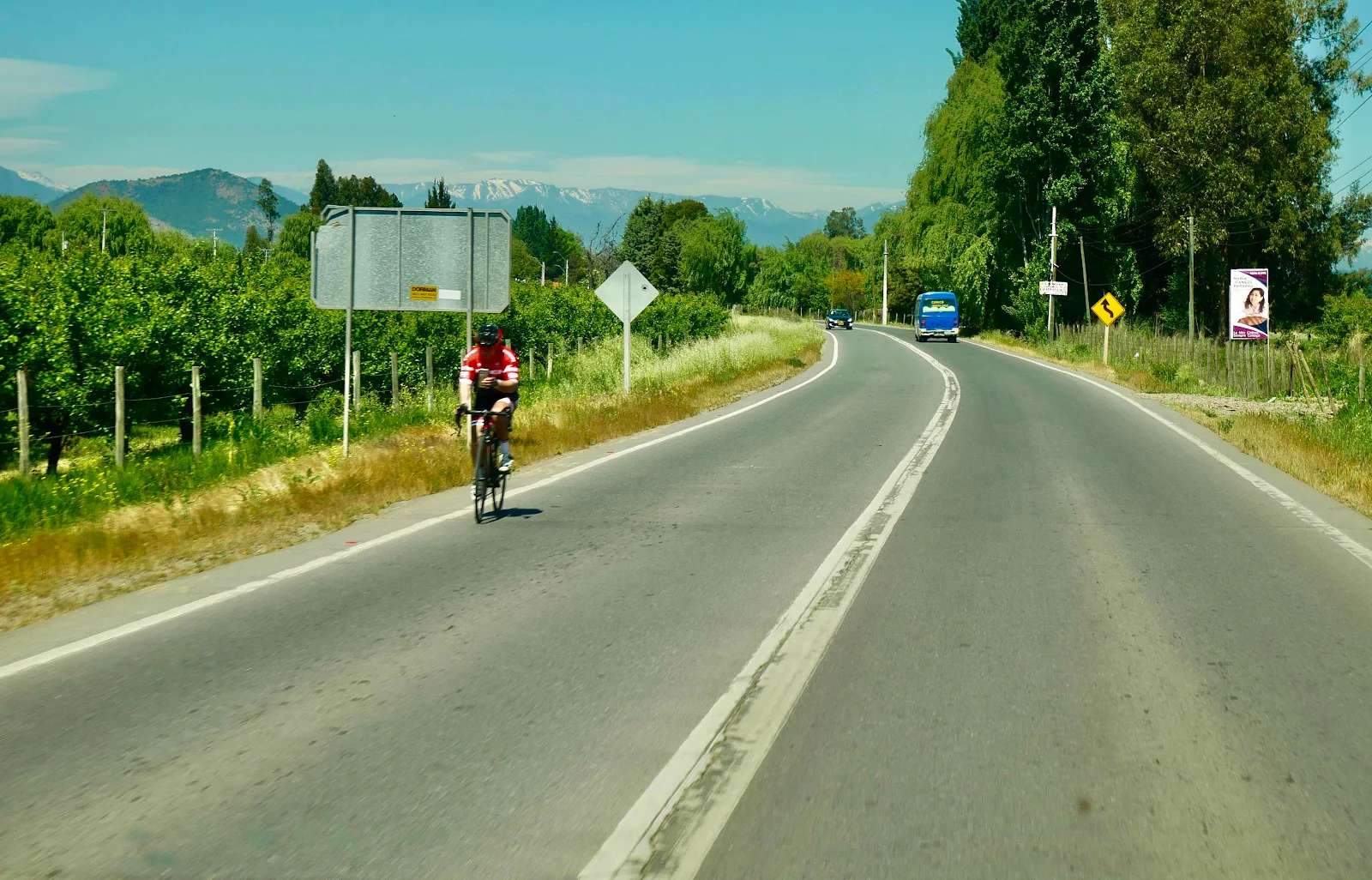
Bowling along Ruta 66 through wind country, smooth tarmac, easy traffic, beautifully cultivated fields and countryside made lush by the arrival of Spring all I could think was how much this resembled touring the US. I felt at home. 
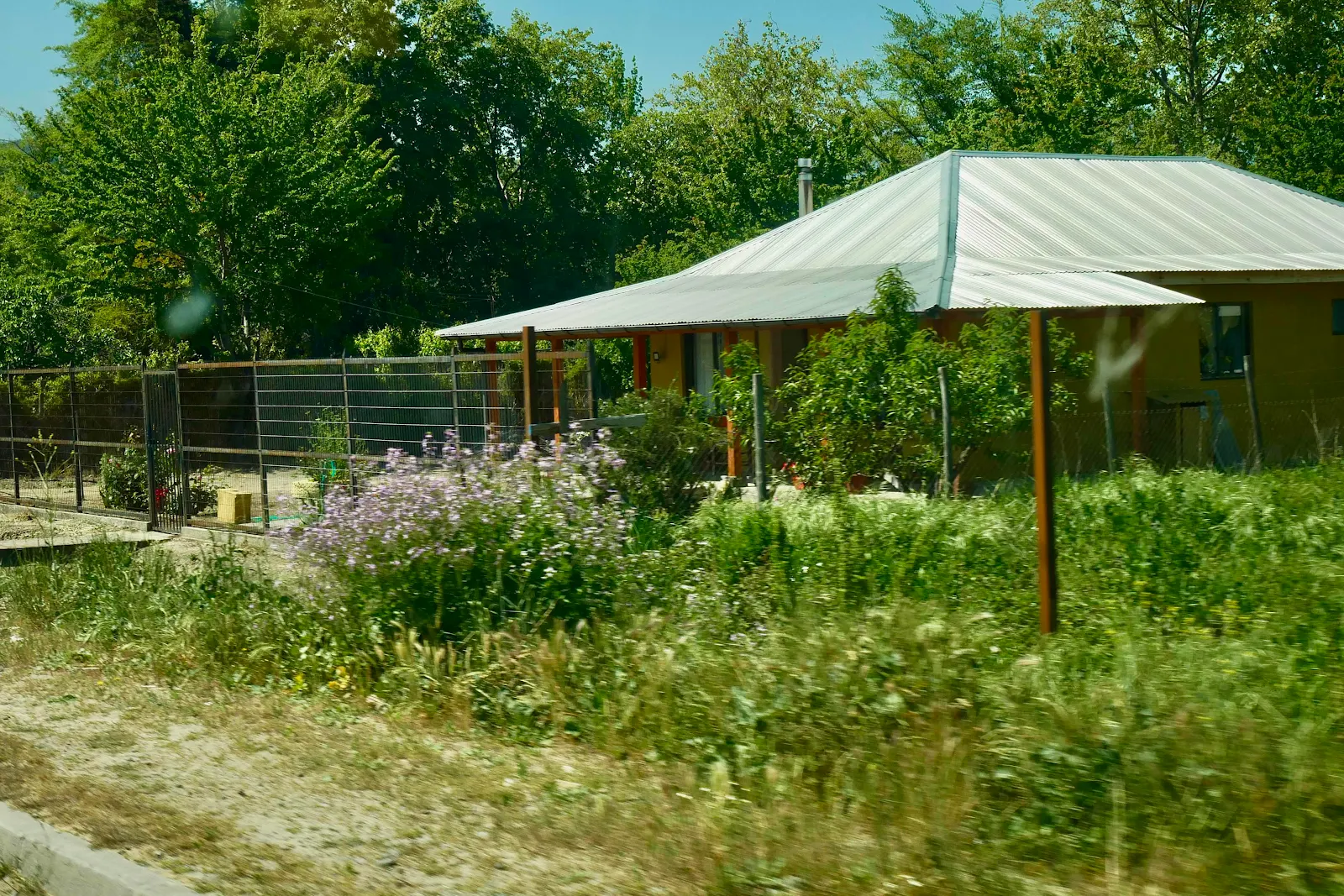
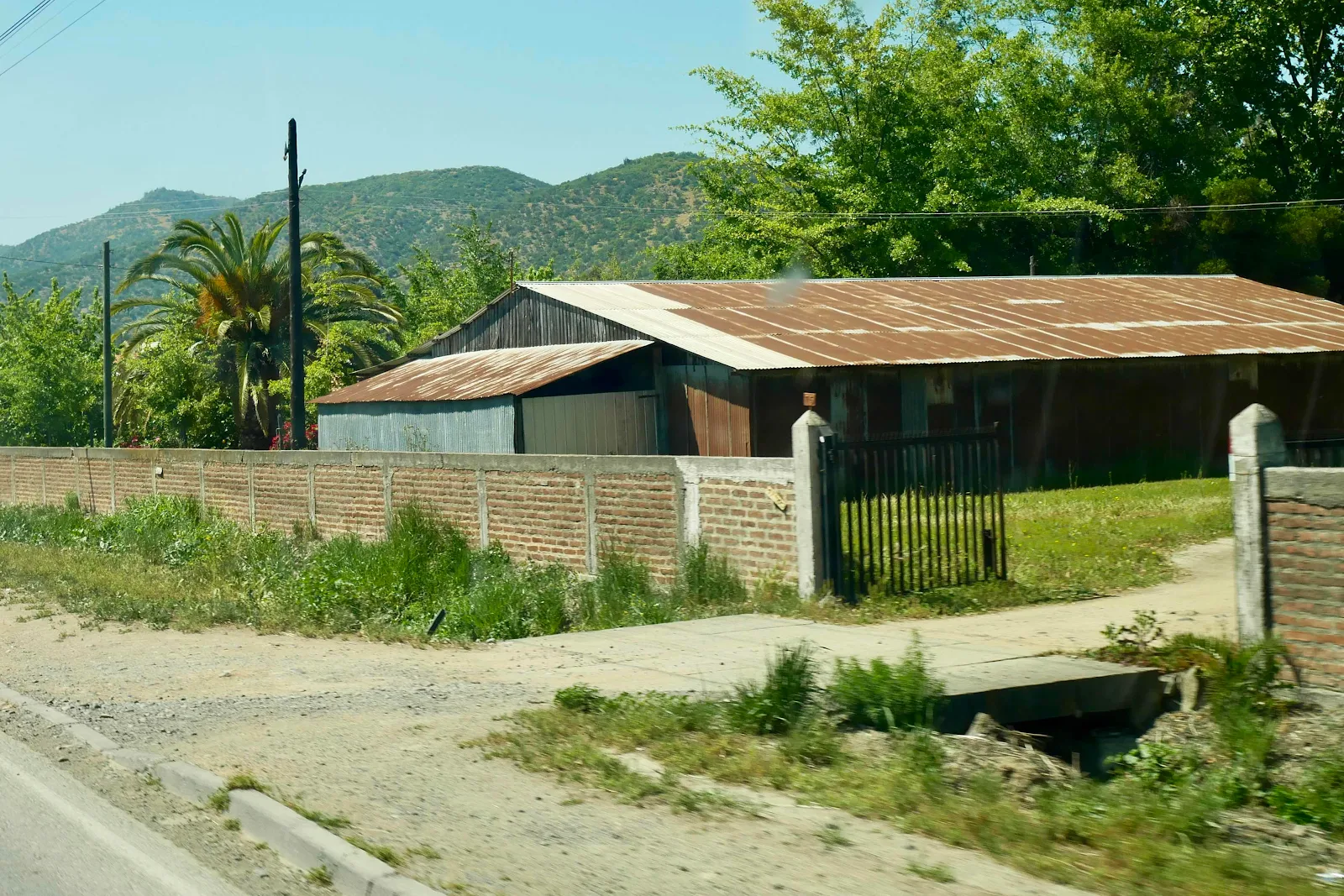
I fear this may appear boring after so many countries filled with strange exotic and often funny roadside scenes but for me Chile is a lovely breath of fresh air. It just looks normal, normal to the eyes of a cross country traveler in the US.  
You don’t see the picturesque peasants and indigenous people, the massively overloaded motorcycles and the tuk tuks buzzing between cars. 
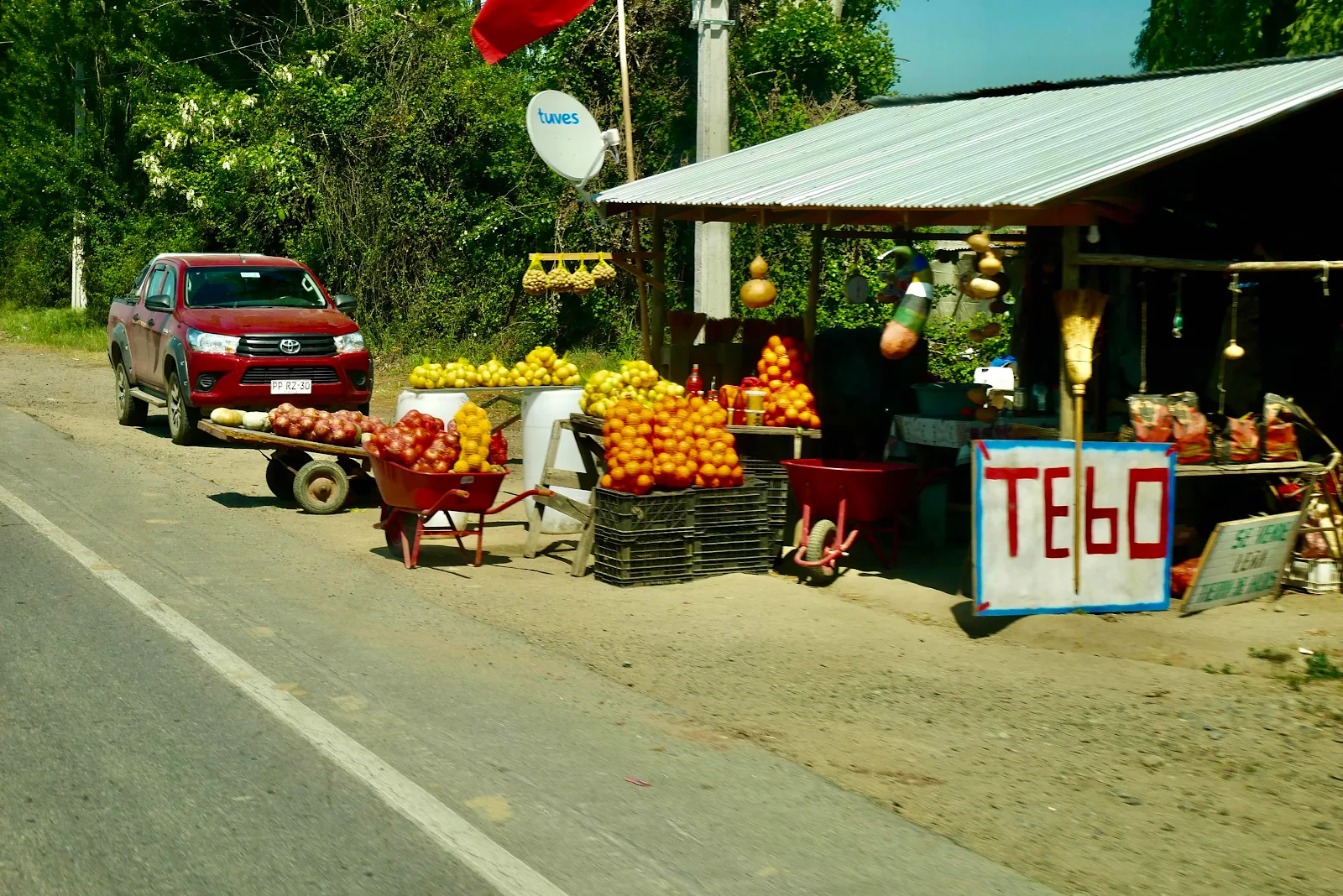
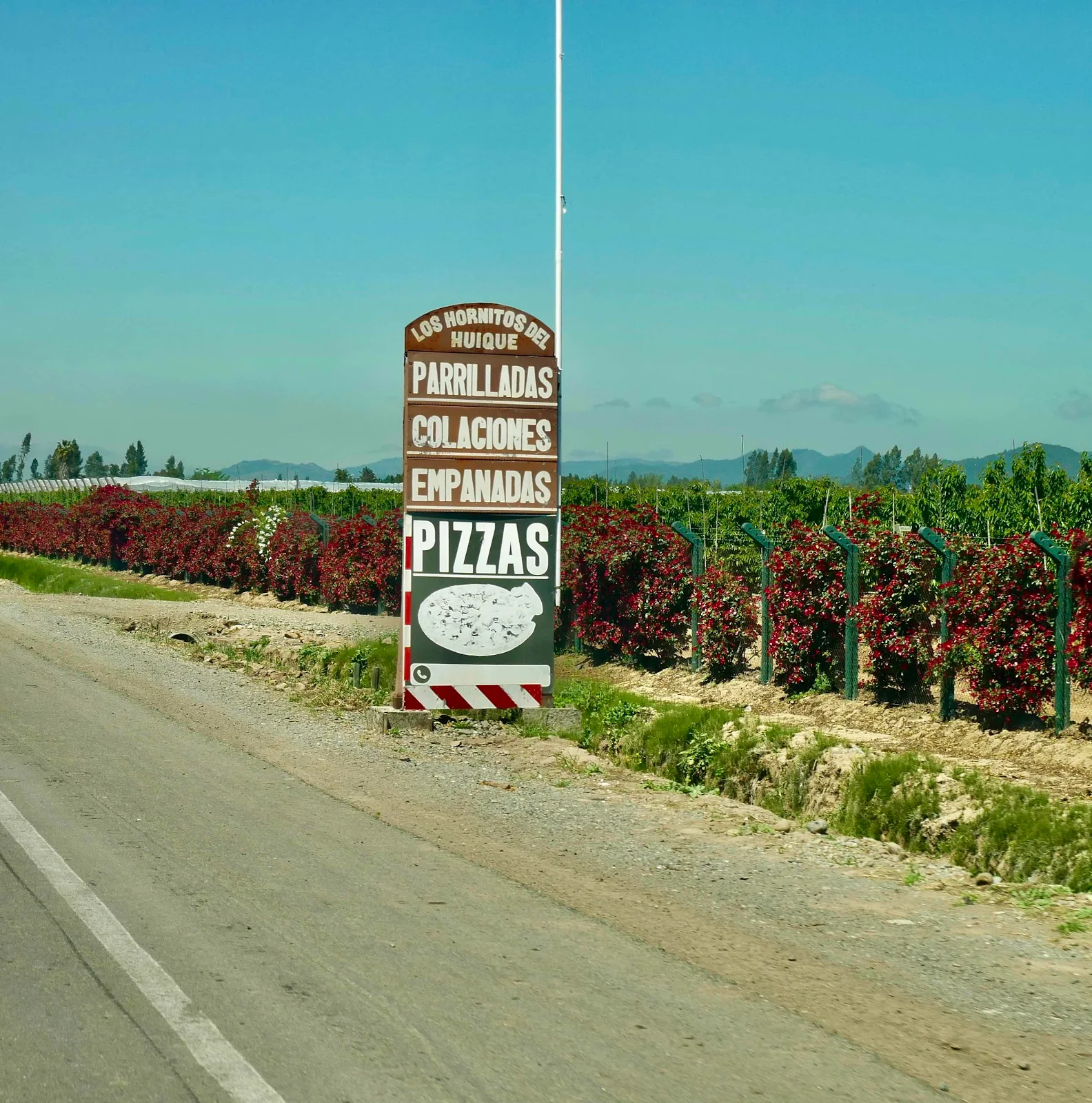
There are you will notice roadside stands and food trucks and occasionally you’ll see refugees walking the highways or homeless encampments in the towns and cities but they are reminders of poverty and misery, not the norm. 

If you talk to Chileans they all have a sense of things going bad, too many immigrants is the universal cry here as it is everywhere. Chile used to be a jewel a decade ago we are told repeatedly but now there are street people and graffiti. It’s going to the dogs they tell us. 

And they may be right but I’ll tell you after Ecuador (civil war) and Peru (nationwide misery and squalor) Chile looks pretty damn good. I say it ten times a day that I could easily live here. I don’t want to settle down but I could here. 


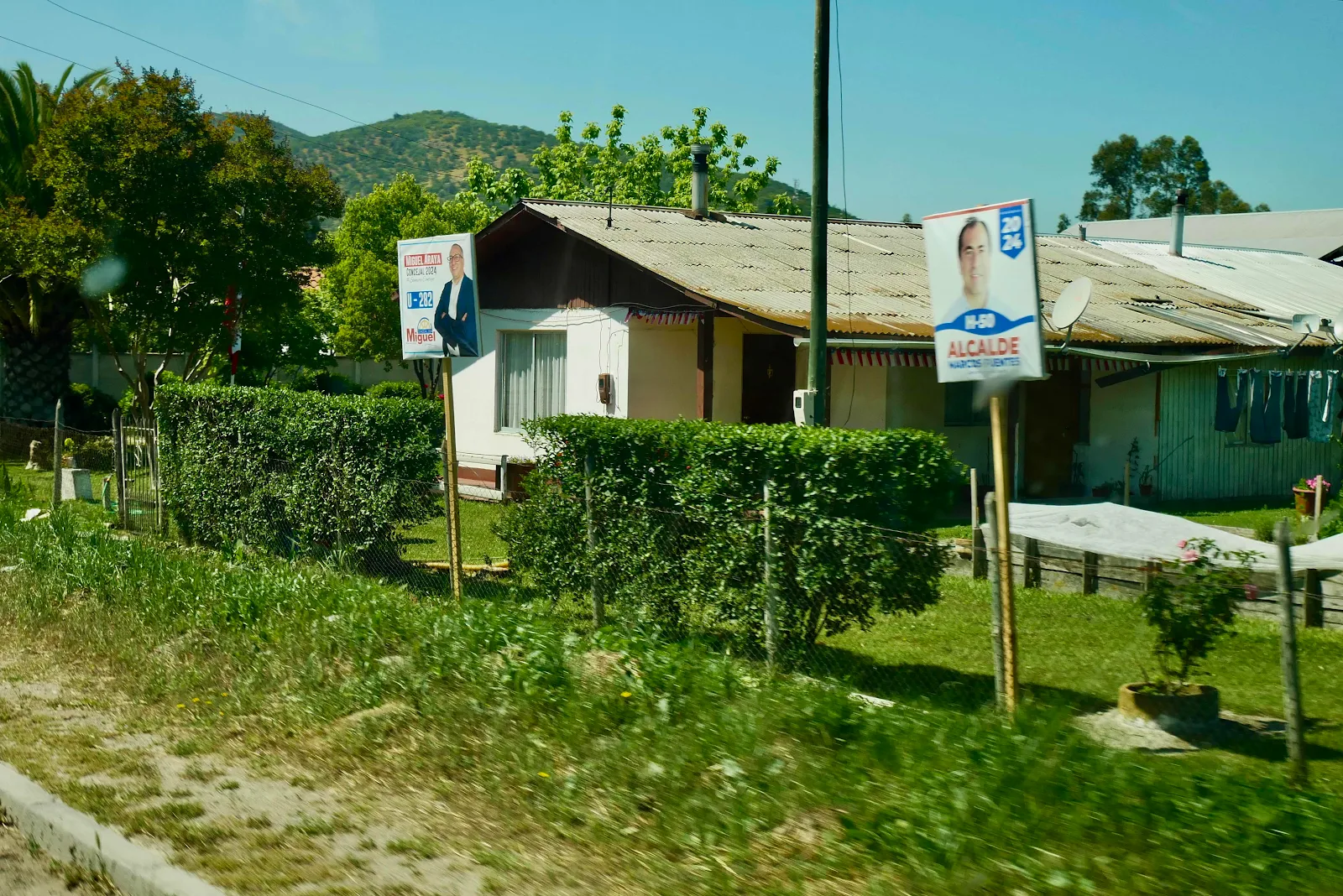
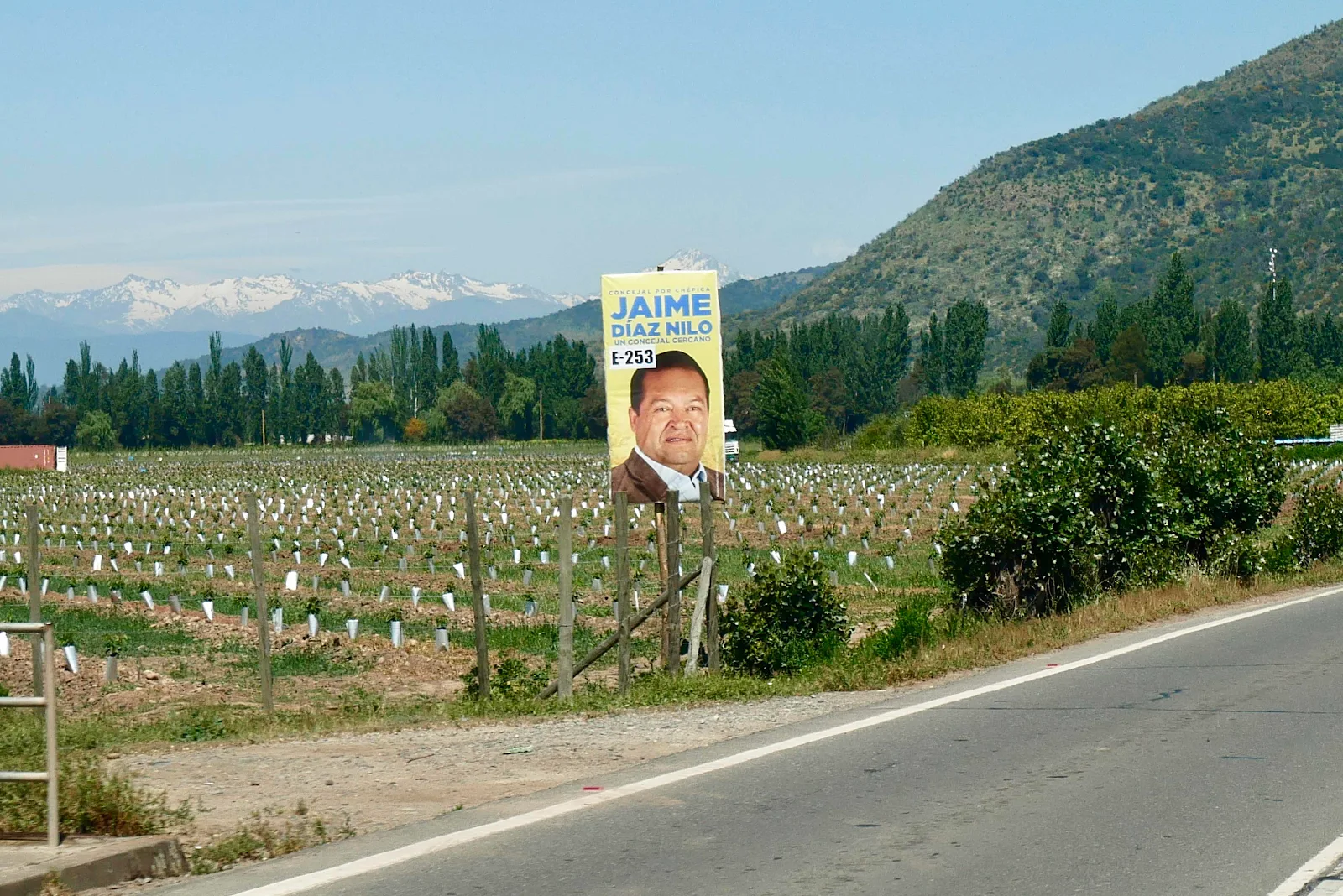
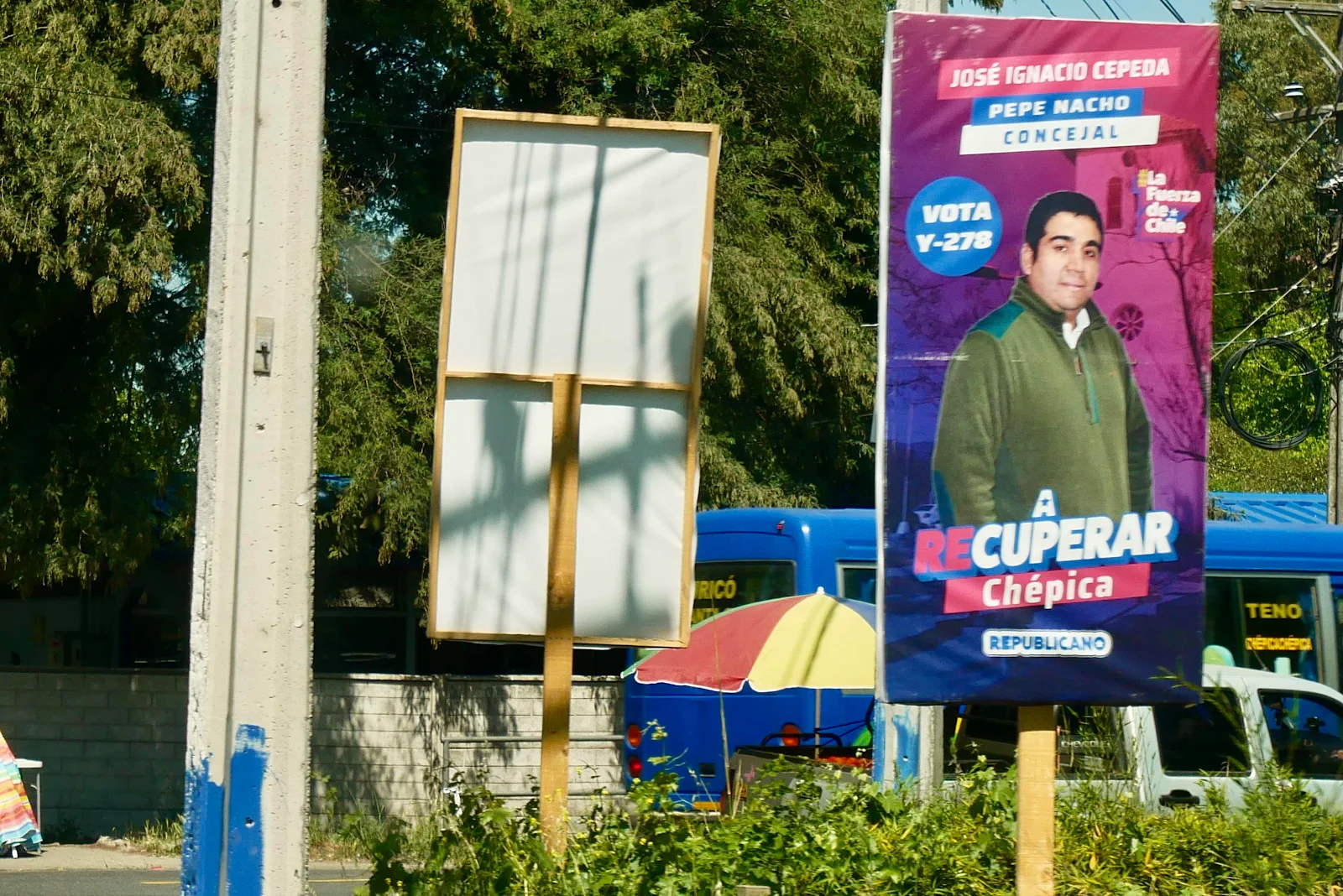
There are municipal elections today  and the billboards are everywhere. I even saw one flying above a tractor in a field so I guess everyone has an opinion. I check them out and all I see are a bunch of white people looking earnestly at the voters. They aren’t dressed in indigenous outfits or appealing to ethnic groups. Chile is white as much as the tourist batteries to play up the country’s Mapuche past. If you run for office men wear suits and women are blonde. At least that’s the message from the billboards. 

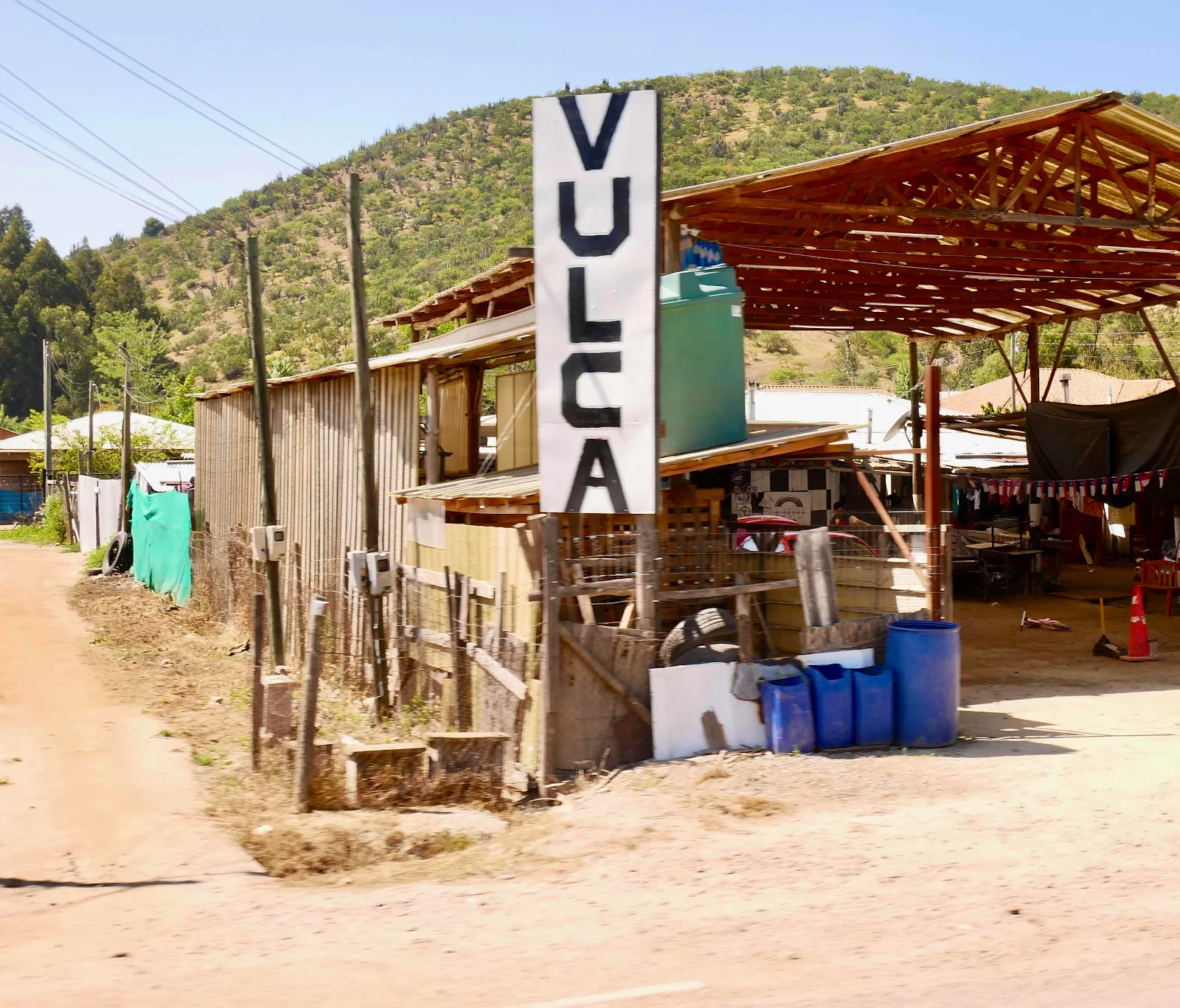
In Chile if you need a flat fixed you look for a “Vulca” sign. In Mexico it’s “illantera” and in Guatemala it’s “pinchazo” while in Colombia it’s “montallantas” and so it goes if you drive PanAmerican. 

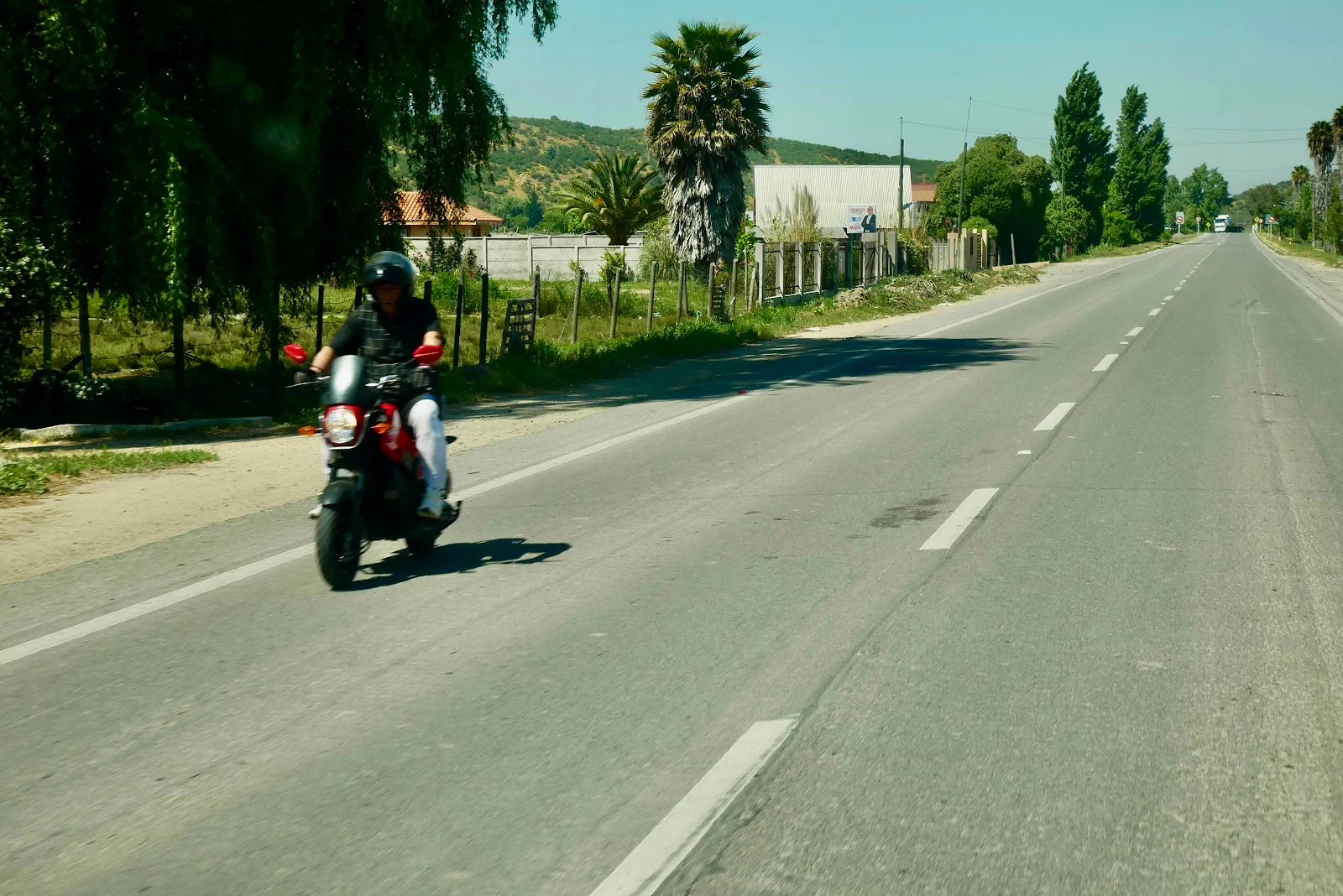
There are people riding motorcycles just as there is plenty of poverty but I’ve seen so few they look like pleasure riders in Chile where in Peru motorcycles are the first step up the economic ladder of internal combustion. There are electric cars here as well as touring motorcyclists fully geared up for a weekend ride. 


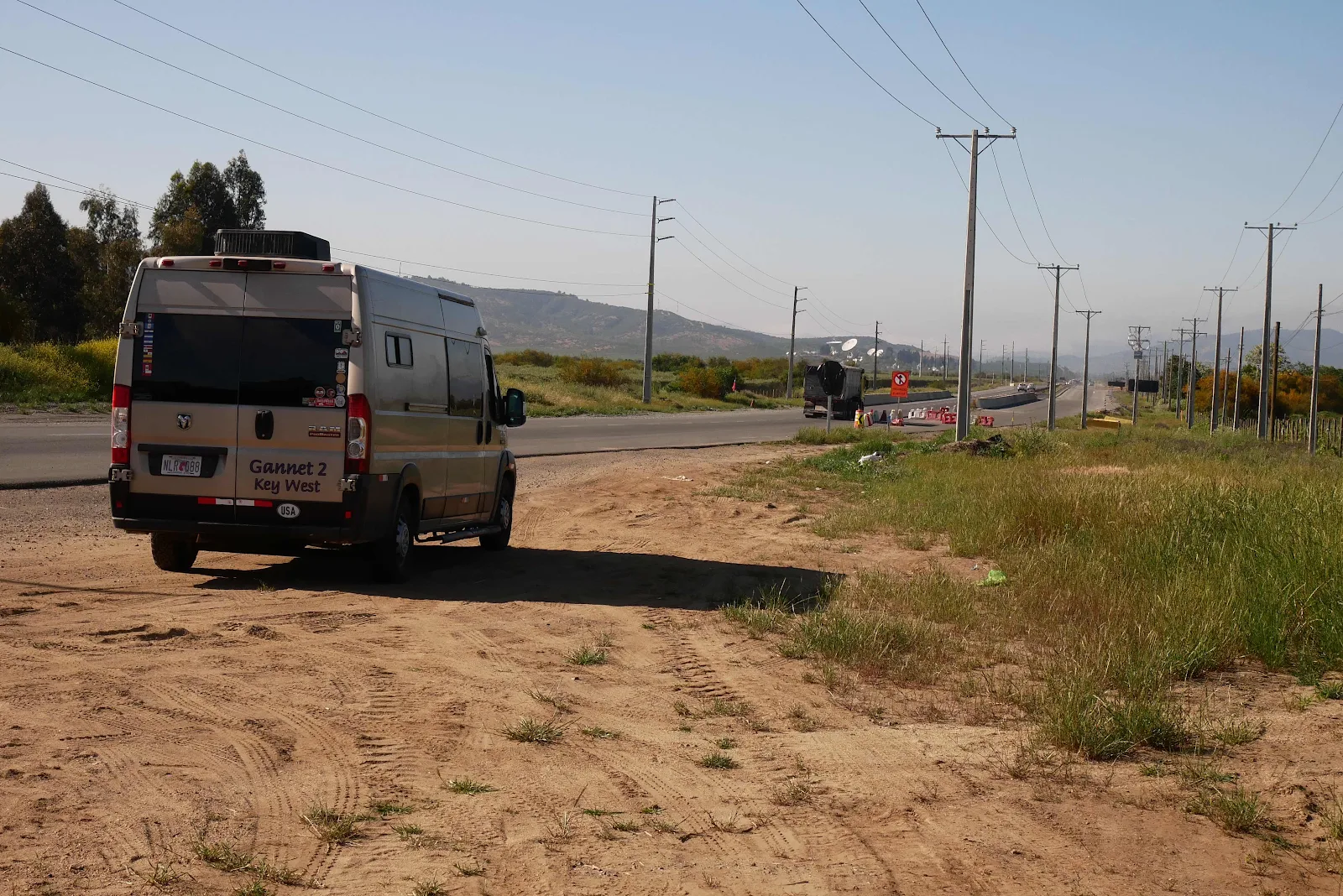
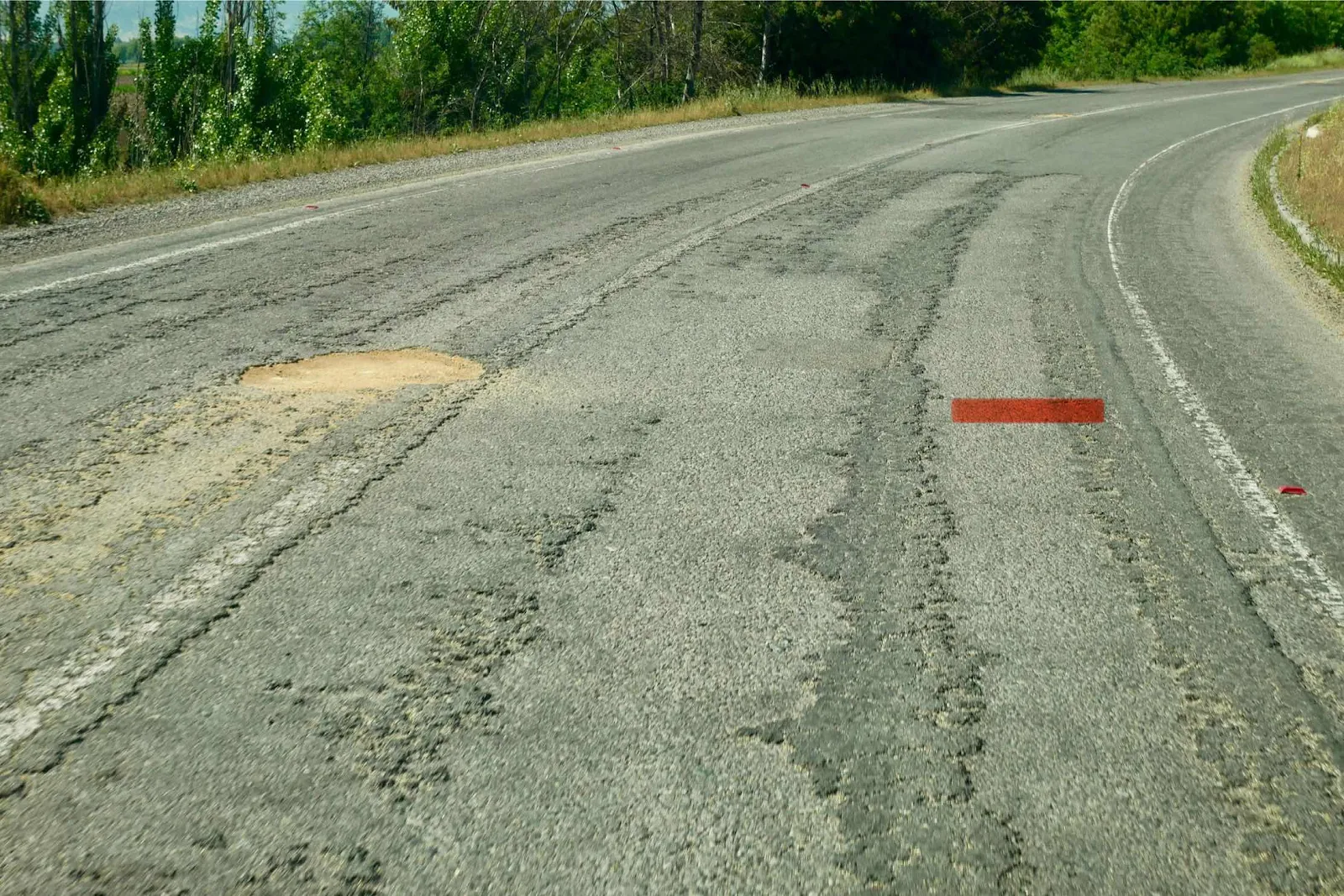
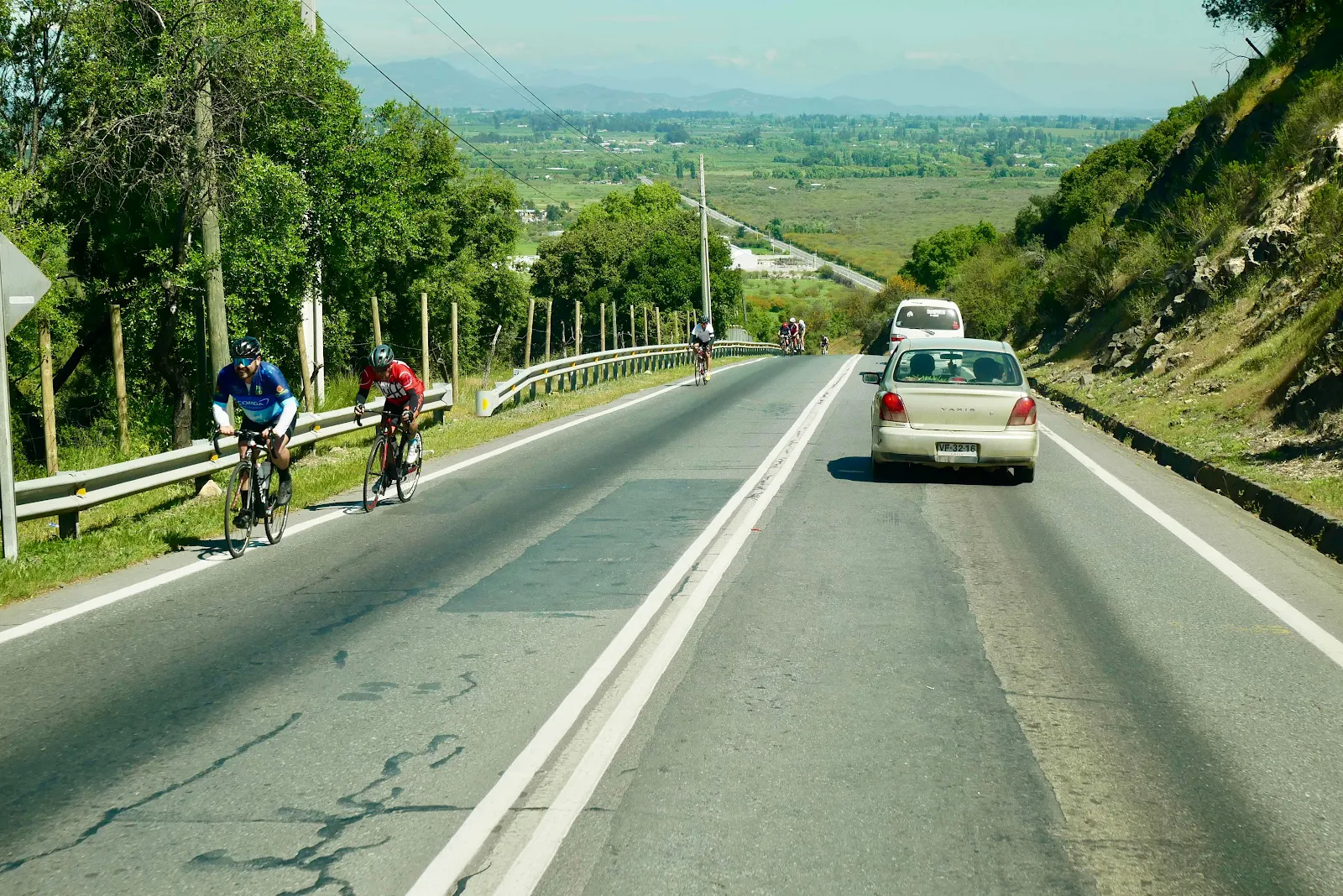
When we started seeing potholes a sign helpfully informed us this was a badly maintained road. Thanks so much. This crappy road surface is the exception in Chile and on backroads. 


Clean tidy and orderly. 

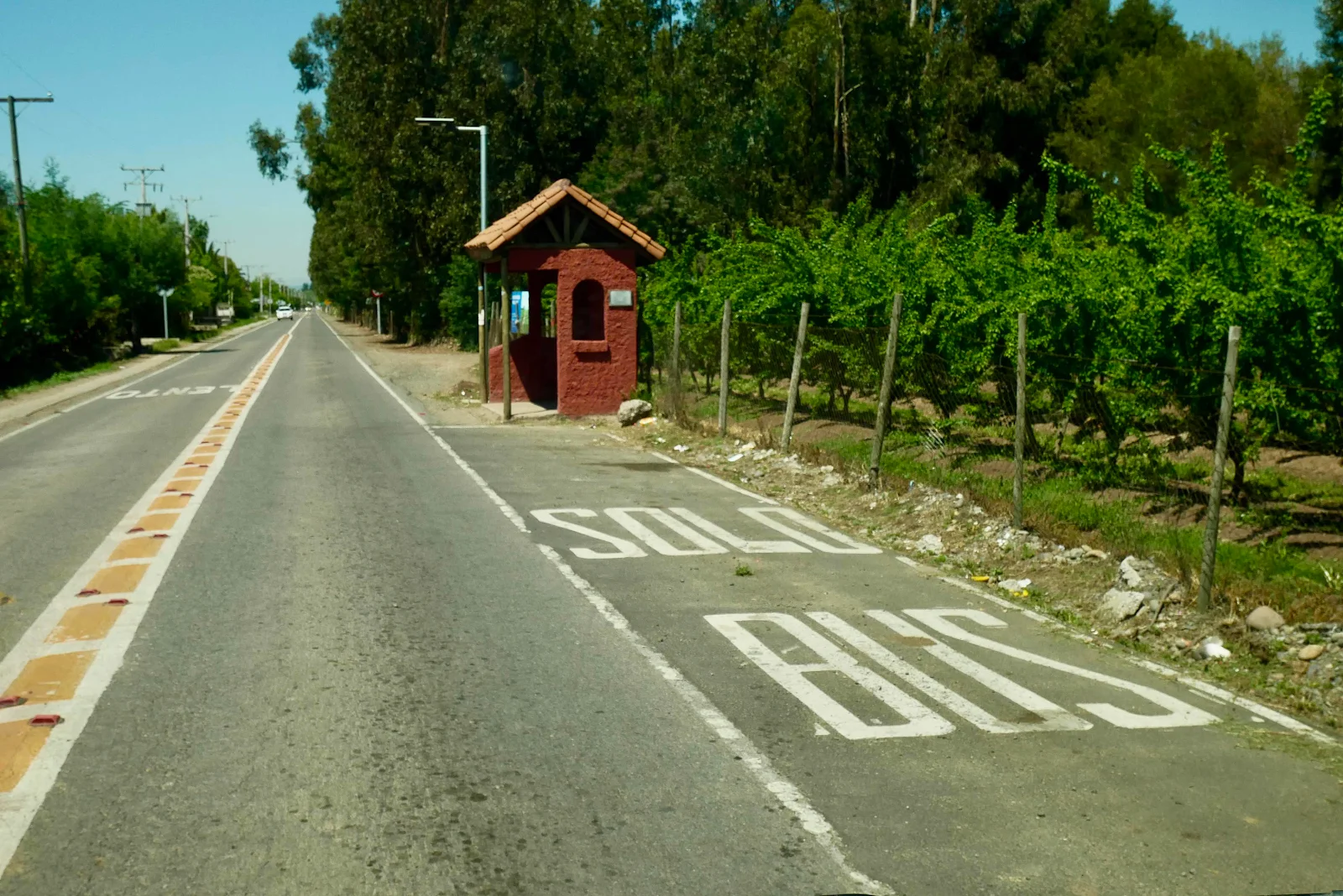
Bus stops with pull outs. I know it must seem odd to notice these things as most visitors coming here for a week or two get whisked between landmarks but these places are where we spend our days and I notice the infrastructure. 

I really enjoyed driving this variety of roads. On the four lane highway I stick around 55mph but on backroads we load along at 40 so I have plenty of time to react and stop for the unexpected, not that there are animals potholes or carts on these roads. Layne likes to go slowly to see the countryside. She is sitting up front more as her legs is healing well and she doesn’t have to Layne in bed so much as we travel. 

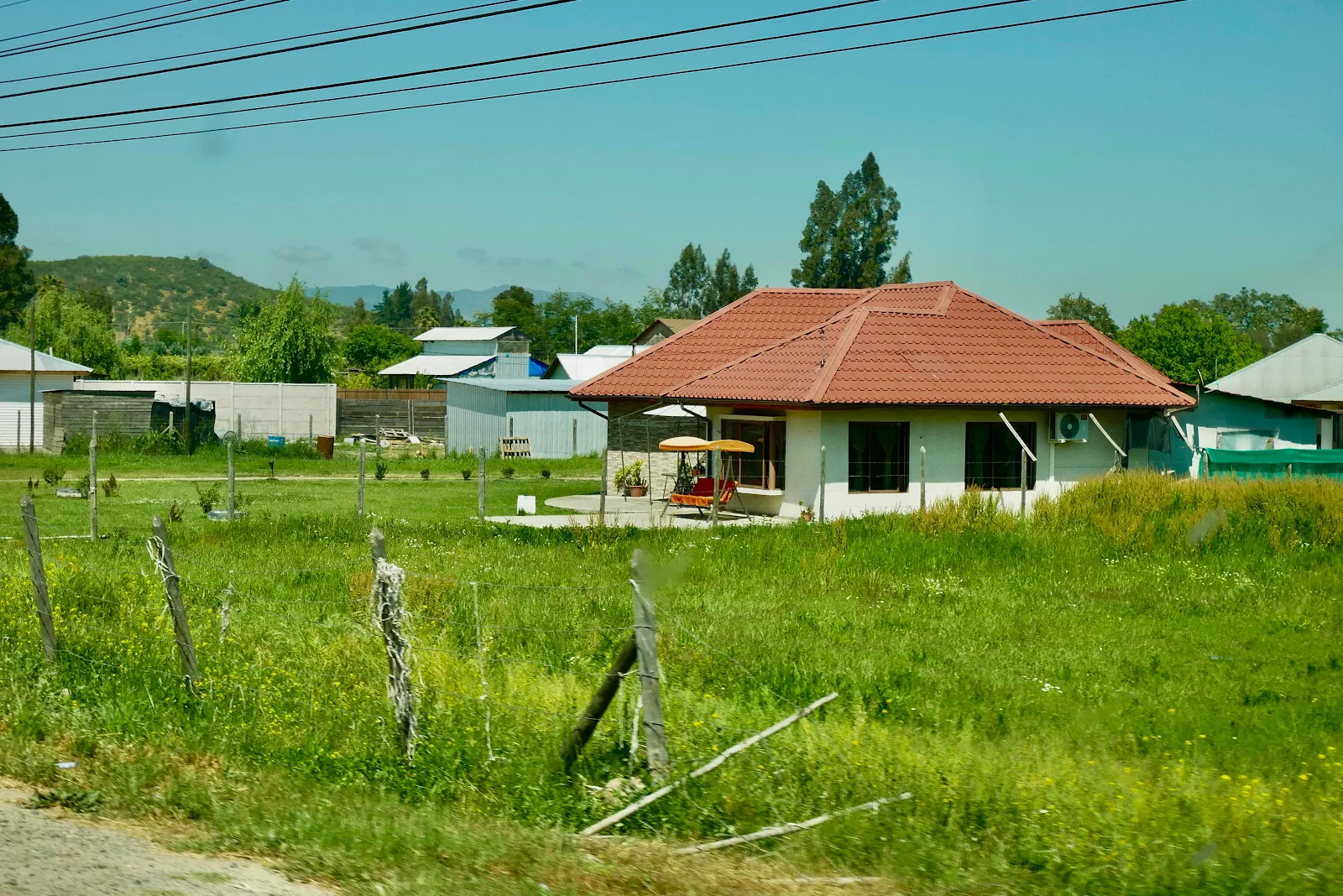
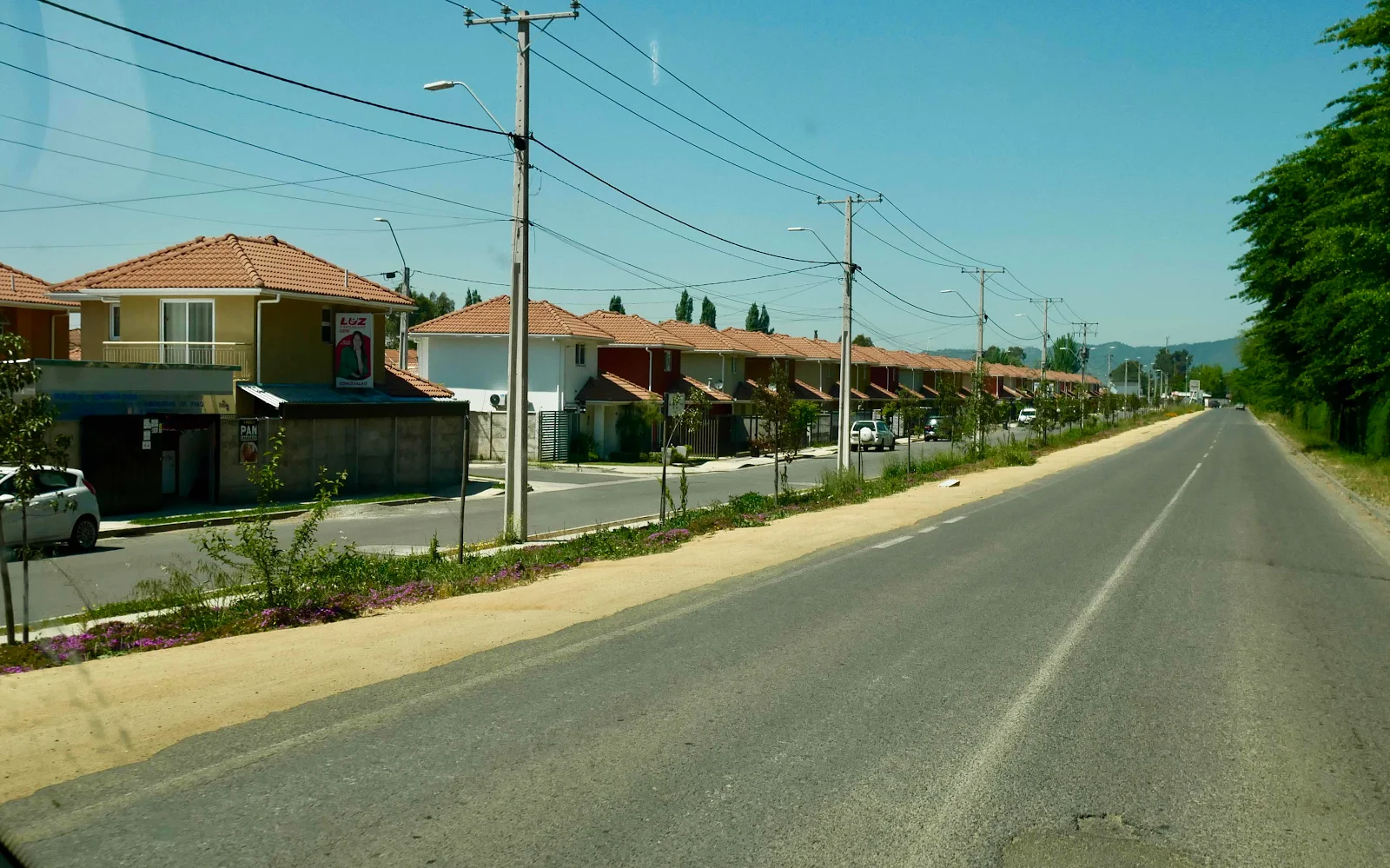
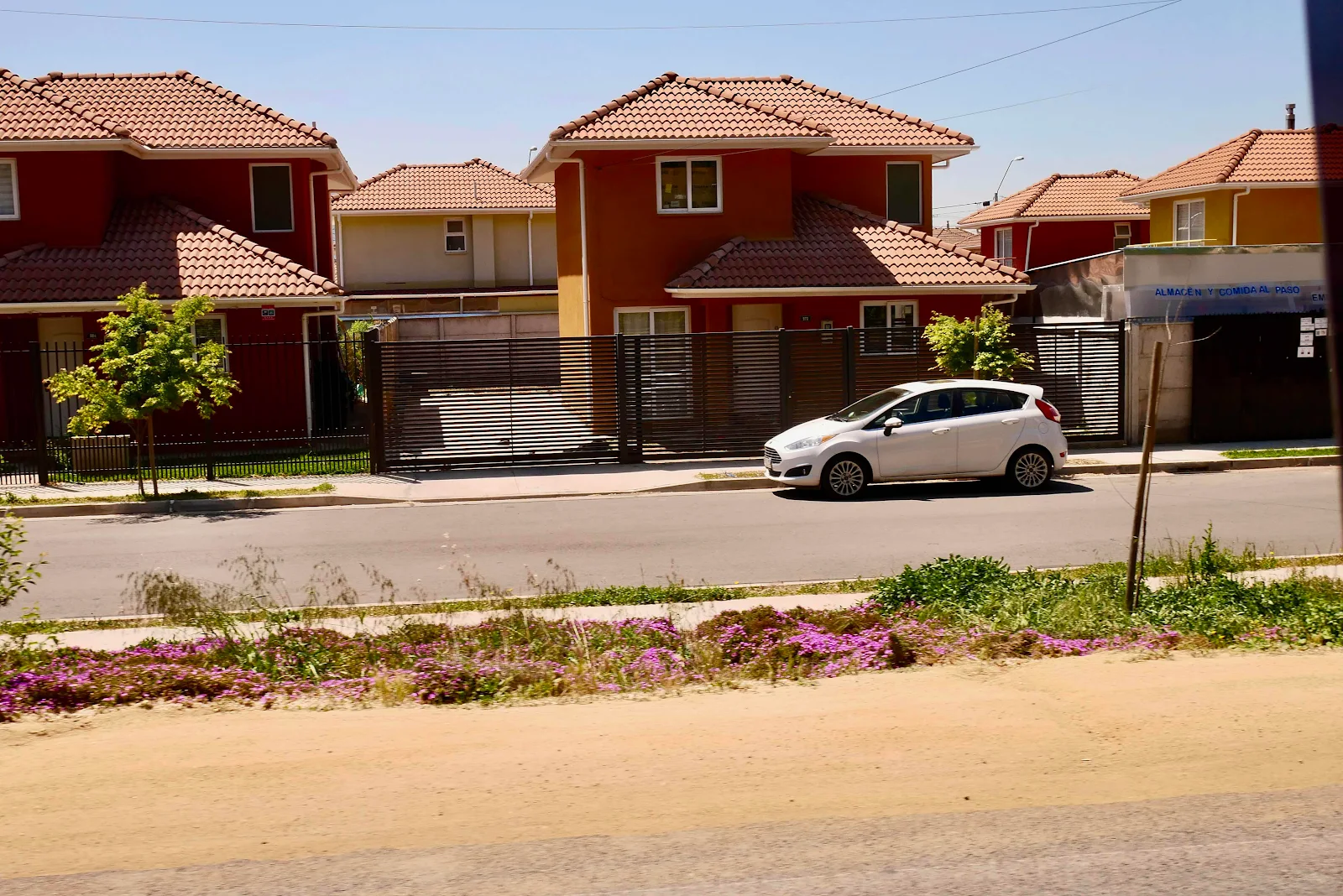
We have seen quite a few housing developments like this one. I know in the US build absolutely nothing anywhere near anything (“banana”) is the reaction but around here this is pretty decent housing for people who need it. It’s odd isn’t it to be rejoicing in suburbia? 


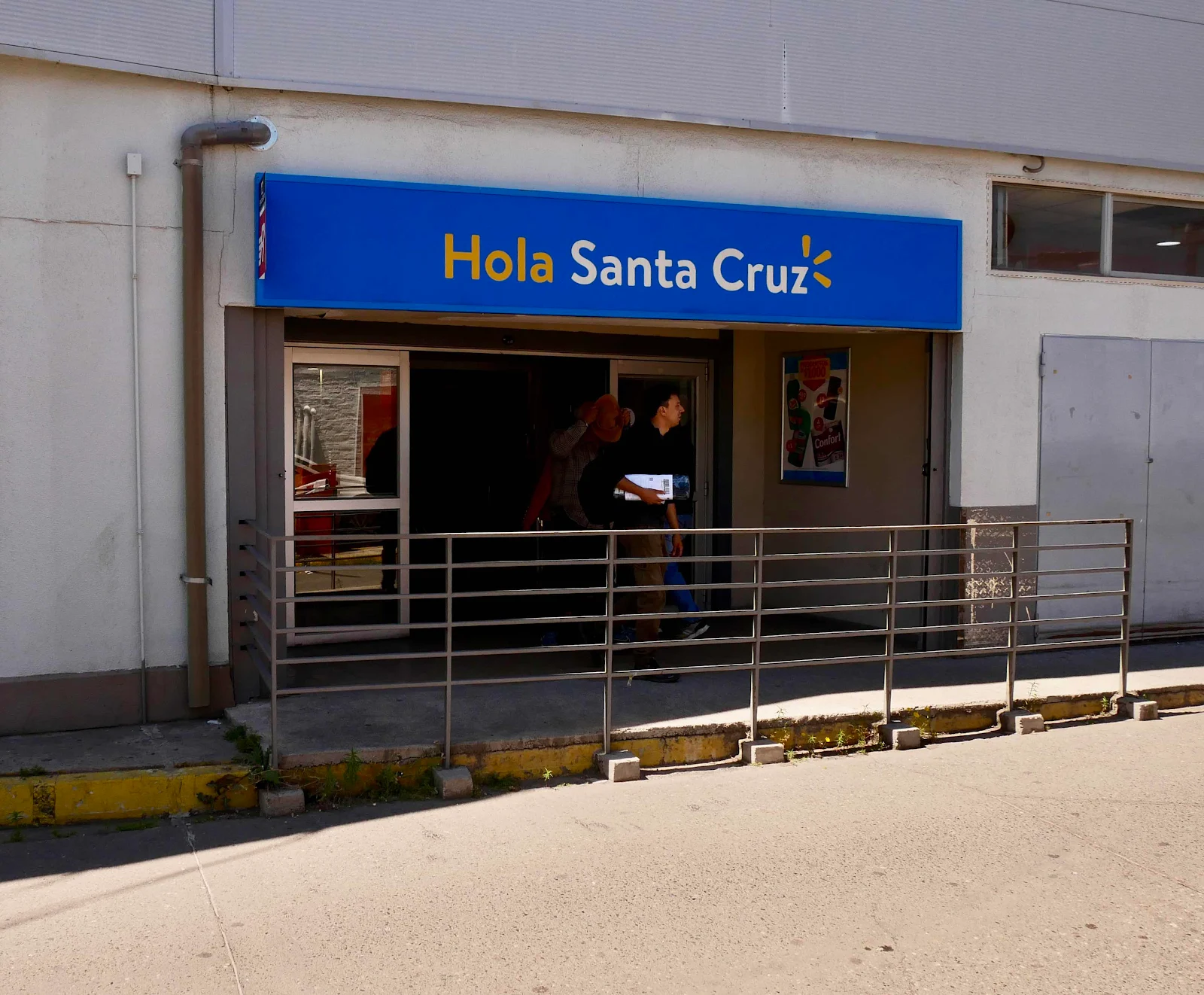
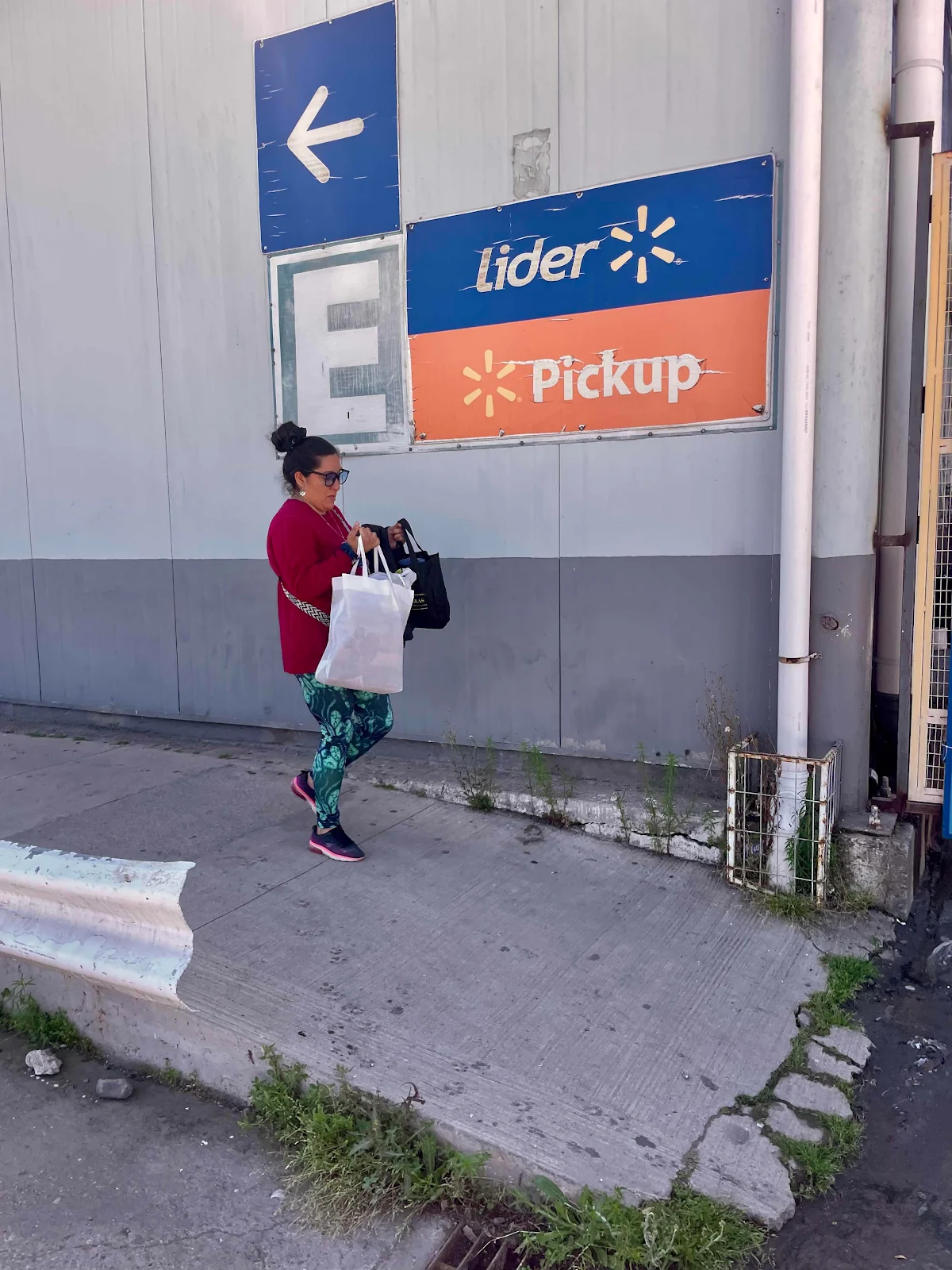
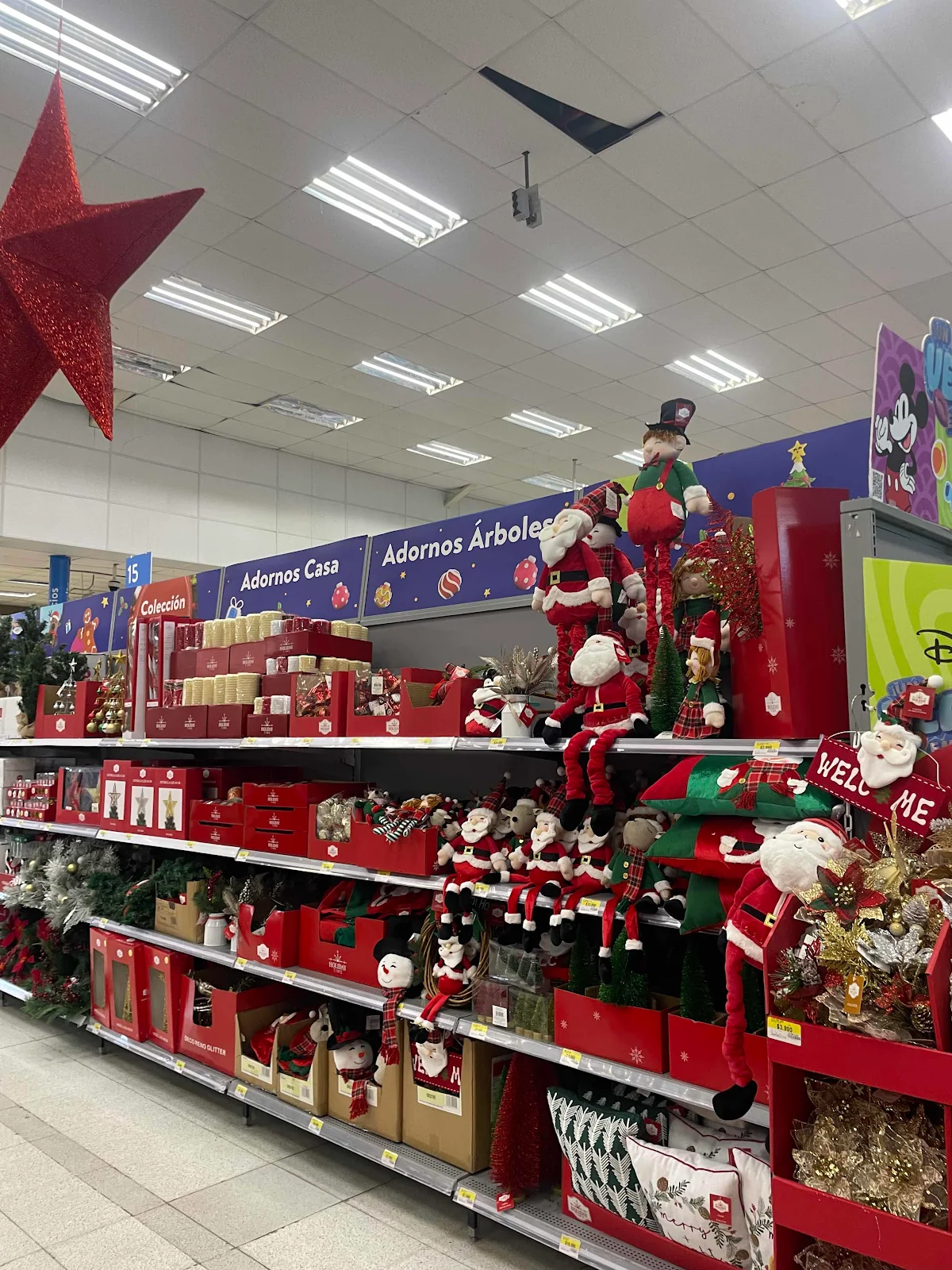
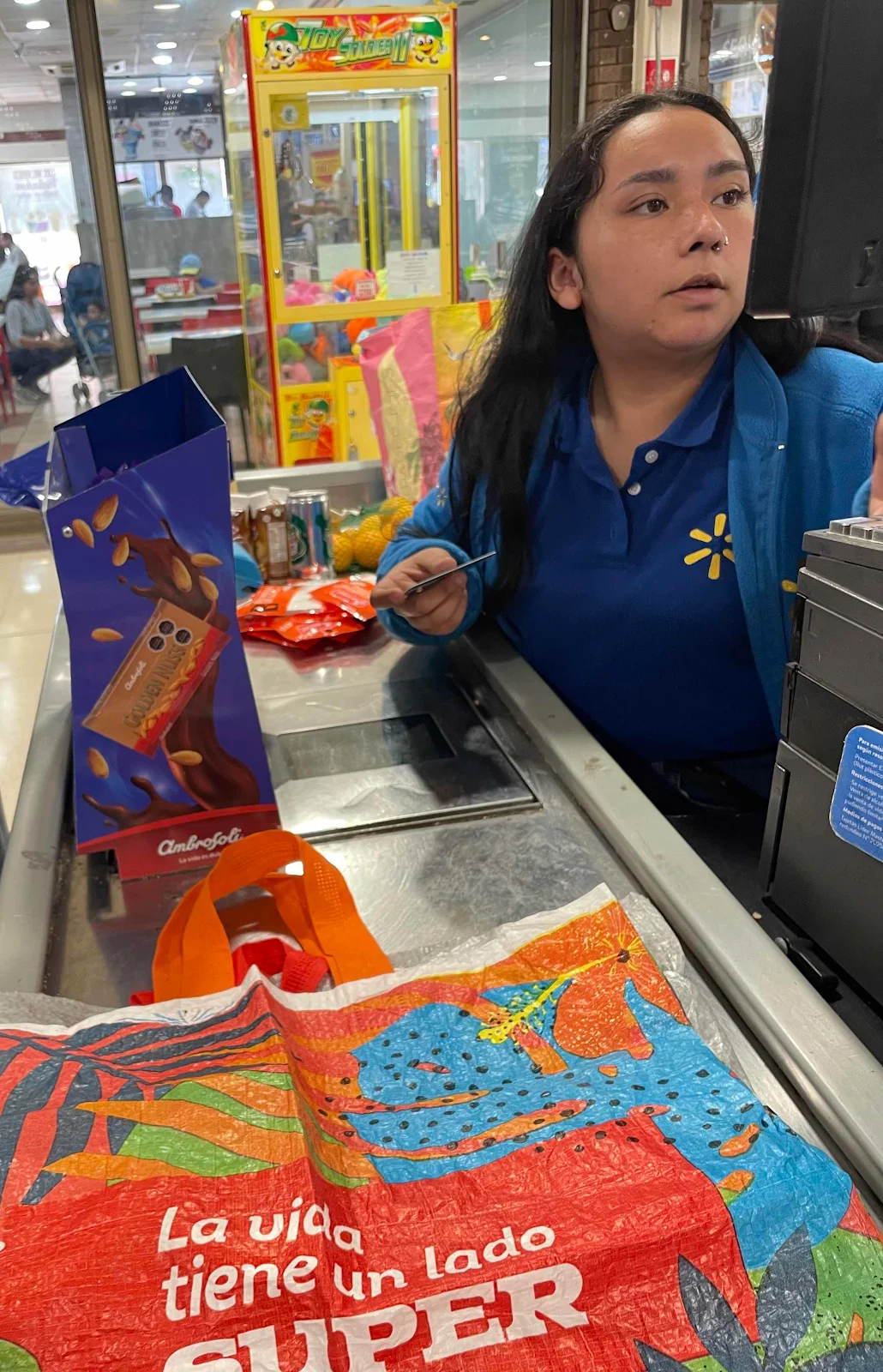
And then there’s Wally World. This is the Lider (pronounced “leader”) in Santa Cruz.

Layne the shopper prefers Jumbo but we can get cash back at Lider so we shop here from time to time to avoid ATM fees. 

Christmas already. Around here this is the promise of summer holidays and we are at 35 degrees south about opposite Santa Cruz California’s latitude. The world turned upside down. 

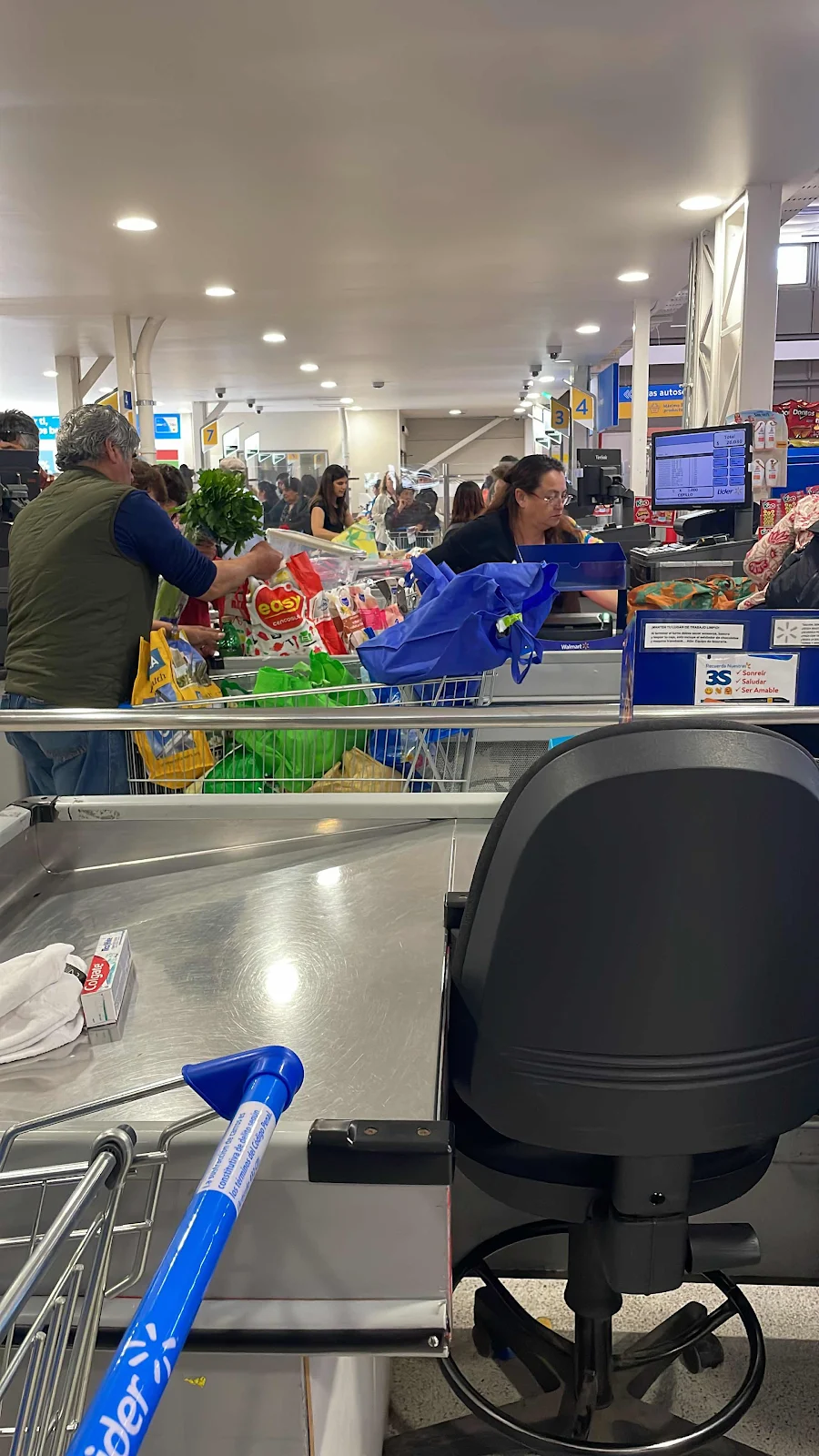
I know it must seem odd to rejoice in finding Walmart at the opposite end of the earth but just as we use Starlink to not lose touch with the world, we aren’t on vacation for a couple of weeks so as much as we enjoy the different and the exotic having access to the familiar is a break for us. 

A friend wrote and said “I love to unplug when I’m traveling.” And we say “Do you have Internet access at home? So do we.” An average shopping day anywhere in the world and no one seems to like the self check out option: 

A young woman checking us out both our shopping and us. The idea of living in a mobile home fascinates. At first they think we  live here because we are shopping for normal stuff householders buy so we explain no, we’re just passing through. 

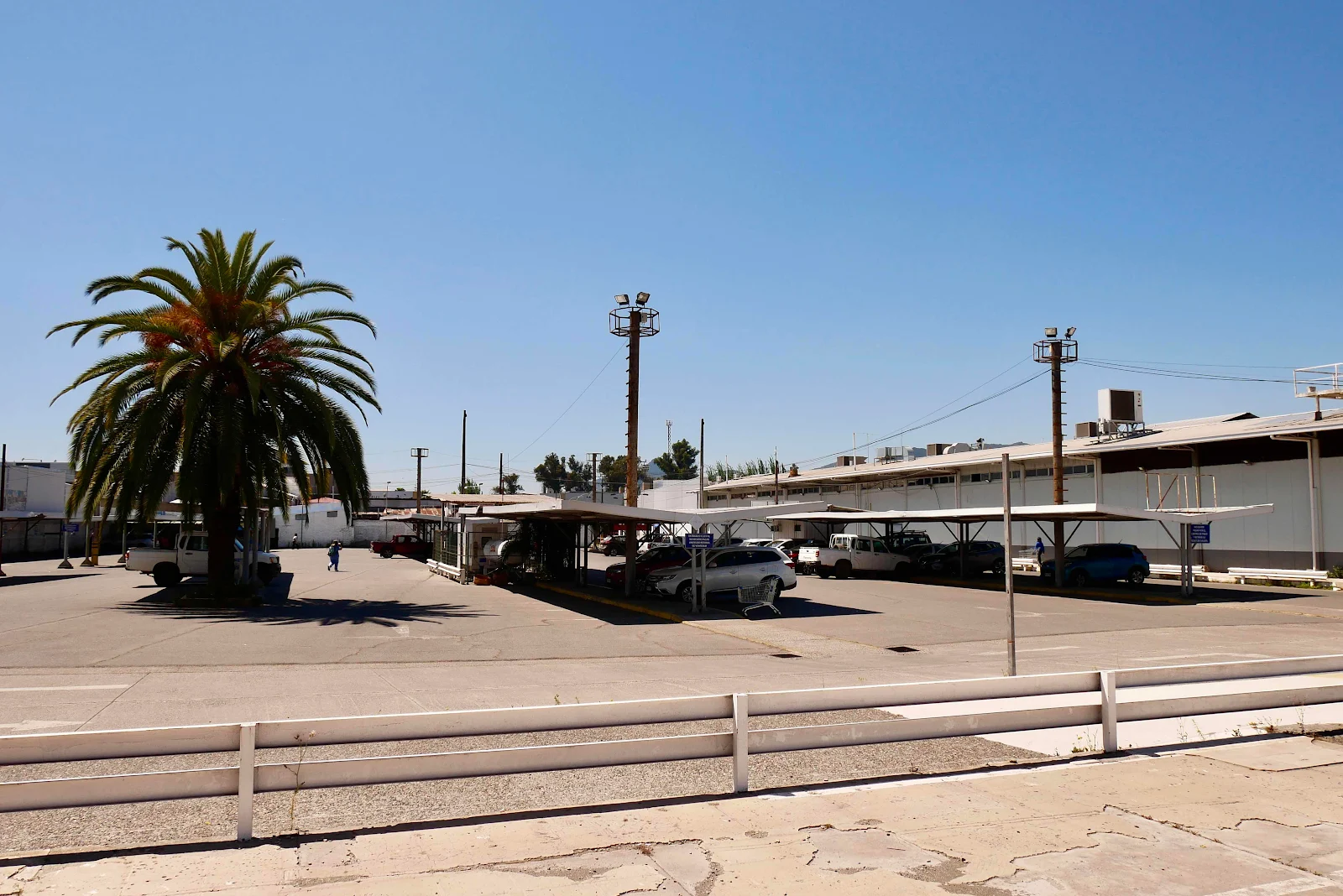
Parking in Chilean towns has been a huge hassle for us. They do not dedicate much land to open parking lots and even here this above ground lot has roofs in it. We had to park in the overflow section which had no shade and we were grateful for it. Most supermarkets in Chile incorporate parking, very sensibly, under their buildings. However when your car is nine feet tall it’s hell. Poor us reduced to finding street parking somewhere nearby. 

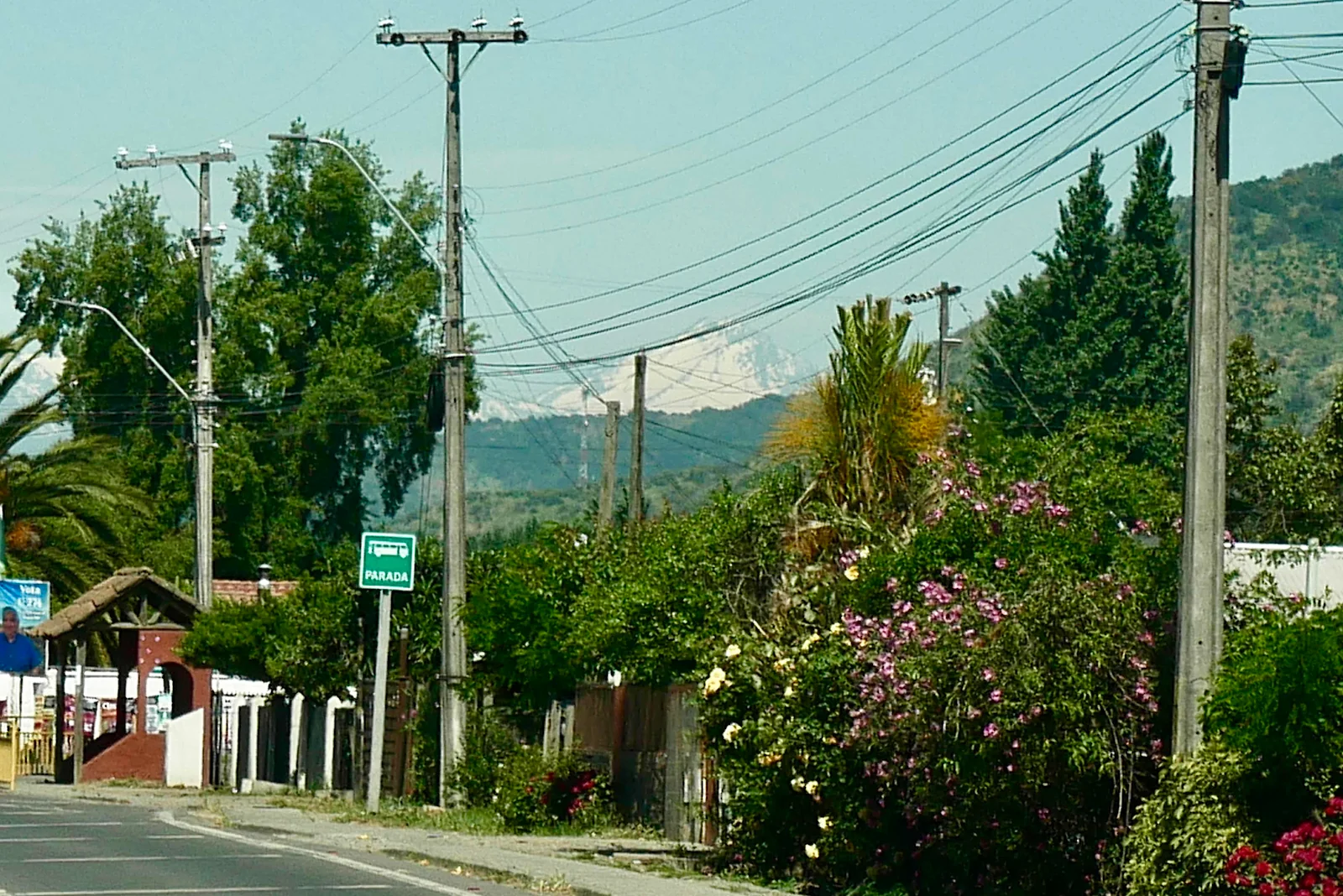
By the time you get to the Central Valley of Chile you can see the Andes in the distance. Snow sports are huge in Chile and if you like frozen water you should pay a visit in the northern summer and ski to your heart’s content. I hate snow, but that snowy ridge marks the beginning of Argentina. Chile is 2600 miles long and 100 miles wide. 

Our plan is to drive and take a ferry to the southern city of Punta Arenas before turning east into Argentina for the last stretch to Ushuaia. We’d like to avoid the Andes if we can as we’ve seen plenty in Colombia Ecuador and Peru and will see more on the way home next year. Oh and Jaime Diaz, the guy in the suit would love your vote today for  some obscure local job. Nilo is his mother’s maiden name used to identify Latin Americans owing to the paucity of last names. Can you imagine how many Jaime Diaz people there are between Miami and Chile? 

As far as I can gather Concejal is a city council member. 

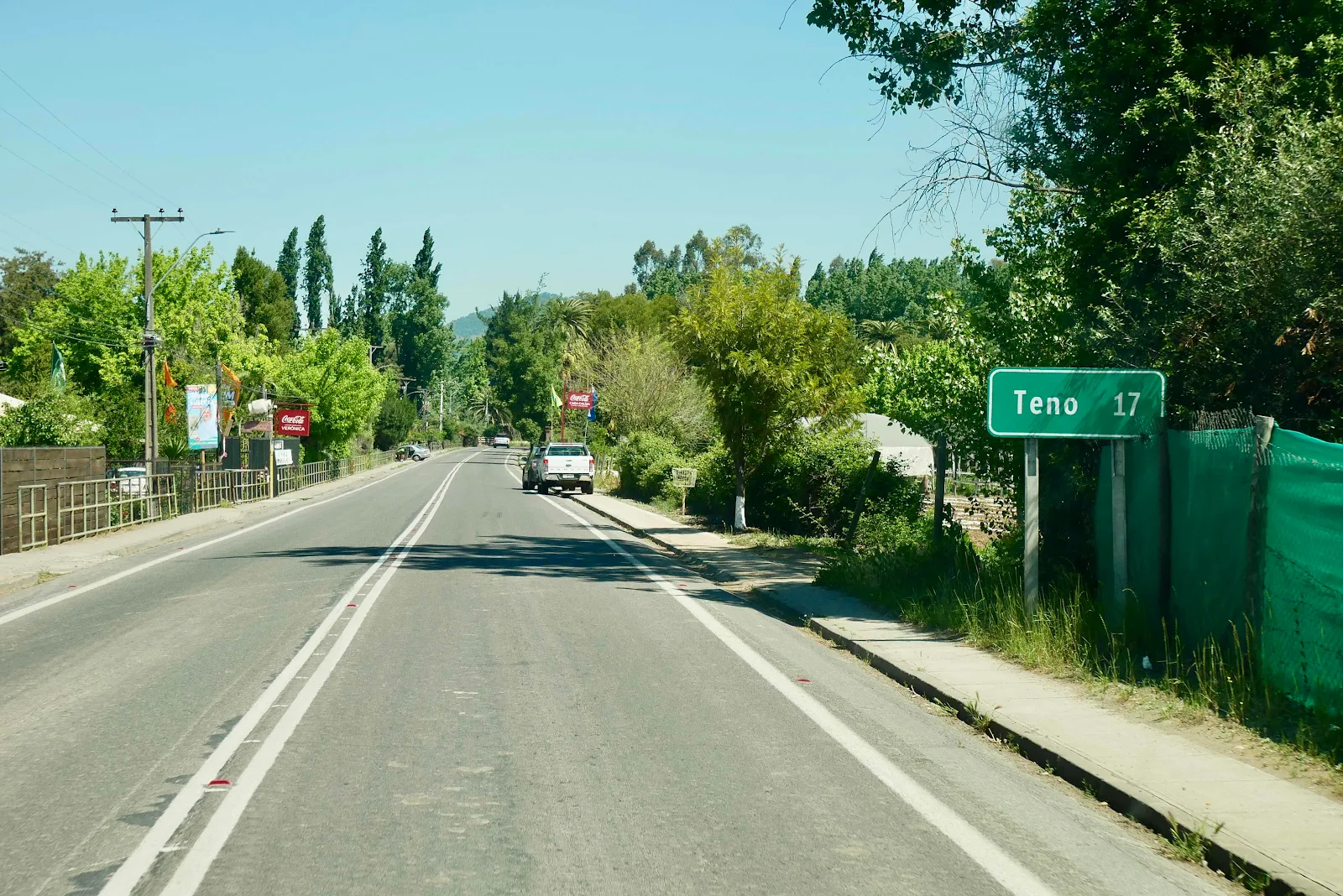
The other thing about driving Chile is that I have no idea where anything is. We call ourselves “Team Lost” as we are constantly getting distracted and taking wrong turns but even when we know where we are we have no idea where it is. Have you ever heard of Teno, Chile? Me neither and now I’ve been there I have no idea where it is. It was 17 kilometers (11miles) away when I took this picture and still…

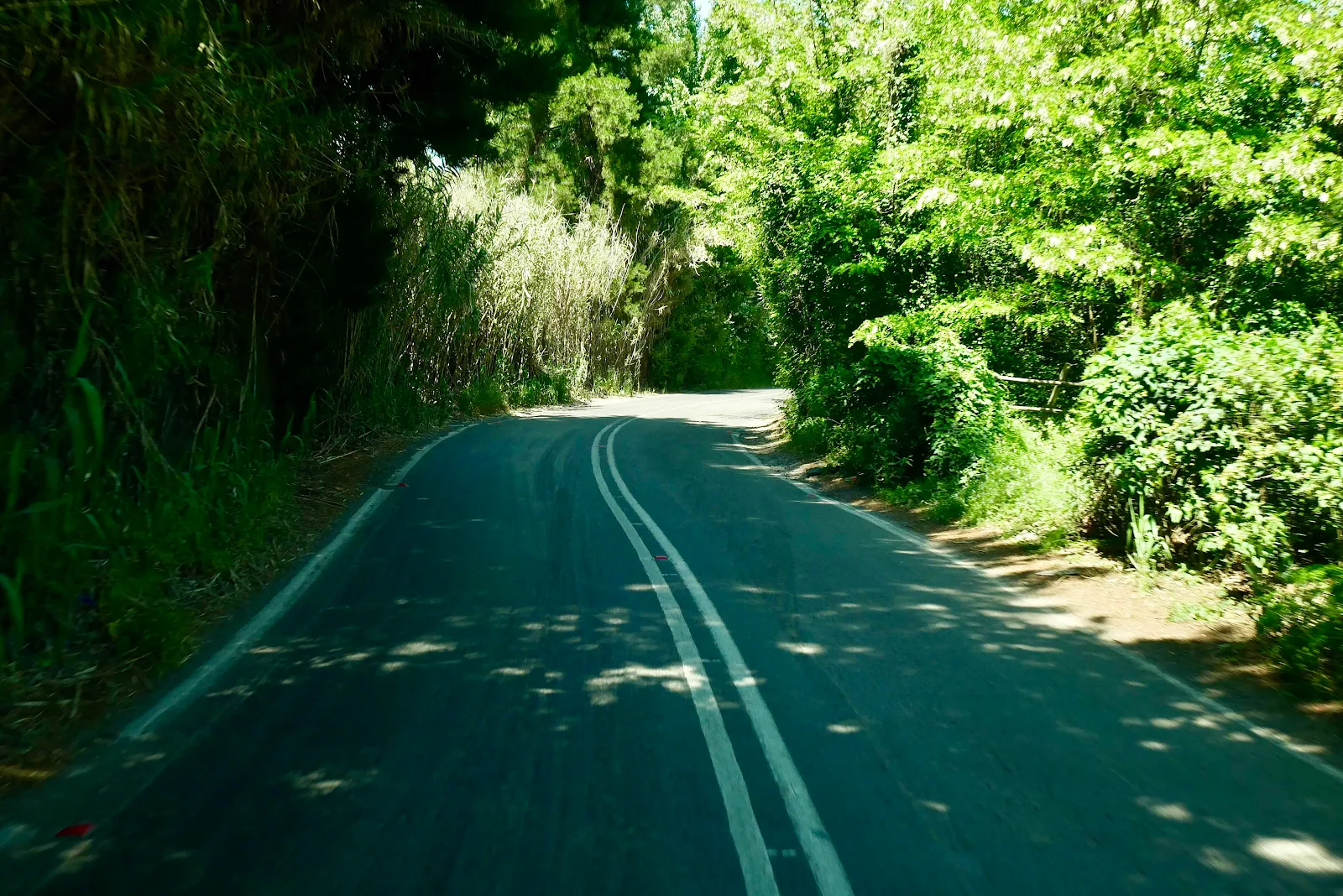
Just lovely and easy to drive. 


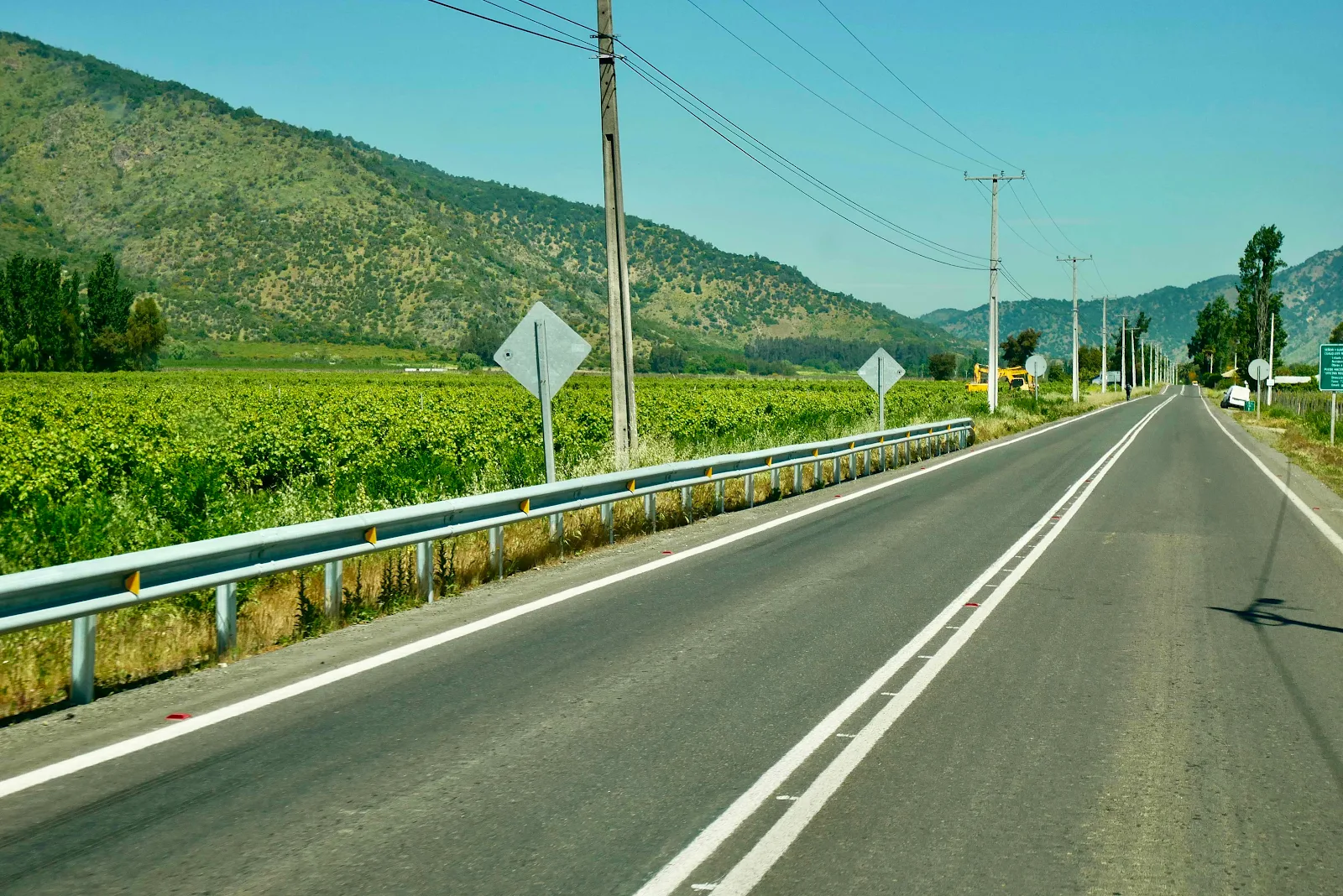
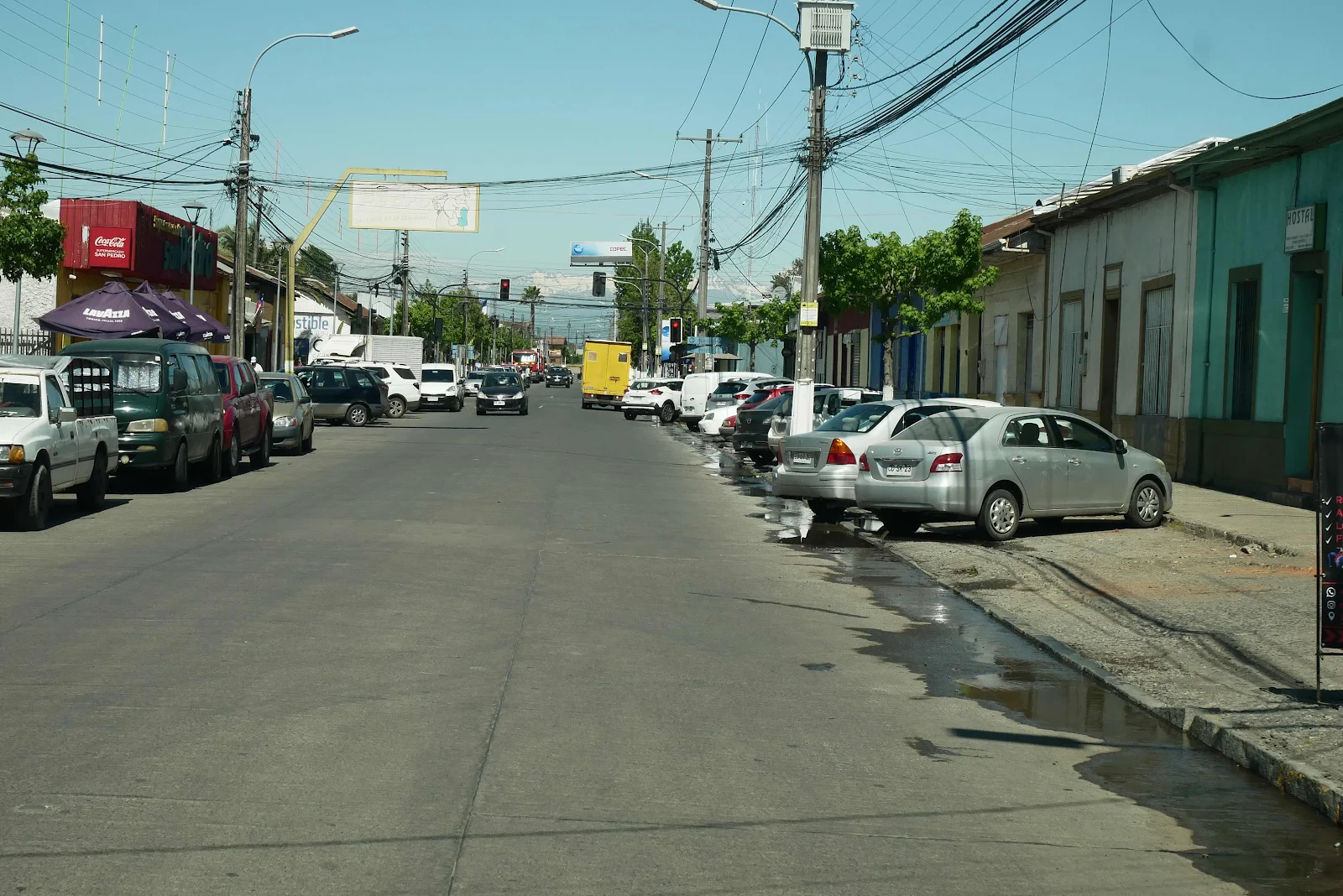
Here is Teno.  No wild traffic, no bowler hatted indigenous women hawking stuff in colorful outfits, no dogs, no chaos. Boring Chile. 

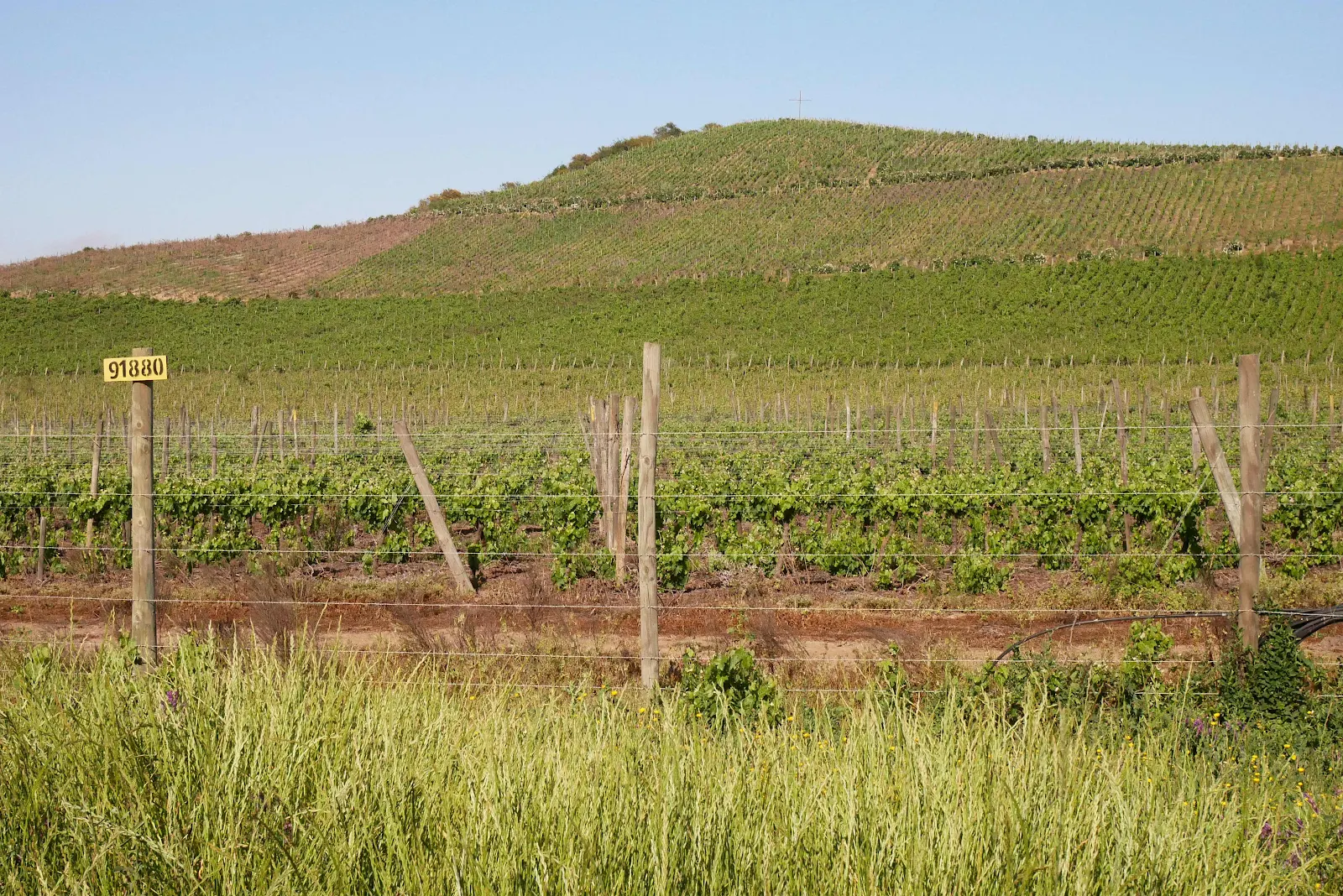
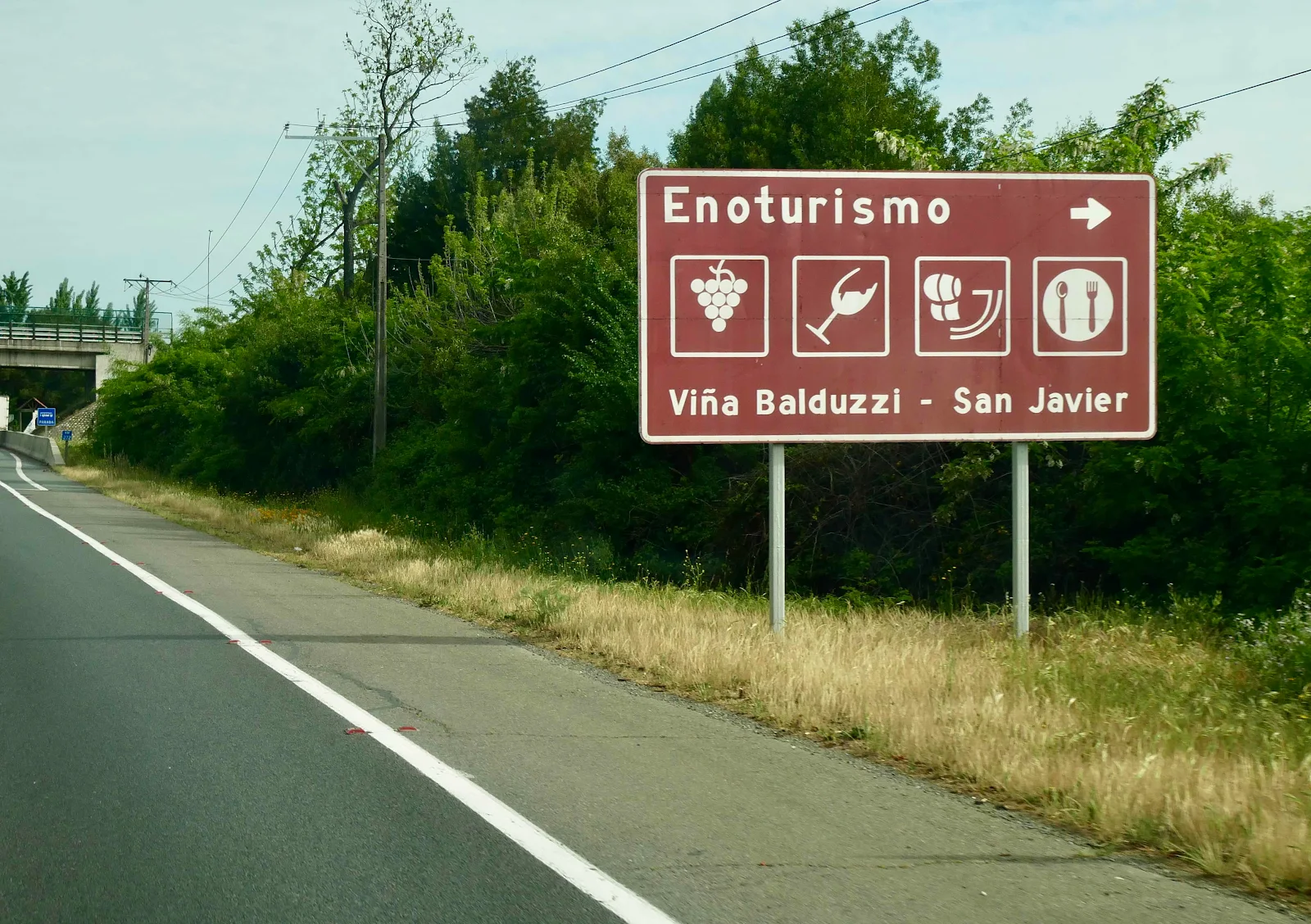
Our goal was a wine cellar for a tasting before we went to our campground in Linares (somewhere in Central Chile). Team Lost found the wine country. Yay! 

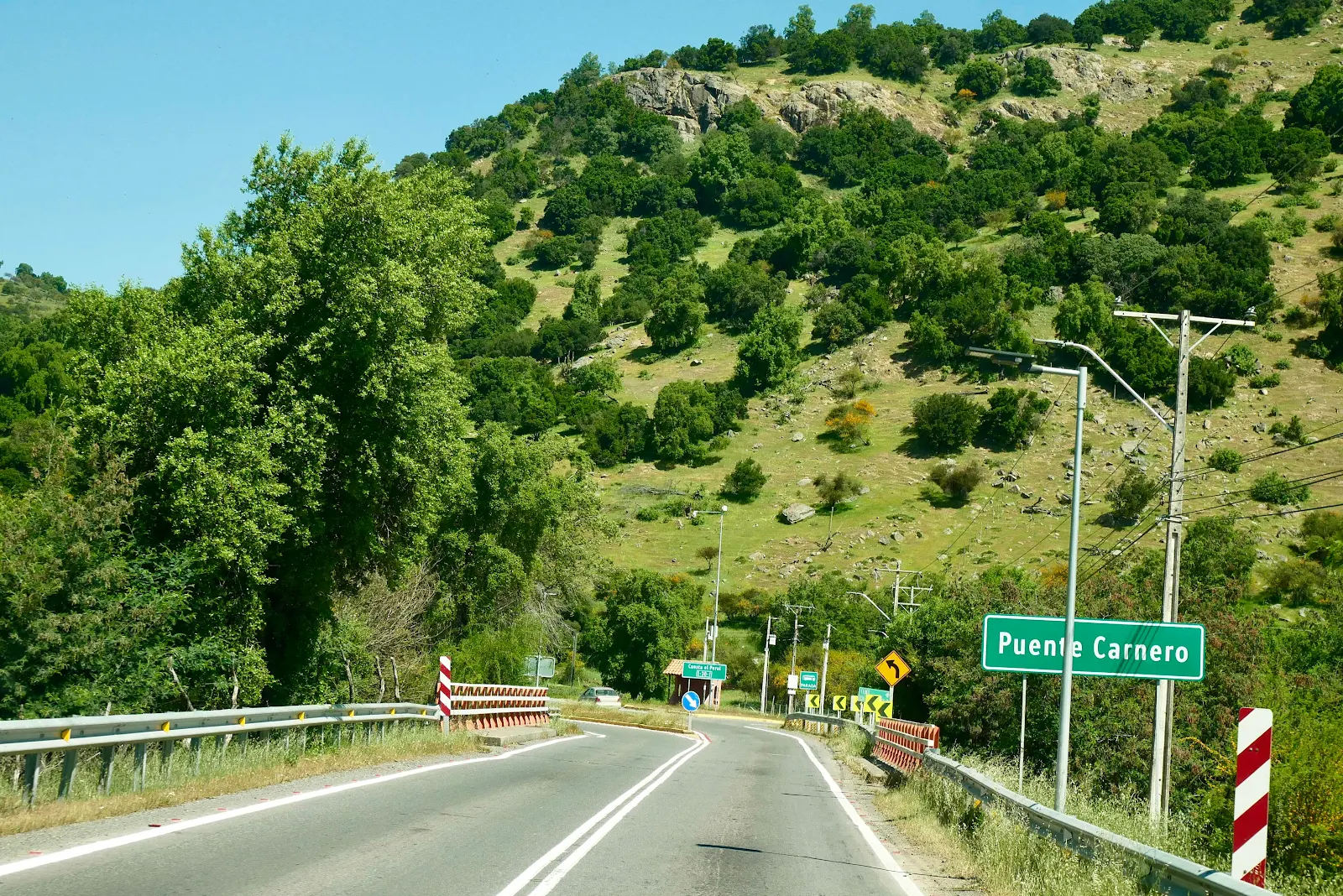
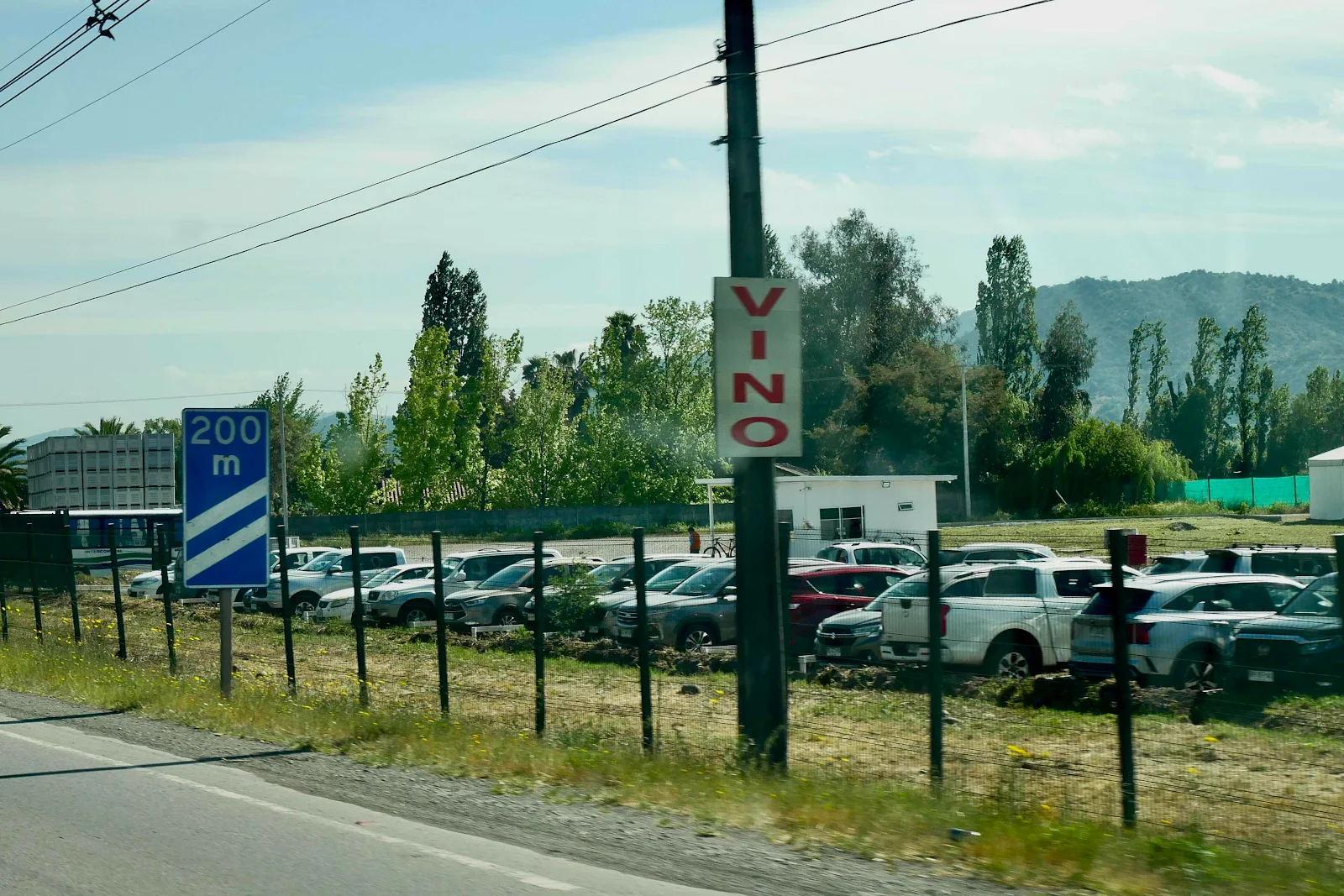
Above notice the countdown sign for the next exit, a practice widely used in Europe and very helpful it is too. They put them up 300 meters (330 yards) from the exit and for a newcomer they help a lot. 

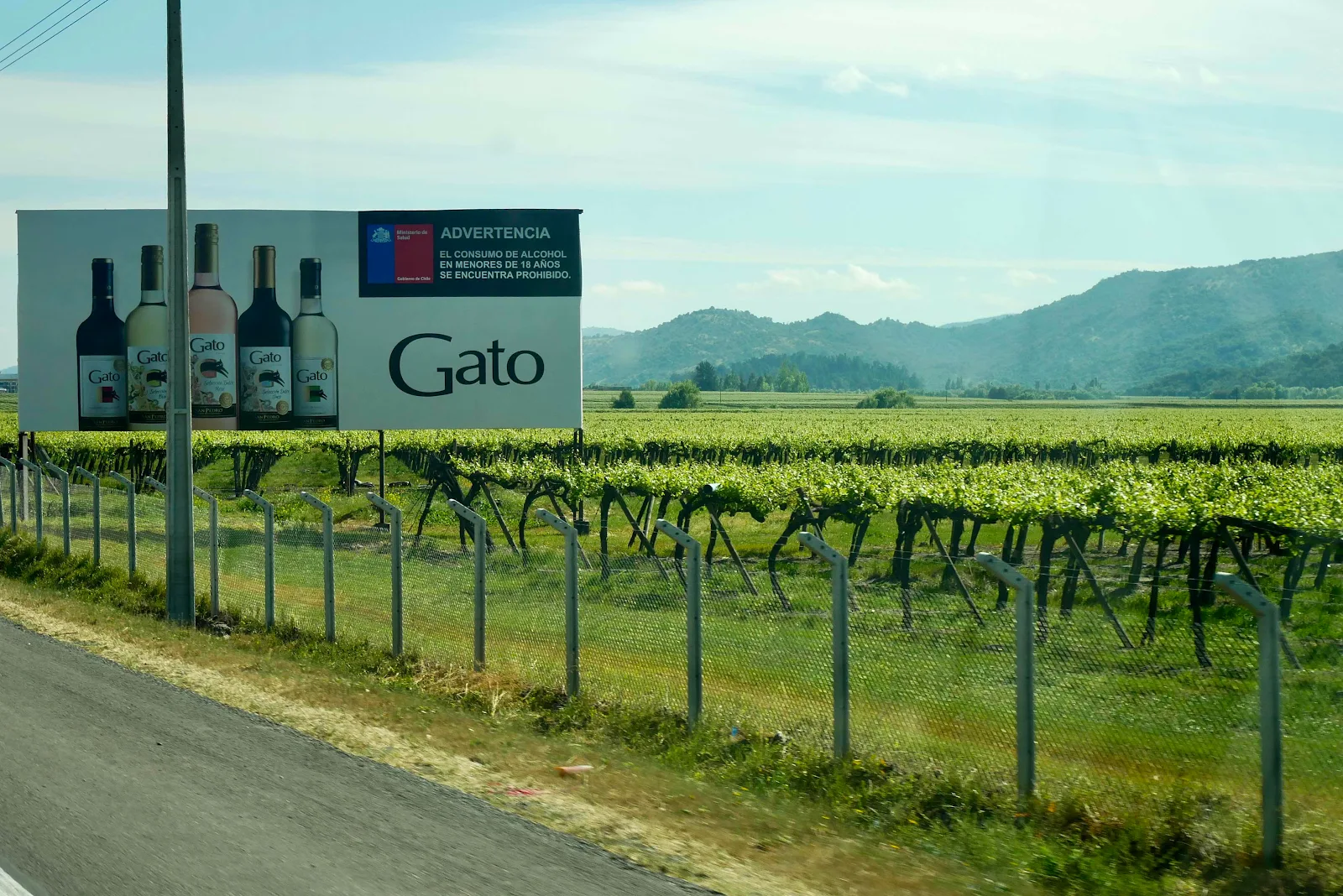
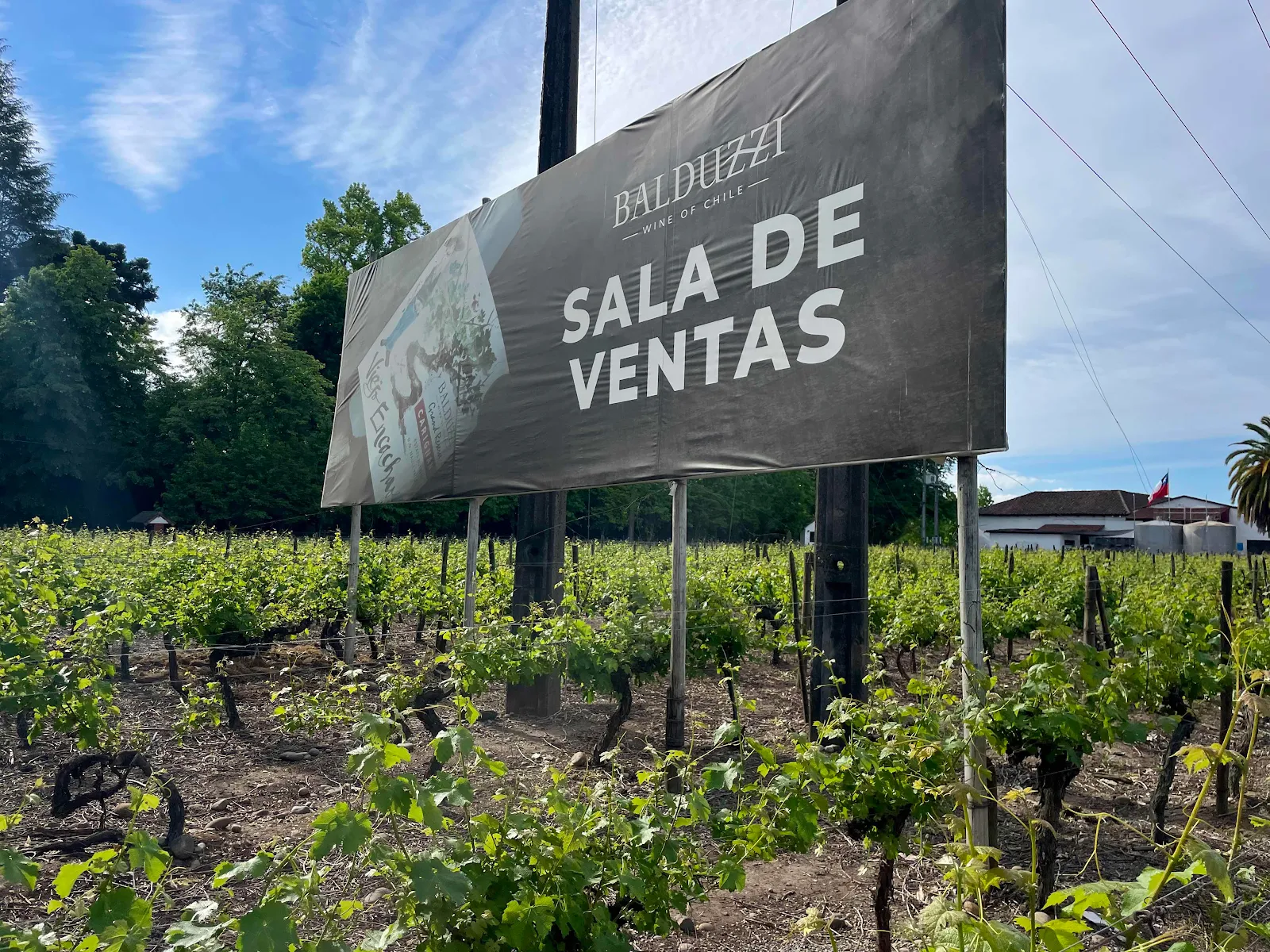
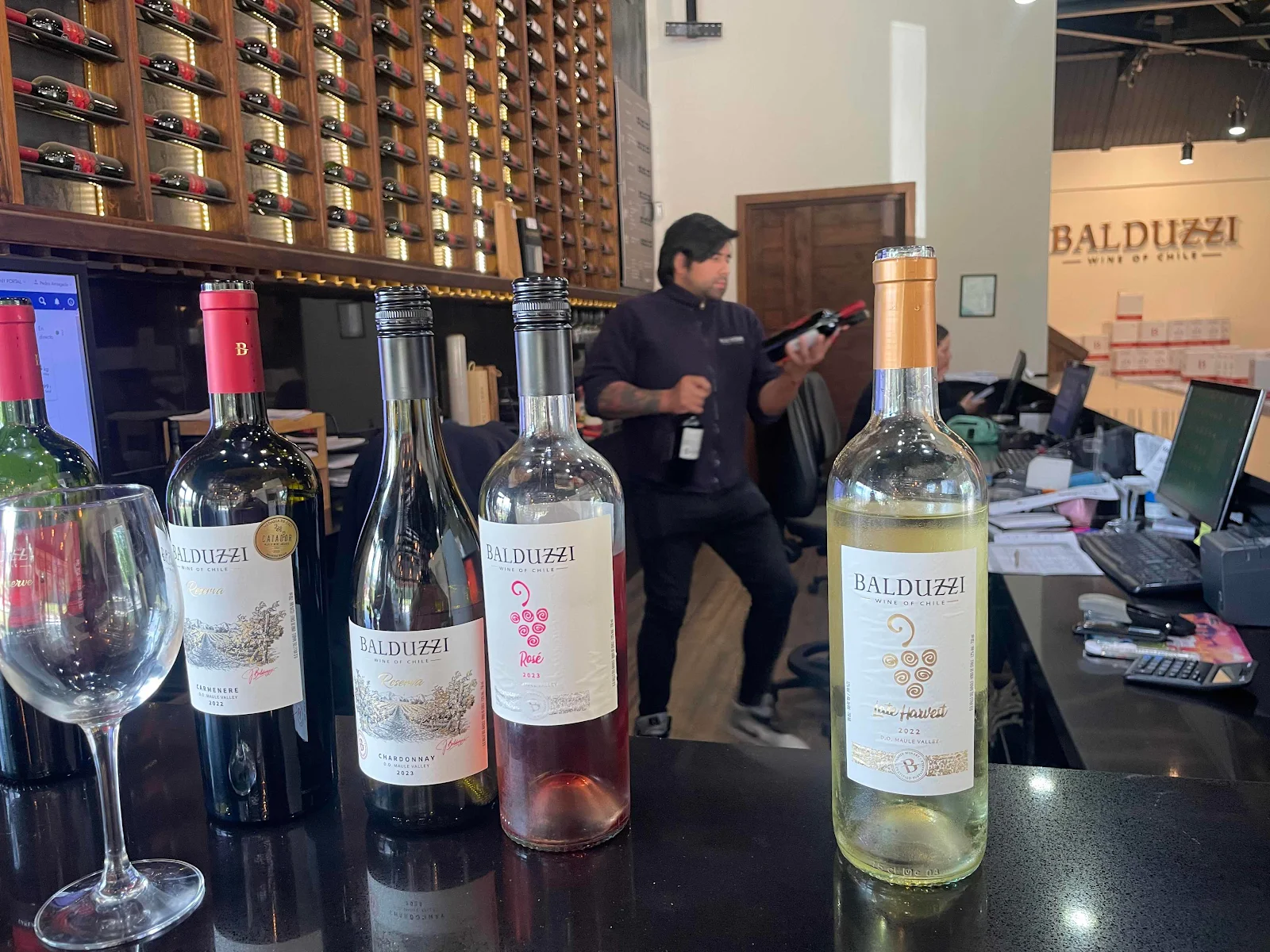
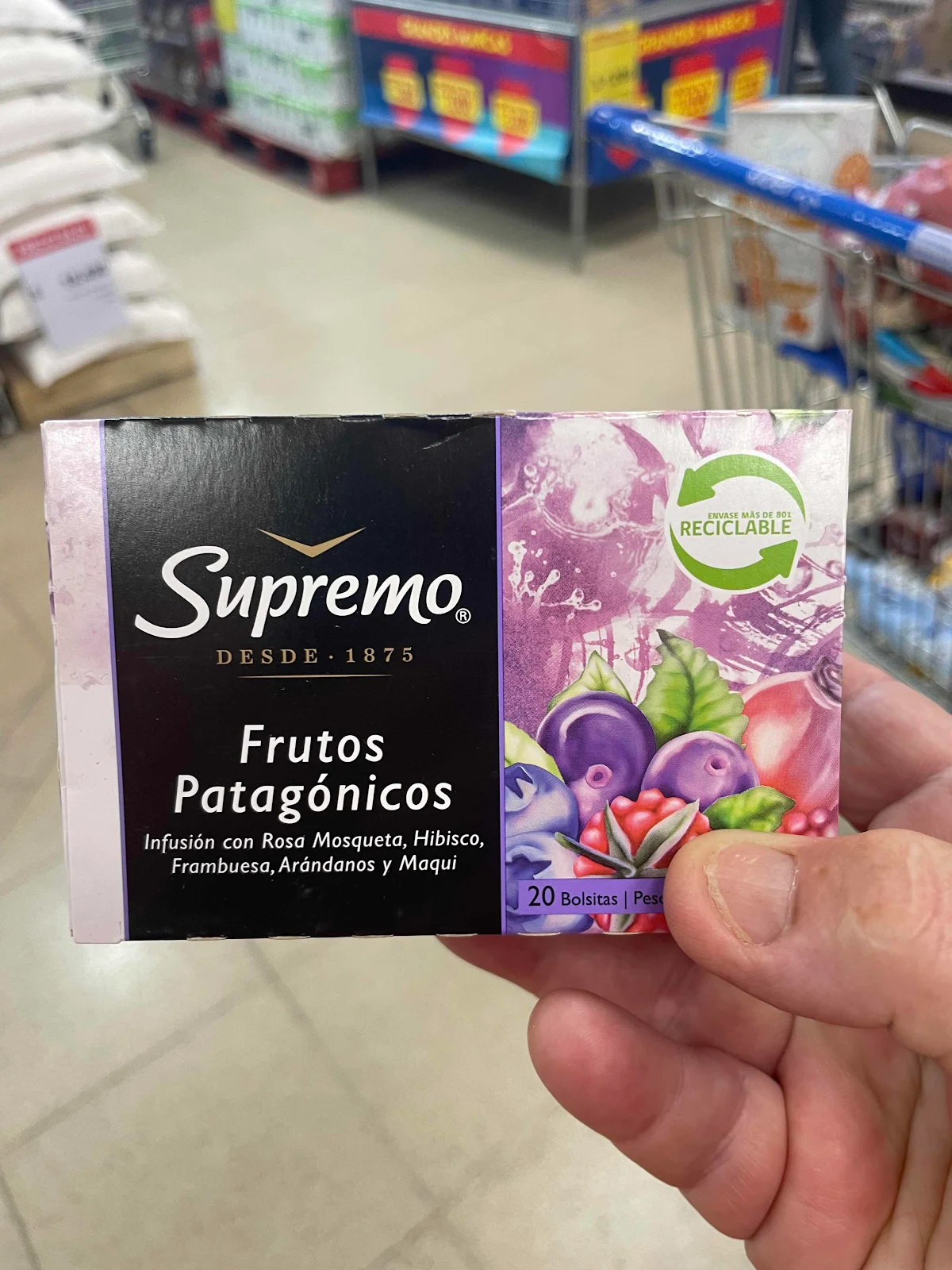
Gato we buy in the supermarket but Balduzzi was our goal. An Italian family came to Chile 100 years ago and has been making wine for the past 40 years so it’s considered a young operation. 

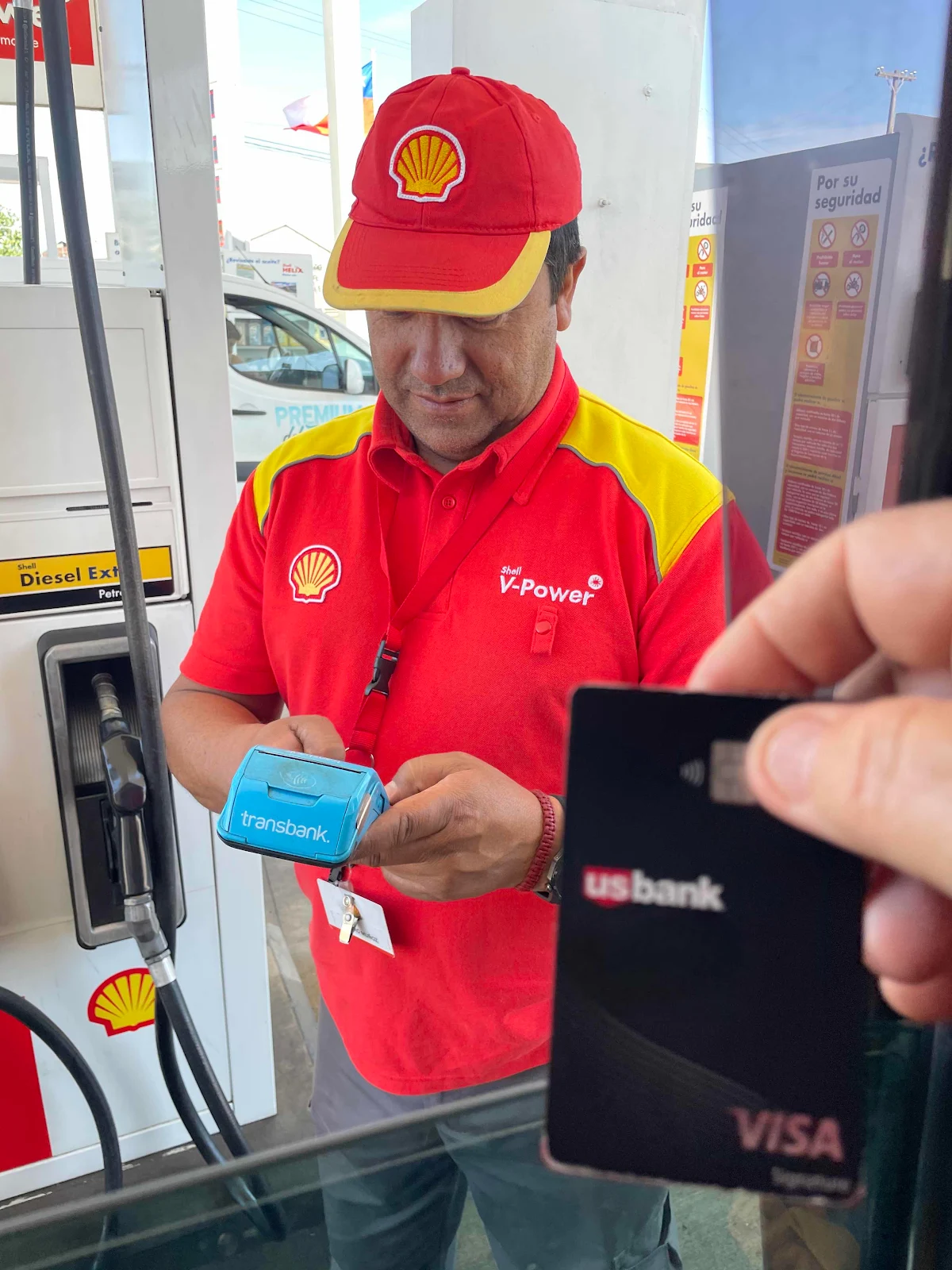
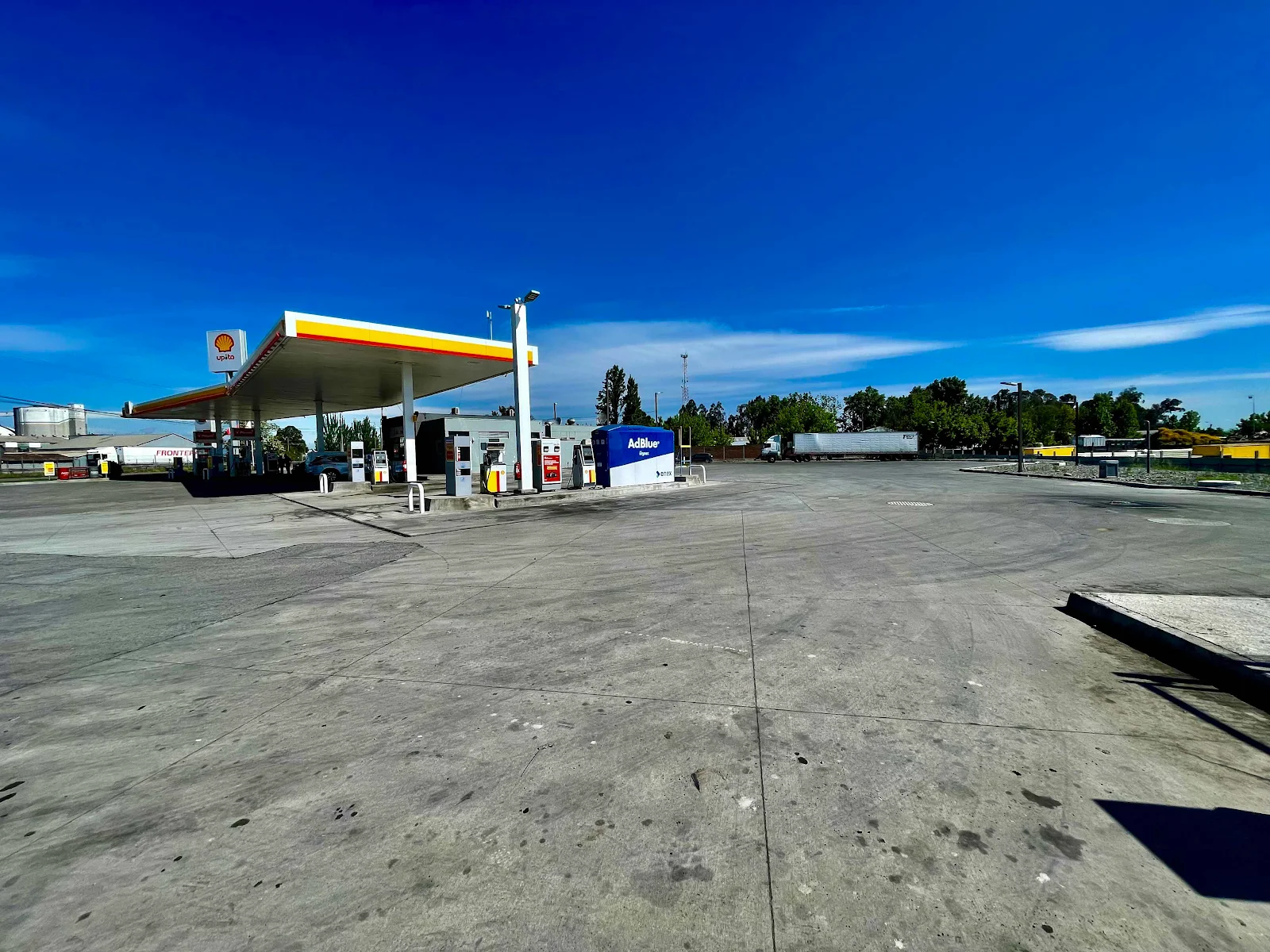
But first gas for GANNET2 and it’s always a surprise for the attendant when I insist on gasoline. Fill her up with 93 I say and they look at me like I’ve lost my mind. Gringo van I tell them, in the US diesel costs more than gas and they think I’ve lost my marbles. In Chile 93 octane costs between $5:10 and $5:40 a gallon and diesel costs $4:00. Chile is the first country on the road where fuel is sold by the liter though I can’t remember if a couple of Central American countries did too. Everyone so far as I can remember sells it by the US gallon. Weird but true. 

Credit cards are used everywhere in Chile. You tap the machine and you are done. And this gas station had a huge parking area, a cafe with outside seating, an ATM, hot showers and spotless toilets. Very modern. I mean you can see why I like Chile after months of adapting to local customs not always the most sanitary. 

Layne’s goal. 


Tasting cost $13 each but the wine cost six dollars a bottle to buy. The really expensive one which we didn’t much like would have been ten bucks.

The employee spoke fluent English and we could have been in Napa Valley where wines are through the roof to buy. 

If you wanted to get a taste of South America and rent a car to go for a drive I promise Chile would be easy. It’s not cheap but it’s not more expensive than the US and it is beautiful. 

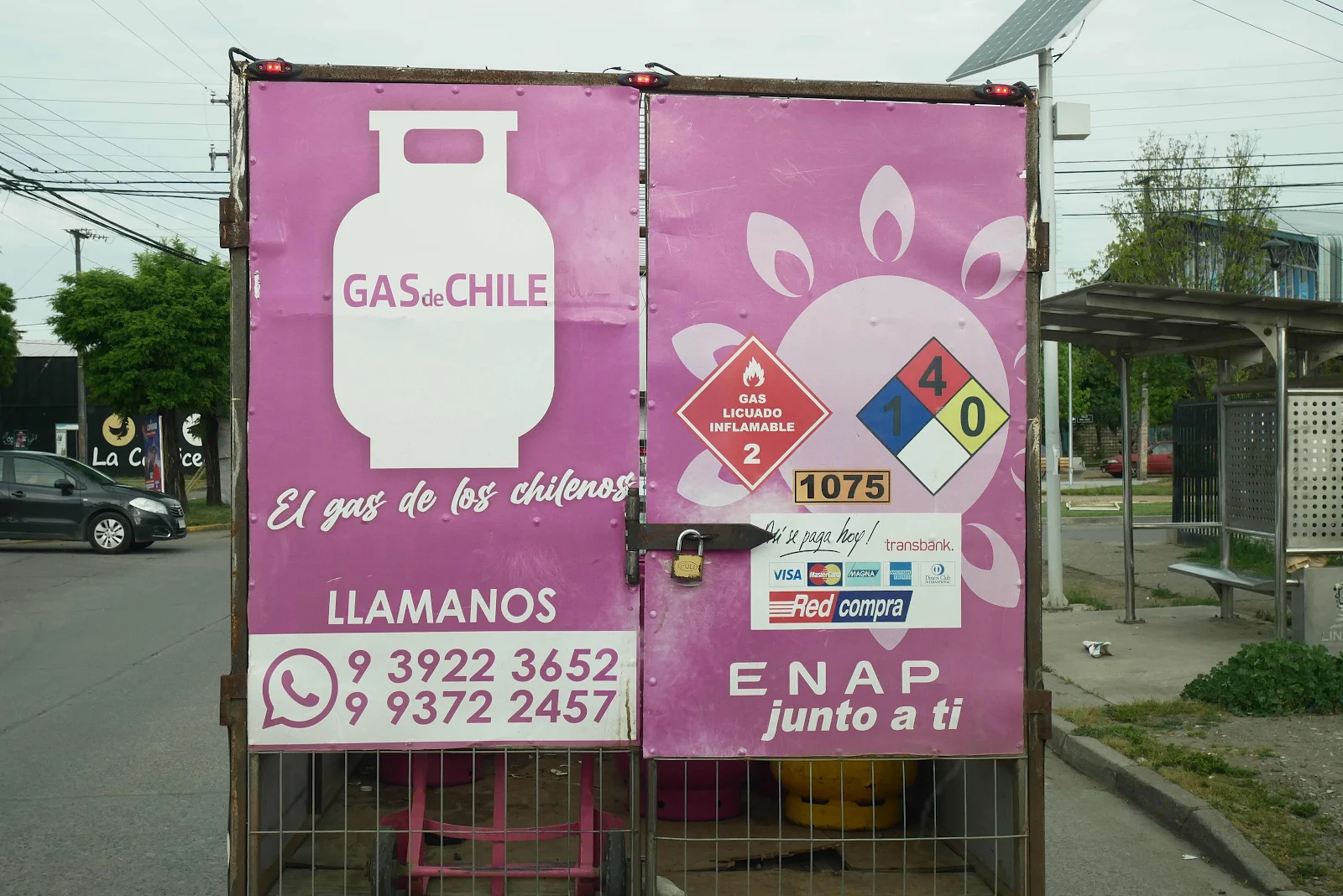
This van really wanted us to buy his cooking gas. Luckily we don’t use propane or butane aboard GANNET2.


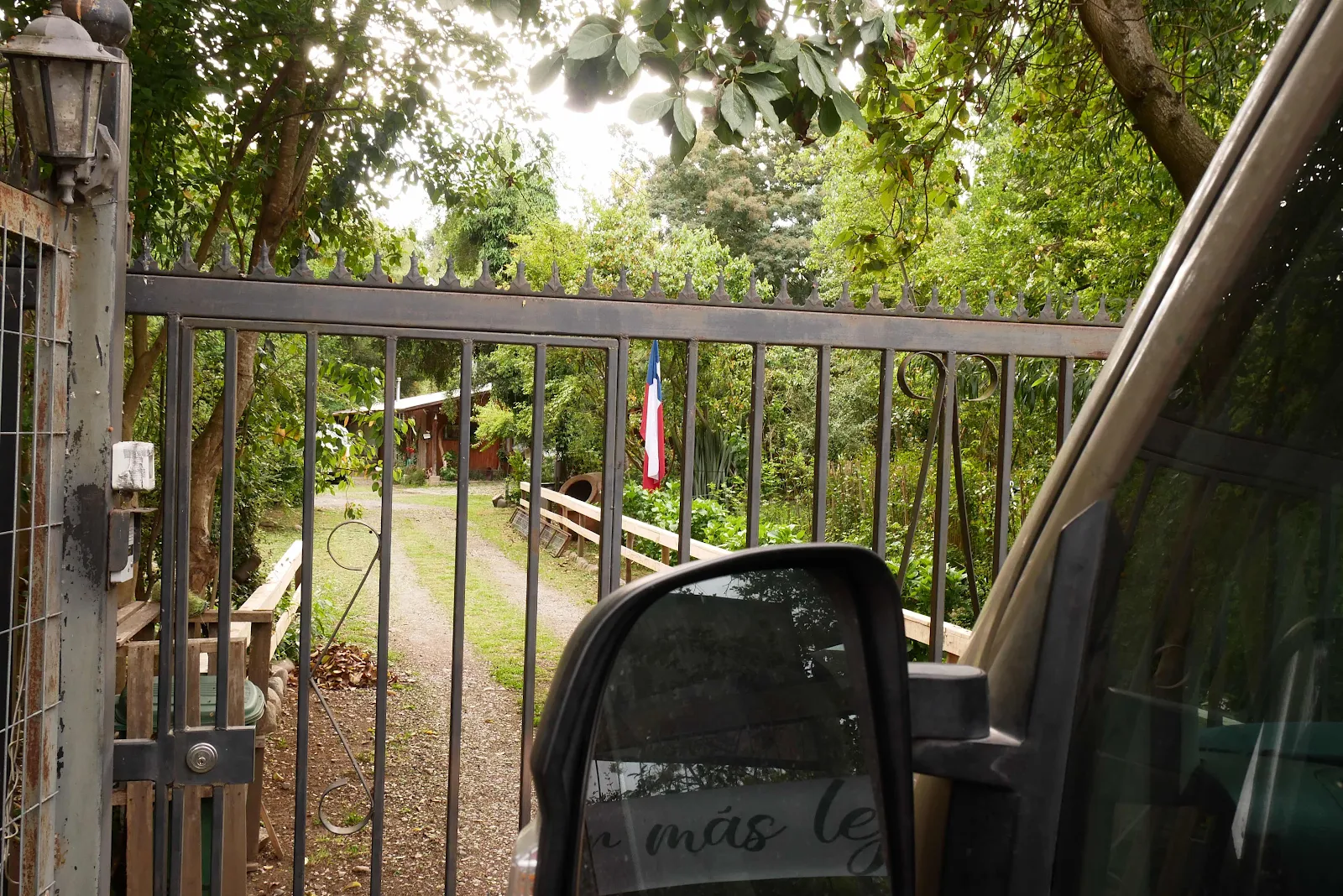
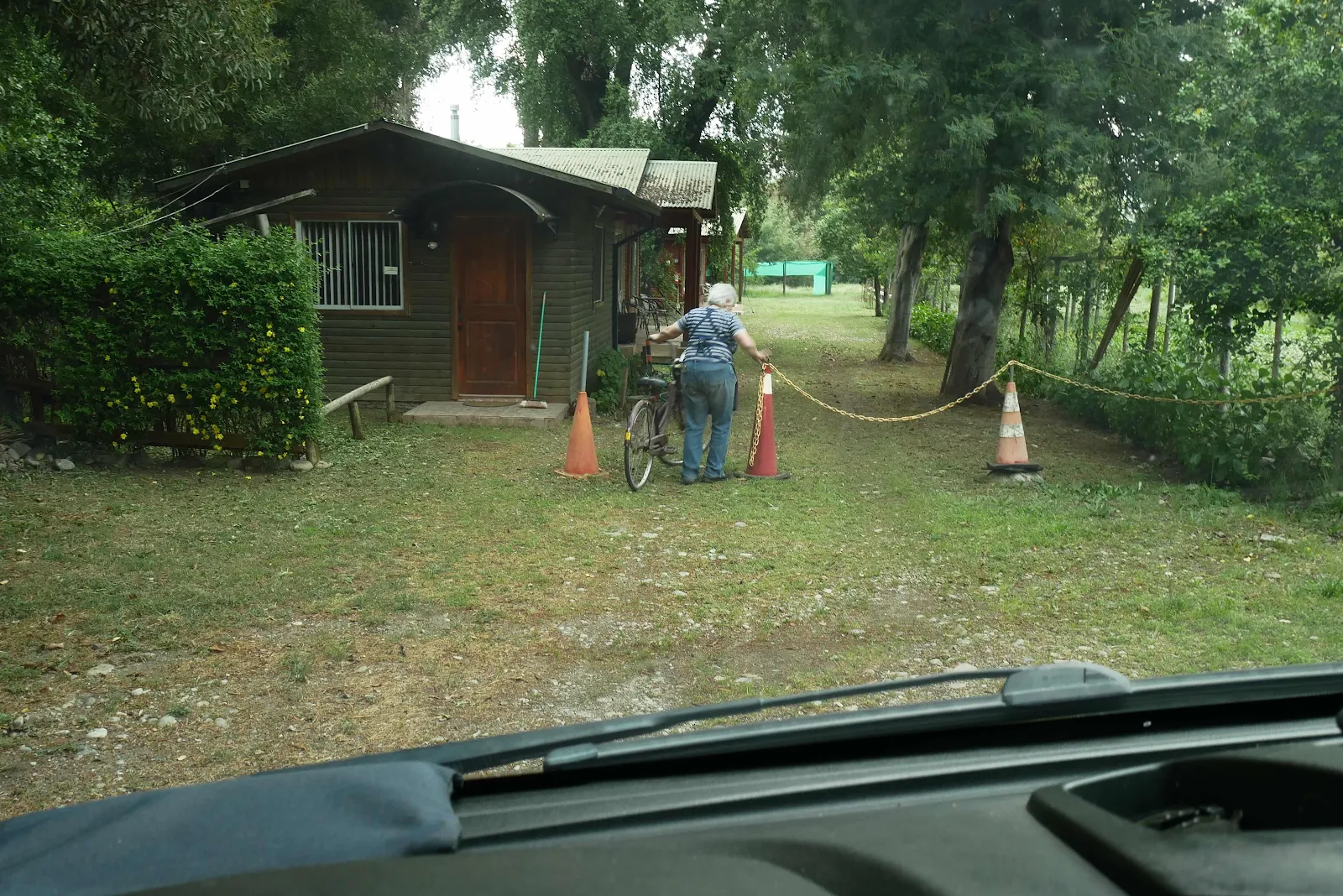
Our camp for the night. $15 for hot showers and a quiet spot in the back. 

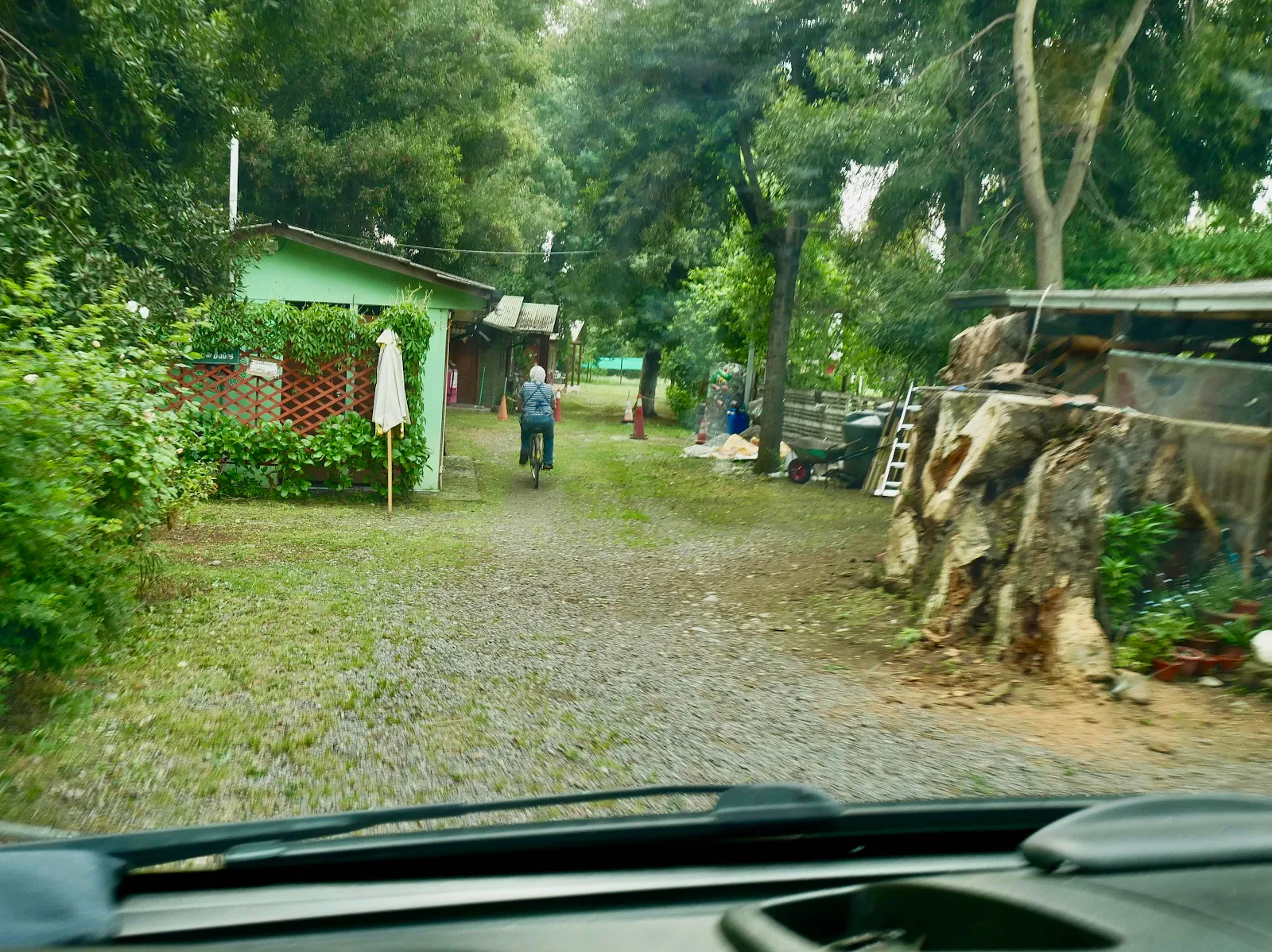
Follow me Maria said after she met us at the gate and off she pedaled. 


Rusty liked it. Maria’s dog is a foundling she adopted and she got along with grumpy old Rusty and then left him to it. 

He’s growing old, lots of gray fur and he doesn’t run like he used to. He gets up more slowly (don’t we all) and he leaps up onto the bed with more care these days. 

I can’t stand the thought of not having him around and I suppose it’s silly to be surprised by his gradual decline but he is at least 12 years old already. 

Lots more Chile to come.

Including a German child molester’s refuge in Chile turned tourist attraction. Absolutely mind boggling and it was my wife who was curious to see the former Colonia Dignidad. Schnitzel anyone? 

I sound like I’ve lost my mind but don’t worry, they are dog friendly I’m told. Rusty will love it.