Thursday, March 28, 2024

The Wasteland

In Spanish the word “paramó” means wasteland. And today you are coming with me to an Andean wasteland filled with…daisies. 
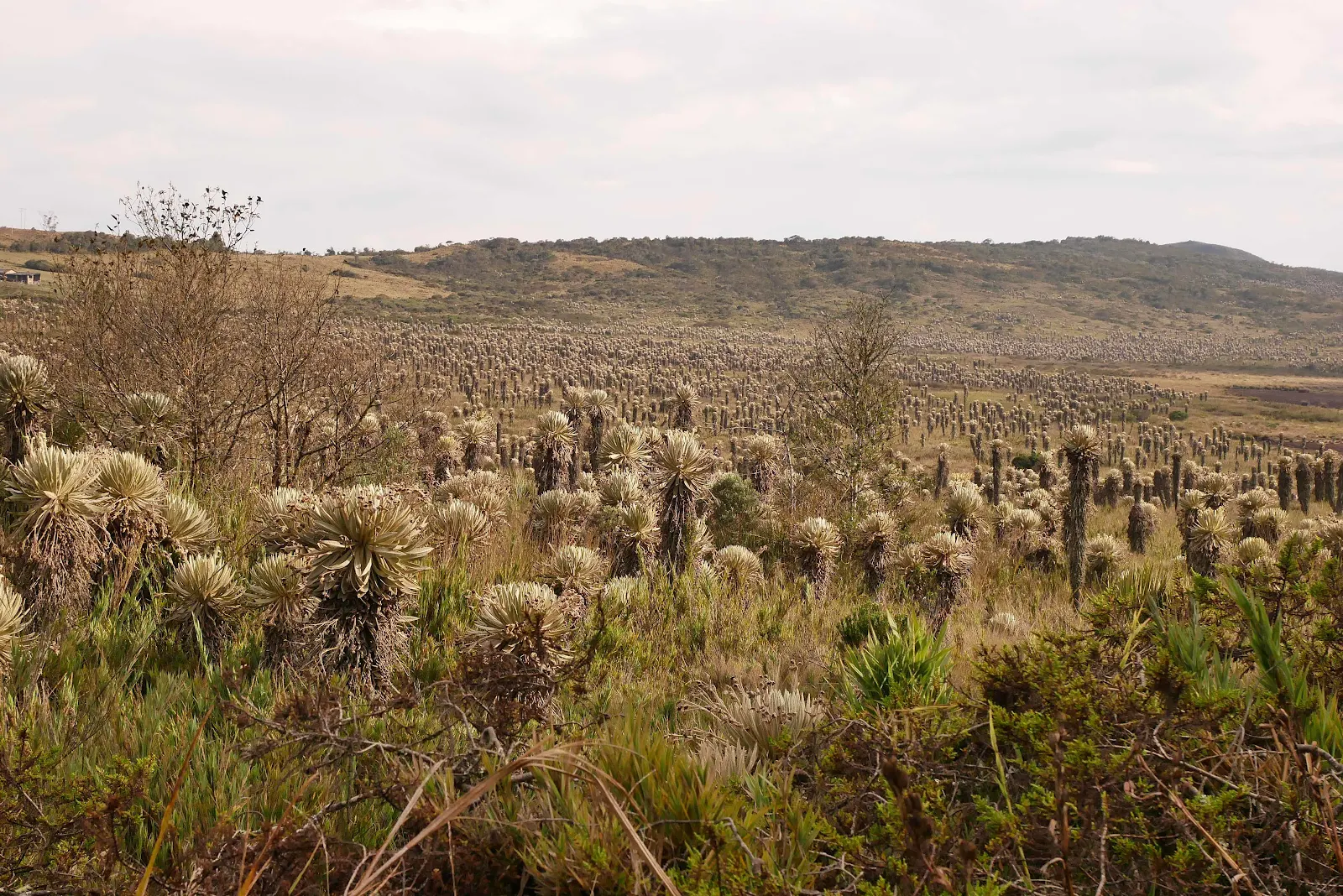
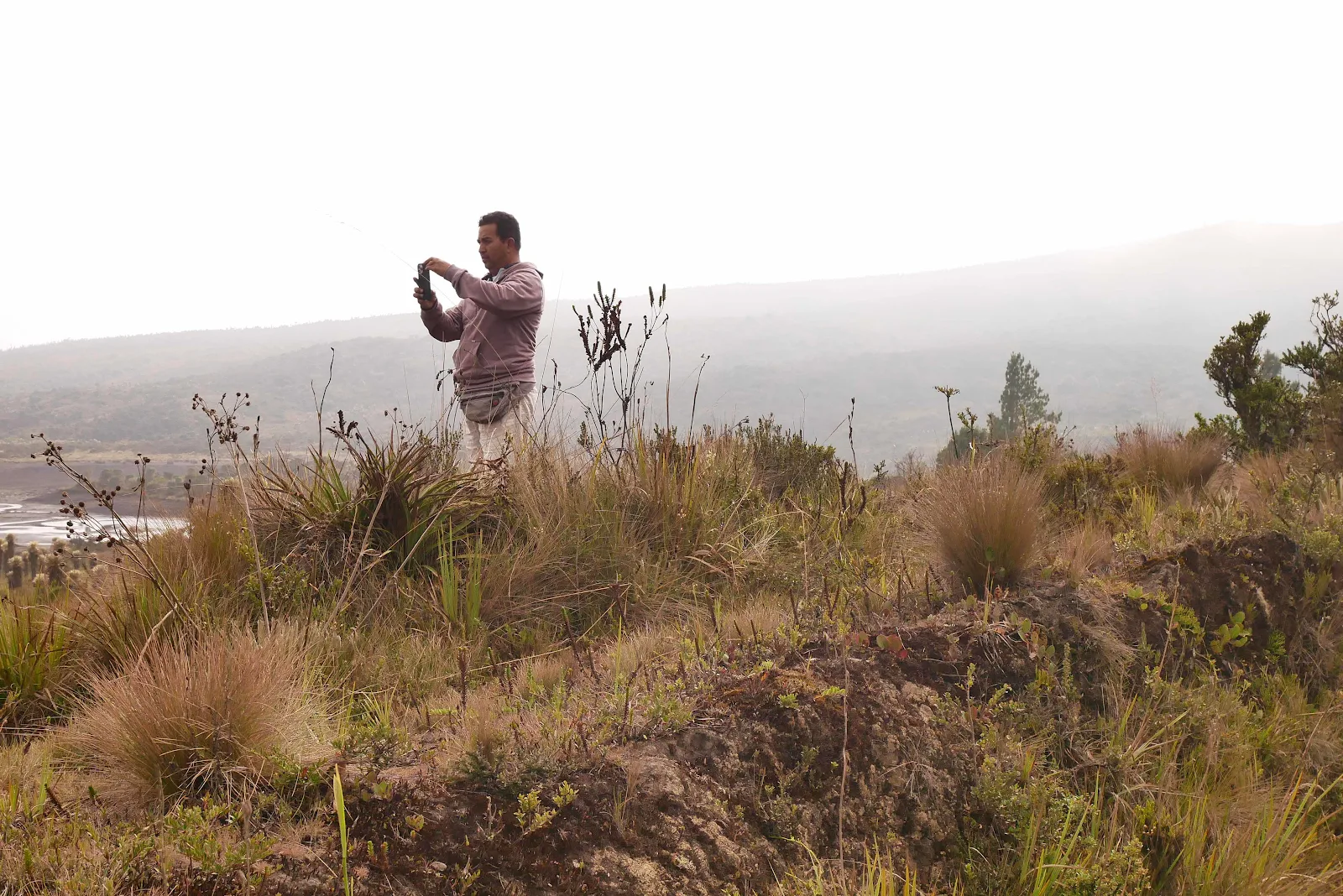
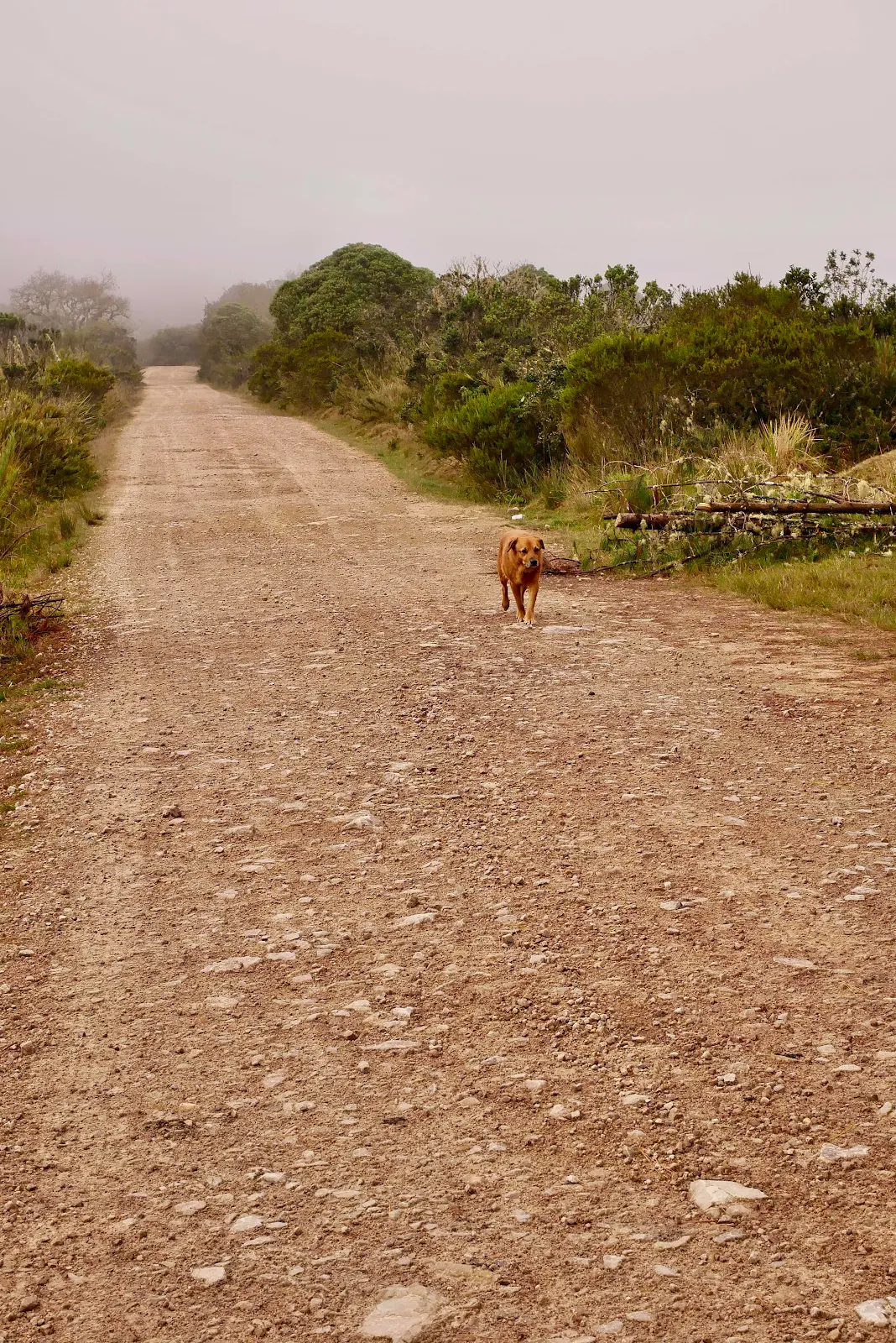
It was after lunch on Tuesday that our landlord Hildebrando came by as promised to be our guide to an off the beaten track wonderland of giant Andean daisies, not an easy thing to see as we were on dirt all afternoon in the absolute middle of nowhere up a misty mountain. 
It’s a botany lesson today as we discover that in fact animals and plants in South America are completely different from those found in North America. This really is a separate continent.
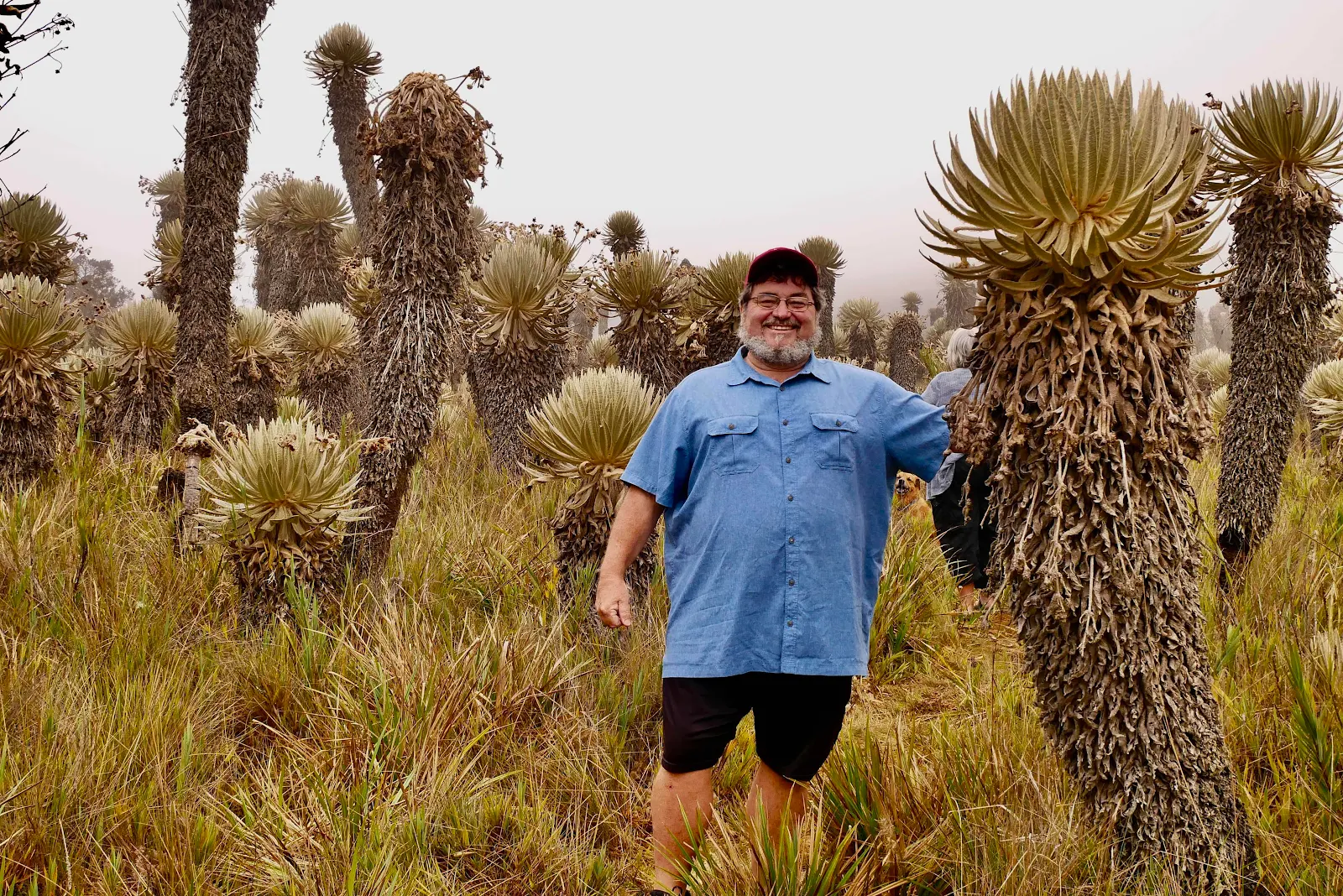
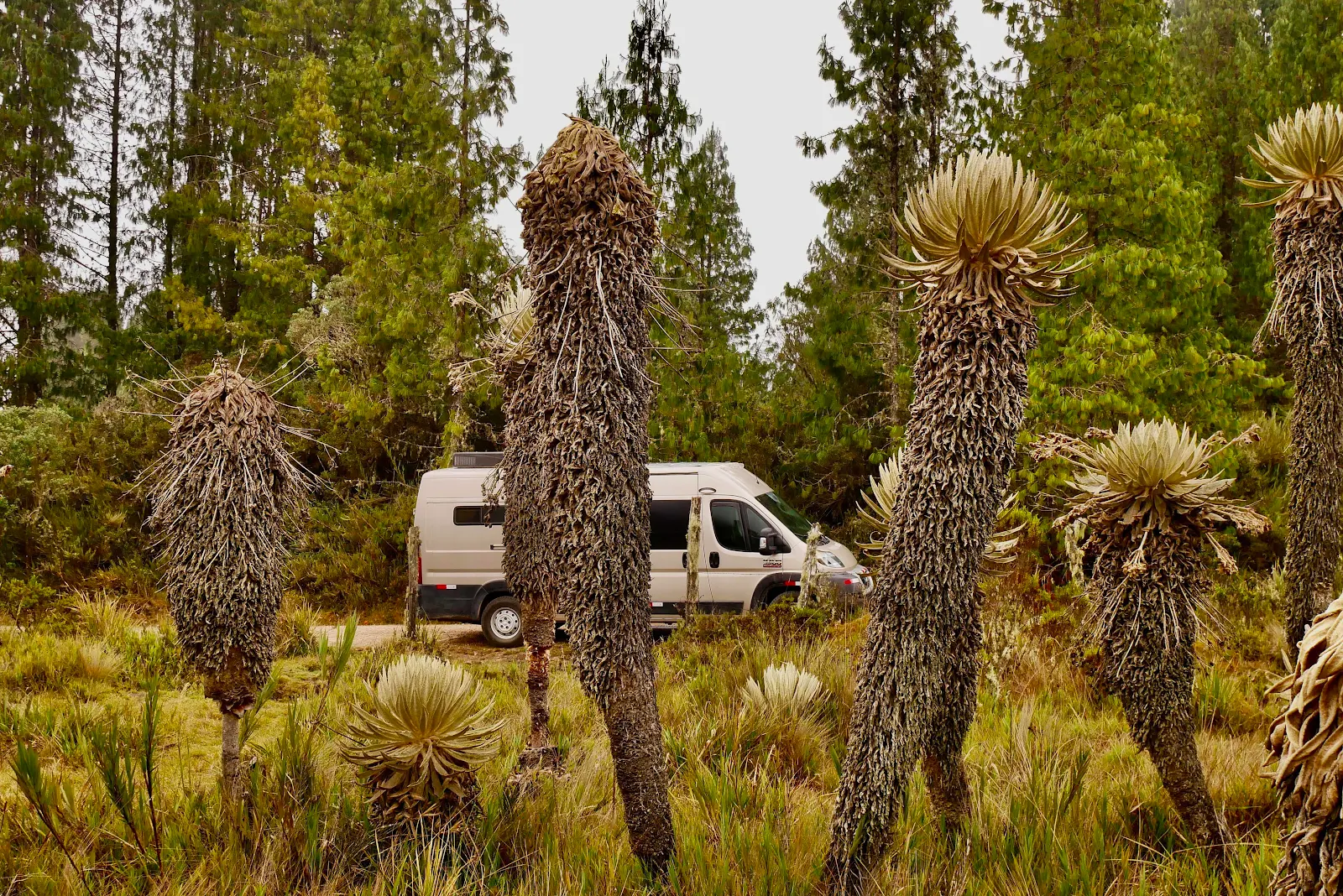
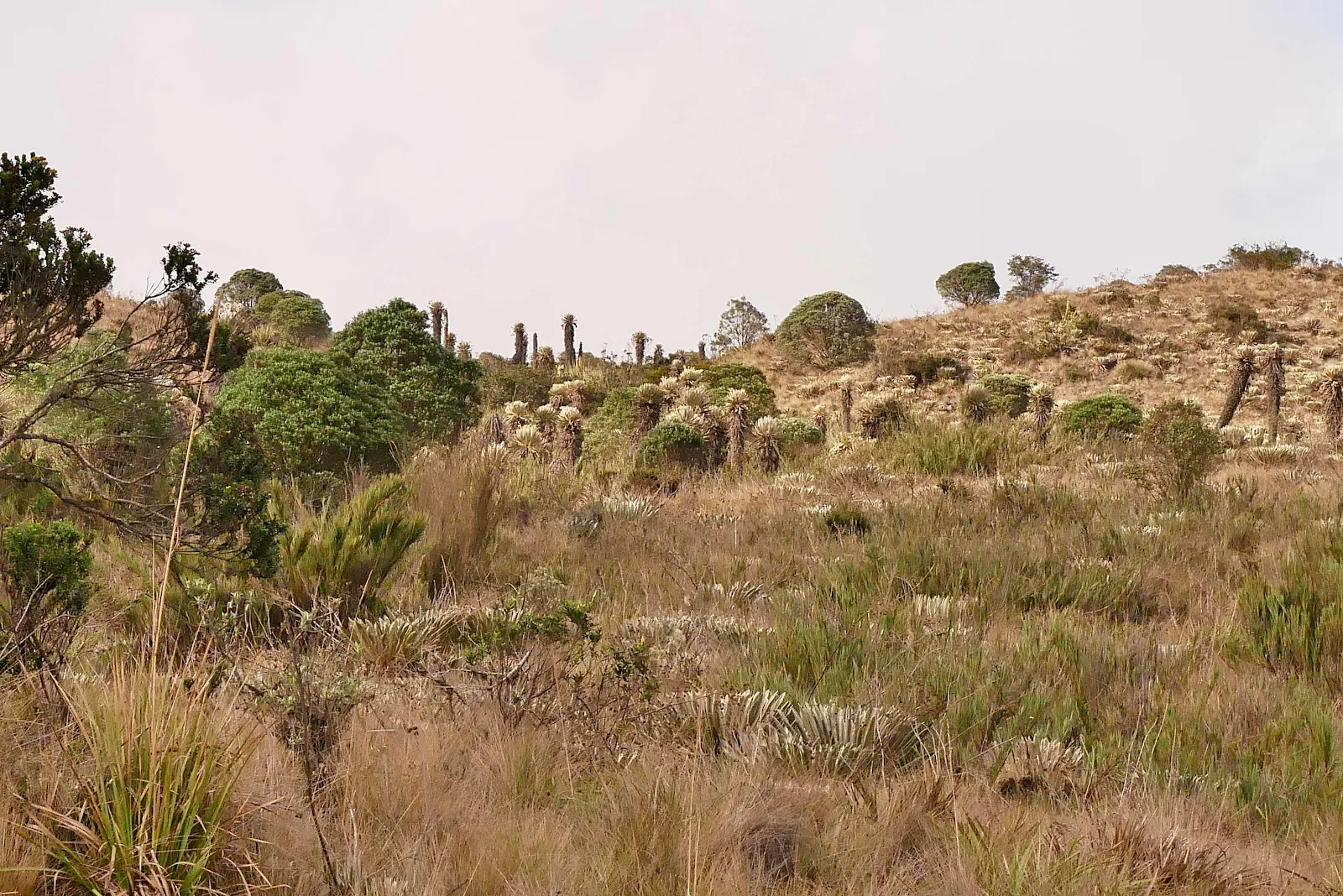
The purpose of the road to nowhere was to take us up to 10,600 feet to see some big friars in a field. In Spanish these bizarre plants are called “frailejones” (fra-heel-own-es) or Big Friars because from a distance they supposedly resemble those religious figures.
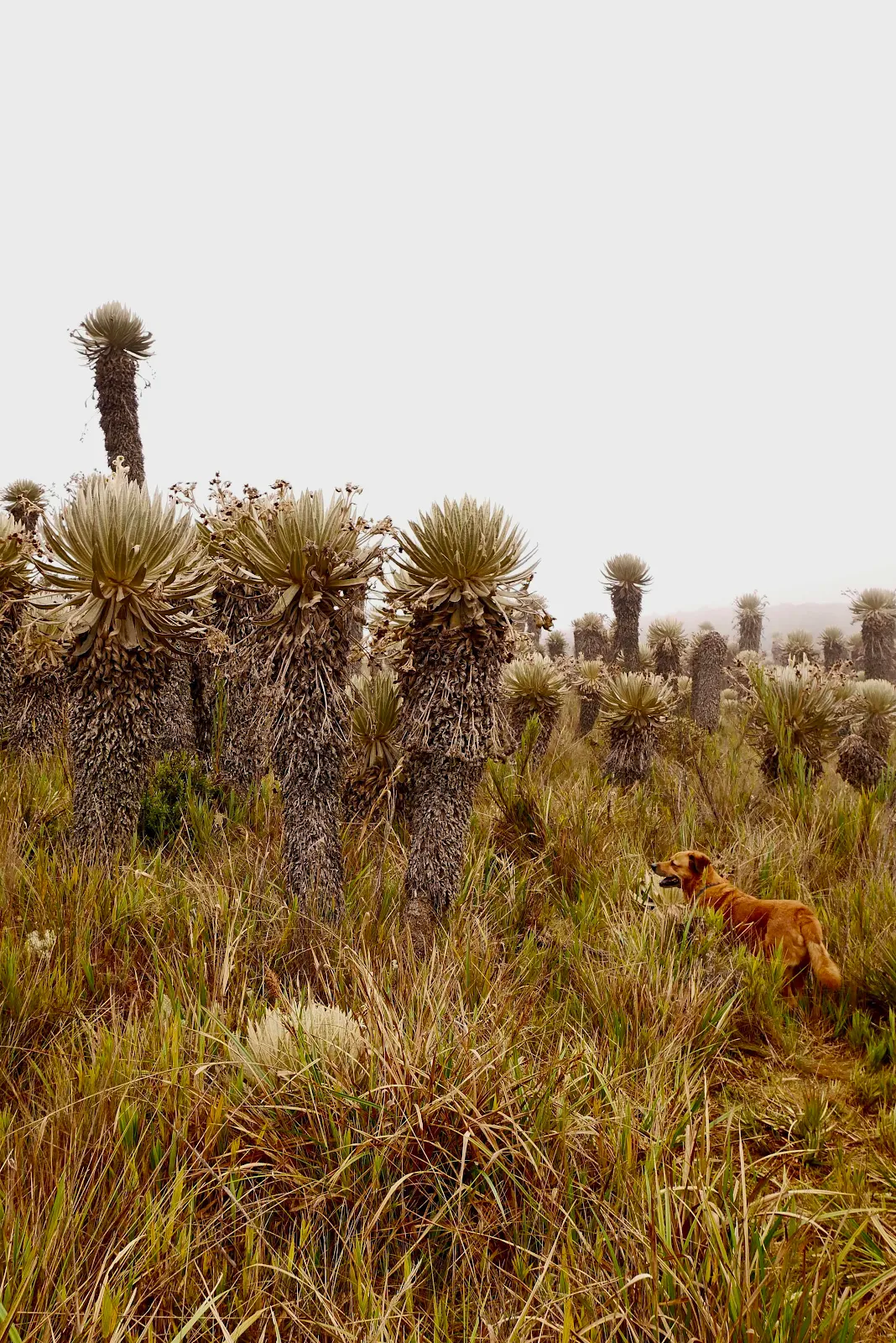
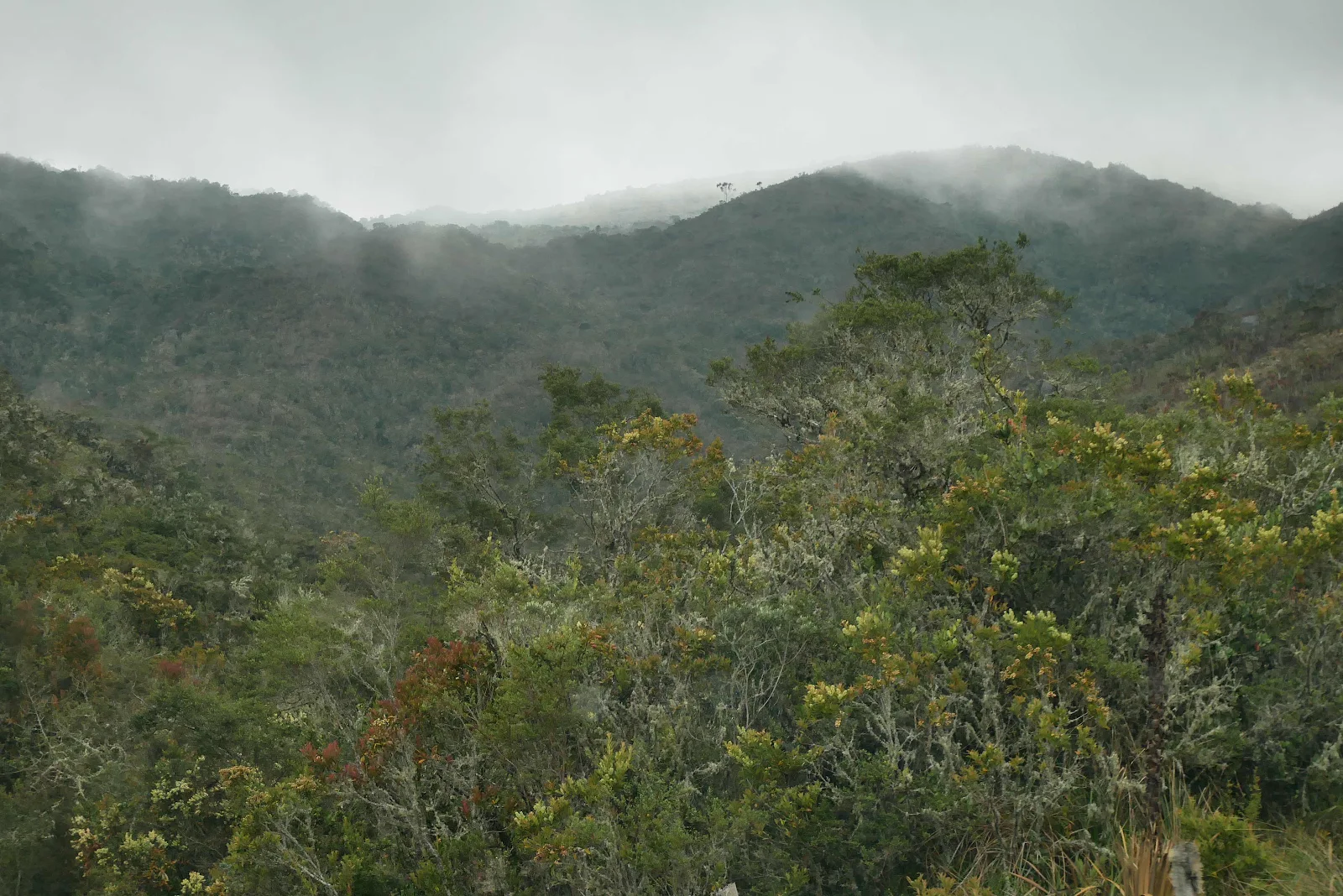
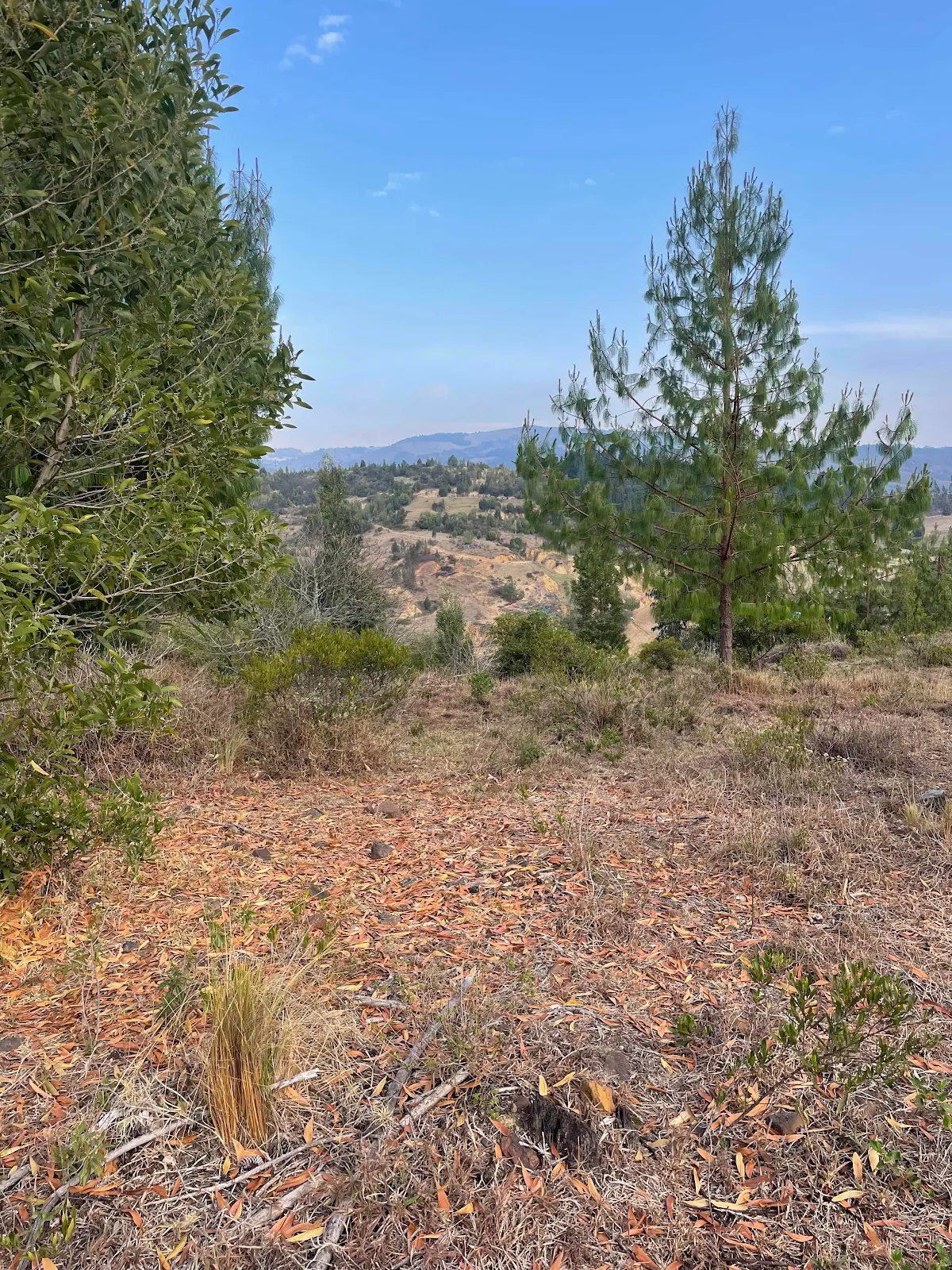
They are really weird plants for a number of reasons. Firstly they catch moisture from the air which is why they are so prolific in high mountain passes where humid air blows through in the form of mist. Just like this spot here, a windy saddle between mountain tops. 
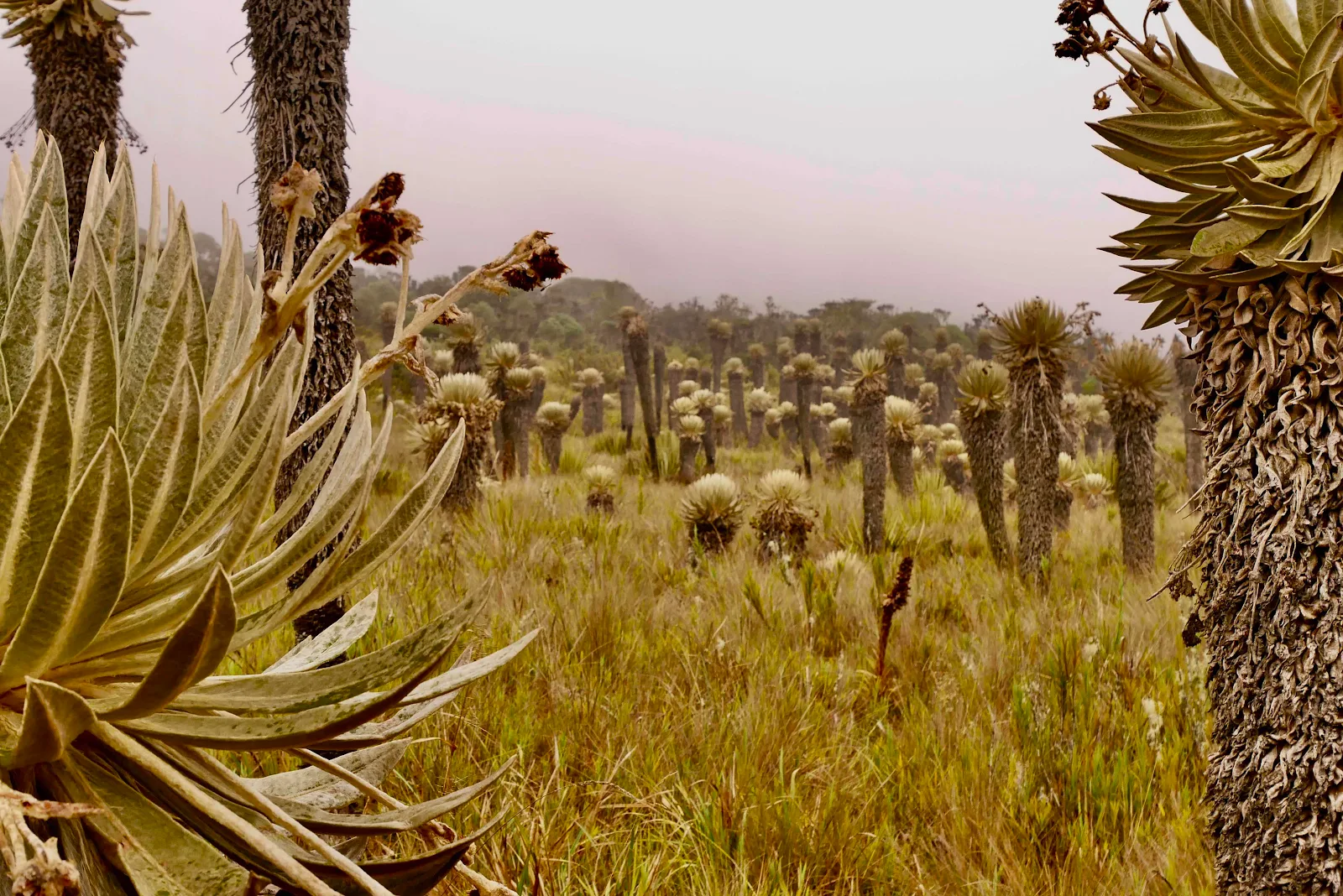
That fact put me in mind of redwood trees which also get moisture from damp coastal winds off the Pacific. But these friars get weirder the closer you look at them. Because they live at high altitude across the Andes when their leaves die they fold down on themselves to protect the core of the tree from frost. And that’s because the trunk of the big friar is hollow and serves to drain the trapped moisture into the ground. 
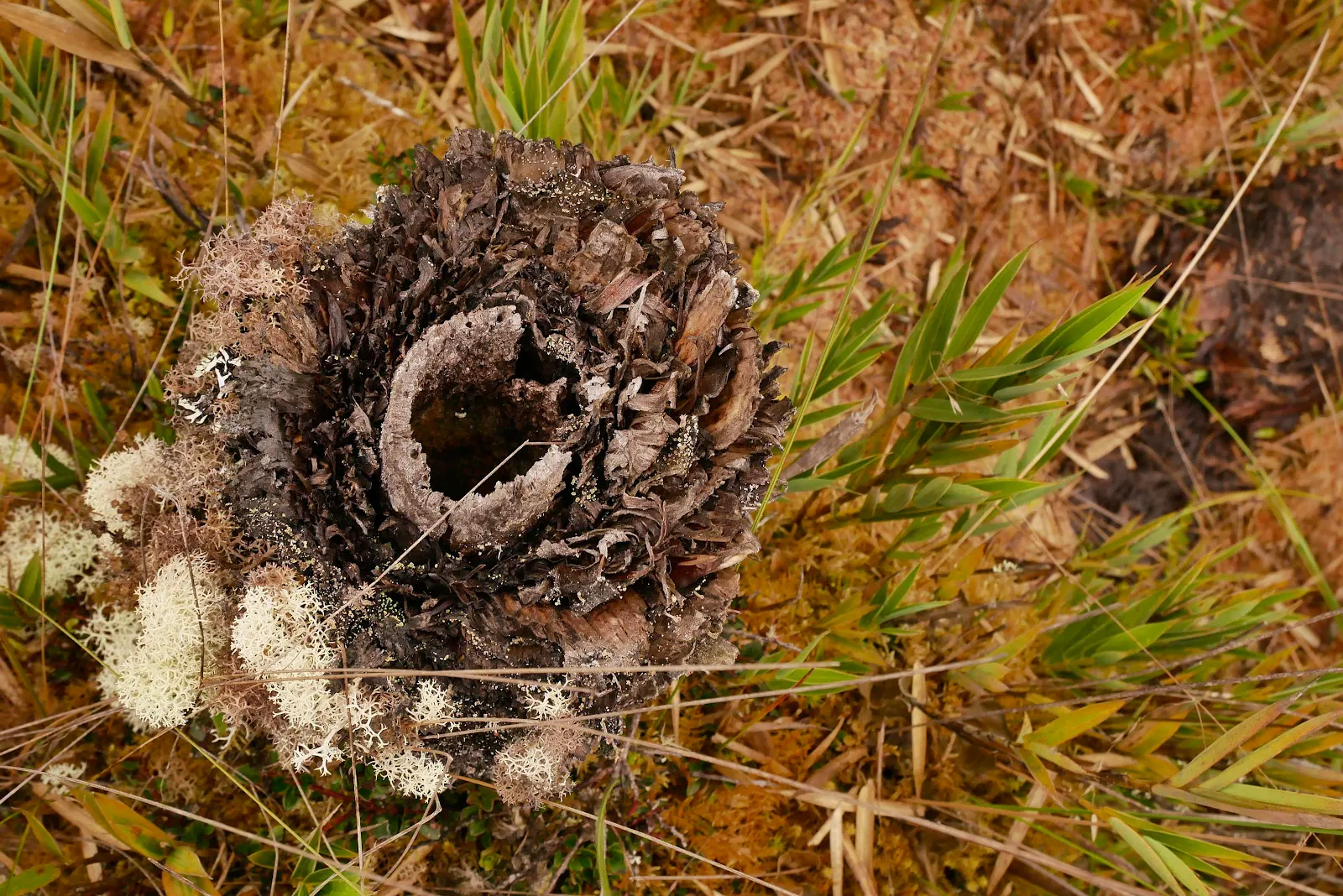
Which means the ground underneath these frailejones is a bog. You feel as though you are walking on a sponge. You don’t sink in necessarily,, at least in the dry season, but there is a definite bounce in your step. 
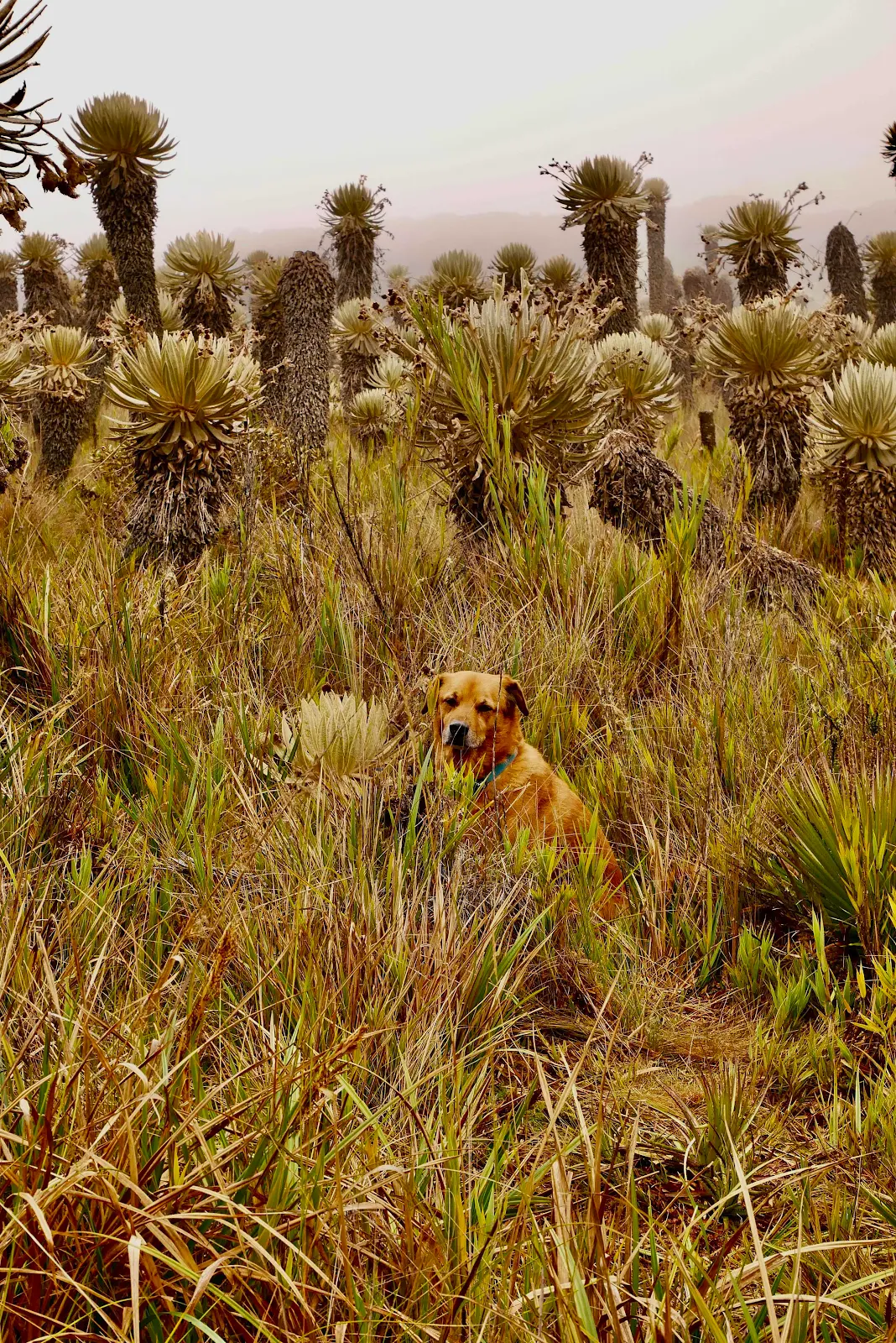
The next weird thing about these trees is they grow about half an inch a year. The tallest ones in this forest in the Gran Pantano (Great Swamp) would be five or six hundred years old. They watched in astonishment when the Spanish first came through. Imagine that. 
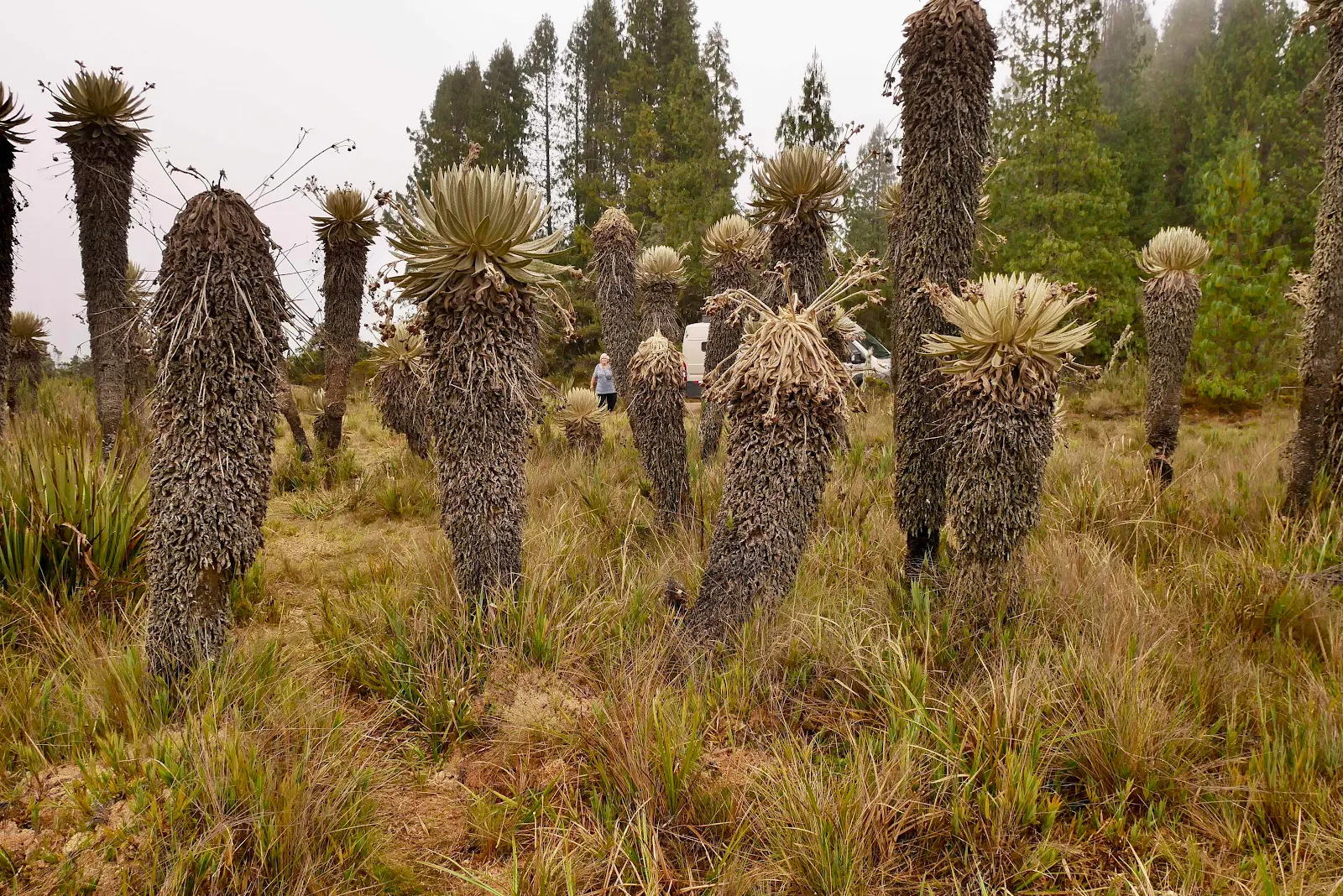
And finally botanists call these things daisies. They grow in high Andean plateaux called “paramó” and we expect to see more of them at higher altitudes as we drive south across the windblown high Andean plains. I’m really looking forward to being breathless on those wastelands at a frigid 15,000 feet as you might imagine. 
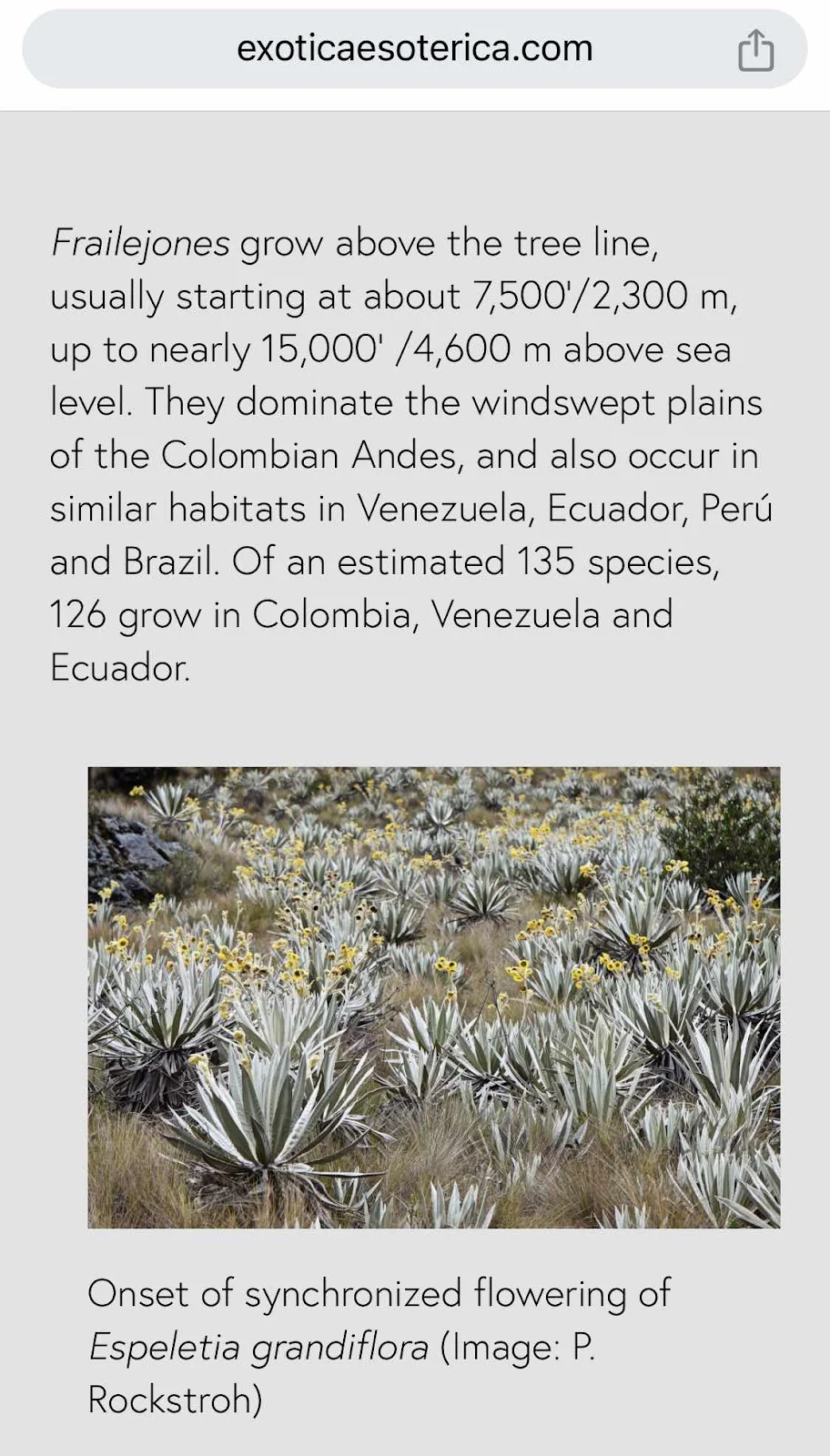
Anyway if you want to know more that page at exoticaesoterica.com is bulging with news. I put “frailejones Wiki English” into Google to get a result. 
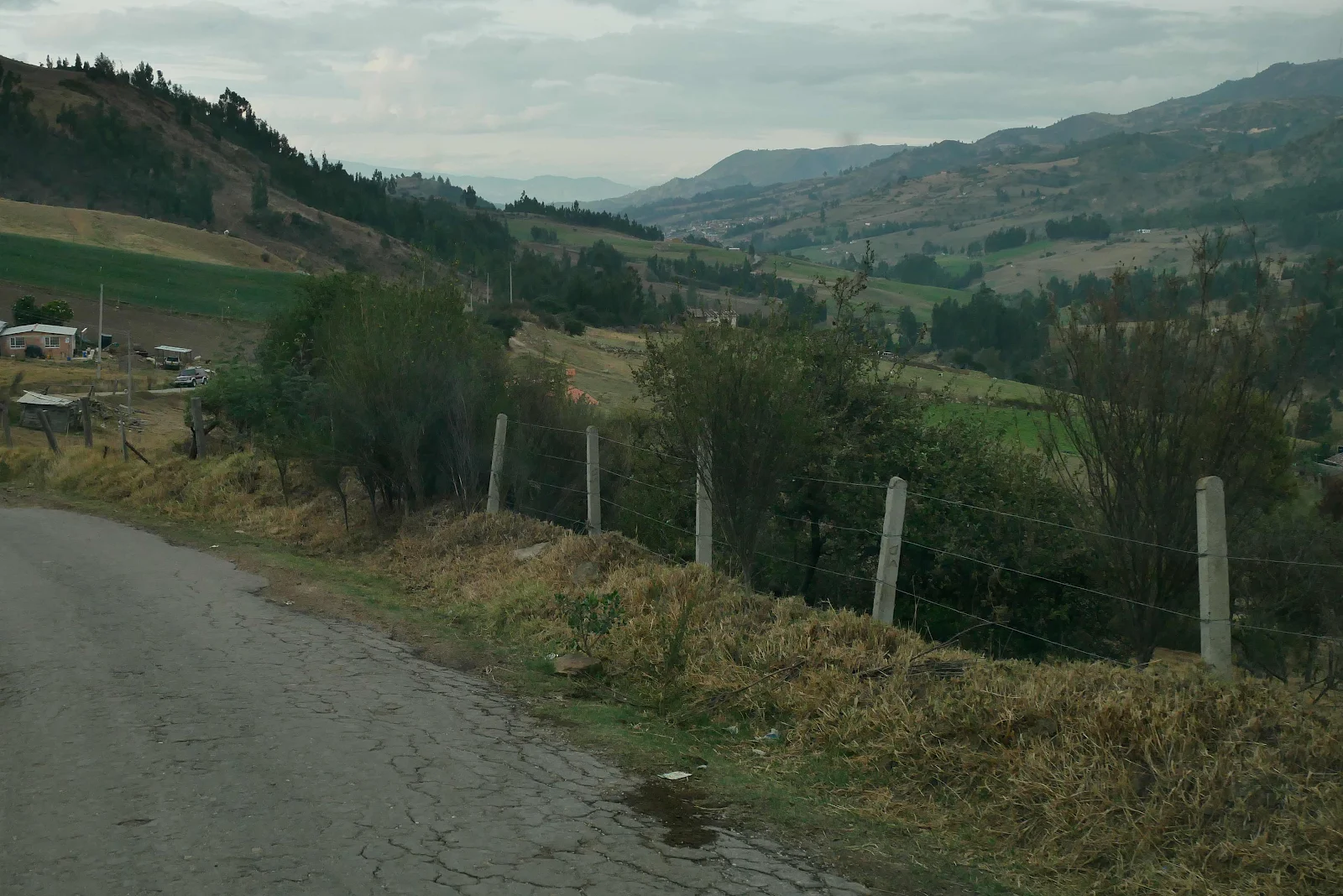
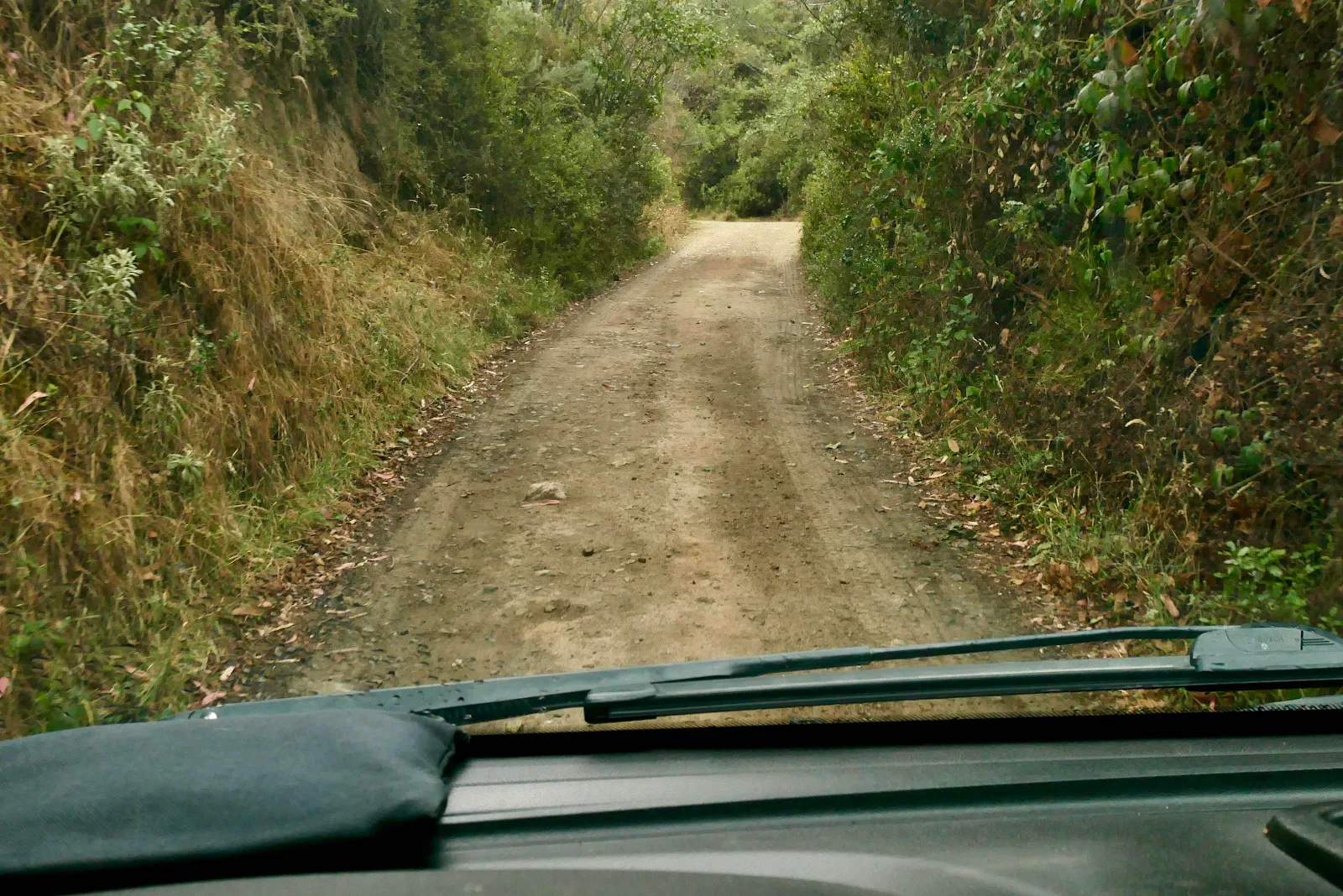
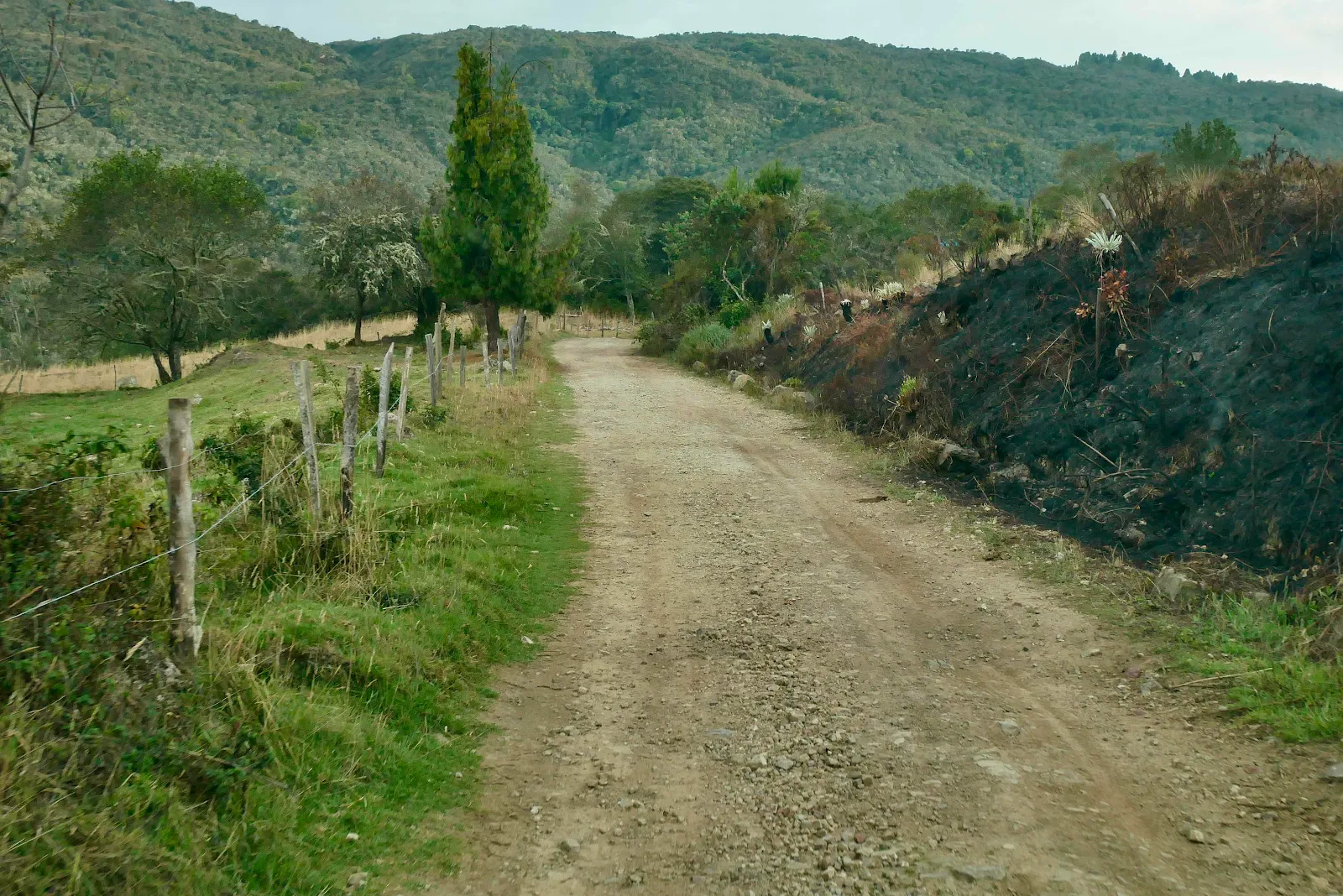
What I liked most about this outing was the location, unsignposted and far off the beaten track. It took about an hour of slow driving on mostly dirt or torn up asphalt, at ten to fifteen miles per hour, topping out at 10,600 feet above sea level. I have felt worse at that altitude and I had no headache so I must be acclimating. Amazing. 
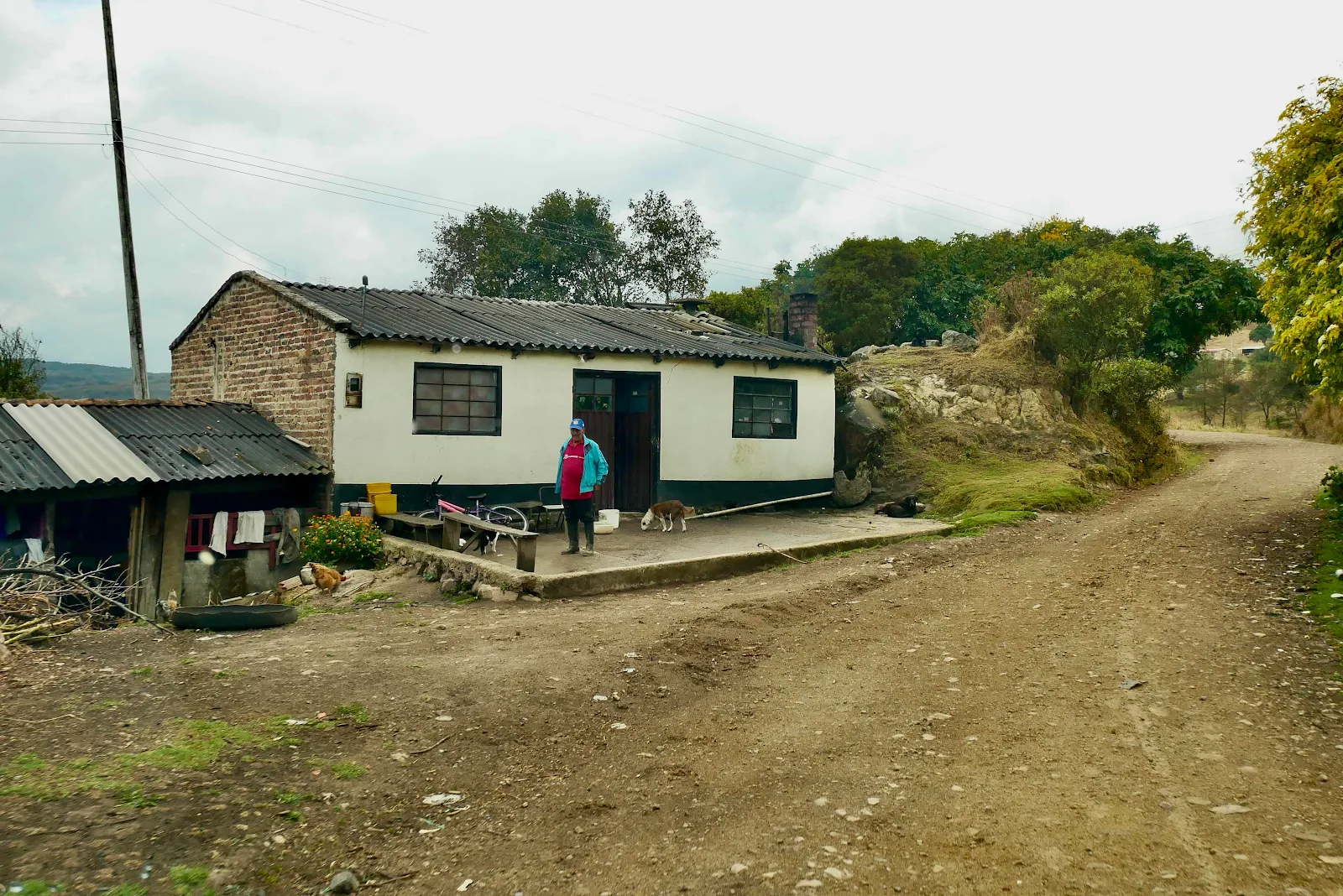
Hildebrando our guide bought his farm outside the village of Pesca five years ago where he plans to retire after a lifetime spent working in Quebec where he and his wife emigrated and got Canadian citizenship. He says he likes to bring visitors up here and he got busy making videos where we stopped. 
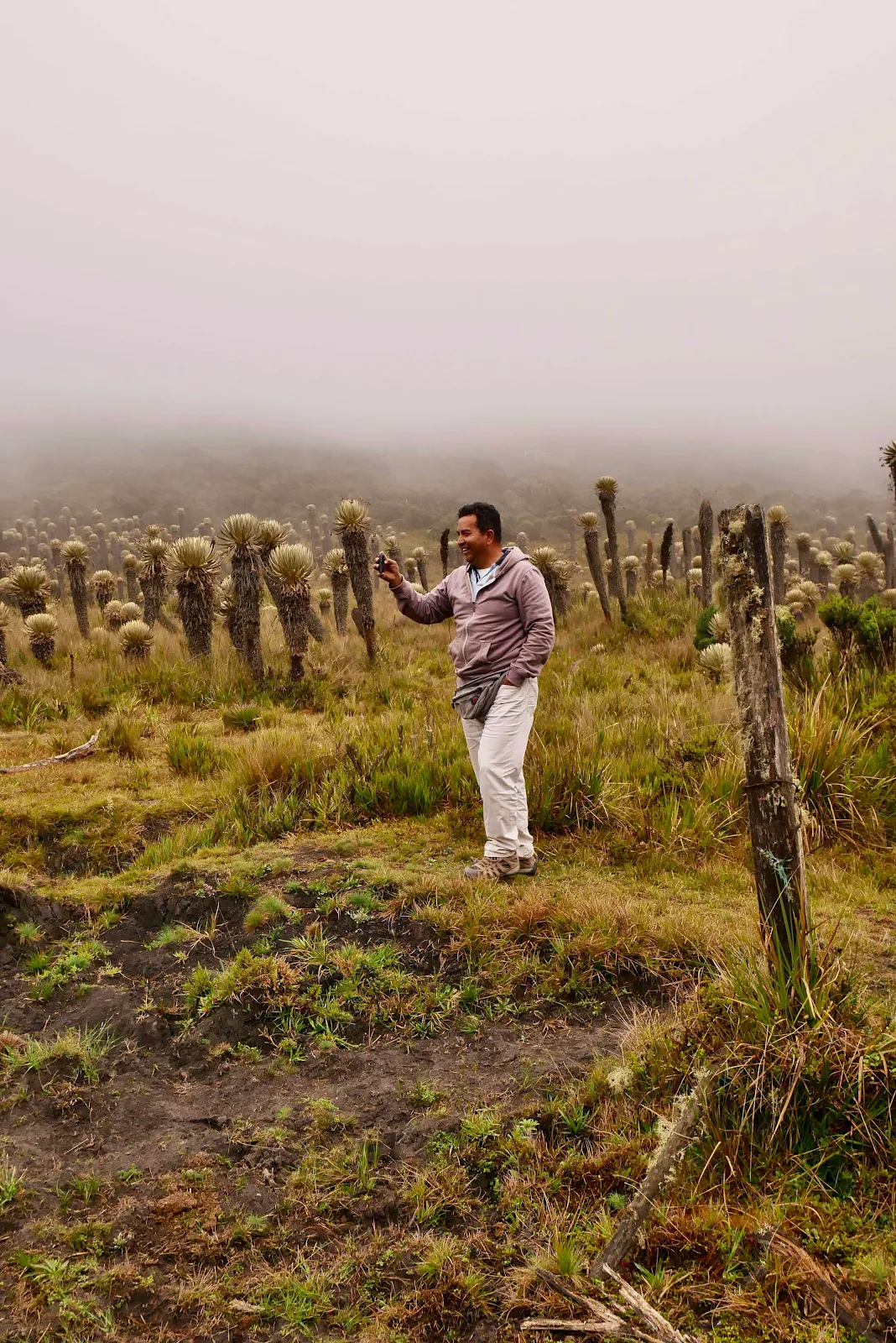
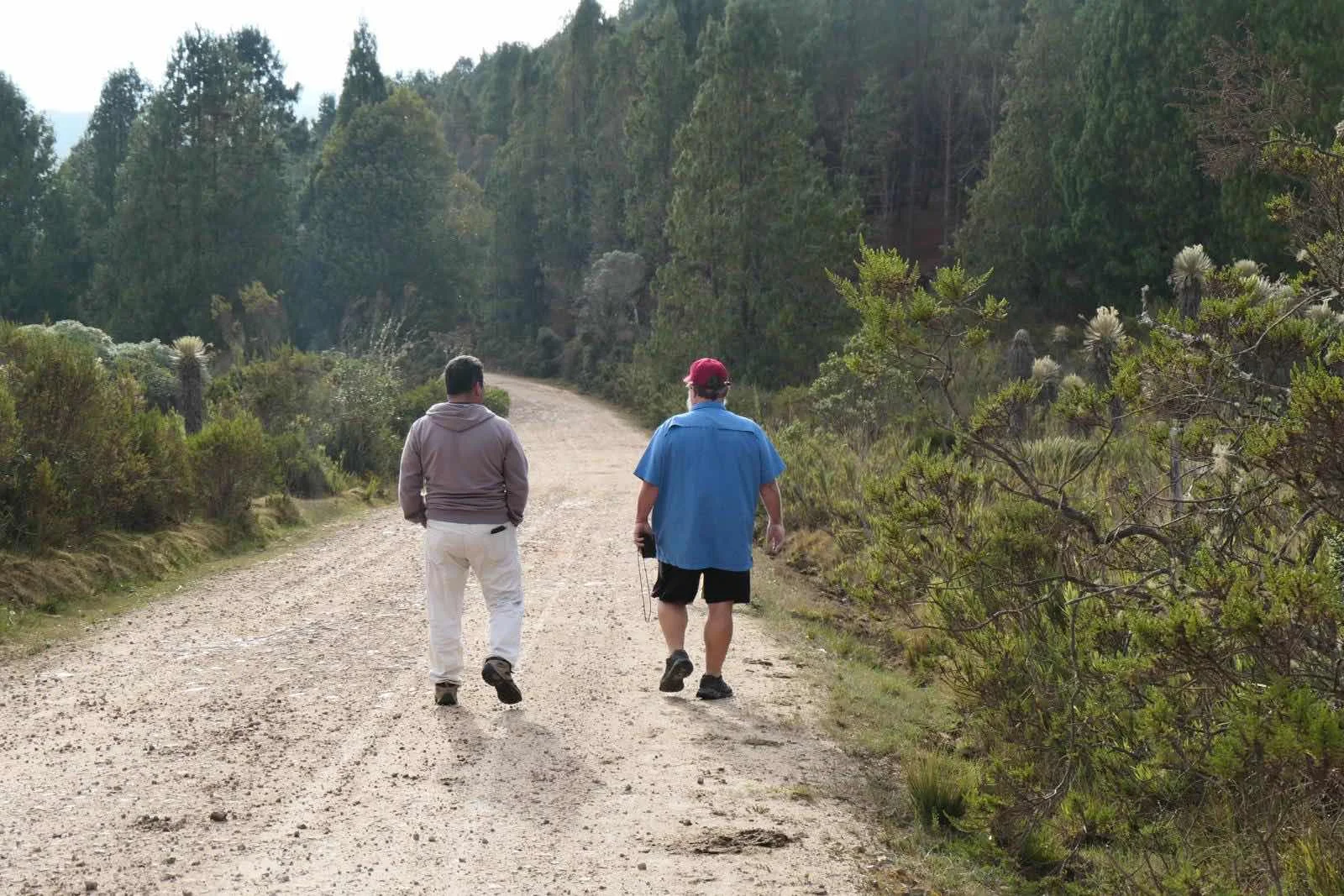
I get the idea it’s probably quite muddy up here after a heavy rain but we lucked out. Hildebrando invoked thanks to his god as we got a lovely burst of sunshine as we walked among the friars. 


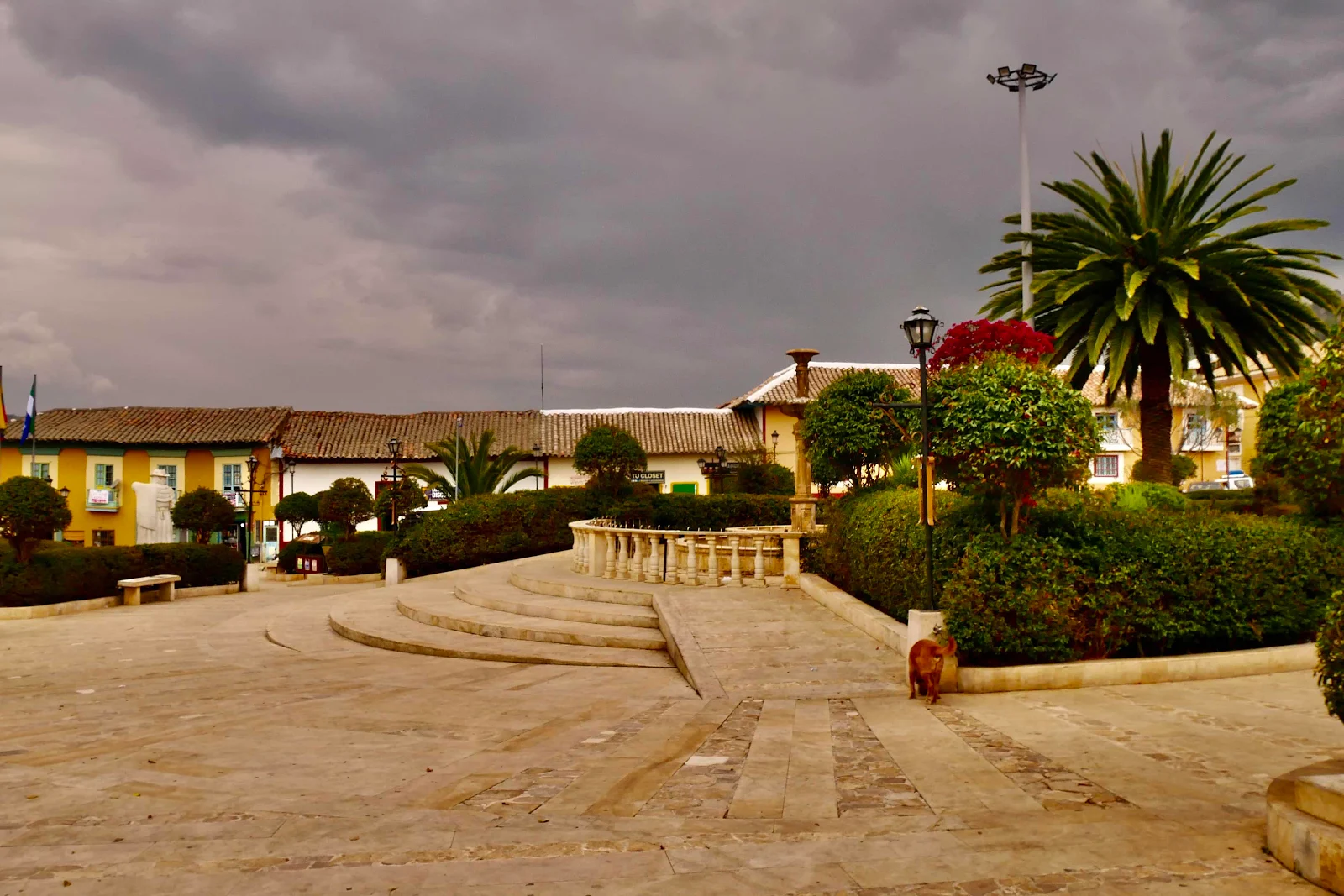
We reached the highest point on our drive on the shores of the little lake that marks “Pantano Grande” the Big Swamp on Google maps. To get there we left the blue dot, our apartment and drove through the village of Pesca…
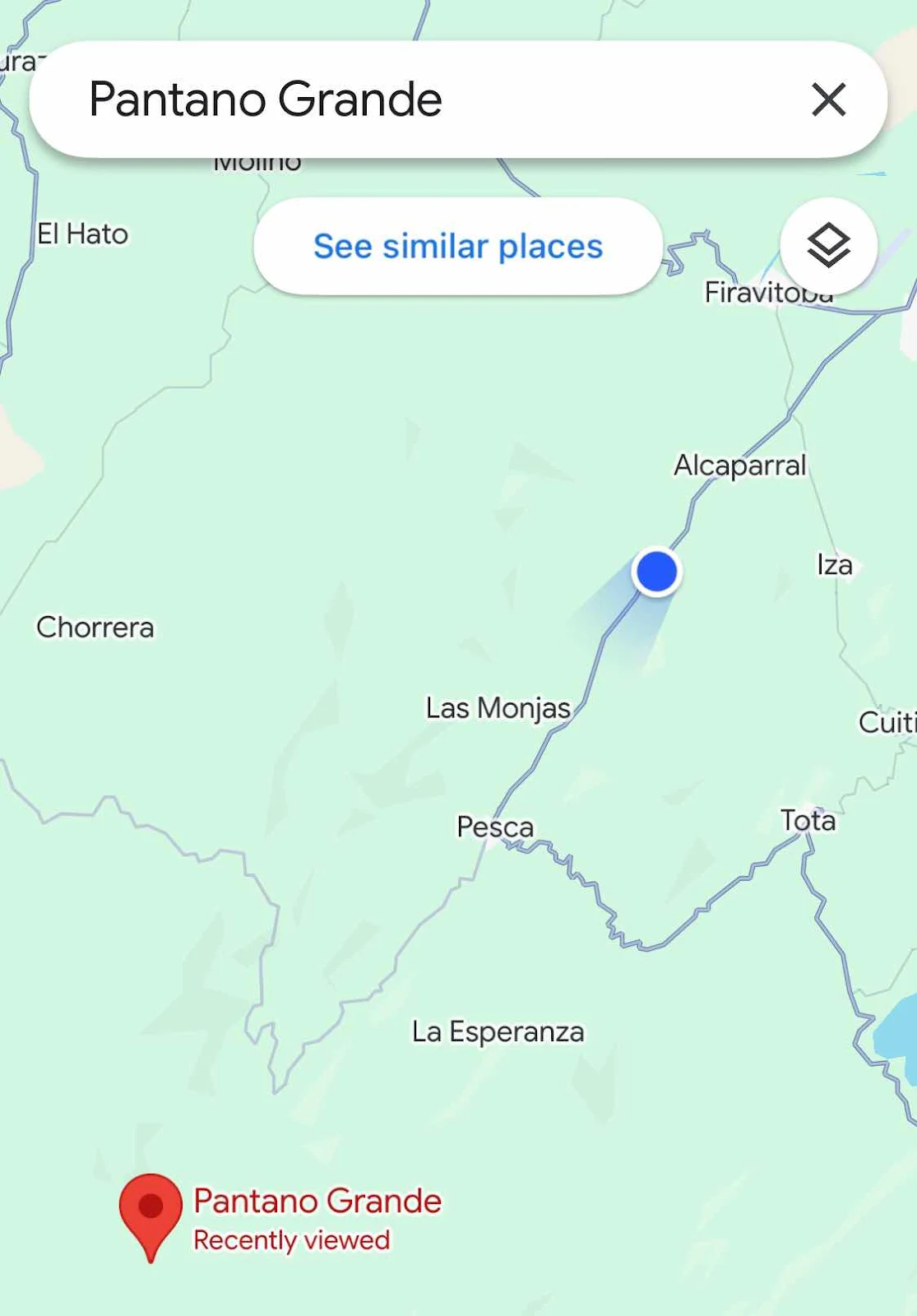

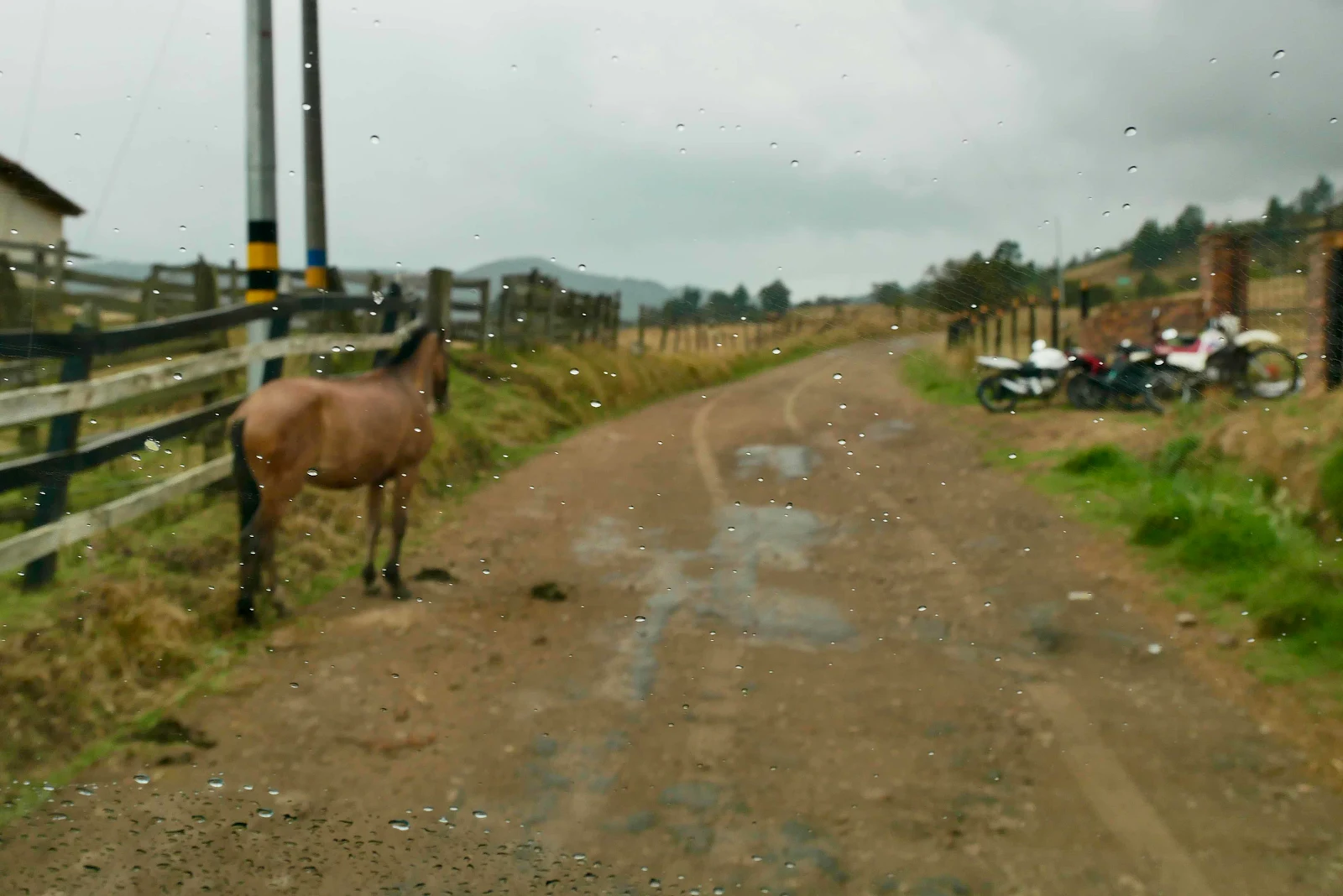
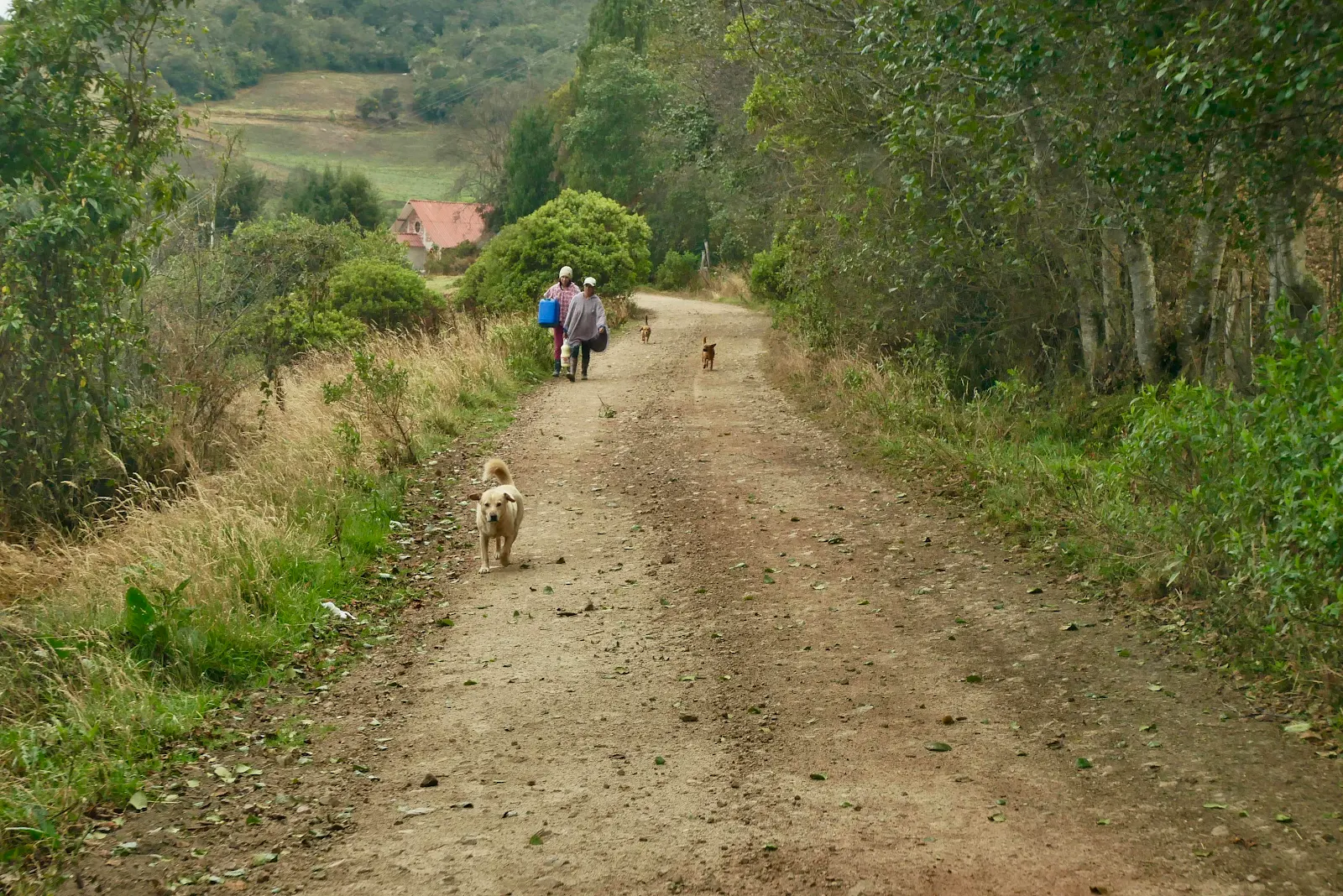
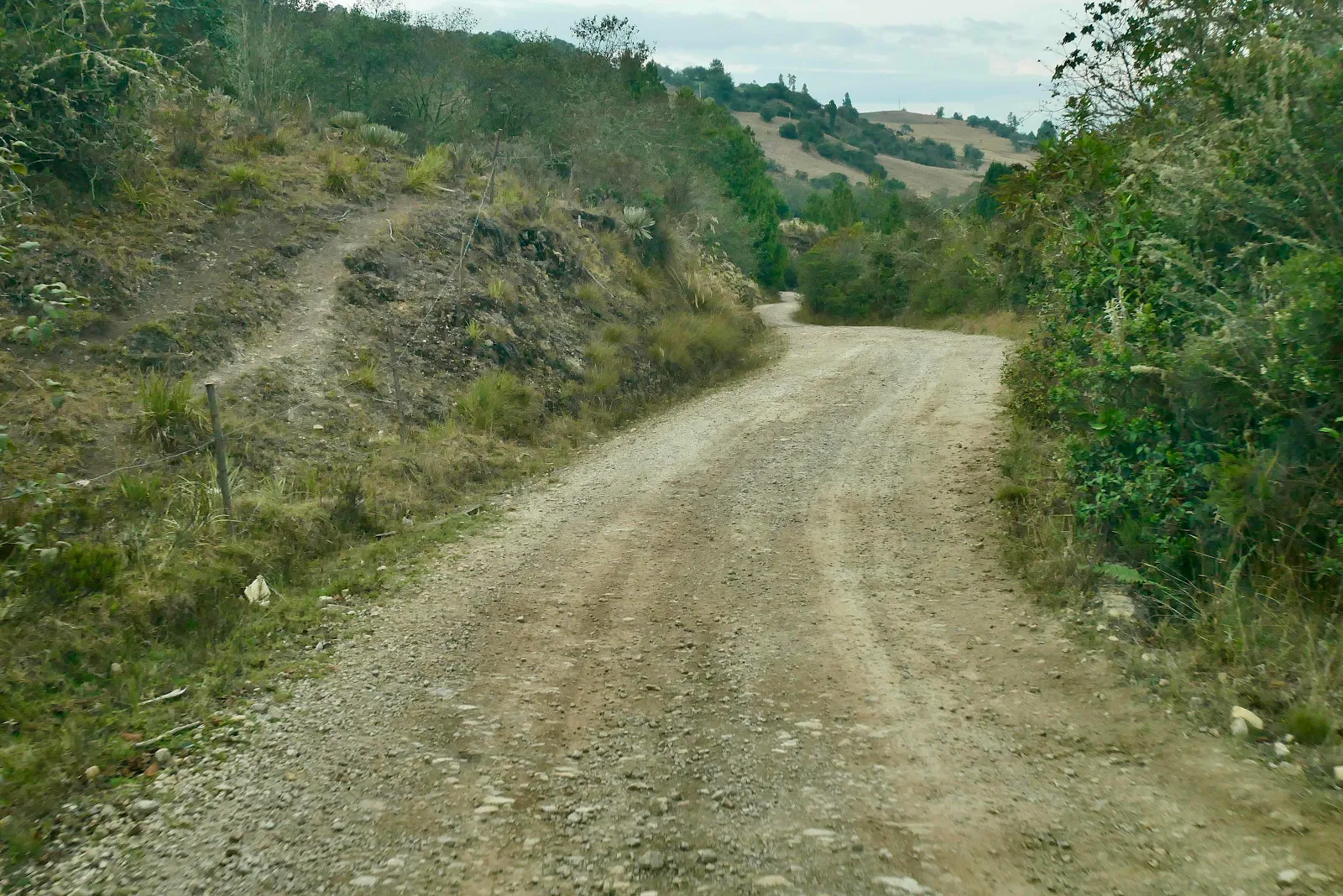
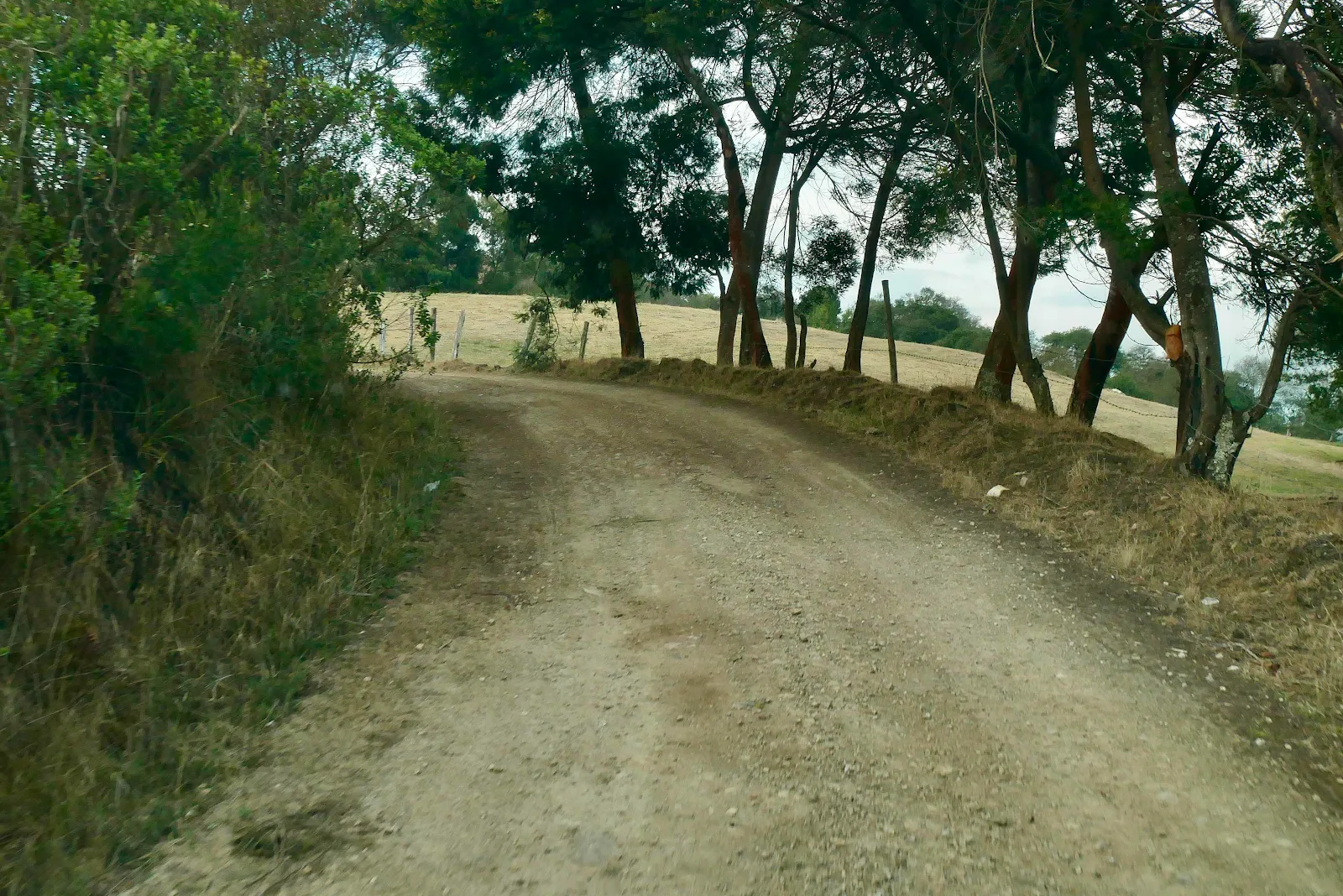
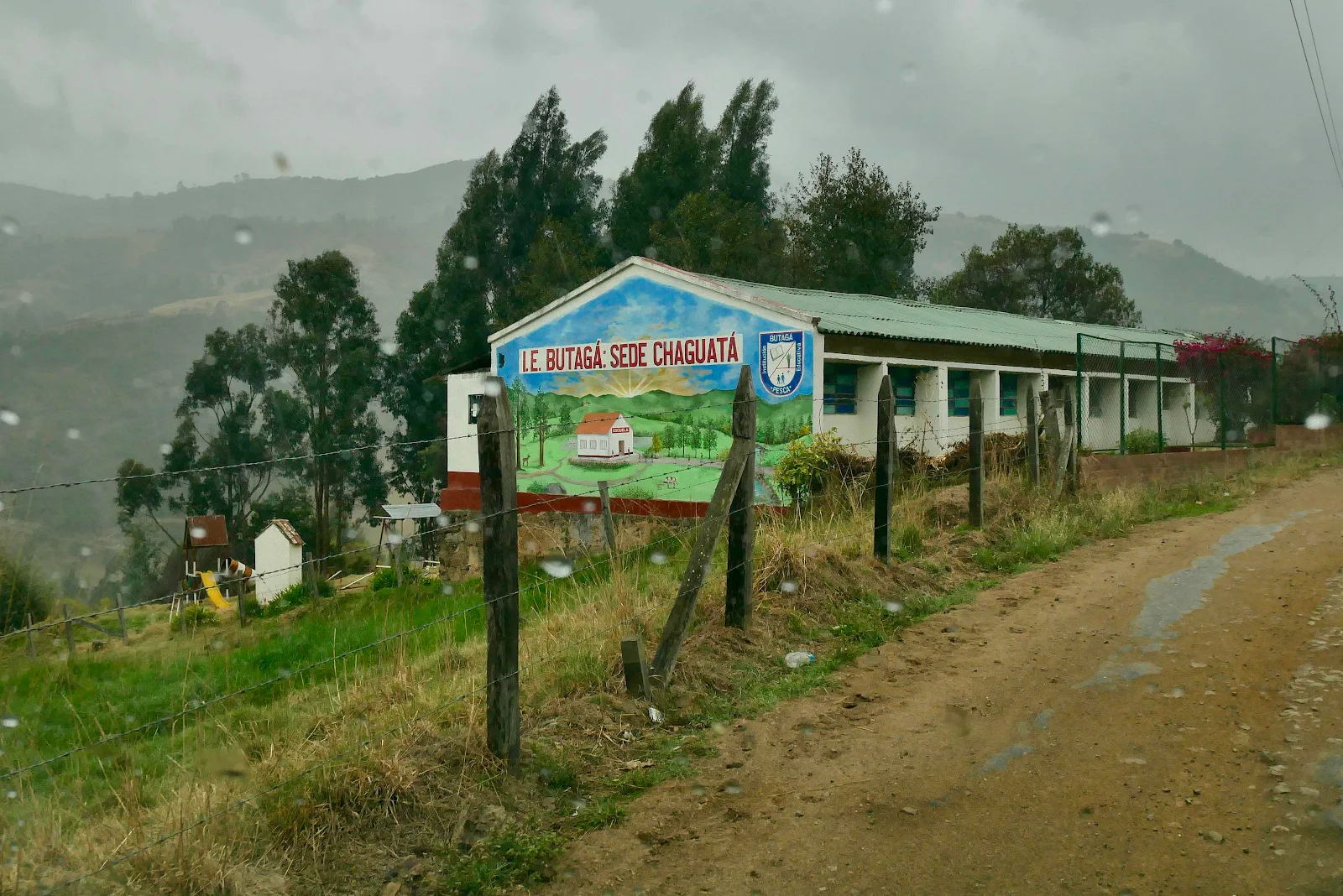
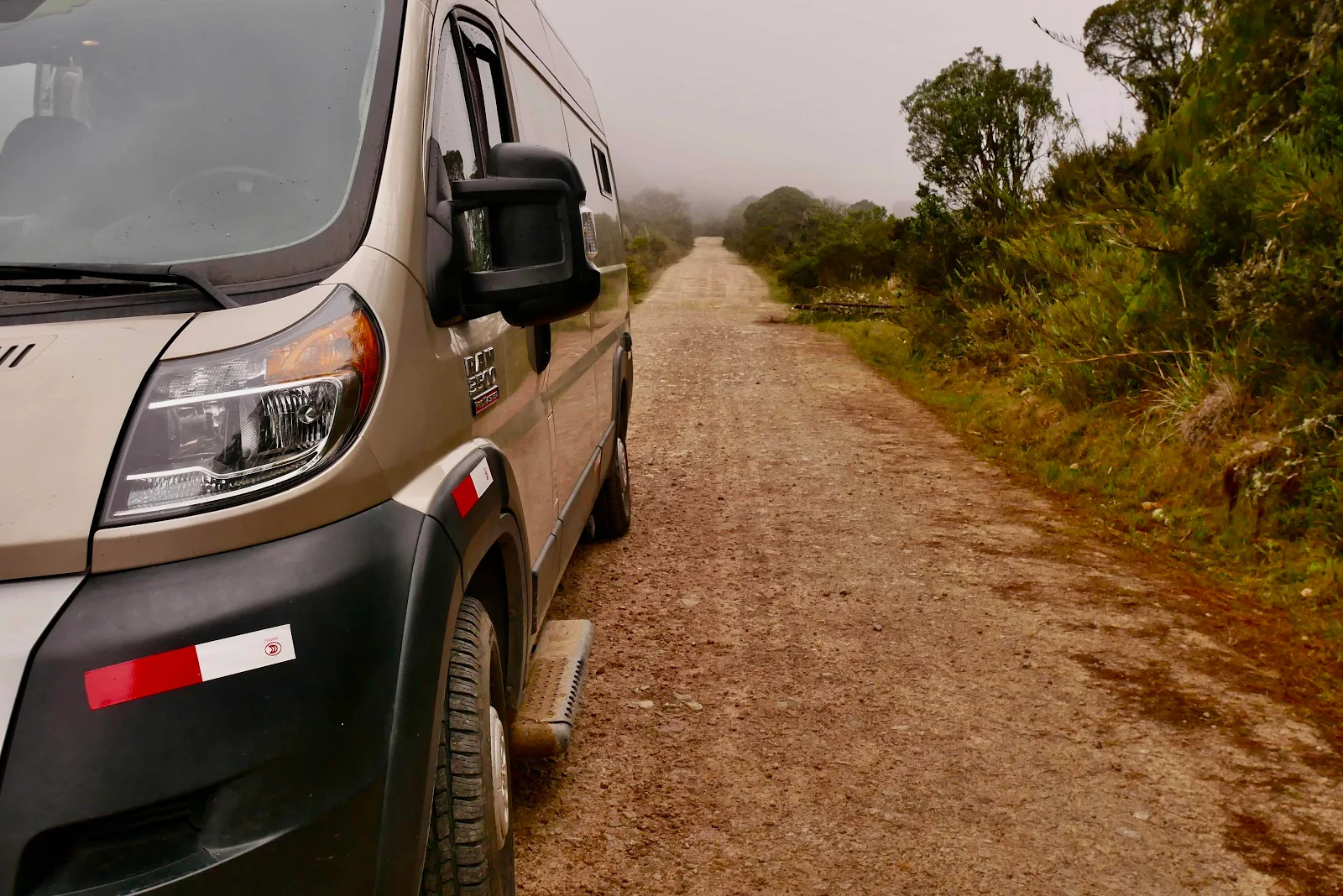
…and into the wilderness of unmarked dirt roads into the mountains. It was great fun despite a couple of light showers at the start, just enough to make me wonder how we would cope if the road turned to mud; but it never did. 


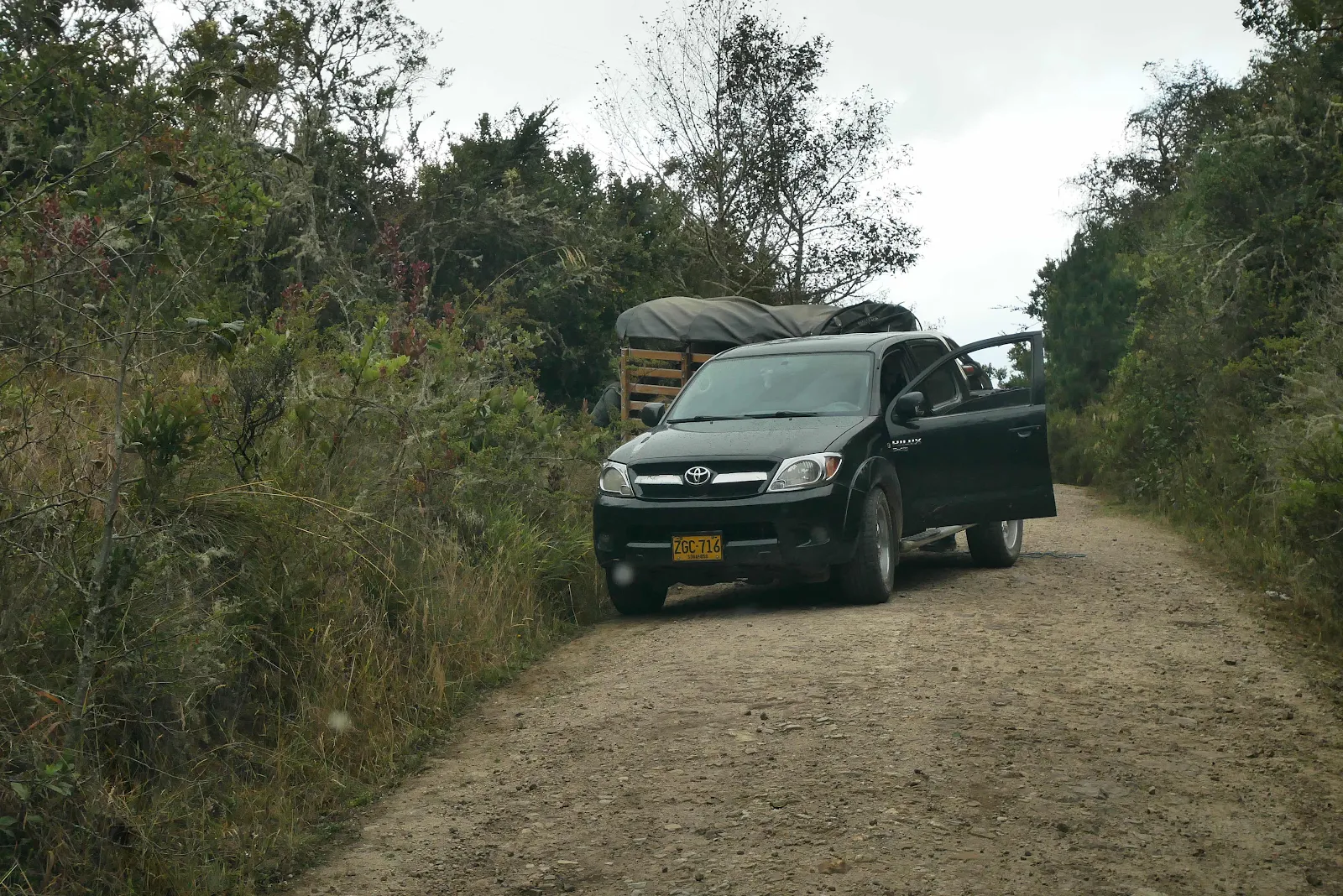
You just wait patiently while the locals load a reluctant cow into their trailer. 


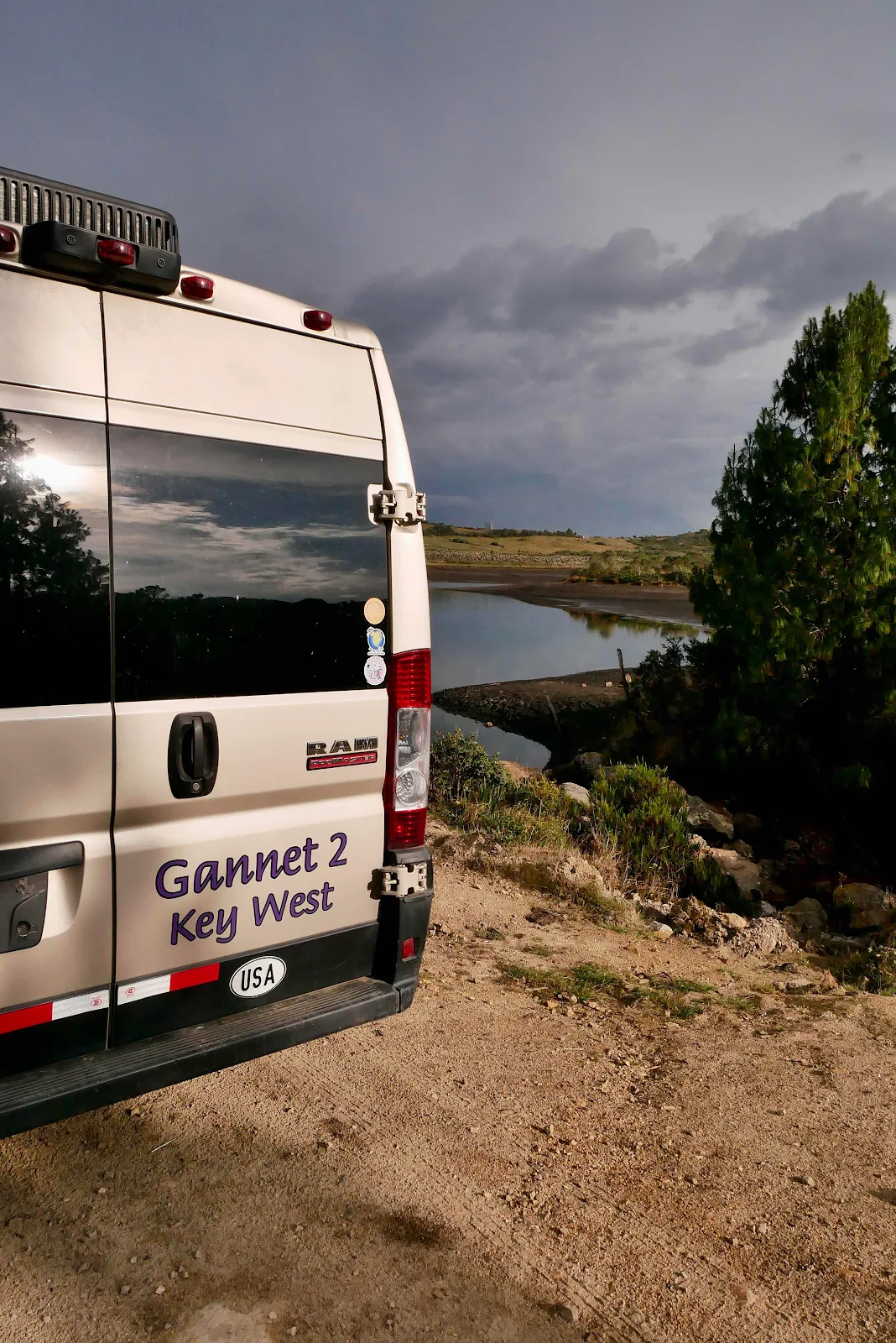
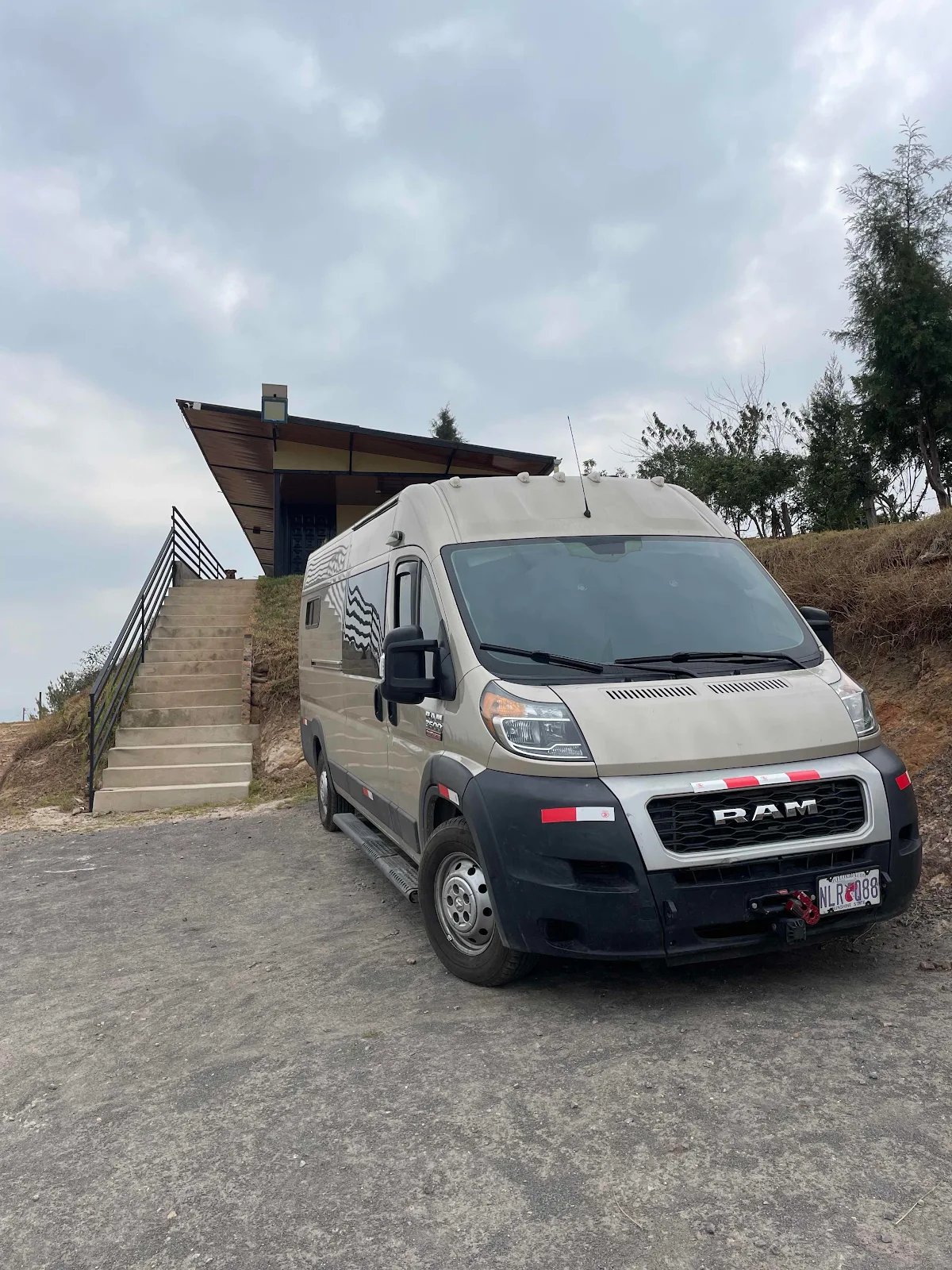
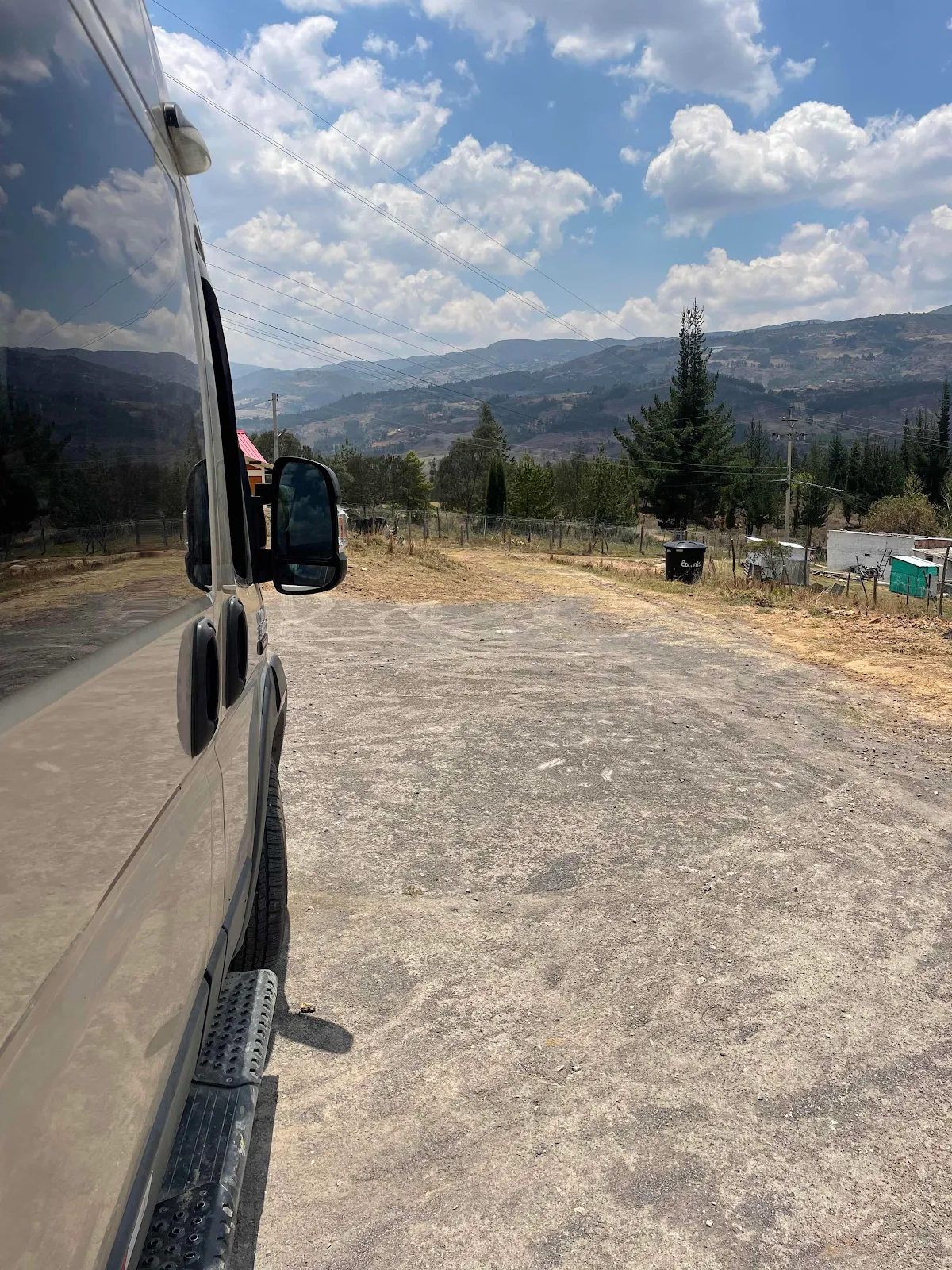
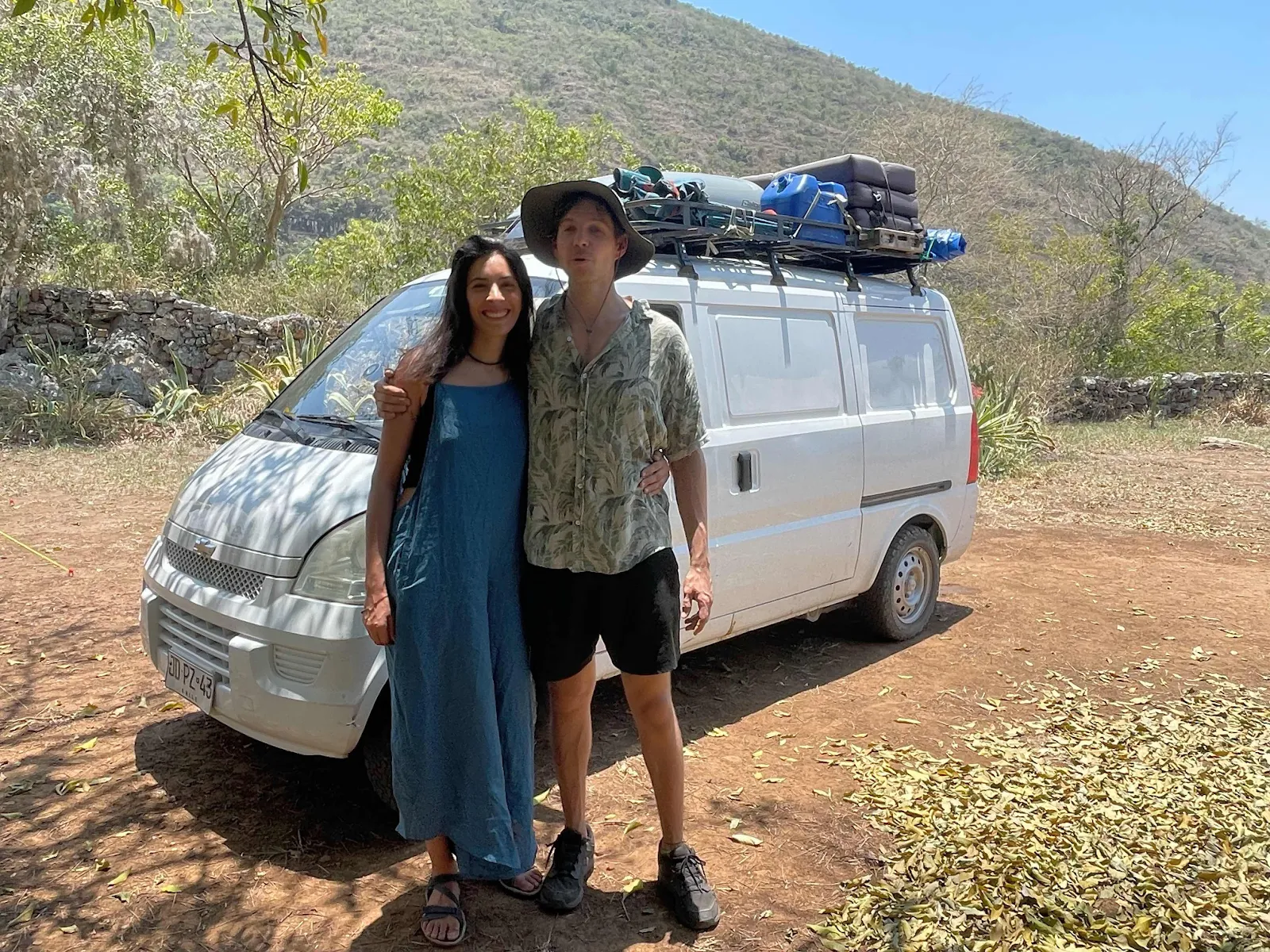
Have Promaster, will travel. 
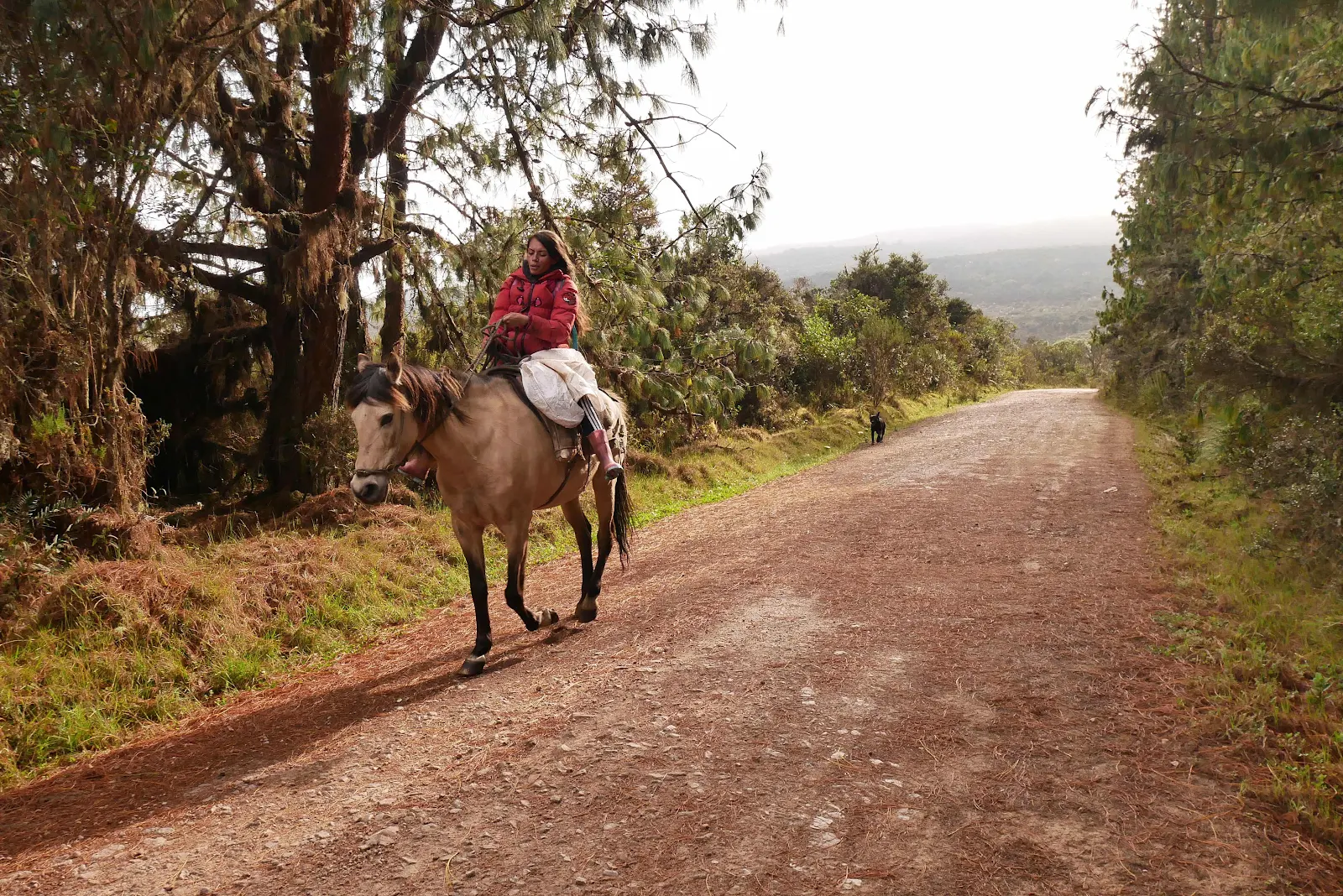
She was off running some horseback chore she told Hildebrando. And like that Maid Marian was gone. People live actual lives up here where we were just wandering around slack jawed. 
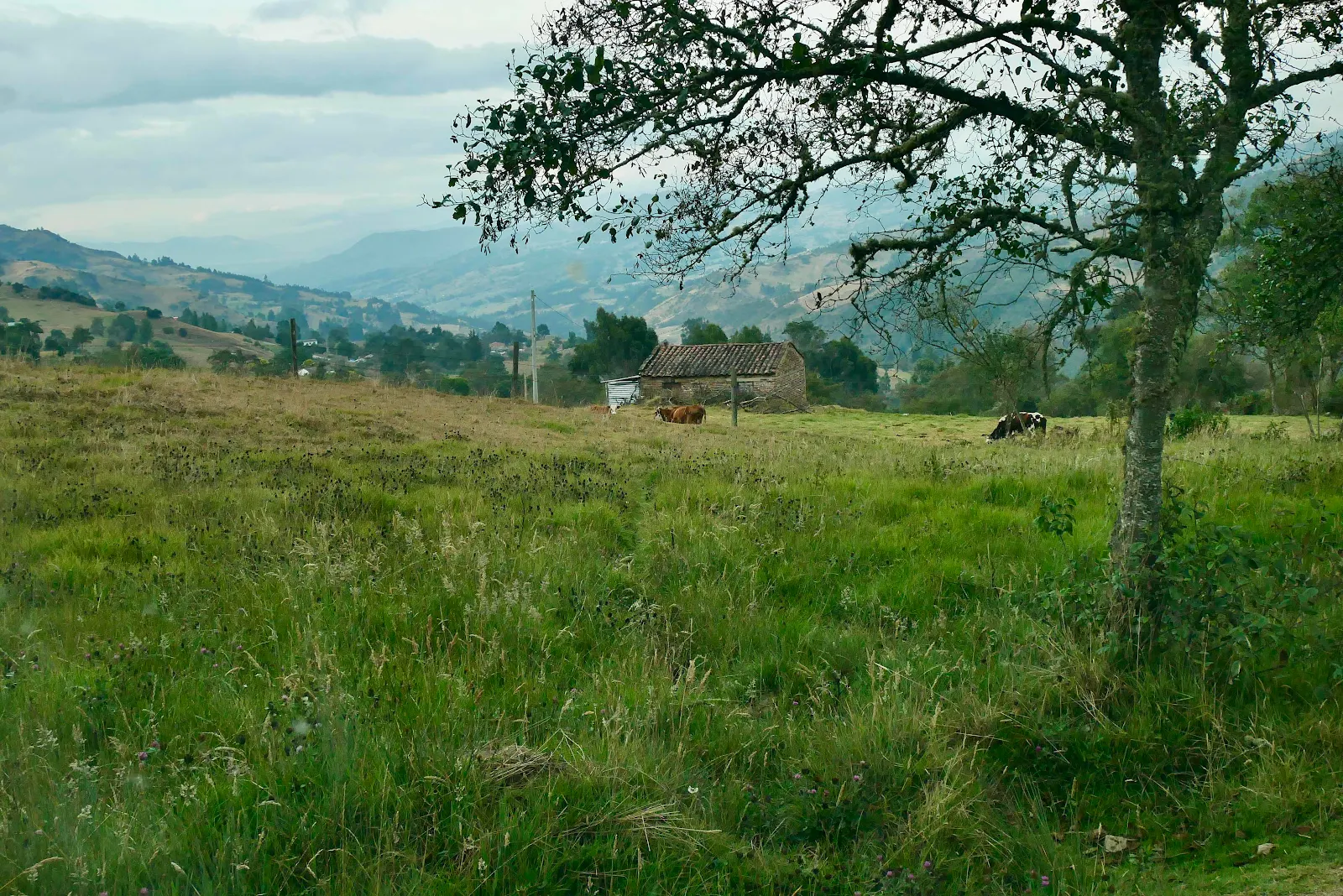
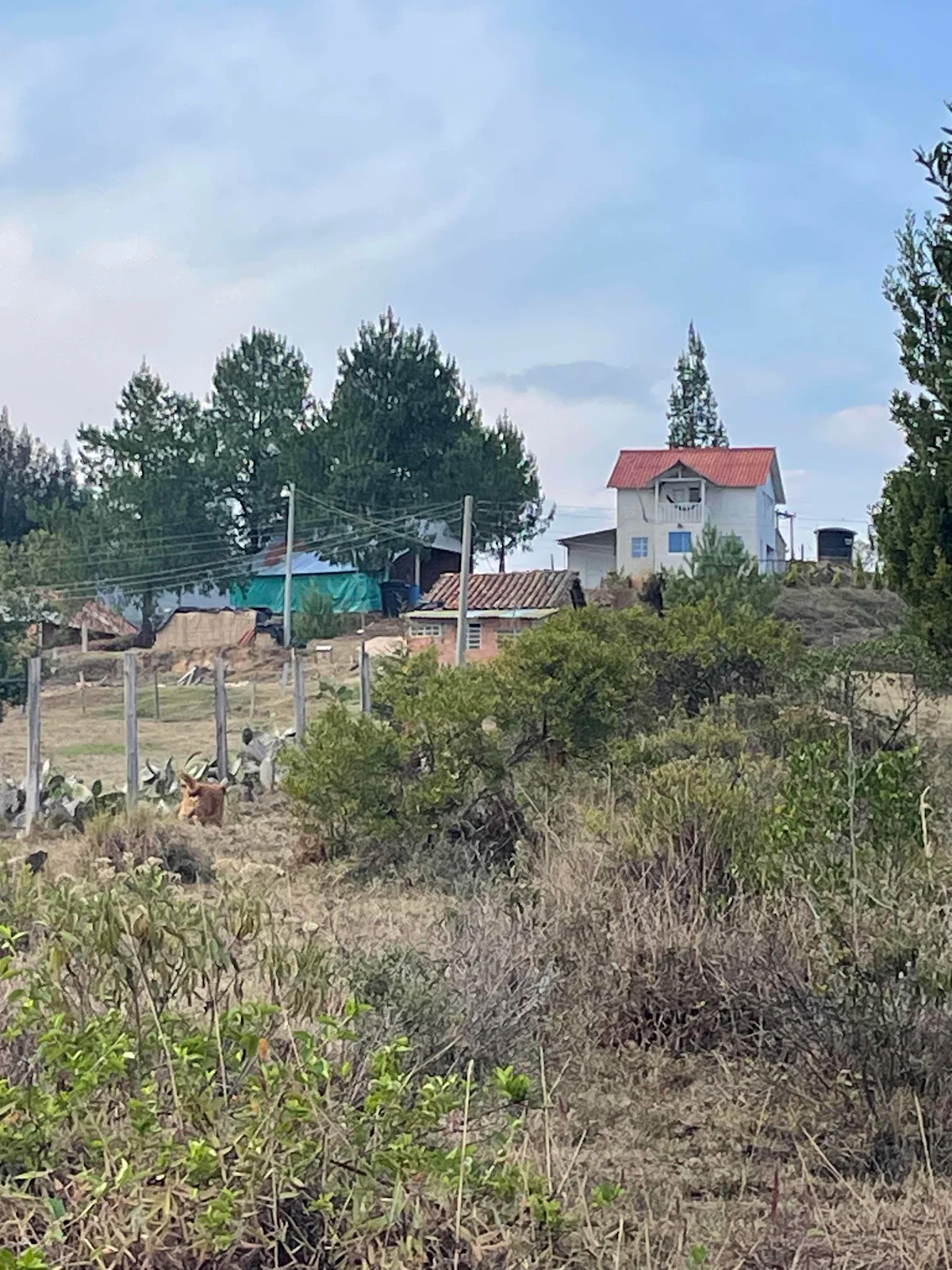
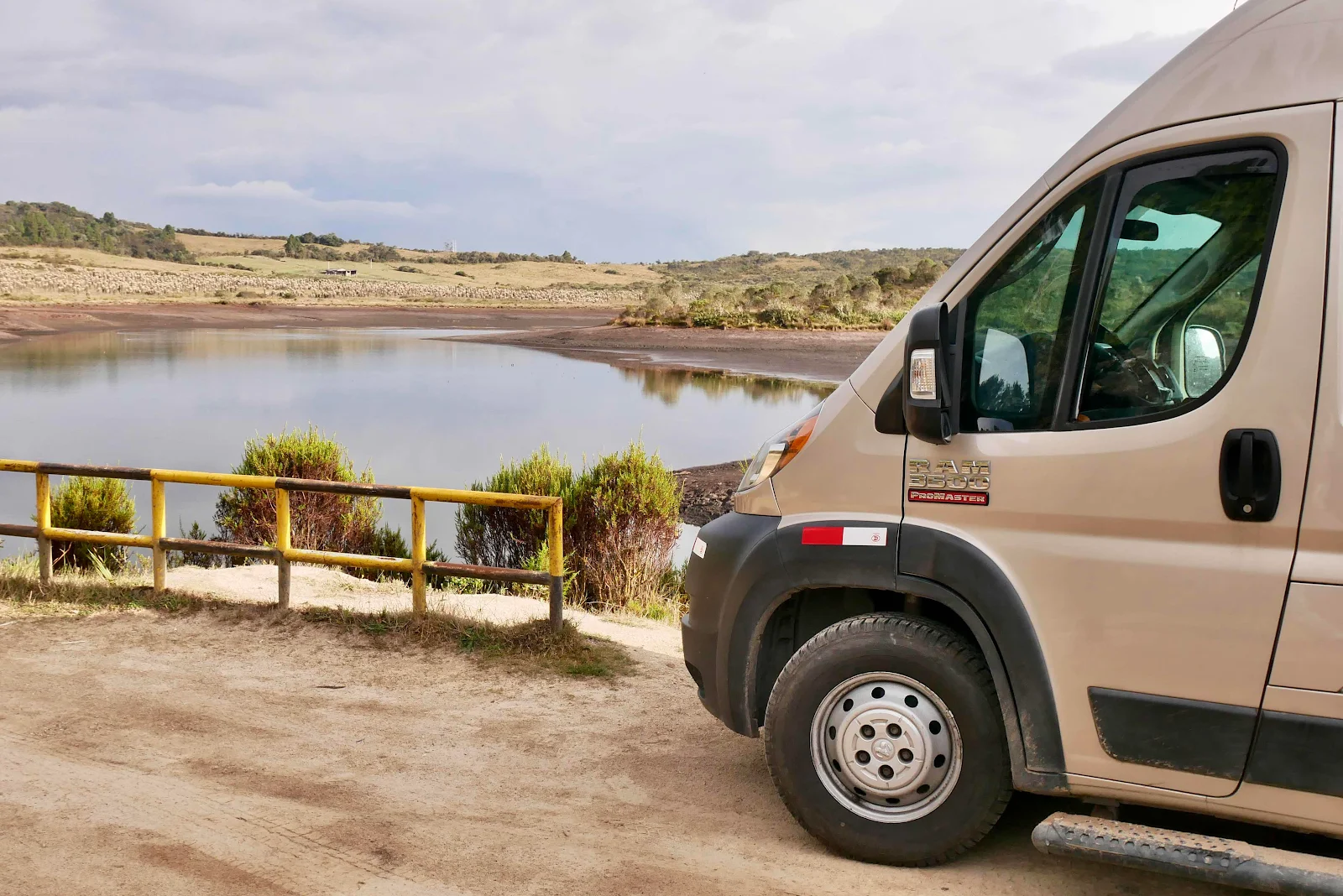
We parked next to the lake which was surprisingly dried up despite the efforts of the Big Friars to catch water from the mist and direct it to the Big Swamp. And the sun came out. Hildebrando told us the house across the lake is occupied by a local man hired as a ranger to protect the friars. That promotion came after he spent some time hacking them down to expand his grazing land. The poacher turned game keeper. 
For us it was a spot we could have camped for the night had we been alone. Had we been alone we’d never have found it so…
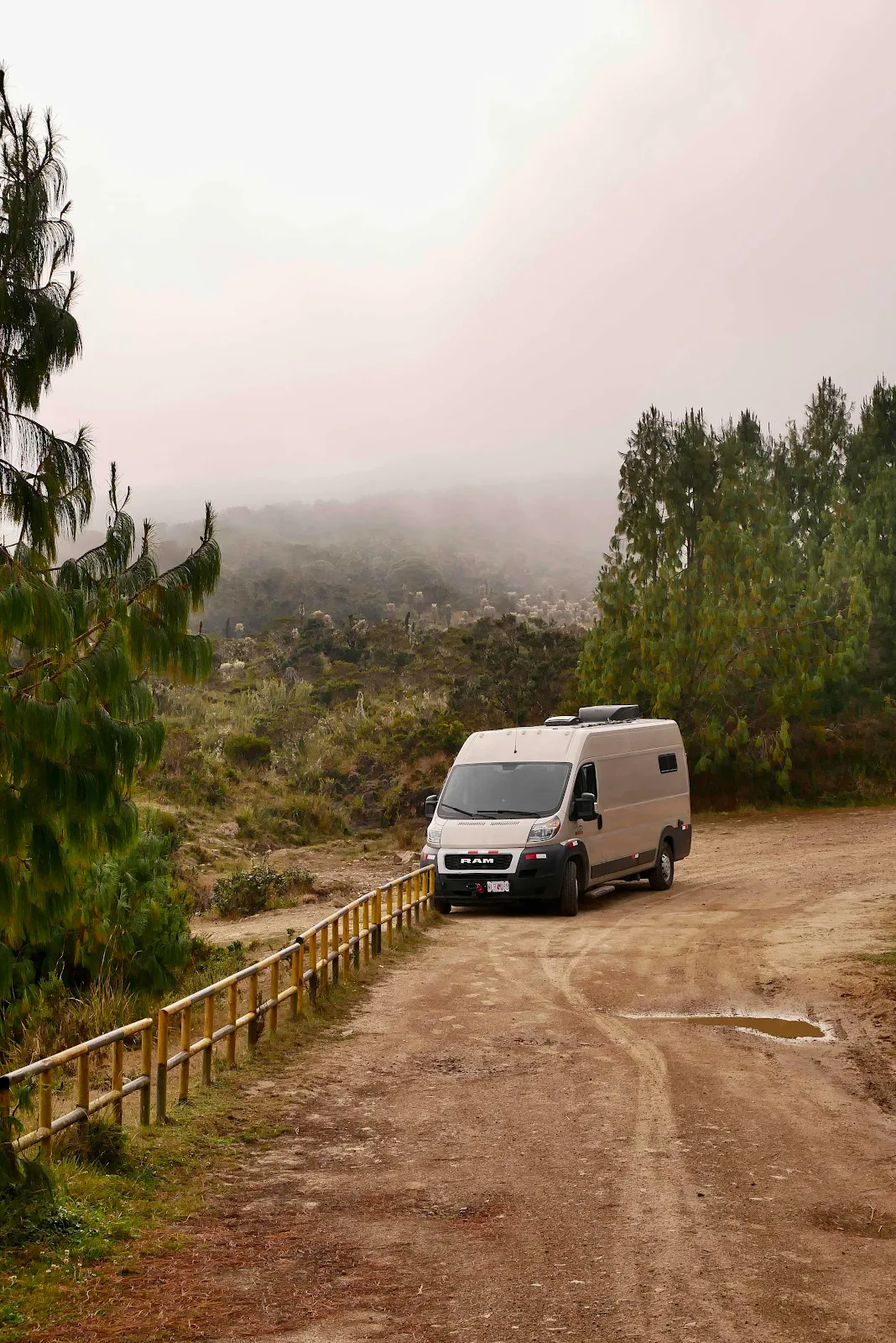
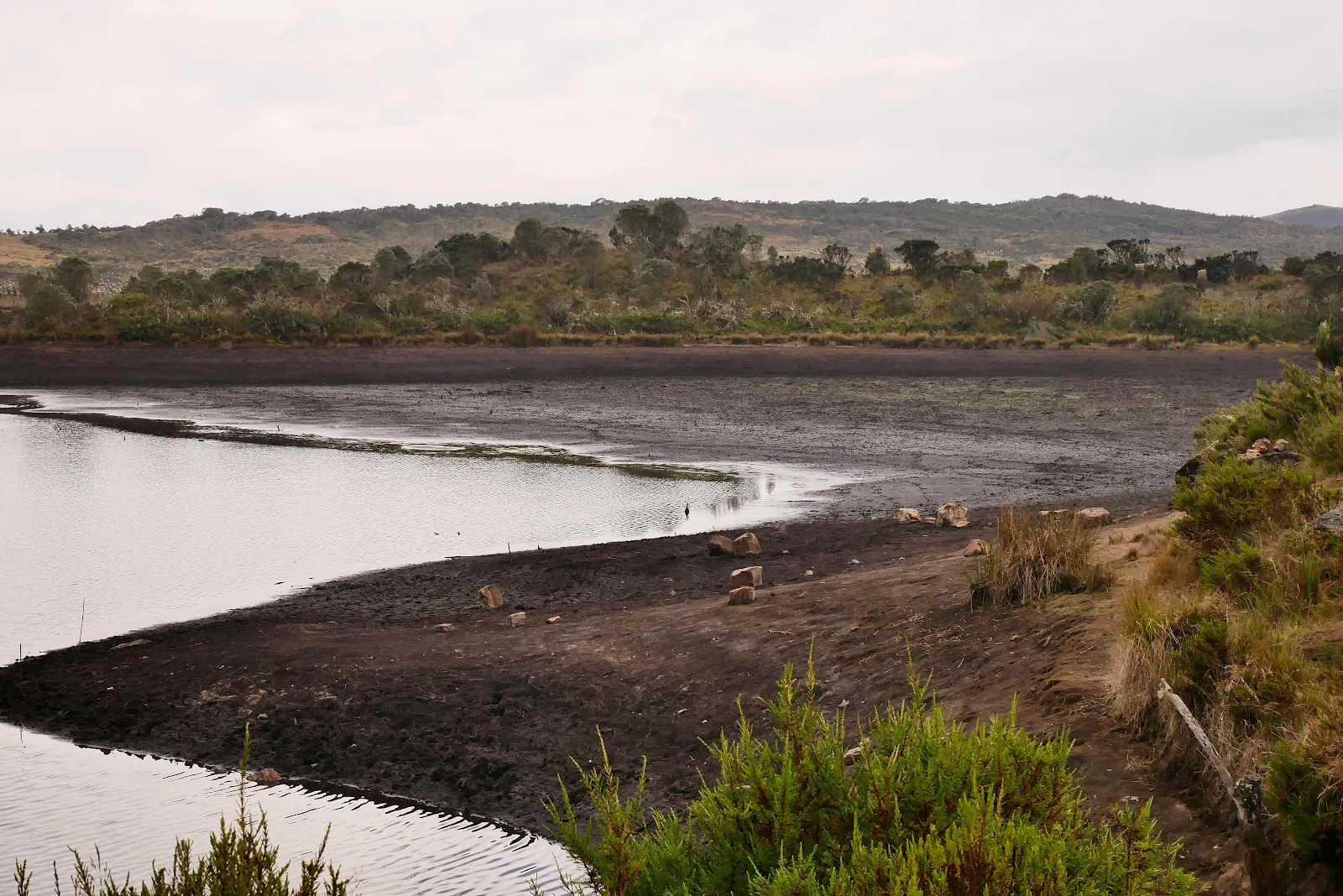
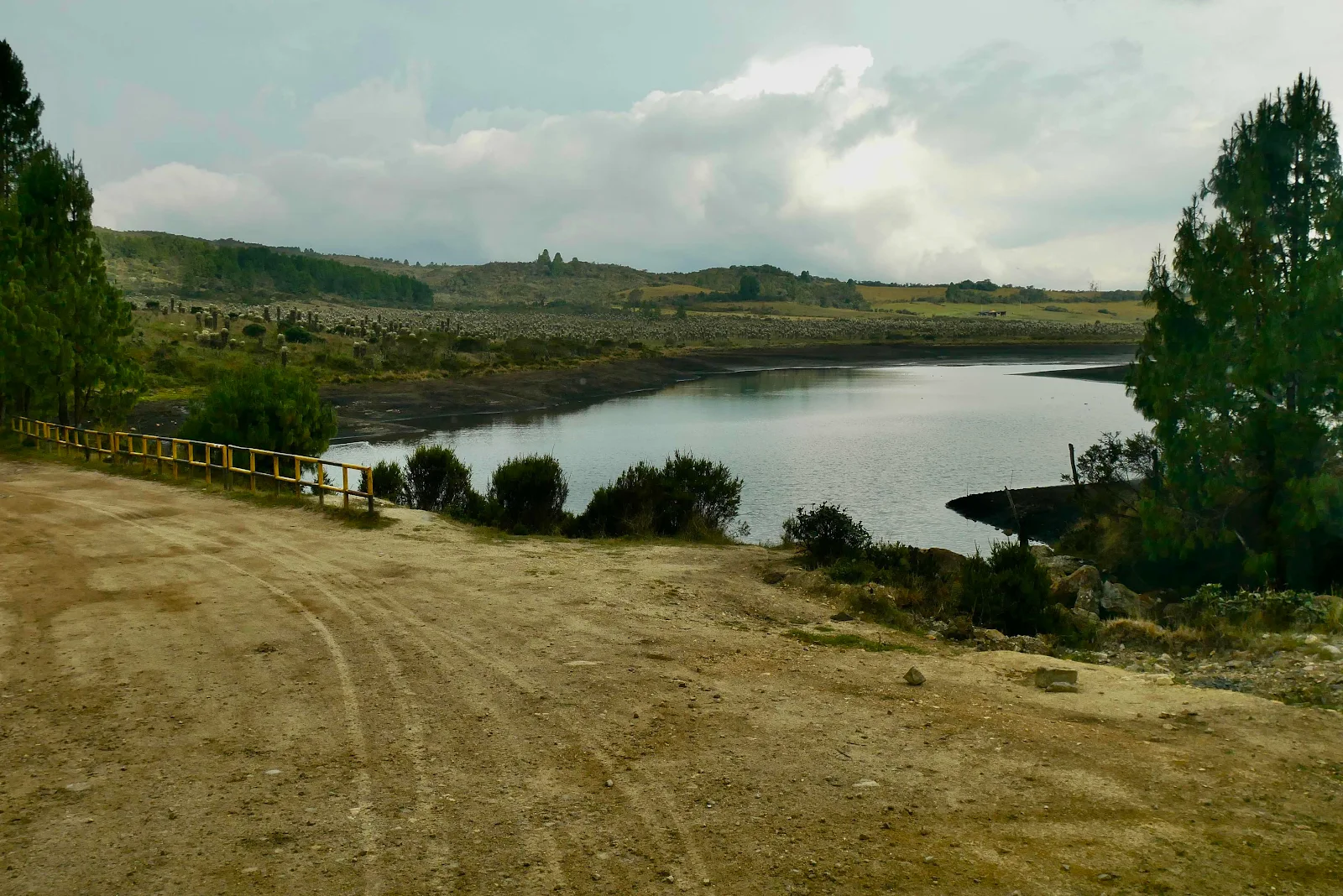
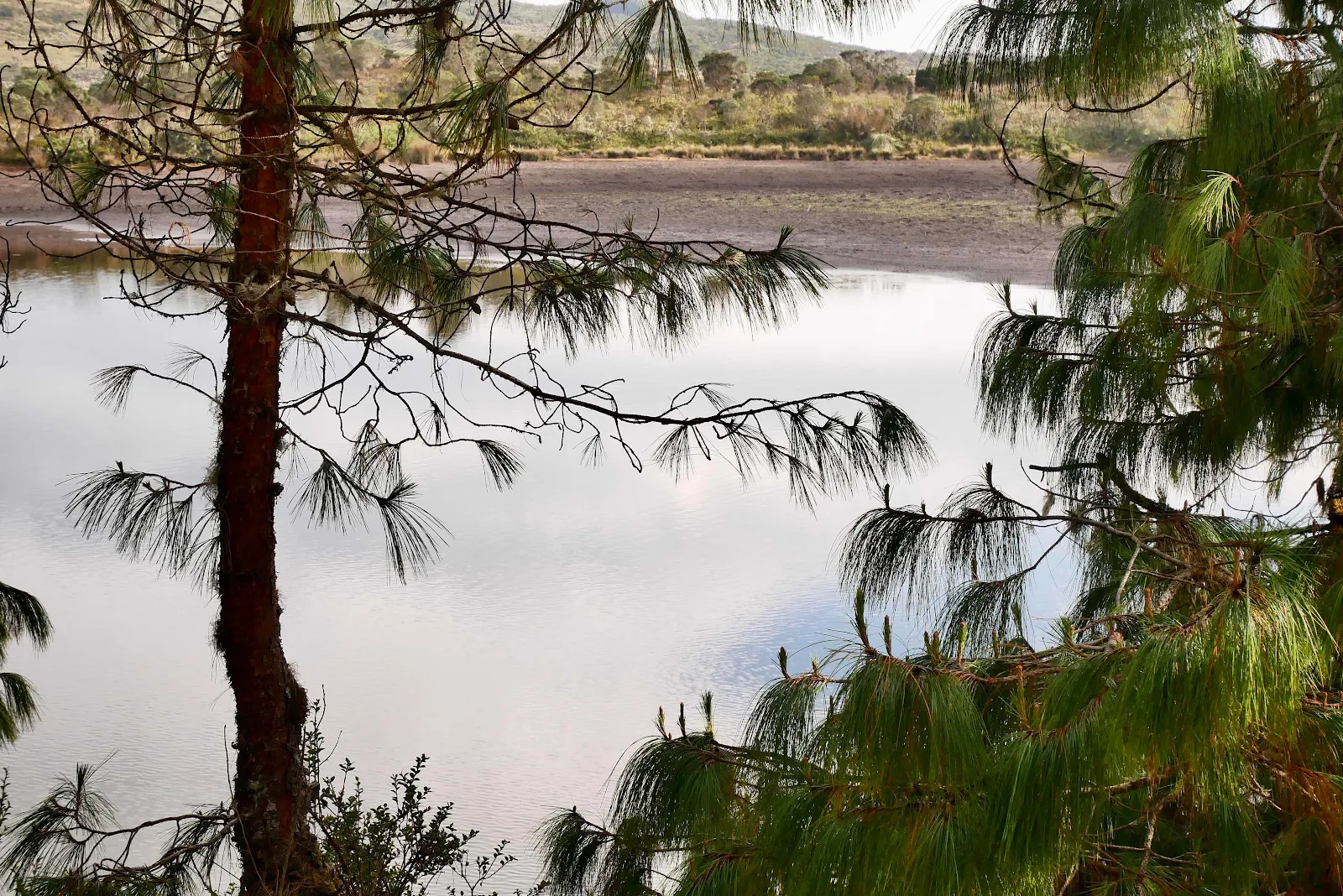


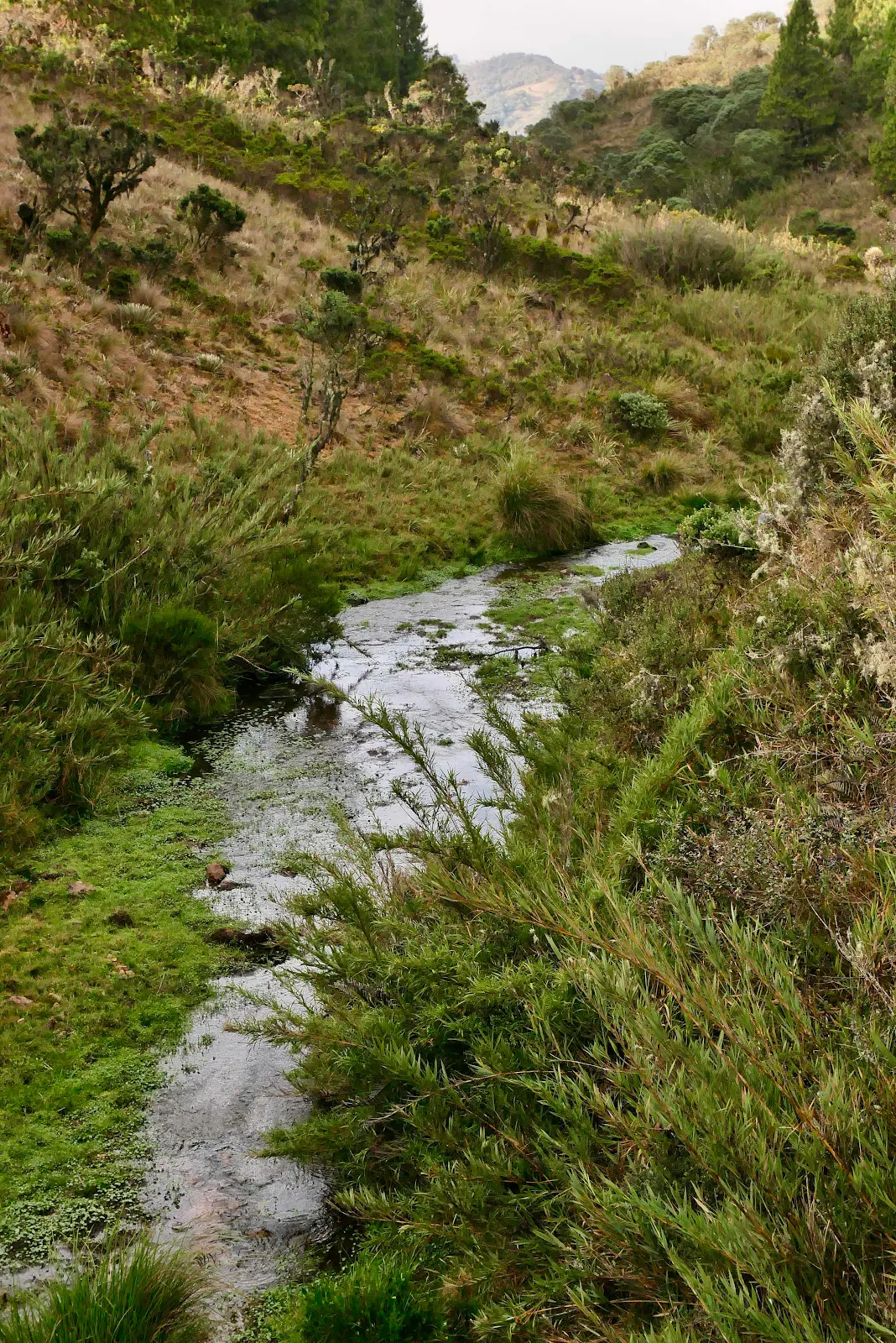
This, you may be surprised to learn is where the Pesca river rises and I wouldn’t have known had we not had Hildebrando with us. 


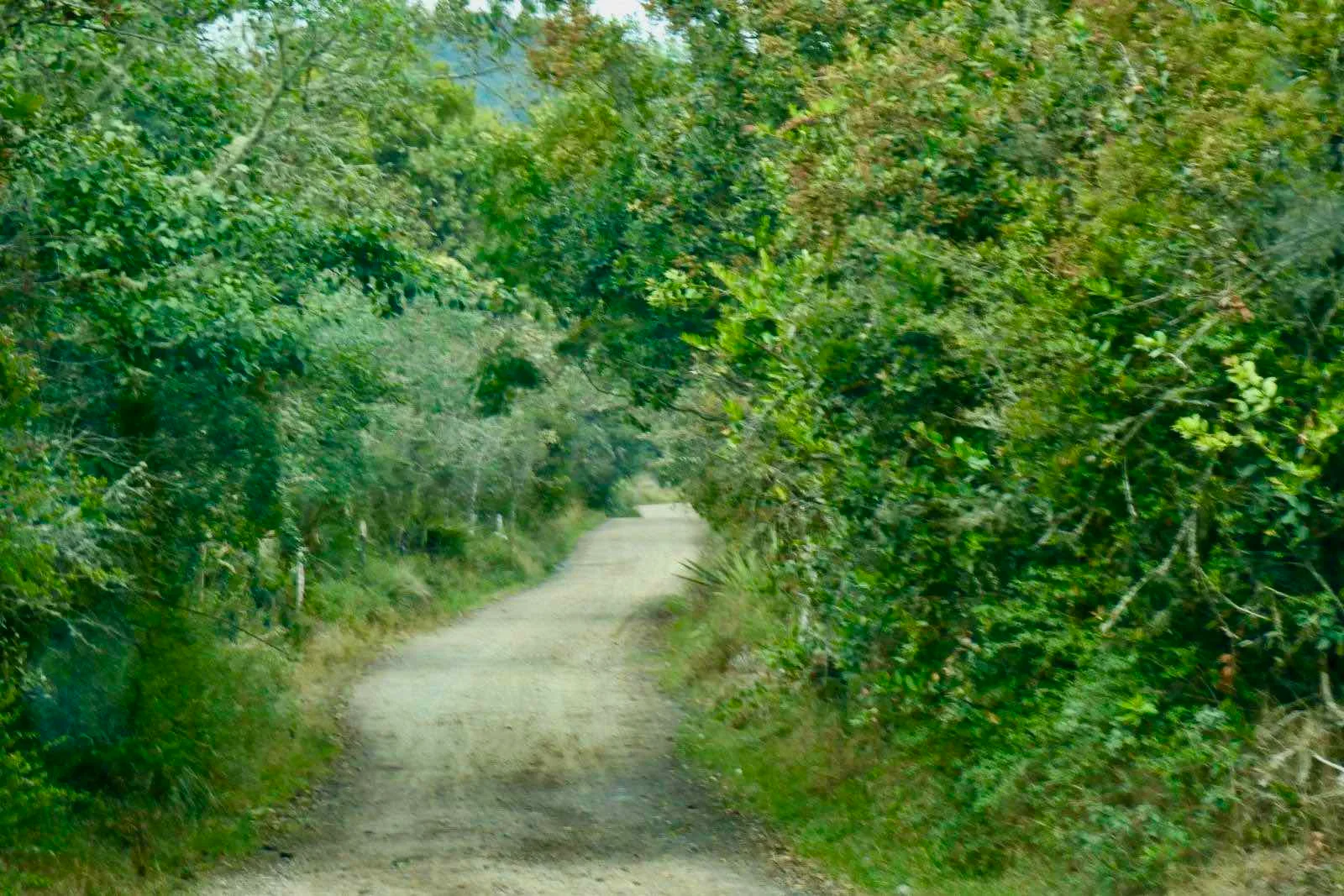
And so back down the hill to Pesca. 
It was a bit of a test for GANNET2 as well and she passed with flying colors, cool brakes and easy passage over the rocky dirt. We’re planning to buy some serious all terrain tires in Colombia to face the roads ahead. I’ve resisted knobby tires thus far but I think it’s time the front wheels are properly shod for what’s ahead. 
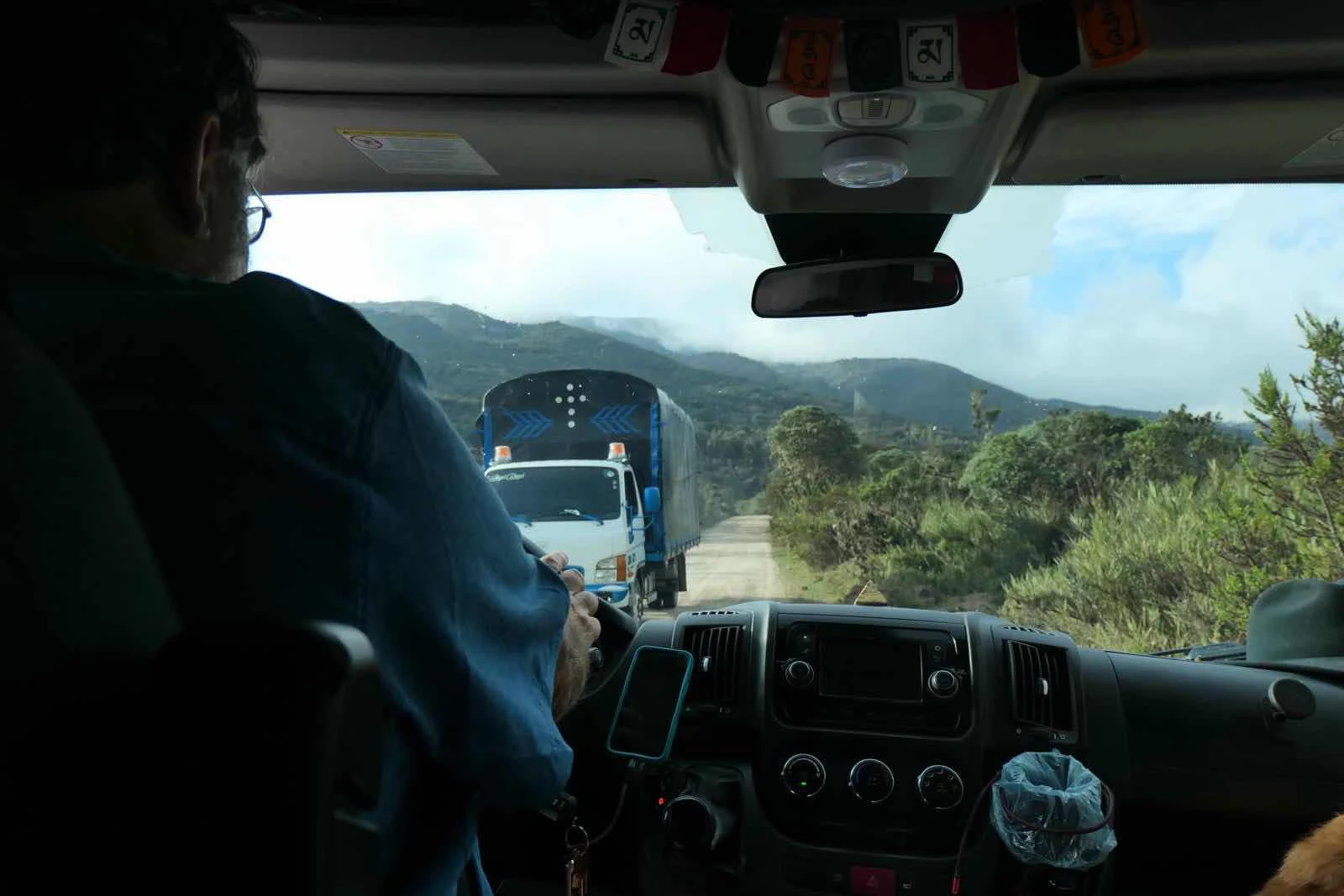


On arrival in Pesca back at 8,600 feet the brakes were nowhere near overheating and our check engine light went off on its own so I’m hoping the computer is getting to high altitude better than I am. 
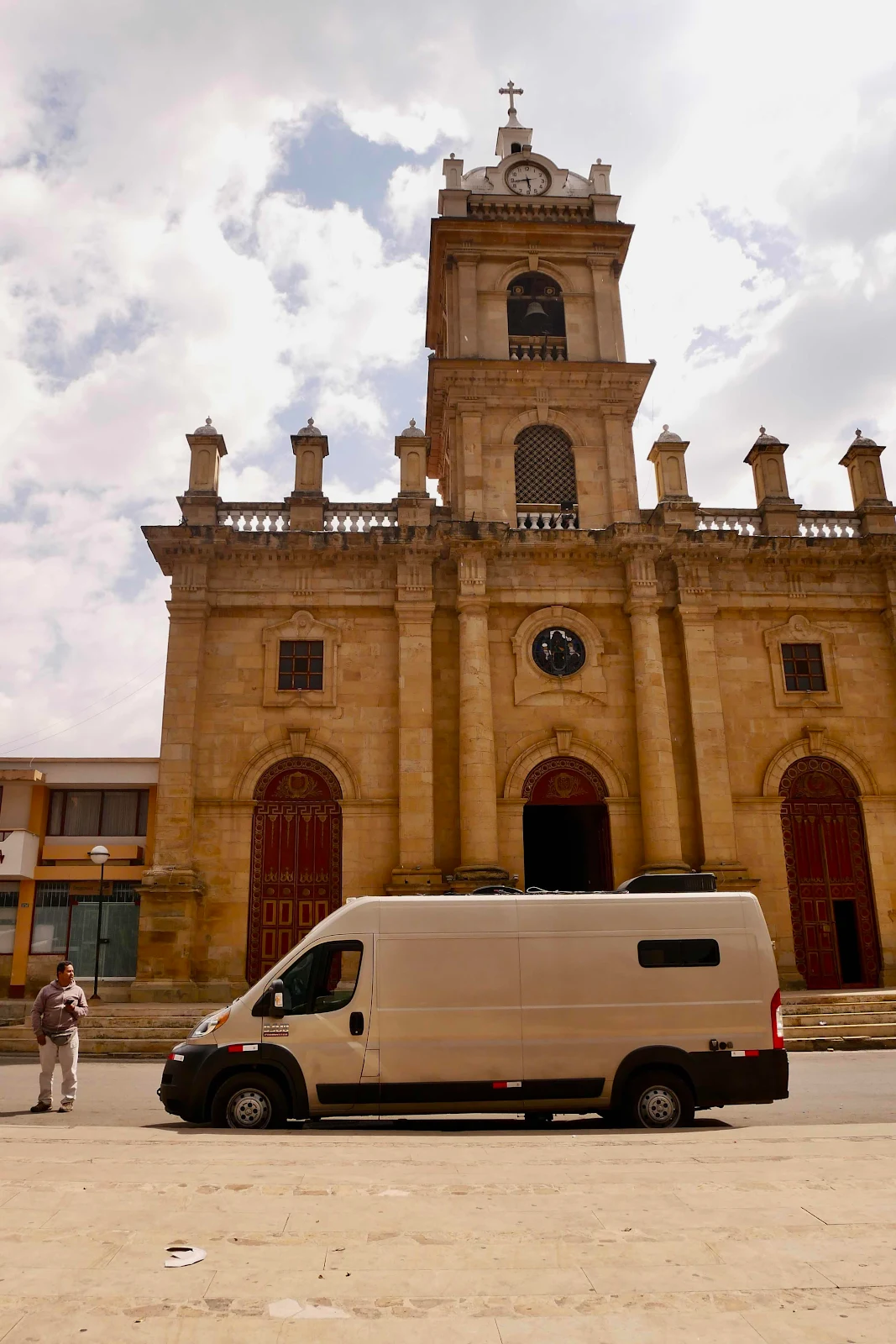
And so back to our heated apartment. Layne made arepas purchased in Pesca with longaniza sausage, a specialty of Boyacá Department a spicy mixture of pork and beef. 
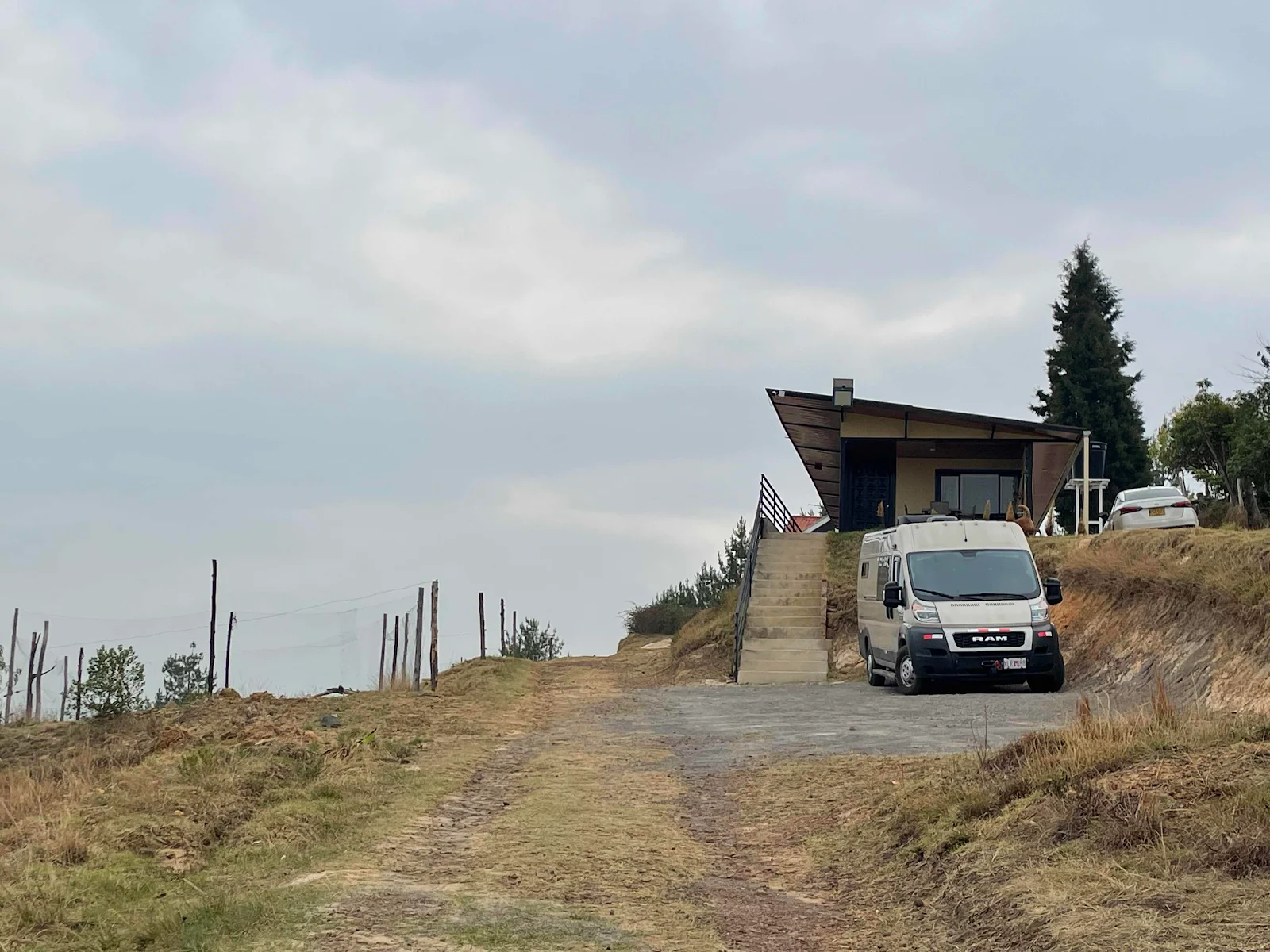
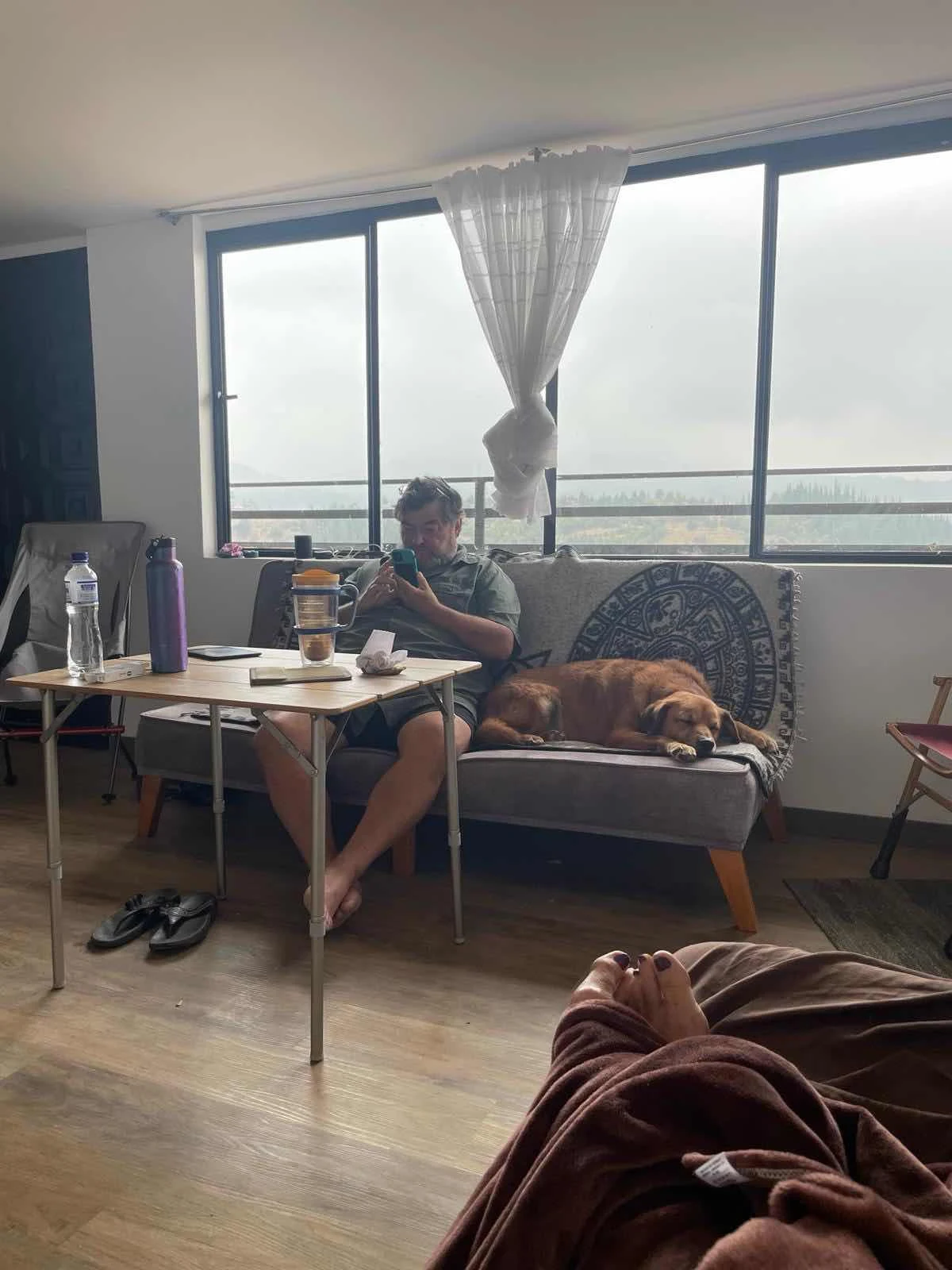
Rusty snored loudly after his dinner. 

Wednesday, March 27, 2024

Gringo Semana Santa

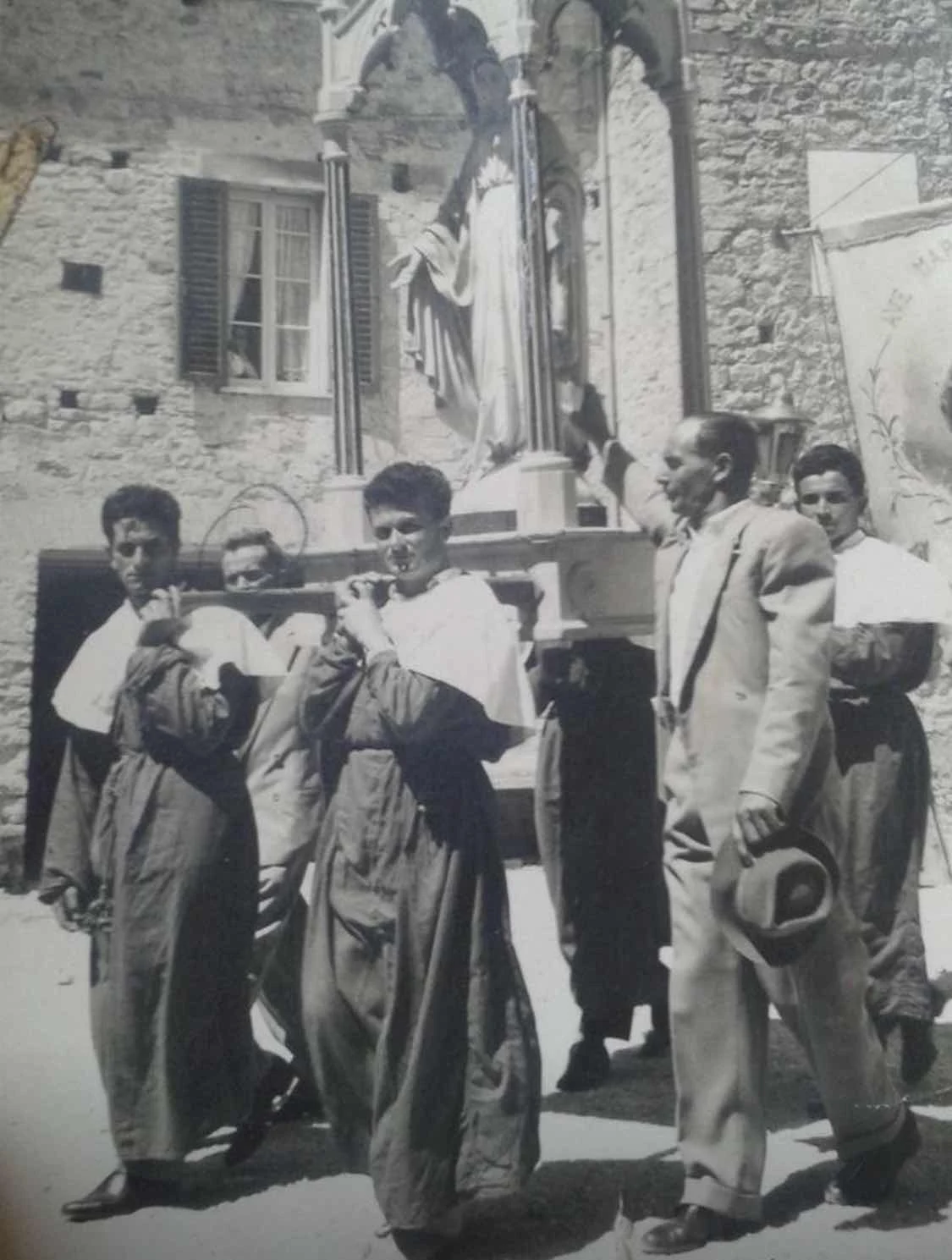
I am not a fan of crowds and I grew up in rural Italy so I’m no stranger to religious processions. 

So that means I’m not too excited to be around crowds on vacation for a nominal religious holiday. 
We’ve experienced Holy Week shutdown in Mexico and even Easter in English speaking Belize so this week we are ducking out. Layne is Jewish so Easter is a bit vague for her and Rusty hates fireworks so Semana Santa for us all is a private affair even though we find ourselves in a culture devoted to family and sharing and public joy. You could say we decline to fit in. 

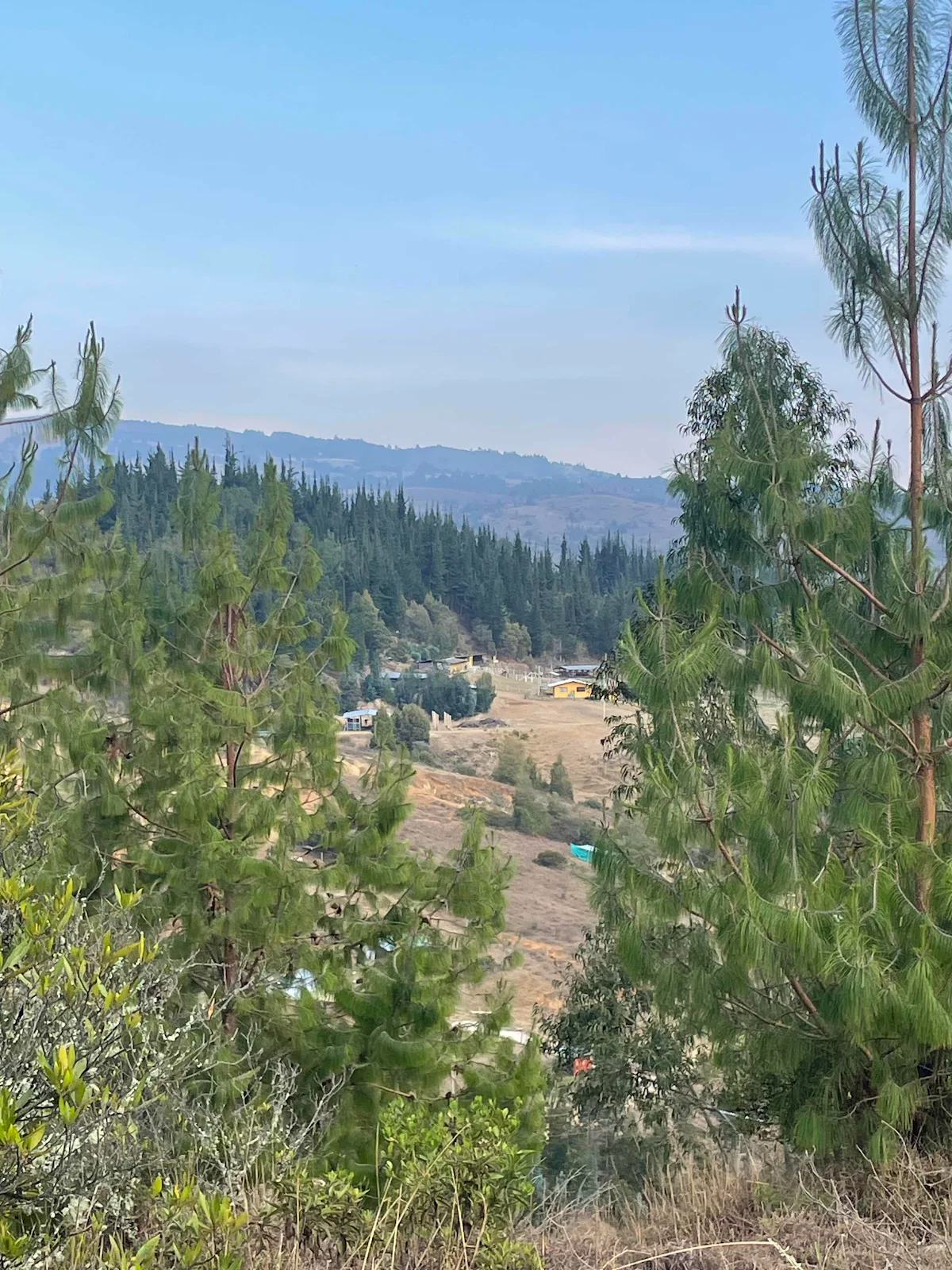
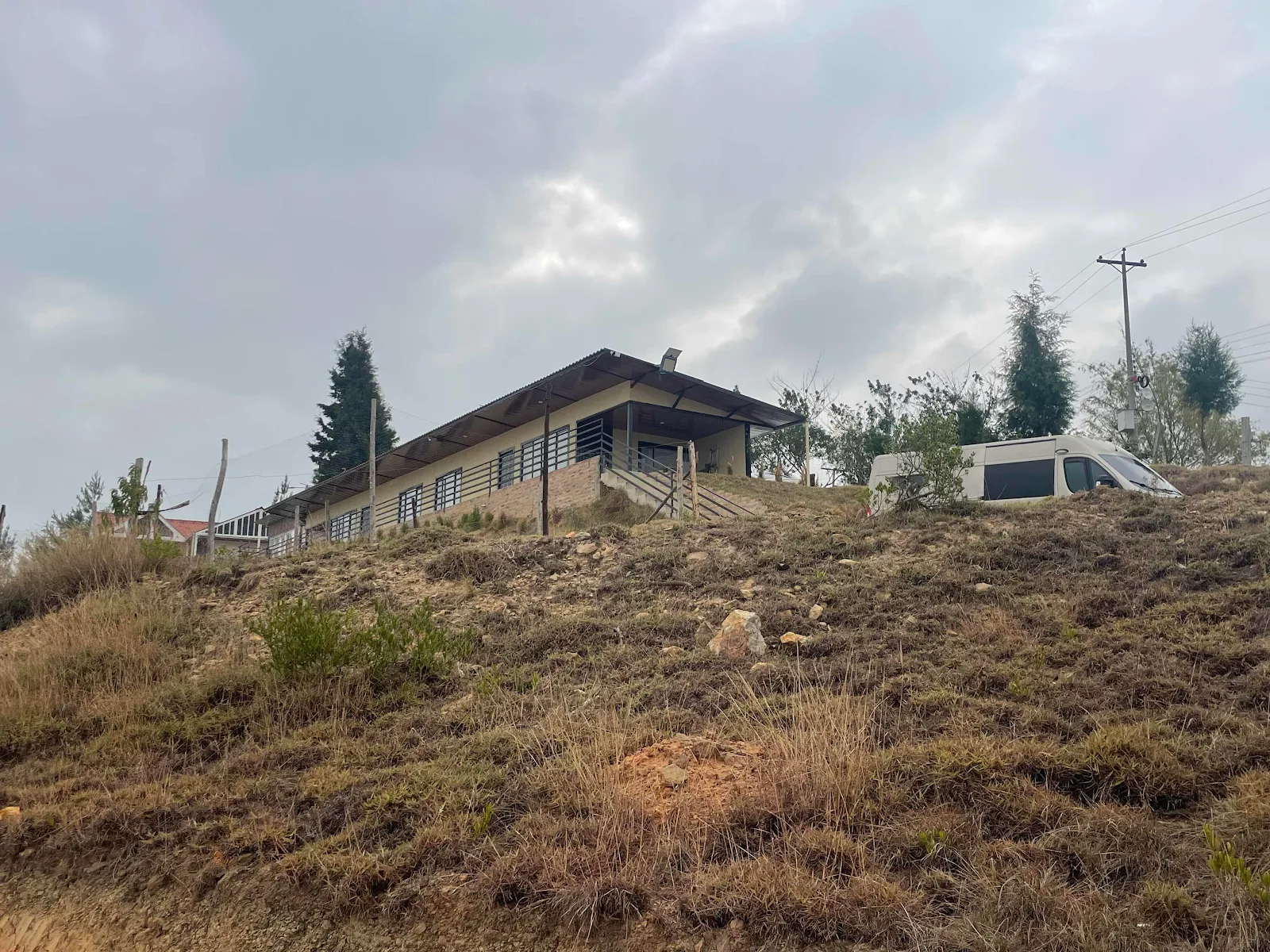
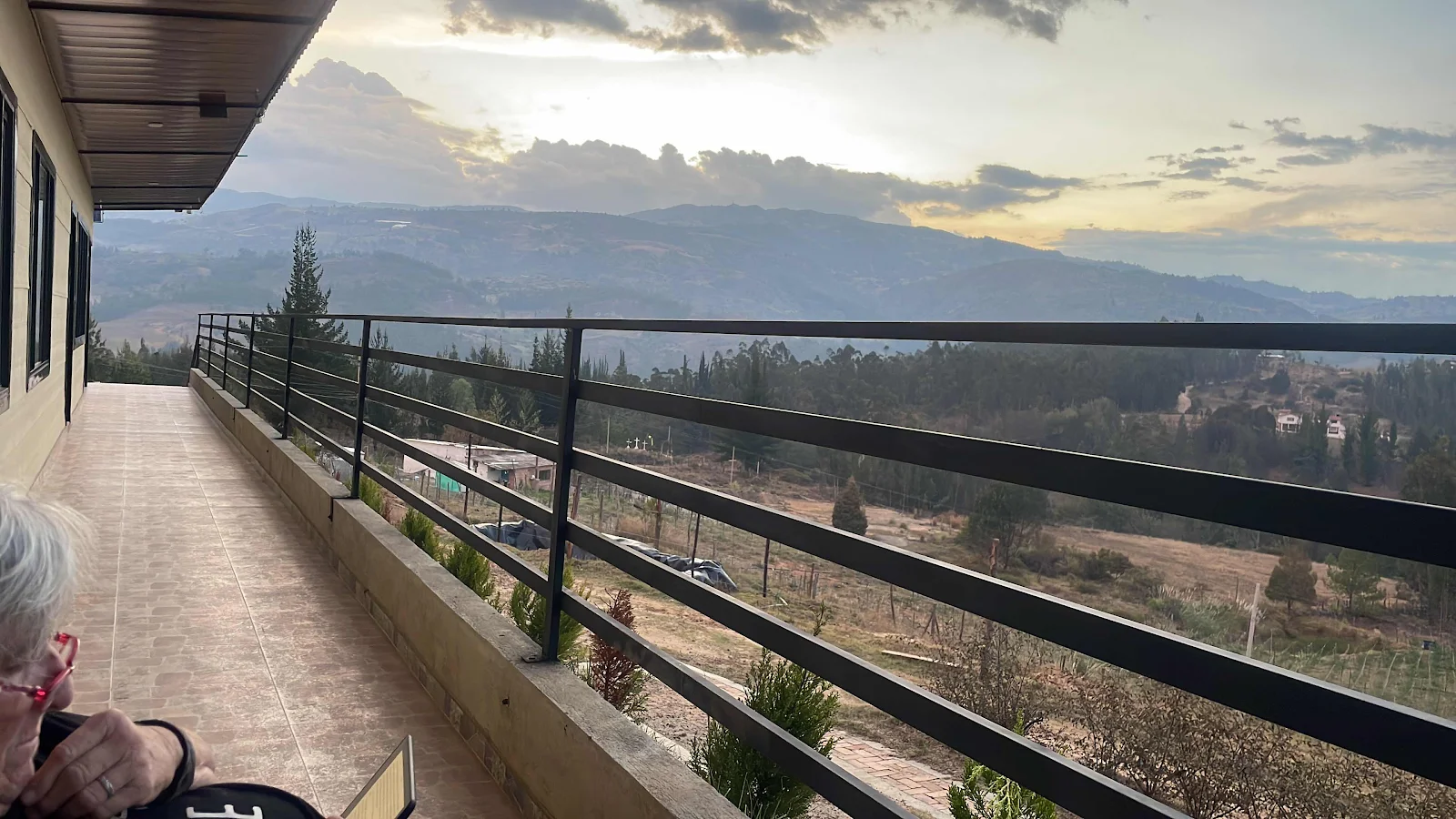
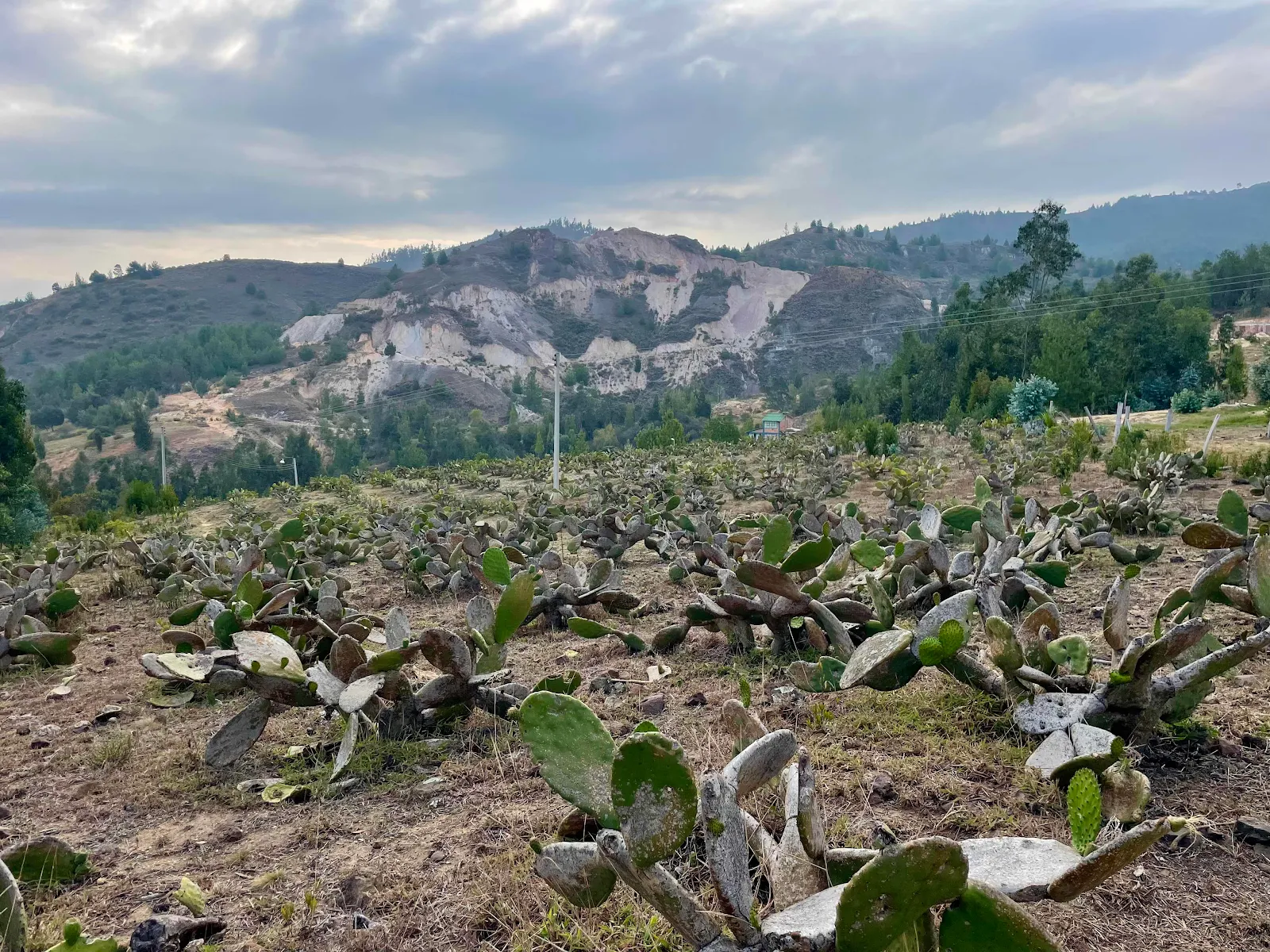
Layne found an apartment on a farm in the mountains for ten days far from stereotypical madding crowds and here we are learning to breathe at 8600 feet in a one bedroom apartment that has heat. We are just five degrees north of the equator but it is cold at night, hovering between 40 and 50 degrees and this is just the start of the mountain range we plan to drive at heights between 12,000 and 15,000 feet. 

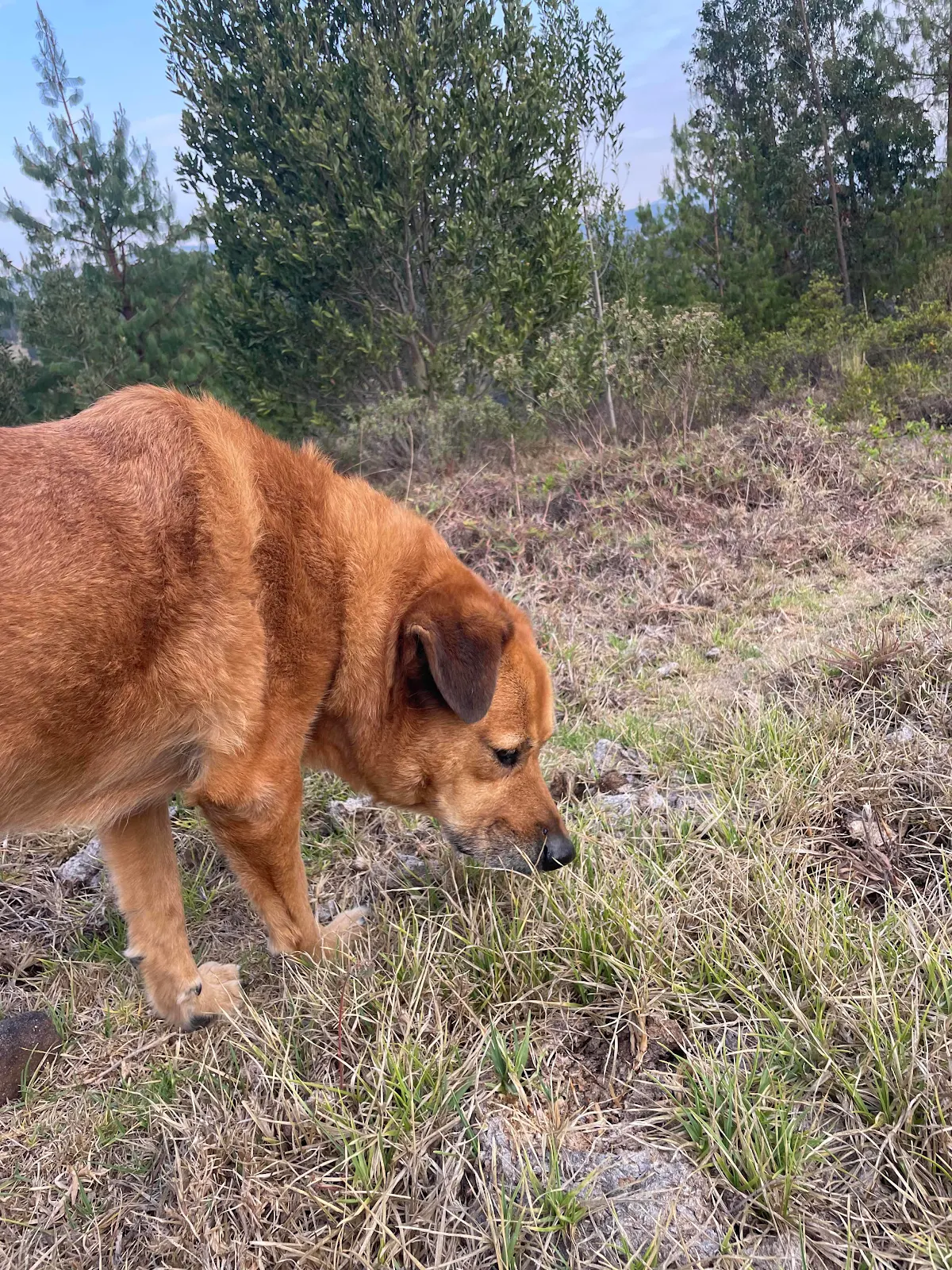
Rusty is slowly learning to appreciate this place with its many dogs and chickens and sheep. 

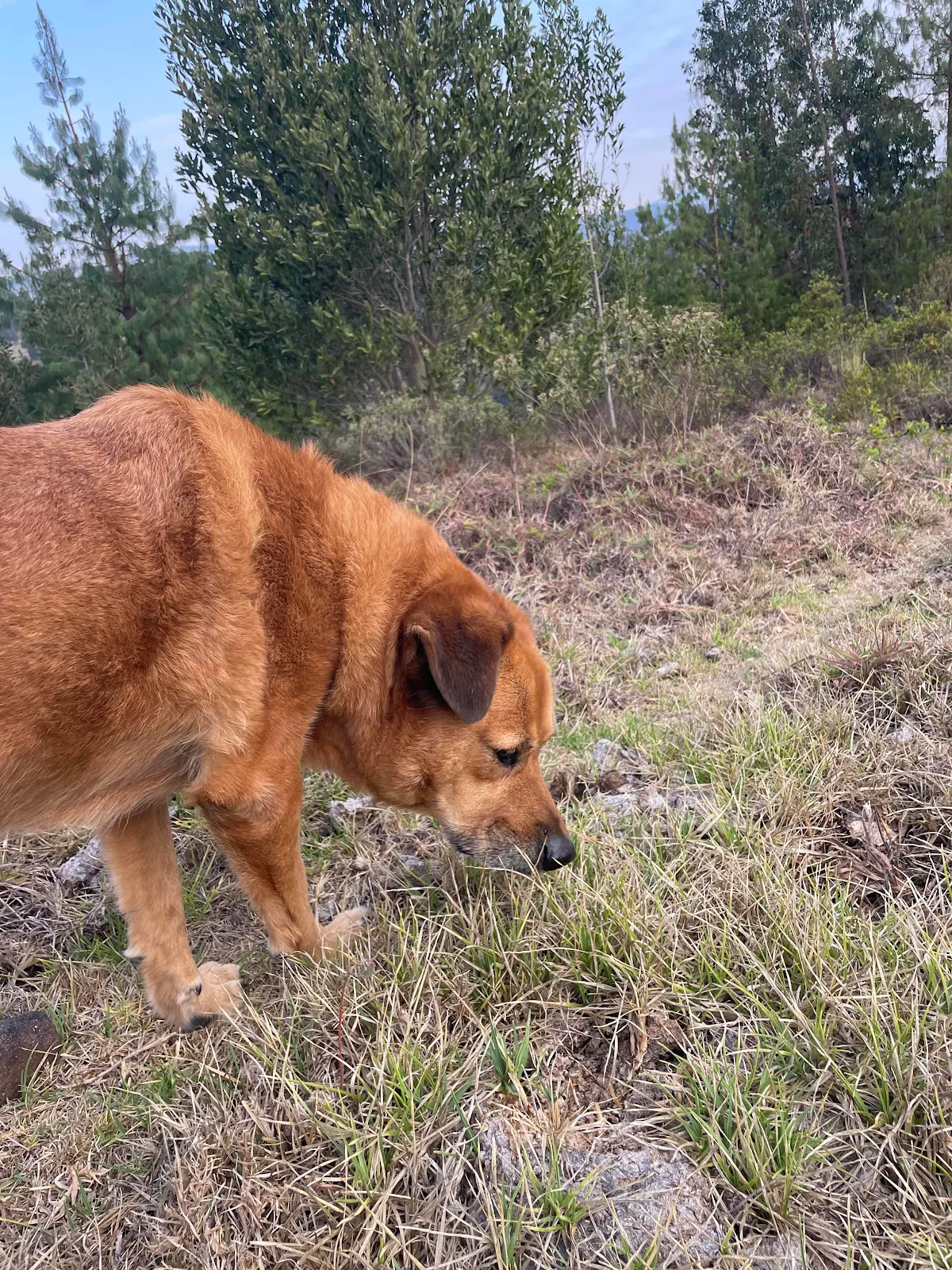
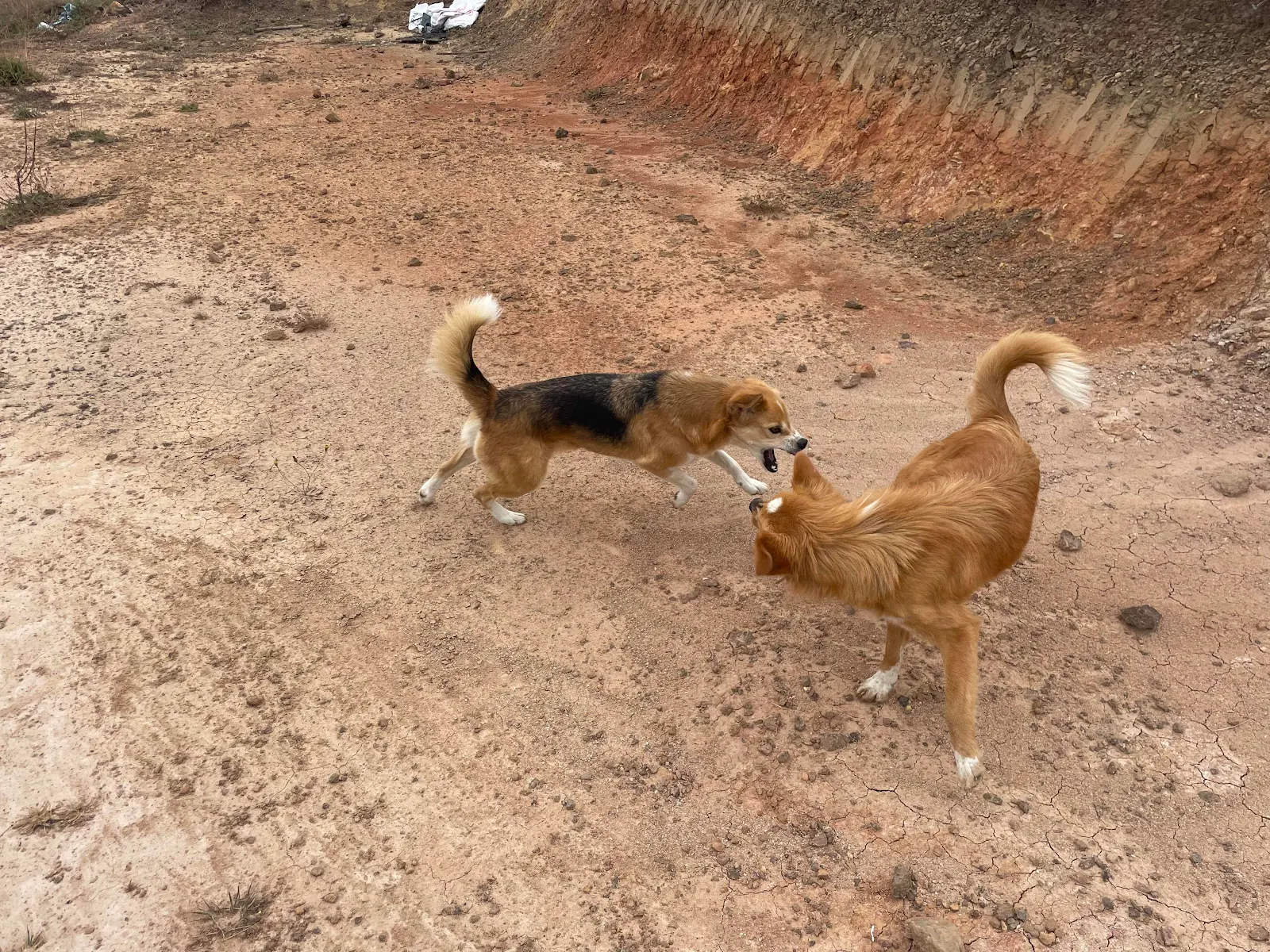
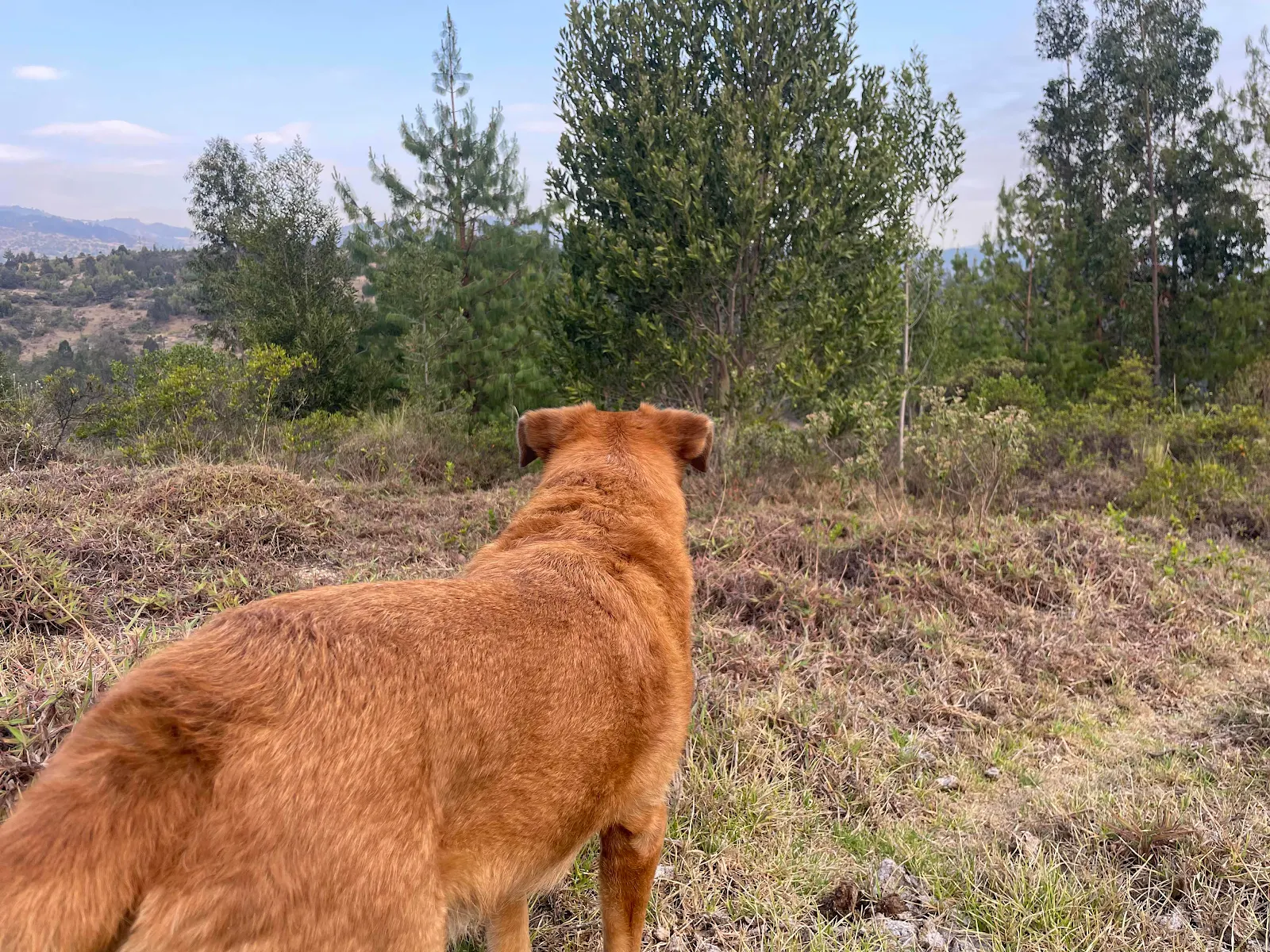
The local dogs are sweet and inquisitive but I have to guard against being too friendly. Rusty is a jealous dog and I have made a mess of things by showing excessive friendliness to his competition. This mother daughter couple hang out and he doesn’t mind them but I love watching them snarl and growl and chase each other loving their lives in the open air. 

After they are done playing they collapse in a heap and I have to hold back from petting them under Rusty’s jaundiced eye.

The owner of the farm is a man of ambition who lives in Quebec nine months of the year and spends the coldest winter months back home building his empire of rental units on his various holdings.  He showed me pictures of alpine cabins he is finishing on a beach at the largest lake in Colombia, an area we plan to visit Thursday. 

As it is we have use of a hot tub and the suicide shower here is properly installed to give us warm water and no electrical jolts. A Canadian building injector would approve of this place. We find it lovely.

I suppose one could argue we should be out and about inspecting the colors and culture of Semana Santa but I can silence that nagging voice sitting on the deck here, putting down my book and enjoying the scenery. 


And when the sun goes down and it turns cold I can do my crossword puzzle indoors, watch Layne enjoying her favorite hobby messing around in the kitchen and listen to the wind whistling outside. 

This is my kind of holiday in retirement, the one I don’t notice is a holiday. 

Monday, March 25, 2024

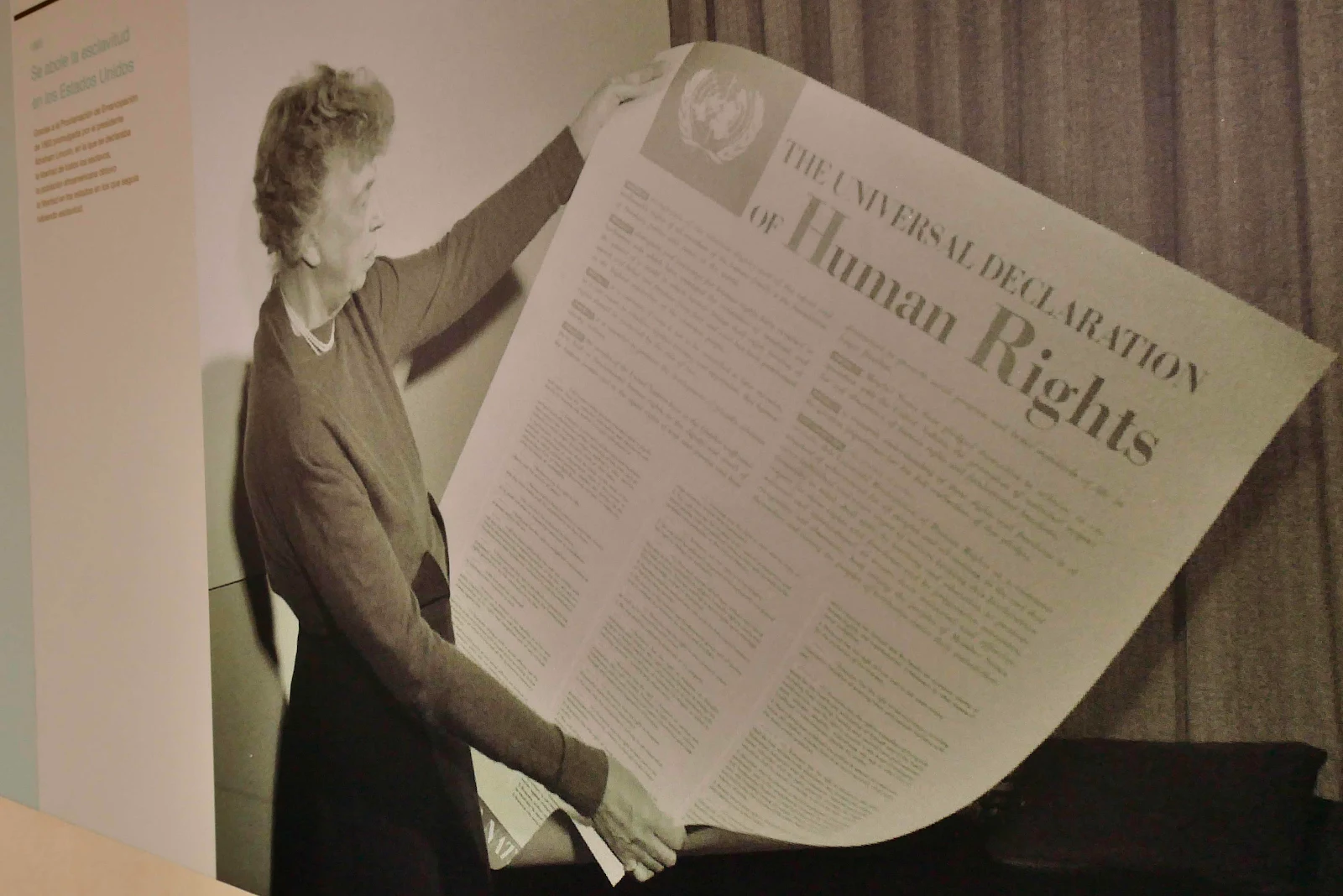
Museums

I like museums and I enjoy history and I like trying to figure places out. In a world of YouTube and social media influencers I am a dinosaur but I can’t change my nature to suit the generations and when I’m locked down in a retirement home in old age, which is just one of the possible outcomes of my old age lived in this uncertain manner, I shall enjoy looking back over these pages. I enjoyed very much having the photographic memories on my phone when I was in a hospital bed for months after my accident. 

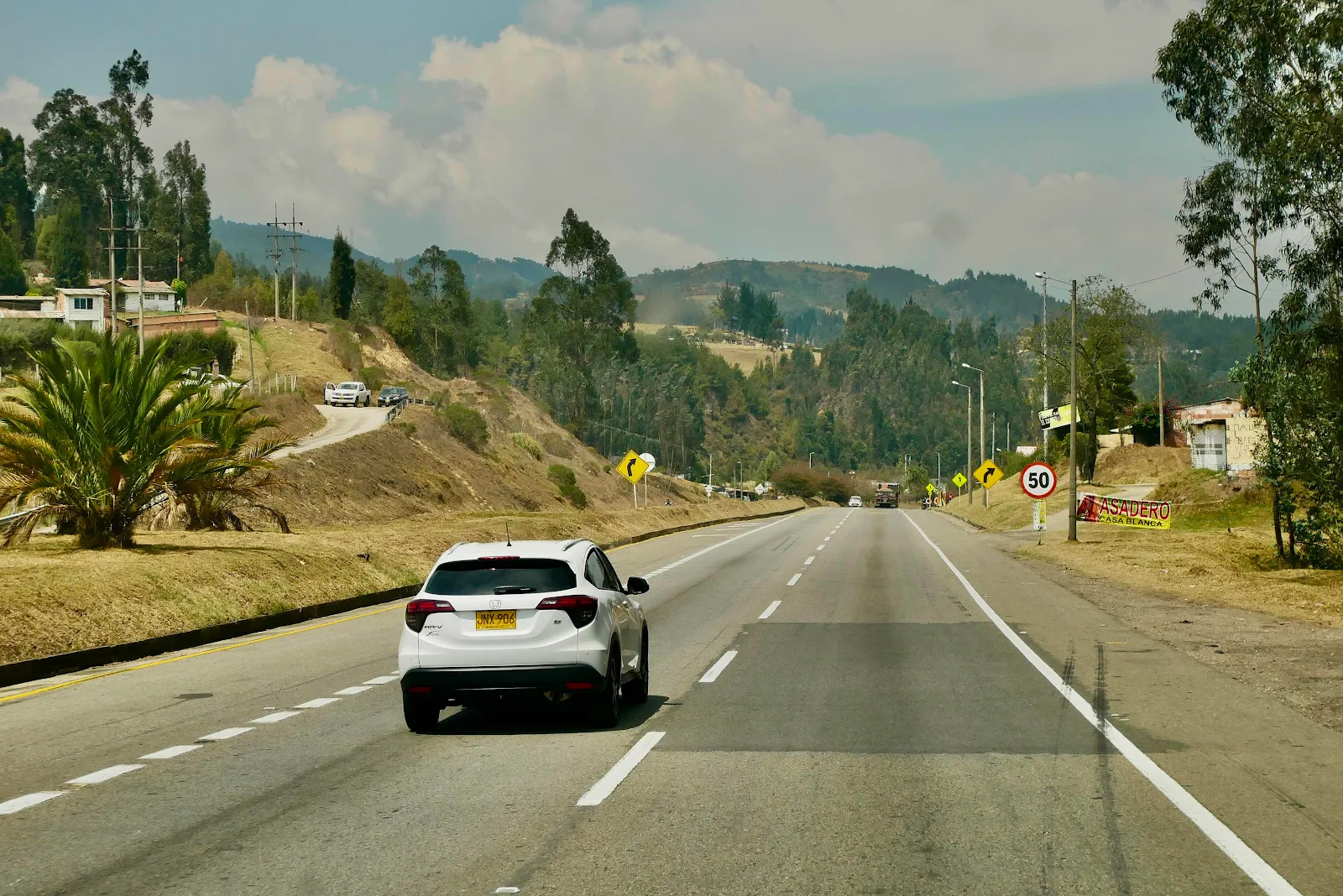
So our journey takes us through cities and towns, on main roads,

…and we leave the dirt trails and misty mountain campsites to the youngsters and their big wheeled off road contraptions.  For me the magic of Colombia is the culture, the vast spacious views visible even from paved roads and the history locked away in museums.

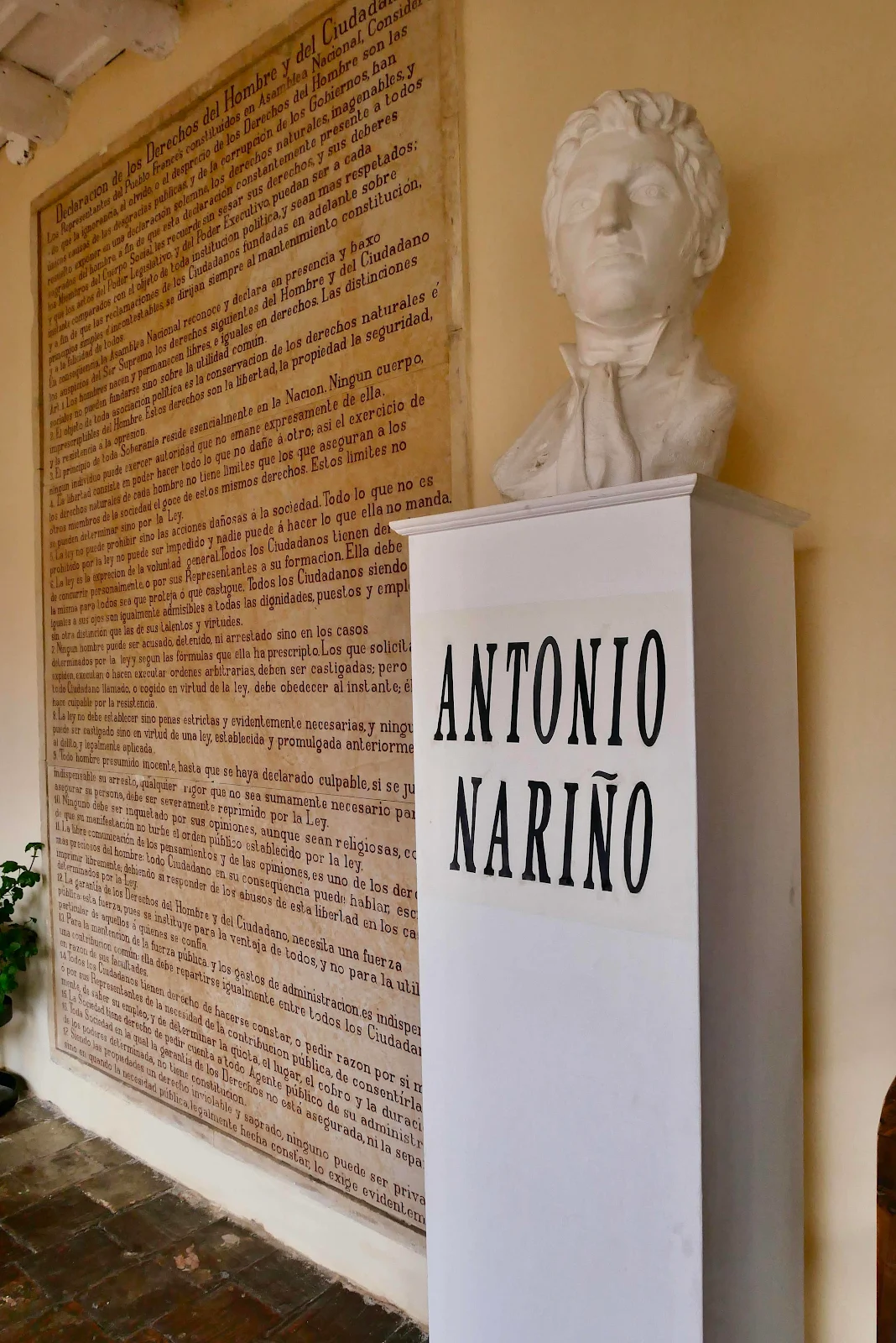
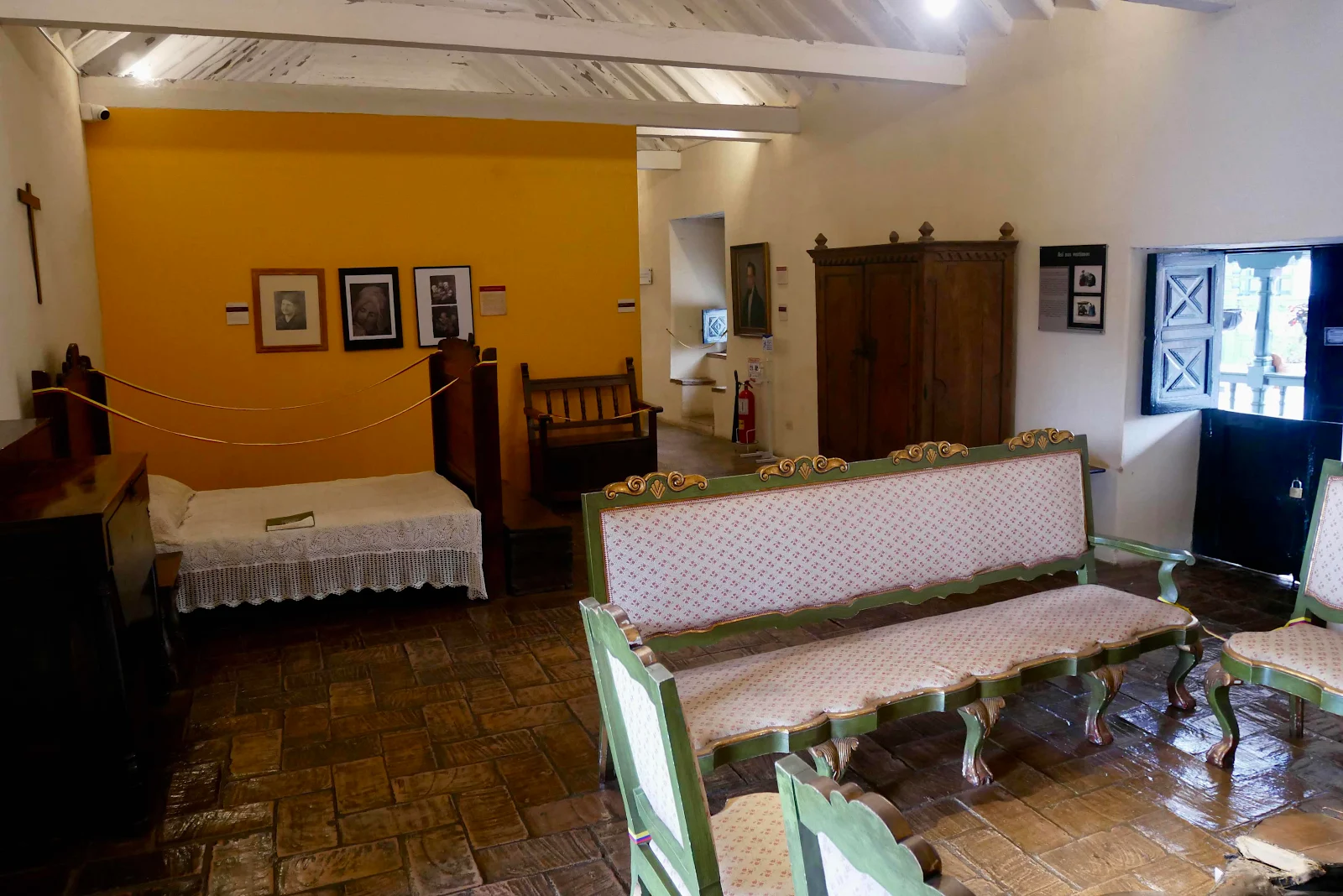
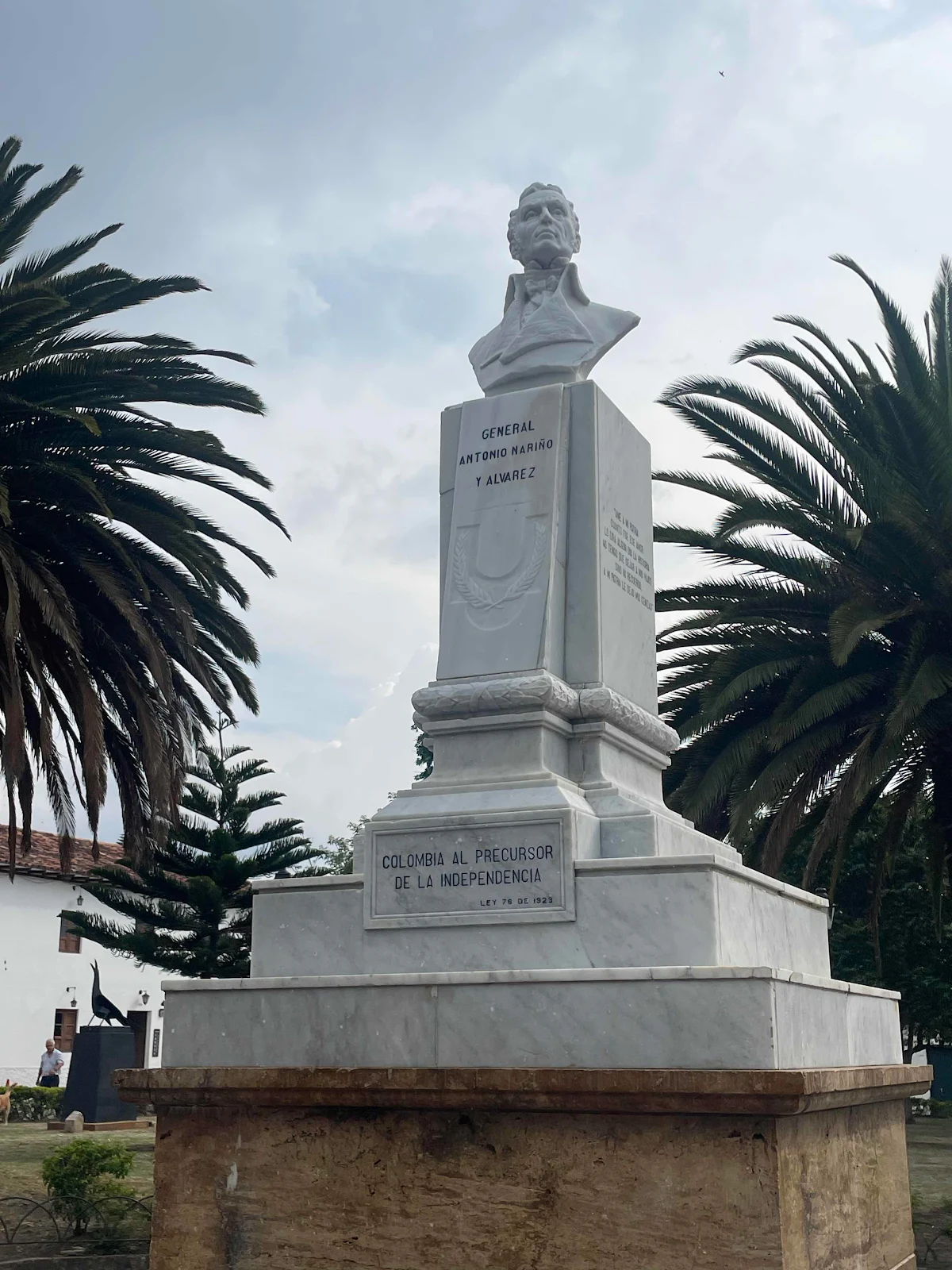
Antonio Nariño died of tuberculosis in Villa de Leyva at the age of 58. He came to the town to try to restore his health but it didn’t work. He was born in Santa Fe de Bogotá in 1765 and died here in 1823. His life was that of a revolutionary whom we can admire today but at the time he was a damned nuisance to the Spanish rulers of New Granada.

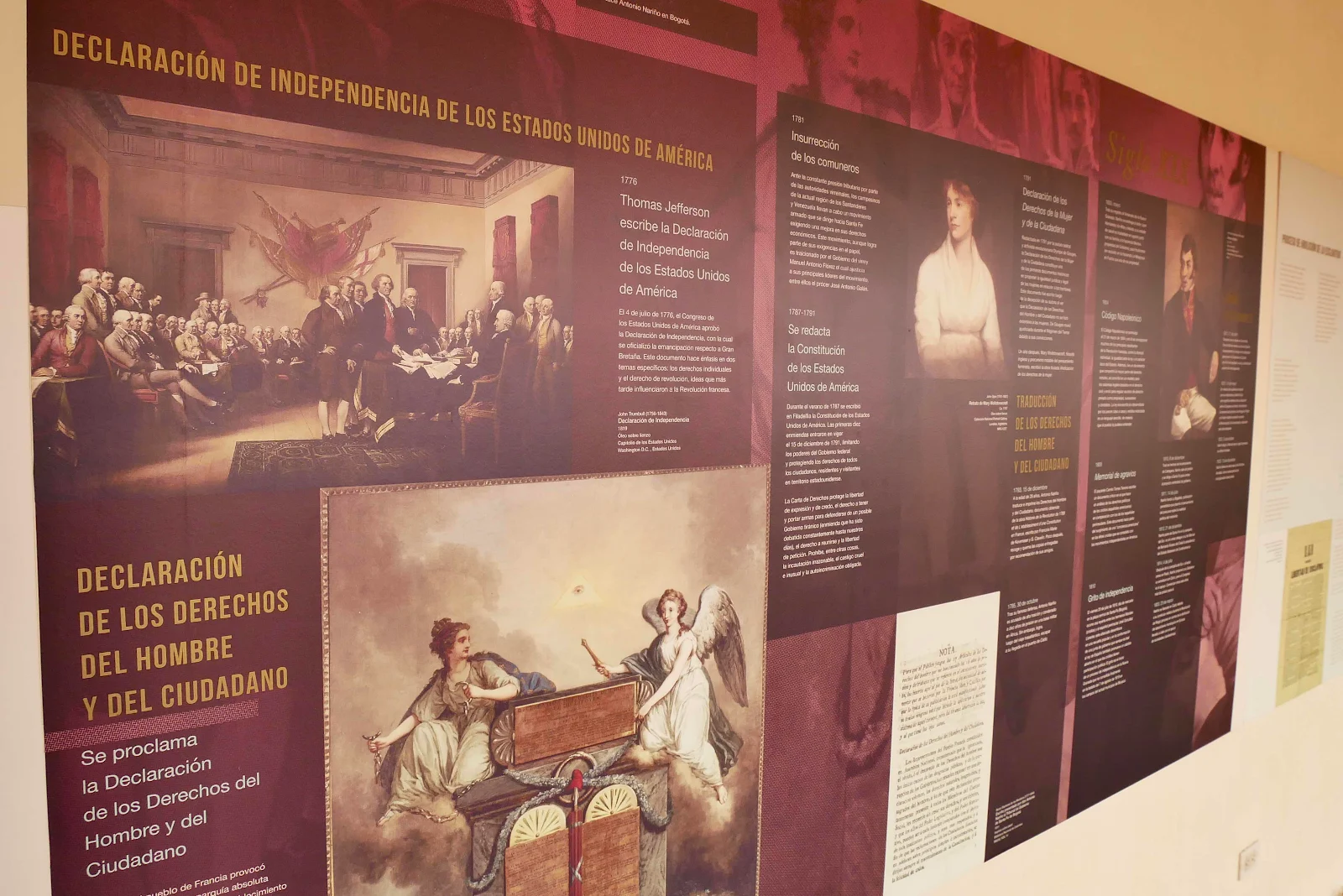
He read widely and translated revolutionary tracts from the French Revolution and the successful revolt in North America so he was arrested and even sent into exile. Every time he was released he got into more trouble fomenting revolution in New Granada and ended up behind bars four times. 

Napoleon’s European wars took their toll on Spain and seeing the weakness of the oppressor at home revolution sprang up everywhere in Latin America in 1810. In Colombia Nariño is known as The Precursor owing to the fact that he laid the theoretical groundwork for the wars of independence led by the Liberator, Simón Bolivar. 

Bolivar made him Vice President in 1821 but he’s not remembered for that so much nowadays. Venezuela and Colombia were in ferment in the 1820s trying to figure out their future form of government, not so very different from the state versus Federal debate in the US.

And then he died in time to be remembered fondly for his early struggles against an easily identified enemy. Bolivar died nearly twenty years later friendless penniless and largely despised by his former colleagues. You can outlive your usefulness unfortunately. 

Times change and I find it odd when I read about the “old generation” who hold back the youngsters. They call the out of touch old folk “boomers” and aren’t I surprised to be numbered amongst them! My values forged in the years following World War Two seem to be losing relevance now in the era of piece work and government intrusion into citizens’ privacy. The European youngsters we meet are on sabbaticals and deadlines and their schedules are a reminder how free we are to travel suspended out of time and place. 

We had a grand time with the younger generation on the road and we’re looking forward to seeing them again. Interestingly this lot aren’t earning money as they go making YouTubes but they are doing it the old fashioned way, by living in savings and planning to return to work in their home countries. 

I heard one young woman telling her mother about us, “They’re your age,” she said into the phone “you could do it to!”  My Cold War politics may be sliding into history but my adult curiousity apparently still has some relevance! 

The other museum Layne wanted to check was all about art. 
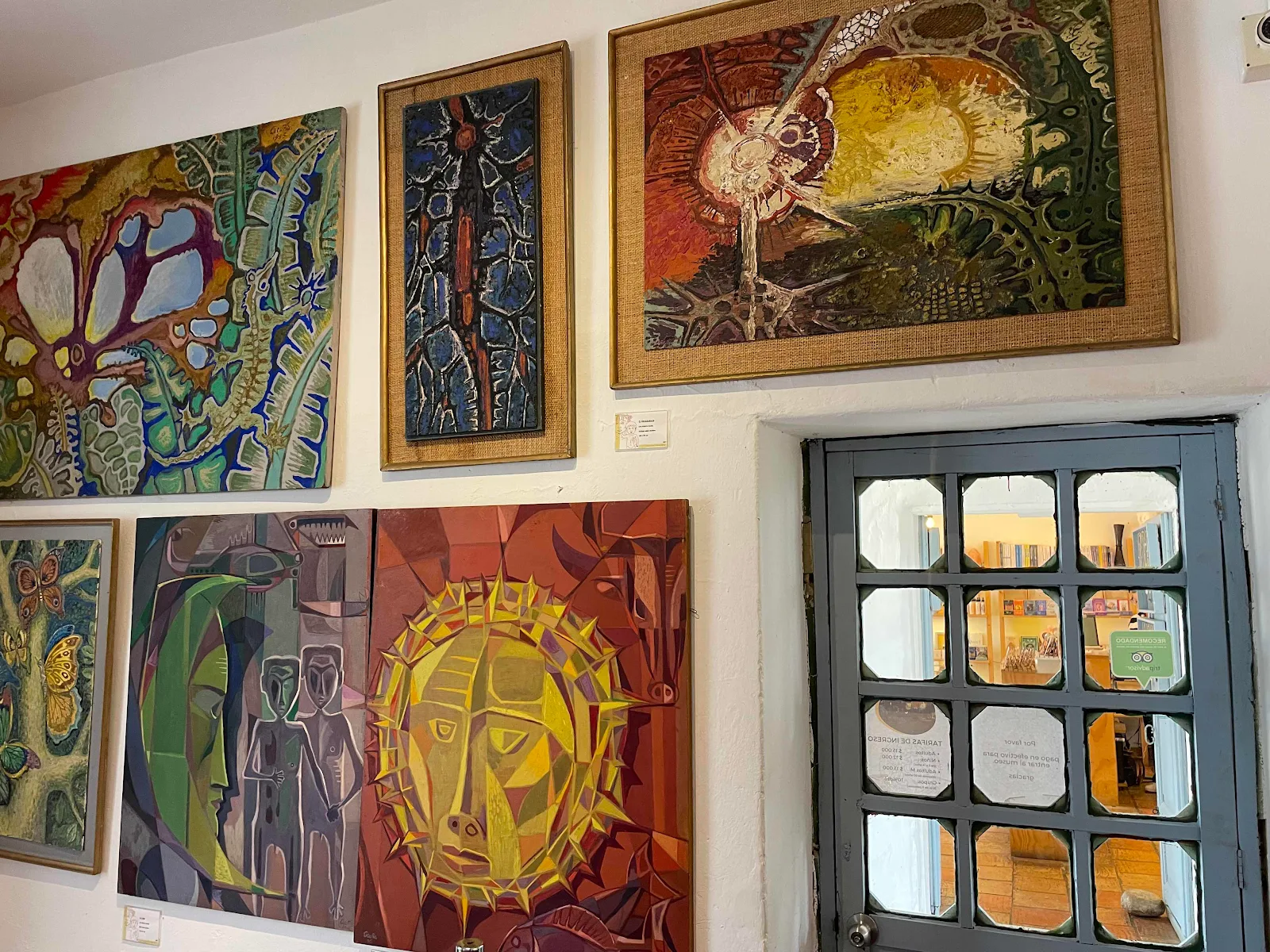
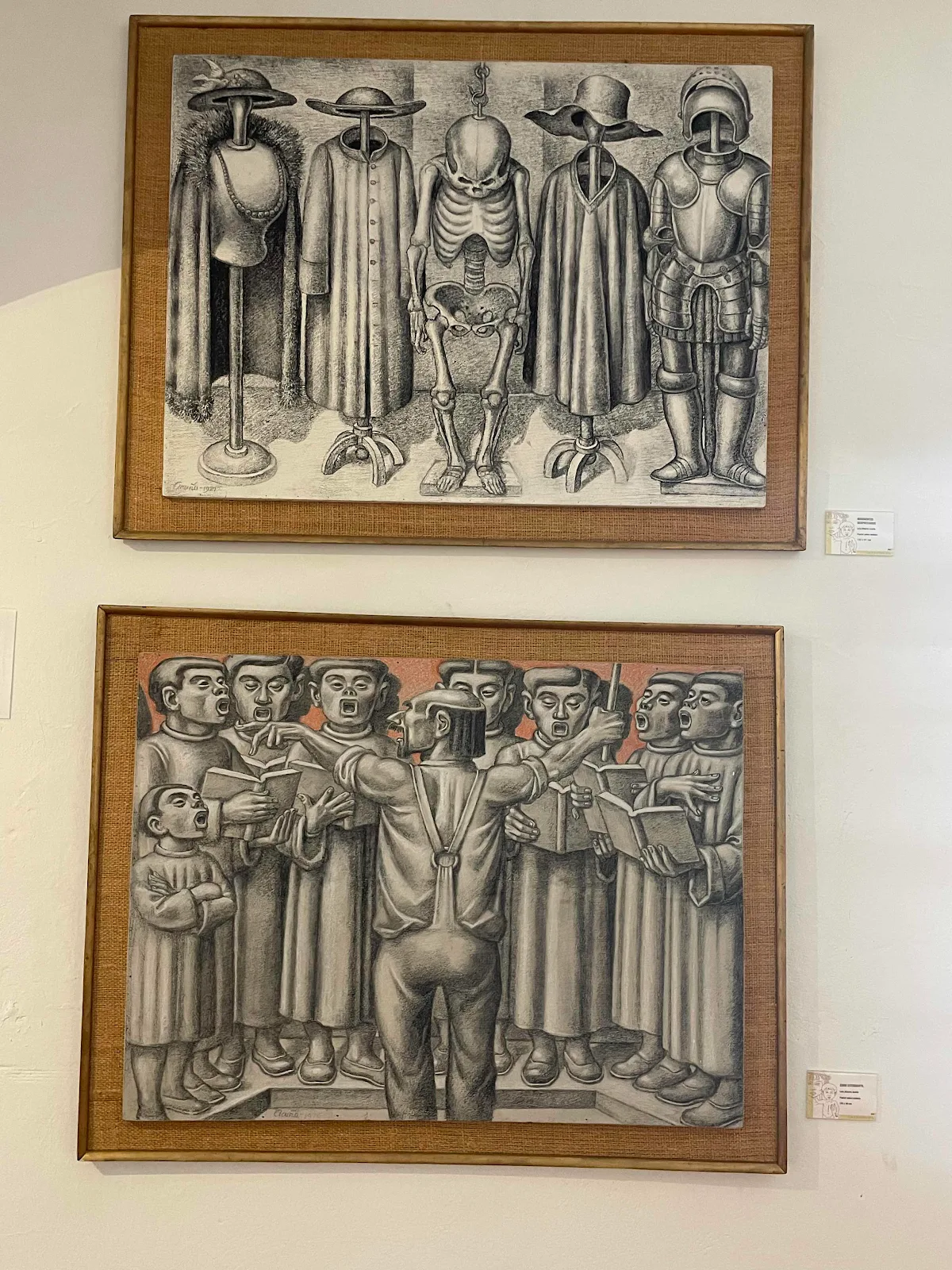
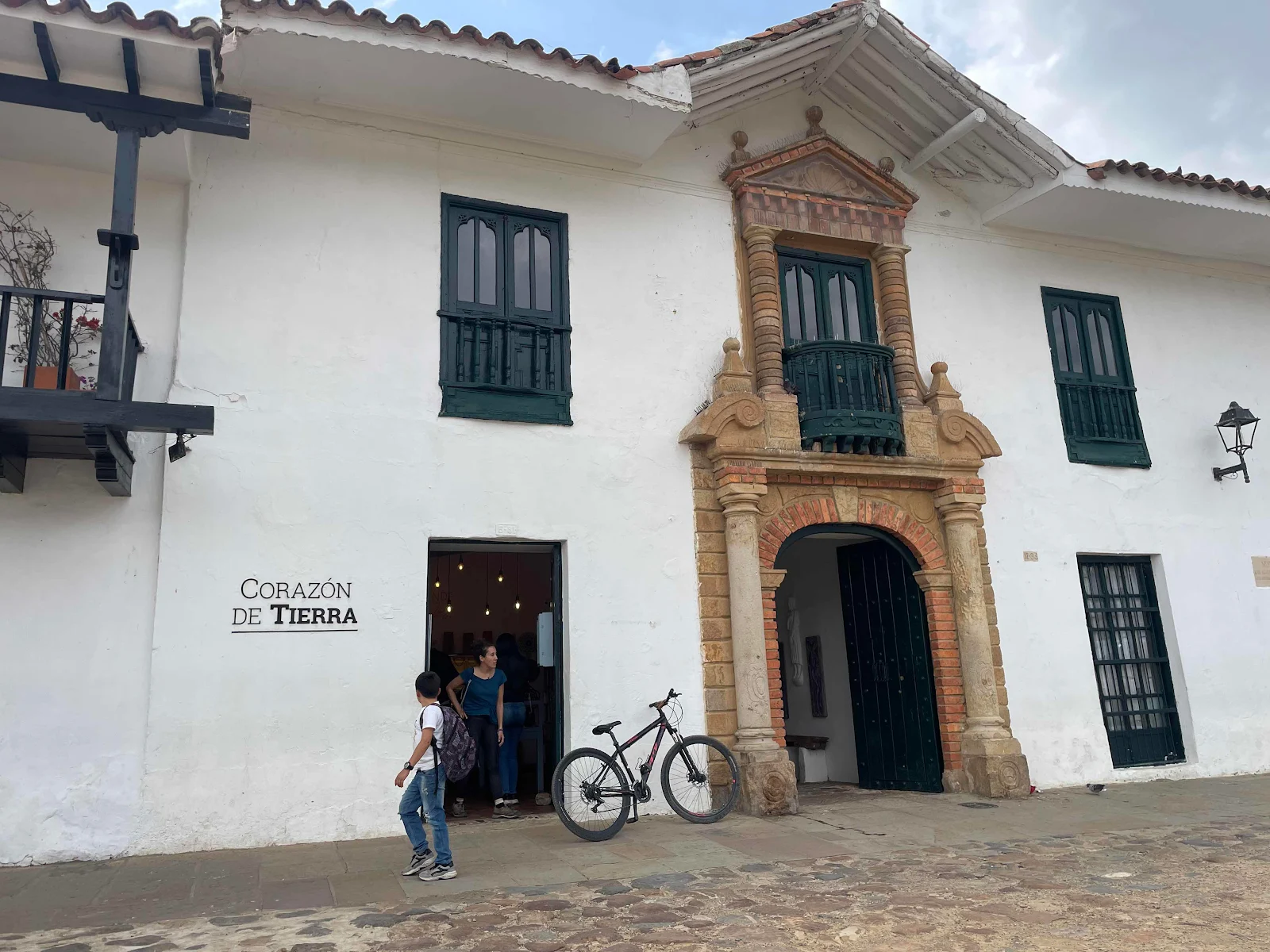
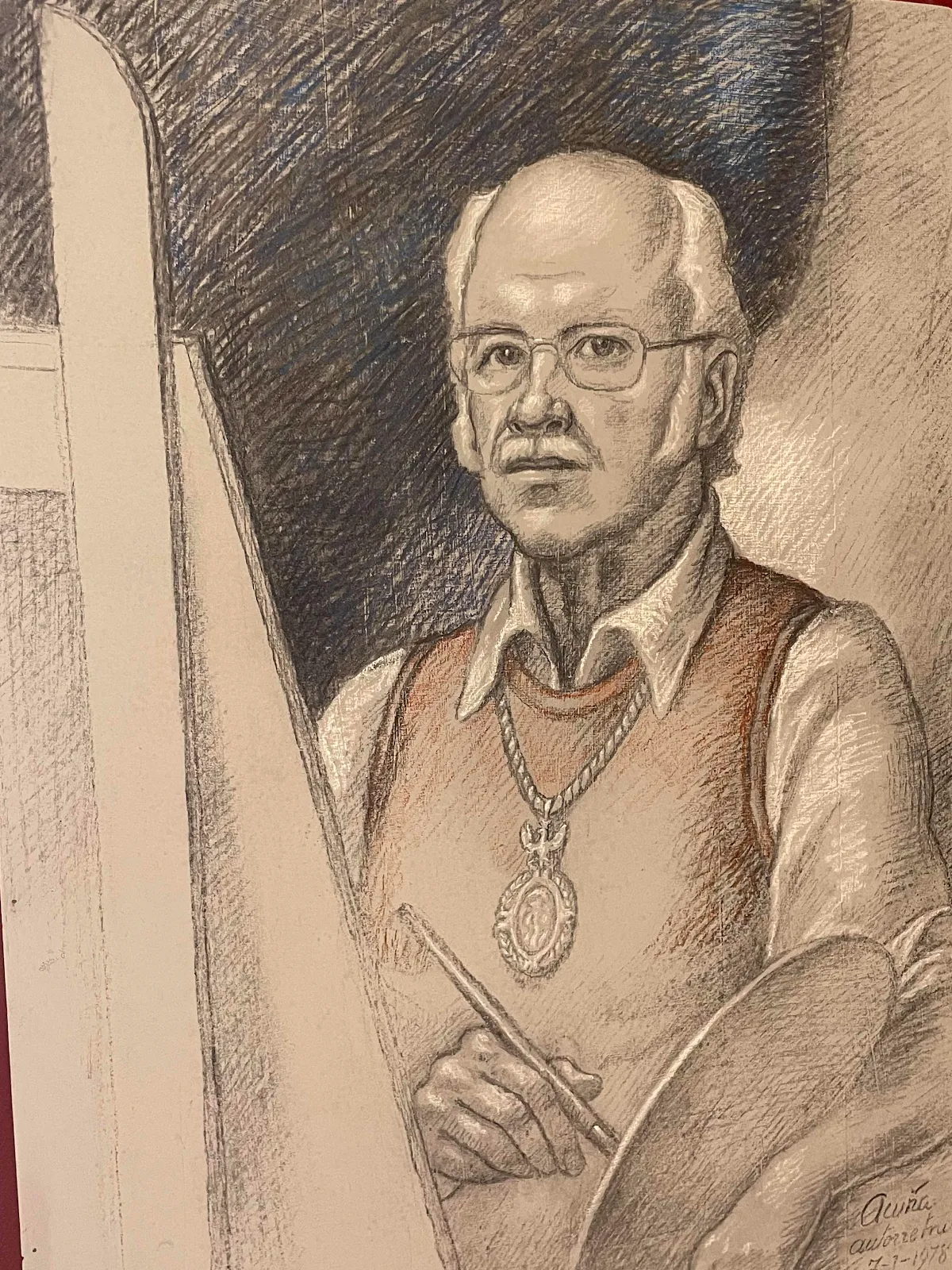
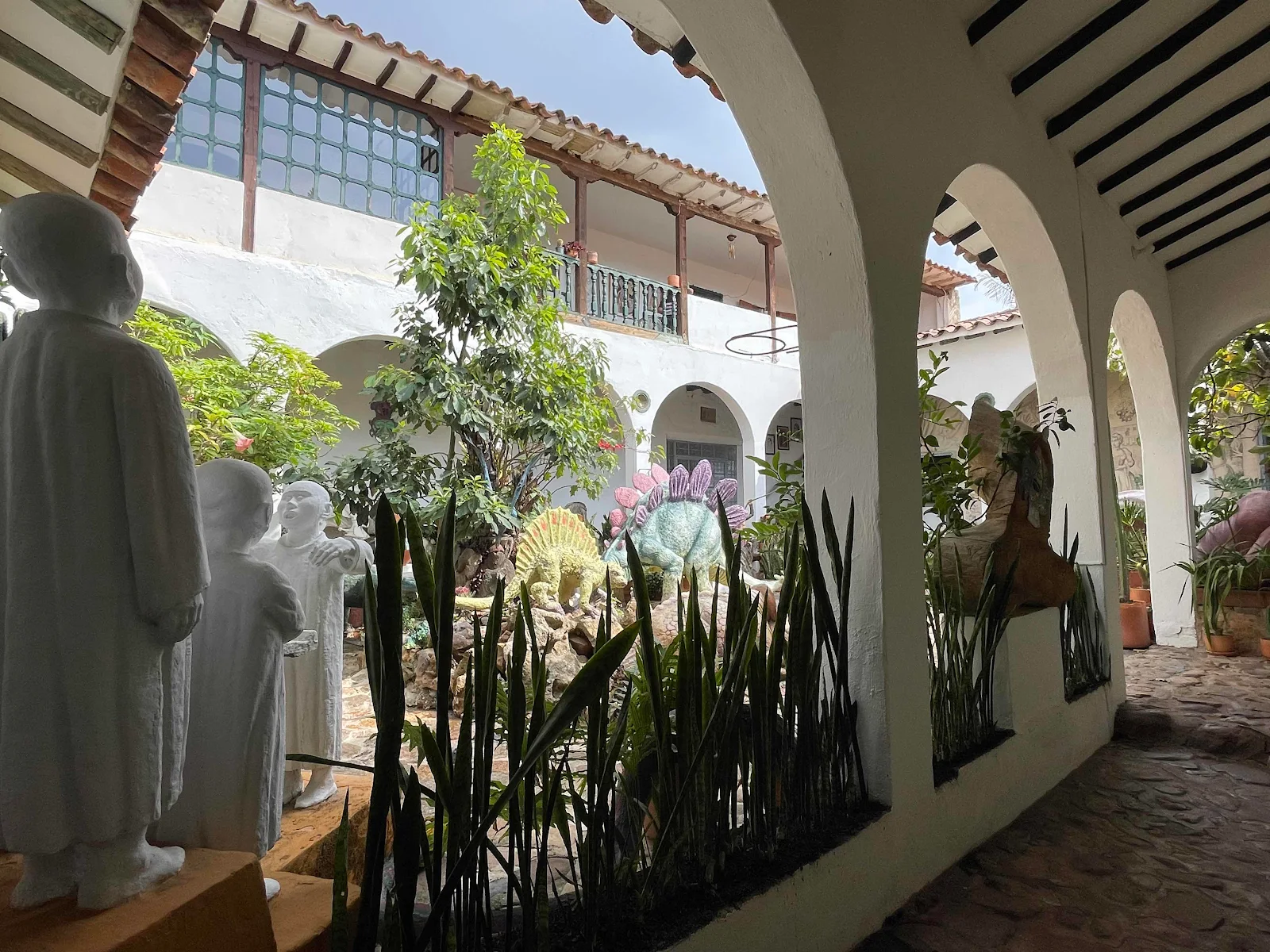
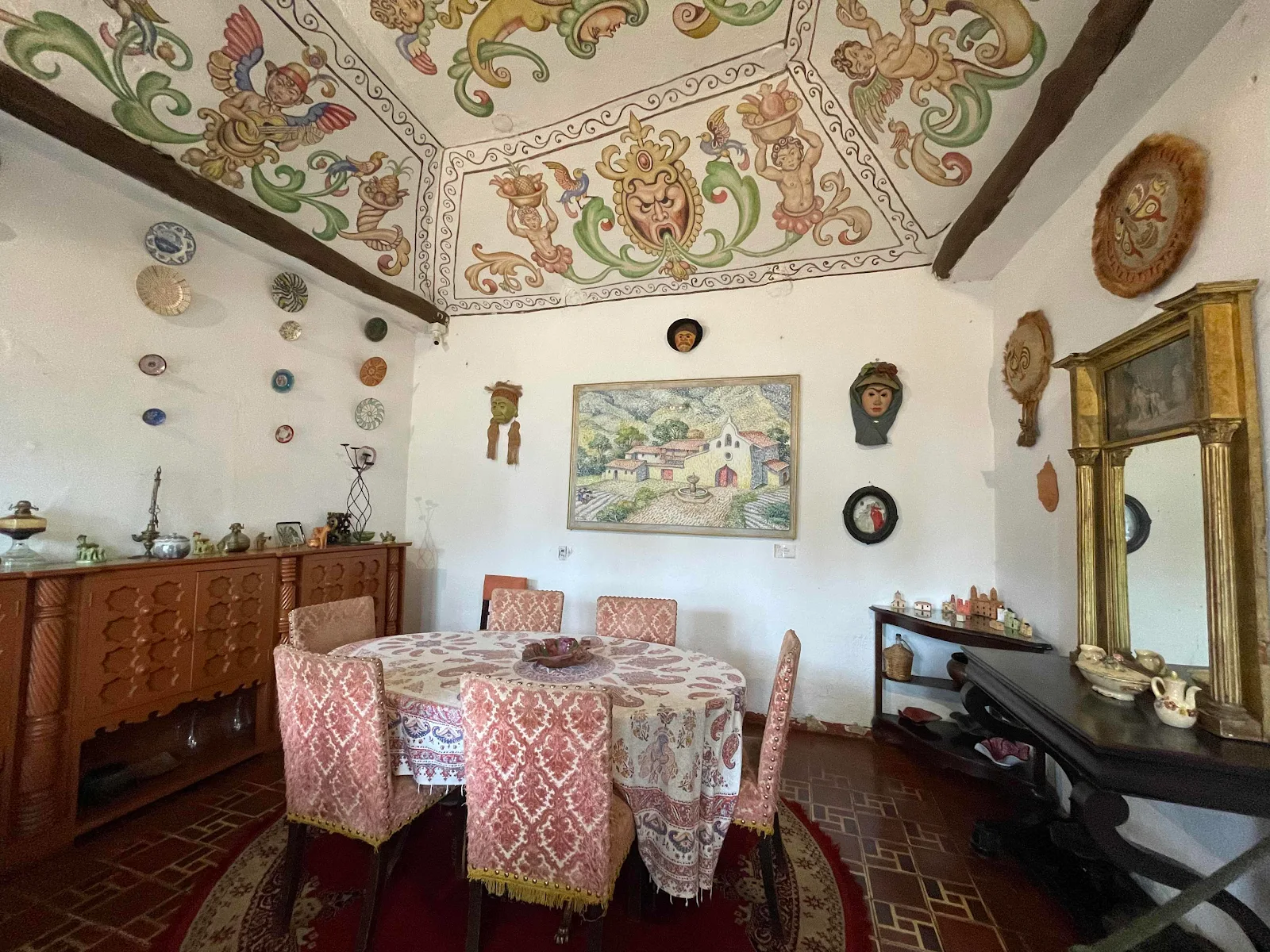
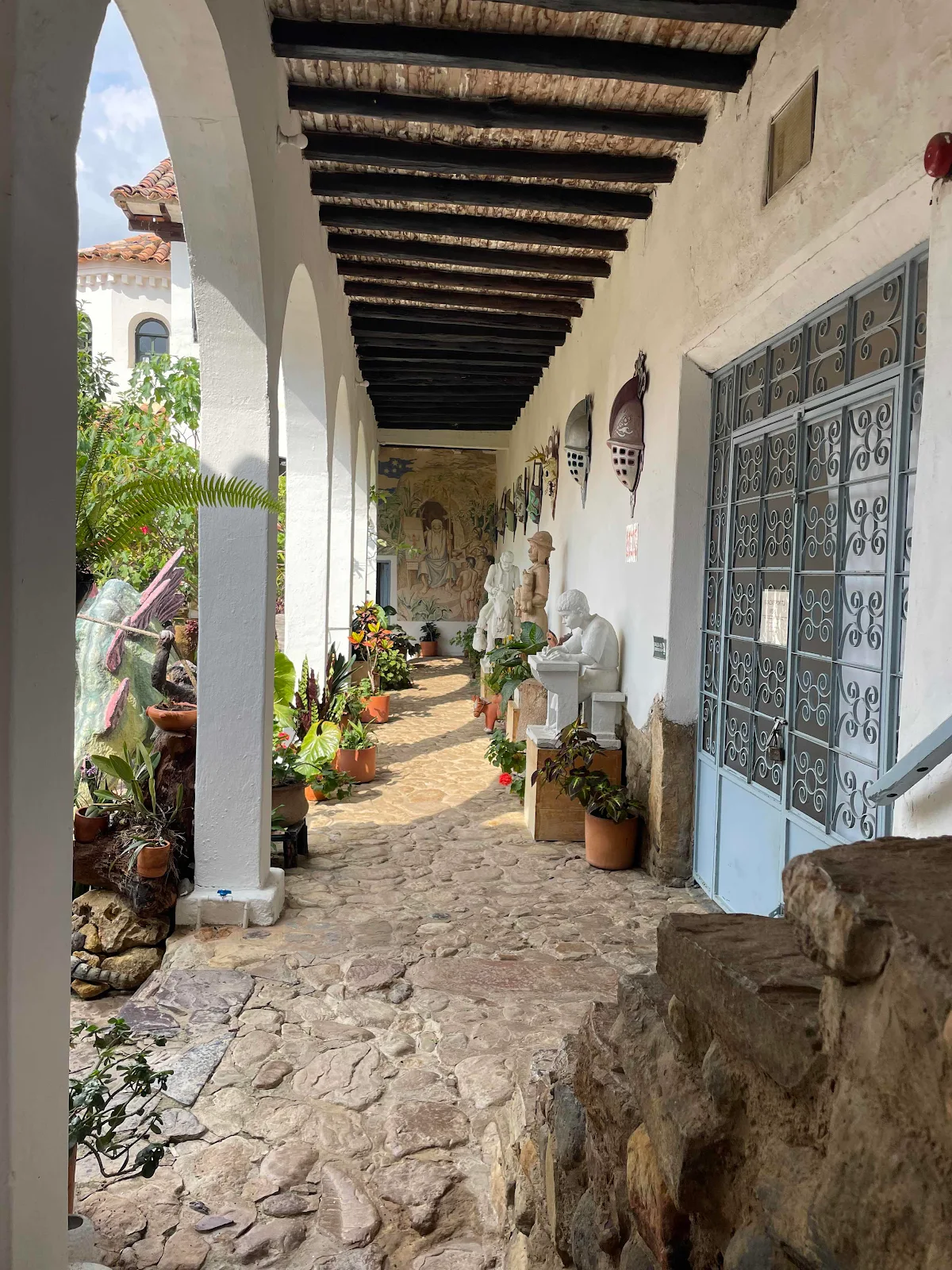
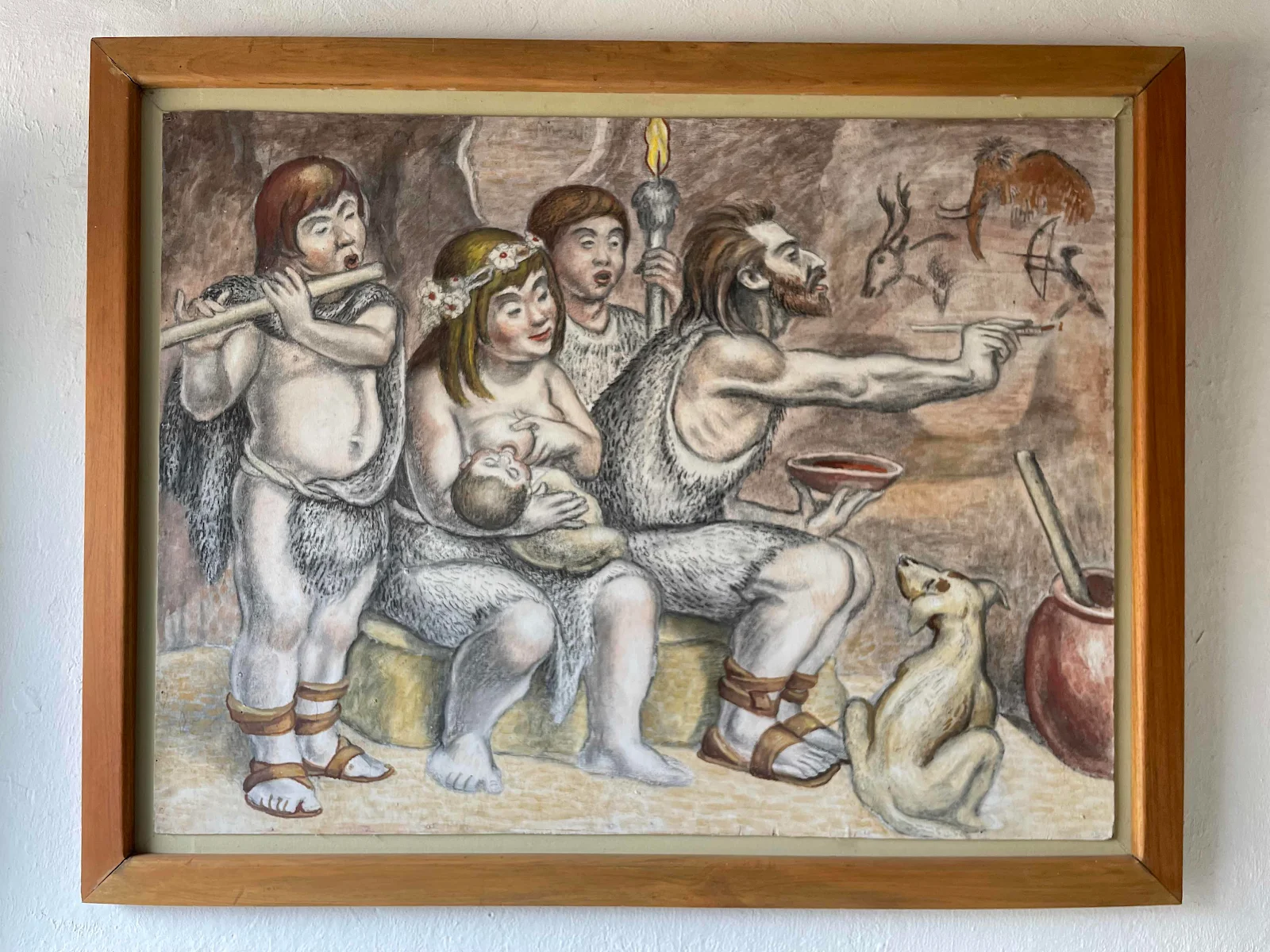
Luis Alberto Acuña was born in 1904 and died 90 years later in Villa de Leyva. His home is a museum free to the public and filled with samples of his extremely eclectic art. 

We took turns, one to go in and one to stay outside with Rusty but the security guard laughed when he realized what we were doing…dogs are welcome here as almost everywhere in Colombia.
A self portrait: 

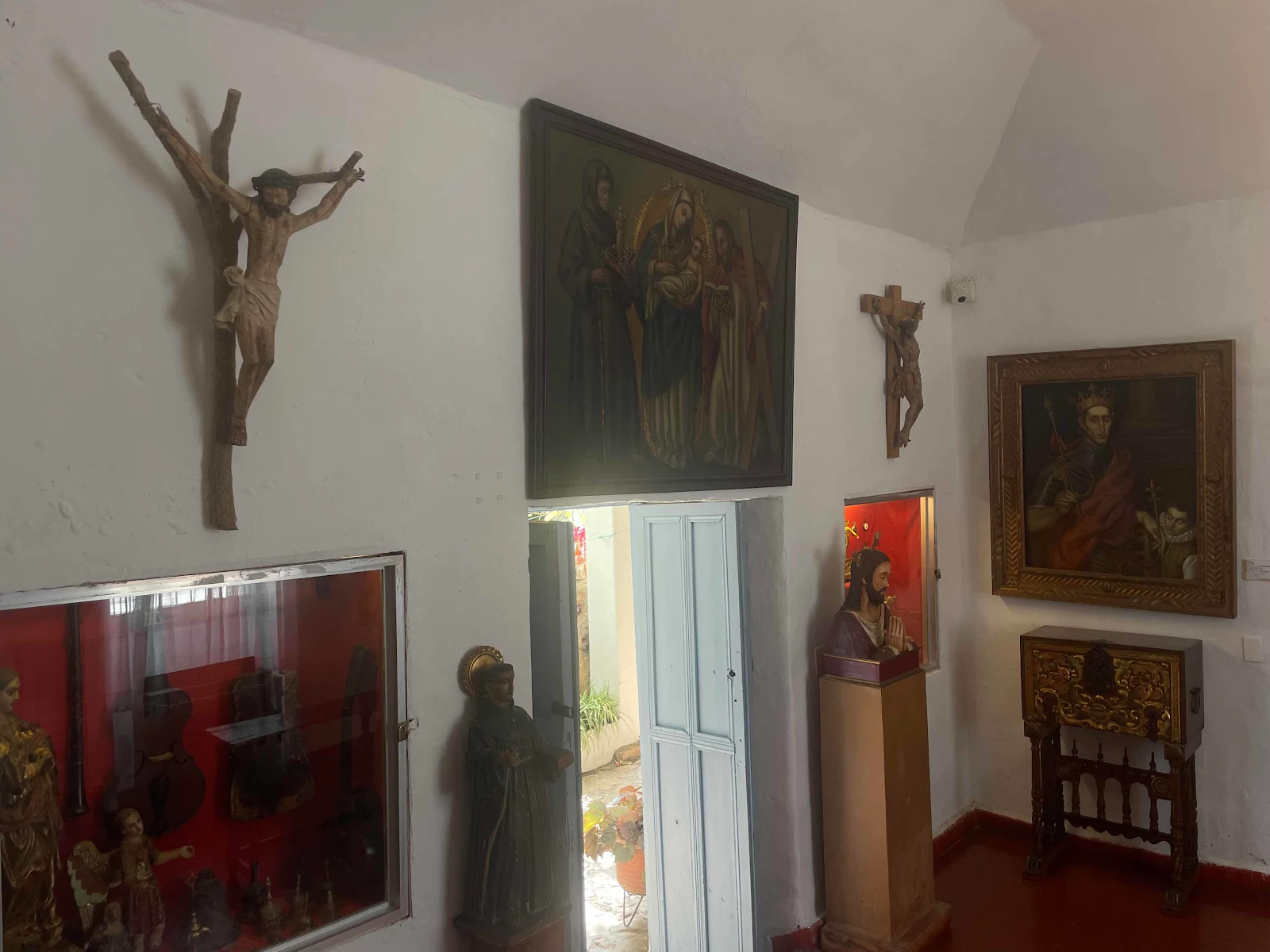
His house reminded me of Hearst Castle in as much as the art was wildly varied. Some I liked and some said nothing to me; all from the mind of the same man. 

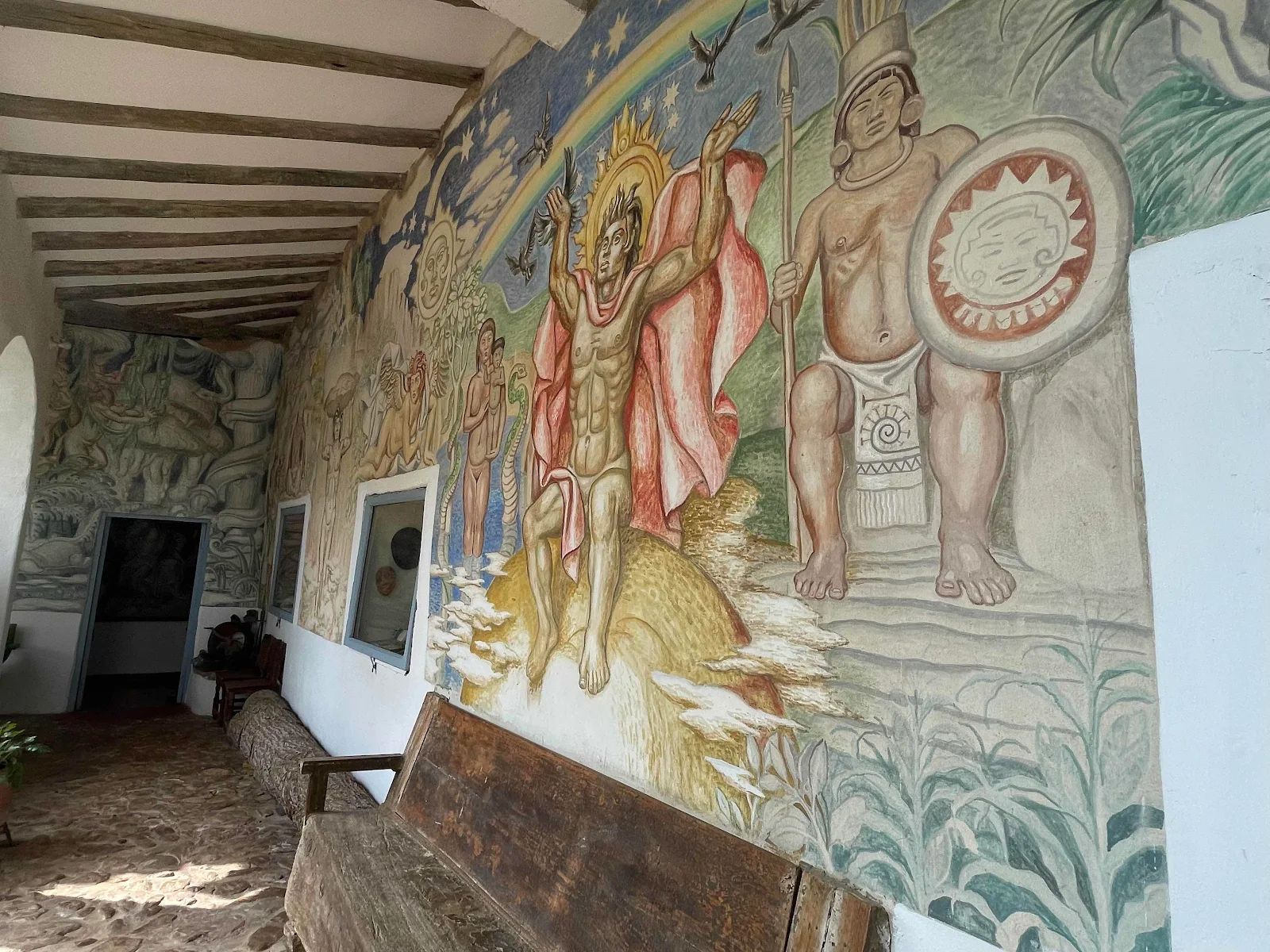
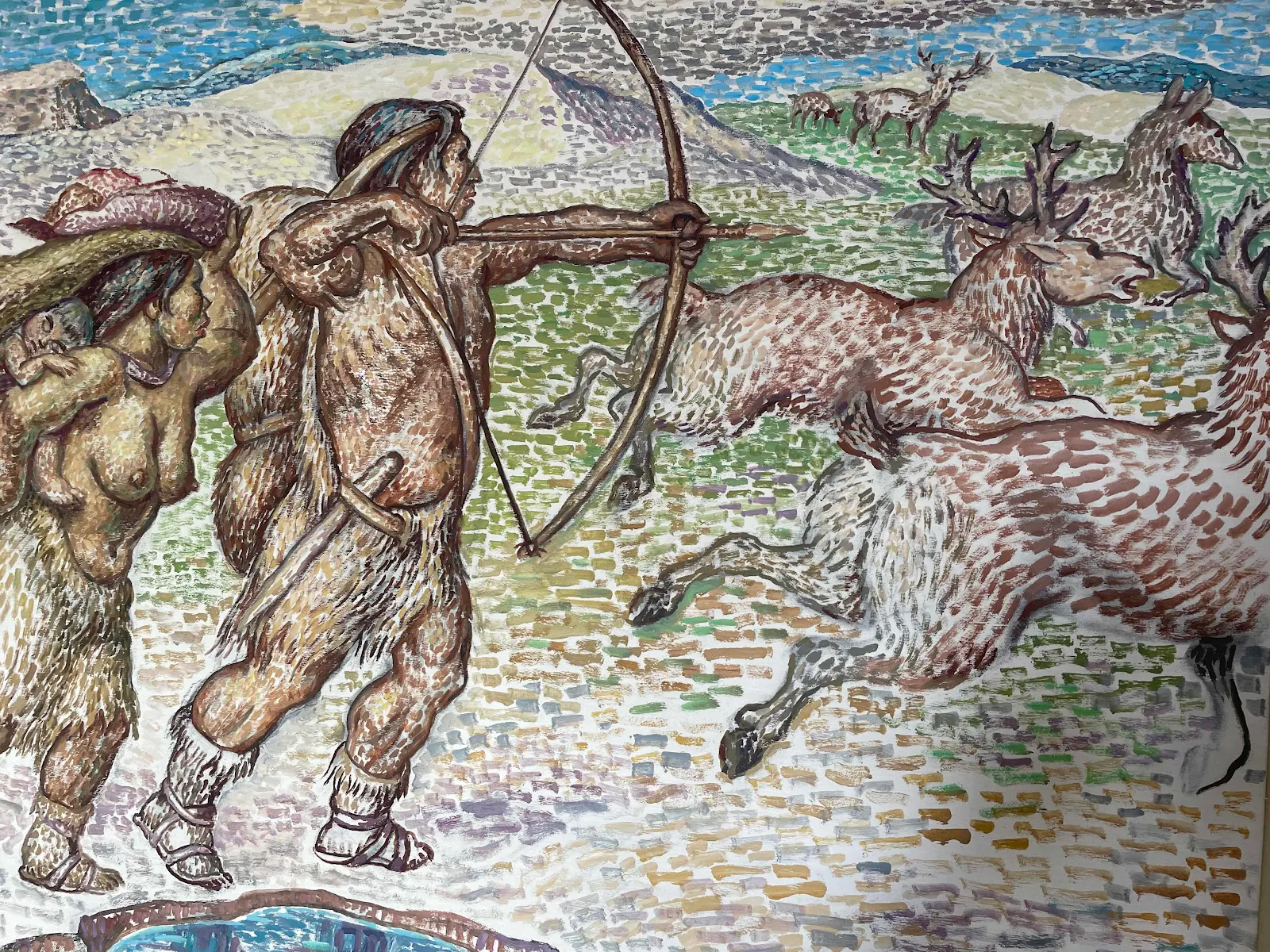
Acuña was drawn to pre-Spanish art and the history of Colombia. 

He loved dinosaurs too. 


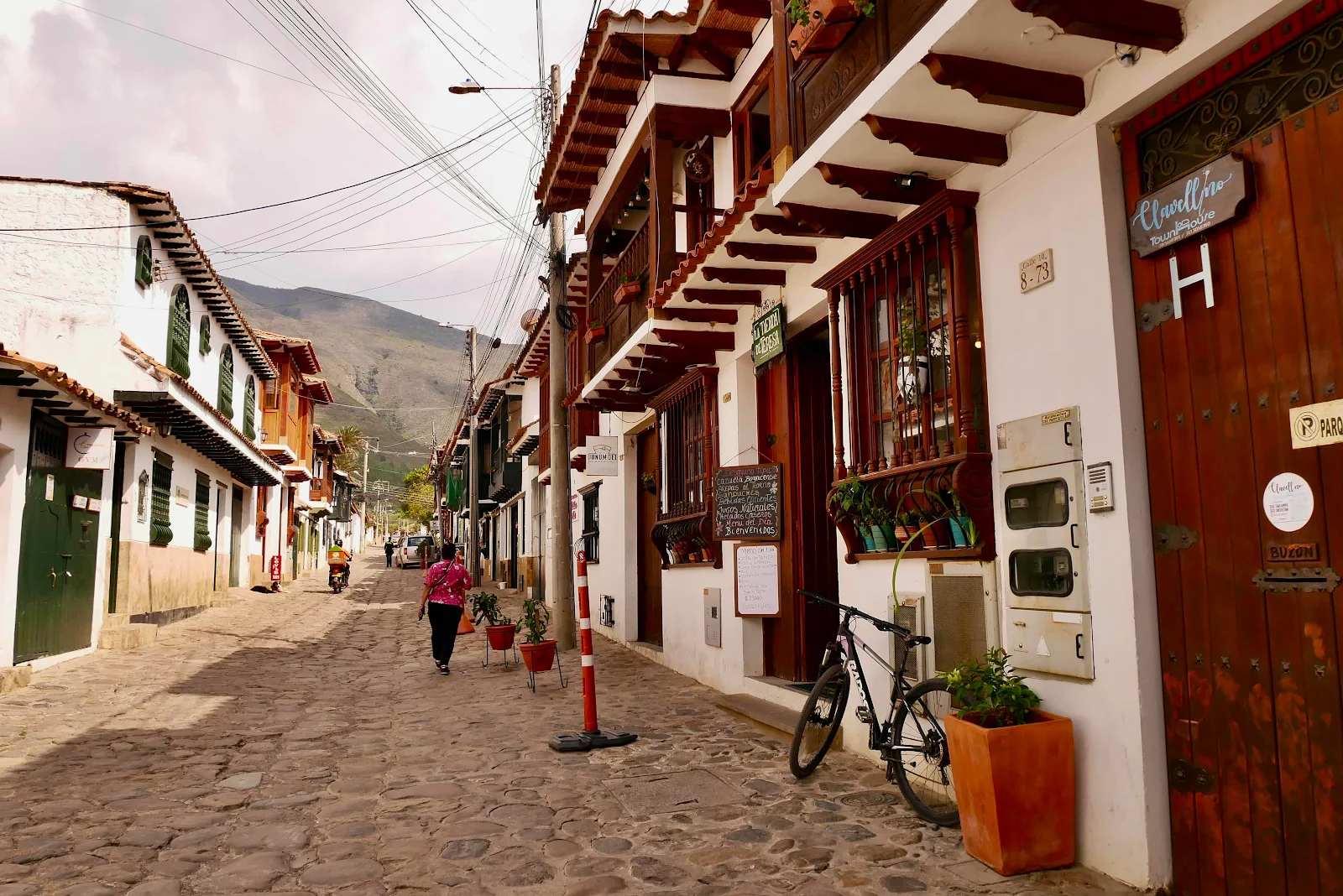
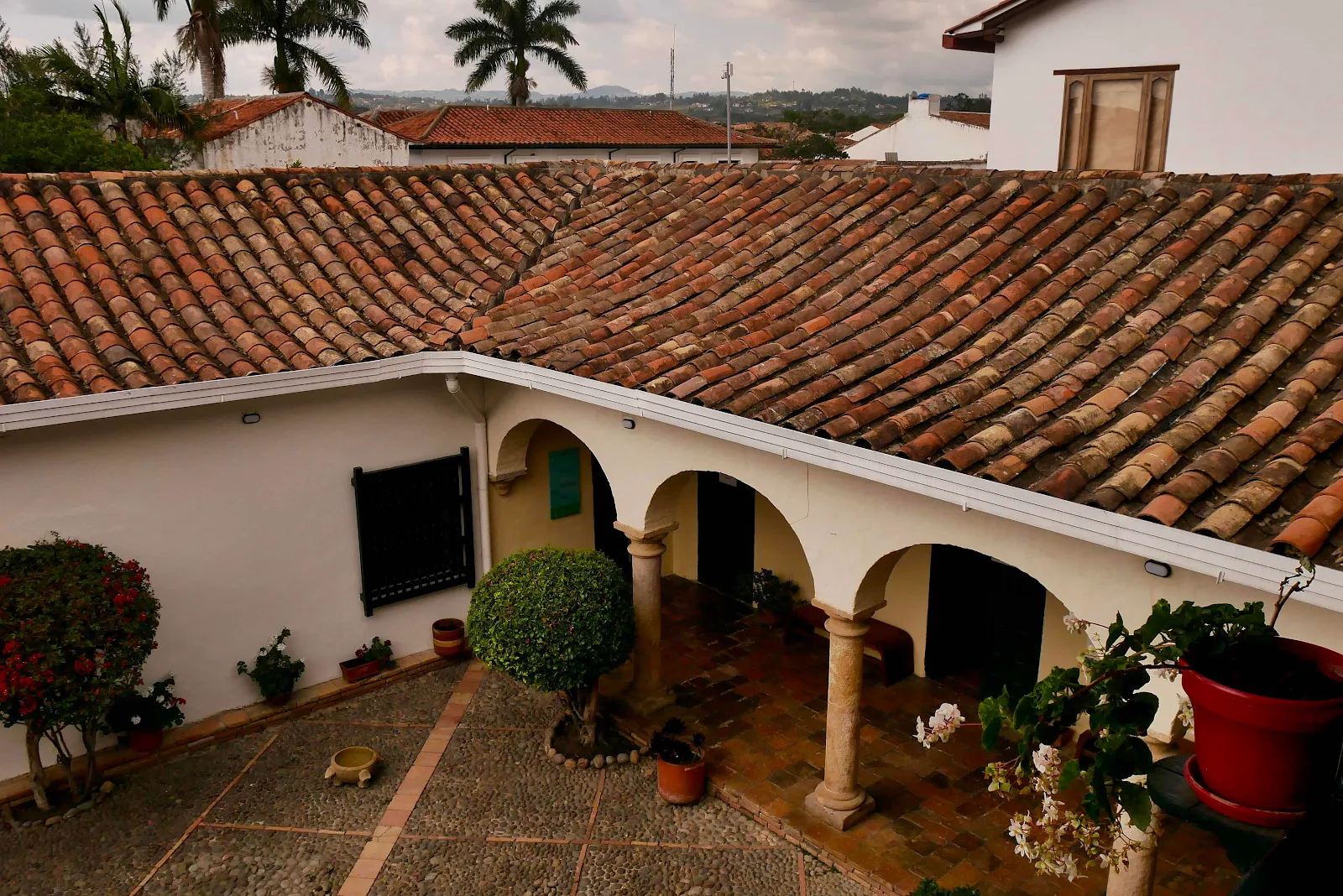
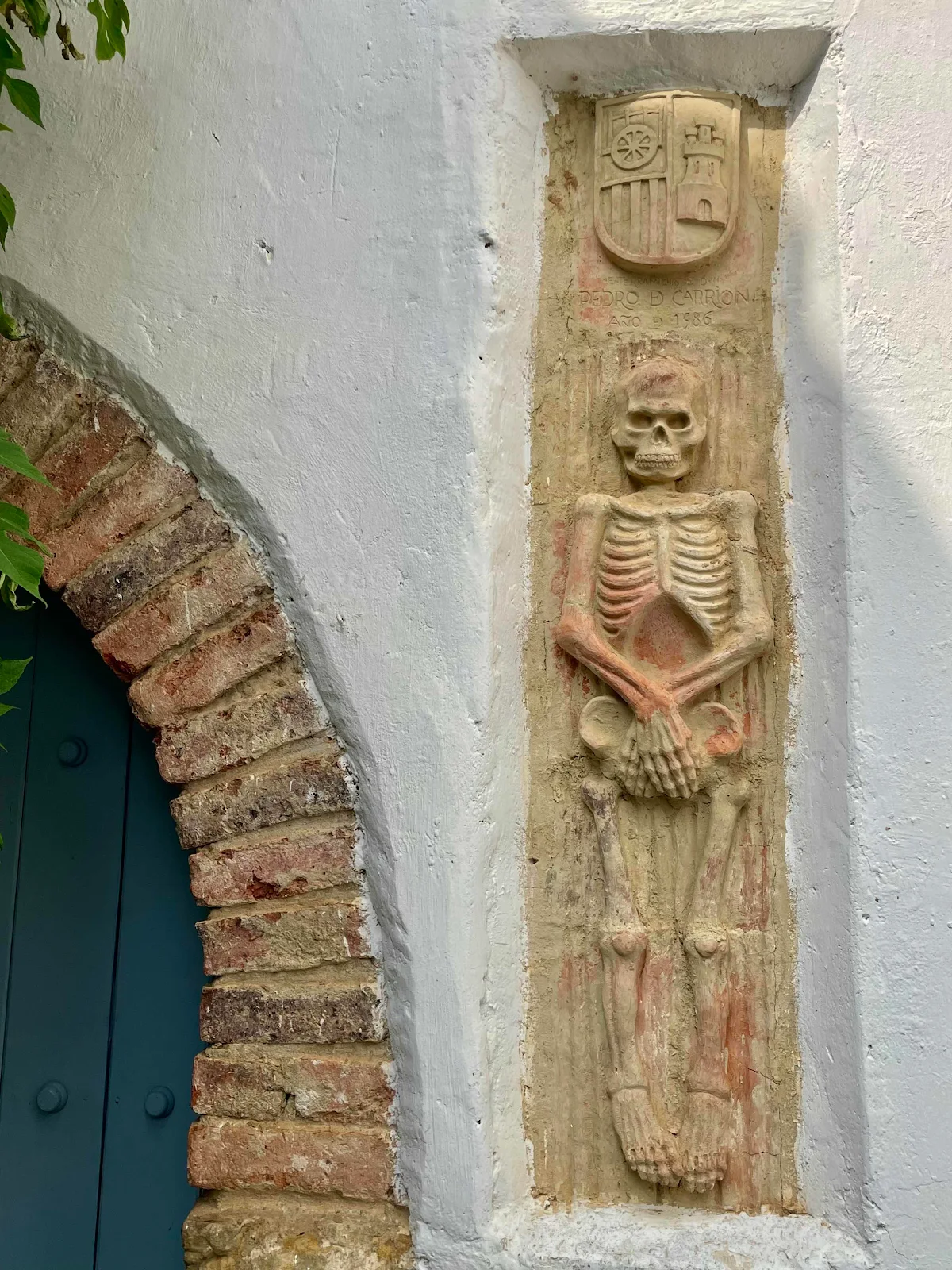
I liked the courtyard houses of Villa de Leyva which was a style brought by the Spanish who learned it from the Arabs who ruled southern Spain before the reconquest. 

I’ve never seen artistic representation of prehistoric humans like this. 


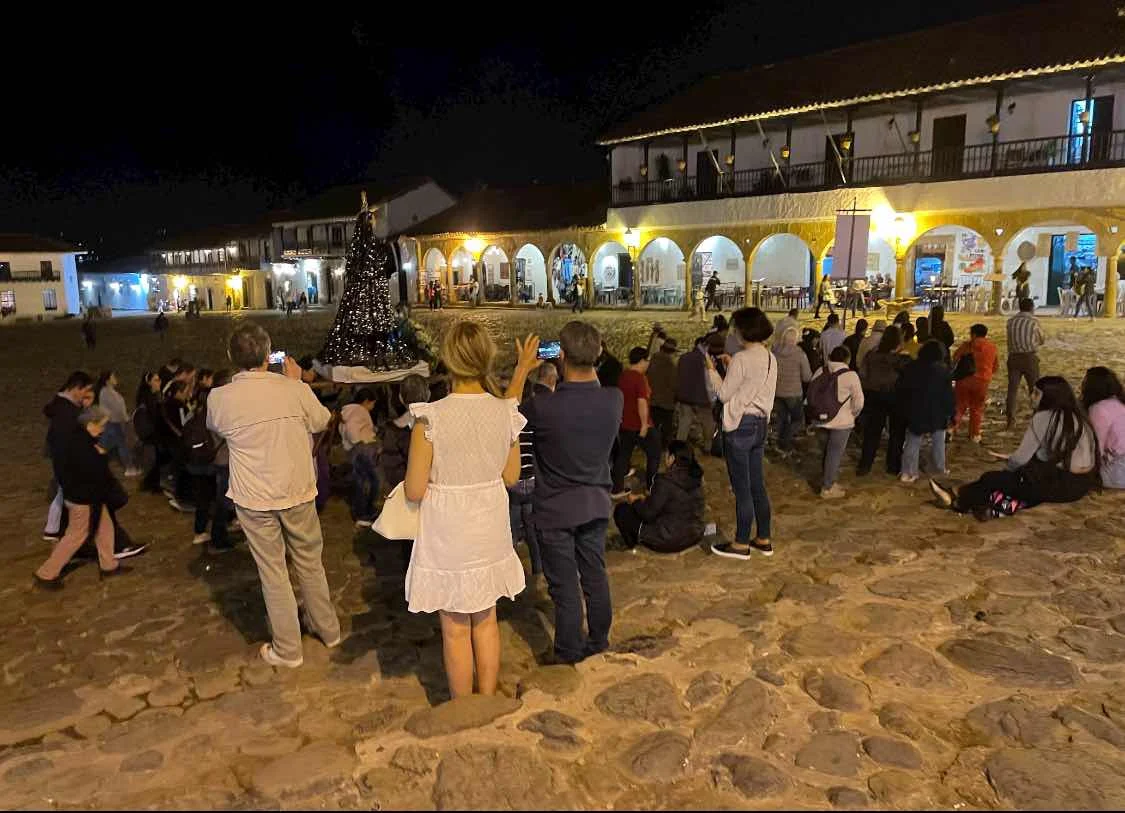
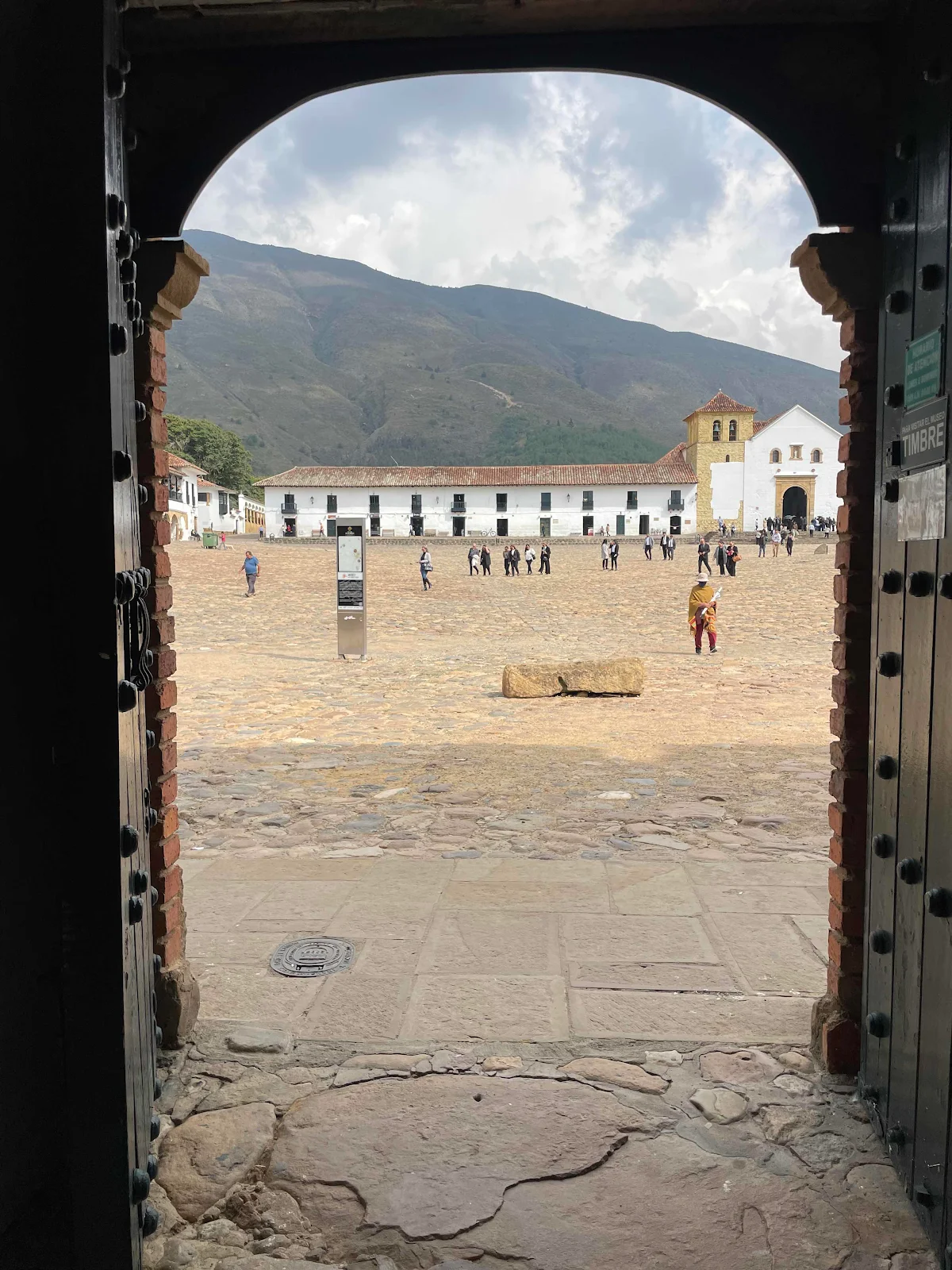
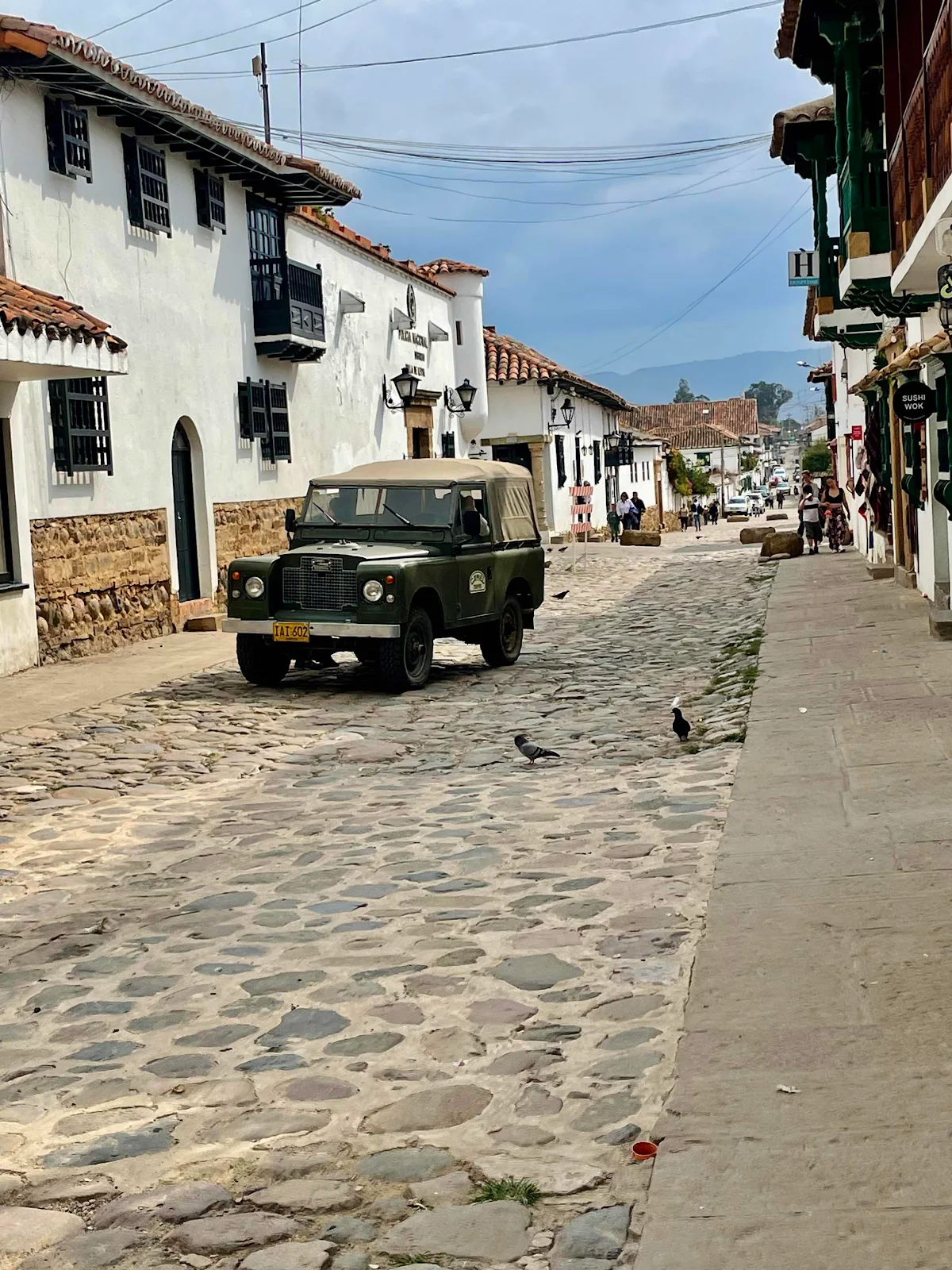
Back to the real world, as real as the world’s largest cobbled square can be. I am still mildly surprised to find myself wandering these ancient streets as though I belong here just like all the other tourists. 


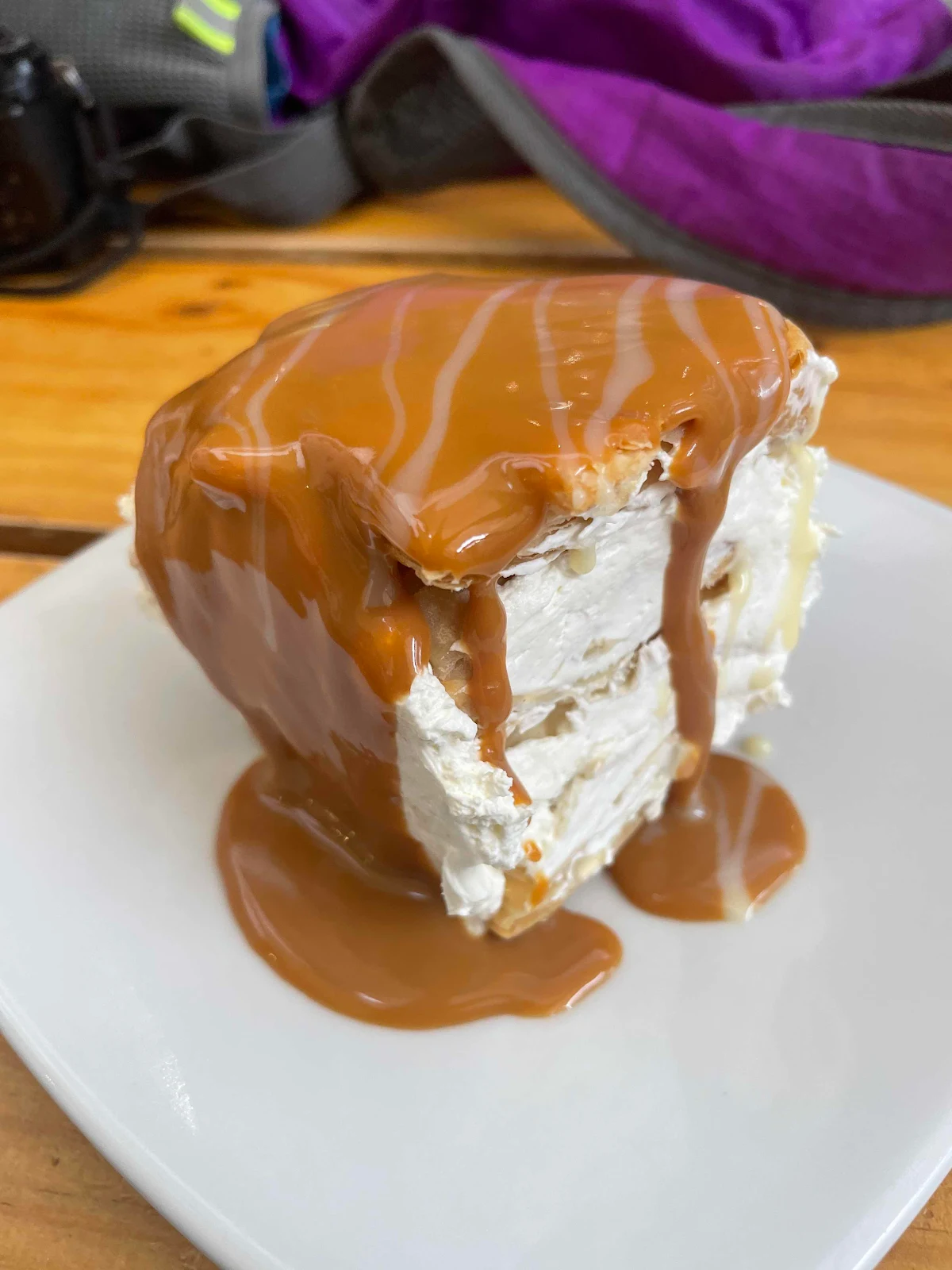
Friends who came through town before us advised a visit to Layne Galleta Café for a slice of flaky pastry layered with cream and dulce de leche sauce. 

A cappuccino and civilized Colombia is at your fingertips. 

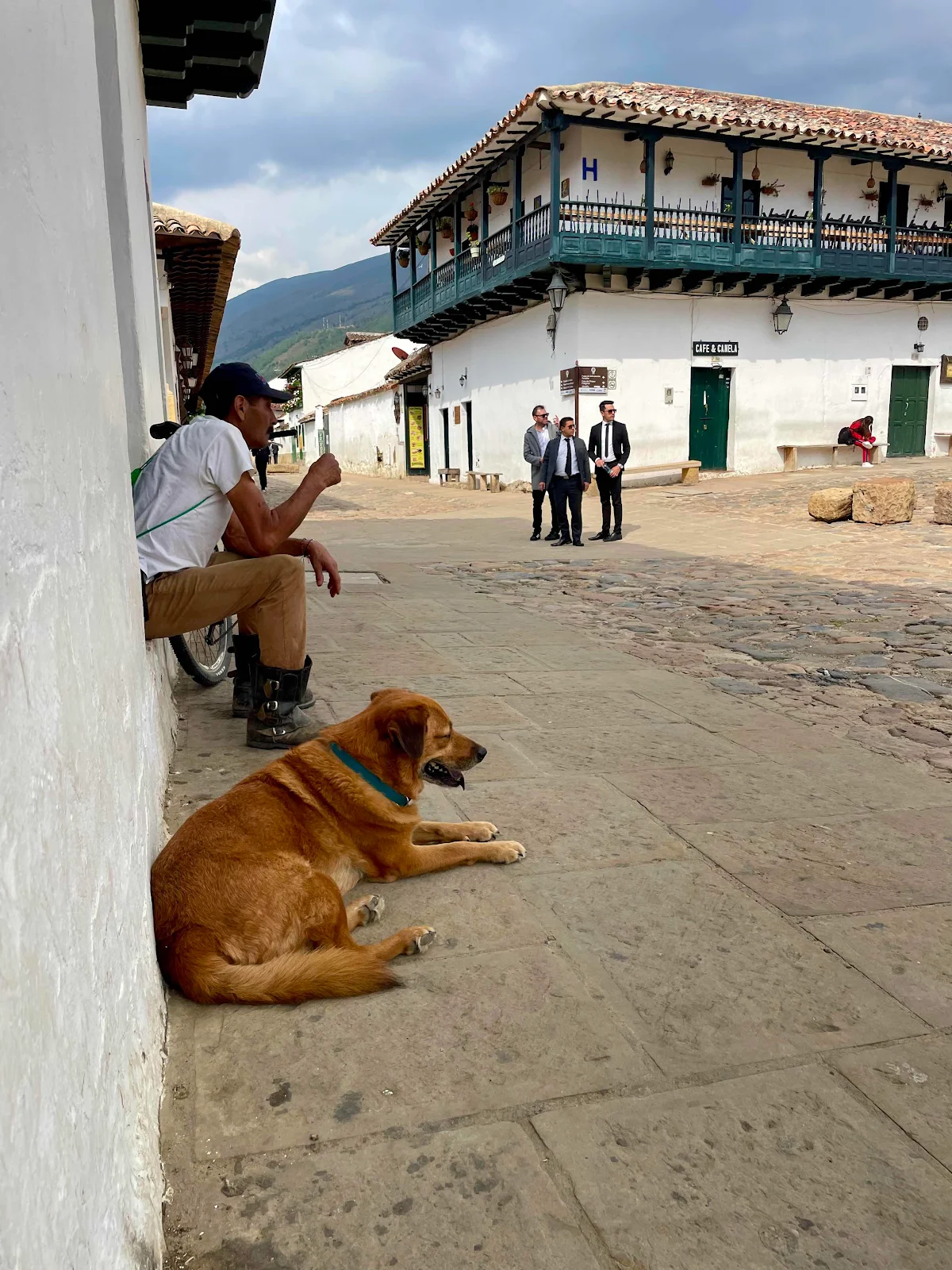
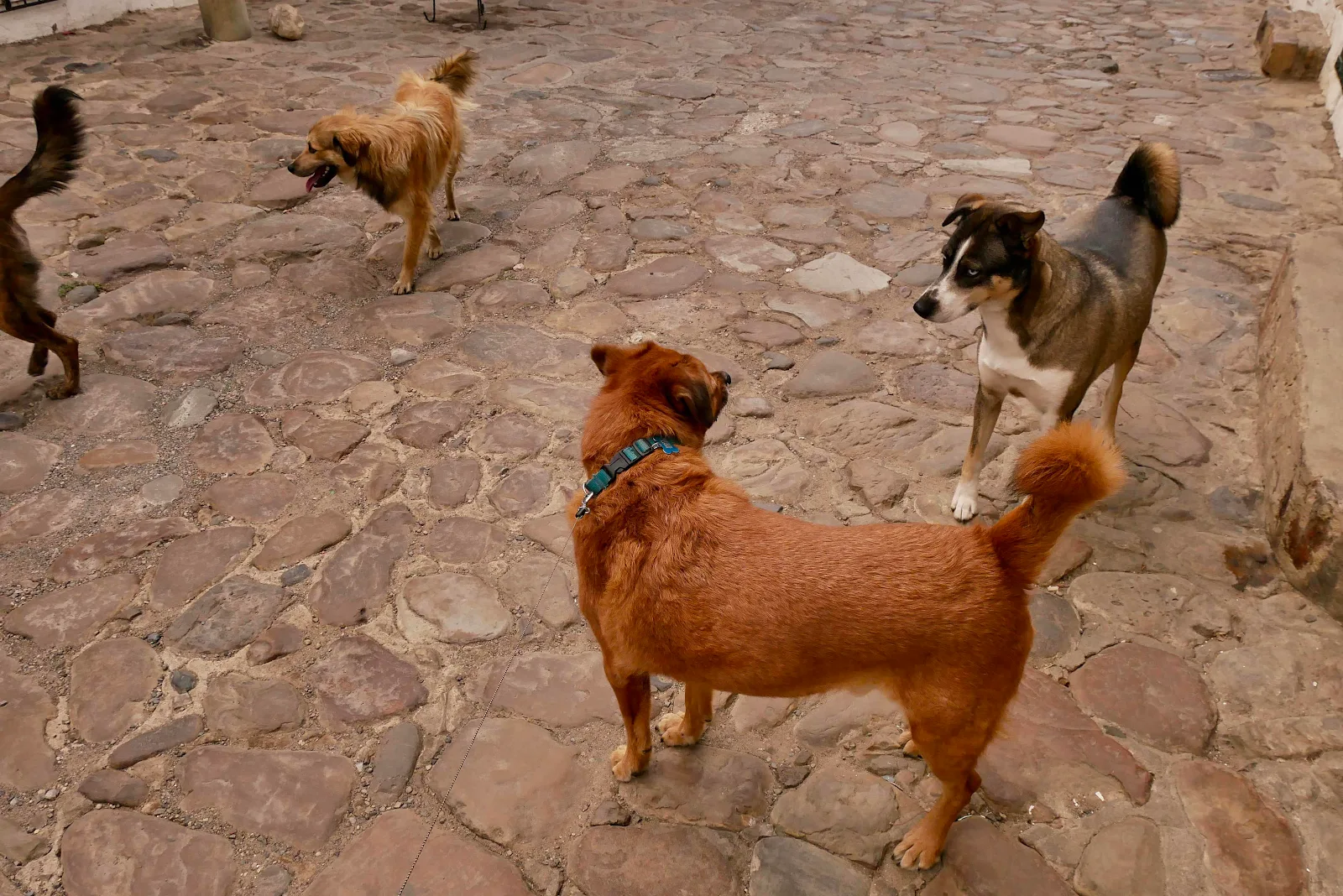
Back on the streets Rusty is learning to hold his own among packs of friendly dogs. 


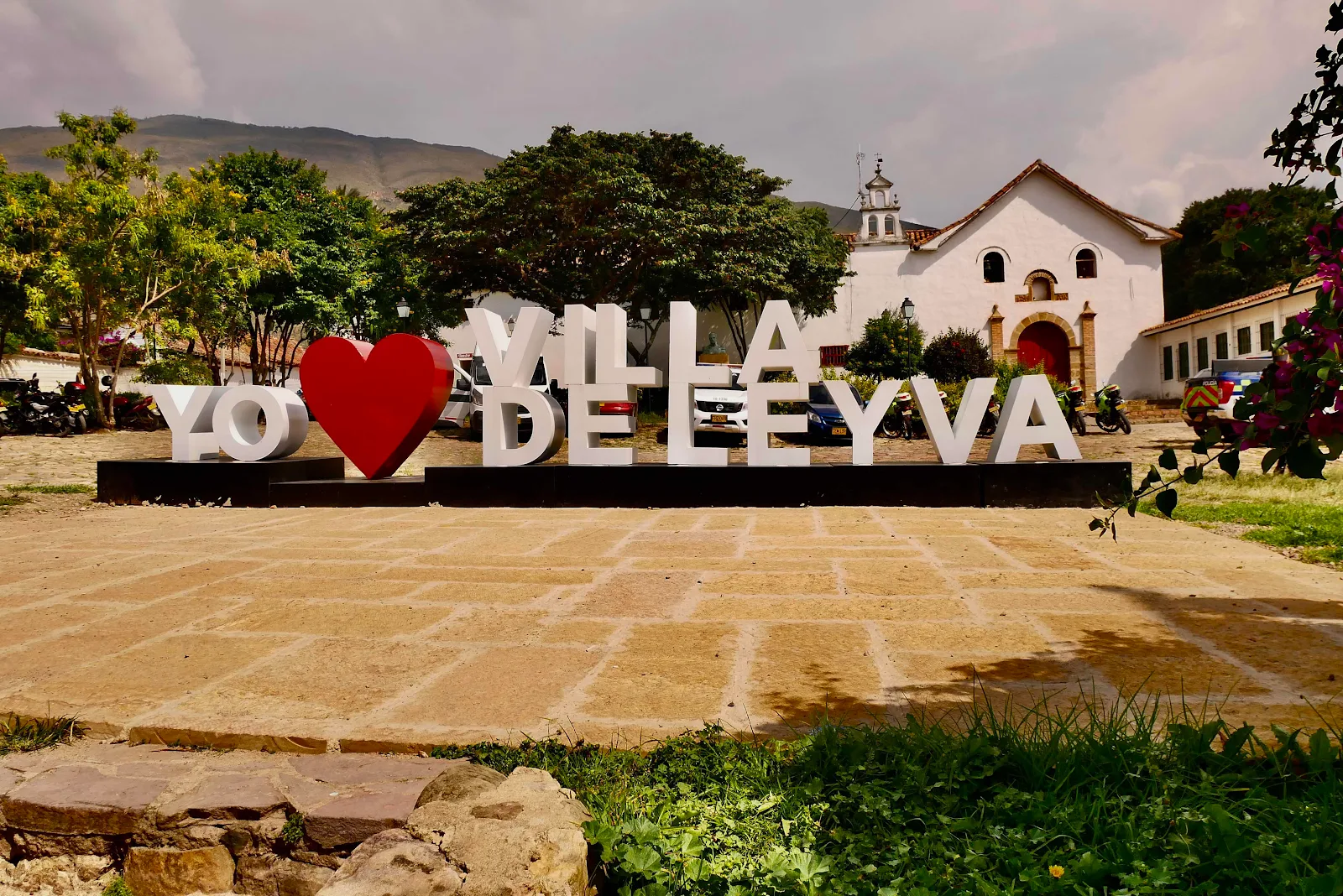
We have left Villa de Leyva to escape excessive crowds which fill tourist destinations this week, called Semana Santa in honor of the run up to Easter. 

Layne wants to come back next month for another week. Who am I to argue?