Friday, March 29, 2024

Monuments And Jam

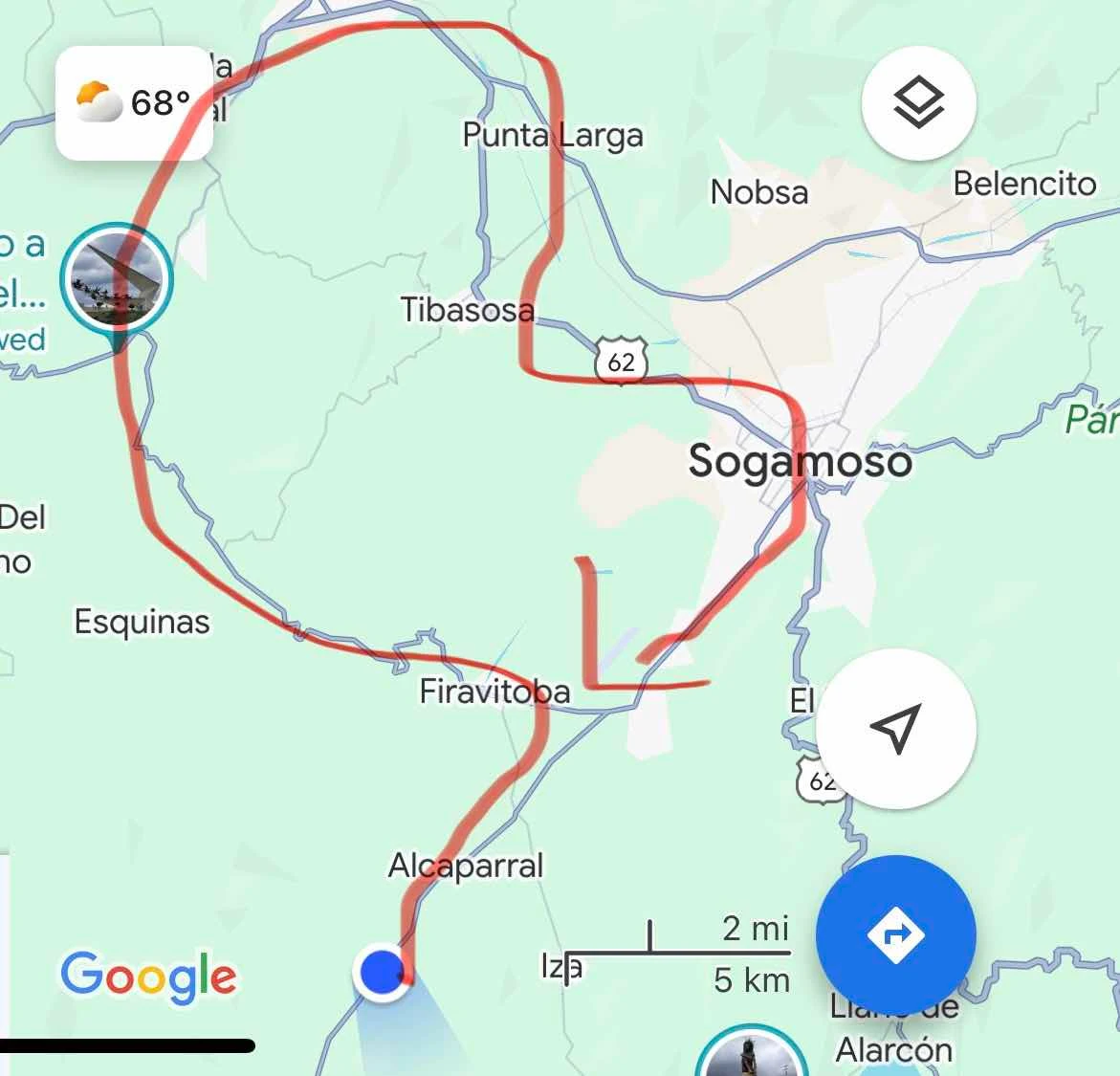
This one was my selection, so we started out driving to see the biggest monument in Colombia.
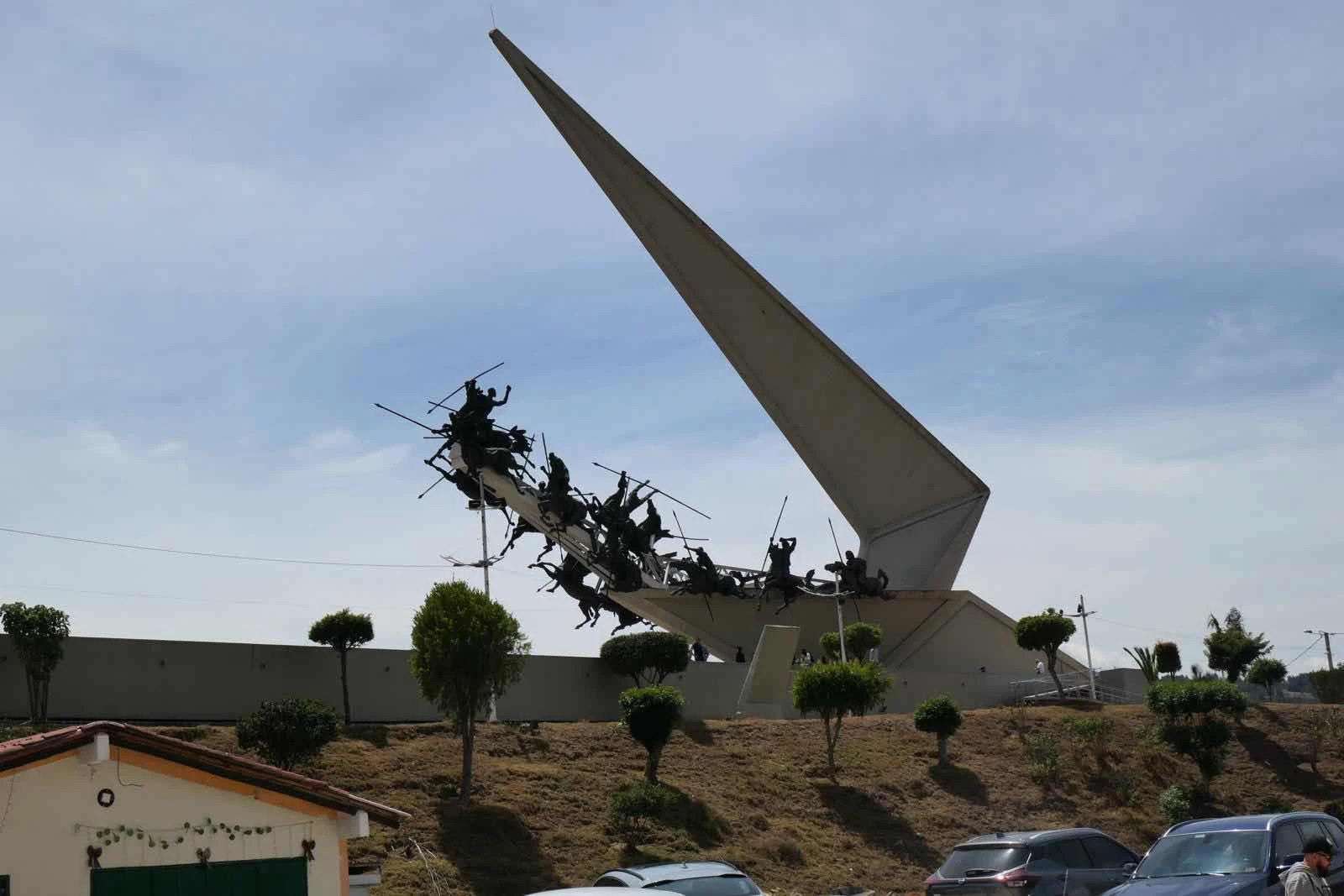
The Vargas Swamp Lancers is a giant cement construction which to my jaundiced eye is more in the style of some Eastern European Cold War monument to worker heroes but whatever…
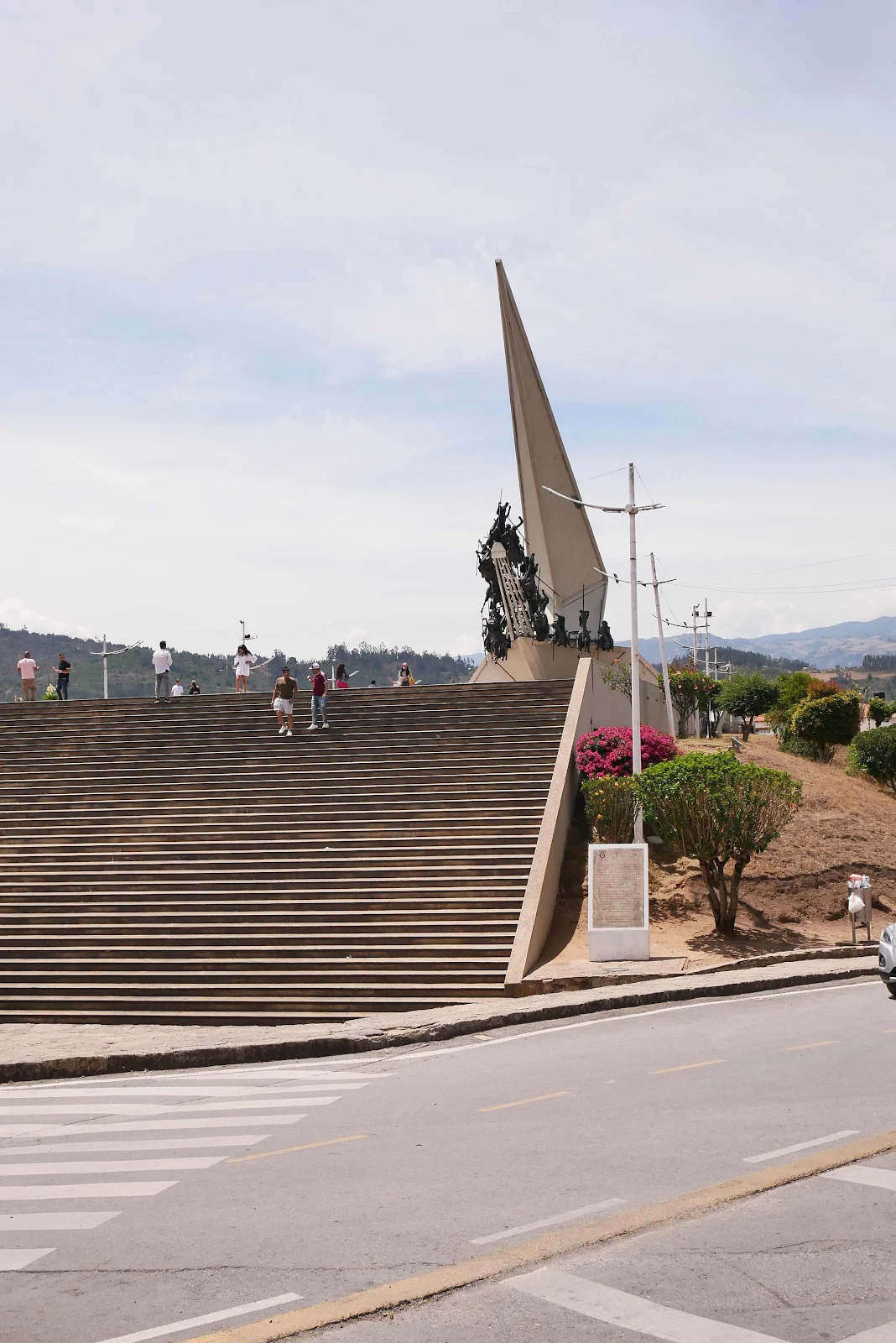
The reason I wanted to visit this overwrought hallowed spot was because this was where the revolution Simon Bolivar was fomenting thrashed the Spanish defenders. However from what I had read this place didn’t look anything like what I had expected! 
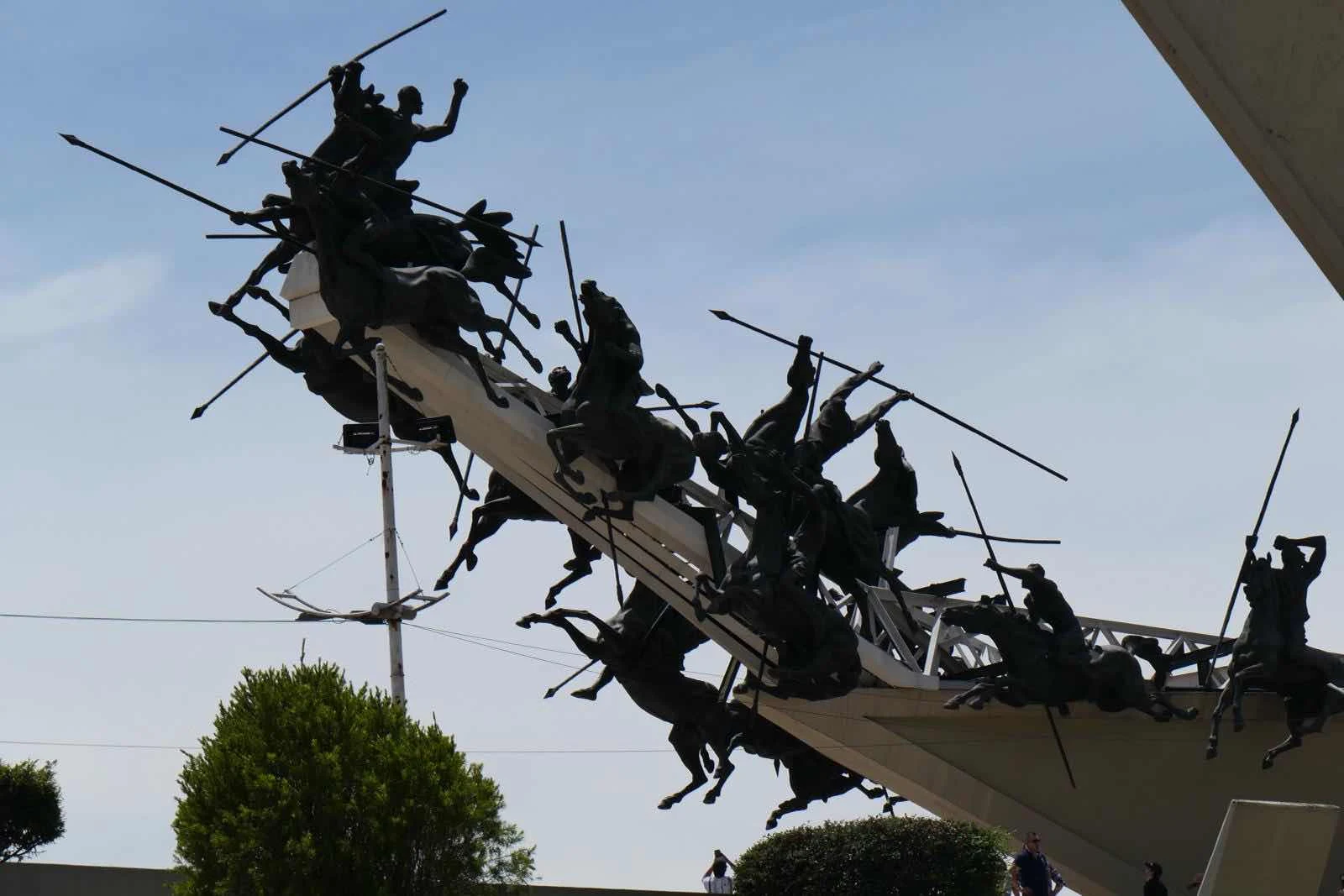
It was 1819 and Bolivar had marched a column from Venezuela to New Granada (later renamed Colombia) over the mountains and into the swamp lands on the road to Santa Fe de Bogotà, the official name of the capital. The Spanish tried an end run on a levee through the marsh but these fourteen mounted lancers noticed and met the Spanish army on the elevated land and sent them packing. This was the first obvious chink in the armor of Spanish invincibility.

The Spanish fell back with Bolivar in hot pursuit where he won the battle of Boyacá Bridge which site I plan to visit later to celebrate the final defeat of the Spanish. The only problem was they didn’t know they were beaten and the war dragged on with much unpleasantness.
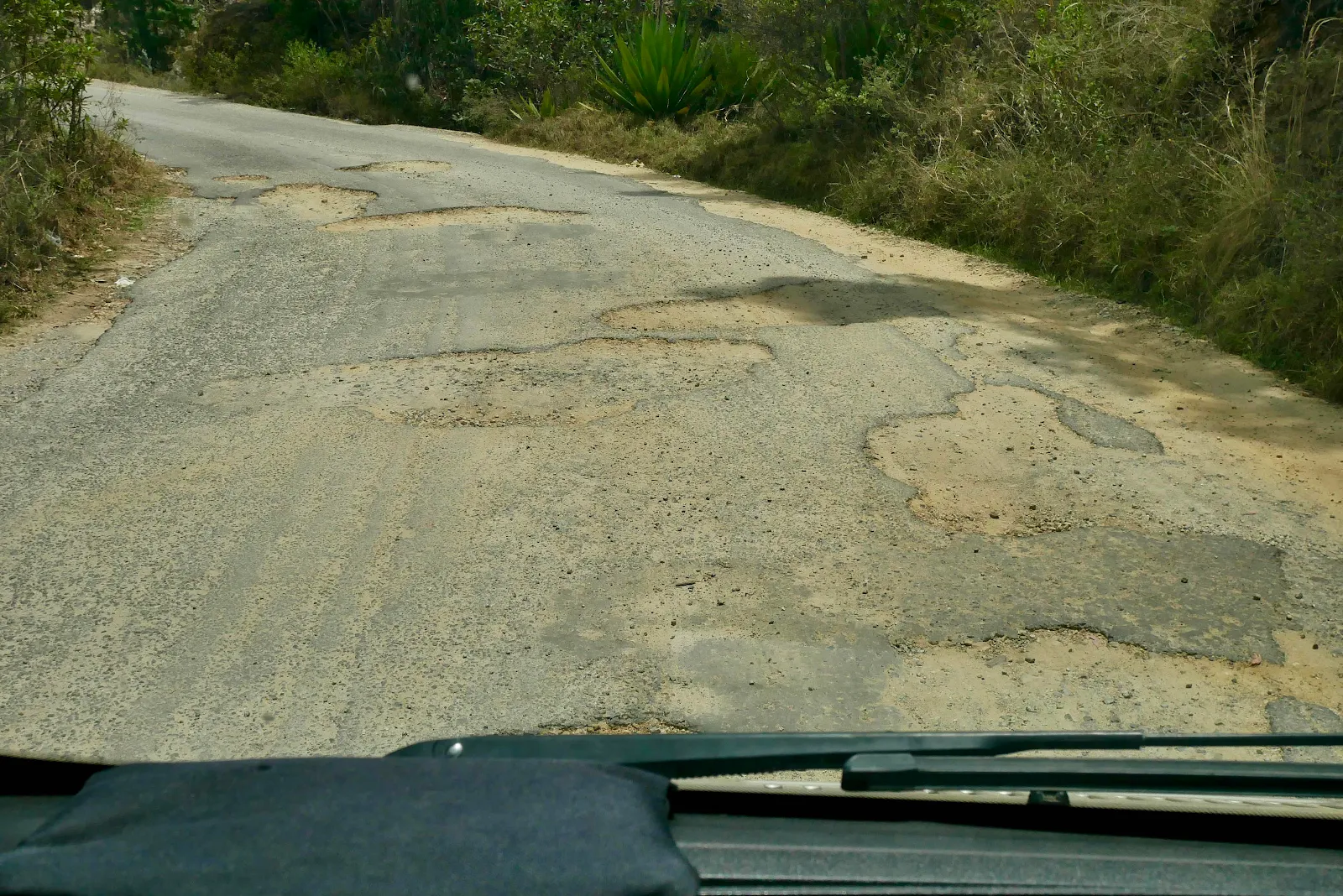
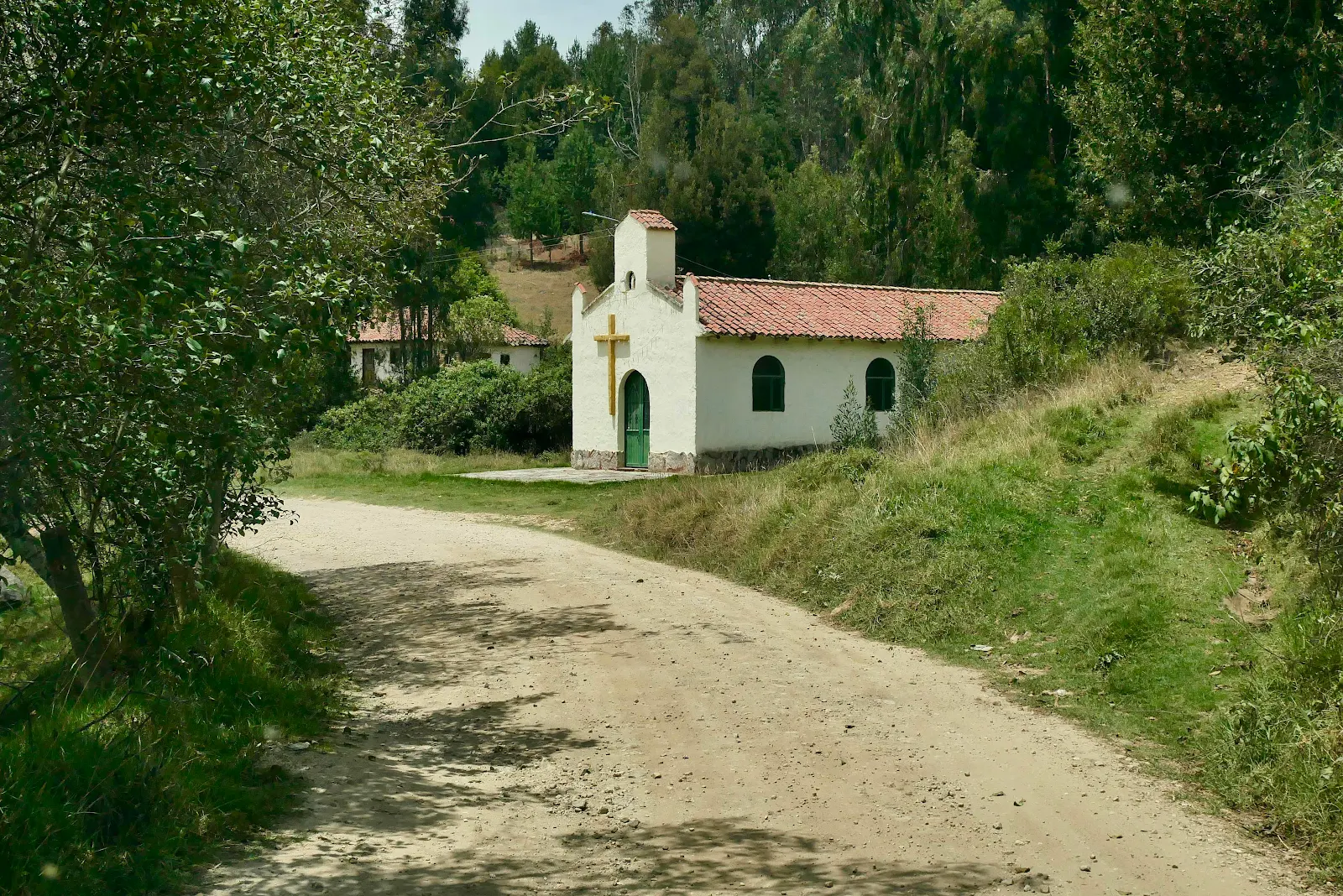
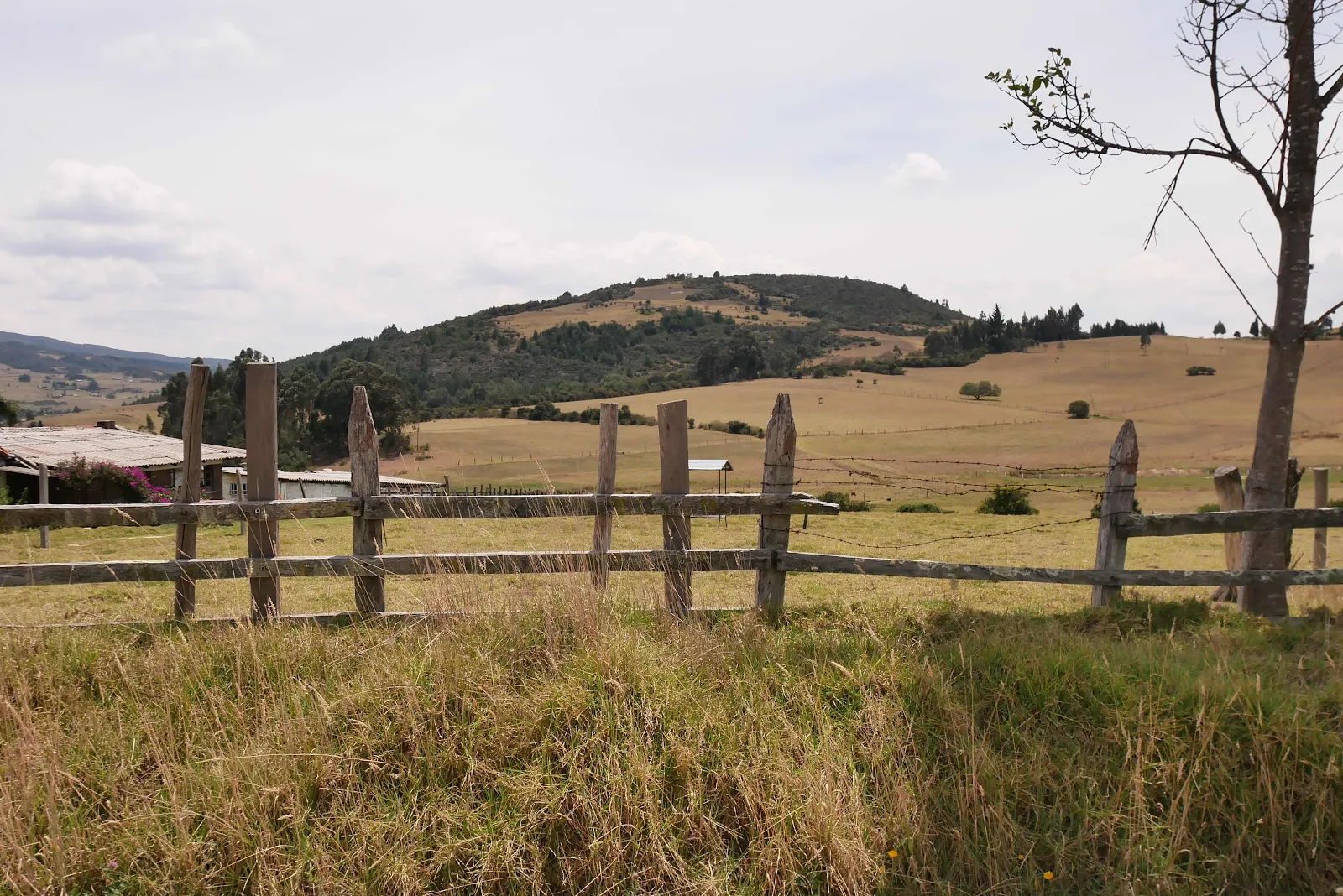
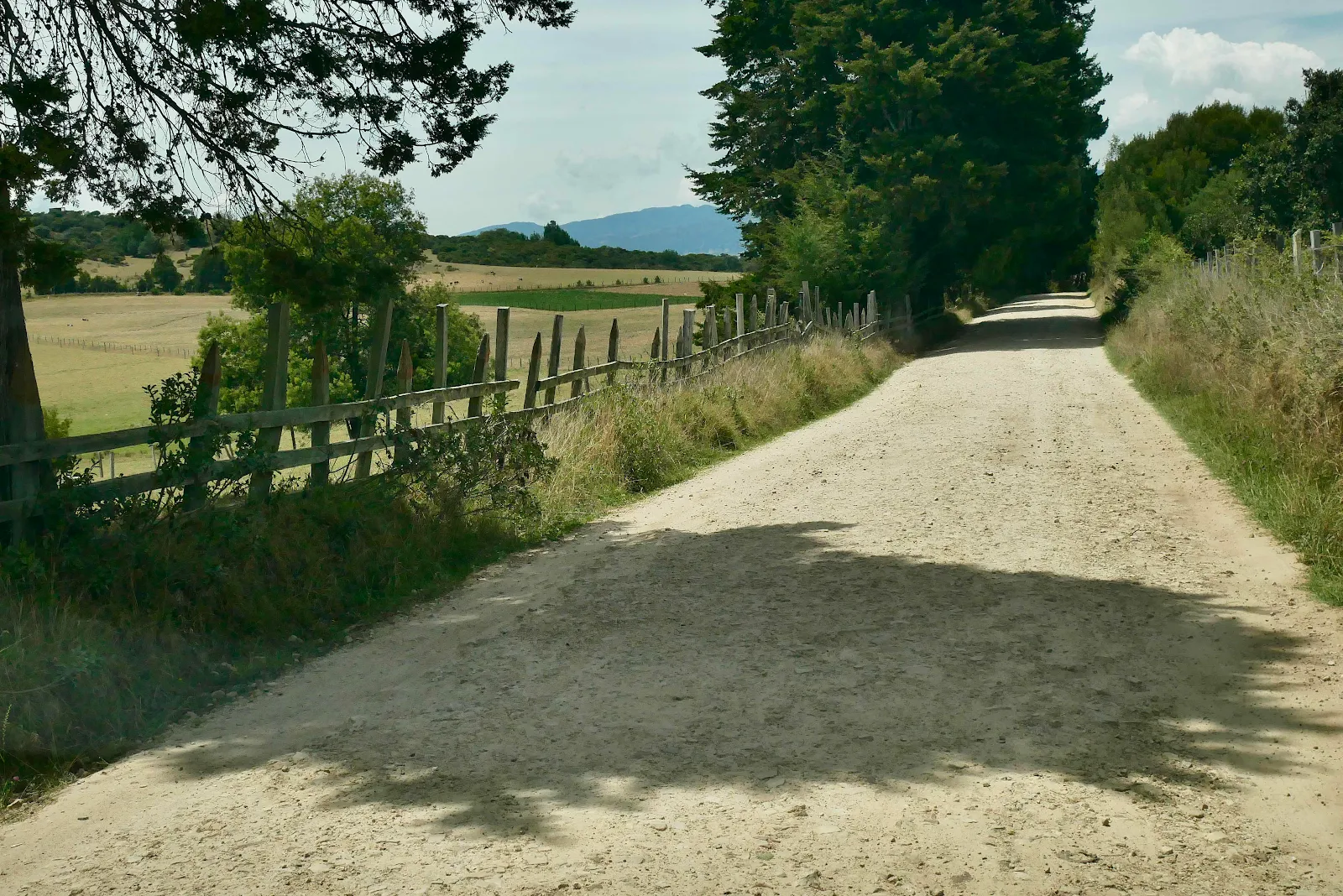
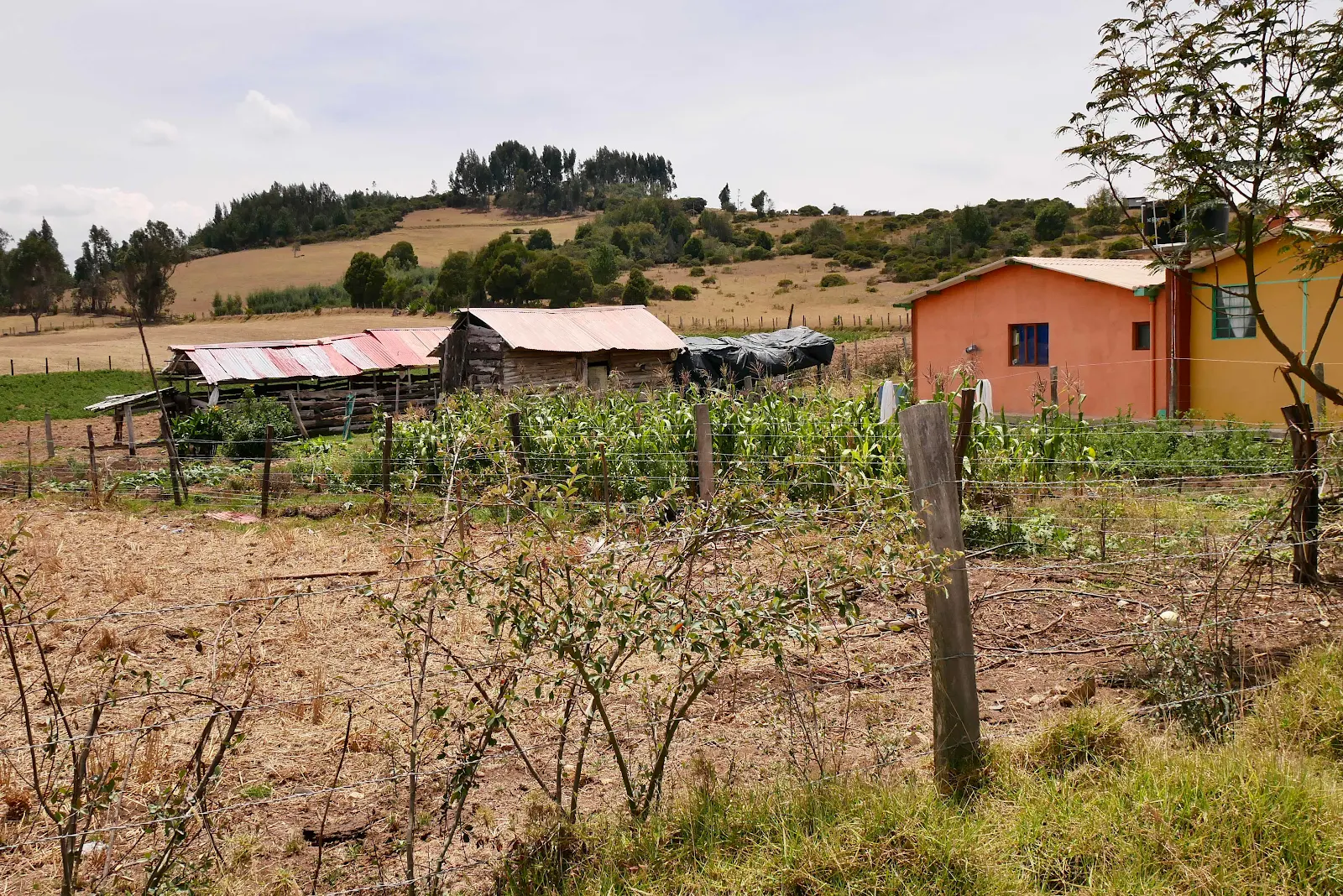
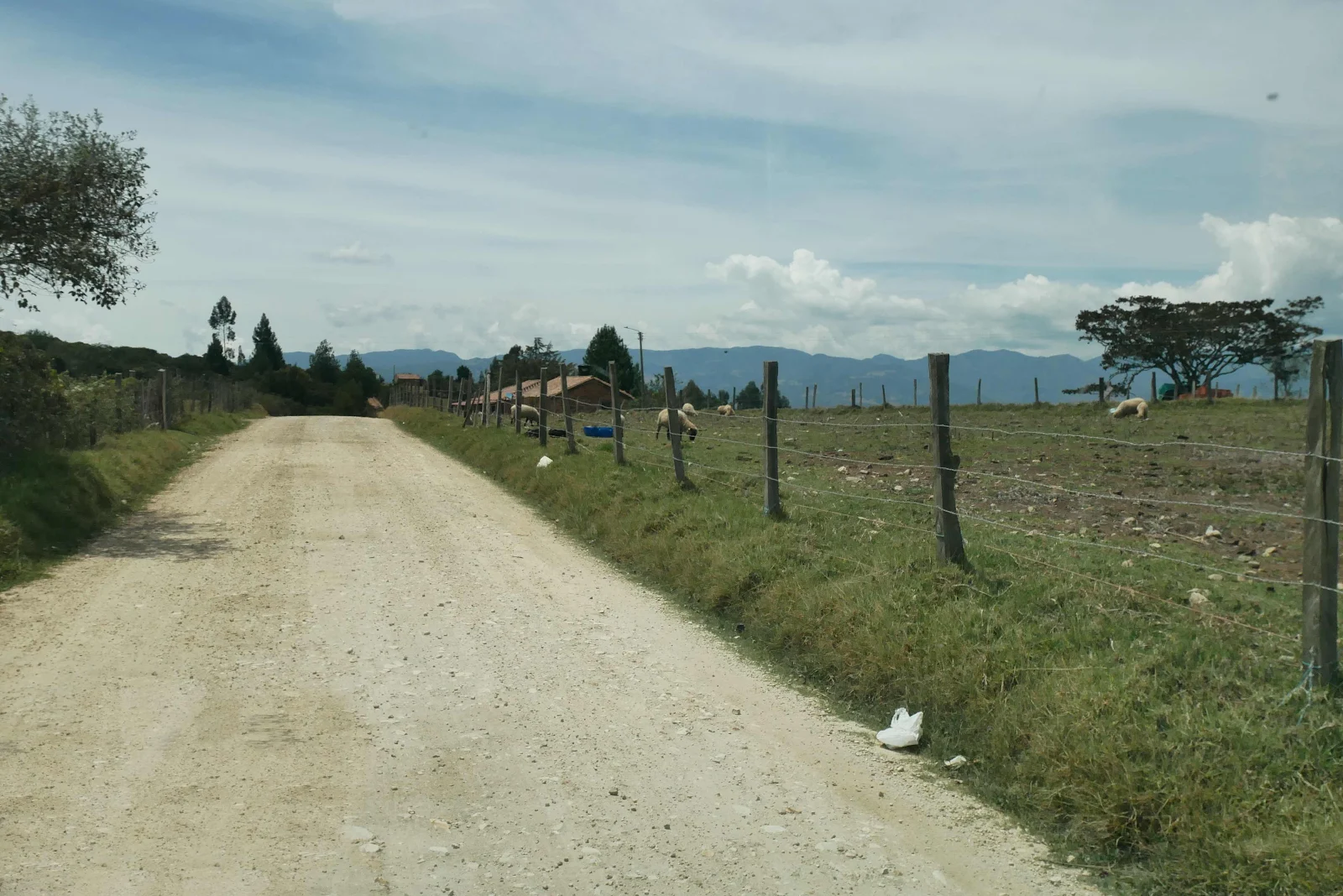
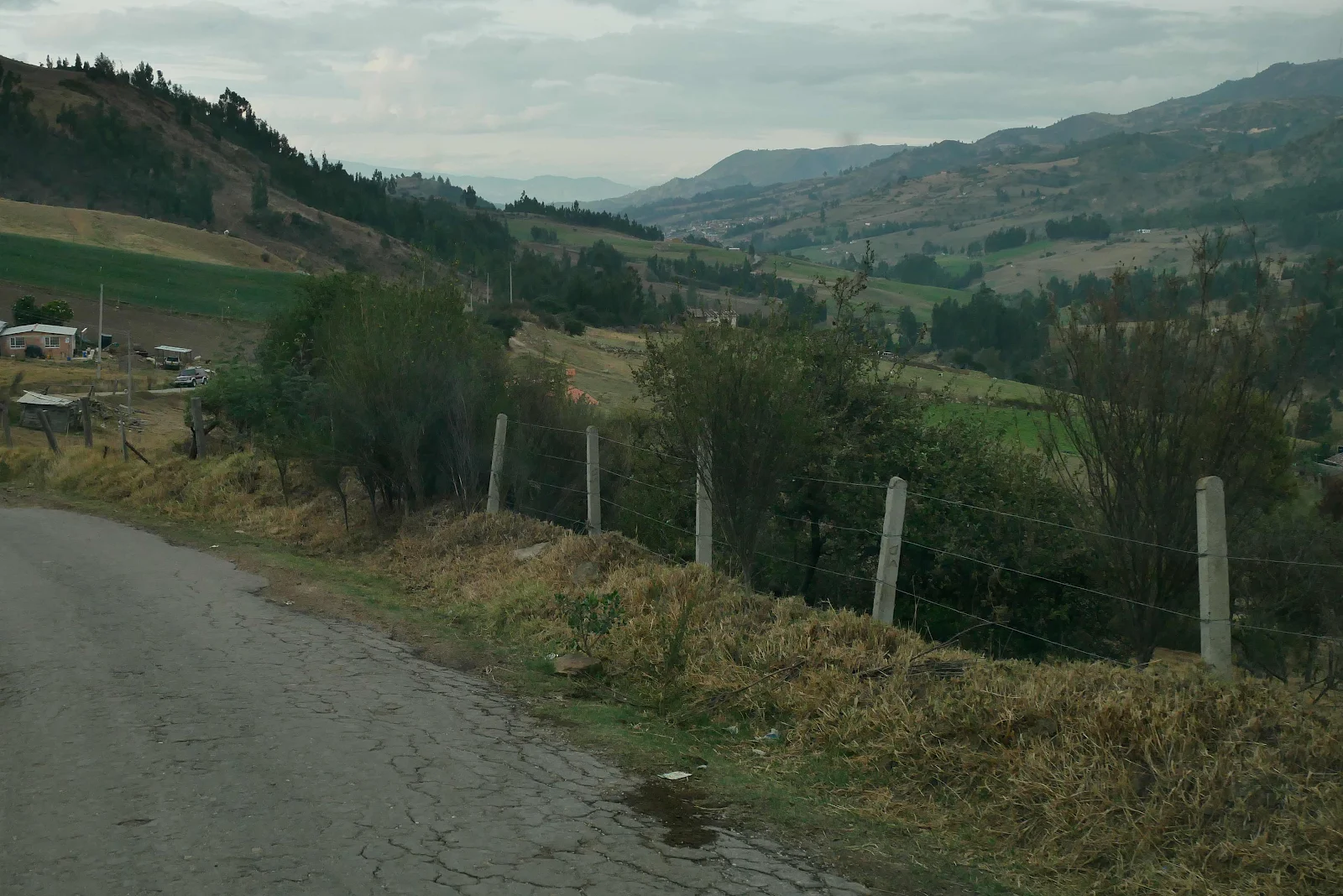
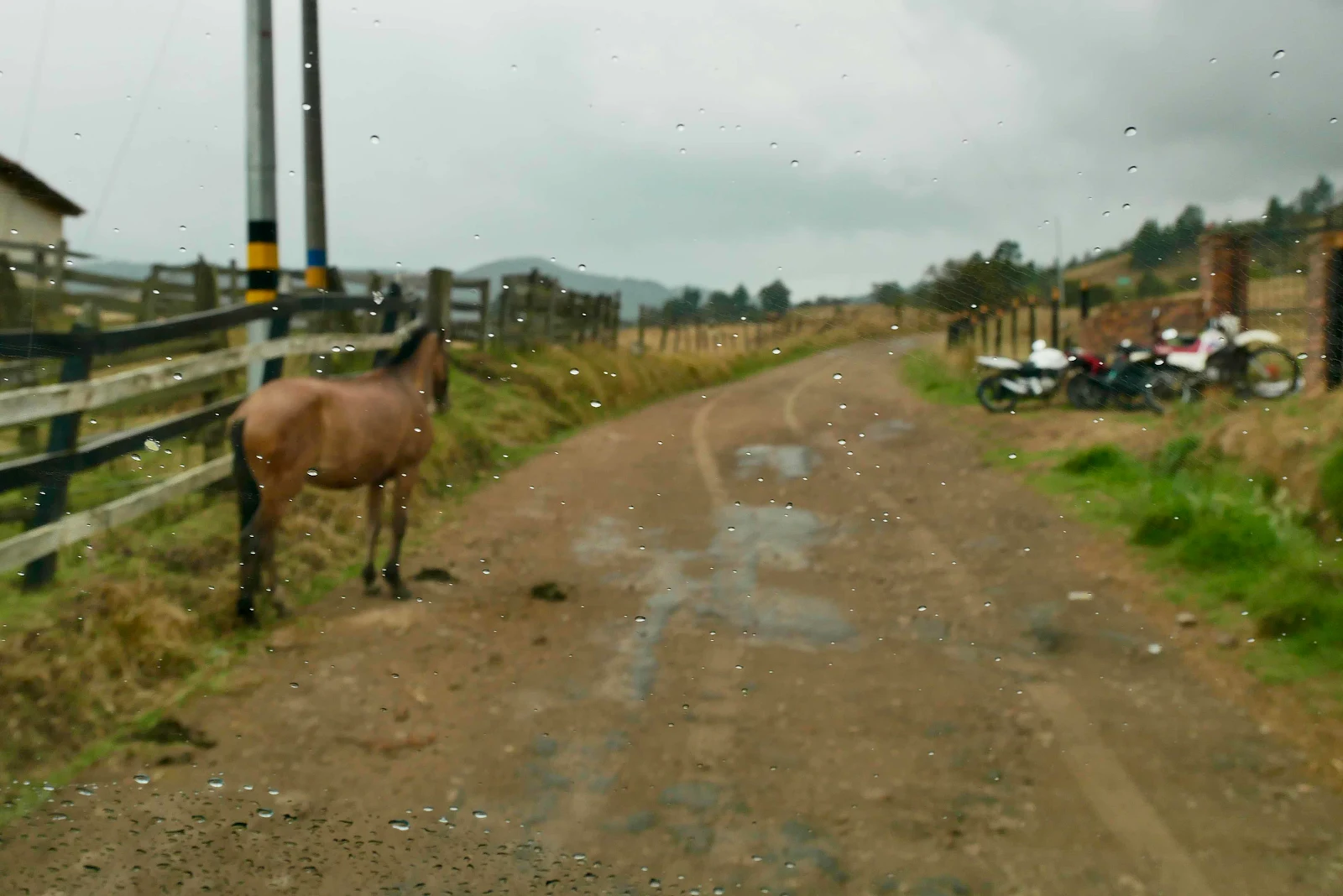
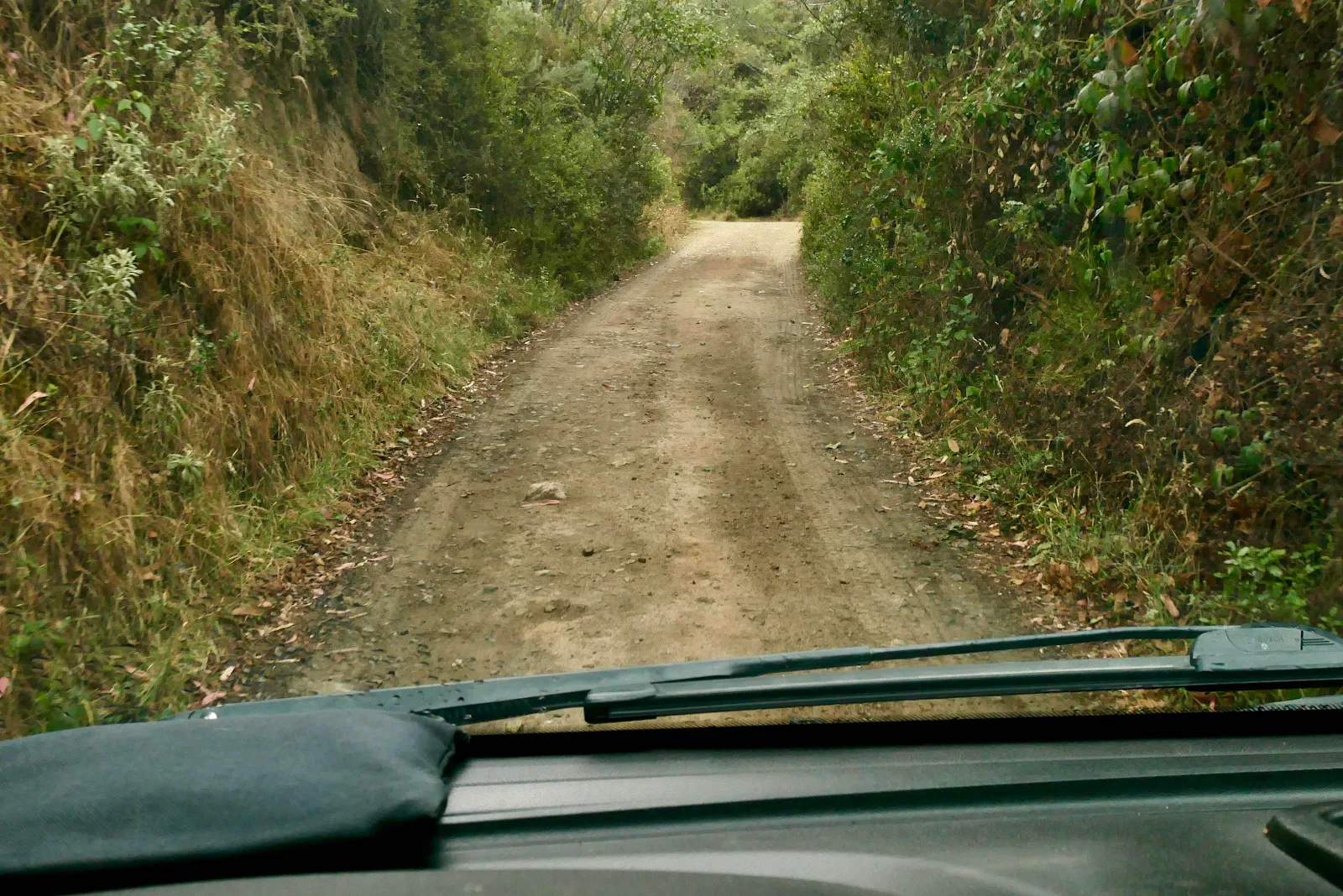
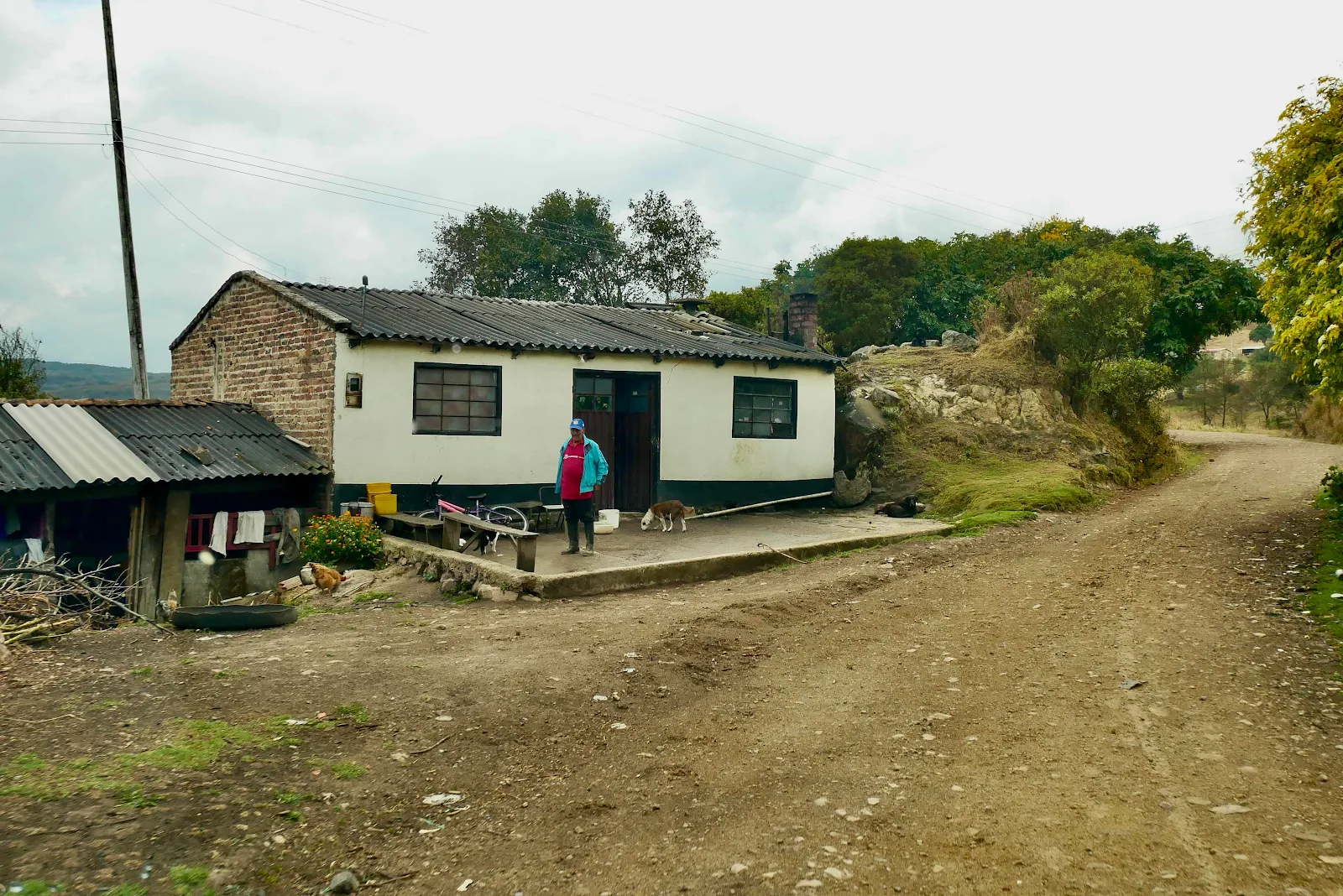
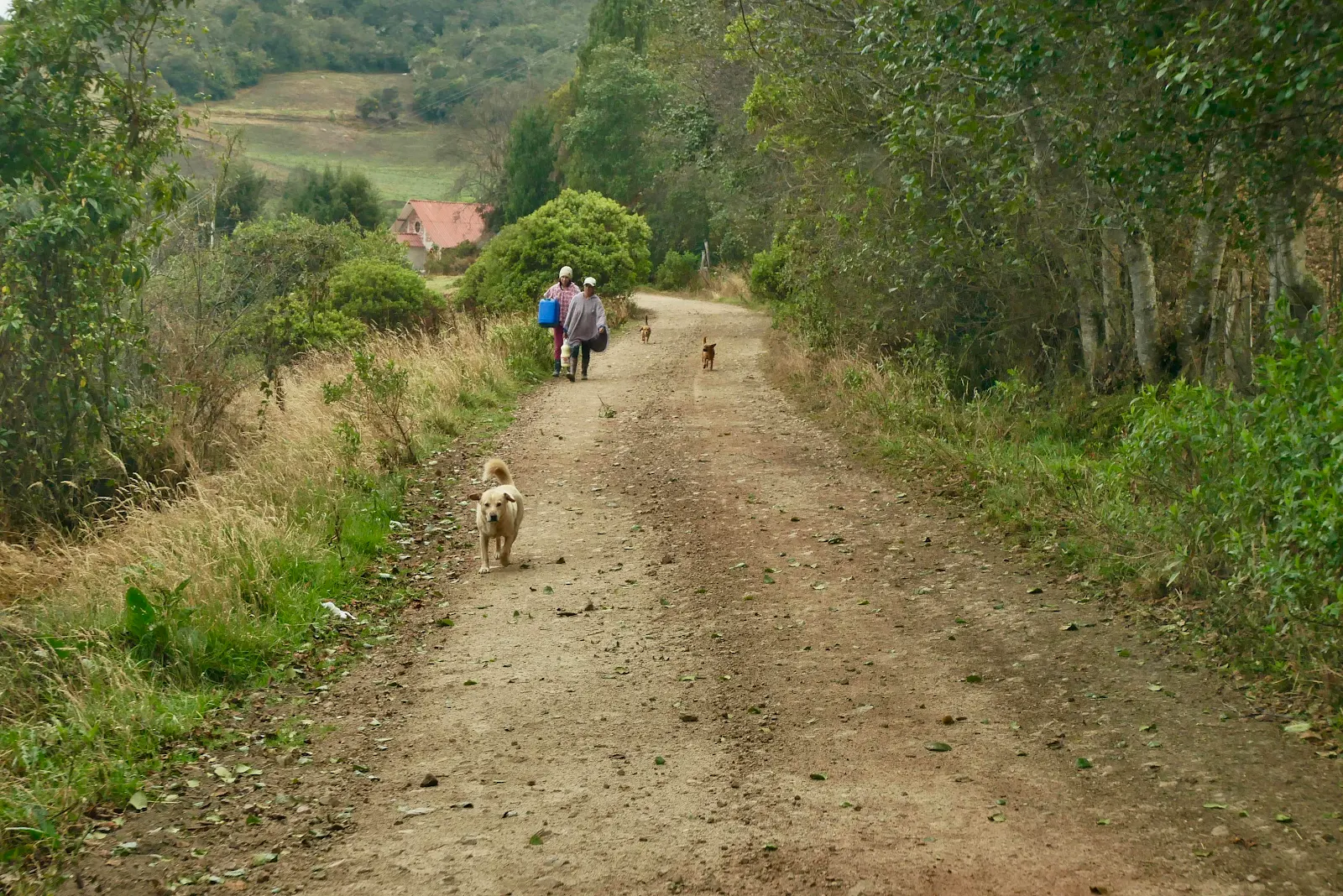
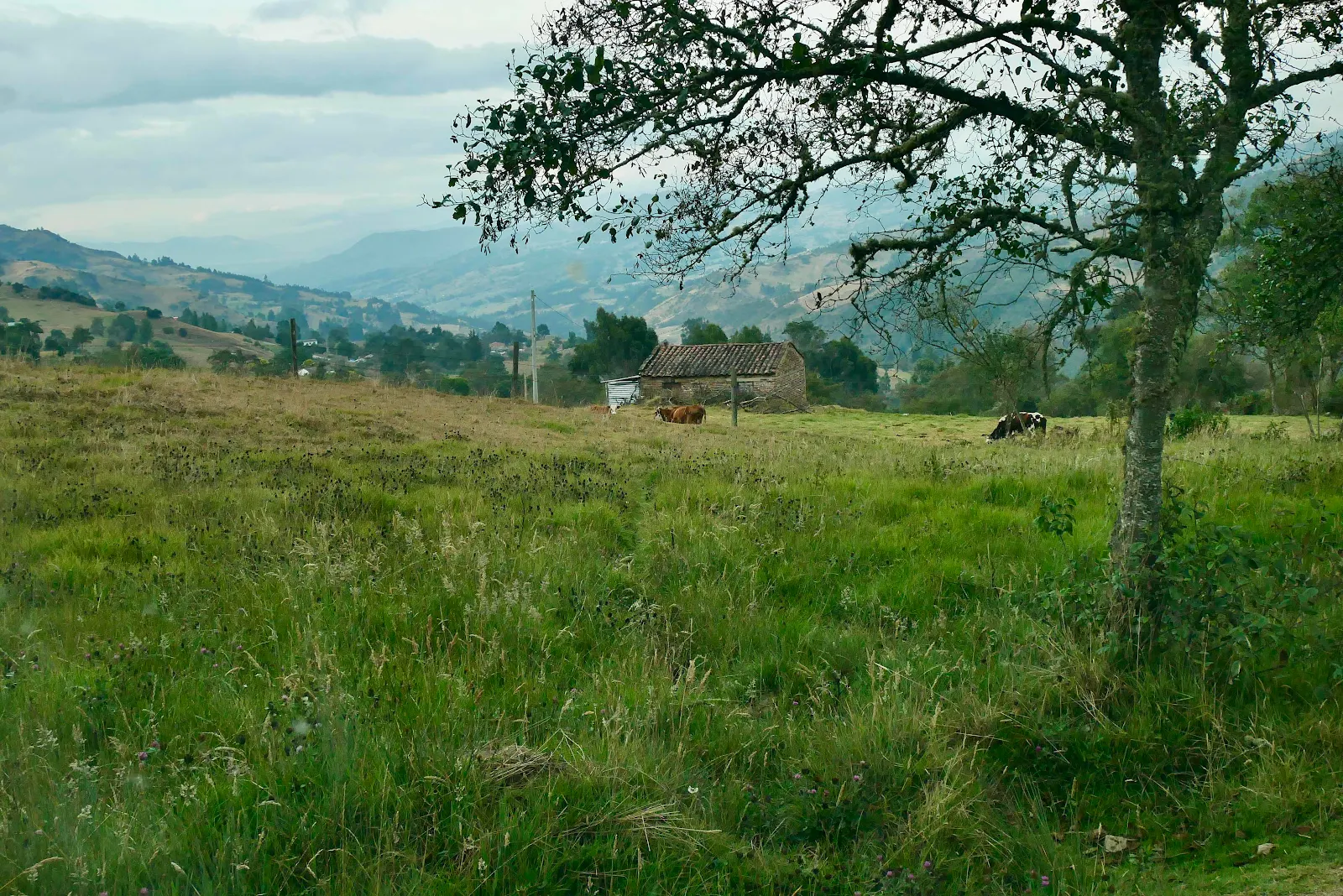
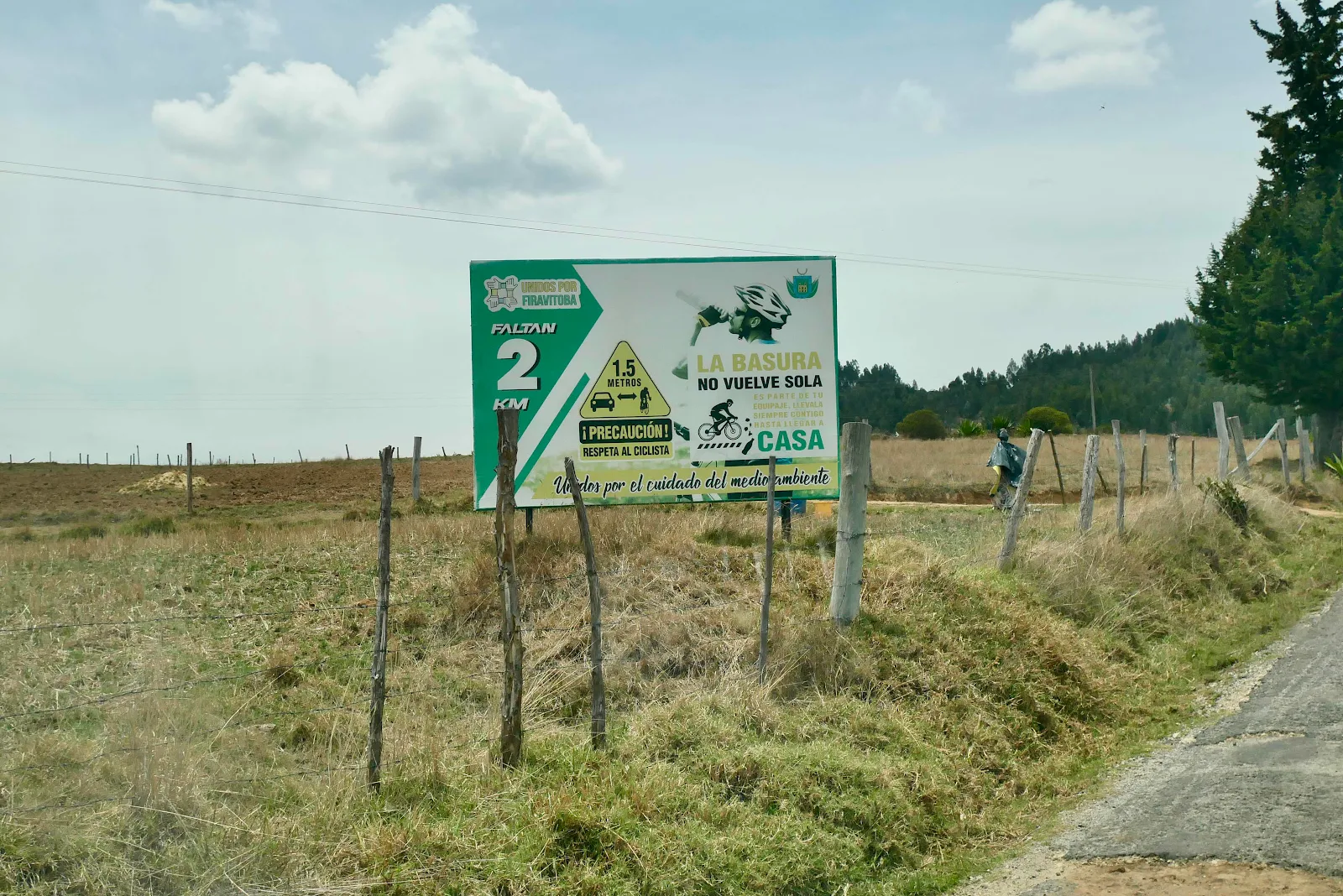
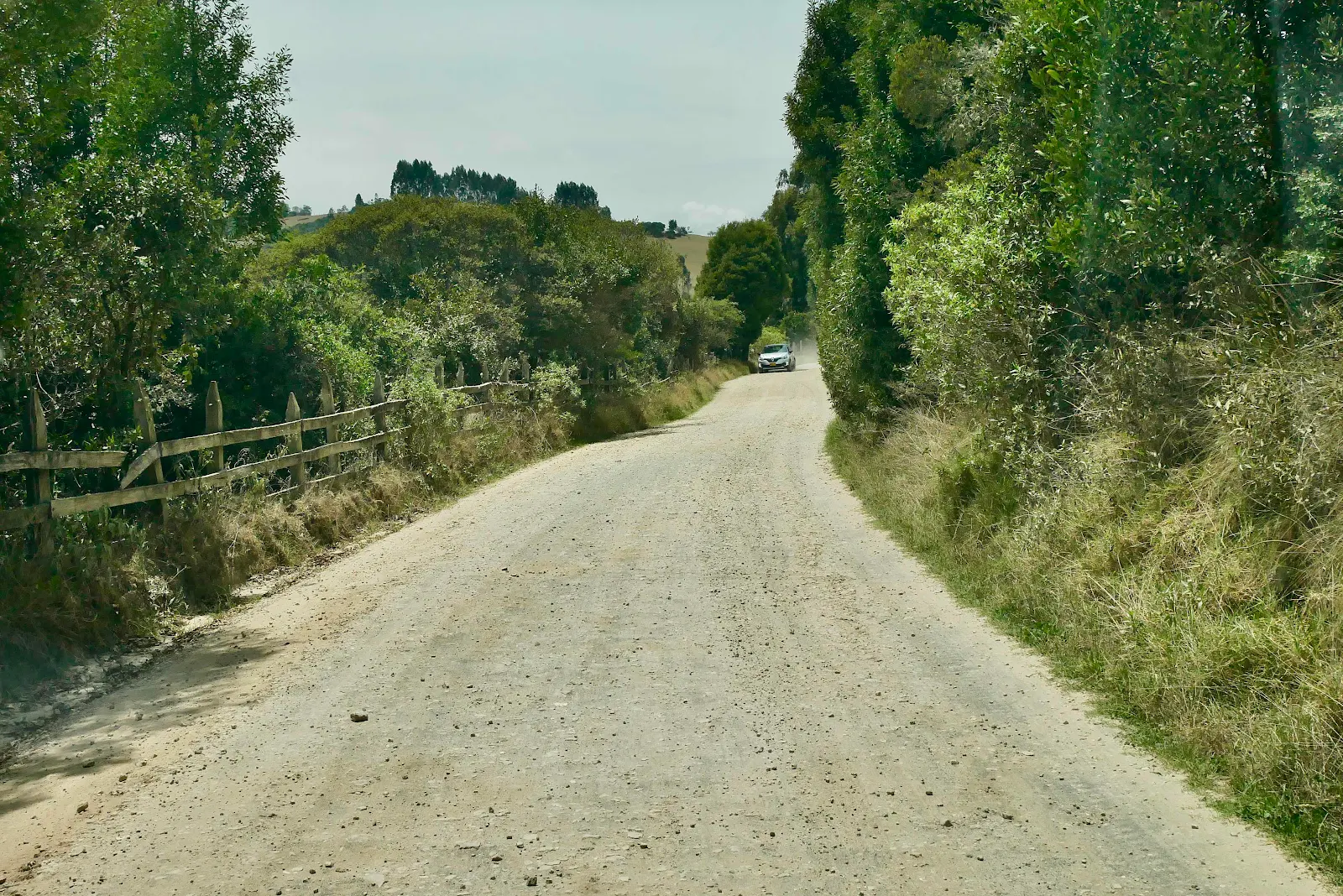
We plunged onto a back road after we left our apartment and switch backed our way uphill to cross the mountain ridge to get to the monument. It was pretty agricultural with farmhouses and tracks, cows and horses and sheep and a few people. And signs urging you to take your trash home. Colombia is remarkably trash free unlike Mexico and most of Central America ( and some public land in the US). 
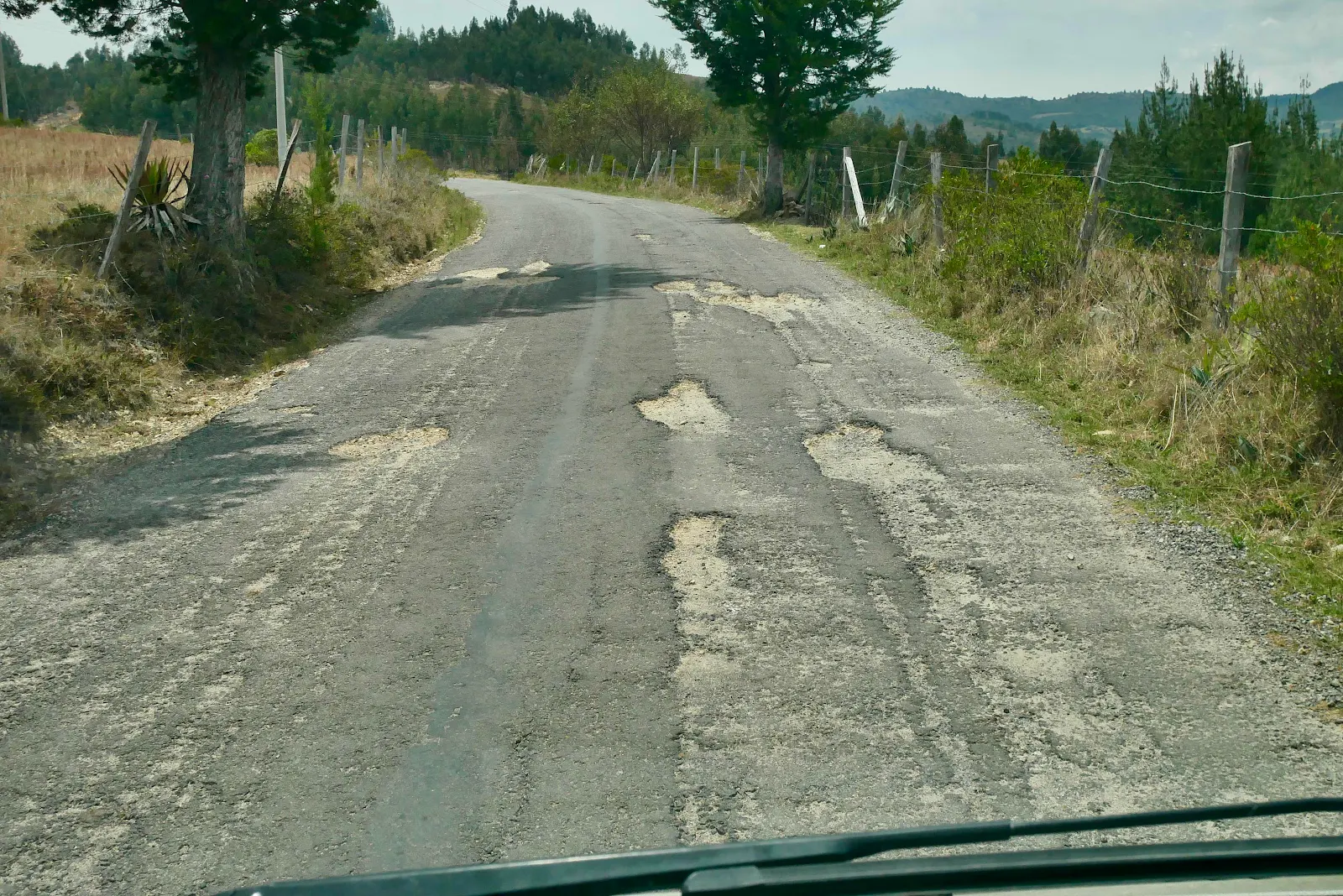
But Colombia is not pothole free on the back roads. Ten miles an hour, maybe fifteen and eyes firmly on the road ahead. 
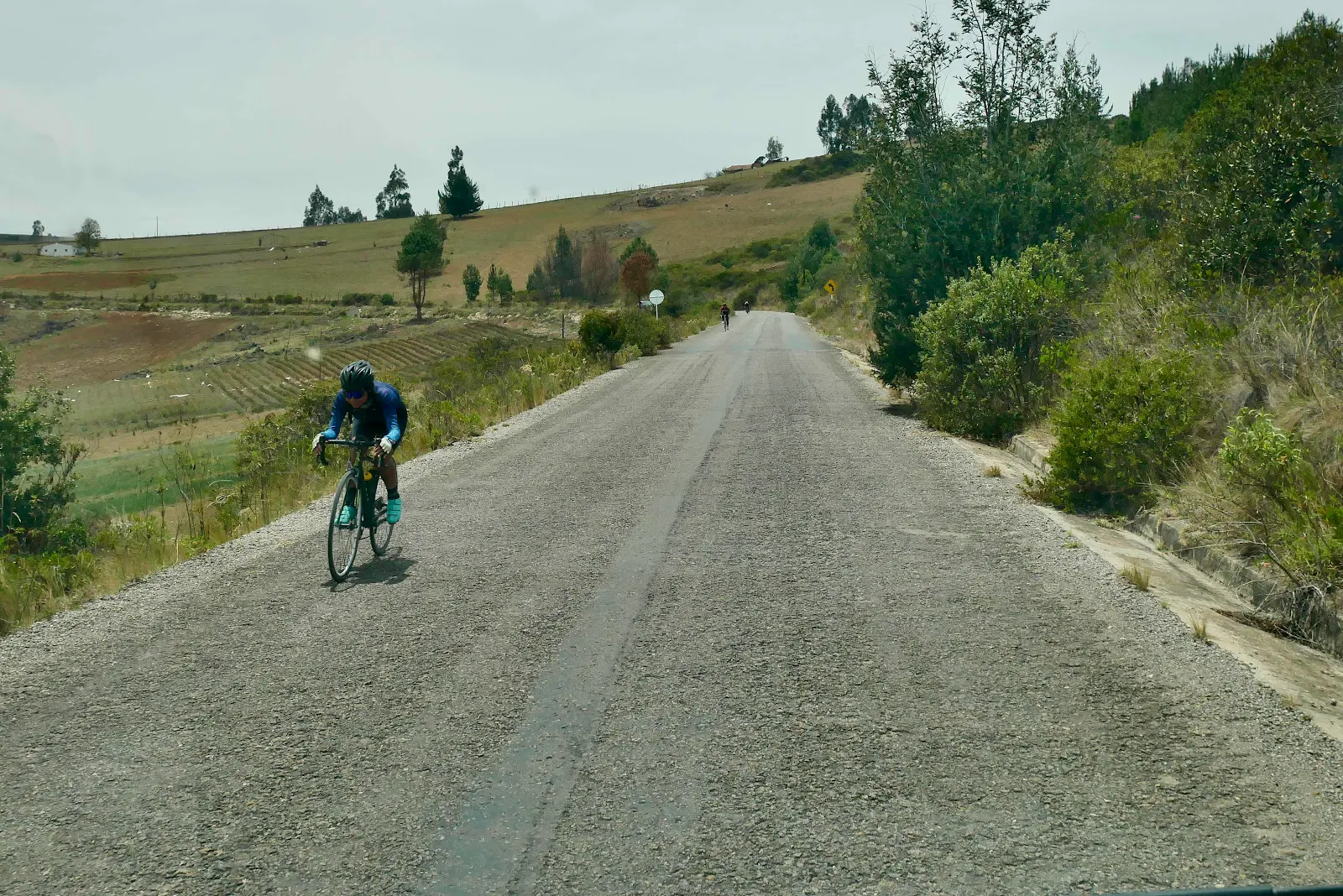
And this being Holy Week recreational cyclists were out in force. By contrast with the US there is relatively little traffic on these roads and we were going so slowly the bicycles were neither impediment or hazard. But I did enjoy watching them huff and puff at 9,000 feet. These people are tough. 
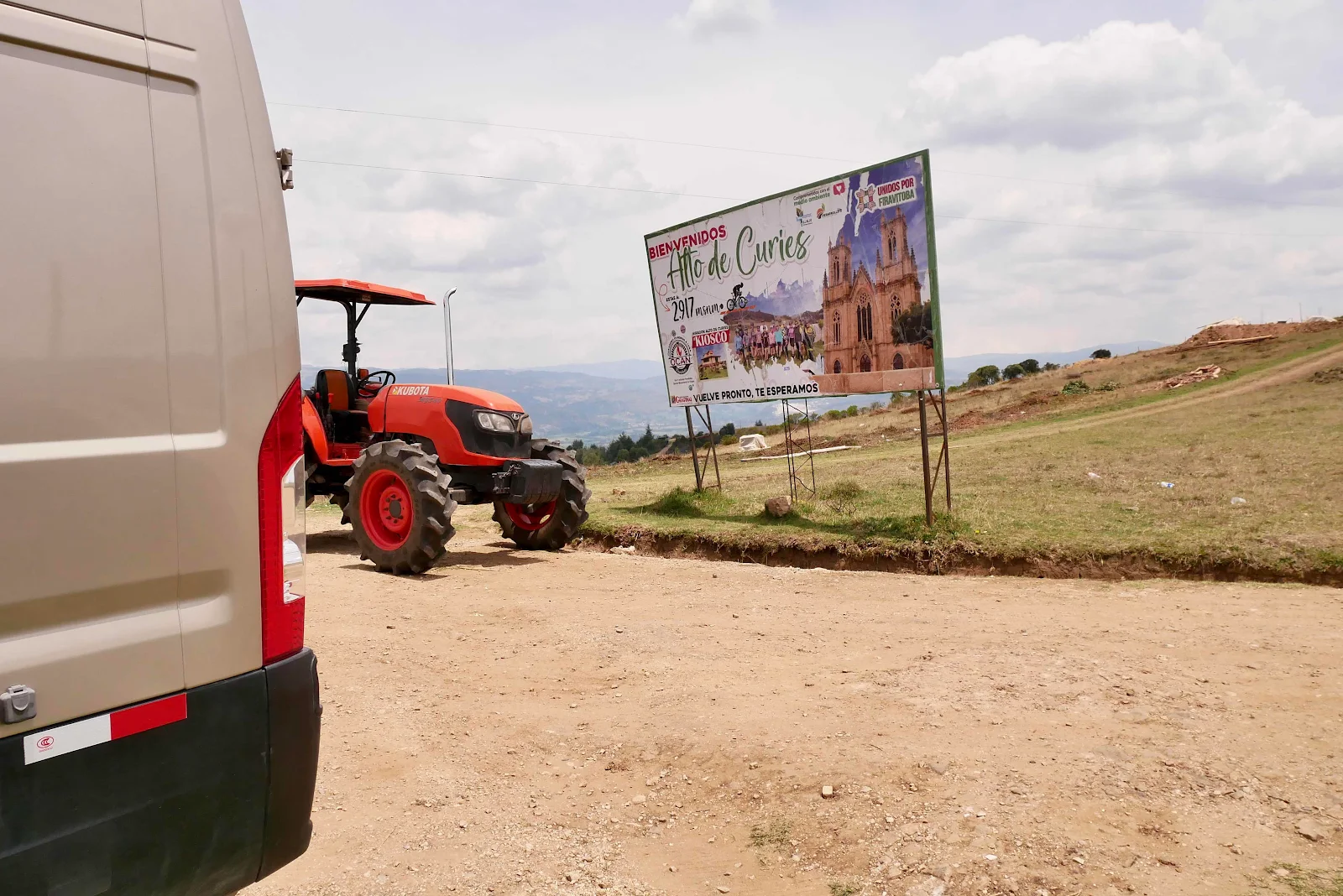
Finally we reached the pass at 9600 feet and clearly it was time for coffee. 
Layne plunged into the darkened coffee shop looking for coffee, called “tinto” and empanadas.
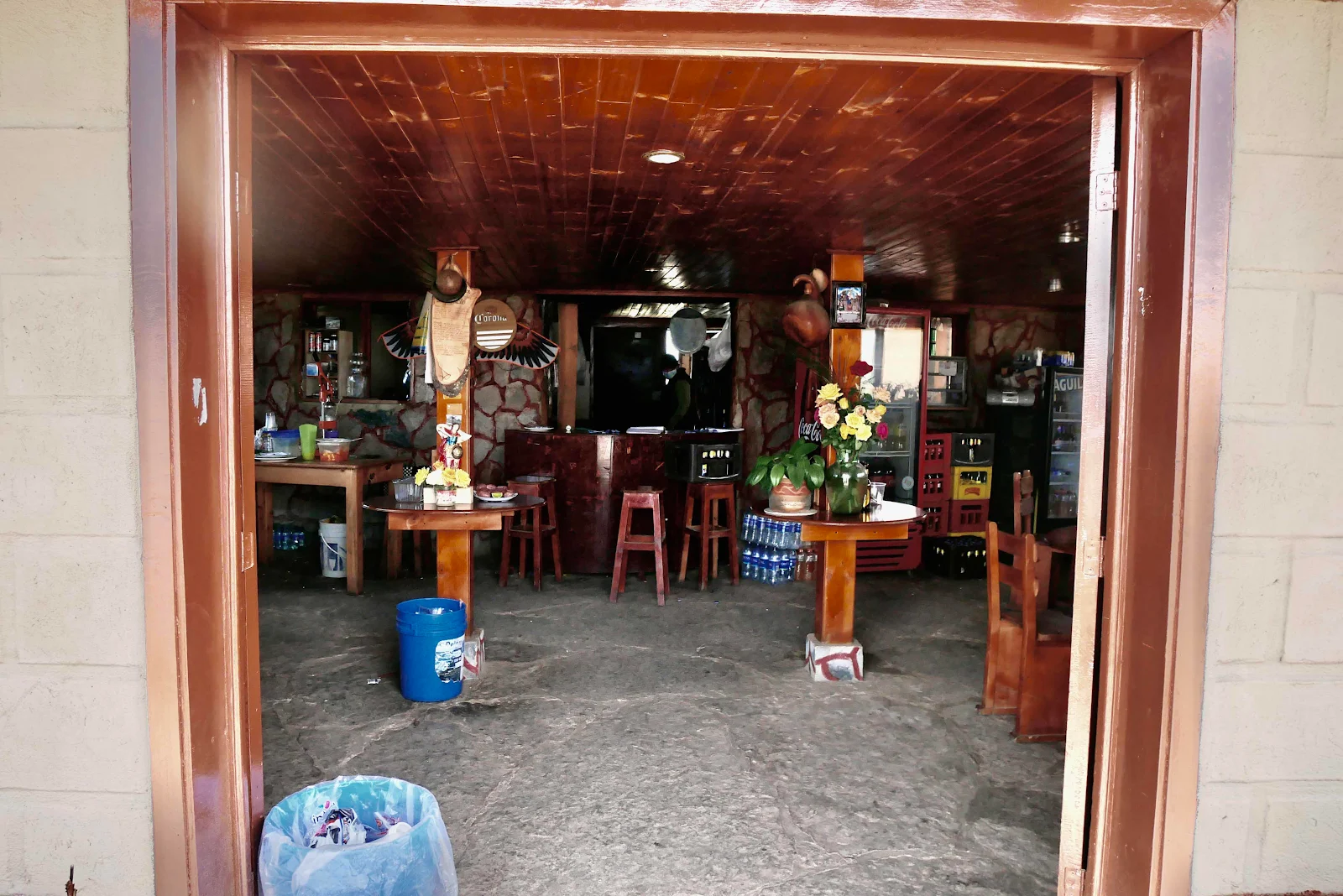
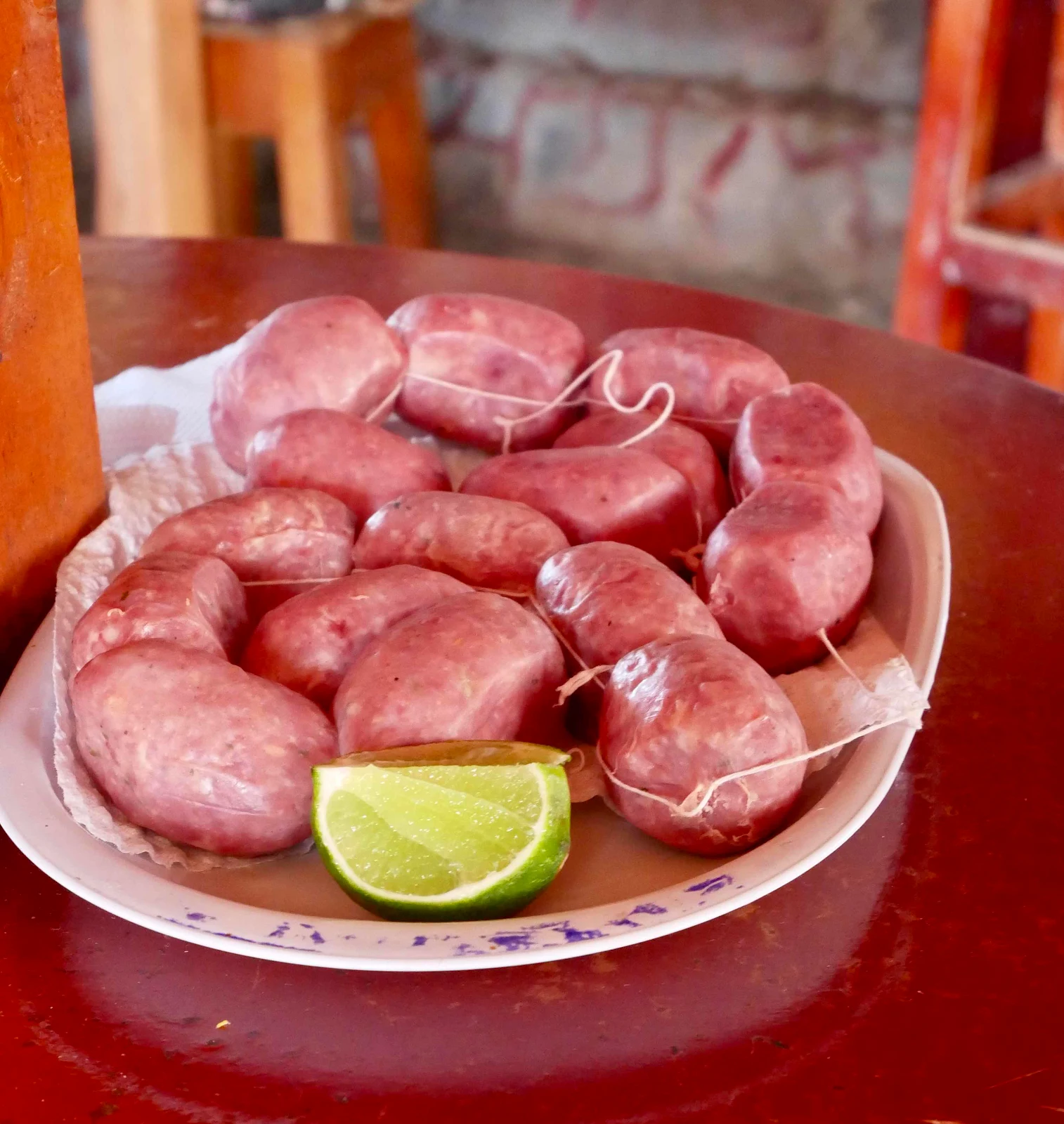
They were fresh out of empanadas but the lady offered us sausages so we had a go. They were spiced like Italian sausage and rather fatty but they were more like tartare than salami to our taste. We bought a few to take home to cook after we had one each as a snack. 
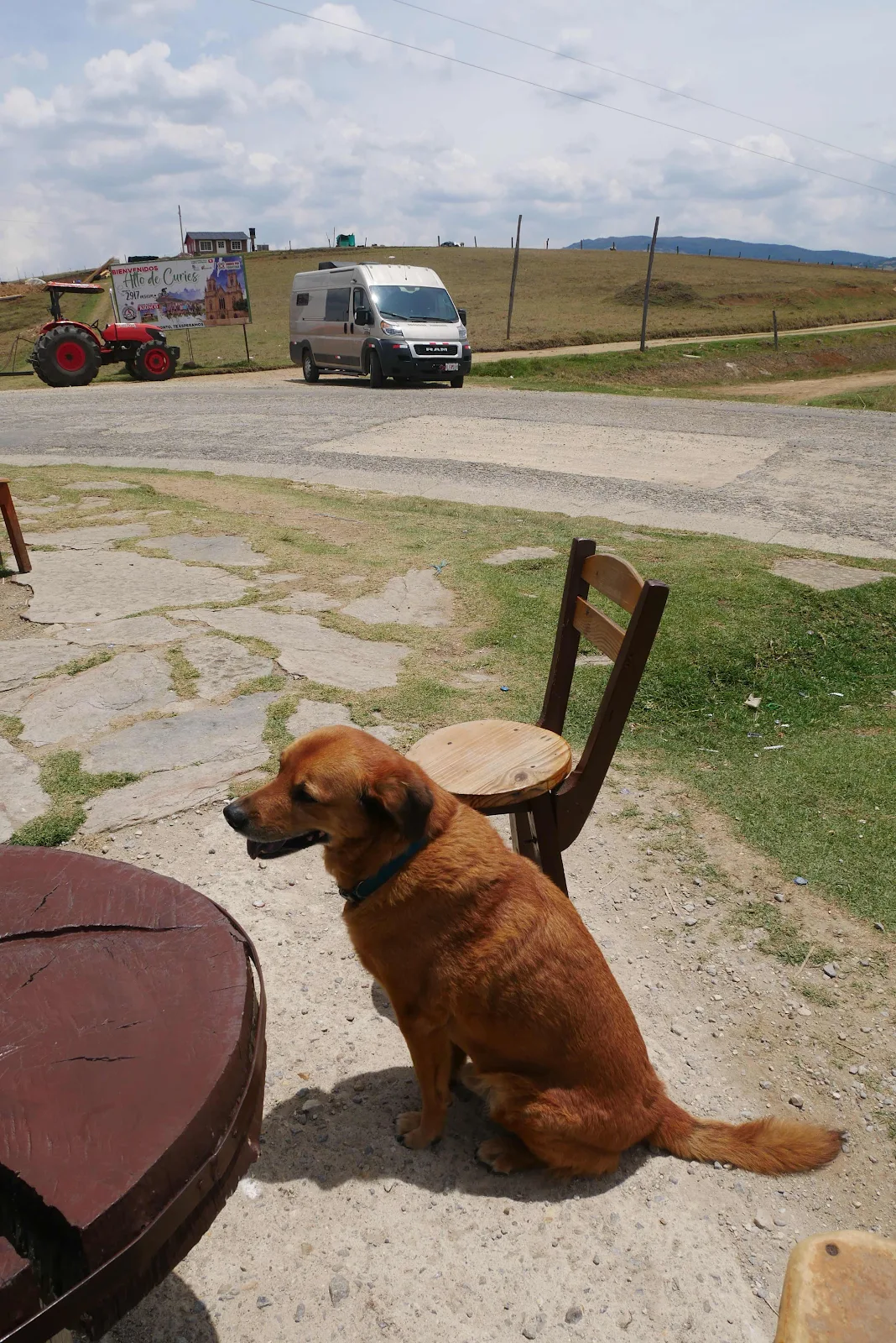
That’s the fun of traveling in your home, stop where you like, taste the local culture and stick some in the fridge for later. Rusty approved his share of sausage. 
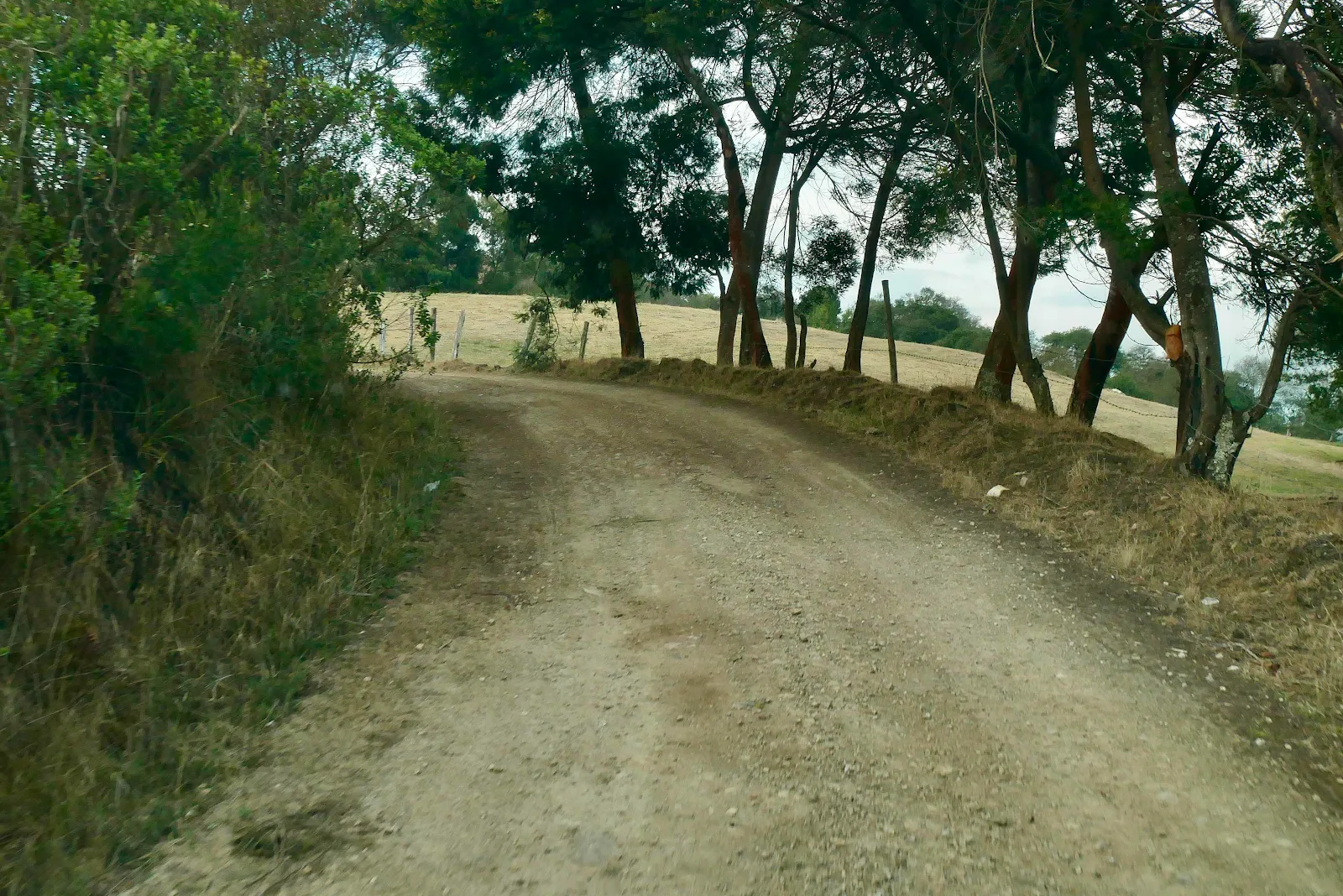
The road down the hill was mixed, with stony dirt near the top varying with pavement some new and smooth and some old and worn. 
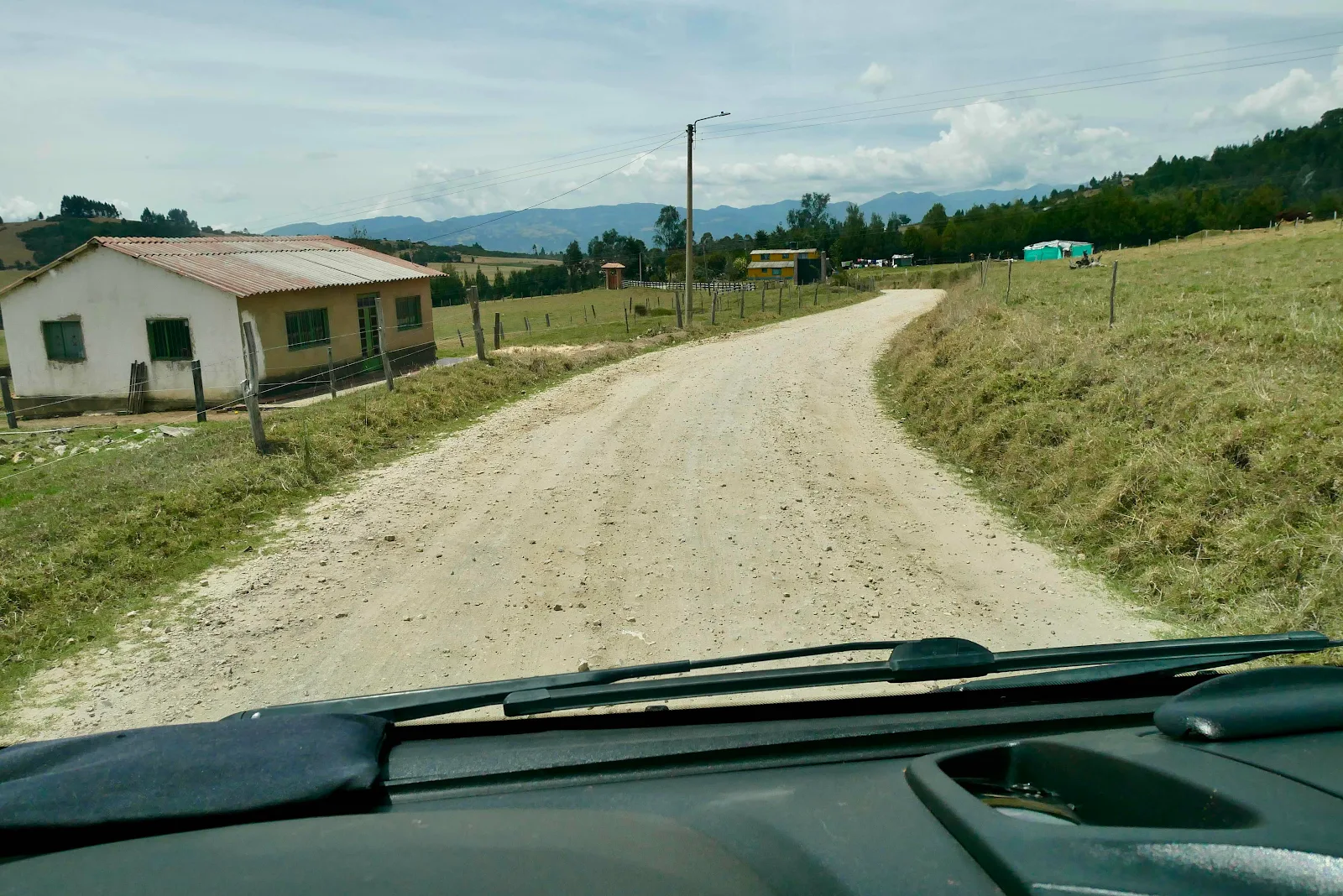


The thing was, not knowing what was coming I kept GANNET2 in manual first and second gear and kept the speed down even on the good bits. 


And then to my astonishment we ended up at the monument. I had expected to face a long drive from the mountains to a swamp in the flatlands but apparently the swamp was a narrow defile between mountains at 8,500 feet and that was where the Spanish took a stand to stop Bolivar’s march.
And then it was shopping time, some supplies for home, and lunch was upon us. Layne the navigator found a spot by looking, “That place looks popular! The parking lot’s full.” And so were we well before we cleared our plates. 
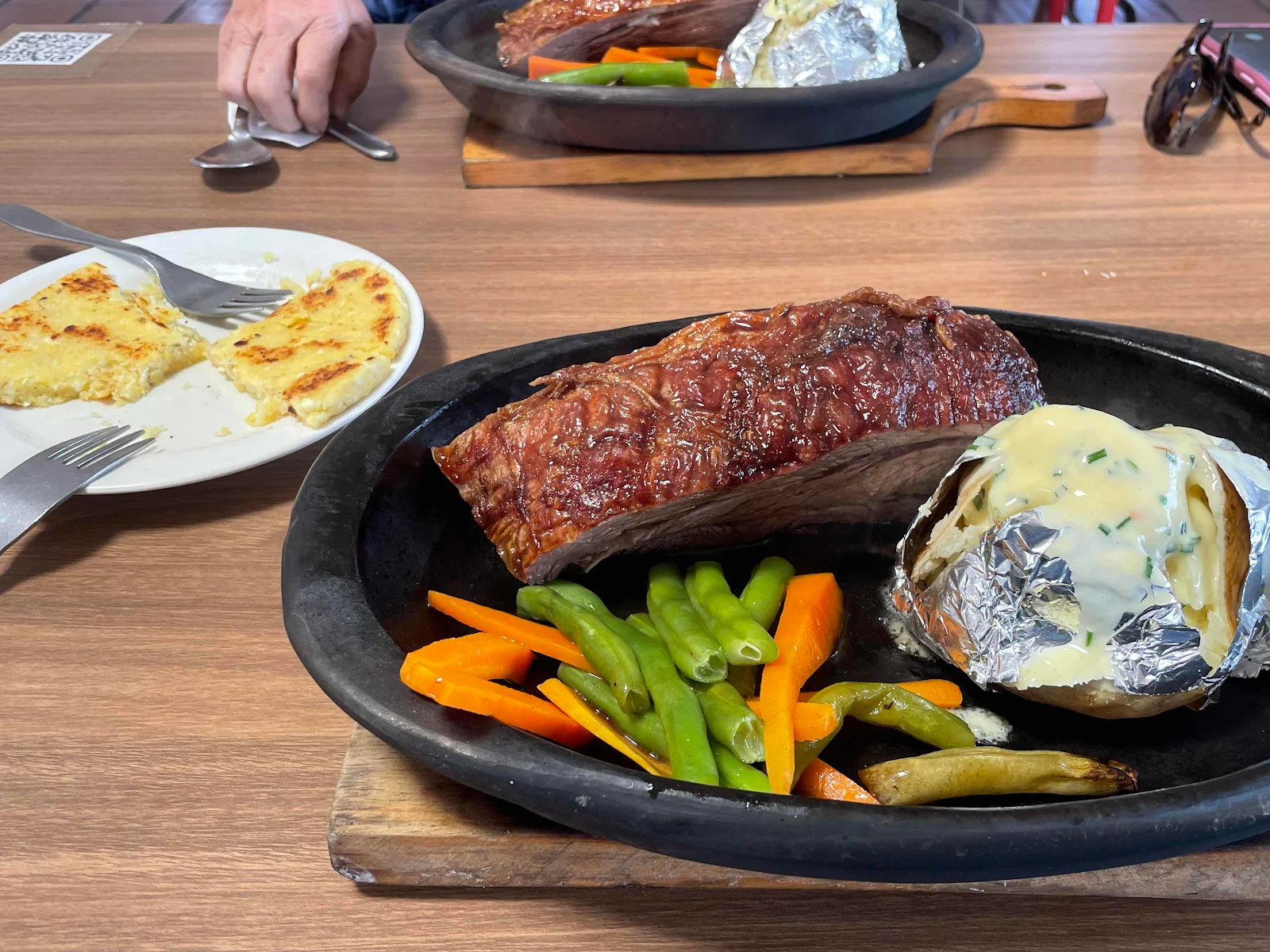
We ordered two main dishes thinking we were being smart but twelve dollars (each) apparently buys you half a cow. We looked at our plates in despair, how do Colombians pack away this amount of food? 
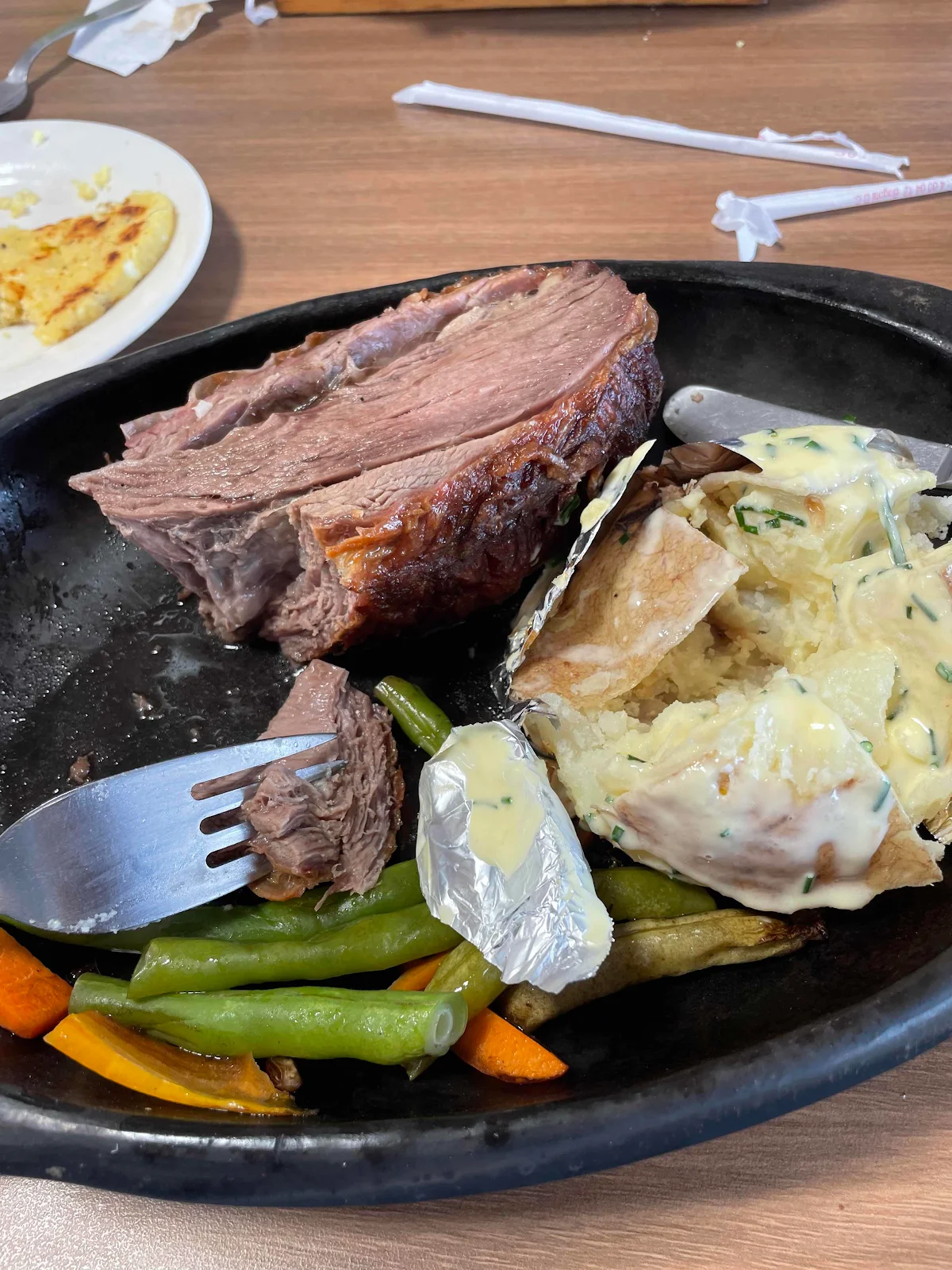
Layne has Tupperware in the van so all was not lost and we now have cow carcasses for I don’t know how many meals. 
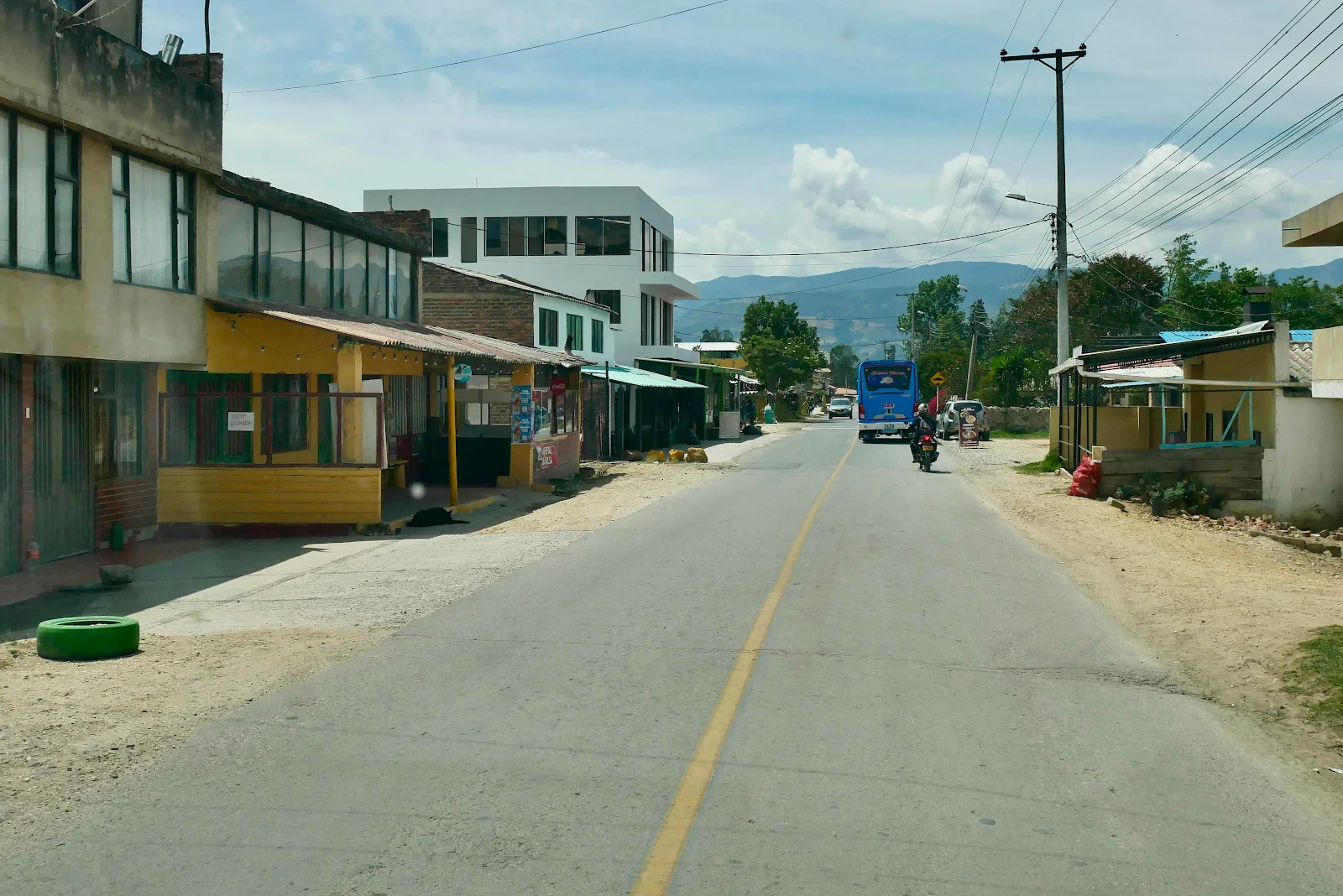
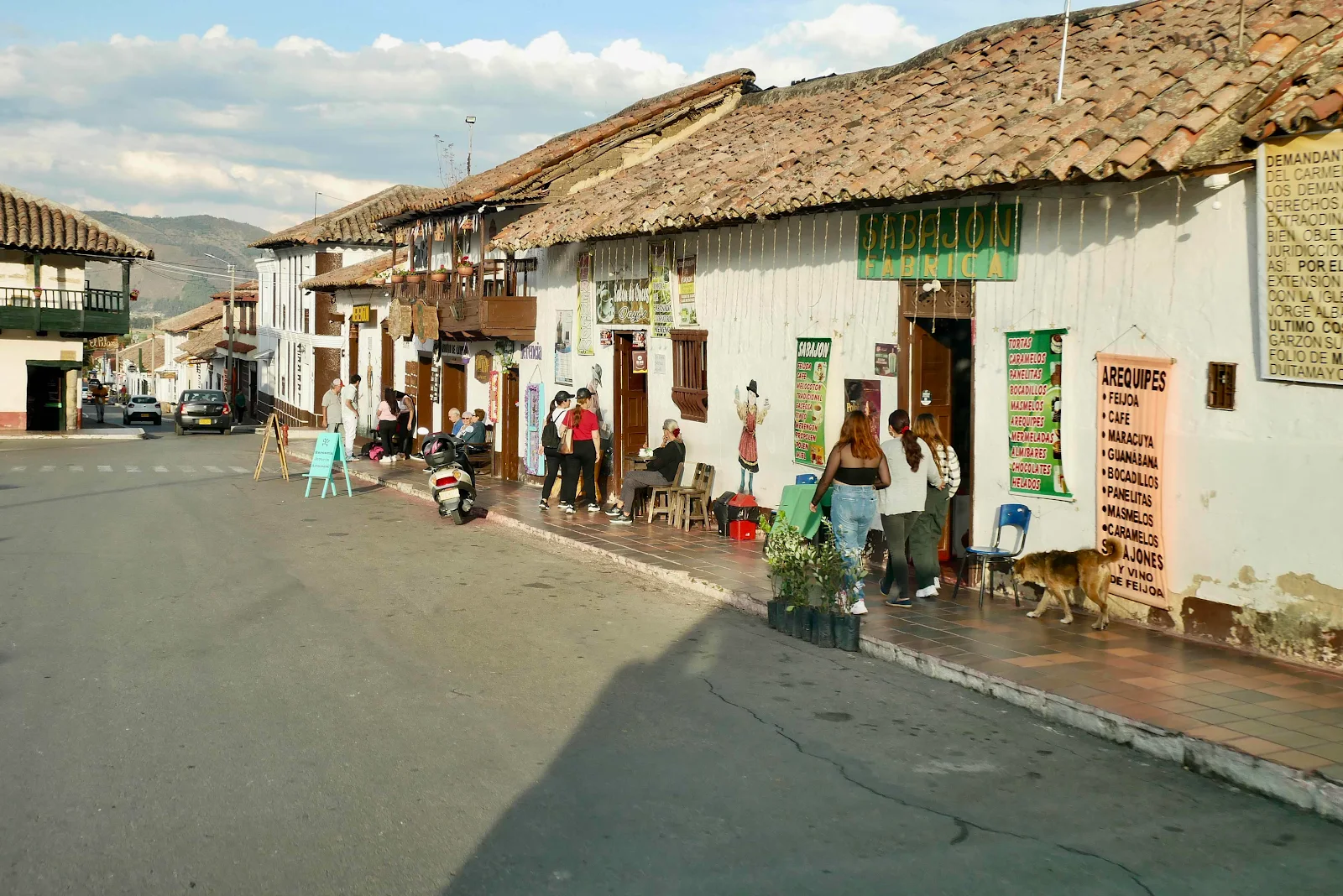
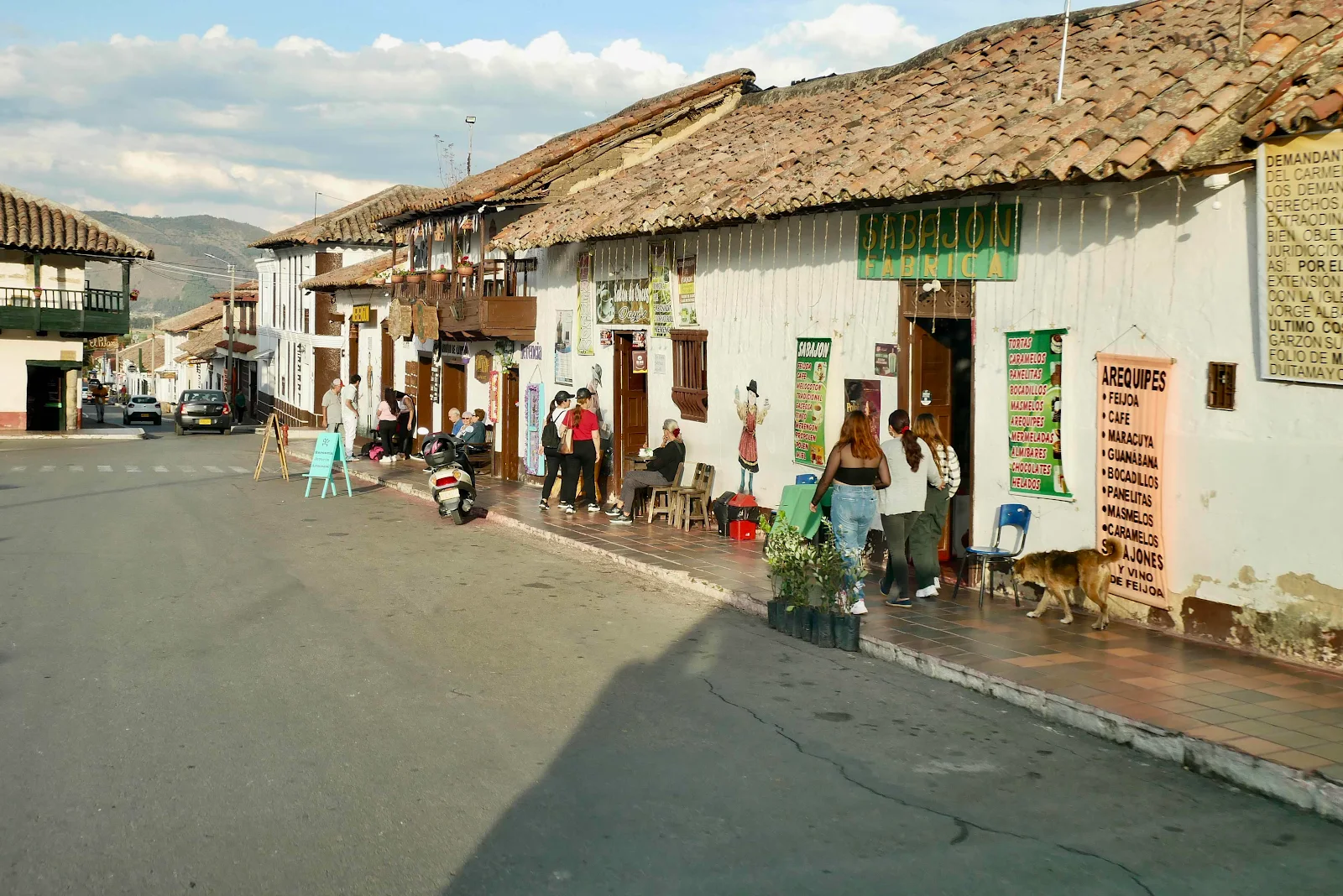
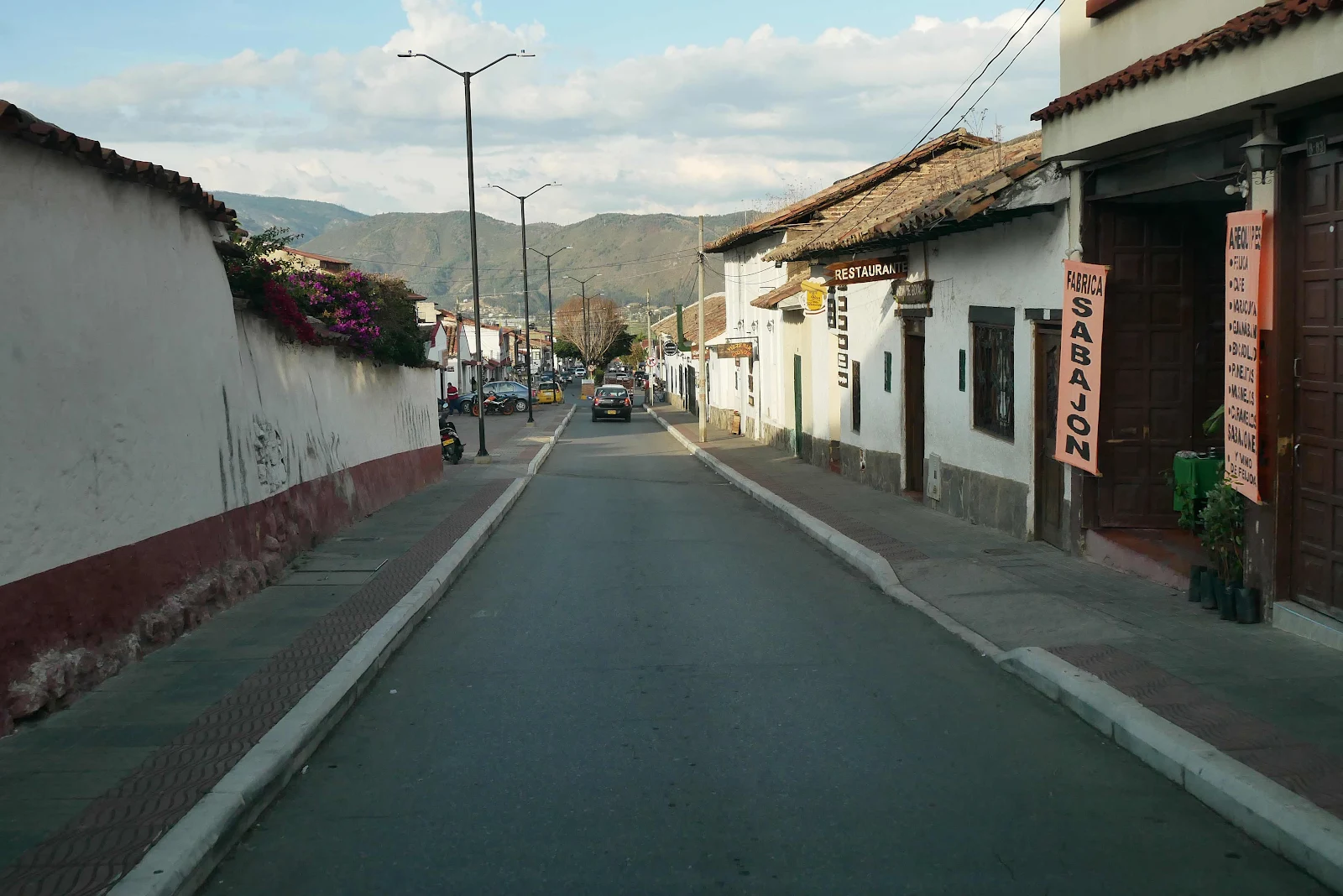
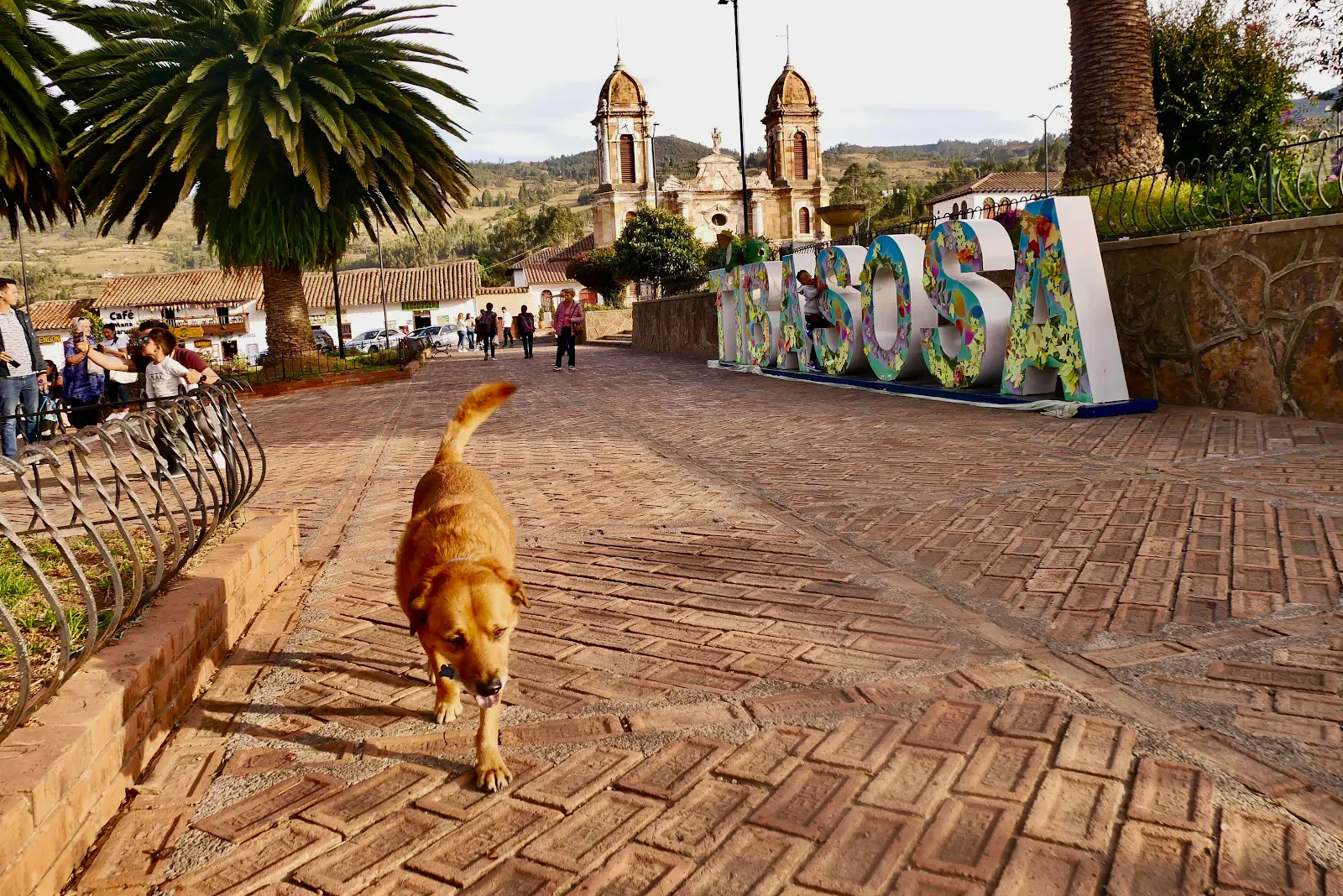
Our final planned  stop for the day’s tour was a little town called Tibasosa that a fellow traveler had told Layne about. I knew nothing but I drove and I do enjoy driving GANNET2 and making my way through the countryside and the towns and the views and the fields. It was late afternoon when we arrived and I had to release my grip on the wheel. 
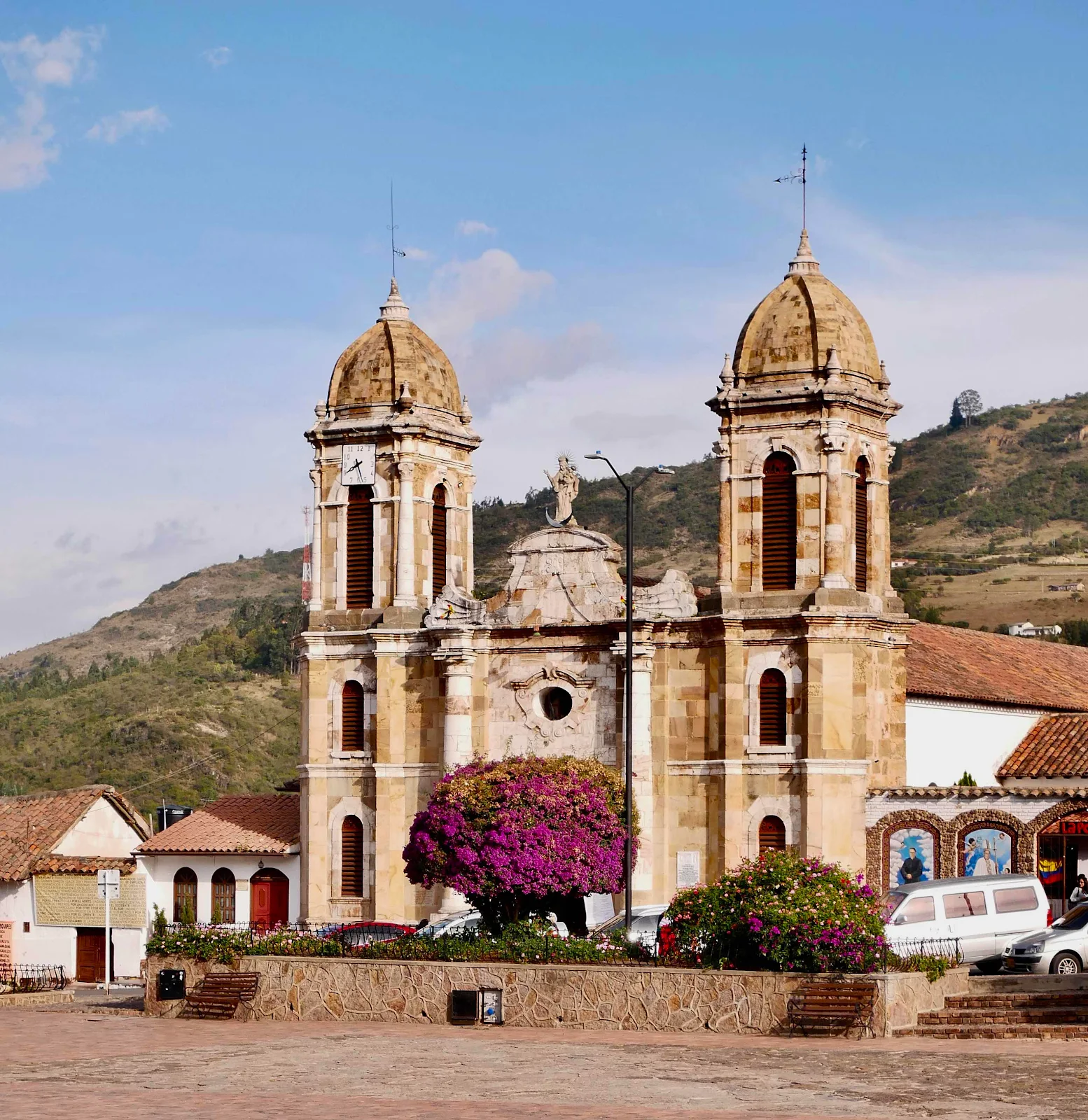
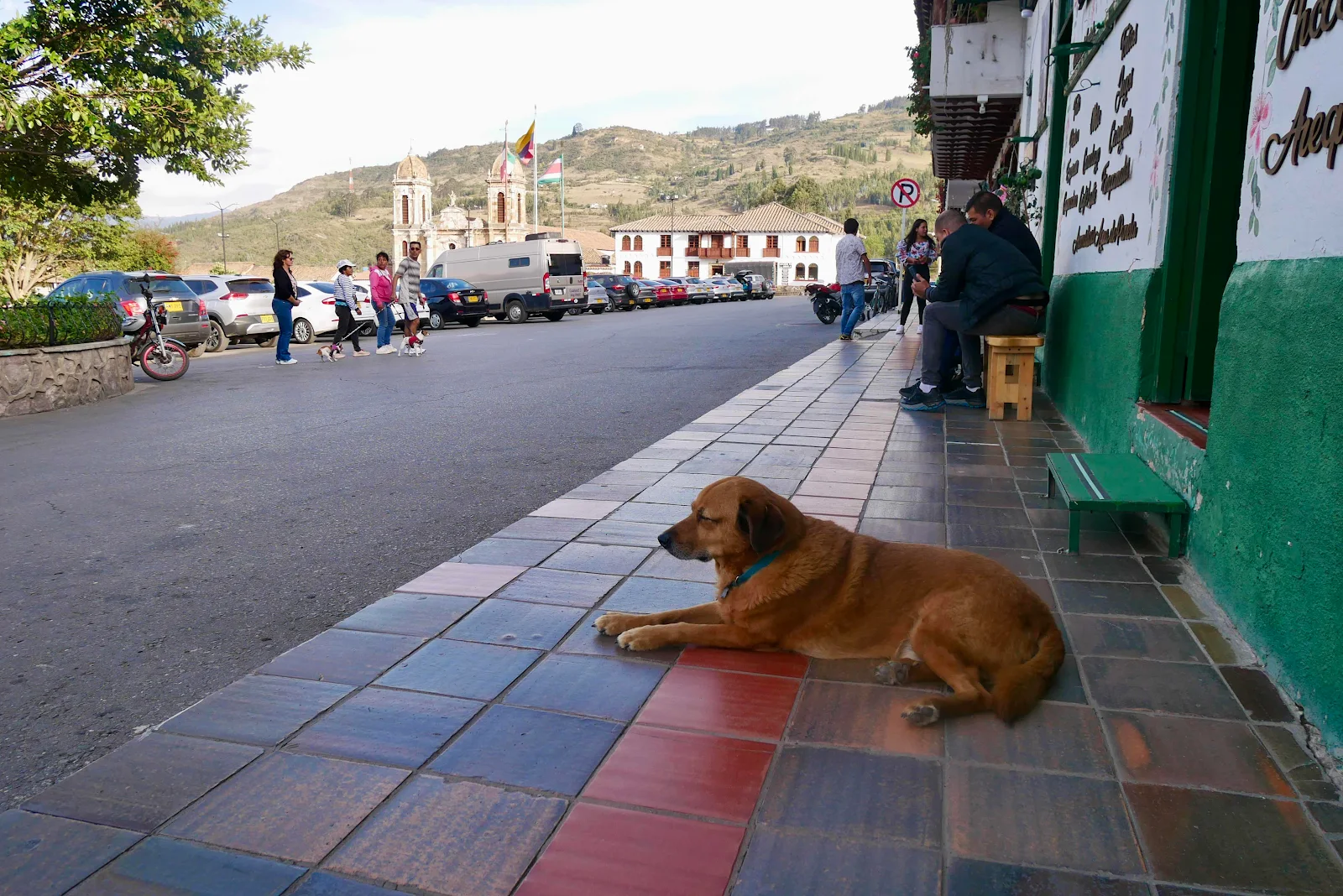
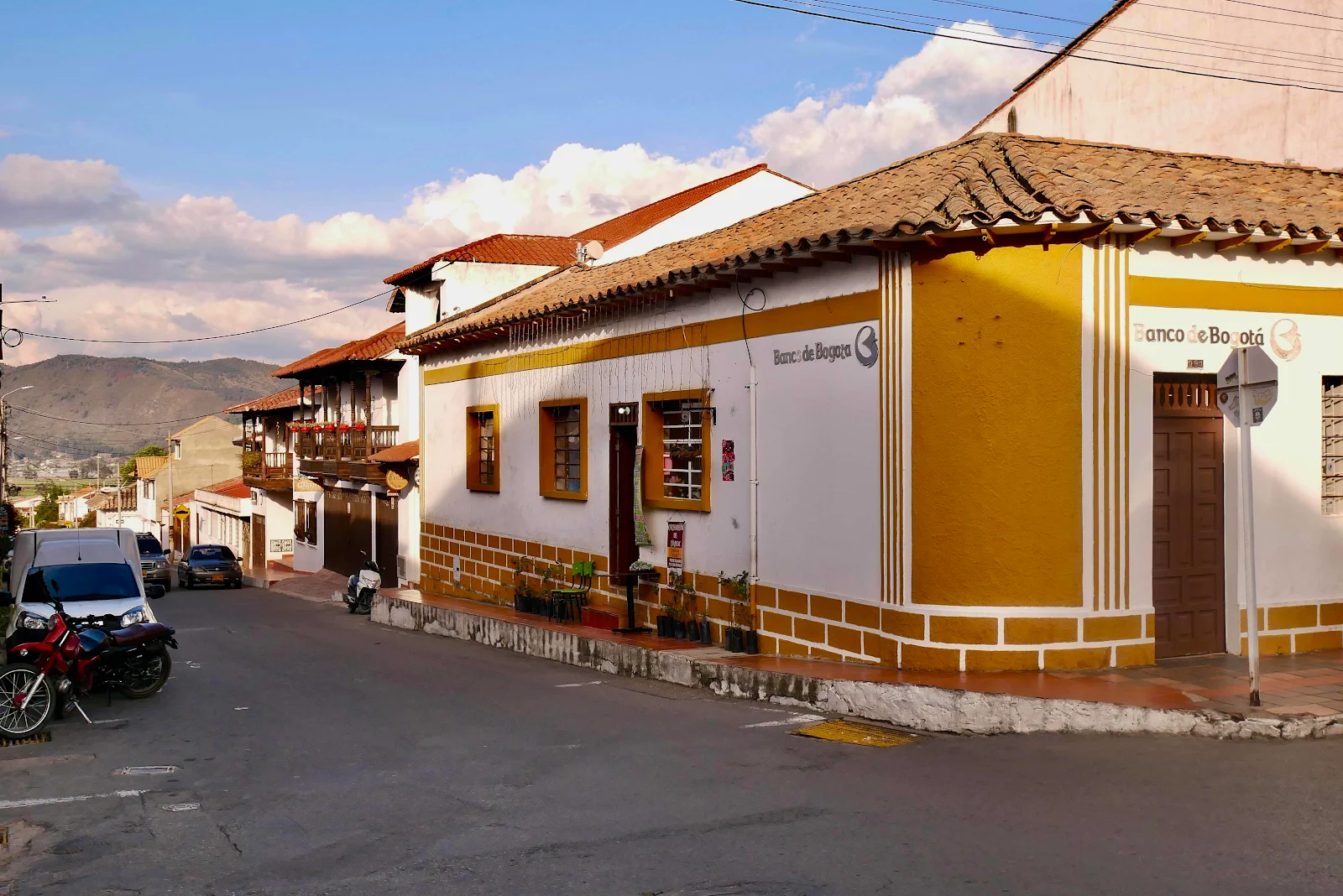
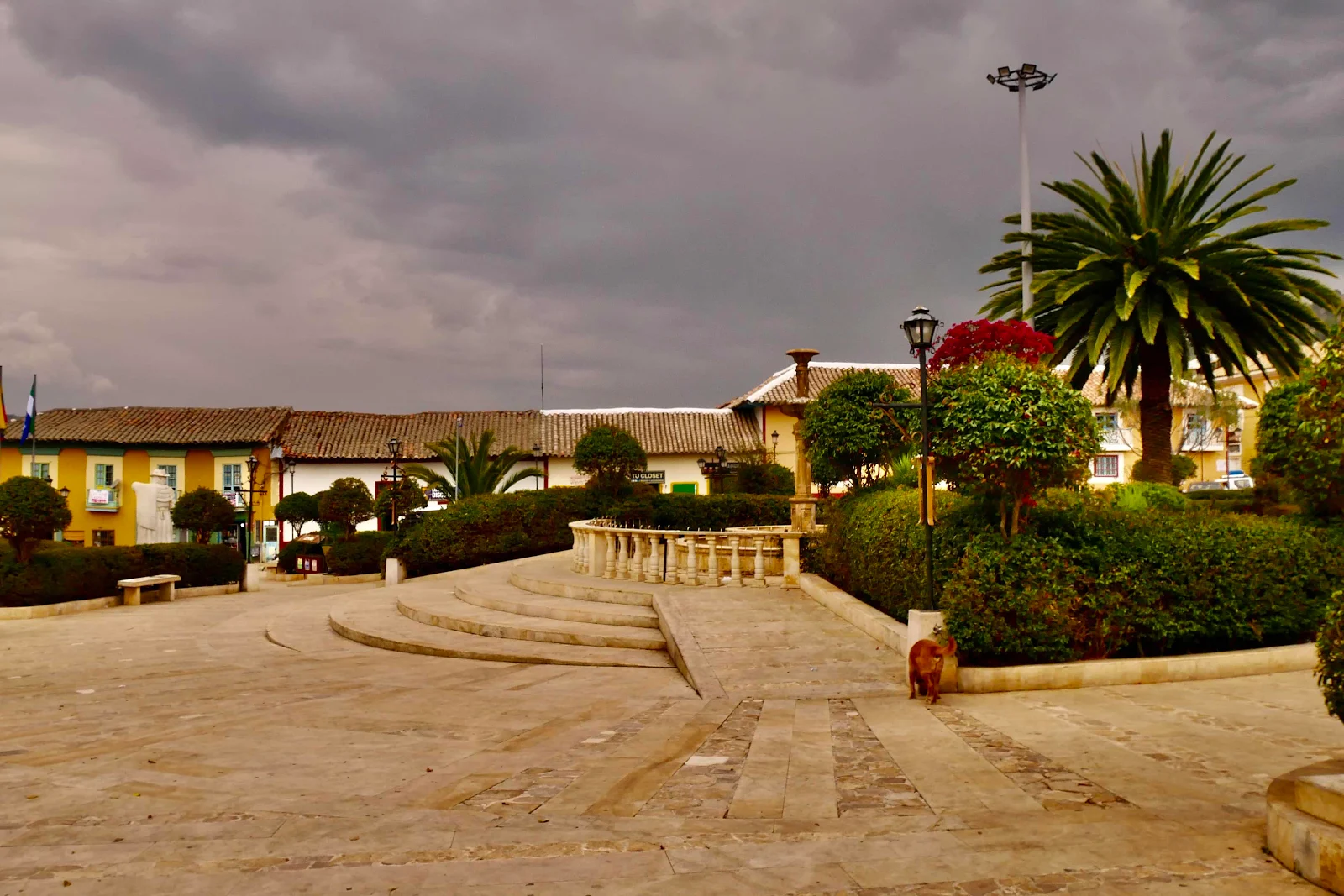
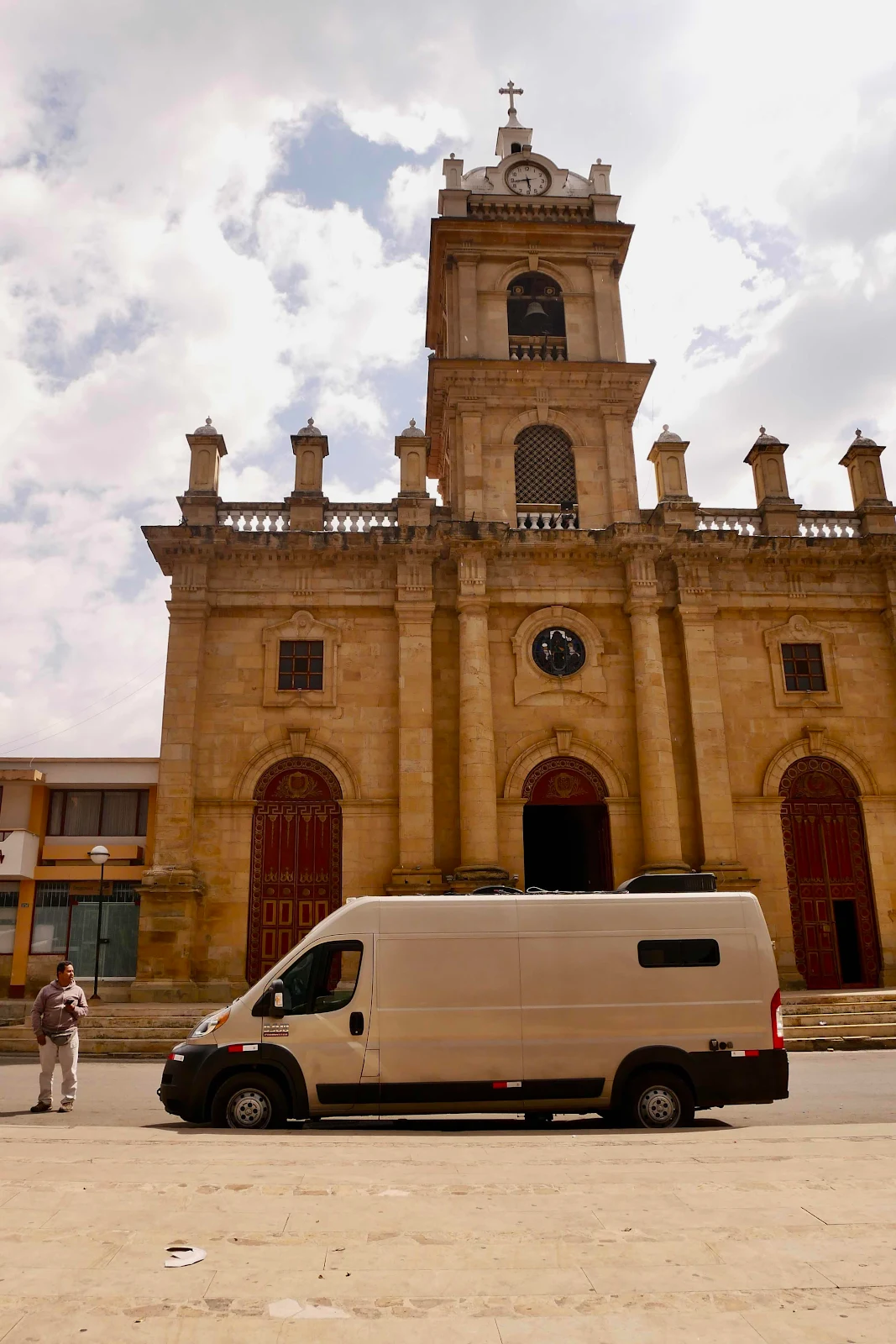
Pretty town indeed. We are starting to get used to them. 
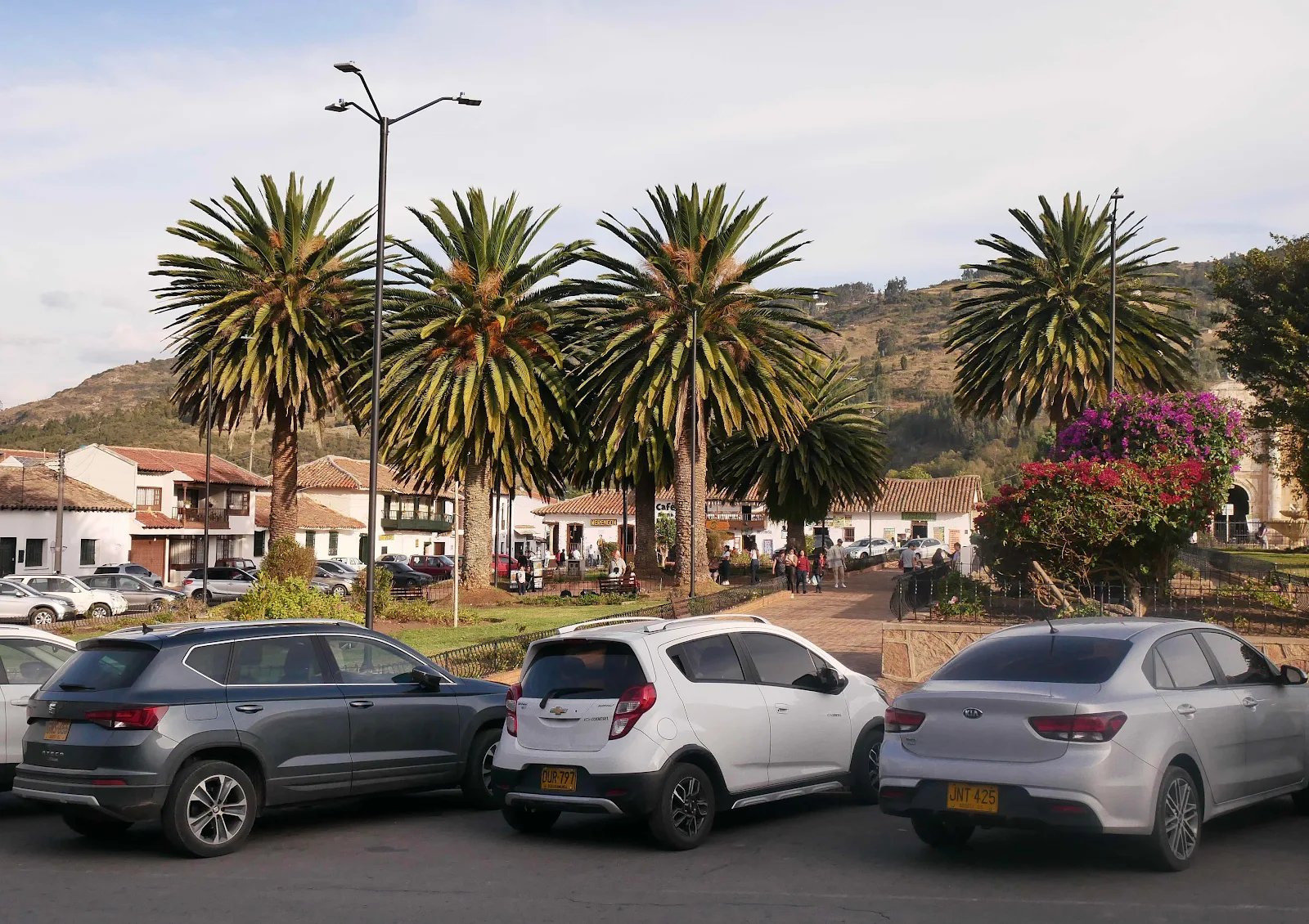
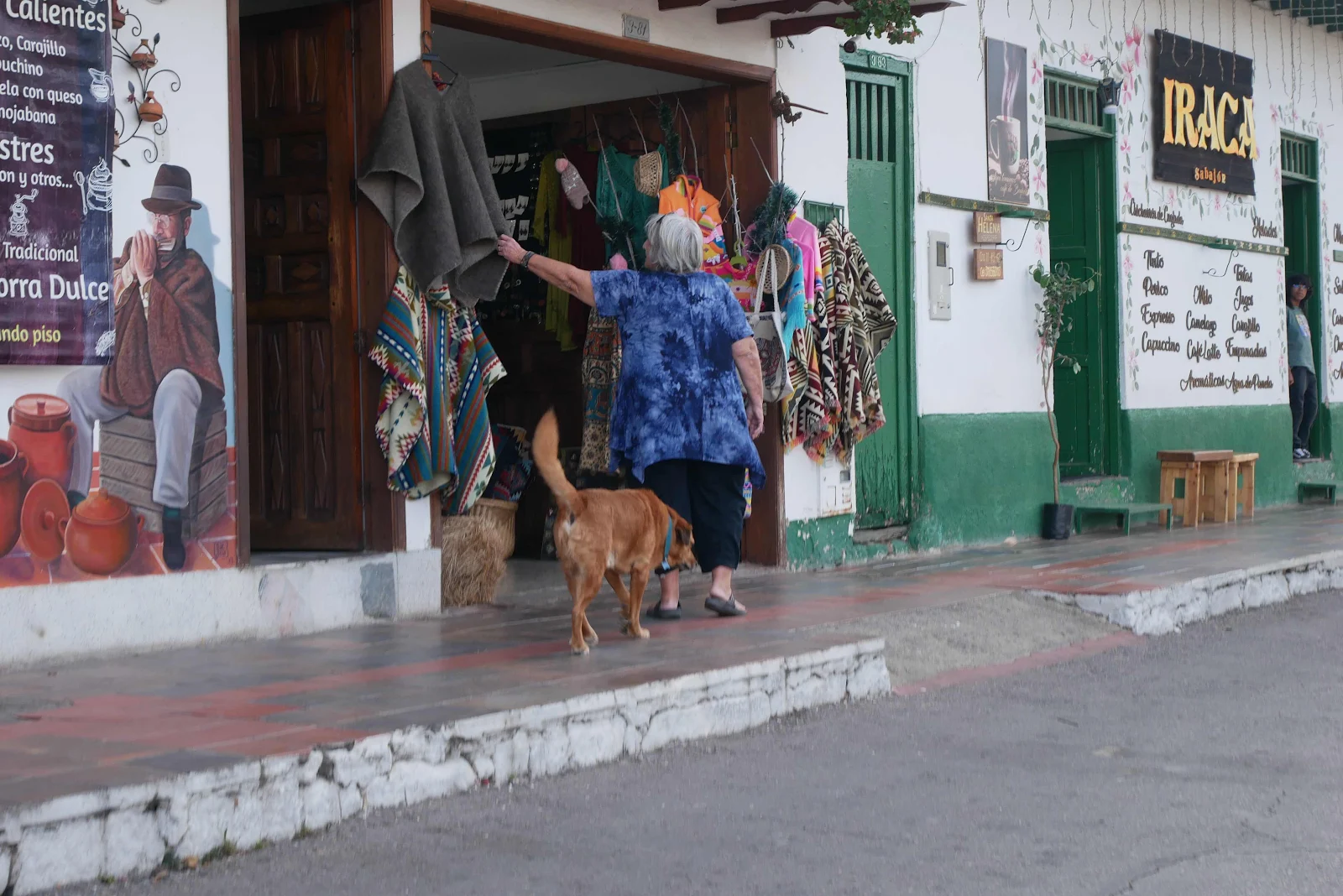
No sooner did we park than a large family group came timidly by and thus Layne cheerfully gave them the nickel tour. This happens a lot, they hear about RVs, they may even check them out on YouTube and we end up being the real thing for them. 
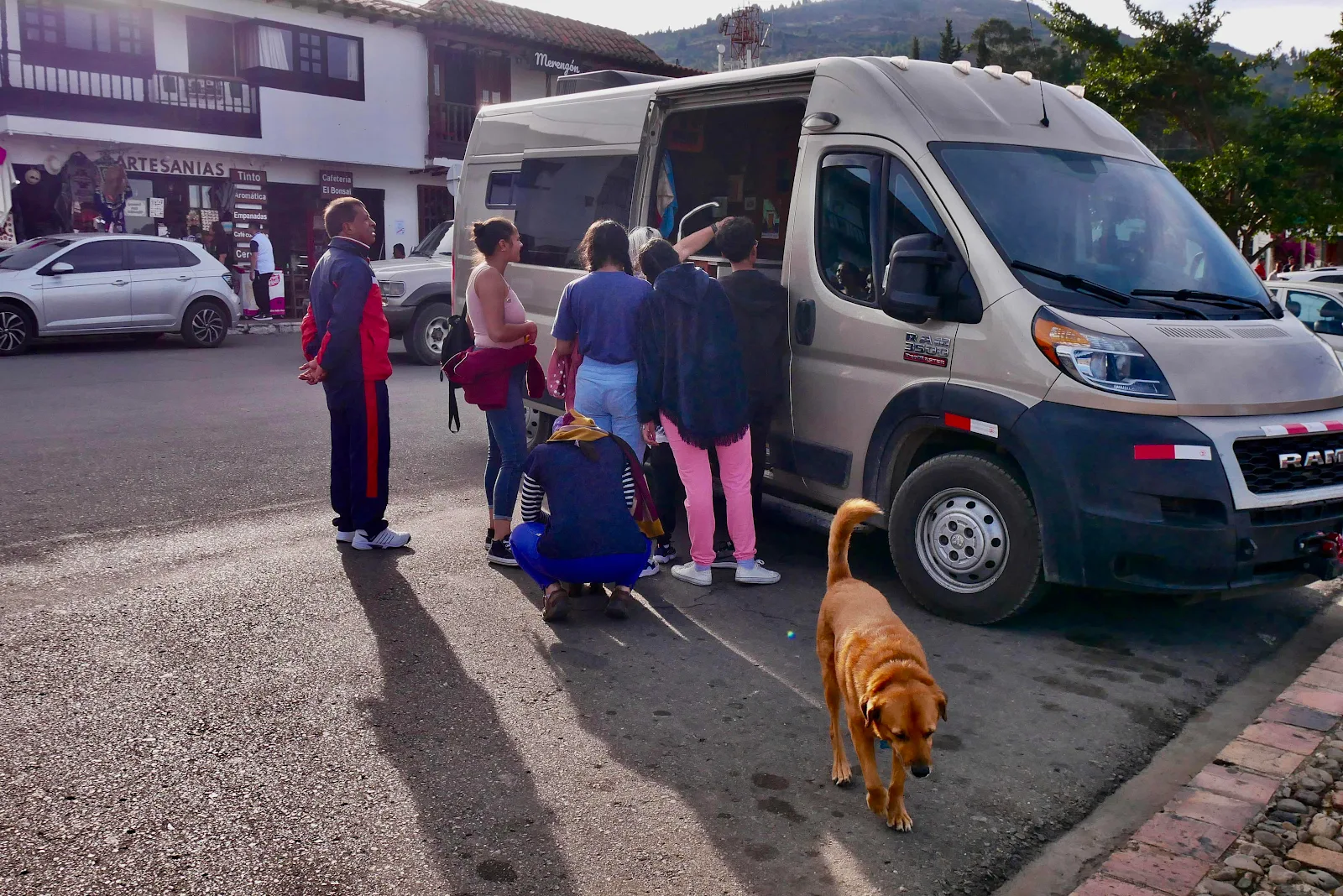
Rusty and I left them to it. 
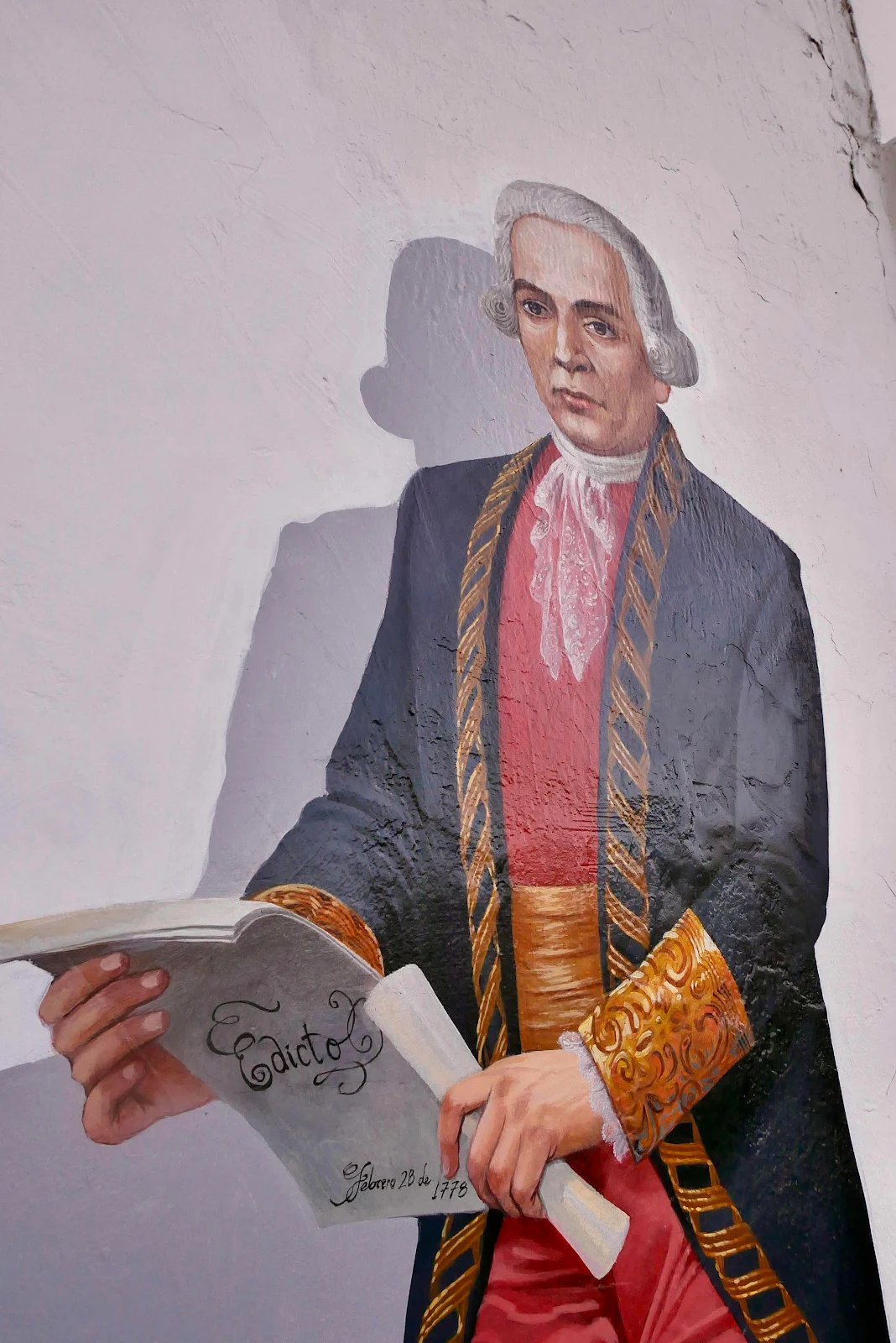
The founder of Tibasosa, and not by appearances a barrel of laughs. 
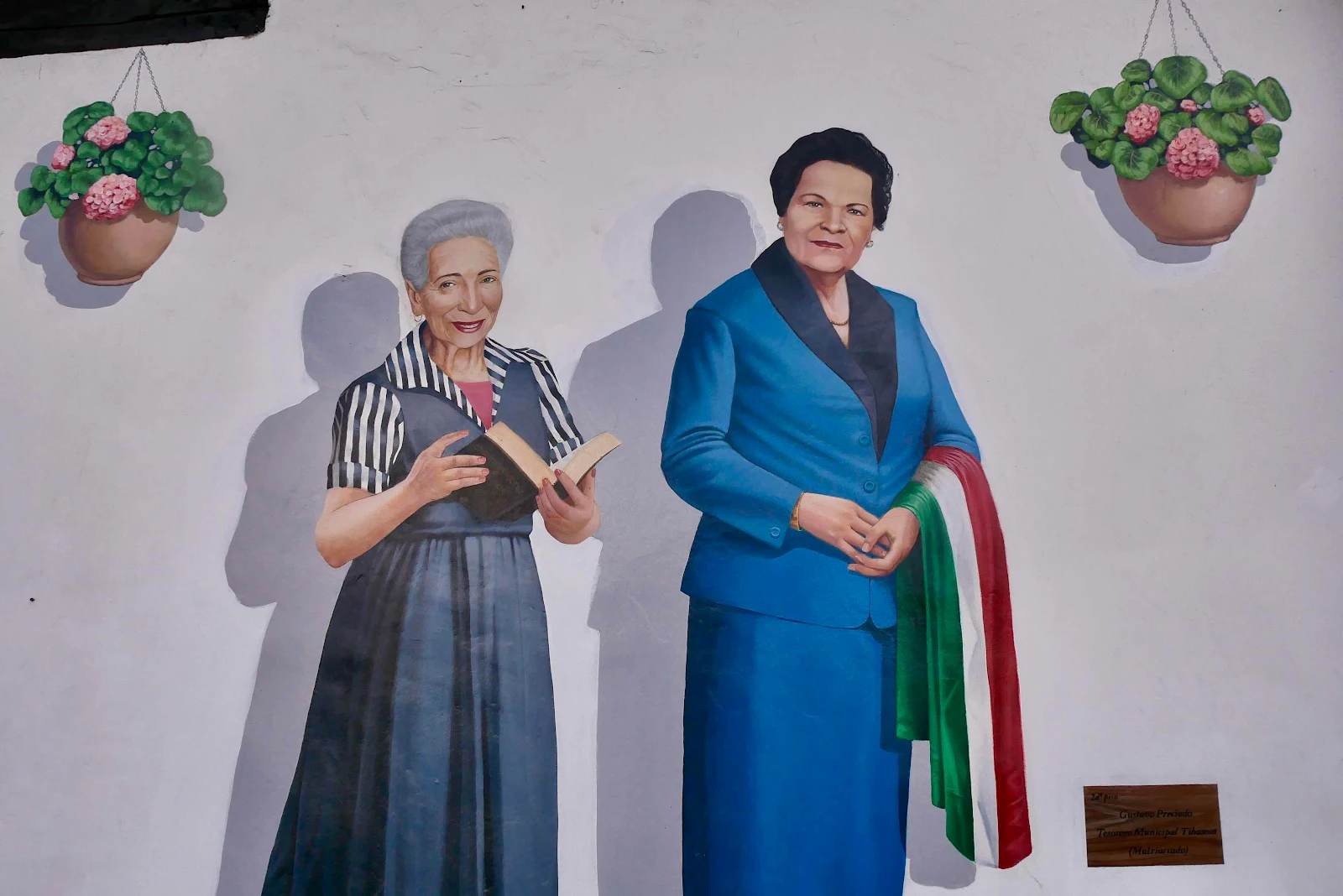
The first two female mayors from the 60s and 70s. 
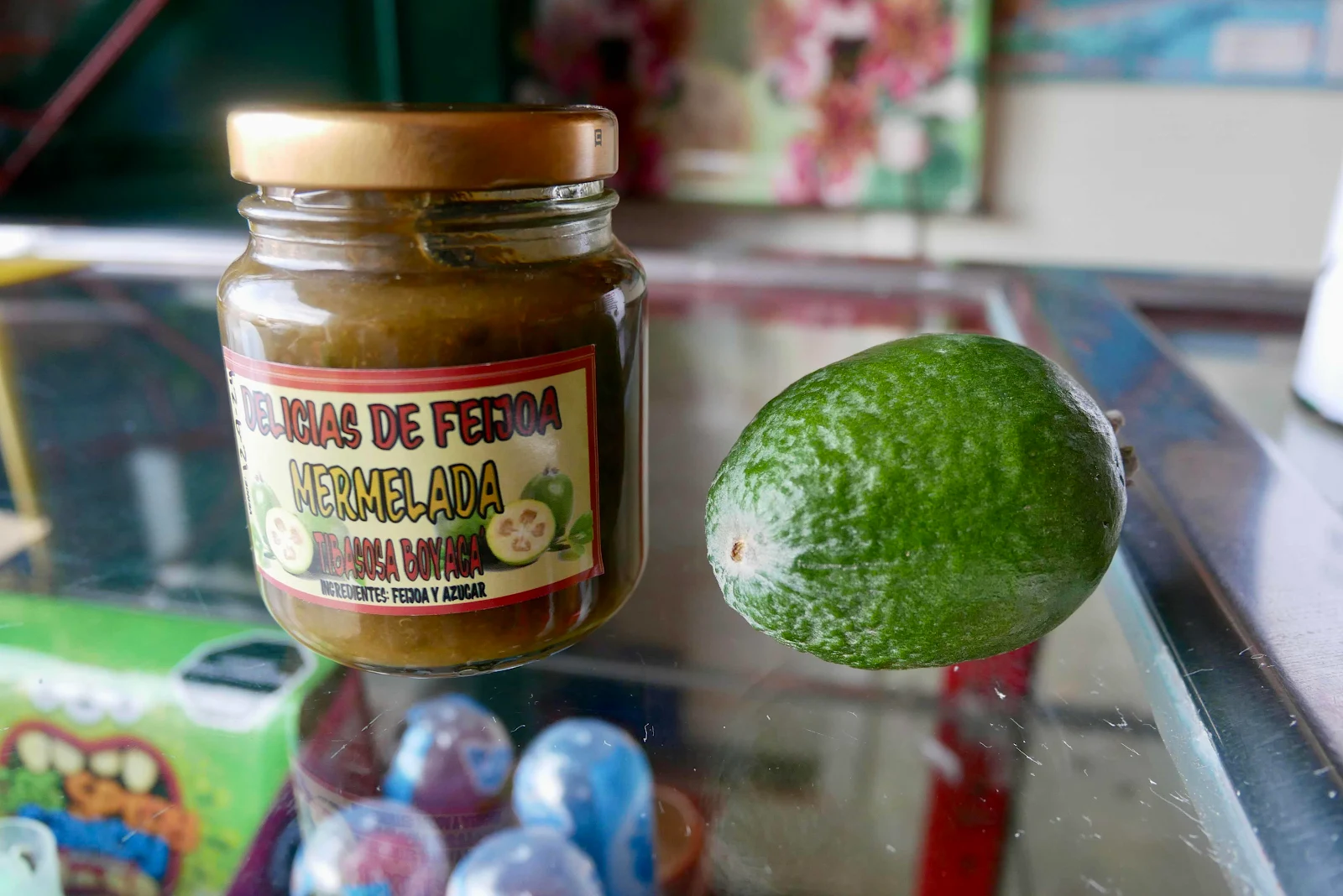
They make a particular jam from a fruit grown around here called “feijoa” (fey-hoe-ah) which we tasted and thought you could compare it to a low sugar version of tart gooseberries slightly gritty, or something like that. We got the jar and she gave us a sample of the fruit. 
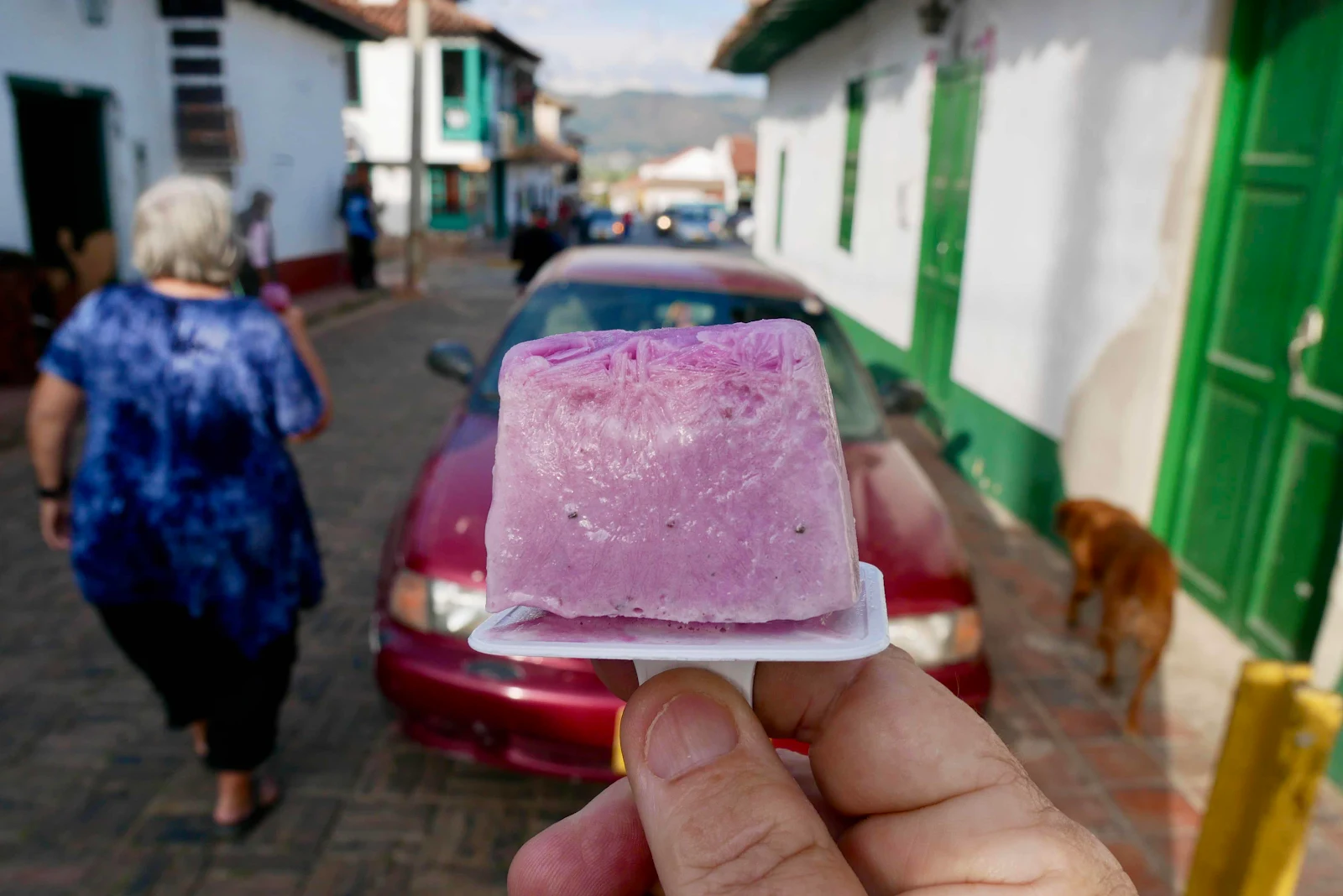
The other big deal around here is blueberries so we had an afternoon ice cream. You get a human sized scoop on a little plastic stick with a clever drip tray. Plenty to enjoy but not a huge North American sized helping. Rusty got his share and it vanished fast enough to suggest he approved. 


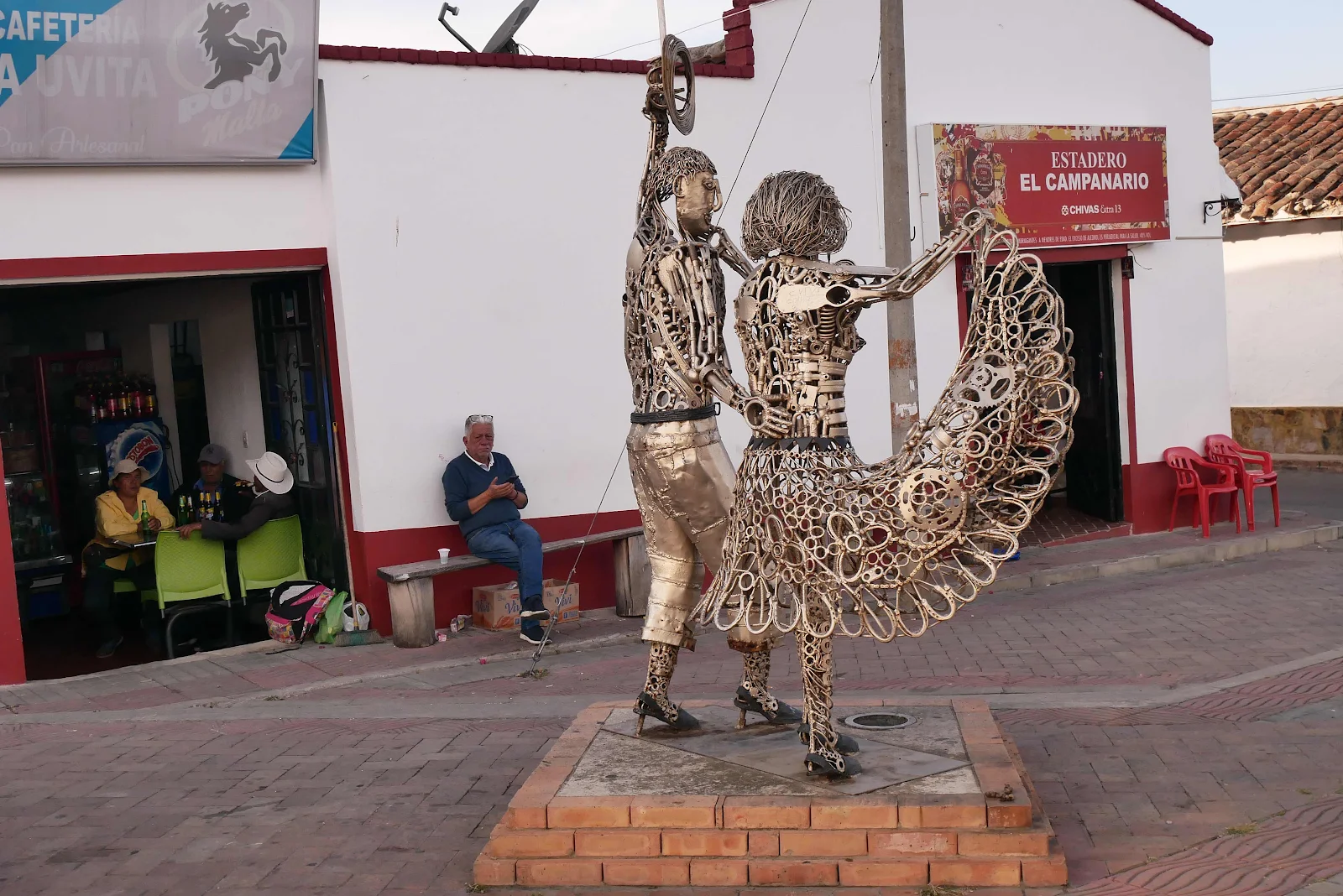
The town is known for this metal statue known as the dancers. 
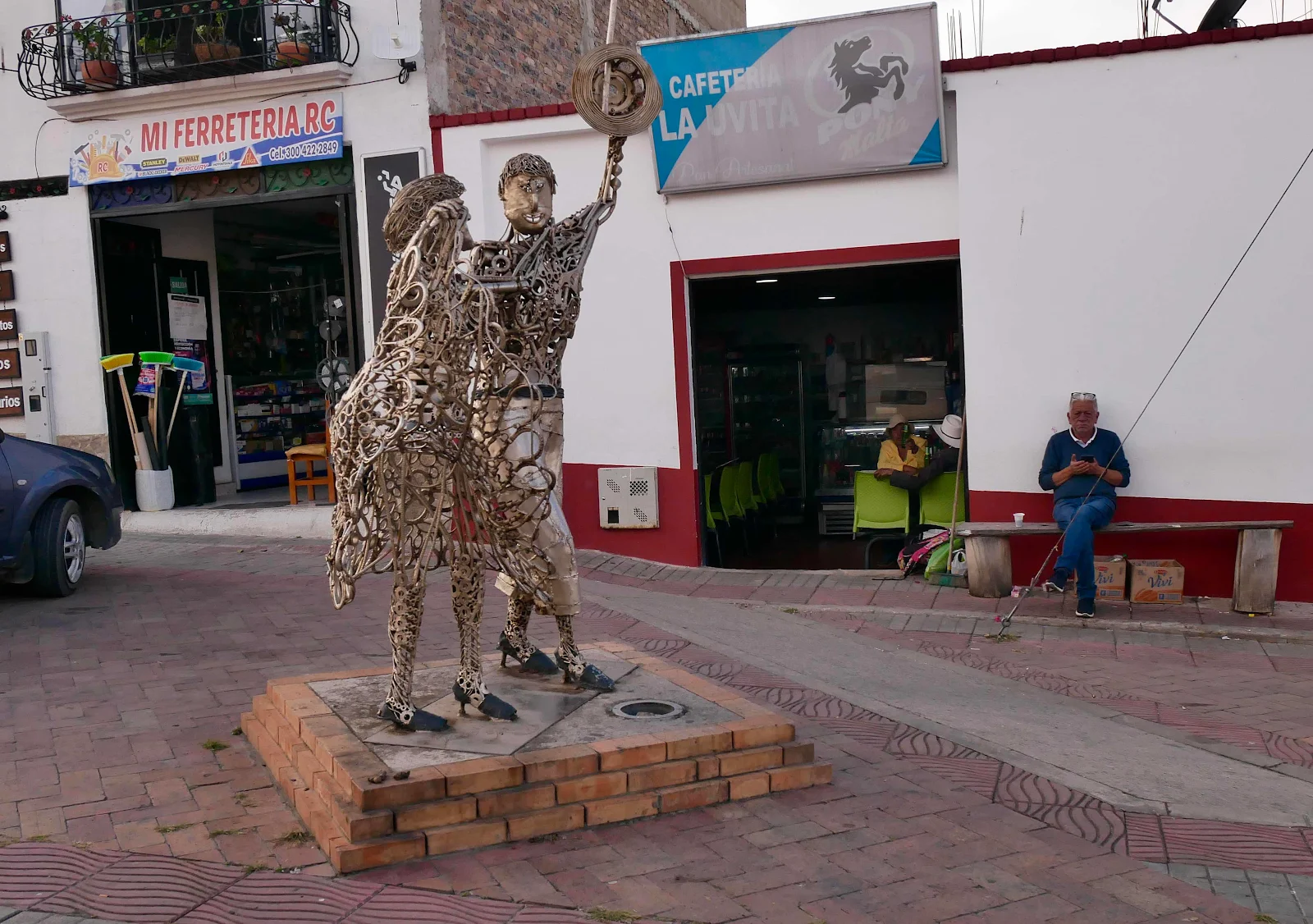
So here it is. 


Just another day touring Colombia. No police harassment, no drug cartels, no mass shootings. A thoroughly good time had by all retirees including Rusty. 


Thursday, March 28, 2024

The Wasteland

In Spanish the word “paramó” means wasteland. And today you are coming with me to an Andean wasteland filled with…daisies. 
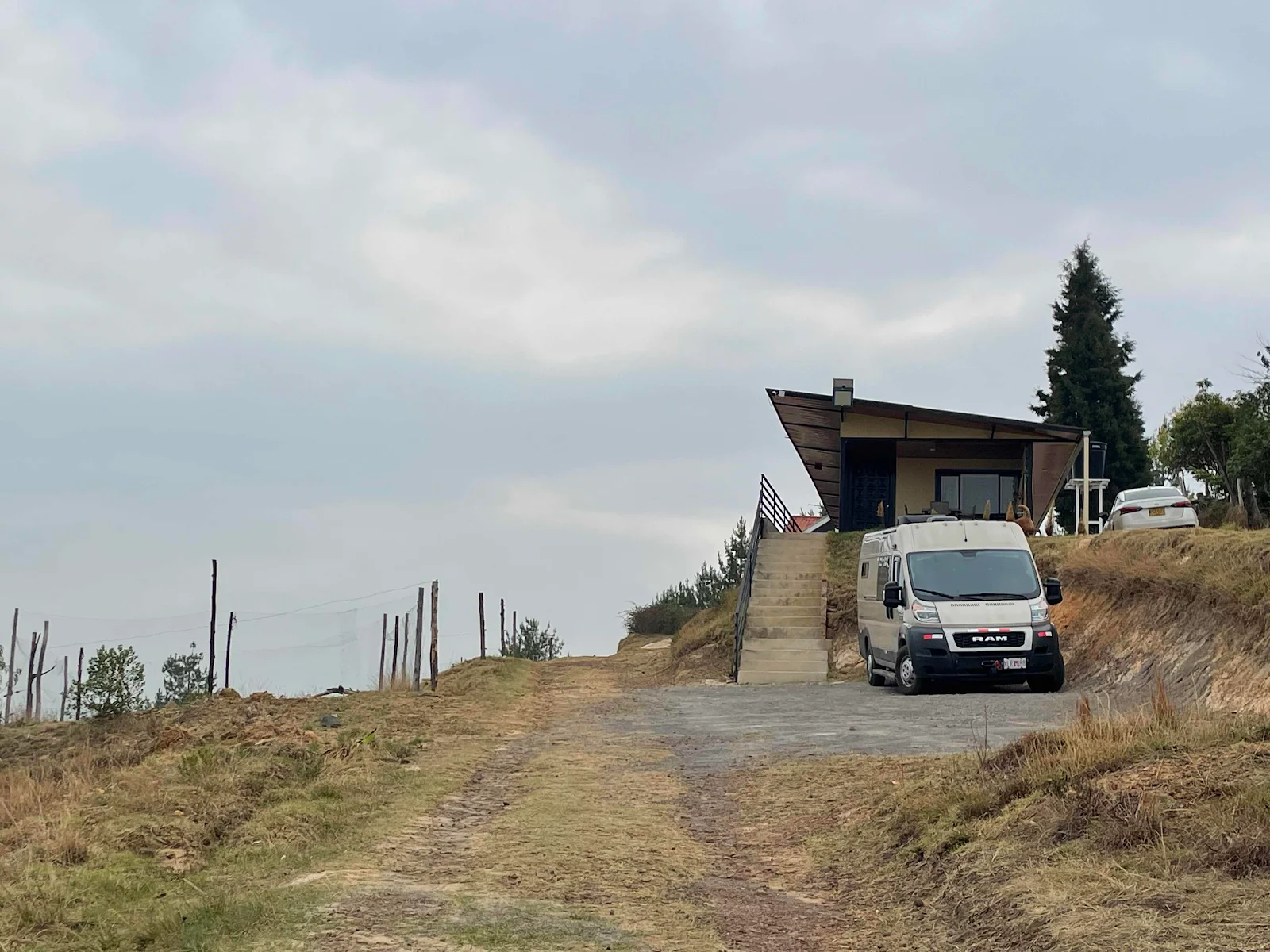
It was after lunch on Tuesday that our landlord Hildebrando came by as promised to be our guide to an off the beaten track wonderland of giant Andean daisies, not an easy thing to see as we were on dirt all afternoon in the absolute middle of nowhere up a misty mountain. 

It’s a botany lesson today as we discover that in fact animals and plants in South America are completely different from those found in North America. This really is a separate continent.

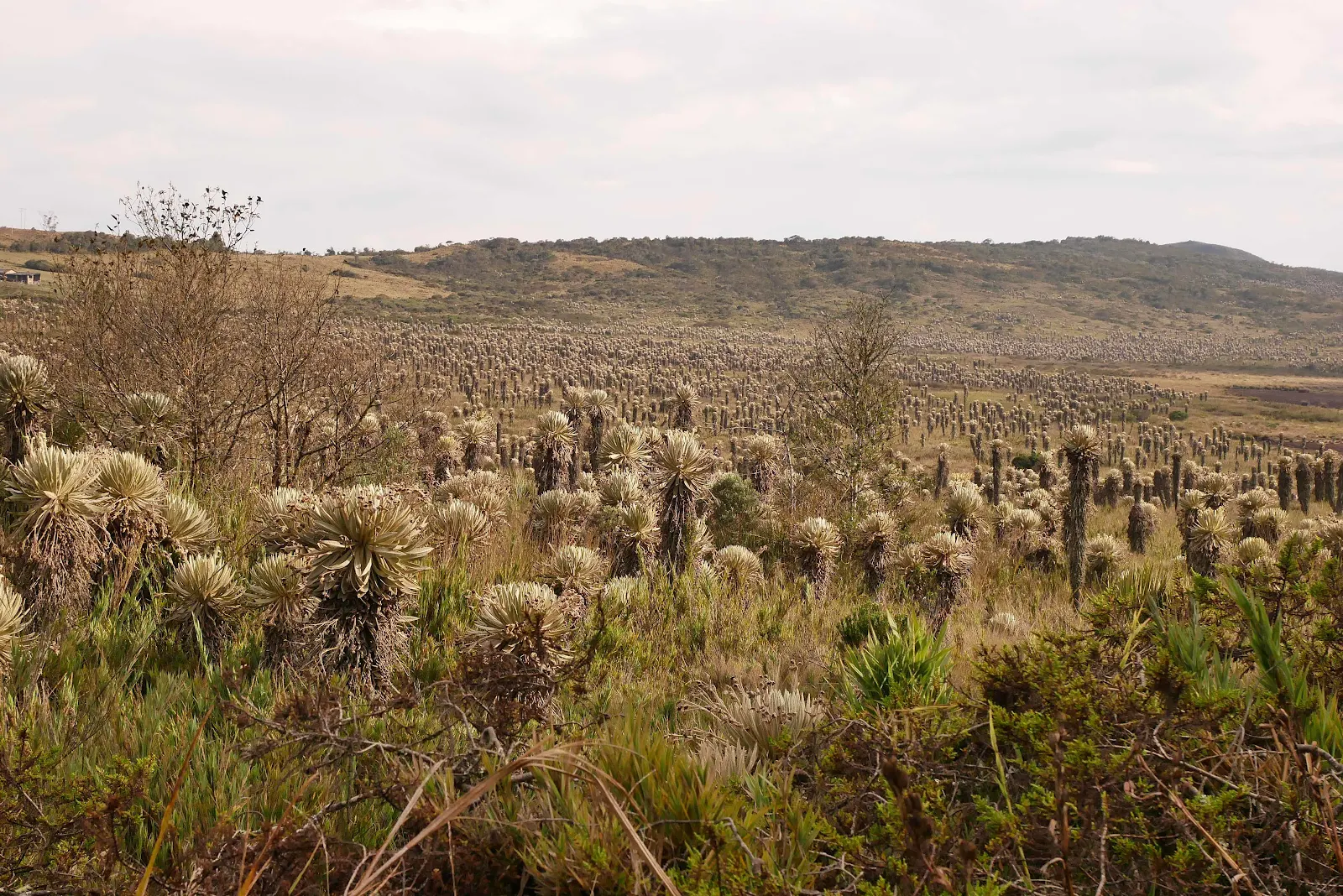
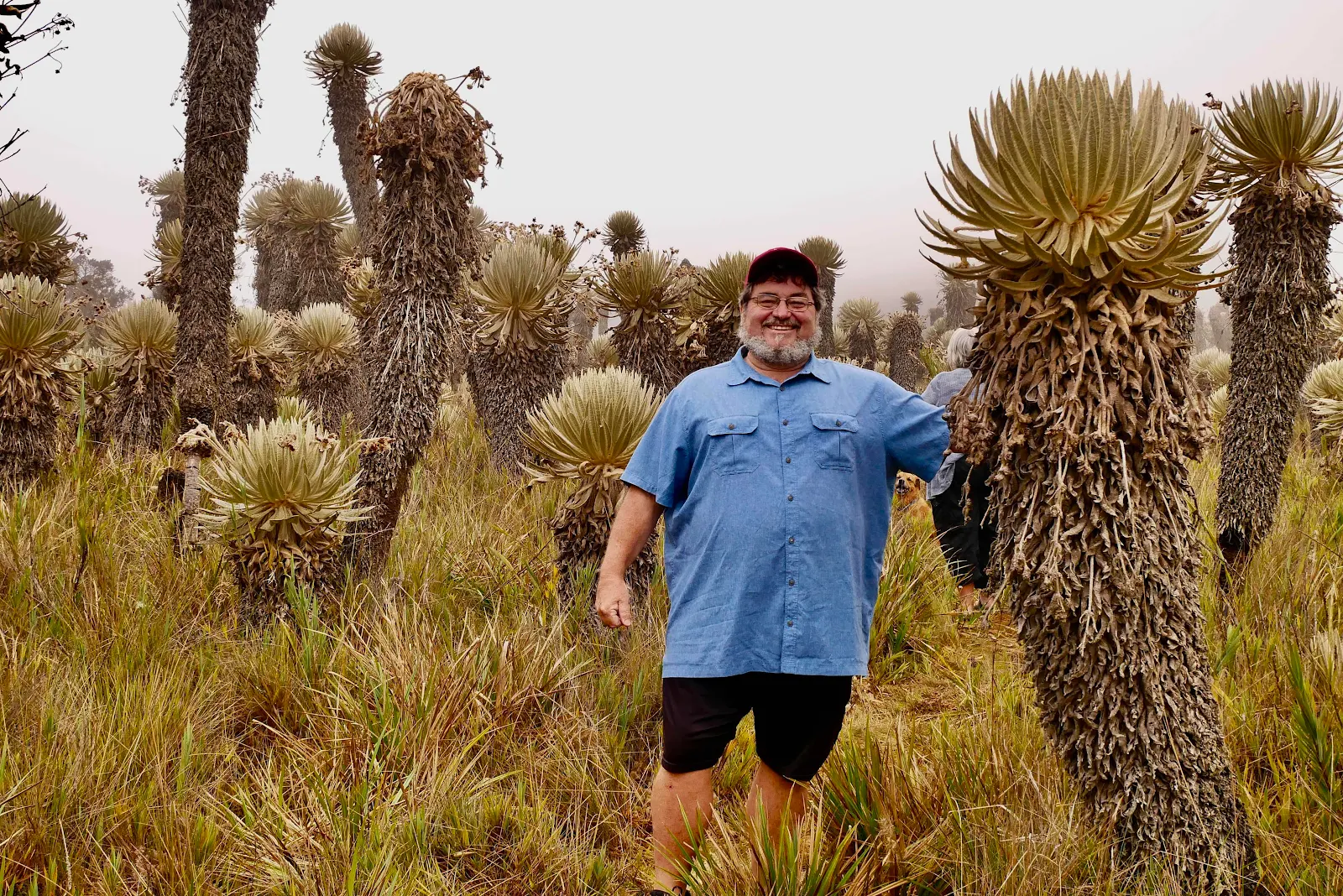
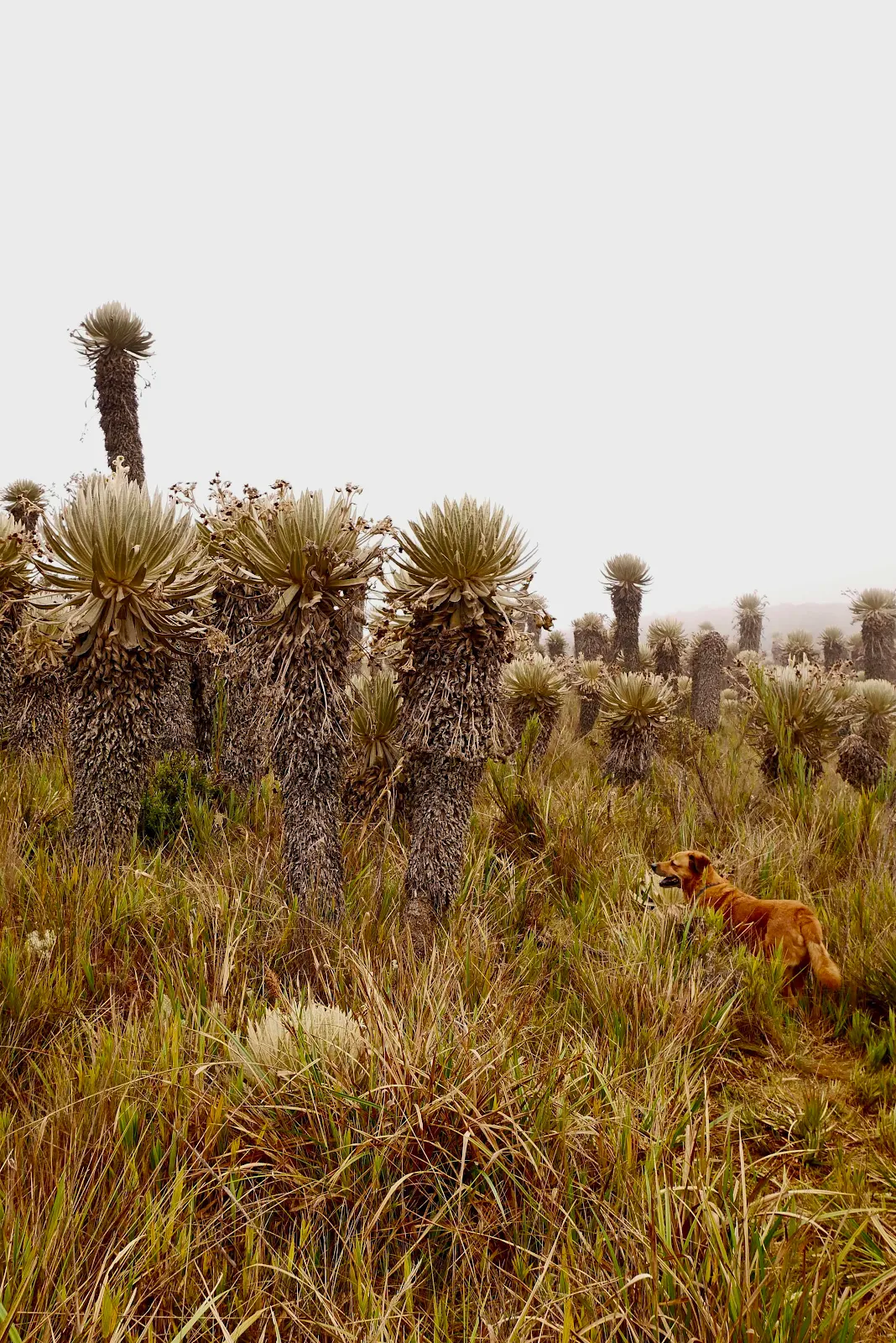
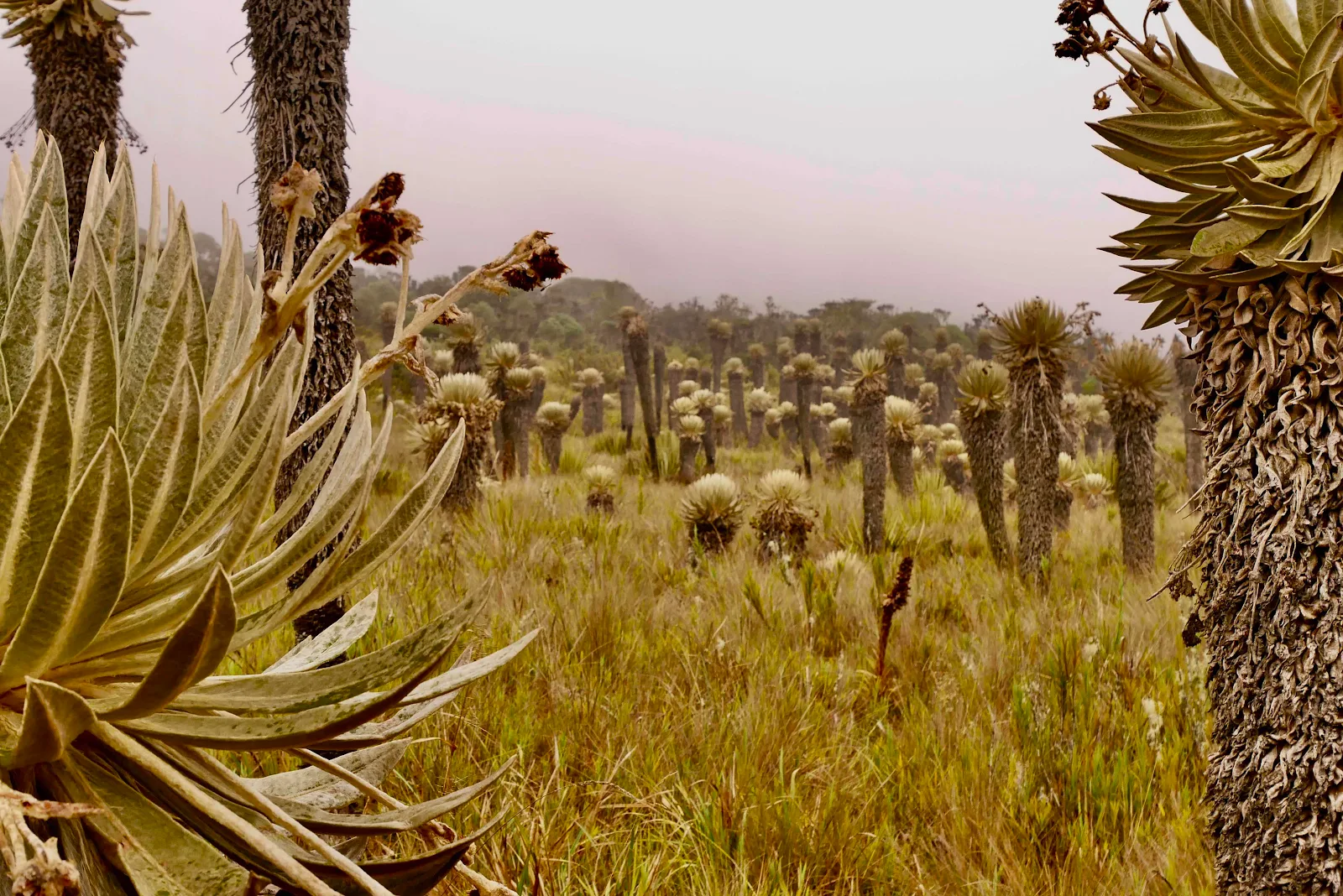
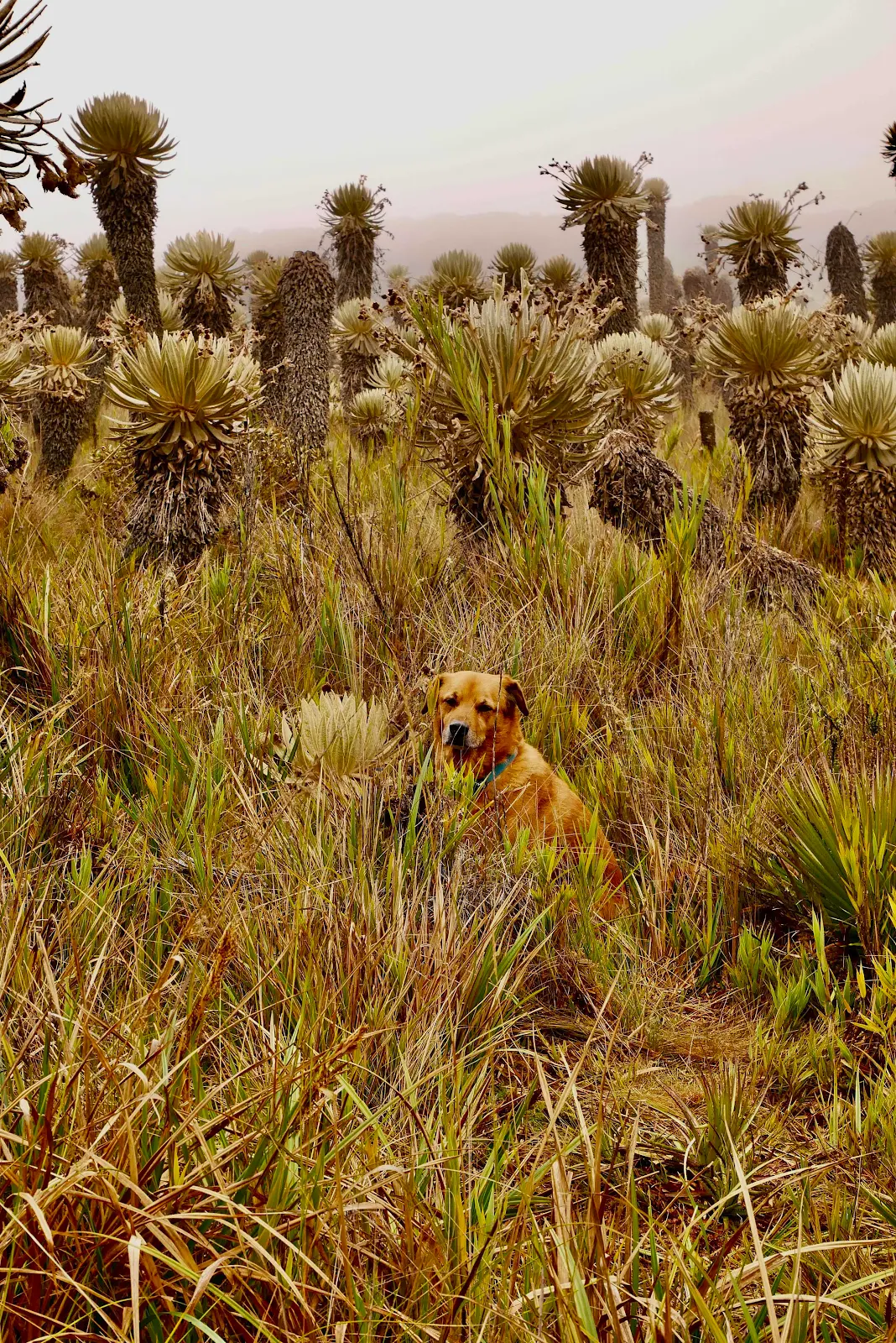
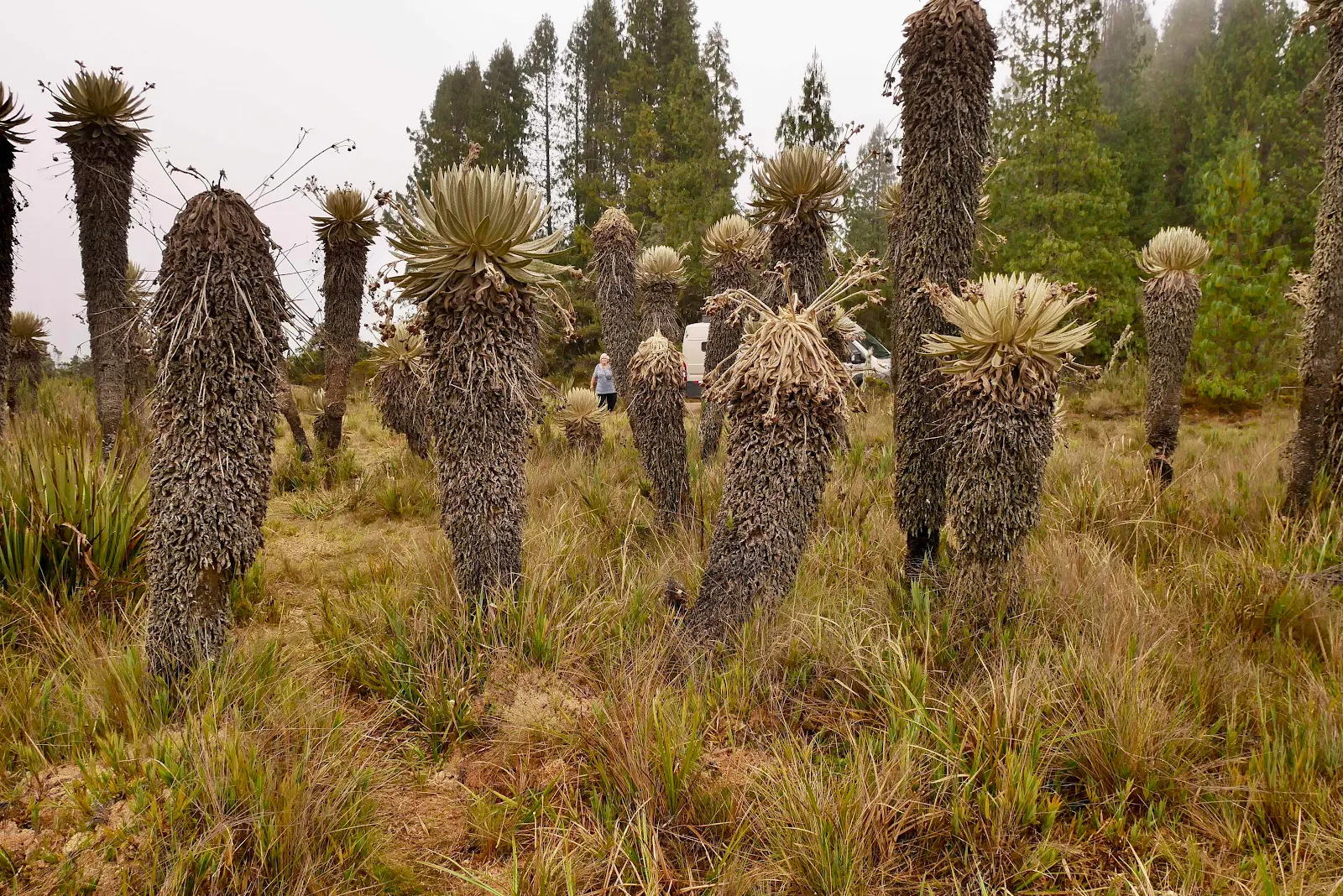
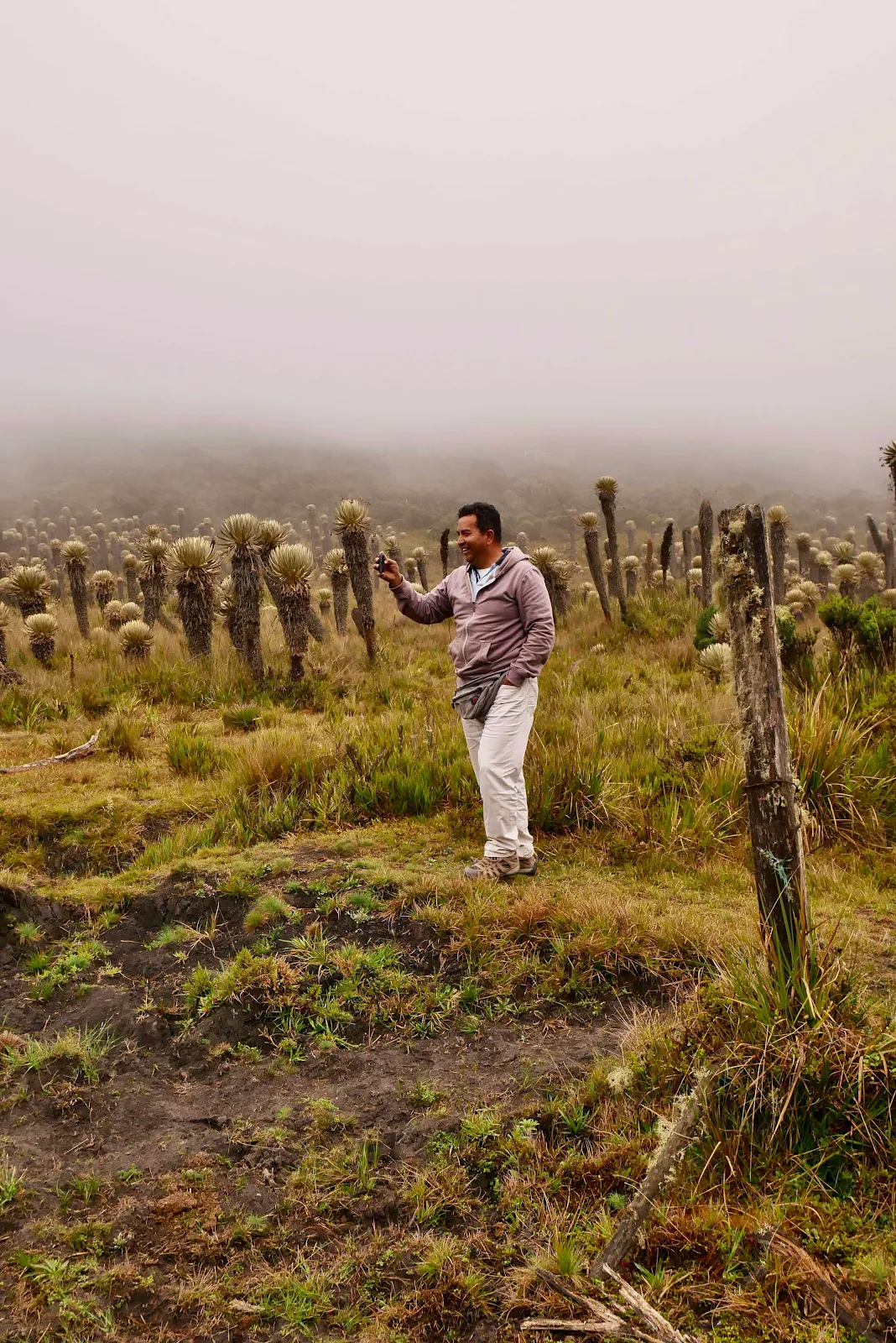
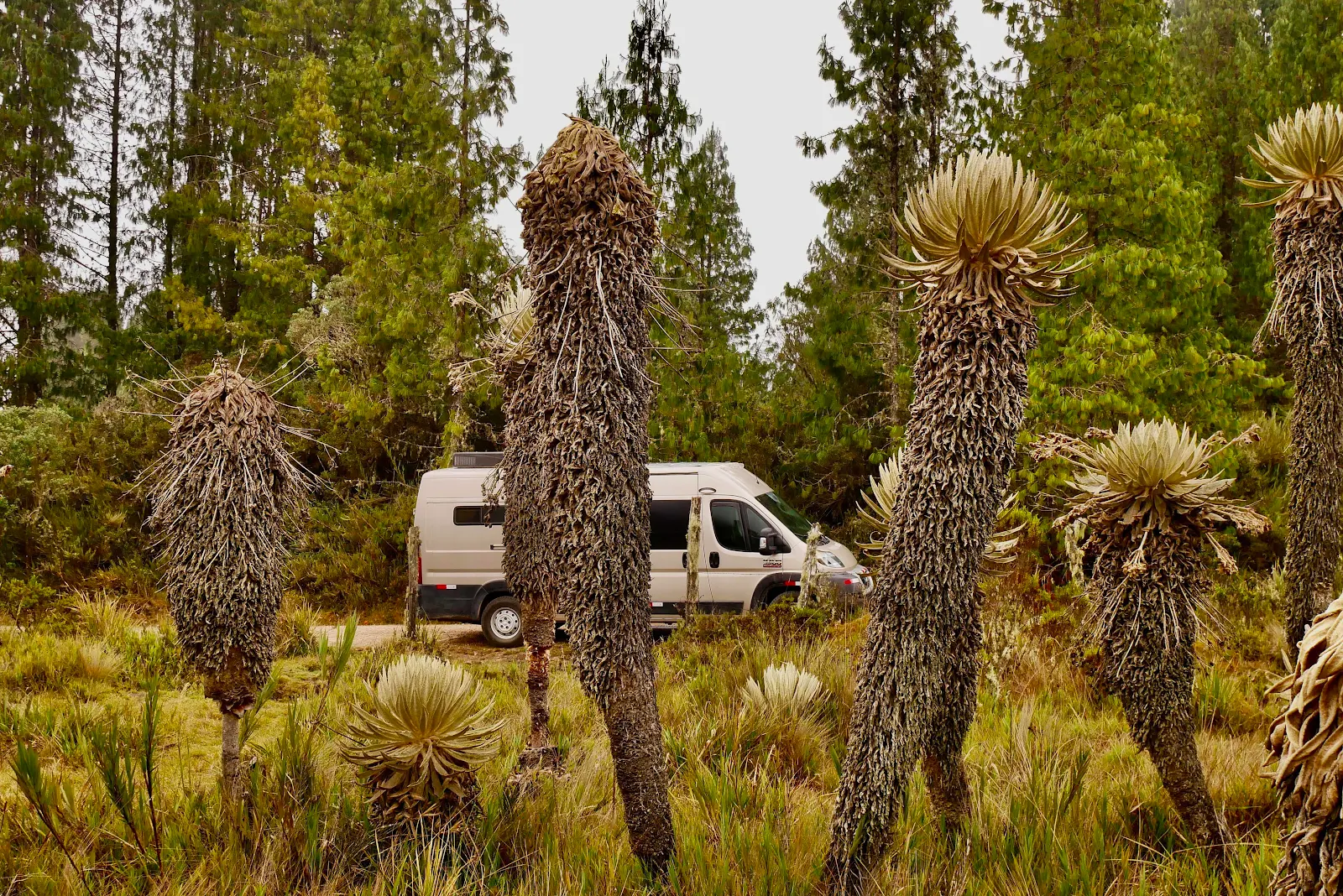
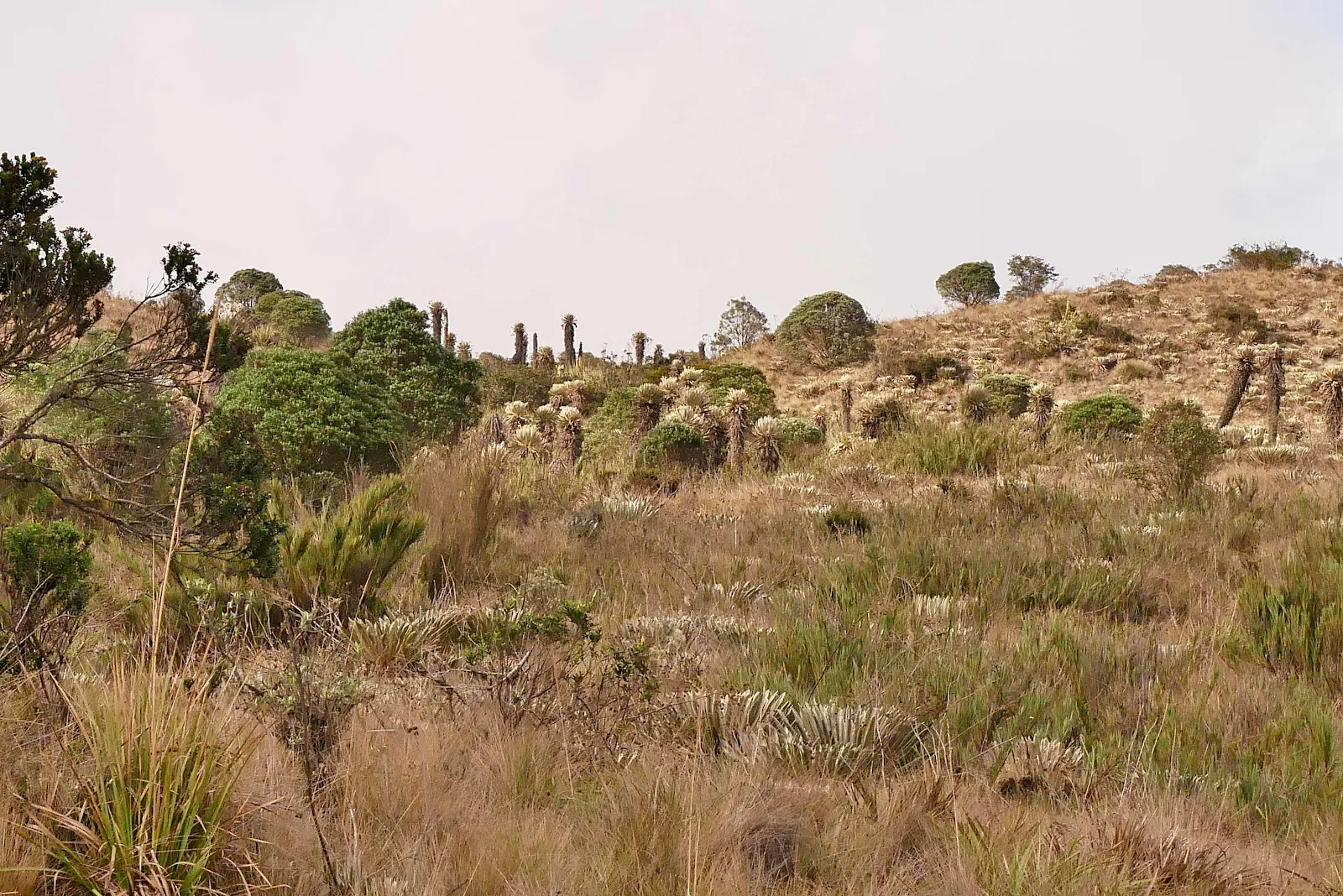
The purpose of the road to nowhere was to take us up to 10,600 feet to see some big friars in a field. In Spanish these bizarre plants are called “frailejones” (fra-heel-own-es) or Big Friars because from a distance they supposedly resemble those religious figures.

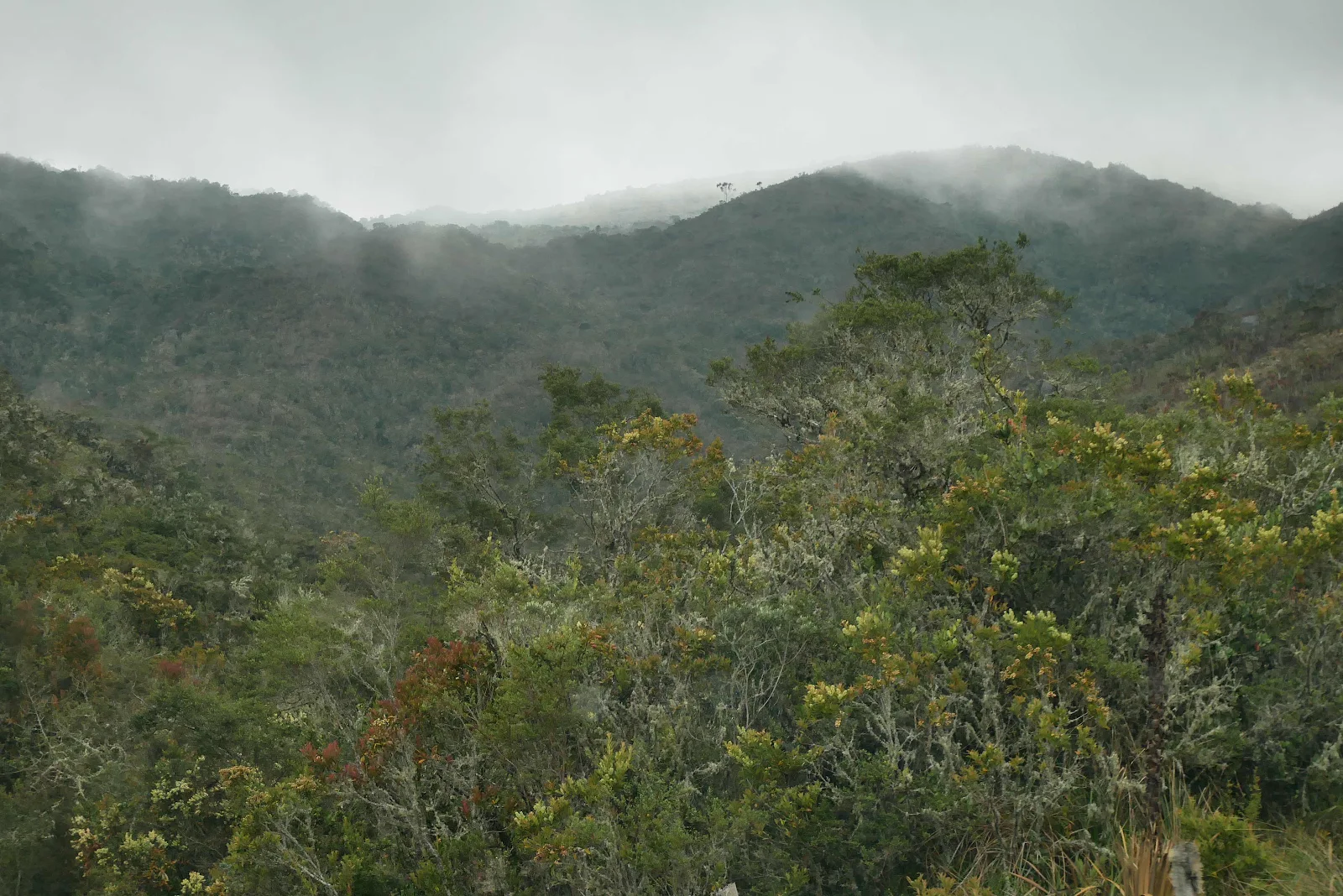
They are really weird plants for a number of reasons. Firstly they catch moisture from the air which is why they are so prolific in high mountain passes where humid air blows through in the form of mist. Just like this spot here, a windy saddle between mountain tops. 

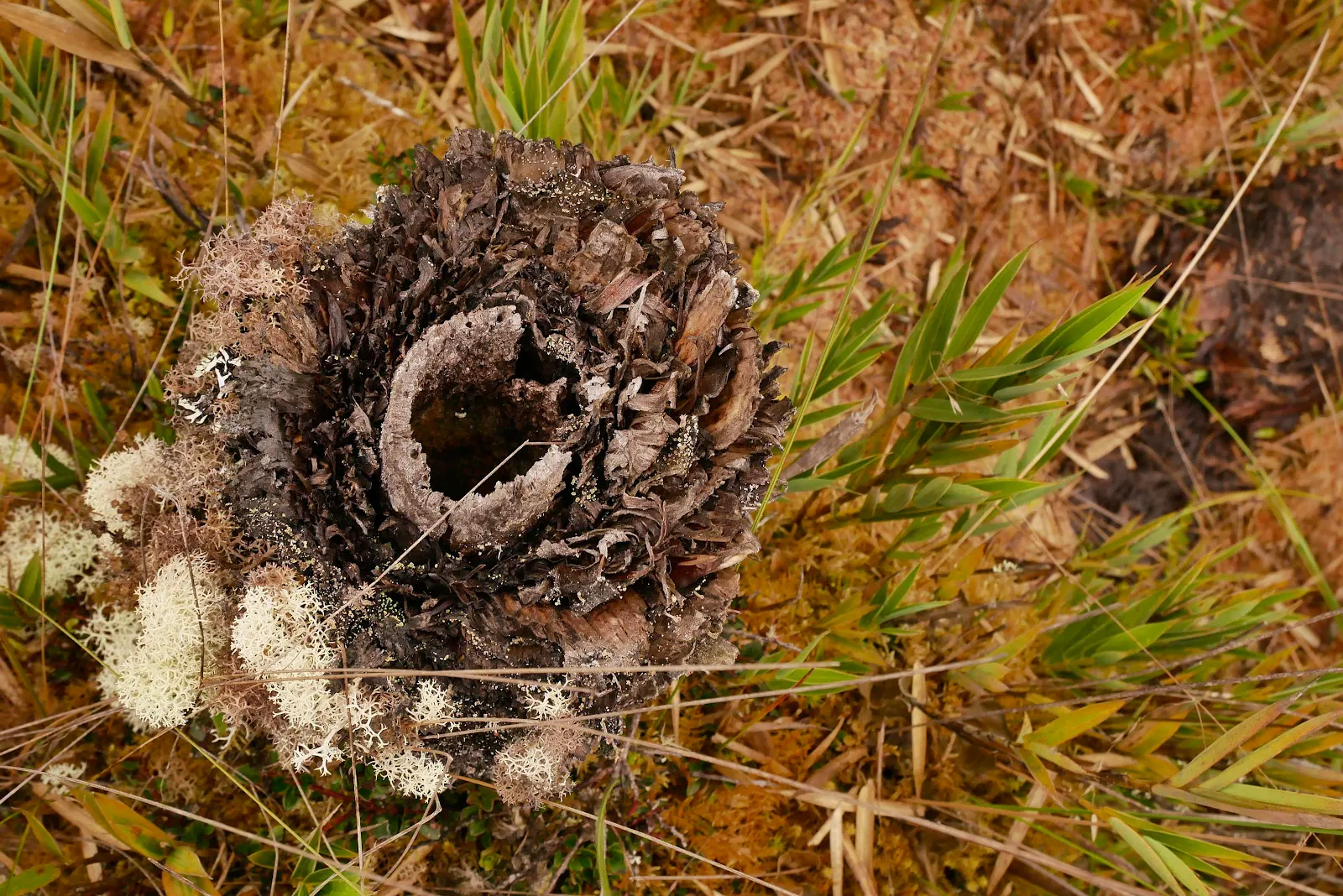
That fact put me in mind of redwood trees which also get moisture from damp coastal winds off the Pacific. But these friars get weirder the closer you look at them. Because they live at high altitude across the Andes when their leaves die they fold down on themselves to protect the core of the tree from frost. And that’s because the trunk of the big friar is hollow and serves to drain the trapped moisture into the ground. 

Which means the ground underneath these frailejones is a bog. You feel as though you are walking on a sponge. You don’t sink in necessarily,, at least in the dry season, but there is a definite bounce in your step. 

The next weird thing about these trees is they grow about half an inch a year. The tallest ones in this forest in the Gran Pantano (Great Swamp) would be five or six hundred years old. They watched in astonishment when the Spanish first came through. Imagine that. 

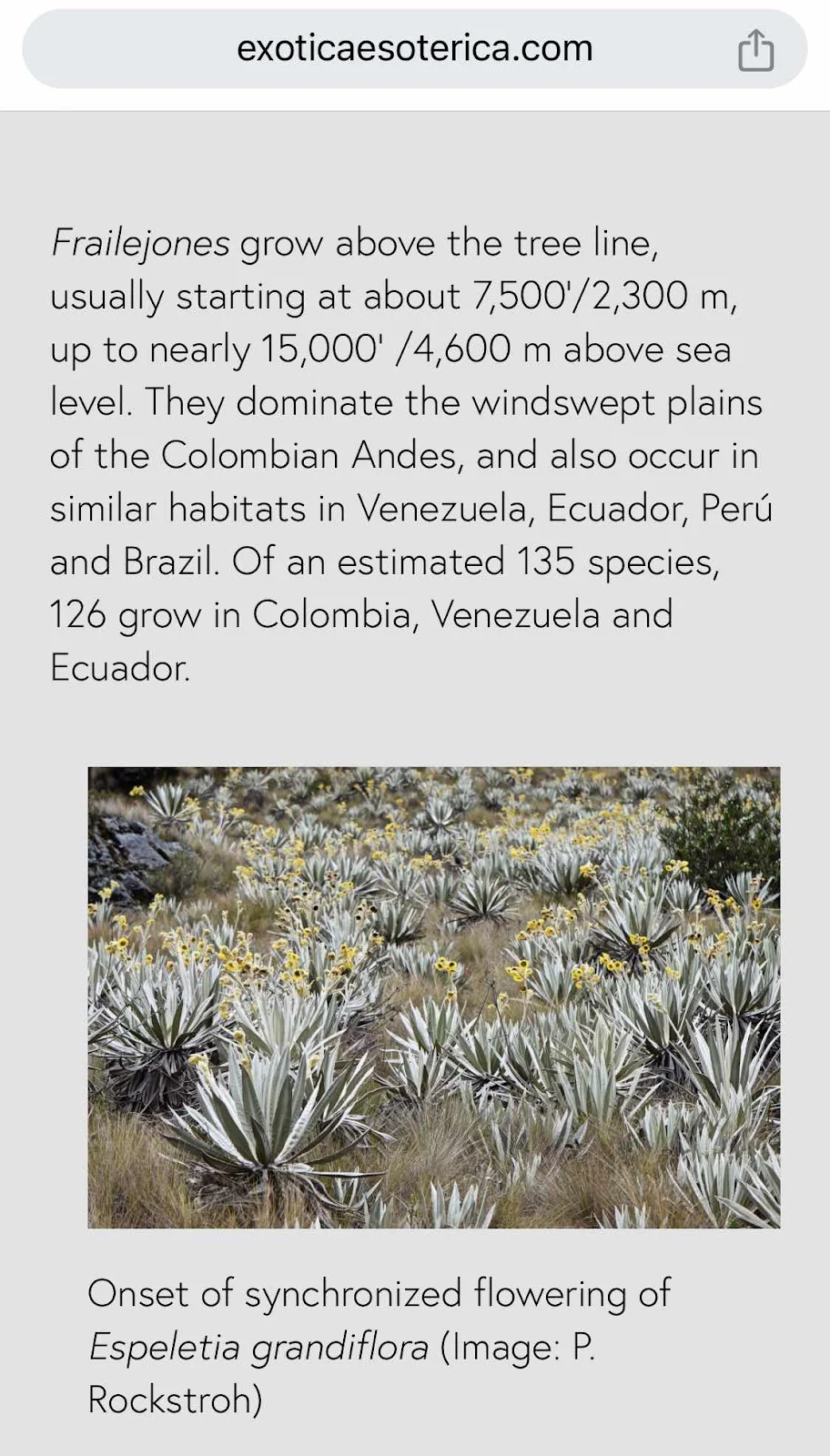
And finally botanists call these things daisies. They grow in high Andean plateaux called “paramó” and we expect to see more of them at higher altitudes as we drive south across the windblown high Andean plains. I’m really looking forward to being breathless on those wastelands at a frigid 15,000 feet as you might imagine. 

Anyway if you want to know more that page at exoticaesoterica.com is bulging with news. I put “frailejones Wiki English” into Google to get a result. 

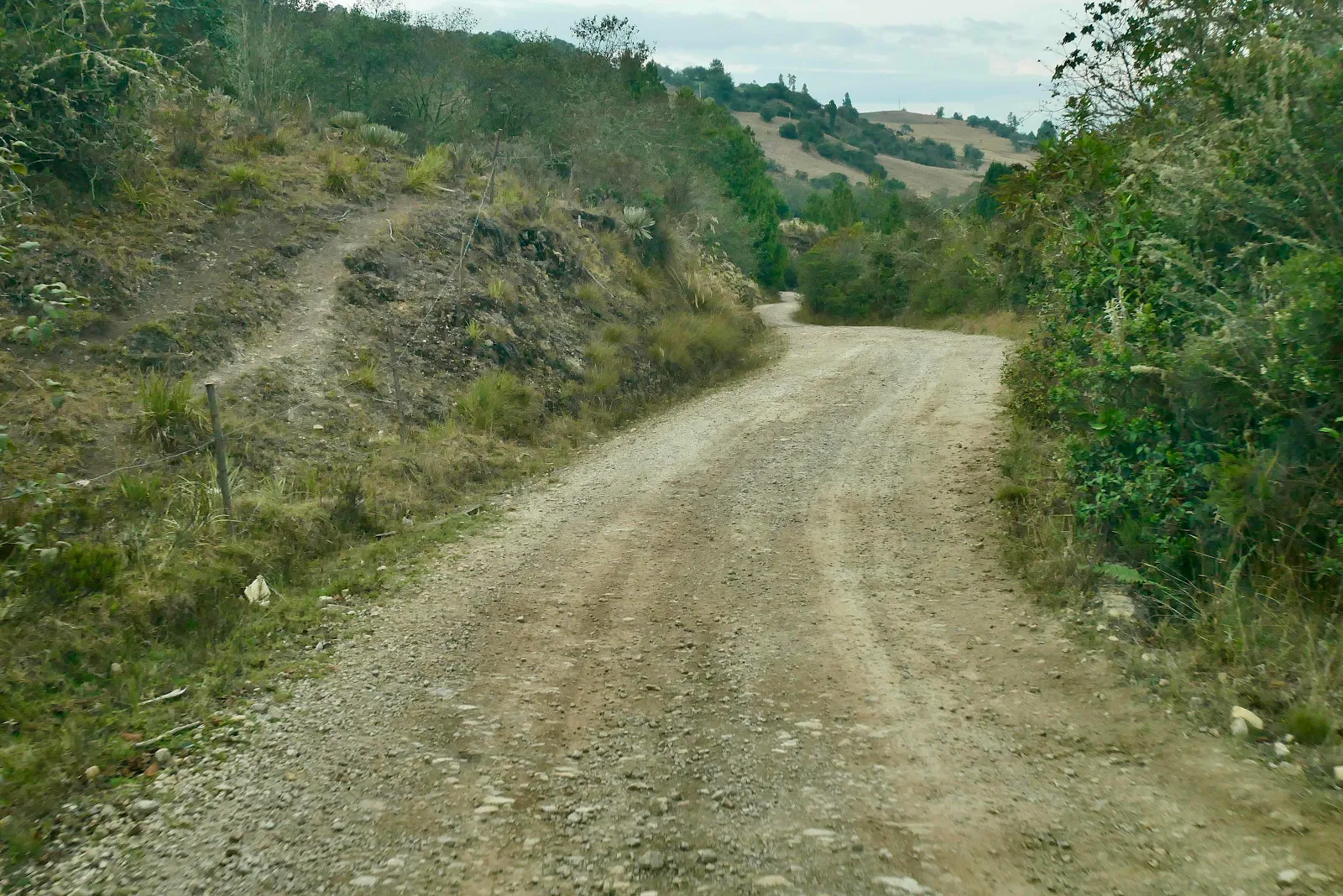
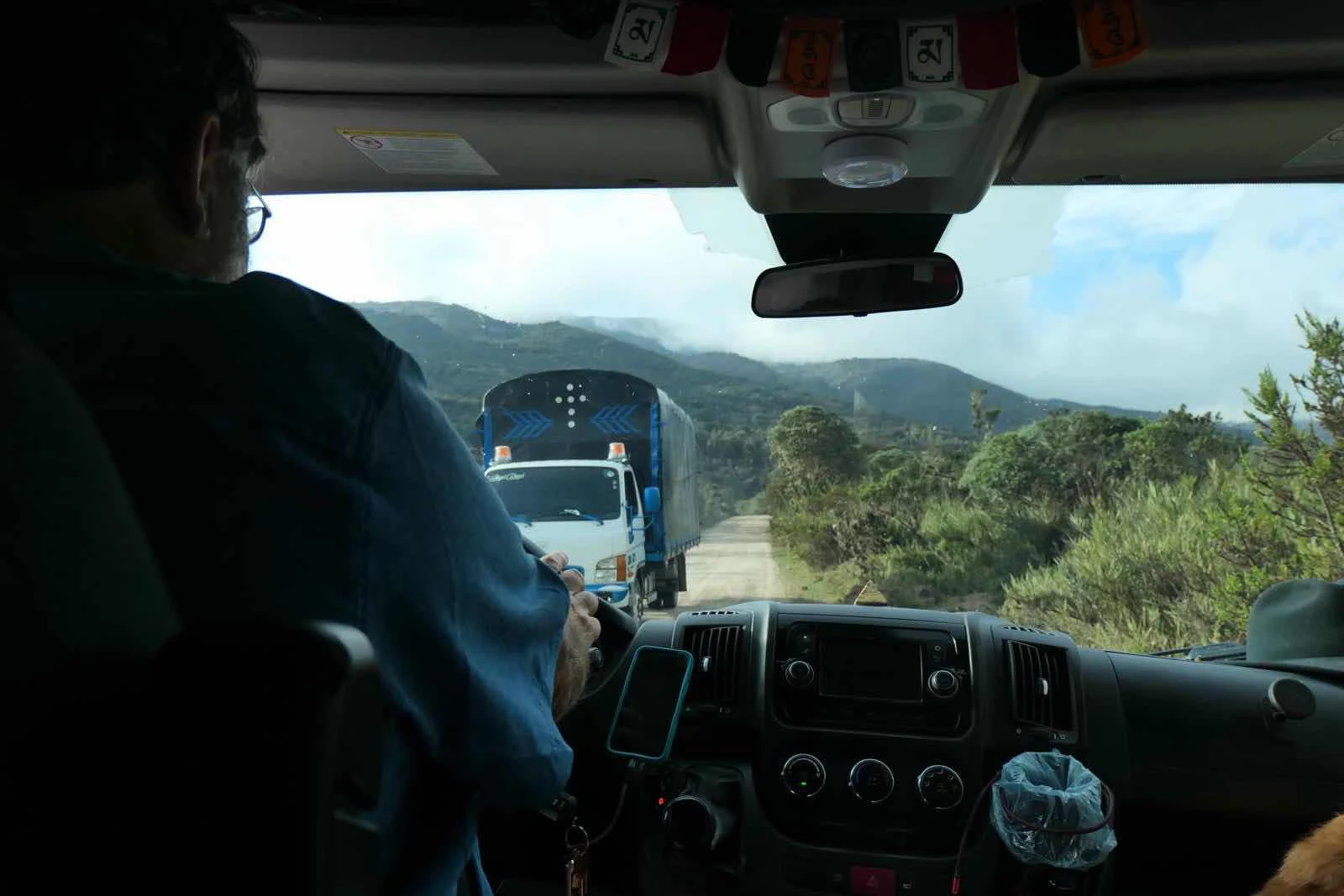
What I liked most about this outing was the location, unsignposted and far off the beaten track. It took about an hour of slow driving on mostly dirt or torn up asphalt, at ten to fifteen miles per hour, topping out at 10,600 feet above sea level. I have felt worse at that altitude and I had no headache so I must be acclimating. Amazing. 

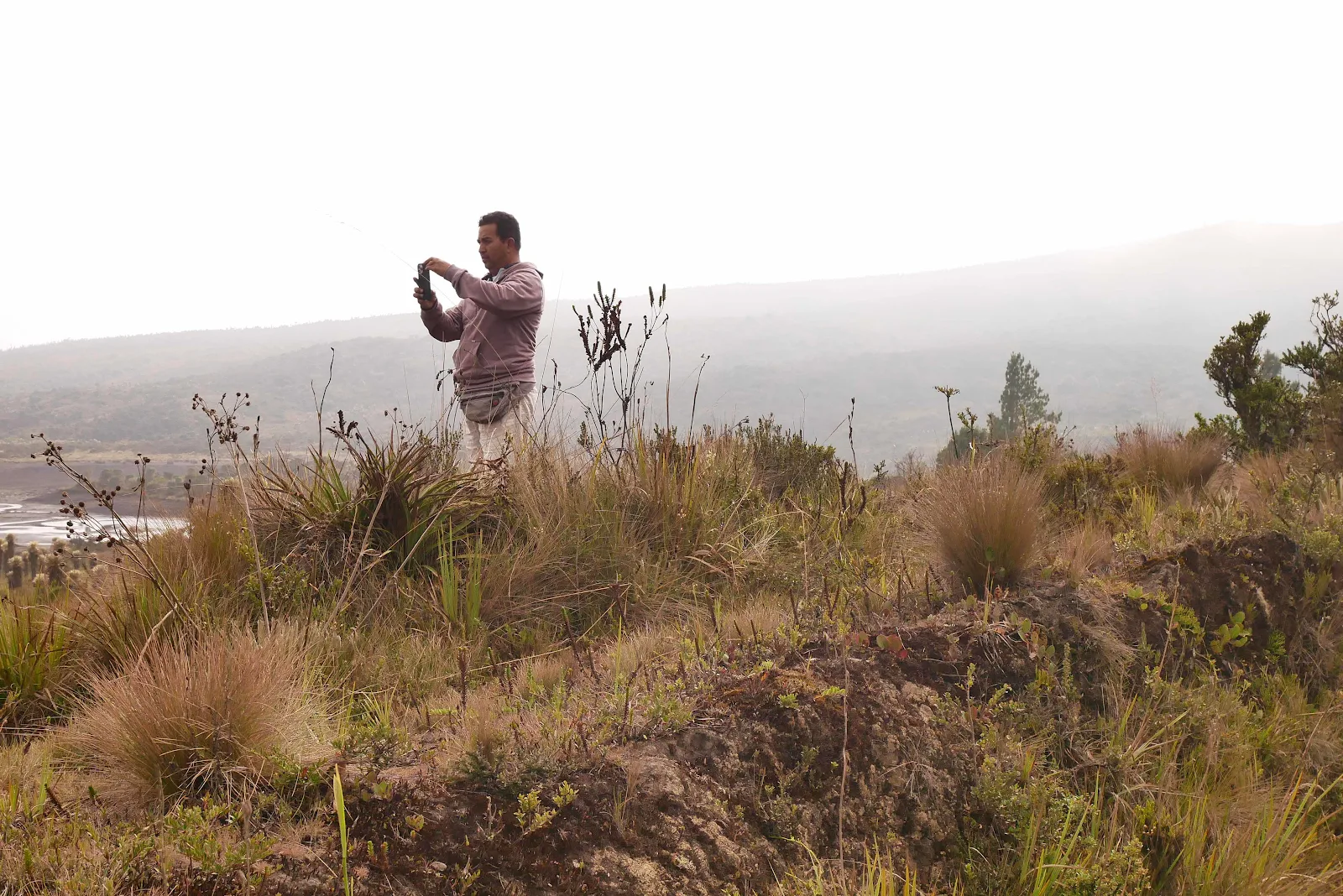
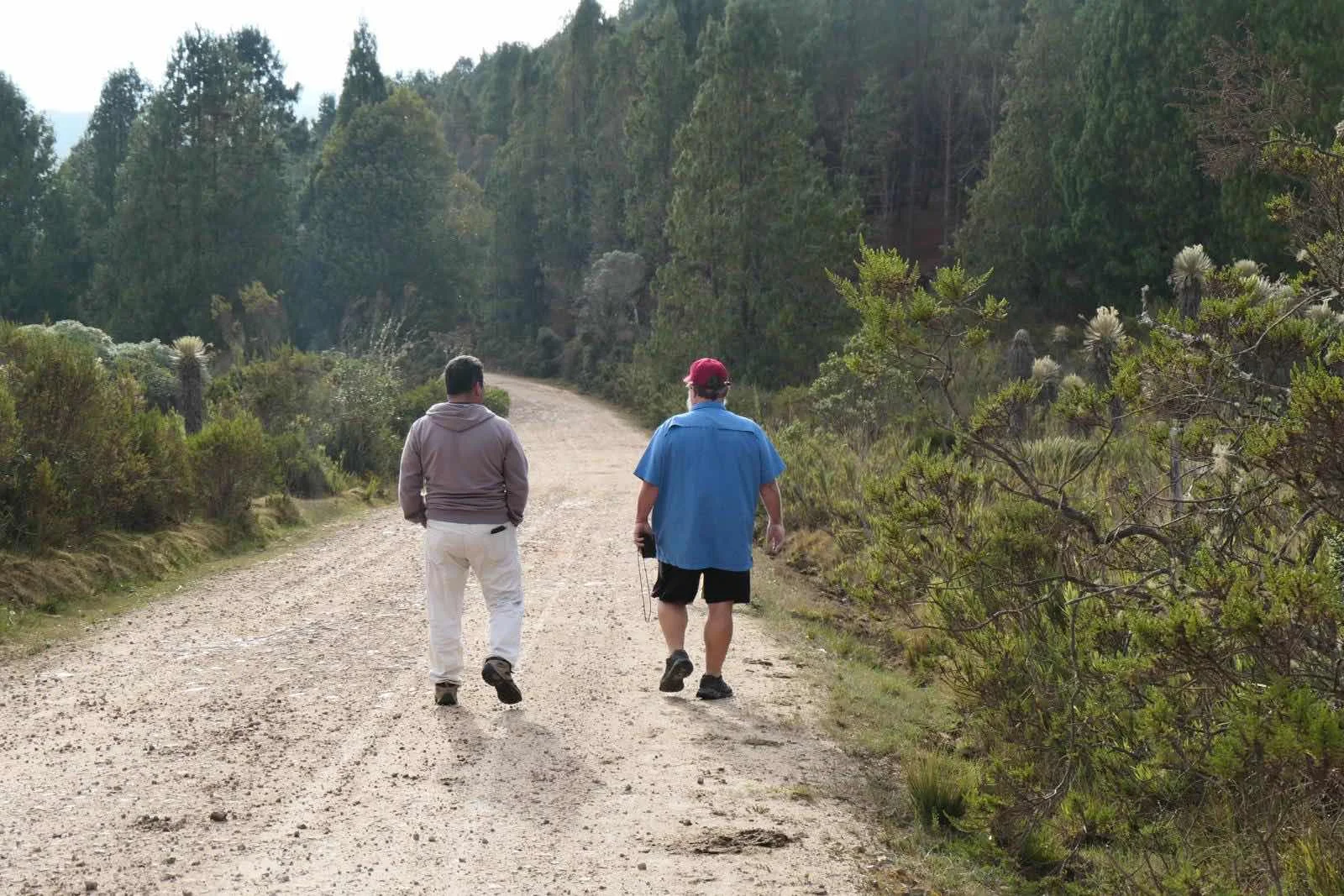
Hildebrando our guide bought his farm outside the village of Pesca five years ago where he plans to retire after a lifetime spent working in Quebec where he and his wife emigrated and got Canadian citizenship. He says he likes to bring visitors up here and he got busy making videos where we stopped. 

I get the idea it’s probably quite muddy up here after a heavy rain but we lucked out. Hildebrando invoked thanks to his god as we got a lovely burst of sunshine as we walked among the friars. 


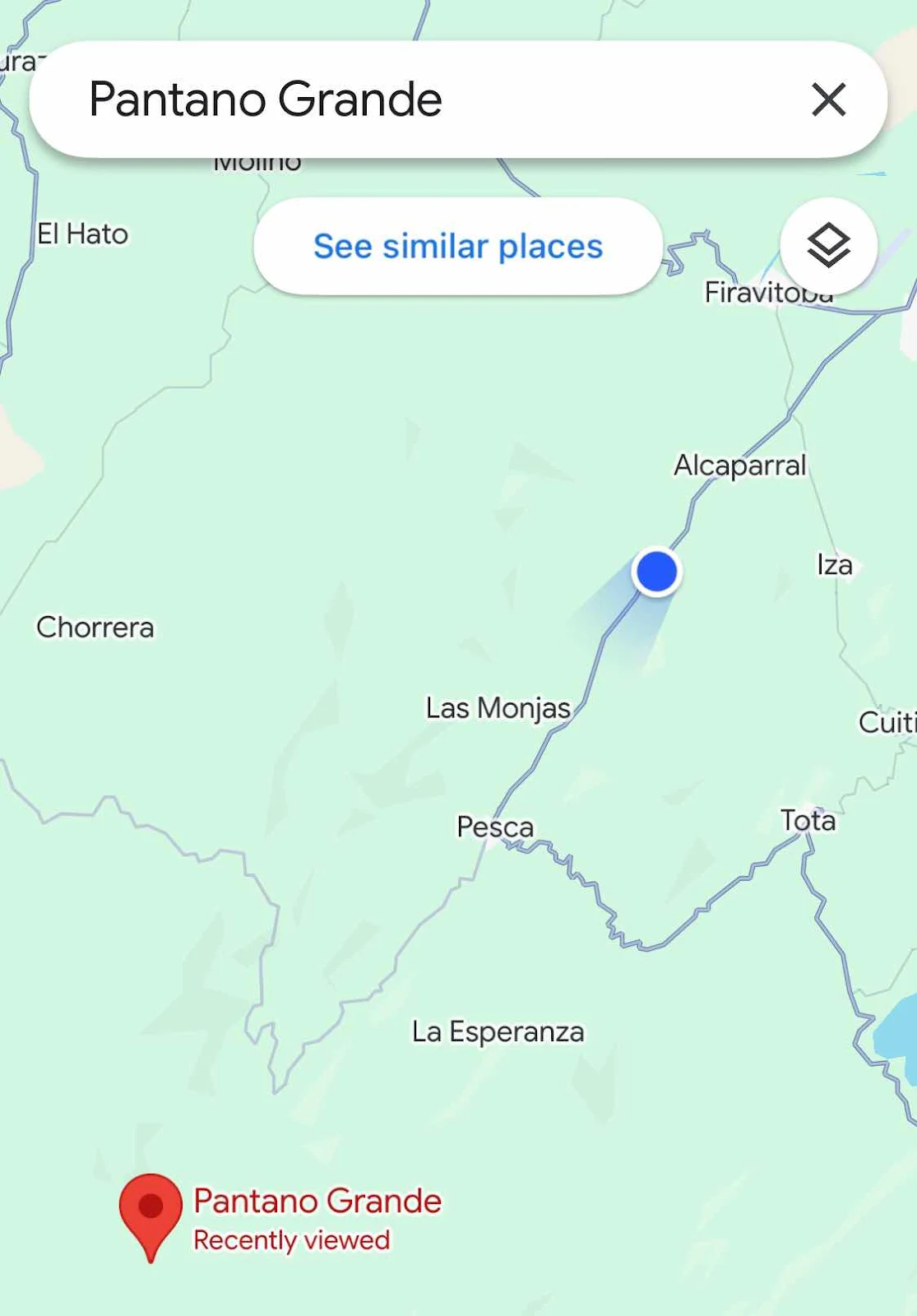
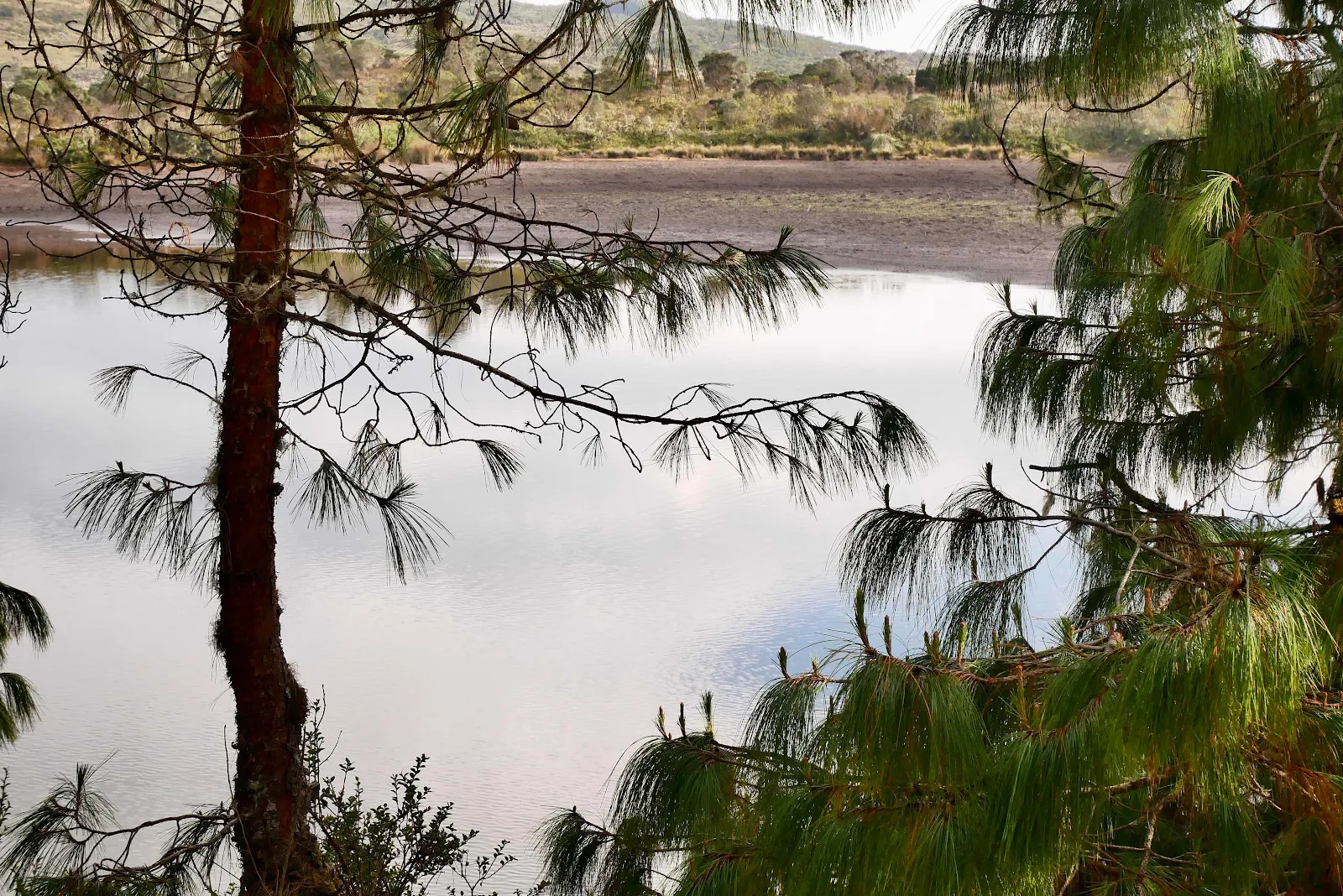
We reached the highest point on our drive on the shores of the little lake that marks “Pantano Grande” the Big Swamp on Google maps. To get there we left the blue dot, our apartment and drove through the village of Pesca…


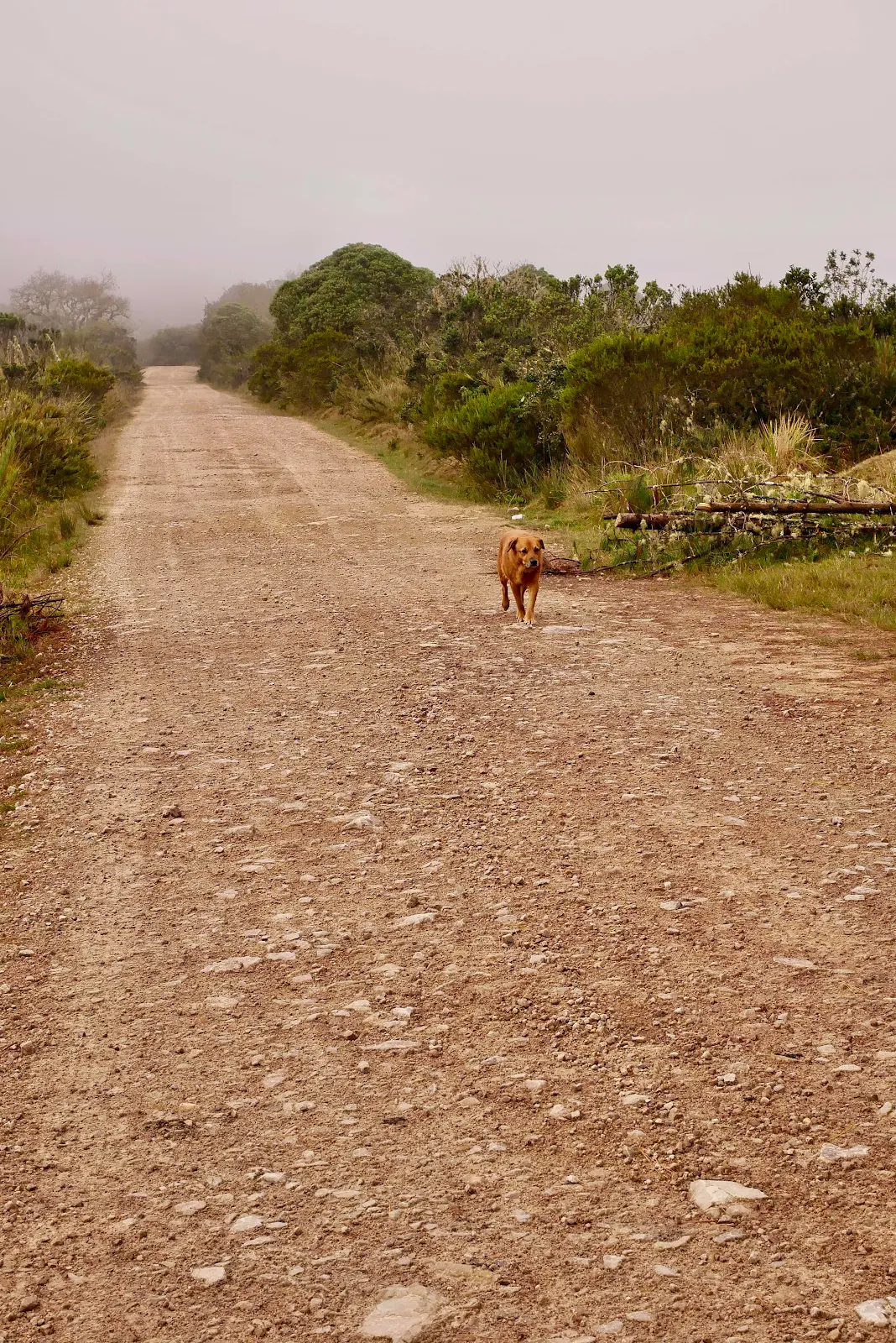
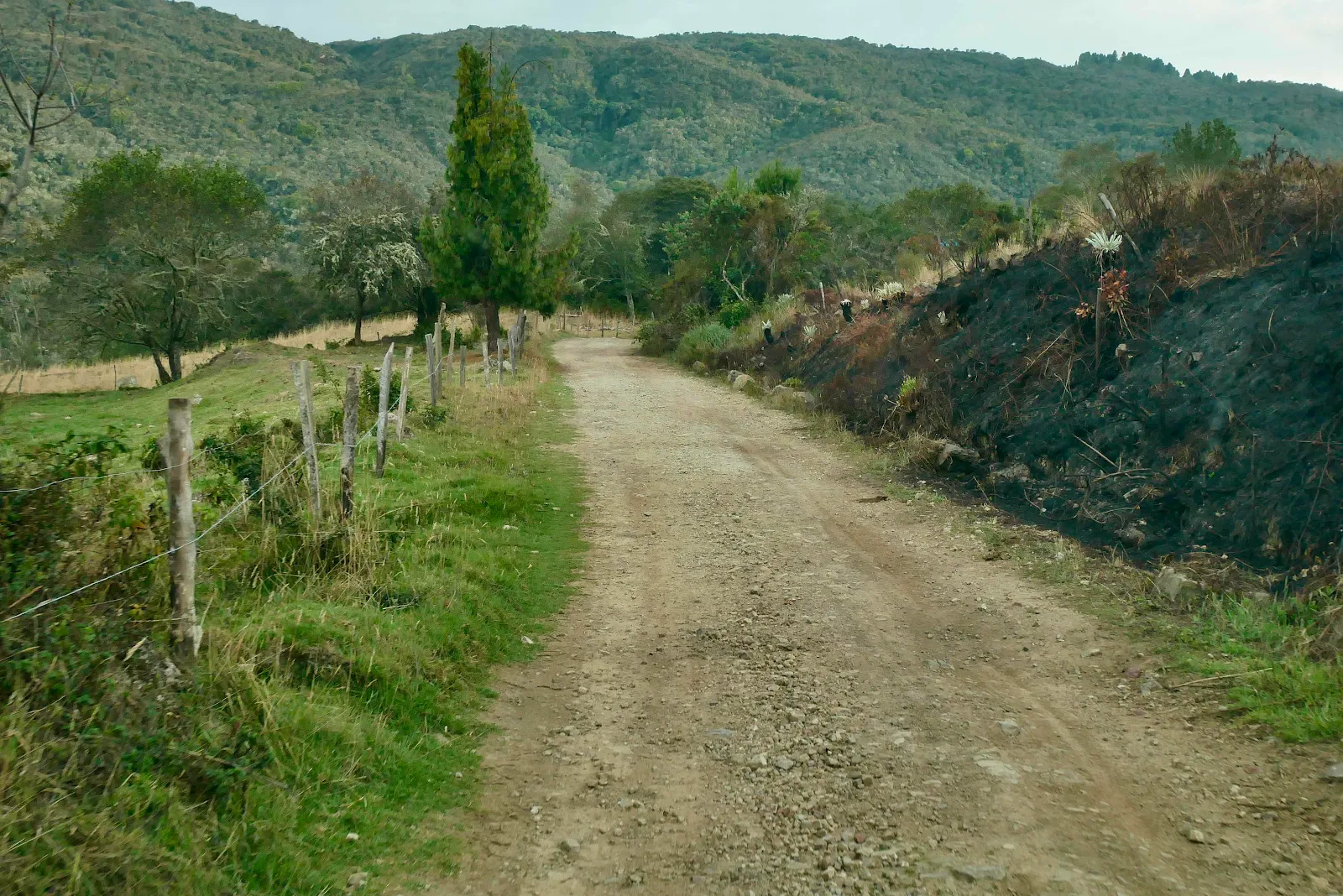
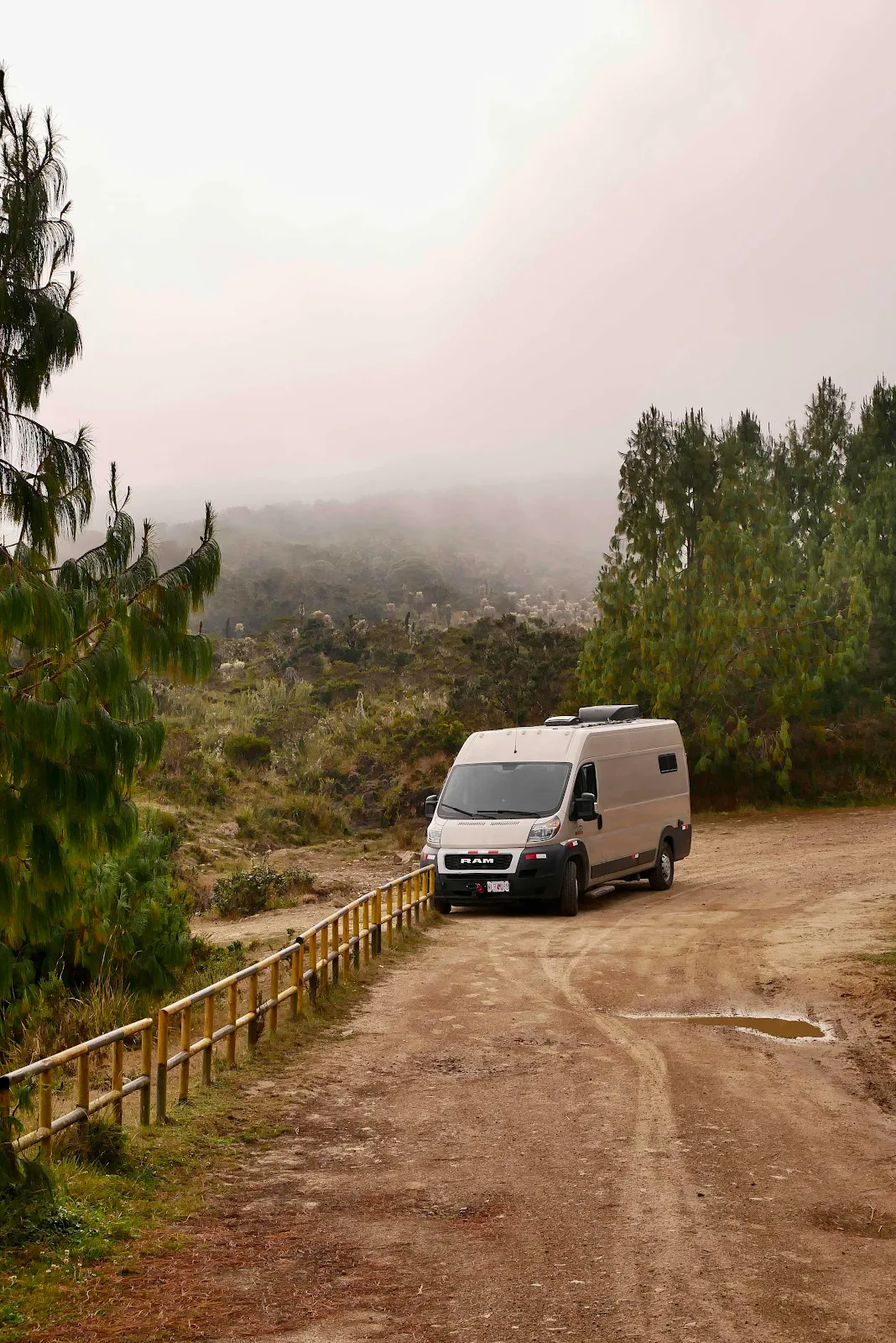
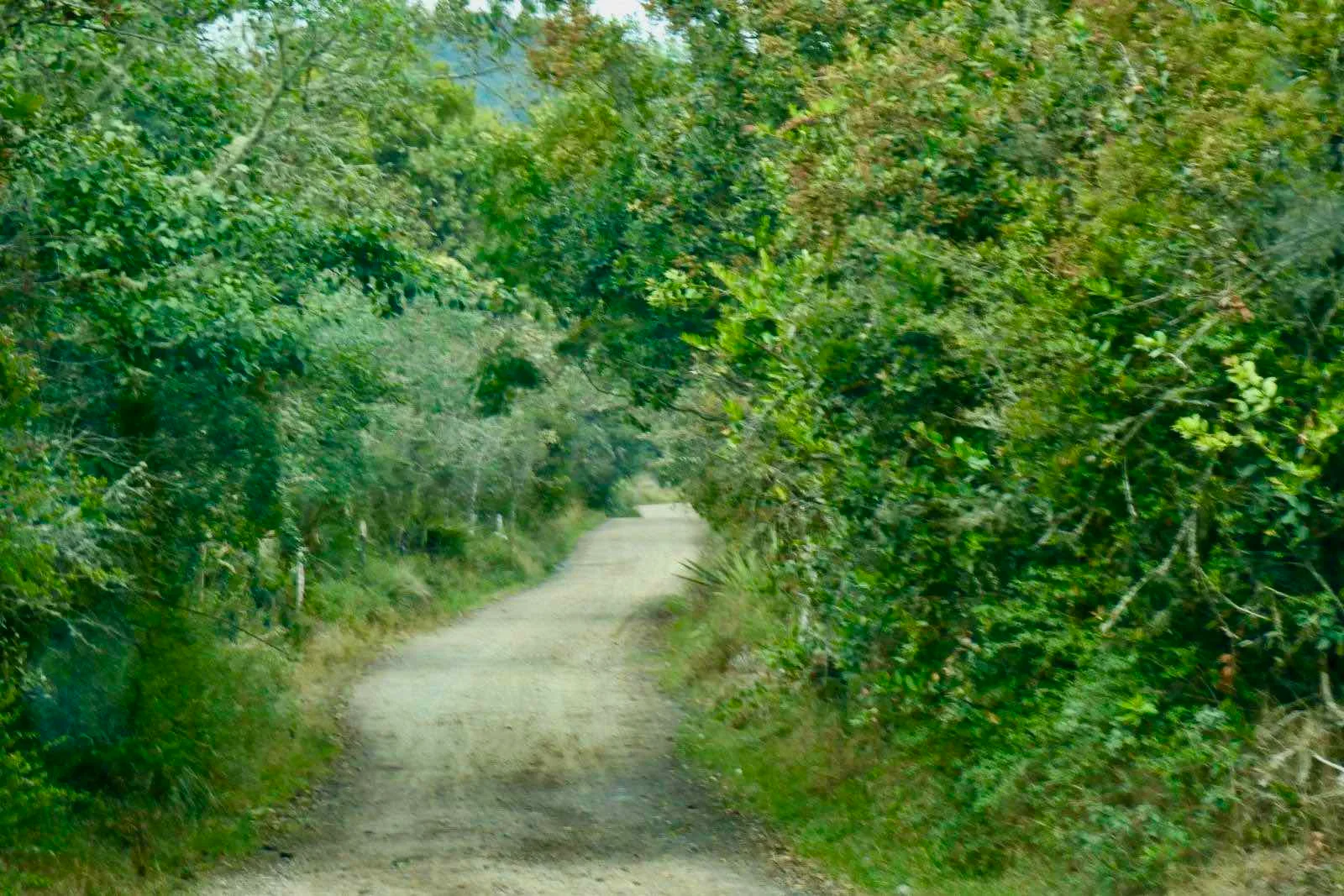
…and into the wilderness of unmarked dirt roads into the mountains. It was great fun despite a couple of light showers at the start, just enough to make me wonder how we would cope if the road turned to mud; but it never did. 


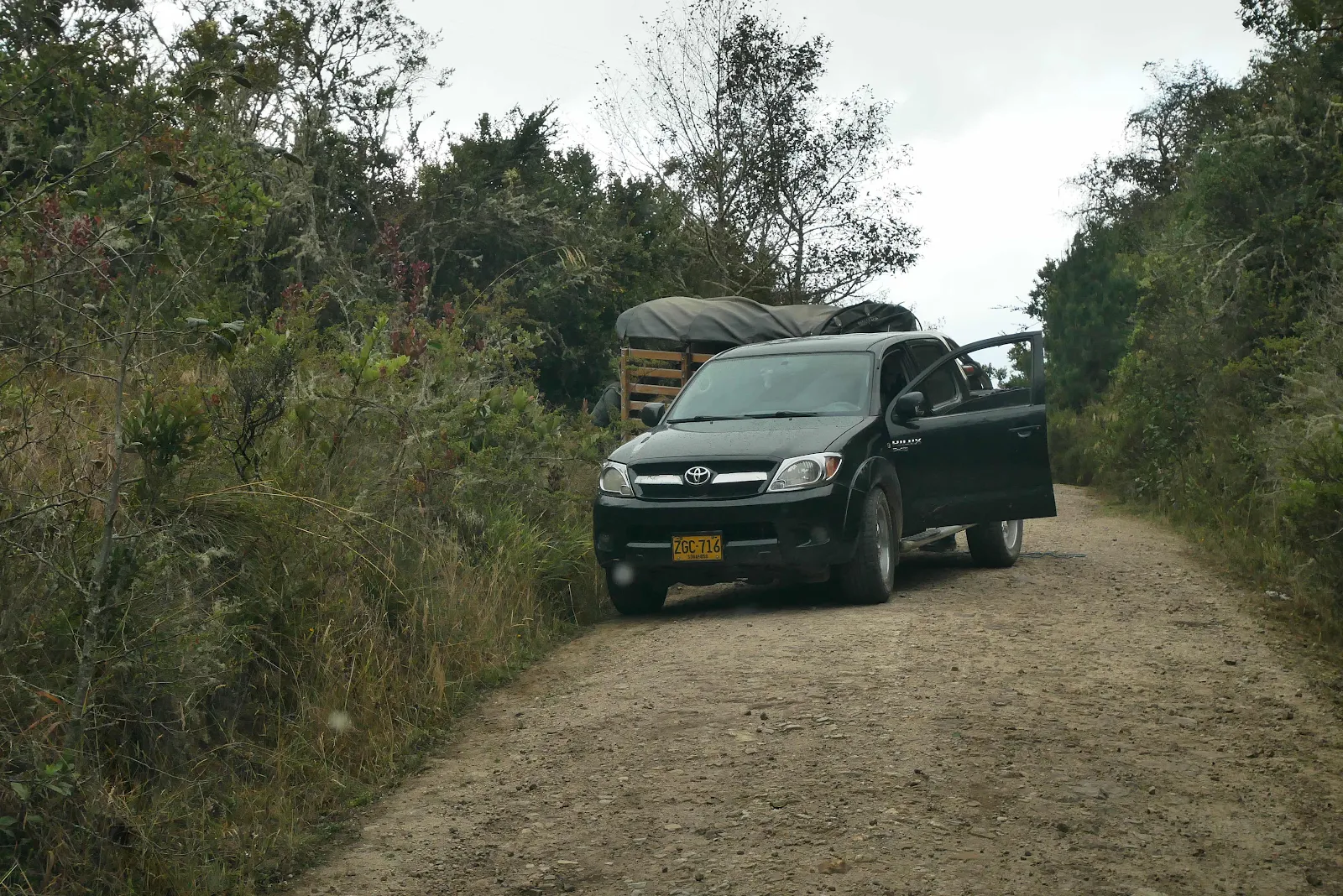
You just wait patiently while the locals load a reluctant cow into their trailer. 


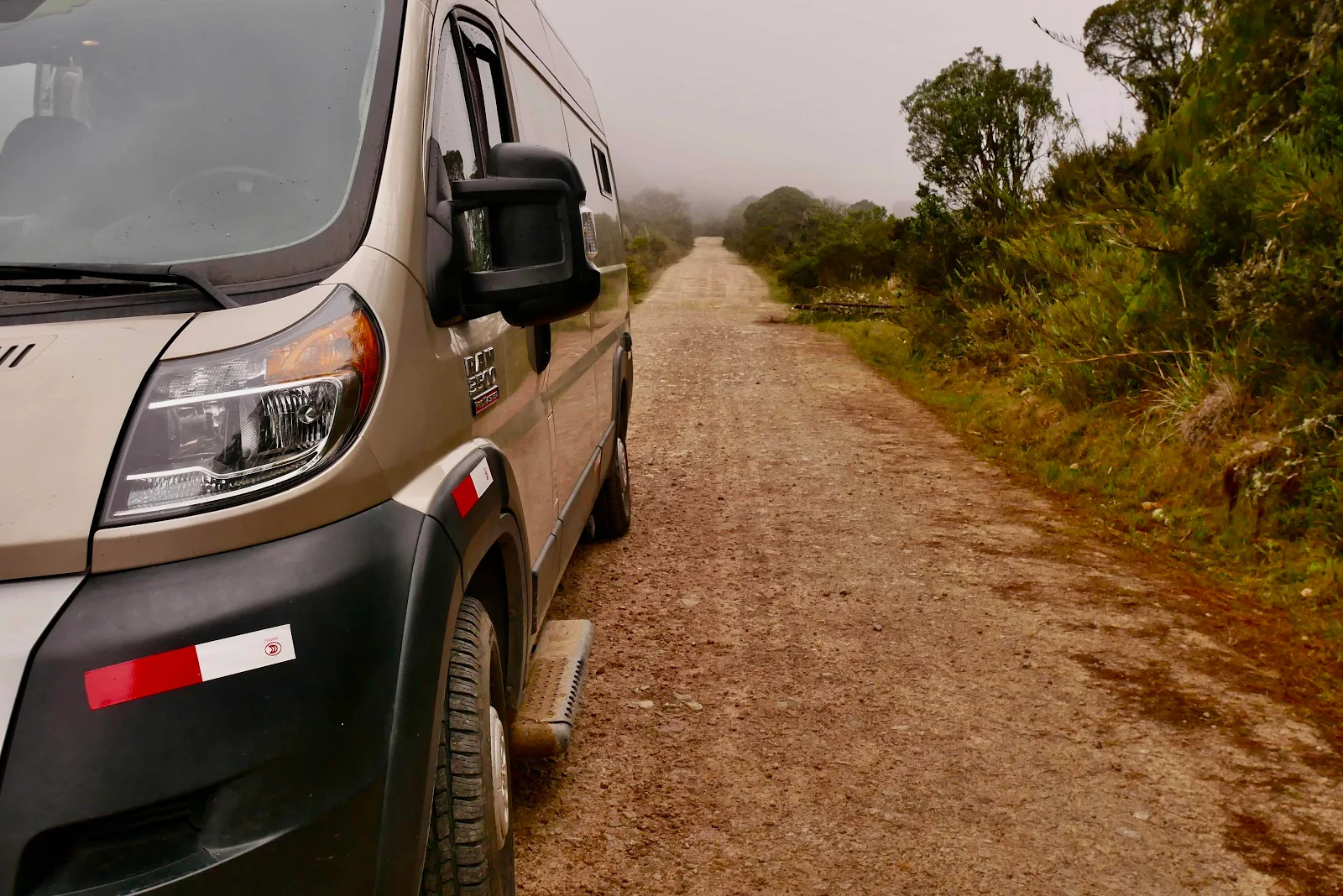
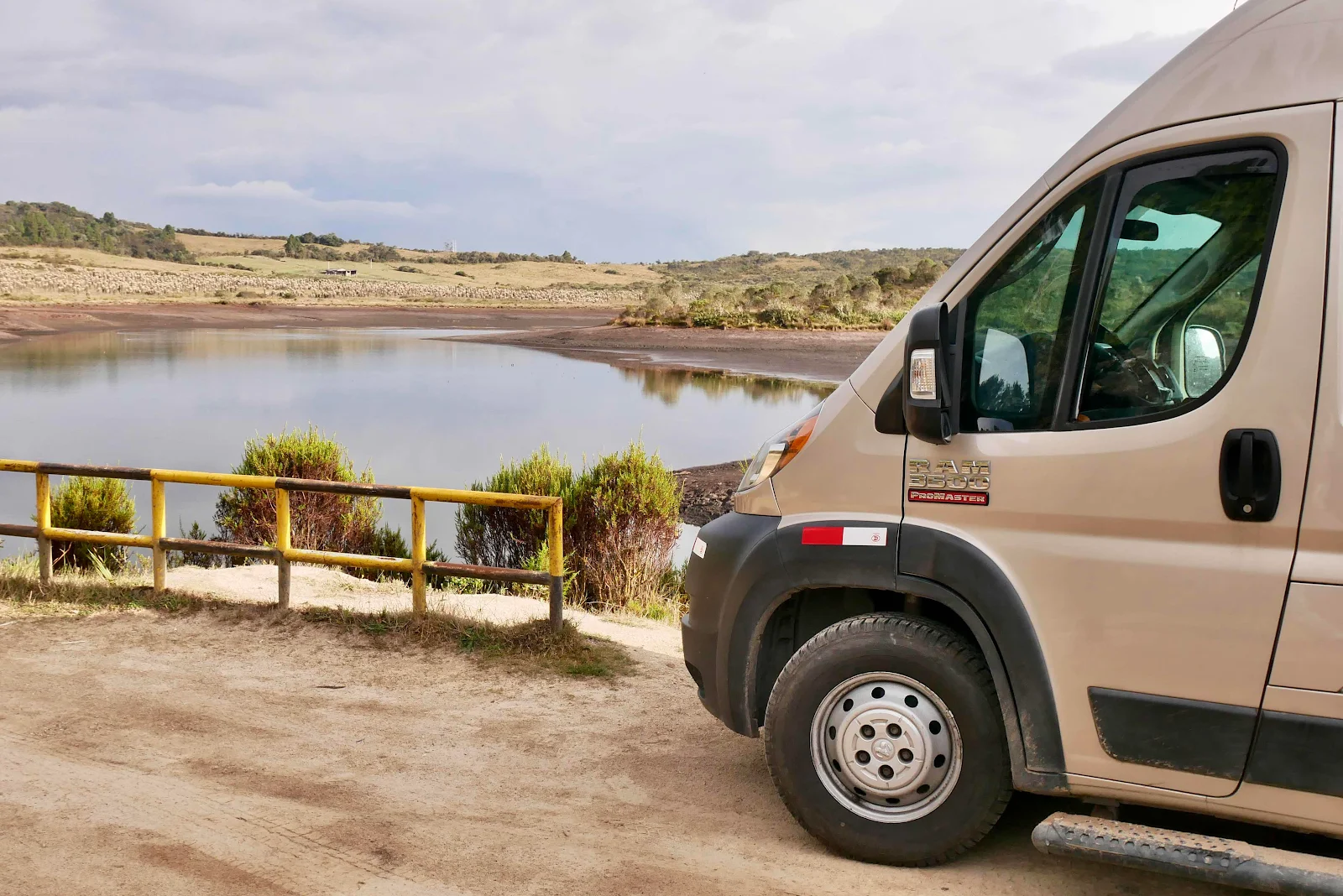
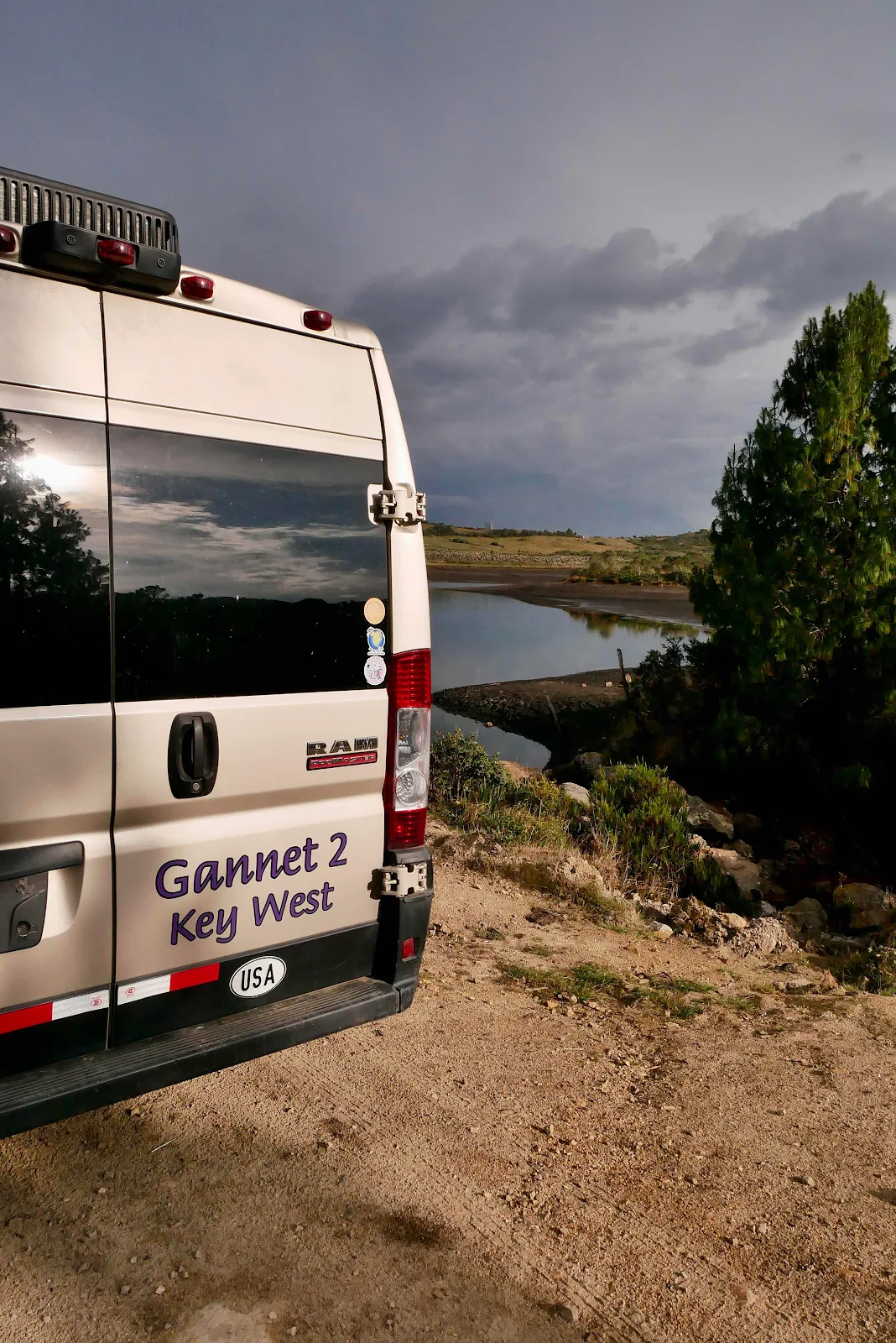
Have Promaster, will travel. 

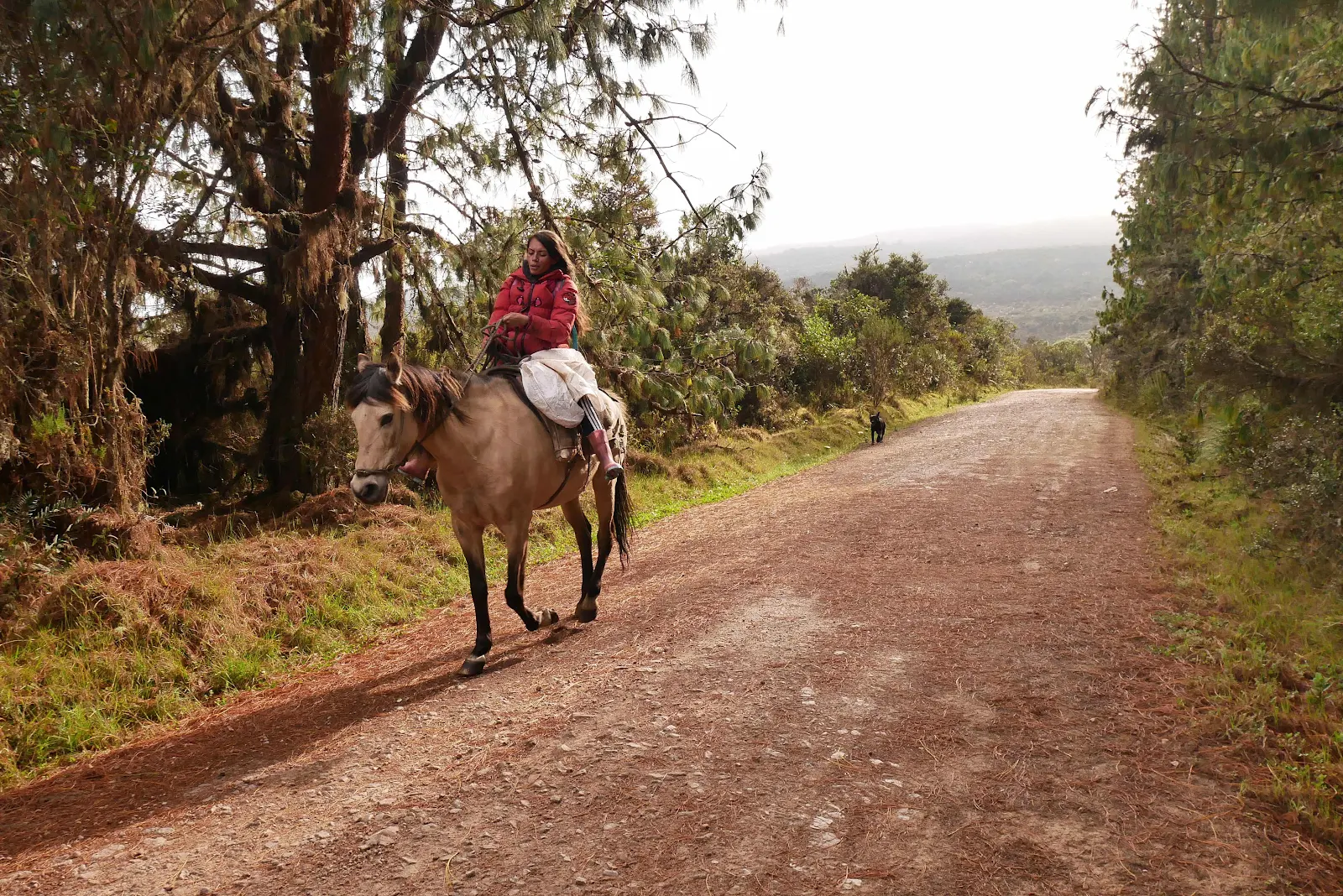
She was off running some horseback chore she told Hildebrando. And like that Maid Marian was gone. People live actual lives up here where we were just wandering around slack jawed. 

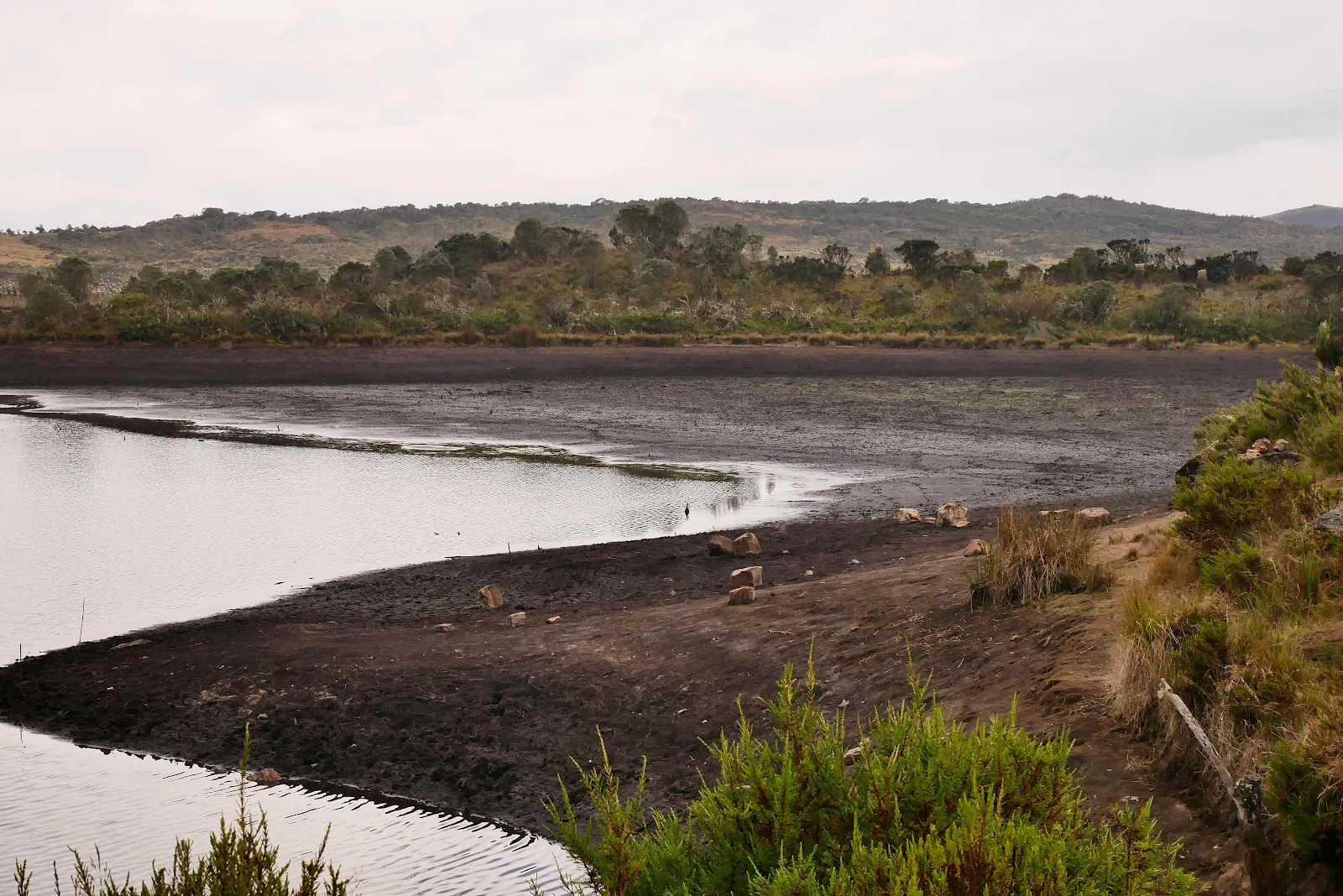
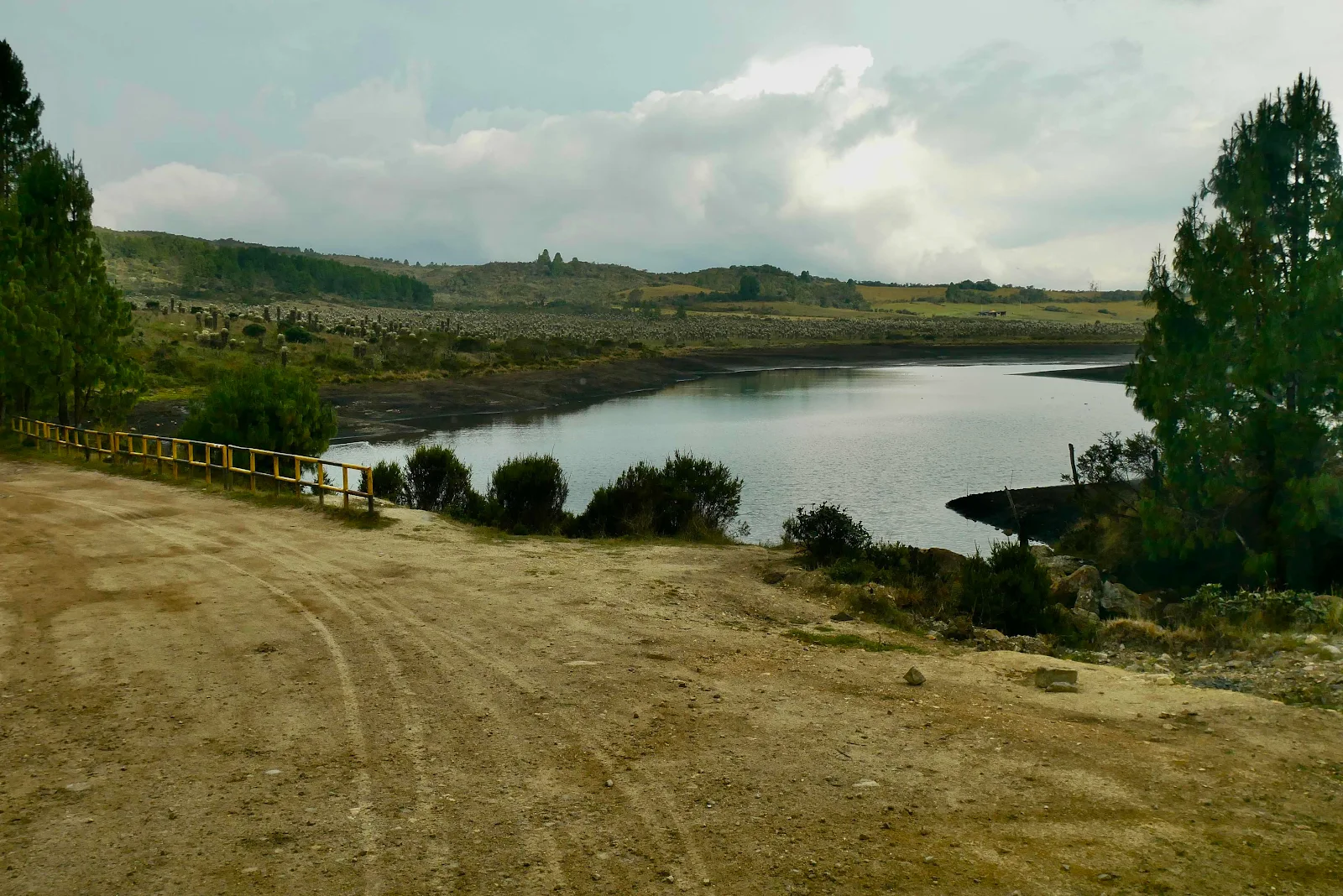
We parked next to the lake which was surprisingly dried up despite the efforts of the Big Friars to catch water from the mist and direct it to the Big Swamp. And the sun came out. Hildebrando told us the house across the lake is occupied by a local man hired as a ranger to protect the friars. That promotion came after he spent some time hacking them down to expand his grazing land. The poacher turned game keeper. 

For us it was a spot we could have camped for the night had we been alone. Had we been alone we’d never have found it so…


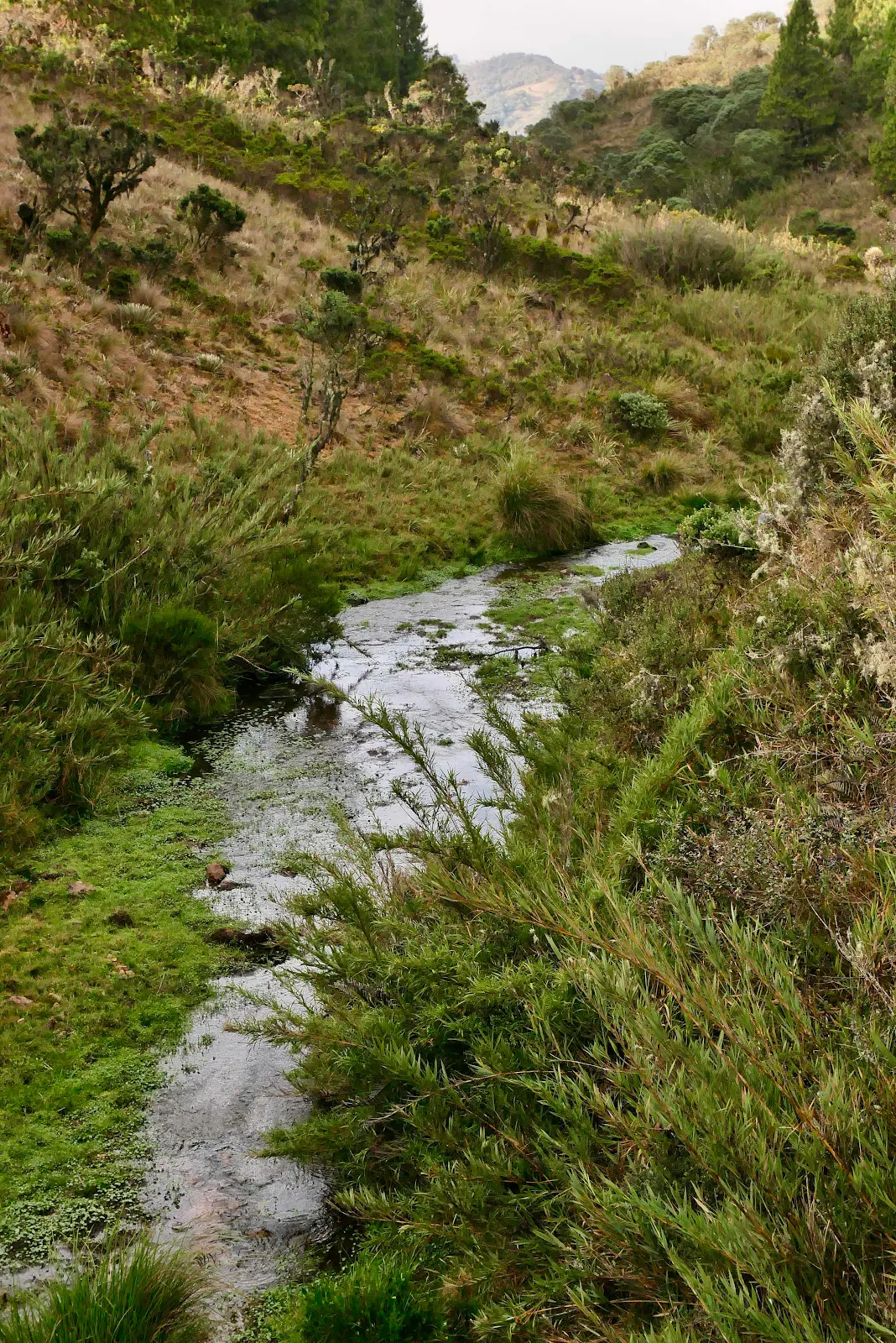
This, you may be surprised to learn is where the Pesca river rises and I wouldn’t have known had we not had Hildebrando with us. 


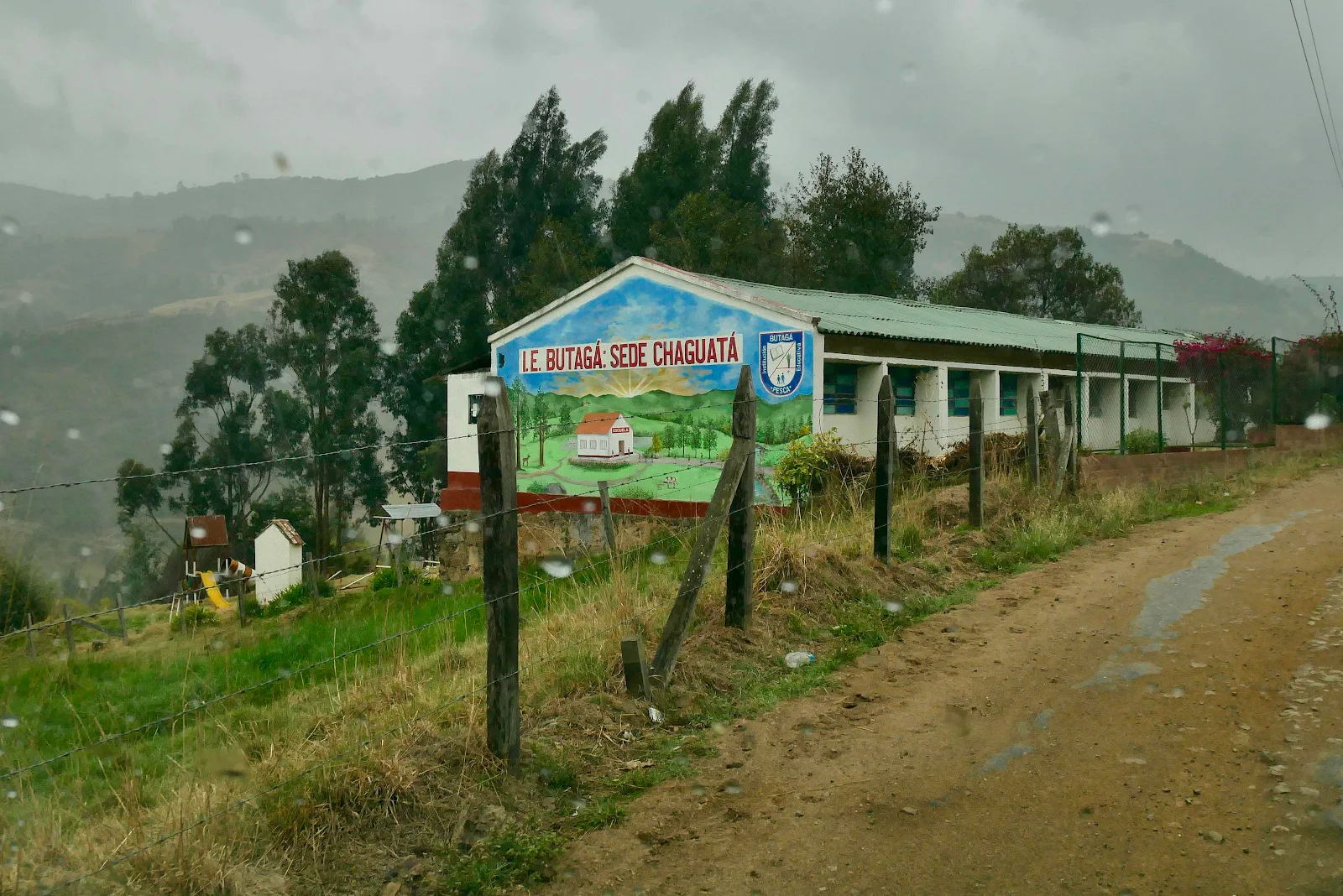
And so back down the hill to Pesca. 

It was a bit of a test for GANNET2 as well and she passed with flying colors, cool brakes and easy passage over the rocky dirt. We’re planning to buy some serious all terrain tires in Colombia to face the roads ahead. I’ve resisted knobby tires thus far but I think it’s time the front wheels are properly shod for what’s ahead. 


On arrival in Pesca back at 8,600 feet the brakes were nowhere near overheating and our check engine light went off on its own so I’m hoping the computer is getting to high altitude better than I am. 

And so back to our heated apartment. Layne made arepas purchased in Pesca with longaniza sausage, a specialty of Boyacá Department a spicy mixture of pork and beef. 

Rusty snored loudly after his dinner.