Wednesday, December 18, 2024

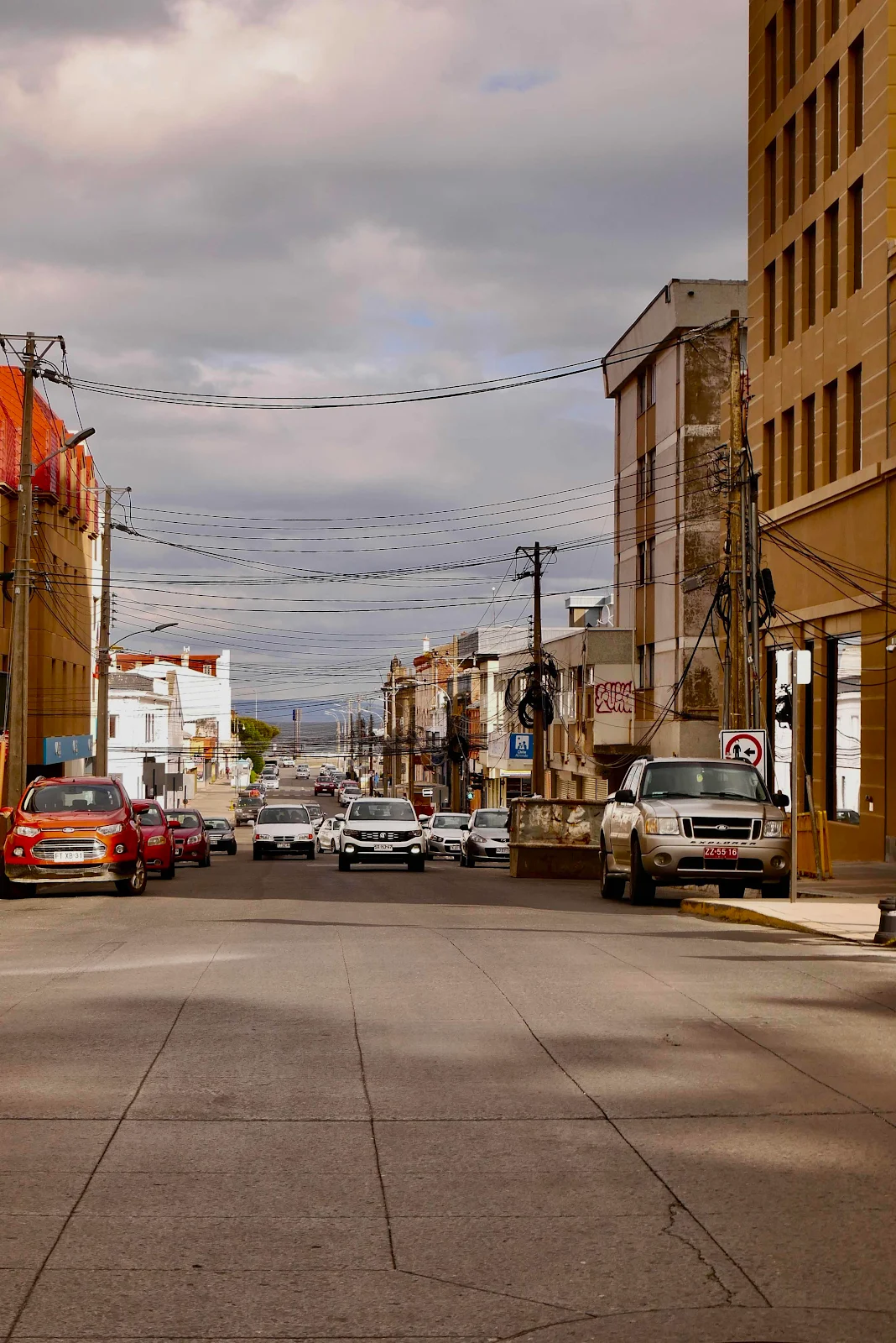
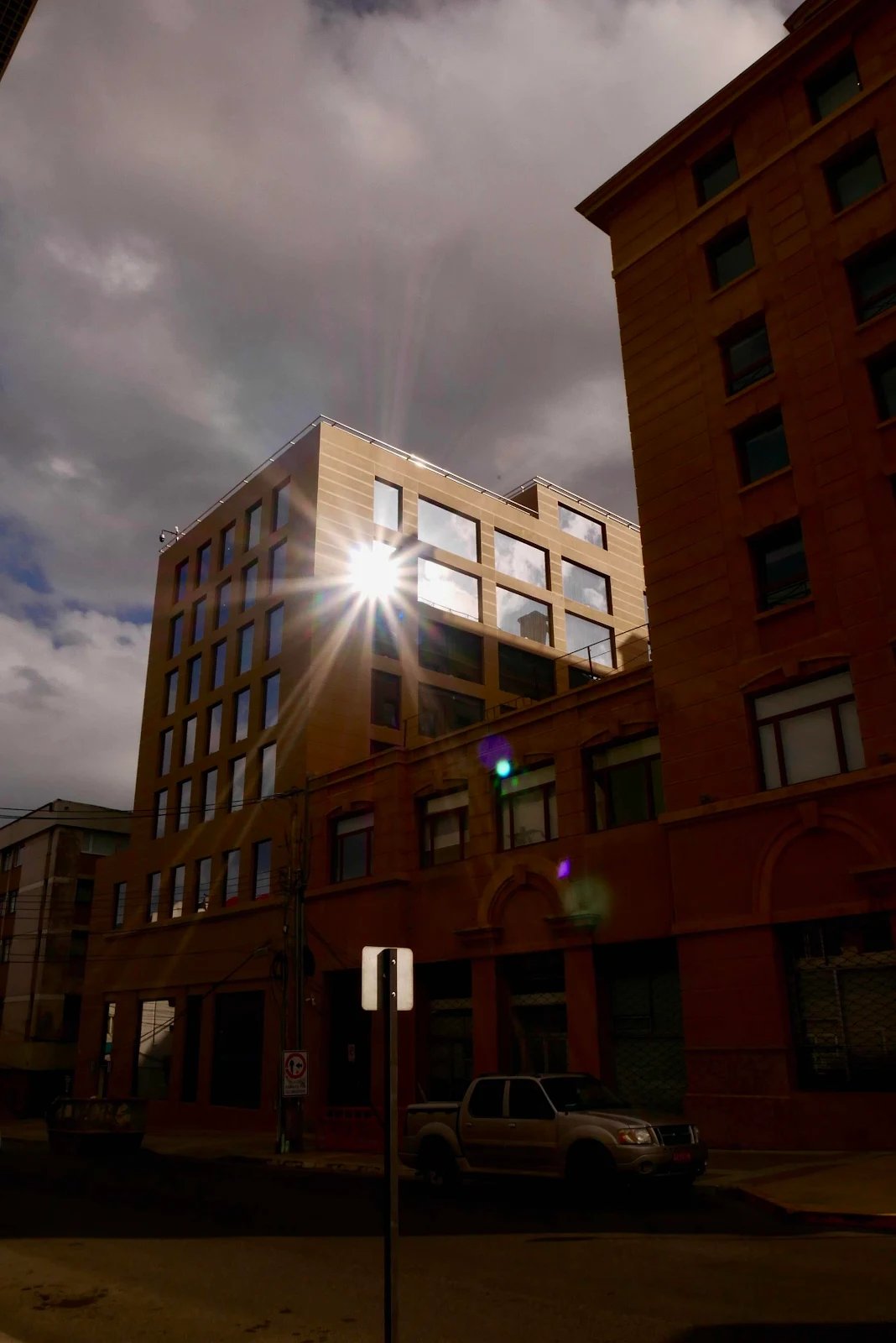
Punta Arenas Streets

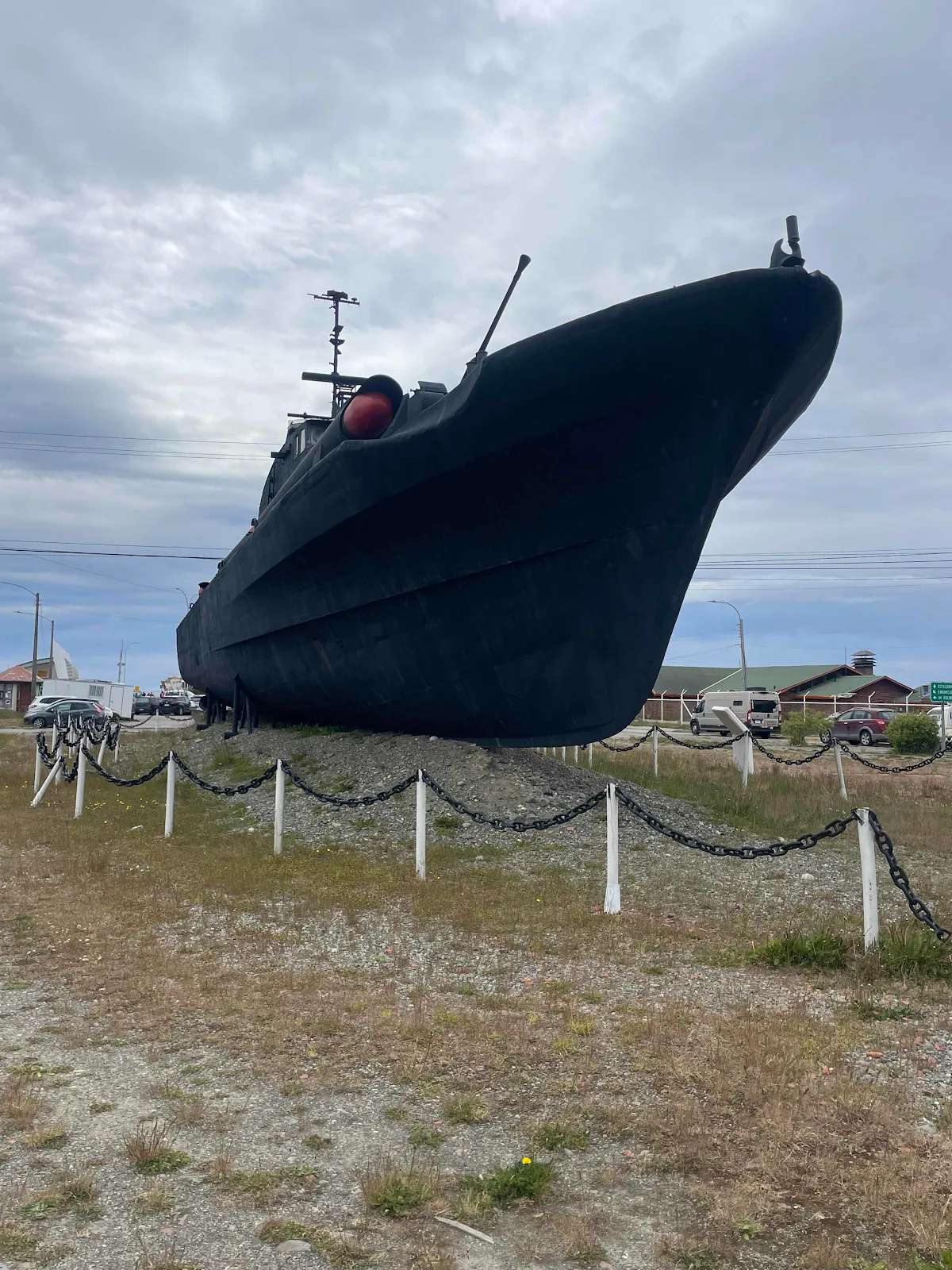
Punta Arenas is a Navy Base and there is a torpedo boat as a monument  set up near the naval station entrance. 
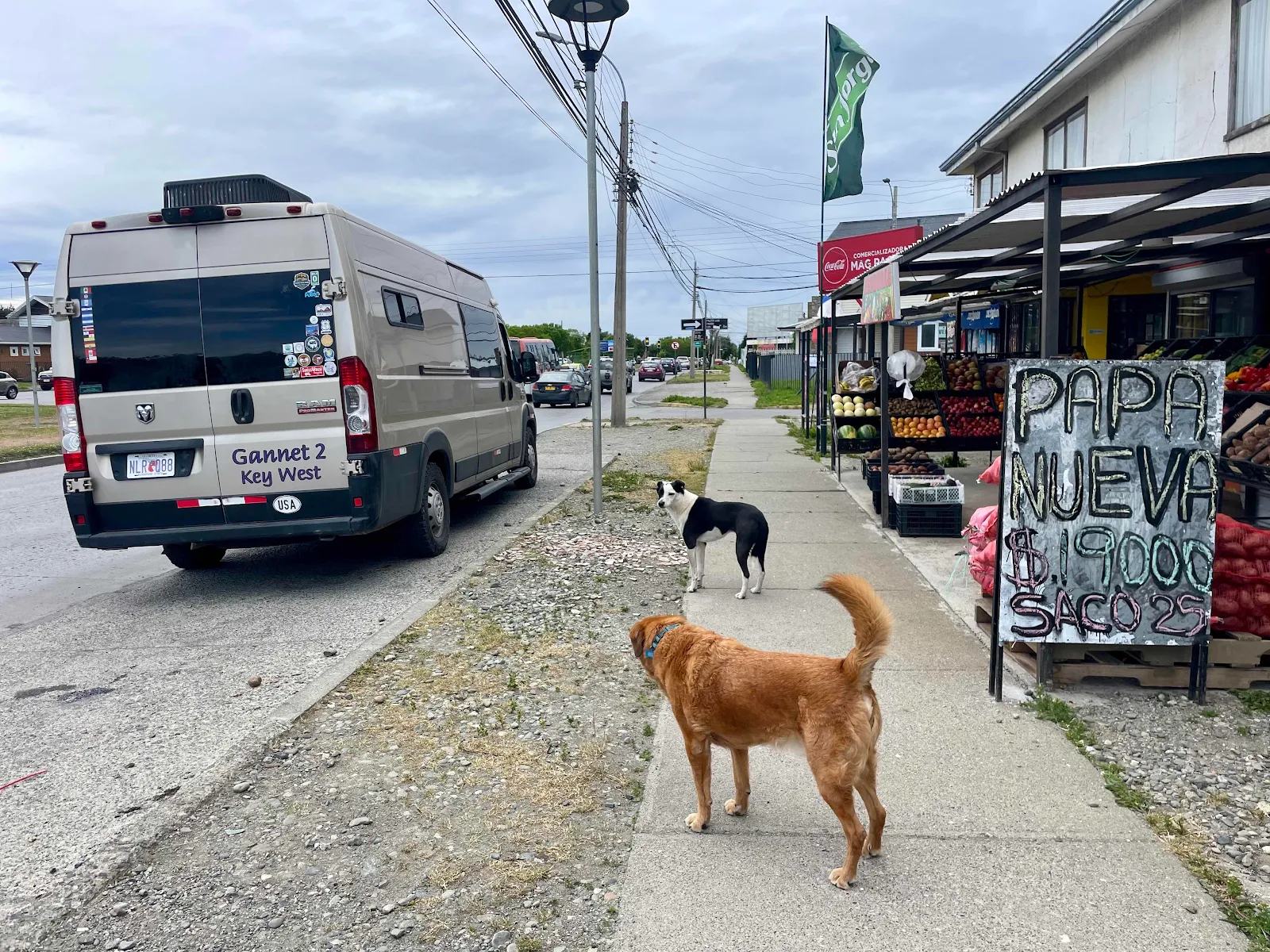
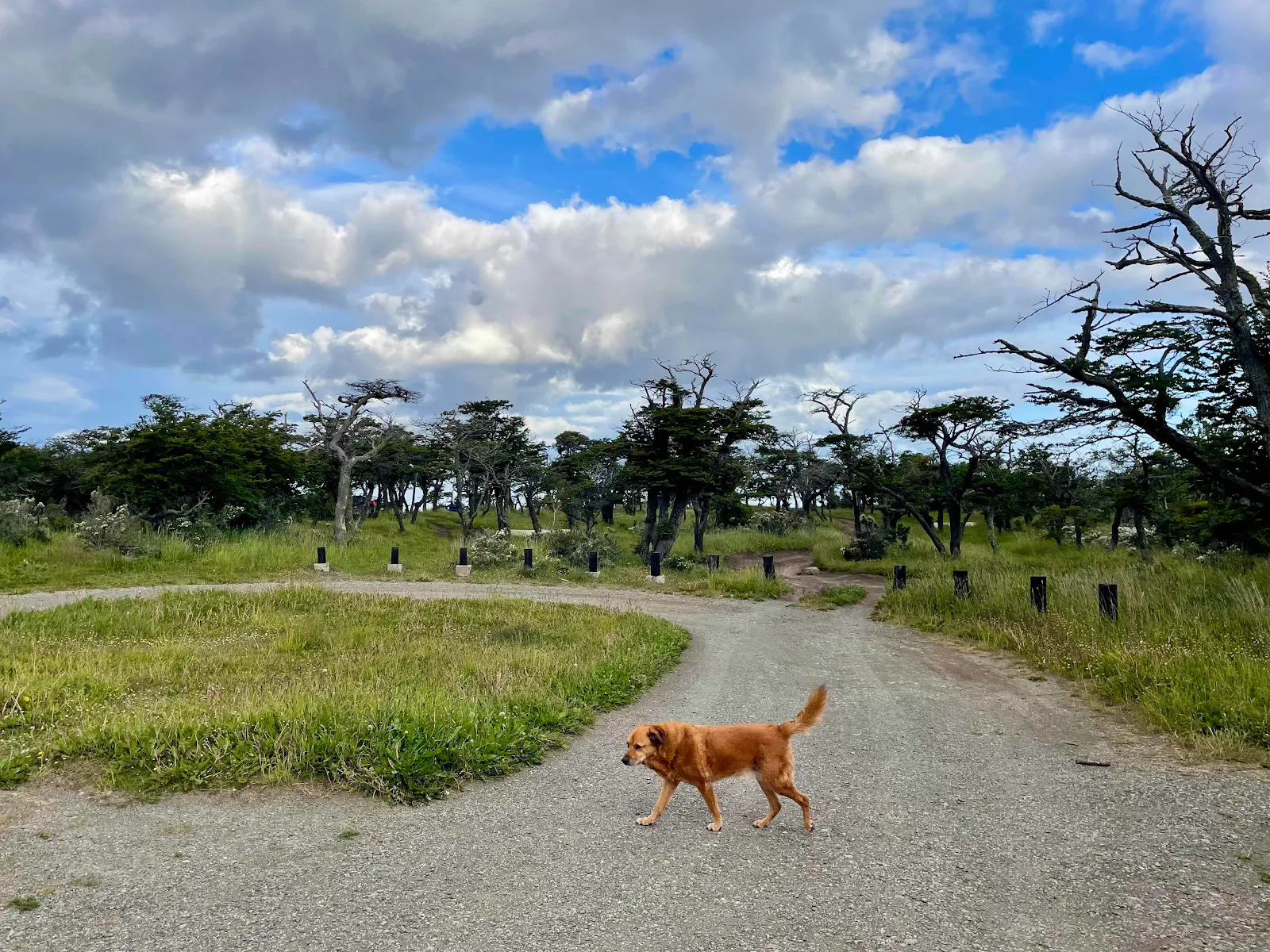
Layne saw a fruit market do we pulled over. Rusty does not tolerate local dogs too well and doesn’t make friends easily. 
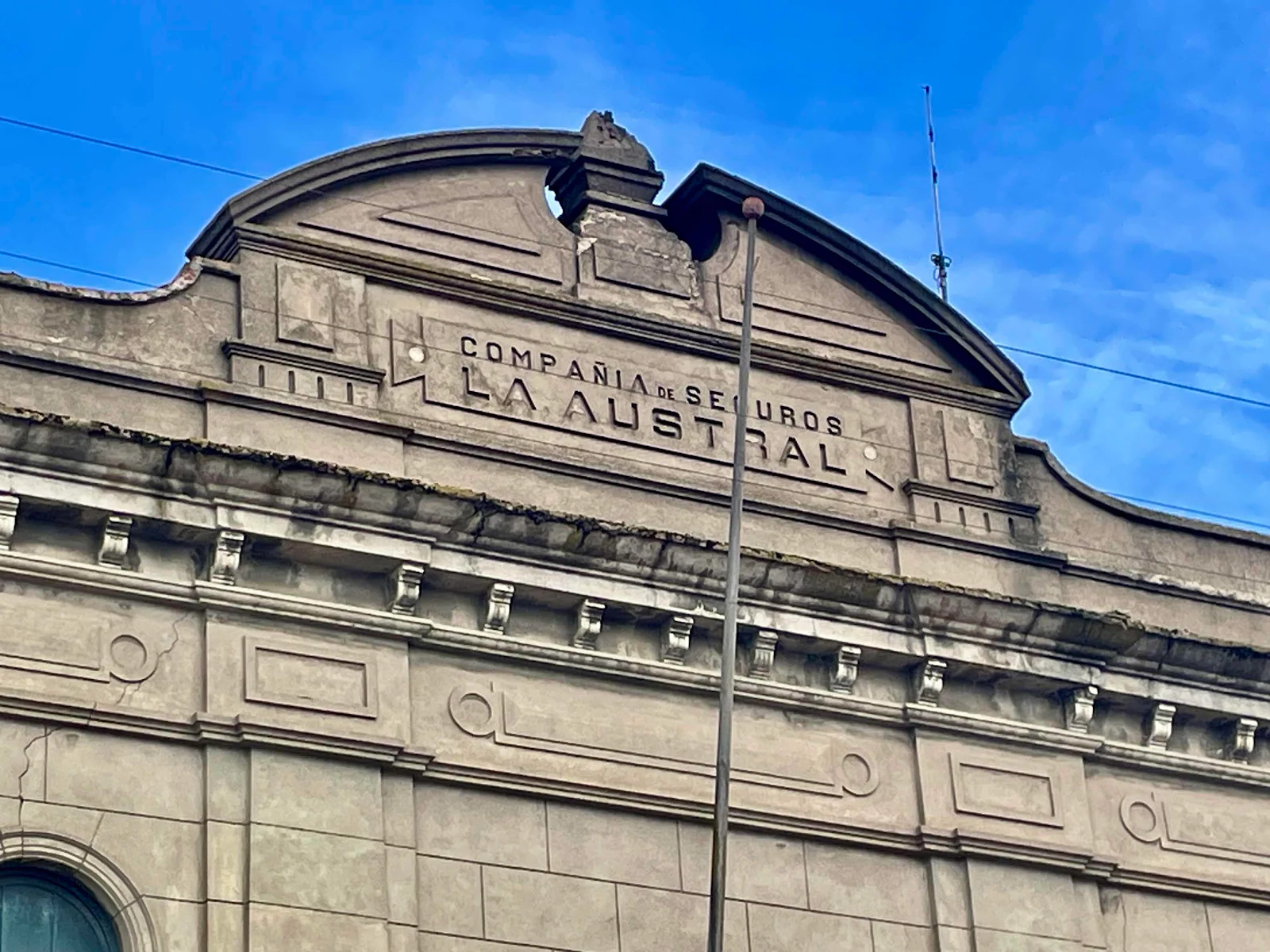
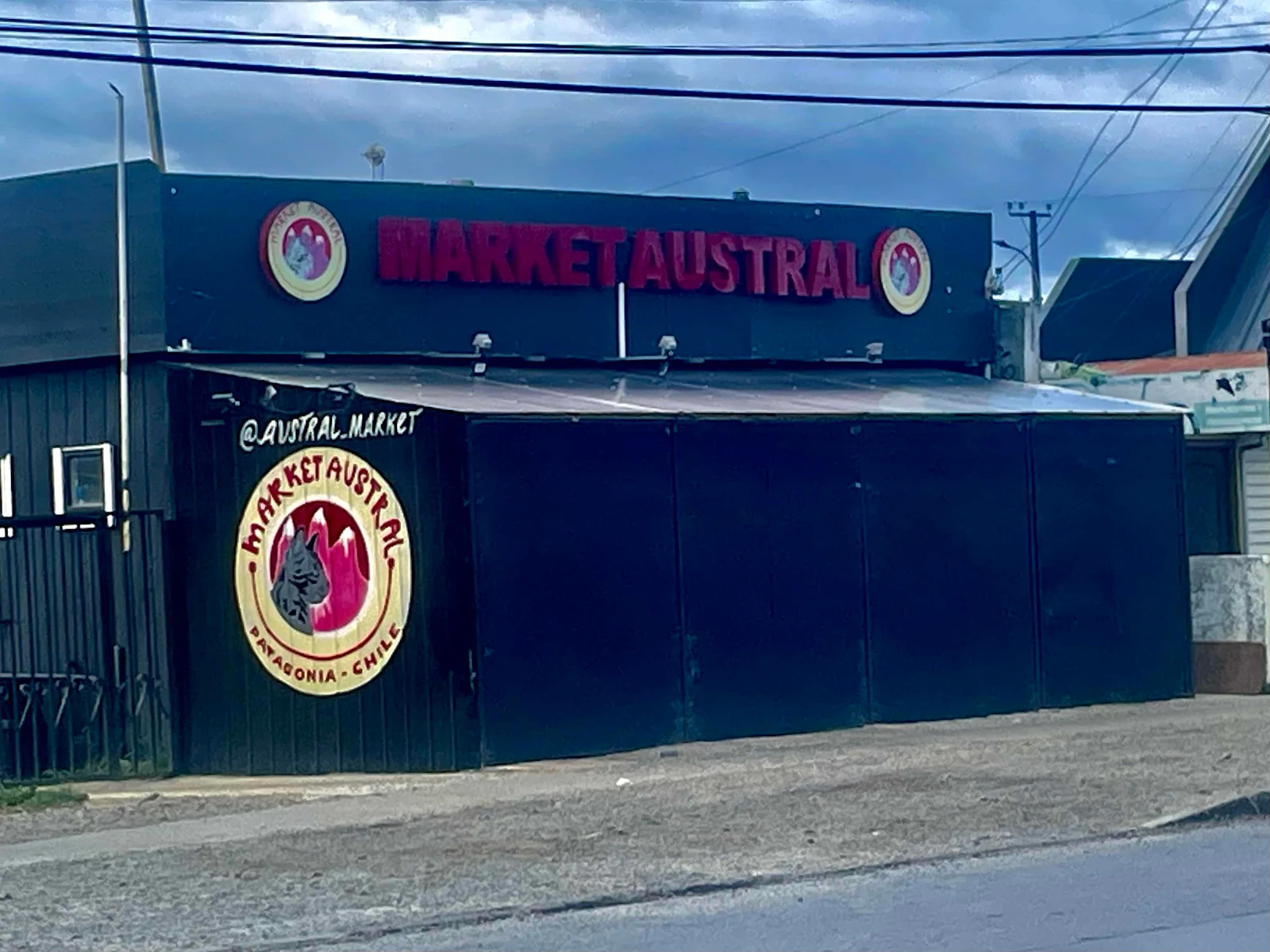
In Latin the word “australis” means southern and consequently everything around here the southernmost which reminds me of Key West. 
It was Saturday and we’d been told the ferry for Porvenir had no room for a 21 foot (6.3 meter) van. Oh well there was free street parking downtown on the weekend by way of compensation. 
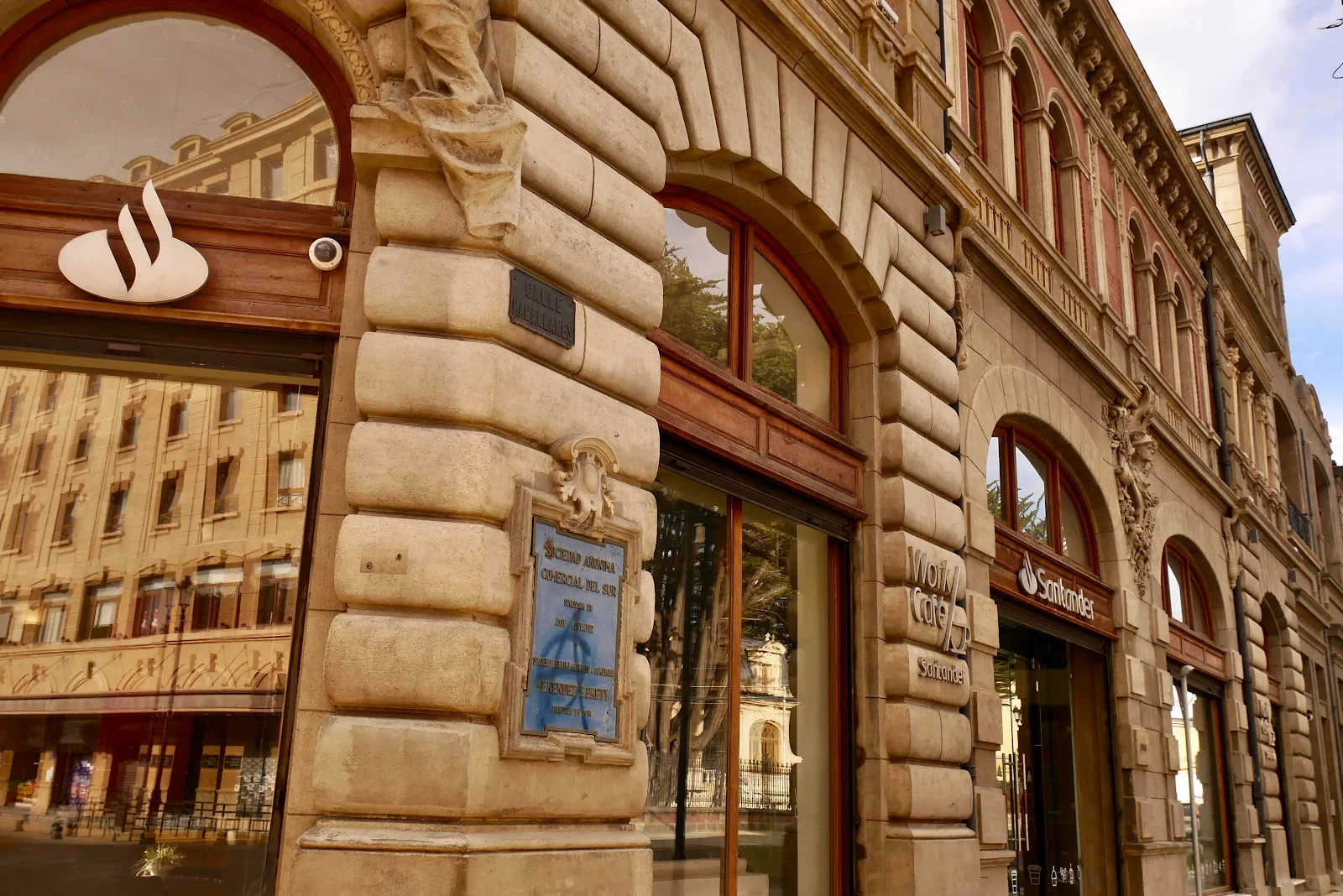
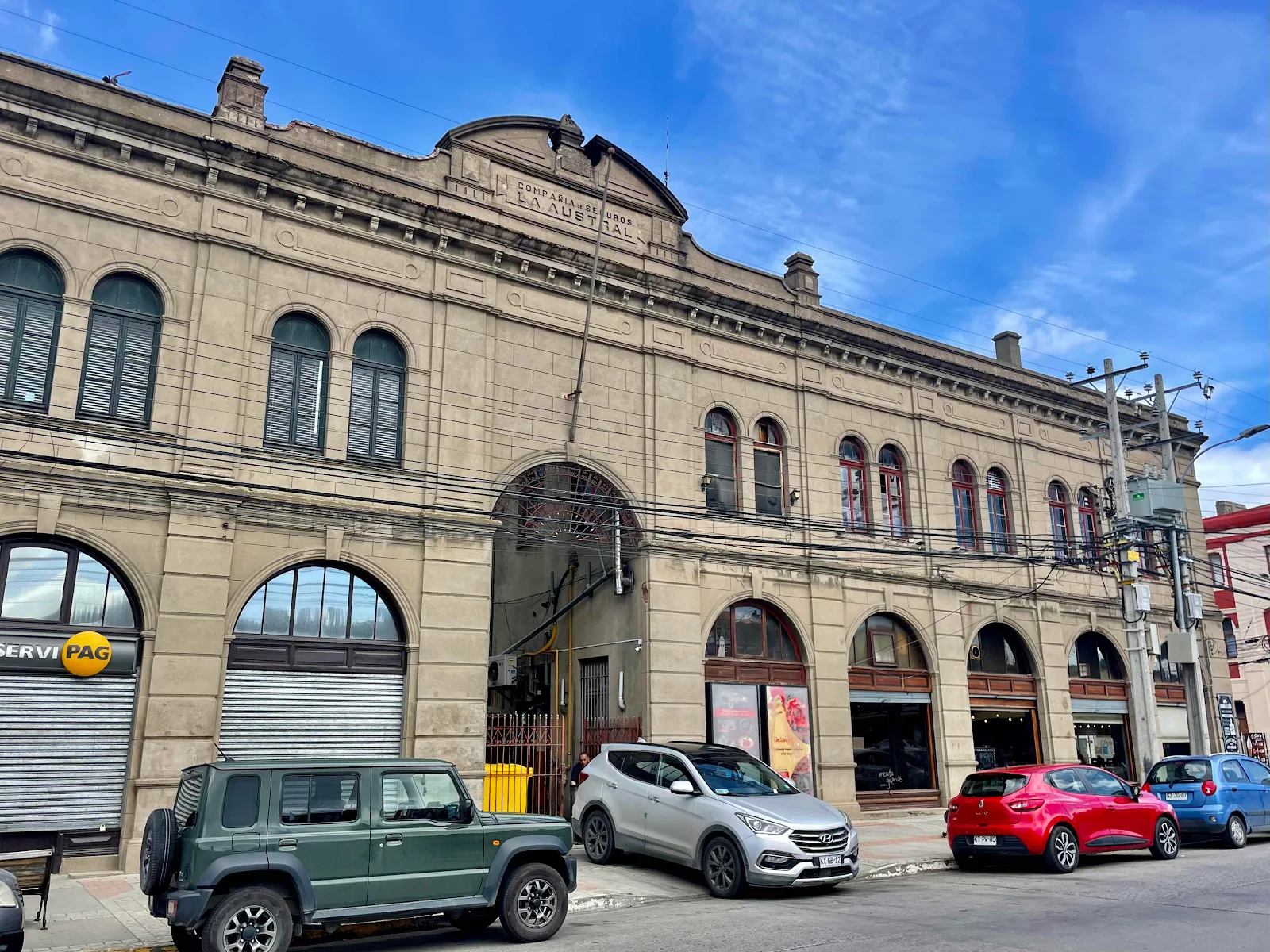
Look: The Austral Insurance Company of yesteryear.  


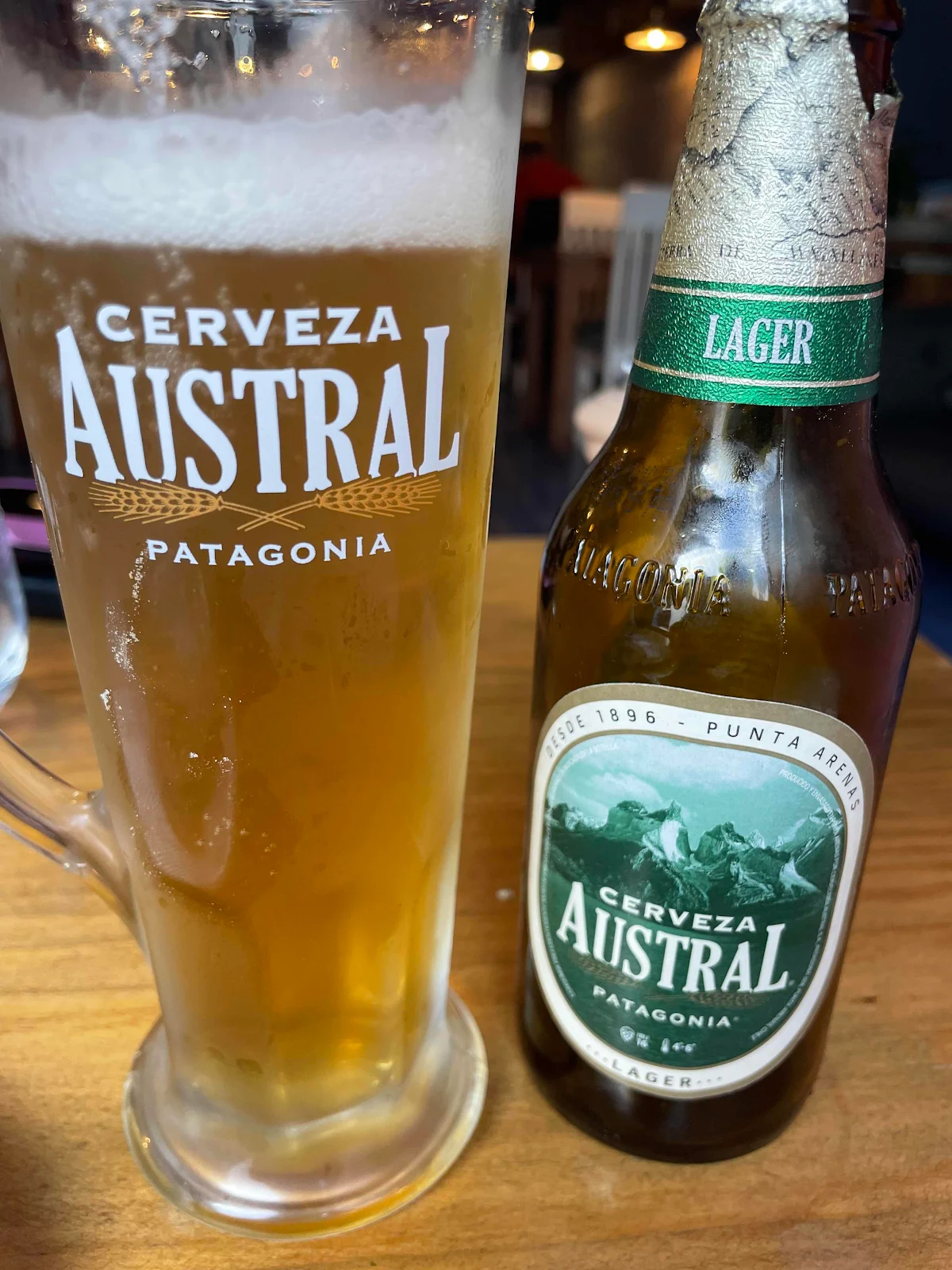
We stopped for lunch at “La Cuisine,” a highly rated French restaurant. With southernmost beer available. 
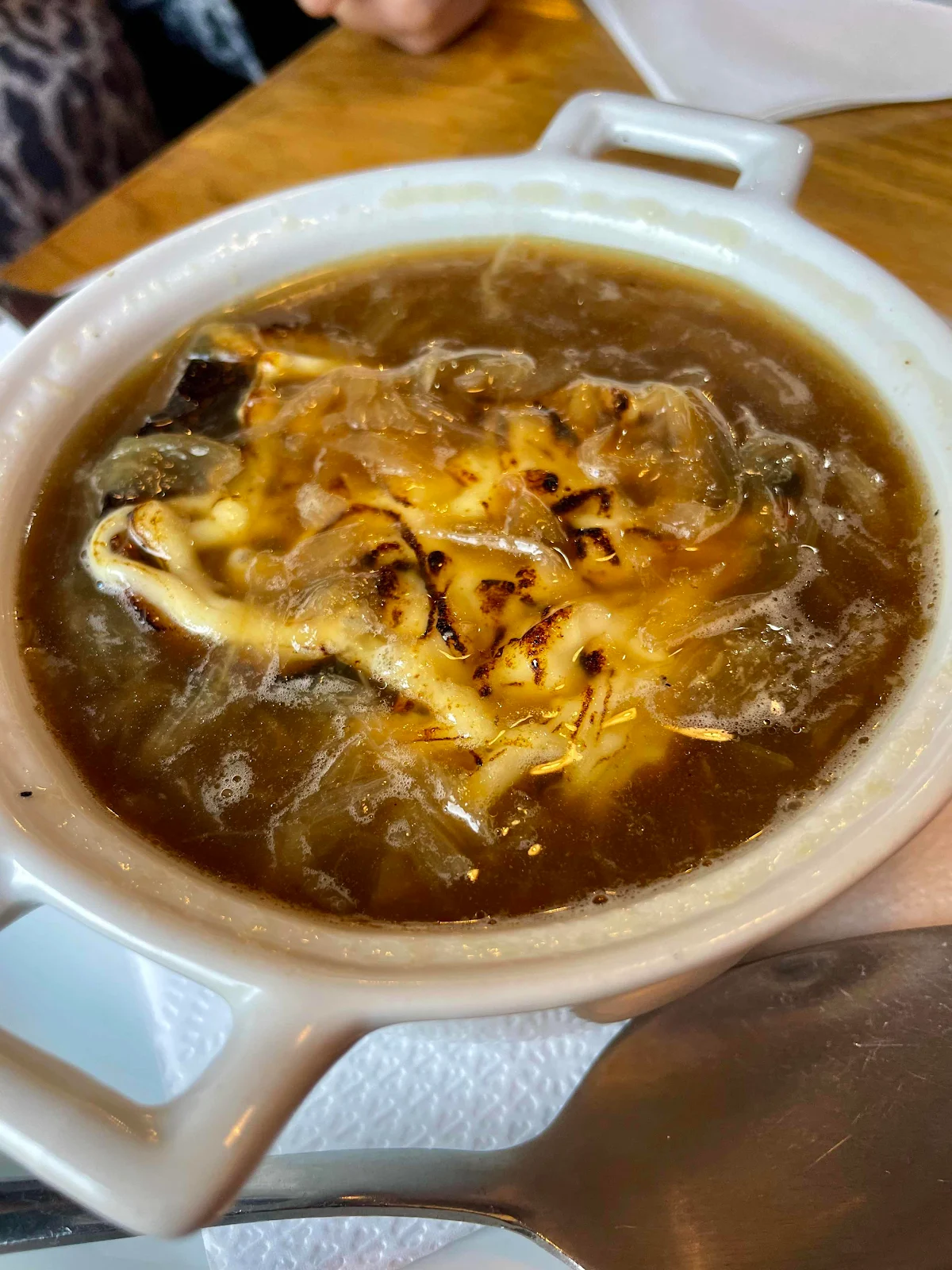
A shared French onion soup started our classic French meal. 
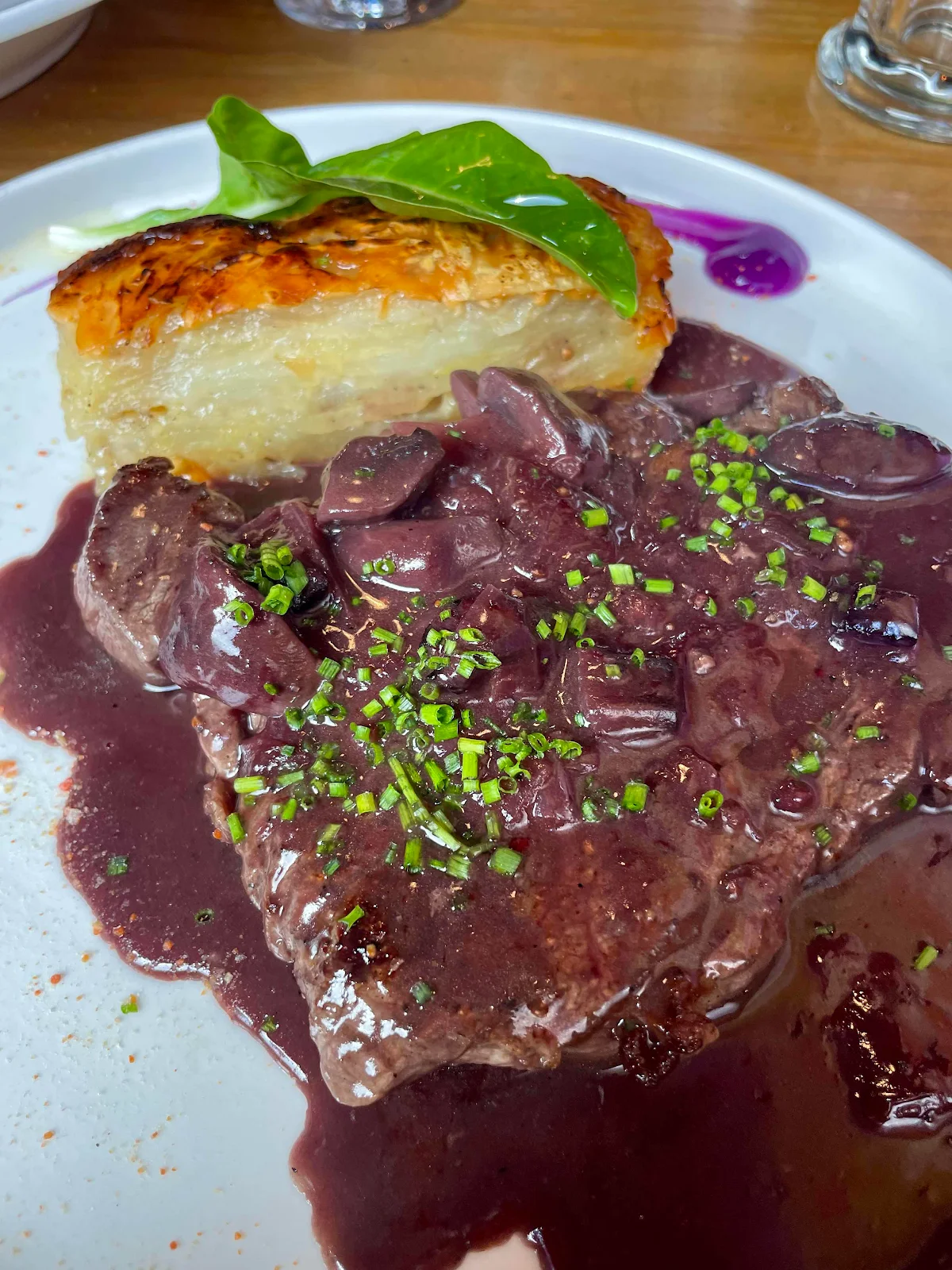
Beef bourguignon for me with gratin potatoes: 
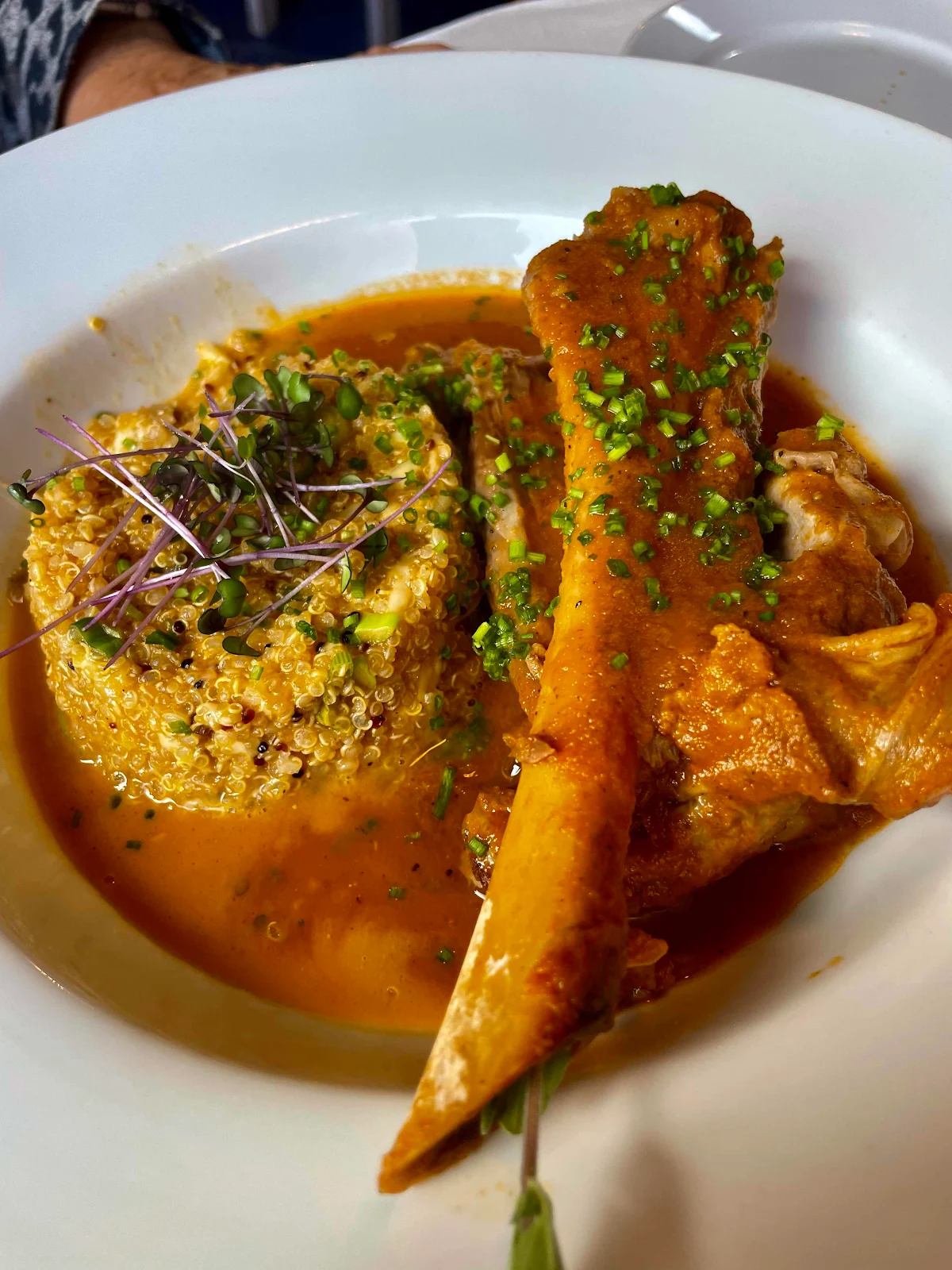
Lamb shank for Layne: 
We went all the way with crème brûlée and profiteroles and coffee.
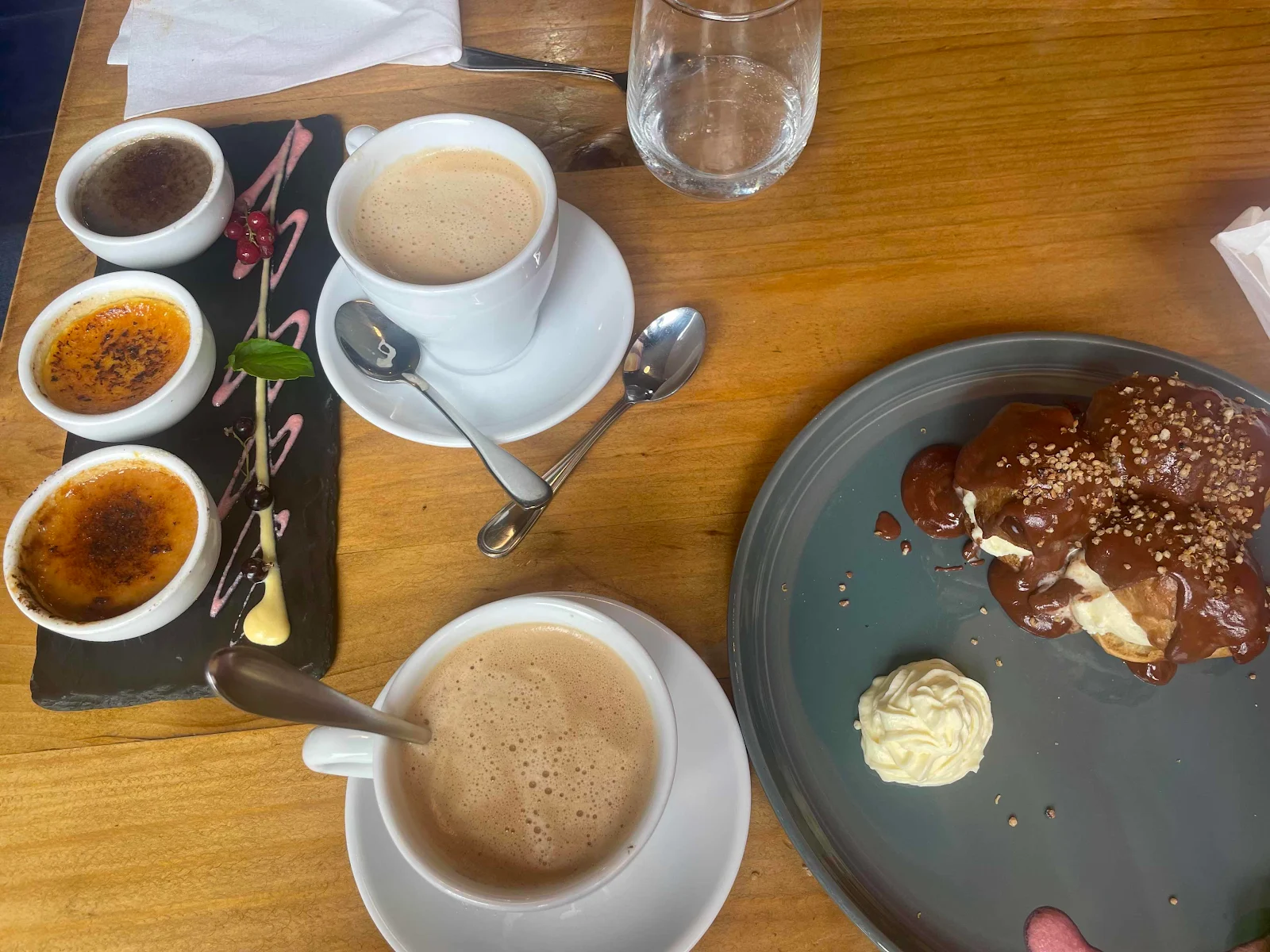
It was quite the splurge. 
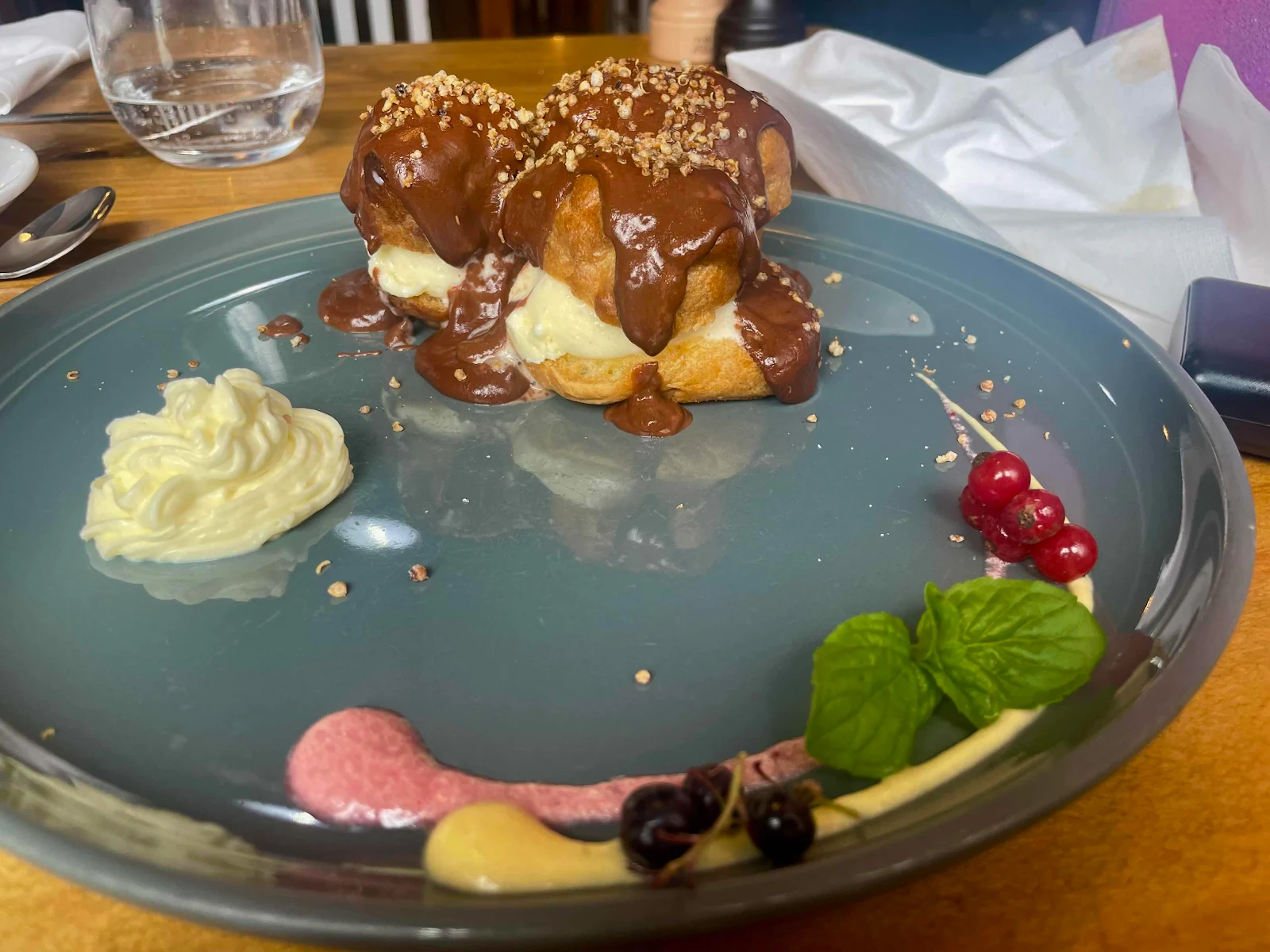
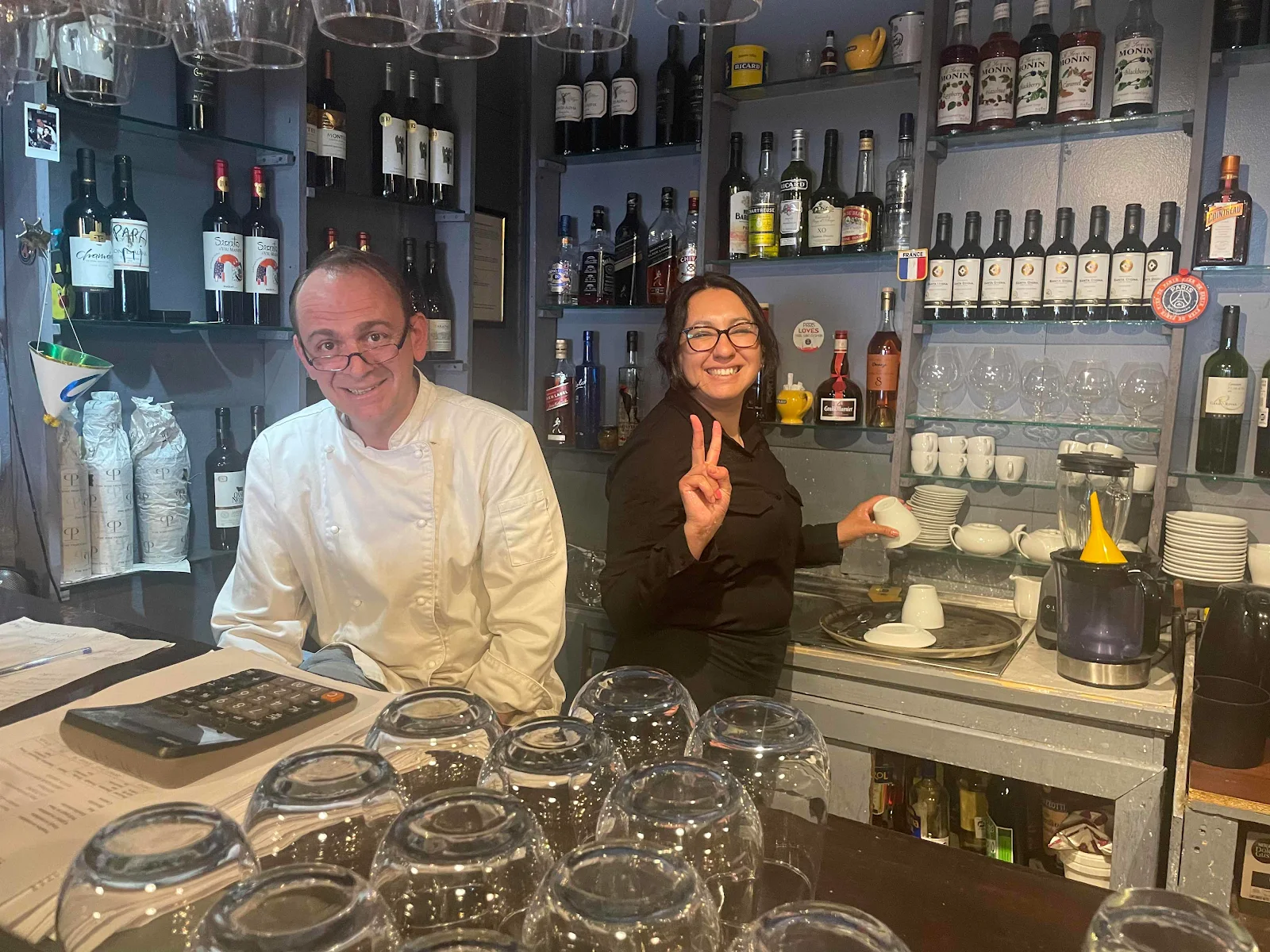
The French immigrant owner has been here 12 years and turned us on to a French restaurant in Ushuaia owned by a friend of his. The immigrant story of Punta Arenas continues.  
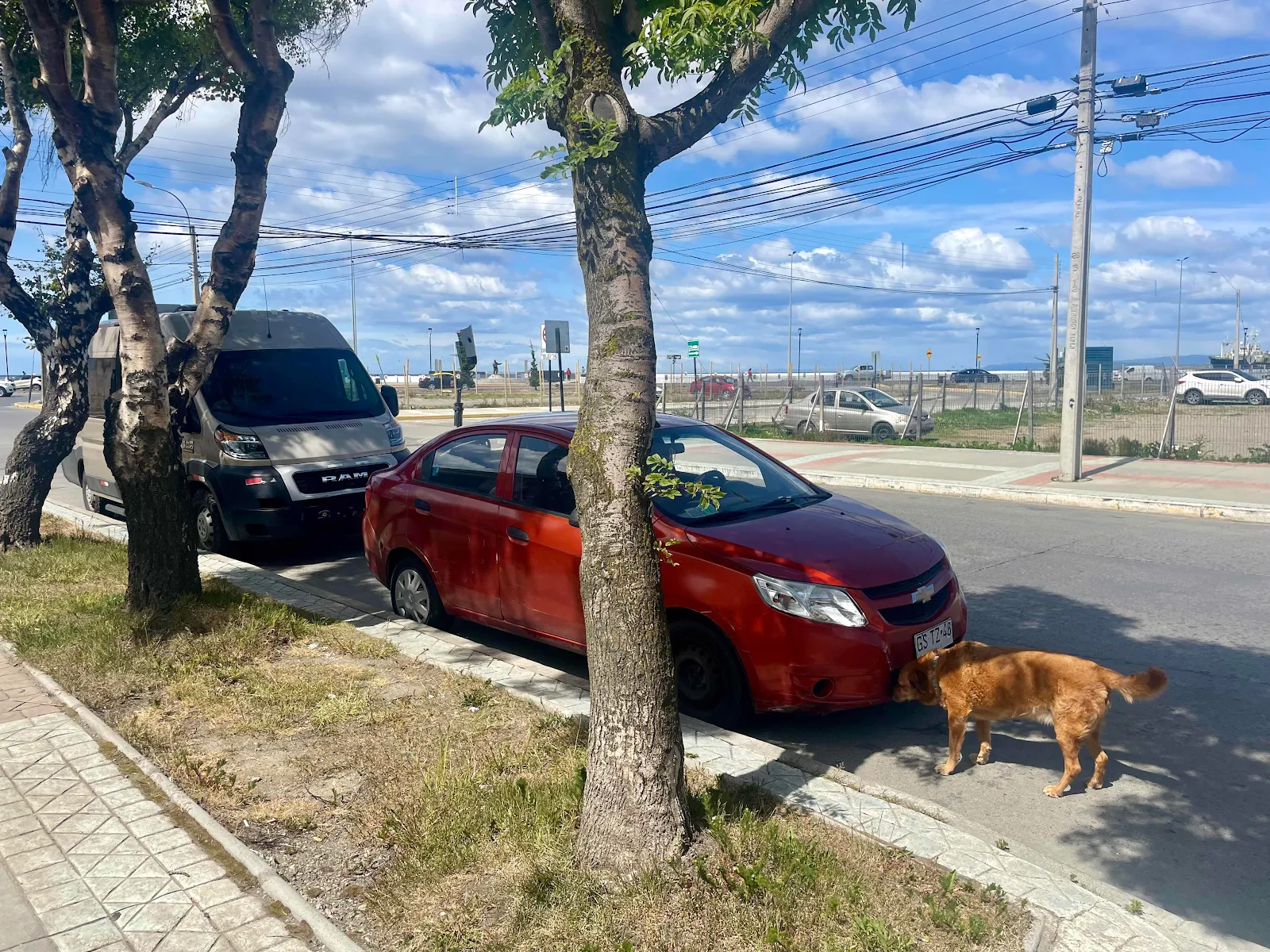
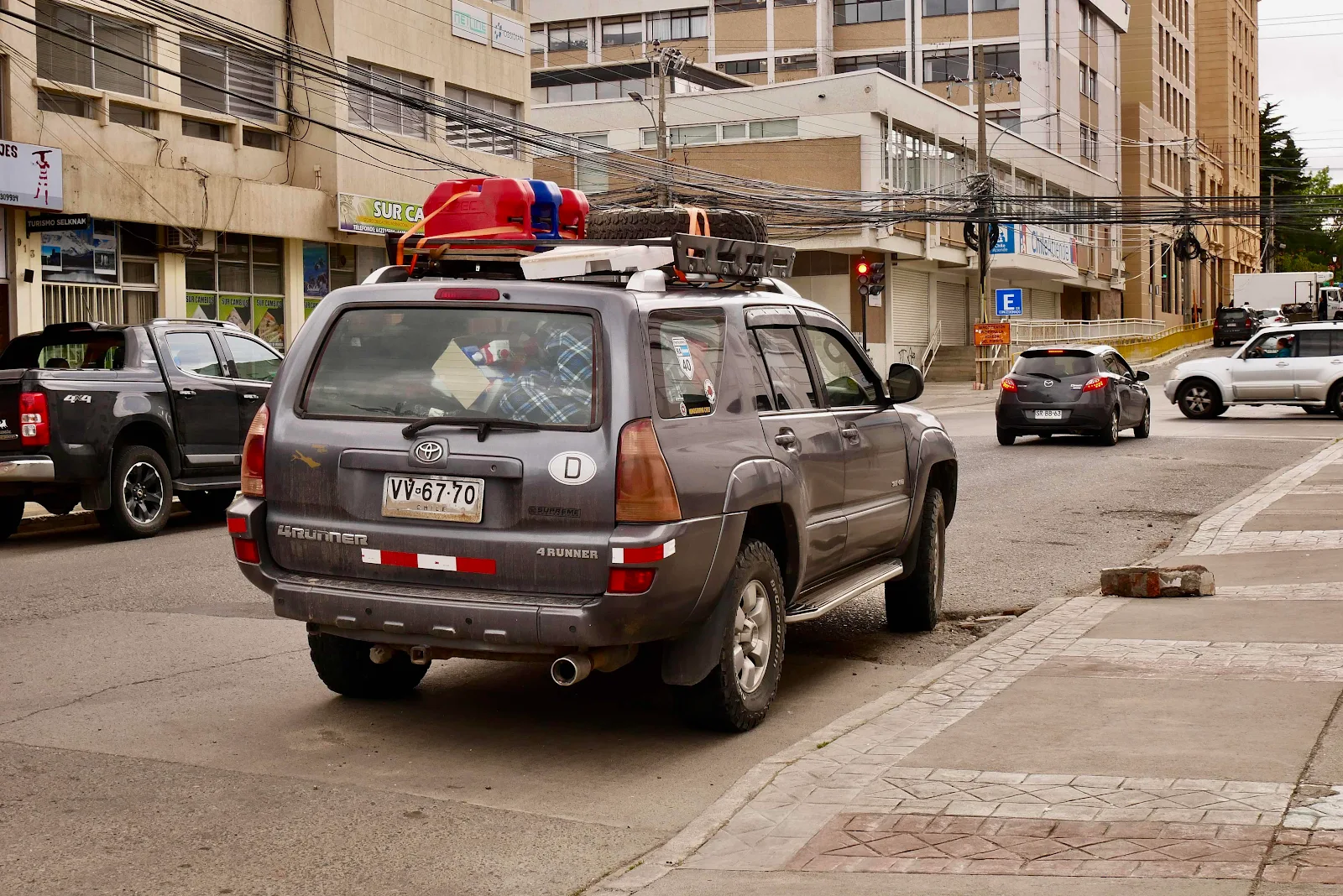
And we saw a story parked on the street as we walked downtown. It’s relatively easy to buy and title a car in Chile if you are a foreigner. Indeed there are brokers who help people buy and sell their vehicles.  This one below has a Chilean license plate but the owner who has it kitted out for adventure travel has stuck a “D” for Germany on the back. Lots of travelers do this but use for a few months and sell if you would like a short less committed tour of all or part of South America. We never saw the owner of this one: 
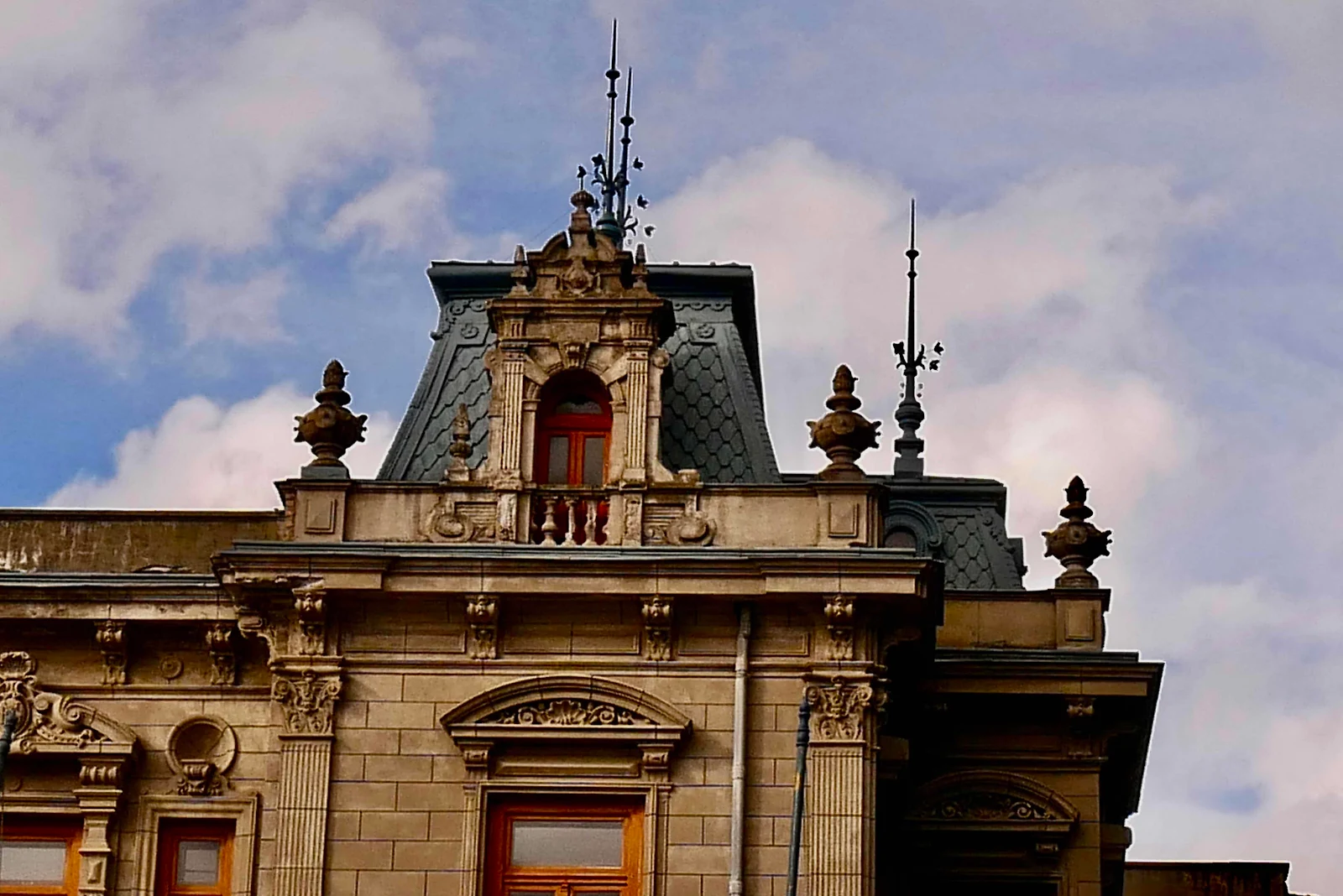
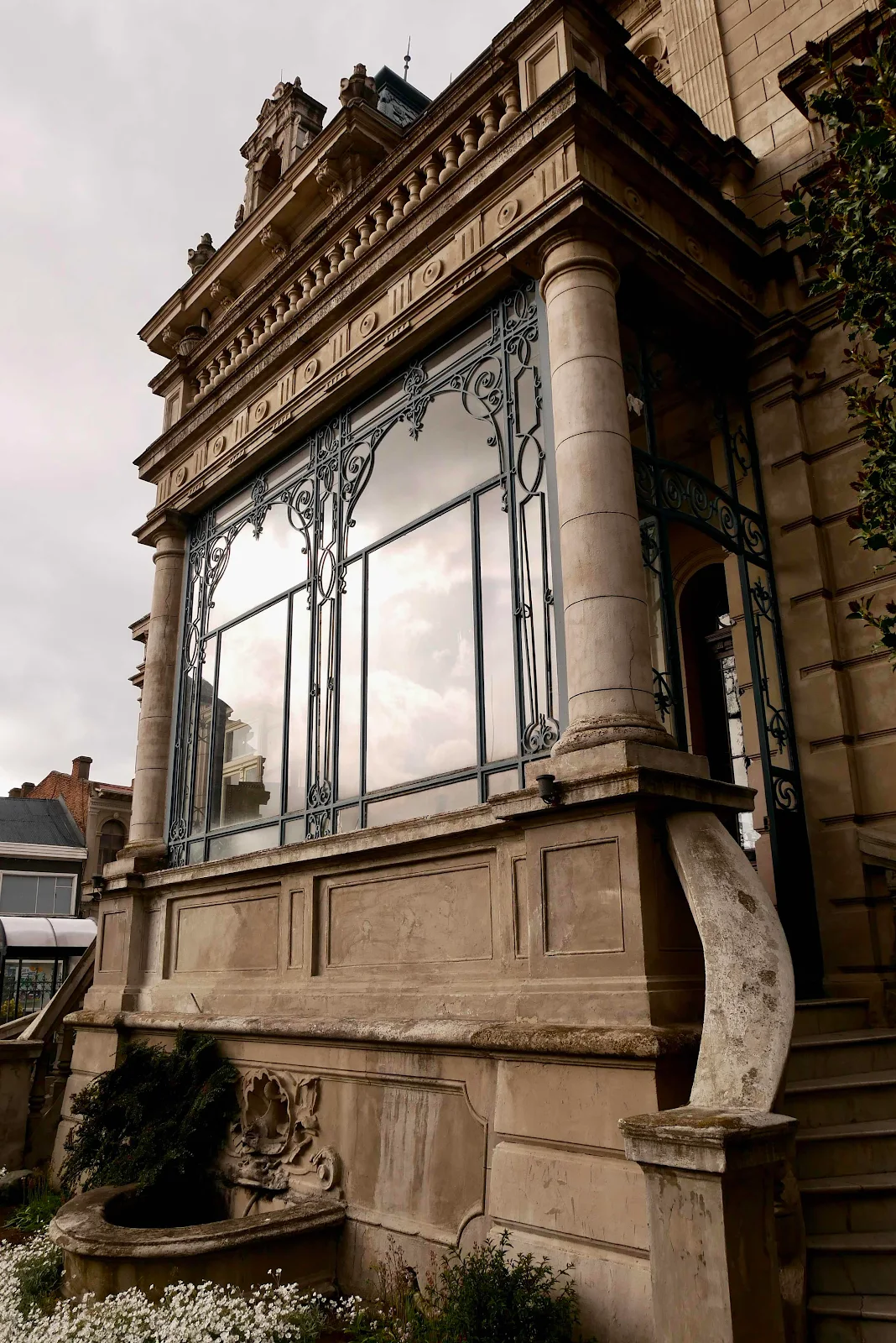
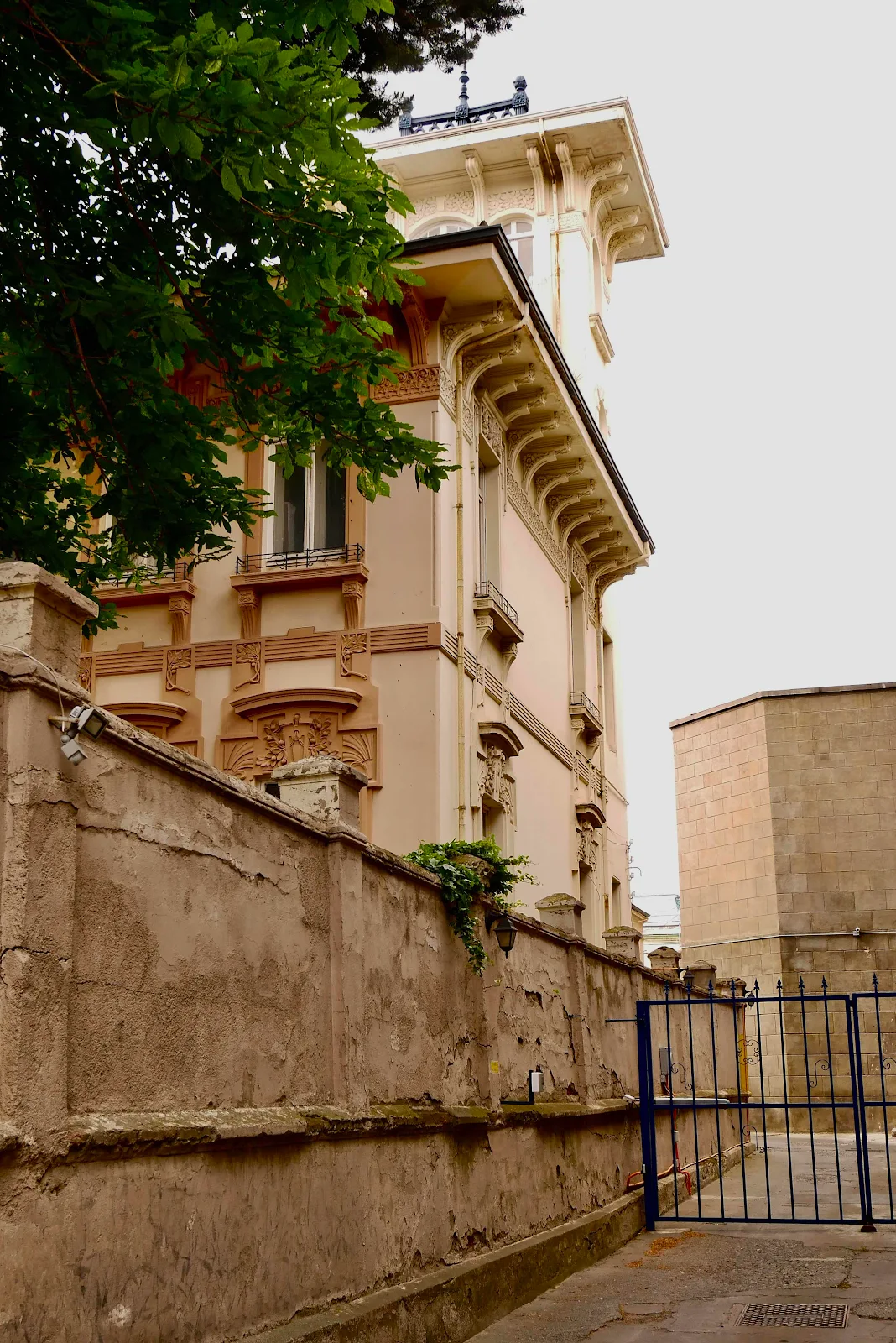
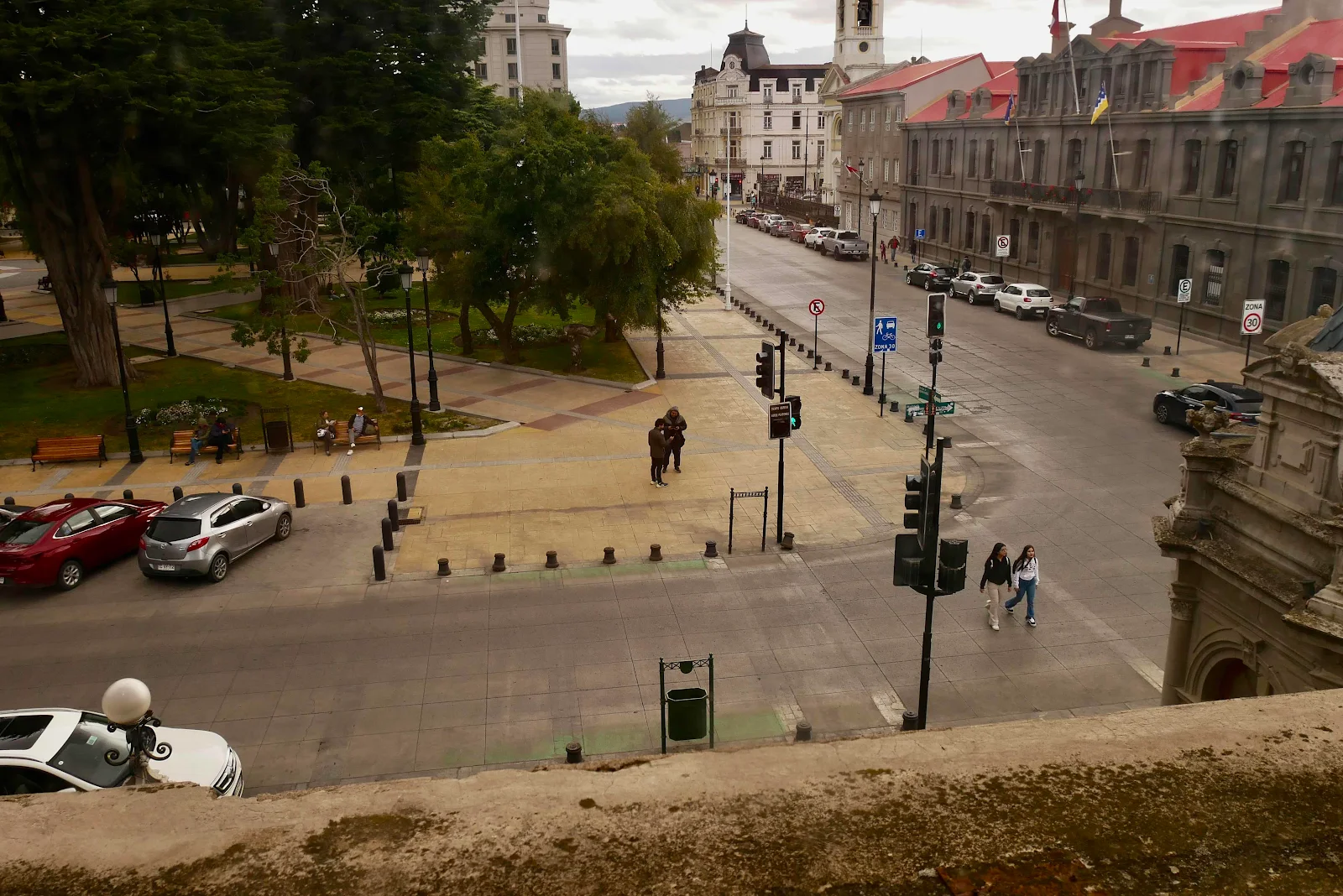
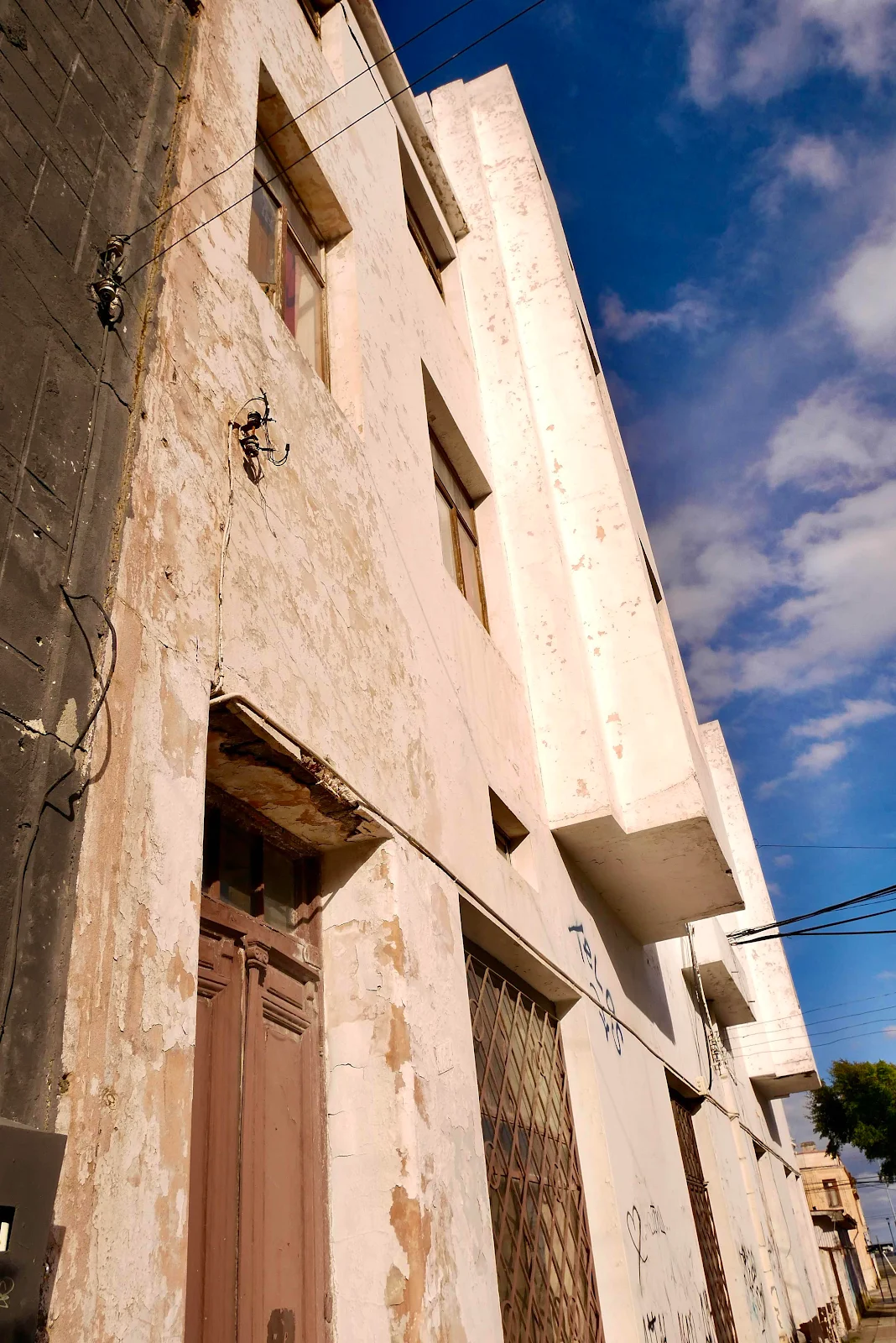
Punta Arenas and its glorious architecture. 

The main square. 
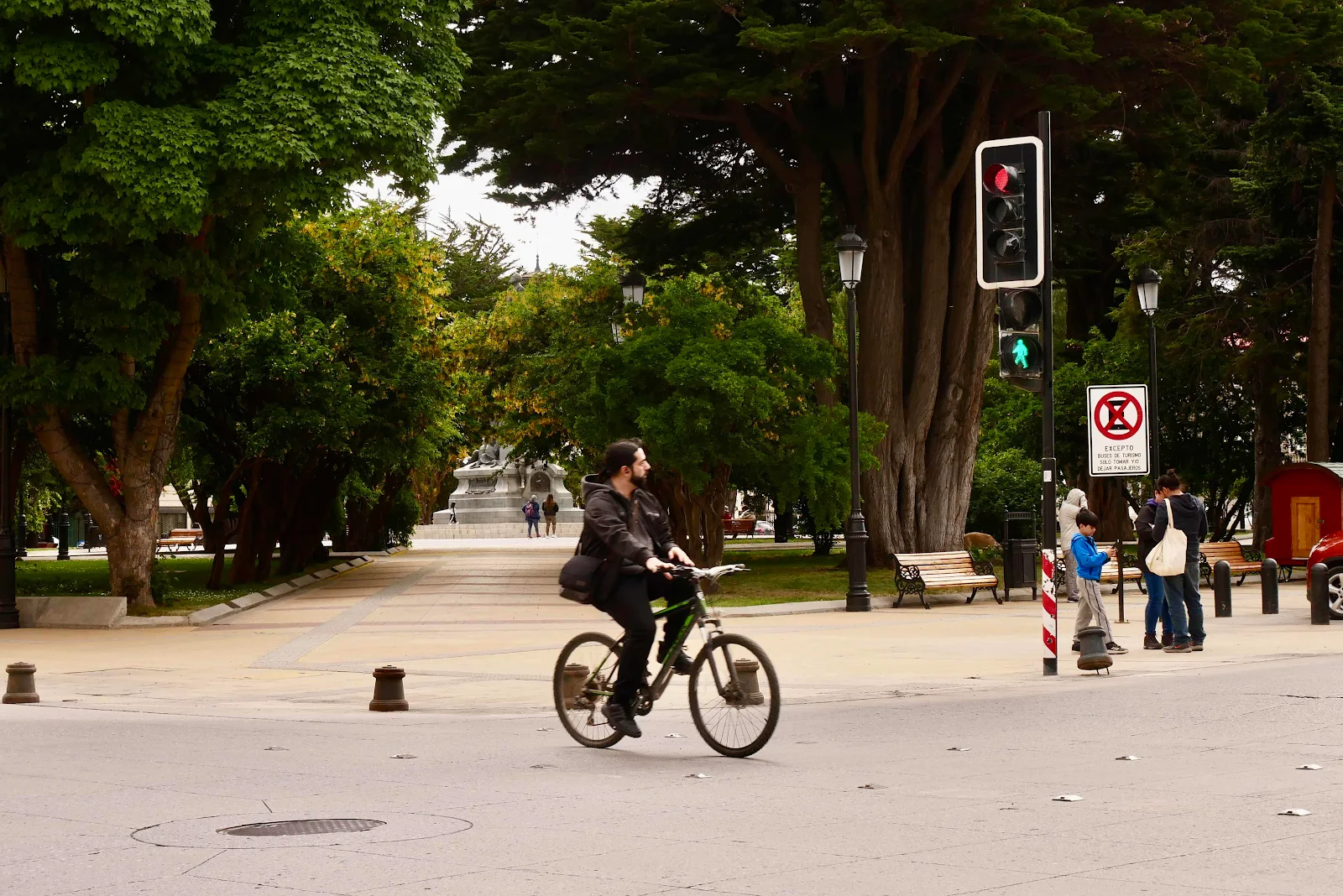
The Military Officers Club. 
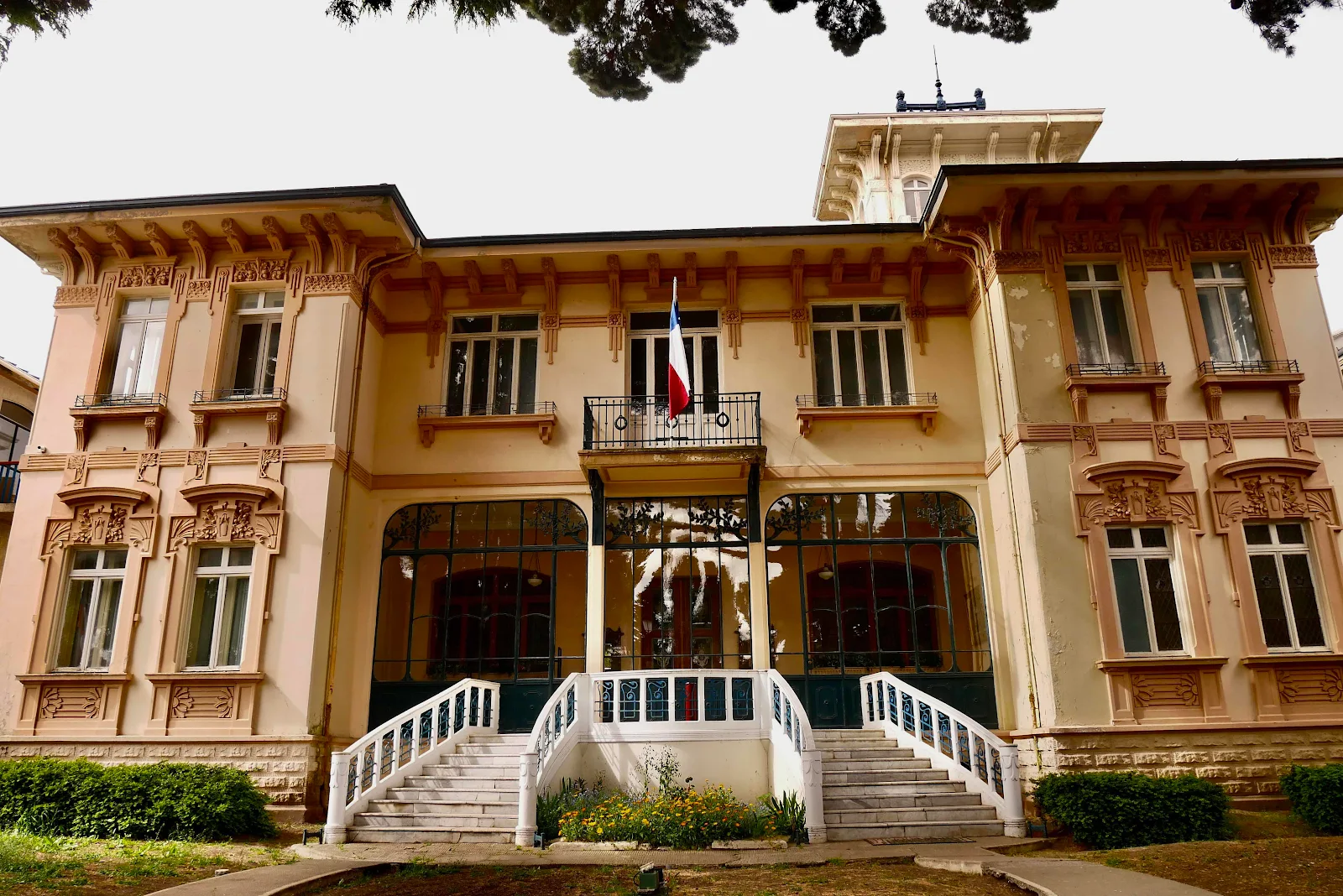
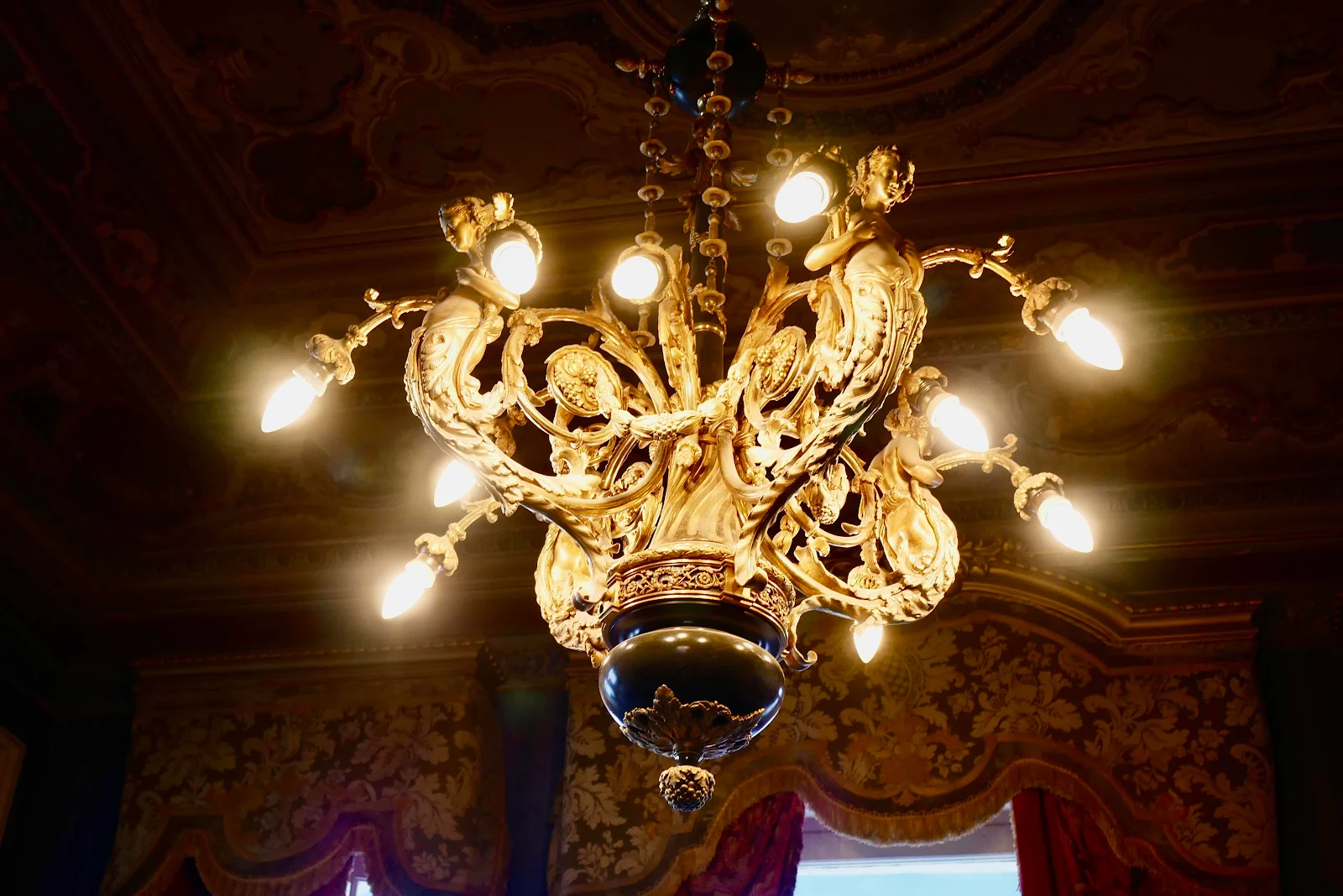
Our target was the Sara Braun building which is open to visitors. 
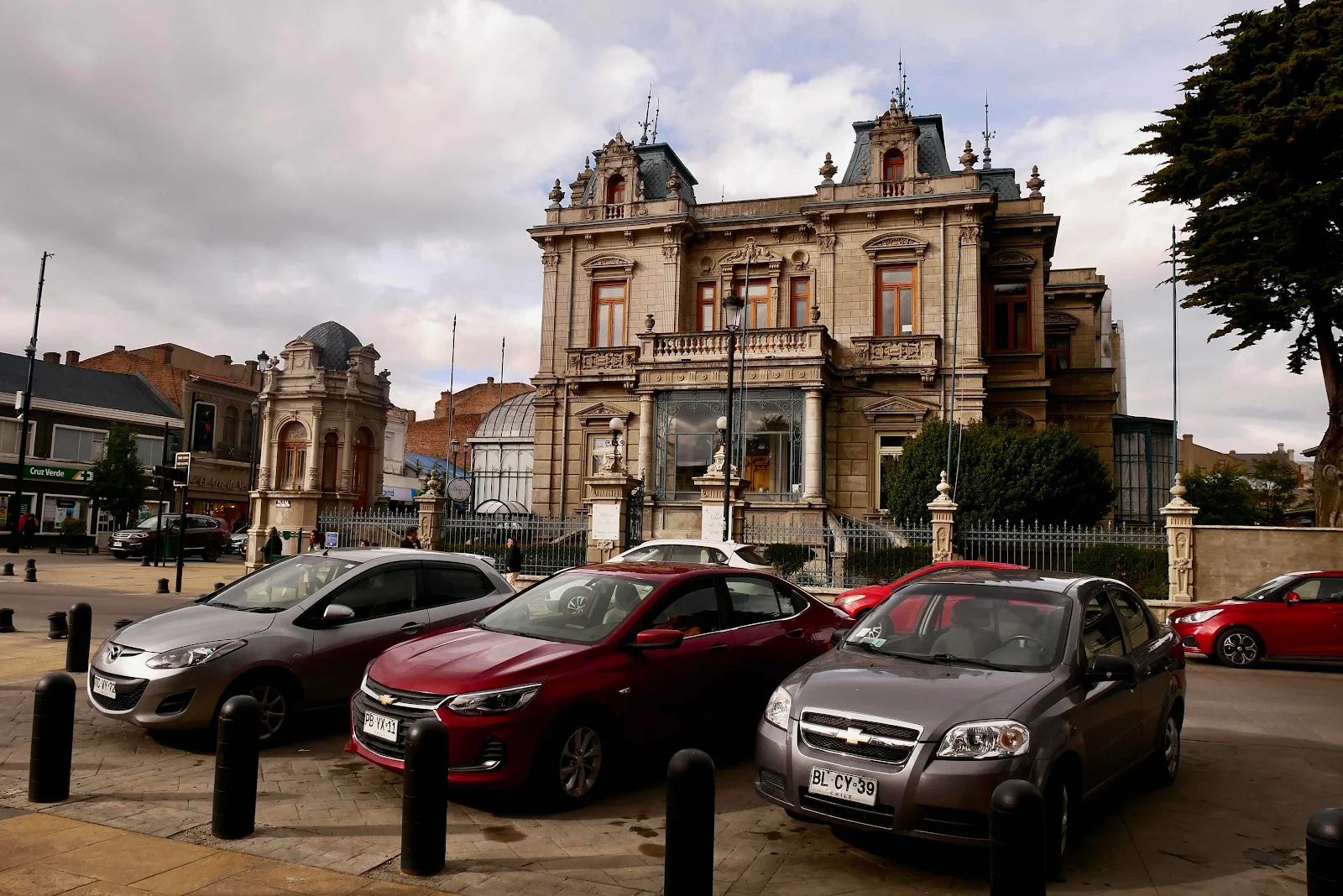


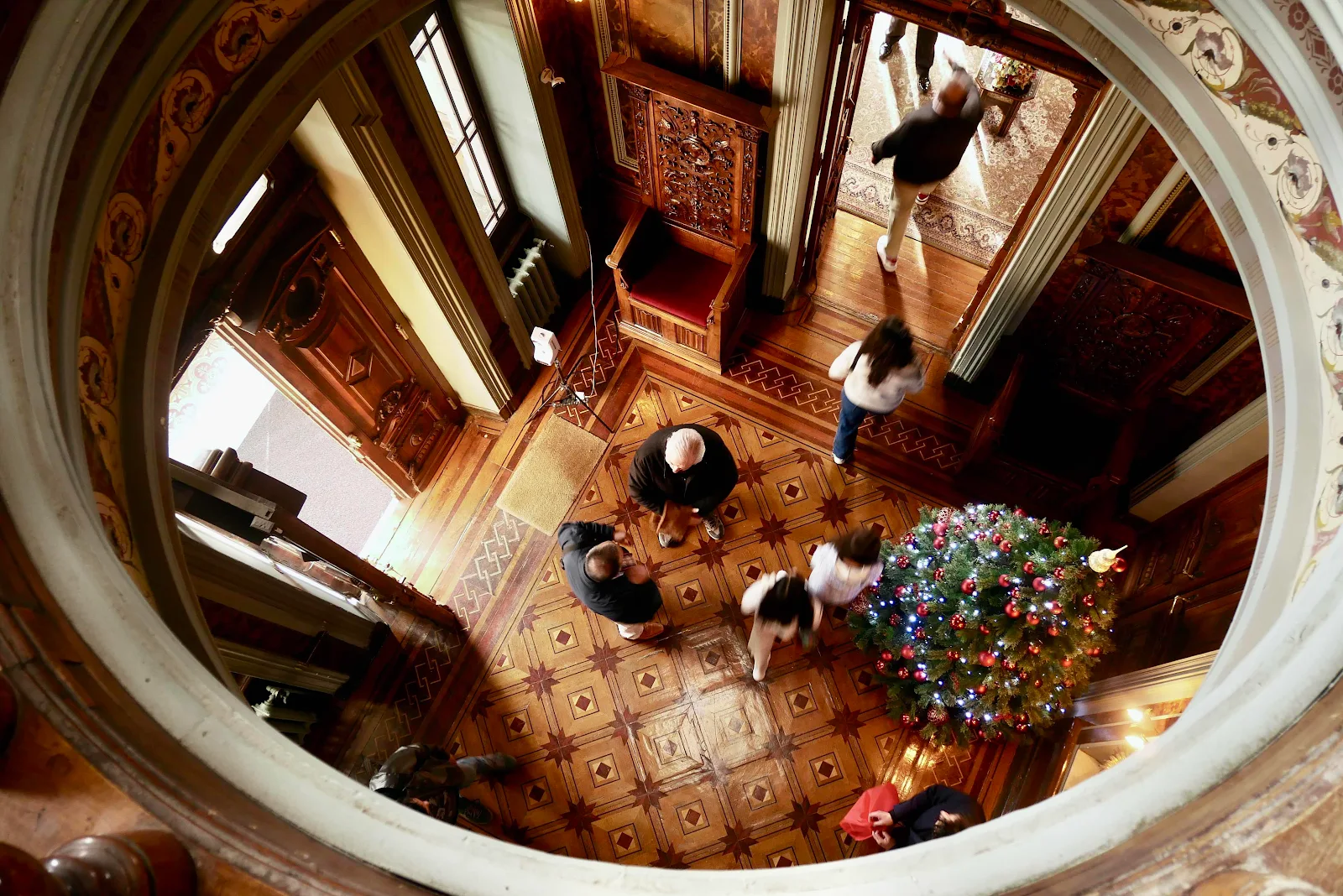
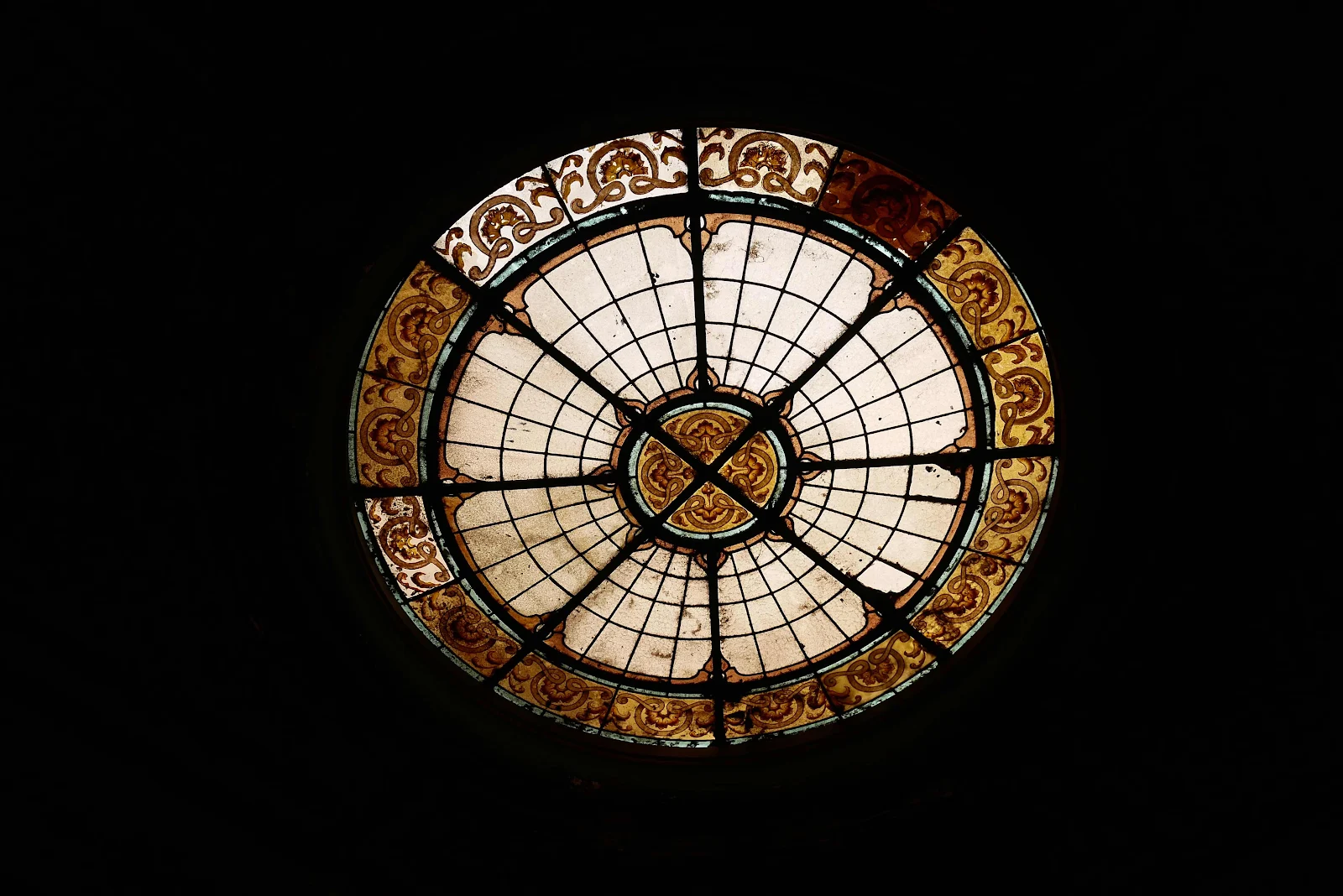
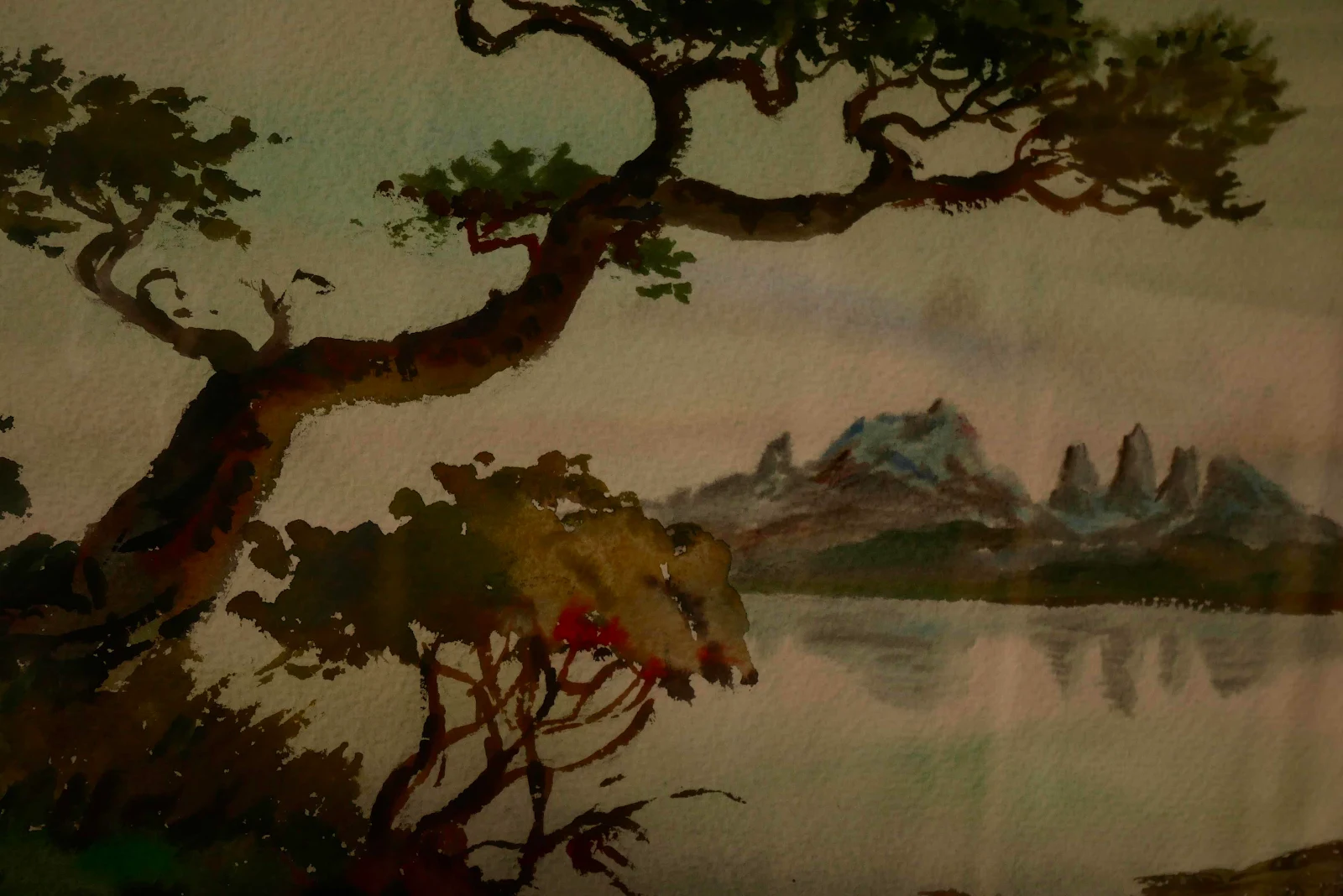
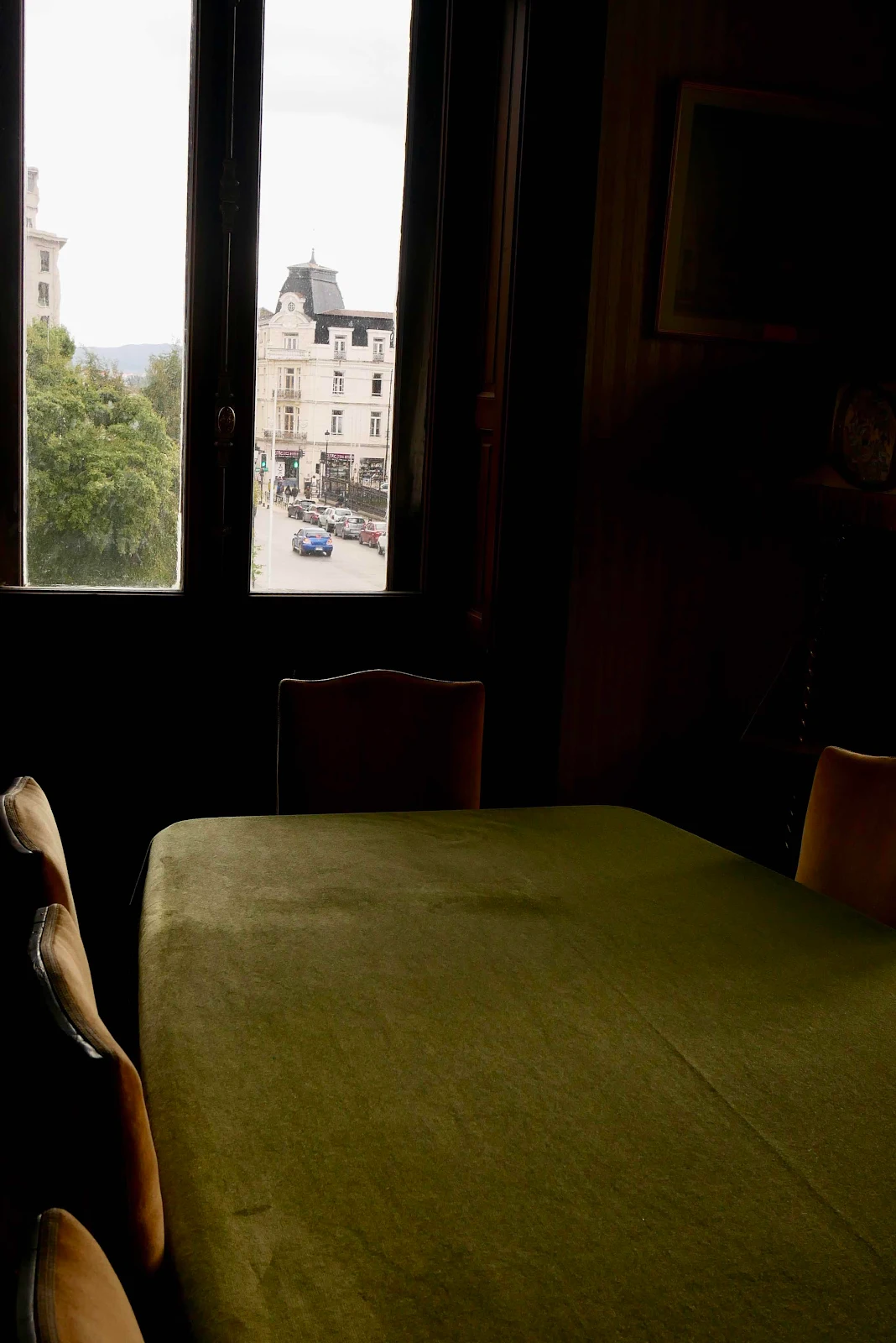
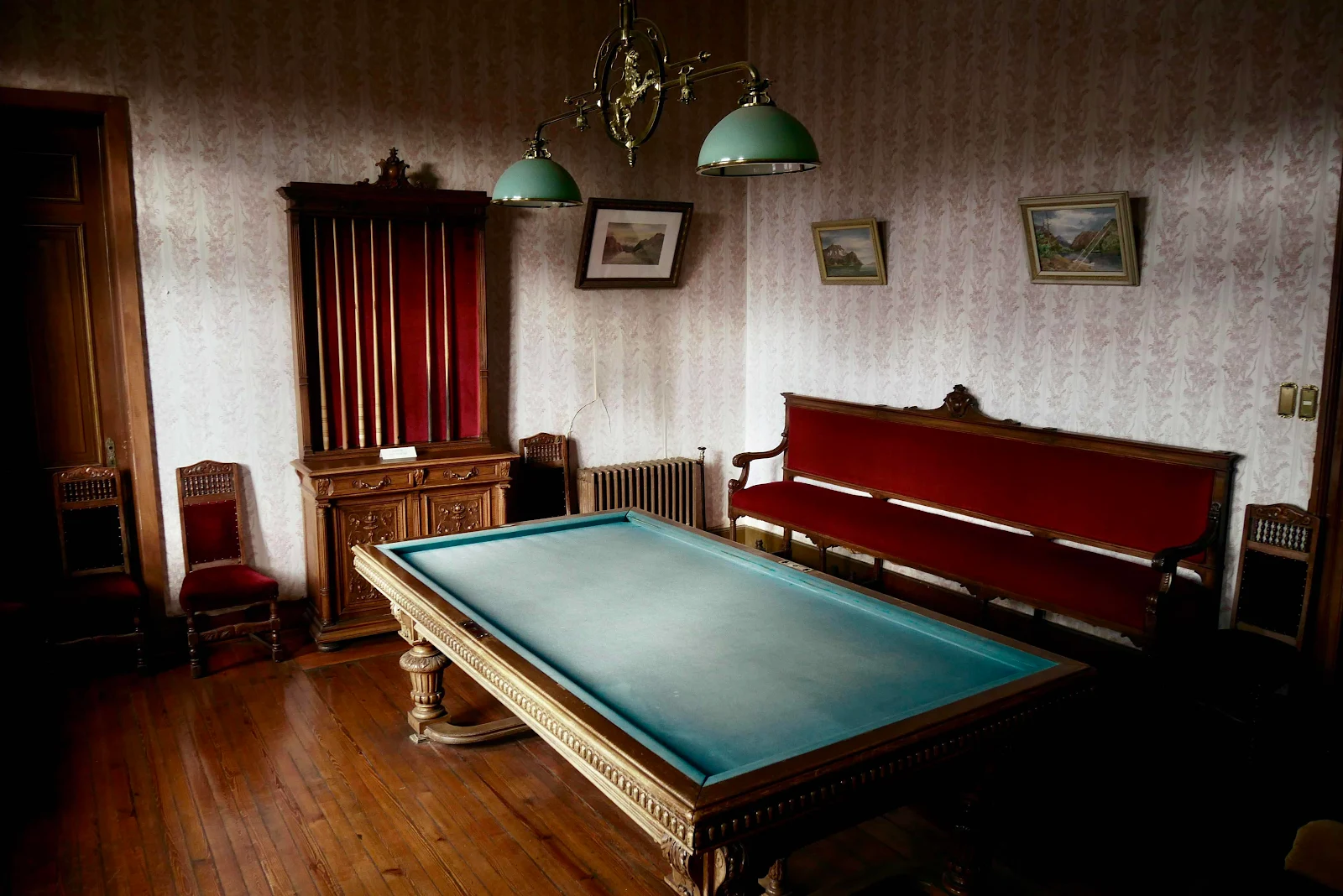
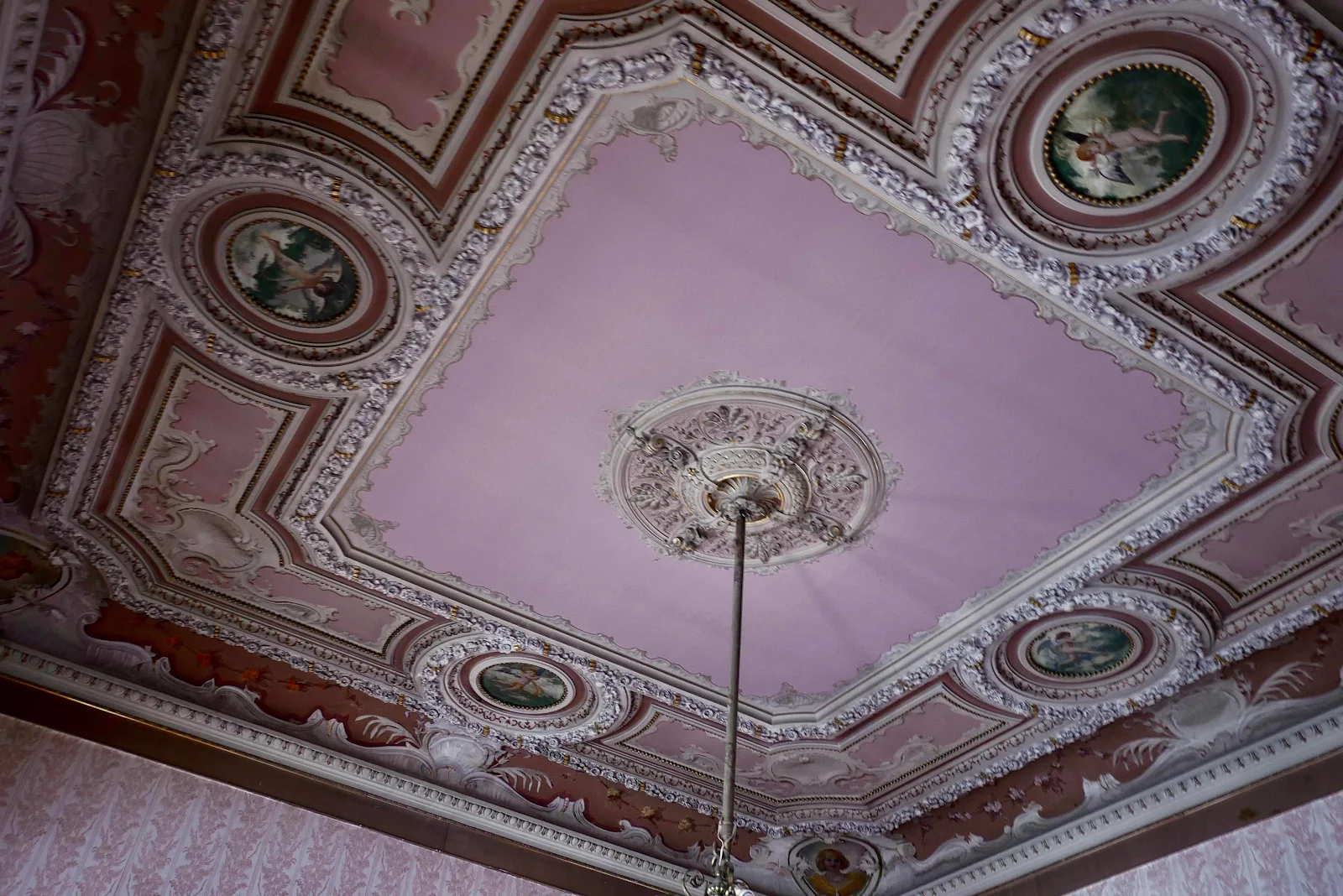
It’s quite grand outside and in. 
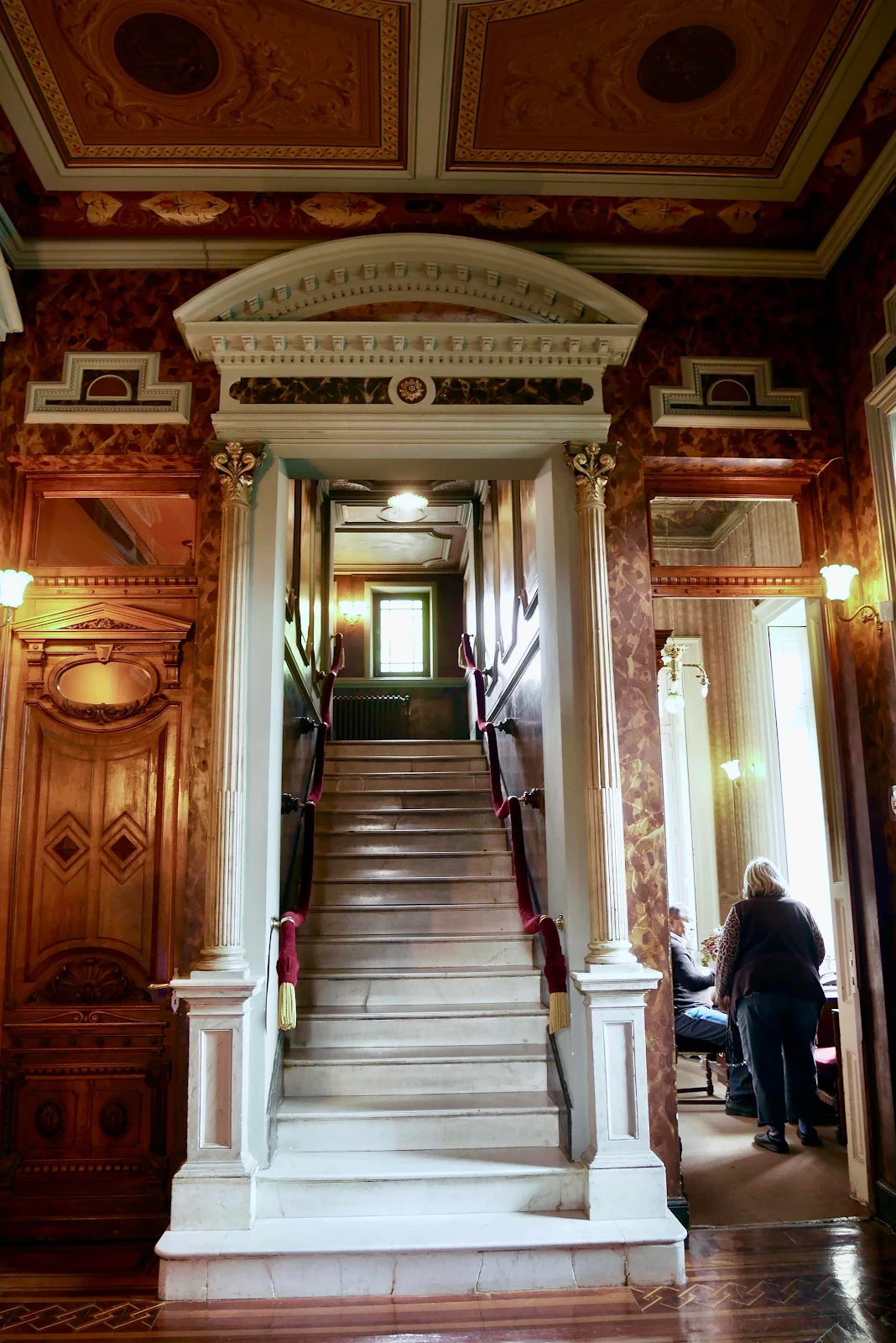


And we stumbled into a concert given by two professors from the Mudic Conservatory from the Magellanic University  playing piano and violin. 
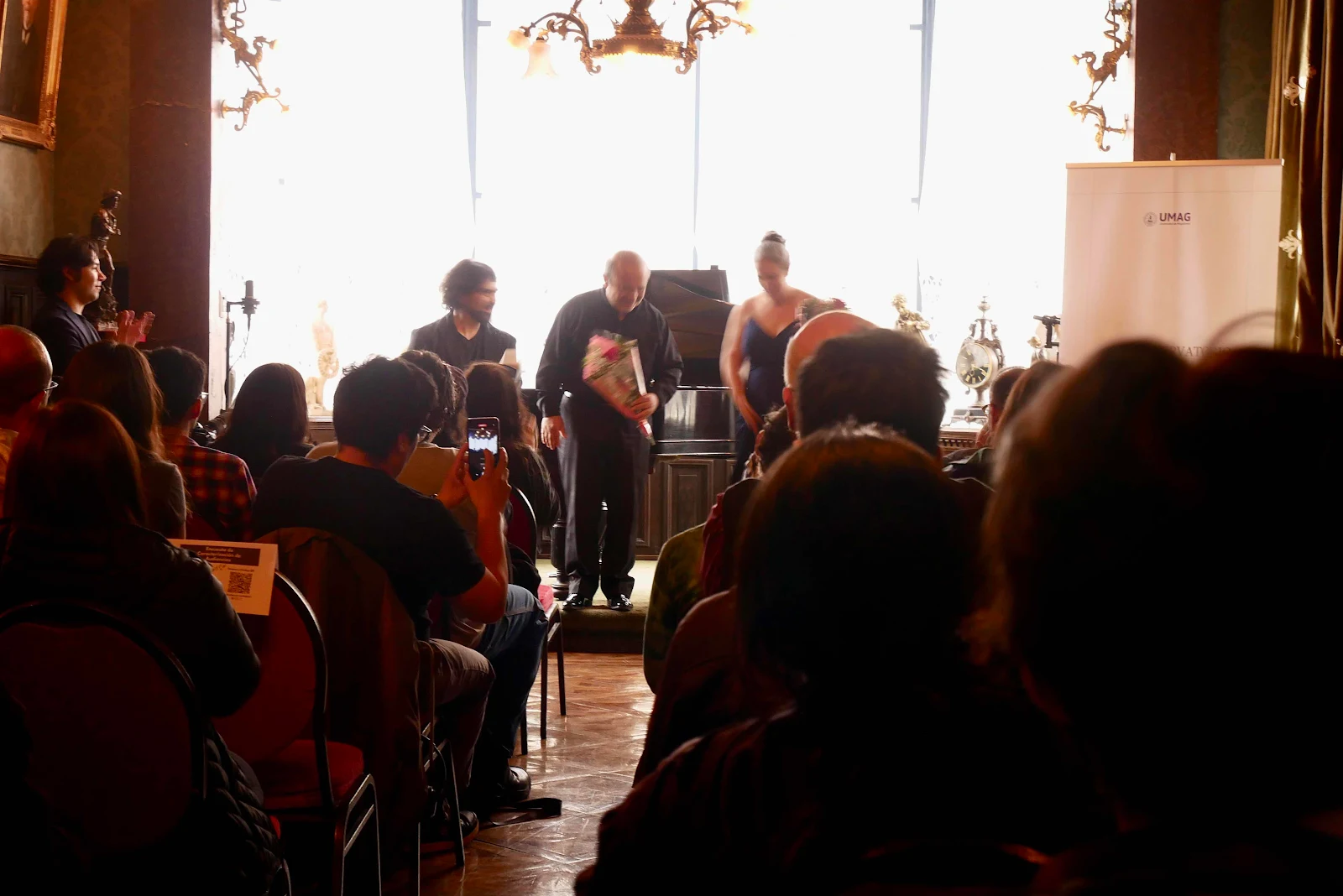
We got to listen to an hour of Central European and Spanish 19th and 20th century music. Then we walked around the house. 
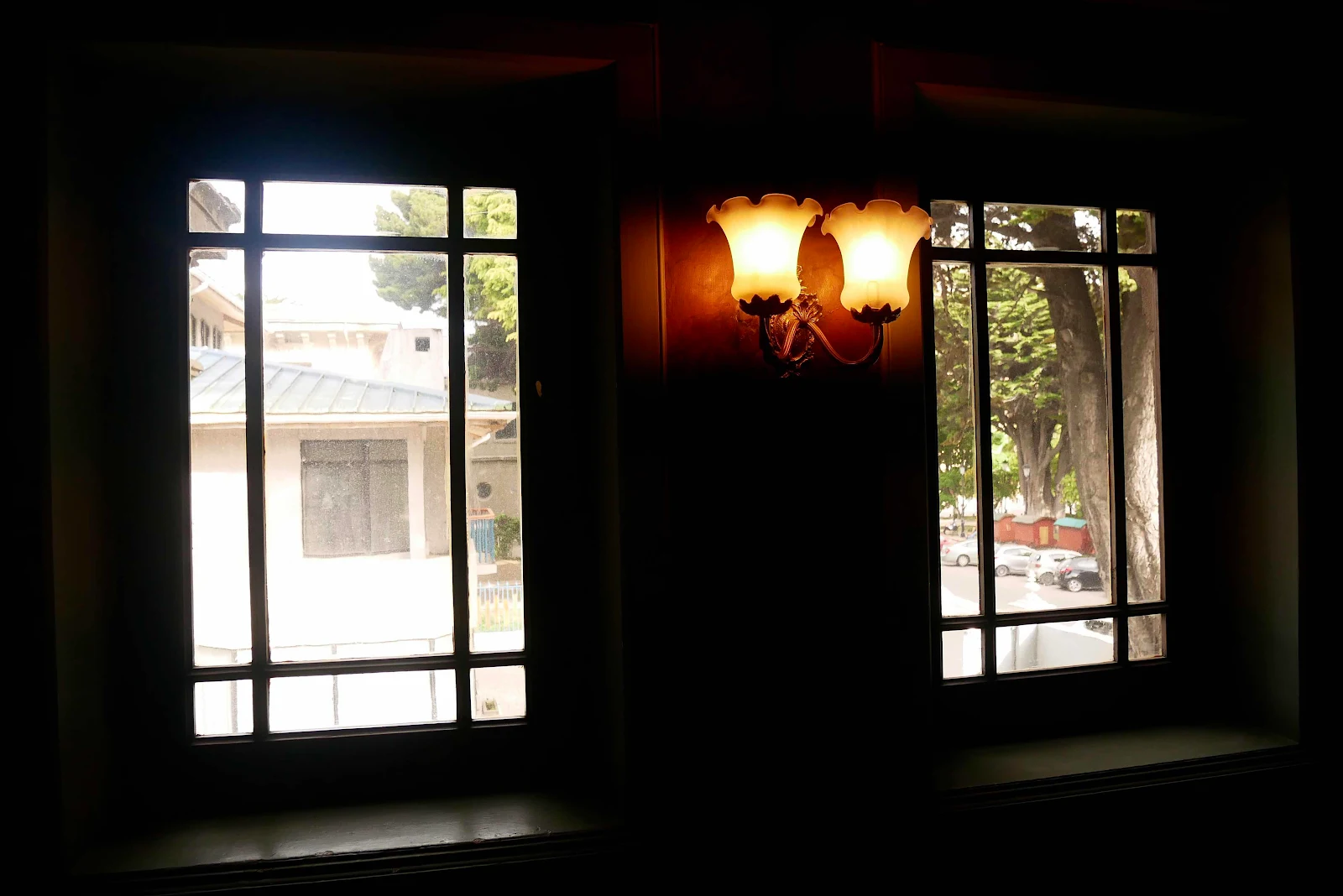


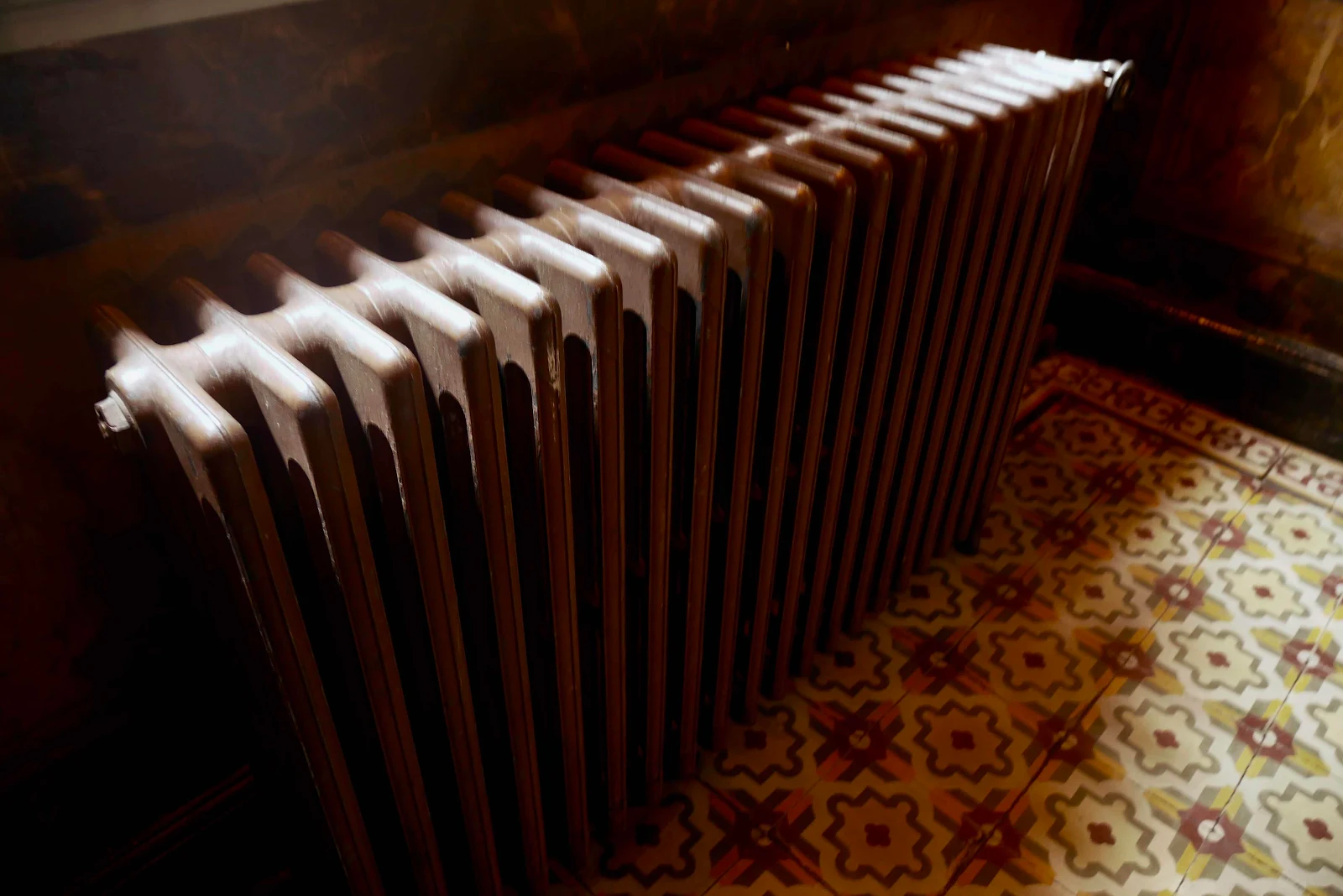
Old fashioned central heating, a relic from my youth:  


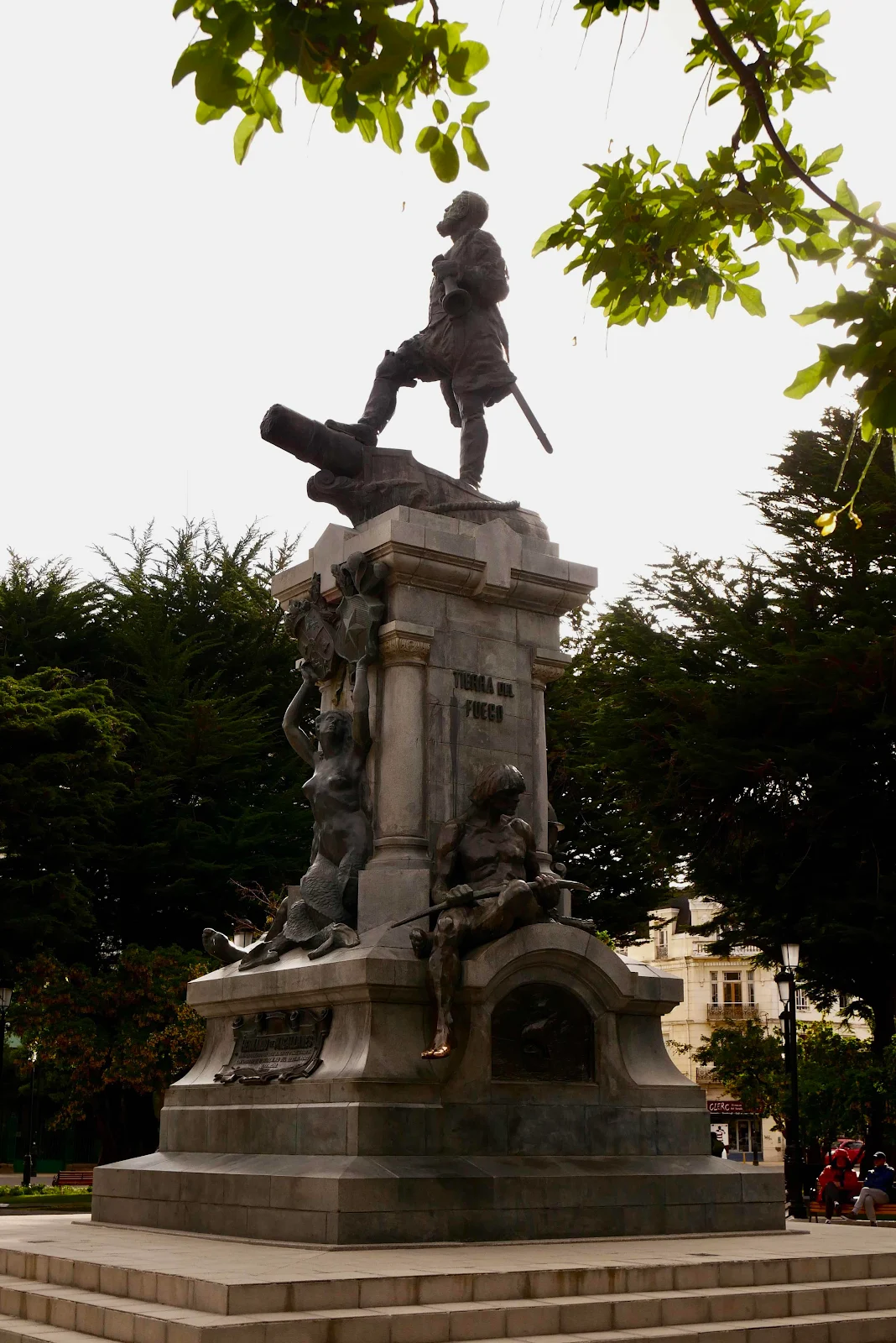
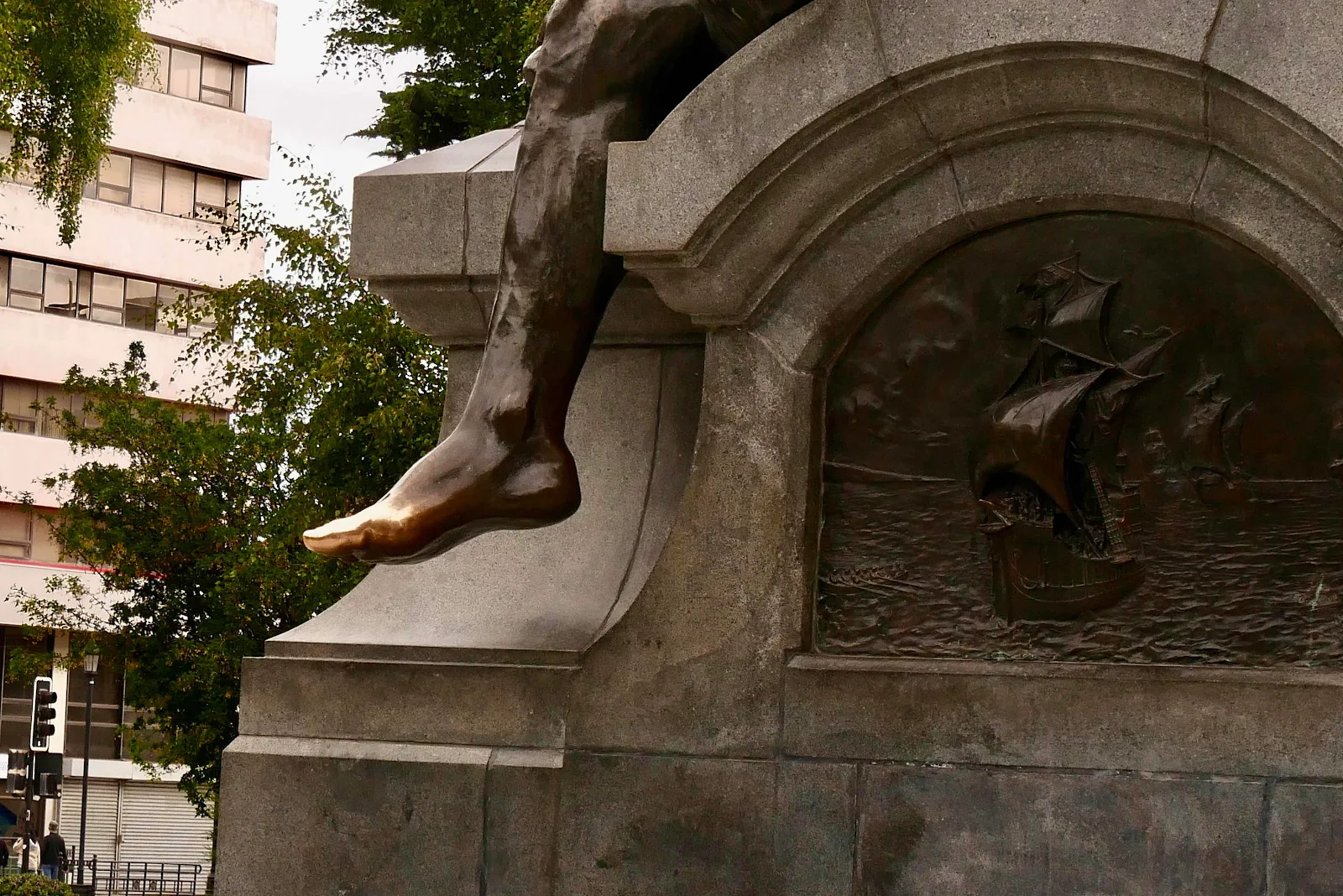
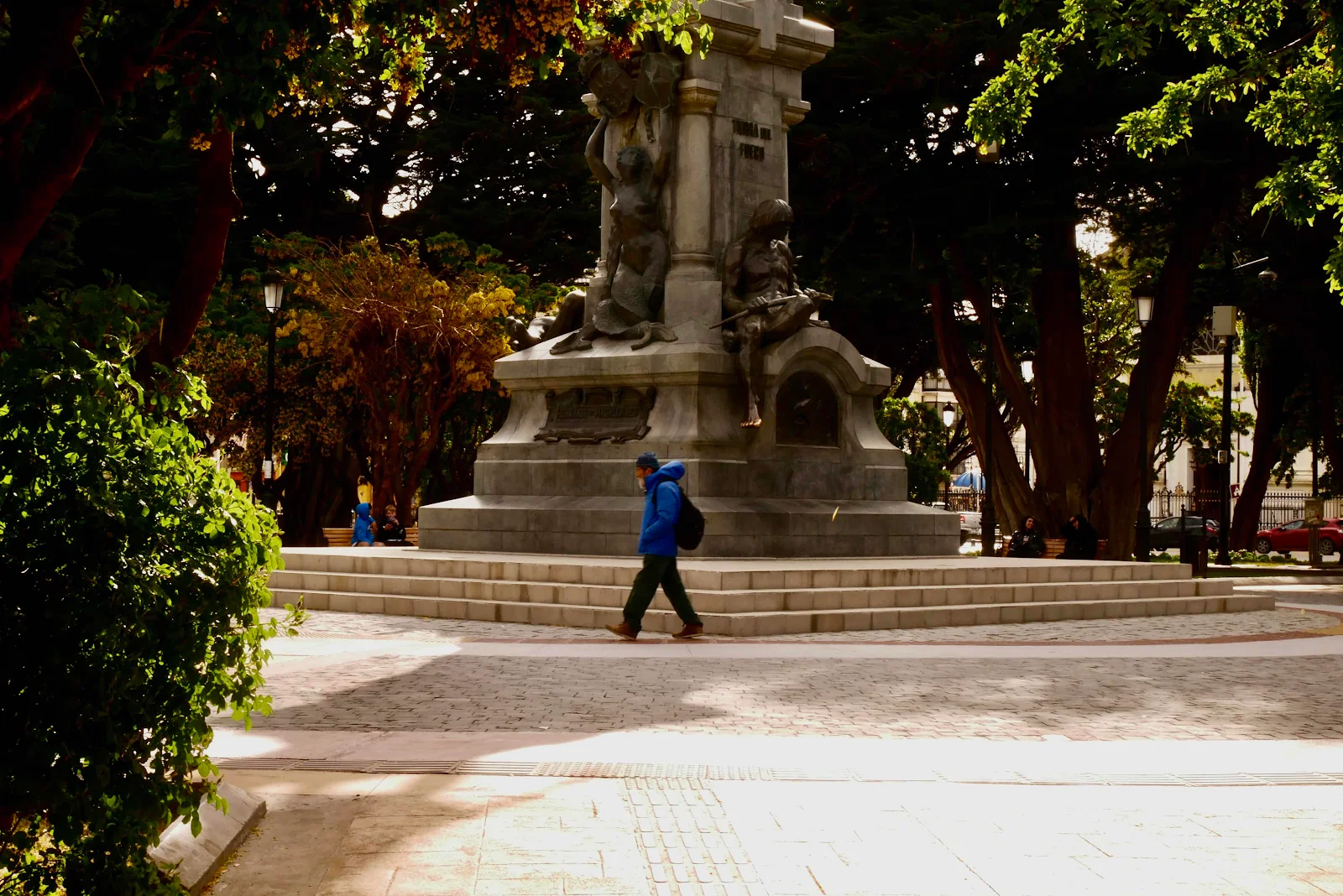
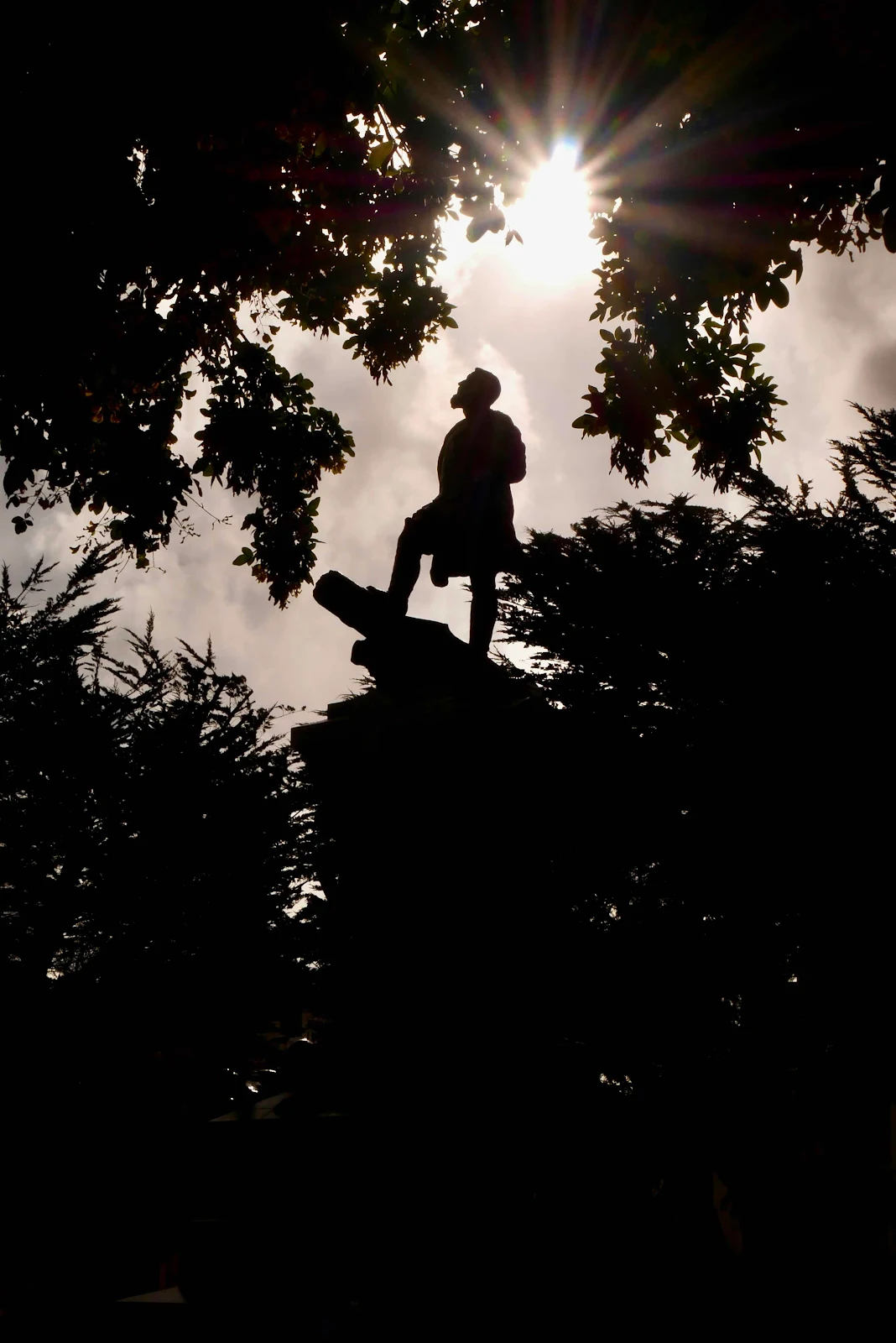
Ferdinand Magellan in the main square: 


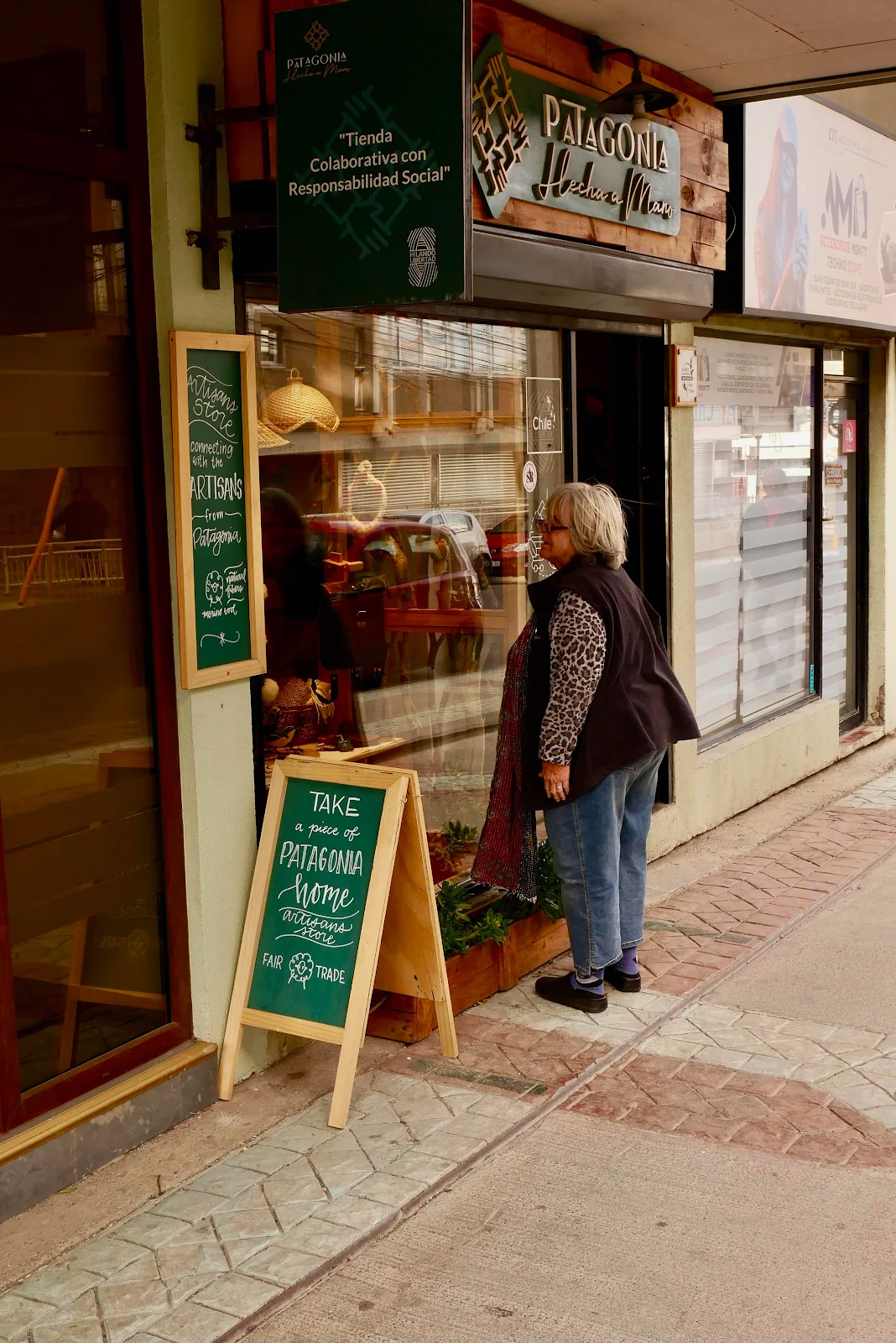
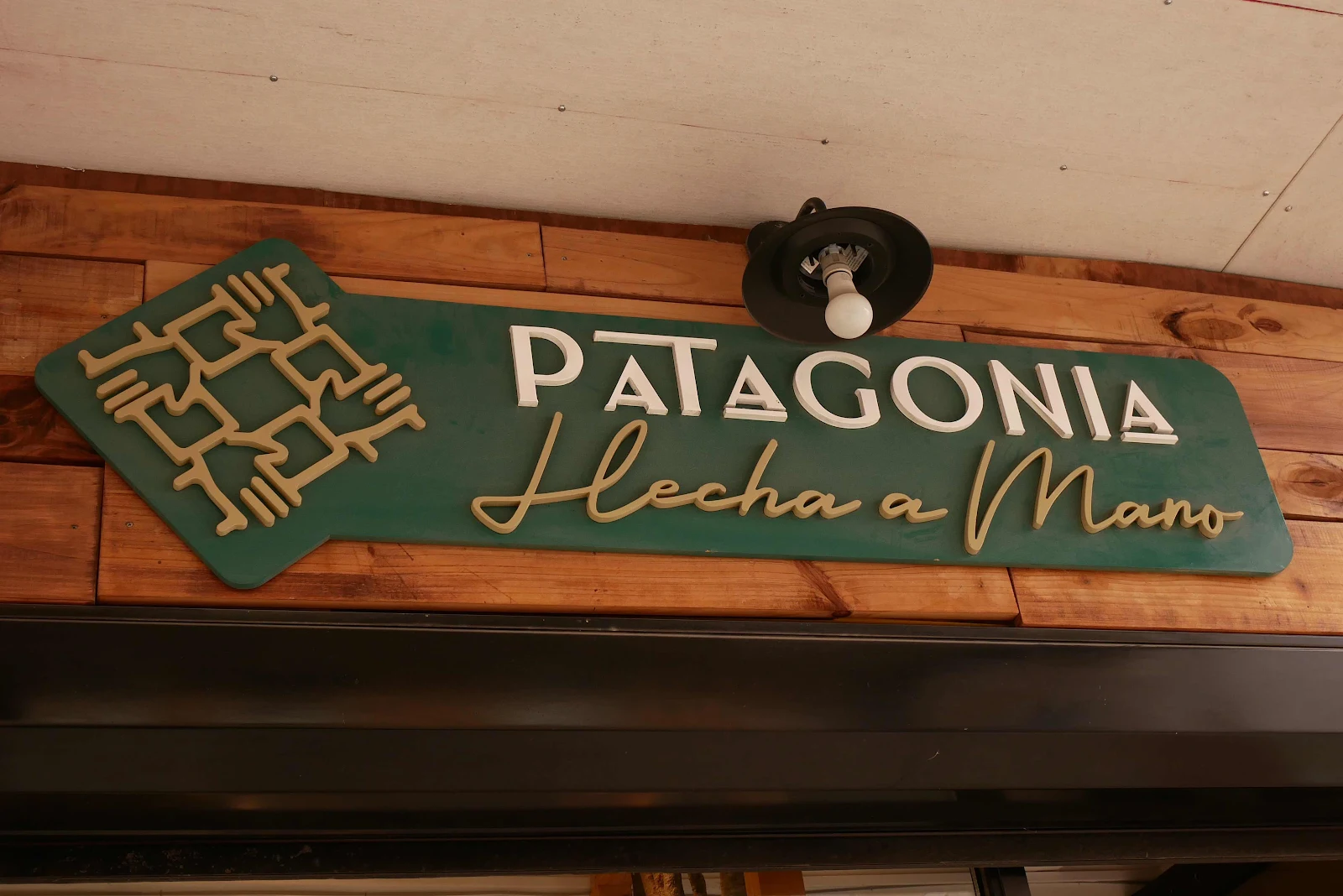
Made by hand but Layne bought nothing. 


I like Punta Arenas. 
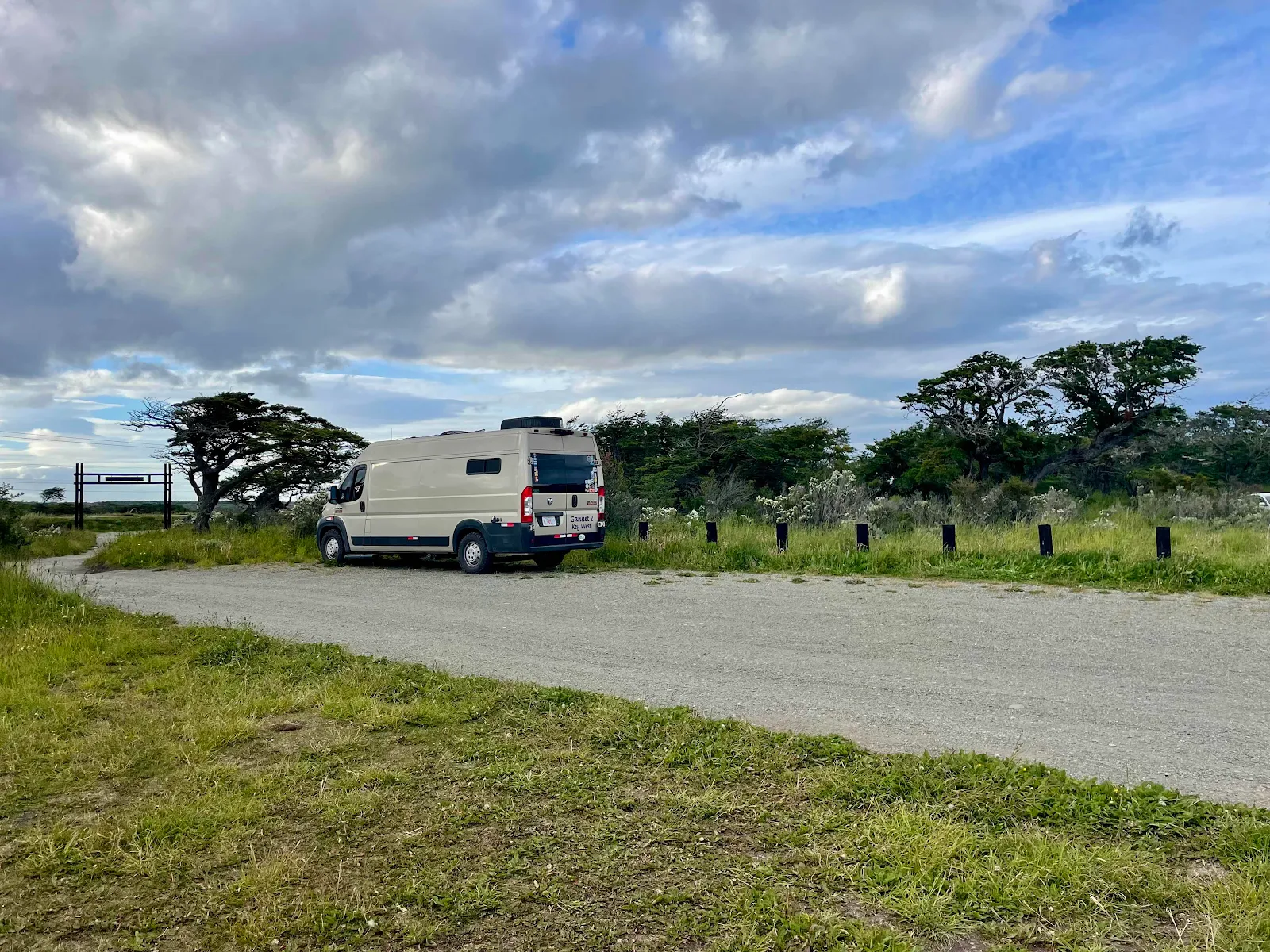
Home sweet home. 


Tuesday, December 17, 2024

Pioneer Park


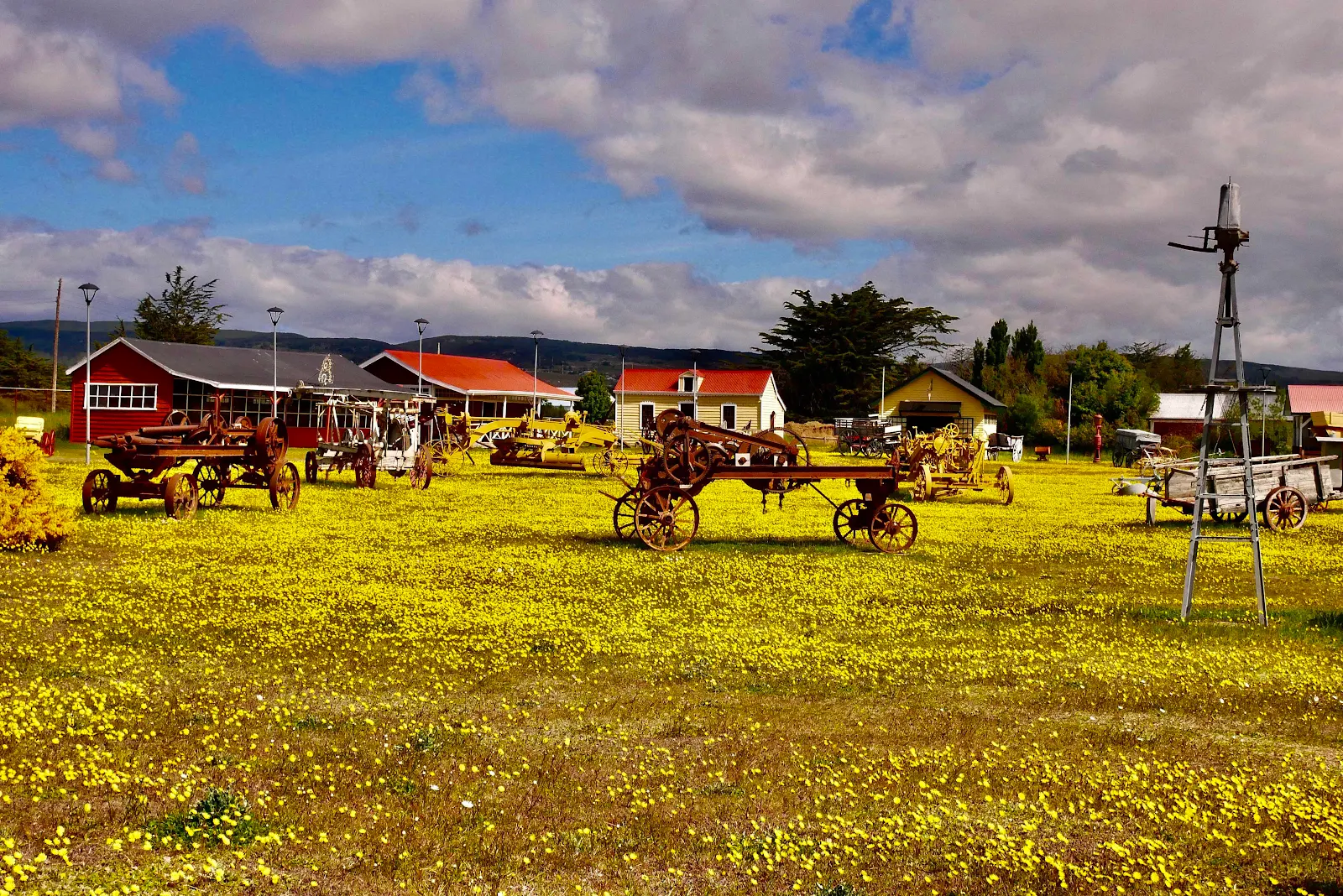
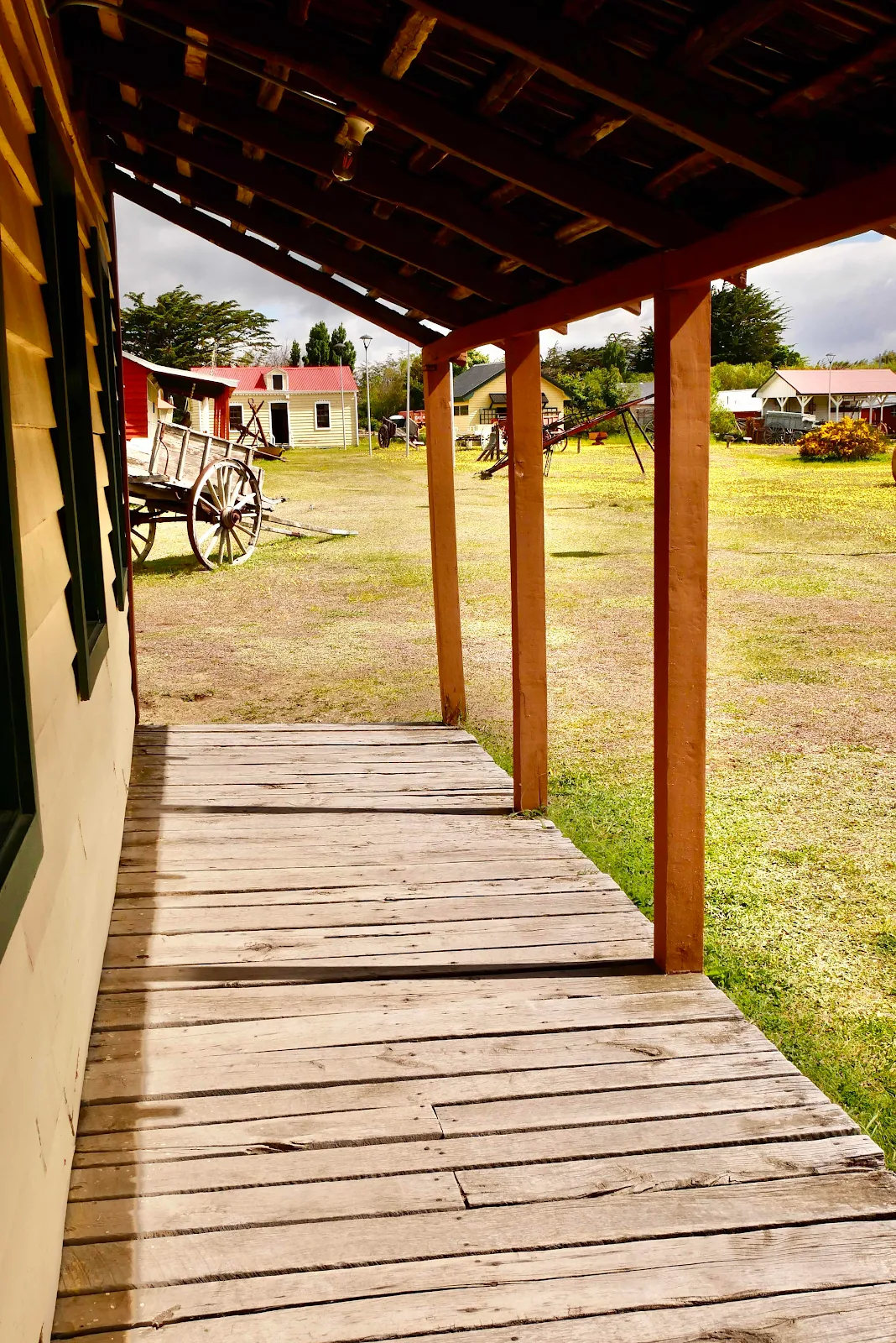
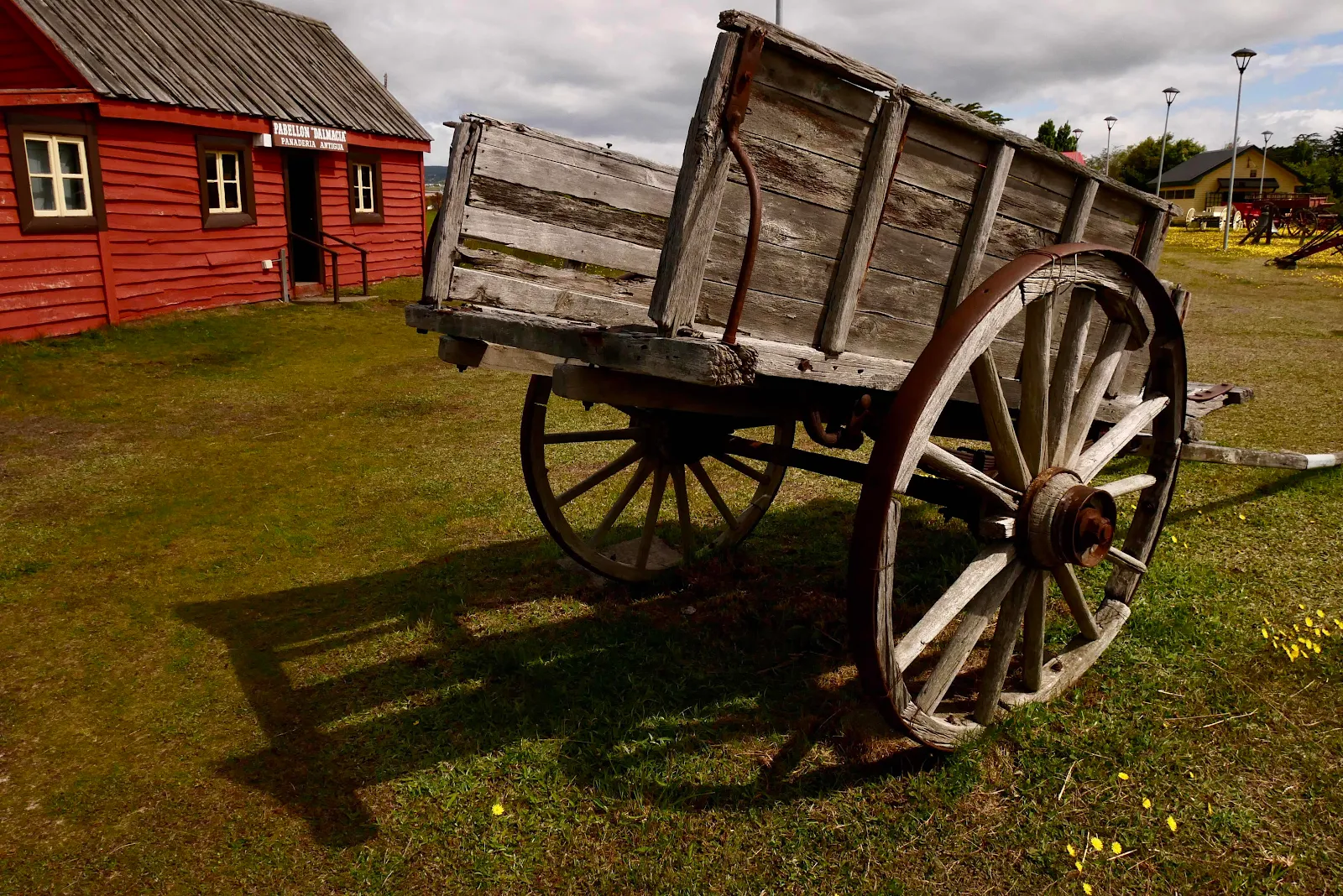
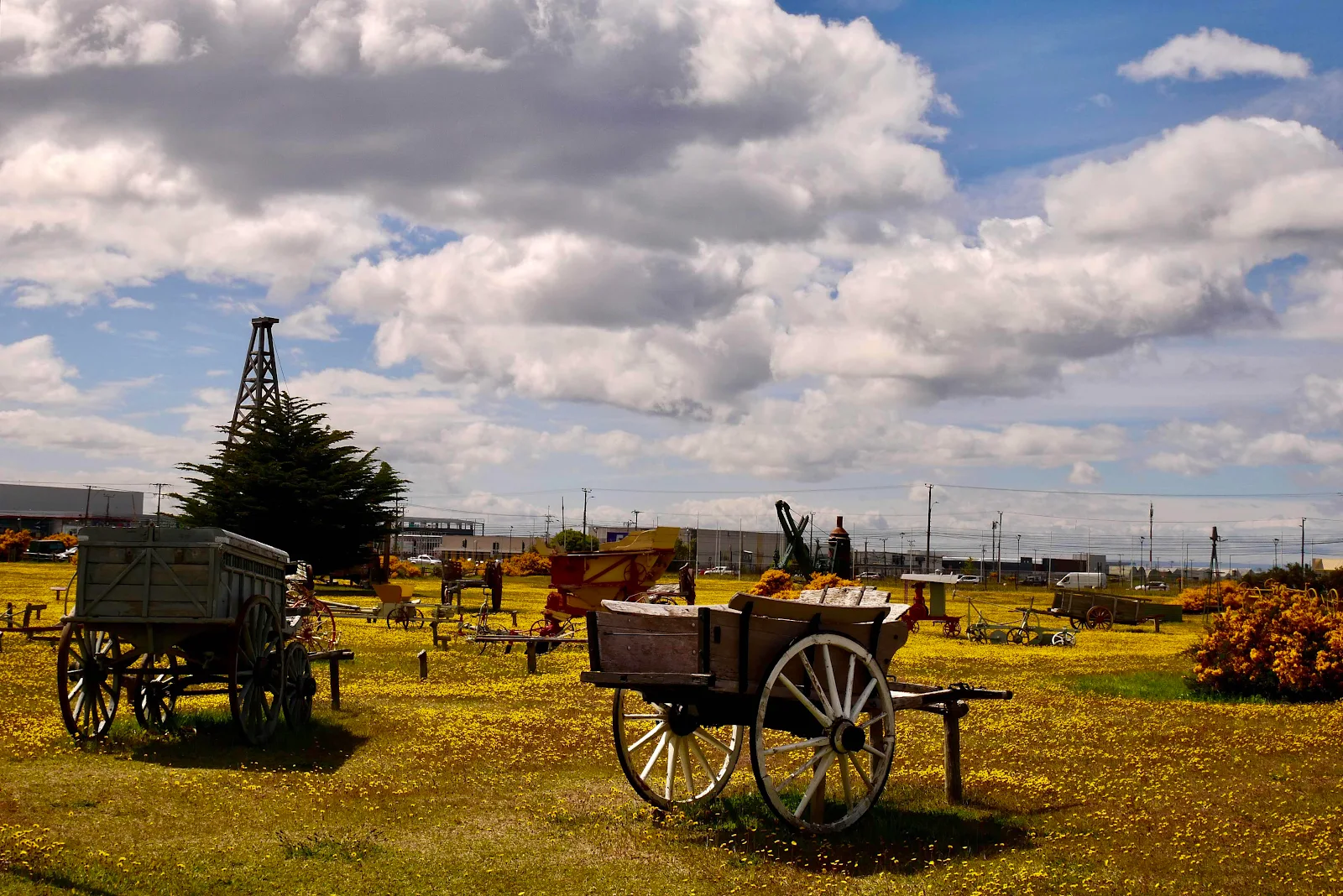
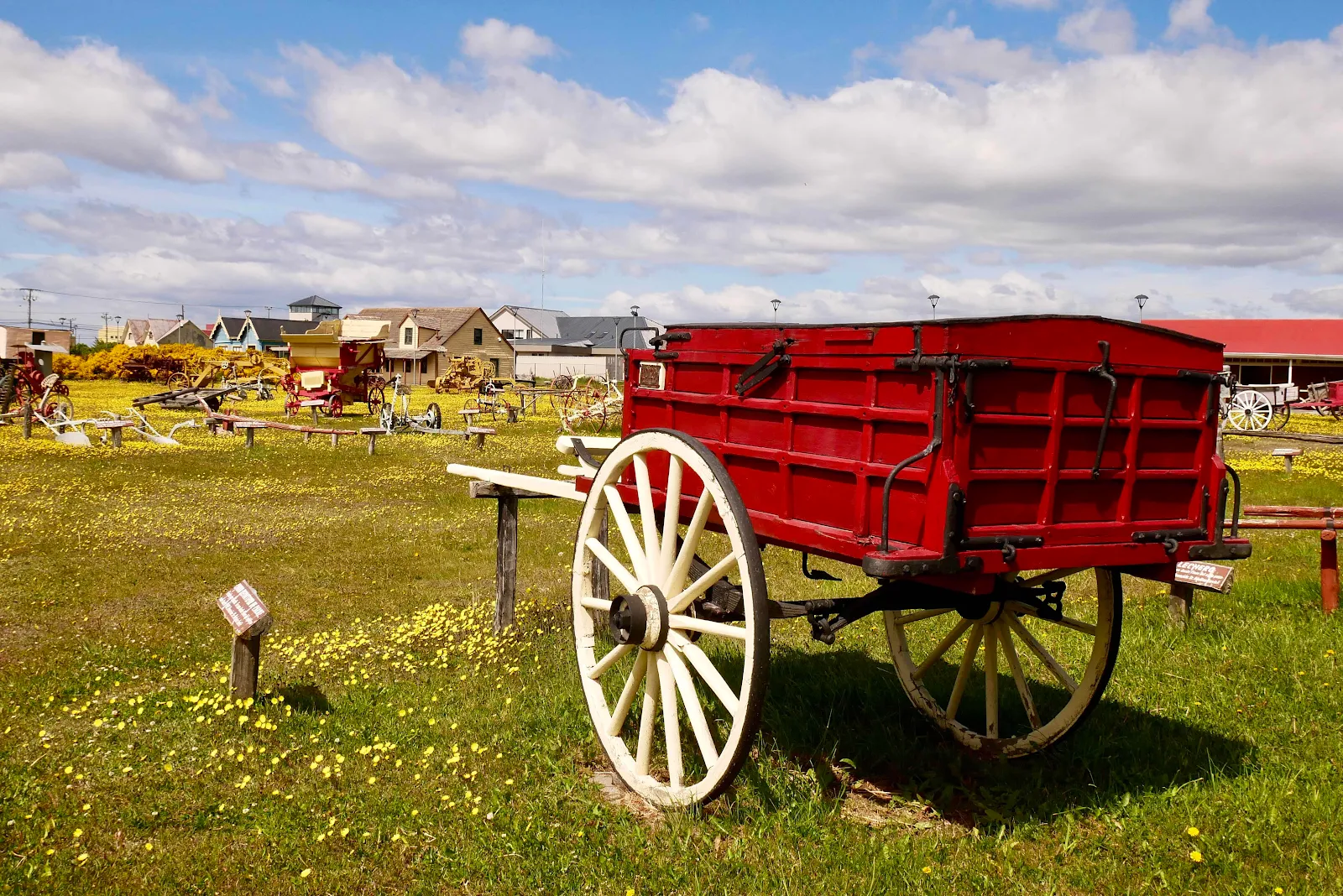
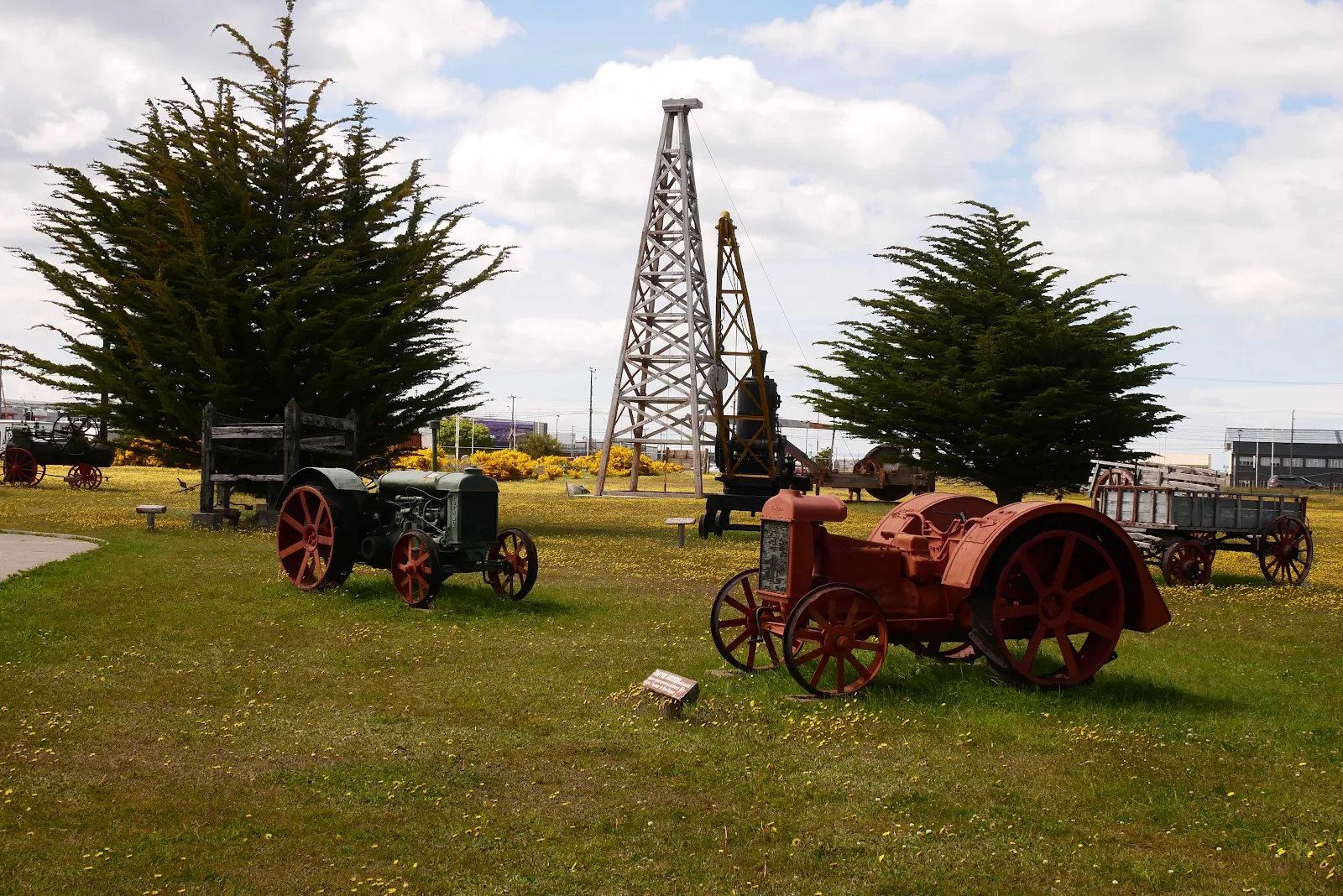
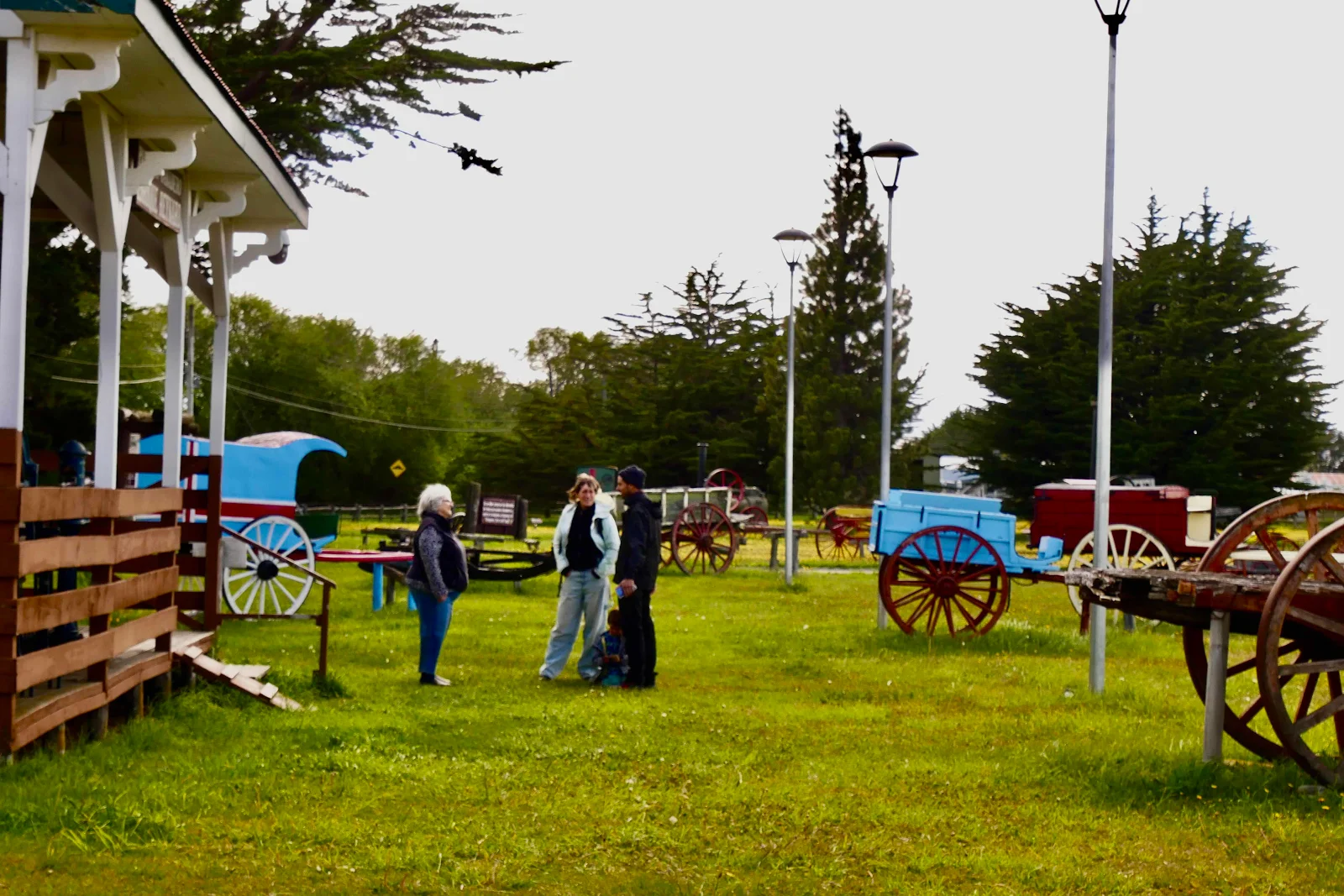
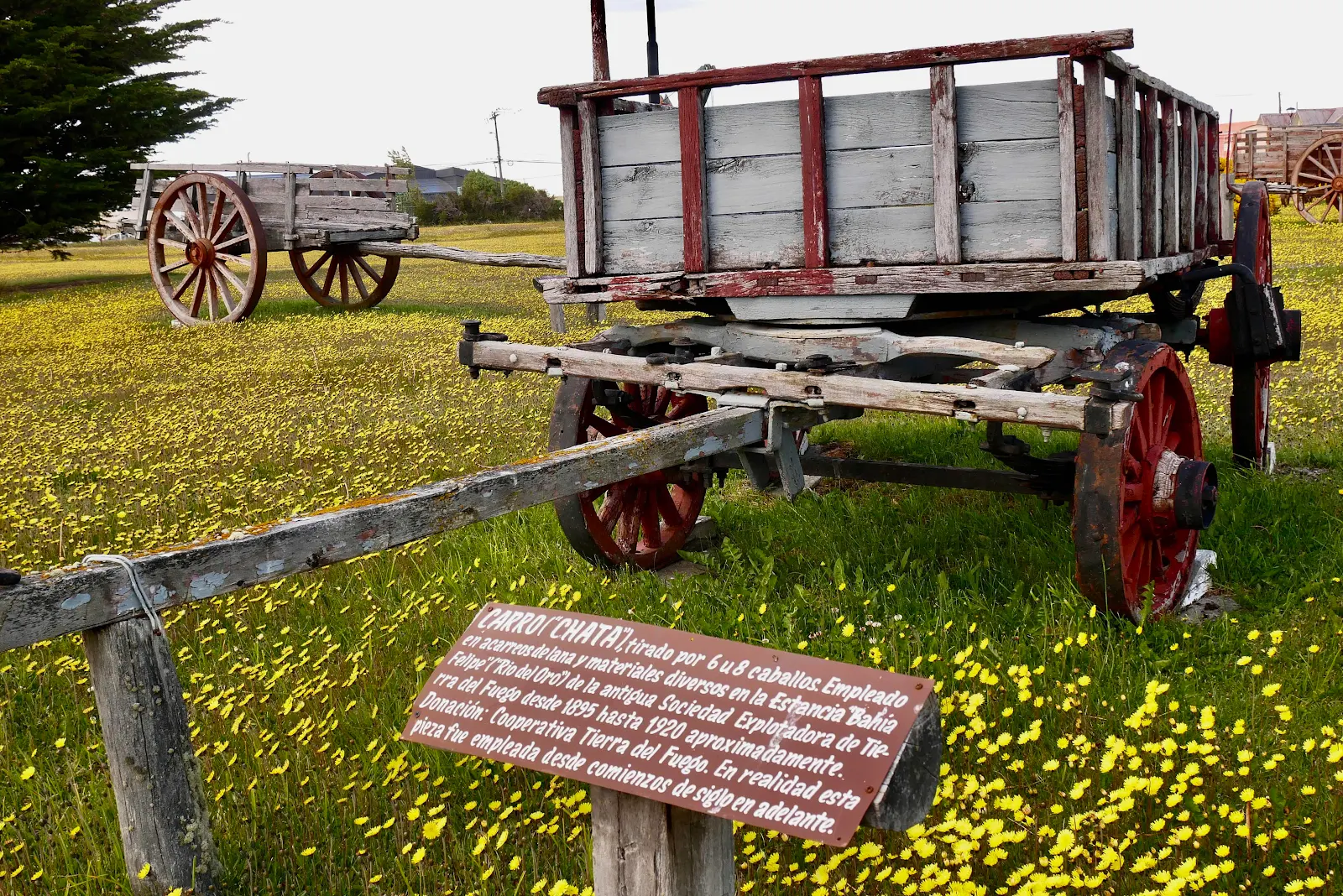
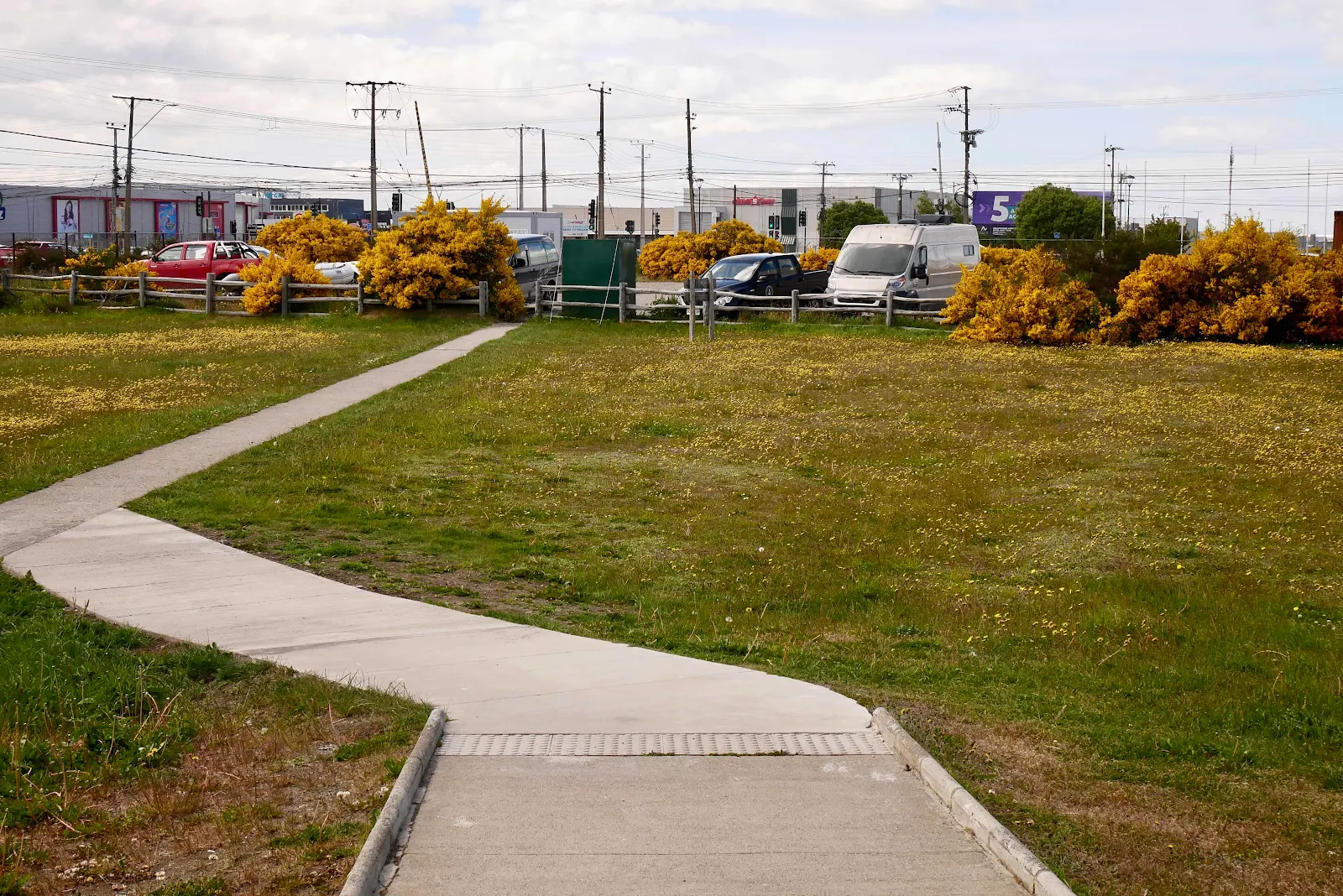
They call it the park of remembrance, a place where you can wander at will and see how the early settlers lived in Punta Arenas. We pulled up in the unmarked parking lot on our third drive by, Team Lost in action again, and finally figured the open gate to a dirt lot is the park entrance off Avenida España, a four lane race course that runs right by the park. 

The attendant shooed us away,  “Go and enjoy the park, pay on  your way out.” So we did just that, once again slightly amazed by Chile’s civility and ease of living. 

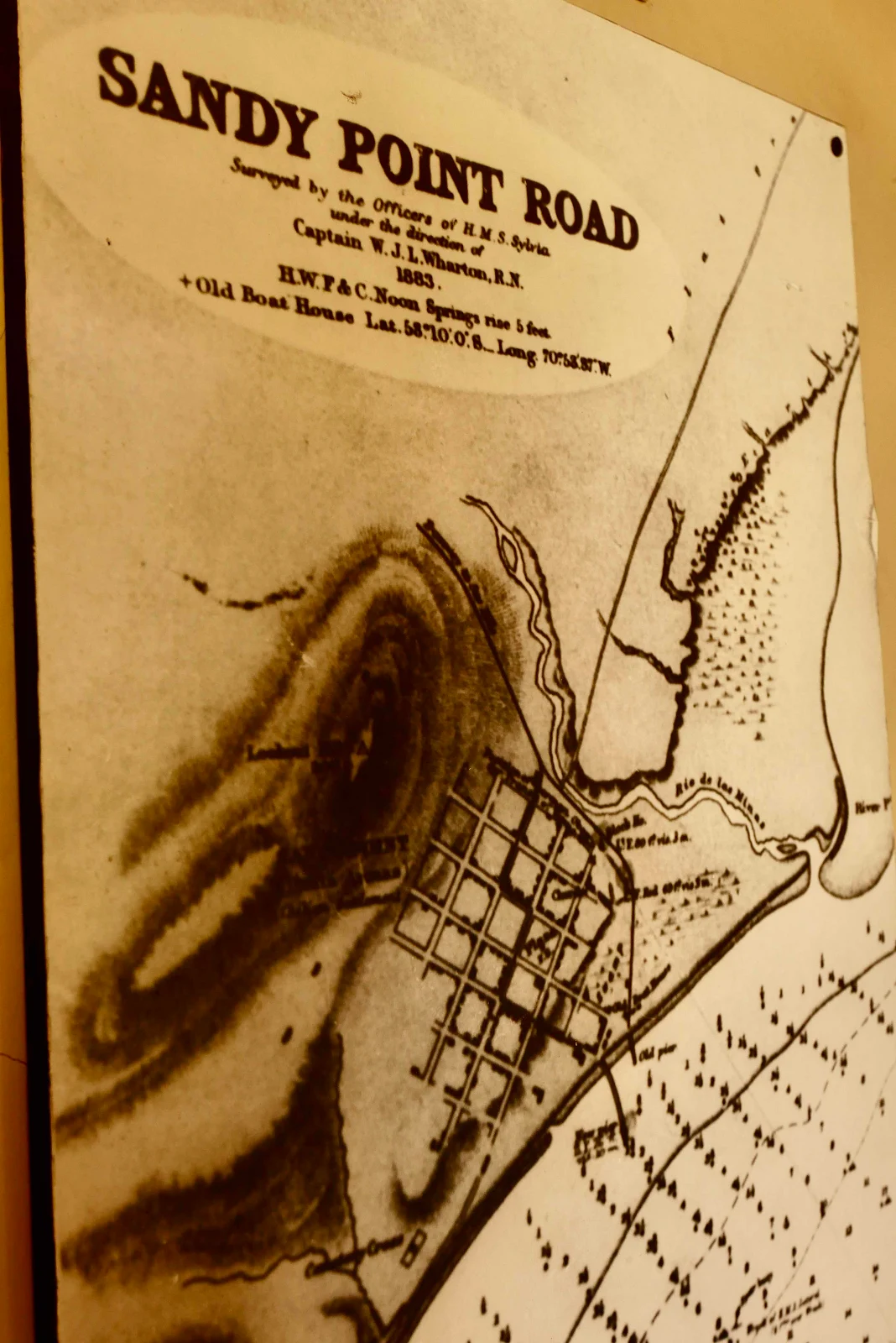
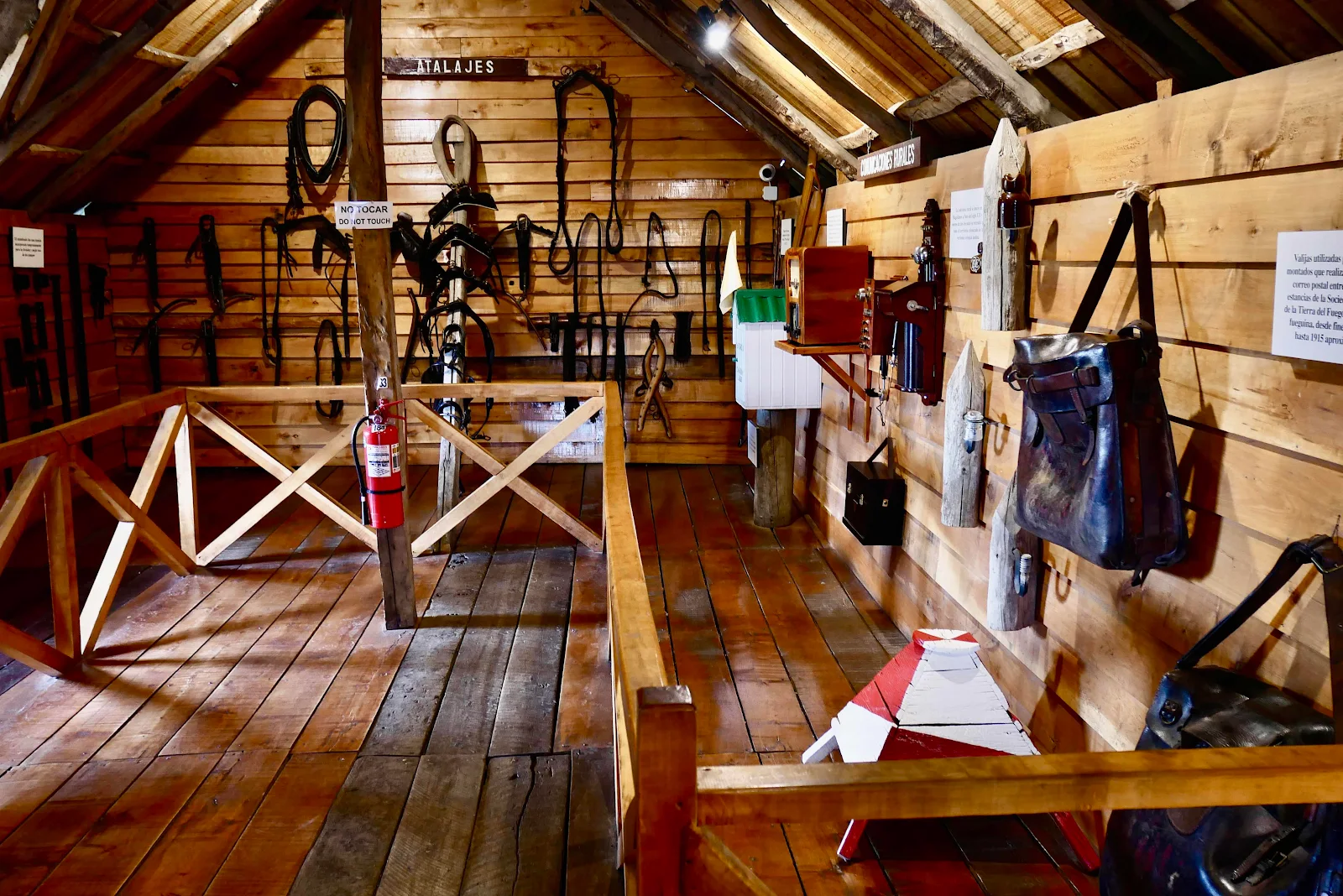
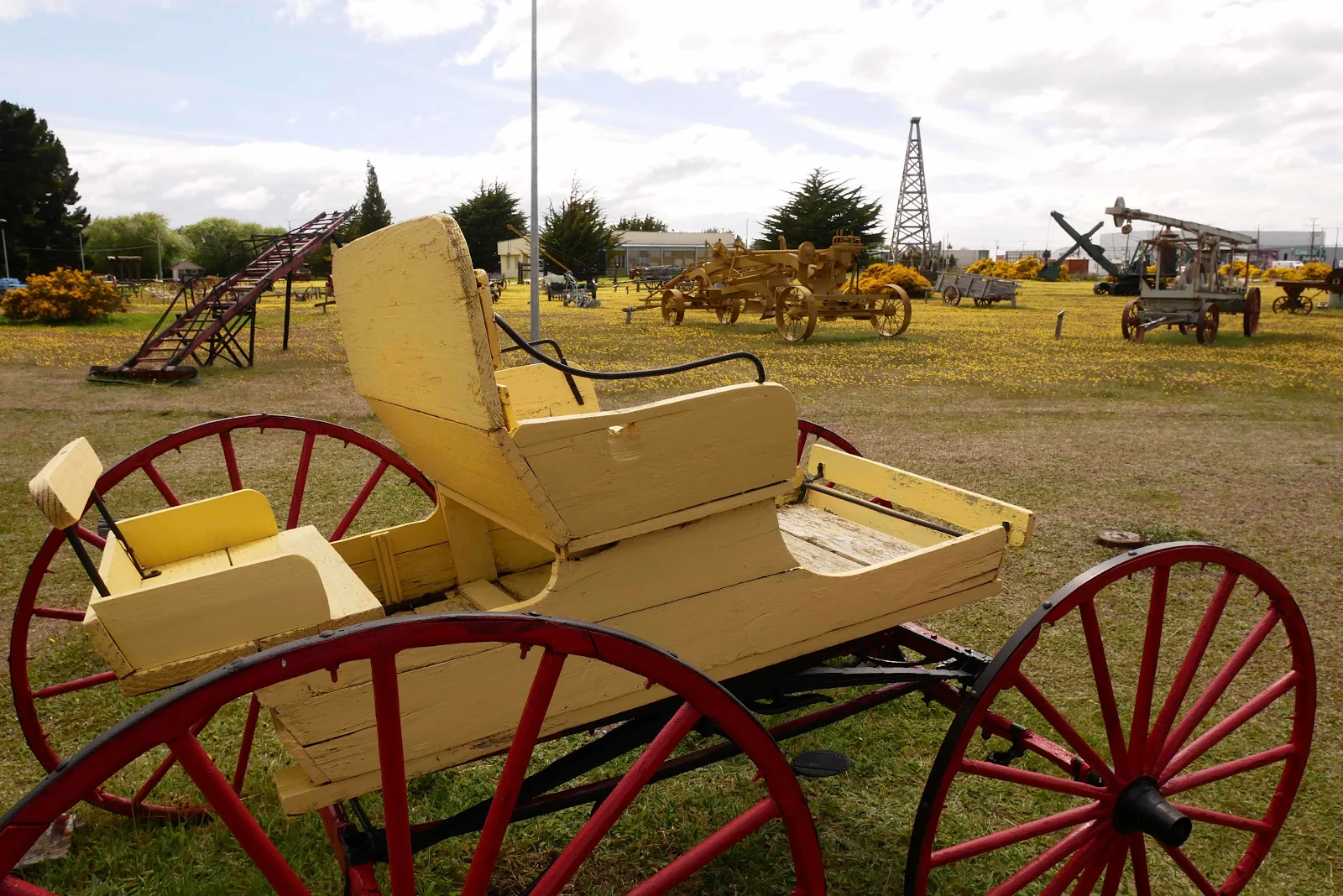
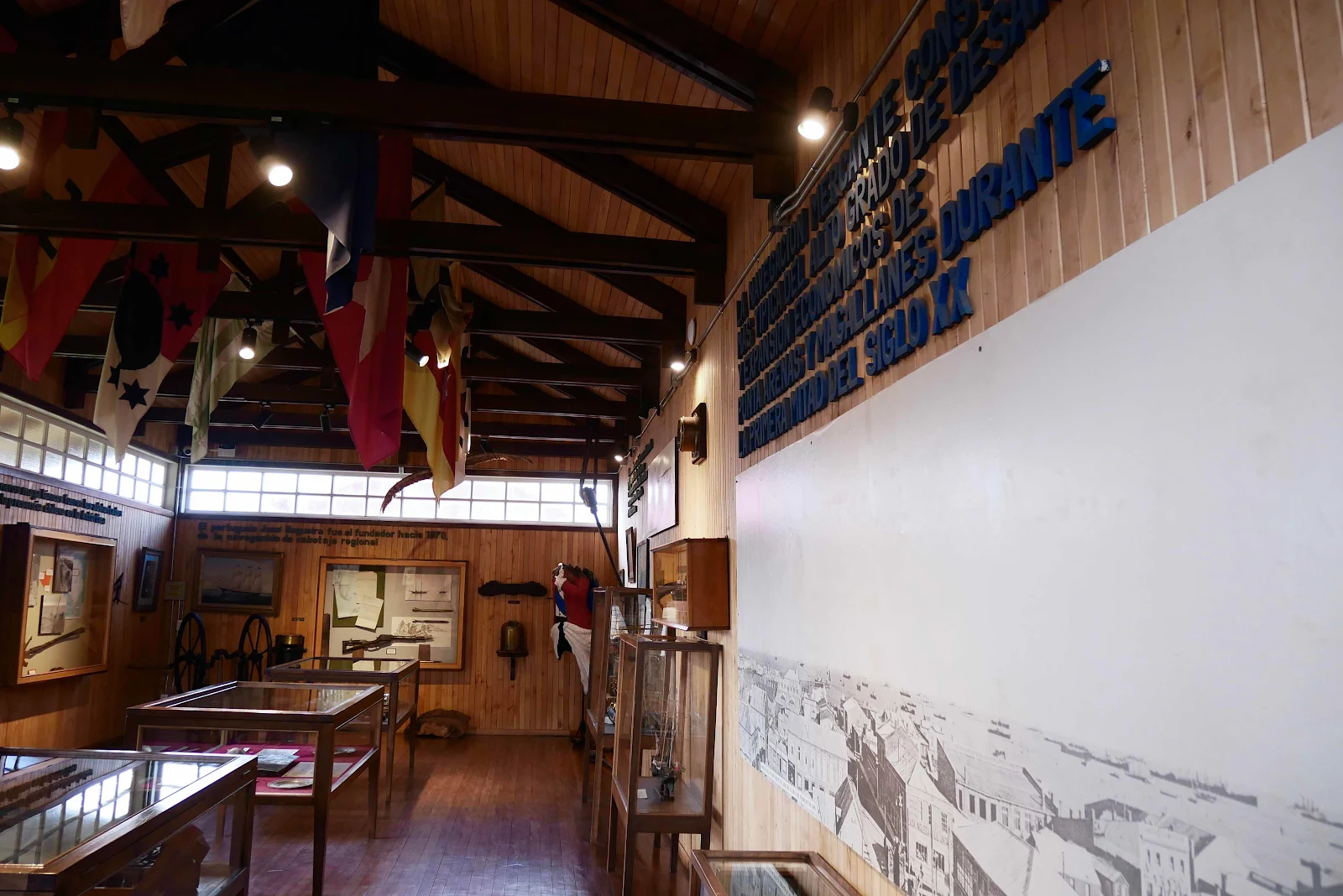
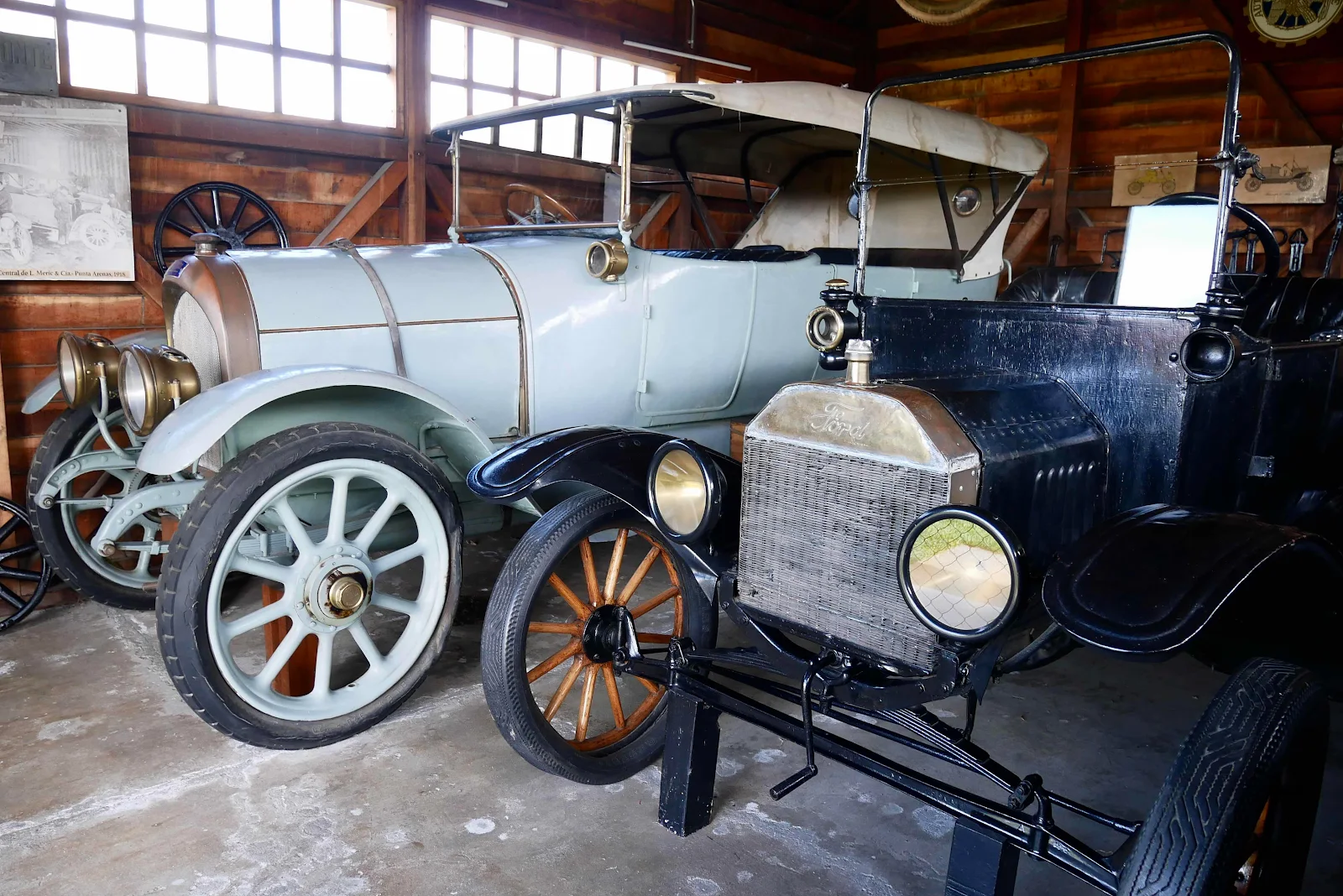
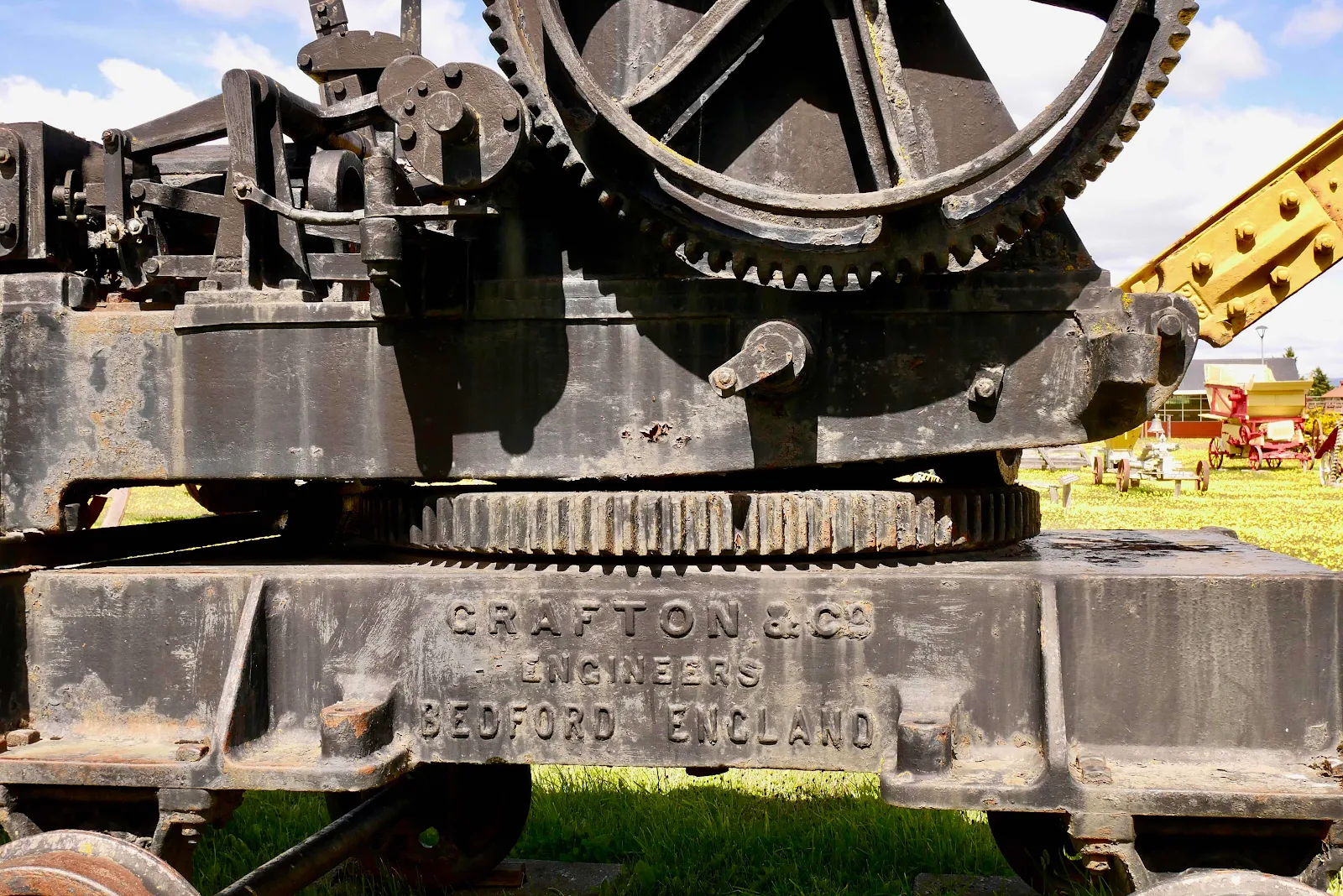
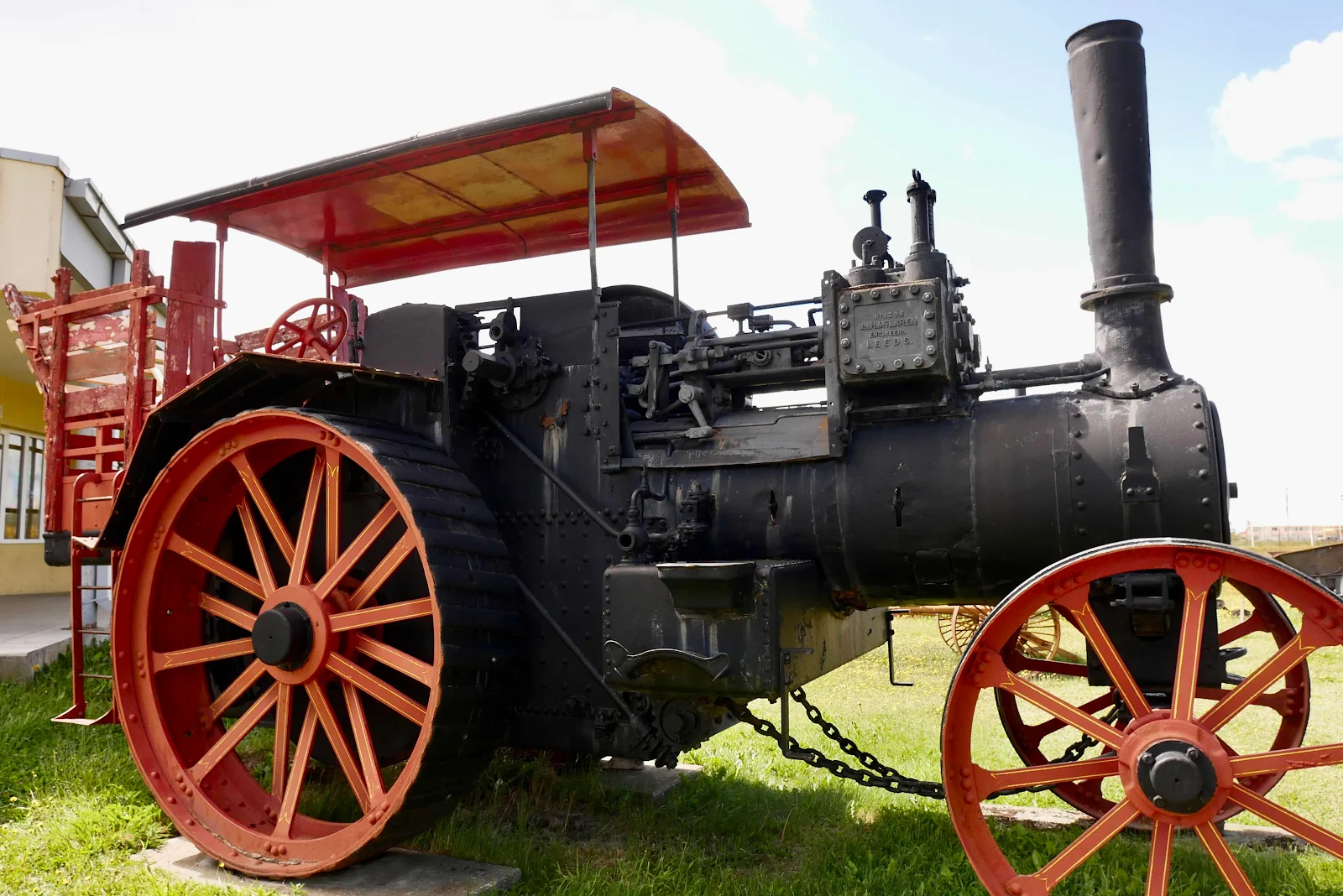
This park, which is a collection of structures and outdoor machinery in a field is a reminder of the varied nature of southern Chile’s early migrants. We talk about a melting pot in the US, or at least we used to, but early Chile was the same way. 

In the mid 19th century Chile was actively seeking foreigners to come to the Magellanic Region and populate it and develop it with their skills. This was a time of upheaval and change in Europe with revolutions challenging the established order and people were ready to migrate. 

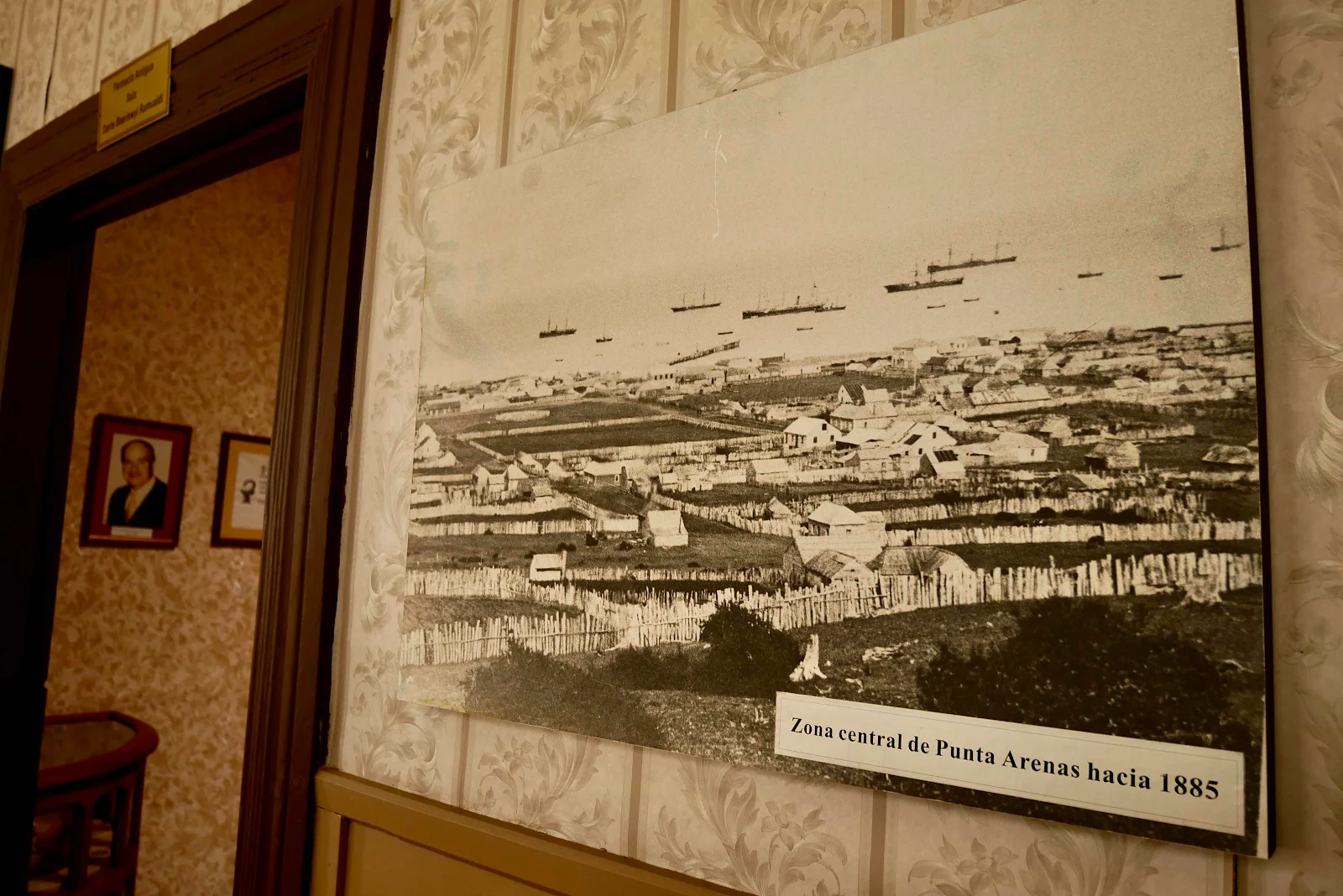
Punta Arenas was always the main commercial center parked as it was in a body of relatively protected water with a harbor and rivers and woods to supply the population. 

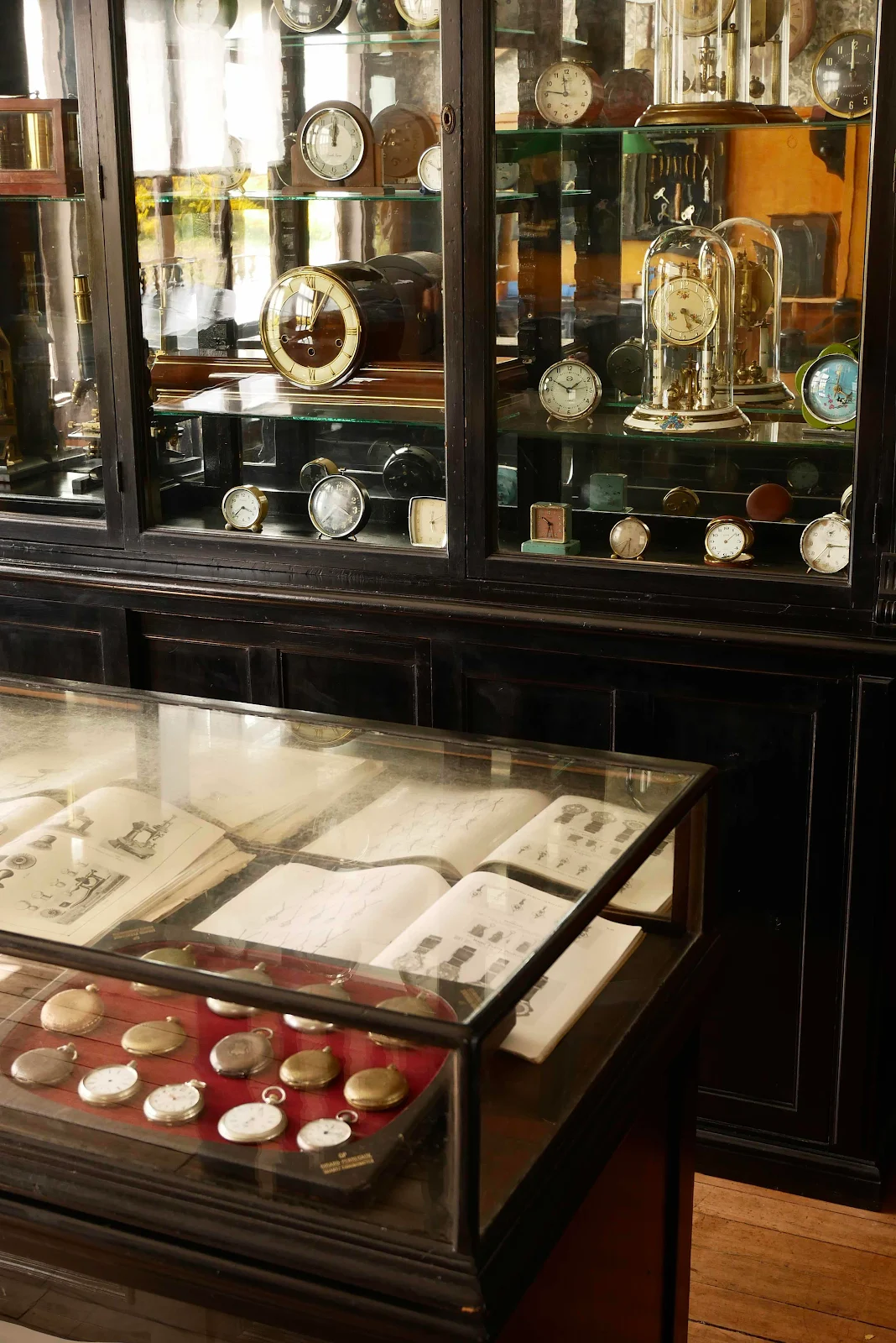
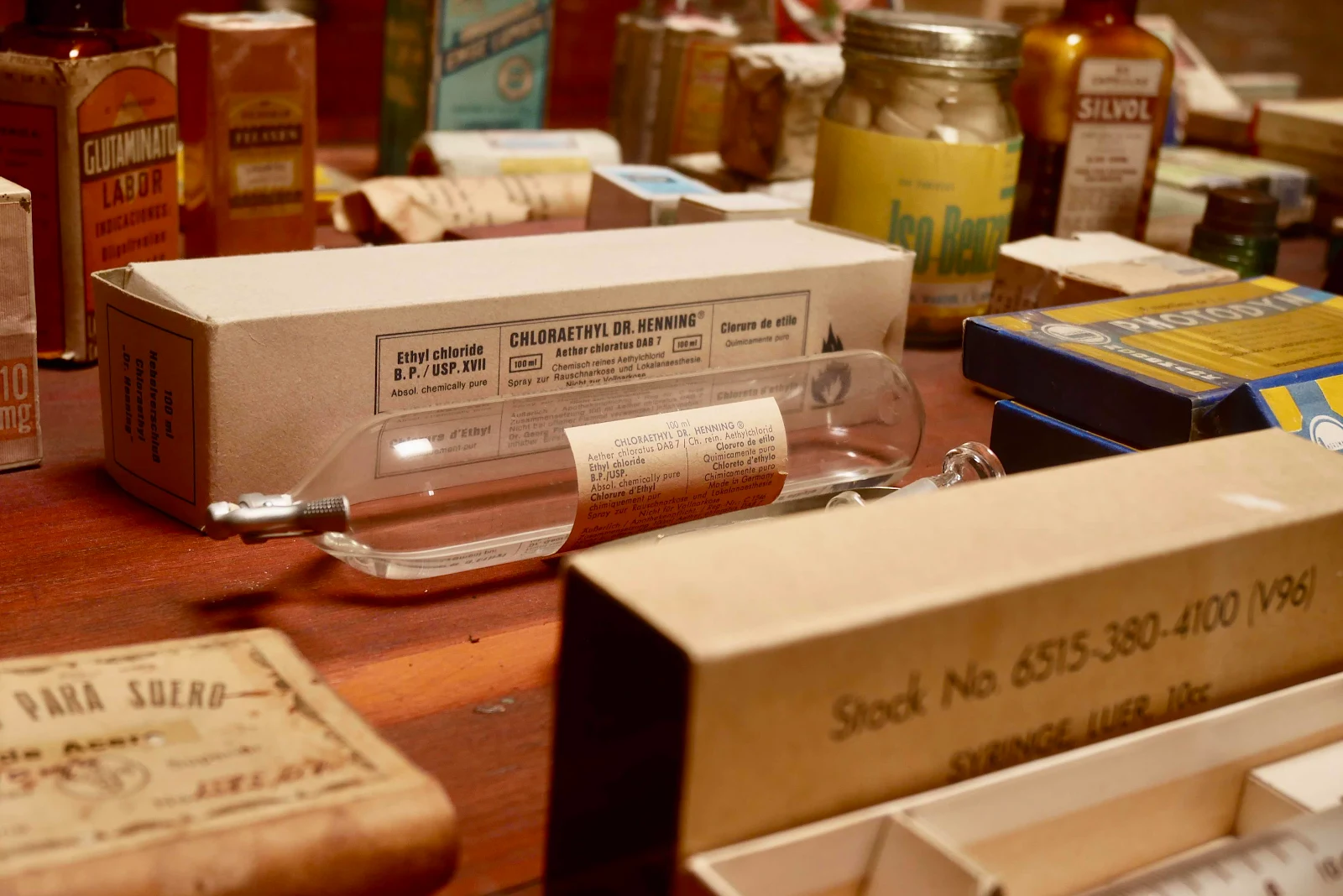
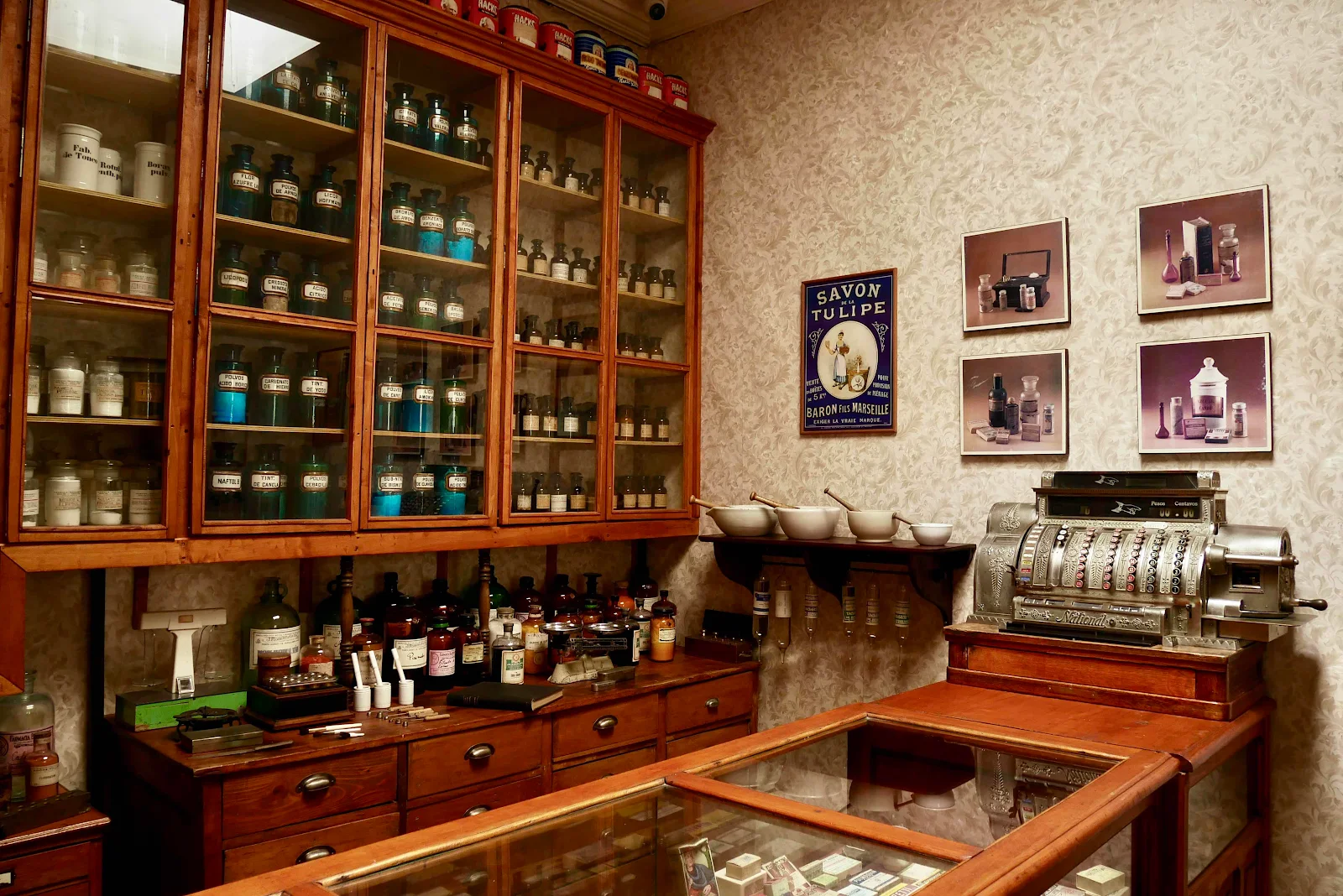
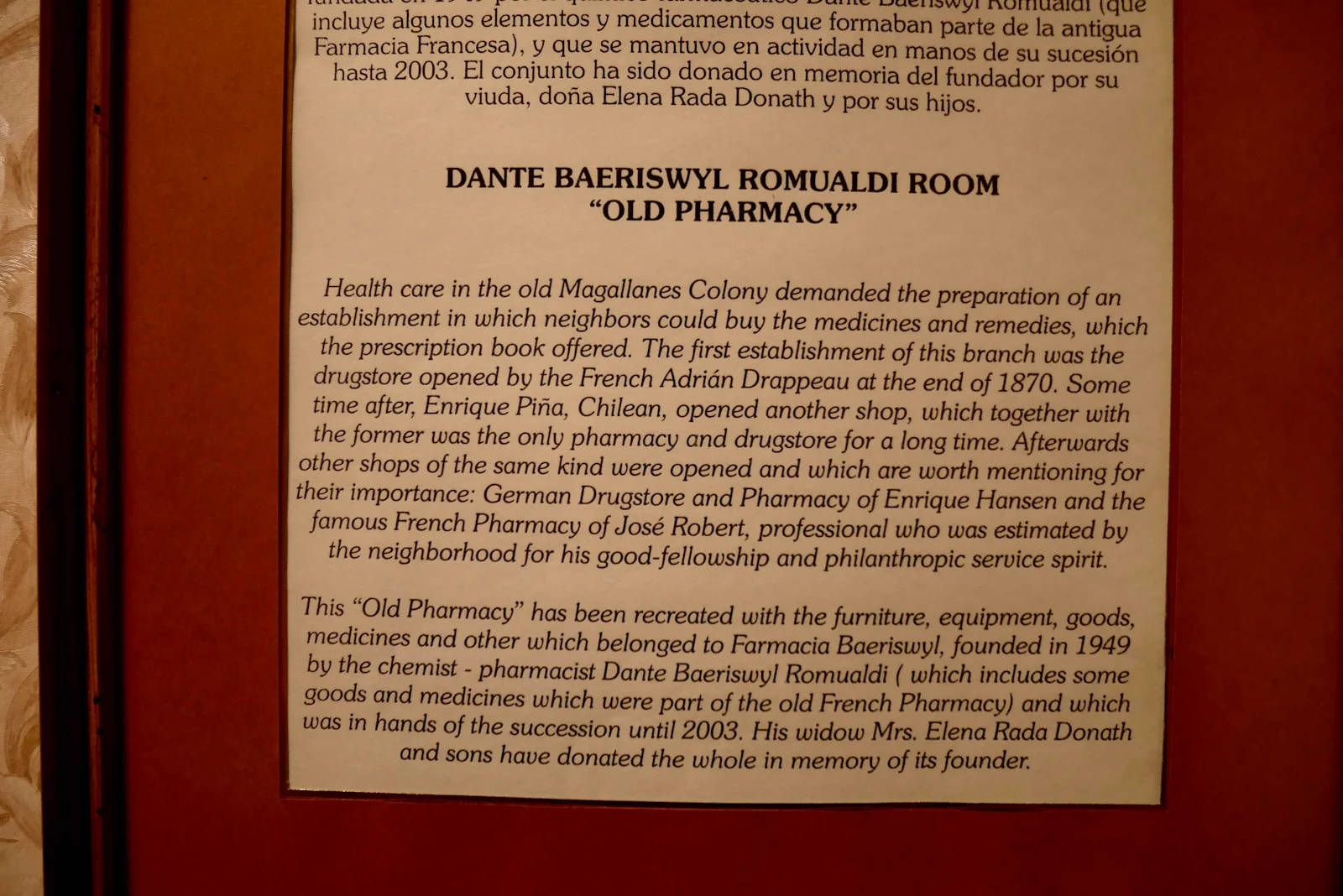
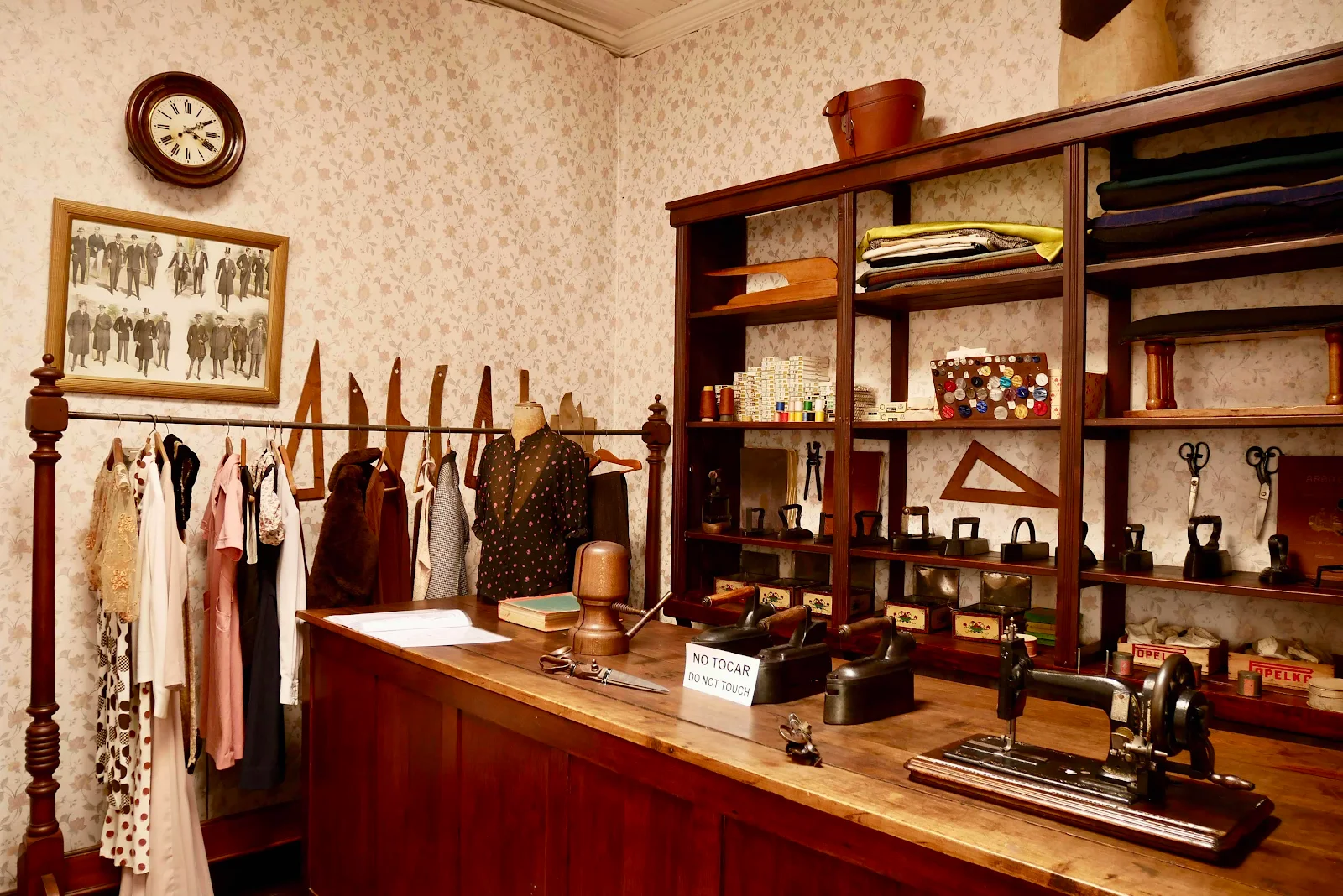
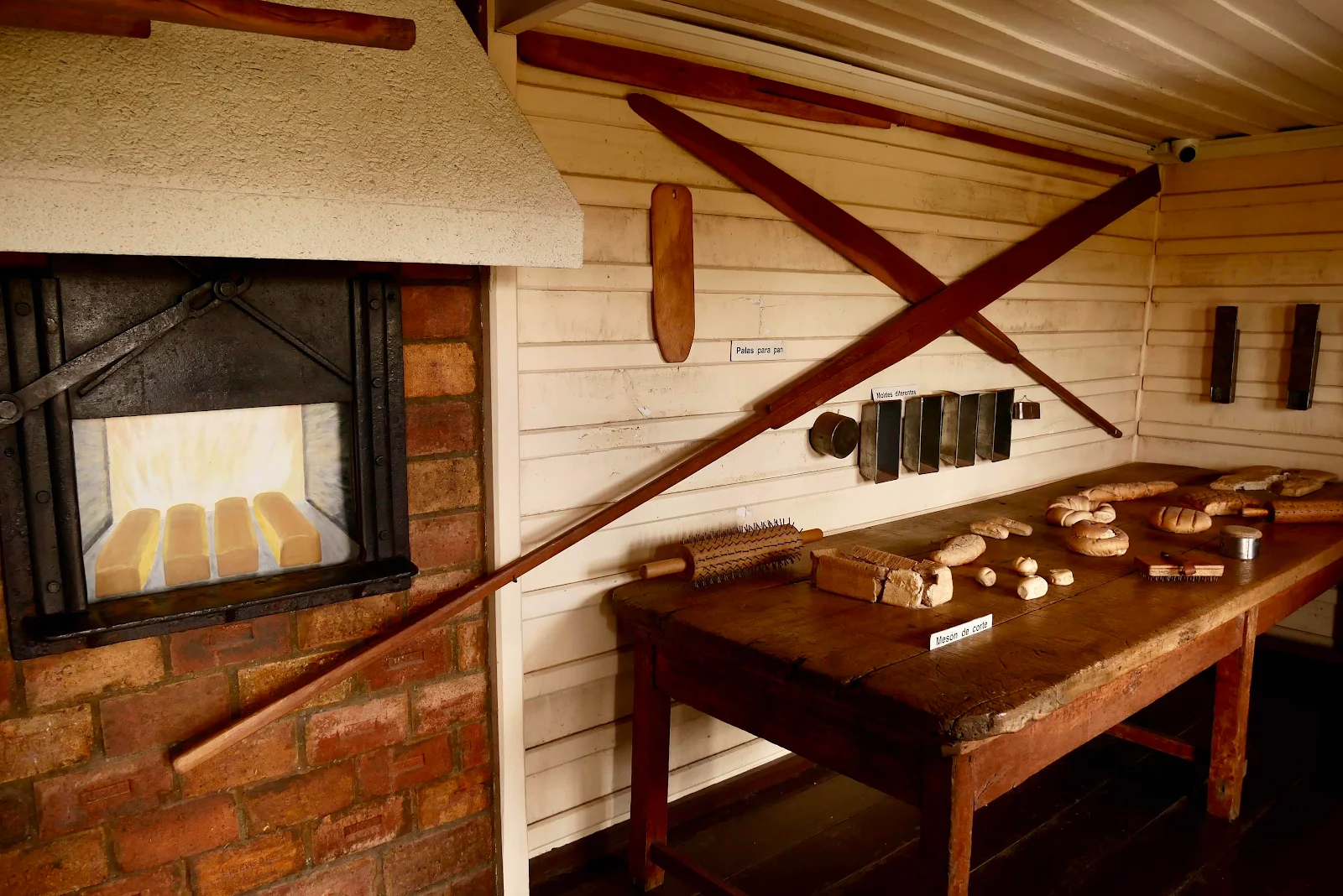
The watchmaker was Swiss naturally and his descendants donated his office to the museum in his memory. The pharmacist was French, the tailors Italian and the baker was a Slav from the Balkans. 

Webb Chiles has pointed out to me in no uncertain terms how far south we are, far further south than New Zealand or South Africa, perhaps 600 miles from Antarctica but these people lived astonishingly ordinary lives. 

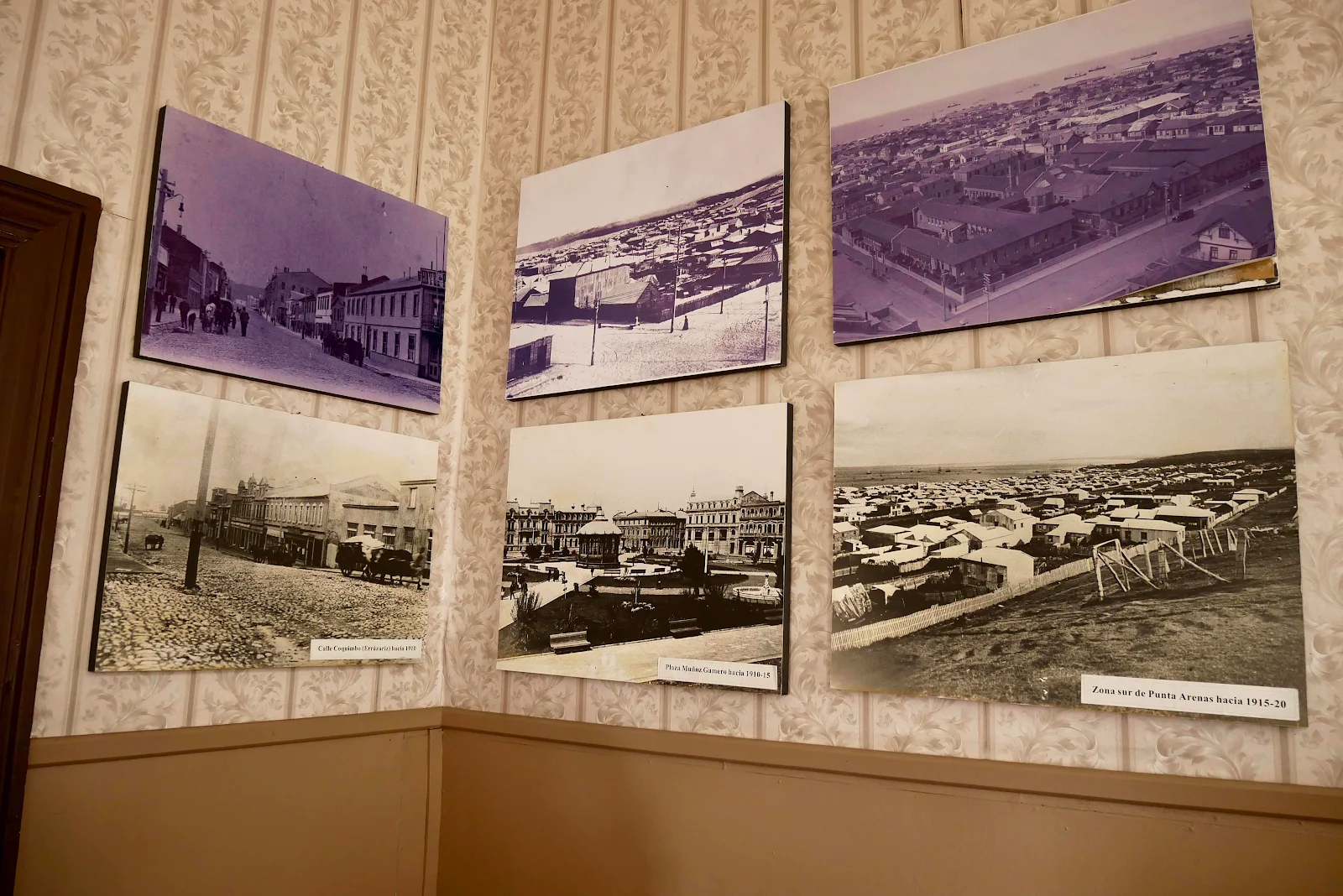
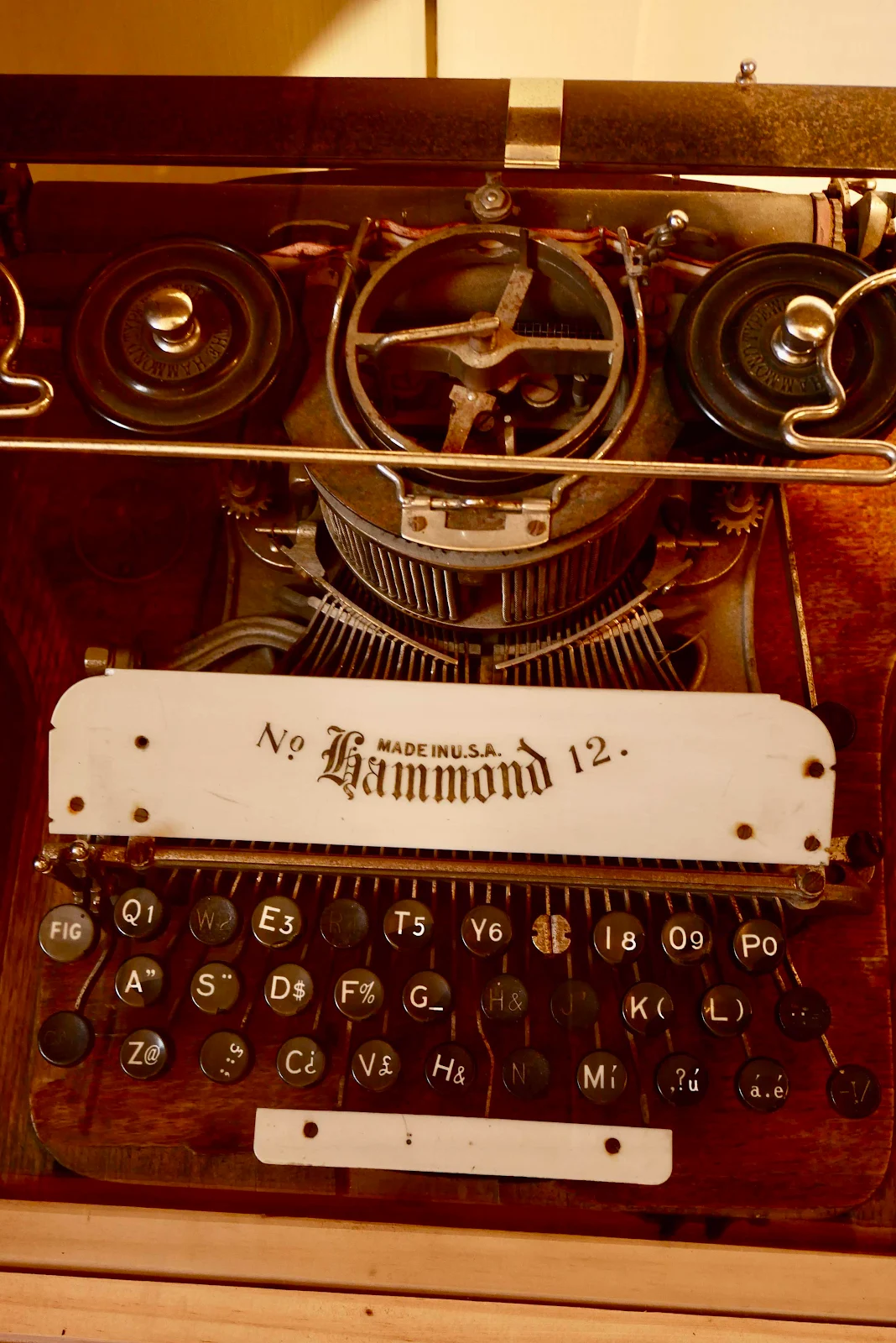
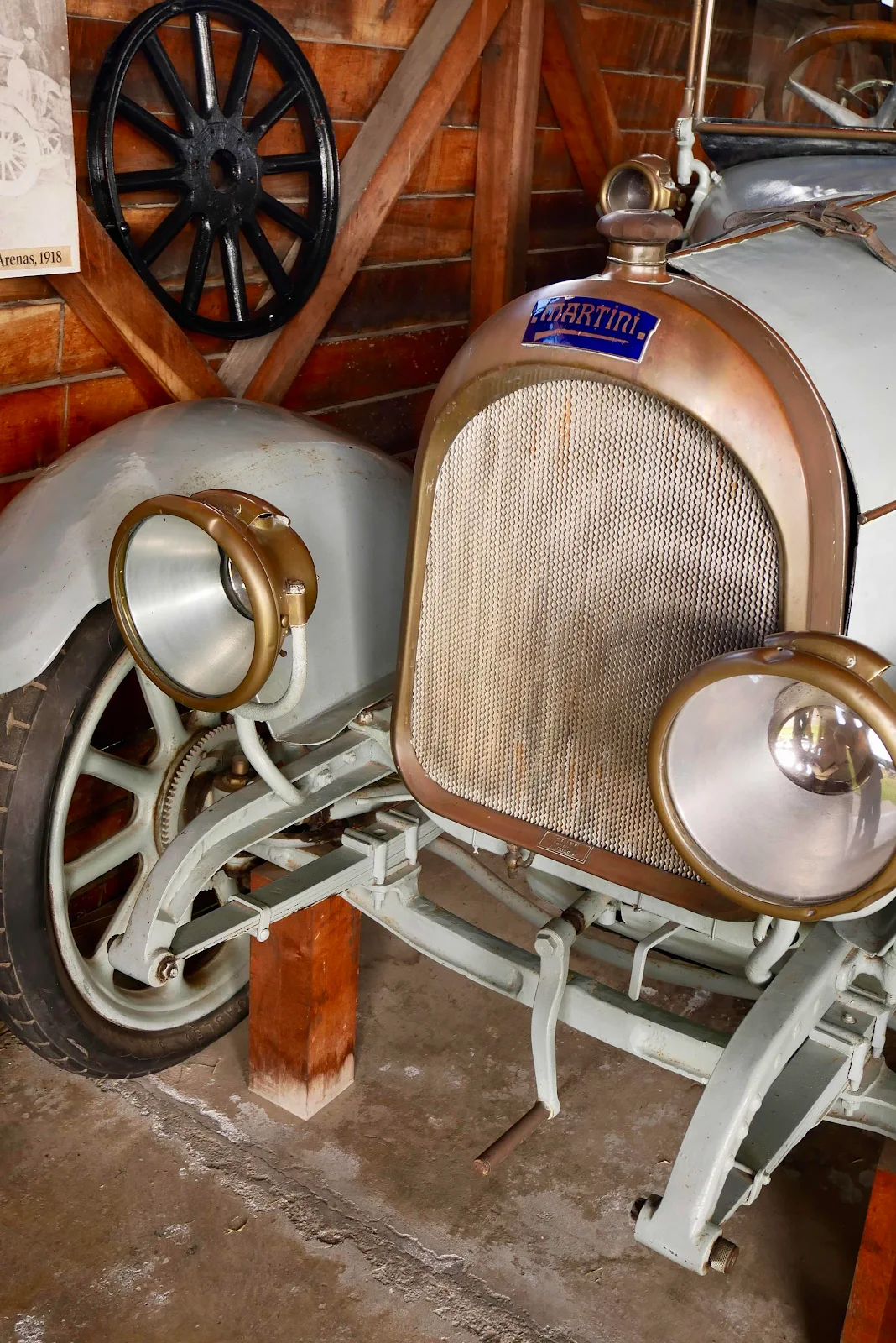
I’m not sure what I expected but they created was a town and judging by the photos and artifacts it’s a town like any you might find in that period. Streets cars and businesses at the end of the world. 

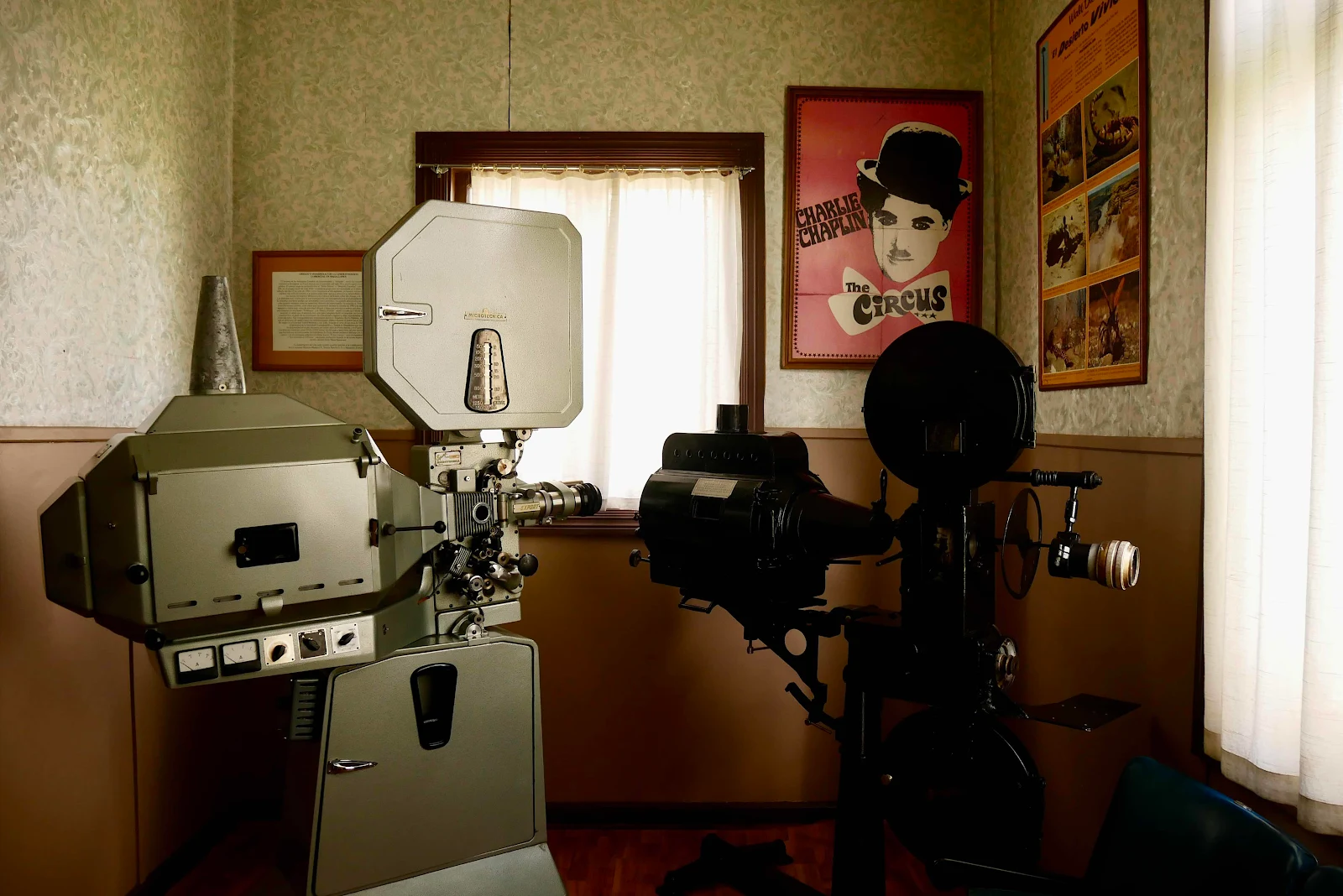
They watched movies. Imagine that. 


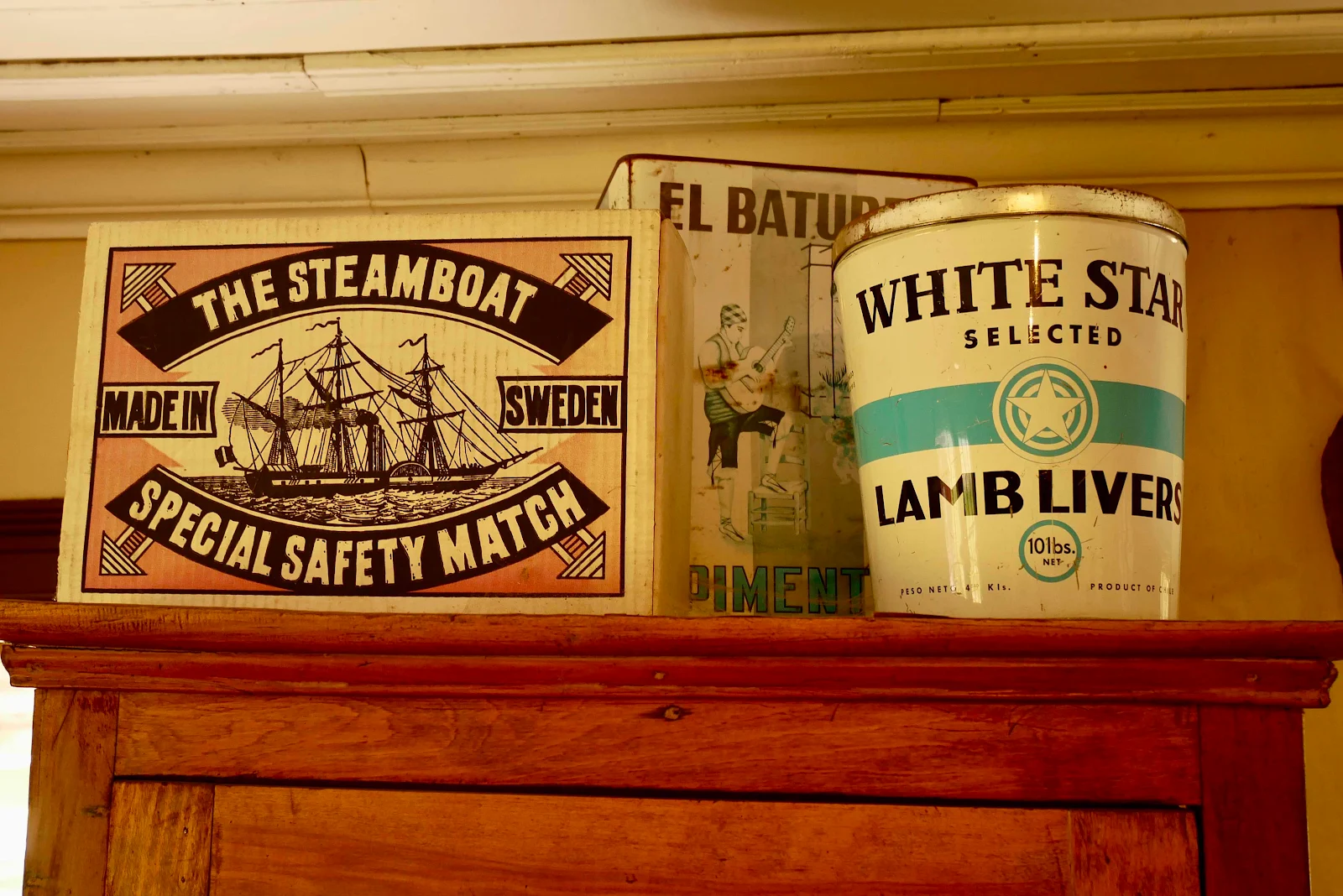
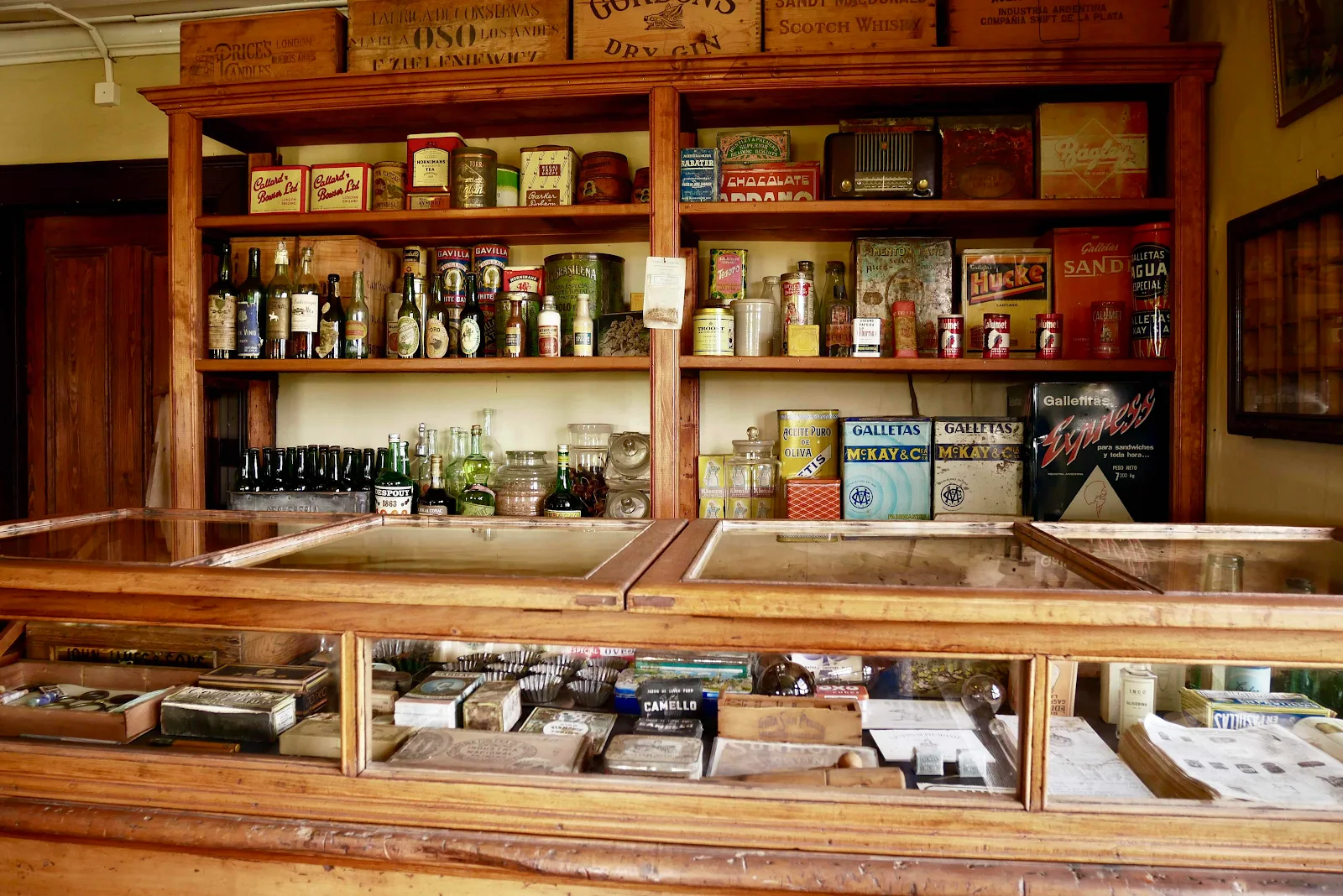
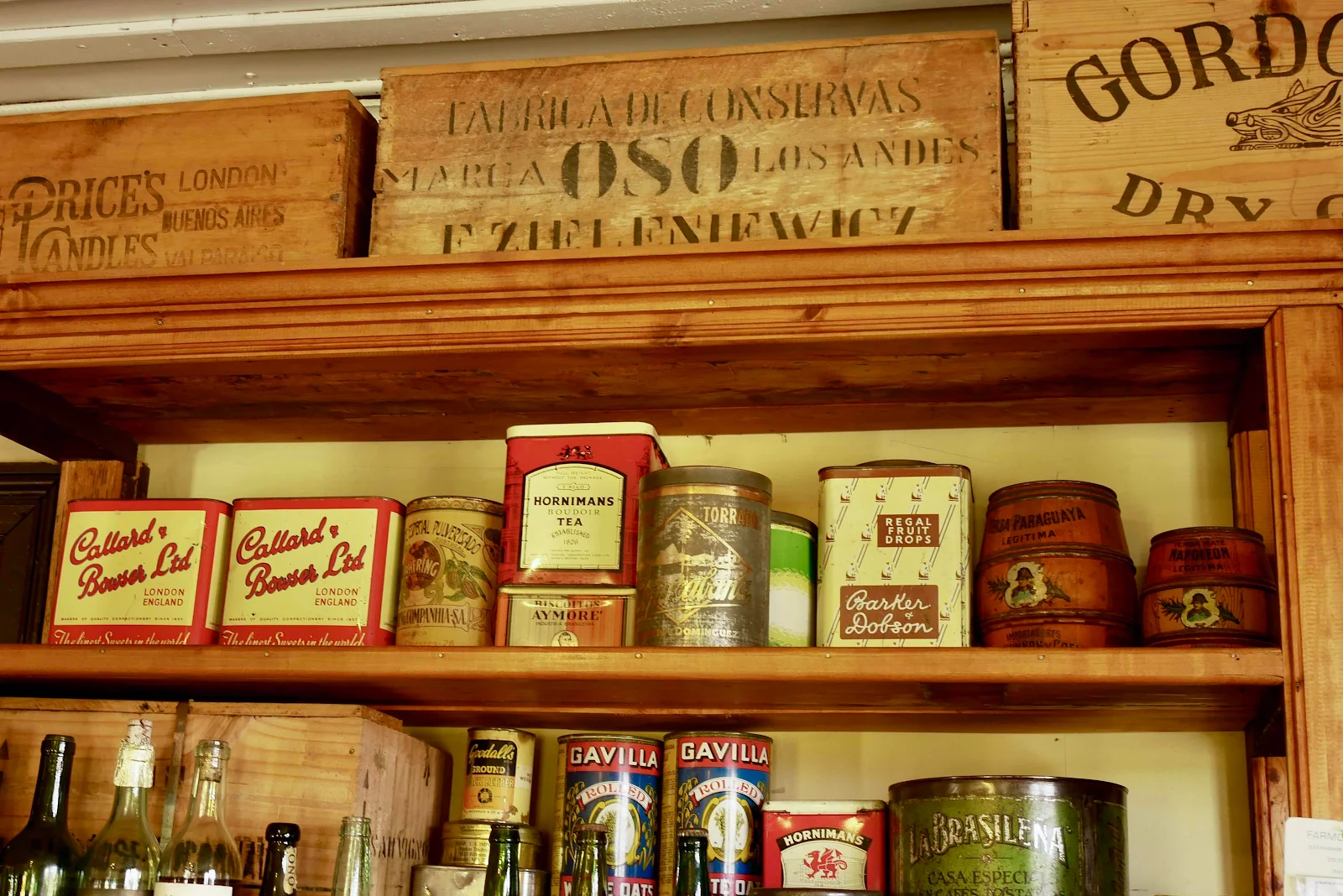
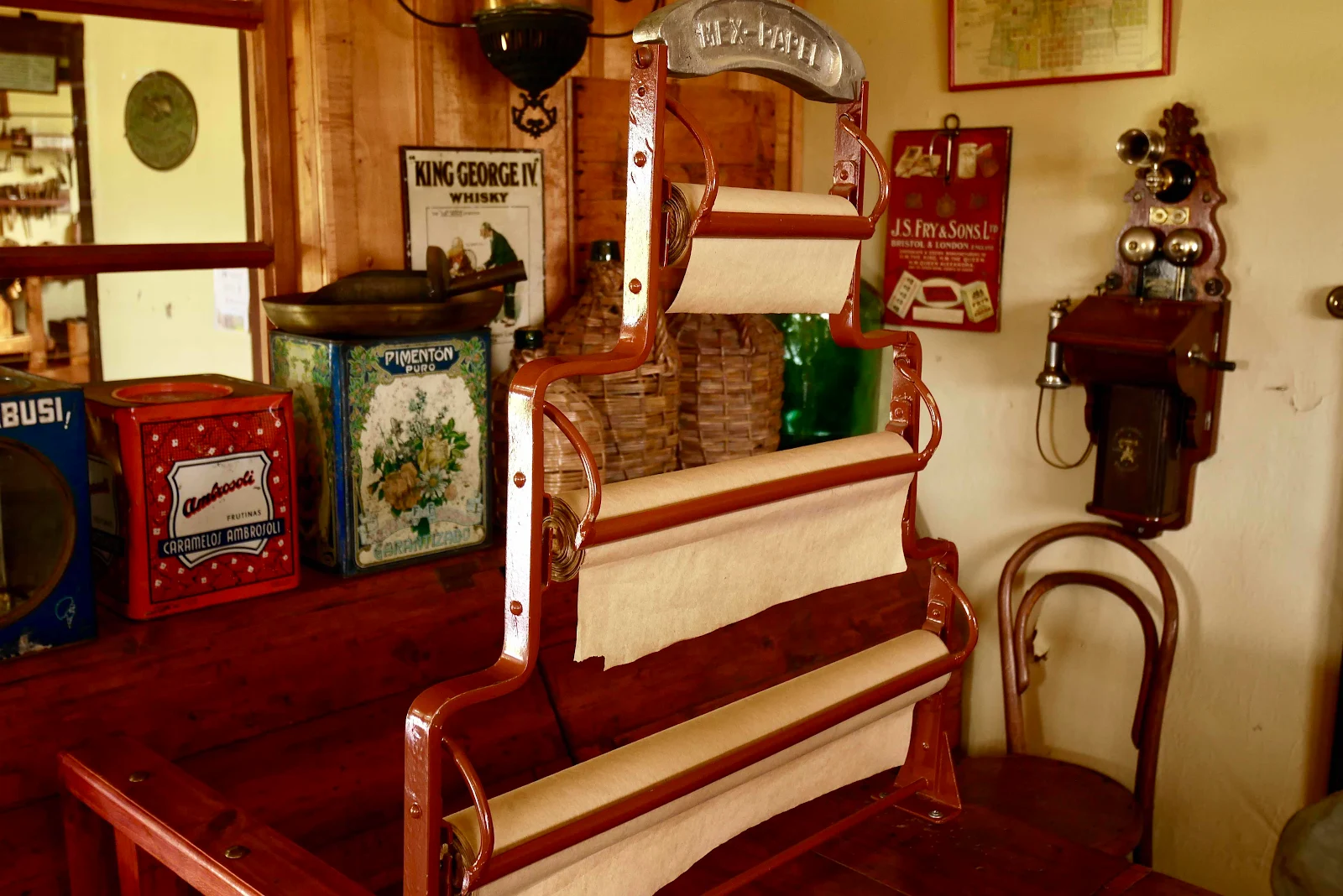
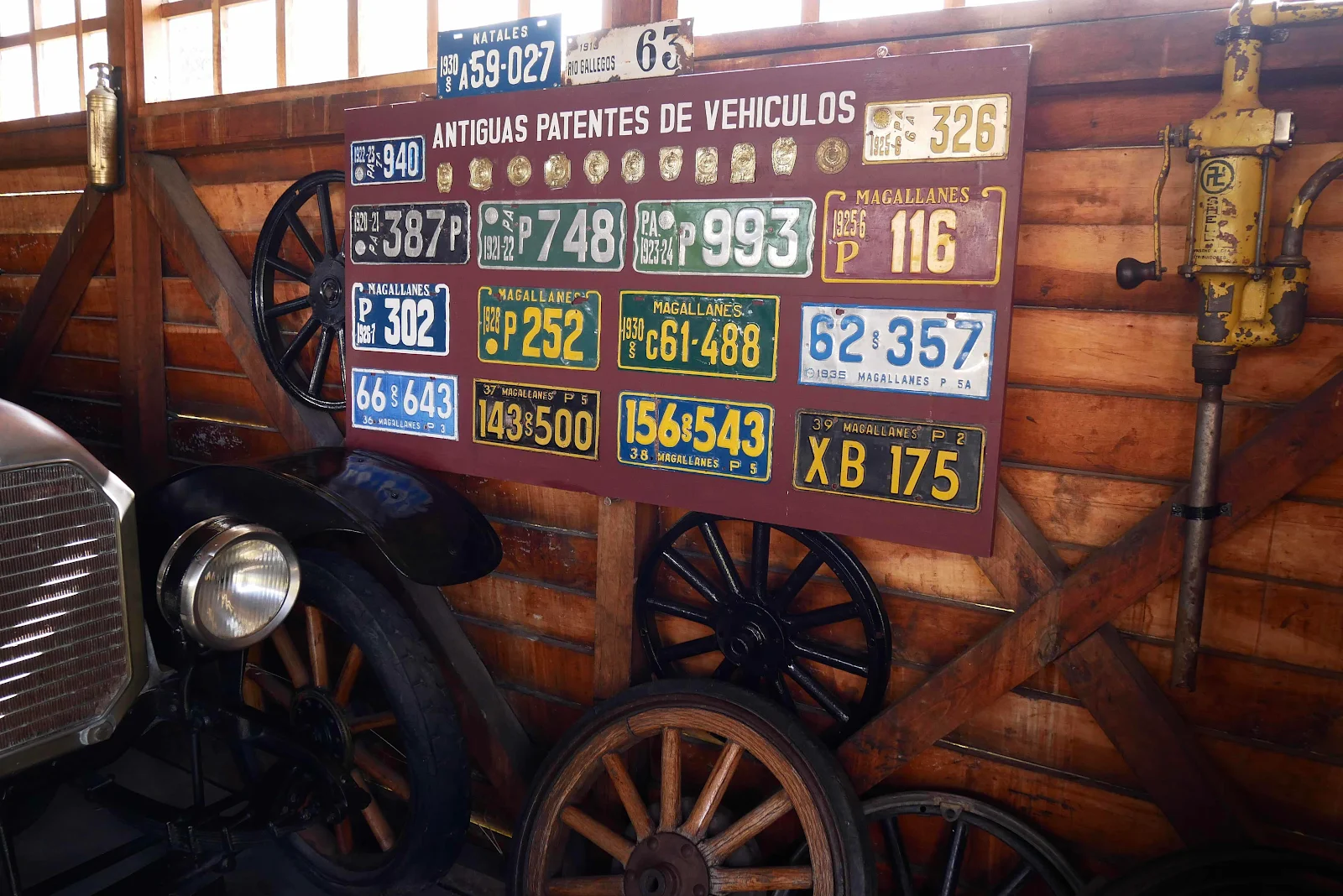
They imported what they couldn’t grow or build. 


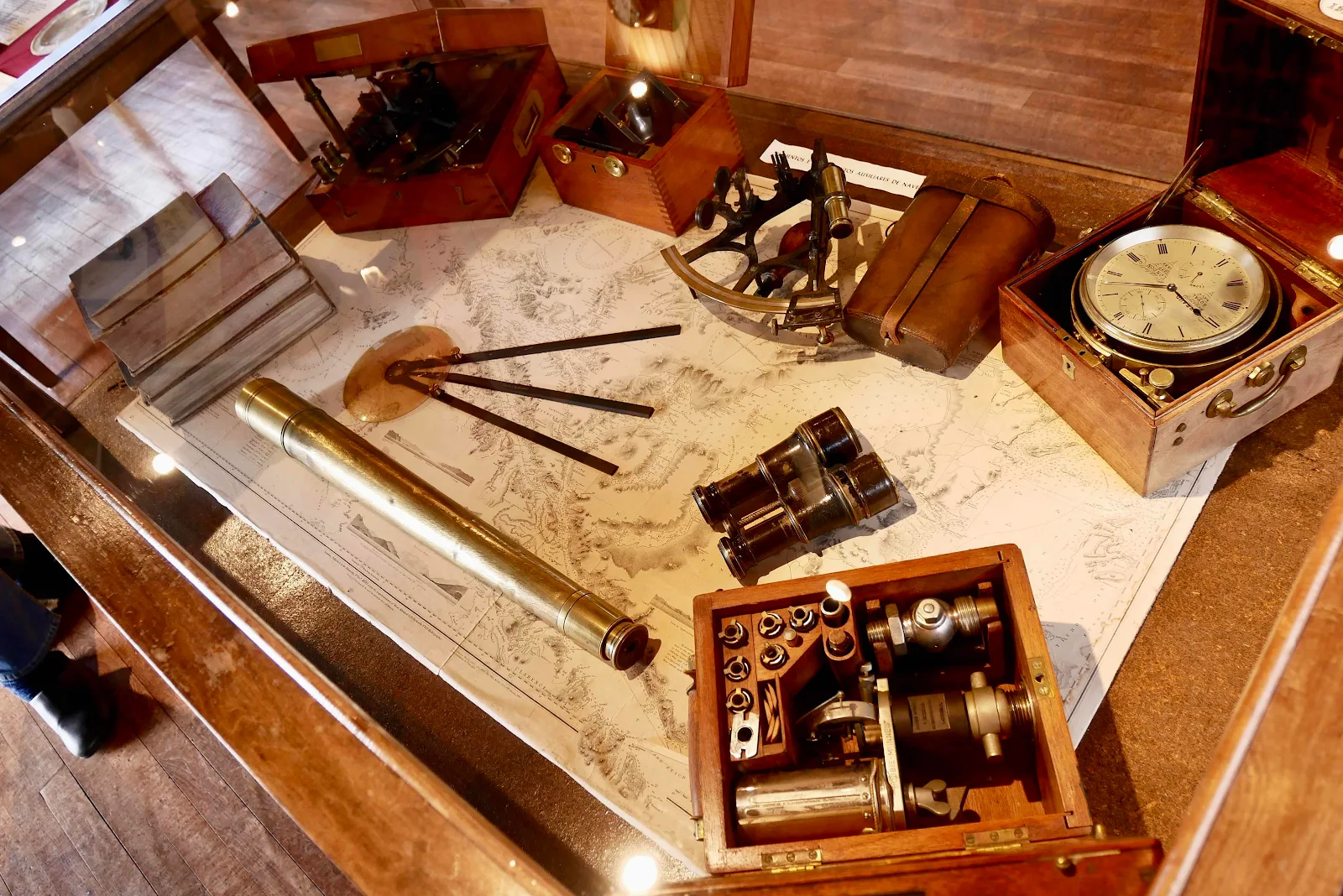
And with all the foreigners sailing around and mapping these waters Chile supported their immigrants as pioneers flying the flag and claiming the Straits.


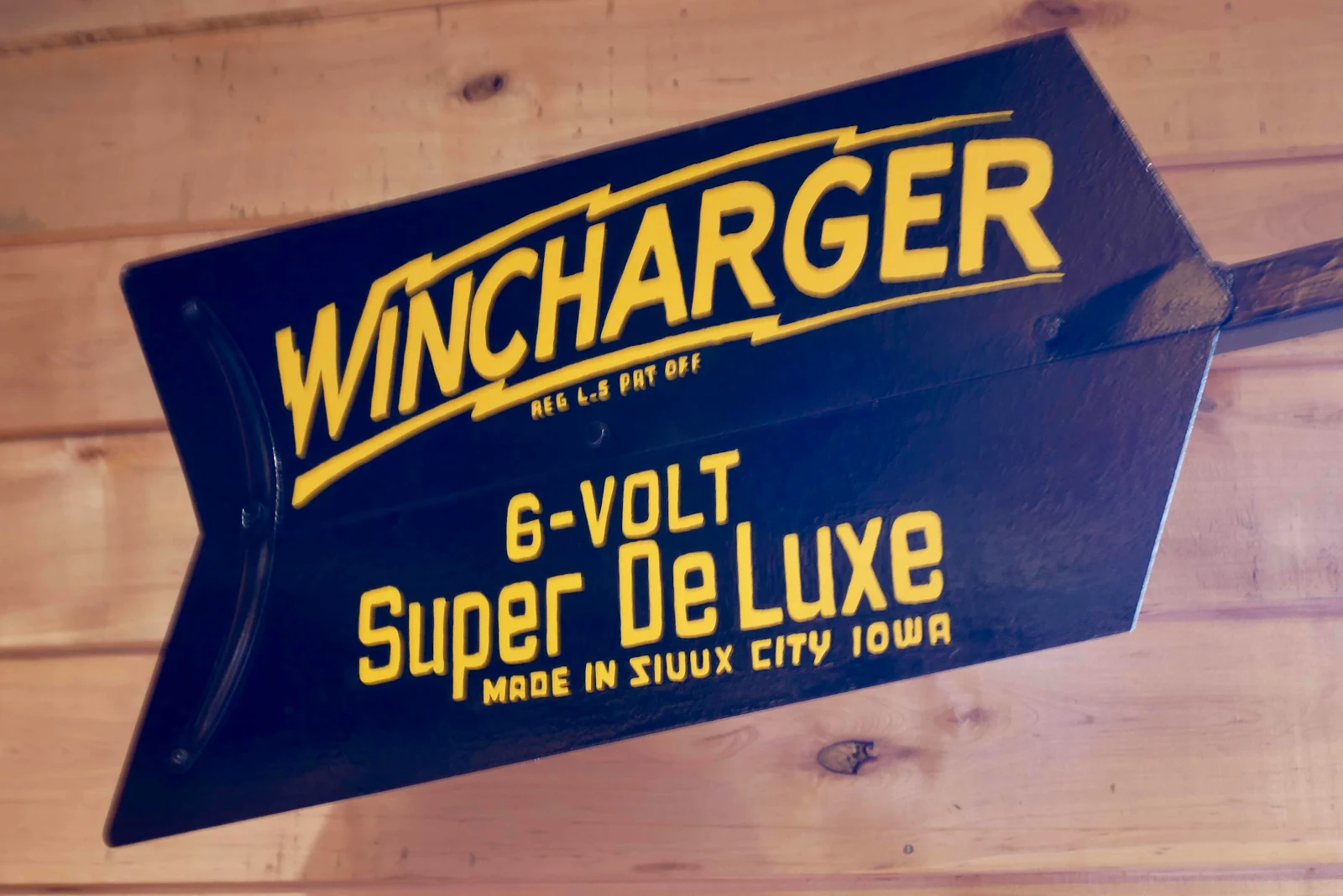
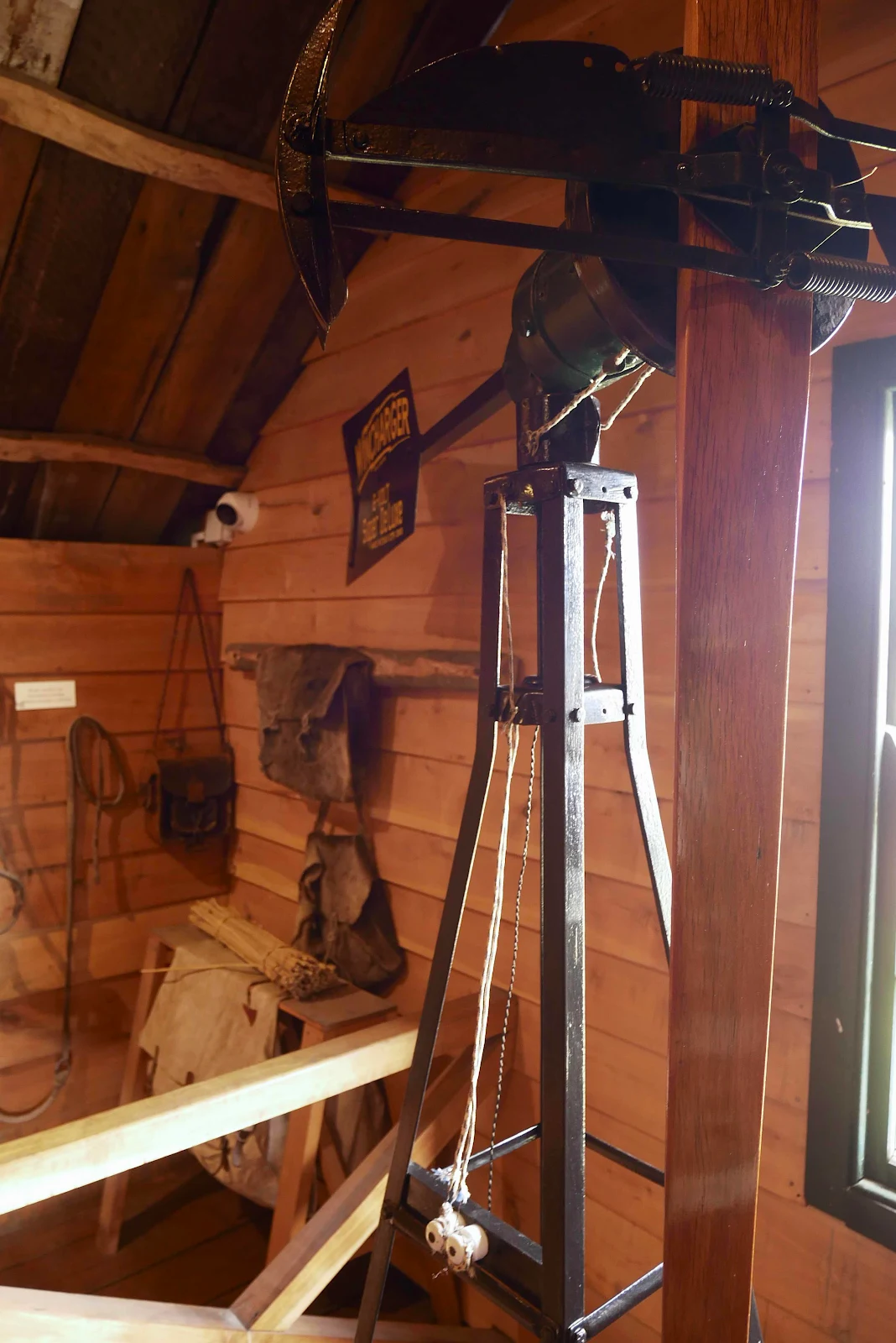
They used wind to generate electricity just as they do today. 

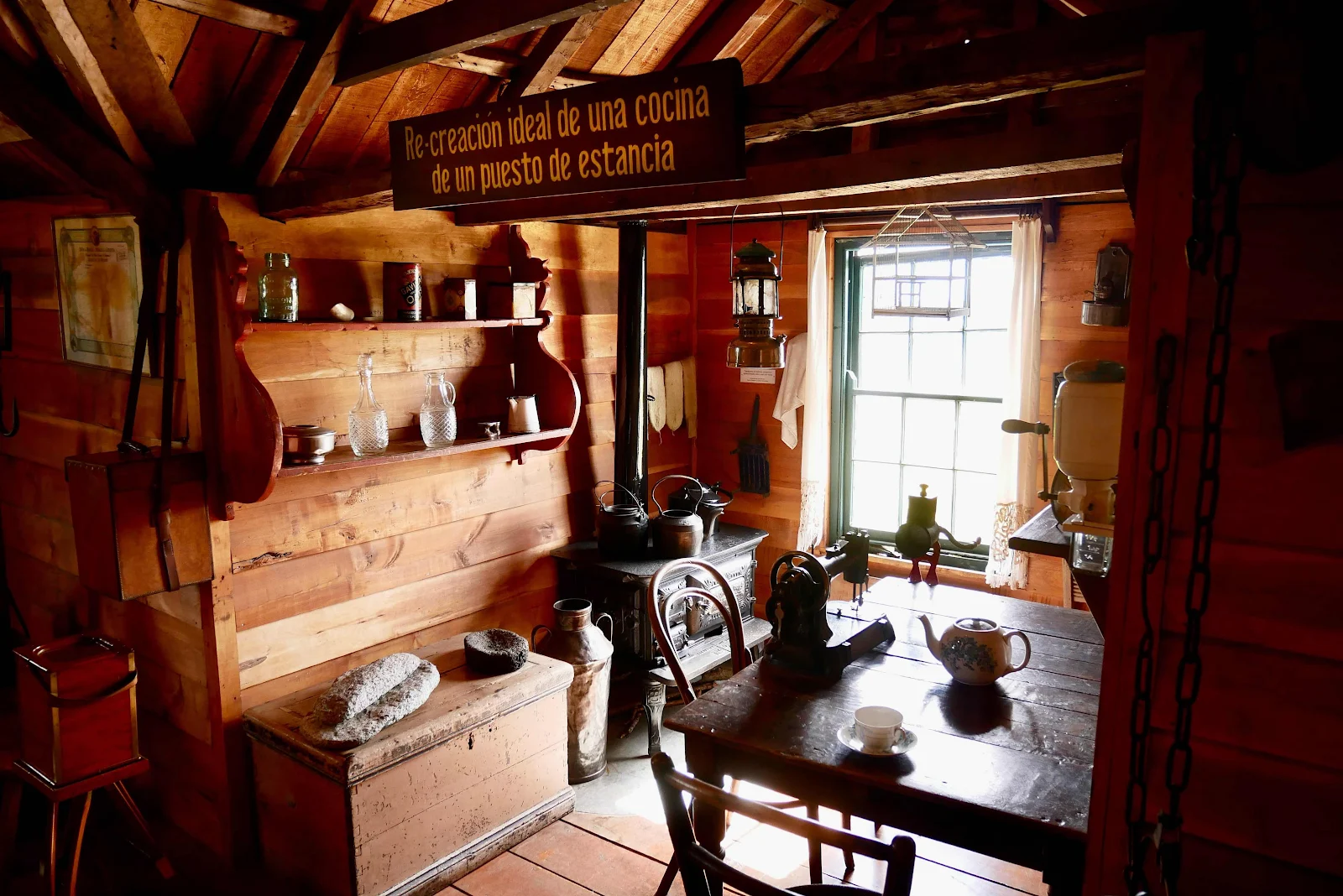
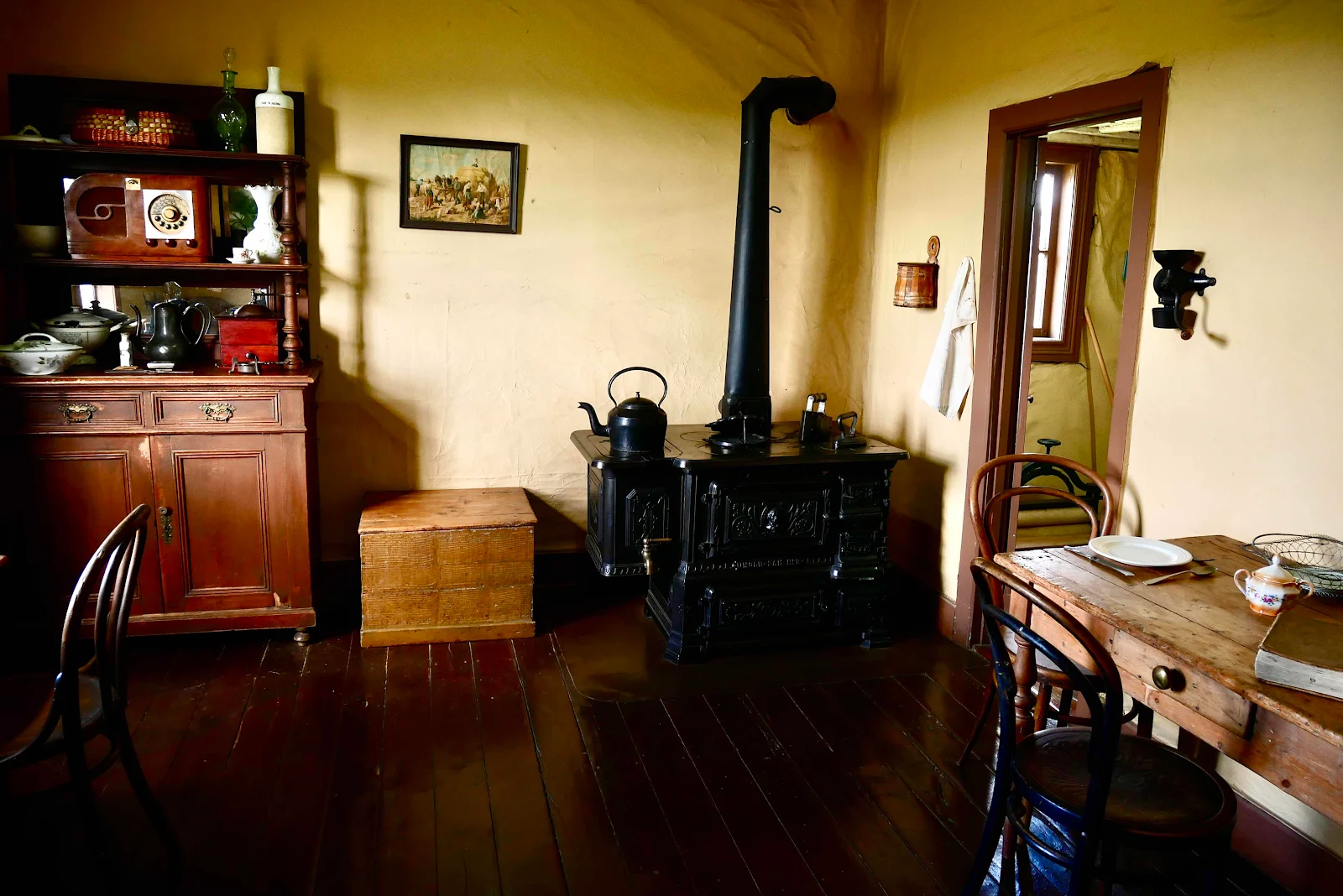
A farm (“estancia”) kitchen. 


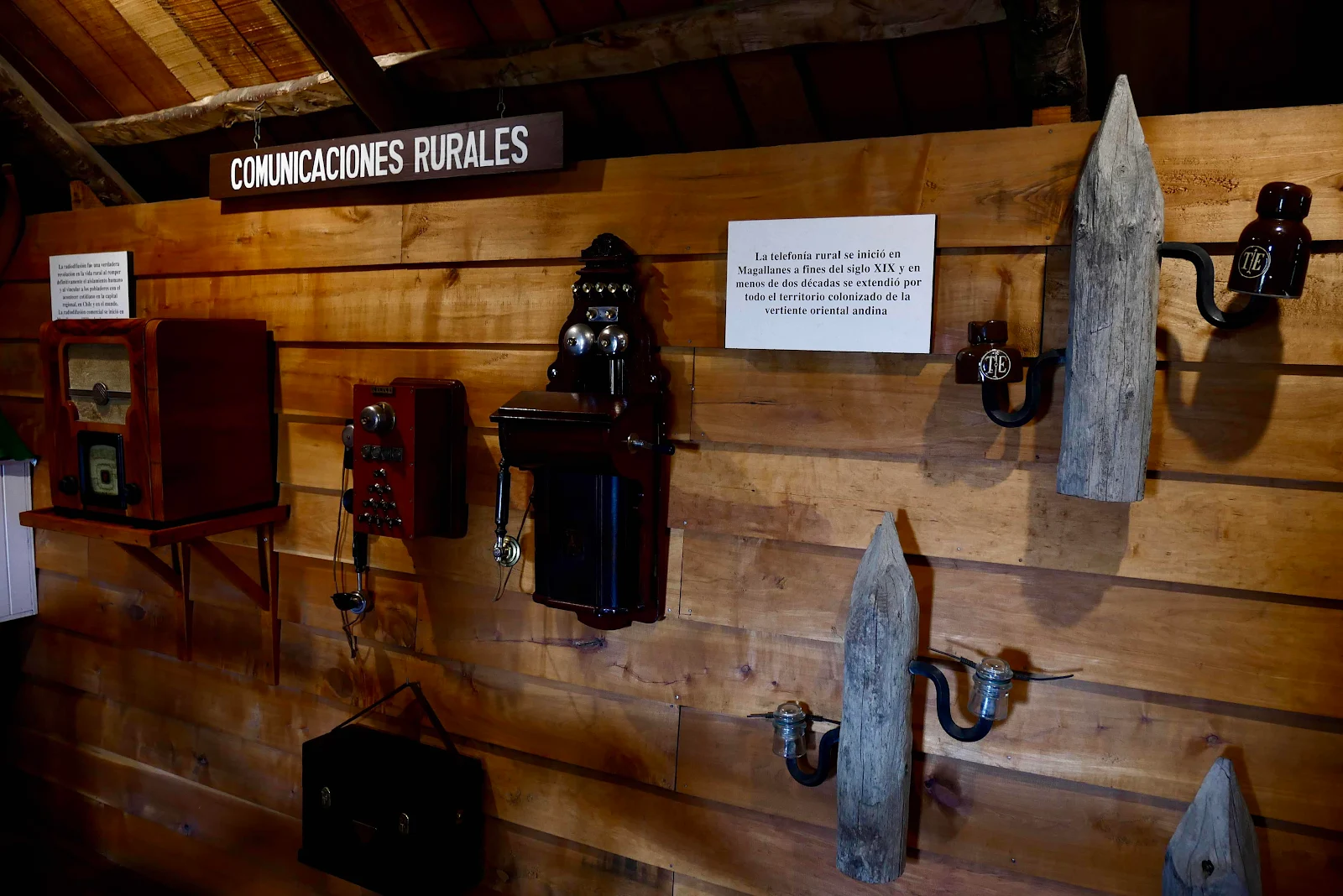
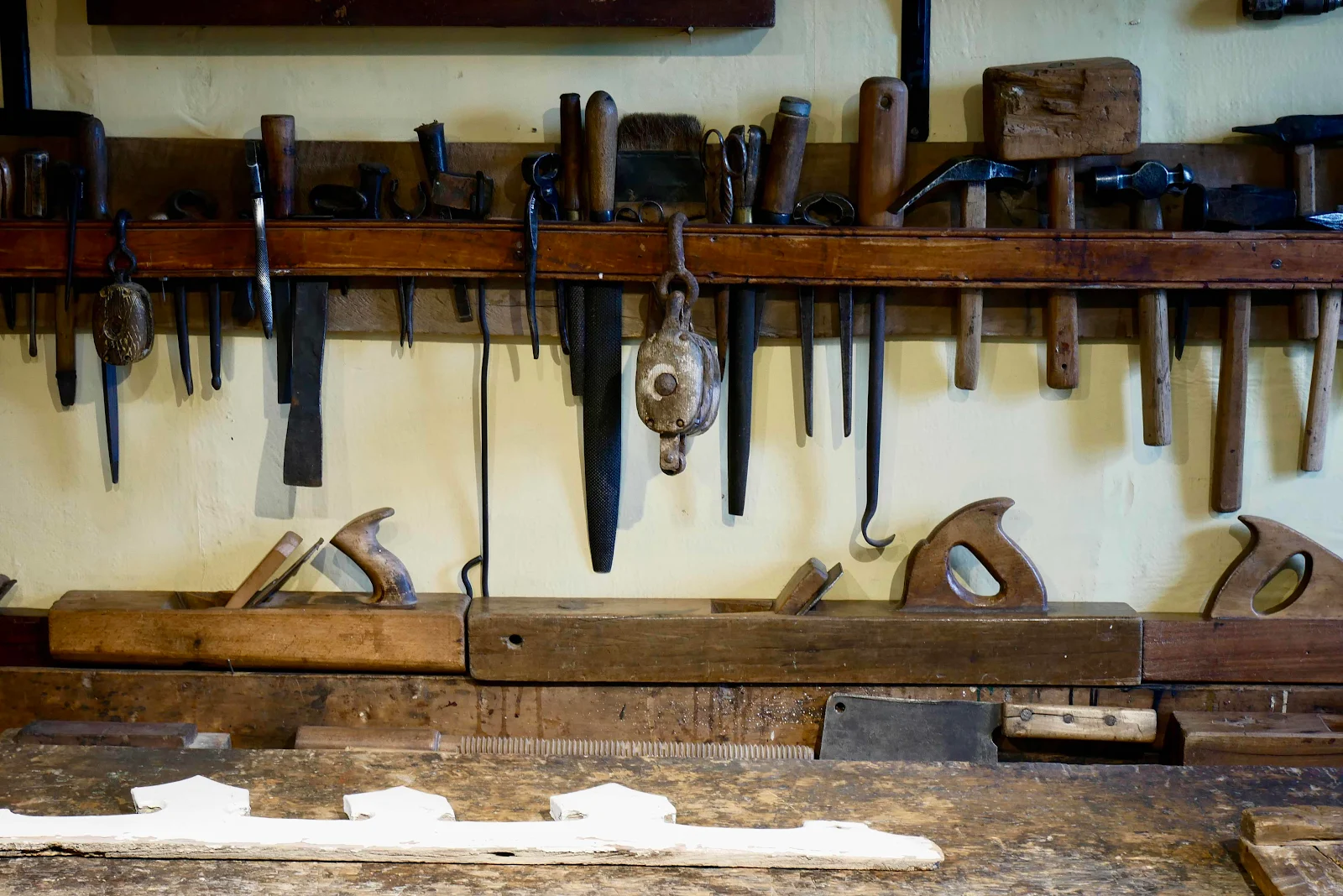
It’s a remarkable preservation of history. 


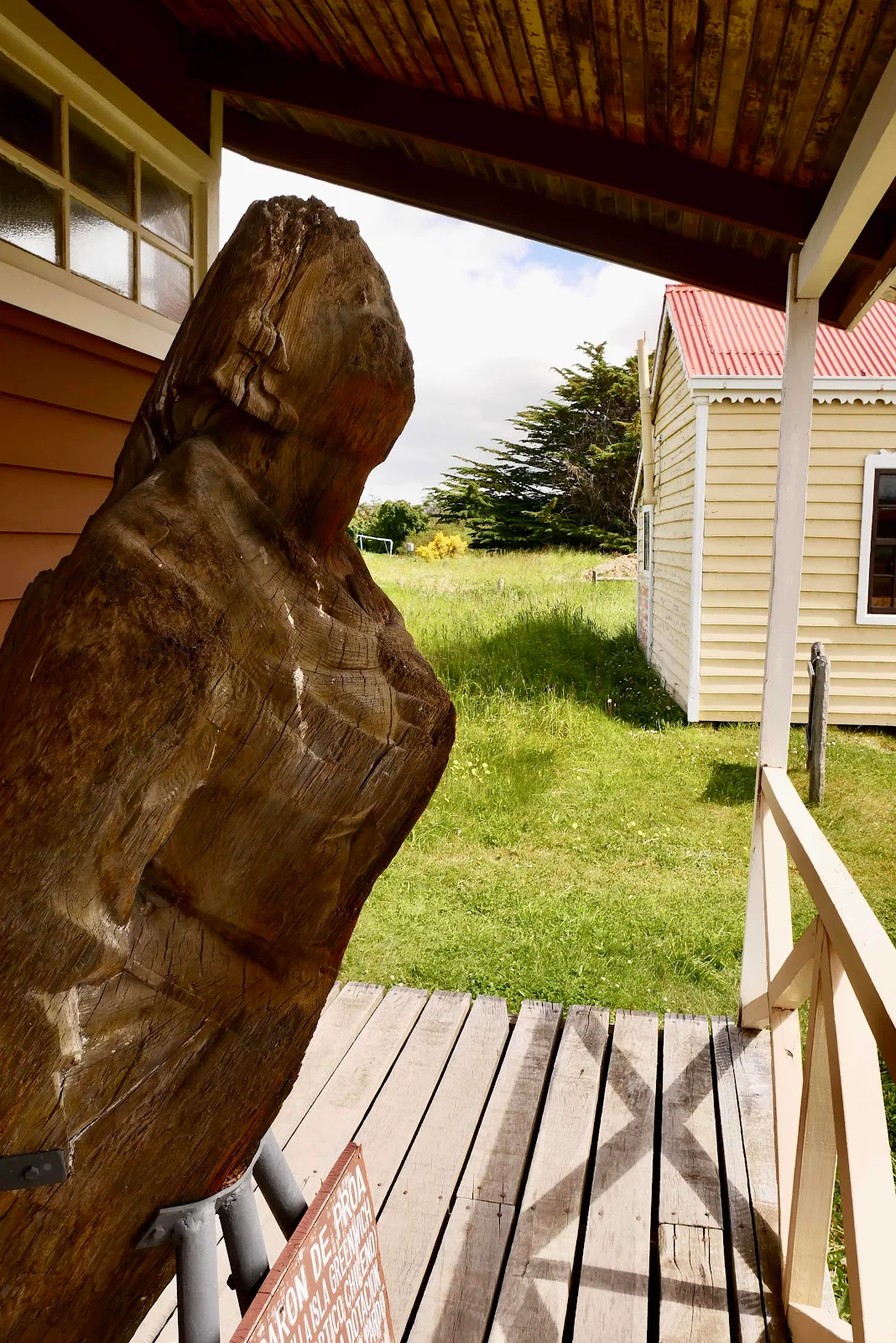
A figurehead found in the Antarctic ice. Chile claims a large wedge of ice all the way to the South Pole. 

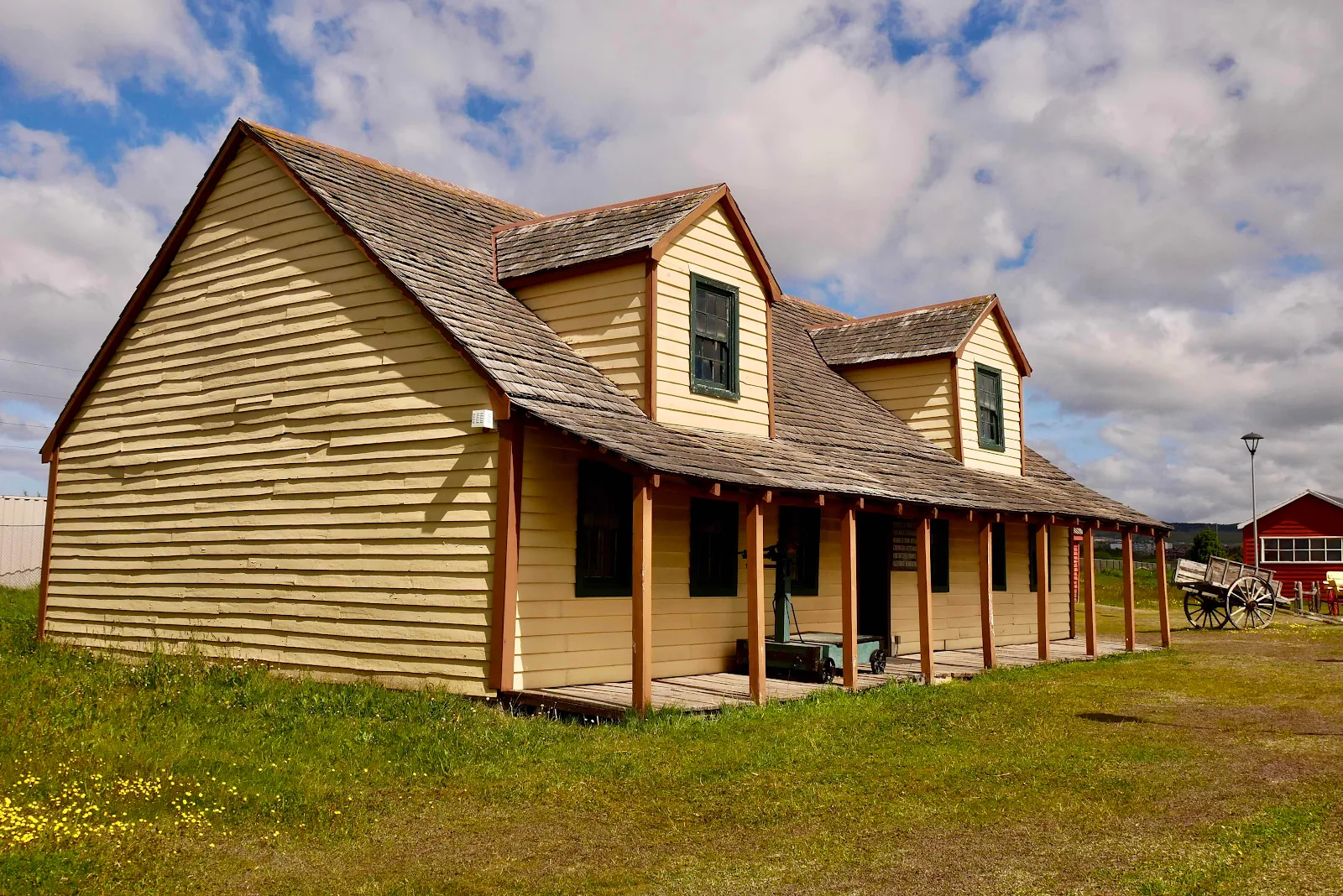
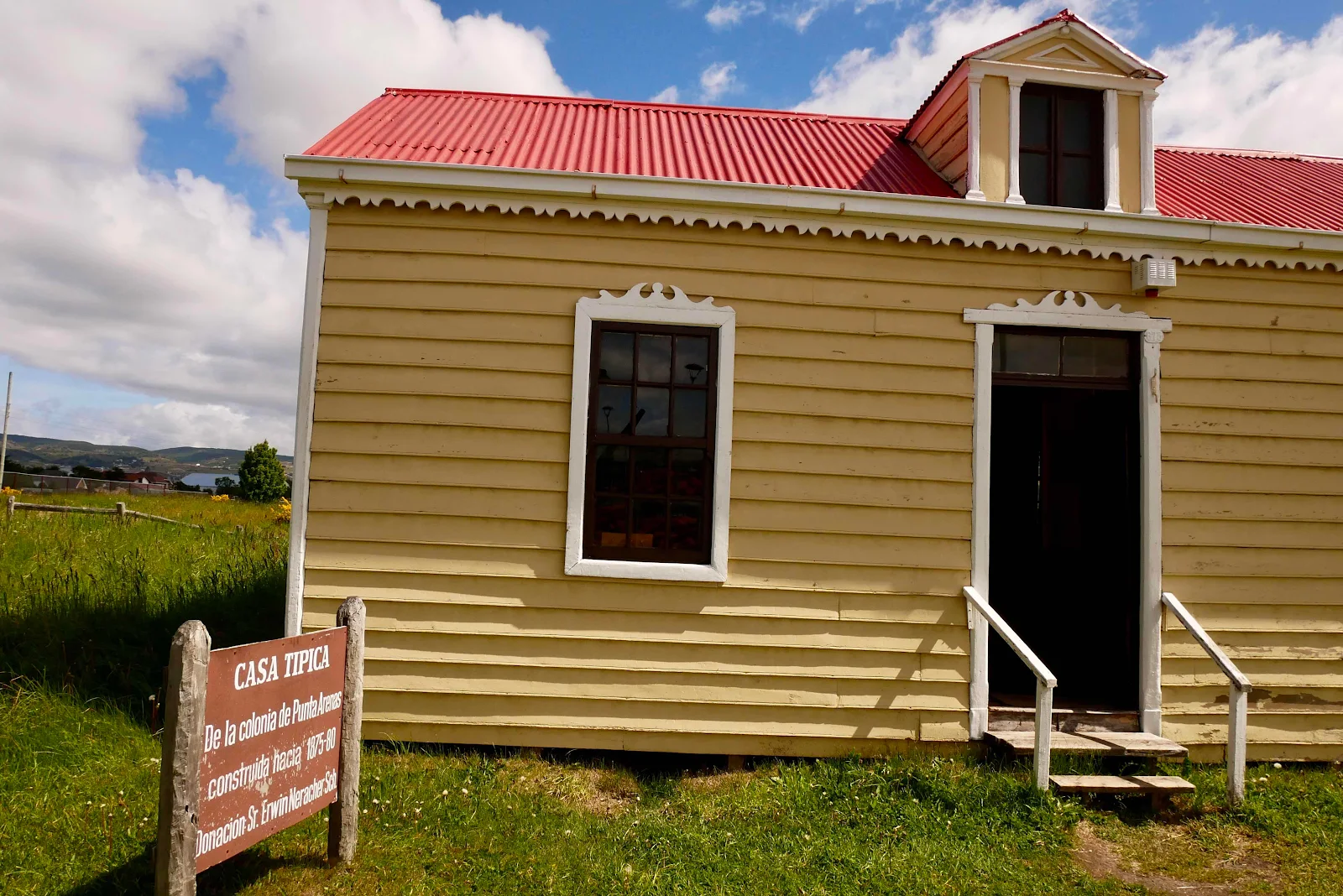
A typical house: 


And we bumped into a Belgian family we had met up north. Their van, a Mercedes minivan is in the shop for repairs. And waiting for parts. We laughed; something we all go through from time to time. 


No toilets: 

Rusty was tired and not interested in walking so he got an hour’s sleep while we walked.