
We moved on from our informal camp near Pompey’s Pillar and went out into the world shortly after dawn. Rusty and I played in the grass for a while and I hunted a rising sun picture in the middle of all that grassland.
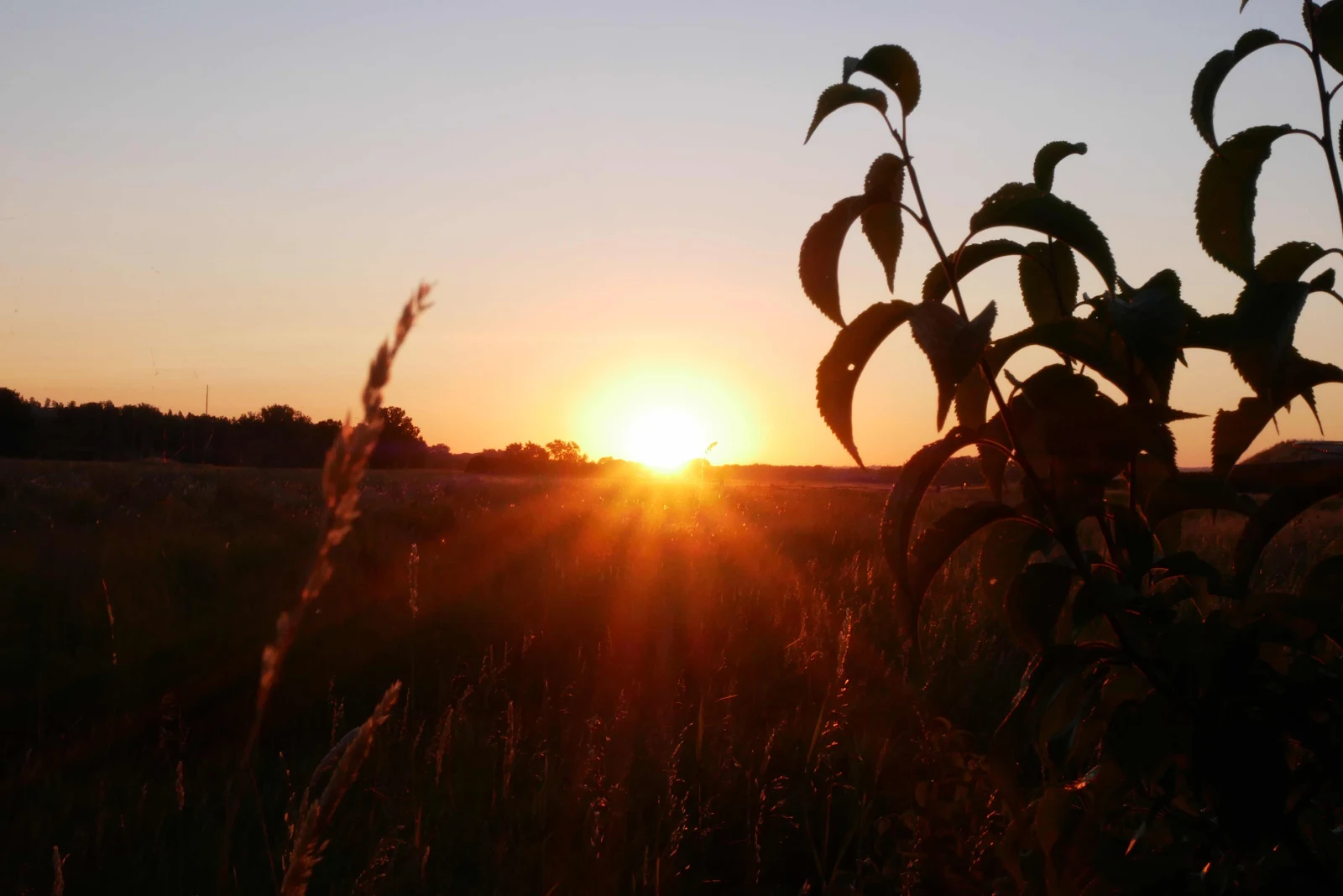
Layne never bothered to get up so off we went, Rusty my navigator and so it was we found ourselves following the blue Google line on a “shortcut” south to I-90.


We were completely alone and we rolled along at 20th crunching the thick loose gravel as we went. On a motorcycle this road would have been treacherous. As it was I watched for washboard and enjoyed the stunning grasslands.


Rusty as usual was brilliant finding this off beat backroad. Maybe he should take Layne’s job full time?

We were quite early to the Little Bighorn National Monument but not by any means alone. I parked next to the military national cemetery and took a slow thoughtful walk to the visitor center.


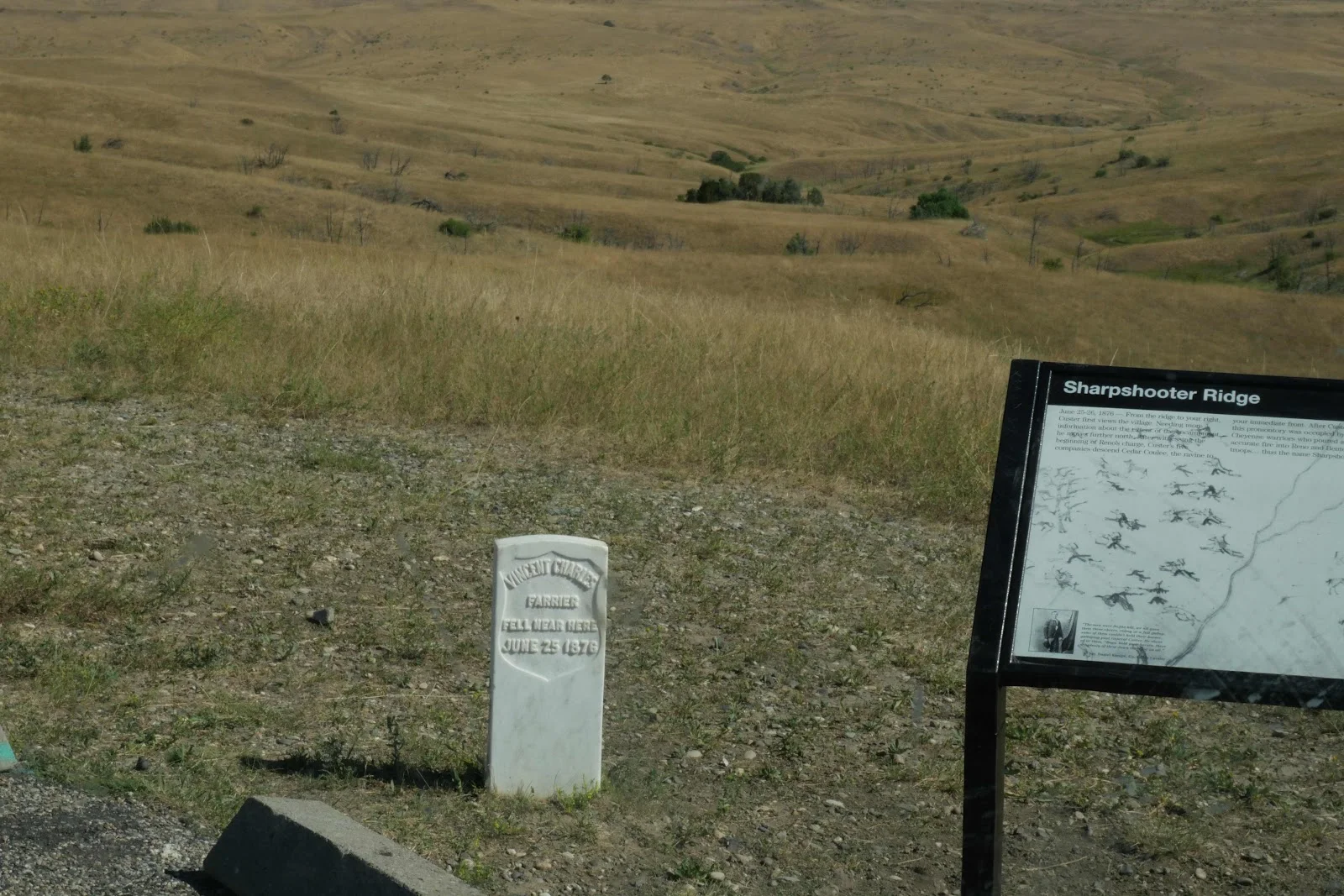
I bypassed the visitor center and its lone tombstone marker. About 220 cavalrymen died here in 1876 but 350 survived. A handful of Sioux and Lakota of the almost 2,000 warriors died. Archaeologists have dug the land up and located artifacts and human remains to confirm eyewitness accounts.

The Little Bighorn river marks the site of a battle and notably a loss by the US cavalry. Nowadays it’s become a site of reconciliation with much talk of peace and forgiveness and so forth. At the time the defeat of the 7th cavalry shook the expanding United States.

Masks were required inside the visitor center which Layne toured later while I took off on the ravine trail. We walked up to the Last Stand Monument and tried to make sense of this place.

The tombstones mark the locations more or less where bodies were found. A lot of them scattered all over the hillside are labeled without names. The bodies themselves are now under the monument:

It was difficult to understand the development of the battle as we were approaching it from the obvious end, the one nearest the entrance but the battle was actually fought starting four miles away at the opposite end of the monument.

I figured all that out after we split up and Layne toured the visitor center and I walked the trail that marks the final desperate flight of three dozen survivors of the massacre at the last stand.

Like everything managed by the National Parks Service this evocative place is beautifully curated and managed which doesn’t explain my fascination with Little Bighorn.

About three dozen soldiers broke away from the last stand running down hill in a desperate bid for safety from their Sioux and Cheyenne tormentors. They made for a cleft in the bare hillside that ran up from the Little Bighorn River.

As you walk the trail you pass markers showing the location of the fleeing soldiers cut down by their pursuers. It is a ghastly trail reeking of terror. What would I have done? Played dead? Died heroically? Run till my lungs burst?

On the hill above the Last Stand where most of Custer’s 220 men died. Scattered across the hill the marks of the running men who managed to kill but two of their pursuers.

When I was a child I was given a board game based on this historic turning point in the Indian Wars of the late 19th century. I found it on eBay for sale for $130 which seems absurd but nostalgia has taken flight among us aging Baby Boomers. From the memory of this rainy afternoon pastime grew a desire to see the actual place.

Sixty years ago the subtleties of war and conquest, the reality of deaths in a field of “ greasy grass” as this area was known were hardly of any interest. But here I stood rooted to the spot. The end of the battle.

The illustration evokes the time and the manner of the last few minutes of struggle for life.

We met back at the van which I reached with a walk-in back through the cemetery.

Dogs are not allowed out of the car at the monument. I had walked Rusty before we arrived. He did not enjoy being left behind; he never does.

You’d think a visit to this national monument might take an hour of your time but we spent three hours here walking and wandering and thinking. In addition to the battle site there is now a monument to the other side in this battle complete with survivor testimony band pleas for peace.

As with so much from that period there was a disinclination to listen to or believe the eye witness accounts of the battle from the survivors who happened to be a Native Americans. Archaeological study of the remains and artifacts dig up at the battle site have confirmed their stories.

The battle as has been noted, was a victory for the Sioux and Cheyenne but far from provoking a path to peace the battle caused the US government to double down on its efforts to corral and destroy the Plains Indians. You can imagine the outrage at the news of the defeat.

Custer’s career was taking a big wobble and his flamboyance had irritated his superiors. He was an acting (“brevet”) Major General looking for a victory to secure his promotion. Instead he died heroically and thanks in part to Buffalo Bill’s roadshow his legend has endured. I heard of him as a kid so you can imagine how far and wide his memory is retained.

The Indians suffered ignominy, the bison were wiped out and the railroad barons made a fortune opening up the West. Not precisely heroic but Little Bighorn has preserved a memory for us of those harsh times we were privileged to avoid. As we drove the smooth paved road to the far end oft he Monument I was acutely aware of my good fortune in being alive today.

If I ever go back to this spot I will visit the Monument in reverse. First I will drive through the visitor parking lot and up past the Last Stand Monument and I will take the time to drive the winding four miles to Reno’s position off to the other end of the ridge.

Crow scouts with the Seventh Cavalry found the huge encampment of Sioux and Cheyenne rebels who has left their reservation after the Black Hills treaty was torn up in favor of gold miners who had found precious metal in “ them that hills.” The village of about 10,000 was in the wooded valley of the Little Bighorn River.

Custer underestimated the number of warriors, believed to be between 1500 and 2,000 and he split his cavalry unit of 350 soldiers into two main columns. Major Reno took his unit of 175 into the village first and got trounced.

Above you can see the hills in the background 14 miles from the battle site where Custer was patrolling looking for the renegade Native Americans. This ridge is where Reno and Captain Benteen brought their soldiers and formed a square to fend off the Indians who were now attacking to defend their camp.

Custer and his group went further along the river figuring a pincer movement in classic style would finish the battle refusing to believe the forces facing him were as overwhelming as his scouts warned him. His hubris saved Reno’s men as the warriors broke off to stop this new threat to their camp.

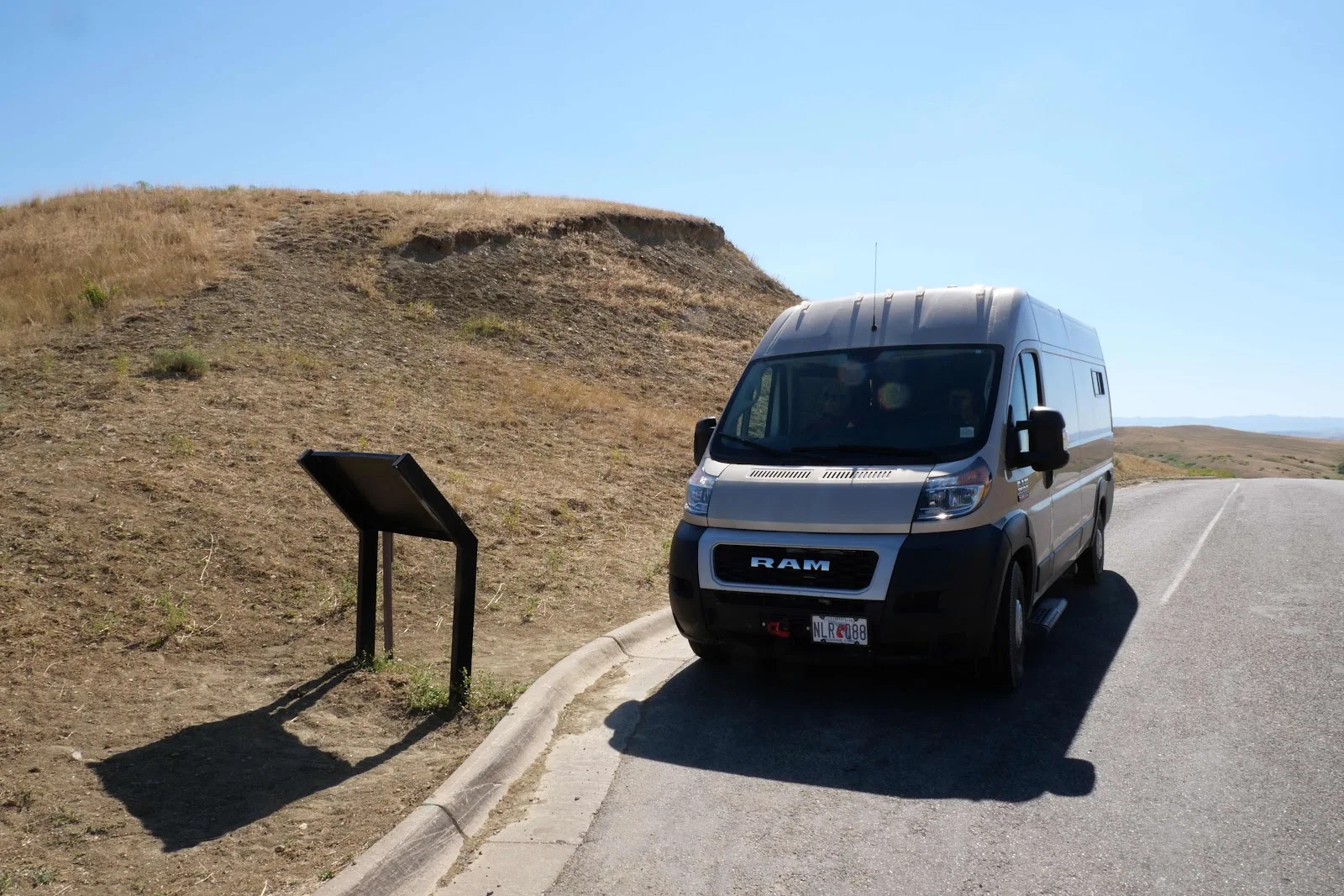
Reno sent Captain Weir and D Company to help Custer but Weir stopped on a hill that now bears his name and realizing he could not break through the Indian lines watched the battle play out from three miles away. Weirdly I parked GANNET2 right there on Weir Point 216 years later. The distant trees mark the Last Stand location.

I count myself lucky to live in a time when these things don’t happen in our backyard anymore. I listen to the rhetoric of the disaffected calling for a new civil war to right perceived wrongs and I wonder why peace breeds the desire for war.

How much happier was I to wave to passing tourists as I pulled over to let them by, to listen to modern day Native Americans touring this site of victory discussing what they see than to feel the need to shoot them.
We stand on the shoulders of giants, people brave enough to explore like Lewis and Clark and strong enough to cross these plains, not in a 286 horsepower air conditioned van with running water electricity and Internet in perfect safety, but in covered wagons with no certainty of arrival plodding 20 miles a day if they were lucky. And somehow all of this is not enough.


