Monday, February 12, 2024

Dancing The PanAmerican Highway

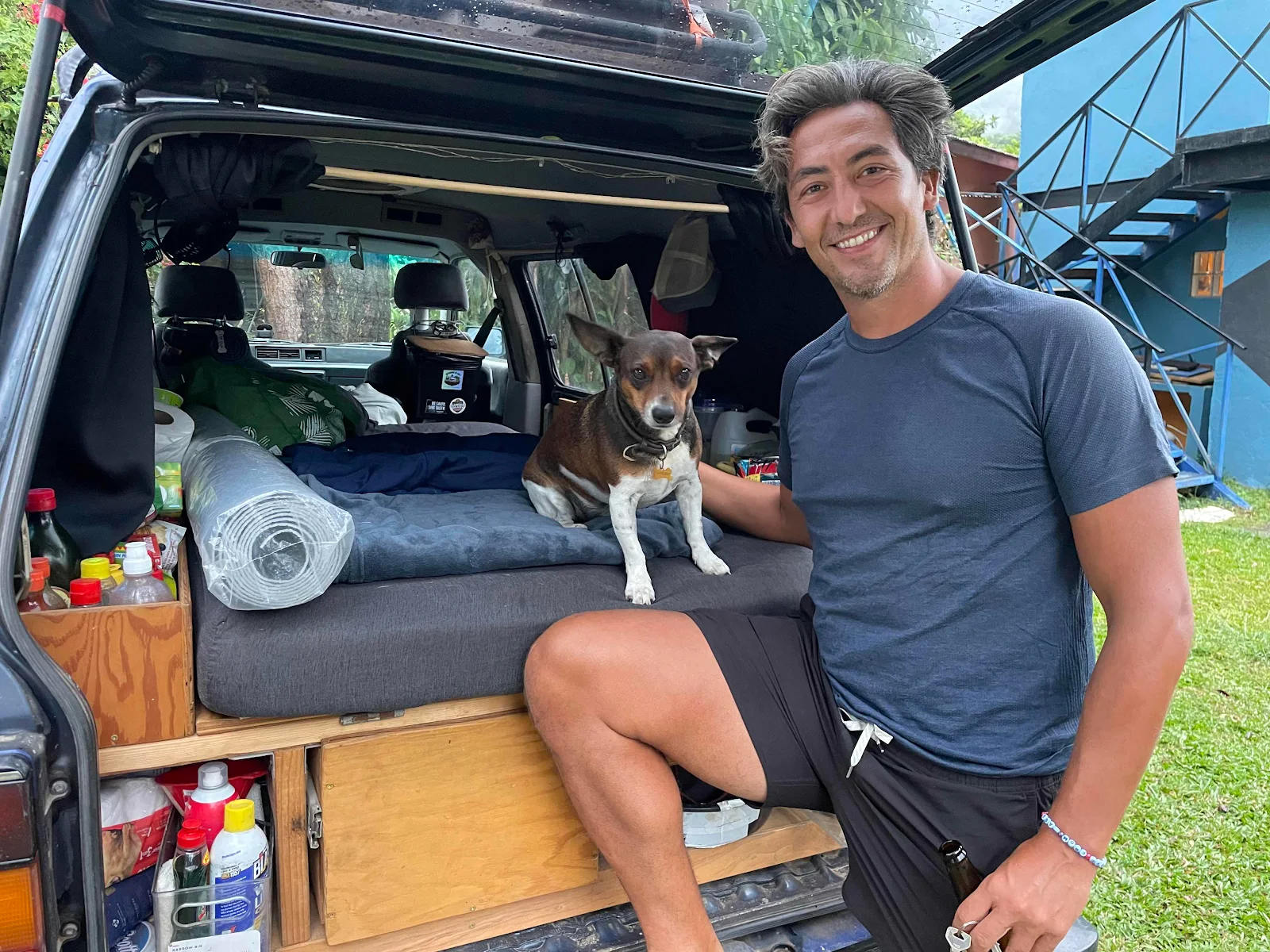
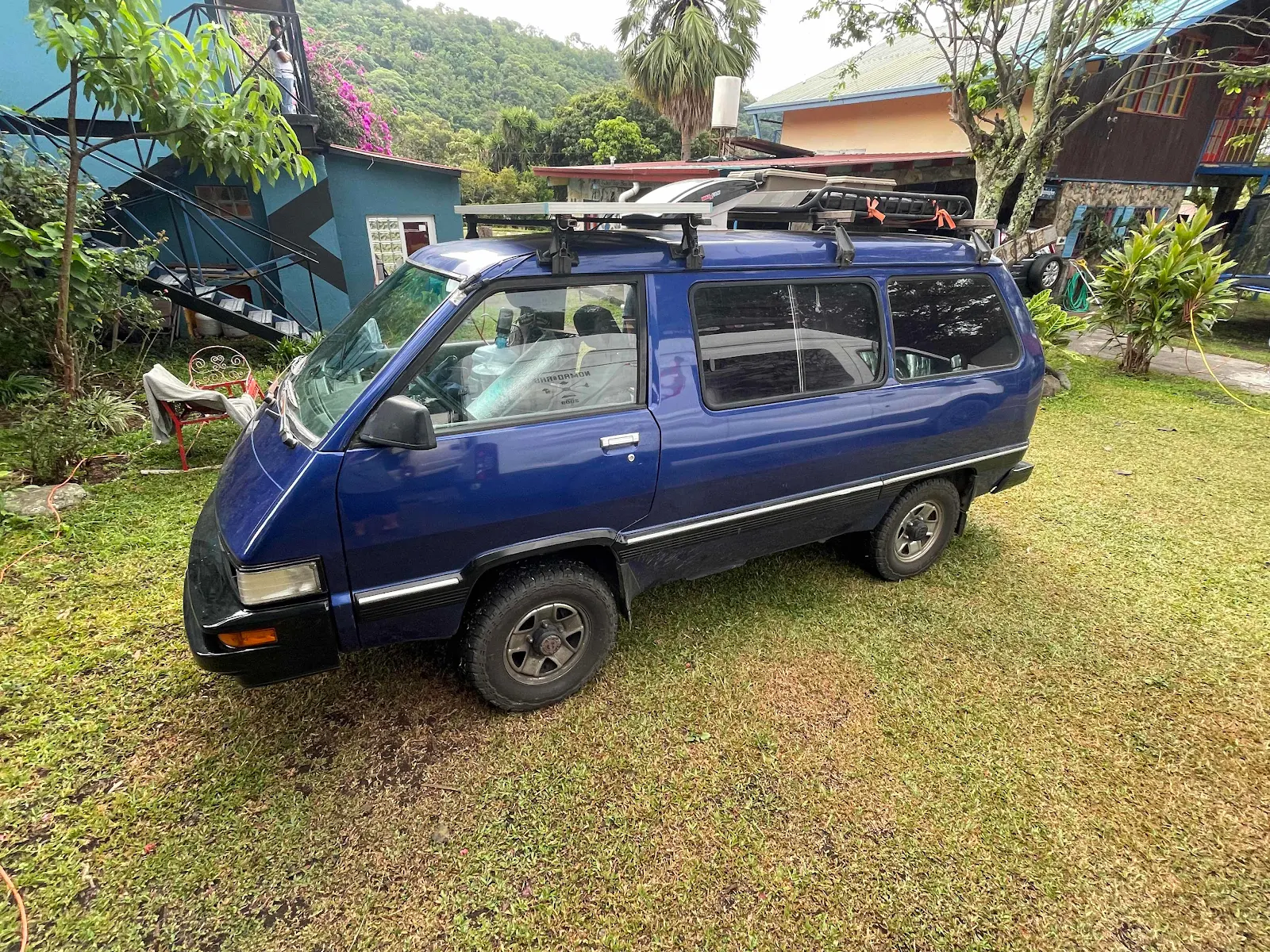
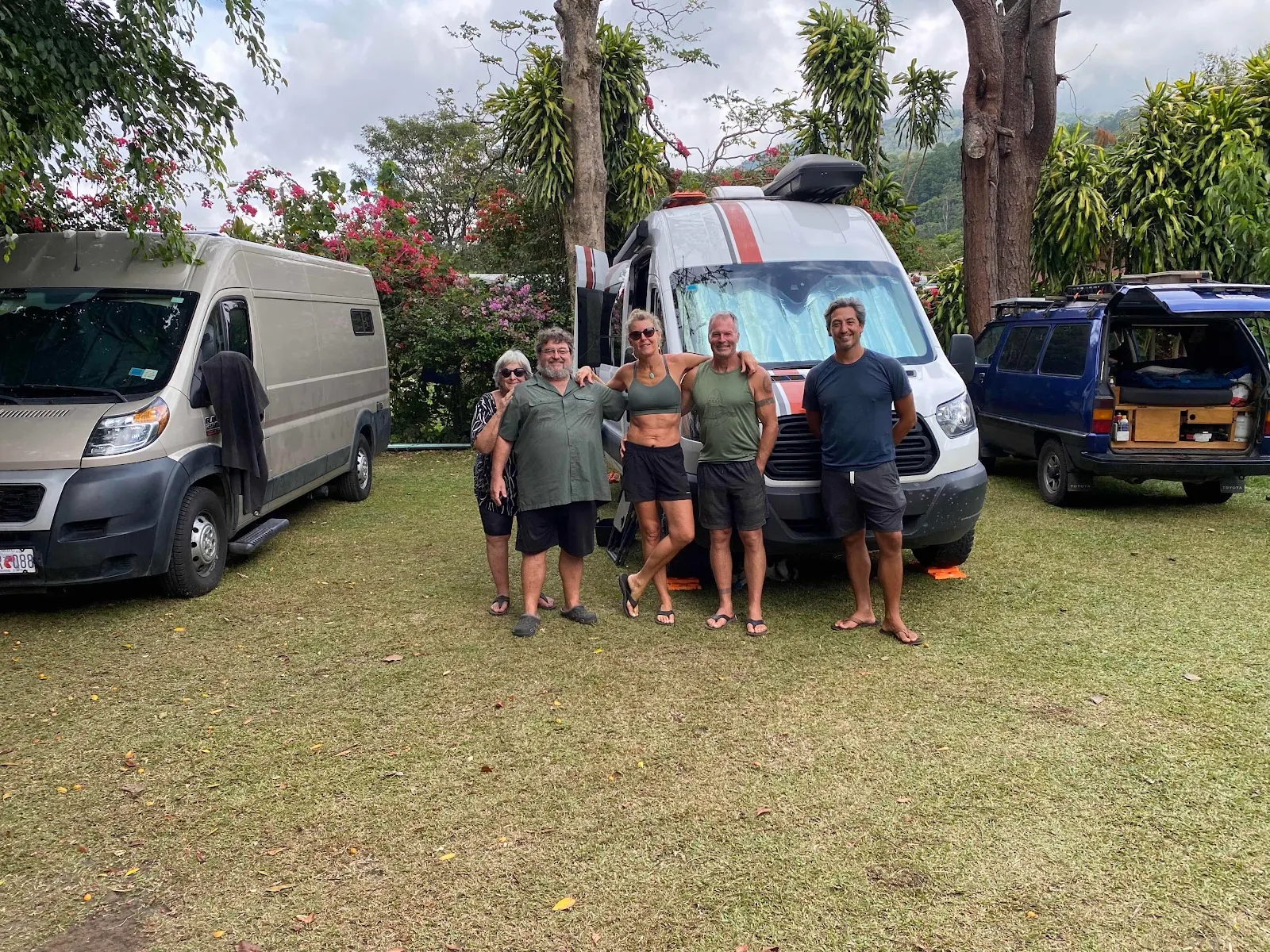
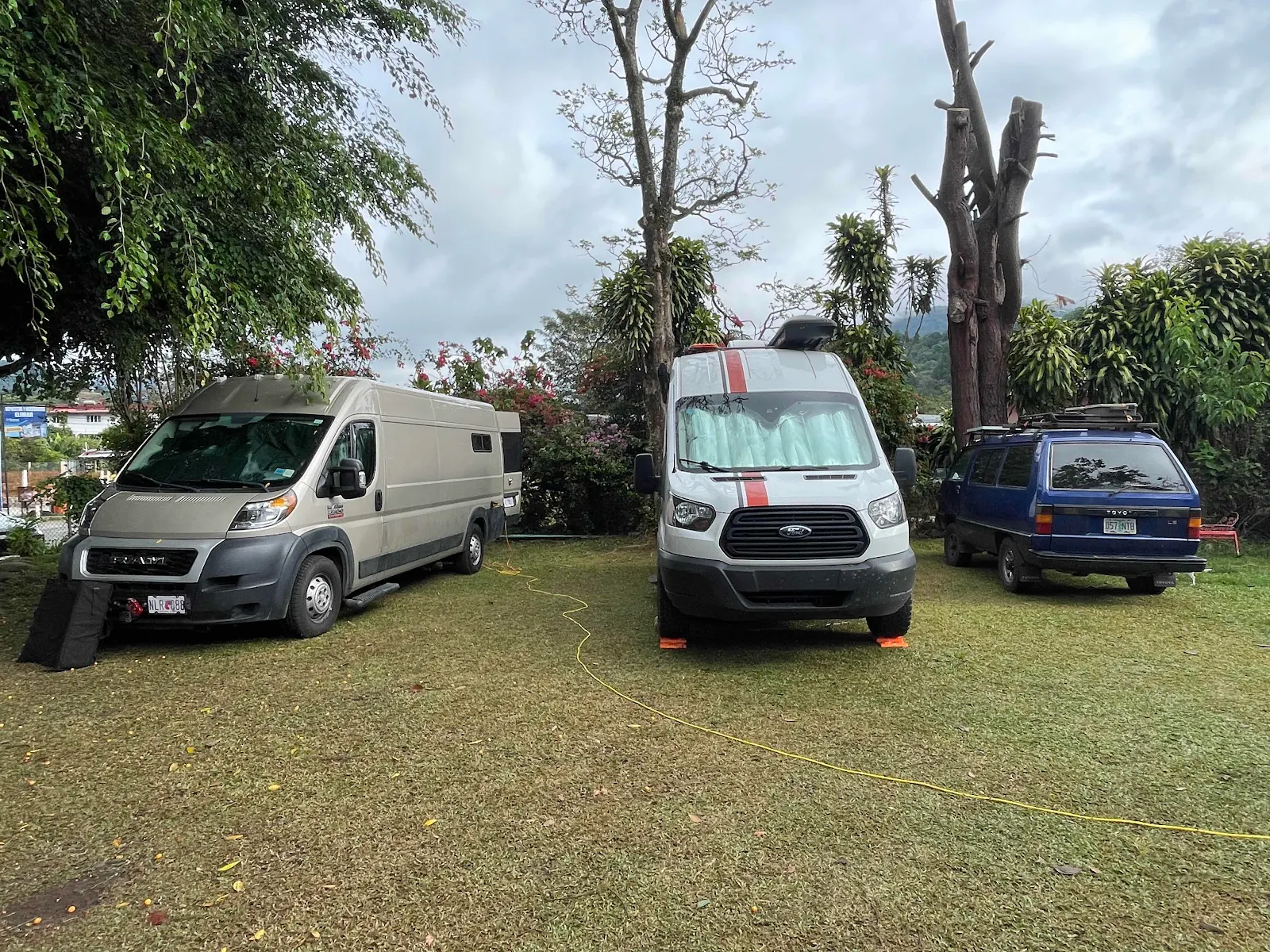
Meet Nick and Gussie who crossed into Panama when we were in Boquete. They are traveling in a four wheel drive 1987 Toyota van with a bed and an outside kitchen and we fully expect to keep meeting them along the road to Ushuaia. 

On the practical side Nick lives in a sma space, a bed with storage underneath and a kitchen in back which he uses with the rear door raised to provide a sun shade or a rain cover while he cooks. A major consideration for us at the moment is of course how easily and relatively inexpensively his home will fit in a container! 

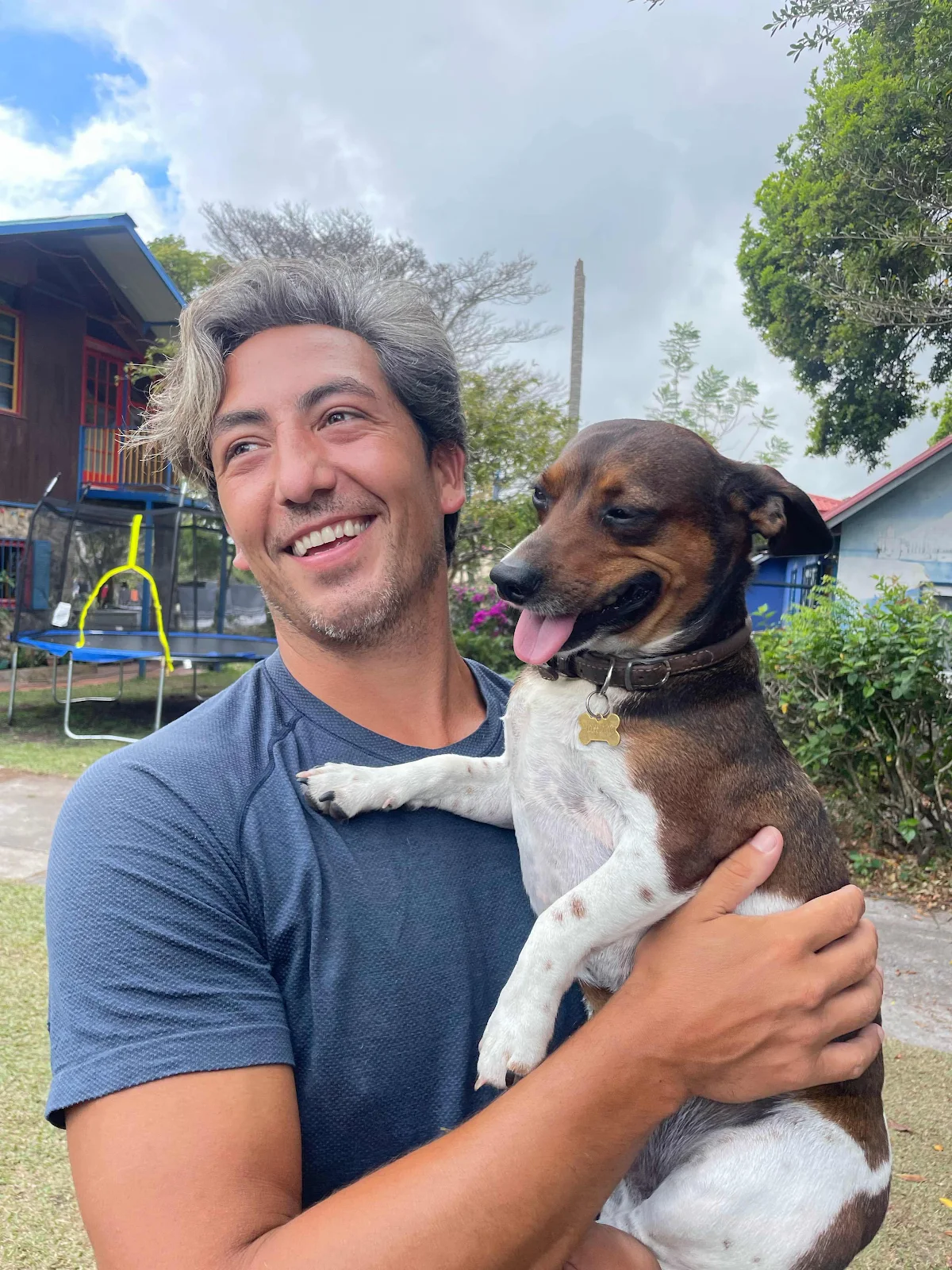
It was Gussie’s fourth birthday a low key celebration for us but for Nick his companion is as much good company as Rusty is for us of course.  And then his girlfriend in New York keeps the home fires burning and visits him along the way. There are so many ways to live work and learn on the road. “I can’t because…” doesn’t apply here. 

Even though, like his car the size of Nick’s companion is a factor in his life. Gussie flies easily in the cabin of an aircraft when Nick goes home to work.  And that’s because, unlike most travelers in their thirties who work, Nick does his job in person. He’s a ballet dancer and u can’t tell you how delighted I was to meet an artist, not an influencer, on the road for a change. He came to dance late first focusing on athletics and sport and transitioning to physical expression. His joy he says is teaching other dancers as he works. He explained with some skill and clarity how teaching dance requires trust as well as strength -trust that he won’t drop you! Far far from the world of making YouTube to live, Nick puts himself physically into the job. I found it fascinating. 

Nick’s father is a first generation Mexican, his mother is from Alaska so of course with my mixed background I loved hearing that, and like many of us first generation immigrants Nick’s father wanted his son to be new not old, so Nick is traveling and relearning his fathers language, becoming fluent in Latin American travel.  He is also working to be self sufficient in mechanics, looking after his van himself. 

I know we will meet again as we all travel in the same direction, Liz and Ramey from Alberta, Nick the dancer and teacher from Oregon (another unafraid American!Where are they all on the PanAmerican?) 

And there is the size difference. For us it matters but for you it may not. For Nick it’s perfect. Long may he roll. 

Rusty The Flying Dog

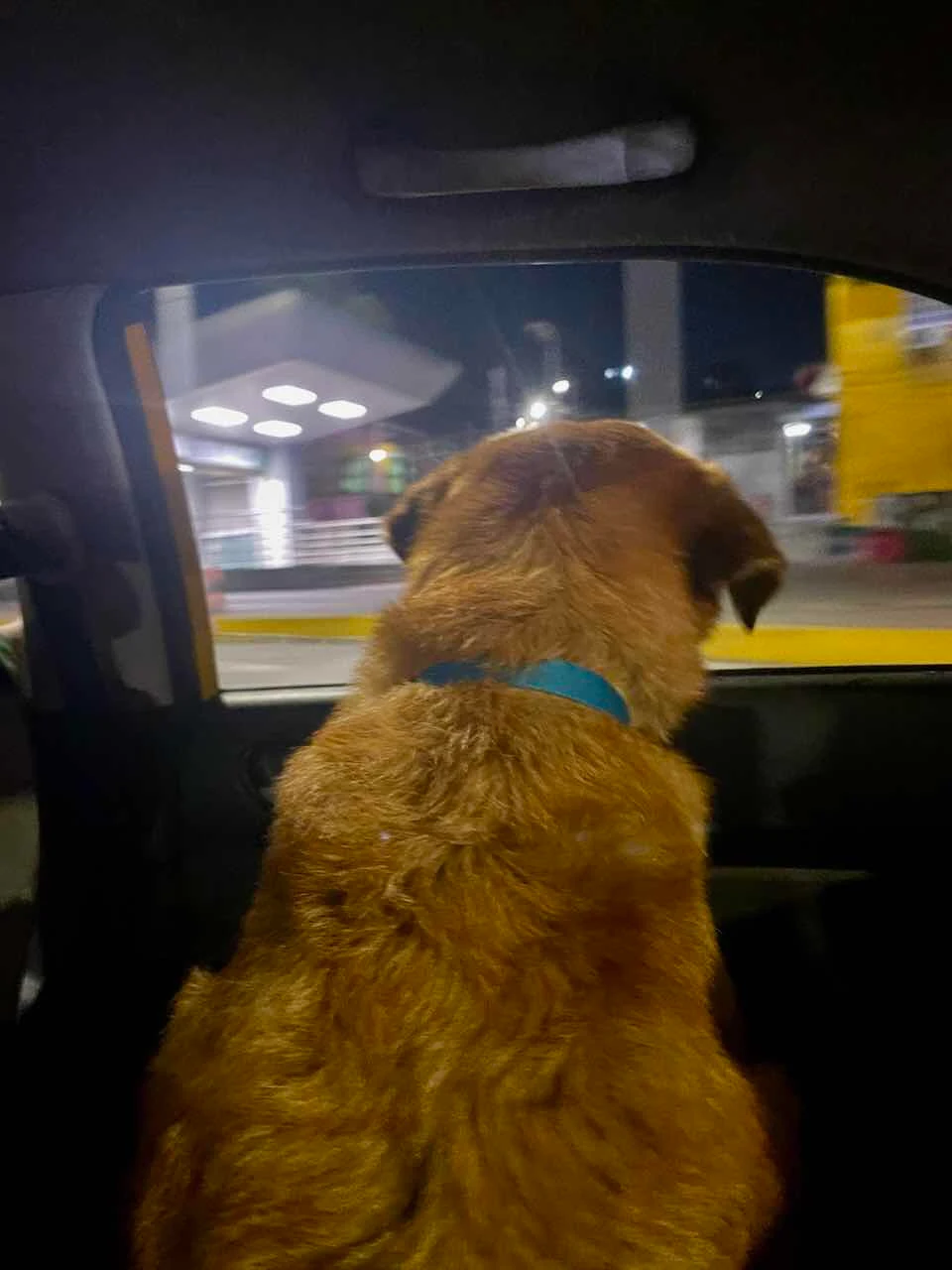
Riding the cab to the airport was a piece of cake and Rusty enjoyed that:


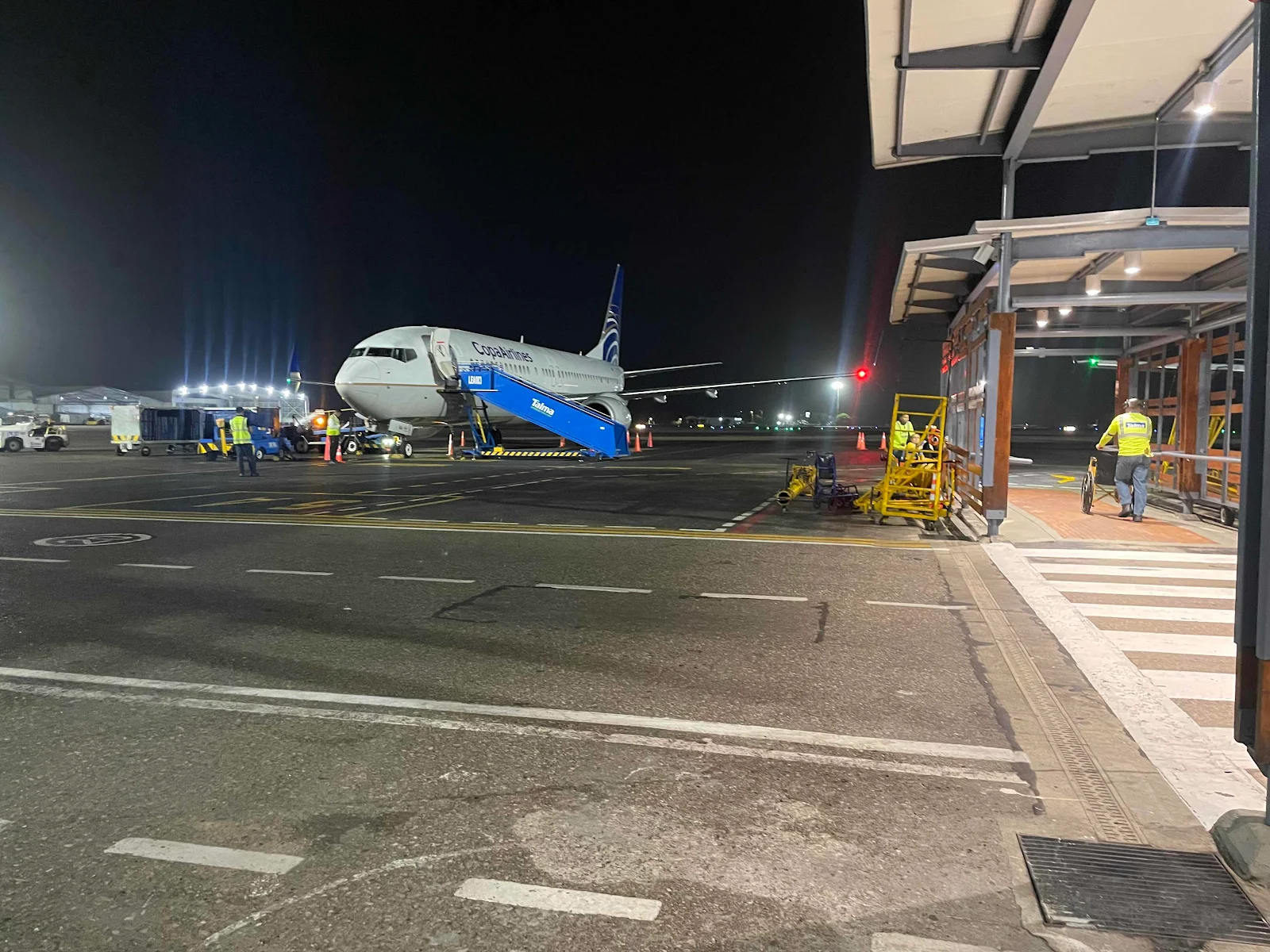
Our flight was at 9:30pm from Panama’s Tocumen airport and we arrived a couple of hours ahead of take off as required for an international flight. We had three seats reserved on COPA Airlines flight 202 to Cartagena in Colombia. 

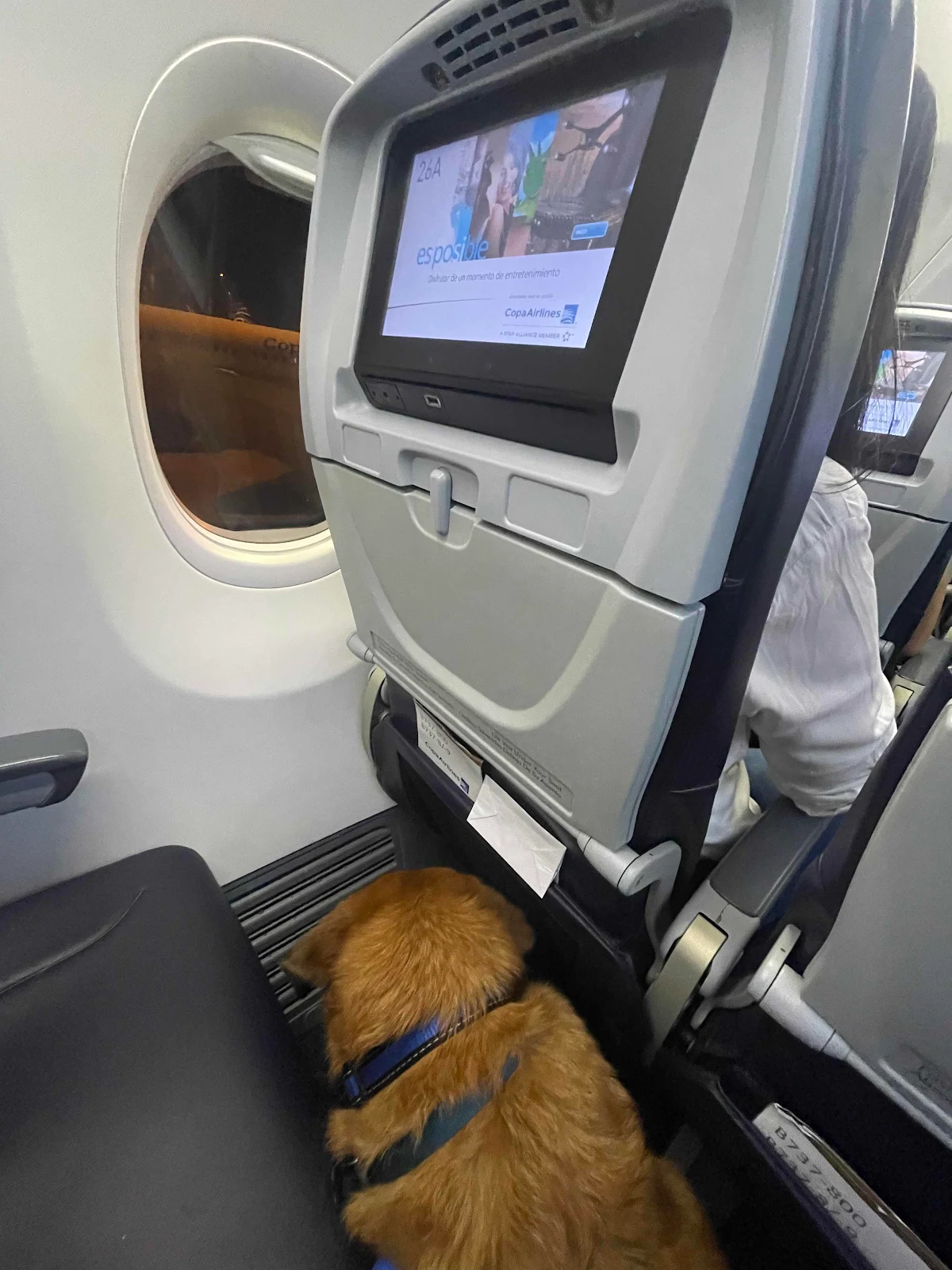
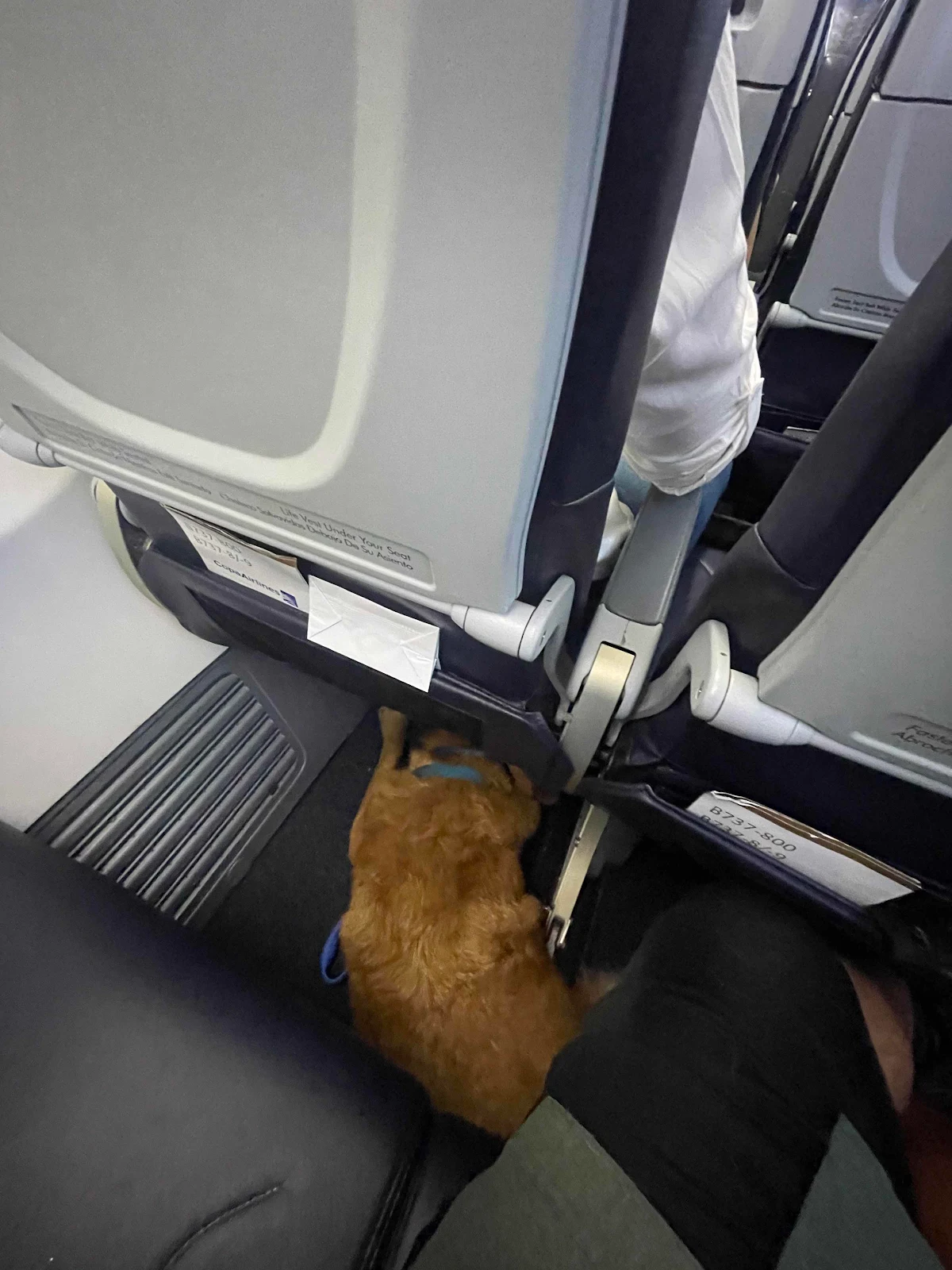
Rusty had his own seat though he had to fly on the cabin floor. It turned out the 70 minute flight must have had a tail wind as we took just 45 minutes to reach South America. So much the better. 

The check in clerk got a panicked look in her eyes when she saw the dog coming in but we had reserved our seats and confirmed he had Emotional Support Papers from the vet in Panama. COPA allows dogs to fly in the cabin if you buy an extra seat for him which seemed reasonable to me. The clerk’s supervisor helped her do the check in paperwork and we chatted amiably and then they checked our two bags. 

No one asked to see onward tickets which has been an issue for some overlanders who when asked for tickets out of Colombia offer their vehicle shipping papers to show they are traveling by land, and that can cause confusion and delay. To avoid this we bought onward tickets for $16 apiece except they aren’t tickets but just look like real tickets. It’s amazing what you can get online. 

Could you tell it’s not real? In the event it turns out no one asked to see proof of onward travel so our slick precaution was unnecessary. And that basically was how Rusty Layne and I arrived in Colombia last night. 

He settled into his spot on the floor in row 26 as we waited to leave the gate. Take off freaked him out a bit but he settled down. After about half an hour he’d had enough and then the engine note changed as we started to descend to Cartagena. 

He was sitting up and panting as we came down to land and he did not like the bumpy landing one bit but I held on to him and reassured him as best I could. 

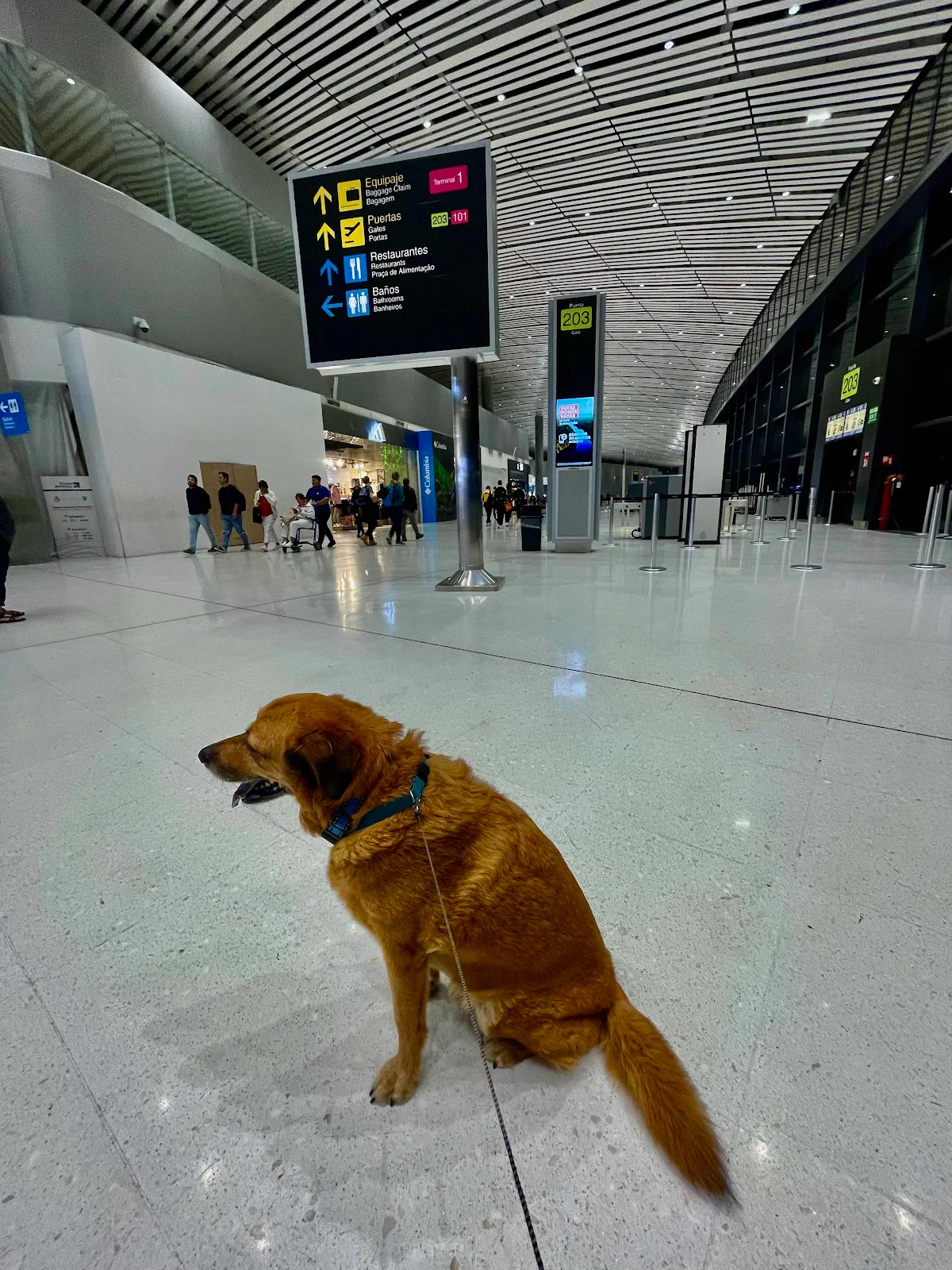
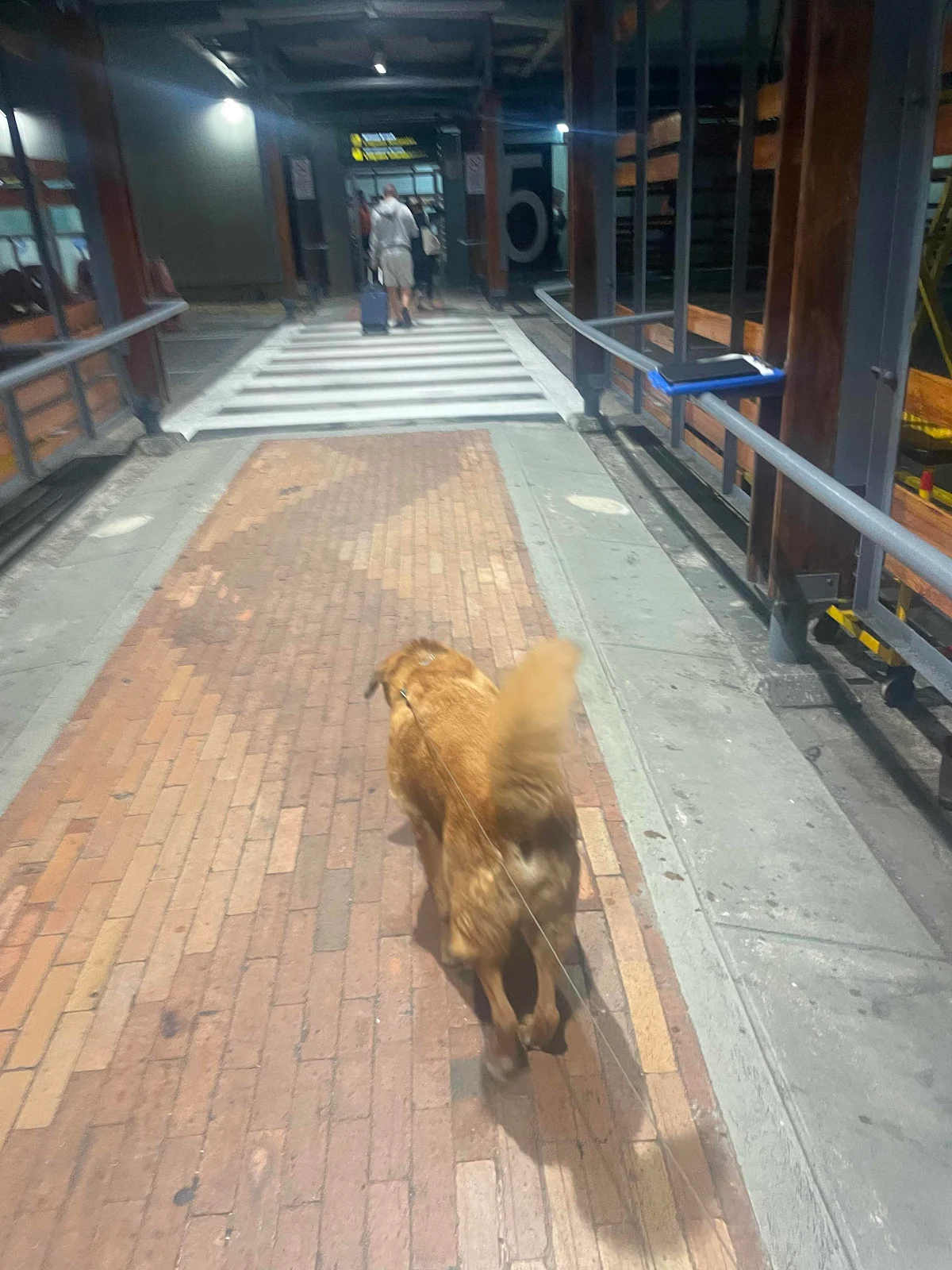
We were the last off the plane and wasn’t I delighted to see a patch of grass as we walked across the tarmac to the terminal building. Rusty took full advantage and had a long heartfelt pee. The watching employee smiled broadly. The grass is just outside the door in the hurried photo below. 

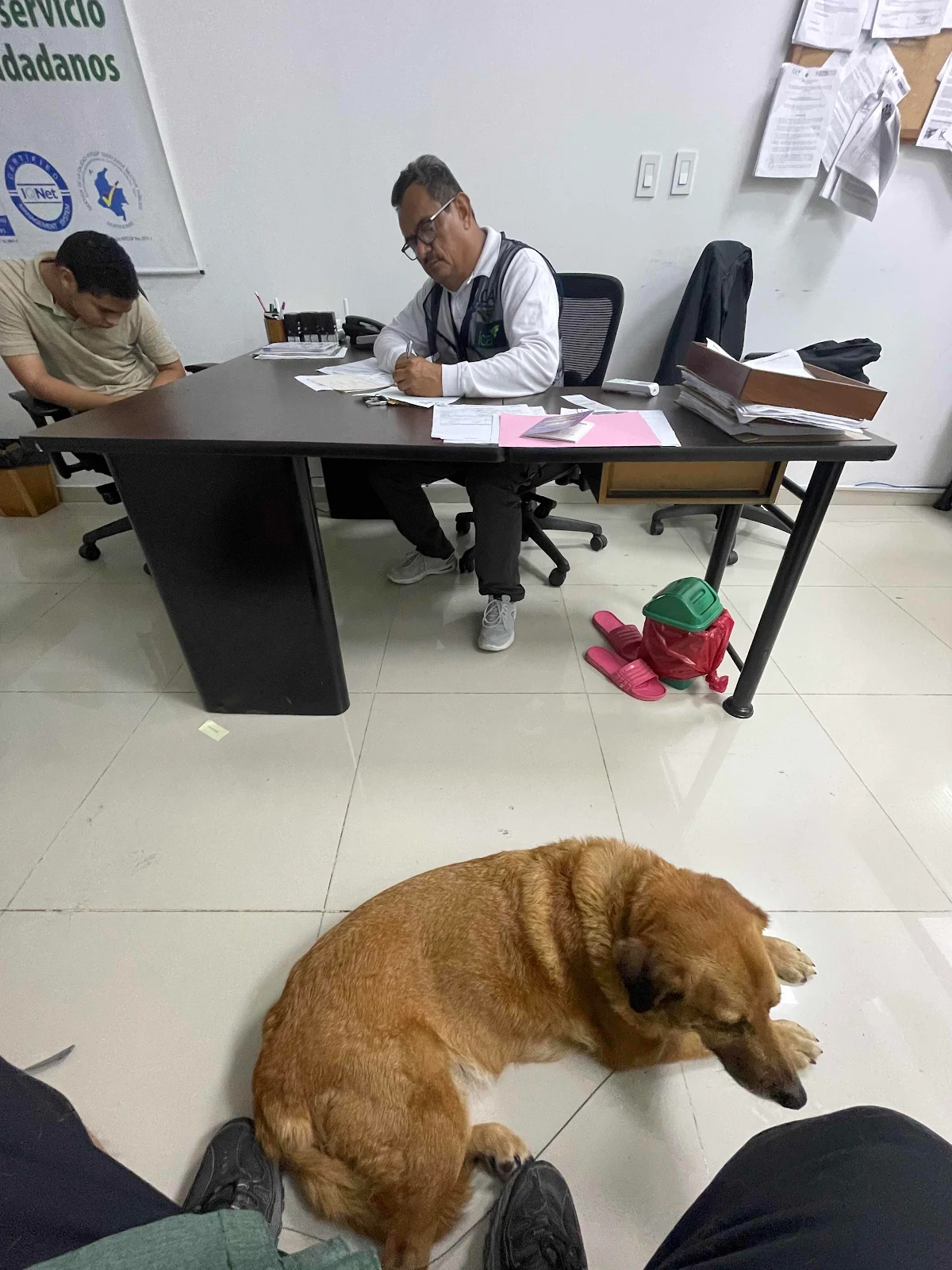
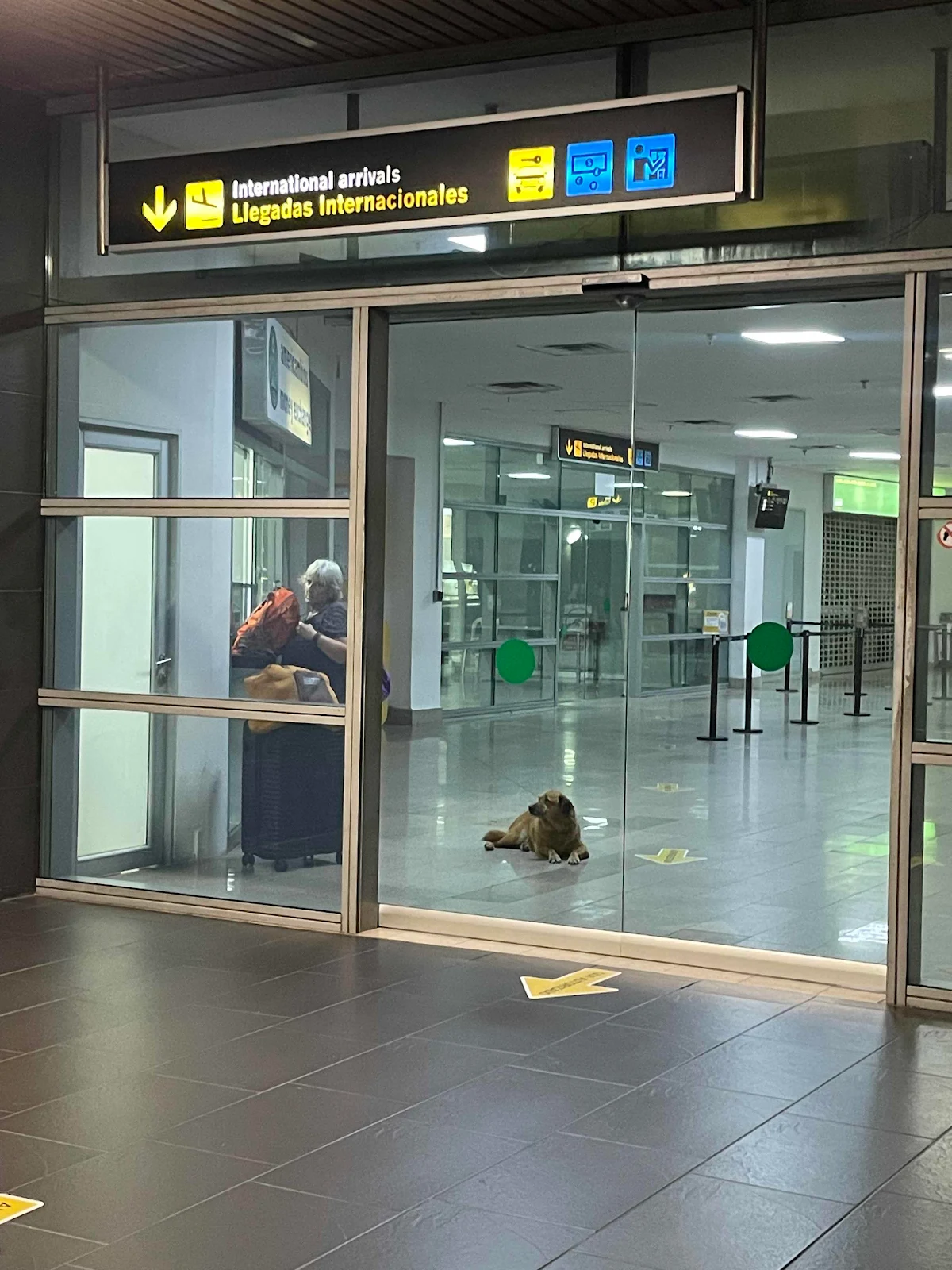
We got in the special line at immigration with the crew and some other passengers. The officials ignored Rusty as they processed our passports and gave us the standard 90 days renewable for another 90 if we want. As we walked toward luggage pick up and Customs a guy approached and said he was the agriculture agent. We collected our bags which were already on the carousel and I followed him to his office, past customs who waved us through without a second glance.  

We had all the papers necessary of course. He made copies, charged my Visa card 64,000 pesos ($16 roughly) and that was that. We were in Colombia. And Rusty had survived his first flight. What a dog. 

We changed some money (about 4,000 pesos to the dollar) and the agriculture guy came back in his car and said let me give you a lift as I’m going past your hotel. Amazing! Layne had met a cop as she was looking for an ATM while I had been getting  Rusty’s papers processed and she said he couldn’t have been nicer or more helpful. 

We were using the hotel as our address in Colombia for Rusty’s entry papers which was how the agriculture guy, Eduardo, knew where we were staying. It was an amazing act of kindness by a stranger and an official. Colombia promises well. I’m looking forward to this and in two weeks we should have GANNET2 back. 

 For now we’ll explore with a rental car. Welcome to Colombia the agriculture agent said as he handed me Rusty’s papers. Welcome indeed! 


Sunday, February 11, 2024

The Canal Museum

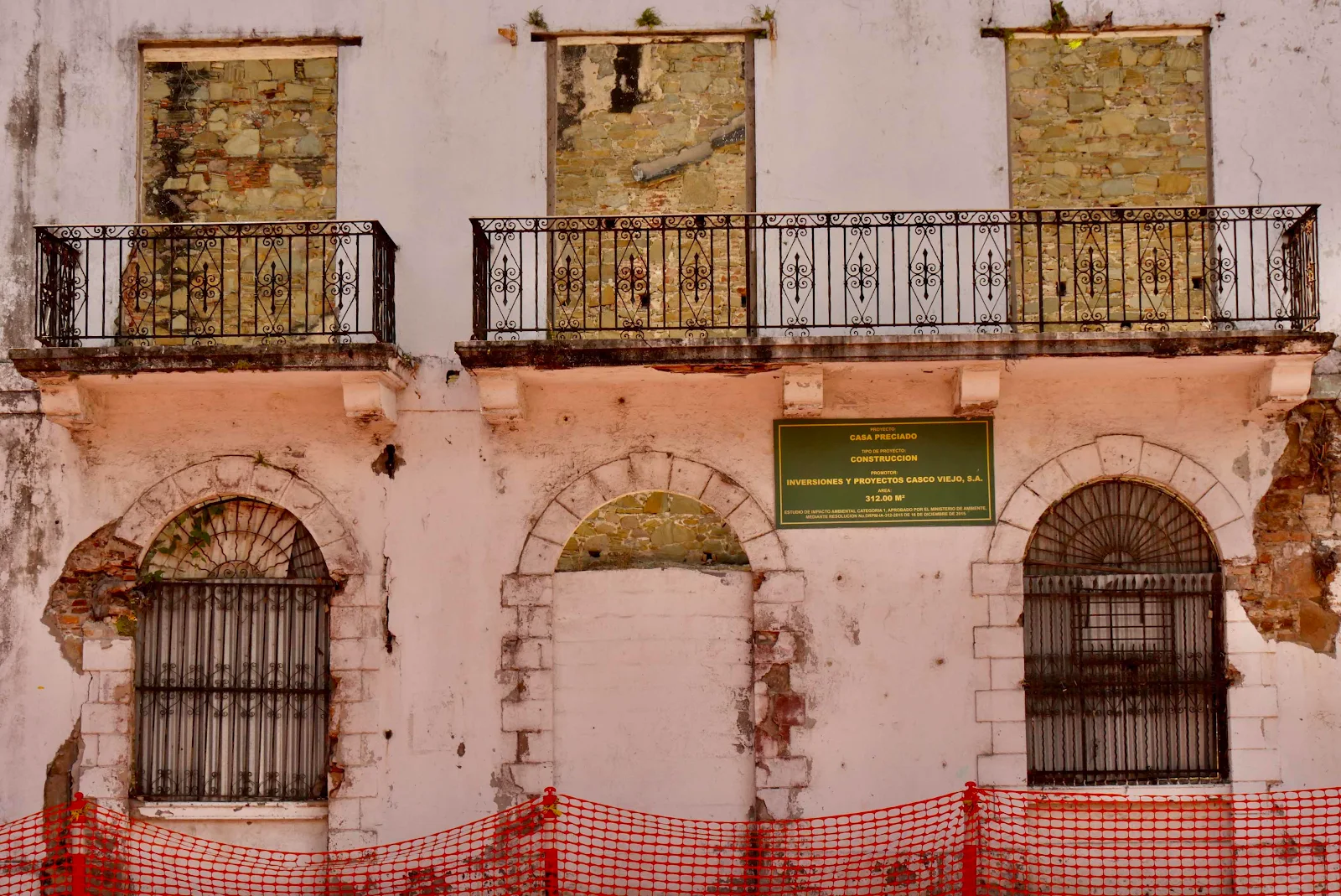
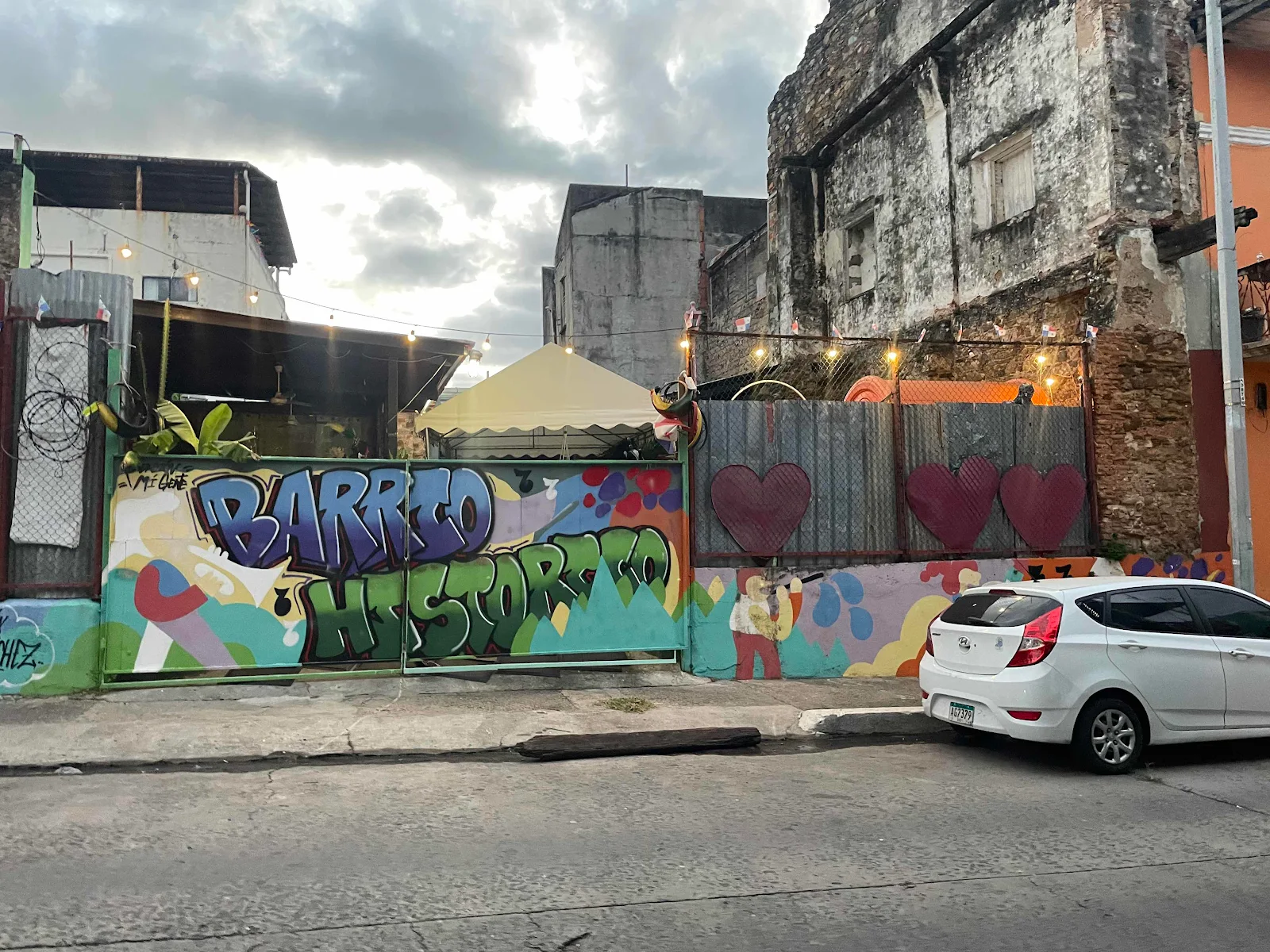
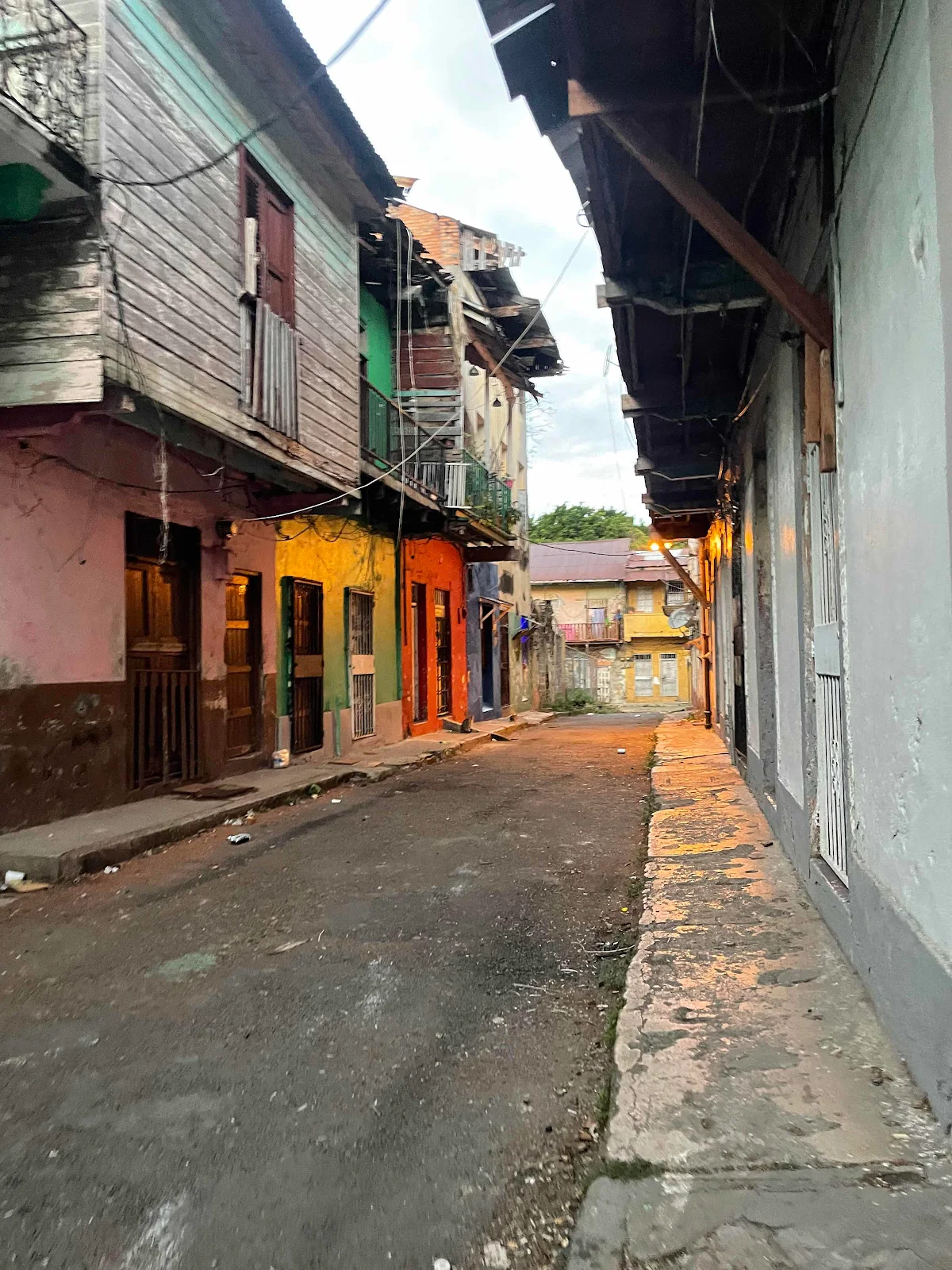
Even though our apartment is in an area under gentrification in Panama City’s old town it is on the edge of the nice part of the tourist center. 
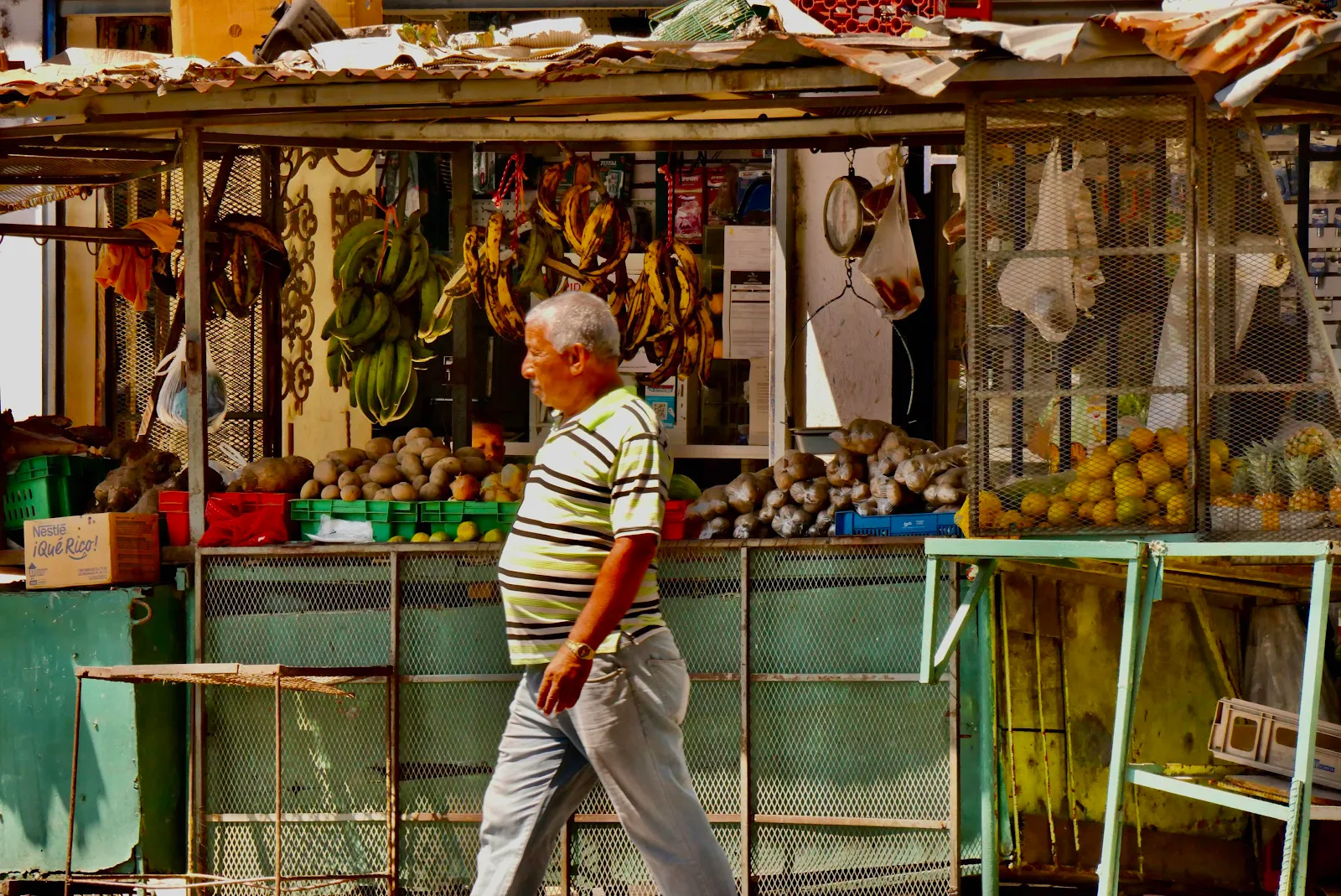
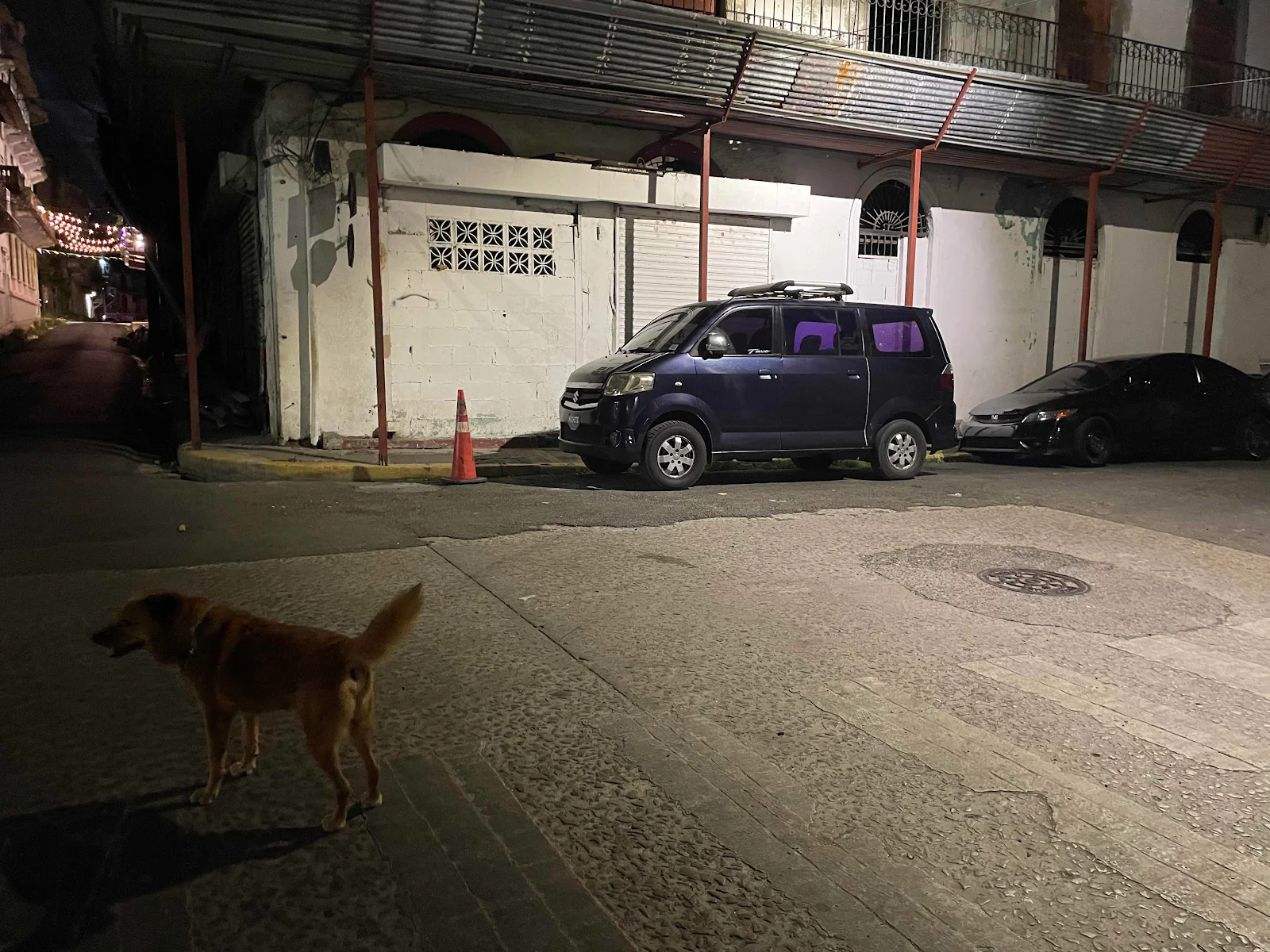
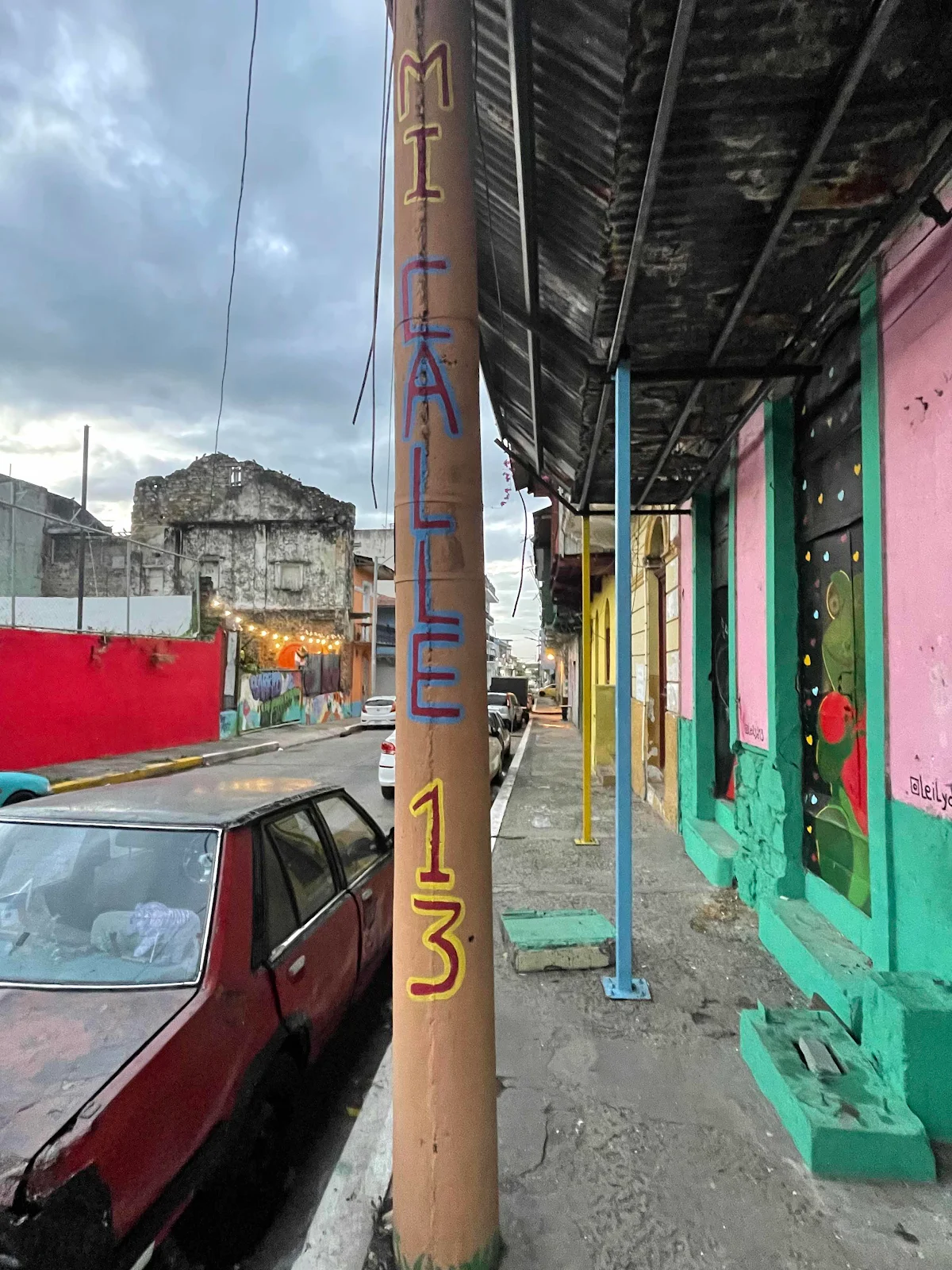
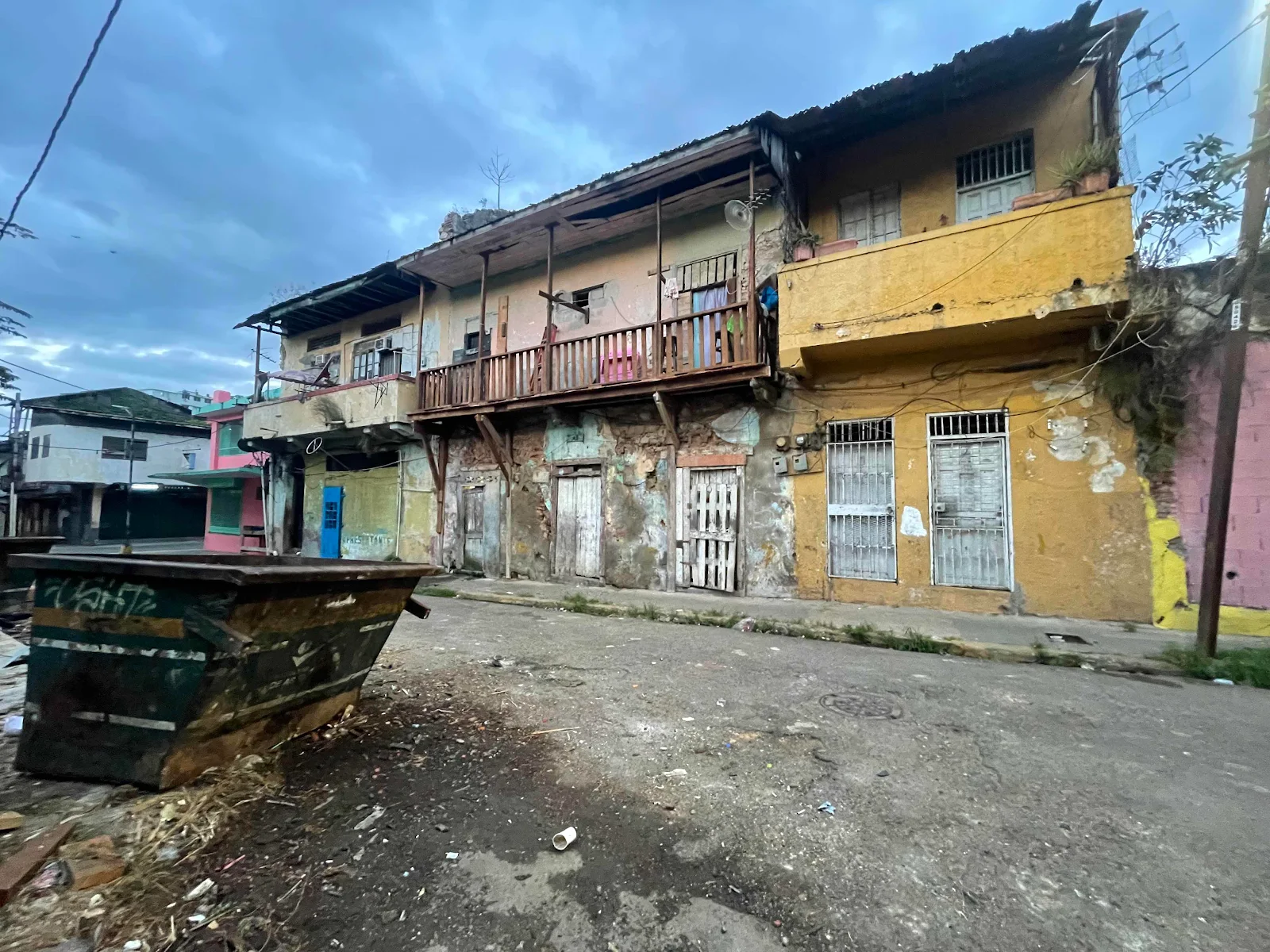
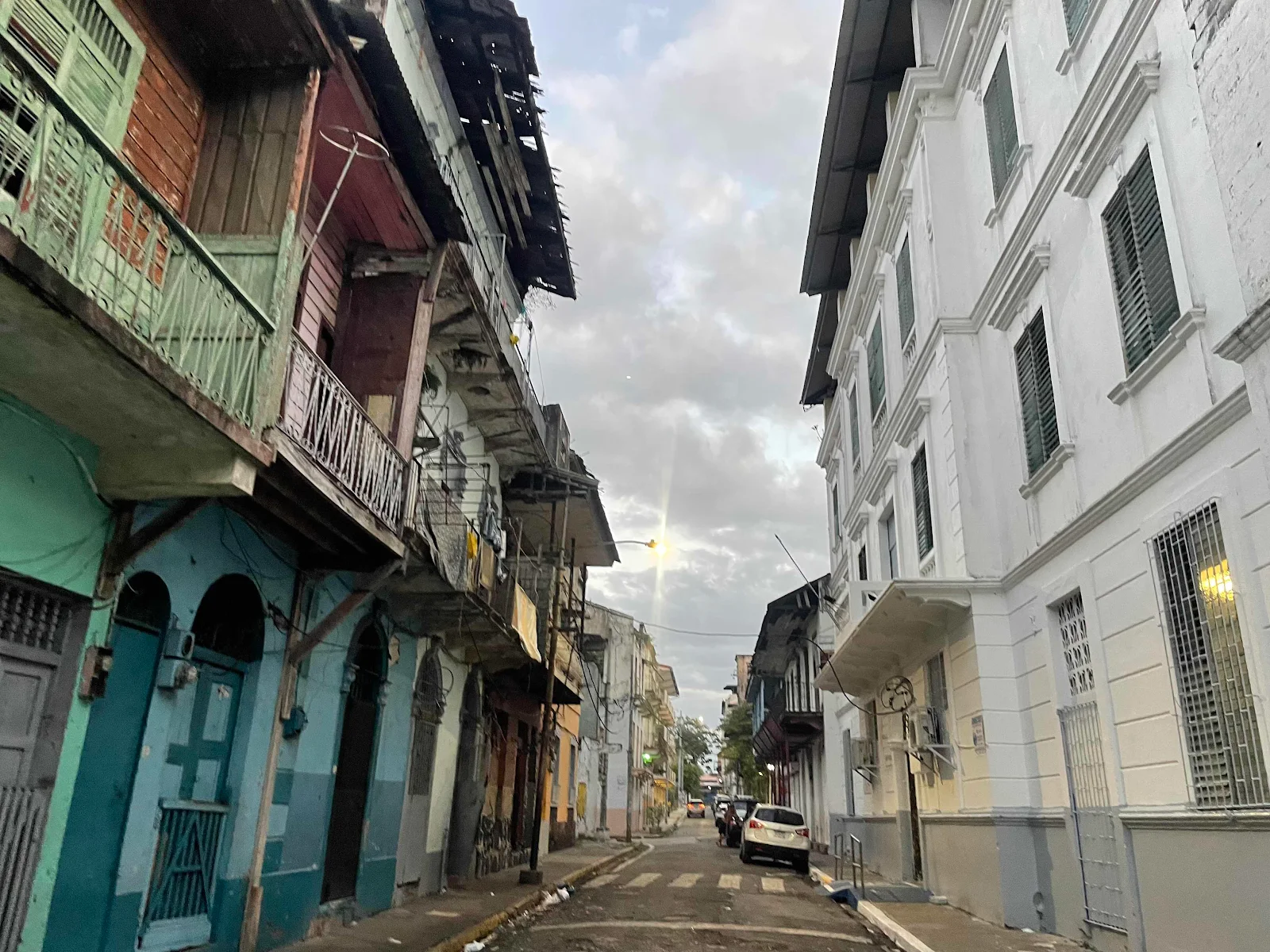
In a matter of three blocks we walk from the run down section…
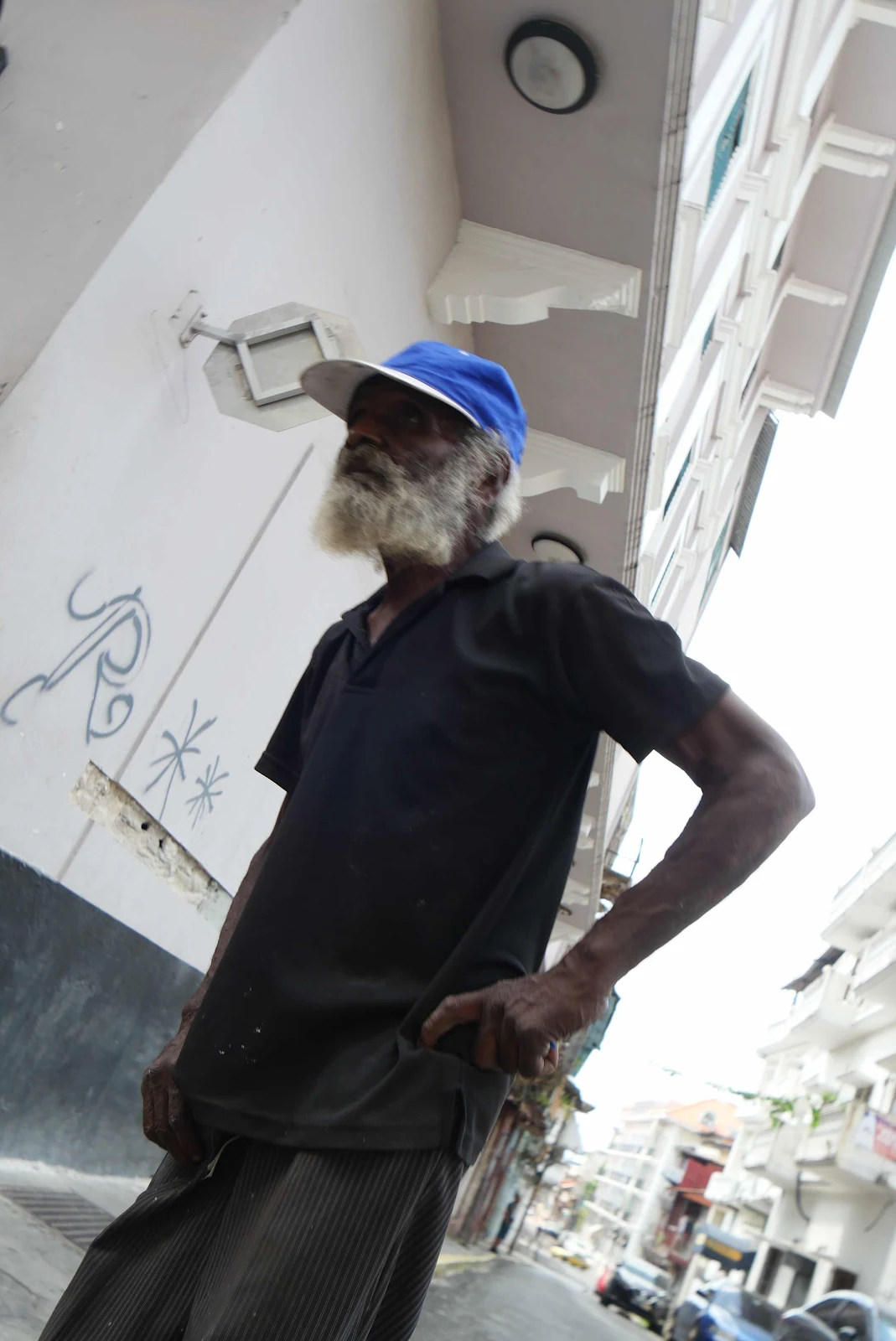
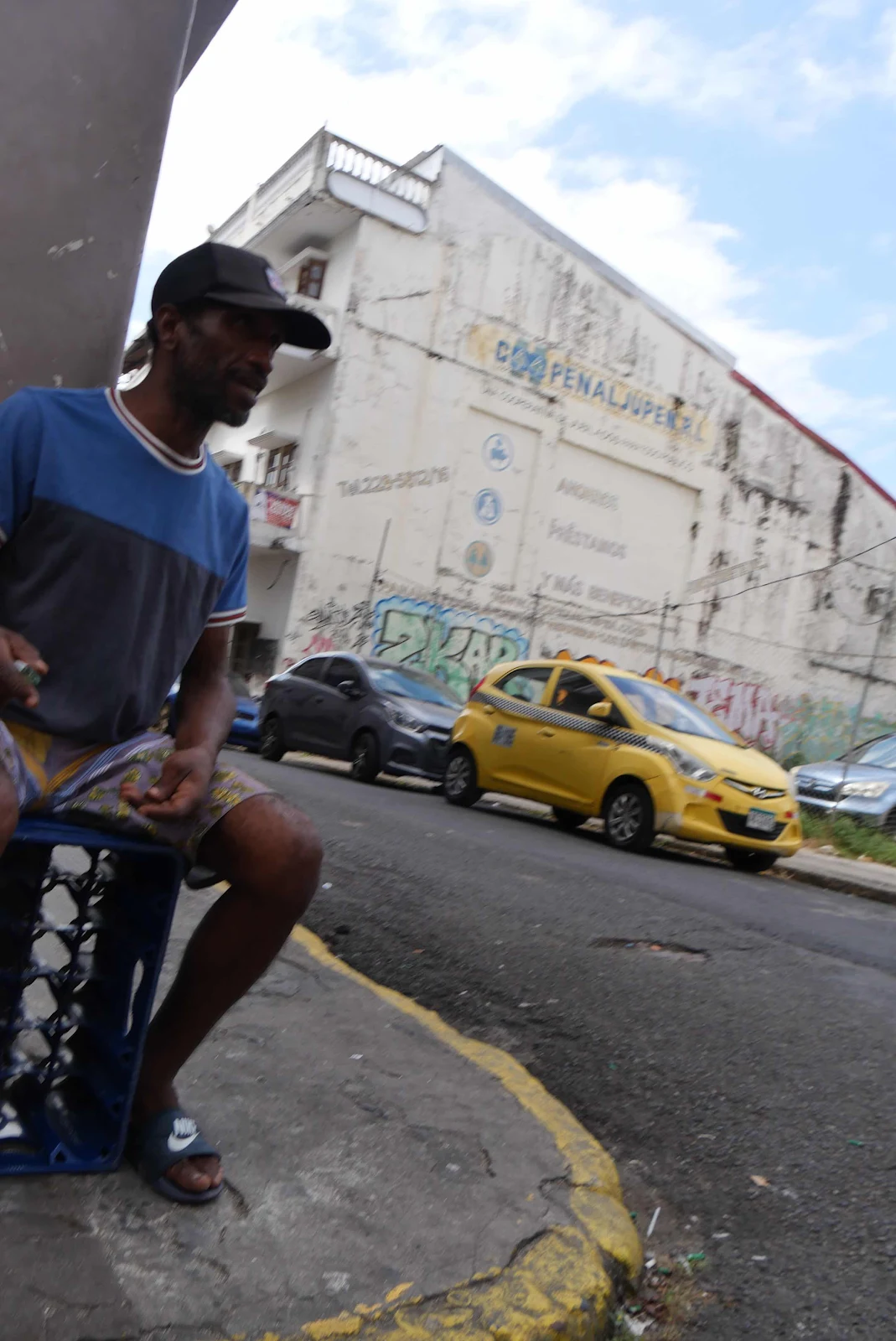


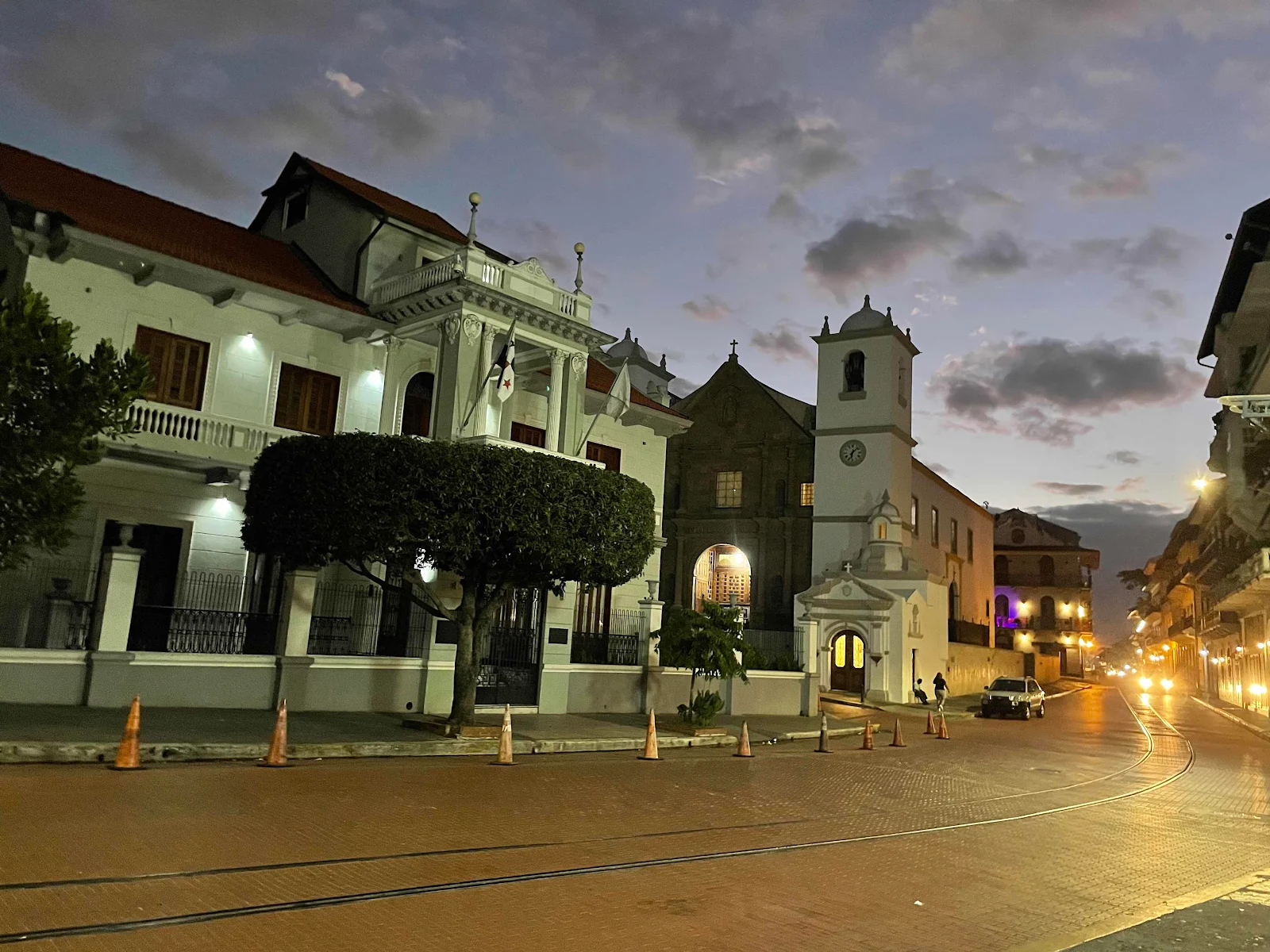
…to the rather more fancy part of old town, restored painted and paved. 
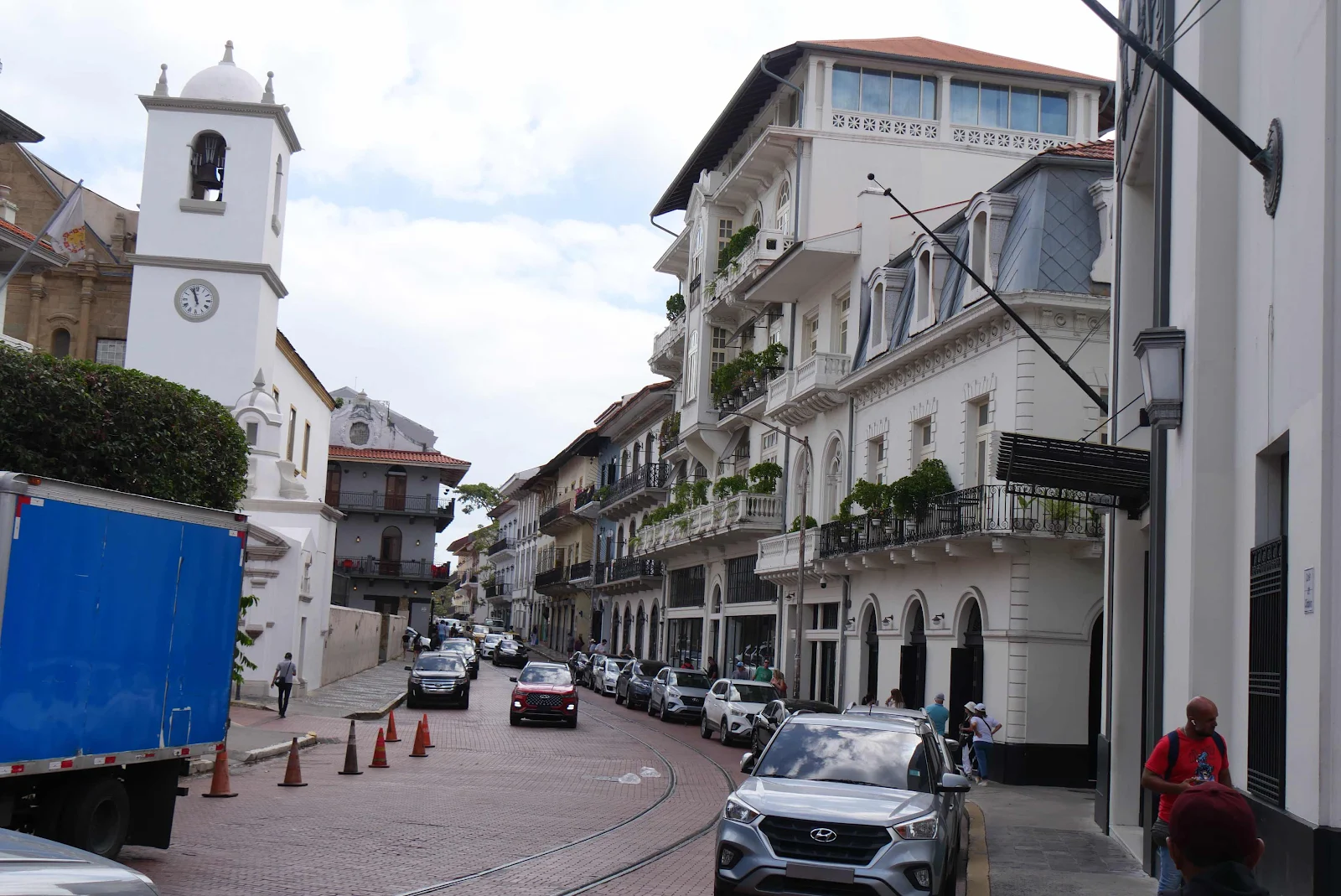
It’s quite safe, most of it, as there are cops everywhere and I’d like to think they will actually protect and serve should the need arise even in the grubbier areas which are unsightly. 
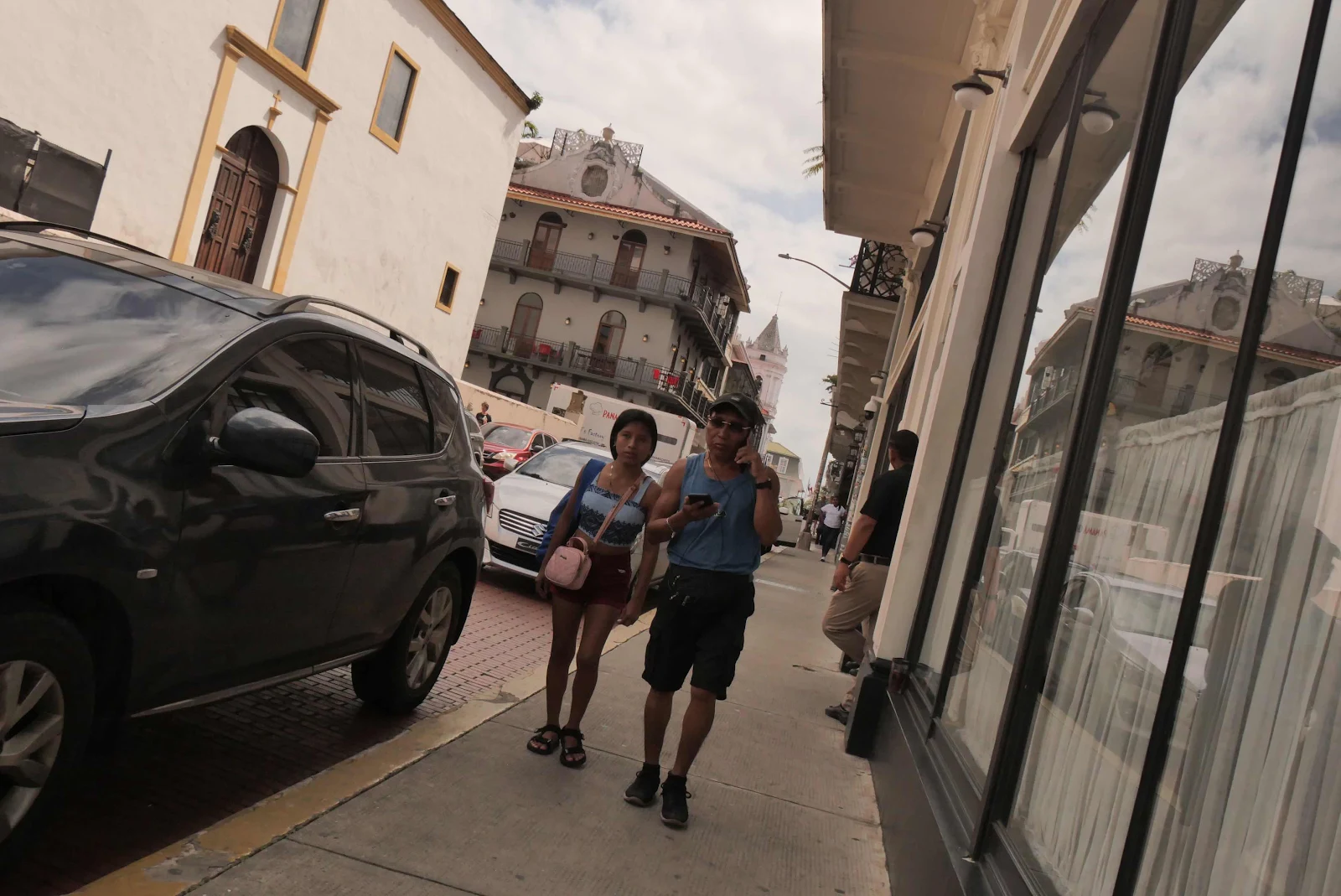
Around here there is no doubt about safety as tourists are the desired currency in the nice part of town. 
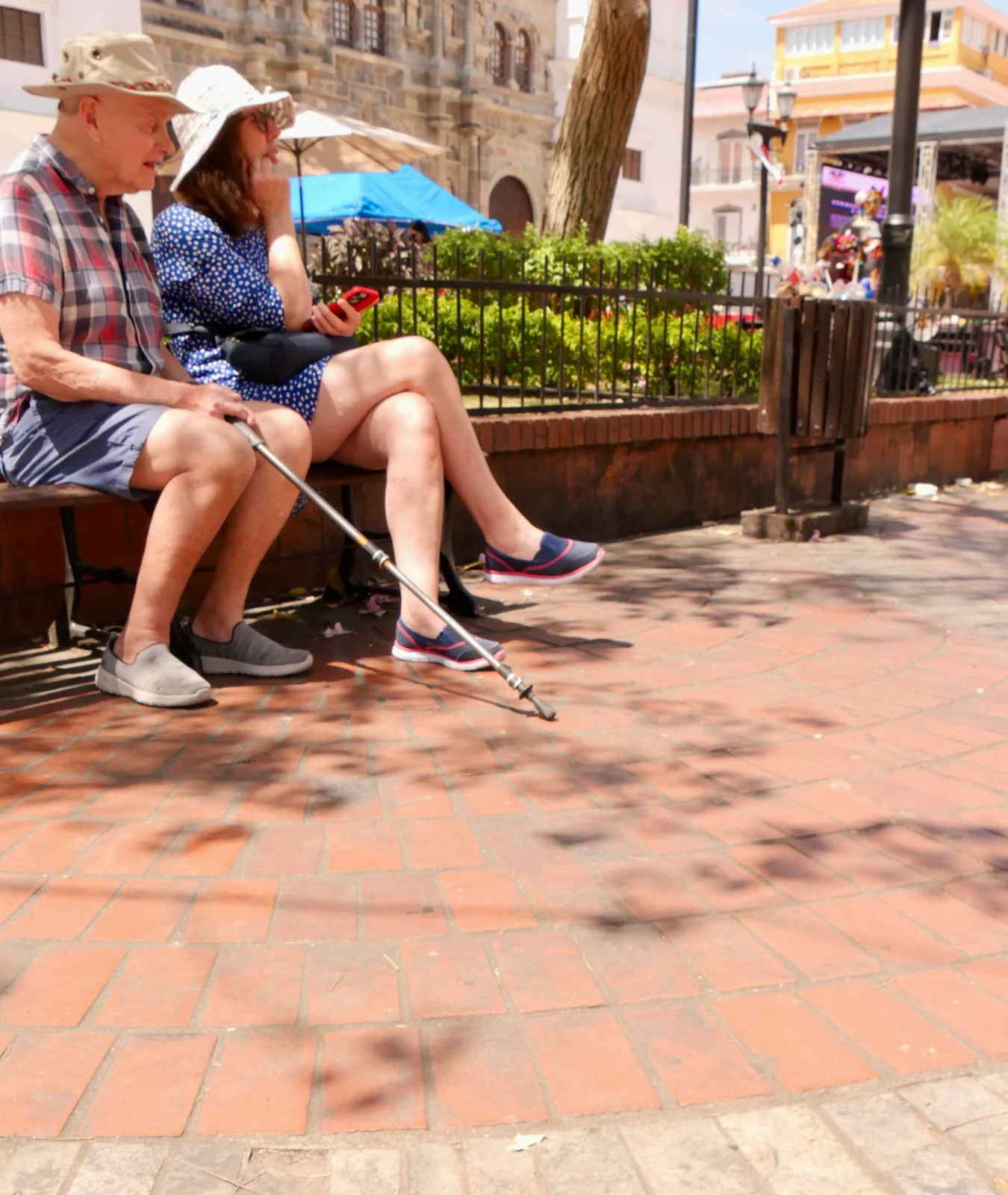
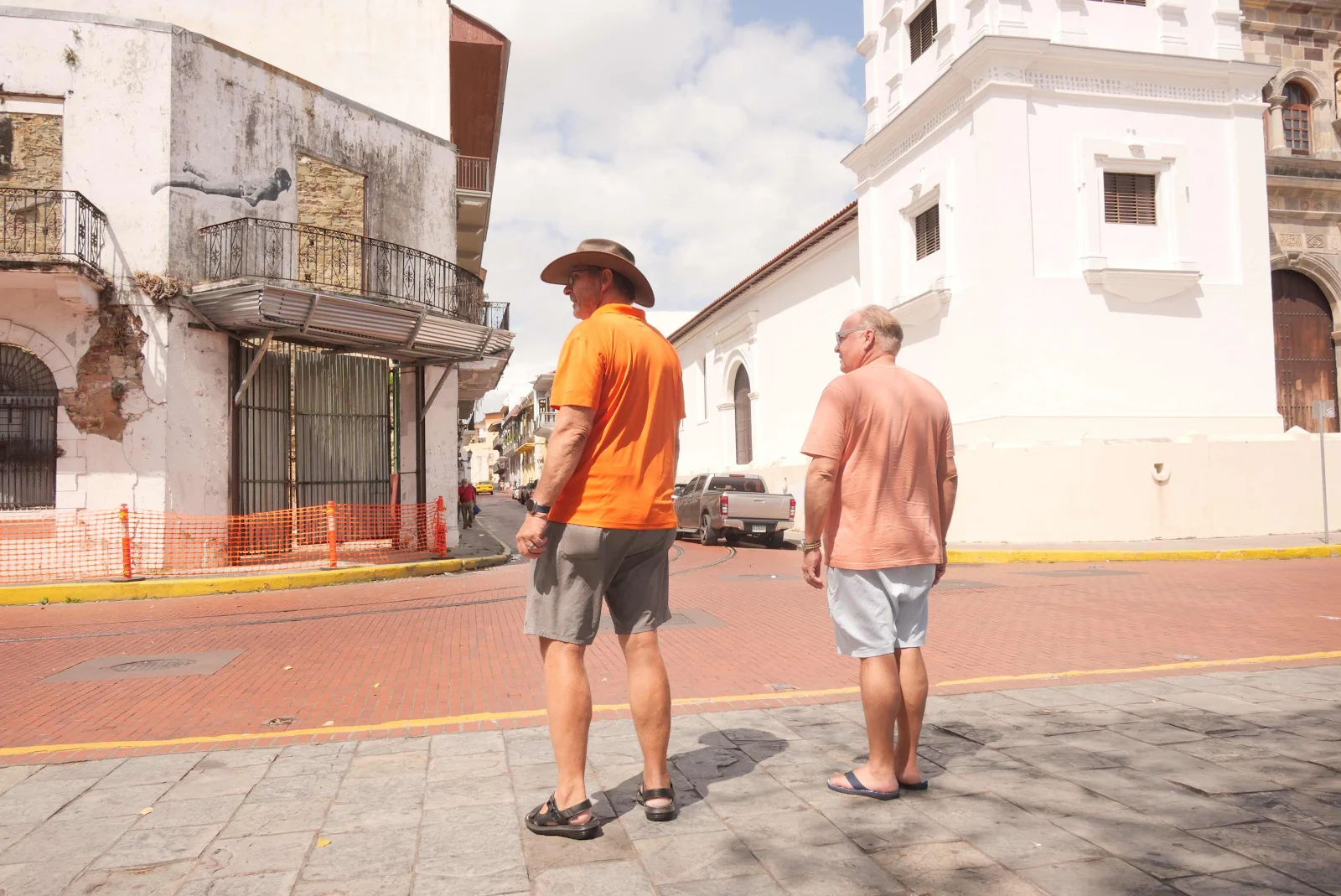
Foreigners are all over Casco Viejo, and not just Americans. These two Germans were pondering their options on the edge of Independence Square: 
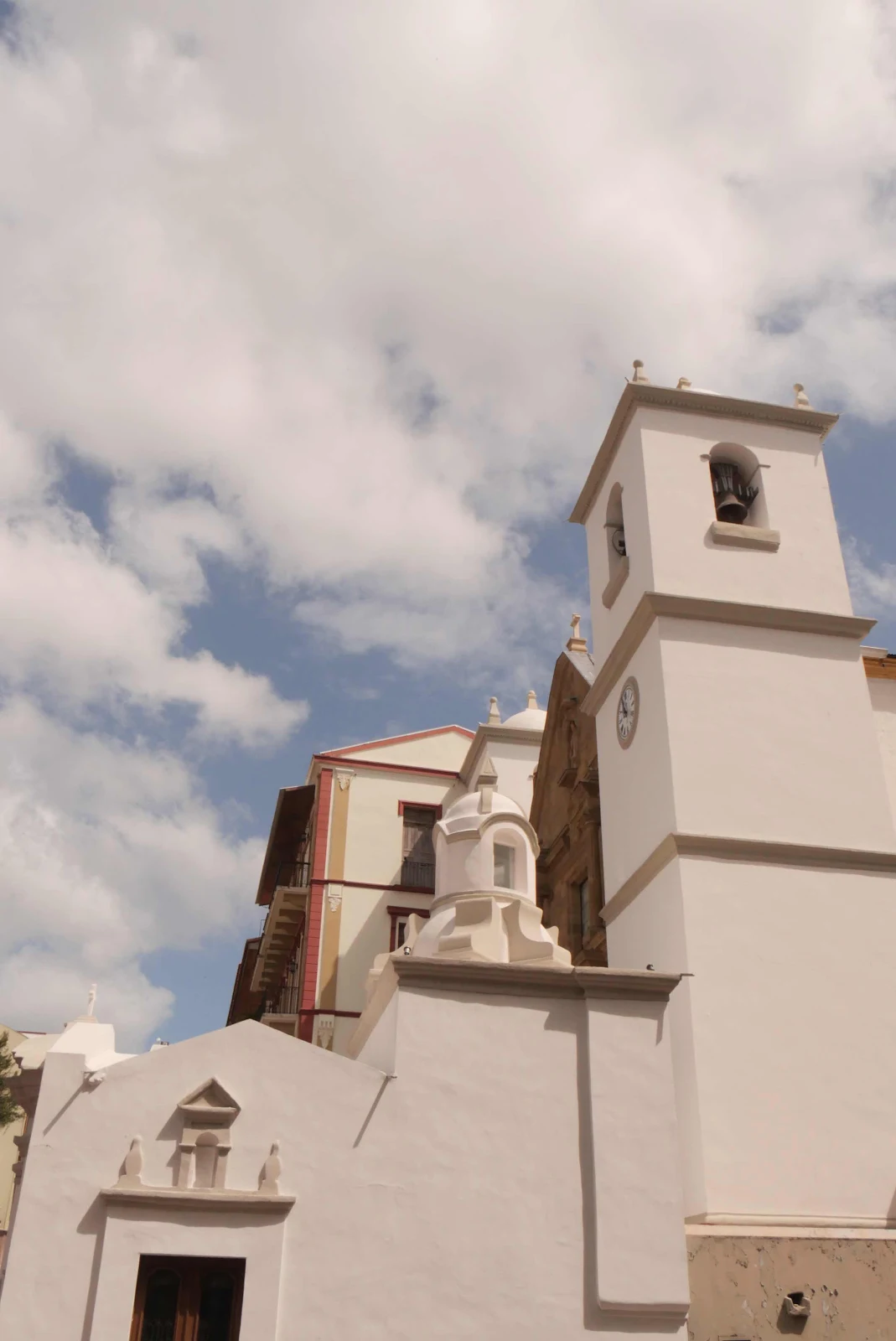
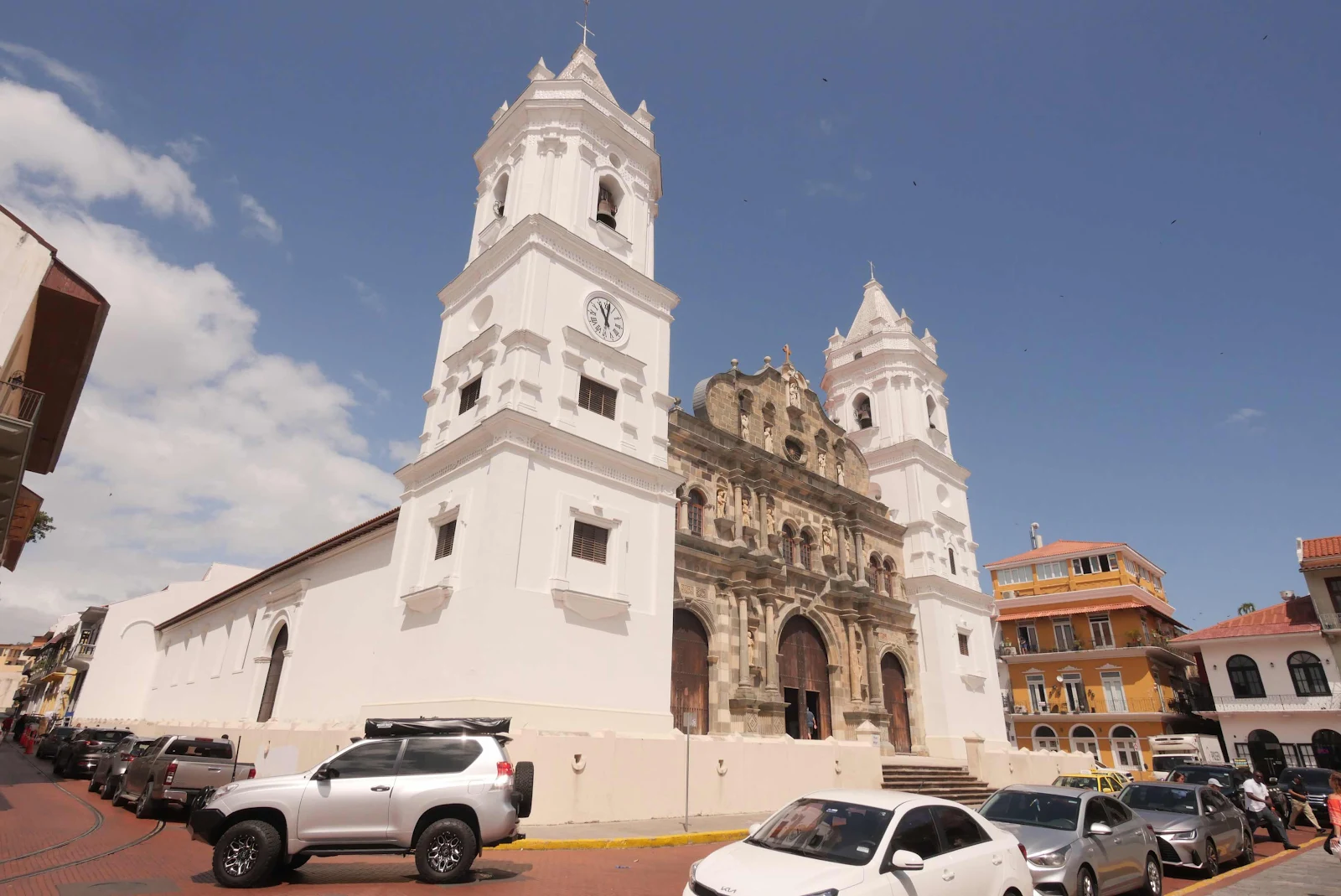
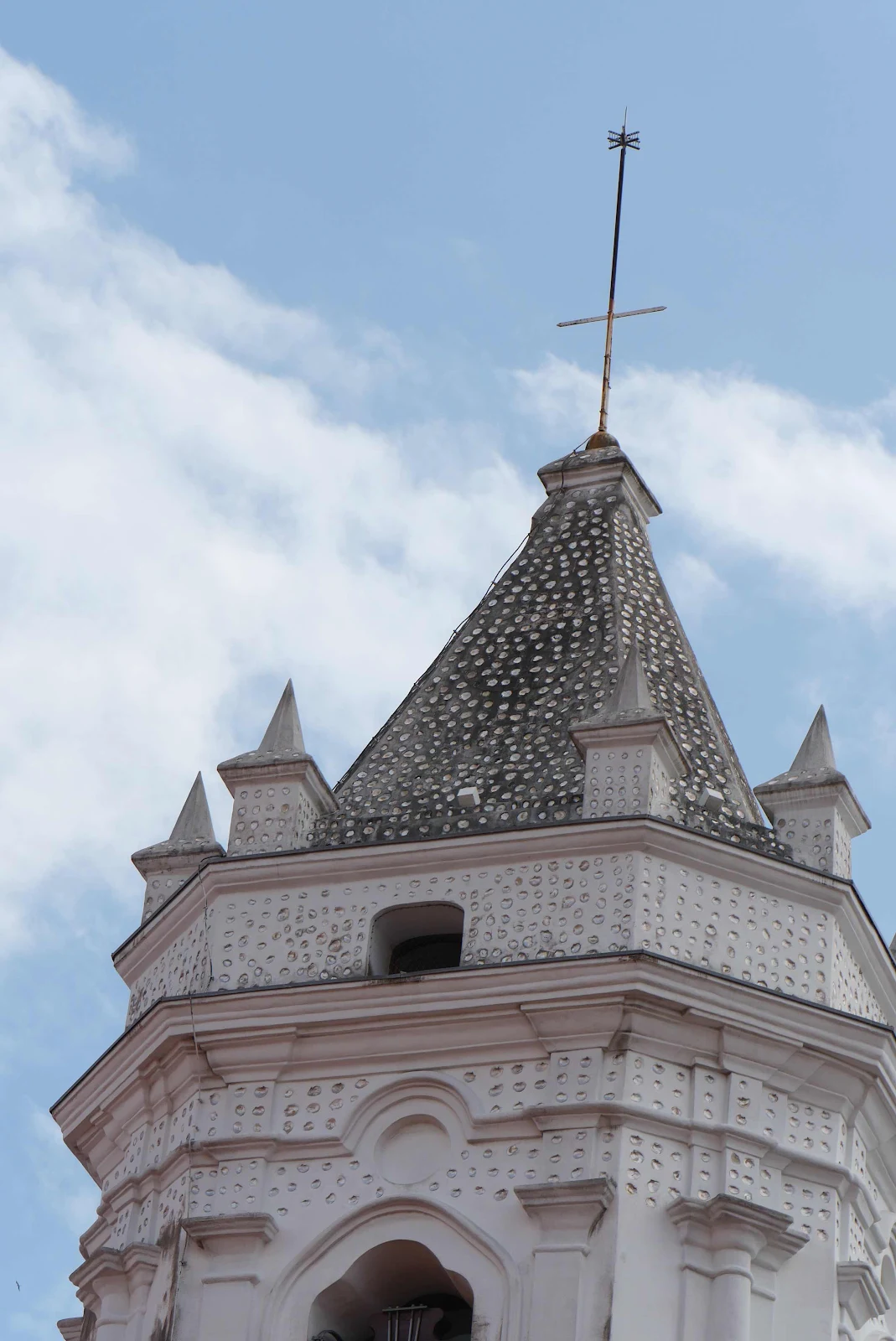
The metropolitan cathedral basilica built in 1796: 
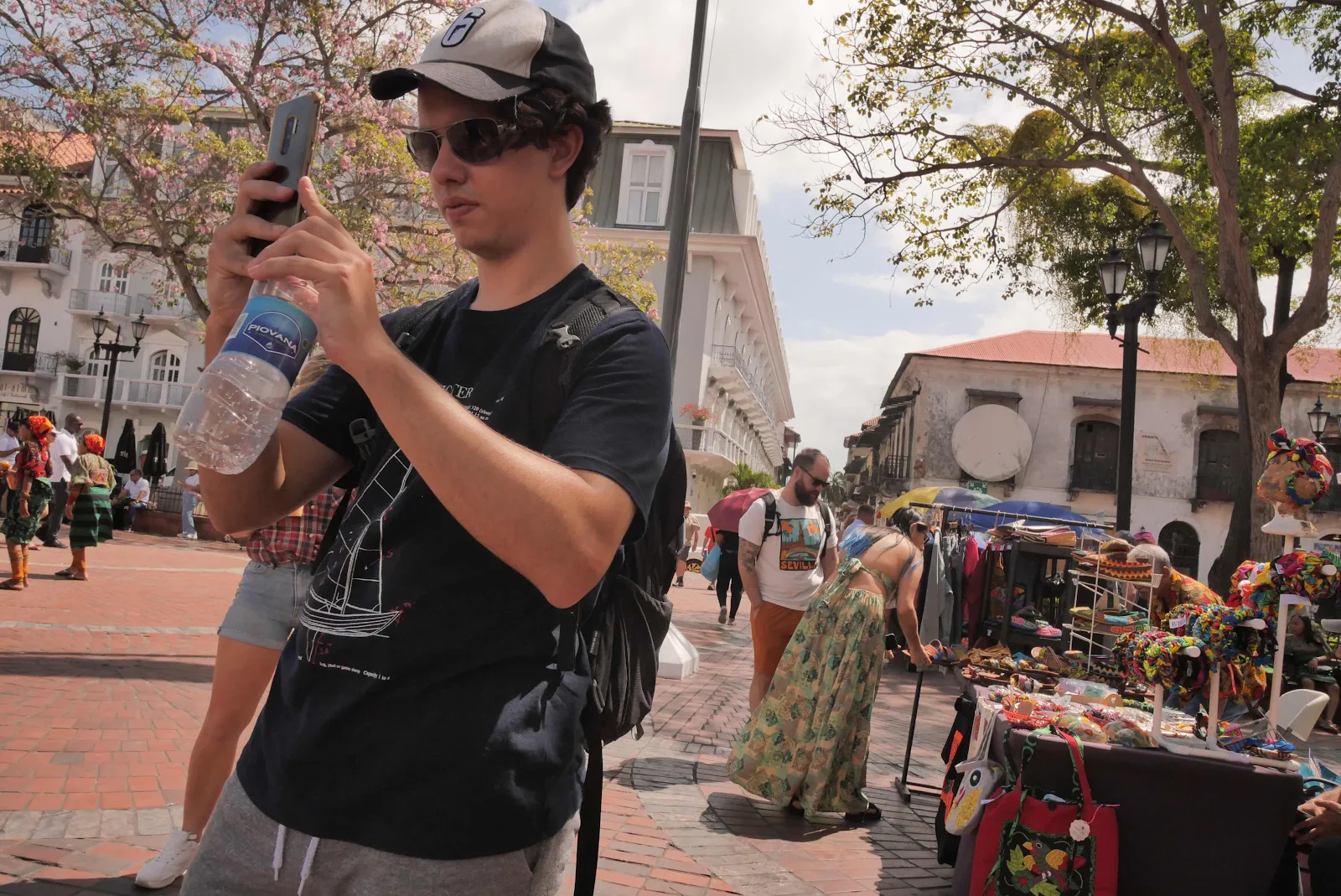
The more modern sport of souvenir photography by phone. 
From the ground the decorations look like abalone shells. 
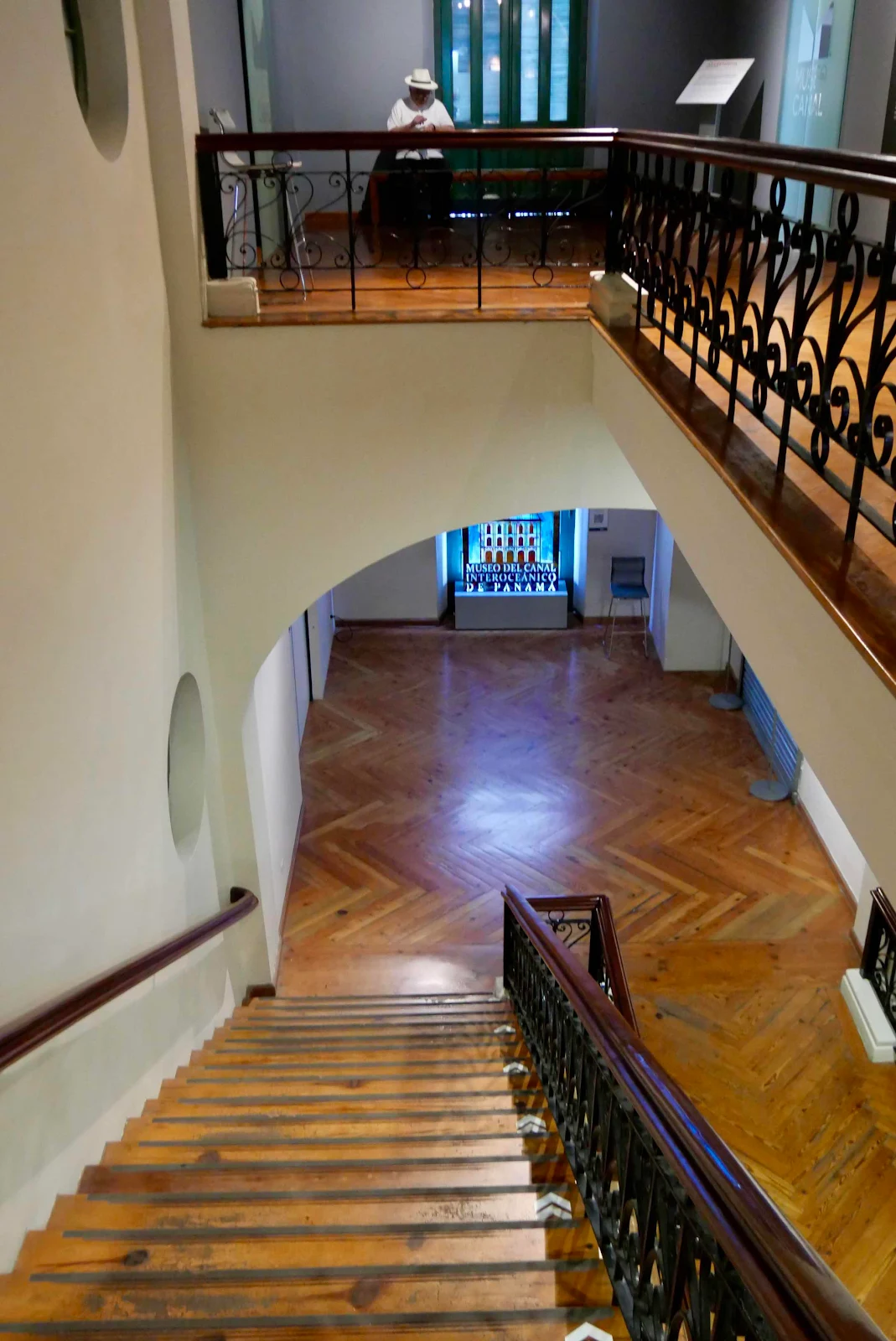
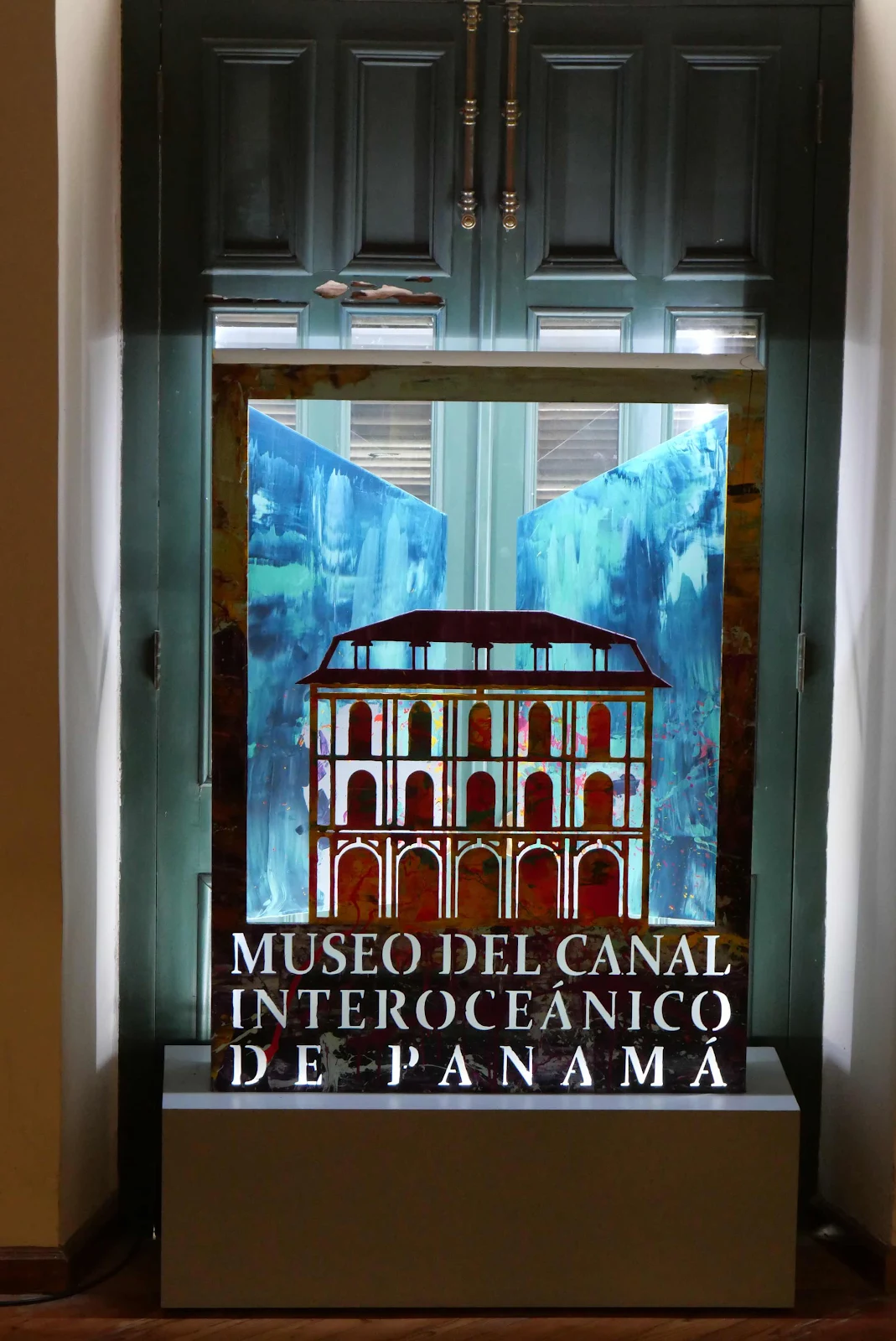
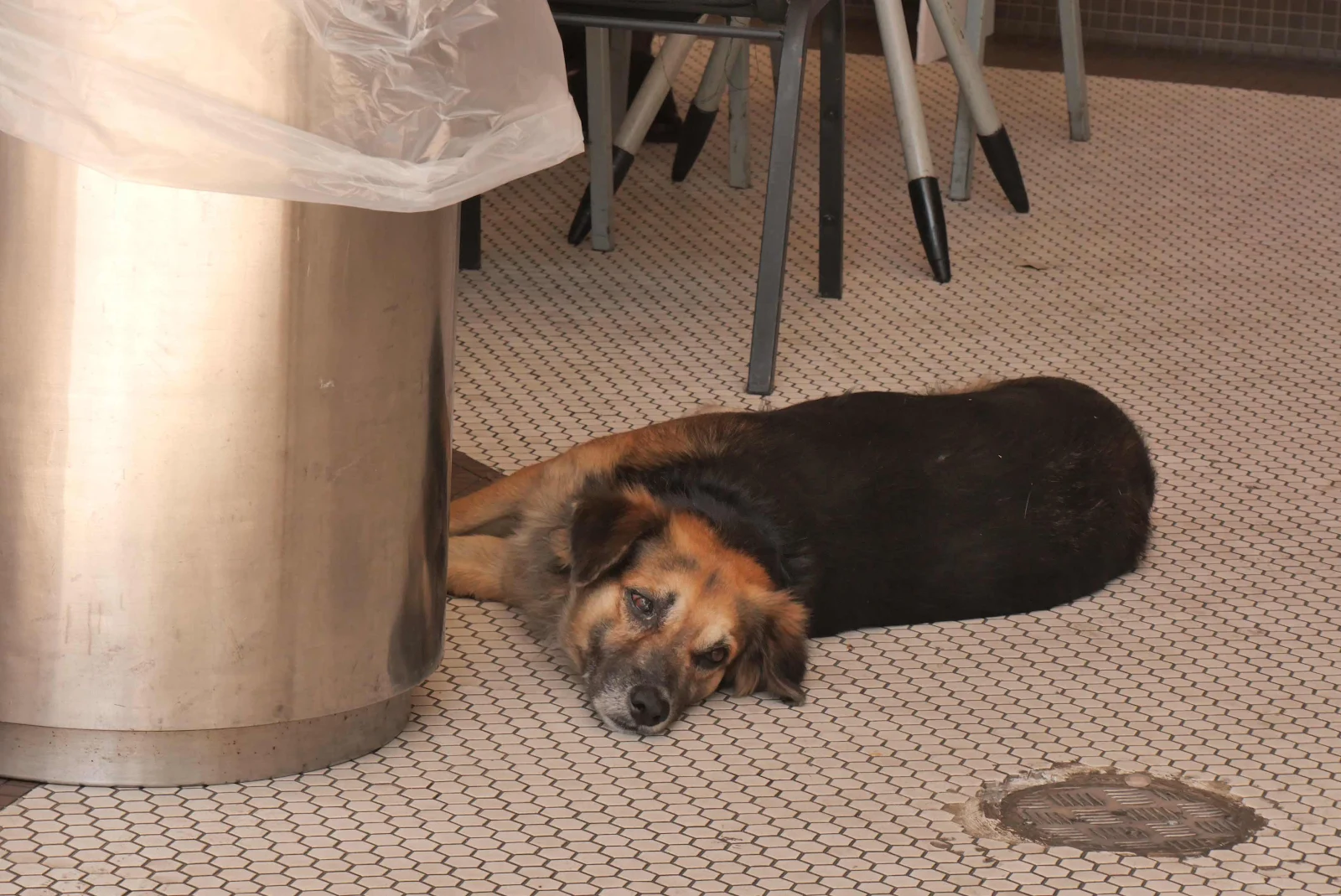
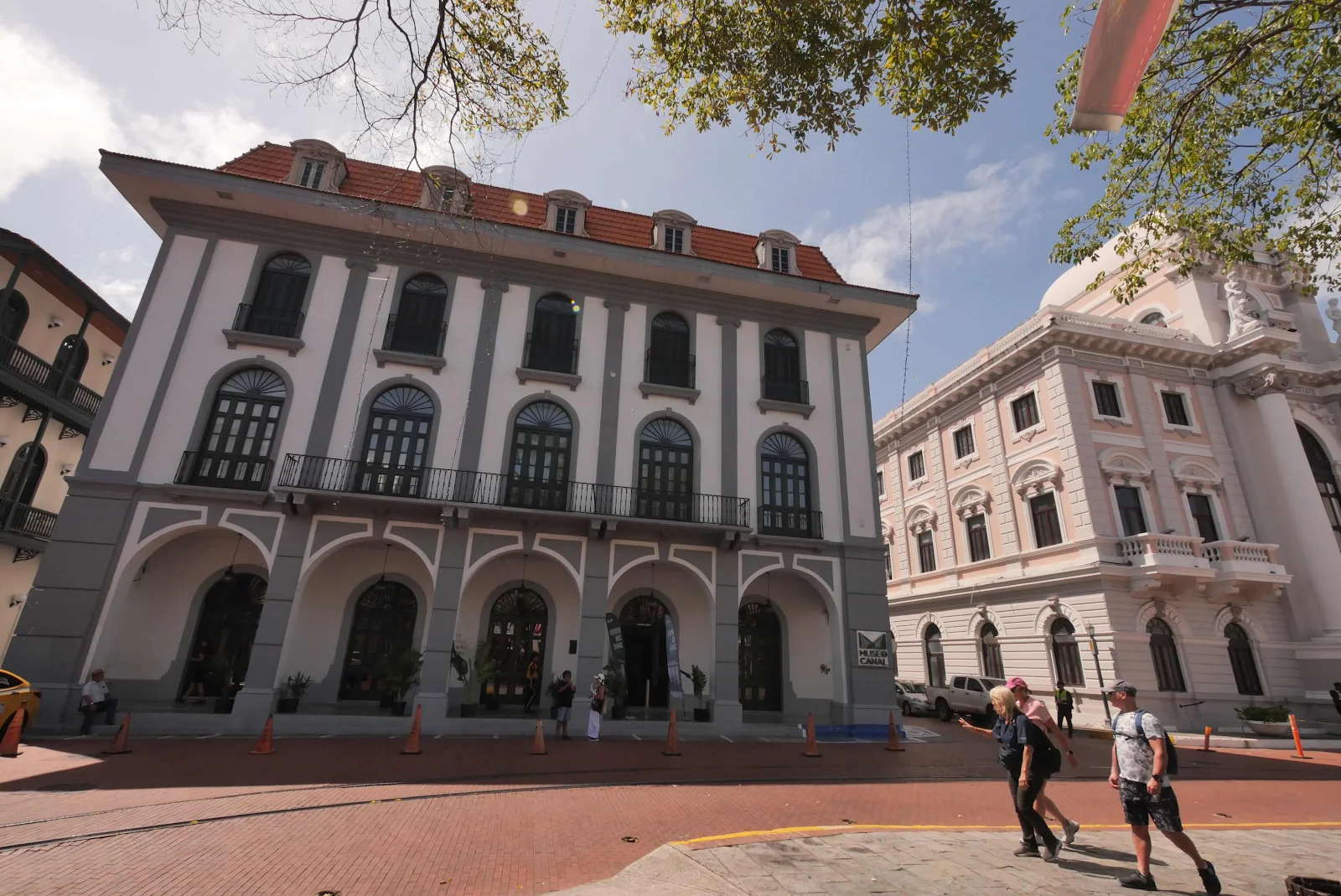
I was here to visit the Canal Museum. As we currently have no air conditioned van in which to park Rusty we took it in turns to visit. Layne came Friday and I came Saturday while the other of us house sat the chief security officer. 
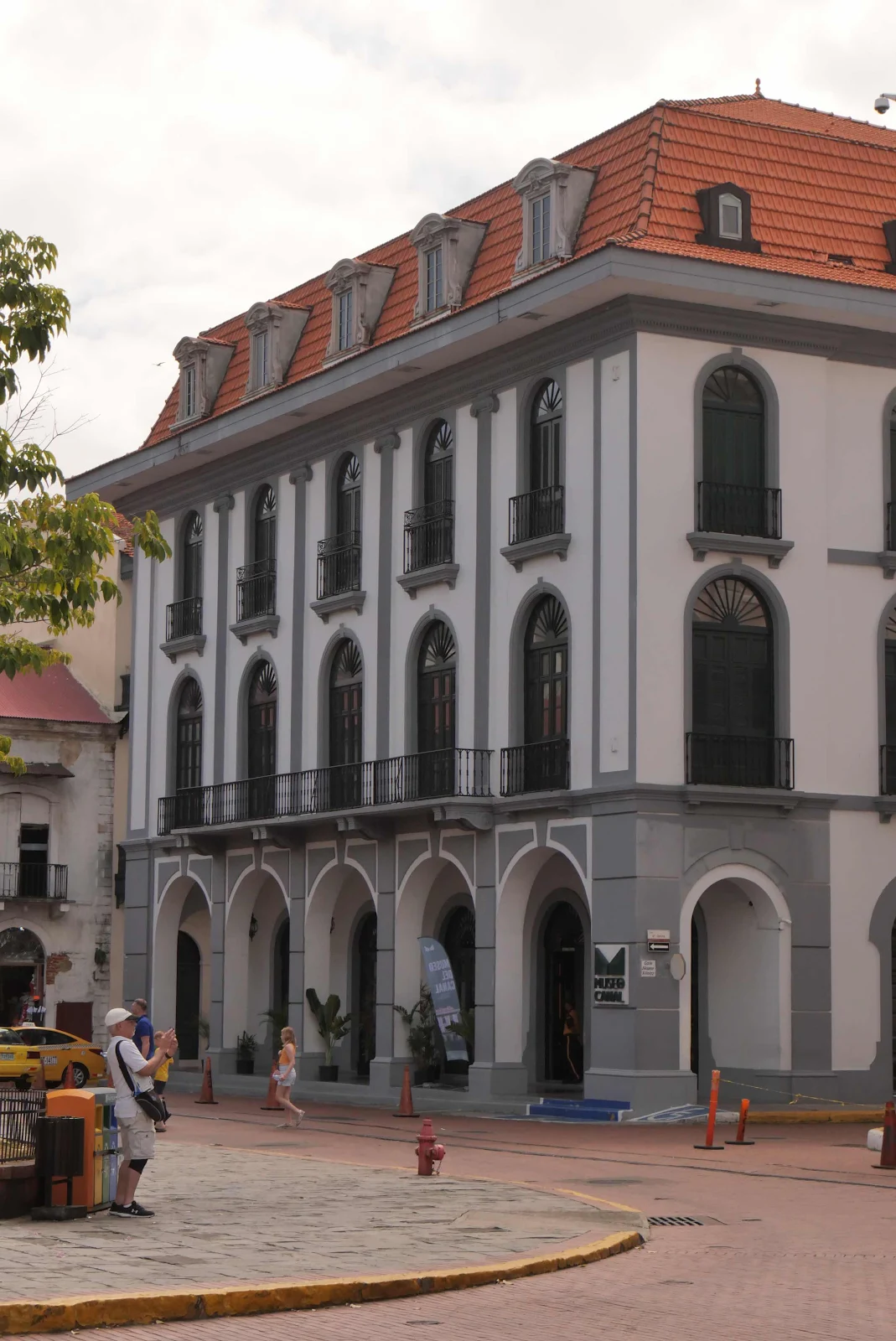
The guard frisked me at the door somewhat brusquely and unceremoniously. I made cheerful conversation thanking him for welcoming me to the museum.
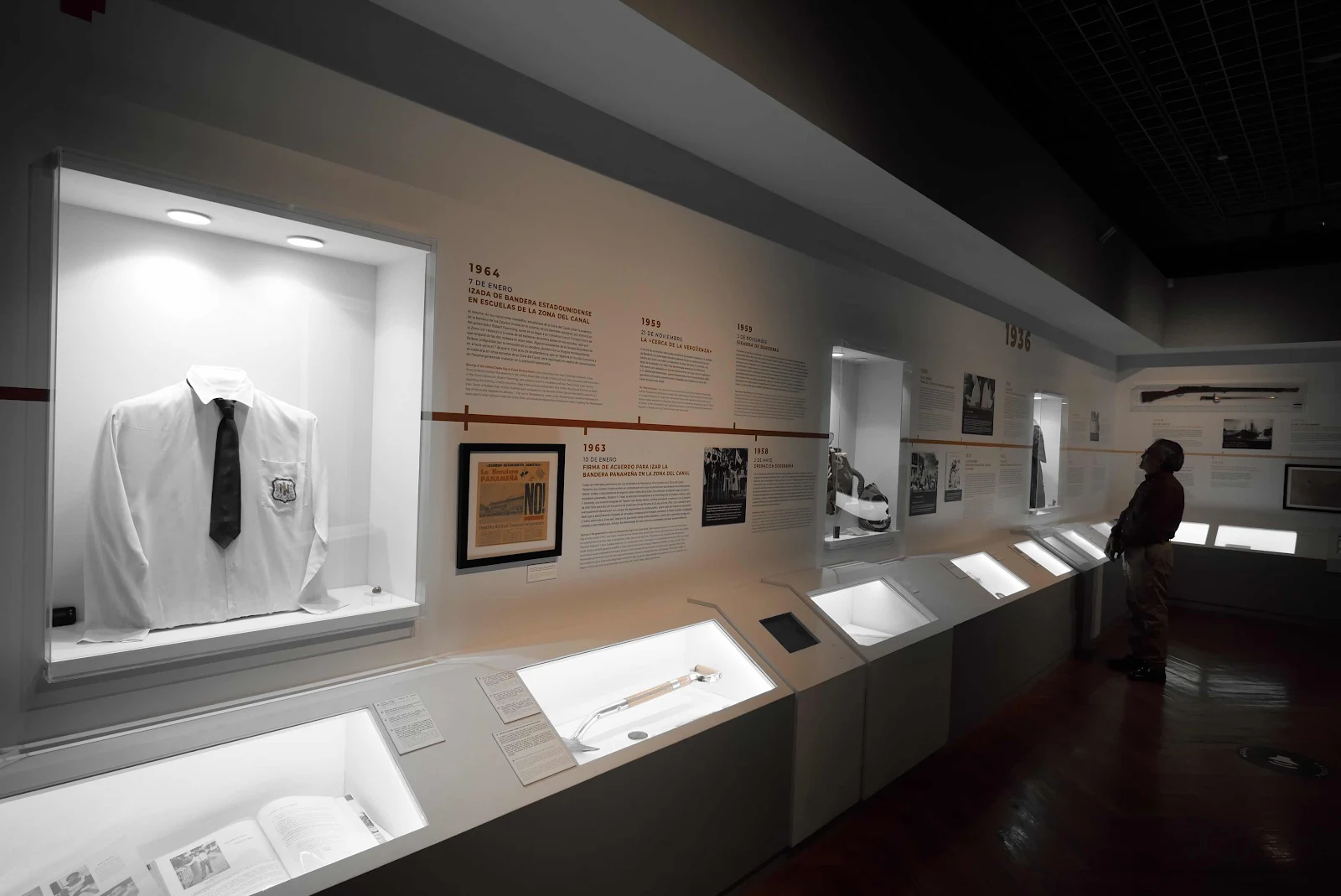
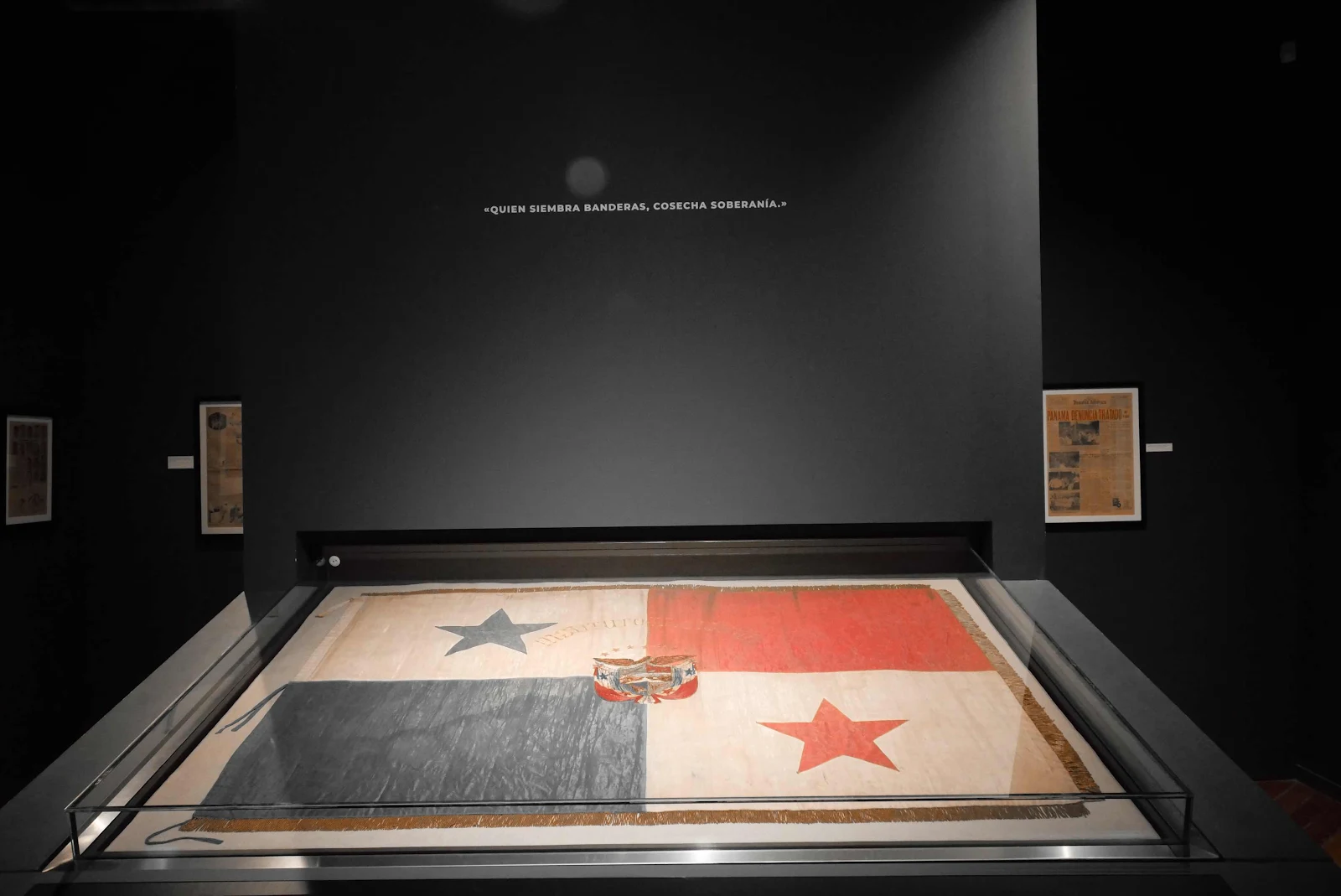
In my head there was an irony in visiting this museum as the canal itself is suffering from an imbalance of water and shipping is getting stalled and backed up. Angry Panamanians flew this flag at US Canal Zone schools in a 1964 protest demanding sovereignty. I find “total sovereignty” an empty slogan when the country was recently shut down by a six week general strike protesting corruption. 
Sanitary Officer William Gorgas to me is one of the great heroes of the canal saga. He was given the task of figuring out how to deal with yellow fever which killed so many workers in Panama some people thought the much desired canal could never be built. Gorgas traveled all over seeking a solution and eventually met Dr Carlos Findlay in Cuba who had figured out mosquitoes transmitted the disease. 
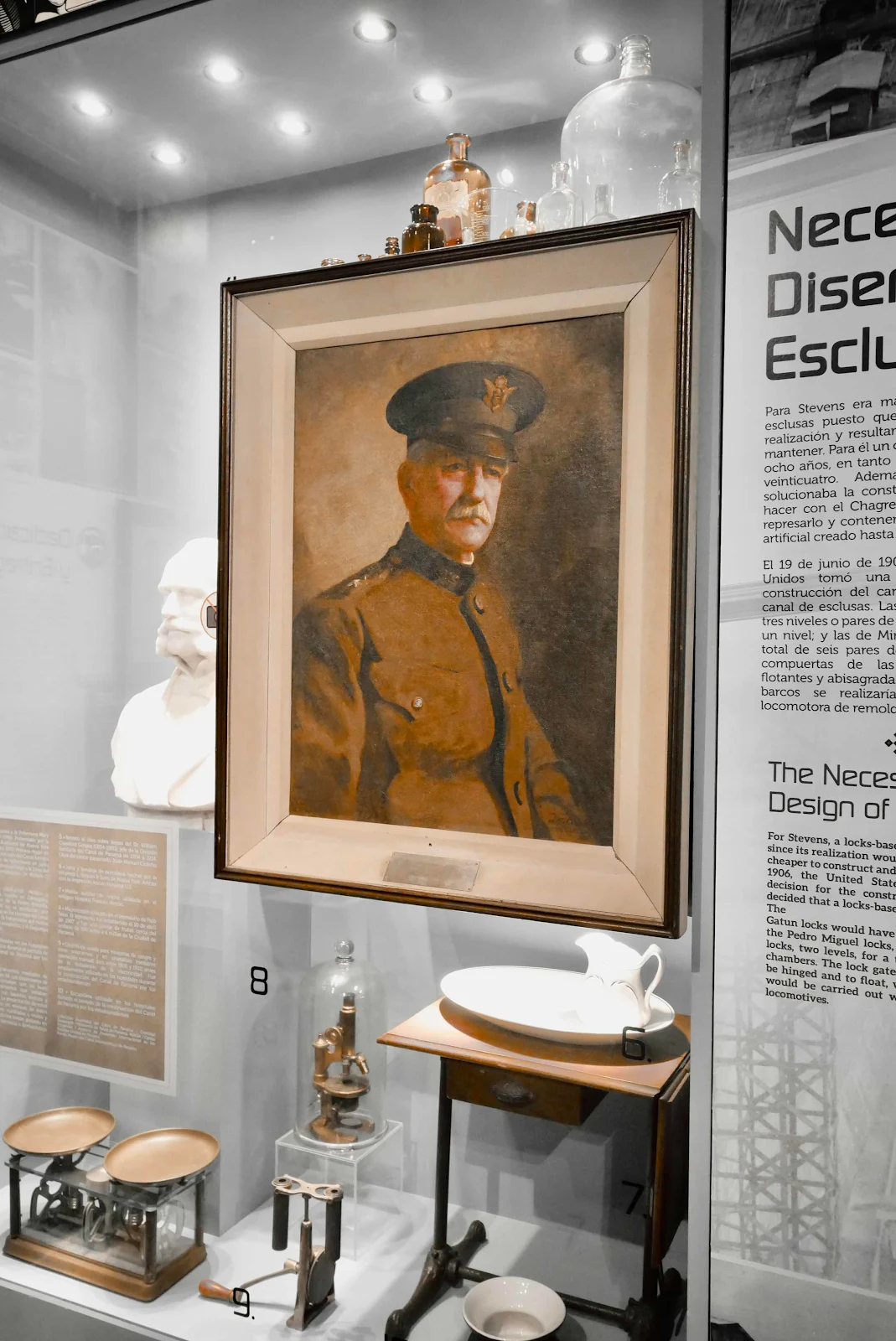
His vigorous program of vector control -ie cleaning up mosquito breeding grounds- saved lives and saved the canal construction project. 25,000 workers had died during the French decades and the early Smerican years before Gorgas stopped the slaughter. People nowadays forget yellow fever was constantly killing people in Key West and even today Layne and I are vaccinated among other things against yellow fever for this journey. 
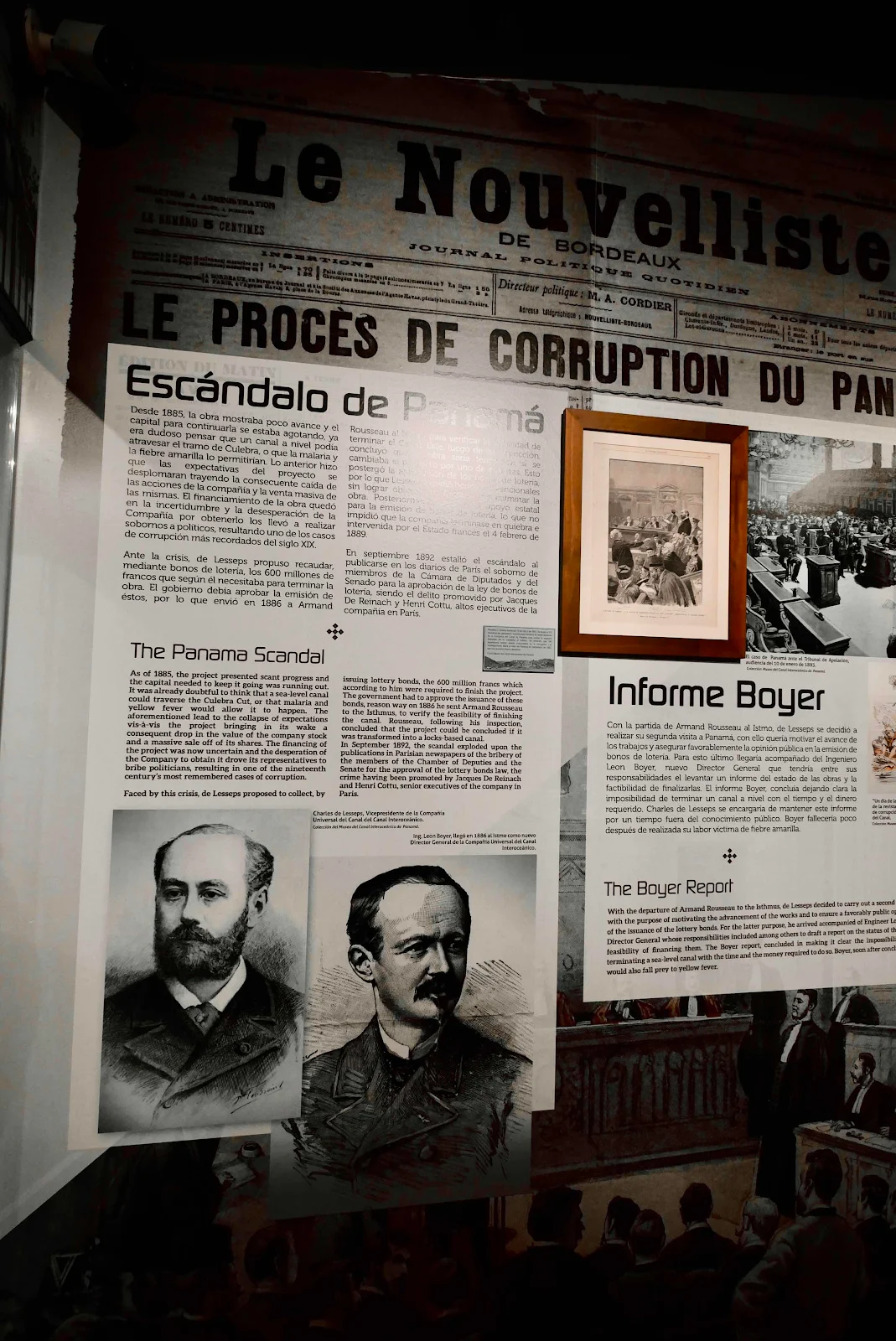
The story of the canal construction is a mish mash of corruption incompetence unsupported enthusiasm and hard work. 
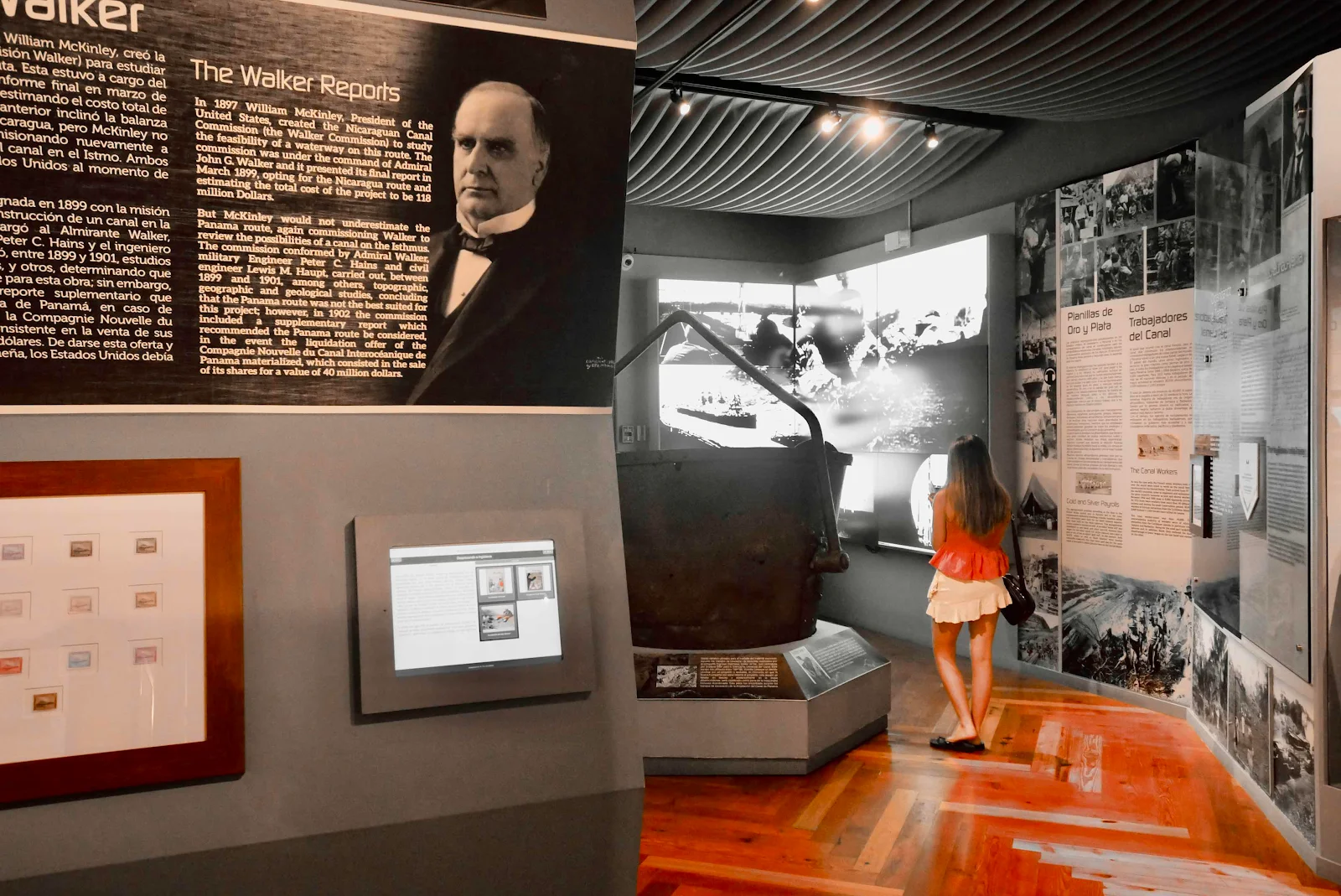
The French got to grips with what had been a centuries old dream of connecting the two oceans. They had trouble deciding if they wanted to repeat the Suez Canal experience or if they wanted to build a canal with locks to raise and lower the water levels. The competition was intense and political bribery was also used to influence an expensive outcome. 
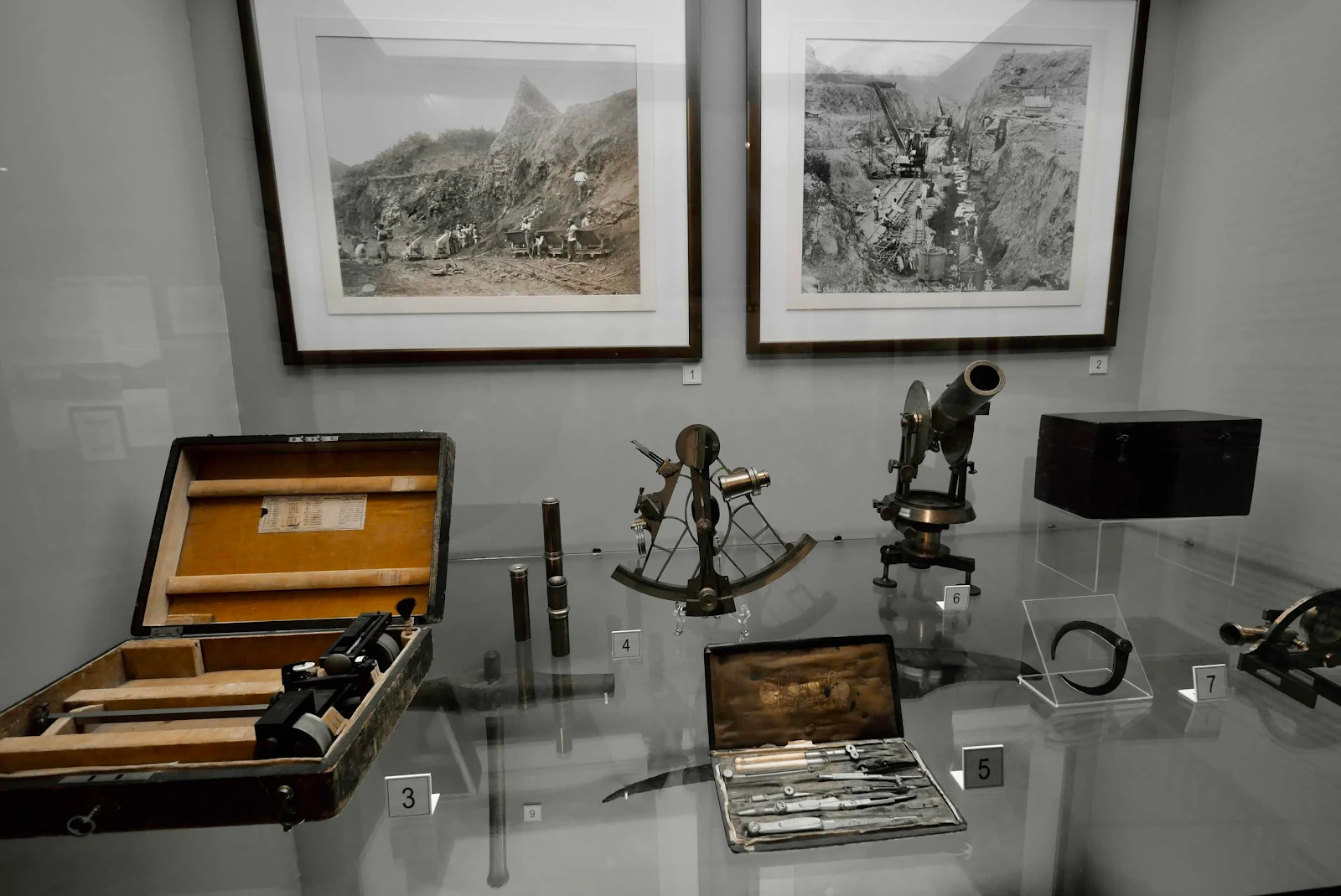
The problem was the mountainous rocky terrain which eventually convinced the engineers the canal would need locks to raise ships 75 feet to cross the center of the isthmus. 
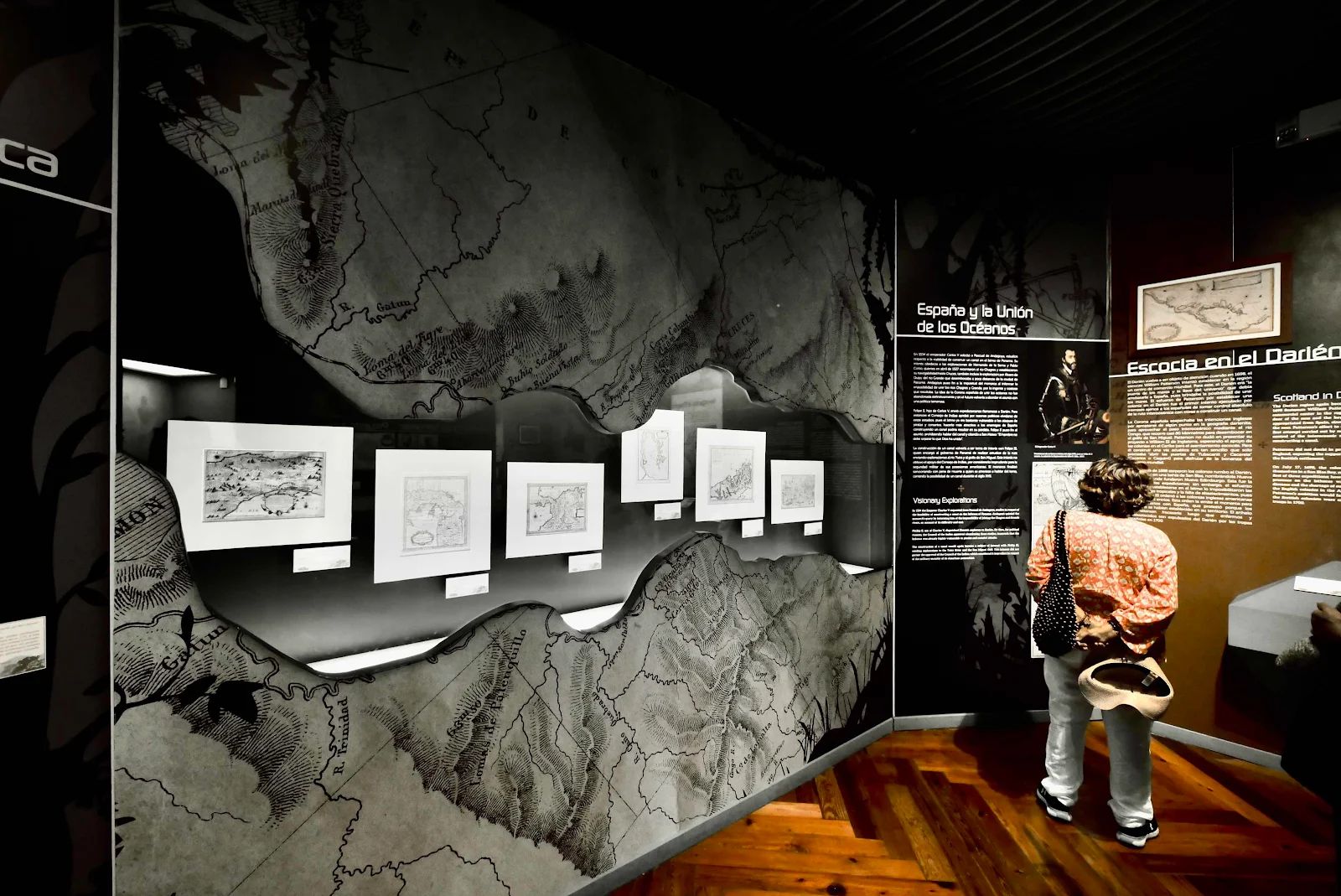
At the time Panama was a province of Colombia. Ironically Panama had petitioned Colombia to admit Panama as a province to protect Panamanians from the greed of Central Americans struggling to form new states following independence from Spain. 
The trouble was Colombia lost interest in its distant province and when foreigners came asking to build a canal Colombia said no. So the US plotted to get what it wanted which was control of the western Caribbean after the Spanish American War of 1898 gave it control of the eastern Caribbean. 
Allied with some wealthy Panamanian families in 1903 the US got what it wanted. Two weeks after declaring independence from Colombia the Republic of Panana ceded in perpetuity sovereignty of a strip of land across its middle and the US planned to build a canal there. 
The US paid 40 million dollars to buy the French canal interests and gave Panama just ten million for the sovereignty of the zone. In 1912 President Taft ordered 40,000 Panamanians deported from the Zone, 14 % of Panama’s population, as they weren’t wanted on US soil. 
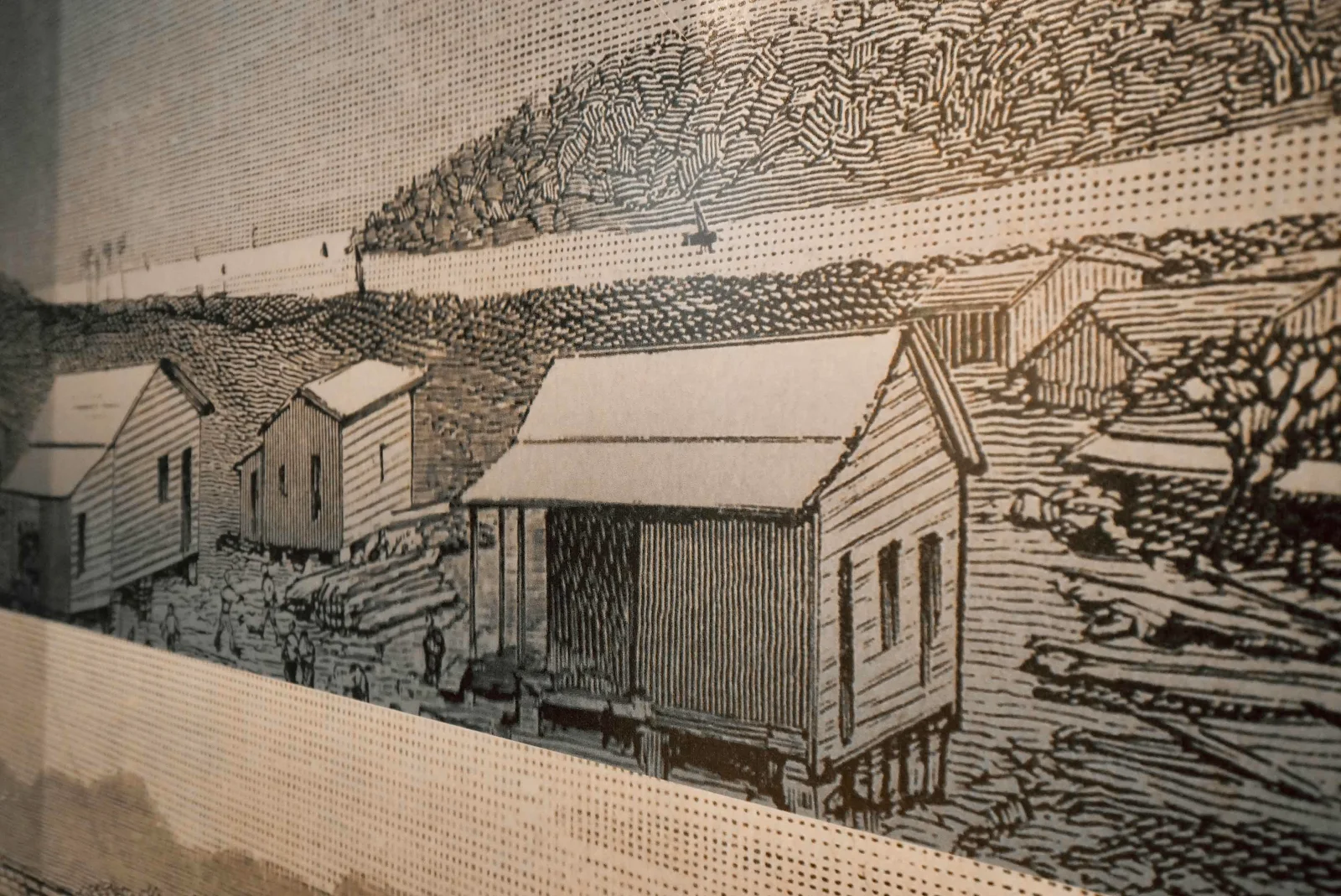
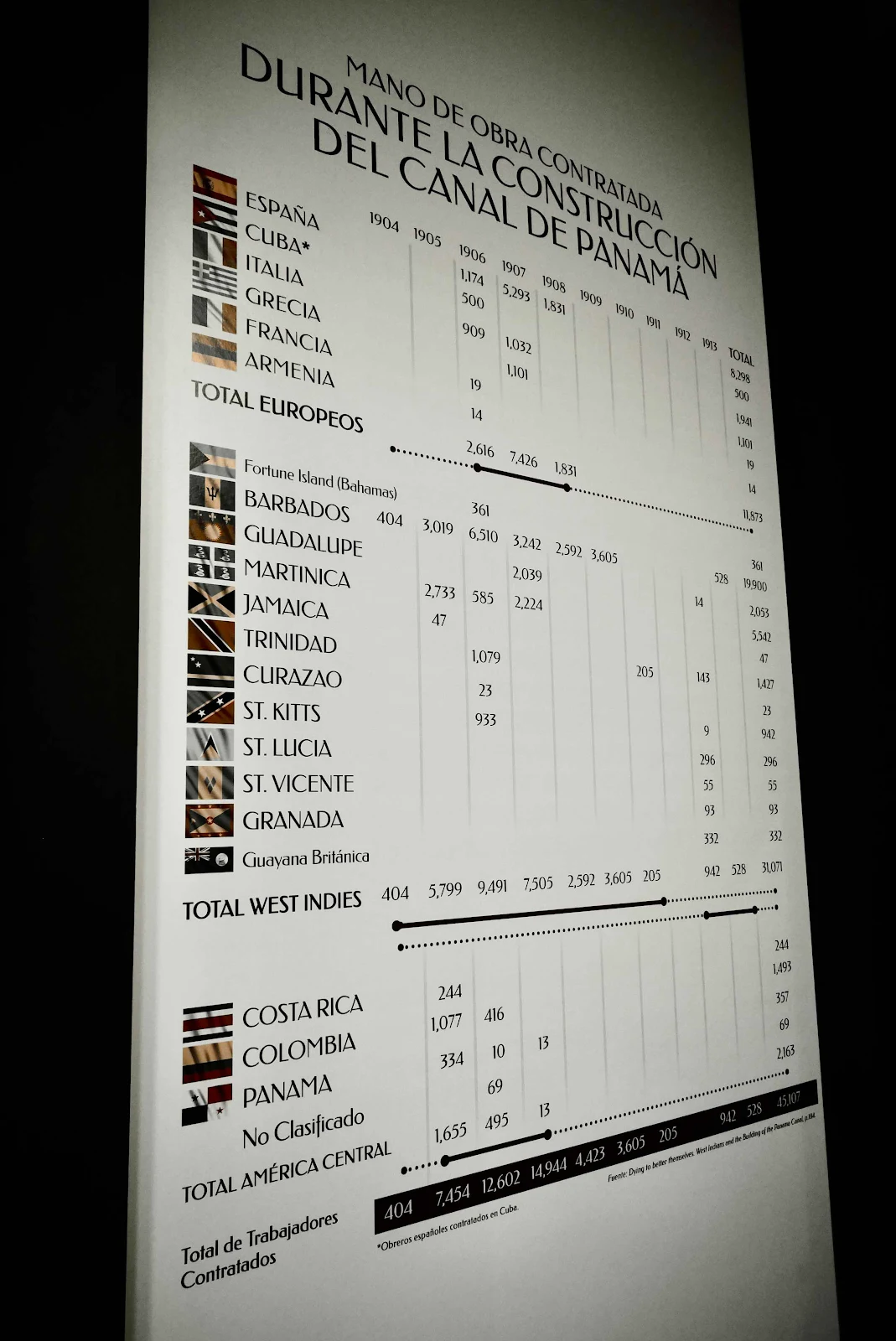
Thousands of workers were imported to build the canal from all over the world. They were segregated by race and skin color and nationality and wages were decidedly unequal. You were a gold employee (educated and white and most likely American) or you were a silver employee on a sliding scale of wages depending on your race. It was not pretty to modern eyes. 
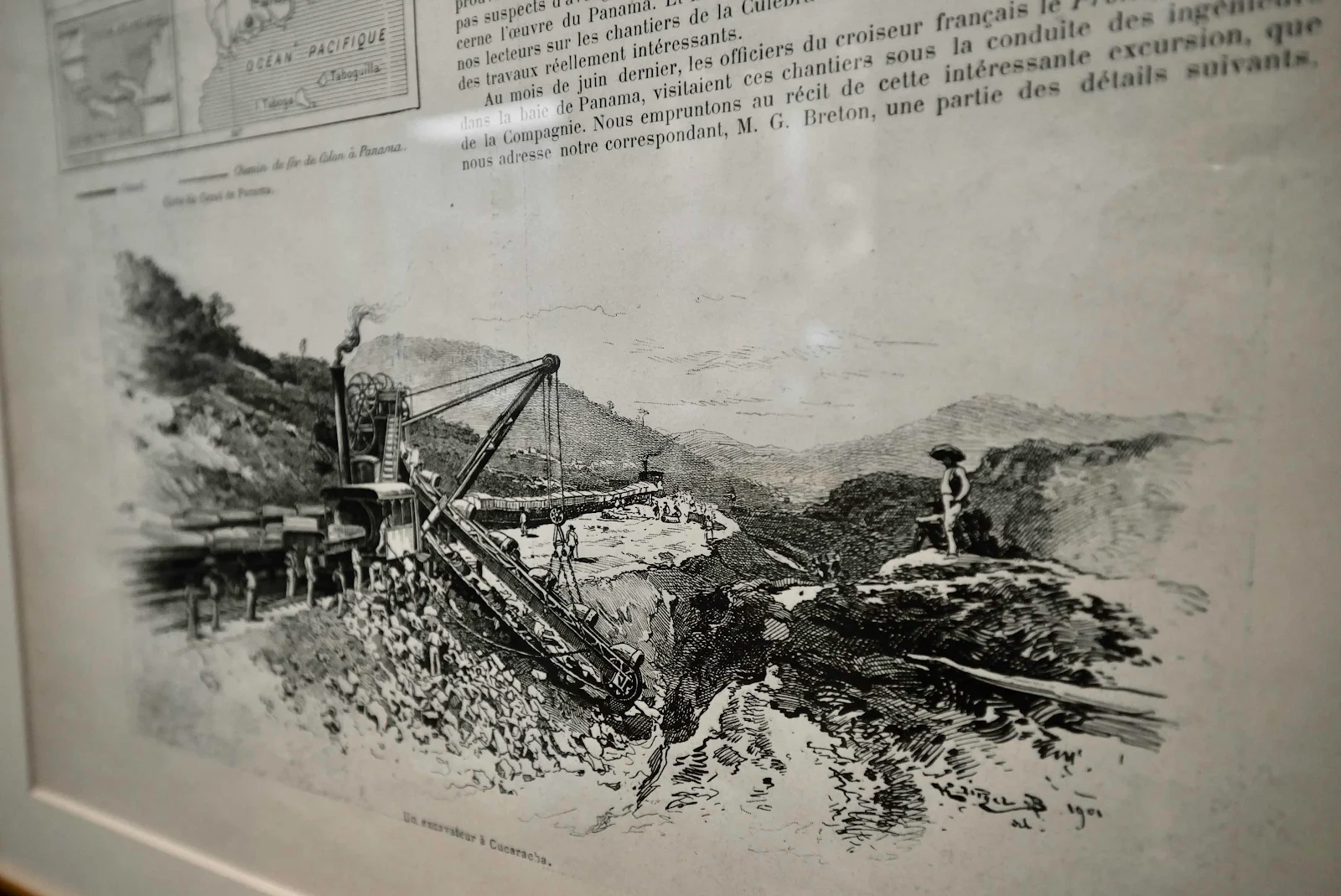
One thing that struck me about the really very comprehensive displays was the life they showed really does resemble what you will see if you check out old photos of construction of the Oversea Railroad. Workers housing, steam dredges and so forth were all deployed in Florida in ways similar to those seen earlier in Panama. 
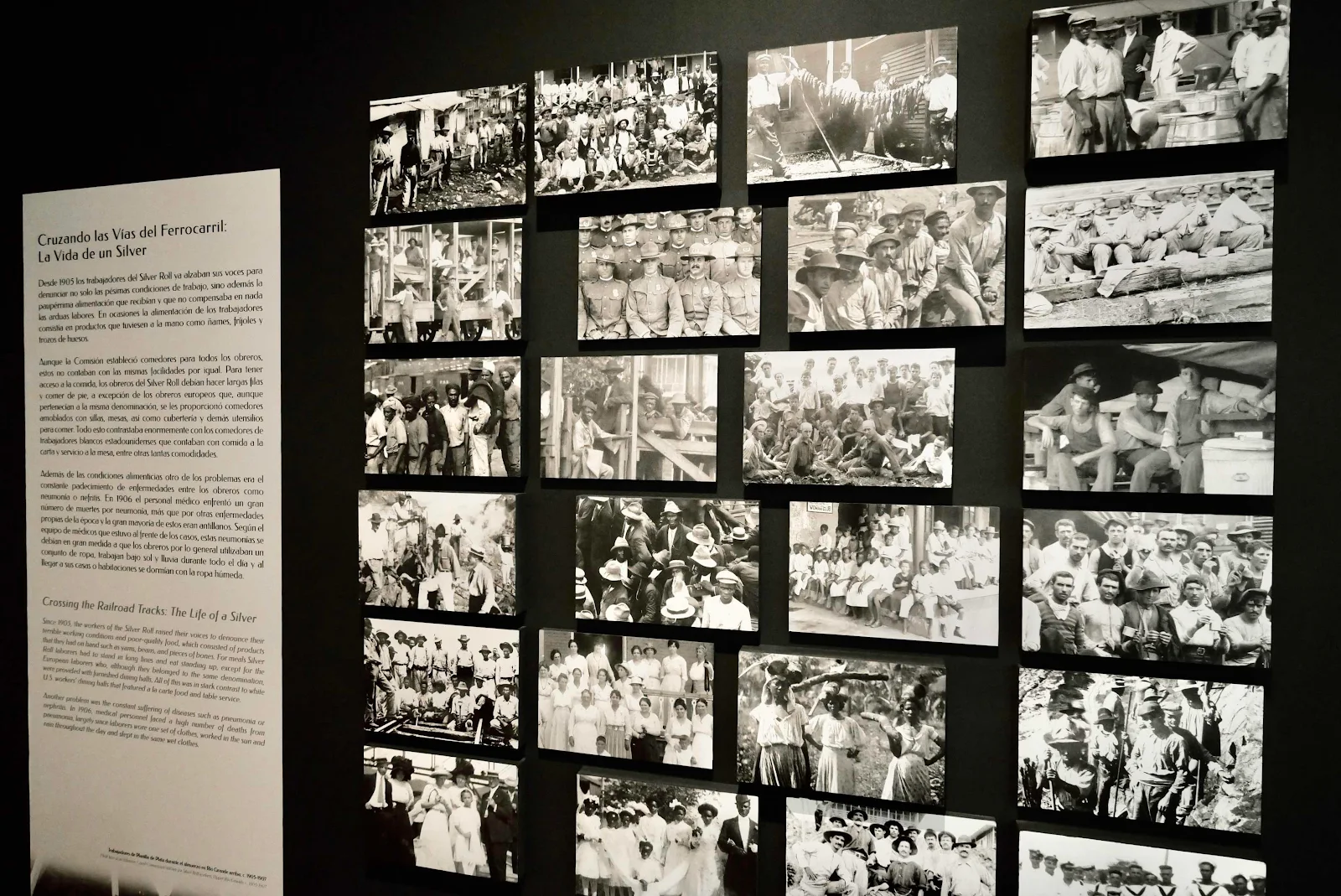
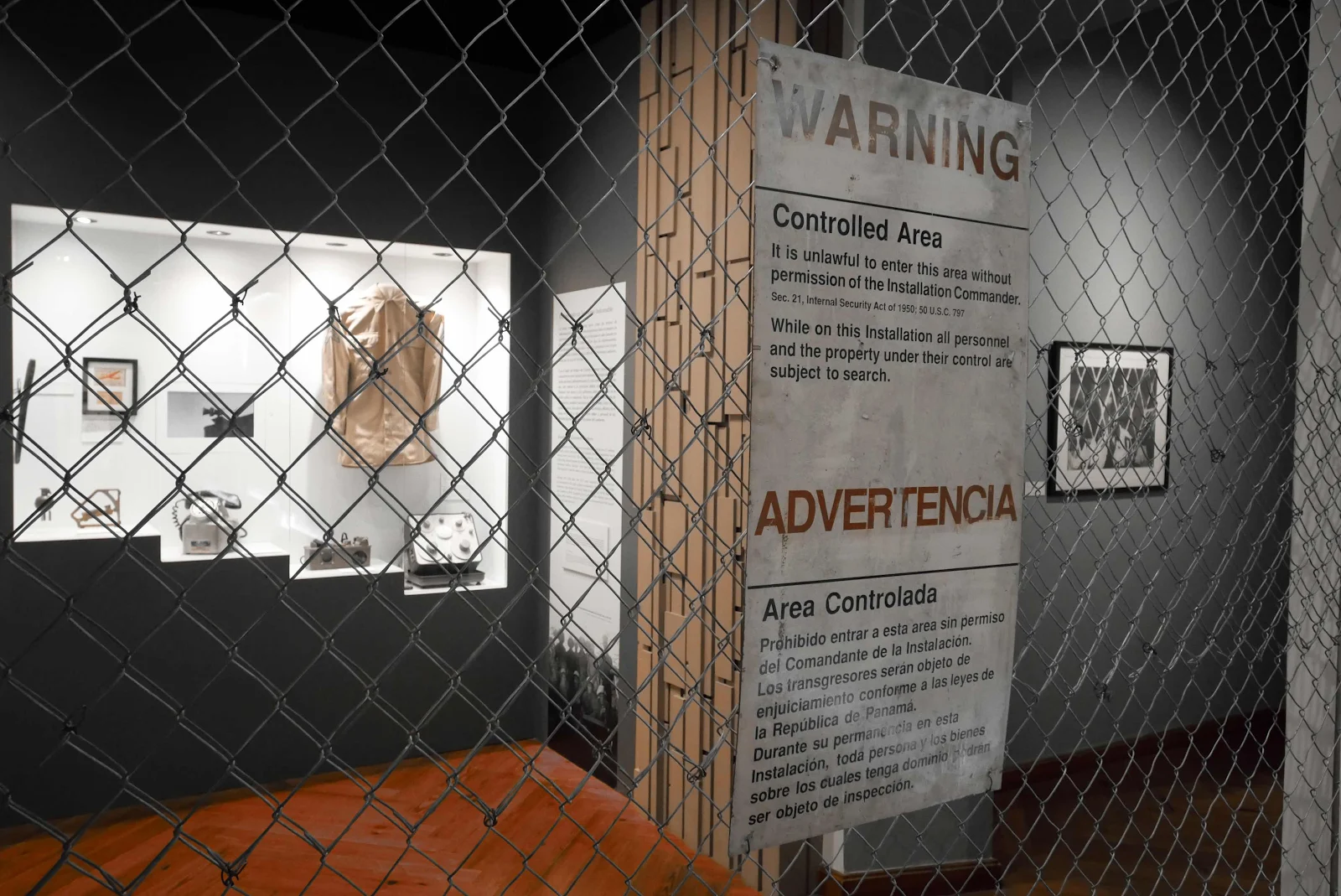
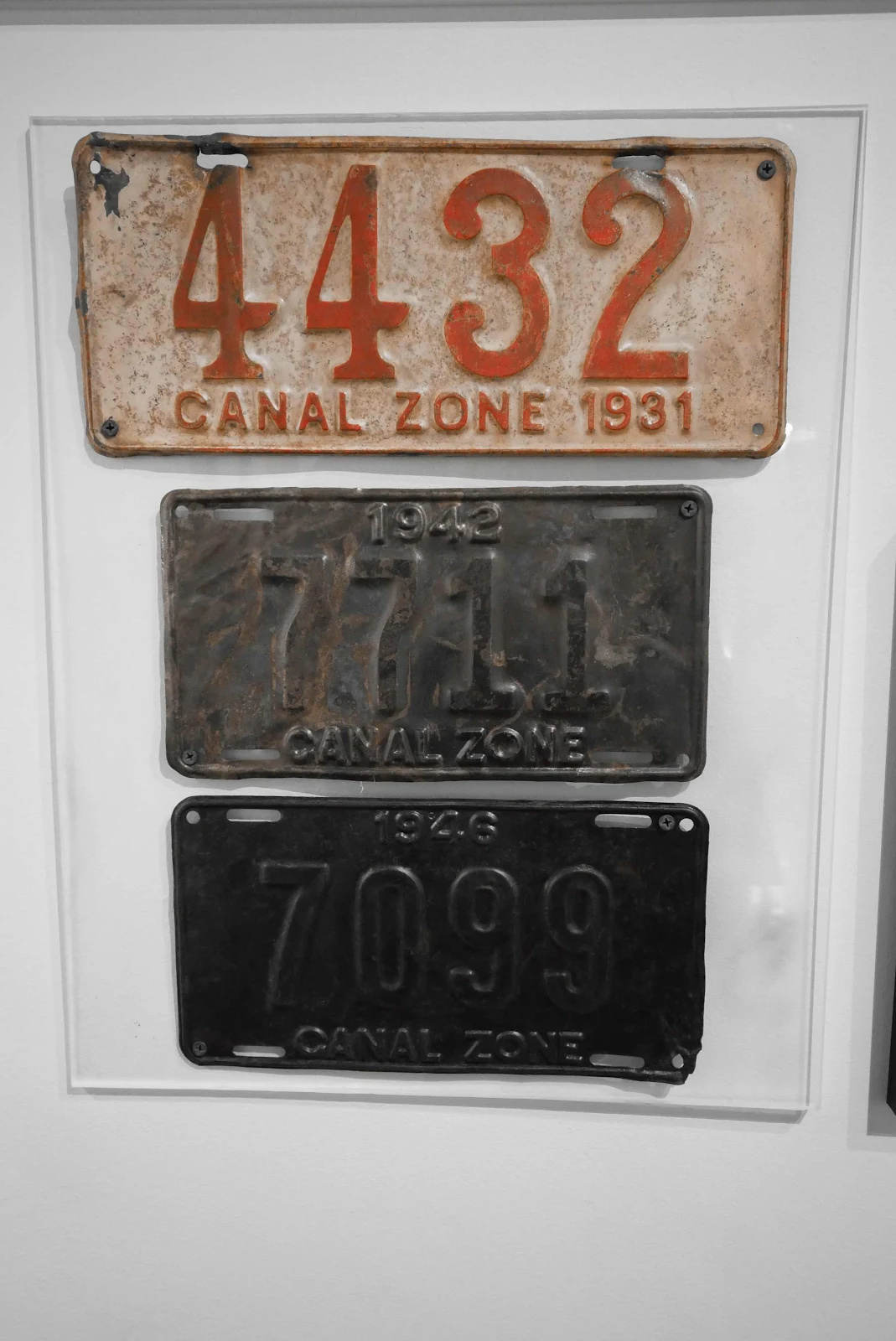
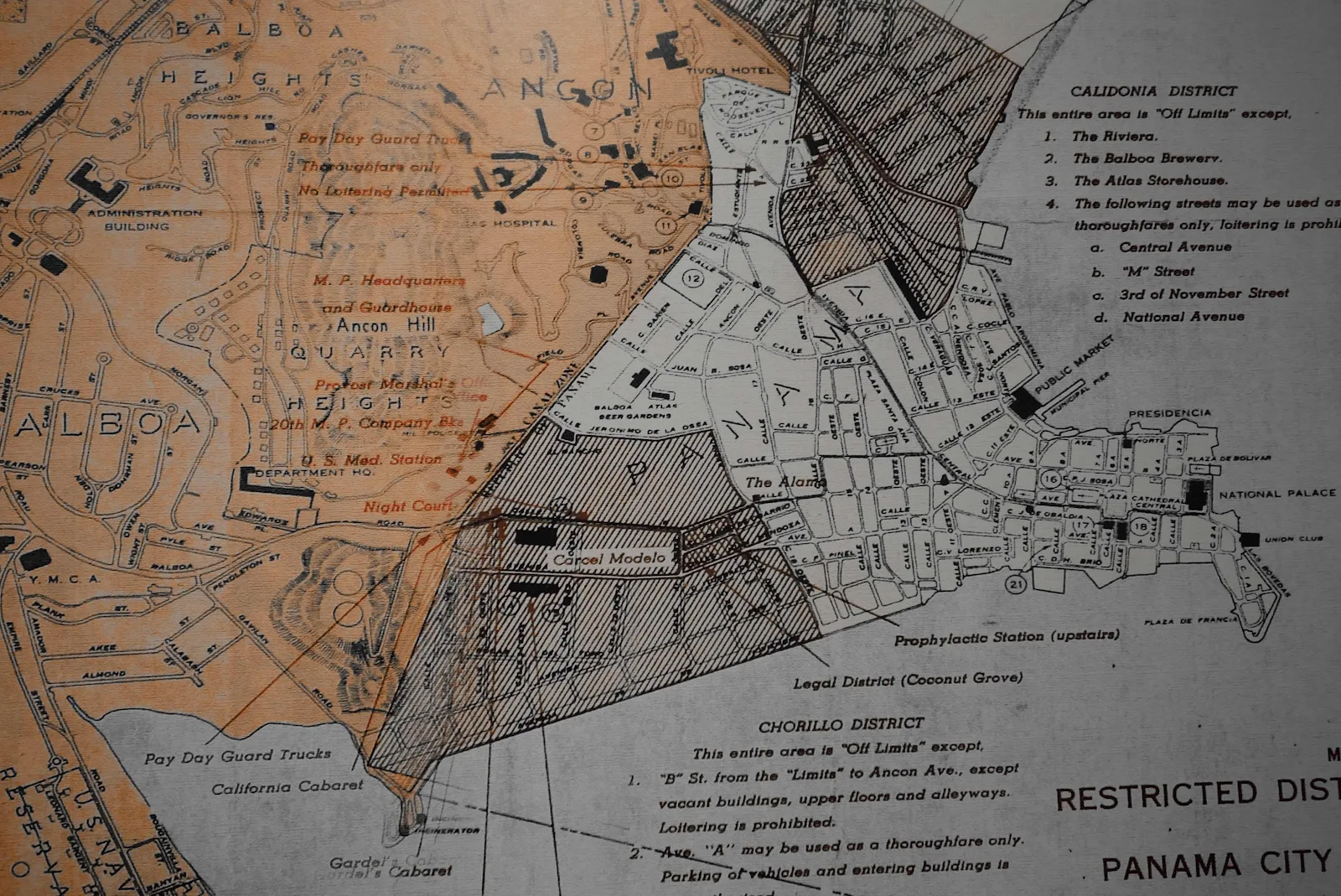
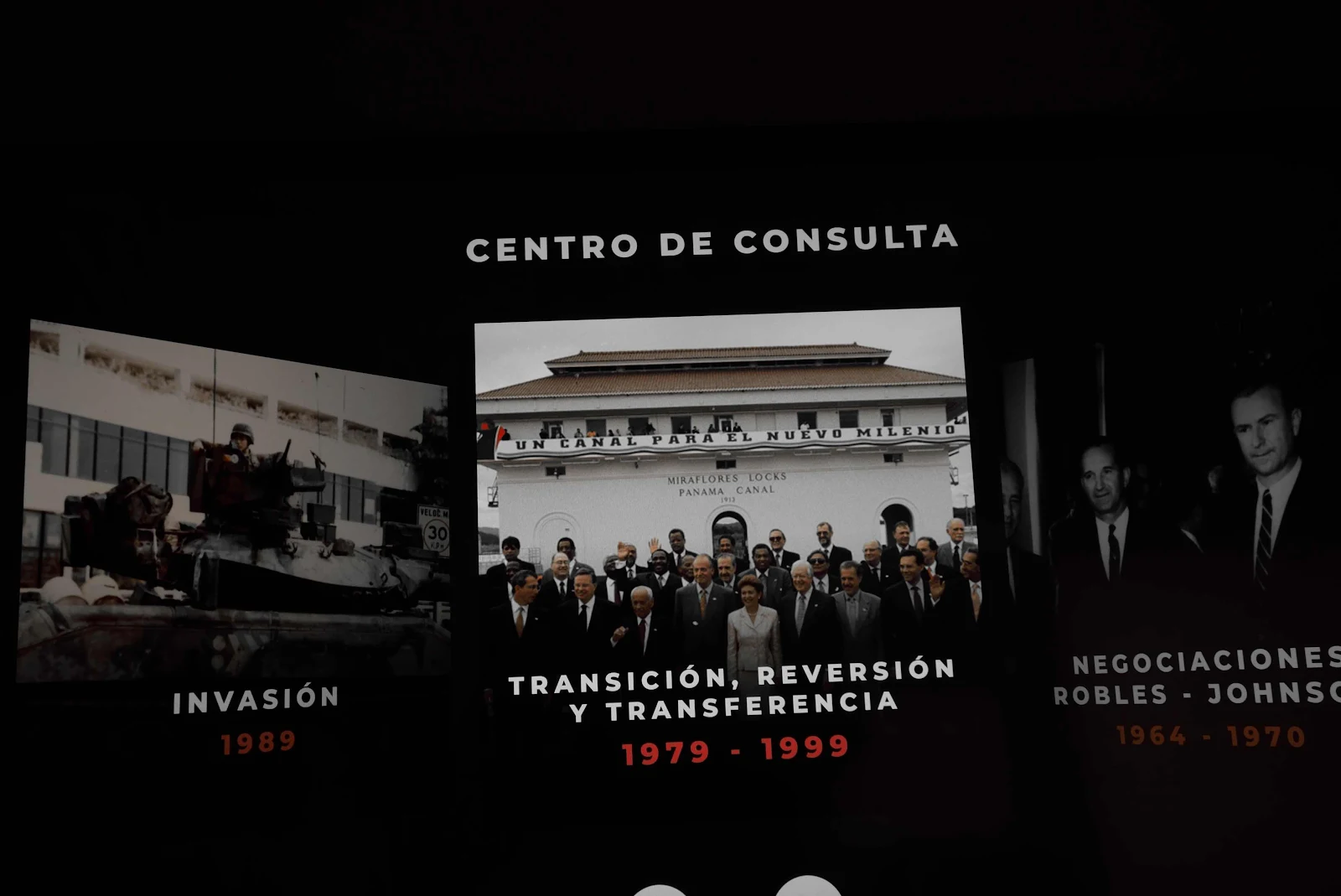
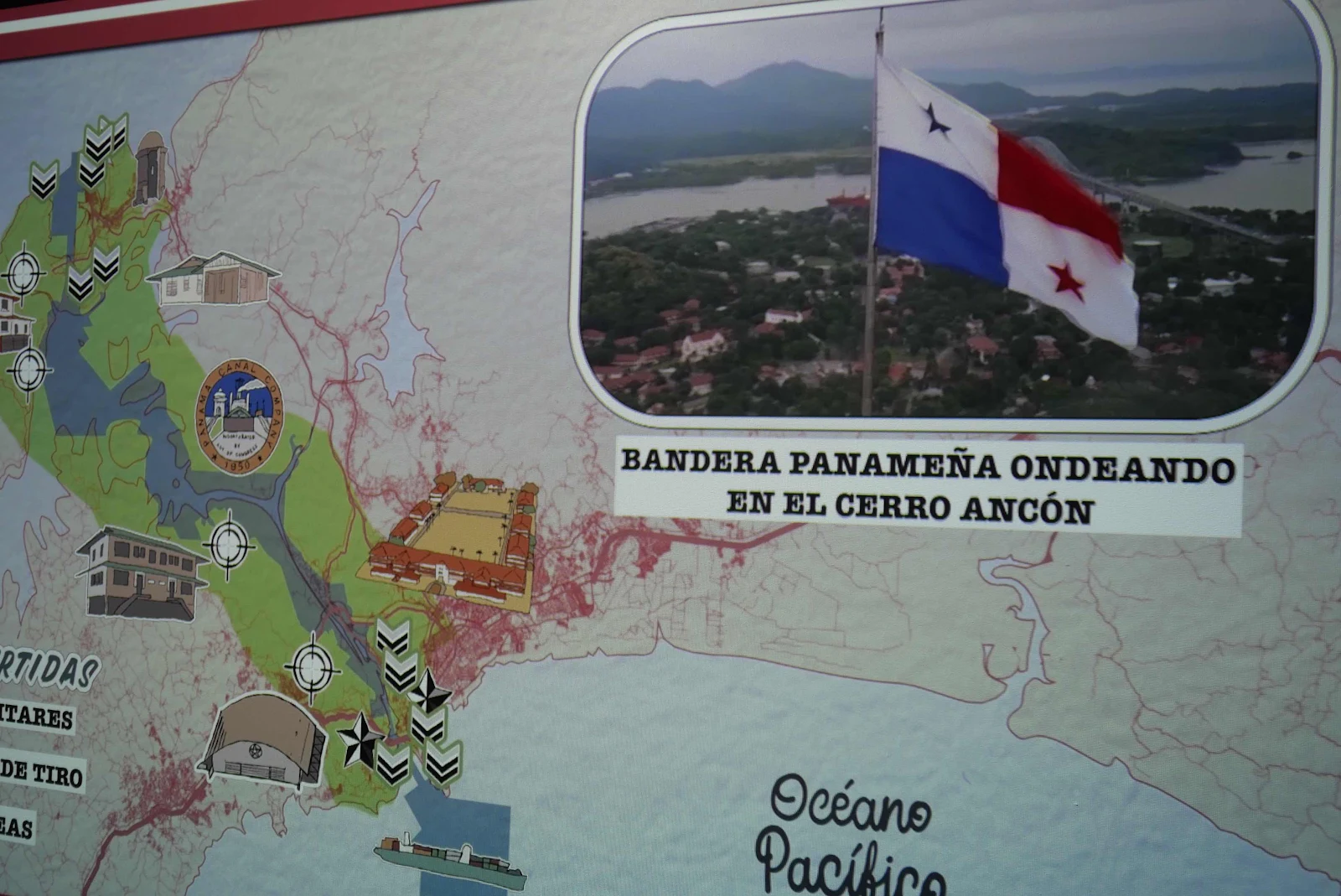
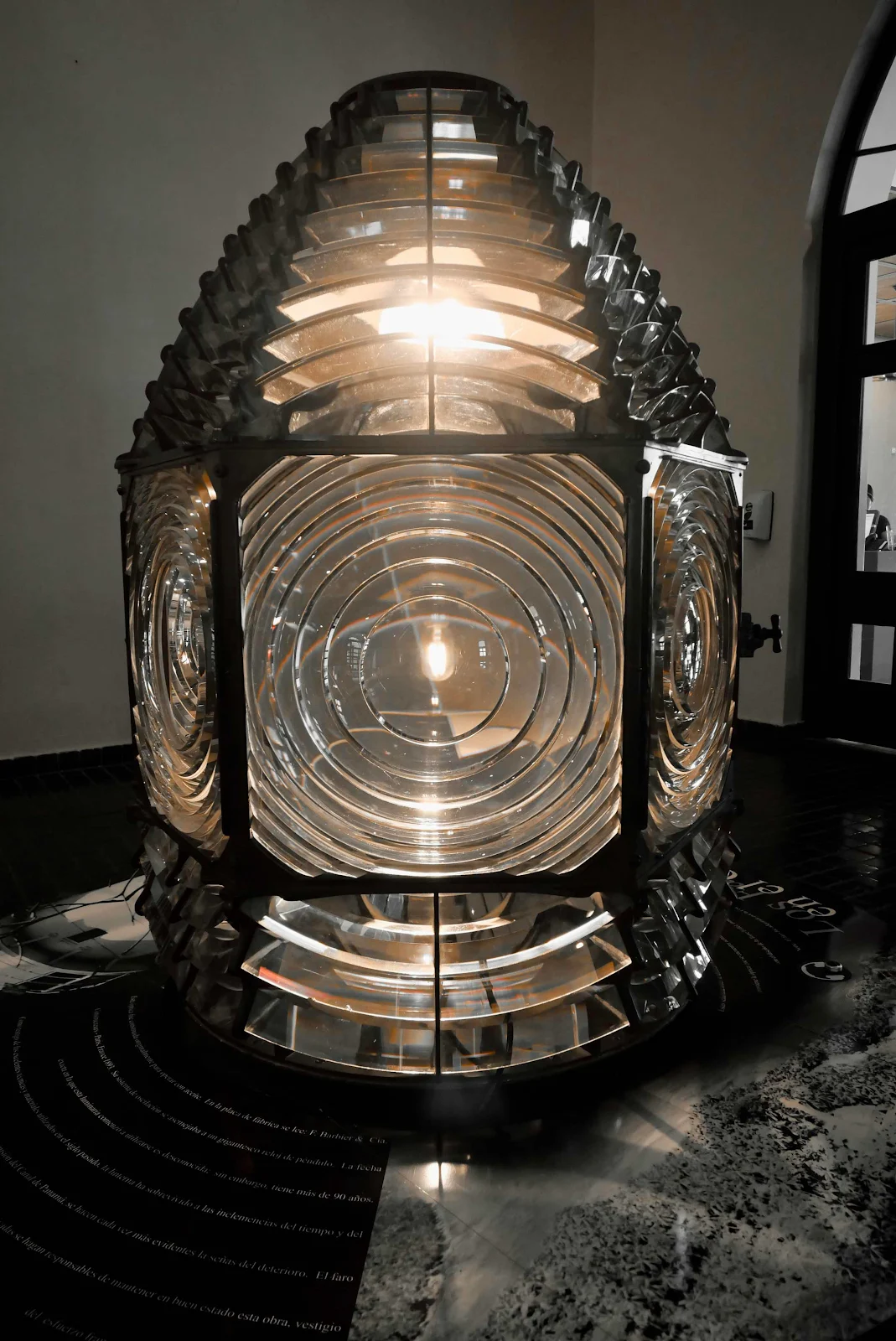
The museum is very comprehensive and shows in detail the construction of the cabal as well as life in the zone and the politics surrounding it before during and after the handover in 1999. 
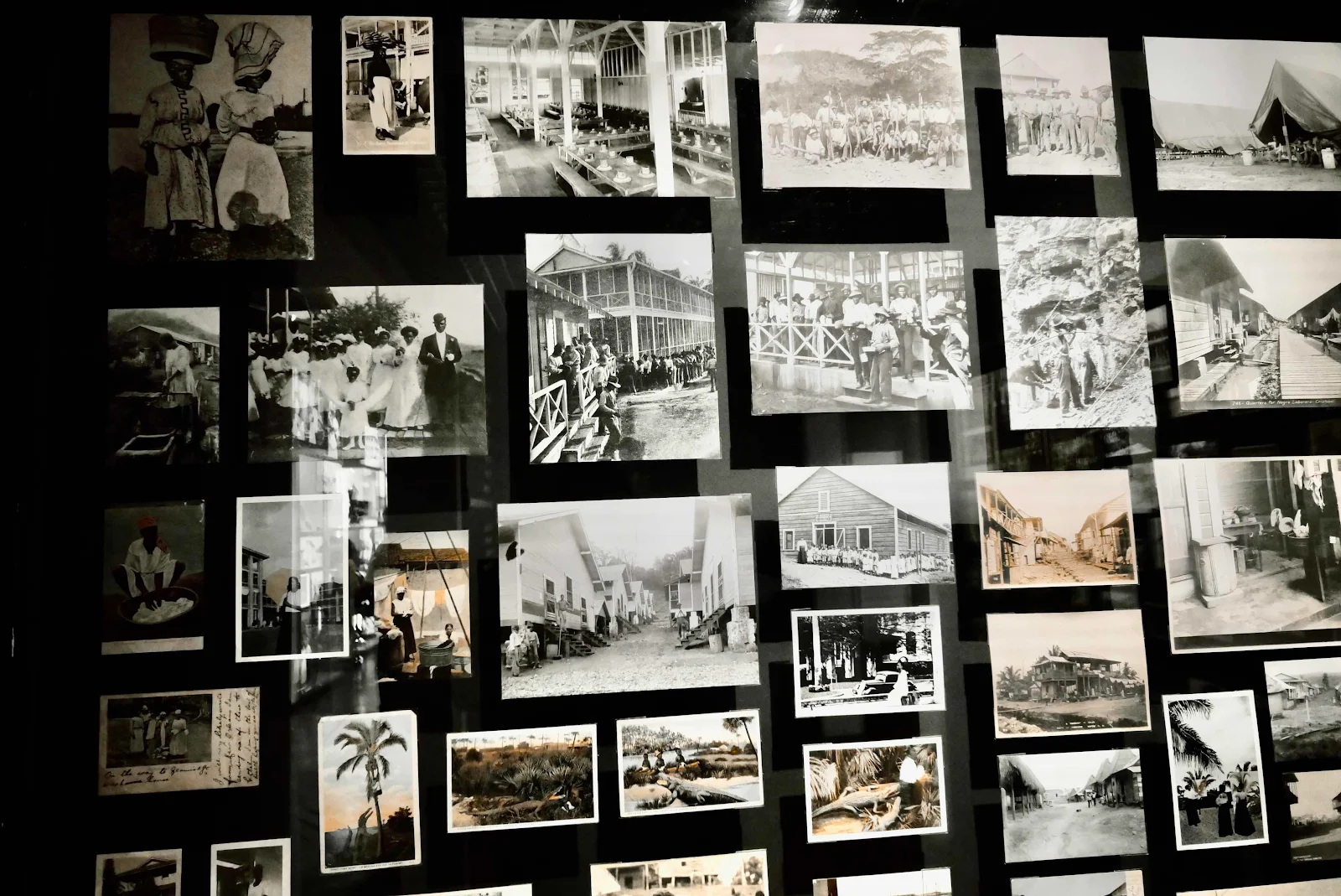
The fundamental flaw in the creation of the canal zone was the fact, perhaps unavoidable, that it split the country in two. Not surprisingly that loss of essential sovereignty could never be overlooked by Panamanians. 

White Americans lived in luxury their every need taken care of inside the zone which Panamanians were not allowed to visit. There were opening hours in the border fence to allow Panamanians to cross the canal on roads built across the top of the locks but generally they were kept out of what they considered their own land and it rankled. 

The canal brought huge wealth to Panama and in the run up to the hand over Panamanians at last got access to well paying jobs. China now controls the container ports at each end of the canal and American control is a bitter colonial memory. 

US military bases are gone as is also the careful engineering of water powered locks. In building new extra large locks to handle extra large ships Panana has upset the balance of water storage and water use. It’s convenient to blame climate change for water shortages to operate the locks designed 120 years ago but despite retention ponds the new lock stem still uses more water than was ever planned. 

I can see the injustice of the zone as the leaders who founded Panana in the US led coup really had no choice when the US made its demands. 

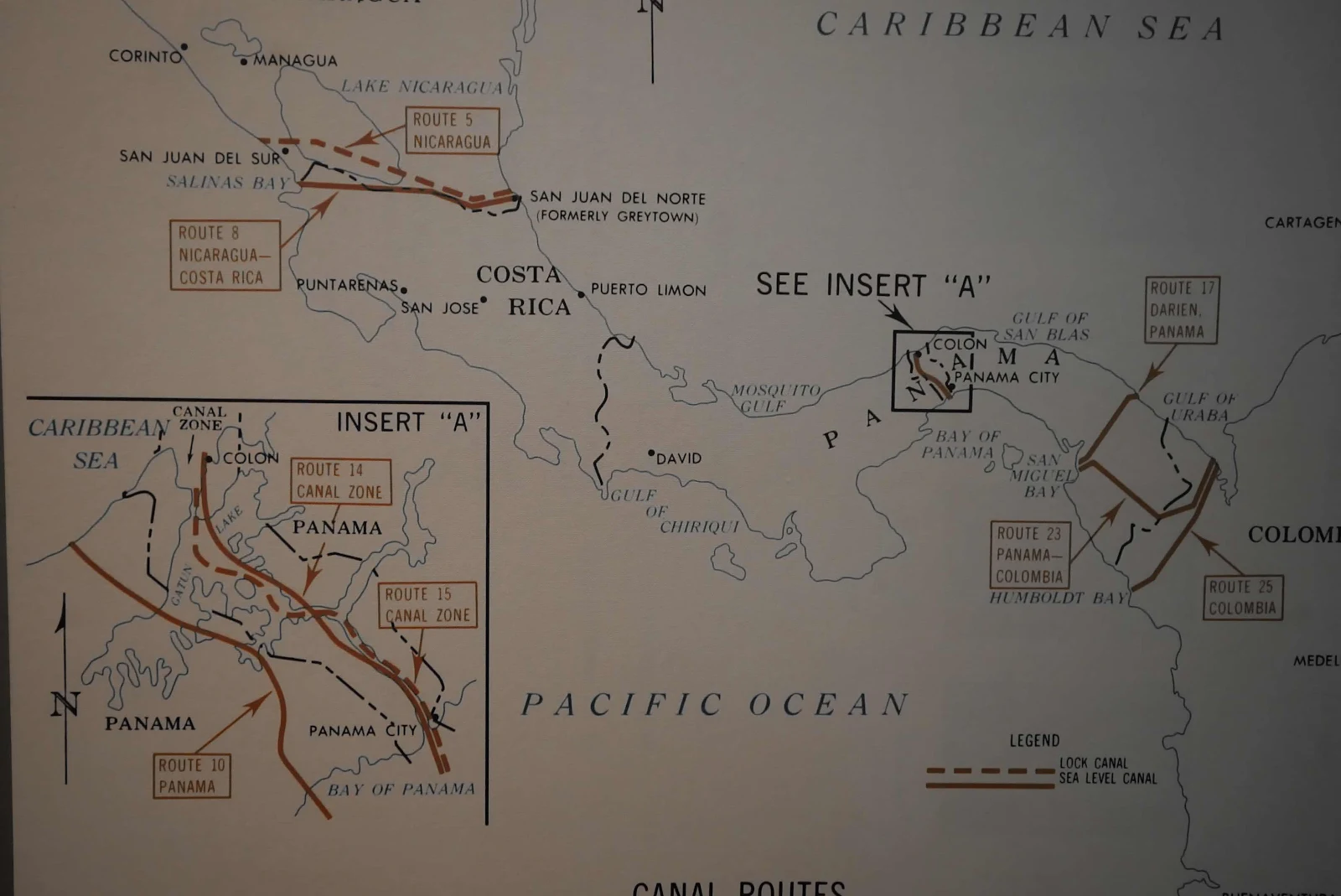
It might have been better geopolitically to build the ruminated Nicaragua canal as an extra territorial zone there wouldn’t have split a country in two. 

History has moved on and those sorts of ruminations don’t do much good but a part of me is sorry to see the zone dismantled and the canal starting to fail. 

There is of course a lot of politics in the museum and patriotism too now that there is total sovereignty. The hand over was the right thing to do no doubt.  

And walking the halls made me think quite a bit.  I miss the sense of the possible that burgeoned in that era in the US, the sense of being capable, of making dreams happen. I hope we find our way back to enthusiasm, self confidence and know how such as was demonstrated by the construction of an impossible canal. 


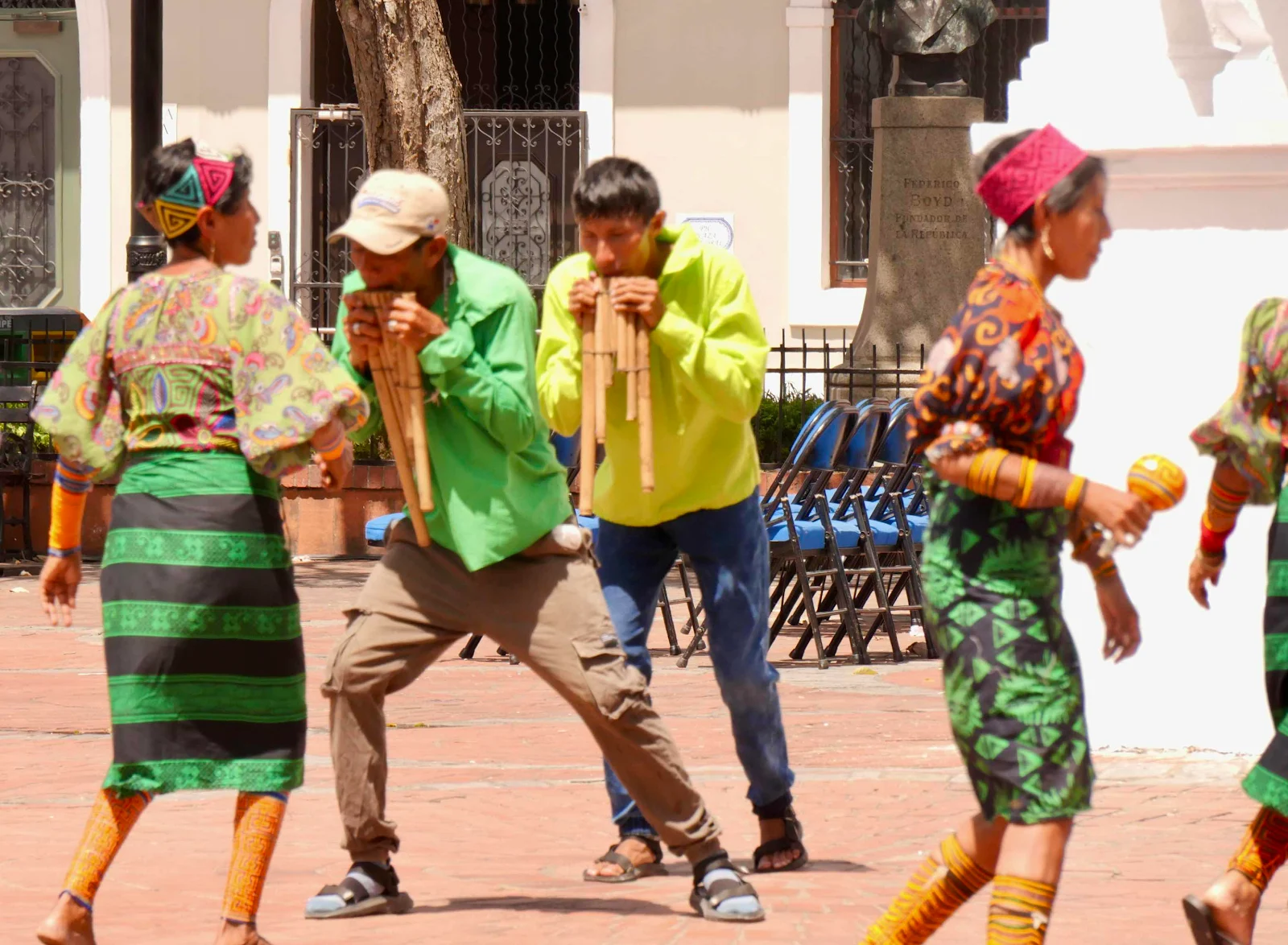
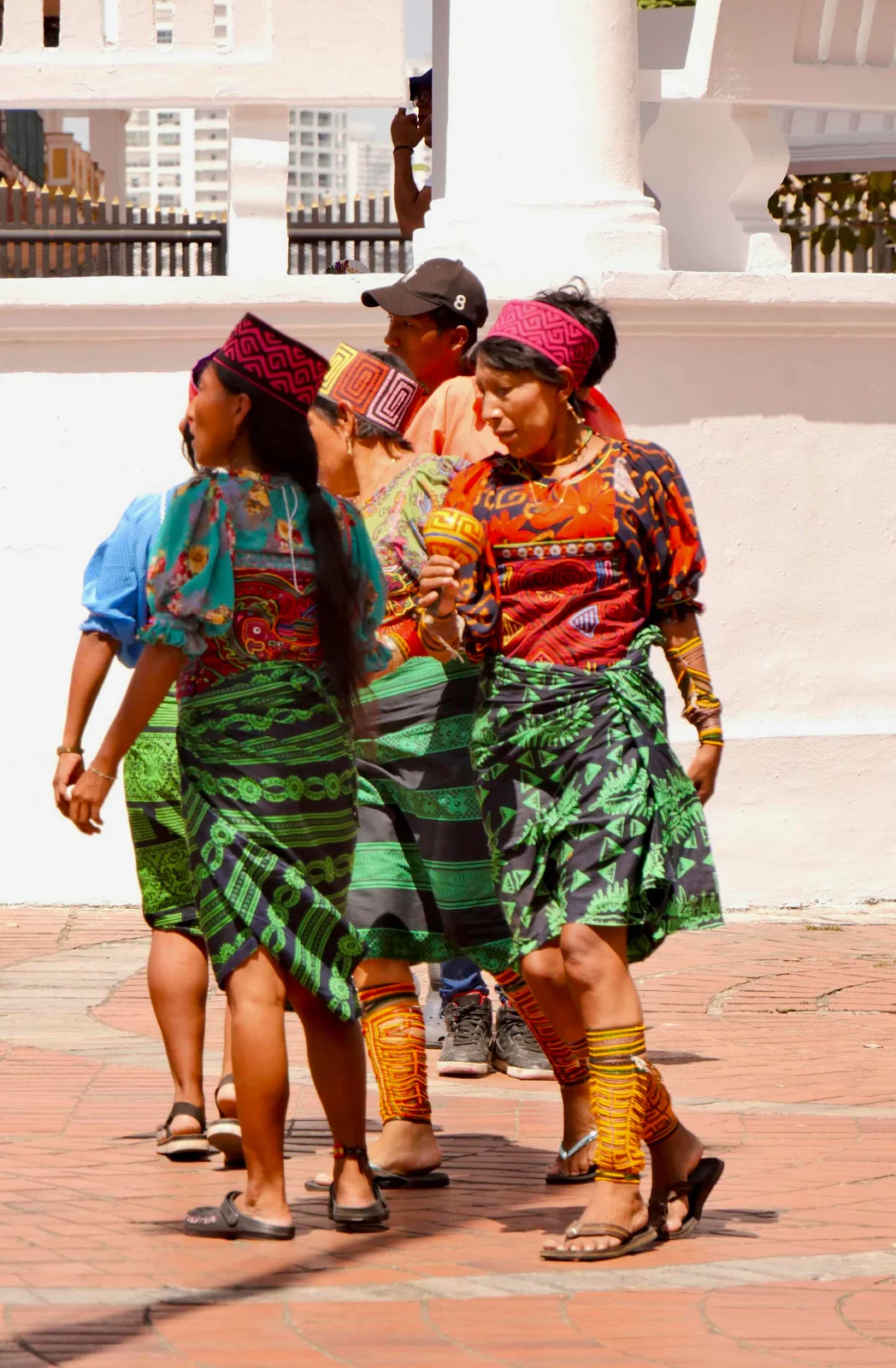
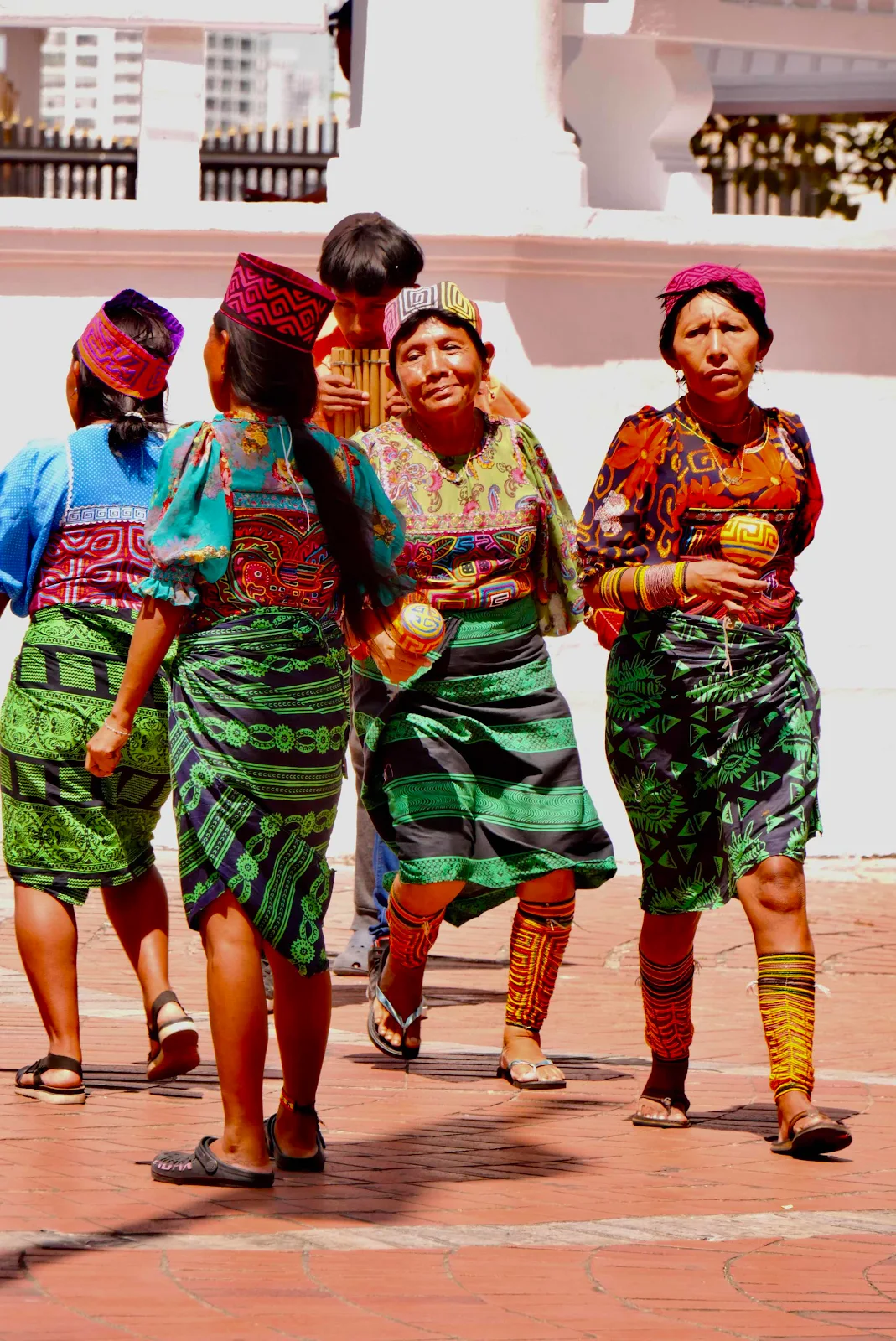
There was an indigenous dance underway by Kuna Indians in Independence Square when I walked out. I stopped and watched for a while.


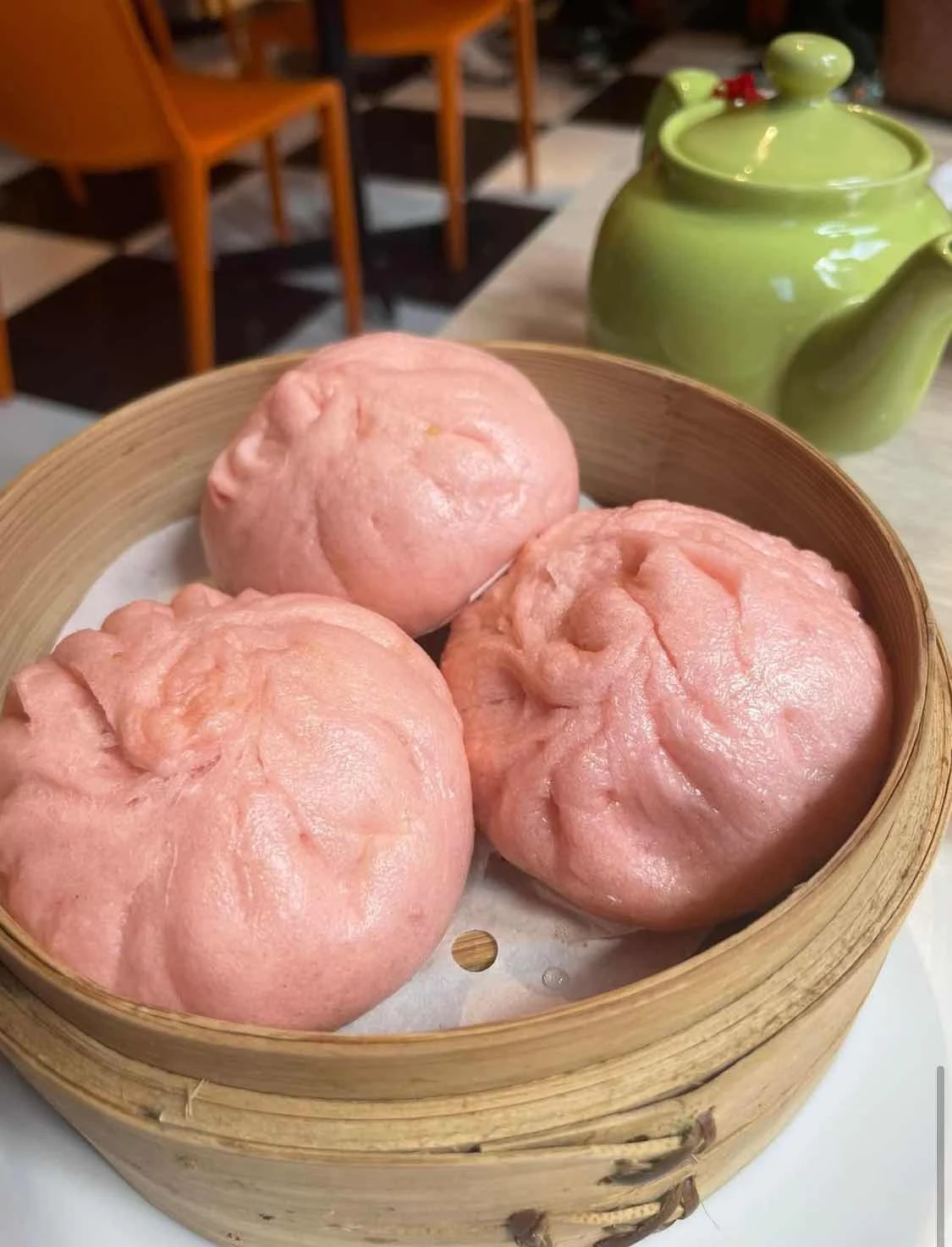
We met at a pet friendly Chinese eatery, suitable I suppose to celebrate their New Year. Rusty was excited to see me and my wife was ready to order. 

Pink steamed buns were a first. 
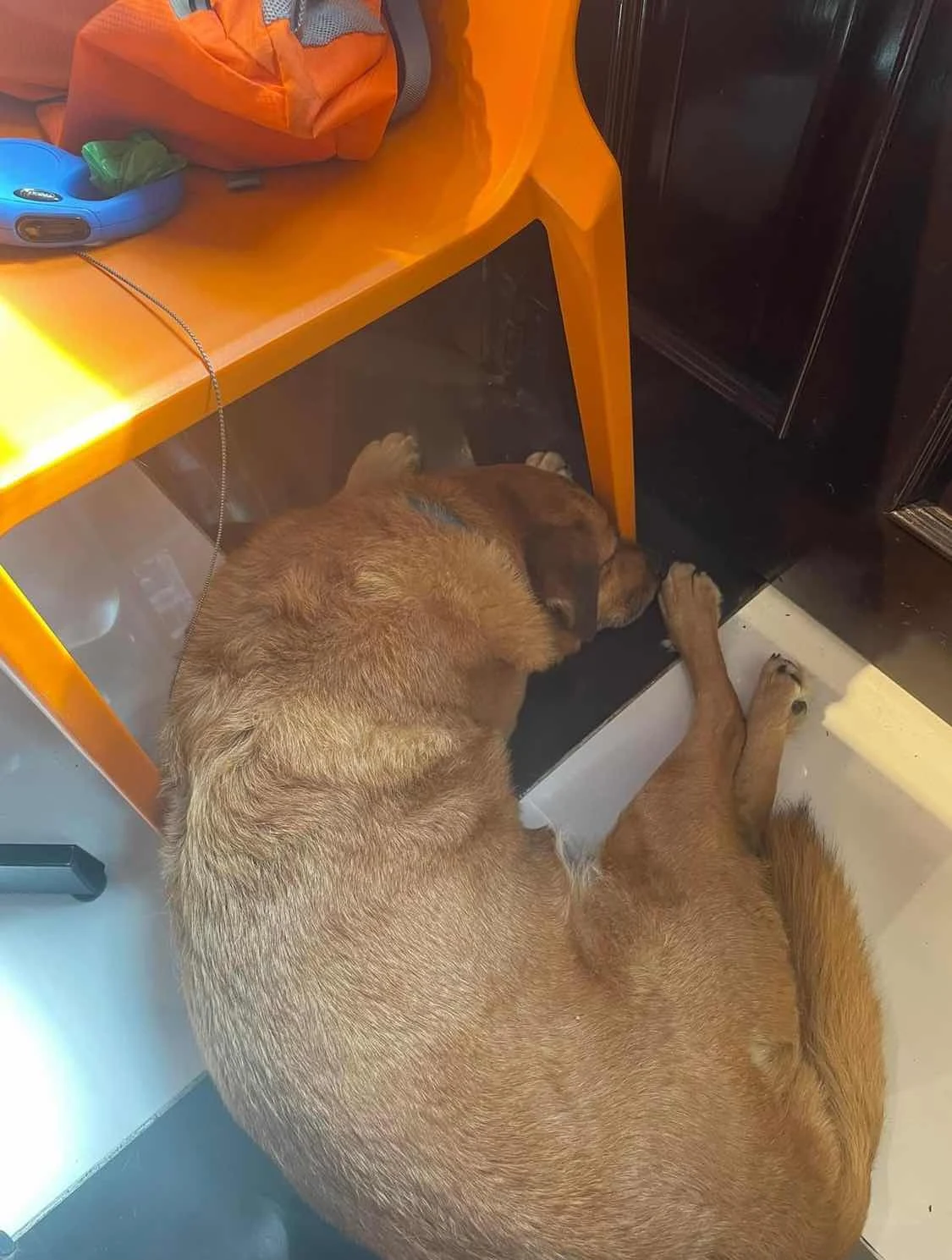
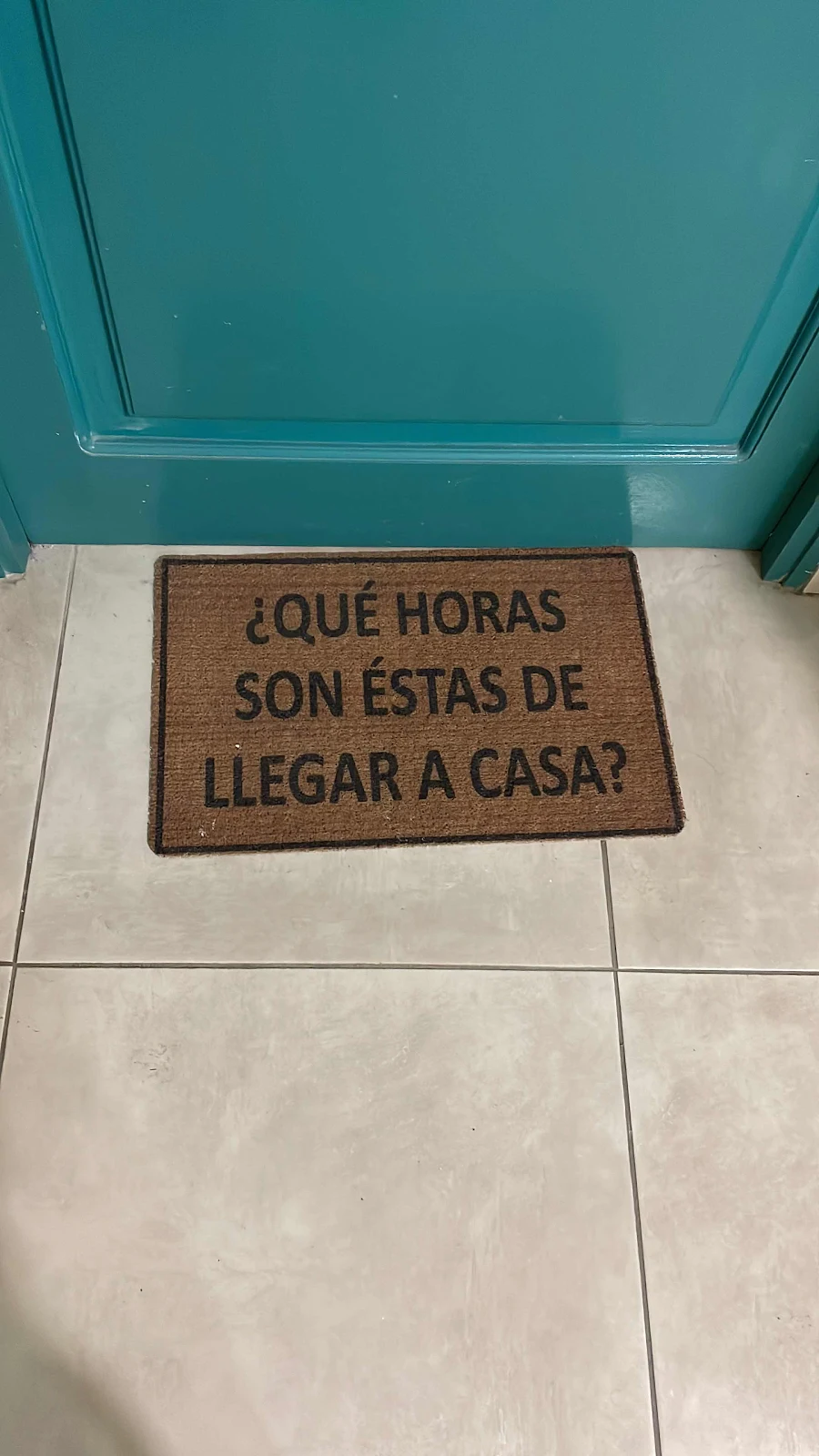
And then home. Our neighbor has a door mat asking “What hour do you think this is to come home?”
Sunday night we plan to fly to Cartagena de las Indias. GANNET2 supposedly arrives next Friday. South America beckons at last, and I can’t wait.


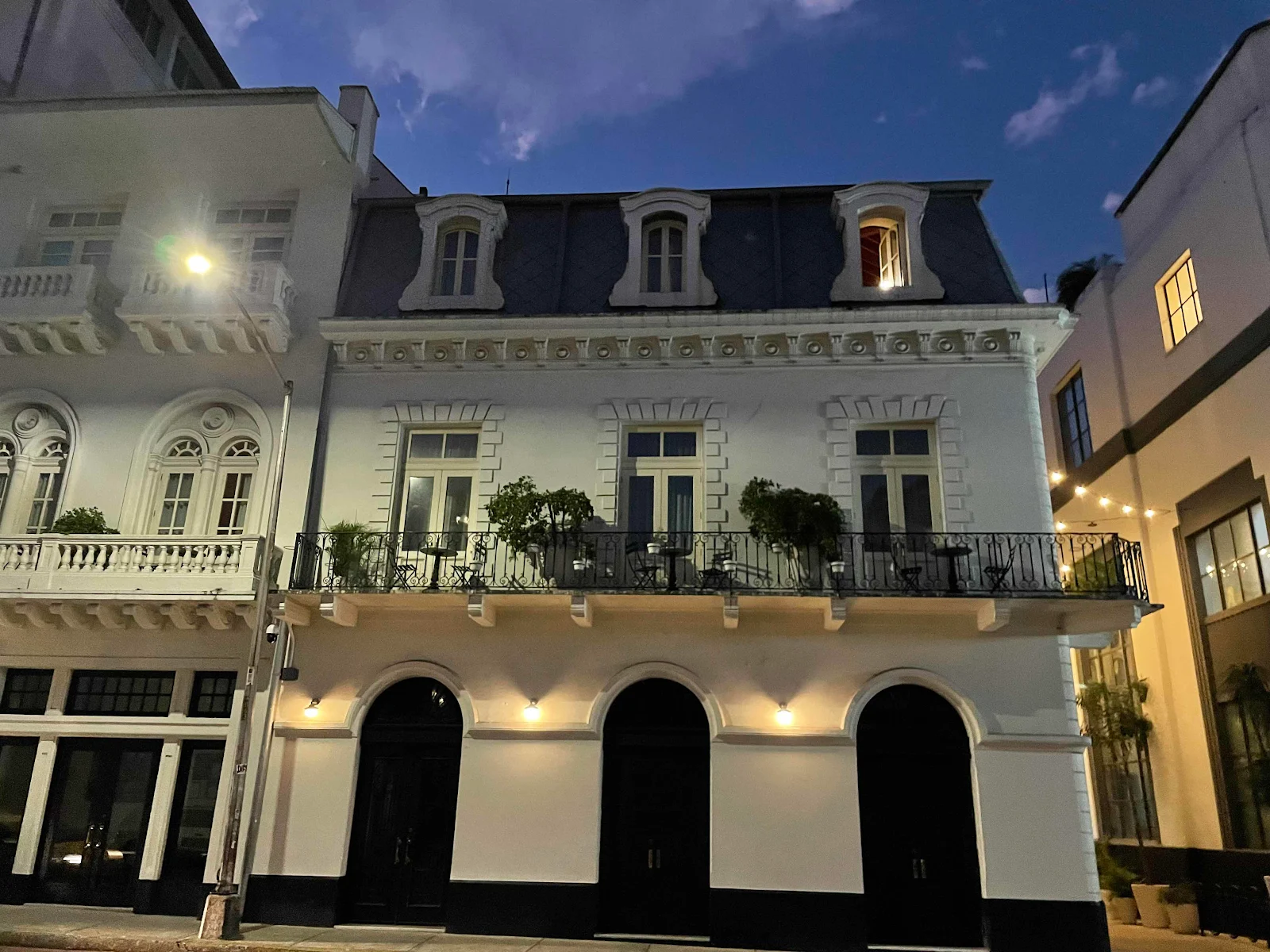
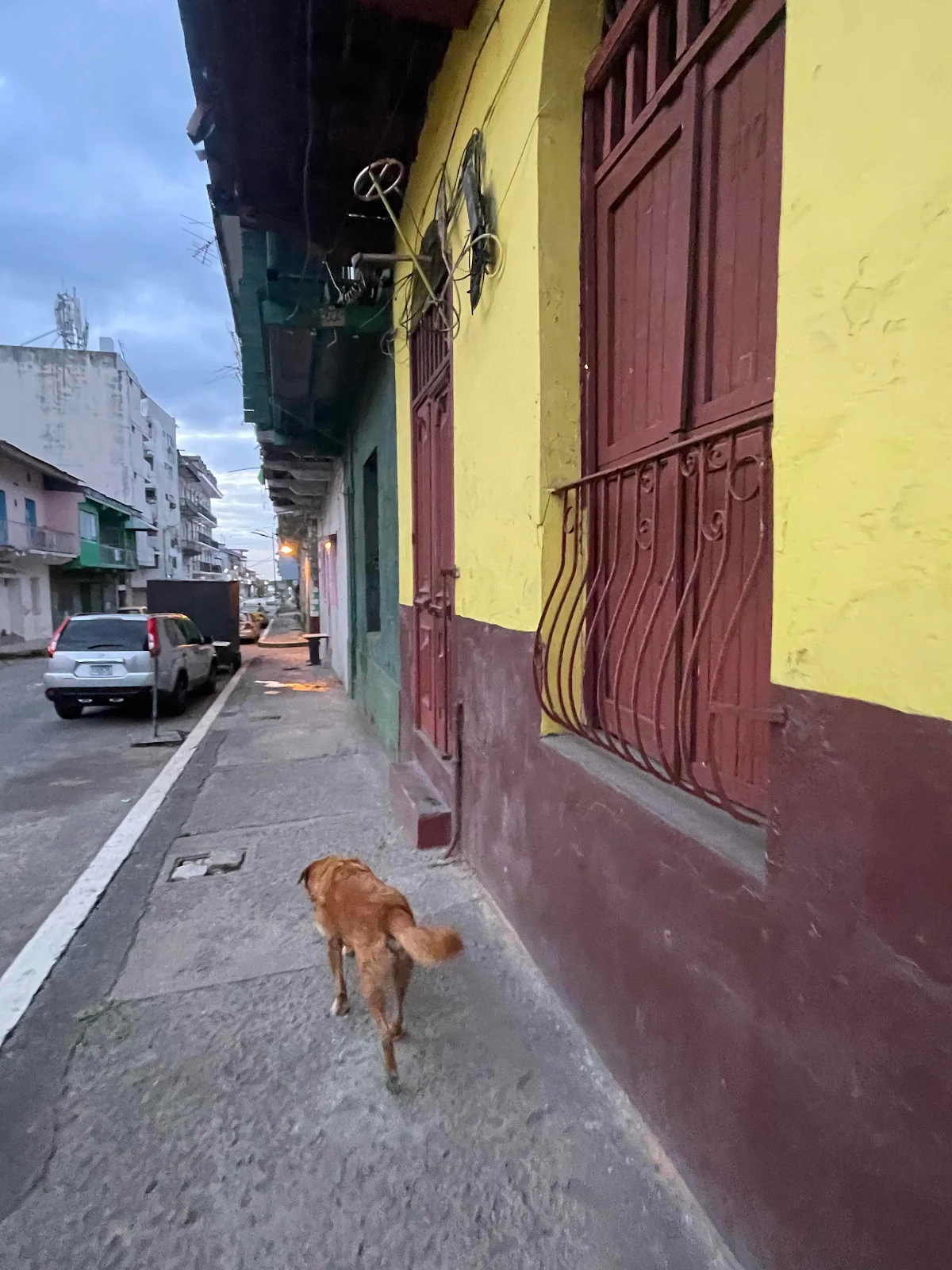
A last look at our neighborhood on Rusty’s Sunday morning walkabout.