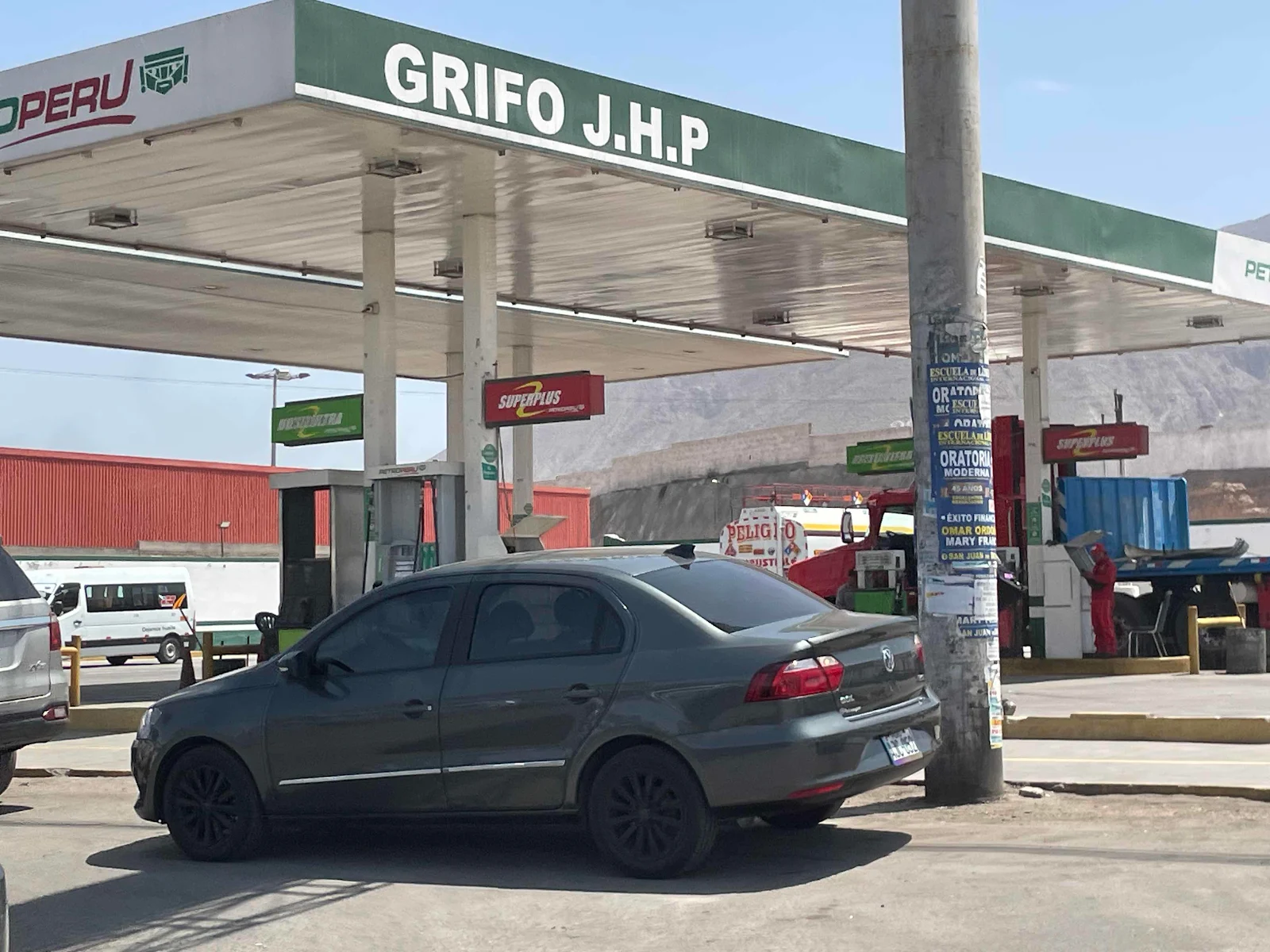
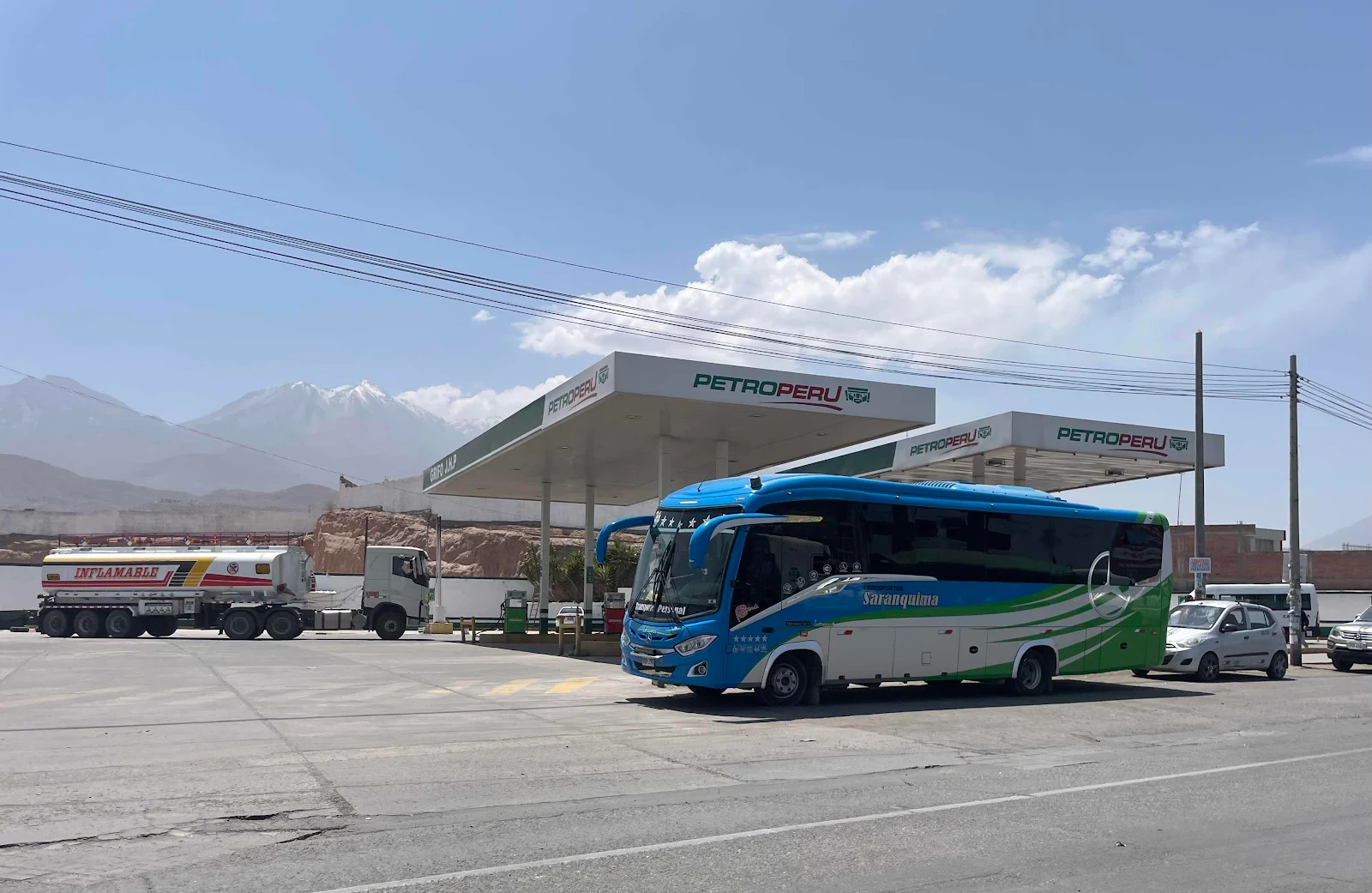
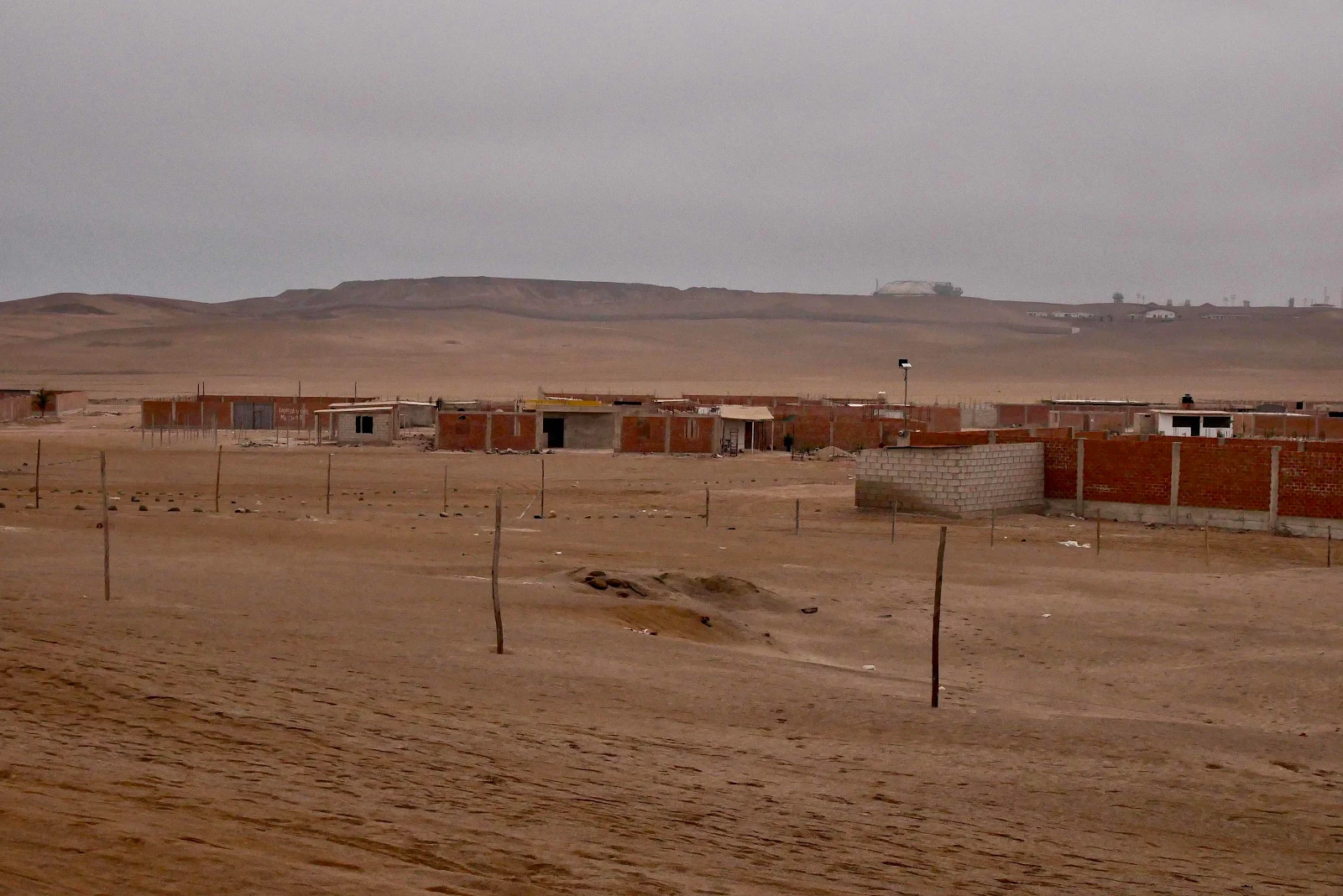
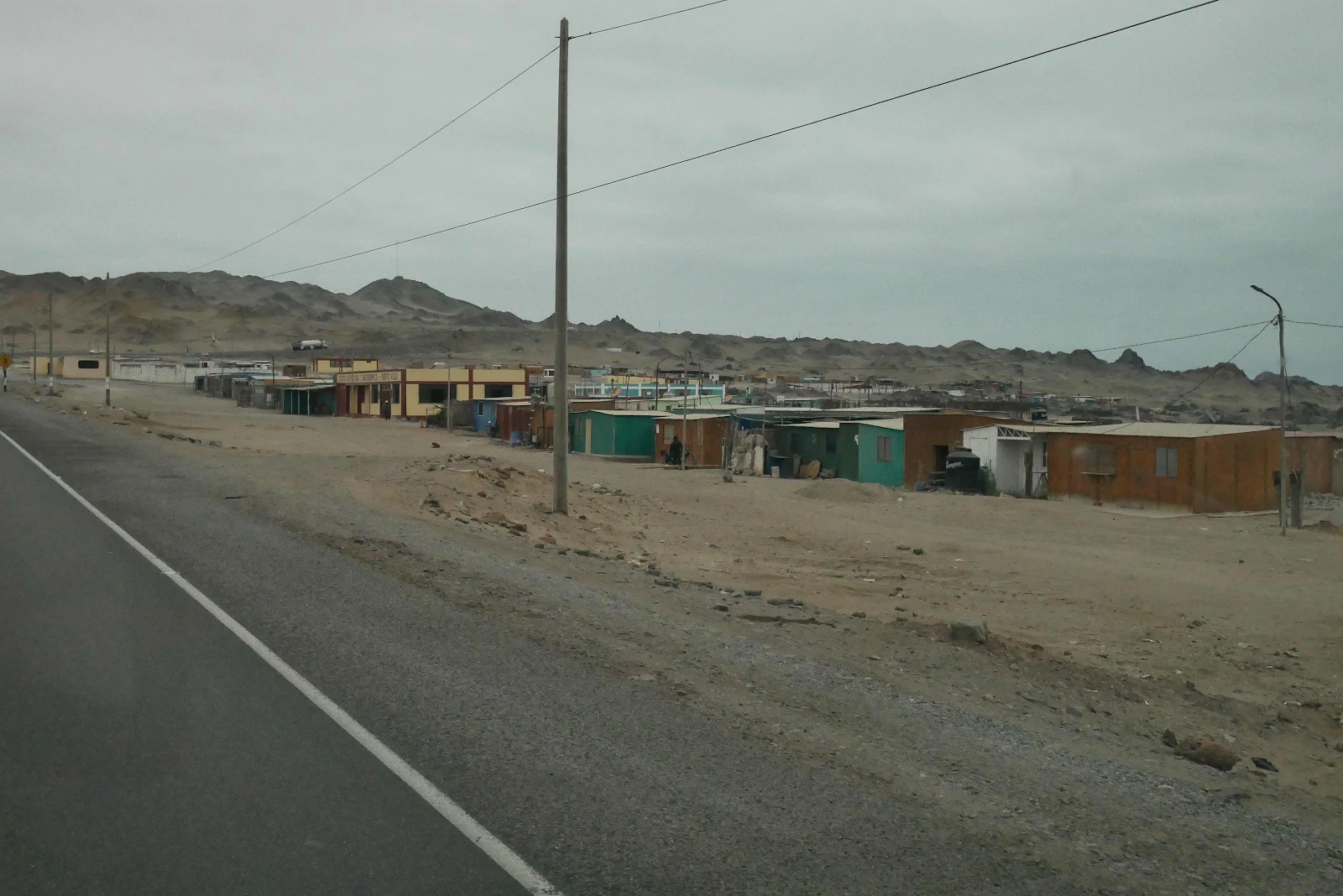
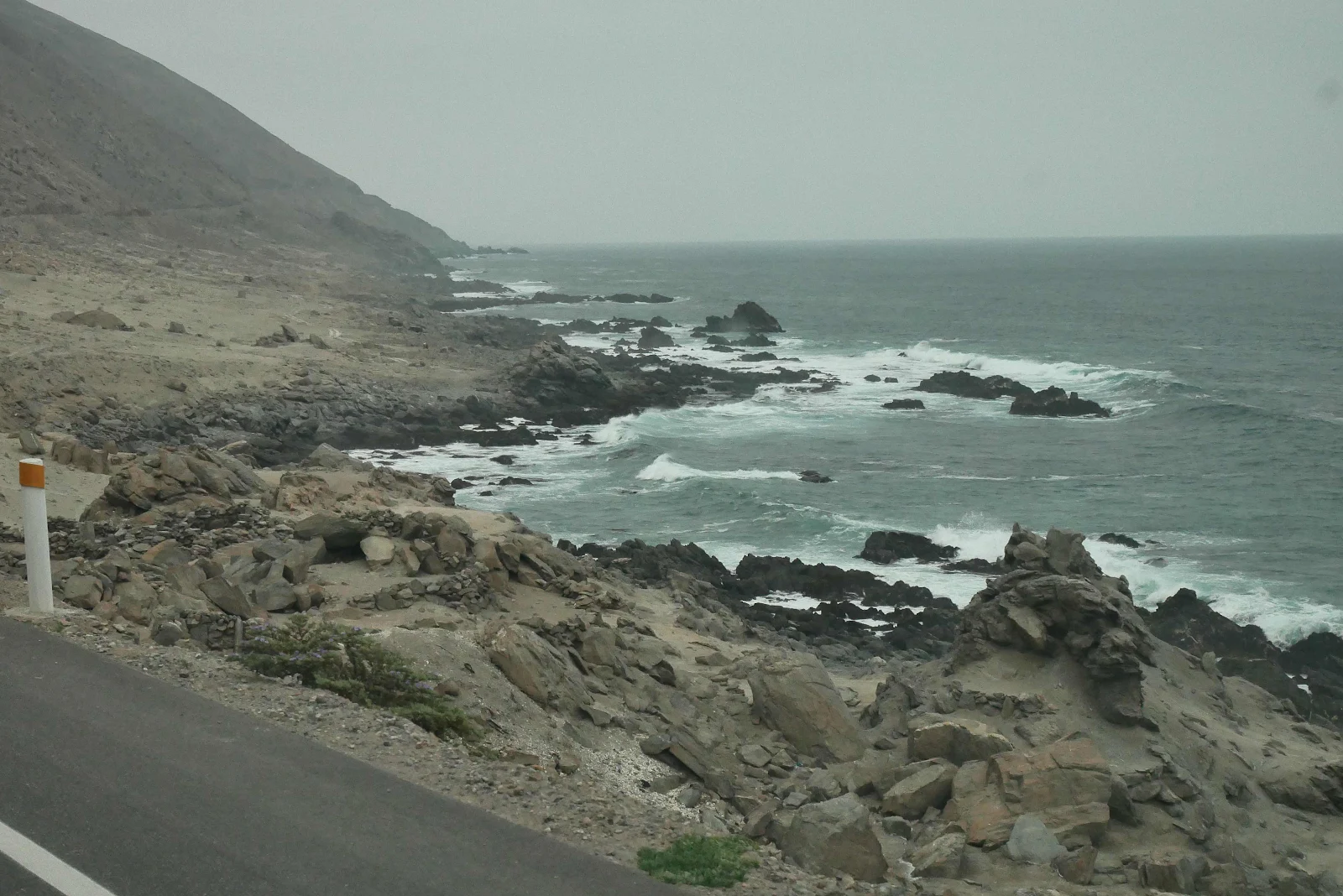
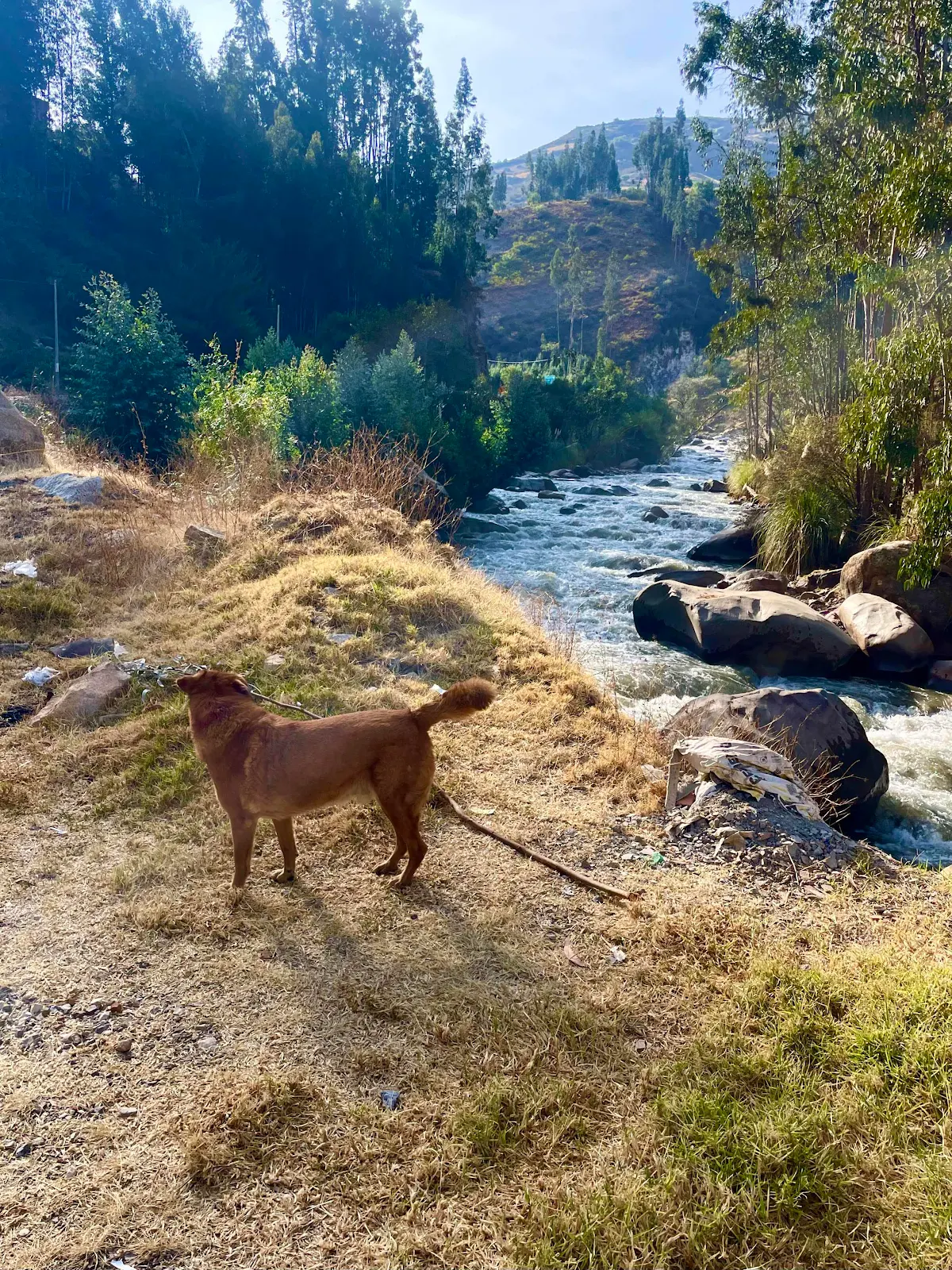
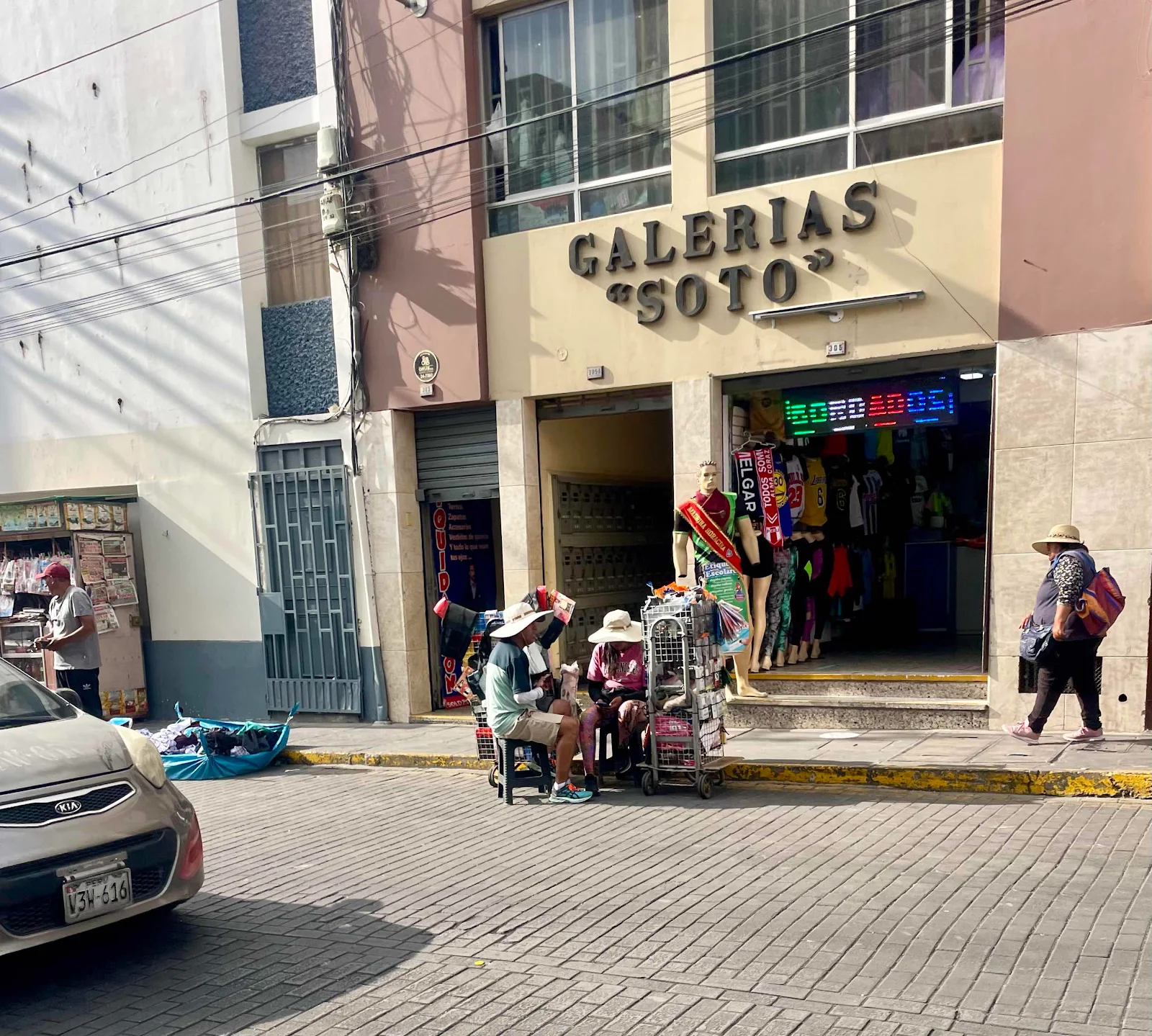
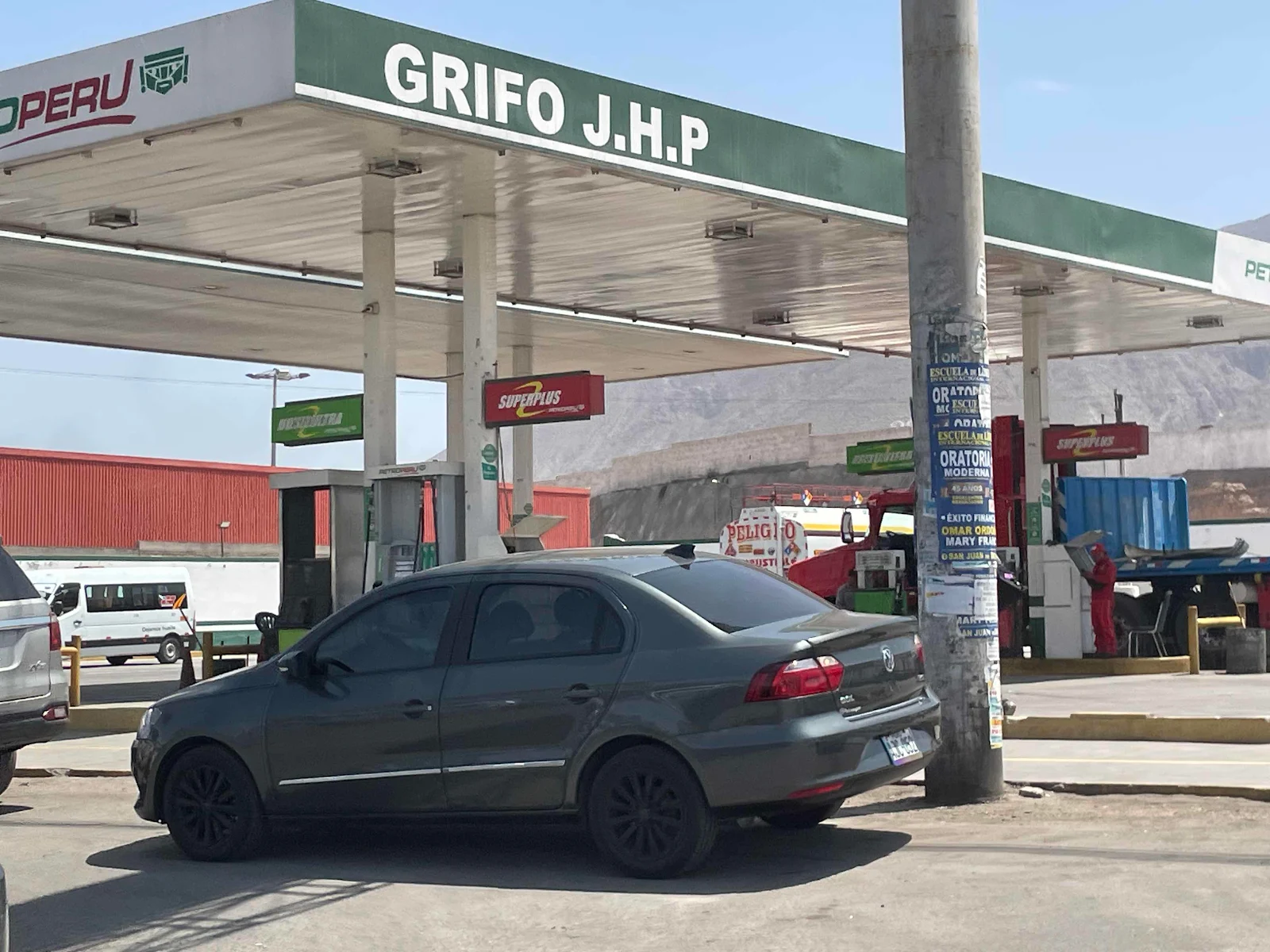
I am aching to get away from here, this comfortable dusty campground in a comfortable dusty town filled with dreary routines for us. We have met a crowd of really nice people in this campground and we have had some serious drama between campers and our health issues continue. I am exhausted by it all, retirement is hard work and I suggest you follow Webb Chiles’ advice and have nothing to do with it. First a picture of a Peruvian gas station. They call them grifos. Why? I have not figured it out. In Mexico you ask directions to a gasolinera, obvious enough but here it’s a grifo. This one is a PetroPeru with regular gas around $4:00 a gallon (and it’s sold by the US gallon…)
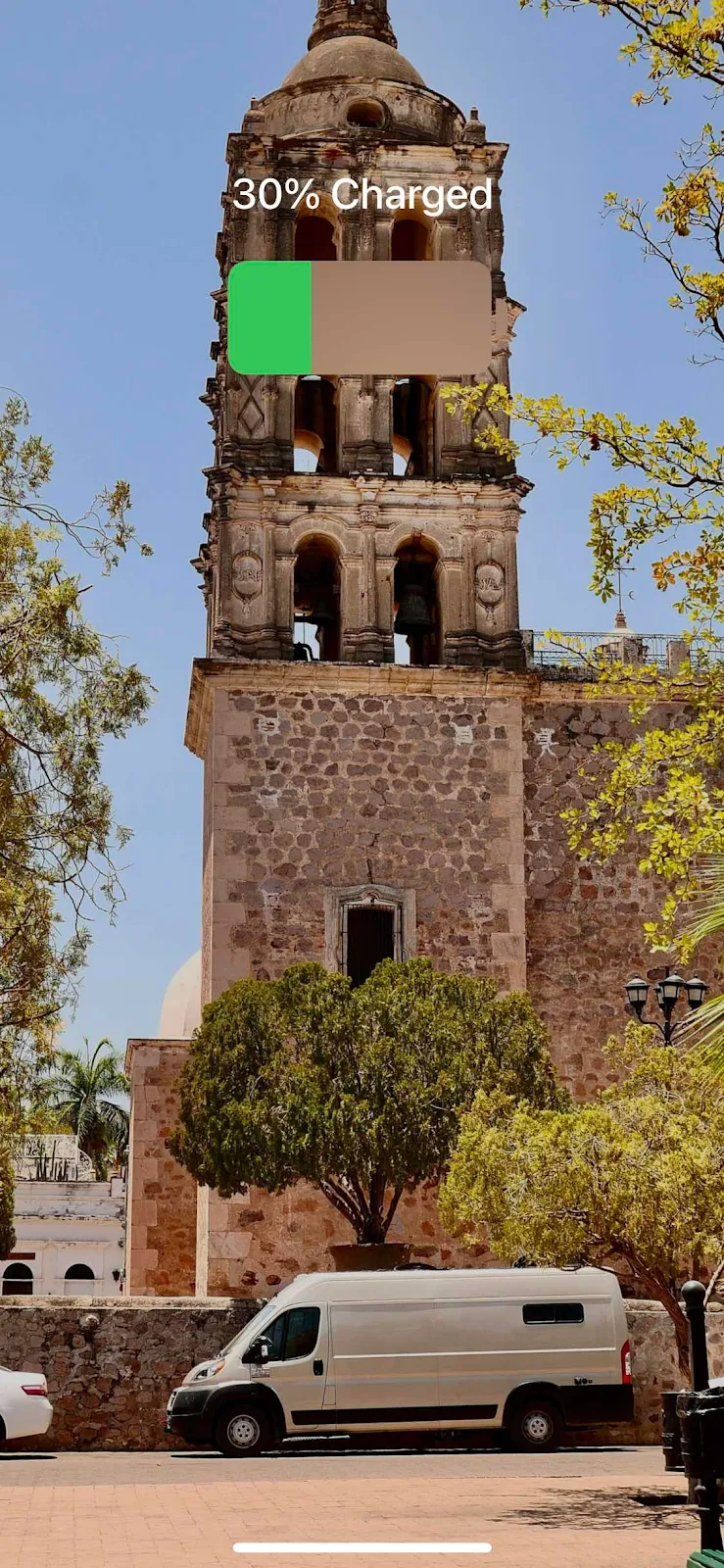
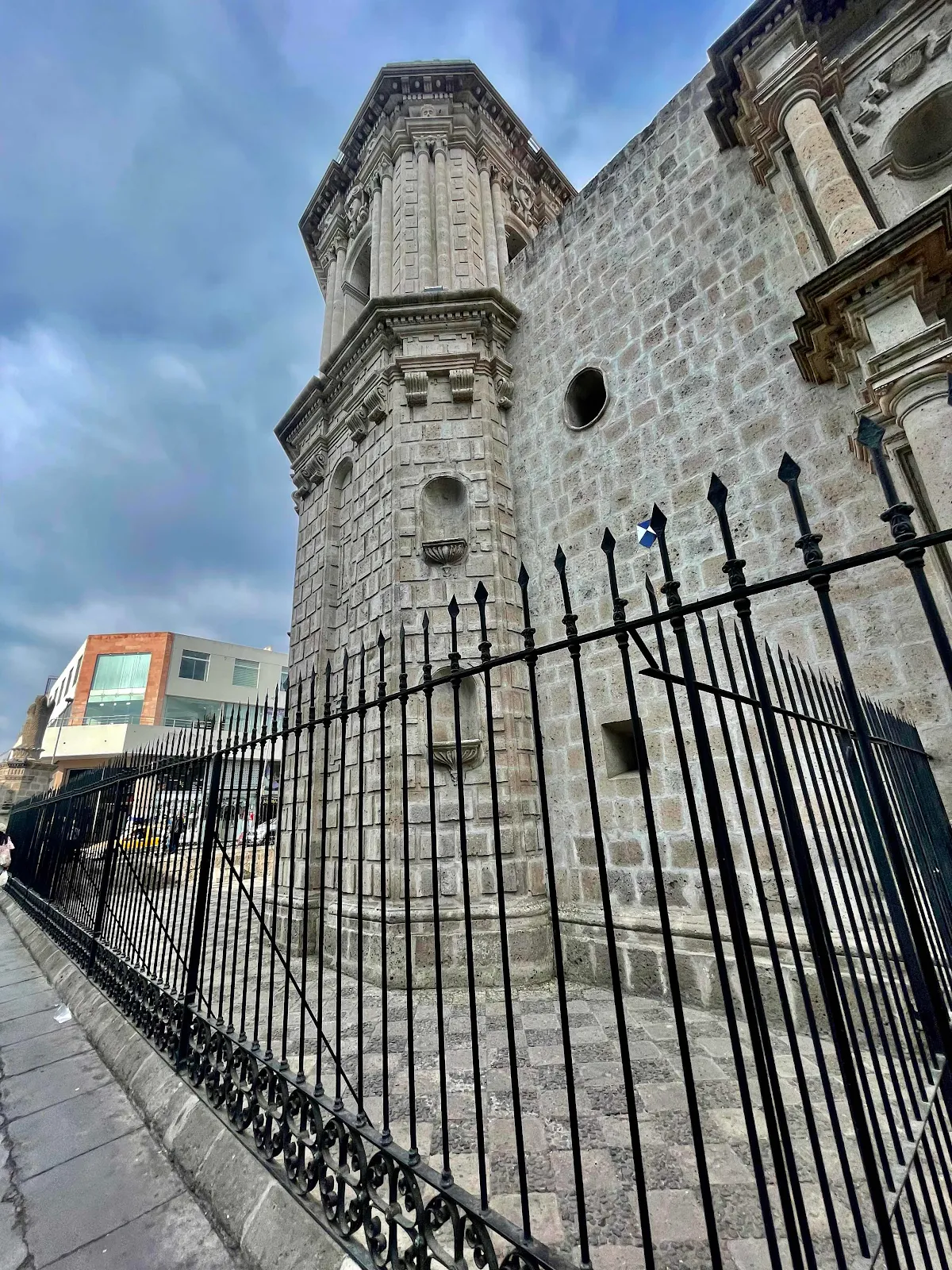
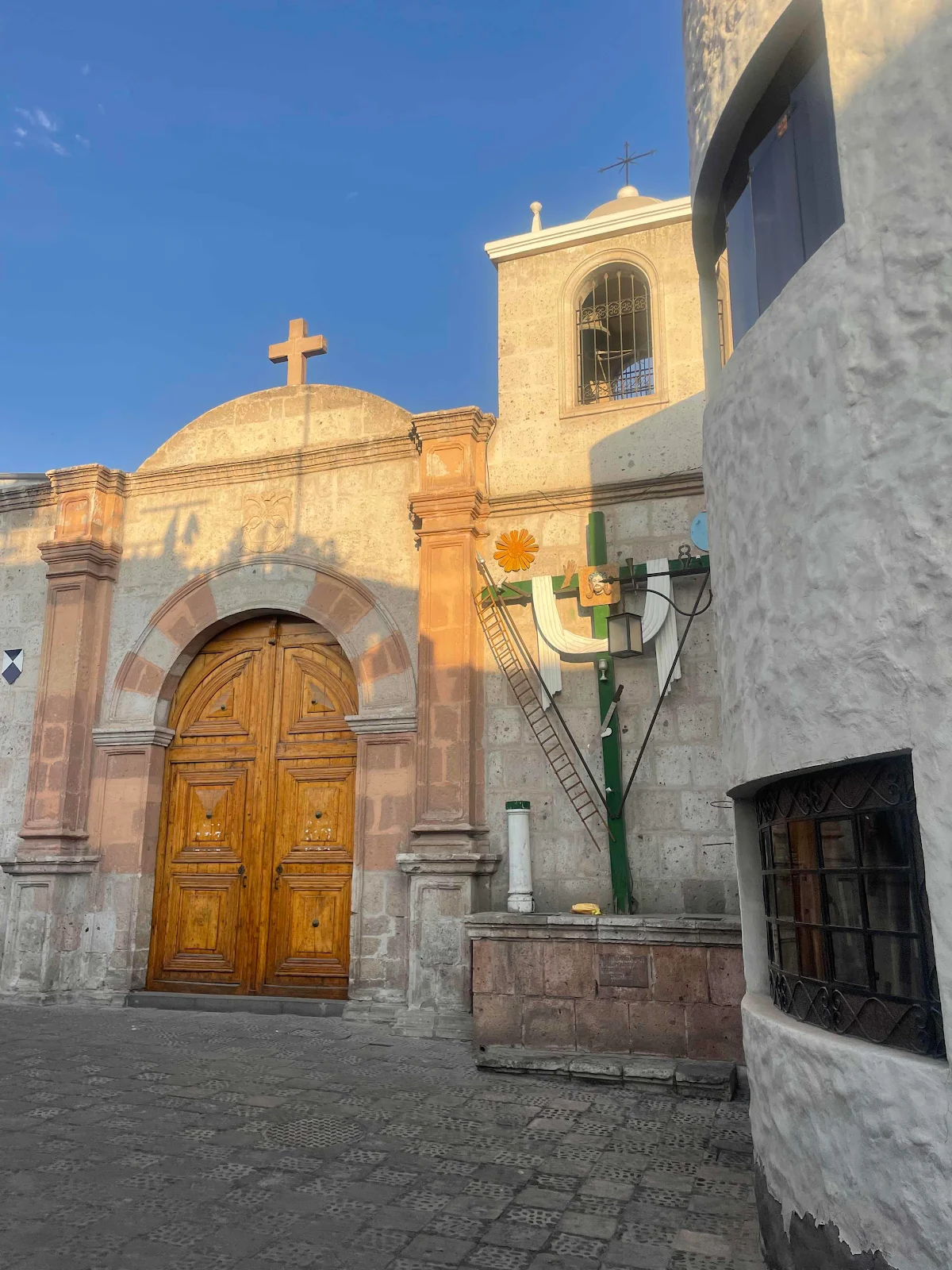
First Layne’s leg wound from her skin cancer surgery. It’s taking a while to heal but the surgeon says at last he is getttibg blood flow to the wound and he is feeling much more hopeful. He’s had to cut away dead tissue and he’s increasing Layne’s visit to daily encounters to clean the tissue and keep the wound healing. I am tempted to put a photo here of it but it would make you throw up unless you are used to that sort of thing. Here’s a filler, a nice church at sunset.
The problem is we have to be out of Peru by the eighth and the doctor goes on vacation to see his extended family in Miami on the fourth. We are hoping the wound will be on the way to recovery by then but it’s a race. So every day Layne goes to his office in the public hospital to have the raw meat on her calf cleaned and bandaged. Great fun.
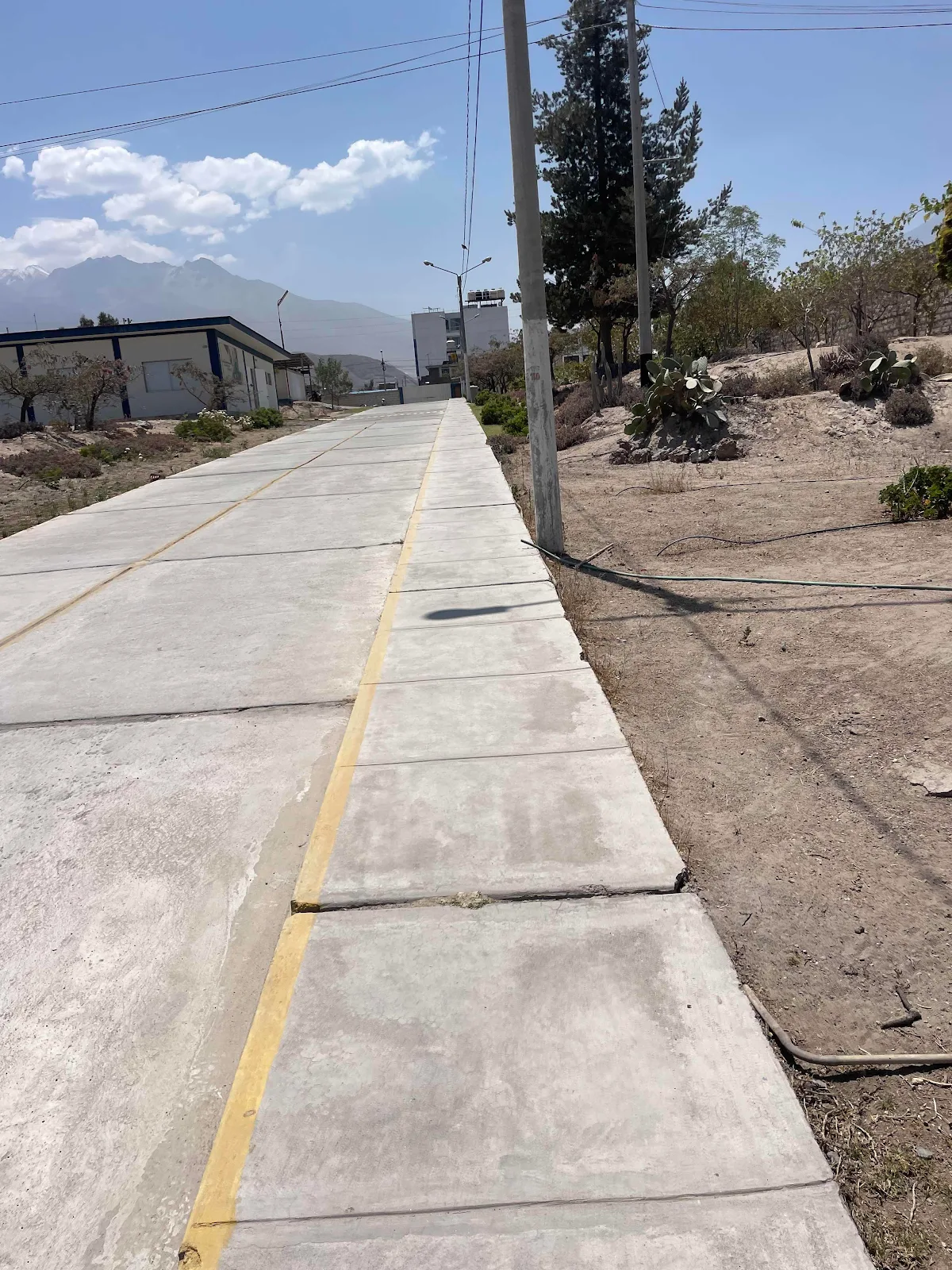
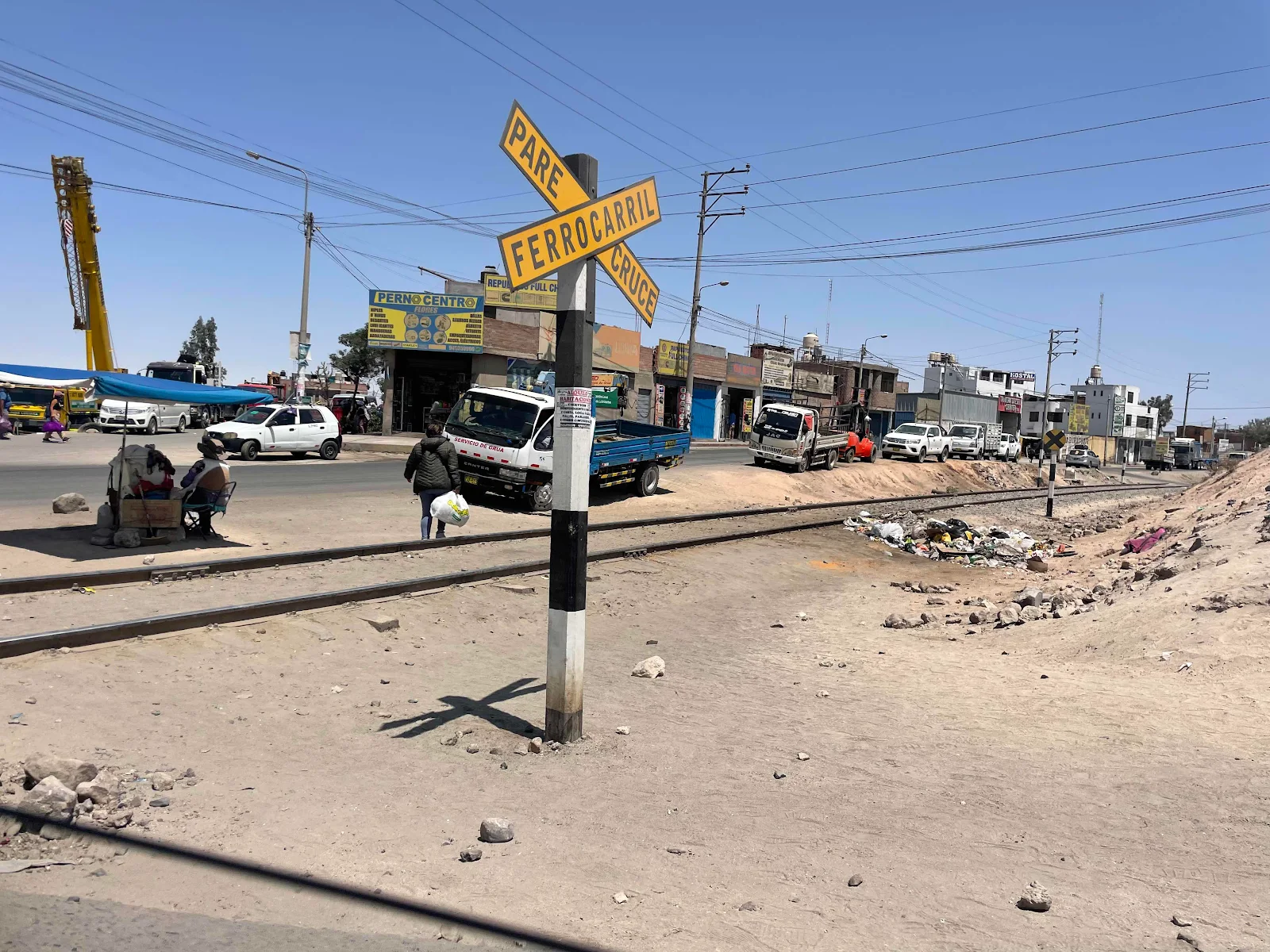
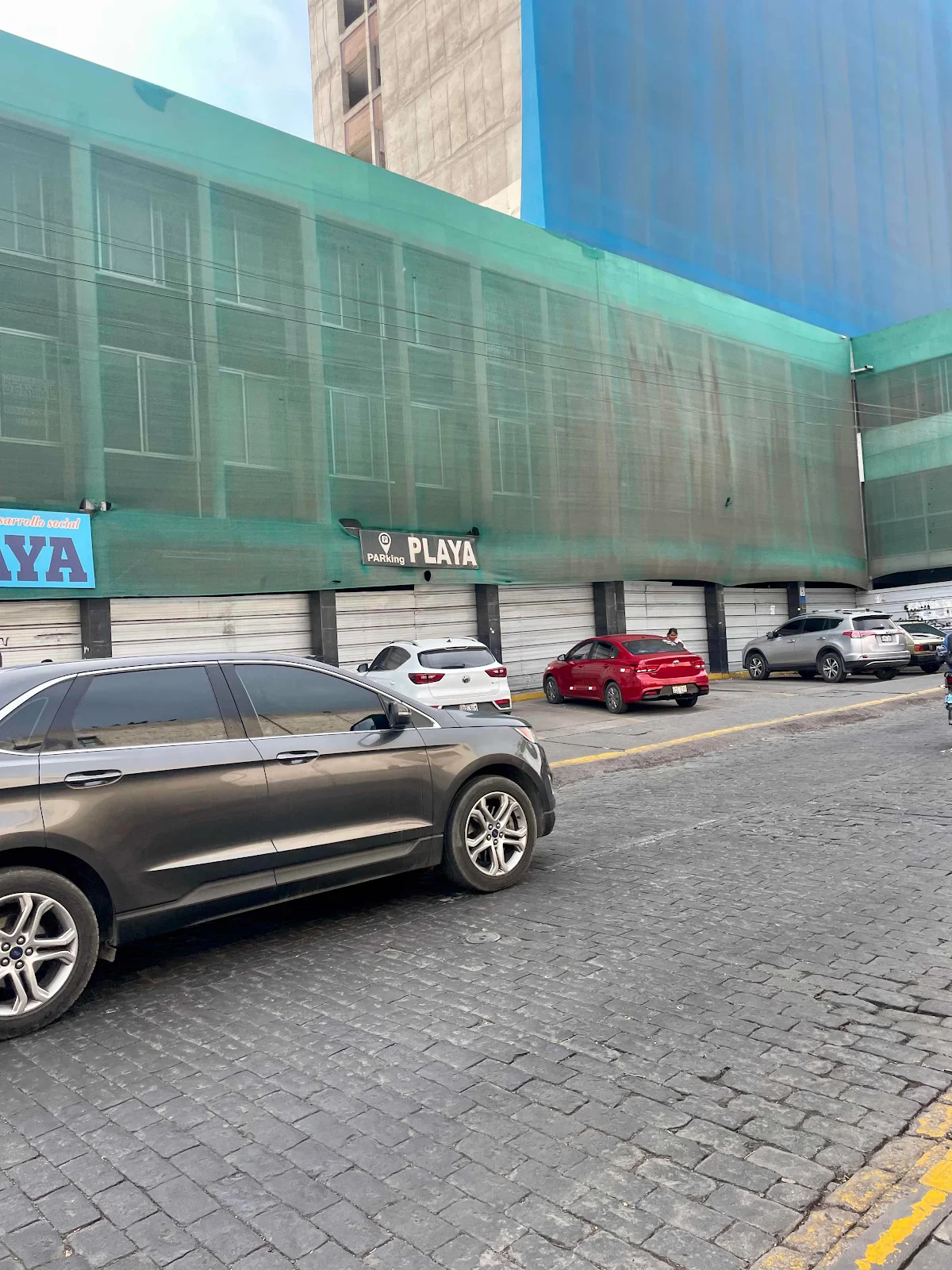
And then to get Rusty his papers to go to Chile I had to take a twenty minute ride across town to the government agriculture offices called SENASA (“sen-ah-sah”) located in the vast complex you see above under a burning hot spring sun. It’s almost summer here in the southern hemisphere and temperatures are rising.
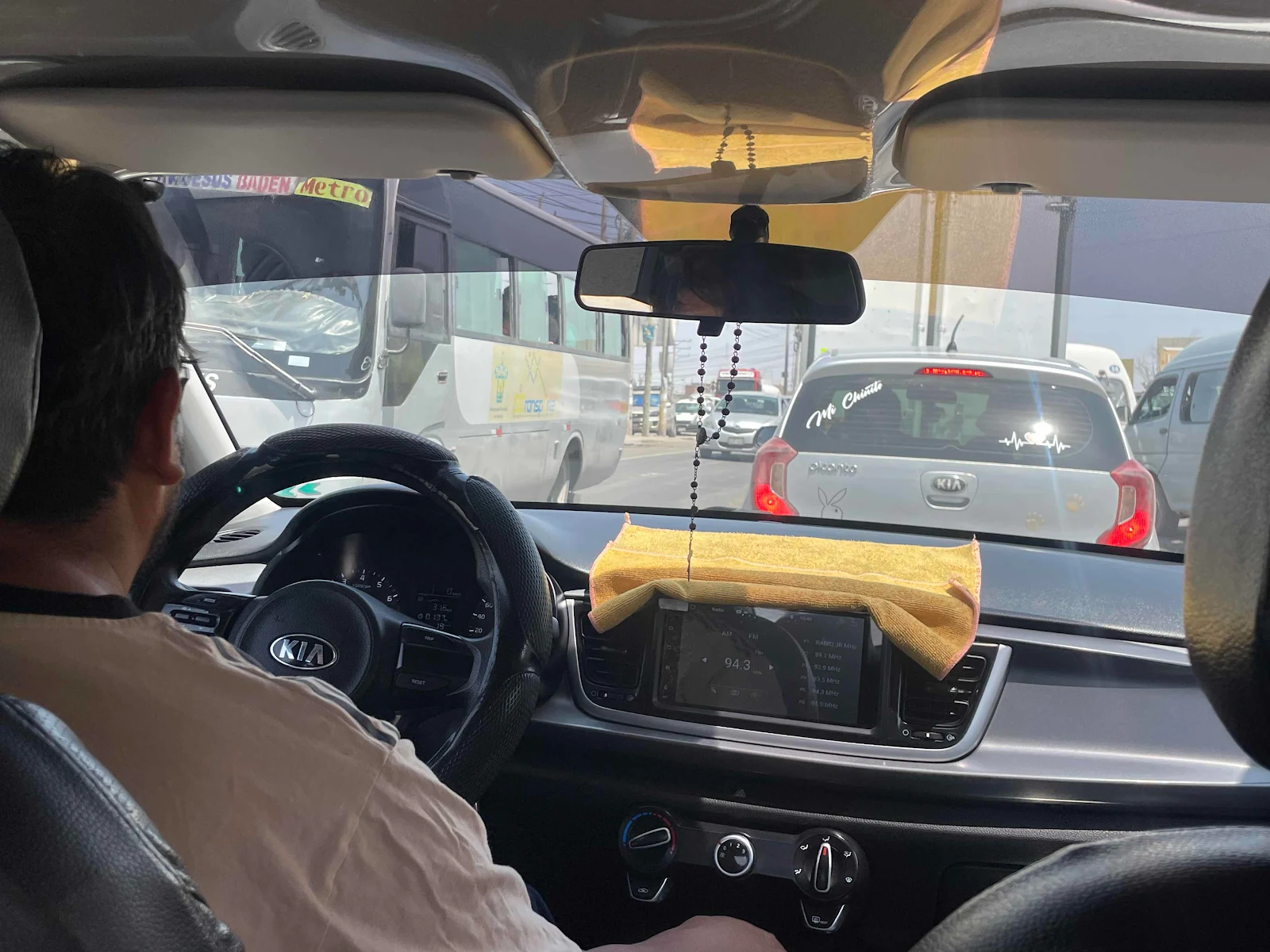
Doctor Montoya was very nice and he carefully explained to me the ins and outs of the requirements from the vet and after he gave me the export from to fill in for the Chilean authorities he told me to check back to make sure we had it right. “The Chileans are very precise” he warned me. If you don’t speak Spanish this interview might be complicated. Then I stood around seeking shade in the abomination of desolation that is the SENASA neighborhood for twenty minutes waiting for an Uber to struggle through traffic to get to me. I gave him a huge tip, $4 is the maximum.
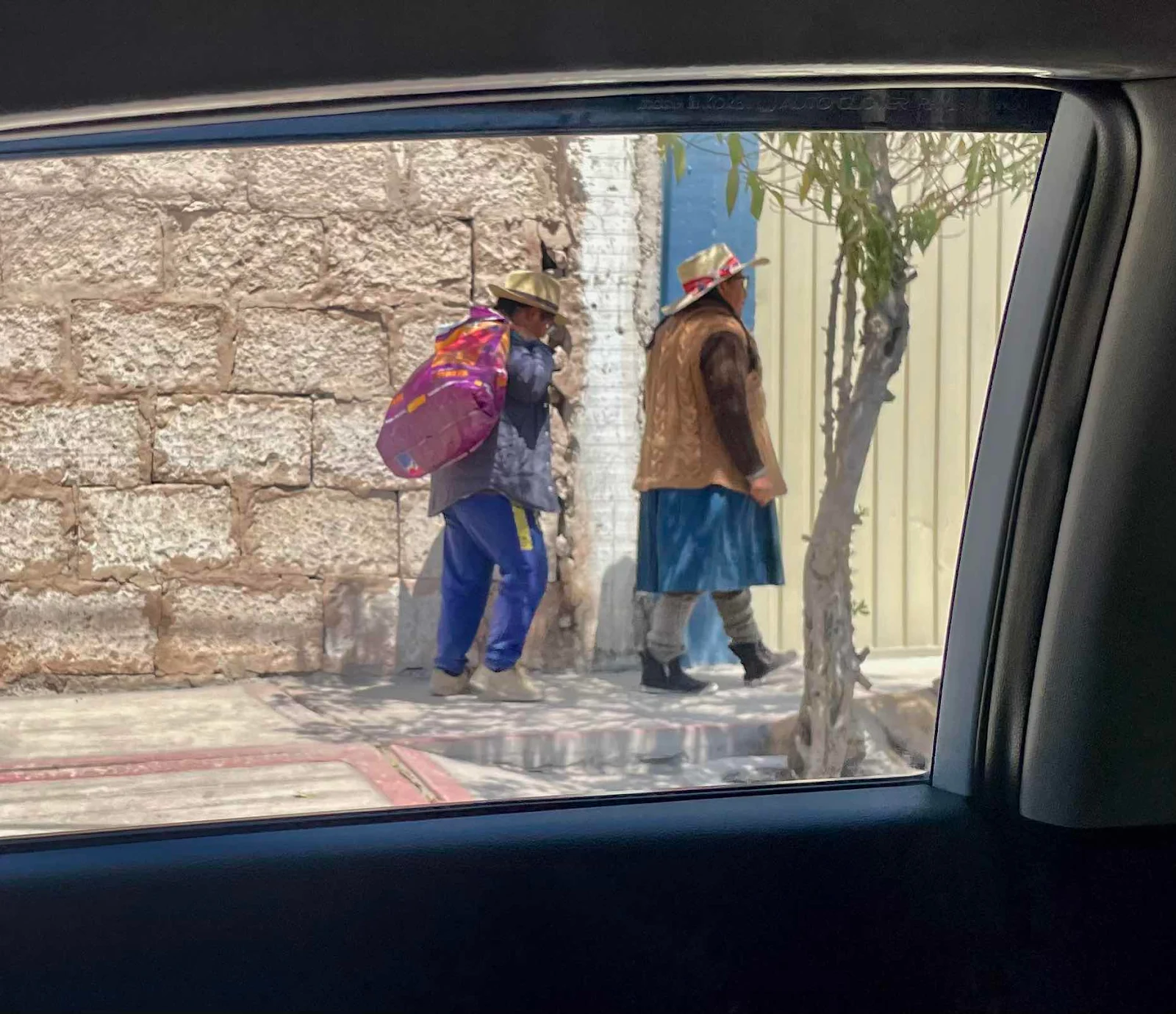
Back at the campground tempers had flared into a physical confrontation. It went like this, a family of three children from California in a van had arrived with some other Americans including our friend Nick whom we were very happy to see again, but they stayed behind after the other two American vehicles left left to go to Bolivia ( where it’s been snowing incidentally…weird Spring weather at high altitude). They have two cats and when our German buddy Sean asked them to work out a schedule so he could let his kitten out safe from their two big cats they refused. “They are wild cats we rescued in Europe” the Californians said and they just let them loose. Sean was pissed off but took his cat into the back garden on a leash to try to get away from the big predators. One of the Californians’ cats crossed into Rusty territory at our end of the campground but only did that once and hasn’t come back. Rusty wasn’t having any of that and let him know by chasing him
off. We live on the other side of the bathroom block and Rusty claims this as his territory. He does that in campgrounds, he has learned to set his boundaries and expects to be left alone.
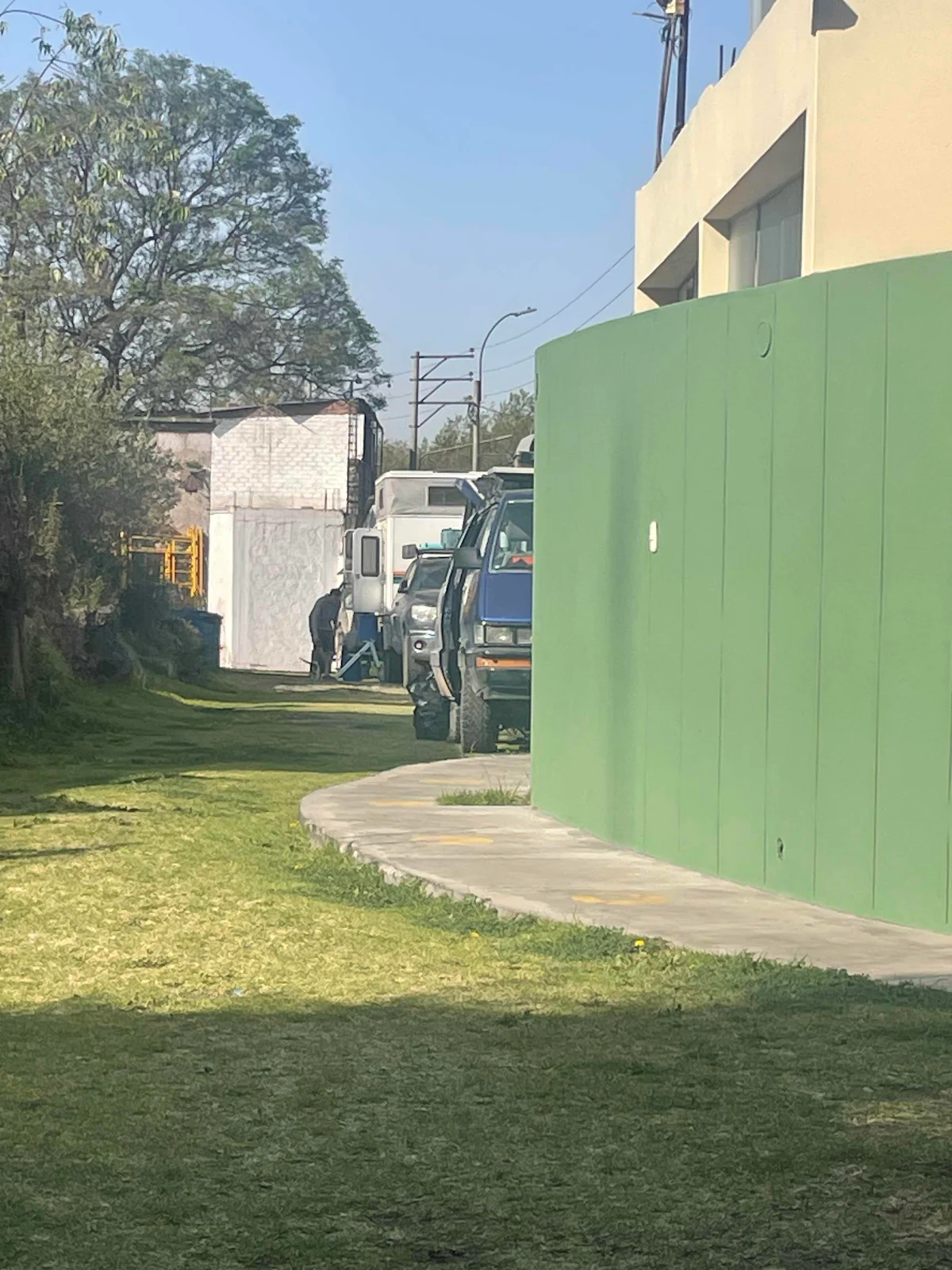
After we got back from the vet we passed Sean walking his leashed cat and a short while later as we were chatting with our immediate neighbors Paul and Andrea also from Germany we heard raised voices.

Dan, the father from California is in the black t-shirt with the design on the back, his wife in green is standing next to him while Sean the German is the bearded guy in the black cap and his girlfriend Nina is standing behind him holding their cat. Voices were raised. They looked like they were going to come to blows. Over the cats.
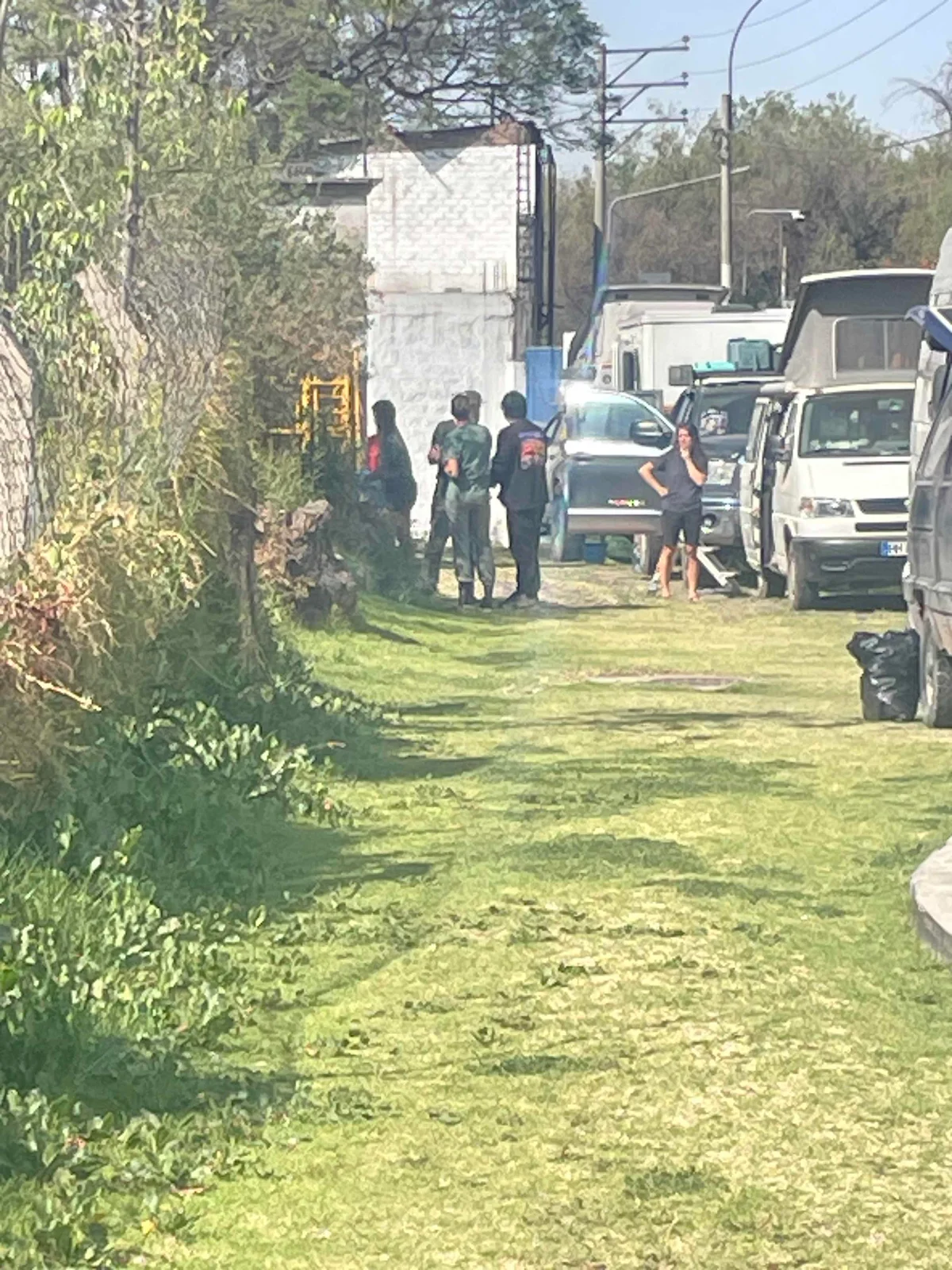
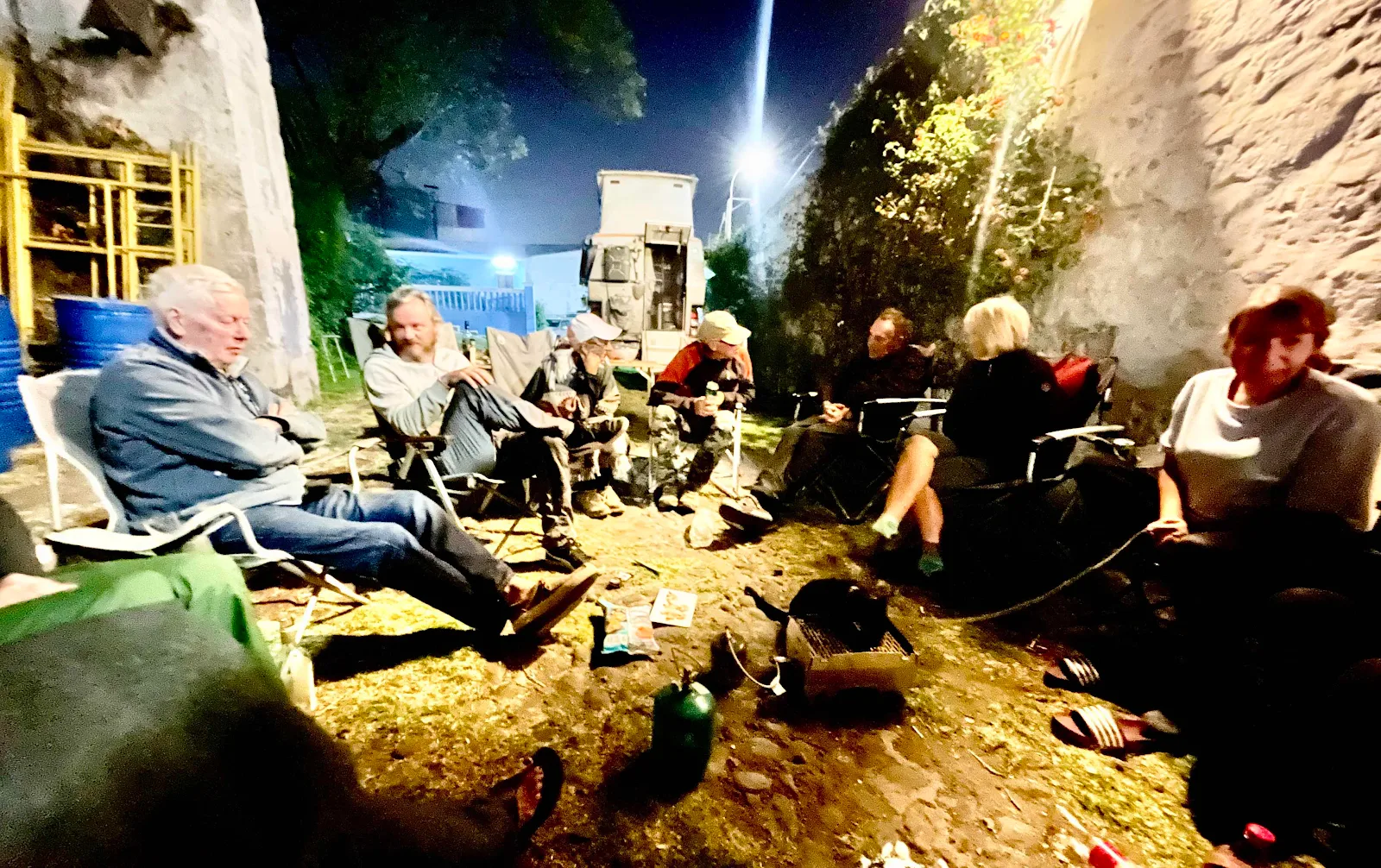
They didn’t fight but it went on a while. I mention it to point out once again the reality of overlanding. You won’t see this stuff on YouTube or Instagram where we travelers are living a perfect enviable life. Pets are a pain in the ass and people are too. The Californians work on the road and have been traveling four years with their three children and they are not nice. They barely spoke to us when went to greet them and their van is not a center of joy, they sit around each with a laptop not acknowledging anyone in the campground. And their cats are no longer wandering loose all the time. Personally I admire Sean for standing up to their bullying but I am sorry we can’t just get along. Sean is on the left dressed in gray operating his gas grille for a collective barbecue. Cora and Florian are in the middle, Germans we met in Ecuador, and Nina is on the right celebrating her 33rd birthday today.
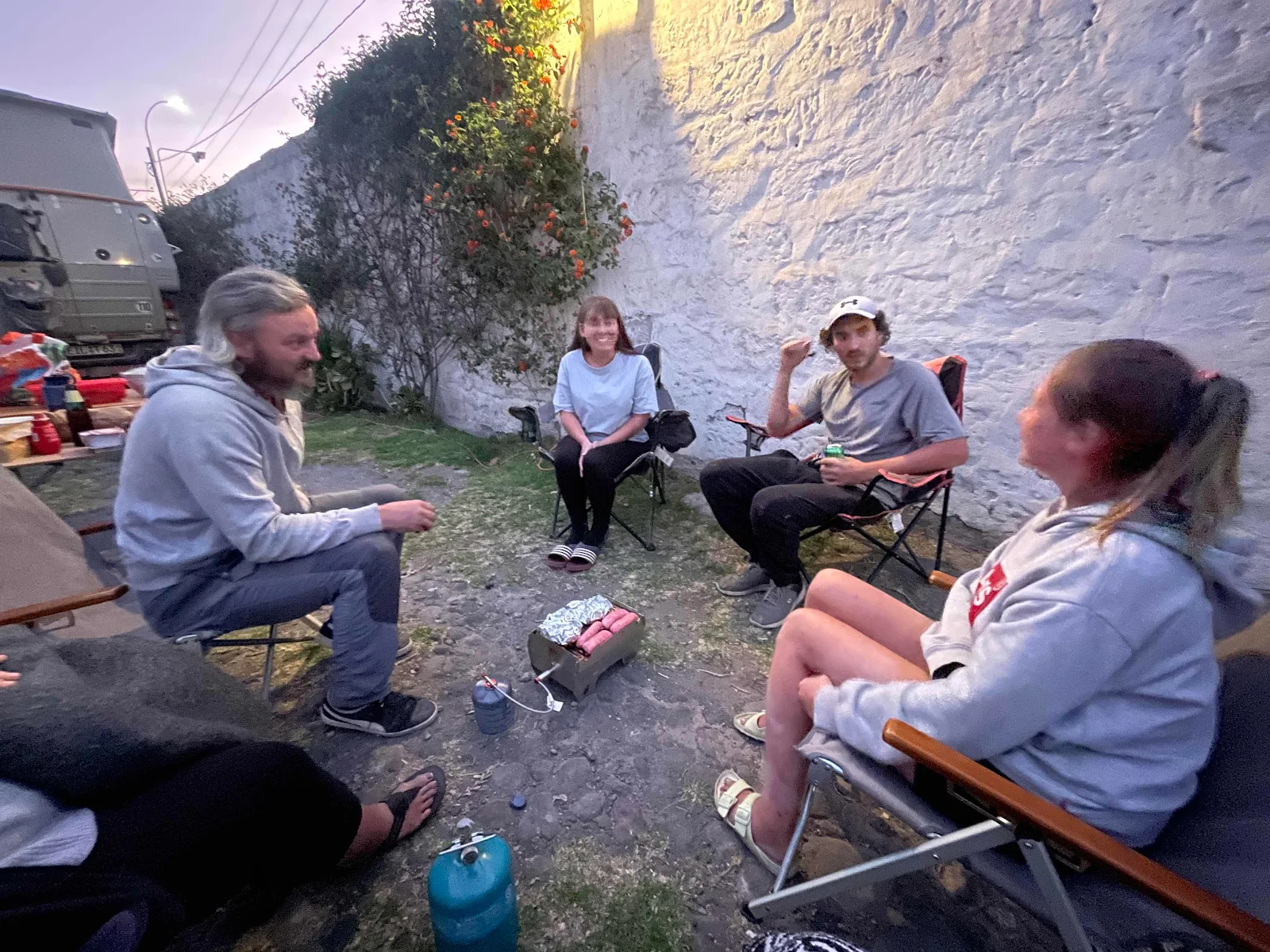
The Americans -malimash on Instagram if you want to join their fifty thousand followers- are nowhere to be seen. The rest of us got together for drinks after dinner and sat up destroying our bottle of rum. Jamie from Argentina on the left and his wife Deborah brought homemade damson wine of which I sank an inordinate amount. We are going to drop in on them in Bariloche in the summer on our way through Patagonia.
The Americans did not impress us right from the start when they announced to no one in particular they were going to demand a discount. A short while later Hernan the assistant manager came by and said they were giving us a ten percent discount. Not that we asked for one or anything but I don’t think he was pleased by the new arrival’s demands that were not well received apparently. I wanted to thank them for being unpleasant on our behalf but they aren’t very approachable those lovely people from California.
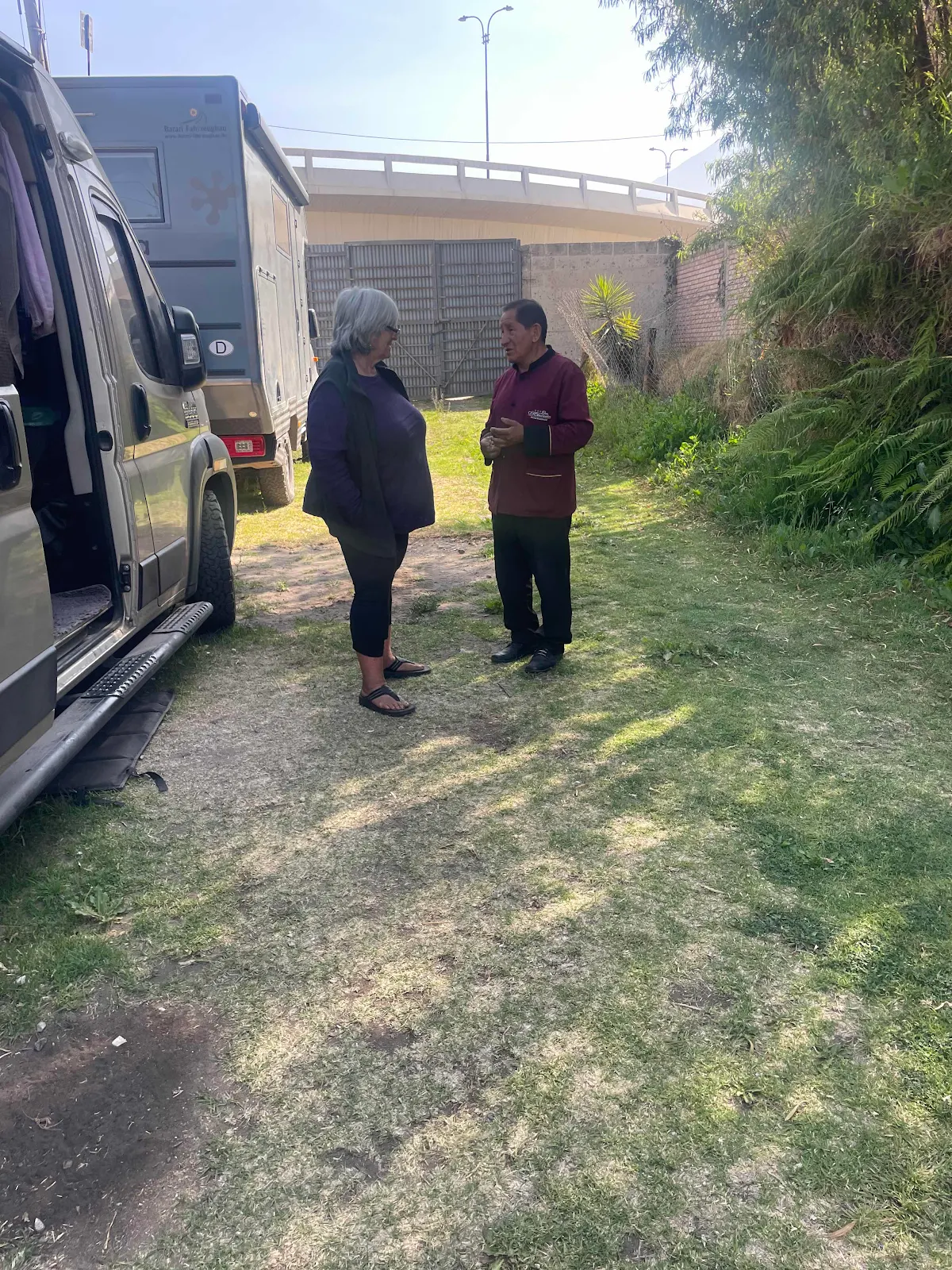
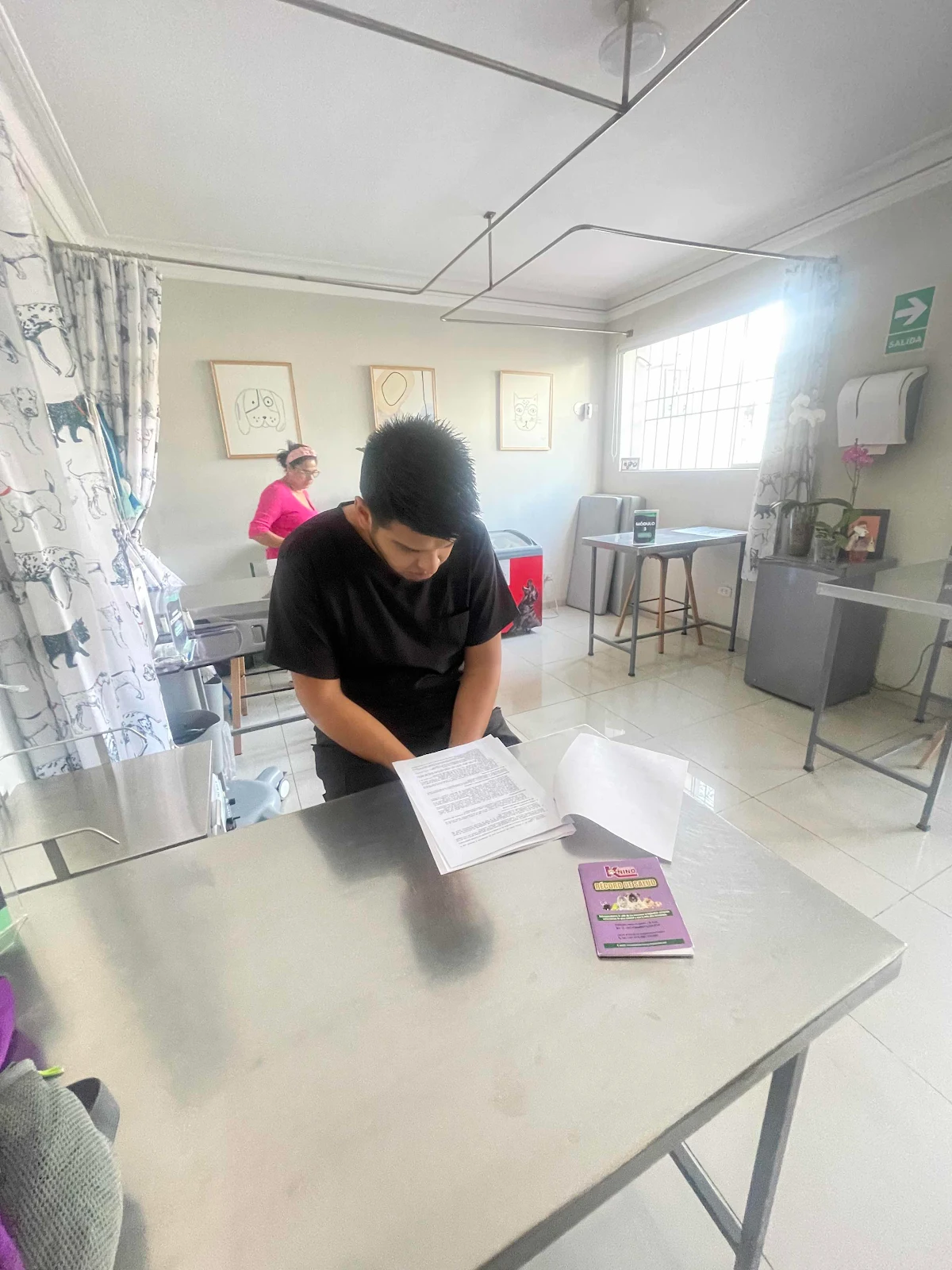
That didn’t stop them from coming by and asking about how to export their pets to Chile. When I said they had to go to the airport to the SENASA office she got all indignant asking why should she have to and not the vet? I shrugged, it’s Peru. I then asked if he spoke Spanish and he glared at me “Enough,”was his curt reply, so I mentally withdraw my plan to offer my help. They were thoroughly unpleasant and that’s all I know about them. Unlike many traveling children their offspring are not heard and barely seen and they pass by with downcast eyes. I feel bad for them as travel isn’t a barrel of laughs over there. It isn’t for Rusty either who had to visit the vet to get a new rabies vaccine and a returning pill and have it all properly recorded on special blue forms for the Chilean authorities.
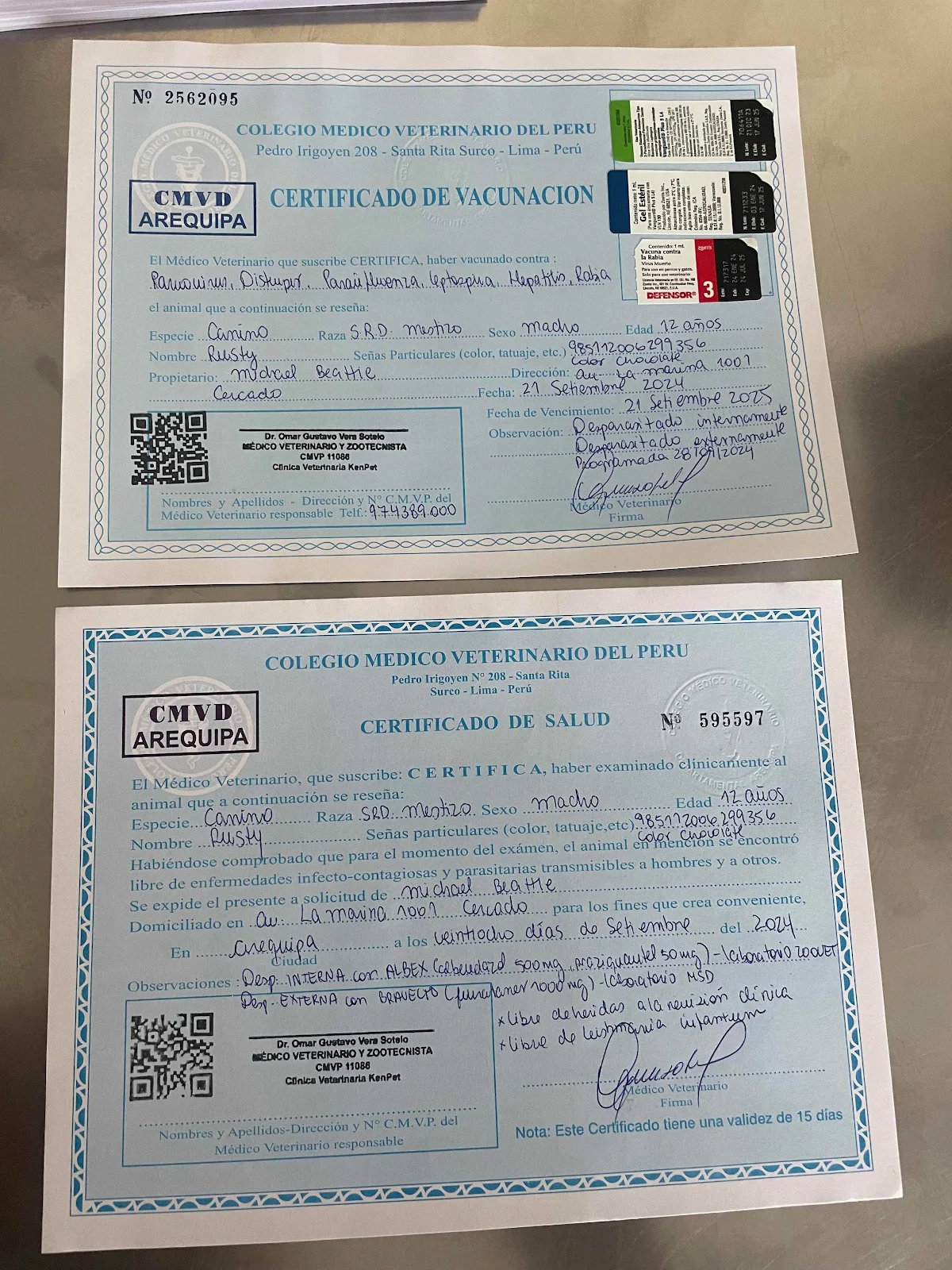
The process took two hours and cost $42 and to get it done we had to figure out our crossing date and make sure the vaccinations and deworming took place strictly within the guidelines required by Chile. The dates on the paperwork had to be correct if you see what I mean.
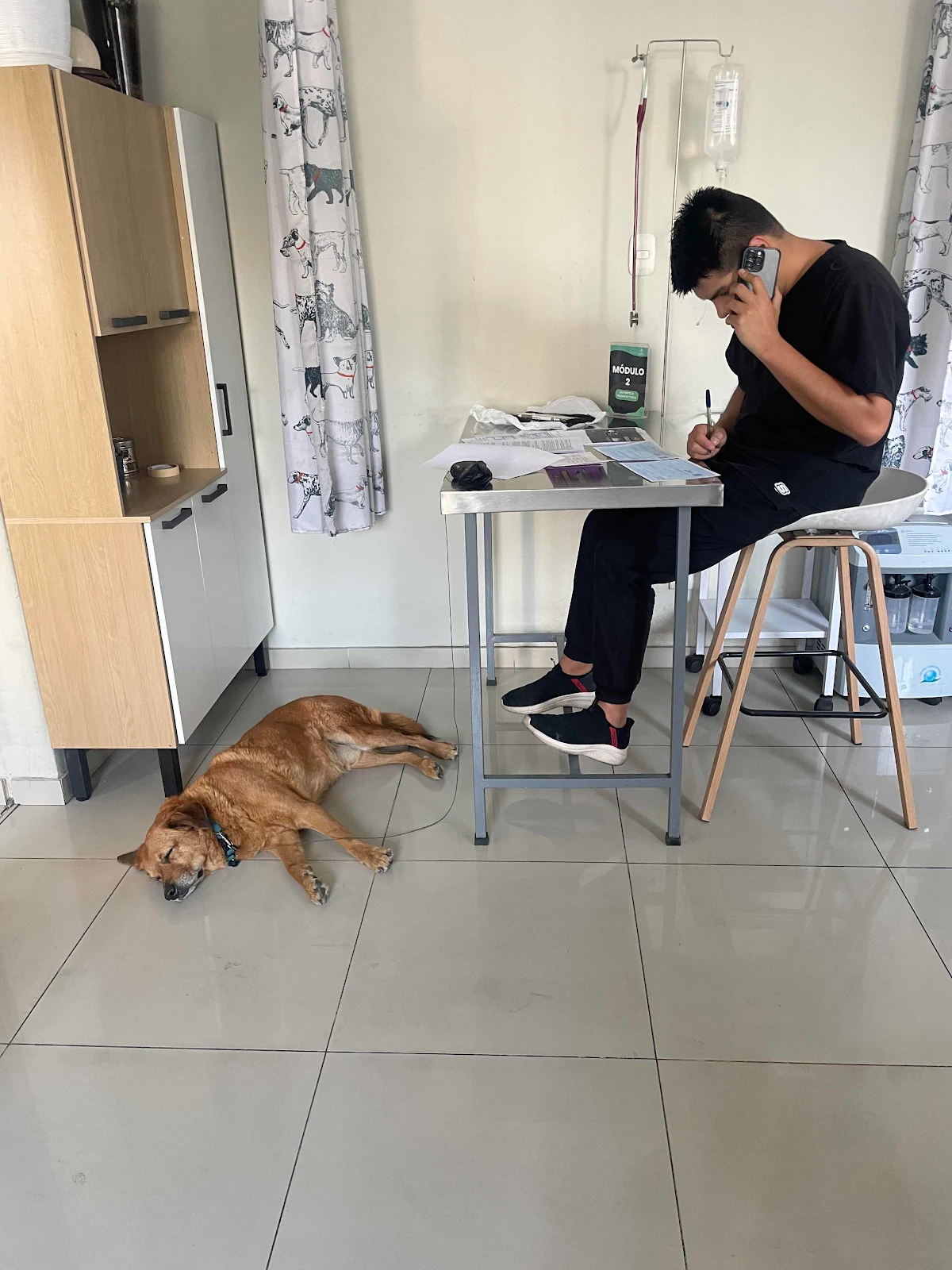
It was a headache for everyone except Rusty. Next week I’ll gonna into SENASA with the package to make sure it will work when we reach the border at Arica in Chile. It was a nice office at KenPet, I recommended them on the iOverlander app.
Back at the campground Sean had drawn a blank finding new glow plugs for his Volkswagen camper van but Florian had fixed his fuel pump. Juergen was sitting outside his camper struggling to fill in the border crossing form for people going to Chile (this next country is a pain in the ass) and he asked me what does “estado civil” mean? I said are you married? He nodded and I said put casado in that box. I’m not a mechanic like Florian but I help here I can.
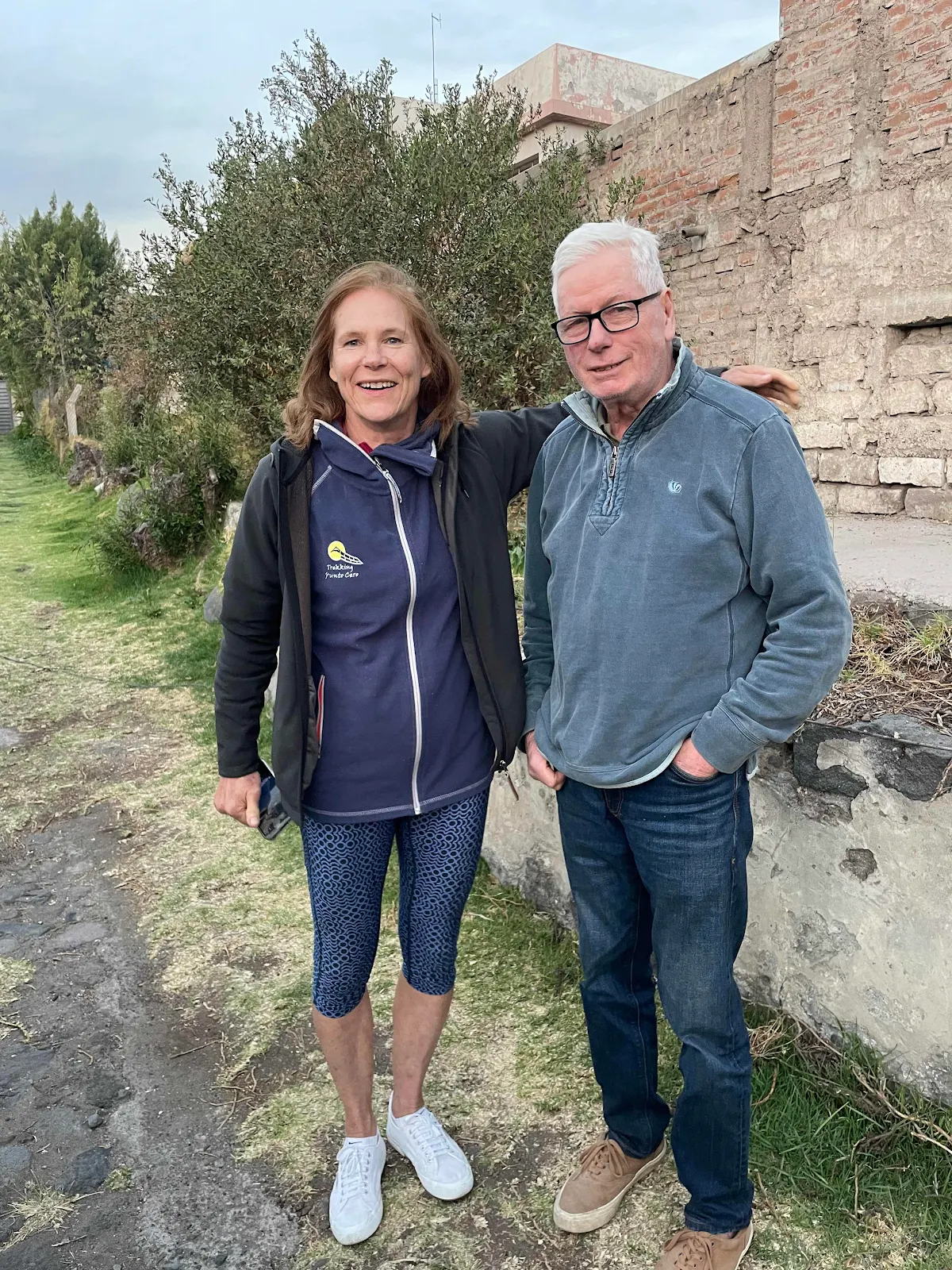
Jamie and Deborah from San Martin in Argentina. There is a large contingent of descendants of English emigrants to Argentina who settled to farm the fertile plains of that country. I had lots in common with him growing up bilingual and going to boarding school in England. We have them a jar of Marmite as theirs had broken on a nasty pothole and splattered their trailer. It was the only civilized thing to do. Can’t wait to see them again.
——-
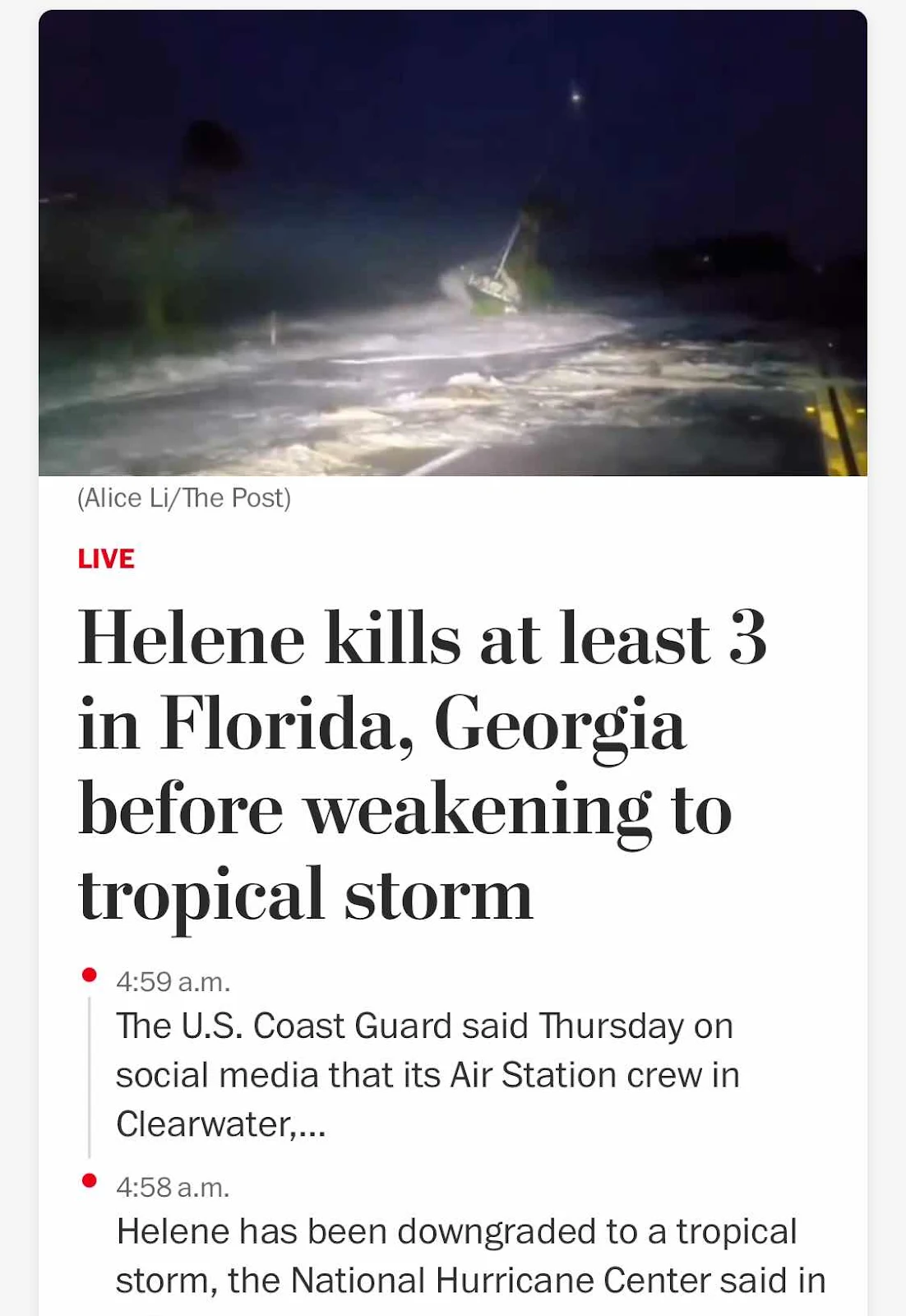
Hurricane Helene I have been following with all the usual thoughts and no little relief not to be there. Frankly it’s time people got used to the idea that hurricanes are going to be powerful problems the deeper we get into climate change. I remember Doug at home after Irma patiently waiting for the power to come back and I wondered how the newcomers to Key West coped with modest fifty mile an hour winds and flooding in the usual places. That was nothing unfortunately. I fear for the Big Bend getting flooded today but I fear even more for the future. We will not be living near the sea ever again I doubt.
I’ve had quite enough of that in my life.