Wednesday, November 20, 2024

The Road To Chiloé

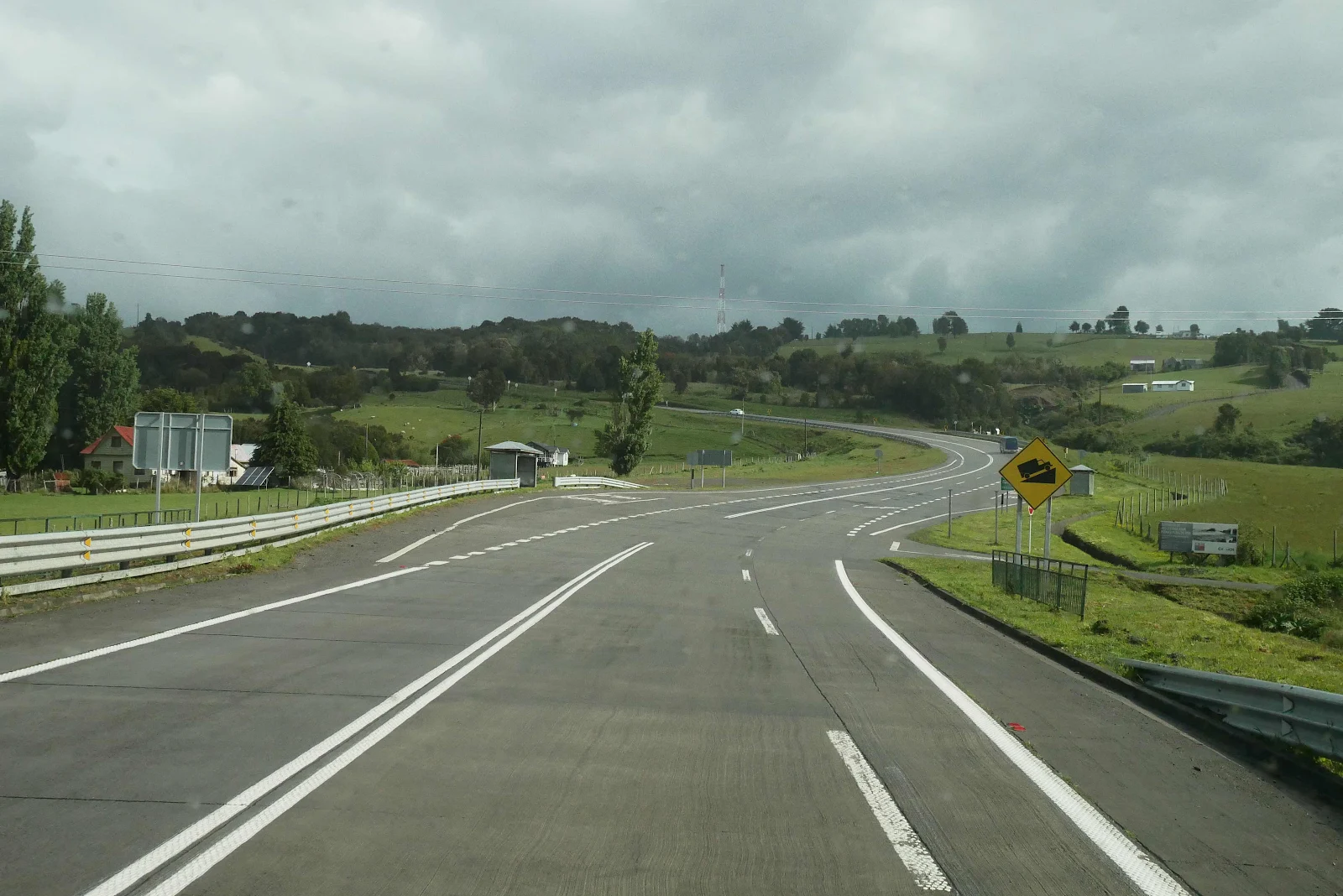
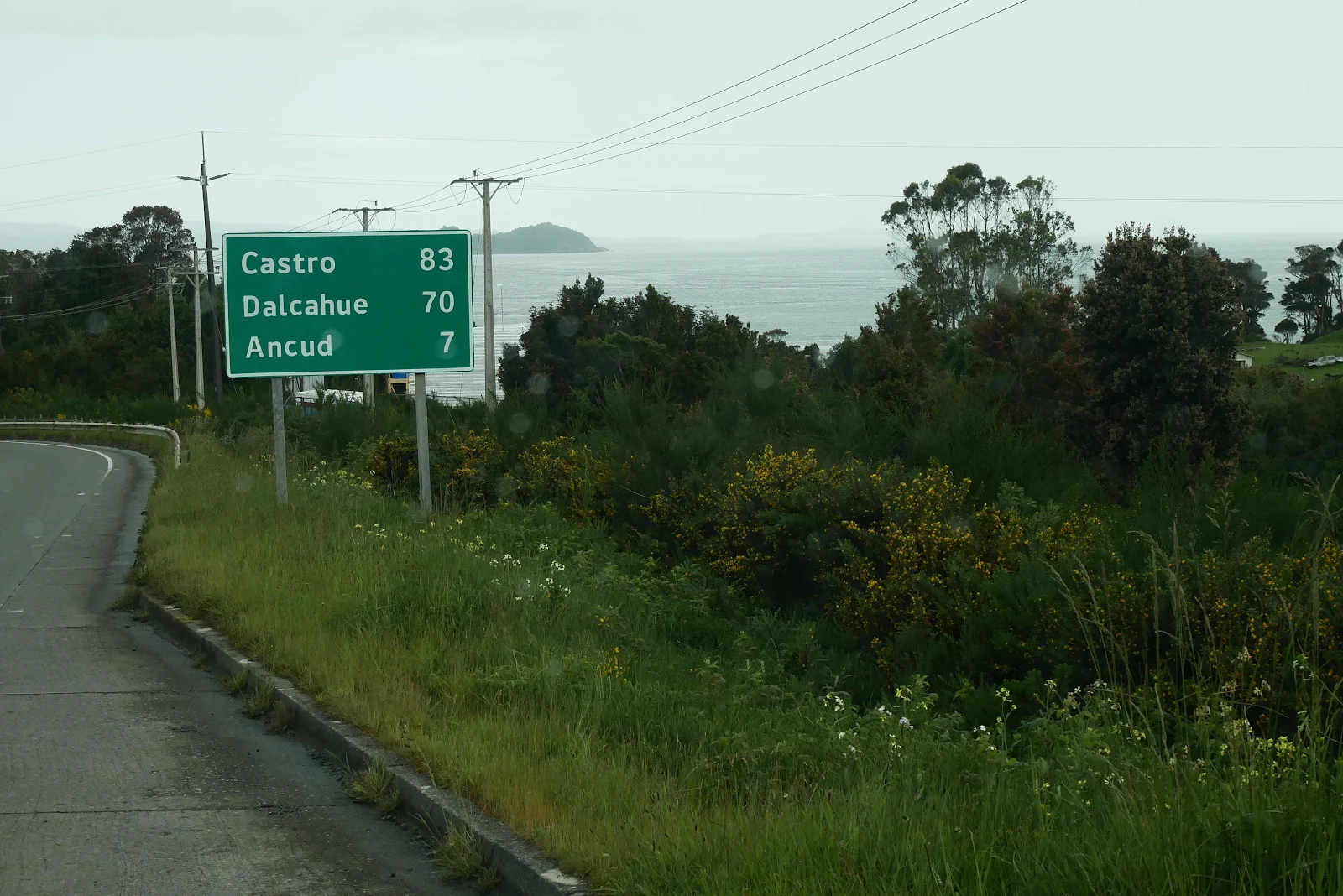
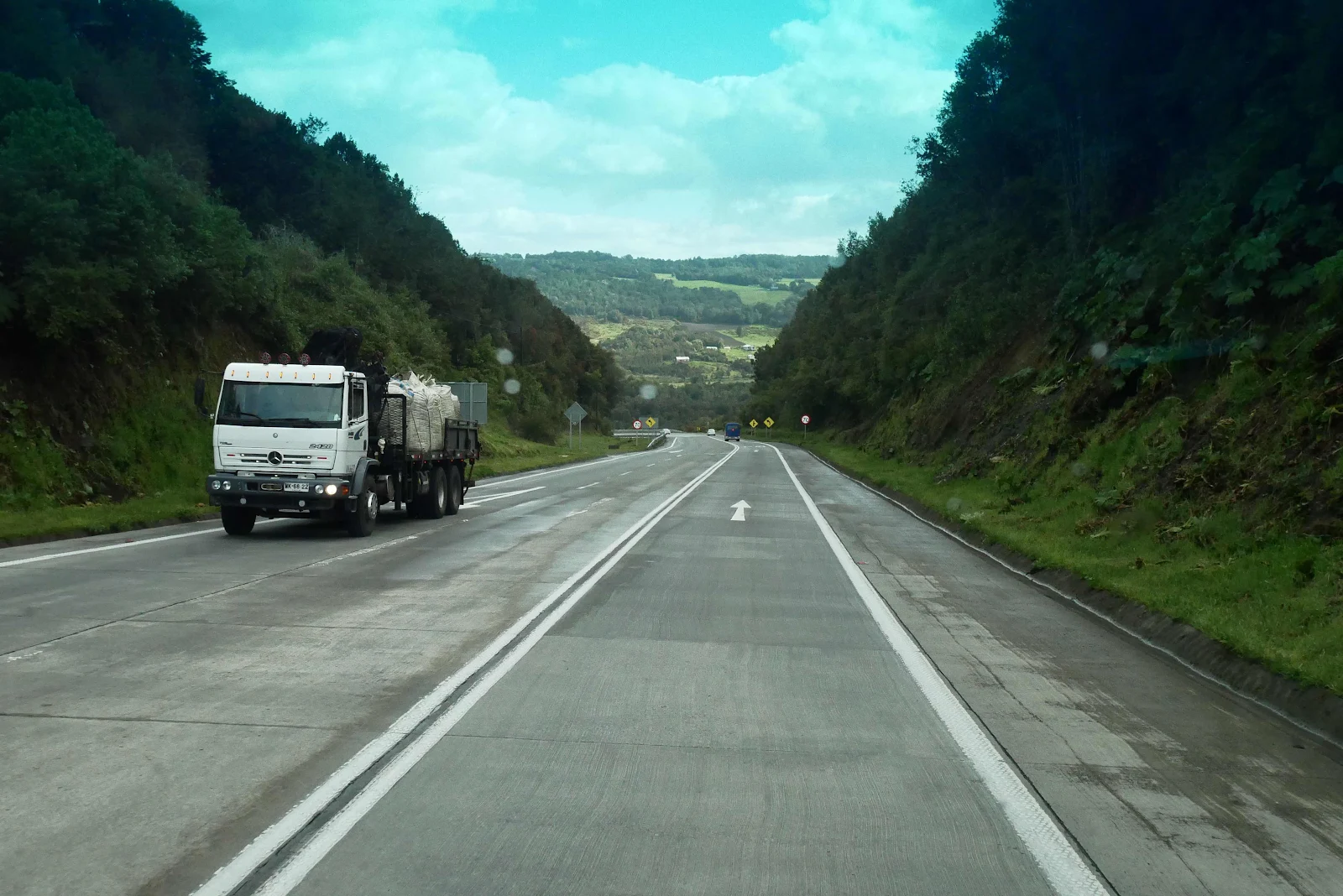
We left our cabin in the woods on Saturday morning with a plan to visit Chiloé Island thirty miles south of Puerto Montt. Travelers rave about the place and we figured with a few days to burn before Layne’s flight to Florida it would be a good place to check out. The road to the ferry is the usual PanAmerican freeway:
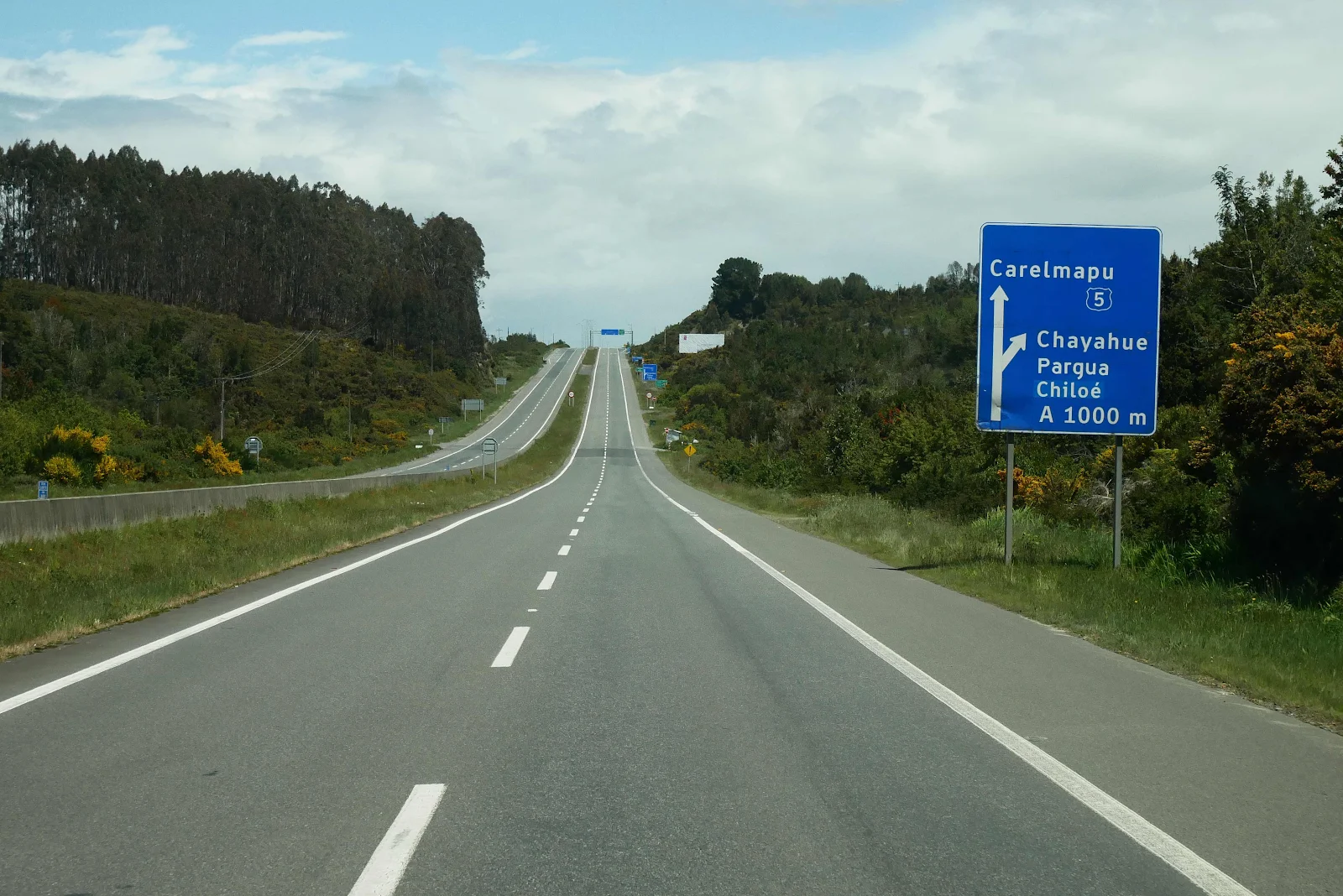
And it’s not exactly a freeway, tolls vary but are never more than $4 for a car. I rationalize tolls by pointing out to myself at least here the highway is smooth and well maintained…
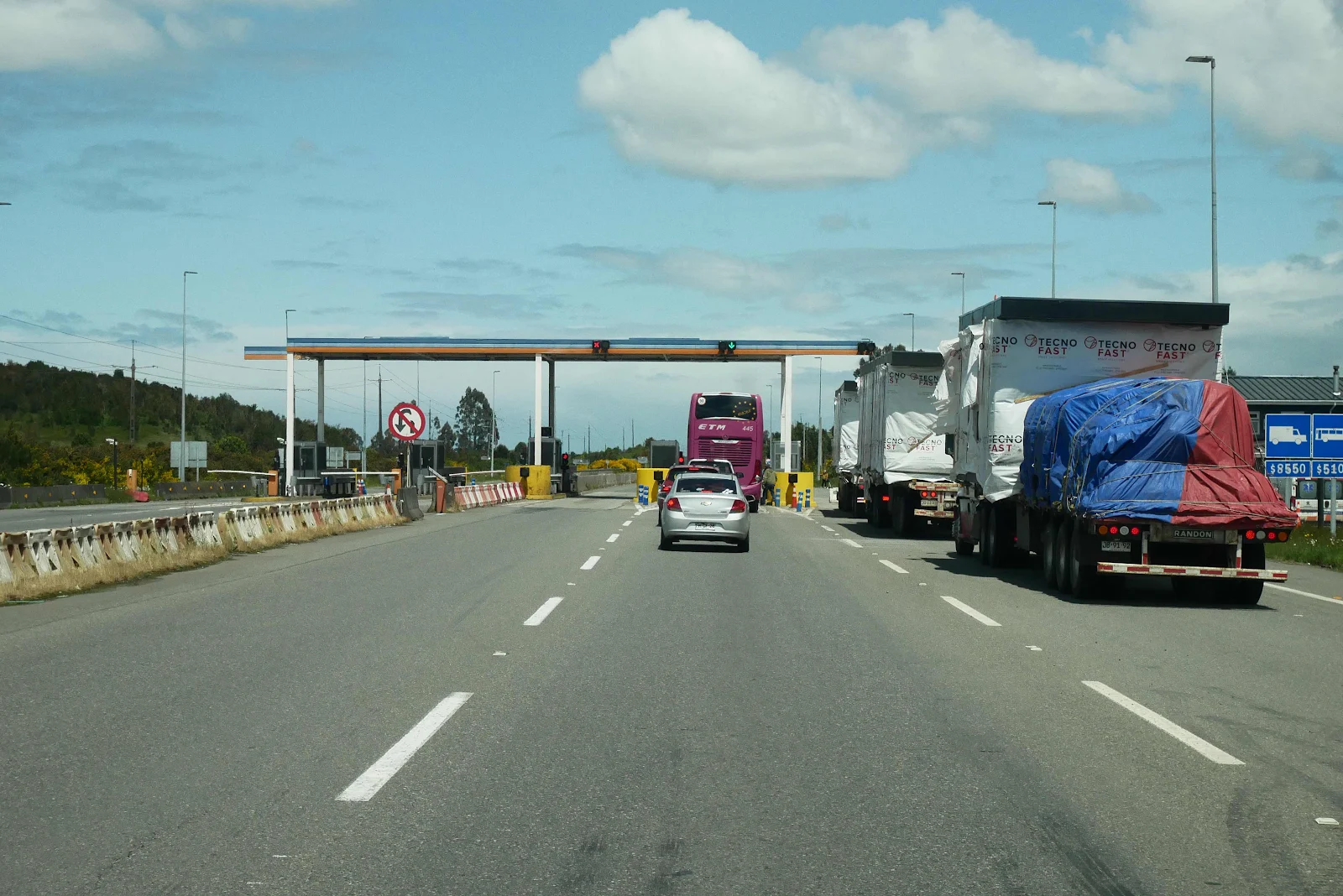
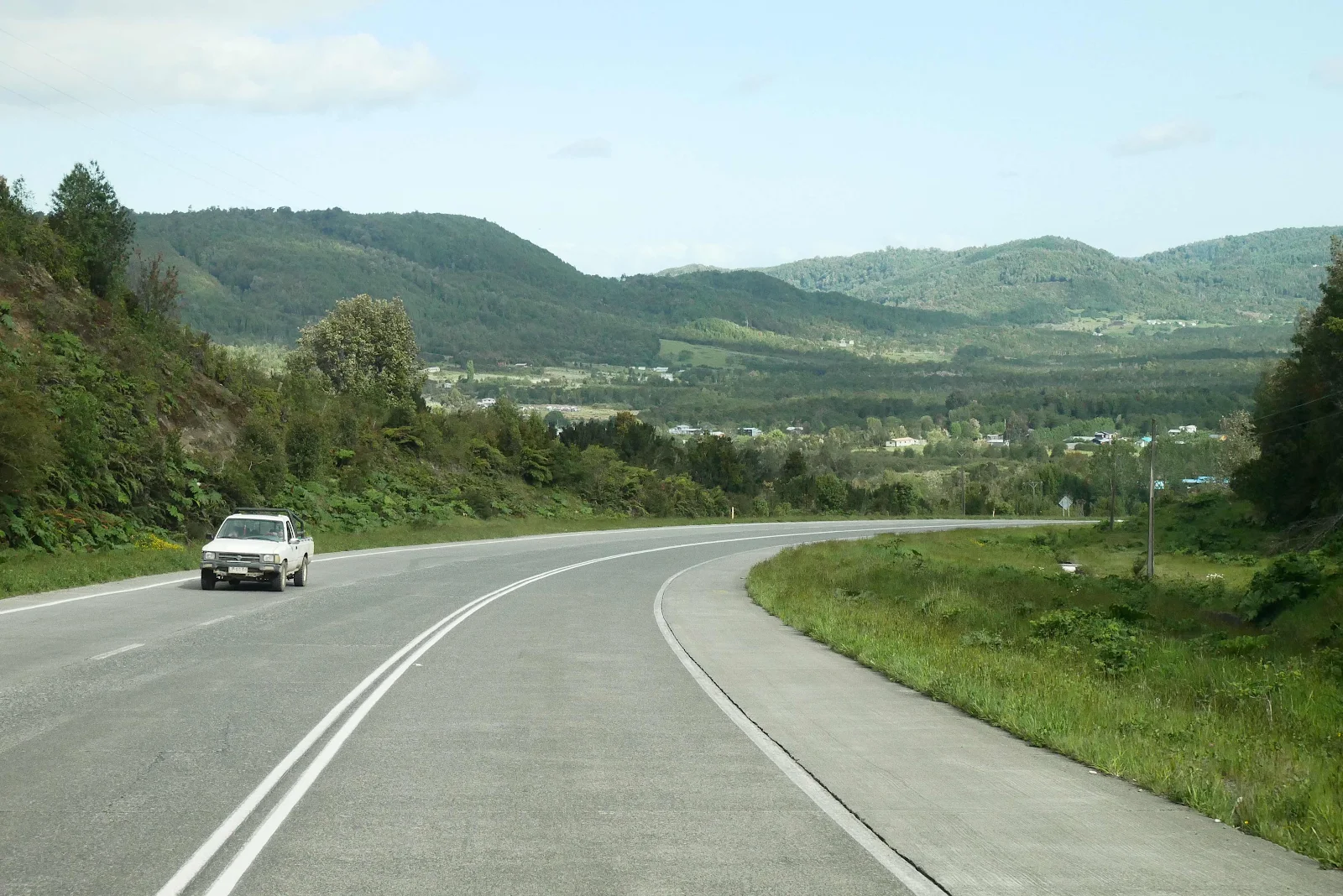
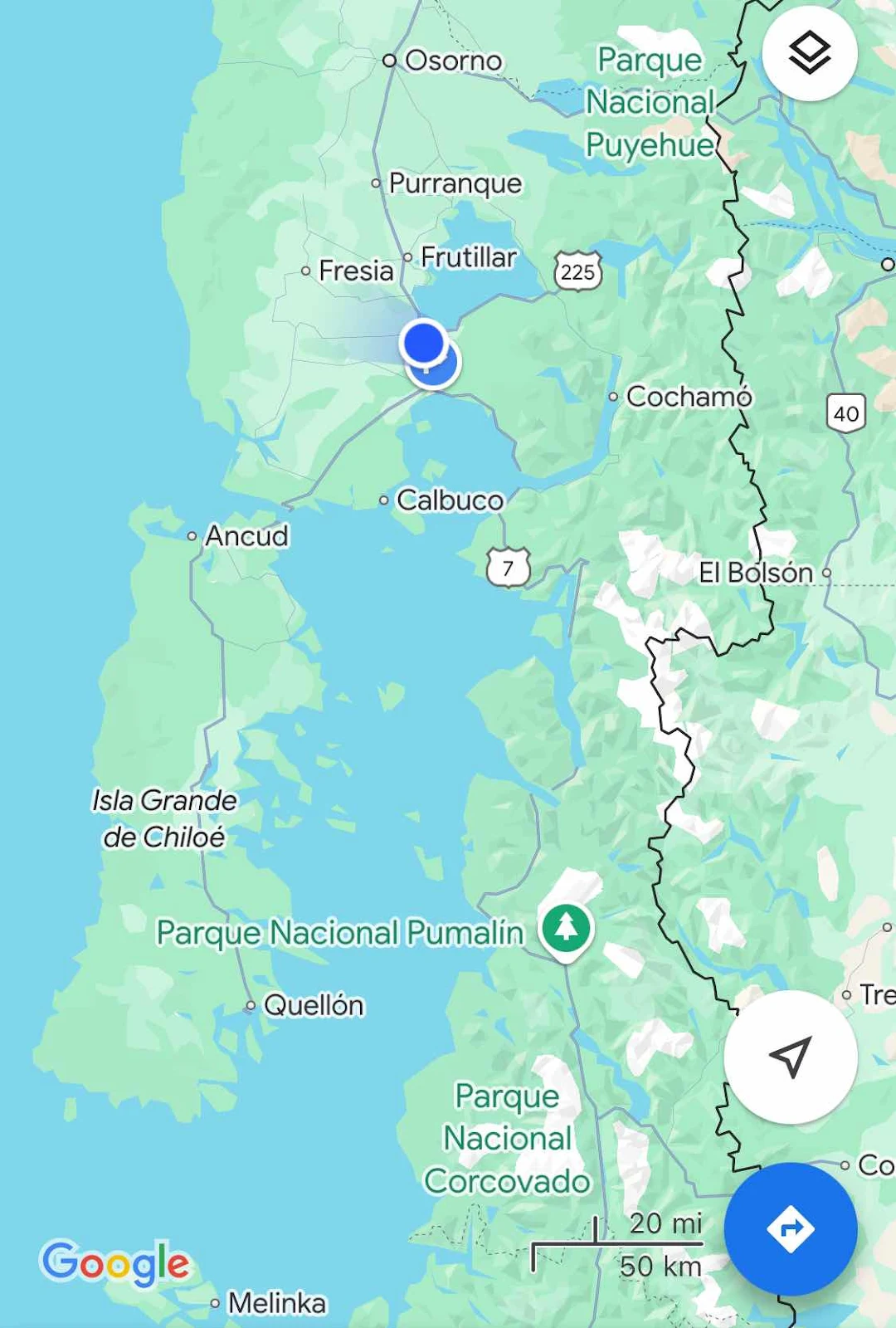
It takes about three hours to drive the 120 miles from the ferry landing near Ancud in the north to Quellón at the southernmost point of the highway. And the PanAmerican in the northern half is terrible quality, cement slabs that made the Promaster bounce as we crossed every seam with some potholes thrown in for good measure. We asked ourselves why we were here. 
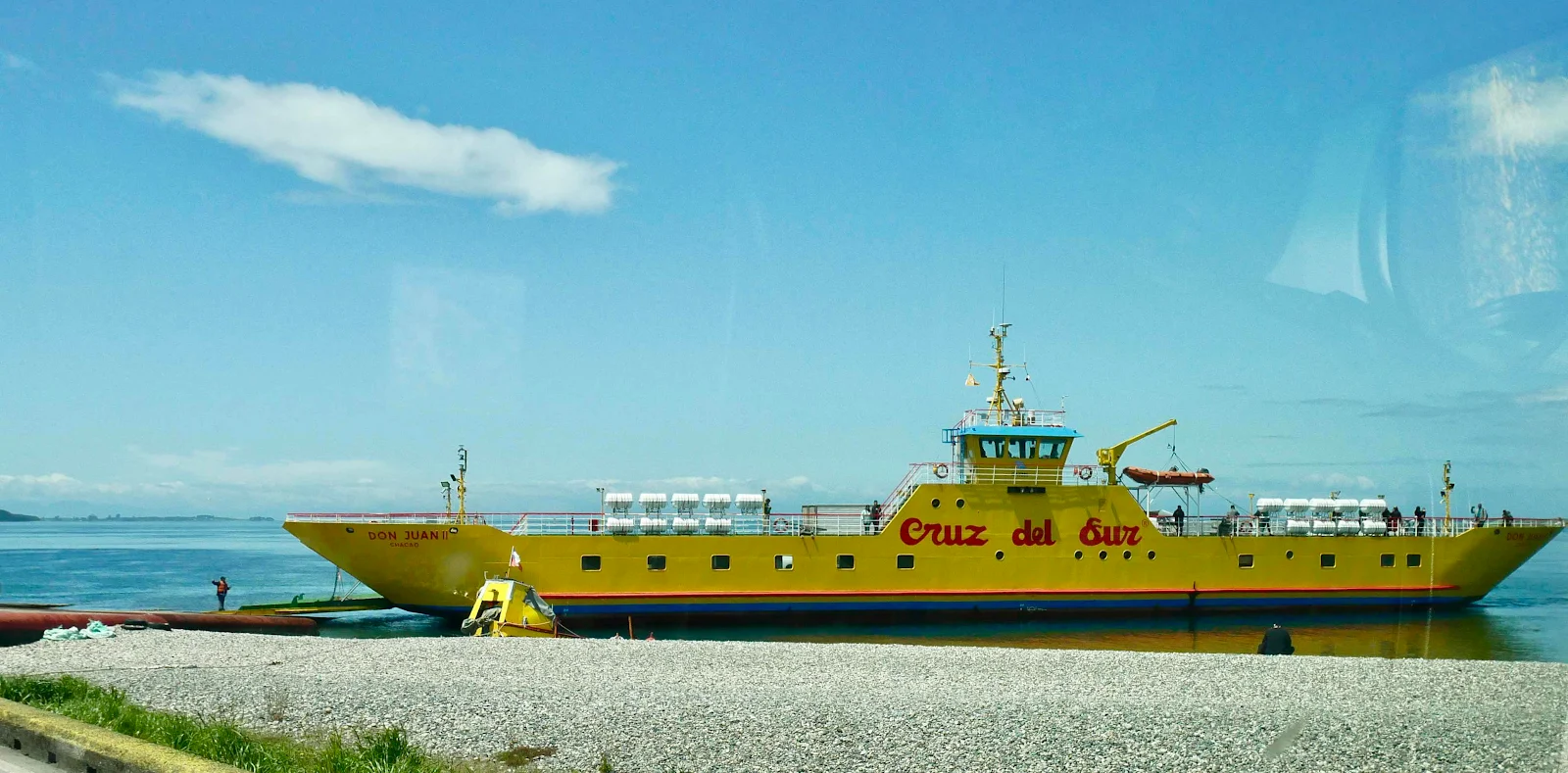
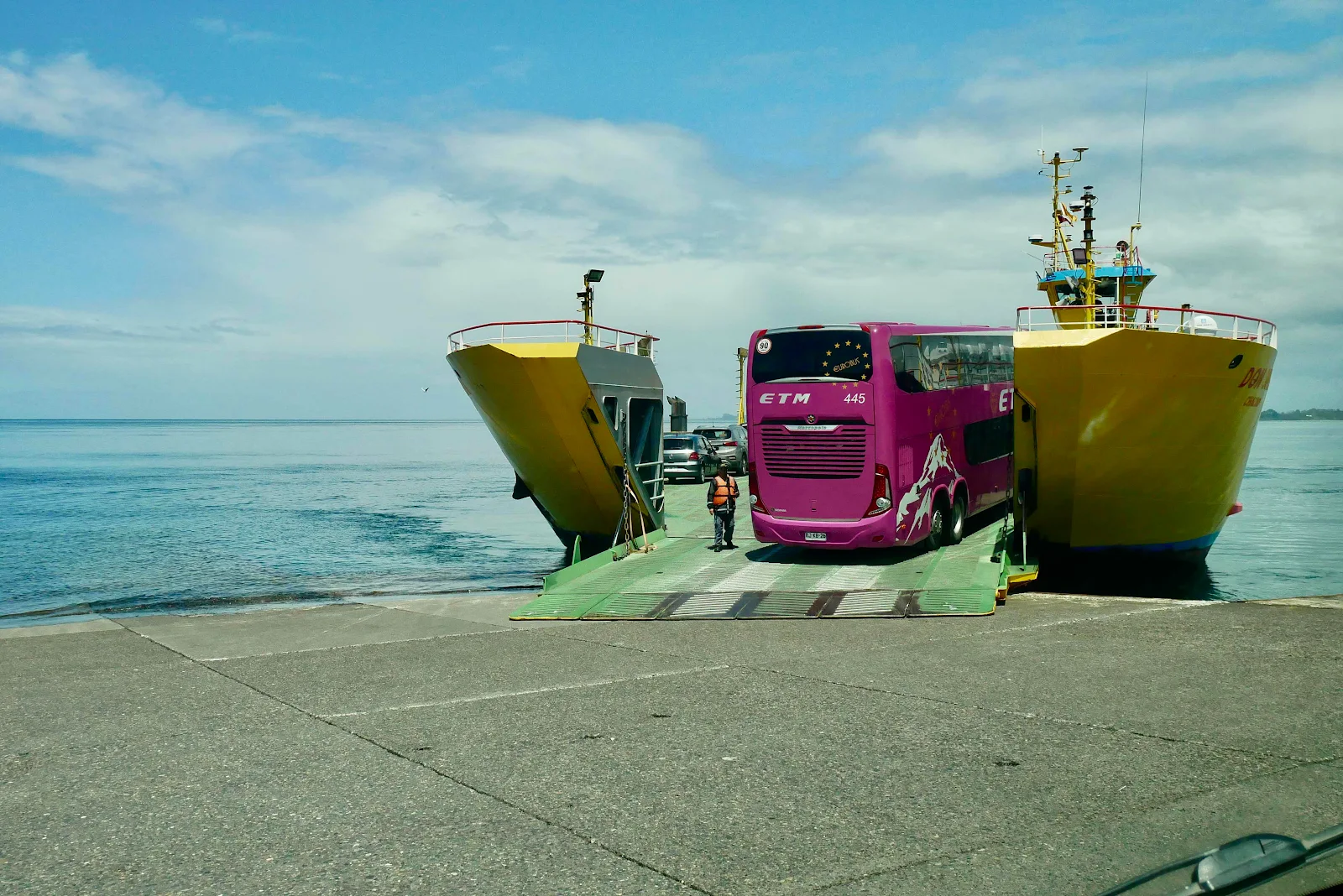
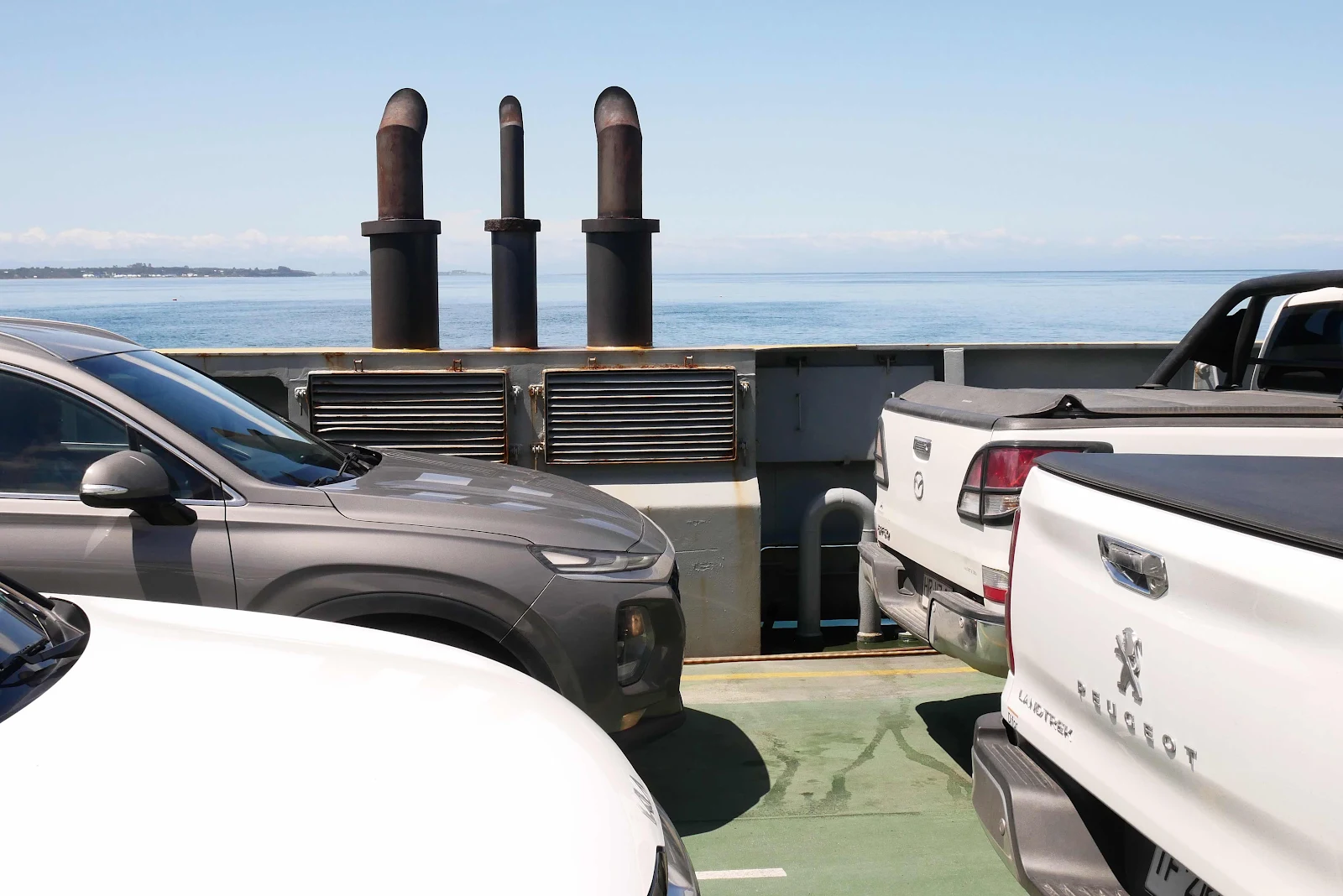
Our neighbors back at the cabin had explained how the ferry works and it’s very simple. You drive on…
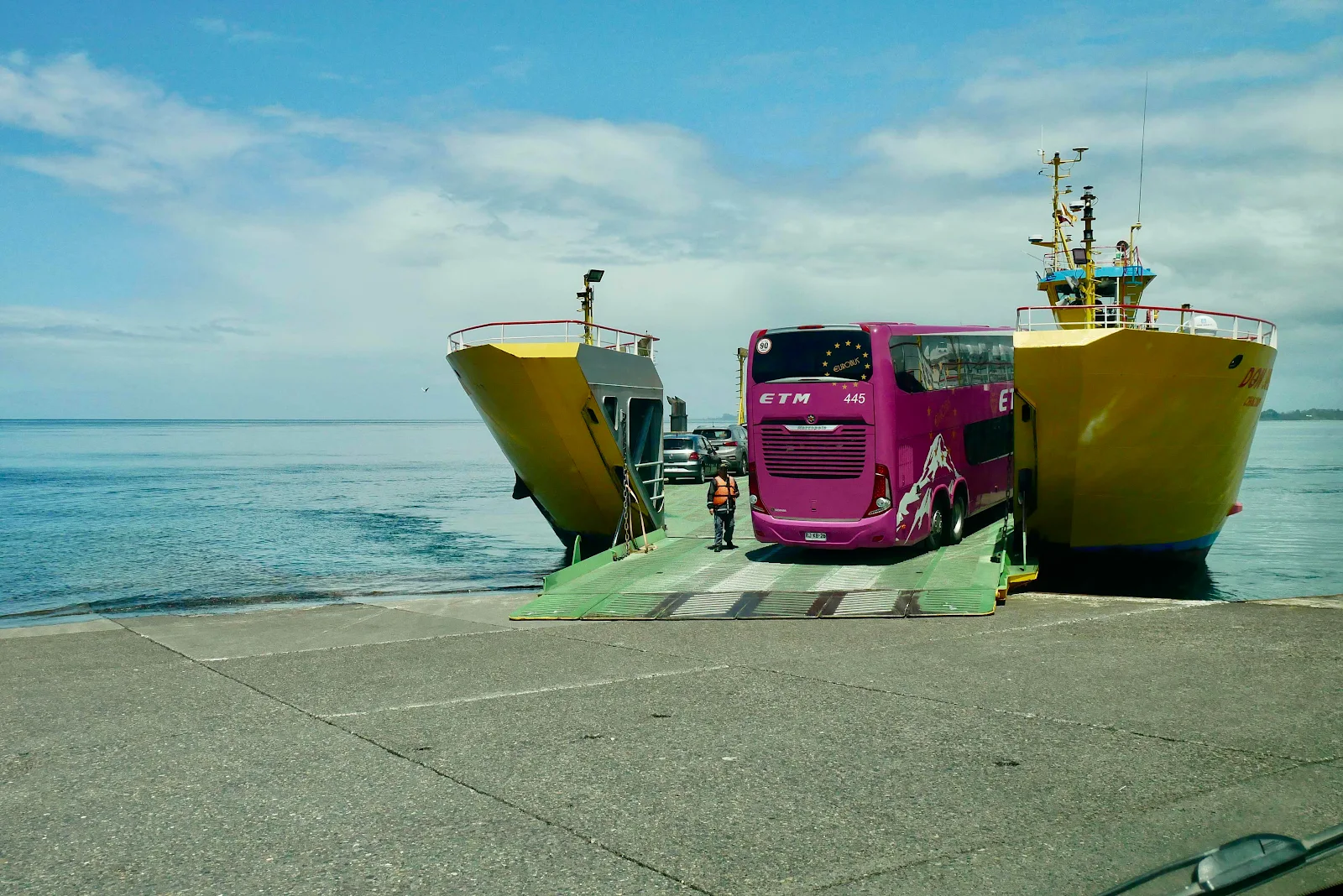
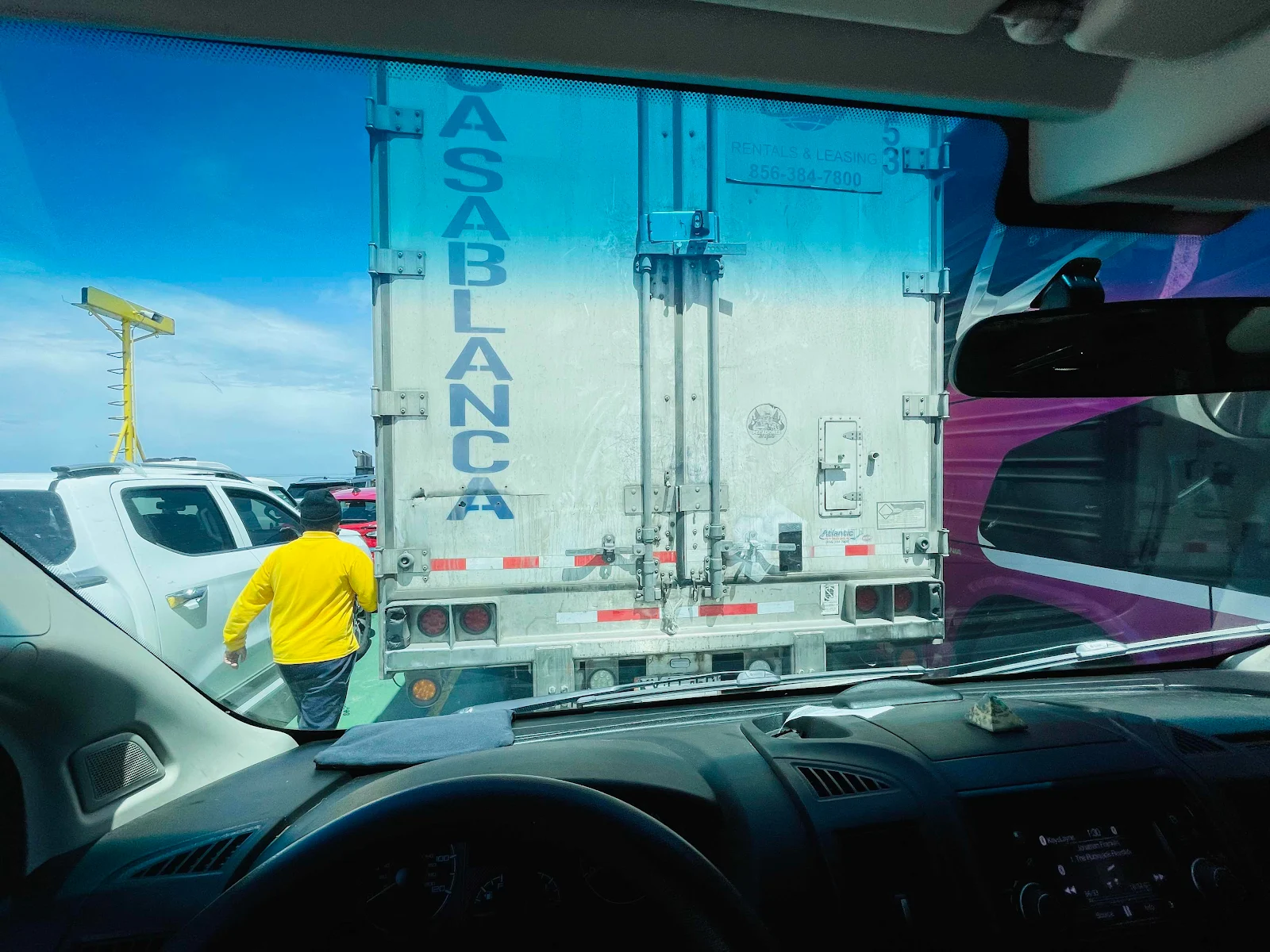
…a crew member with a card reader comes by and charges your card, $20 for us, and you drive off 35 minutes later, all very quick and easy. 
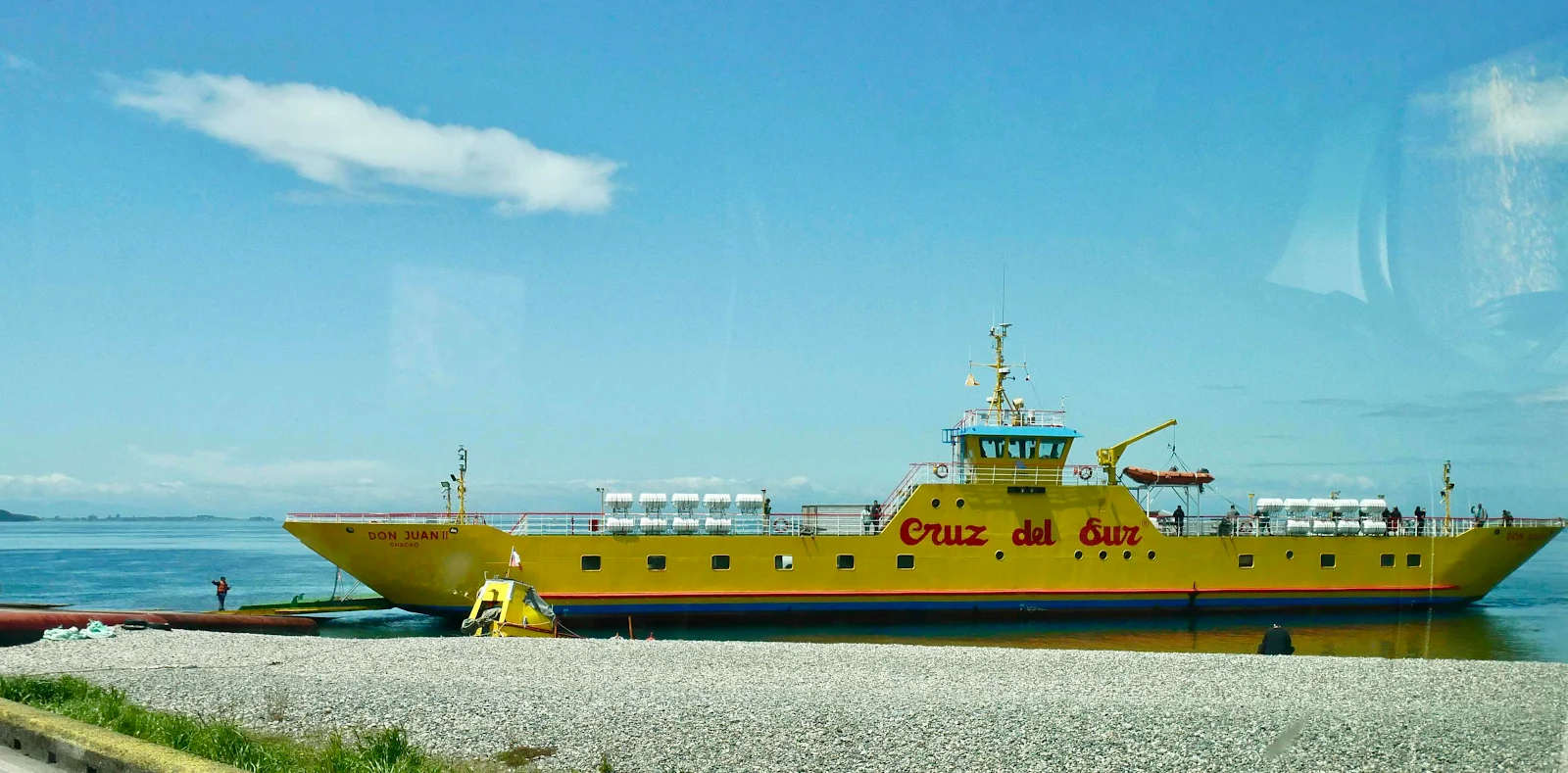
Pets must stay in the their vehicles but people are free to move around. It was here we started to go incommunicado with a feeble phone signal and almost no internet for a couple of days.
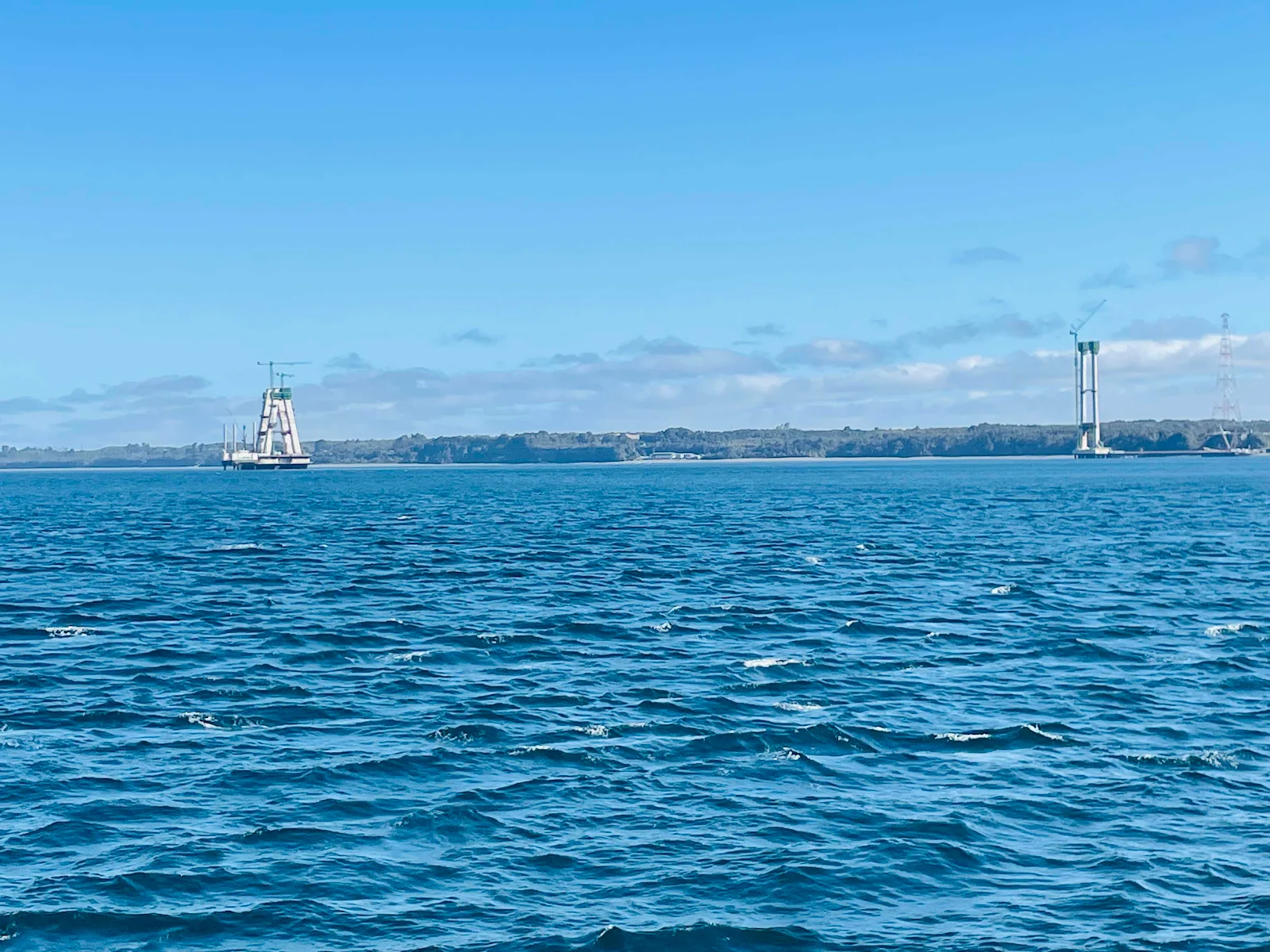
I also noticed they are building a bridge so I guess the four ferry boats running continuous twenty four hour service will be gone soon. For us it was an easy crossing but I imagine in winter it must be pretty sketchy. 
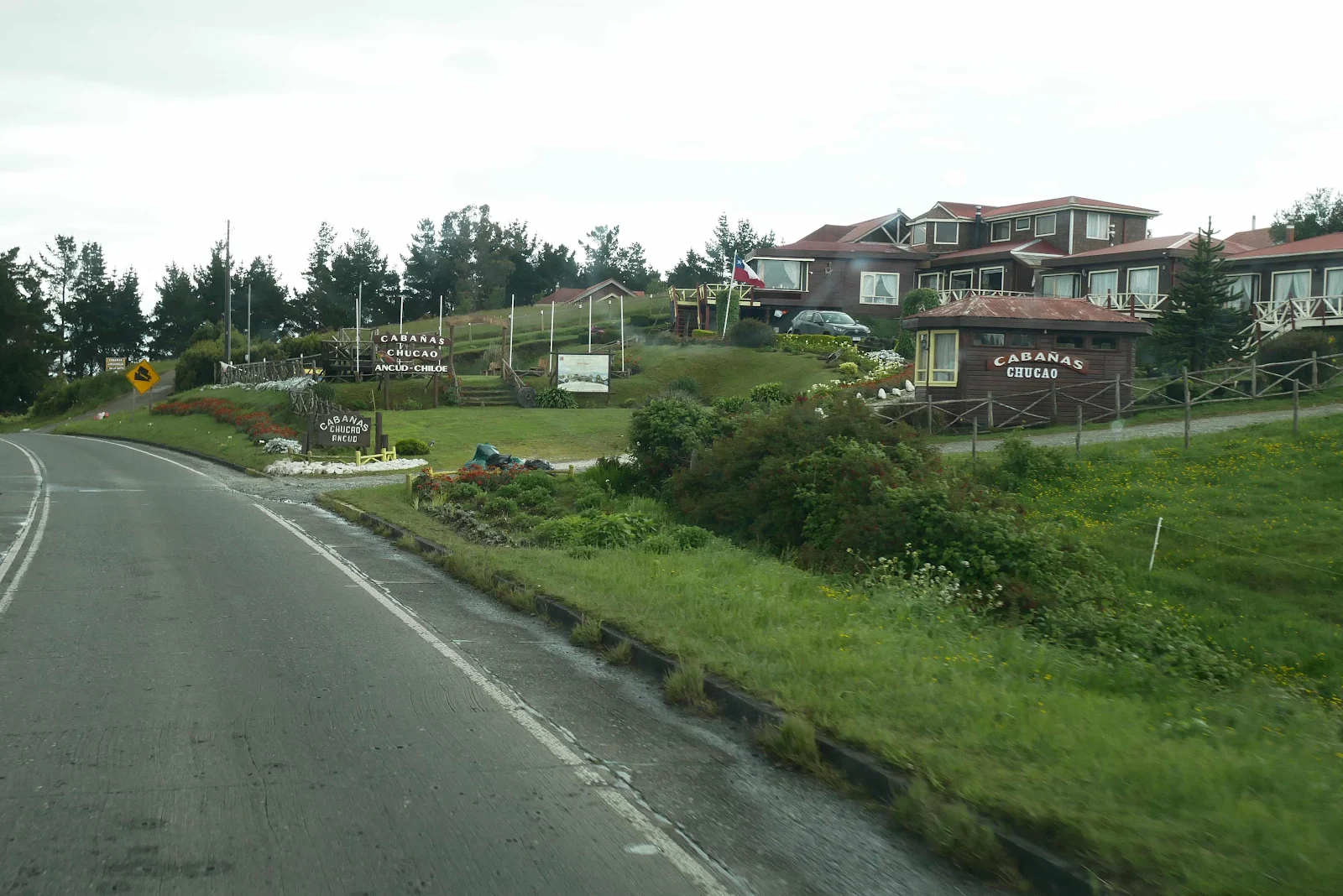
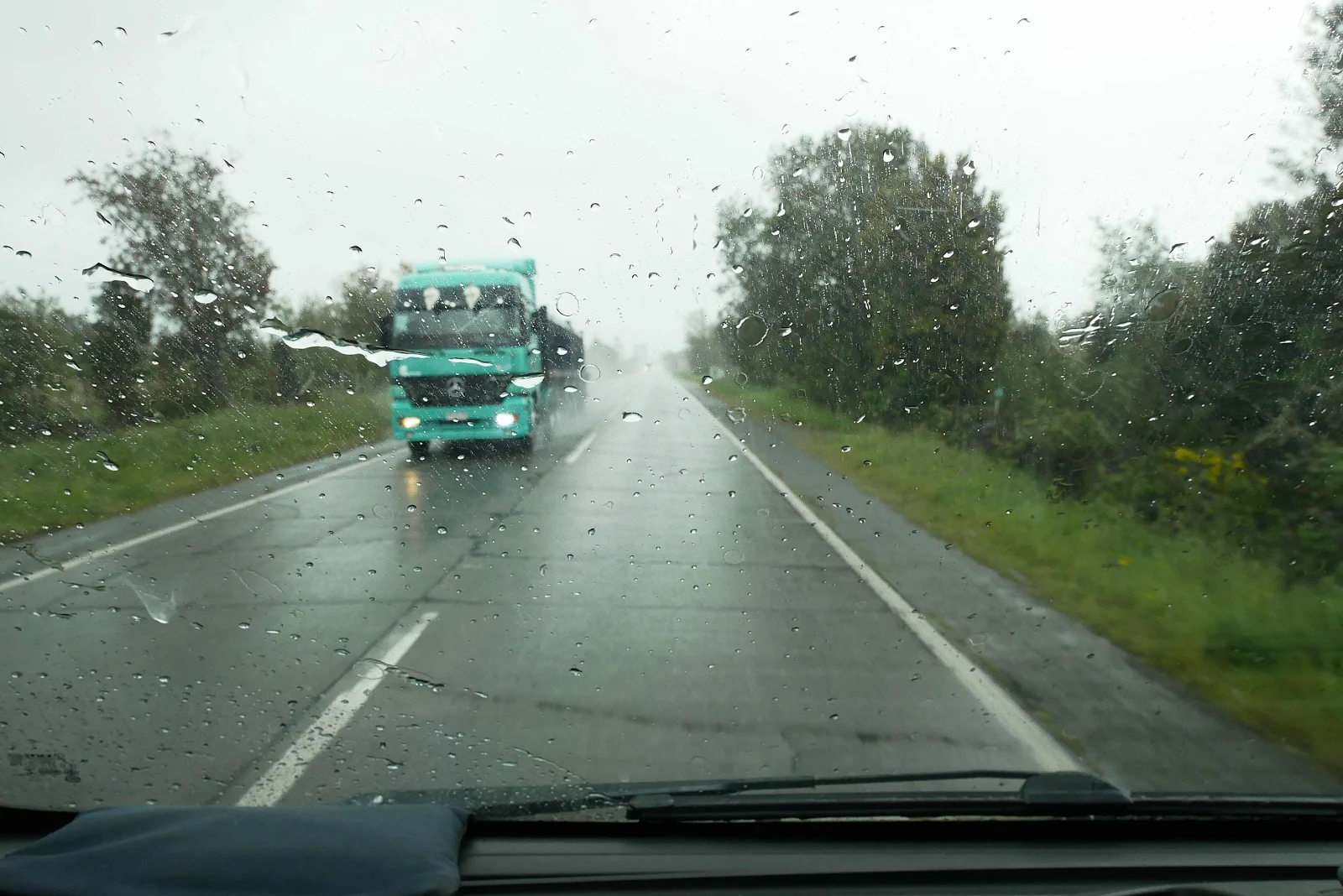
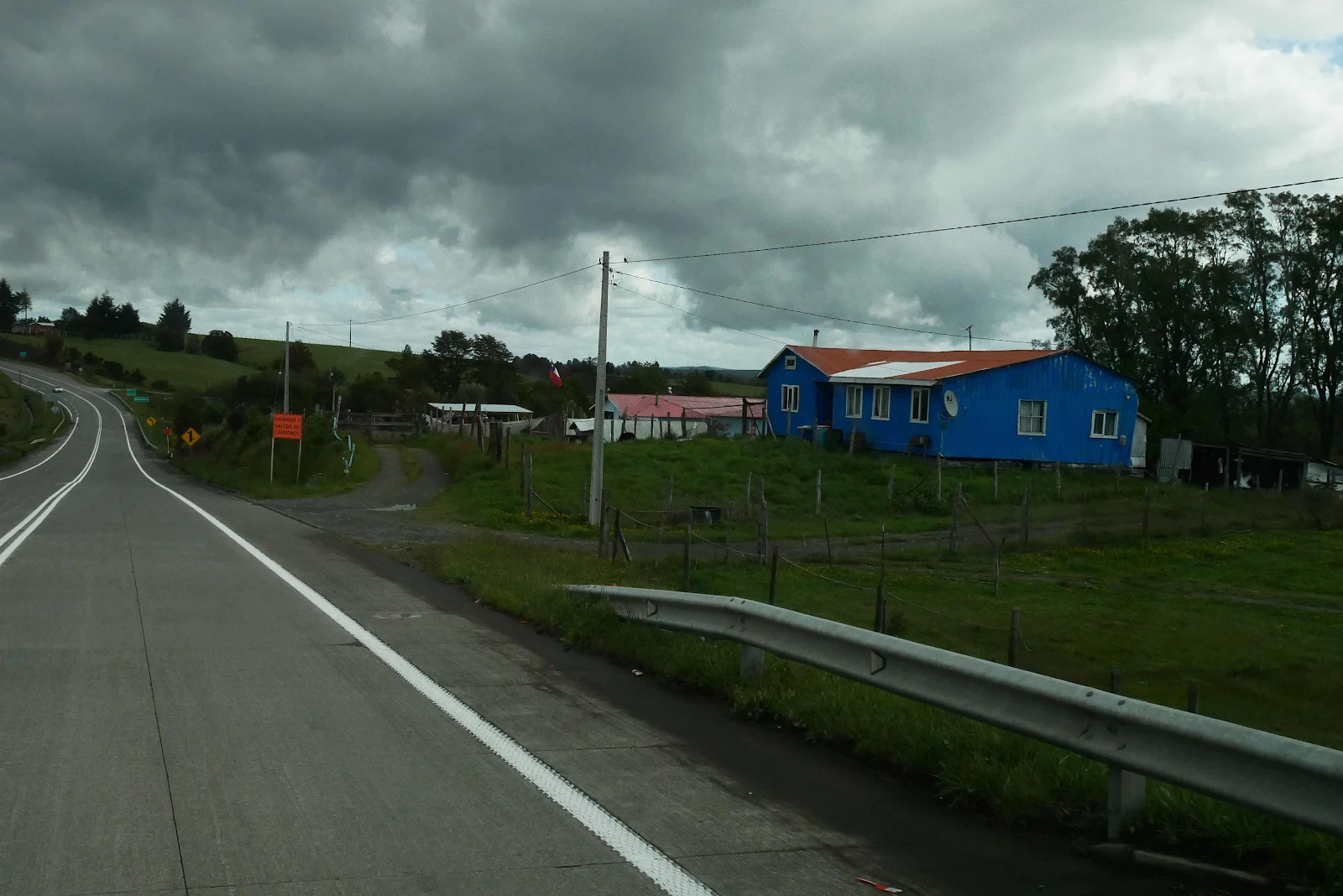
After we rolled off the boat the day went dark and as we bounced down the PanAmerican on that awful cement slab pavement the rain started to slash down, just to improve our mood. Chiloé at this point looked just like the mainland. 

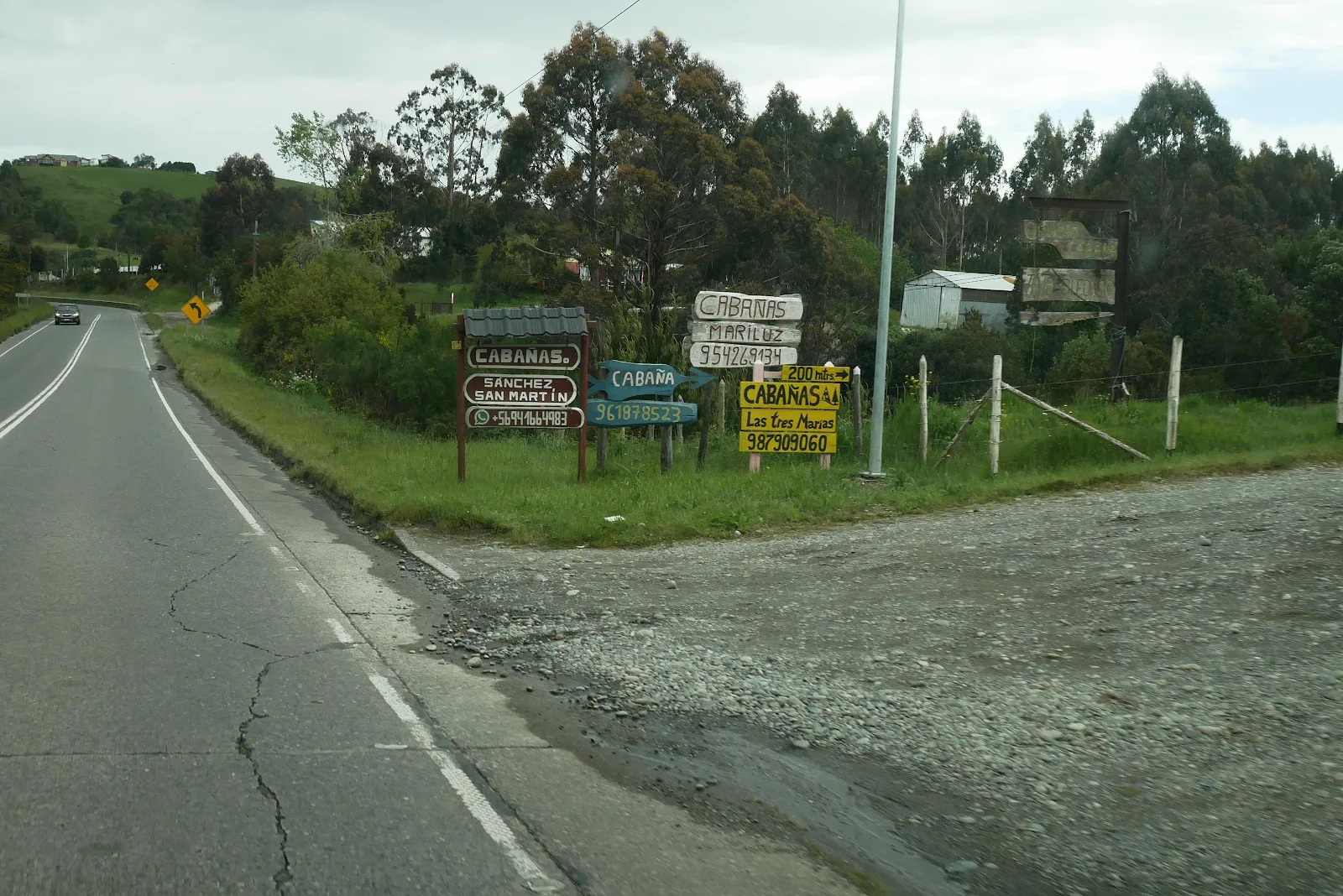
It’s clearly a summer tourist destination with camping glamping and accommodations on offer everywhere. Most of the island is still asleep this early in the Spring. 


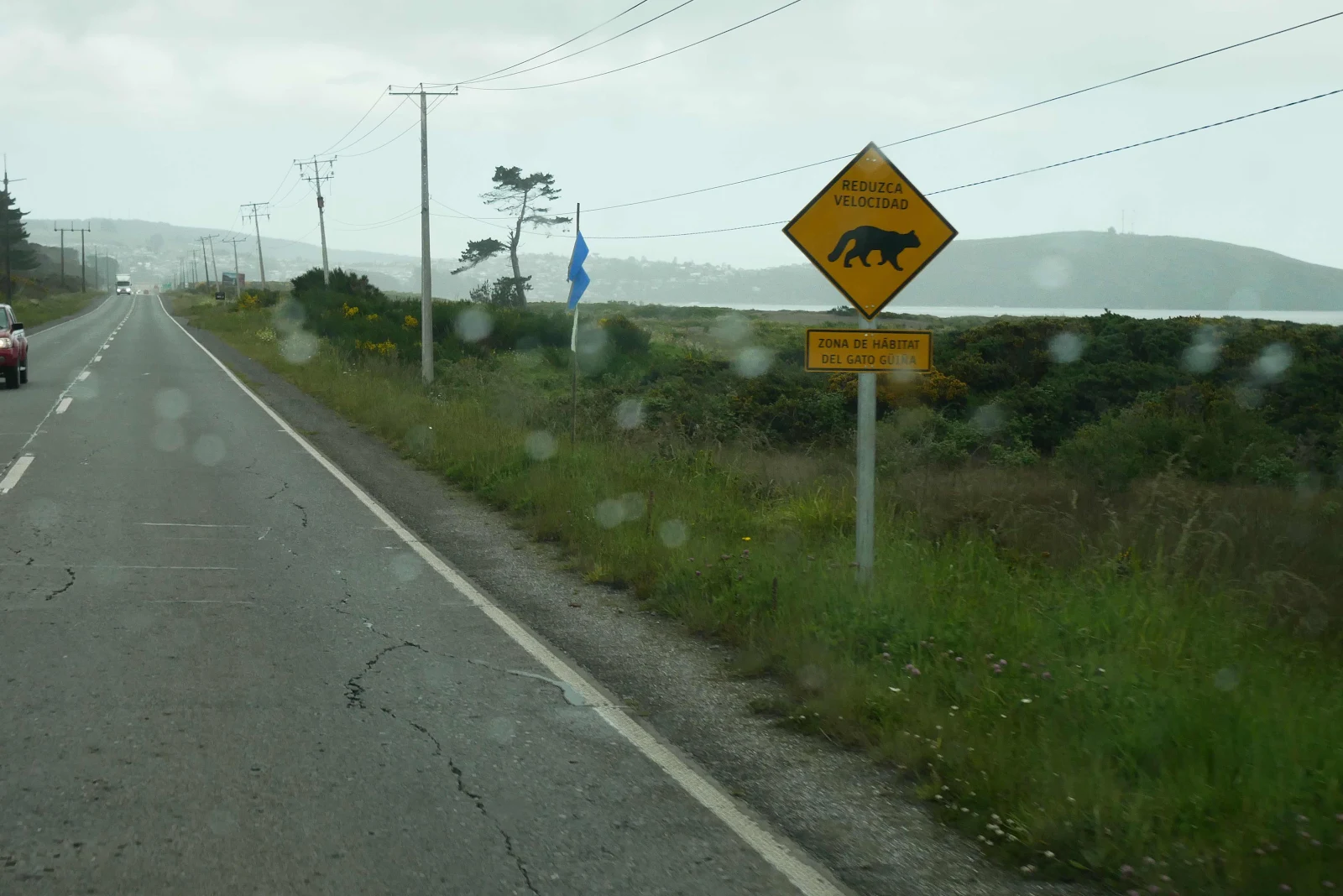
There are wildlife warning signs everywhere, not that we’d see them.  
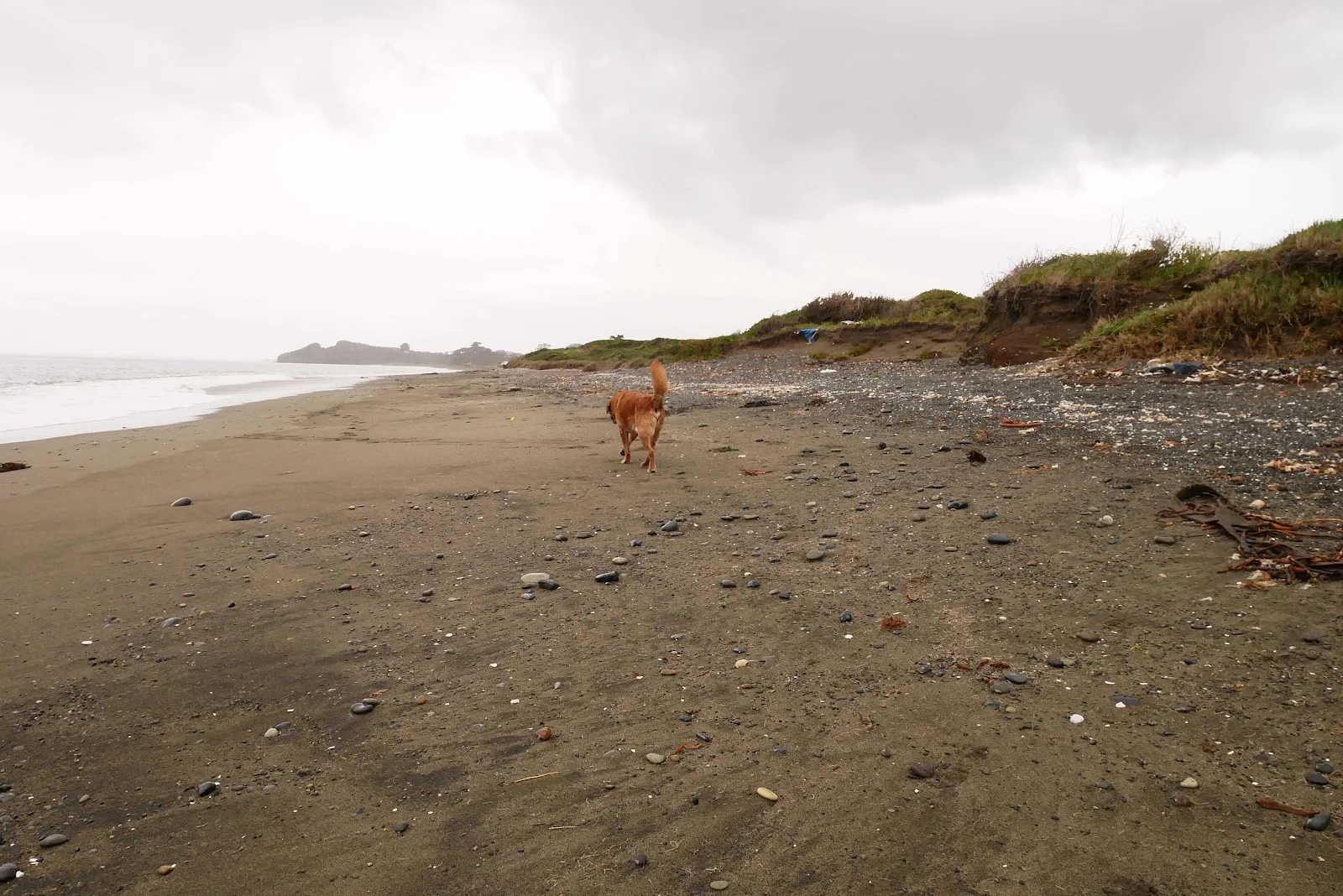
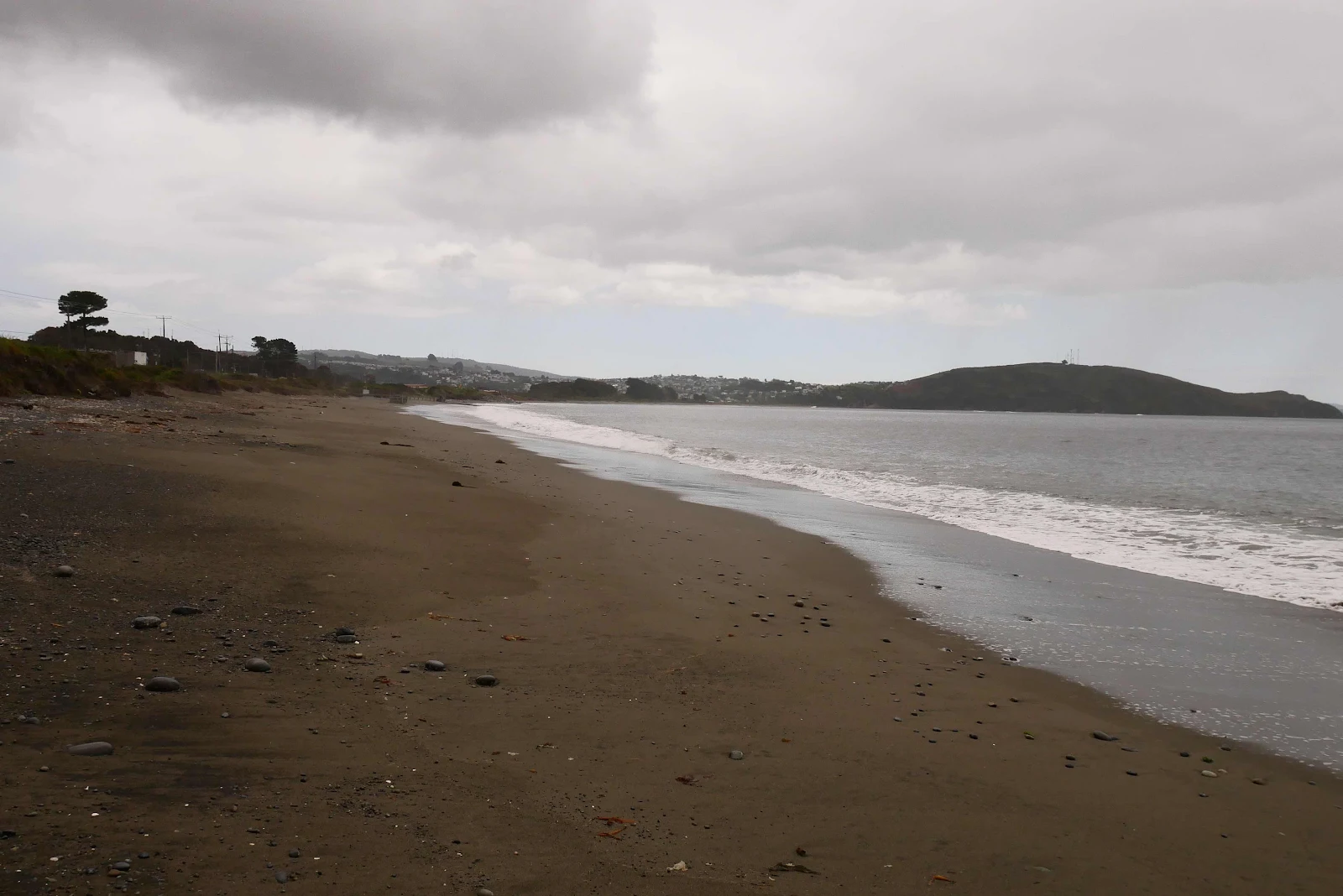
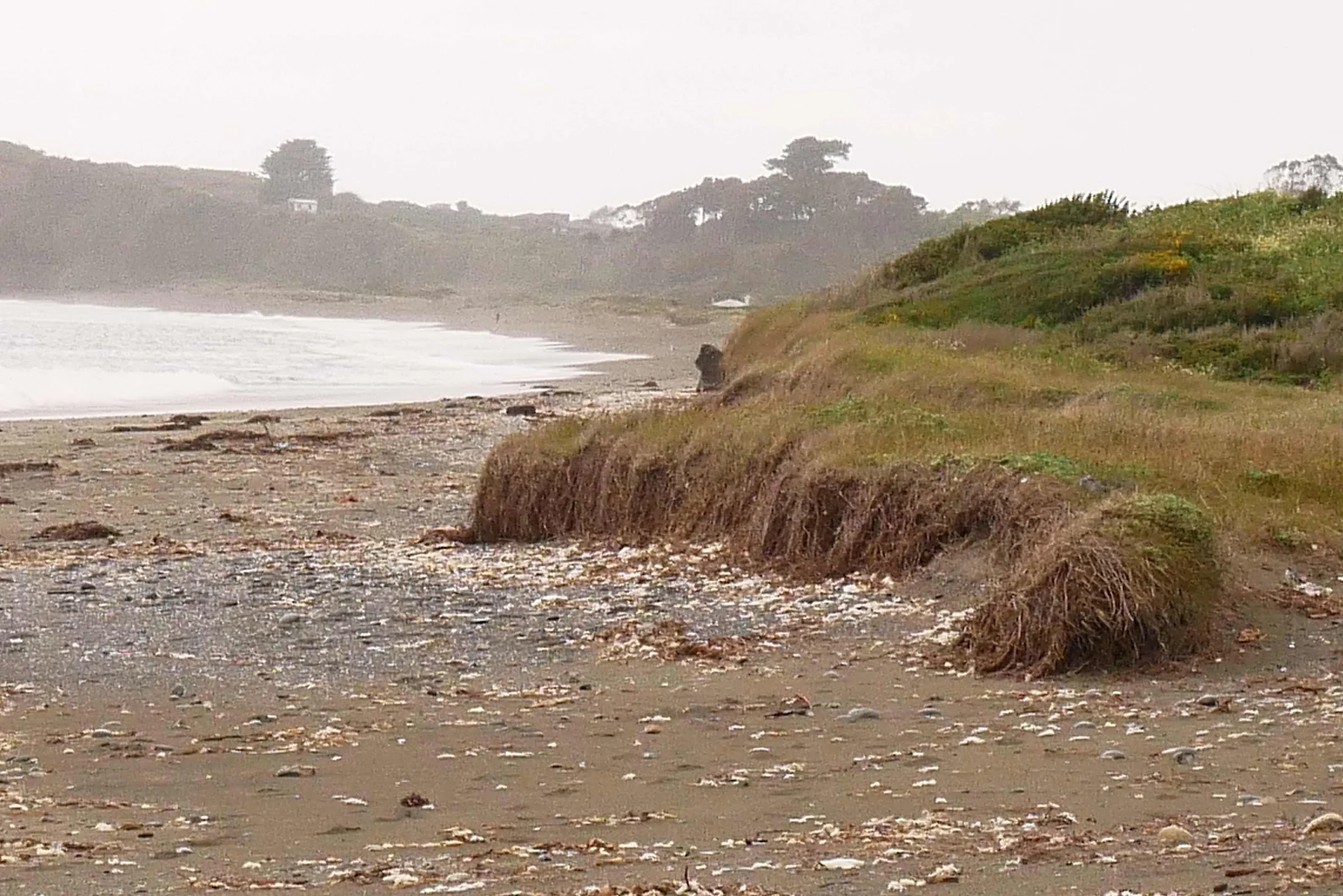
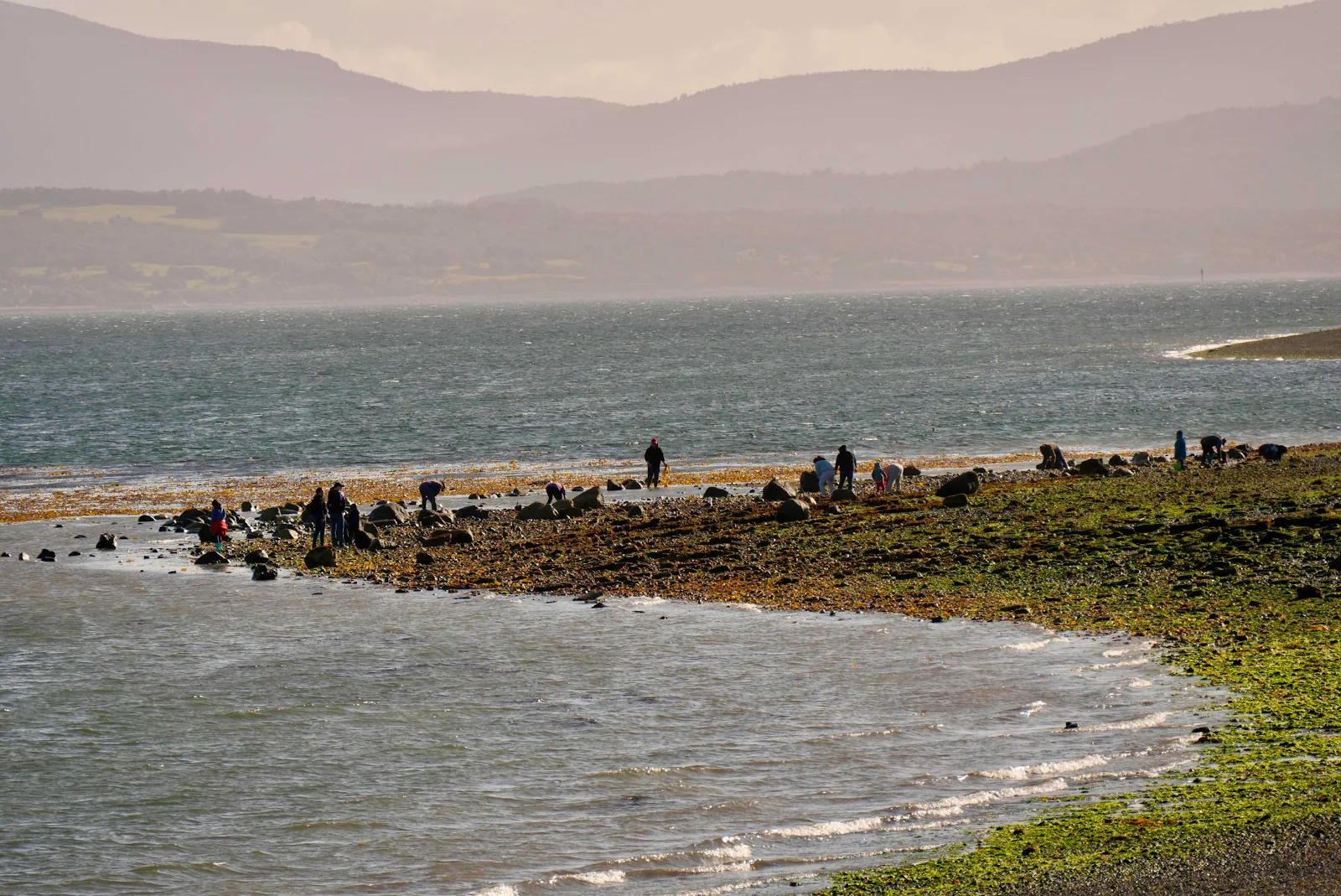
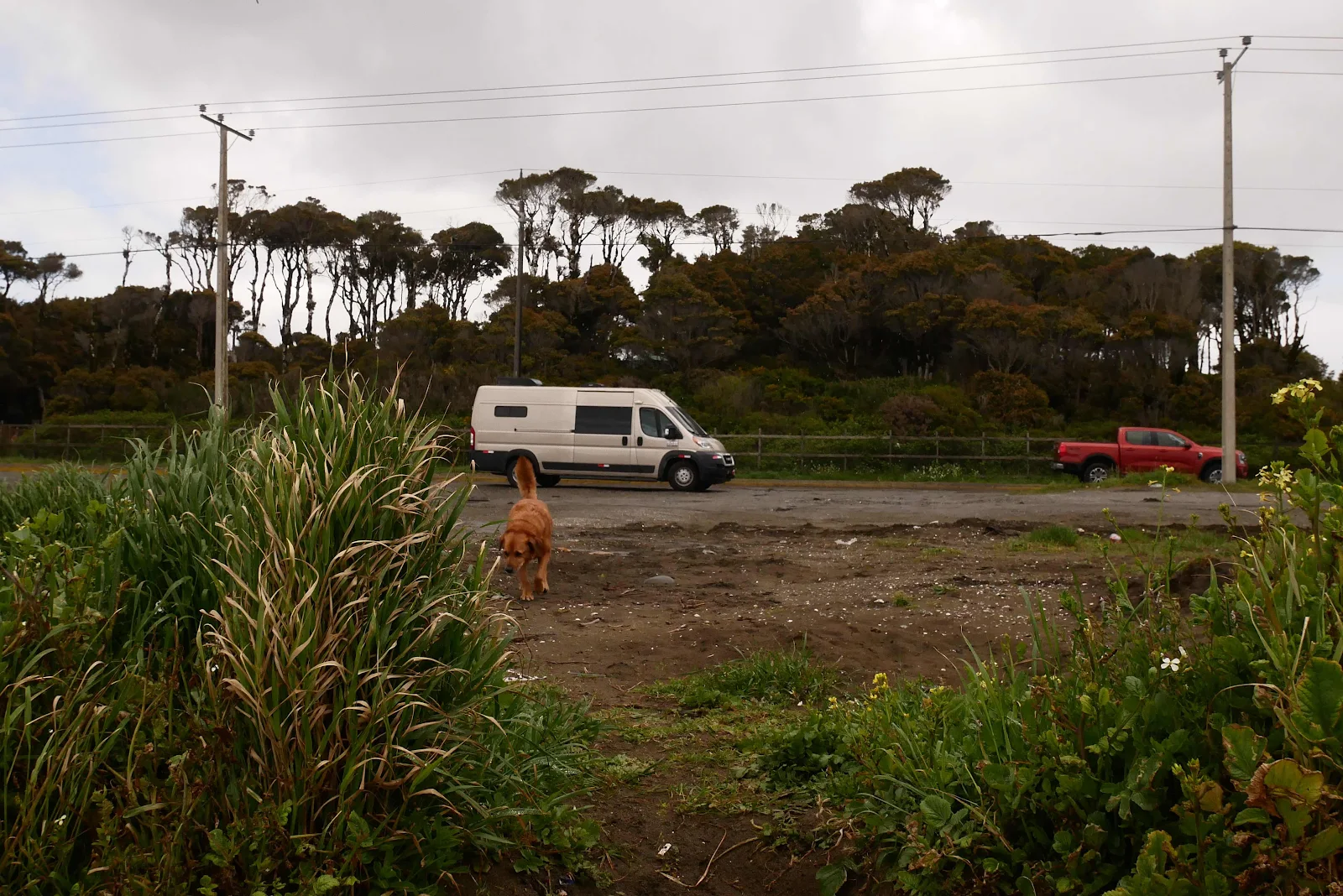
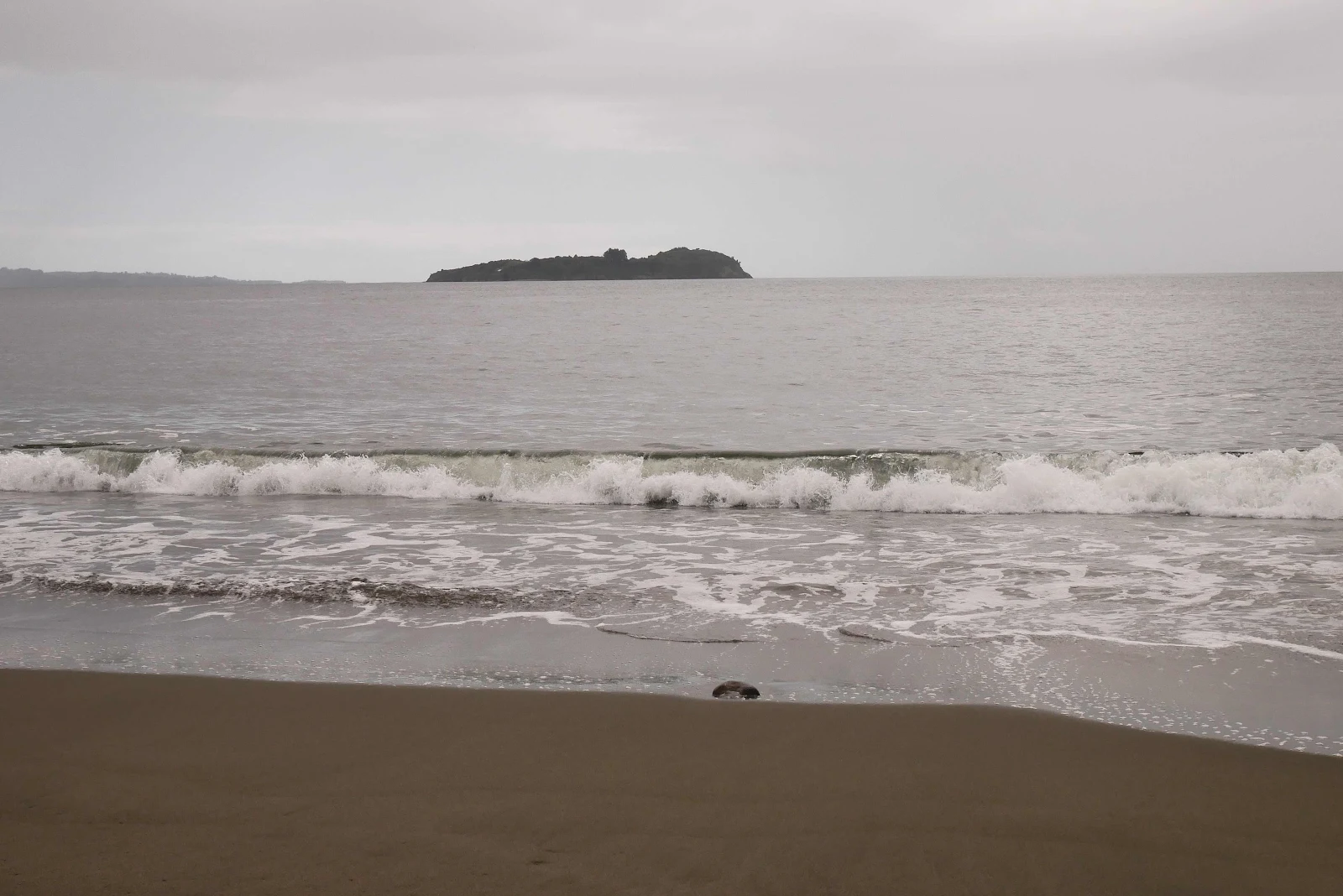
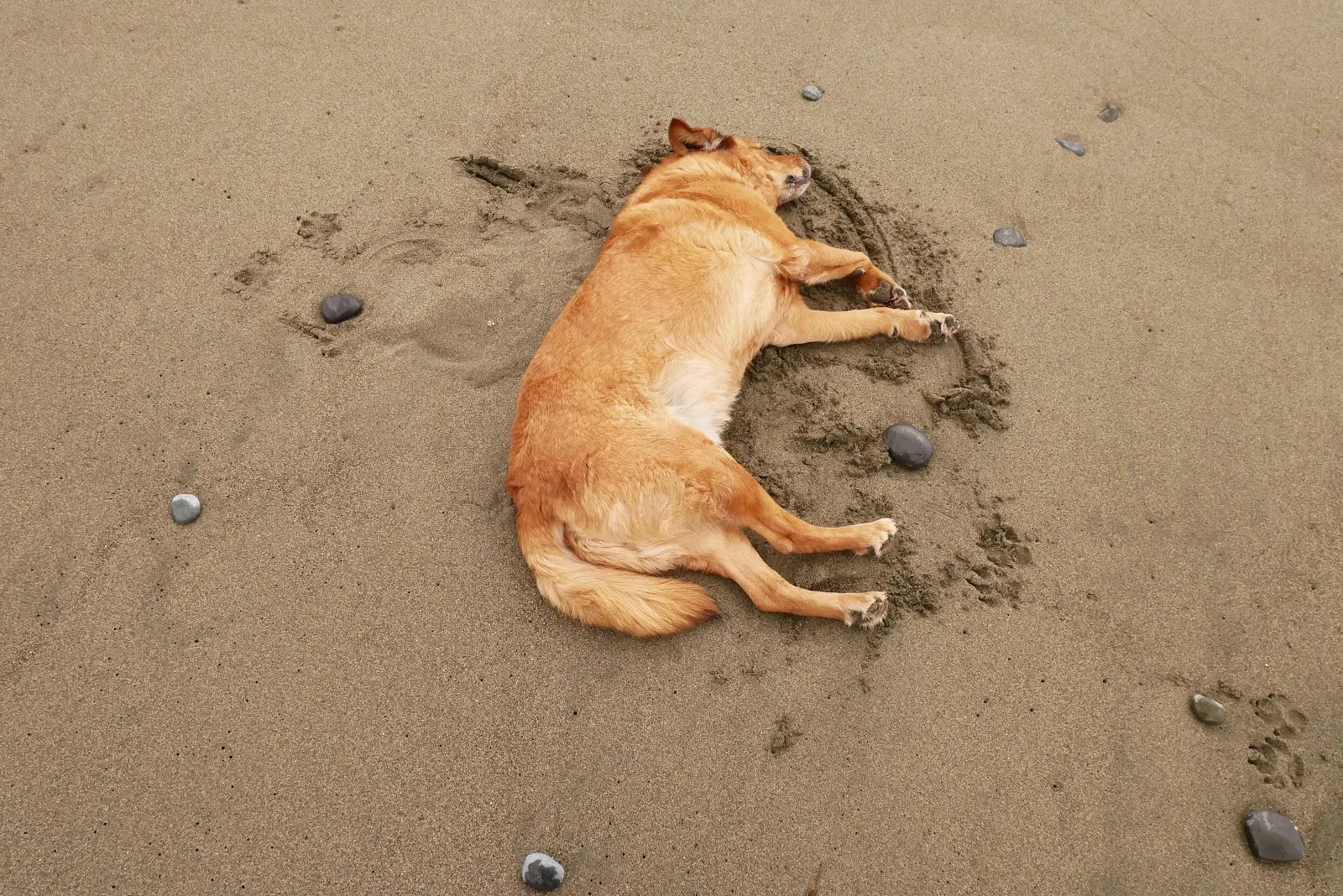
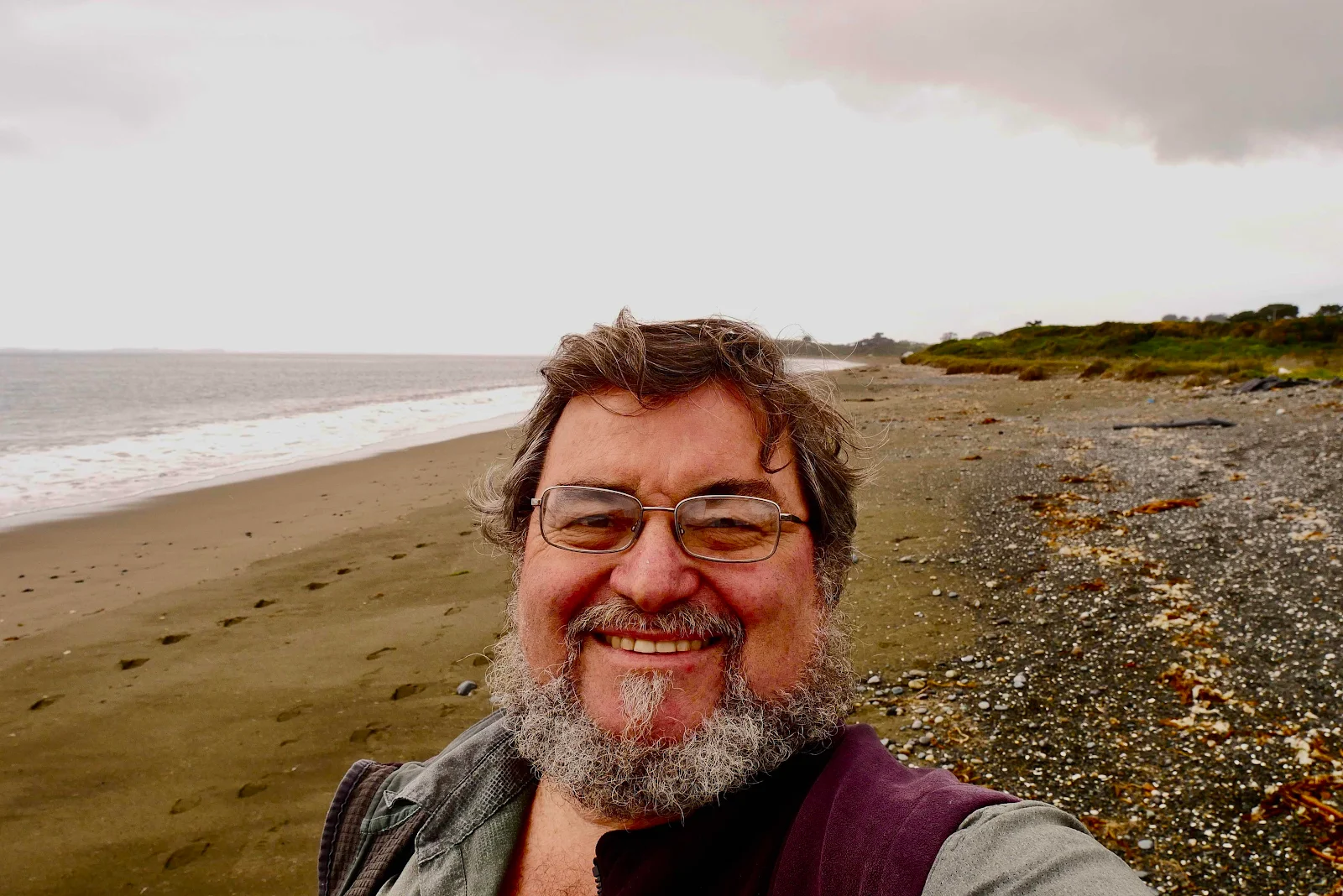
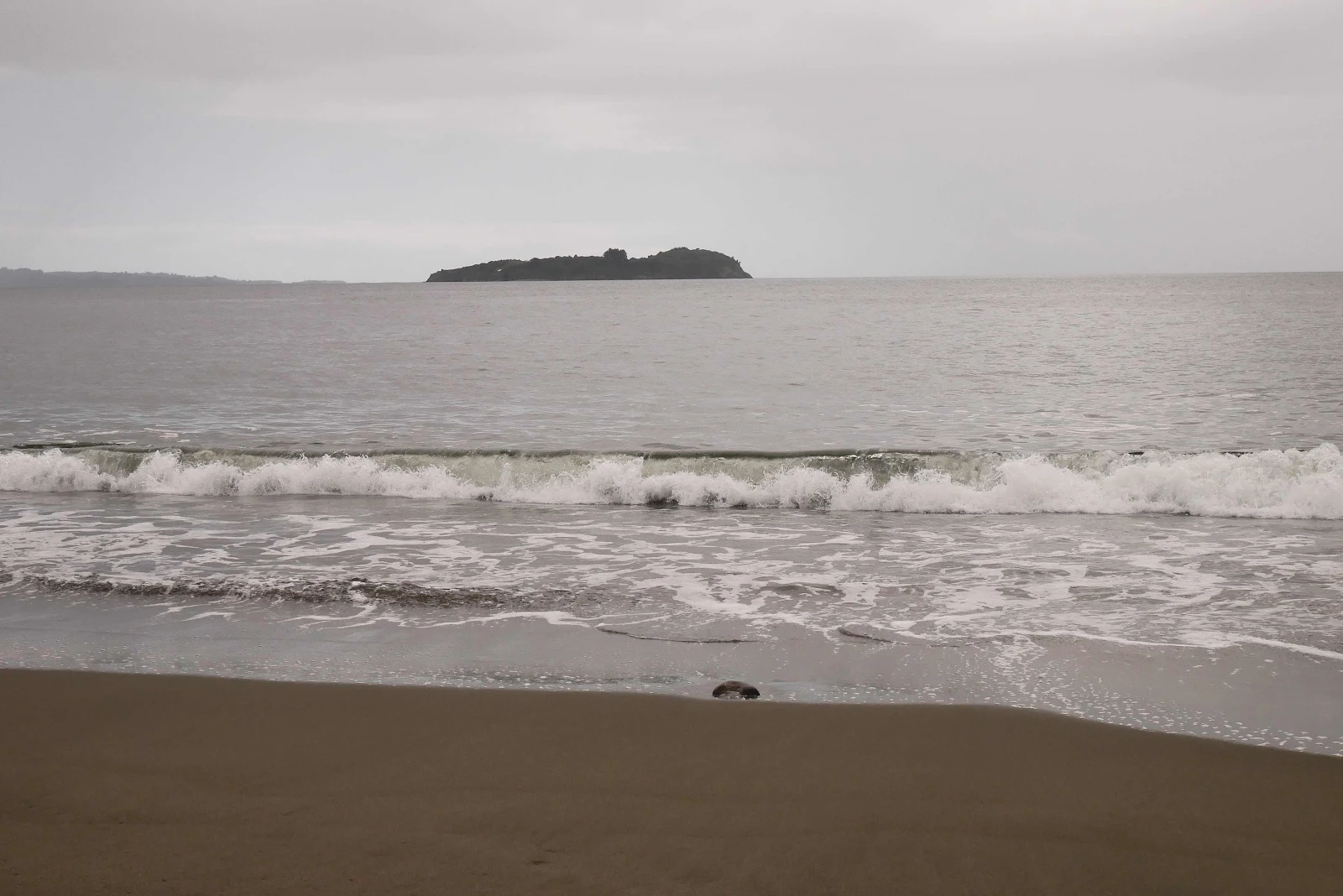
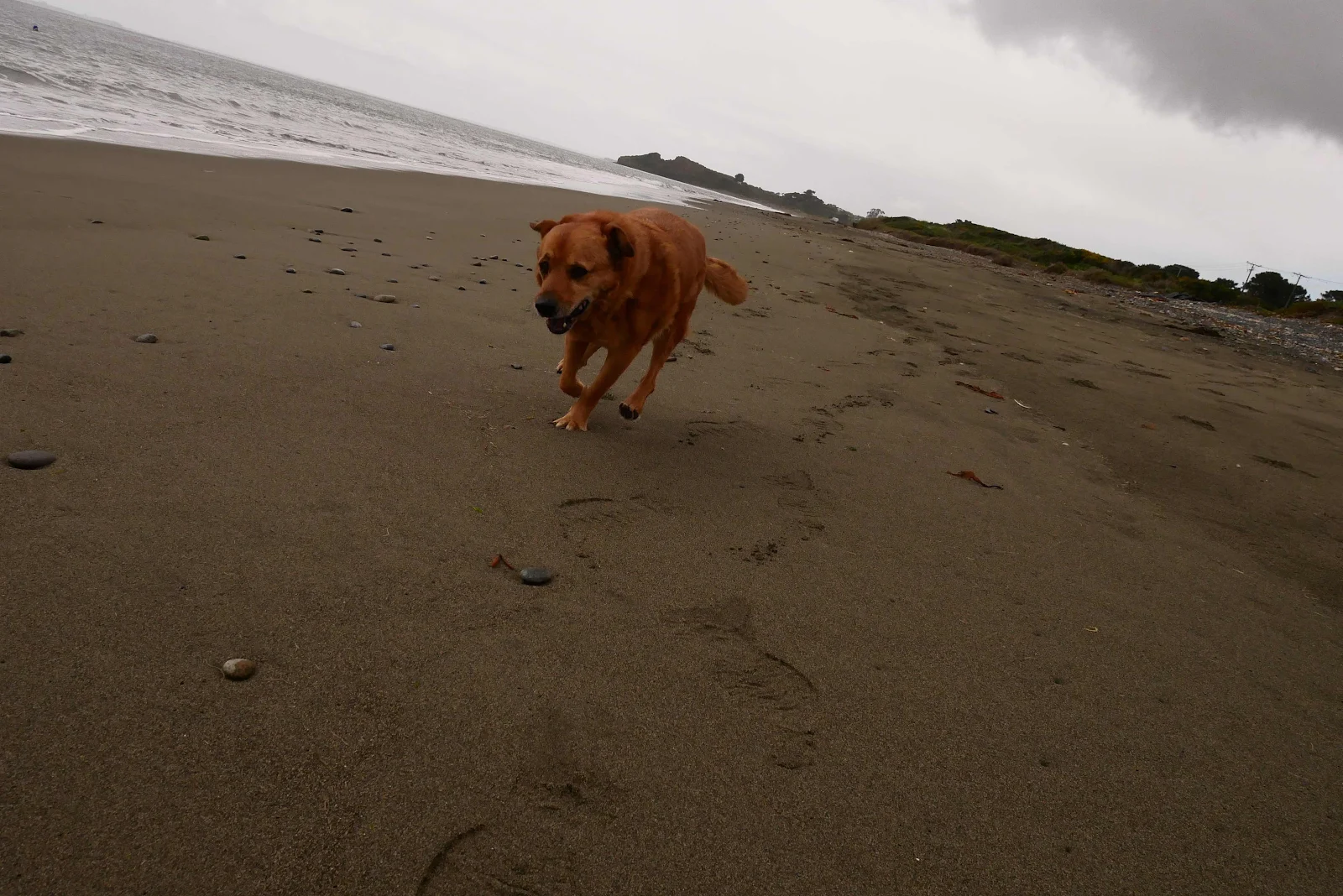
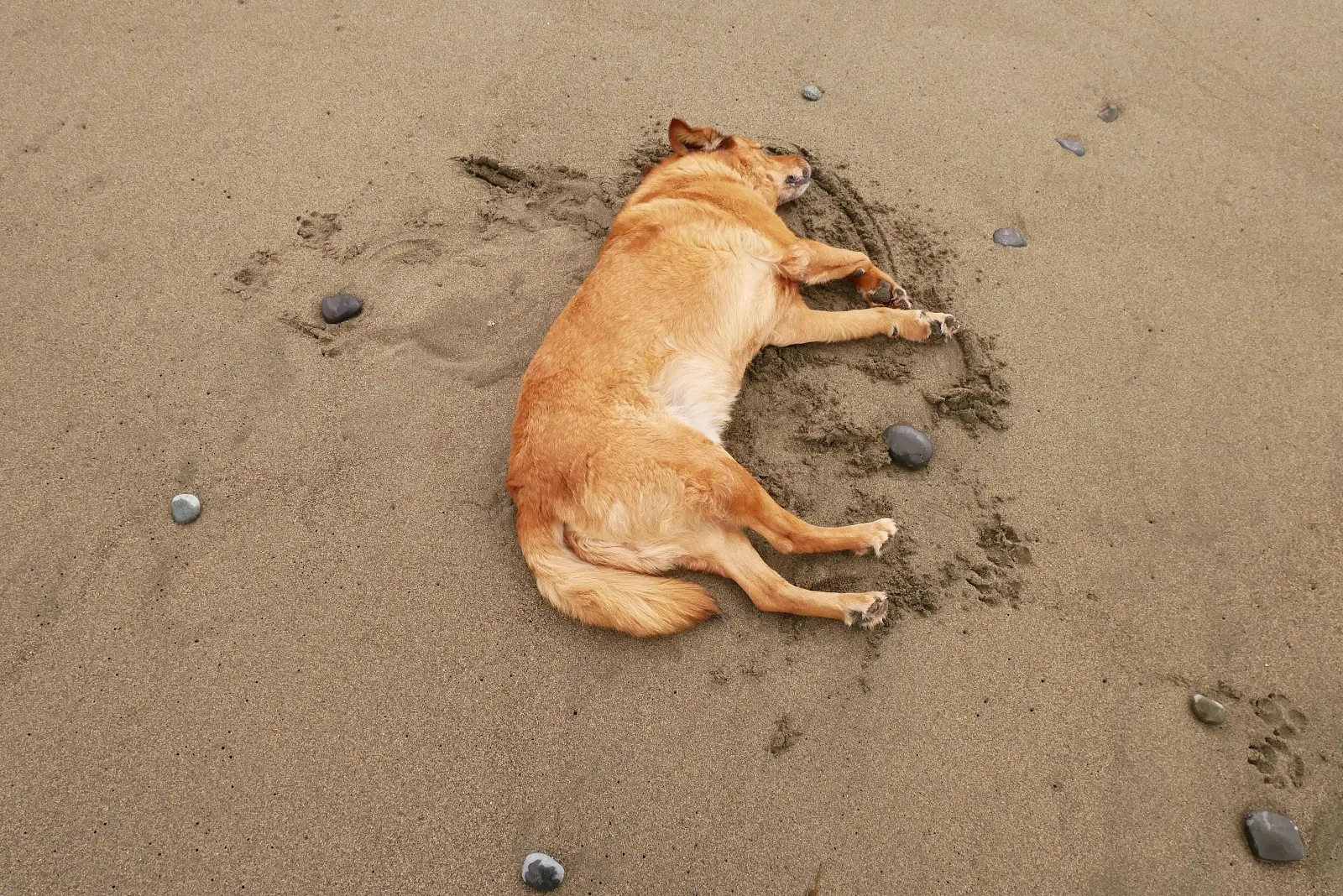
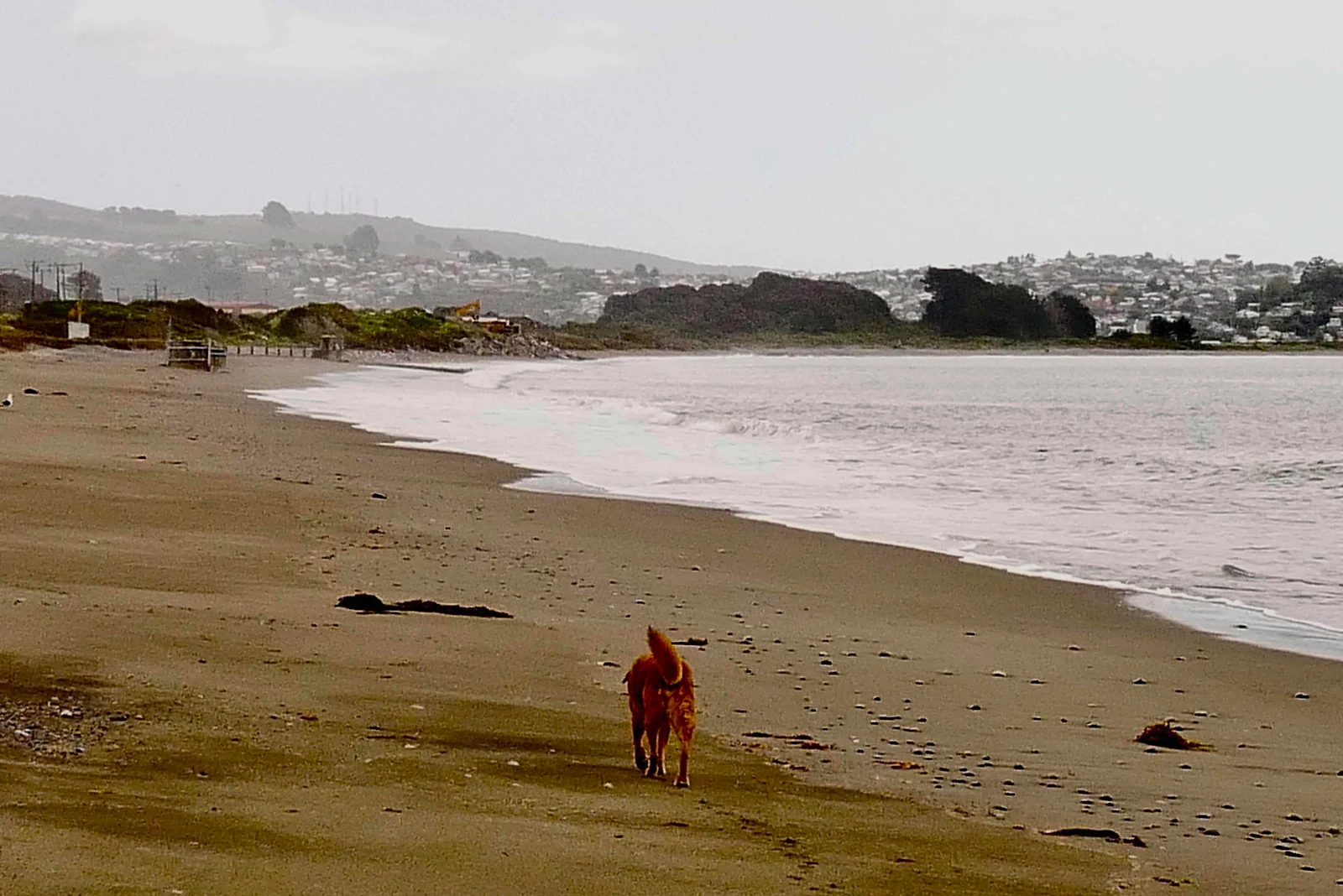
I decided Rusty the perfect deserved a walk so we stopped at the first beach for a walk. The drizzle was intermittent but the tide was ebbing so there was room to stretch on the strand. 
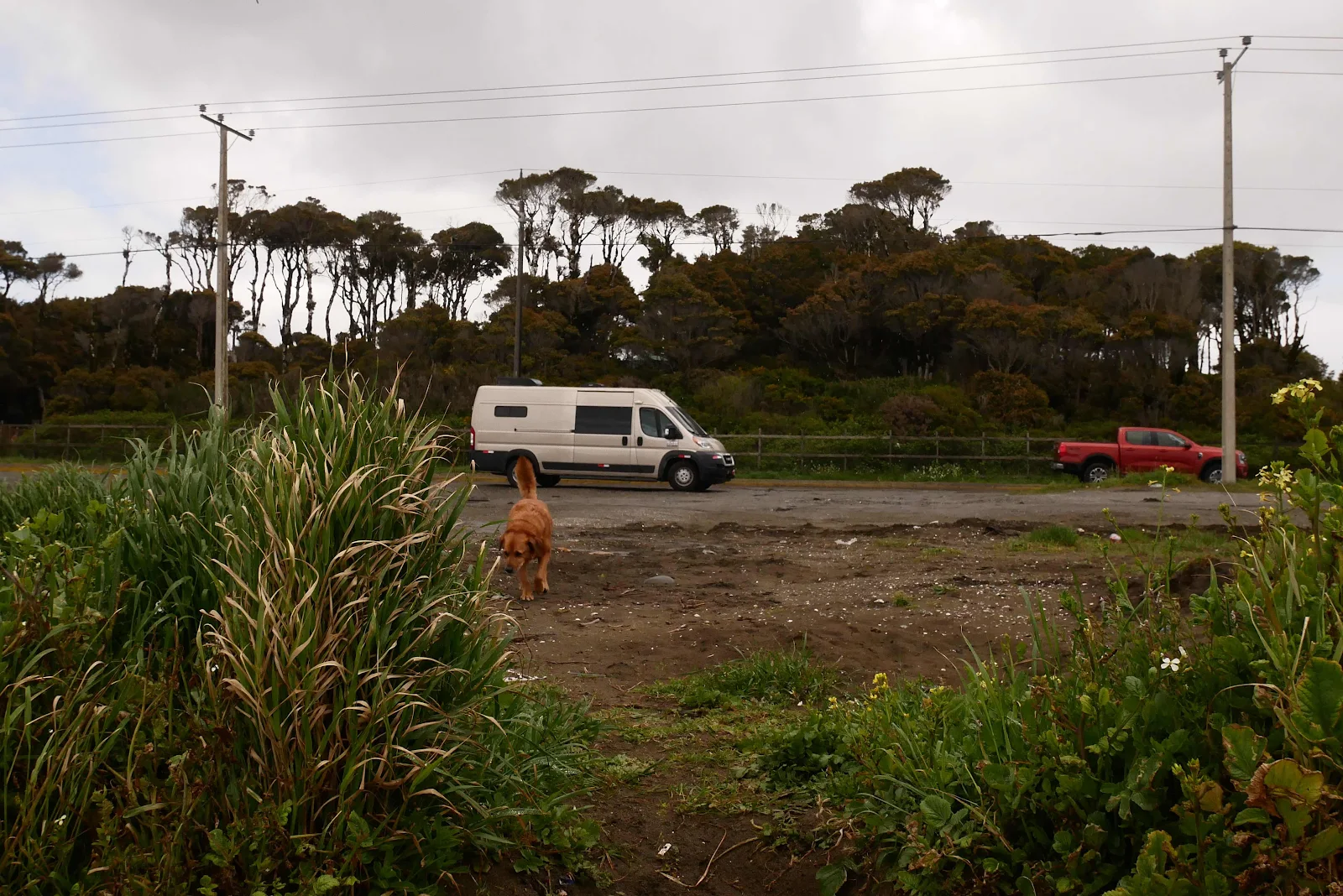
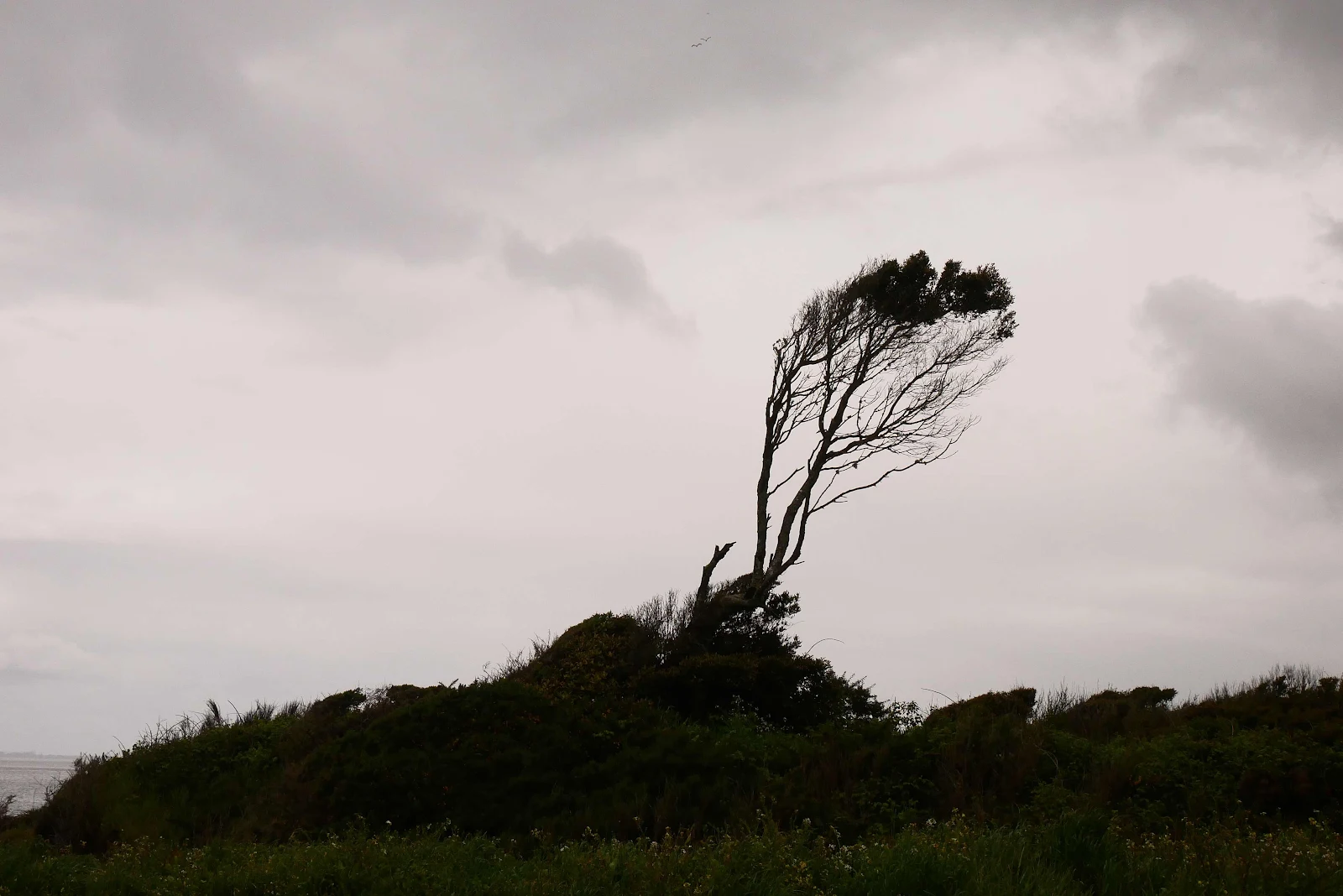
This is indisputably Chilean Patagonia, land of rain cold and extreme wind of which there was evidence growing out of the ground. 


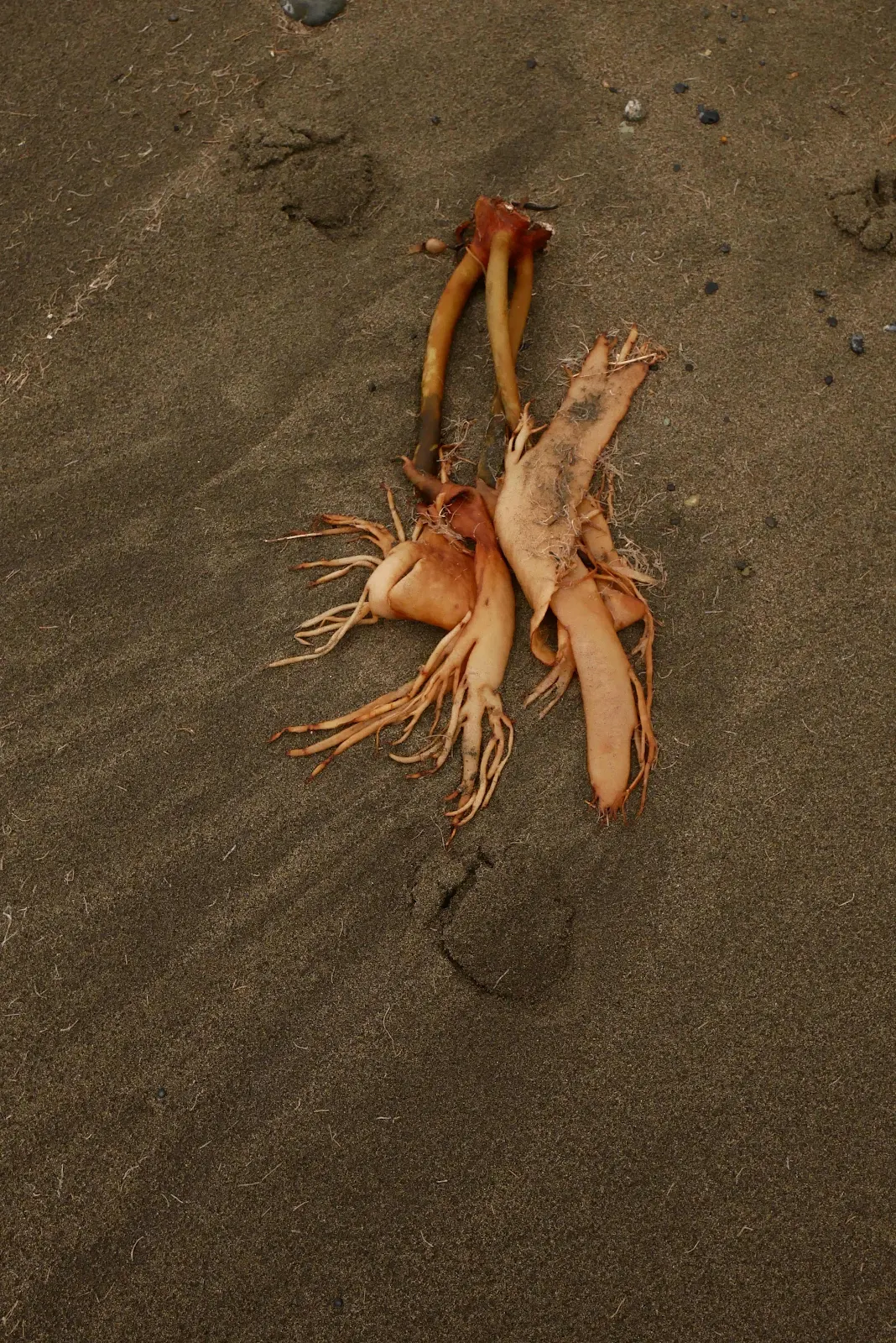
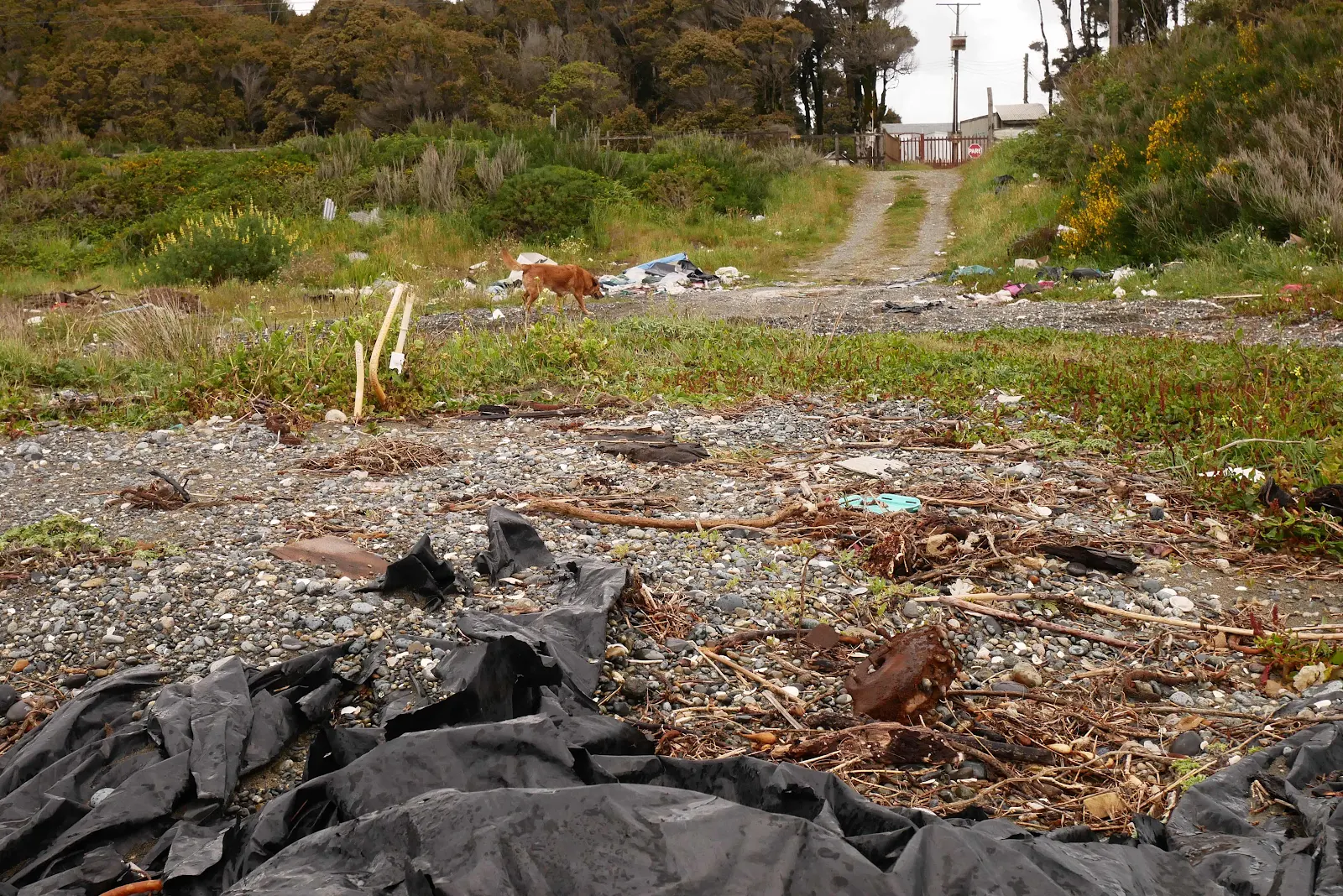
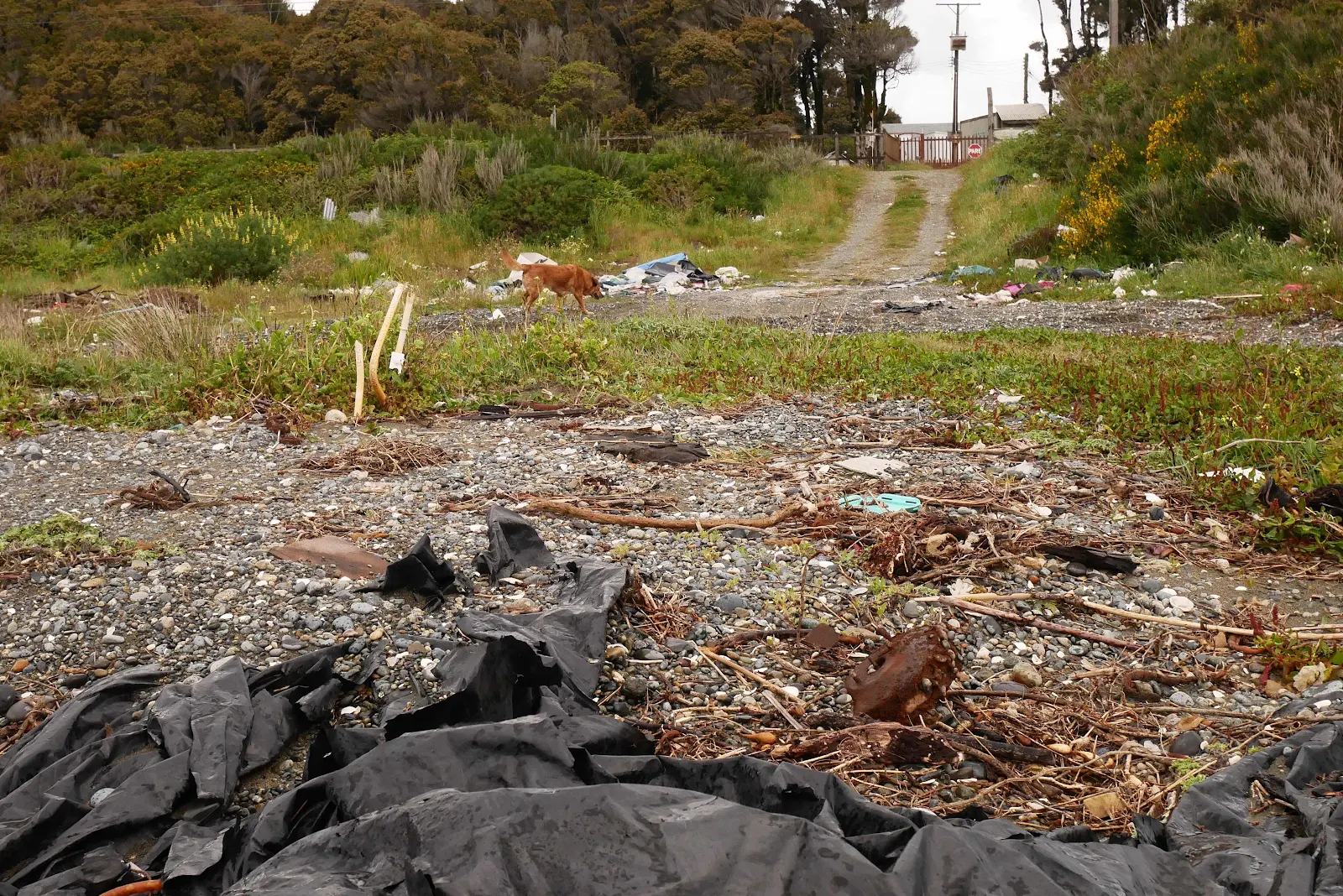
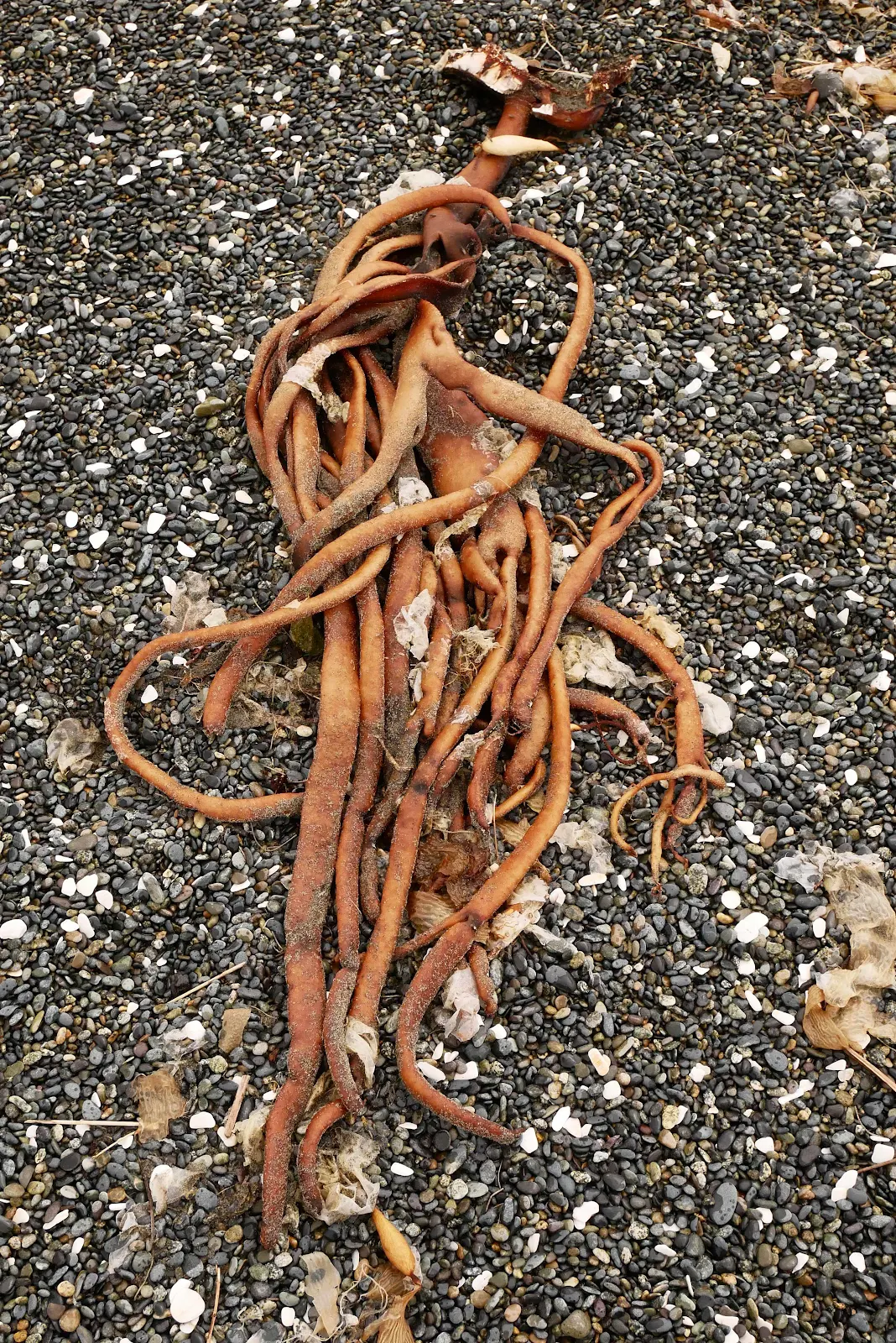
Chiloé is probably the most trash riddled place in Chile, not e revere on the island but a lot of it shows the poverty and relative isolation of the island.


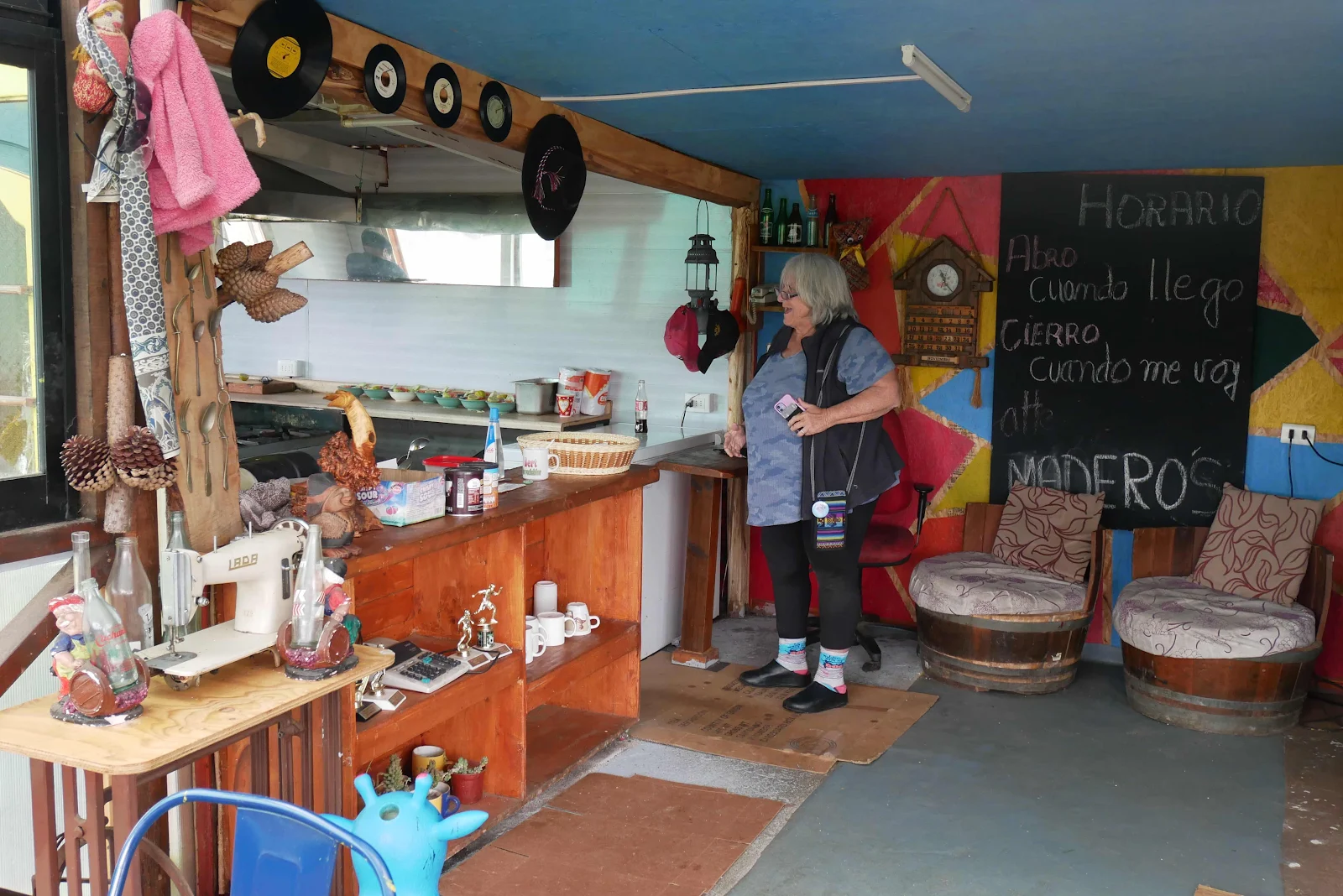
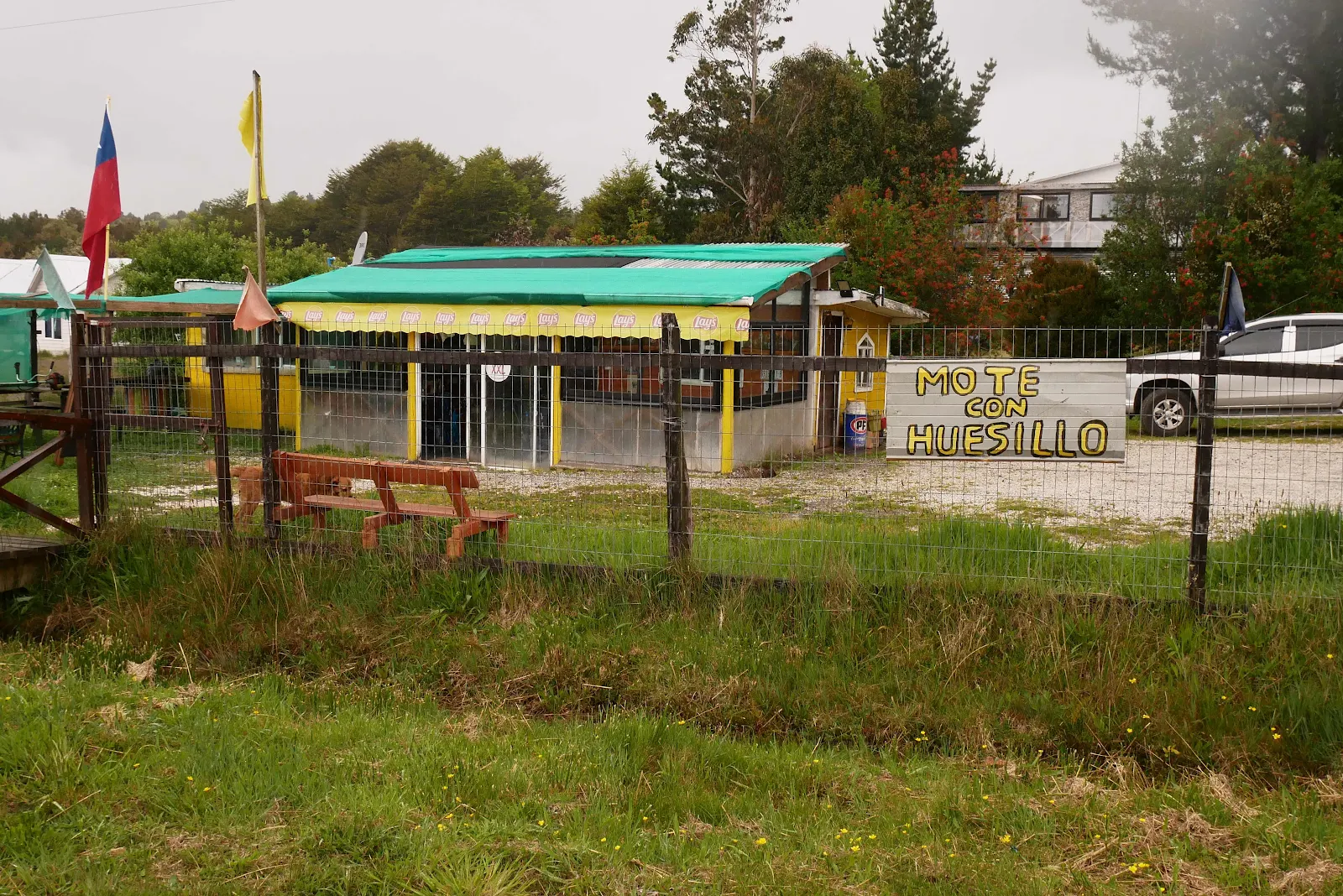
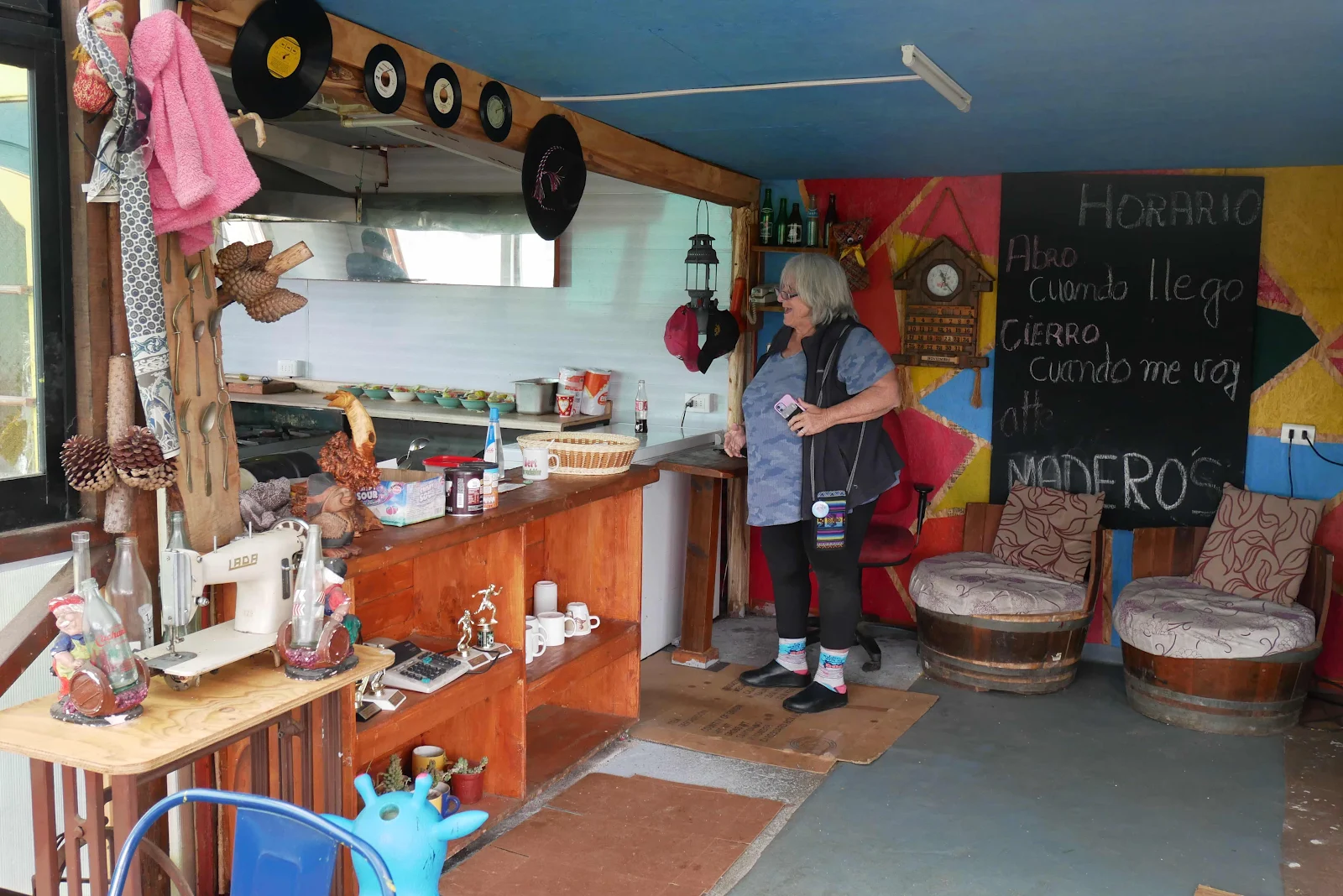
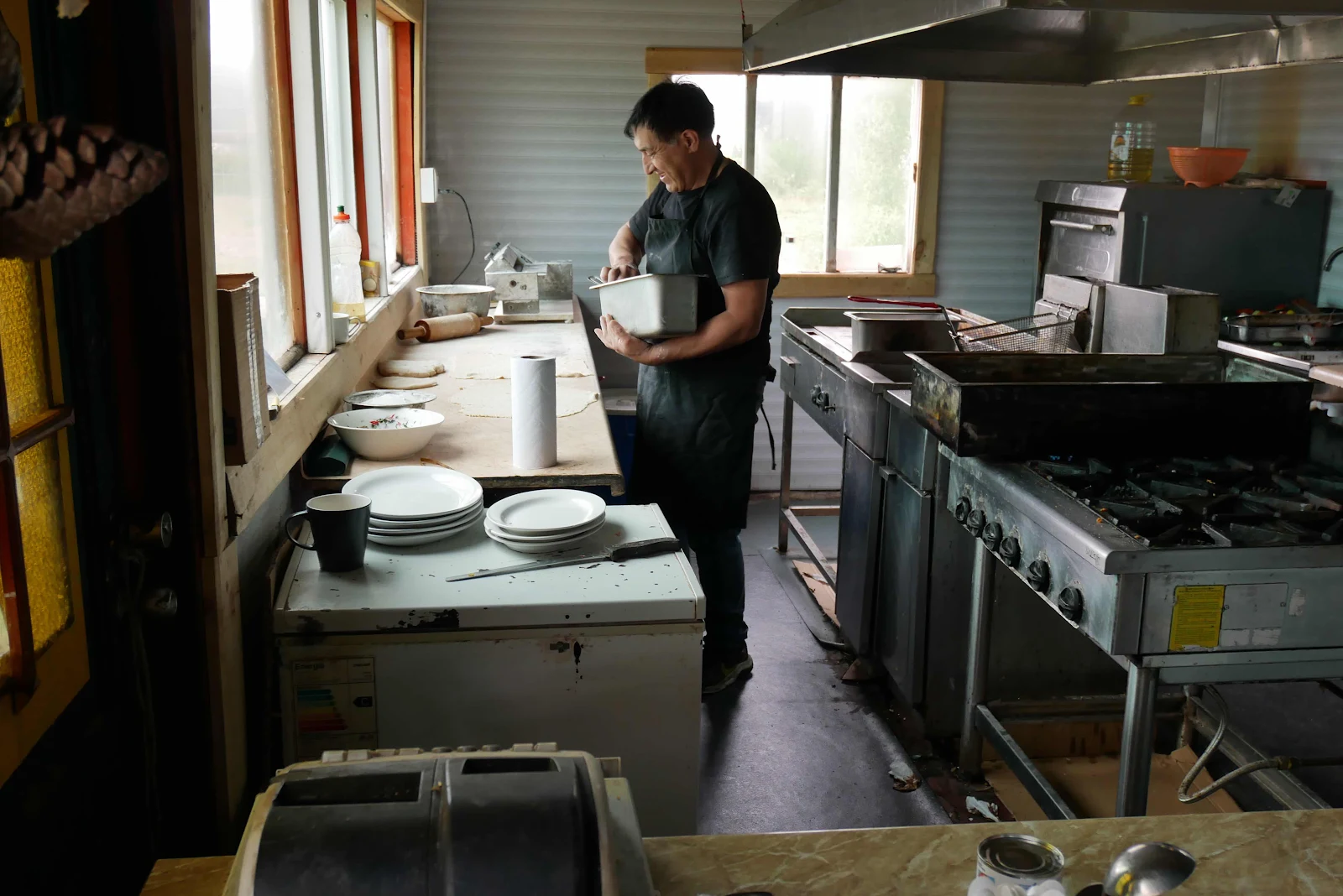
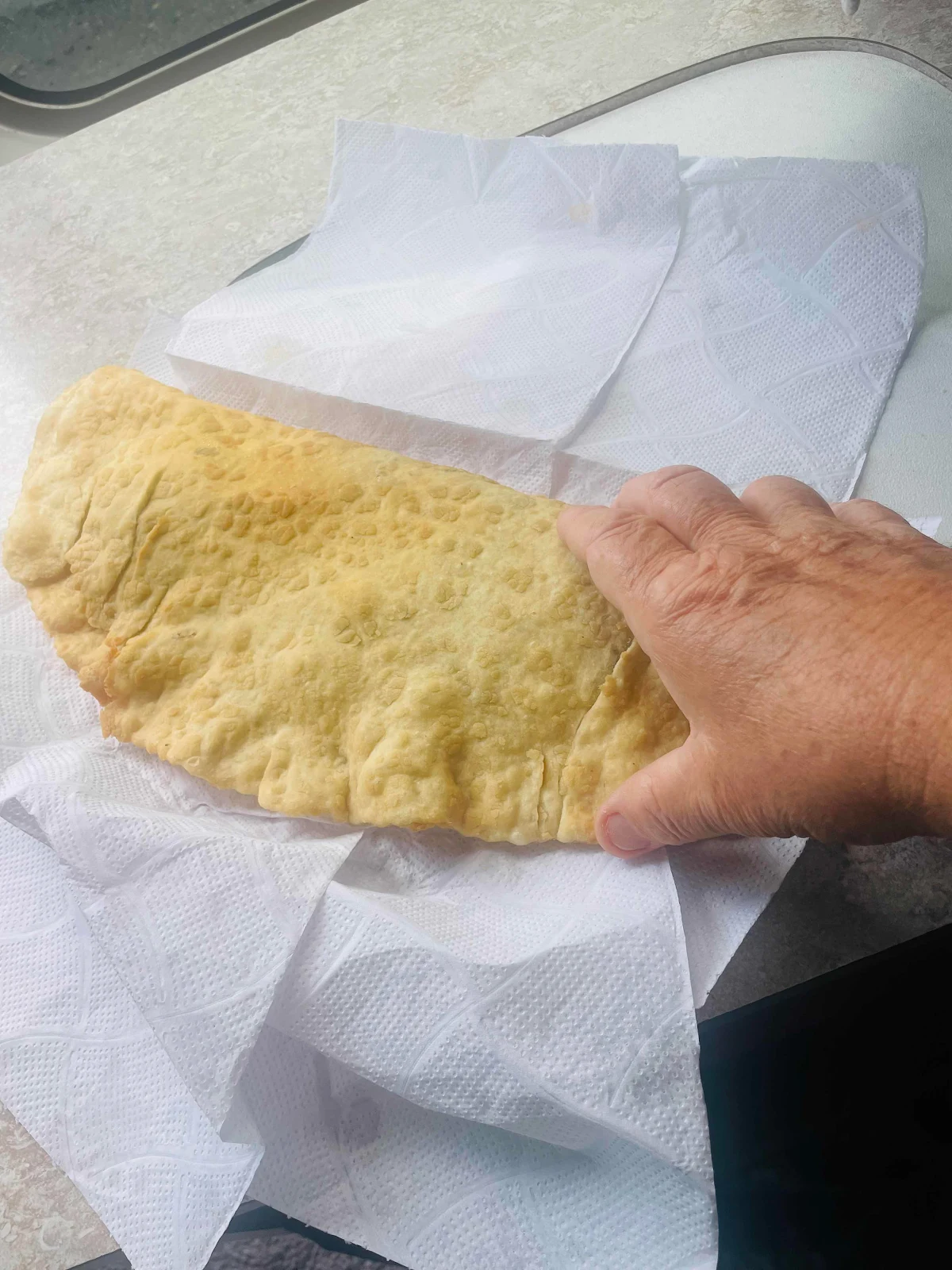
Back on the road we stopped for lunch and to relieve the bouncing from the pavement at Madero’s empanadas, the biggest I’ve ever seen and handmade to order while you wait. 
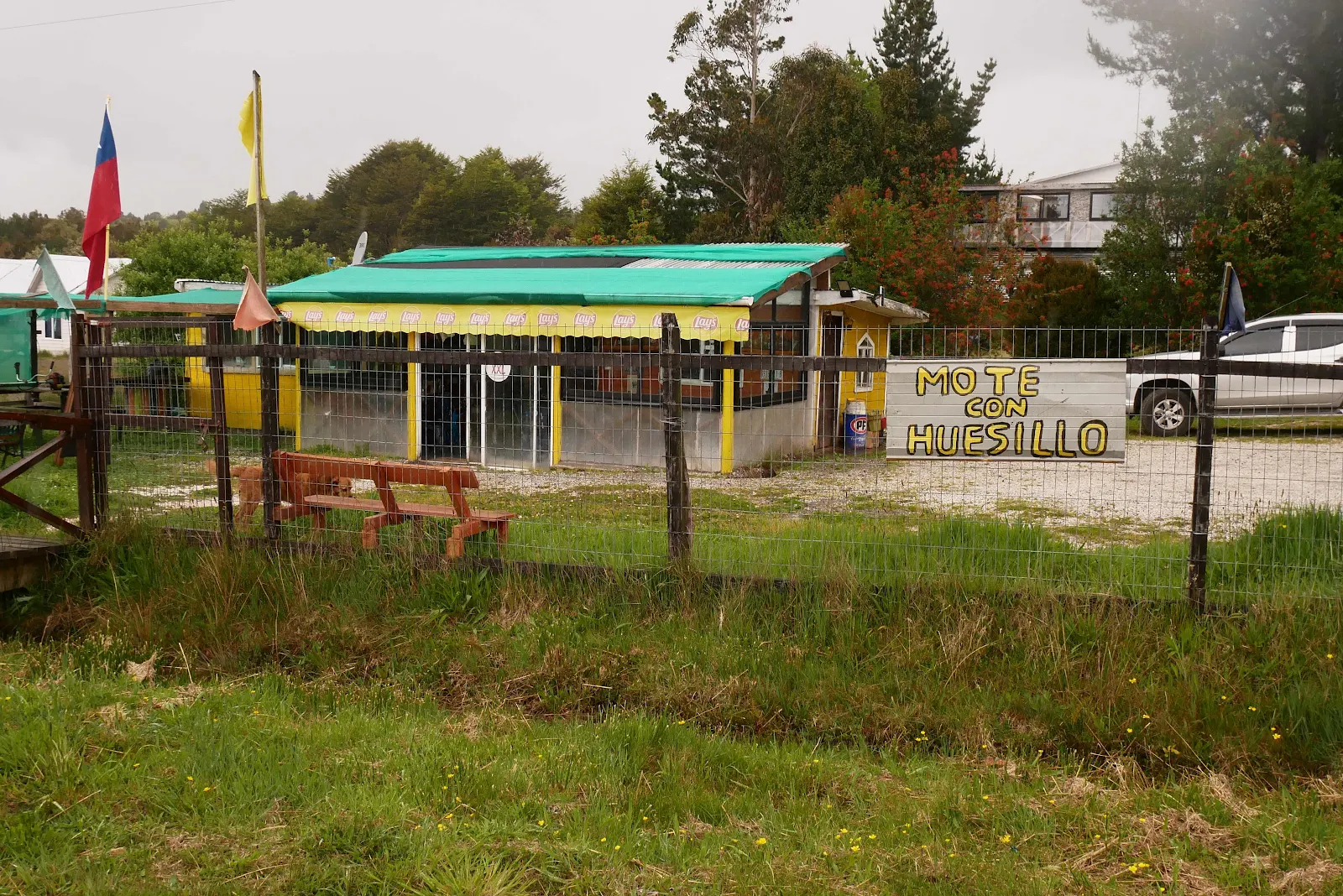


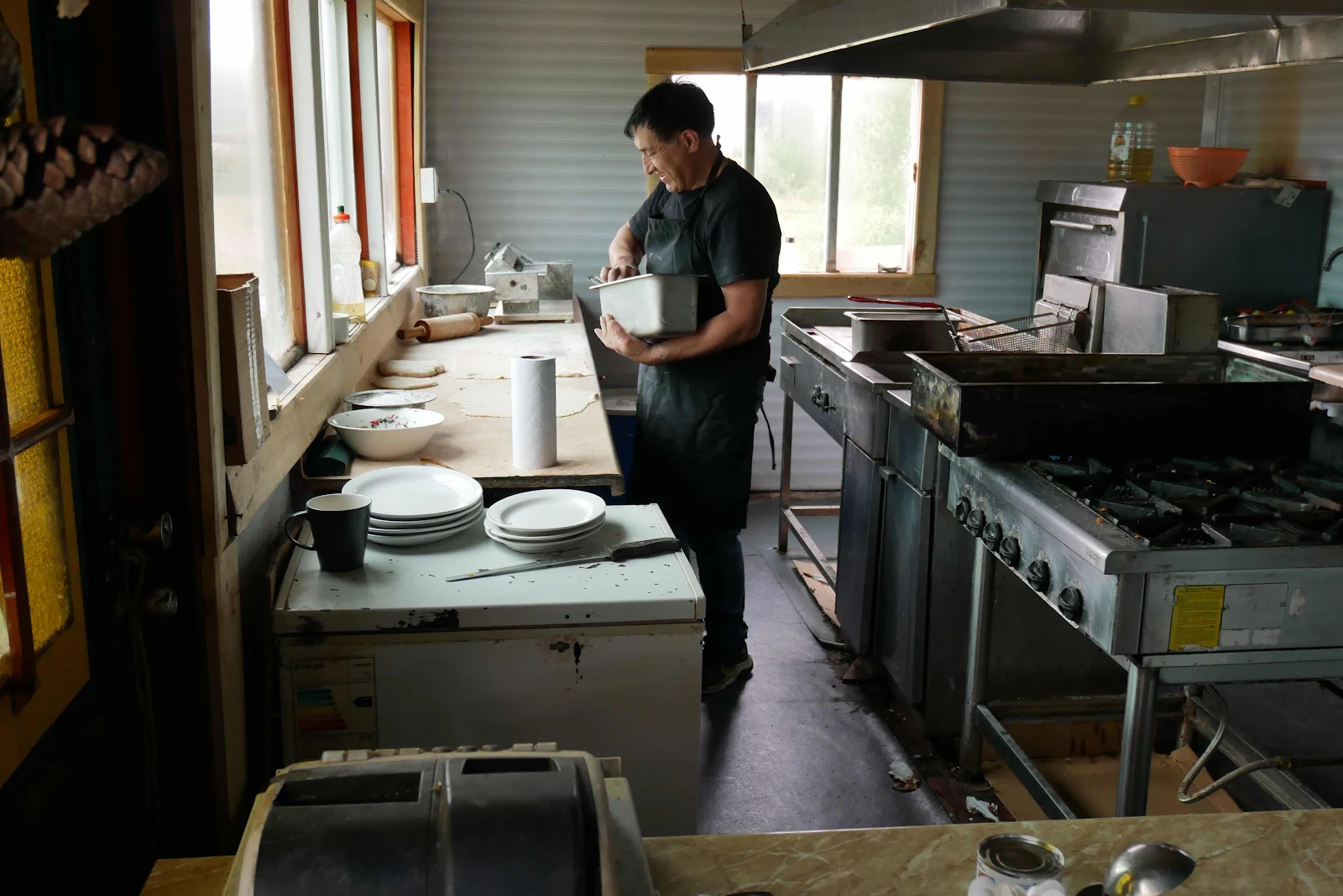
They didn’t take long and he said truckers like to stop by as this is the island’s version of fast food. 
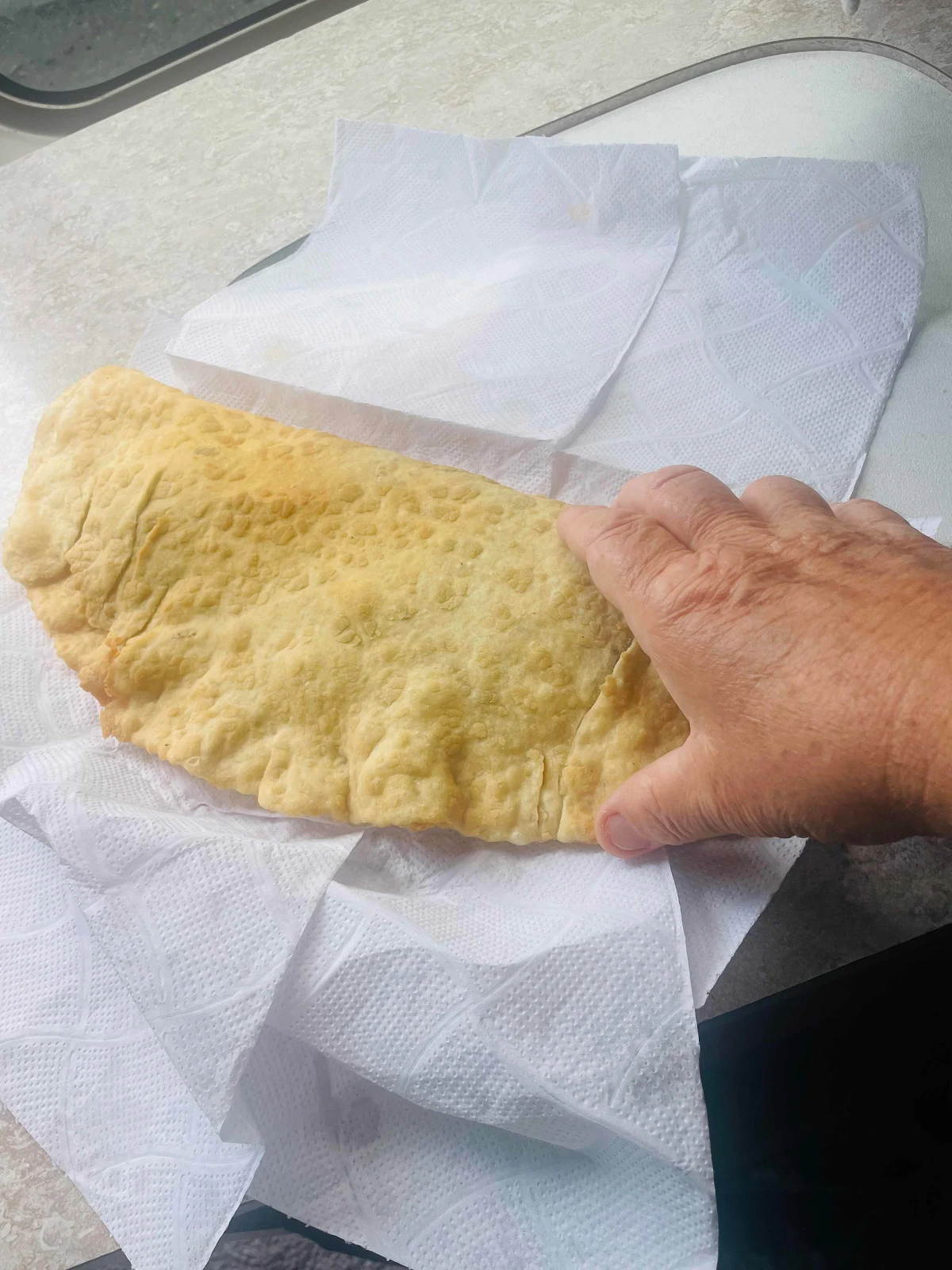
Lunch for two filed with ground beef and fried onions in a rich gravy. 
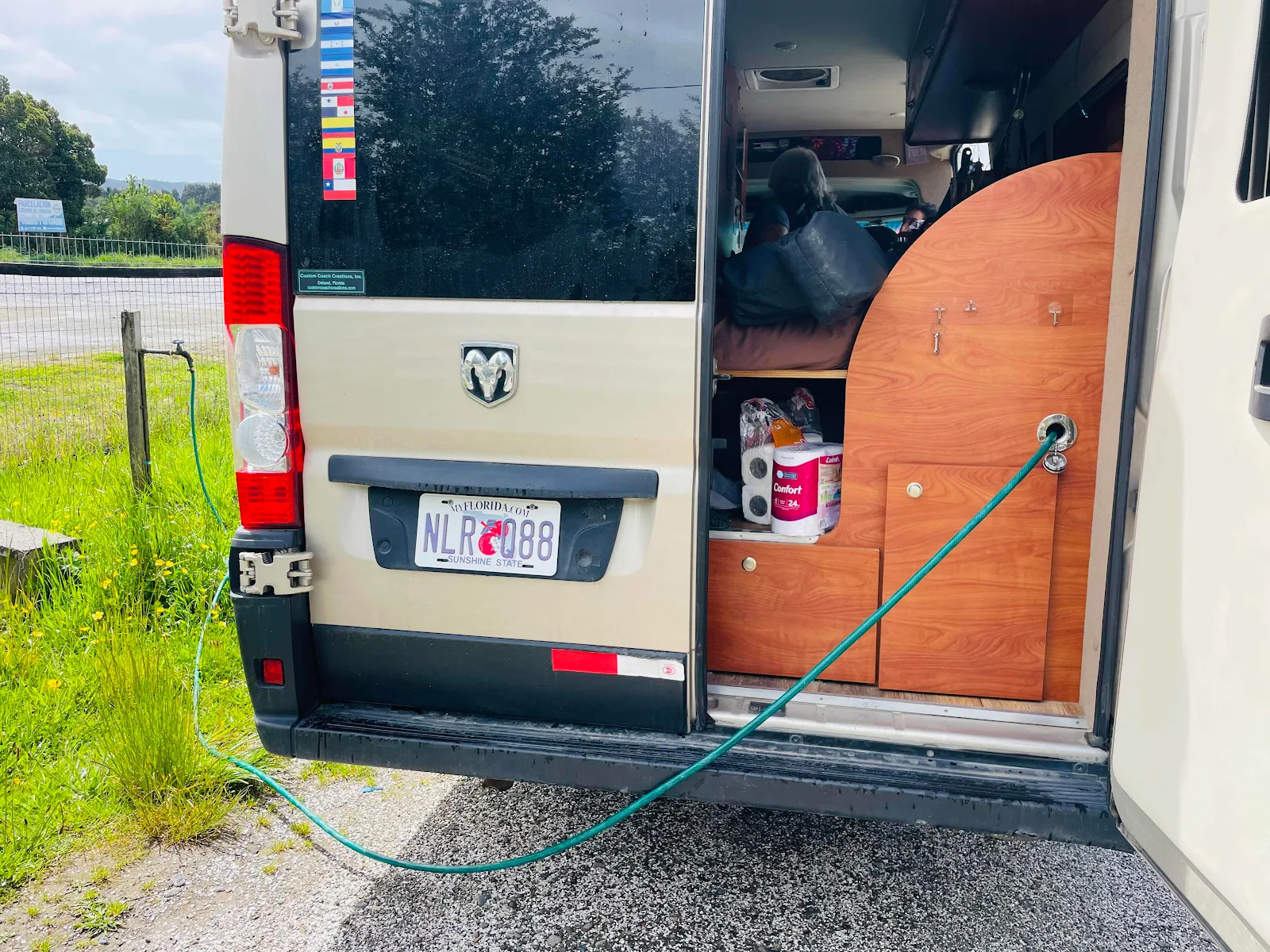
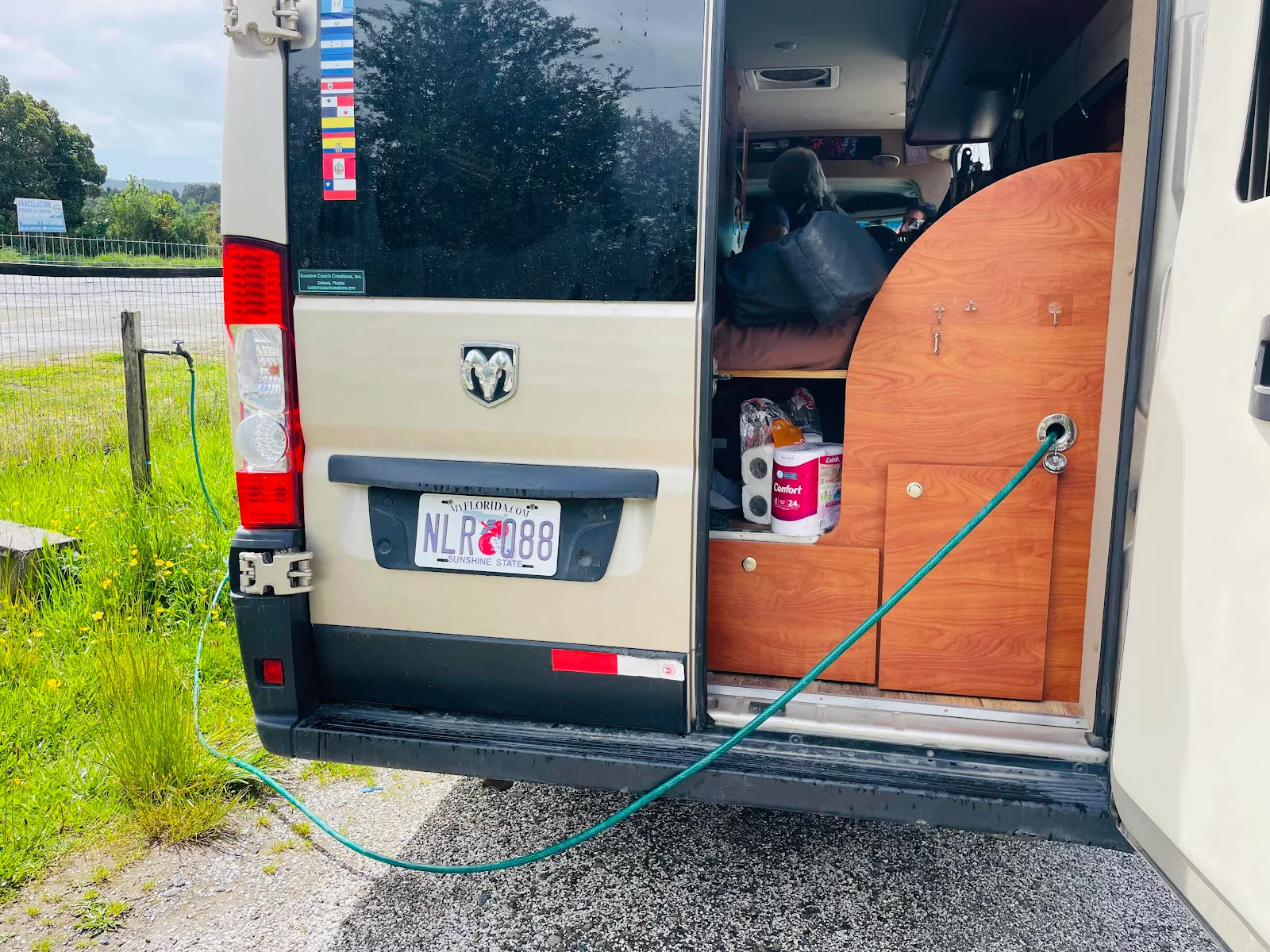
He offered to let us fill up our tank with spring water so while I loaded 15 gallons Layne gave him the nickel tour of our home. 
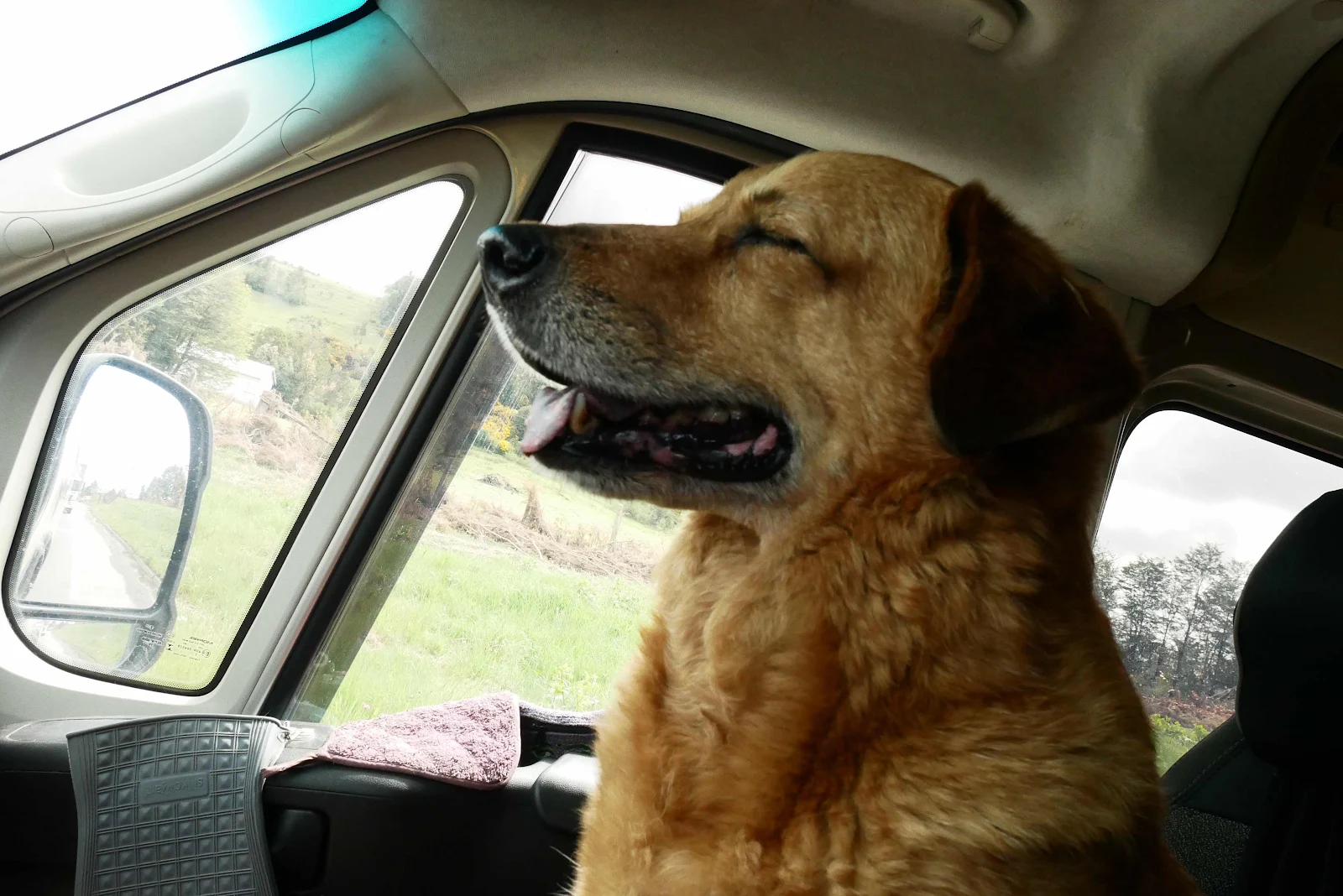
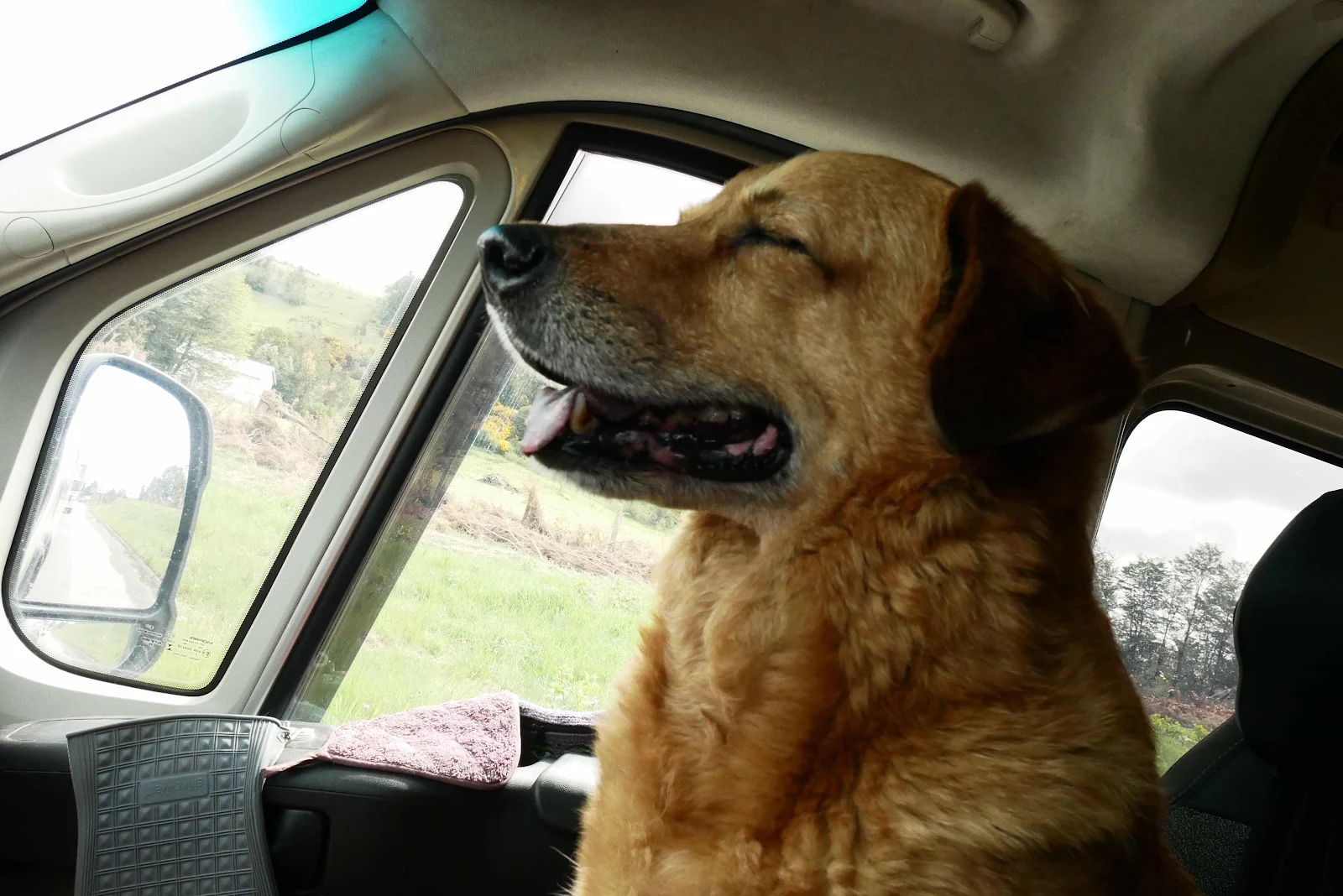
Rusty kept an eye on the proceedings. He is getting gray. 
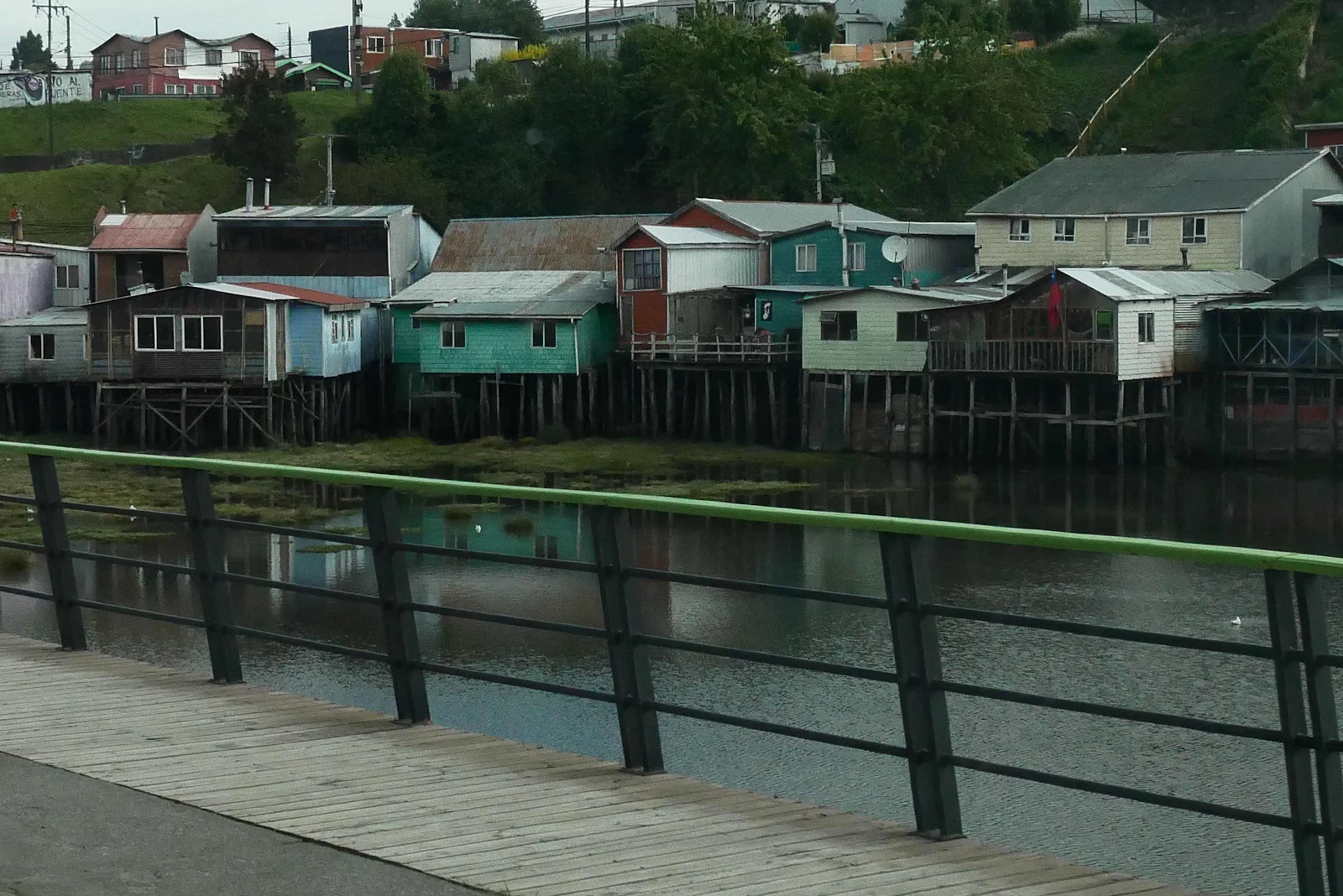
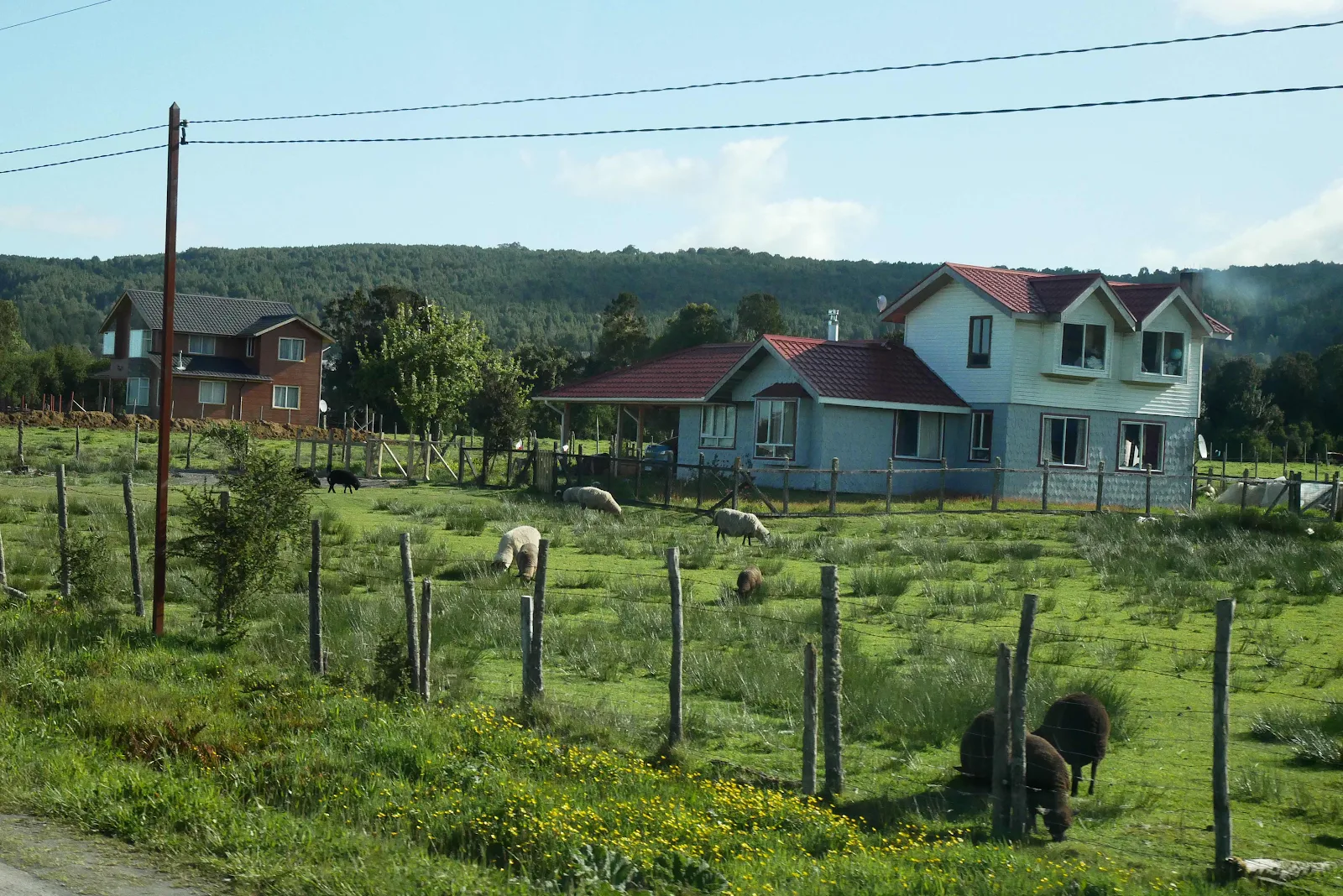
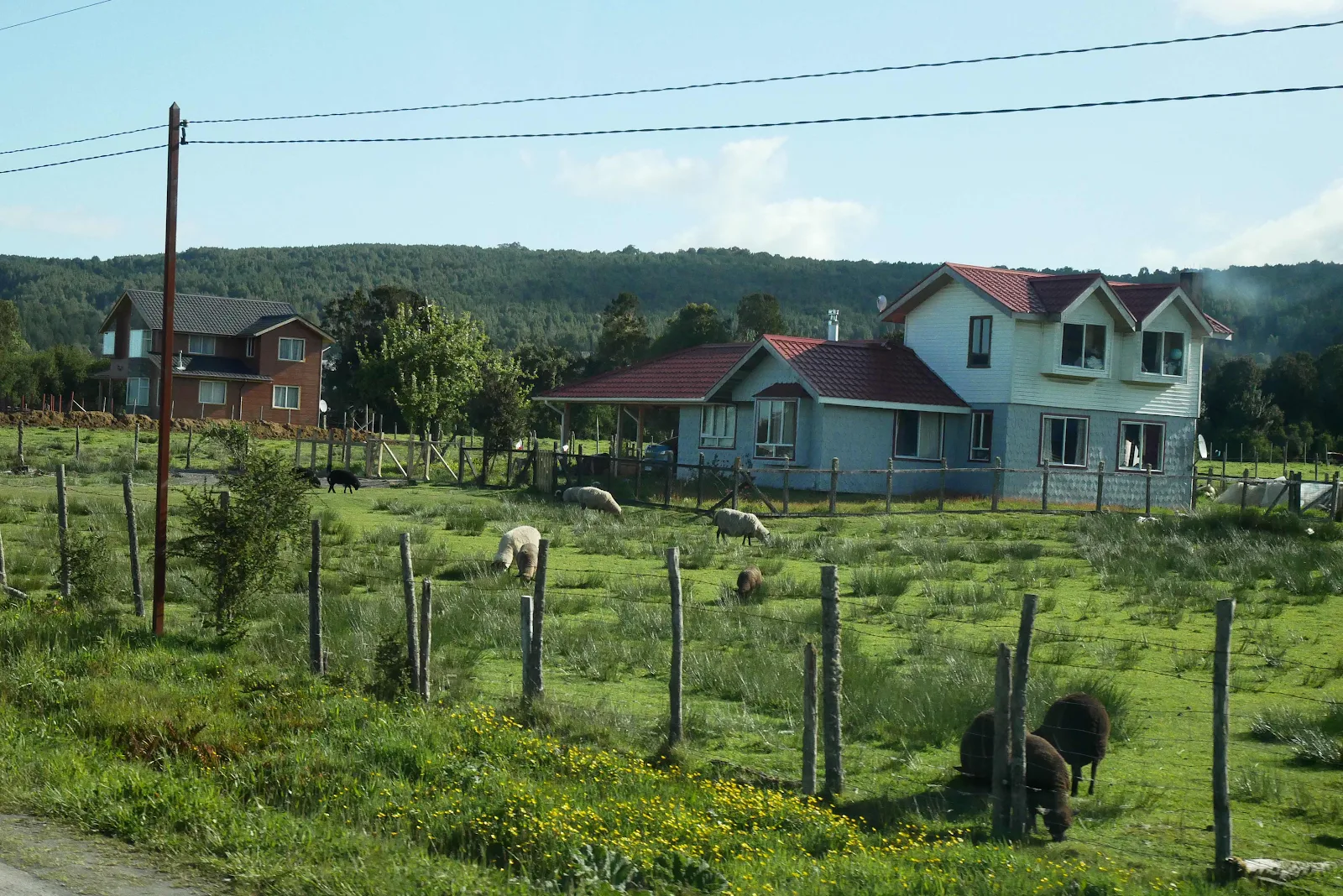
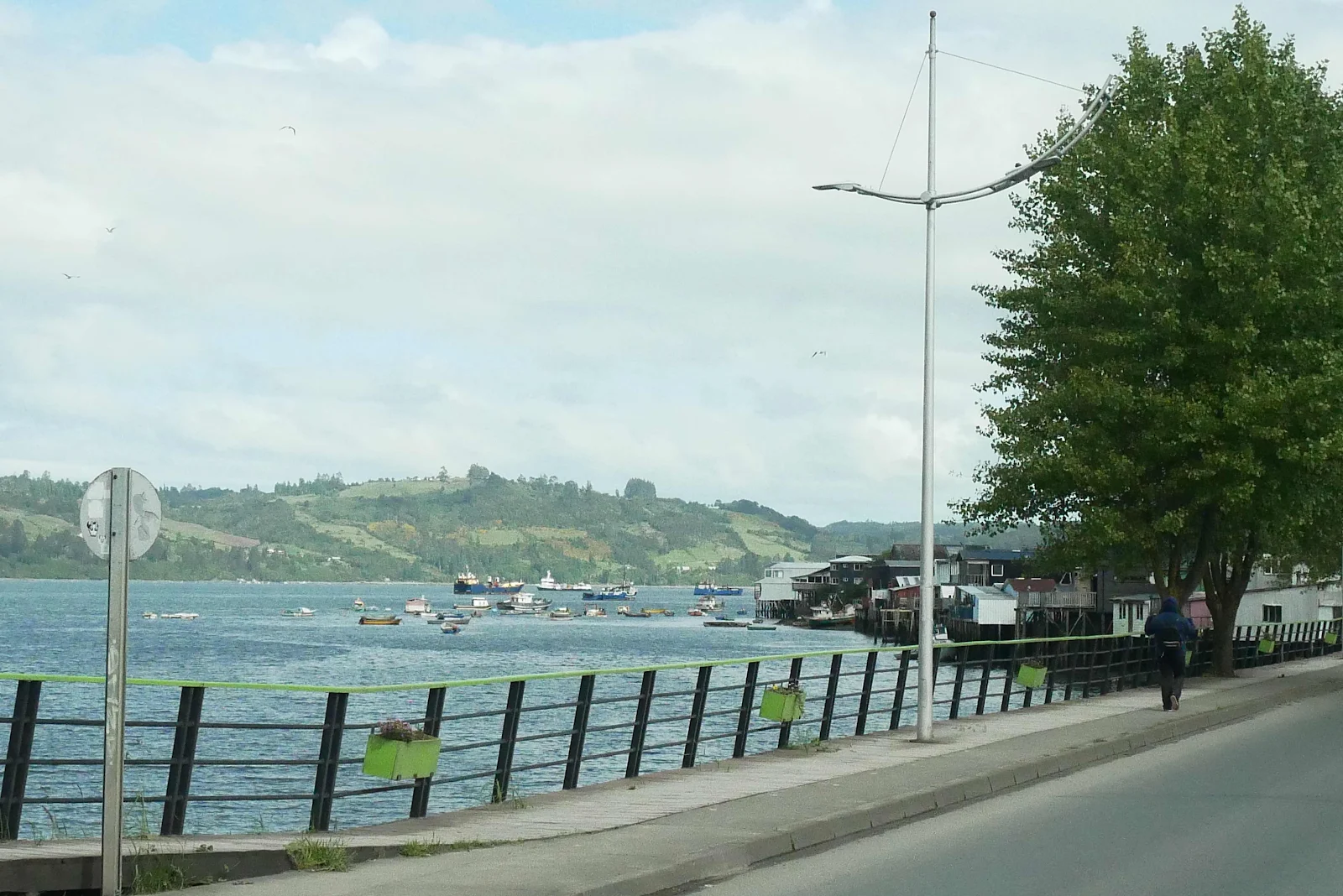
Most of Chiloé is neat orderly rolling farmland but every now and again the true nature of the place, an island surrounded by salt water pokes through. 


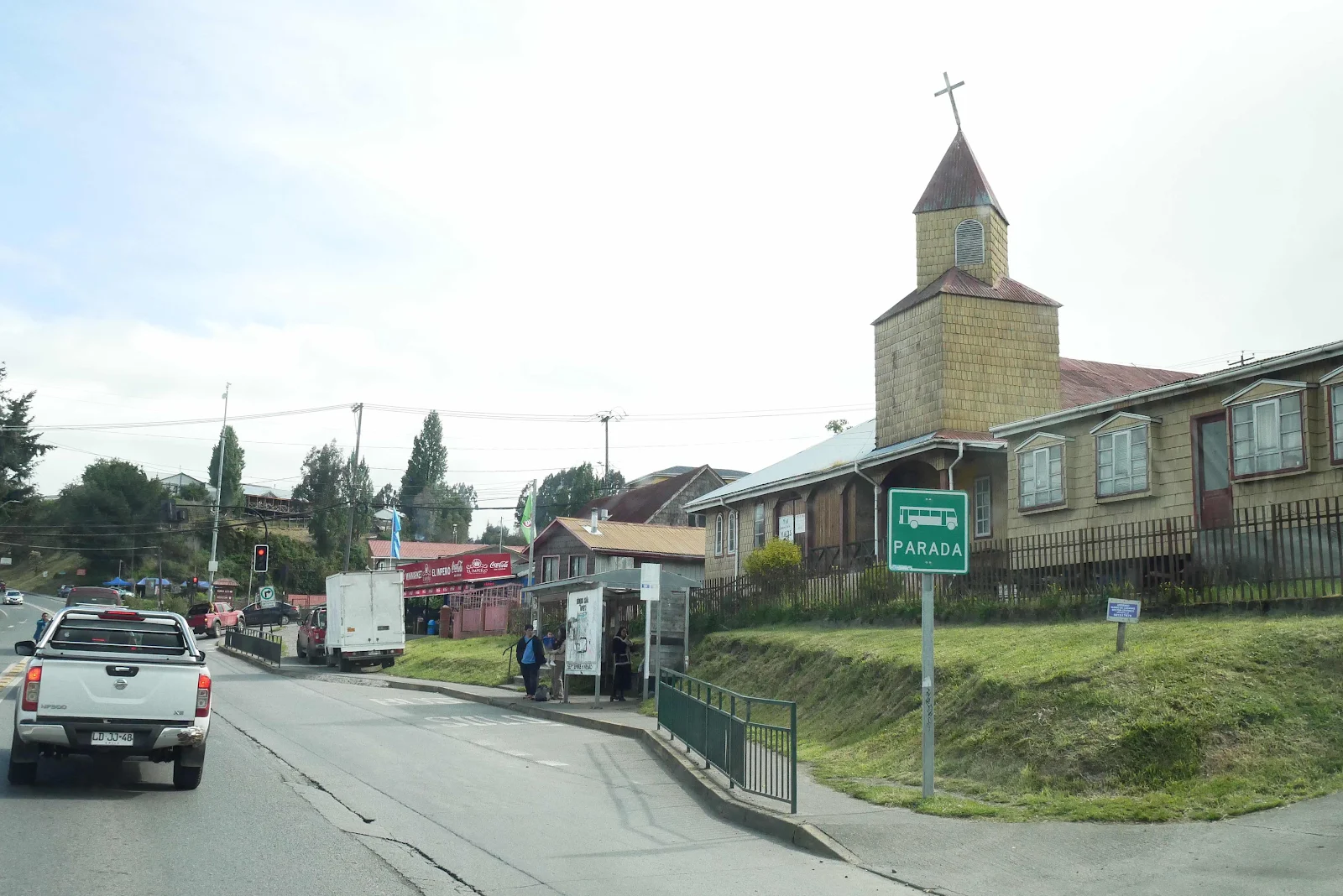
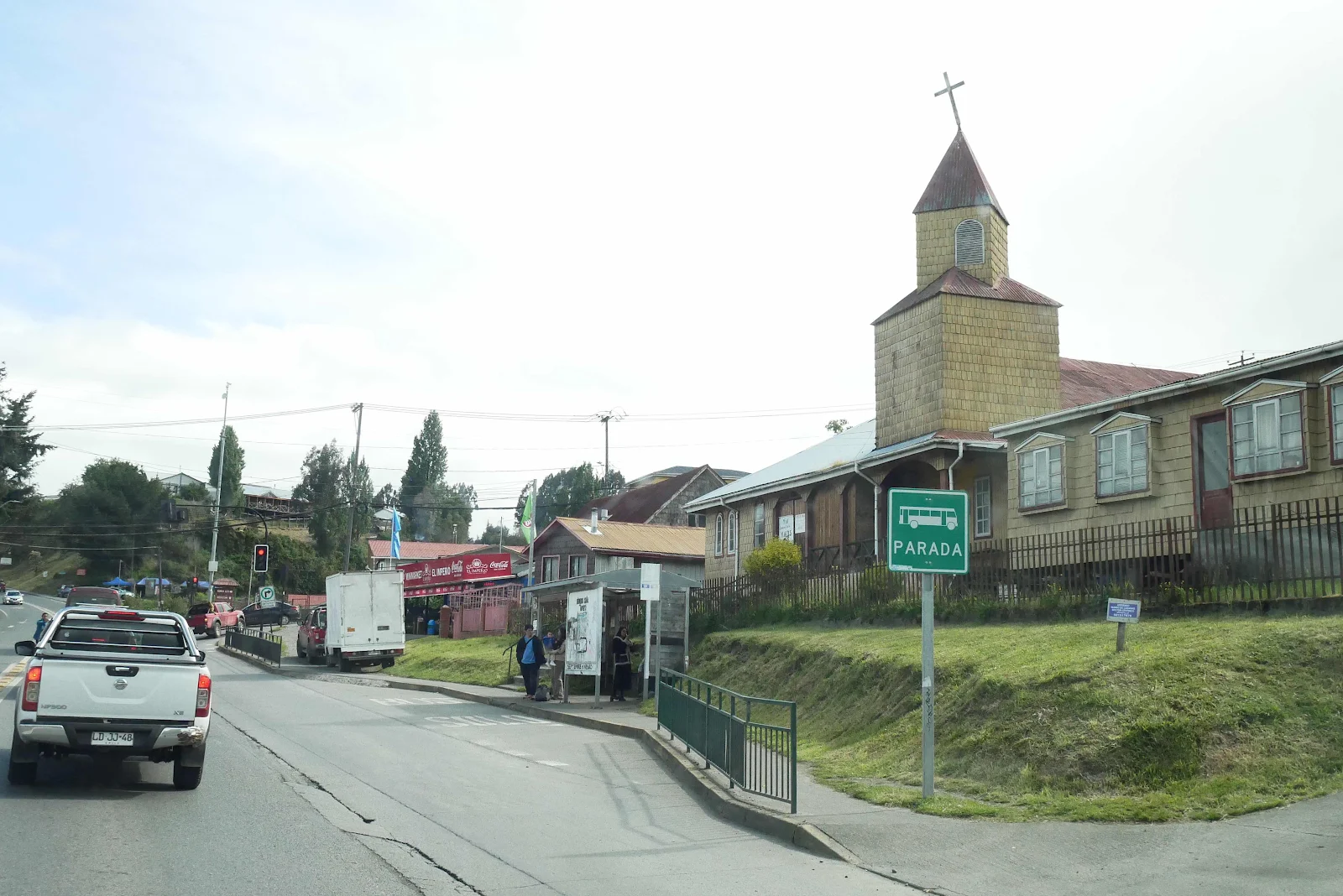
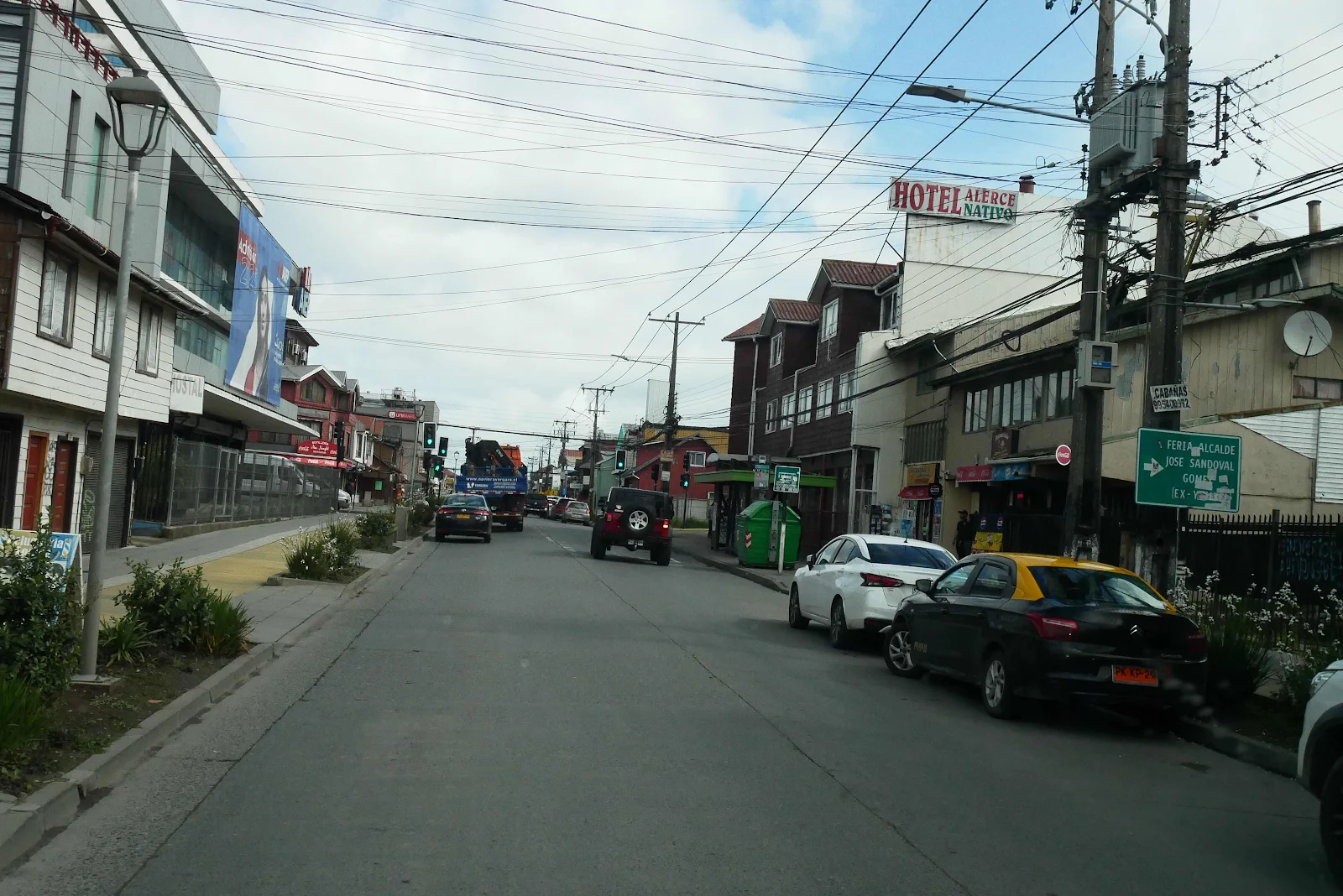
Castro, about half way down is the main town with supermarkets and box stores and lots of traffic.  
The southern half of the island is more wooded and hilly with some impressive hills to negotiate. 
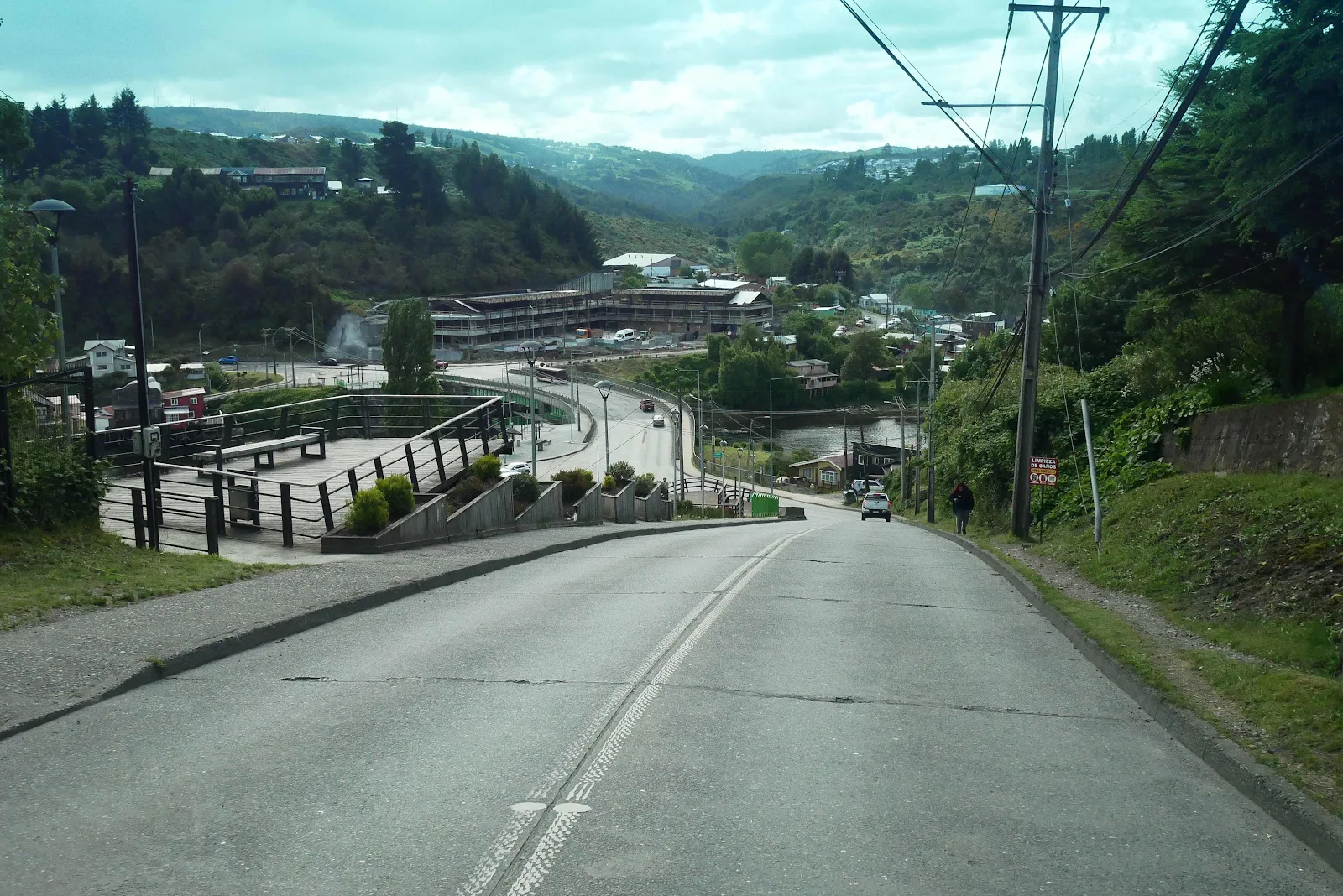


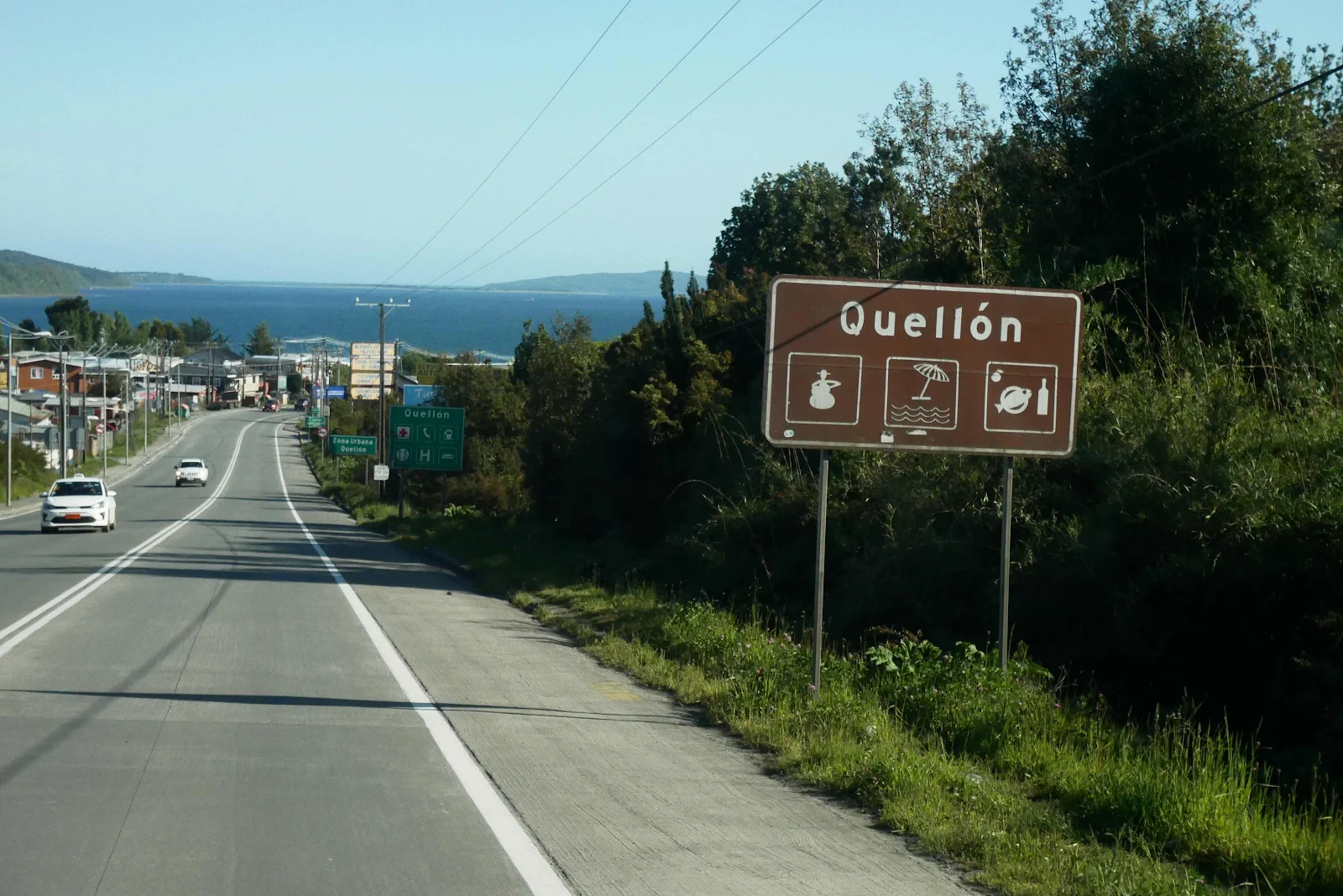
Our destination for our first day was Quellón at the southern terminus of the PanAmerican Highway. The ever the road from Alaska yet still 1700 miles from the tip of the continent…
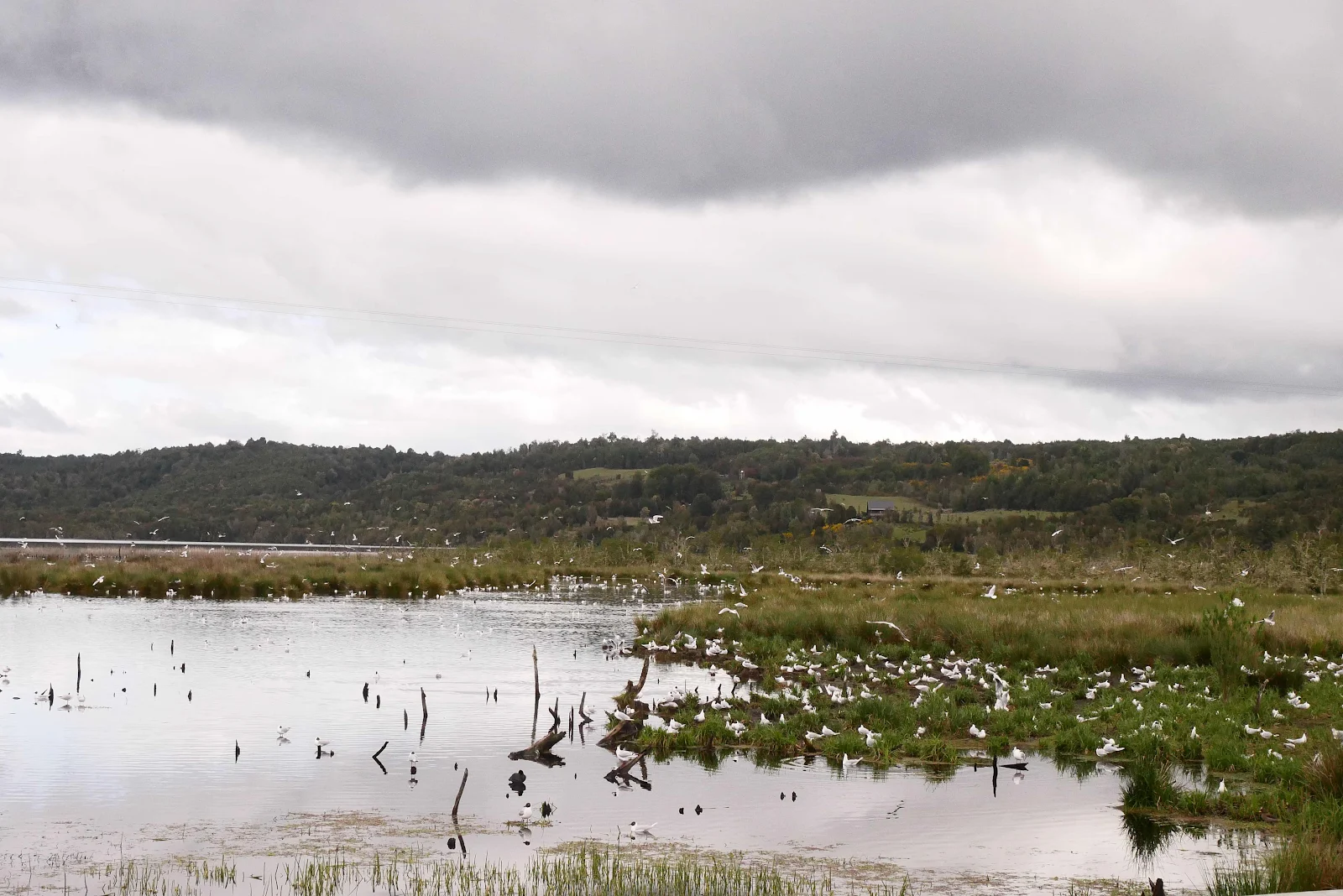
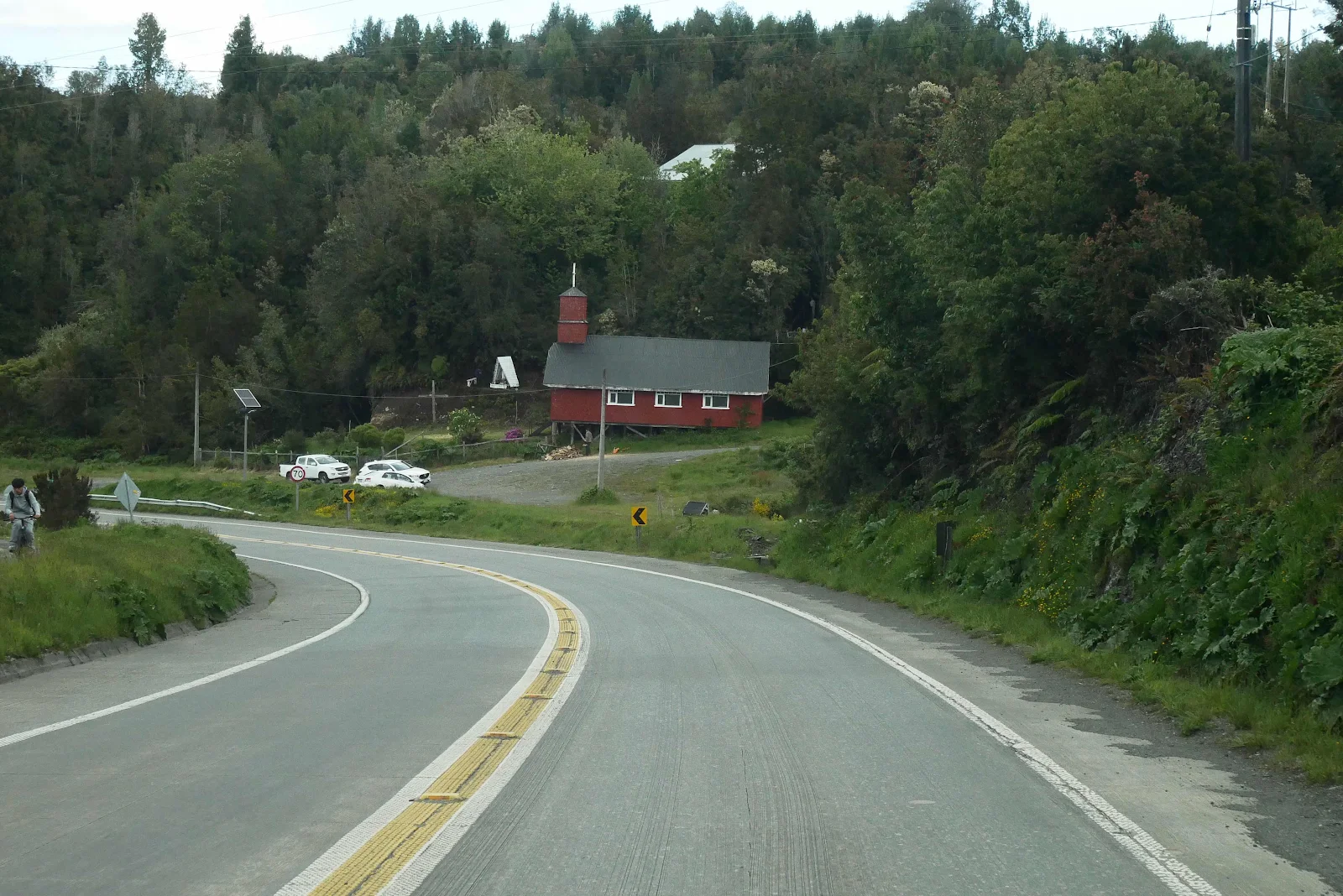

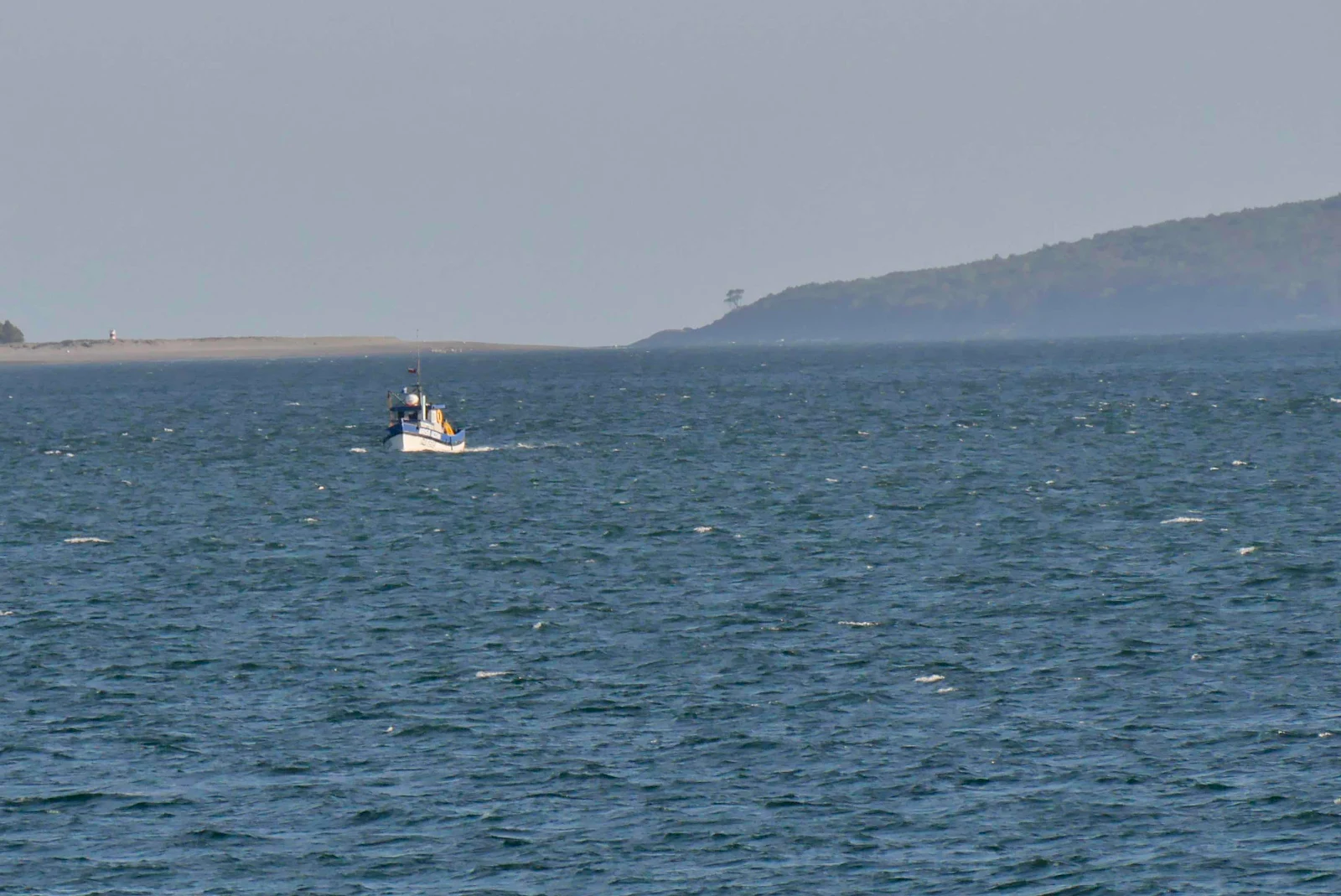
Fish farming is a big deal in the calmer inner bay waters around the island. 
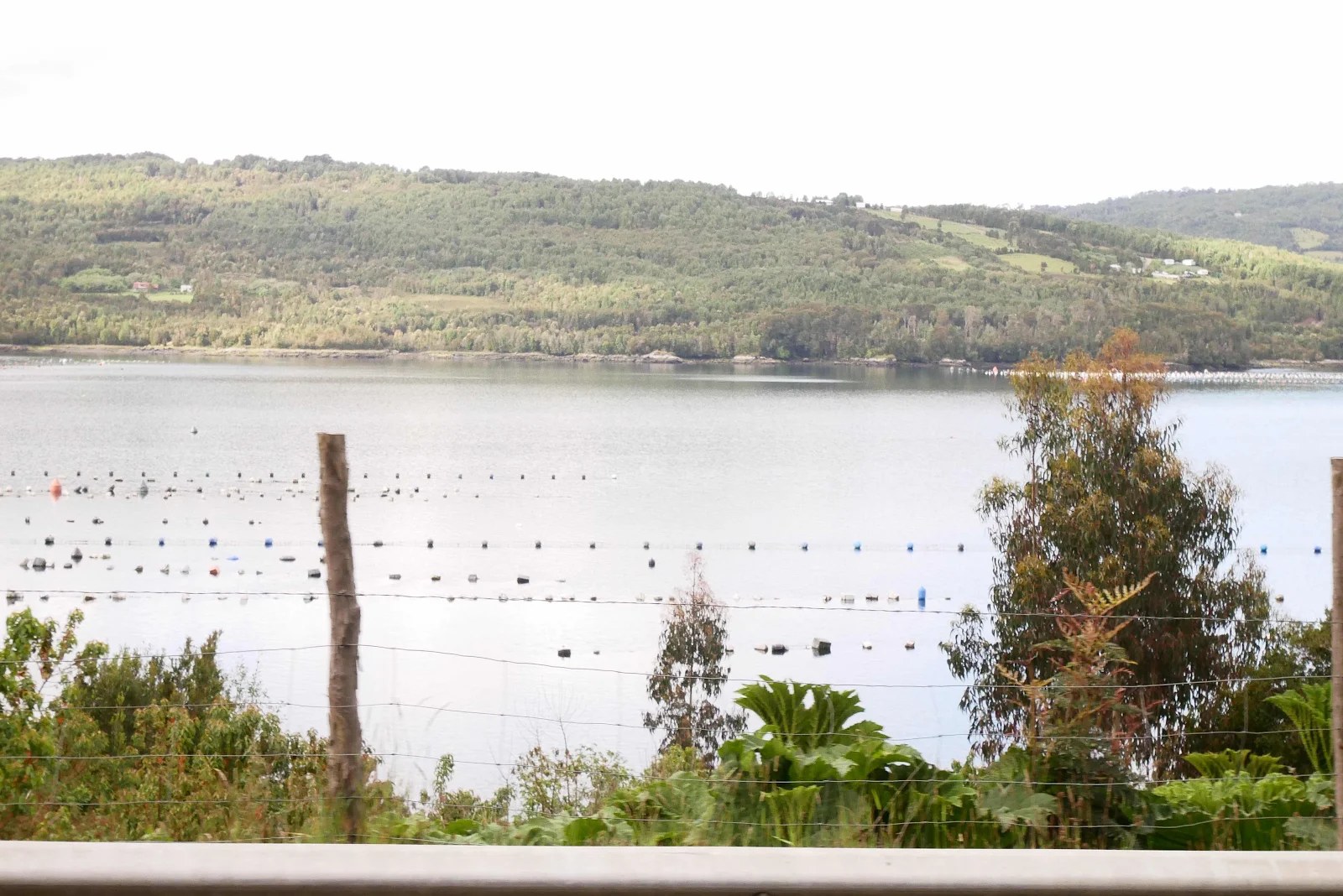


Slowly the rain clouds drew back and the afternoon turned sunny and breezy which was doubly good for us as the house batteries were relying on our solar panels to charge. 
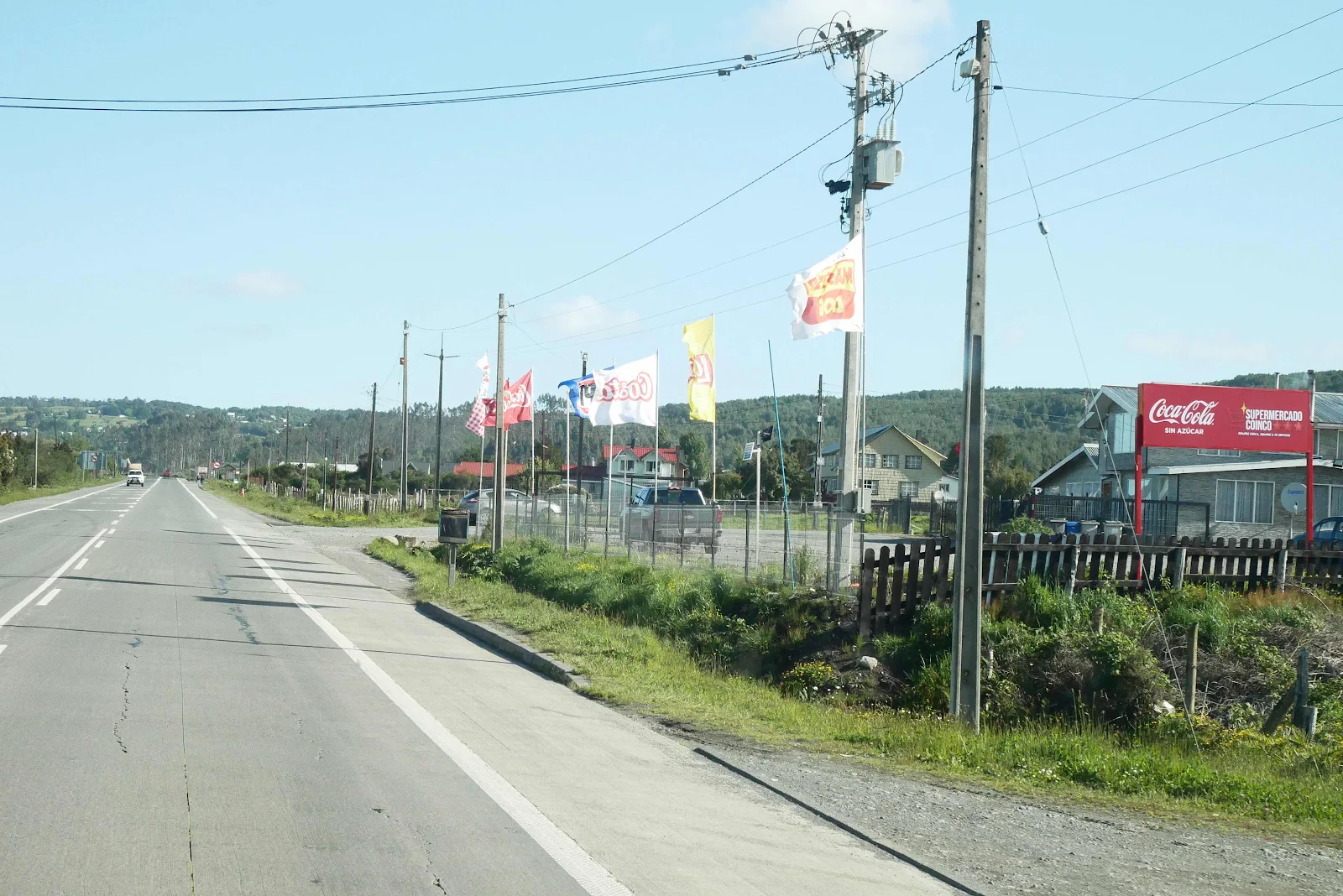


We were four miles from the end of the PanAmerican Highway, the longest motorable road in the world, whose other end is in Alaska.  
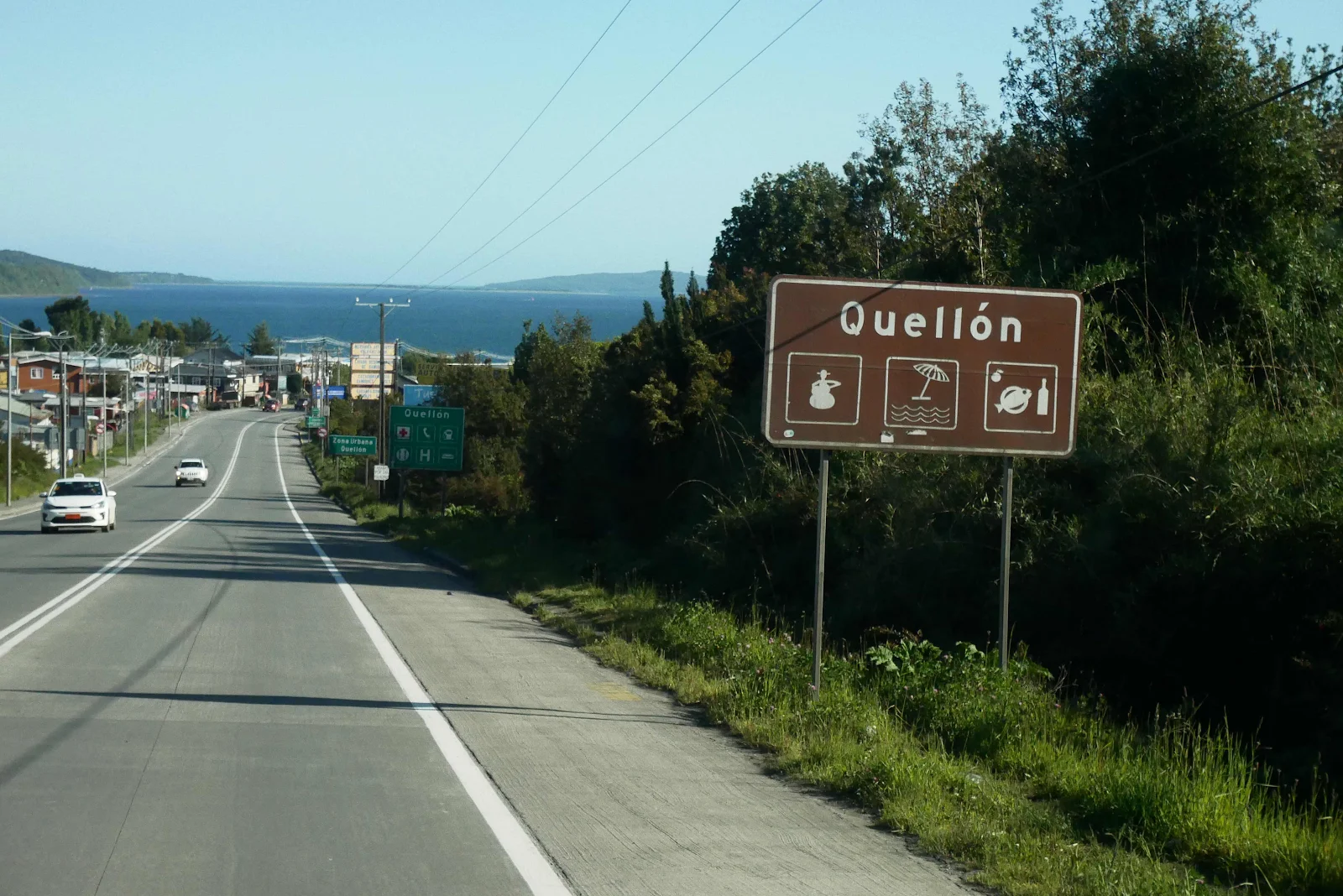
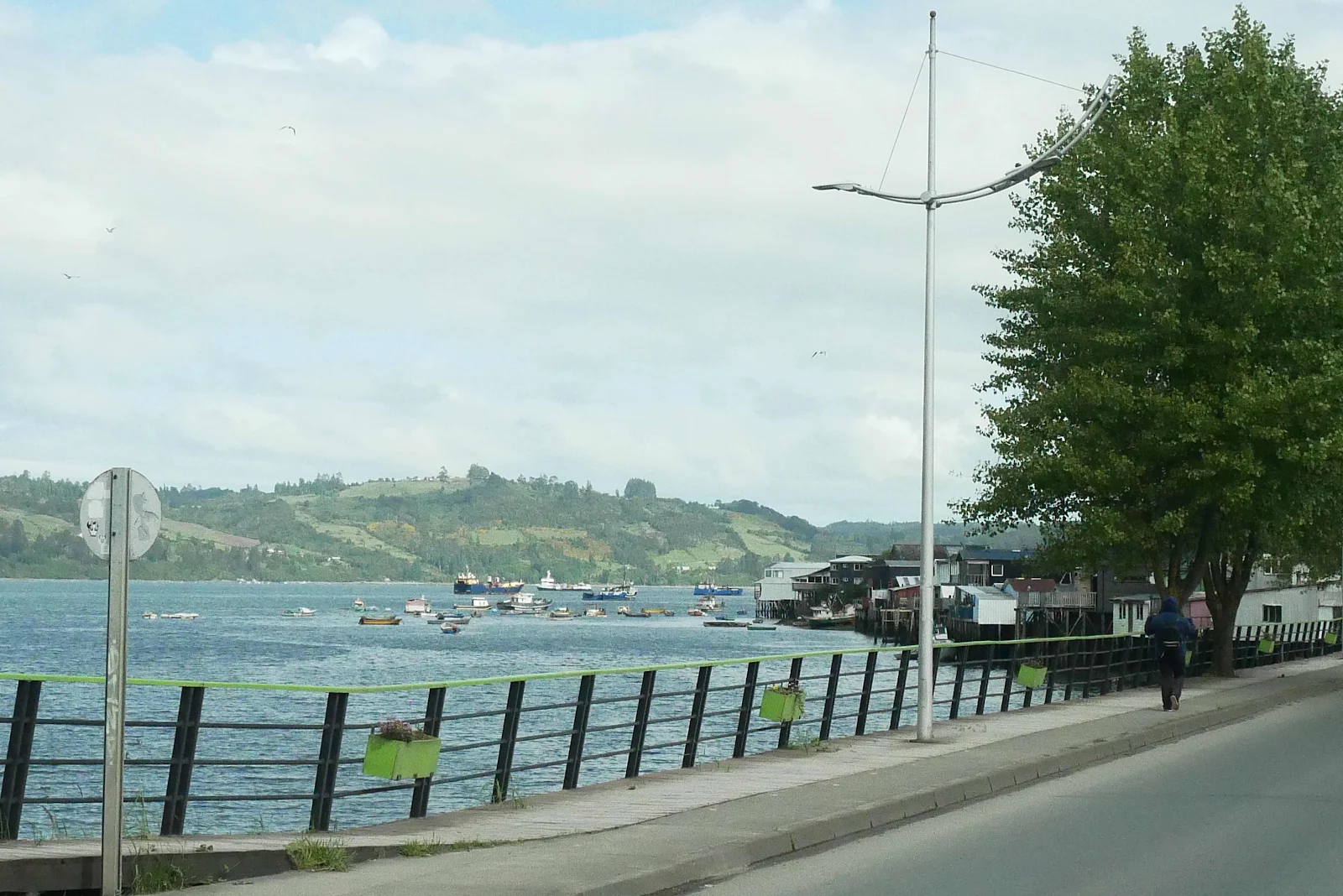
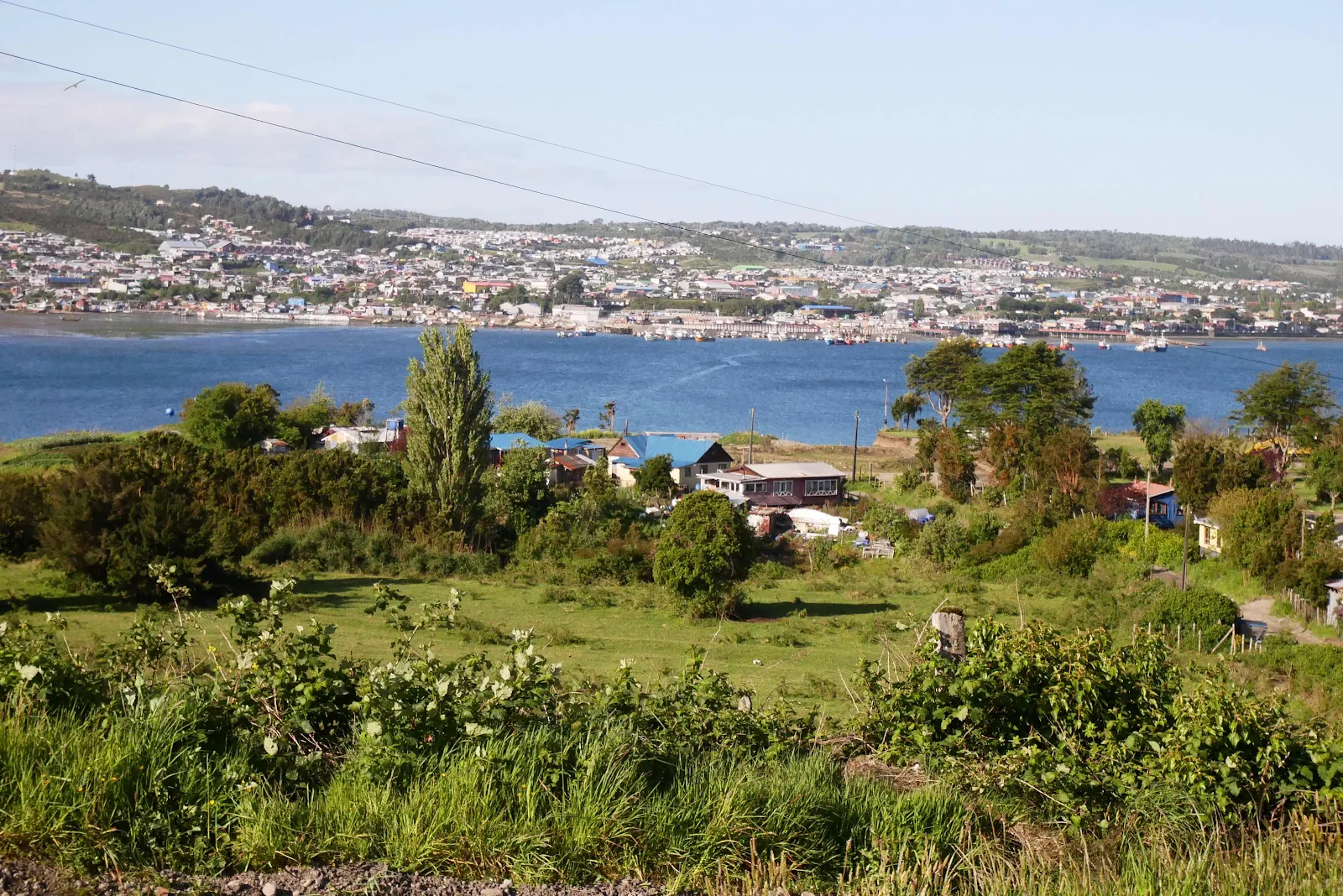
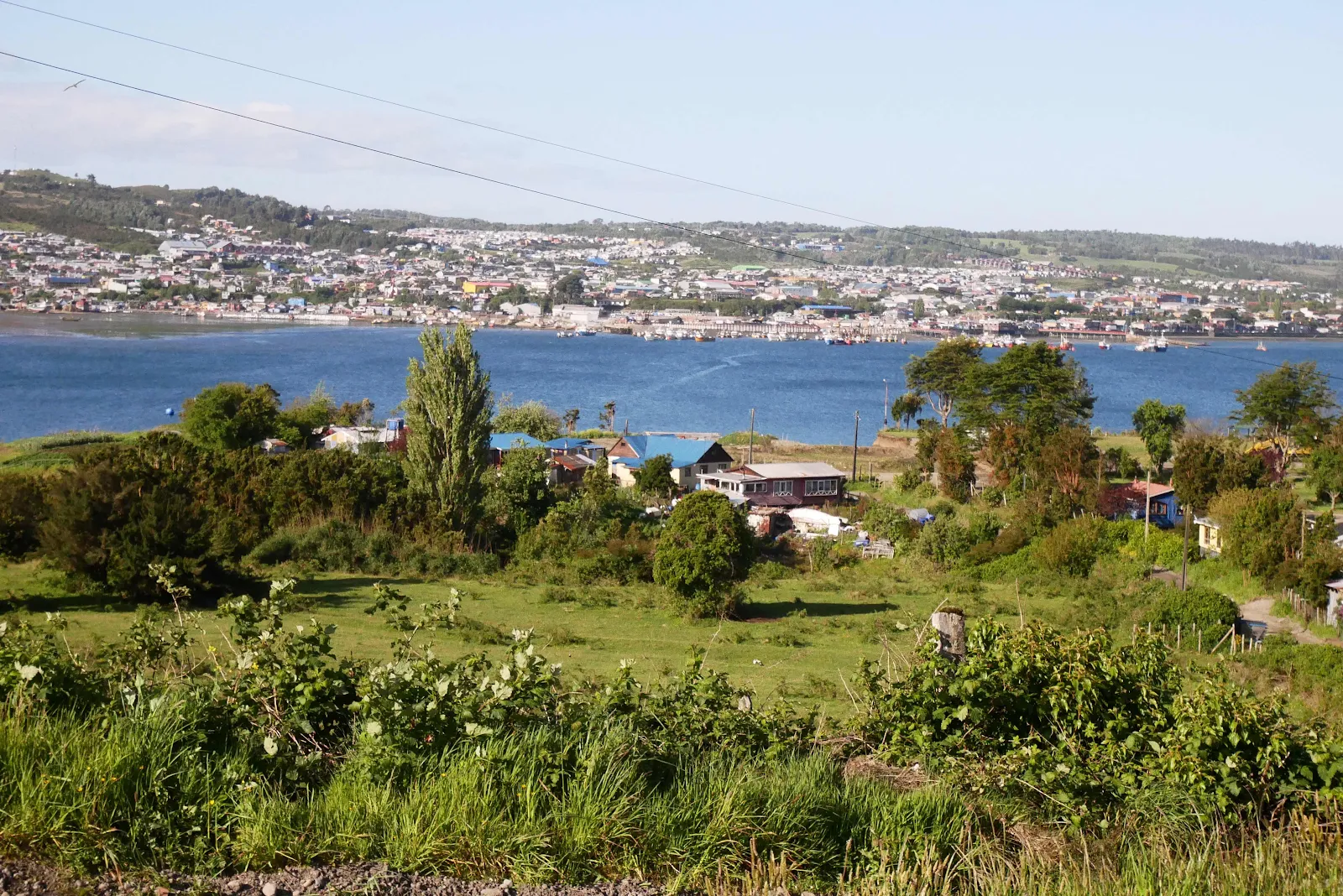
We drive around the inlet and could look back across the water to Quellón: 
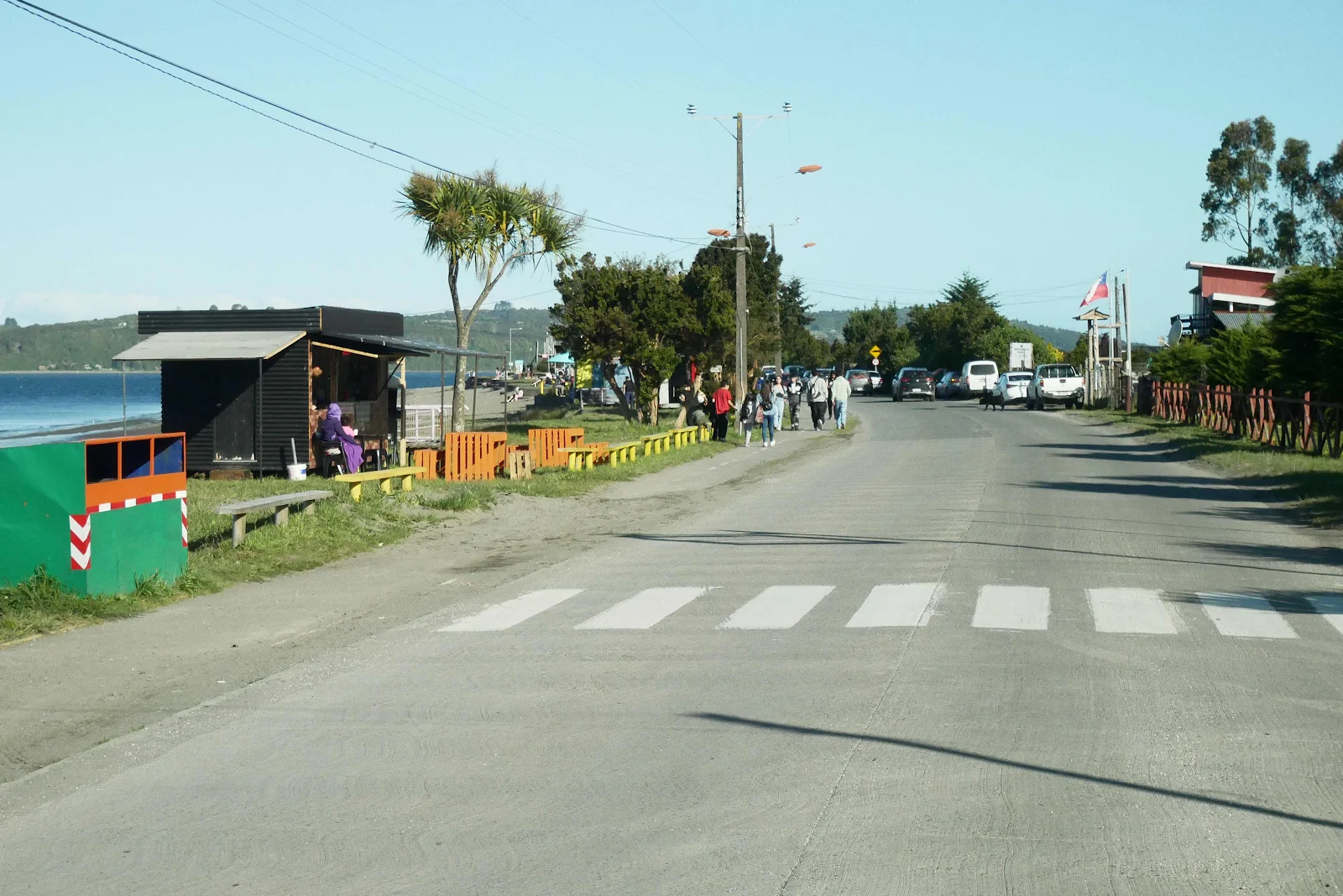
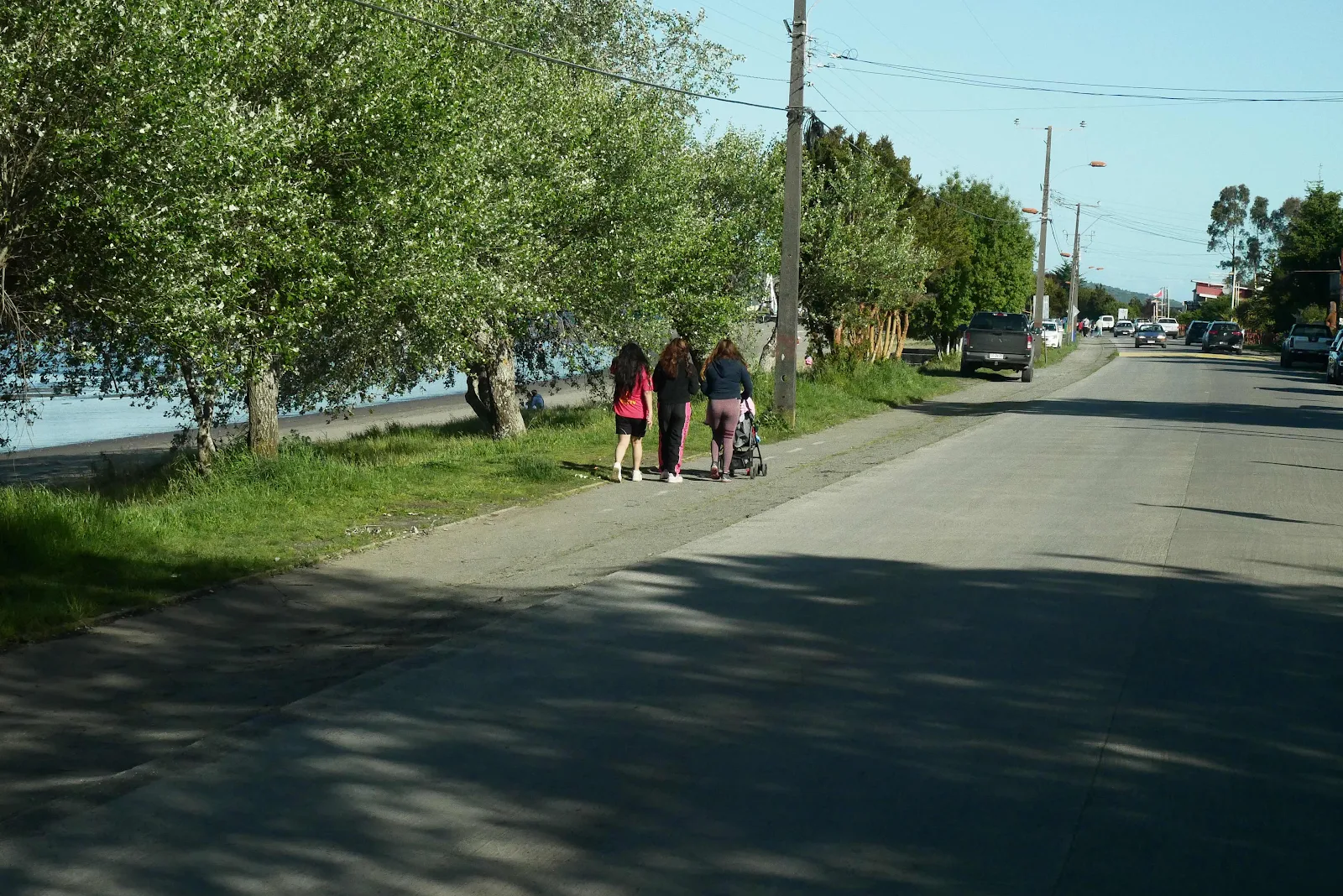
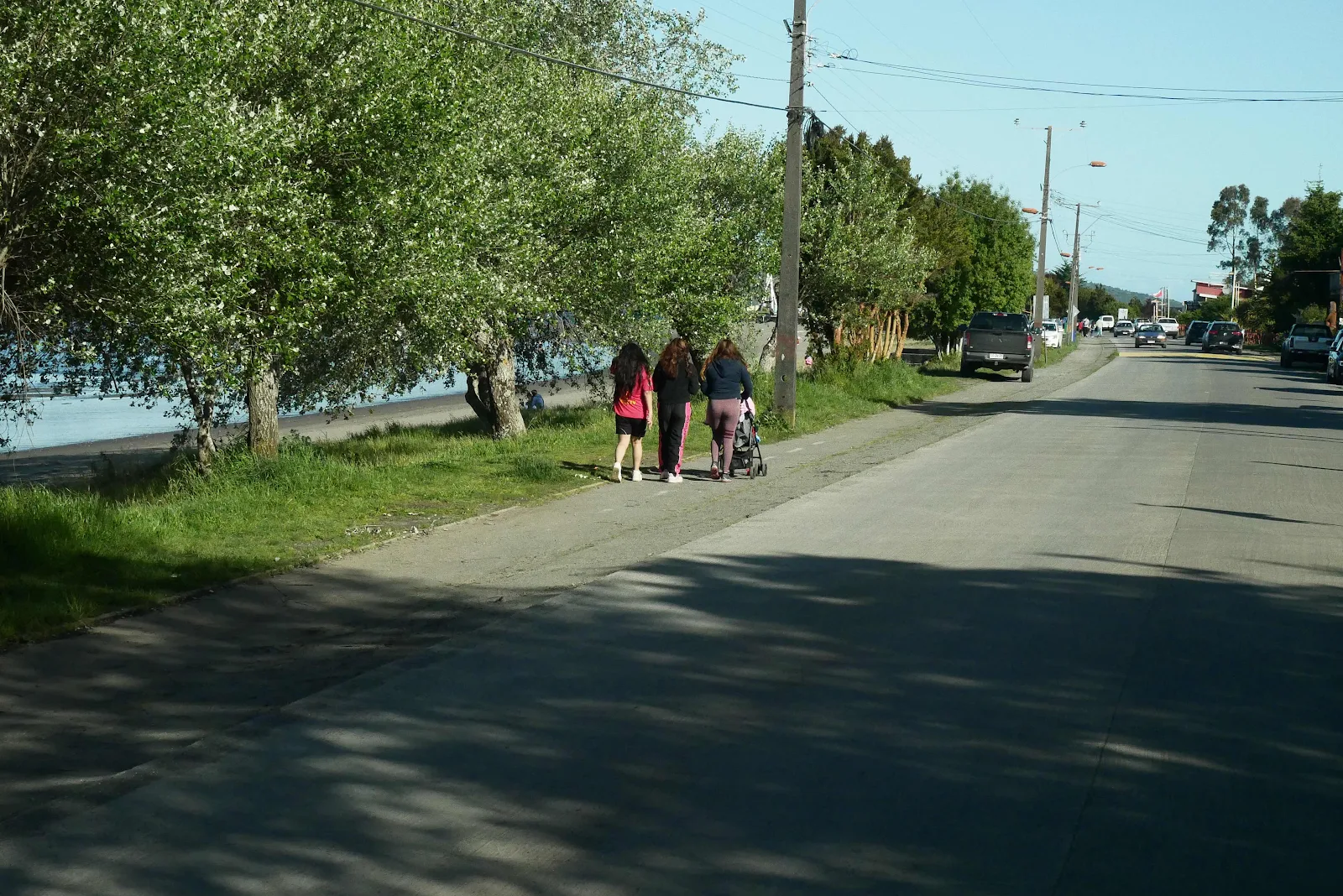
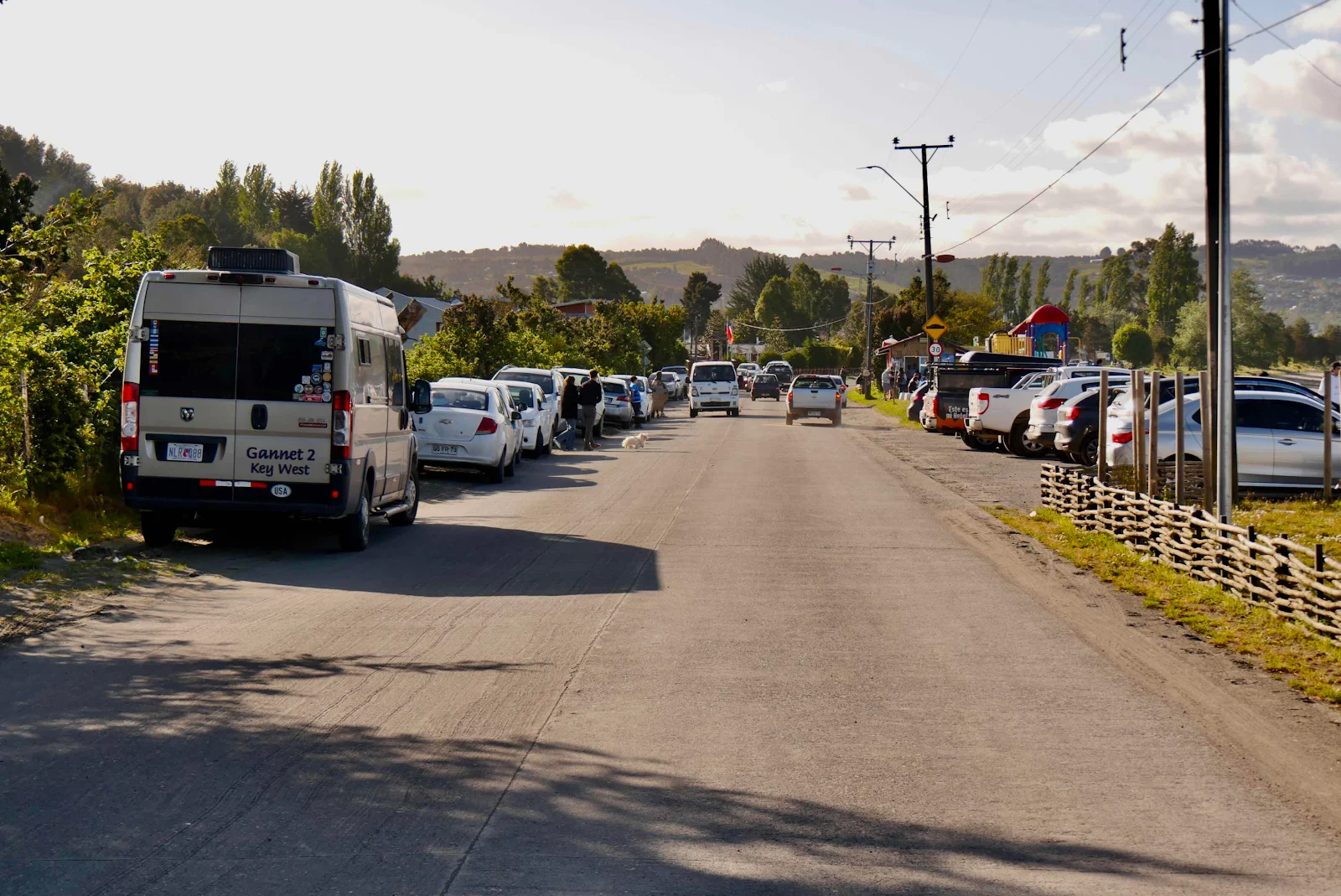
The approach road to the monument is apparently popular with locals in a Saturday afternoon in the Spring. 


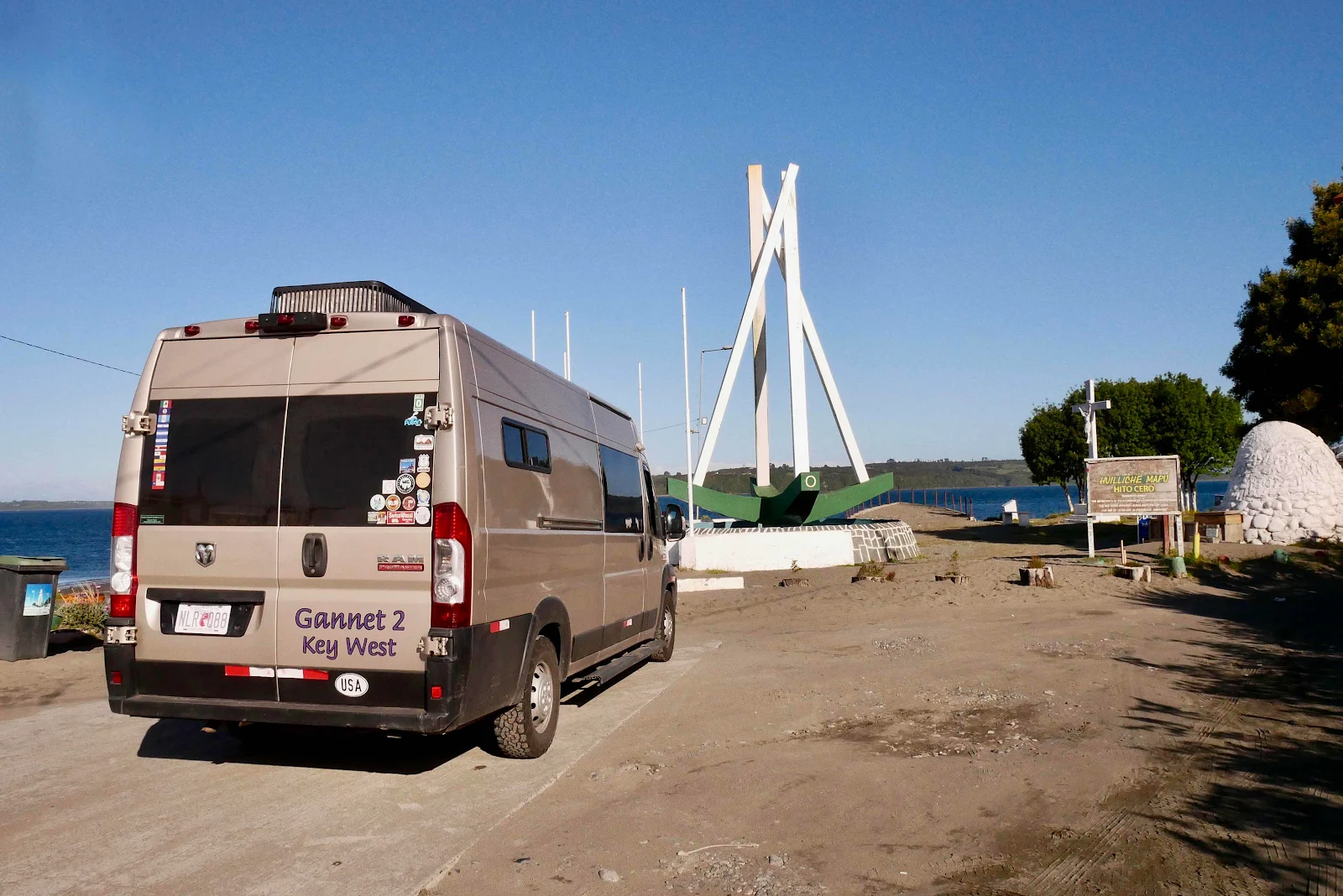
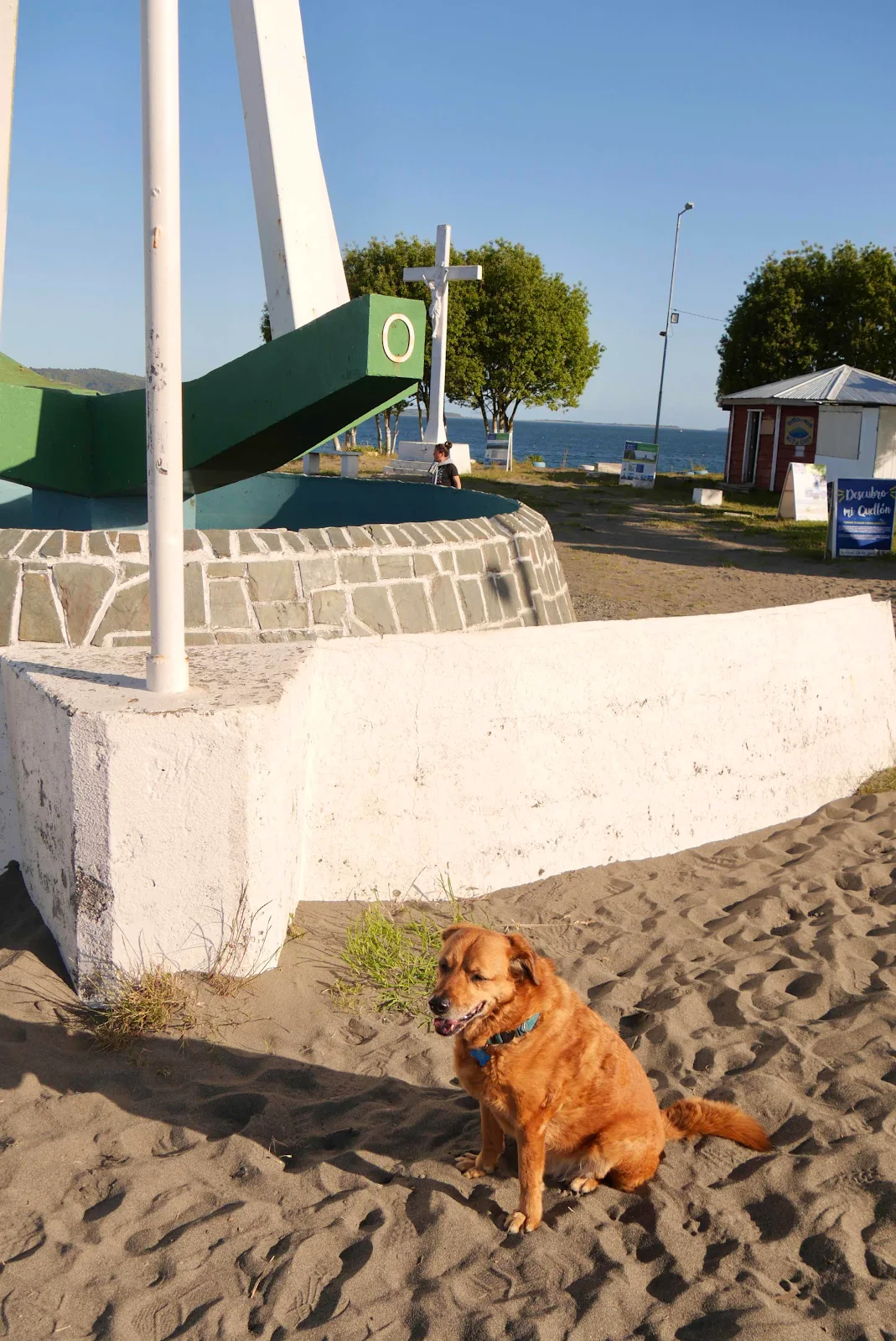
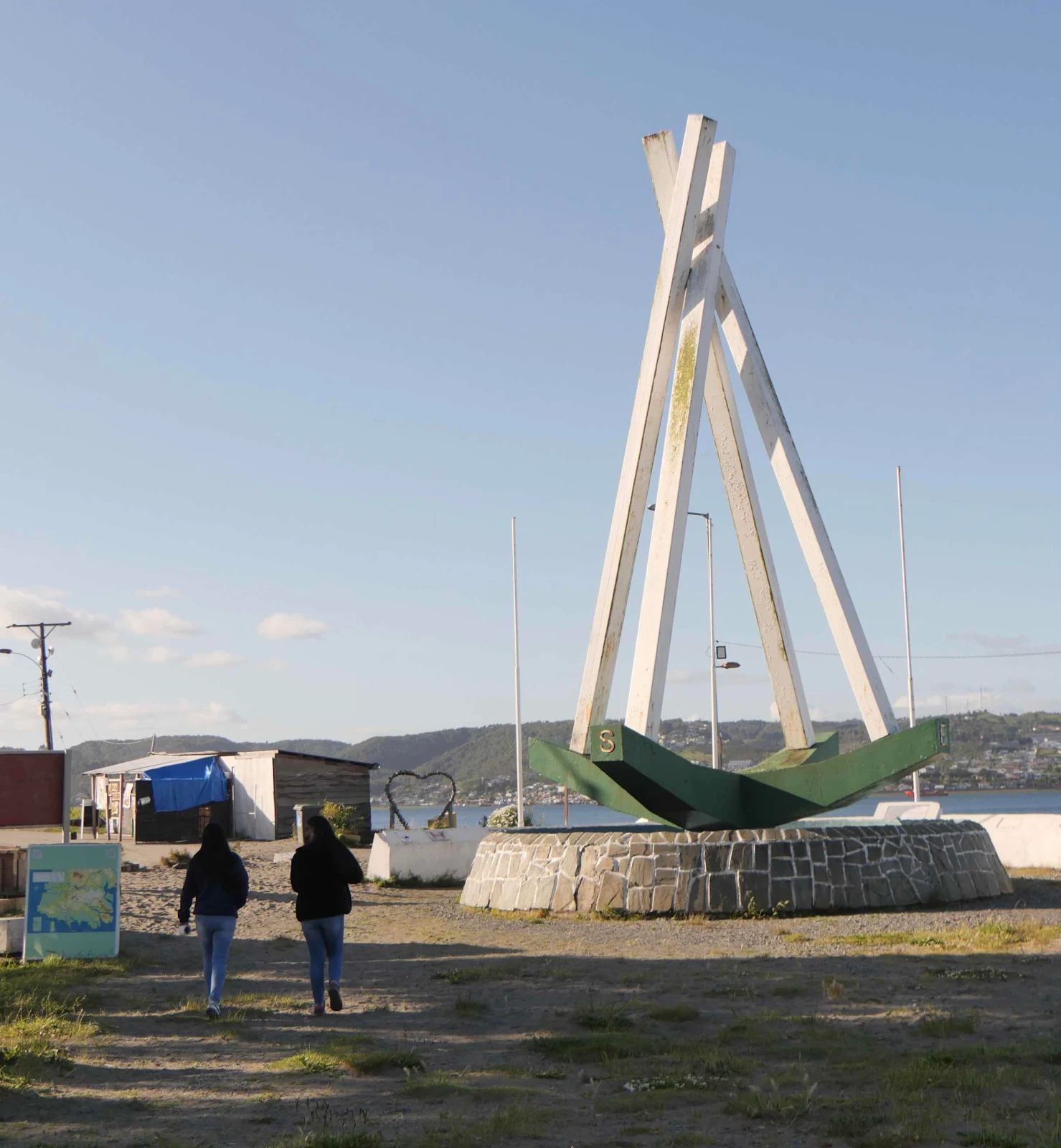
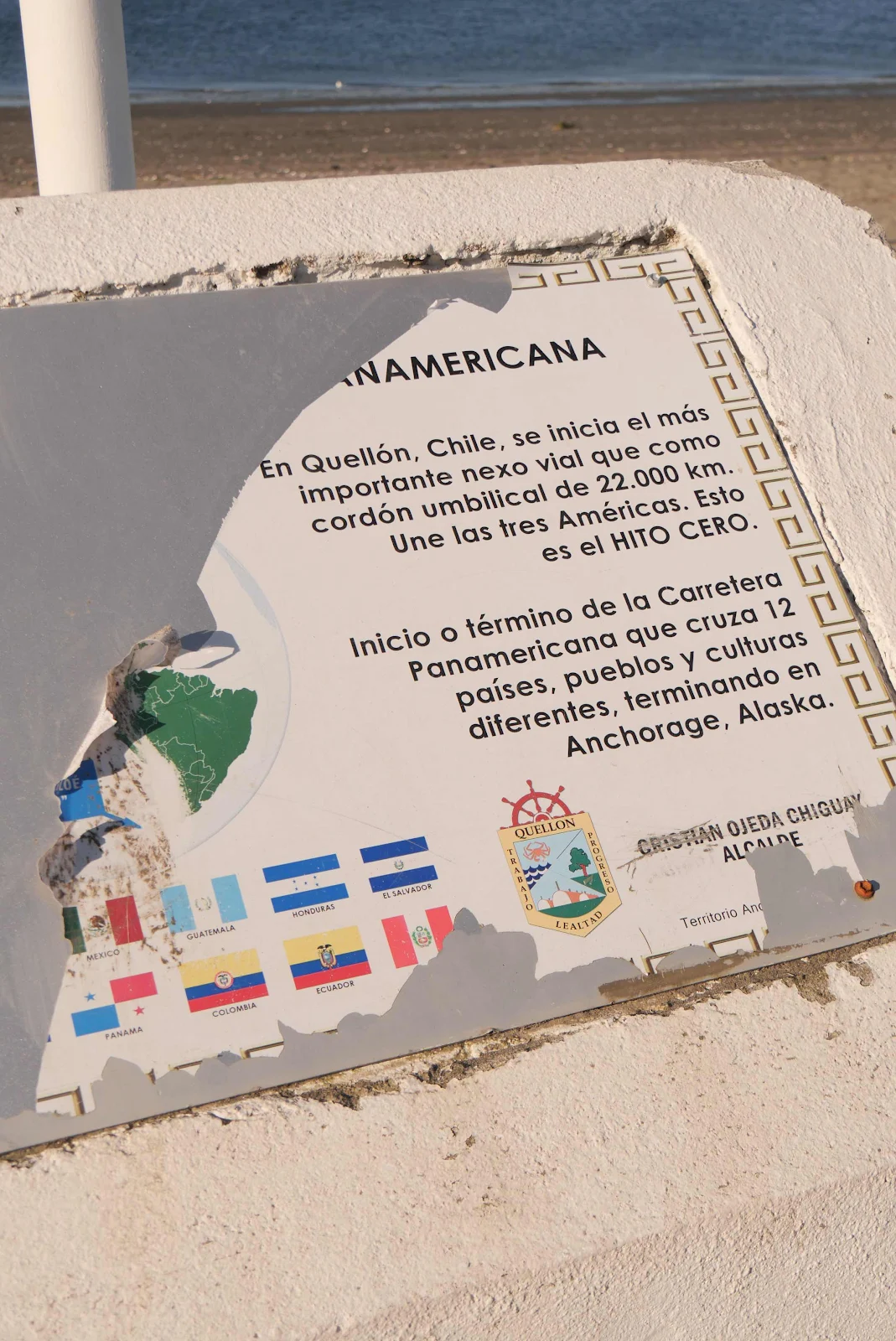
Hito Cero - Milestone Zero. 
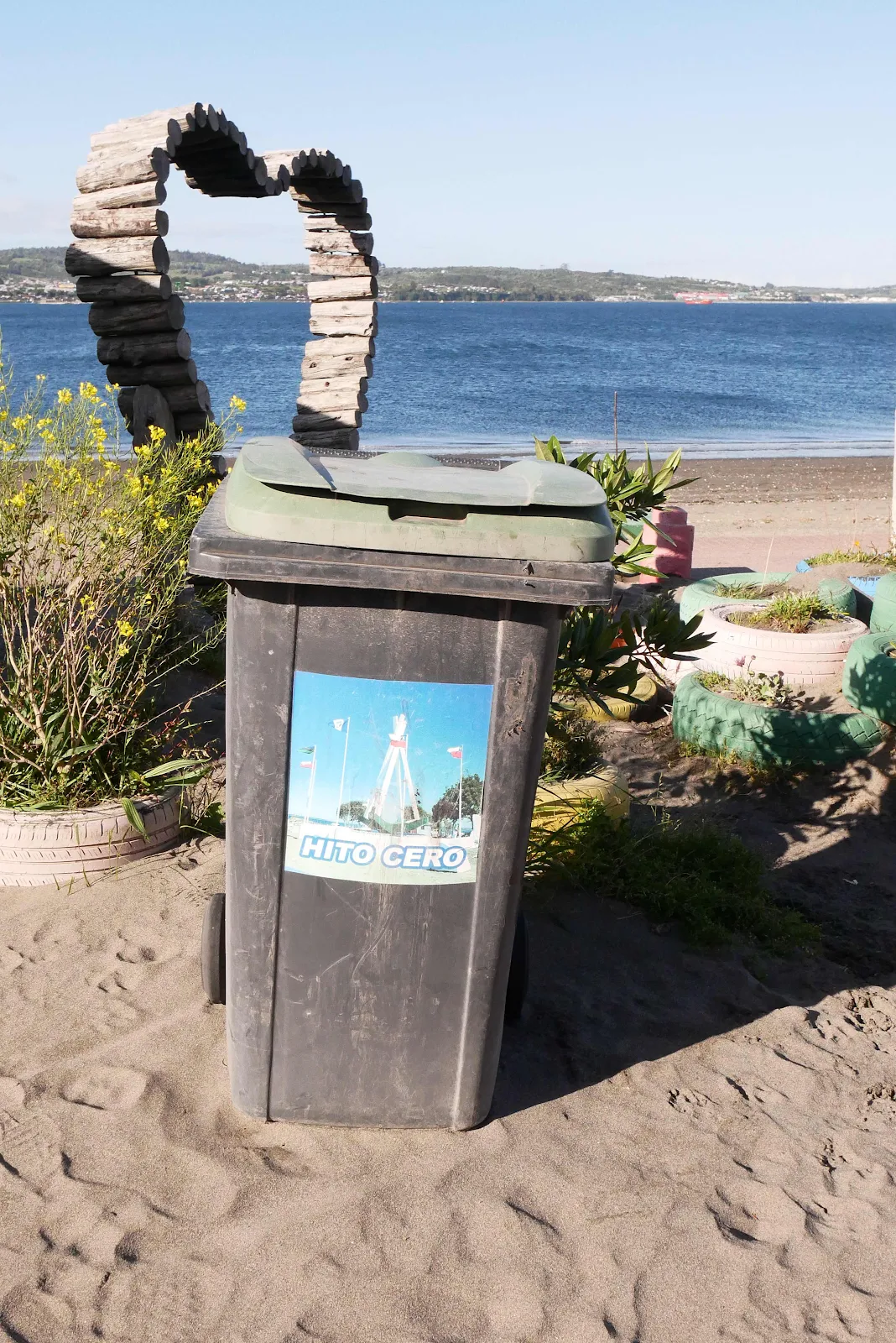
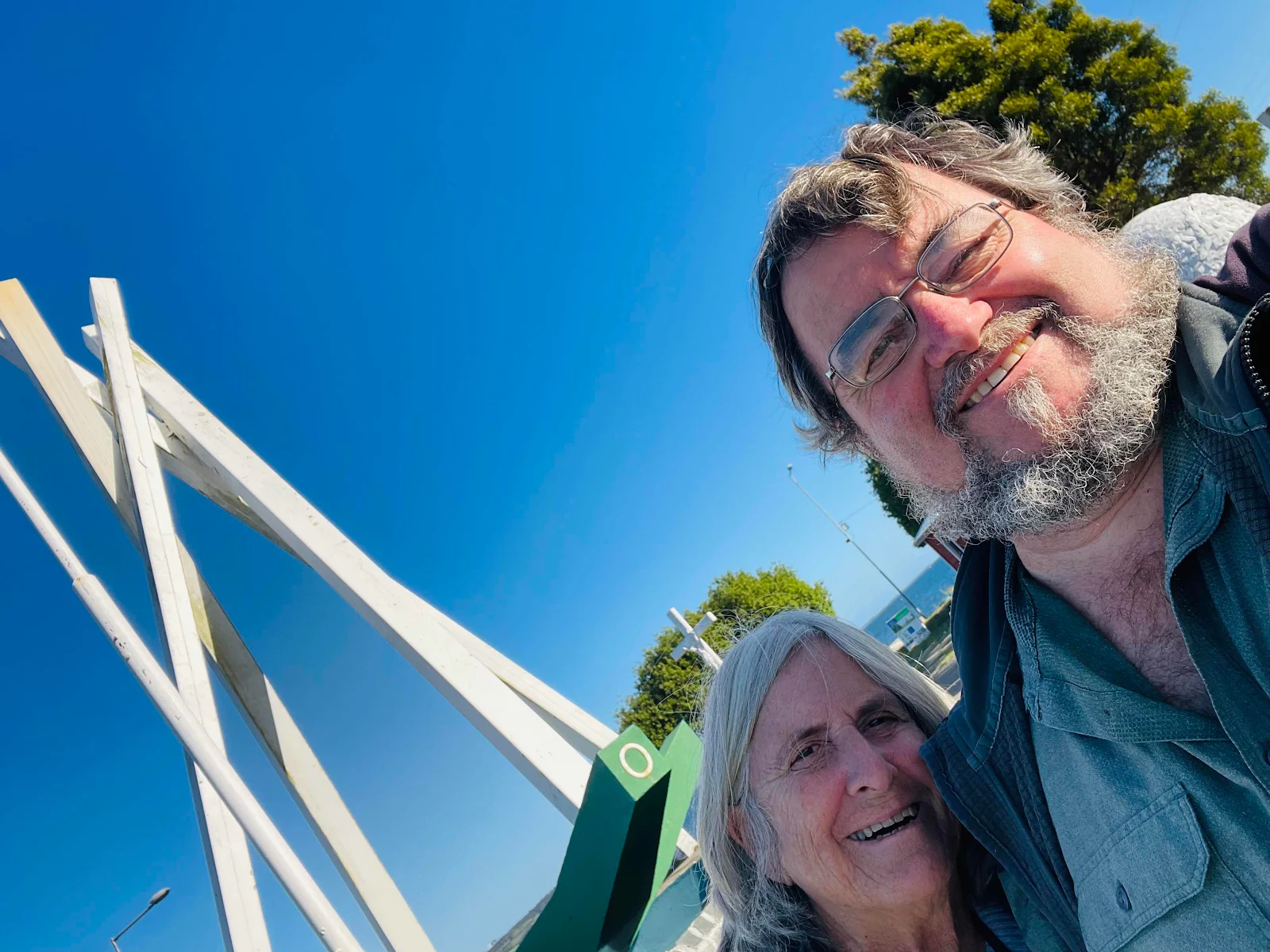
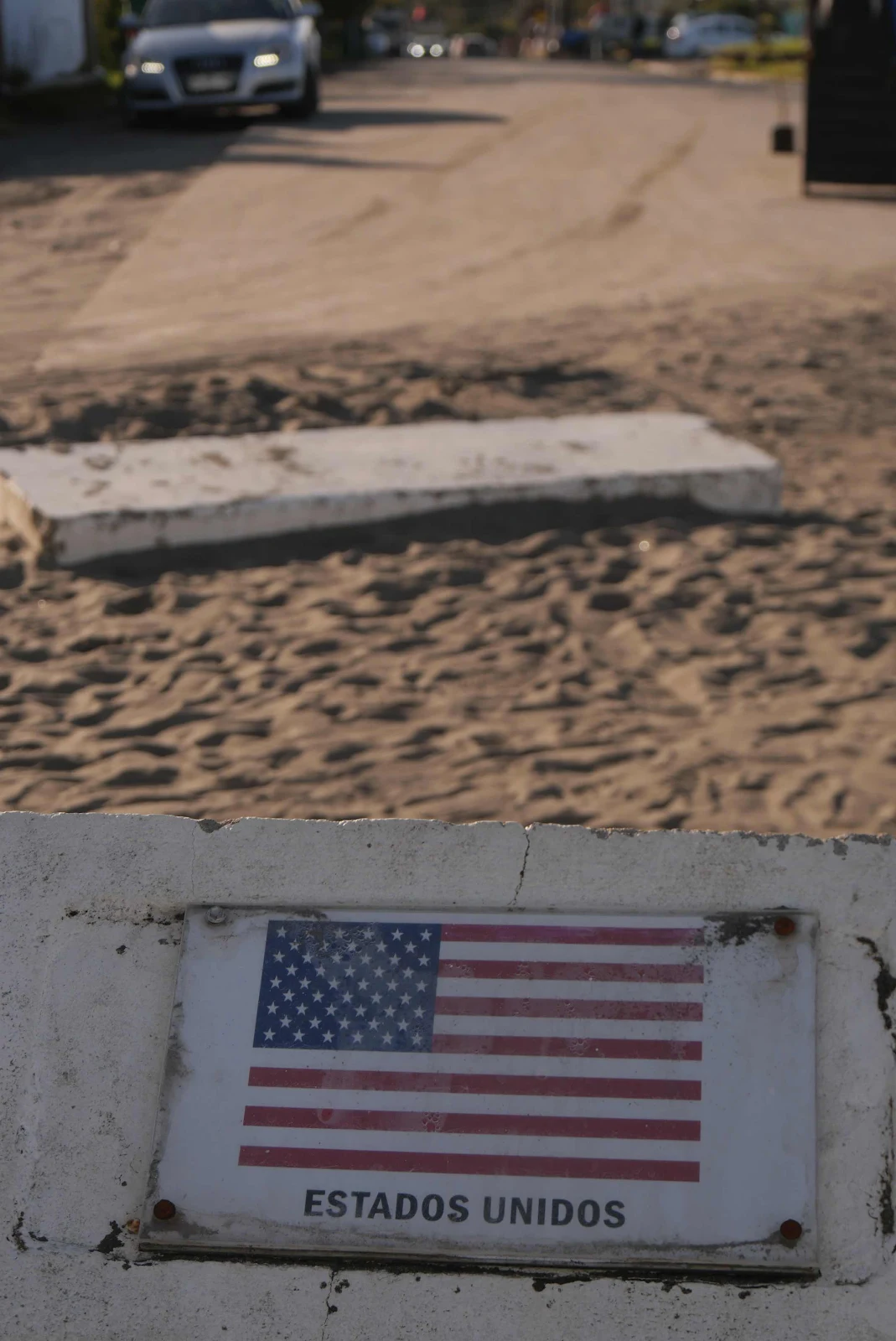
And there it was, the end of the PanAmerican Highway. 
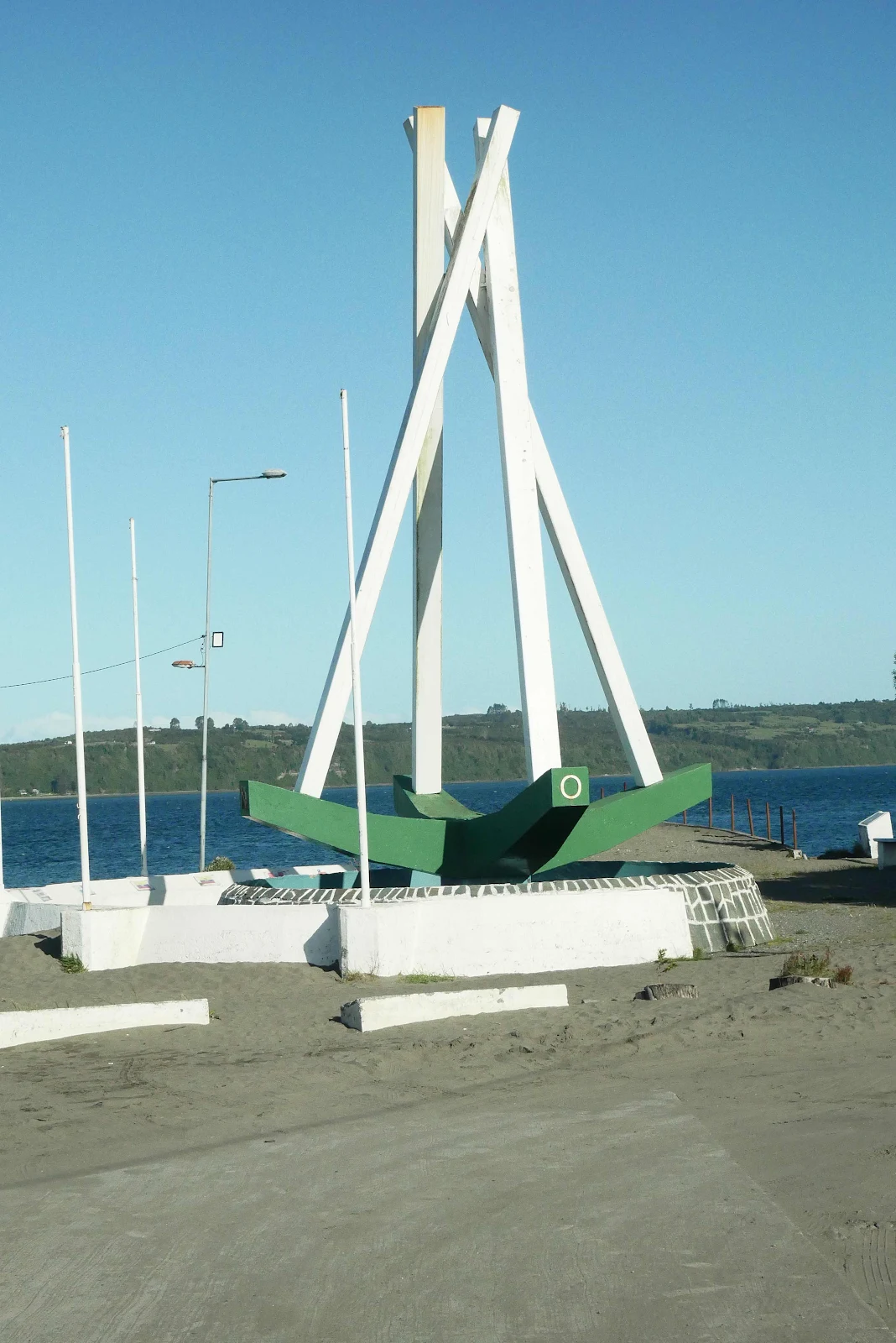
14 months and 16,000 miles since we crossed into Mexico at Laredo. 

Saturday, November 16, 2024

Kilometer Zero, Quellón


The end, or the beginning of the PanAmerican Highway in Patagonia.

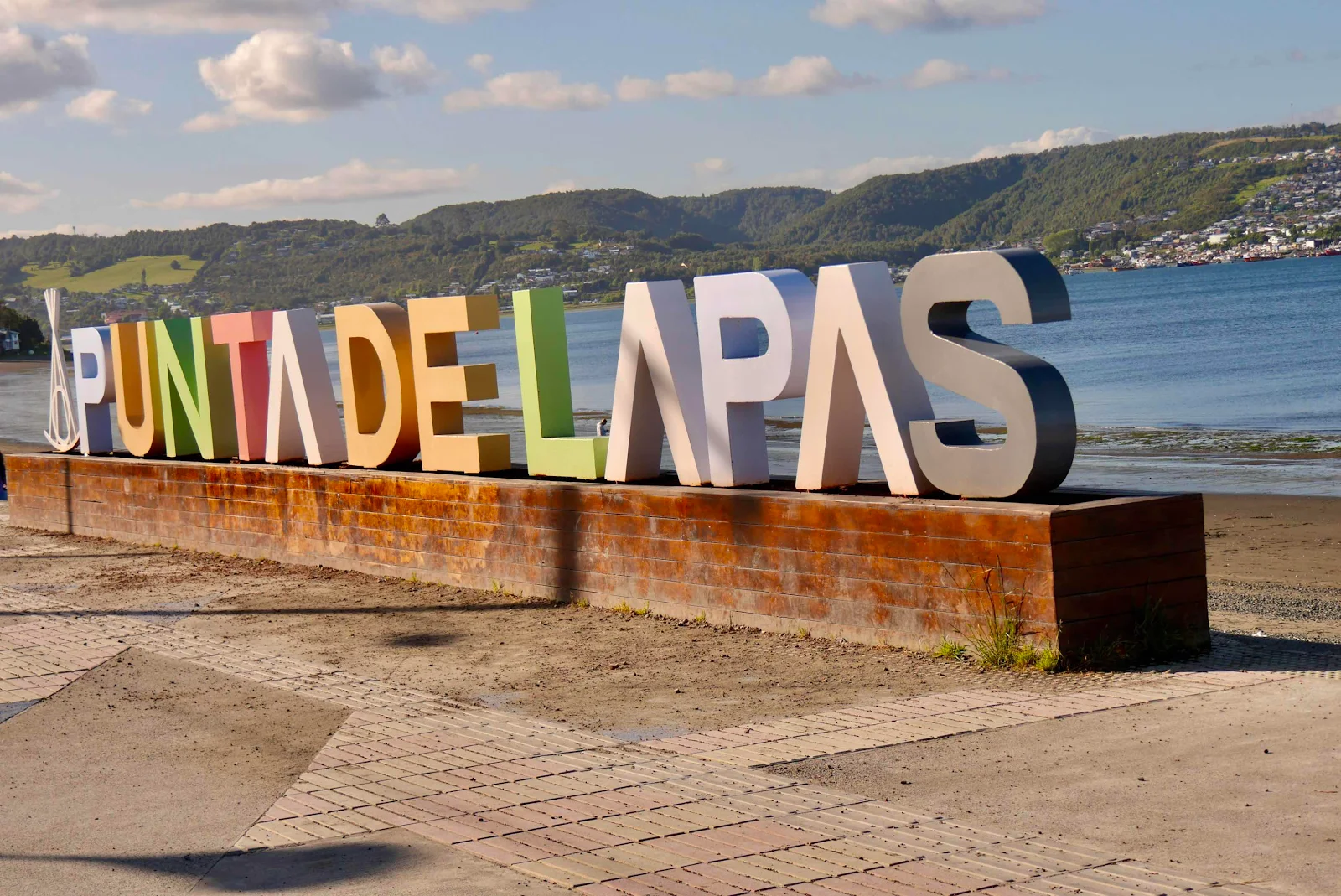
43 Degrees South Latitude, 150 miles south of Puerto Montt in the town of Quellón at the southern end of Isla Chiloé. And there you have it precisely. 16,000 miles and 14 months from our border crossing in Laredo Texas and here we are.  

This isn’t the southernmost point of the continent, far from it, with another 1700 miles to go with 1200 of them by ship. But I’ll tell you what: this is definitely Patagonia. And the wind blowing across the bay from the west was cold enough to prove the point. 

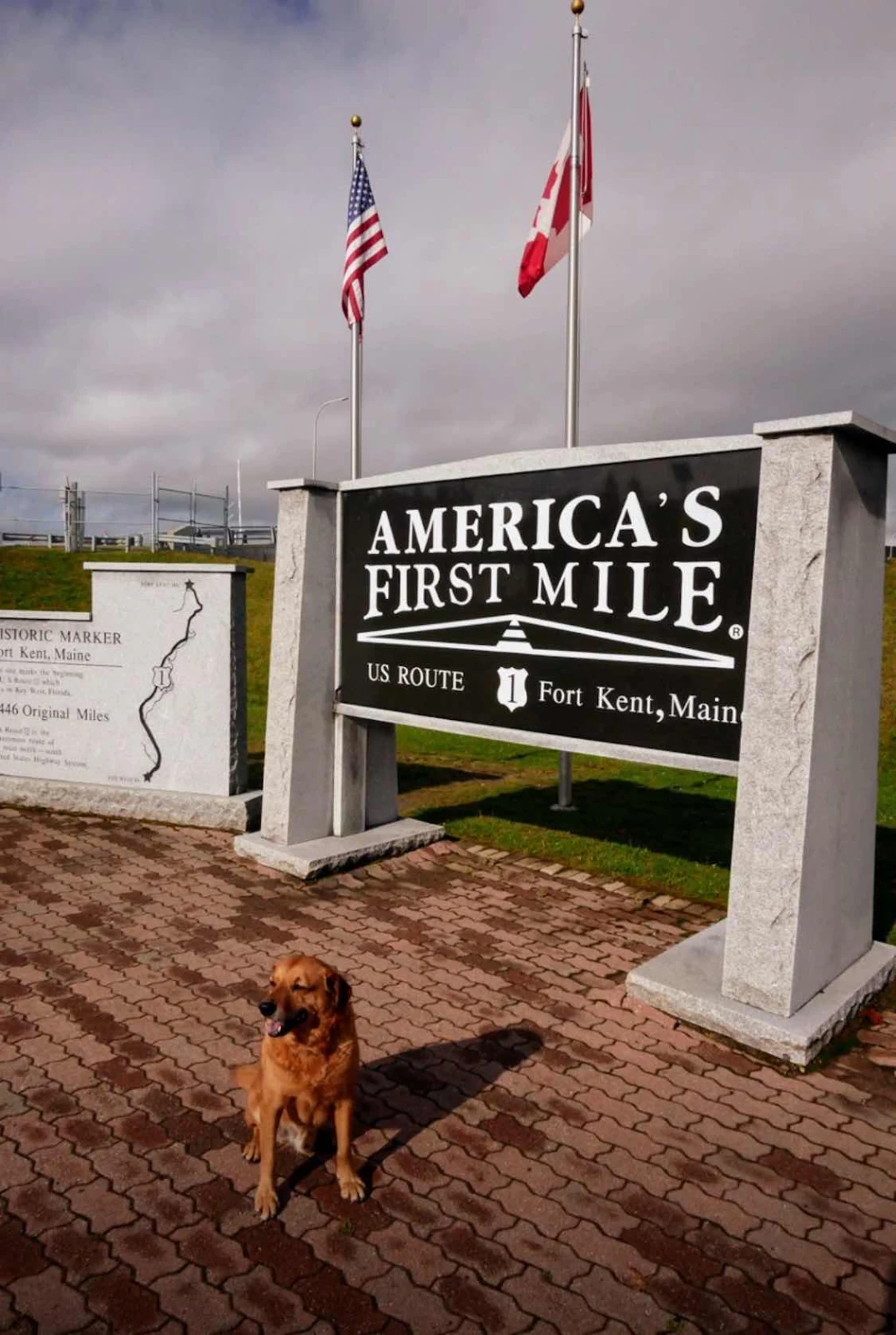
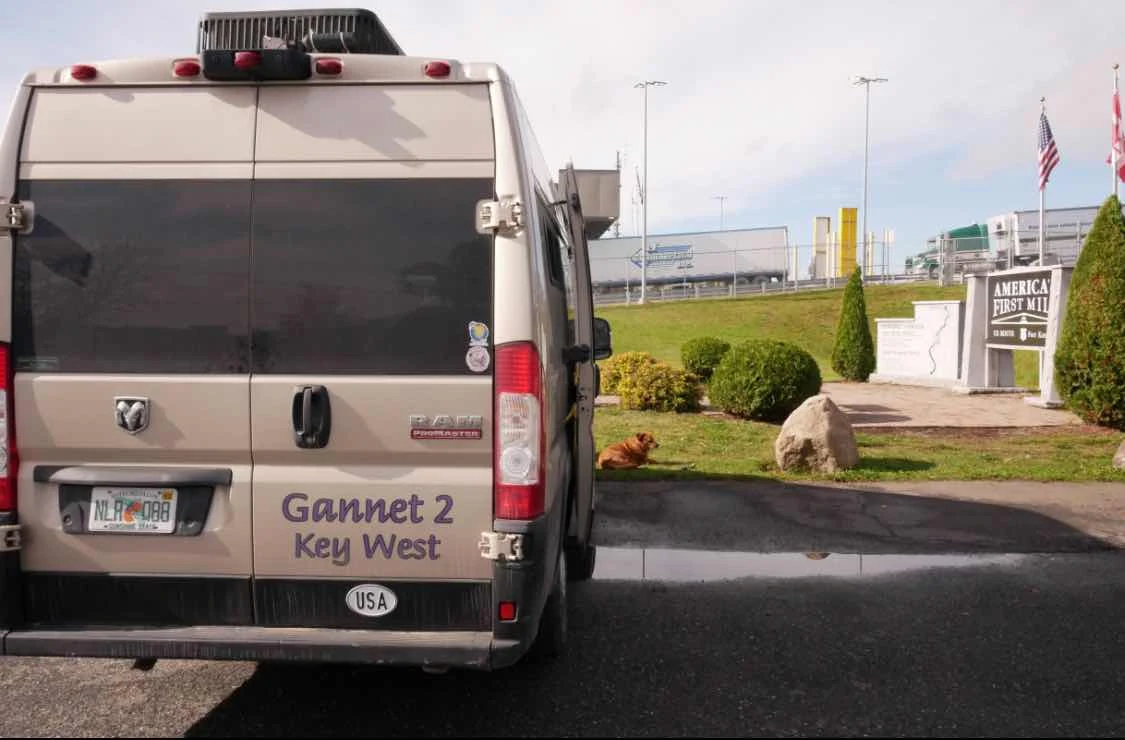
It is somewhat surprising to be here after talking about it so much. And we haven’t been to Alaska - yet. Our journey went as far north as Canada after we decided to see the northern end of US One. 

In September 2022 we were parked right next to the bridge to New Brunswick but we were ready to go south. The Maritime Provinces of Canada have been on my list for a while but we wanted to be in Mexico. And now we’re in Chile which is a long way down. 
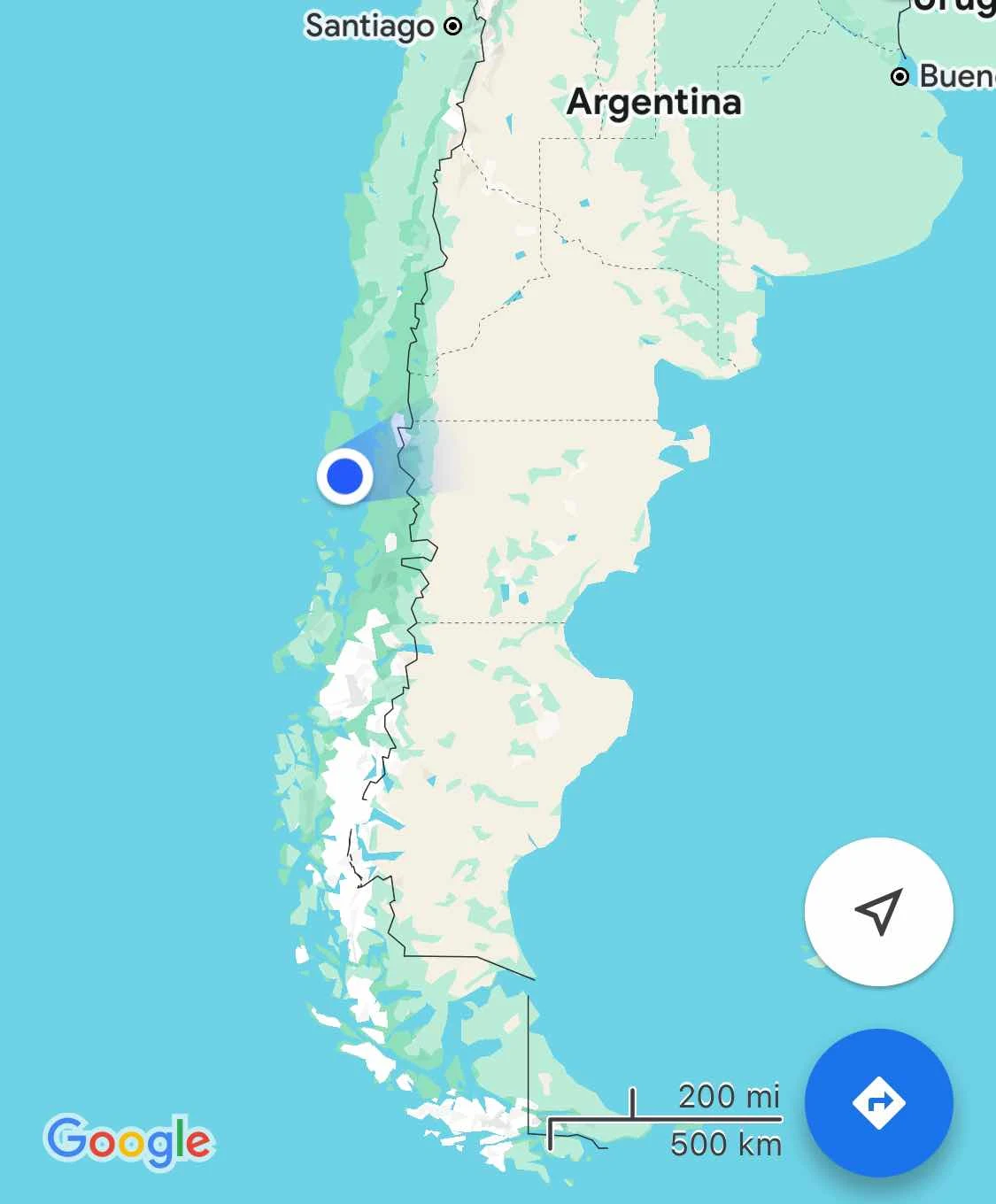
Quellón is under the blue dot and as you can see it’s a long way to go to the end of the continent.   
It was quite a long day to get here from Puerto Montt. We finished emptying our rented cabin before eleven, check out time, and got on the road to the ferry thirty miles away.

Southern Criss is the name of the ship, one of a fleet of four that work twenty four hours every day, weather permitting, shuttling back and forth to the island half an hour across the water.  

We got on, had a snack and the crossing was so smooth we hardly noticed we were moving. The ferry is easy to use, you line up and drive on then a crew member comes by with a card reader and it’s all done. $18 to cross and you drive off a minute after the ferry drops the ramp. Pets can only ride in vehicles which was good enough for Rusty lording it in his bed. 

Chiloé, a 150 mile long island is definitely in Patagonia; that I know. It is said to be beautiful.  Of that I’m not sure as it looked pretty much like the countryside around Puerto Montt. 

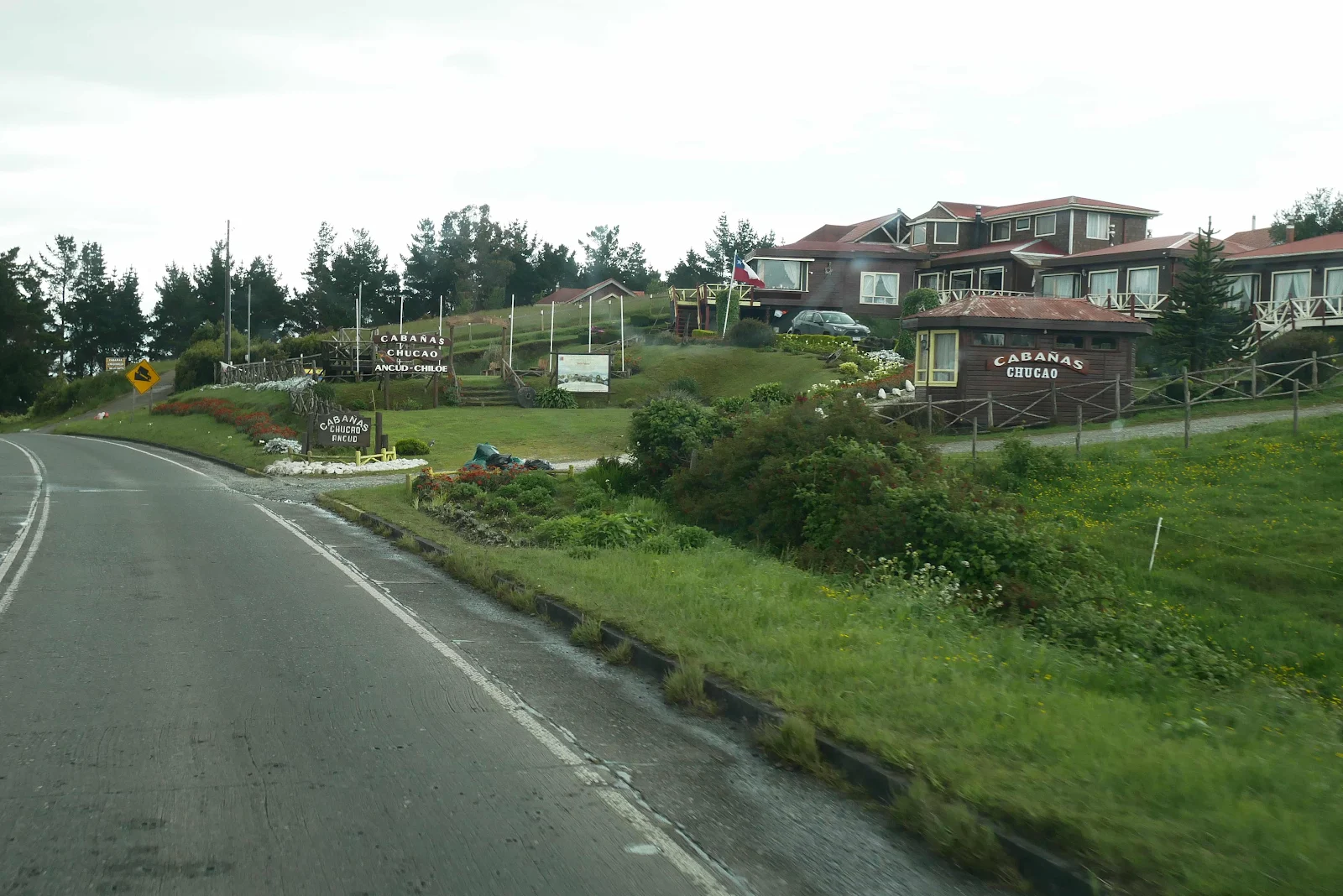
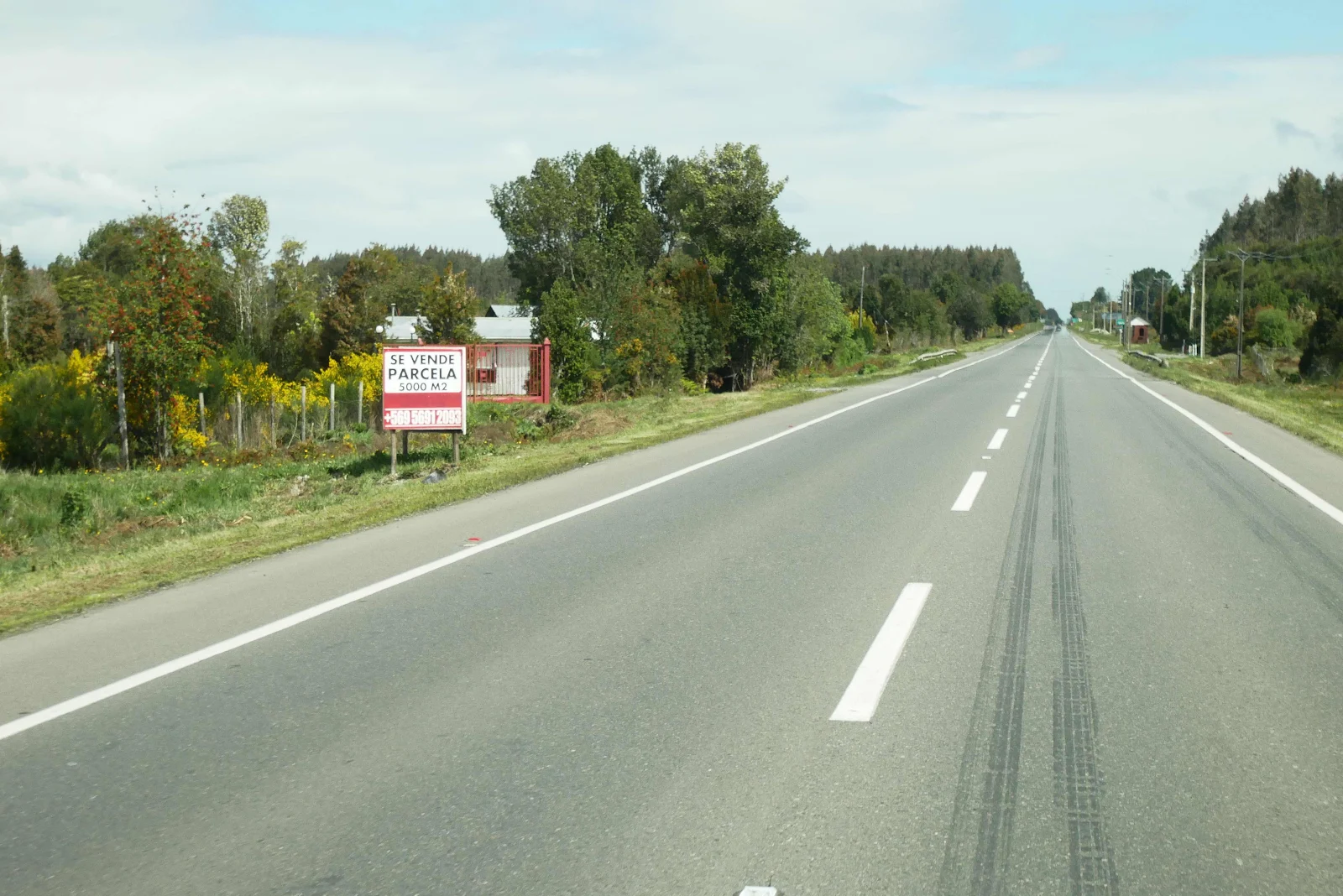
There are two popular advertising signs on Chiloé that we saw; land for sale and cabins to rent. This island is a vacation destination.  

Ancud, the first town is home to some islets which are inhabited by Humboldt penguins. We took a tour in Paracas in Peru, further north and warmer to see them so we felt okay skipping them here where it’s cold and damp. 

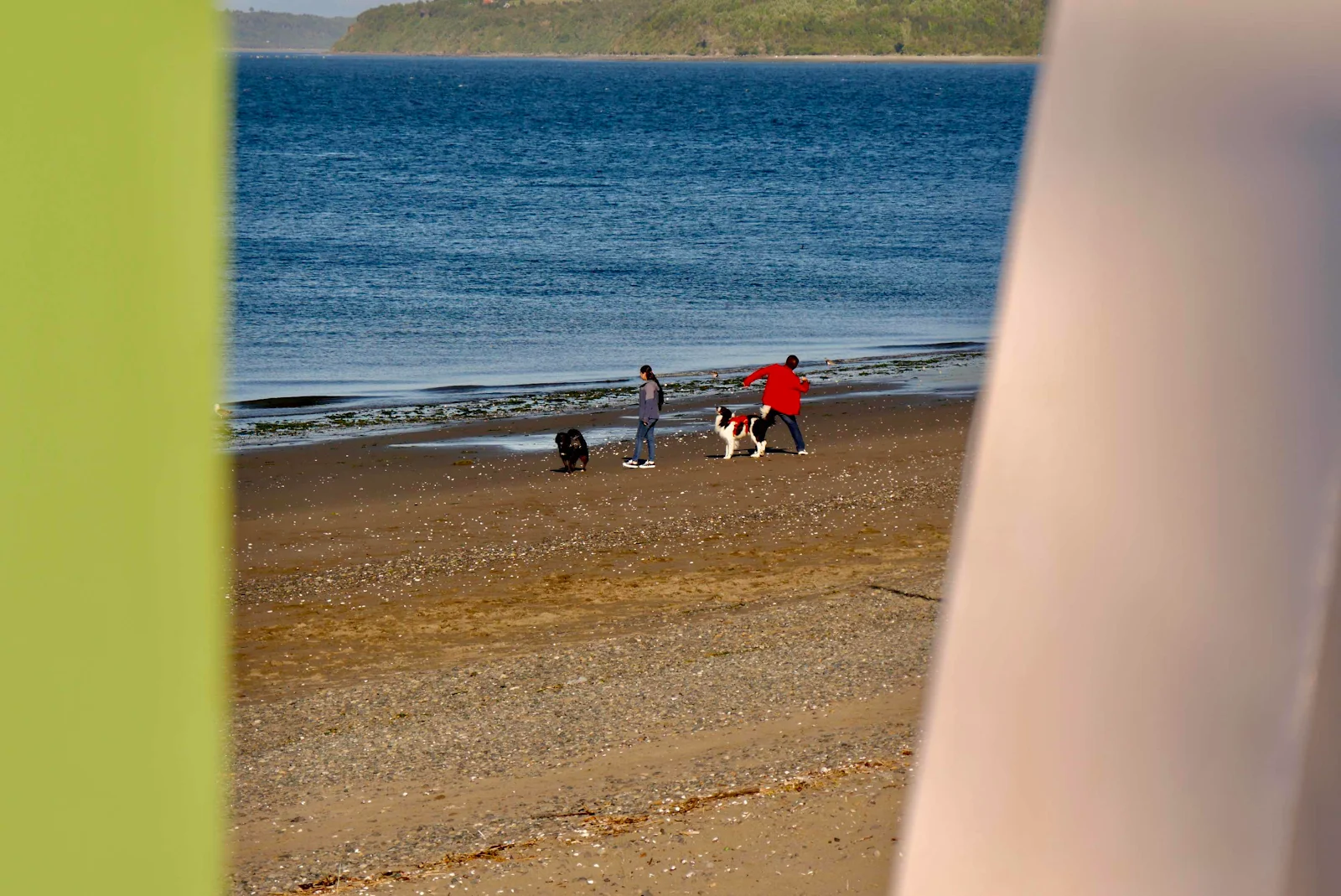
We did stop to let the boss out and enjoy the beach. 


Chiloé has the worst roads we’ve seen in Chile and the most roadside trash which both seem to indicate a level of poverty below that of the mainland. Islands, even though they may seem exotic often have less opportunity and lower standards of living for the locals. 

We also stopped to pick up an empanada. 


Made to order. He says truckers like to stop as he churns them out pretty quickly.

They are the largest I’ve ever seen, filled with ground beef and fried onions. 

Rusty sniffed around until the drizzle got to him. 

We got the offer of free well water so we filled the tank. 


I can’t say the island was spectacularly beautiful but we were glad to satisfy our curiosity and check it out. 


With our second alternator not working we are relying on solar power from our 400 watt panels in the roof. So far there has been enough sunlight and indeed sunshine to keep our house batteries charged. We turn off the fridge at night and are careful in our use of electricity but we are doing okay. 

I don’t use my CPAP at night which is annoying and Layne did a bunch of cooking before we left the cabin so all we have to do is use the microwave so we are doing well enough. We decided not to use a propane stove as propane or butane tanks are difficult to fill in South America. Each country has its own system and different tanks so we didn’t want to deal with it. If we needed to we could easily buy a camp stove and butane bottles for sale everywhere but this shortcoming is temporary I hope. 


Land for sale everywhere. 


Quellón below, seen from the road to the marker at the end of the PanAmerican Highway. 


Just as in Key West the locals pretty much ignore the monumental marker in their midst. 


“O” stands for West in Spanish. 

We miss you…