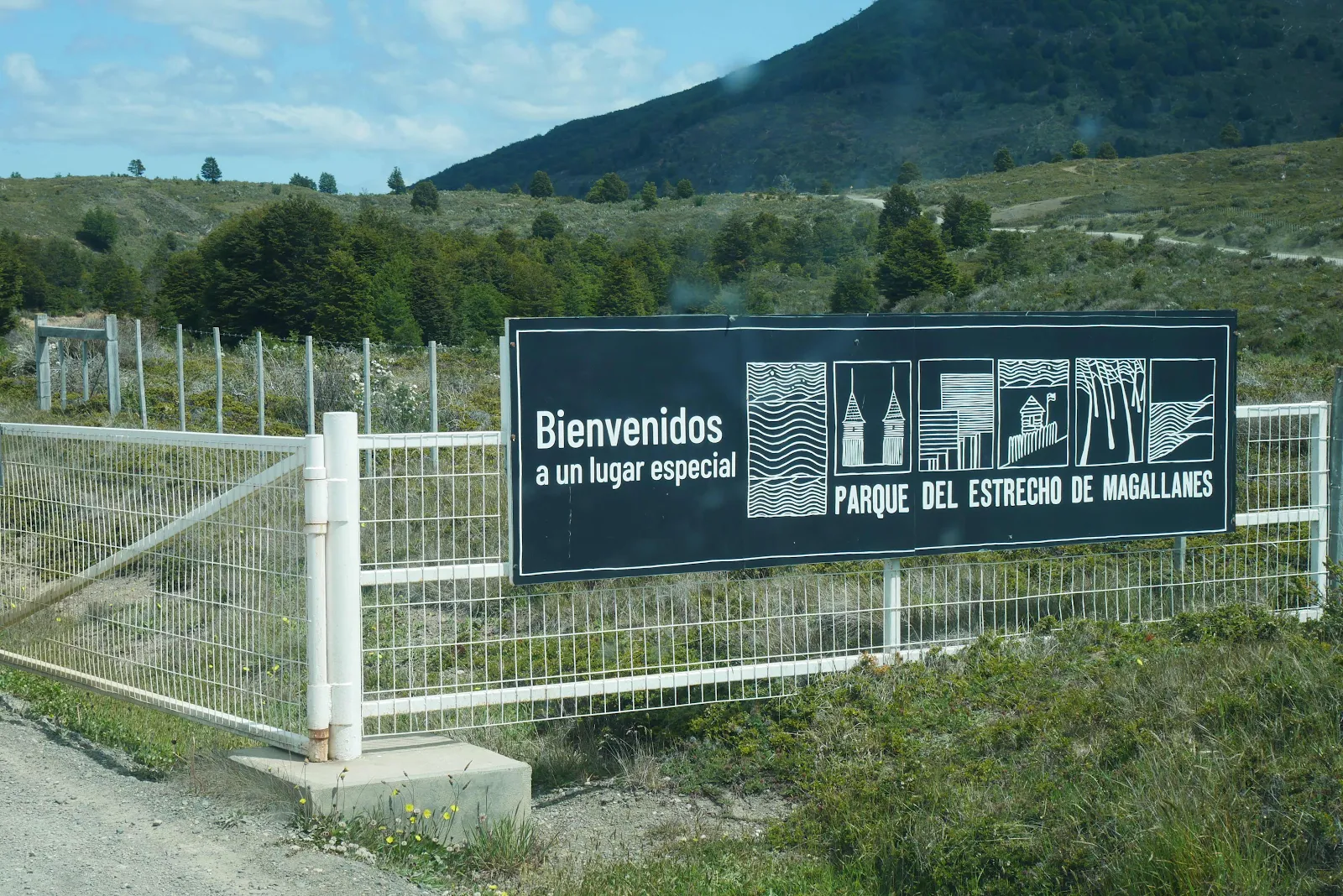
When Layne told me there was an outdoor ship museum I asked what kind of people use indoor ships? She was not amused.
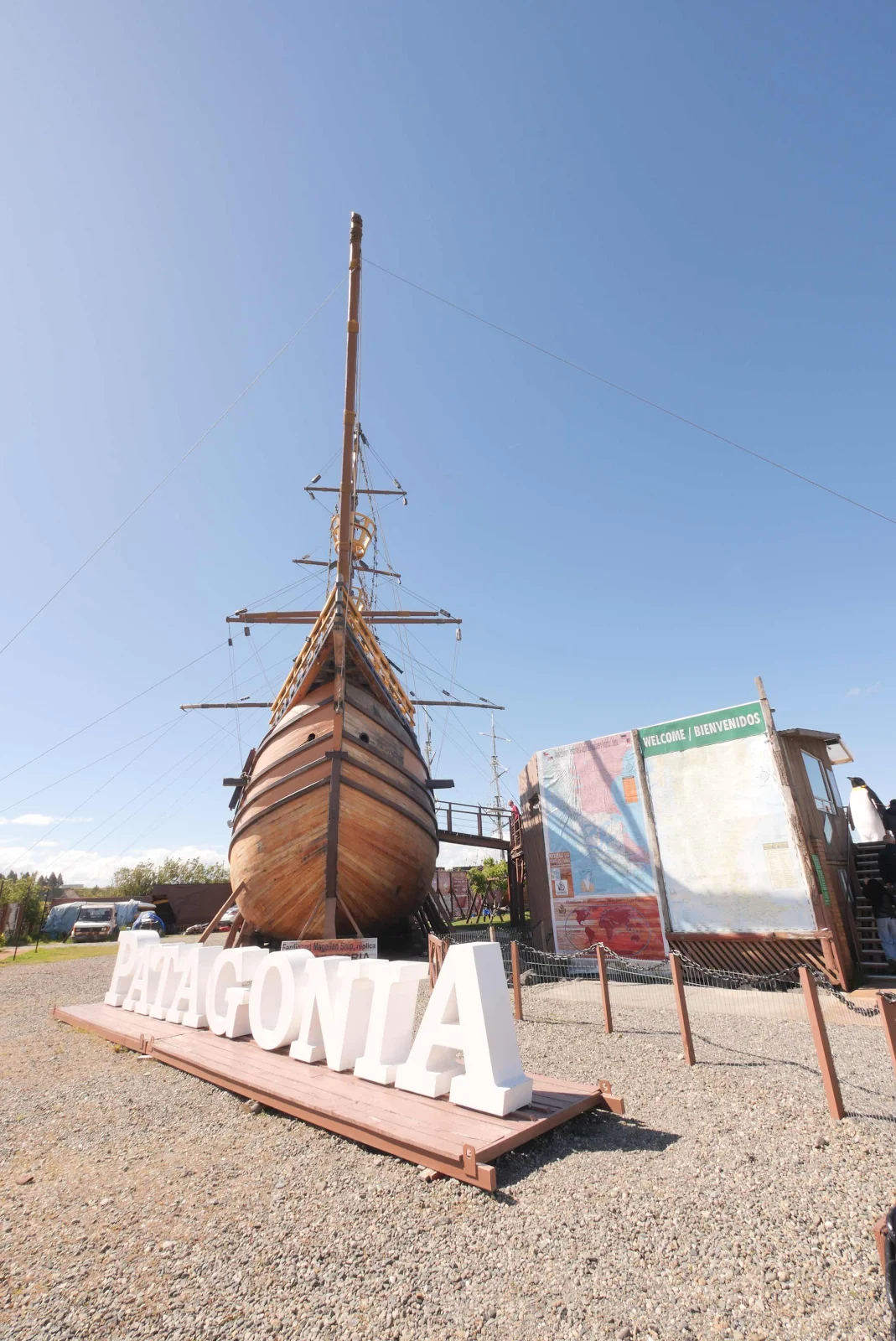
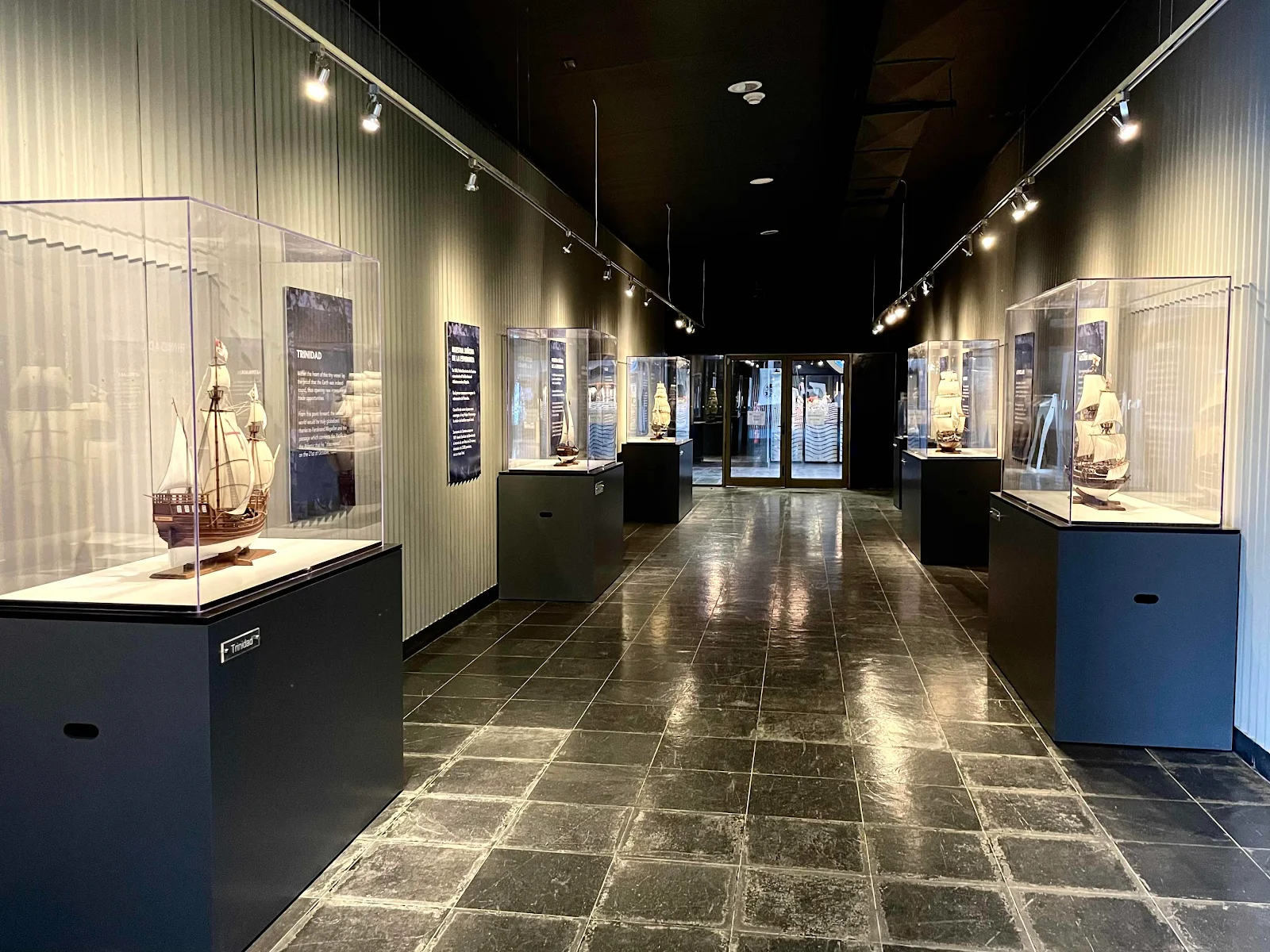
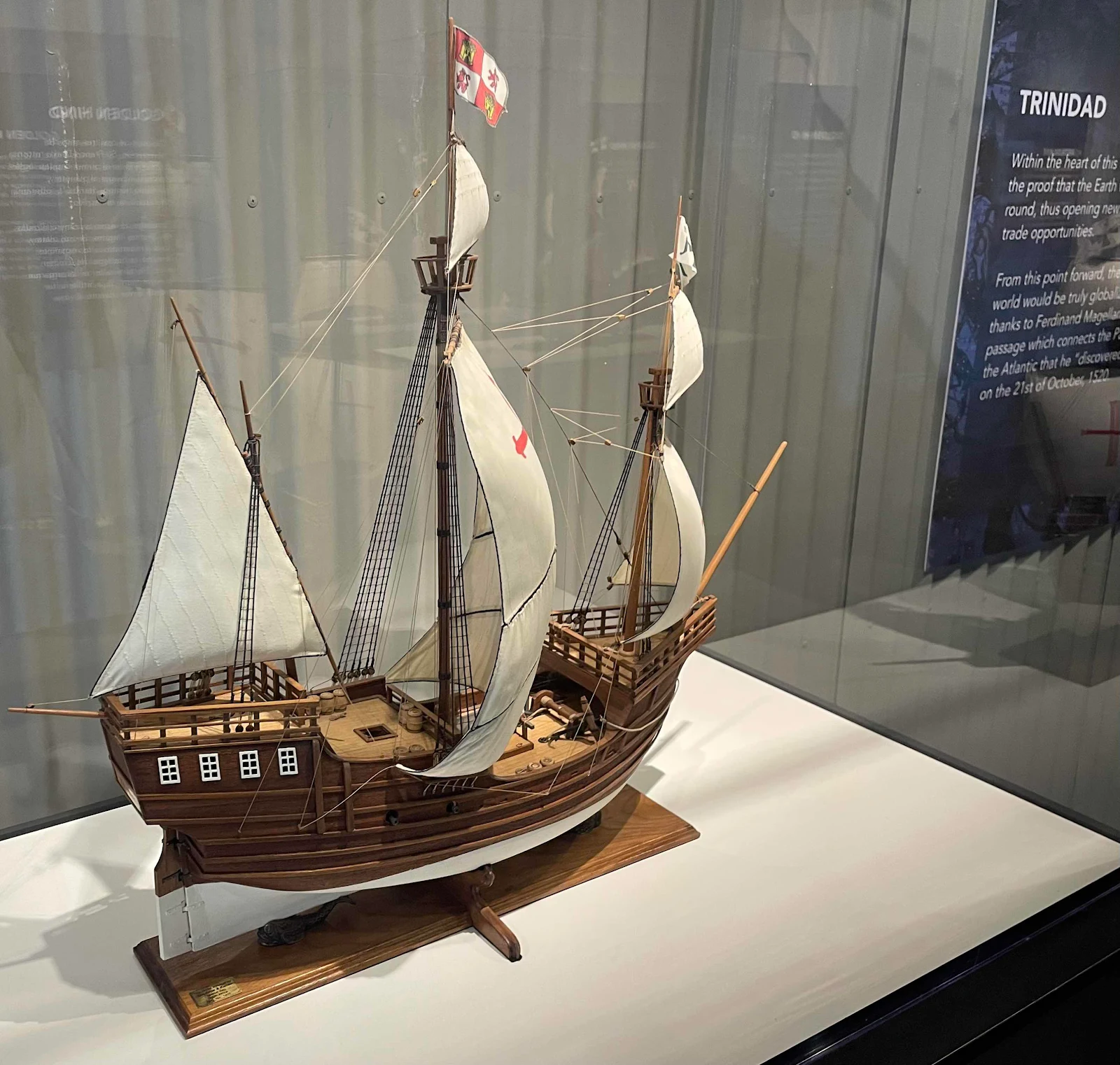
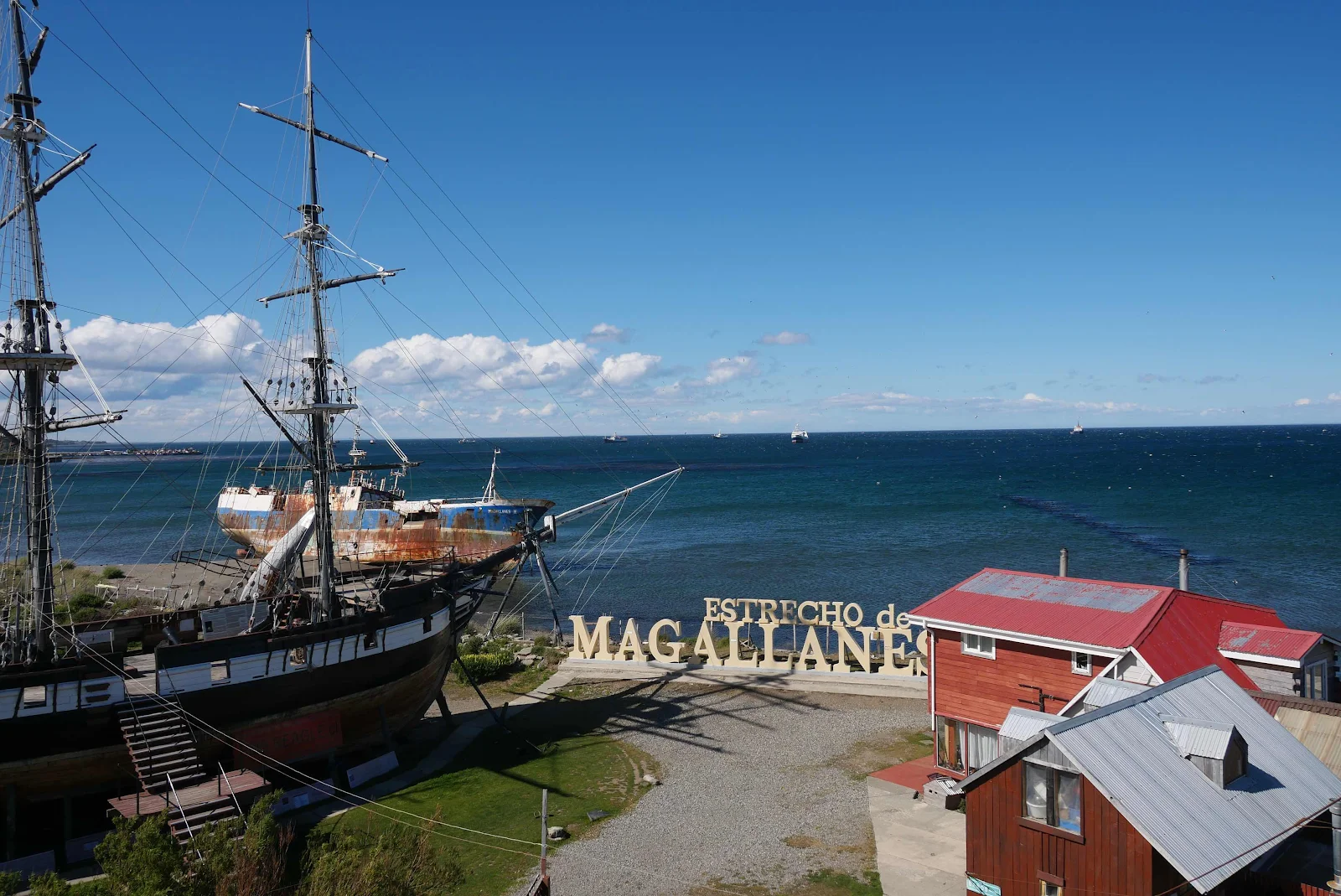
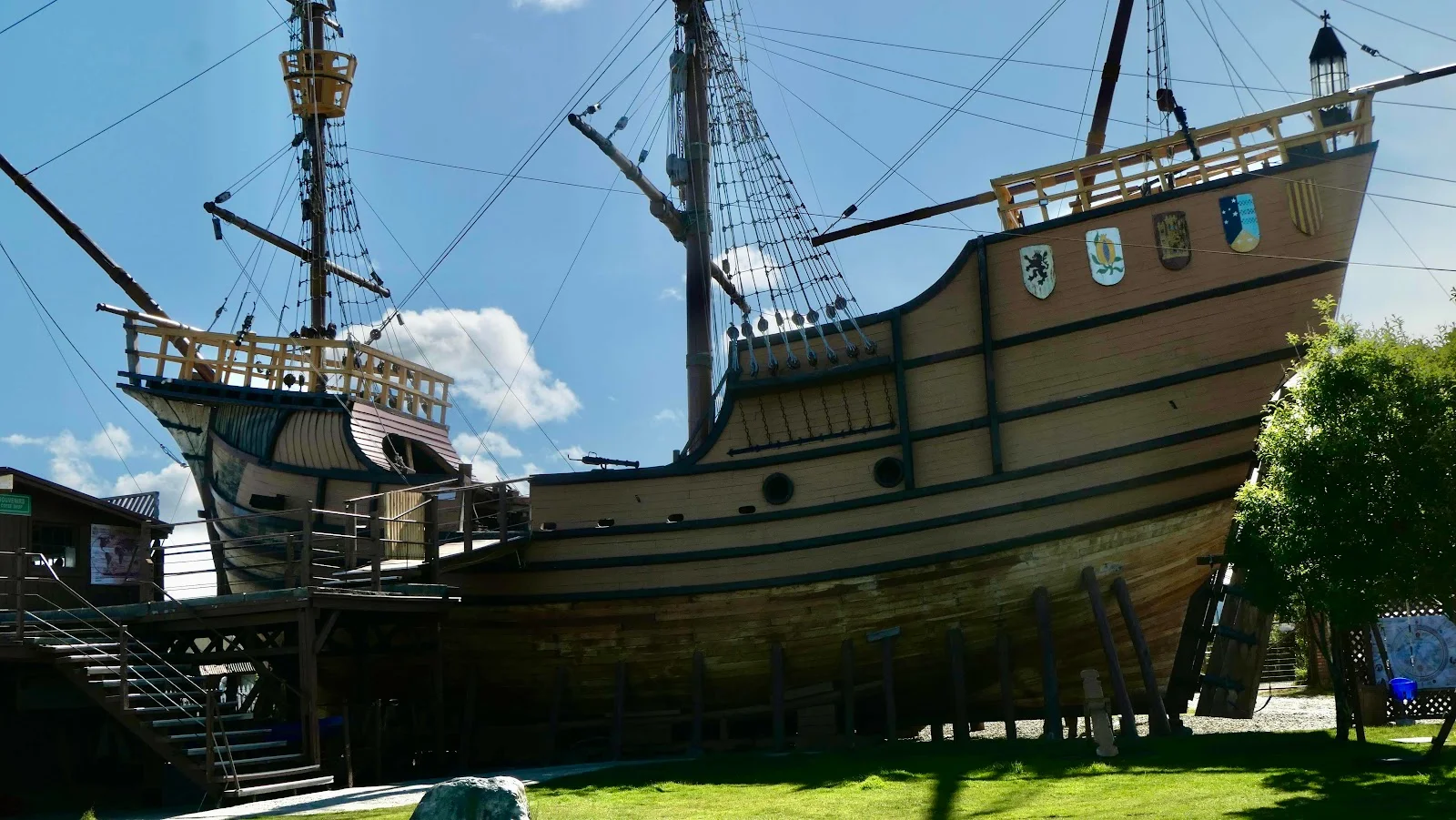
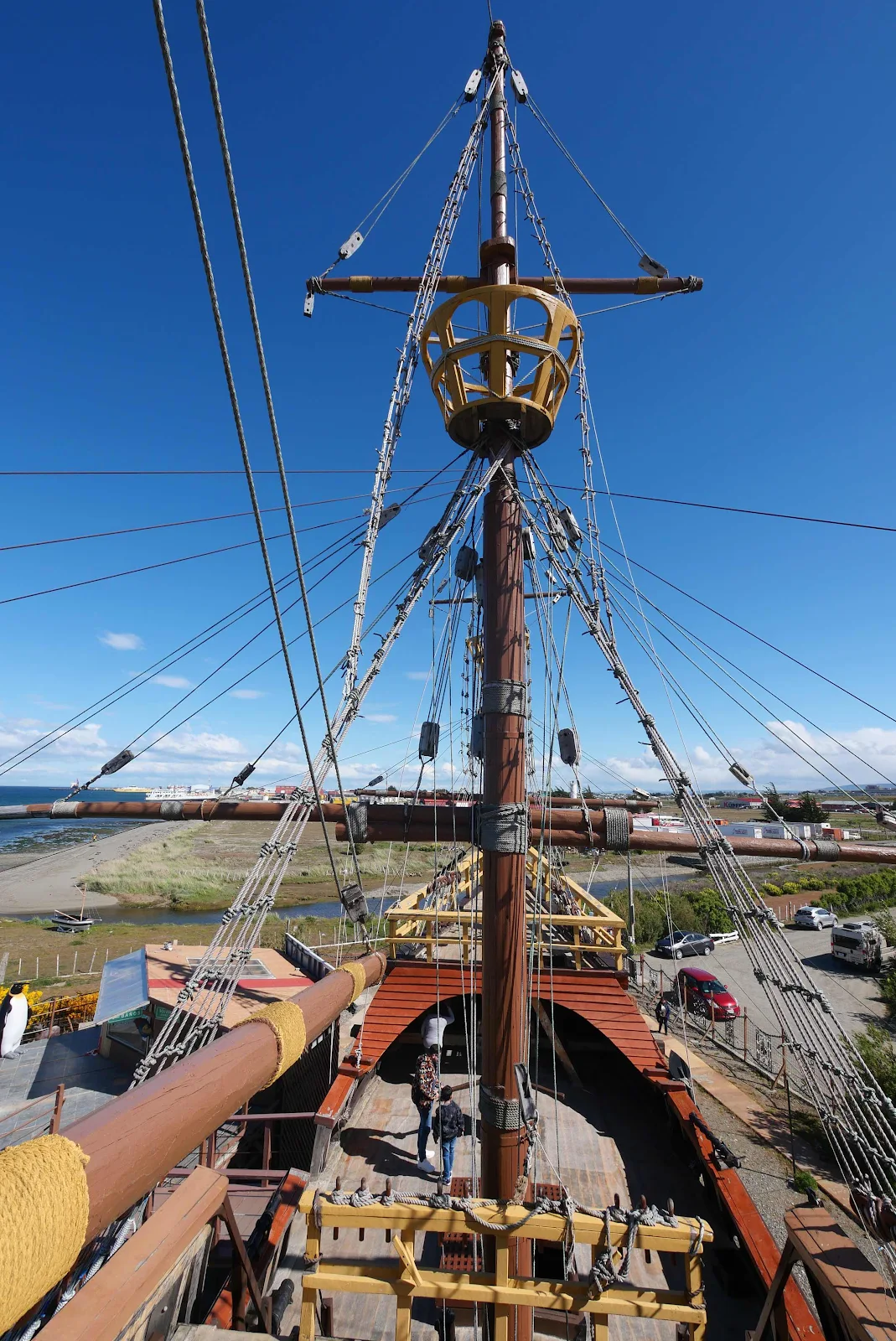
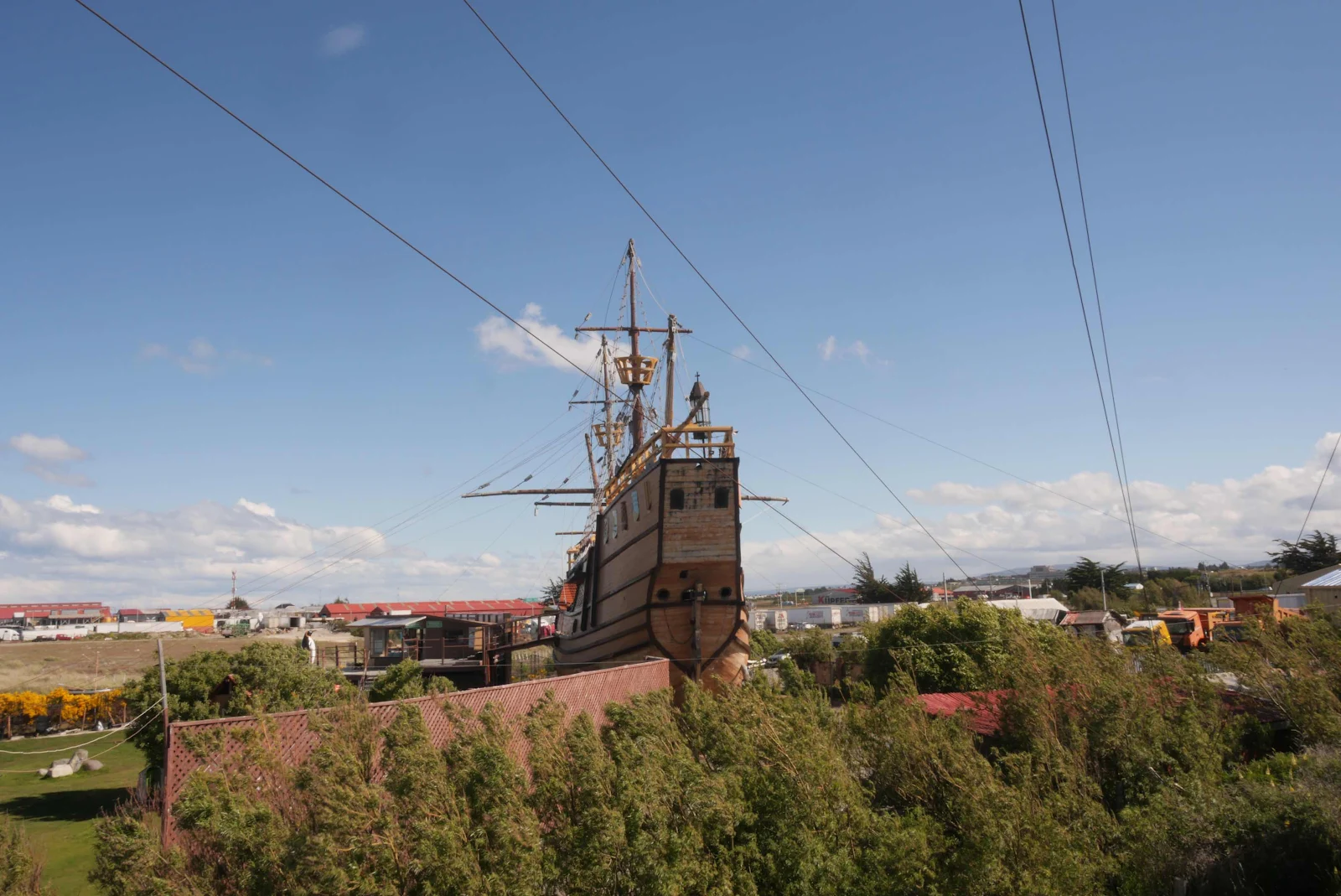
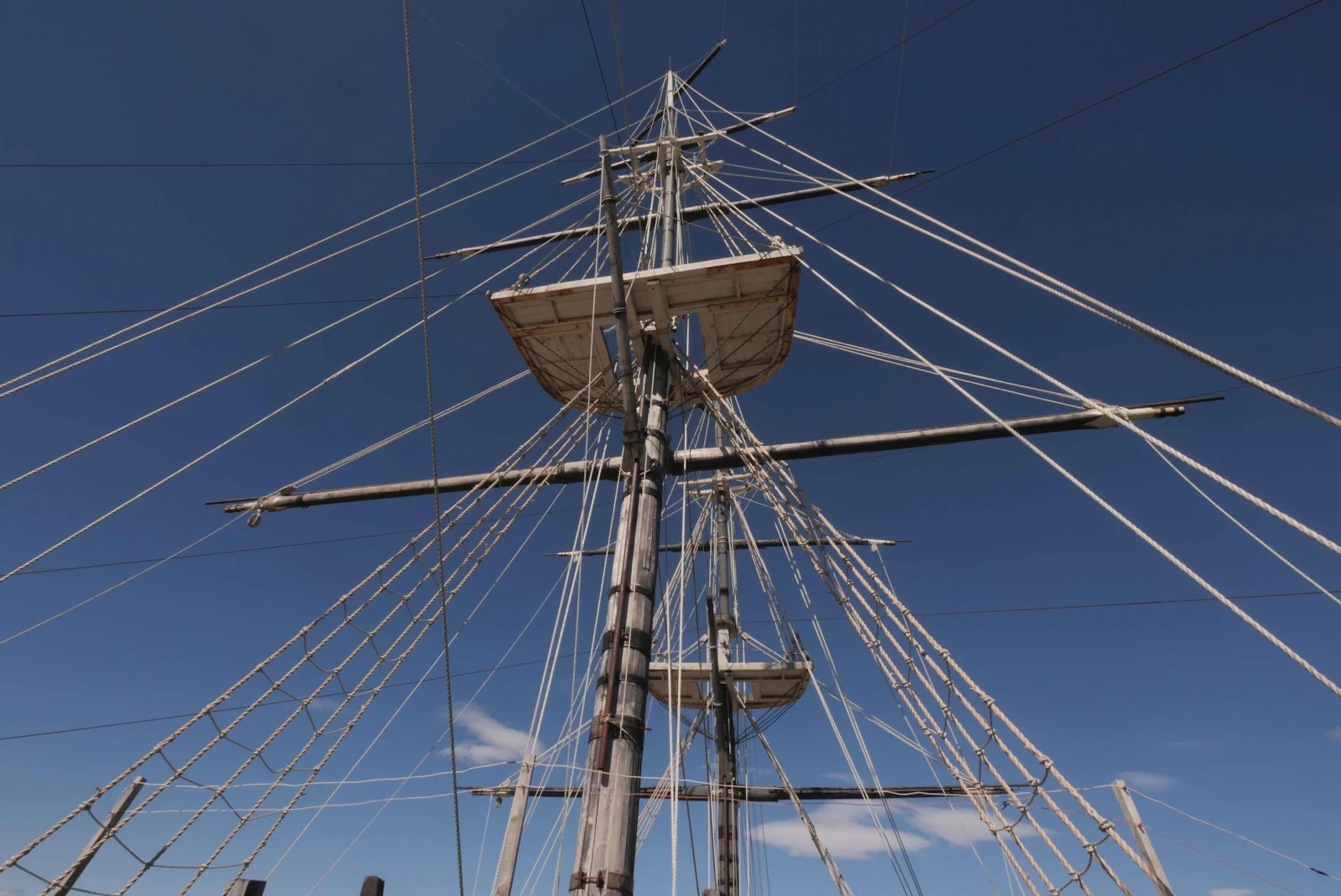
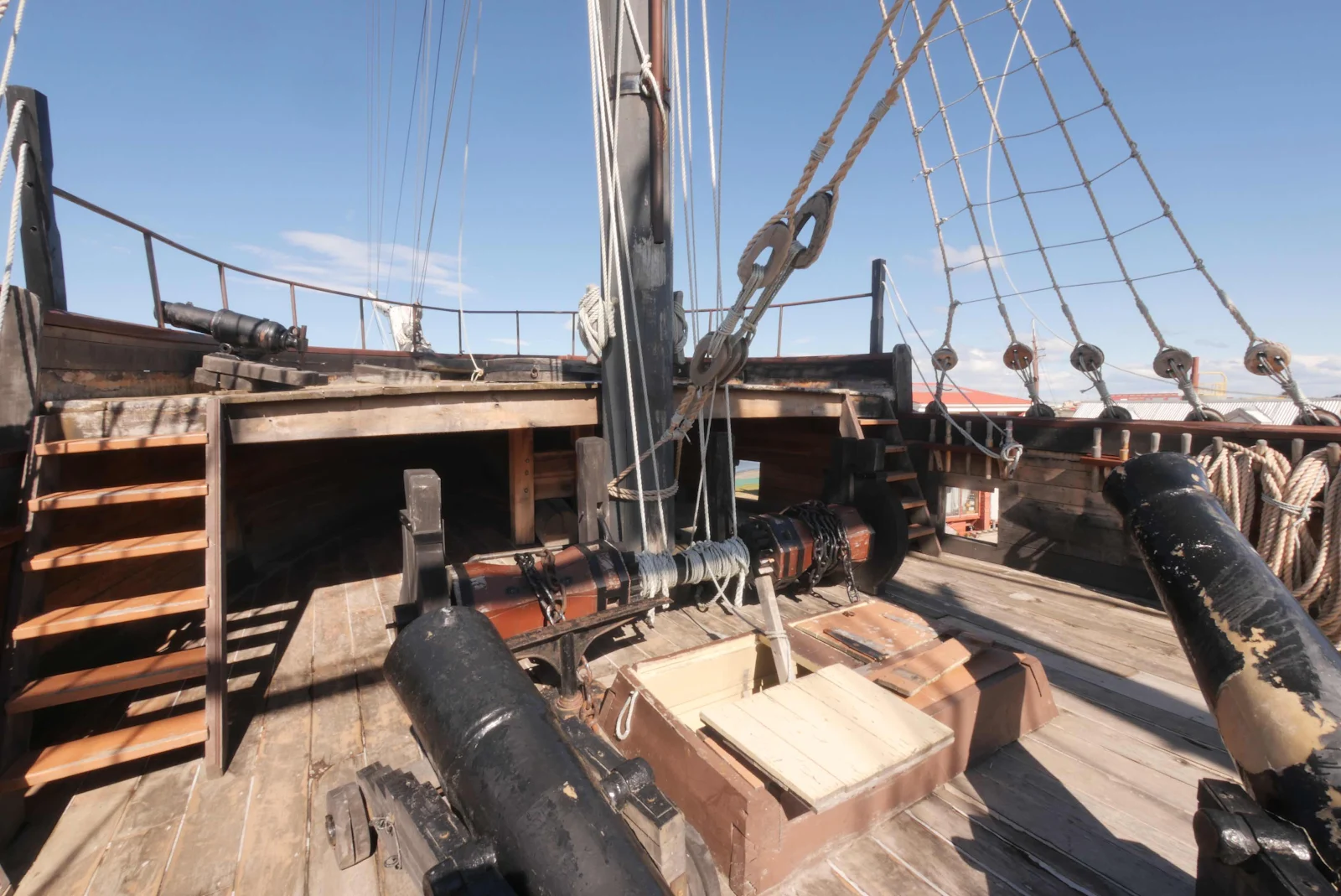
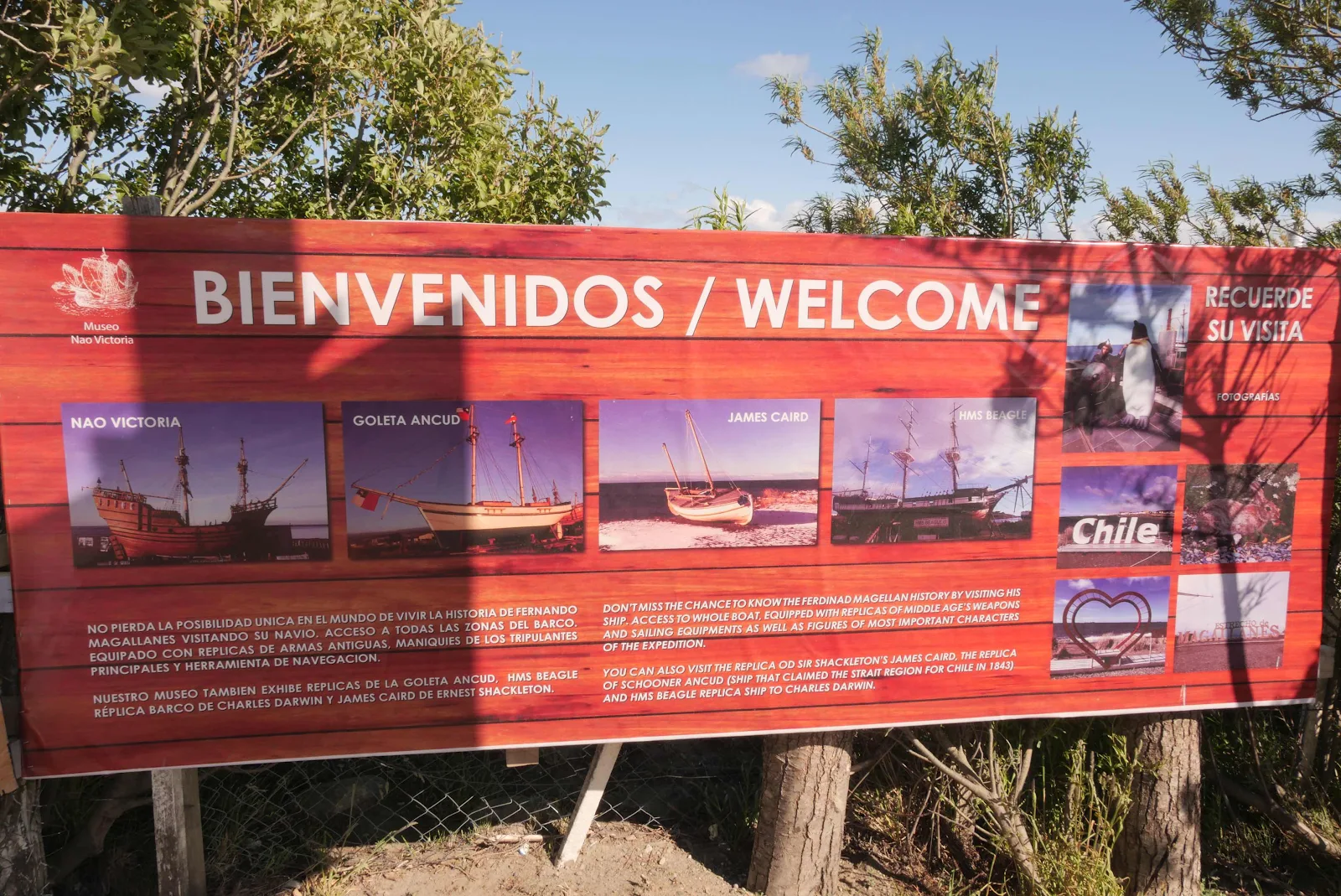
The big draw for me was the replica of Ferdinand Magellan’s flagship Nao Victoria. “Nao” was a Spanish word in the 16th century to denote a ship. Why? I have no idea. This is Magellan’s van in which he set off from Spain in 1519 to make the first circumnavigation of the globe. It’s tall narrow and rounded with a feeble keel so I can only imagine how much it rolled as it traveled.
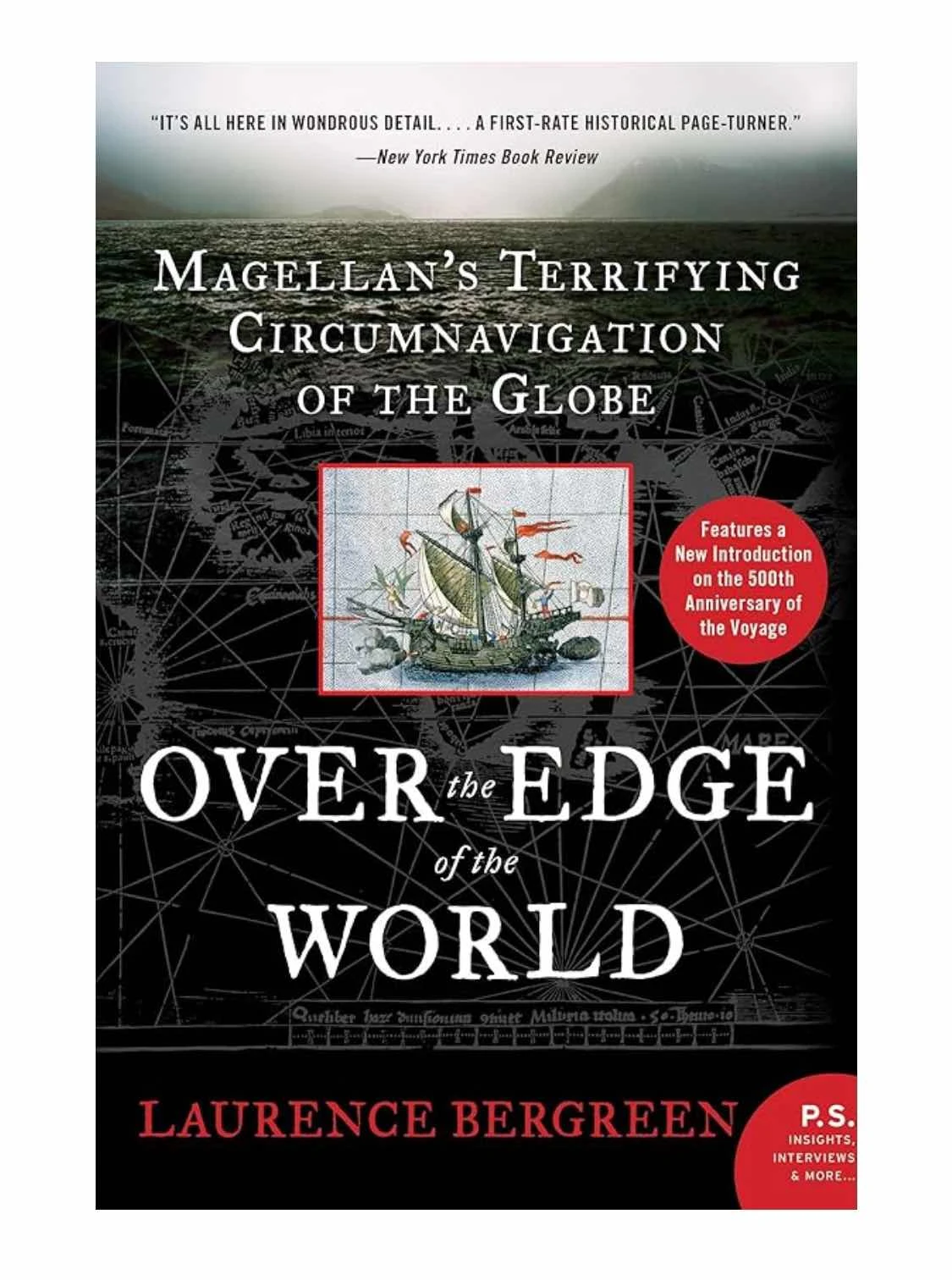
This museum inspired me to buy a biography of the man and his journey for my Kindle. Review to follow.
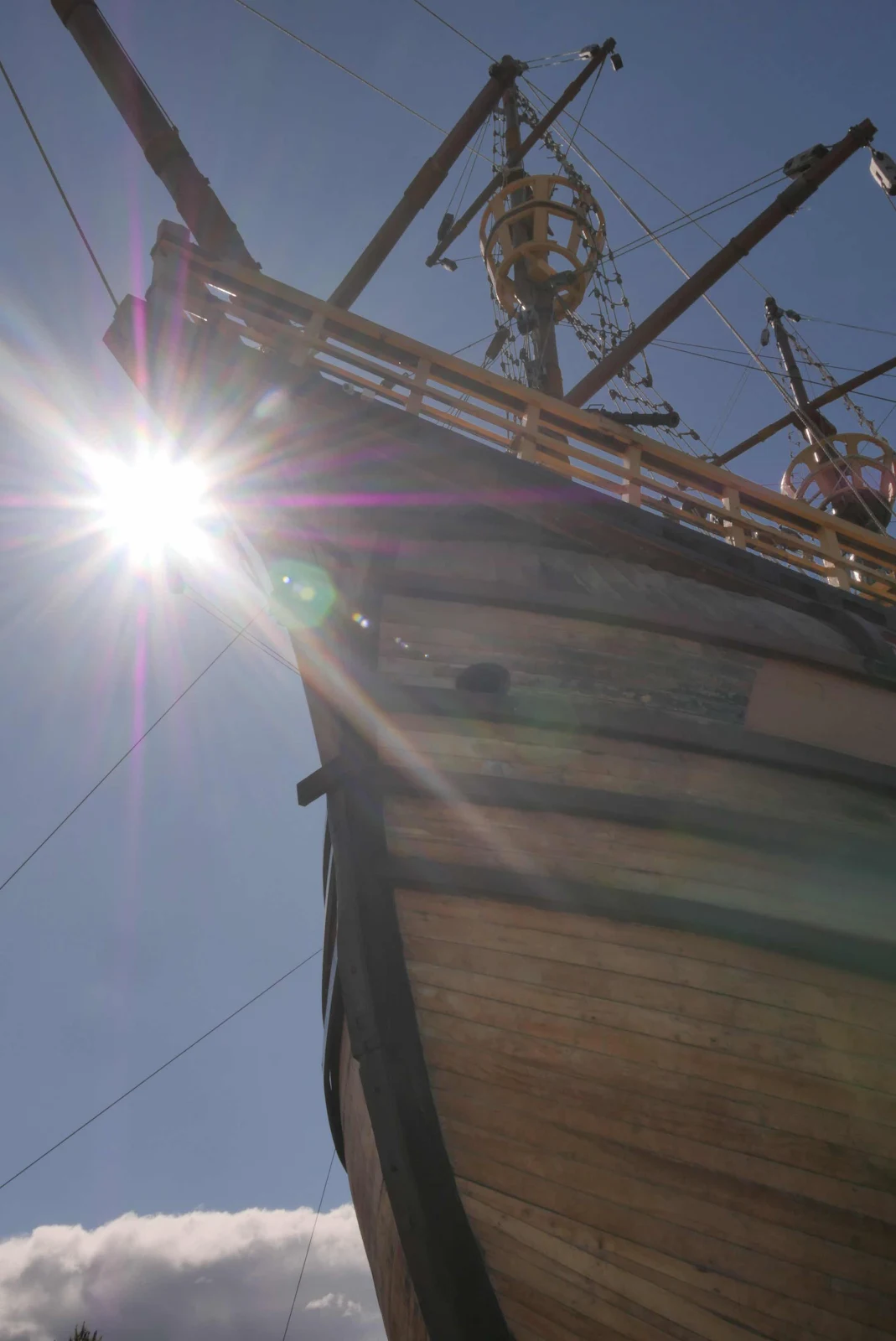
After we coughed up ten bucks we were free to wander as we willed over and in the exhibits. It occurred to me this would never happen in the States but if you try to climb the rigging and break your neck there’s no one to sue. Liberty requires common sense.
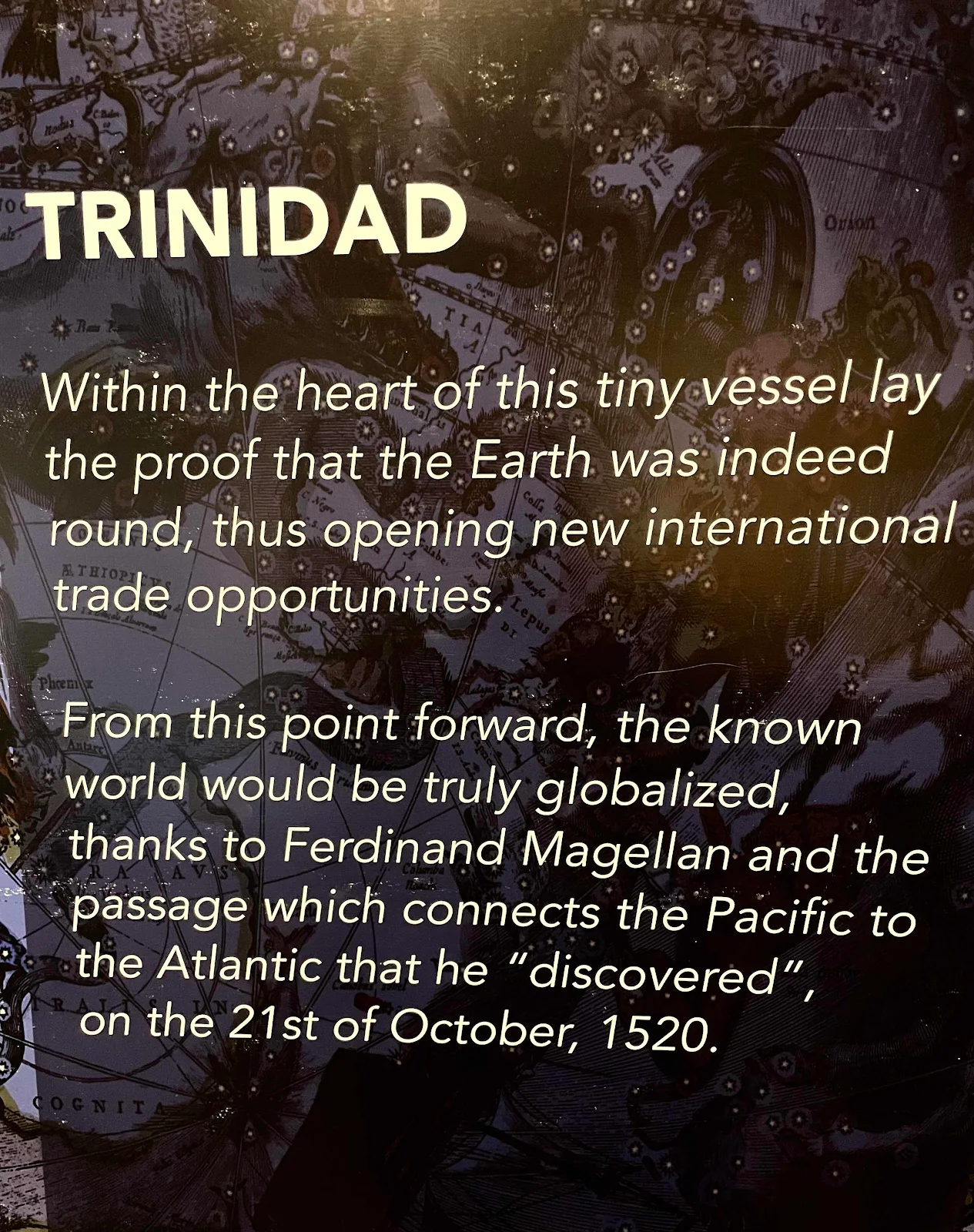
The story of Magellan’s voyage even in the superficial details found in encyclopedias makes for astonishing reading. He left Spain in 1519 with five ships and 260 crew, some accounts say 270 but that just shows how poorly things were recorded.
He was Portuguese, his mother might well have been a Jewish convert to Christianity, and had lots of experience sailing the known seas of his time around Africa but his king was not interested in funding a voyage around the Earth so he went to Spain where King Charles allowed himself to be persuaded.
Magellan was a superb seaman and navigator but he was rather rigid and difficult to get along with plus he was Portuguese and his subordinate captains were Spanish and they ended up mutinying which nearly wrecked the whole plan.
They made it to the Pacific Ocean which he expected to cross in three days to the fabulous Spice Islands which might have been Indonesia and the Straits of Malacca, where fortunes were to be made. It took them months of course but eventually they arrived in the Philippines.
Aside from trying to make a fortune by bringing home spices Magellan was also a devout Catholic and he was intent on converting everyone he met. This bull headedness got him killed on a beach in the Philippines this ending his circumnavigation, but not that of his diminished crew.
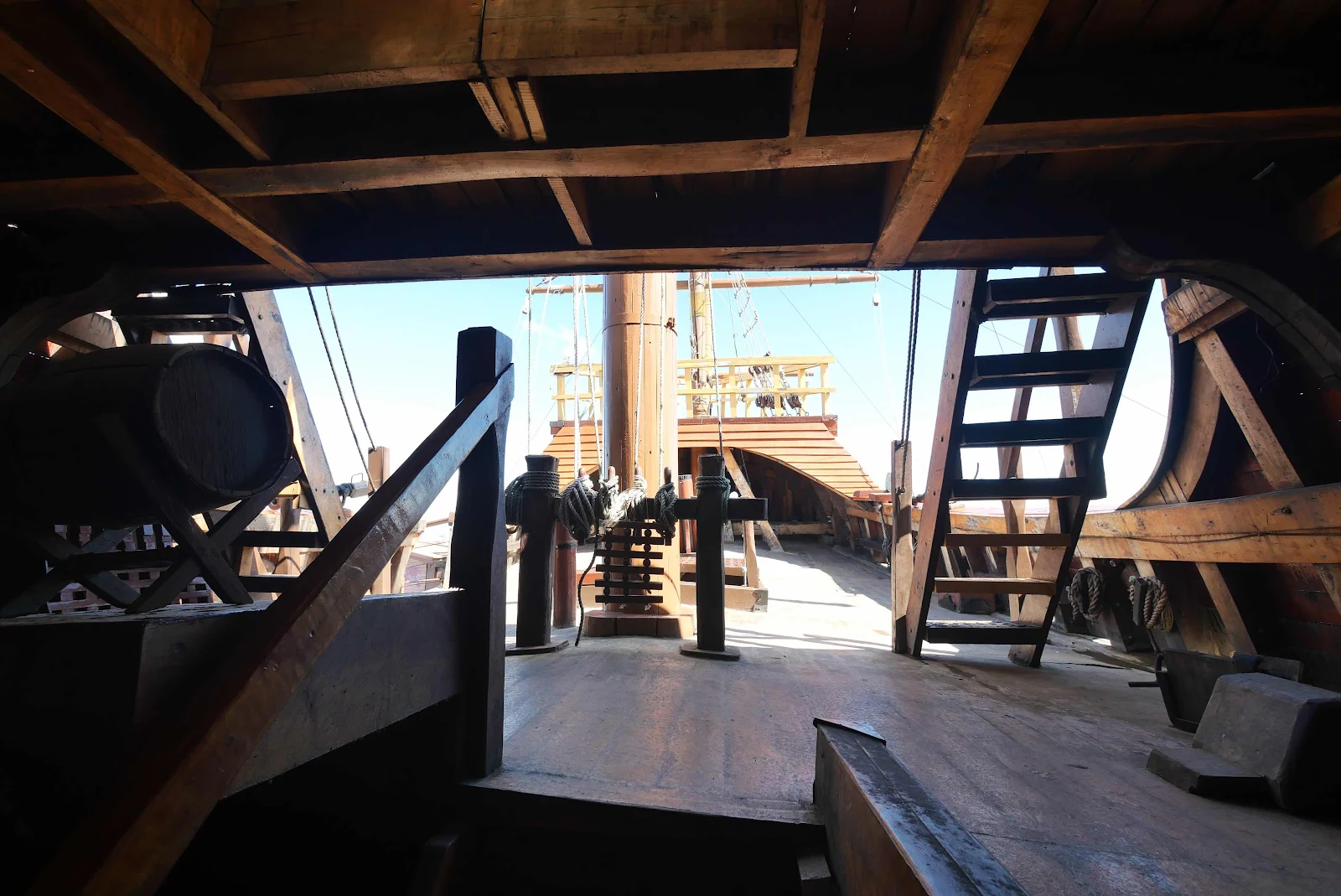
18 members of his crew made it home to Spain in October 1522 including an Italian called Antonio Pigafetta made famous by his account of the journey.
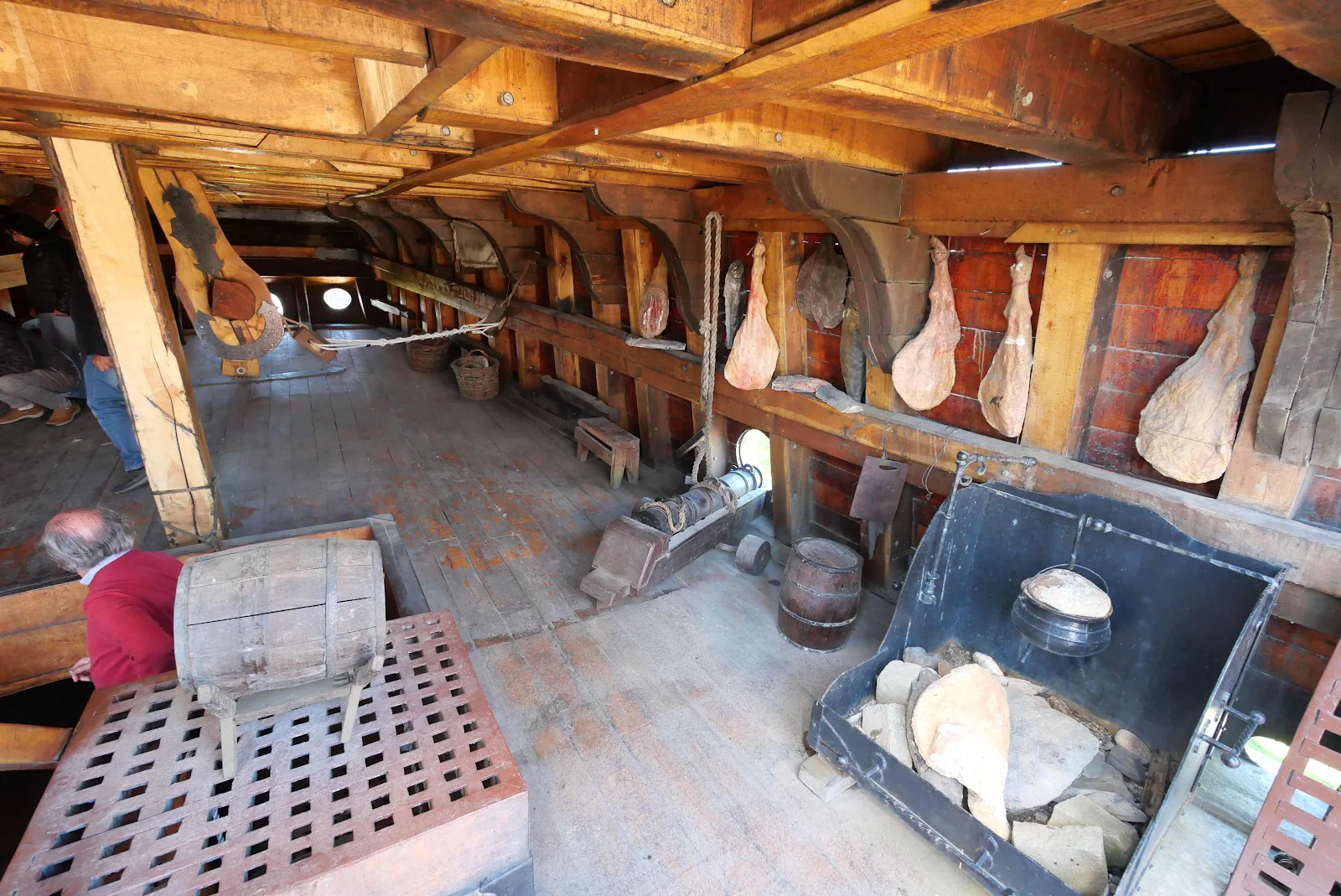
Two things I took away from this odyssey was first that Magellan did come very close to circumnavigating as he had already sailed across the Indian Ocean previously. Furthermore it is said the first person to actually circumnavigate was a Philippine slave who had been abducted in his youth, and who sailed with Magellan but jumped ship and went home completing his personal circumnavigation off the books. Naturally slaves don’t get much credit for anything so the details here are a bit murky.
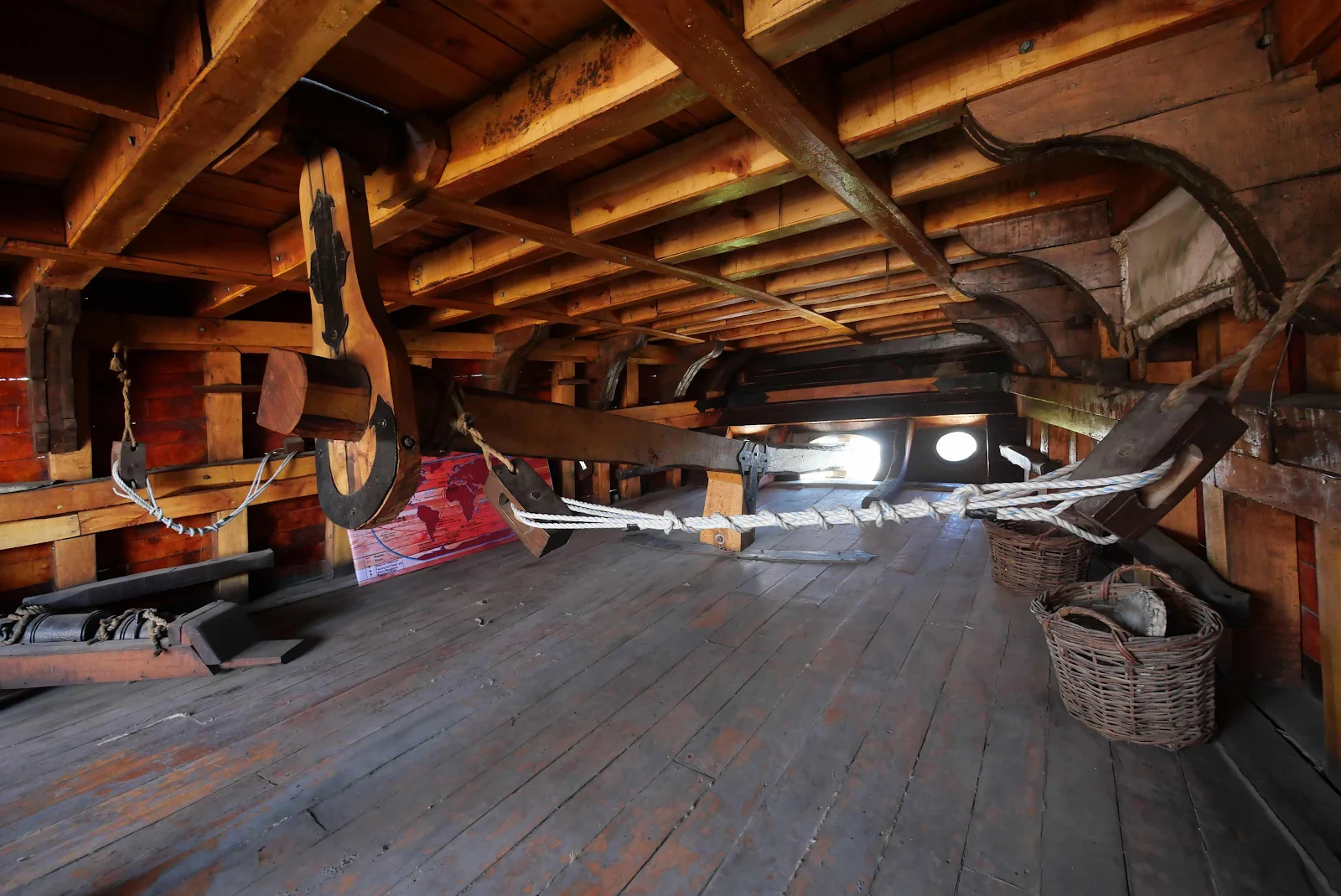
And all this drama took place on this 90 foot long rolling bathtub. Say what you like about those early navigators and indeed they were flawed and abysmal administrators but they had nerves of steel.
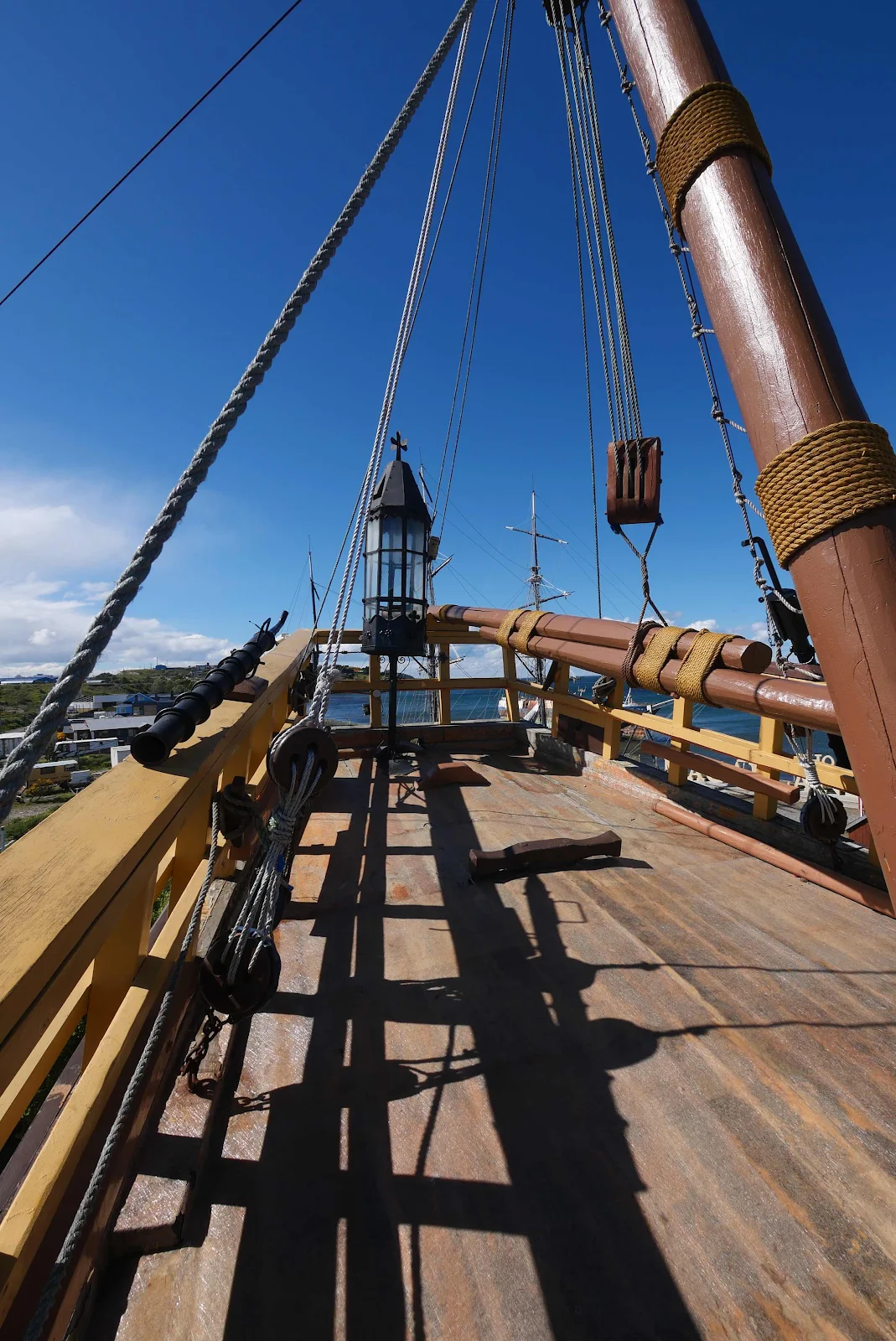
One thing I find funny is how we find ourselves stuck in a world where there are loud illiterate lunatics made audible by the Internet who keep arguing for reasons I can’t understand that the earth is flat. Magellan knew it was round and his journey proved it to any doubters out there. Except nowadays as we enter another dark age of superstition and stupidity.
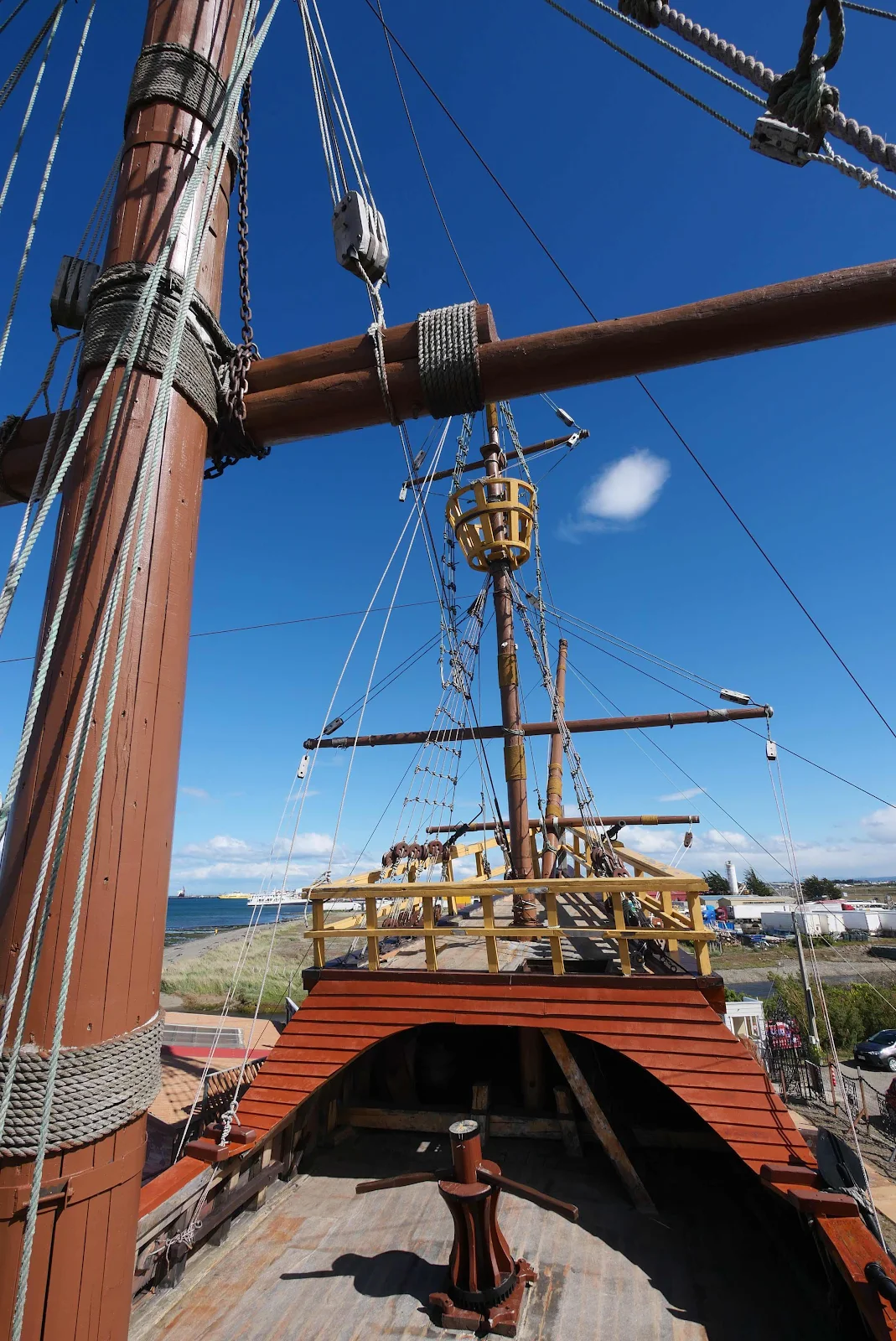
This lot went out and just got the job done with primitive technology and a lot of hoping for the best. Incidentally no one really knows what the Victoria looked like as no drawings exist but this replica is a best estimate from the written descriptions.
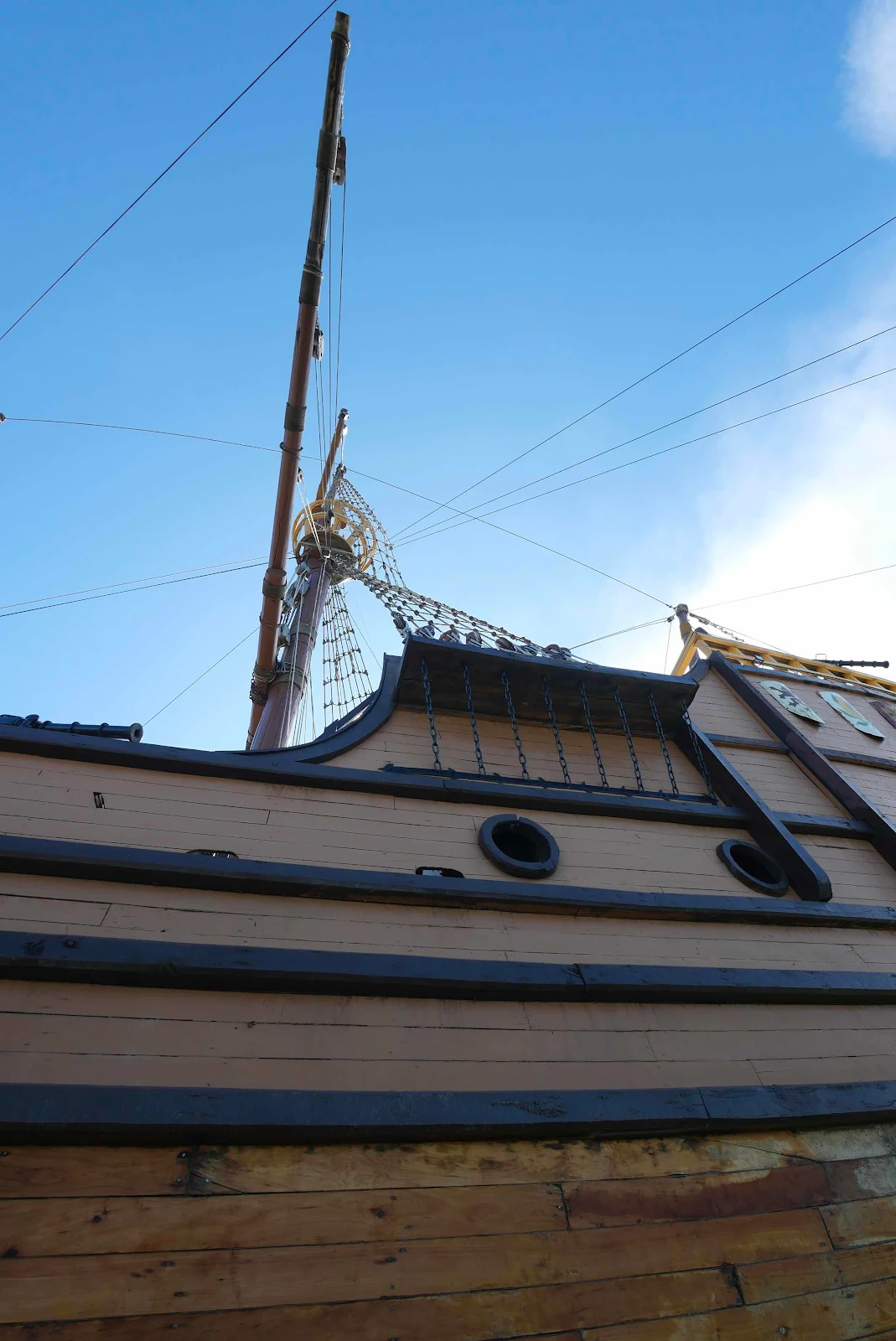
As crappy as it might have been it was the ship that got the job done. The earth is round, vaccines save lives and quality of life, and whoever is playing silly buggers with drones in New Jersey needs to get a life.
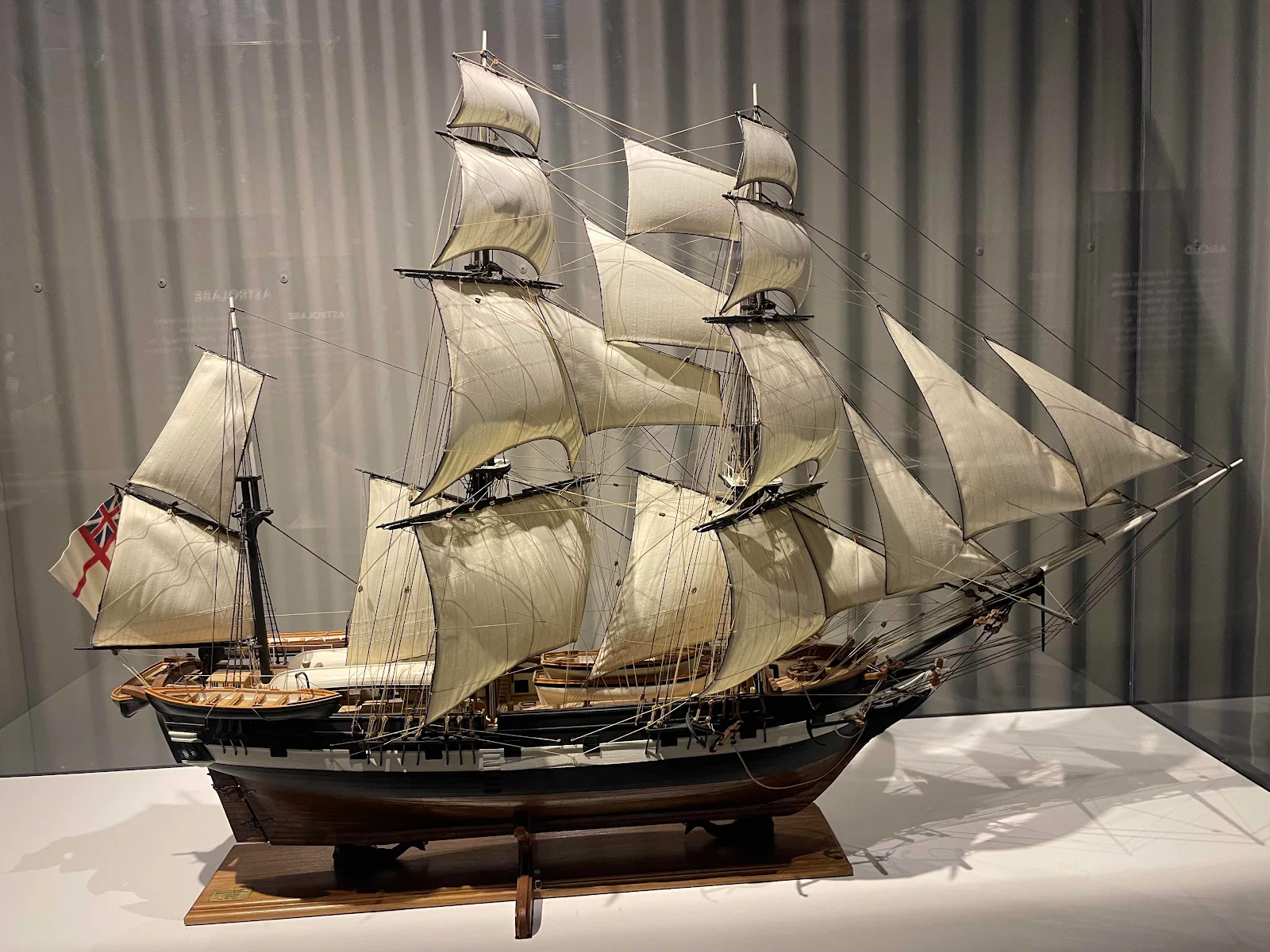
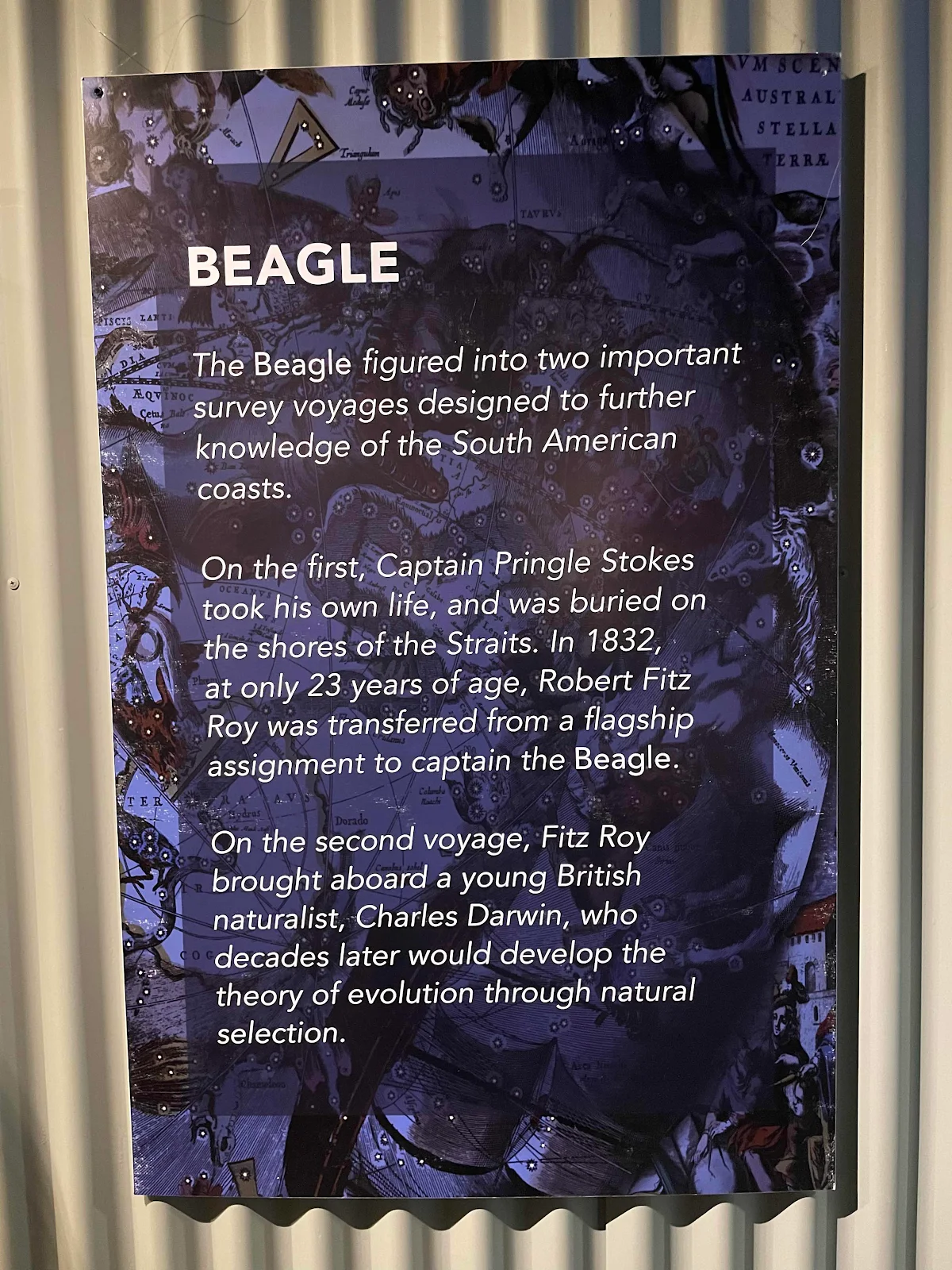
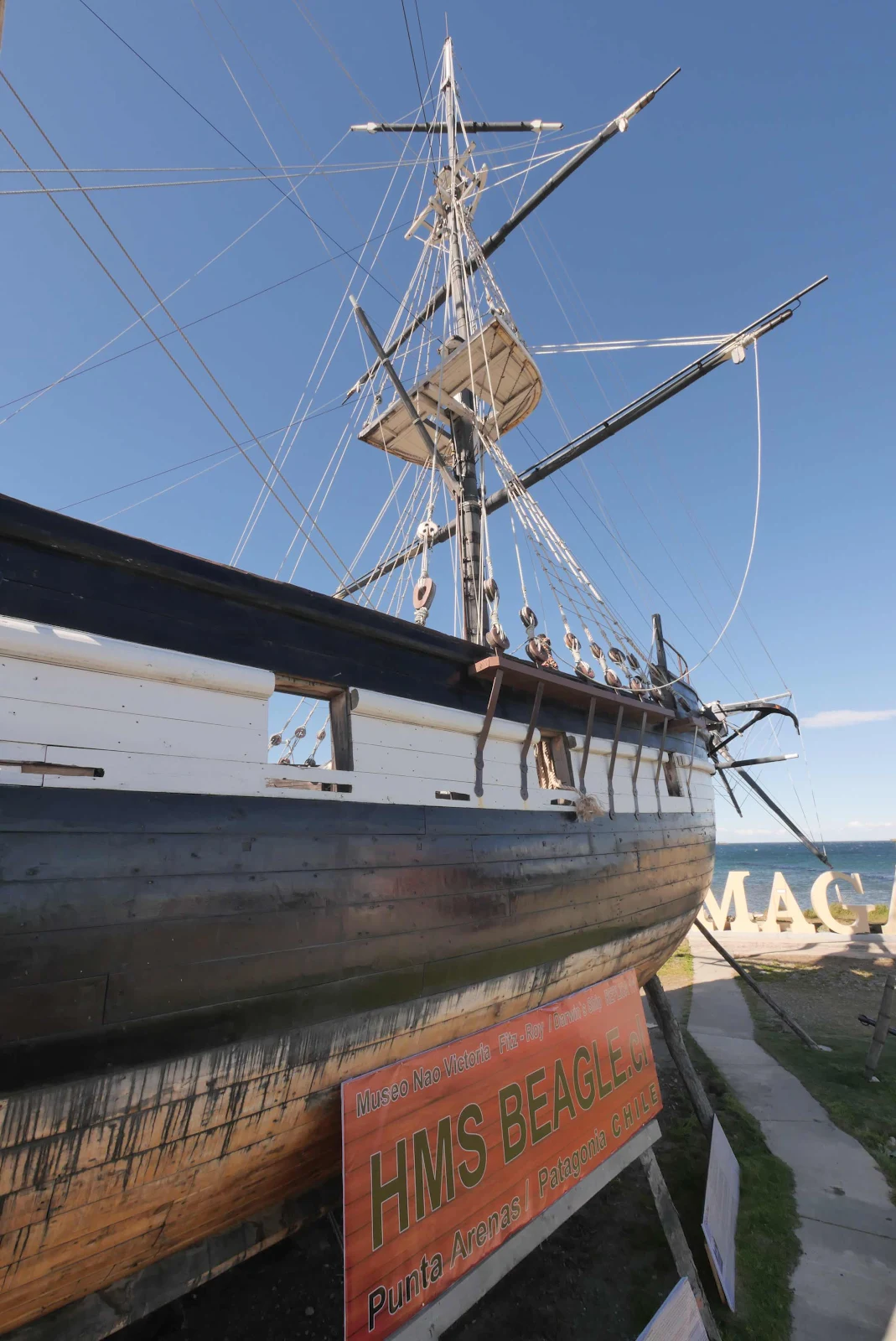
And on the subject of science there was also the Beagle, the British ship that explored these waters commanded by a 23 year old devout Christian called Robert Fitzroy. On his second voyage to Patagonia he brought Charles Darwin with him, neither of them yet 30 years old and they turned natural science on its head and caused and still cause all sorts of head scratching for people fearful of what Darwin conceived.
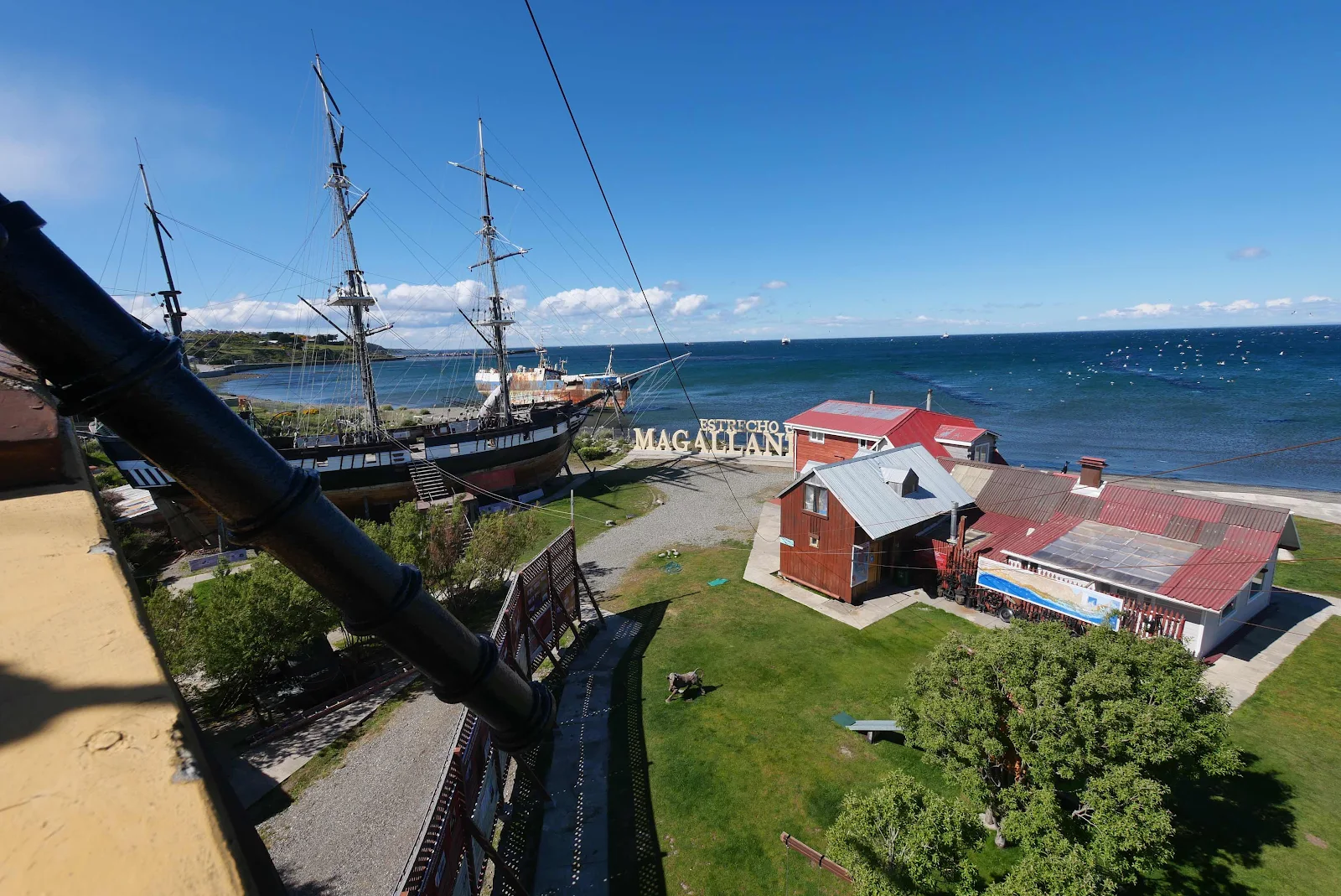
Fitzroy got mad at Darwin for promoting natural selection and they were not friends after this epic voyage was completed. Darwin himself was freaked out by his own theories as he too was a Christian struggling to make sense of what he saw against what he wanted to believe. Being a pioneer really isn’t easy and most people won’t like you for your discoveries.
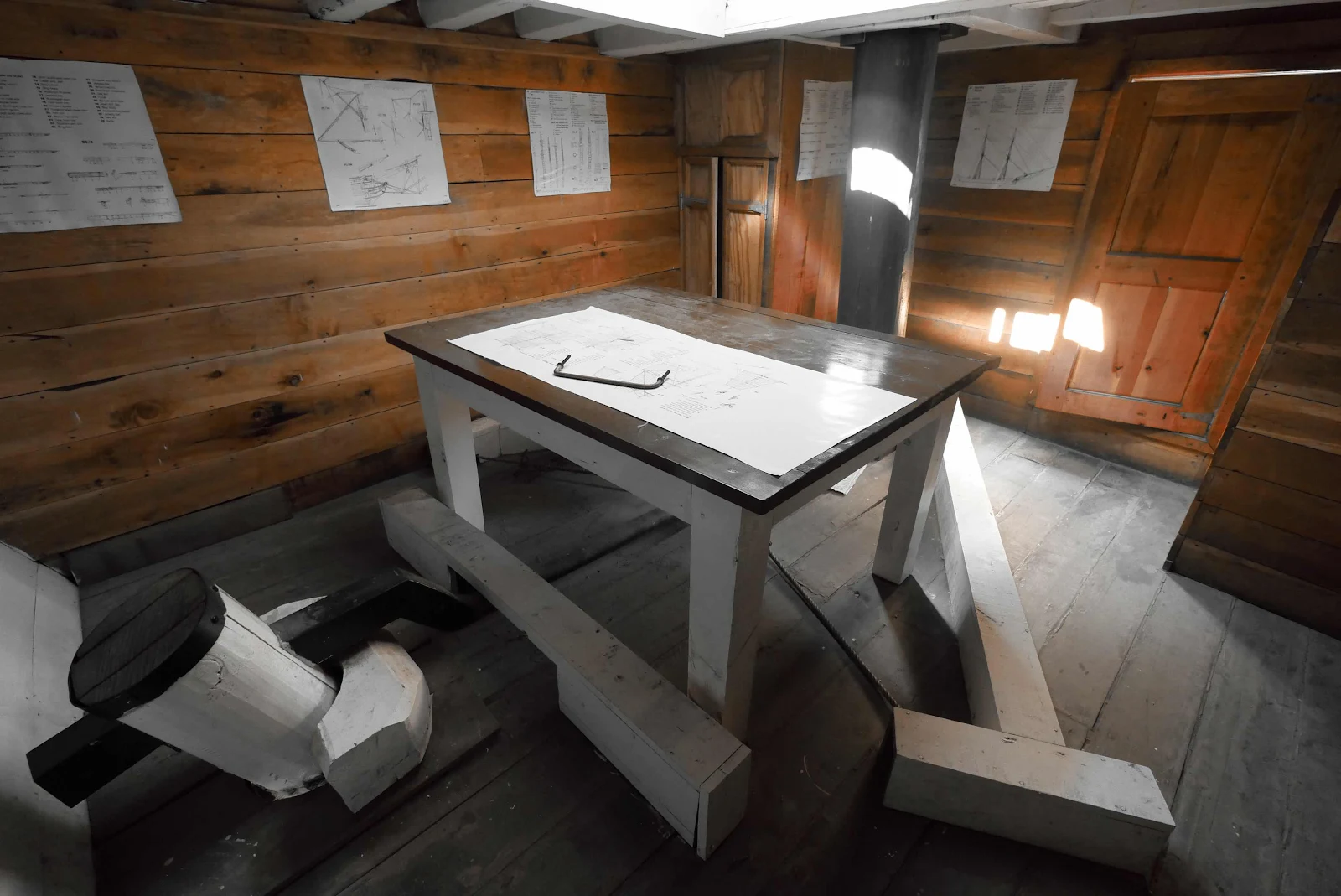
And yet now we find ourselves in the land of Charles Darwin and the places he walked and explored are pointed out to us as though he were here yesterday. And he is mentioned in tones of admiration as though he is a hero, obviously.
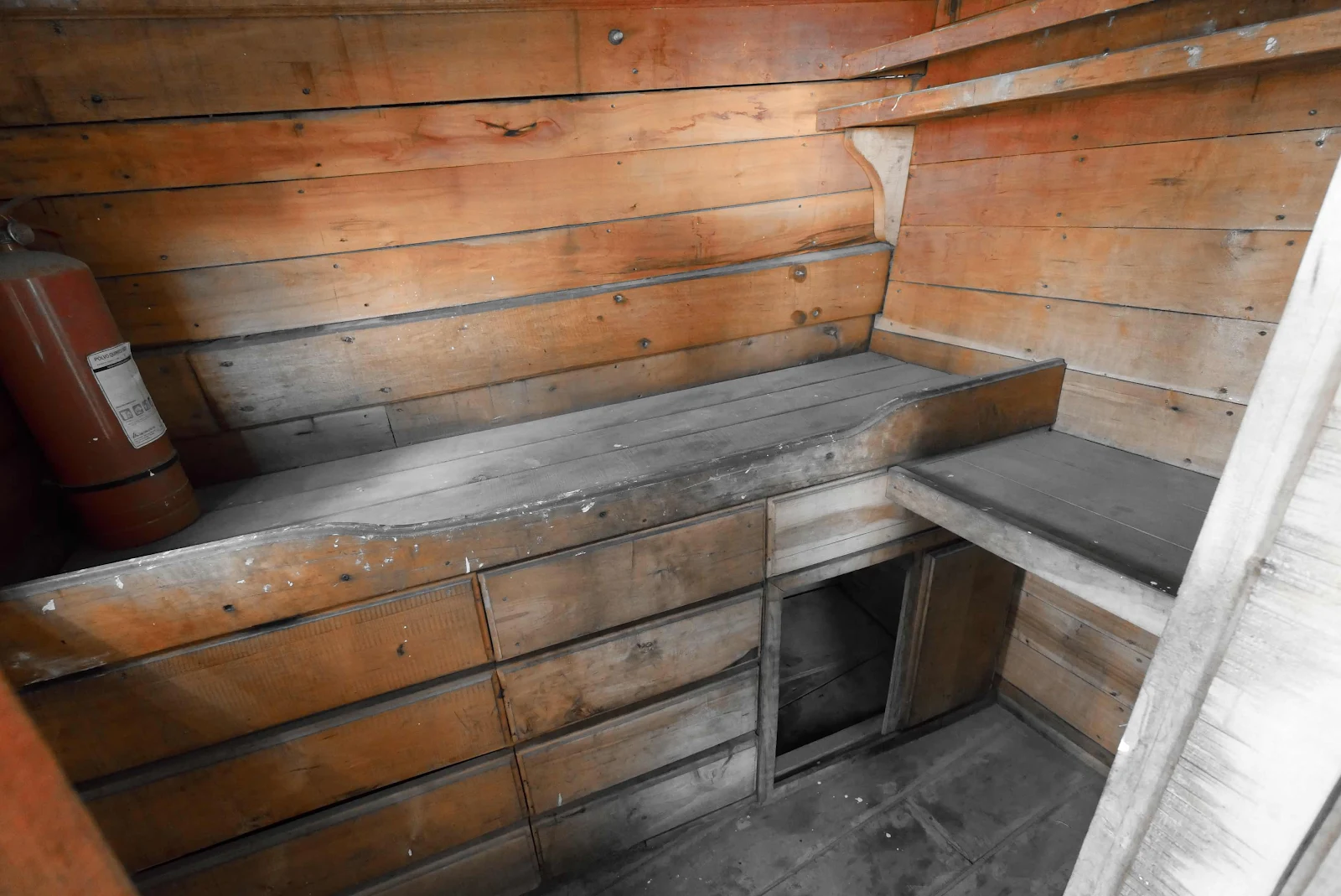
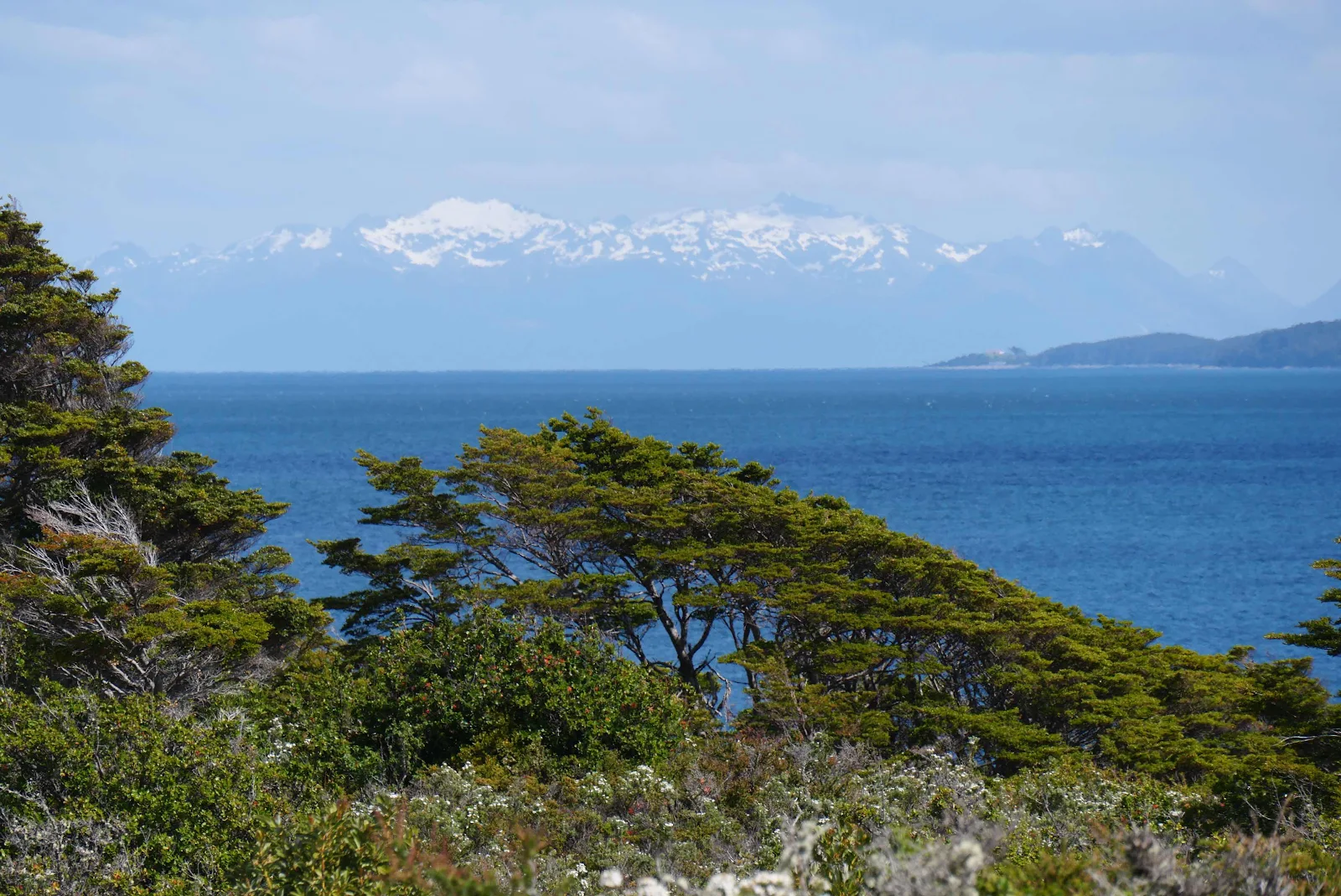
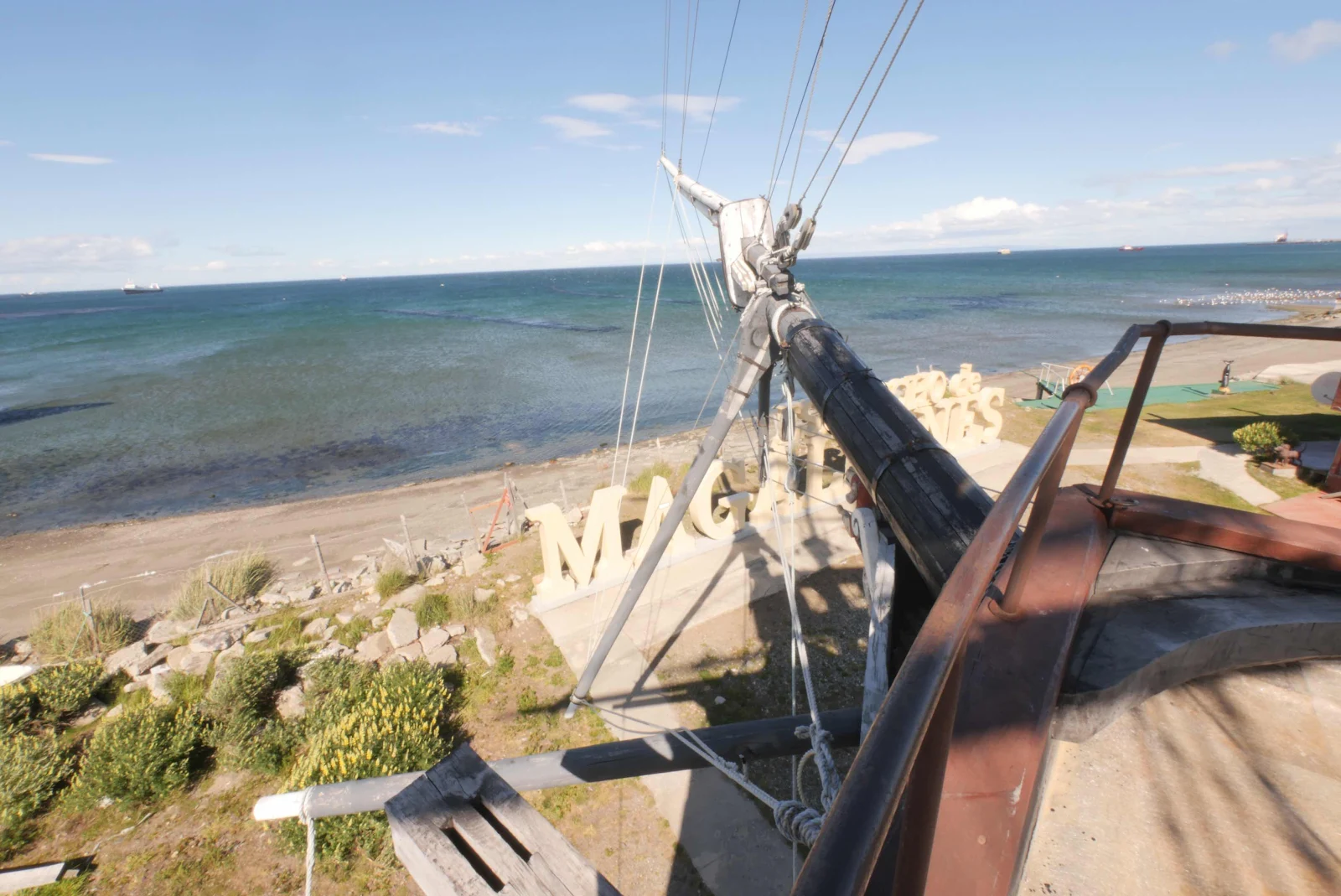
We sit on the edge of the Straits of Magellan and ponder these explorers who pushed the boundaries of human experience and yet they went home to jeers and catcalls. Not many people like to be challenged and explorers end up doing that all the time, challenging assumptions forcing us to challenge ourselves.
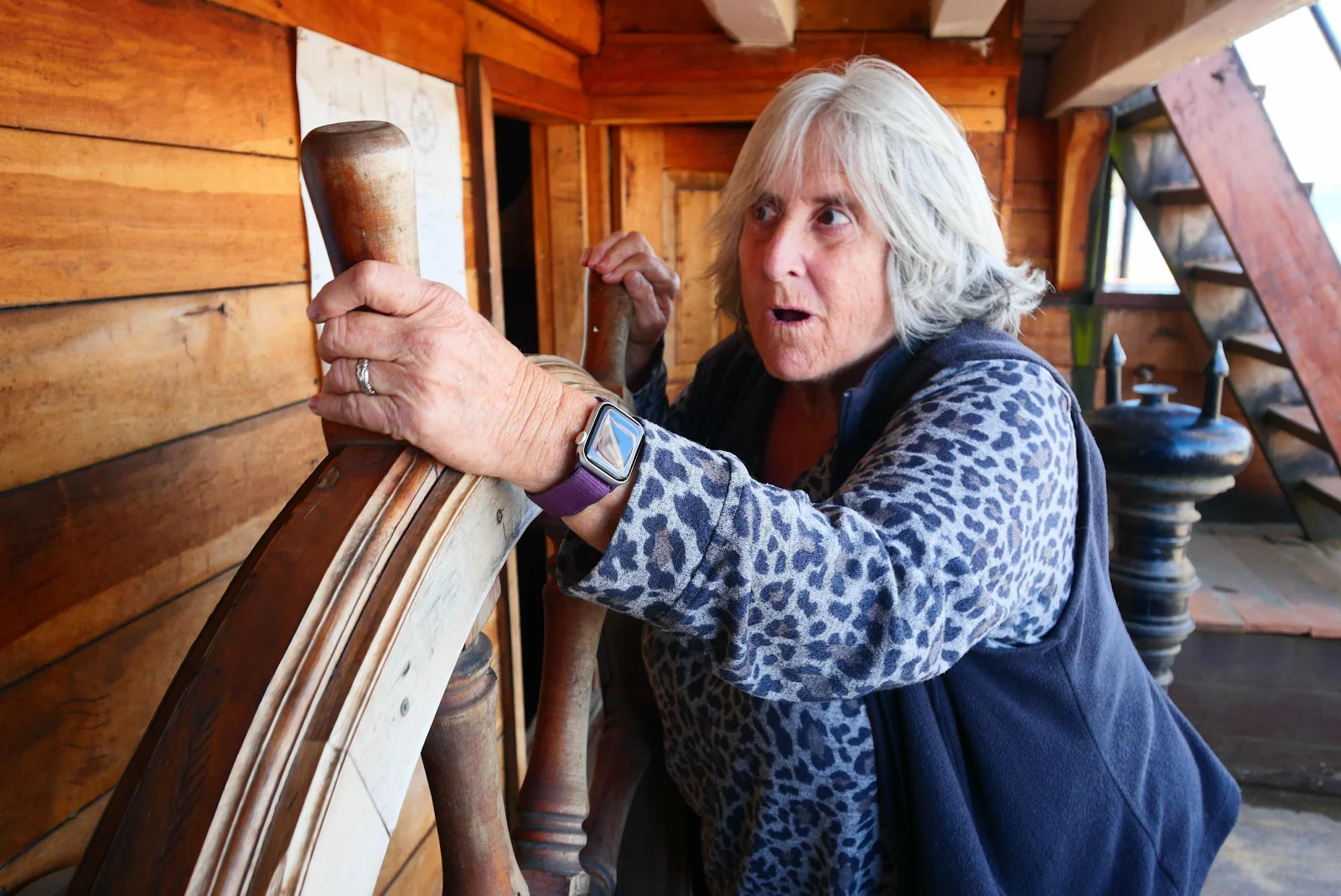
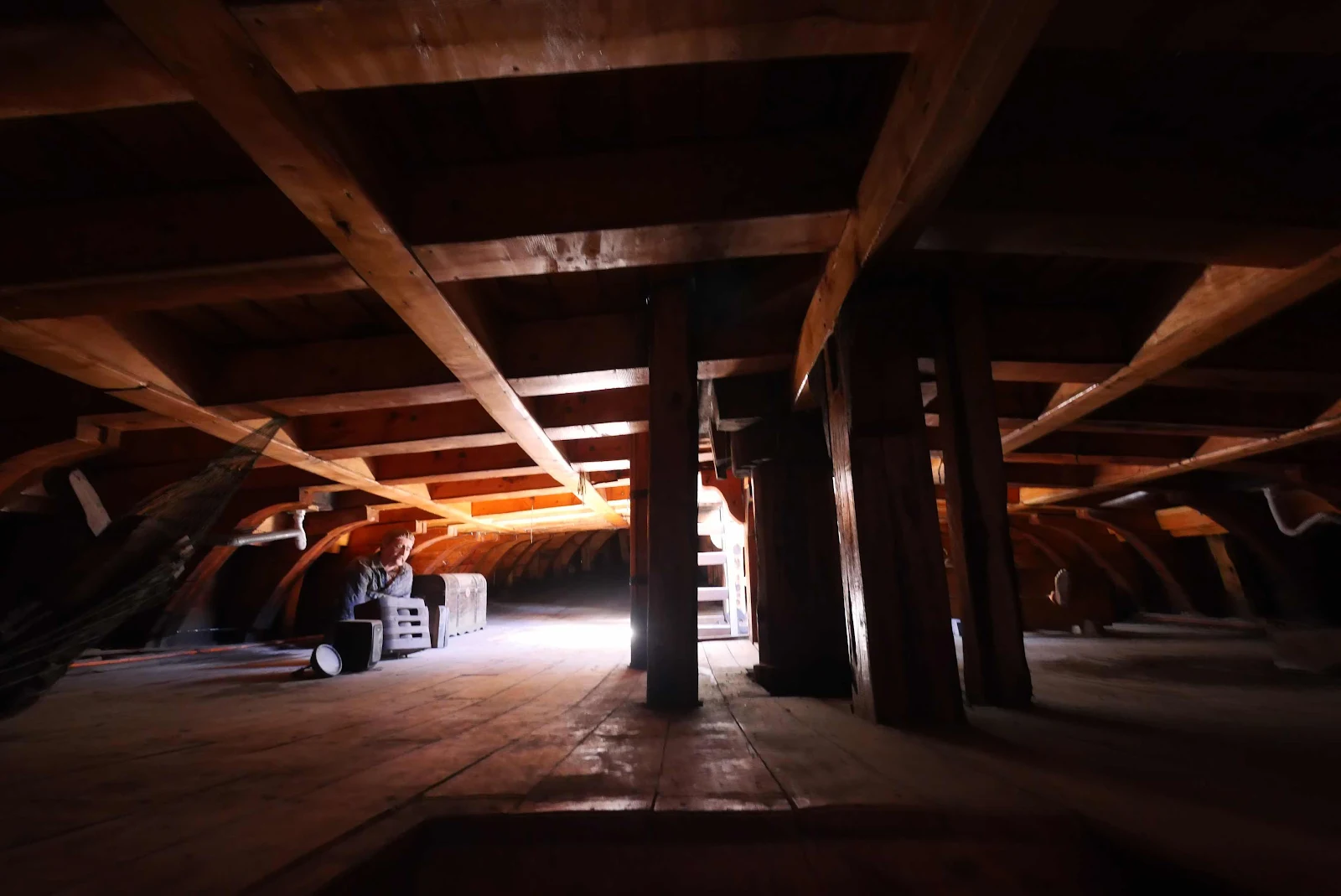
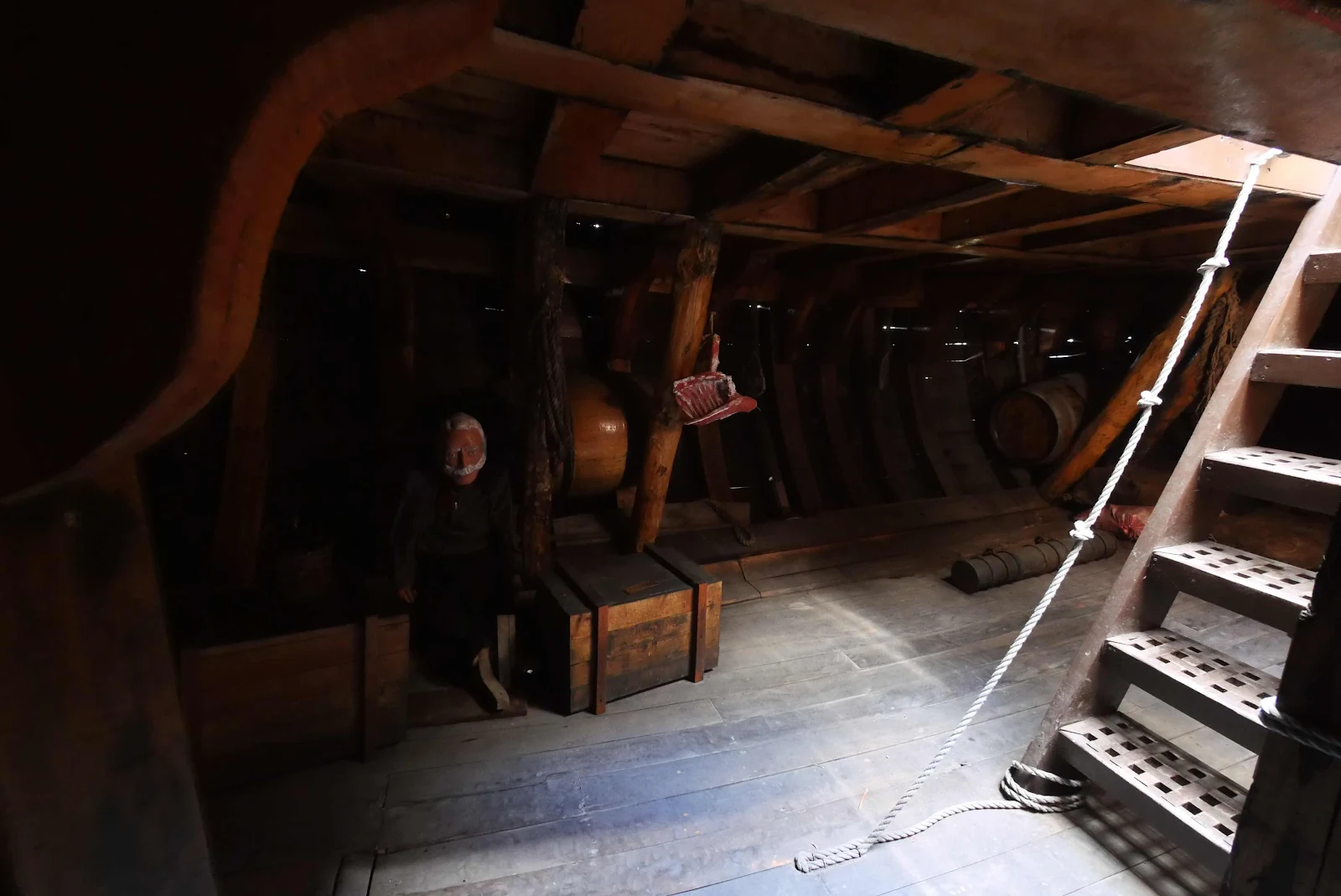
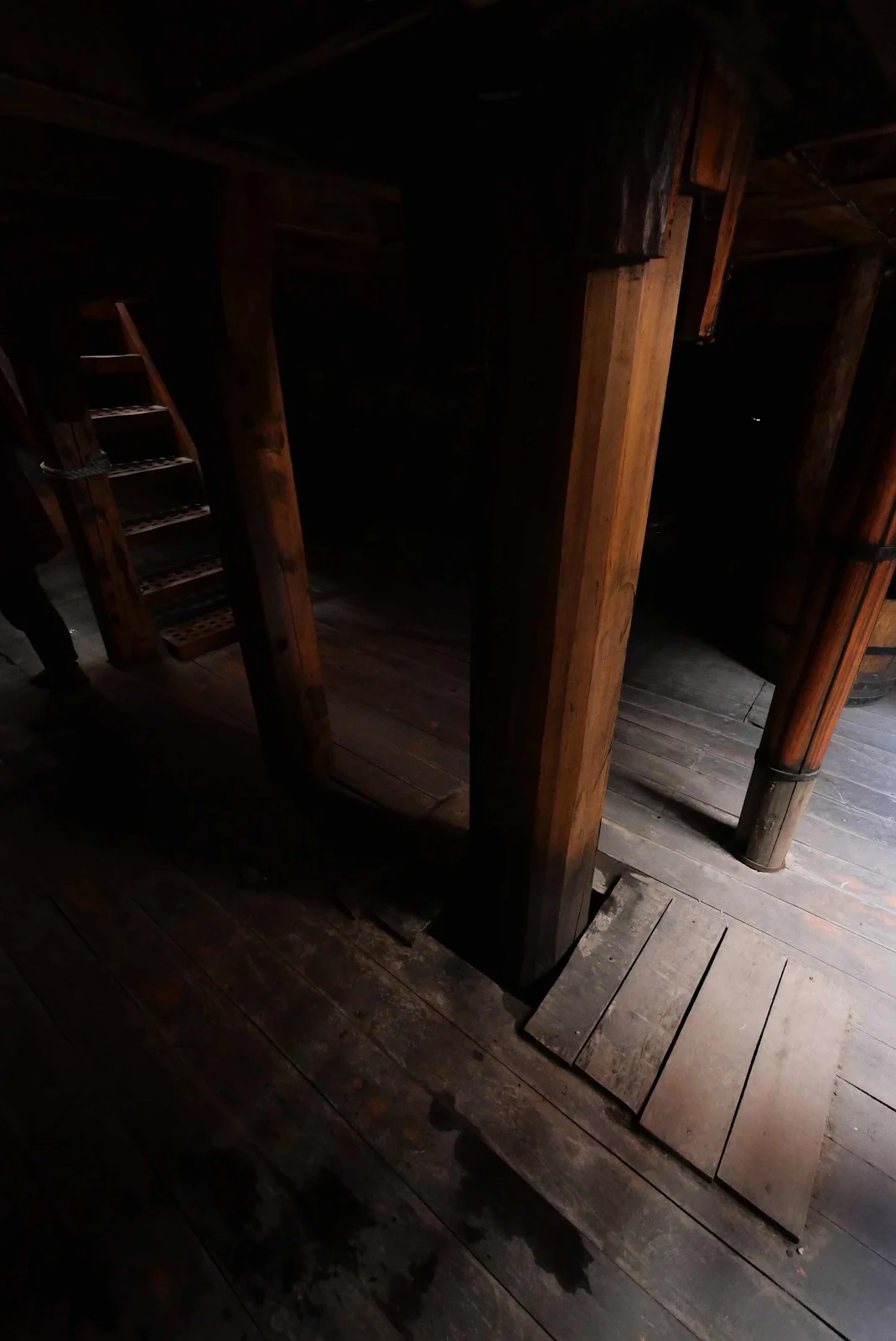
And they traveled for years in these tiny uncomfortable spaces, freezing and eating rancid food and drinking foul water in pursuit of wealth and fame.
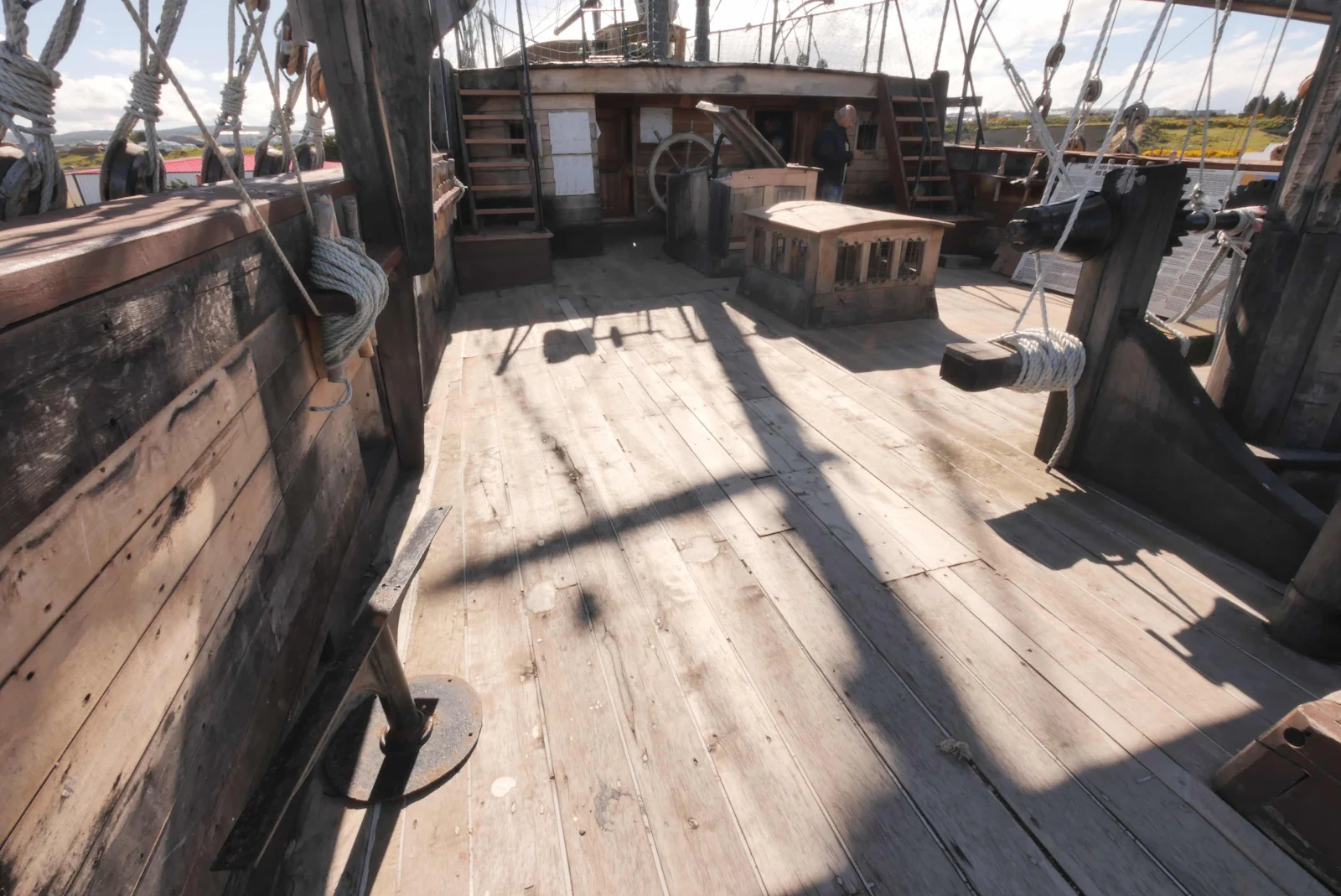
Our friends think we have done something remarkable driving down here and perhaps we have in a world where fear is instilled in all of us that we conform to what is known. But really all we did was follow Google maps, we used the Internet and have lived reasonably comfortably in a modern well appointed van. We are not explorers or adventurers or seekers of wealth. We are just curious.
And we knew where we were going and what to expect, to some extent. Scurvy? Hell no and as we believe in science we are fully vaccinated against diphtheria typhus typhoid and yellow fever. Options these people never had and they fell like flies to disease malnutrition and gangrene and infection. I have tried to read “On the Origin of Species” but it is not a riveting read. The Cliff Notes are enough for me because I am not of that era and Darwin’s ponderous style is ill adapted to modern attention spans. But he went out there and made his discoveries as much as they disturbed his view of the world.
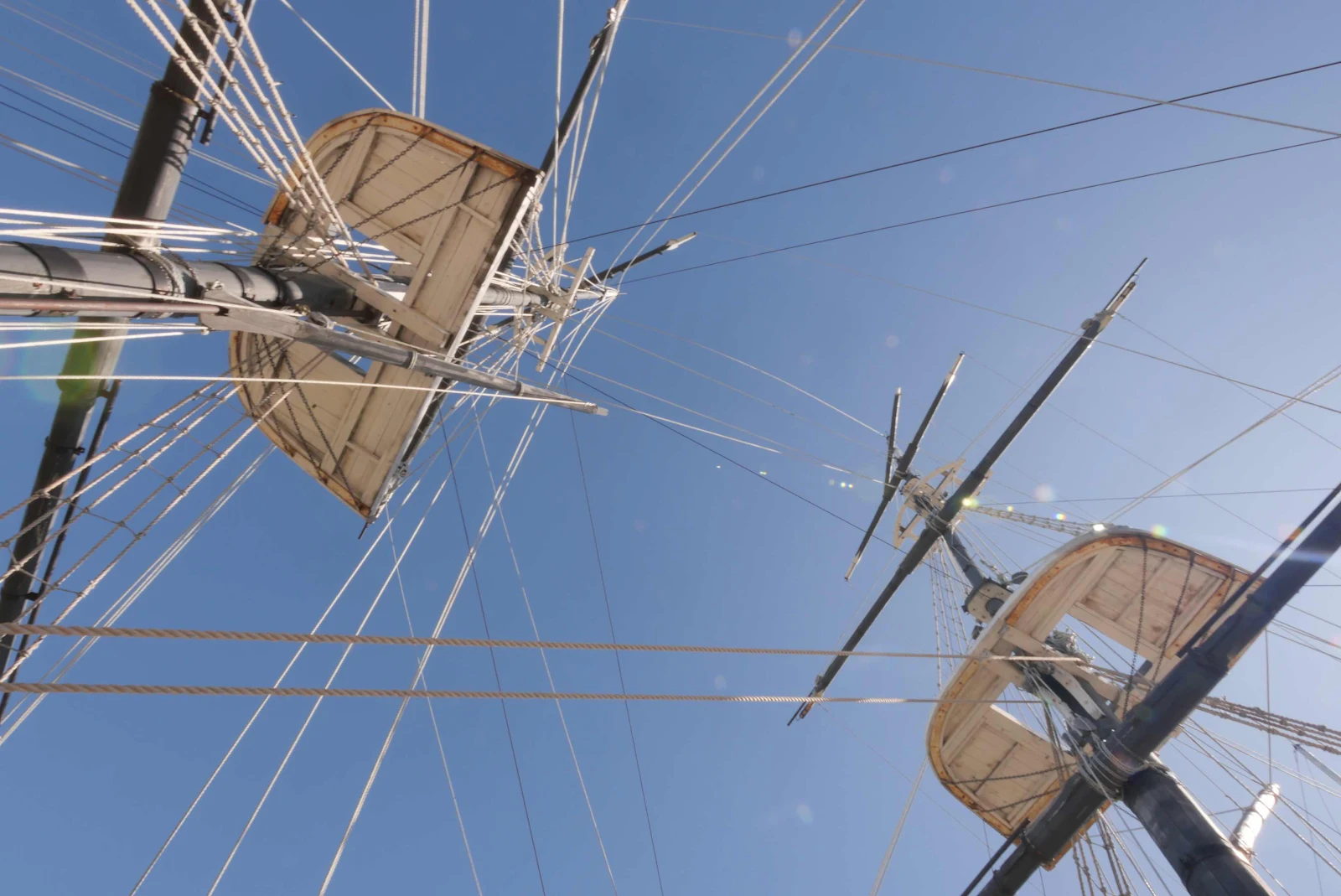
If you were a sailor aloft and missed your footing you either fell into the ocean and watched your clumsy home sail away without you or you fell to the deck and broke every bone in your body. And there was no liability clause in your contract. The risks were real and you had no choice but to obey orders and hope for the best and frequently you were disappointed.
But they traveled and explored and struggled and rarely got credit for what they did and where they went. That came later when they were safely buried and they could be called heroic.
I was told repeatedly driving to Mexico would see us raped robbed and dead. The fact that nothing of the sort has happened doesn’t change people’s minds about the dangers of Mexico. People still tell me driving in Mexico is a death wish as though bad things only happen abroad, where be dragons.
I find myself acknowledging to myself I would never have had the courage to join as crew on these great expeditions. This trip has been rendered relatively simple by those who have gone before and all the modern aids and conveniences. And we are old farts well funded retired and slow and much weaker physically than we were a decade ago. Yet we can travel because travel this way isn’t as physically demanding as it should be. We are not pioneers.
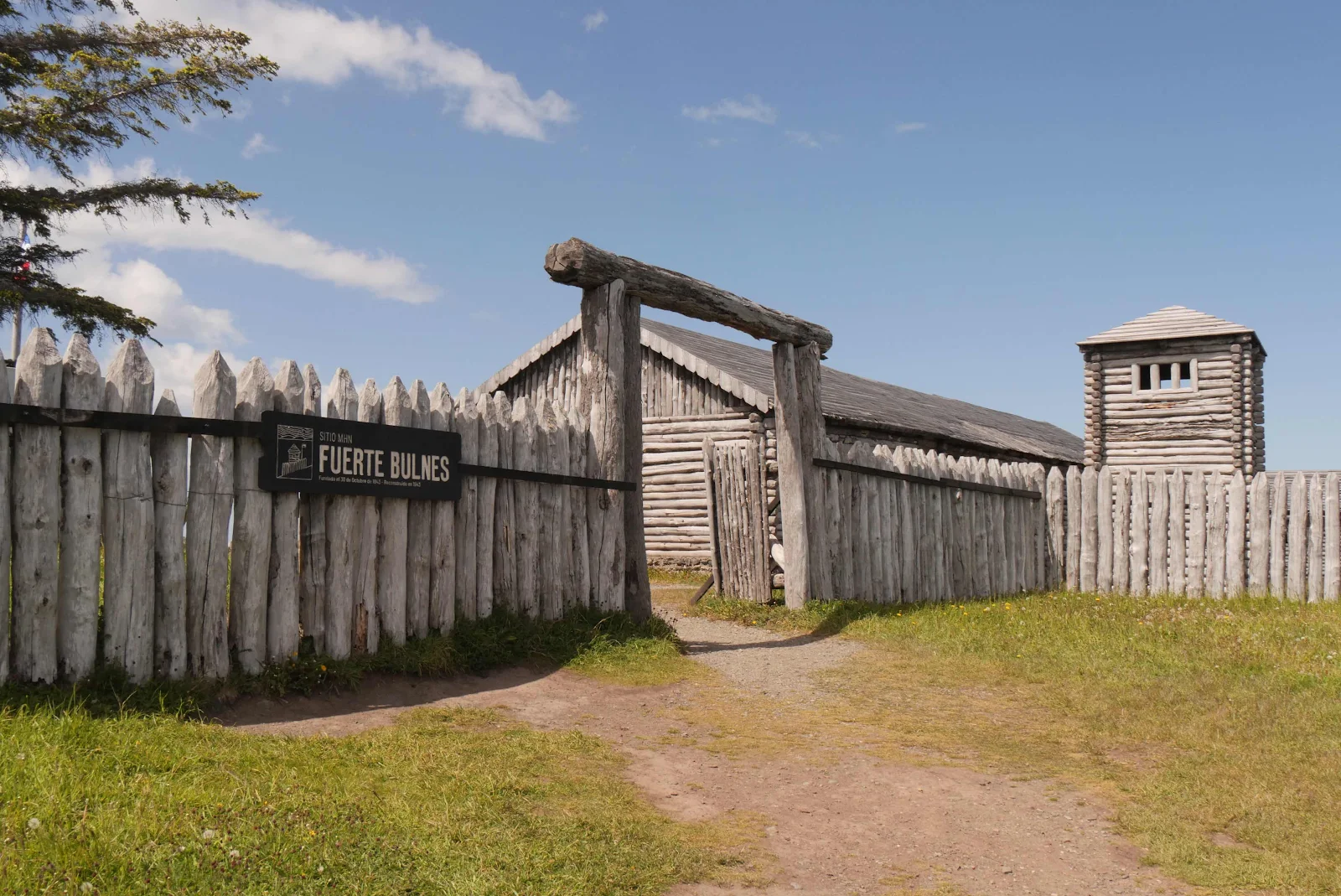
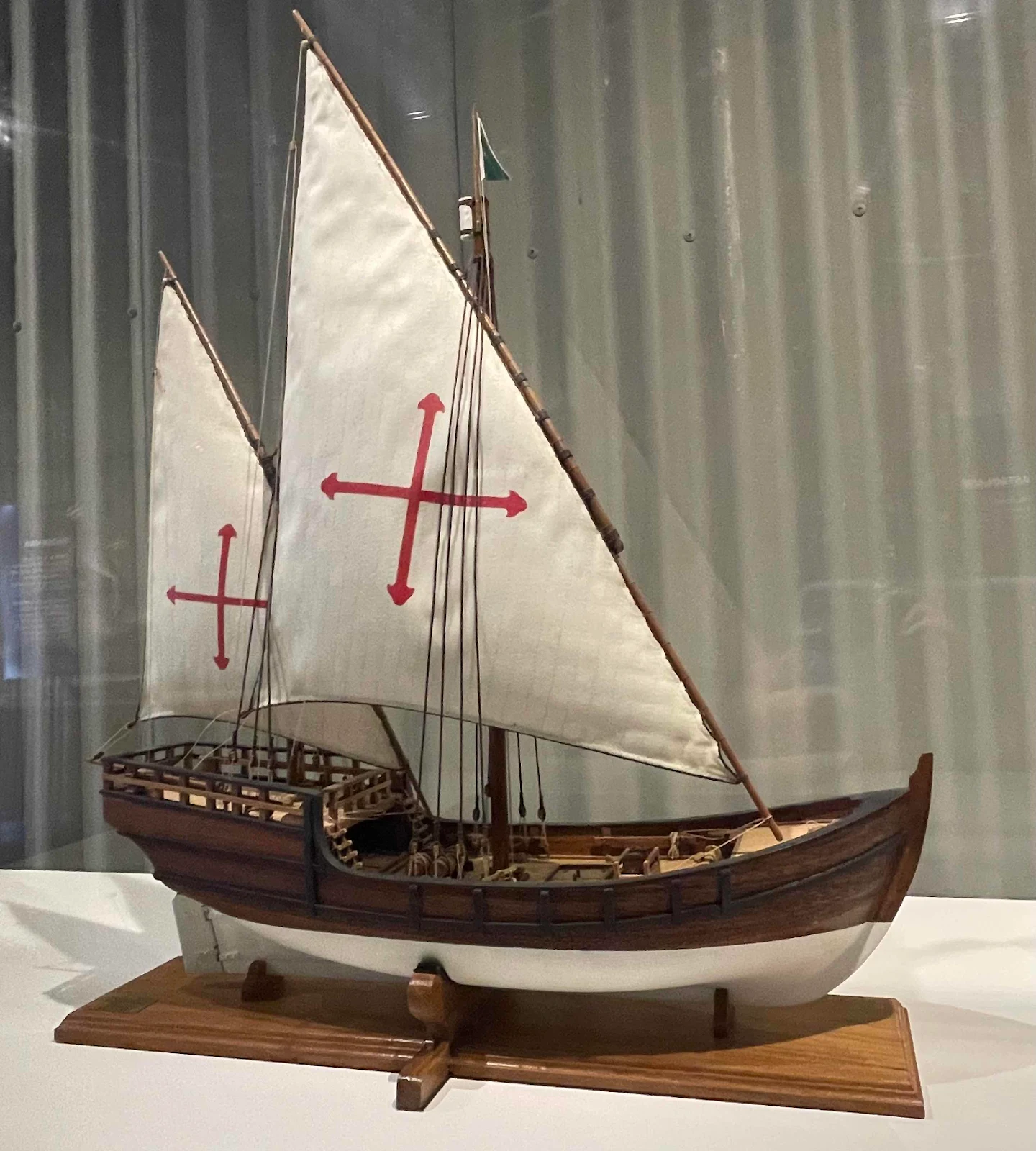
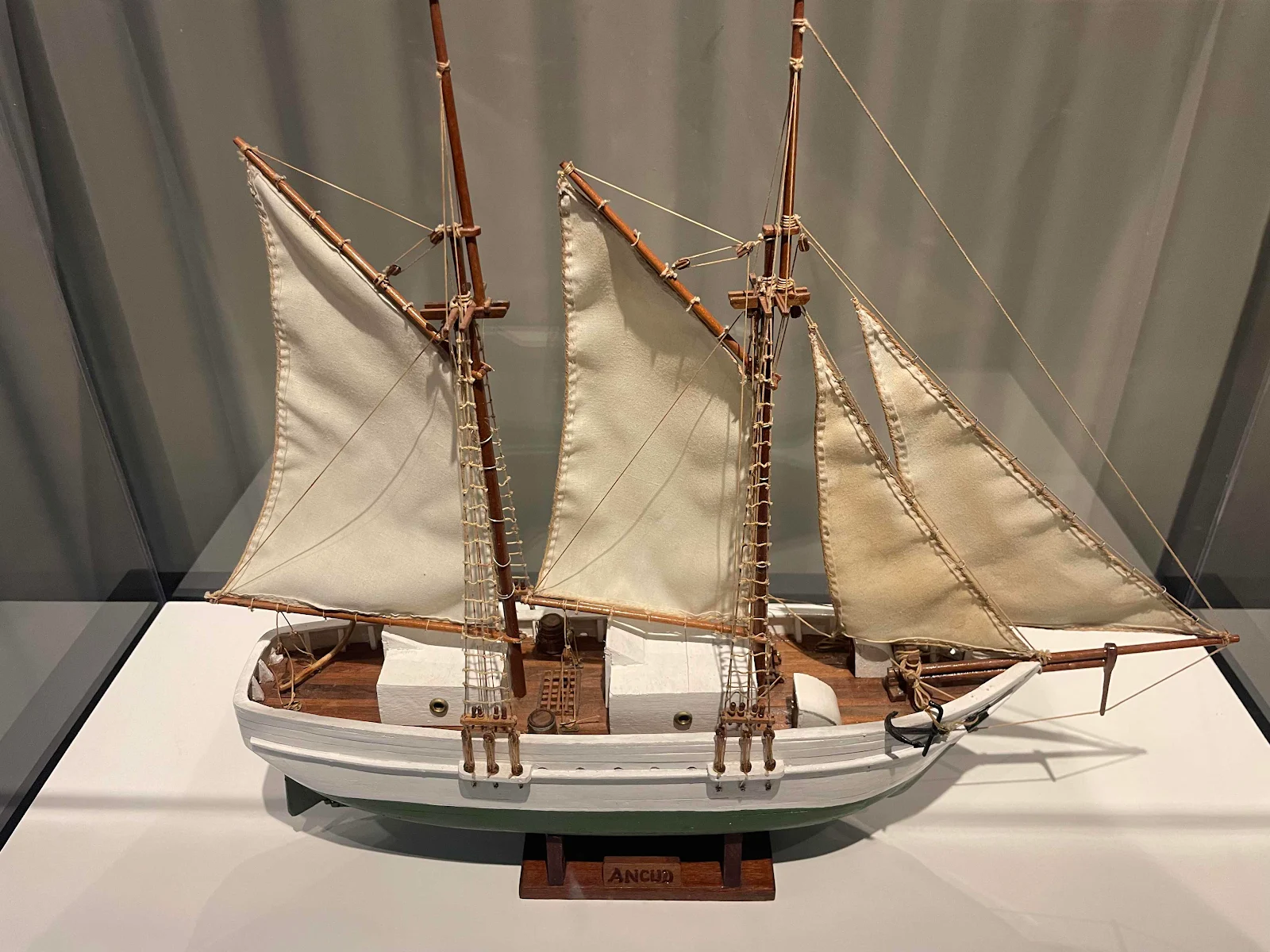
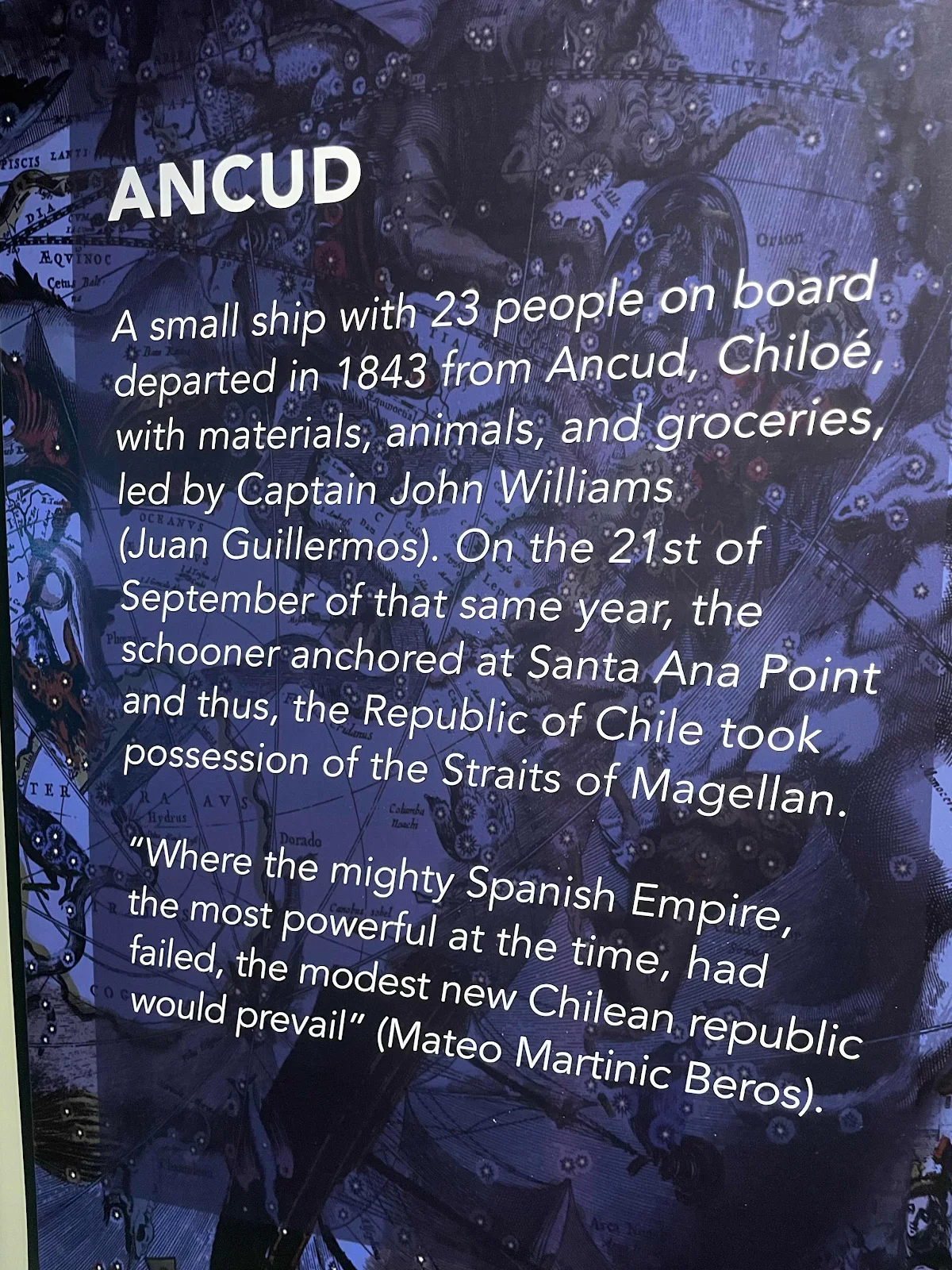
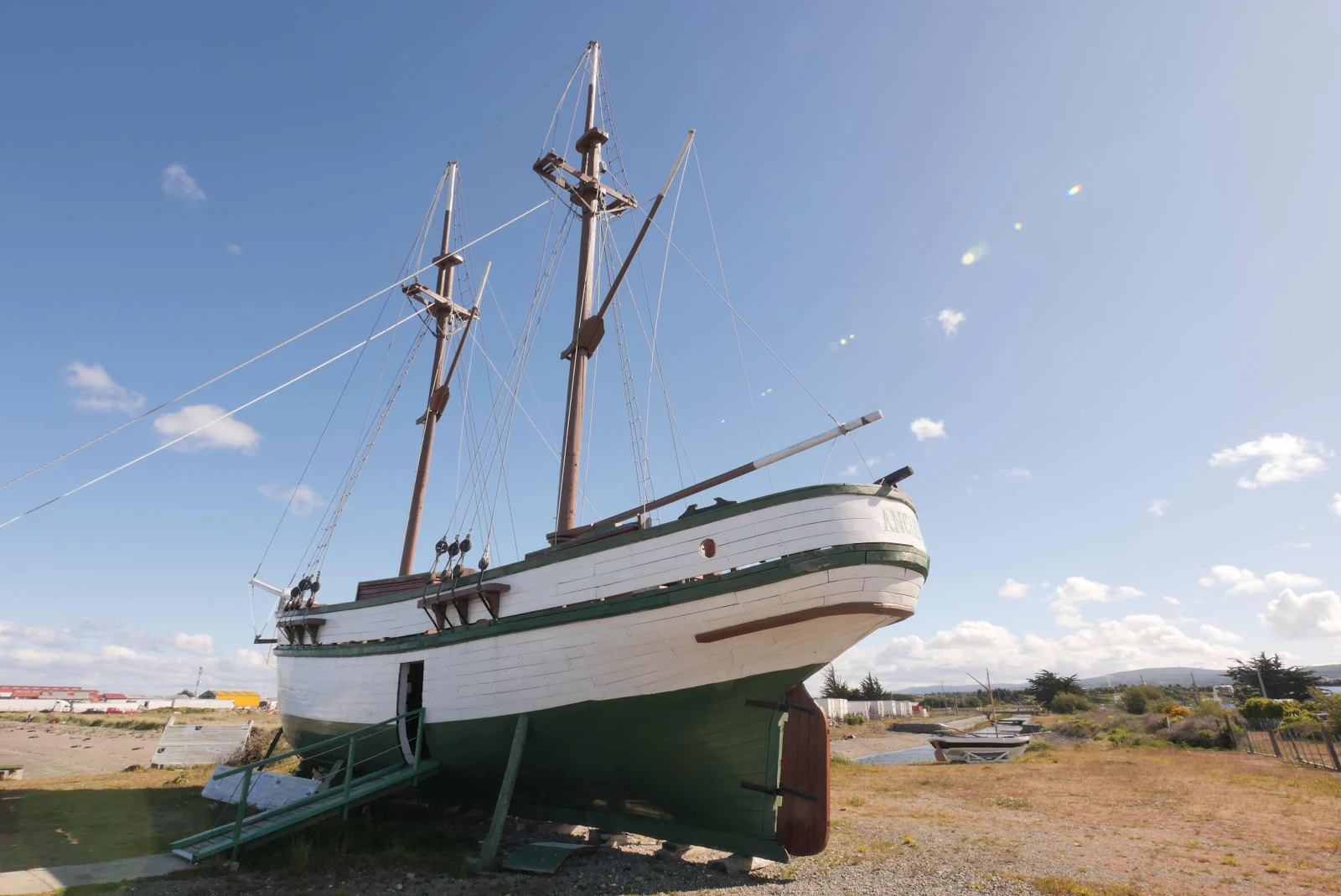
The Ancud that brought the pioneers from Puerto Montt to Fort Bulnes in 1843 to claim Patagonia for Chile:
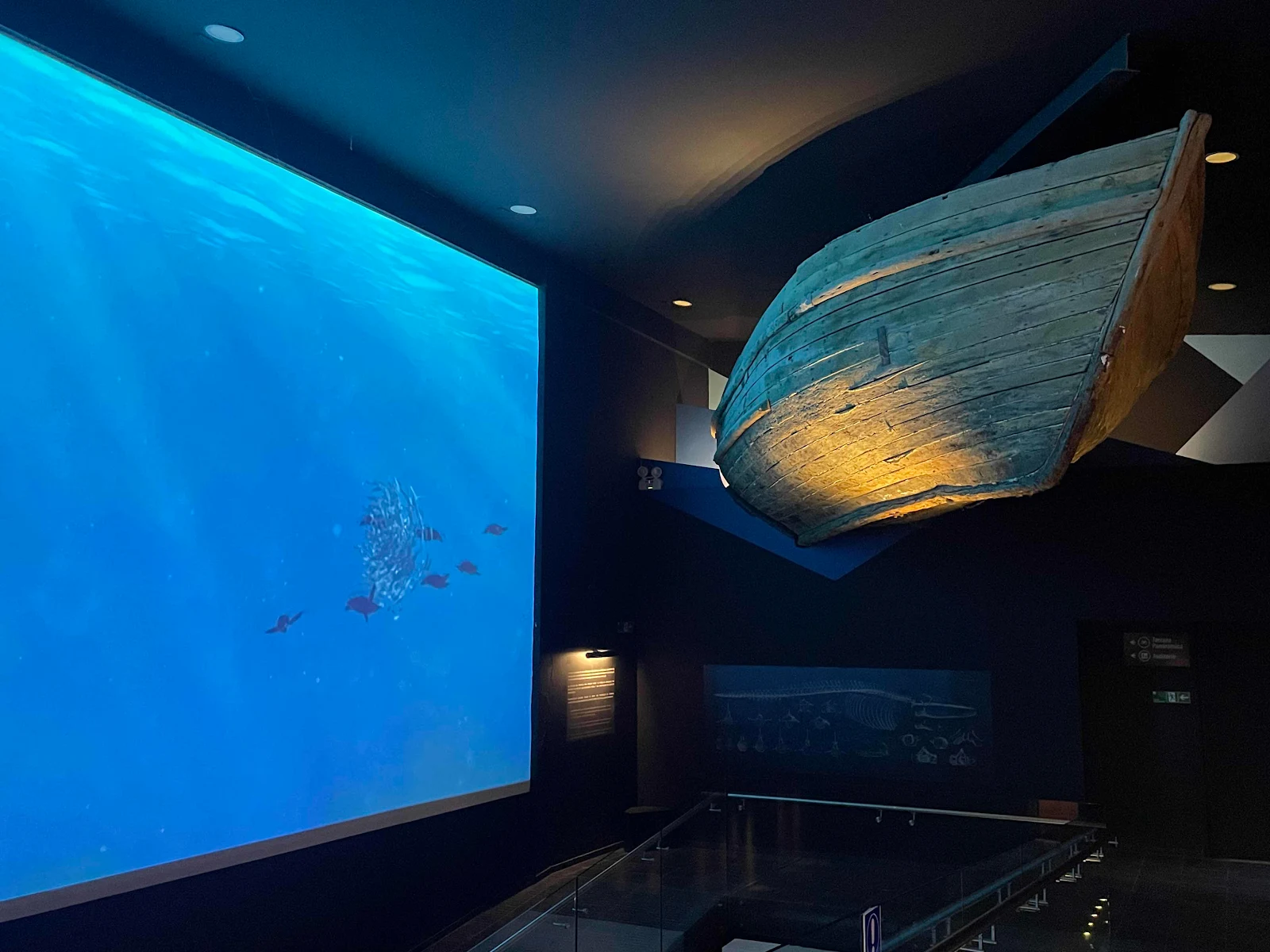
And a replica of the James Caird a lifeboat adapted to try to rescue an expedition to Antarctica gone awry.
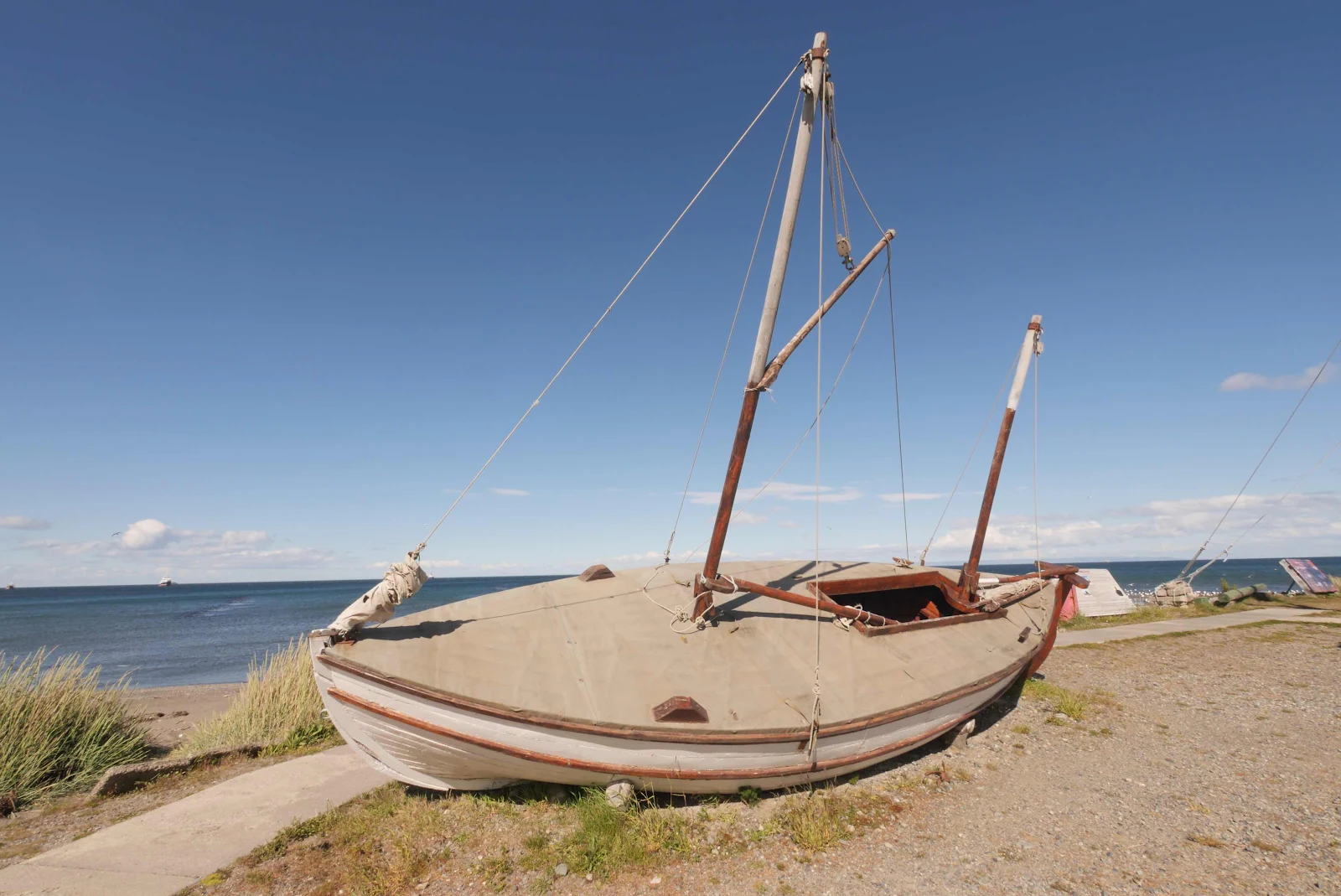
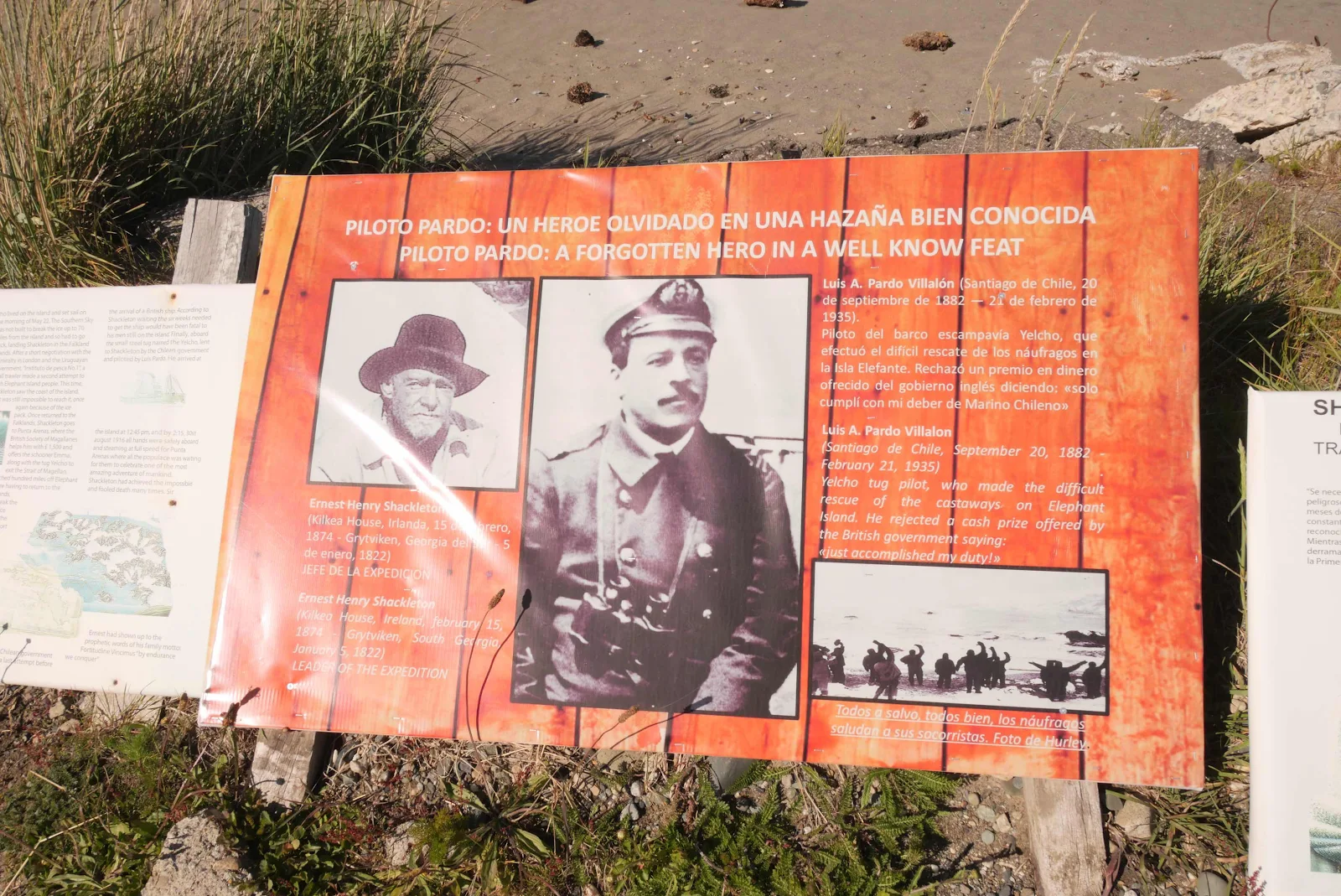
Sir Ernest Shackleton lost not one member of his crew when they got stuck on the ice after his ship got crushed. The story of how he sailed the lifeboat 800 miles to get help is one of the heroic tales I studied in my youth, the stuff dreams are made of and relieved in my old age here on a beach in the Straits of Magellan.
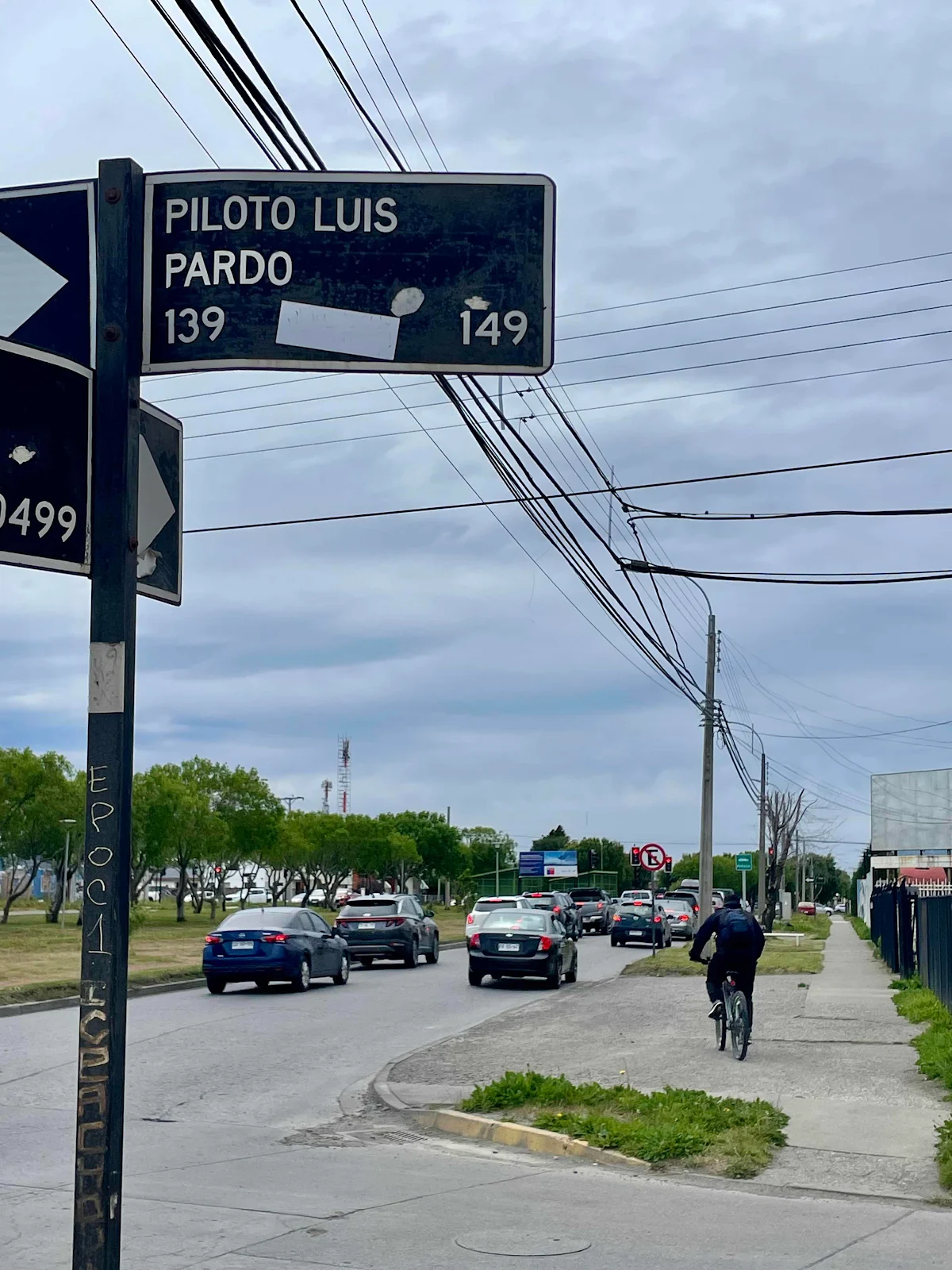
And of course there was no mention of the Chilean sailor who rescued them, Luis Pardo who refused a reward saying he was just doing his duty when he brought the explorers to safety.
When you see all this stuff and know these people were out here being crazy and making their mark and achieving it makes poncing around in a van an achievement of not much account.
But it is great fun. And it’s an achievement for me to be here at last with Layne and with Rusty.

This is how I at least can fulfill my boyhood fantasies. Everyone should take that chance and damn the critics.