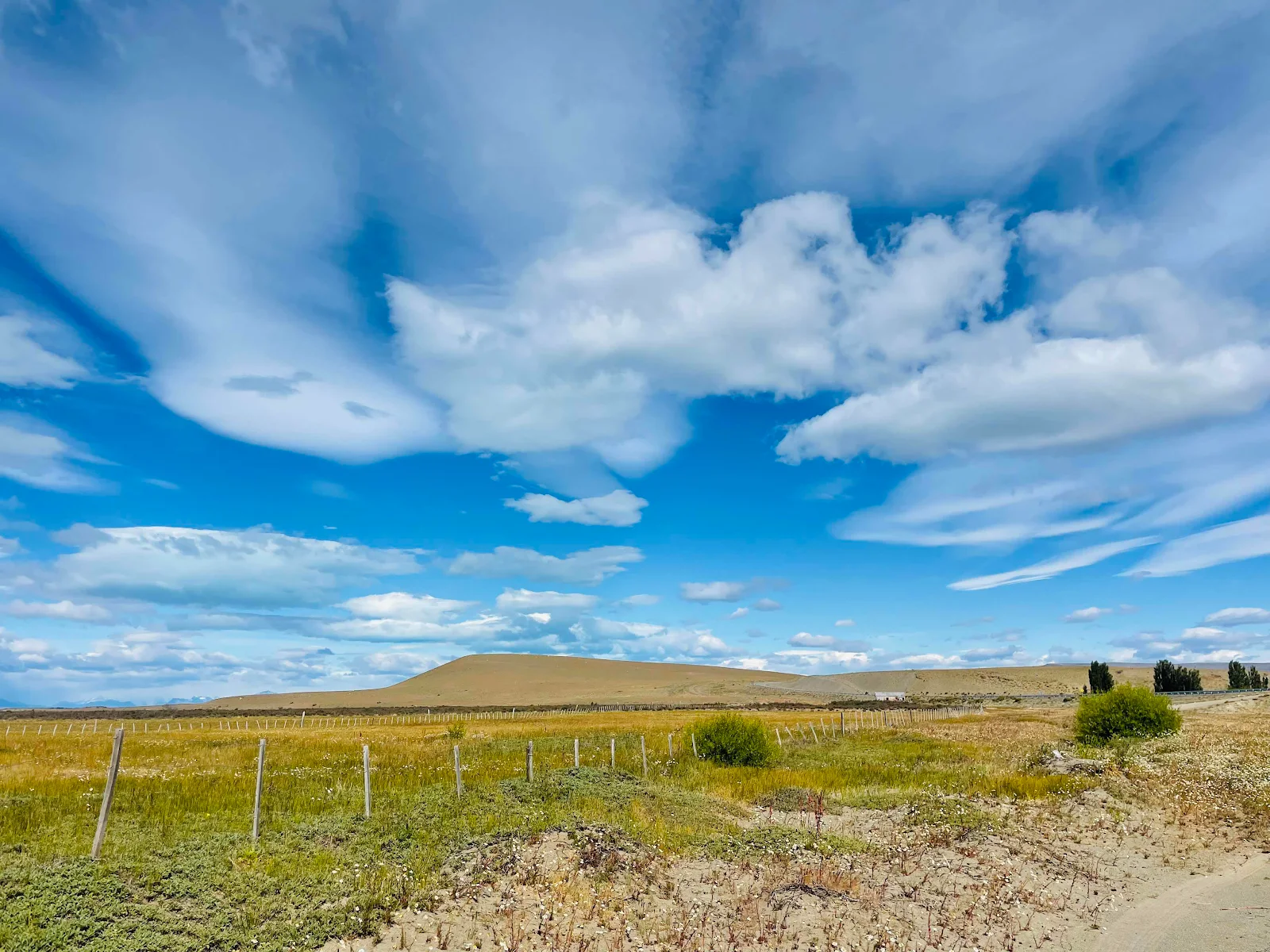
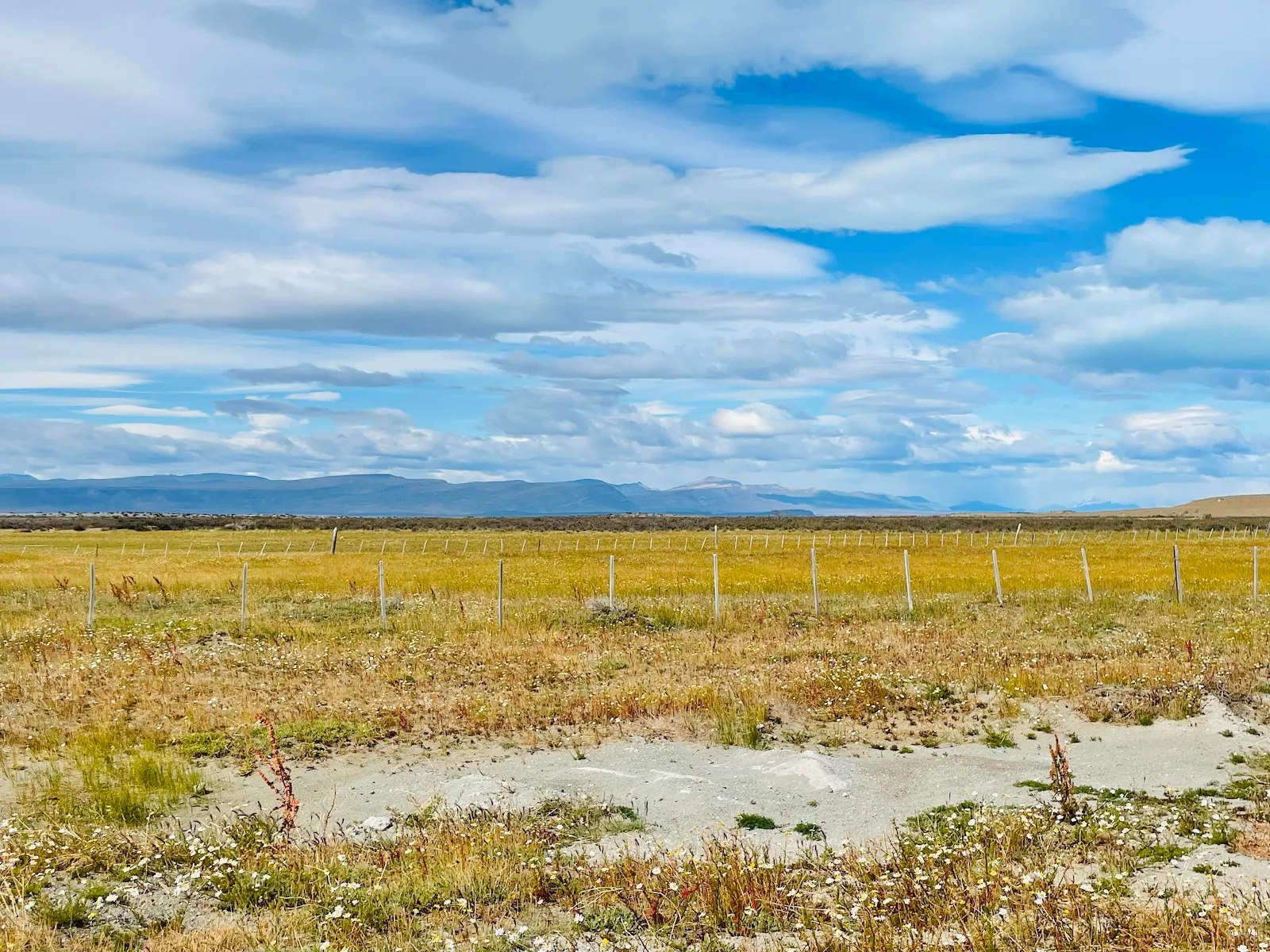
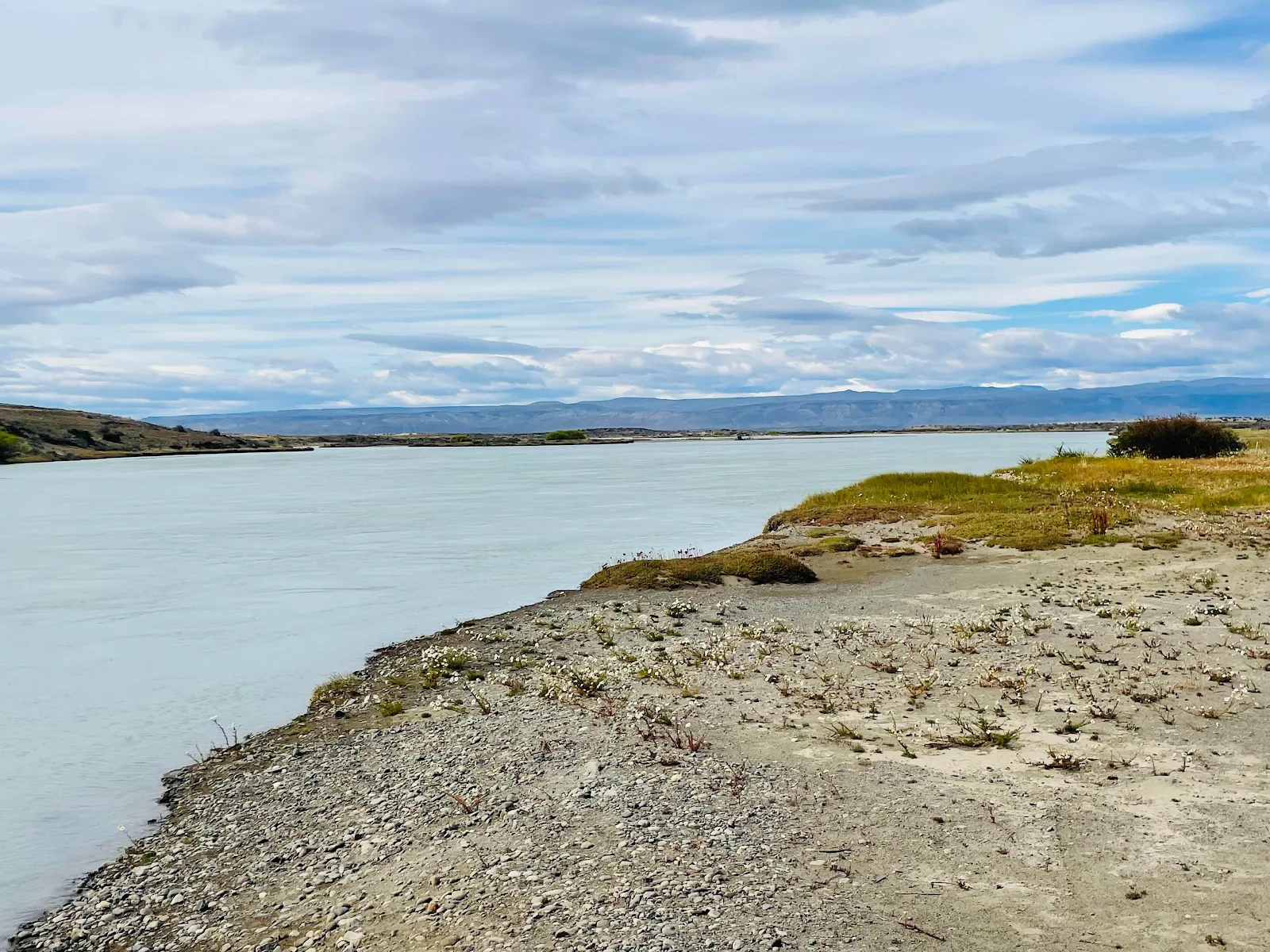
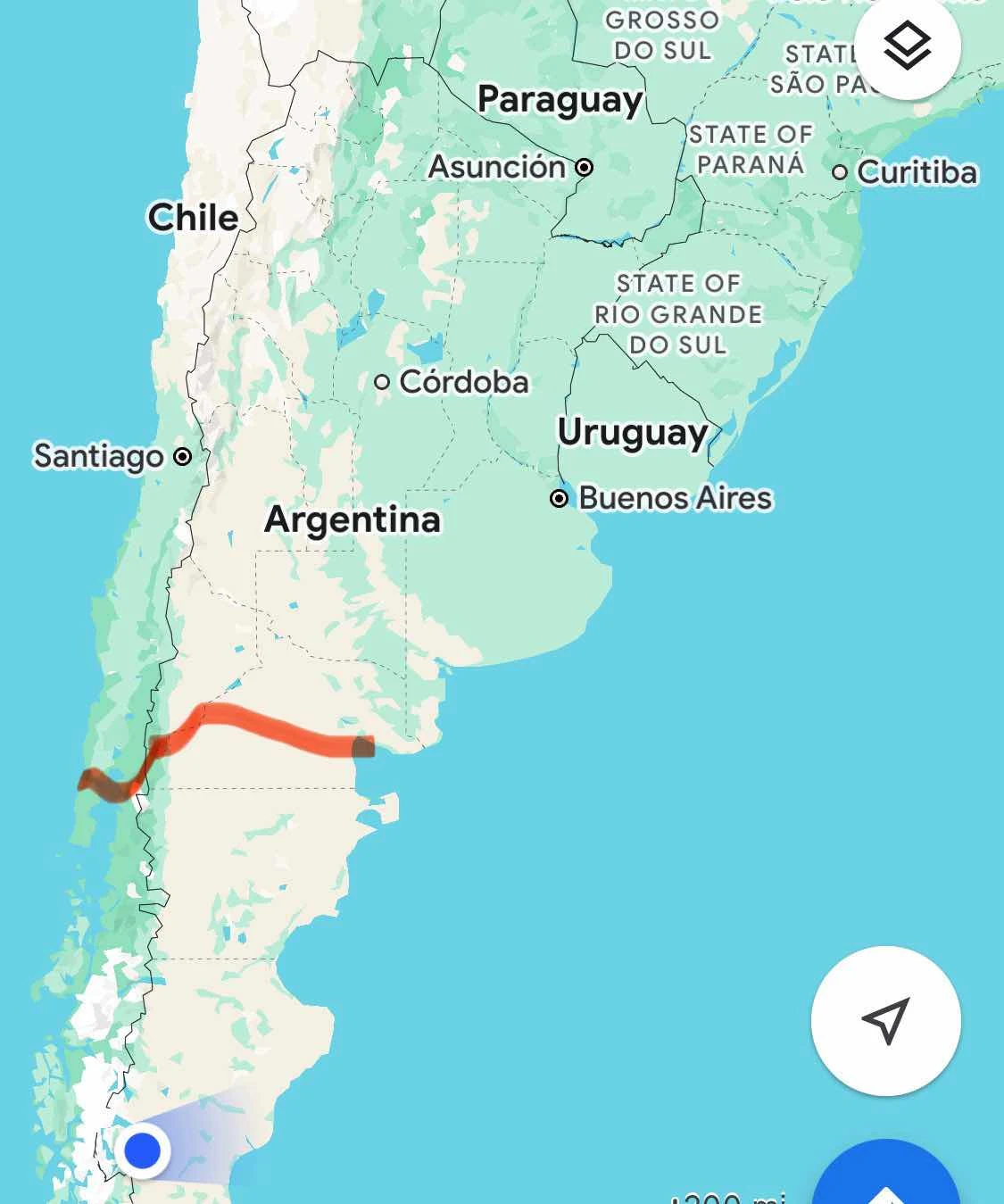
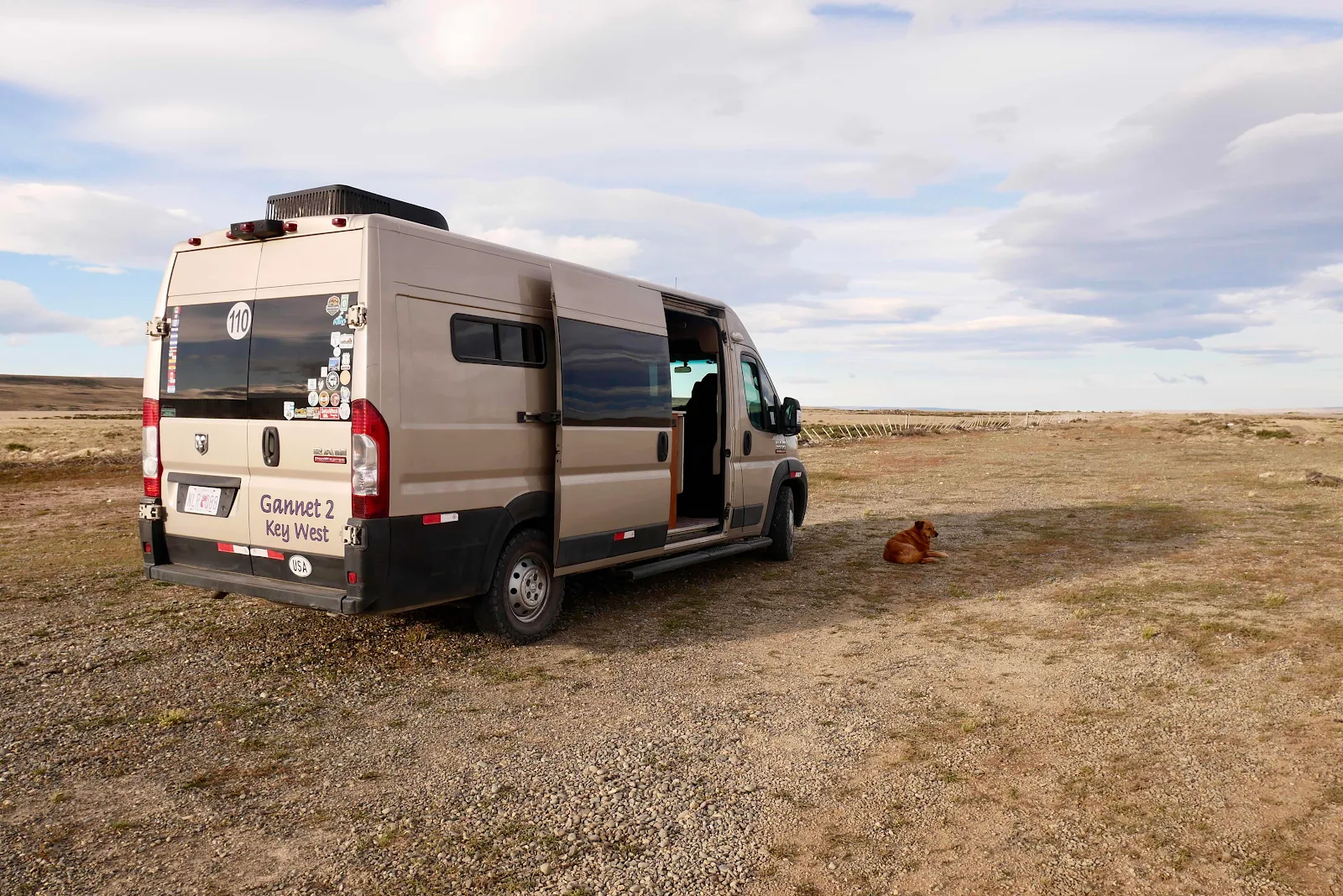
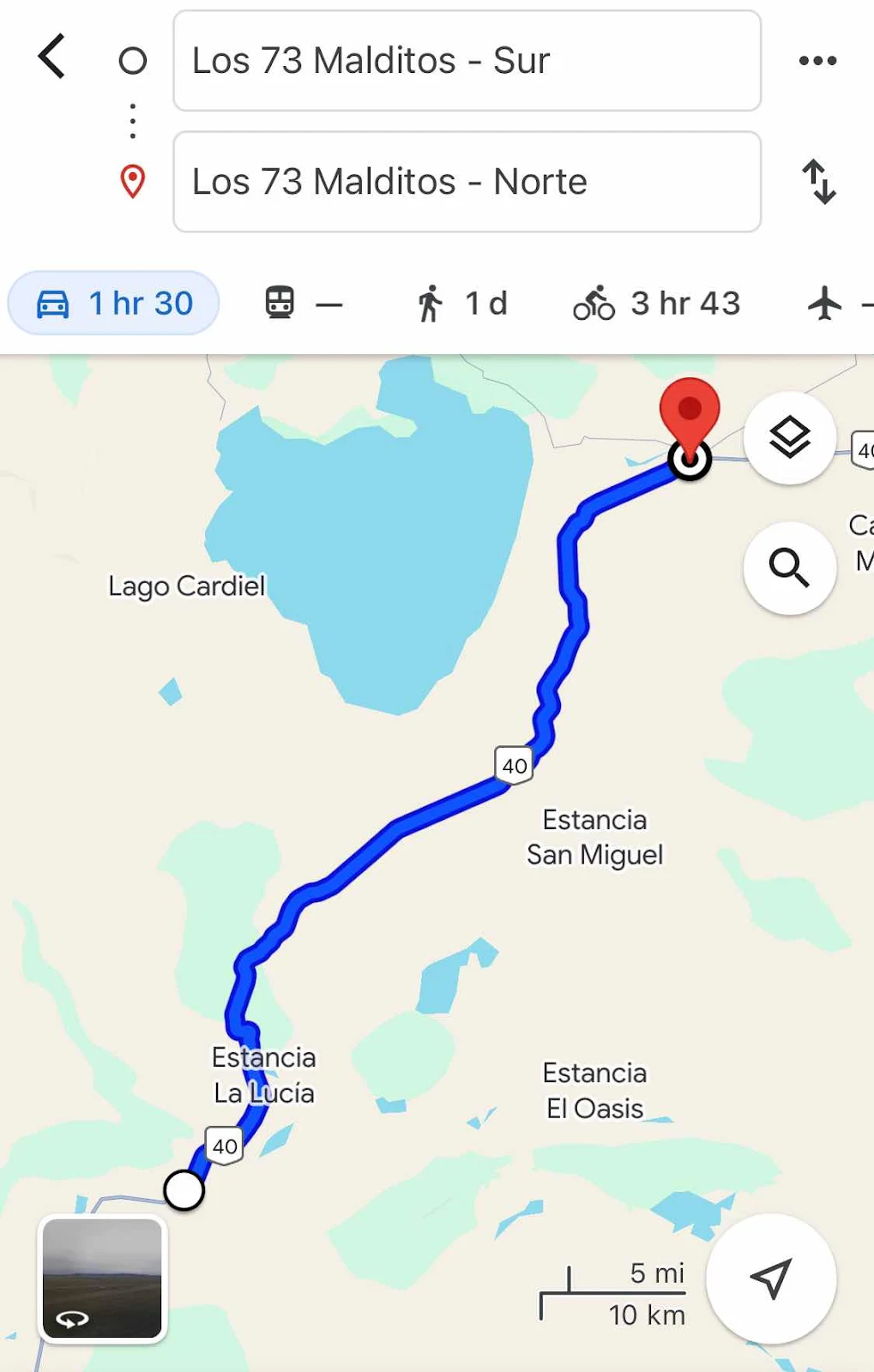
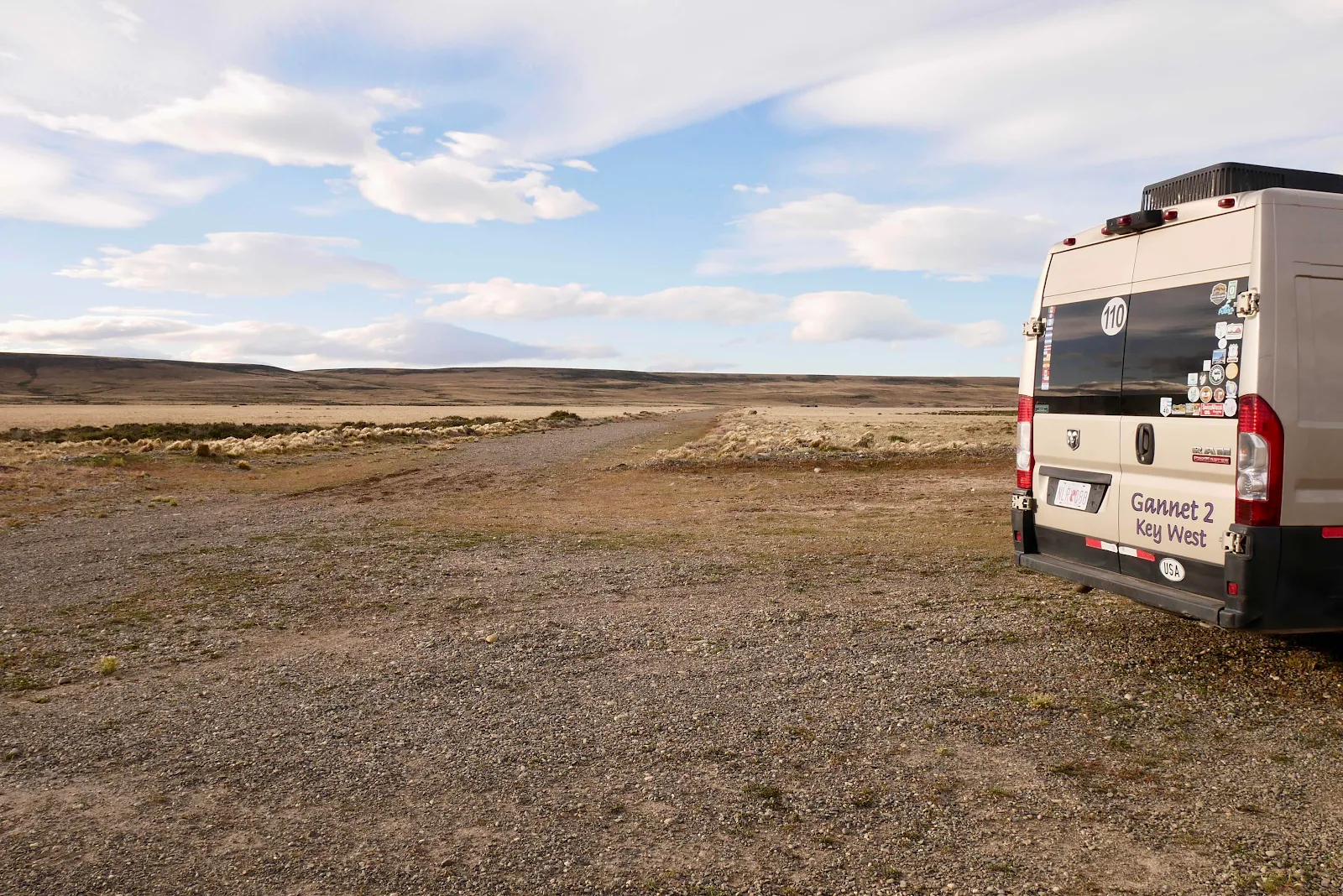
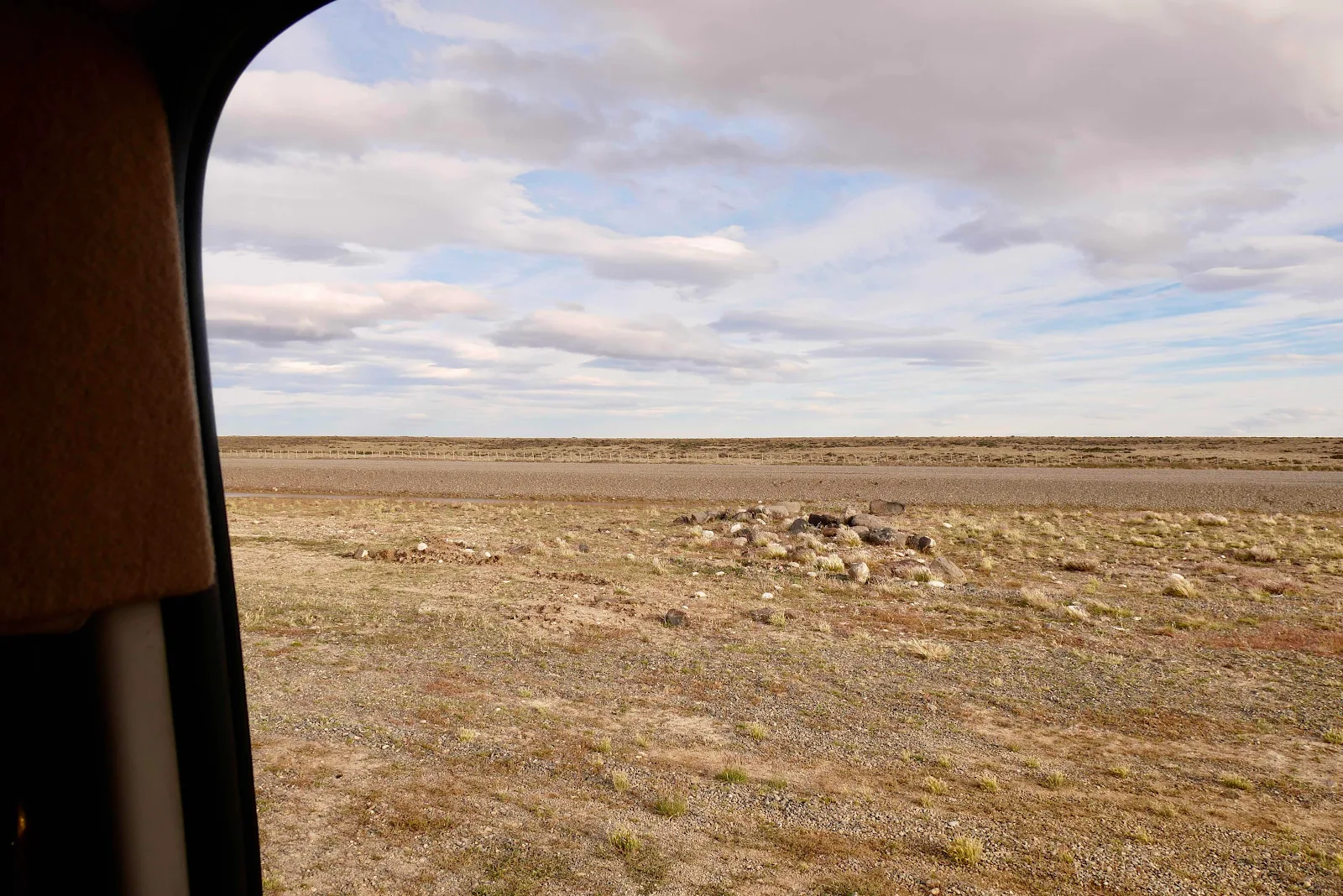
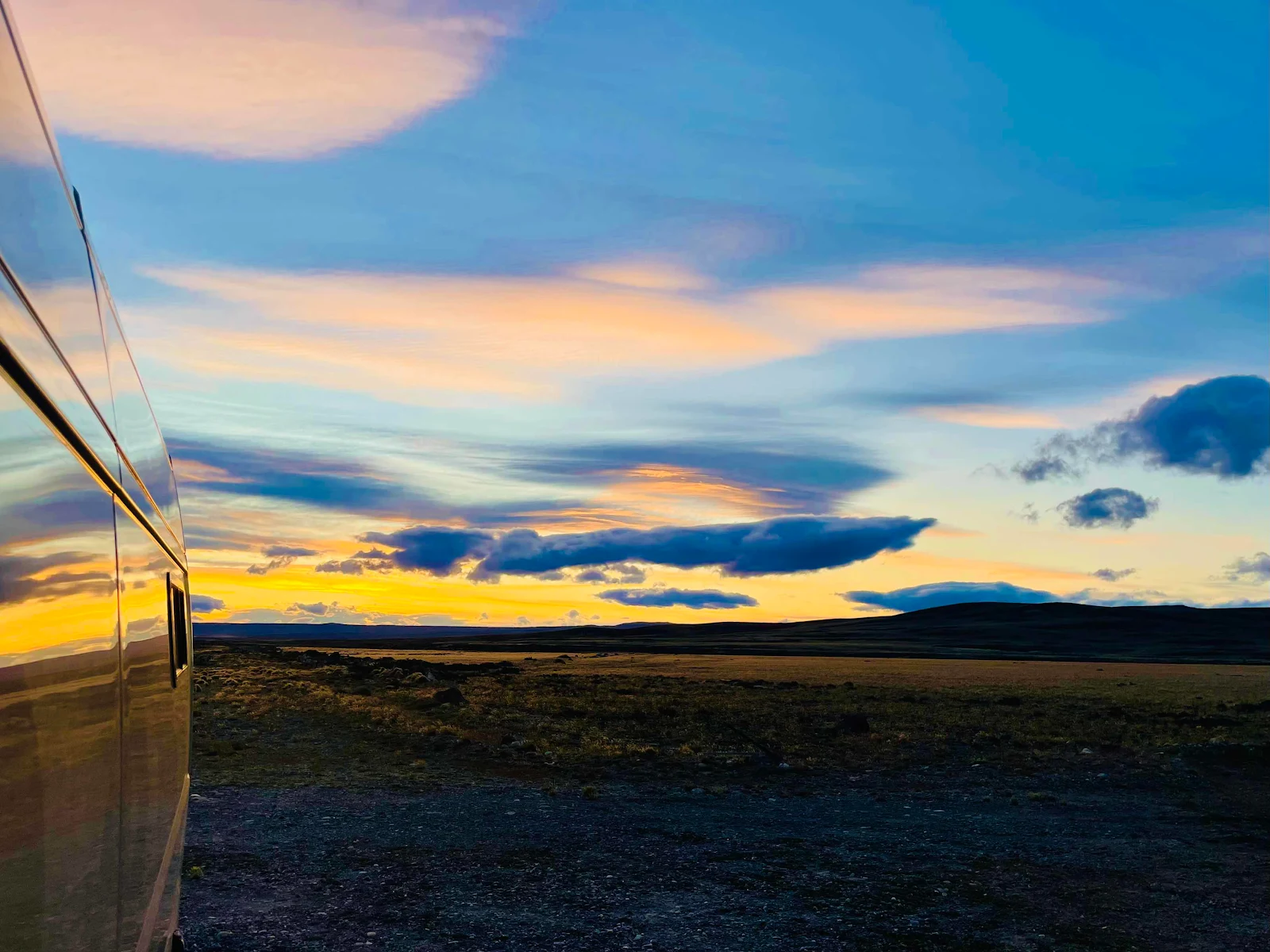
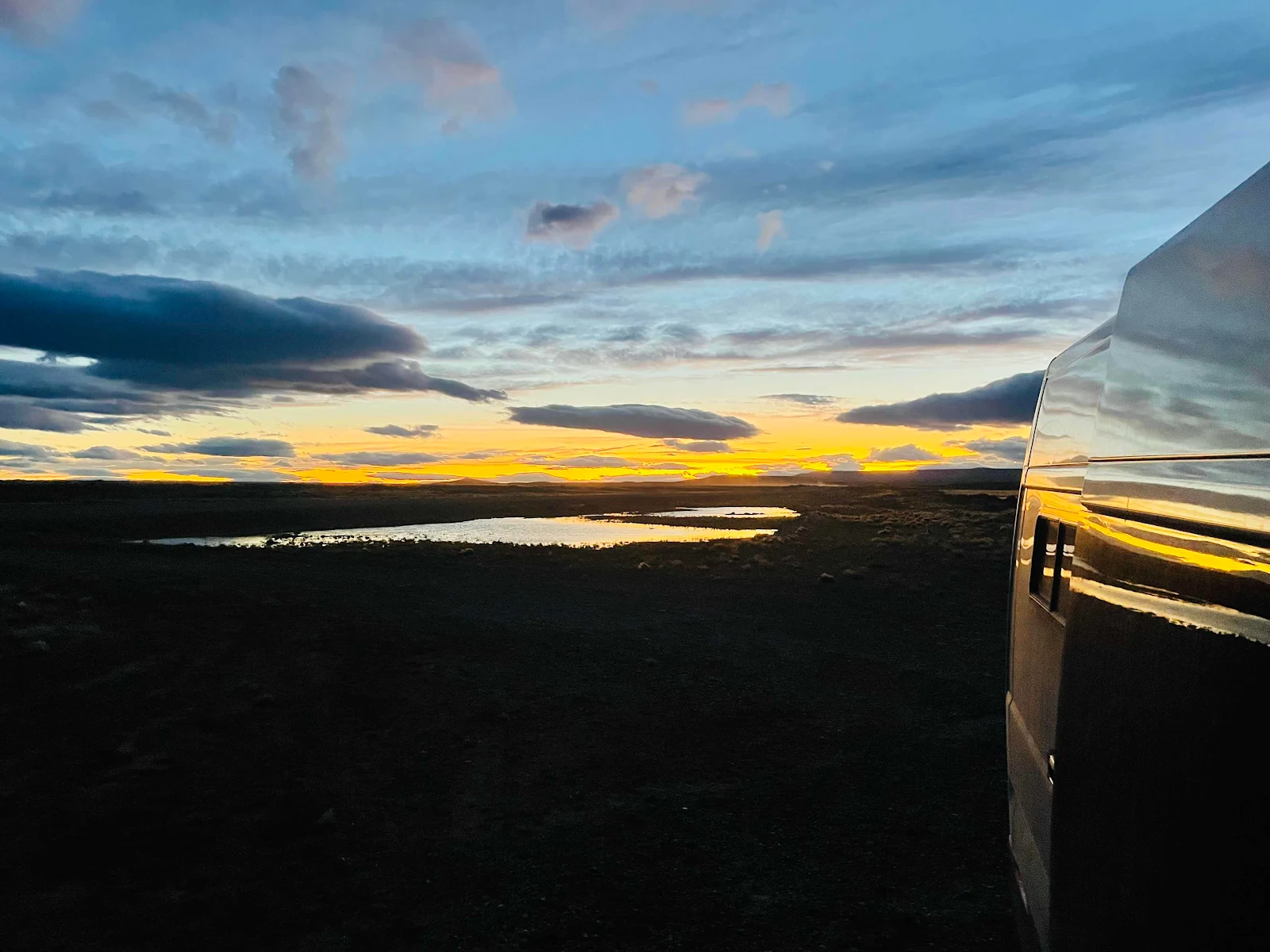
The Patagonian devil wind was honking when we woke up parked in the middle of nowhere along the gravel section of Ruta 40. January 15th was Layne’s birthday celebrated previously by going to check out those icebergs so this day was a work day. GANNET2 swayed in the breeze and the roof fan rattled and the air conditioner next to it on the roof groaned as 40 mph winds plucked at our home and pushed and whistled on by. I was glad not to be in a tent or a vehicle with a pop up roof. The map shows our route over the next slow moving week or so. We are planning a slow drive.
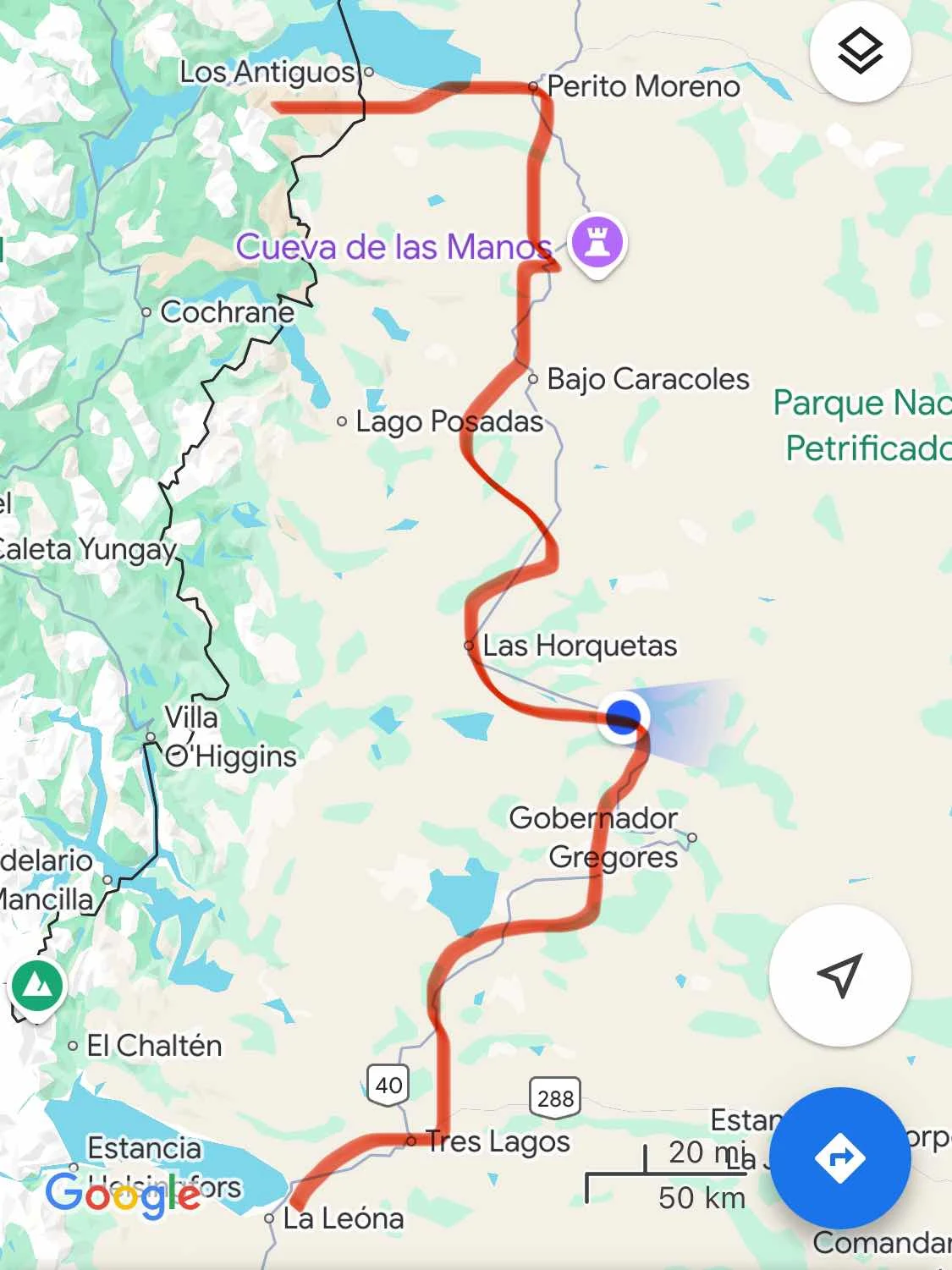
We have developed the habit of slow starts in Patagonia. It gets light around five but it’s usually pretty cold and bleak. For some reason Layne does her best sleeping in the early morning which gives me time to get up and if we have Starlink out or a strong cell signal I can write up previous progress here.
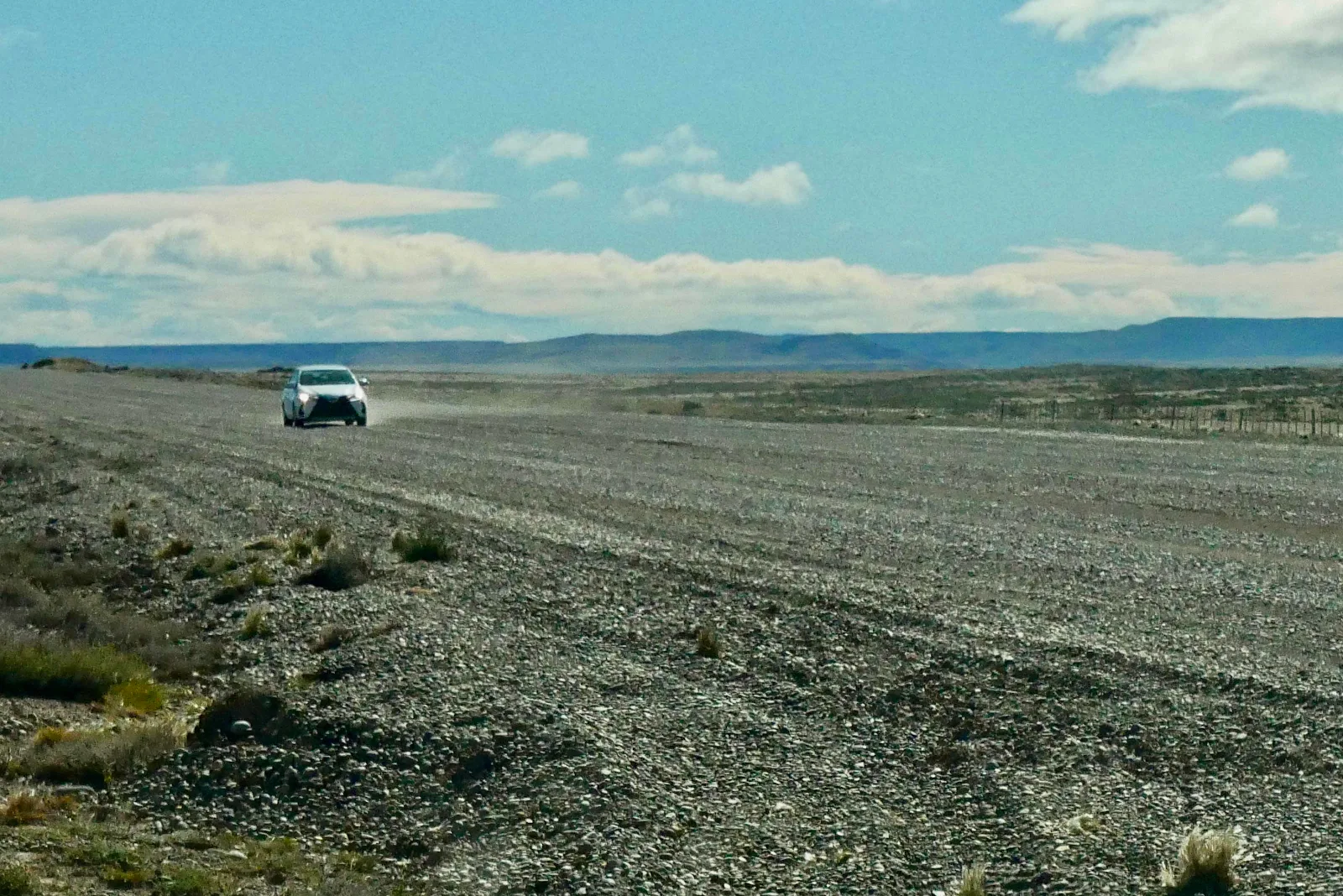
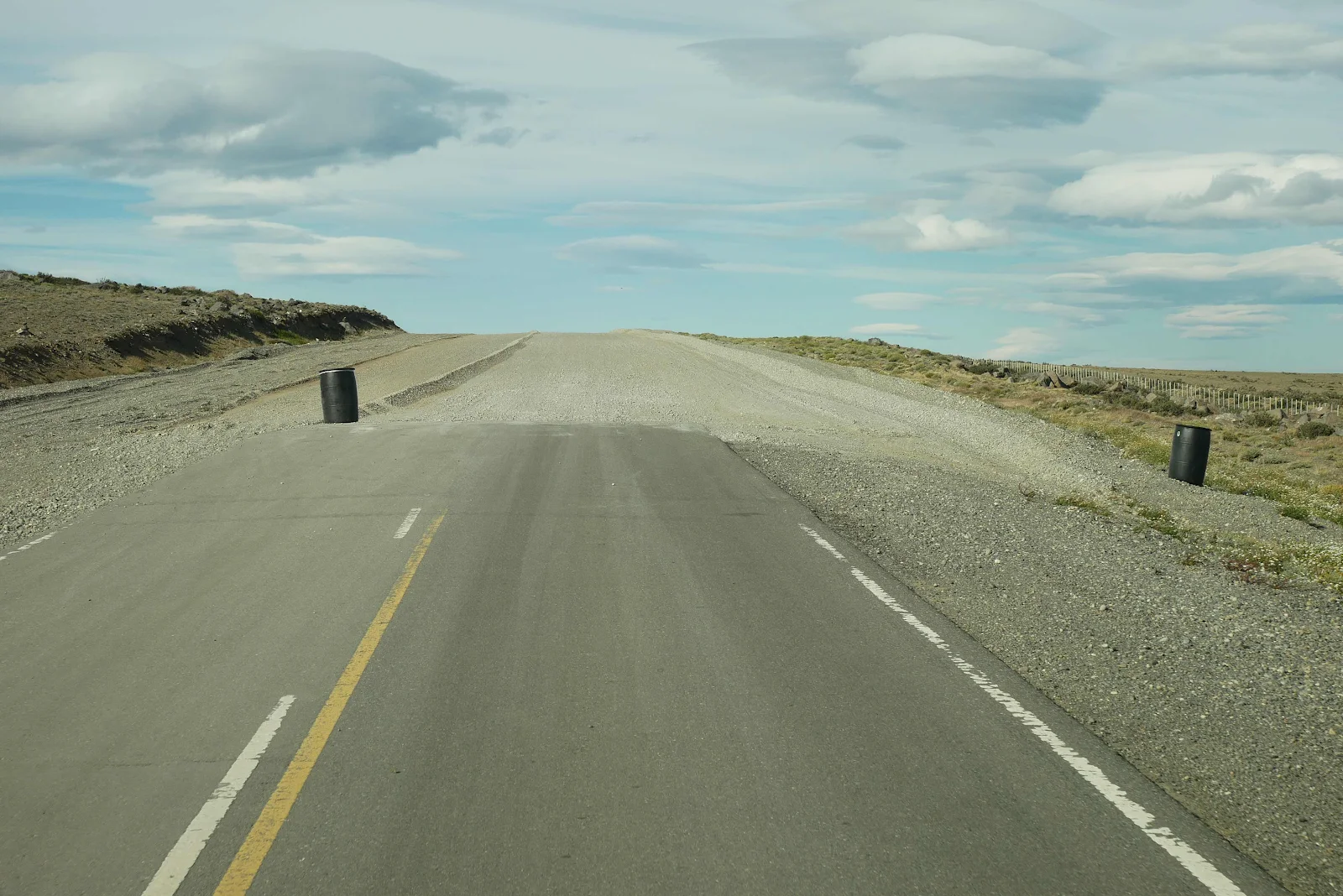
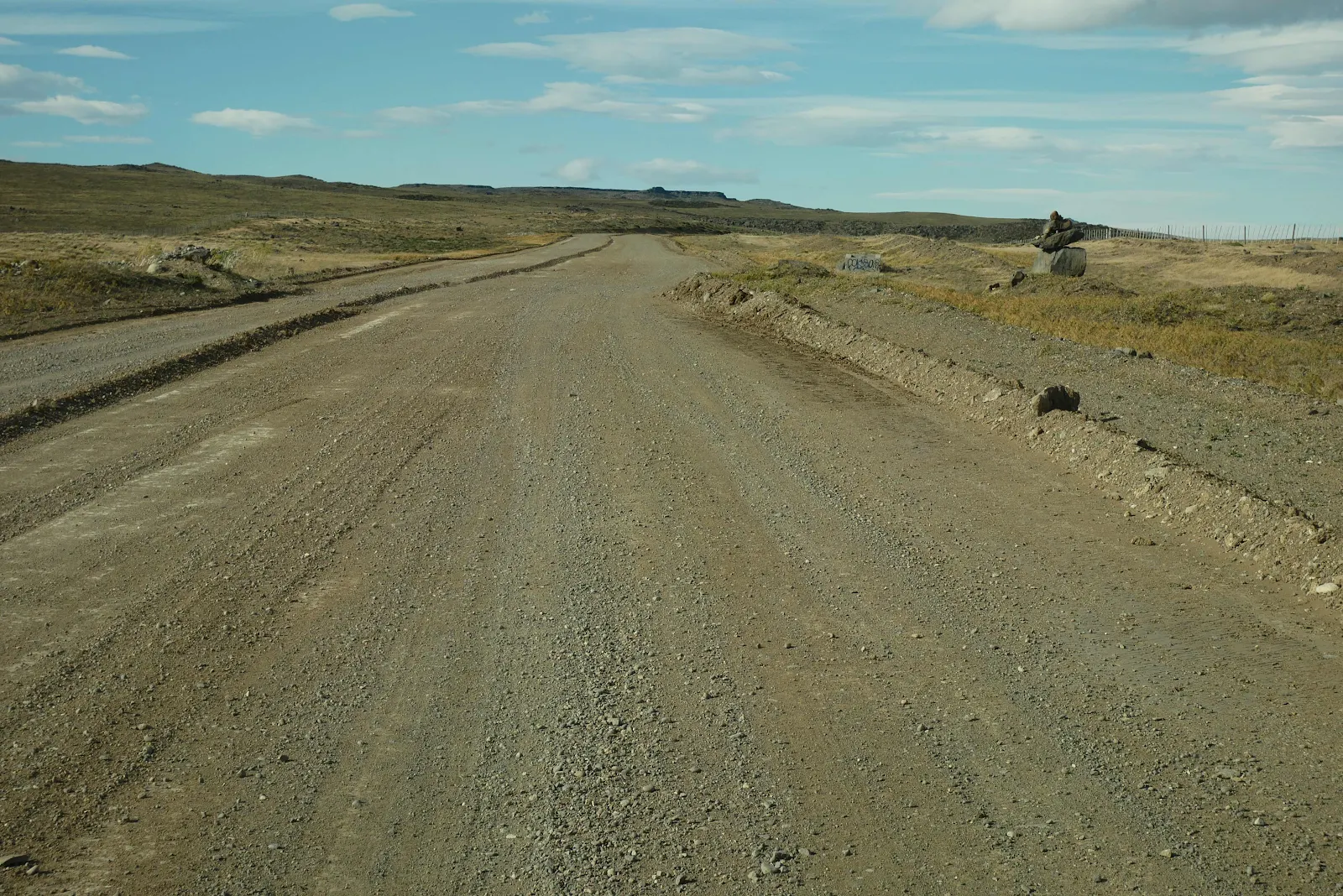
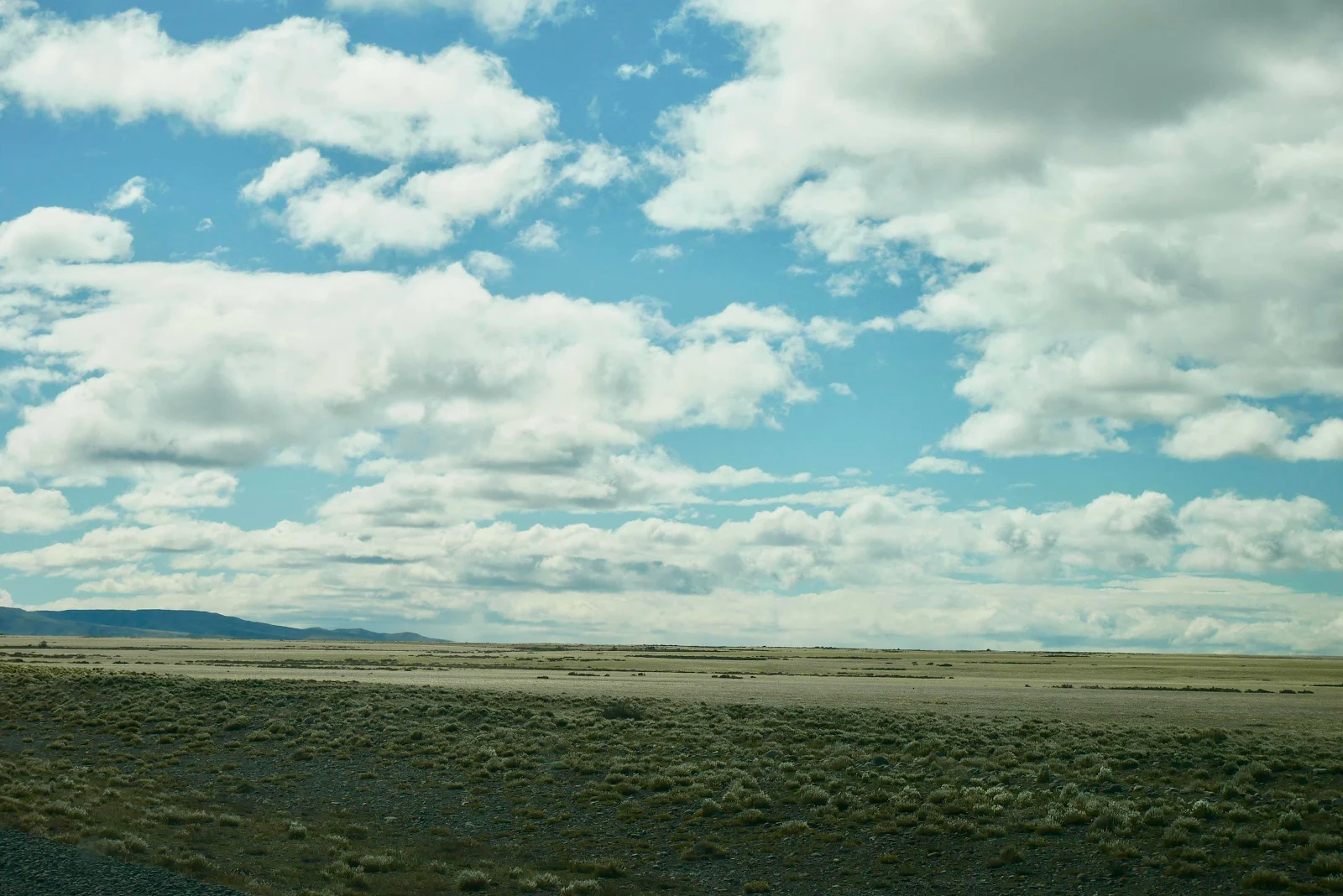
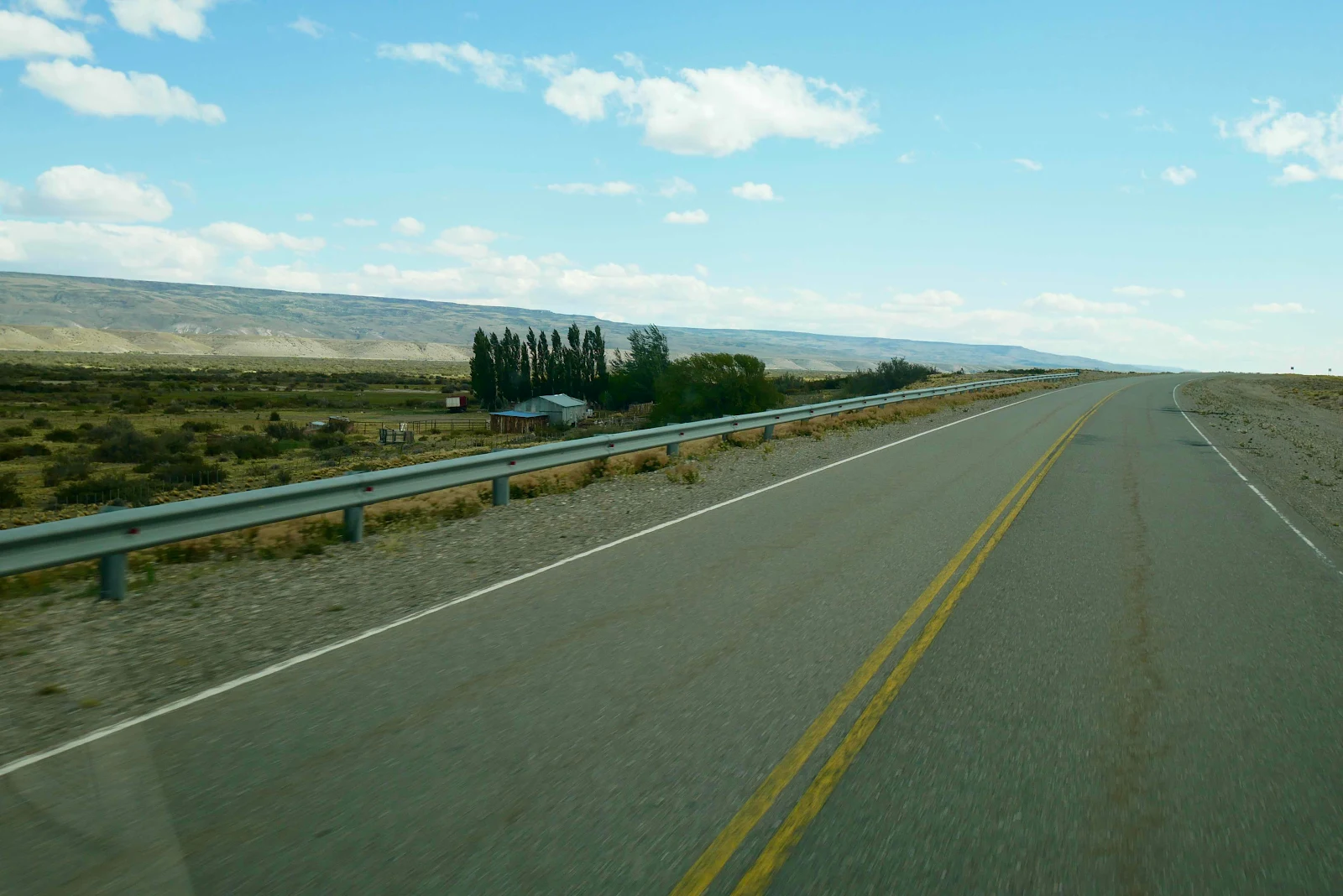
By the time we were ready to get on the gravel road for the last 29 miles it was 10:30 and we reached pavement two hours later. Patagonia:
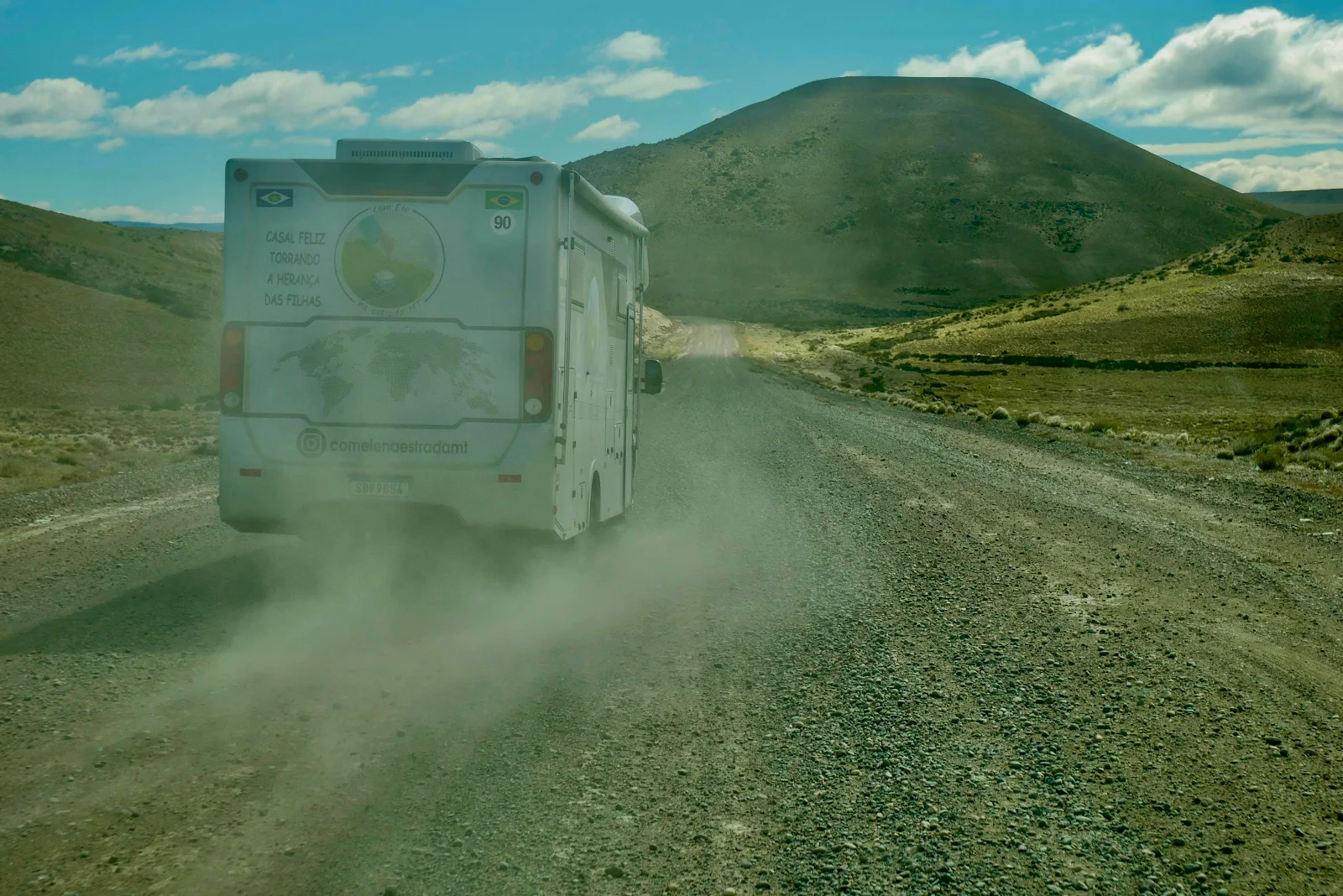
There is often fierce debate in the US among the few youngsters contemplating a PanAmerican journey on the value of four wheel drive. For those seeking to impress and make money producing videos it’s important to show off huge tires and dirt roads and impressive drop offs. For the rest of us whatever we have is what we use. This RV was built in Brazil:
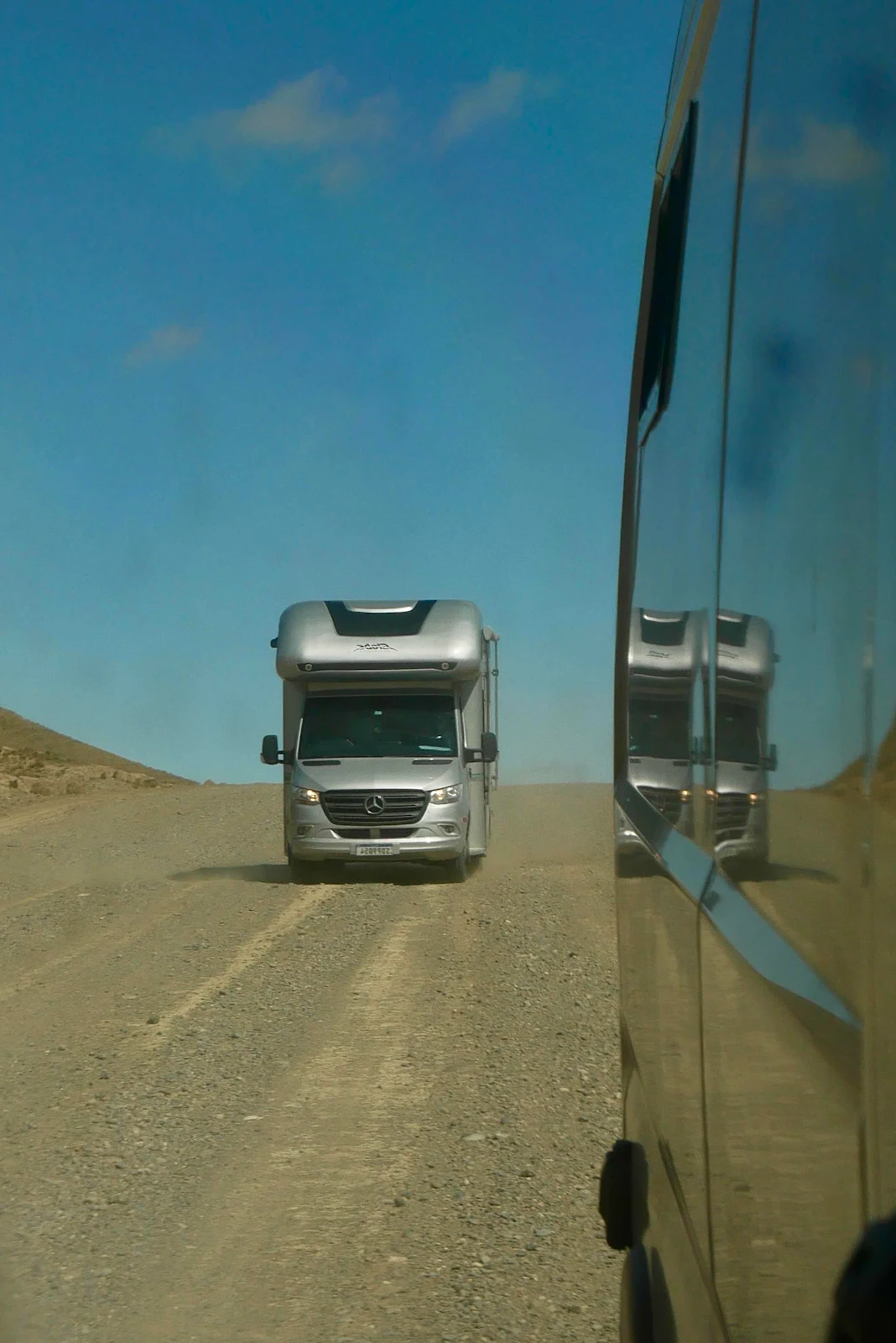
And they rattled off down the dirt at full speed ahead.
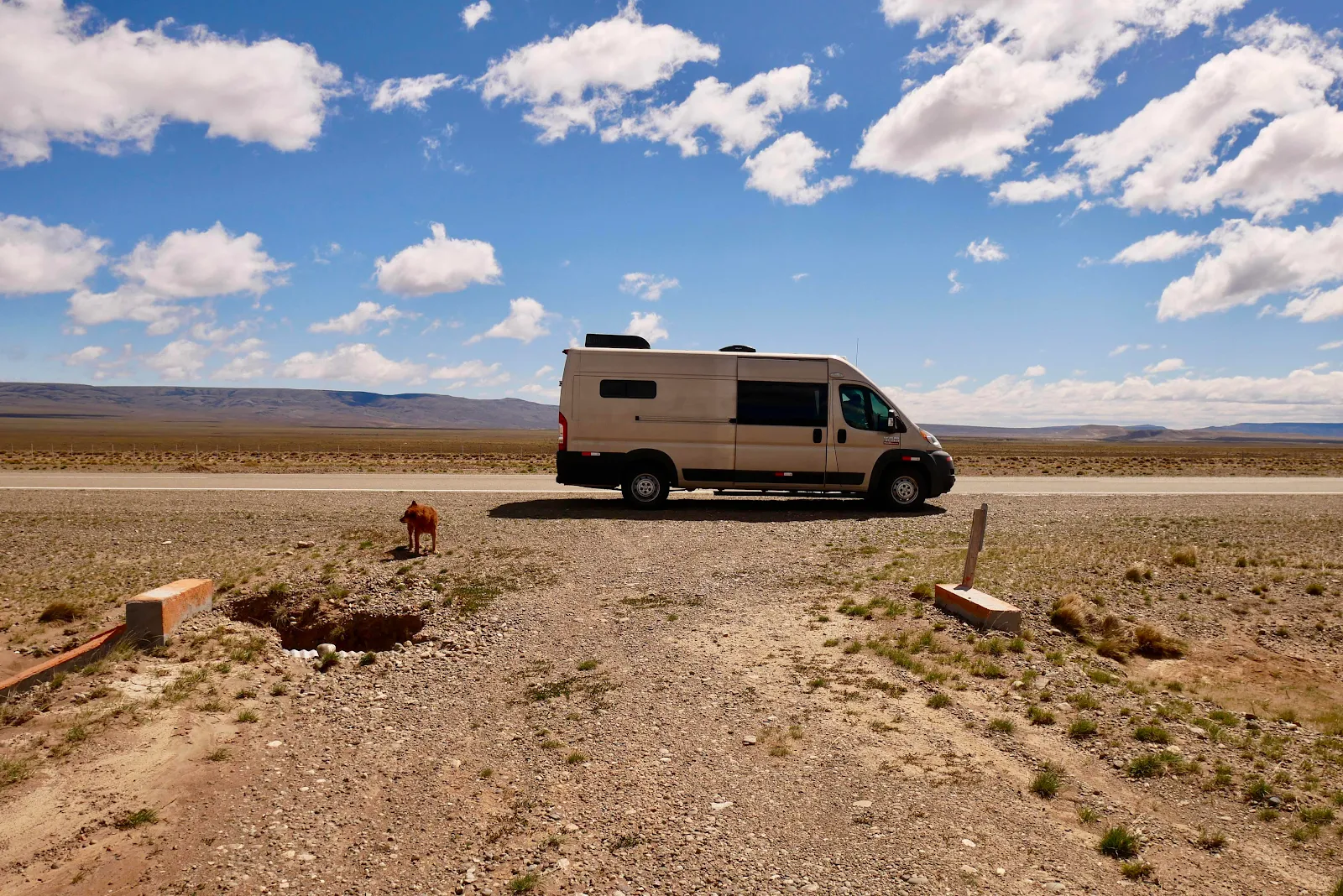
We have found no cause yet to regret driving our Promaster which we find to be comfortable and the correct size for us. With our own design it is simple enough to not need full RV park facilities to function but it is also large enough to give us a comfortable home easy to park most places.
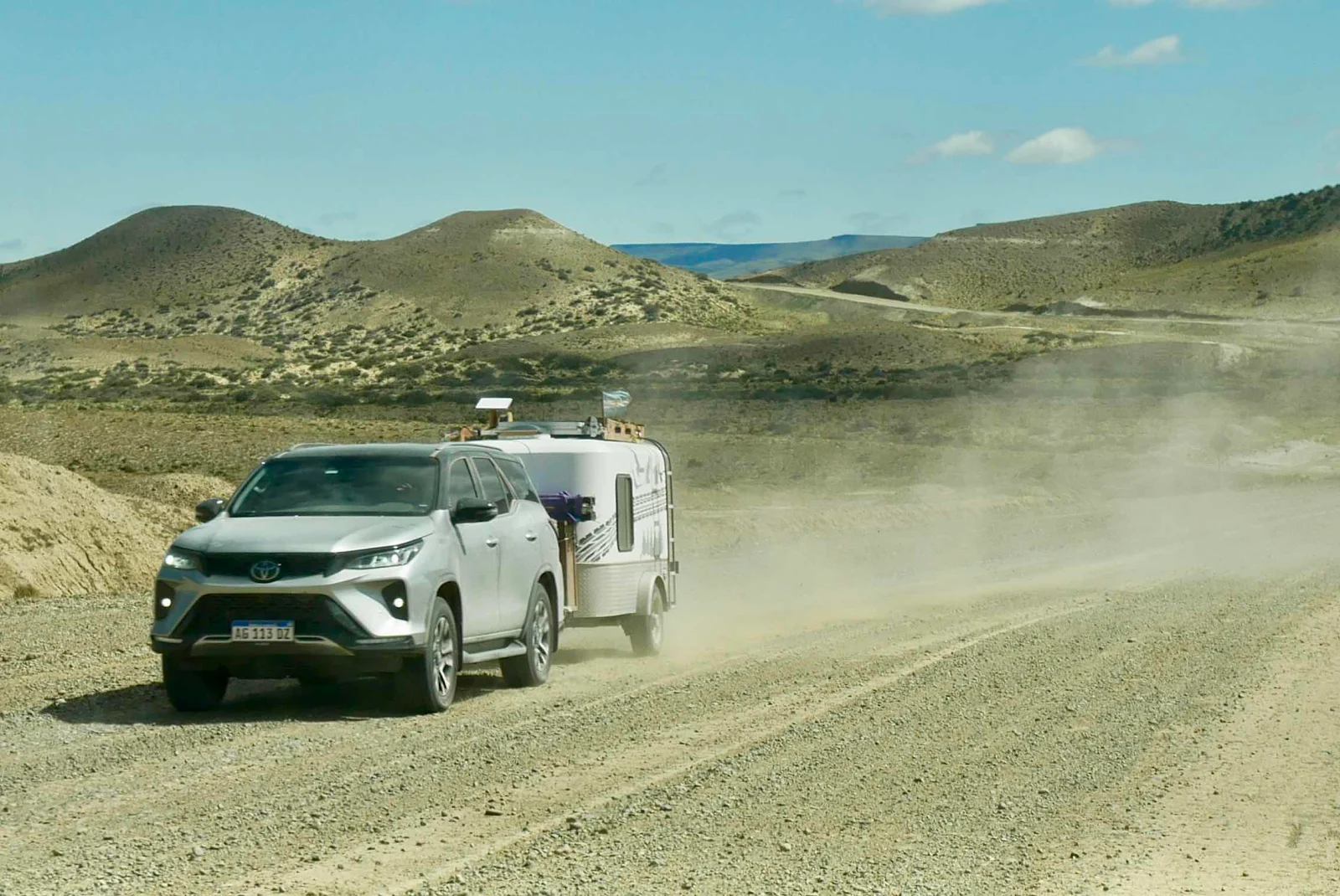
The consensus among travelers is not to bring travel trailers south. We see them everywhere in Argentina as locals take off with their families for summer vacations.
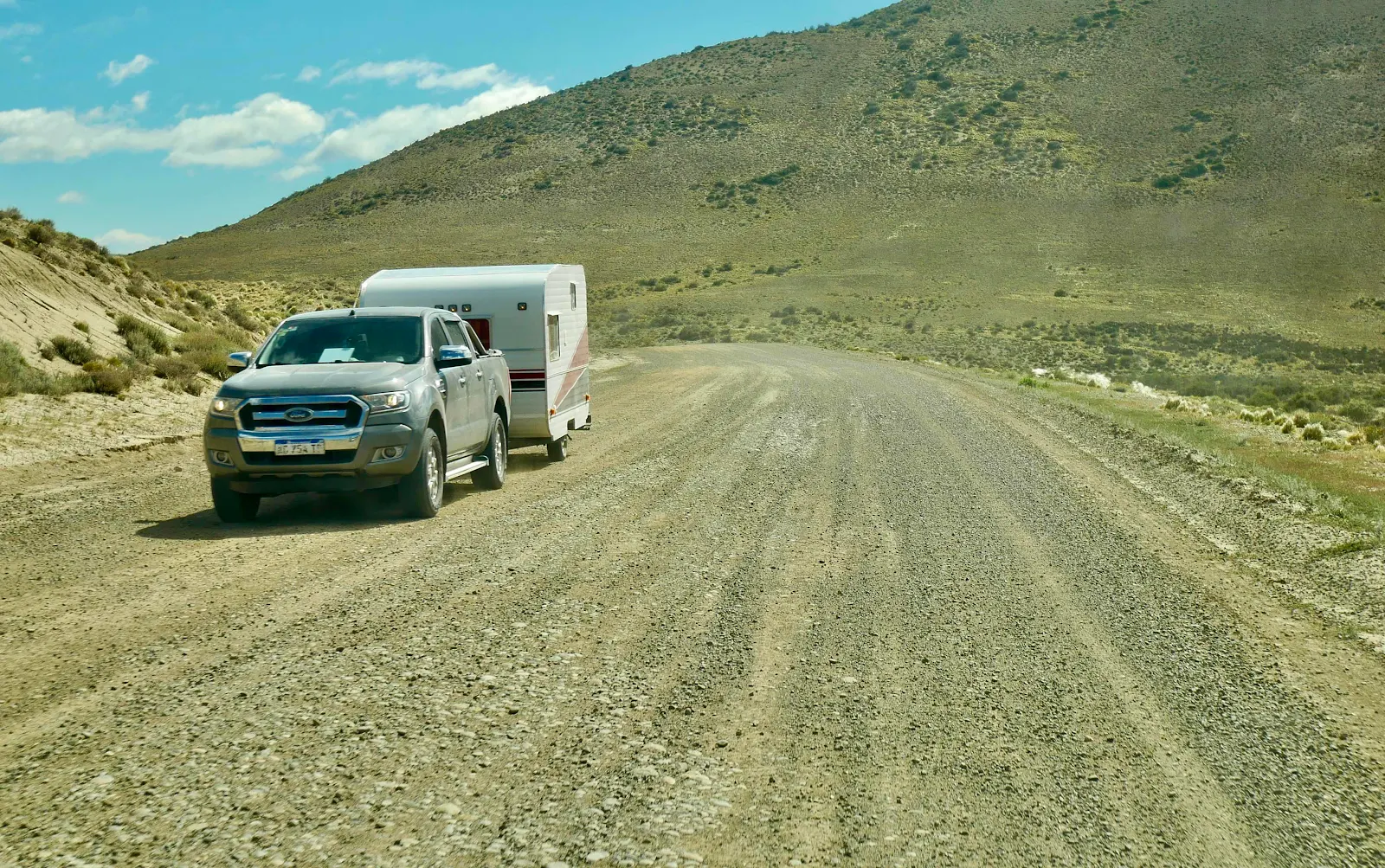
Like in most endeavors the perfect equipment is less important than the desire to do something. Indeed we’ve met Europeans in expedition trucks who wished they had something smaller to drive, while others love their huge machines. It just depends where you want to take your compromise, in comfort, off road travel, or ease of parking.
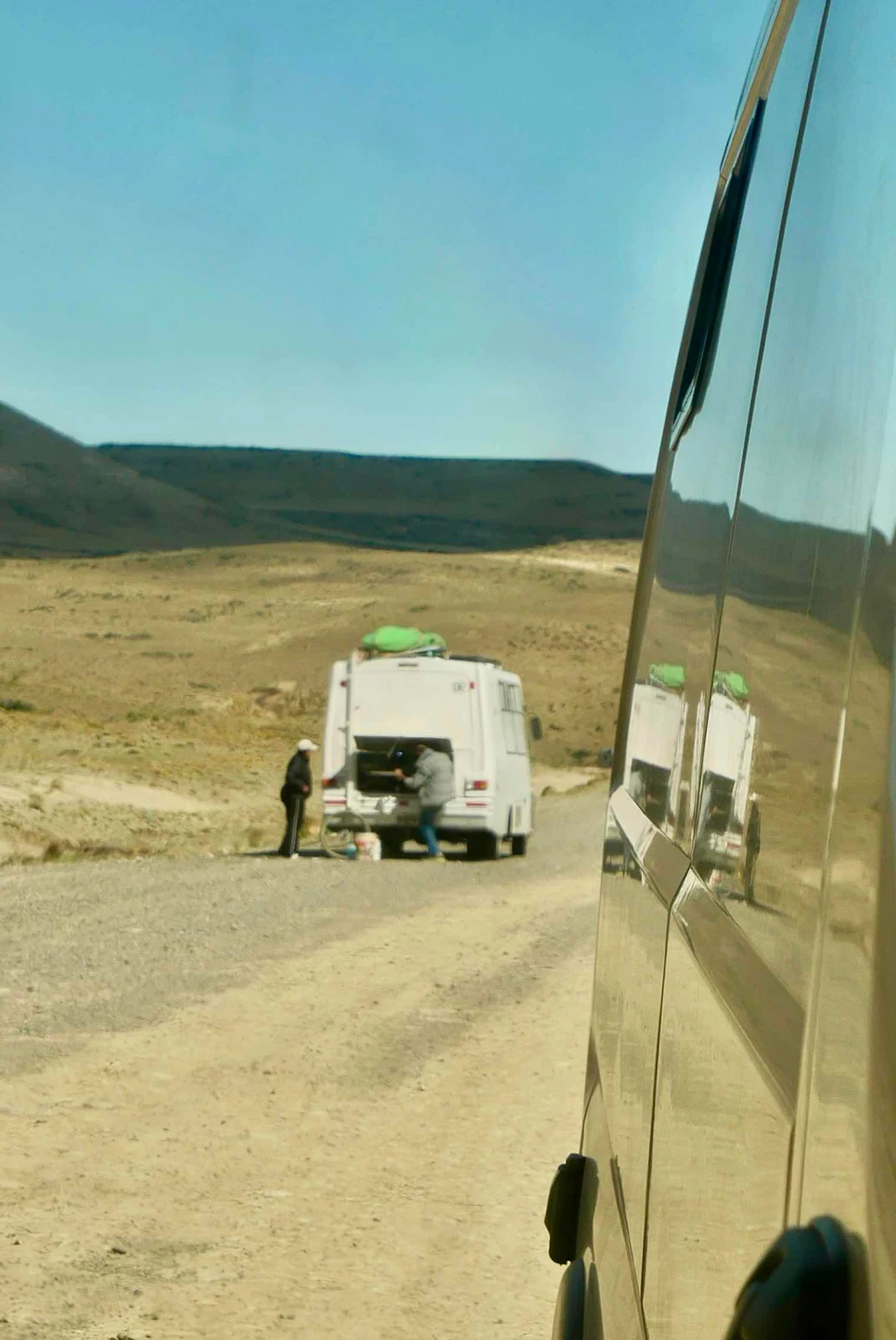
We stopped to ask this Argentine couple in an older Mercedes if they needed help, not that I’m a mechanic, but they smiled and waved us on as he held onto what looked like a replacement hose.
Argentina and Chile have a well developed RV culture and if you want to explore these countries you can easily rent an RV or truck camper to spend a few weeks exploring.
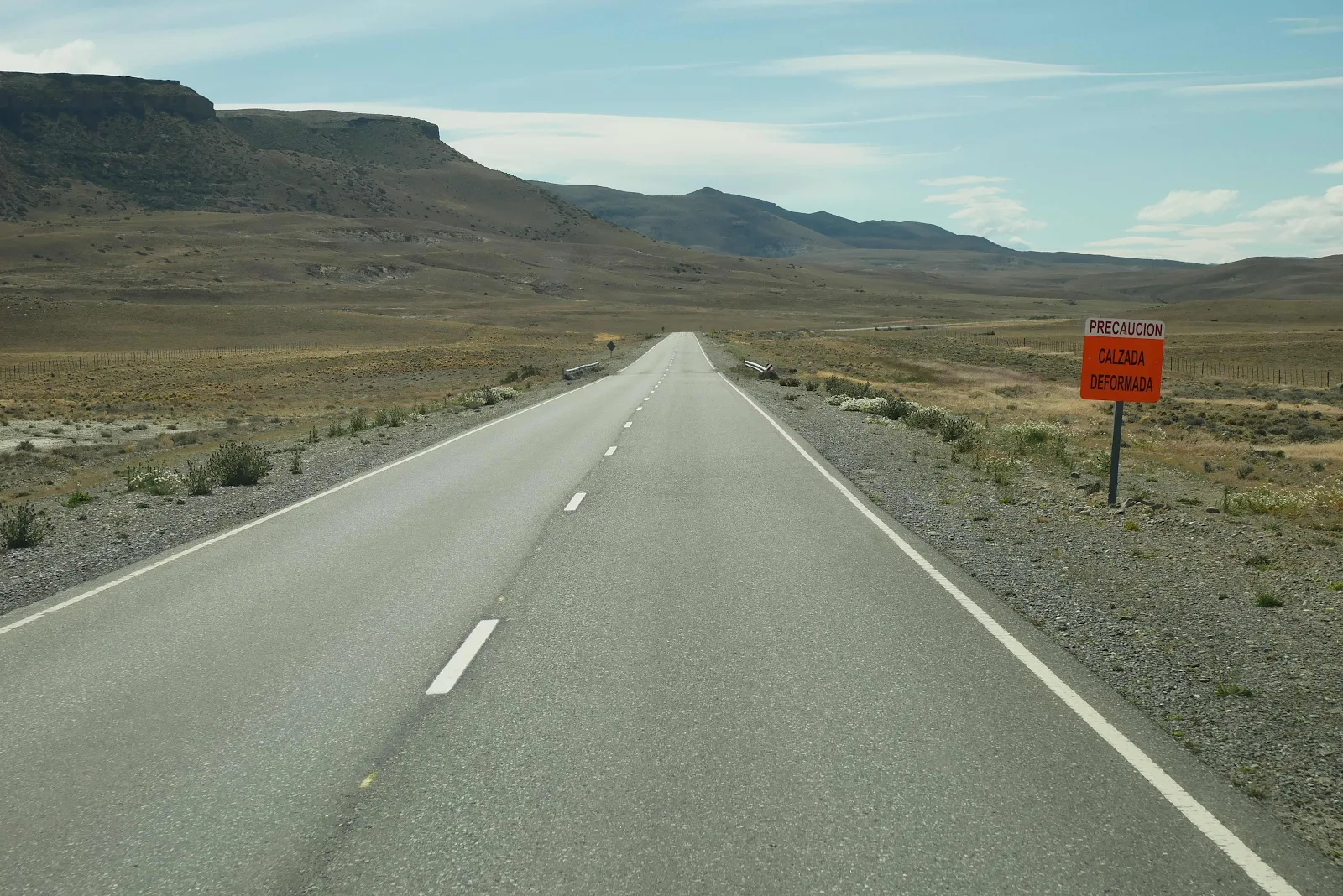
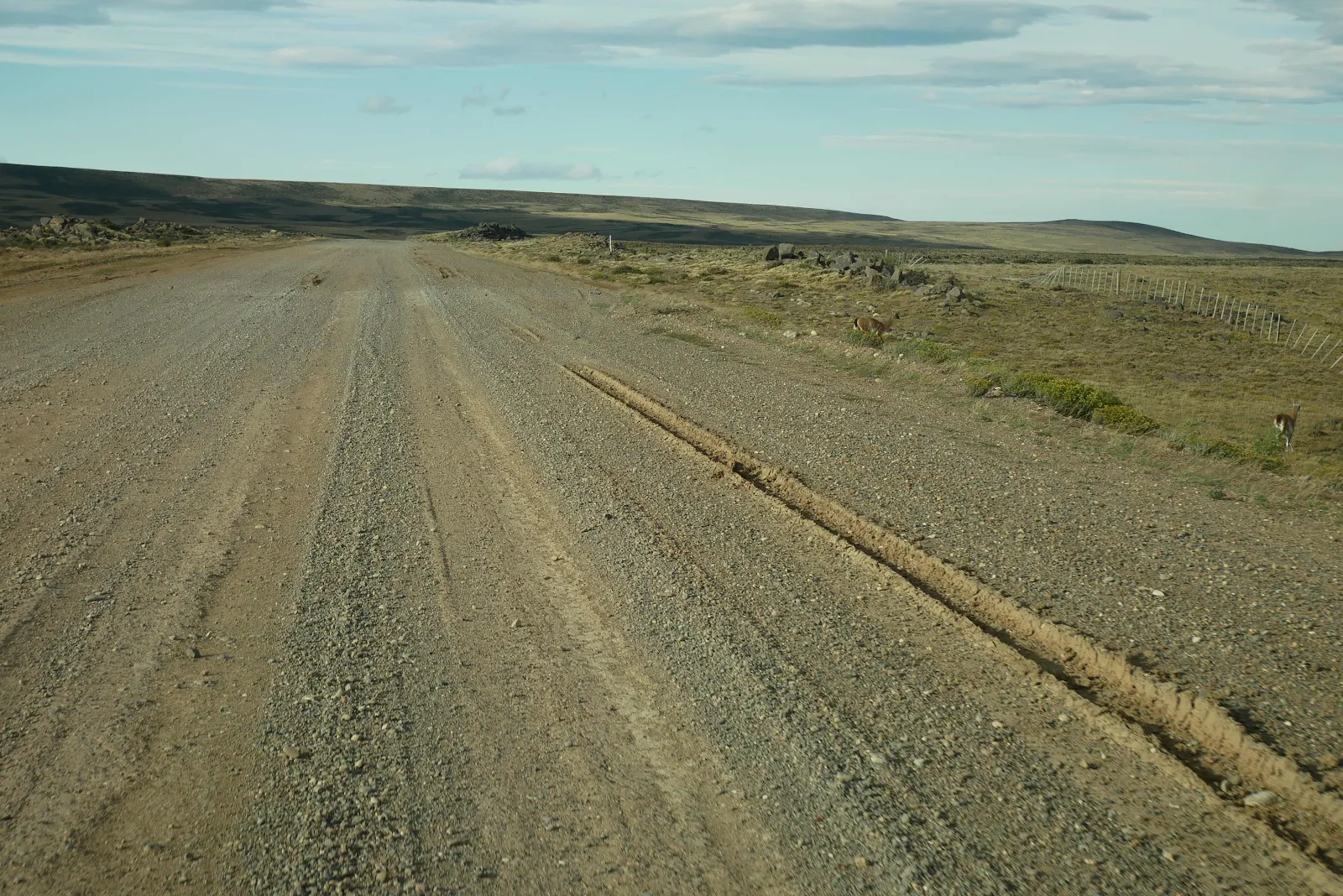
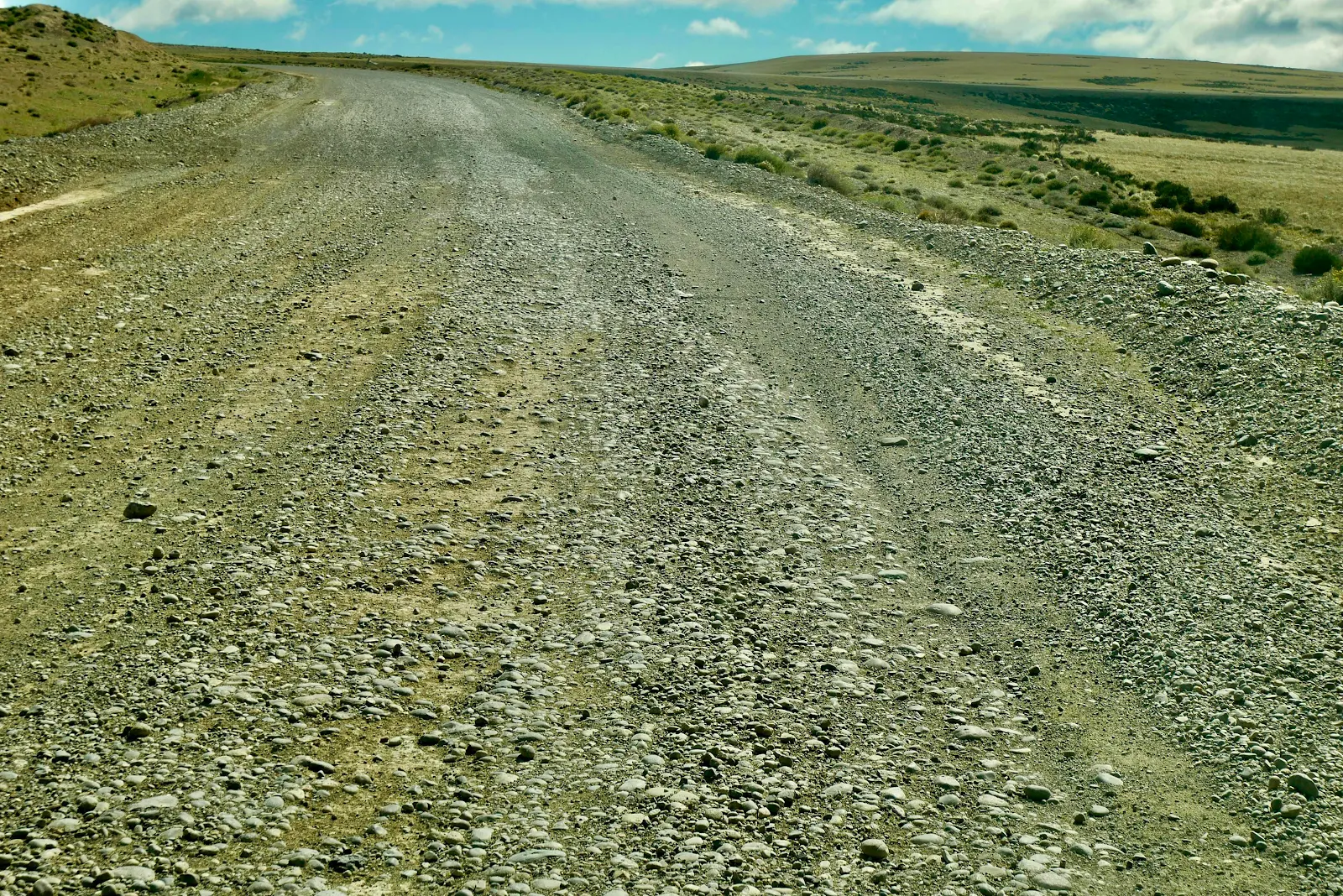
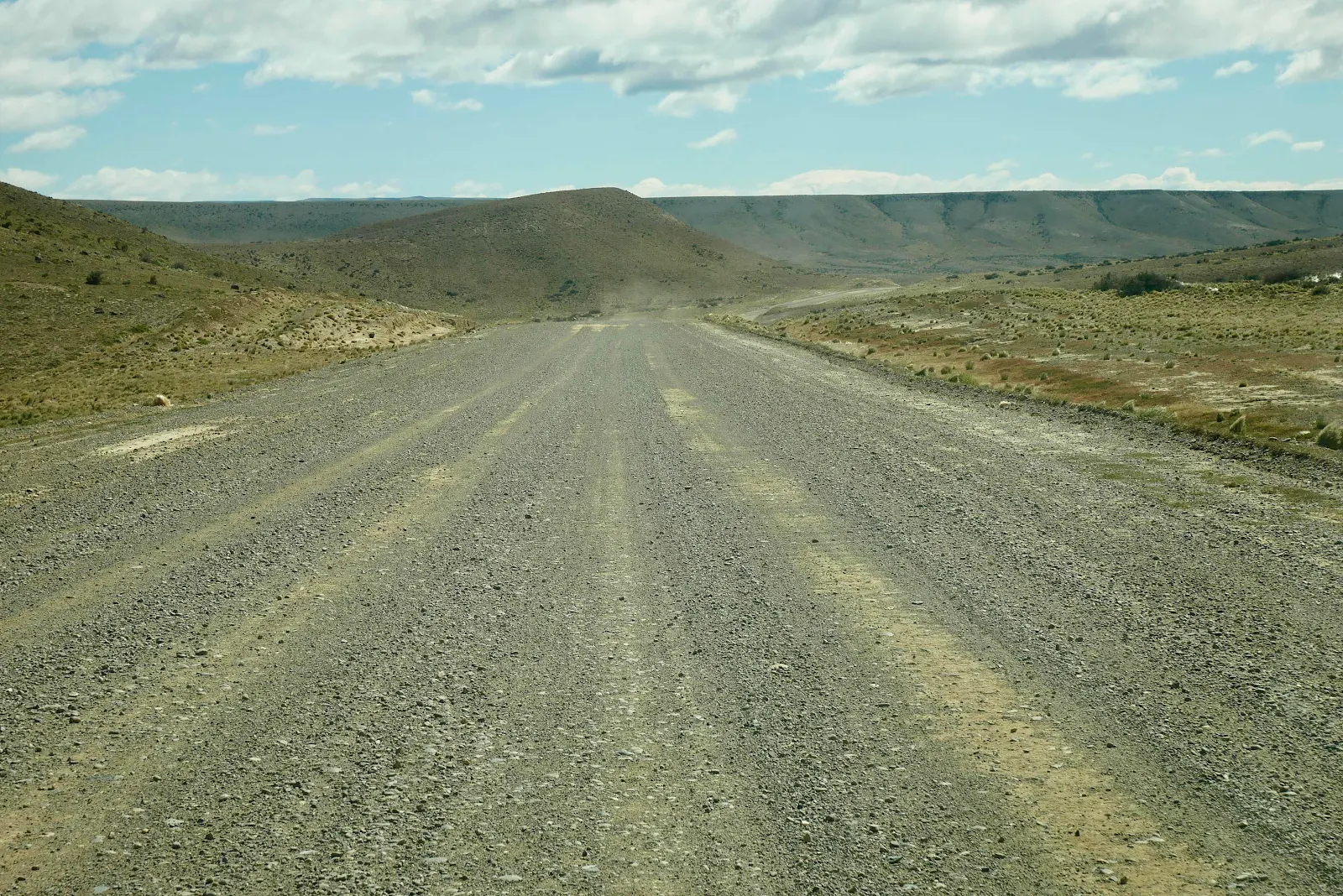
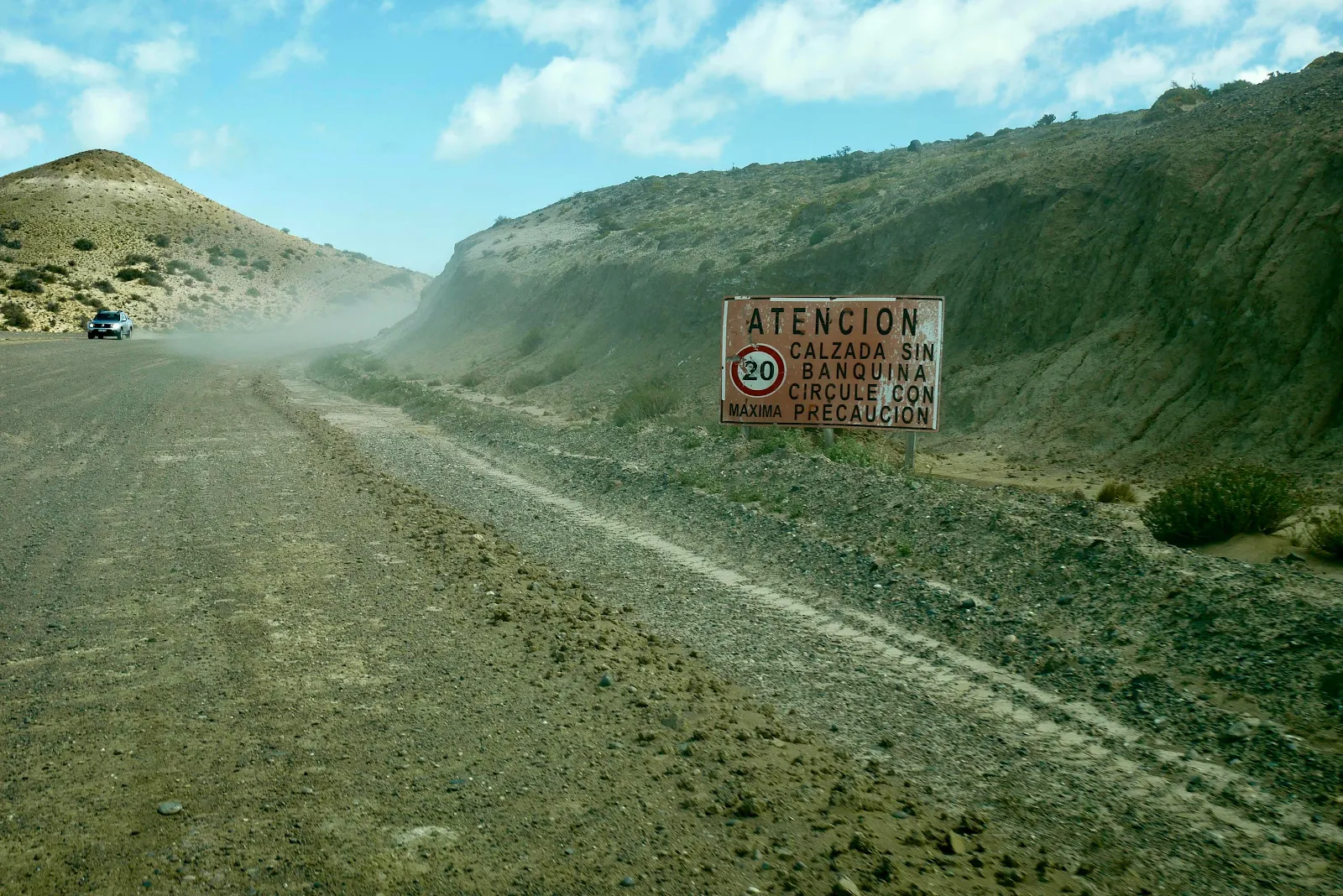
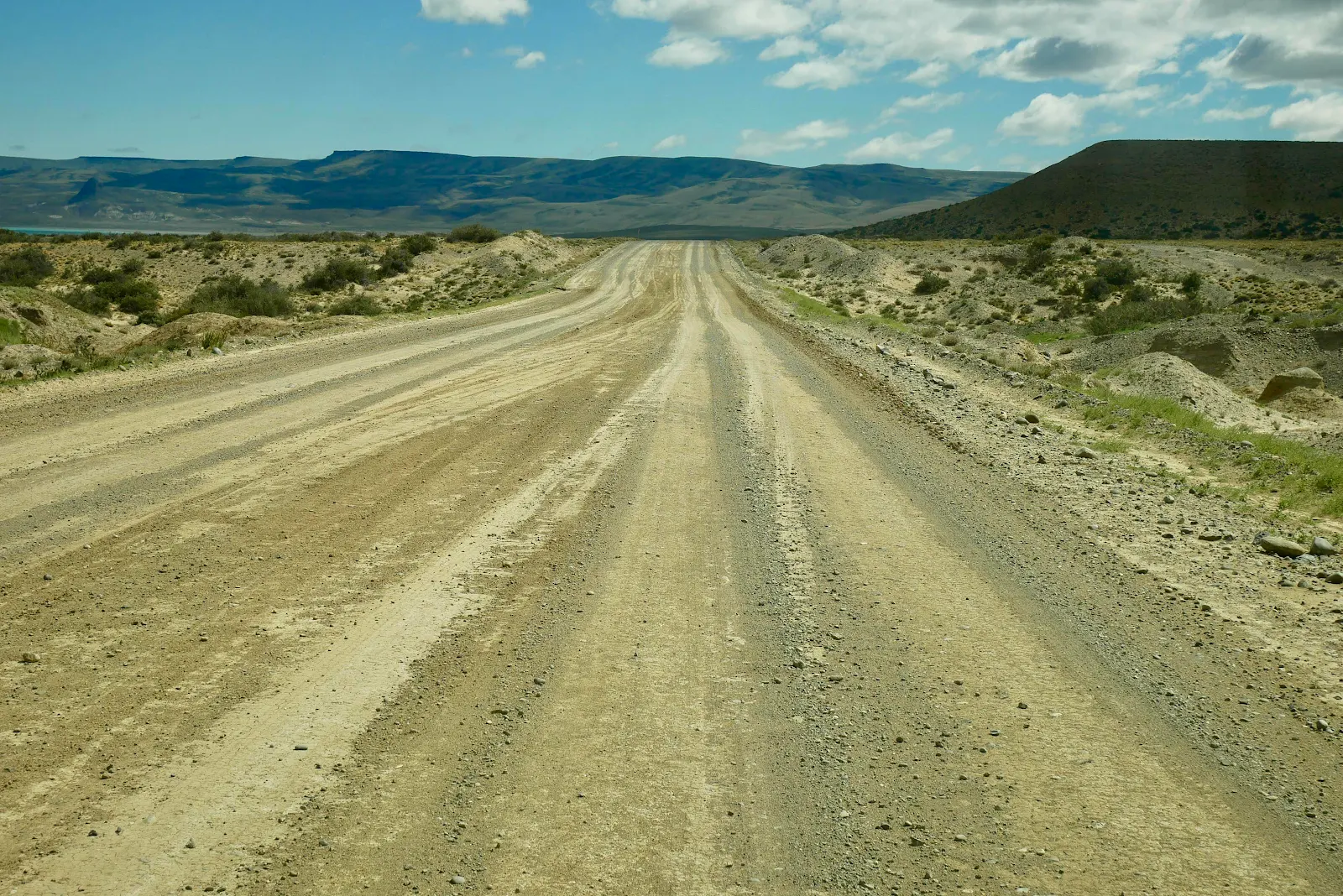
I admit I got pretty fed up with this unexpected chunk of gravel highway as I only drive dirt to get somewhere or see something and I don’t like to drive dirt just for fun. I like time to brace myself and get my head in the game. Being surprised by gravel gets me irritated; silly me.
We are planning a scenic drive through Chile on the famous (to some) Carretera Austral (southern highway) when we cross back into Chile in a few days. Parts of that road have yet to be paved but we are prepared for that on our way back through the fjords to Puerto Montt.
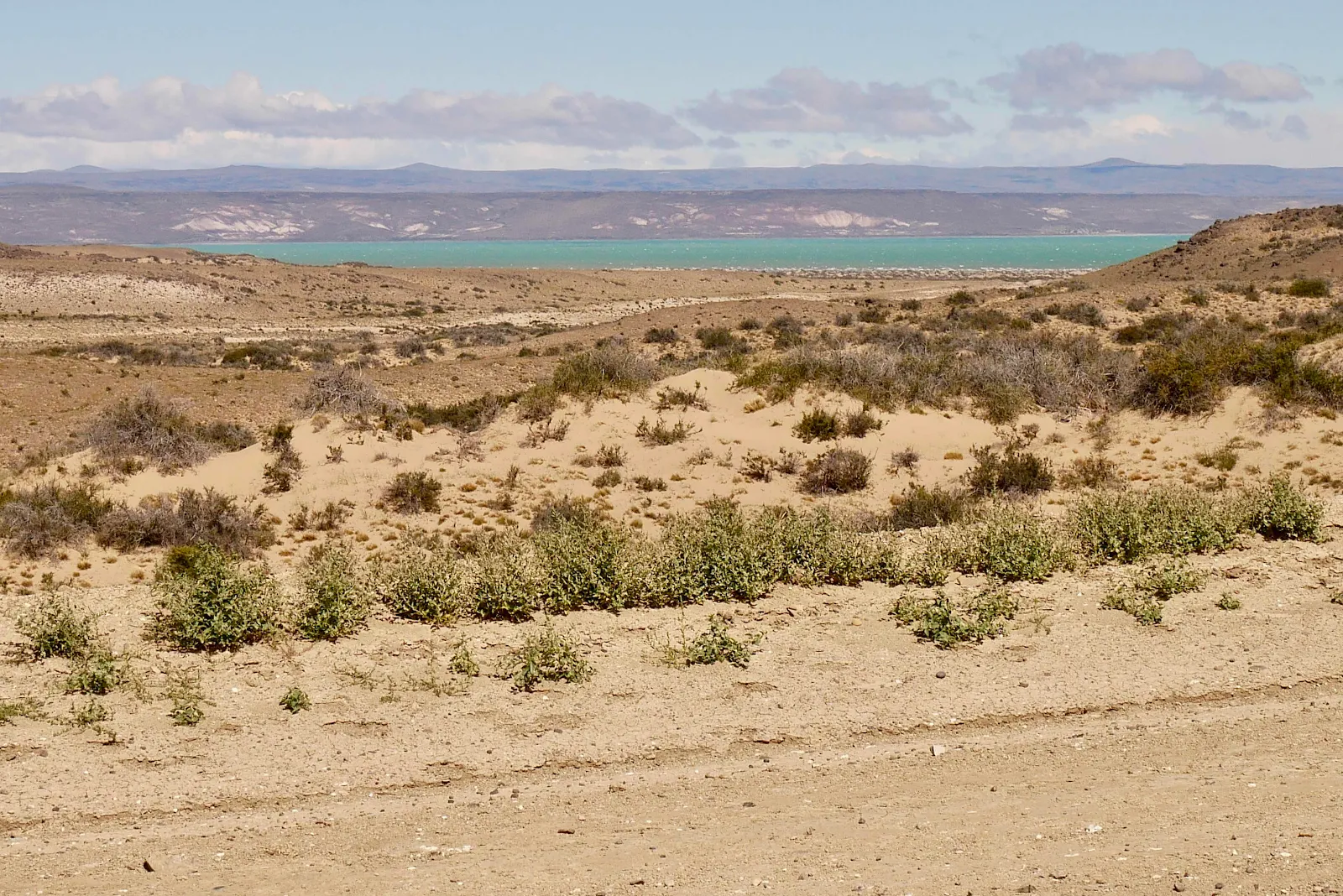
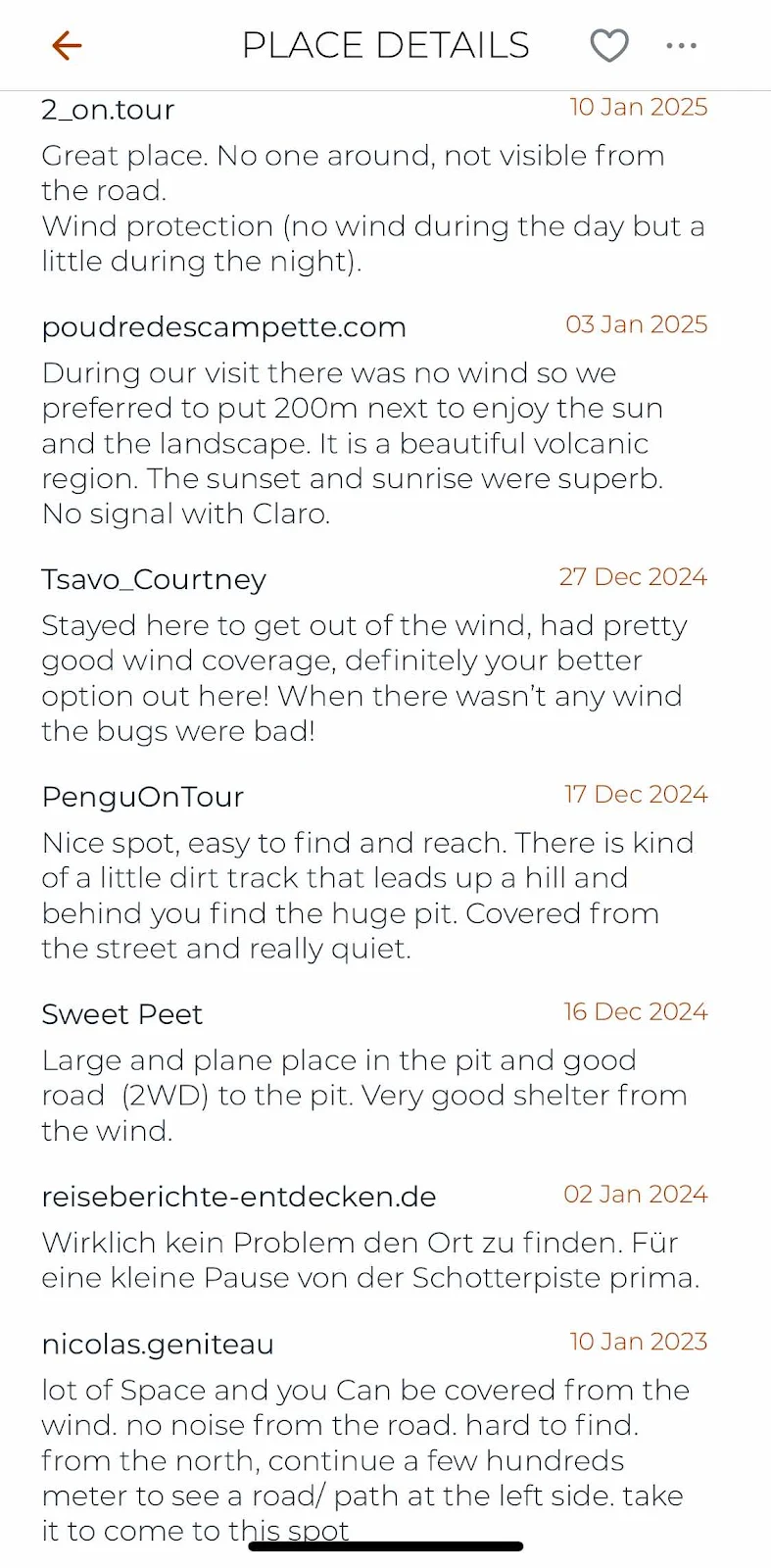
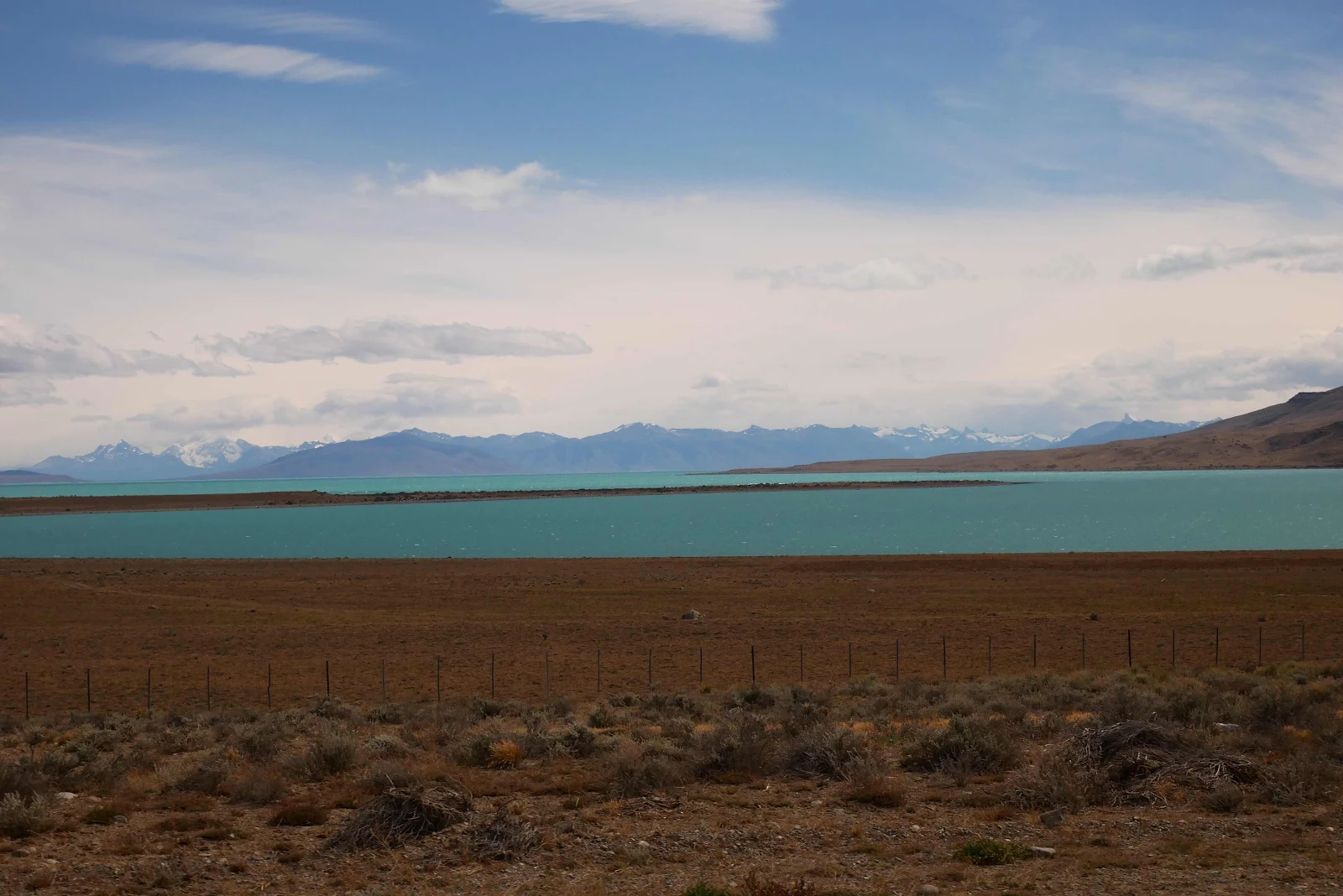
There is a campground near the lake but the reviews on iOverlander are mixed, and mention that the shower is cold water in an overhead bucket was enough to convince smelly us we need better facilities to induce us to park our first world backsides and pay money for the facilities. We pressed on.
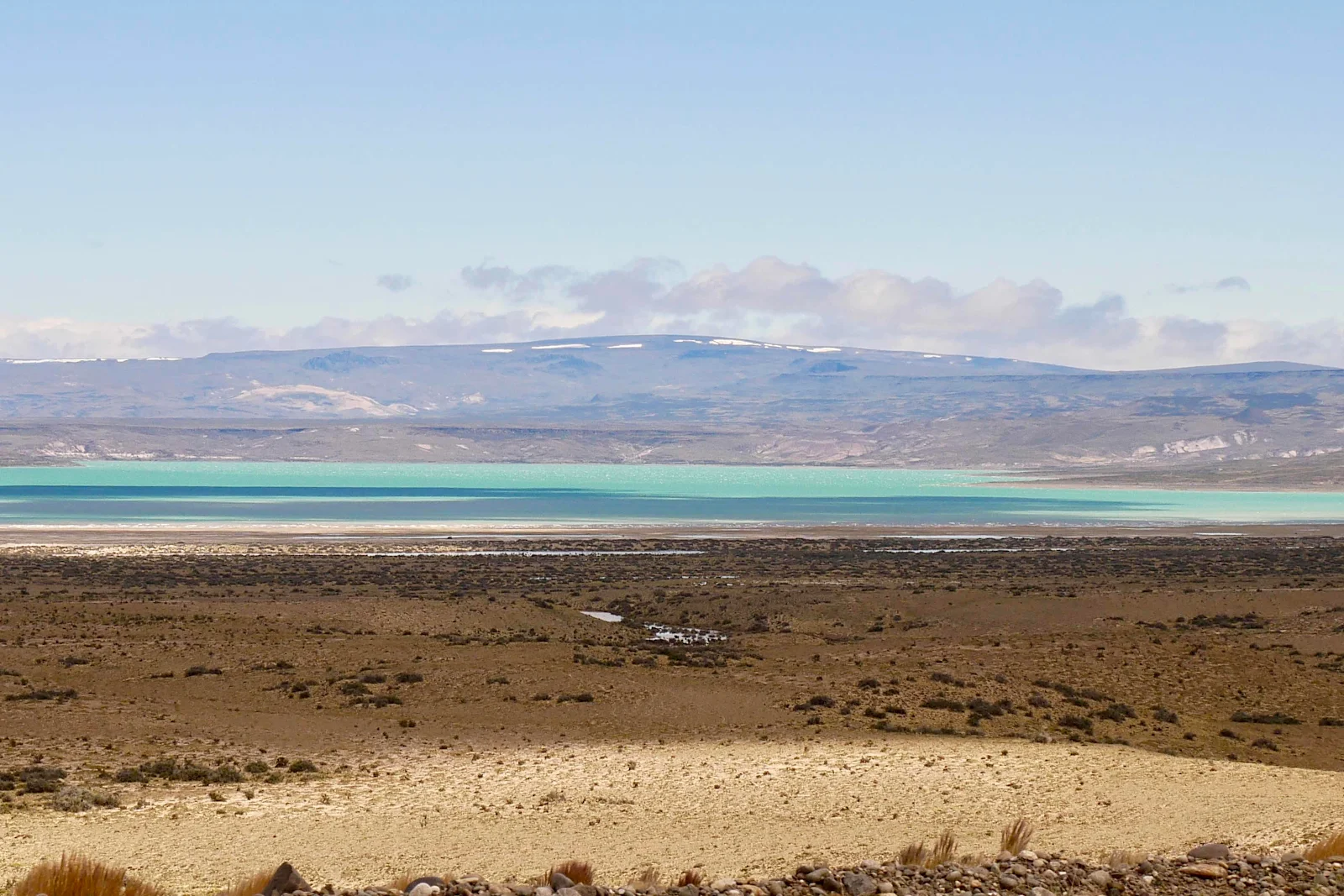
You can imagine I was delighted to see snow in the frigid distant hillsides.
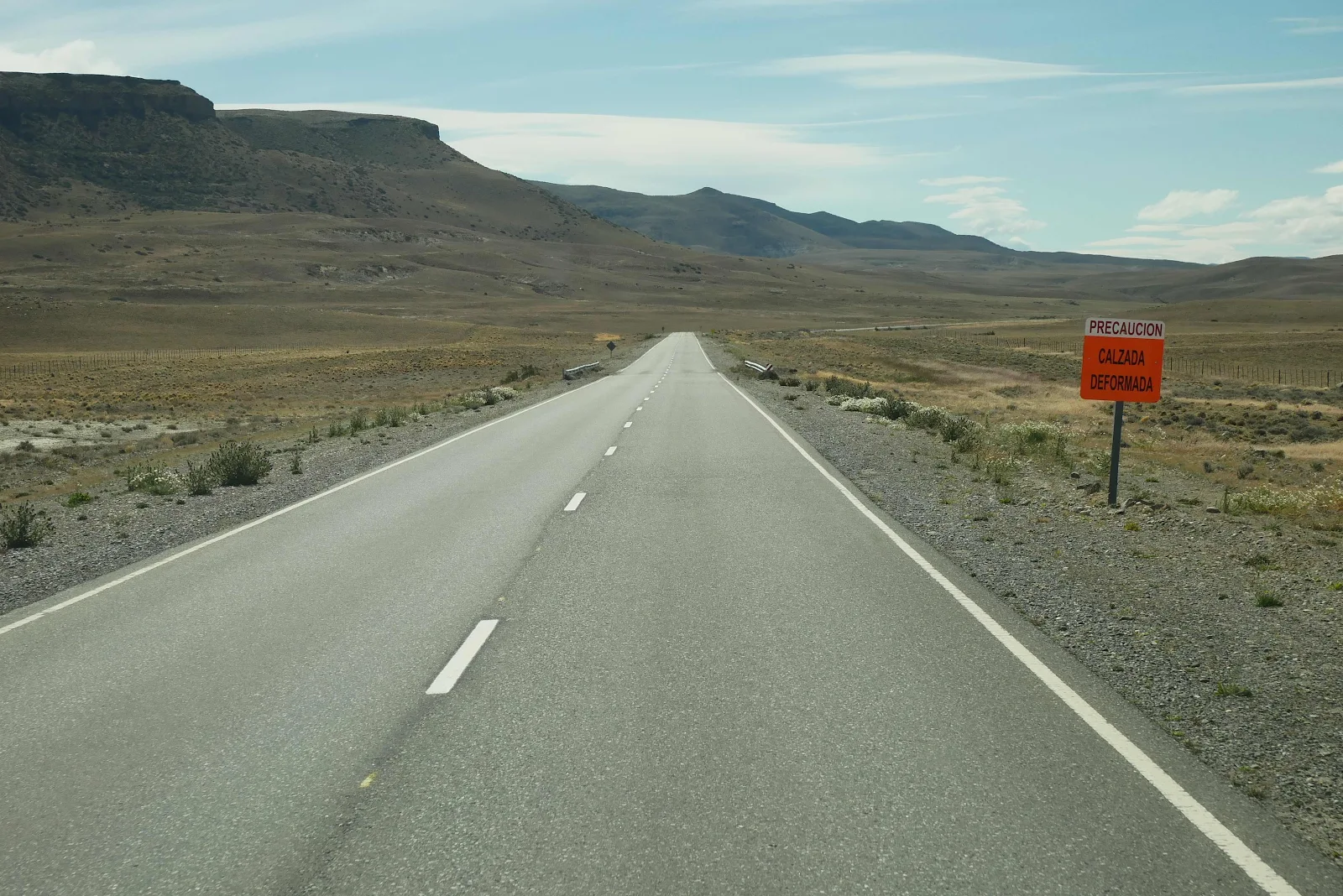
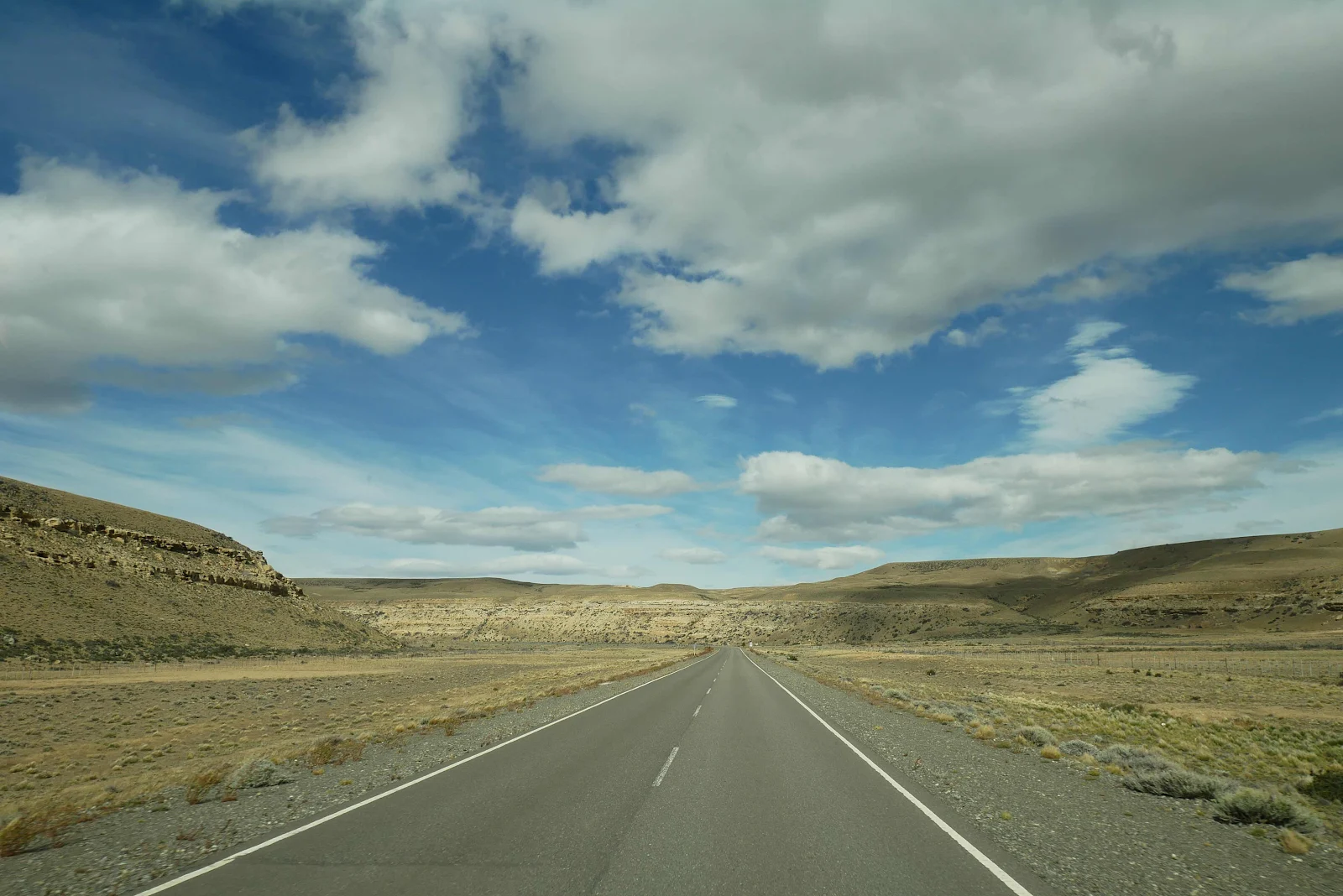
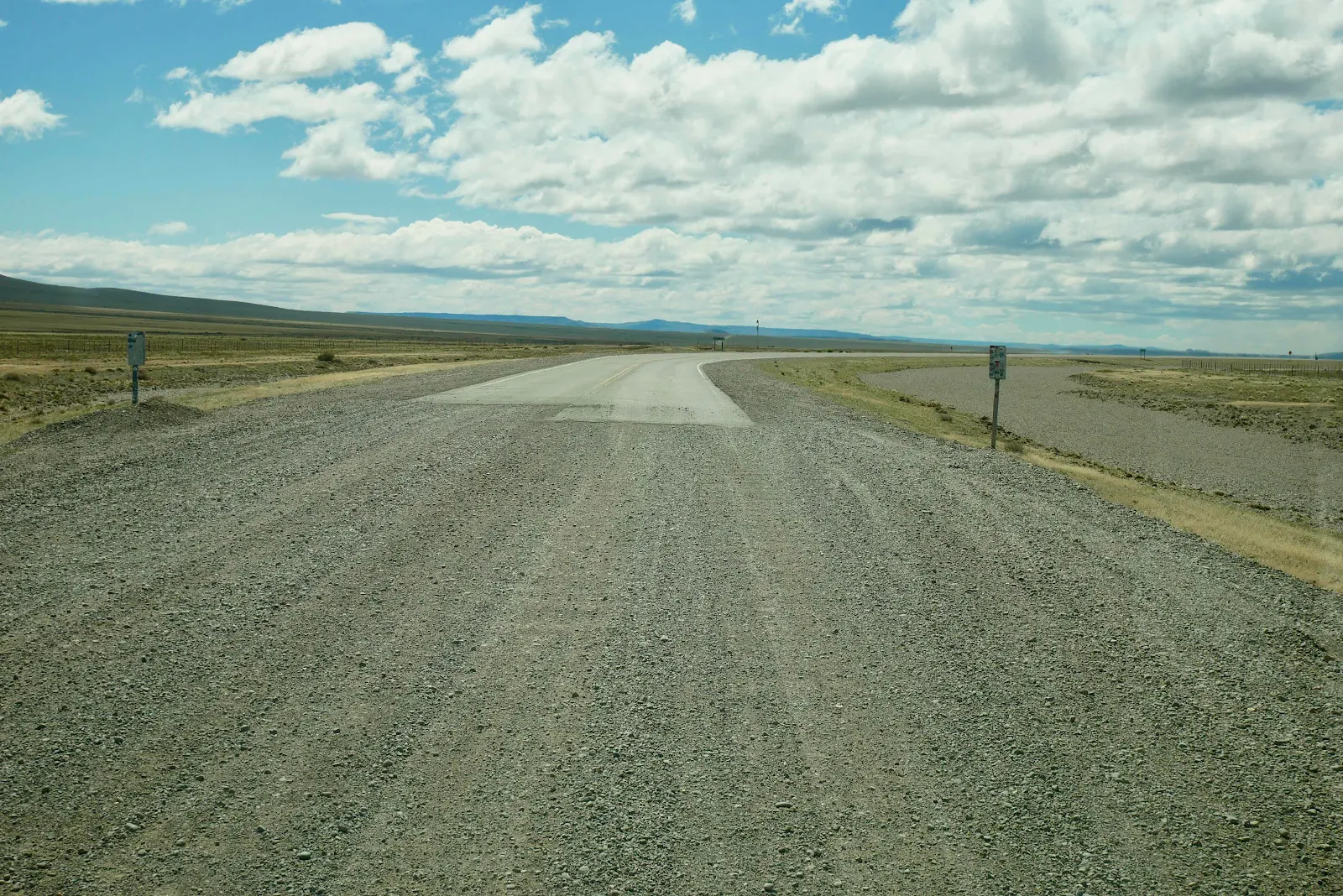
And finally we reached the northern end of the damned gravel. No fanfare, no signs just a blessed relief from the noise and dust clouds.
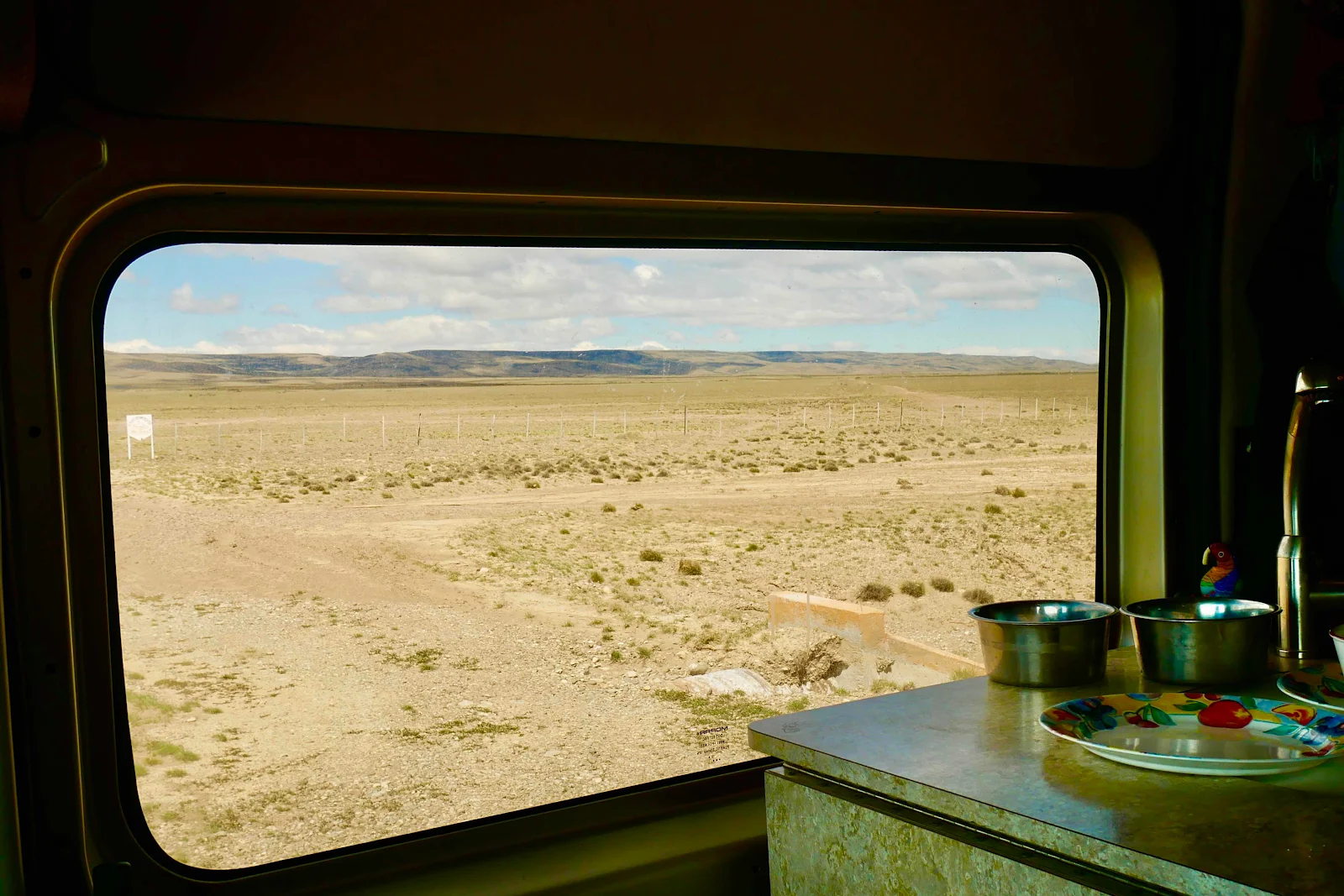
There was nowhere sensible to pull off for lunch so I made do at the entrance to a farm gate served by a dubious looking culvert that gave me room to get well off the highway. Layne put a couple of empanadas in the air fryer. They are Argentina’s national food found everywhere and in this country are baked meat pies that look like pasties.
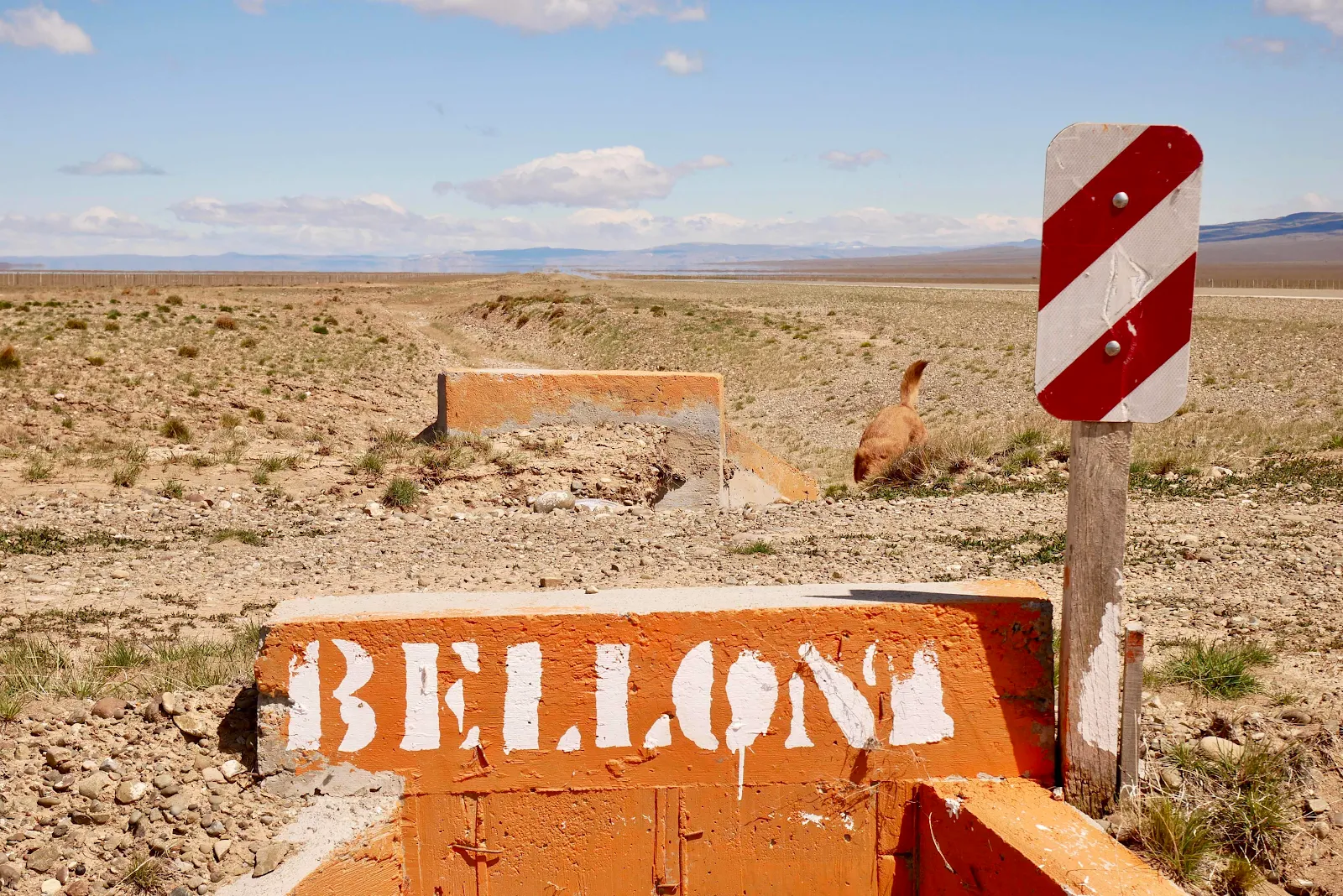
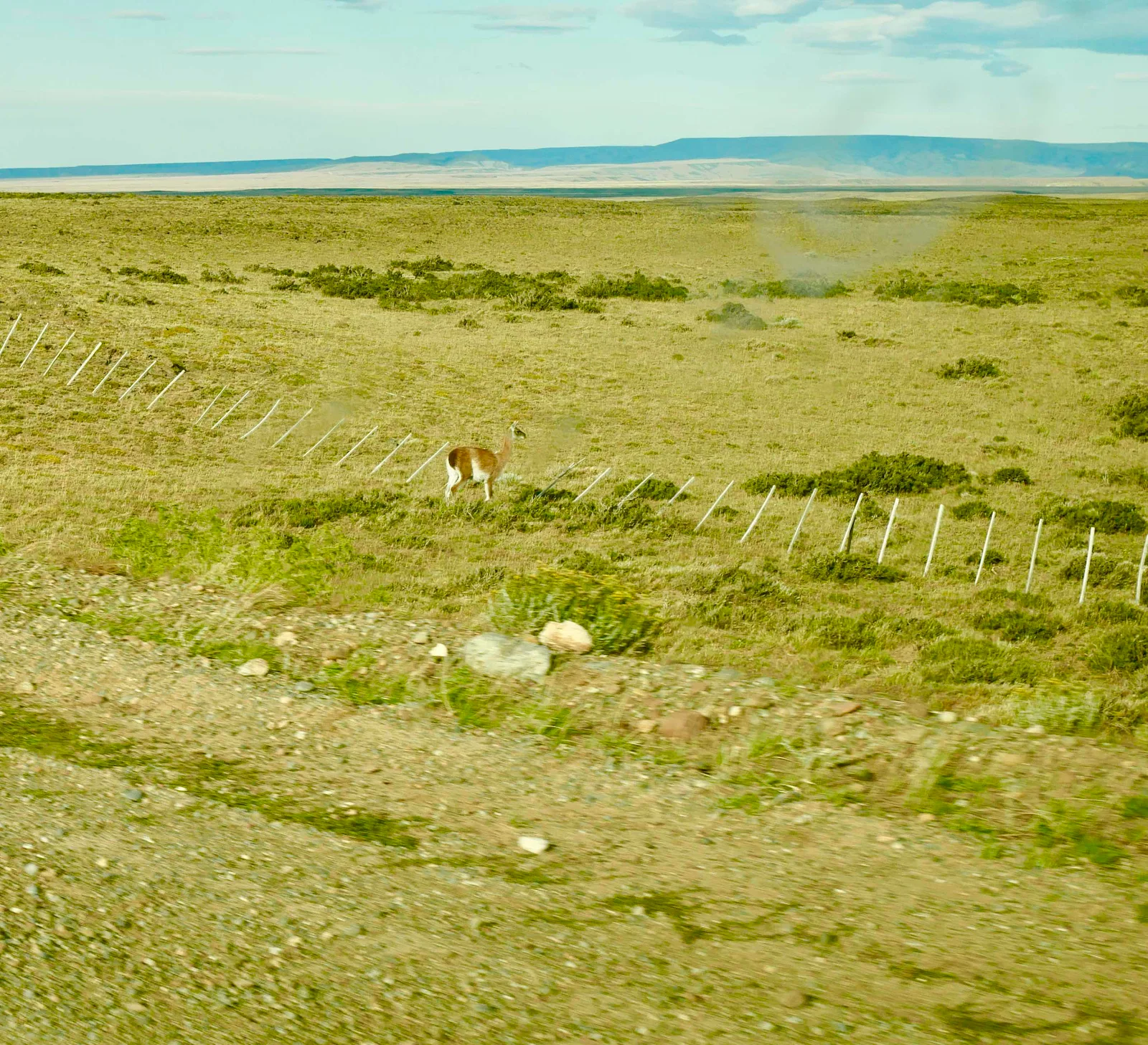
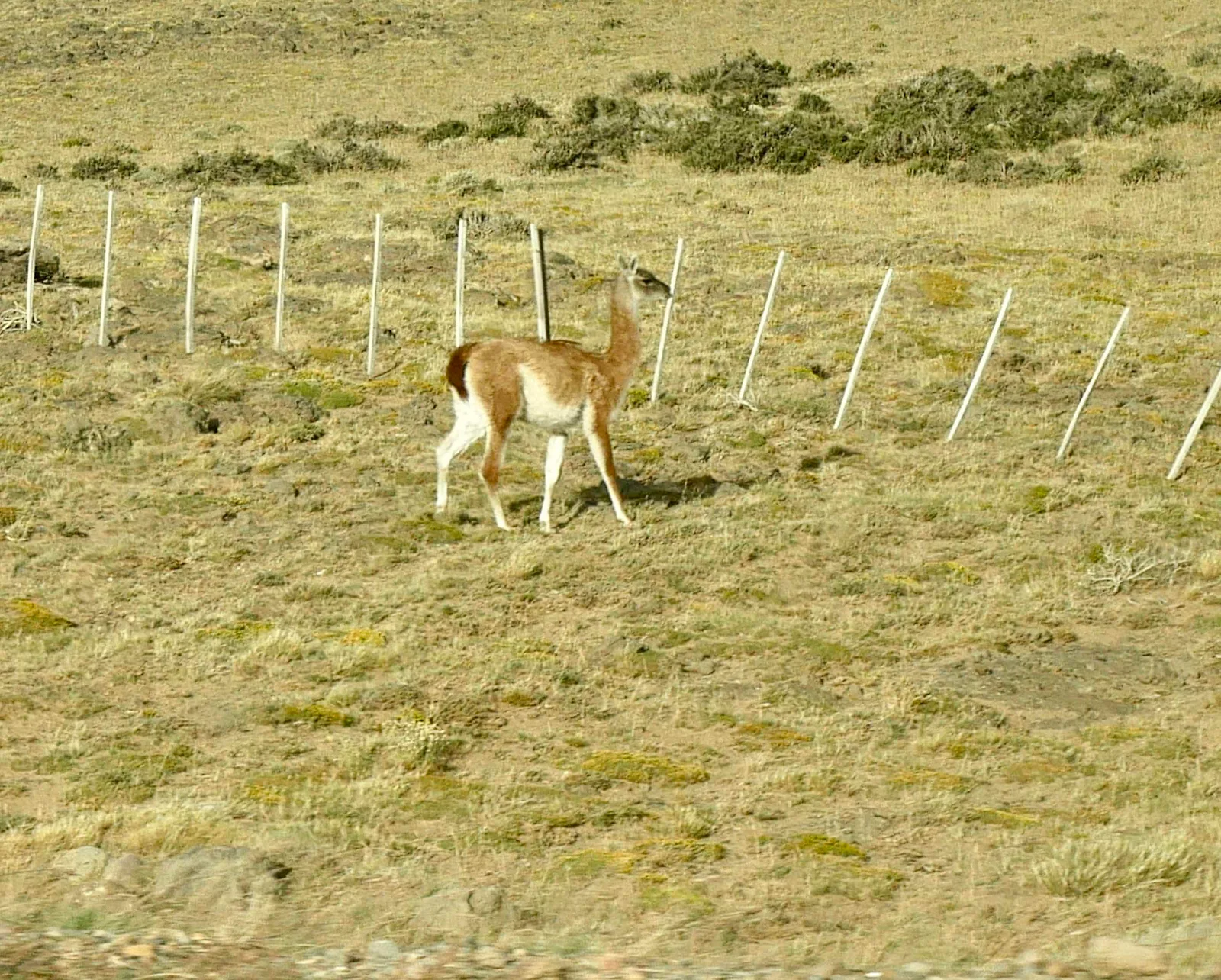
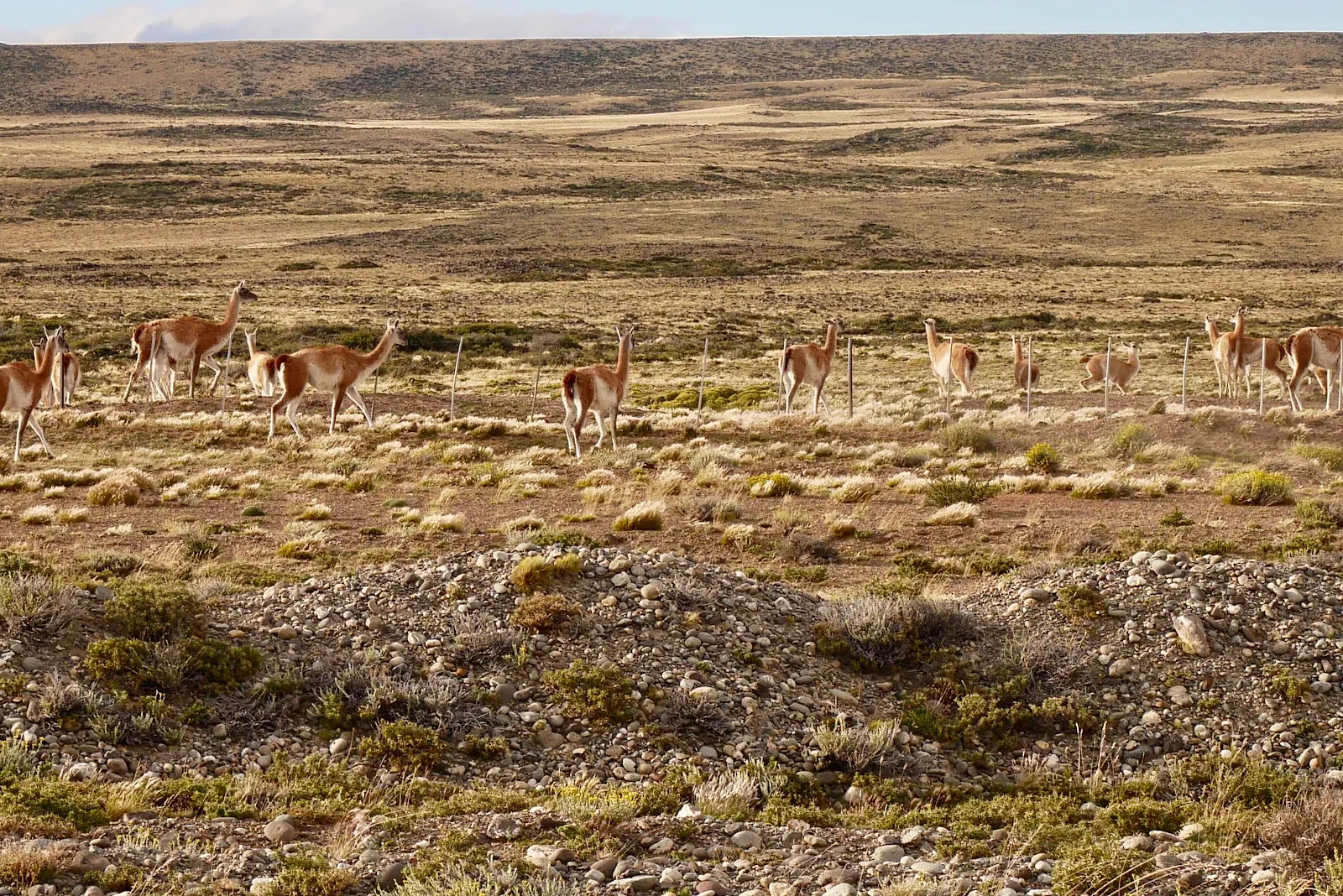
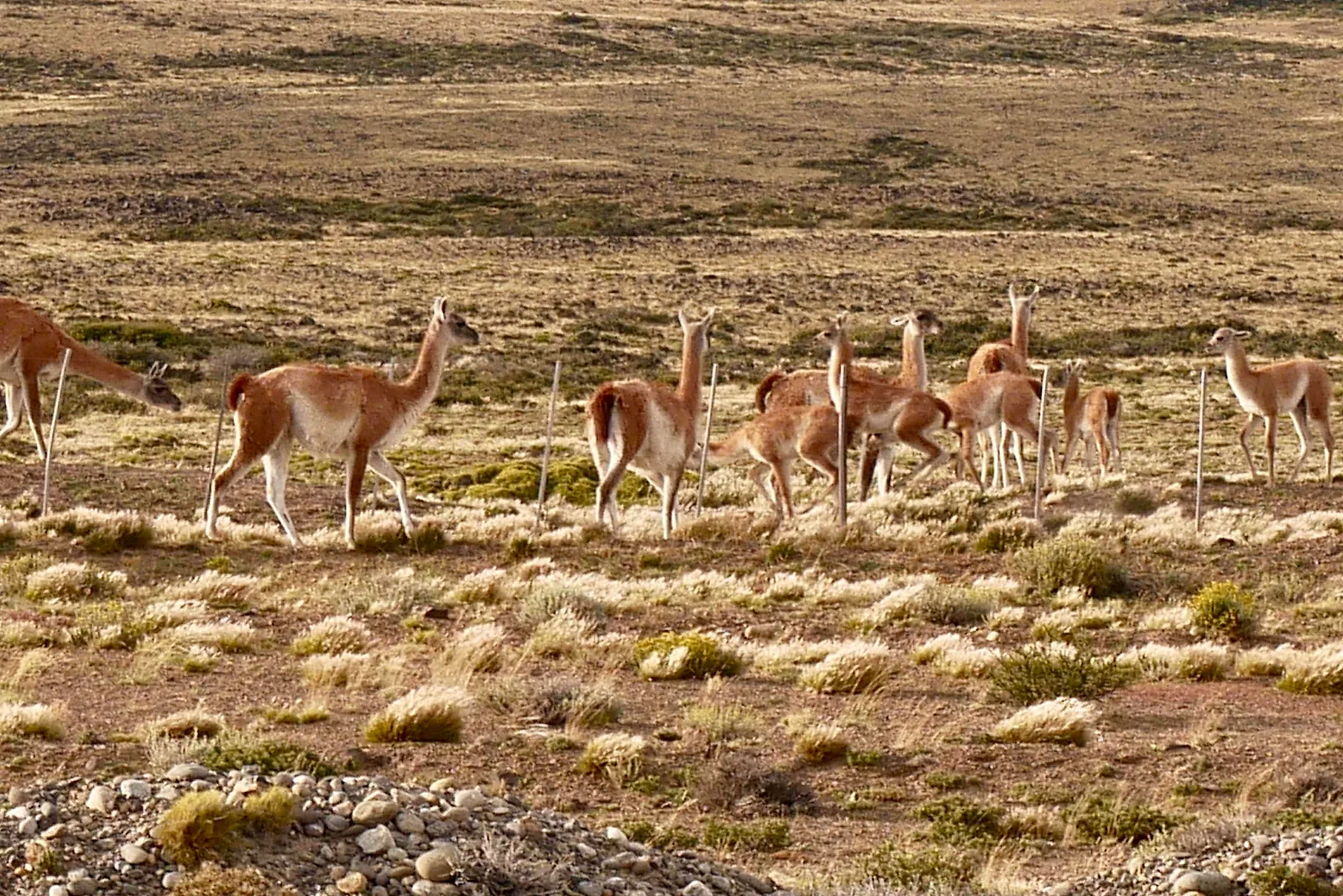
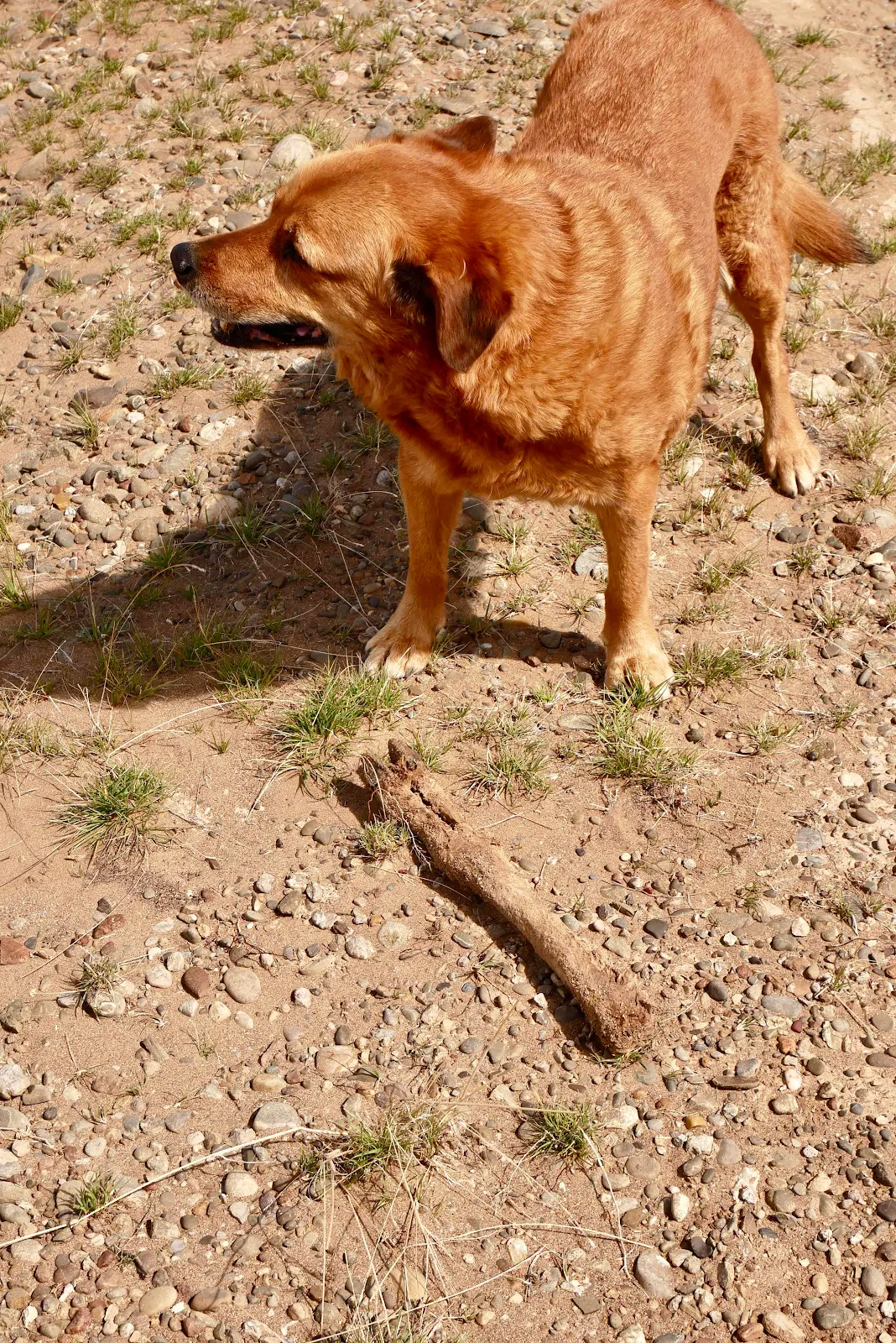
Rusty went hunting and found a delicious guanaco foreleg to snack on. I left him to it and his resurgent wolf instincts that seem to be drawn to the surface by wild Patagonia. I did not share any kisses with him for several hours after his lunch.
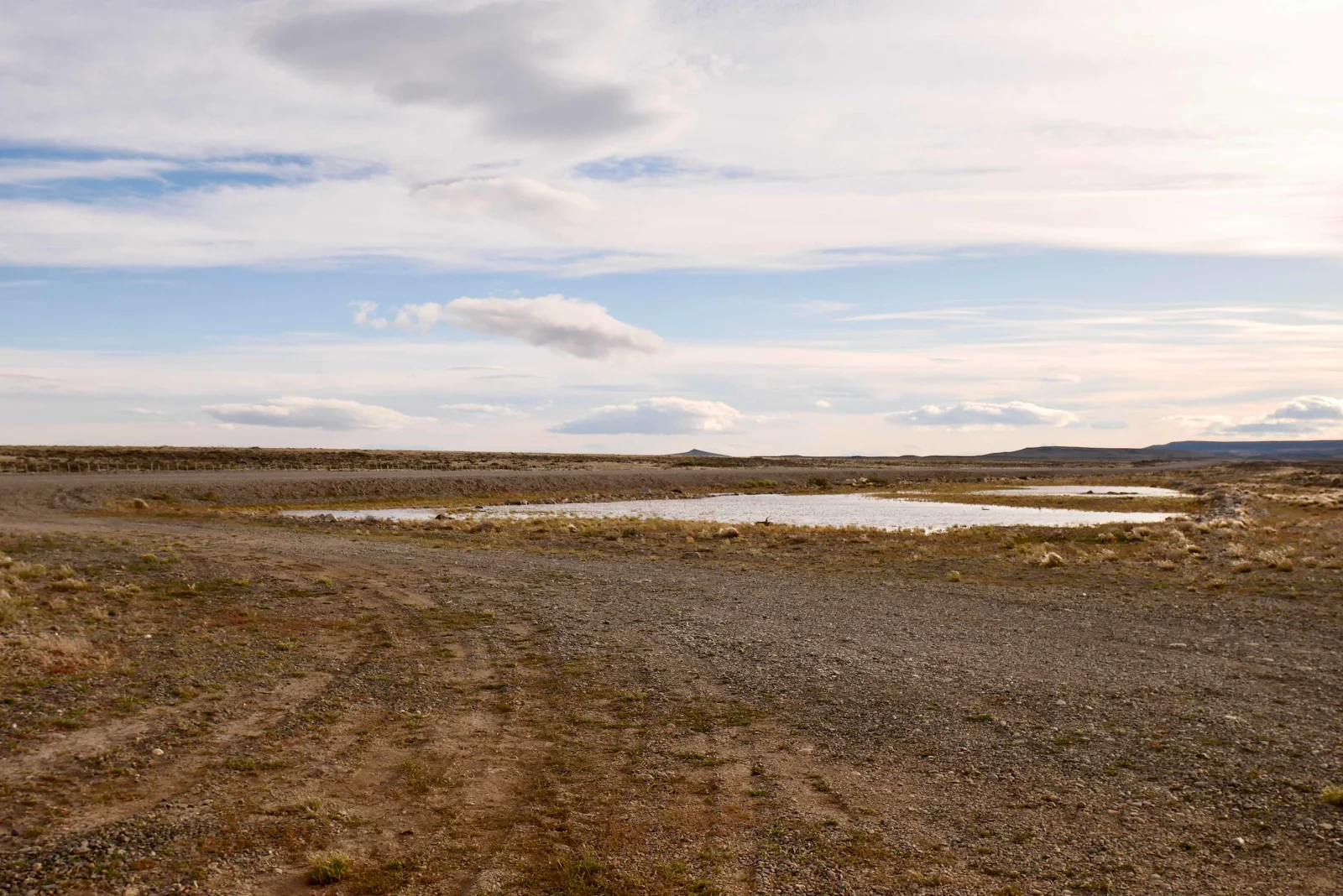
Not one sign of anything human anywhere in sight.
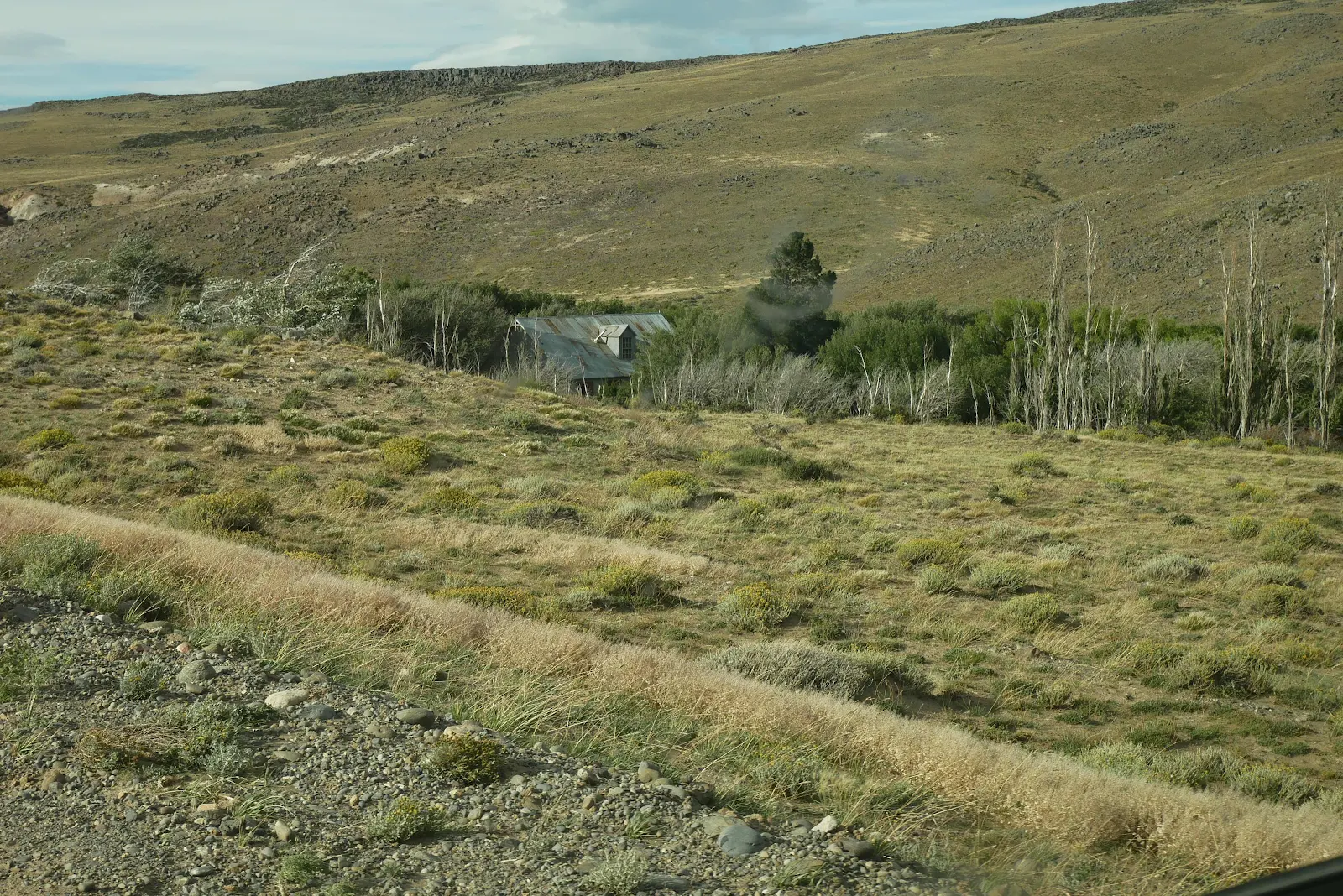
The track faded away to nothing with no farm buildings or any sign of human activity on this side. Not even a power pole. Cañadon Molinari sounds like an Italian immigrant built his farm in a nearby valley but it’s out of sight.
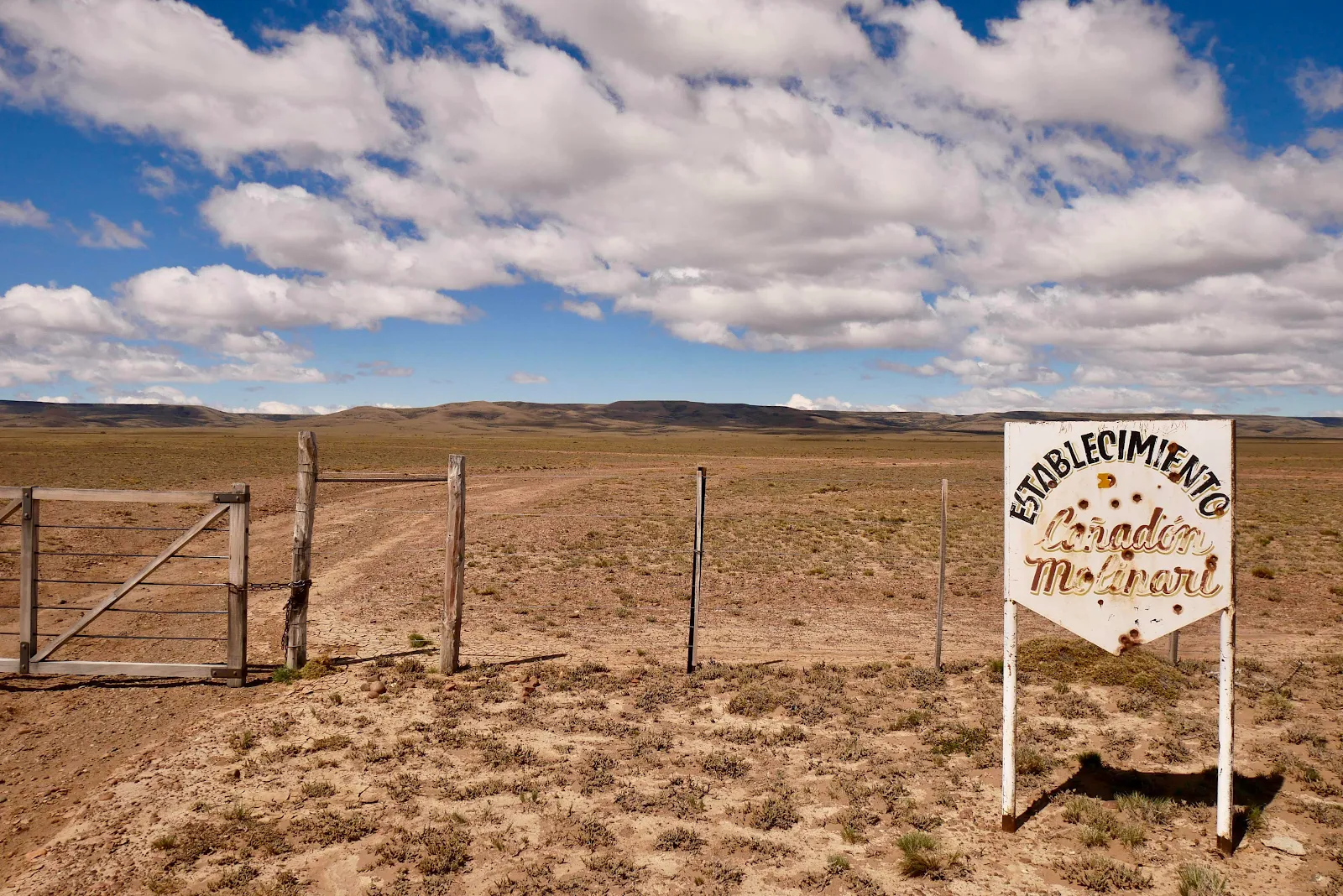
Lunch with a view:
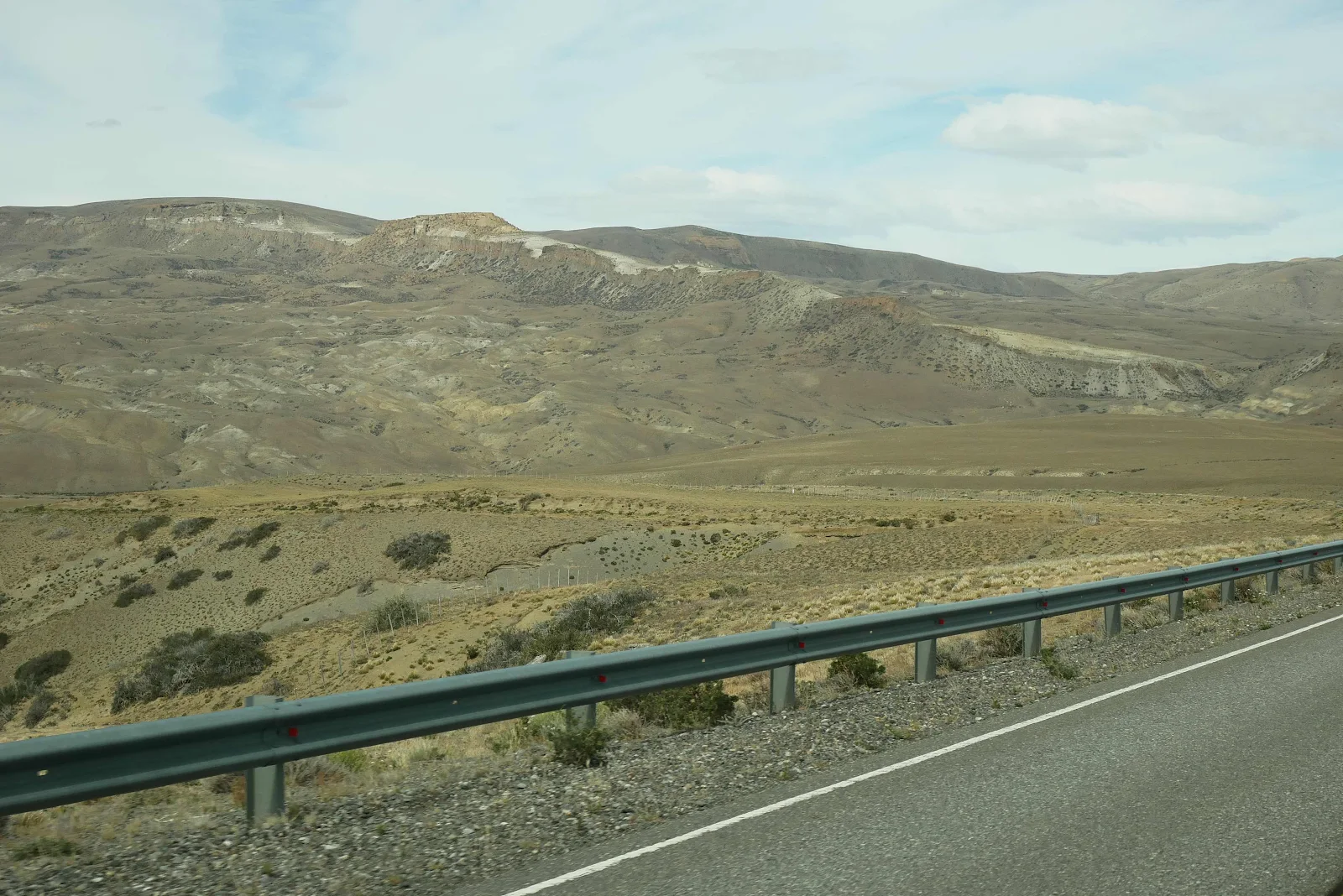
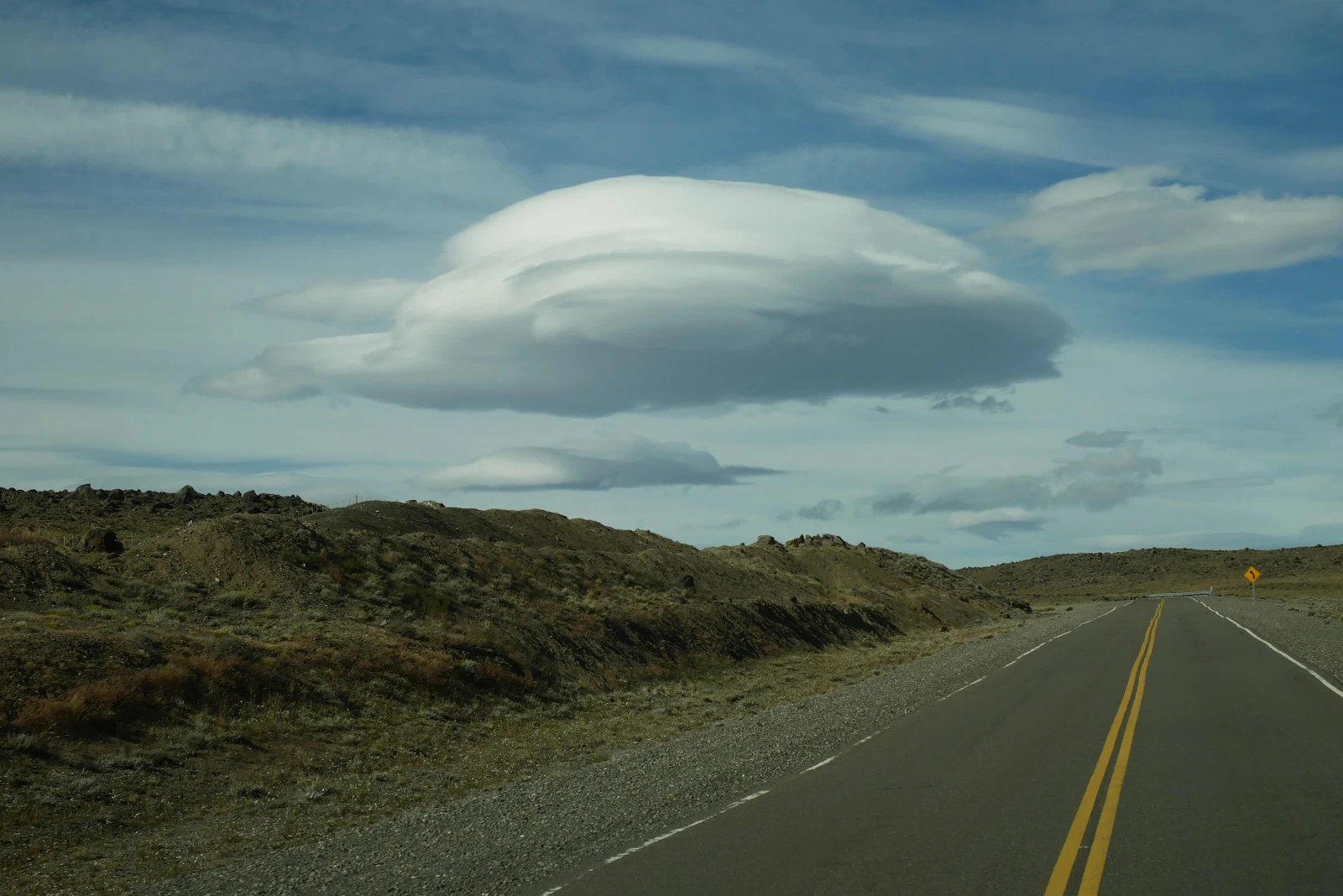
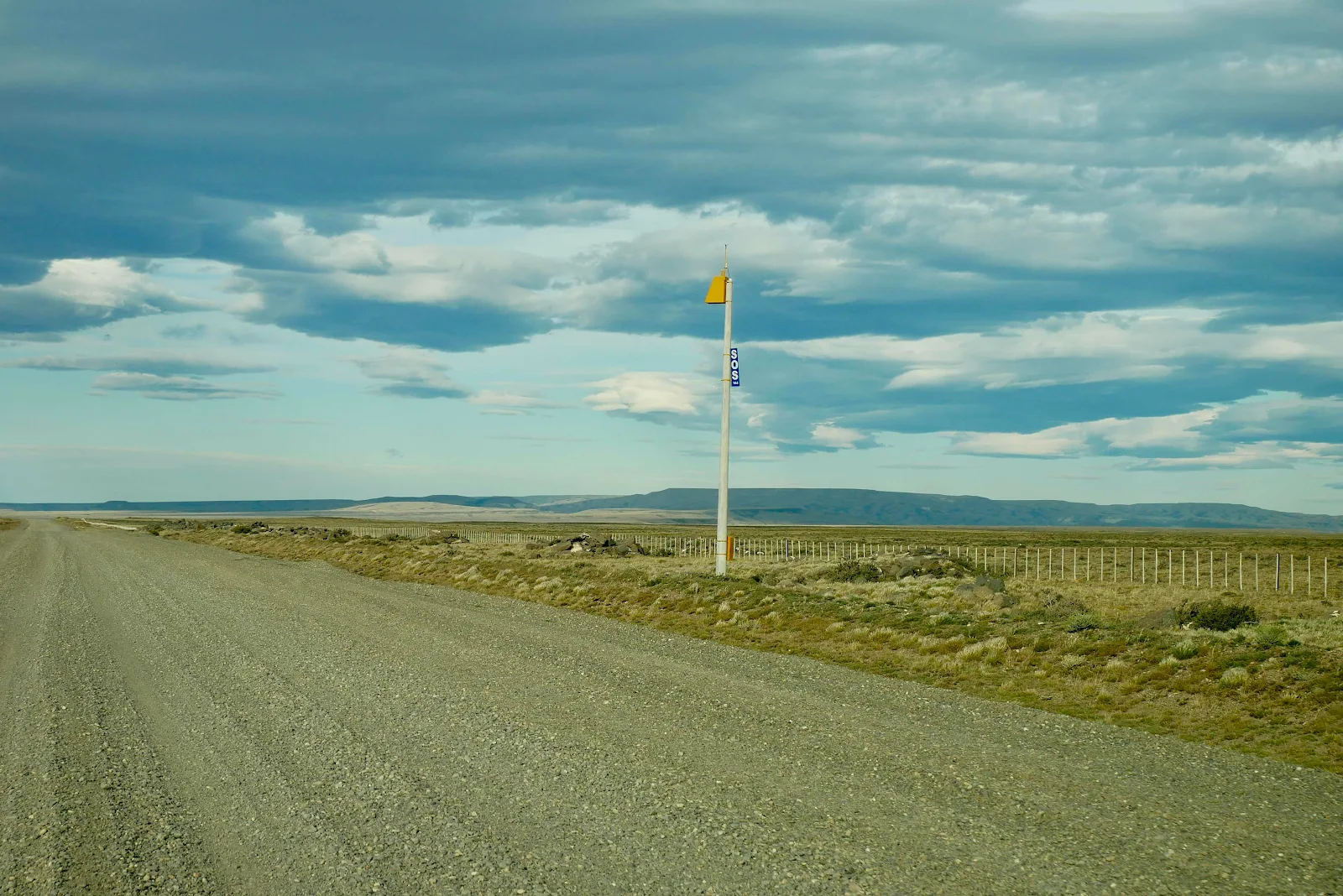
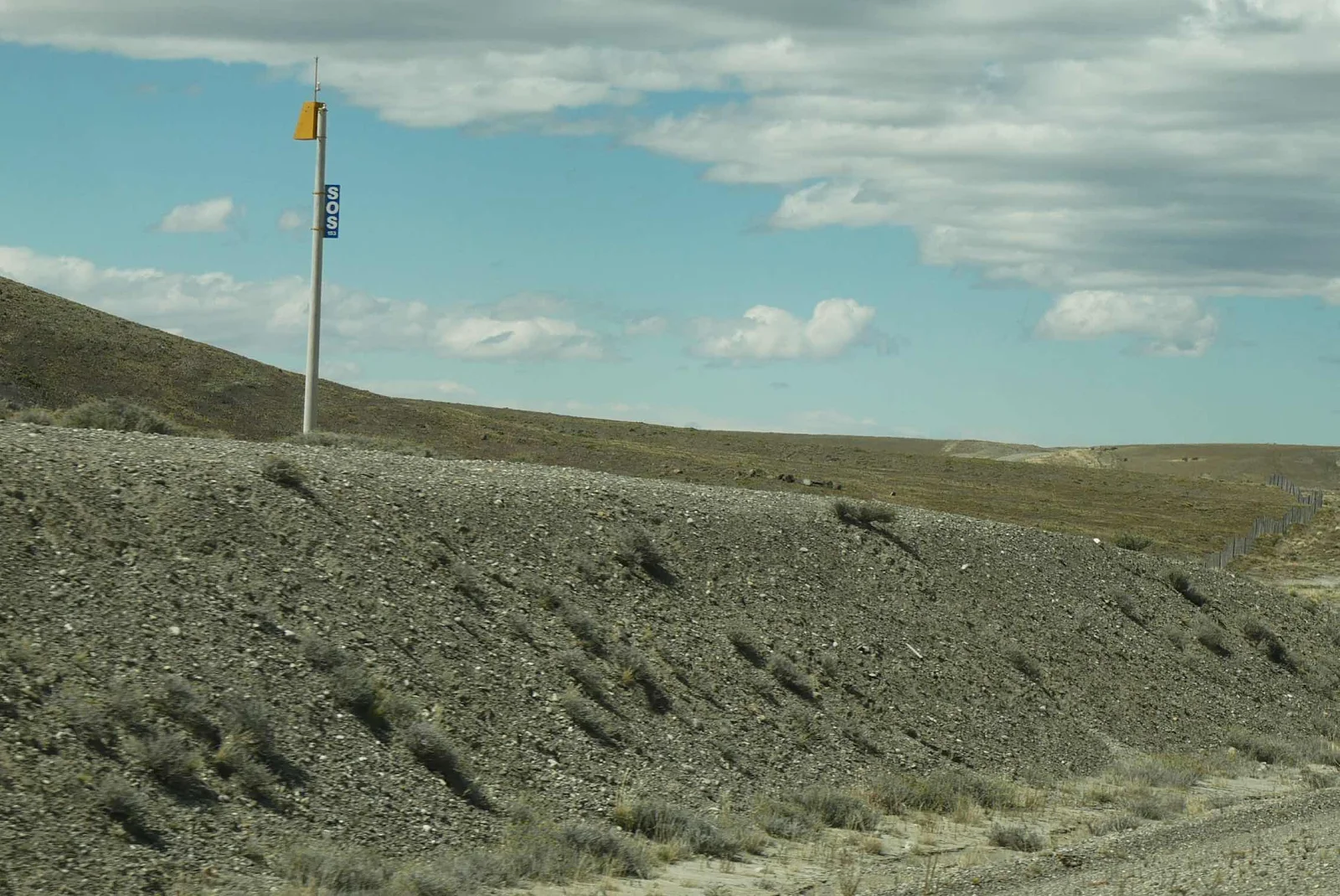
The SOS poles continued for a few miles on the pavement but they were planted in the most eccentric spots, across gulleys, on hill tops and a couple of them even were behind fences requiring athleticism for a stranded motorist to call for help.
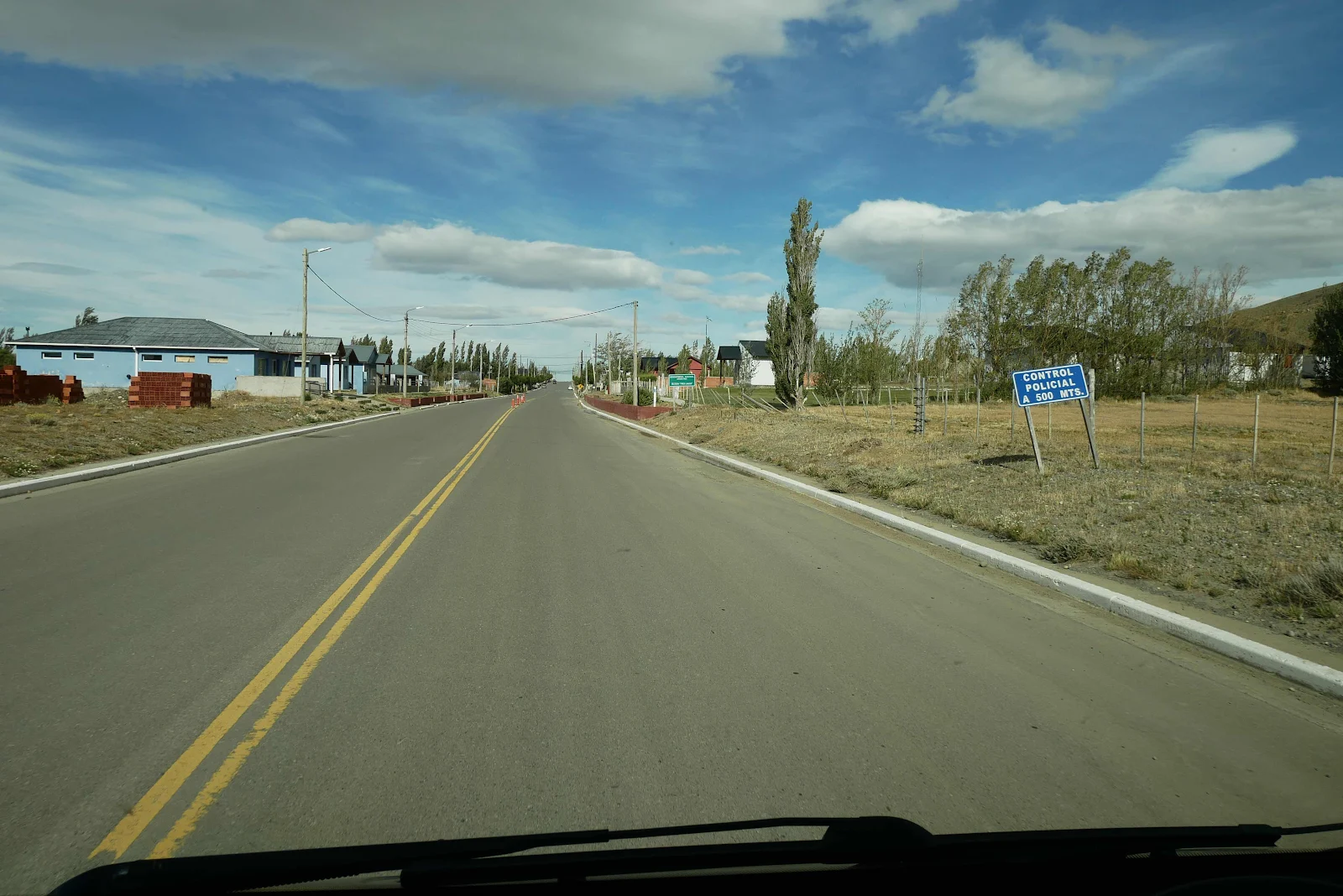
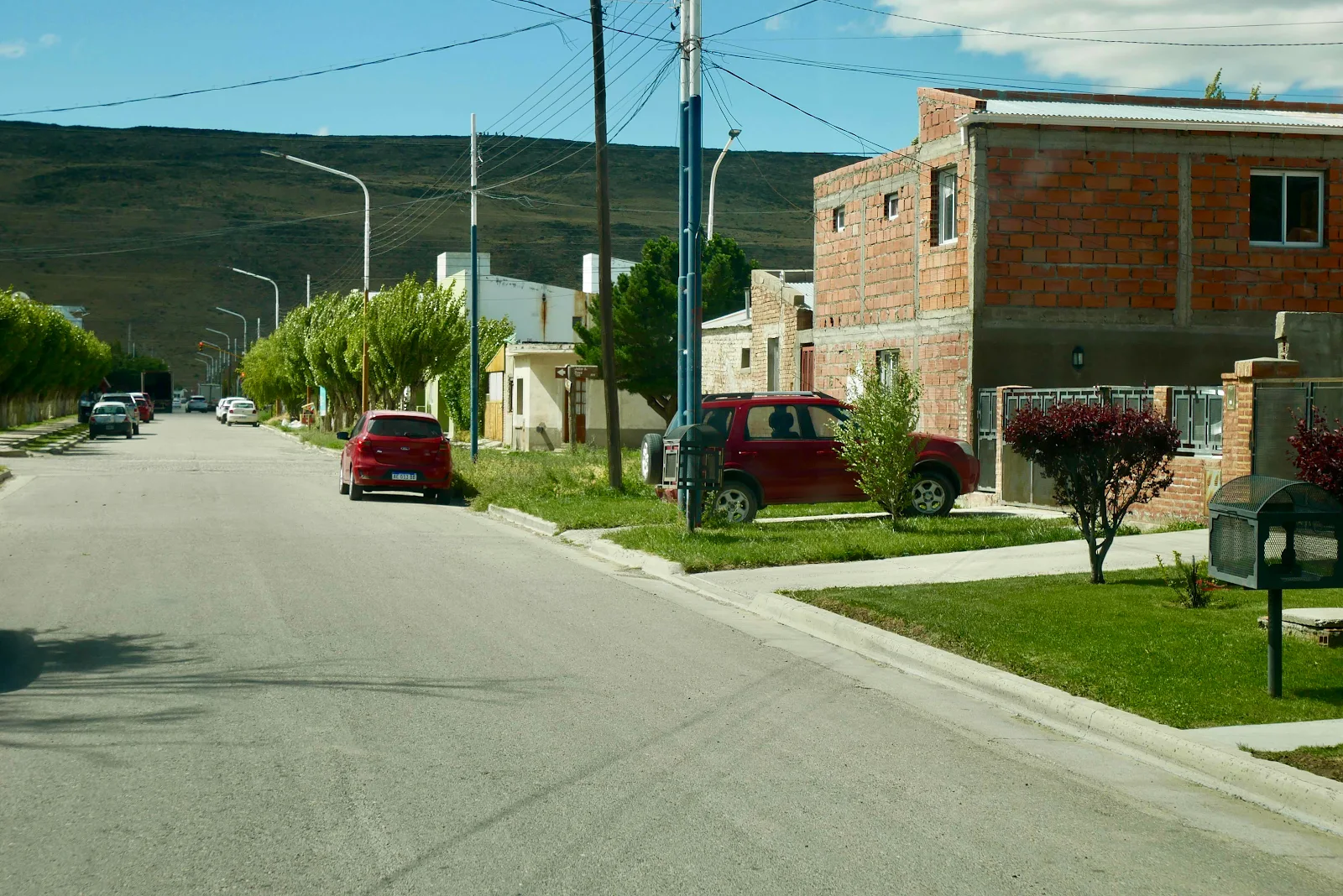
By early afternoon we arrived in the town named for a former governor of Santa Cruz province, Gobernador Gregores. This is, you will be delighted to know a farming town noted for making jams and growing tulips, not that we saw any sign of either activity.
It has a rather pleasant town square which resembles a very nice pine forest.
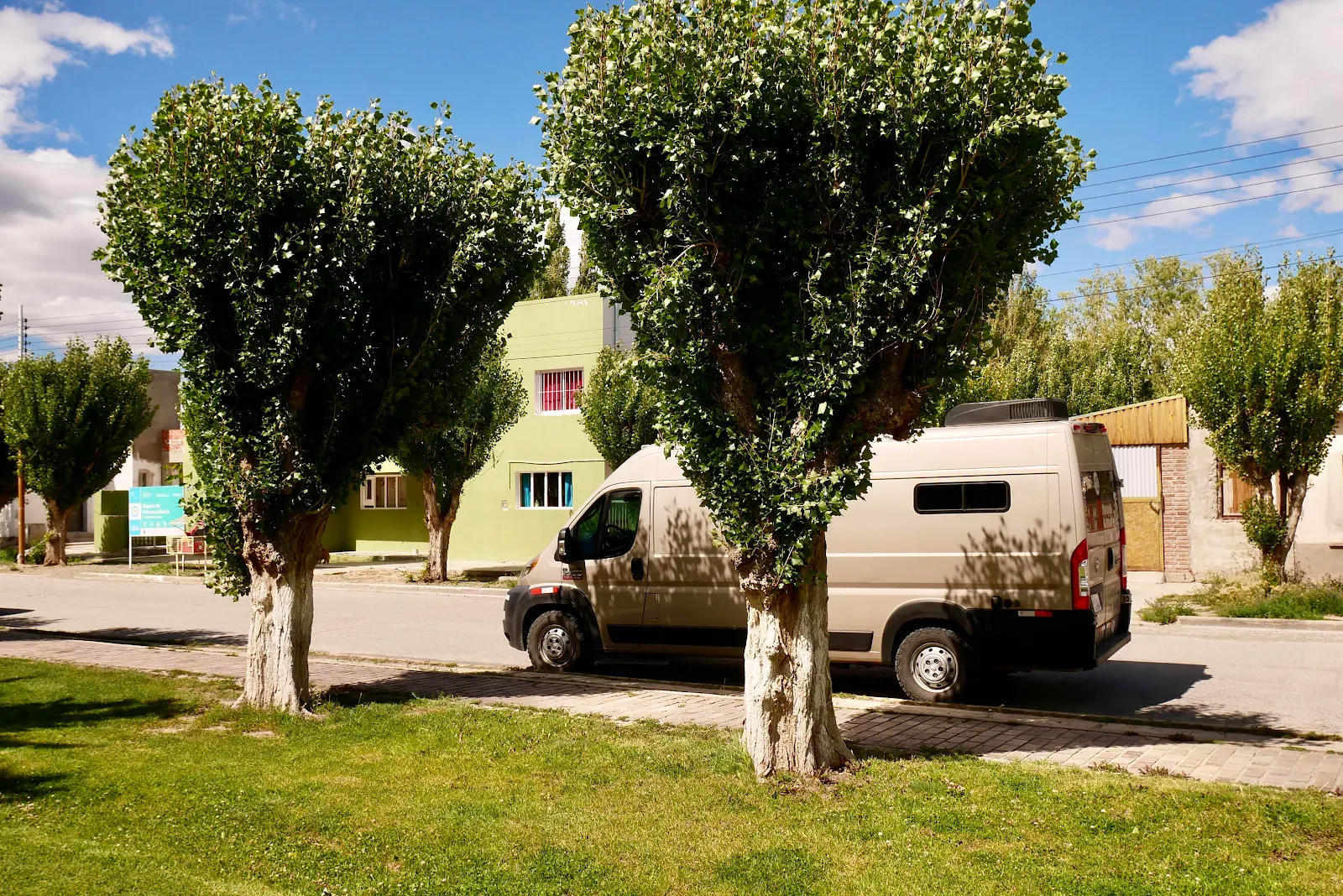
Rusty thoroughly enjoyed it and it was easy to pick up after him as the park is well supplied with trash cans. There was also a plaque to a local resident who was disappeared by the government in 1976 when he was 22 years old. Argentina has a long history of dictatorships and political cruelty.
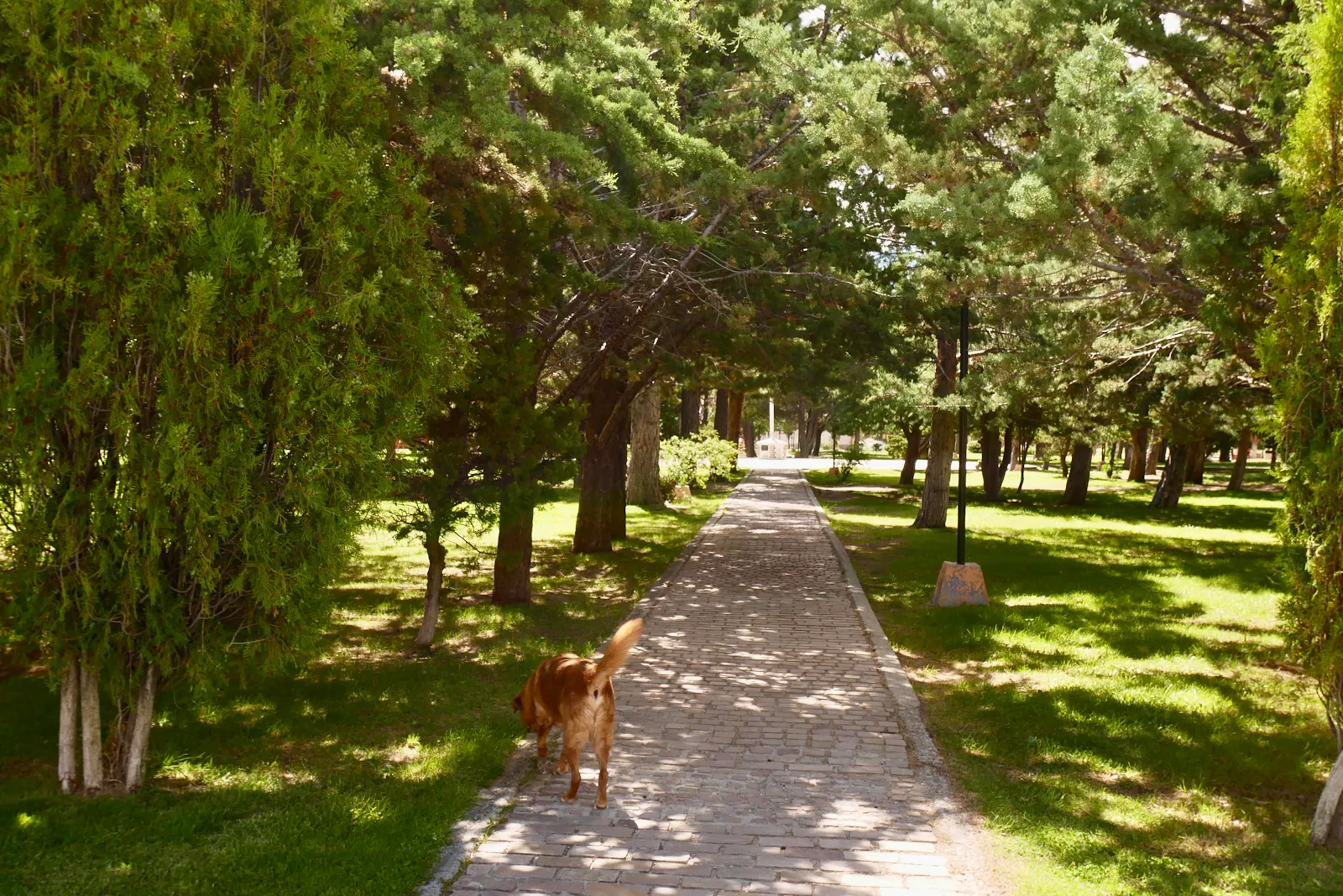
Indeed this town, population 5,000, founded in 1922 by an Austrian immigrant who set up his blacksmiths shop along the river, has its own dark moment in history. This area known as Cañadon Leon (Lion Valley) was the scene of some barbarity in 1921 when soldiers caught and executed striking farm workers.
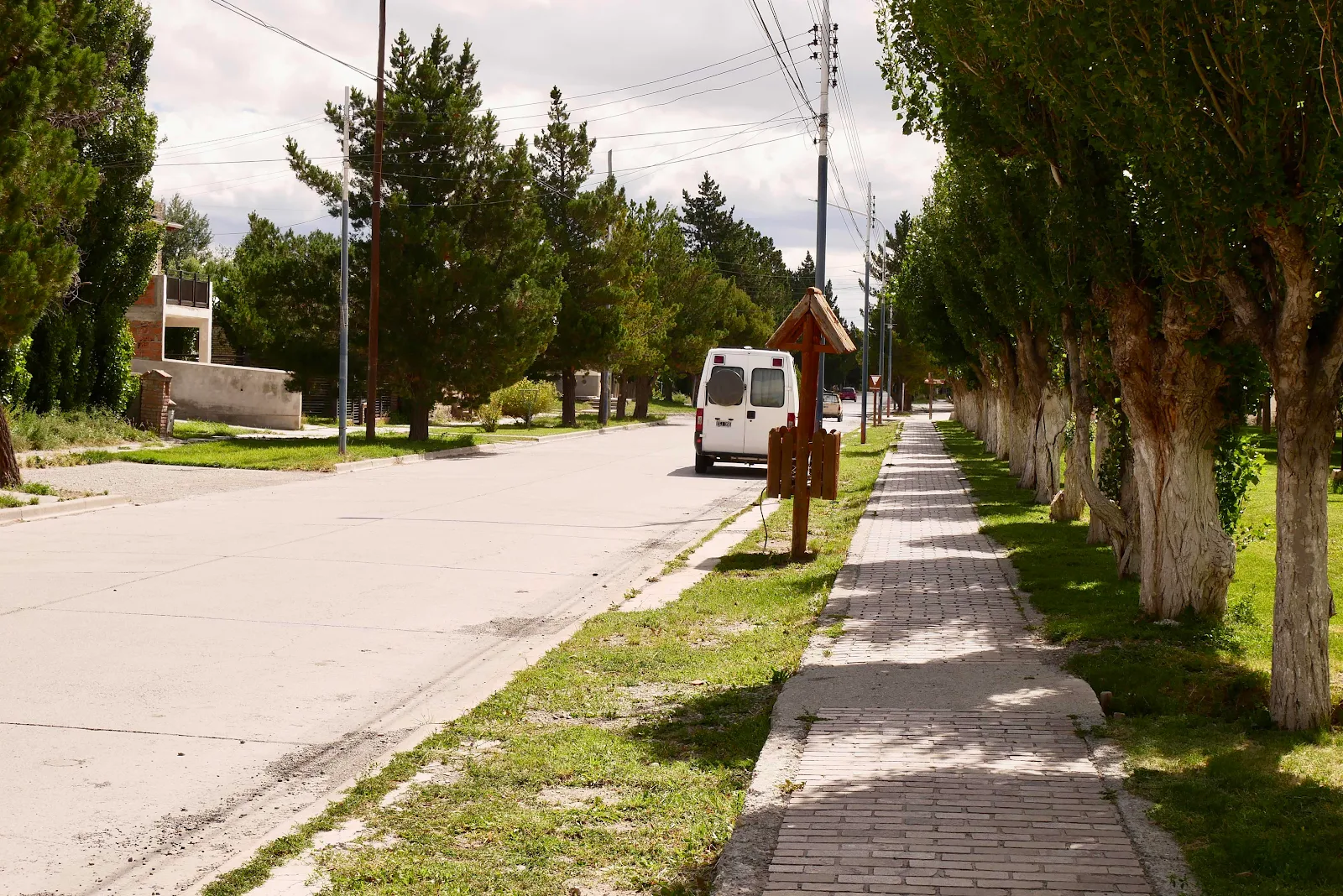
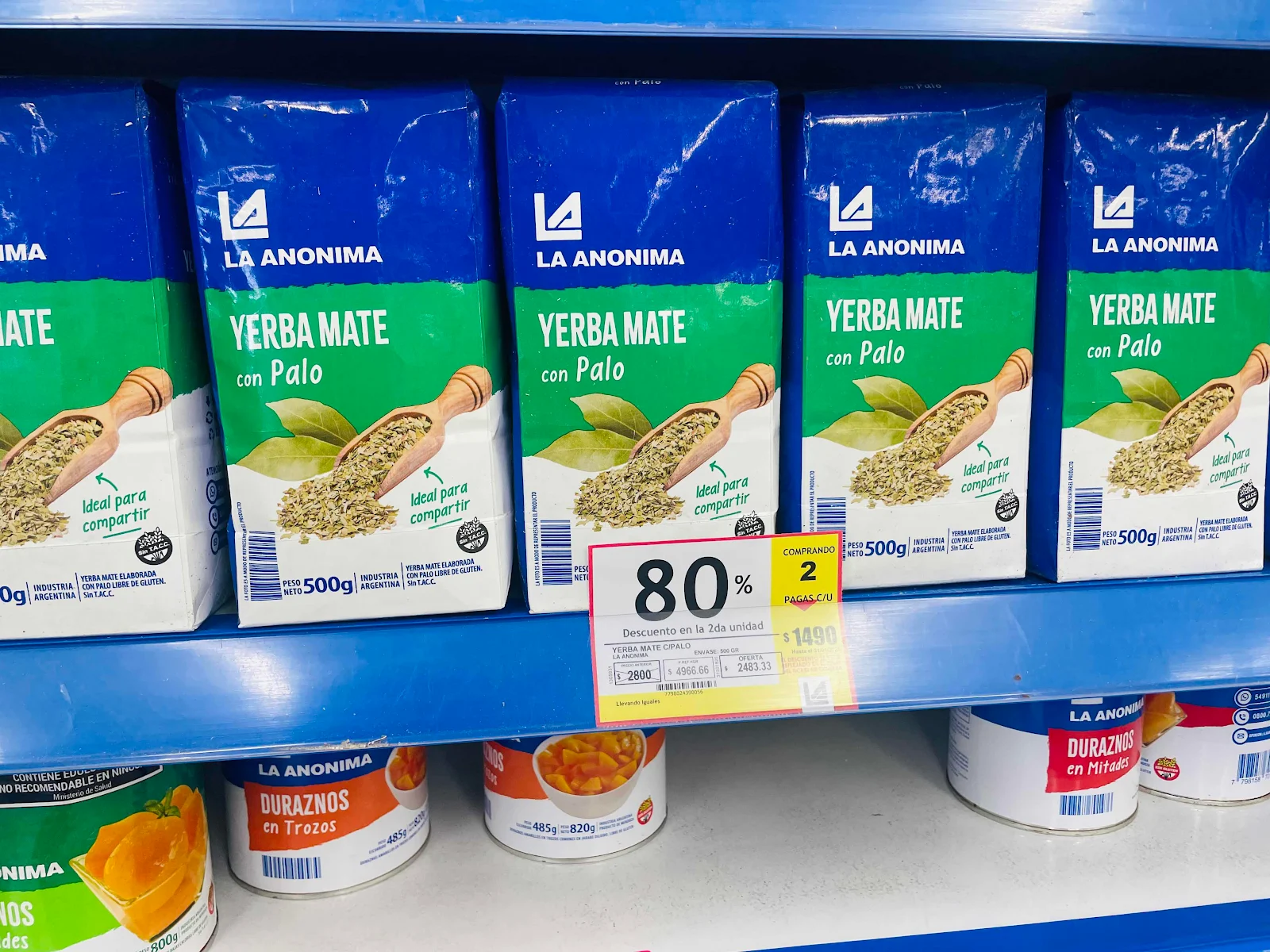
We did some food shopping at La Anonima the Patagonian supermarket chain and managed to get a few fruits and vegetables not too limp but prices here will make you sweat. Layne figures it’s more expensive than the US in some foods and the minimum wage here is $400 a month. They may be ripe for another revolution.
After World War One infested wool prices the value of sheep herding sank and Patagonian farm employees in Chile and Argentina found themselves under employed and underpaid and starving. So they had the great Patagonian Revolution of 1921 which unaccountably did not make it into my history books.
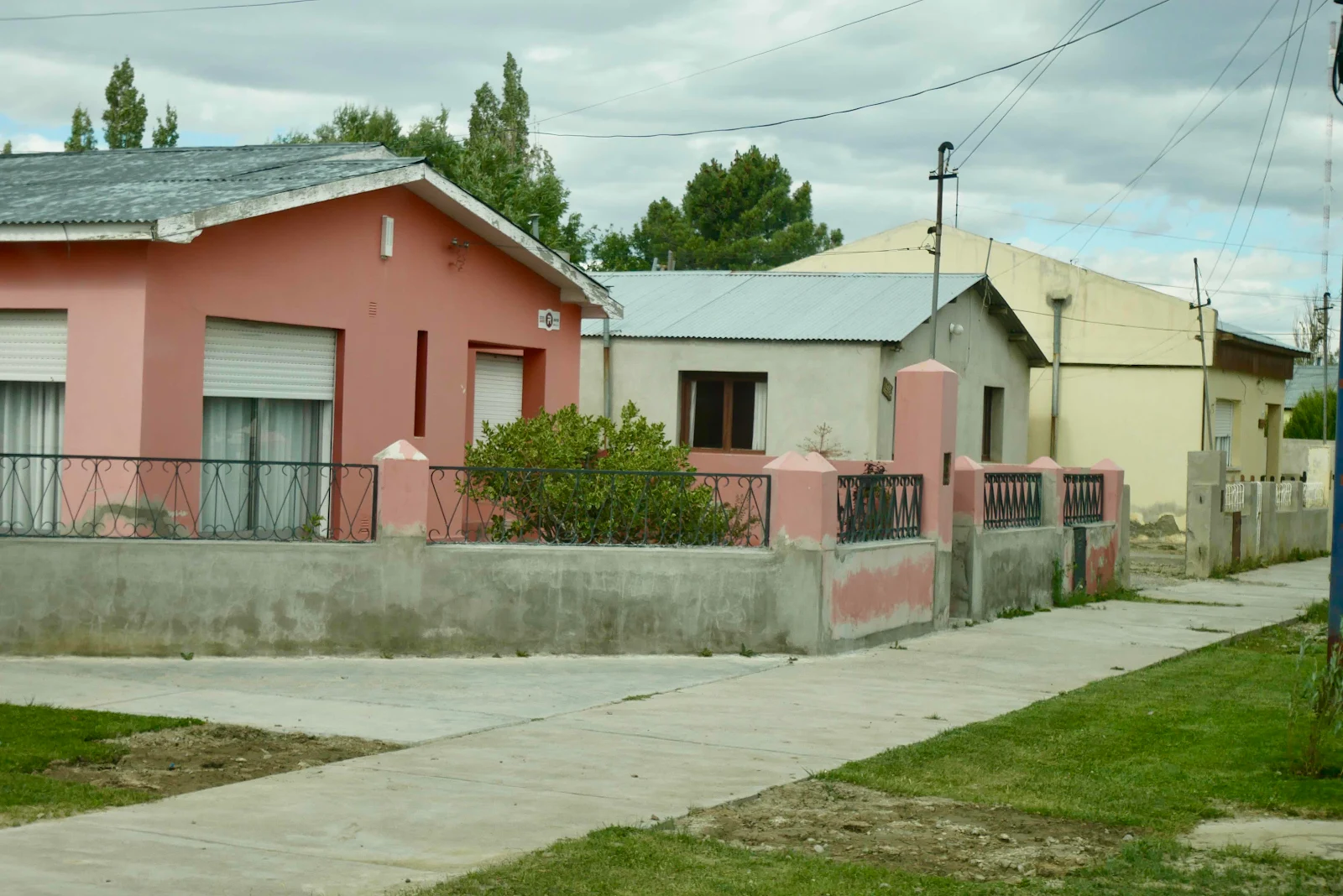
No one knows how many farm workers were executed after they surrendered to the army because their lives were that valuable but historians estimate up to 1500 and a few were shot in this farming town.
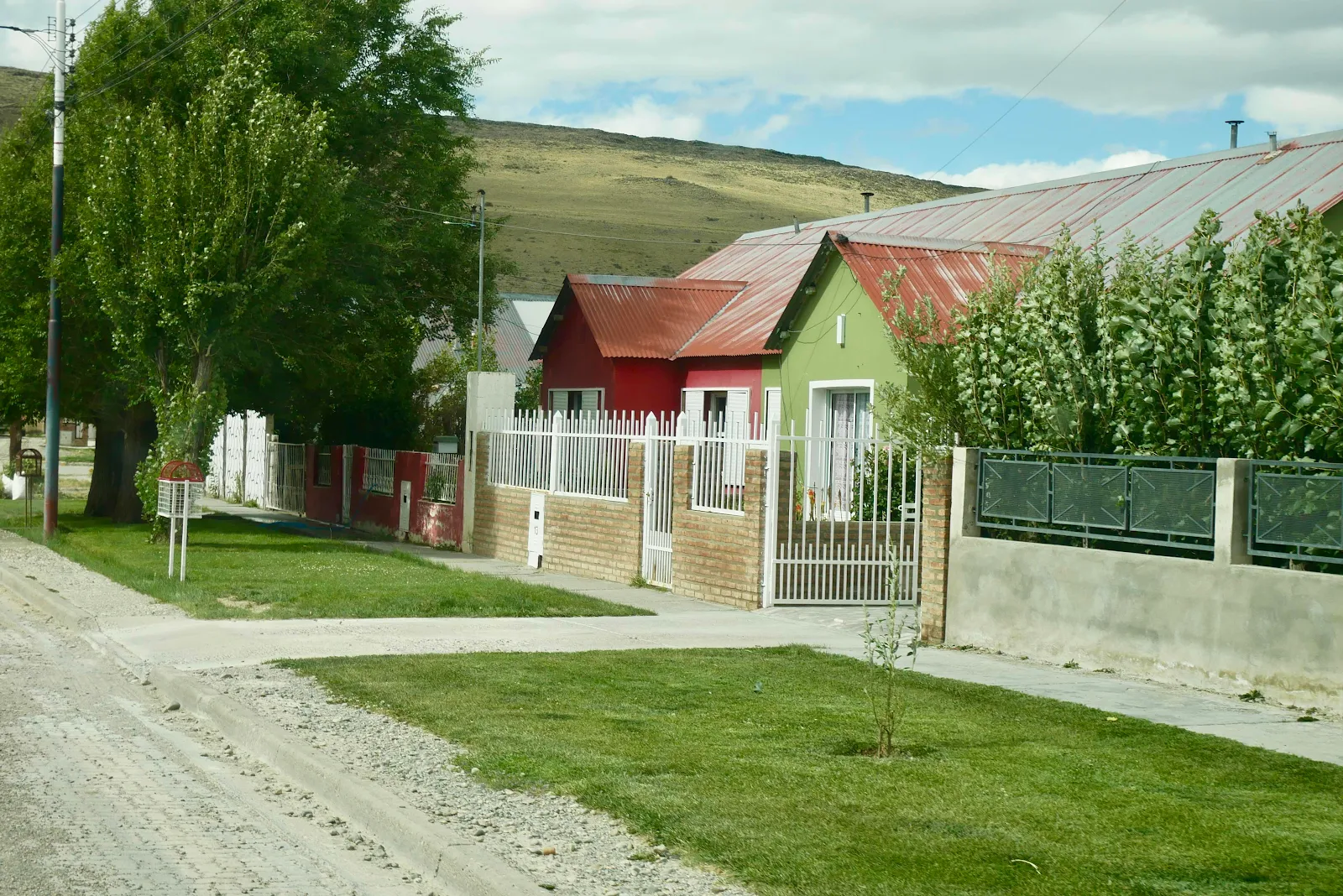
Nothing much happened after that until 1958 when someone decided to rename Cañadón Leon and they called the town Gobernador Gregores, after a provincial governor so undistinguished he seems to have dropped off the historical map.
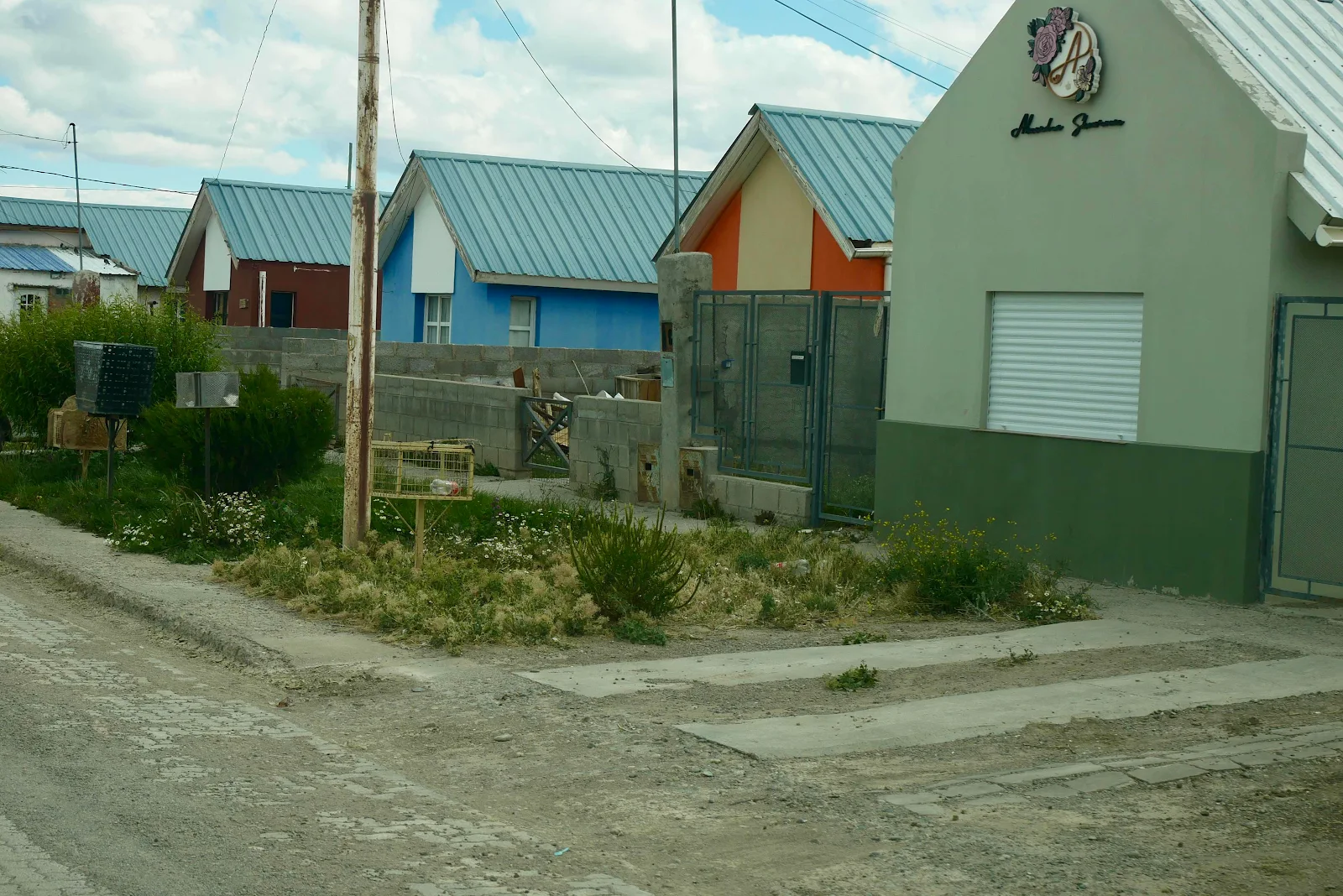
There is nothing special about this town though I will note the absence of any prominent churches which is a reminder that Spain never populated Patagonia so baroque colonial church architecture never made it down here.
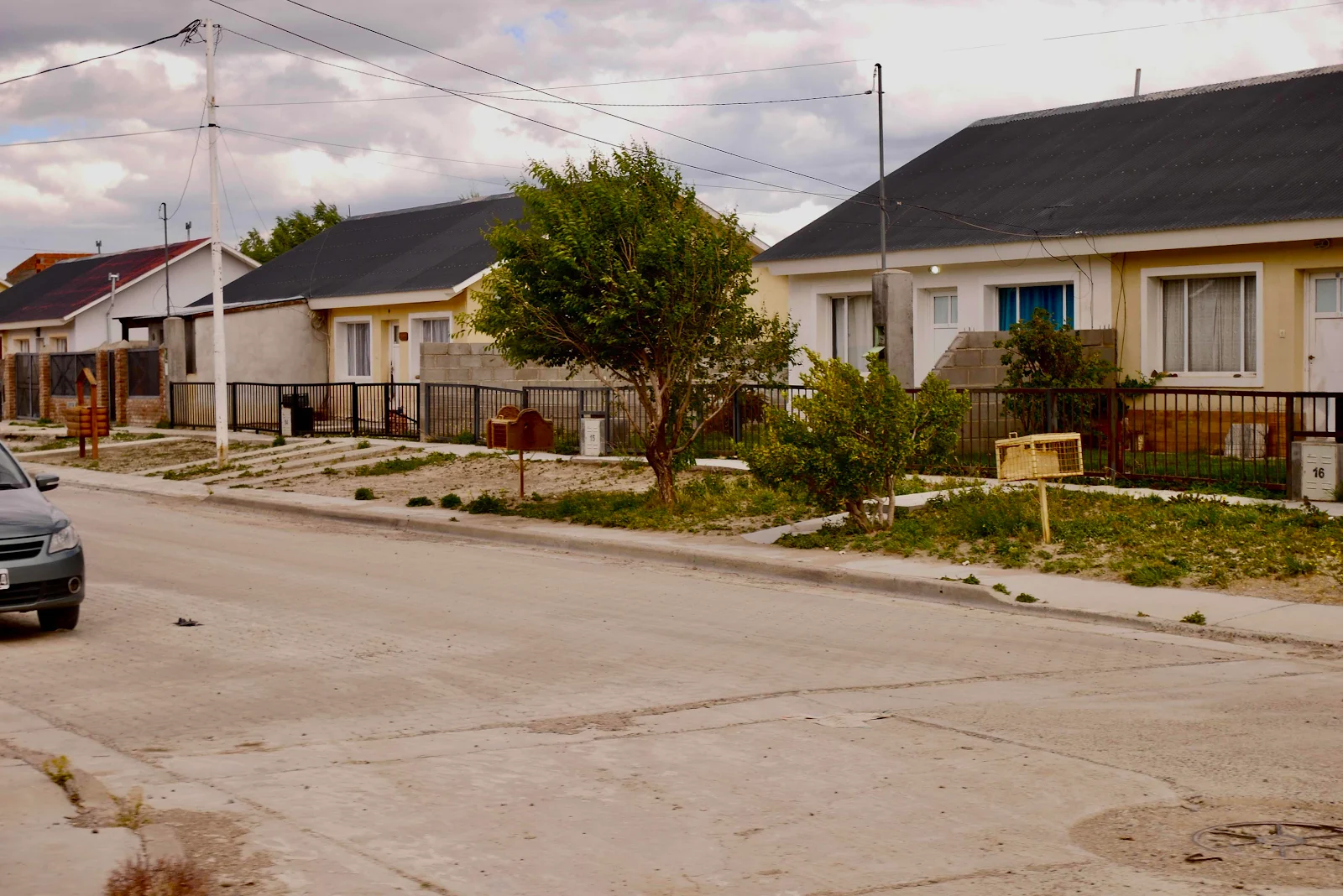
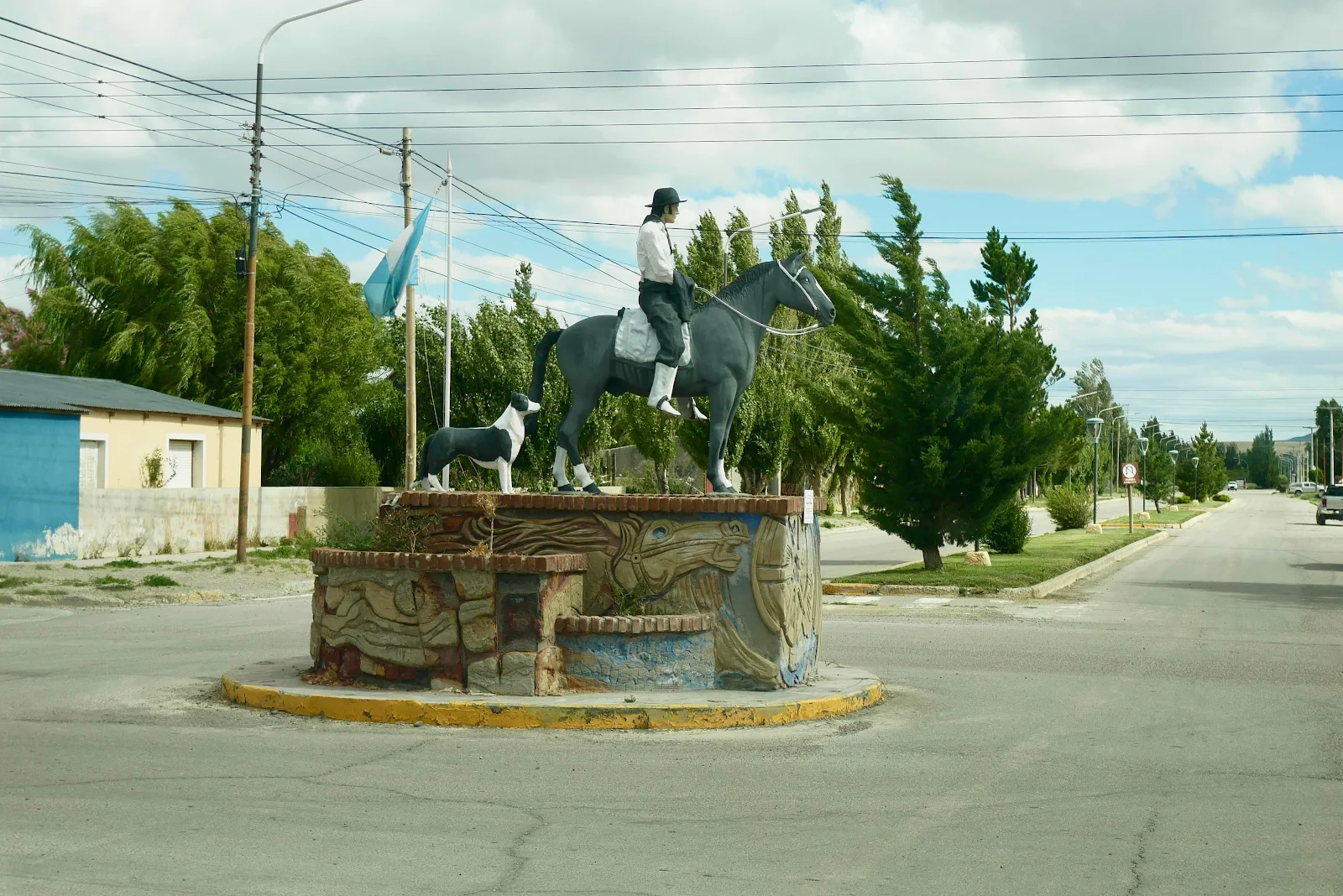
It looks fairly suburban full of small homes more or less middle class, no stray dogs and an attractive statue to celebrate the cowboys of Patagonia.
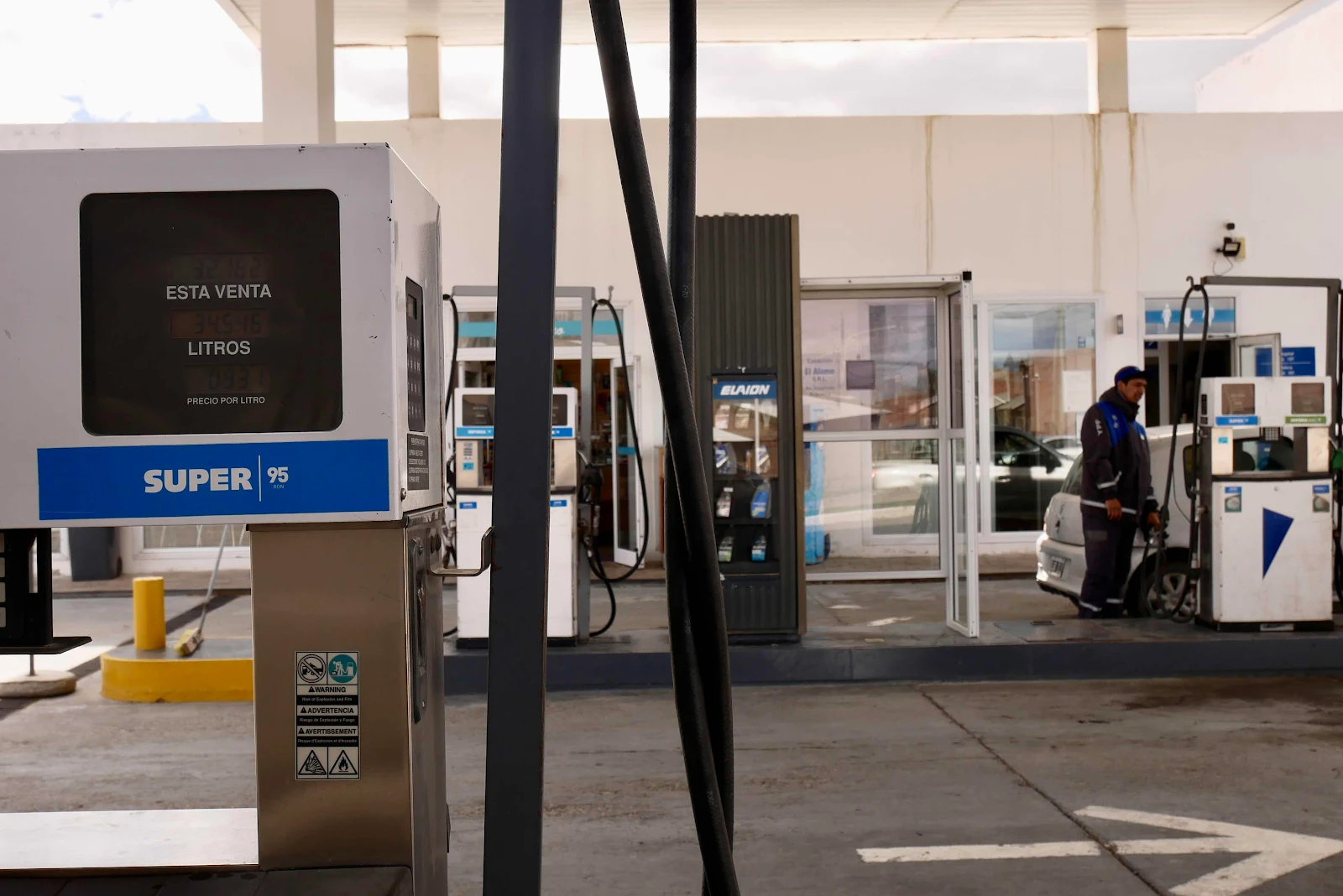
And there is one YPF gas station. We saw lots of overlanders stopped here apparently for the night though there are prettier options around town. We drove north.
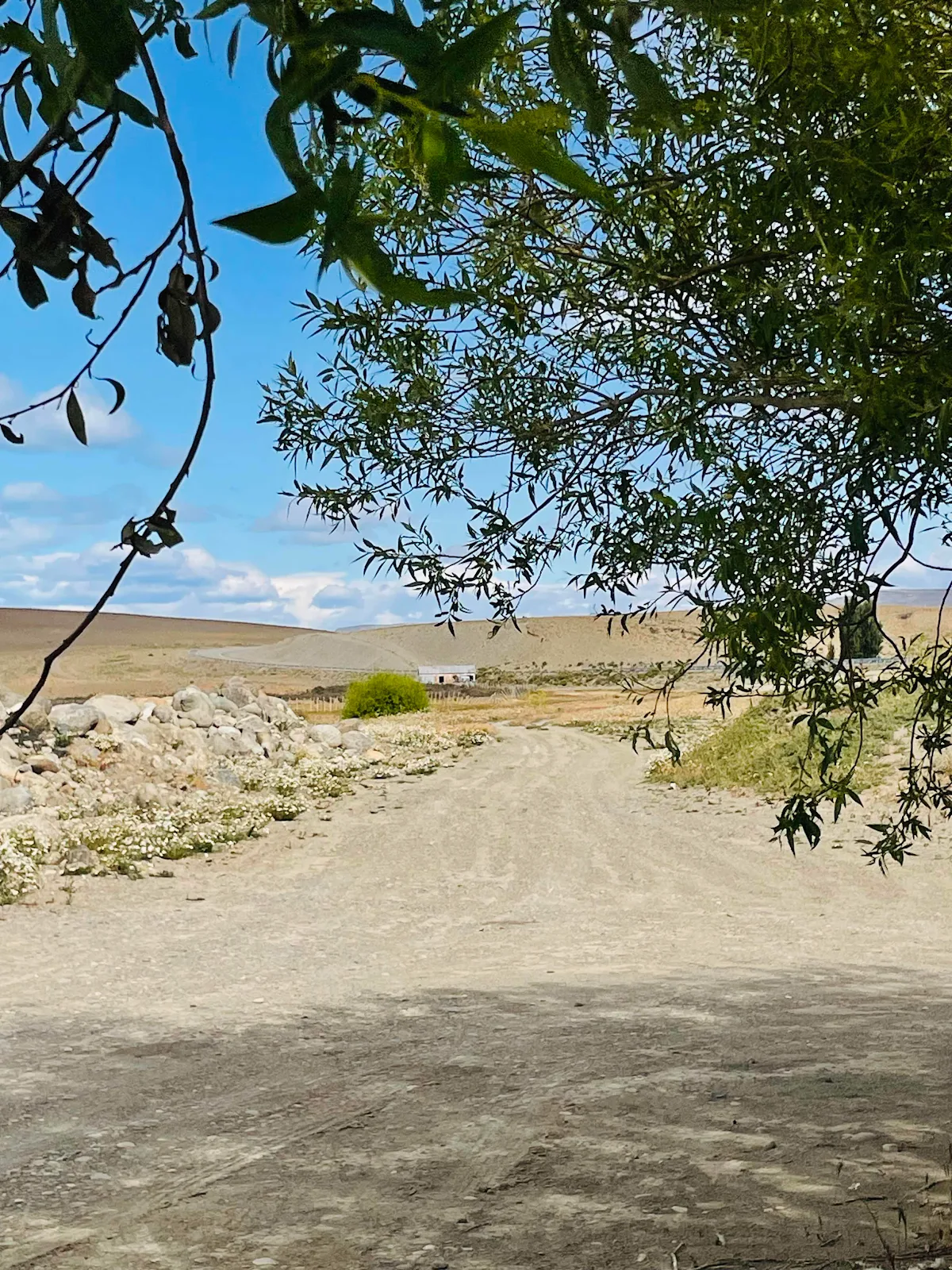
We drive north half an hour and found a pleasant slightly protected spot to drive the night.
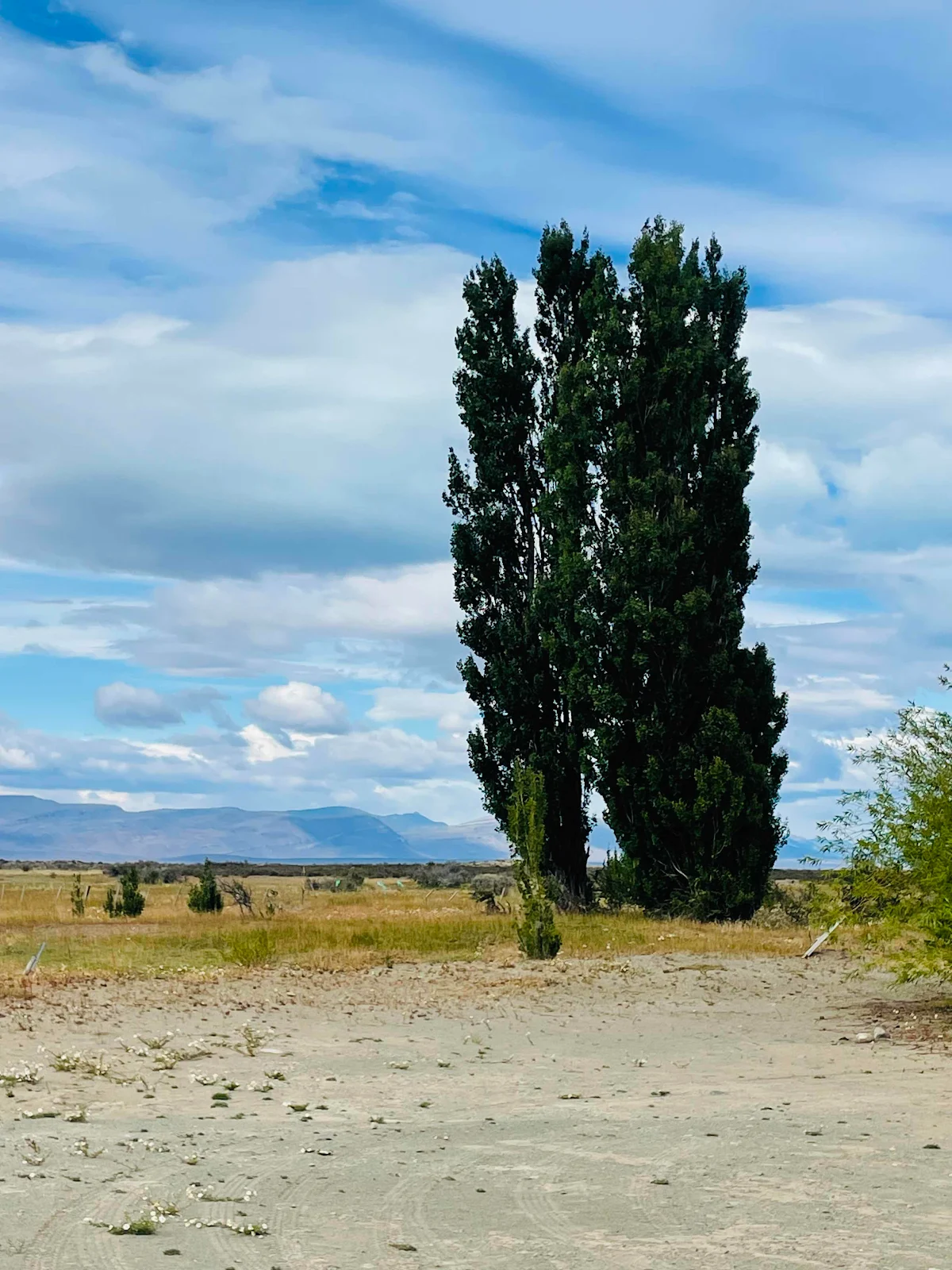
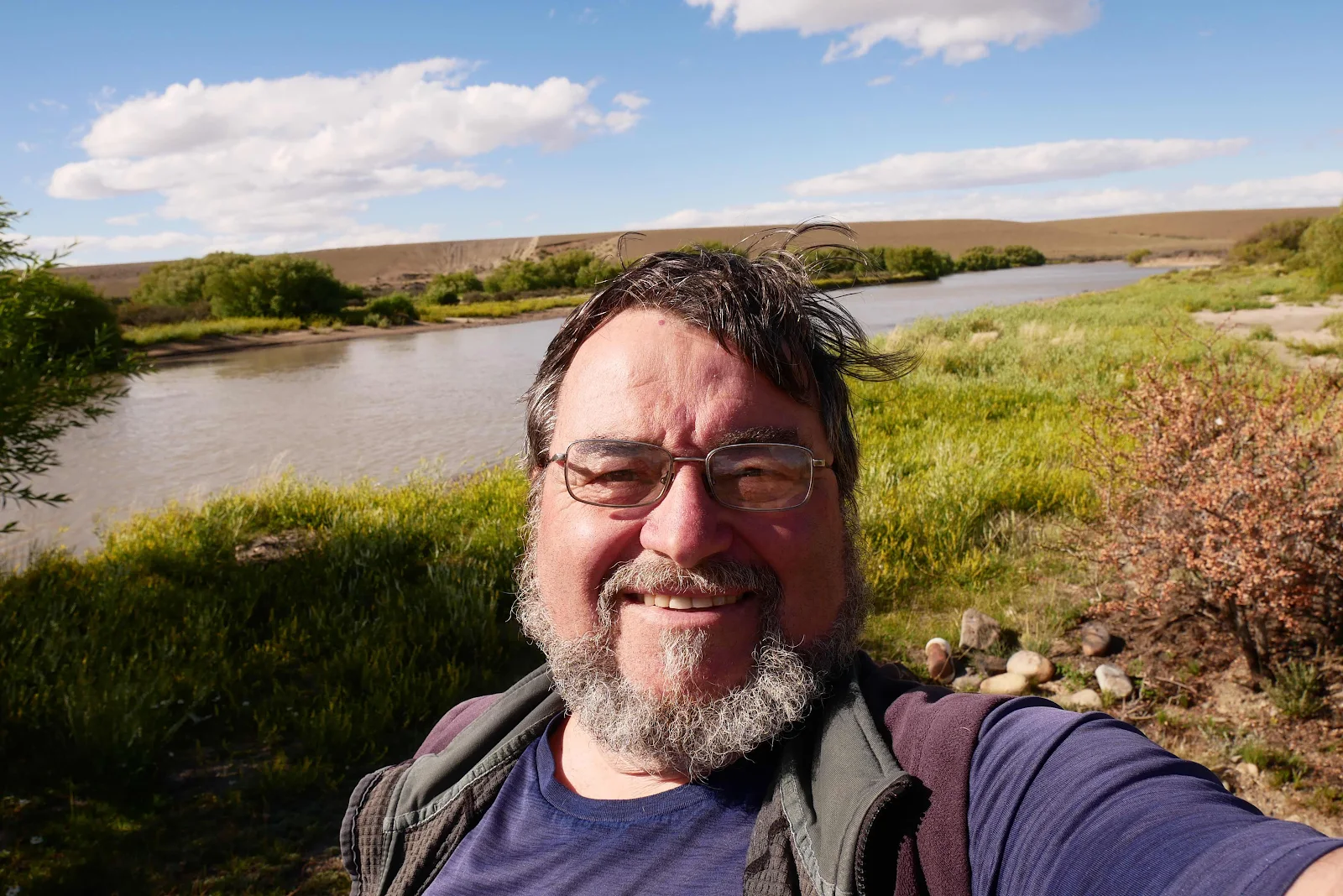
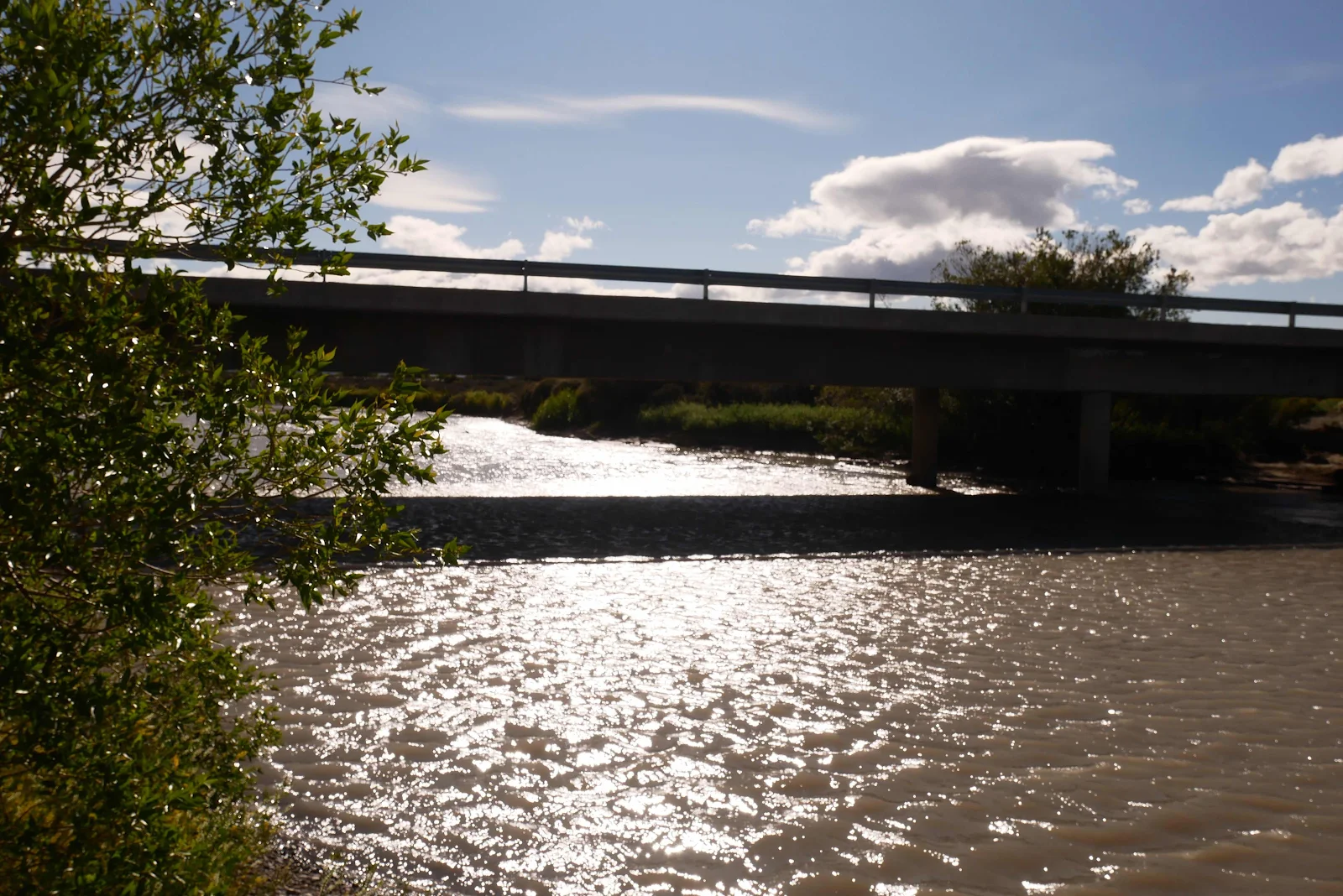
I have found that bridges seem to offer intended open spaces good for wild camping. The water encourages trees to grow so you get a pleasant garden feel and a wind barrier as well.
This is overlanding. Drive, look, park. Notice how I parked up against the trees with the sliding door opening downwind. Sailors know that objects blocking wind through a wind shadow three times wider than the height of the object.
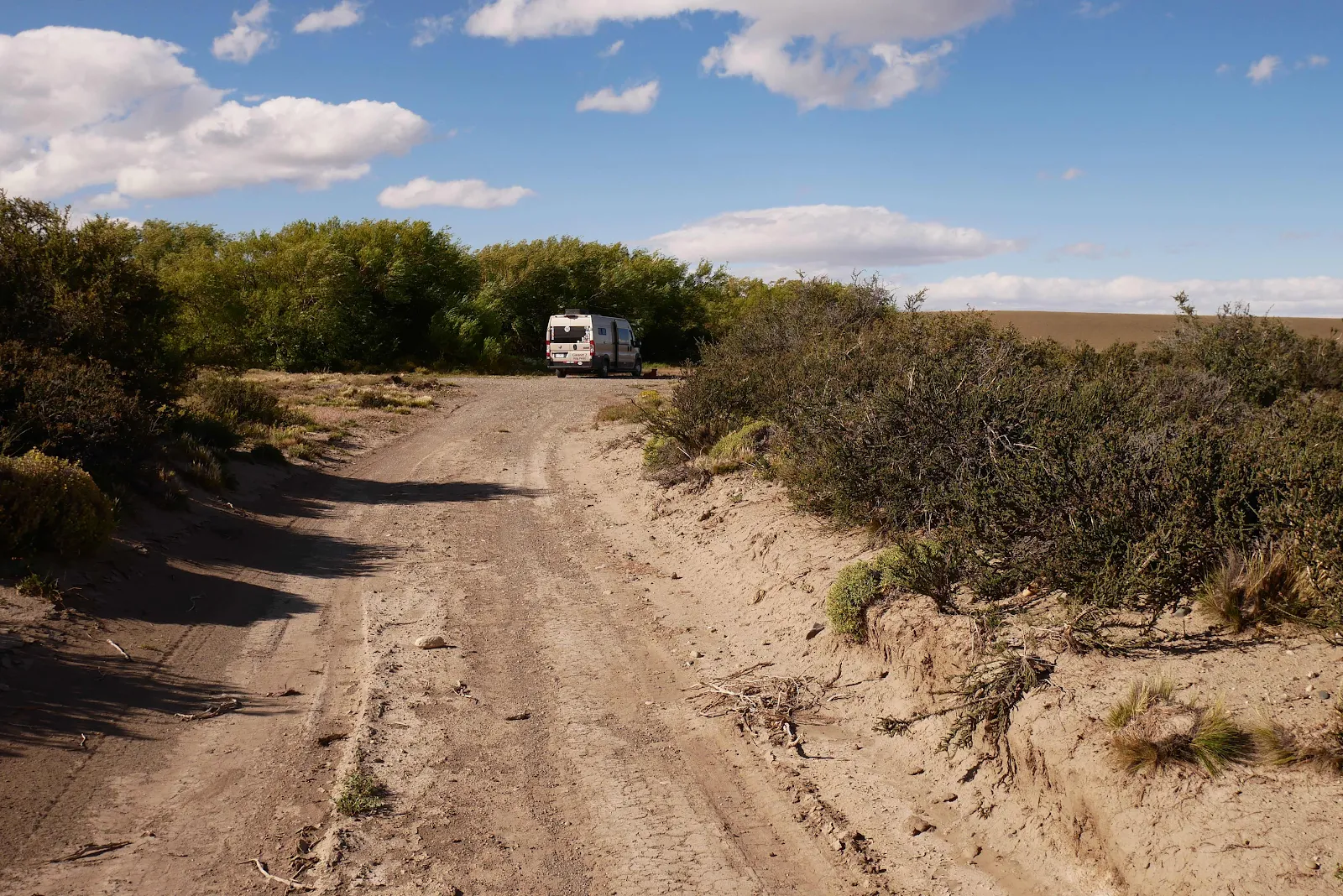
So twenty foot tall trees should protect sixty feet of dirt from the full effects of the wind, plus we have GANNET2’s body for added protection.
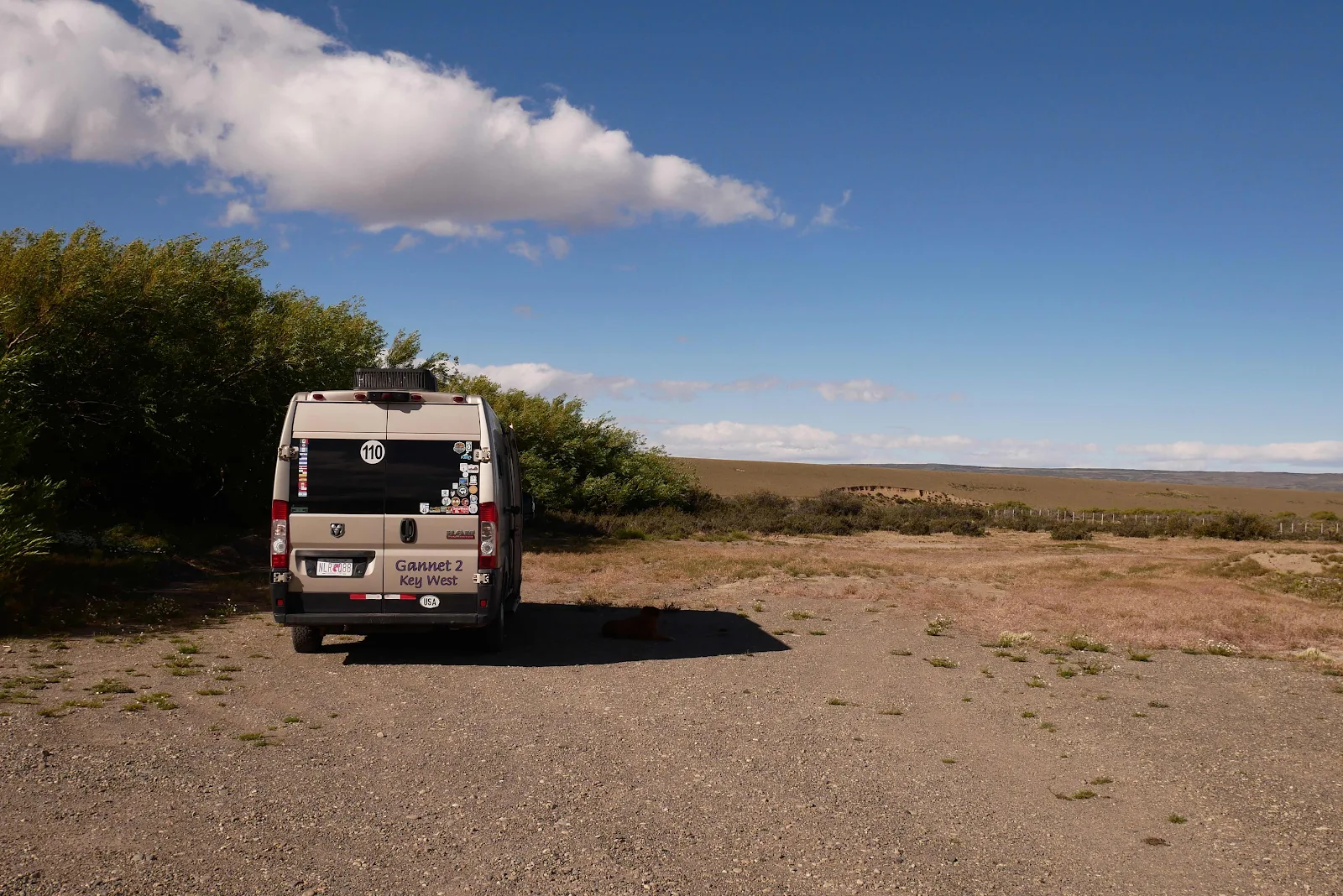
It was a pleasant spot and largely garbage free. The road was a gravel
provincial highway with hardly any traffic at all. No signs of farm vehicles or nearby activity.
But we were not alone for long… a motorcycle drove in as we were eating our dinner of air fried eggplant with lamb chops. He found a spot around the corner and of course we flagged him down. Turns out he was from Denver, Colorado and he set up his tent around the corner in the bushes.
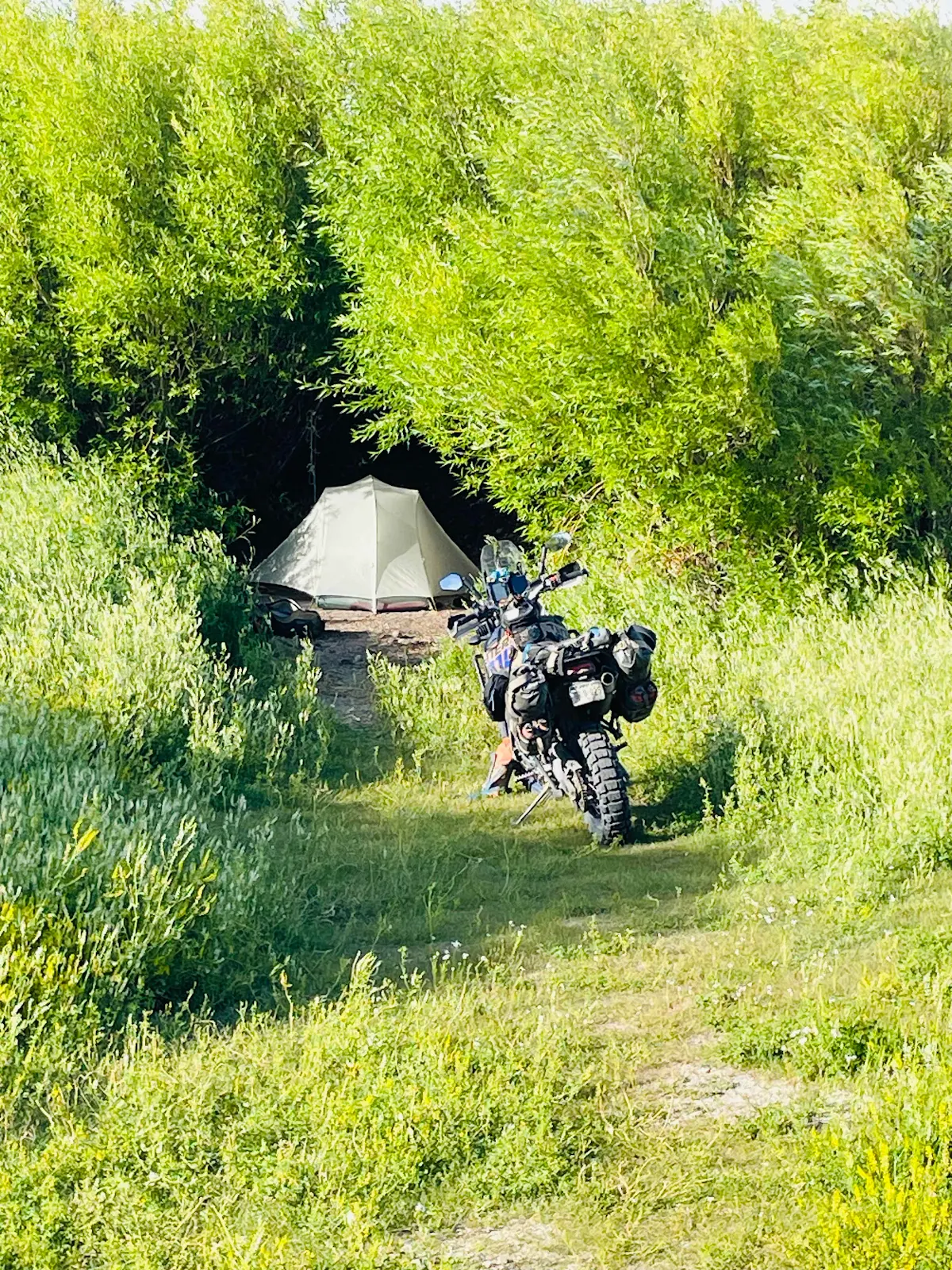
Mason works in construction and has spent the past year riding a Yamaha Teneré 700 around South America. We had a lot in common and lots to talk about surprising perhaps because he’s thirty years younger than me.
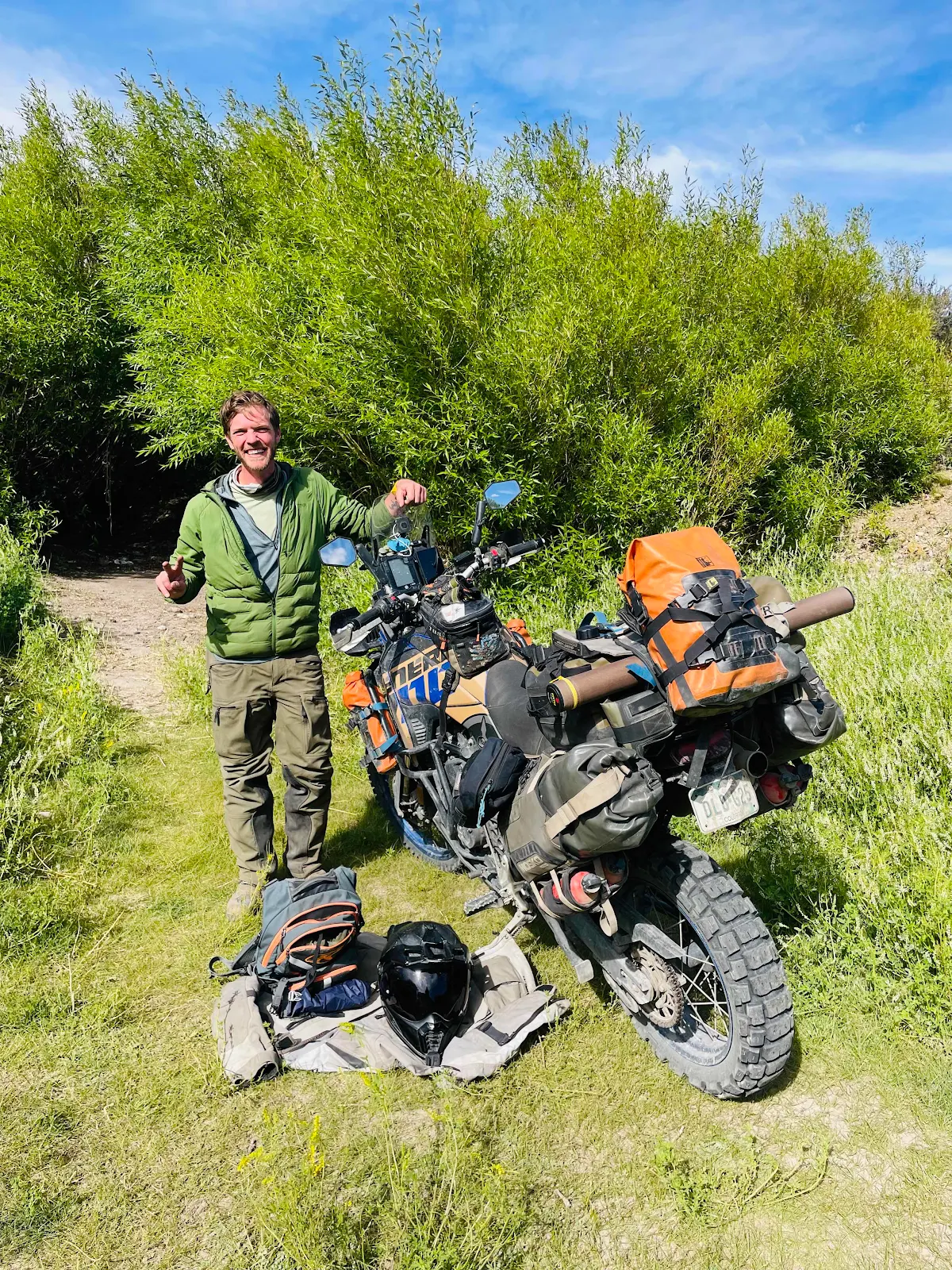
I’m hoping we meet again down the road. He’s planning a slow ride north to build a Land Rover camper to take off longer term. Or maybe he’ll stick to motorcycles. Choices, choices.
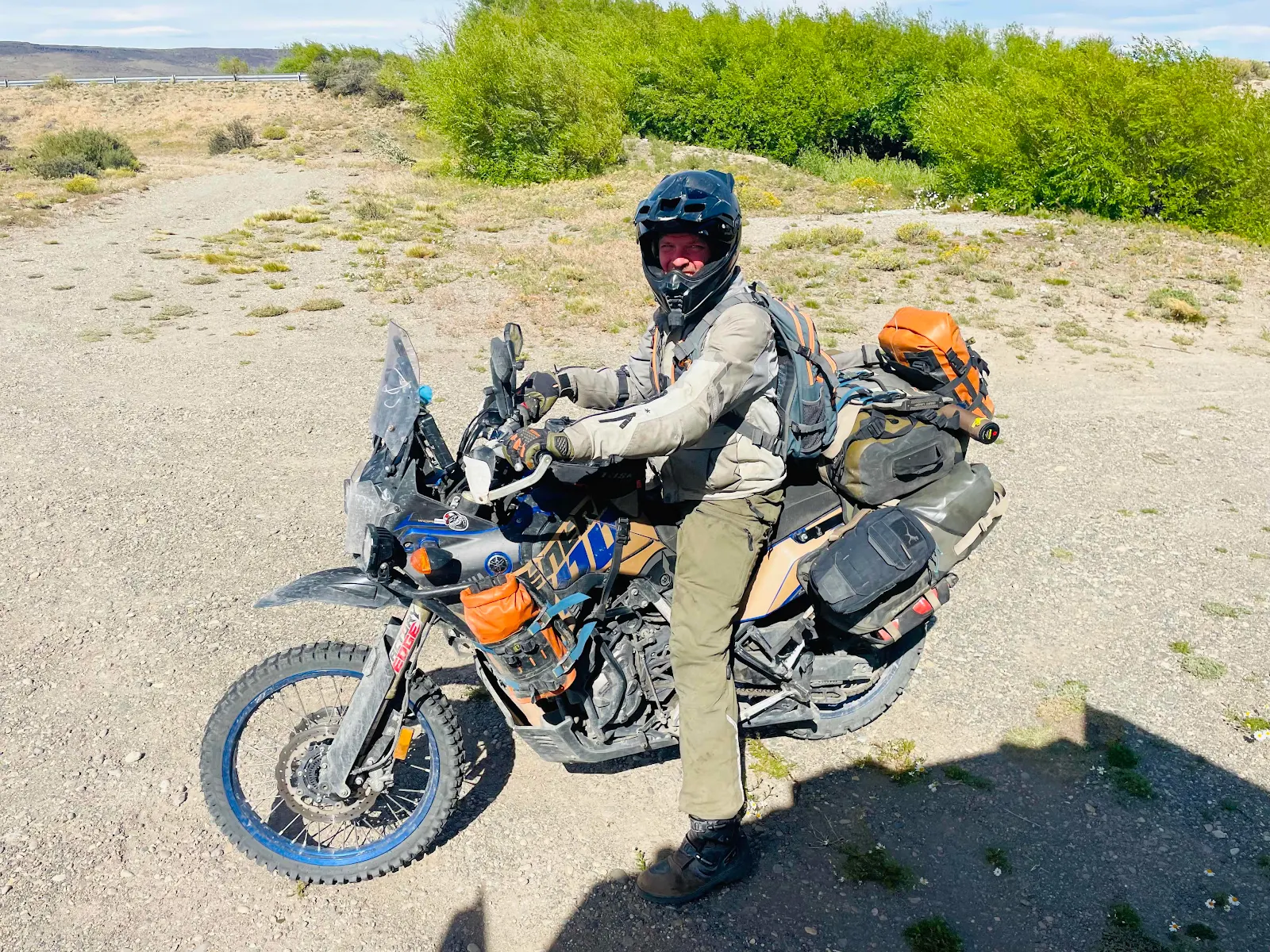
You don’t say good bye, you say see you down the road.
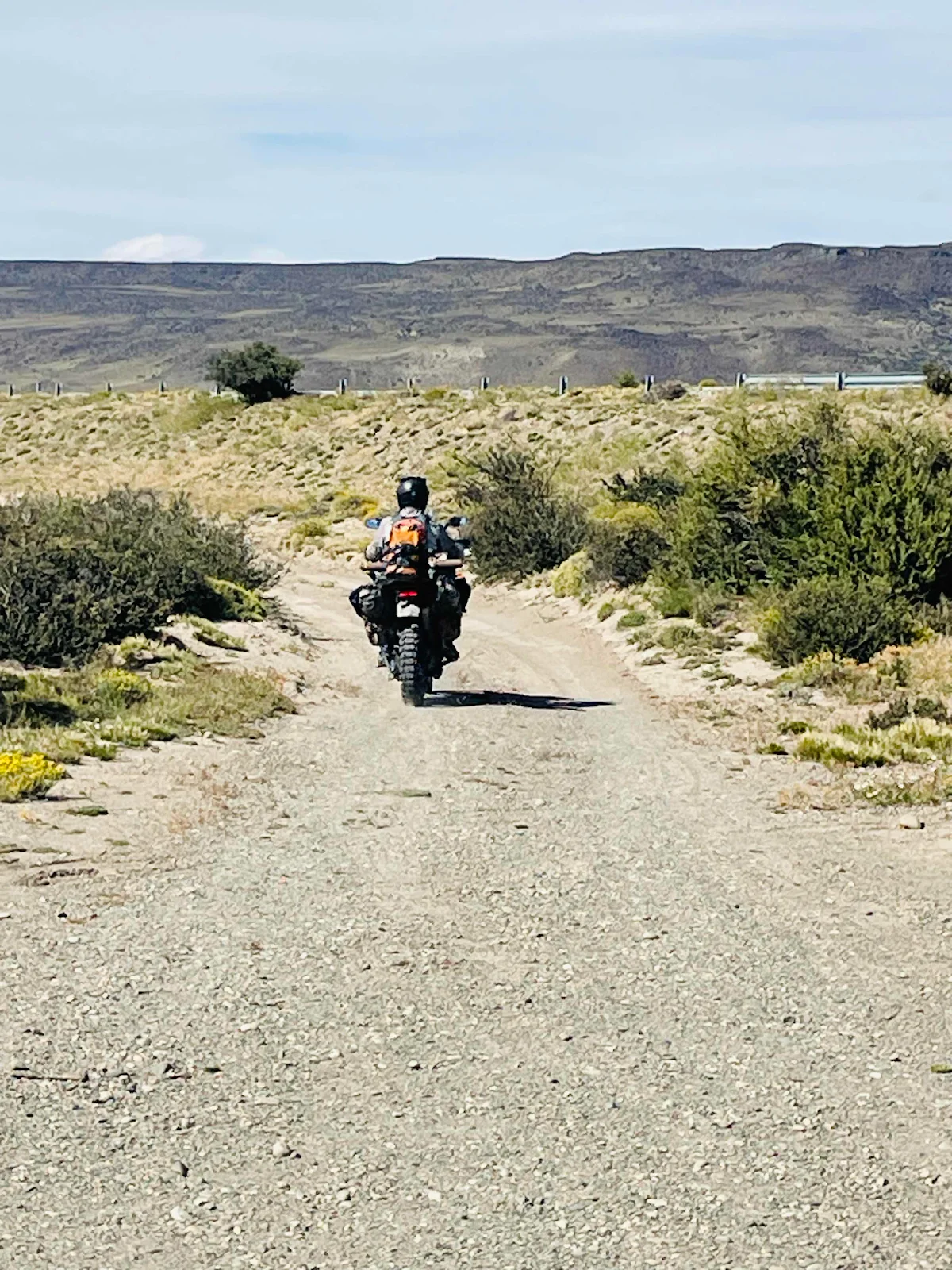
Time for us to plan our next small step north.