Monday, March 13, 2023

Mezcal Made By Hand

Duan and Greg have been waiting five weeks for their Ford Transit to be repaired and they have walked all over the land around the campsite, sometimes for miles. 

On one of their extended walks they took a cab back to El Rancho. “ Do you mind if I make a stop on the way?” the driver asked and brought them here. It looks like an illegal moonshine still but it is perfectly within the law and is the product of five generations of Gerardo’s family making mezcal. 

I was blown away by the operation. He’s building a sales room for future visitors but we just walked in and watched and touched and tasted right there where he distills the stuff,  Health and Safety be damned. It was brilliant.  

It’s a family operation so in the background Fernando his cousin kept the stills bubbling, adding water, moving crushed agave and stoking the wood fires. This is all done the old fashioned way by hand.

The agave mash looks foul doesn’t it? He let us chew a piece like it was sugar cane. It wasn’t sweet, it was smokey and flat like mezcal without the alcohol. 
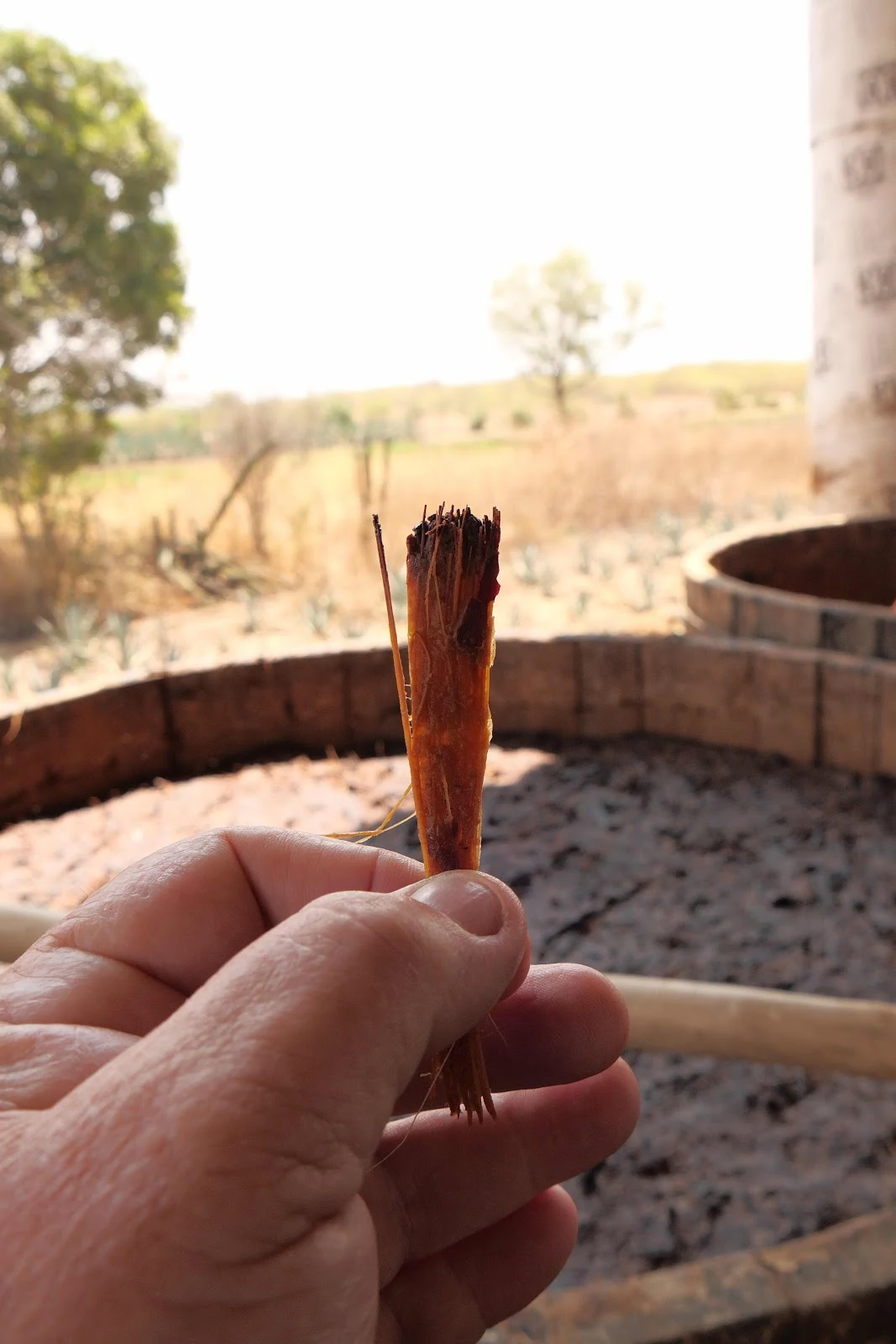
Then we got to taste the must or whatever mezcal makers call the liquor they squeeze out of the plant before it ferments. It was a rich full bodied drink, again no alcohol but full of smoke and a hint of the mezcal to come. I asked for seconds and Gerardo laughed. It looks like mangrove water all tannin brown but the flavor was bracing. 

It looks even worse as the agave mash gets closer to being ready for the distillery. I thought it looked like cat shit and wasn’t tempted to taste this stage. 

The owner Gerardo says the many different flavors of mezcal come from the different agave plants. He has even gone looking for wild agave in the mountains to change things up but he’s lucky if he can find one plant every half mile of hiking across the sun baked hills. 

Fernando was hard at it transferring the agave mash as we talked. 

And then preparing the next batch:
Adding water to the still…and then putting the lid on and…


…inserting the pipe to carry the steam out of the still. 

Our job was to taste and admire the clear liquid just as Angelica was doing: 

Unlike other distillers who add cannabis for flavor Gerardo adds the plant to the mash for his cannabis mezcal. I tried it but honestly it wasn’t the smoothest and whatever else it adds you don’t get a high from the cannabis plant. But if you want a cheap thrill here it is: 


The whole operation is under strict observation: 


The mash is used to fertilize the growing agave plants and the excess water is drained back into the fields.

There is little that is pretty about the process and in the photo below you can see the tannic fluid left over from the still going back to the crop. 

Fernando was constantly moving around in the background.

His cousin the boss was treating us to an extended tasting. I soon gave up as I was driving so I had to trust Layne’s taste buds. She took copious notes as there were a dozen flavors of agave. 

They’d recognize this set up in Appalachia whence I have had some very respectable tasting illegal moonshine. 

Omar was the ideal translator and guide on this expedition. 


About the time this posts Gerardo will be cutting this months crop and dropping it into the pit to burn the smoke flavor into the agave. 
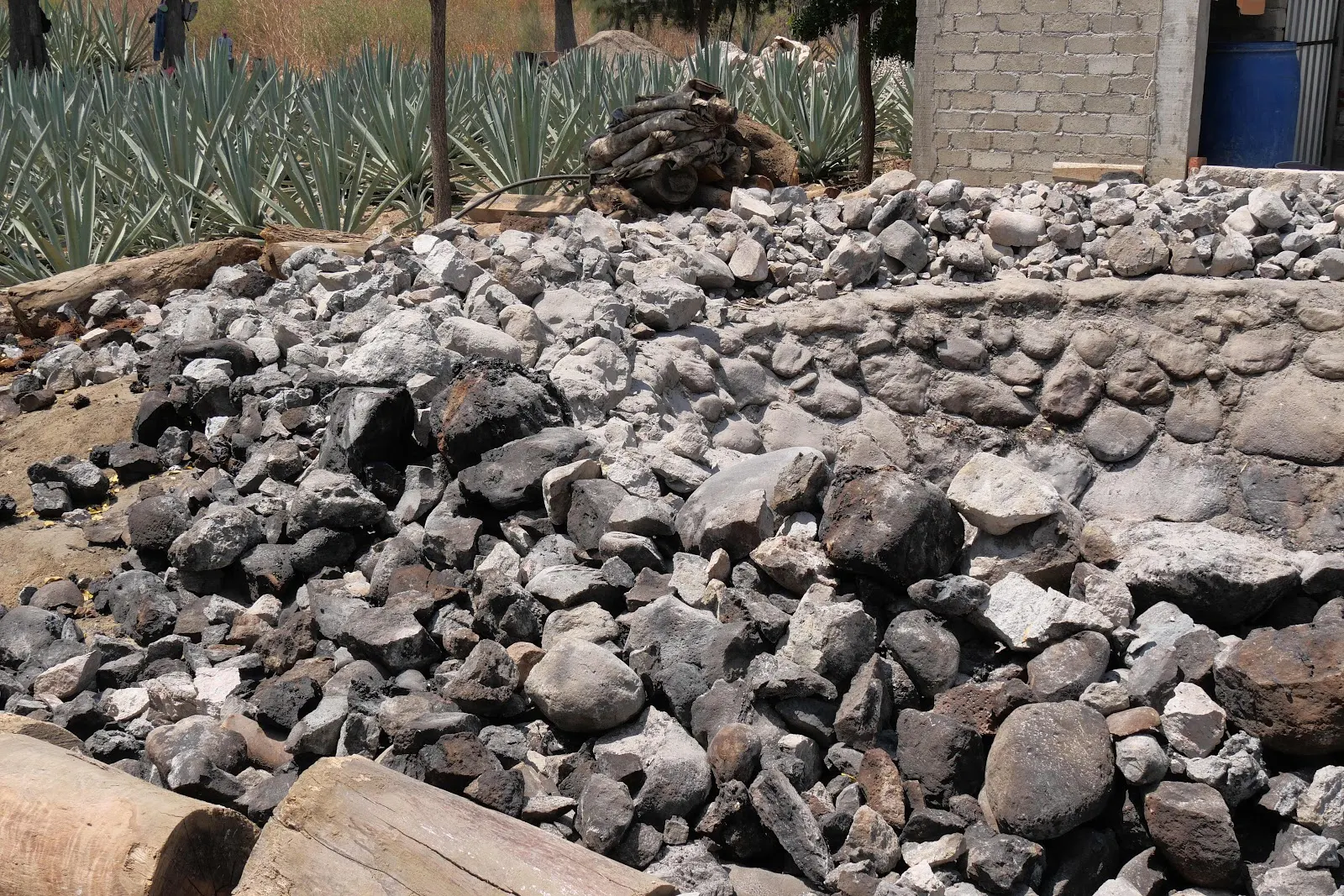
Ten feet deep maybe? 

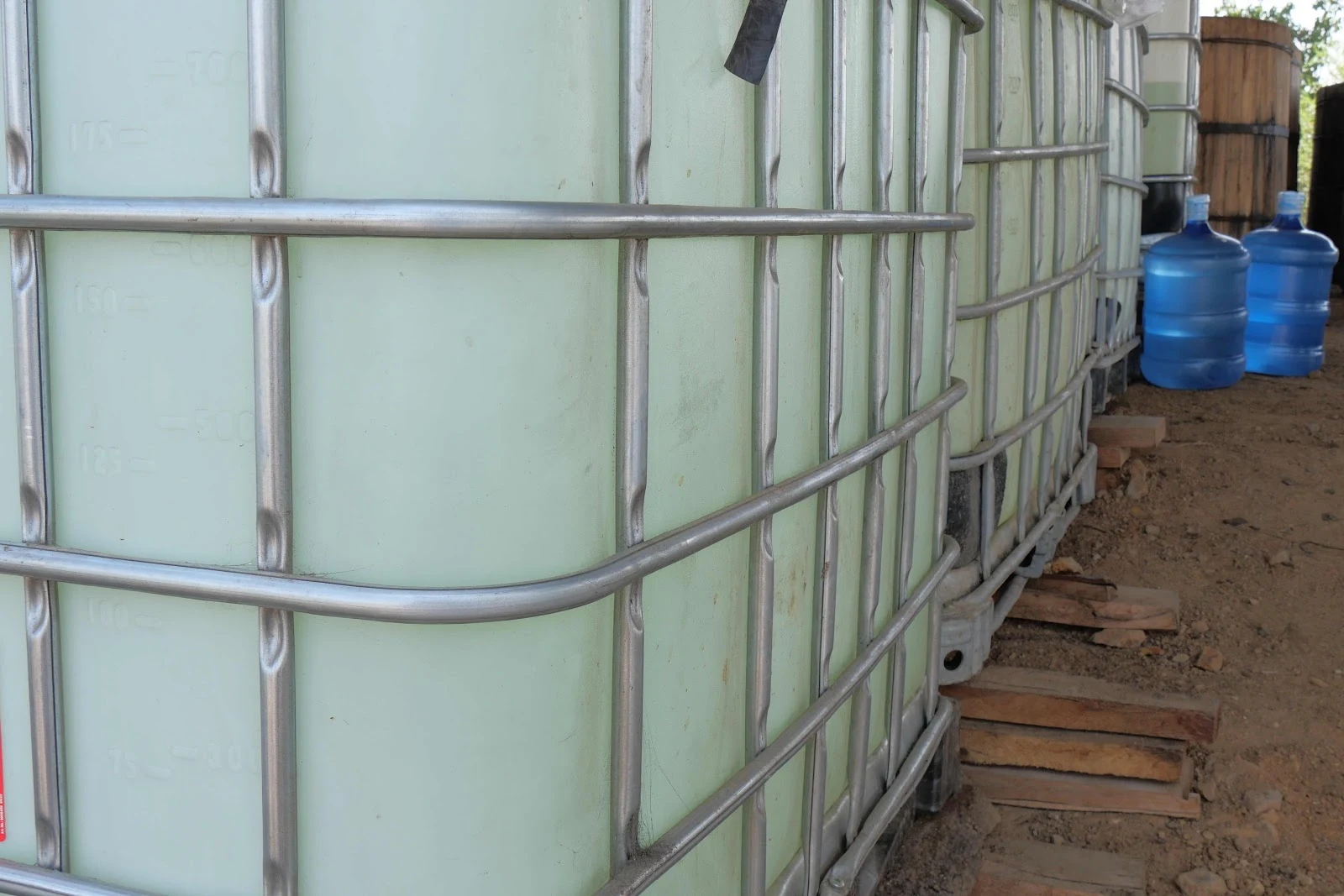
The finished product awaiting bottling. 
We got a bottle of Sierra Negra and Mexicano (500 pesos each) as we thought them the smoothest. Cannabis would have been fun until customs in Belize saw the label. Not much of a joke then. 

It was only thanks to Duan and Greg we found this place. What a morning. 

Blessed be the agave. 


Sunday, March 12, 2023

Mole De Oaxaca

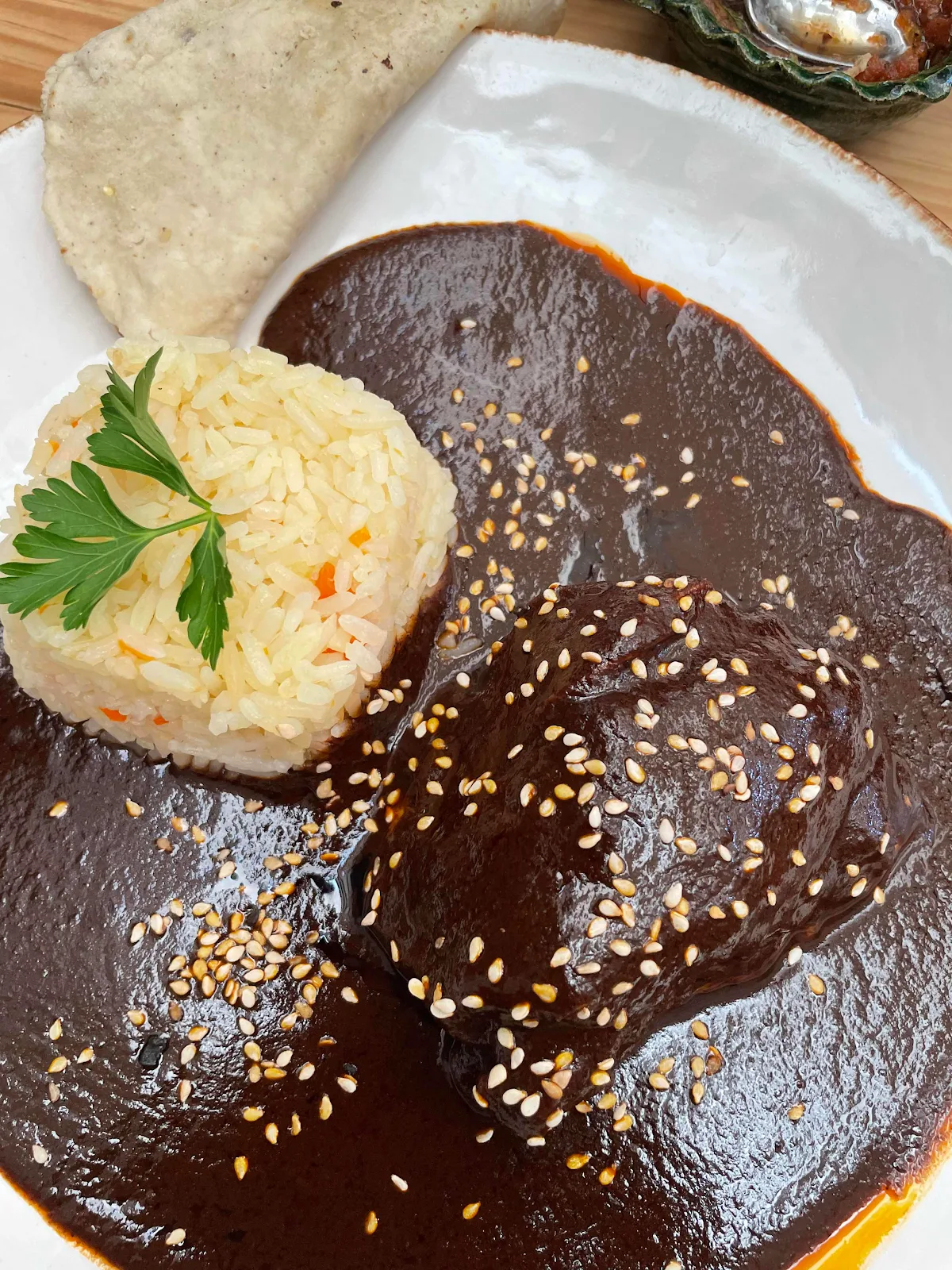
Mole (“moh-lay”) is the sauce associated with Oaxaca and you may think you have tried it. However when I tell you Oaxaca boasts seven different moles you can see it’s a subtle sauce. 

First we tried the classic negro (“black”) sauce, chocolate based, mostly savory with a little sweet and what most people think of when you say mole. I’m not a cook so let me quote people  who really know food https://www.foodrepublic.com/2012/08/15/the-7-moles-of-oaxaca/amp/
“ The “typical” savory-sweet mole mentioned above, and the one most frequently found on American menus. An intricate recipe with a lot of ingredients and steps, you’ll be grinding and stewing the following together: onion, garlic, whole spices like cinnamon, cloves, black pepper and cumin, dried chiles, pumpkin and sesame seeds, herbs like hoja santo (which contributes to the dark color) and cilantro, bread for thickening and sometimes dried fruit for extra sweeteness. Oh, and plenty of dark, bitter chocolate.”

We also tried Amarillo (“yellow”) which came out looking orange to me. It had a flavor that hinted of a corn base but our mesero -waiter- explained it’s based on ground almonds and bread. And of course all those Mexican spices. The experts at Food Republic say amarillo is the least regimented mole so anything goes. There are five others and the link above will show you the way which we will  need more time to explore  
Ironically we tried these moles at a highly recommended eatery around the corner from the cathedral. Taniperla is the name  of the restaurant but it’s also a window on a whole other world inside Mexico. Weren’t we surprised! 

The name refers to a town in Chiapas that declared independence in the name of the Zapatista revolt protesting the government’s lack of investment in Chiapas. In distant 1998 the village posted the mural below as a mark of their revolt. The army came to town and wiped it out. But… here it still is! 

Oaxacan food is everywhere around here surprisingly enough. And when we went off to check out some rural mezcal manufacture we finished our morning with a lunch at a place found previously by Duan. As she is the vegetarian in her group we knew she would be sure to find interesting  food and she did. The worlds largest mushroom quesadilla:
It was a stone farmhouse at the end of a dirt road across a couple of fields with one sign along the way promising Oaxacan specialties. 

The tortilla maker is a gas flame under a steel plate where Dorotea prepares the tortilla masa which is what they call the cornmeal. 
It’s her grandmother’s recipes but she is young and apparently and takes care of this traditional kitchen with one young helper her daughter. Not light work at all. 

There were six of us, Omar and Angelica from Mexico City and Duan and Greg from Atlanta though Greg grew up in Palm Beach. 
The others had beer and sodas but I wanted cafe de olla (“oy-ya”) which is light cinnamon coffee and I got a pint of the stuff. The others made fun of me saying I’d climb the walls  
Little did they know, I had a second one and I did fine driving home. Angelica and Omar had mole negro. 
Layne had mole amarilla:

Greg went for tlayuda another Oaxacan specialty. Also enormous .  
And I had ribs in a local tomatillo and guajillo spicy sauce with black beans. 
It’s a pretty relaxed group we have found ourselves among. The serious overlander types mostly from Germany in serious vehicles I don’t particularly care to mix with. I find the enthusiasm and the curiosity of amateur travelers much more stimulating and my hat is off to Duan for finding this place. 

This is Omar and Angelica’s first van trip and they are enjoying learning and talking and seeing their own Mexico with new eyes. They make the experience of traveling fresh for me too. 

Divide menu items by 18 pesos to get the up to date exchange rate in dollars. Last year it was 21 to the dollar so we are hurting this year. Just a little. 


Arid Oaxaca in full on dry season. It’s a dry heat as they say but 85 degrees is still 85 in American degrees. 

Angelica dragged me laughing into the men’s loo. But it was just to see this splendid act of repurposing. 

Omar and Angelica have a 17 foot Promaster 1500 which is easy for them to park at home. He is converting the interior and has already done the solar system snd electricity. They own their own home plus a second house and several stores that he rents out. He spent ten years in the US and had his own business which he abandoned when his mother was on her death bed back in the old country so he started again in Mexico near his family. Not exactly the stereotypical lazy immigrant. I wish he were ready to drive to Argentina now. 


Oaxacan food is good food.