Thursday, February 1, 2024

Tuesday In Boquete

I am feeling frustrated. All systems are go, more or less but here we are. I’d like nothing better than to drive to Colombia tomorrow and return to travel, exploration and nomadic life. Yet here we are, helpless and awaiting the various stages of loading and shipping as required by the Darien Gap.
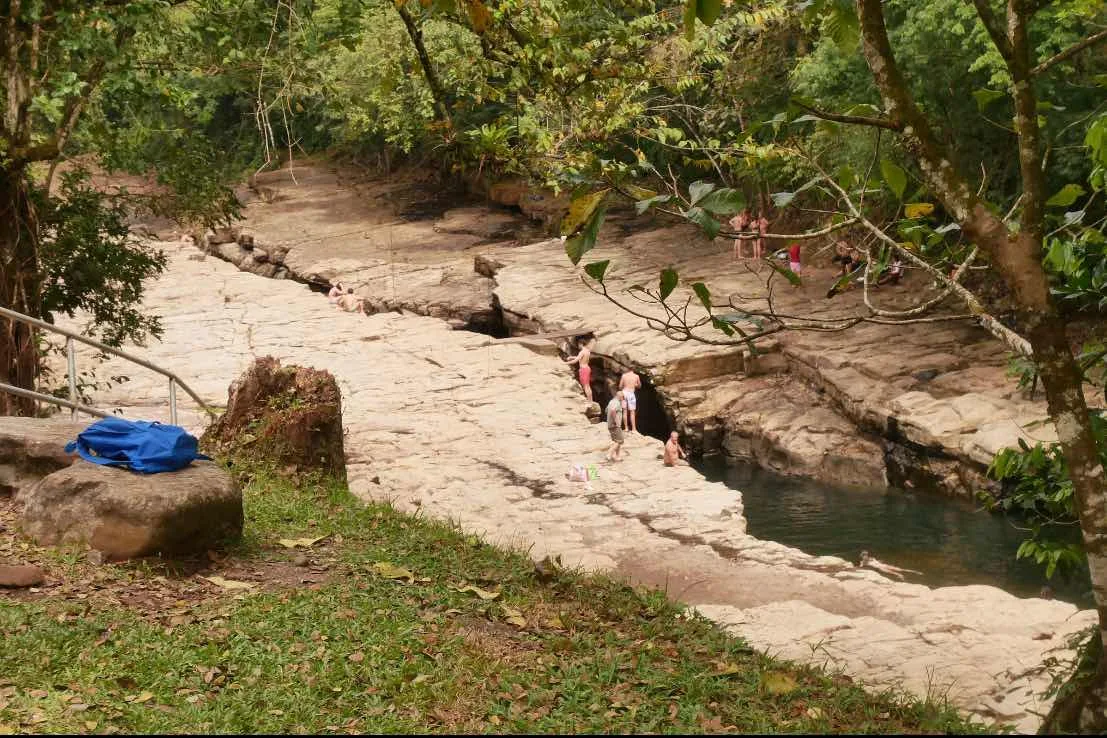
We had planned a short drive to a river pool we visited previously and got warned off as the place has become the target of sneak thieves breaking into cars parked in the unguarded lot. Bummer.
I guess the good news is I’m getting a lot of reading done as we wait for things to get going. And I’m also walking Rusty a fair bit! 
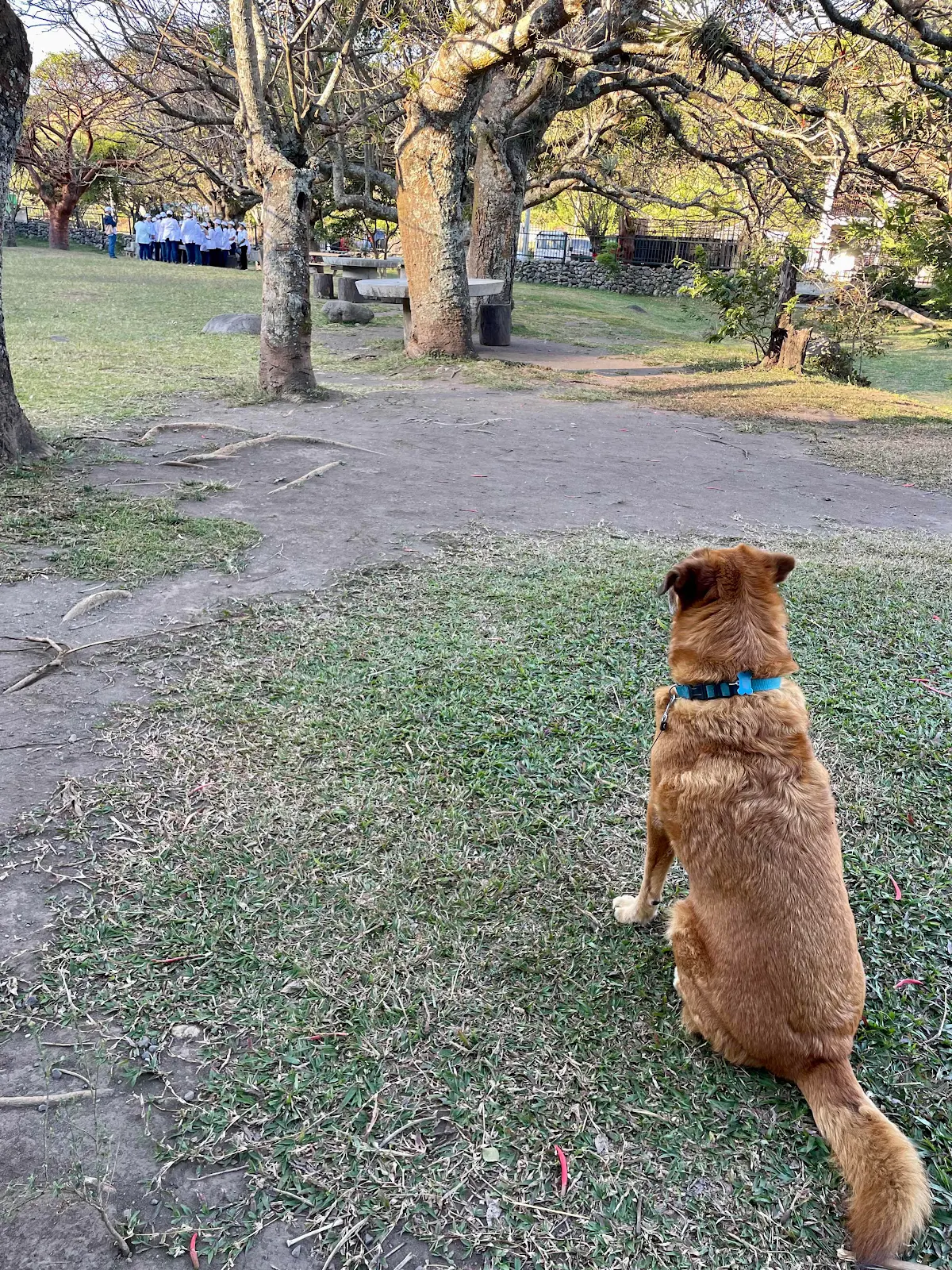
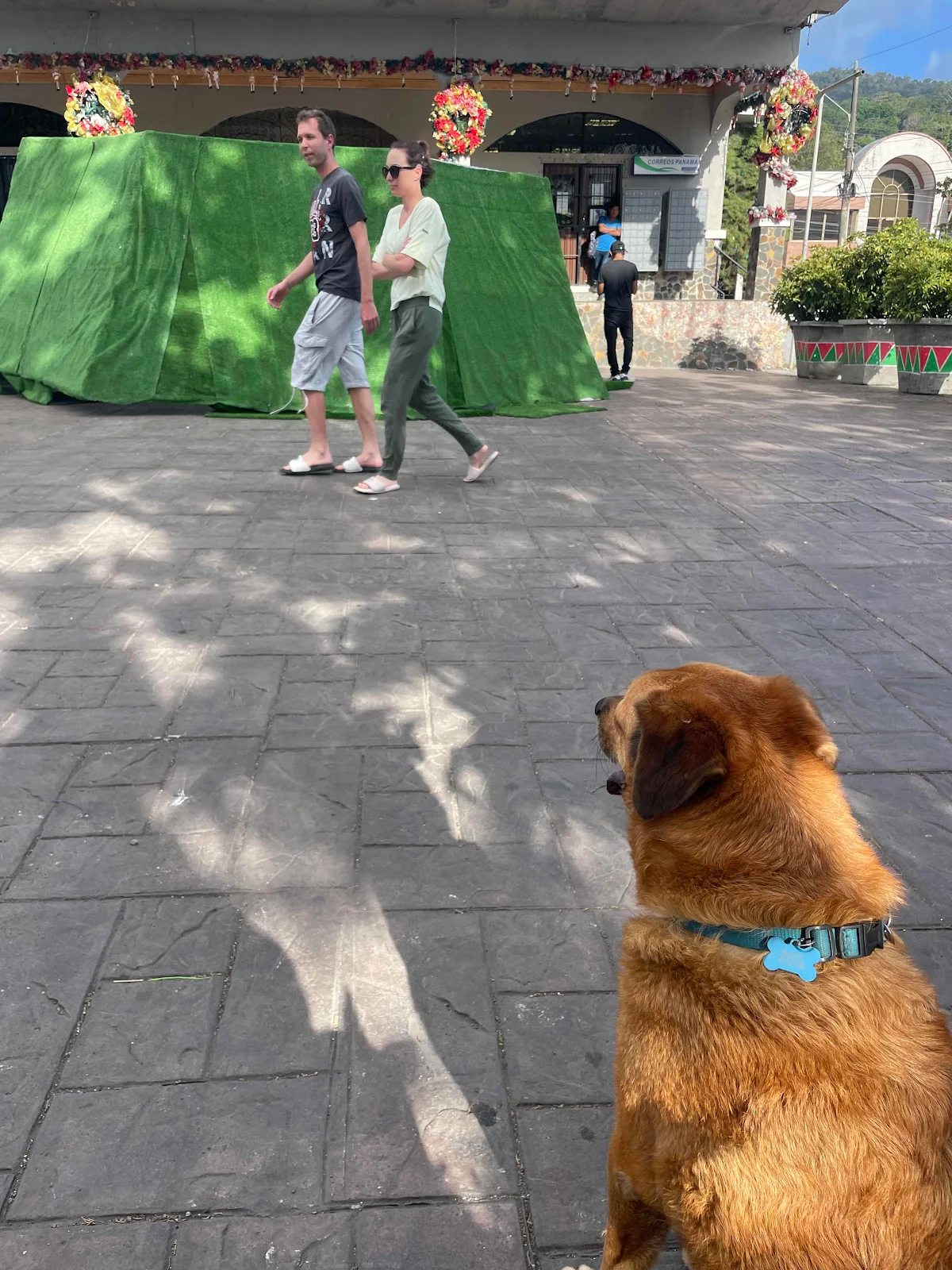
Rusty and I walk in the park where he gets to do some people watching. I started to try to explain religion to him as the folks in white got into a prayer circle. I felt like I was talking to myself. 
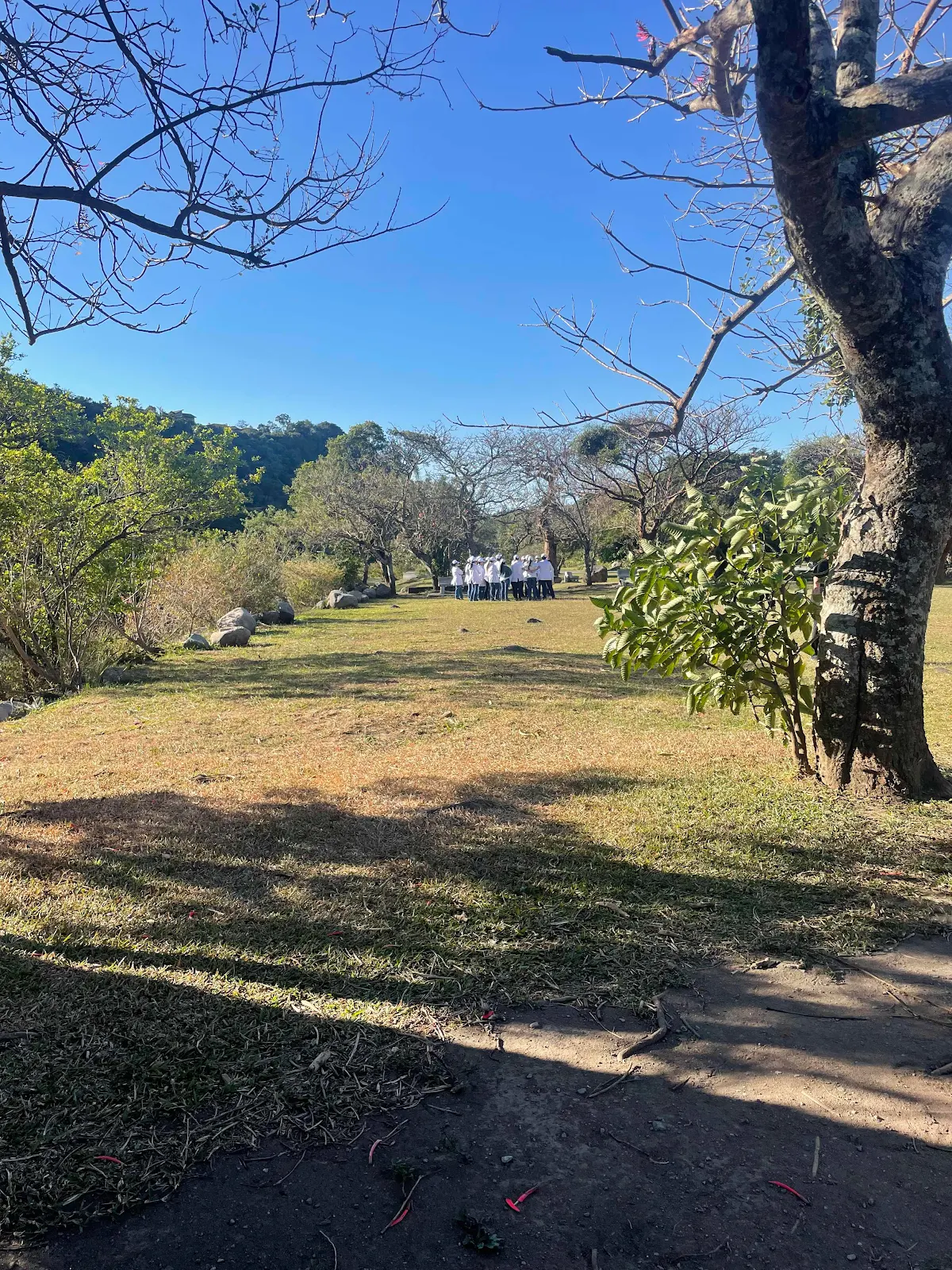
Mind you I’ve been doing a lot of that lately, talking to myself. Layne remarked today she is feeling lonely, which caused me to realize I felt the same way as we haven’t seen any travelers for weeks. There was one French family parked here for three days but I think their English wasn’t up to much conversation so after I made the introductions in French they remained friendly but distant. Then their Volkswagen van was gone after some brief goodbyes and we are alone again.
Tuesday is market day when we get bagels and yoghurt and kombucha and those weird foodstuffs you take for granted in the US when you stroll your farmer’s market if a Saturday morning. I walked Rusty around while Layne went inside and I got to listen to some mariachis outside a religious gathering…I listened to the music skipping the Bible class so I have no idea how the two were connected. The corrida music made me nostalgic for Mexico. 
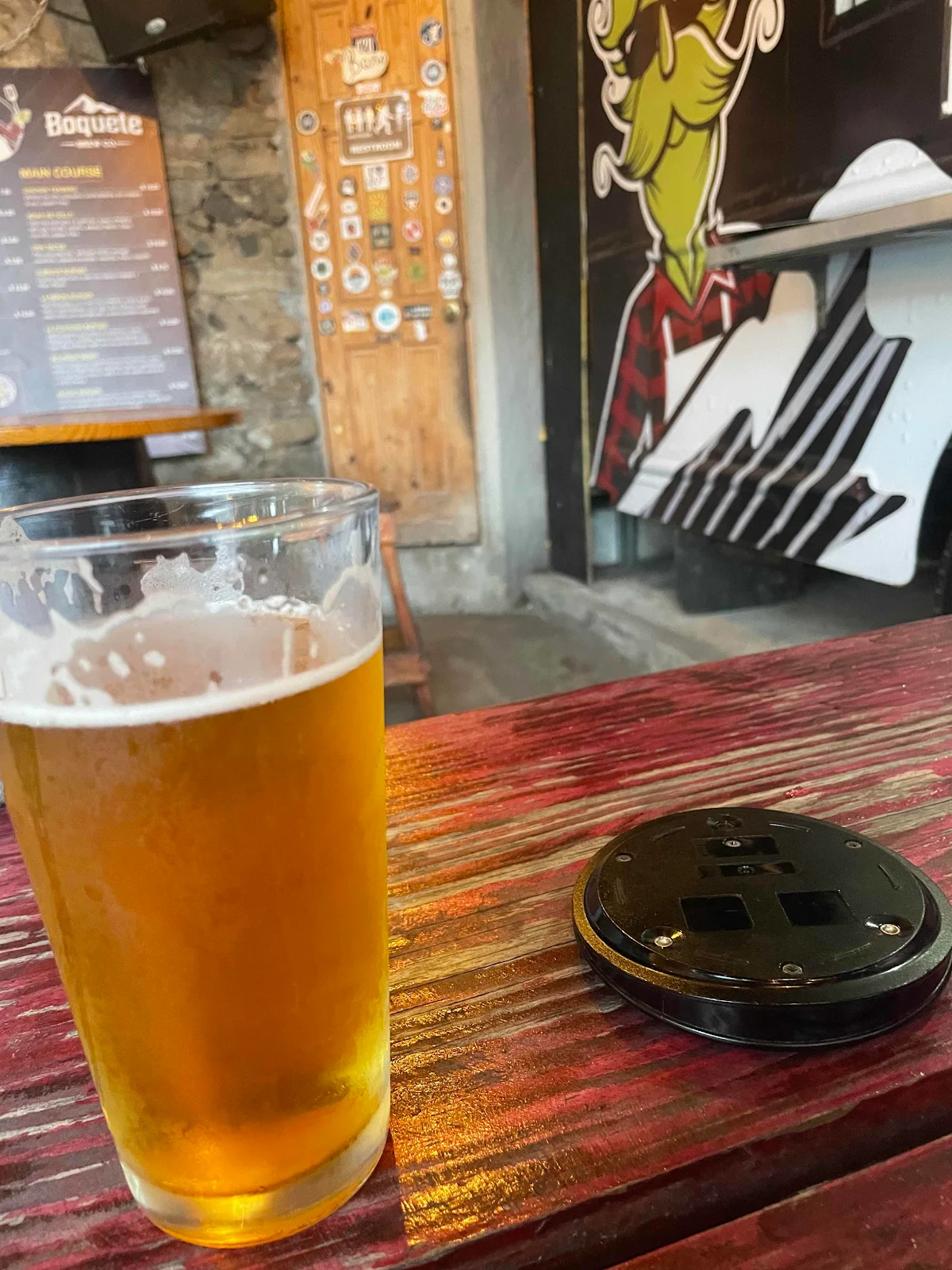
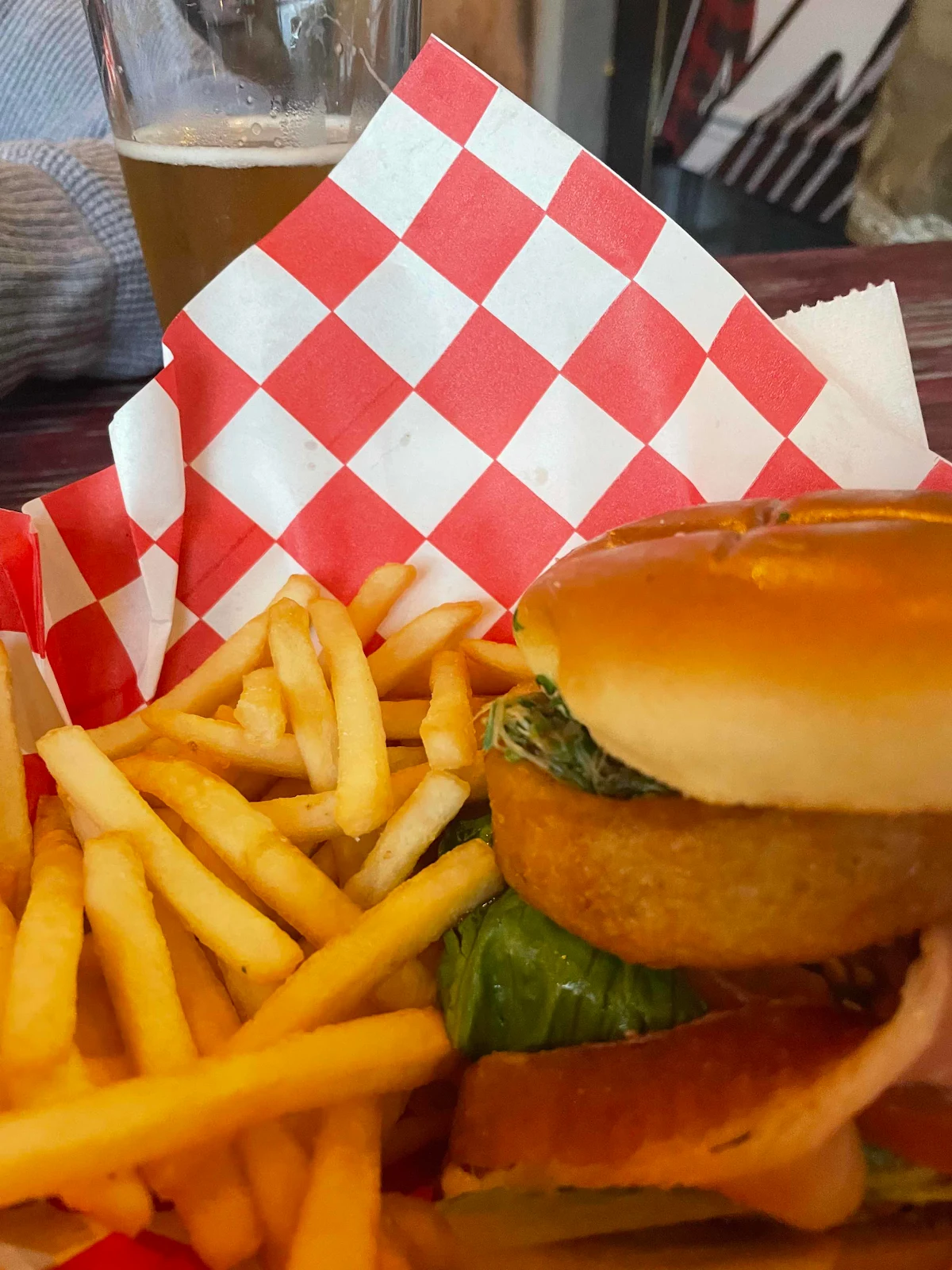
Tuesday night is two for one at Boquete Brewing Company, and indeed we have been here in town long enough to find that out. I had a twelve dollar Bourbon Burger with bacon and Layne got a free spicy burger of some sort. The wind was howling and it was freezing cold despite our jackets. 
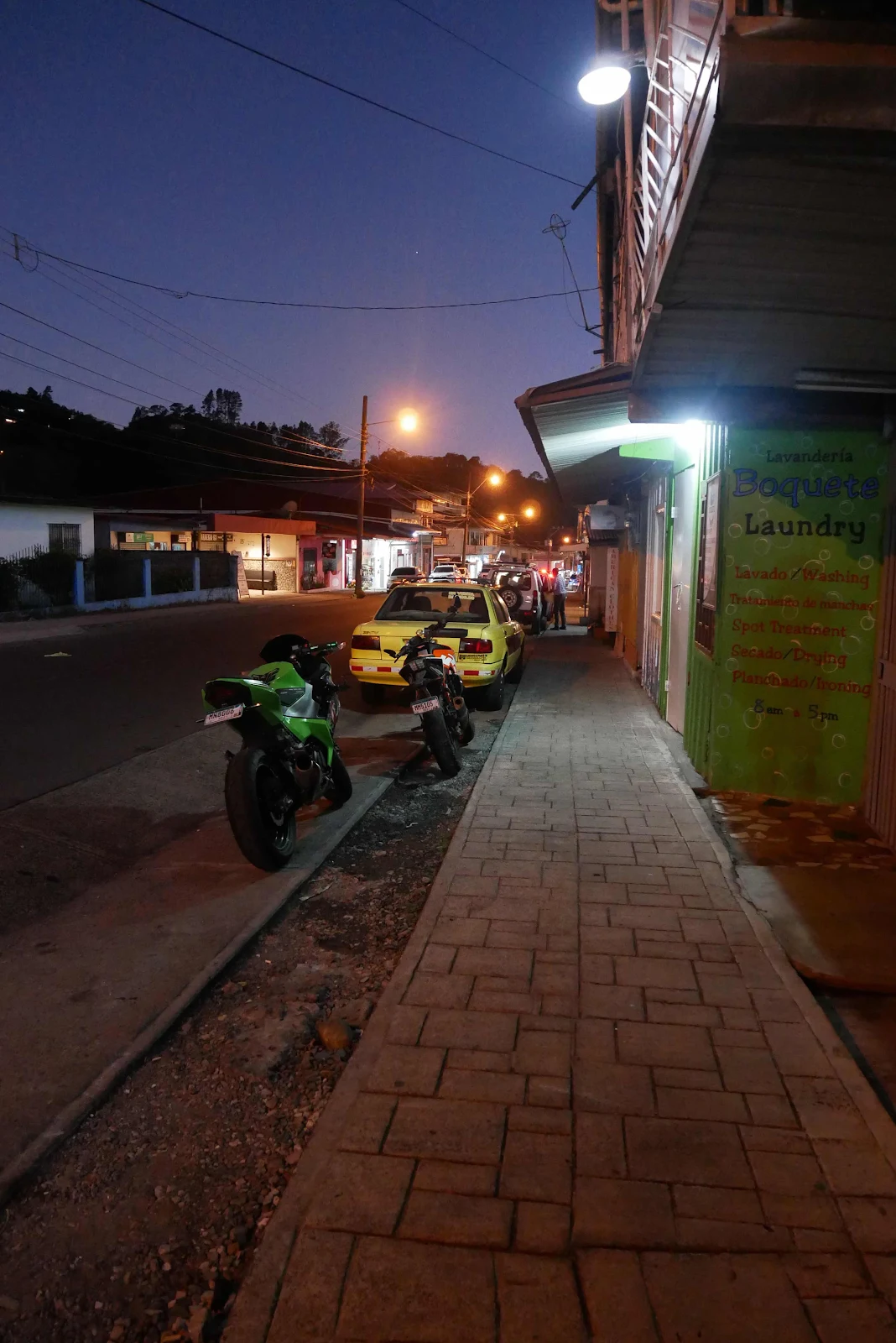
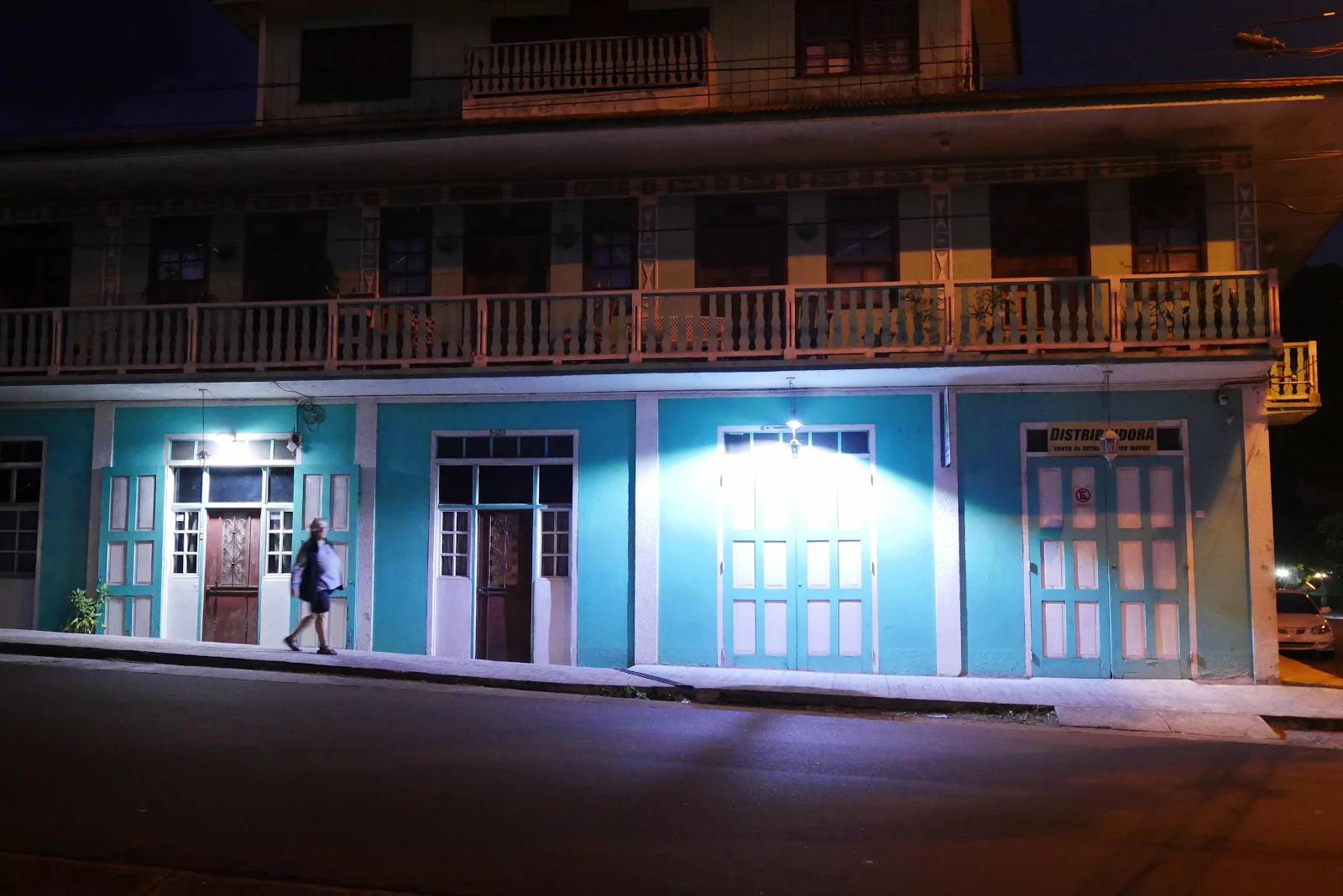
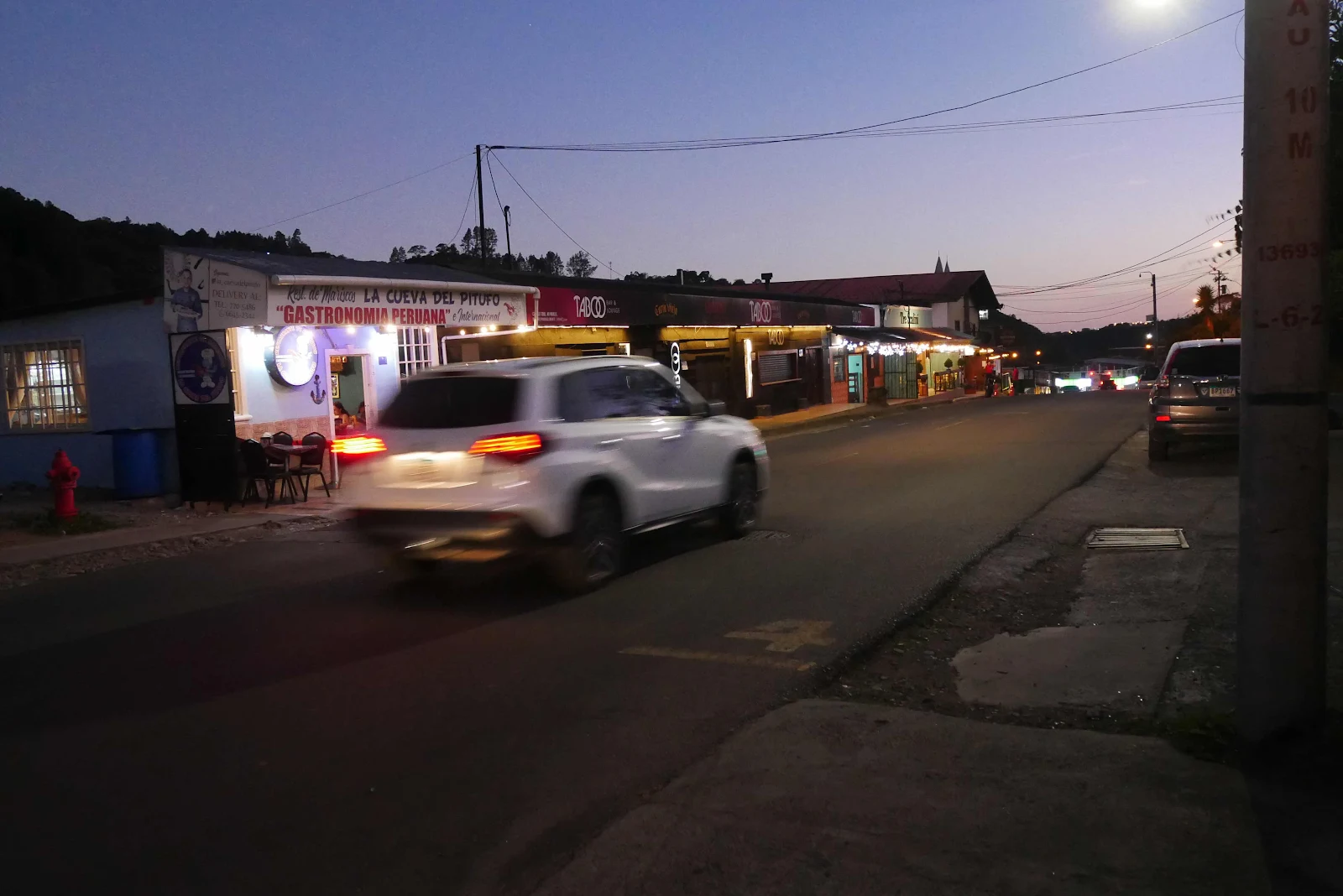
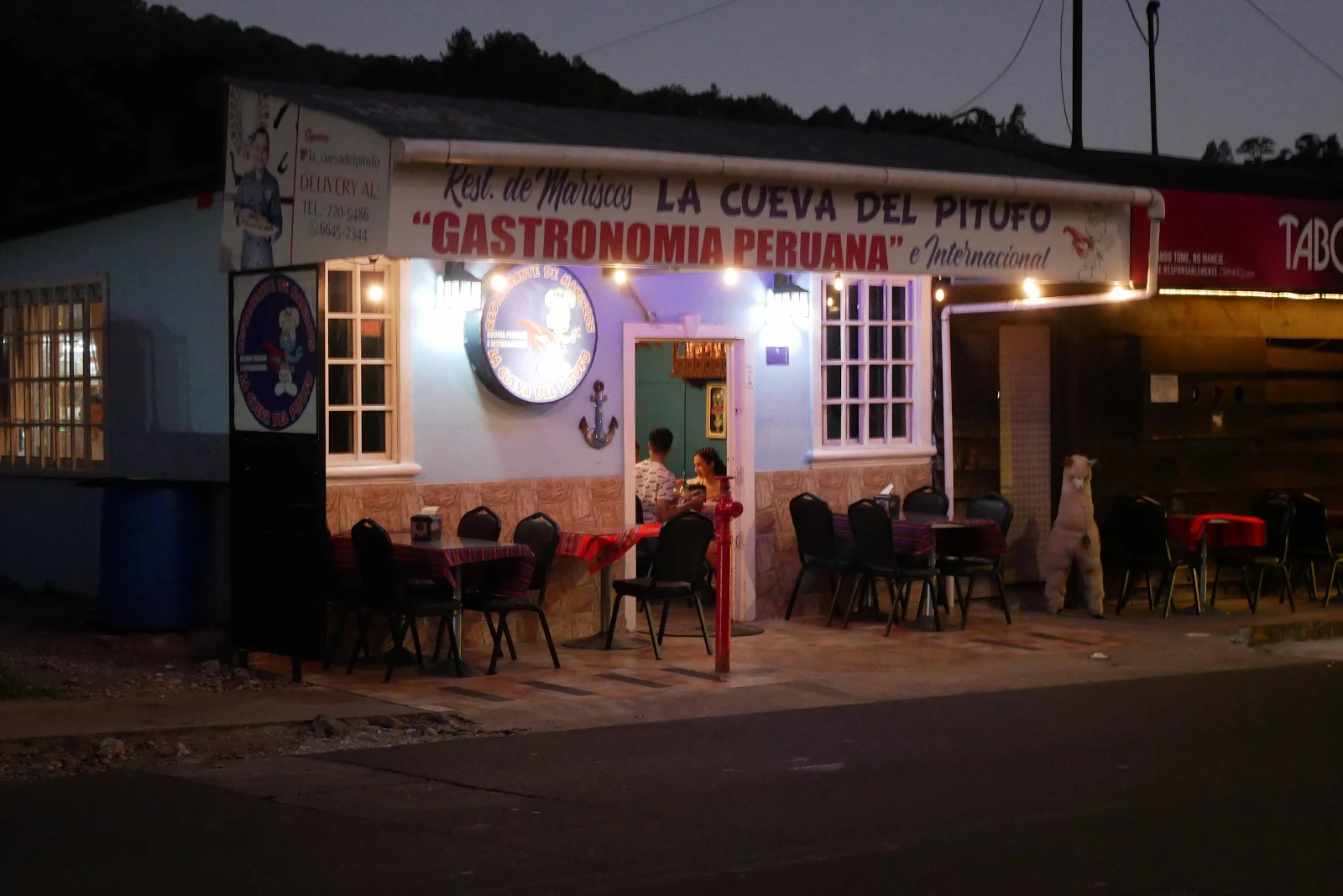
Then we strolled back down through the town, the wind finally at our backs so I suggested deploying a spinnaker which proposal my formerly sailing wife enthusiastically seconded but we drifted instead without a drifter but took pictures instead.
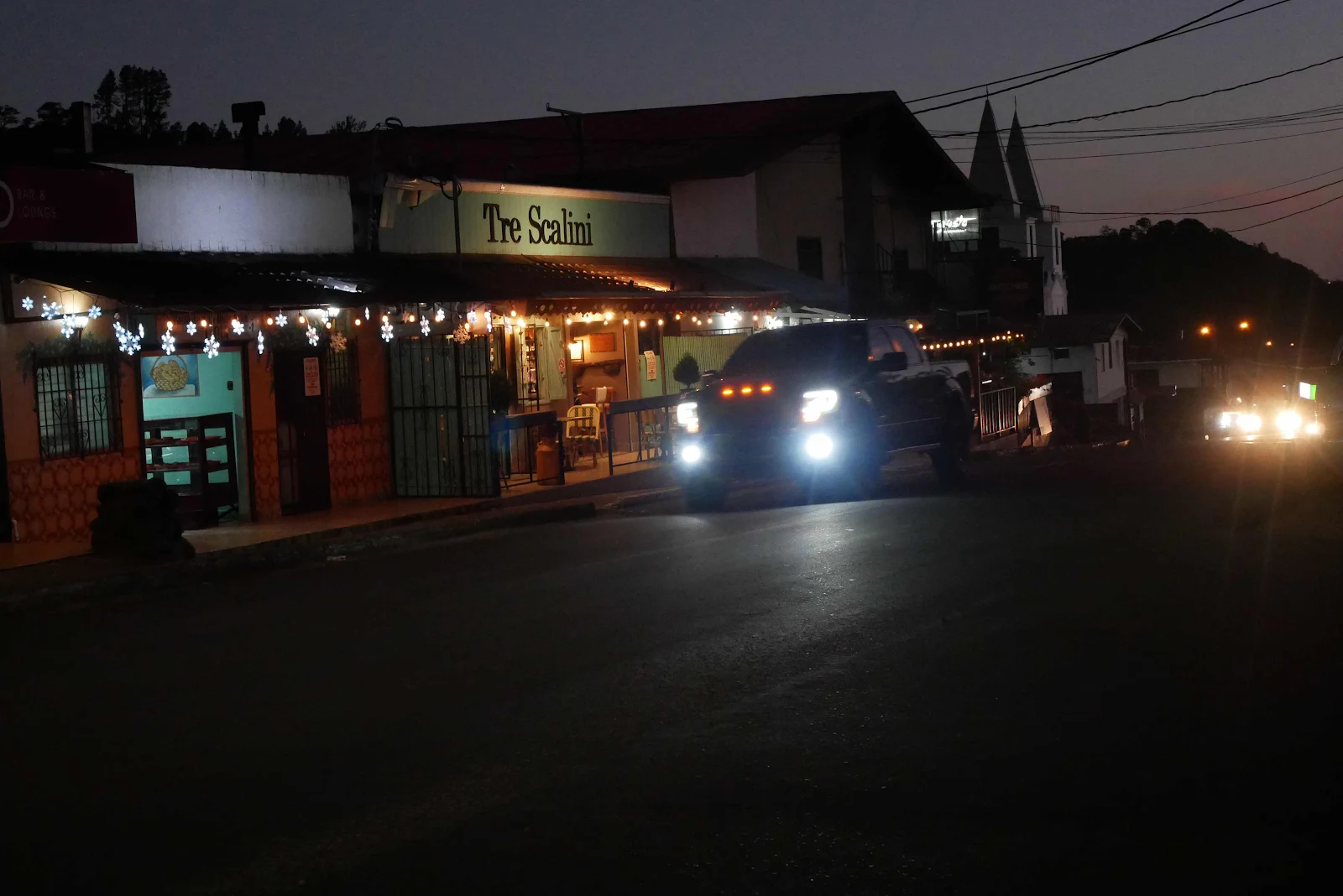


Next time we need something shipped from Amazon I’m going to enquire at a shipping company. This doesn’t look like it would have helped with our spare part but you never know what you might need or want from home. If you decide to live here this would be really helpful. Panama unlike Costa Rica has no import duties which makes shipping easy and bureaucracy free. 
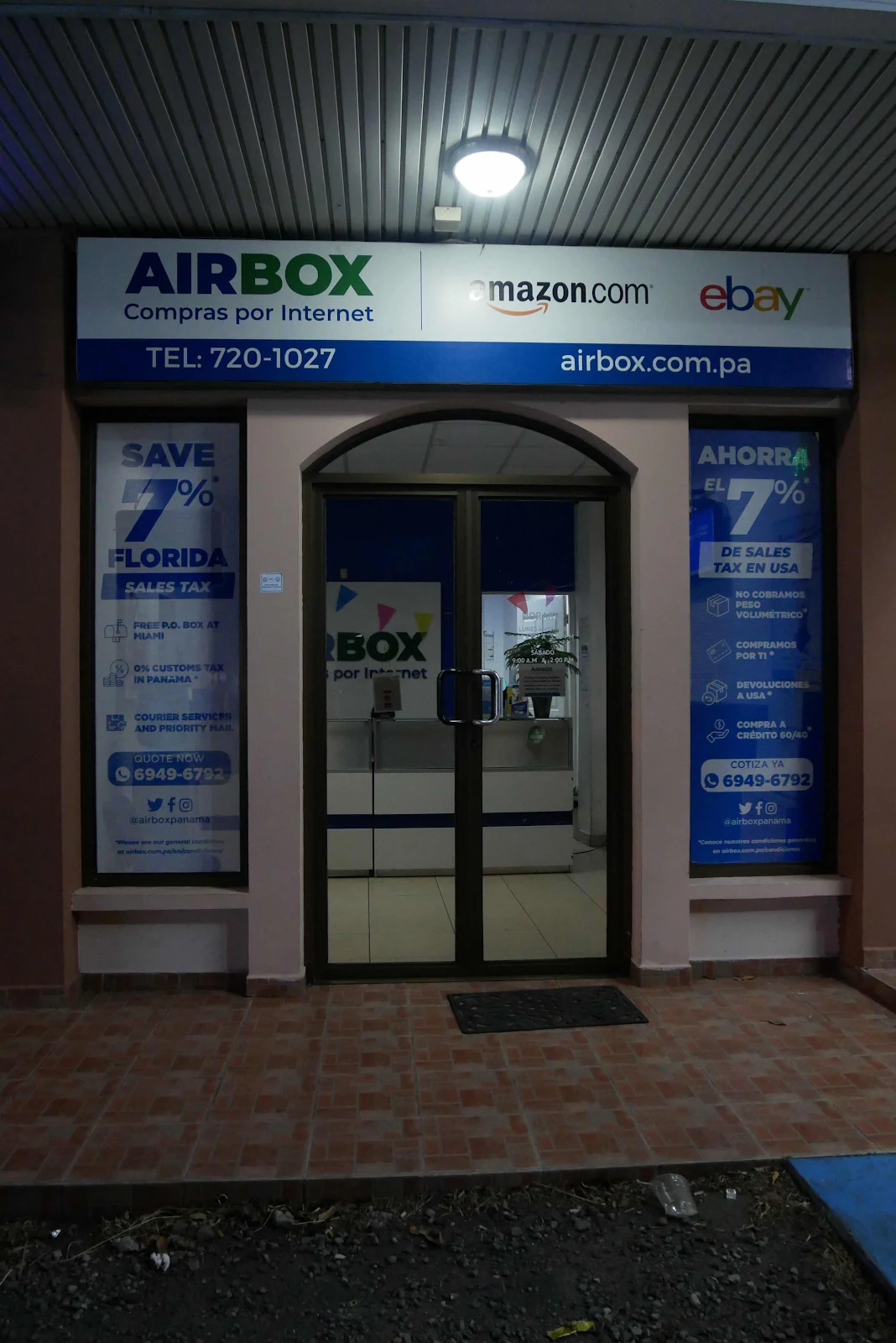


The six week general strike against the copper mine is long over but the anti-mining sentiment is still strong: 
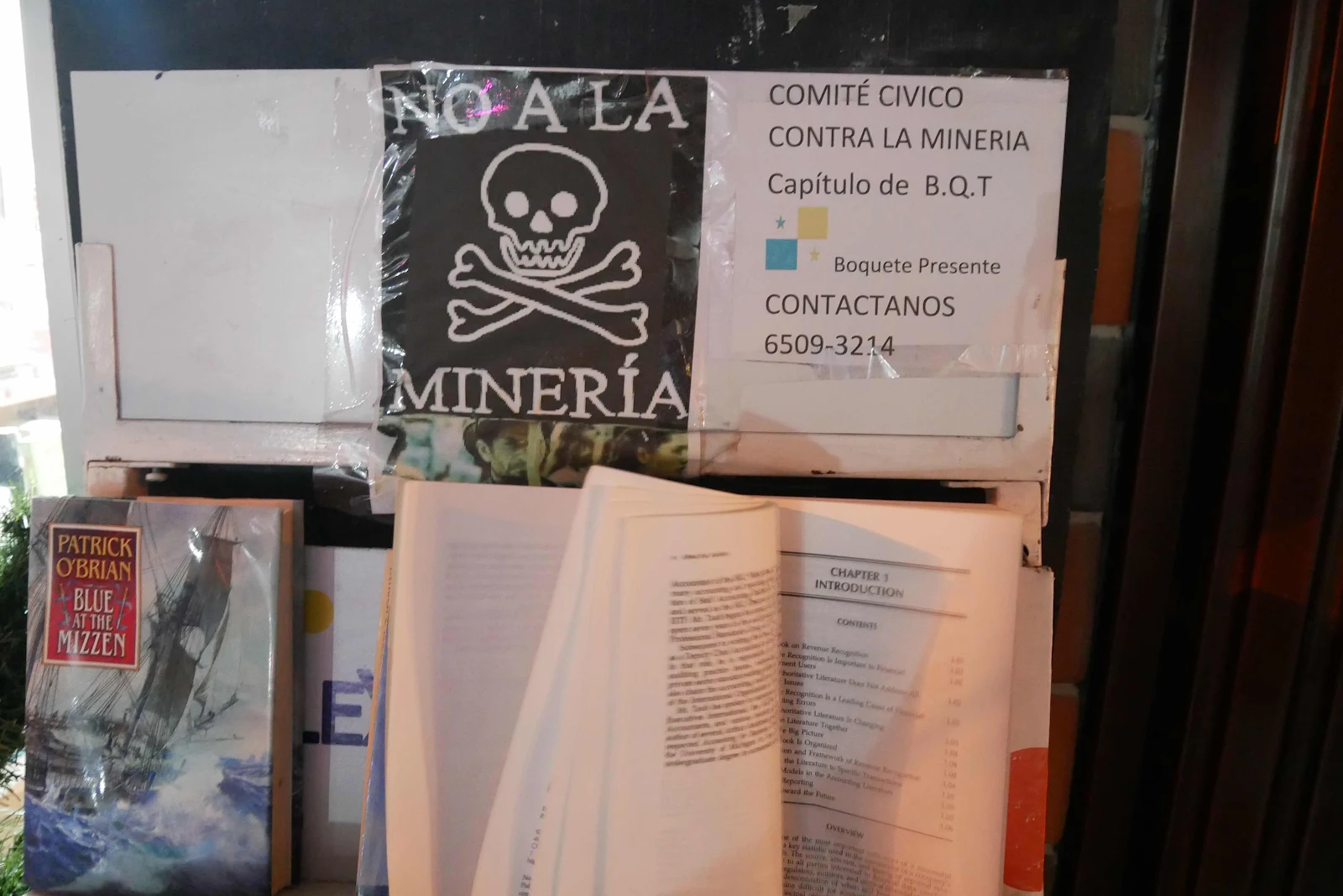
Oh and this is a bookstore with English books available! Hmm…
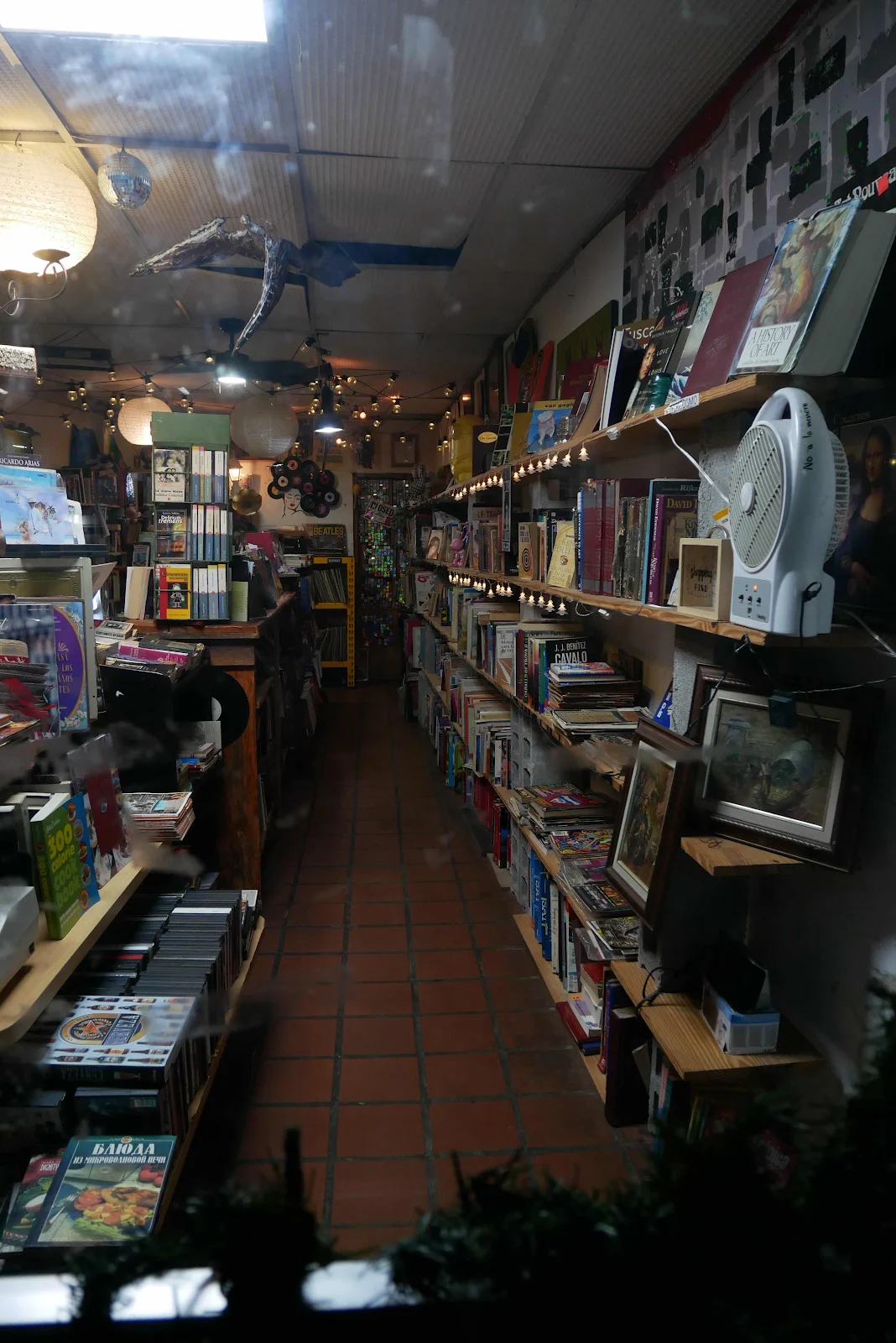


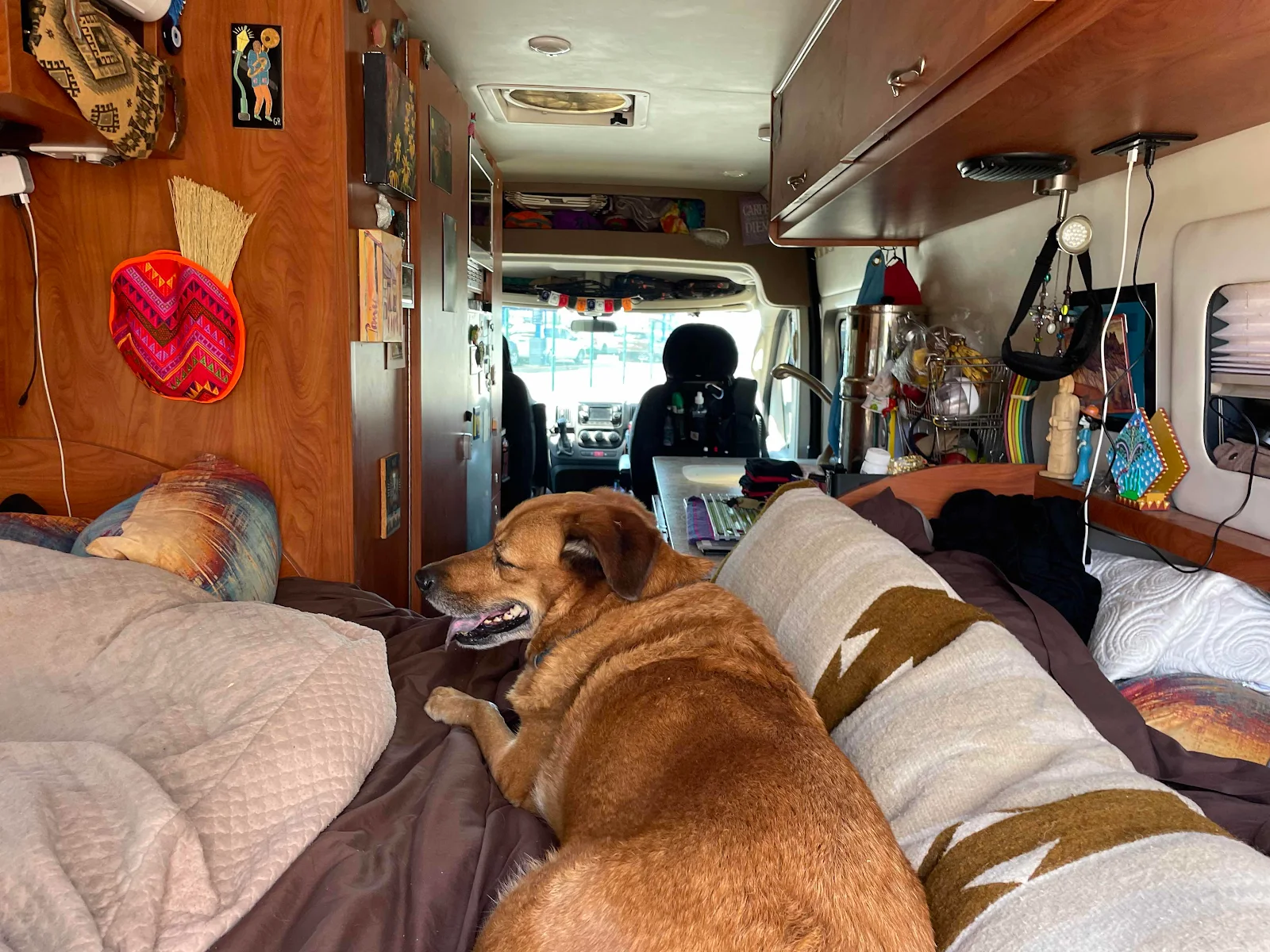
And so back to home, our Promaster van rocking in the breeze and Rusty who got a taste of burger ready for dinner. 
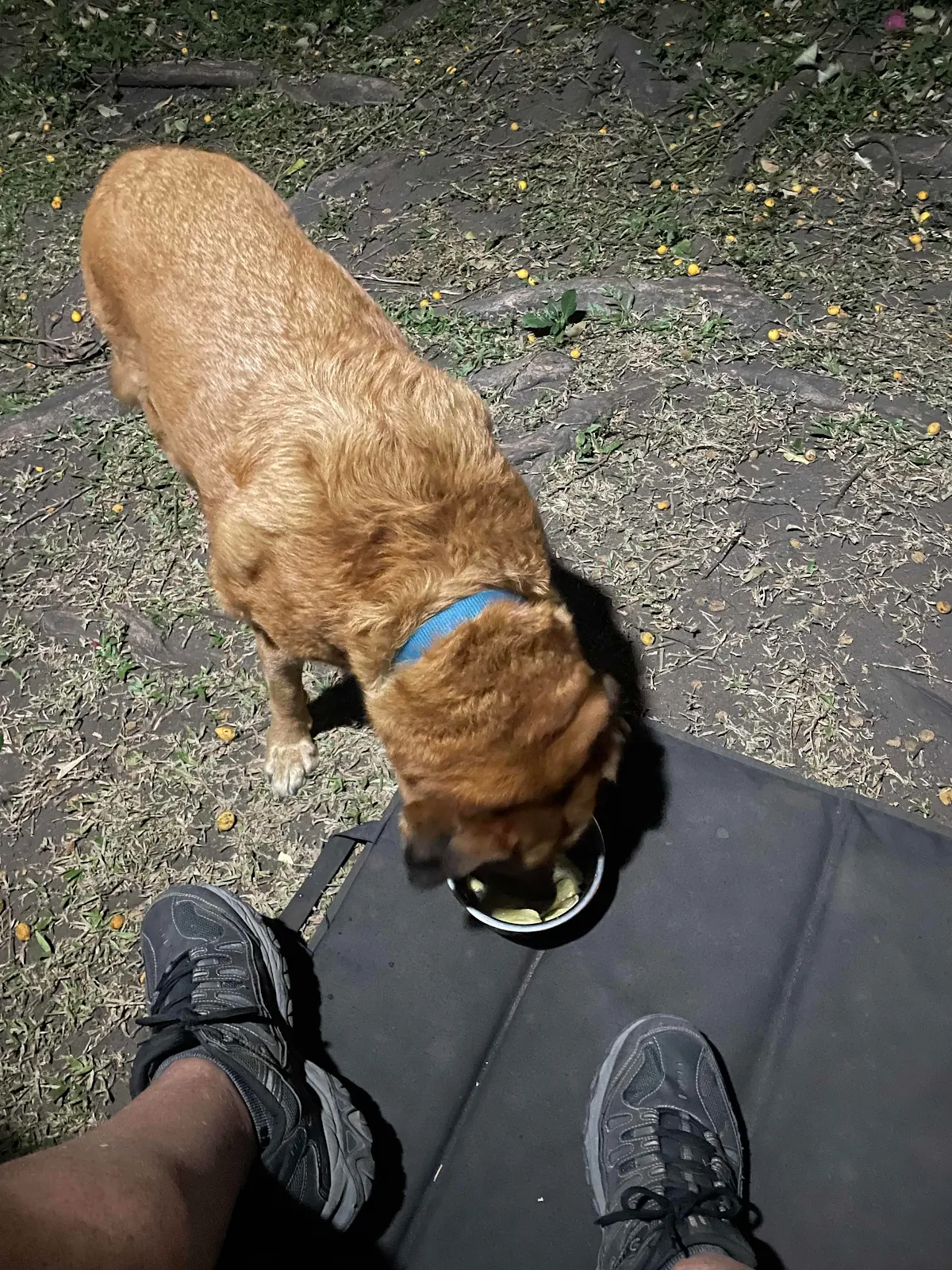
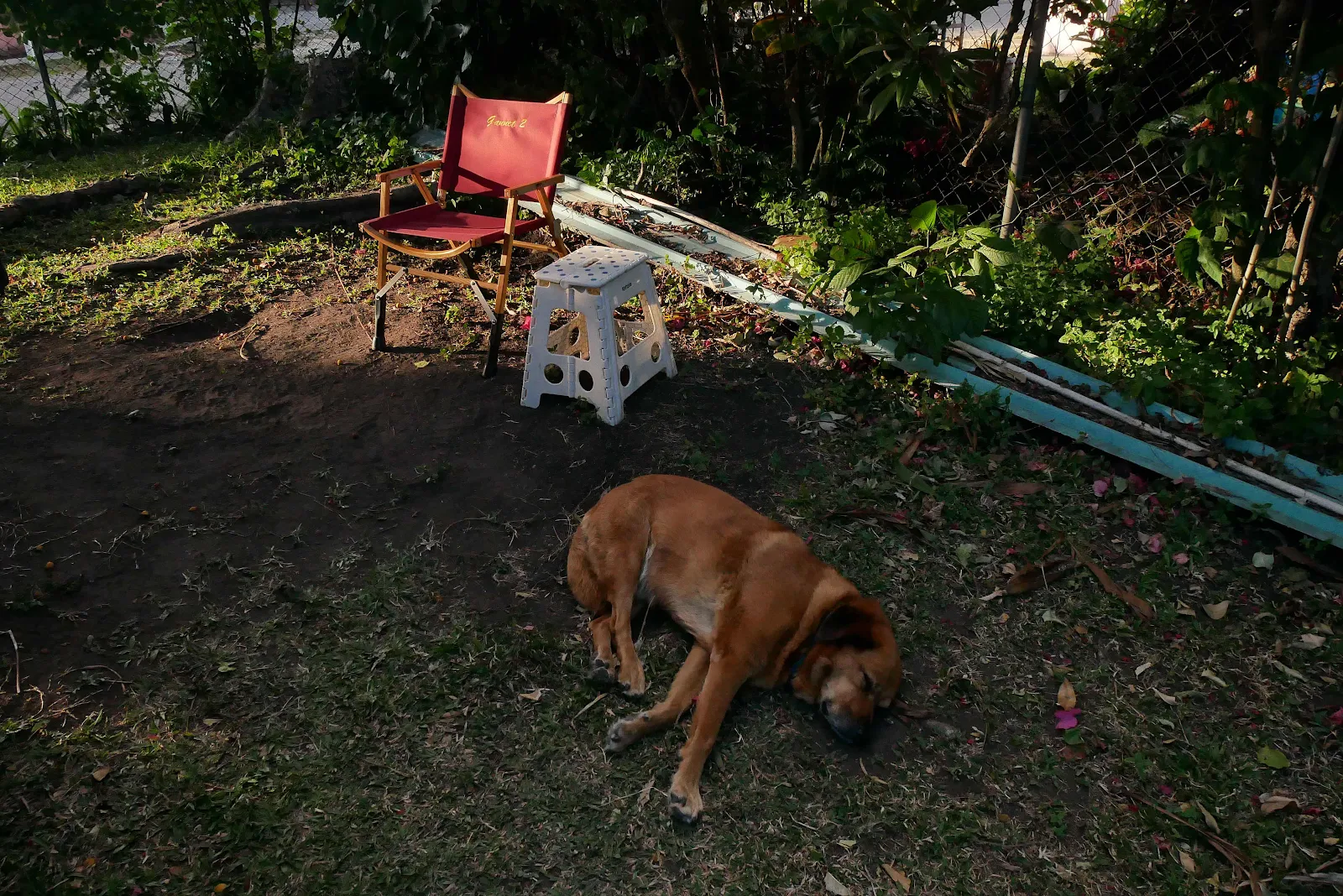
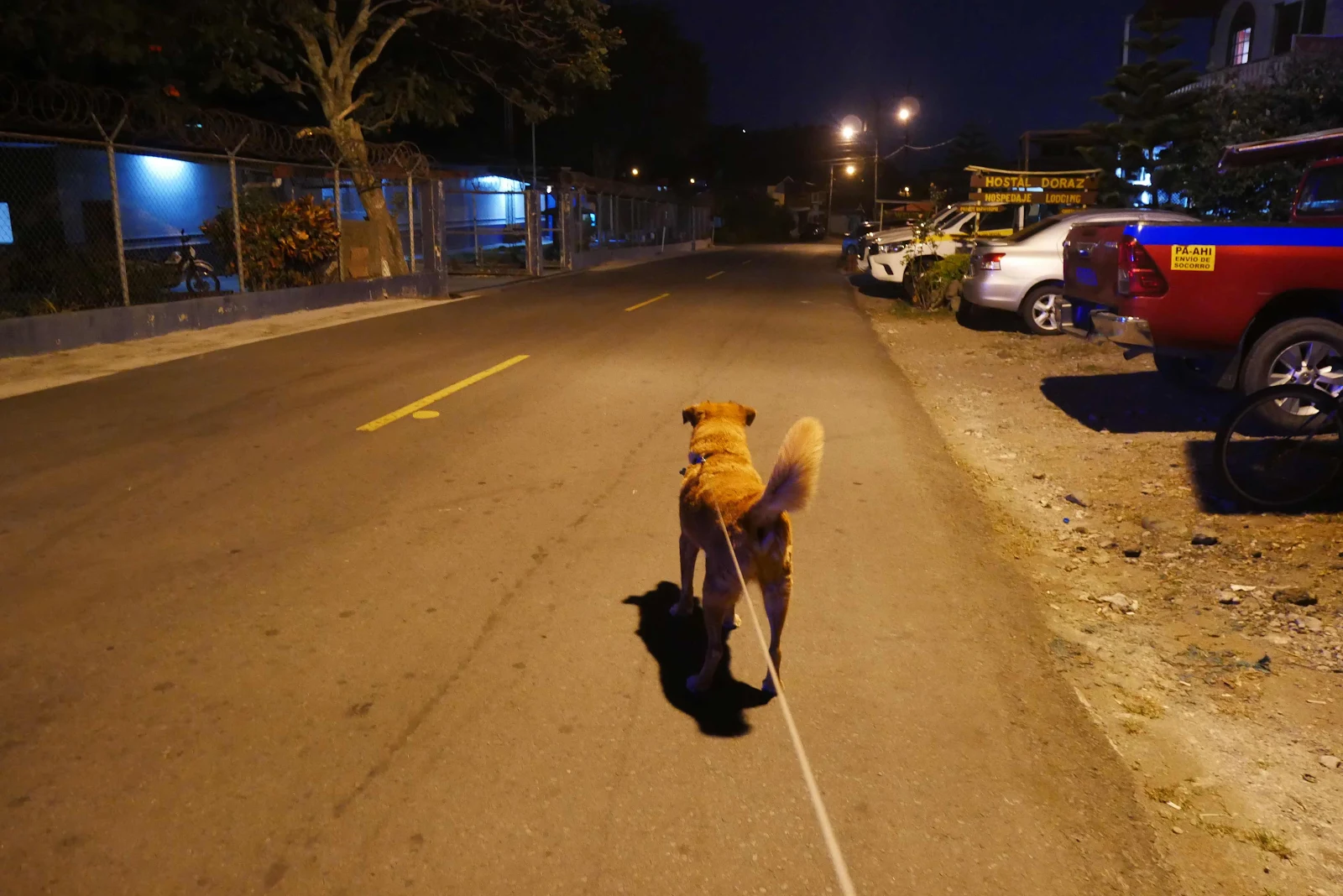
He loves sitting out here even into the darkness. He goes outside before dawn if we let him out and he sits in the breeze and watches the street and the early morning foot traffic. He used to be afraid of wind, and the rain tapping in the roof of GANNET2 but nowadays he is fearless even seeing off street dogs if they approach. And in Boquete there aren’t any so he is lots of his domain. He for one won’t be ready to leave this place. 


Monday, January 29, 2024

Coffee

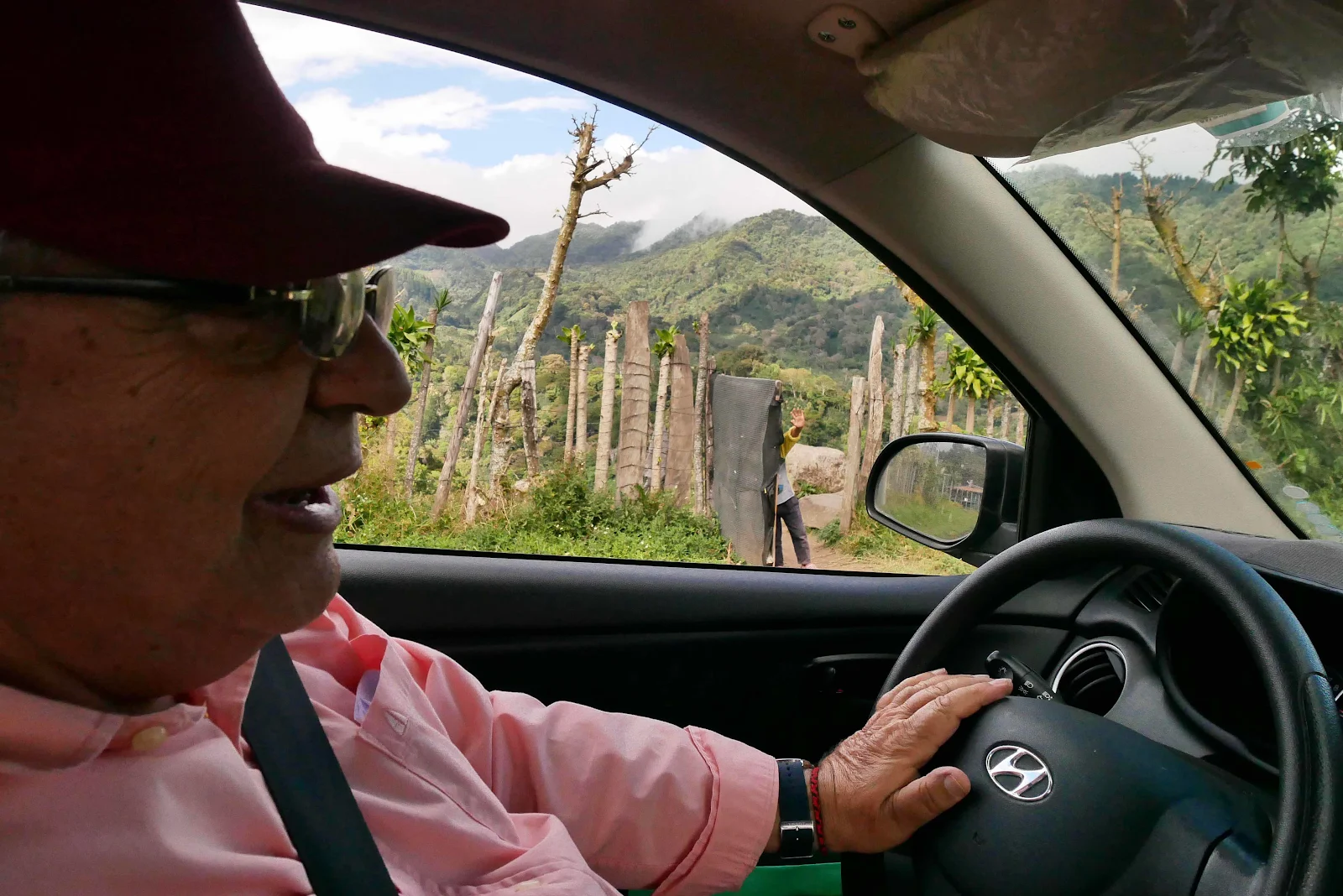
Gaetano, an Italian resident of Boquete who has befriended us during our long stay in town, offered to drive us into the mountains behind Boquete for lunch on Saturday.

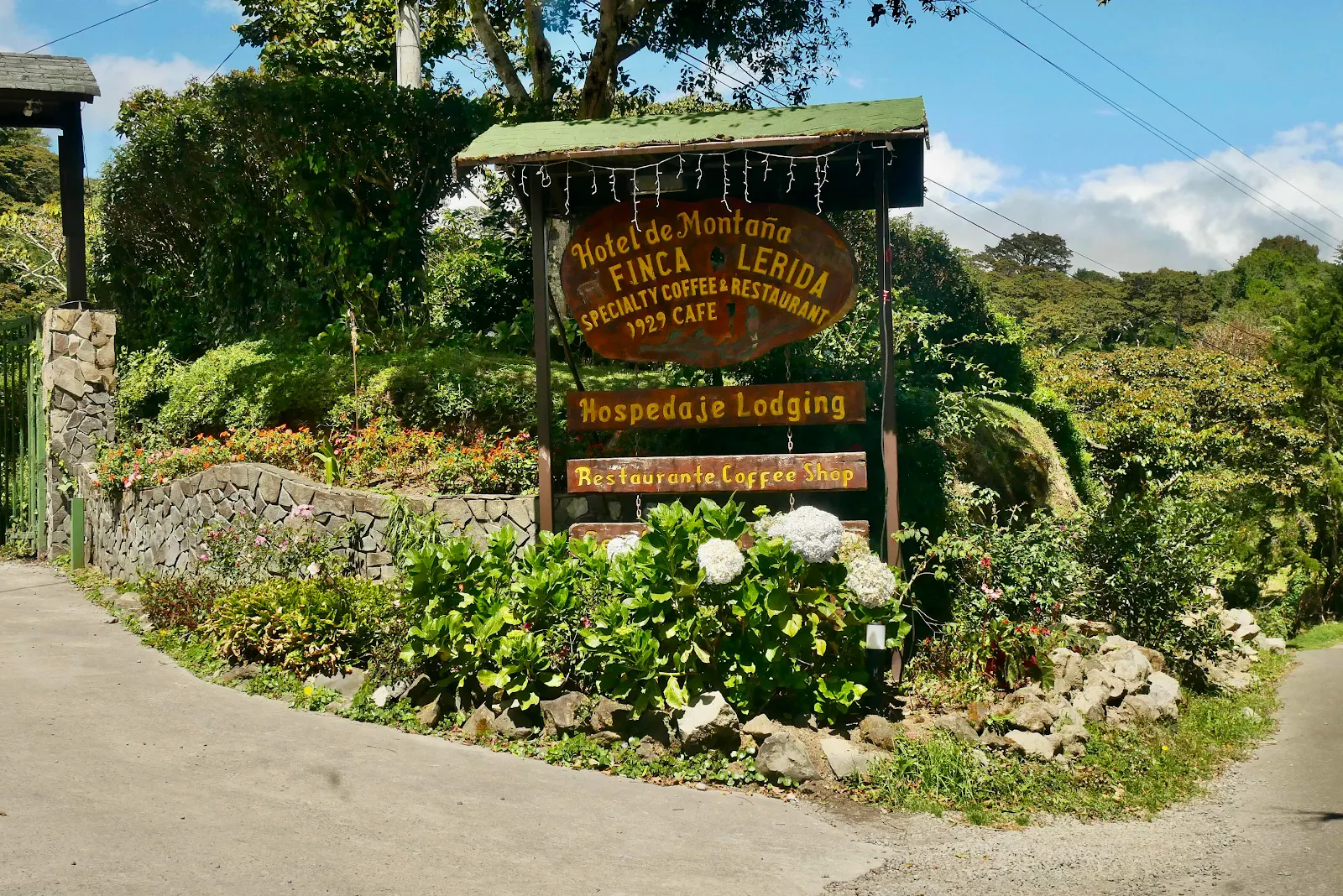
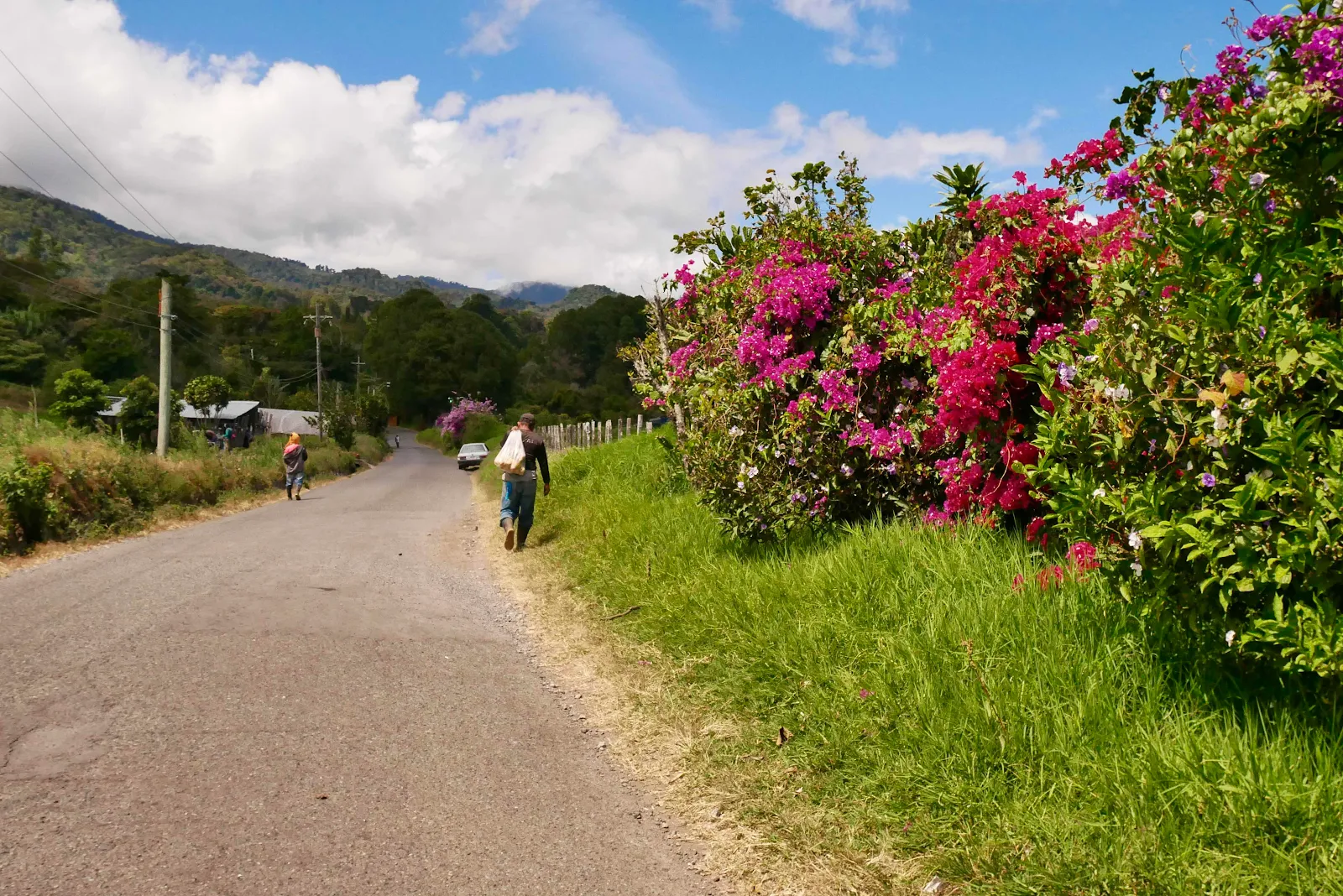
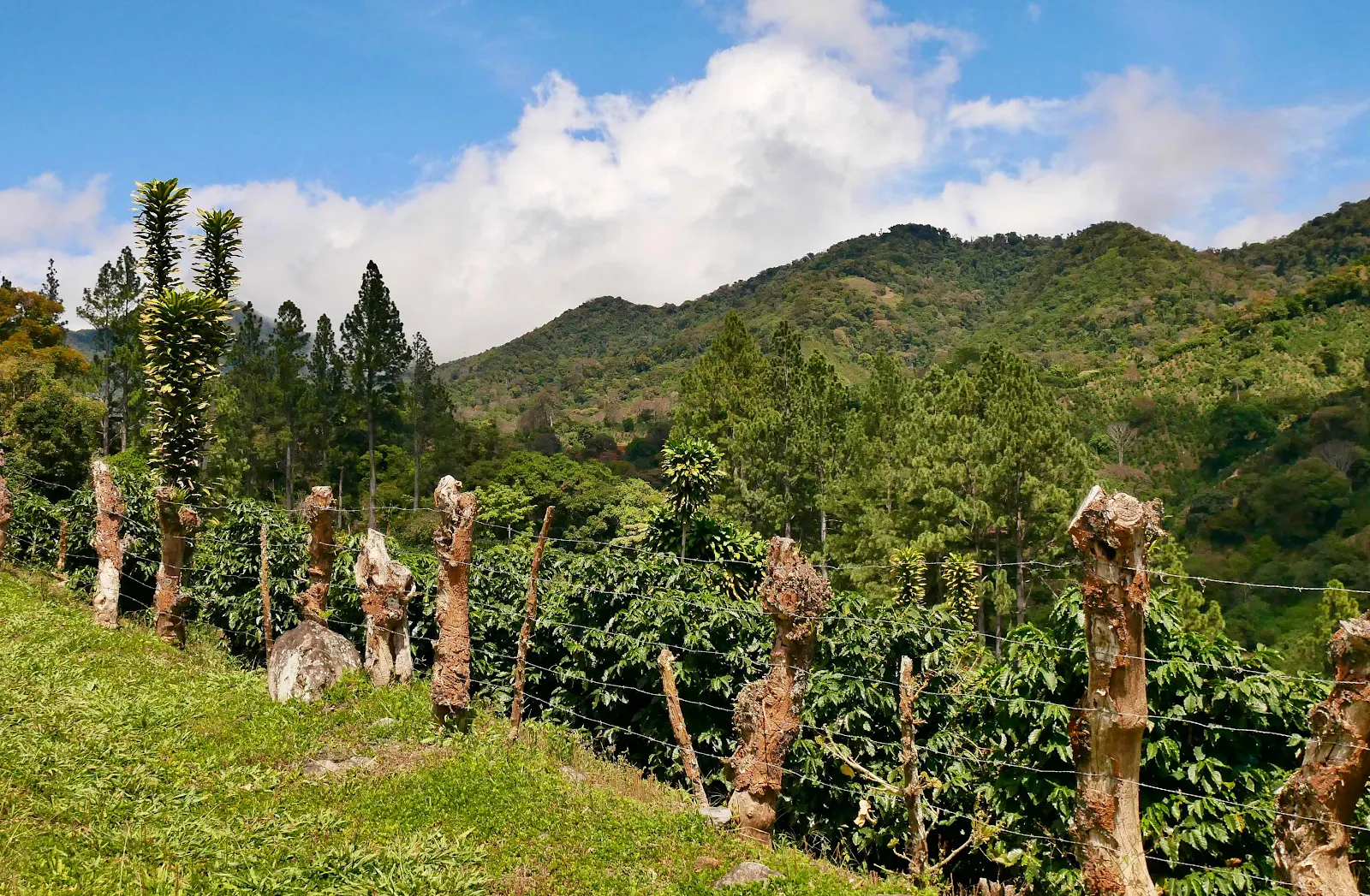
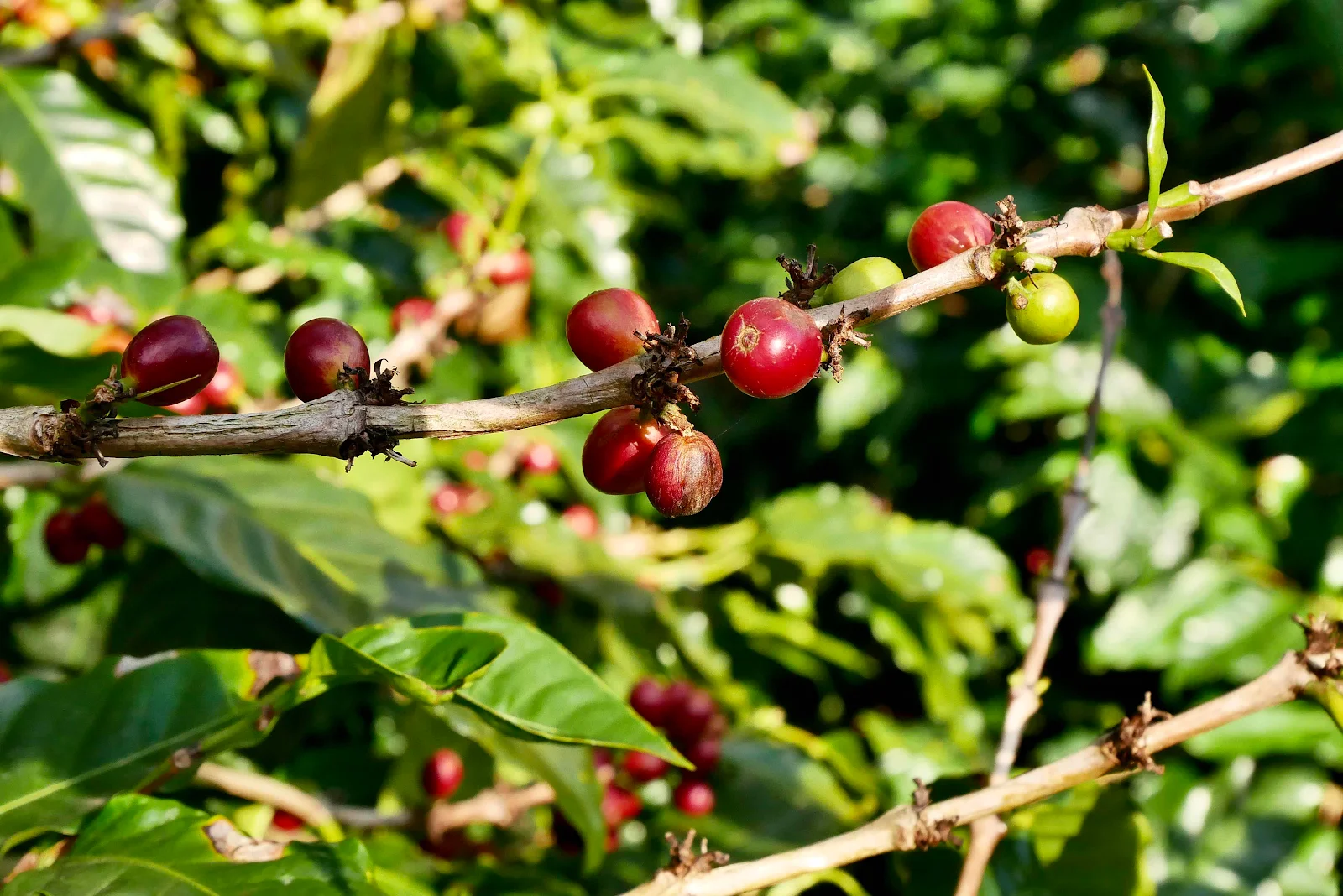
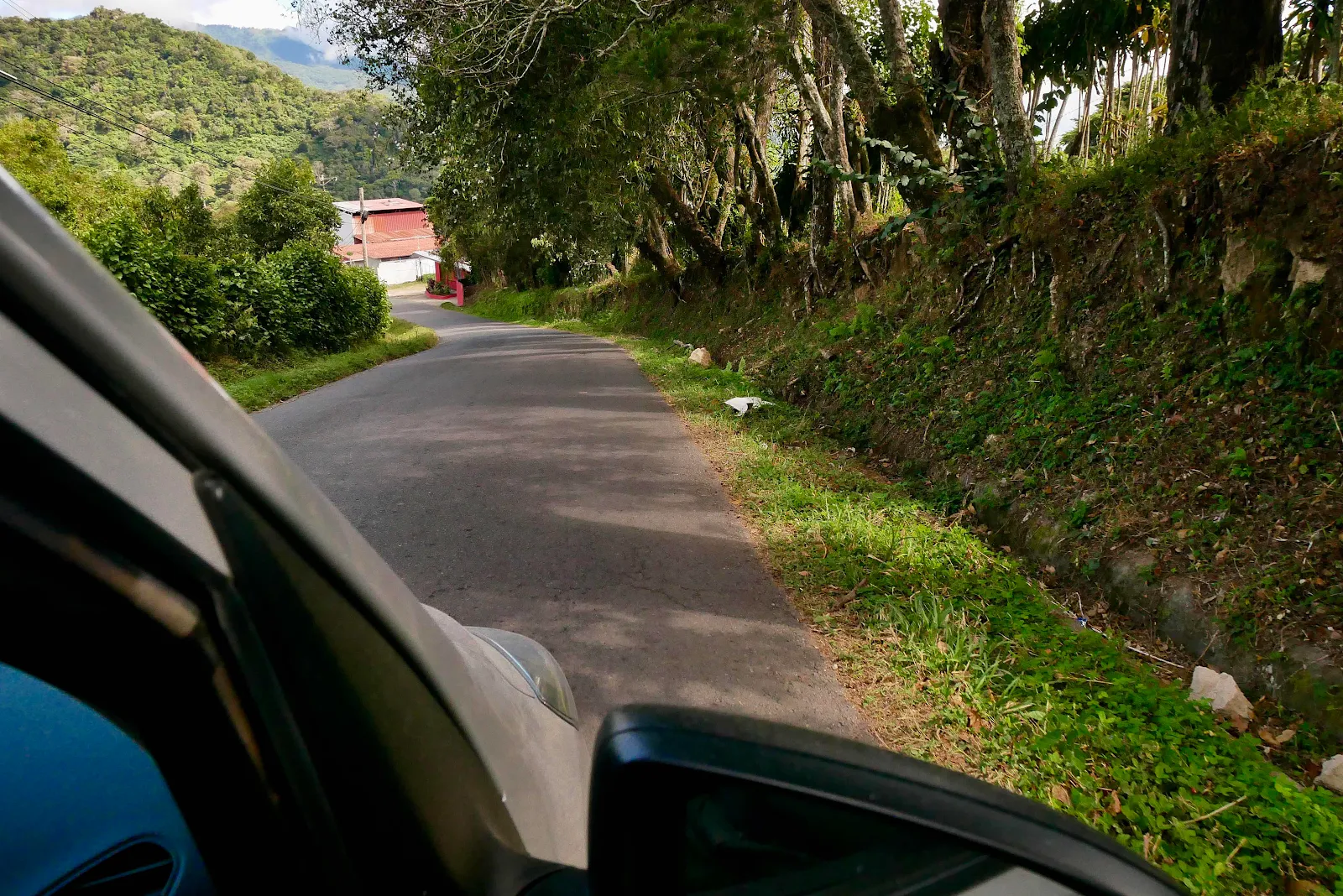
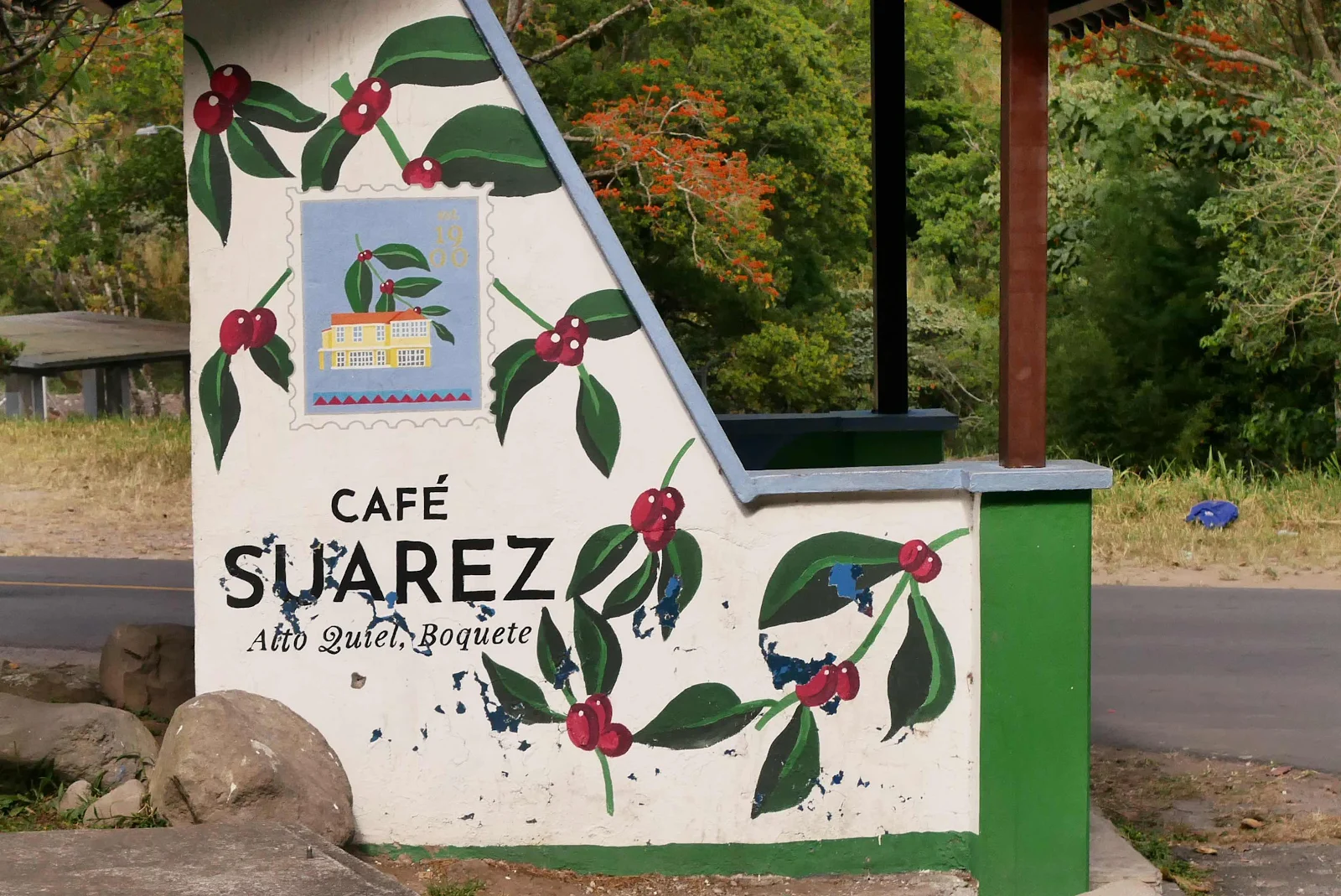
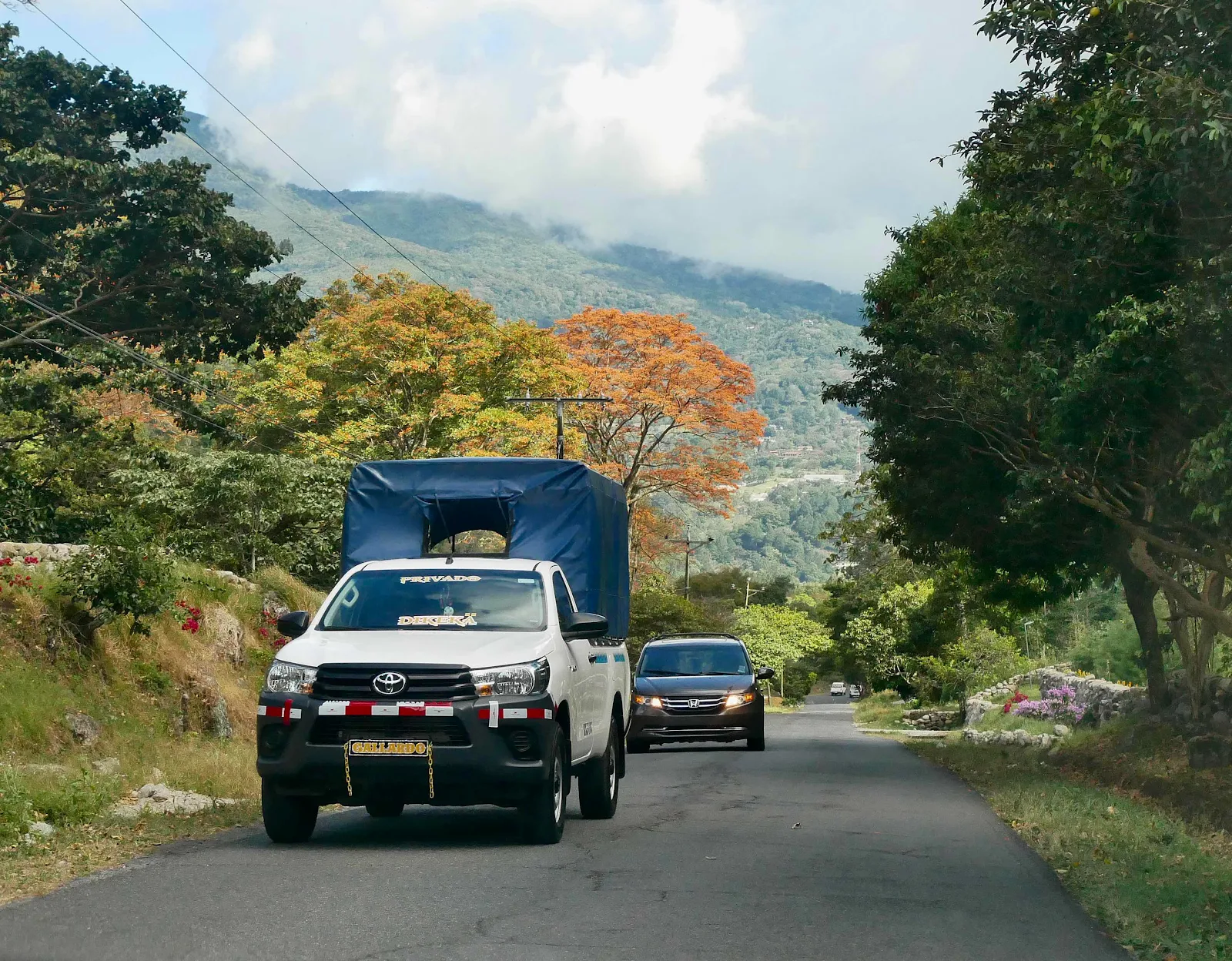
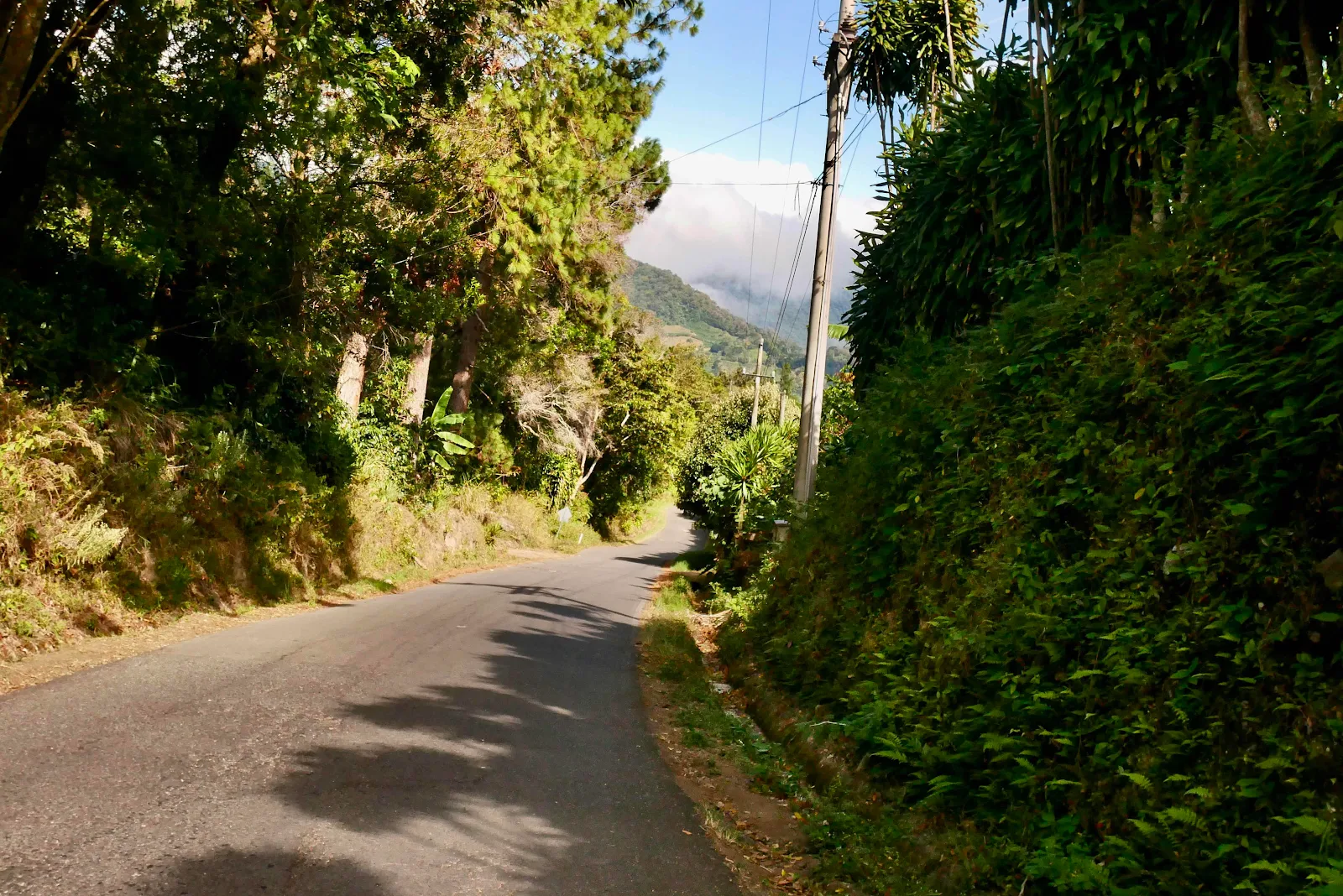
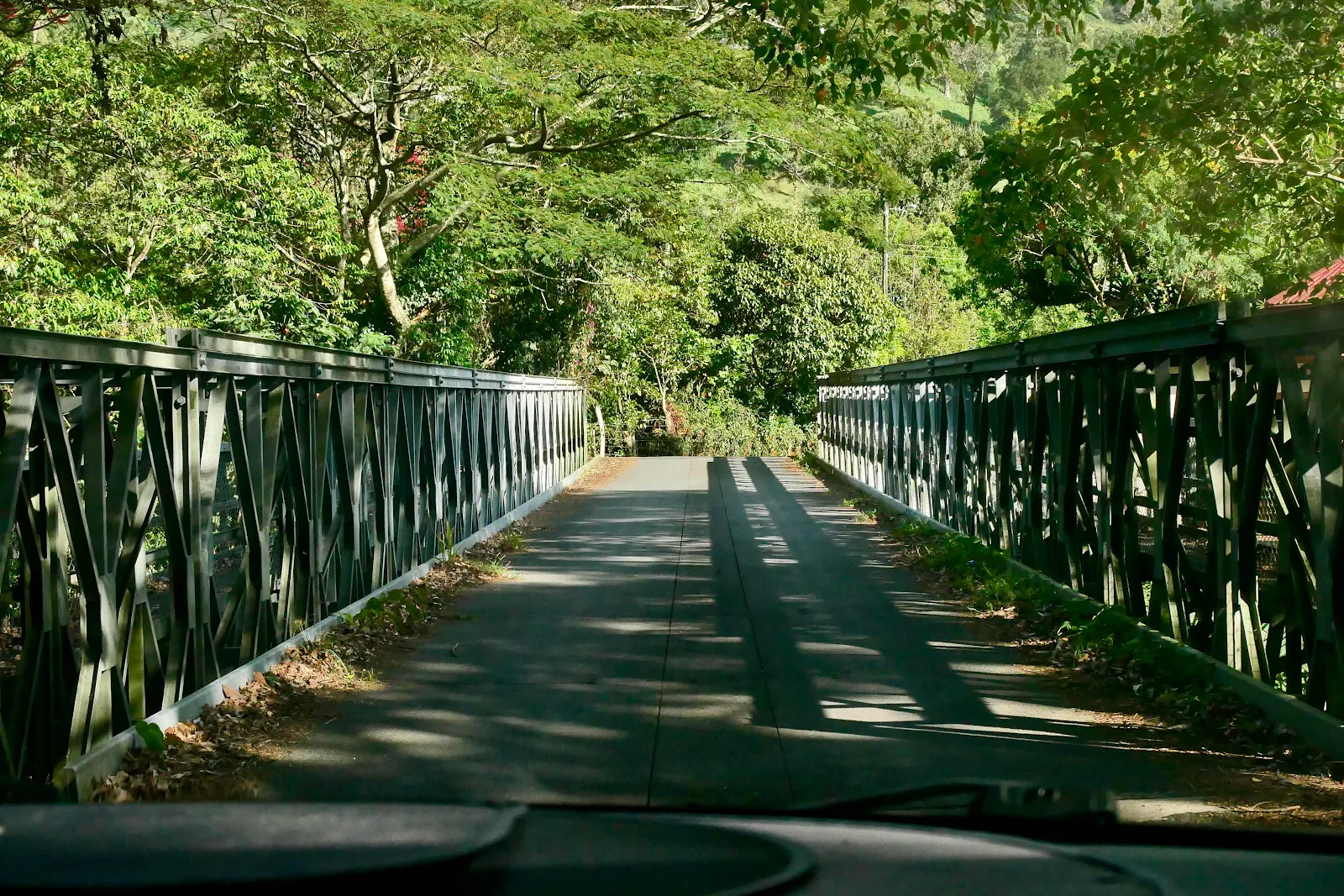
It was a half hour drive through the countryside winding through coffee plantations lining the road as we made our way up to 4400 feet above sea level to Finca Lerida. 

I enjoyed the chance to be a passenger and look about me. 

I don’t think of Panama as a coffee producing country but this northern part of the country is agricultural and mountainous so there’s no reason for them not to grow the stuff. 

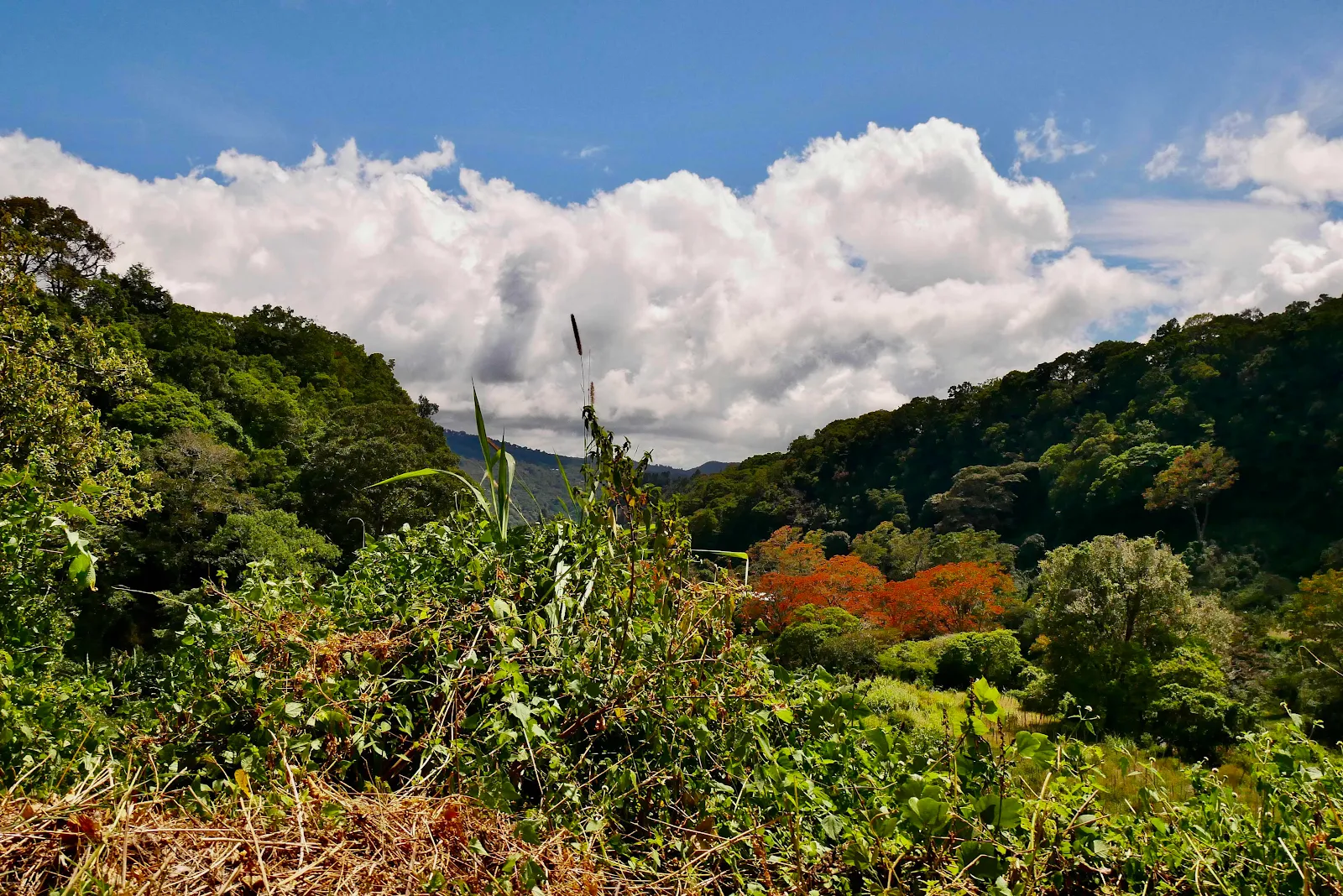
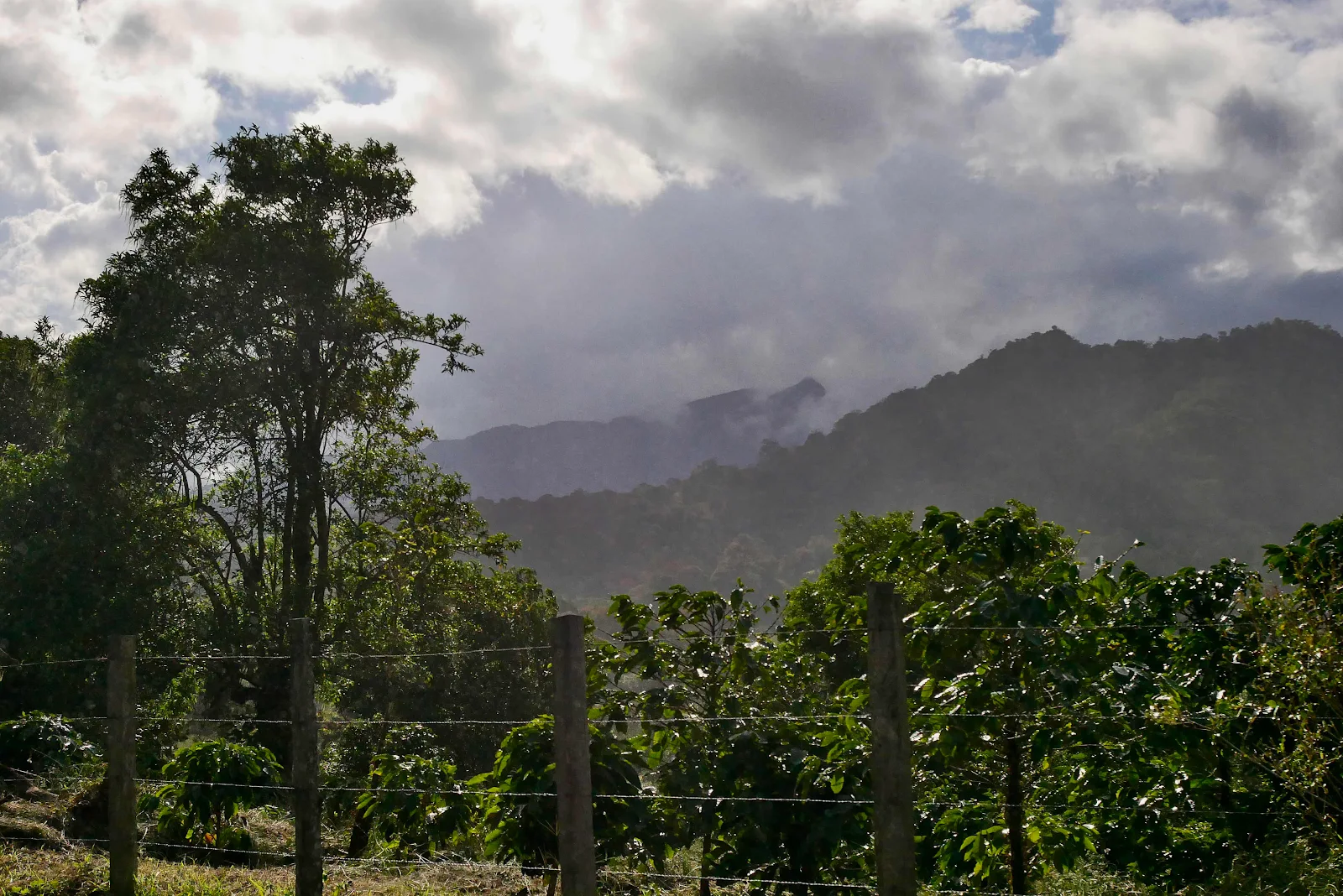
It’s lush countryside dipping and rising in thickly canopied valleys with clouds hanging low on the summits. The air got noticeably cooler as we rose up the hillsides. 

Layne is a patient passenger as she is not able to follow the conversation too closely but she likes to one along despite Gaetano’s lack of conversational English. She sat in the back and let us jabber up front.  Rusty was sleeping in the cool of the van back in town.

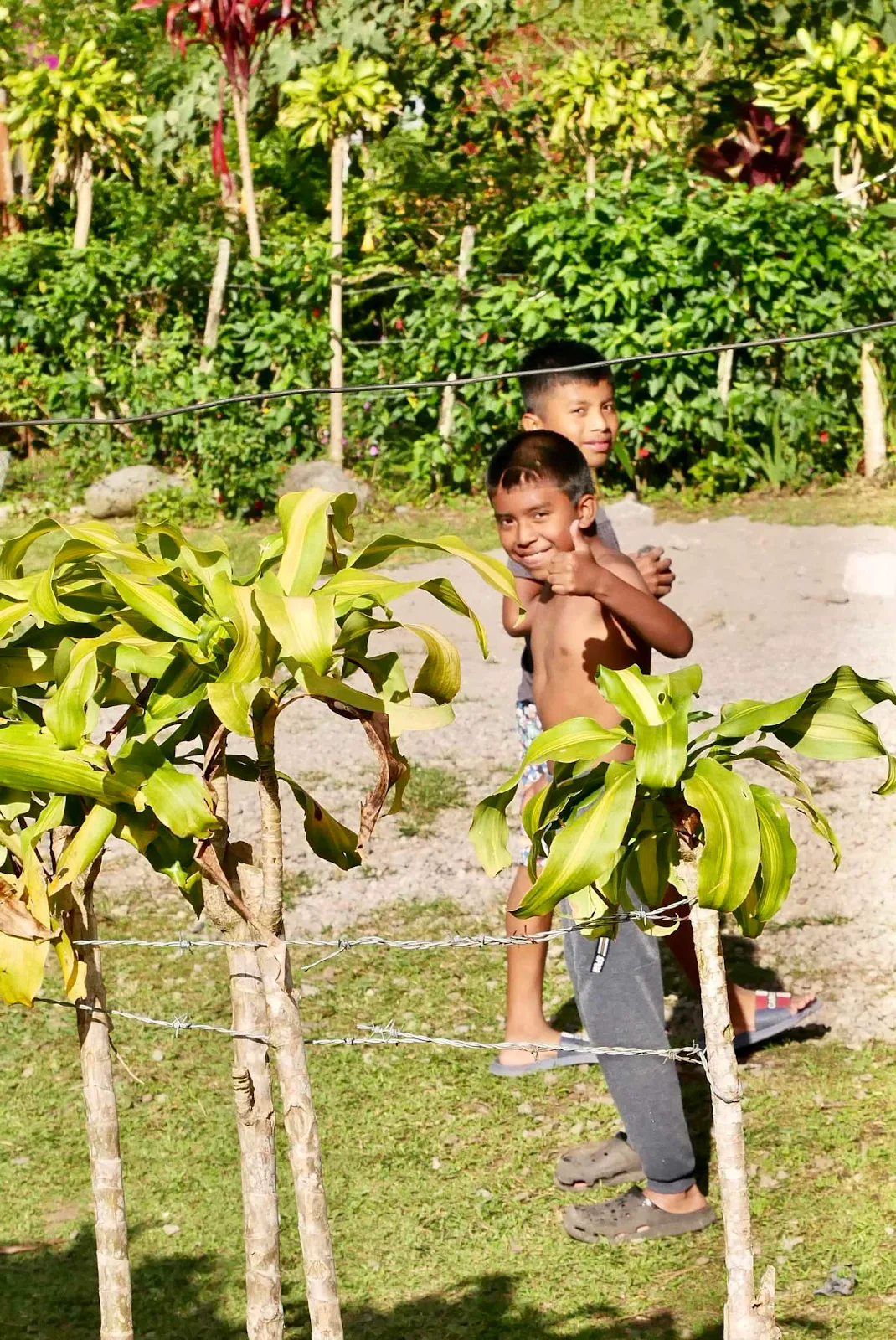
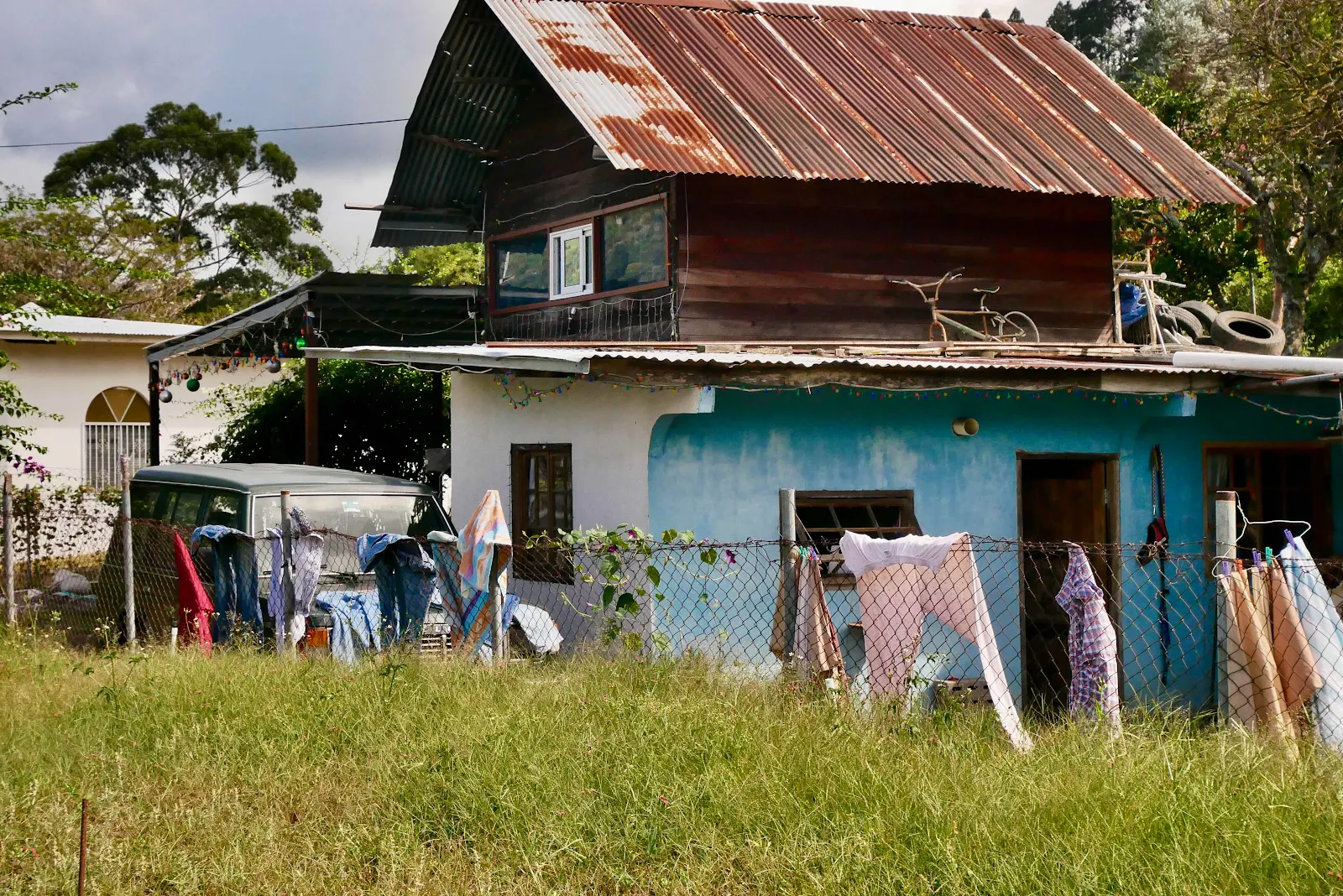
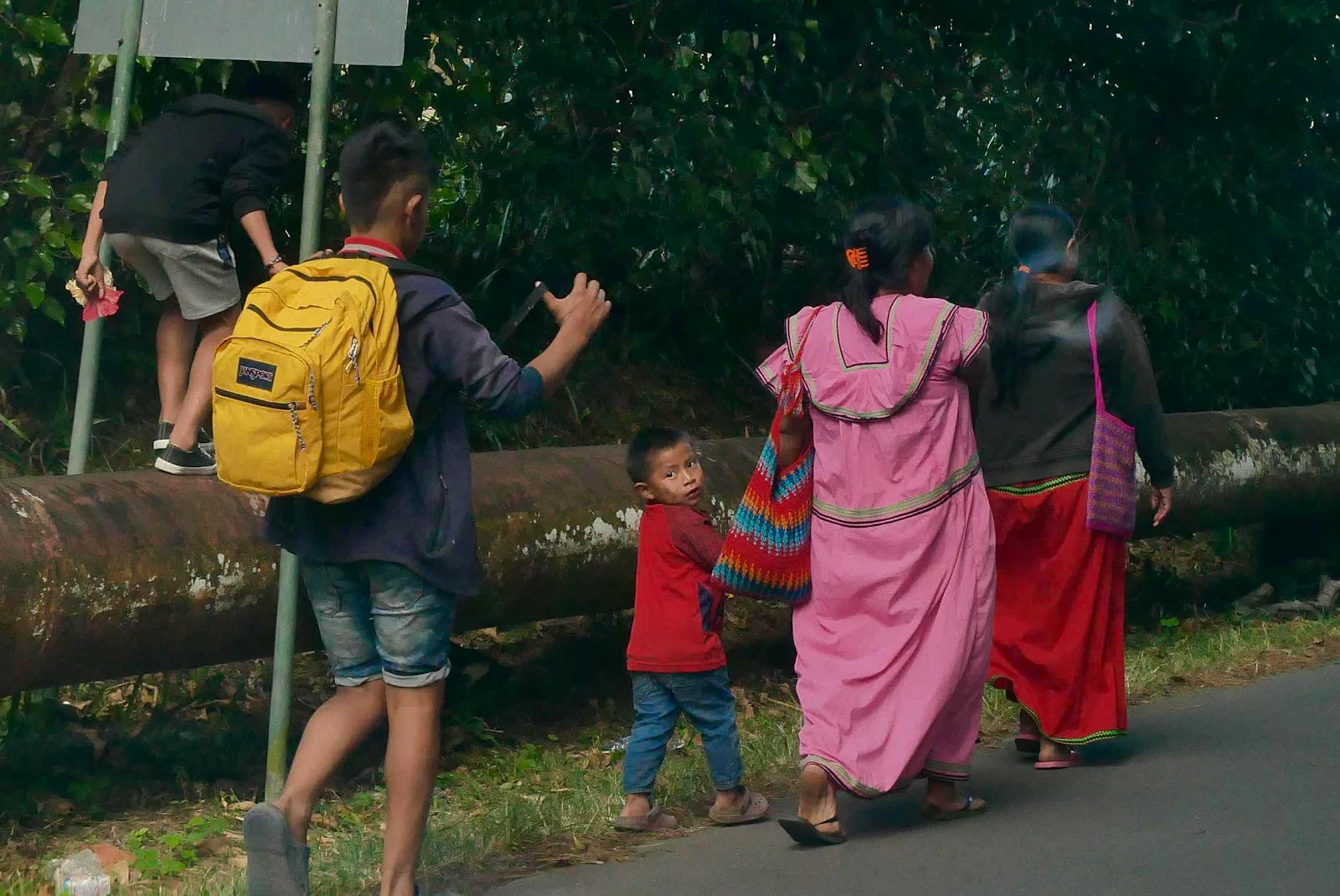
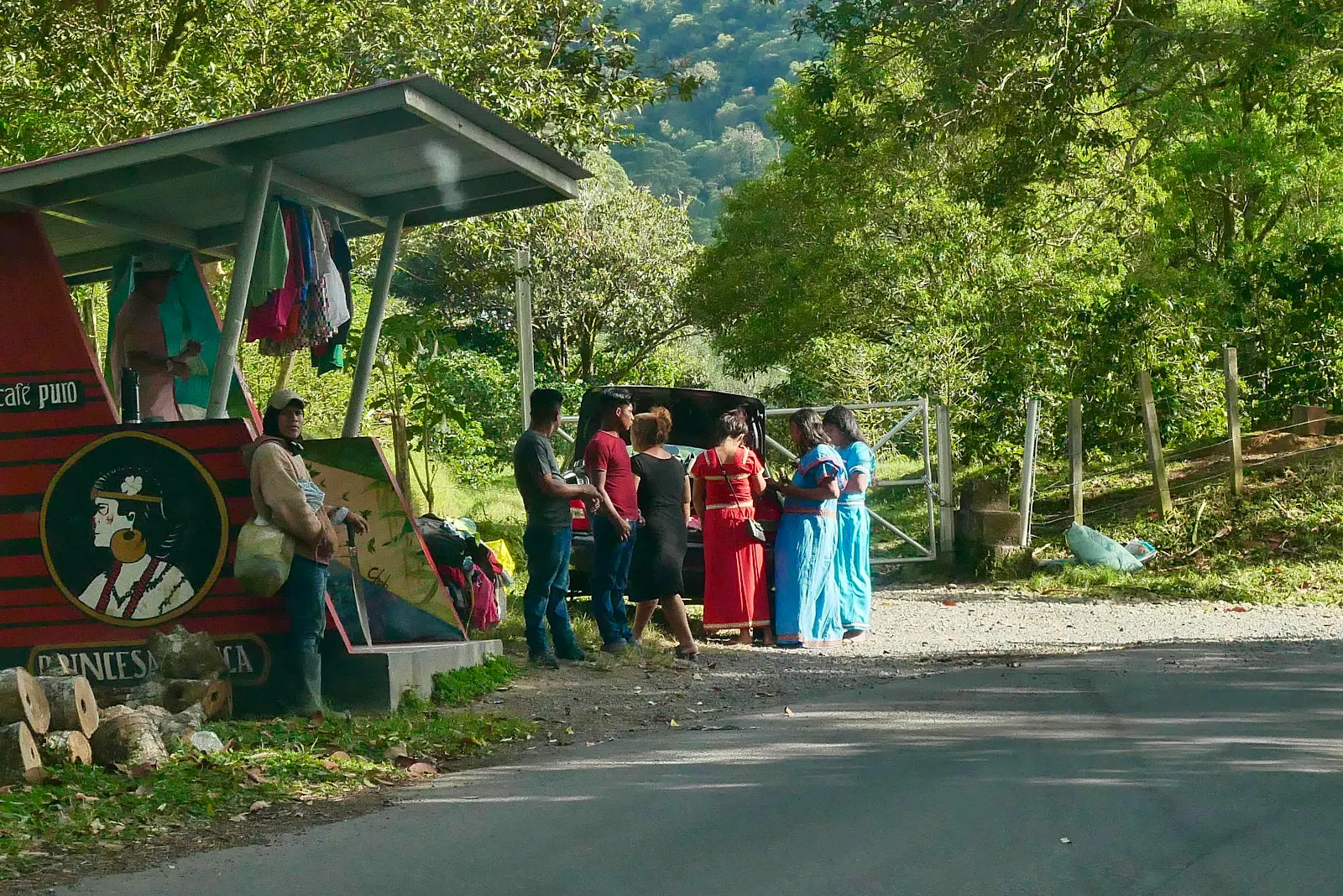
I am not a huge fan of rural poverty which reminds me of my childhood in Italy, the son of privilege surrounded by people living with the least commodities, electricity but no running water, outhouses and hand laundry and so forth. I see the sane now among the indigenous field workers in the coffee plantations and I don’t much like it. 

Gaetano, eight years a resident in Boquete is more sanguine about it arguing they know no better and live on their reservations in the life they are used to, tradition trumping modernity. 

There are networks of free health clinics and hospitals, free schools and large swaths of land set aside for the Ngäbe-Buglé people; perhaps I’m too modern but I like the 21st century. 

We passed the time in the front seats discussing the mine strikes that closed the country down for six weeks and Gaetano saw it as a victory for the people and the environment. 

Panama is a relatively rich country with wealth built up by money laundering banks, the canal traffic and then gold and copper mining and now all three sectors are in trouble.  He brushed aside my perplexity at the country’s future. 

You see people riding horses for pleasure here, not out of necessity as in Nicaragua. Motorcycles are far fewer than in the poorer countries to the north and most people drive cars. 

The northern part of the country is where the food is grown on farms all across the hillsides far from the capital three hundred miles away. 

Gaetano was taking us to a fashionable eatery located in a coffee plantation which also rents mountain cabins for overnight stays at Finca Lerida. 

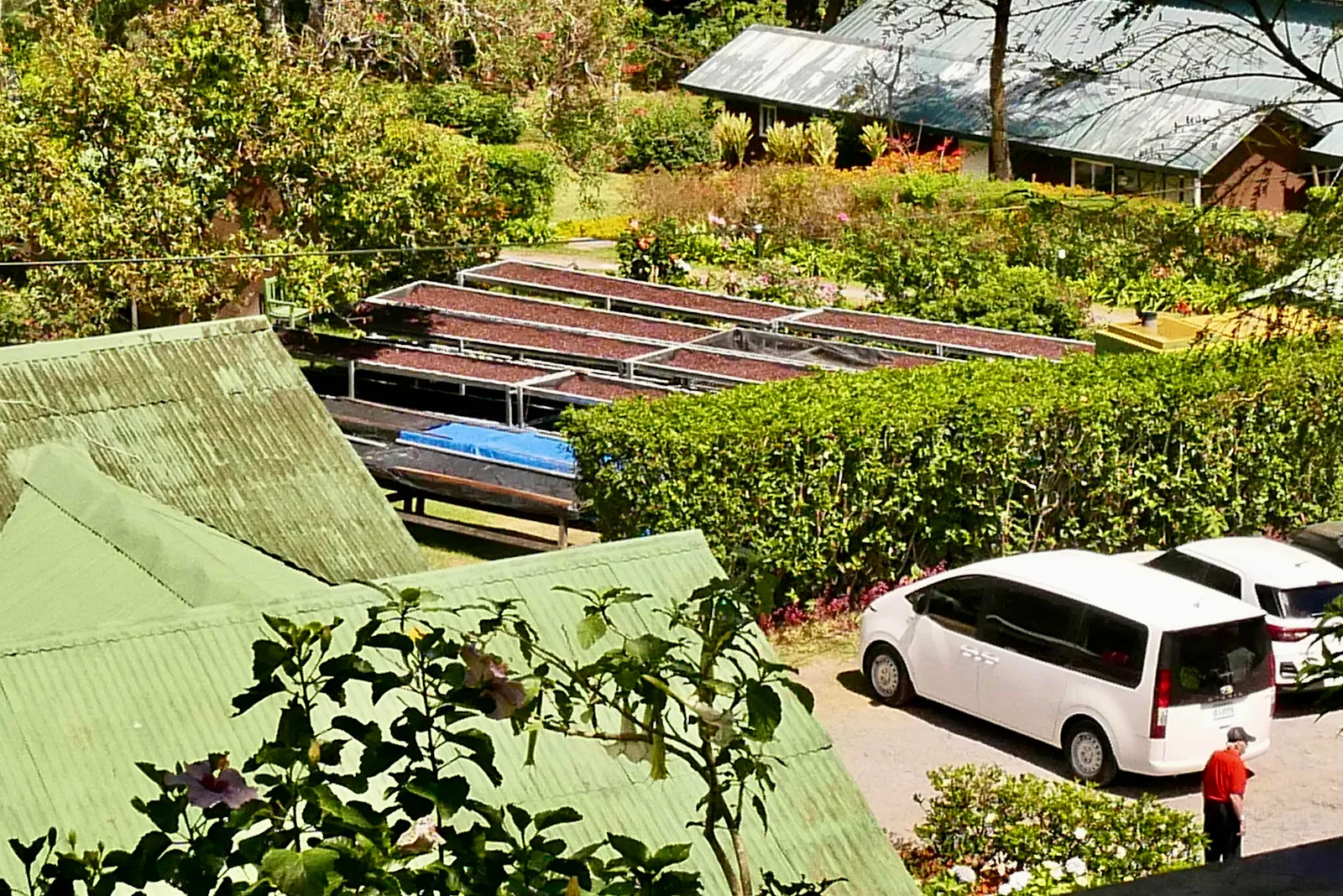
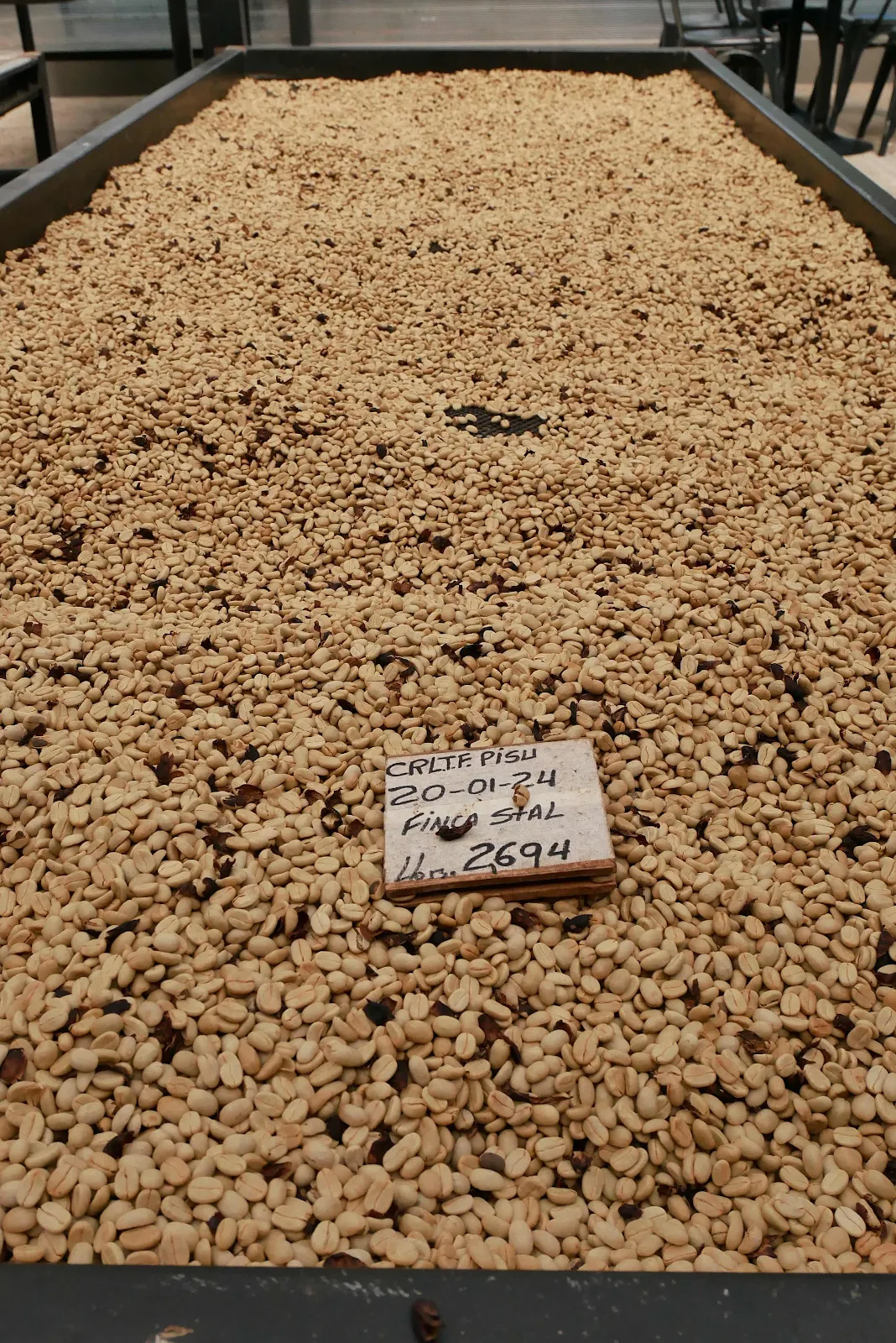
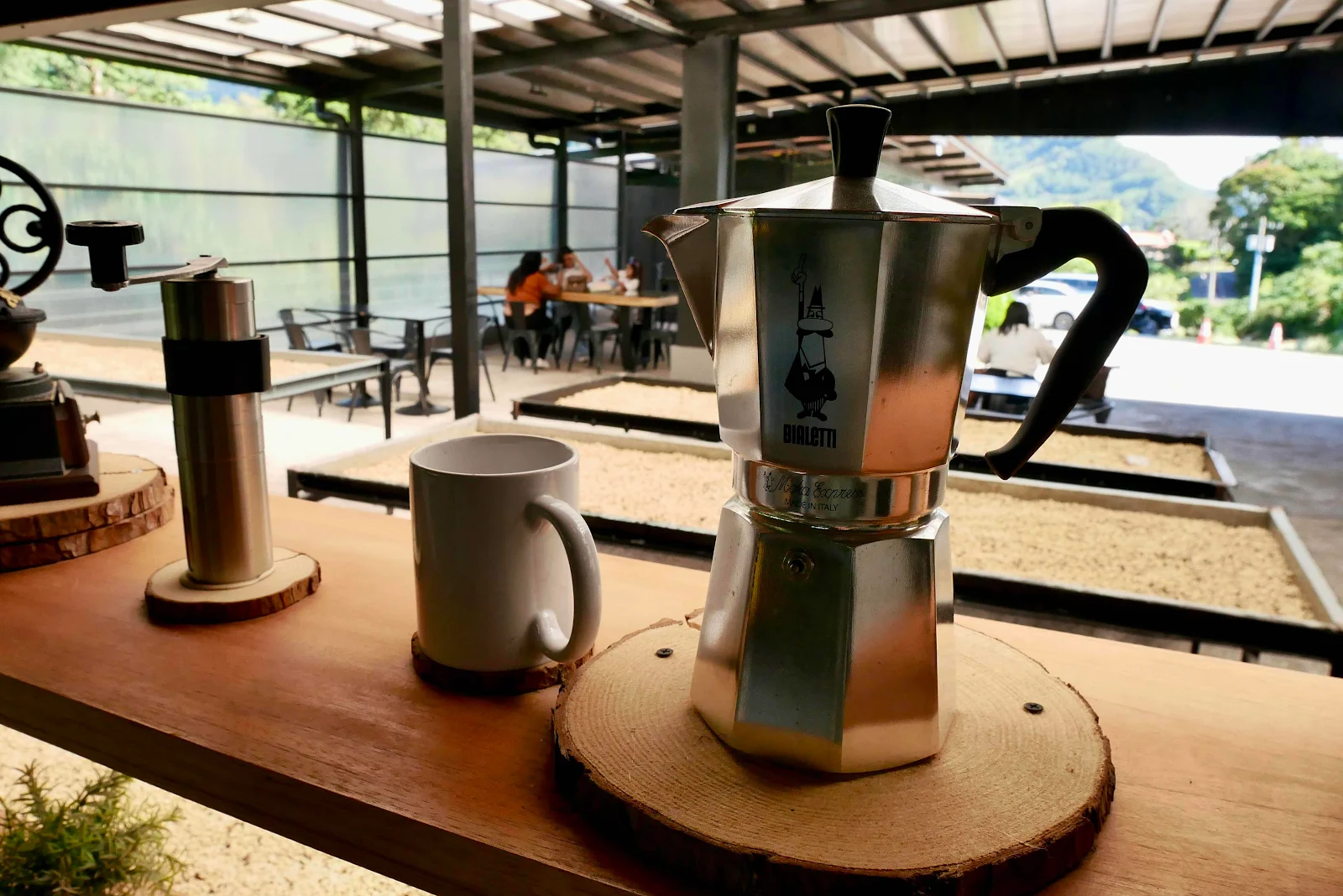
From the delightful open air terrace in the dining room we could see coffee beans drying below us. 

Apparently this is fashionable getaway for wealthy Panamanians but the hotel also organizes long weekends for Americans who fly to David and get shuttled up to the hotel for a weekend of eating and hiking and sitting there on cold mountain nights. 

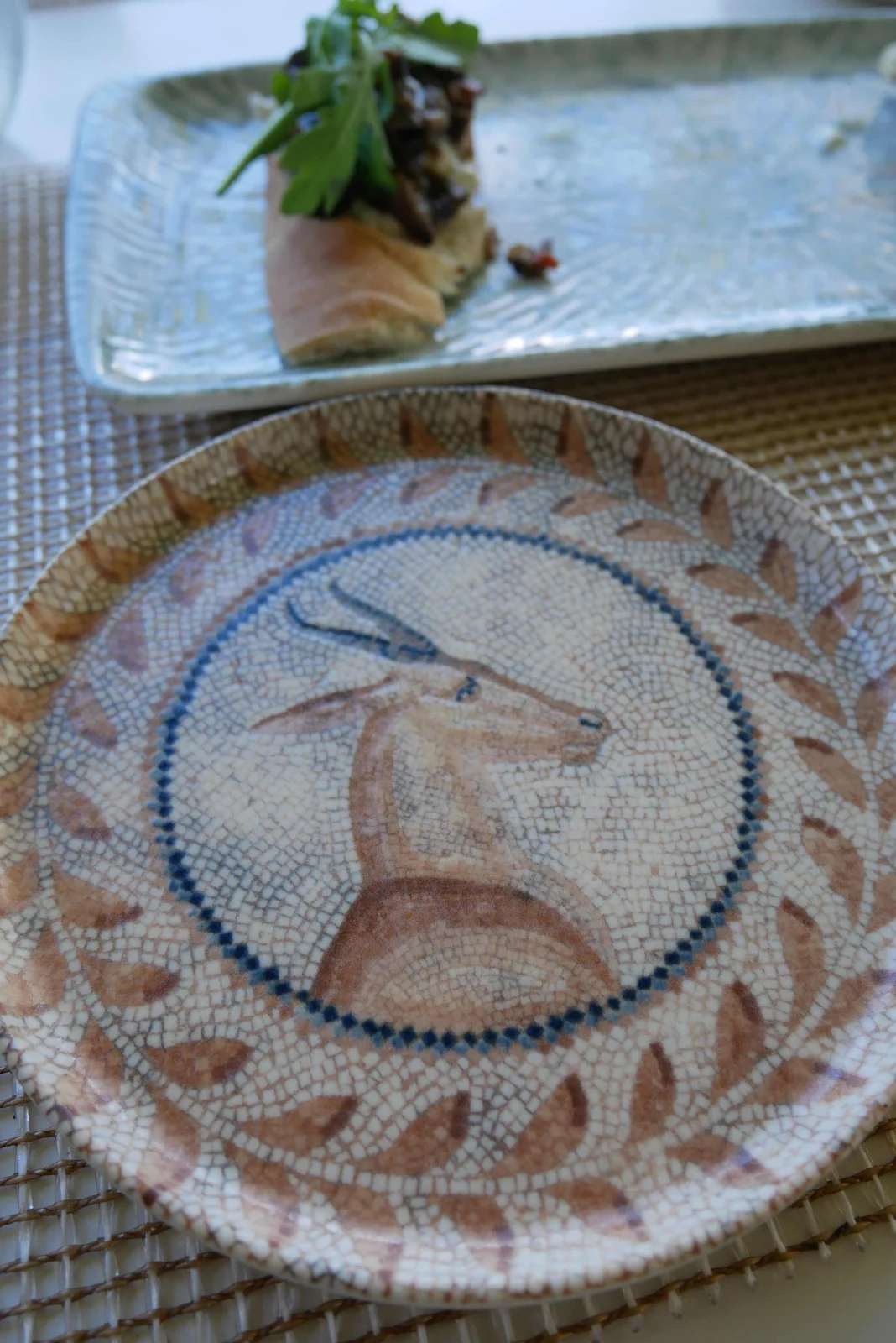
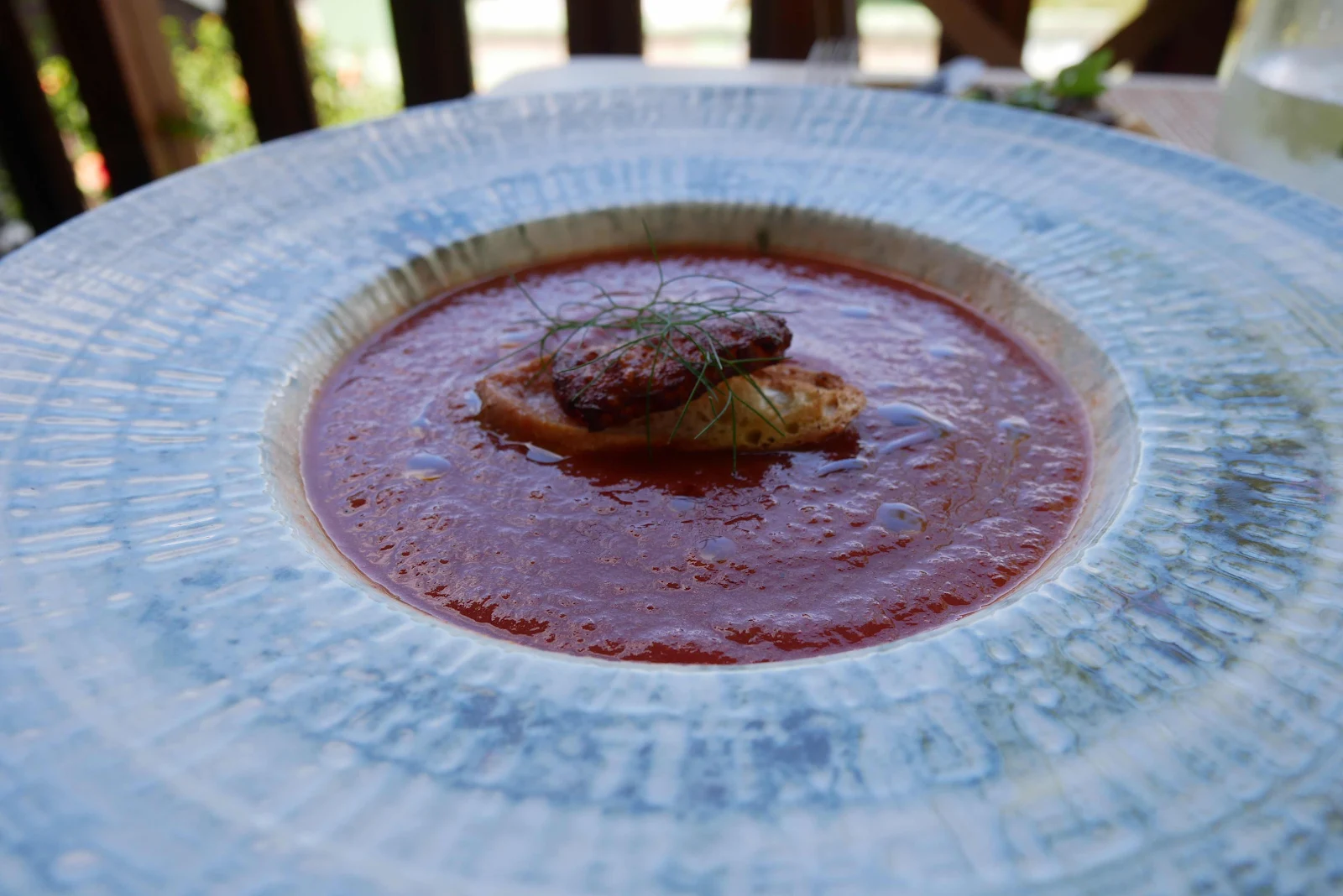
We had our lunch off plates made in Turkey that looked like Roman tiles. I found them charming. Tomato soup, too strong for Layne who had the lentil mushroom soup. This was Smokey roaster tomatoes pureed without cream. It was tart and I liked it. 

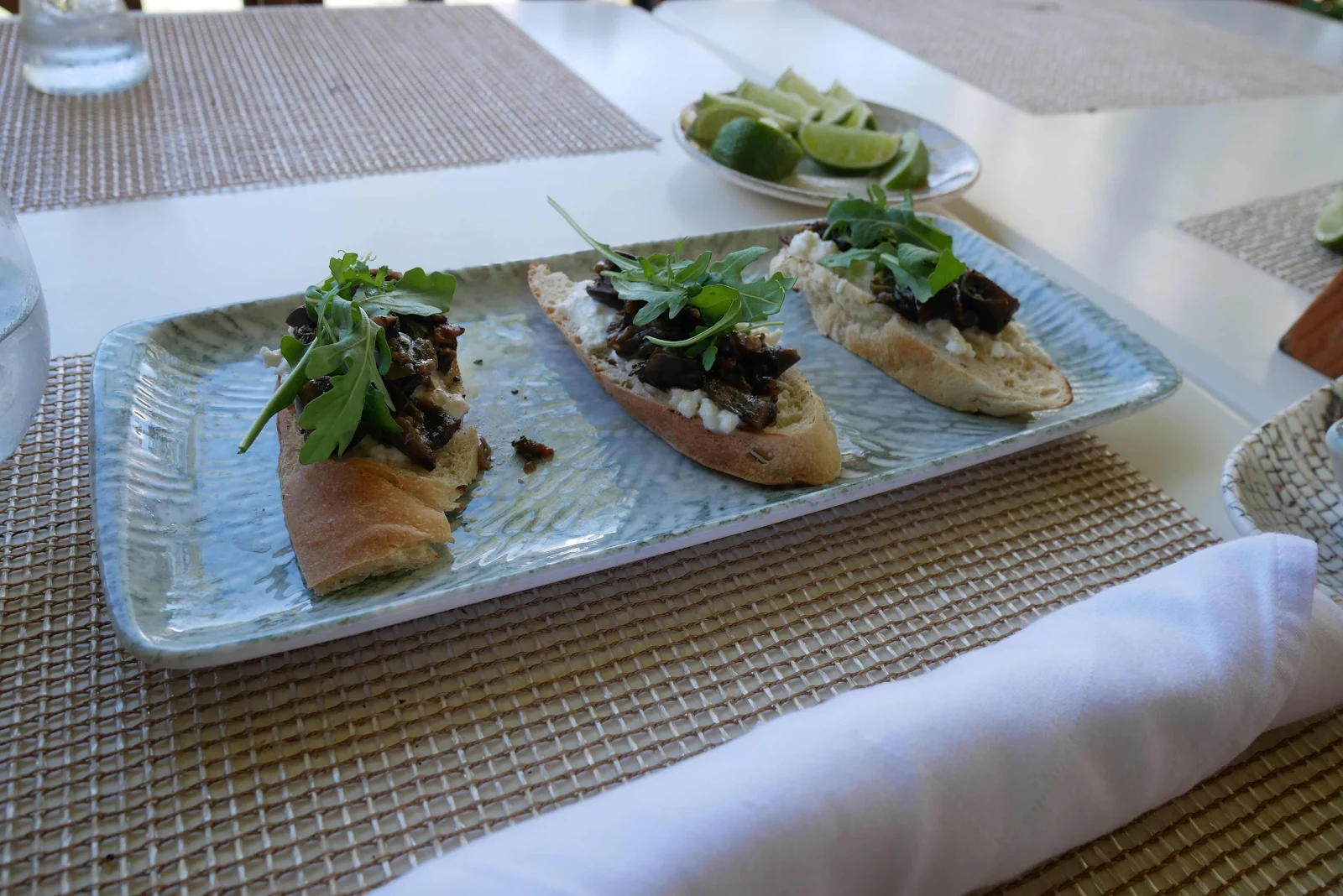
Eggplant on toast. Starters were about ten bucks and the main dishes twenty five. 

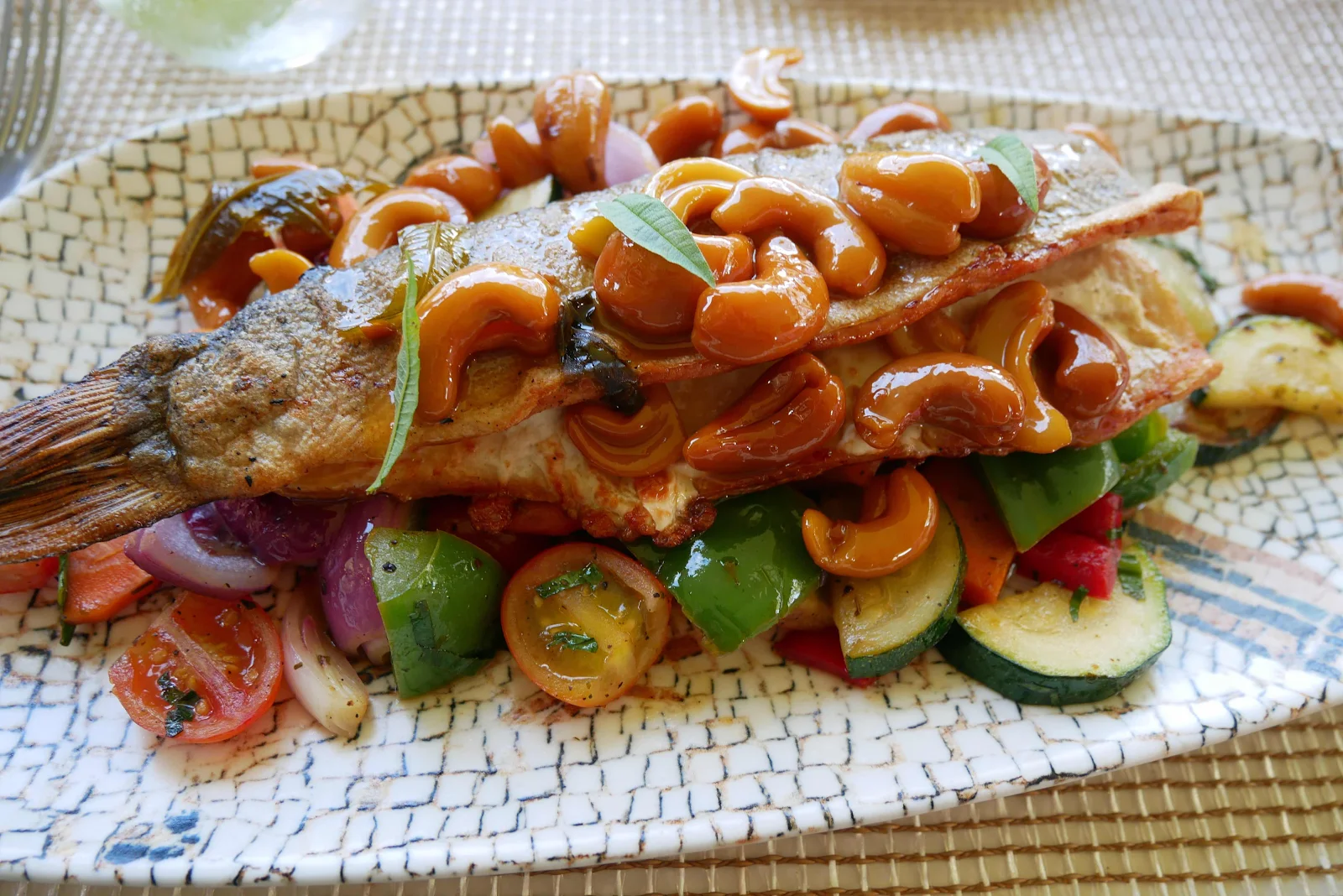
Layne had clams and chorizo while Gaetano and I had trout in an orange cashew sauce. 
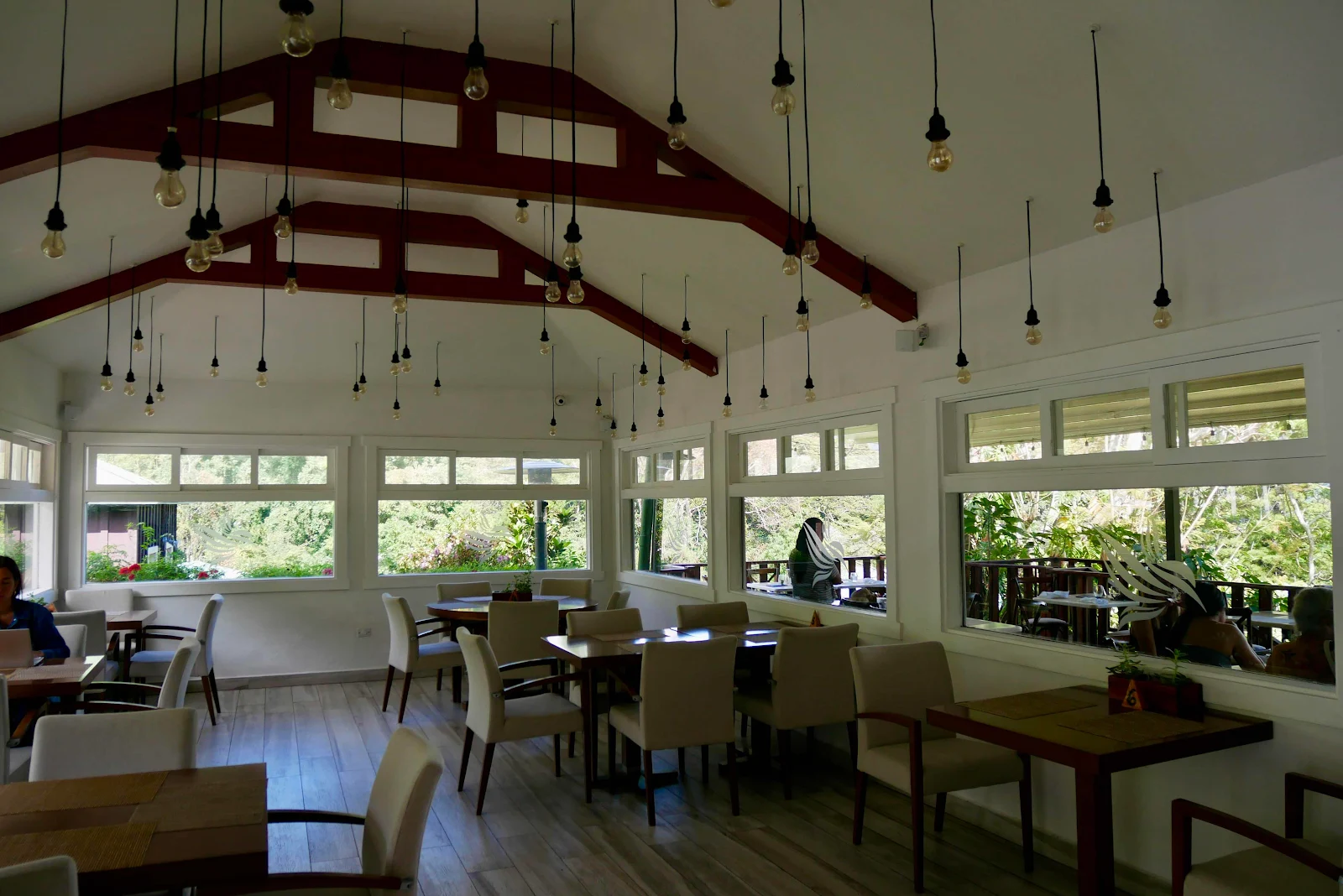
The inside dining room was simply decorated with these strange unadorned light bulbs. I wondered what they looked like by night. 

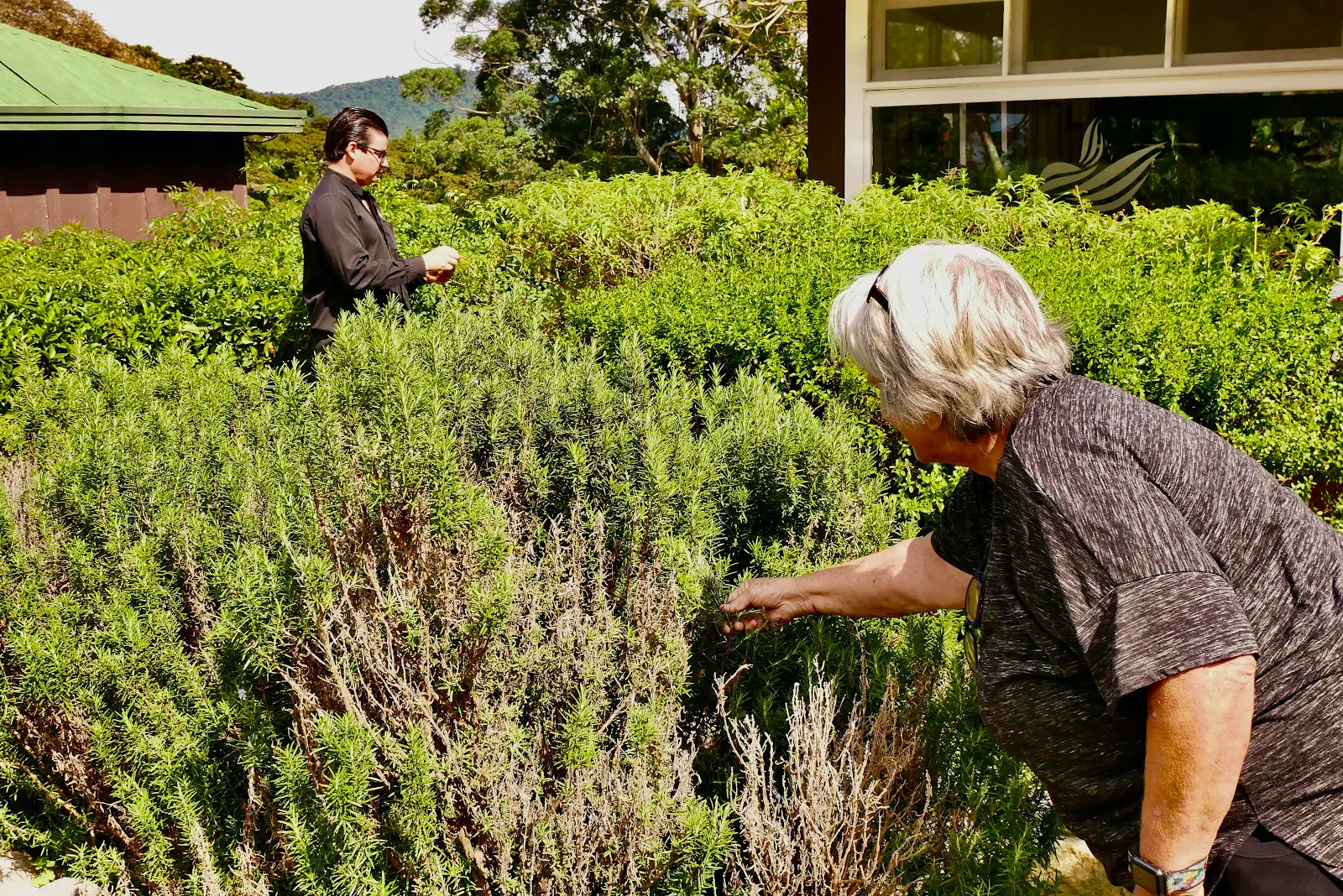
Layne hadn’t seen a rosemary bush in months so she asked if she could pick a sprig from the herb garden. They enthusiastically told her to go for it, so she did. 

Dessert was down the road. 


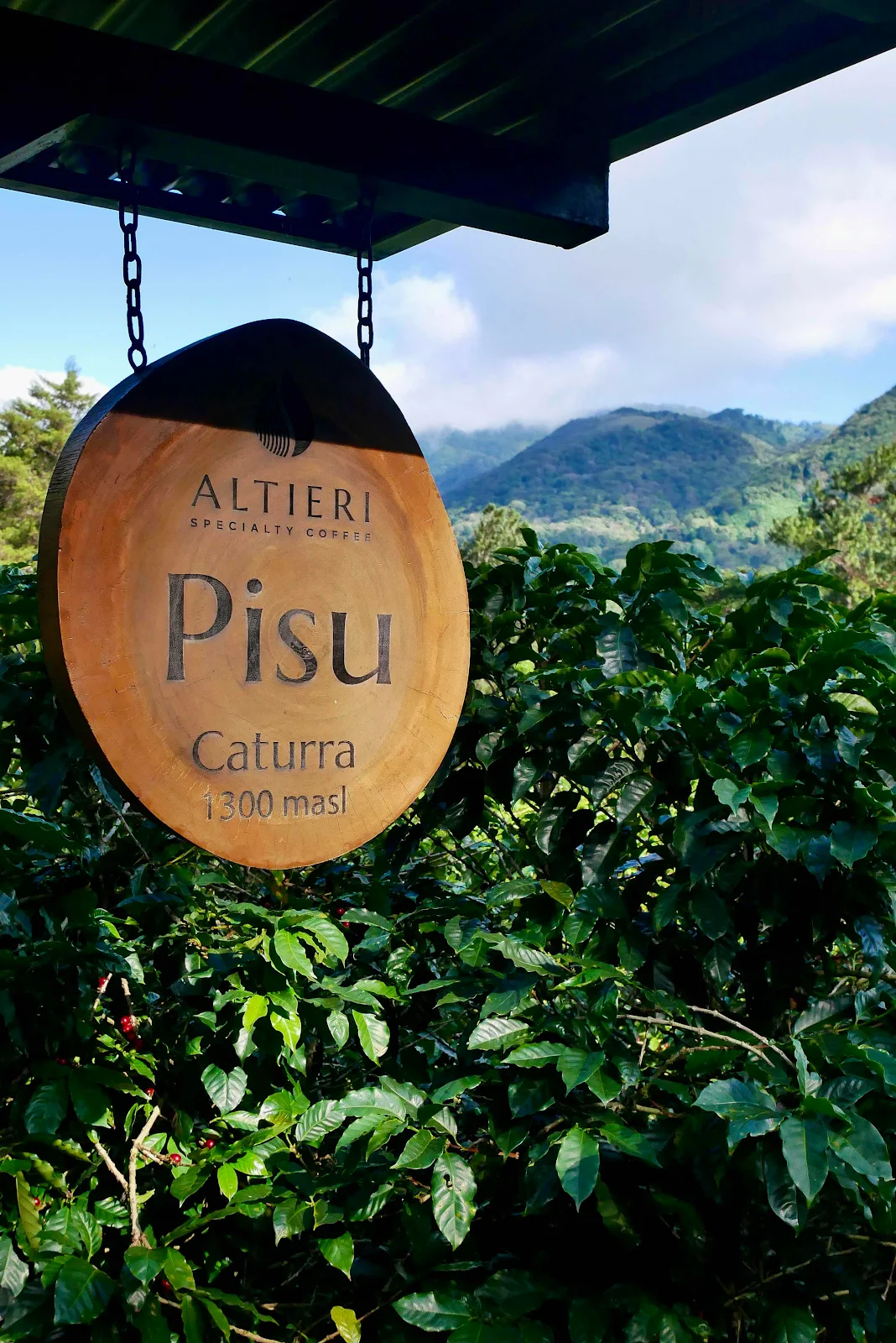
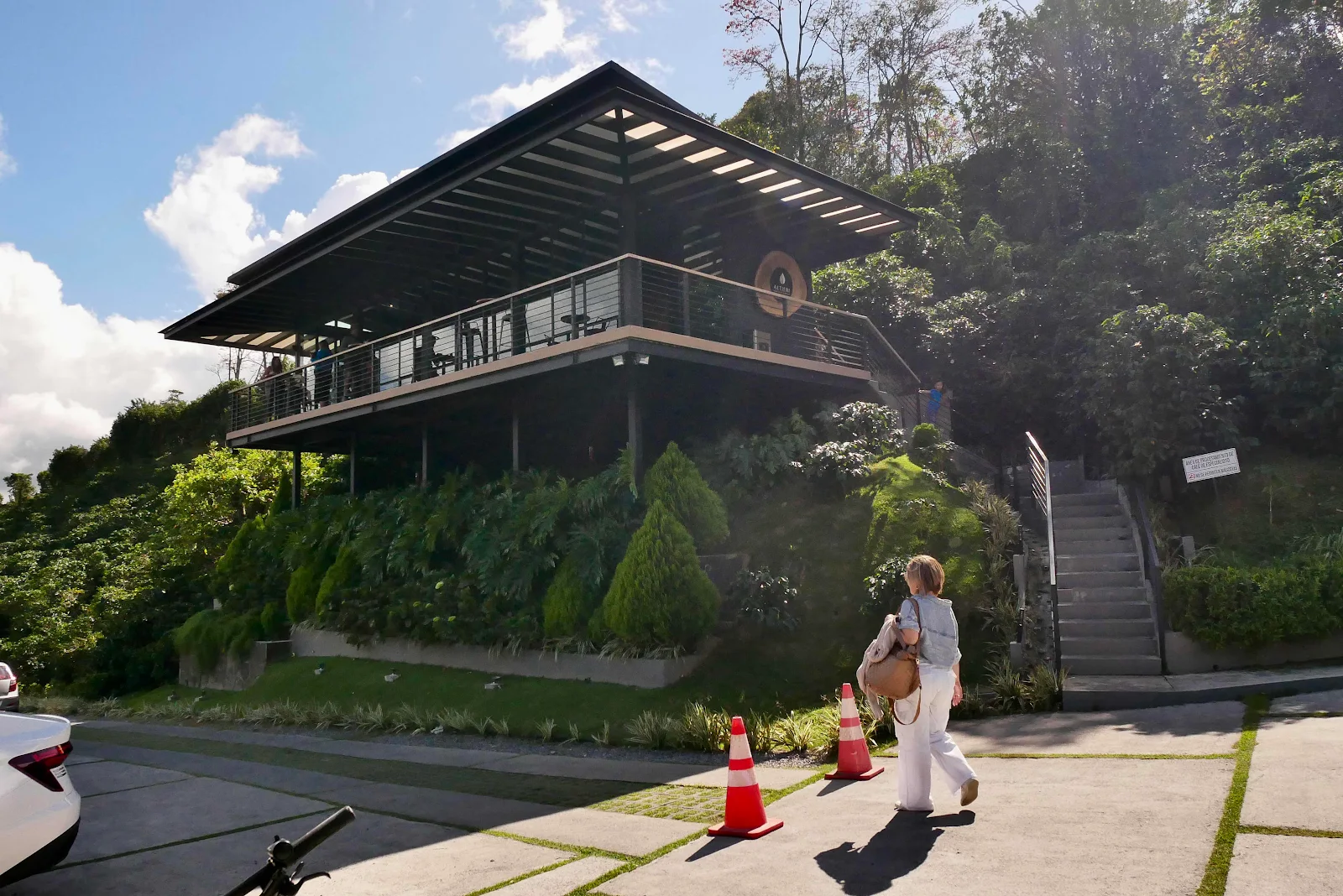
Eugene Altieri, an Italian-American married a Panamanian woman, raised a family here and built up a coffee plantation. His sons  continue the tradition and have also built a new visitor center to entice people to cove and taste the product. The place was very busy on a Saturday afternoon.  

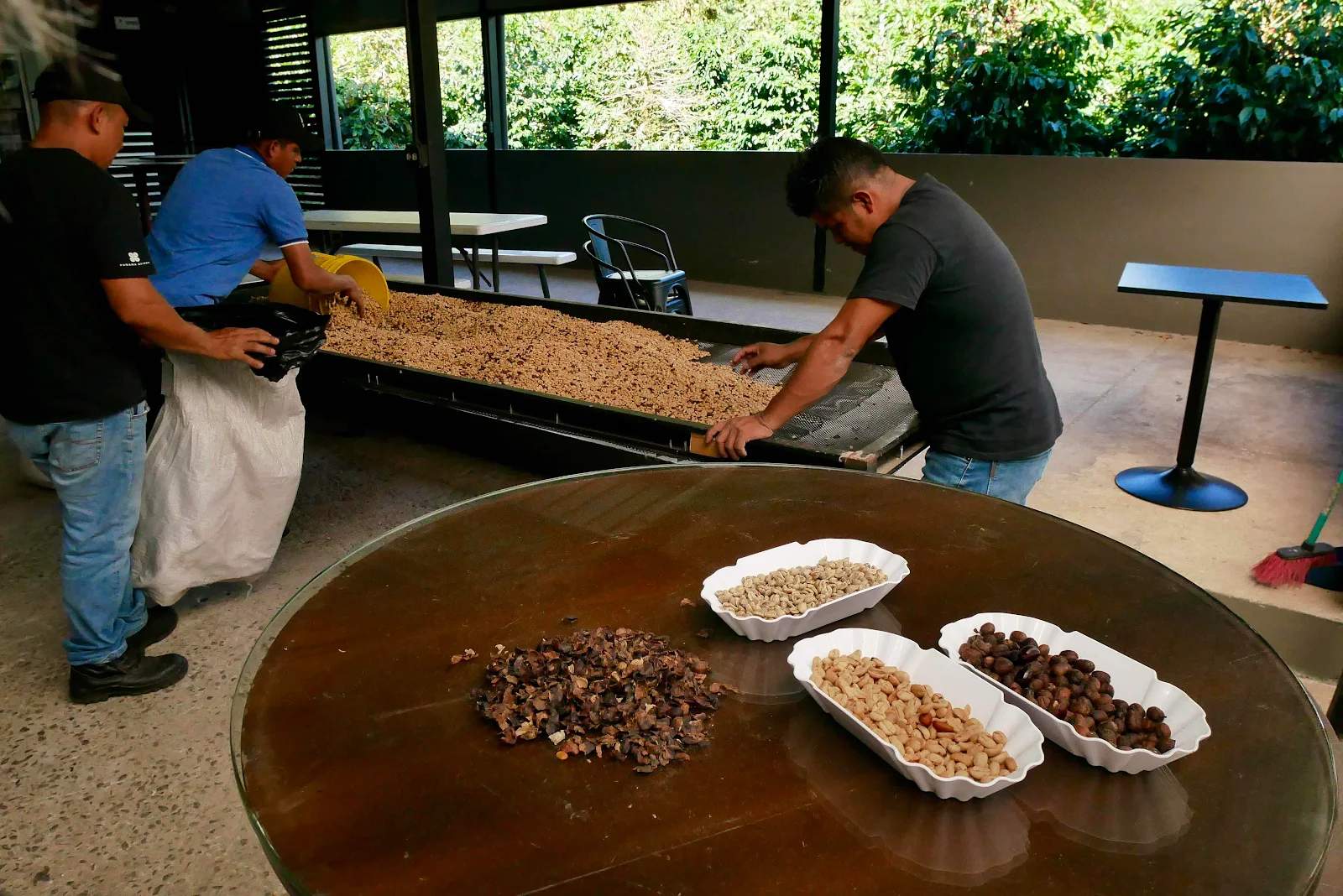
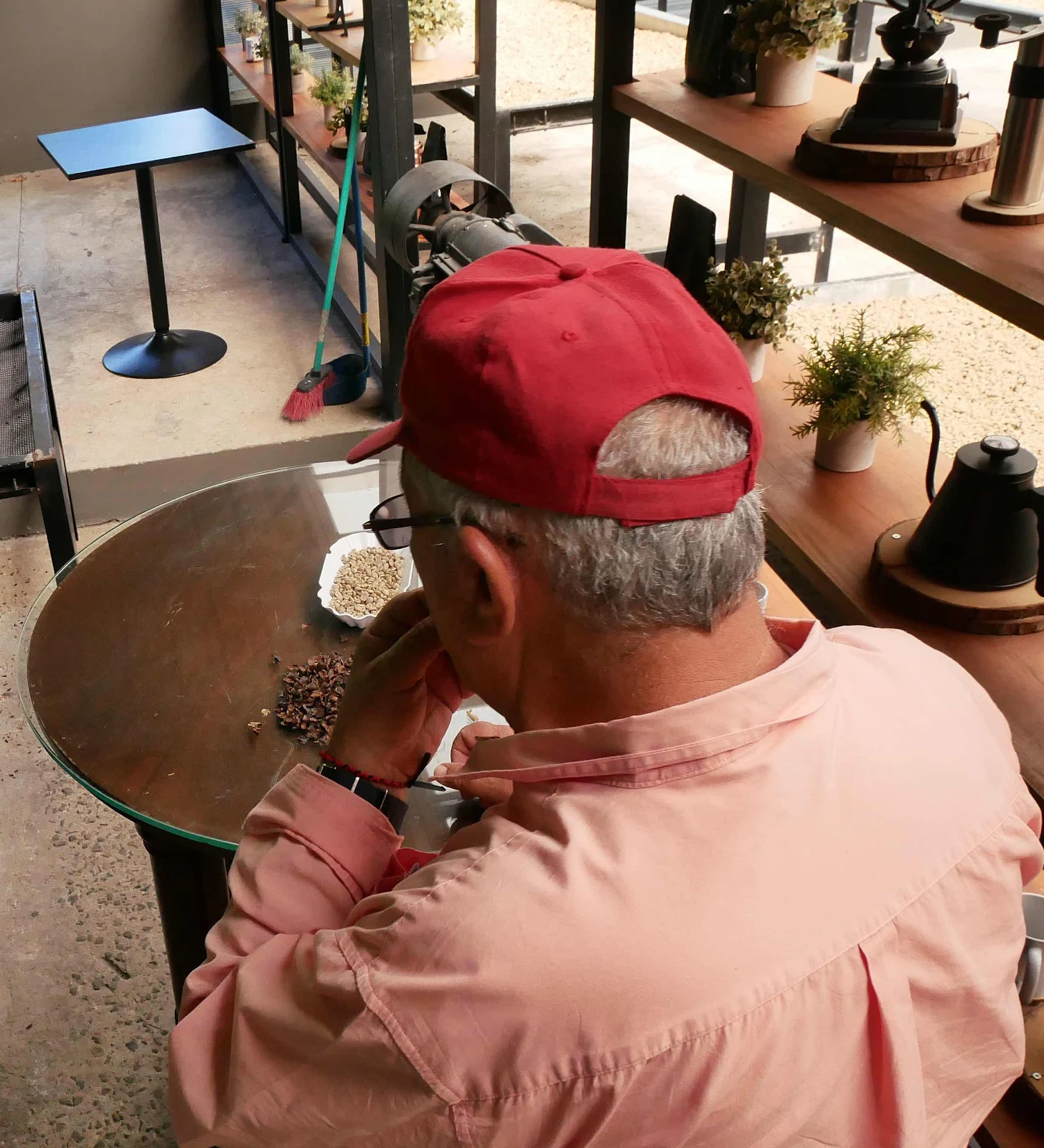
The winters sitting beans were a little confused by the attention their work drew but they pressed in messing with the beans. 

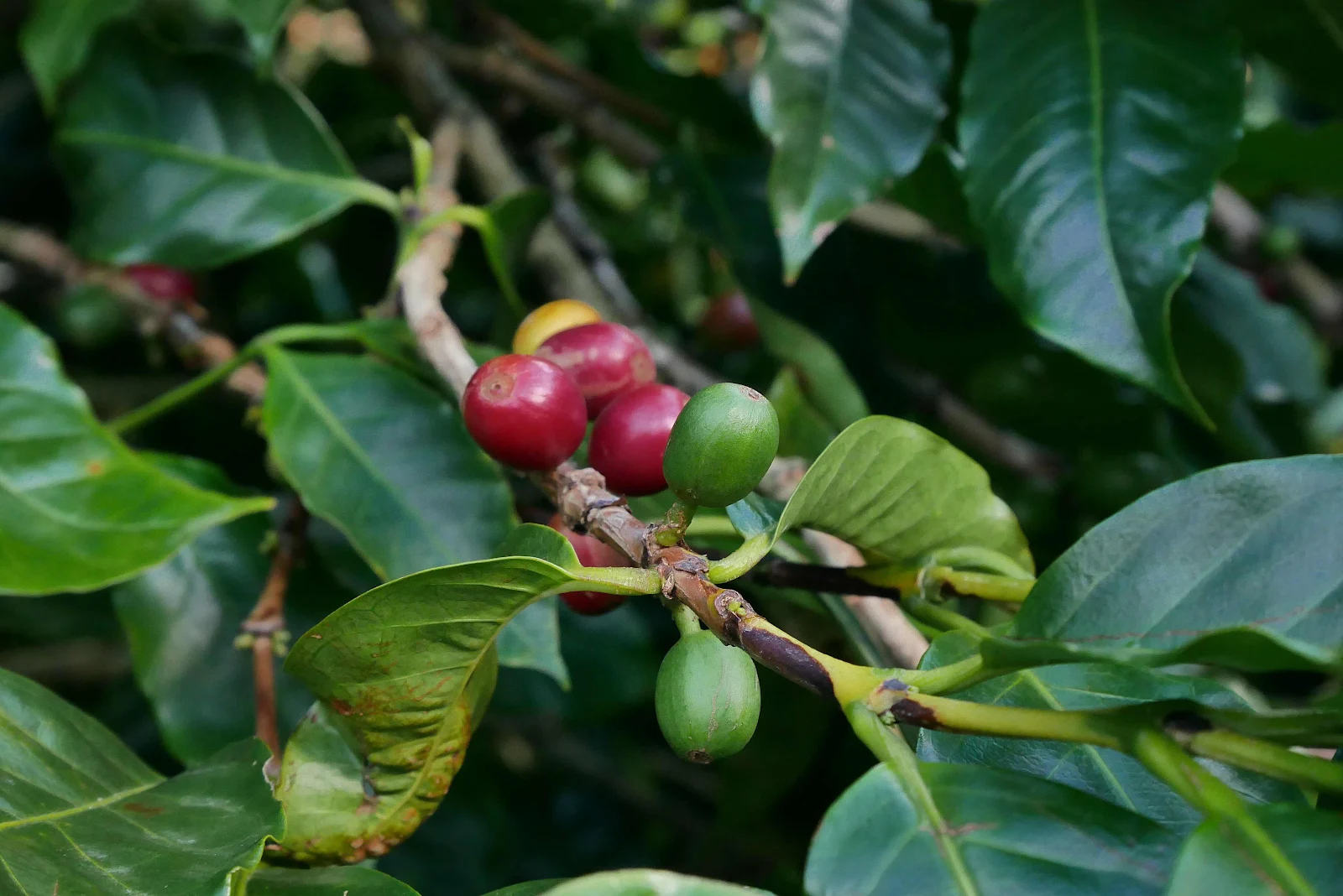
Coffee is a baffling product as the beans are gross in hurt natural state. I chews one and it tasted like compressed cardboard. I spat it out wondering how anyone first figured out to roast and process this unpromising fruit. 
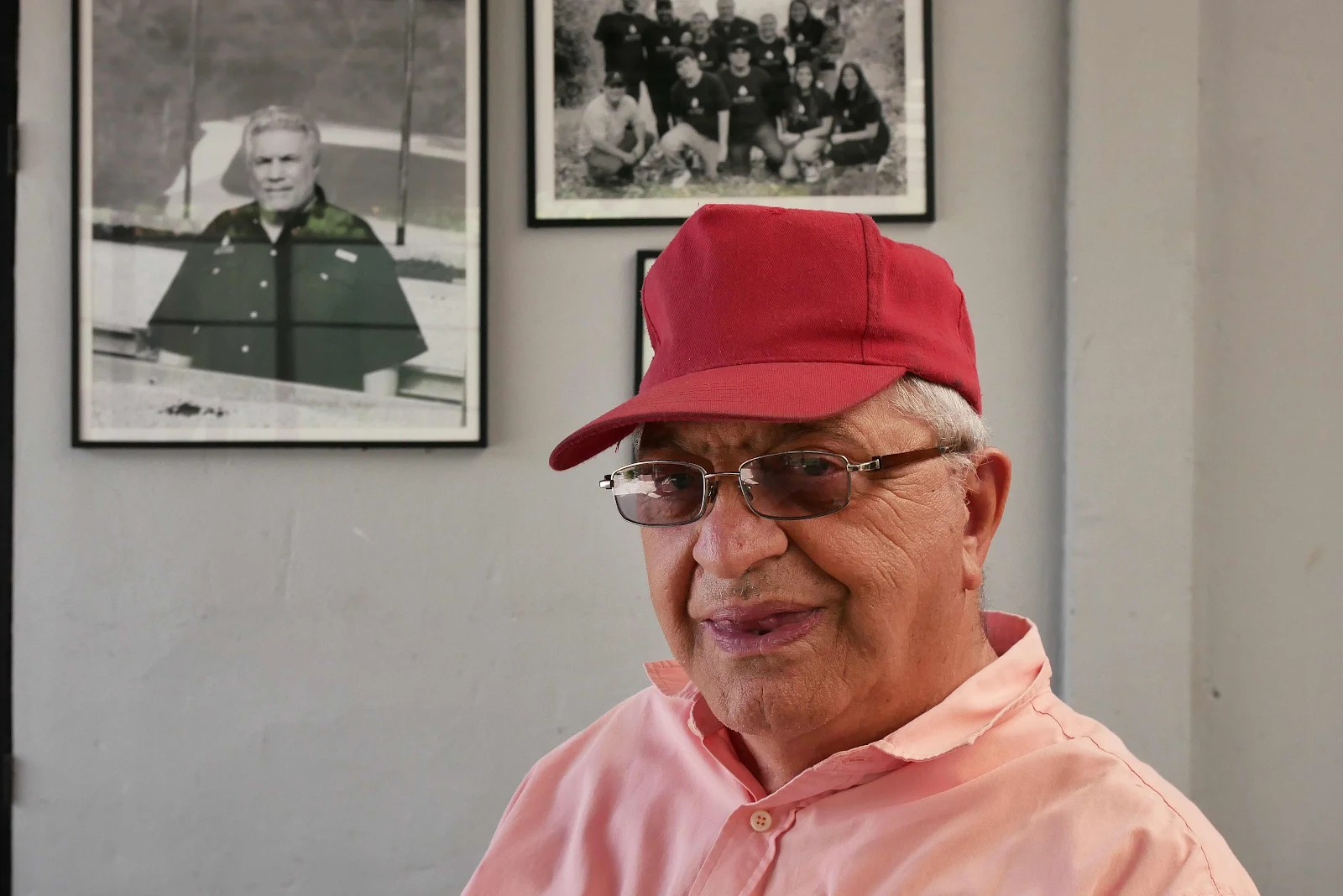


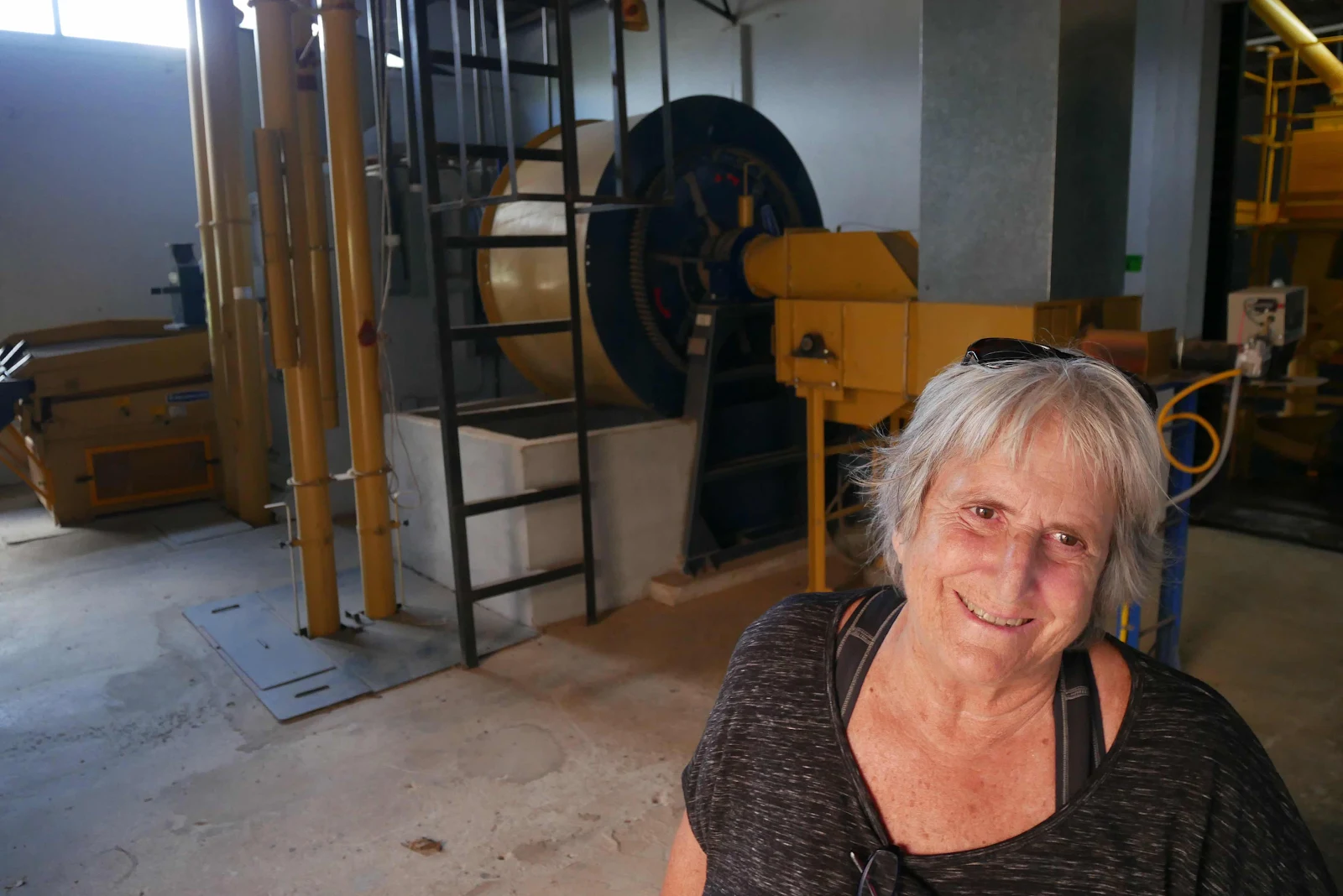
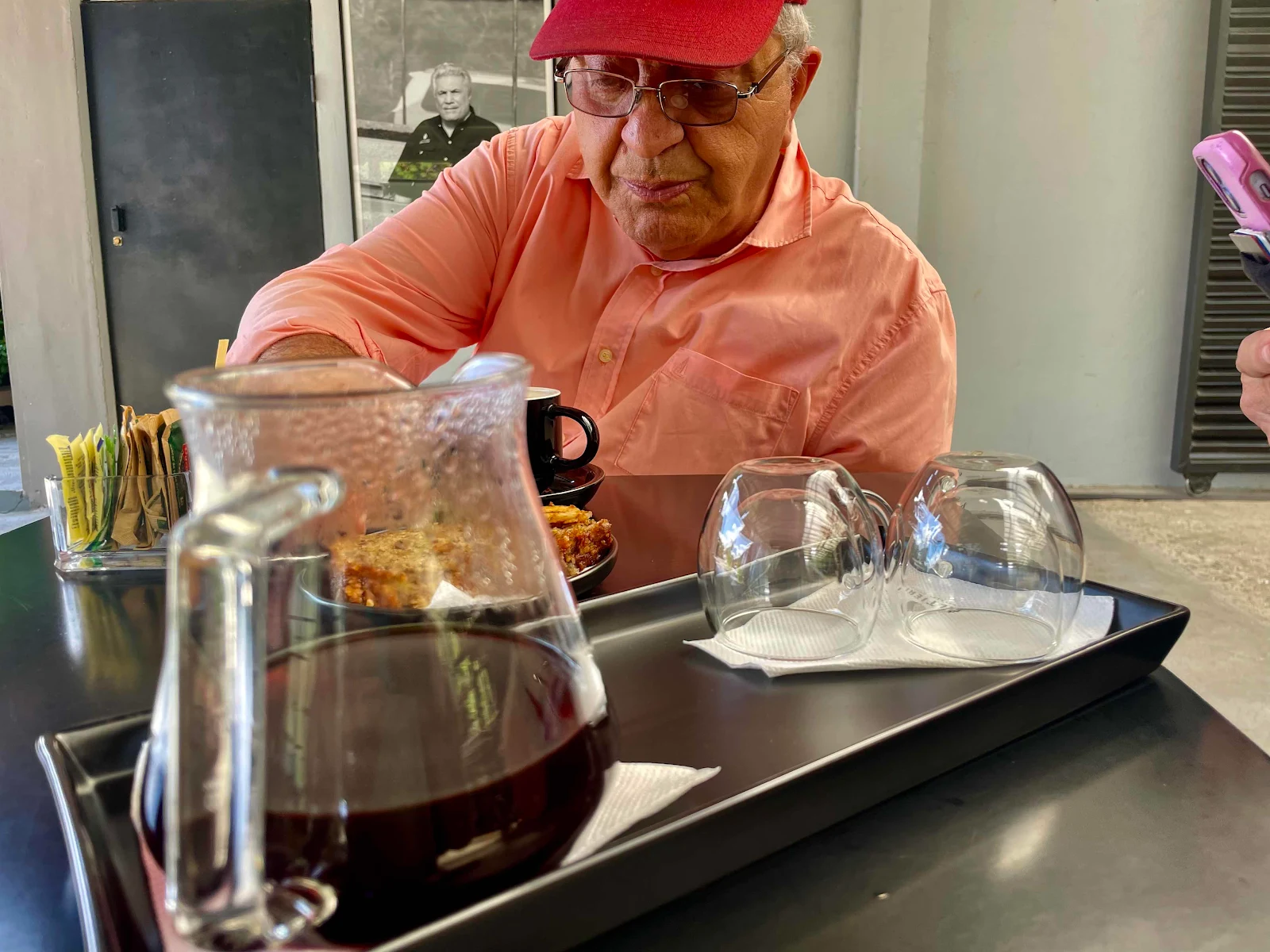
The founder of Altieri is the fierce looking guy in black and white over Faetabo’s shoulder. 

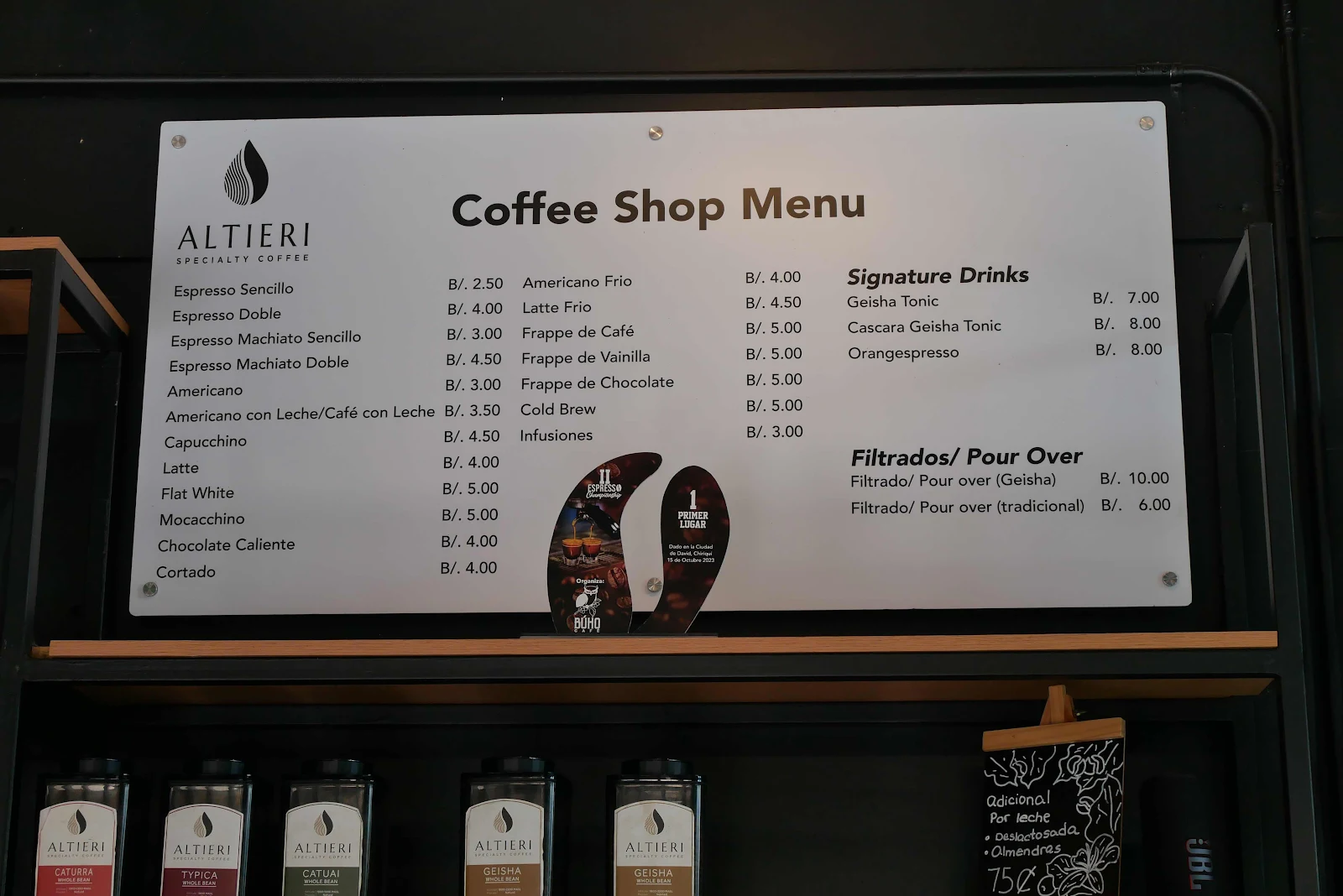
Note the menu board in English. 

We came to try the famous Geisha coffee that is heavily promoted here as the best in the world while being difficult and persnickety to grow etc etc…And it has nothing to do with Japanese Geishas. The coffee was discovered by a European in the Gesha region of Ethiopia and brought to Panama where you can buy a pound of beans for several hundred dollars. You read that right: look it up! 

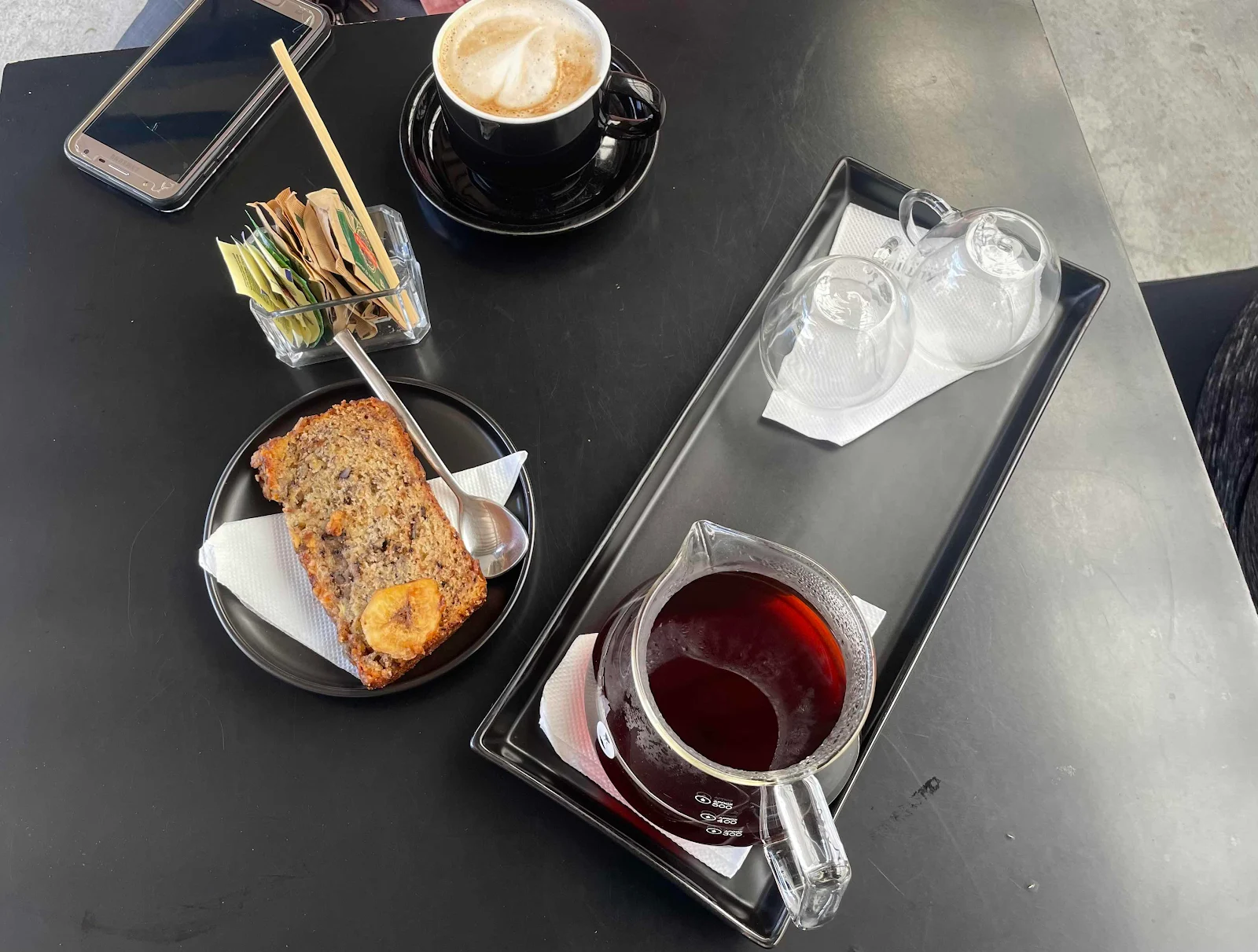
Gaetano, in defiance of all Italian rules of etiquette had a cappuccino usually never drunk after eleven am in Italy.  He like Poirot, is  a man of delicate digestion and needs to soften his afternoon coffee with milk. But he admirer a slice of banana bread which was soft and buttery and perfect for us to share. 

We had a pot of Geisha coffee and I’m glad I’ve now had it but don’t bother. To me it tastes like any other coffee perhaps because I have a palate like a brick or because we got a mediocre batch if such thing exists. 
It beats me what all the fuss is about. It was a pleasant stop before we took the valley road back to town. 
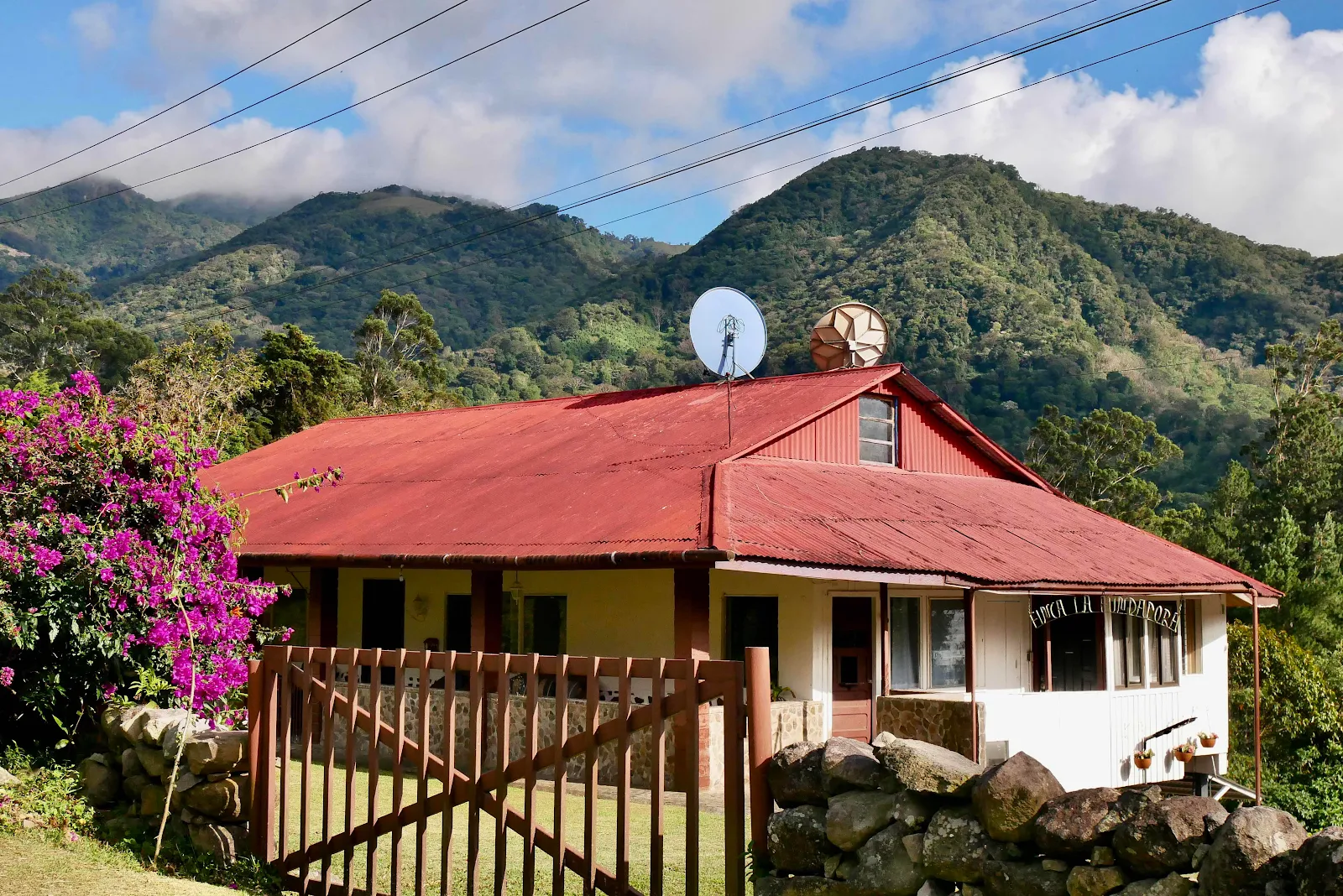


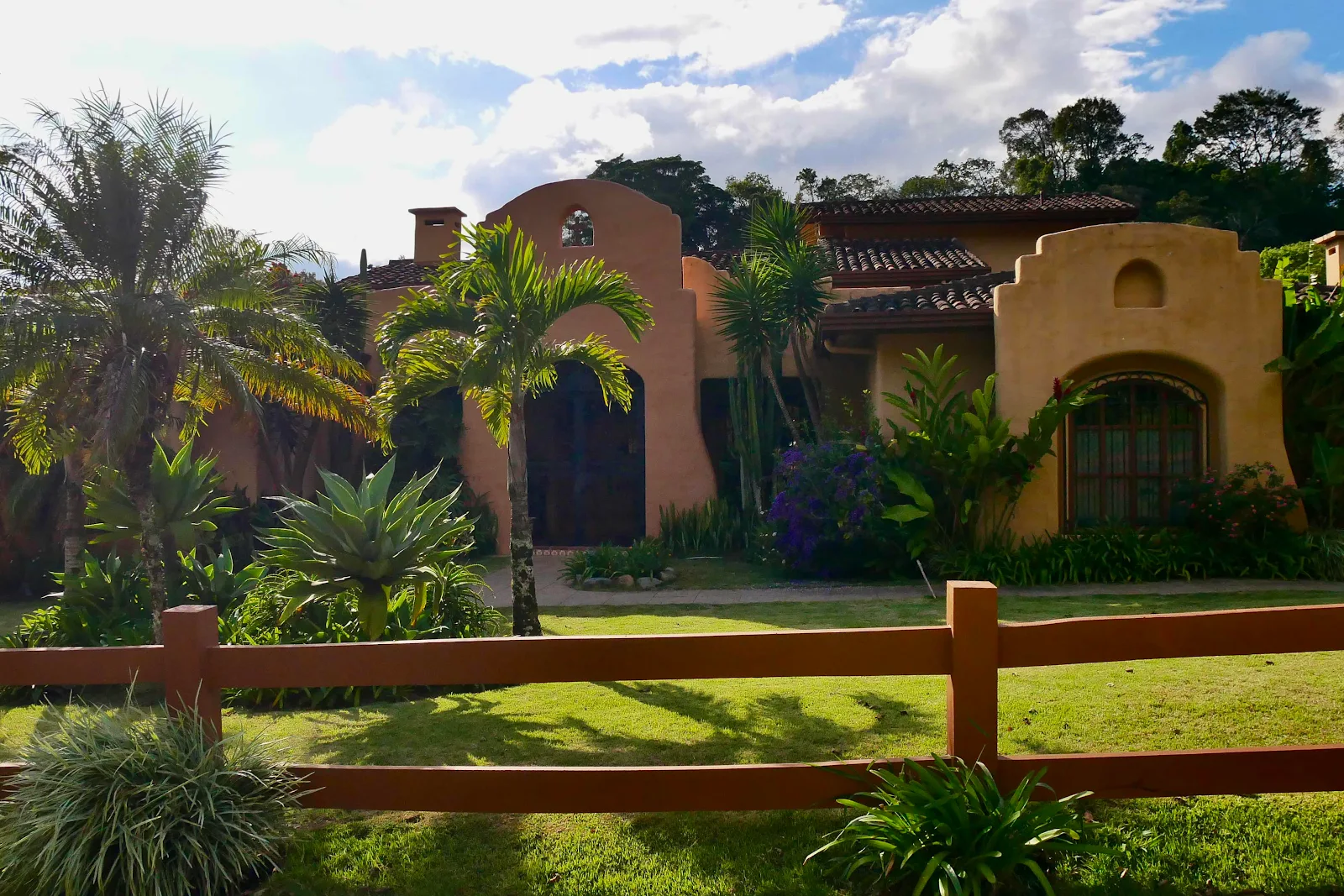
This is Villa Santa Fe built as a reminder of home by a transplanted snowbird from New Mexico.  
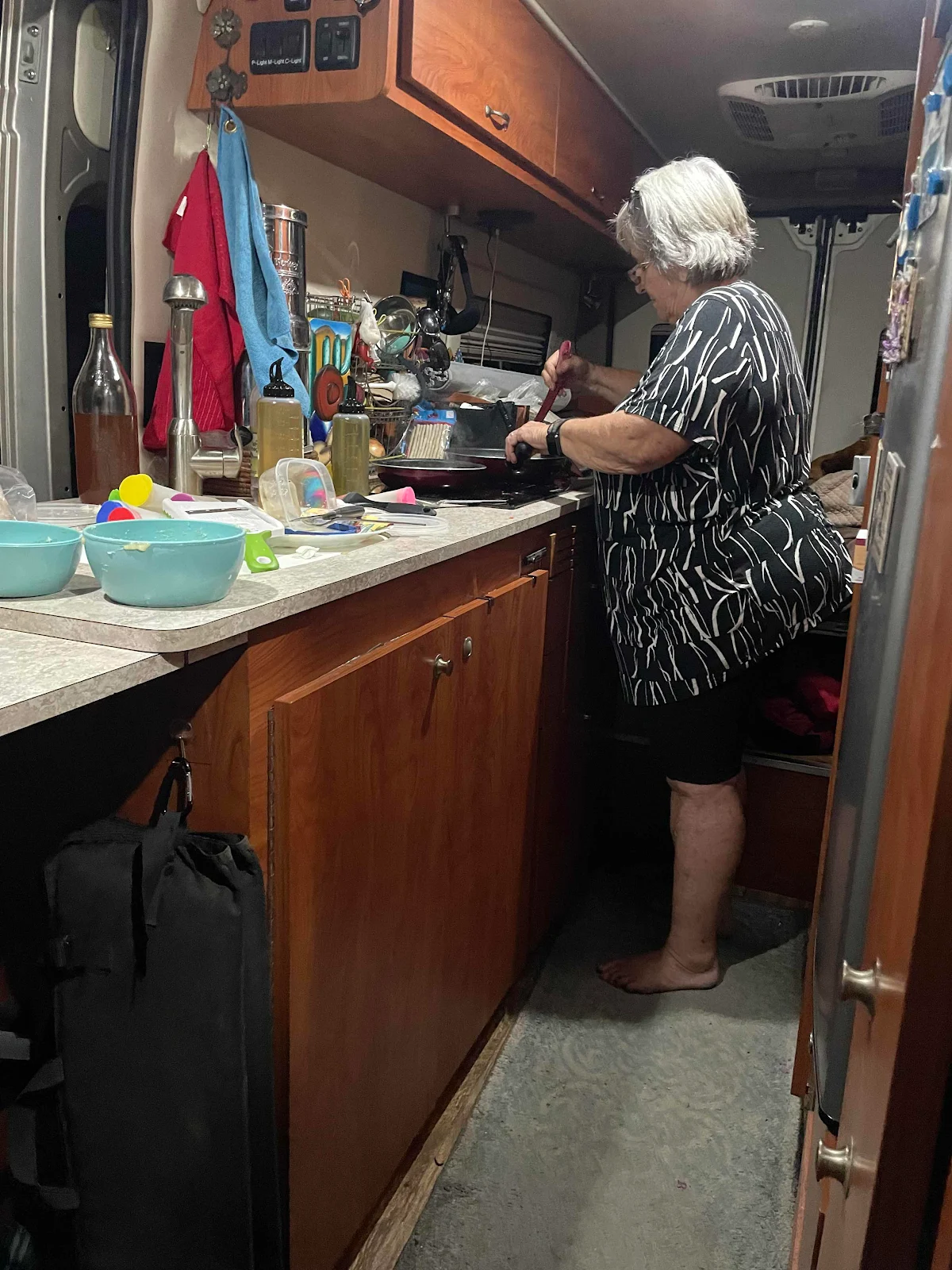
And this is Layne at home shipping up a salad for dinner. The joy of traveling in your own home with your own kitchen. 

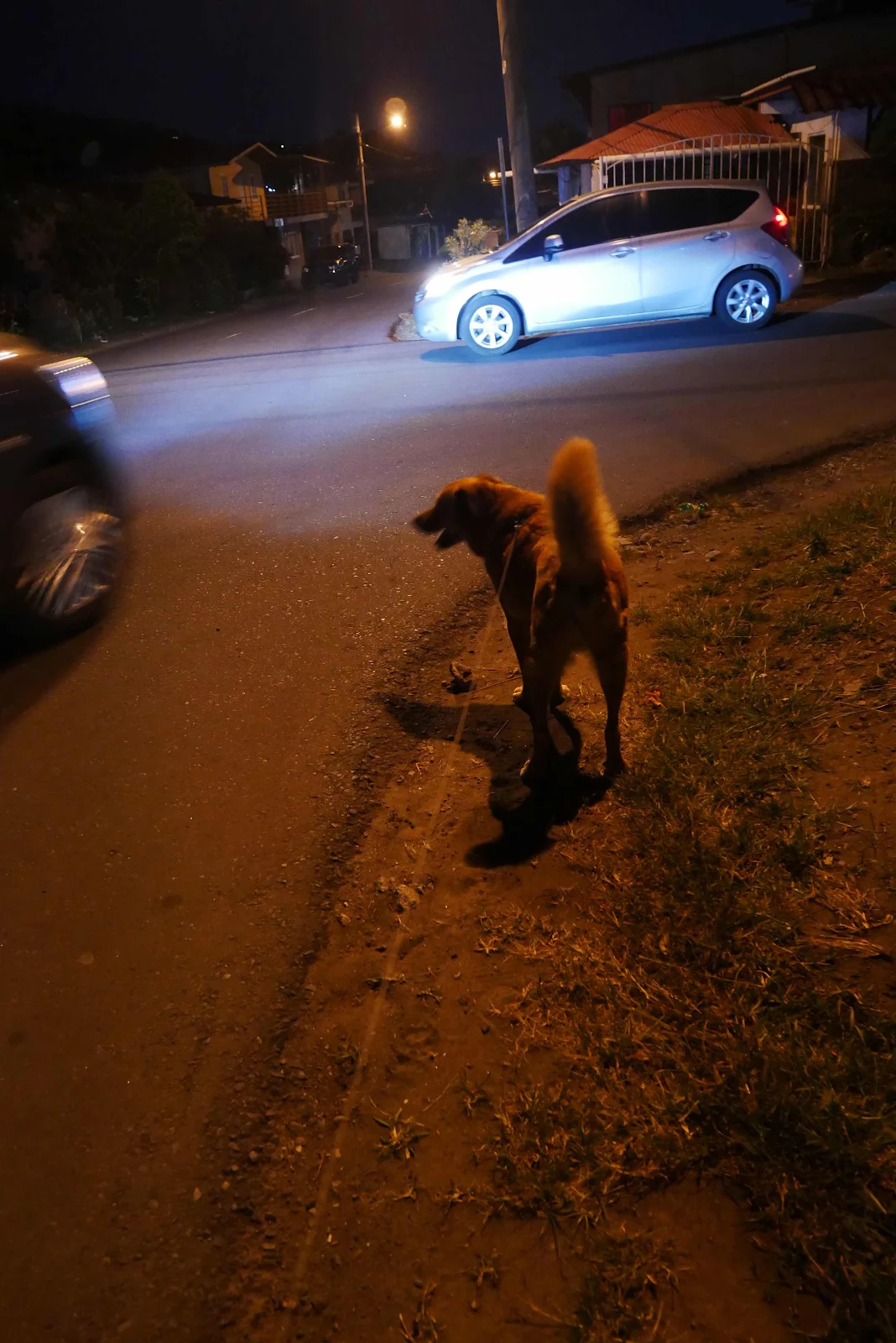
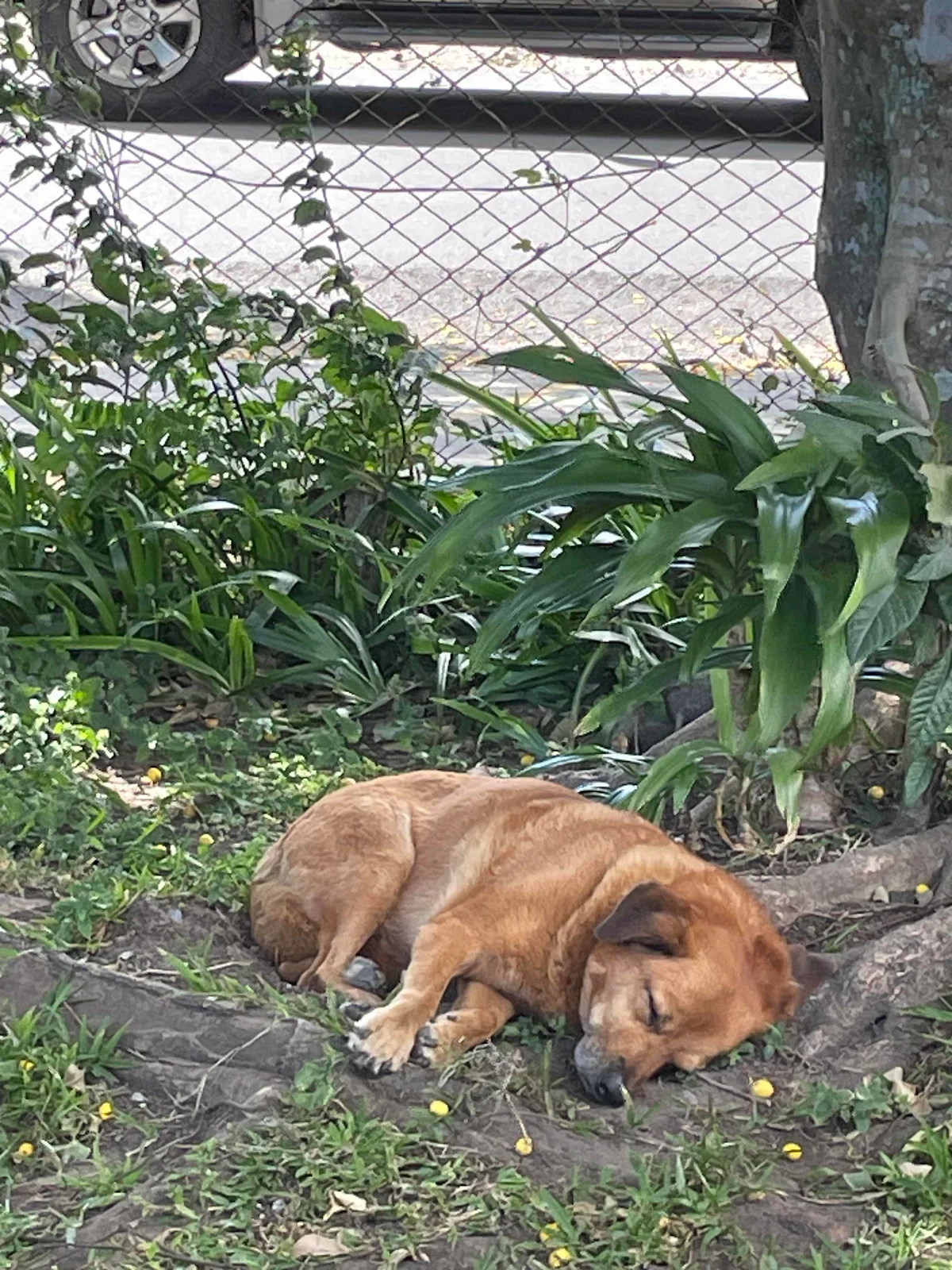
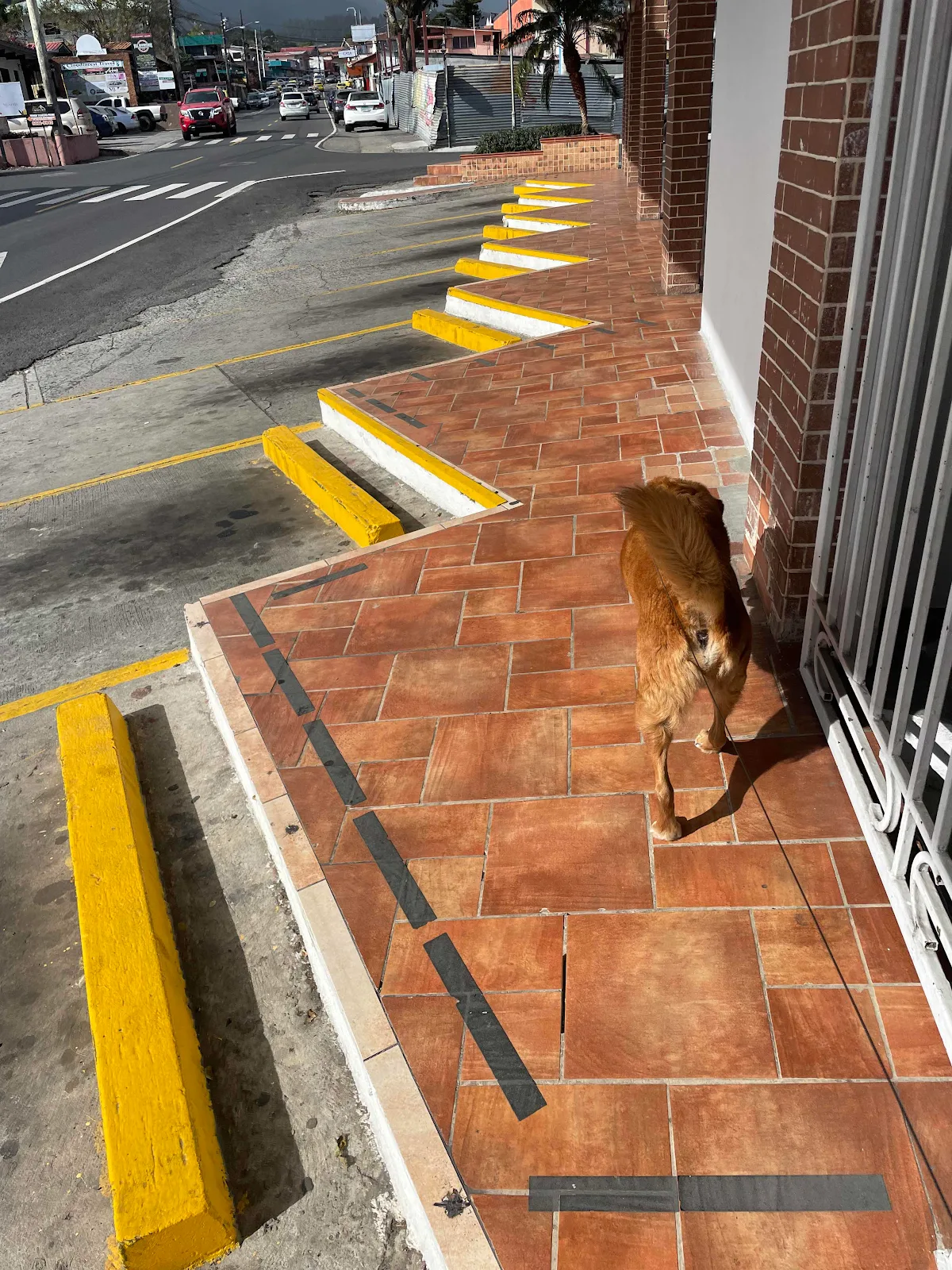
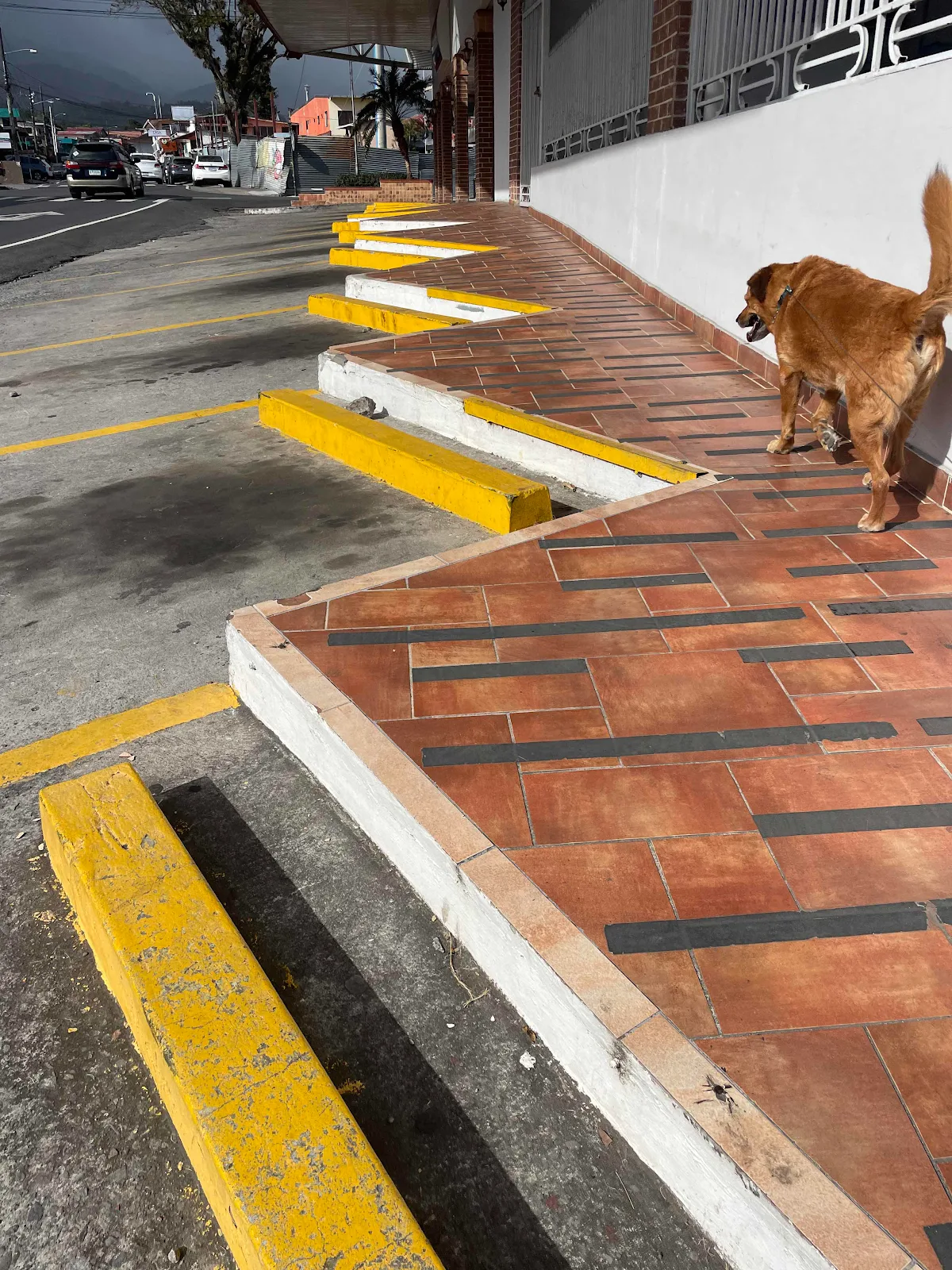
And this is Rusty getting his evening walk in a town with no street dogs. He was fast asleep when at last we got home.