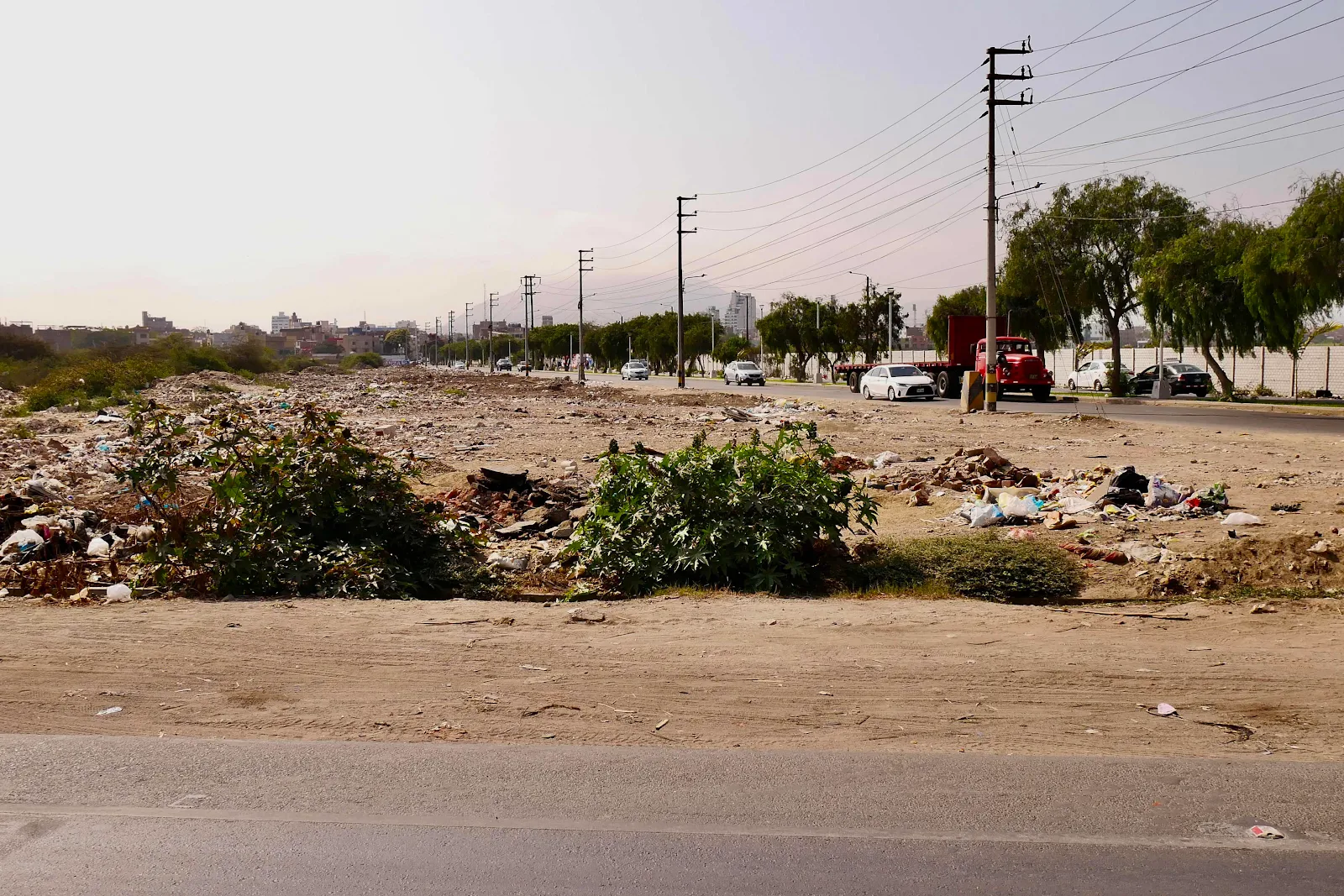
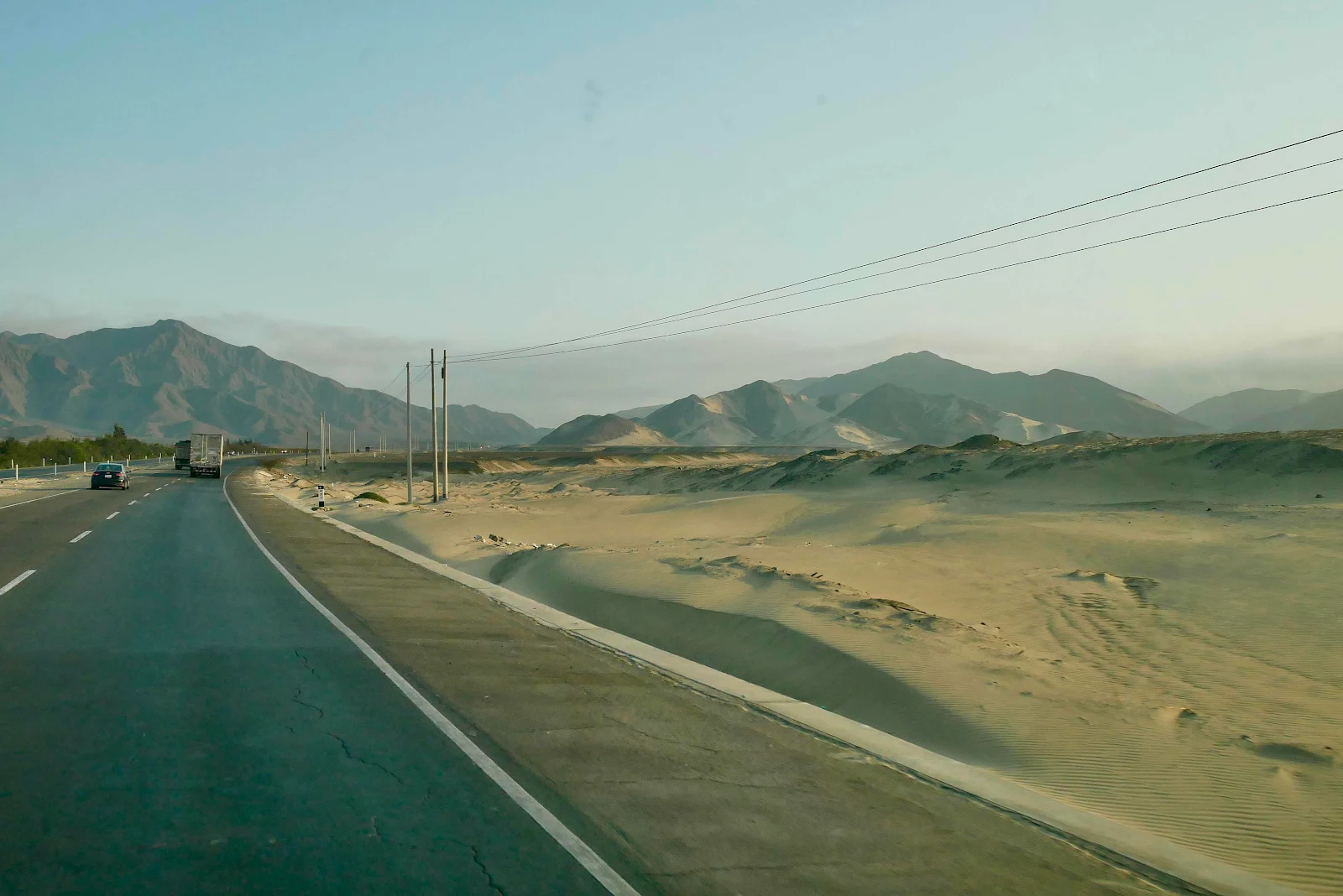
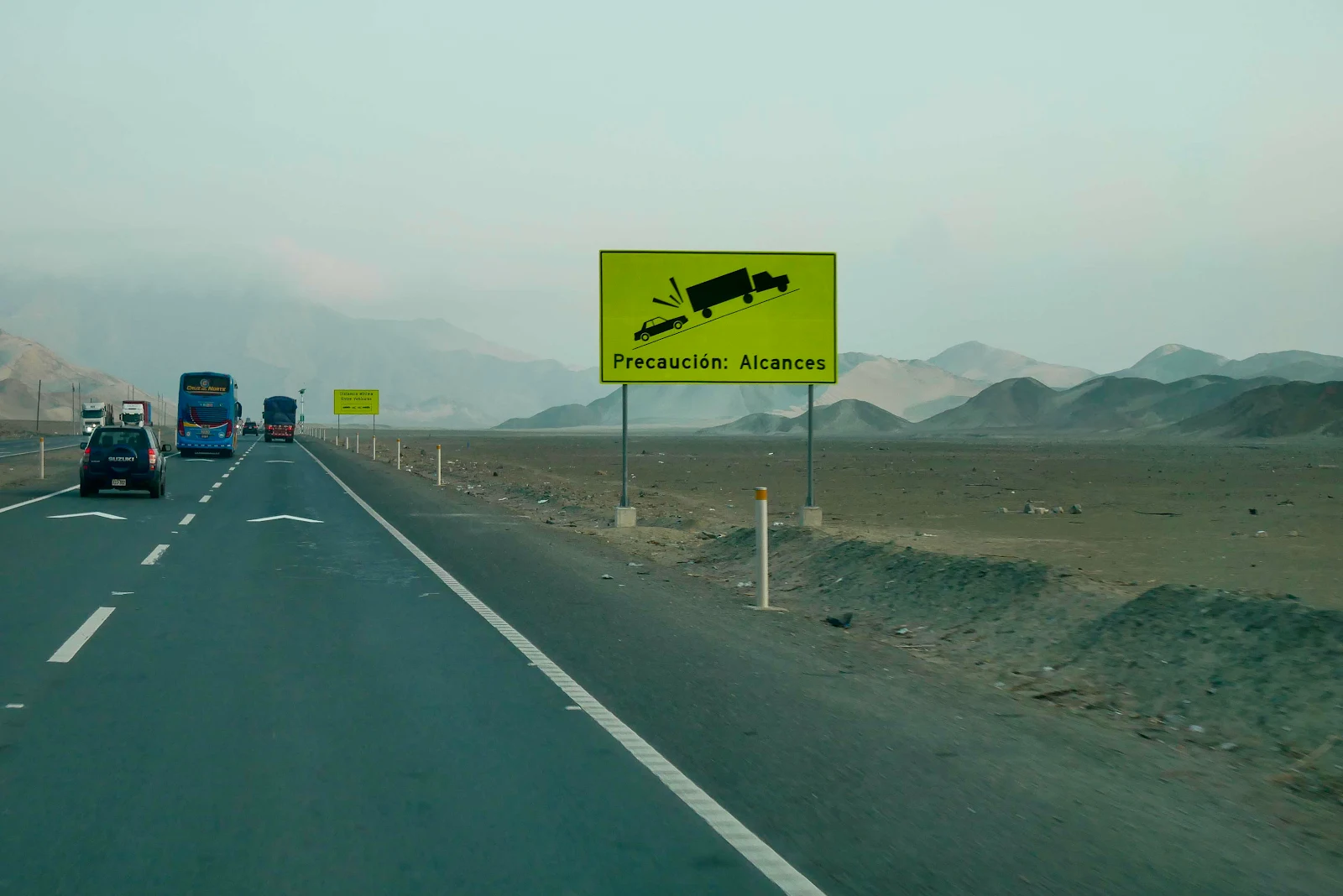
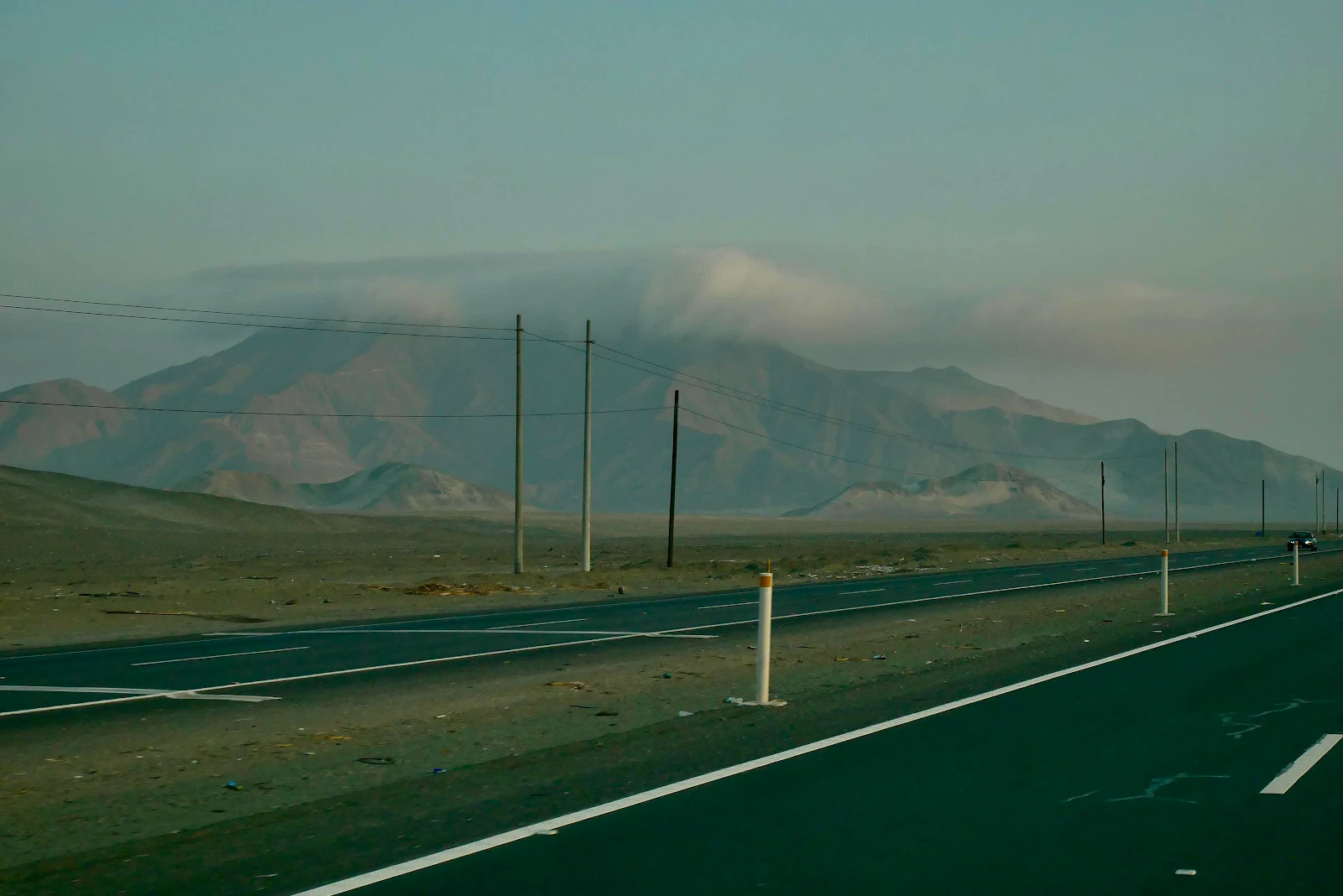
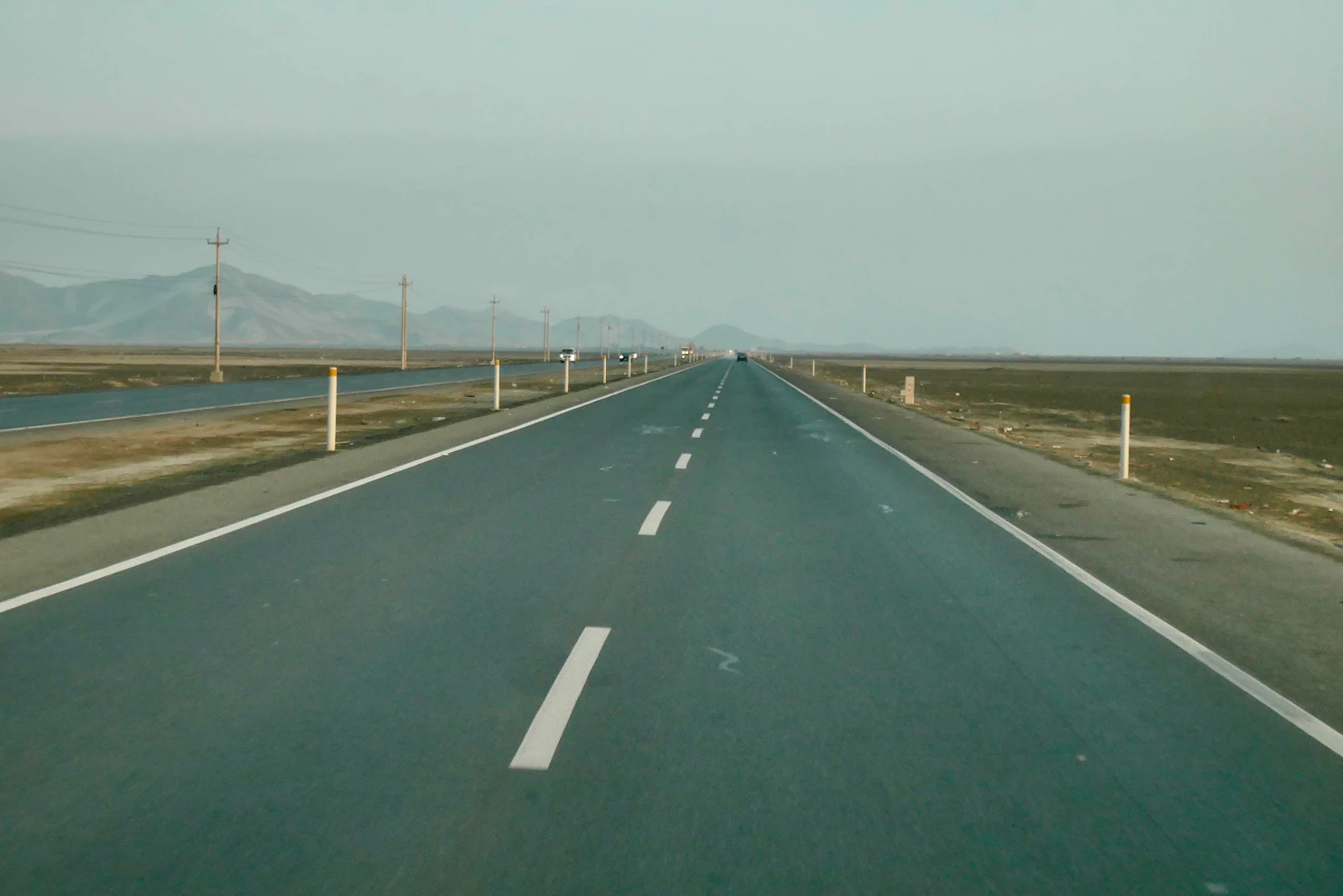
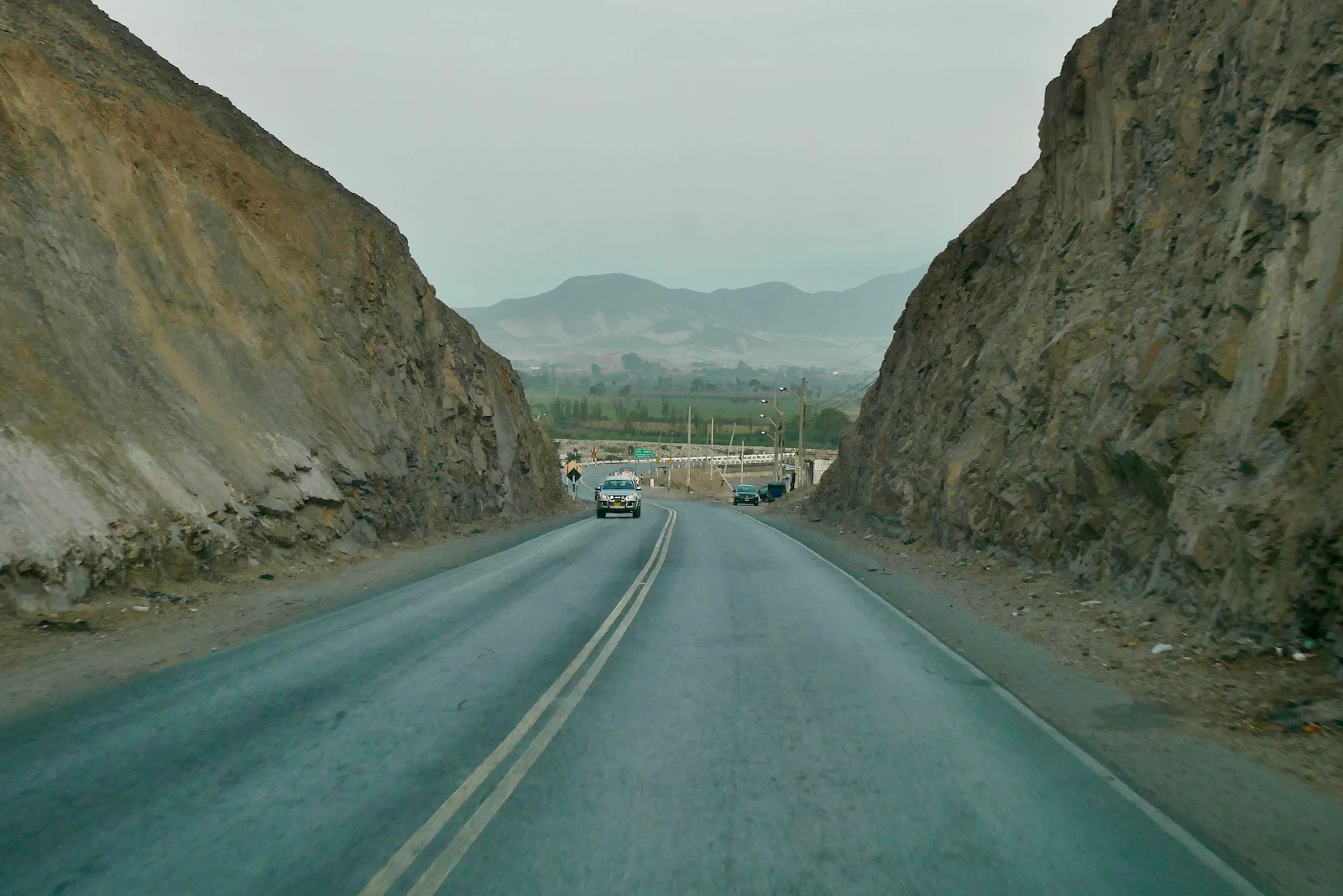
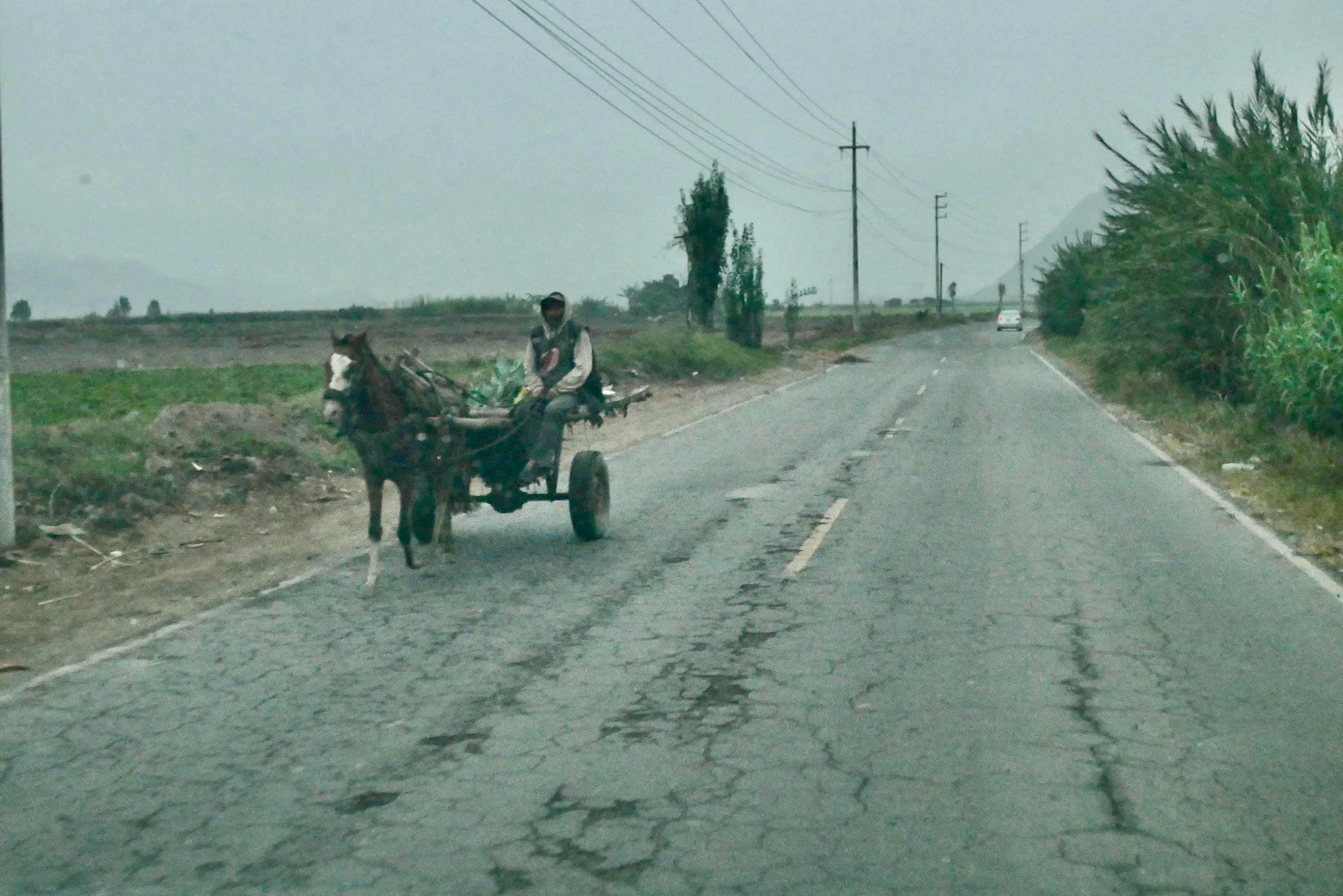
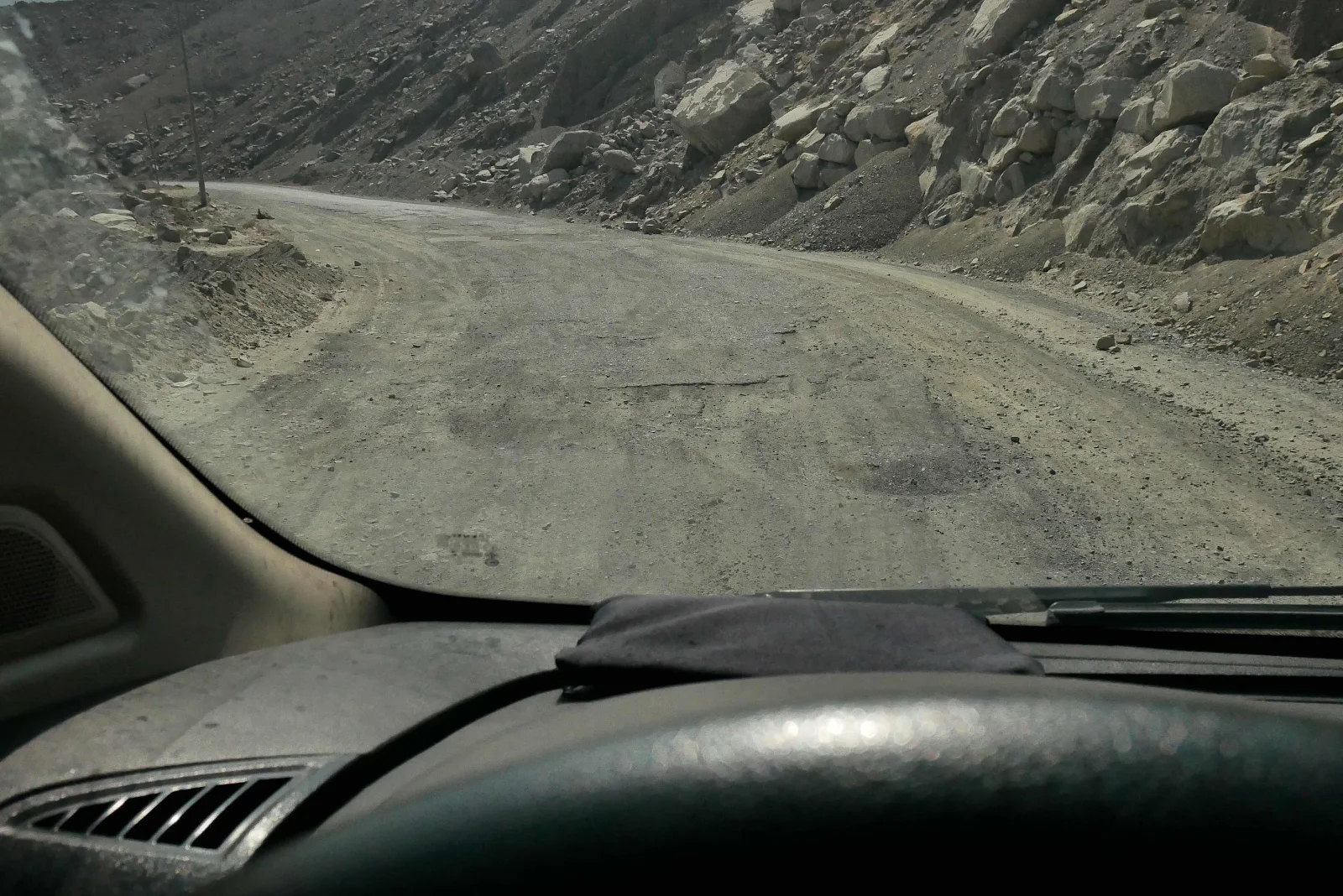
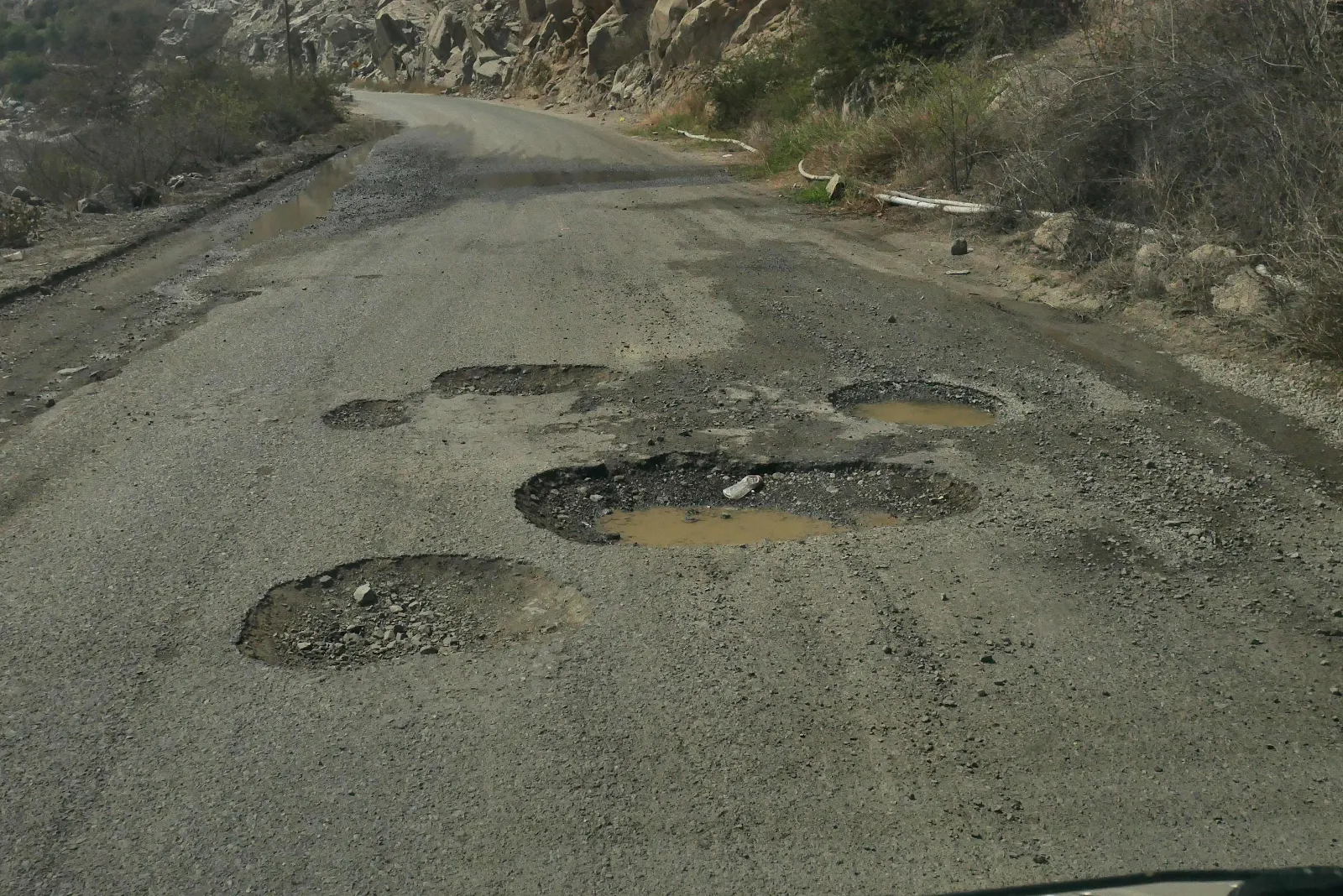
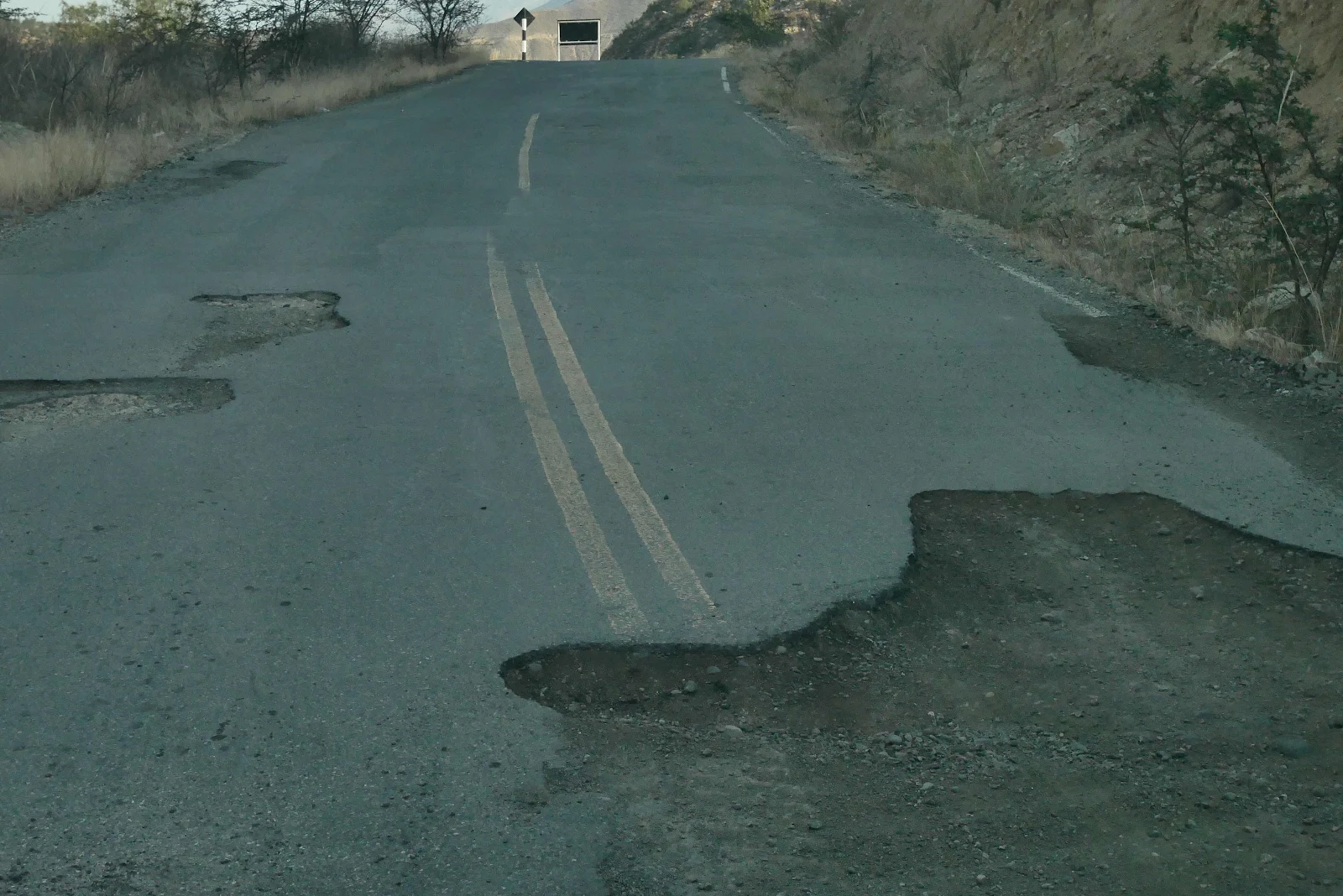
There must be worse roads somewhere but Highway 12 and Highway 3 in Peru have to constitute the worst drive we have ever made so permit me some hyperbole.
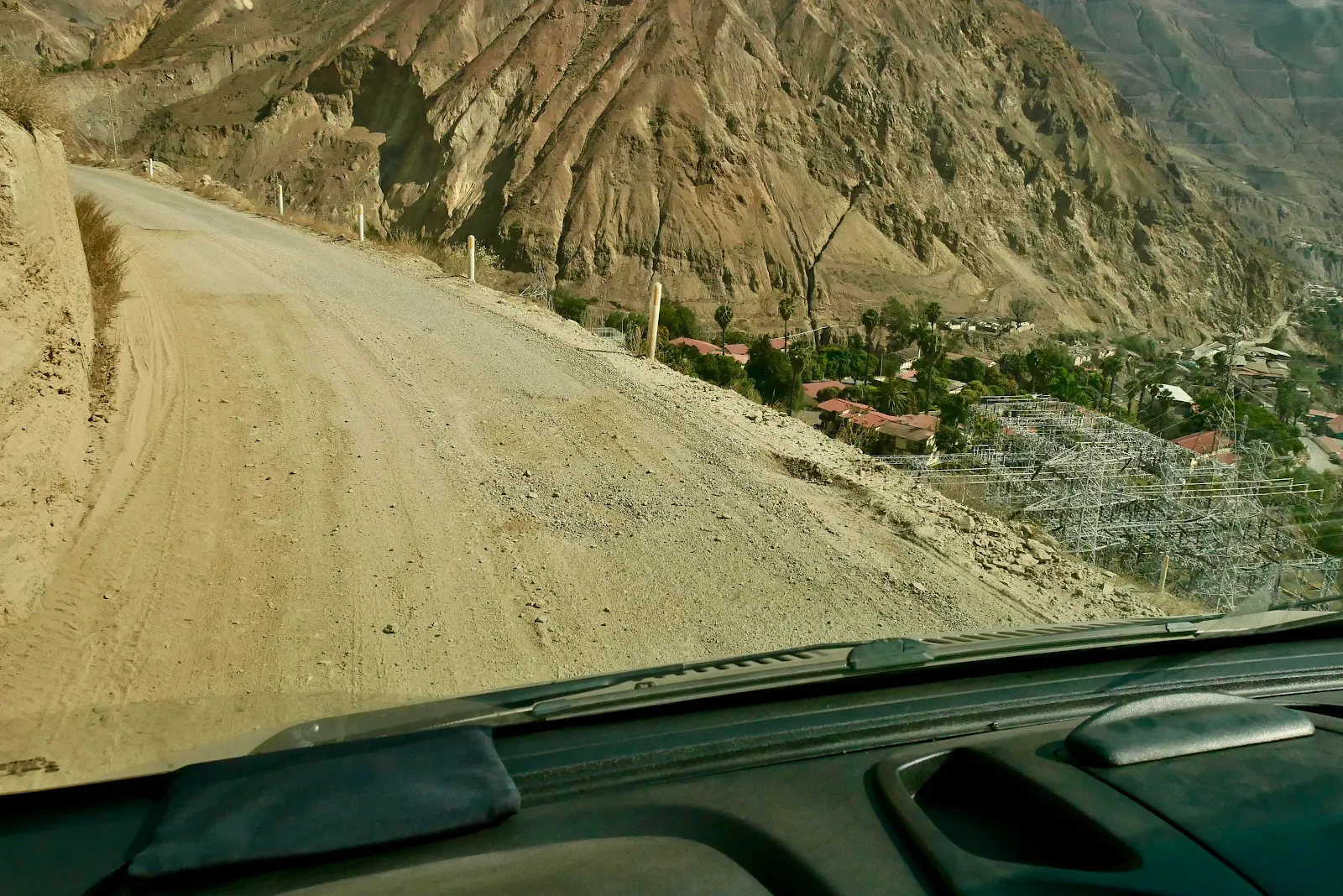
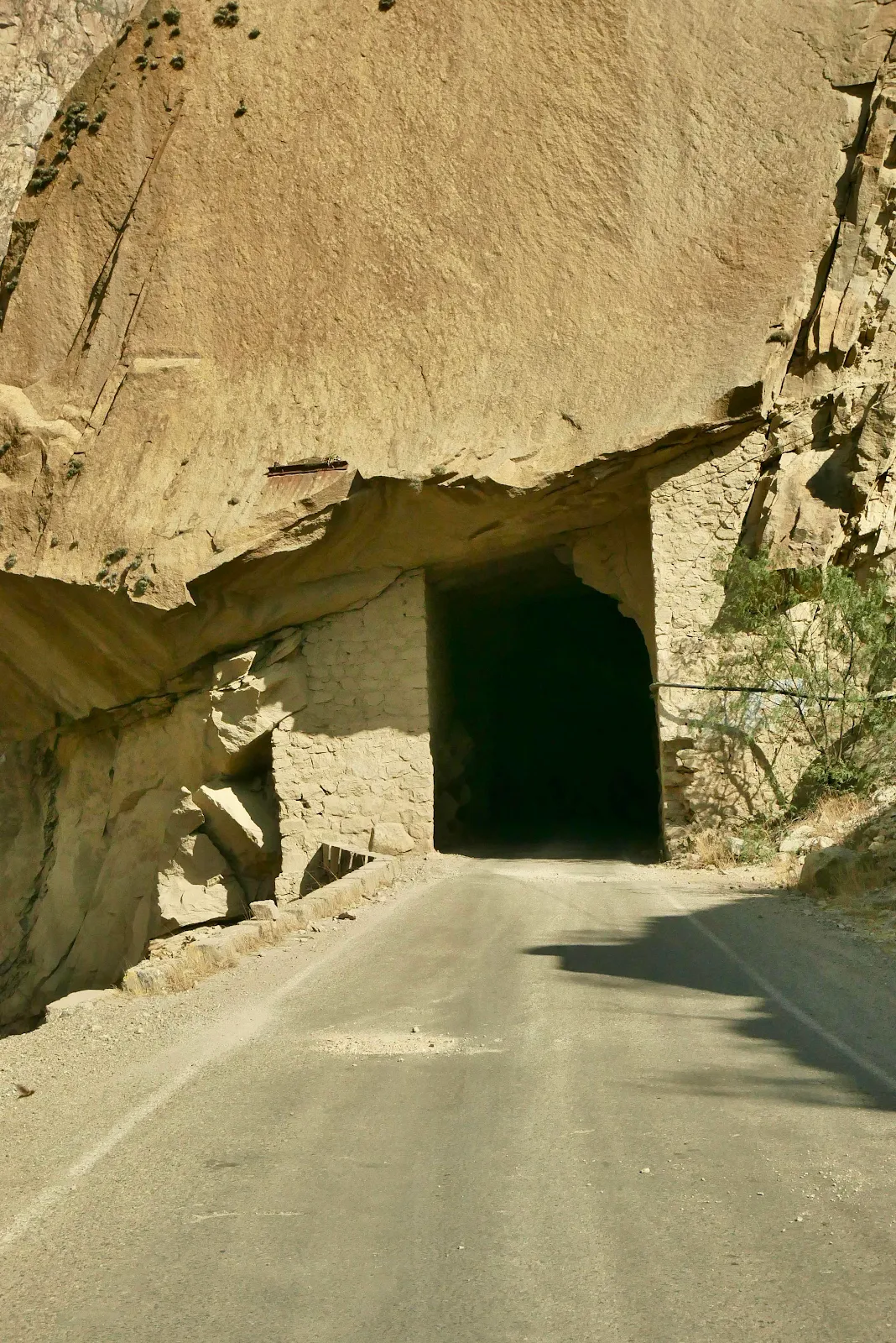
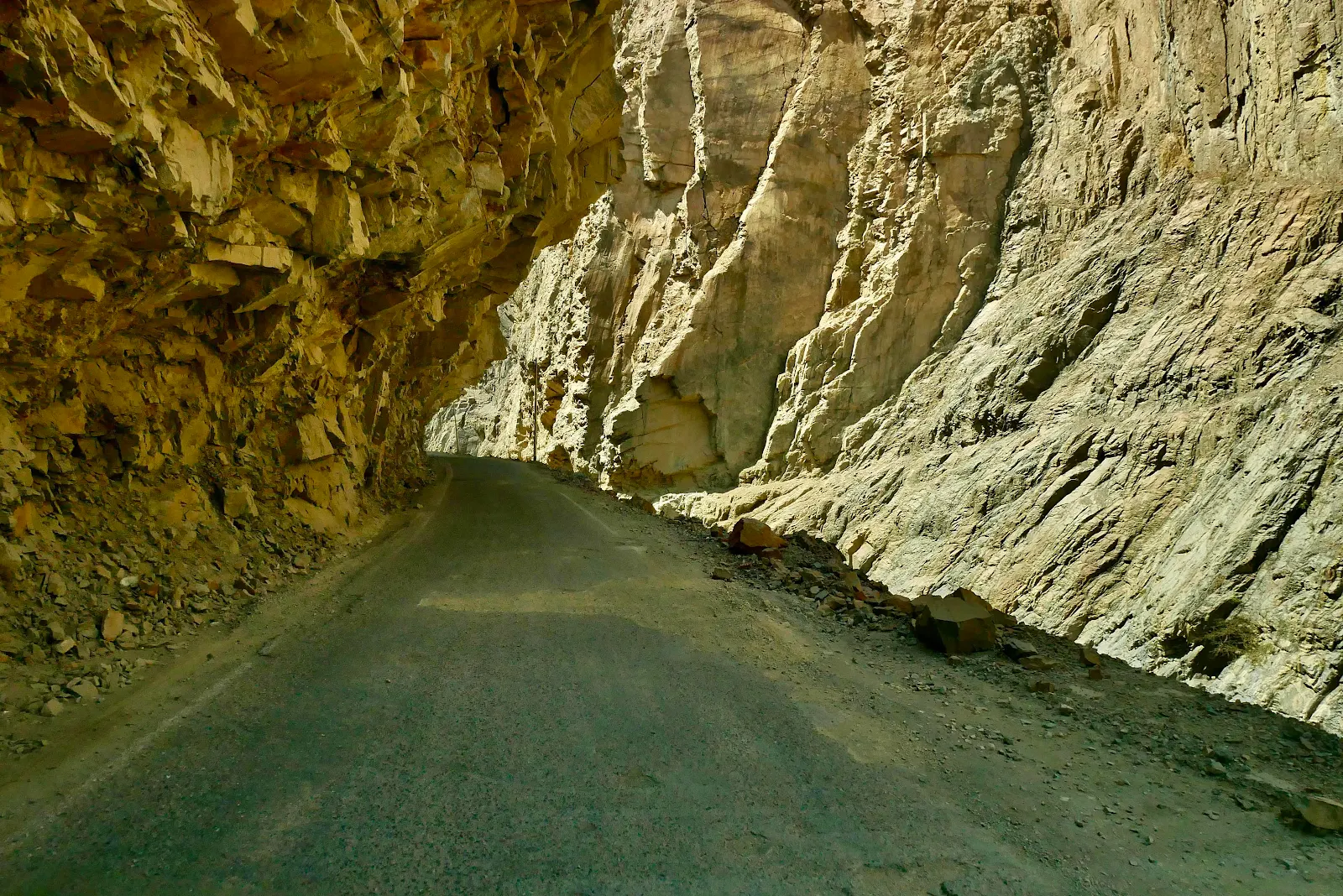
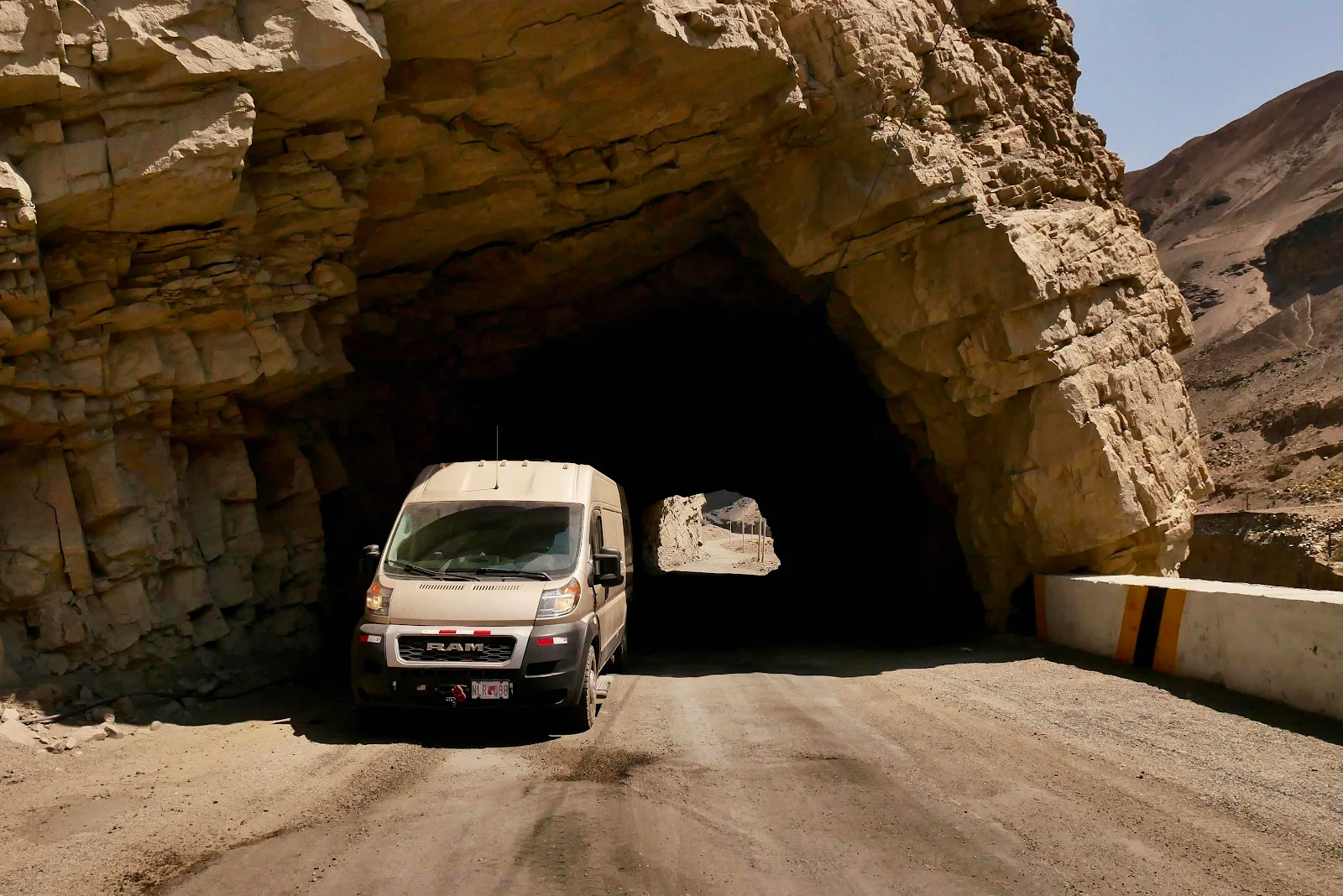
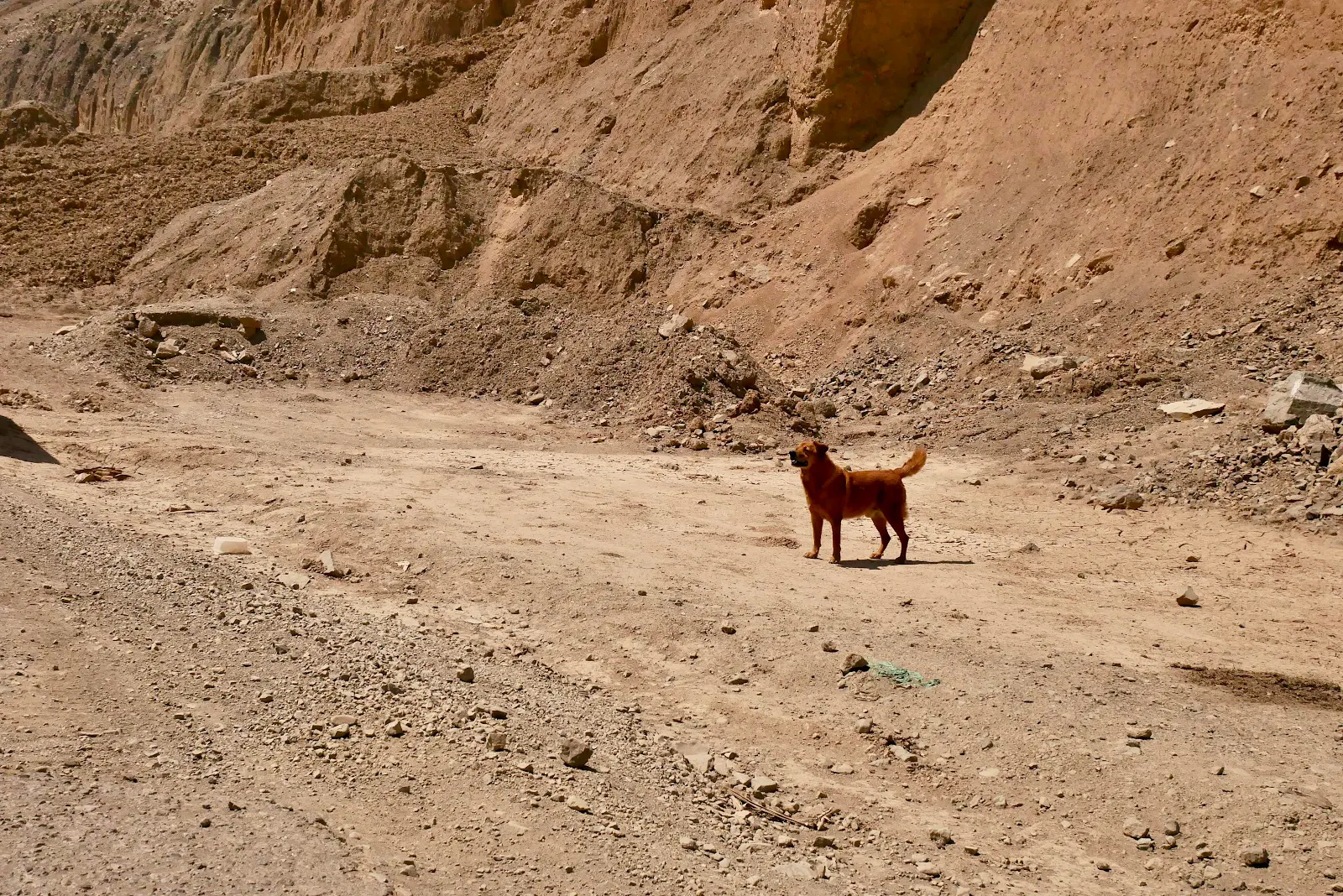
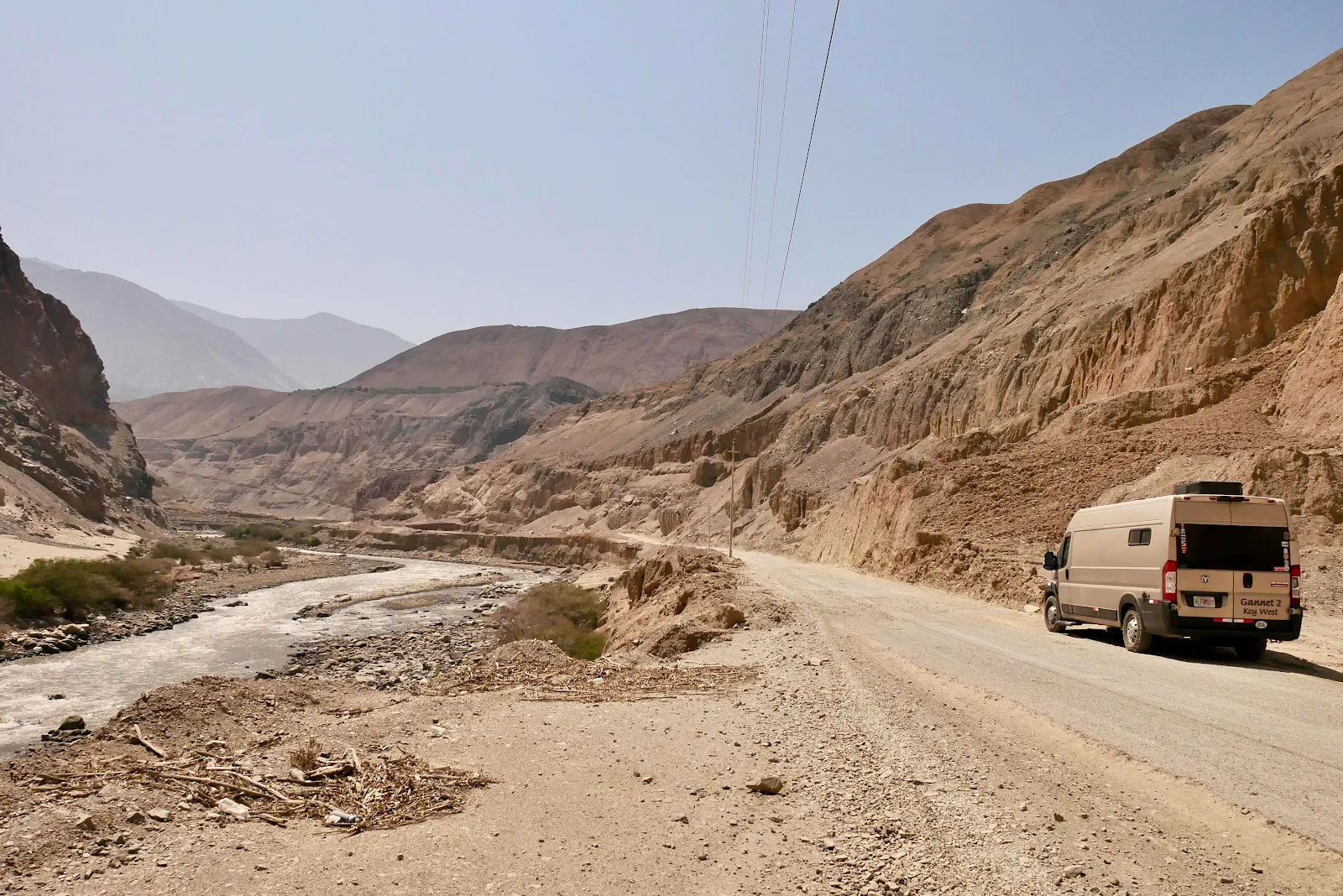
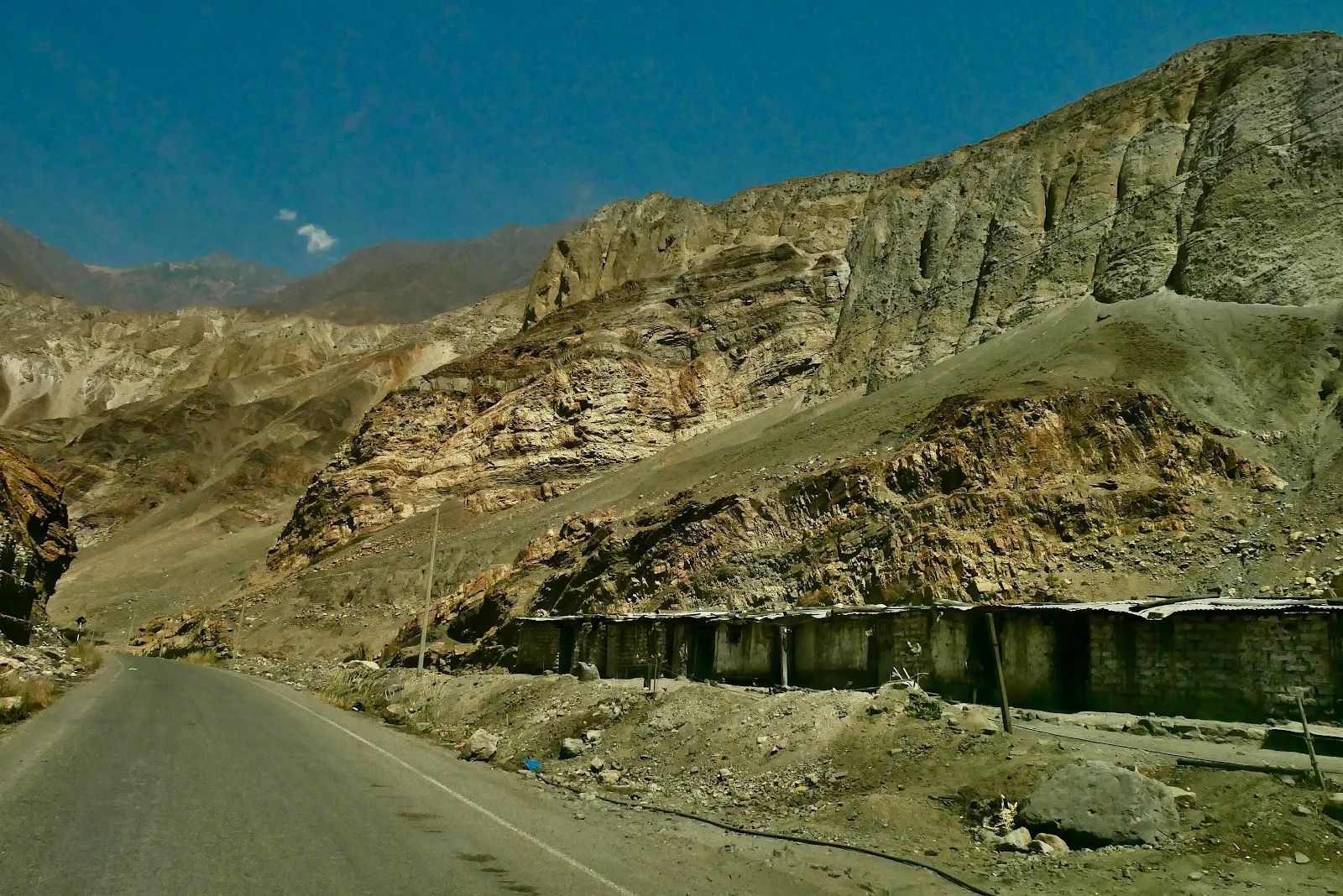
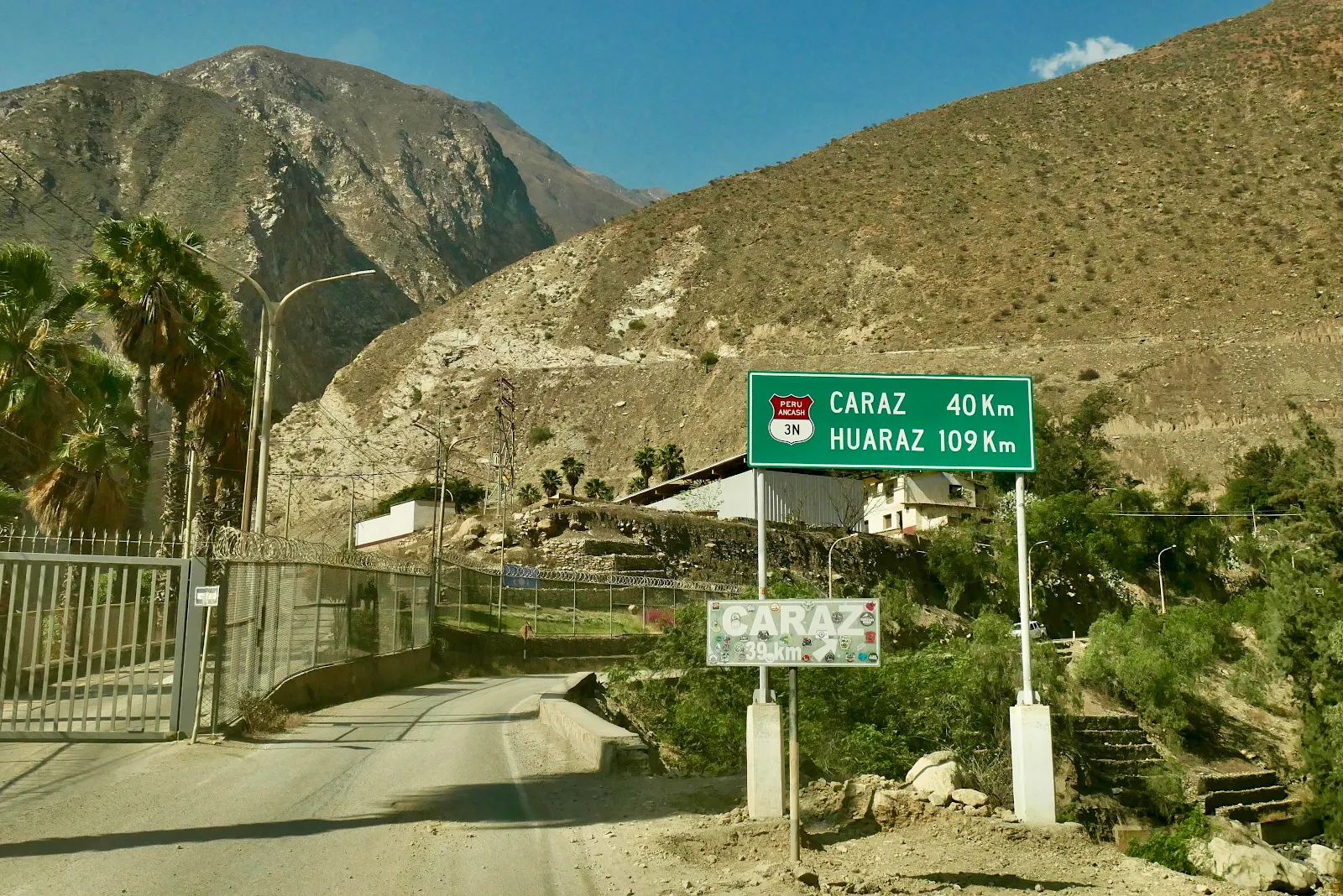
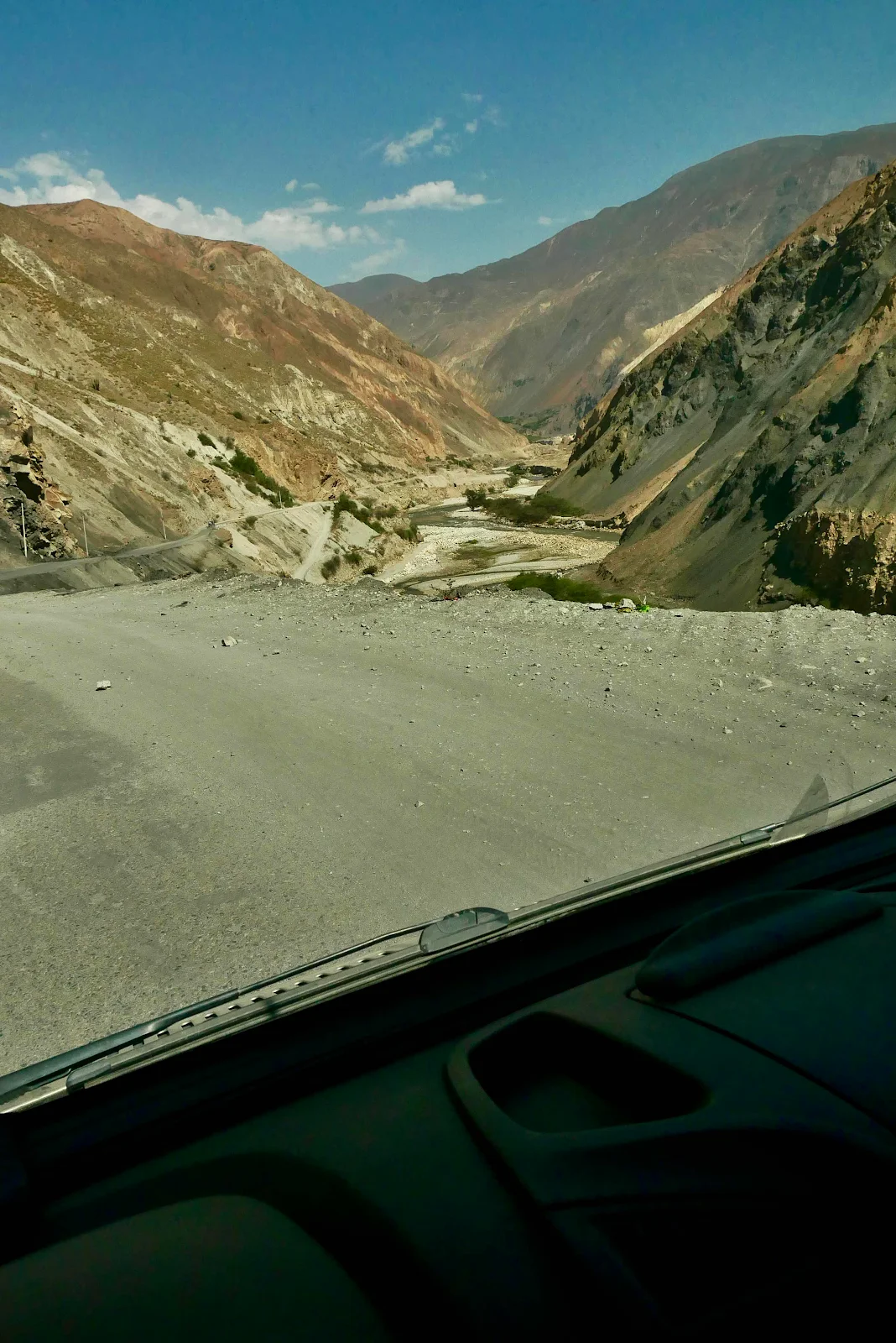
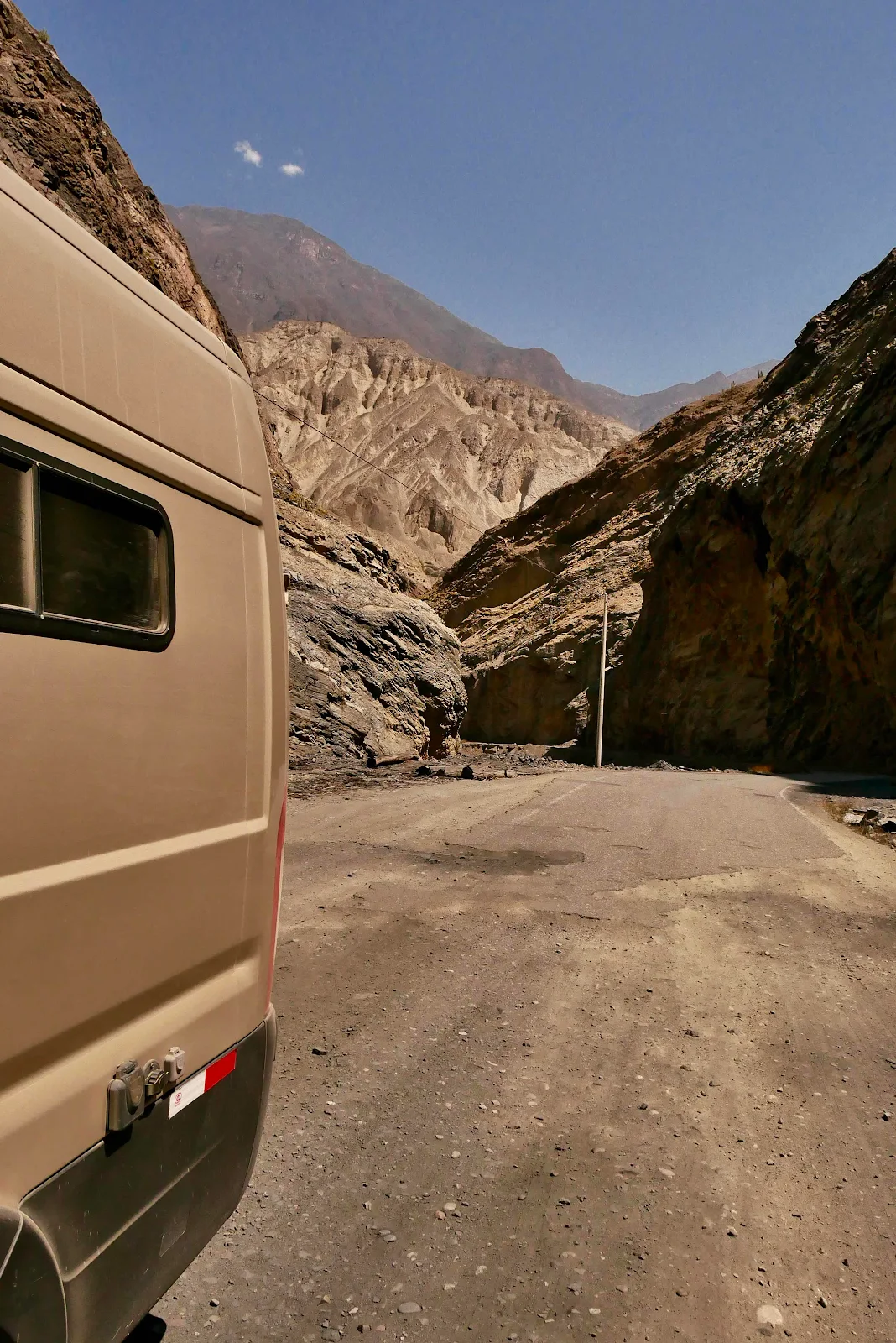
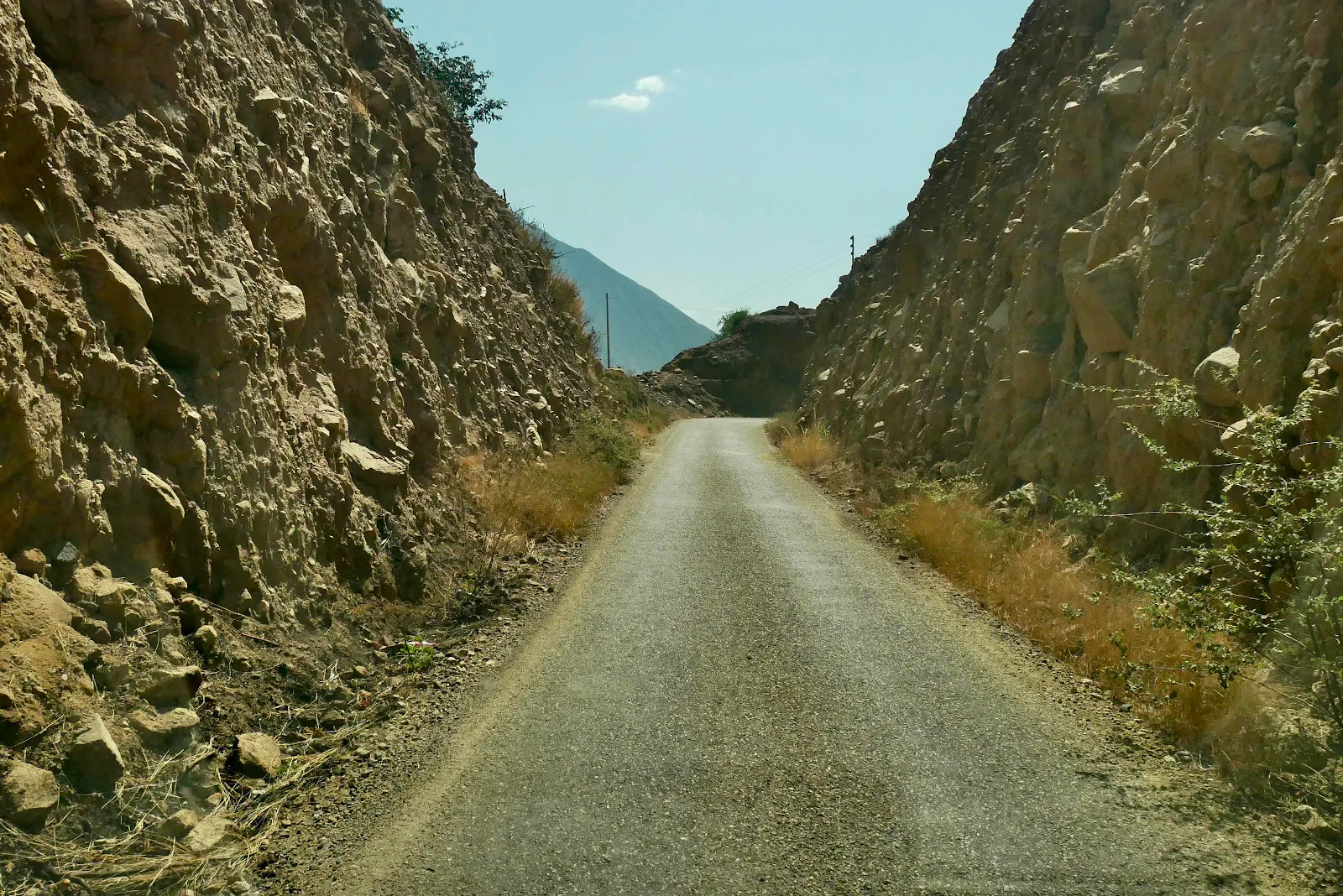
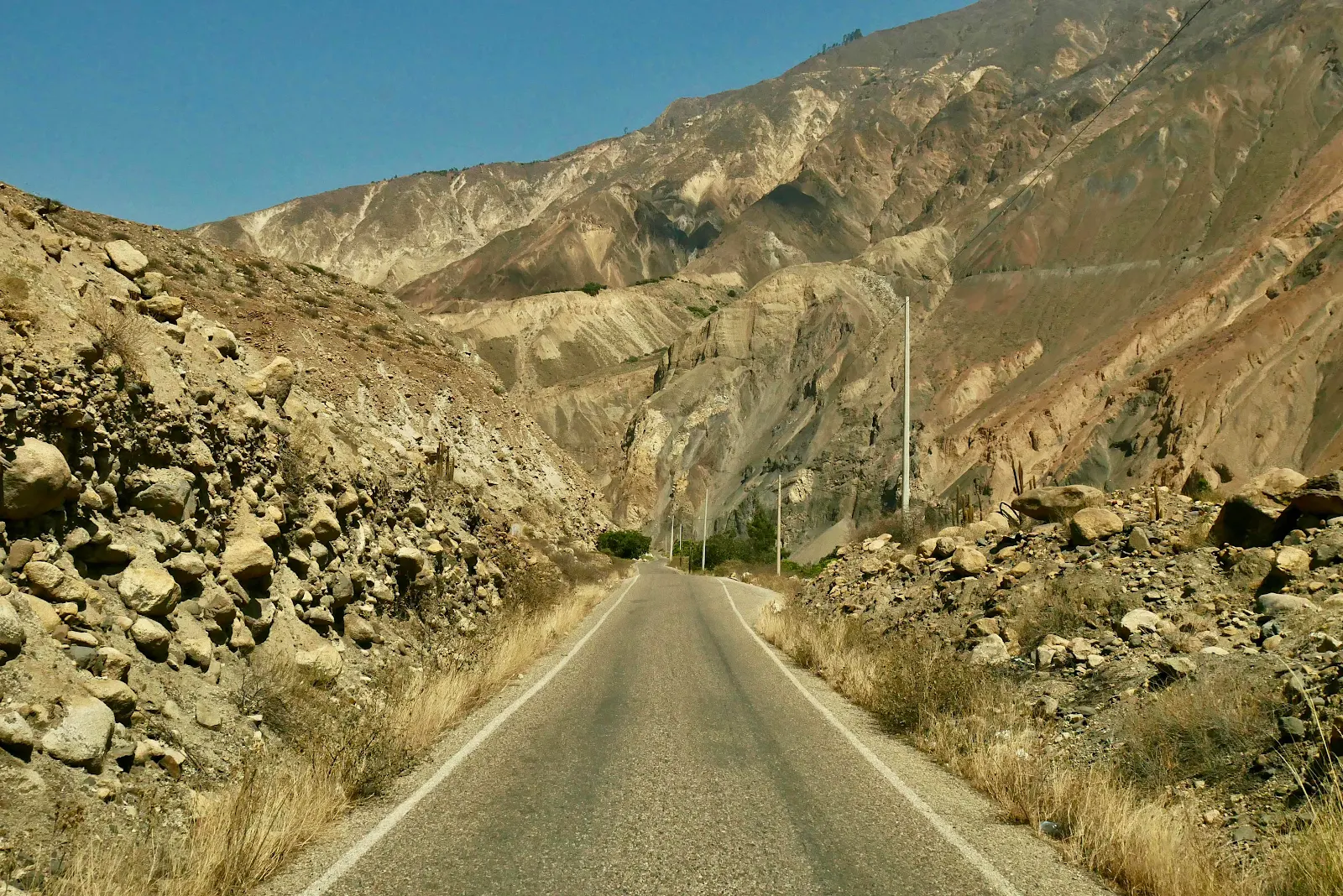
The most famous section is called Cañon Del Pato (Duck Canyon) and I only wish photographs could do it justice as the mountains are so tall and the canyon so narrow and intimidating it makes the Grand Canyon look like a ditch. The road such as it is, is mostly one lane dirt or torn up asphalt laid down a lifetime ago. 105 miles from the coast at Santa took us ten hours to drive to Caraz at 7500 feet at the base of the Cordillera Blanca (White Mountain range). We made it but never again.
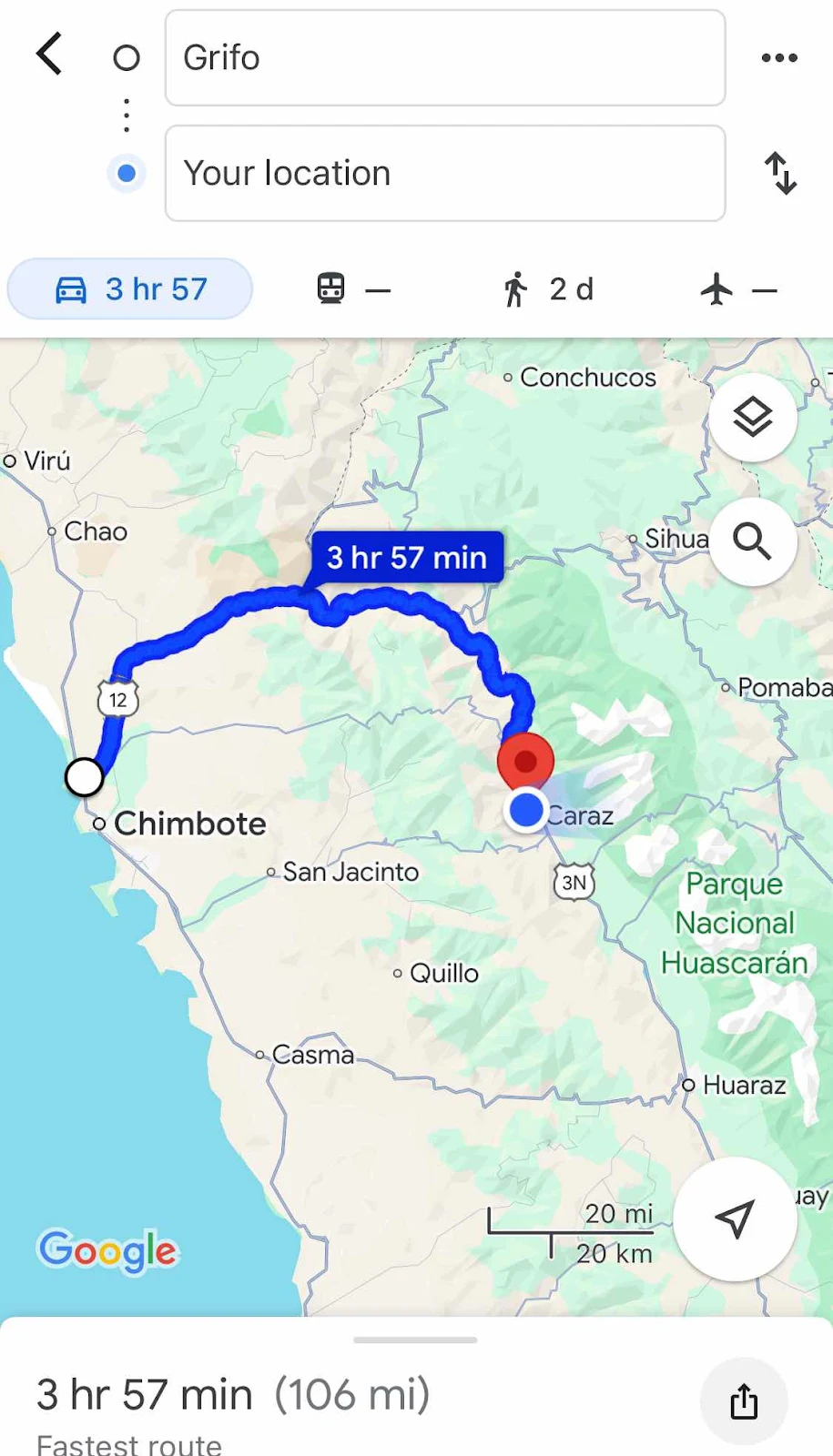
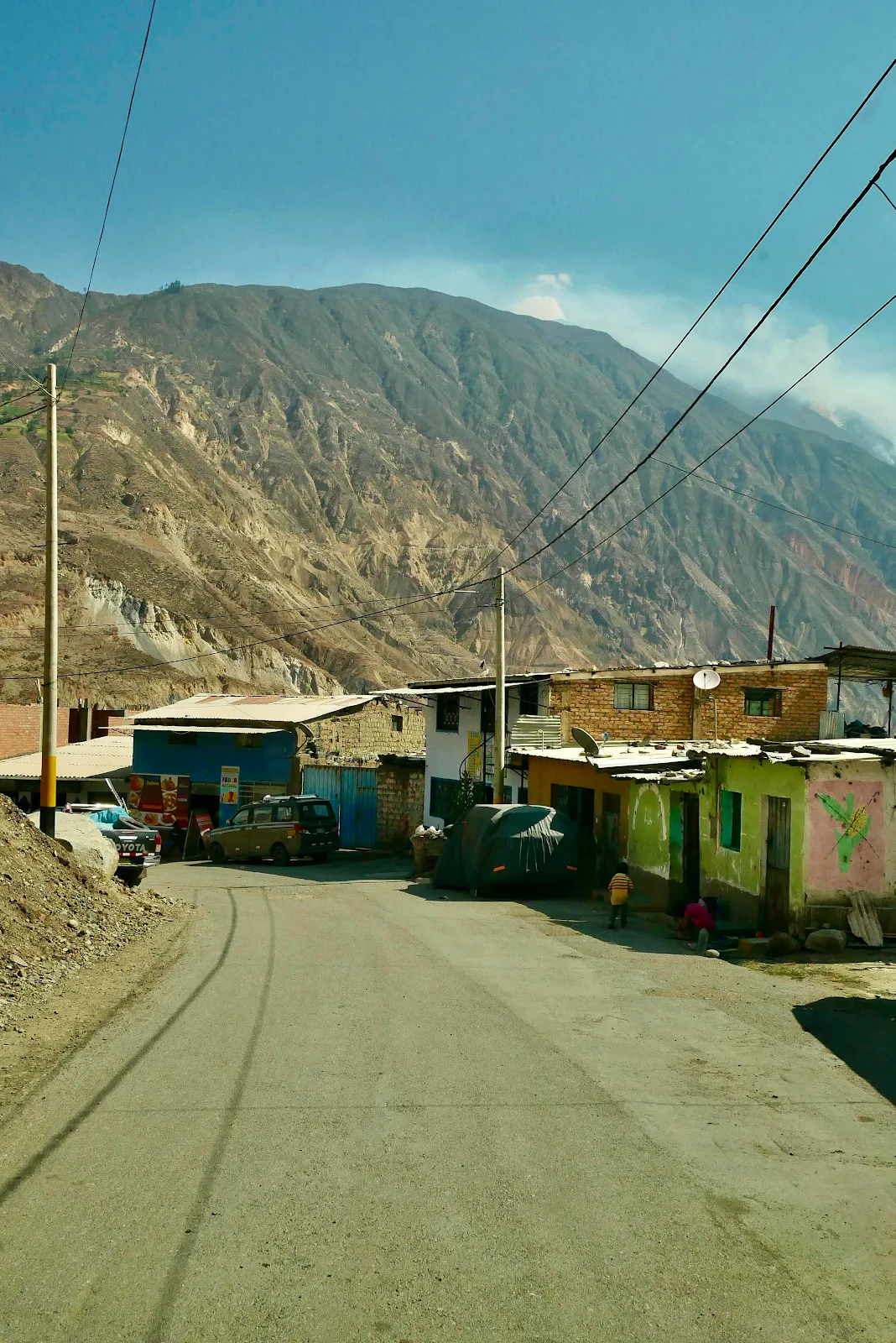
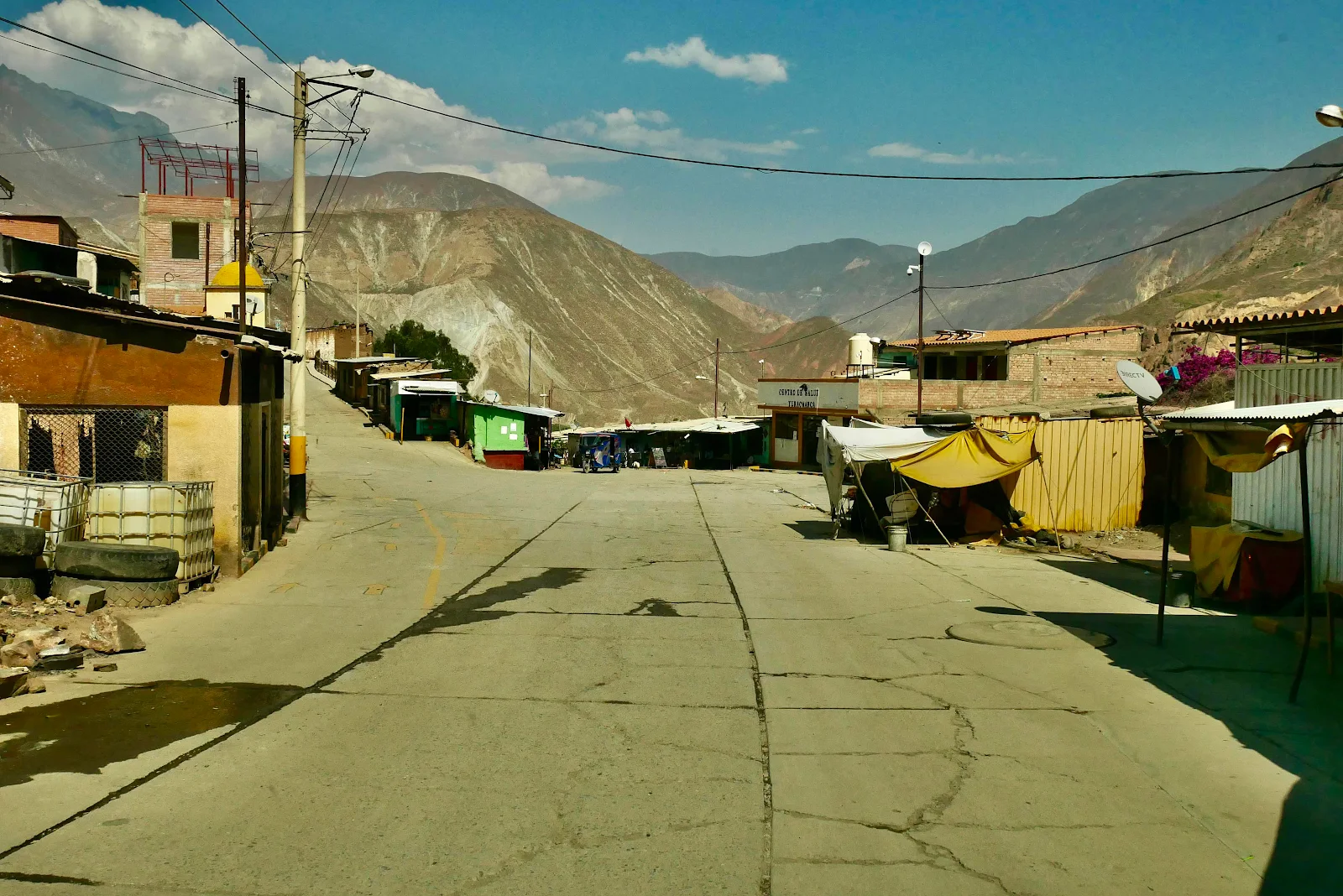
Obviously there is no cell signal, no services, only a handful of villages including one with a real gas station which also boasted a police checkpoint oddly enough but they ignored us as we drove through Chuquicara.
The iOverlander app shows spots where people have stopped to spend the night parked next to stores or restaurants of which there are a handful along the way but wild camping is not advised as robberies by masked armed men have been reported. That was comforting as you might imagine. I will say that had I known what was coming we would have stuck to the coast but ignorance leads you into some pretty odd situations from time to time. There is also a warning about the road from Alex an American who loves to off road in his Transit van whom we met in Colombia. He understates the case and someone called roaming dutchies dismisses the warning altogether.
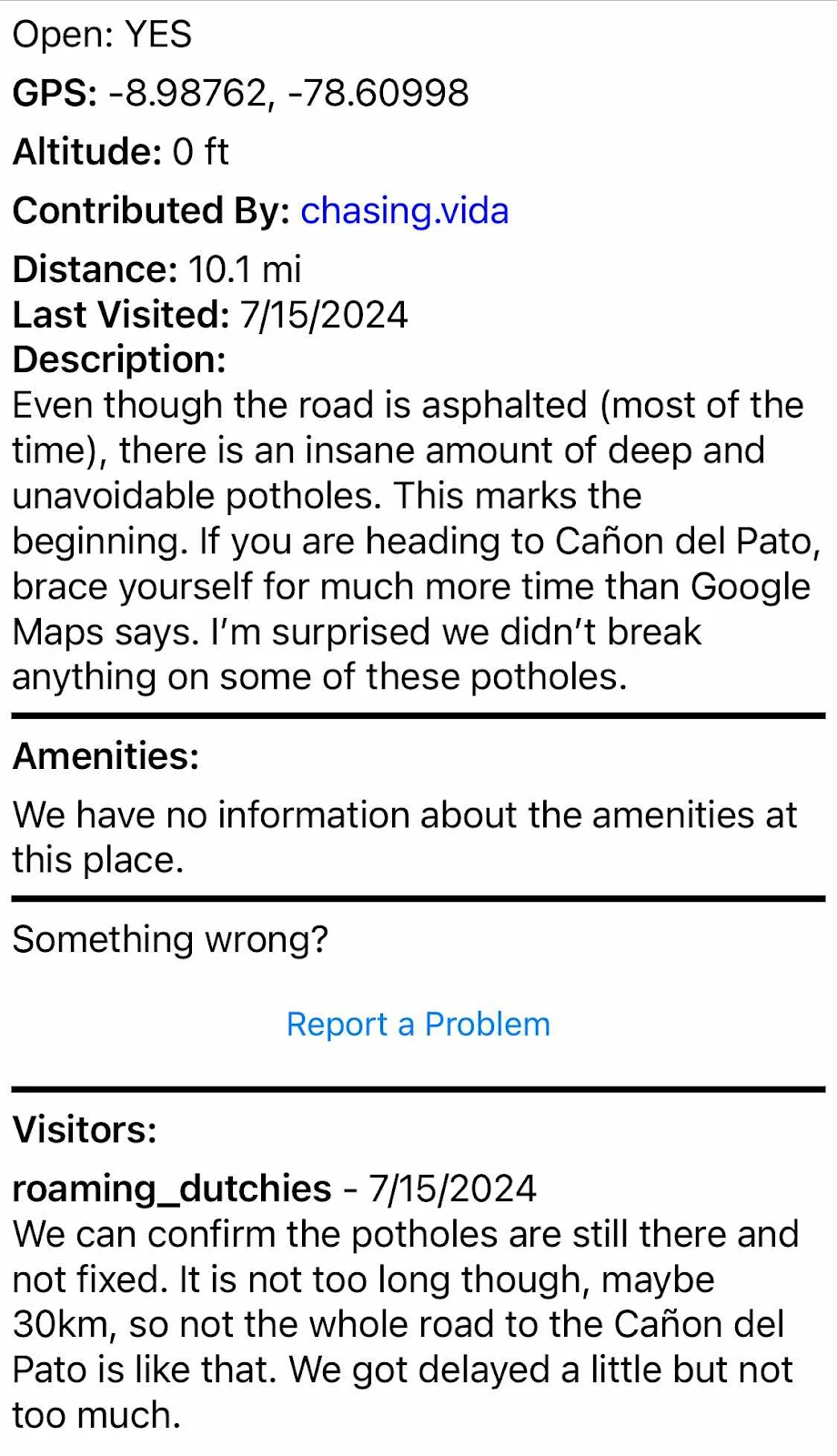
So as you can see other travelers didn’t think too badly of this road. Indeed we met a German couple in a van similar to ours who blithely said they have seen worse in southern Chile so you have every reason to view my rather jaundiced comments about this national highway with scepticism. Perhaps but I stand by my view of it. Ghastly.
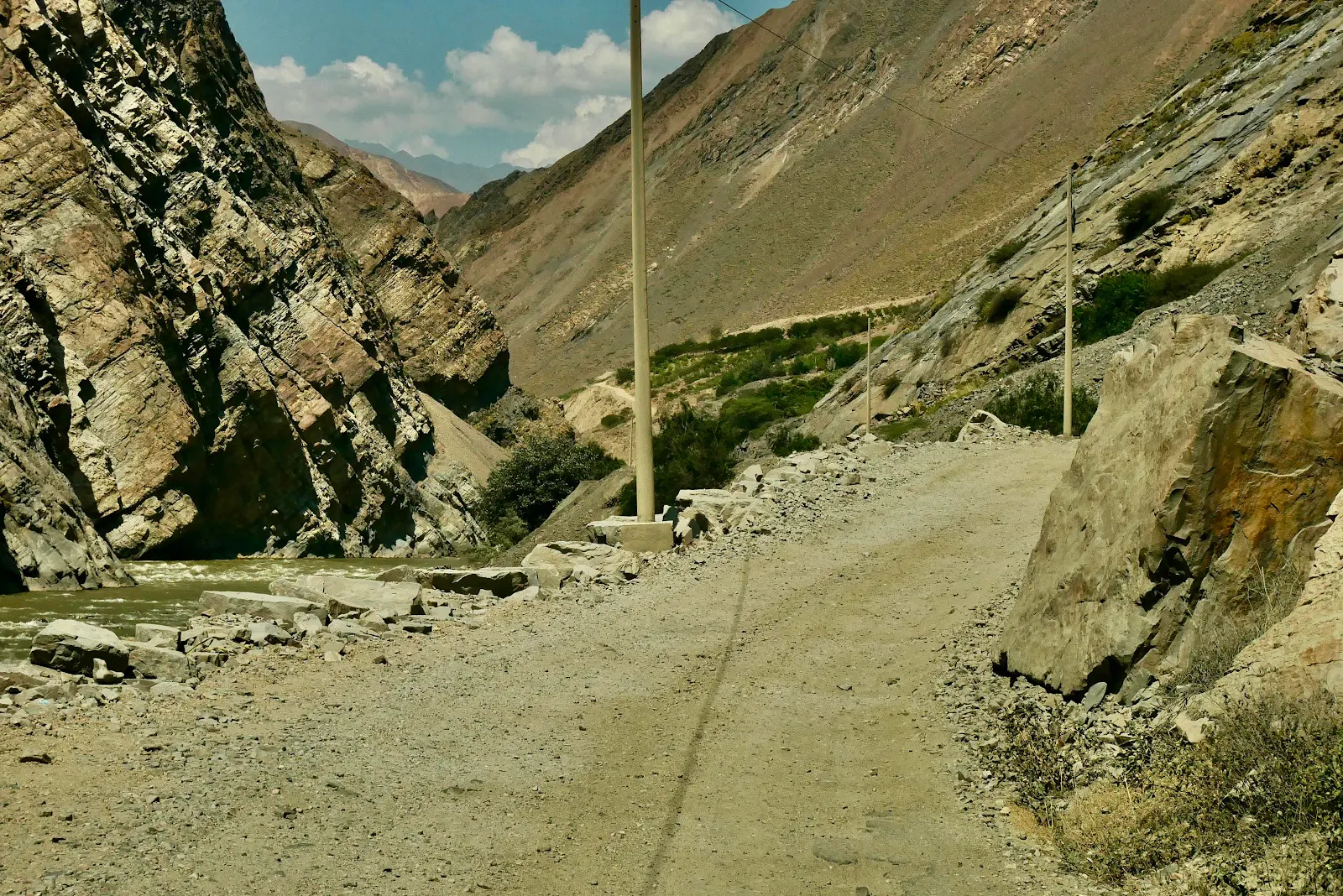
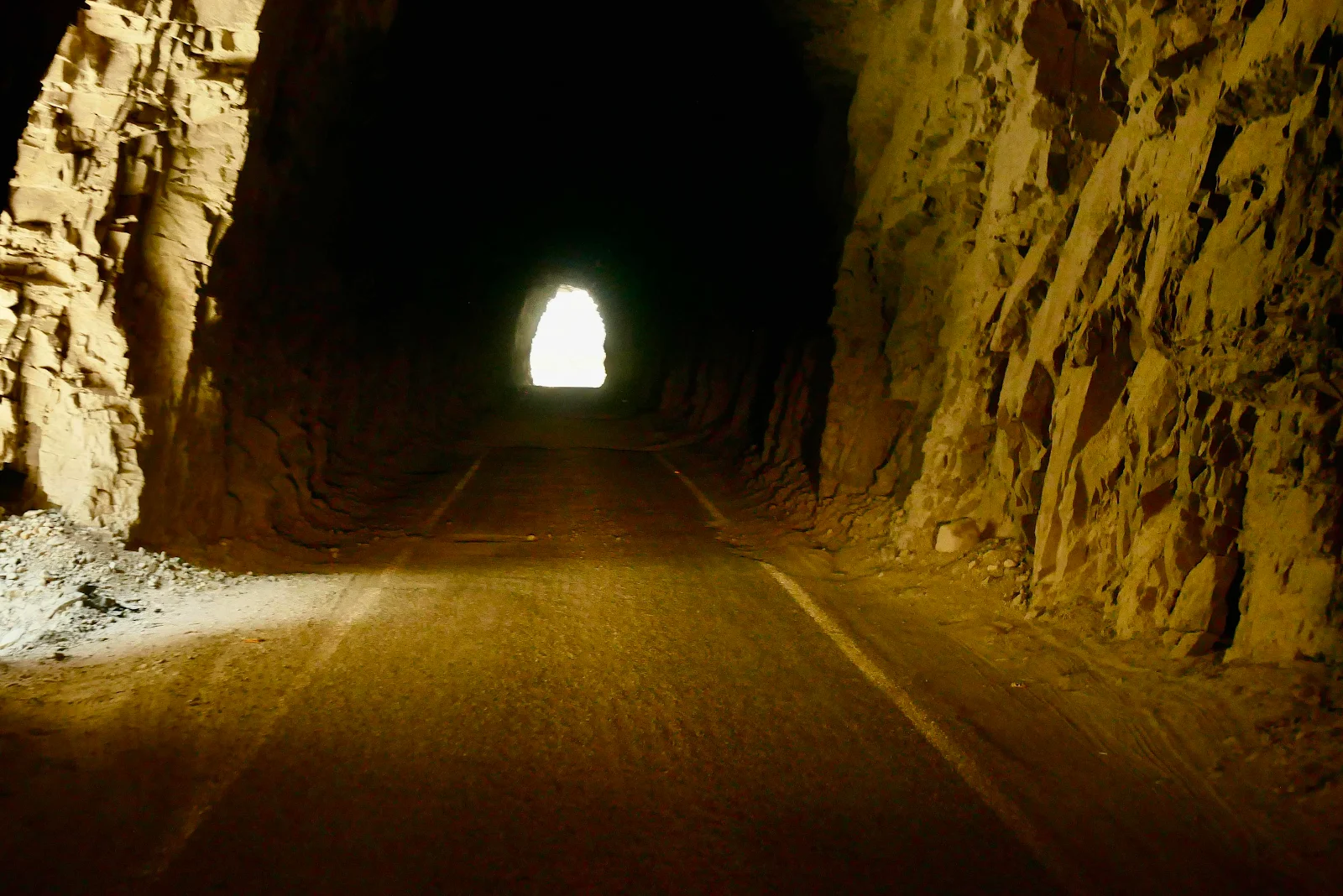
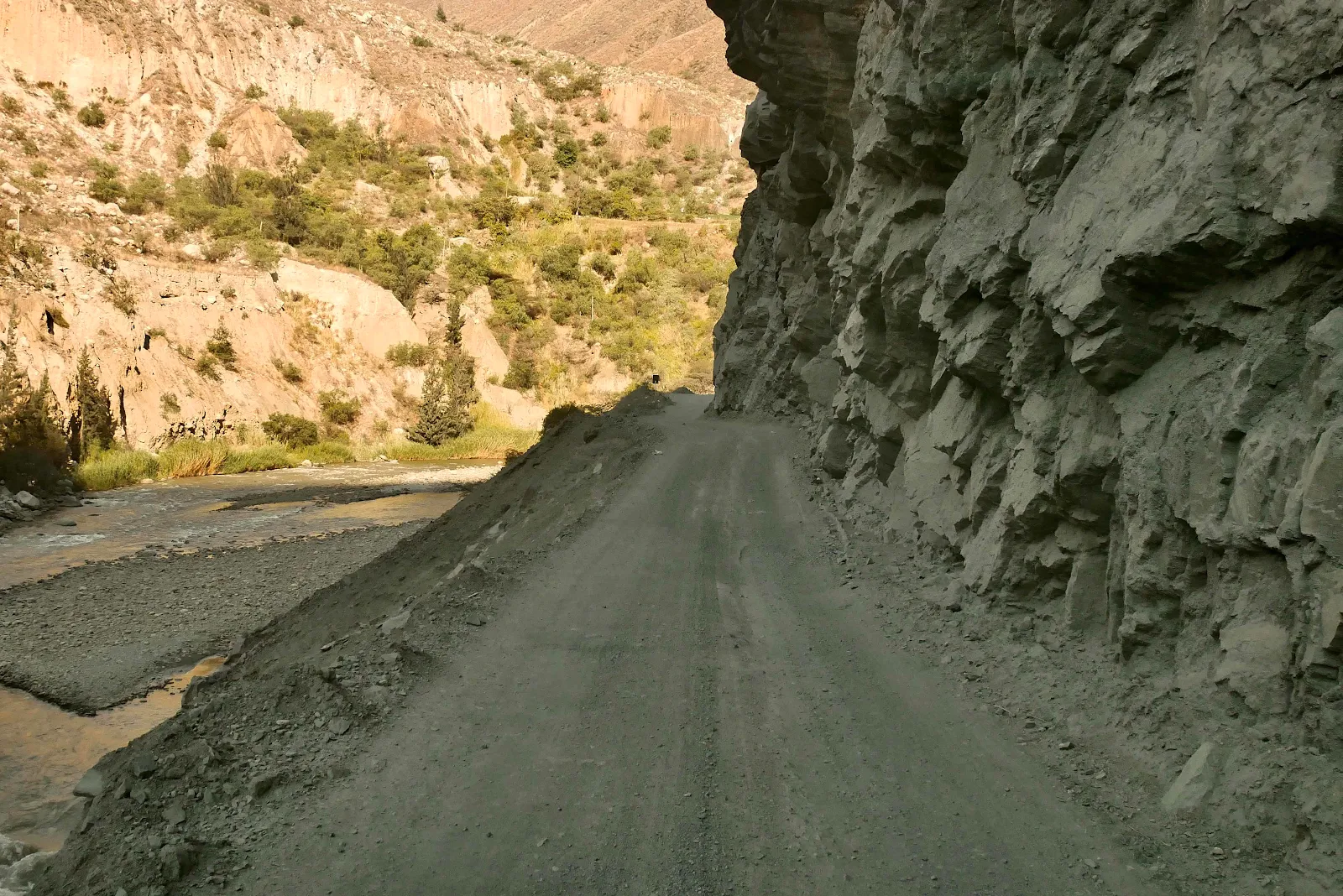
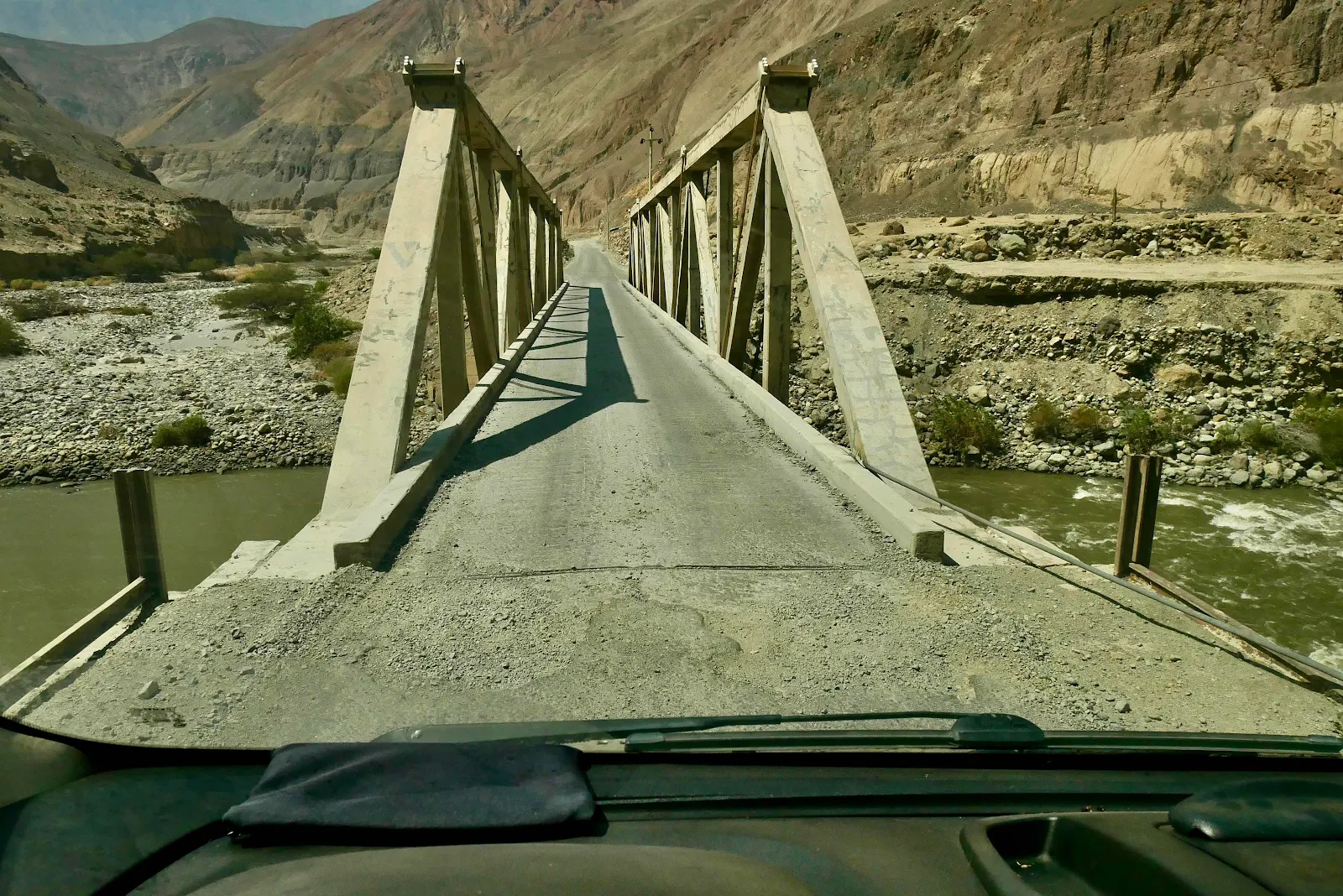
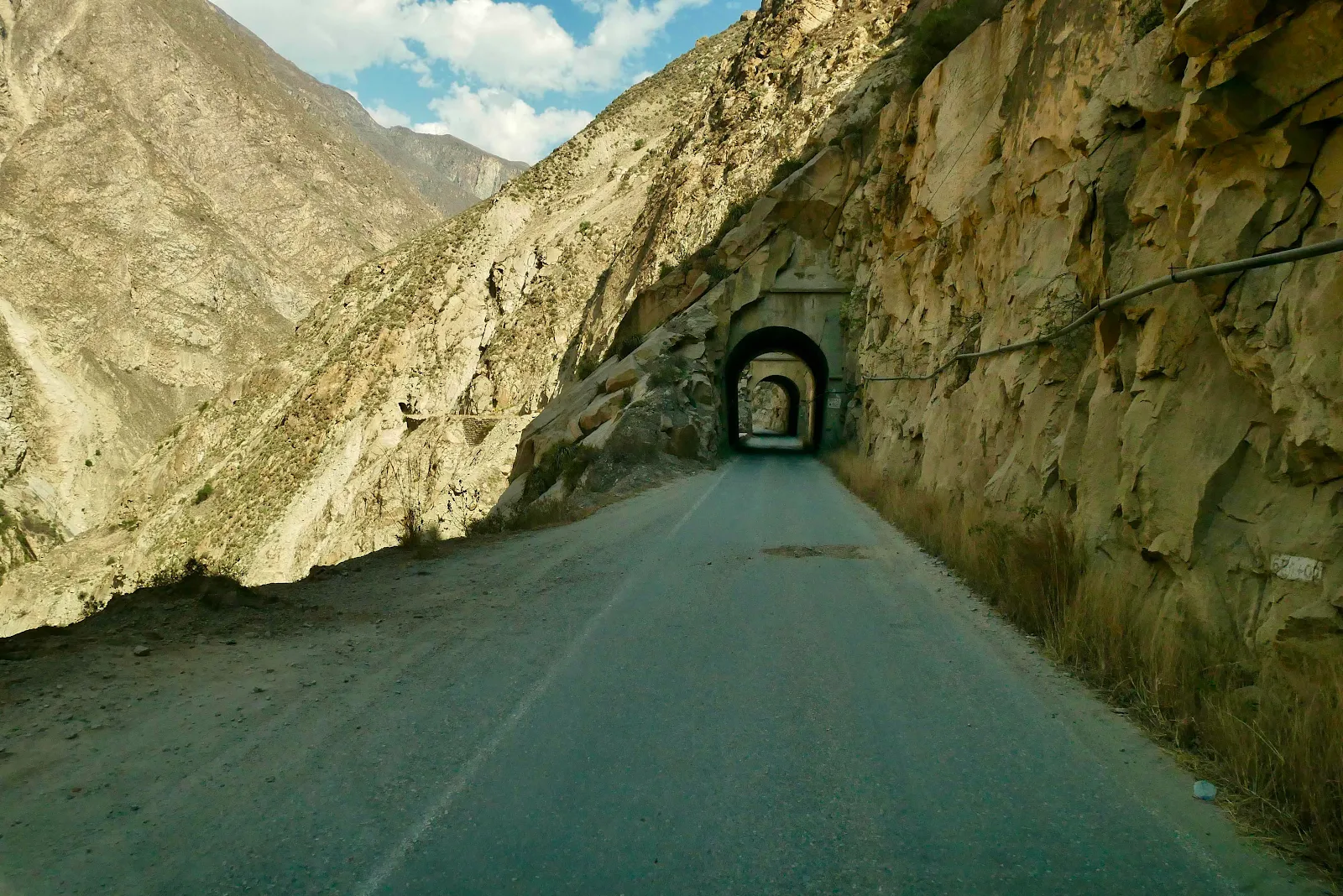
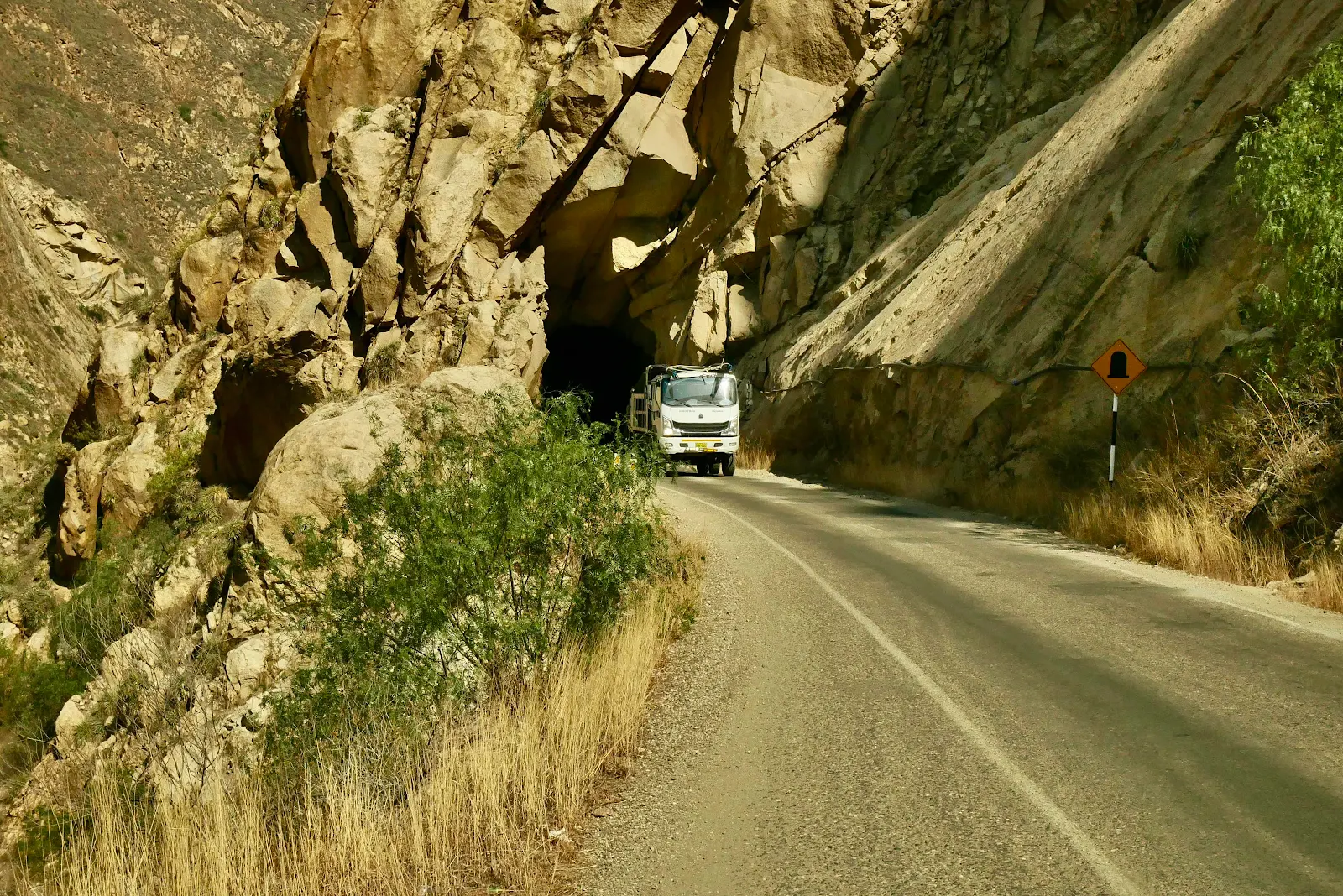
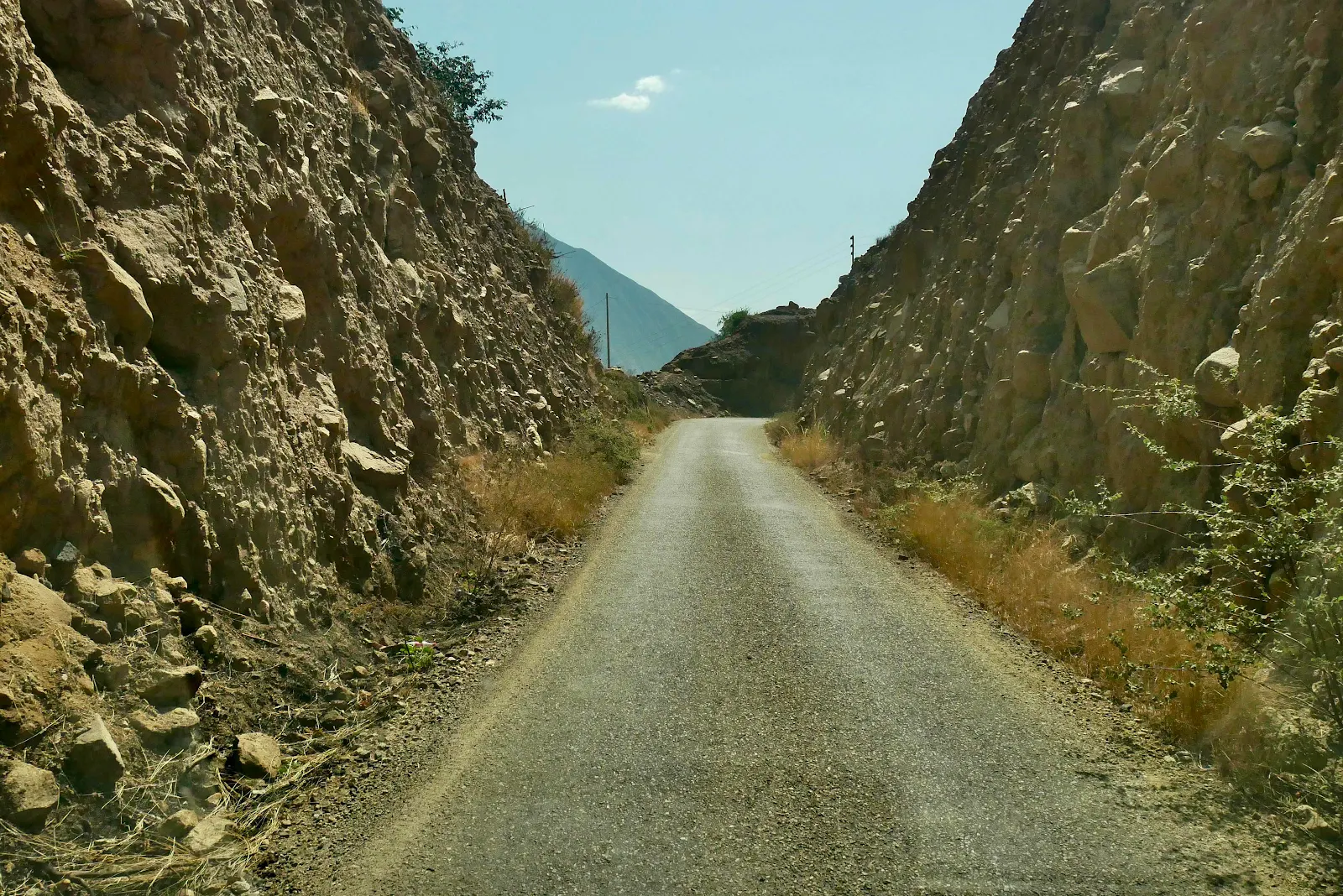
As you can see much of the road is one lane which can lead to passing situations. There are pull outs, some of them rather precarious dangling over the lip of the canyon and twice I had to reverse in tunnels where we met traffic head on. I pride myself on being able to back the 21 foot Promaster and I got put to the test as locals don’t seem very keen to show off their reversing skills.
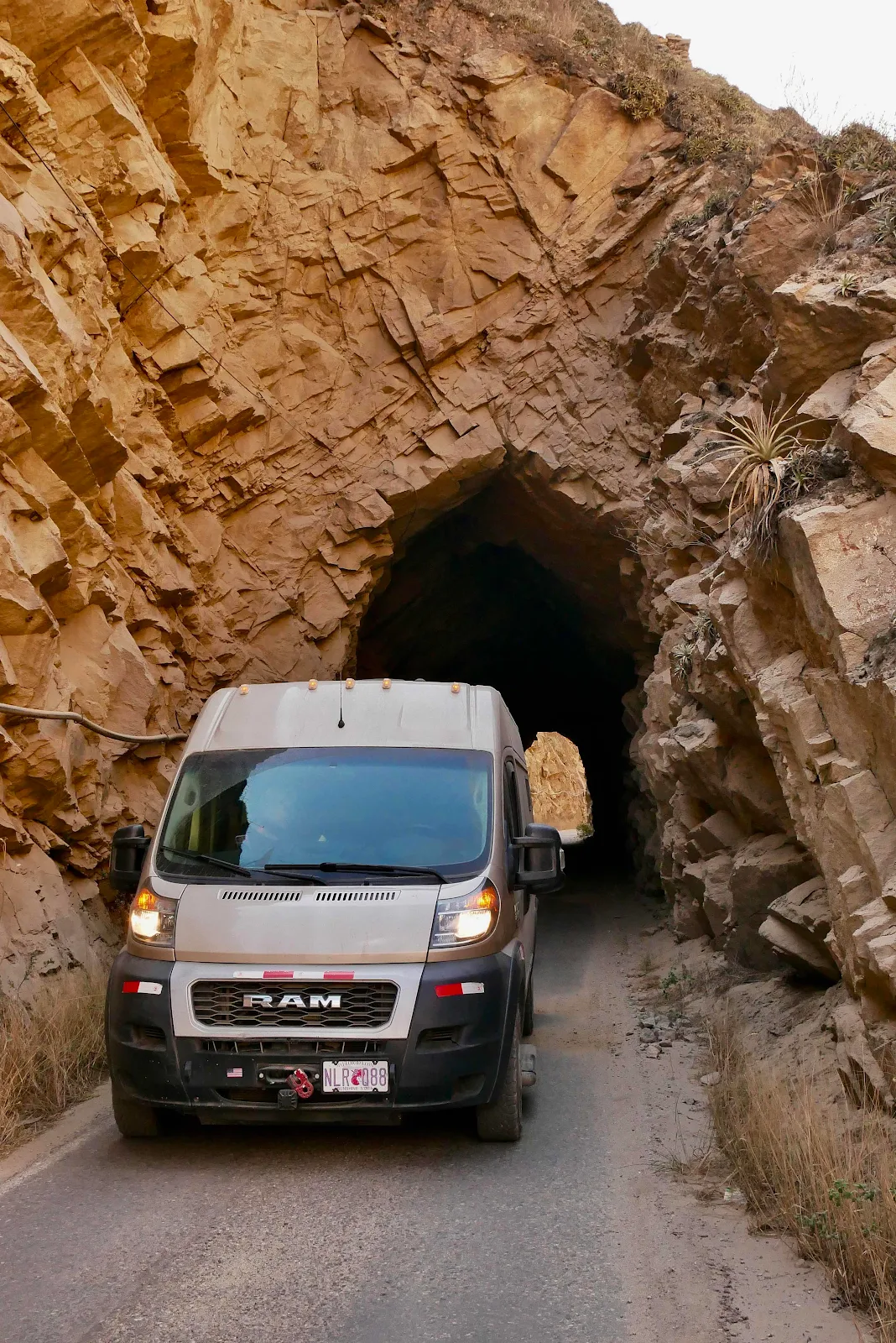
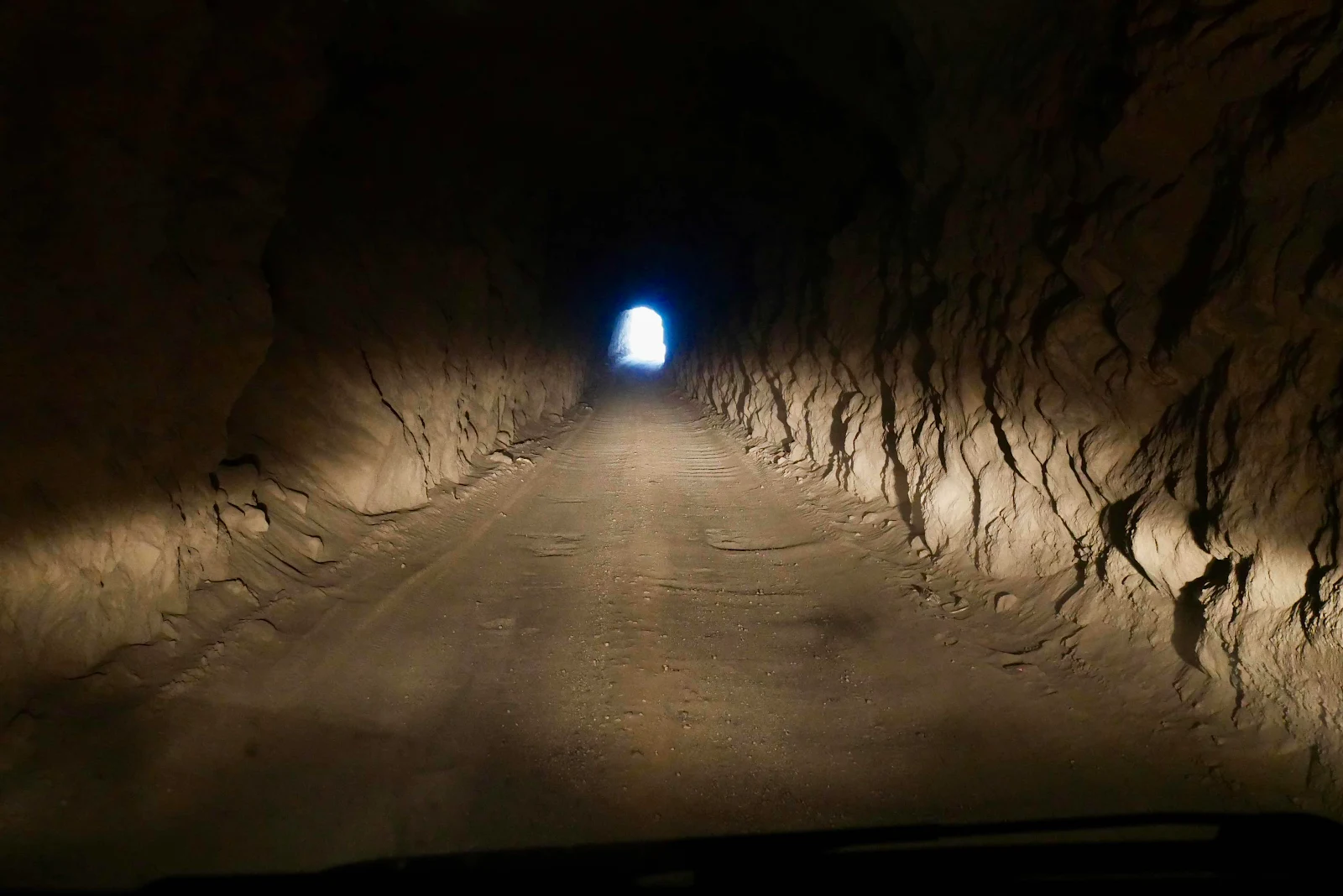
The easy tunnels are the straight ones. The ones that curve in the middle are a black hole and backing round a curve I found was rather tricky. A local told us there are 35 of these horrors. We lost count.
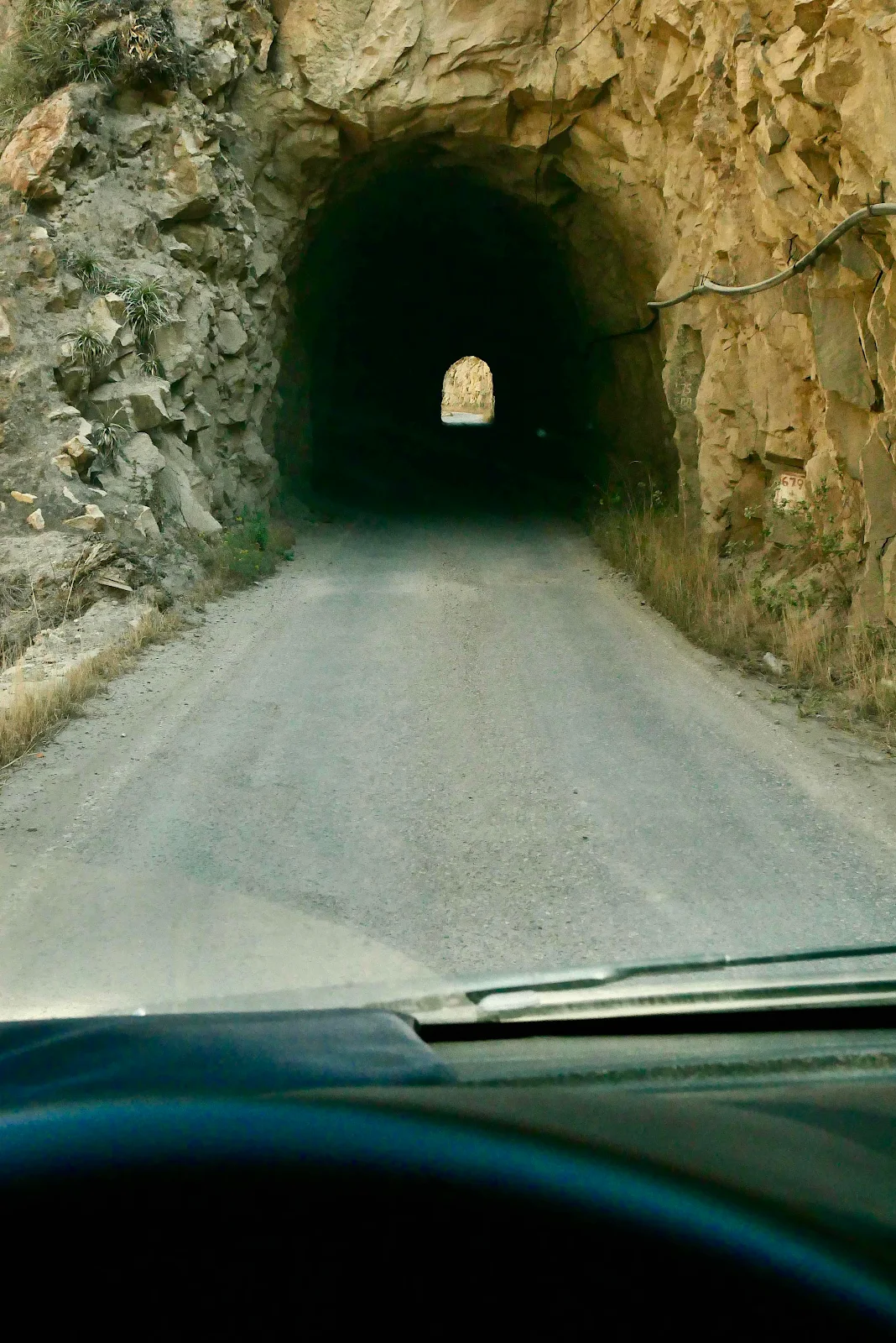
Better to stop and let them by…
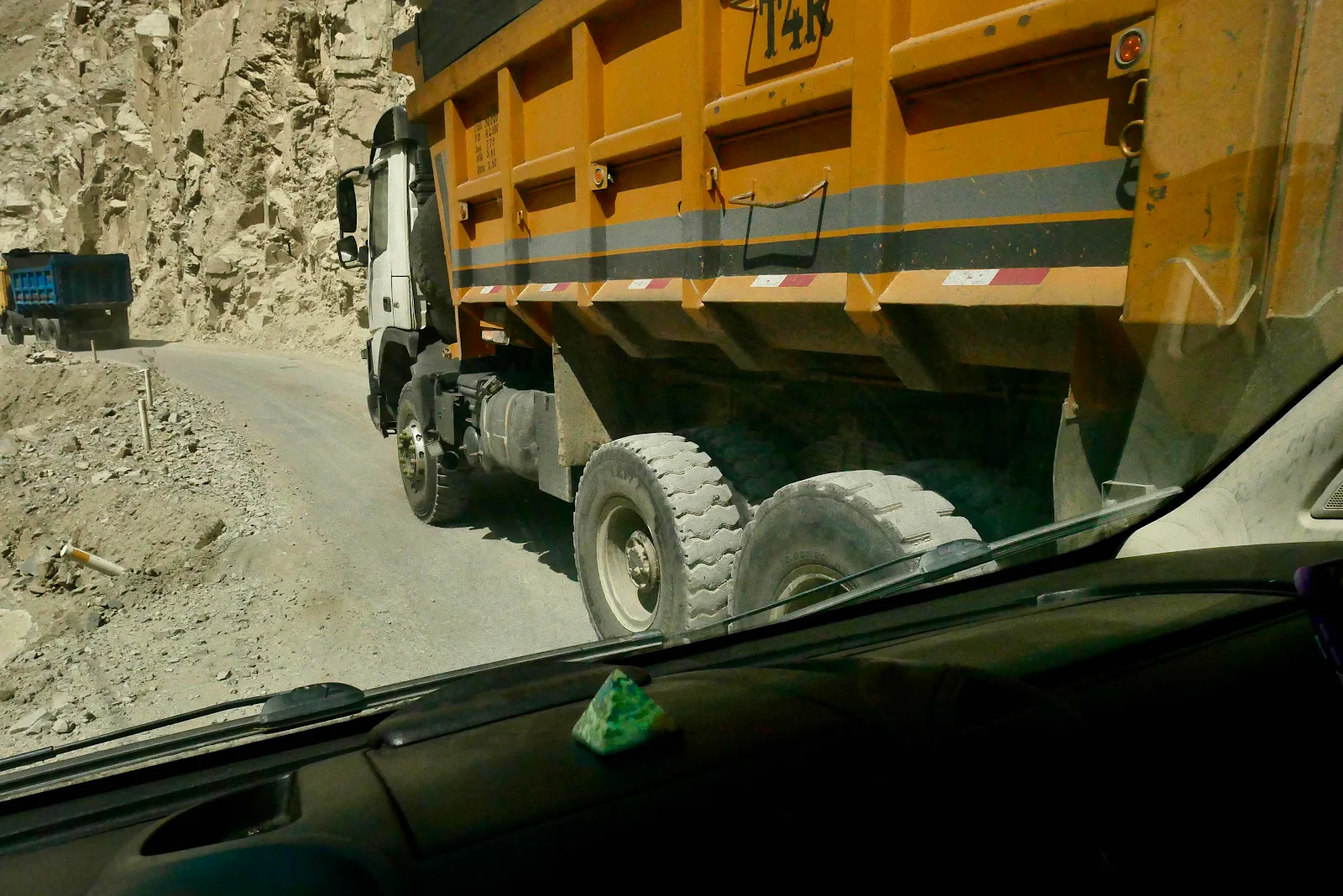
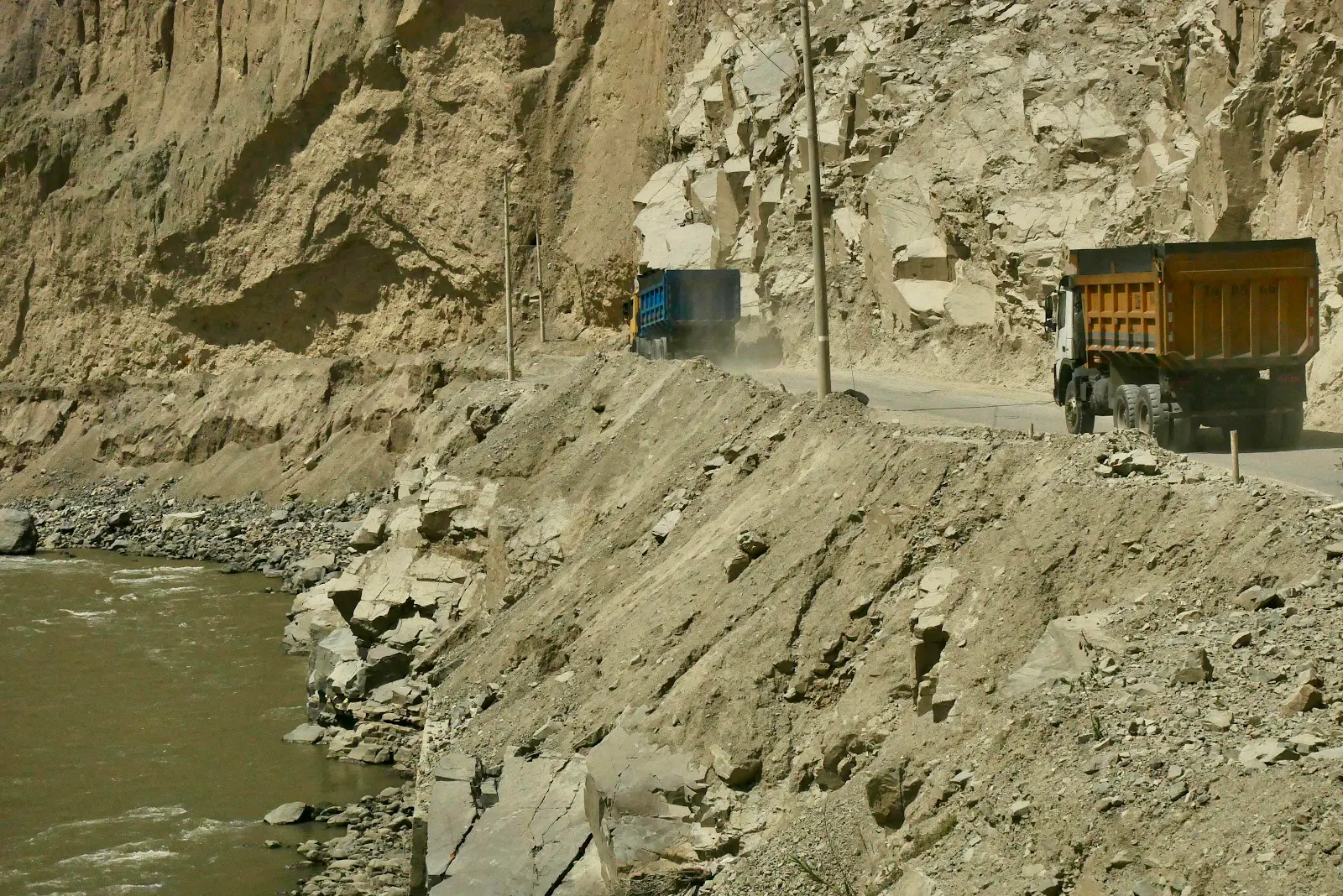
I could not believe a tanker truck made it through. That made me feel much more secure we could make it through the narrowest bits. Luckily we met him on an open stretch of more or less two lane.
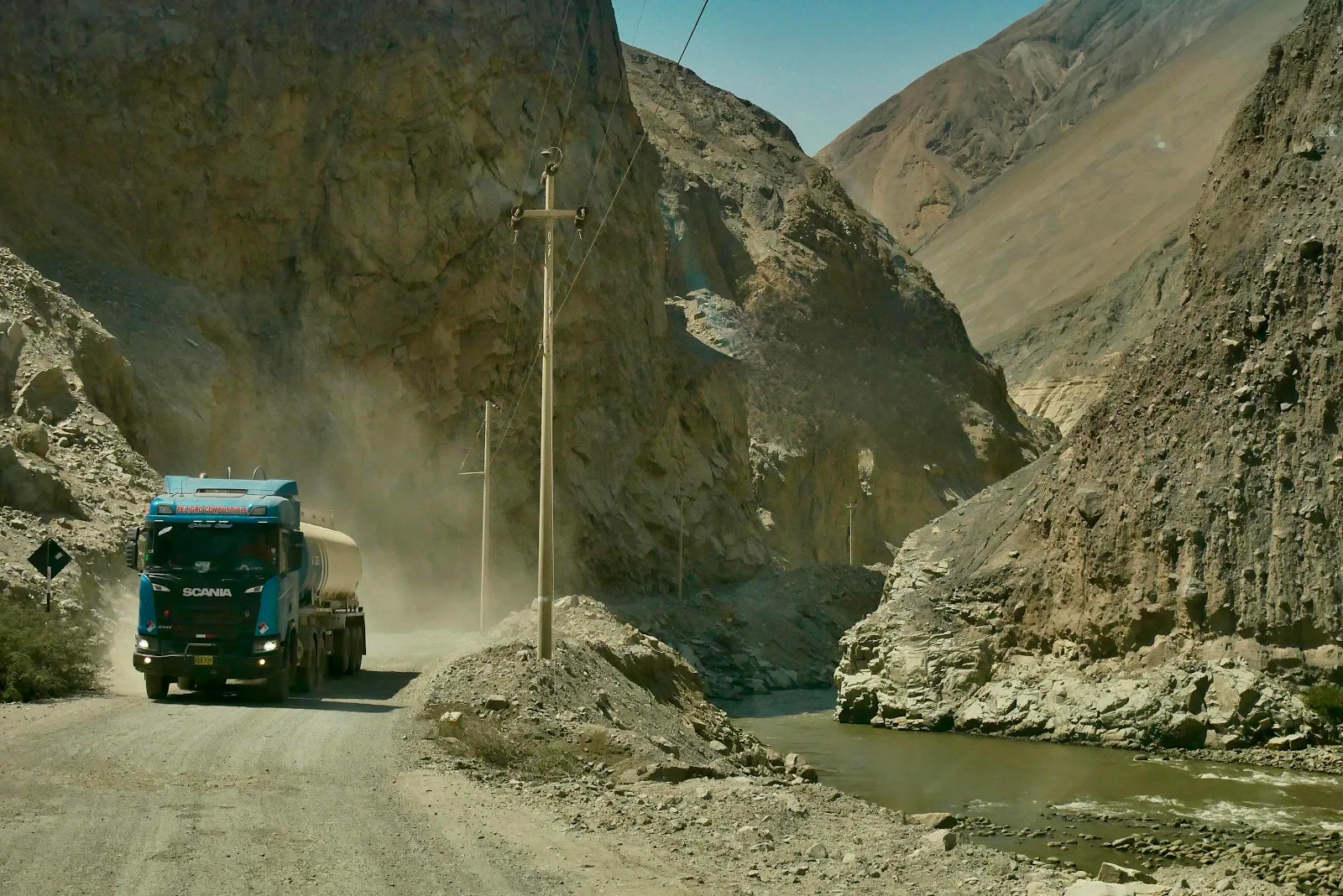
Pull over and wait. To their credit some locals did that for us.
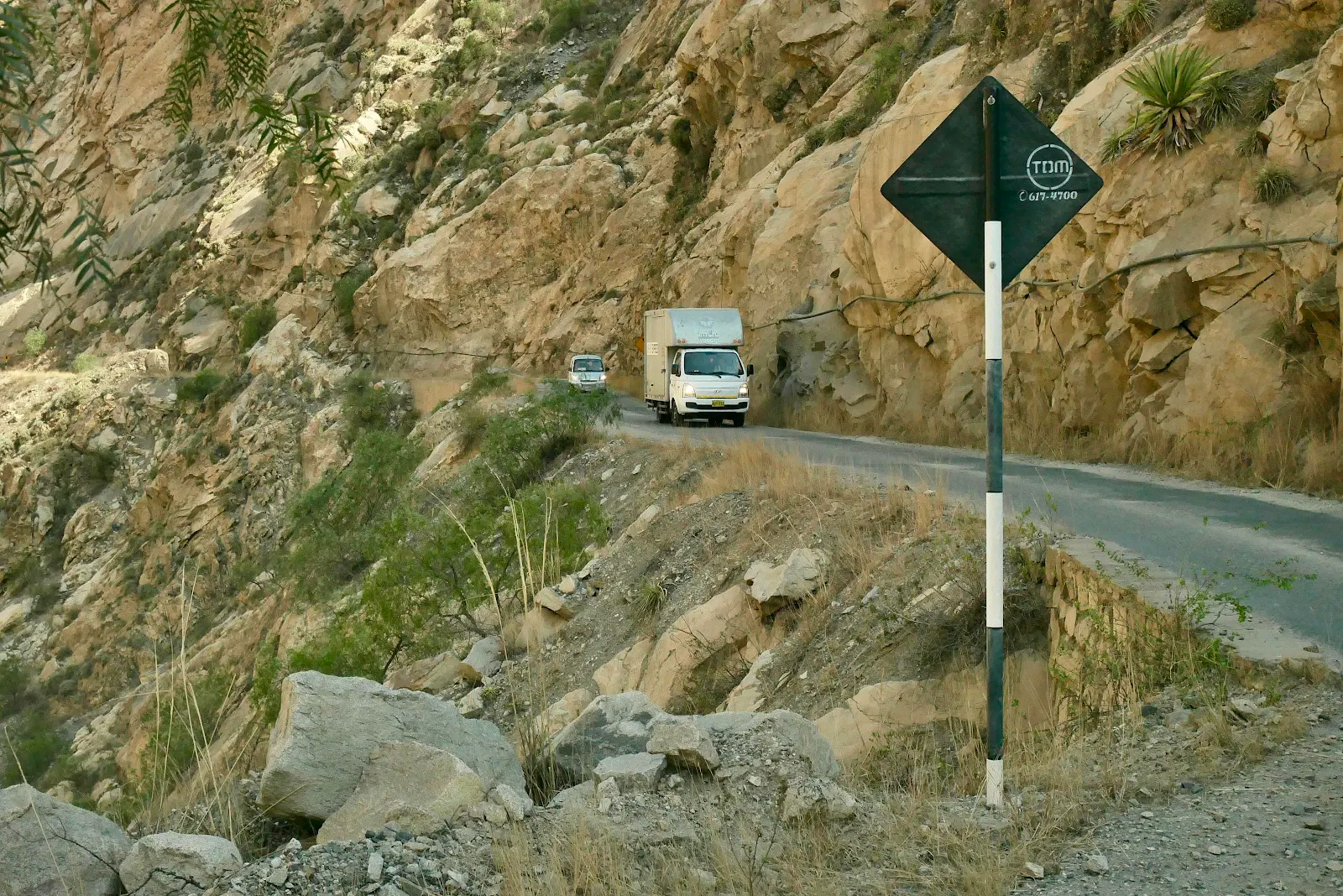
Being patient is a critical skill here. Speed really does kill.
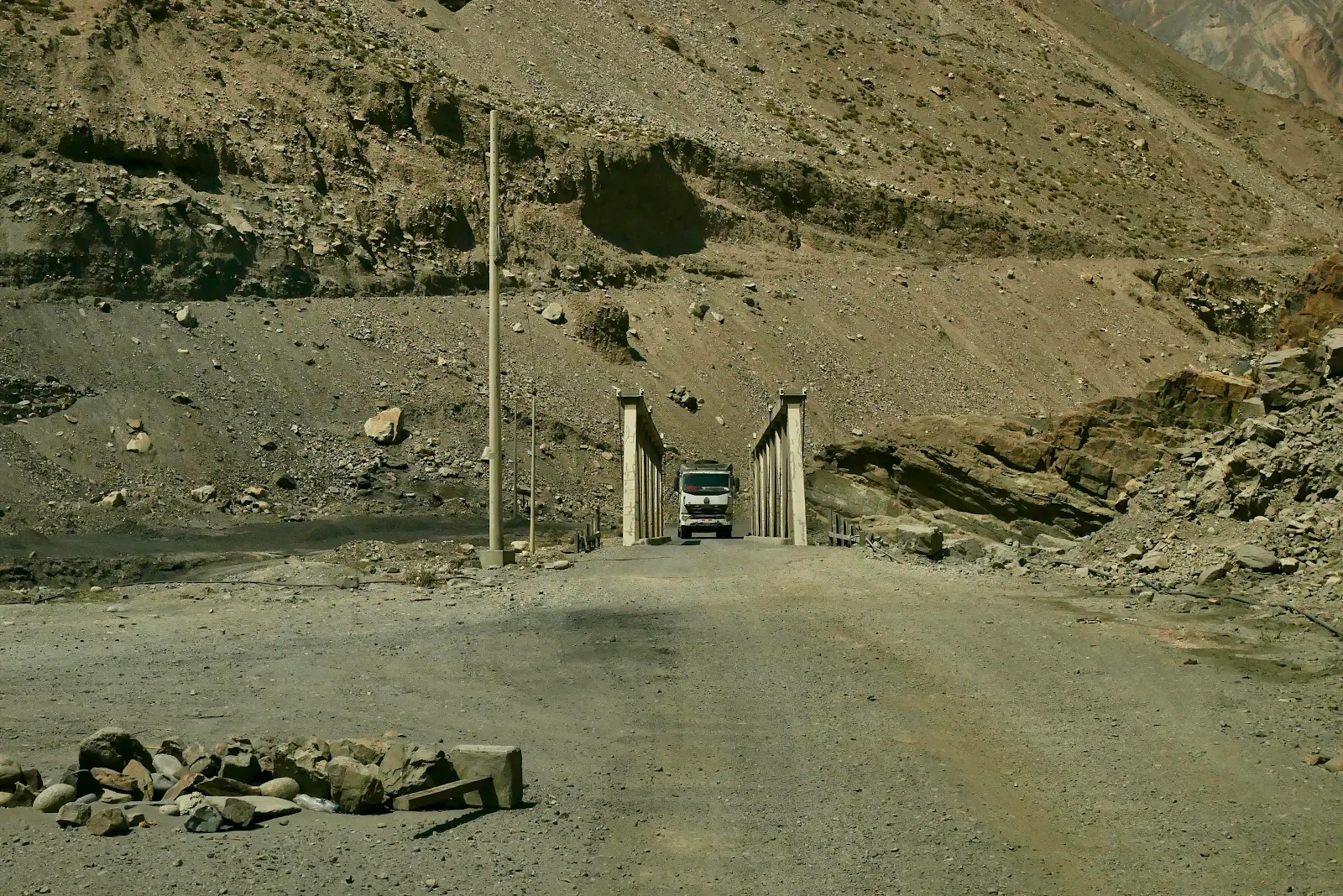
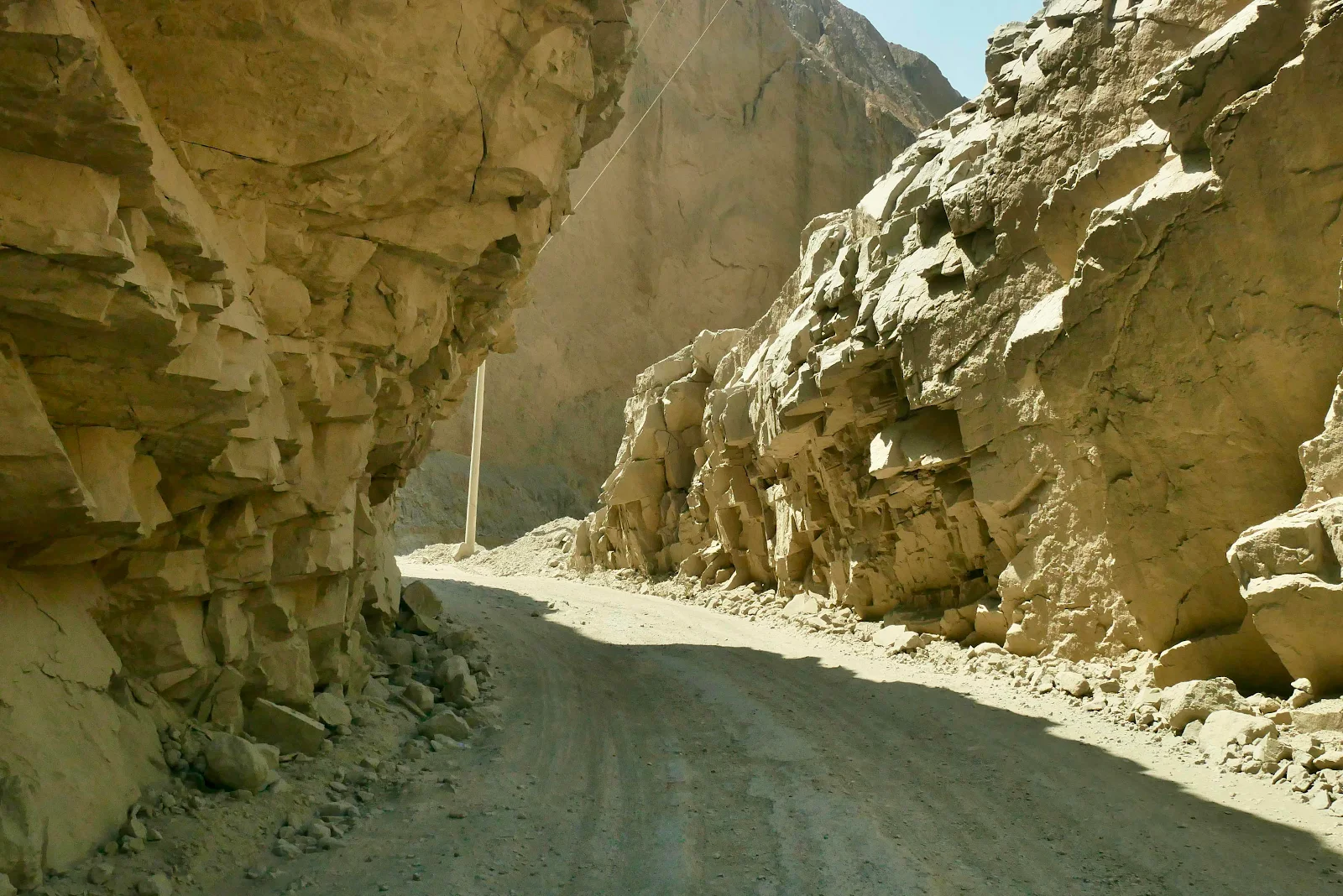
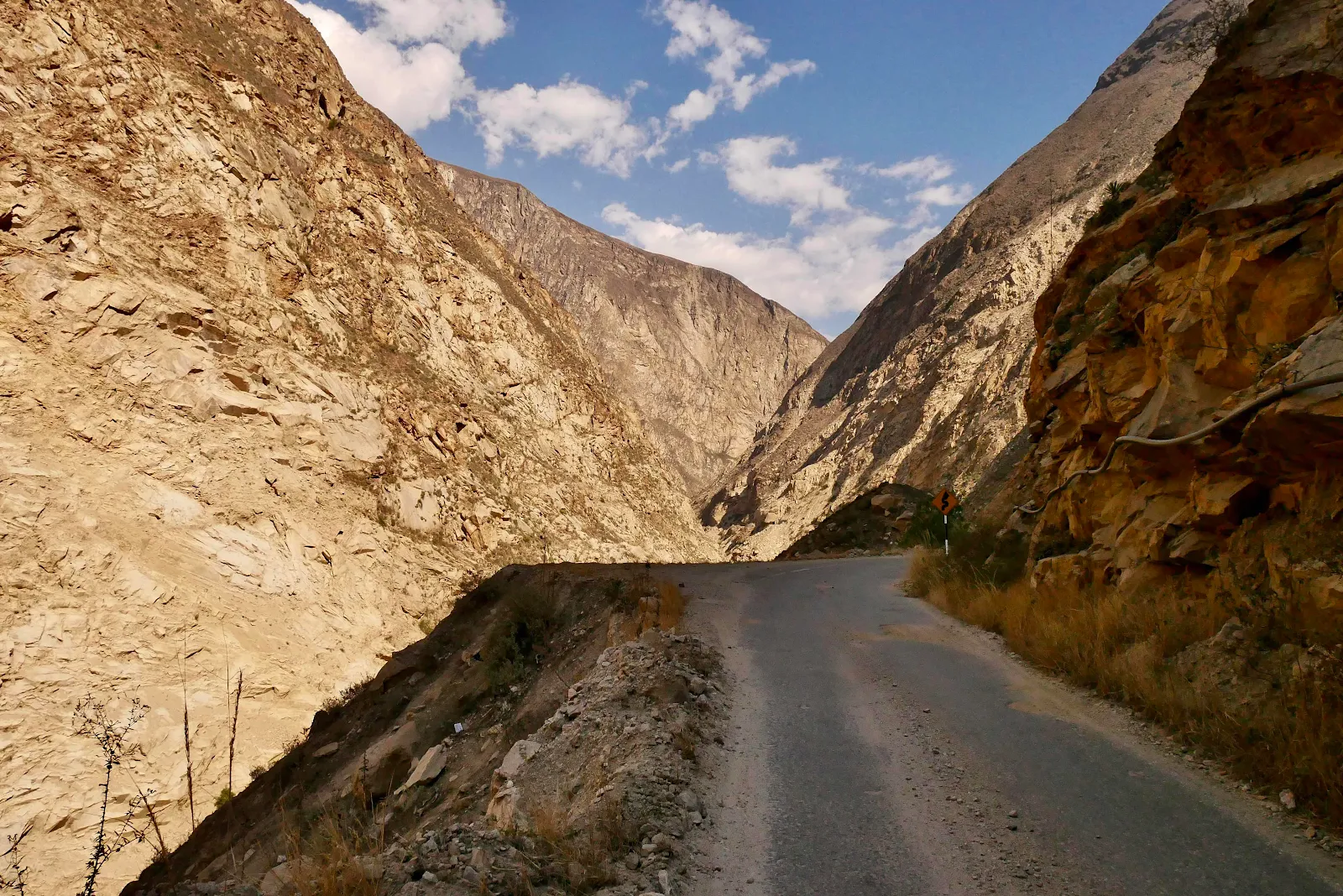
Walls of rock.
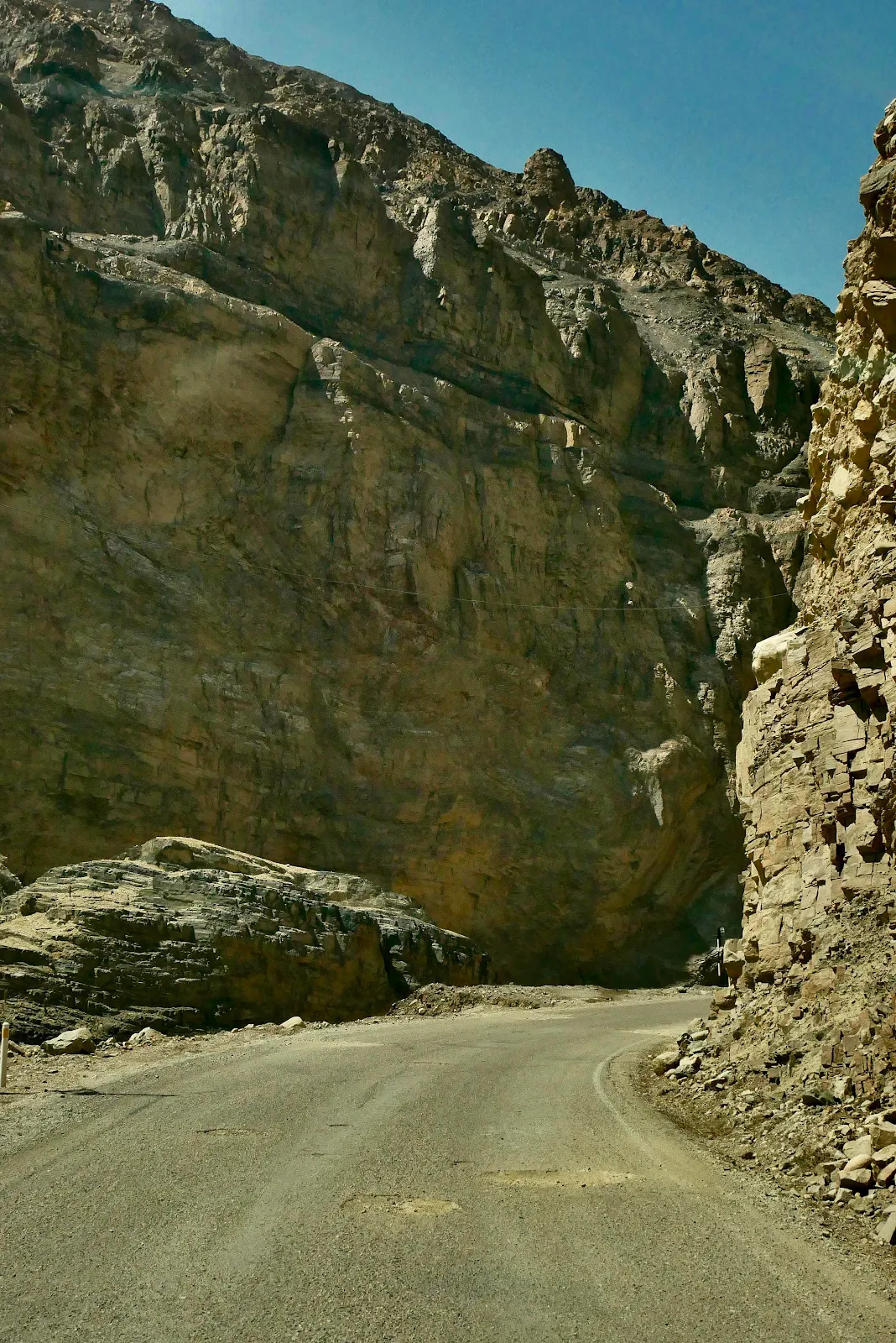
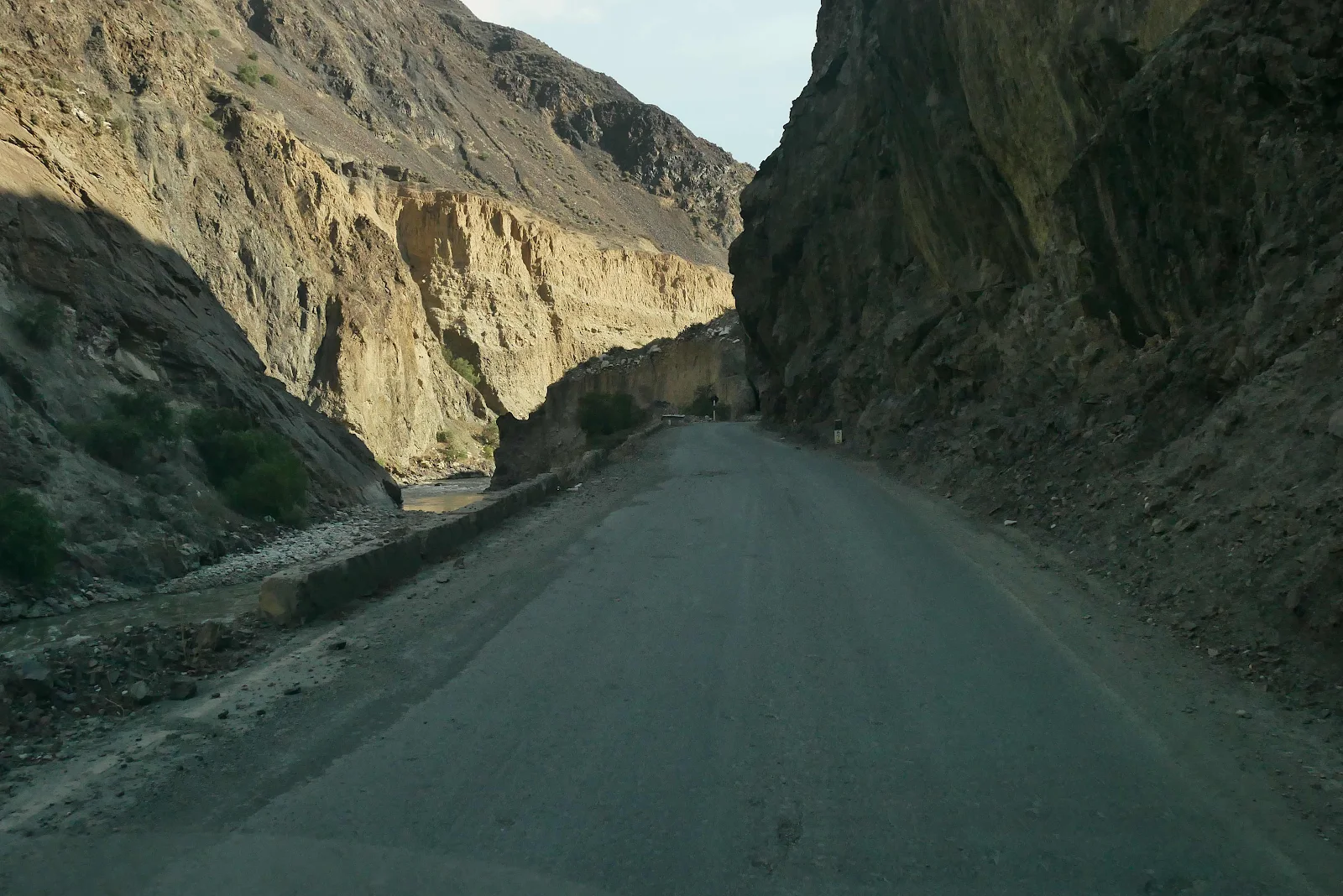
I don’t think the photos capture the awesome depth of the road in a vast network of cliffs and canyons.
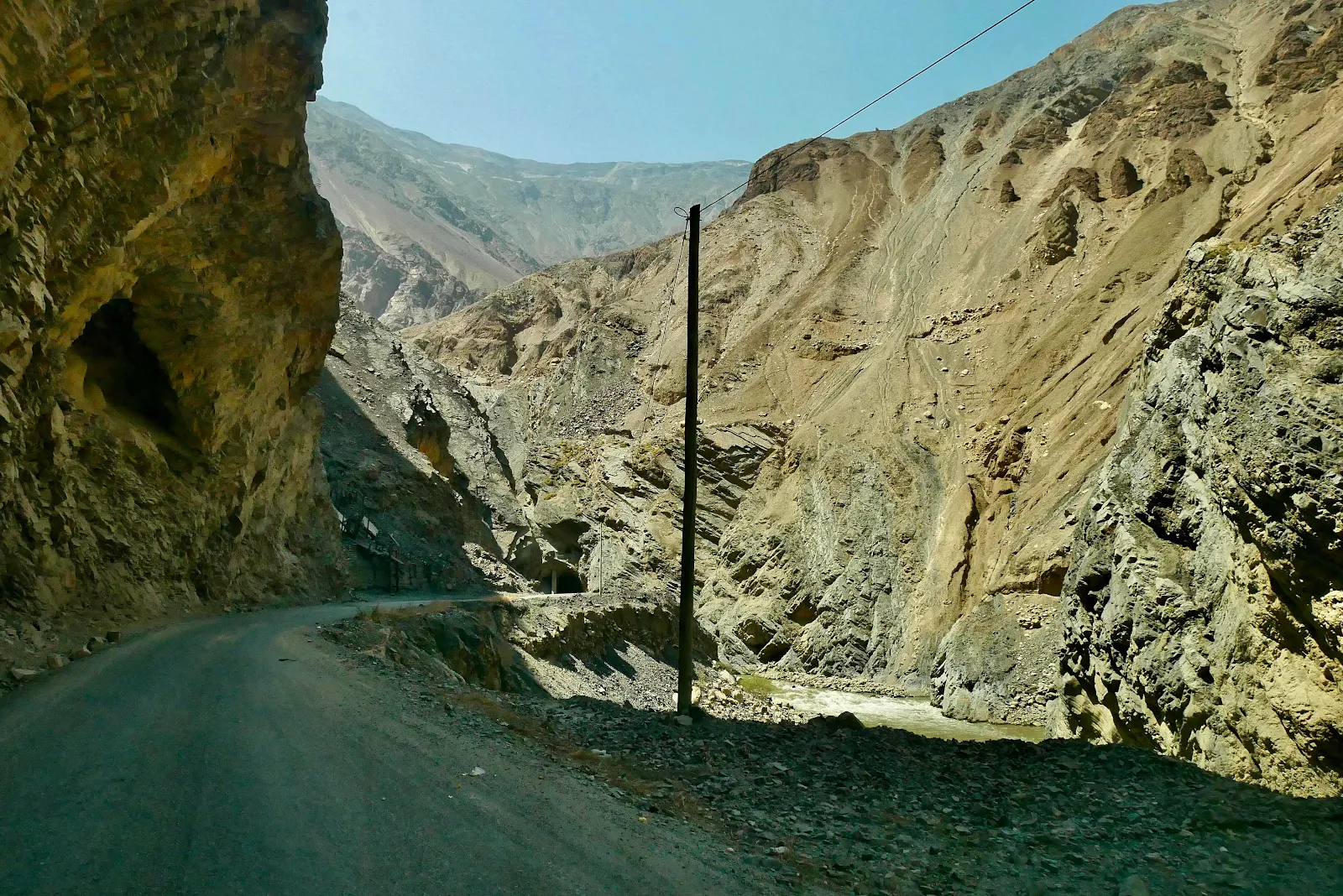
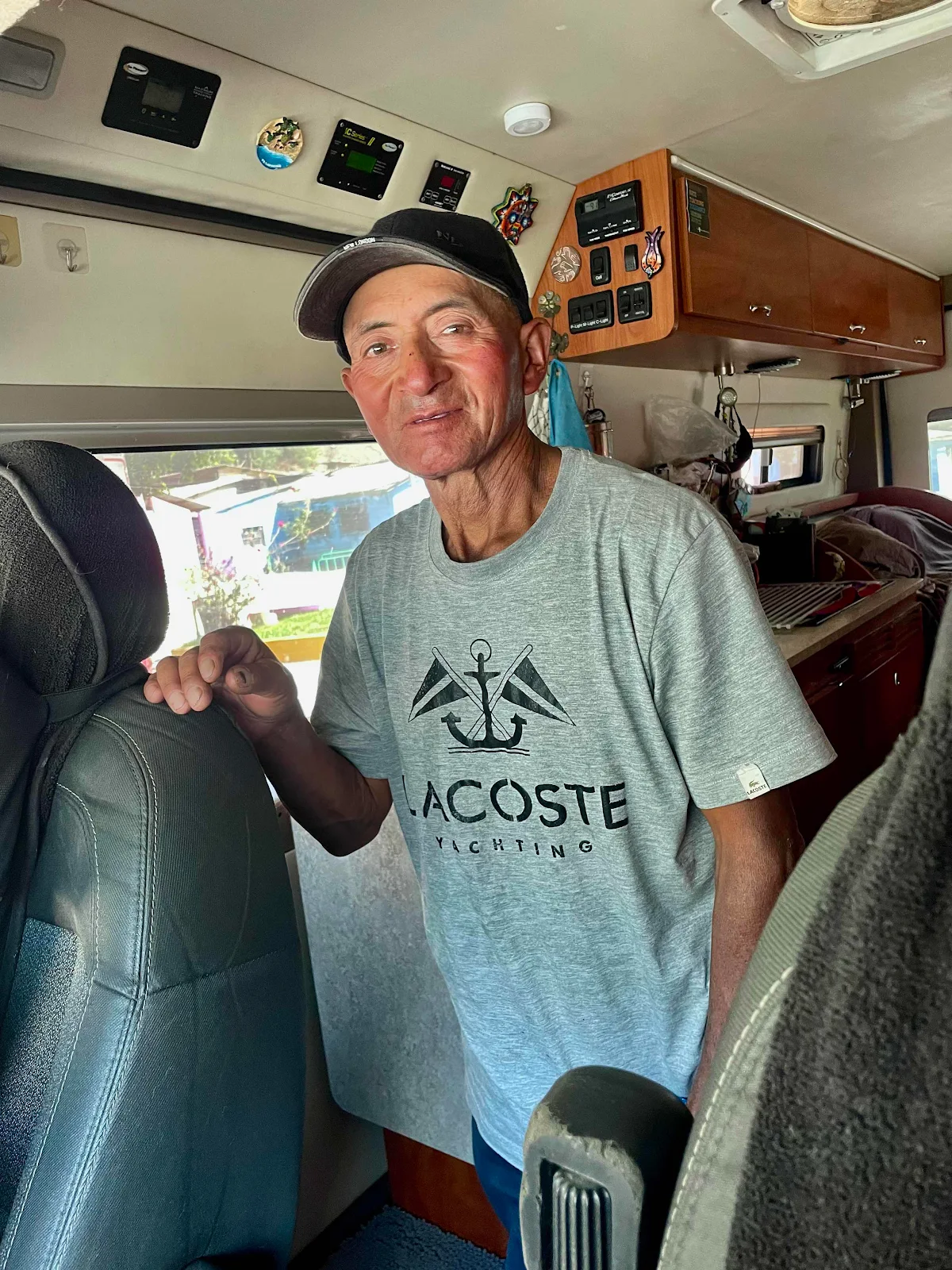
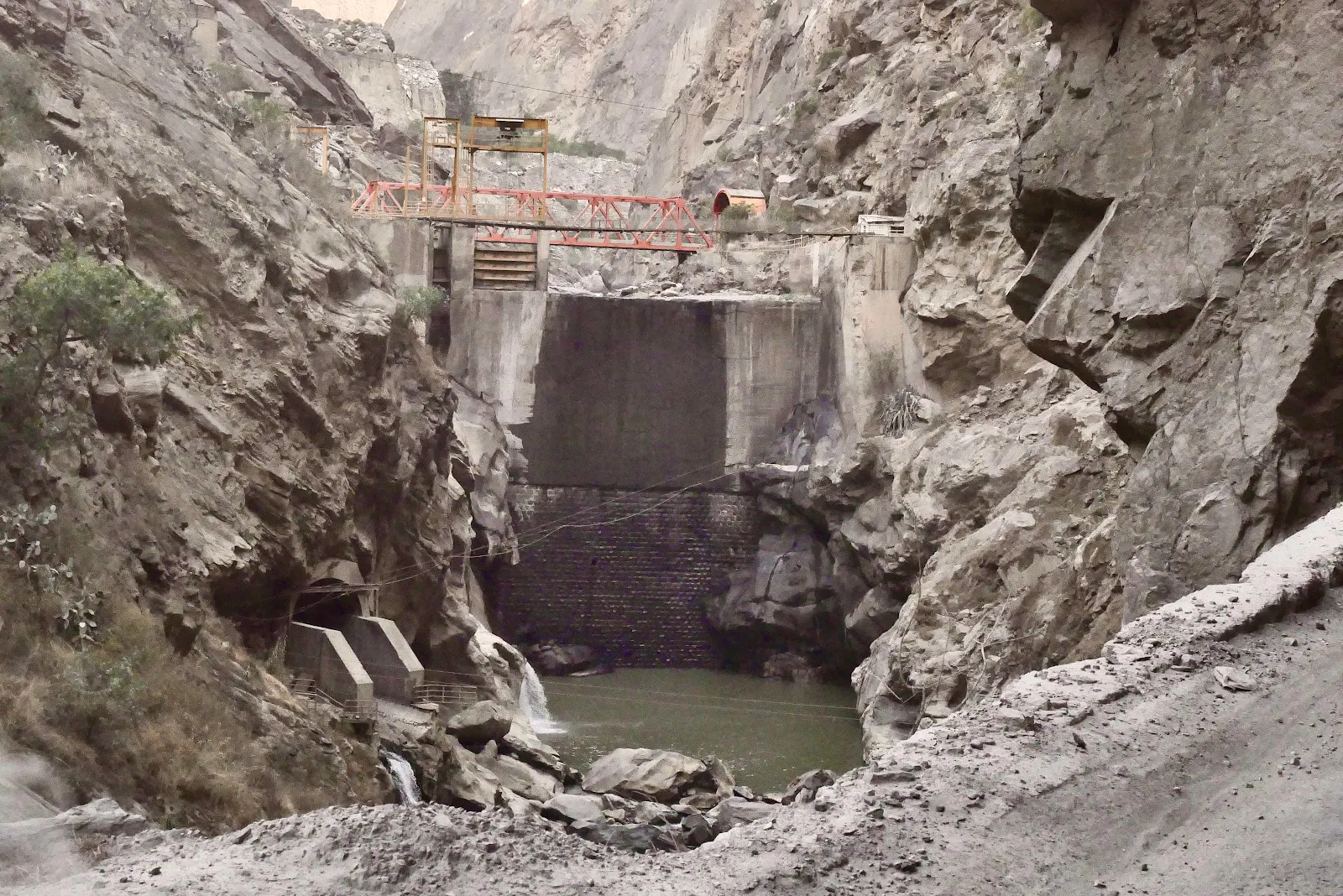
The other thing to bear in mind is that while this is a grand adventure and all mock heroic for us overlanders, locals cope with this crap every day. For them it’s just a matter of corruption as usual. One guy who stopped to chat while we paused for breakfast said he wished Peru would elect a man like President Bukele of El Salvador whose anti crime campaign has been noticed all over Latin America. Other people noted money had been set aside to improve the road but the leaders of this sad country pocket the cash and leave working people to cope with garbage infrastructure. We gave a lift to one guy walking up the road carrying a cooler of ice creams back to his village. Fidel Allegre is one tough dude but he snugged down on the floor in back and fell asleep for most of his journey. We feared he might be dead at one point but happily he revived and asked to be let off near the hydroelectric station.
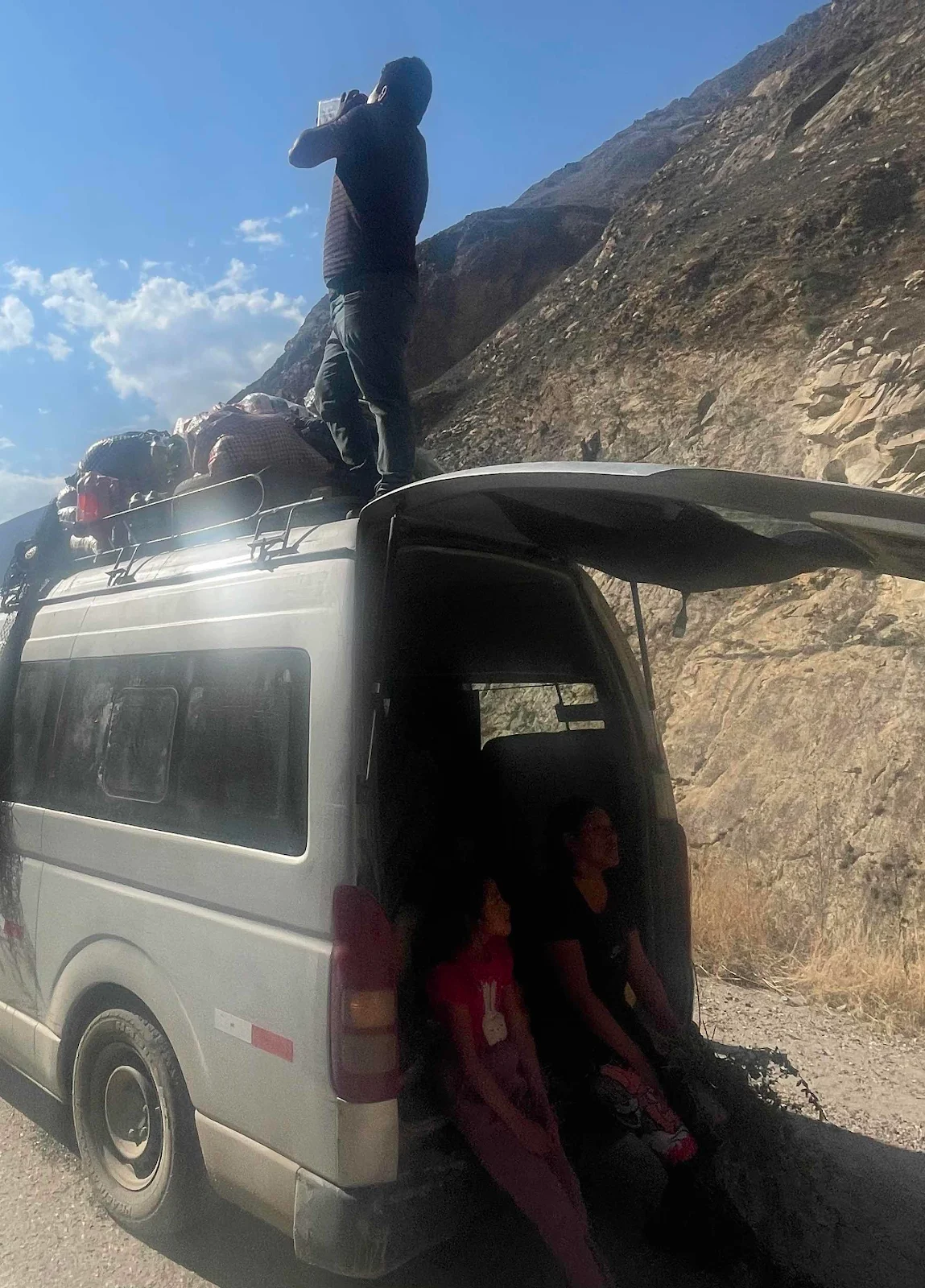
We passed a minibus stopped in a pull out with people standing around. Apparently the brakes had failed and the driver was waiting for help to arrive. We did the only thing we could do and passed our water jug around with cold water from our fridge. They had been waiting an hour with more to go before help arrived.
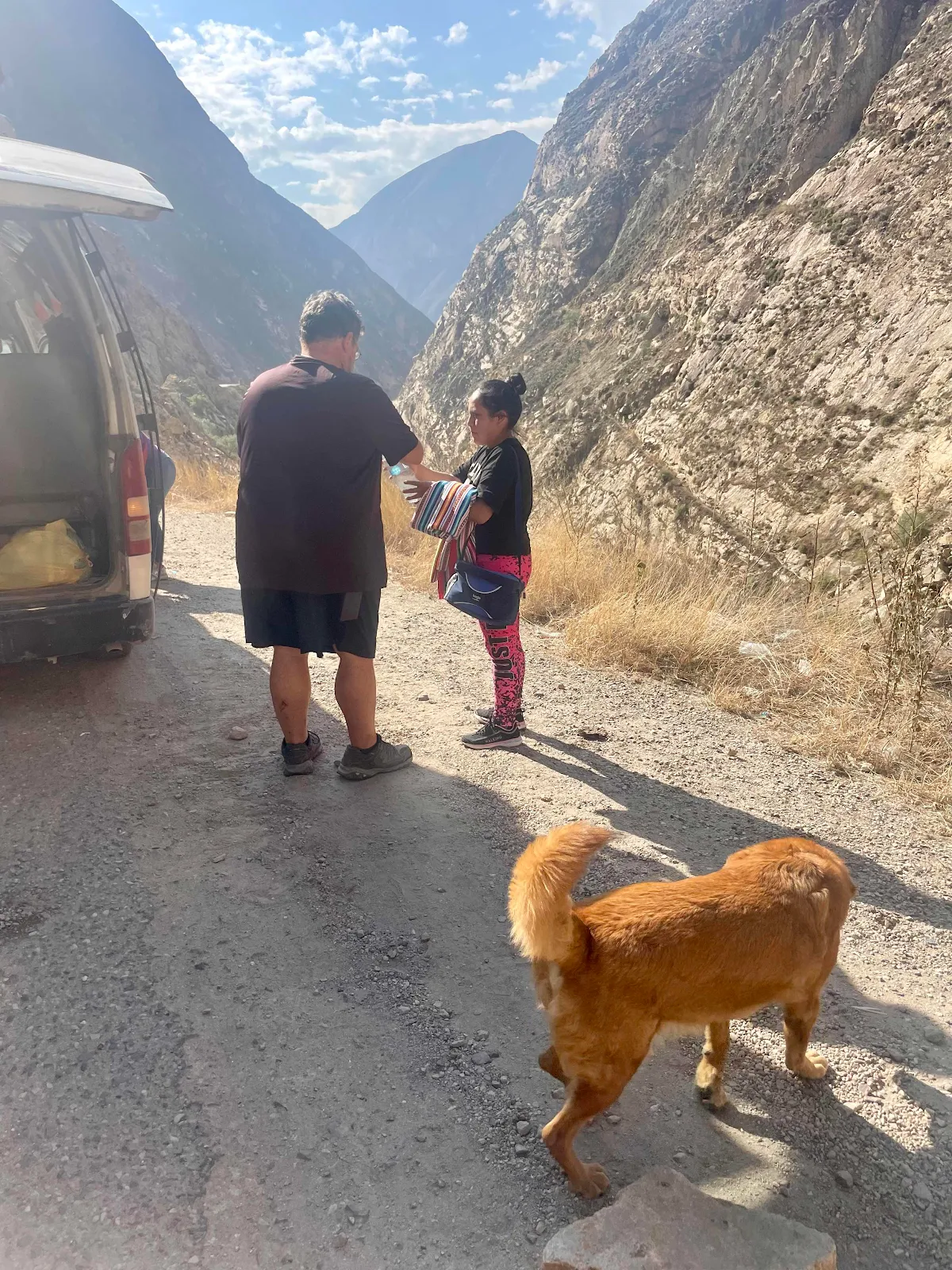
These people are tough.
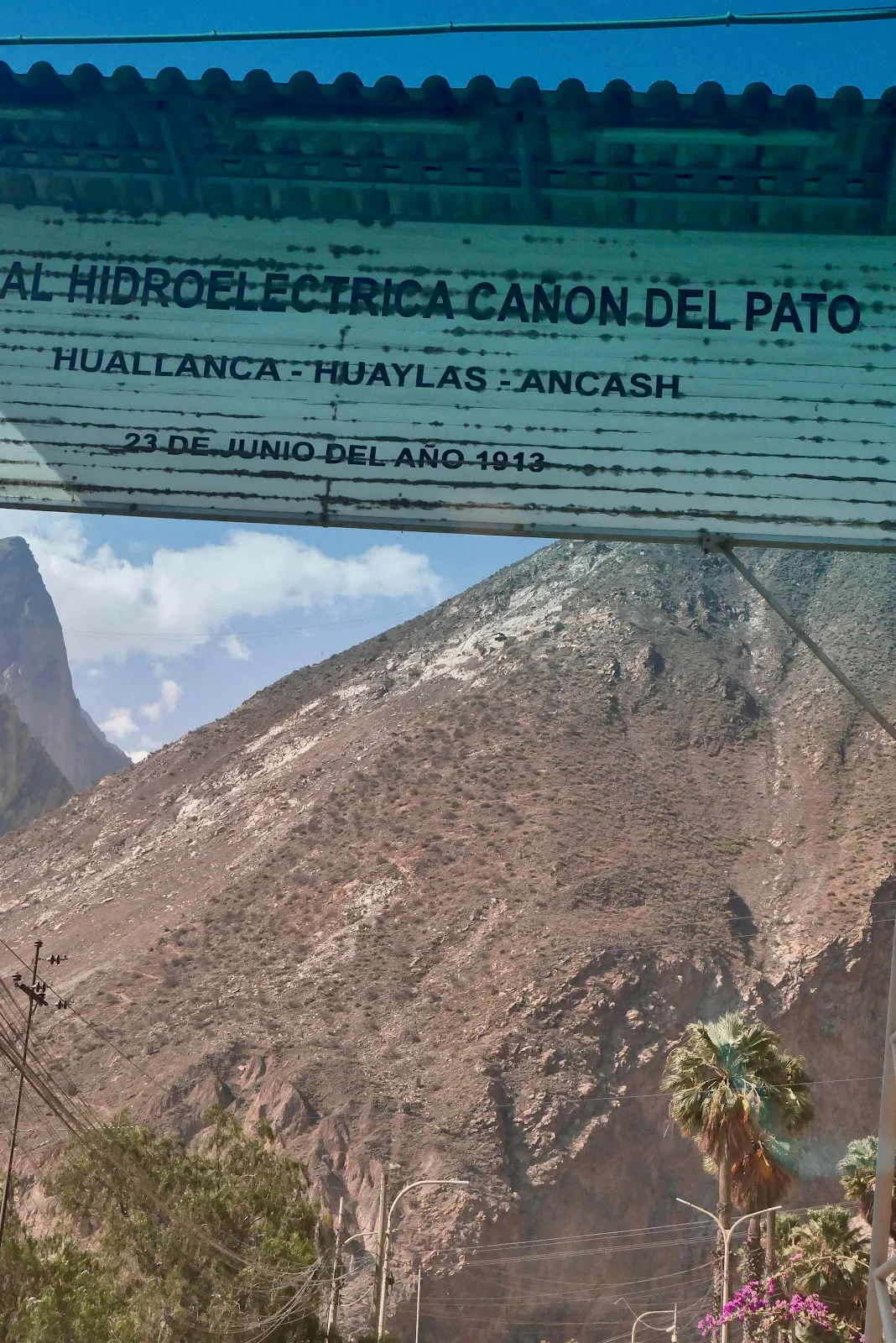
This is the hydro electric dam that has been built in this narrow canyon:
And we knew we were getting to the top when we saw afternoon sunlight. Yes, I have no idea where we would have pulled over had we met oncoming traffic. Imagine backing up with the drop off to the side and no guard rails. People do die here and I would never think of driving this mess in rainy season; too easy to slide off into the void.
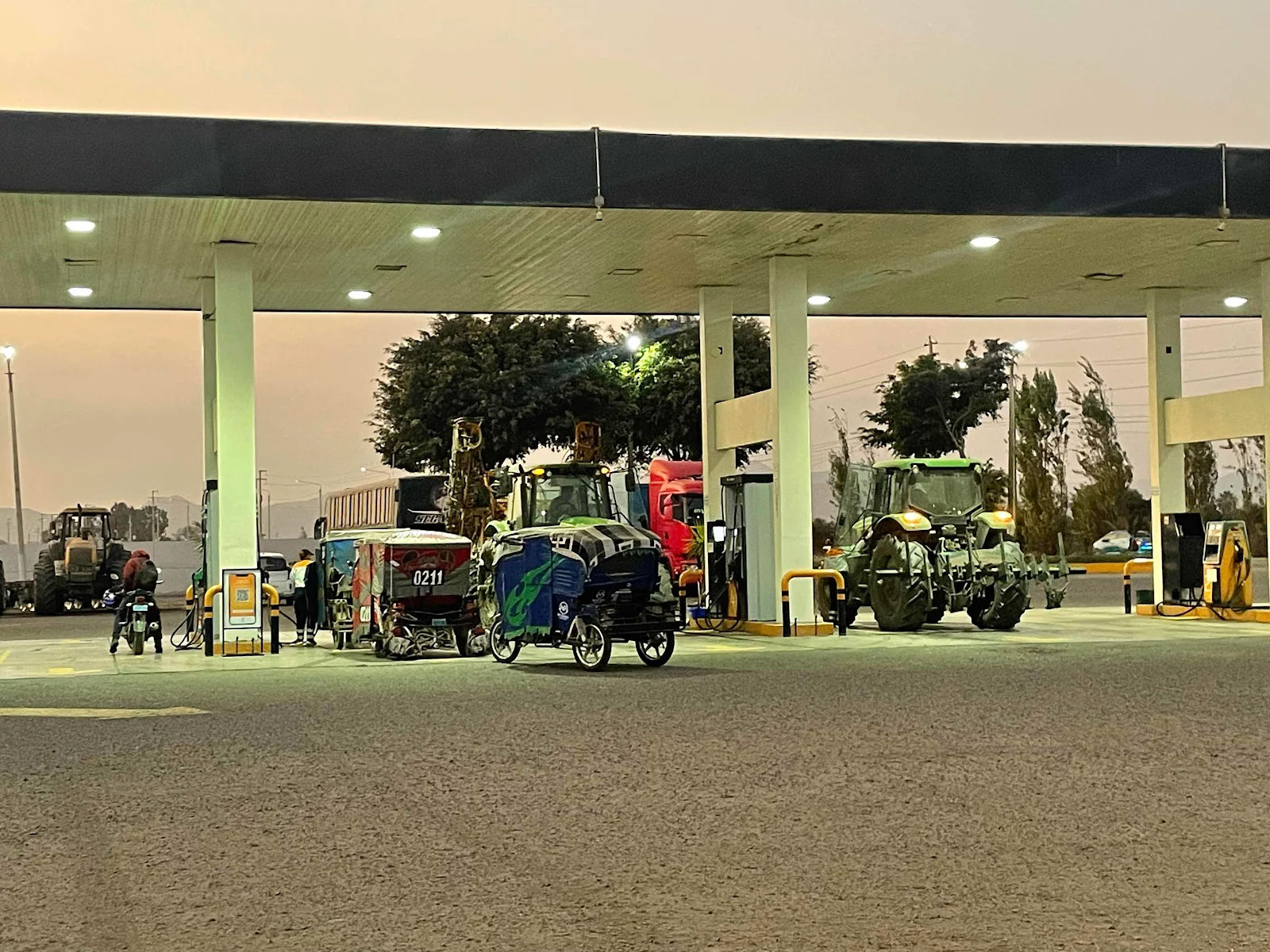
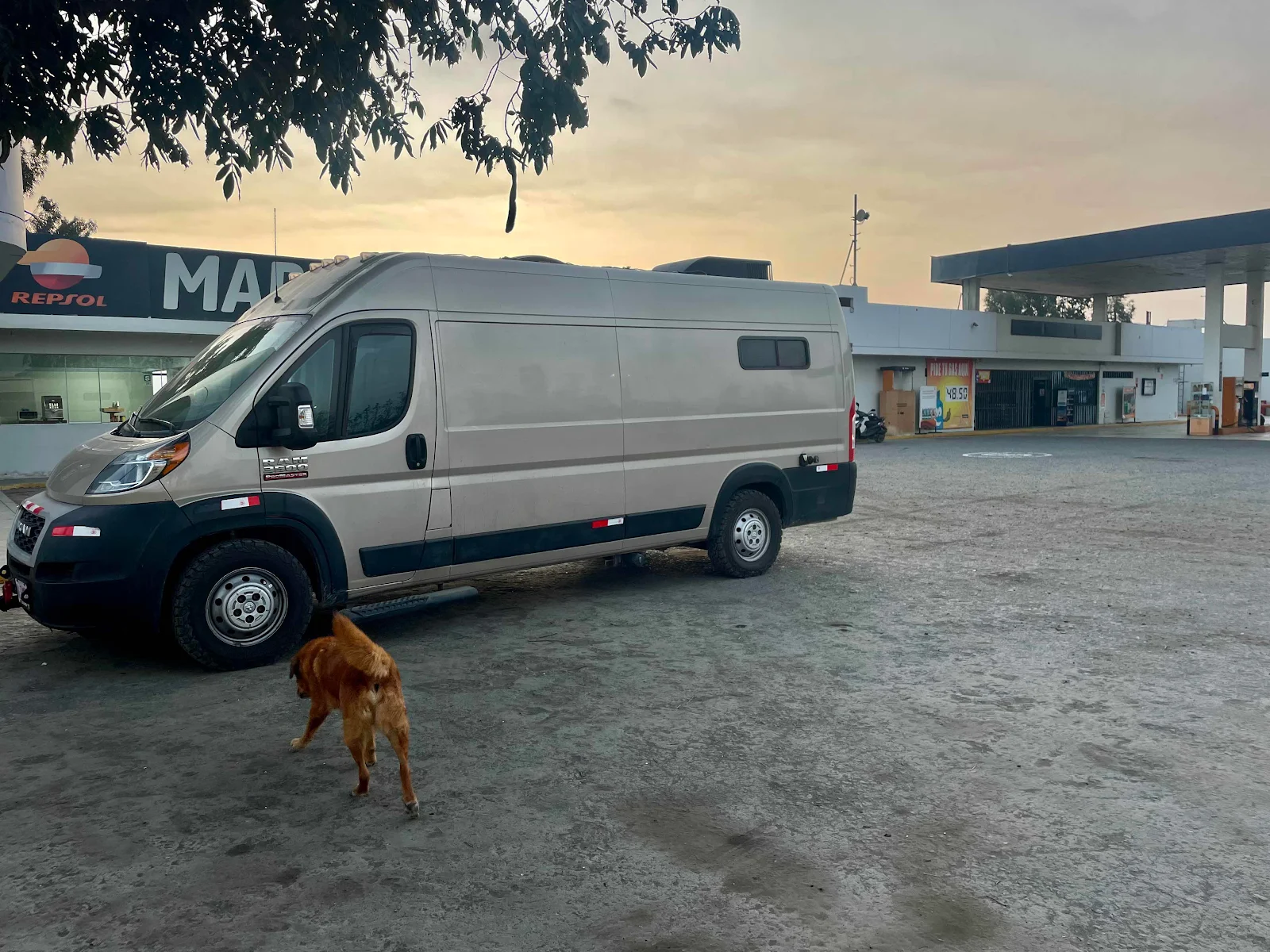
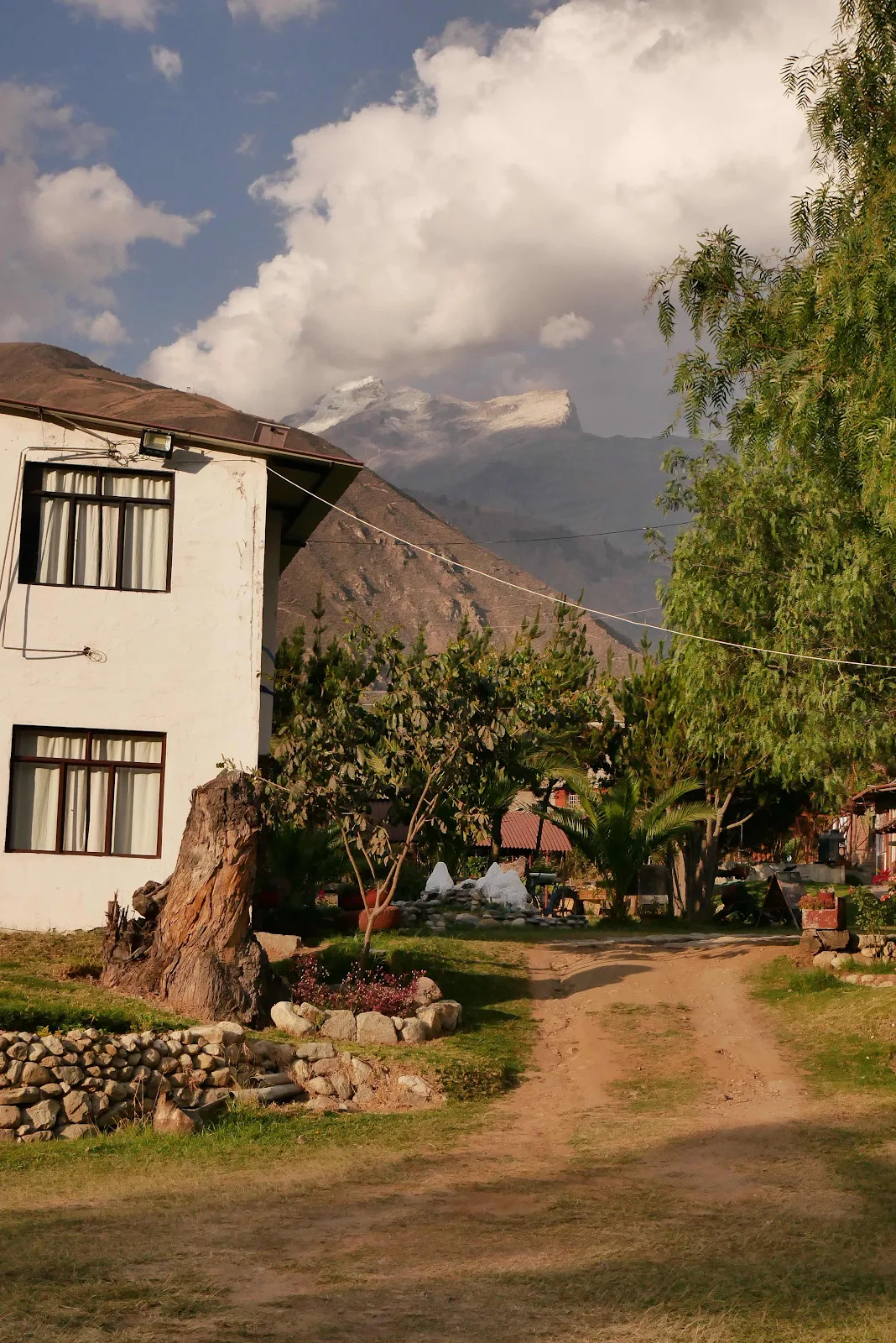
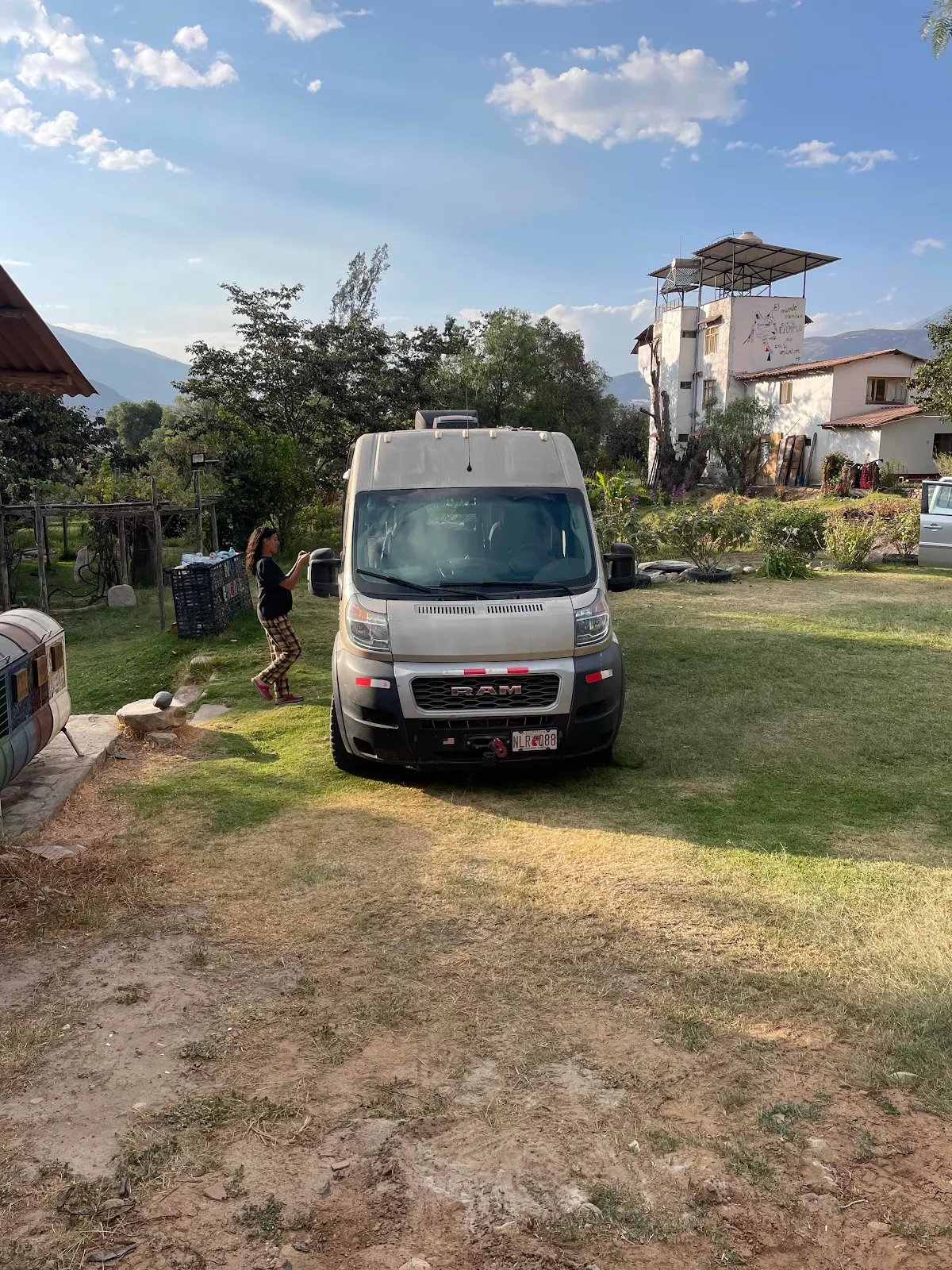
Looking back I’m glad we did it but it was a stressful day. We left the coastal gas station at 6:45 and stopped for chicken sandwiches and an hour break mid morning. Once we realized the road was never getting better we just drove, constantly worrying about getting to Caraz before dark. In the event we made it just before five and found to our delight the campground had room for us and had a restaurant. We got dinner, drank a locally brewed beer and passed out at Apu Eco Lodge where we plan to stay a few days and tour the mountains. Sunday we sleep.
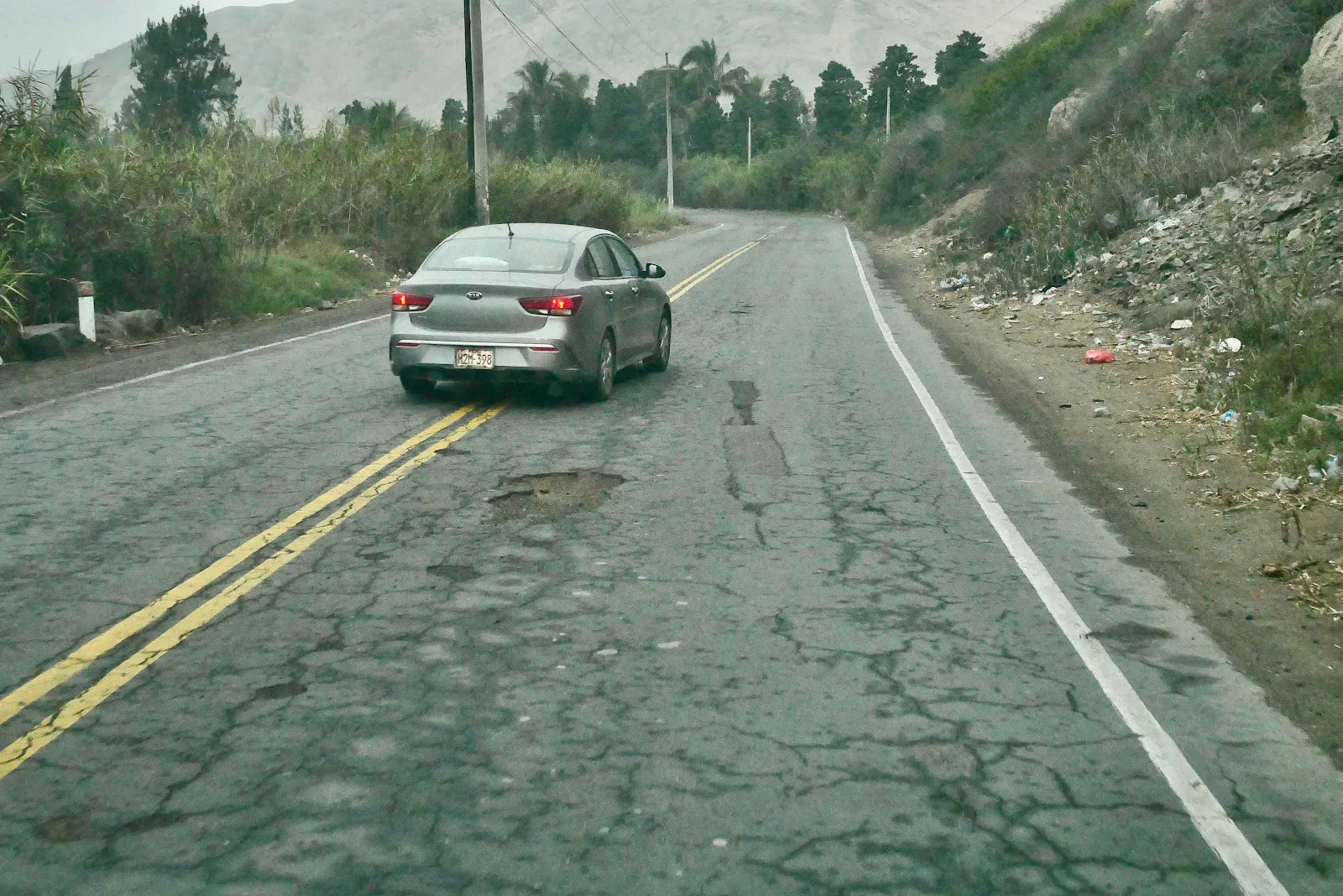
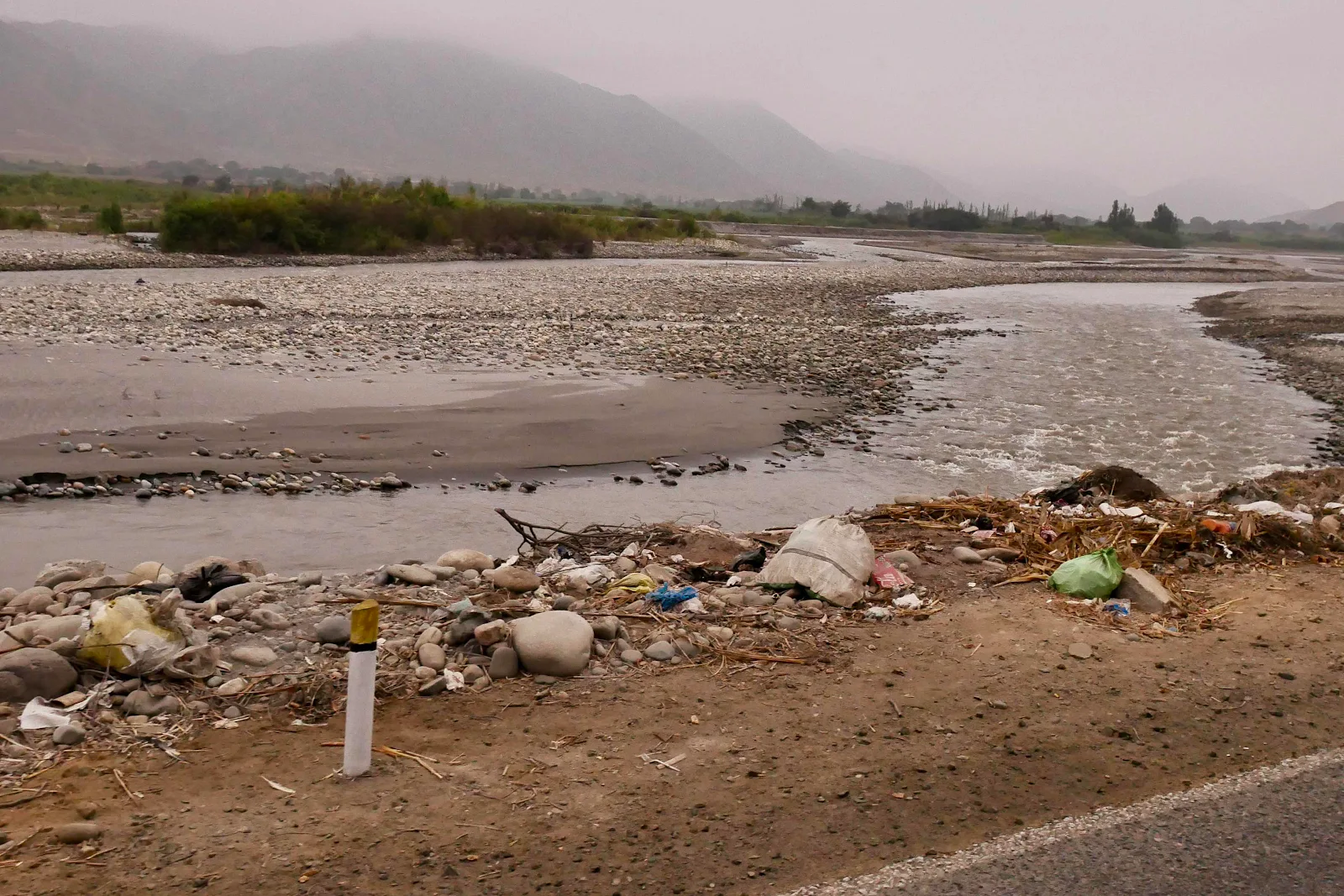
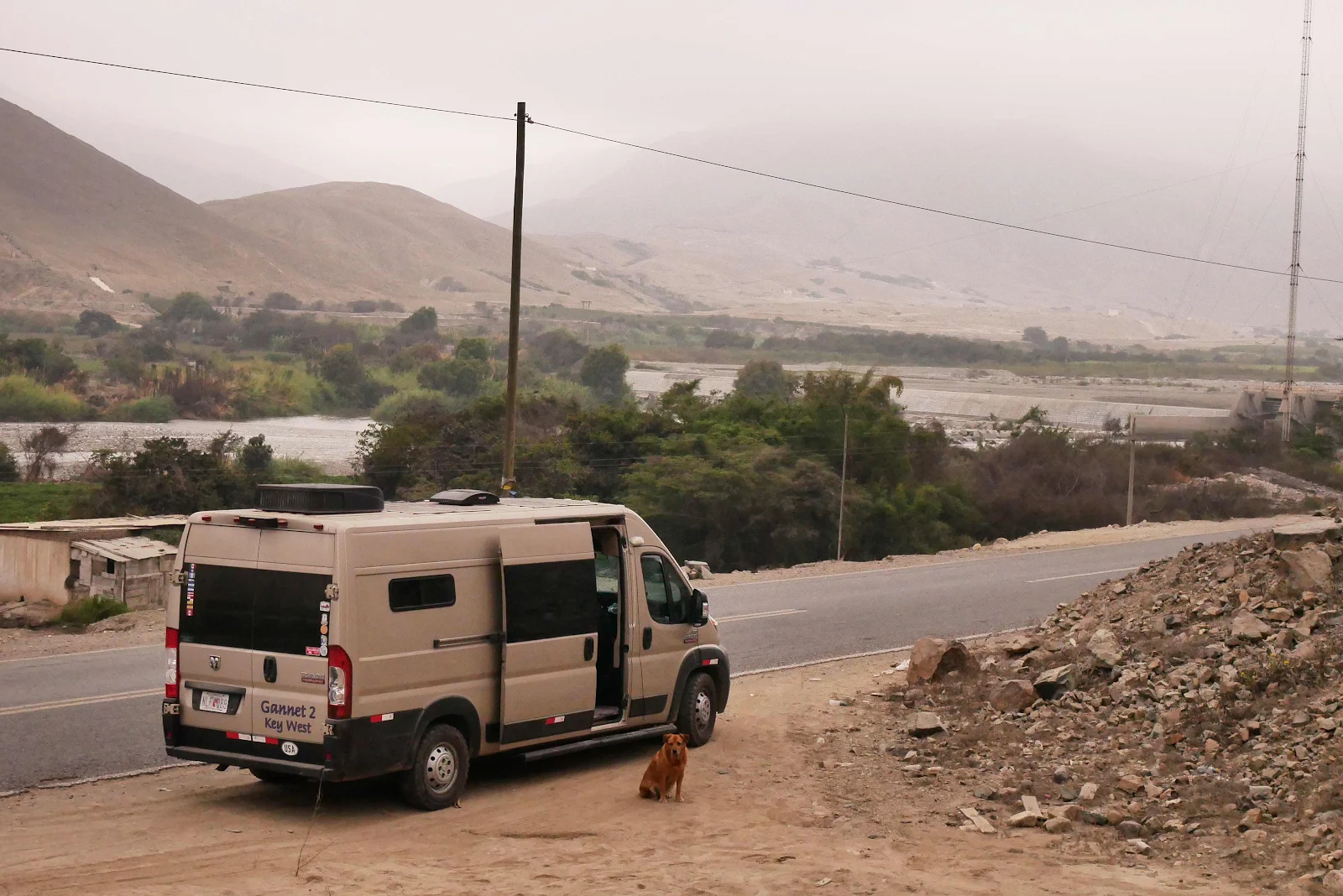
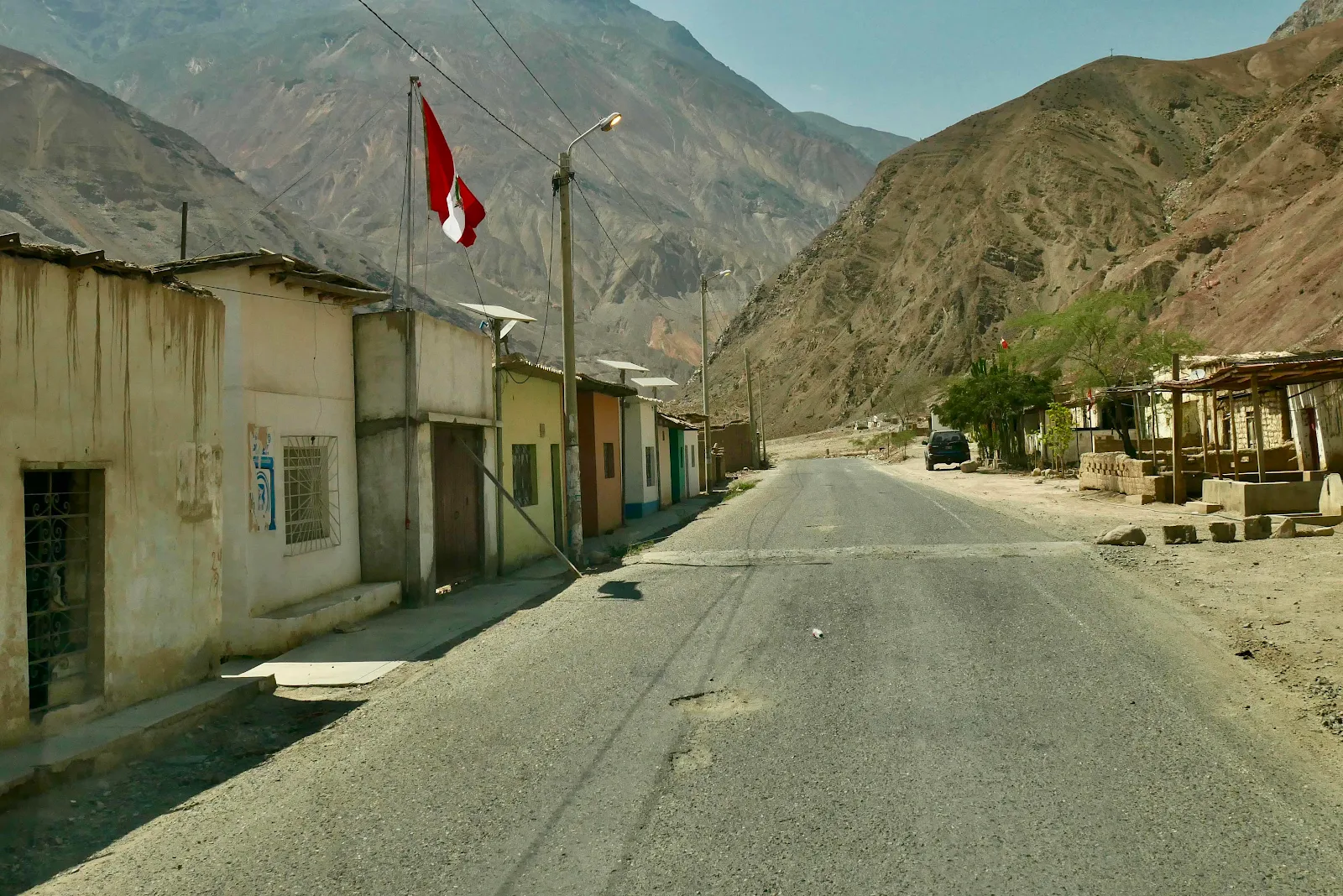
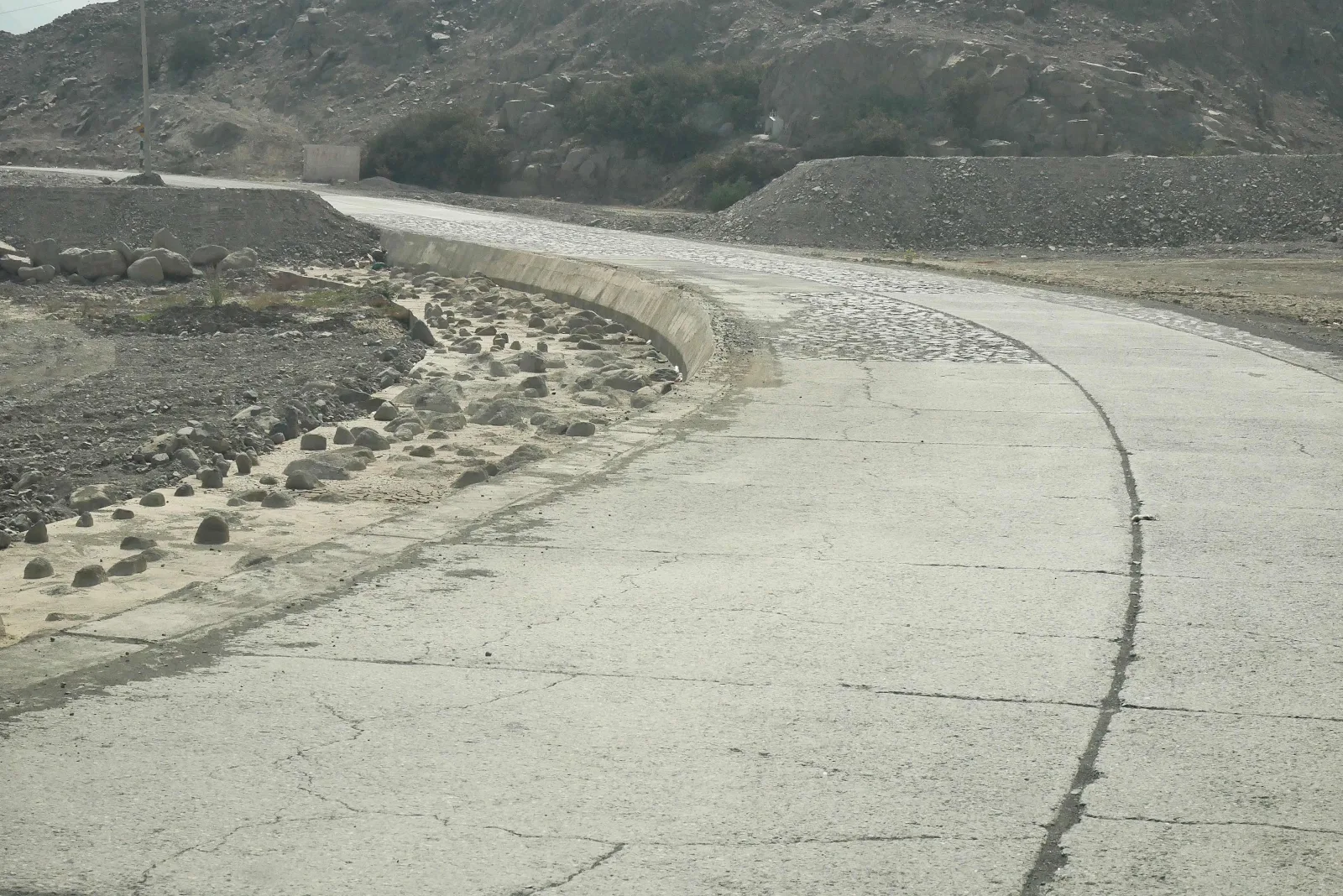
A giant wash with dans bulldozed to funnel water in rainy season. Everywhere there was a gully the road was washed out and left unrepaired. The deeper we went up the canyon the worse the washouts became and the greater the deterioration. Of the road surface.
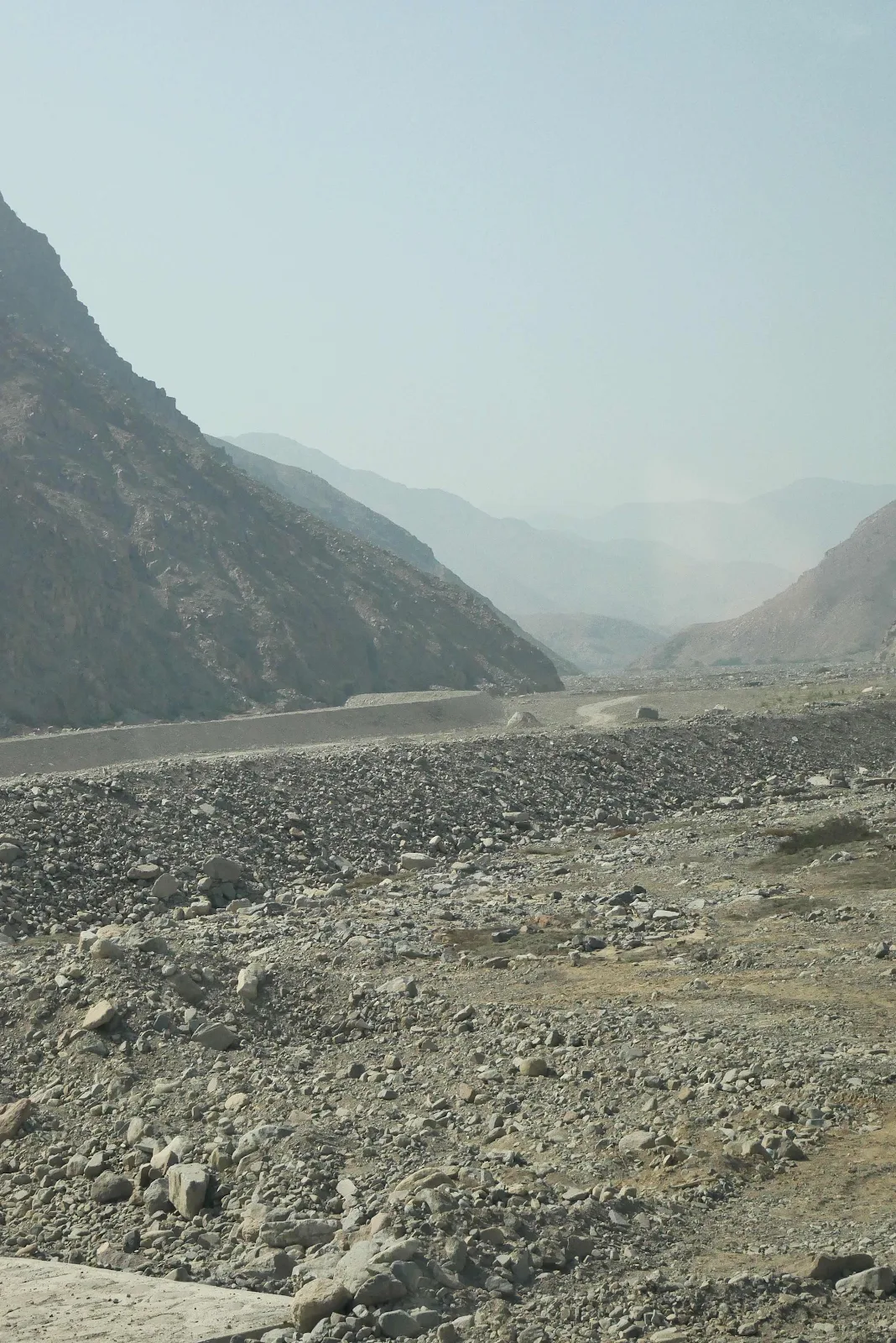
At the start of the road the gullies were paved with cement and cobblestones but that effort soon petered out.
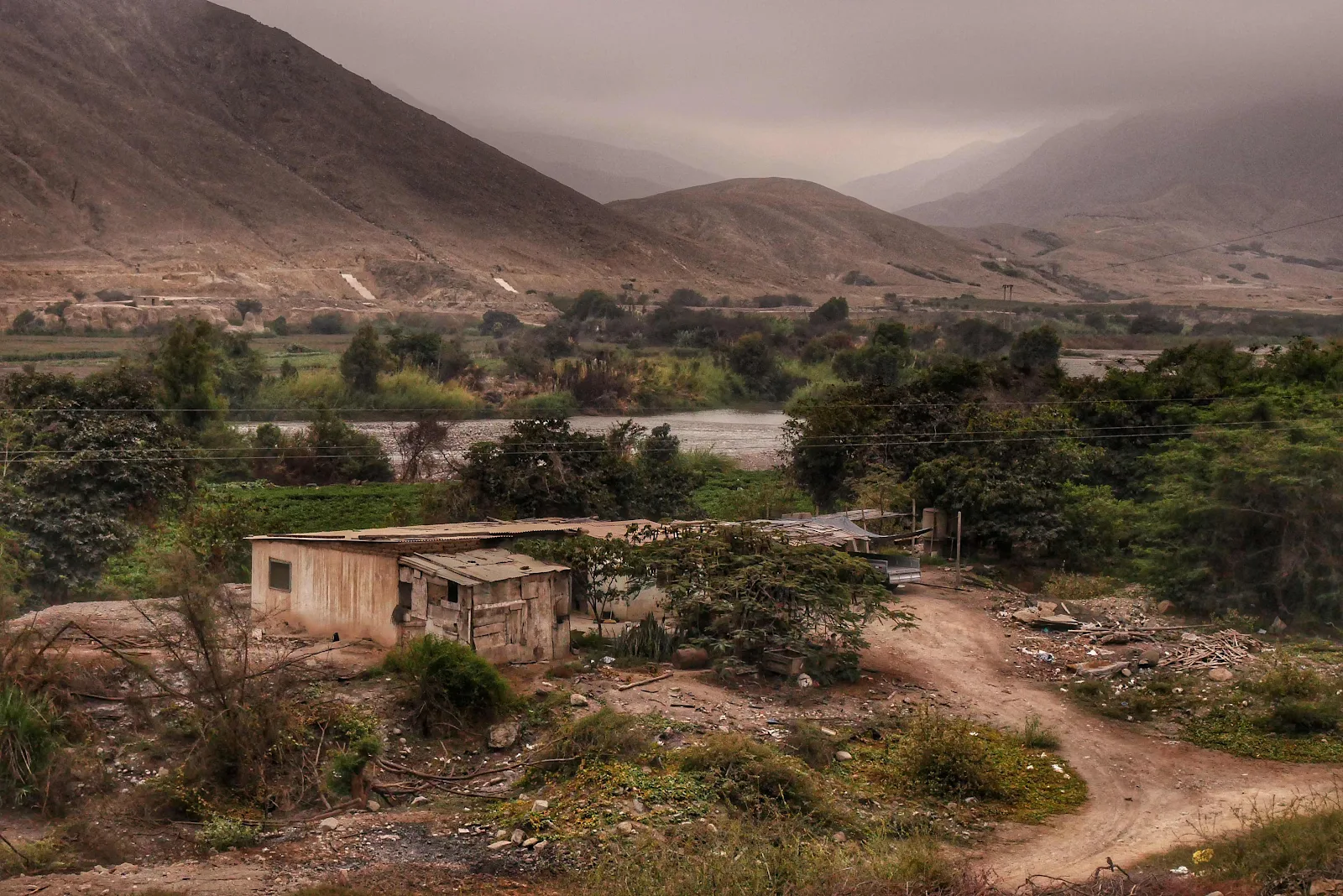
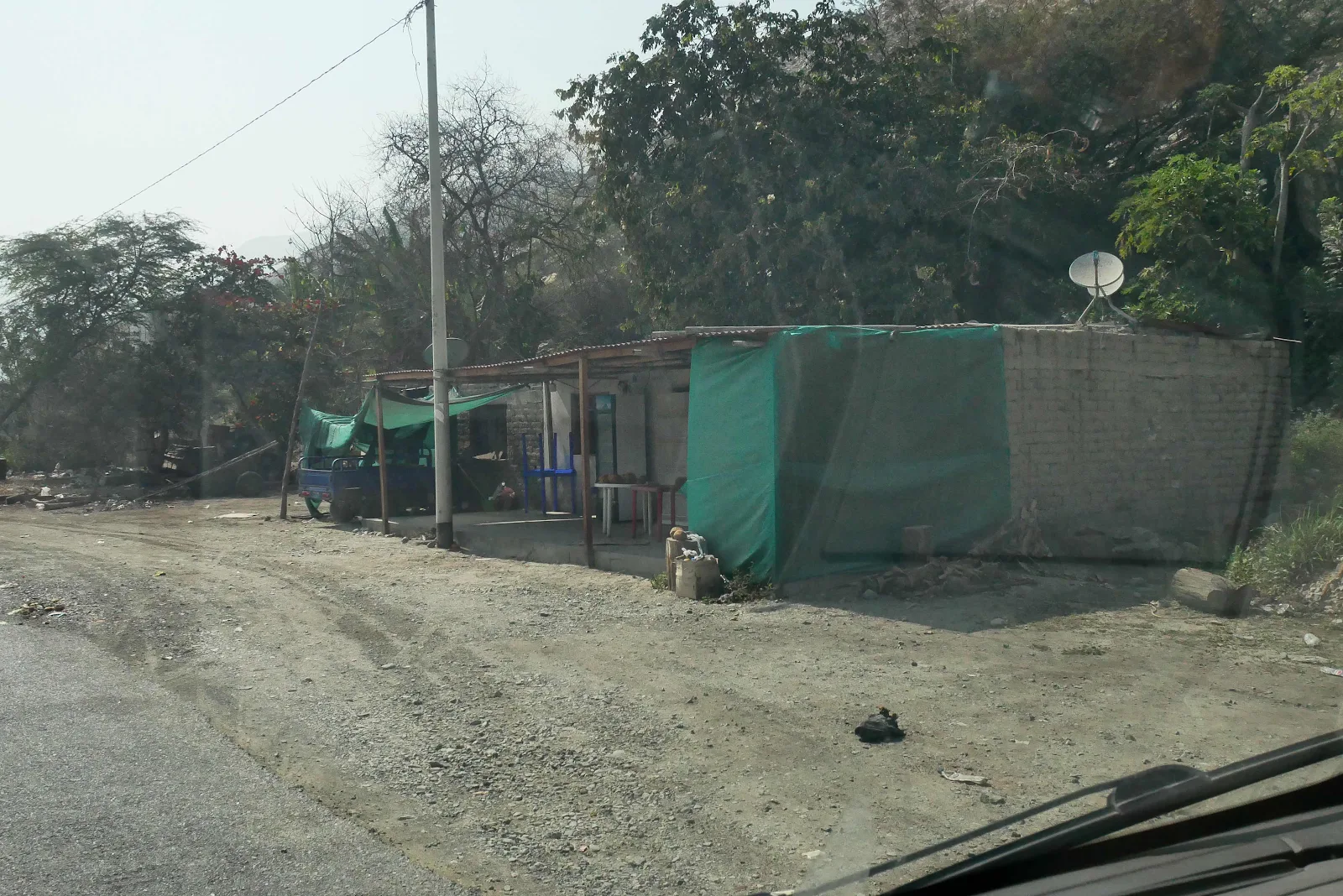
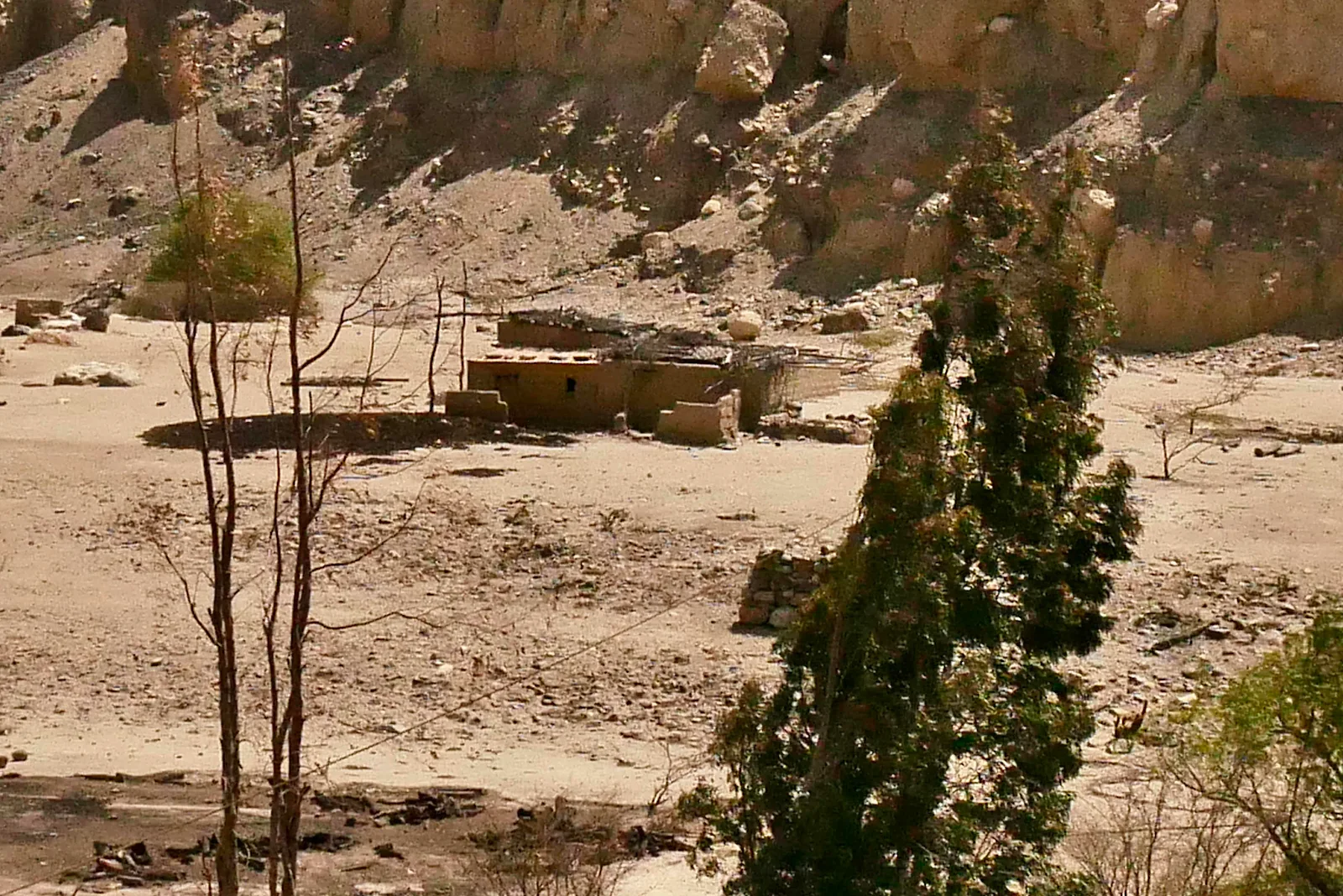
A home. Imagine living there.
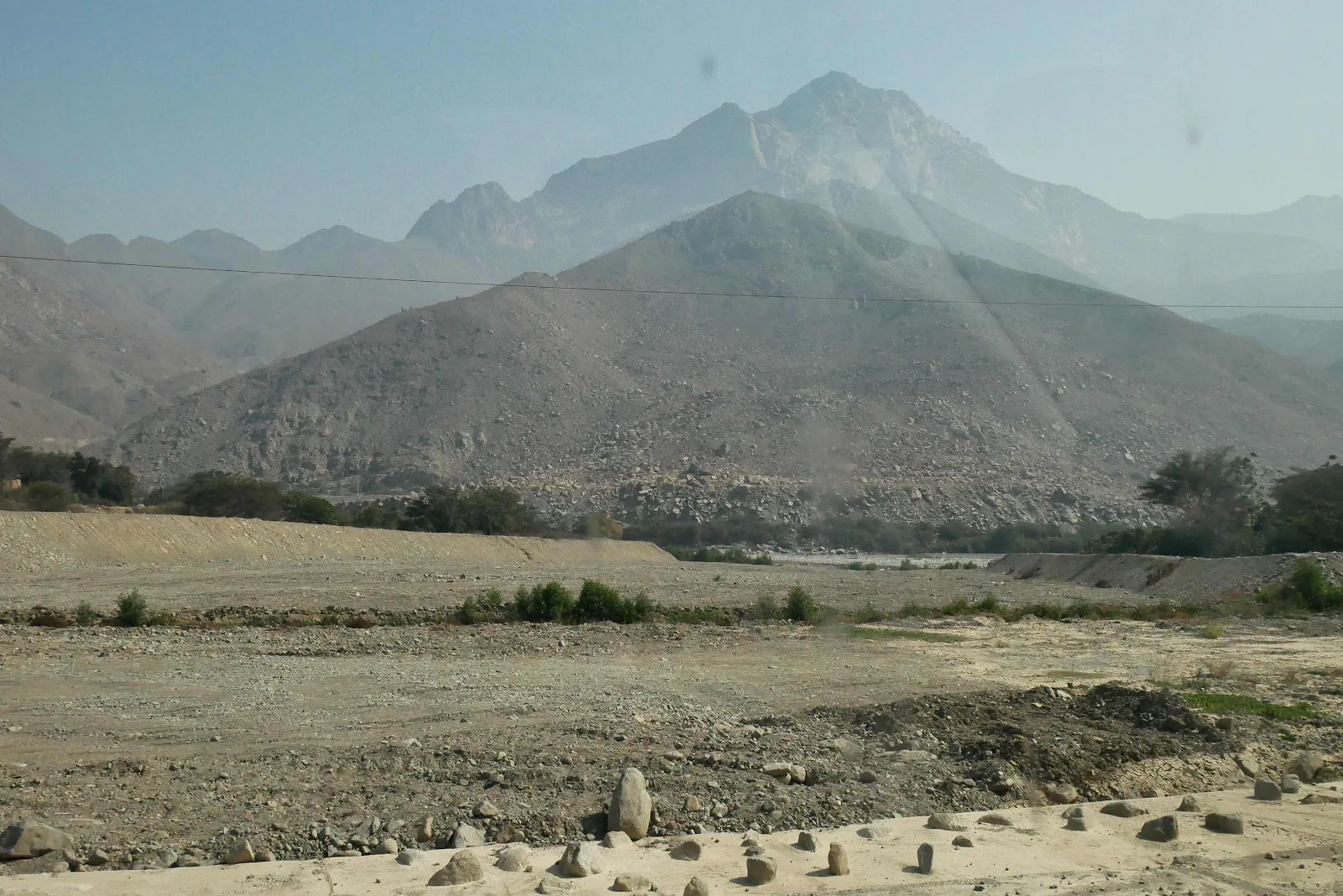
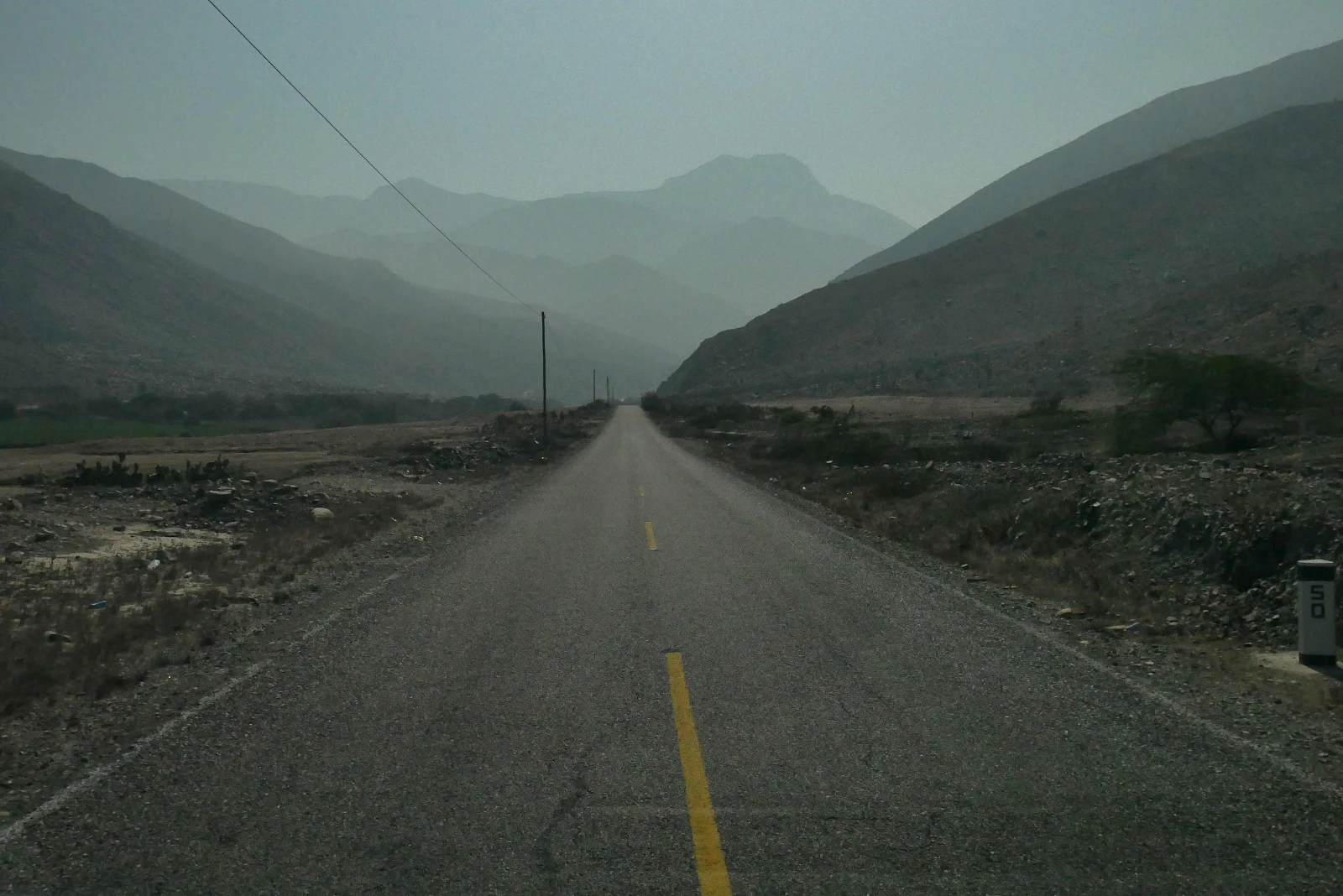
It looked more like pictures I’ve seen of Central Asia or Afghanistan. It was intimidating.
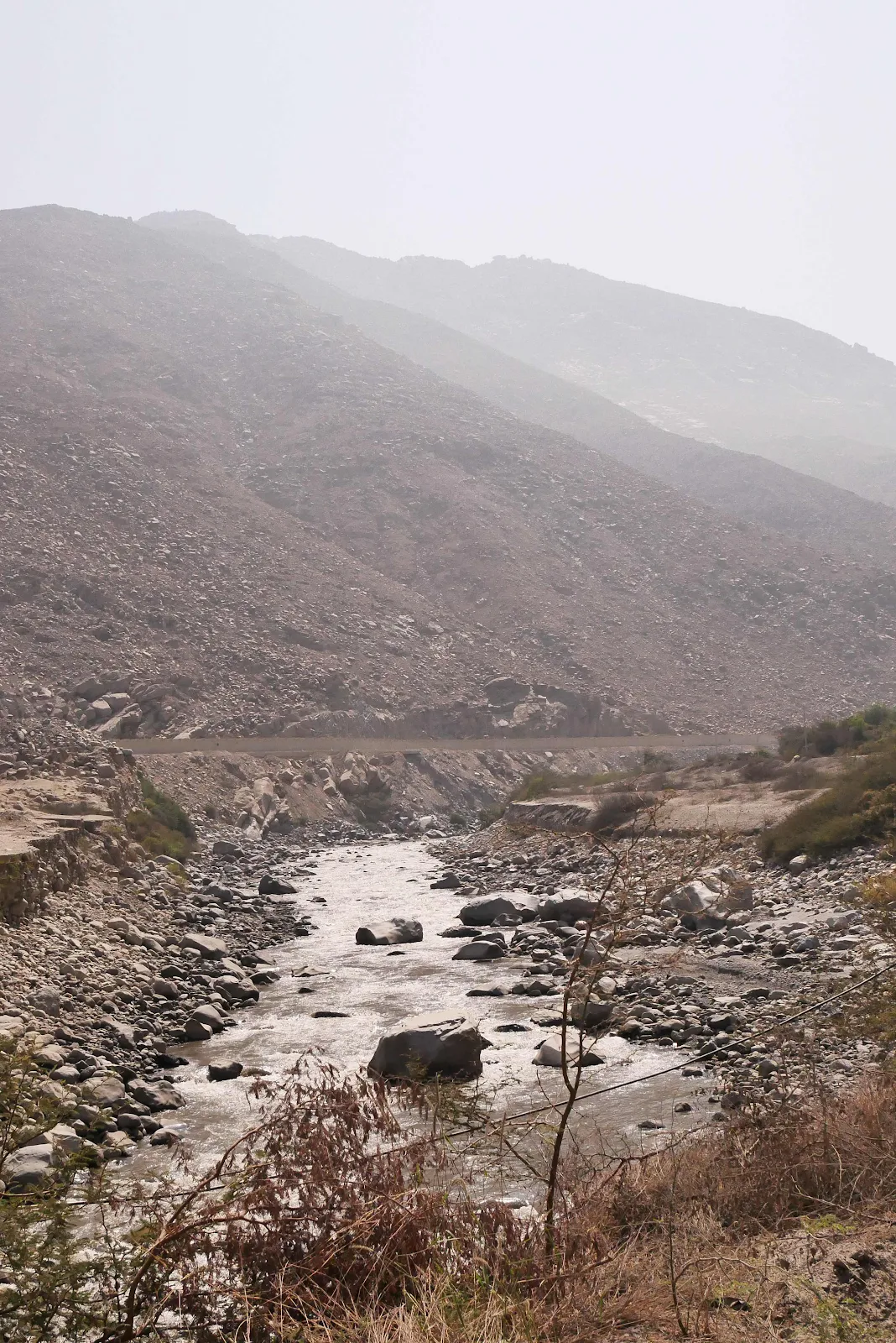
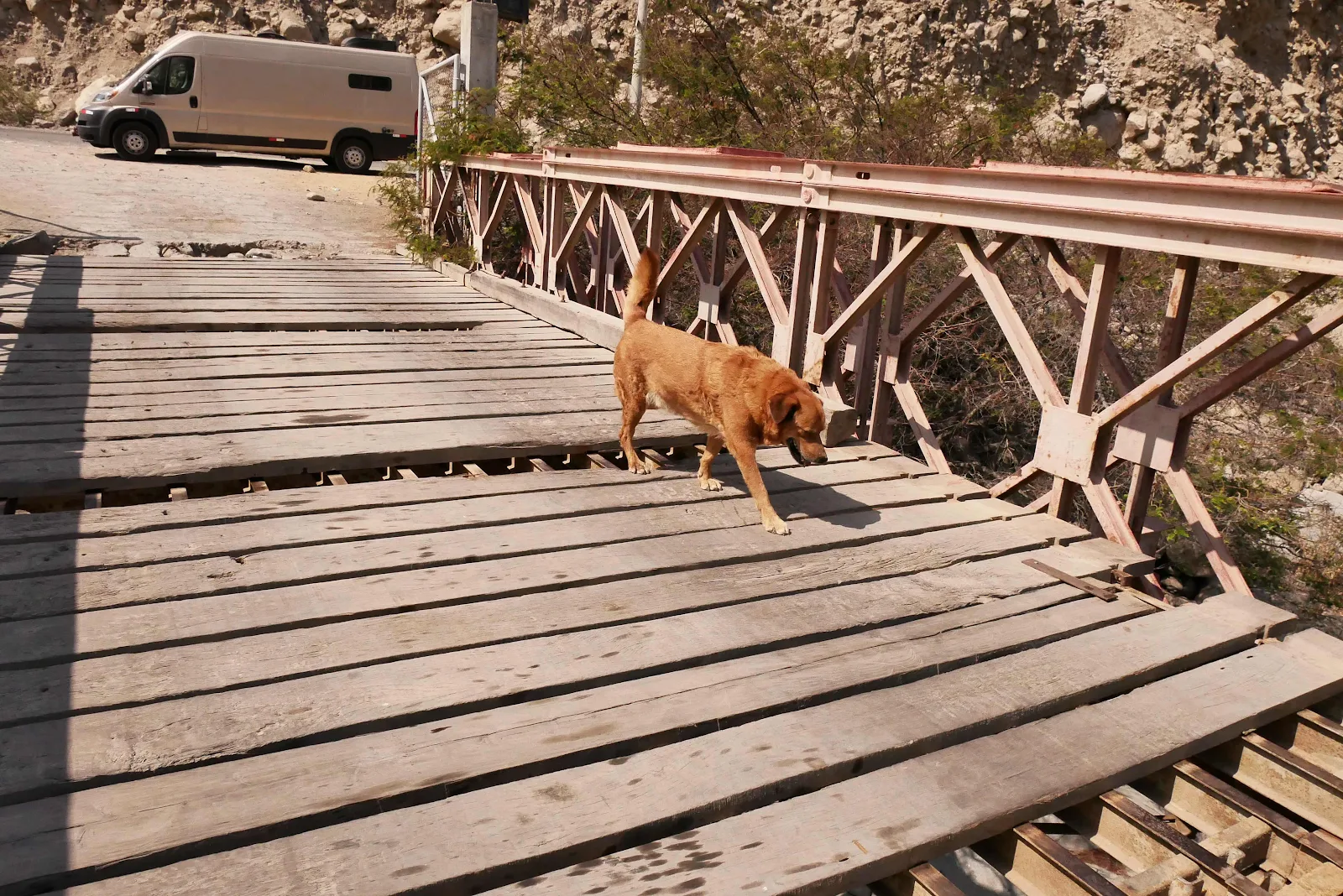
A road bridge connecting highway 123 to highway 12 wrecked impassable and abandoned. Take the long way round. Sorry, we pocketed the money for the replacement.
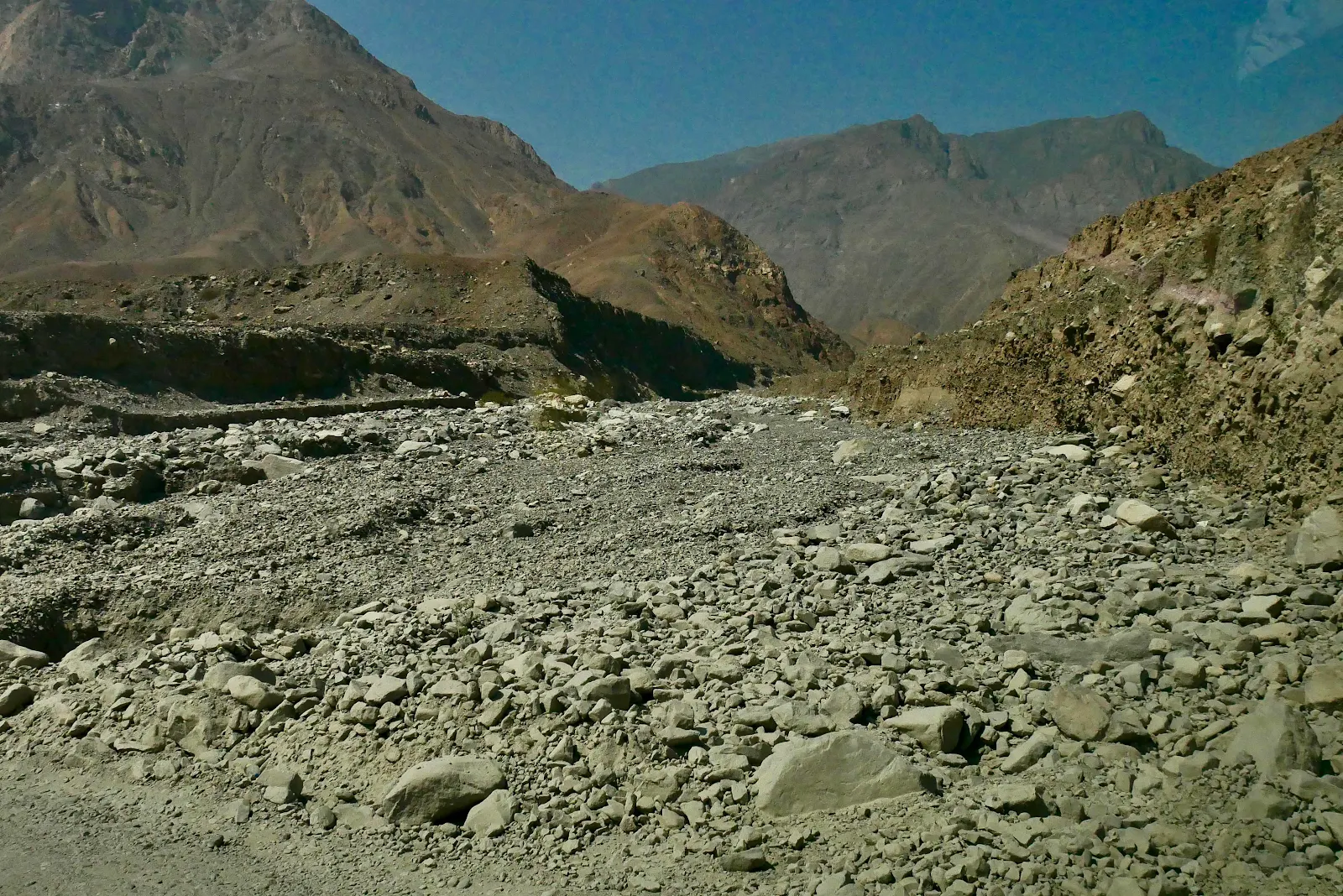
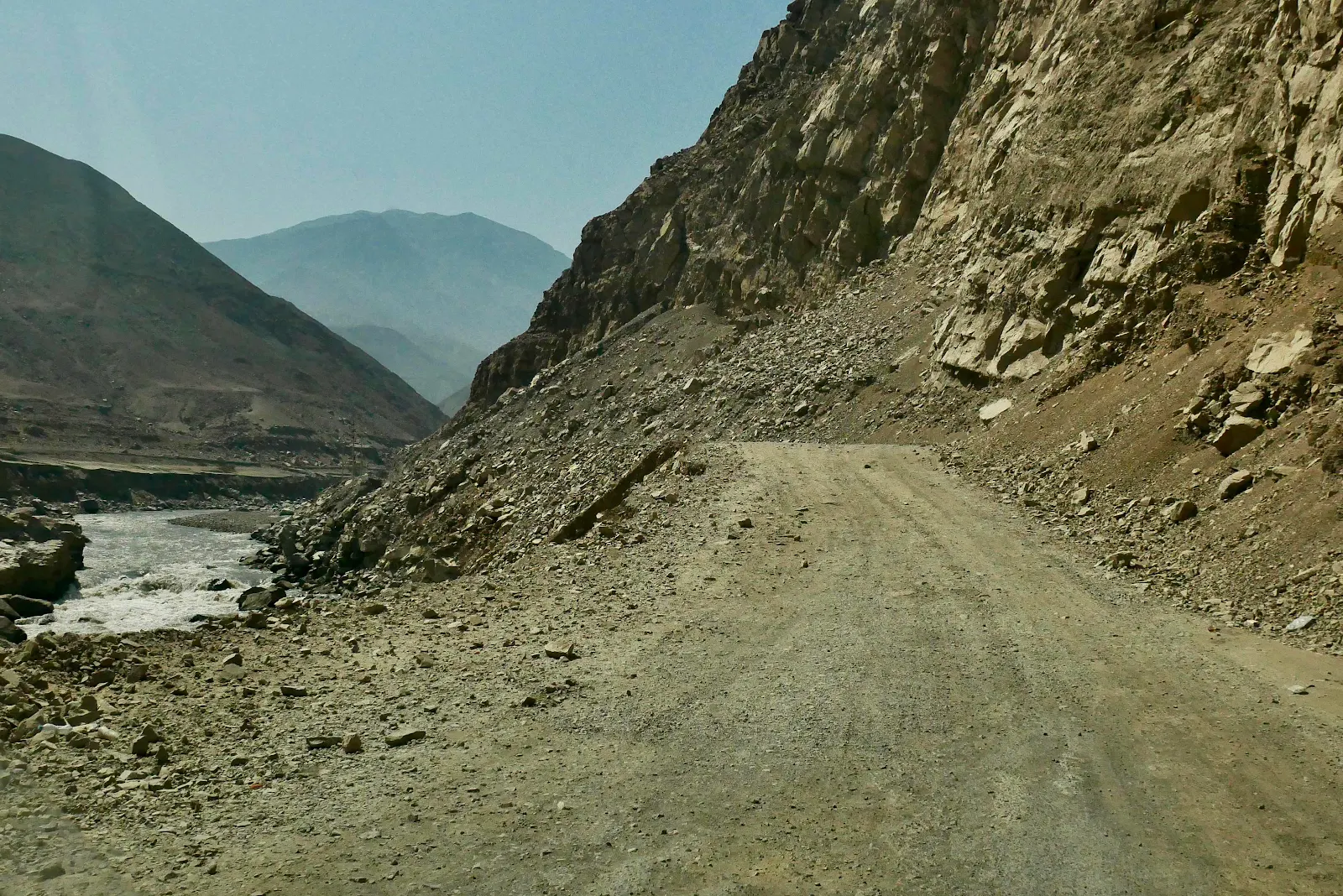
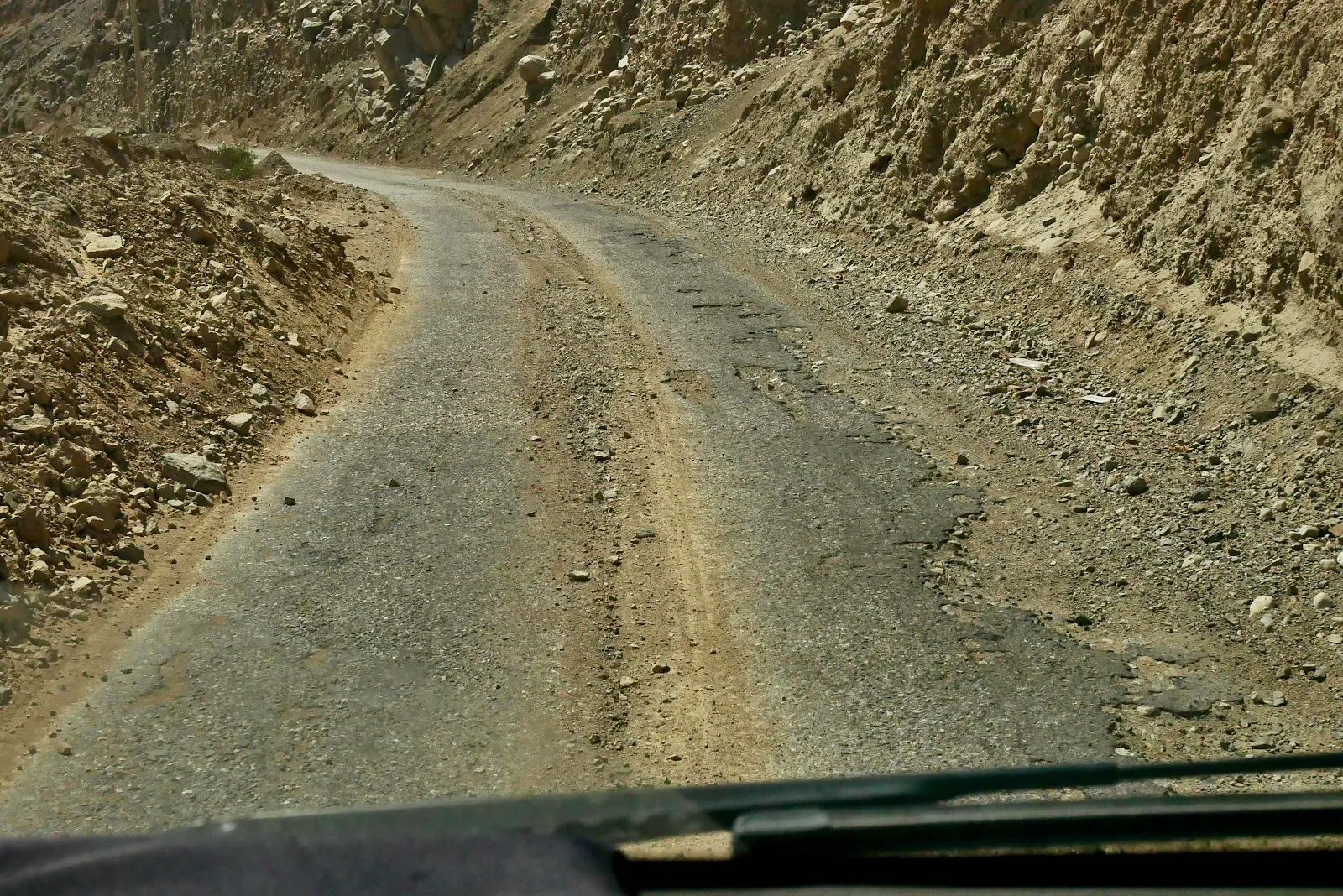
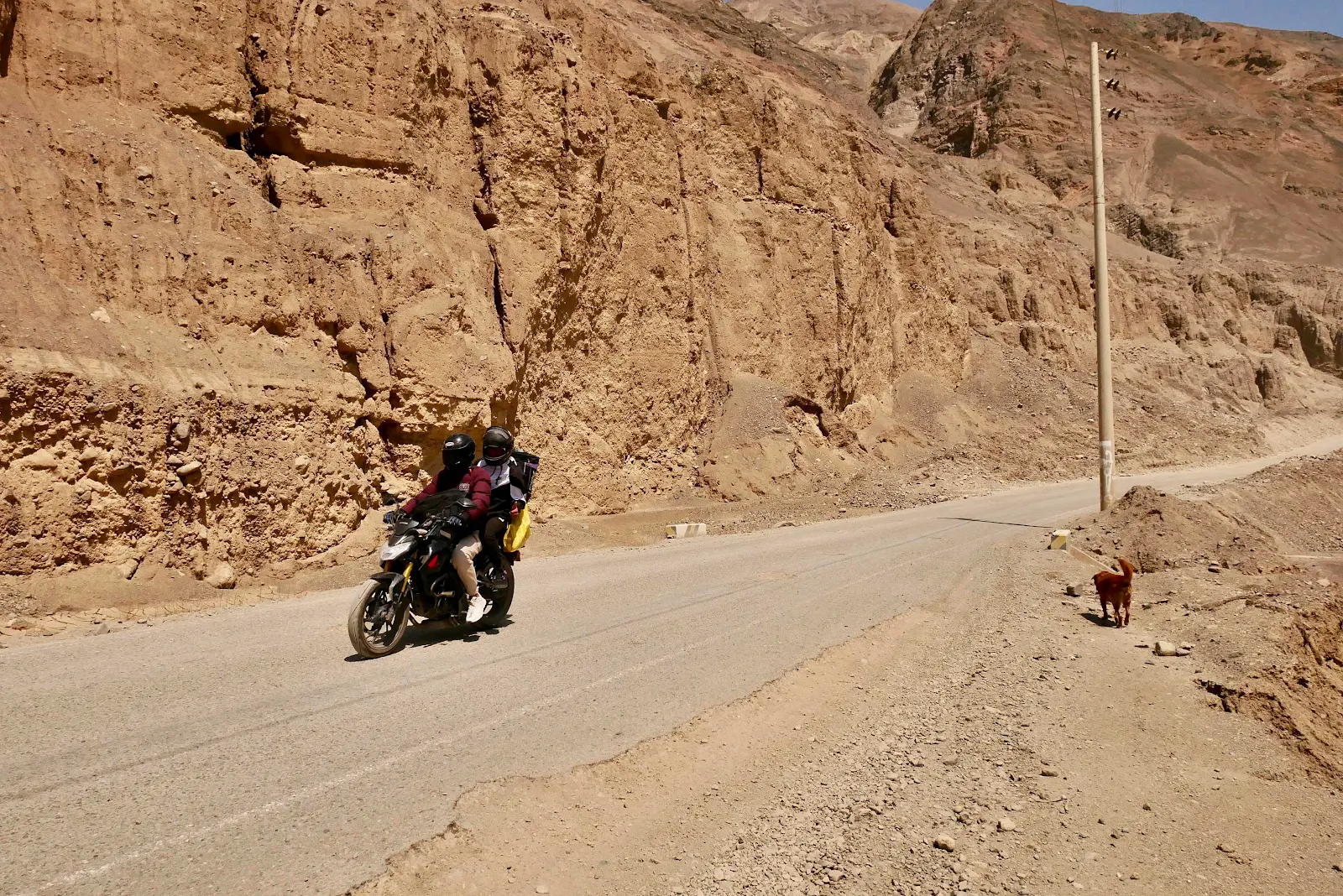
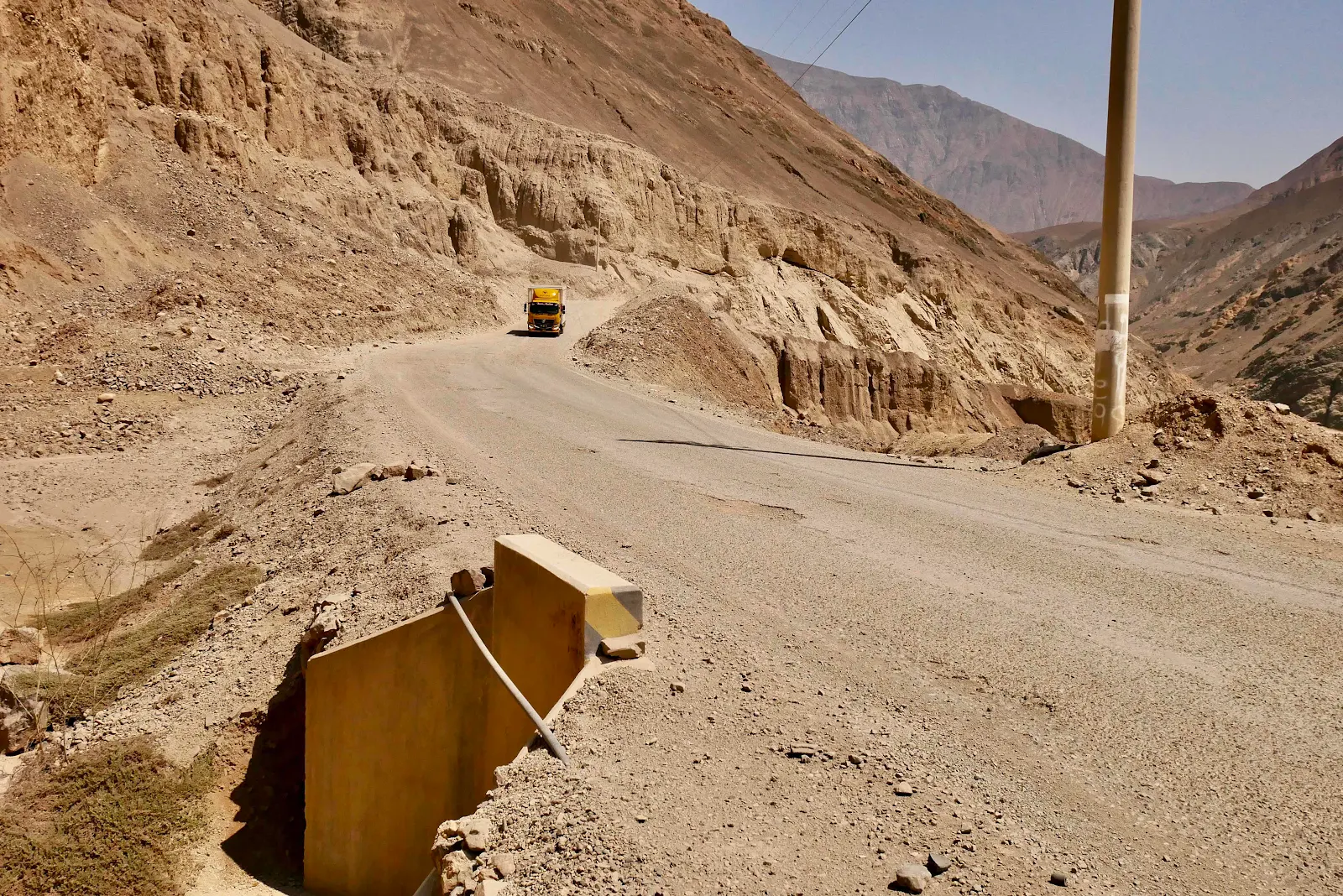
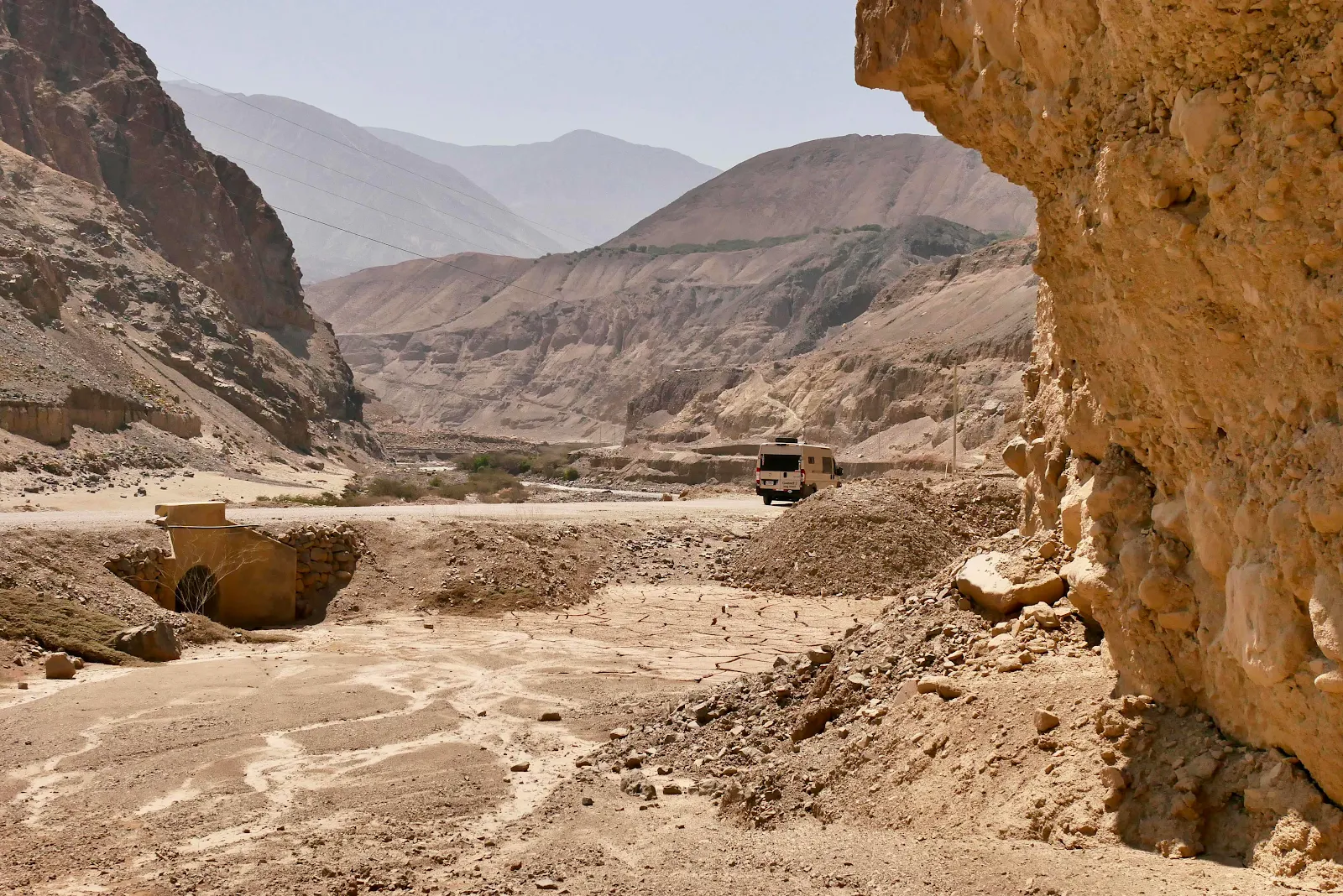
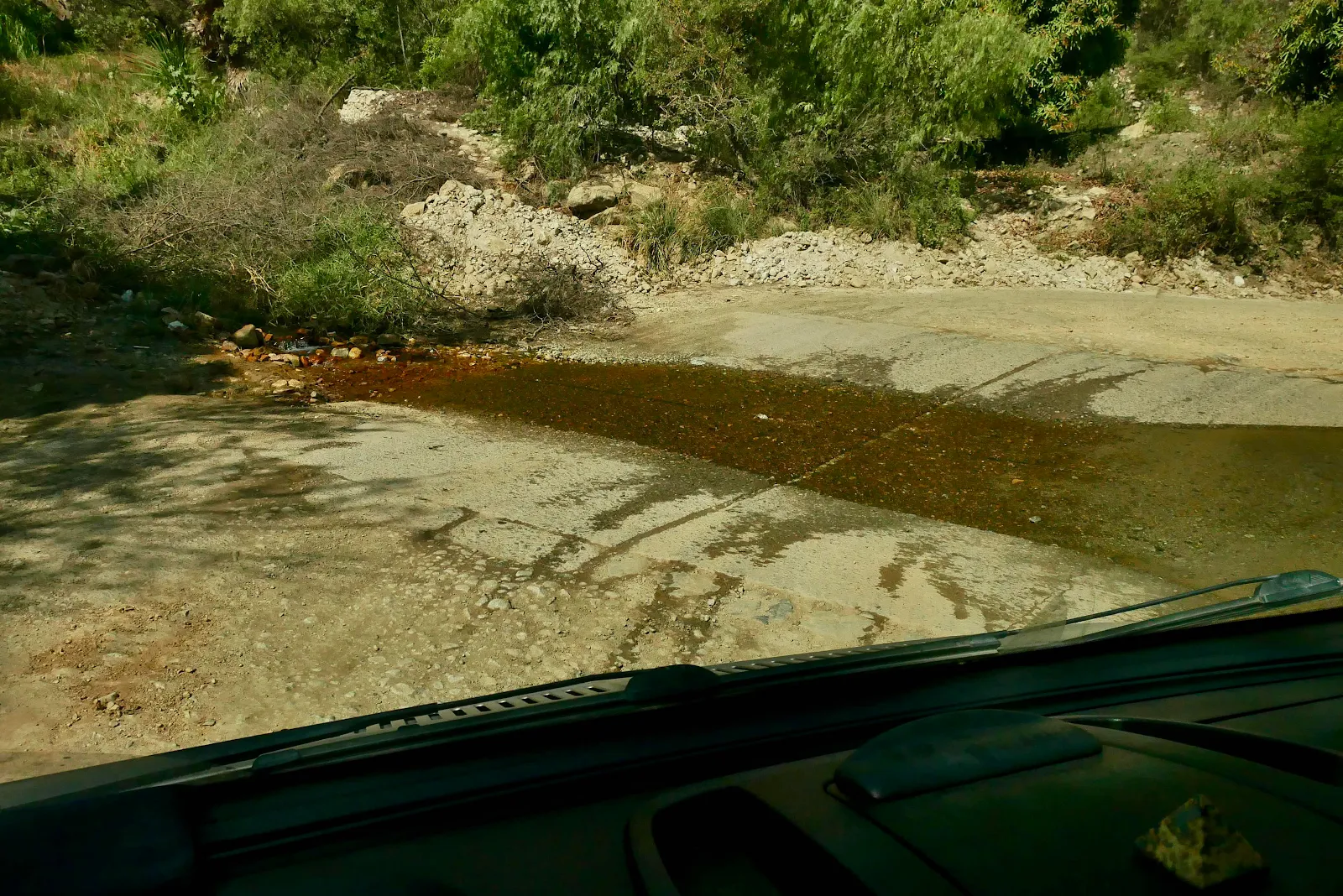
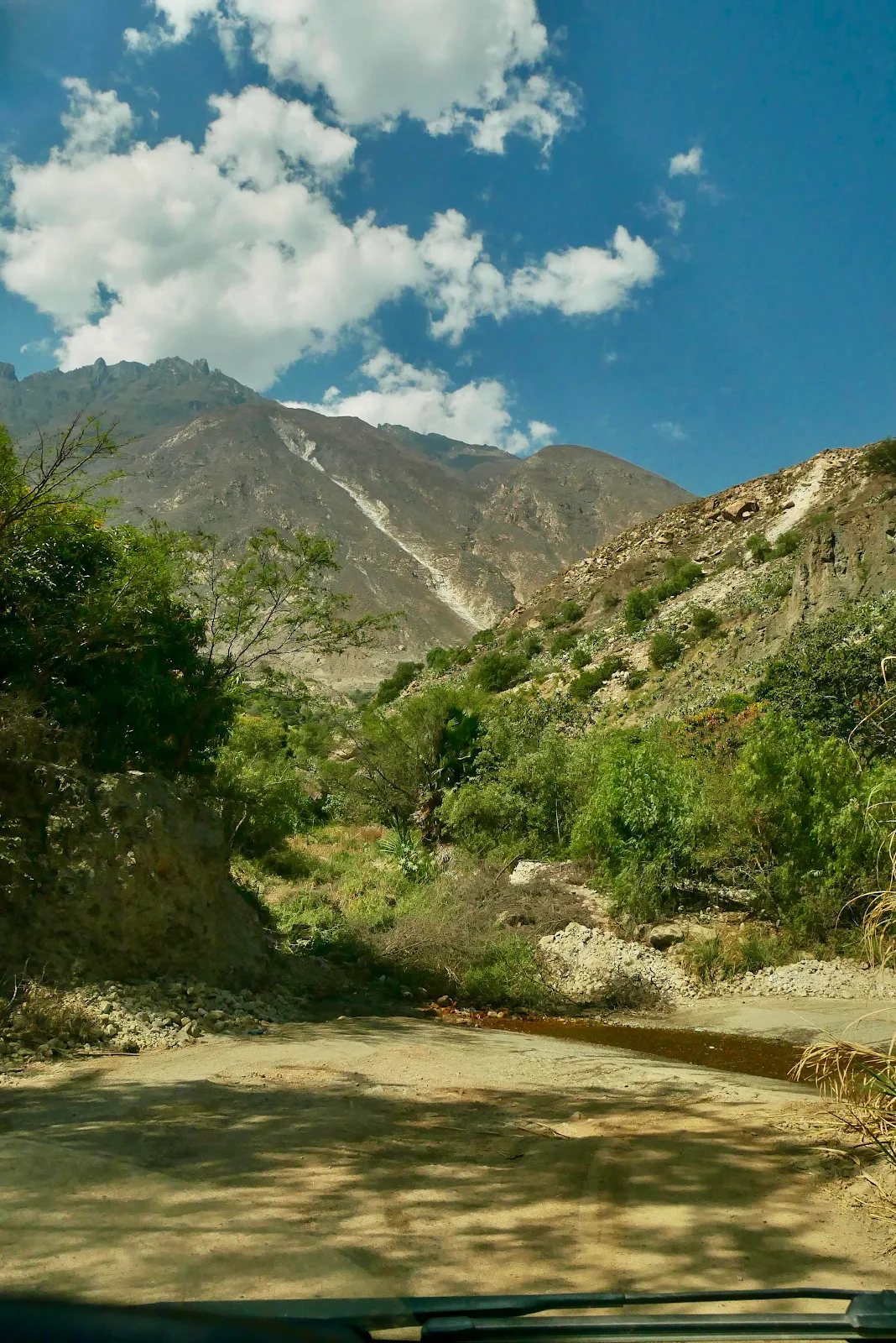
Rainy season delights, fords that in dry season are nothing.
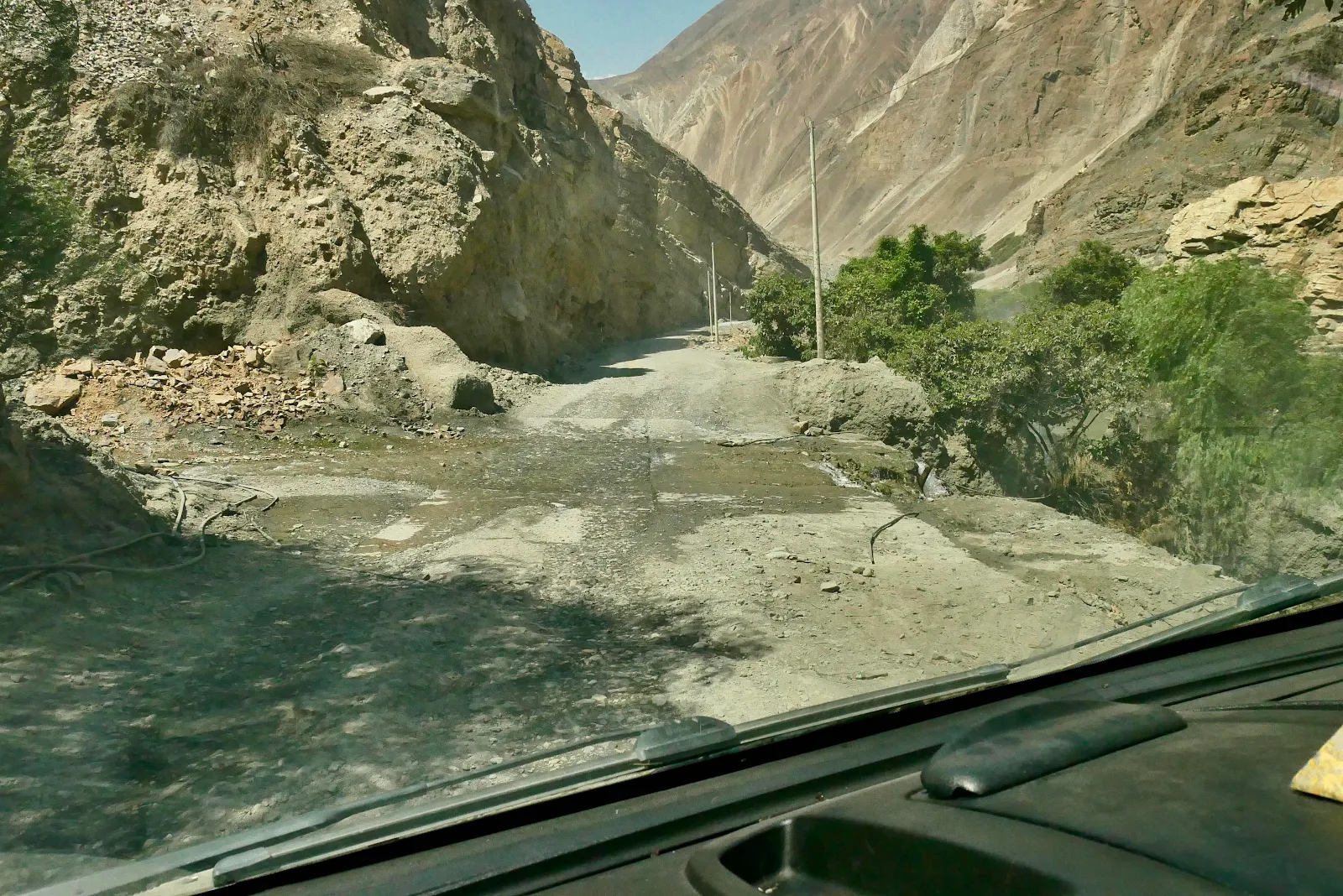
But in the wet season could be a hassle.
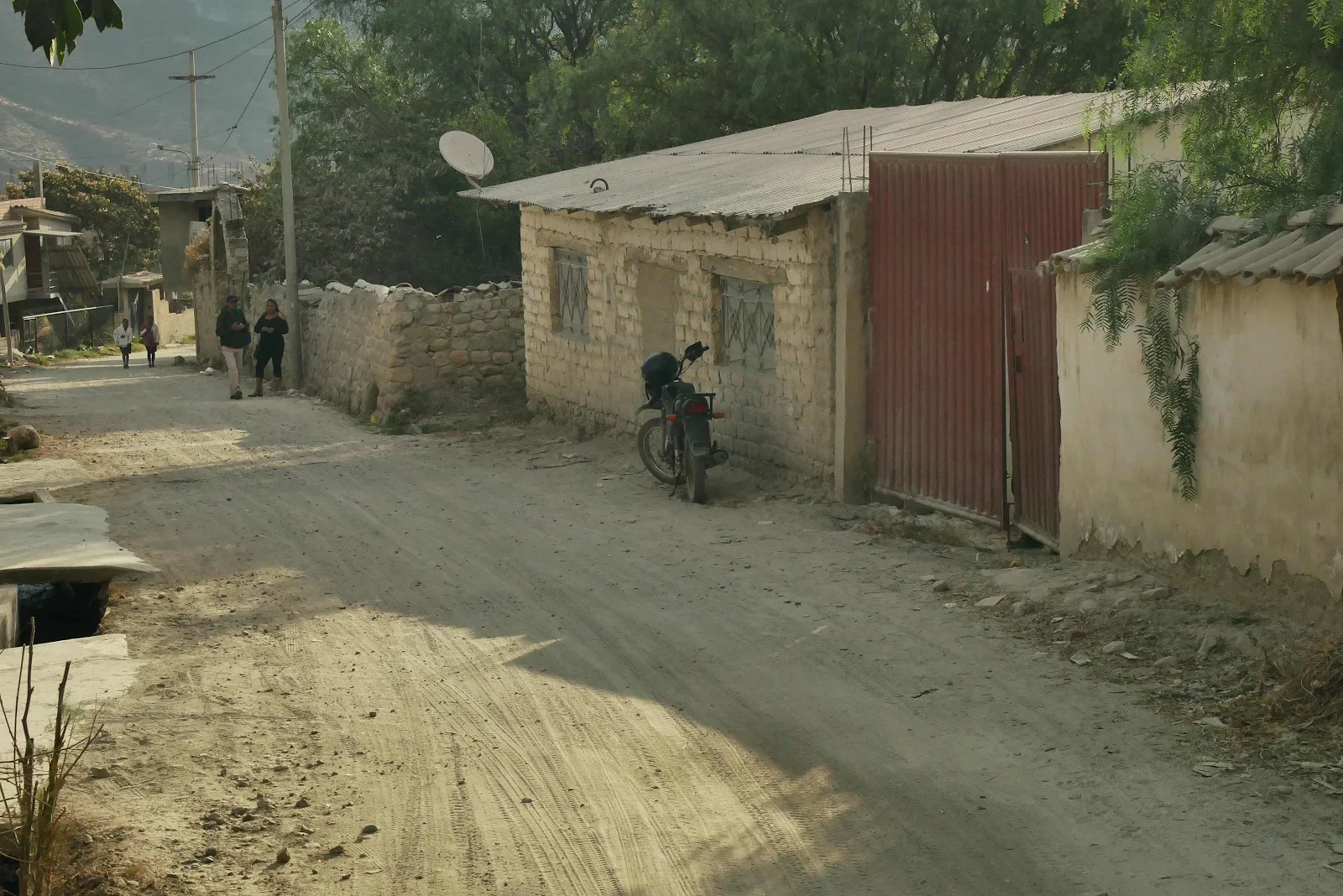
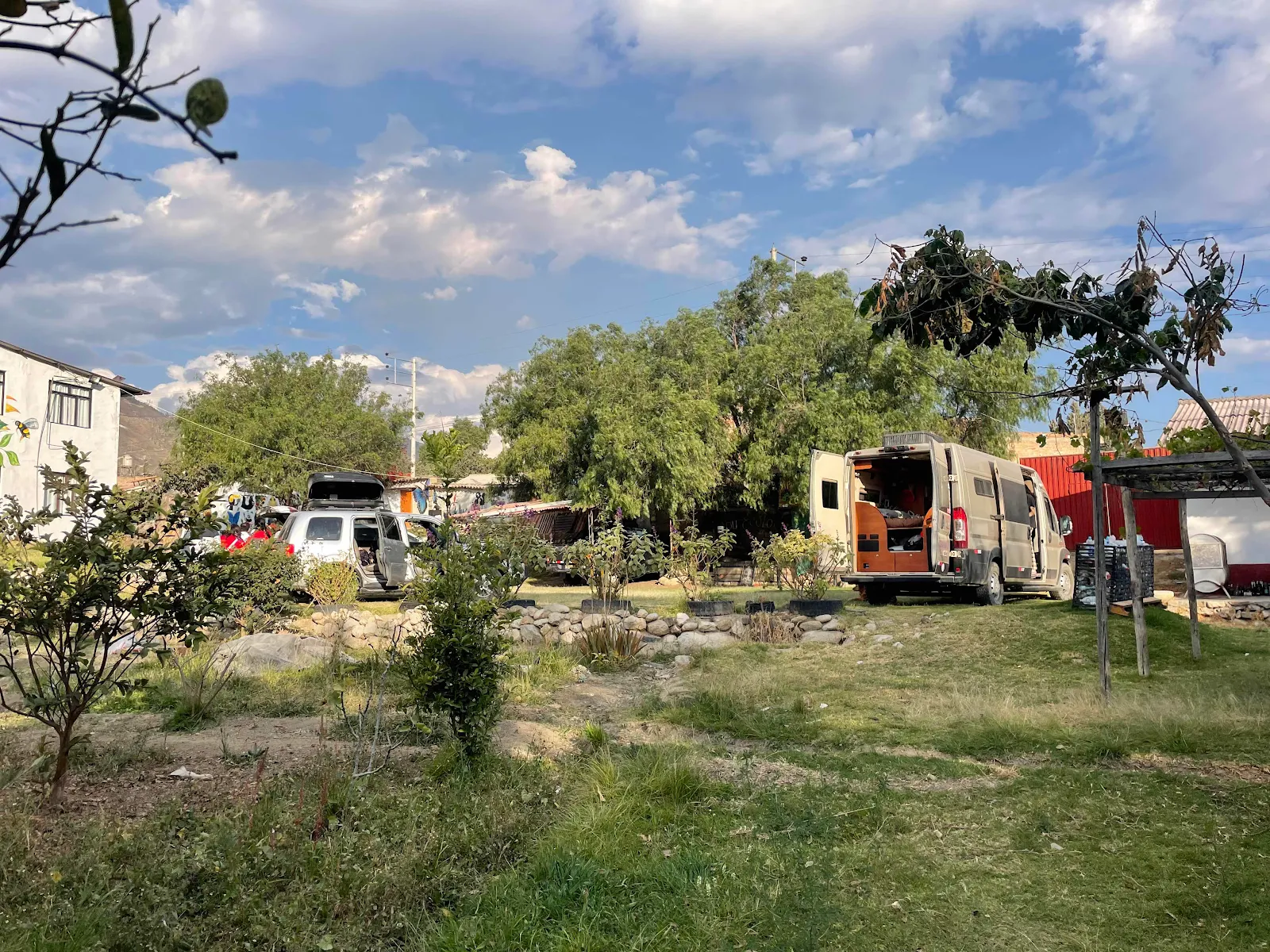

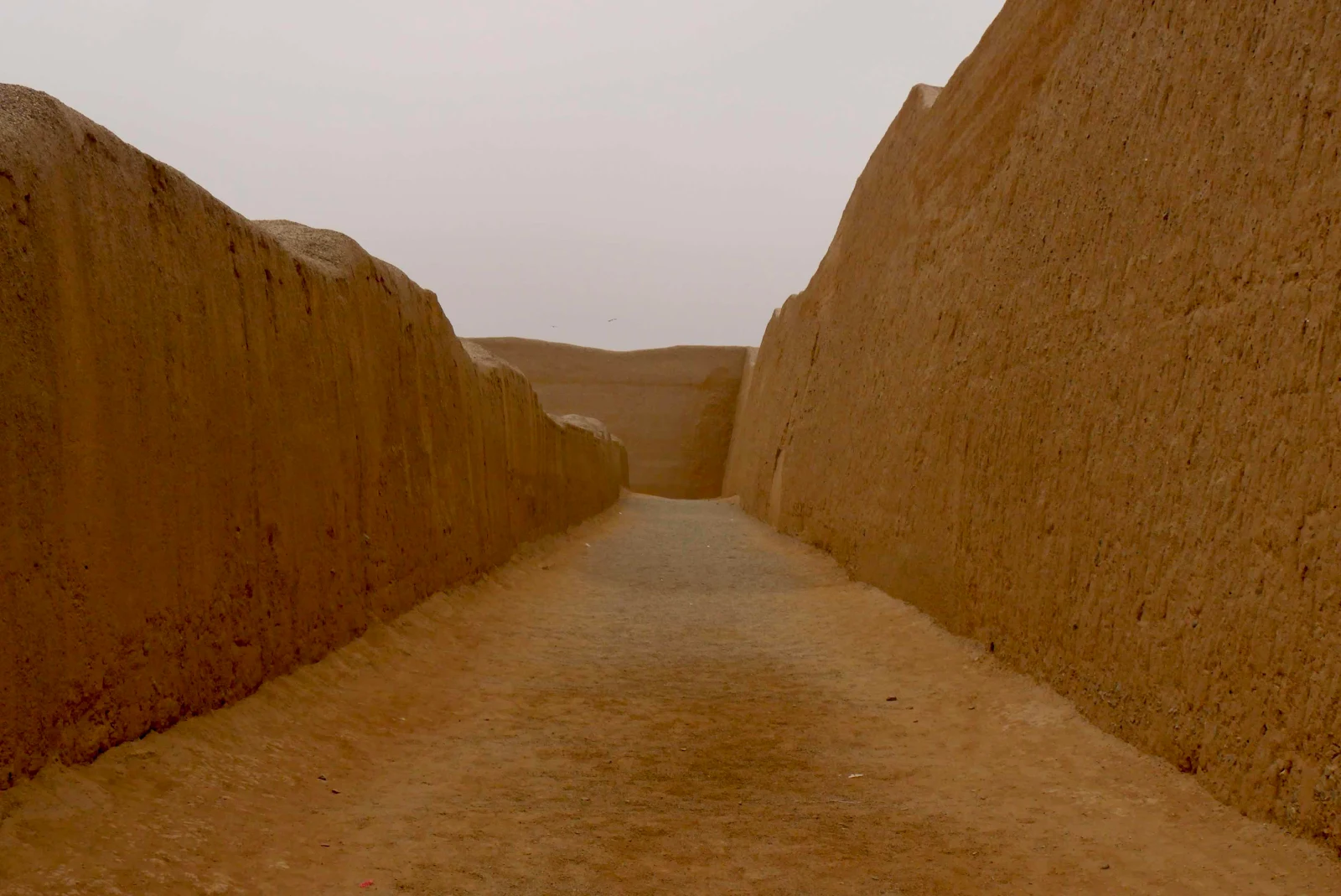
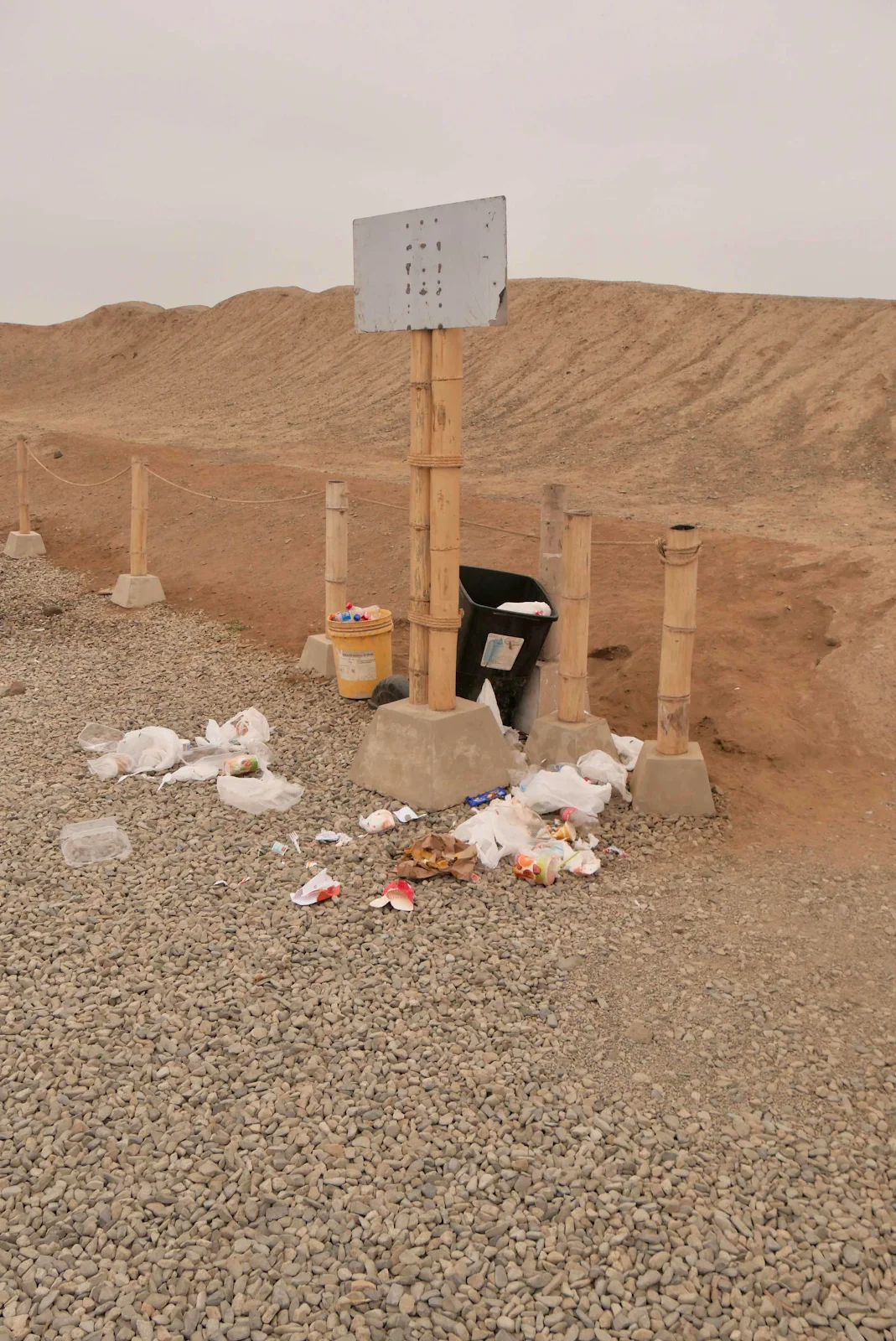
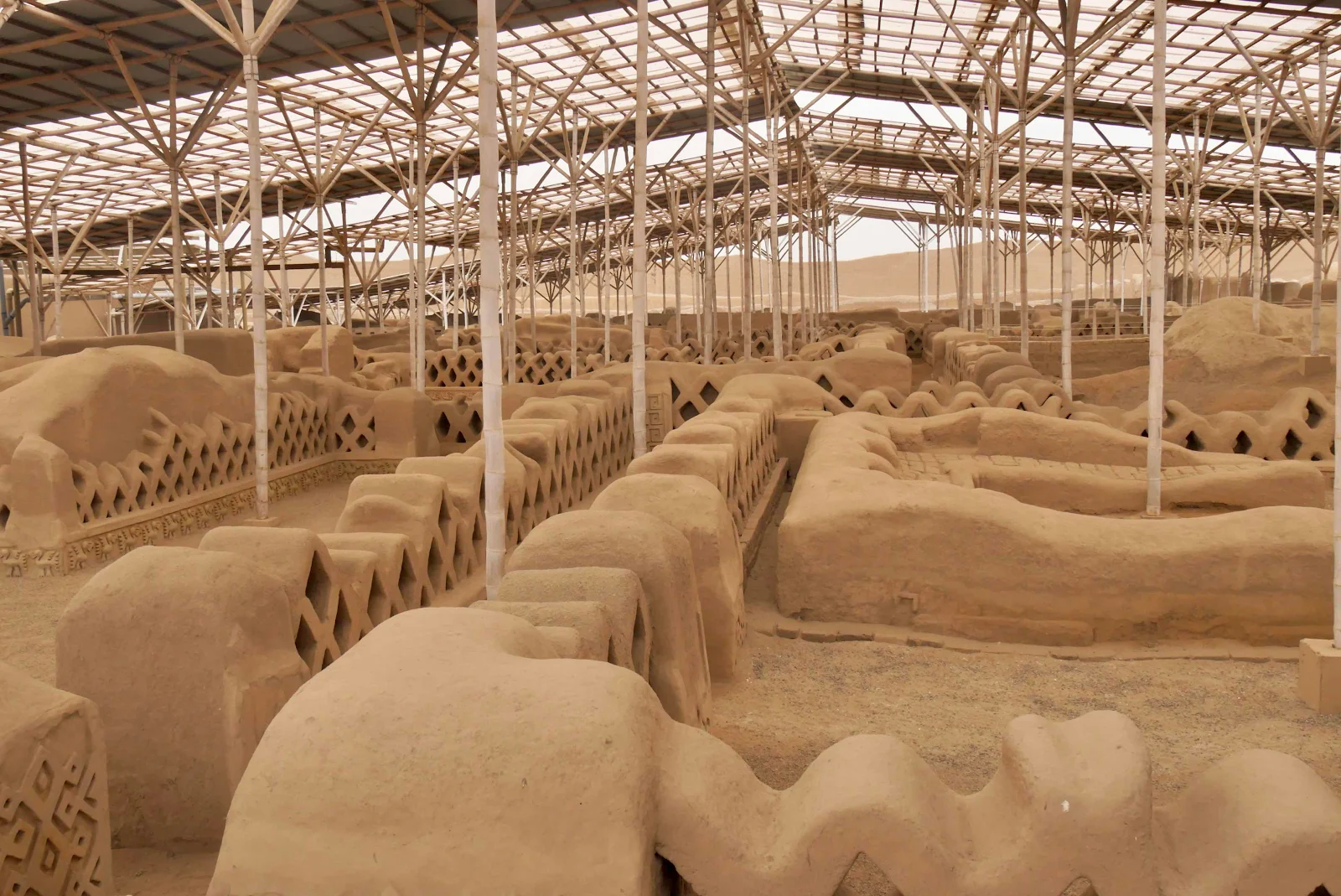
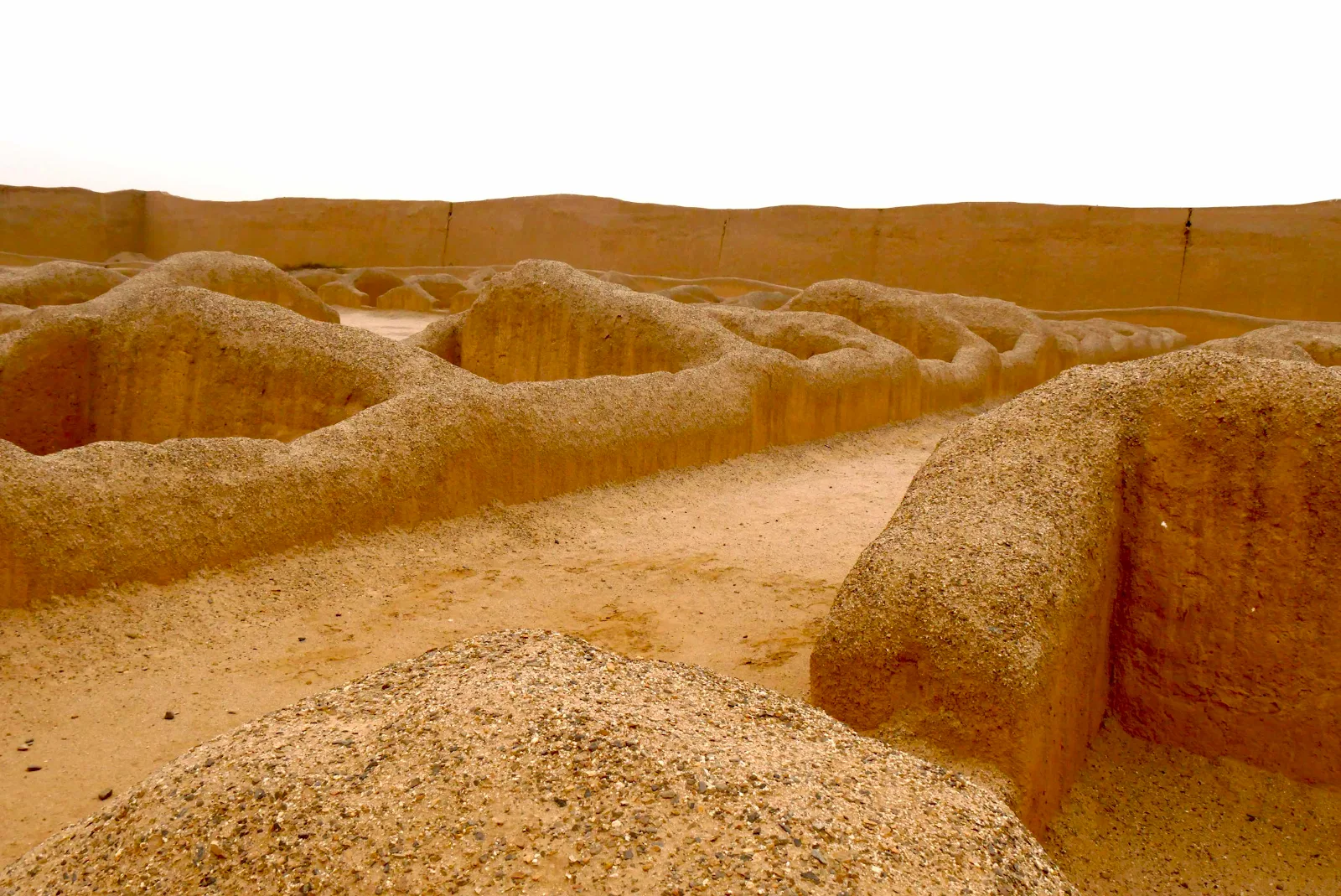
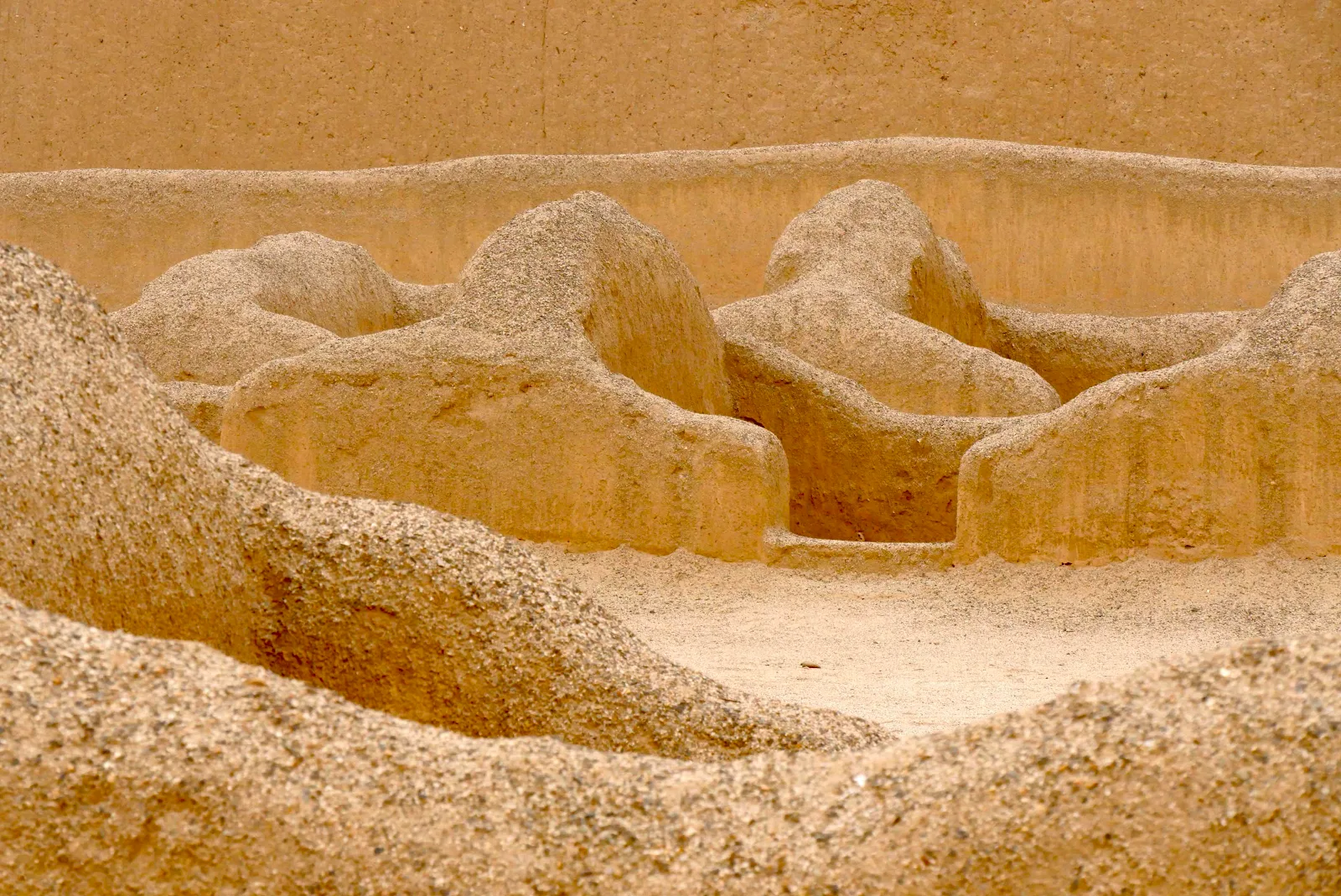
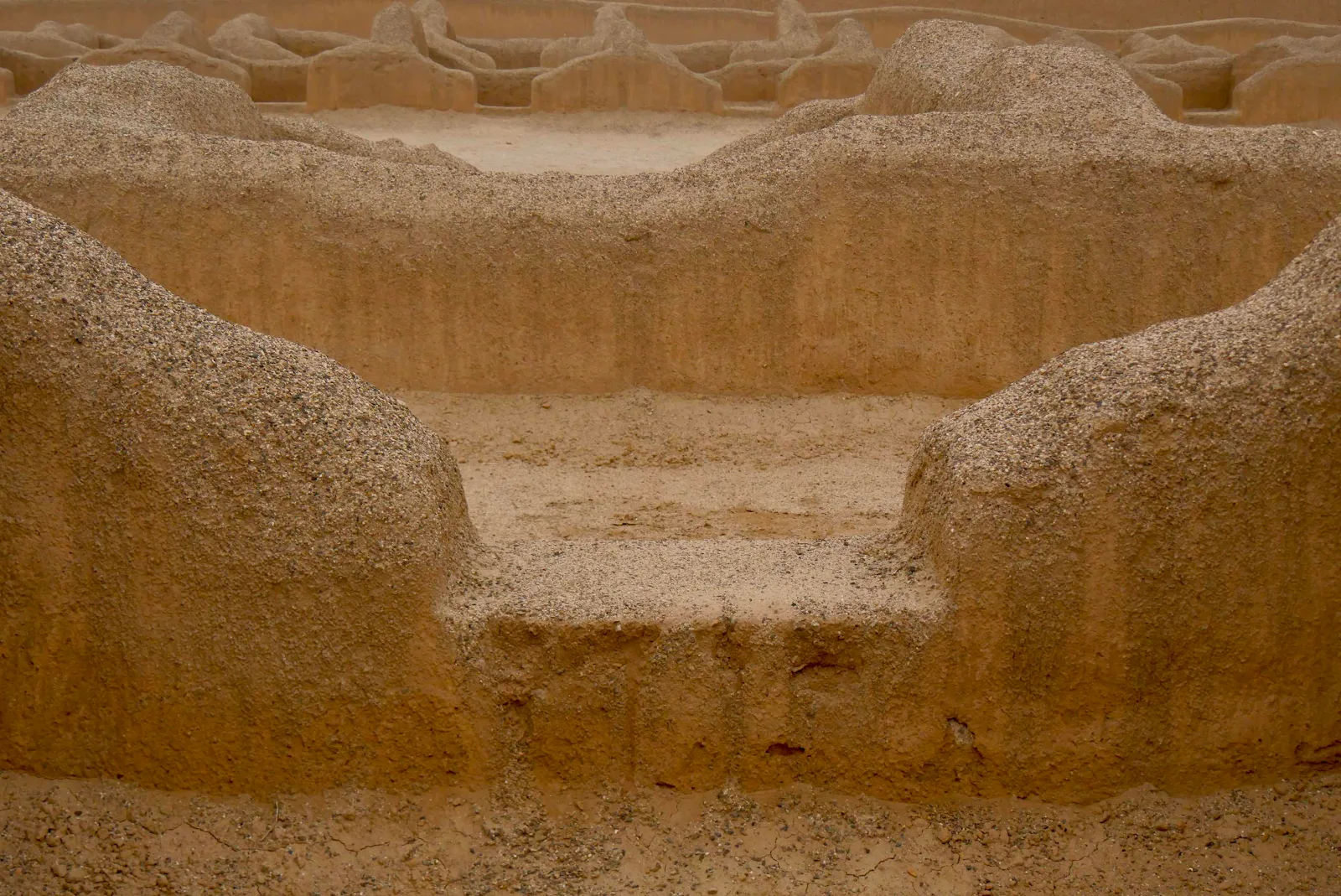
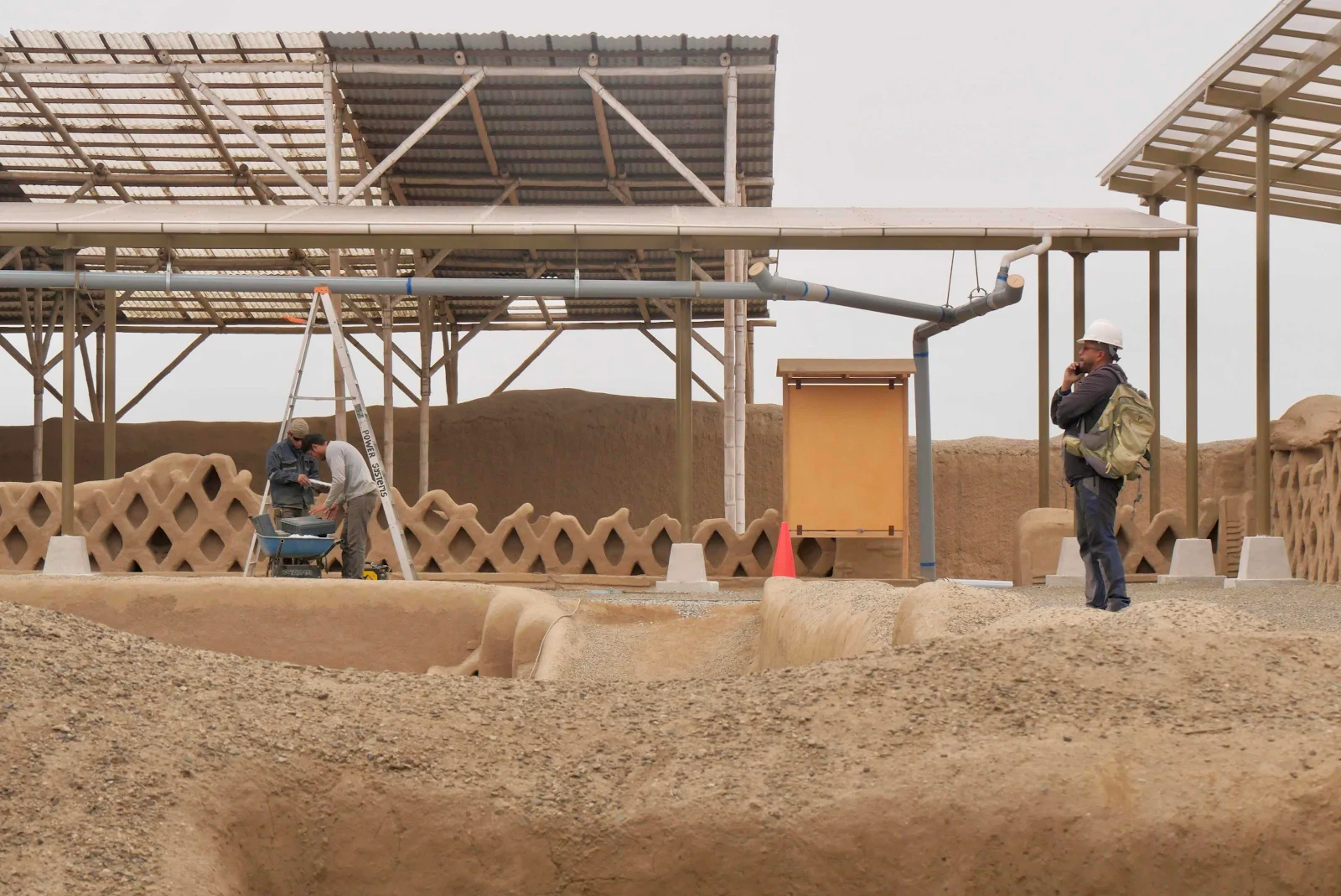
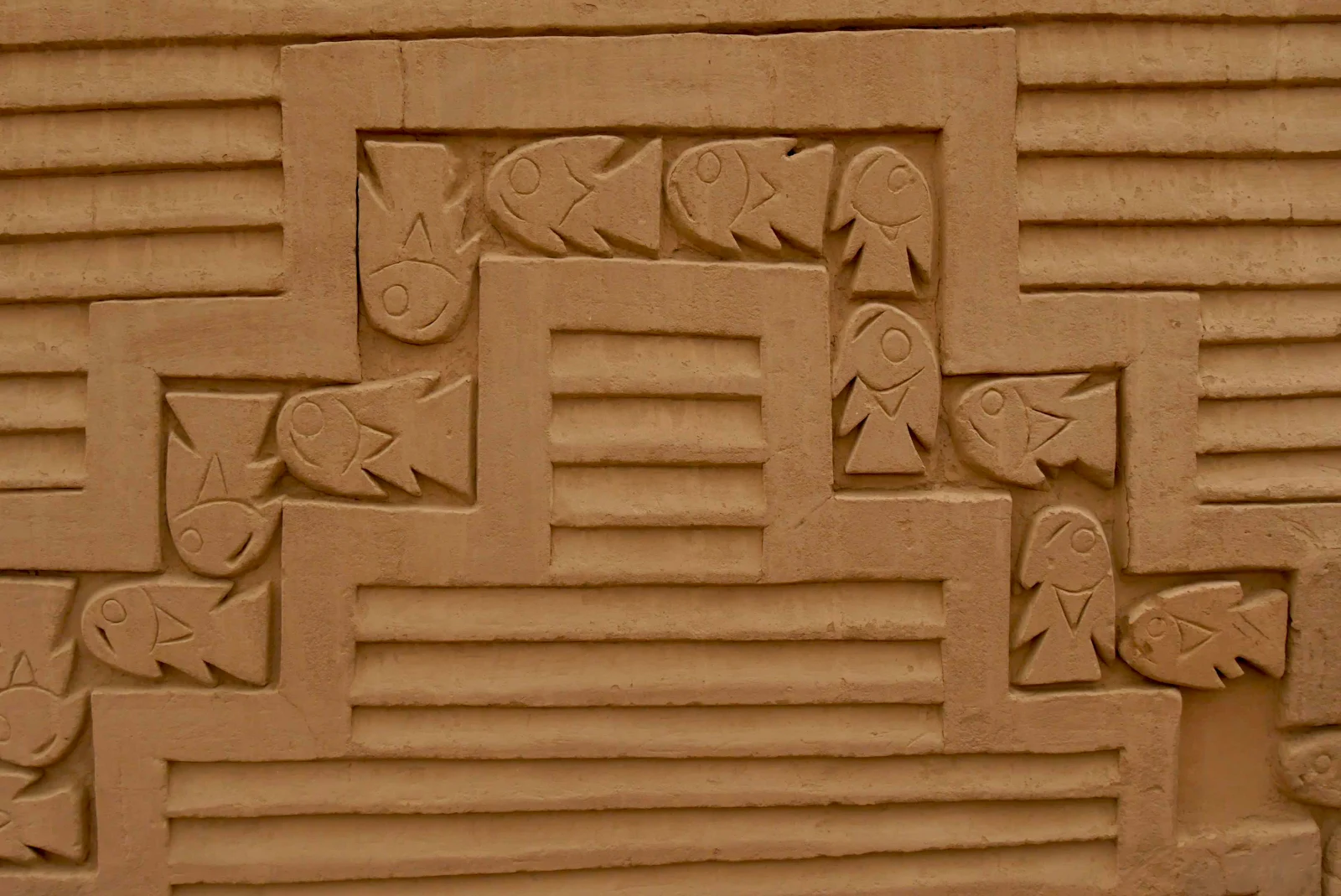
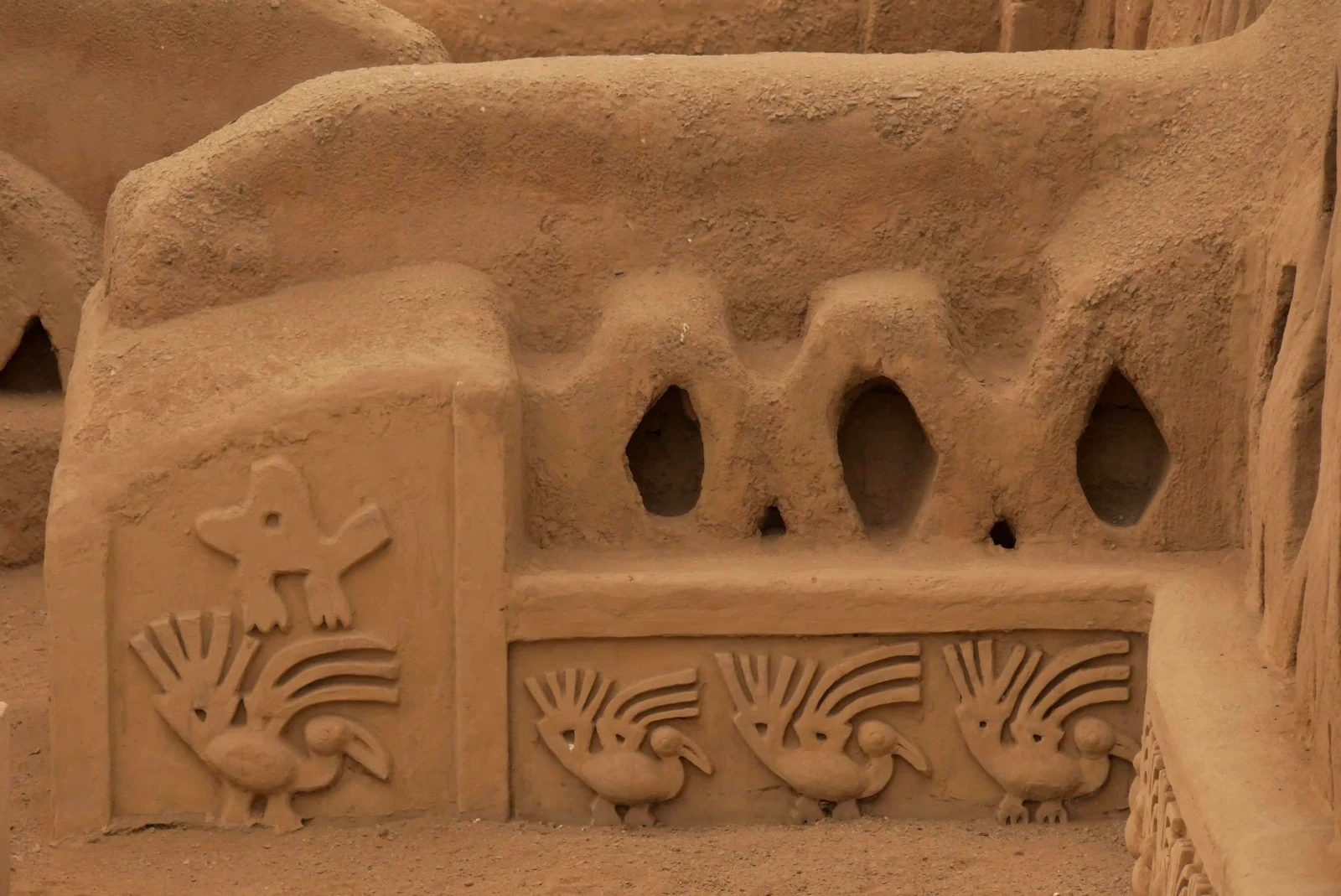
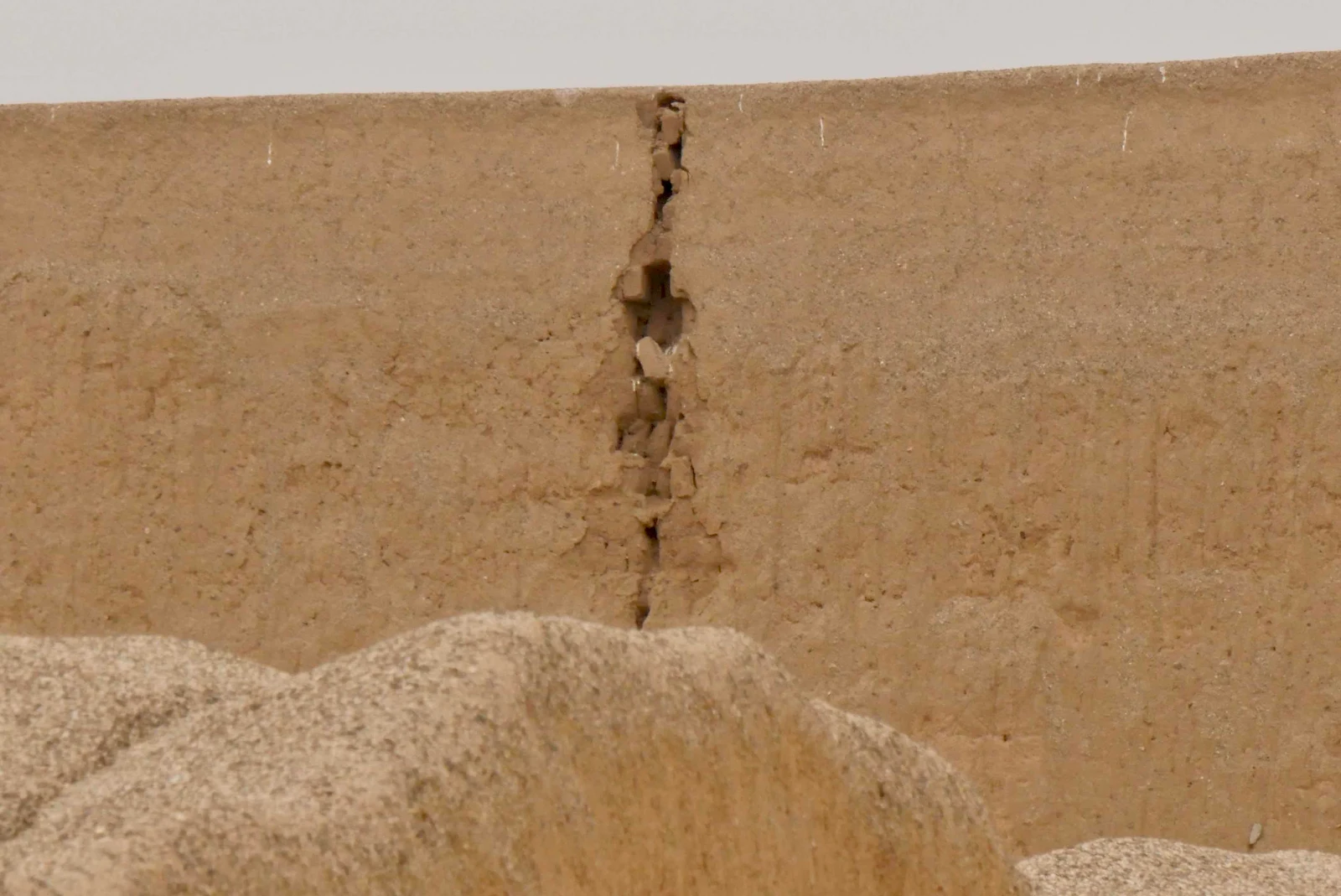
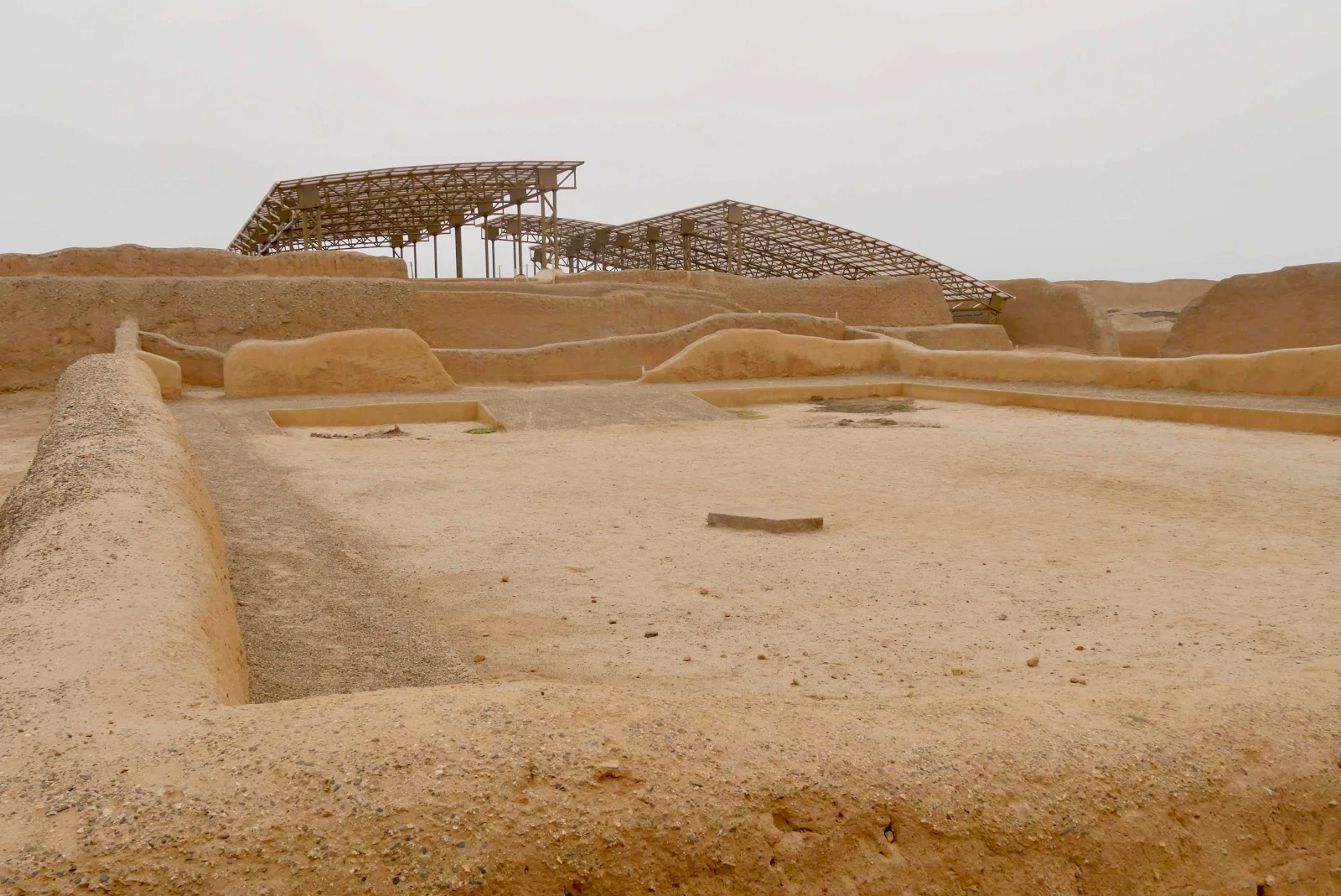
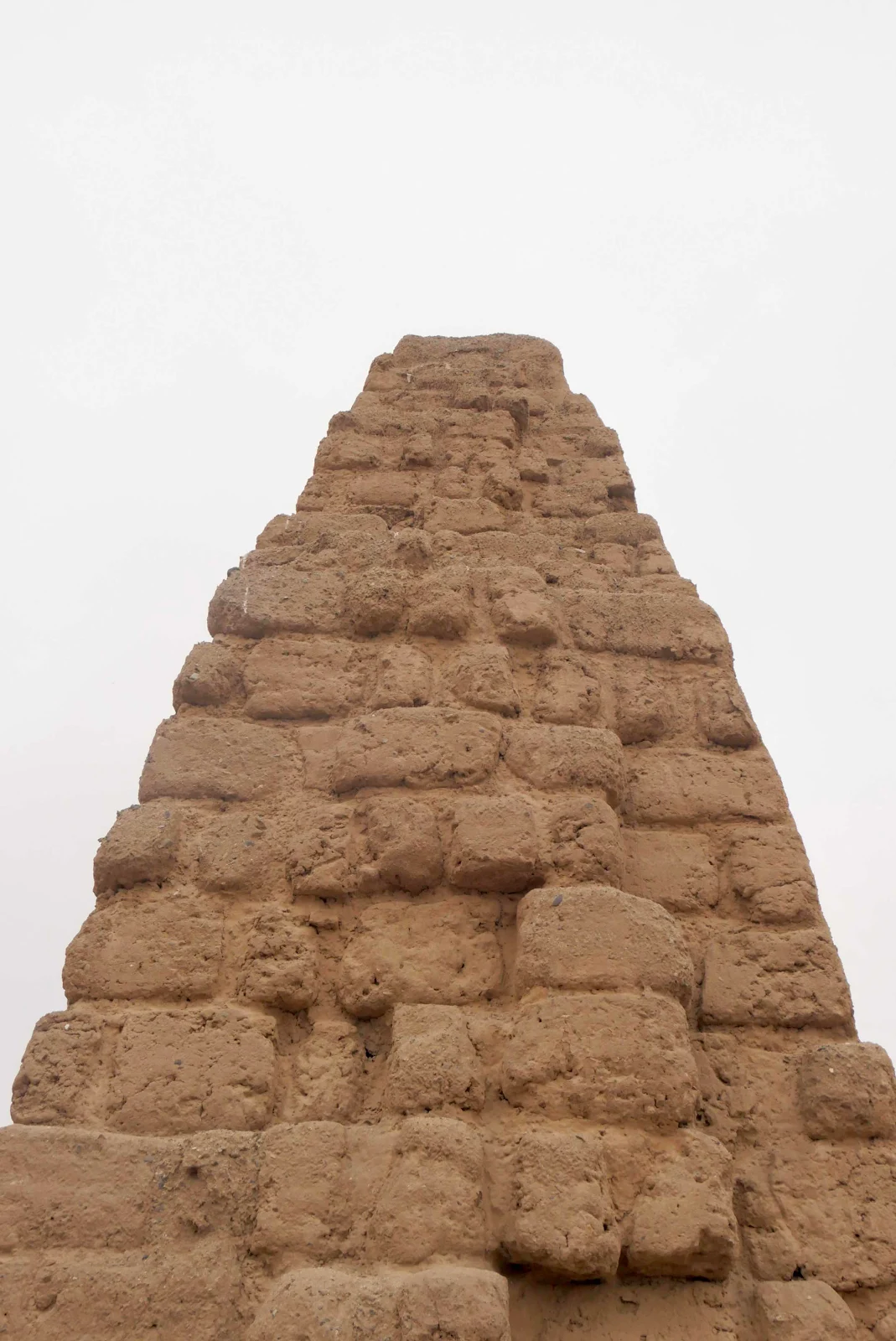
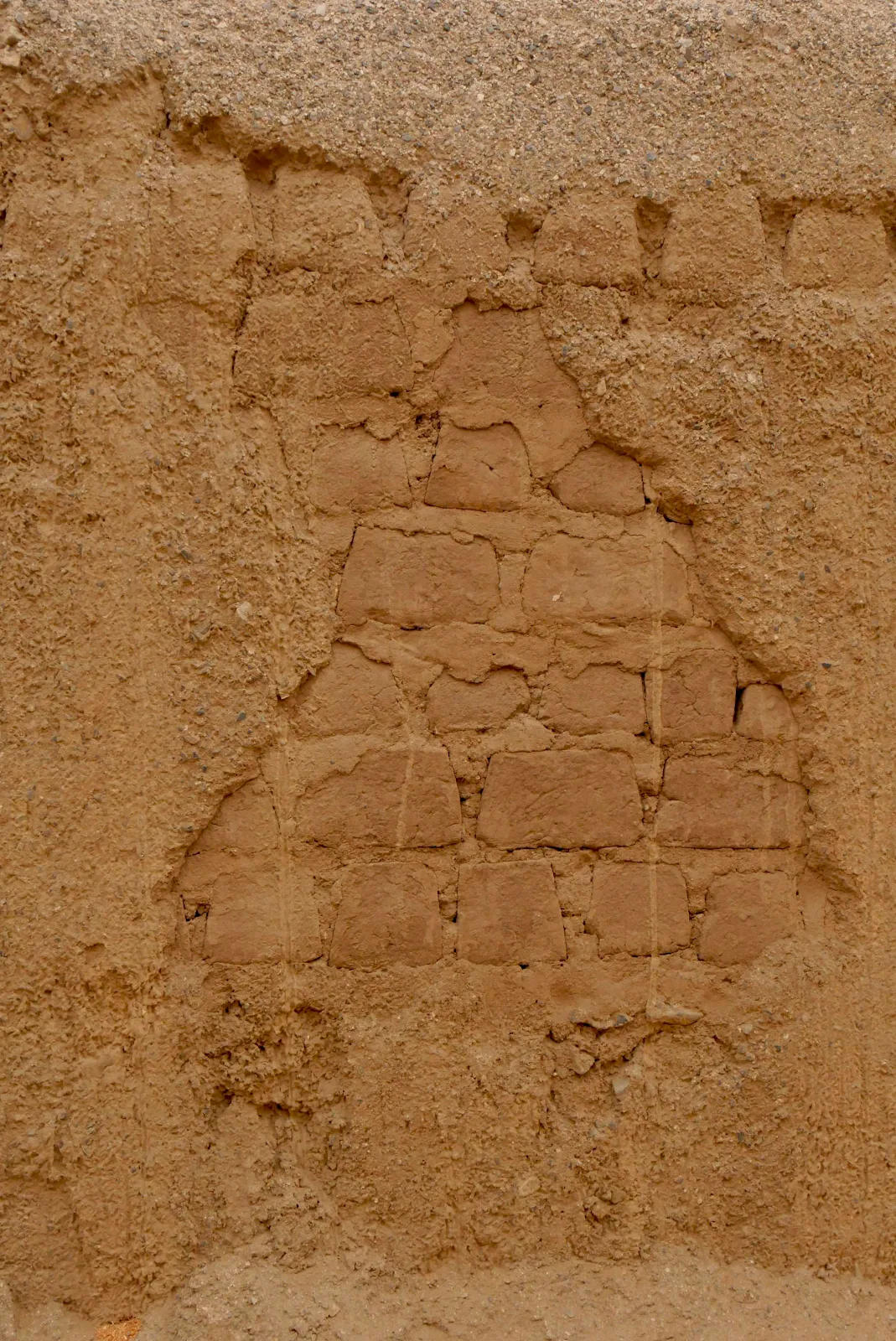
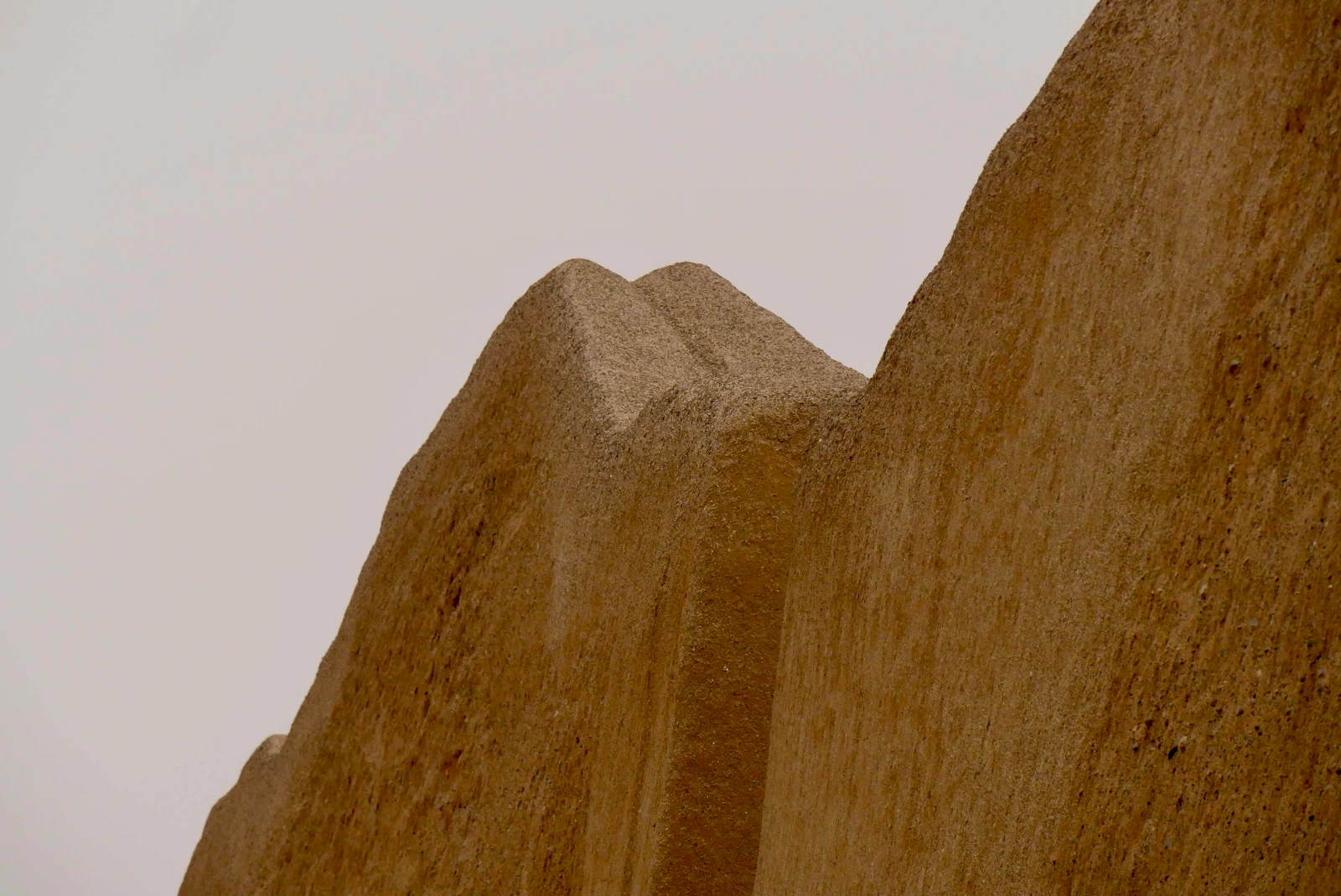
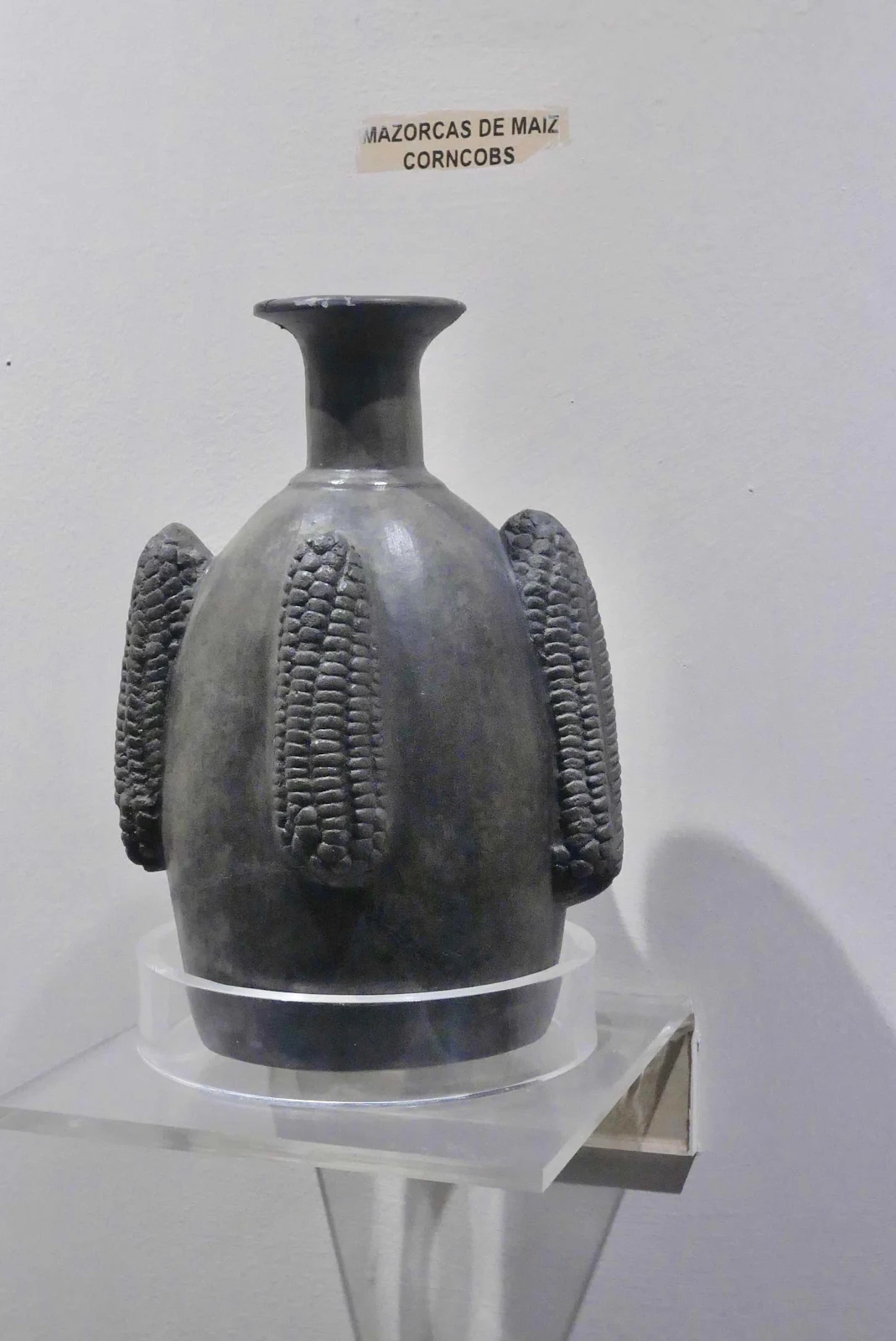
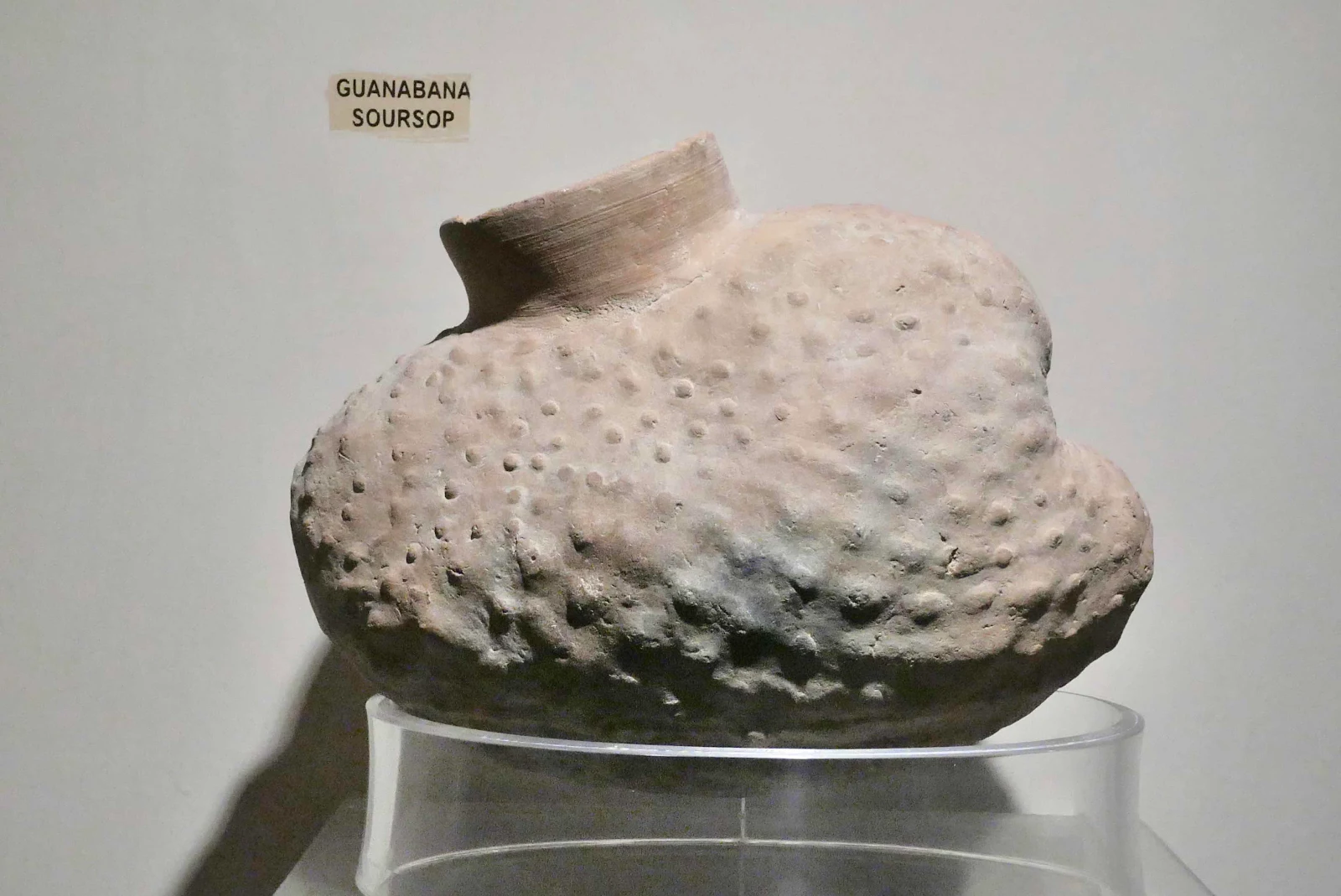
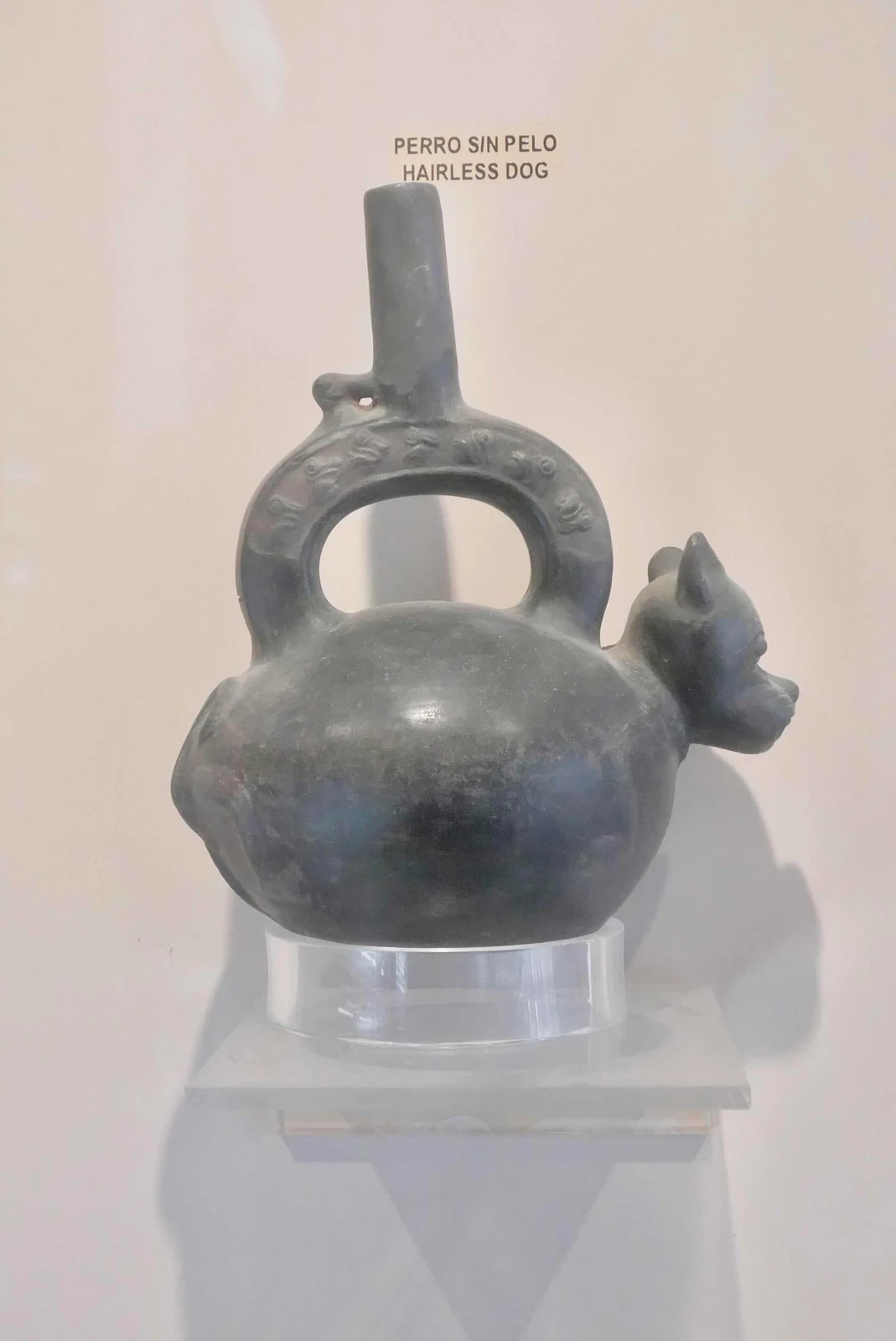
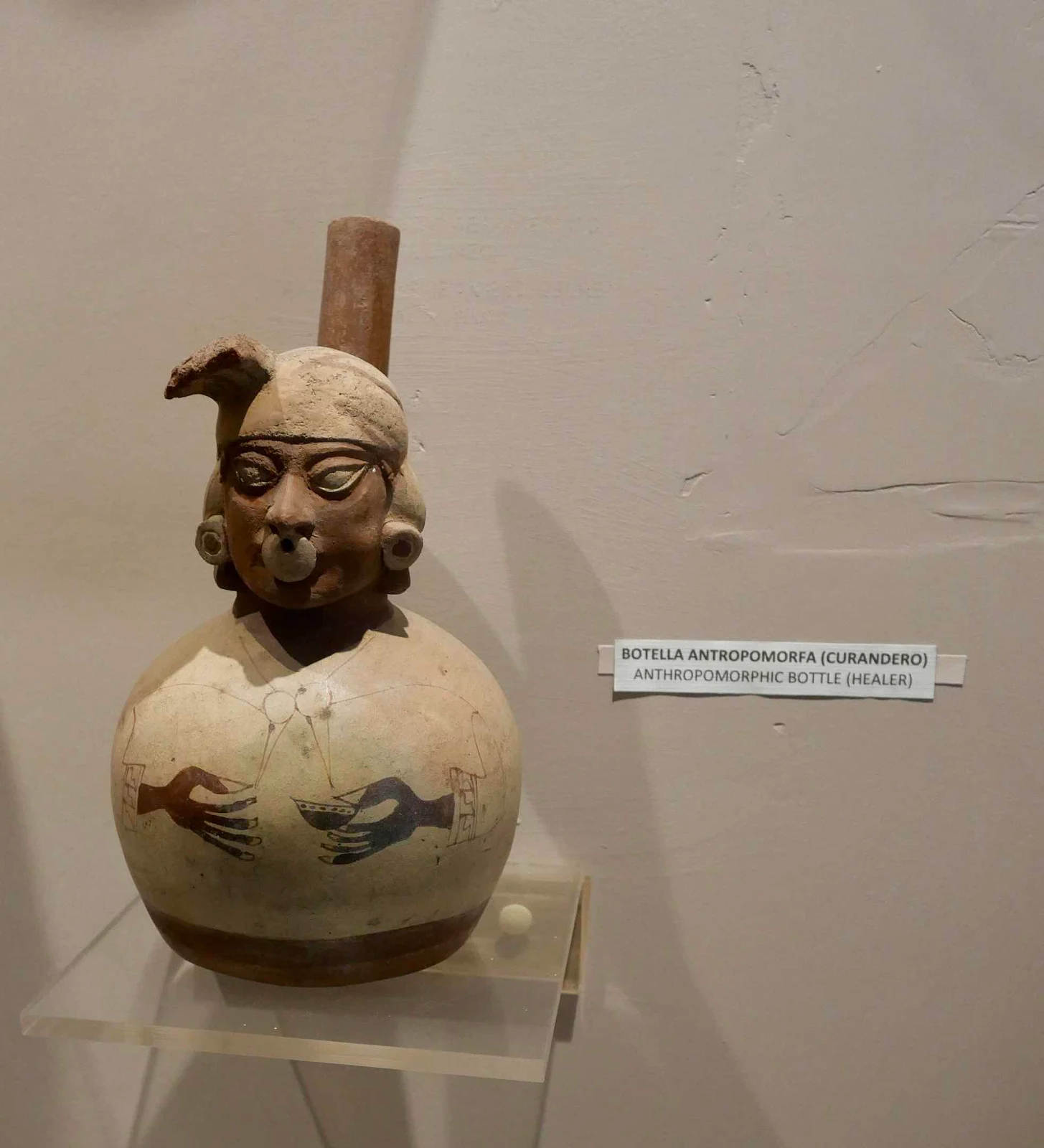
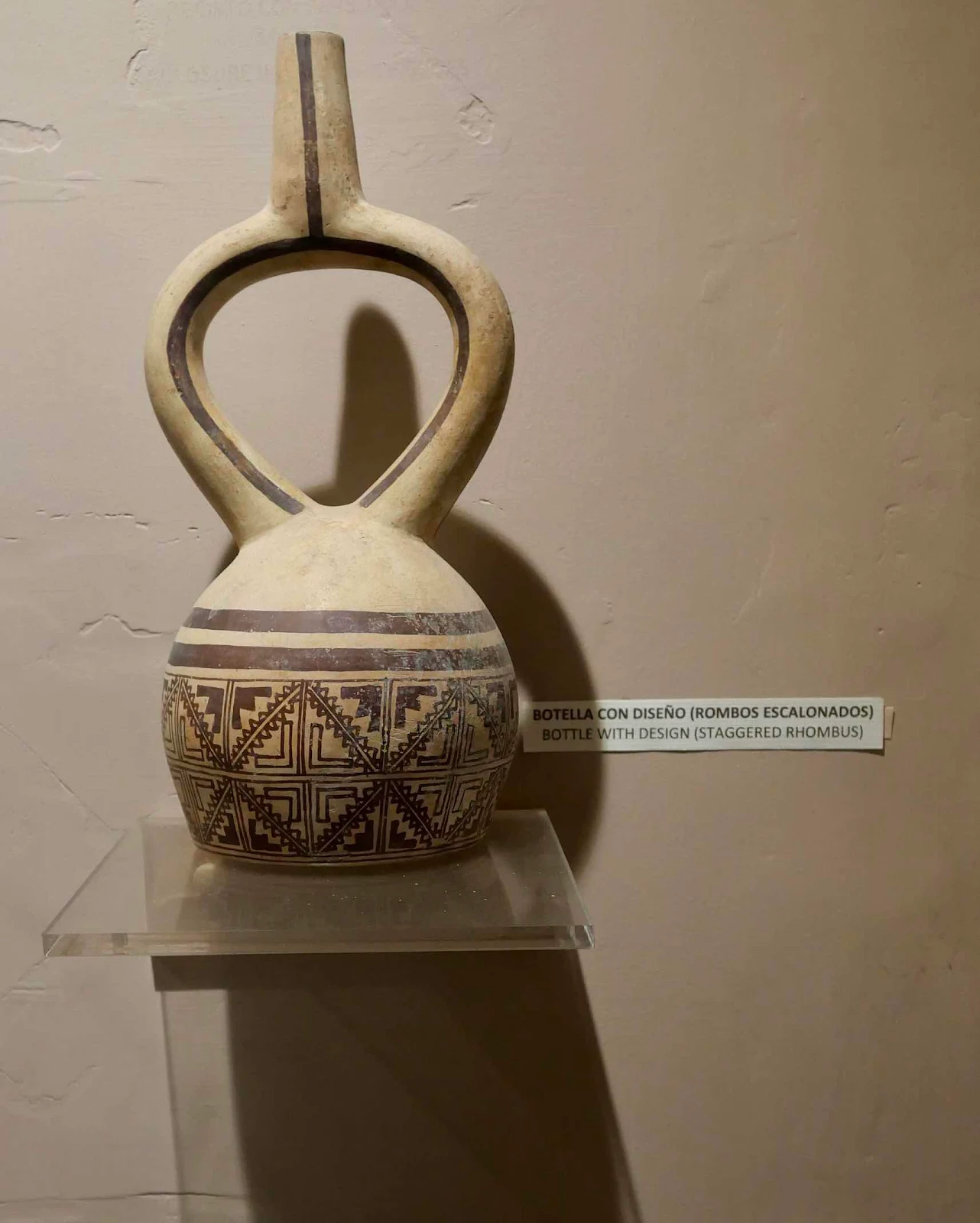
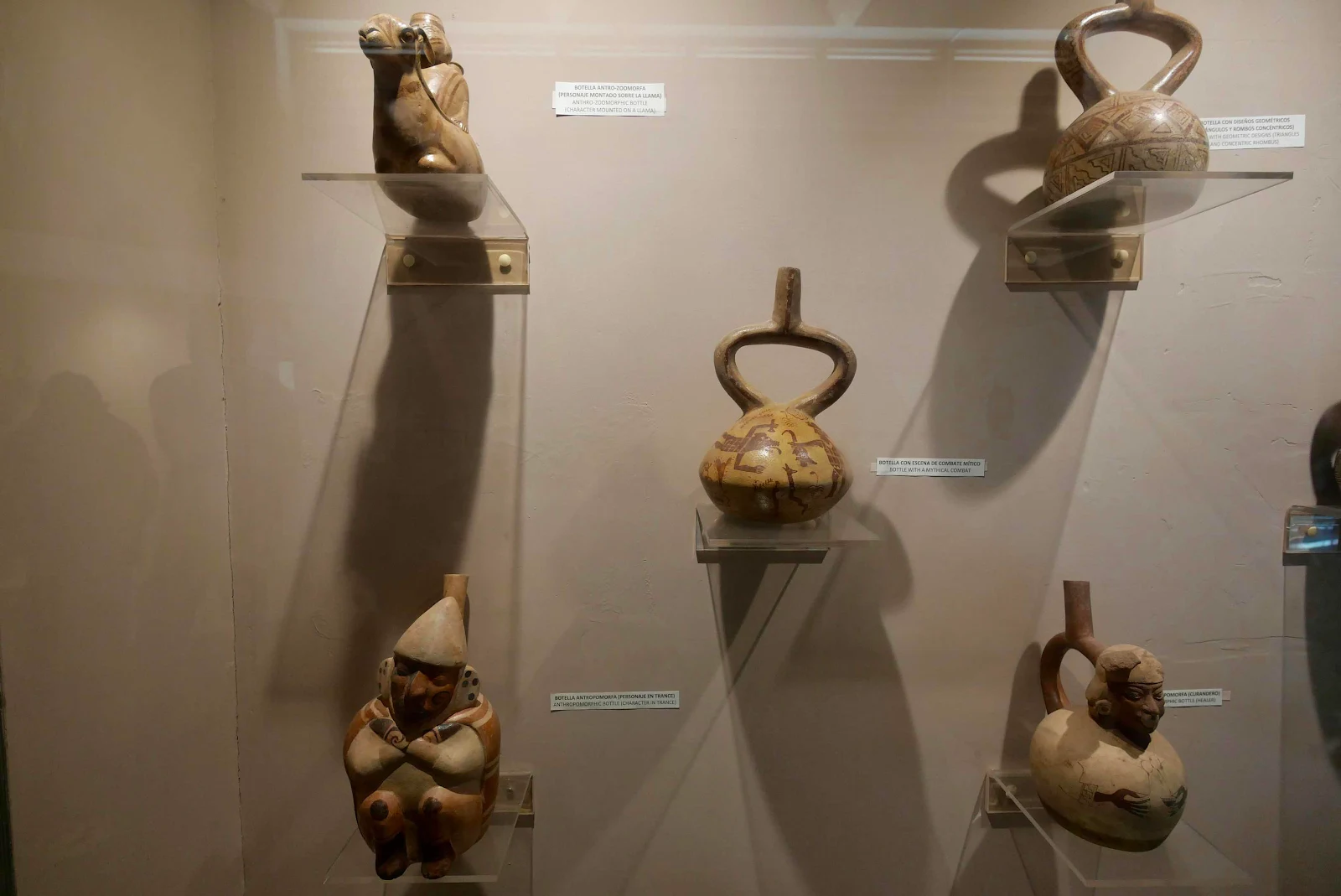
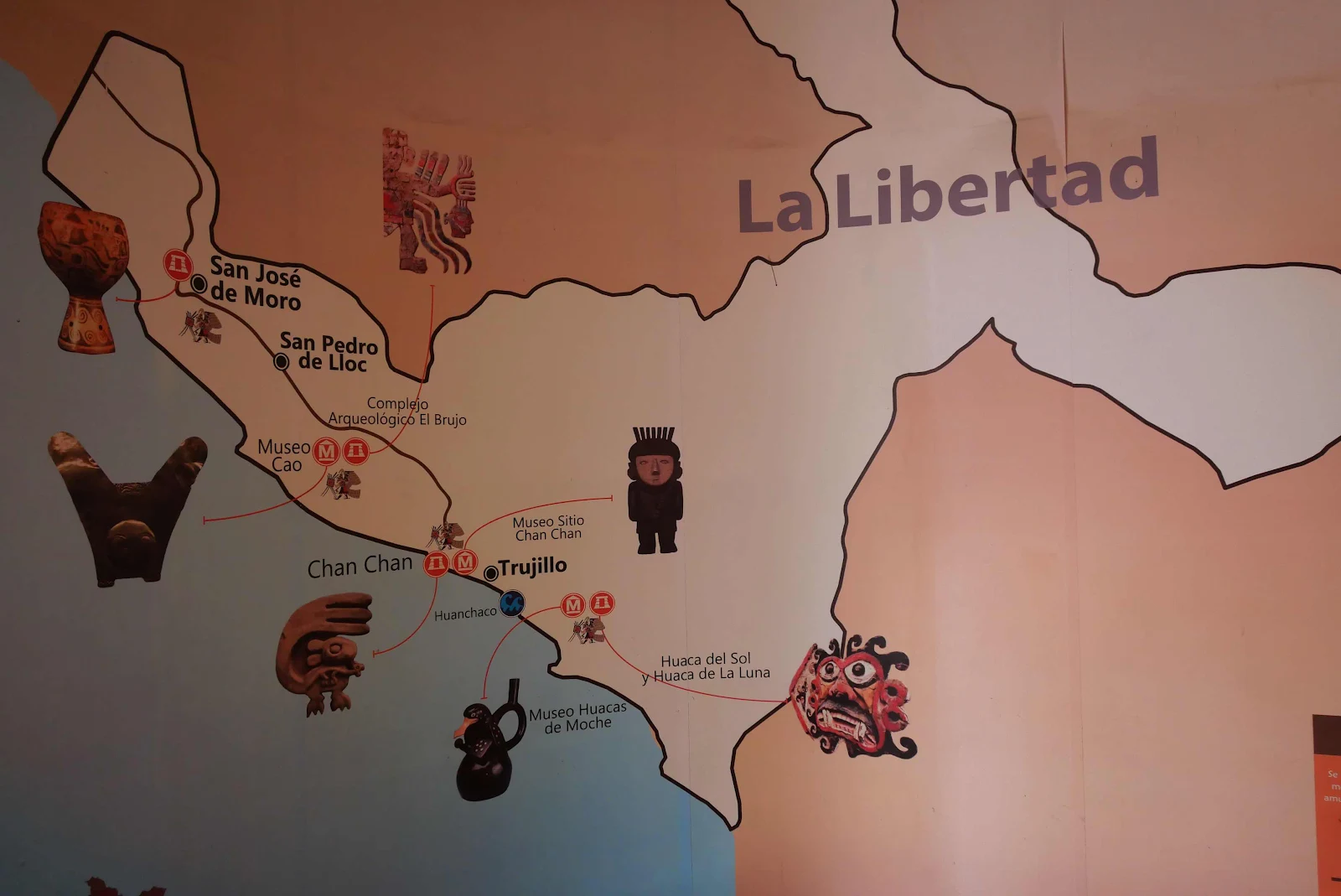
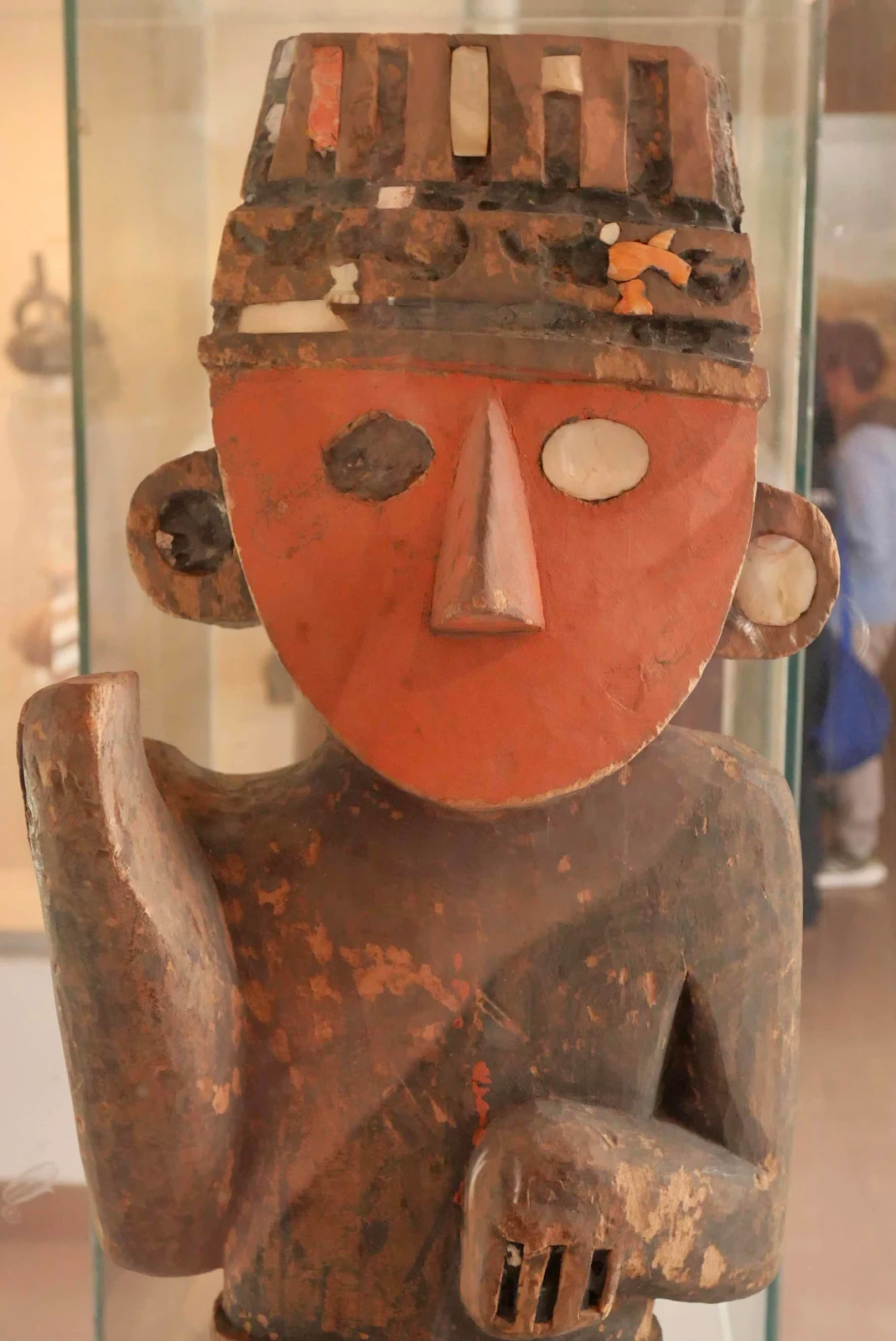
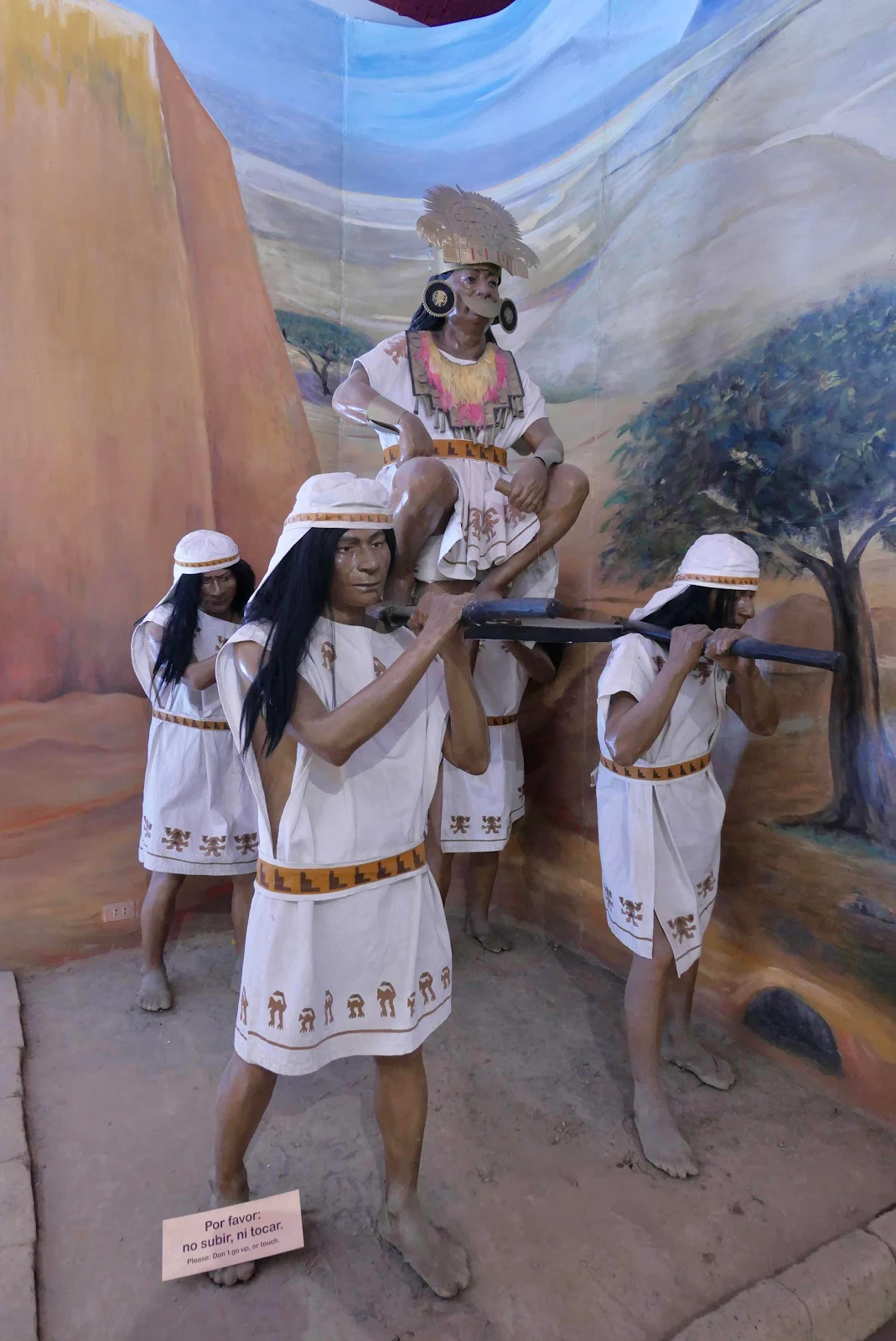
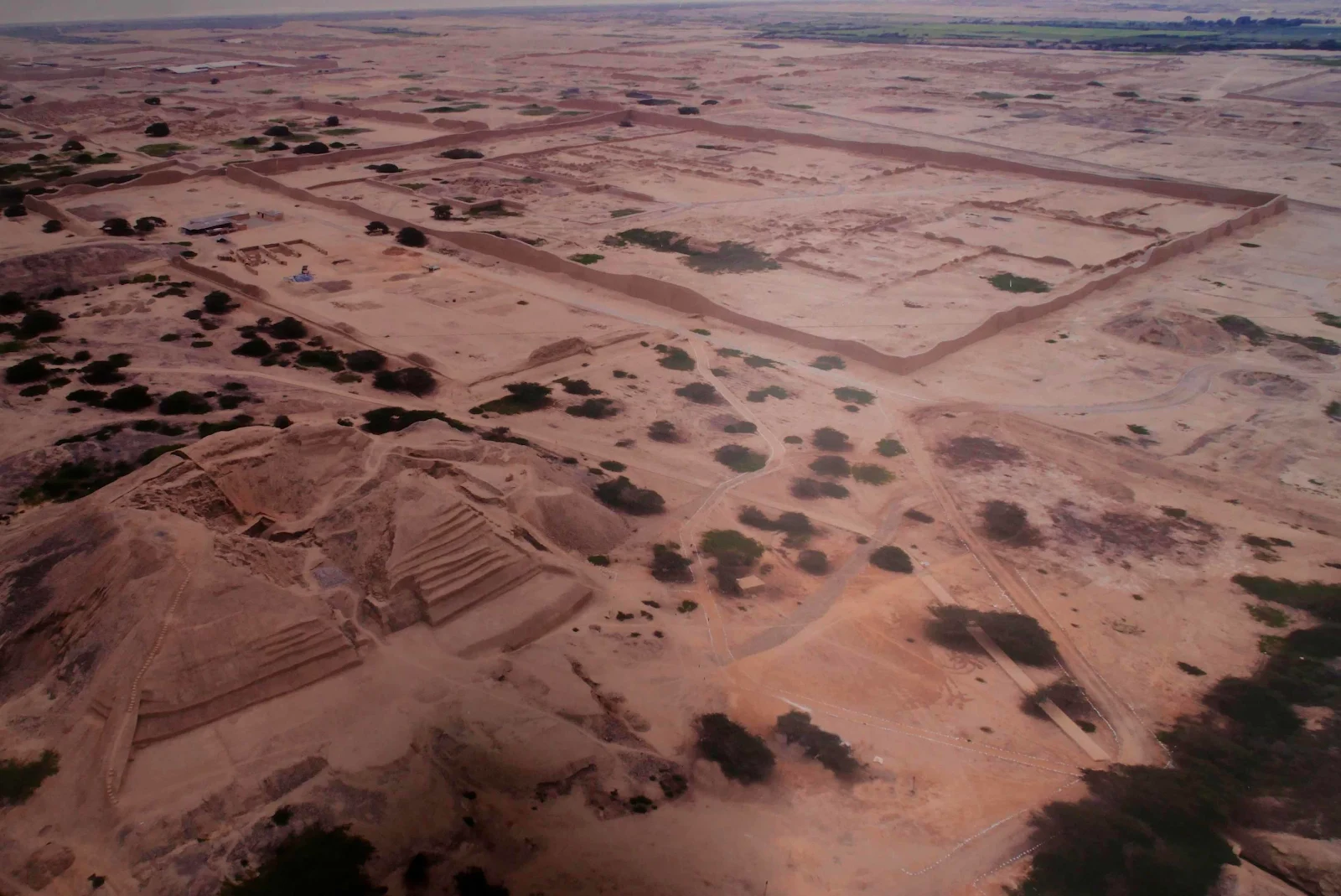
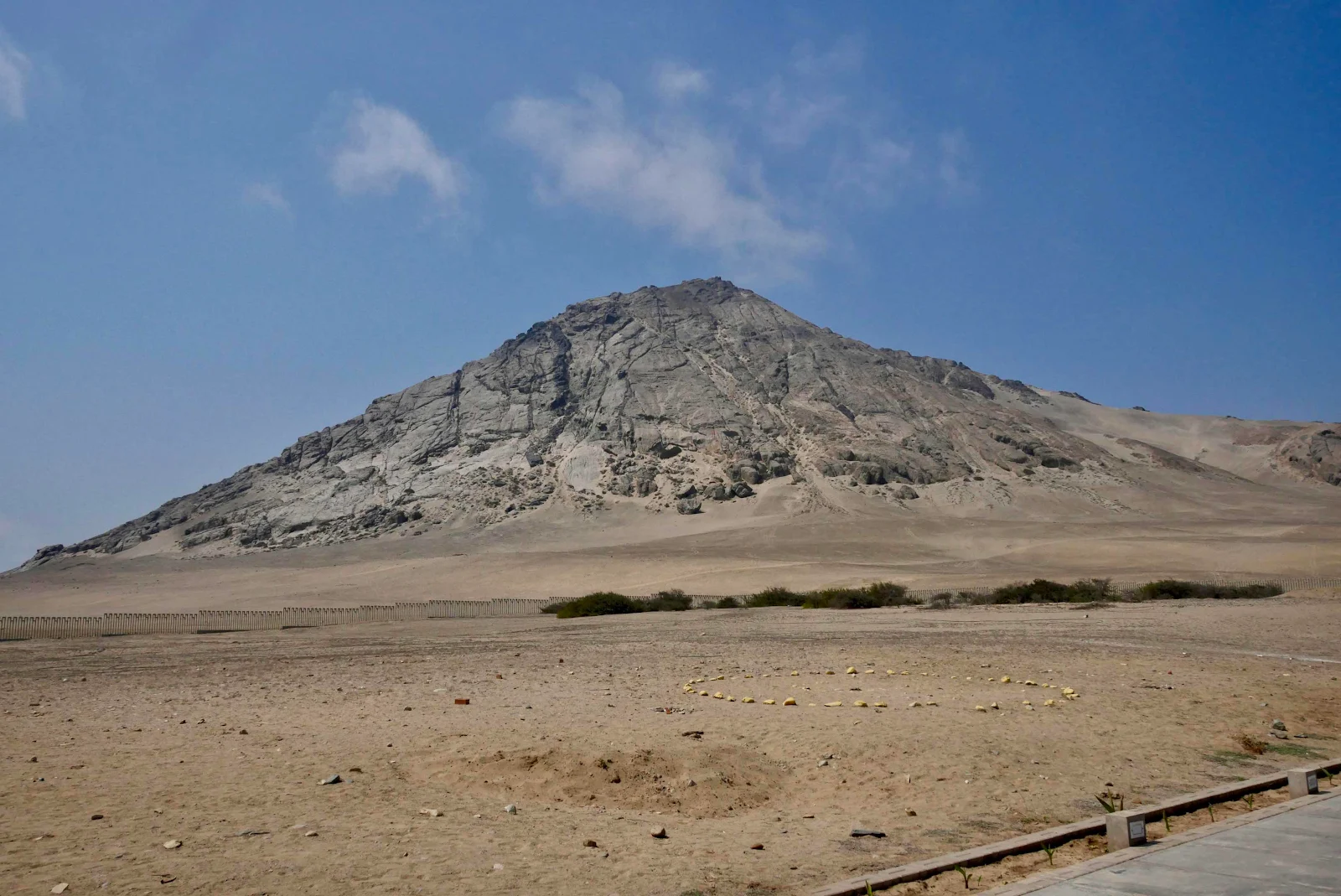
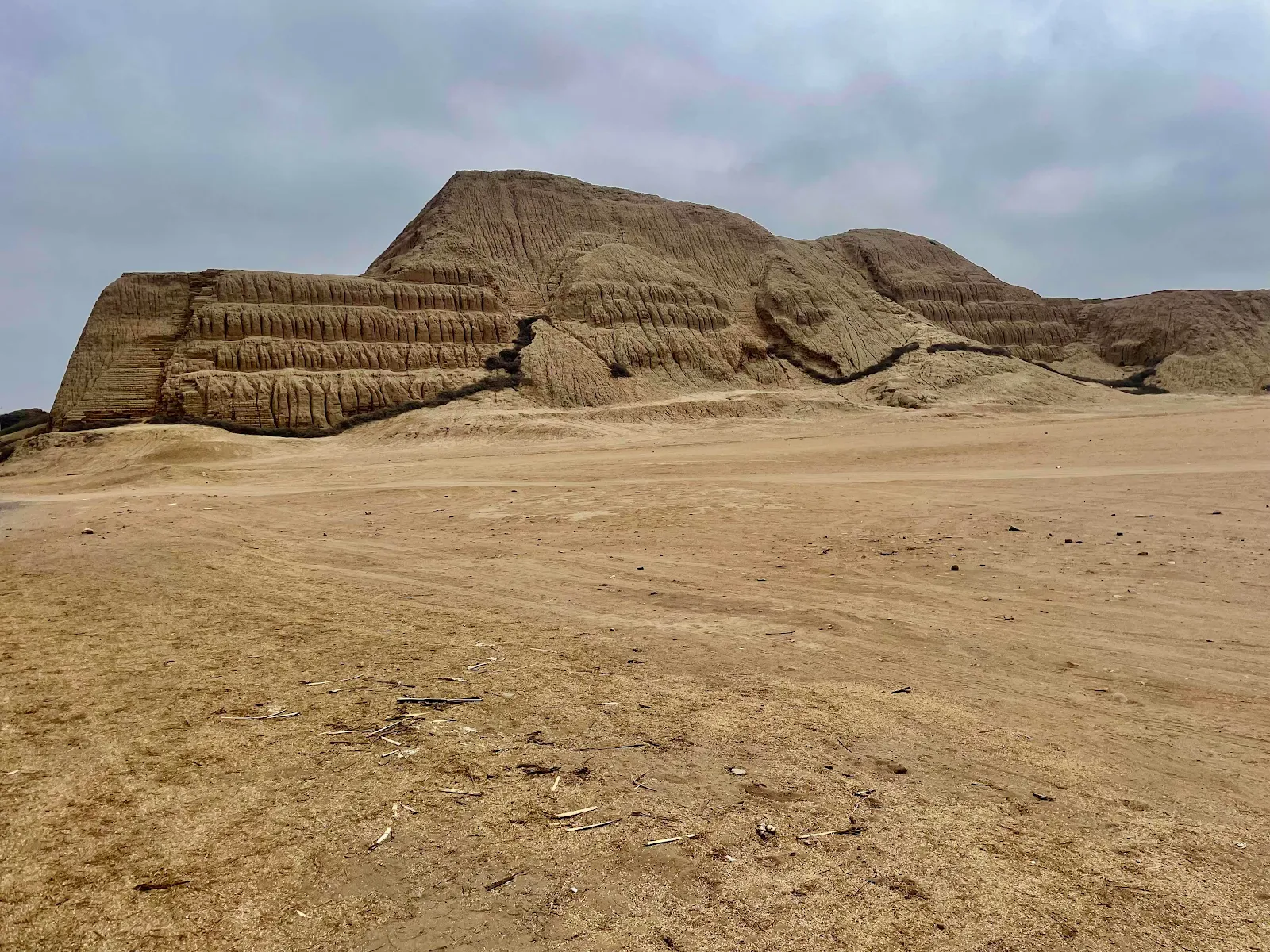
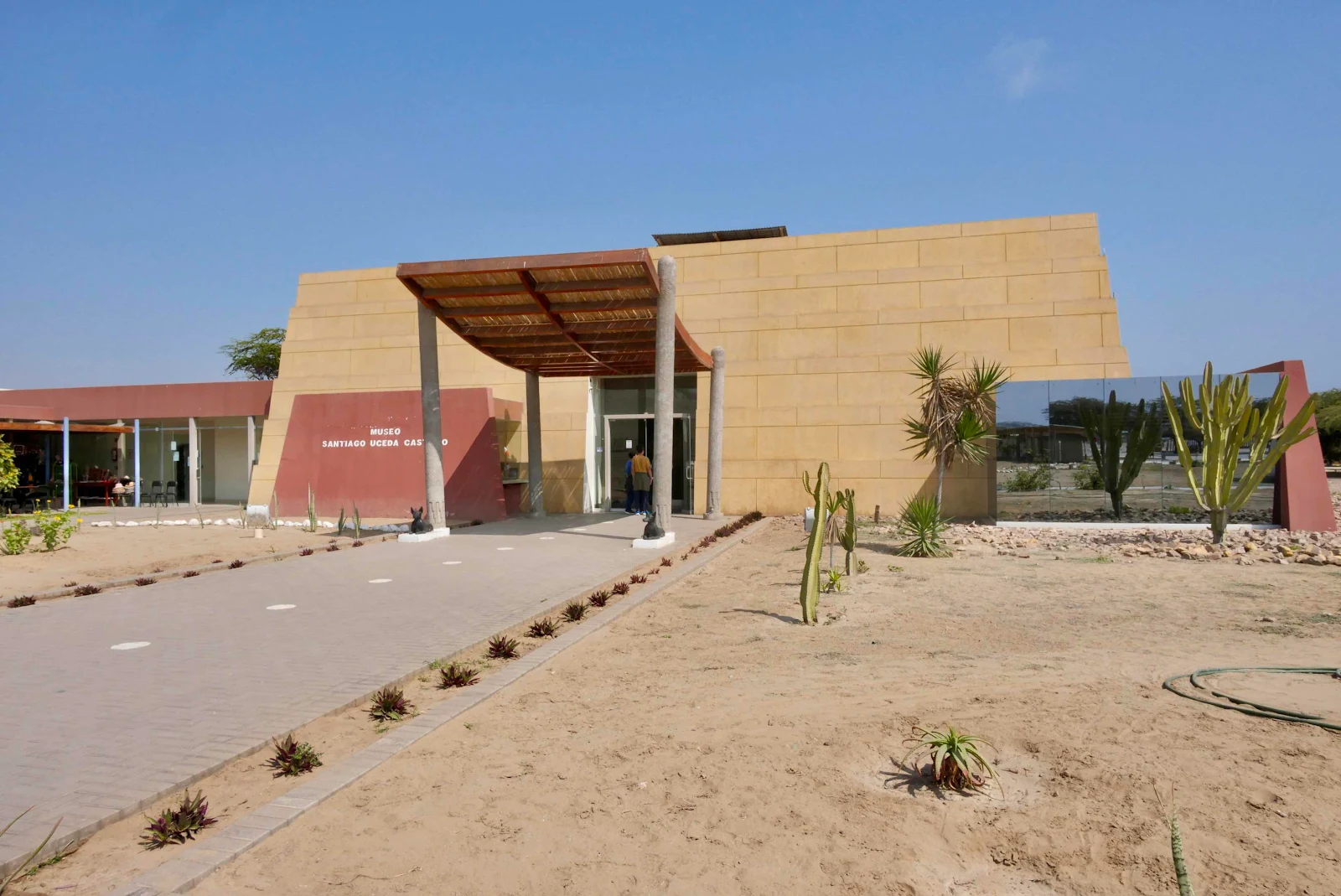
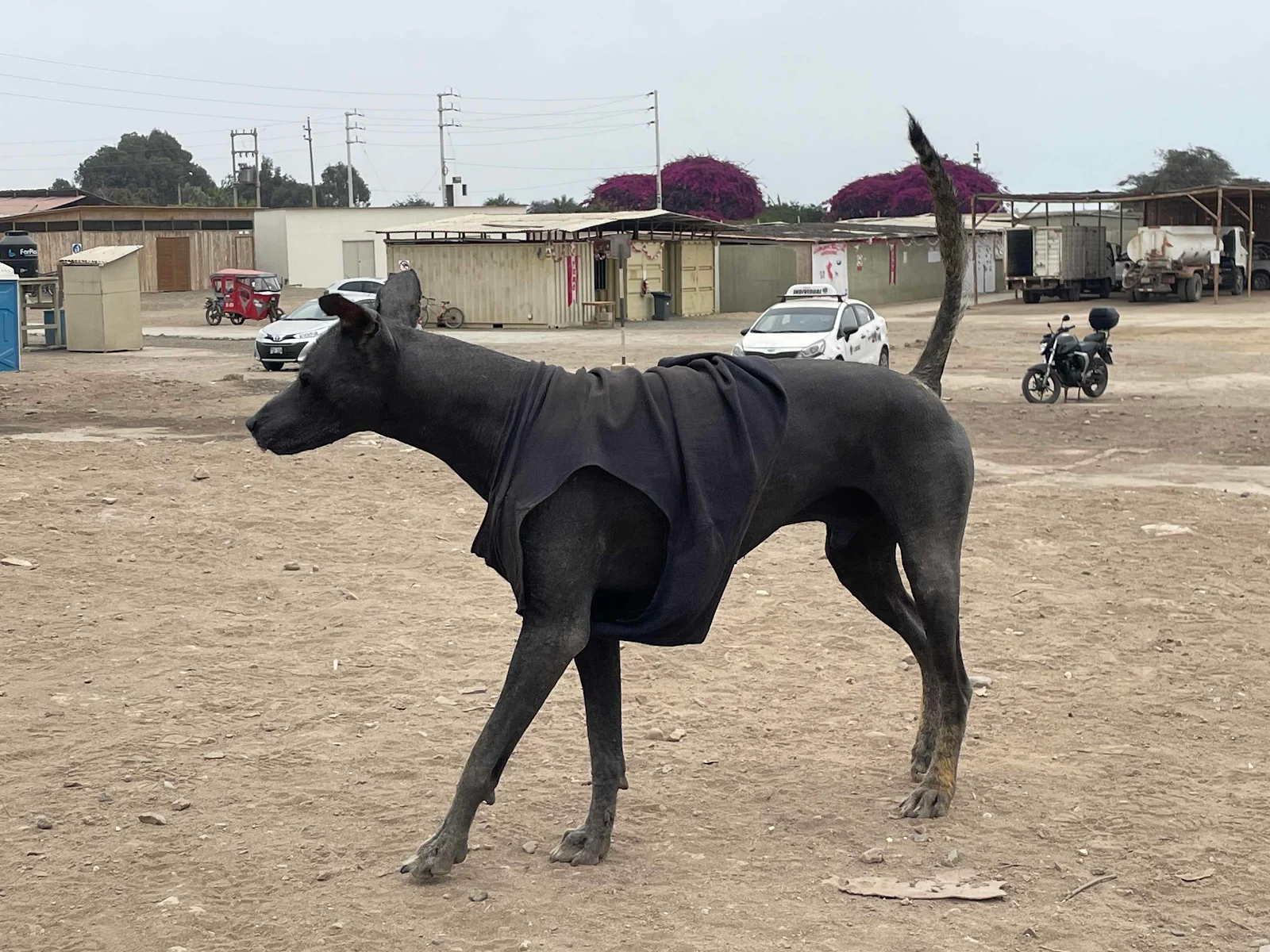
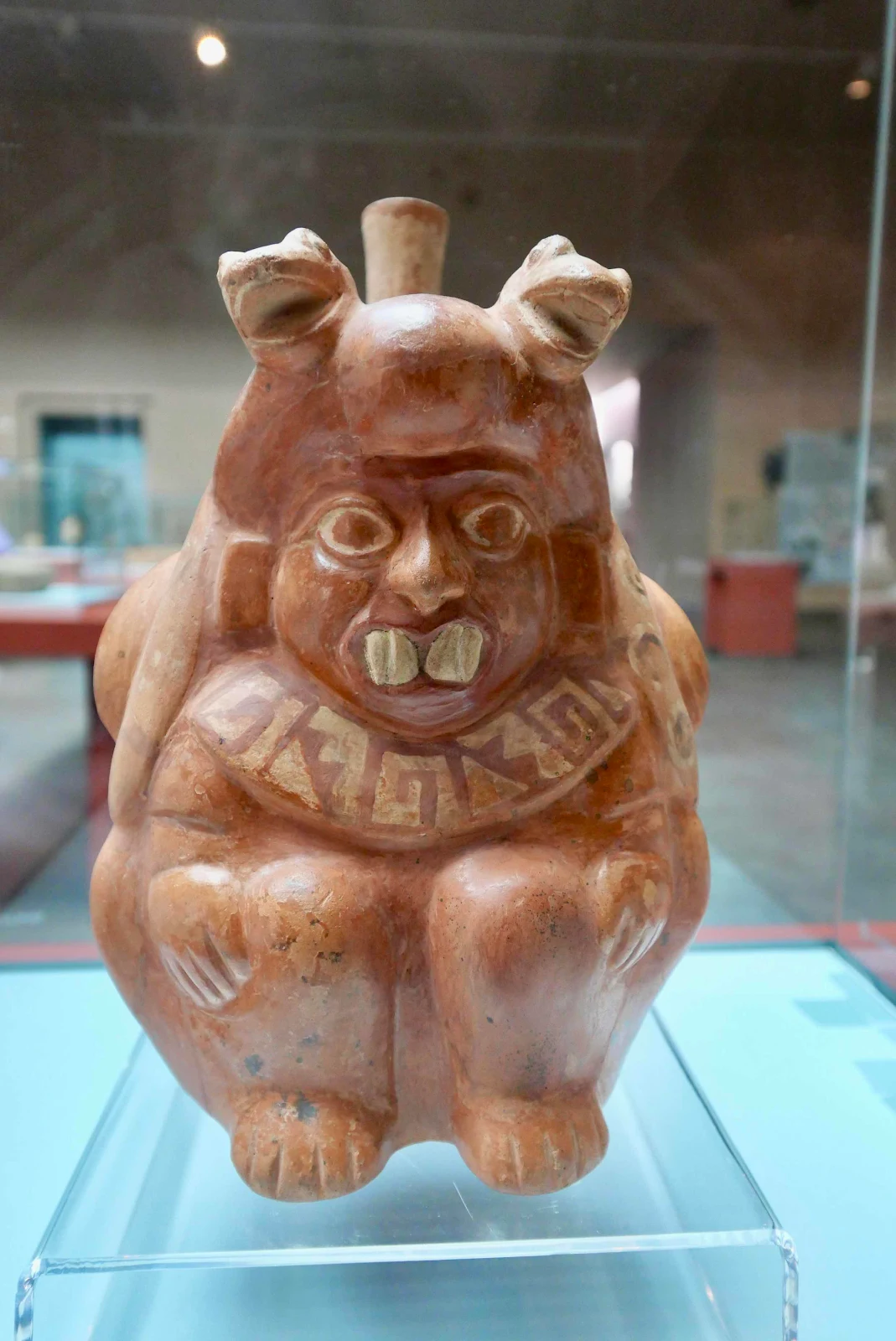
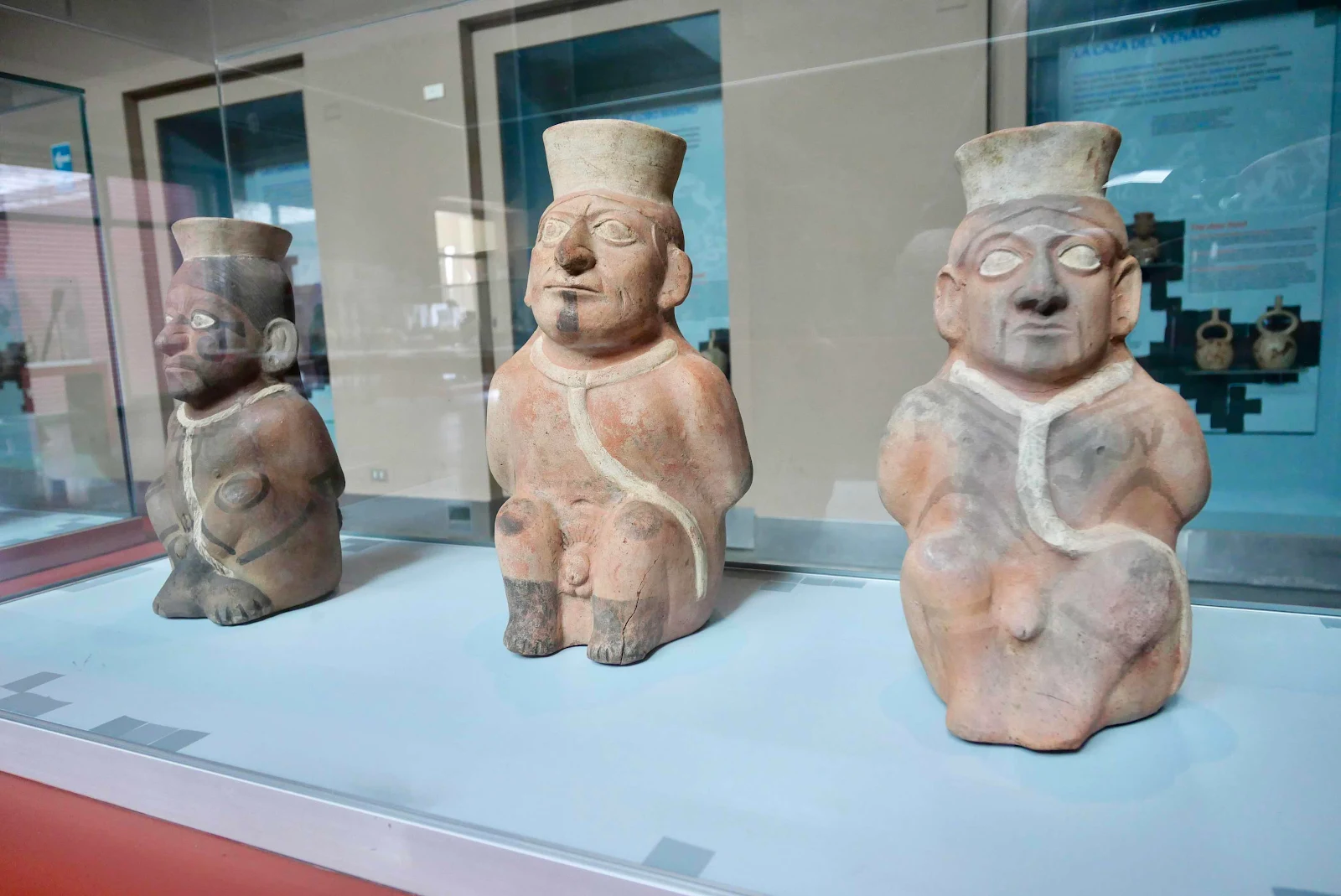
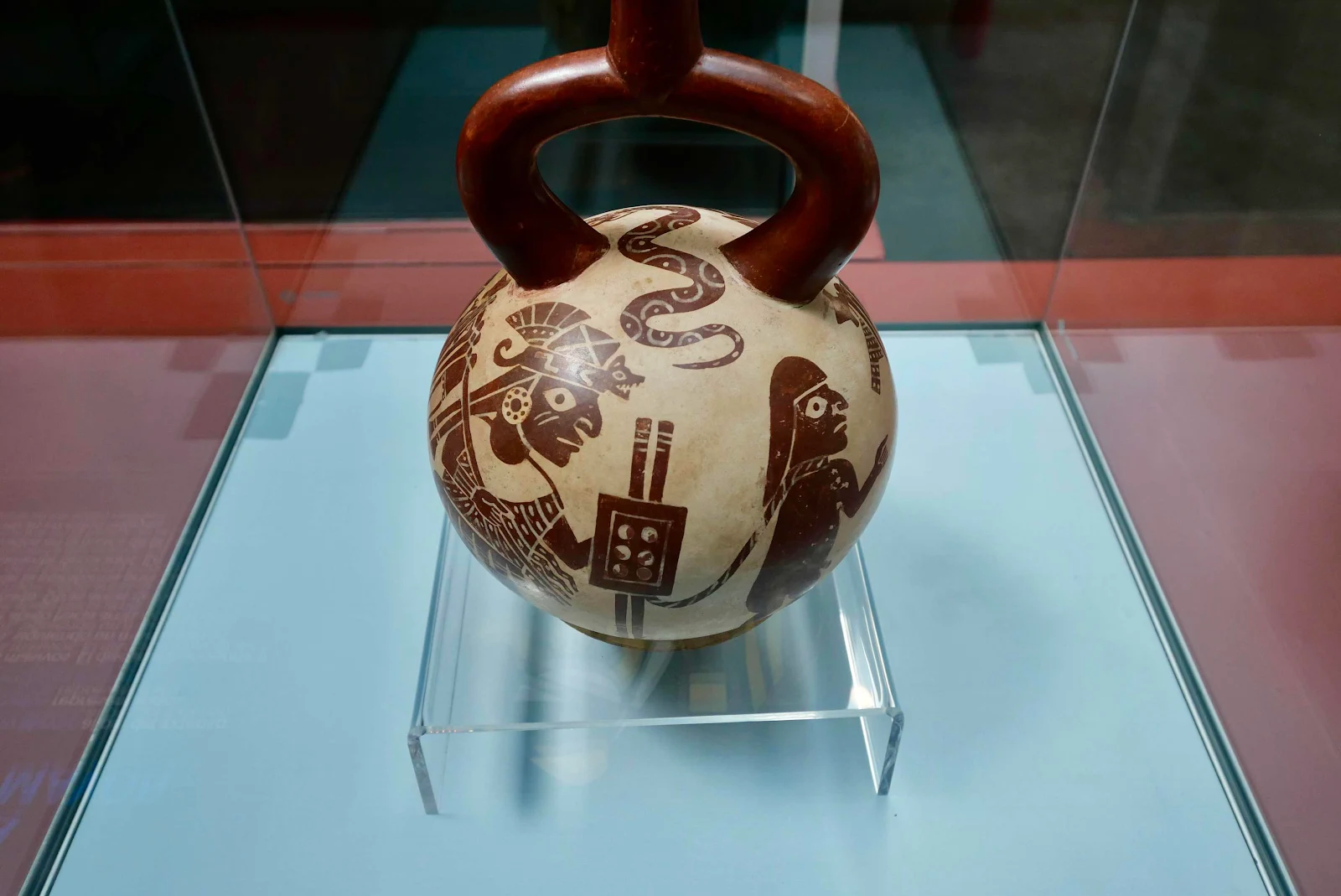
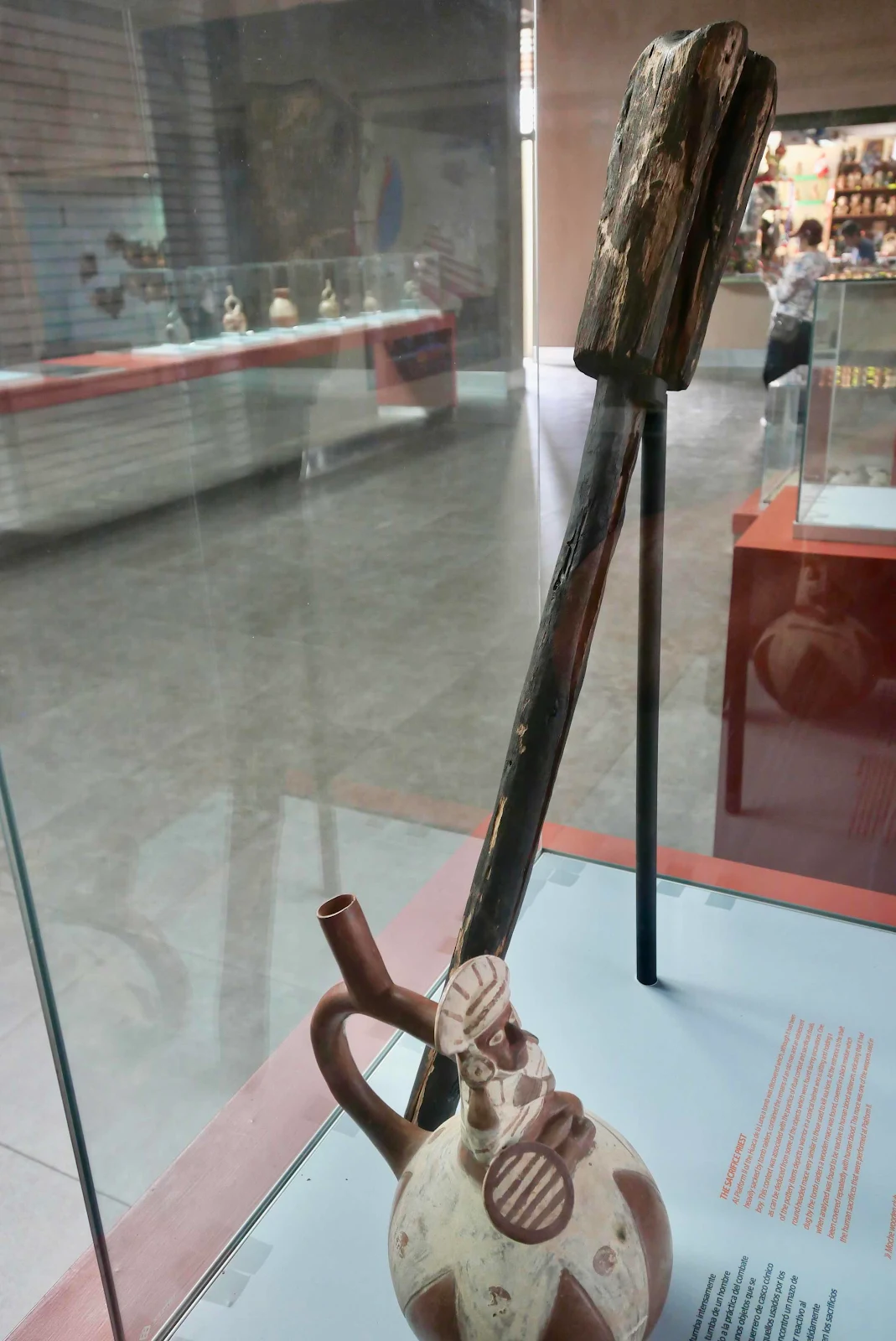
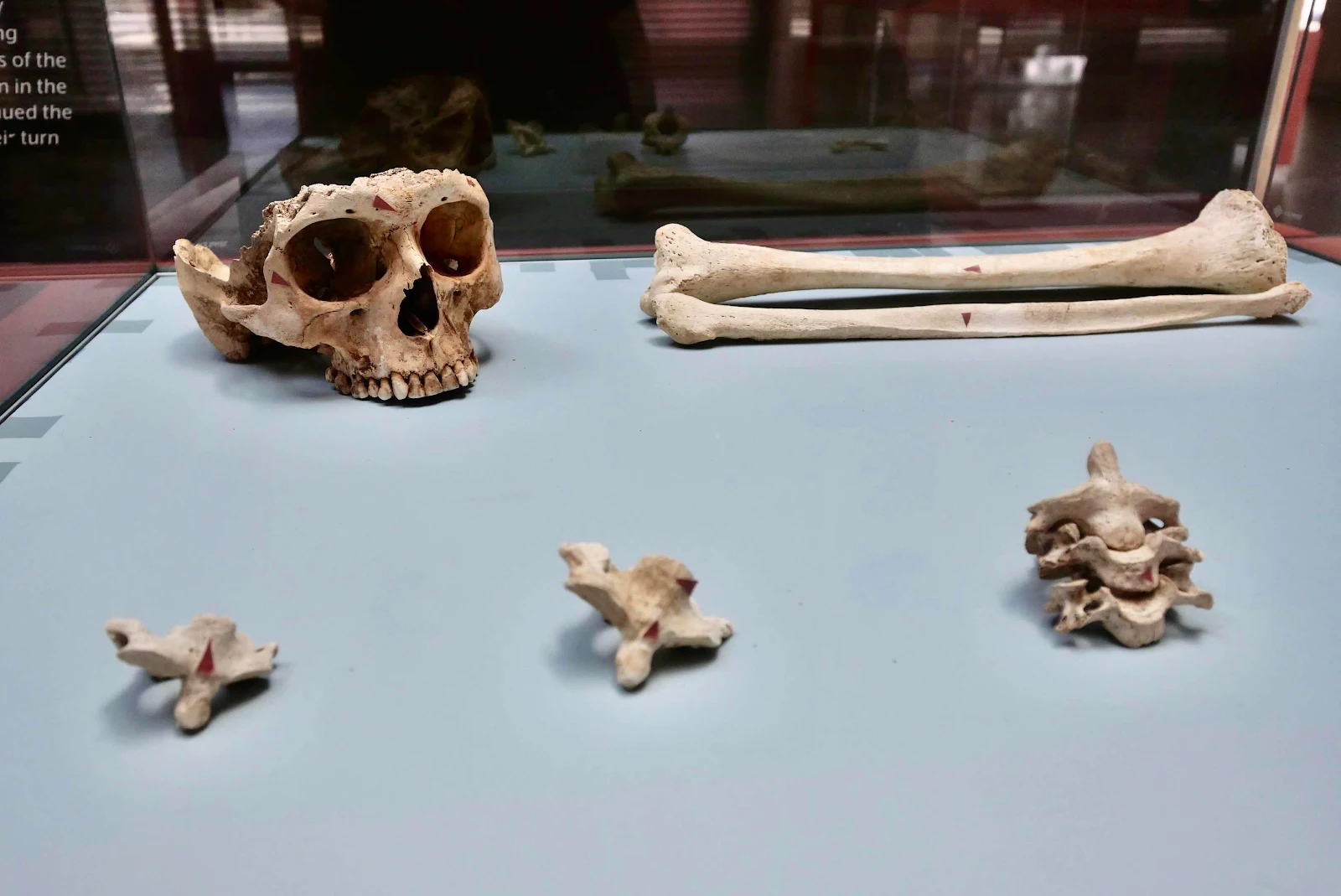
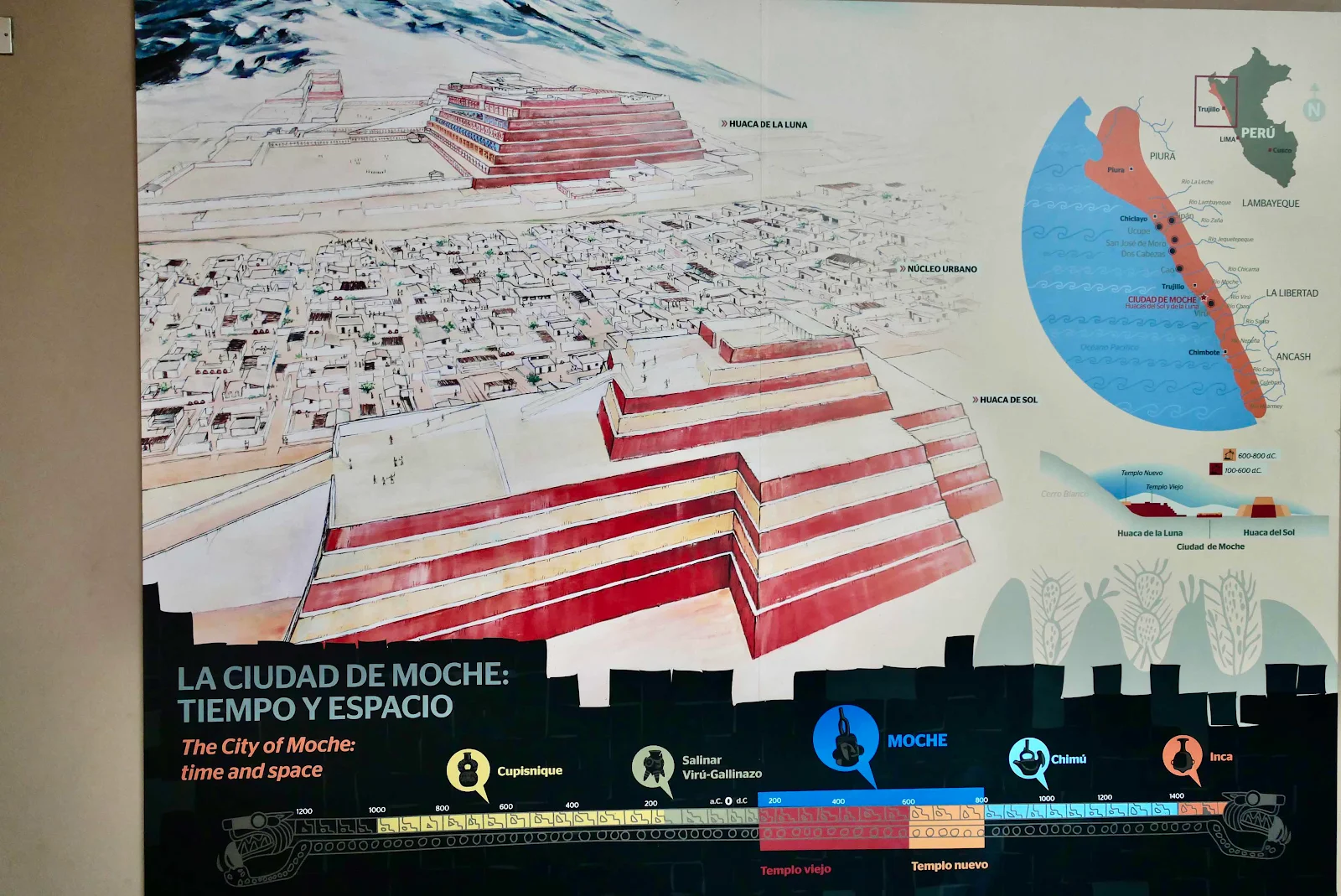
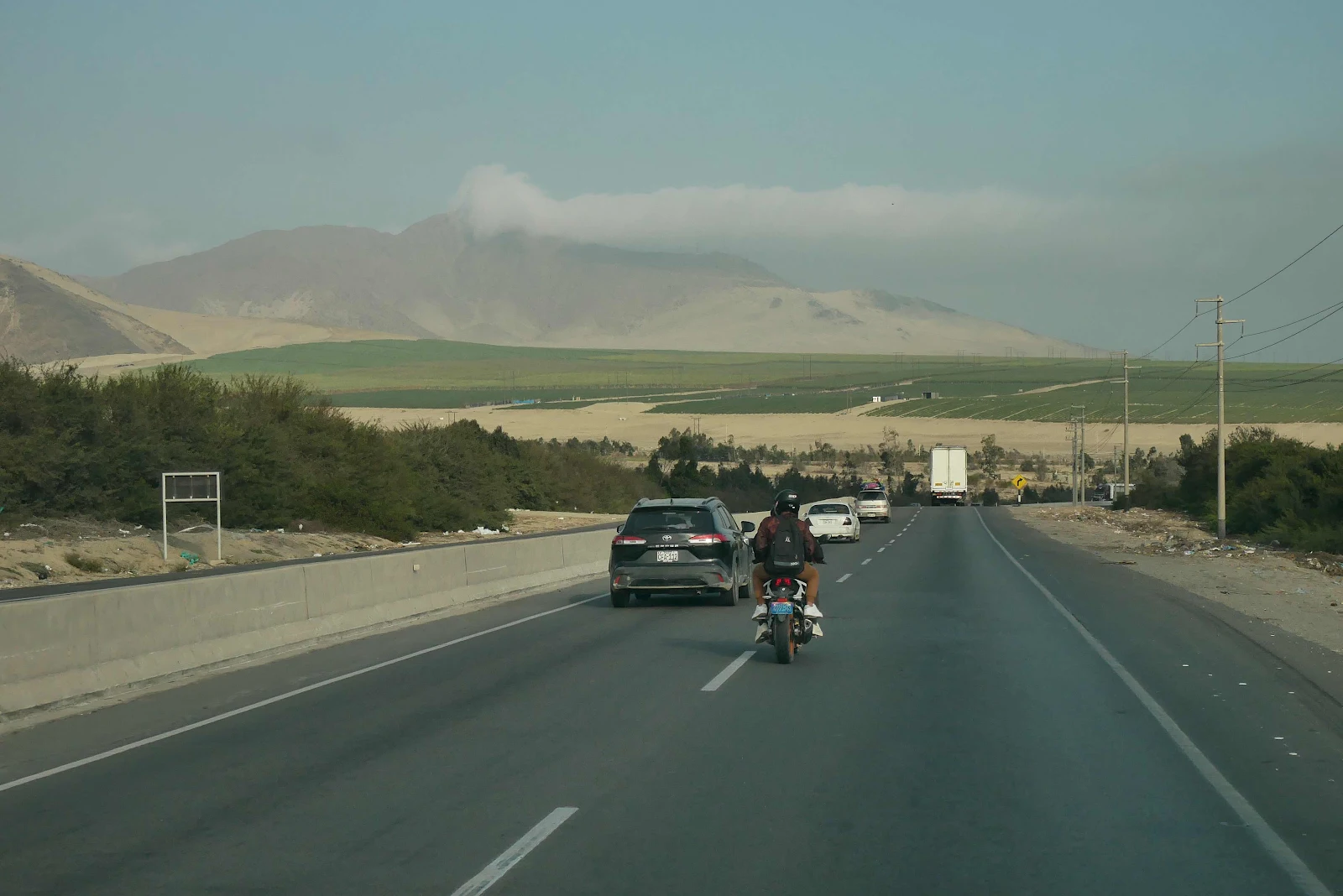
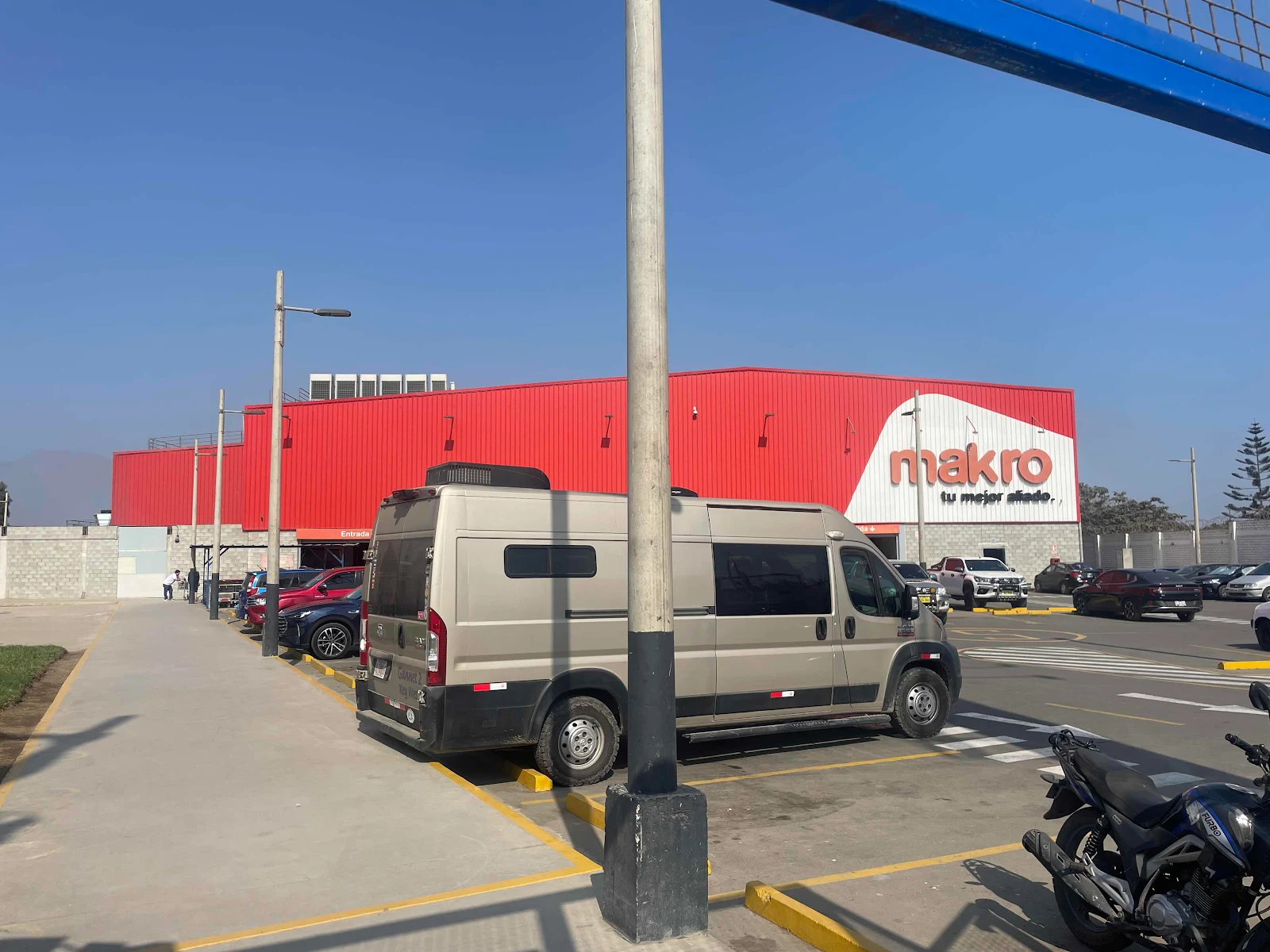 We drive back to the rather unpleasant city of Trujillo which enjoys the reputation of not being safe after dark. There is a Costco like store in Peru called Makro and we wanted to check it out but Layne found it not really useful for us as it sells too much stuff in bulk. I cleaned GANNET2 in the peace and quiet of the guarded parking lot while she shipped and Rusty napped in the grass.