Monday, July 1, 2024

A Rough Day

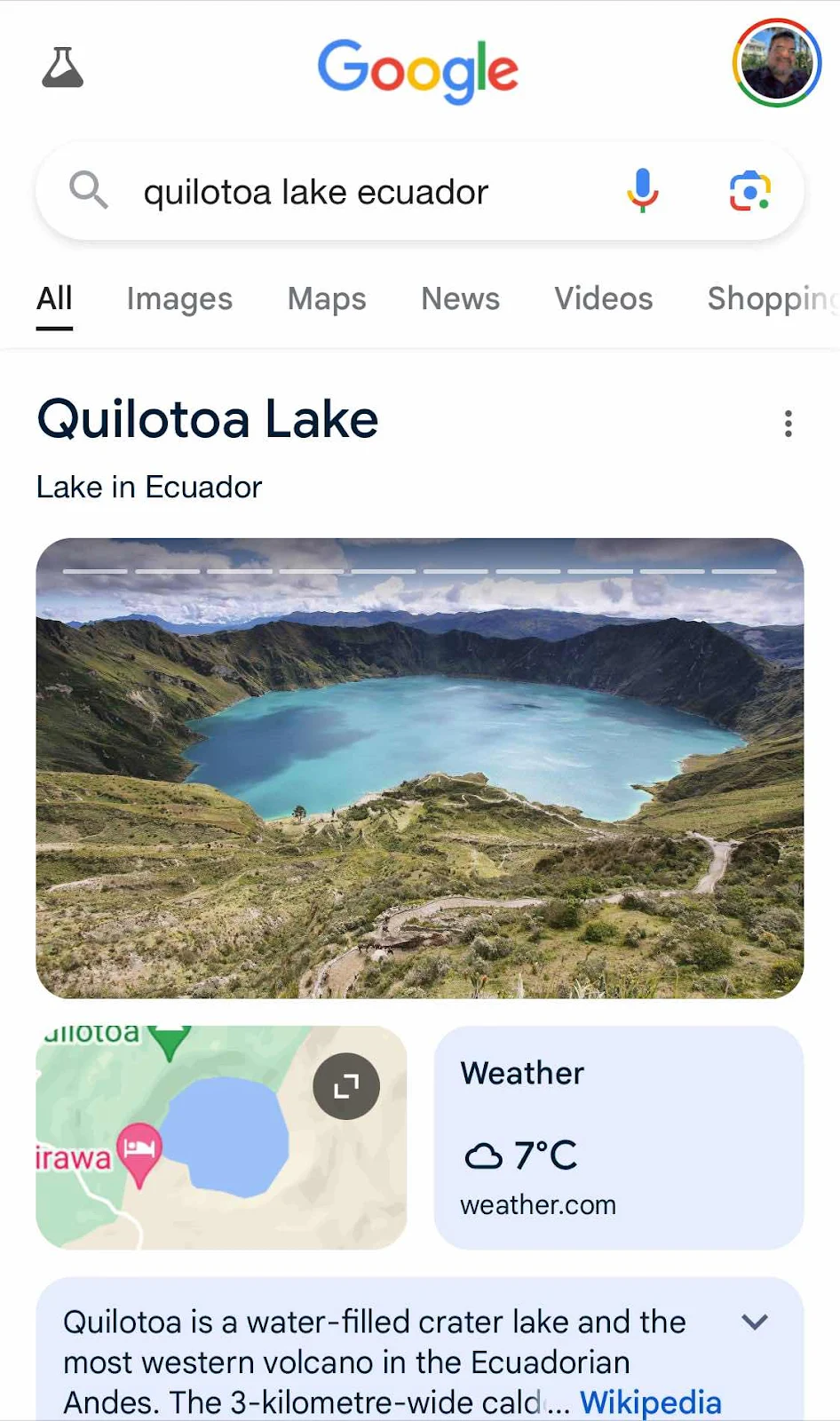
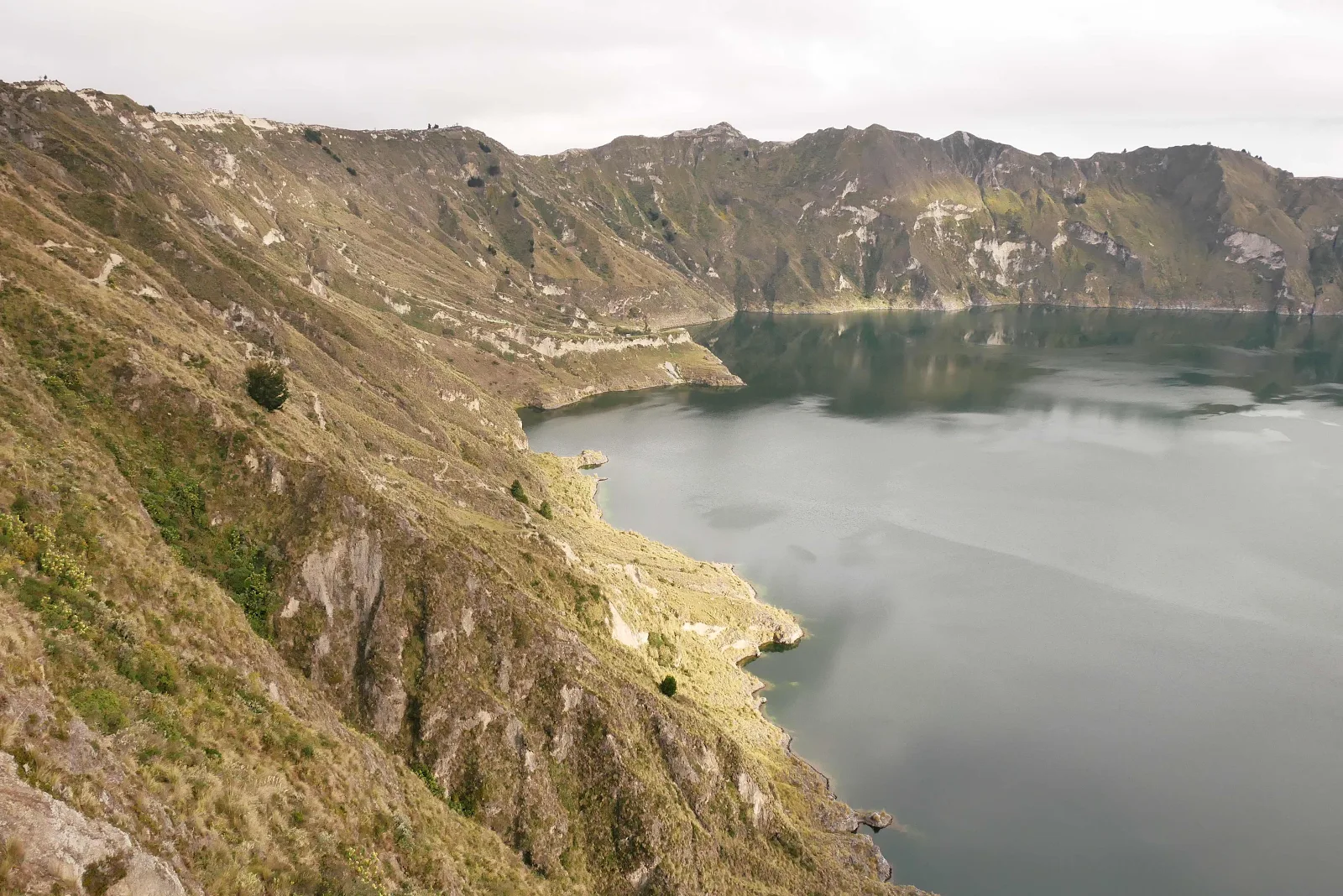
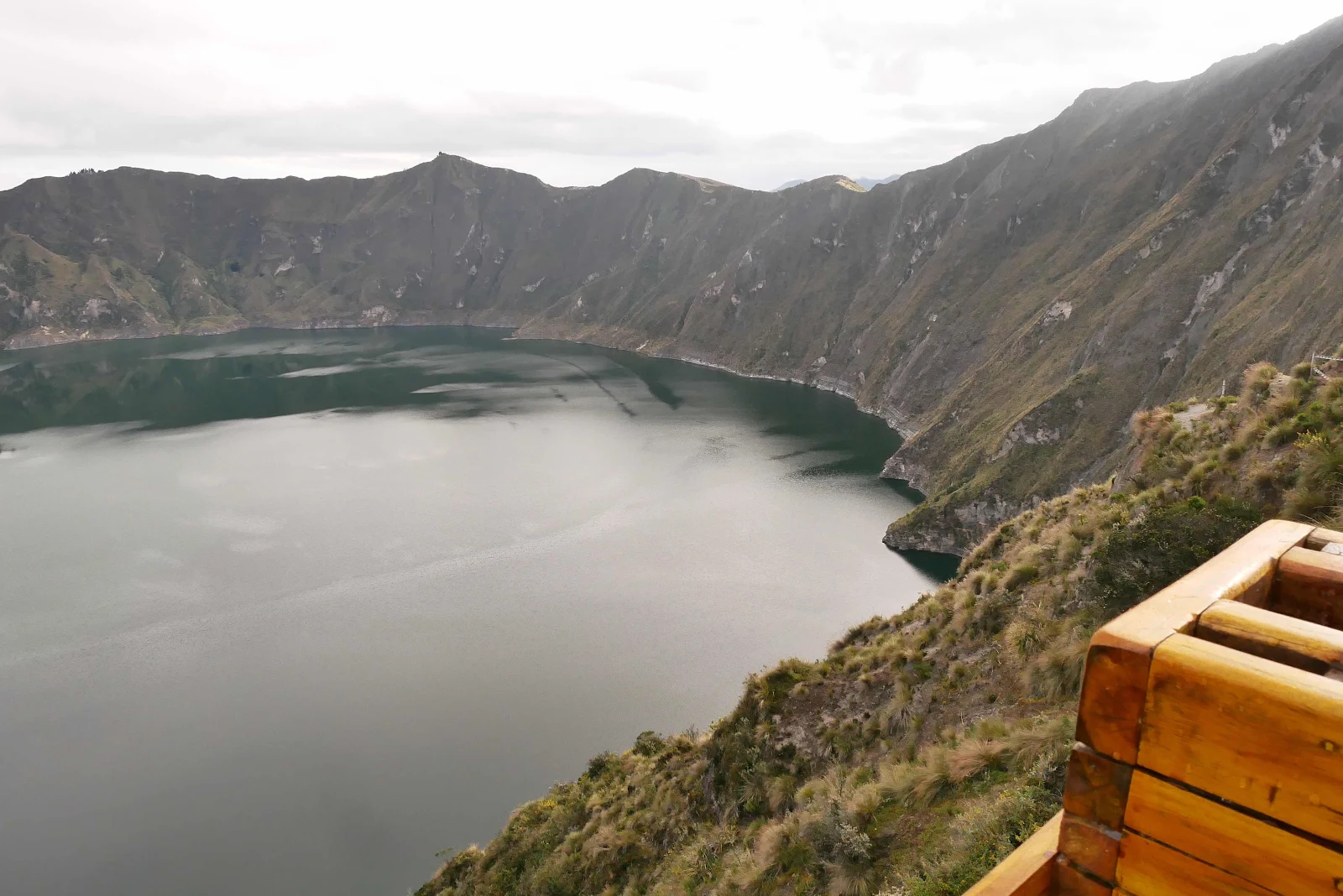
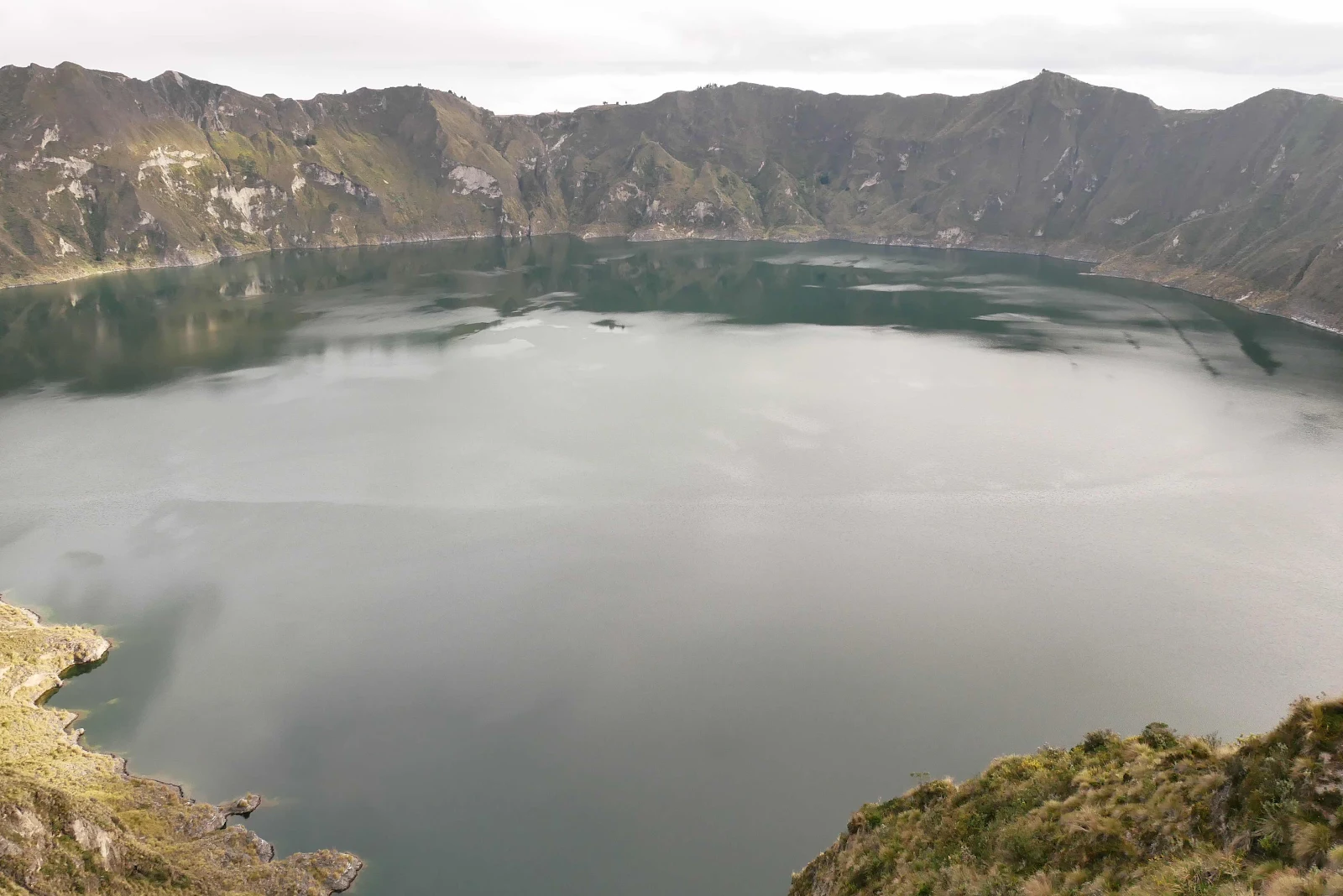
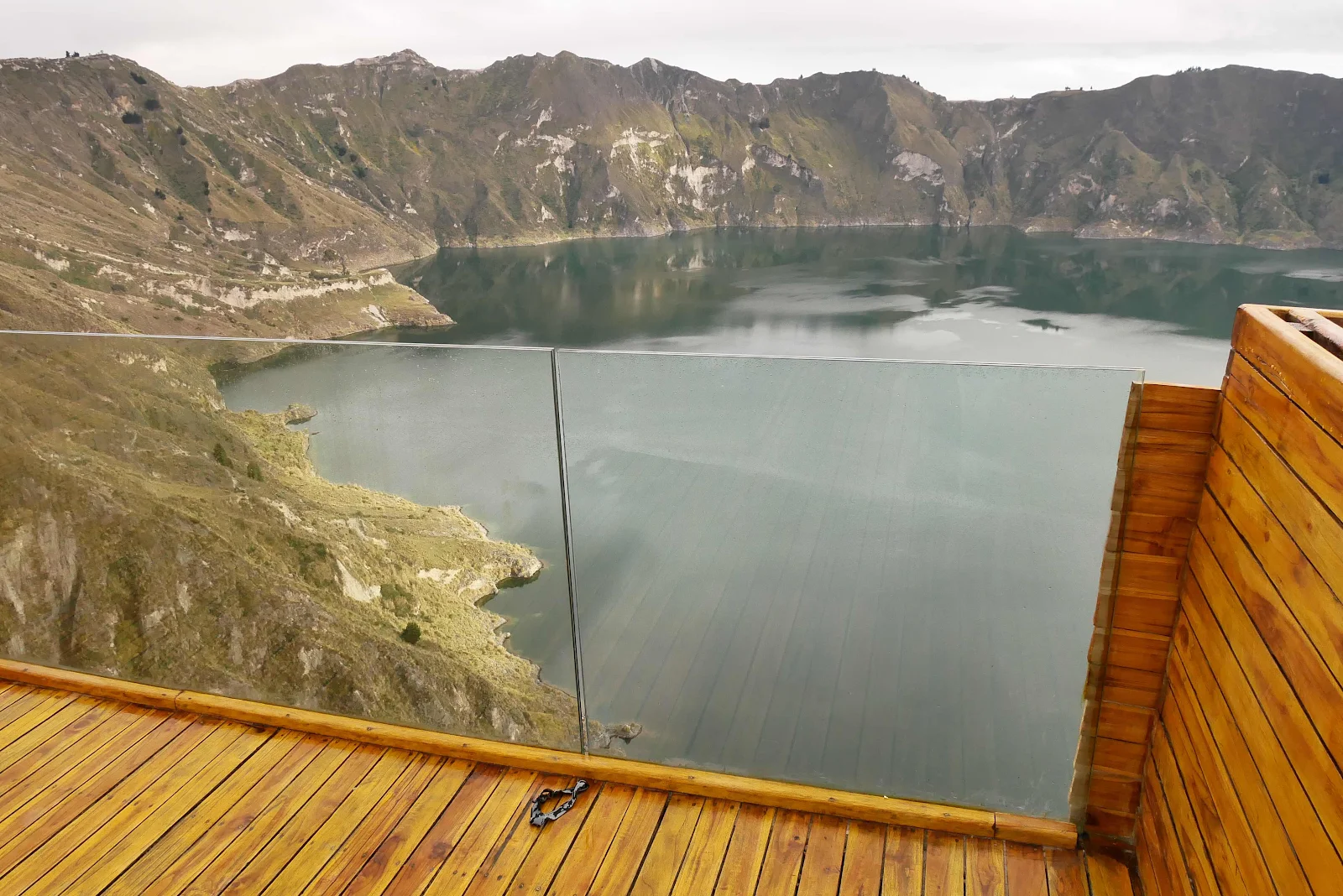
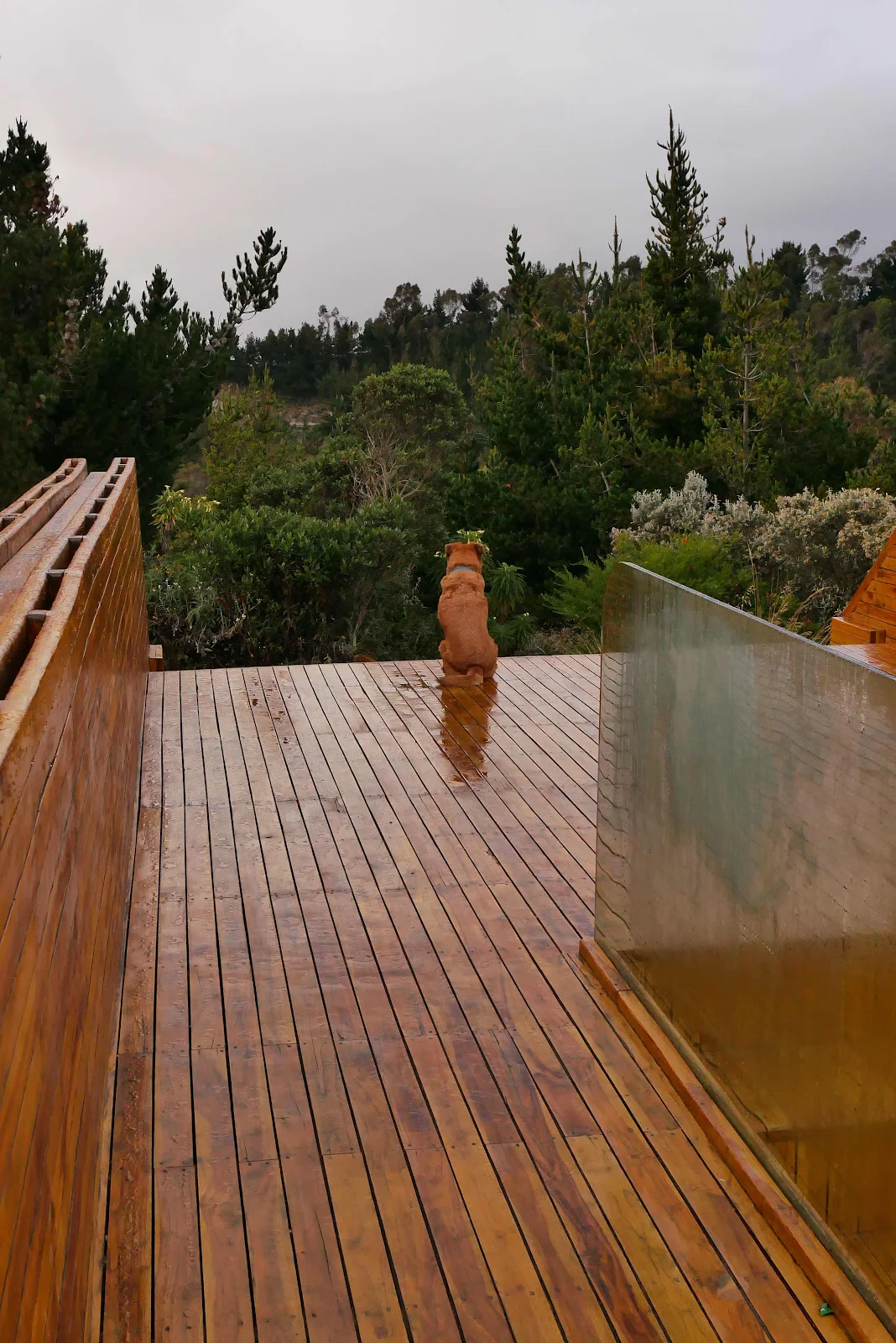
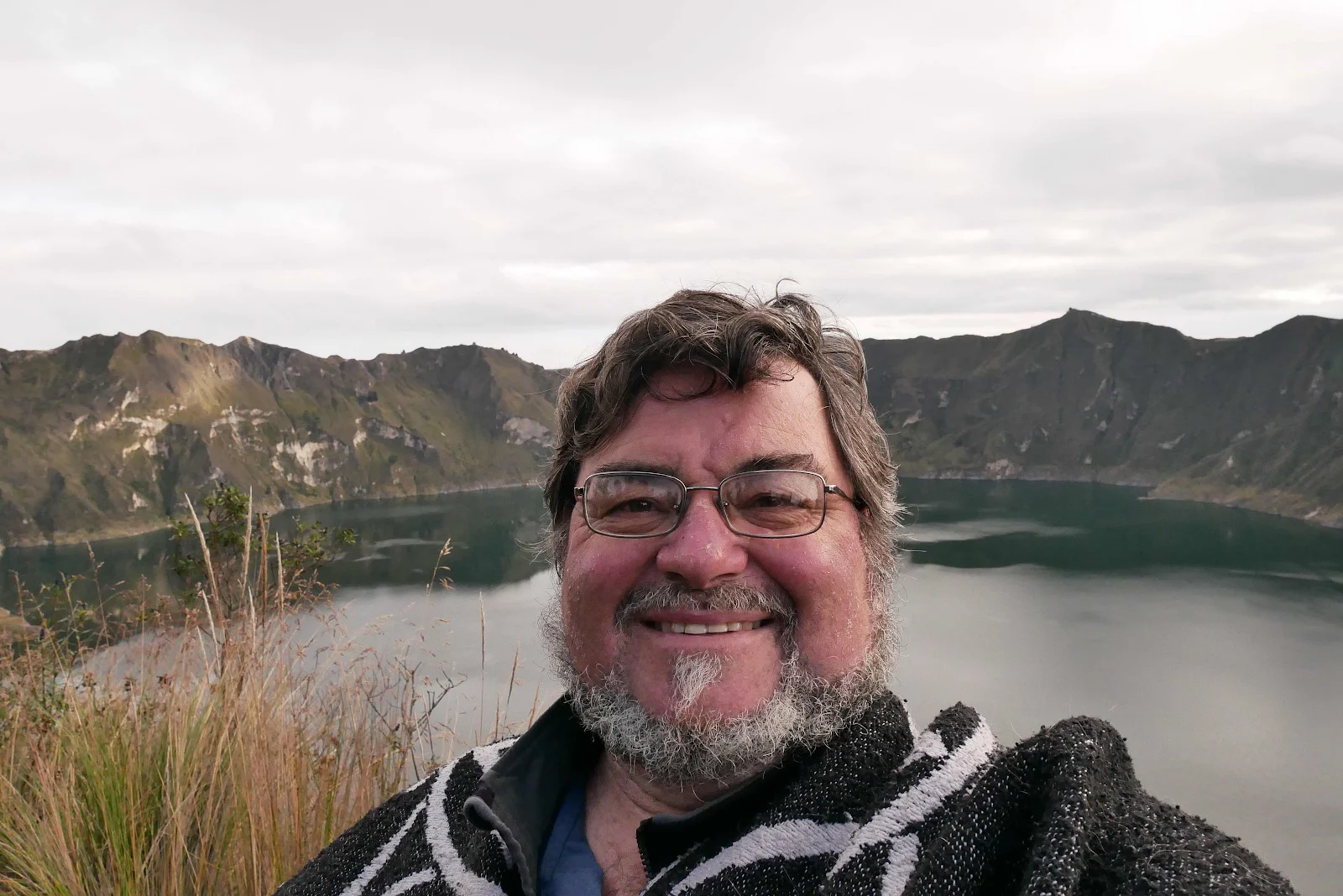
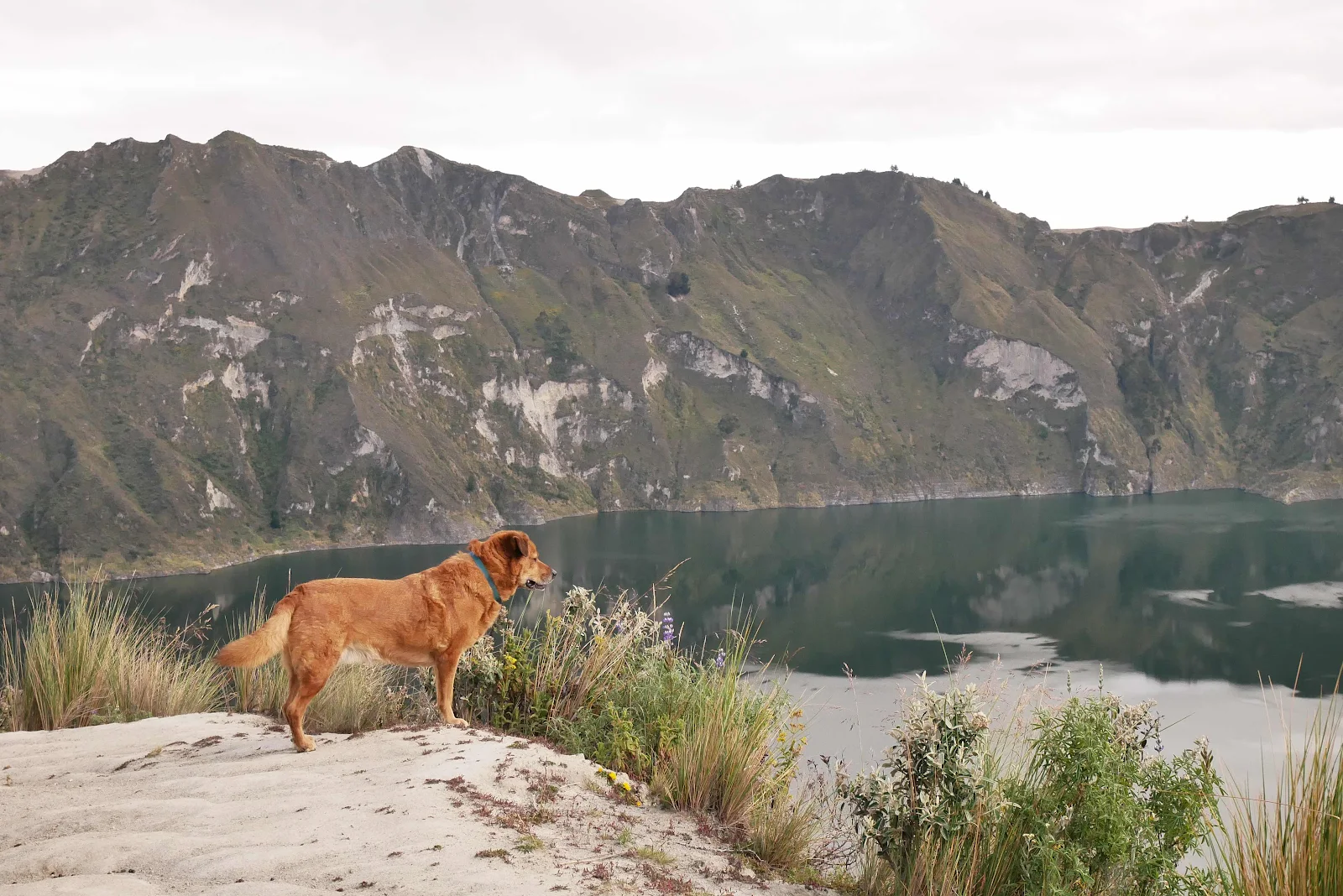
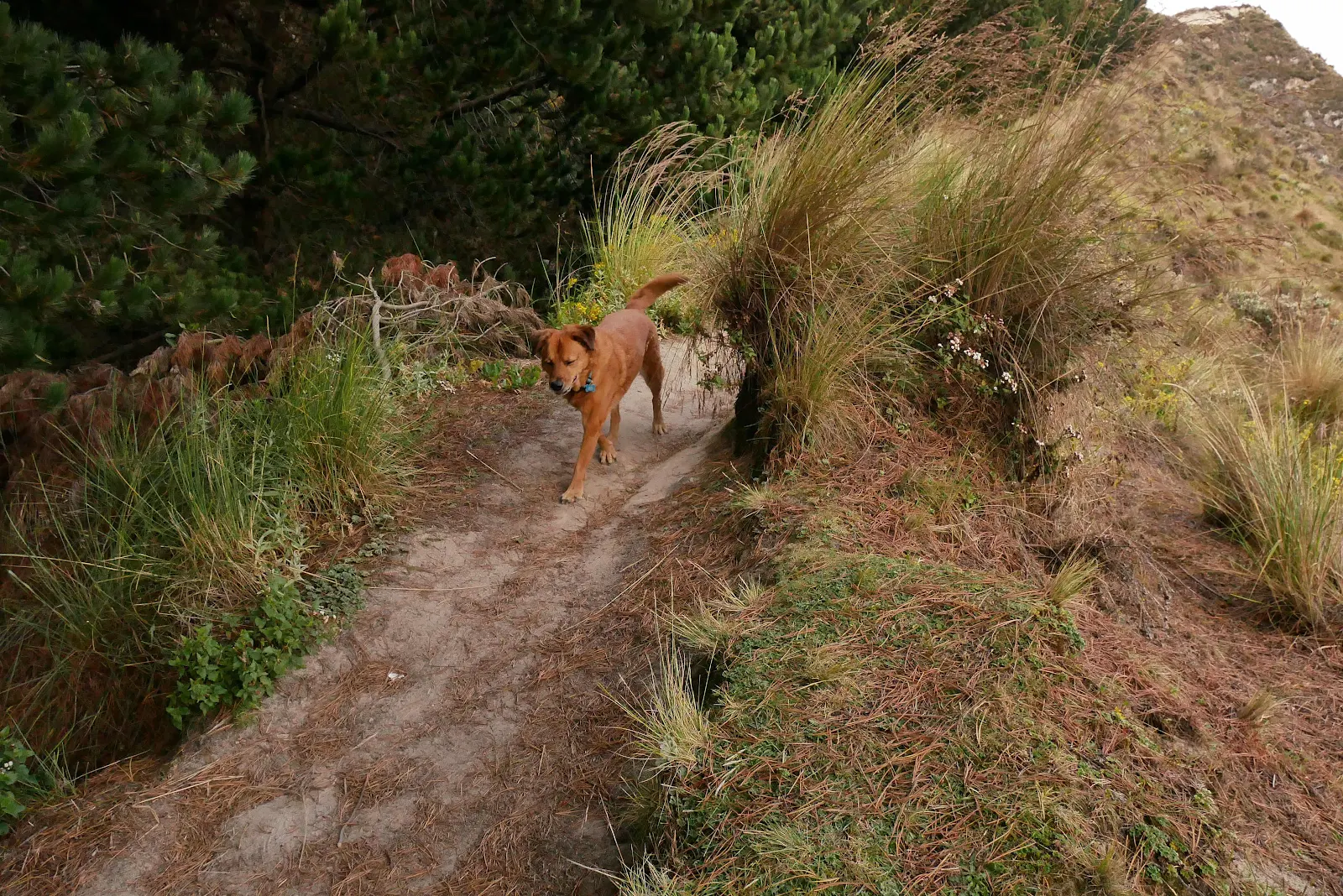
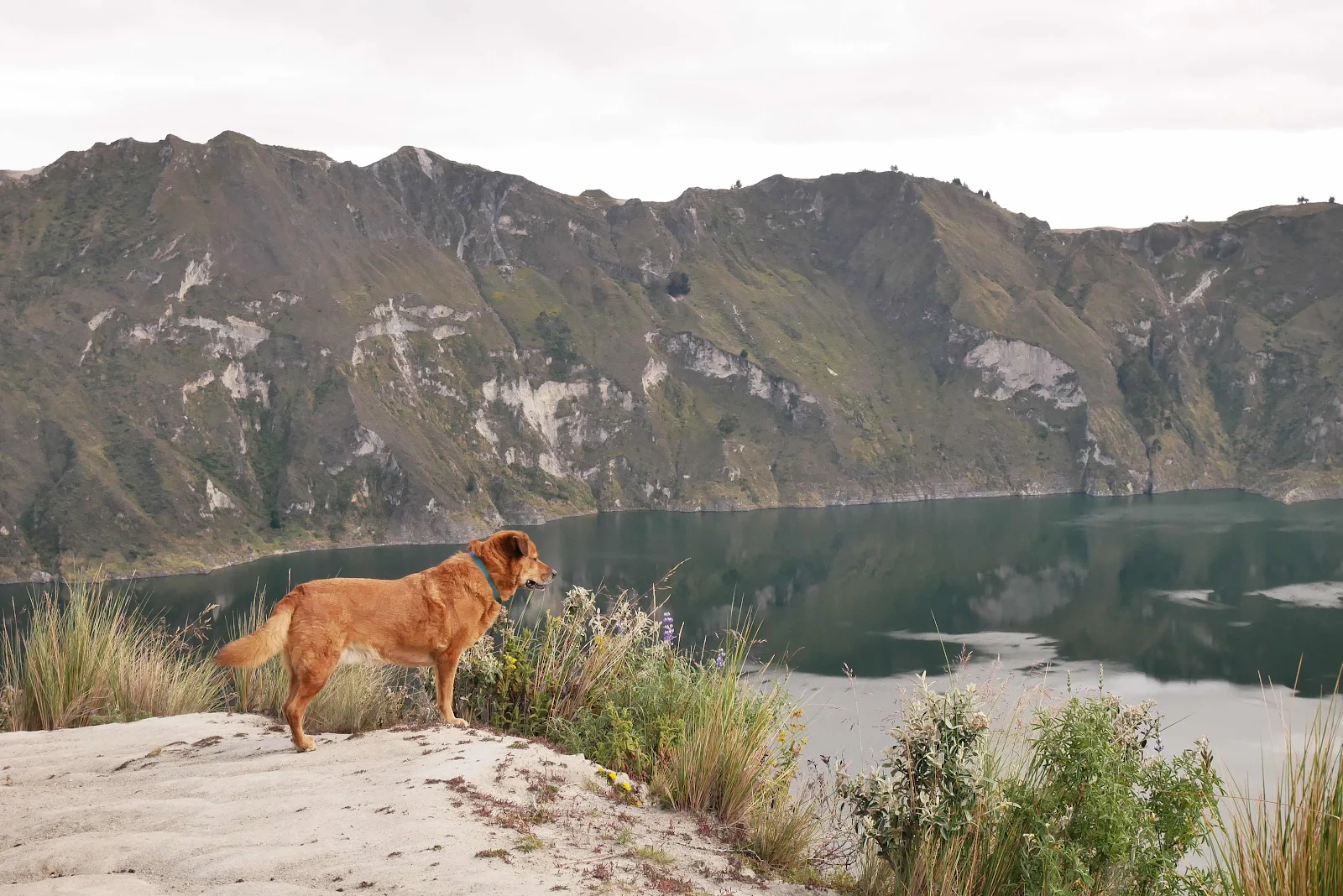
Sunday morning I got up early, before seven and put on my Mexican poncho to fend off the 40 degree damp morning air and walked Rusty to the rim of Quilotoa Lake, a crater filled with water.
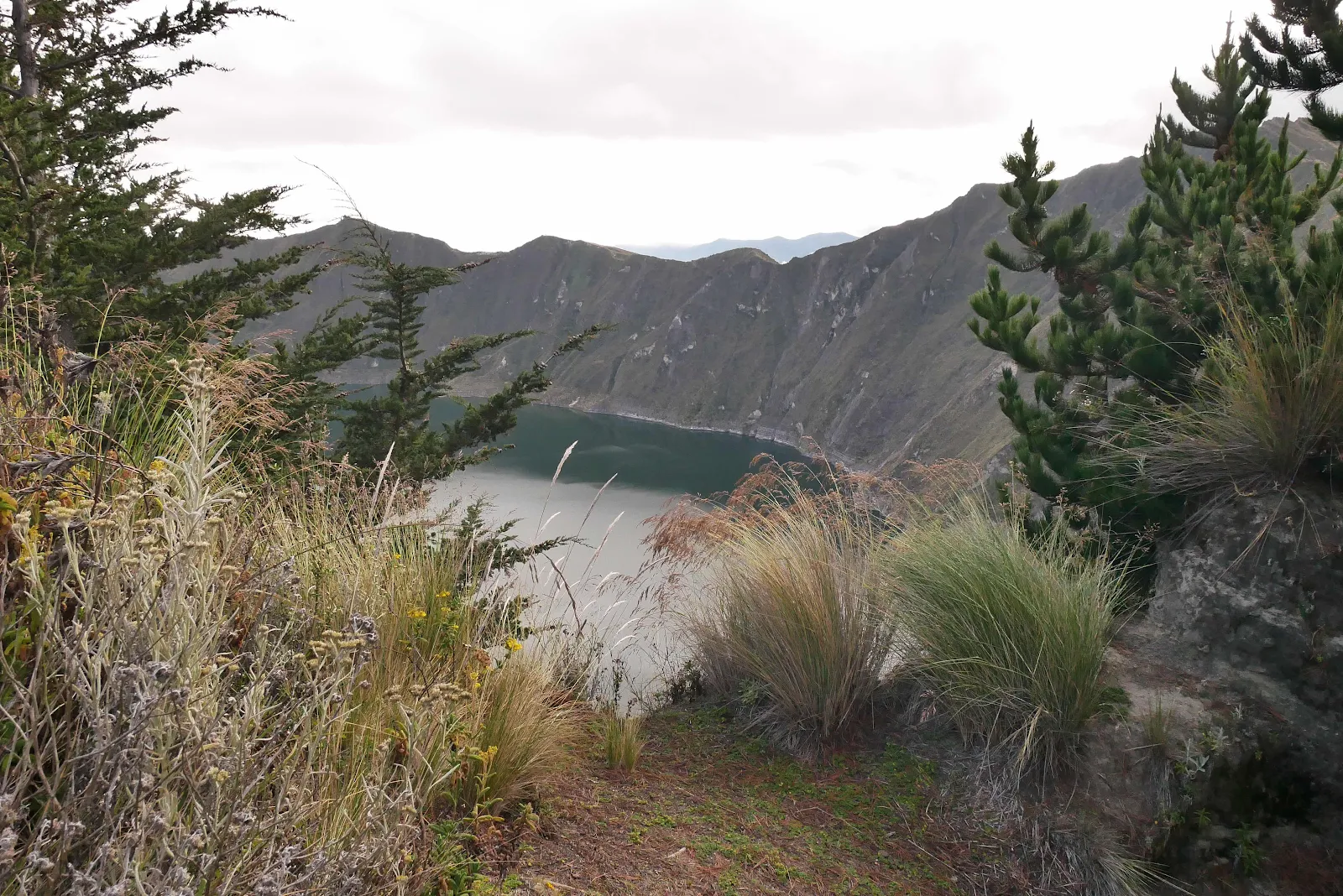
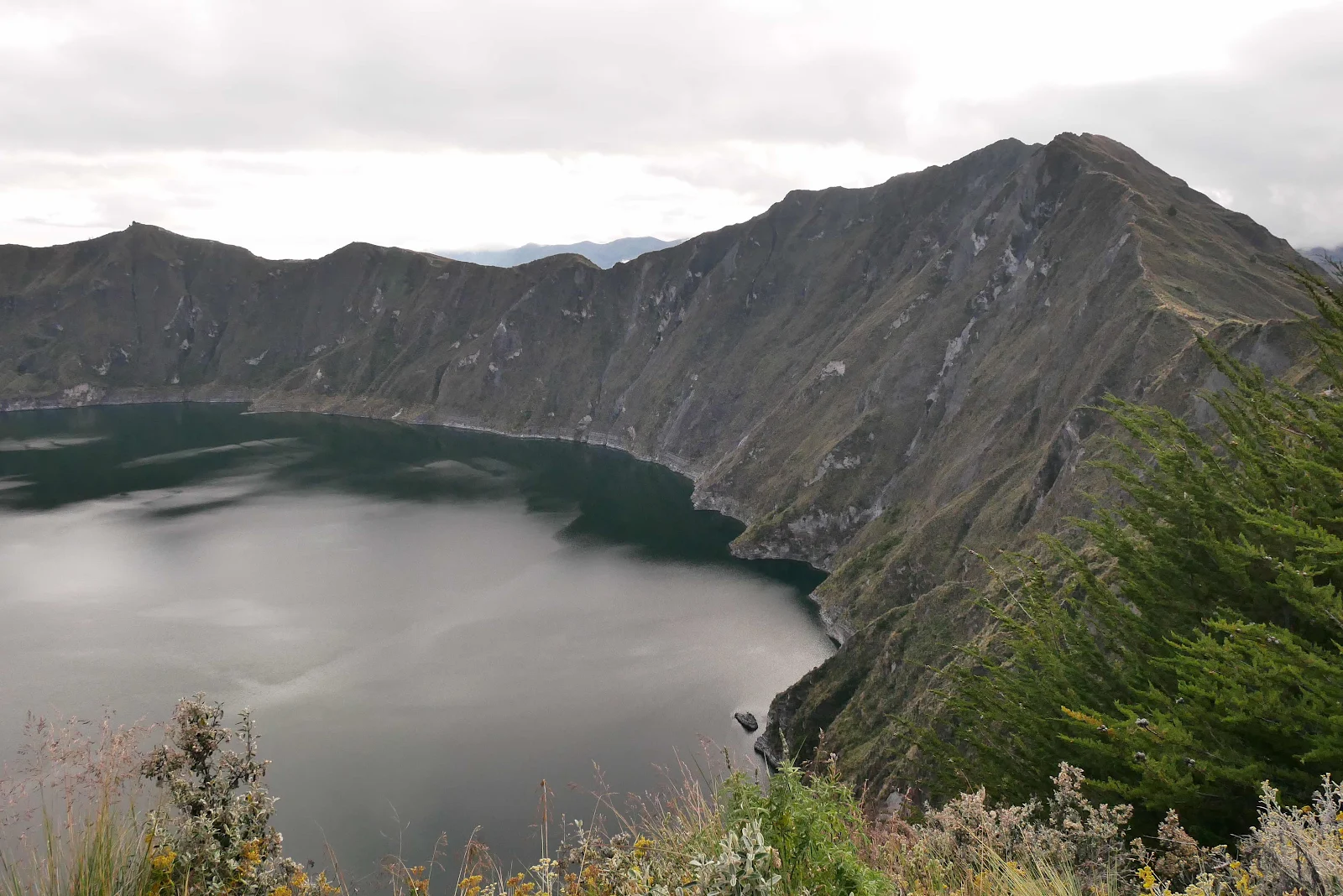
It was a gray flat morning miraculously free of fog so Rusty and I could see the water barely rippled and the steep cliffs all round dropping vertically into the water. You couldn’t sail or easily swim there even if you wanted to and all you could do was sit and think.  
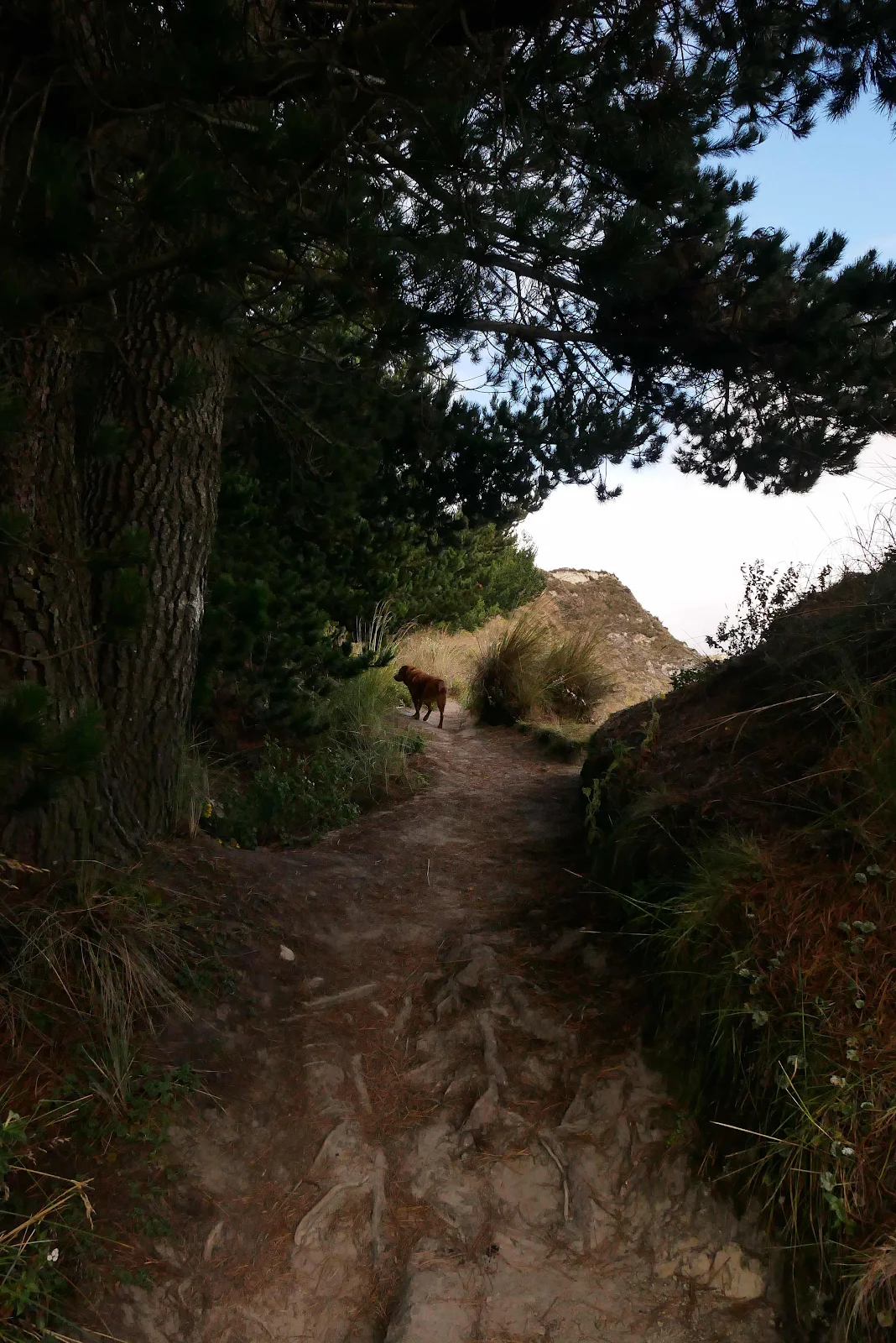
I figured I alone among seven billion people was sitting there staring at this lake, that had once been a hole in the surface of the earth where magma came out, molten impossibly hot for humans to bear but it had all died down and been filled with passive water locking whatever was below us back underground.
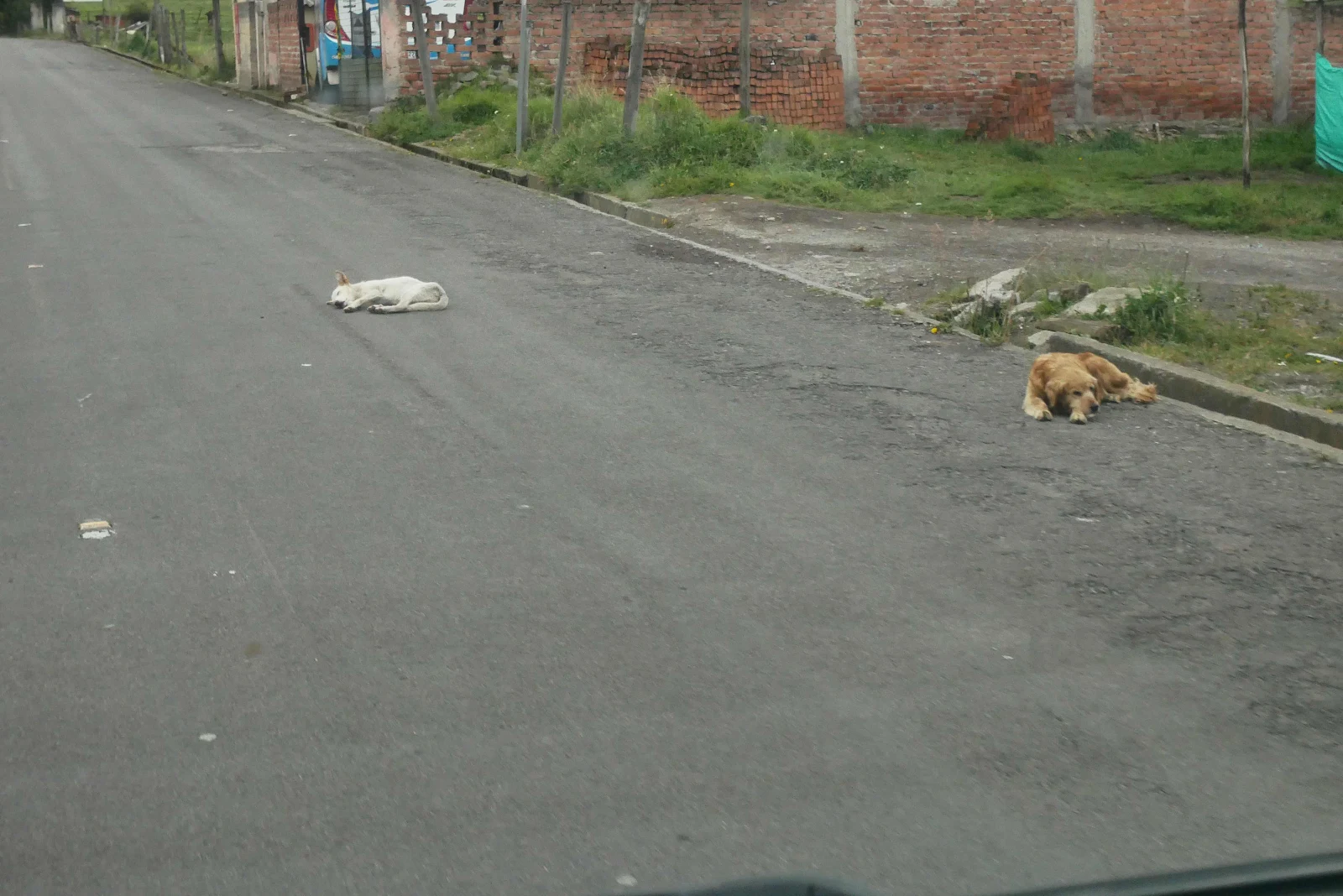
The reverie ended and I walked back down through the freezing air to GANNET2 parked at 12,250 feet and we took to the road back the way we had come. And there was more water from the skies and 42 degree air and the road was lined again with abandoned soggy dogs waiting for cars to pass out scraps. We did of course and I hated Ecuador and everyone in it. I missed Colombia where dog abuse is a crime and Colombians cherish their animals. 
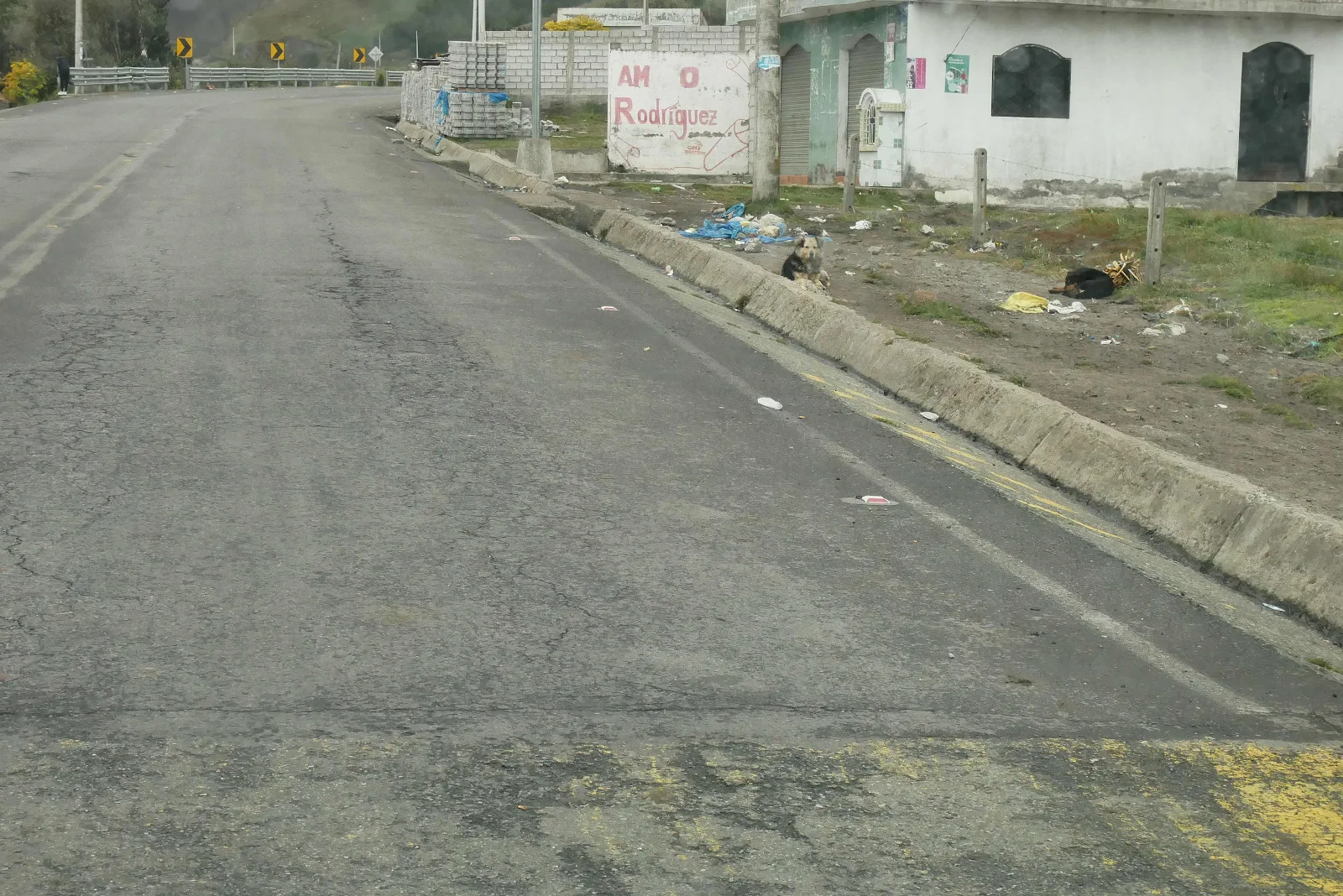
The road was still filthy made worse by the rain, the dogs desperate and the humans beaten down by poverty and lack of opportunity. I spiraled into depression. 
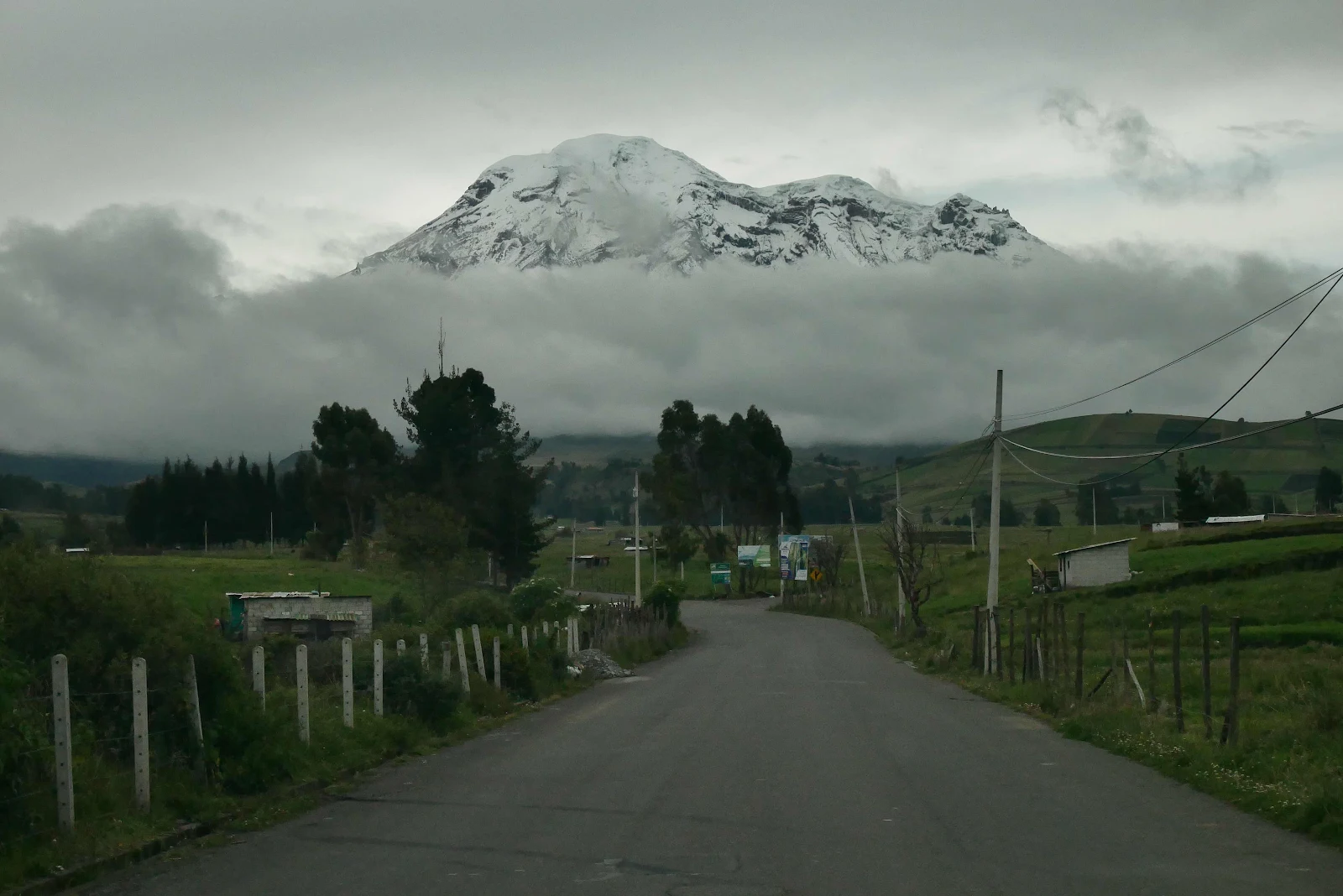
We were going to Chimborazo the largest mountain in the world, bigger than Mount Everest. It isn’t even that high, just 20,550 feet but because it’s almost on the equator the earth is thicker here than under the Himalayas so Chimborazo’s peak is further from the center of the earth than the top of Mount Everest is, even though that mountain is nearly nine thousand feet higher. Now you can win a bar bet with that piece of information. 
I had this idea in my head that the campground Layne had contacted would have a parking lot for us, a restaurant said to be very good by friends and we could rest in the shadow of the great mountain. It did not turn out like that at all.  There it was in the early afternoon: 
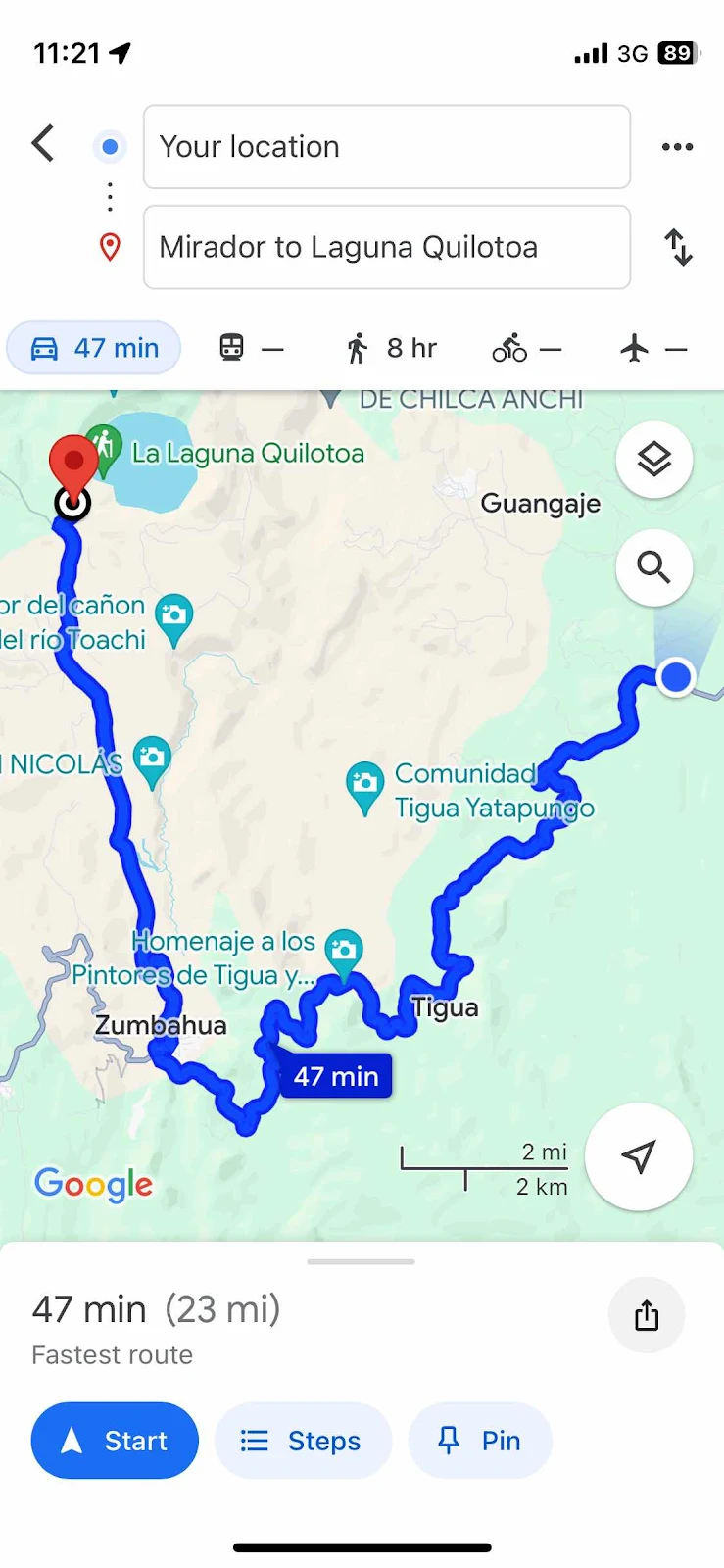
Google Maps screwed us up nicely to start with by figuring a winding dirt road would be faster than following the main Panamerican Highway. We caught the error soon enough when the blue line ran through a soccer match in a small dusty village where already we felt out of place. Layne went into a store to buy toilet paper but they had none. That’s how poor these people are: they can’t afford loo paper. We got back on the main road which looked decrepit and run down. 
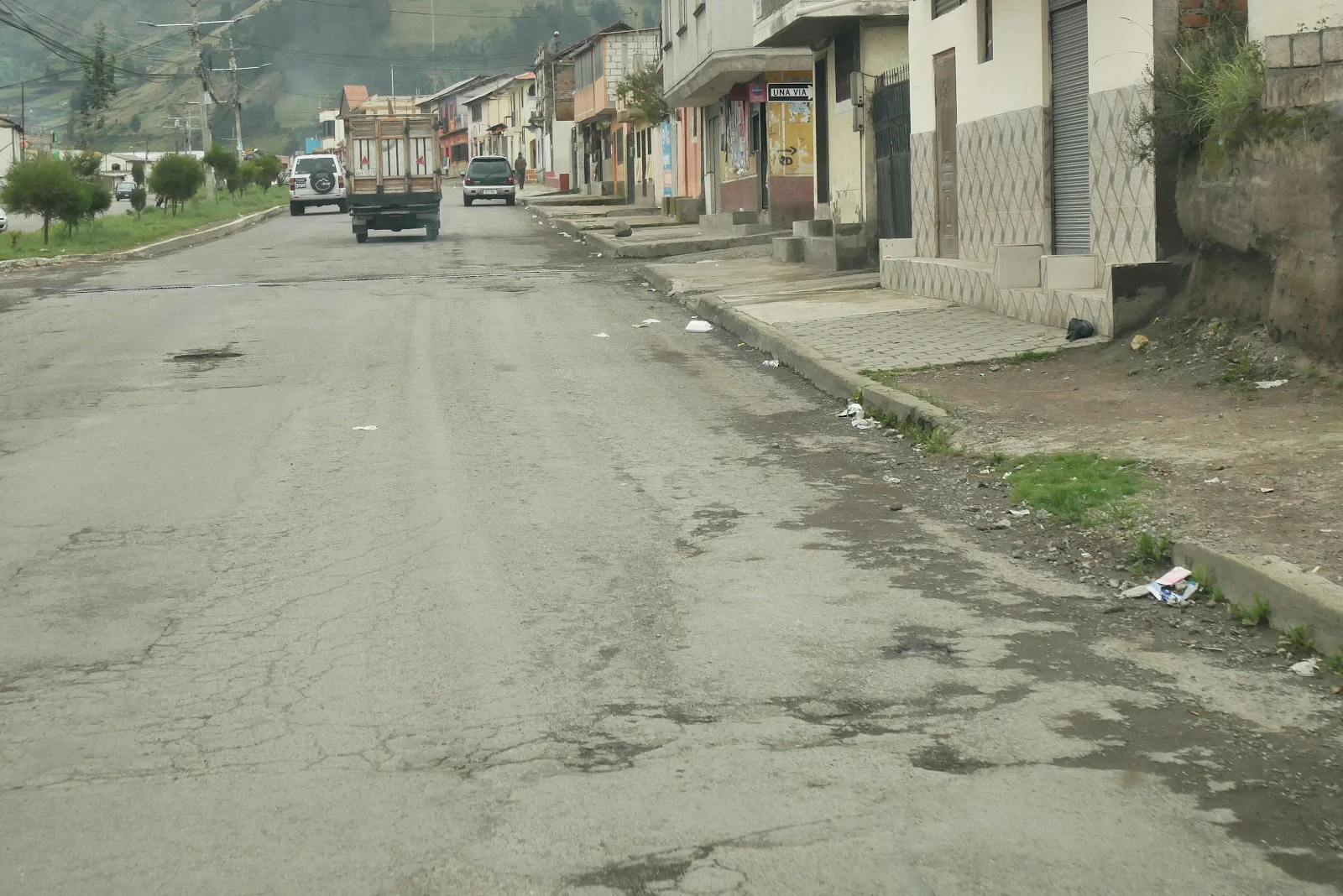
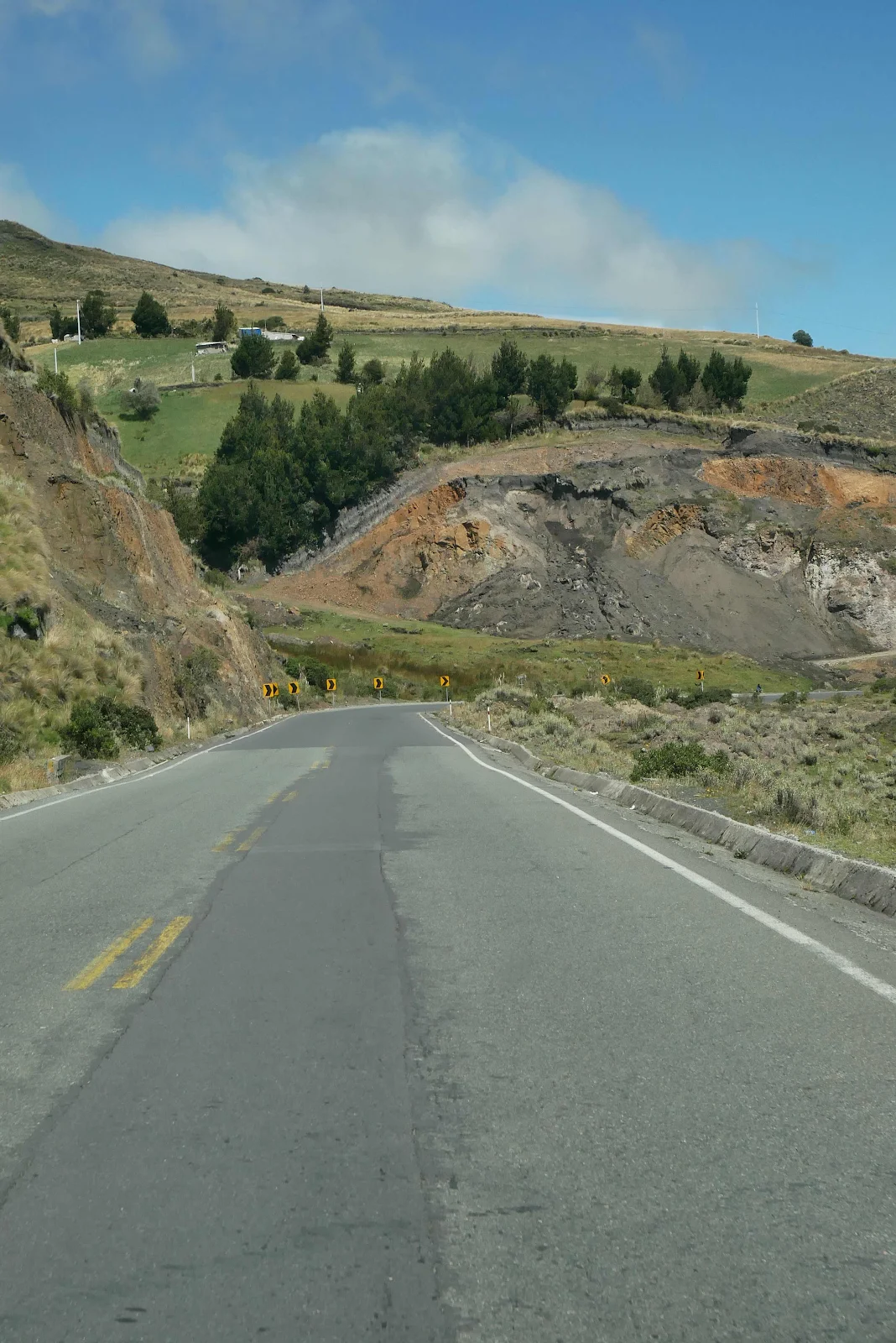
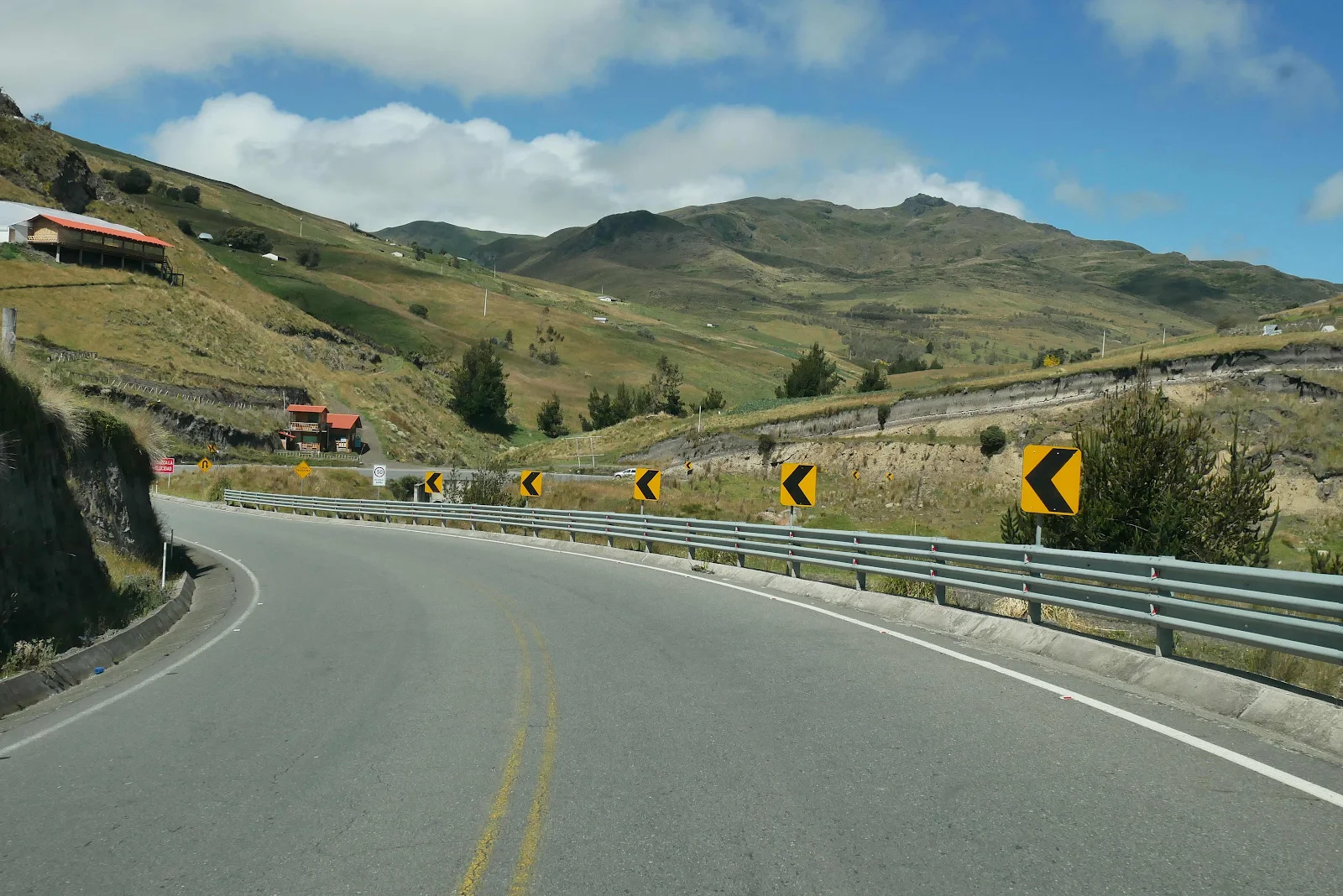
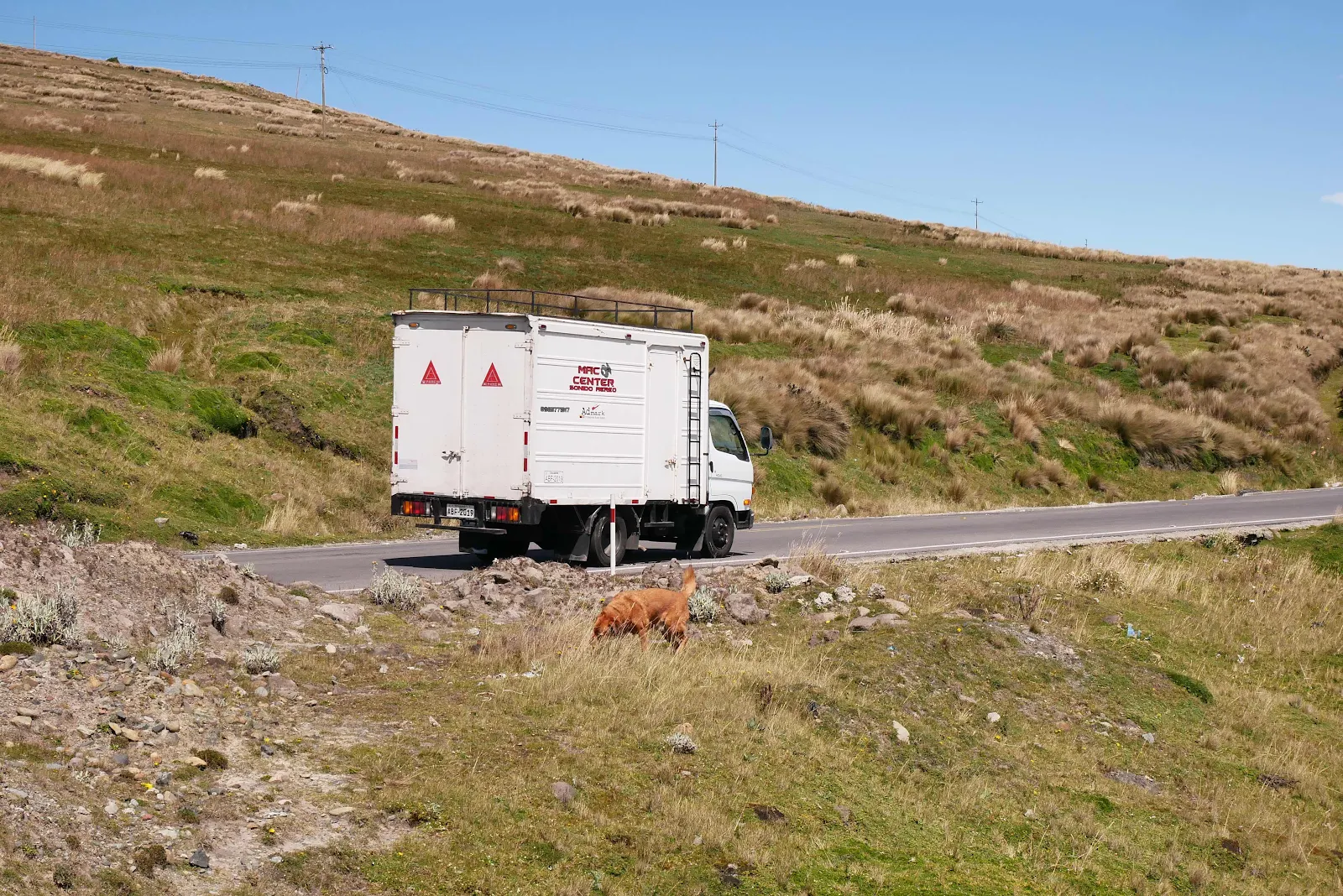
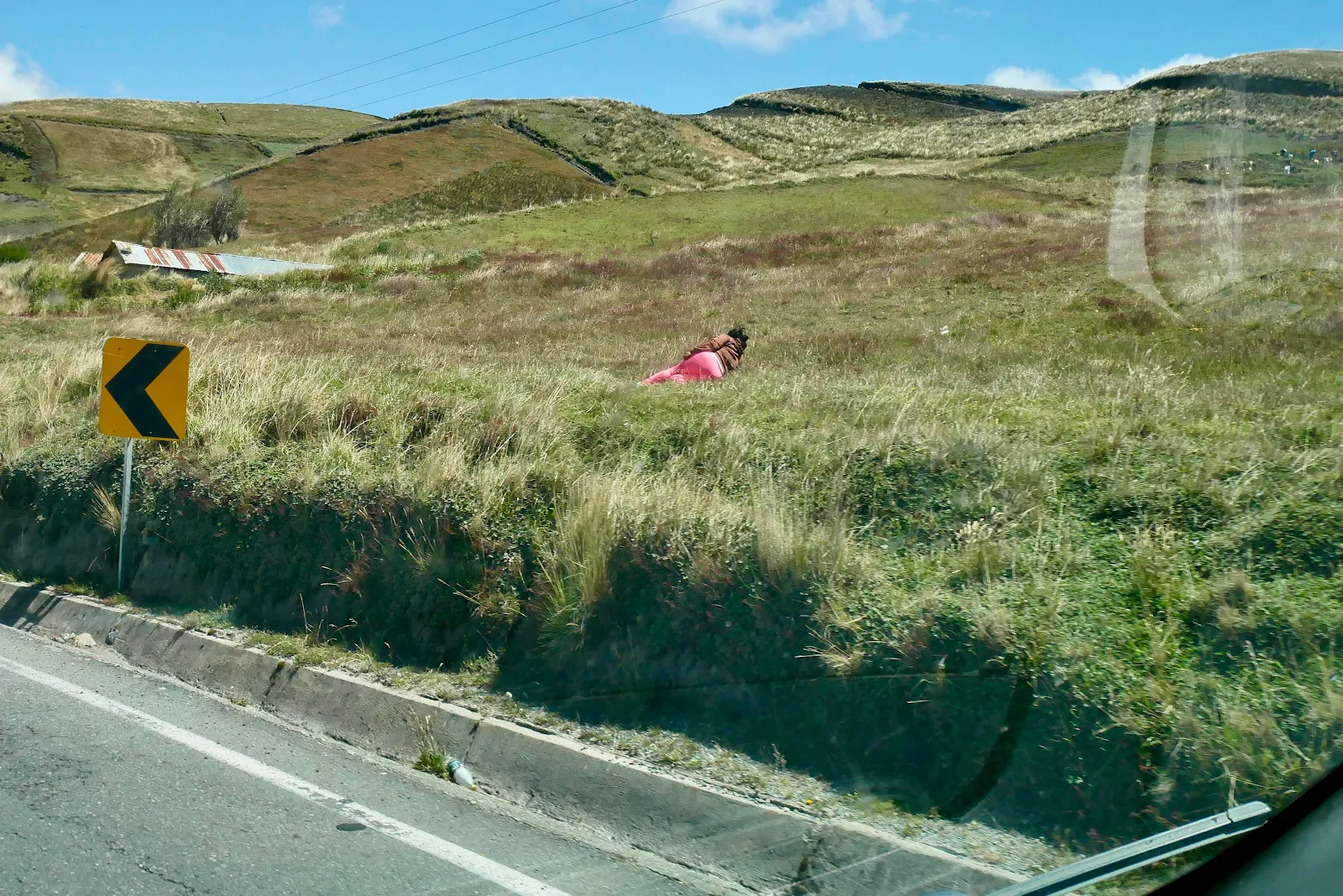
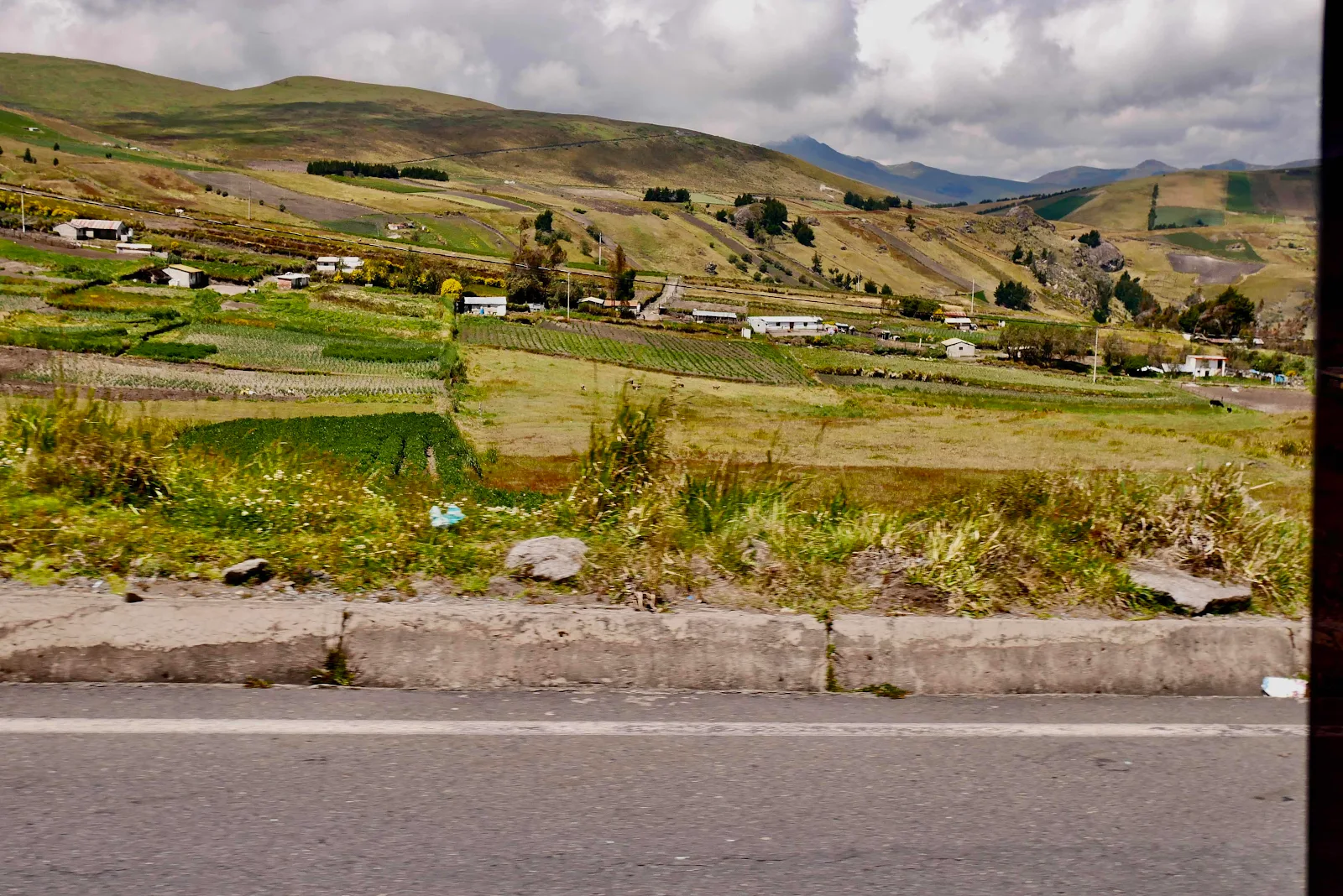
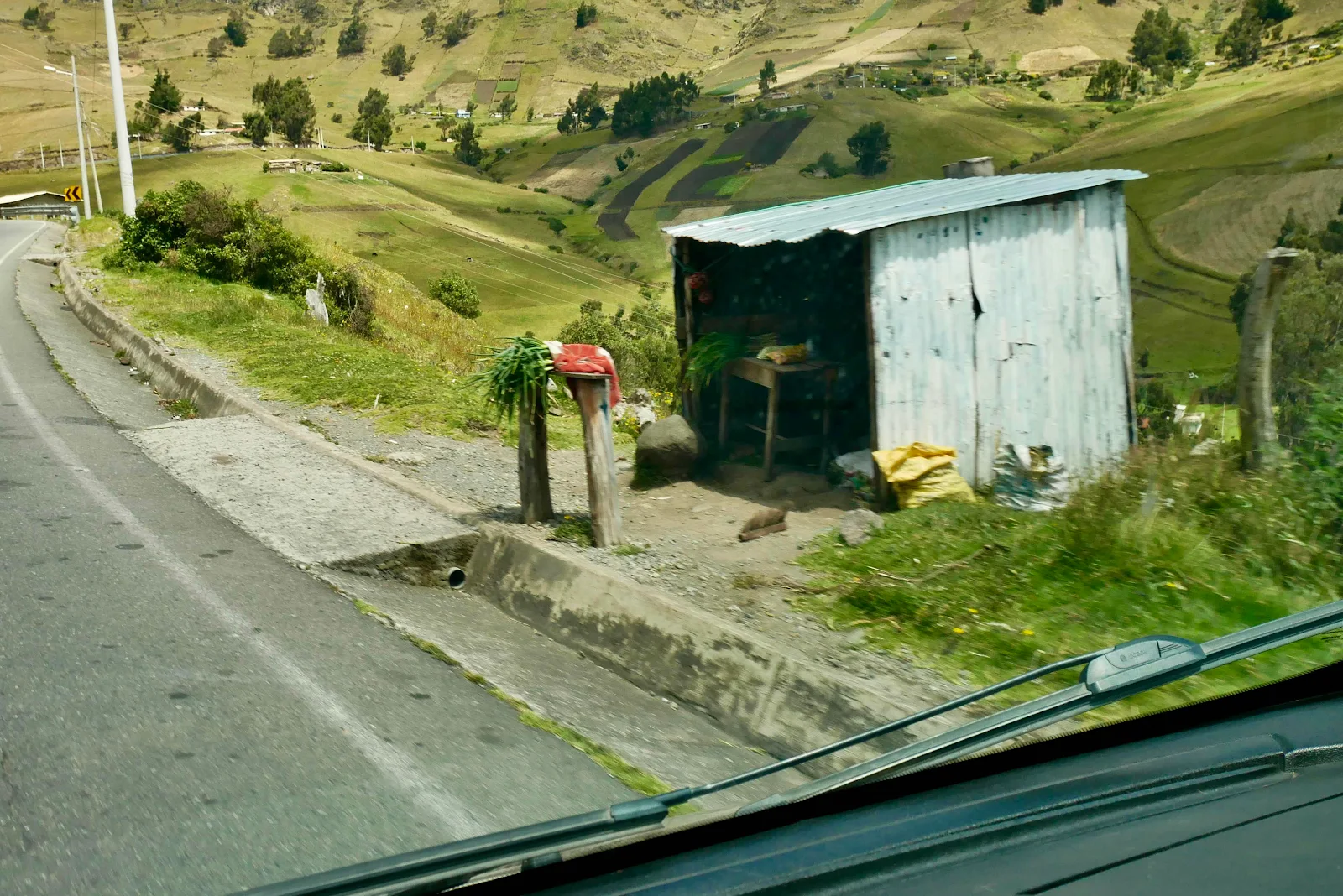
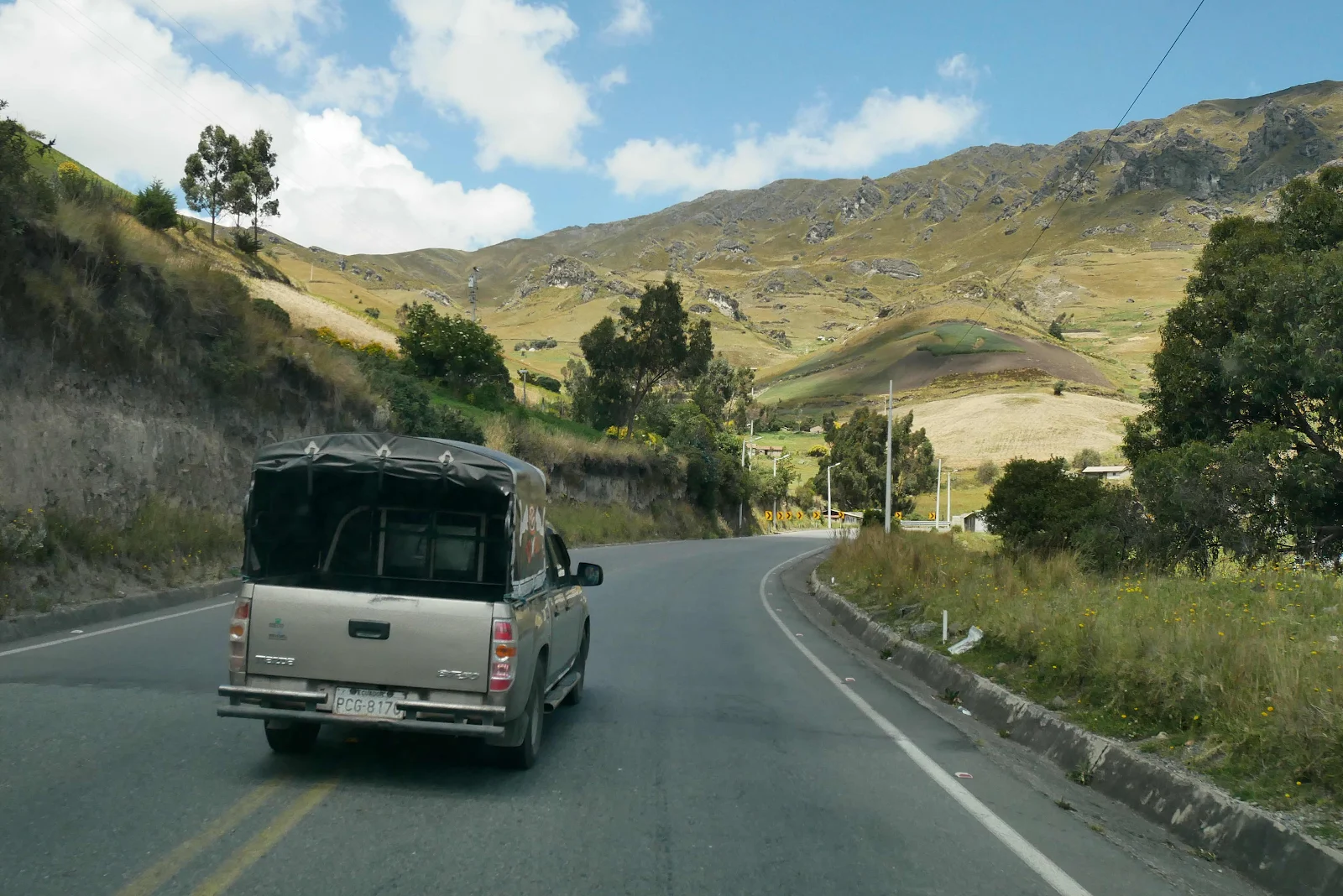
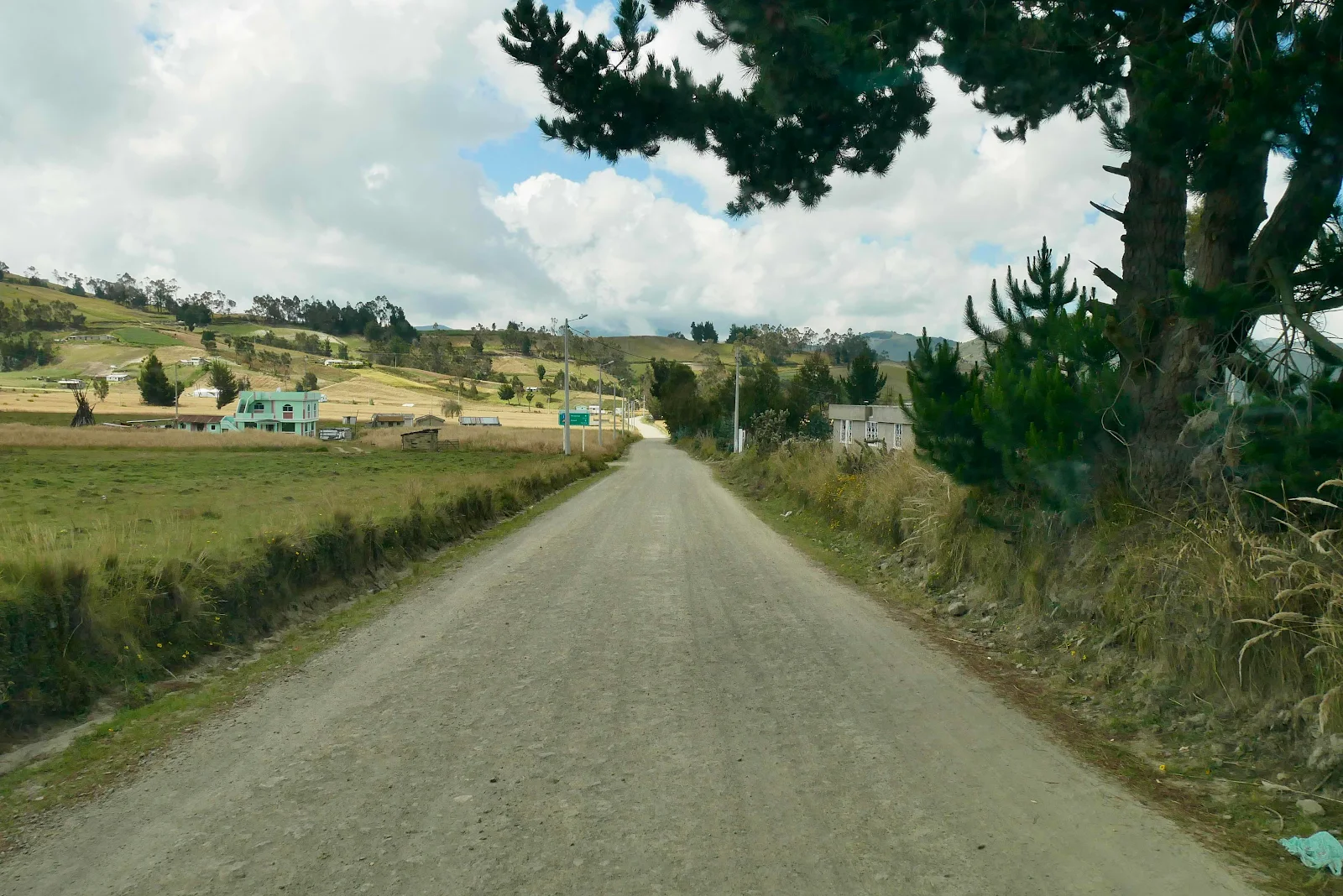
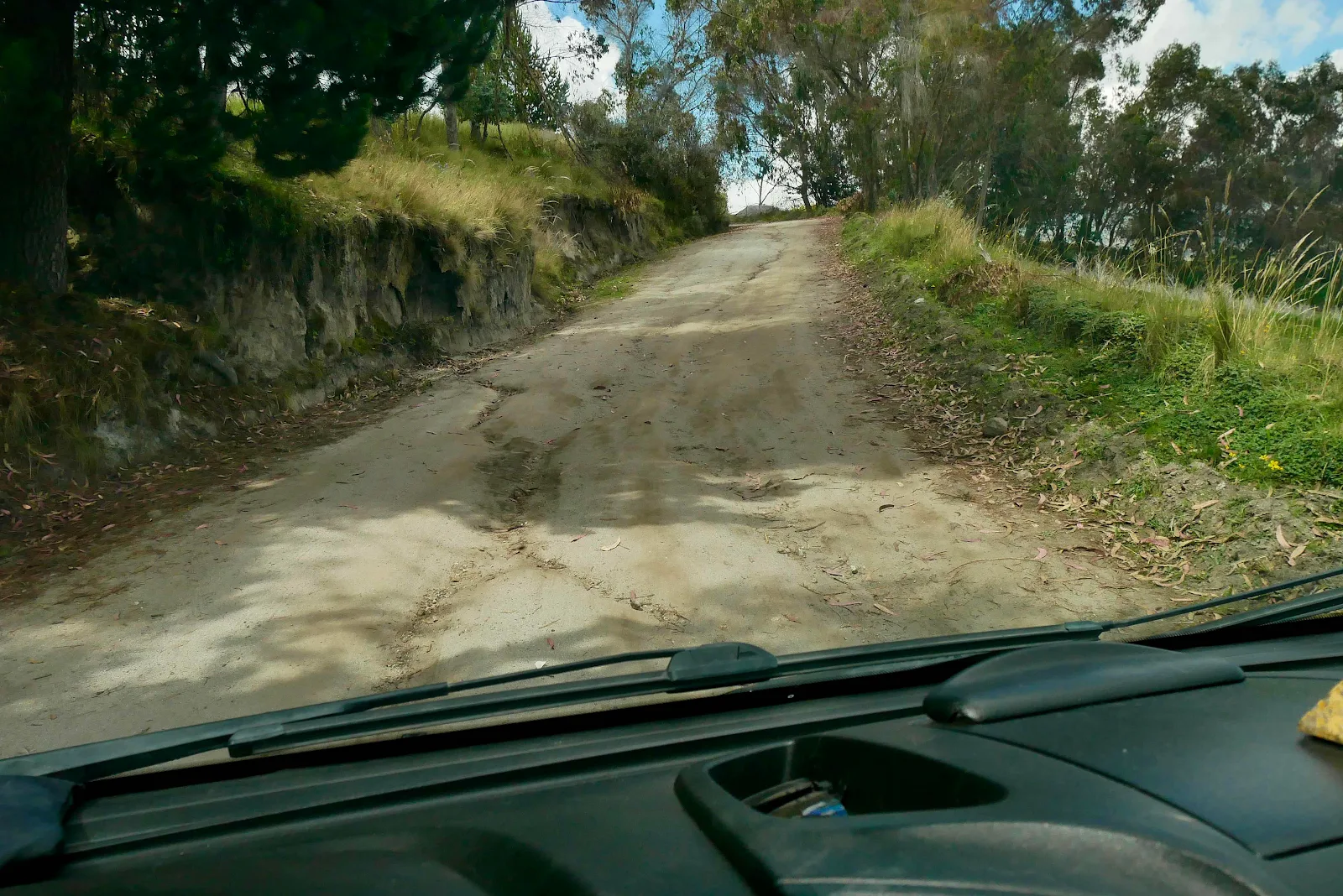
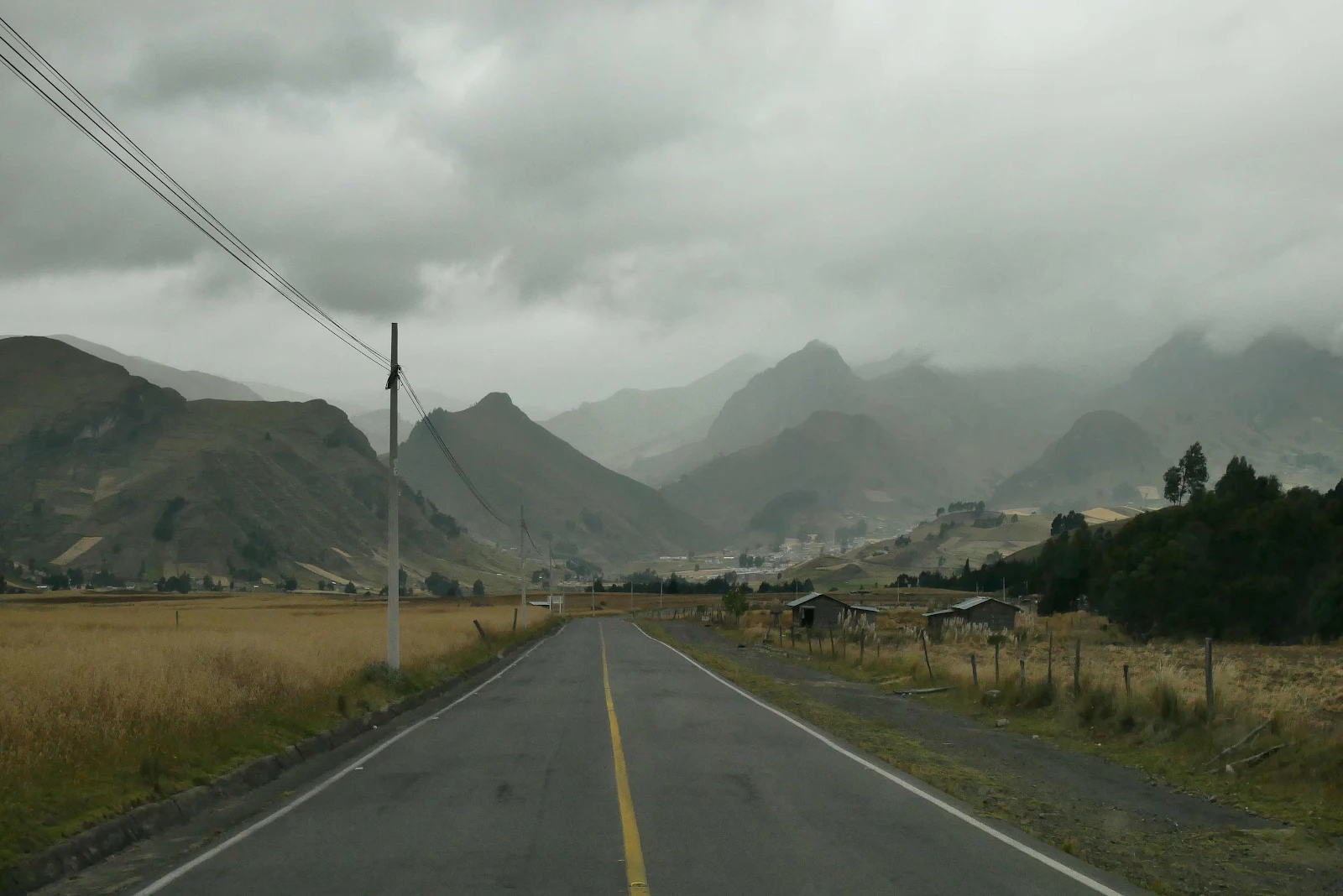
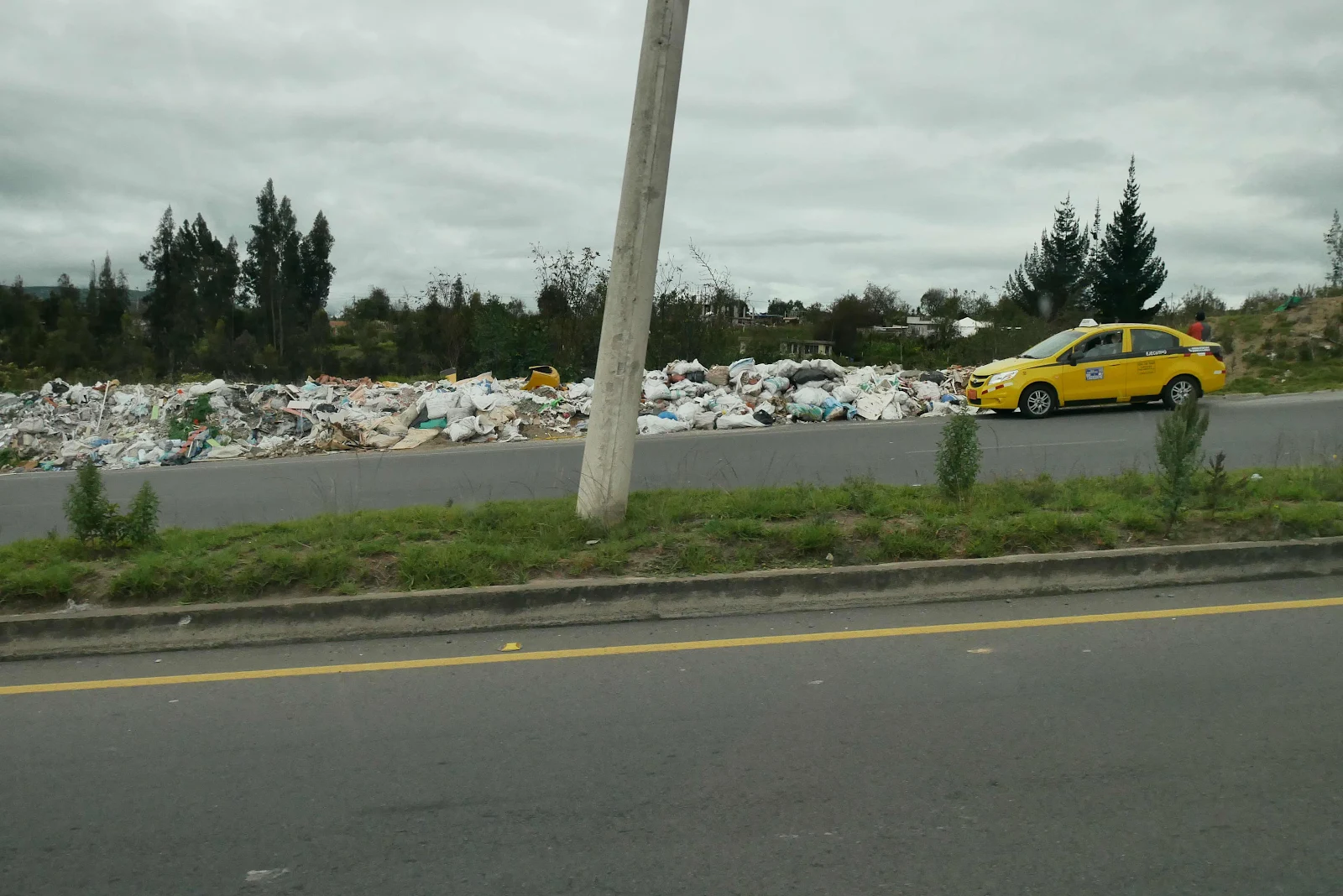
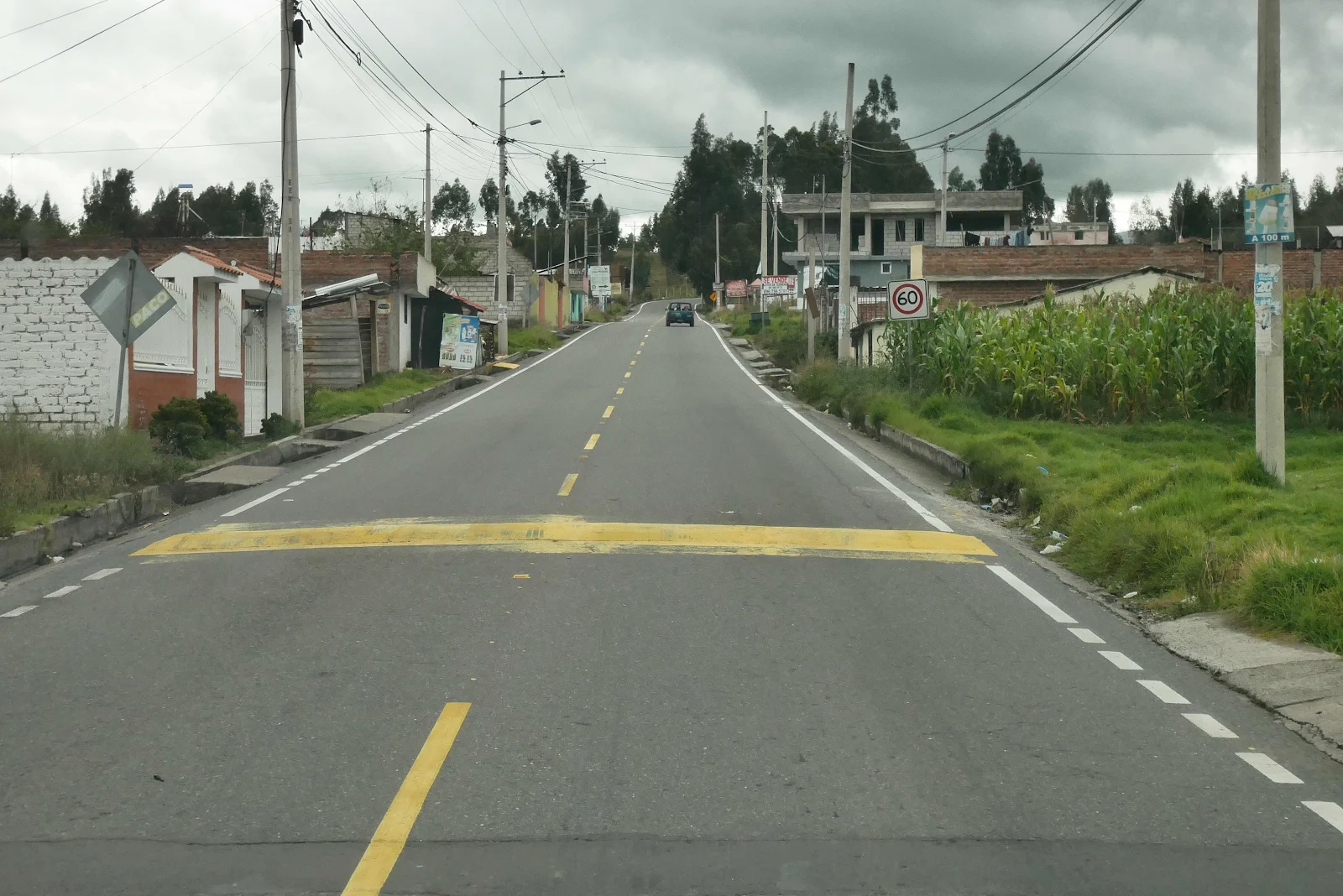
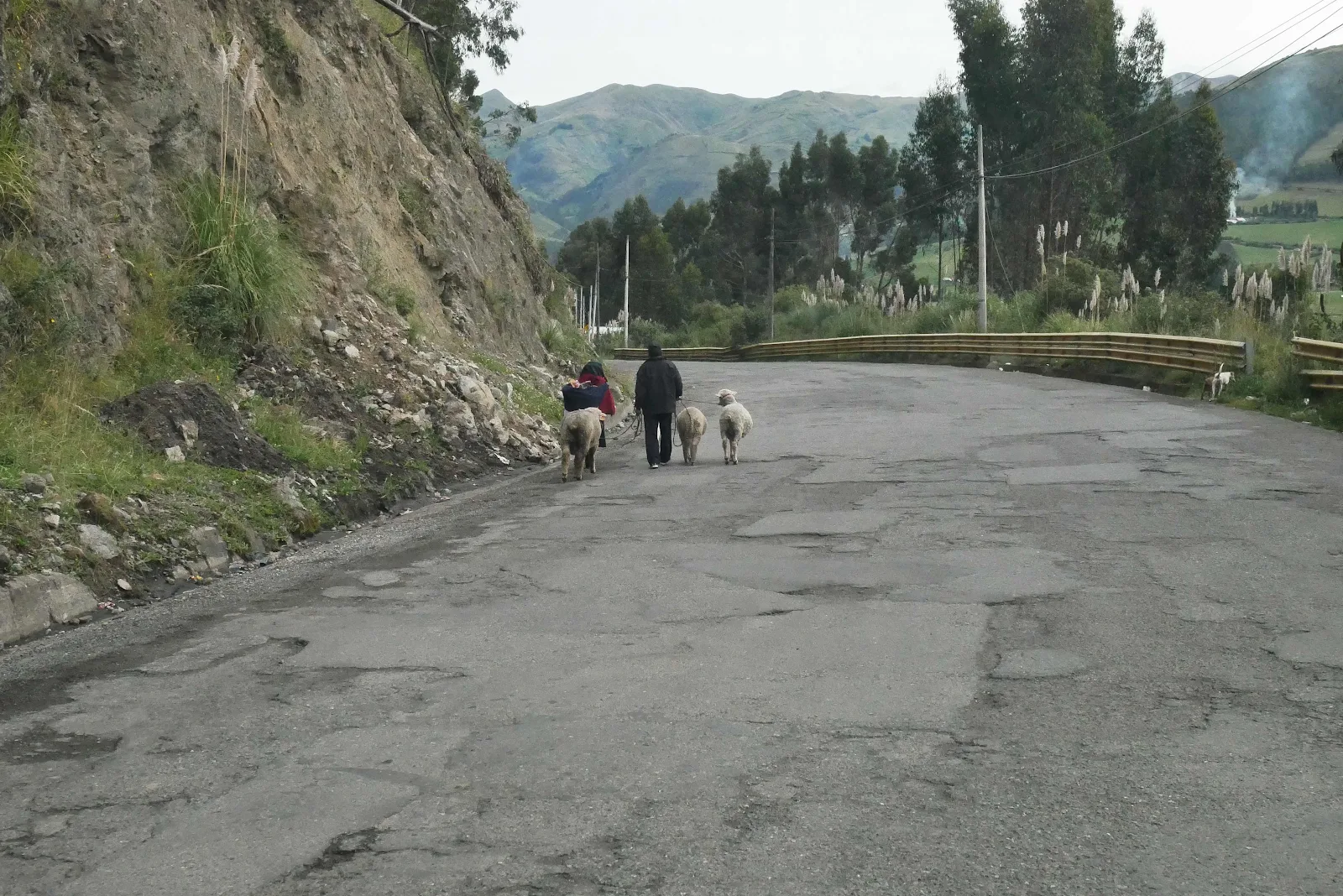
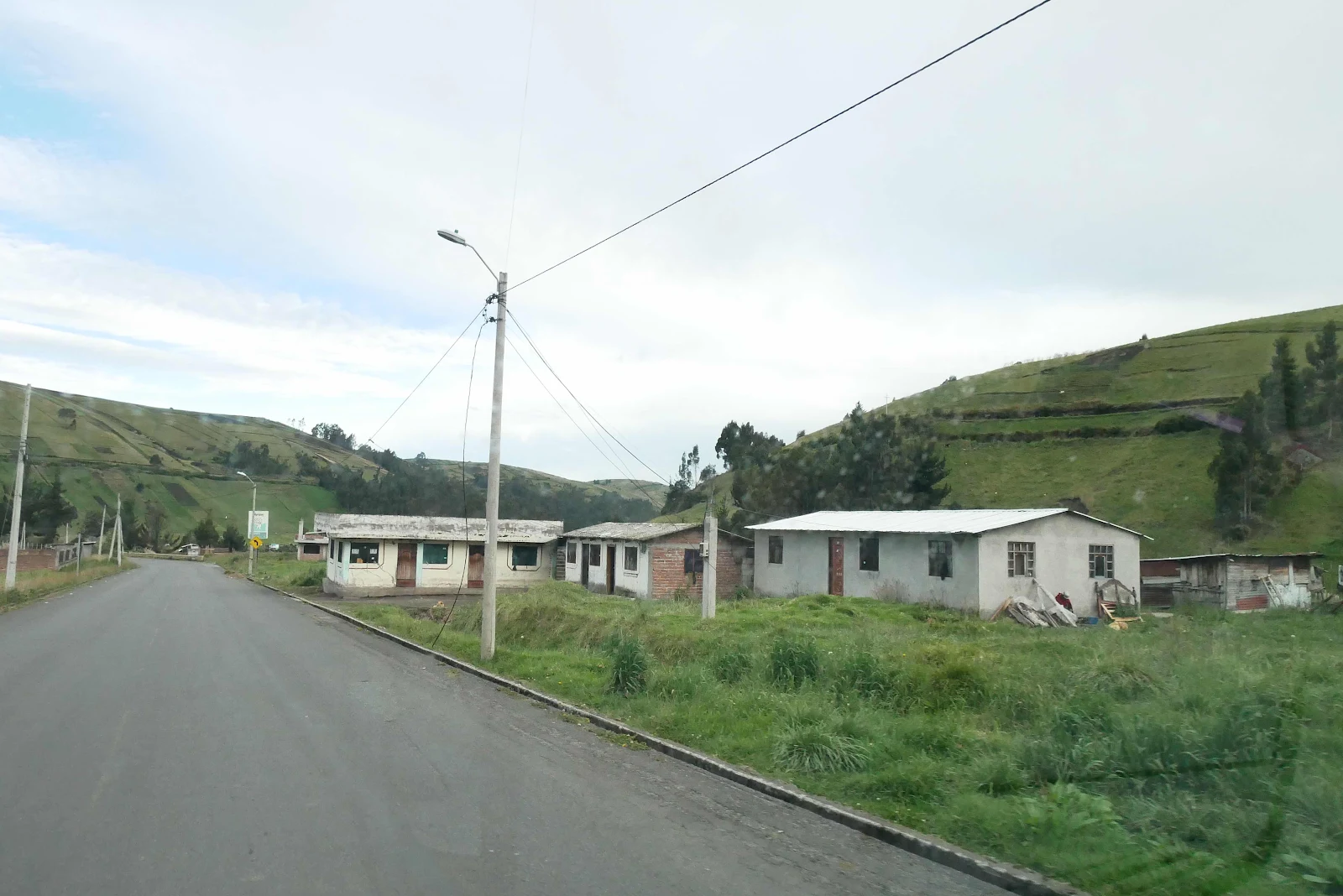
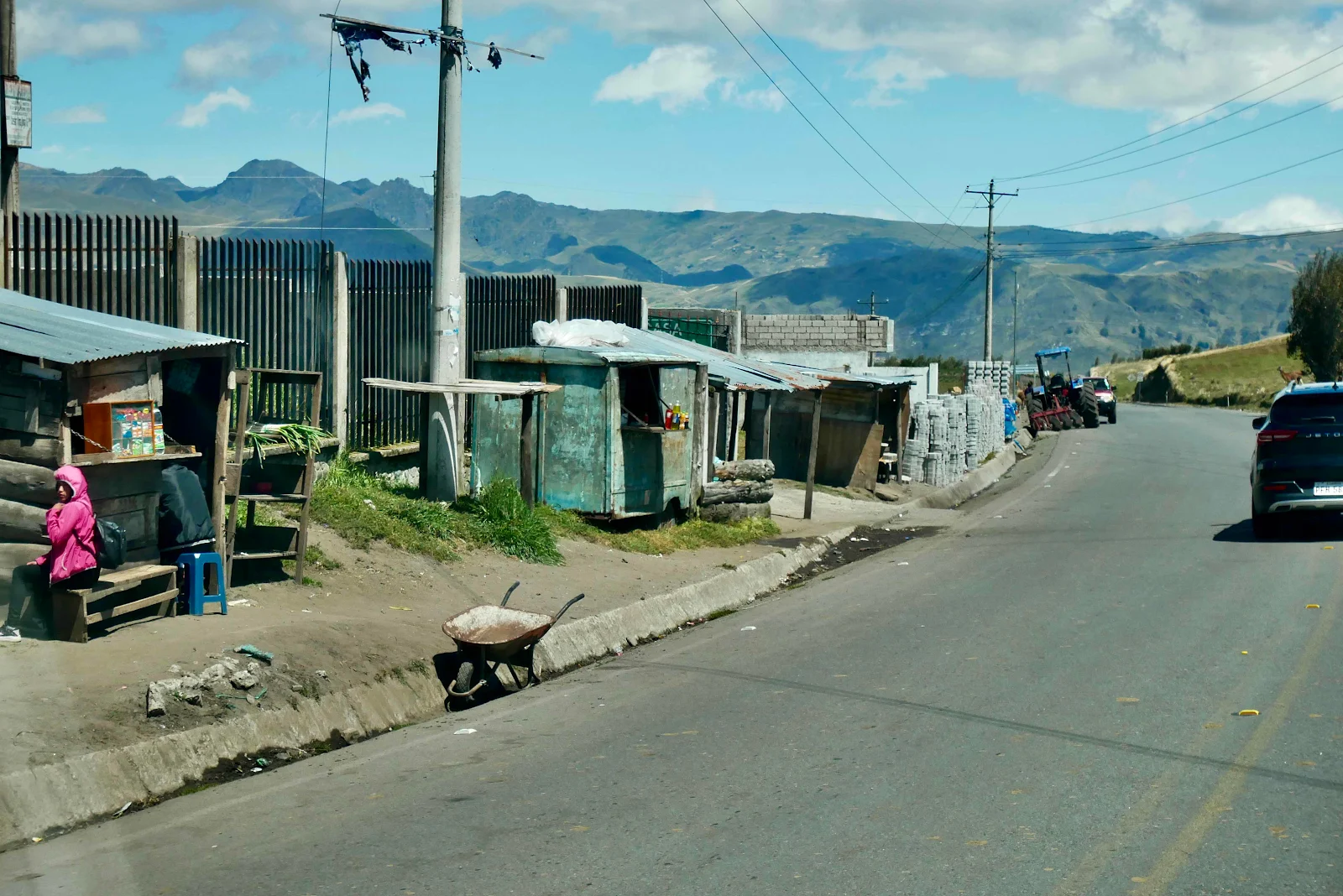
The main road to Chimborazo was a disaster. This incredible mountain, this magnet for hikers and climbers is surrounded bred by filth, ugly decrepit villages, abandoned dogs, and a road that is so awful cars slalom to avoid potholes and patches and mud slides. 
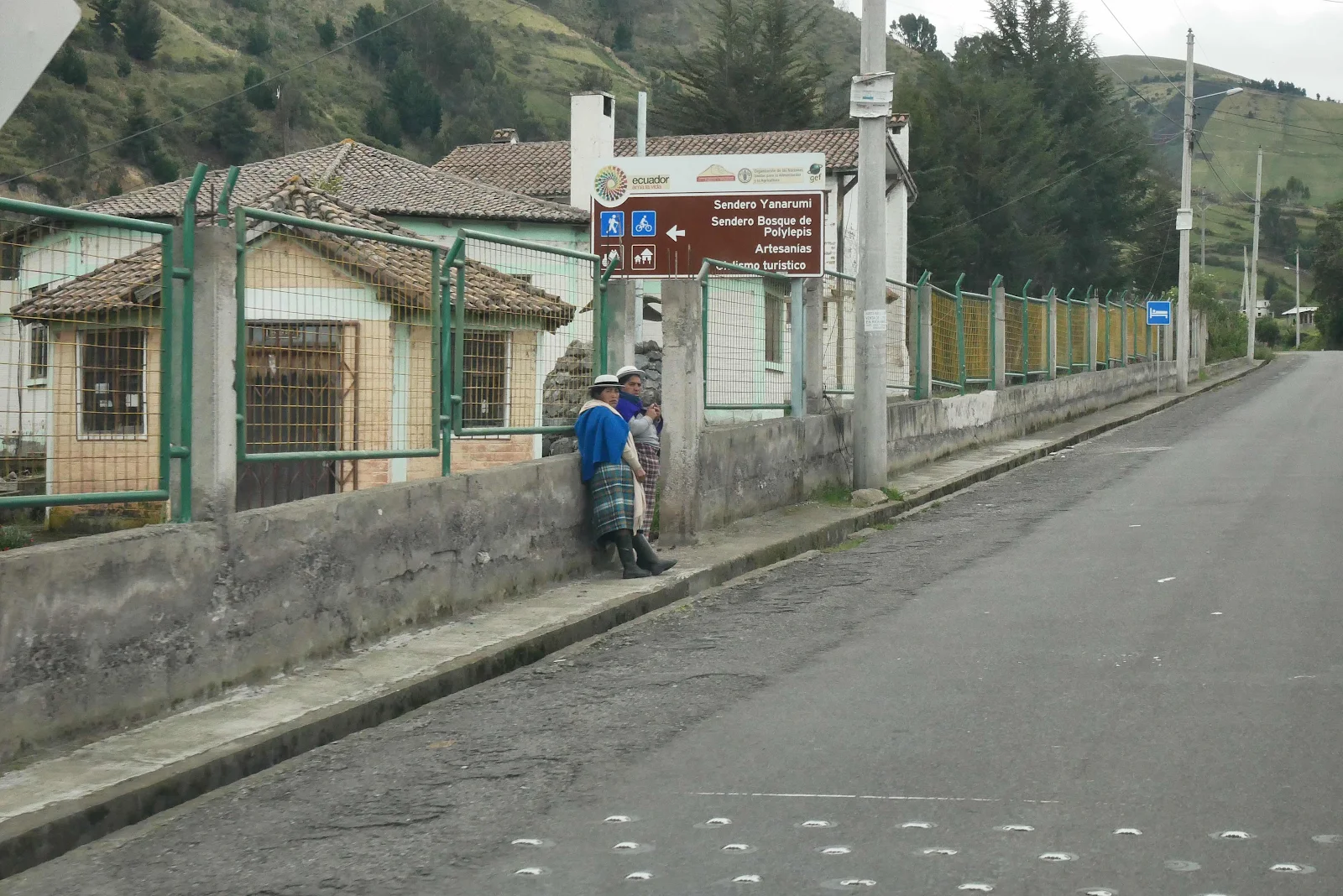
I mean take a look. The road is crap and I’m driving my home up it to a purported dinner and quite night in the shadow of this famous mountain. 
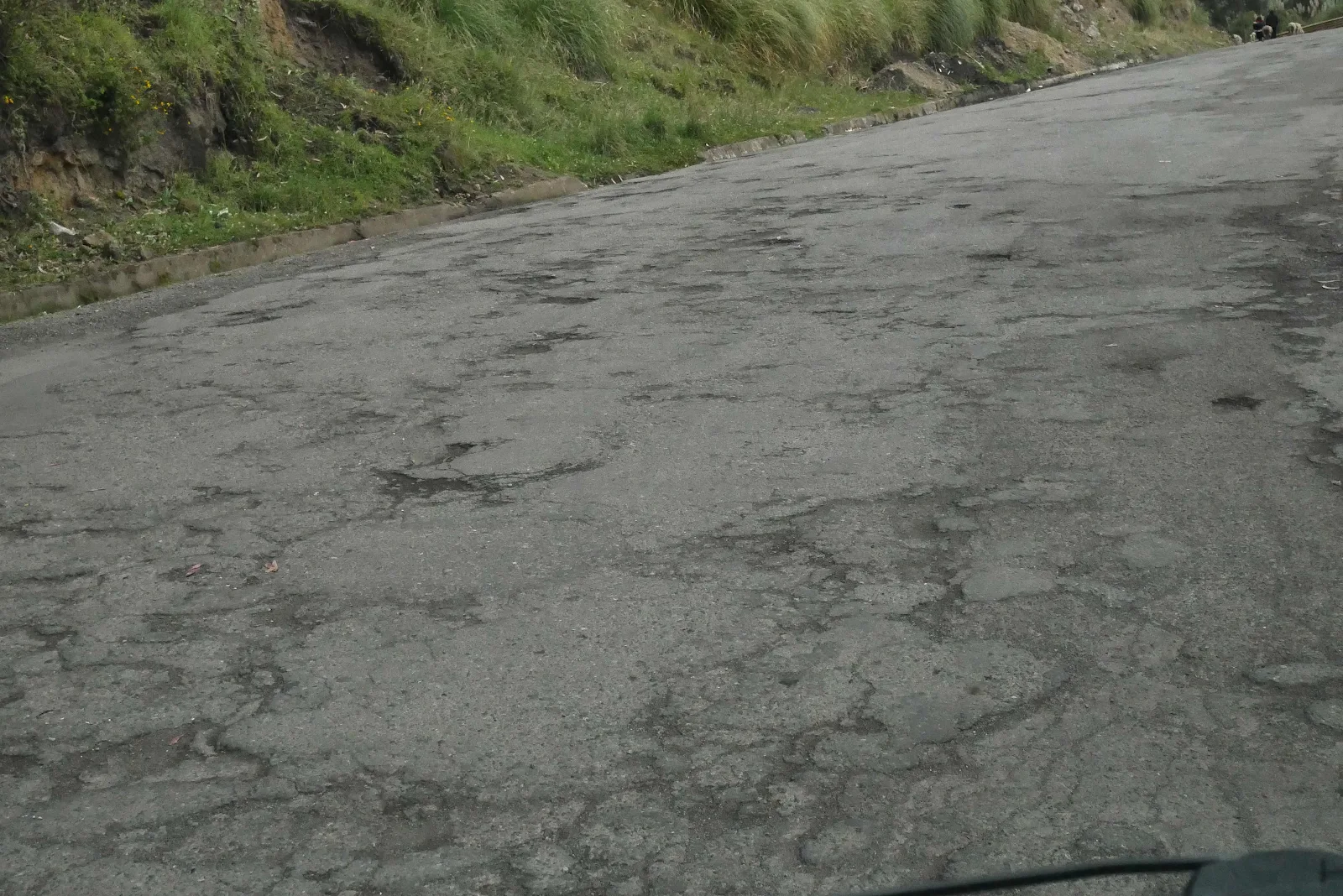
I just hunkered down wishing I were anywhere else. 
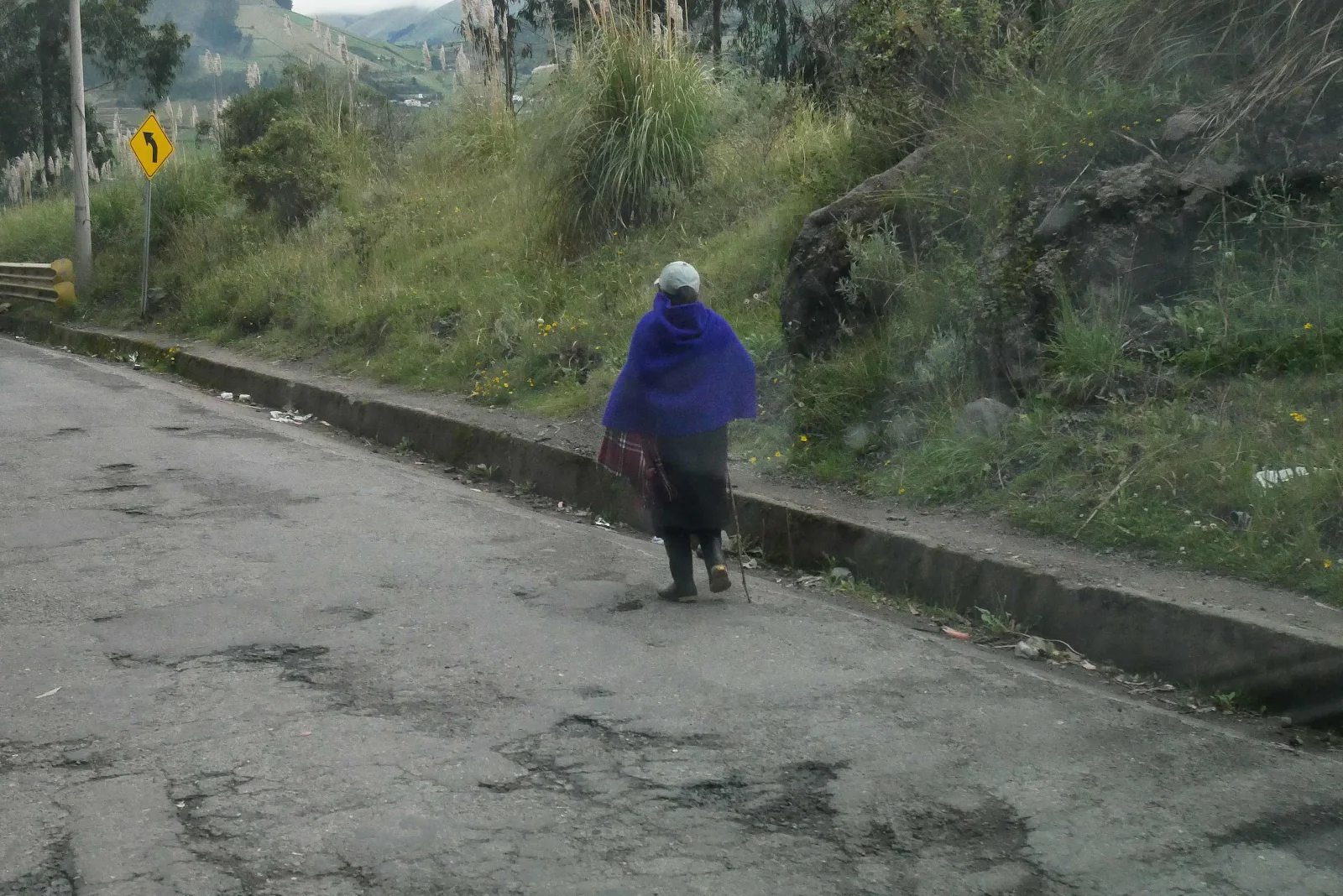
The poverty and lack of amenity just made me curl up inside. Here we were in our $90,000 hone in wheels with r dry comfort and a dog whose every need is catered to and outside on a 45 degree overcast afternoon humans and animals live a medieval scrounging life for survival. The whole thing was surreal.  I felt like Elon Musk in a homeless camp.  
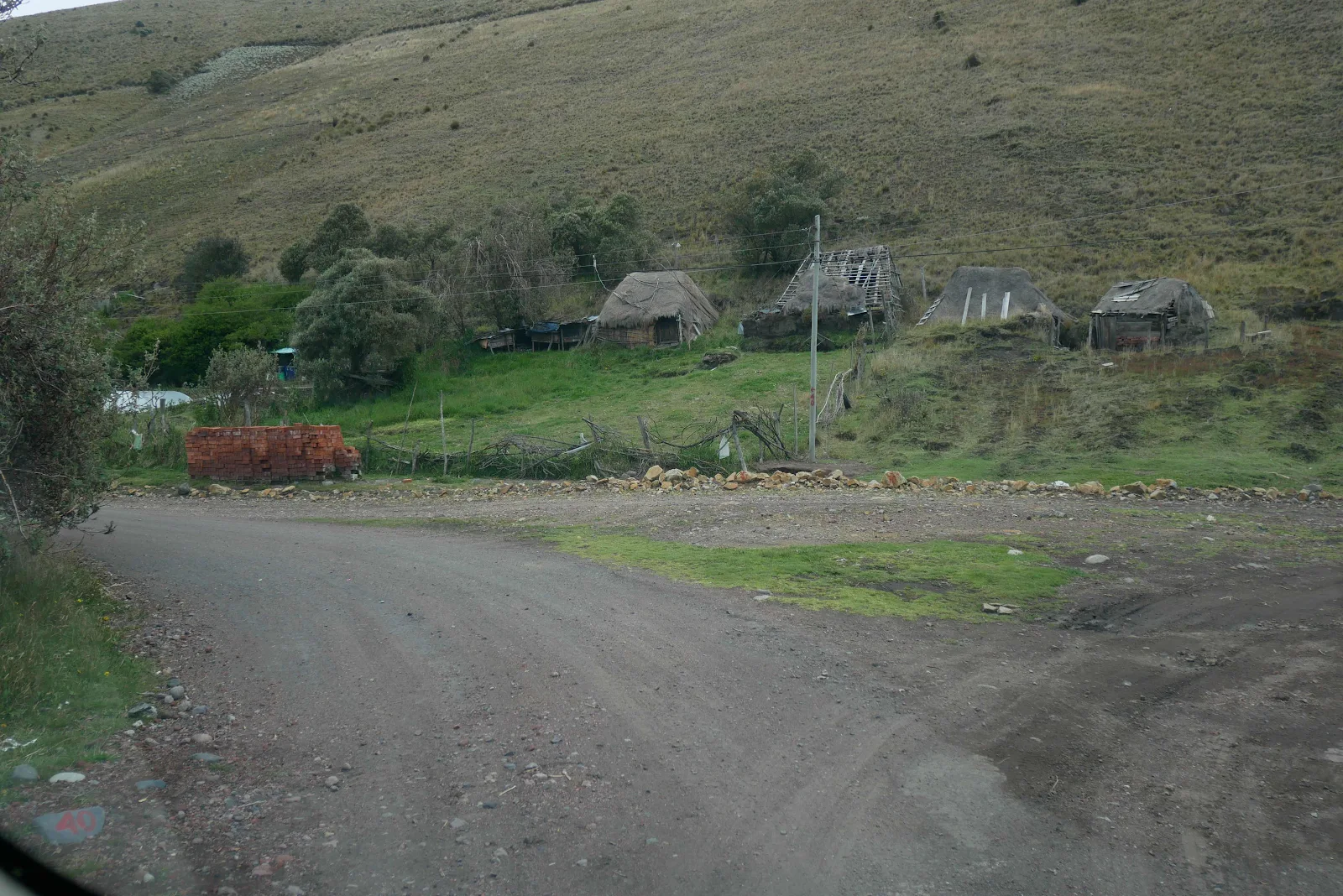
Sleeping not dead. Some perked up when they saw us. Others just Layne in a ball. They broke my heart and my hatred for Ecuador just grew. 
There were abandoned empty buildings all around the area where our camp spot was supposed to be. There were no signs and the apocalyptic nature of the place had us in despair. iOverlander put our place right here but there was no sign of life. A dog had followed us back and forth as we struggled to find our spot and he sat there staring at me as I tried to figure out our next move on Google. He got a big bag of food which held his attention as we drove away. 
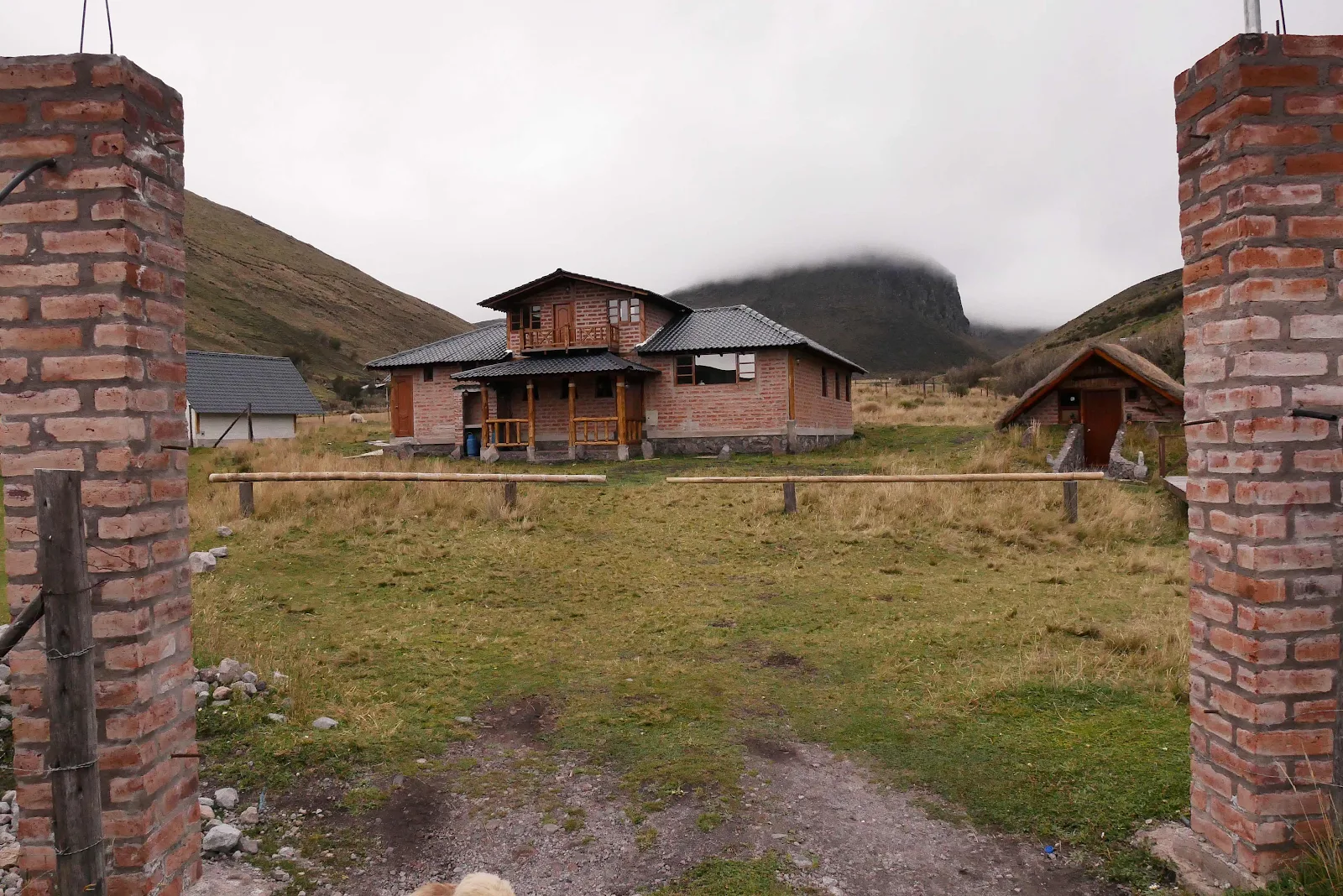
We found another dump with an apparent security guard in site. We asked if we could camp overnight. He looked doubtful. You could, he said but it’ll cost ten dollars. Okay we said. Each he added the light of greed in his eyes. We drove away. “He creeped me out,” Layne said. We drive bs on down past the dogs toward the village of San Juan. It was 4:30 with perhaps 90 minutes of daylight left. Chimborazo had gone already, lost in the clouds. 
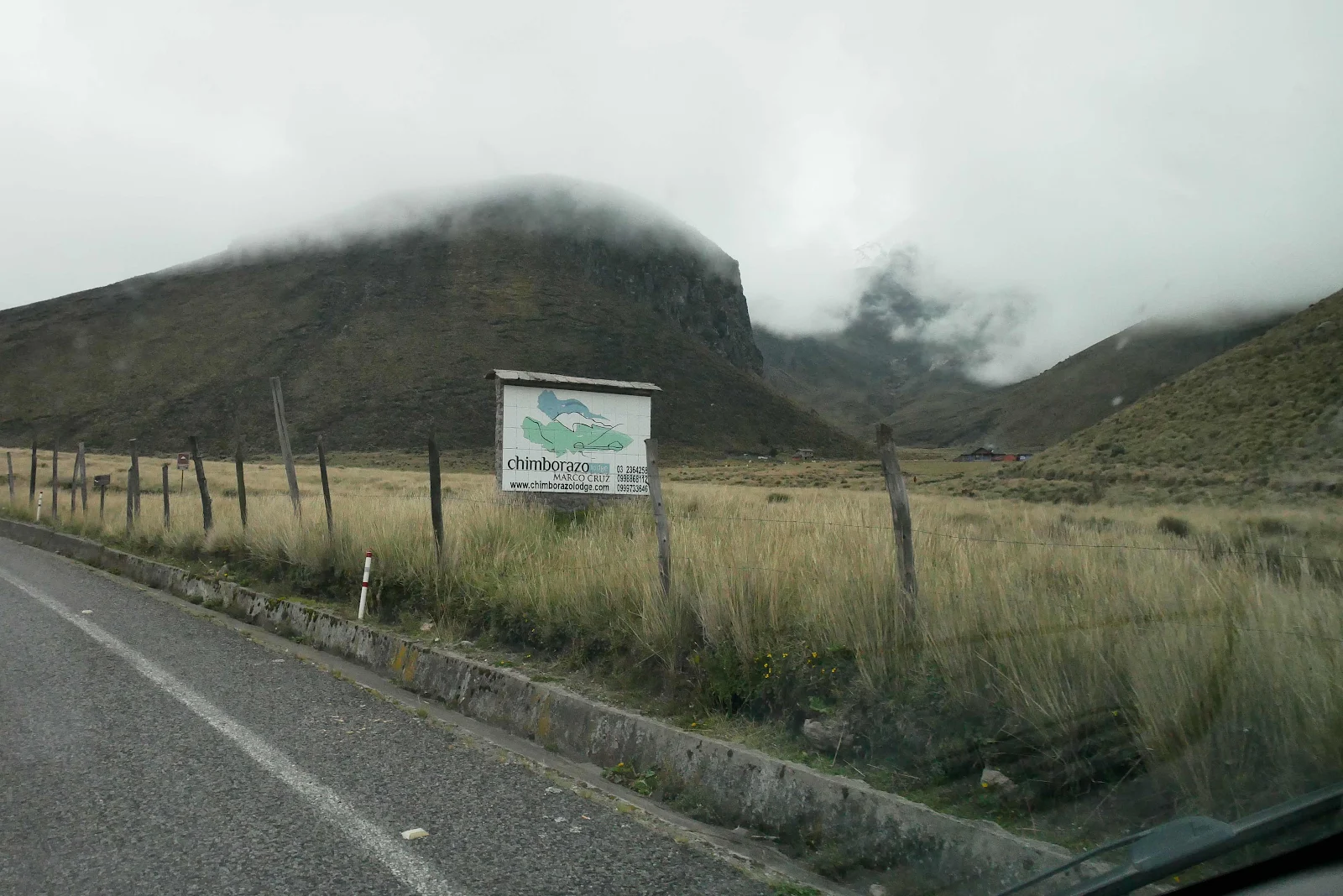
We drove despondently back down the valley trying not to make eye contact with the dogs and trying desperately to avoid the killer pot holes while trying also to keep out of the way of the rapid fire locals who drive as though on a billiard table.
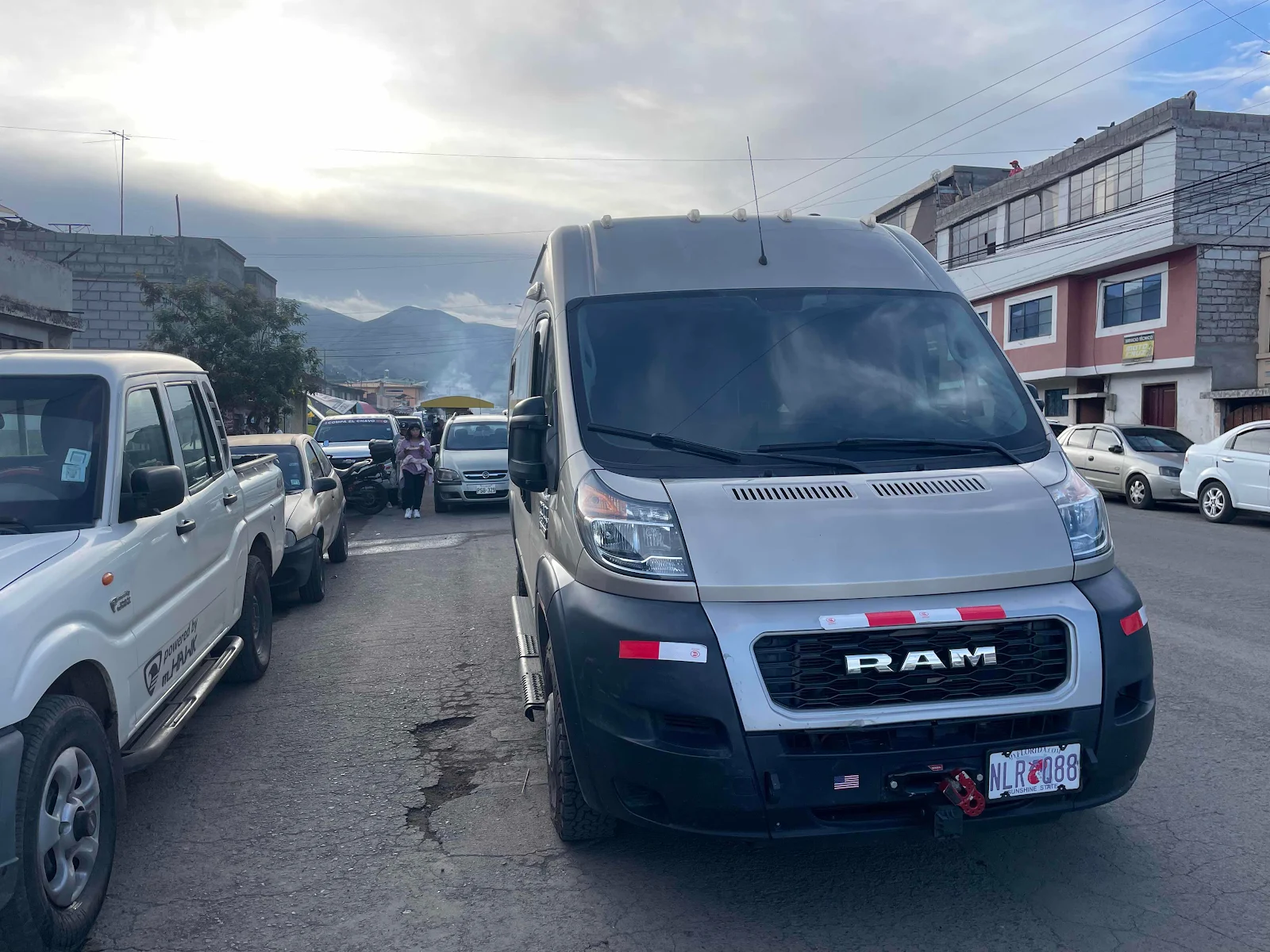
We got a phone signal back and Layne sent a WhatsApp message to which there came a prompt reply. We had a campground for the night with hot shower, internet and a safe place to sleep for $10. Amazing, especially as we had been contemplating wild camping in this lonely cold  dog infested place. 
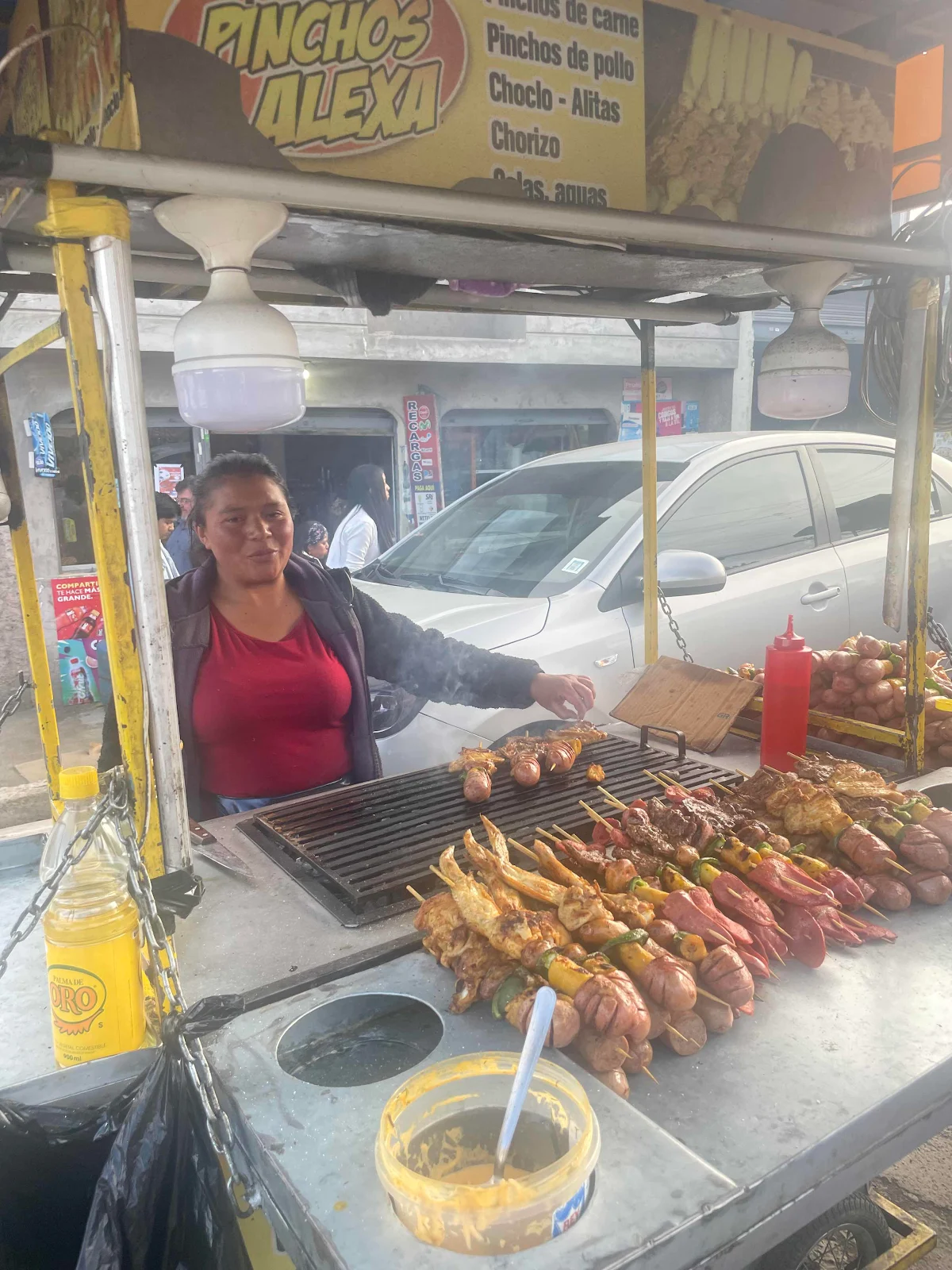
There was a festival underway in San Juan so we stopped on the street, as you do and bought dinner. Layne had been looking forward to a no cooking night. 
The lady pro used there was no cuy (“guinea pig”) on her coals.
It was a short drive out of the village and the usual devastation of collapse and decay. 
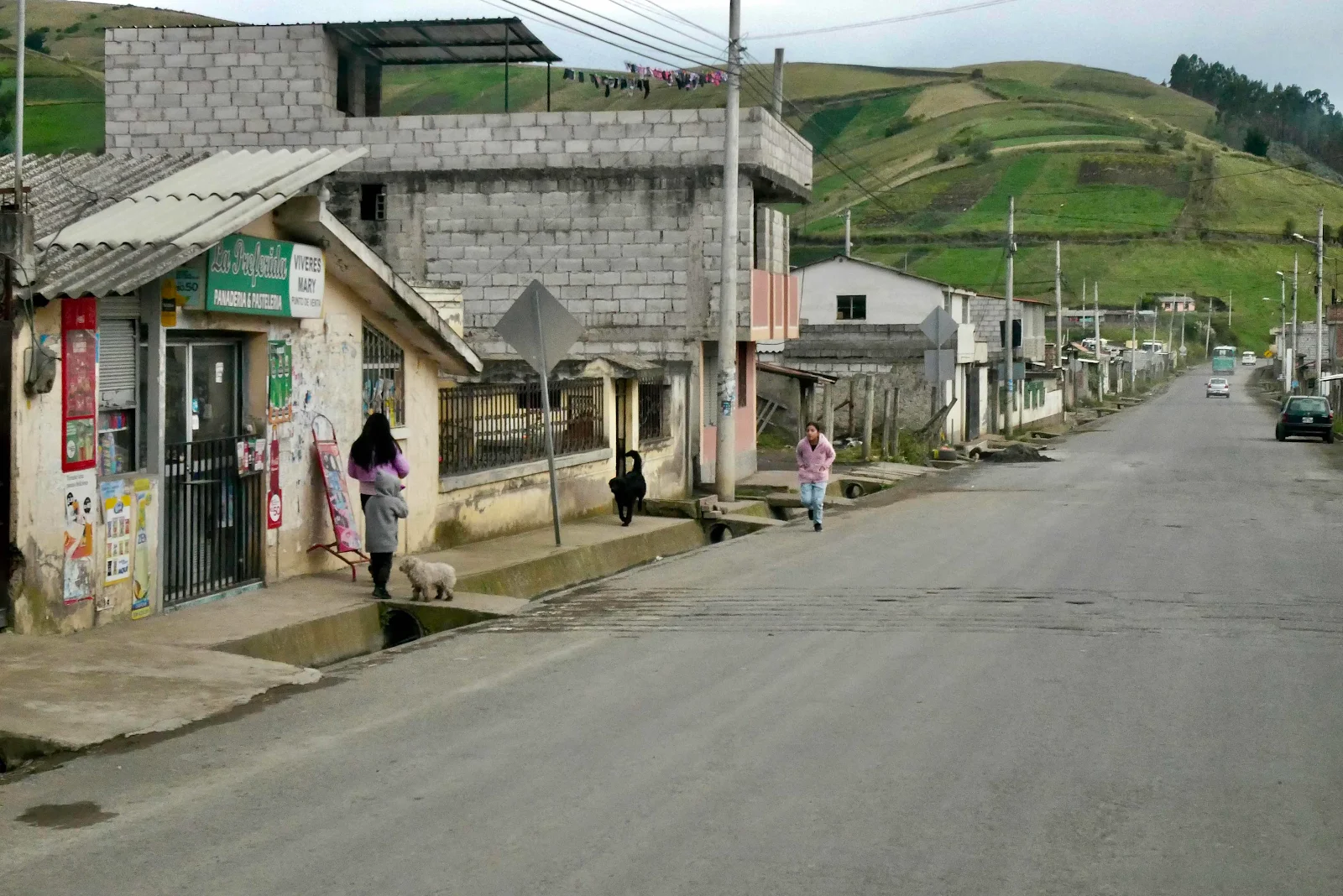
It looked to me like pictures from a place recently shot up and abandoned. It was not a joyous crew that turned into the campground driveway. 
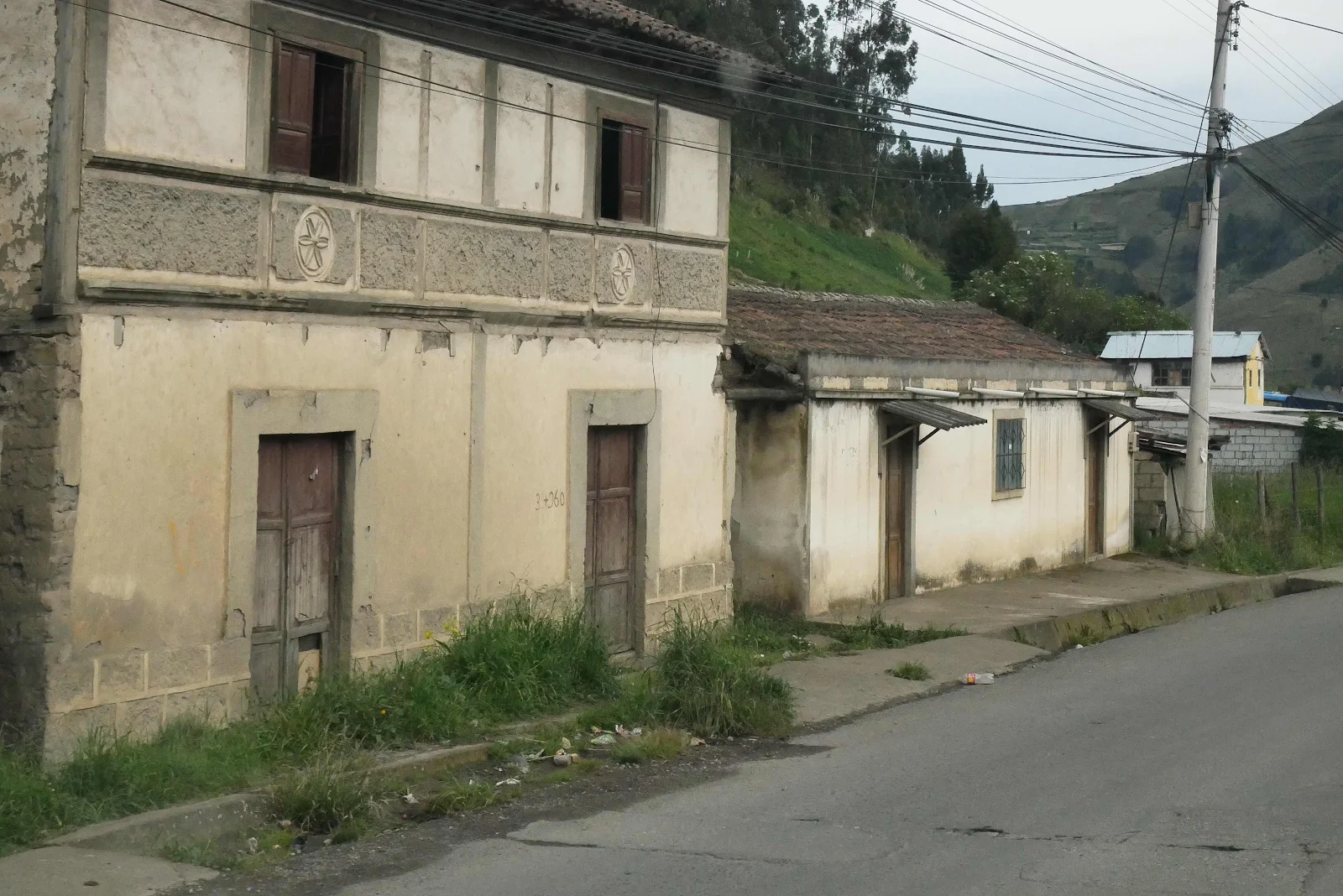
This is rural impoverished indigenous abandoned Ecuador. 
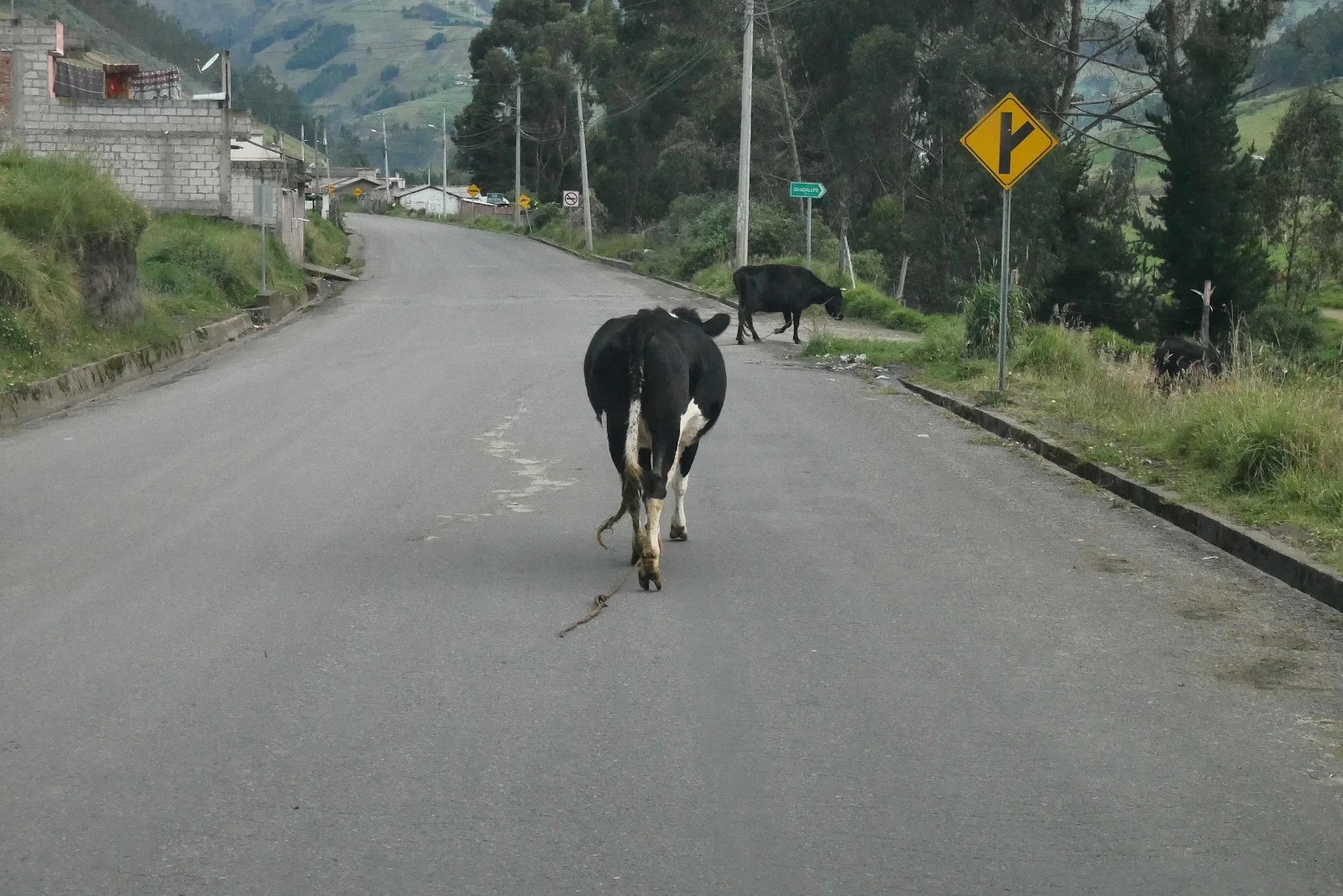
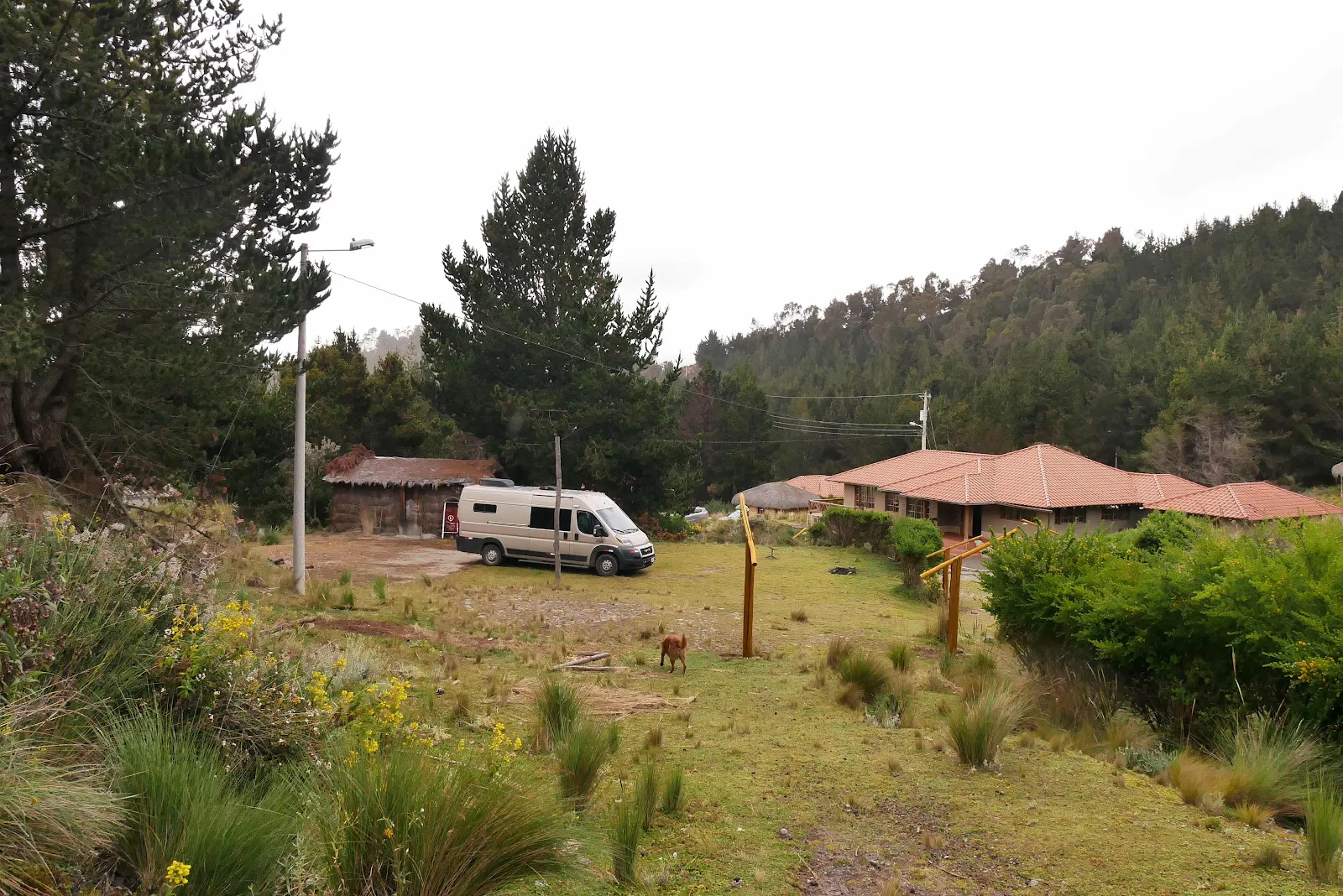
The high plains castle this place styles itself. And it was a refuge from the world outside. 
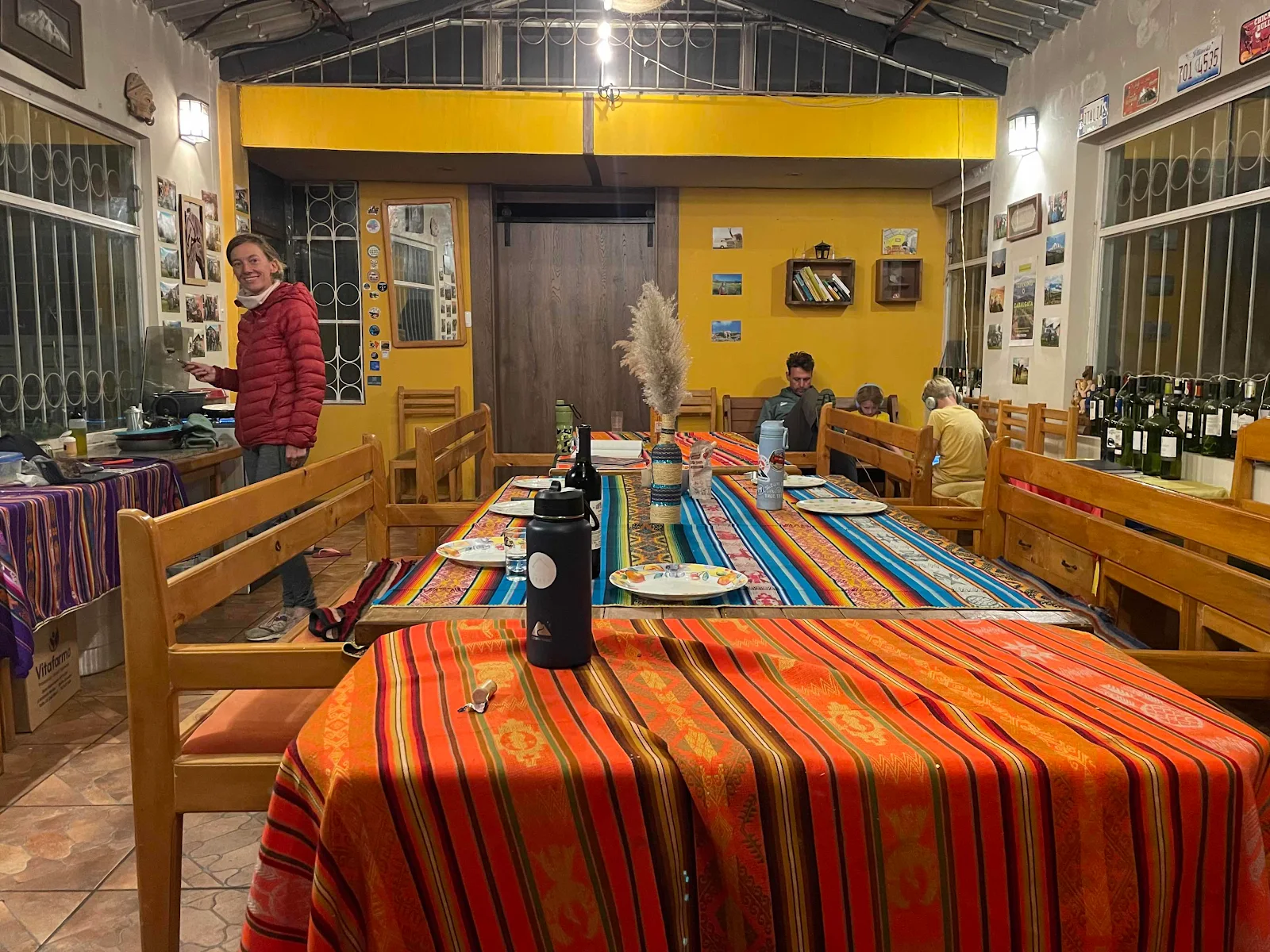
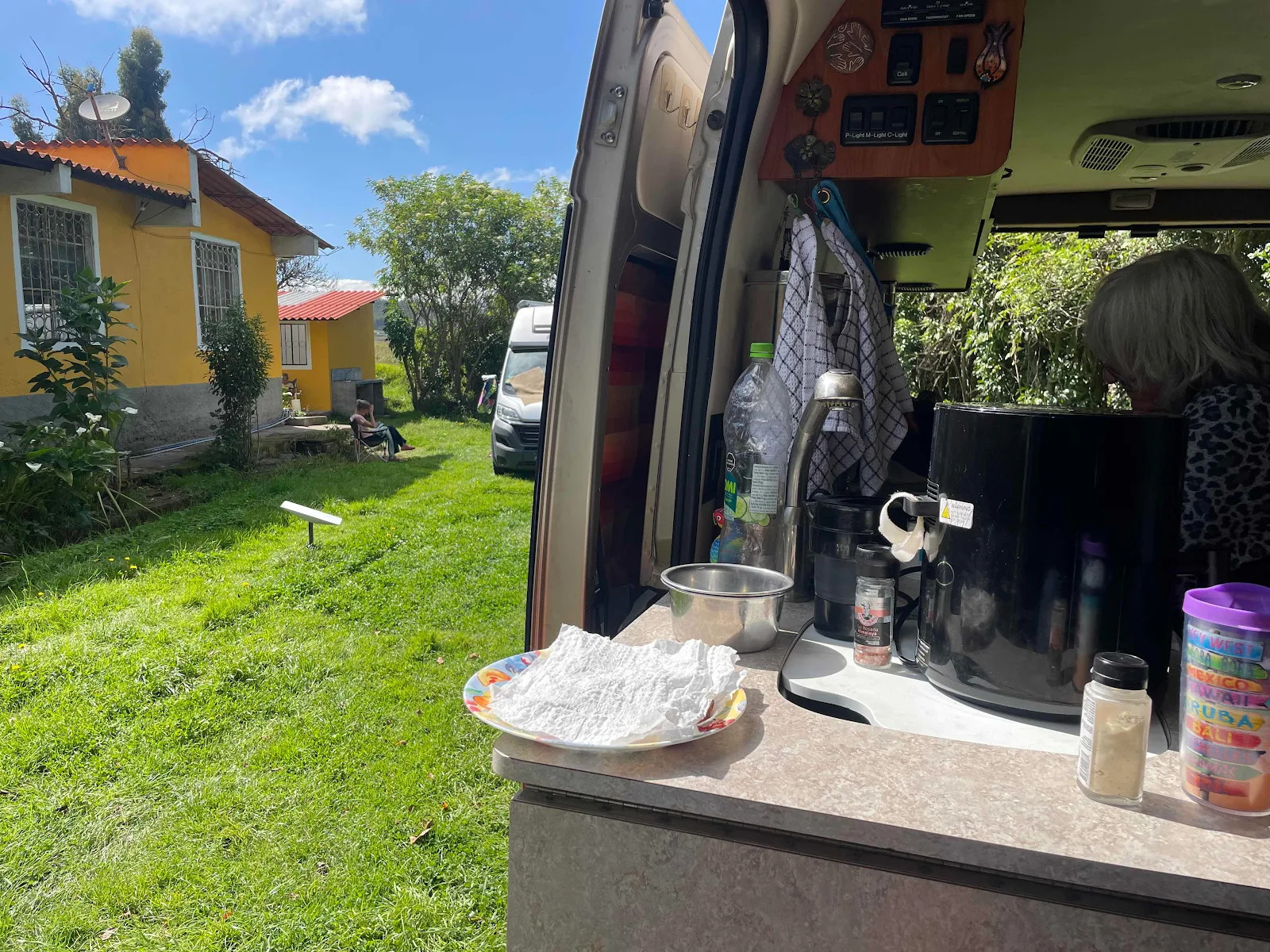
We were greeted by Caroline and Jan and their two kids, a Belgian family in a van traveling south like us. We’ve met them before and like them a lot so it was a joyous reunion as we were both feeling lonely. The campground has a lovely common area we could share and we were alone as the owner and his family were away.
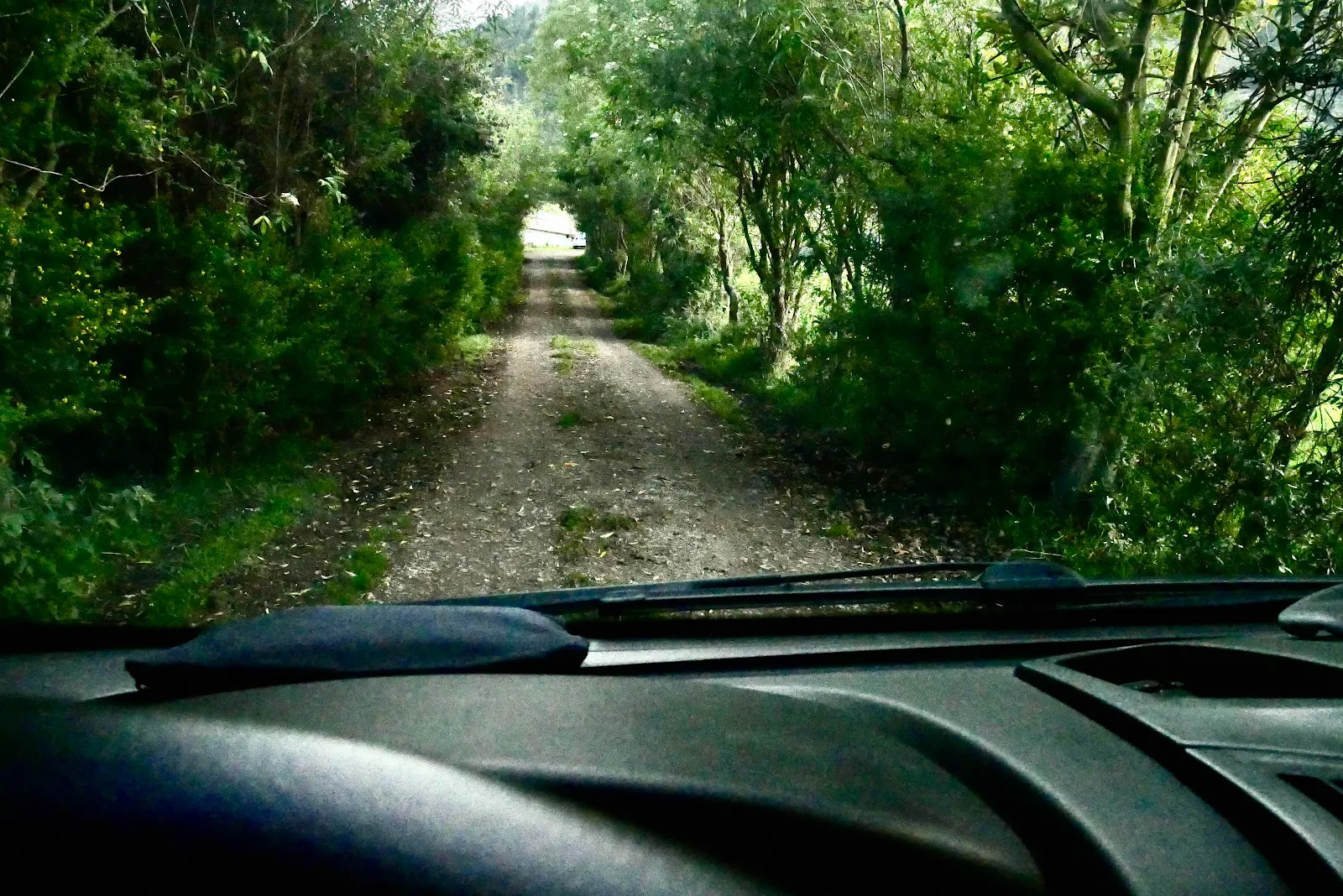
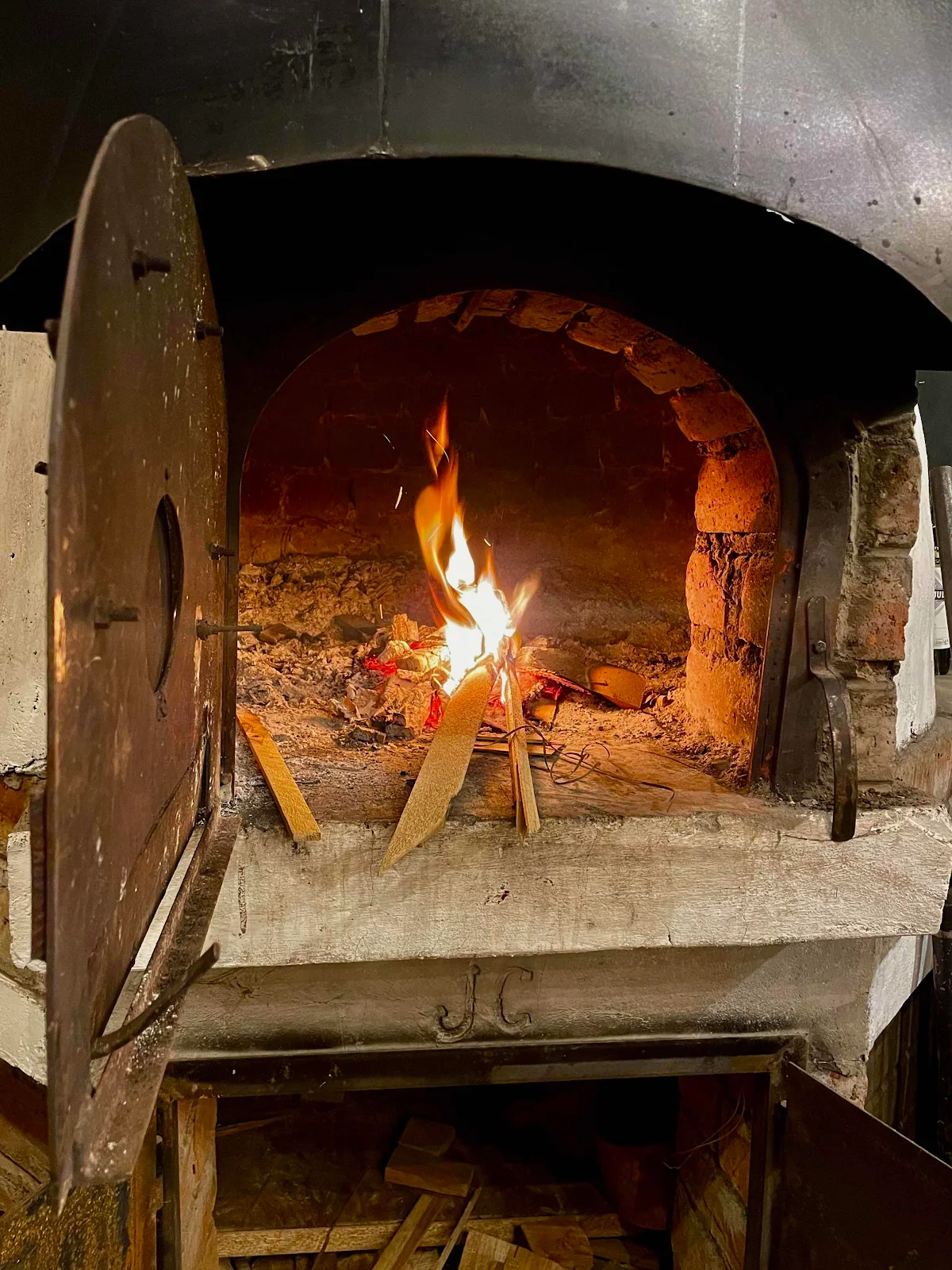


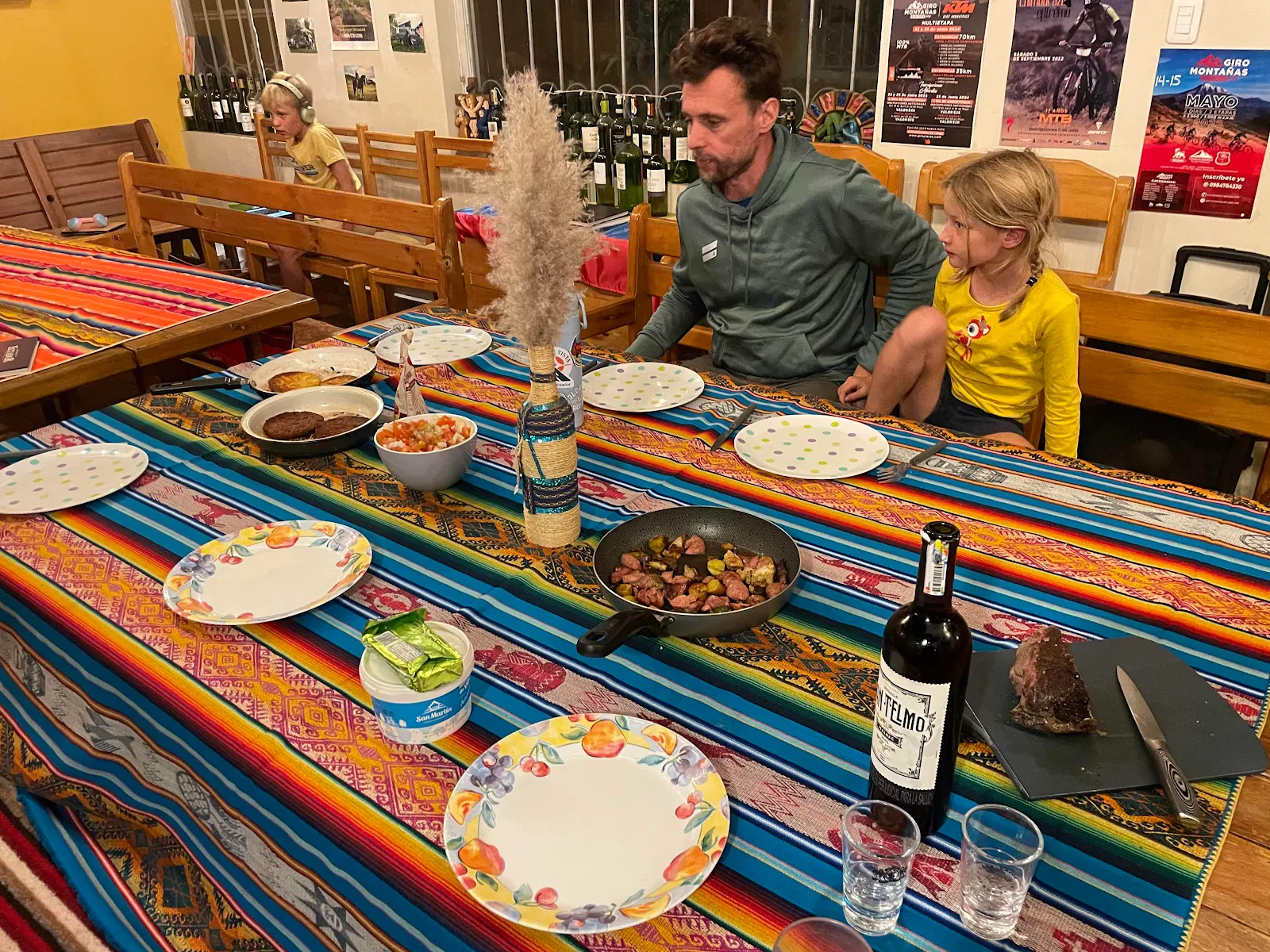
Suddenly the cold miserable world outside with its miserable dogs and despair was pushed back a bit. We talked by the fire, shared dinner and wine and a day of profound sadness gained a bright ending. 
They drove up to the Chimborazo parking lot and hiked up to the climbing refuges around 17,000 feet. It was in the fog so they saw nothing on their climb except local amateur hikers out of a Sunday vomiting copiously along the trail as altitude sickness claimed its victims. 
We all of us had had a crappy day in our own ways, so we could not have had a better encounter than meeting these guys Sunday evening. What a relief it was them, friendly familiar faces. 
If every day were like this travel by van in South America would be unbearable.
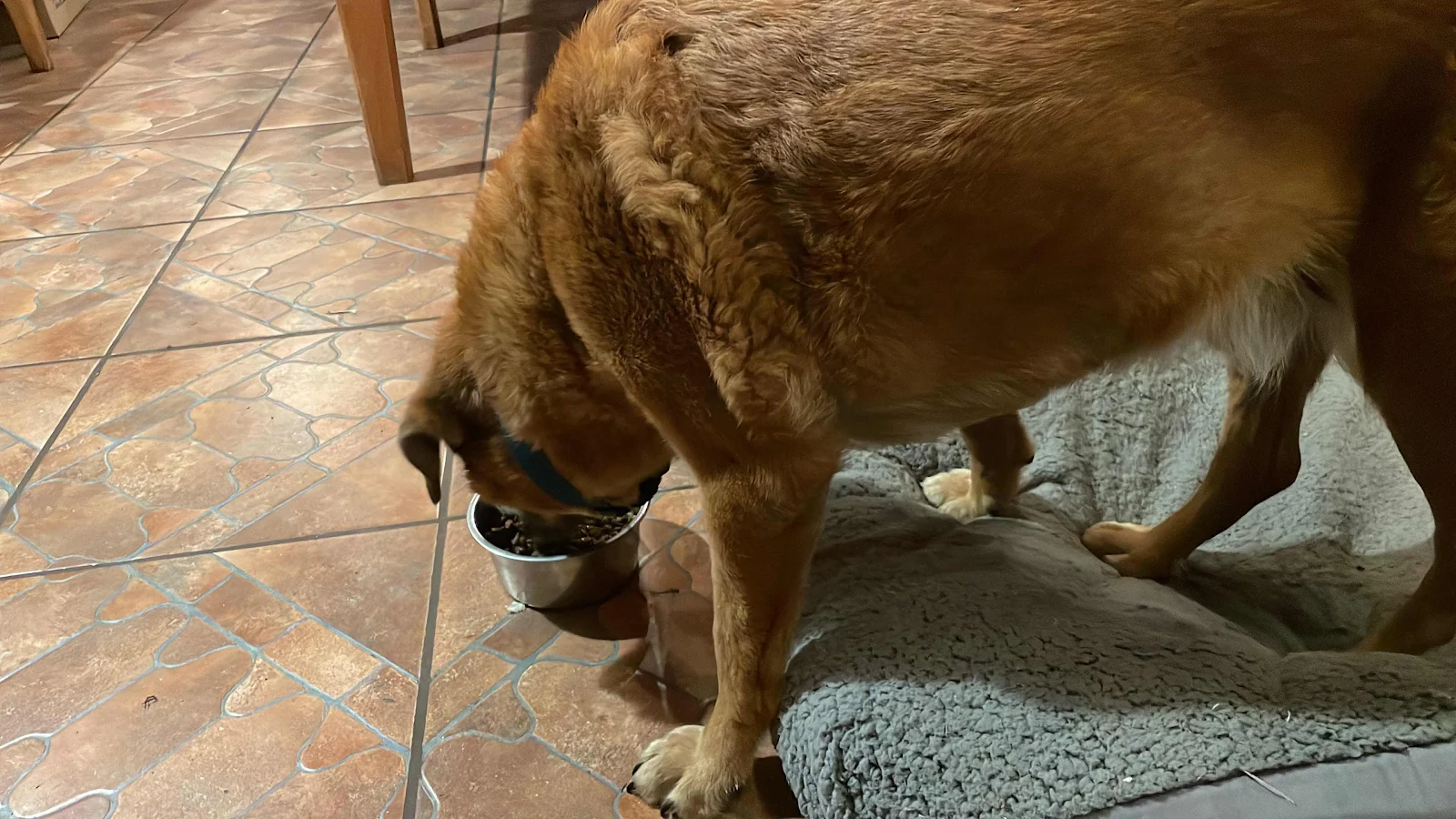
I annoyed Rusty, the dog once abandoned in the Everglades, by hugging him extra hard before bed. I wish I could save them all.
And Monday morning looked so good we decided to stay a day.  


Sunday, June 30, 2024

Ecuador’s Vanishing Lake

Go to the lake they said, Quiolotoa is beautiful they said so after we set sail from Andy’s Campground above Quito we laid a course to the lake. You can look it up if you like. 

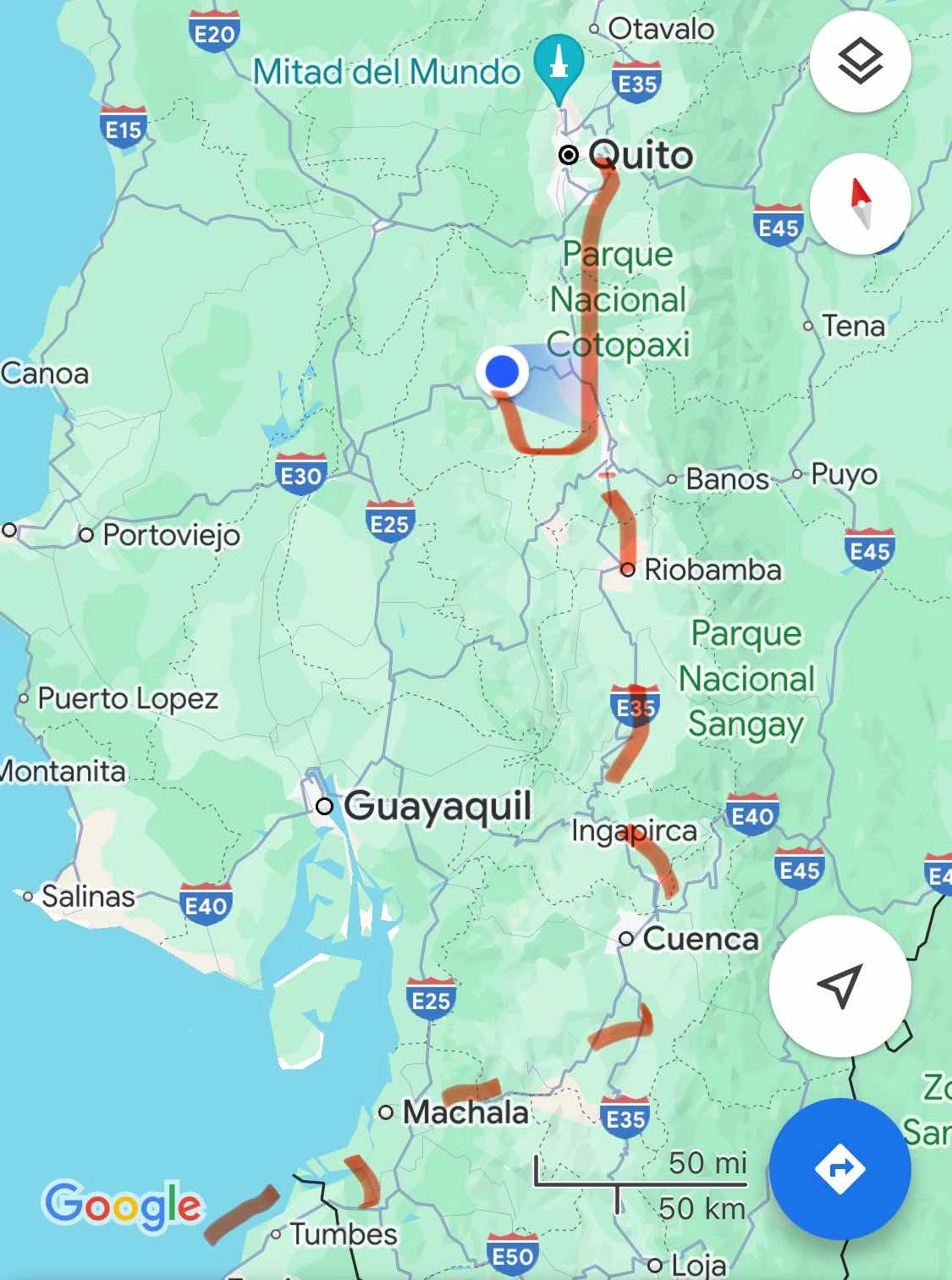
Our route was pretty straightforward out of Quito driving south on Ecuador Highway 35 as though going to Peru; which is in fact the plan following the crude dotted red line with side trips over the next couple of weeks. 

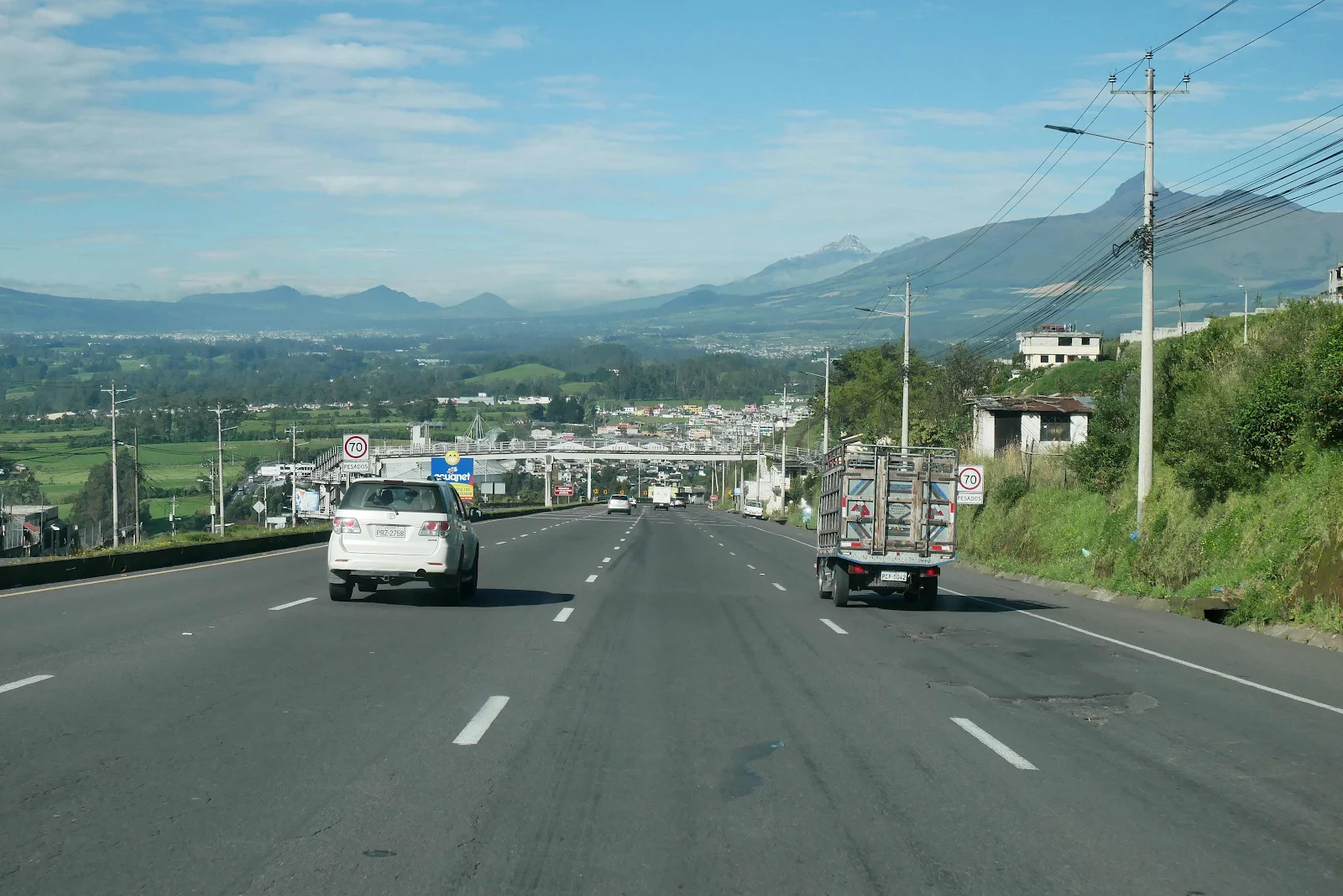
The PanAmerican Highway in Ecuador is a braid smith strip of asphalt for the most part and after we crossed our first pass at 11,000 feet we descended into a valley. 

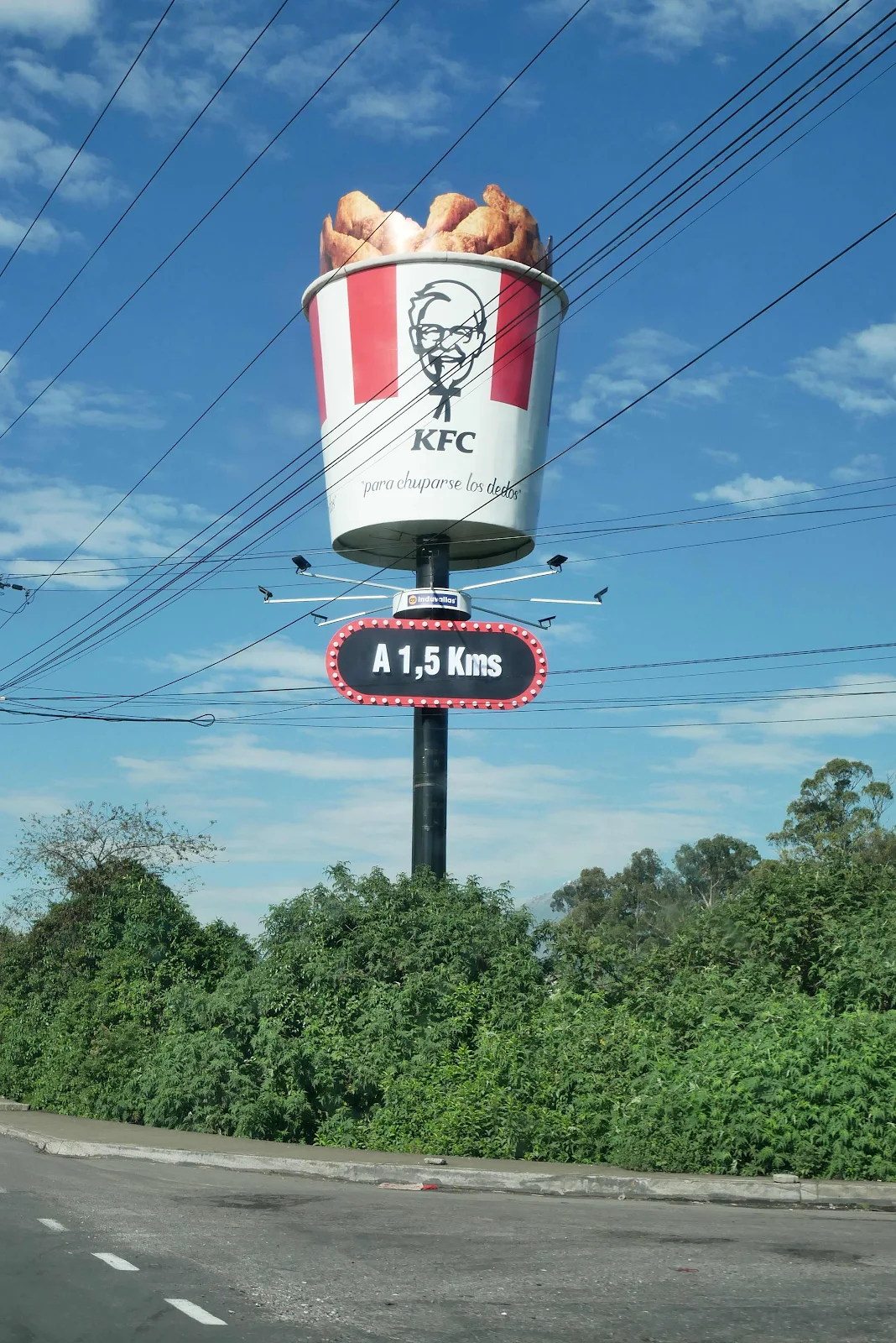
There’s farming in the flat lands of course but also up the rather steep sides of the many volcanic peaks lining the highway. Oh and you may spot the occasional elusive fast food joint of fond memory. 
It was not planned to be a long drive to Quilotoa Lake, a couple of hours maybe so we figured we’d stop for breakfast along the way. We ended up stopping at a gas station and rather unimaginatively choosing to get some empanadas which actually turned out quite good. We miss the abundance of roadside food stands and coffee sellers along Colombia’s highways. 
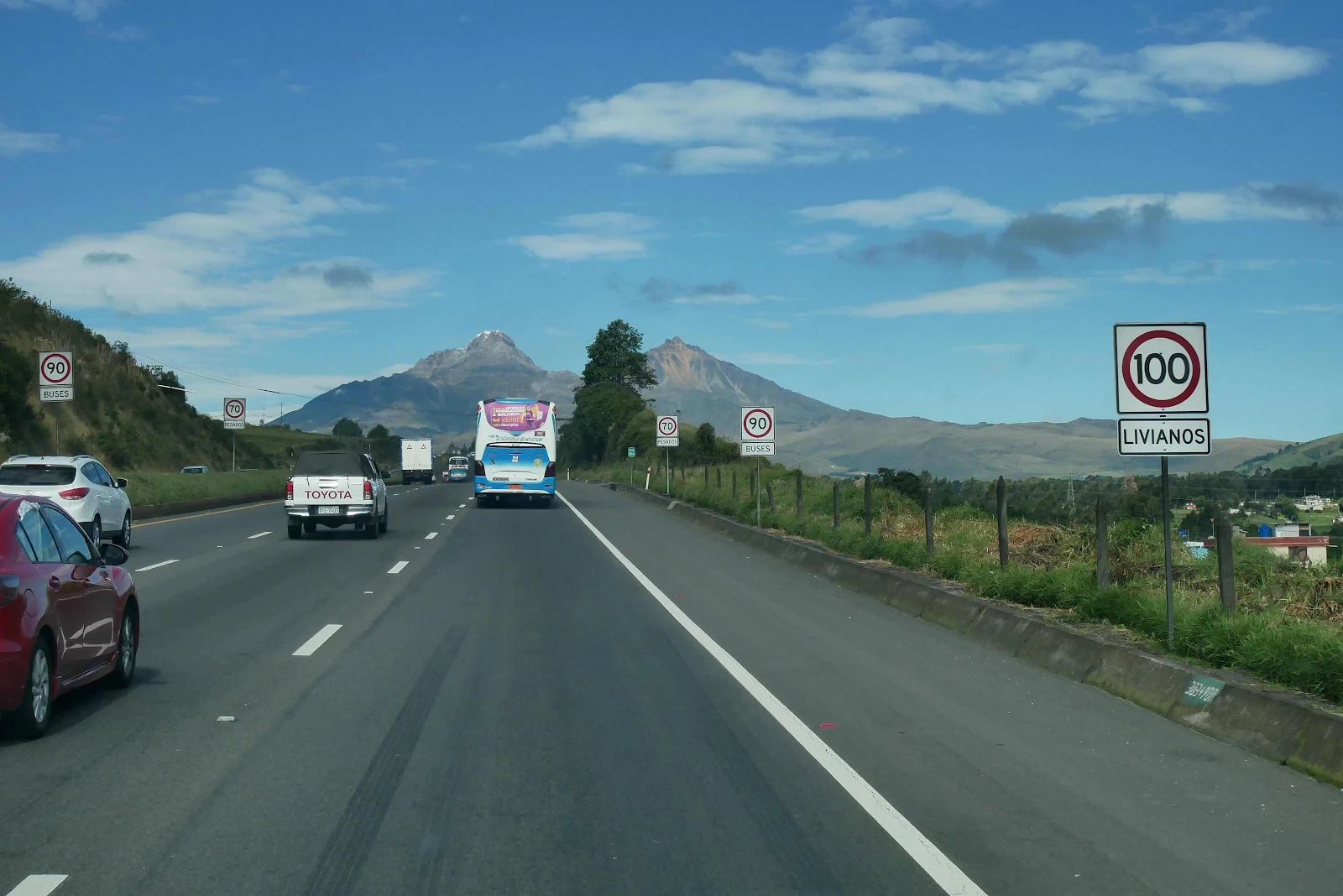
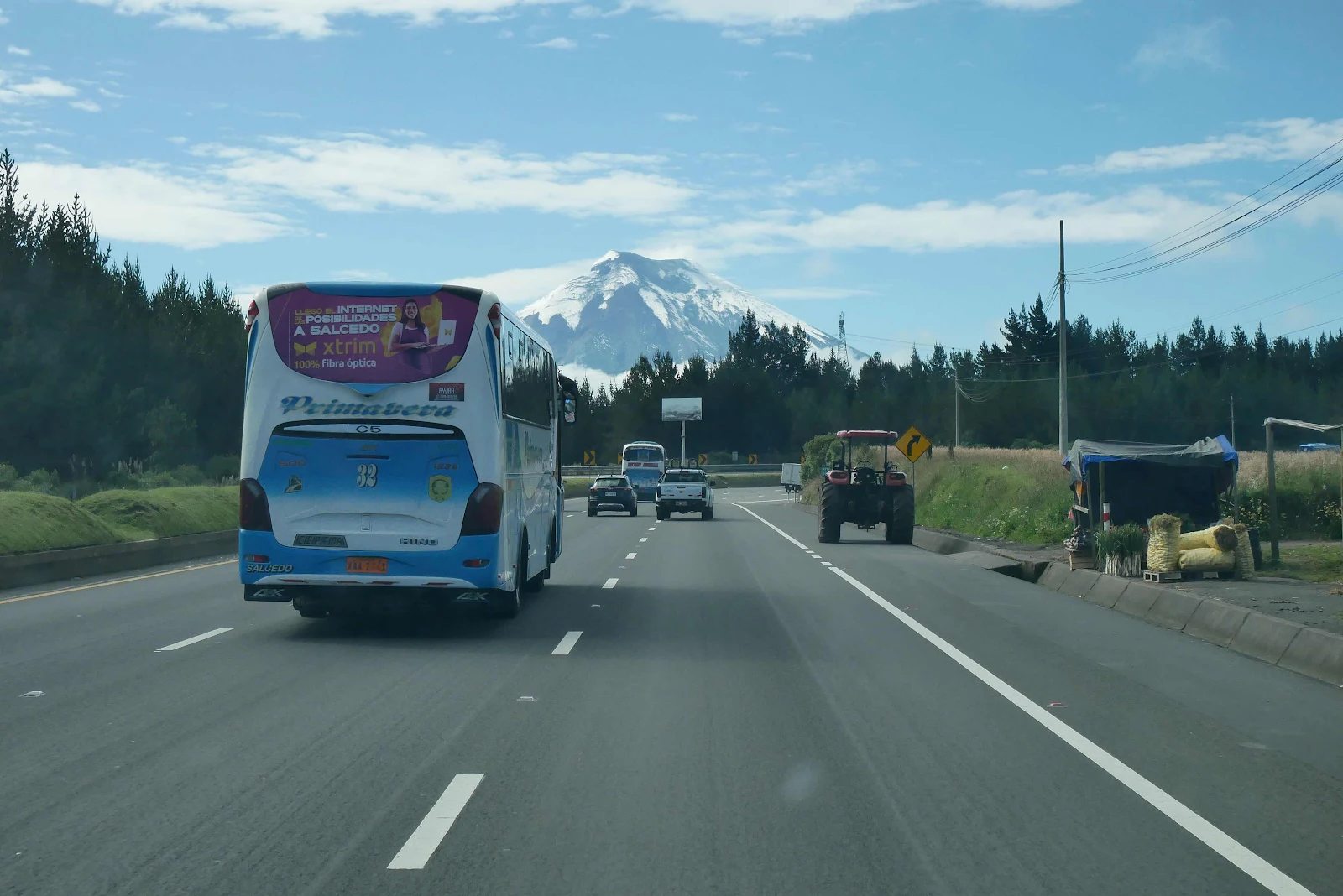
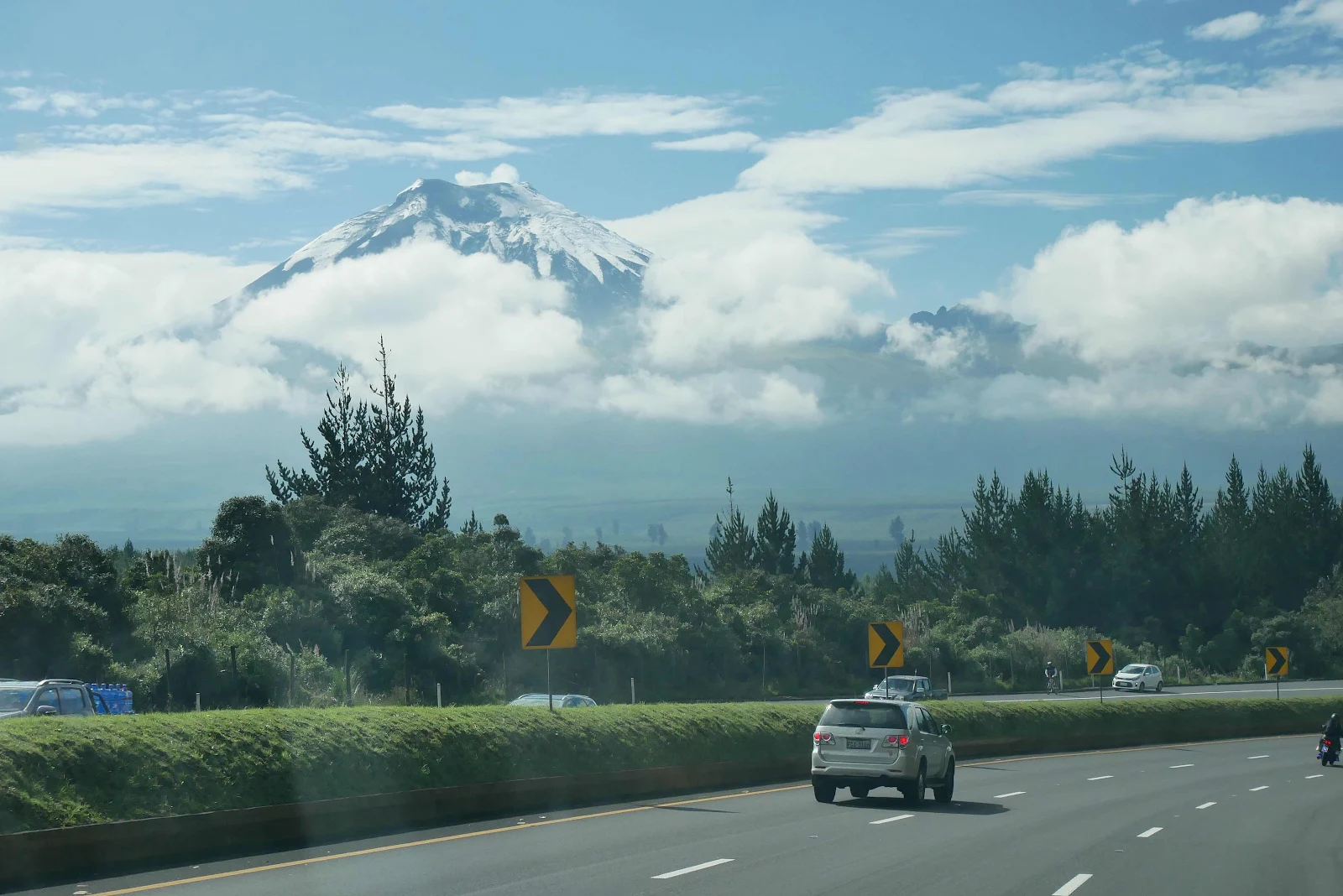
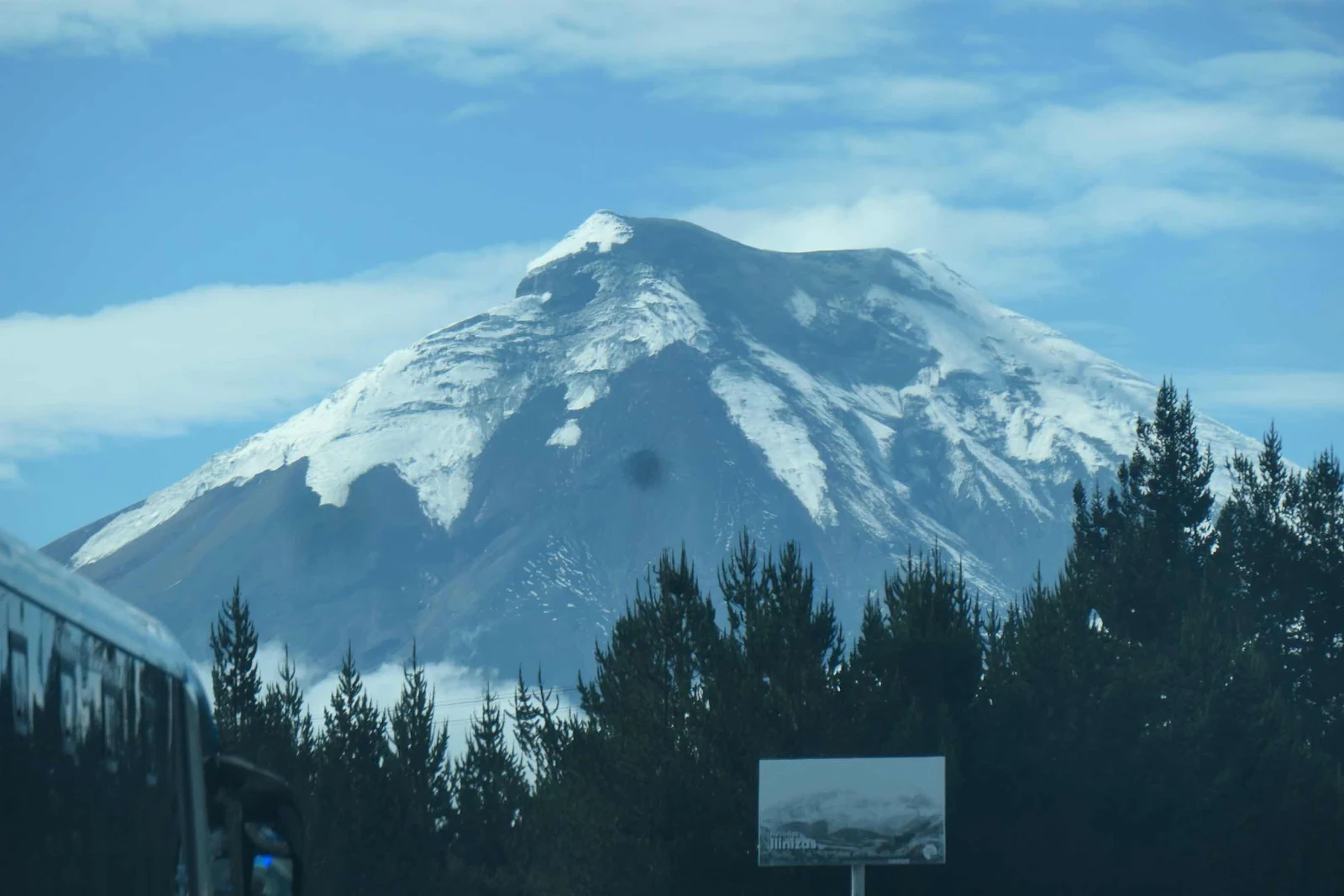
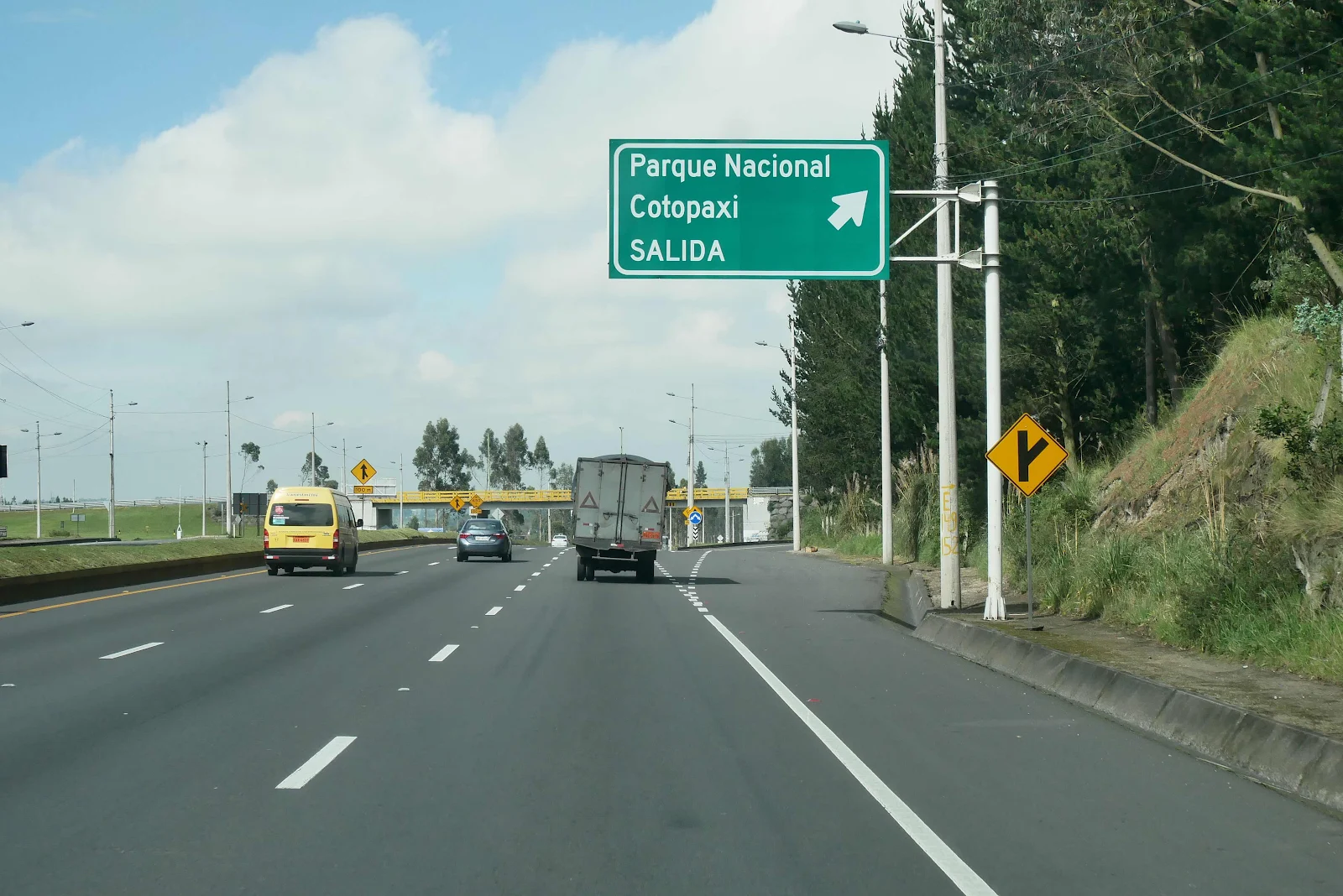
And then the road took a swing by Ecuador’s second highest volcano, Cotopaxi at 20,000 feet. We’ve seen it quite clearly from the campground  and on this sunny day it stood out clearly from the clouds surrounding it. 
There is overnight parking there but dogs aren’t allowed inside the park, and as we had no intention of climbing the thing going closer seemed unnecessary. We are also planning to swing by Ecuador’s highest mountain Chimborazo further down the road later this week. 


We were determined to see the lake. 

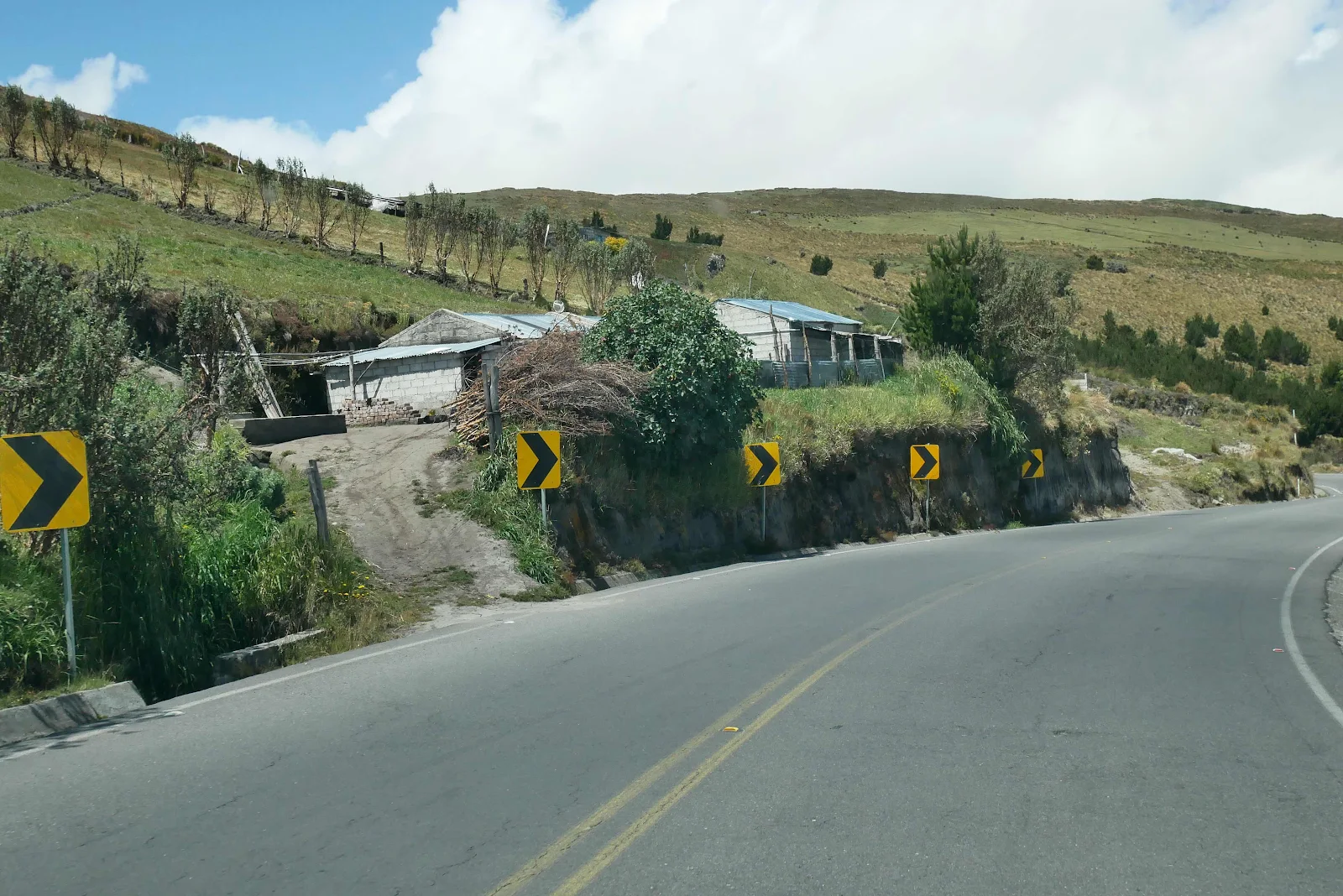
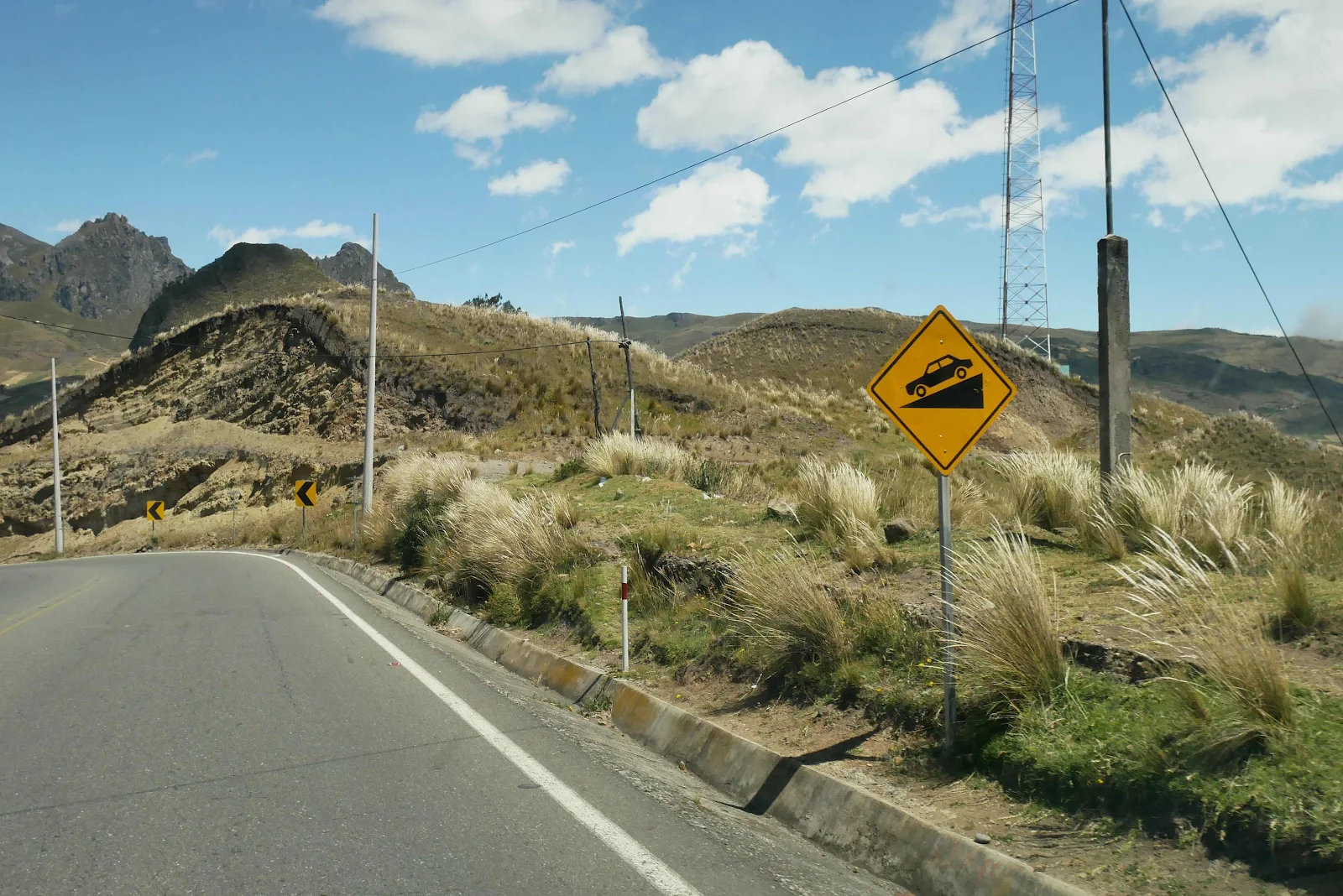
Andy at the campground told us the route to the lake was quite scenic and he wasn’t wrong, in turning off the PanAmerican and climbing into the mountains we found ourselves a long way from the familiar. The road had elements of what I call twisted intestine syndrome: 

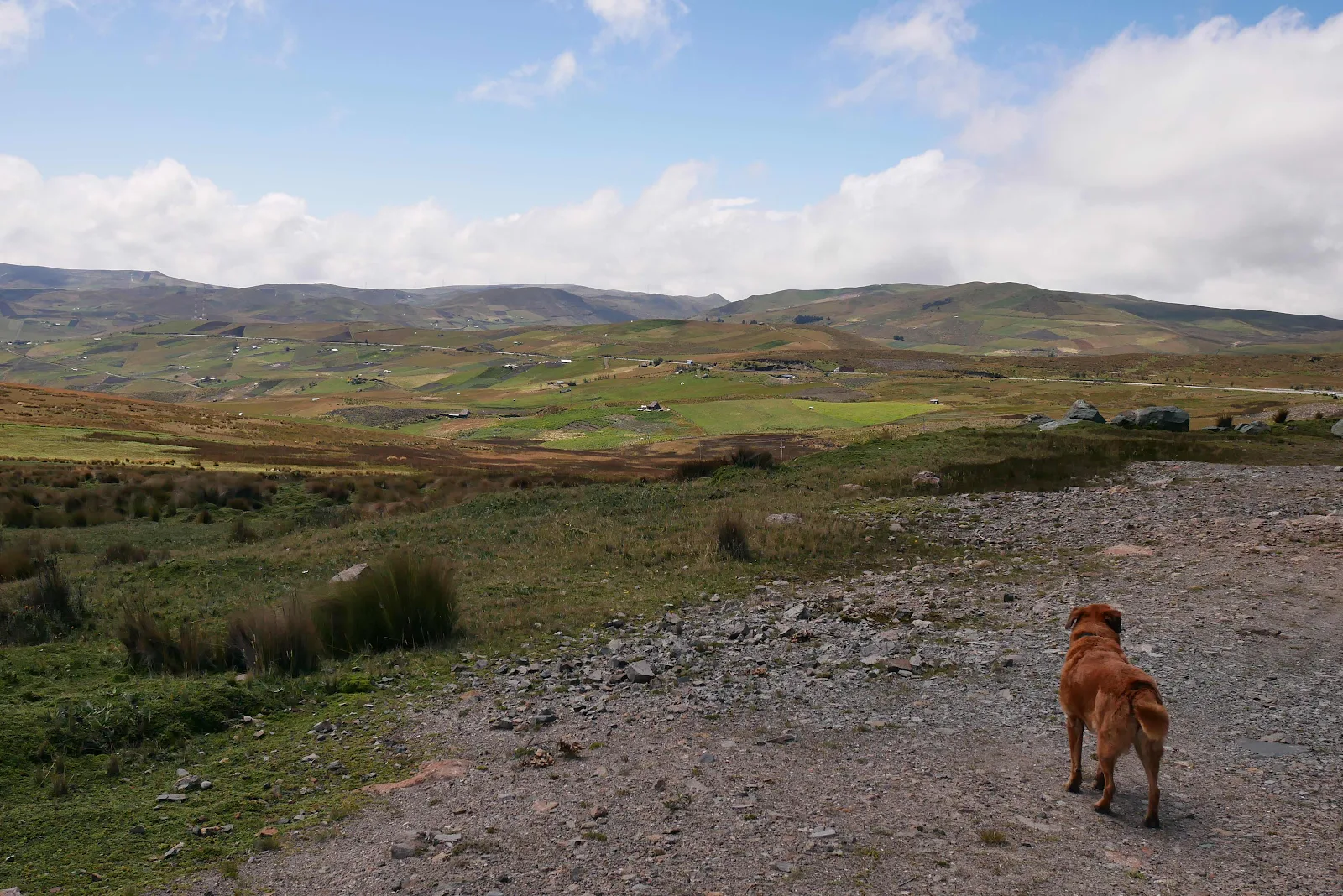
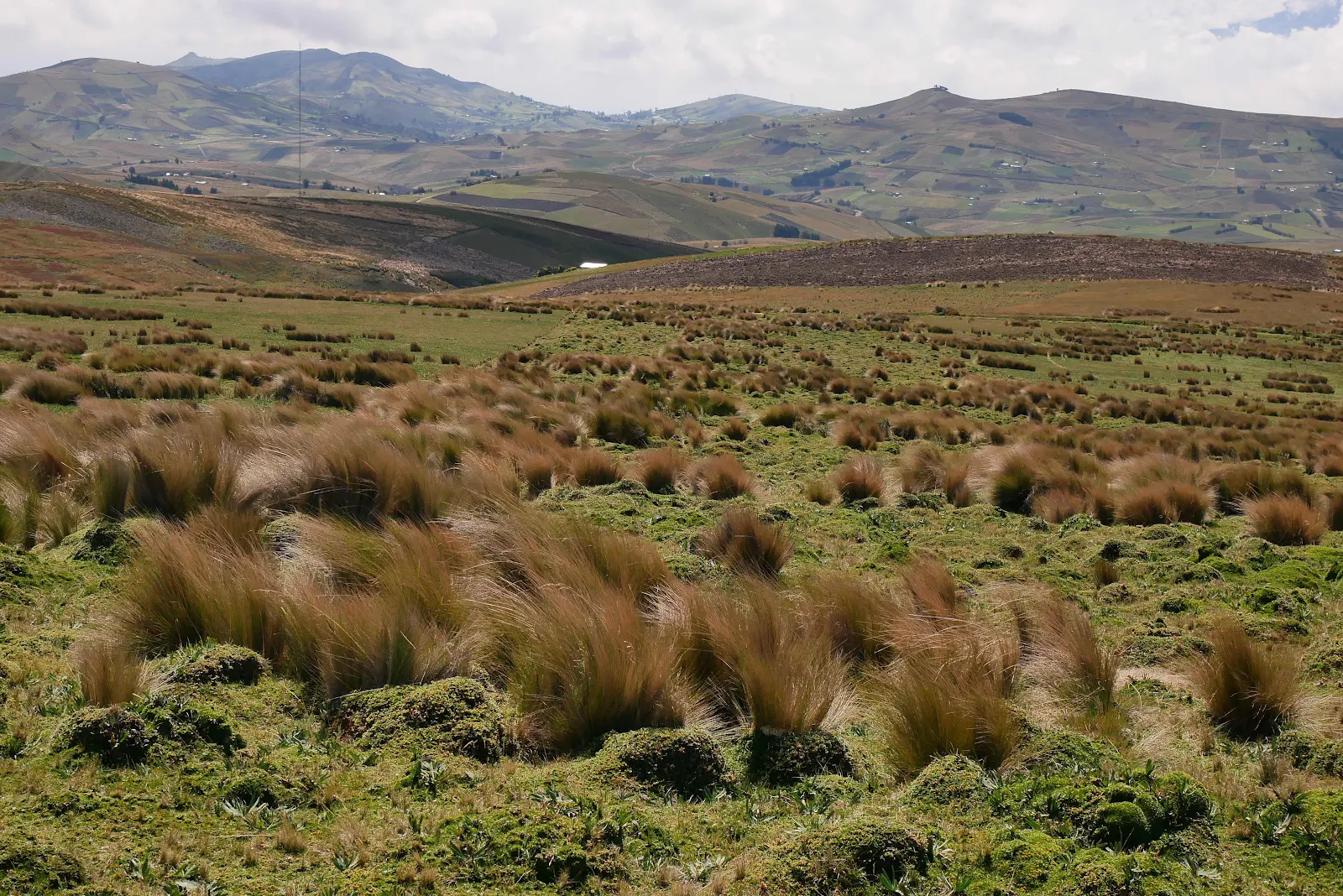
We were soon back up above 11,000 feet and trees were replaced by open mountain meadows, what are known here as “paramó” or Andean high plains. In Peru this countryside above the tree line is known by the more familiar and descriptive “altiplano.”

The road has a few, quite a few potholes, but it wasn’t bad  by our rather lowered standards.  At these altitudes on these roads 25mph is a suitable speed that allows you to dodge alpacas and pot holes as they appear. 

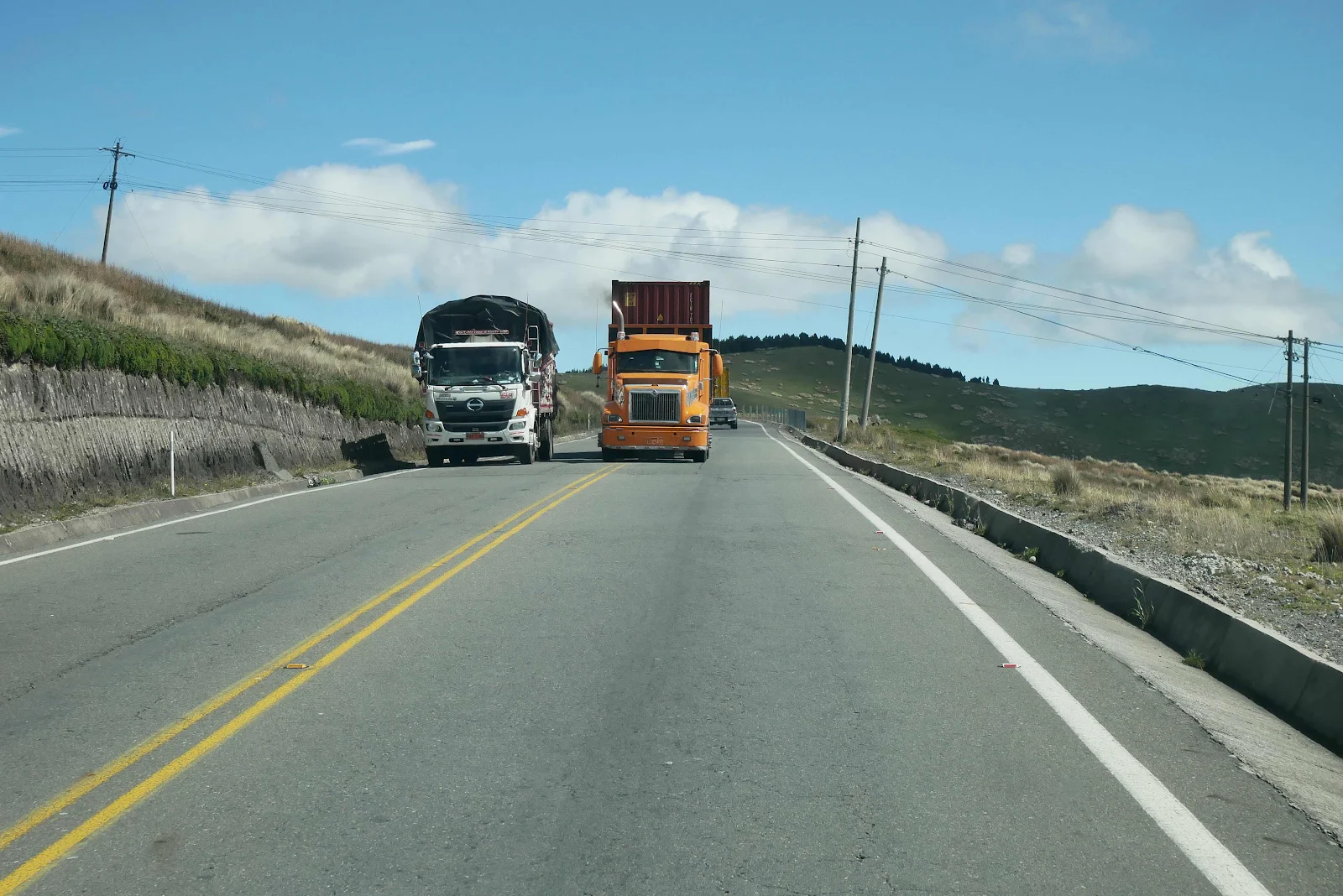
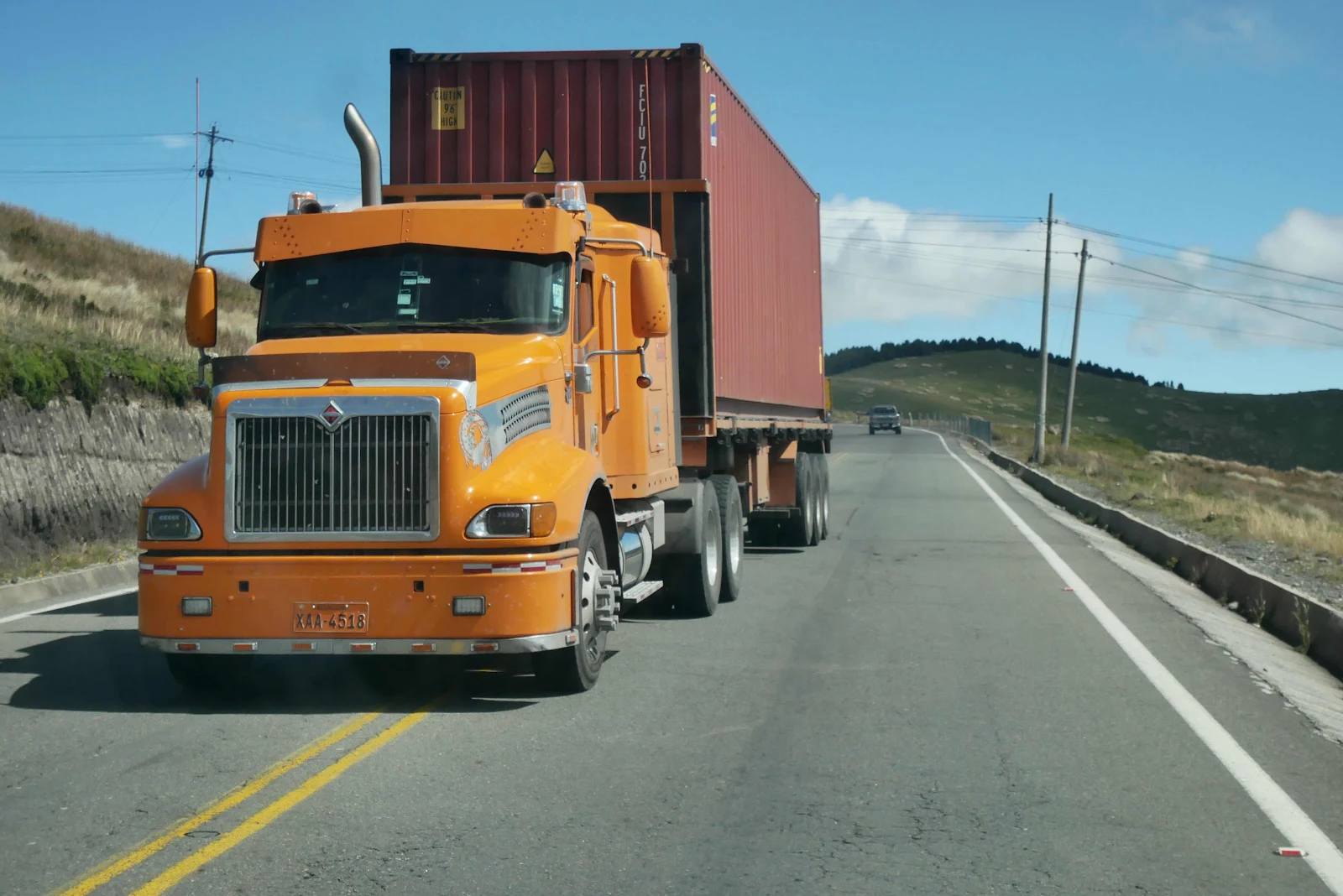
And trucks too. 

When they surprise you with a badly timed pass you need to be and to stop quickly and hope for the best.  

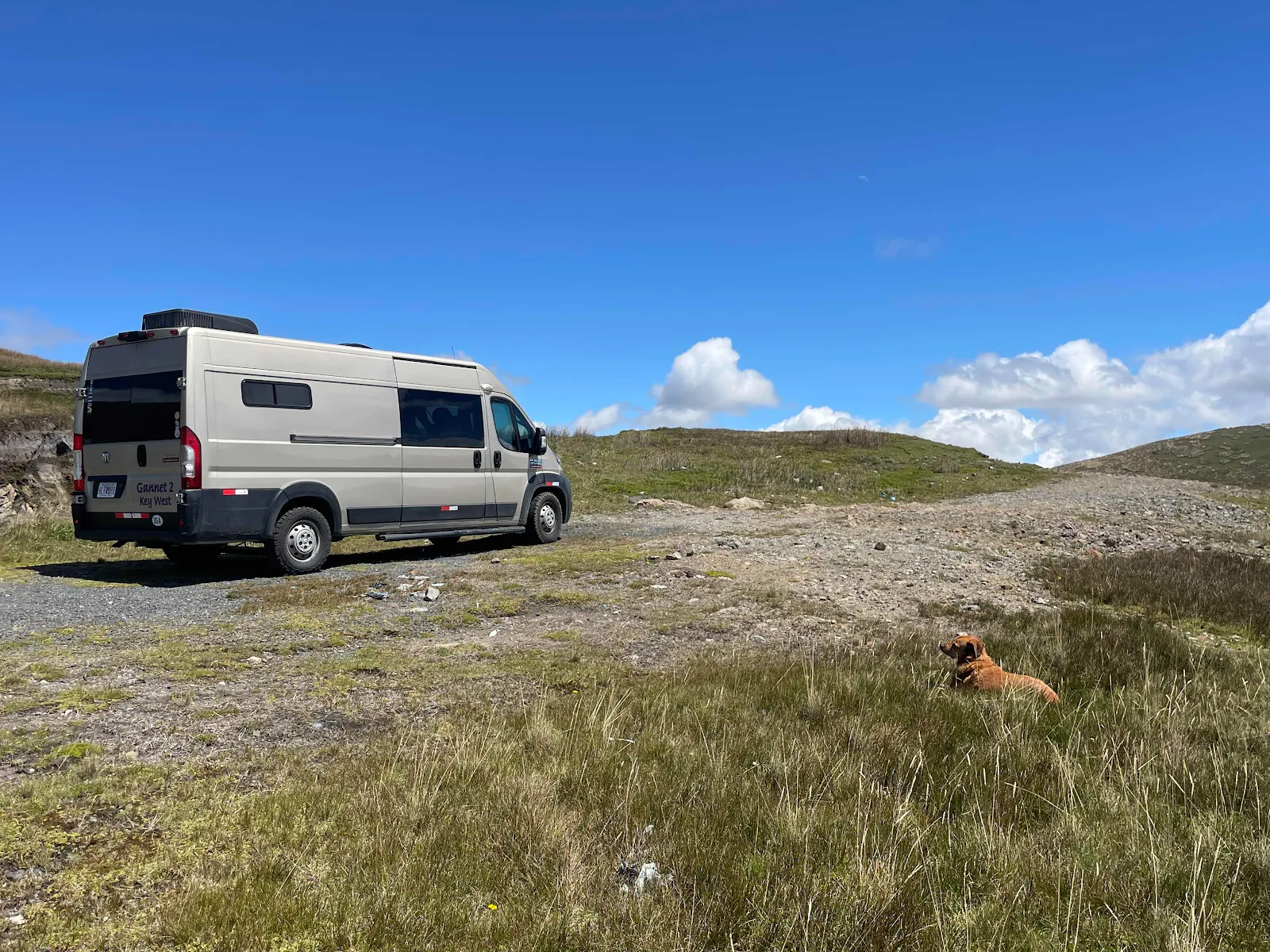
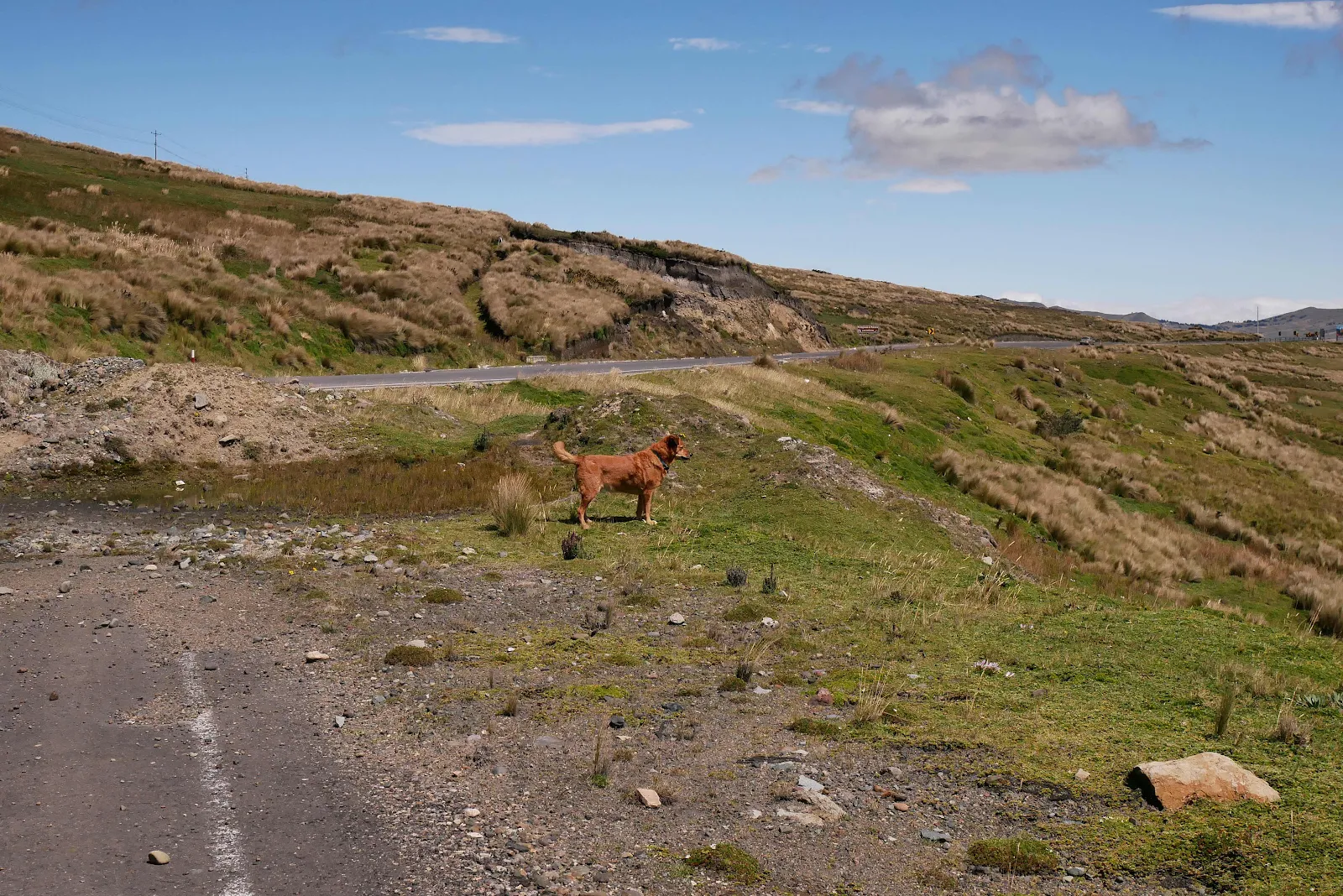
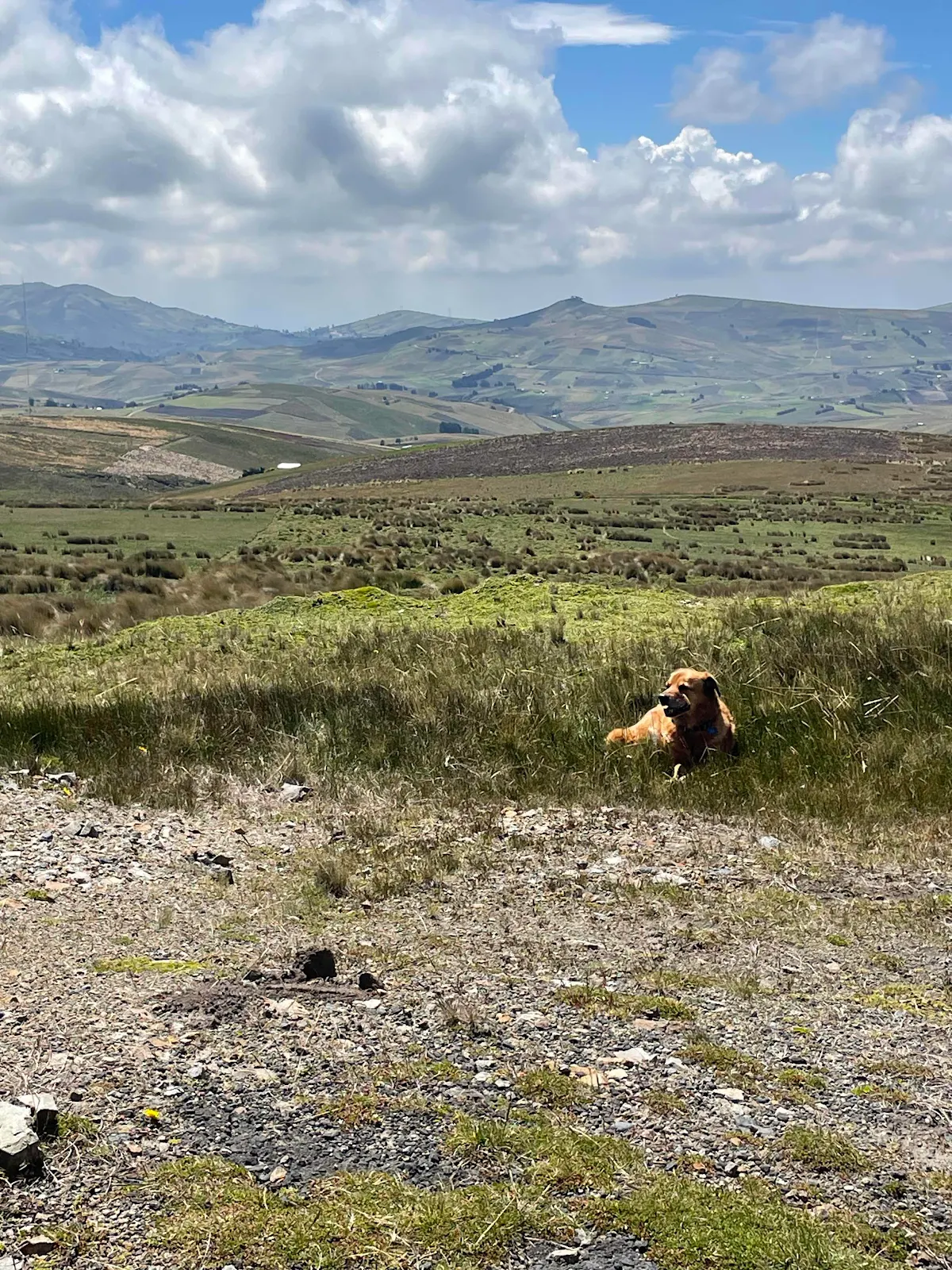
I saw an opening in the guard rail and I ducked in, impulsively. Layne needed a nap, Rusty wanted a walk and I was ready to take some photographs so we were all happy for 45 minutes or so. 


There was a surprising amount of traffic on the highway with a continuous flow of cars and trucks and motorcycles grinding up and whizzing down. 

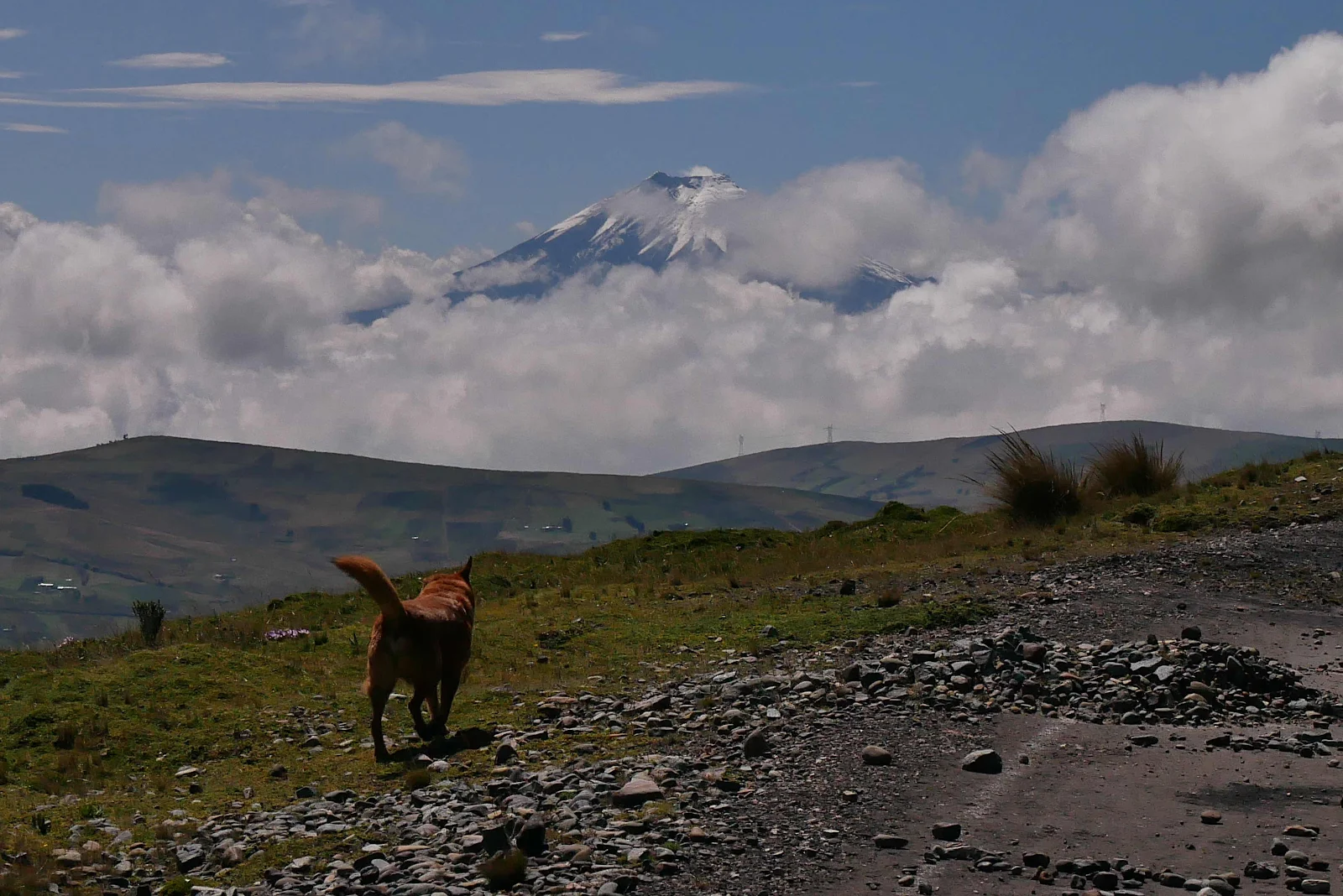
Cotopaxi peeping between the clouds: 

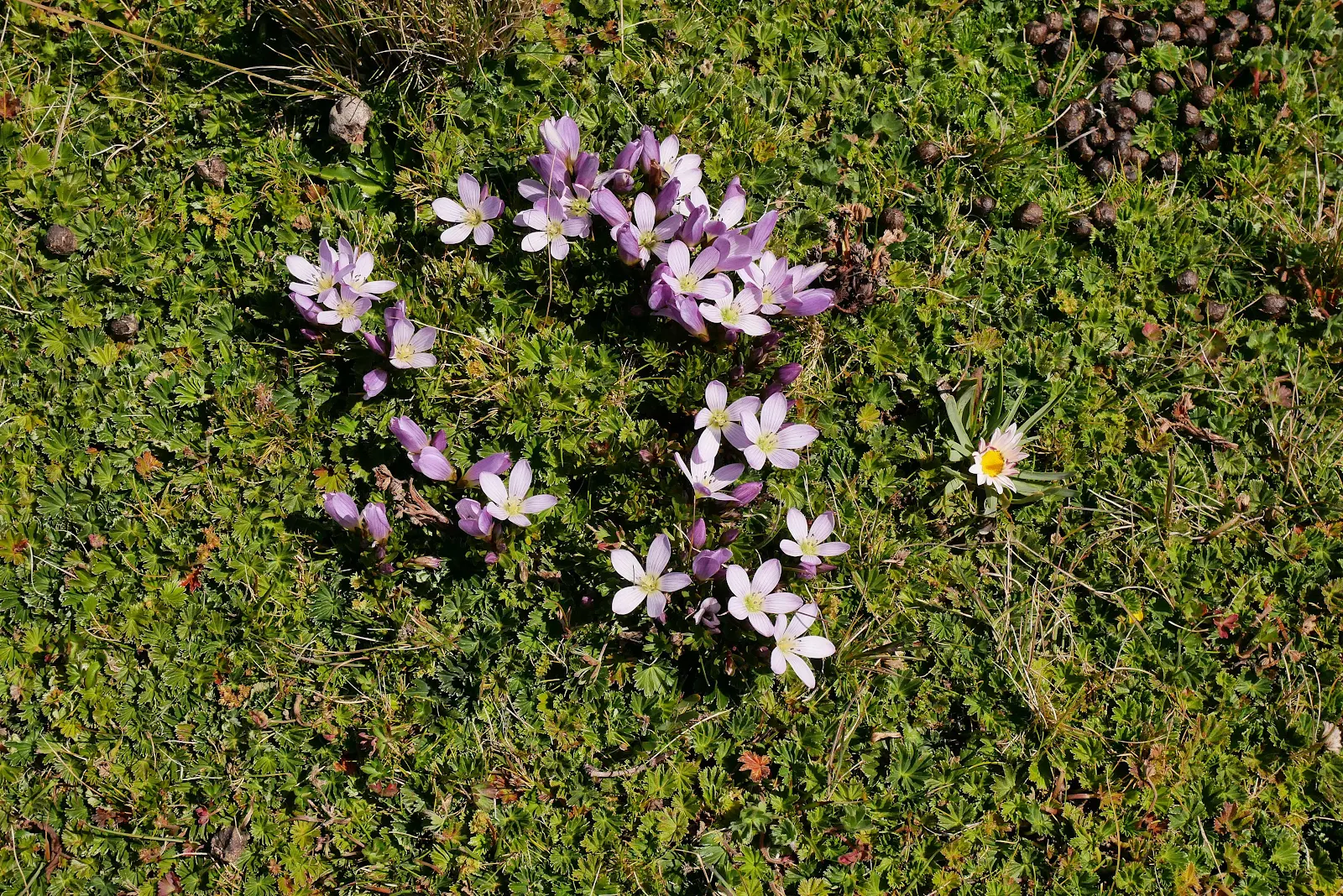
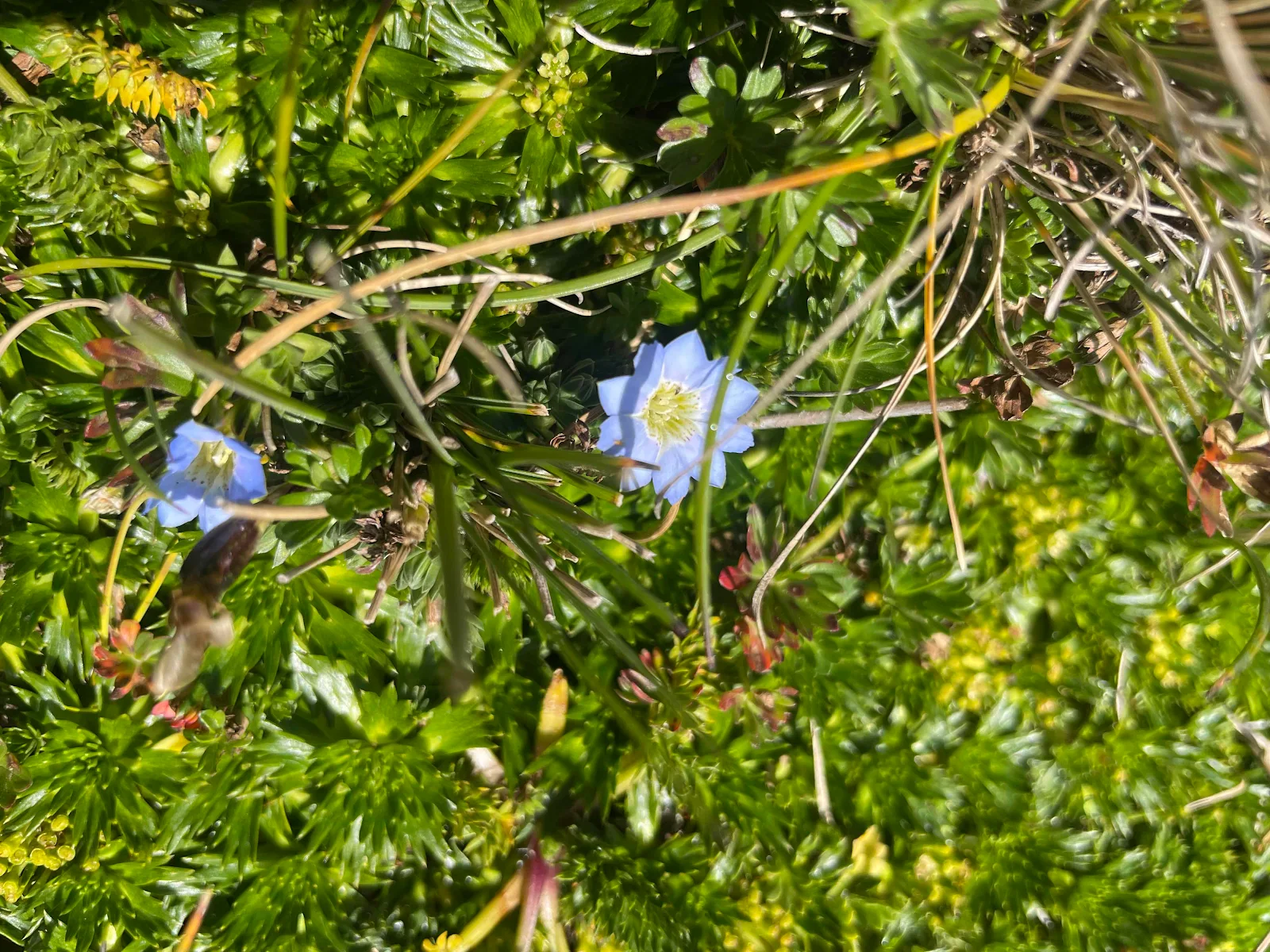
Alpine flowers: 

We hung around admiring the scenery which in the words of some English fellow travelers reminded them of Scotland. 

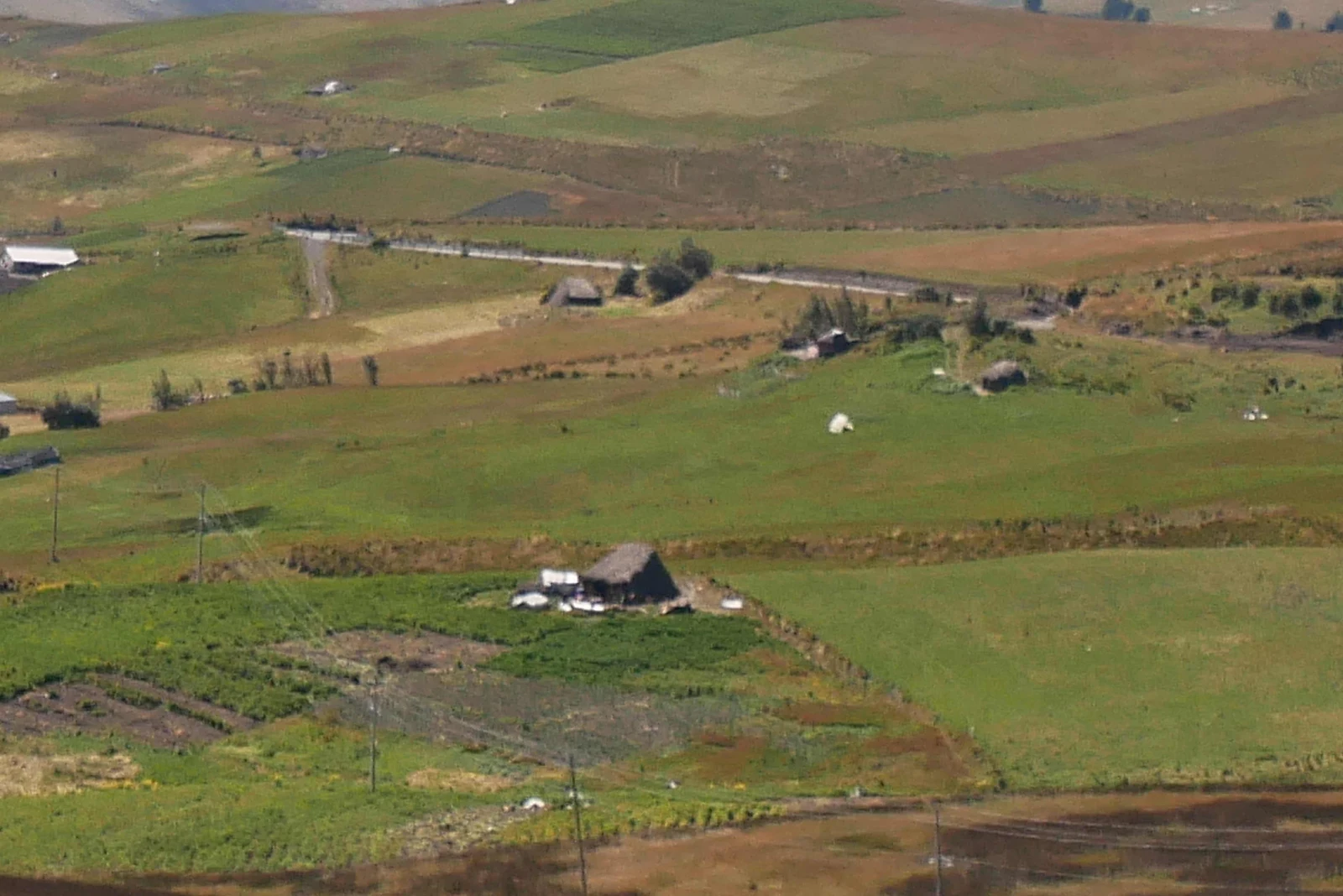
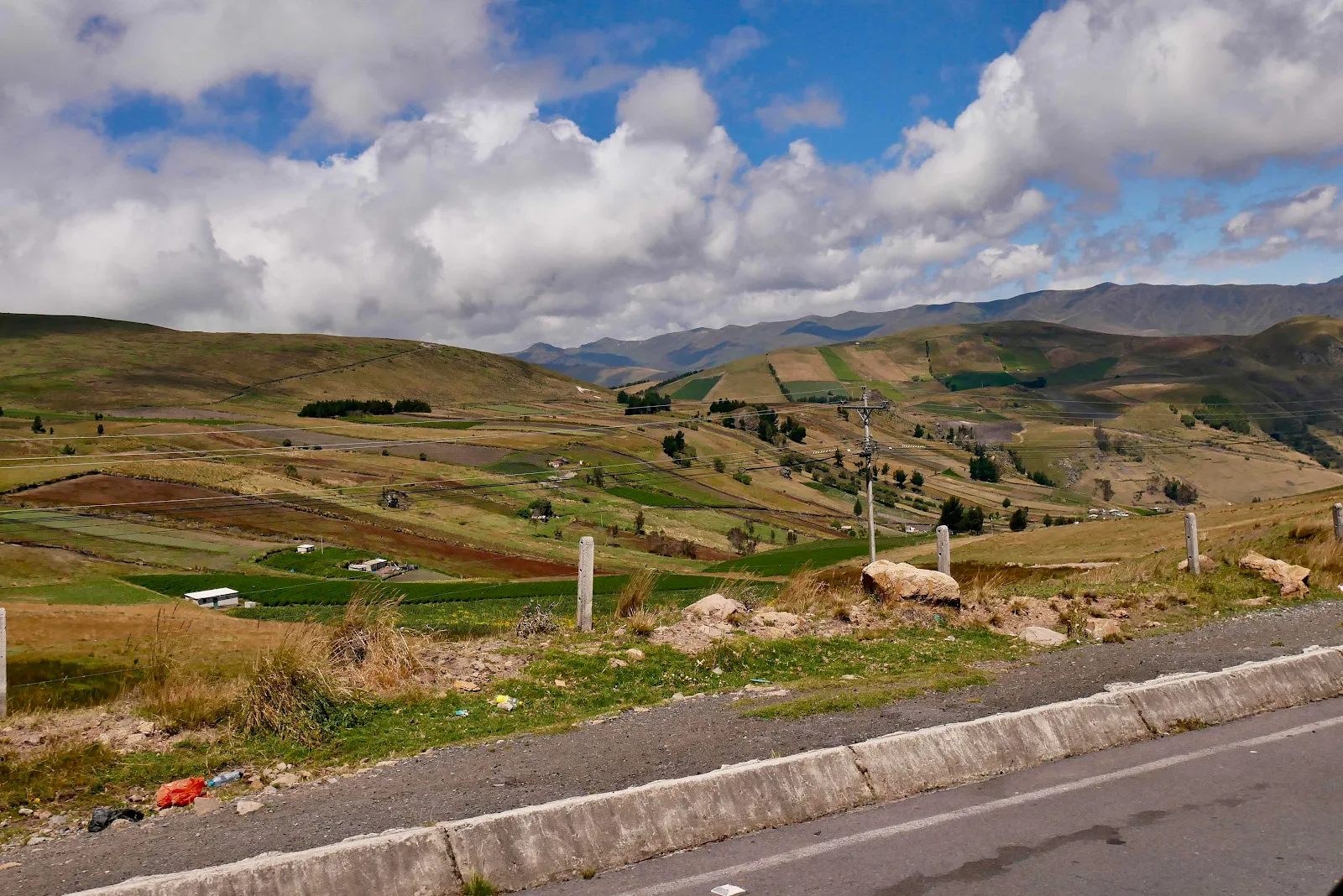
People live up here in funky huts and farm at 13,200 feet. It’s medieval. 


Once again we felt like we were in the back of beyond whereas in point of fact we were just in some Ecuadoran peasant’s back yard.  


On the road again… da do da do da etc… we’re on the road again. 


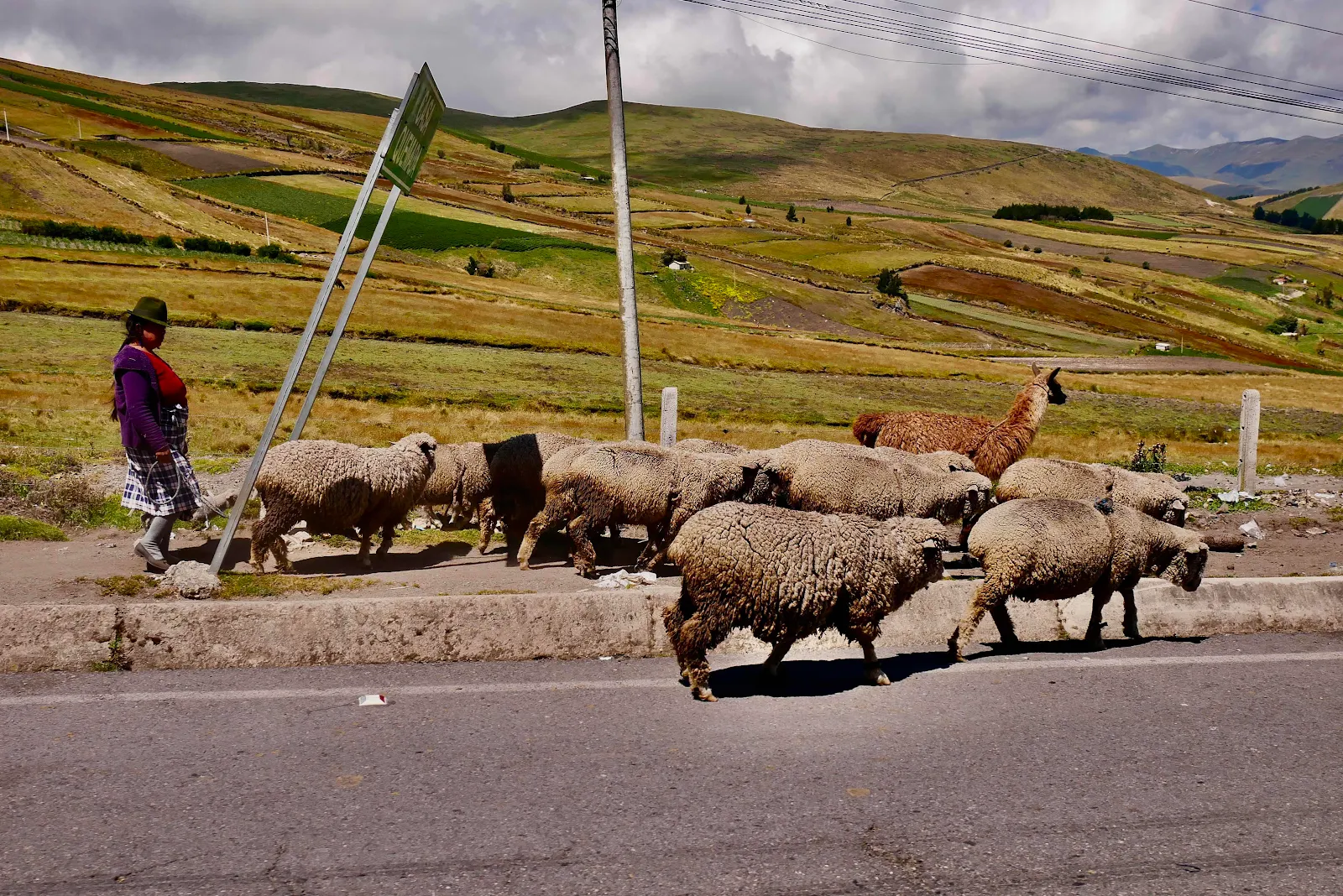
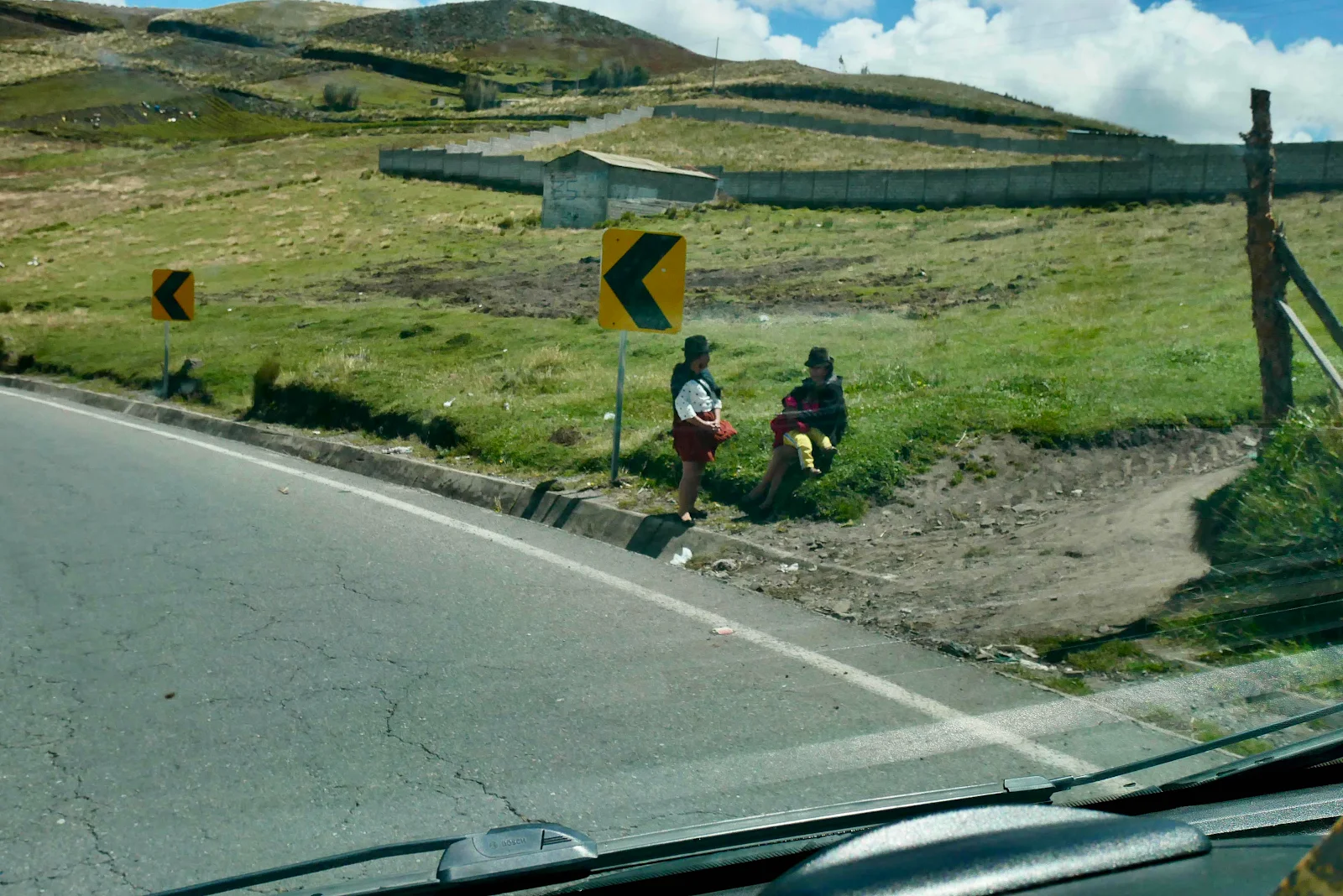
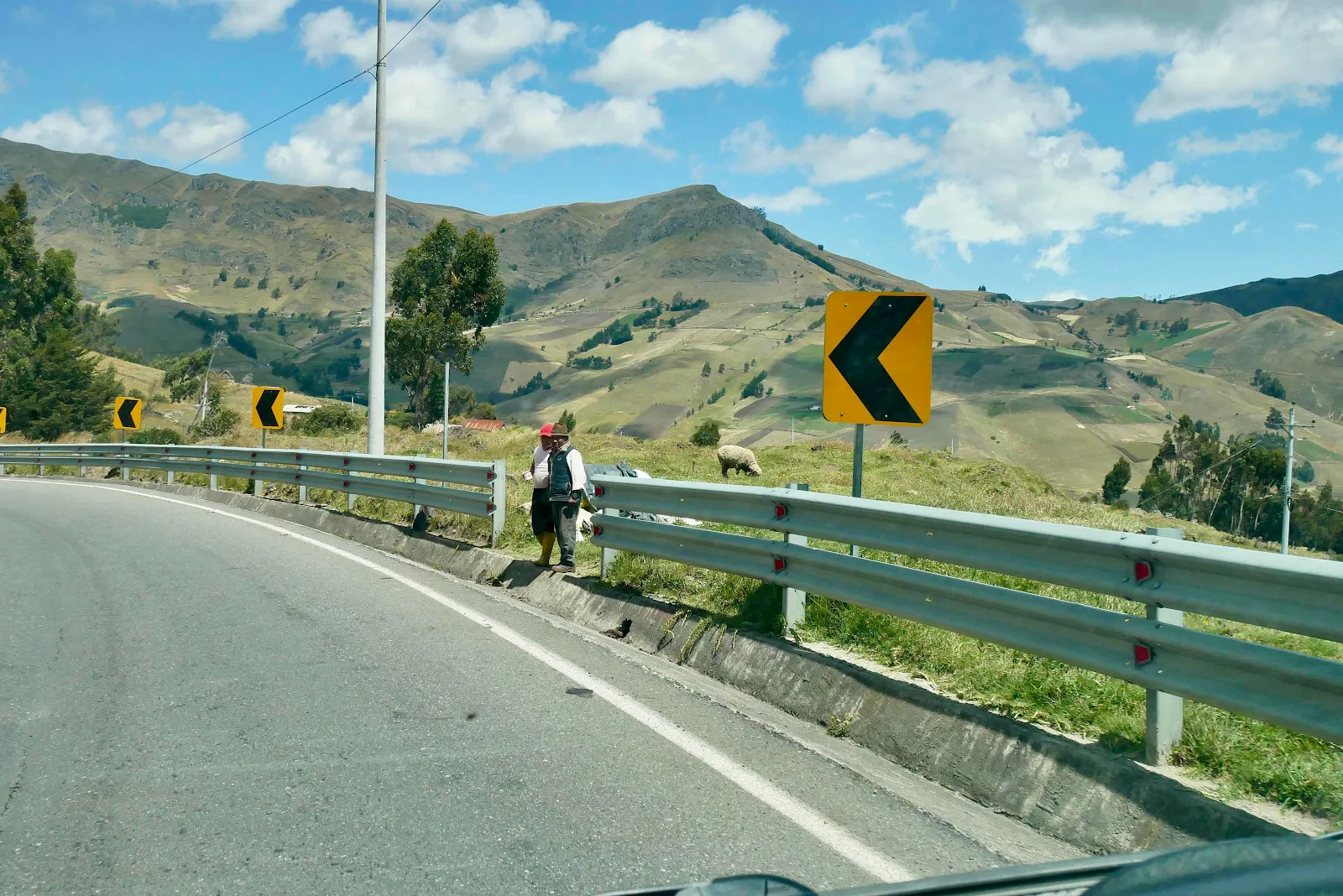
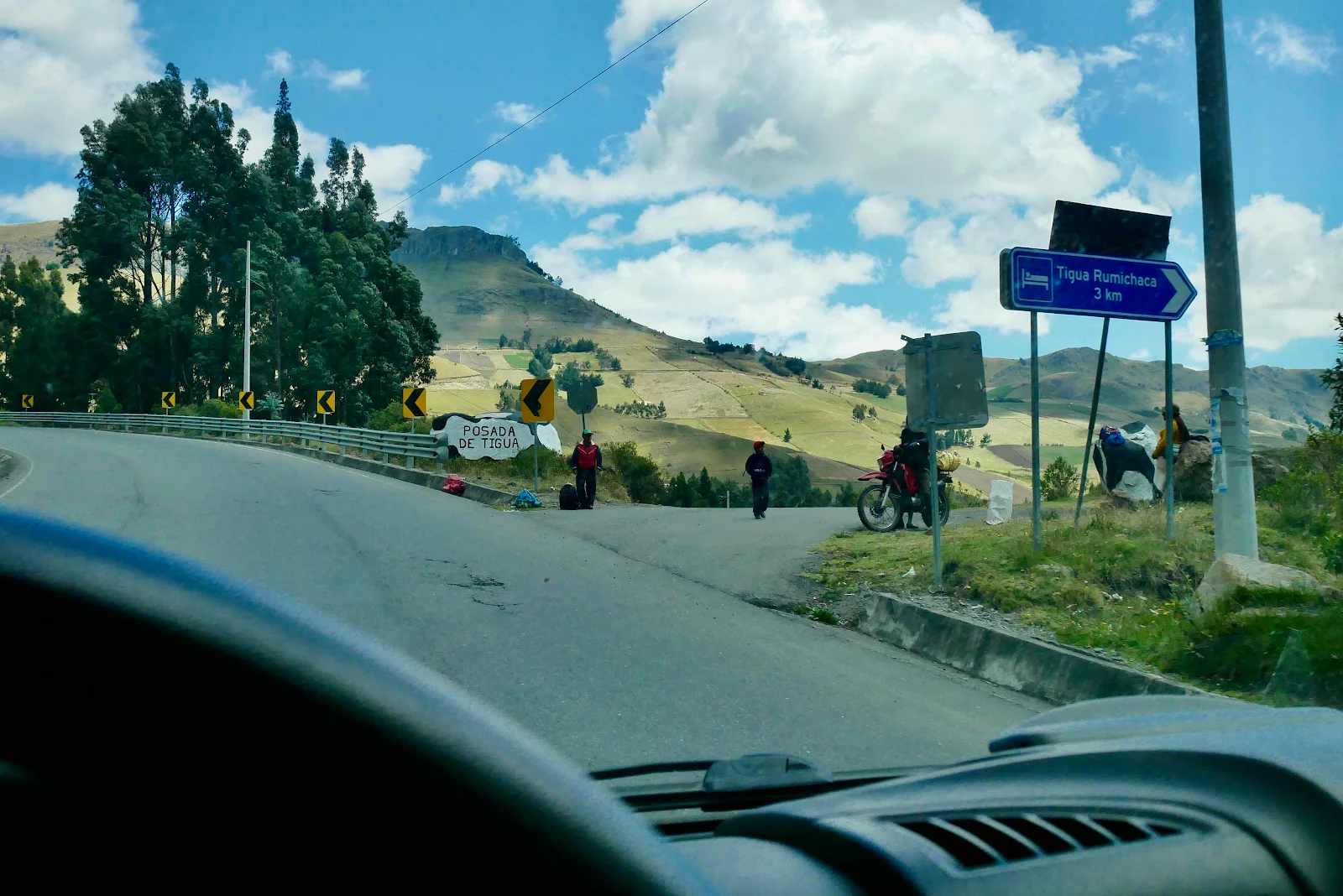
You keep seeing random people by the side of the road. Sometimes they are in a total wilderness. But always they are waiting for the bus.  

Or laying a field for some unknown reason. 

They live ordinary lives at 12,000 feet as though it were the most normal thing in the world. 


Honk if you want vegetables. Someone will appear to take your money. They use dollars here just like you do. 
I always pull over to let them by. 


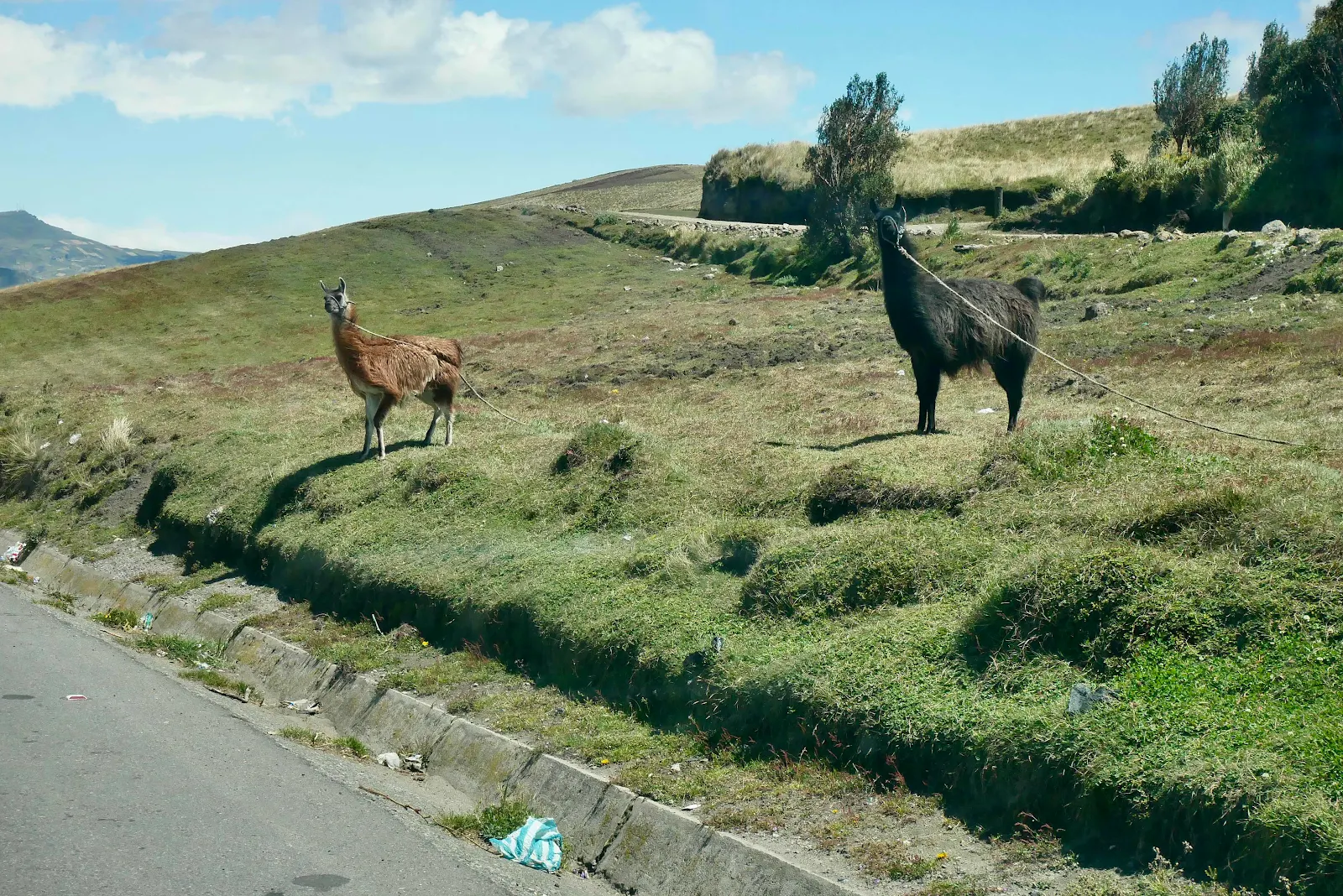
I need to look up the difference between an alpaca, a llama and a vicuña. I think these are alpacas and as you will discover animals native to South America are completely different to the native creatures found in North America. 

This is not a wealthy part of Ecuador and in a country that has a very high proportion of indigenous people these tribal areas are depressingly poor. 

But humps in the road, oh hateful things, are everywhere. 

Imagine living in a cement block hut with a tin roof at 12,500 feet. And your dog lives outside (hell no). 
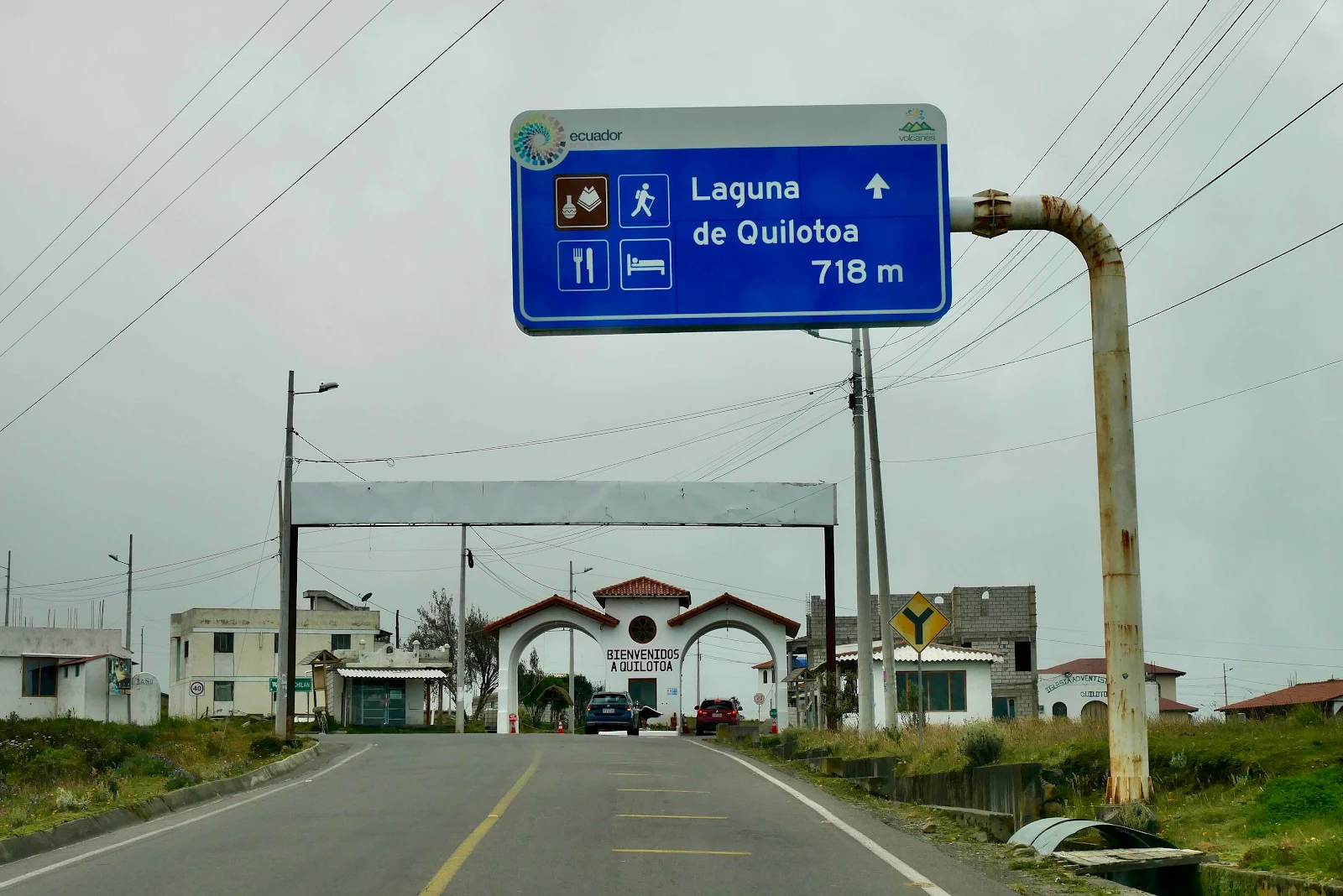
Well, here we are. Actually no. This is where we cocked everything up. We got with 700 meters of the lake, half a mile and we had to pay two dollars each to pass under the arch. That seemed bogus, but we’re strangers around here so we did as we were told. 

Google maps then told us to make a right turn on a dirt road that had a no entry sign. Hmm. Up ahead we saw some women in trilby hats and bright skirts stirring themselves at a check point ready to charge us another fee apparently. Enough I said. We turned around back to the arch which had no exit lane. I waited and when it was not occupied I exited through the entry lane. Wherever we were going it wasn’t in there. 

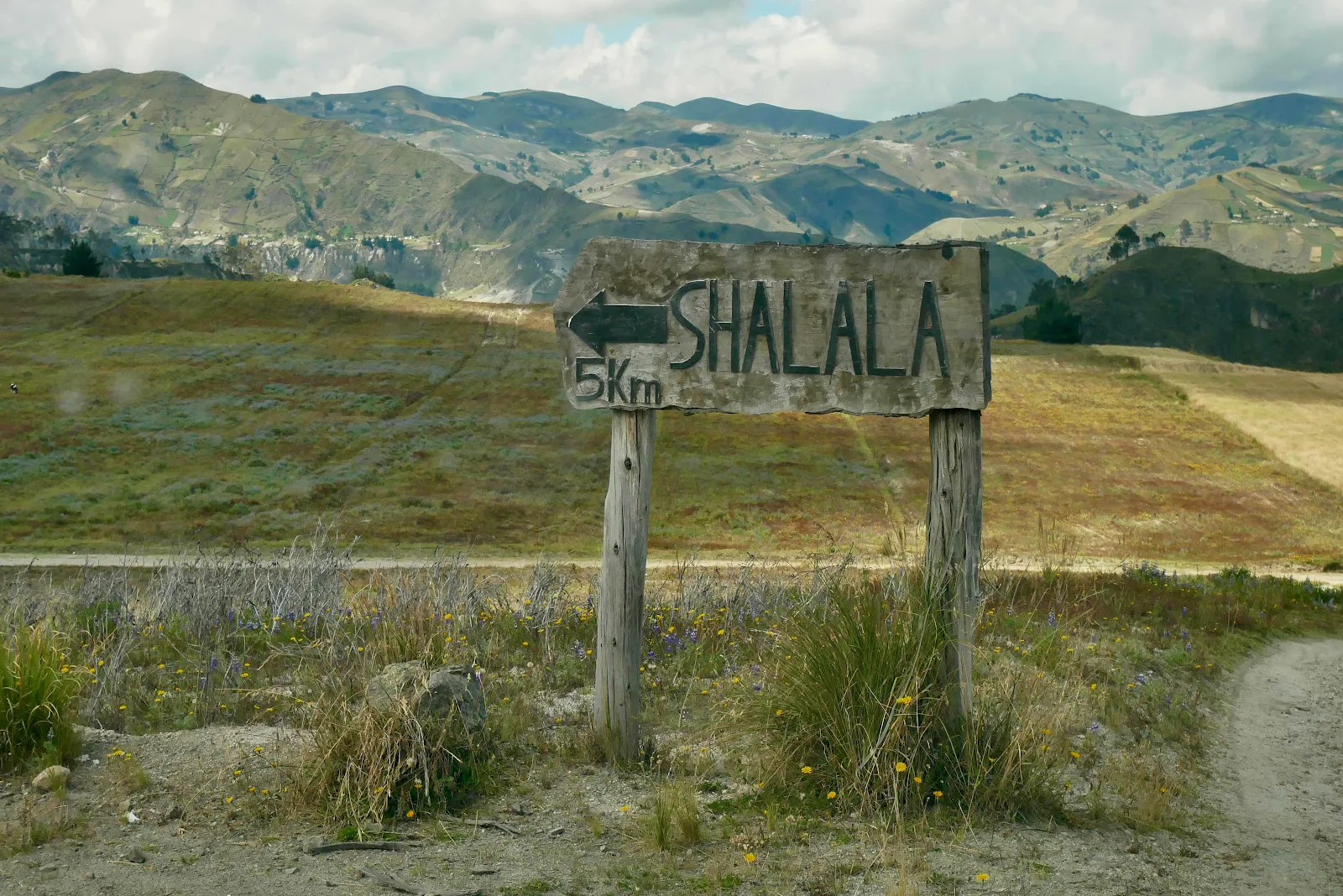
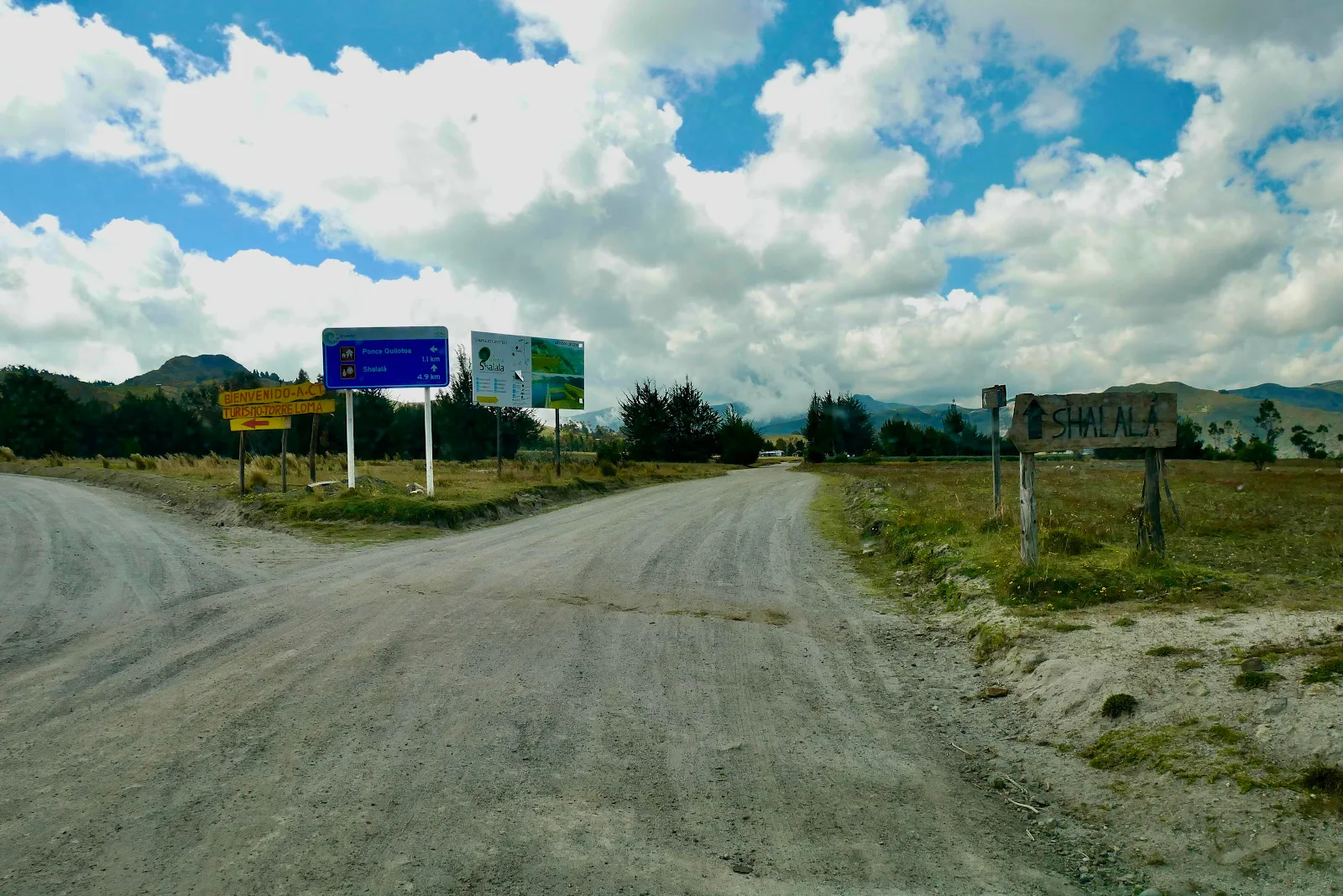
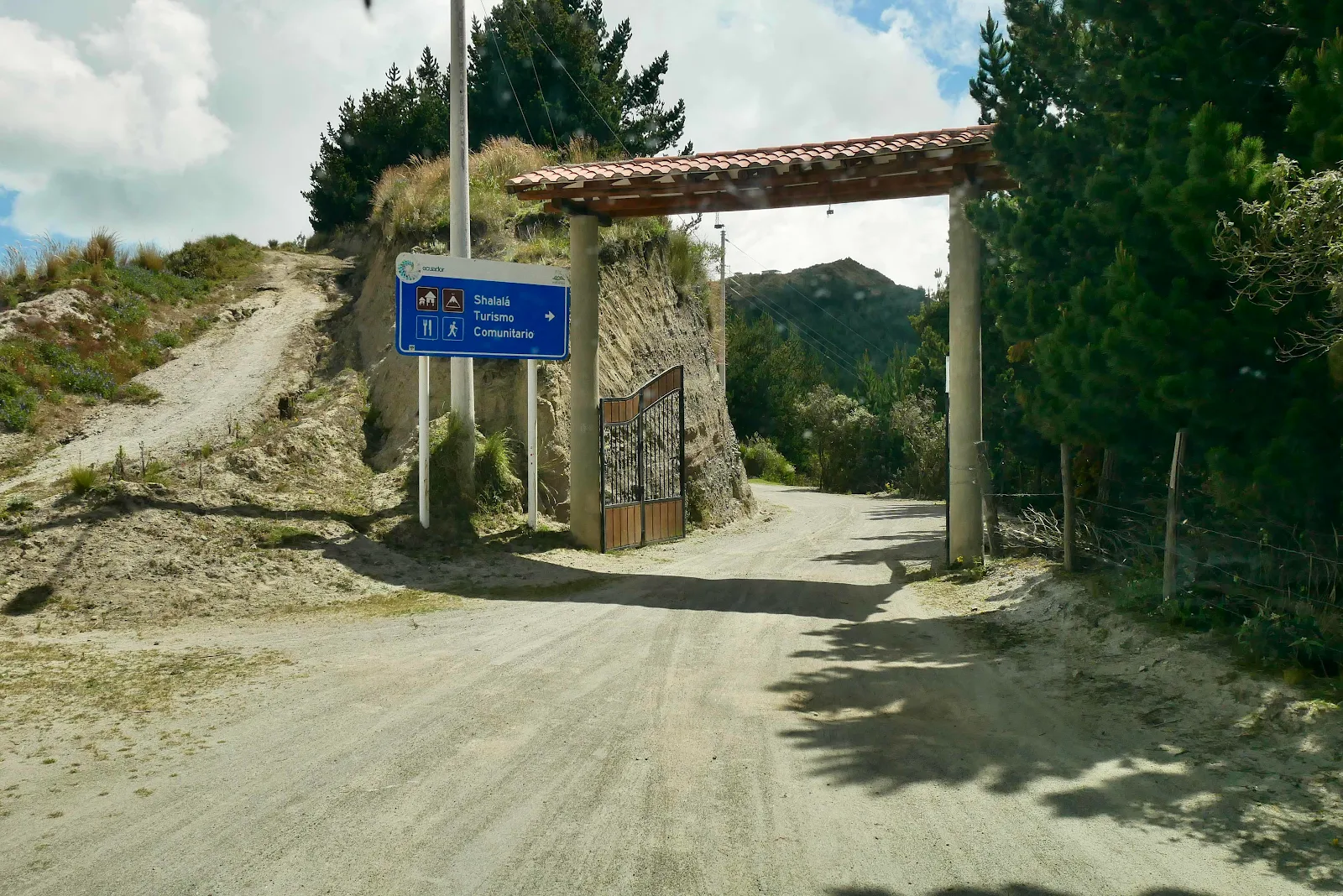
Back tracking we found a sign to Shalalà which curiously is the name of the place. I kept wanting to burst out into song which would have been ugly. Five miles of dirt ahead. I took the photo below a couple of miles in along the dirt road as 5kms equals three miles. 

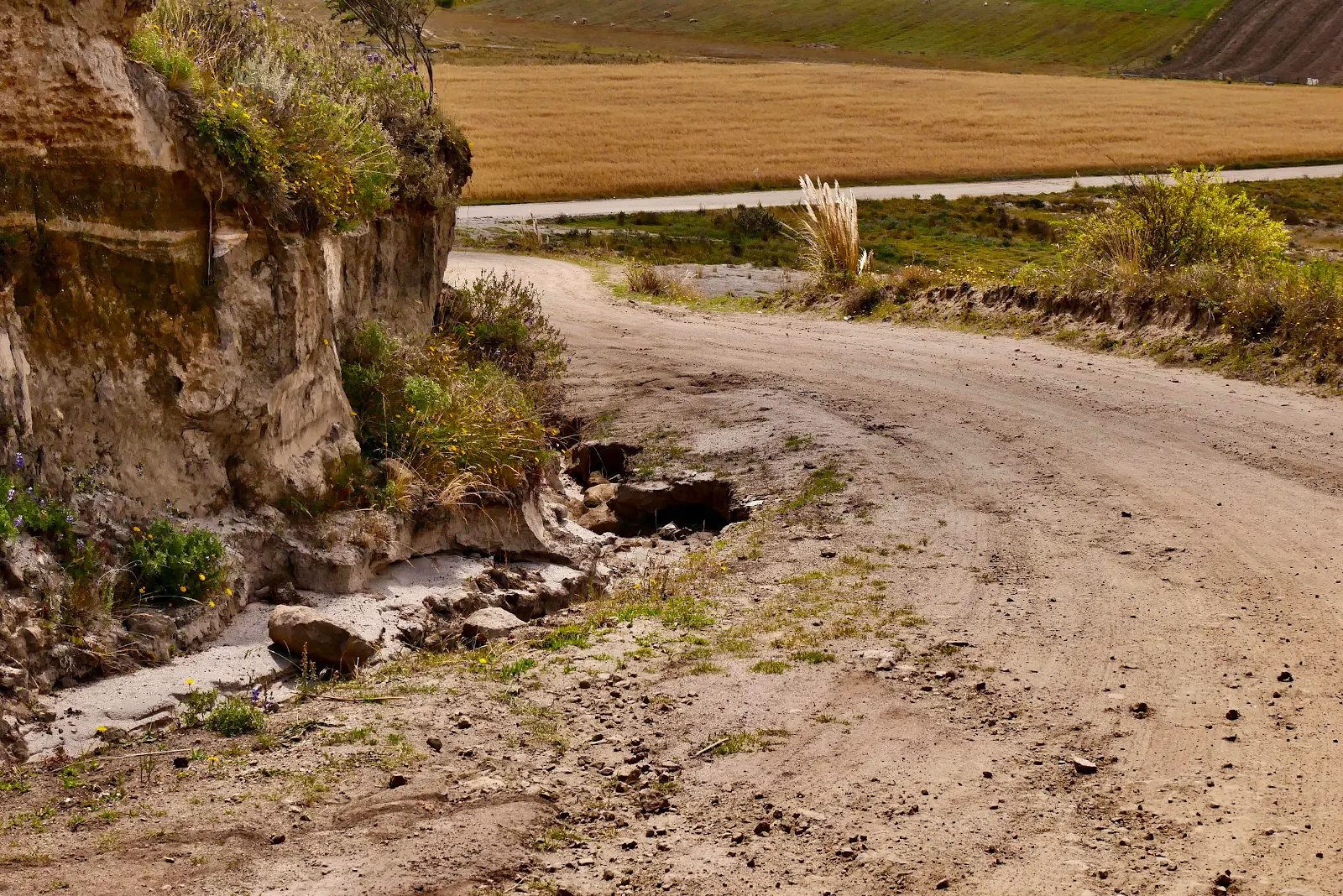
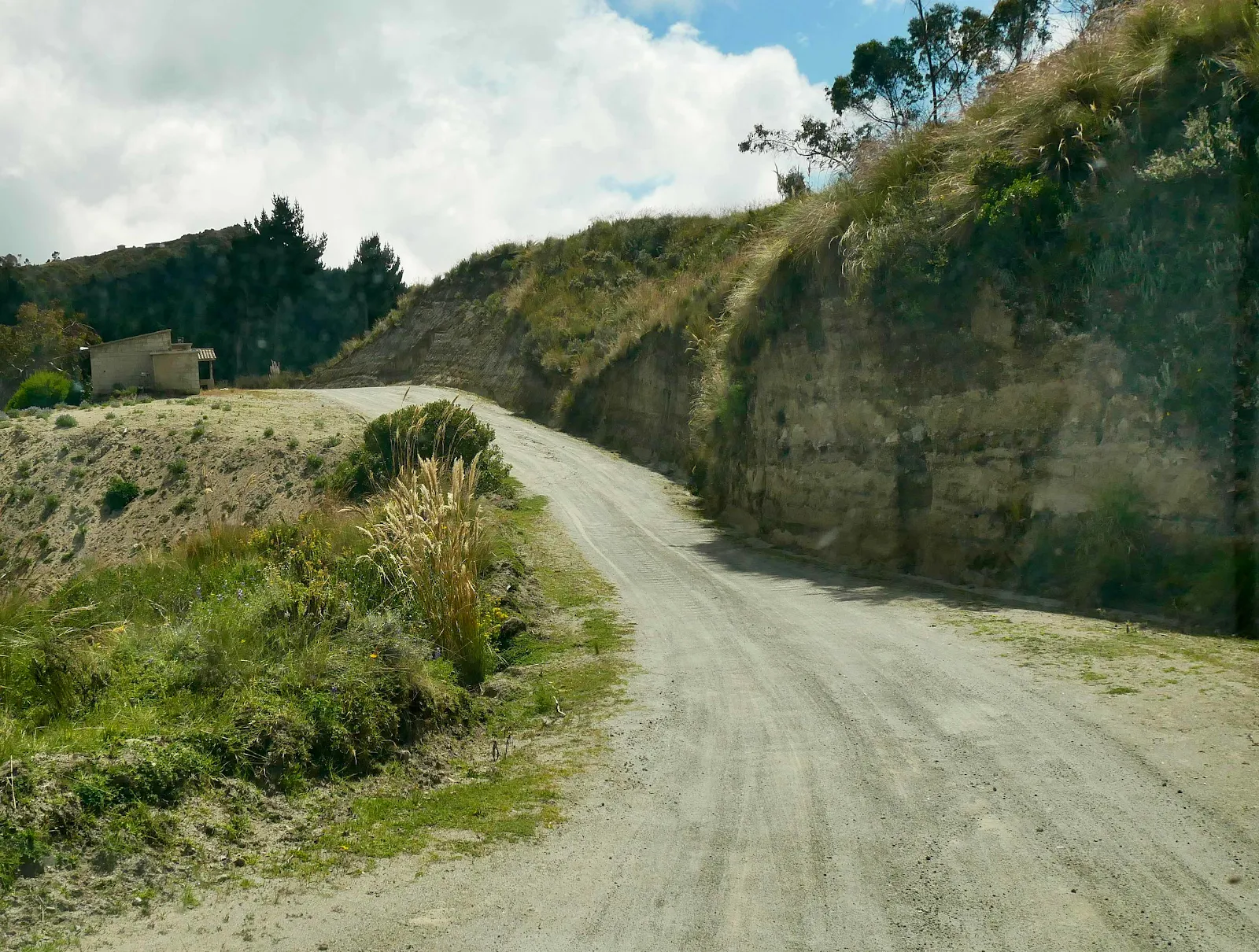
We do these kinds of roads at a speed around five miles an hour avoiding pot holes and washboard as best we can.  Our van is heavy but I see lots of cavalier four wheel drivers bounding along and needing suspension work later. We’re too far from home to play silly buggers with our home, a 9400 pound Promaster. 

But slowly, slowly, we rumble along not having a clue as usual what we are doing. There is supposedly a place to camp by the lake at the end of this. However I have never driven uphill to get to a lake. And certainly not at 11,500 feet. How high is this mystery lake? 

For once there were plenty of signs but absolutely no sign of a body of water. Weird. 

And back we go uphill, again. Uphill to the waters edge? 

Pretty steep too. 

Here we are. We’re somewhere, but still no sign of water. 

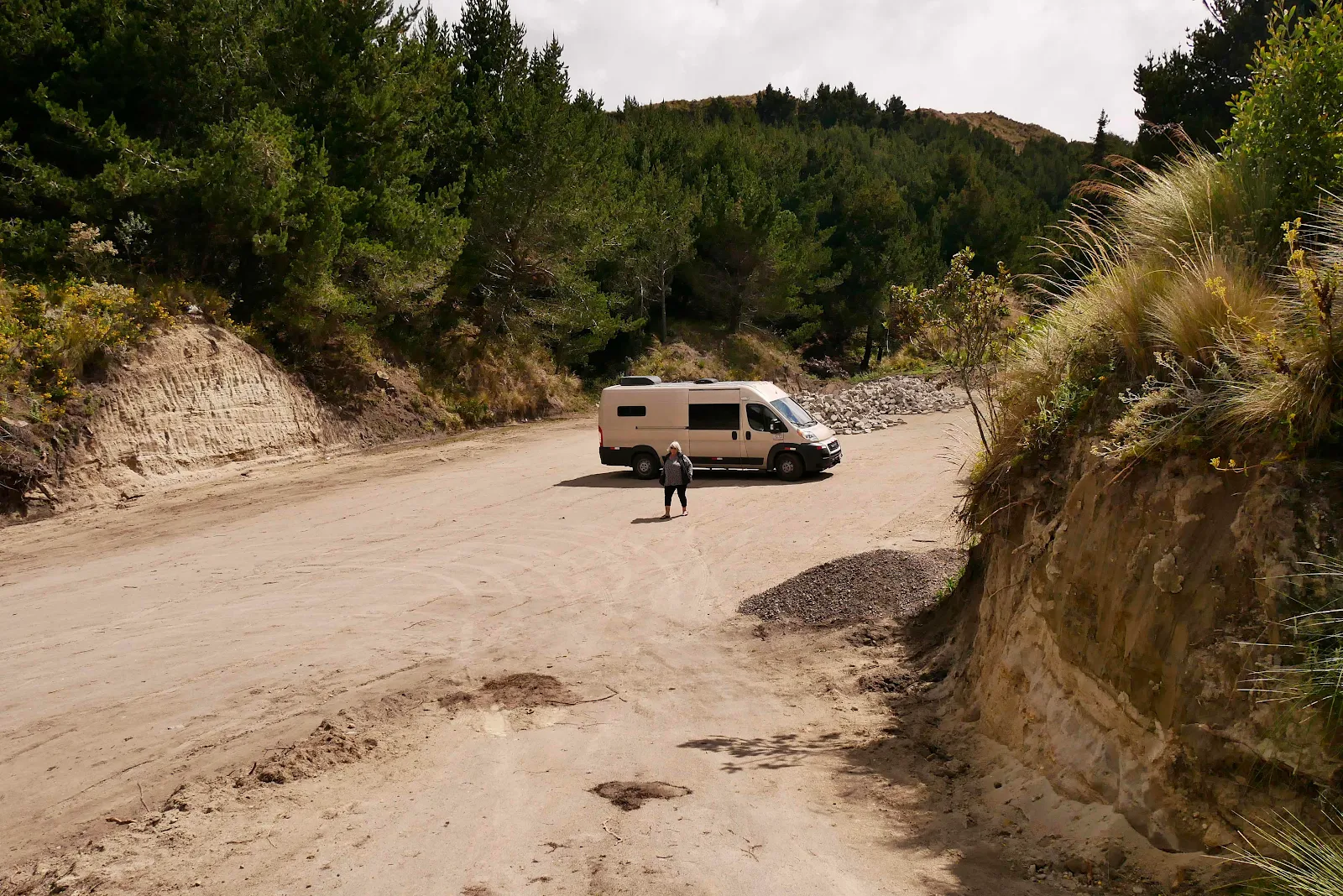
An indigenous woman in a trilby meets us and directs us to park on a sloping lot. Check the camping area she says before you try to drive that big car there. Our hearts sink.

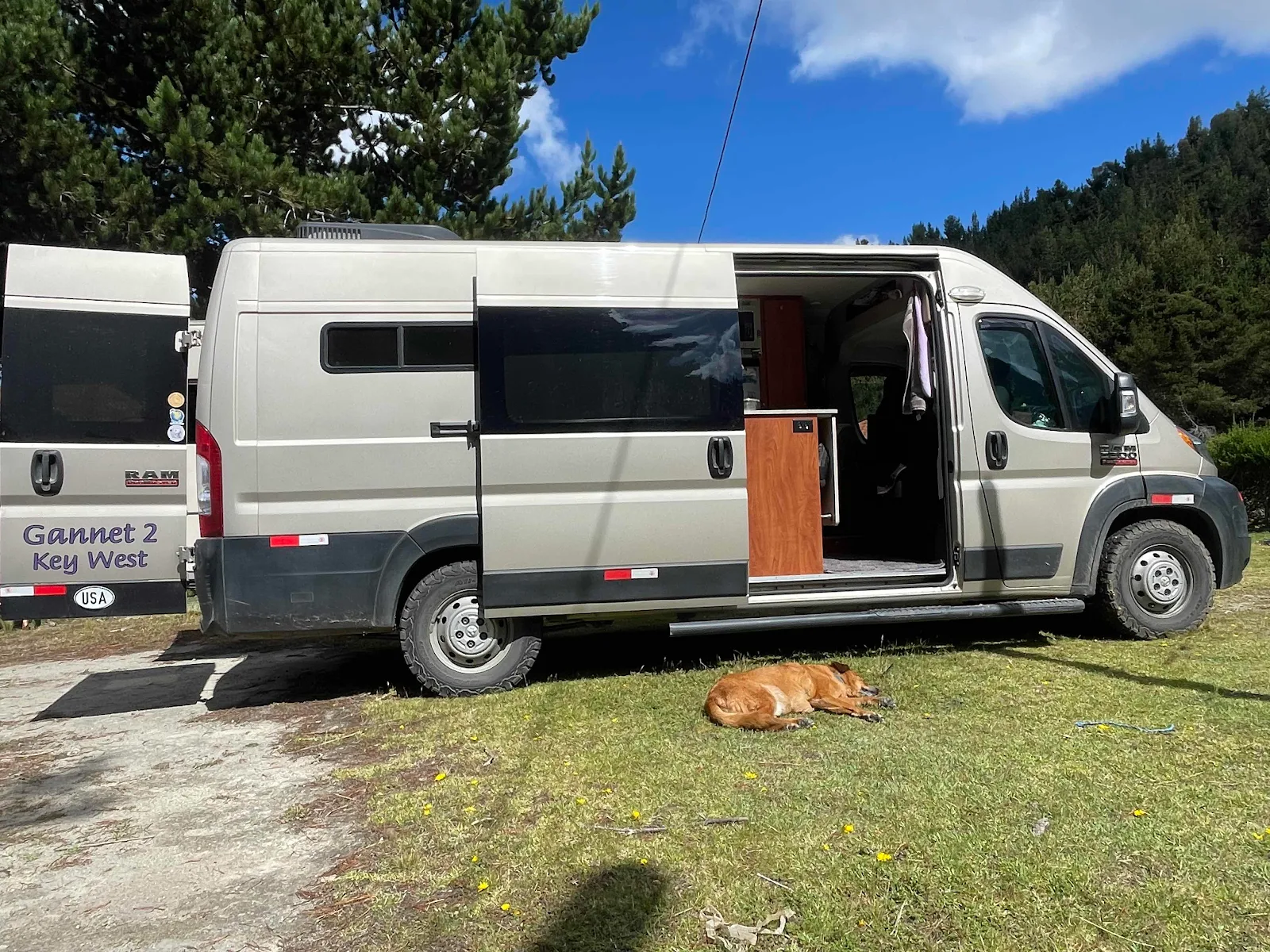
Ha! It was a bit narrow, she was right but I squeezed GANNET2 past the house without knocking any tiles off the roof. Parked finally. 

I wanted to end this post with a photo of the mystery lake but we were stymied. We had dinner at the restaurant, five dollars each for delicious potato soup and a plate of the usual meat rice and salad which meant no dishwashing for us so we went for a walk.

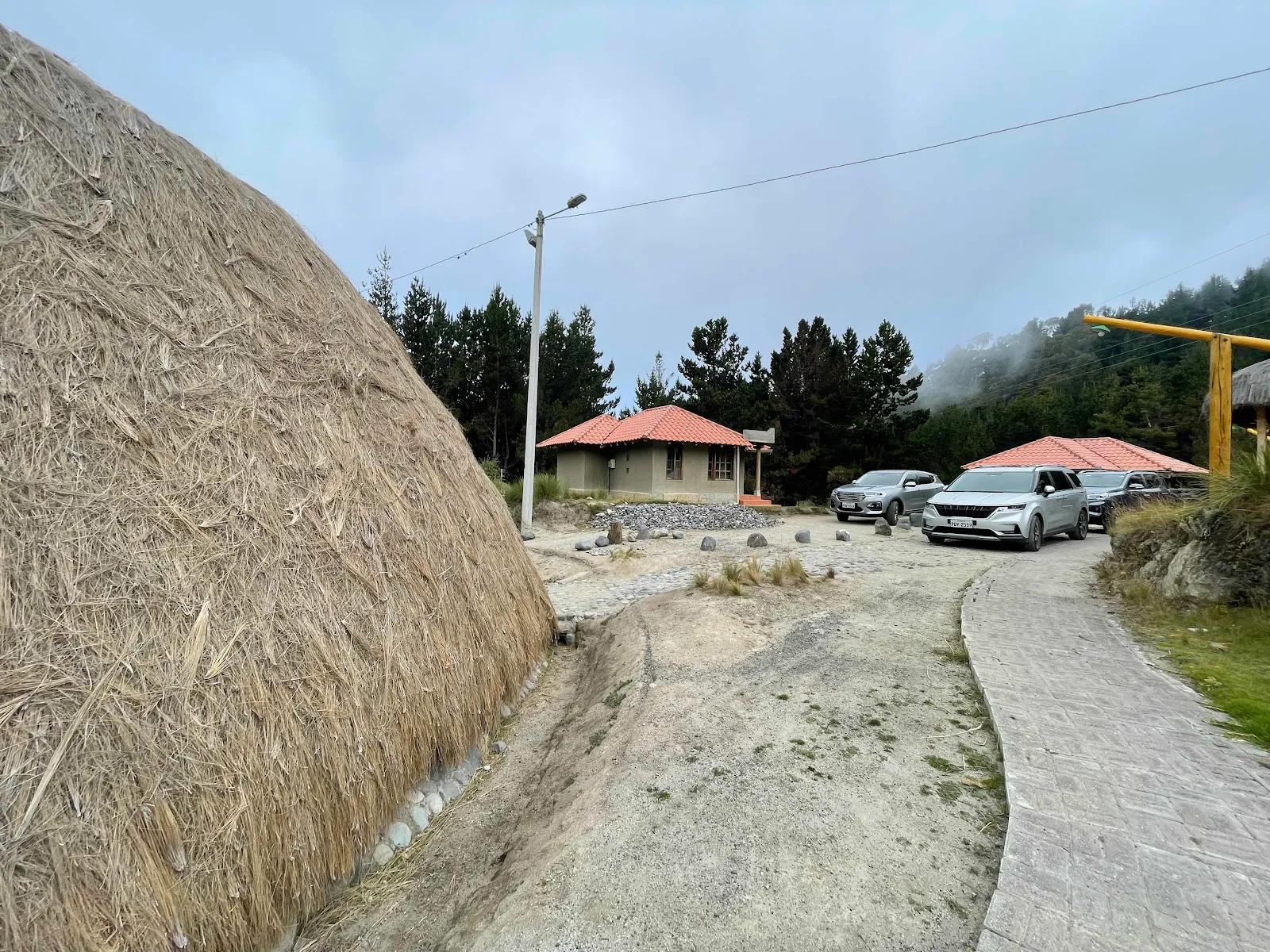
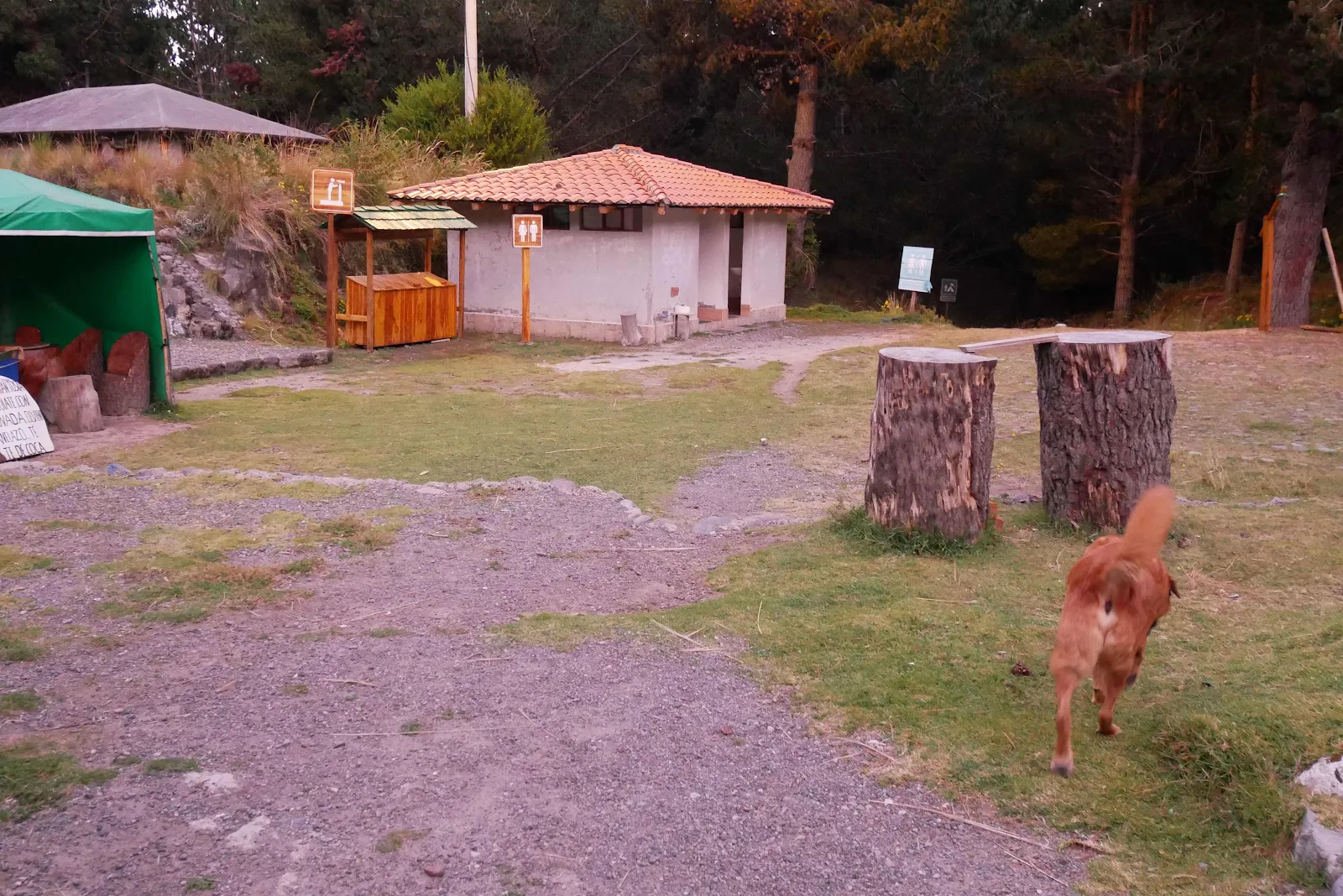
The campground is typical of what you might find in Latin America. I’m assuming the government funded construction of this tourism development project for the local tribe but there’s no attempt at maintenance. 

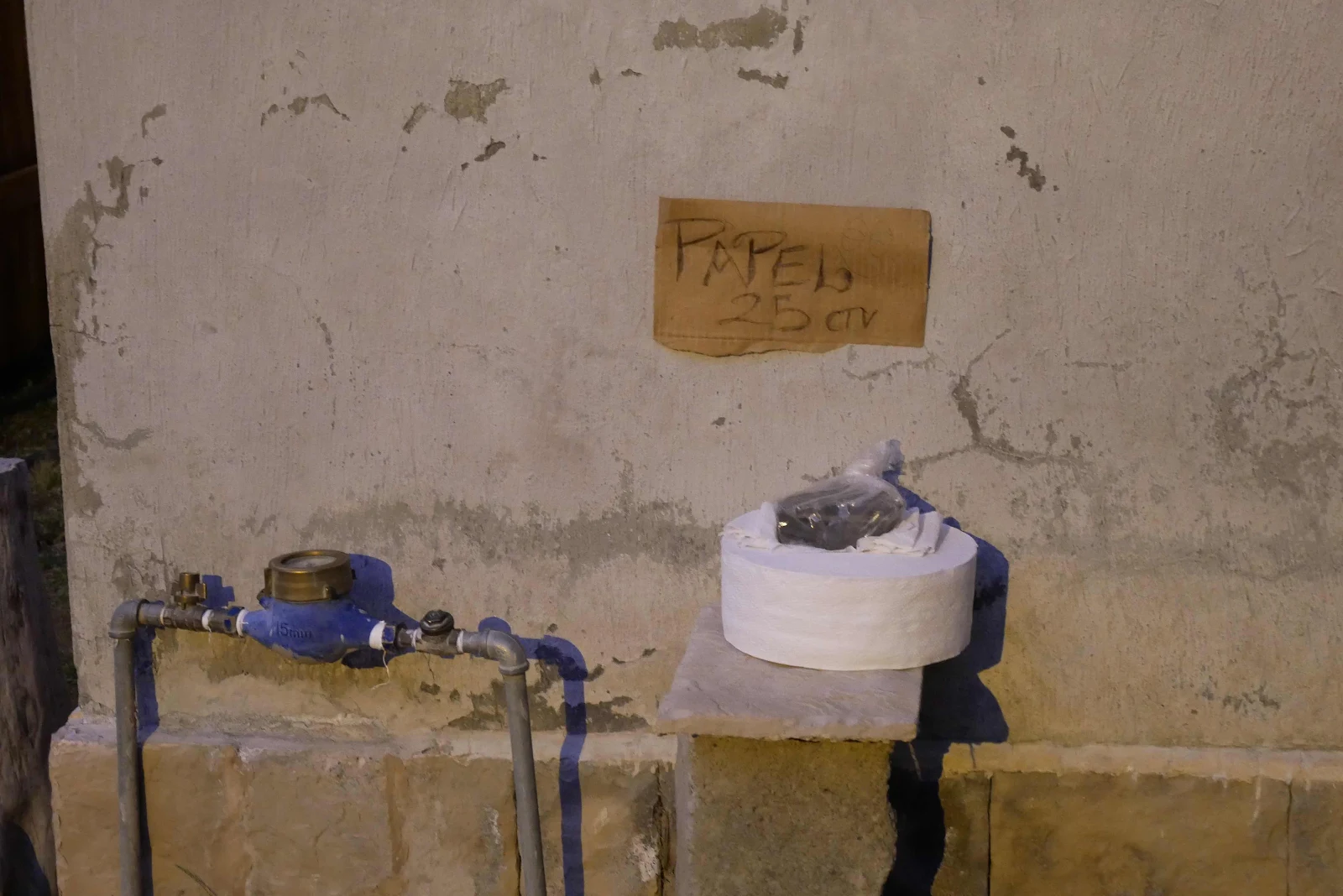
In addition there is no information. We wandered over to what appeared to be a restaurant and asked if they were doing dinner. Oh yes she said but we would never have known! The route to the lake view was hidden from obvious view and we walked past it. By the way if you want toilet paper it’s 25 cents. 

We found out we’d gone wrong when we met some youngsters round a campfire. They burst into English and explained our trail finding error amid much laughter. So no lake view. 

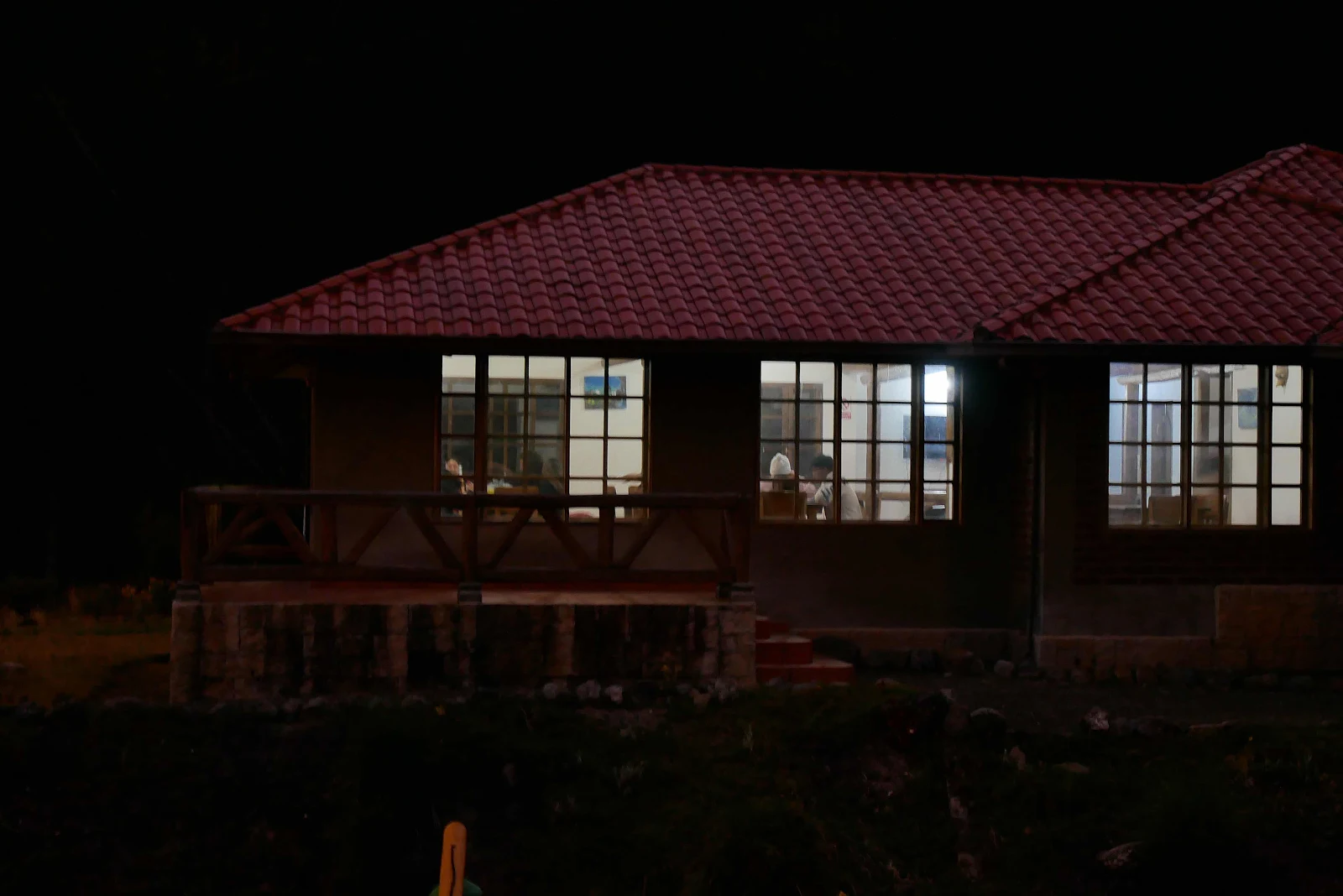
We’ll give it a go in the morning. The restaurant was still busy as we went back home. 

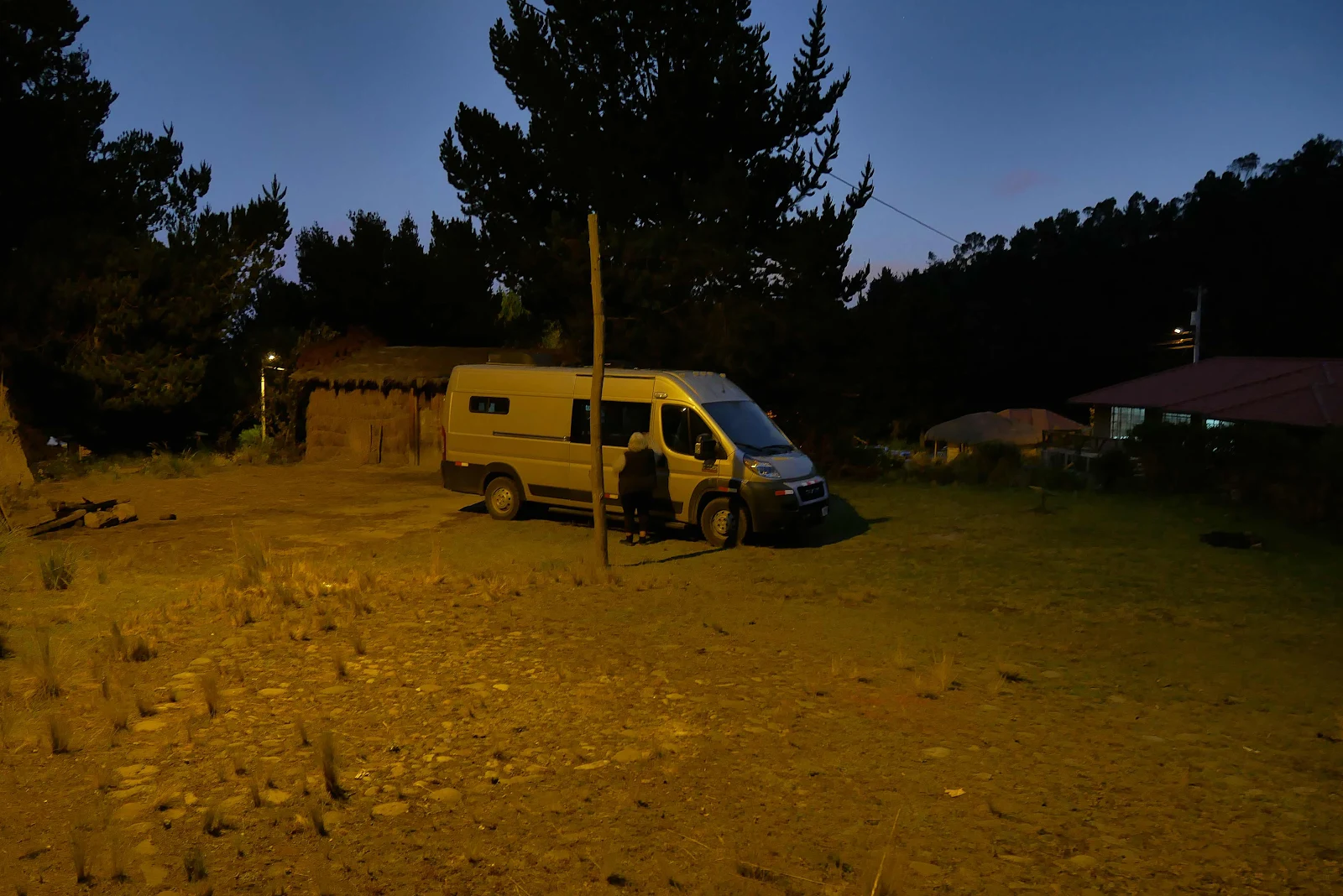
All to ourselves. Even if there is no lake yet.  


—————————
Sunday morning. I found the lake.