Tuesday, July 30, 2024

On the Road

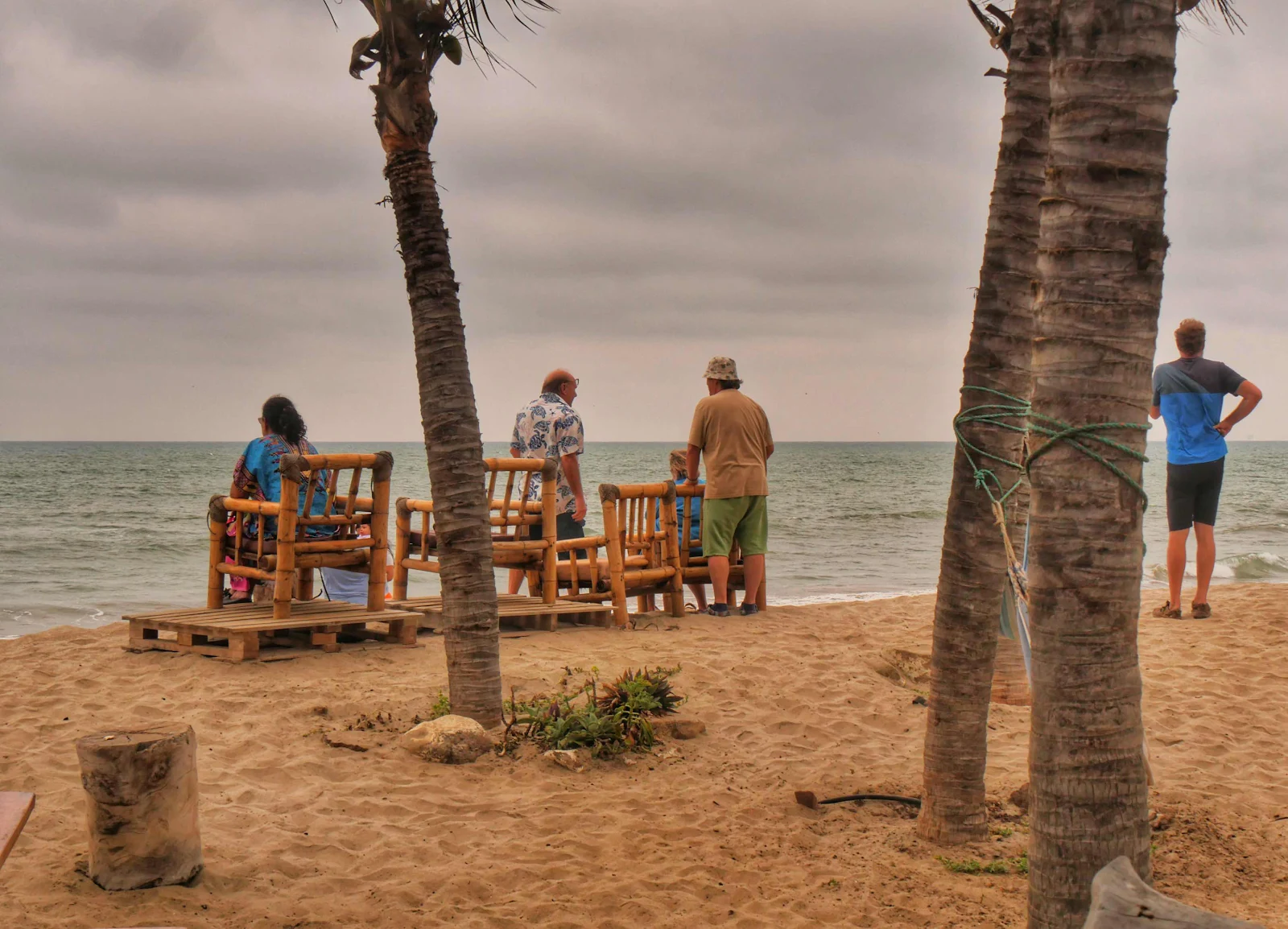
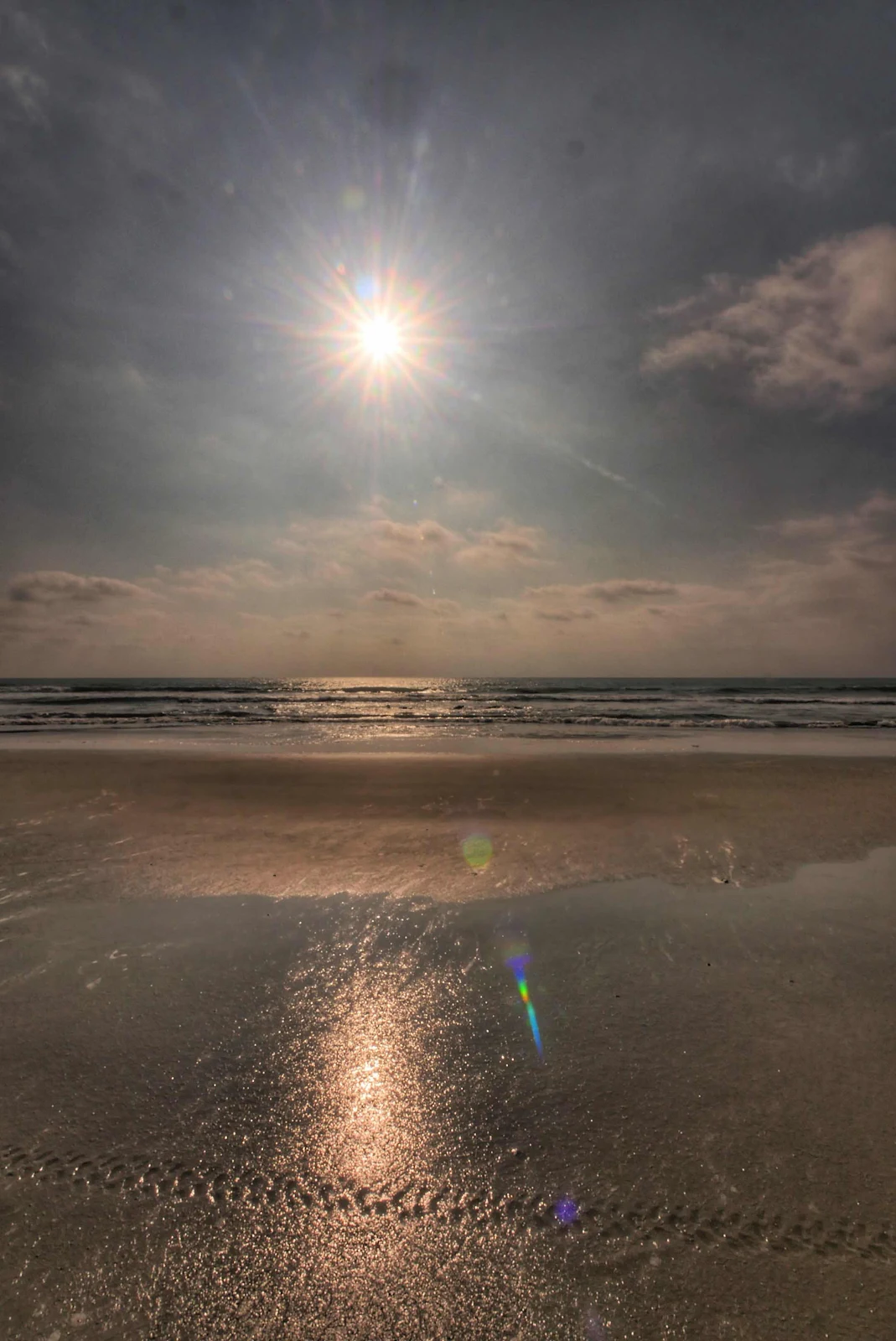
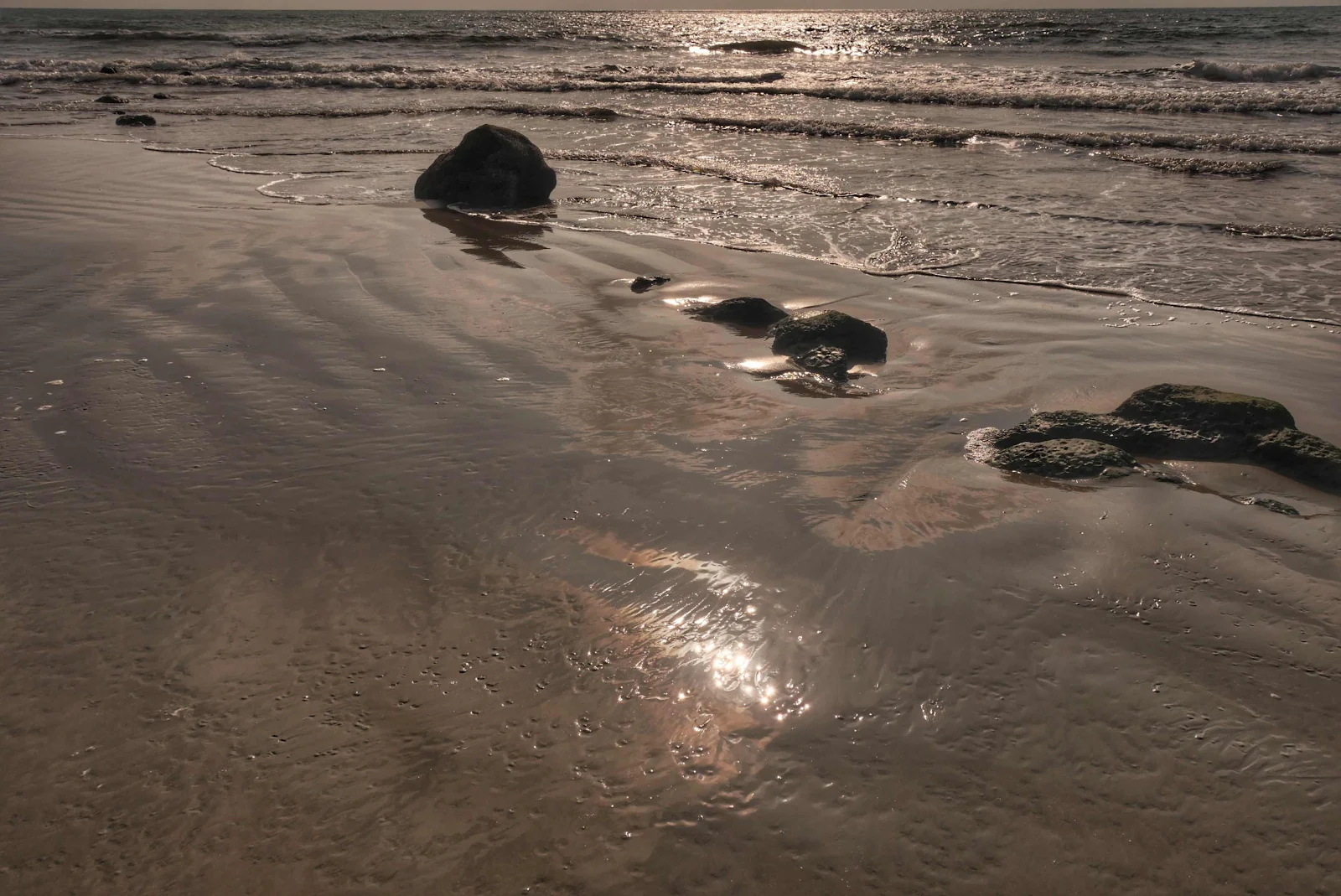
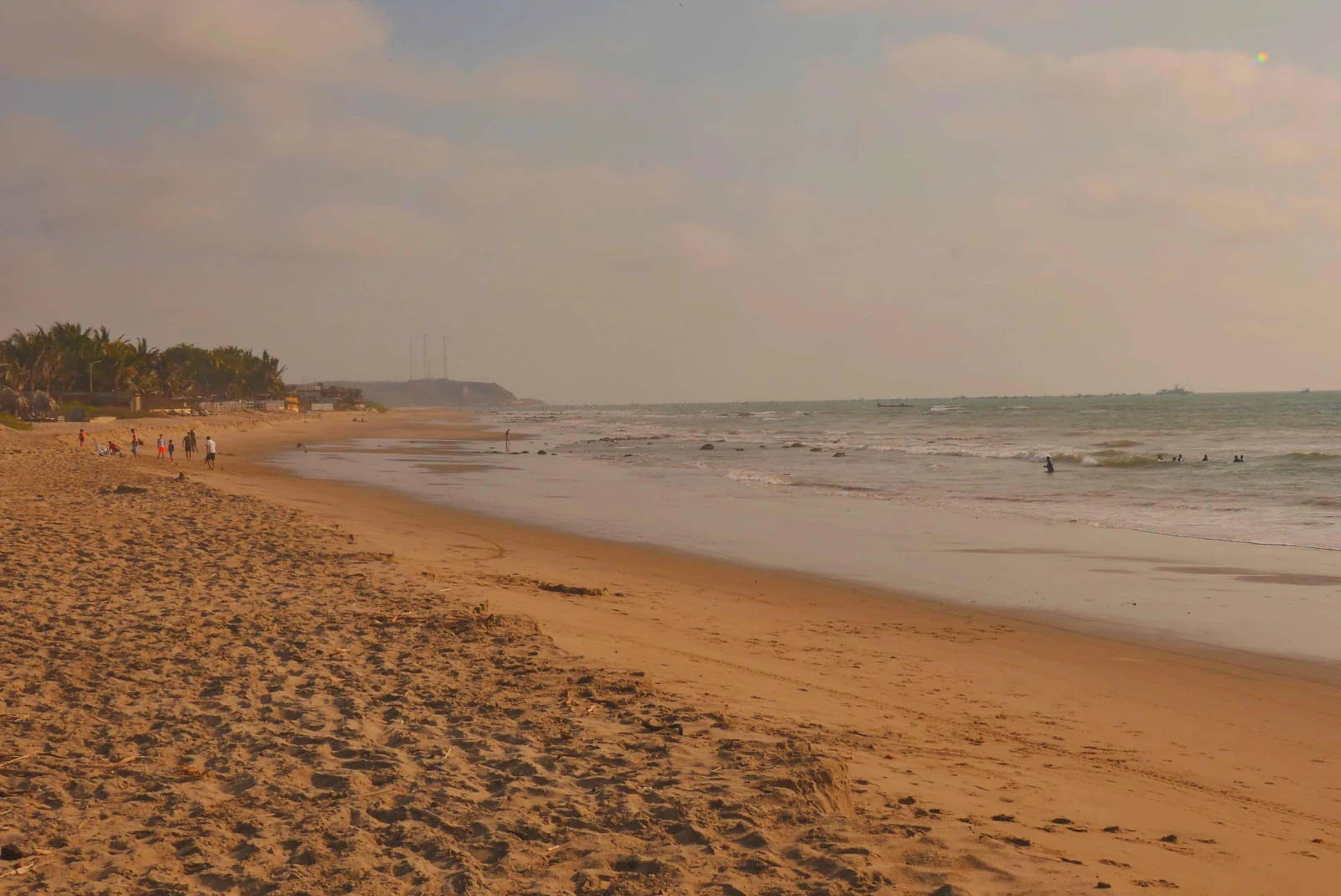
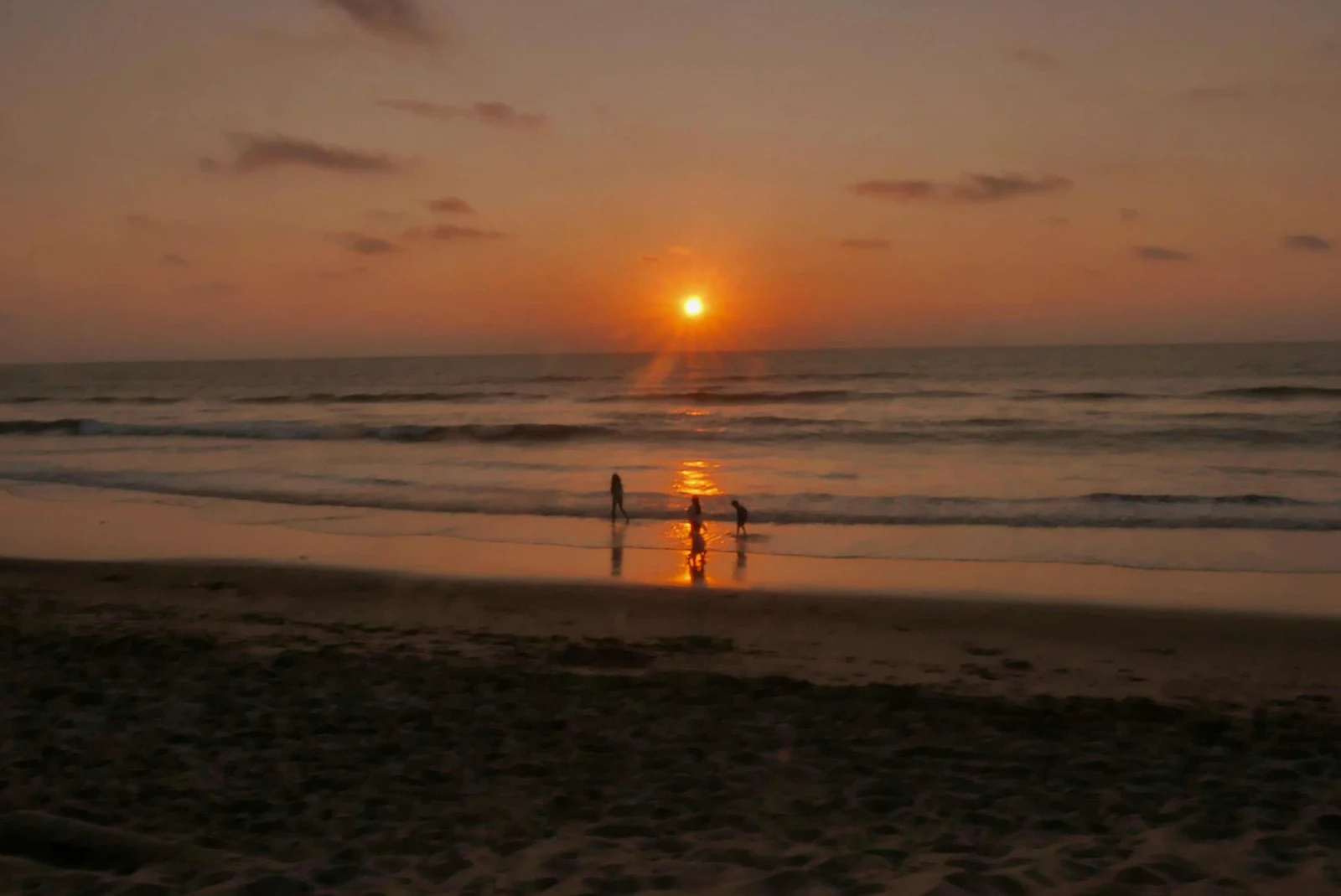
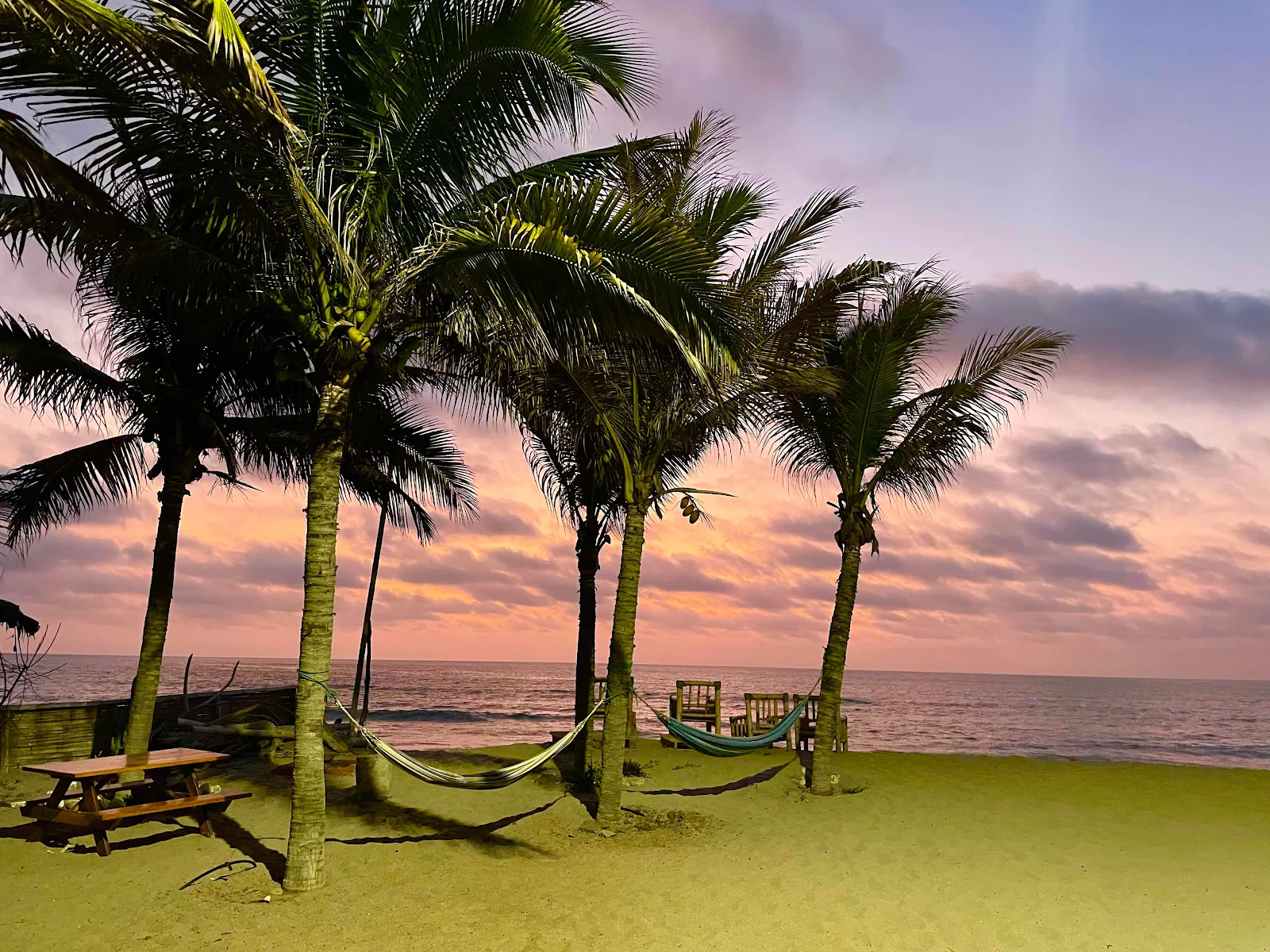
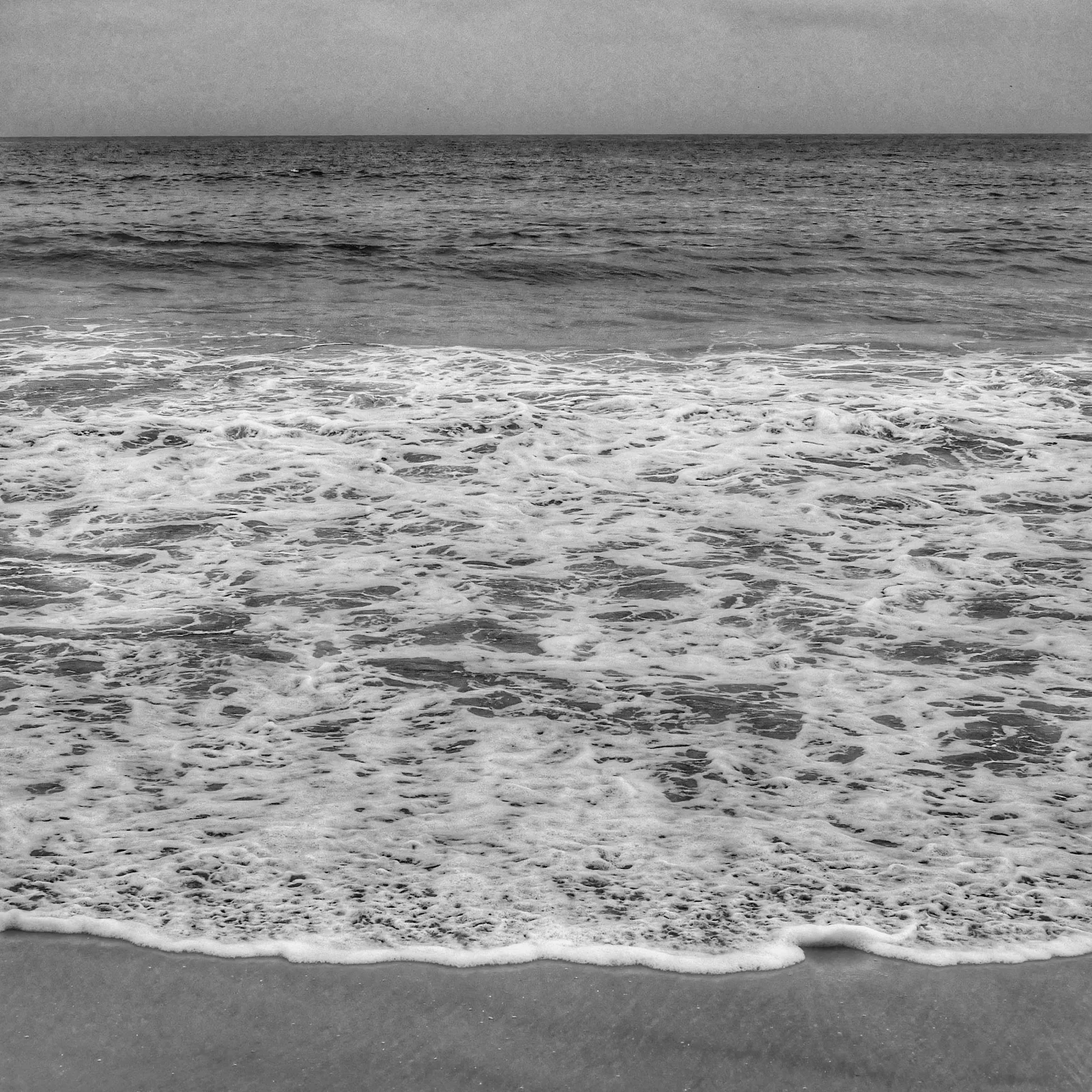
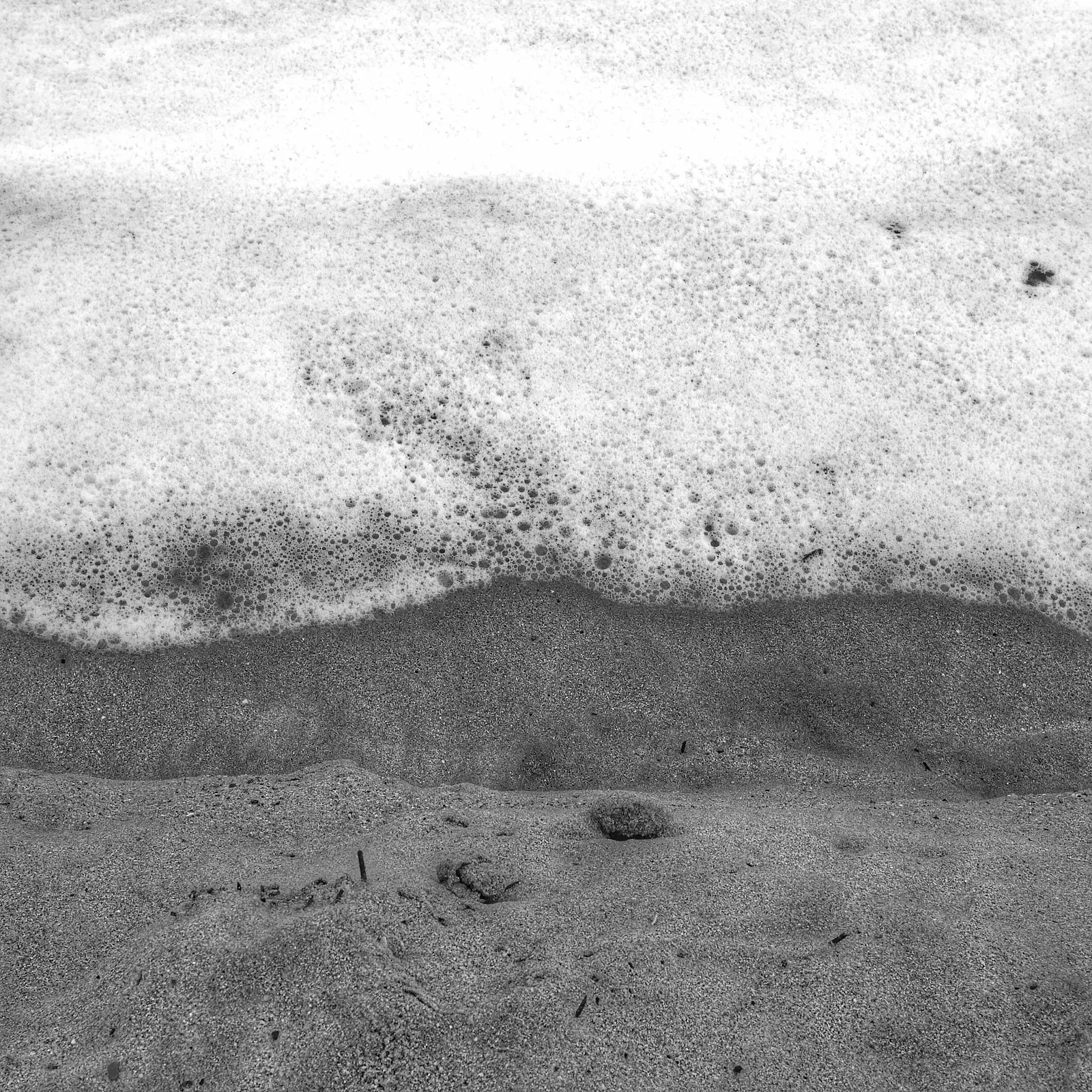
I hope with all my heart we are on the road by the time you read this. Corina and Florian’s van seems to be running properly so we are planning on driving down the coast a couple of days before we go back up into the mountains.  I am ready to see the Cordillera Blanca - the White Mountains. A few last beach pictures of a place we greatly enjoyed -and overstayed. 

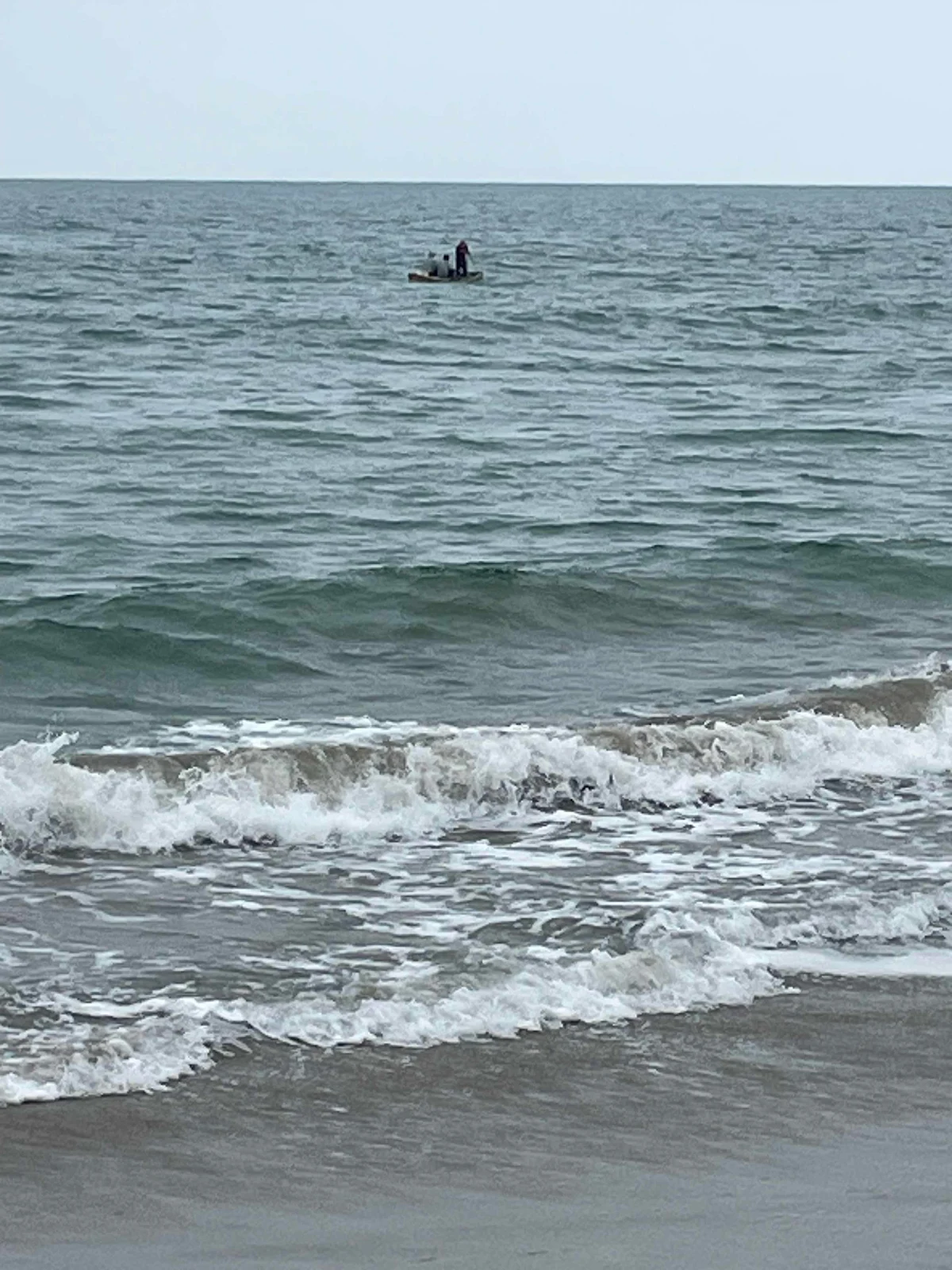
Our neighbors tried whale watching and indeed we did see a picture, albeit rather fuzzy of a whale breaching on the distant horizon. Apparently it’s the migration season. 

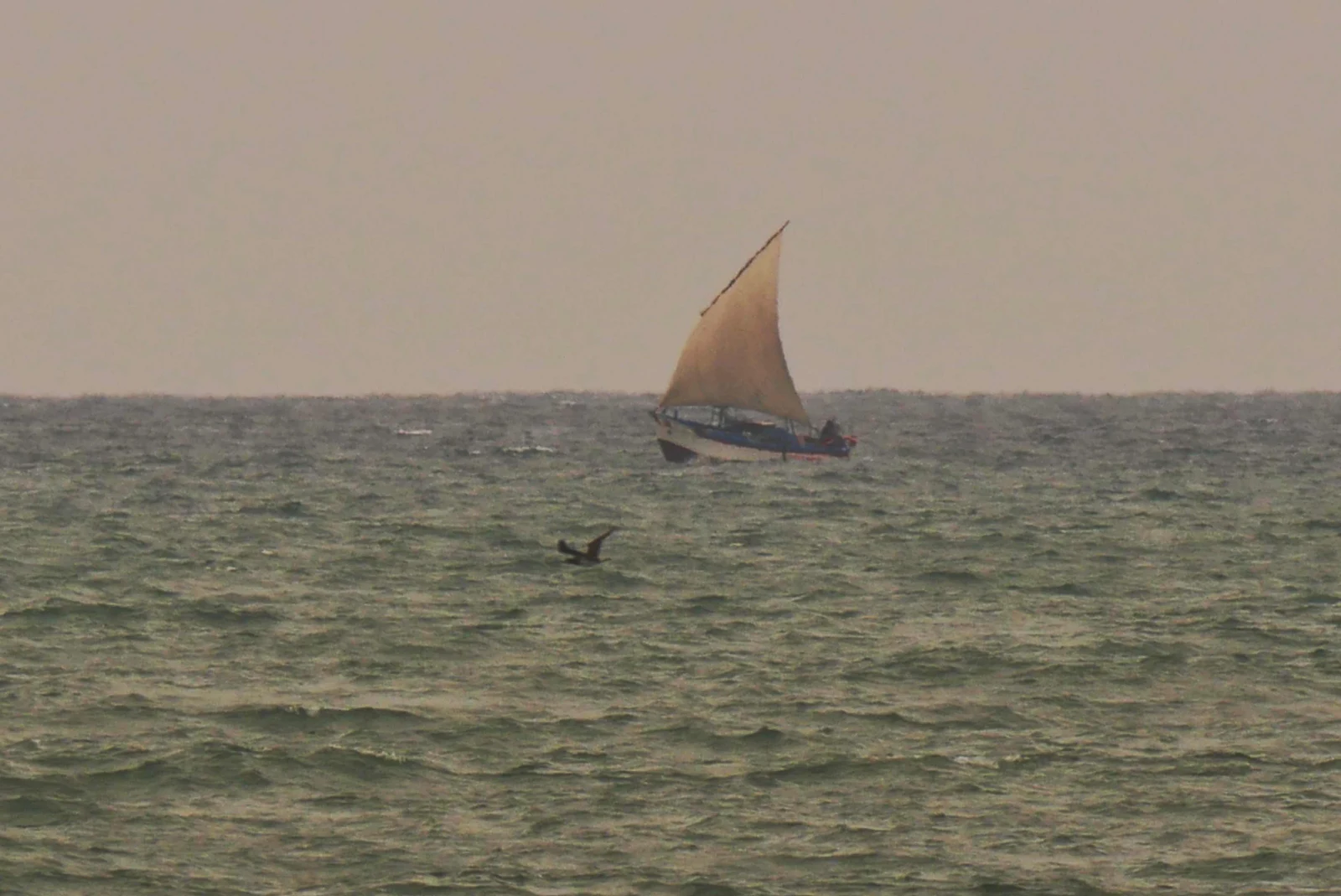
I got a picture of a sailboat which on seemed to be a sailing fishing boat on closer inspection. Winds and currents are all wrong for most travelers by sail to come down the coast of South America. 

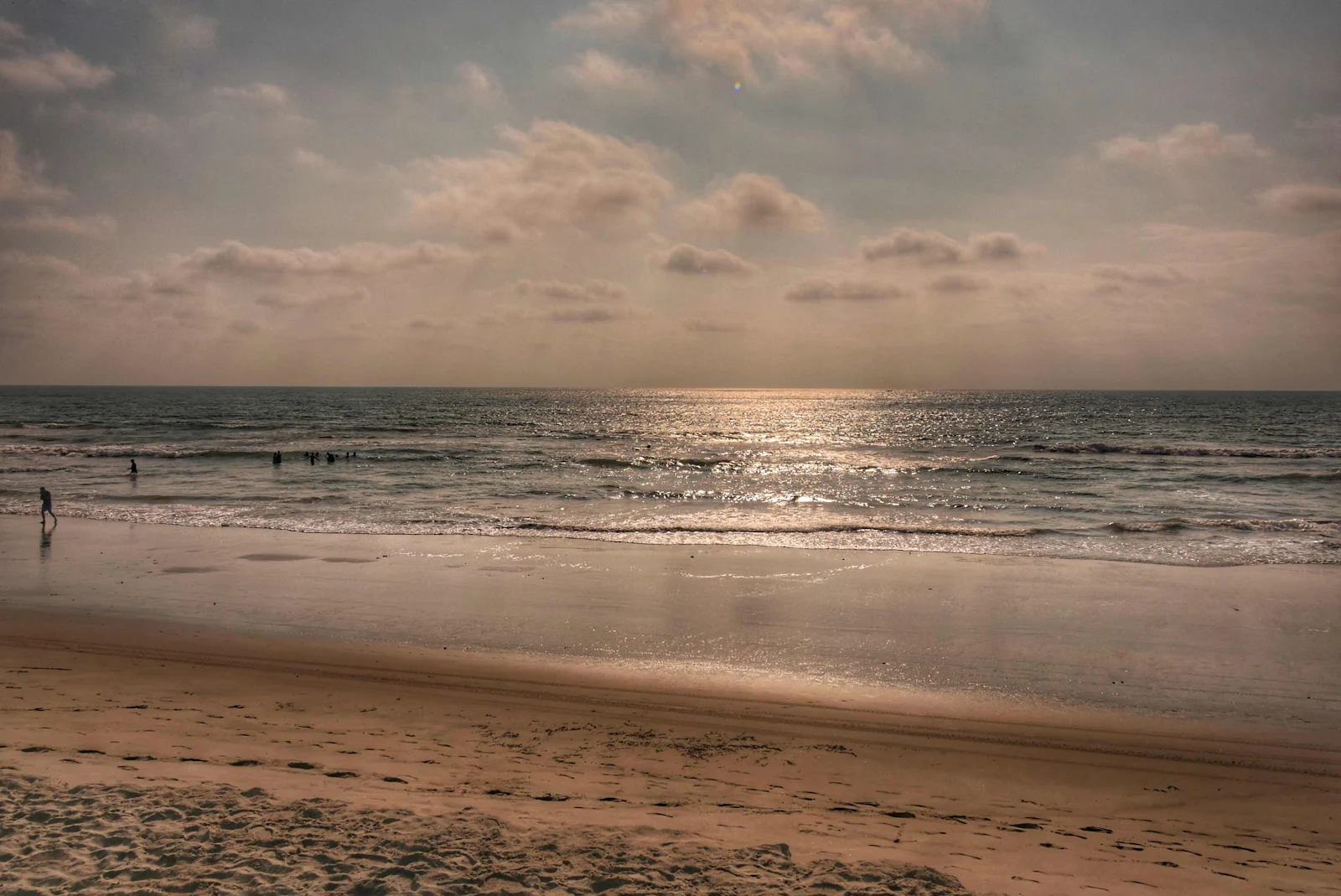
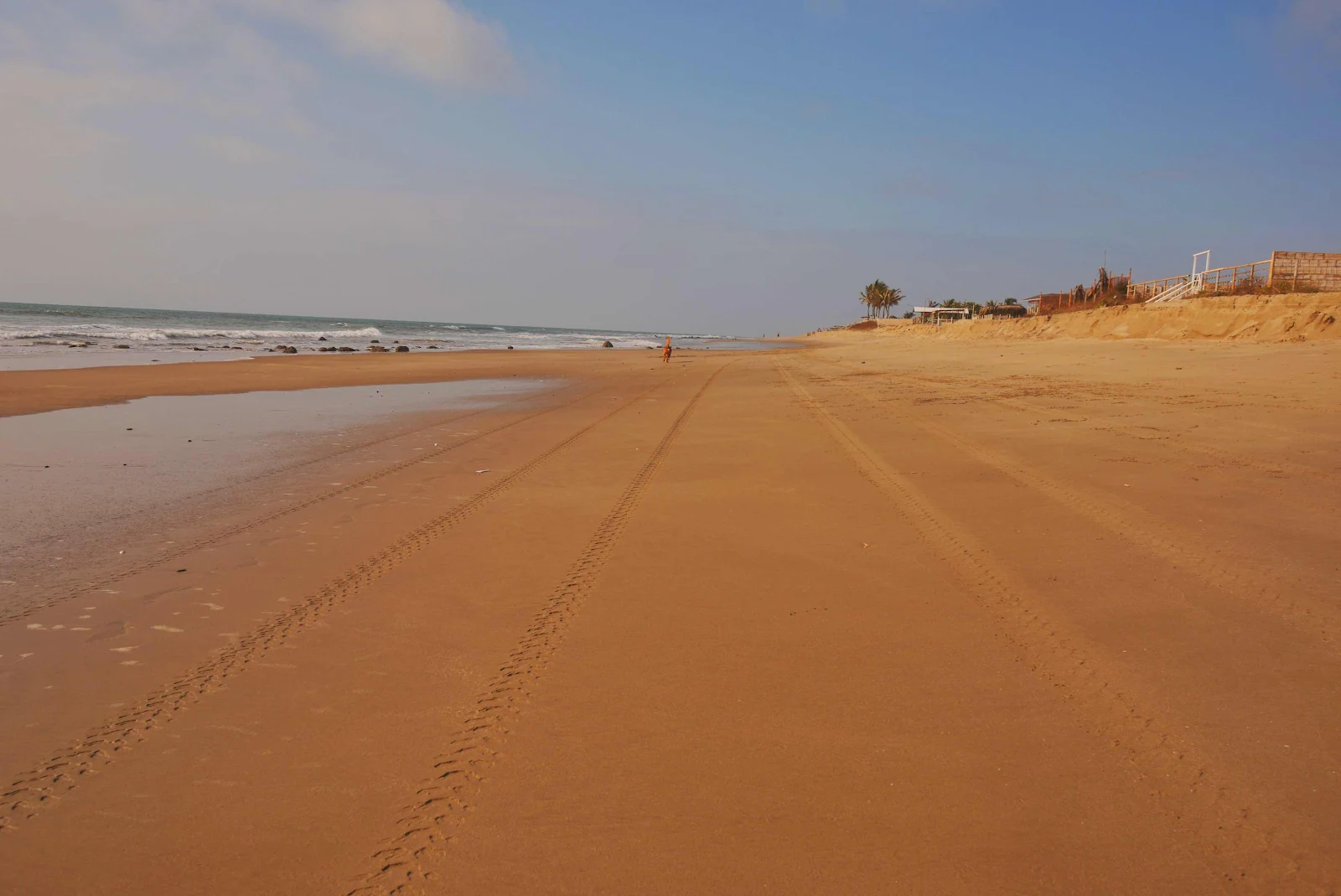
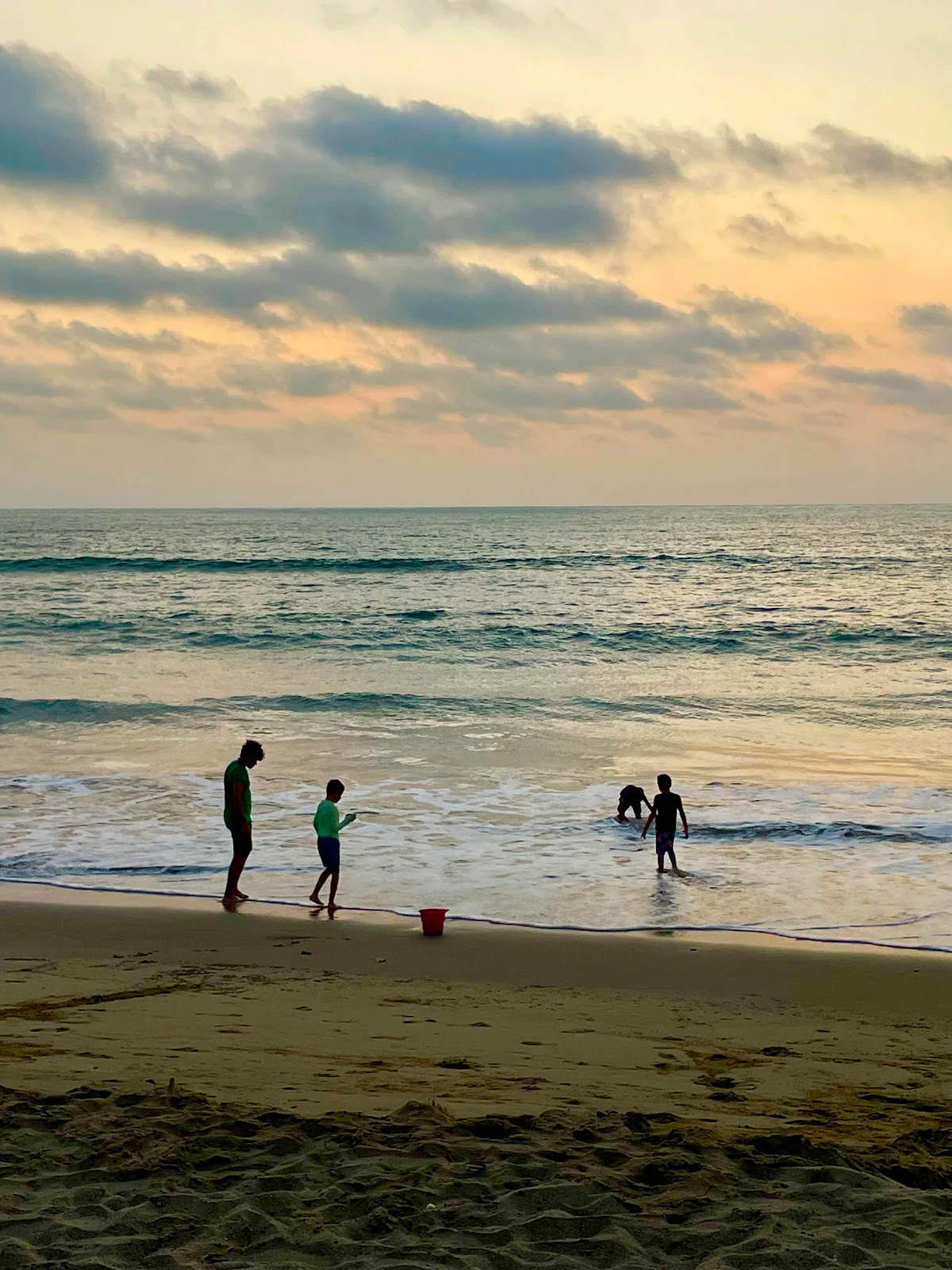
Monday was Independence Day and a few dozen Peruvians spent the long weekend on our vast empty beach. We two swam alone in the refreshingly cool waters. 

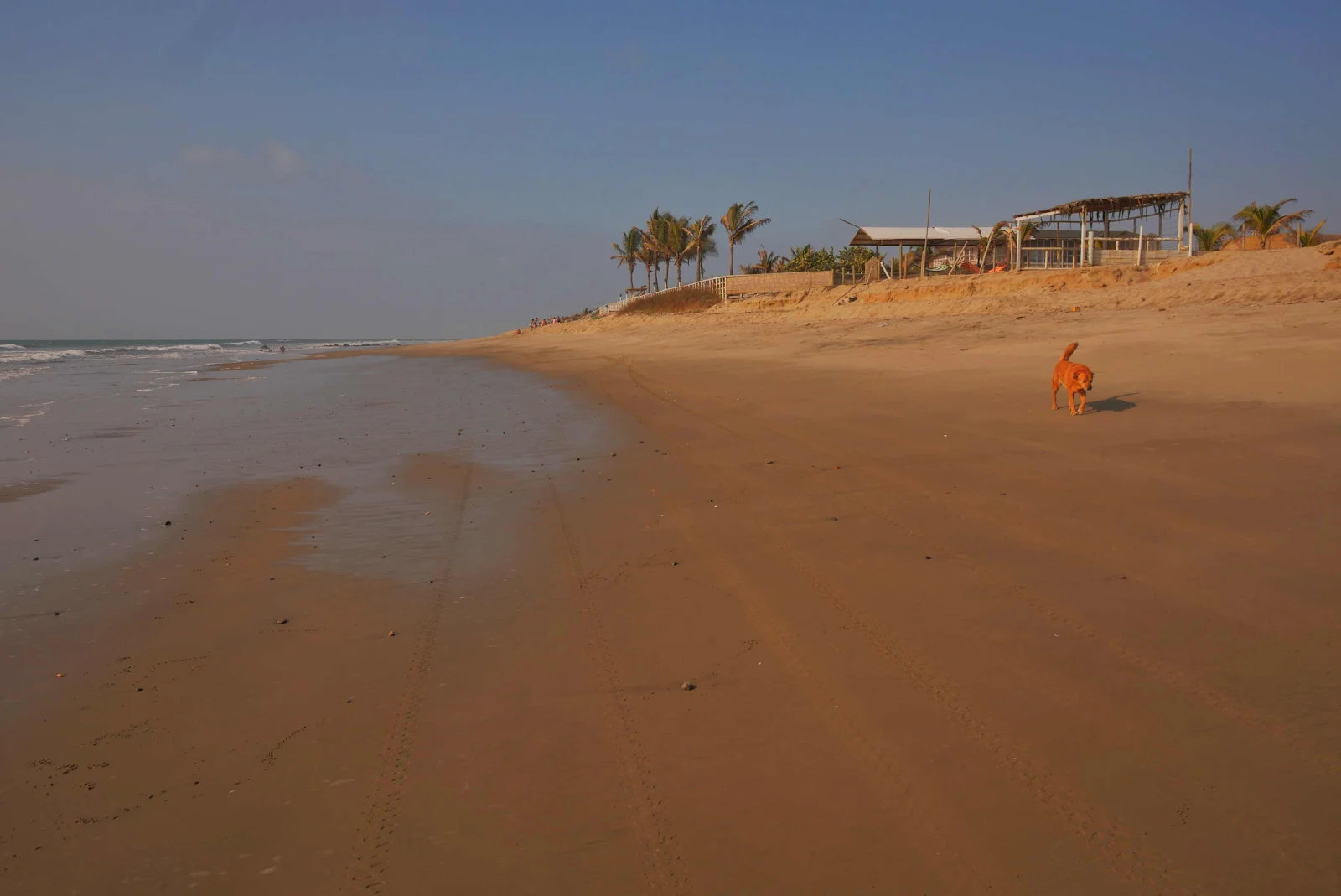
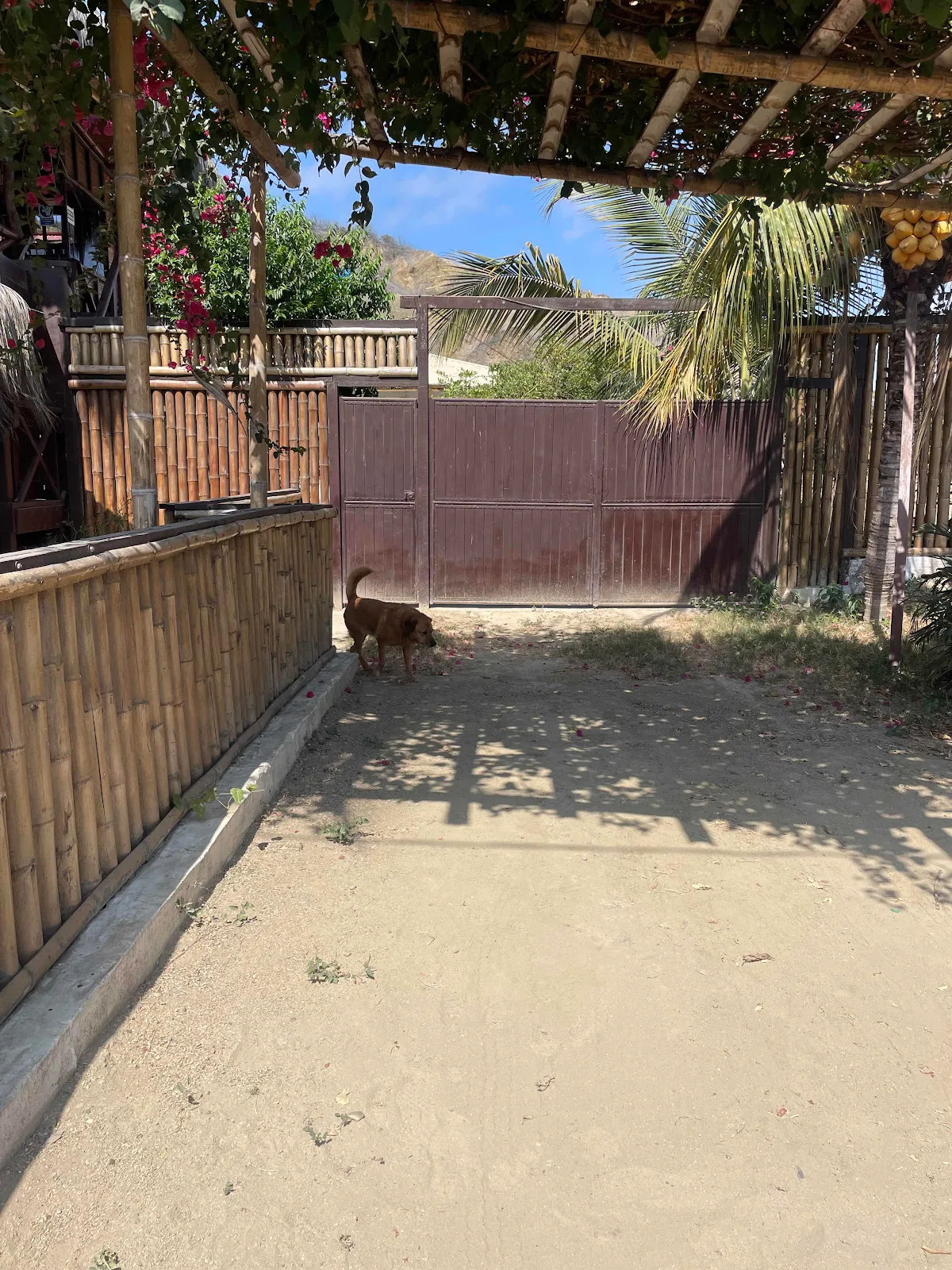
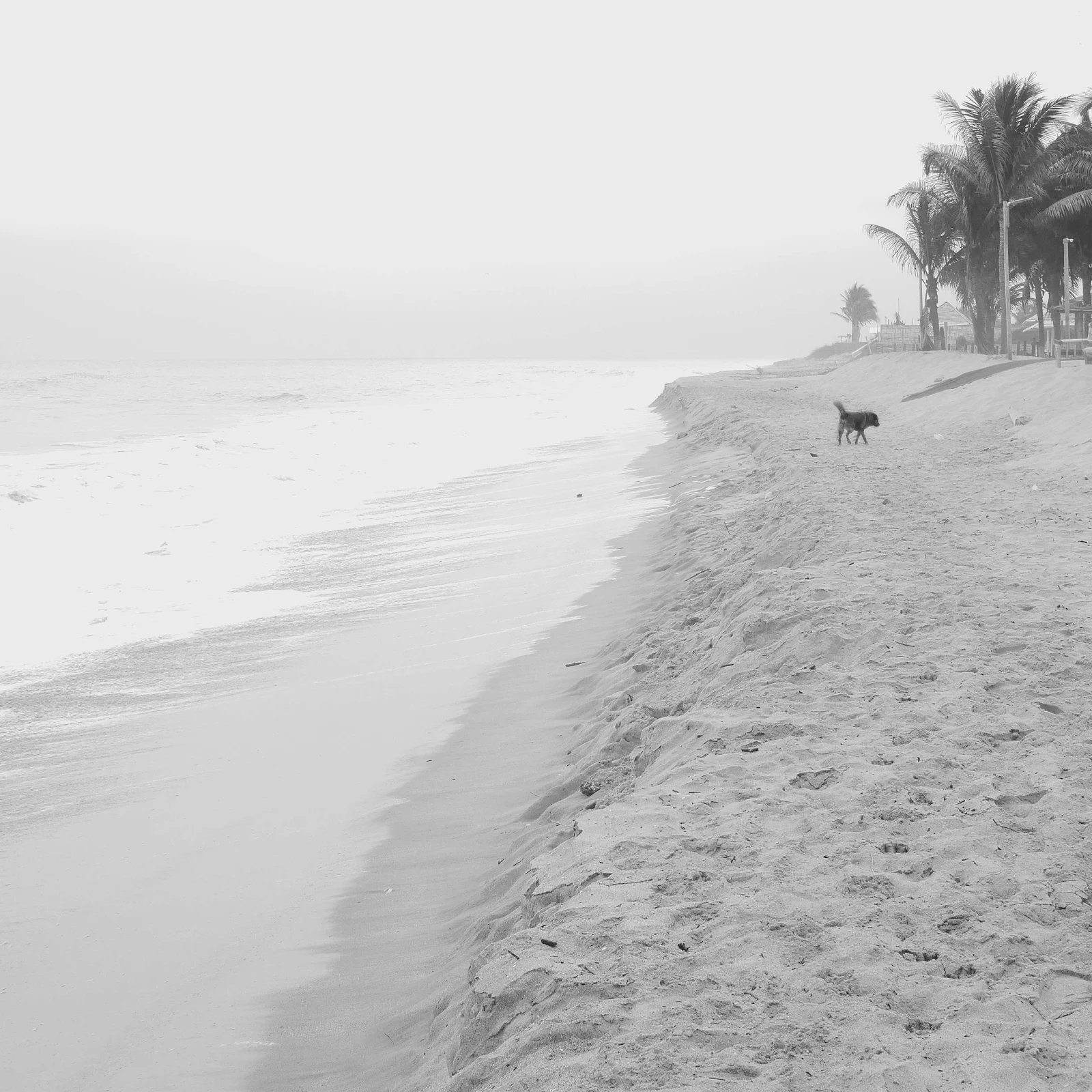
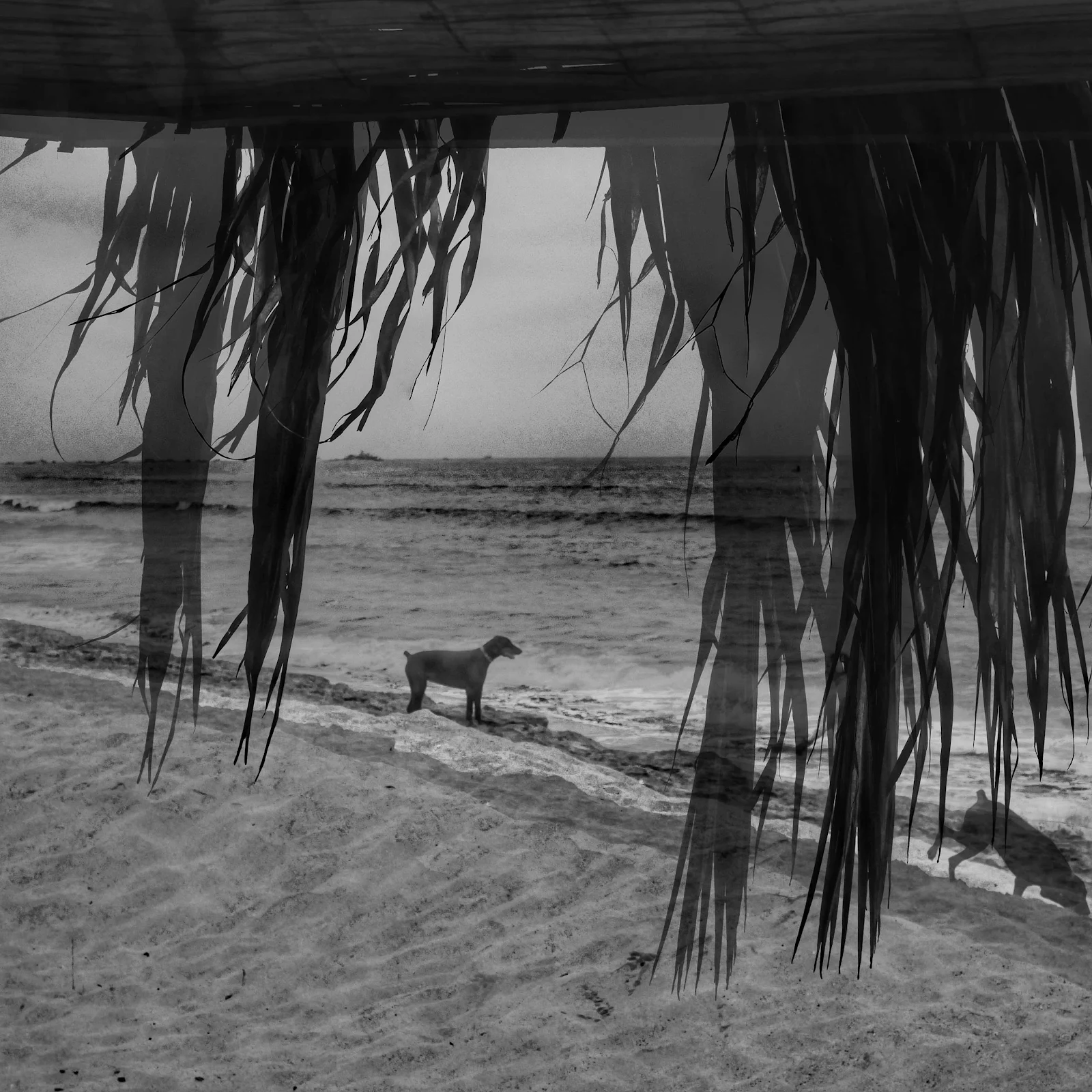
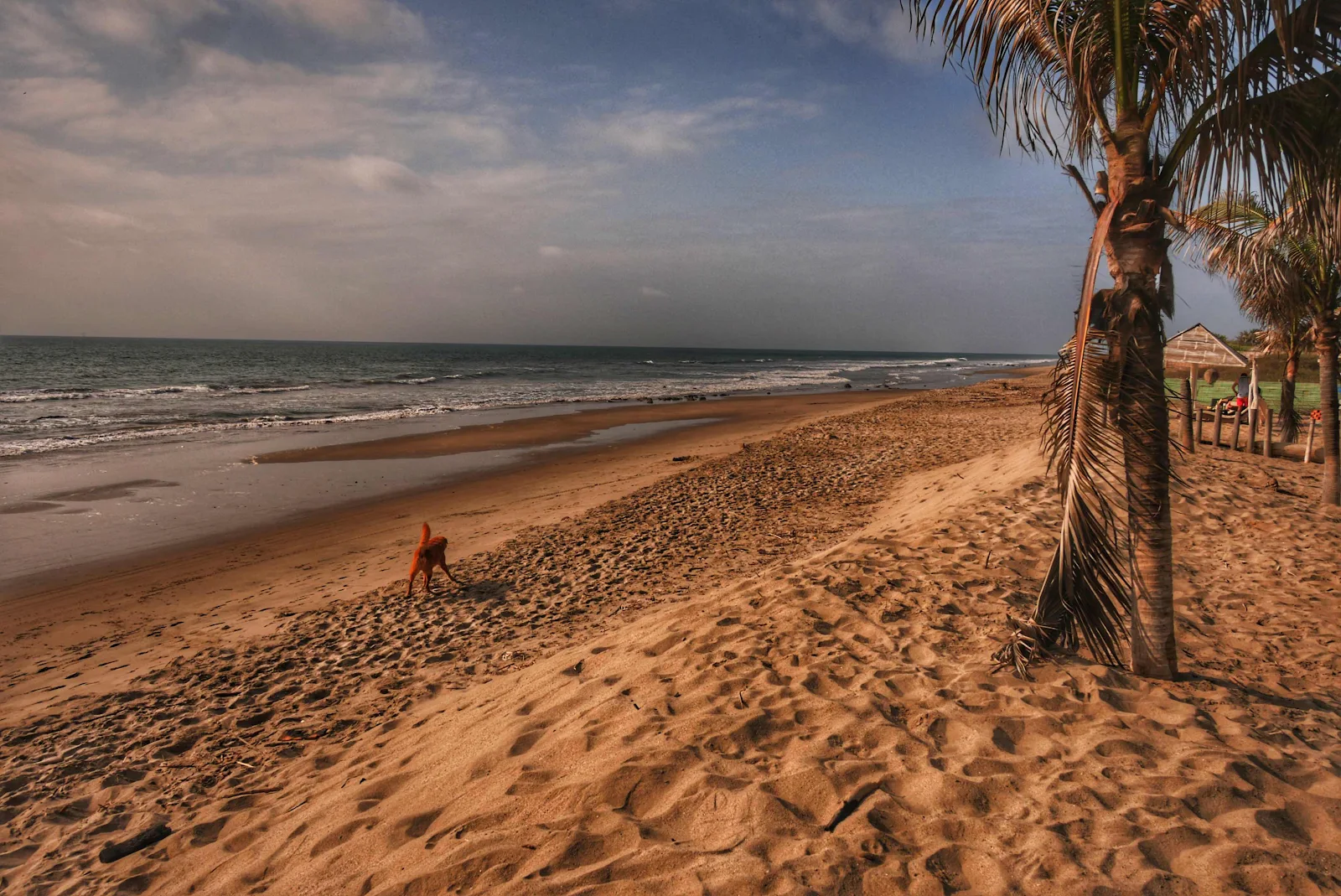
There is a dog out there enjoying himself tail up: 


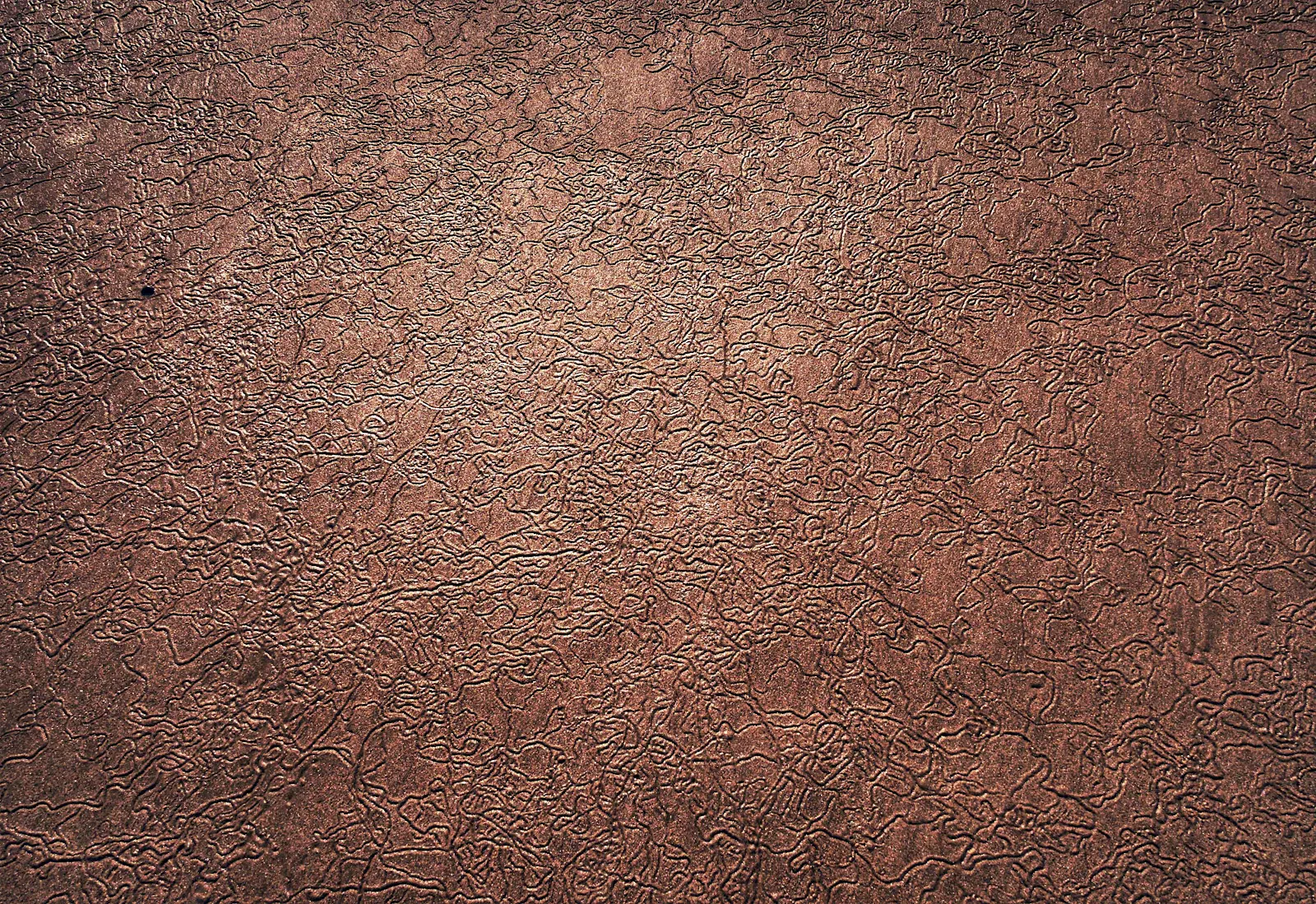
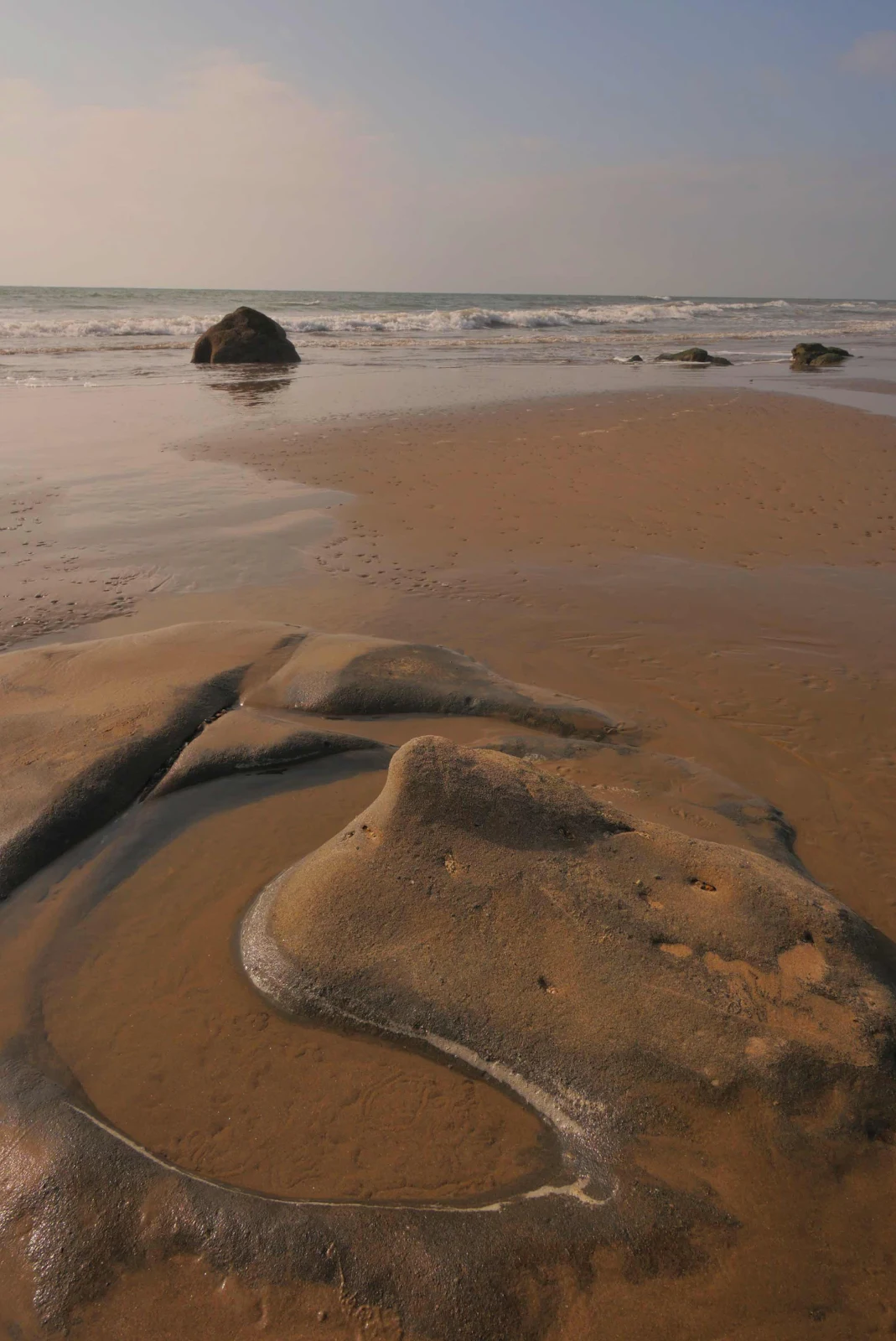
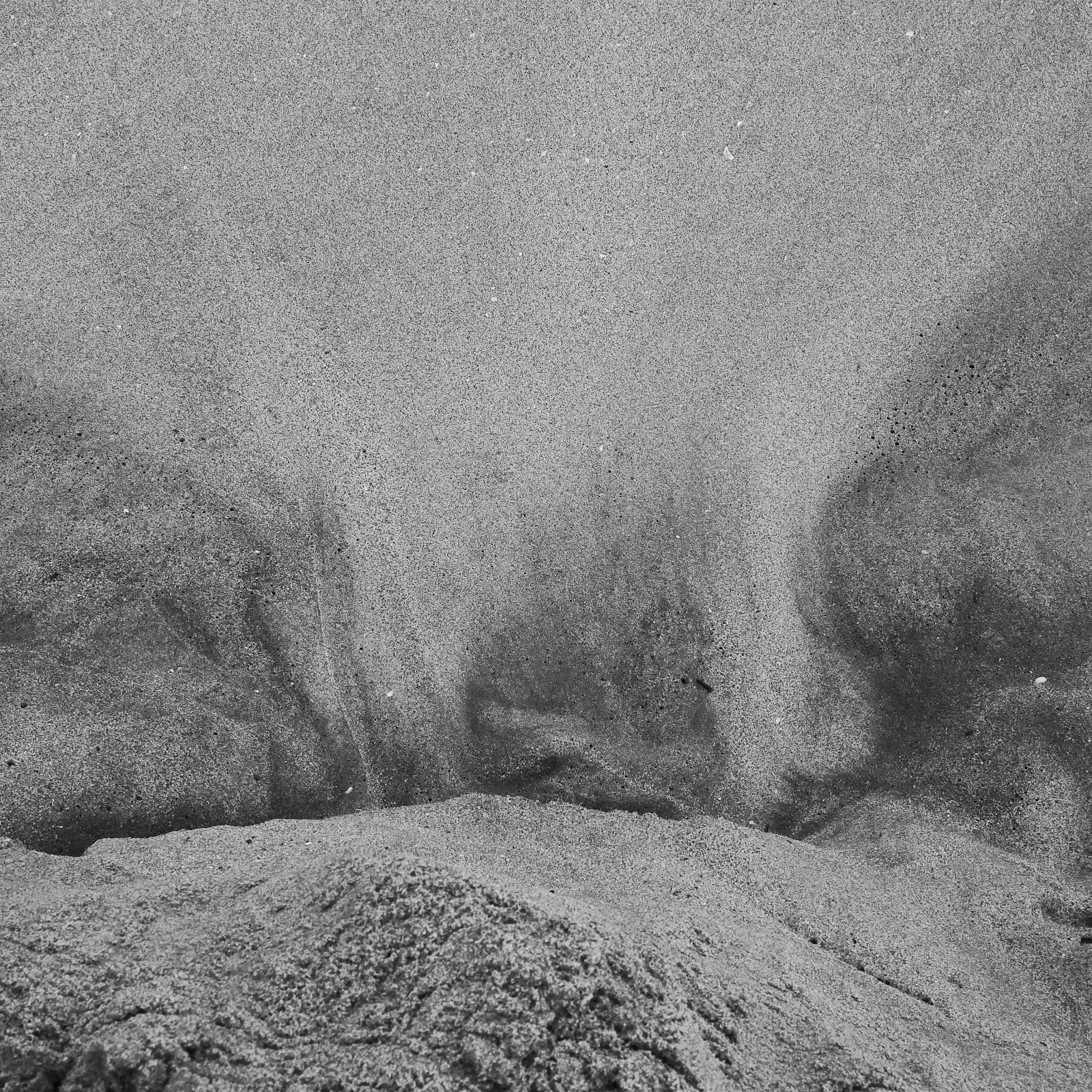
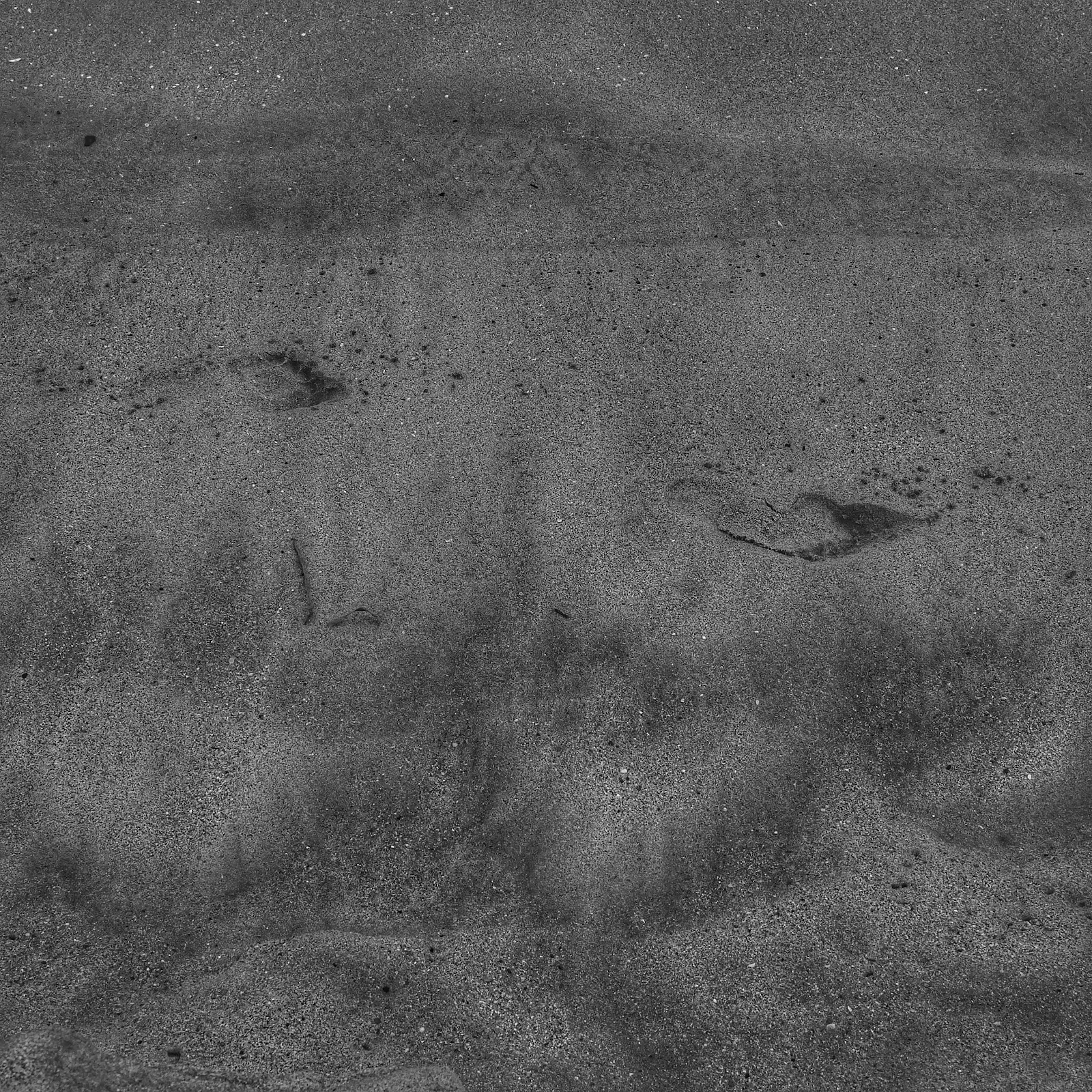
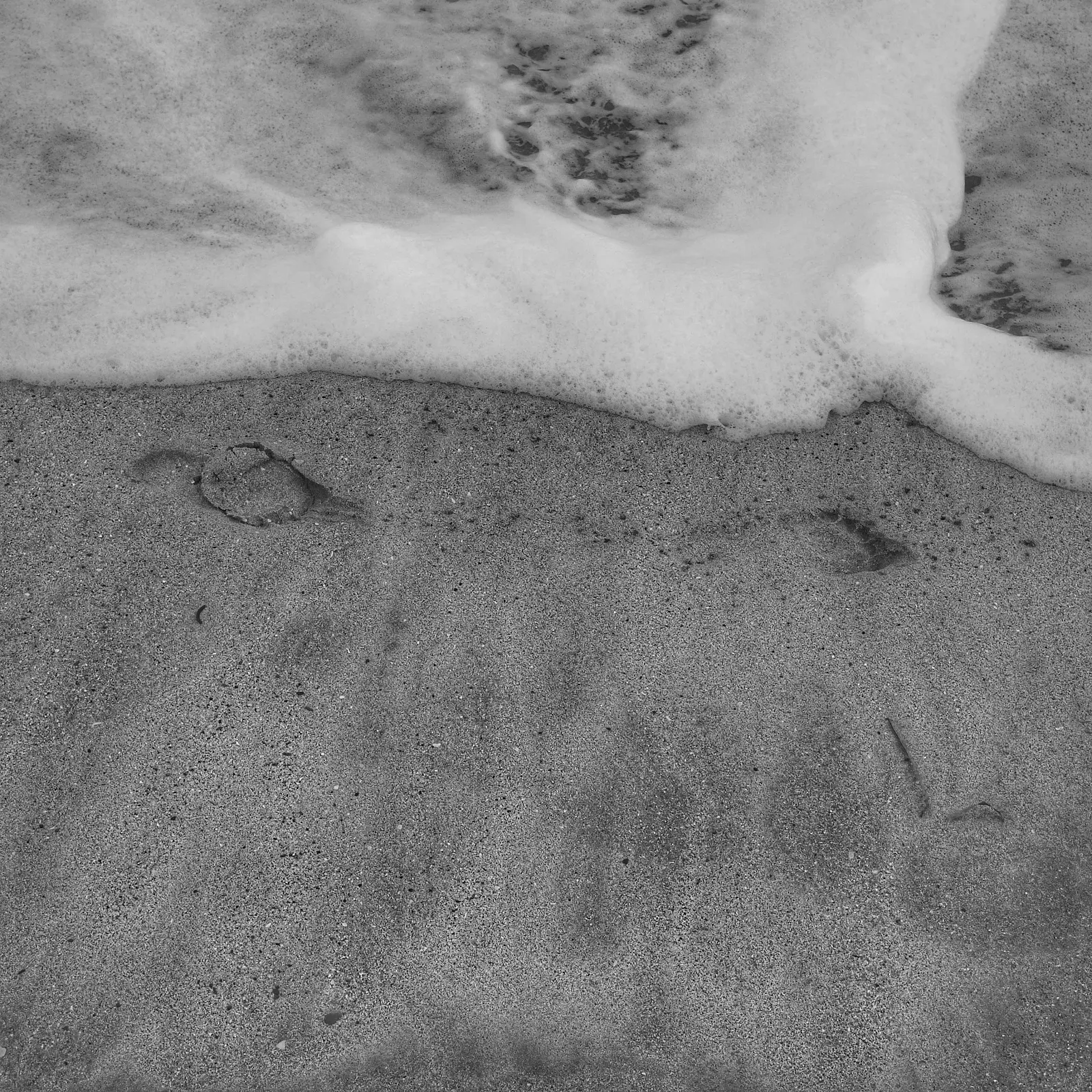
I spotted strange arabesques in the sand after the tide ran out: 


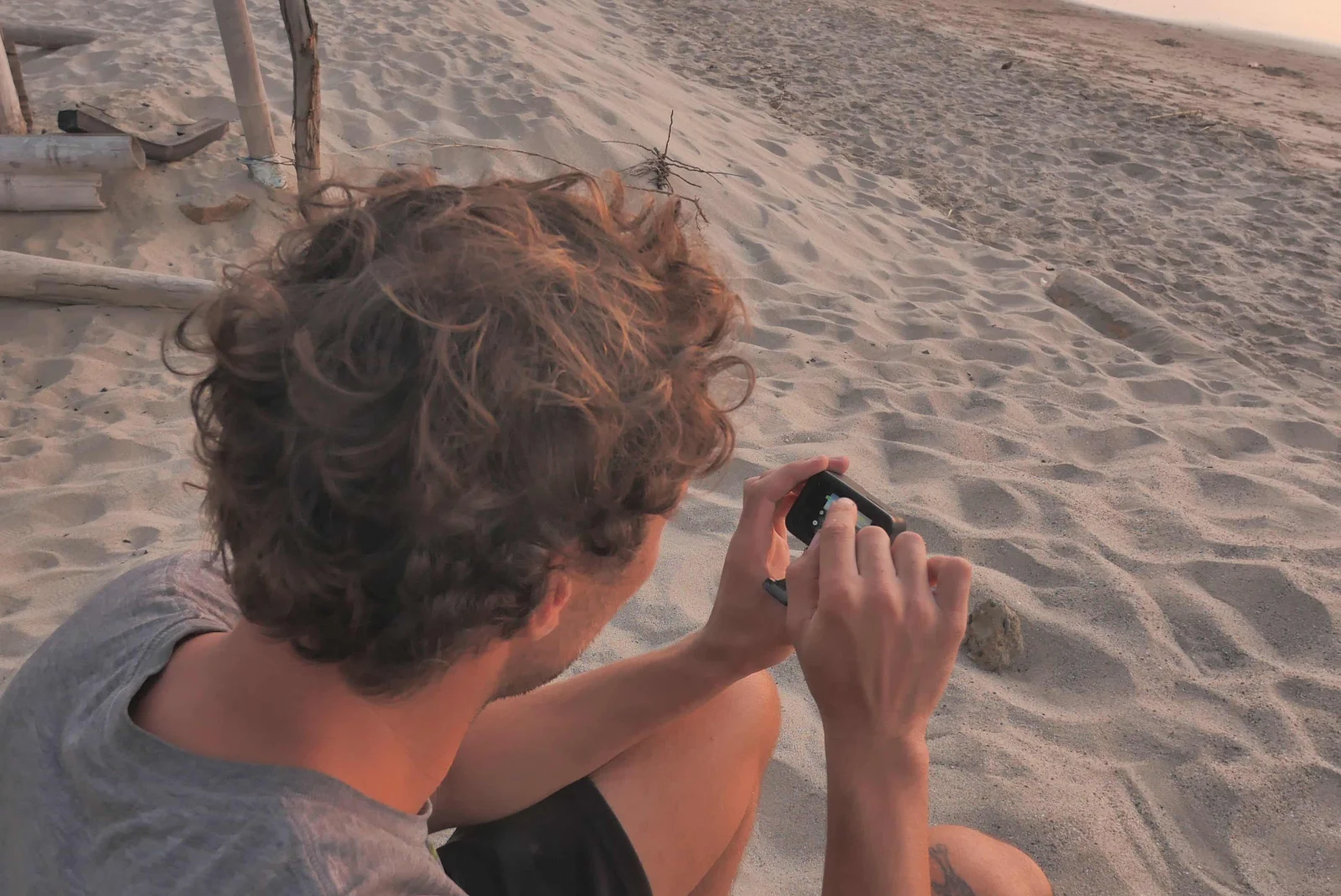
Florian brought his GoPro to the beach and I had a look at this marvelous new technology that will not be replacing my Panasonic cameras. 

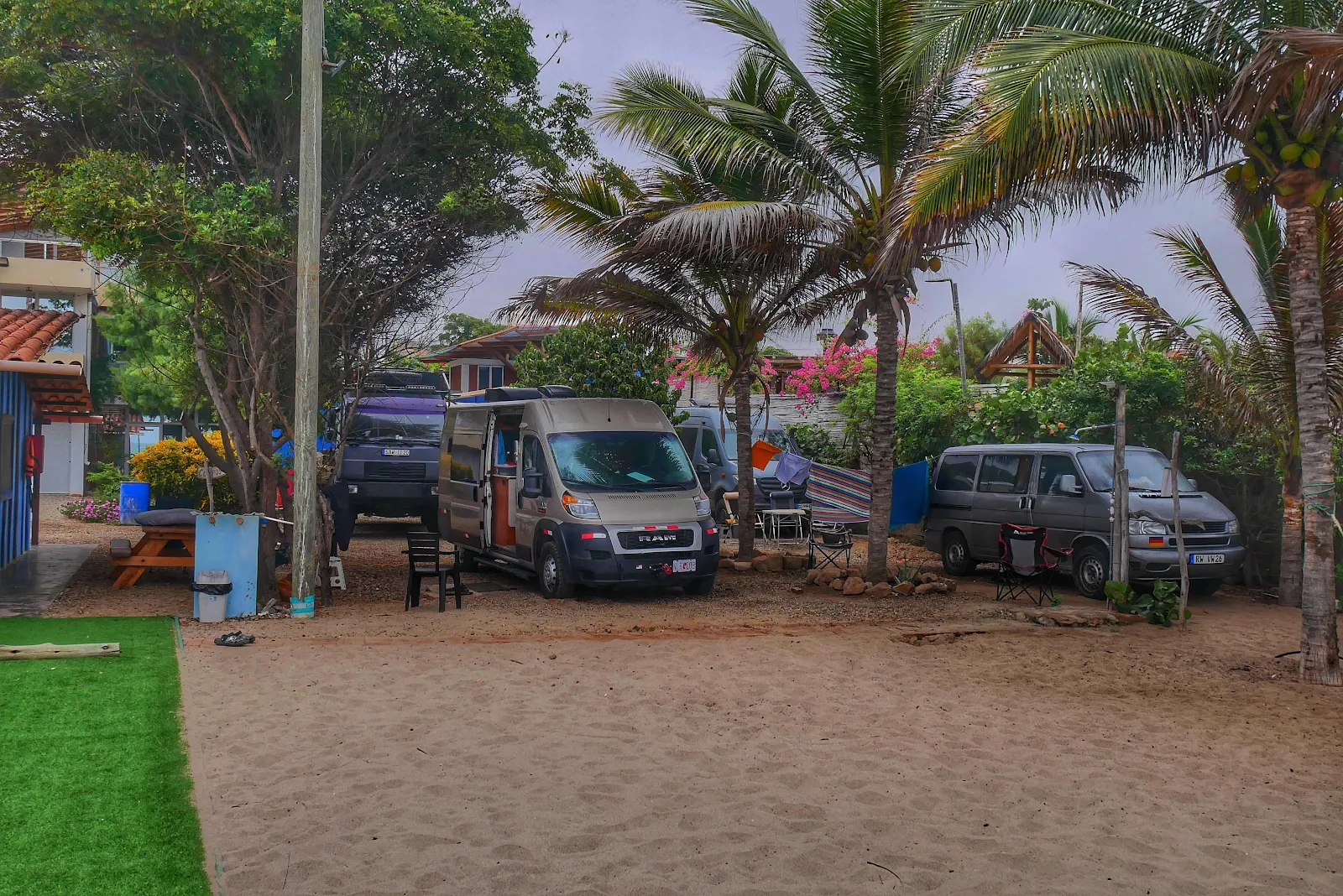
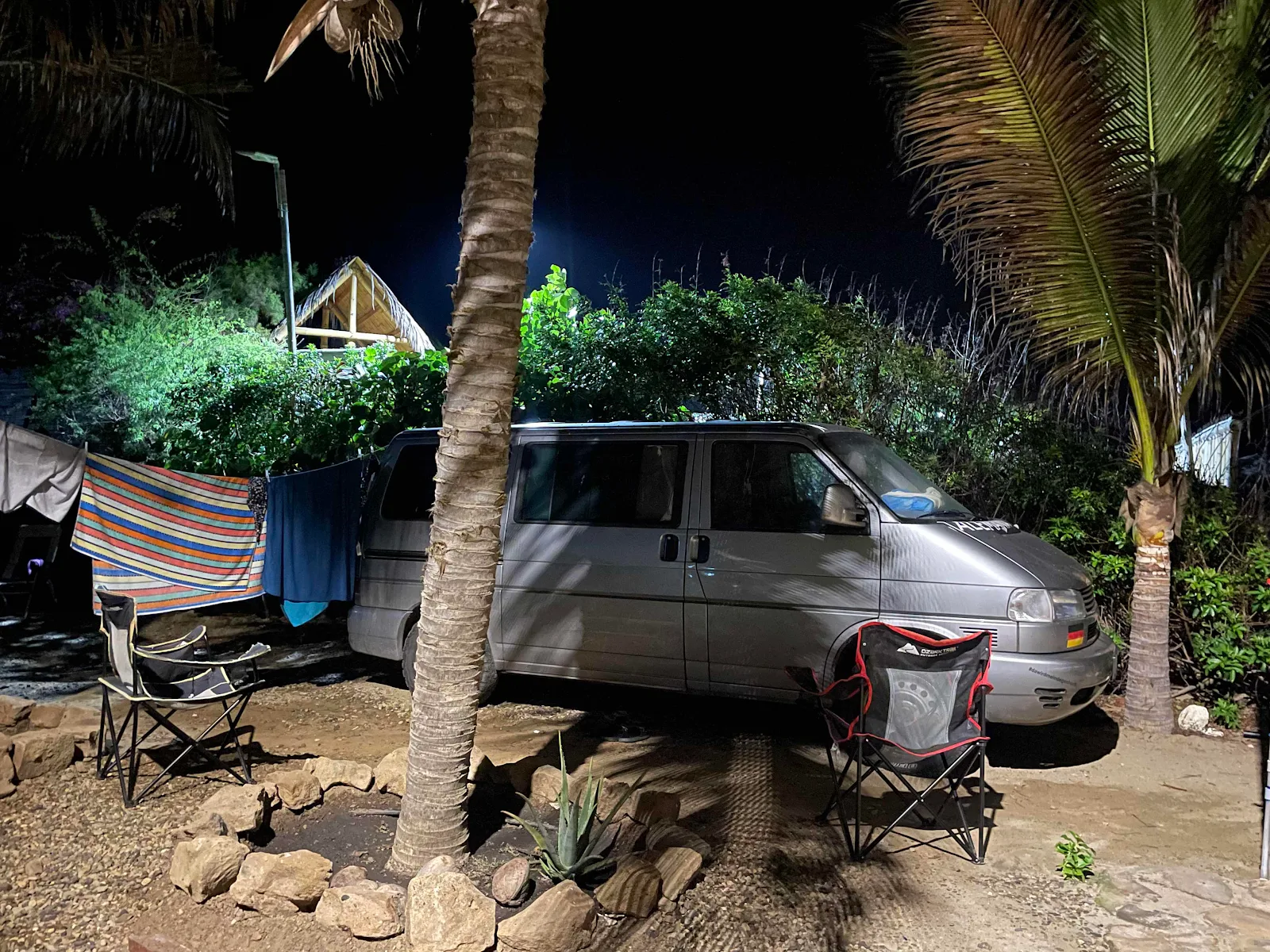
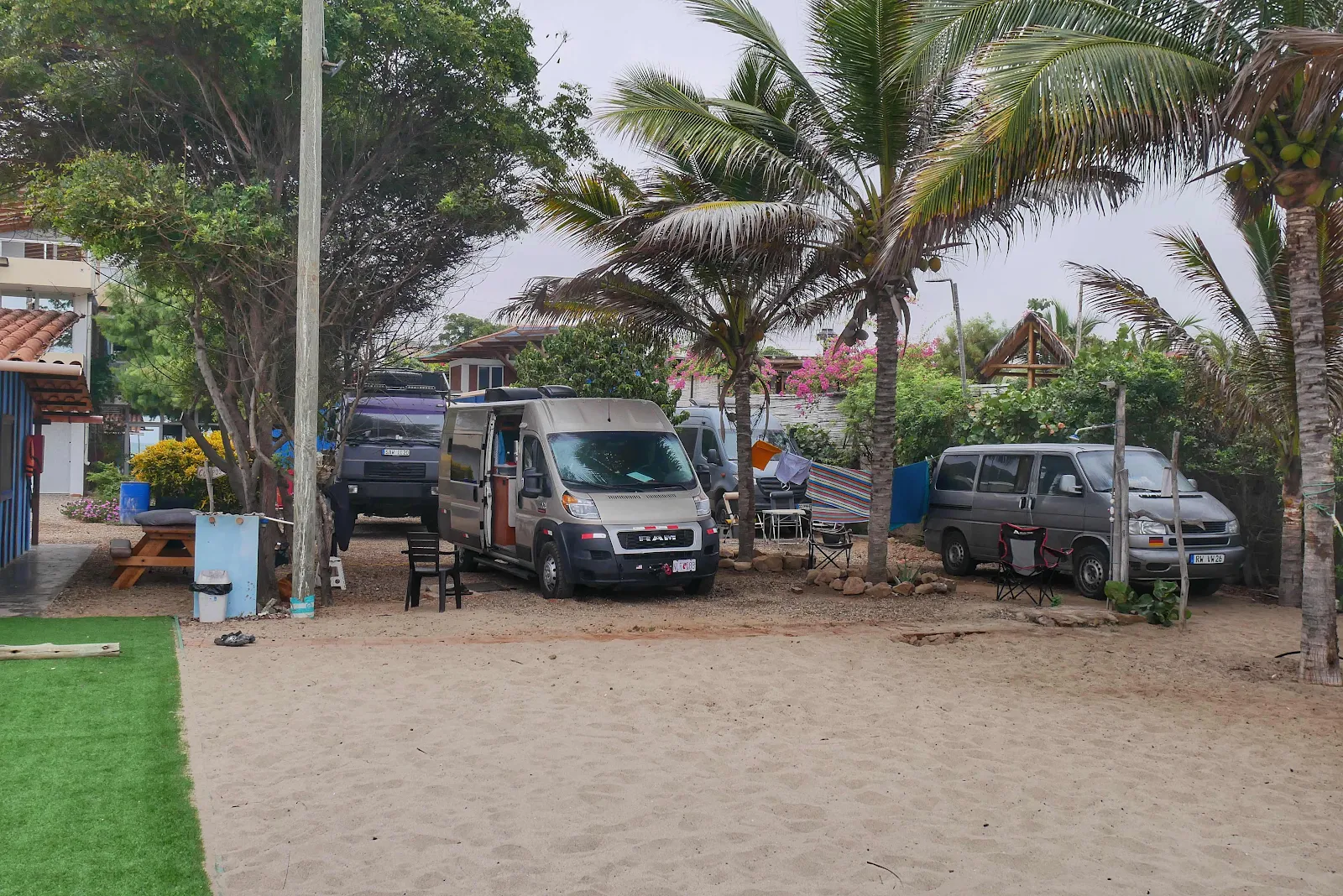
Our spot was lovely, steps from the sand and the salt water.

I shall miss it. 


Monday, July 29, 2024

Acclimate Or Acclimatize

Jimmy Buffett said it best: changes in latitudes, changes in attitudes. The idea being that the closer you get to the equator the more laid back you become. Speaking as one who has now crossed the line and is freezing cold on an overcast day at a mere three degrees south latitude… it ain’t necessarily so to quote another well known lyric.
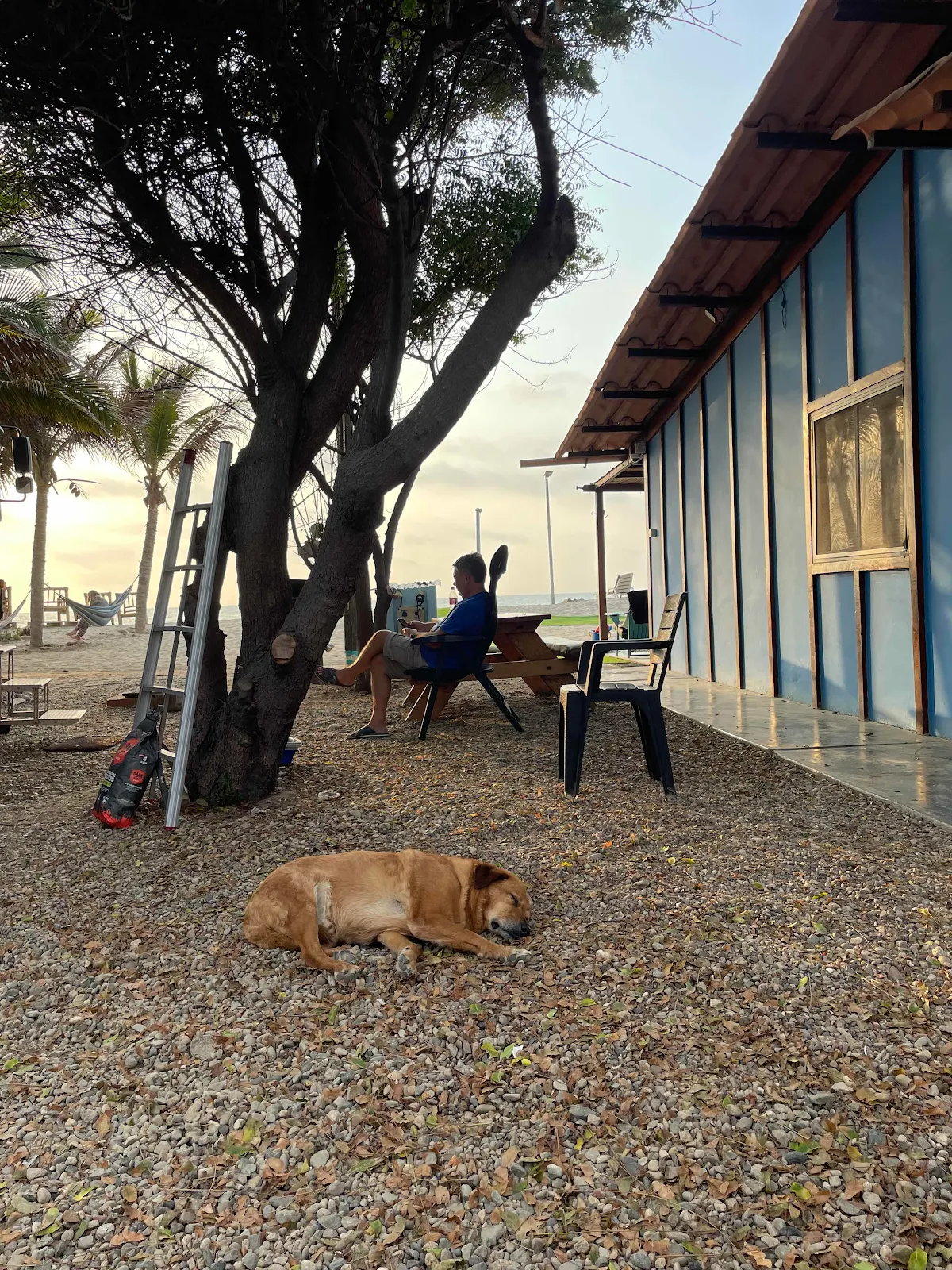
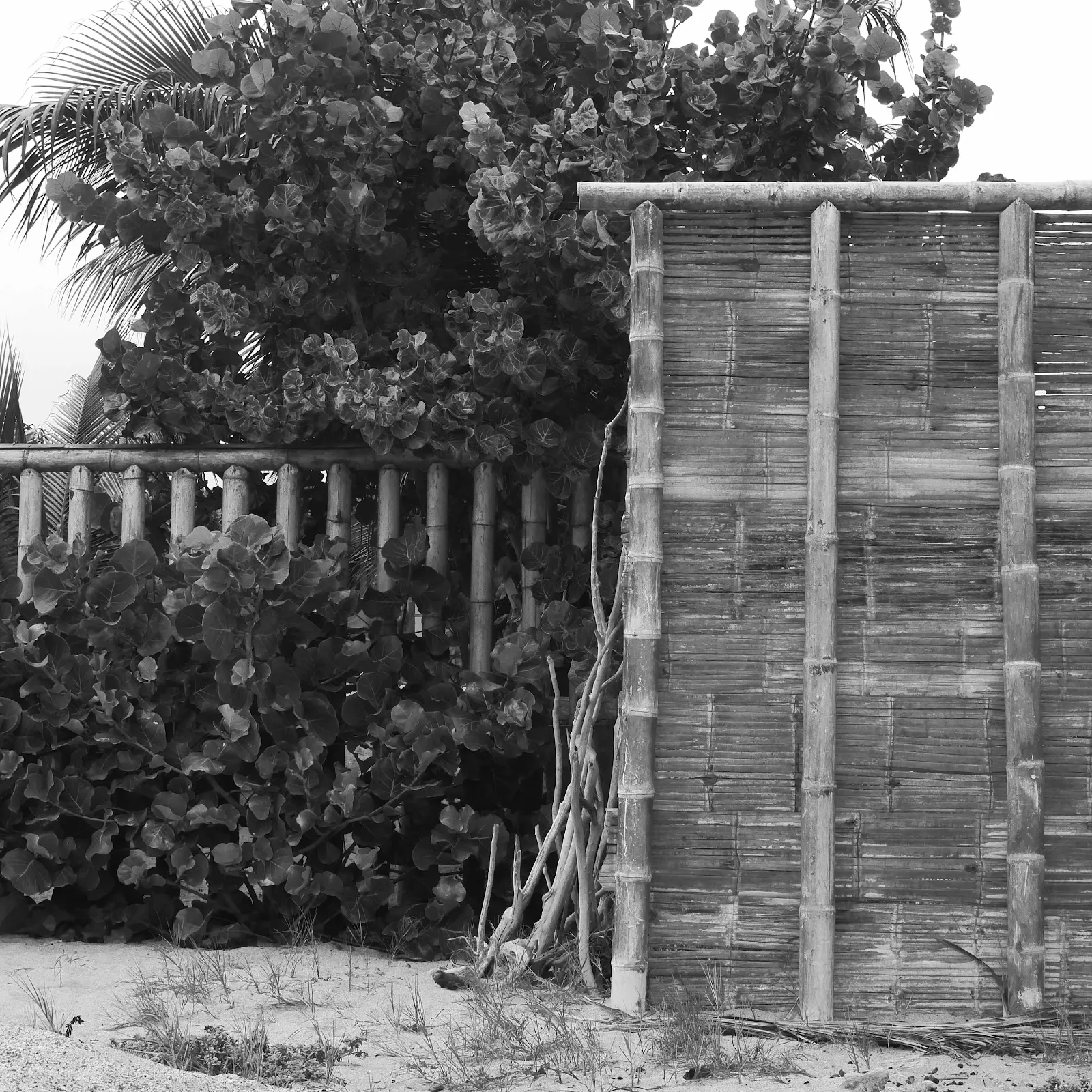
No sunshine at Swiss Wassi leads me to seek contrast in black and white on my morning walk with Rusty. And as we walked on a sunless Sunday morning I thought about changes in altitude and how we acclimate (or acclimatize) to having less oxygen in the air. GANNET2 took a moment after a few days above 10,000 feet and we saw a check engine light come on, which went away on its own apparently after the computer adjusted the fuel/oxygen mixture. Rusty seems to suffer no ill effects but we are not so lucky. 
Modern diesel engines suffer badly from Andean altitude as they are programmed for maximum altitudes around 8500 feet and are not programmed to operate long term at the extremes as we find here in South America. Indeed there is a shop in Quito which offers to remove pollution control systems (DPF) and reset computers to operate engines with good old fashioned black diesel smoke polluting the atmosphere. Altitude is serious business and even our V-6 gasoline loses power above eight thousand feet, and slow trucks are much harder to pass. At extreme altitudes like Bolivia which is mostly above 12,000 feet diesels have trouble starting and idling and warming up after a night of below freezing temperatures as low oxygen levels make reaching operating temperatures hard. The stories we hear go on and on from frustrated travelers. 
I’ve been reading about altitude sickness too and I can say it’s a weird illness as its effects are varied and strike different people in different ways. But what’s even more confusing is that these people can feel altitudes in different ways at different times. In Mexico I came down with a blinding headache and nausea above ten thousand feet while Layne had no problems. We tested ourselves by sleeping one night at 14,250 feet at Volcán de Toluca outside Mexico City and we both spent a cold sleepless night gasping. In Ecuador Layne routinely threw up after exerting herself and got a deep persistent cough that wracked her chest while I was not too bad with a scratchy throat and nothing worse.  We’ve met people half our age, in peak physical condition who can’t take a walk above certain altitudes without throwing up and feeling like passing out. Altitude sickness is unpredictable and if ignored can cause fluid on the brain (cerebral edema) with lots of severe and even terminal consequences. I know I sound like a warning label but it’s a strange byproduct of driving the Andes this altitude stuff that most travelers prefer not to talk about on their “look at me” Instagram posts. 
Red blood cells transport oxygen and they do it in response to the levels of oxygen in the air. If those levels drop suddenly you find yourself breathless until your blood cells ramp up and respond to the low levels of oxygen and that usually takes a few days depending on assorted factors. These blood cells have a life span of about four months but they don’t all die at once as they go through replacement cycles so you adapt to altitude as new cells form and respond to the low oxygen levels. After about four months you have a complete new body of red cells used to whatever environment you are in and theoretically you are completely acclimated. 
Which means that acclimatization goes away in reverse order, a few red cells at a time while you sit at the beach enjoying rich oxygen packed sea breezes and your mountain born red blood cells die to be replaced by sea level ones. And so it goes. The trouble is some people, and no one knows quite why, never adapt or manage to cope with altitude. Mountaineers, people of extreme fitness die if they fall ill on the slopes and can’t get down to normal oxygen levels in time. 
For us car travelers altitude sickness doesn’t present dangers just discomfort. Headaches, rasping breath, coughing, vomiting and sleeplessness are a pain in the ass when you are trying to be a tourist. That Rusty romps completely unaffected is just annoying. The idea of trudging back up into a place where you feel like you have the flu is unappealing. So why do it? 
In our defense we are going to cruise a section of the coast, then go inland, then come back down to sea level and go back into the mountains to see things we want to see. And therein lies the paradox of Peru. Altitude sickness, terrible roads and stark poverty are barriers to extraordinary history. People have been living and thriving in these arid and nasty mountains for centuries. The much vaunted Inca Empire lasted barely ninety years but they conquered cultures that had been thriving long before them in the Andes. And we want to see this stuff. We want to drive these extraordinary valleys and see not only the ruins but their locations too. And to do it we have to throw up sometimes. It’s silly but it’s just being human I think. 
You can admire youngsters in four wheel drive off road machines driving Peru on YouTube and we all know that to make a living from it the heroism of the deed must be inflated. I have the good fortune not to need views or likes or supporters so I am free to mock myself and announce how uncomfortable it is to be on the road. Sometimes it’s sublime and mostly it’s fun but sometimes it sucks and I don’t turn the commentary off when it sucks. 
At the moment we don’t feel like we want to go to Bolivia next. It will be there when we come back north from Ushuaia but it’s a country that lives above 12,000 feet, temperatures drop below freezing at night year round and the government is largely dysfunctional so simple things like buying fuel become a three ring circus for foreigners. YouTubers love Bolivia for its spiritual indigenous color and stuff but I know I’ll lose my shit when they won’t sell me gas. Better that we wait a while before taking that mess on. 
I crave the cleanliness and order of Chile. That country shines like a beacon of smooth roads and easy living and probably there’s a delusion there as well which will surprise me. It’s a crazy country thousands of miles long and a hundred miles wide and full of mystery to me. They export wine everywhere I’ve ever traveled.  They have fjords to rival anything Norway or New Zealand are famous for and they have an economy so strong overlanders always complain how expensive Chile is. I can’t wait. 
But Peru presents me with a challenge that I have spent time pondering as we sat on the beach filling our lungs with salt air. This is a country that is full of challenges not least for people who live here, poverty corruption mismanagement and lack of resources and lack of opportunity. We are just passing through and testing ourselves in our expensive suburban lifestyle on wheels. 
It’s eye opening comparing the struggle to live here with the complaints that pour out of the US and Europe where resentment and irritation bubble to the surface. I shall feel lucky in the coming weeks if neither we nor our vehicle breakdown as we ponder the lessons of the past and hopes for the future. 

Life on the road is pretty elemental and all we have to think about is avoiding potholes, not getting run down and making sure to throw up downwind. I can’t wait to find out what’s up in those mountains for us.
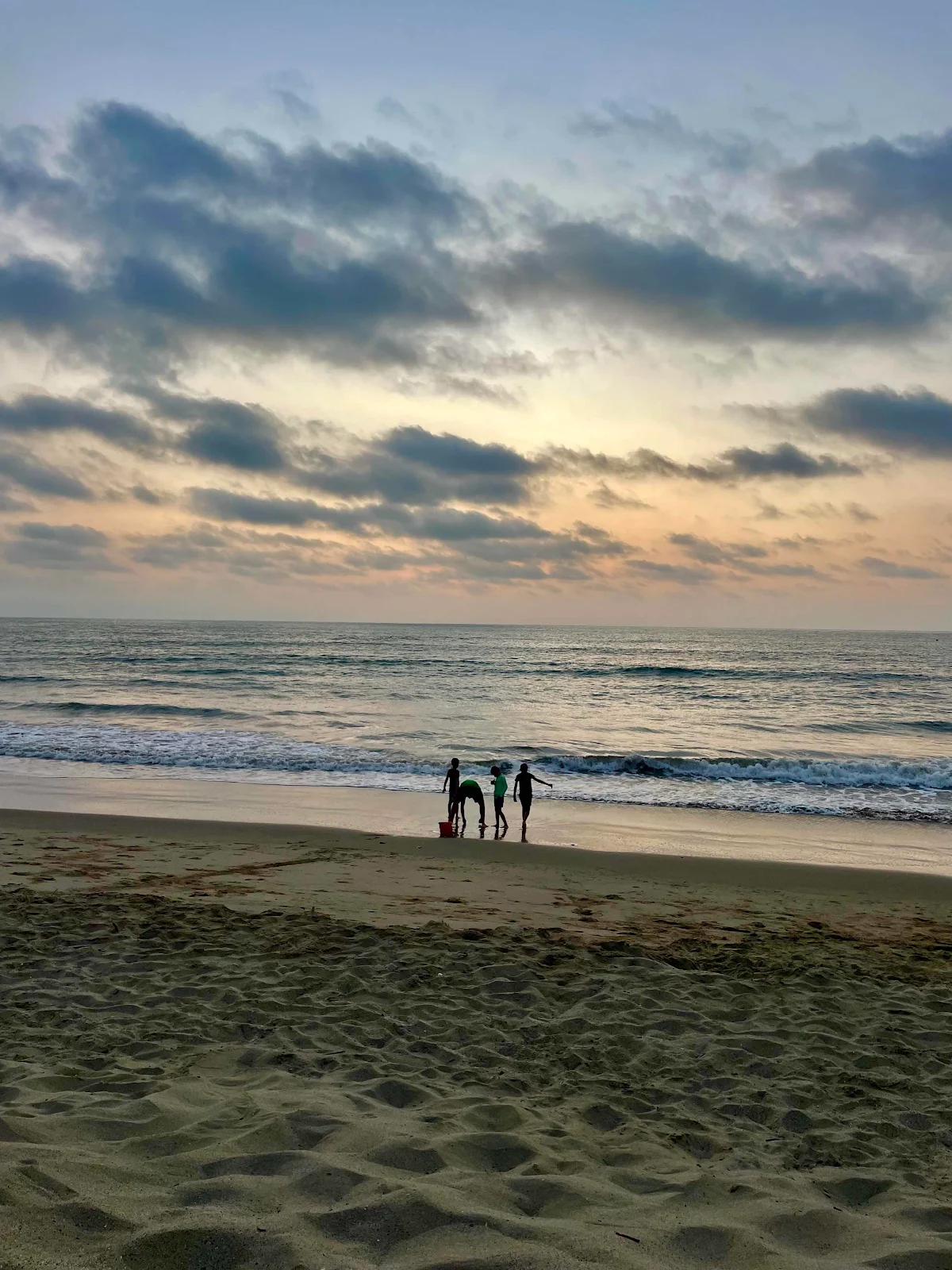
We shall change altitude and remain explorers always with one foot on the beach as we go south. 
Sunday, July 28, 2024

Luz Del Mar


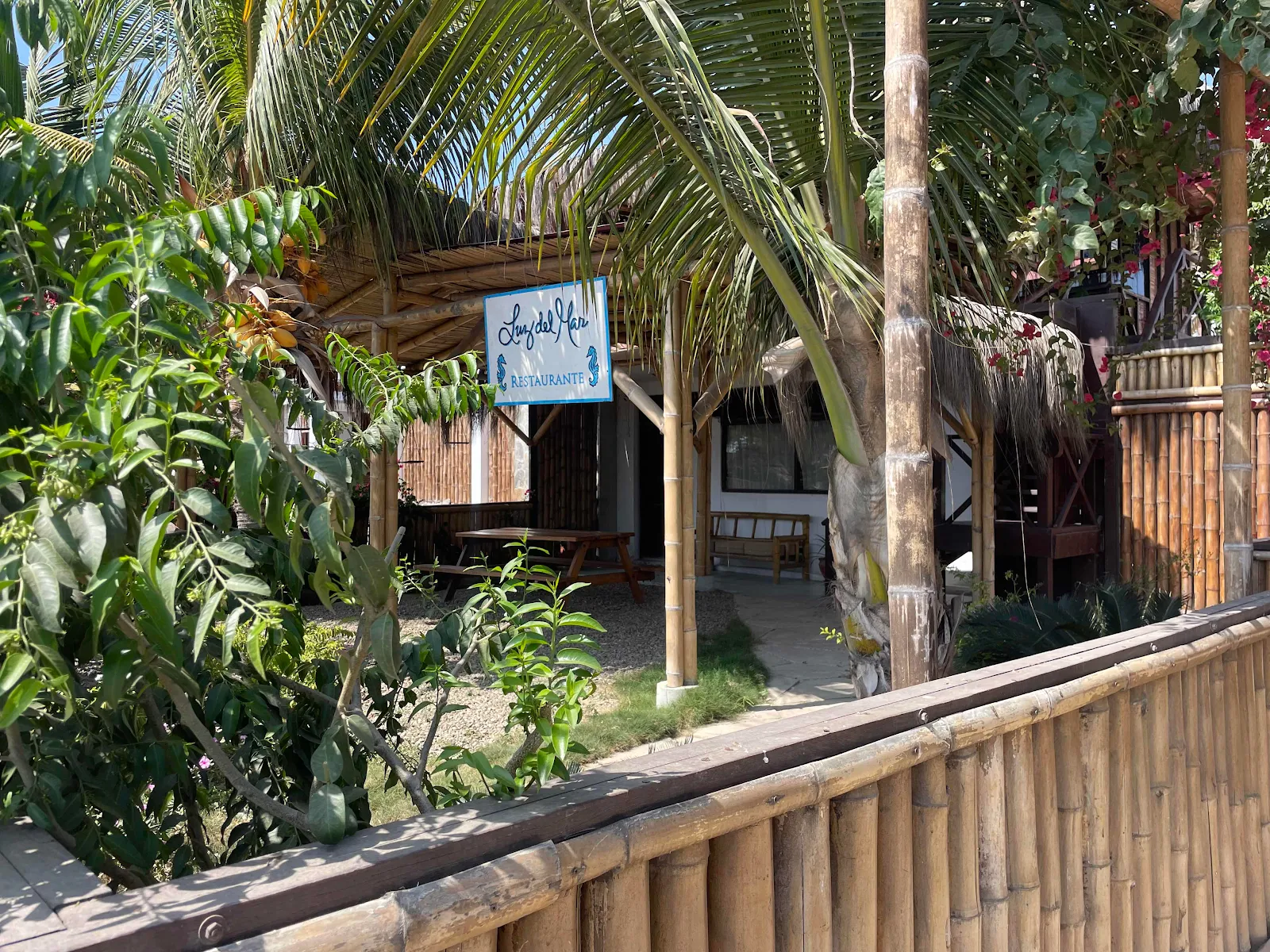
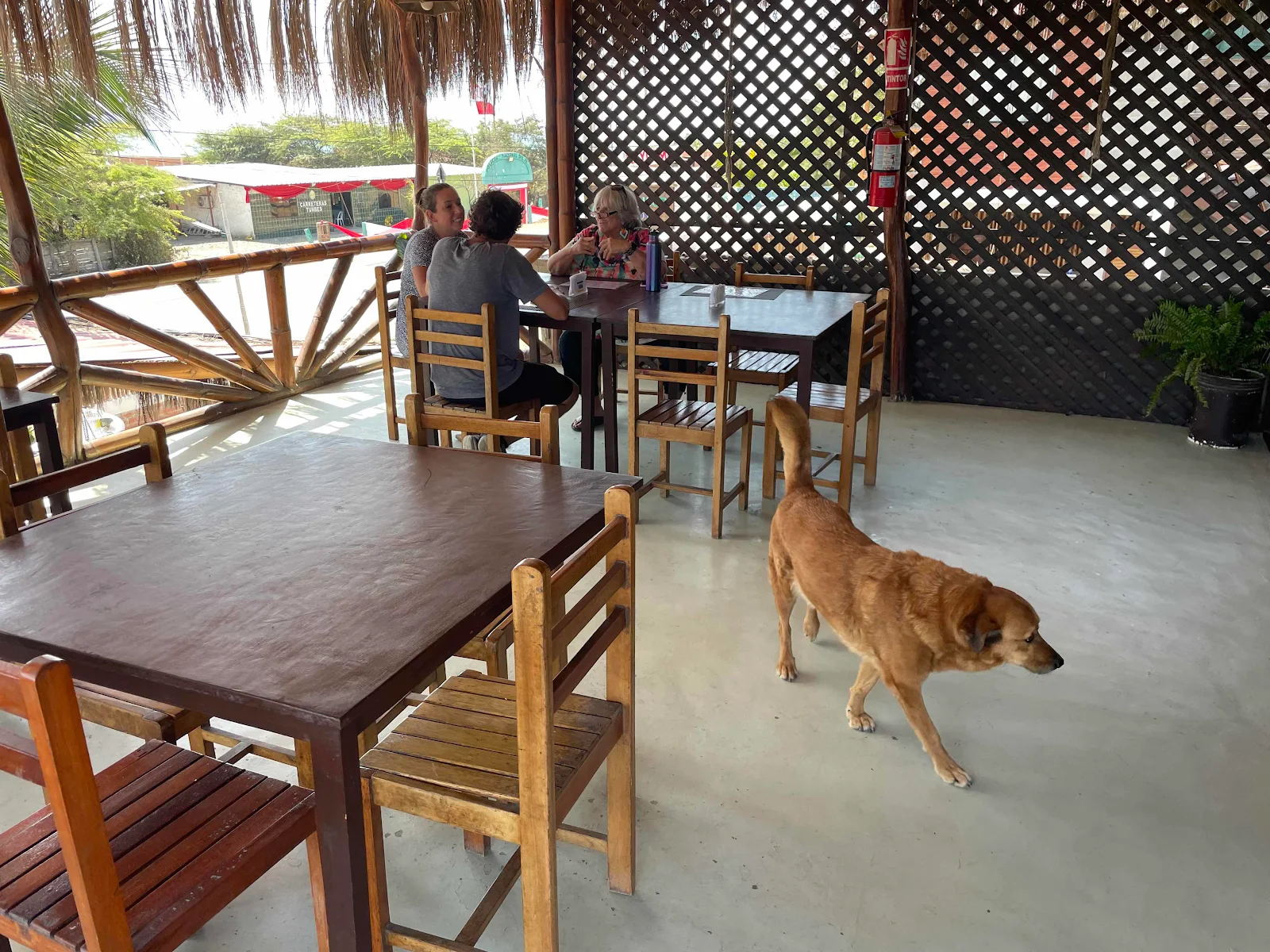
We made a return visit to a small seafood restaurant a mile from the campground. A German couple, Gert and Evaline introduced us to it and we brought young Florian and Corrine to it in turn. We actually bought them lunch as they deserve a boost. 

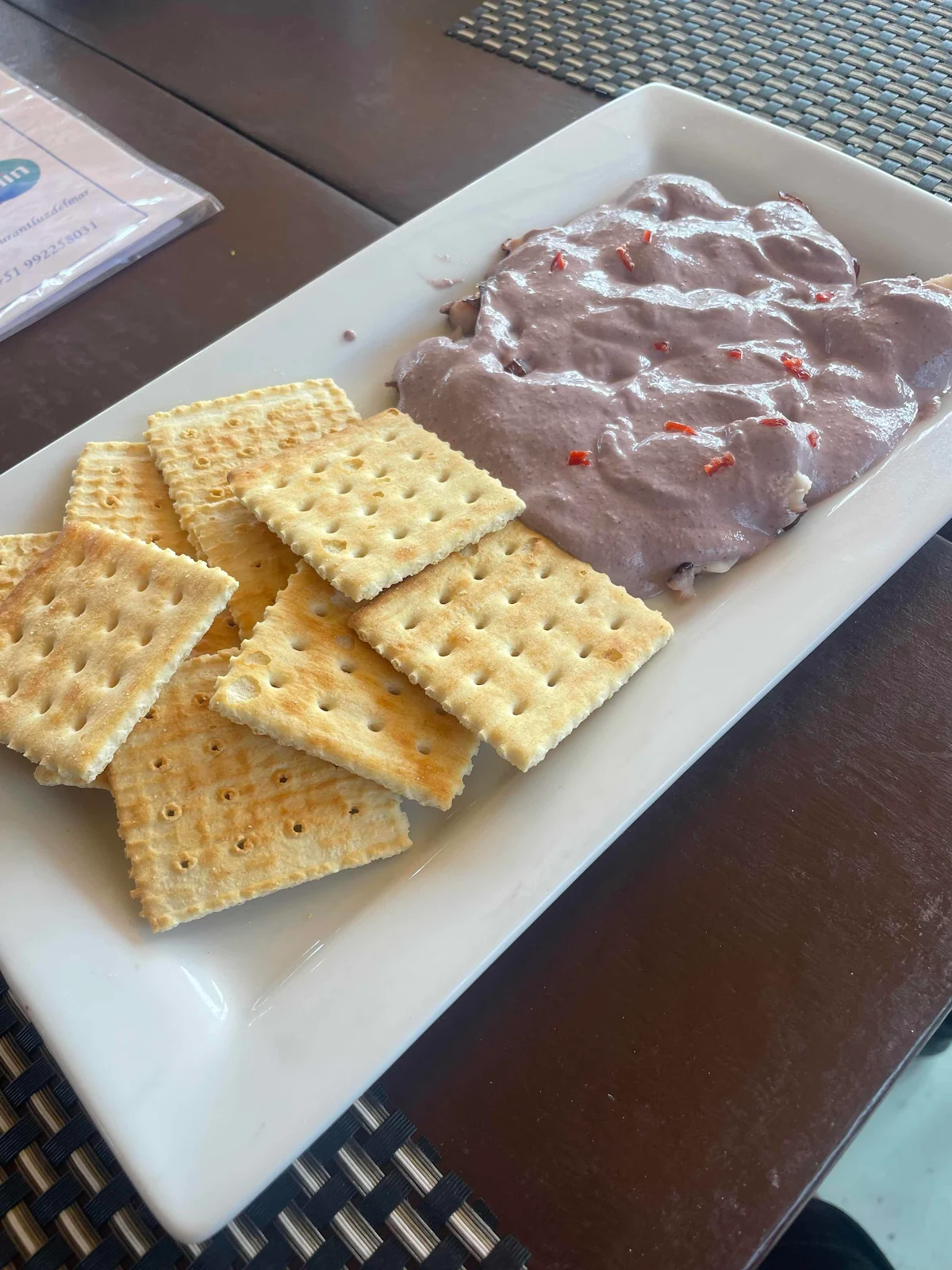
We ordered the world’s weirdest appetizer, octopus in a mauve olive sauce and it’s unfortunate you can’t taste the salty olive flavored dressing as it looks grotesque and unappetizing but which works beautifully: 

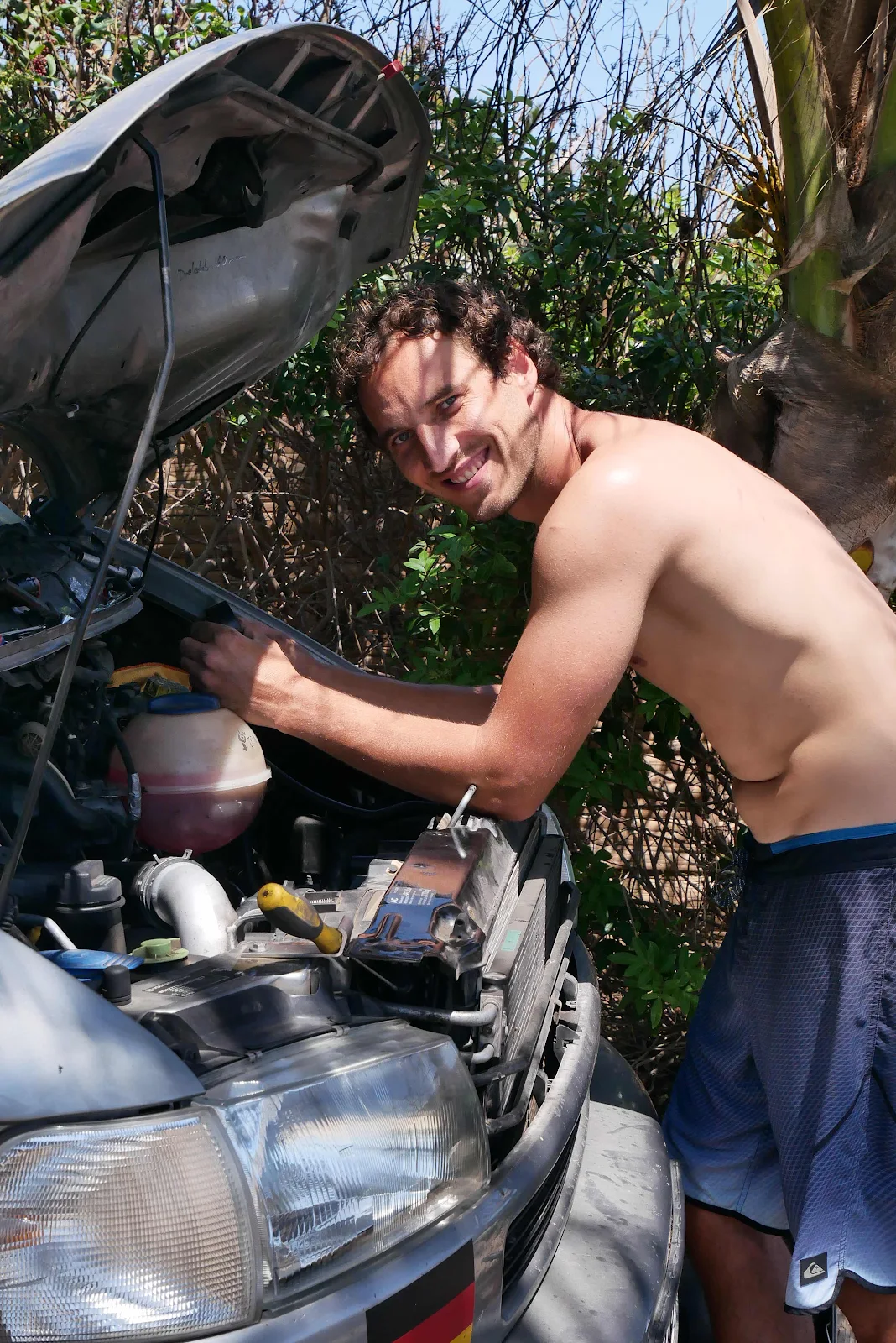
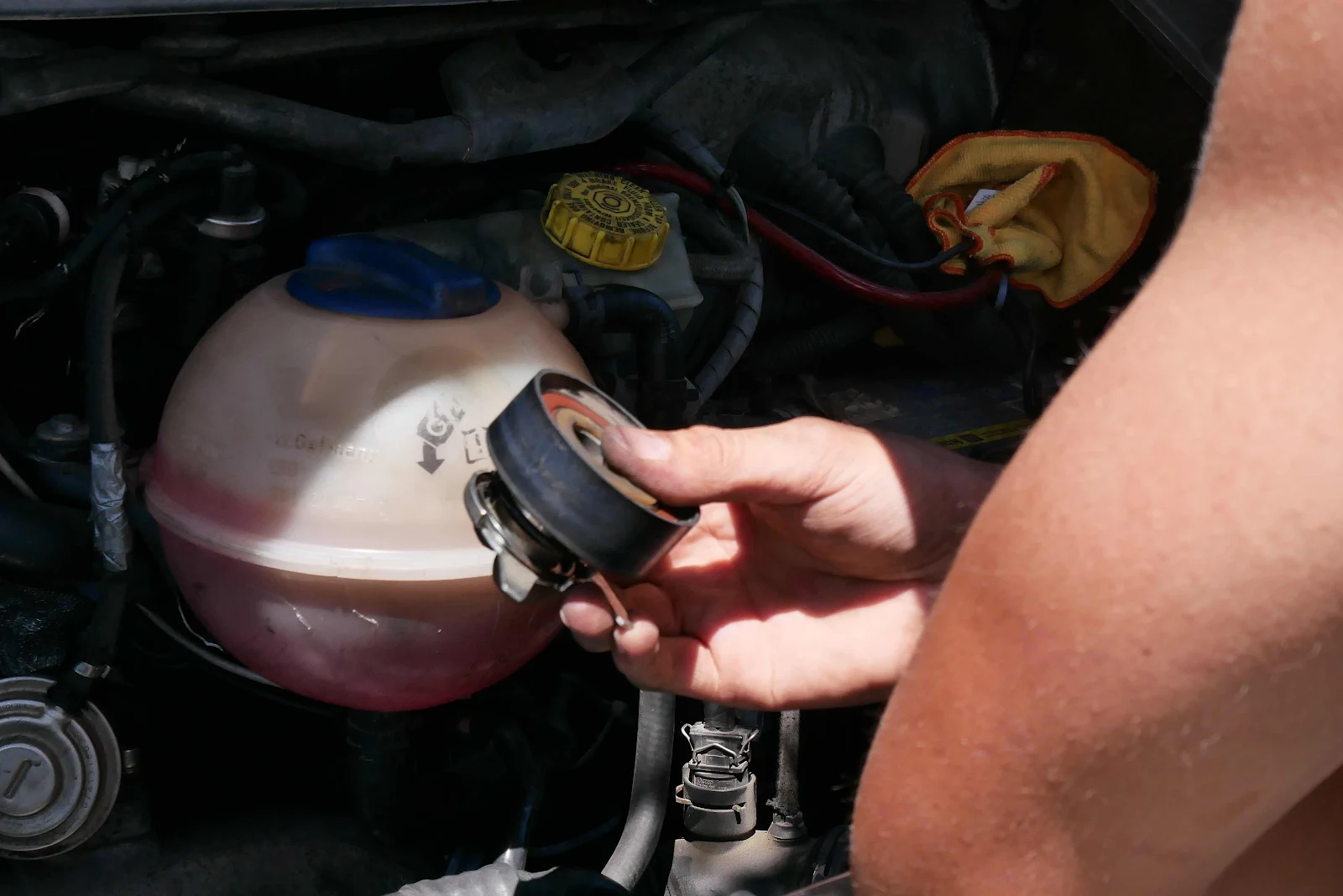
They spent almost two months stuck in northern Ecuador with their 1998 Volkswagen Eurovan getting the engine rebuilt after their turbocharger broke and spewed metal into their motor. Parts are difficult to import to Ecuador especially reconditioned items for this older German vehicle but their made it into Peru where their timing belt tensioner had a fit just inside the border. 

Florian is a railway mechanic in Germany and he works on his own car here in South America so he managed to reset the te sooner enough to get to the campground and investigate the problem. He found and easily fixed our fuel hose that came unclipped after our engine oil cooler was replaced in Colombia so he is pretty handy.

For some reason the timing belt tensioner came loose and broke off a piece which he hopes won’t prevent the thing from working. He reset the whole thing and is taking the van for a test run into Tumbes and back today when they go to town to do some shopping.

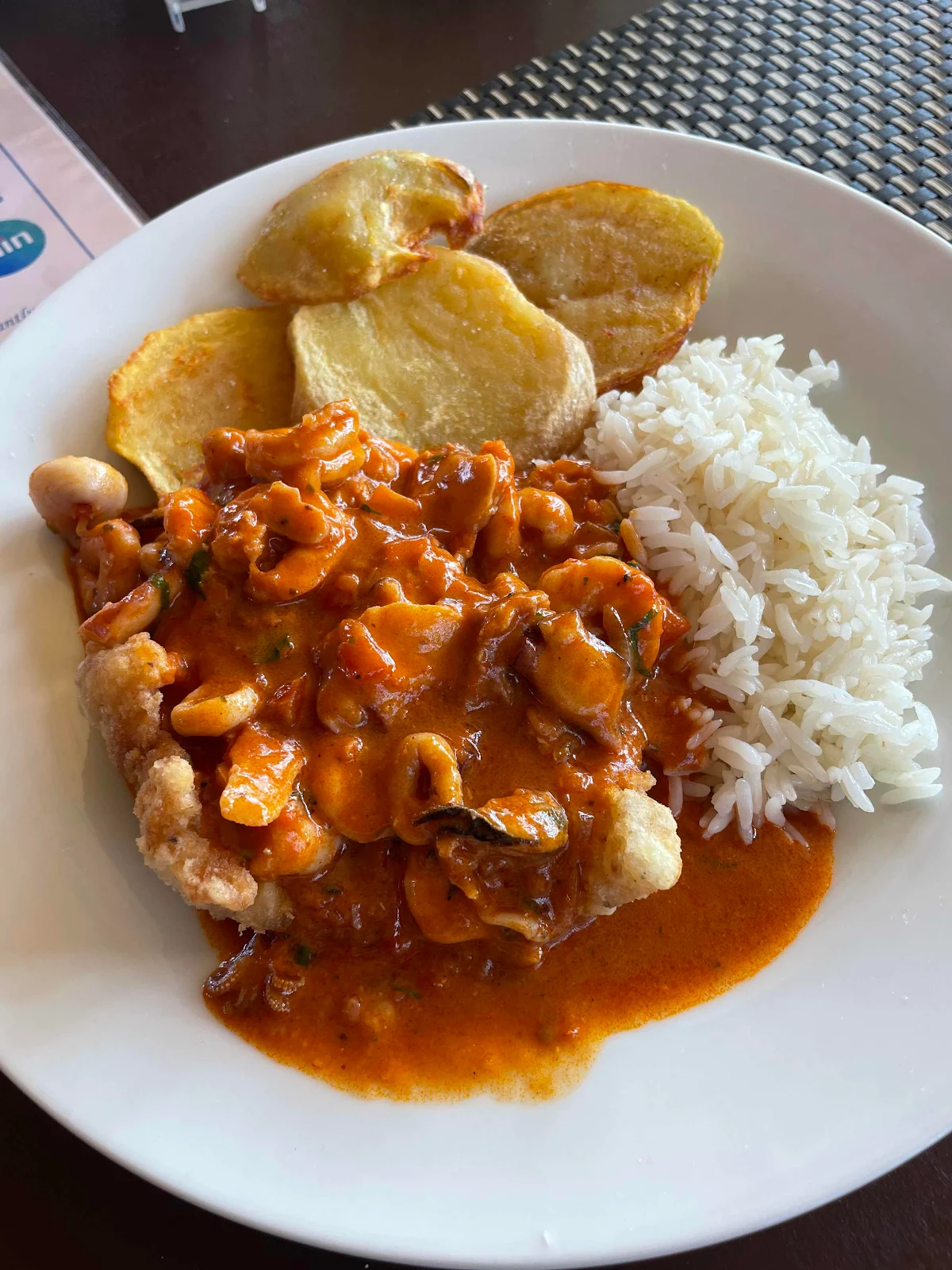
We would like to travel with them down the coast a while to make sure they are okay as they don’t speak Spanish and being broken down alone by the side of the road is pretty desolate. However they want to stay another week here and neither of us can stand to stay that long. We’re hoping the test run goes off okay and we can leave ahead of them, perhaps tomorrow. There are ruins down the road on the way to Machu Picchu (“old peak” in Quechua) we want to visit. Fried fish fillet in a seafood sauce:

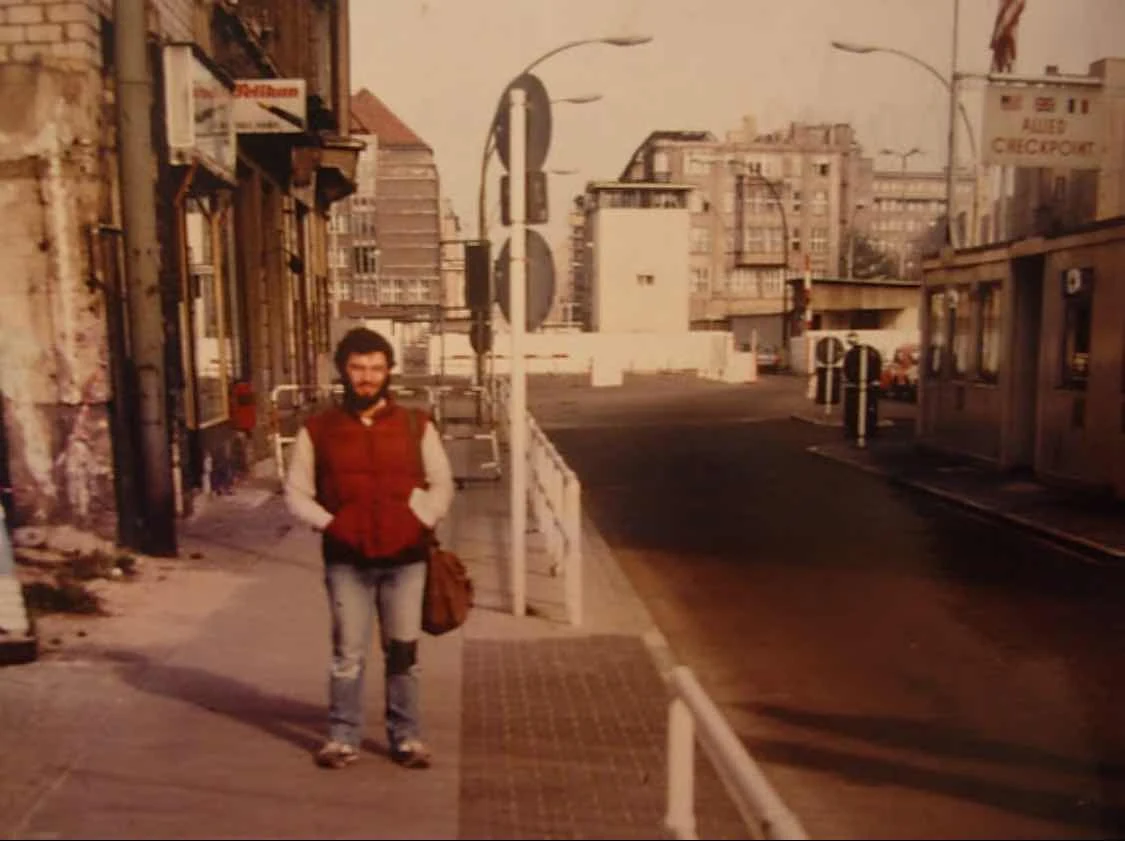
Over lunch we talked of travelers we had met and discovered we both found certain people distasteful and others we had both met we both enjoyed. I told the story of my rail journey from Moscow to East Berlin in 1981 as Florian’s parents had grown up in Dresden in East Germany and they wanted to hear my perspective on the Cold War divide of their country. Me at Checkpoint Charlie, West Berlin 1981.

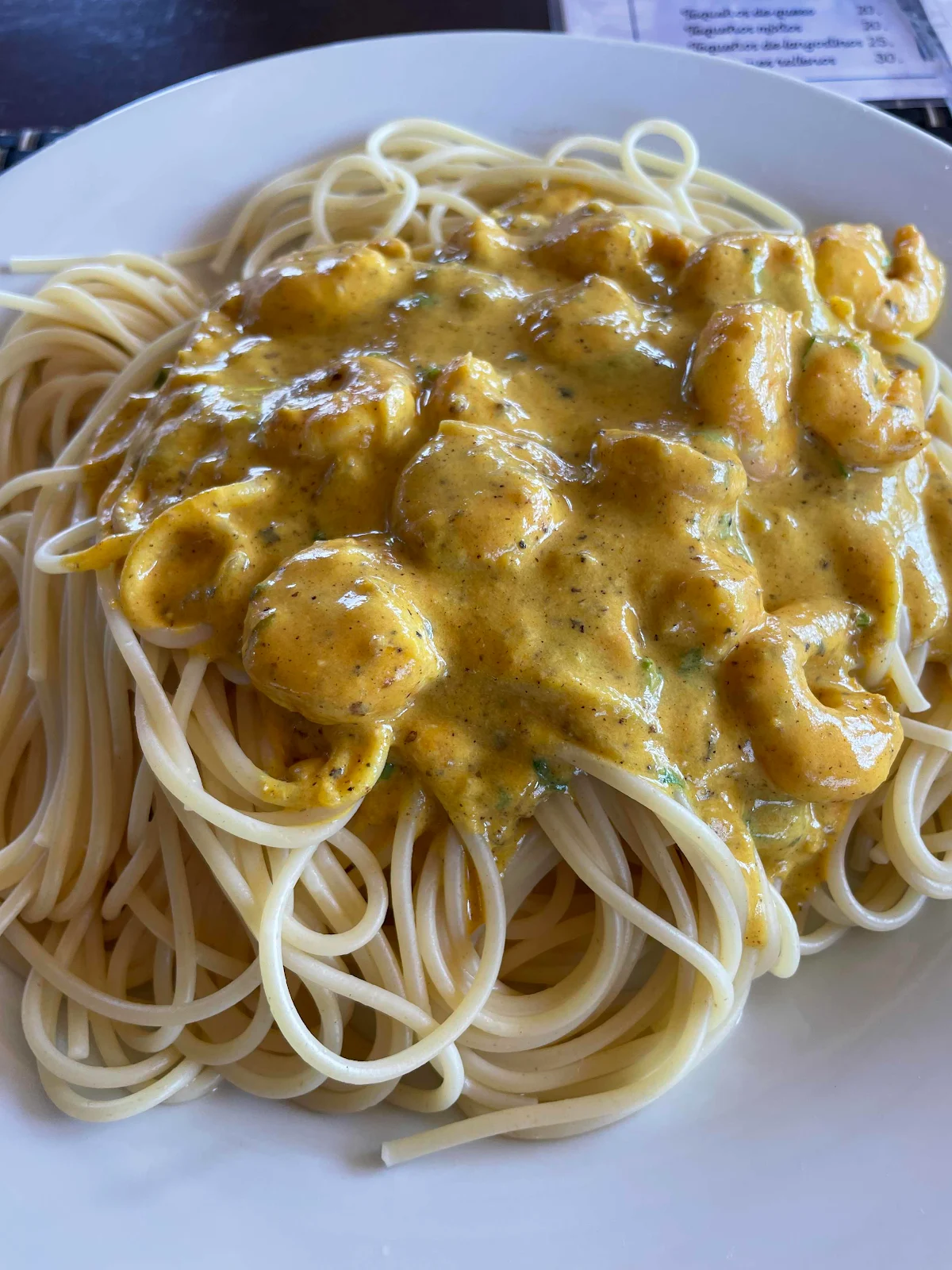
Florian also told us a disturbing story of being broken down roadside and an overlander driving by and not stopping. They met later and the other traveler shrugged and said they didn’t stop as there was nothing they could do. It is an ethos we do not agree with and perhaps we are out of touch with more modern younger travelers but we would never do that. Pasta in shrimp sauce:

Even though Layne  and I aren’t mechanics we would pass a broken down fellow traveler without stopping. We’d like to drive south with these youngsters a day or two to make sure their repair works and to be there if they need a translation or an even a tow. If they decide to stay here a week we will still keep in touch on WhatsApp and drive back if they have a problem. To not do so seems unethical to us, travelers from different era.

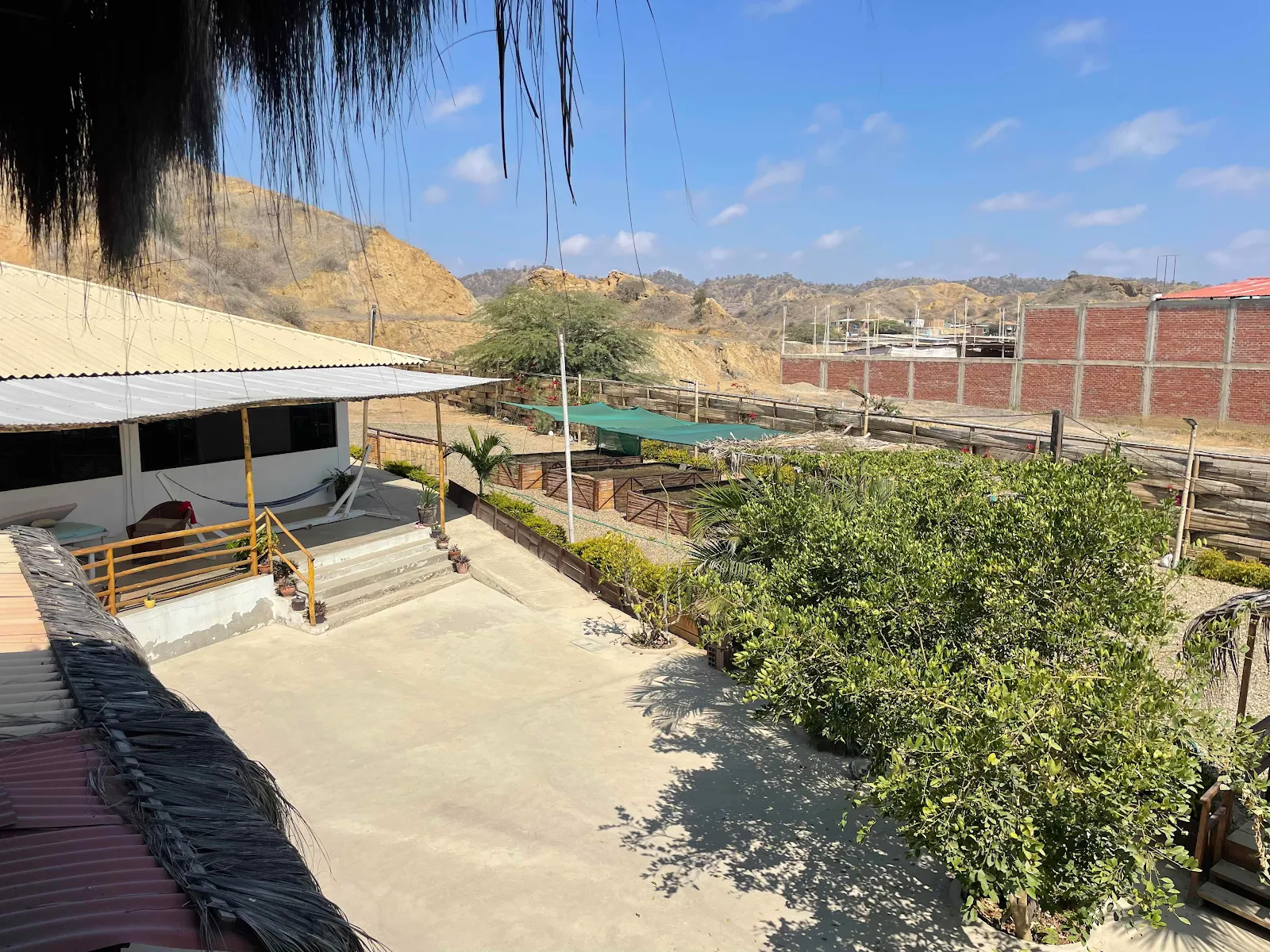
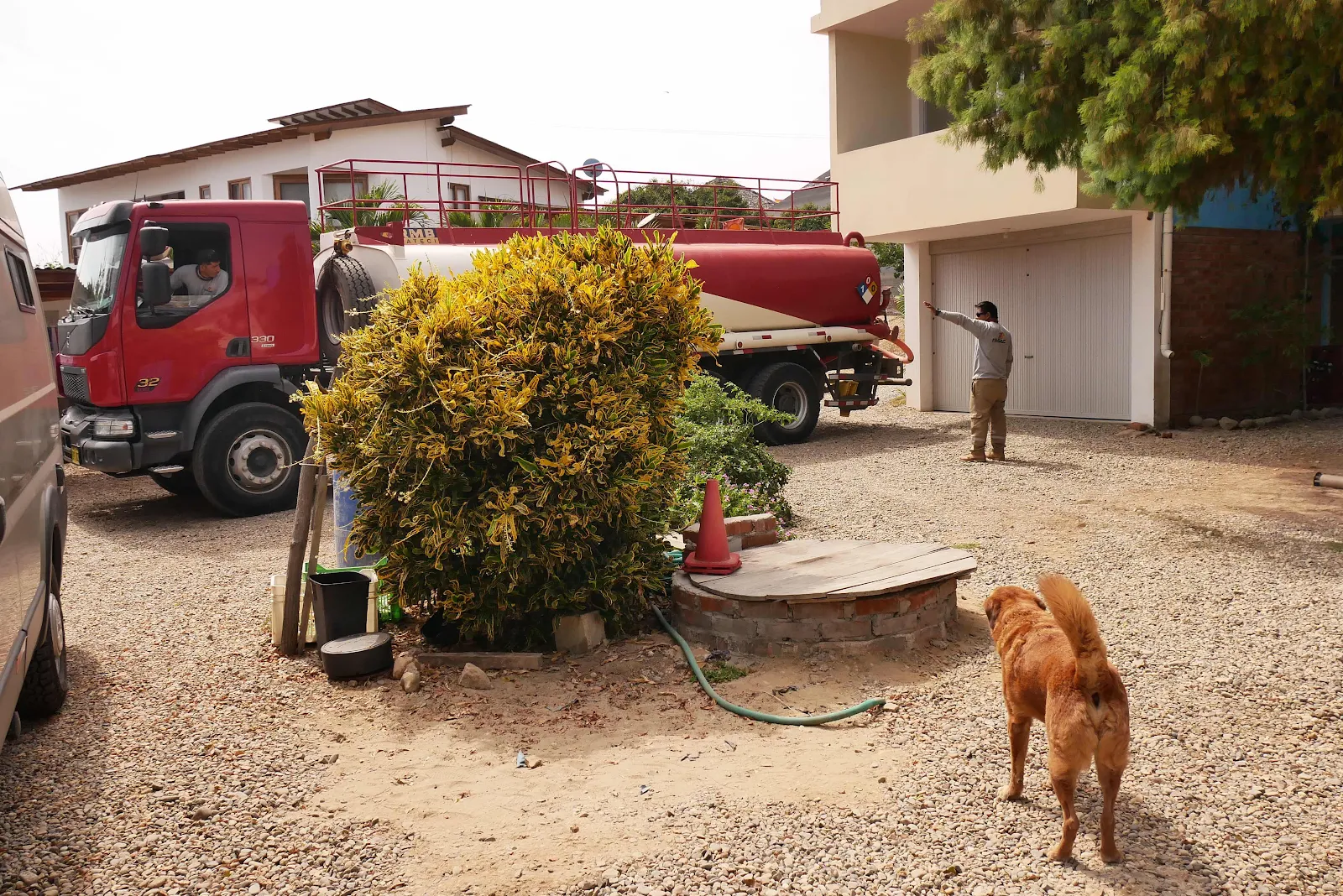
Rusty too seems restless and was glad to be out of the campground yesterday. The sea breeze cooled the air but it’s a dry desert atmosphere here. We saw lots of water trucks supplying locals with potable water as supplies are scarce. Luz is building a vegetable garden behind her restaurant in raised beds under green shade awaking right in the edge of the arid lunar back country behind the highway. 

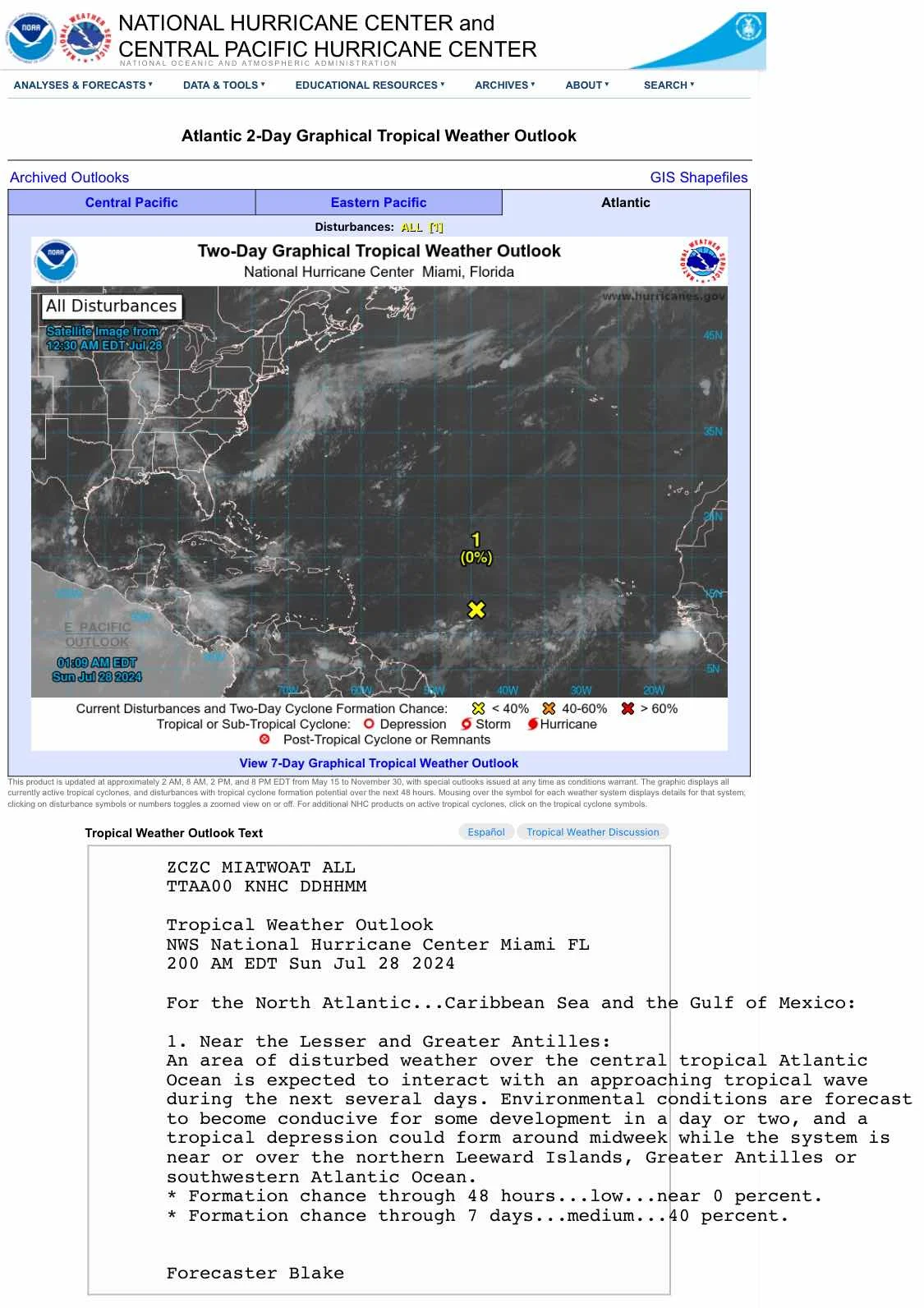
A water truck cane by the campground last week and filled the drinking water tank. Water deliveries may be in all our futures in arid areas. And yes I am watching the potential hurricane tracking across the northern Caribbean bringing its own supply of rain no doubt to parts of south Florida. 

Glad I am not to have to think too hard about it.

Meanwhile we carry on at the lovely campground. We swim, we read, we talk. But in every traveler there is that moment when you know it’s time to be gone. 

Tomorrow is Independence Day in Peru, the end of a long holiday weekend and we’d like to be traveling. We have Rusty’s papers in a safe place where he can’t get to them and destroy them but I don’t think even he wants to delay our departure; I sense a restless in him too as he paces around between naps  reminding me of a caged animal. 

Altitude is tough for us and as much as we enjoy the scenery of any pretty mph rain range a beach is an easy place for us to hang out and swim. After this we are told the waters are cold and less and less hospitable the further south we go. 


Friday, July 26, 2024

Zihuatanejo Syndrome

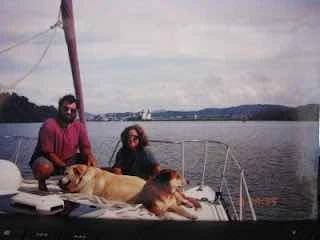
Many years ago sailing down the coast of Mexico we reached a place where travelers in boats had to make a decision, the choice of destination, between crossing the Pacific, continuing south to the Panama Canal and visiting the Caribbean or even of turning round and returning north. For us, traveling with two dogs there was never any doubt as we could not take Emma and Debs island hopping the Pacific Ocean.  We transited the Panama Canal a few months before the Americans gave up control in 1999. 

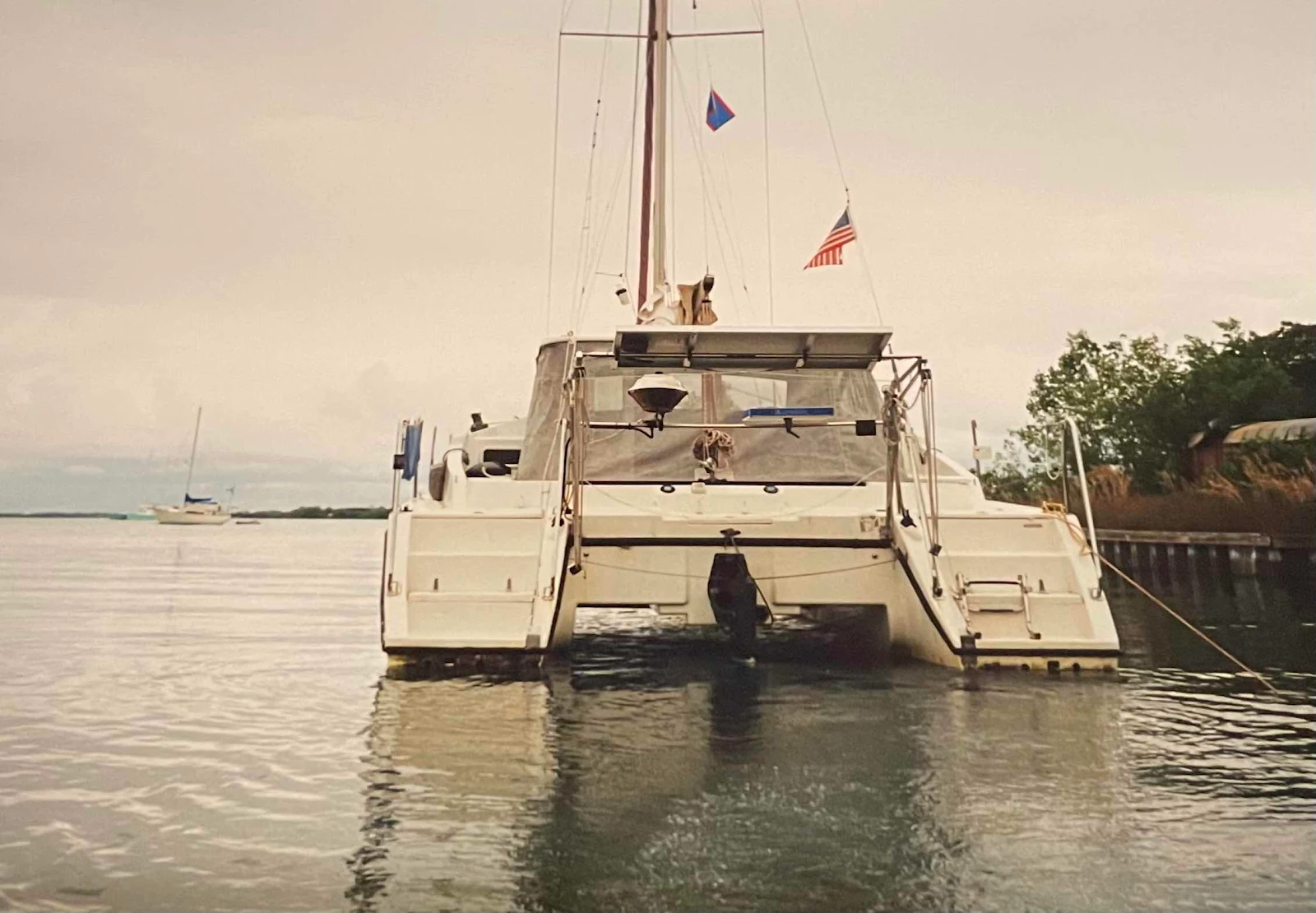
But it was in Zihuatanejo, a port and tourist town in Southern Mexico where we learned a traveling lesson. The choice there was to stay or go and the only reason to stay was to sorbs a couple of extra days vacationing with friends who were planning to turn west and make the sail to Australia. We agonized about whether to stay or go. Belize, January 2000: 

We elected to stay worrying all the time about spending too long in one place instead of getting on south. In retrospect we were idiots considering our journey was open ended only limited by our diminishing supply of money, we had no jobs and our home in California was rented and paying for itself so we had no time constraints. 
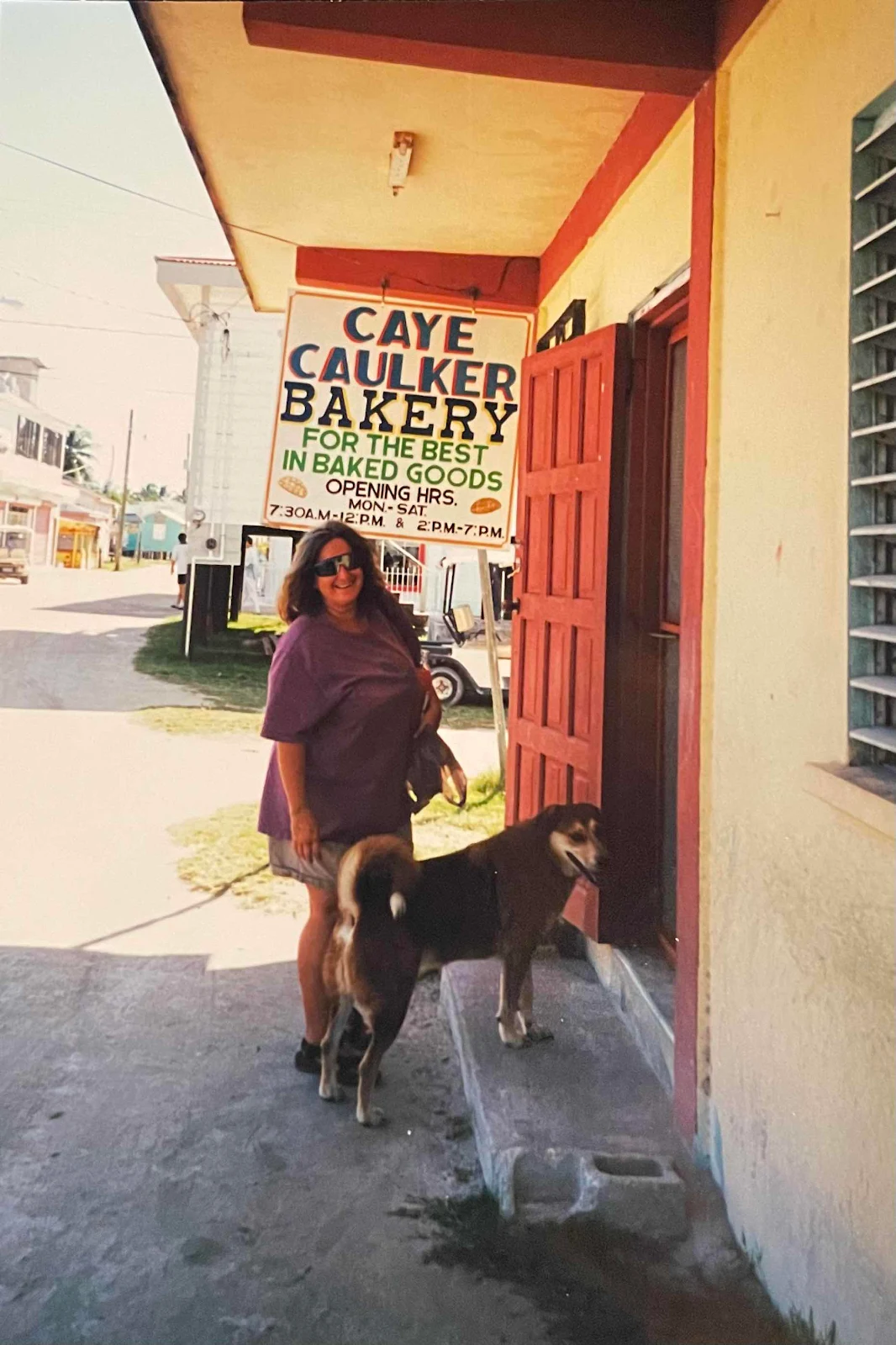
We learned a great deal about ourselves, our marriage, sailing, traveling by sailboat and time management on that two year journey from San Francisco to Key West and even now we talk about Zihuatanejo Syndrome when we have to decide whether to leave or stay in one spot on a journey. 

So when we arrived back at Swiss Wassi after our seven hour drive to nowhere to get Rusty’s import papers at the border we had to deal once again with Zihuatanejo Syndrome. Layne, the chief communications officer got a WhatsApp message from Florian and Corrine last seen in northern Ecuador with their broken down Volkswagen at Sommerwind Campground. Their Eurovan is fixed after the turbo charger blew  up the engine and they will arrive today.

As eager as we are to get going with all our correct papers to visit this vast fascinating and intimidating country we felt we could not leave. So here we are, still at the beach. We have time and it’s a nice place to be even if we are ready to go.
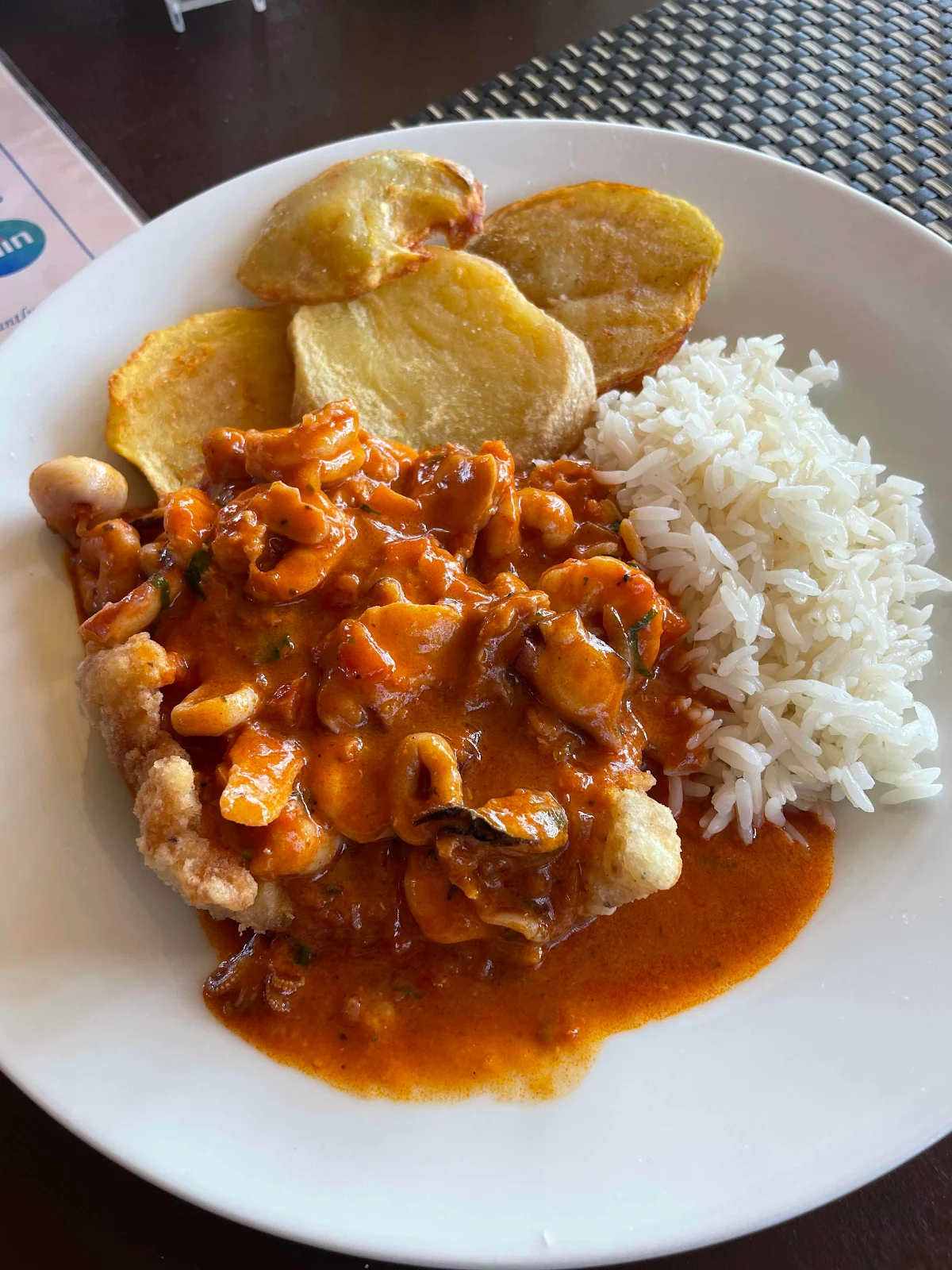

Eveline and Gert are getting ready to go to Ecuador and we said goodbye to them before we left the first time. We said goodbye to them yesterday again with a lunch at their favorite restaurant in town. Fish in fish sauce: excellent. 

It was a fine lunch full of travelers’ tales at a place known to the German voyagers from when they were here a few months ago before their stored their truck and went home to Hamburg for a few months. 

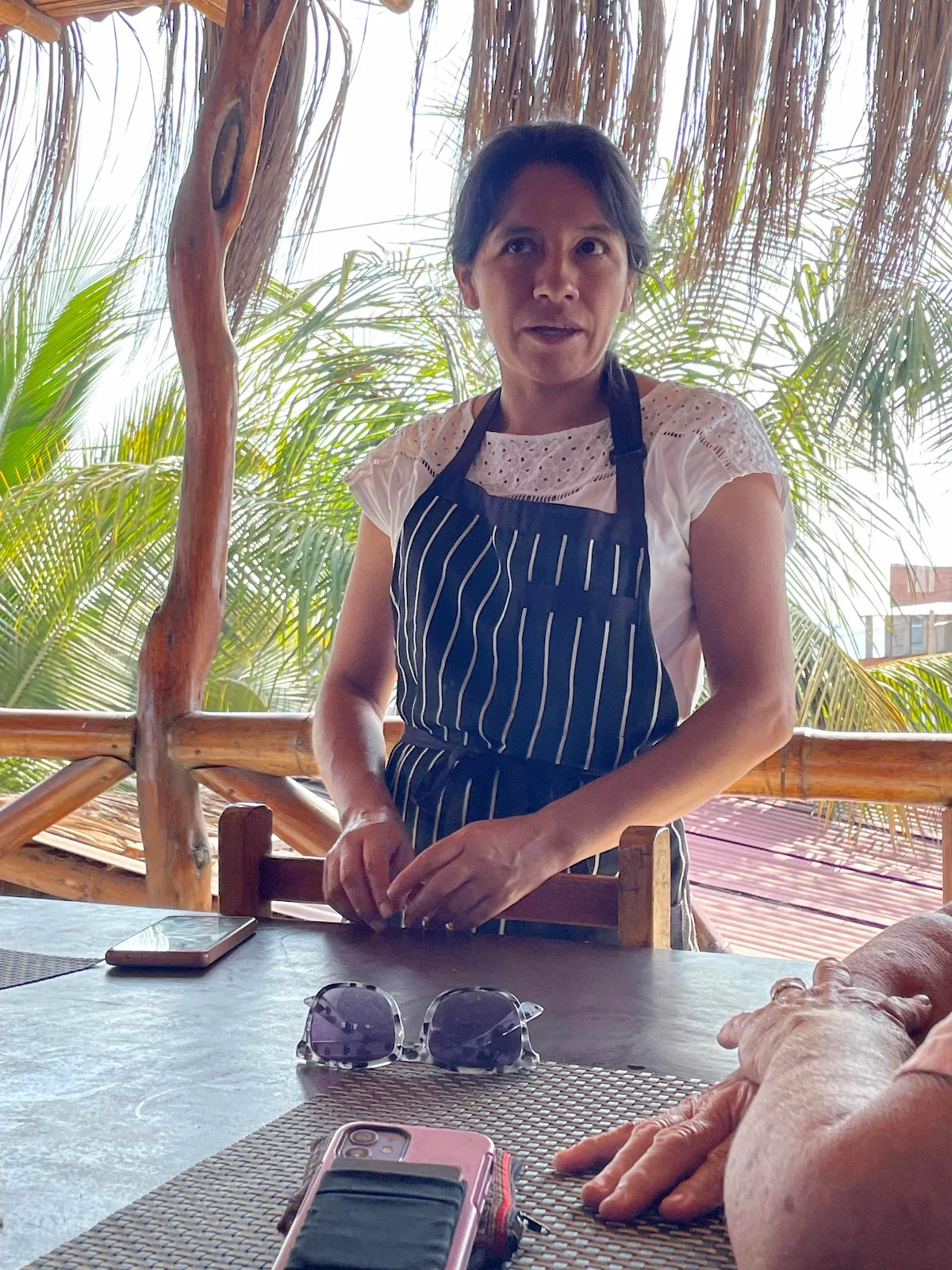
Luz, who operates  her own business and cooks and has kept it going  for eight years here. She’s building a vegetable garden out back, on the edge of the desert to grow her own vegetables for her kitchen. She has quite the sparkle in her eye as she talks about her business.


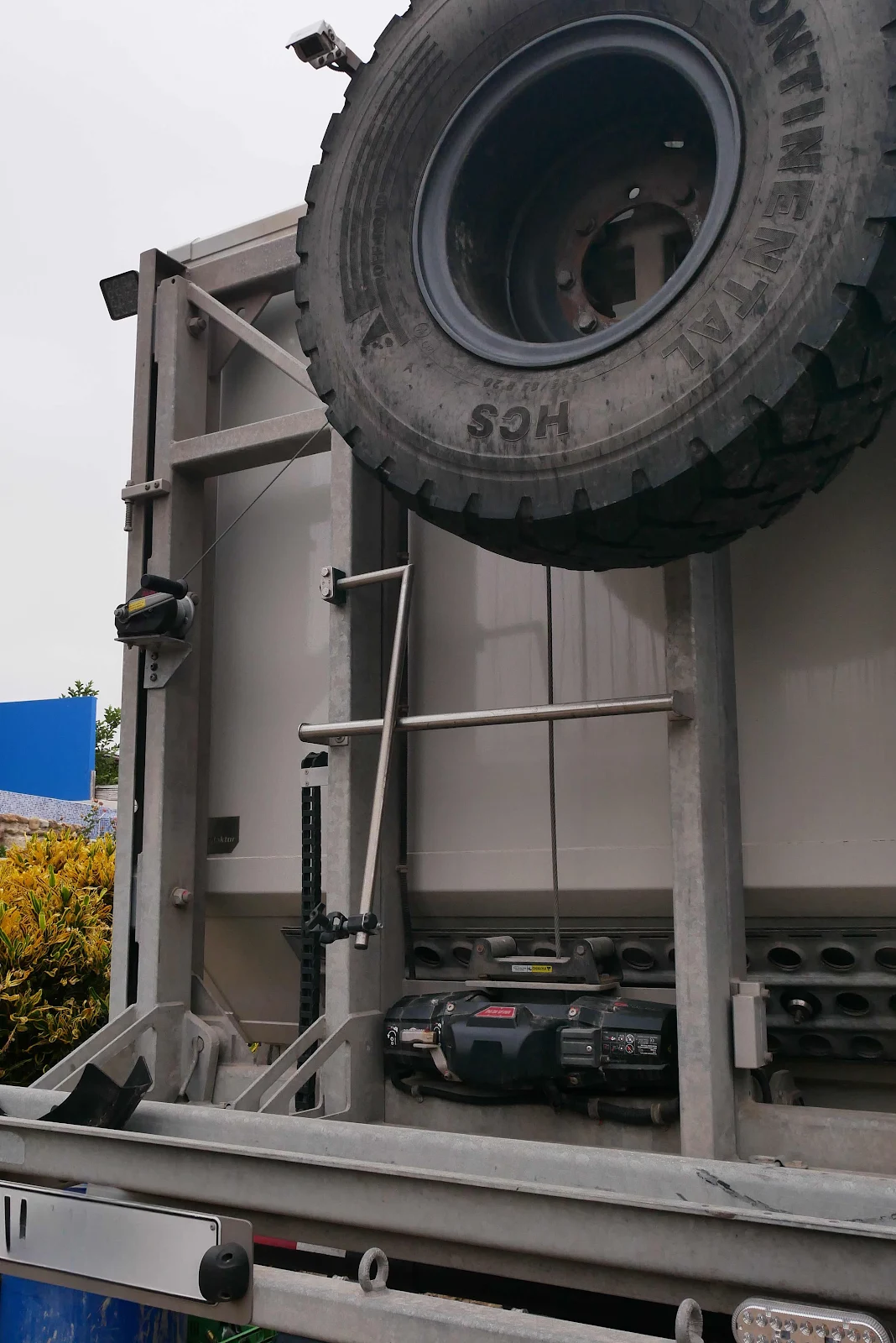
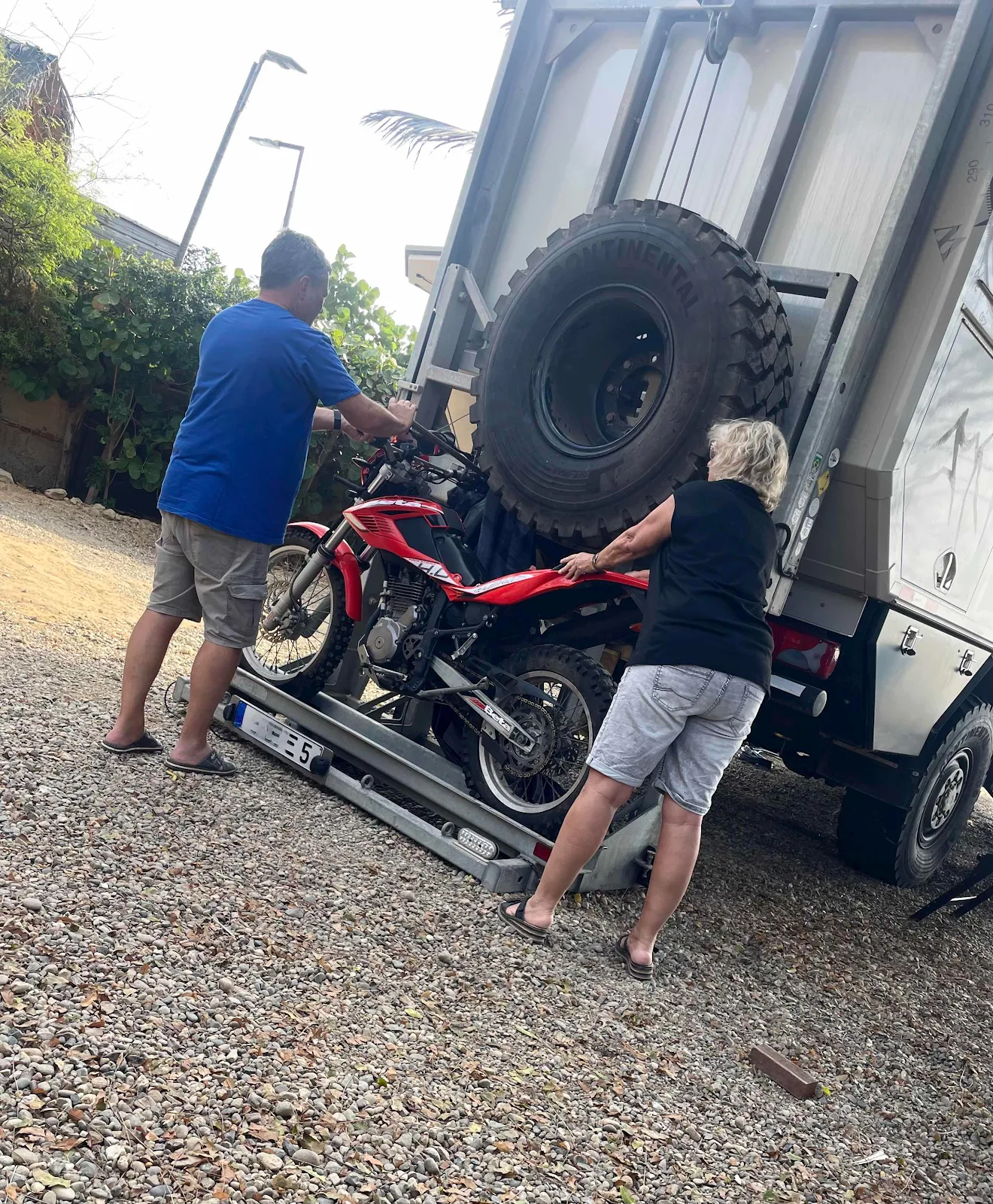
Back at Swiss Wassi our neighbors got their expedition truck ready to go, loaded their motorcycle, rotated their tires and ordered a round of the national drink pisco sours for us to share.


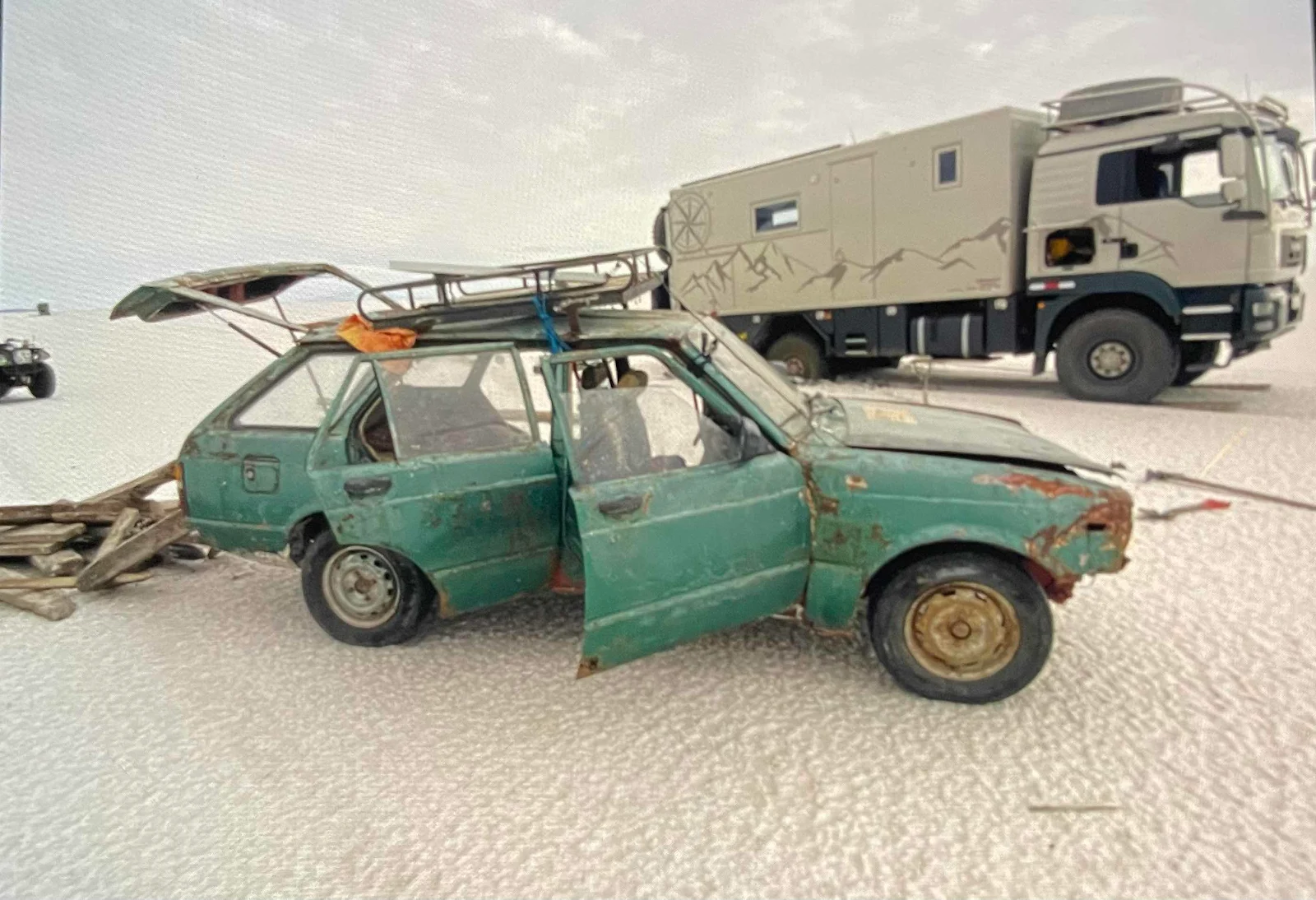
They told us inspiring stories of countries they visited including a tour of Iceland, now on our list, and a two day saga of sinking through the salt flats of Bolivia and getting stuck: 

They paid a thousand bucks to some Bolivians who spent a day hauling a ton of salt to pour under their truck after they lifted it using a pile of rail ties to get it out of the hole. That these were the same Bolivians who directed them across the salt was purely coincidence we all agreed. It’s just the romance of overlanding you see.

We will be here a few more days and Monday is Independence Day in Peru so sitting tight might not even be too stupid. Rusty approves.