Saturday, November 9, 2024

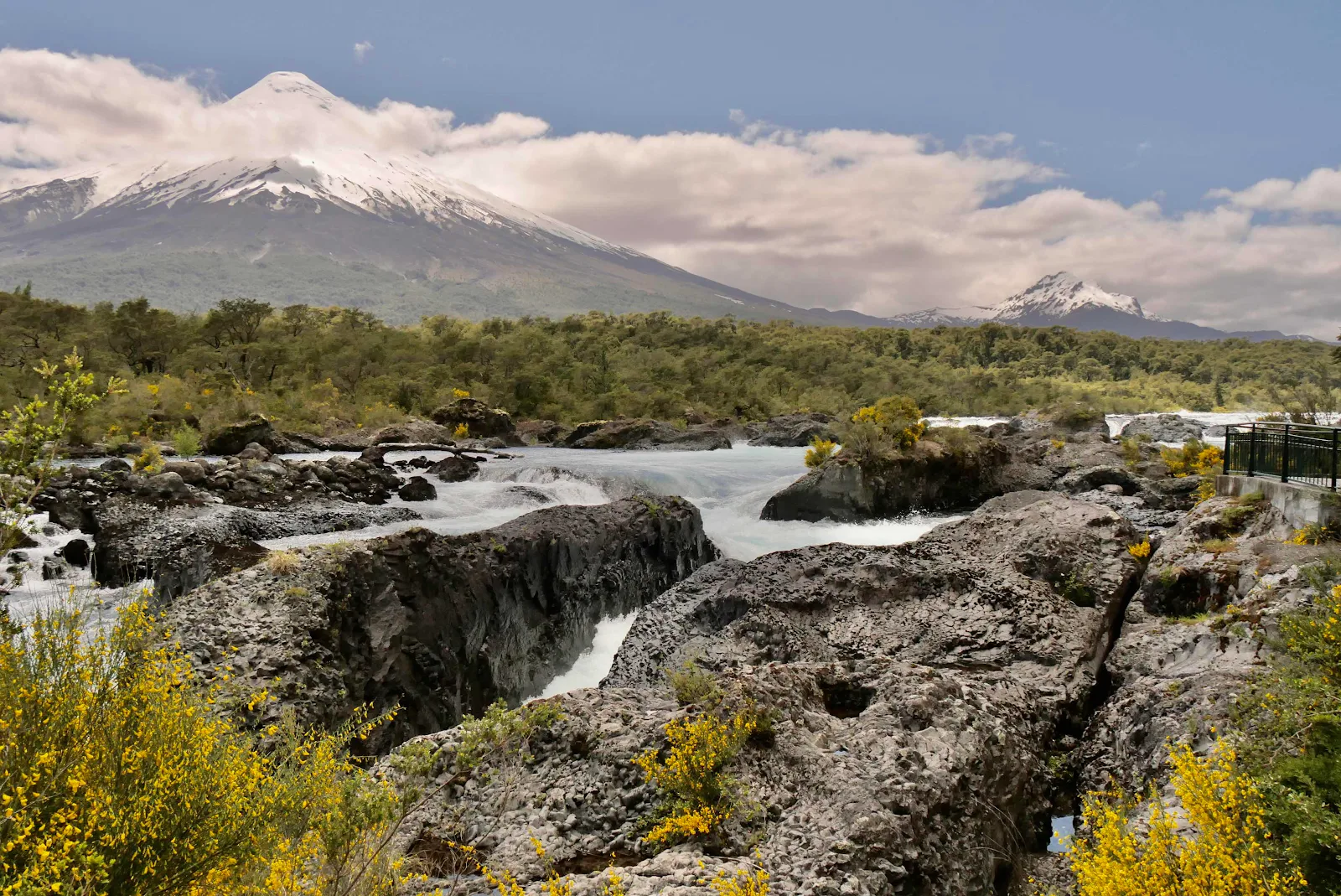
Los Saltos del Petrohué


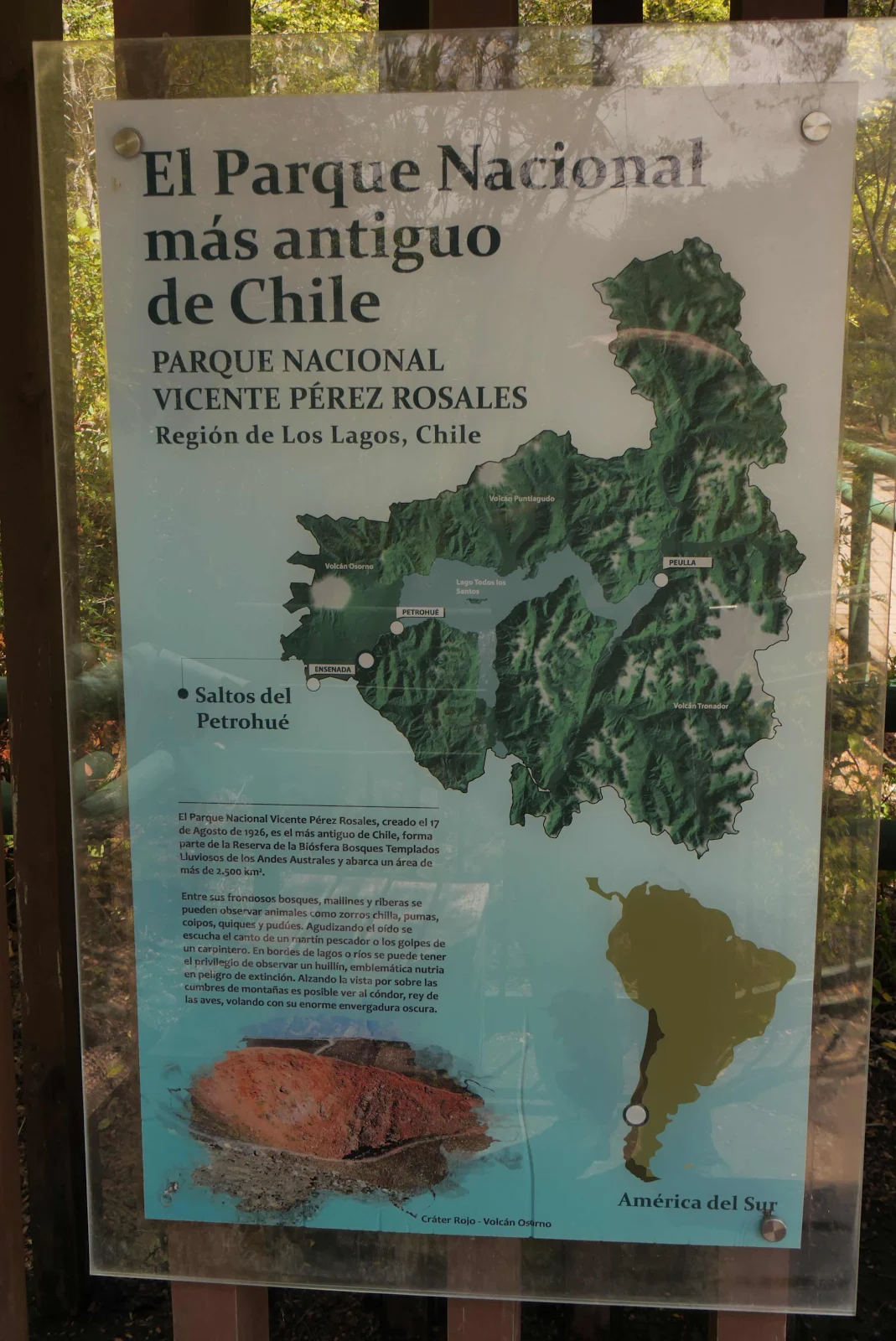
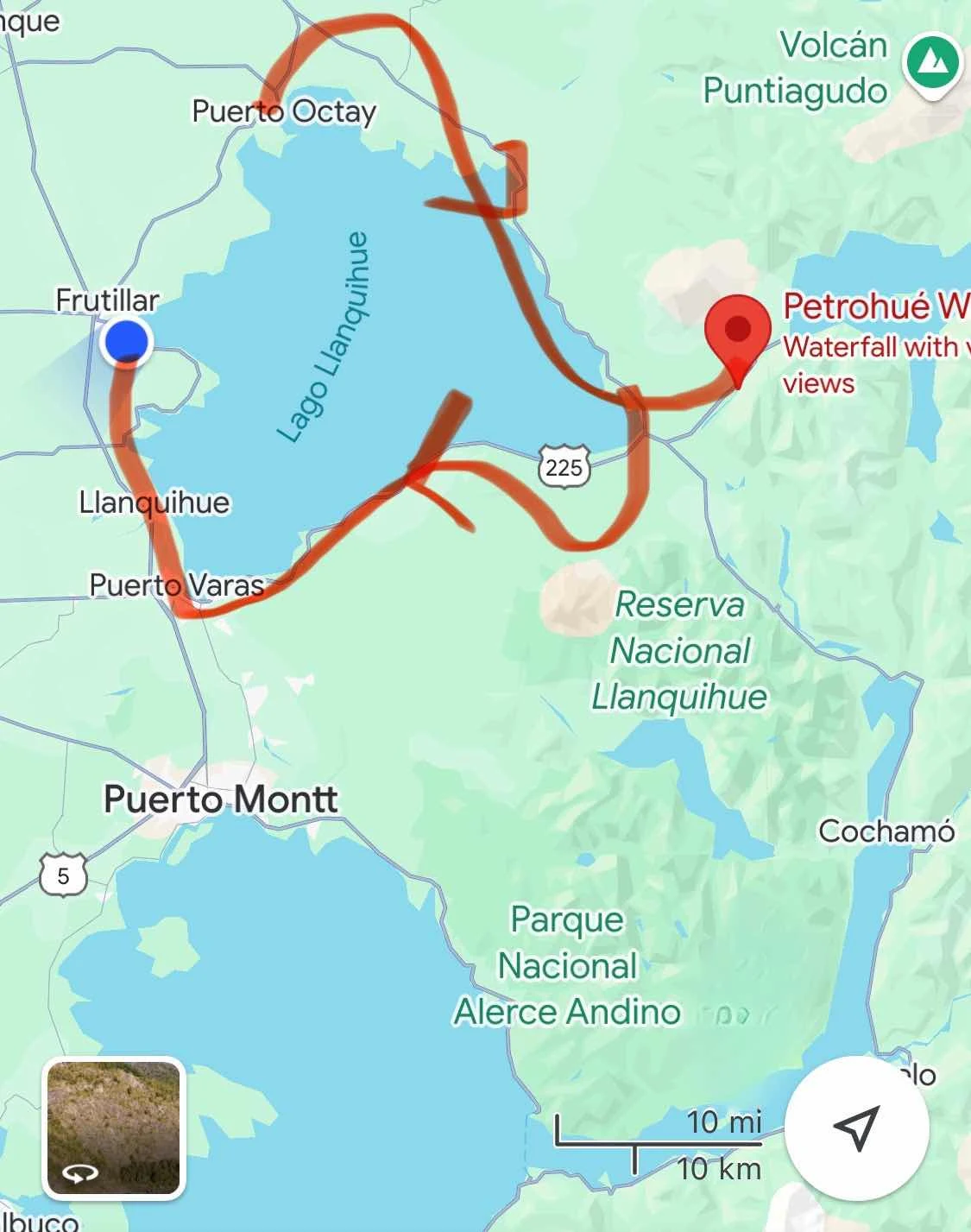
About an hour from Puerto Octay there is a national park, Chile’s oldest, and we have long since known that in National parks across Chile and Argentina dogs aren’t allowed, not even to enter the parks never mind walk the trails.  But in this national park which straddles a highway you can leave your dog in the parking lot alongside the highway in your van and go by yourself to check out the waterfalls, famous in Chile yet unknown in the world at large.
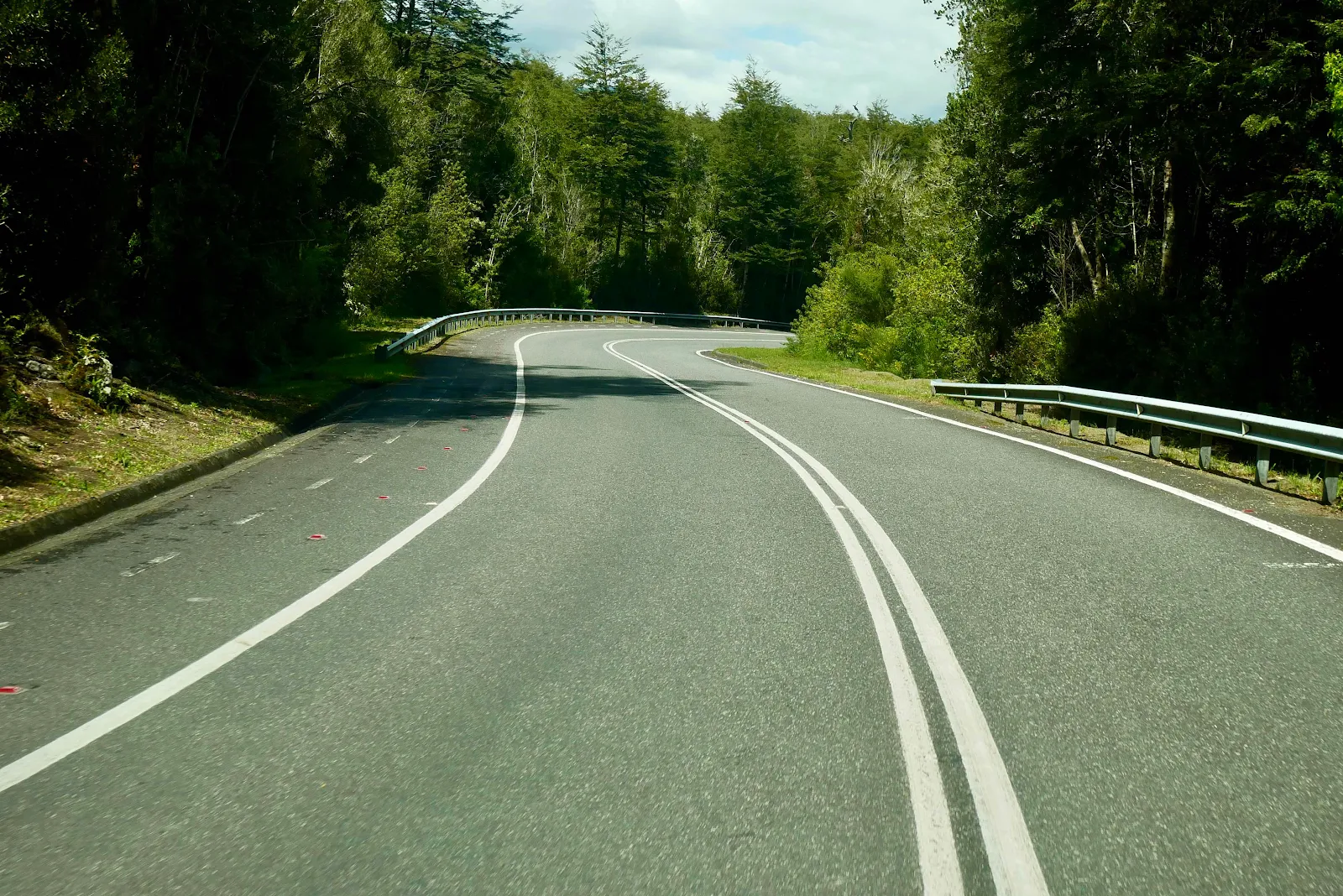
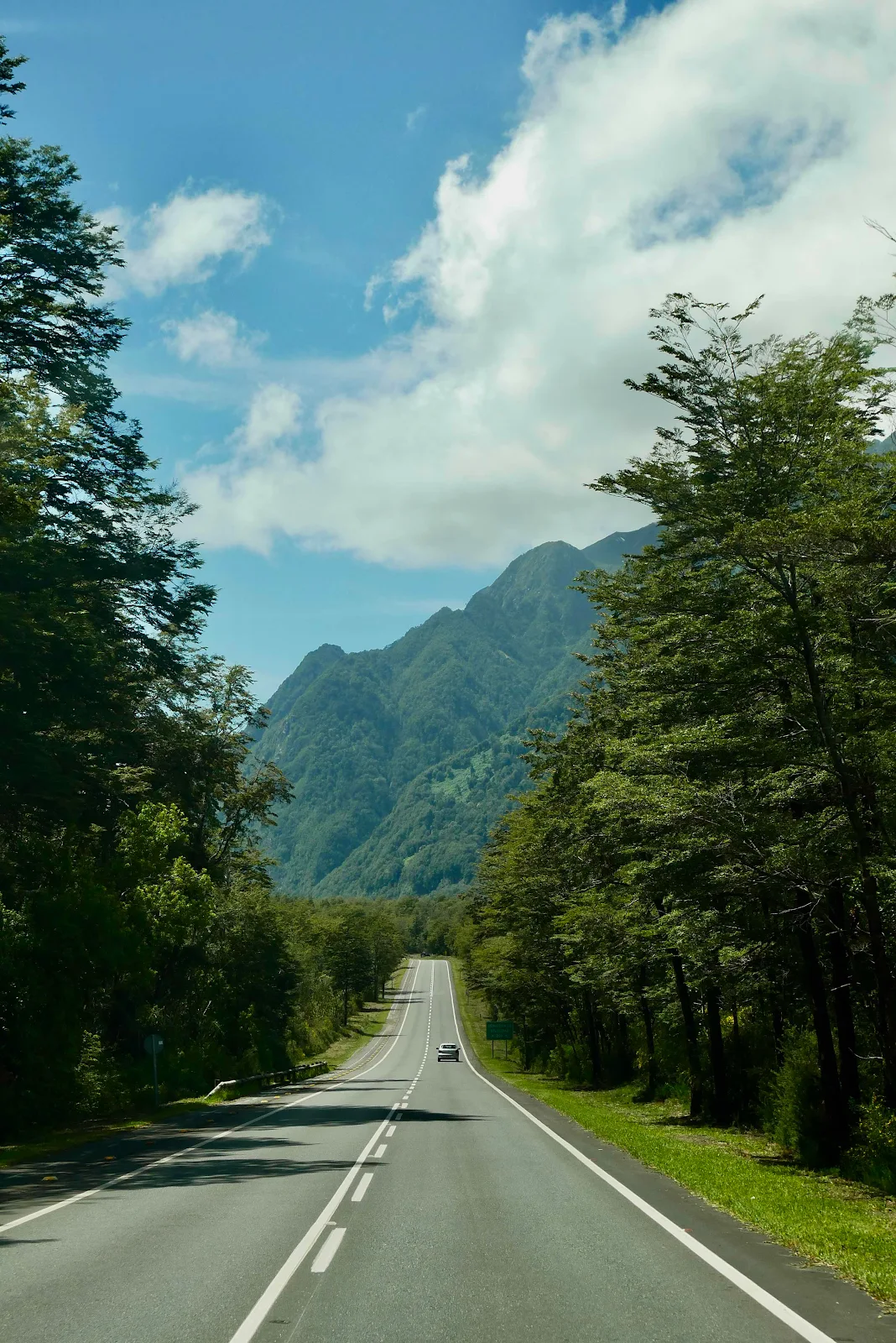
It was a very pleasant drive through woods and farmland in what was supposed to be a sunny day and actually was. 
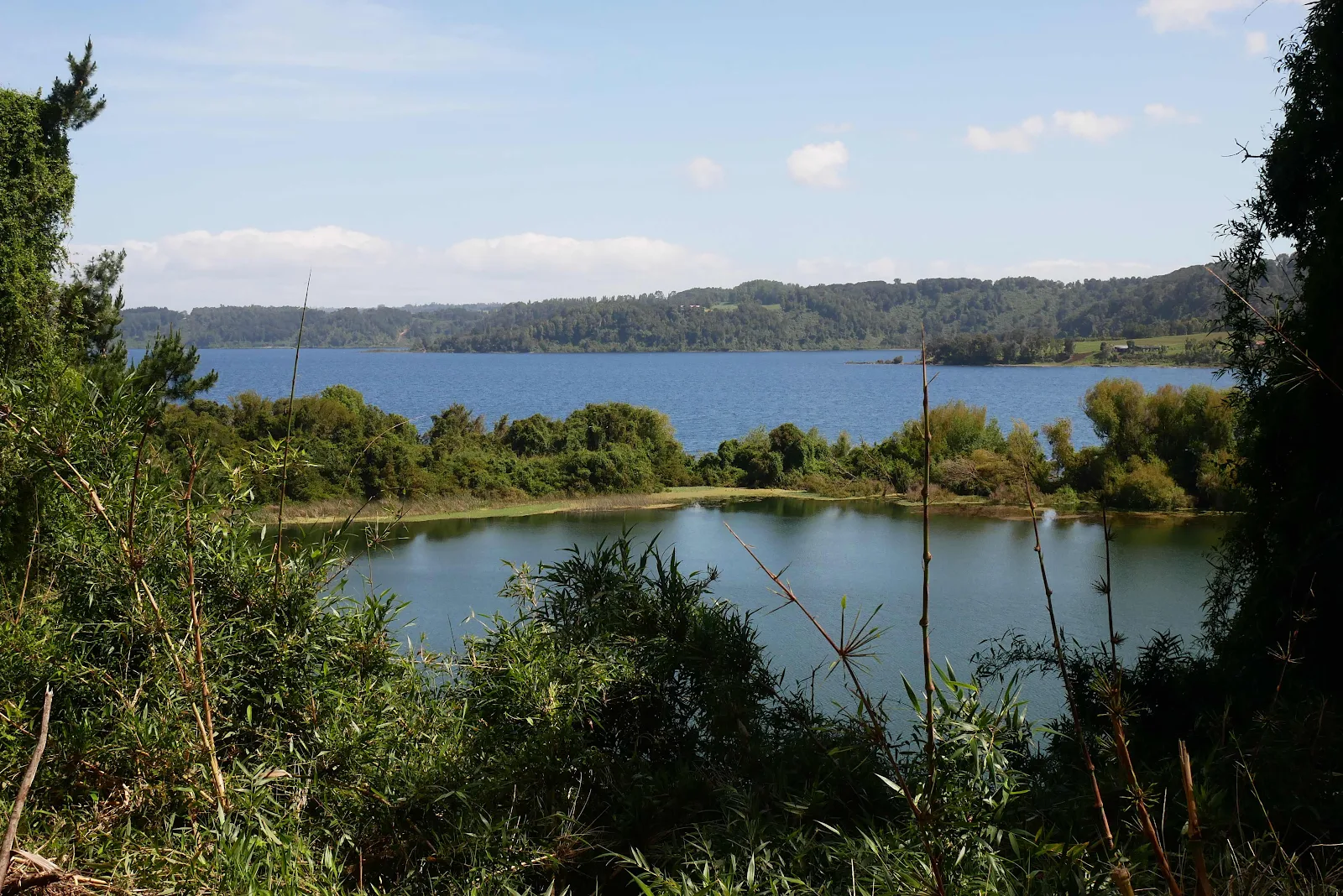
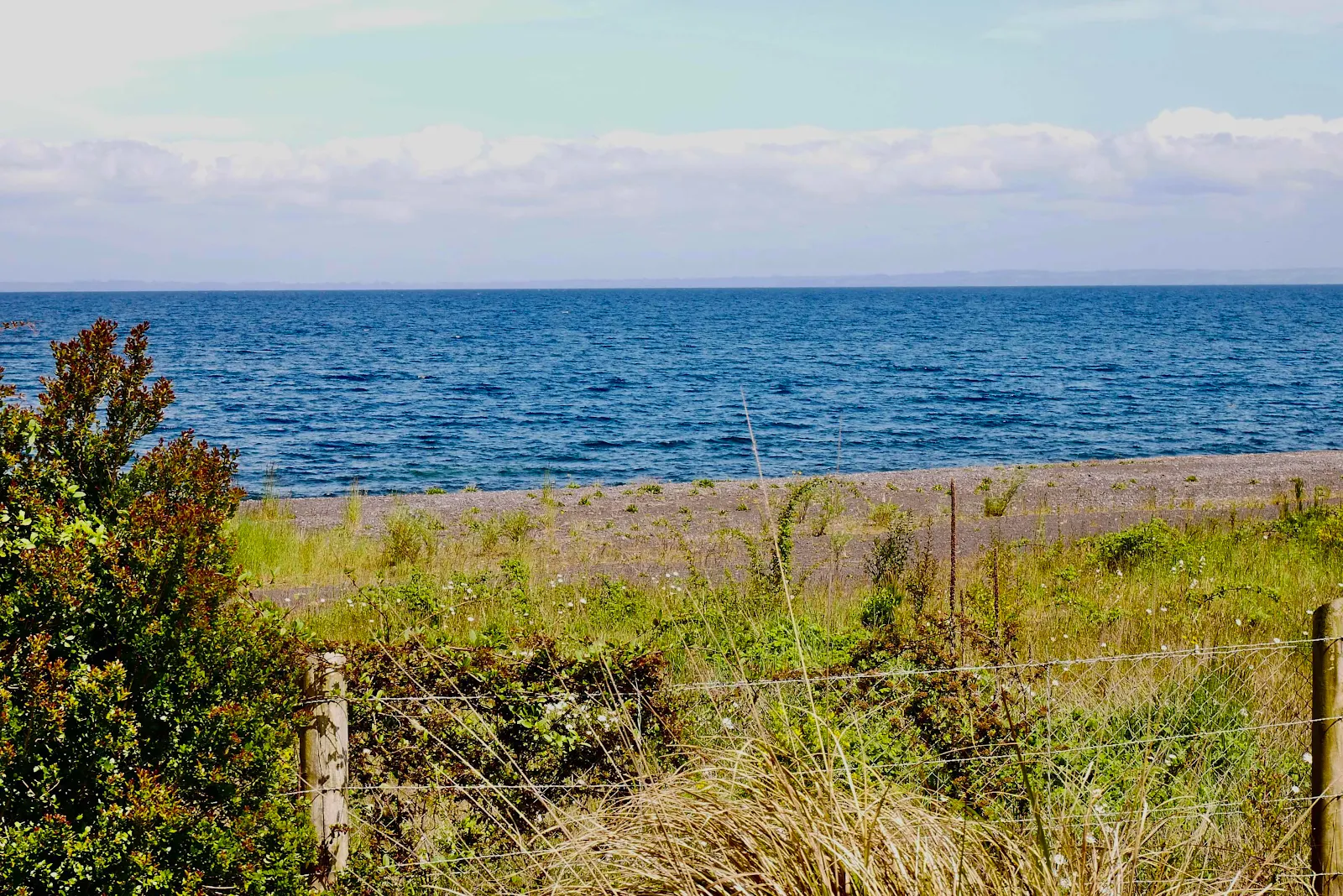
A glimpse of the lake. 
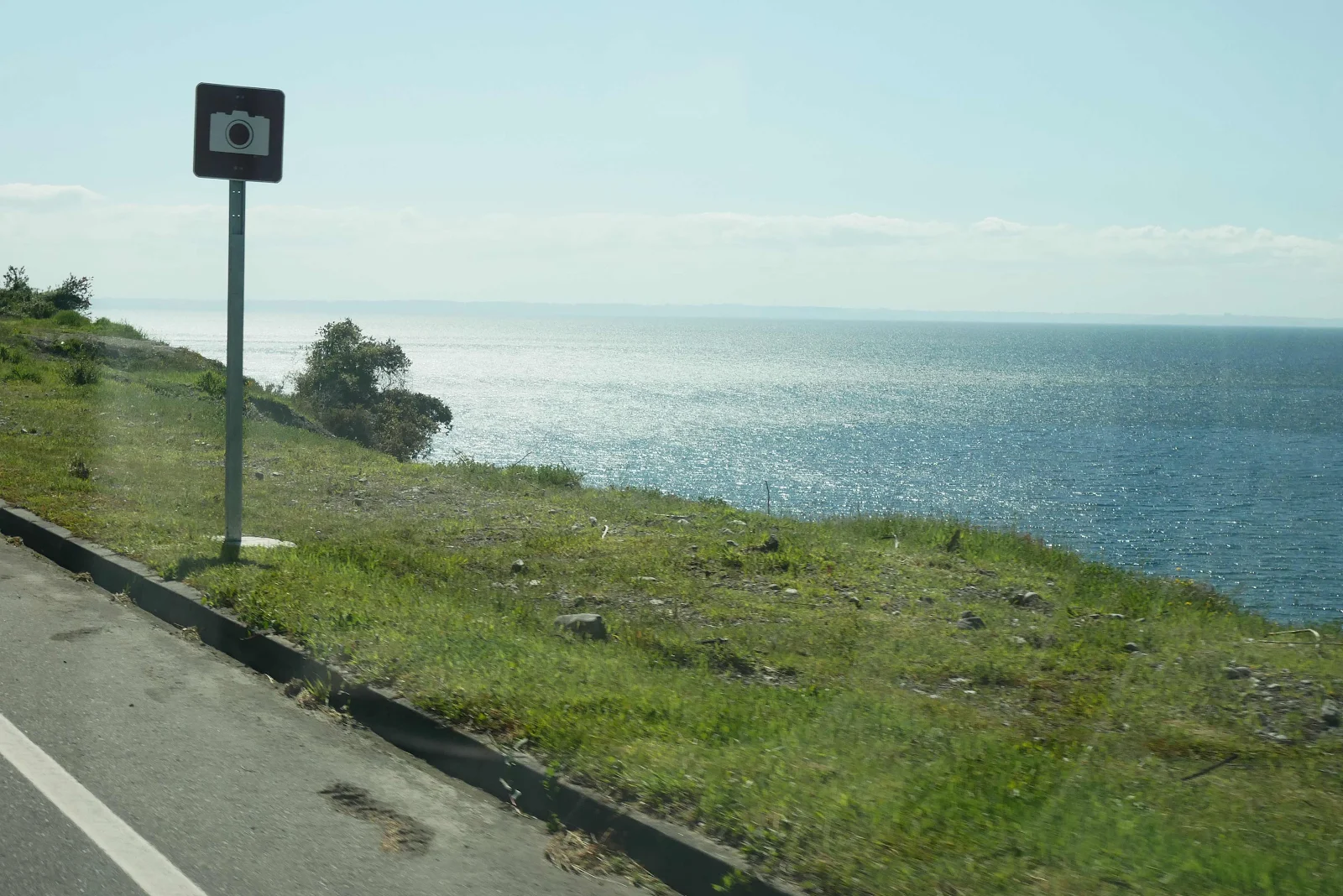


Easy relaxed driving, what a pleasure. 
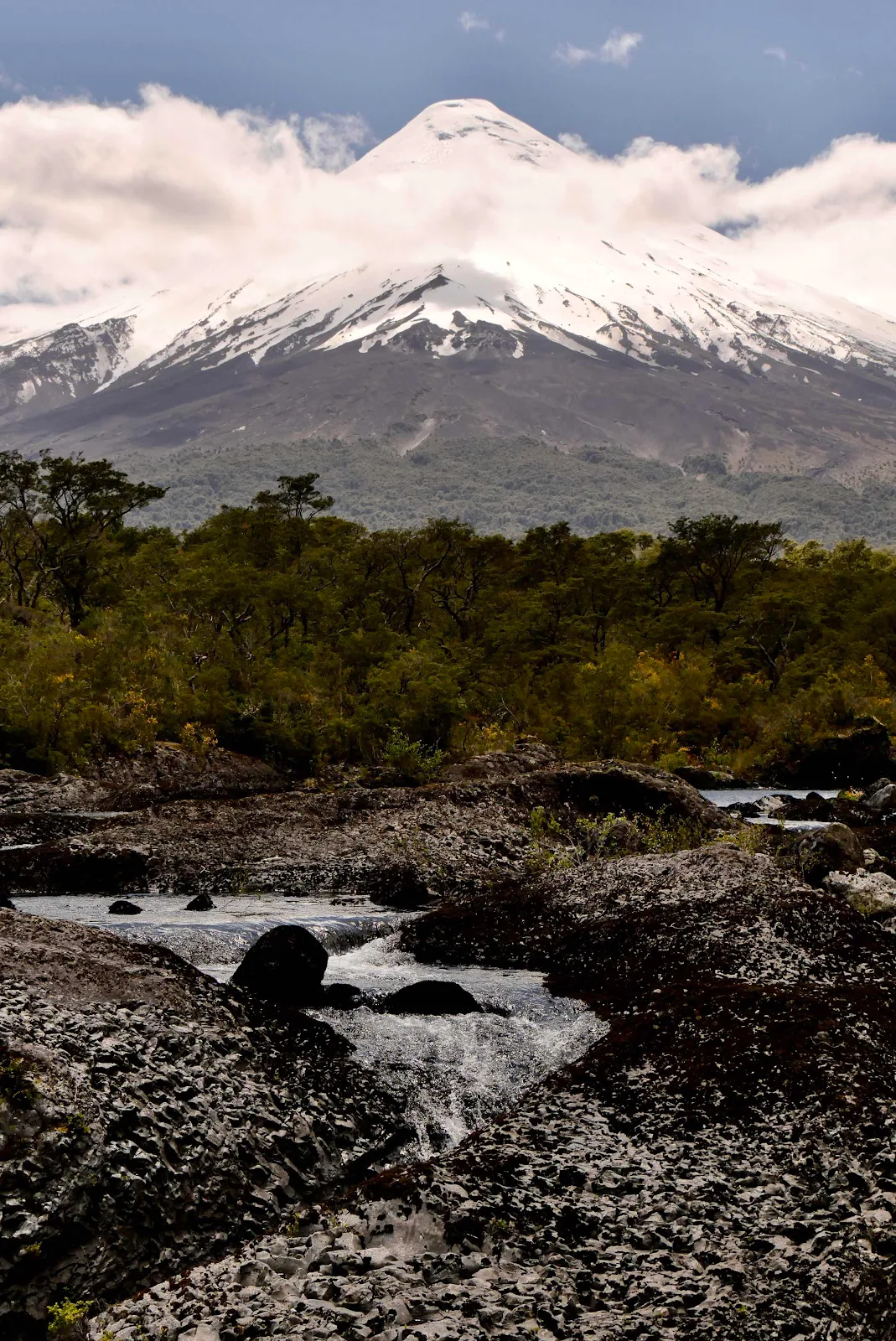
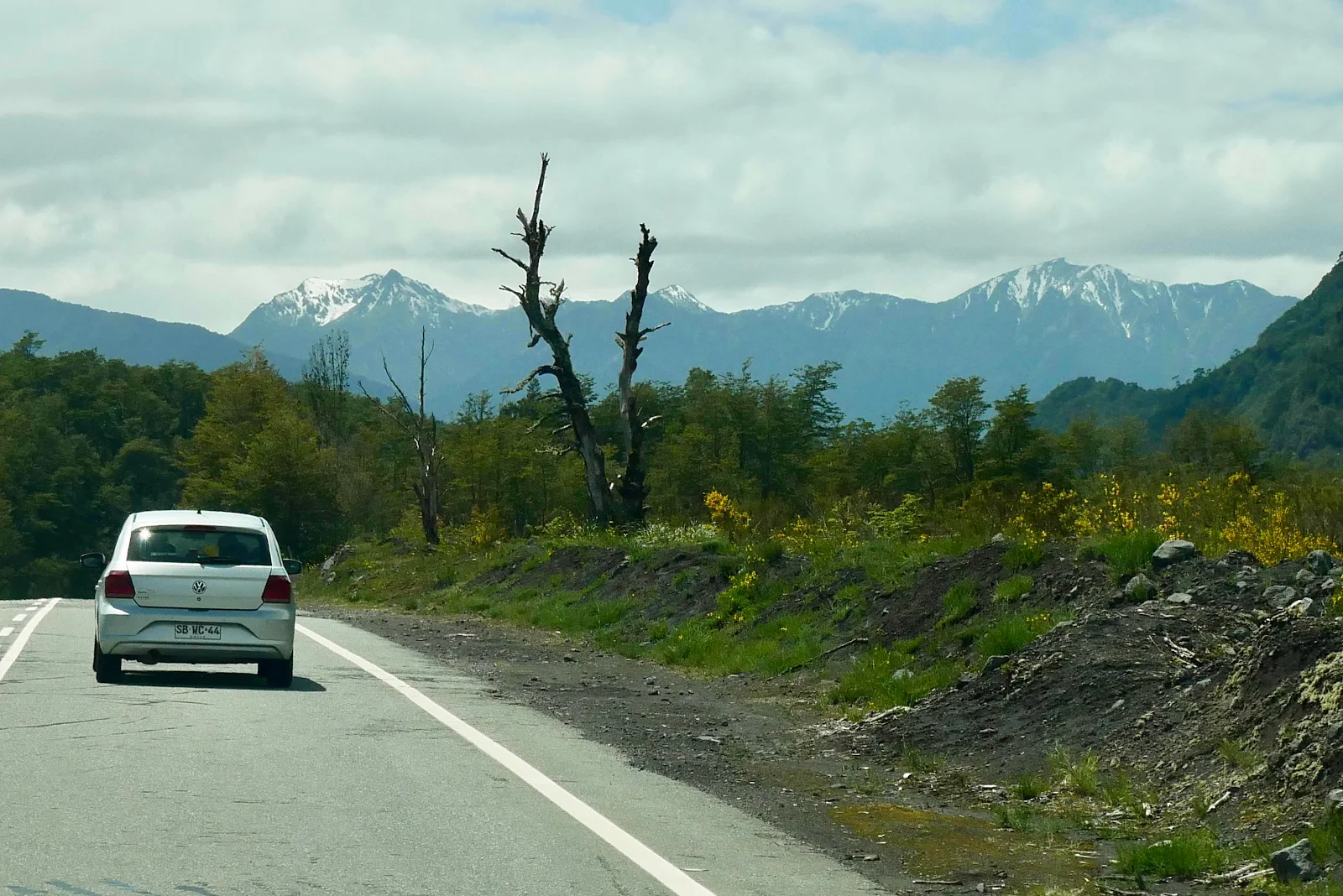
Volcanic rock and sand is everywhere here. 
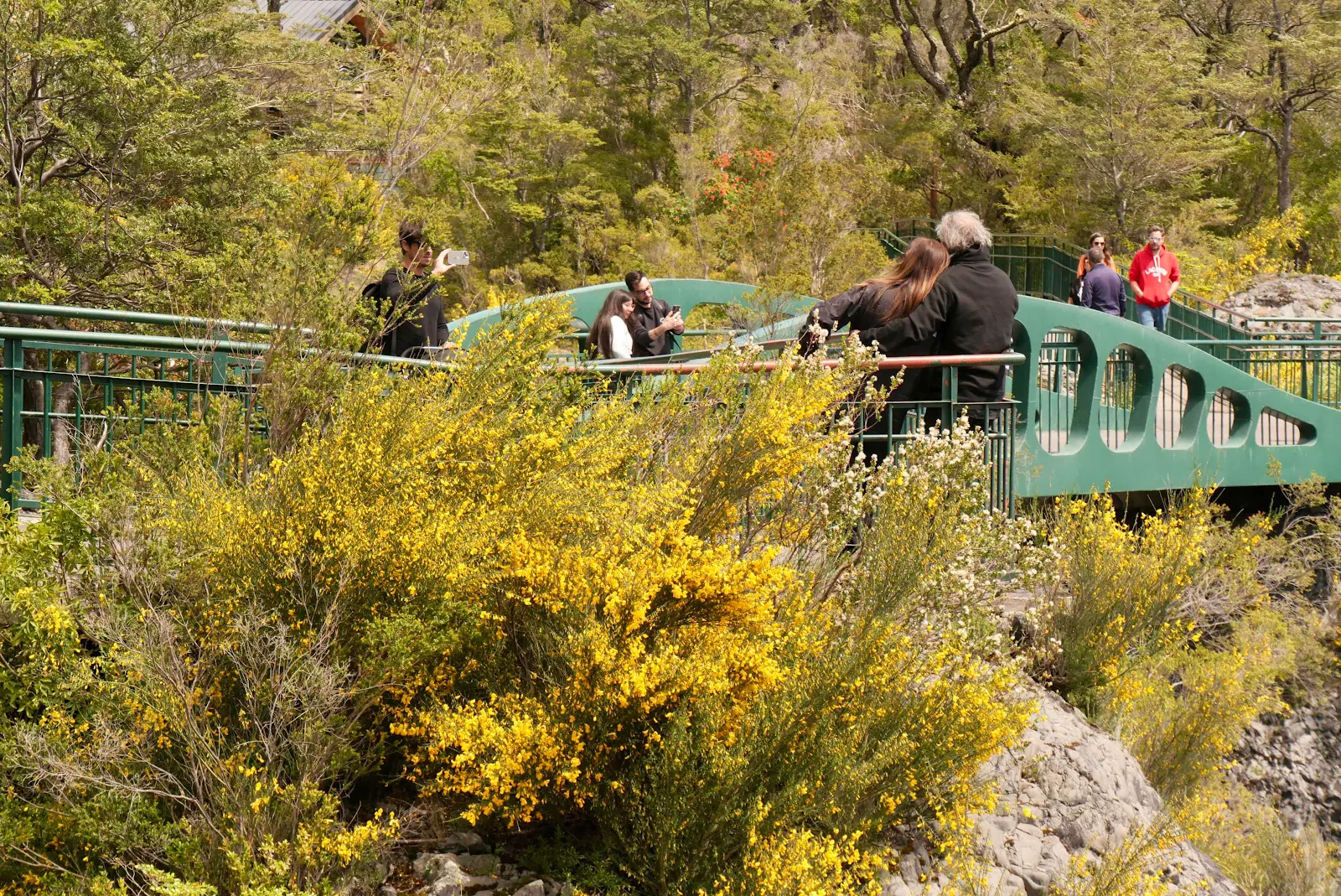
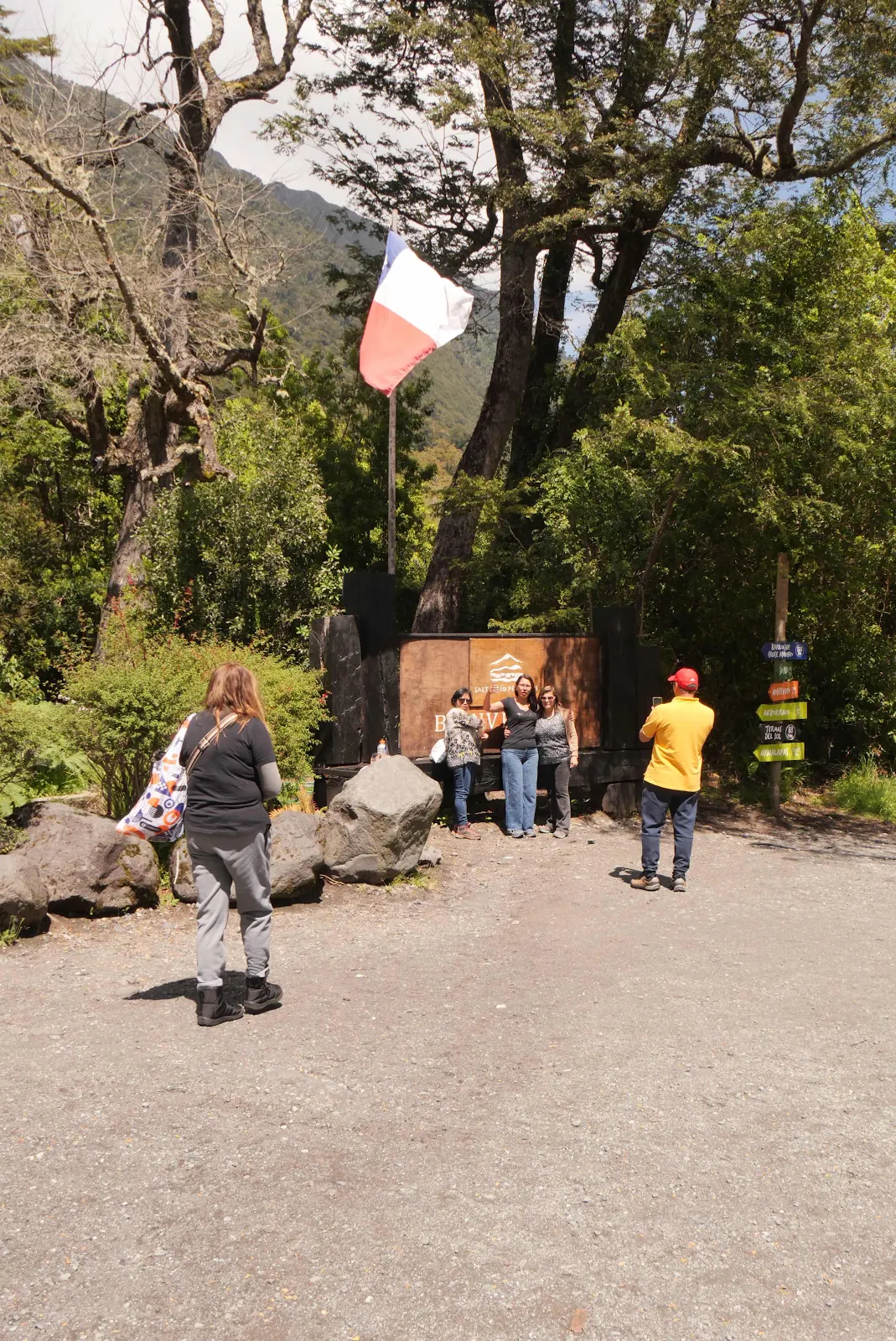
I think among all travelers I am least interested in selfies. I like showing places as you might see them and I don’t think my face generally improves them and the big thumbs up cliche or the ever popular v sign just make me cringe. 
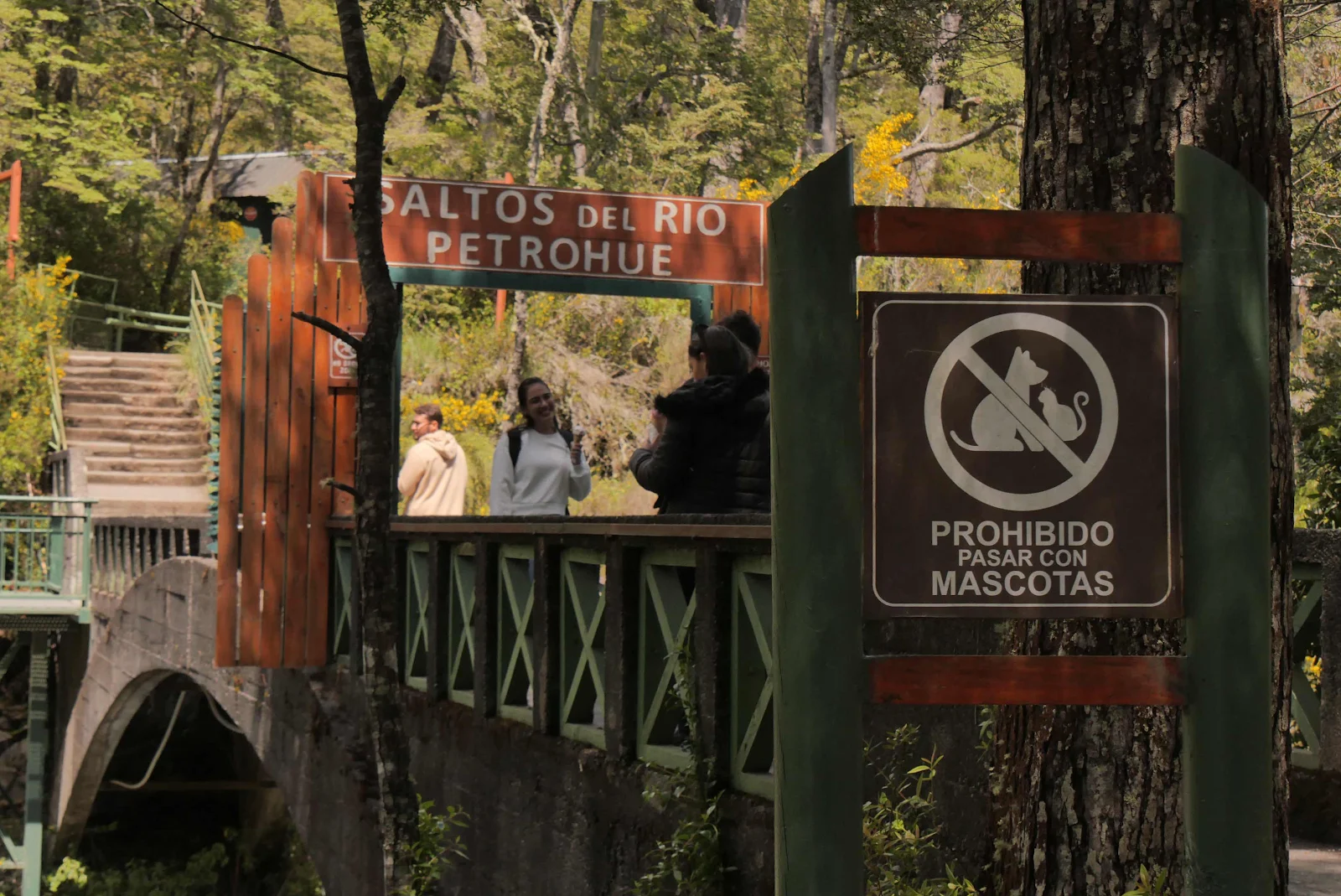
In some countries they call waterfalls “cascadas” but here the common term is “salto” which means leap as I guess the water does leap. 
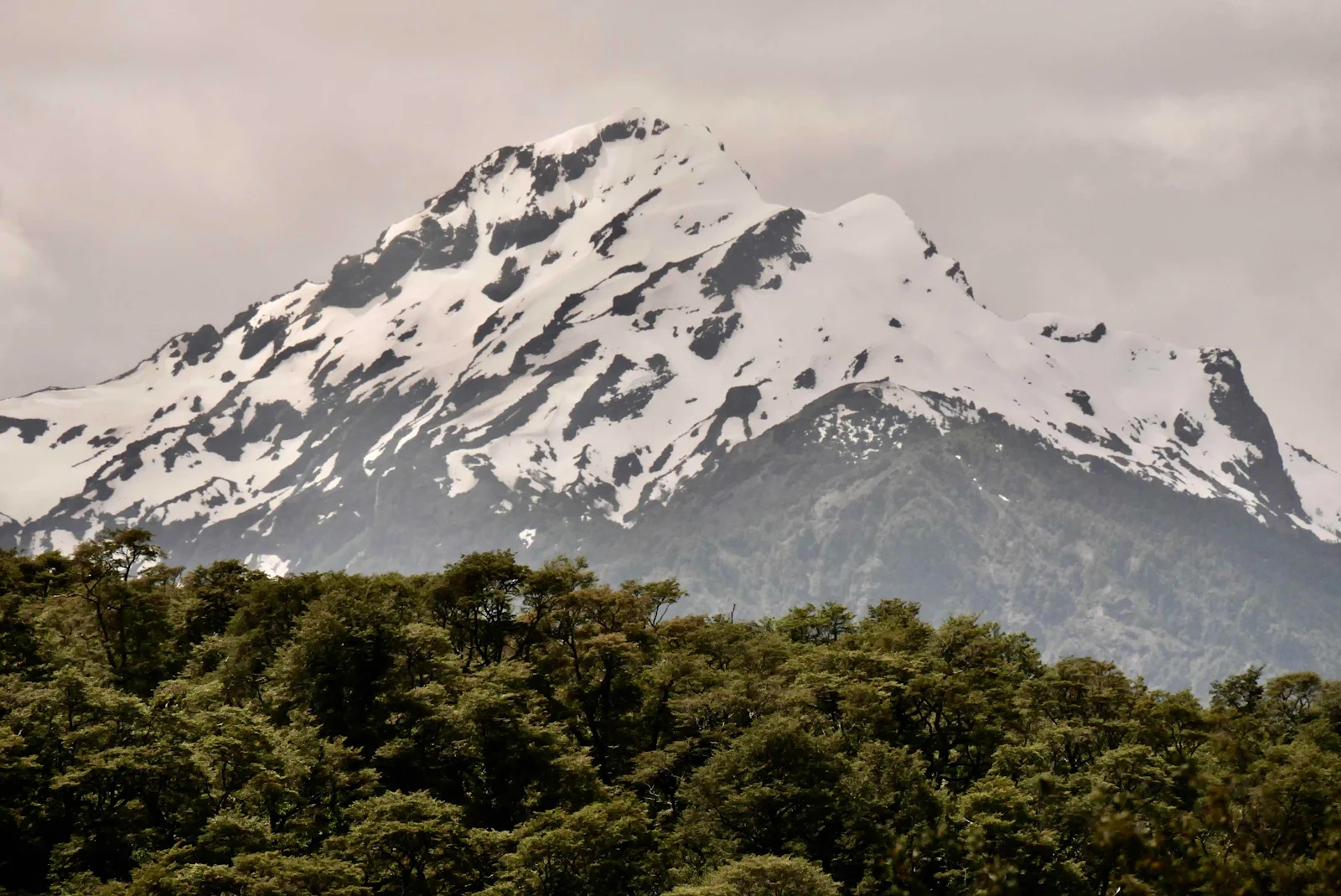
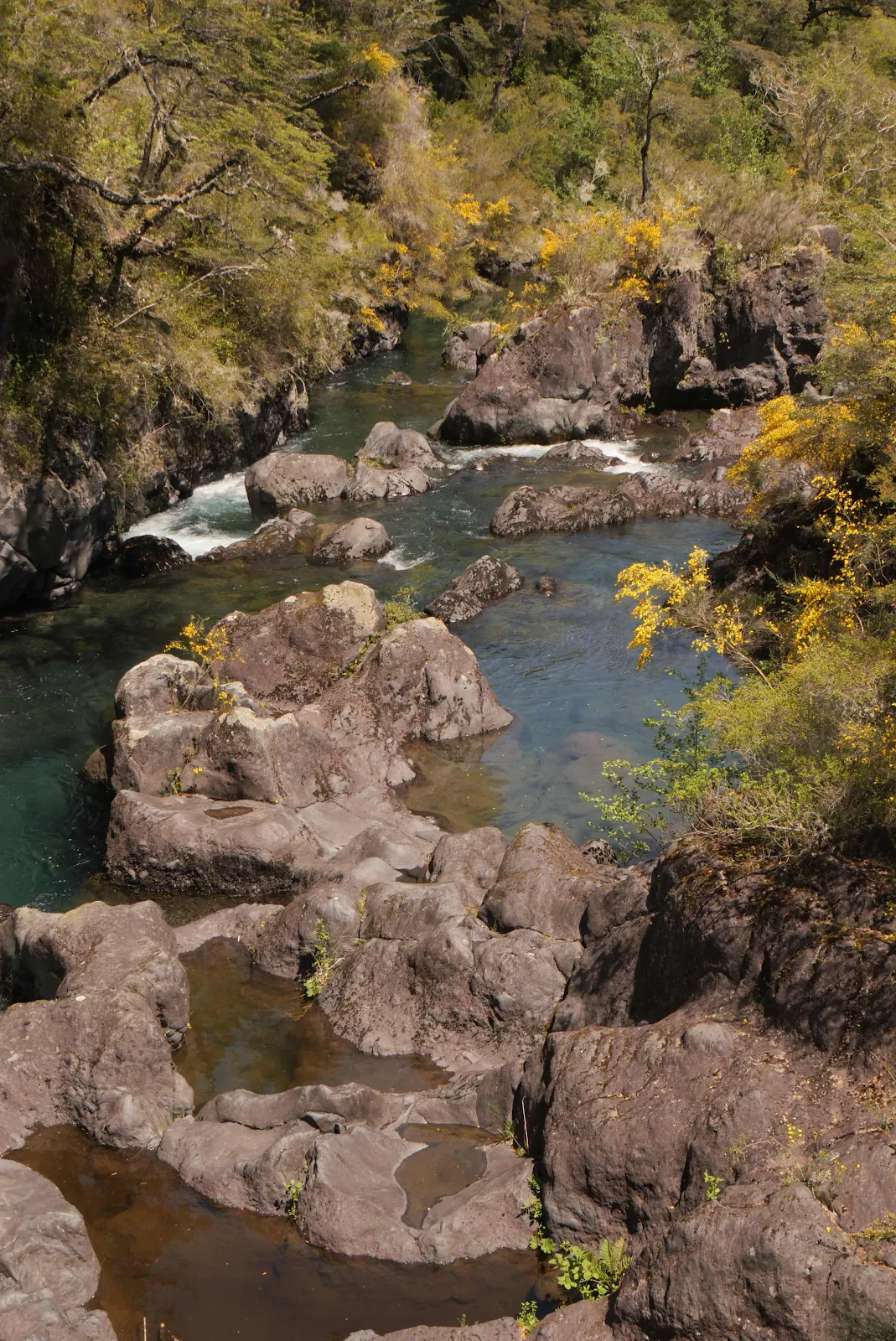
Consensus is growing that Patagonia in Chile starts at Puerto Montt about fifty miles away. But this is what I’ve always thought Patagonia might look like: 


Chilean senior citizens get in for free but us  foreigners got a reduced rate around five bucks each I think. There is a parks pass but with Rusty in our lives there’s no point in our buying one. 
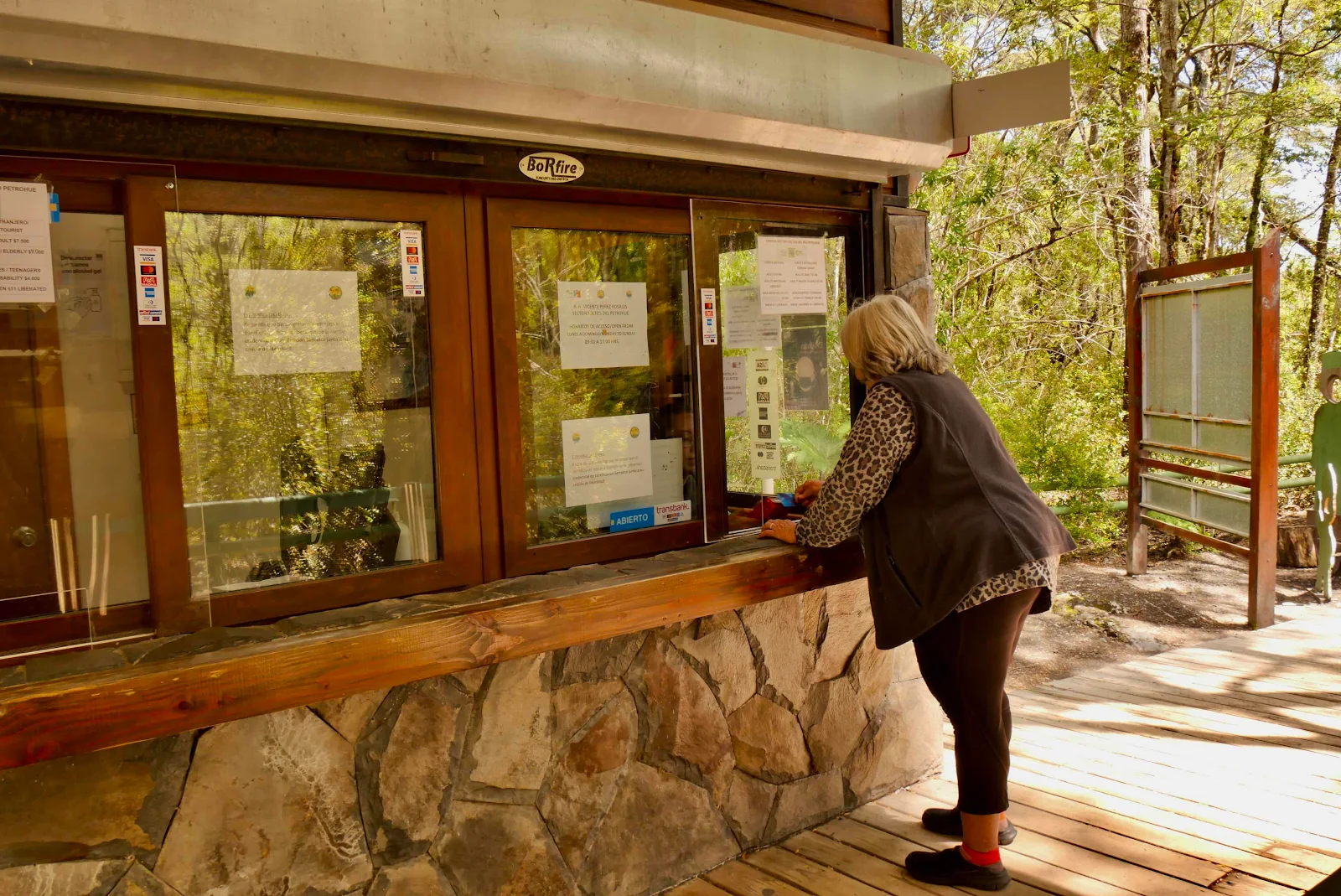
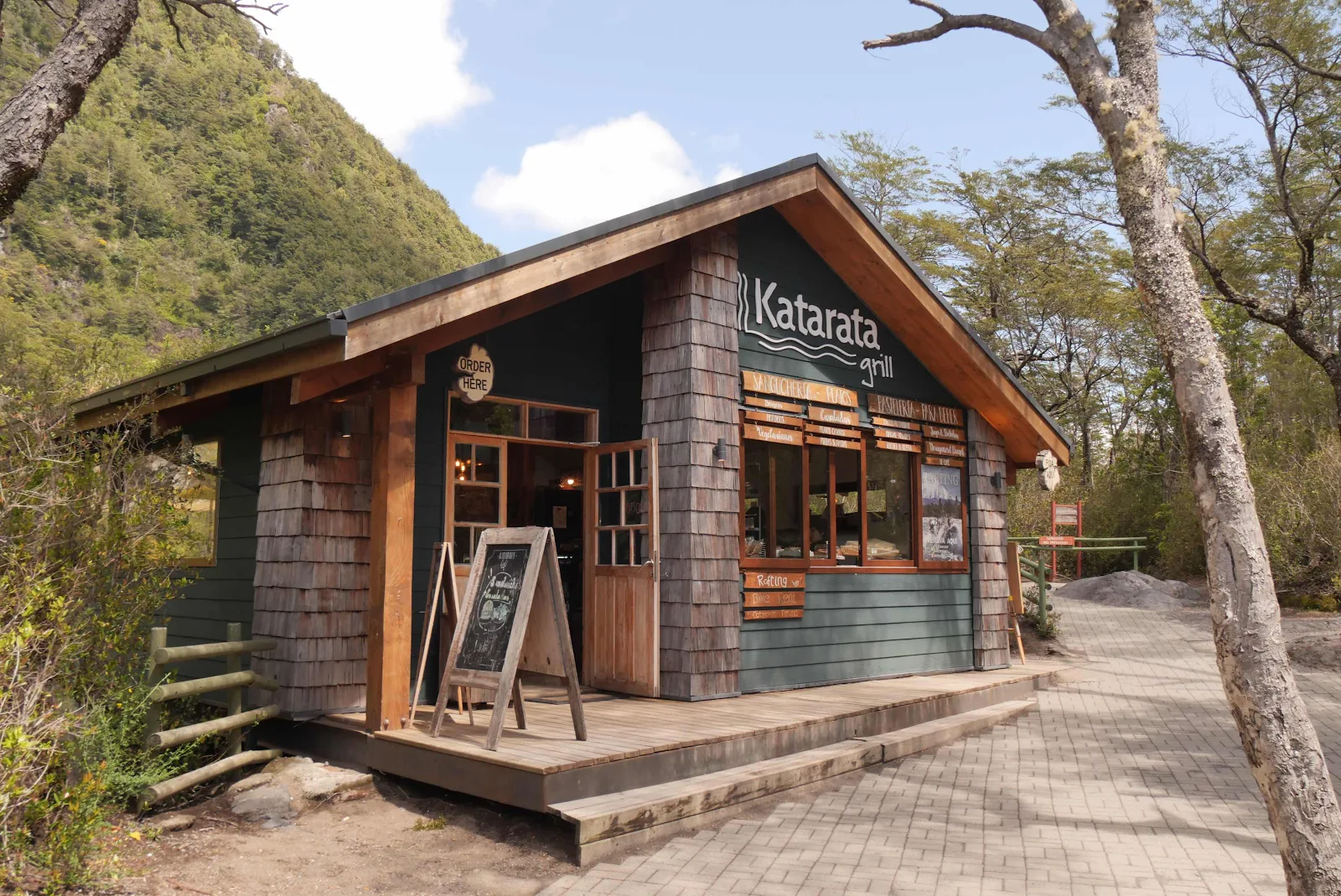
The facilities are comparable to what you would find in the US with formal snack and souvenir shops and none of the informal street vending style we are used to in South America. 

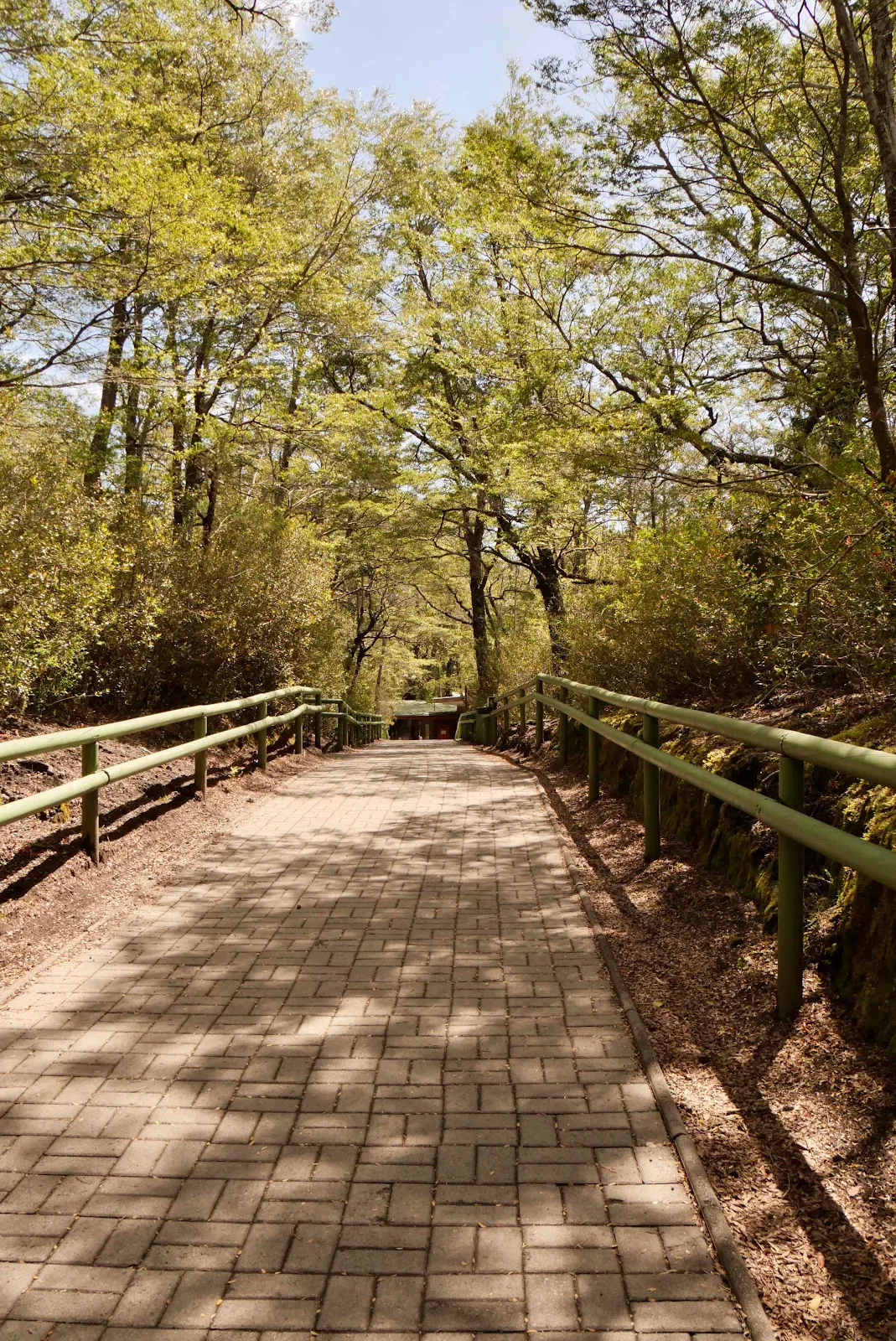
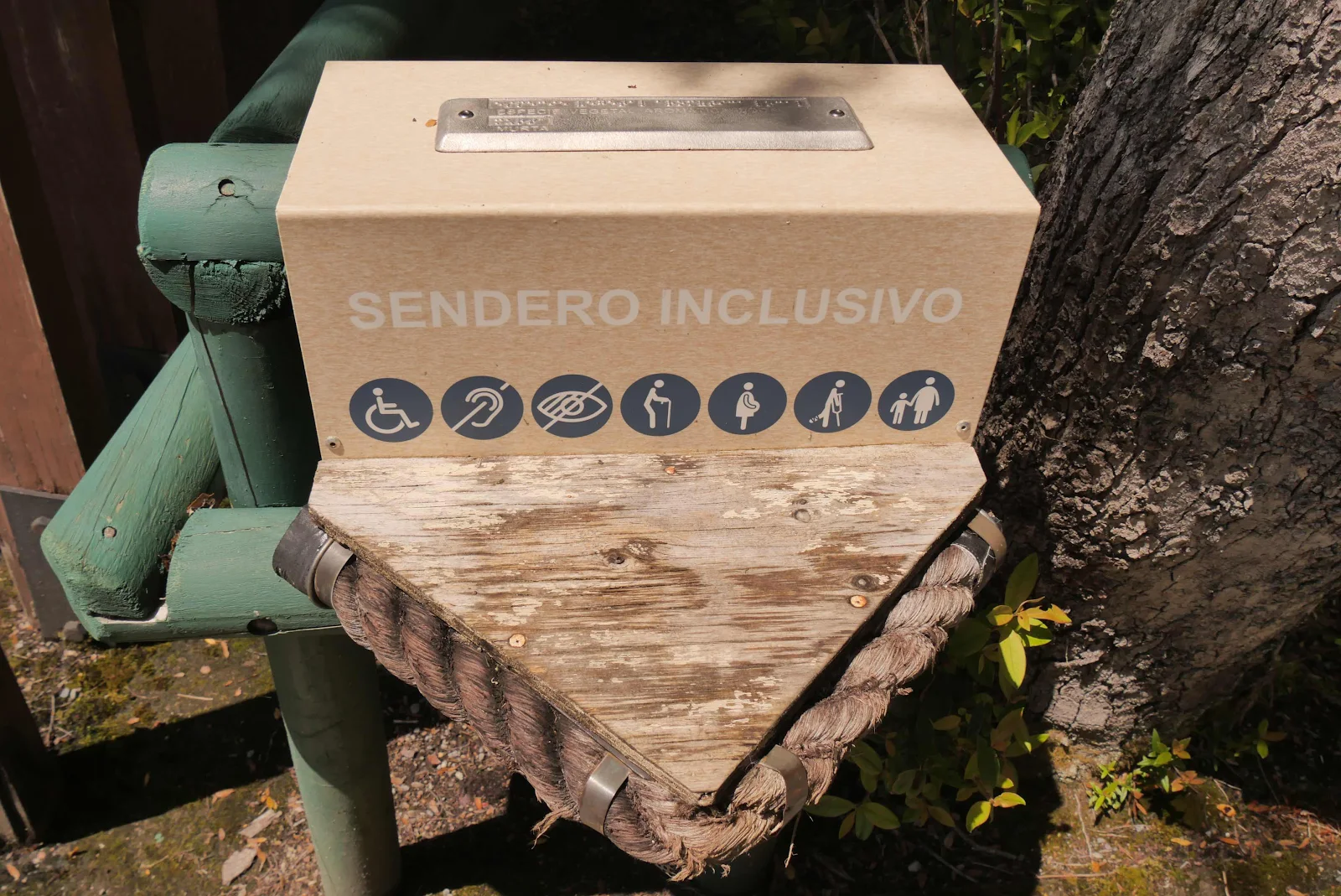
They even had speakers along the trail for handicapped visitors. 
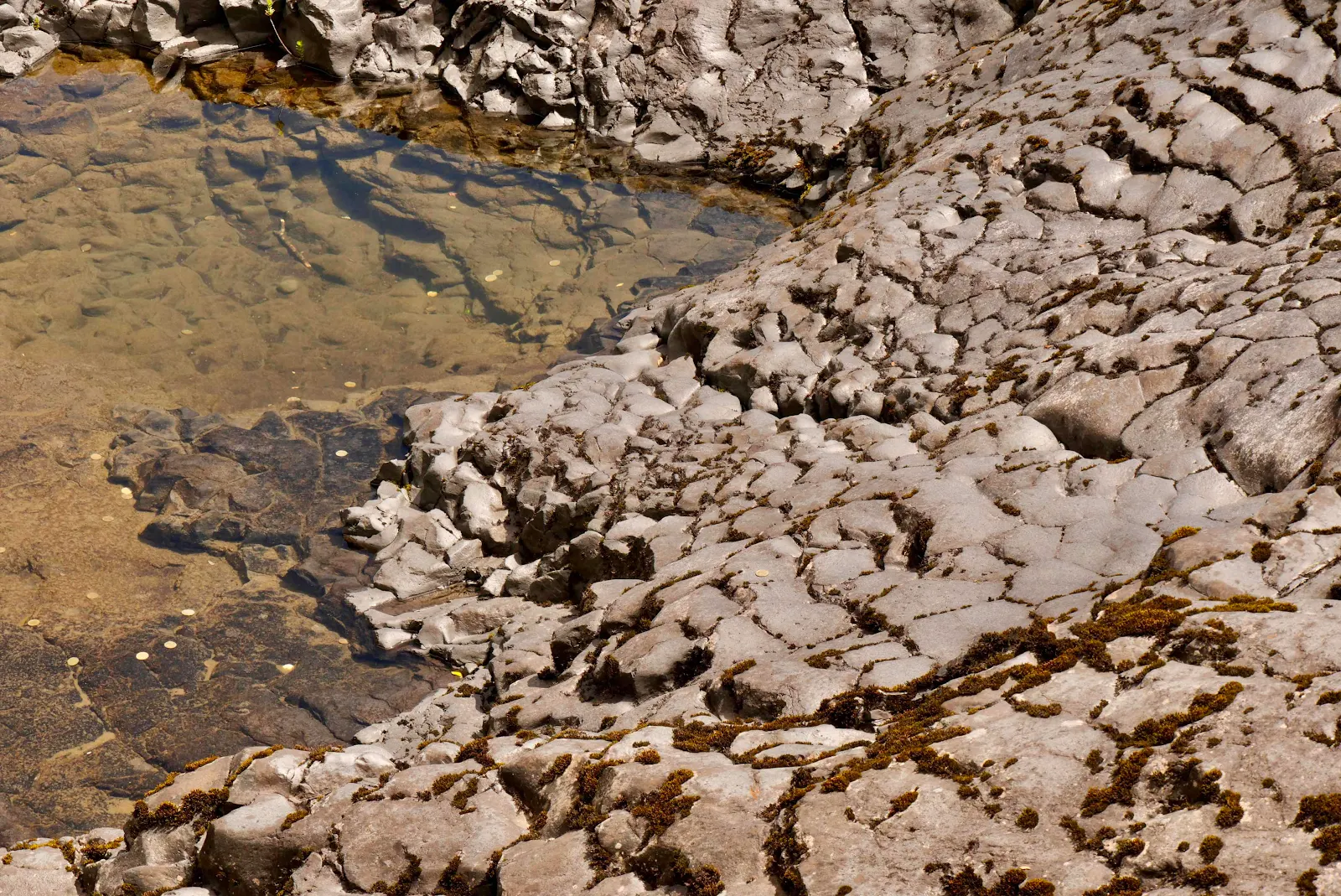
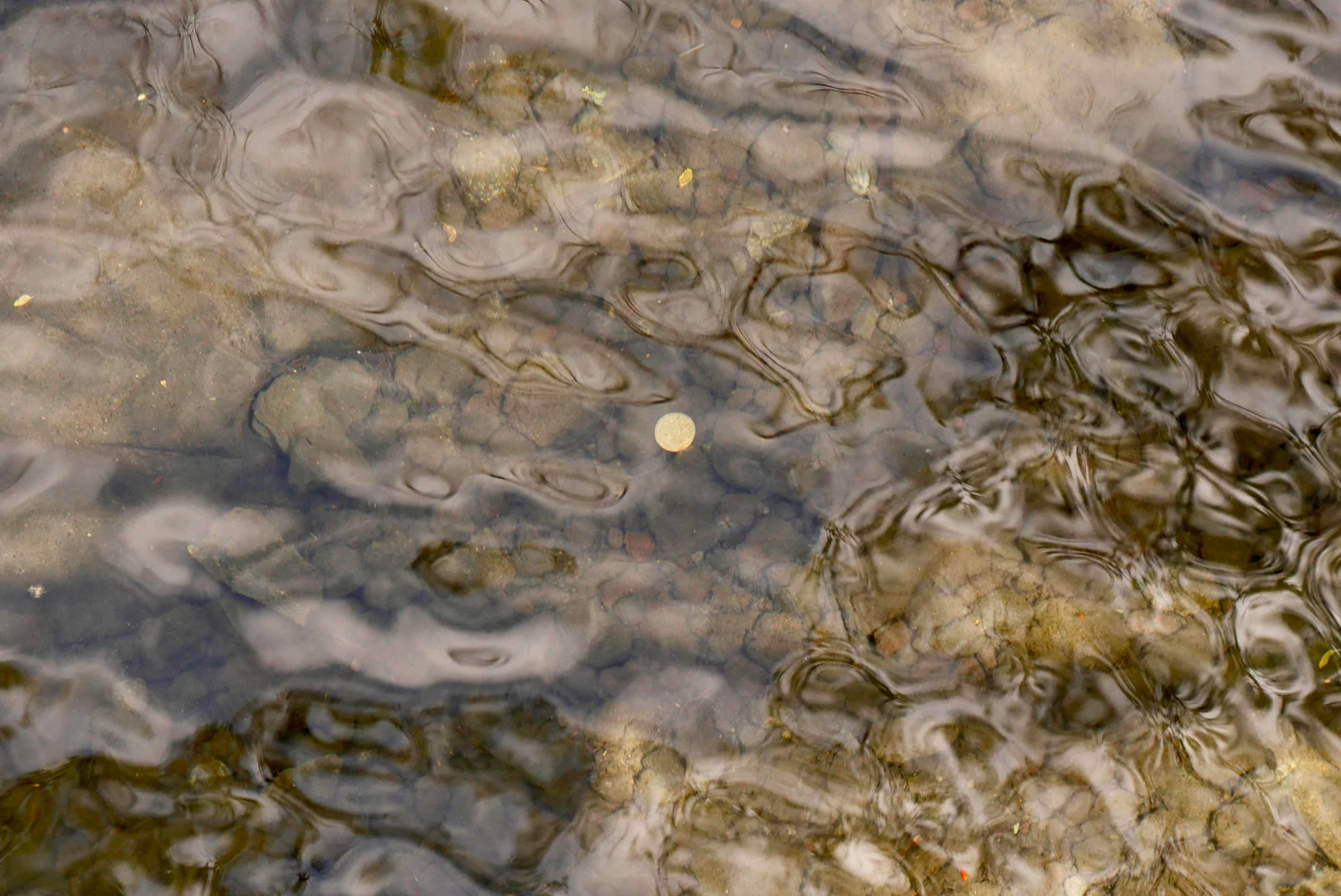
There was a sign asking visitors not to throw coins for whatever reason into the creek. I looked down from the bridge and predictably…
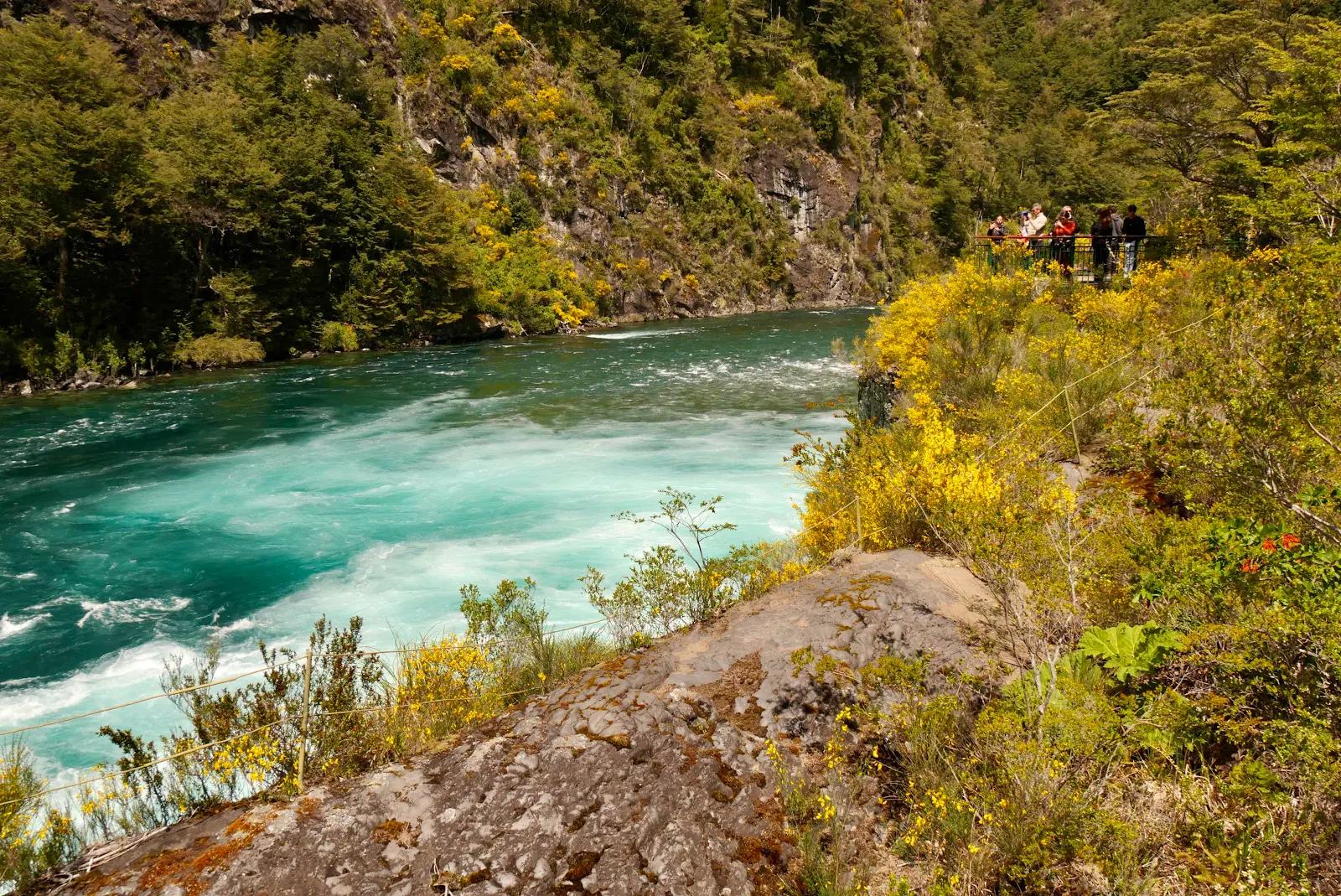

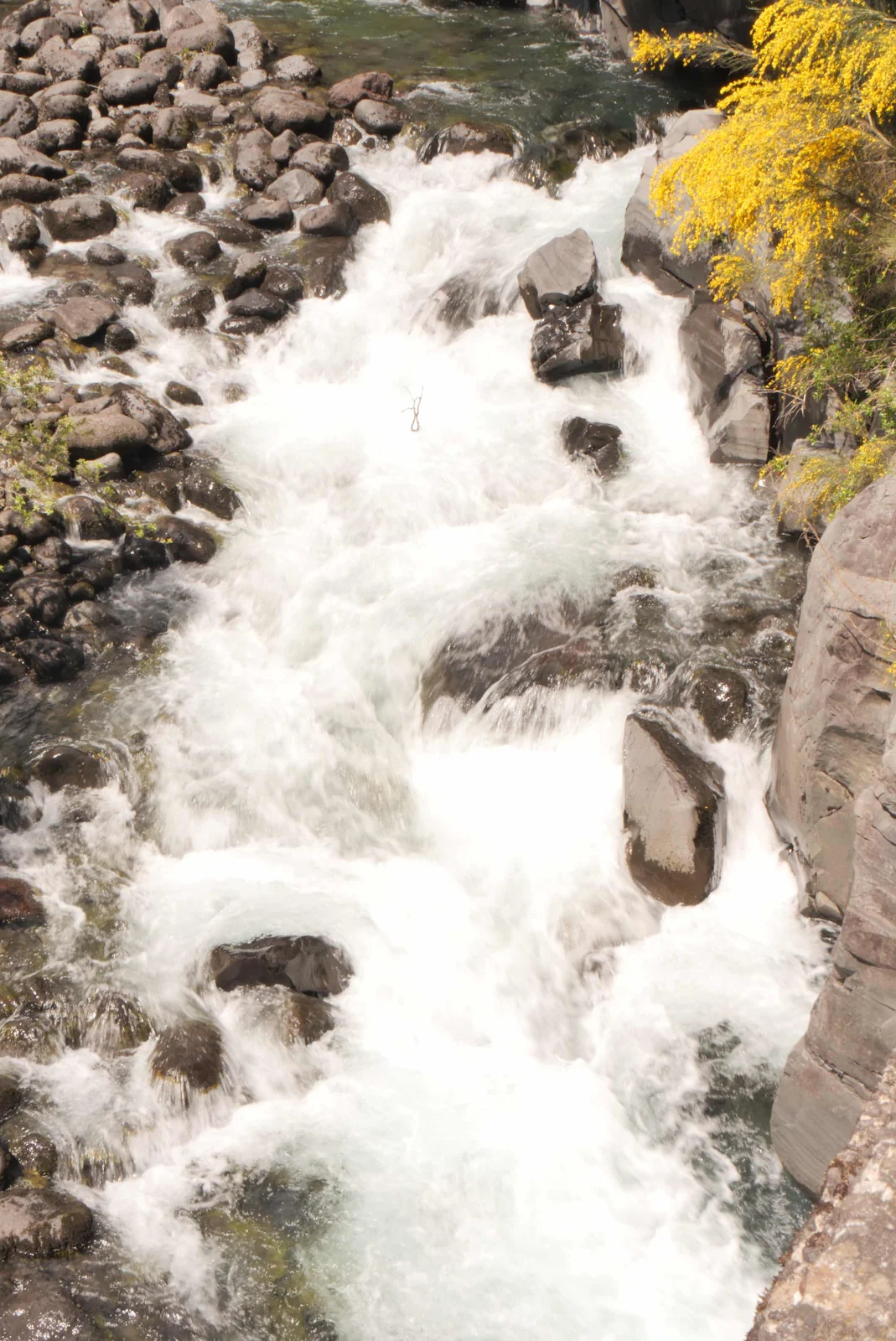
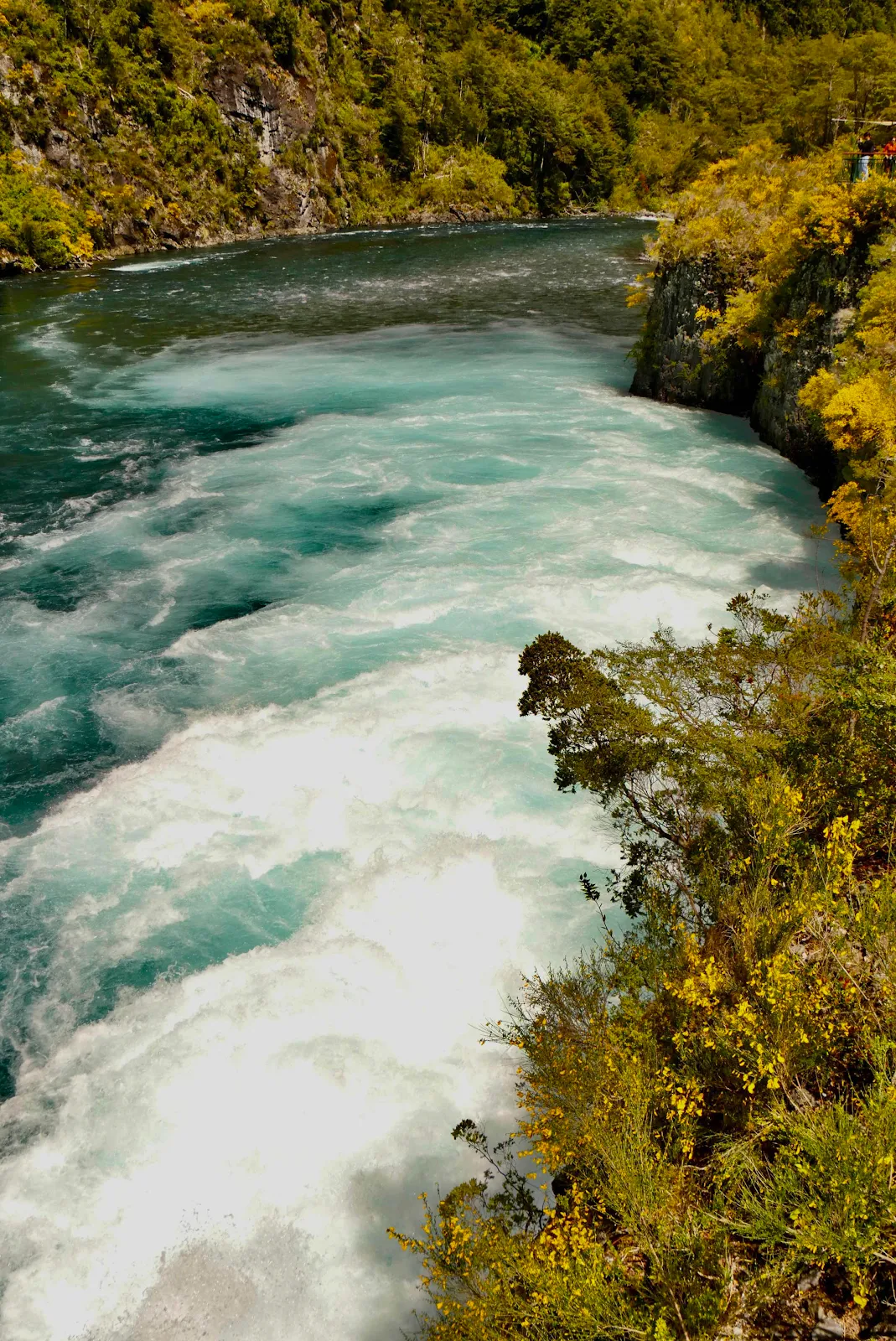
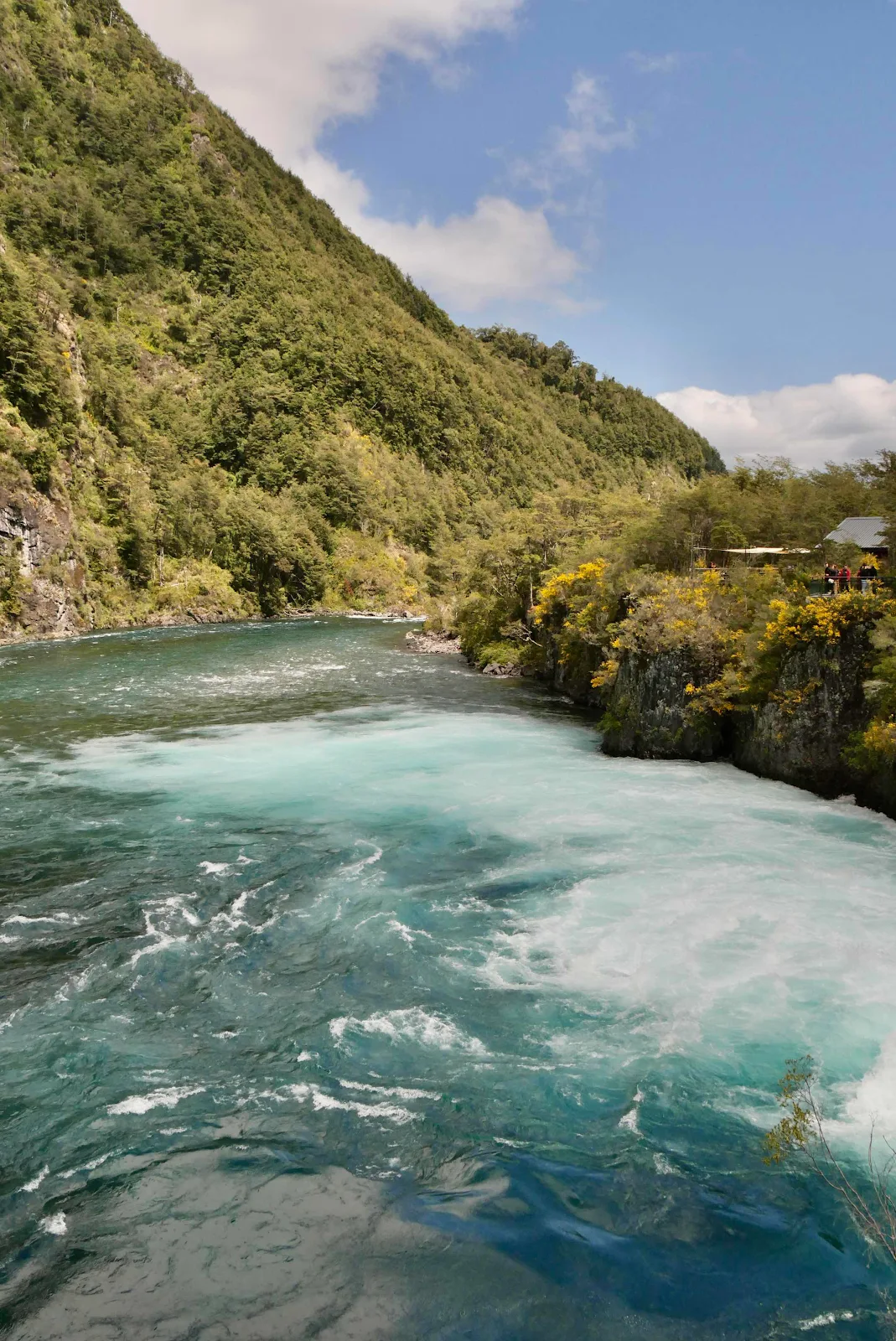
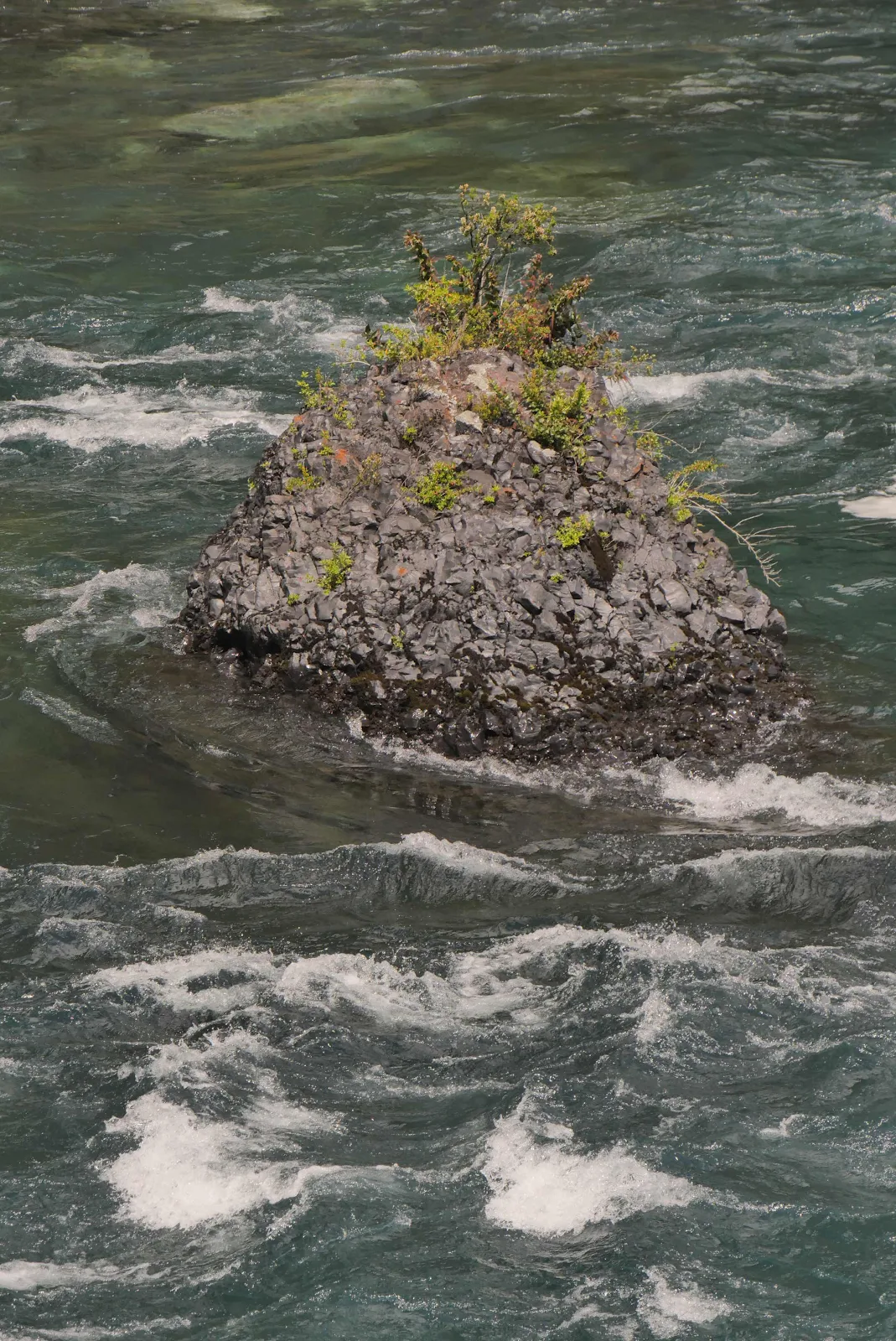
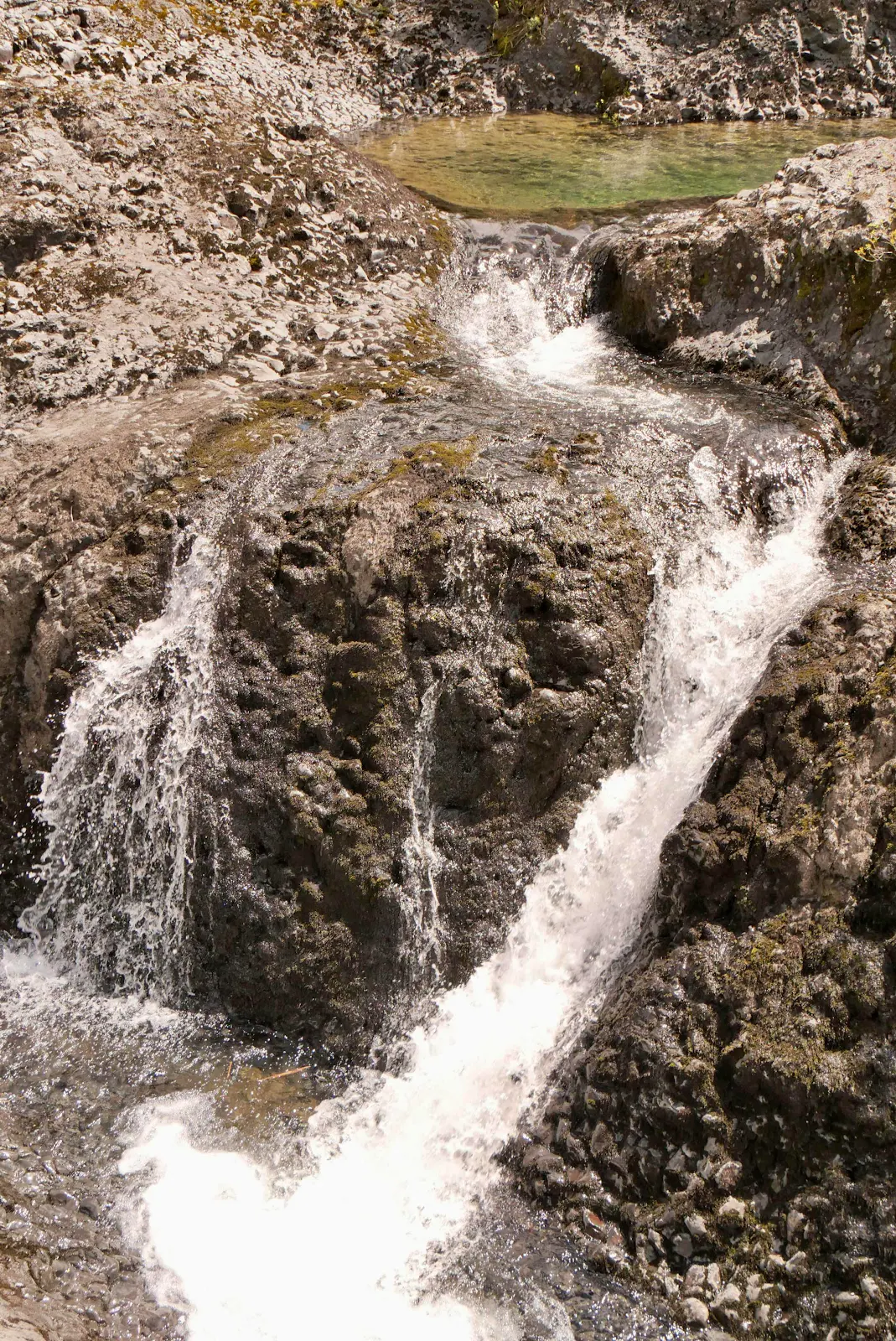
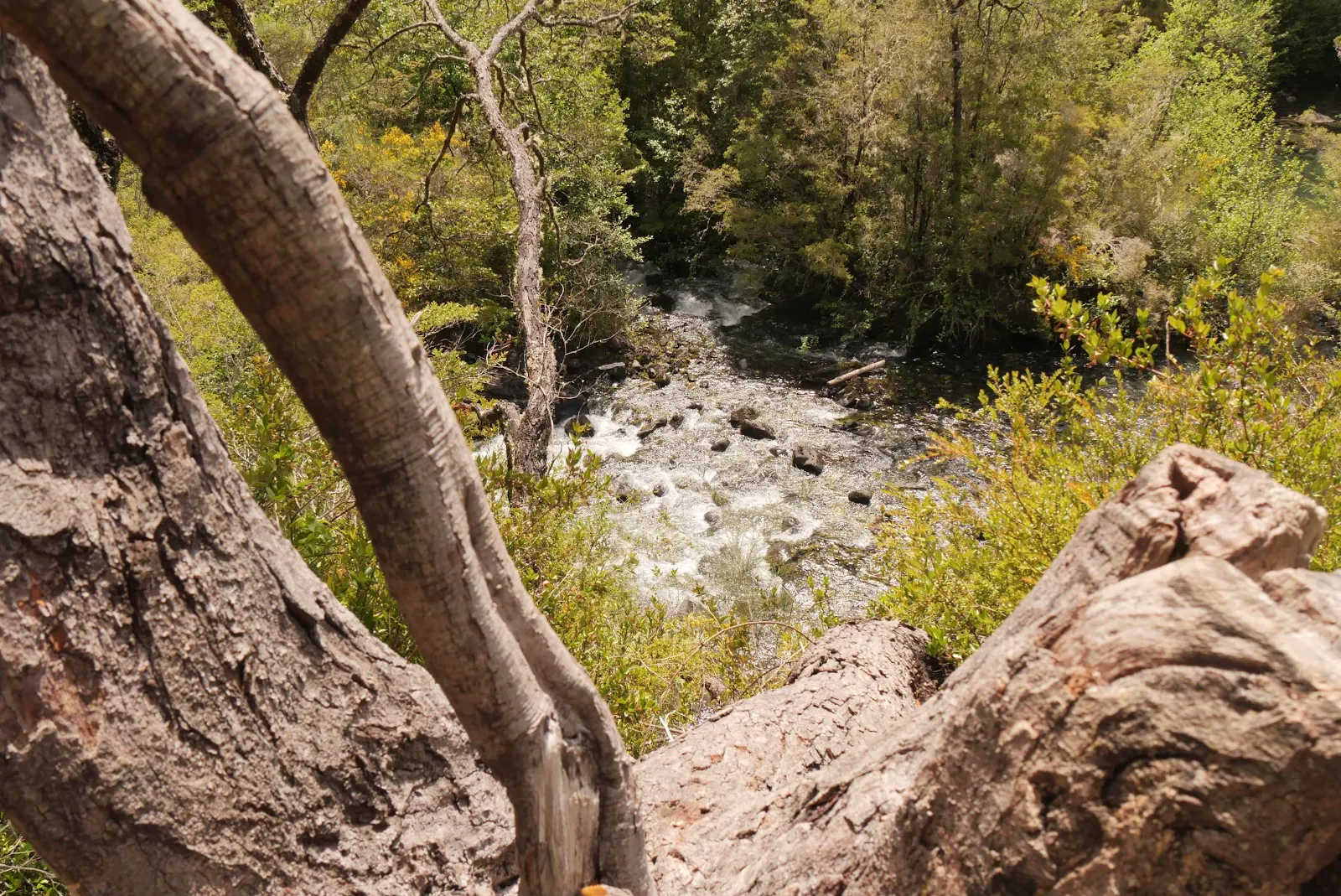
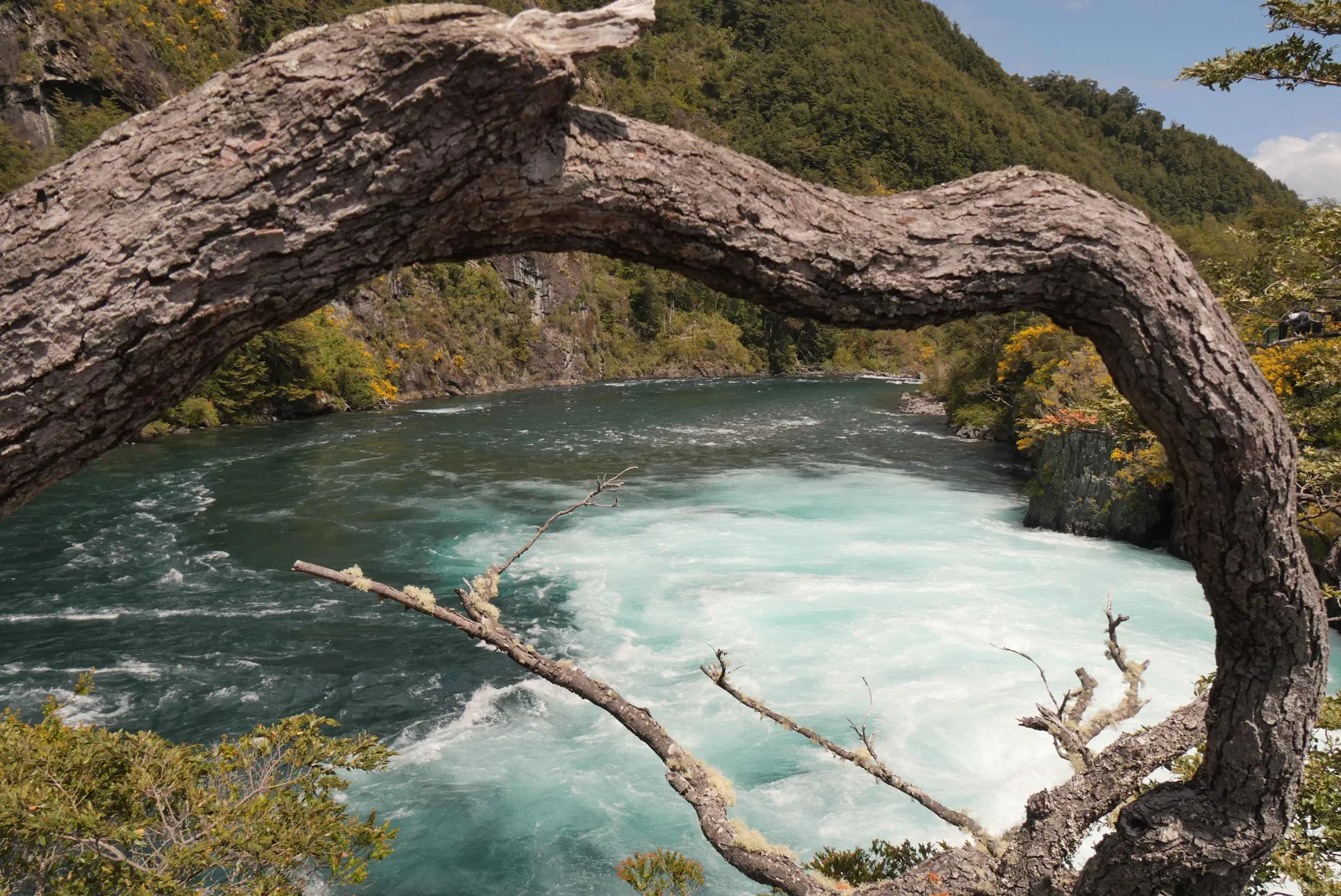
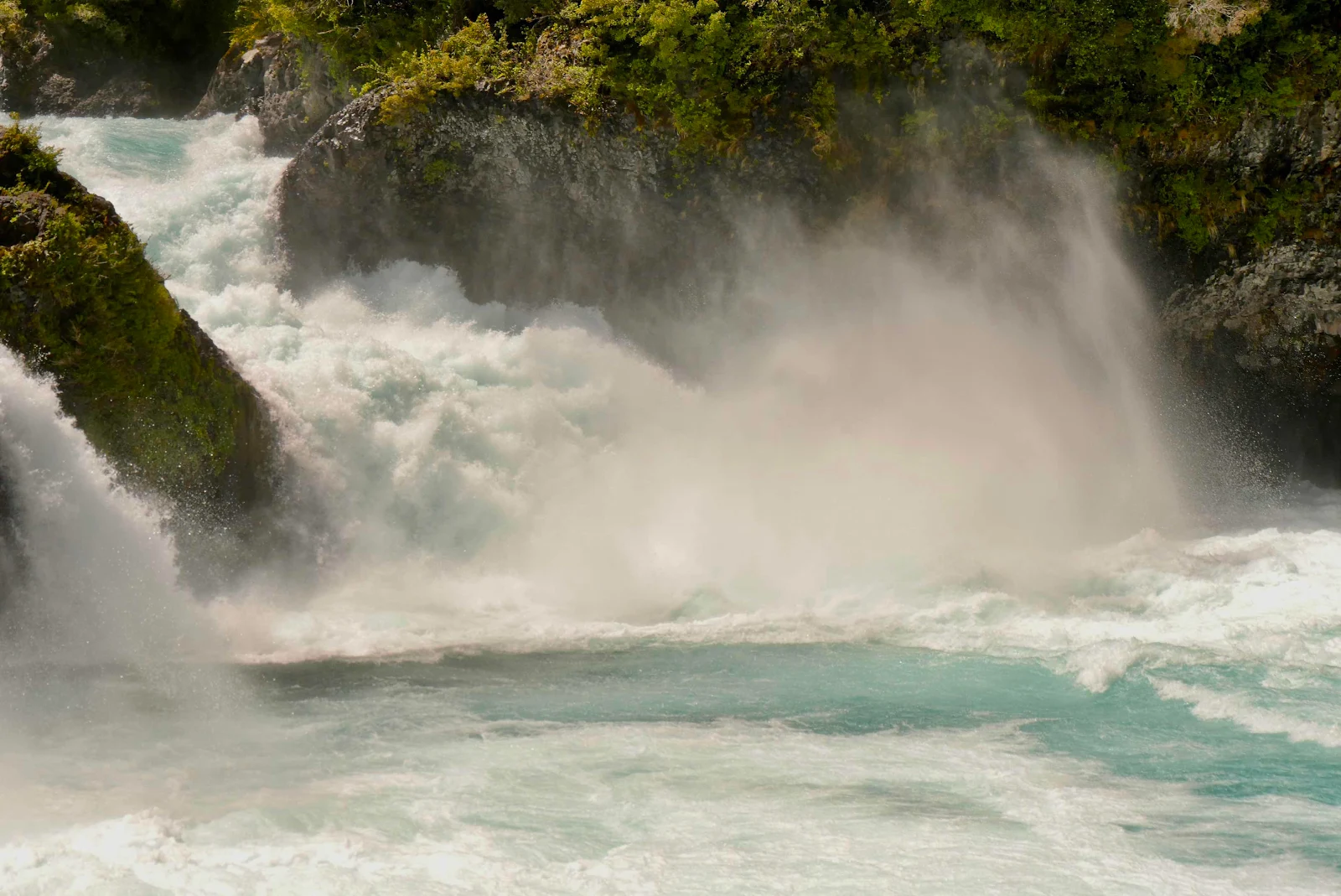
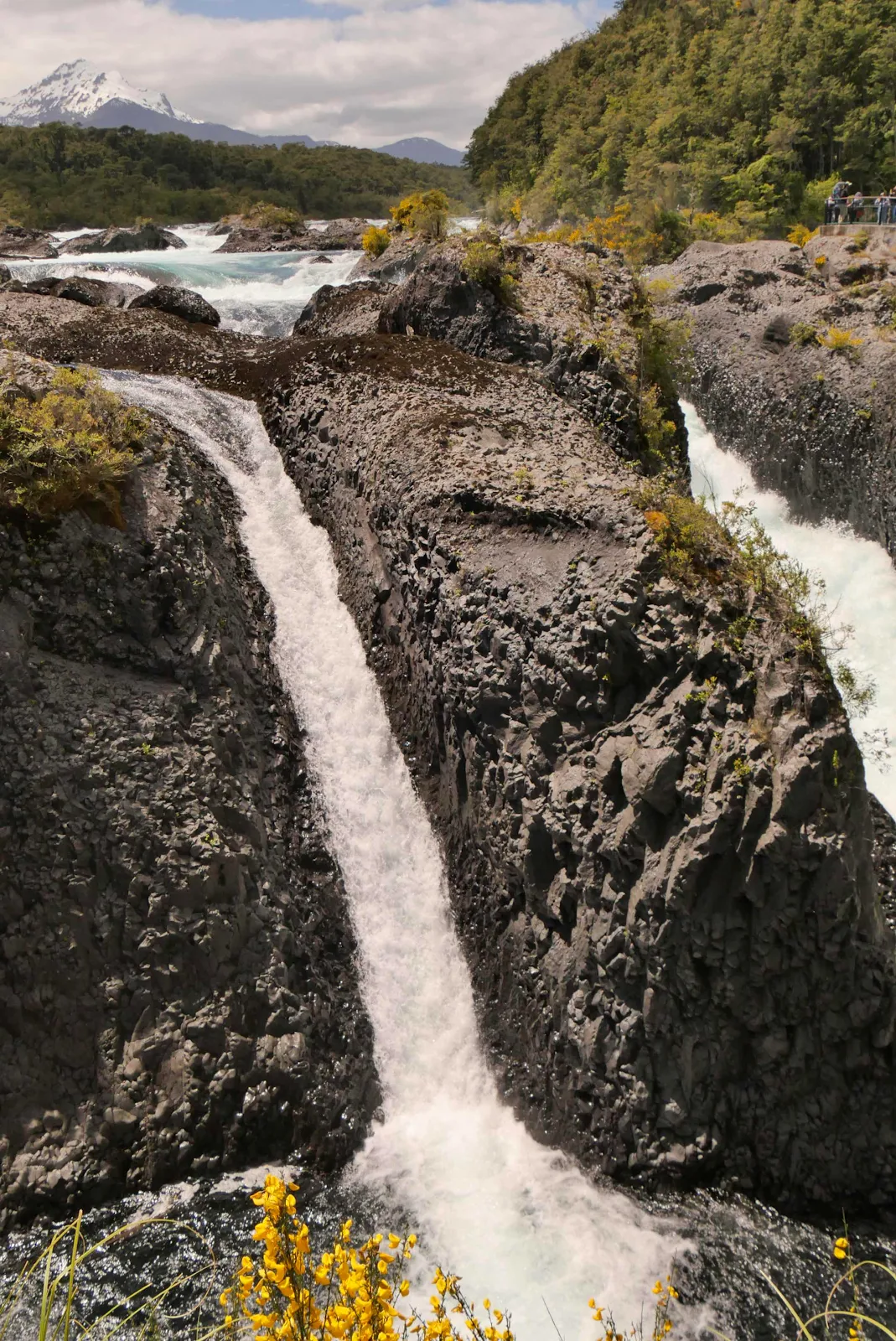
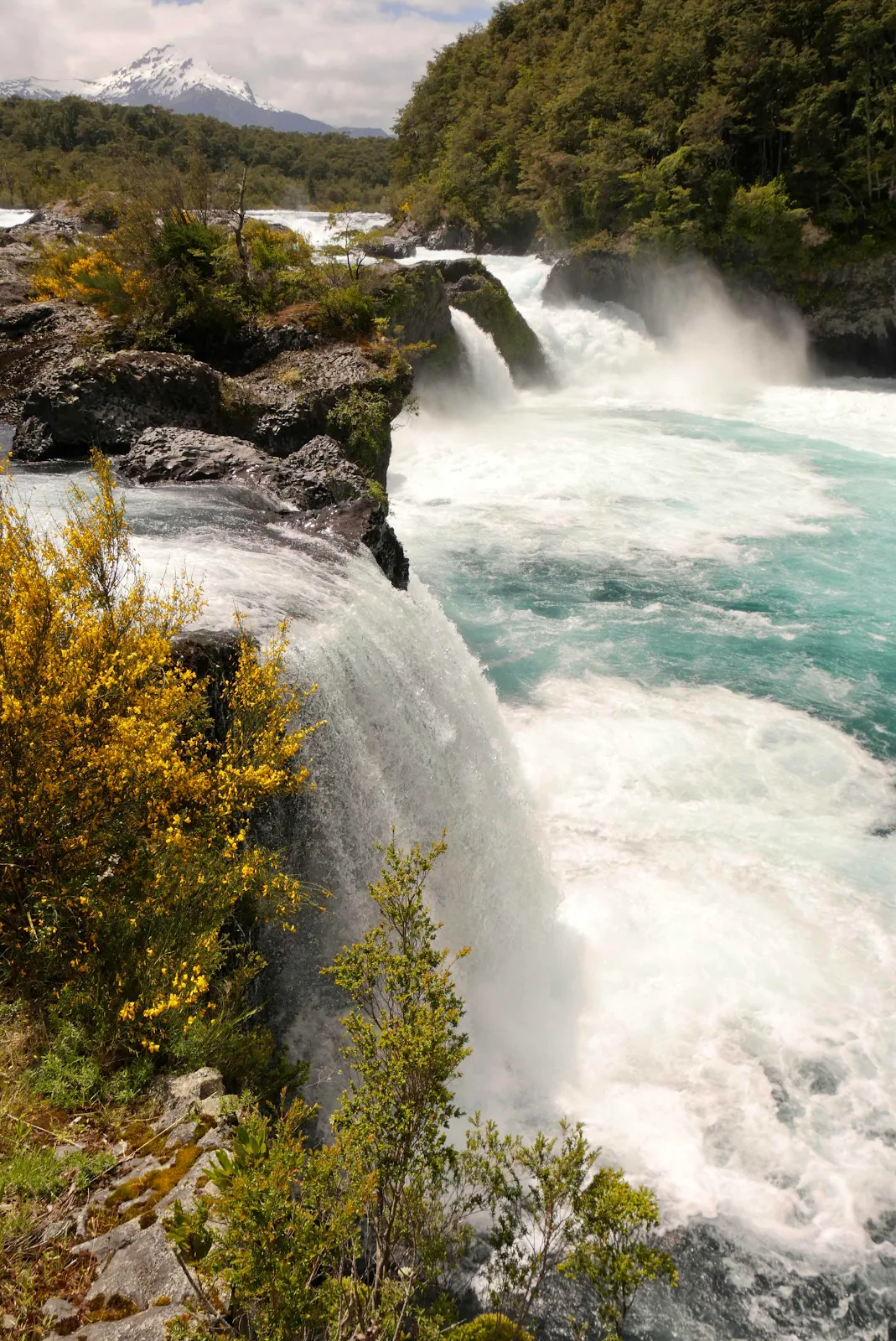
These waterfalls aren’t tall but they are powerful burst of first amongst the black volcanic rocks under the volcanoes. 


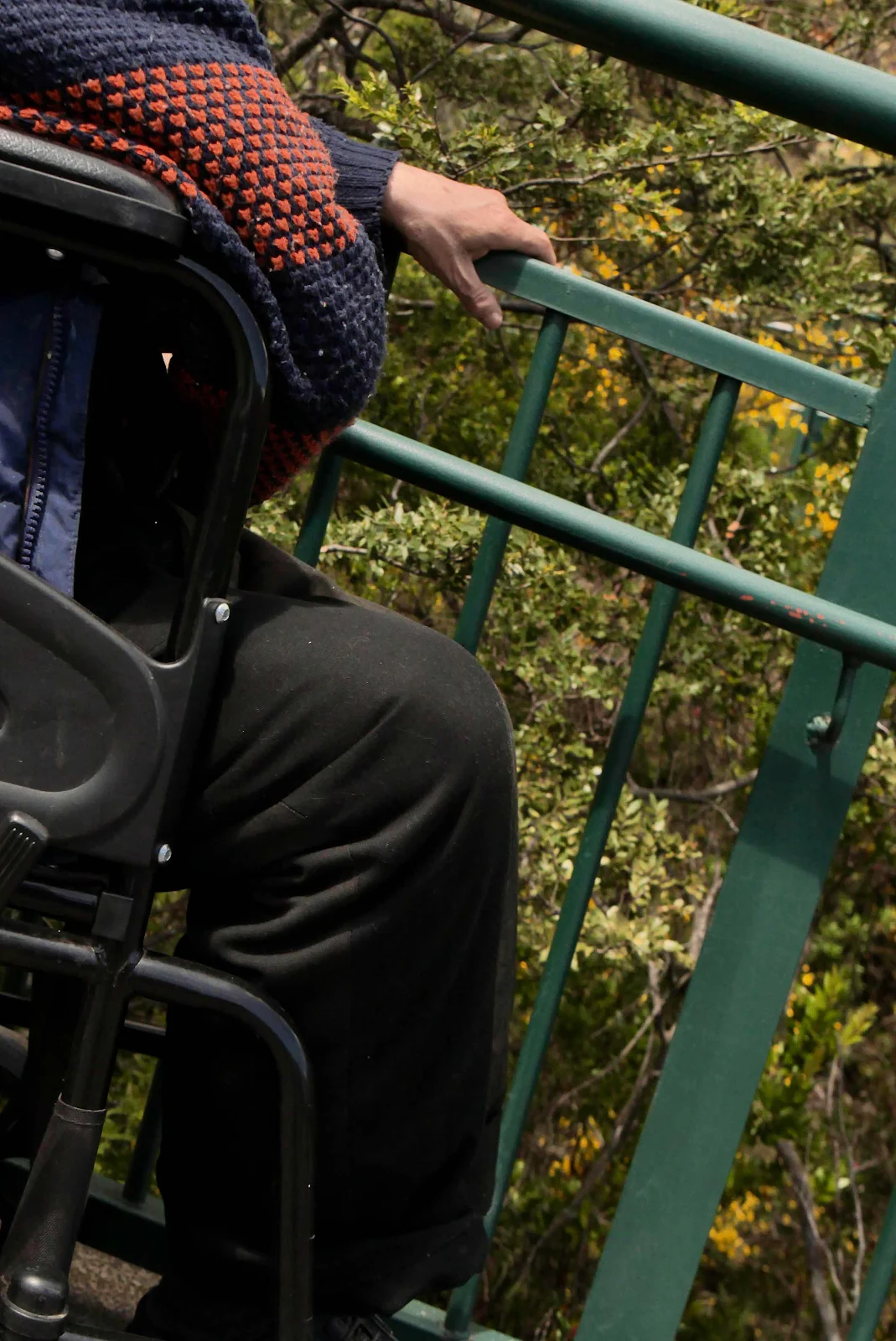
We met an elderly couple in wheelchairs being pushed by family members though they didn’t seem very relaxed about the ride. I was impressed by the high standards of the facilities and accessibility in the park. 


It was quite lovely and despite the unexpected crowds it never felt crowded oddly enough. 
There was room for everyone to pose for selfies. 
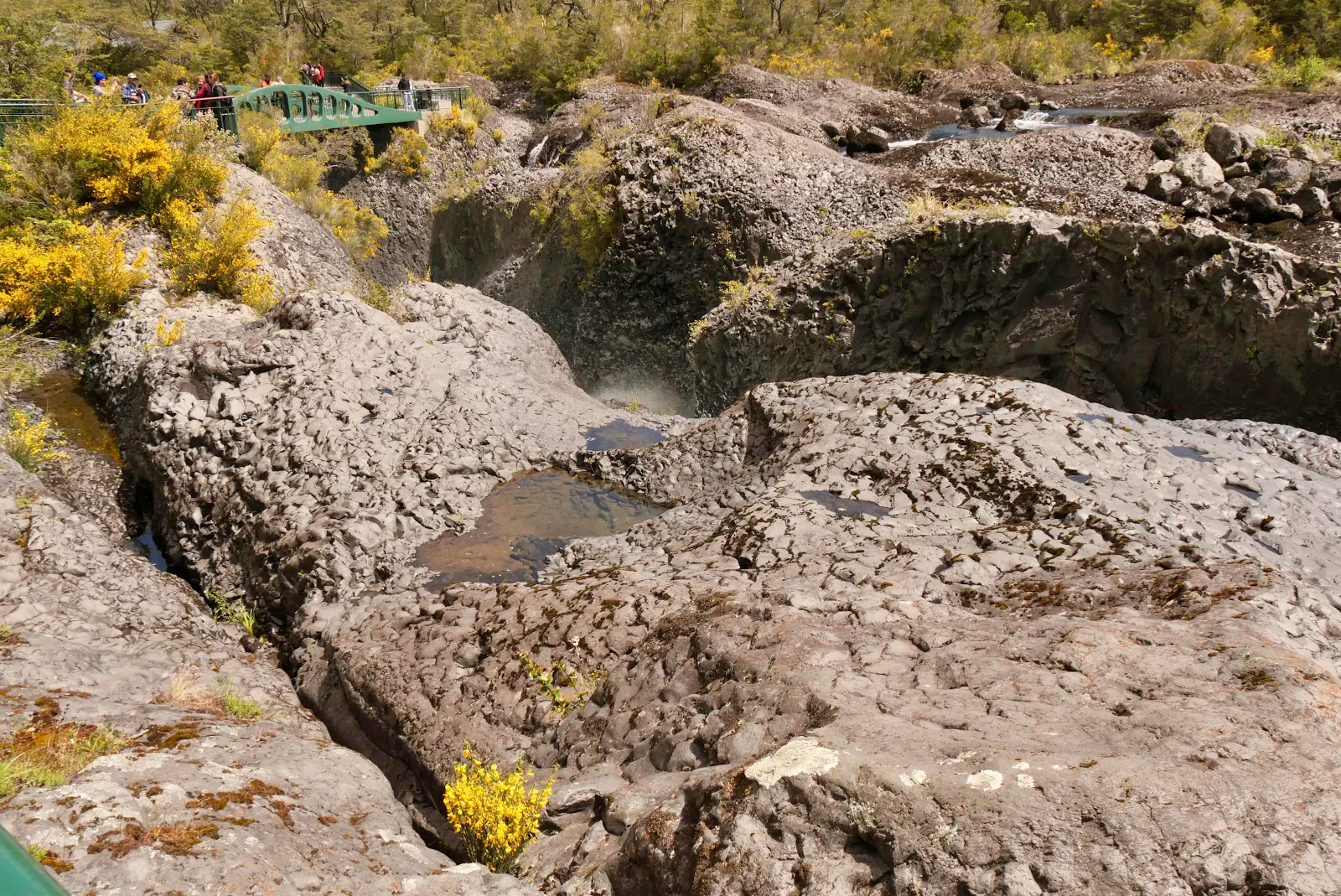


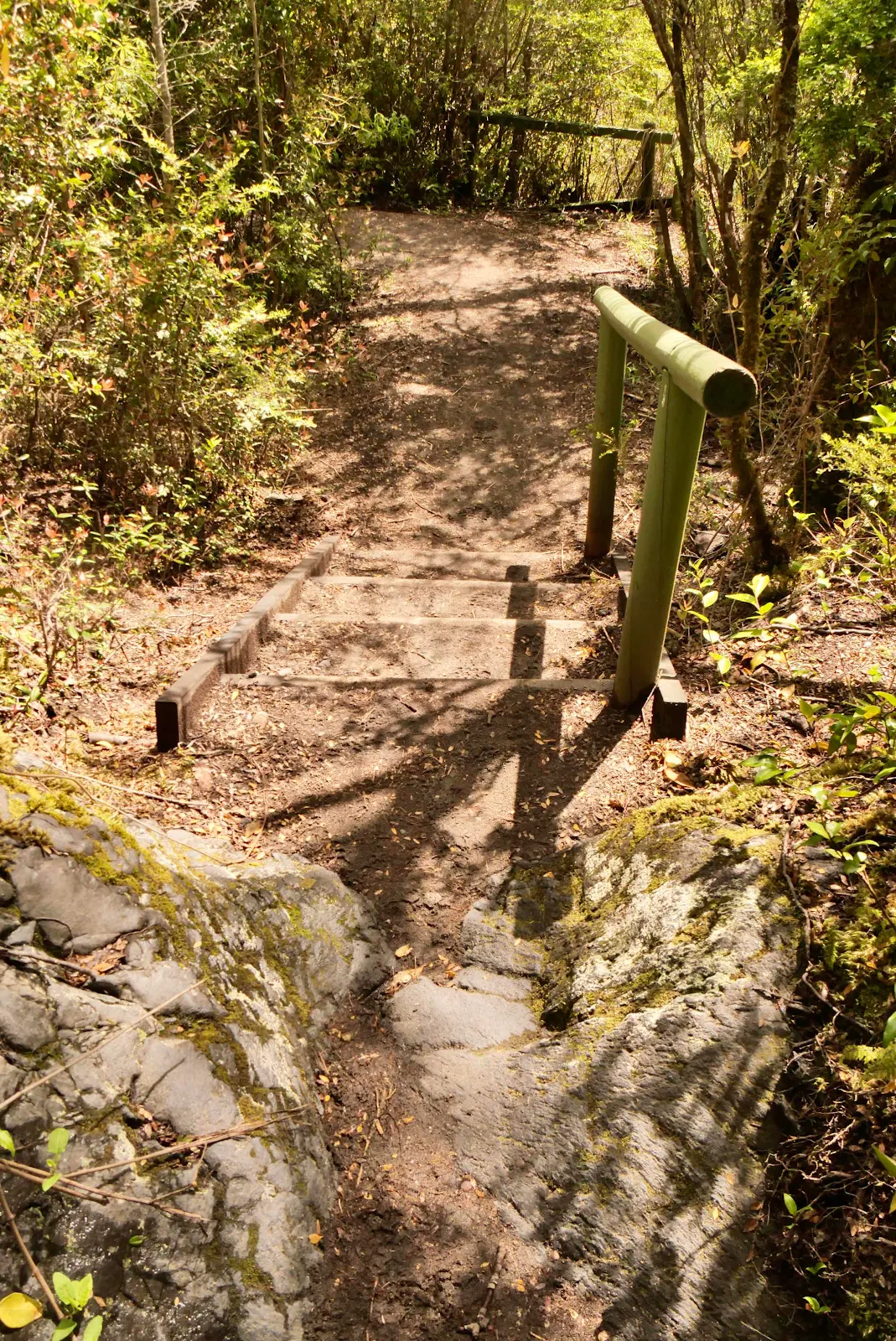
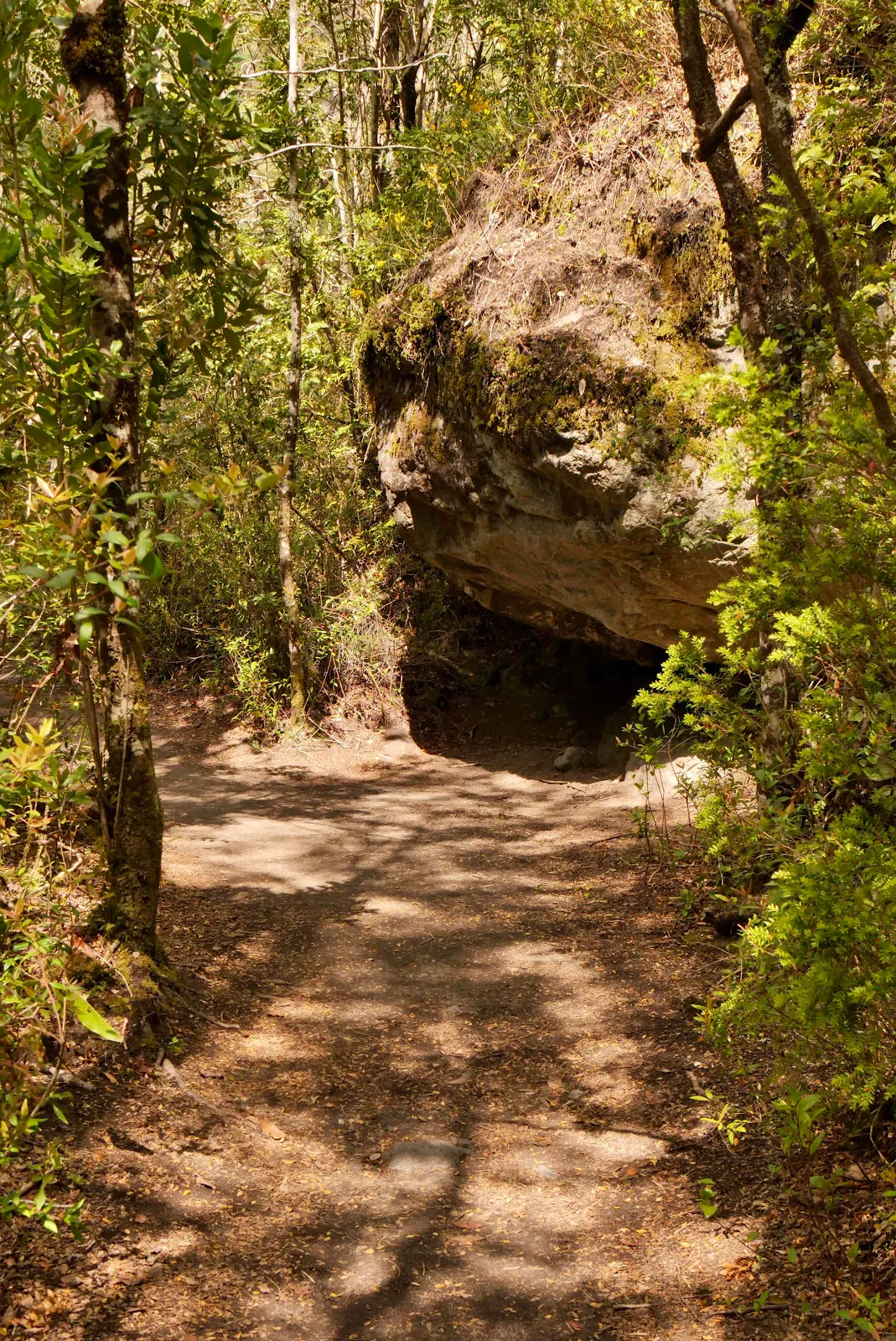
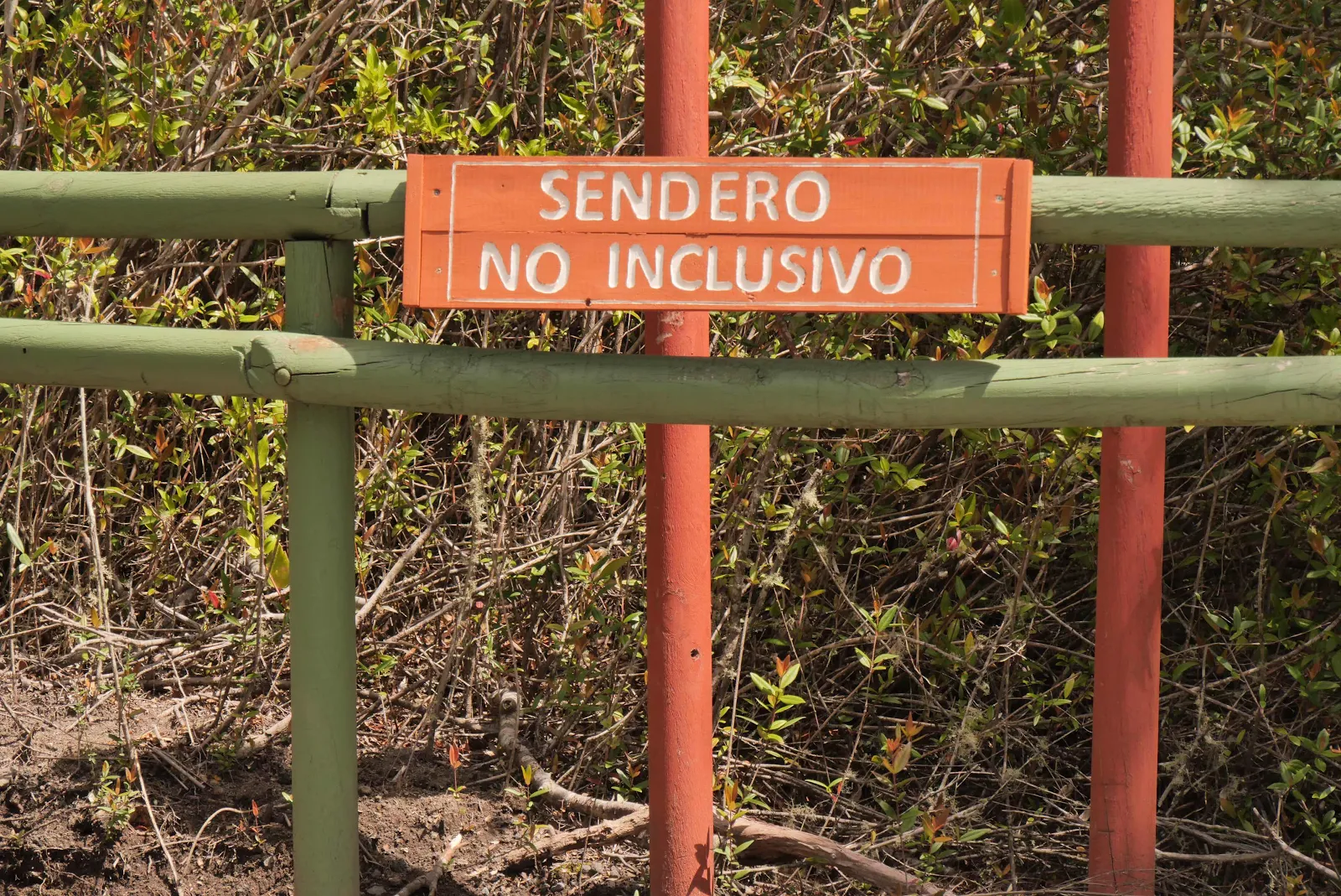
Not wheelchair accessible: 


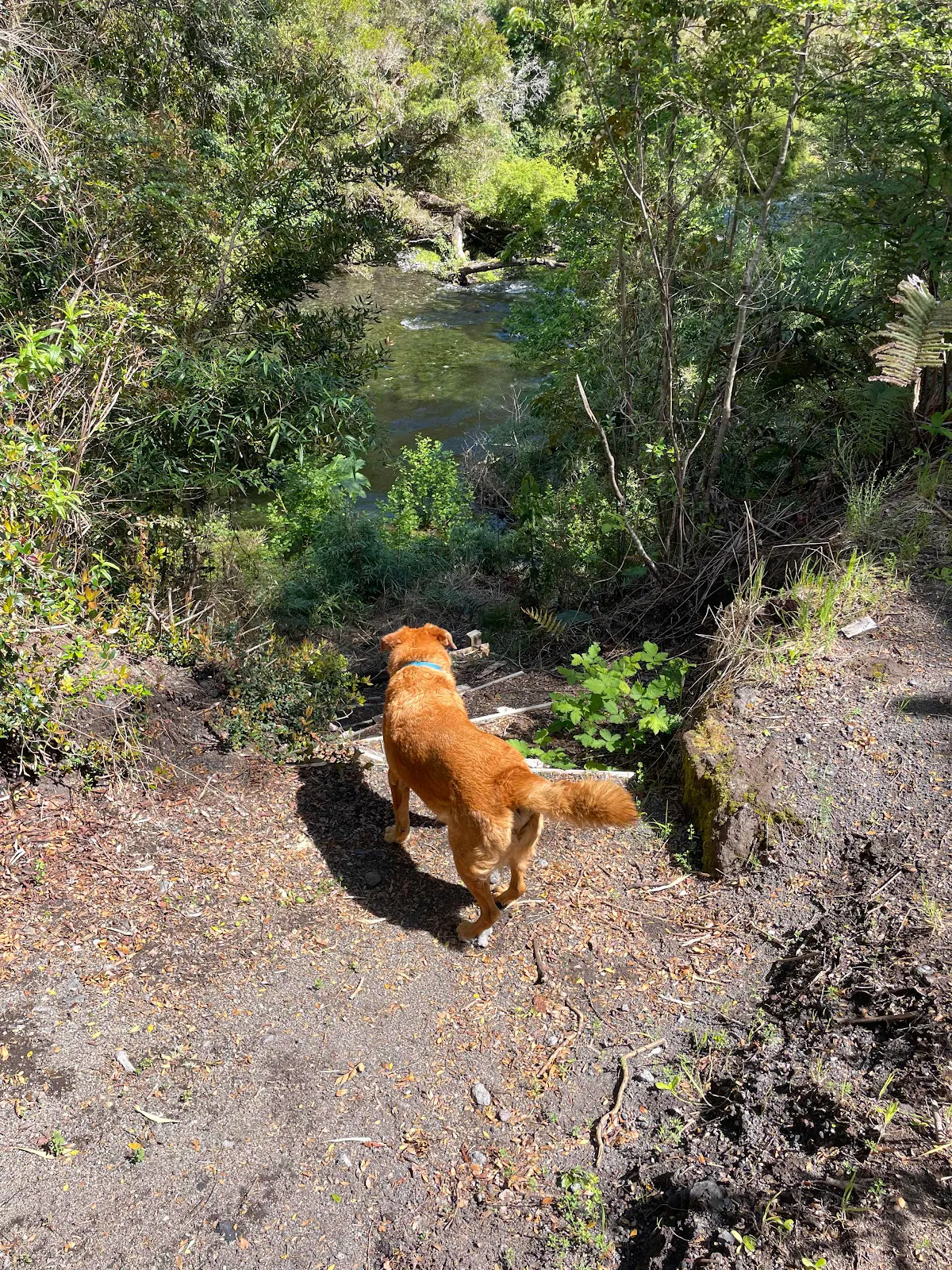
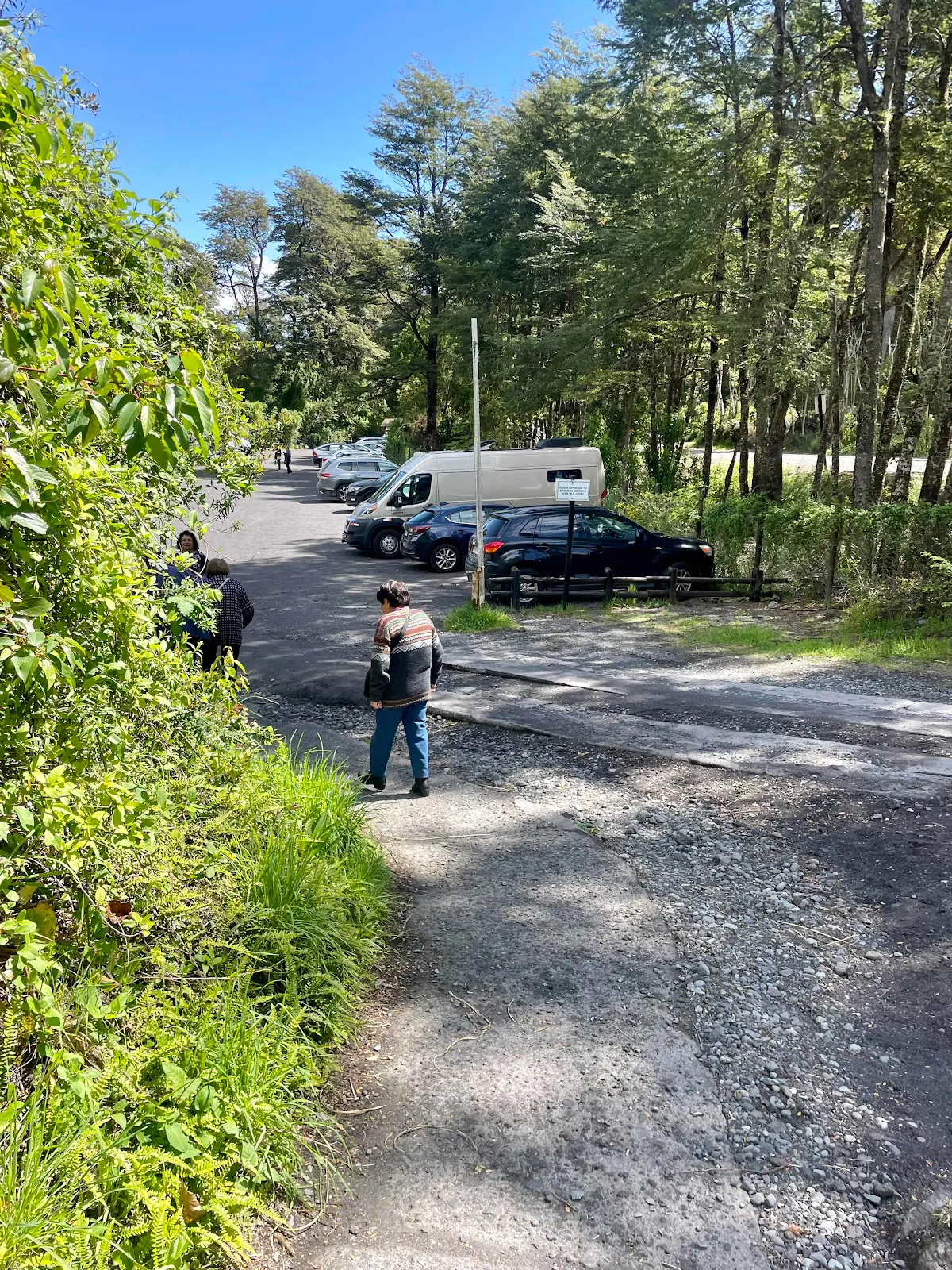
Time to wake Rusty up and give him his walk just beyond the parking lot. 


And on around the lake towards Puerto Varas and Frutillar.
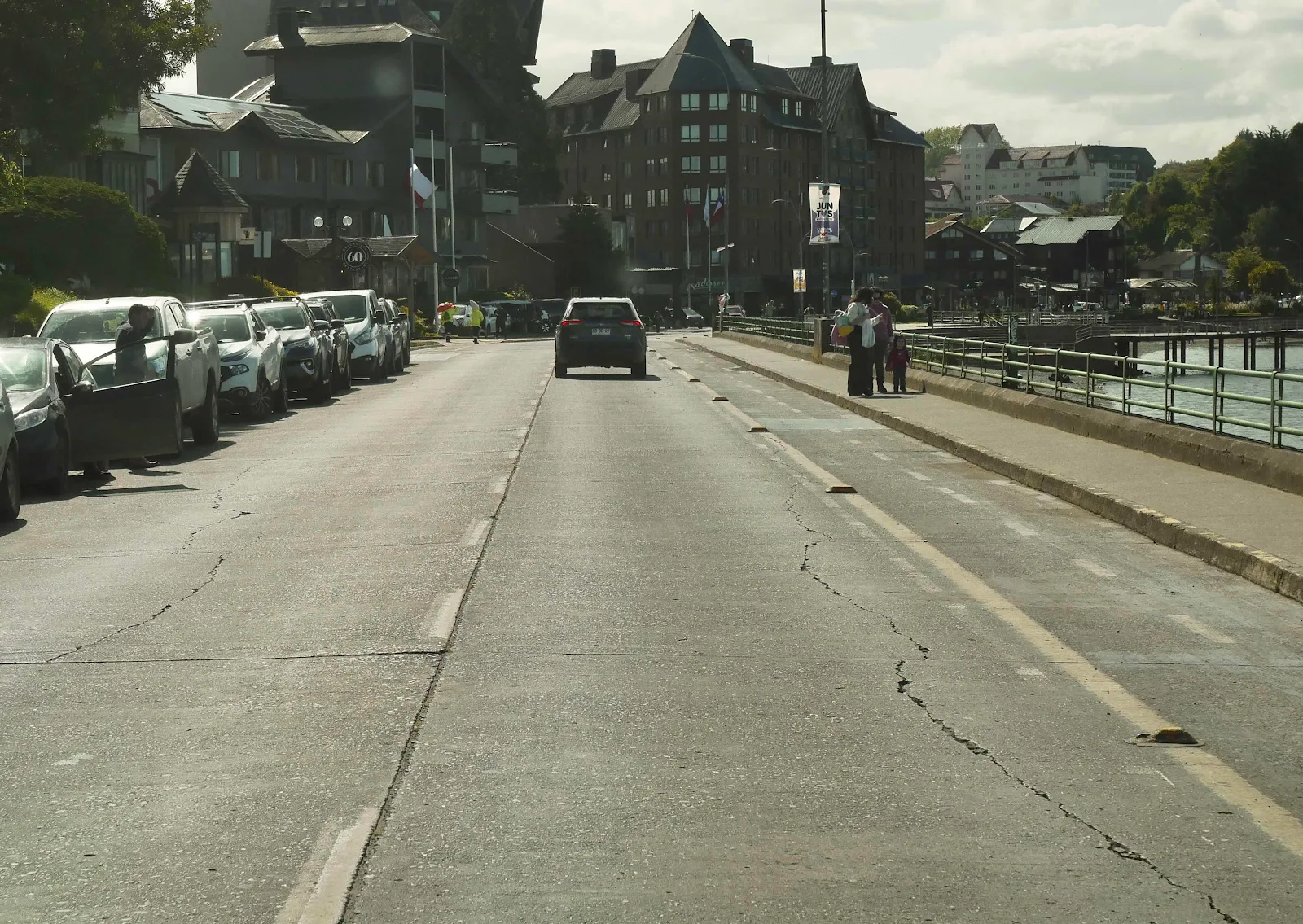
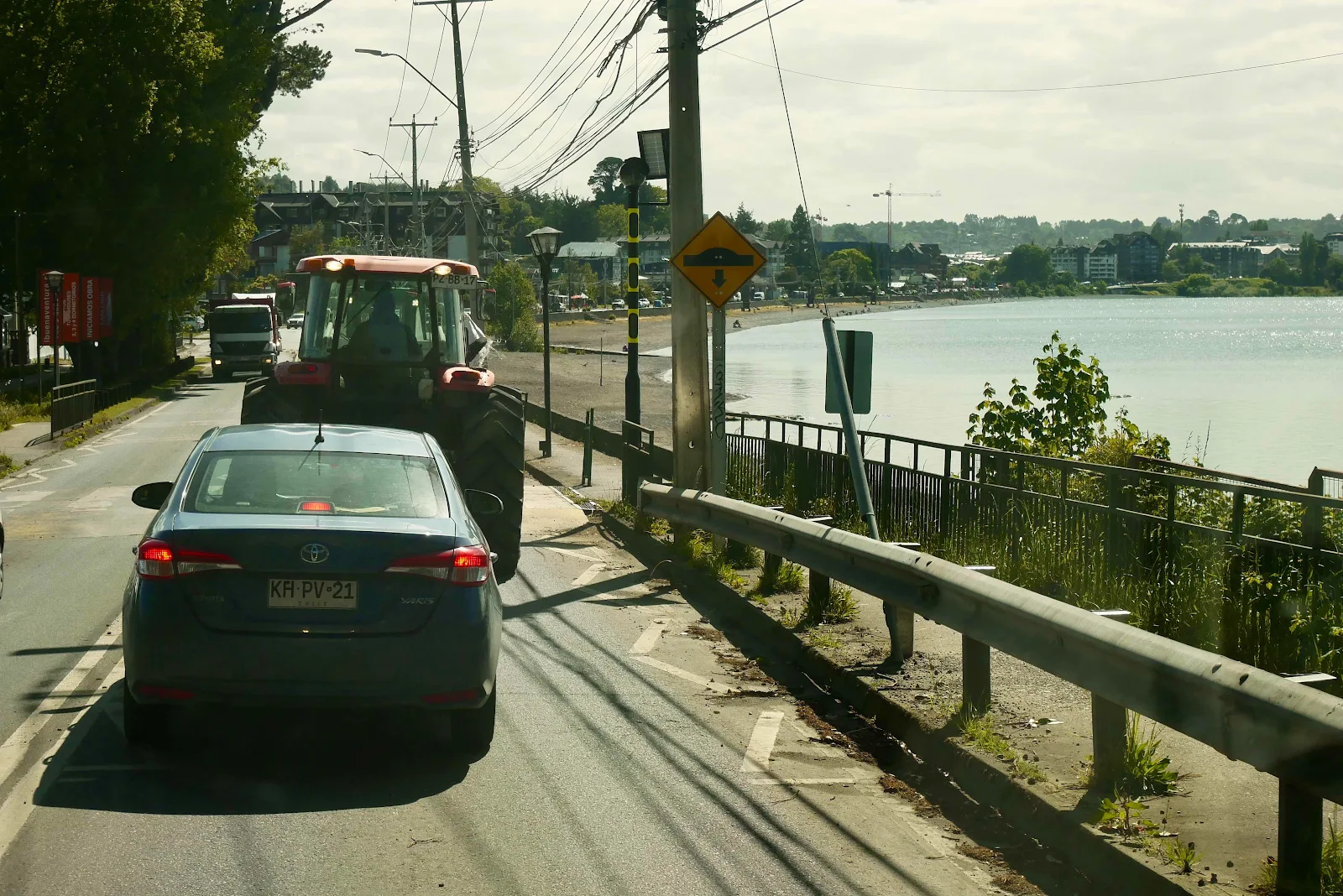
Puerto Varas did not impress so we drove through…
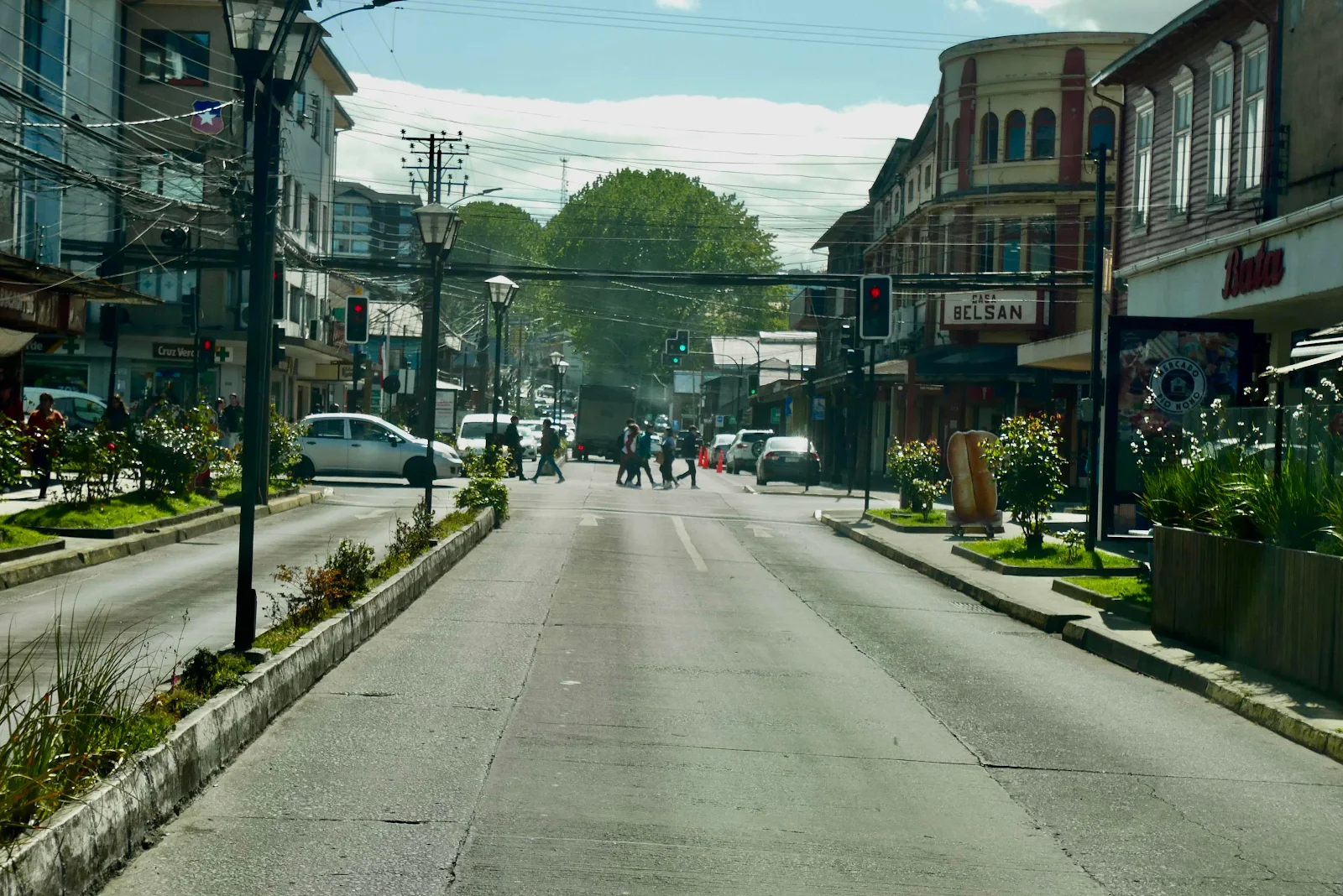
…as fast as we could and ended up camping…
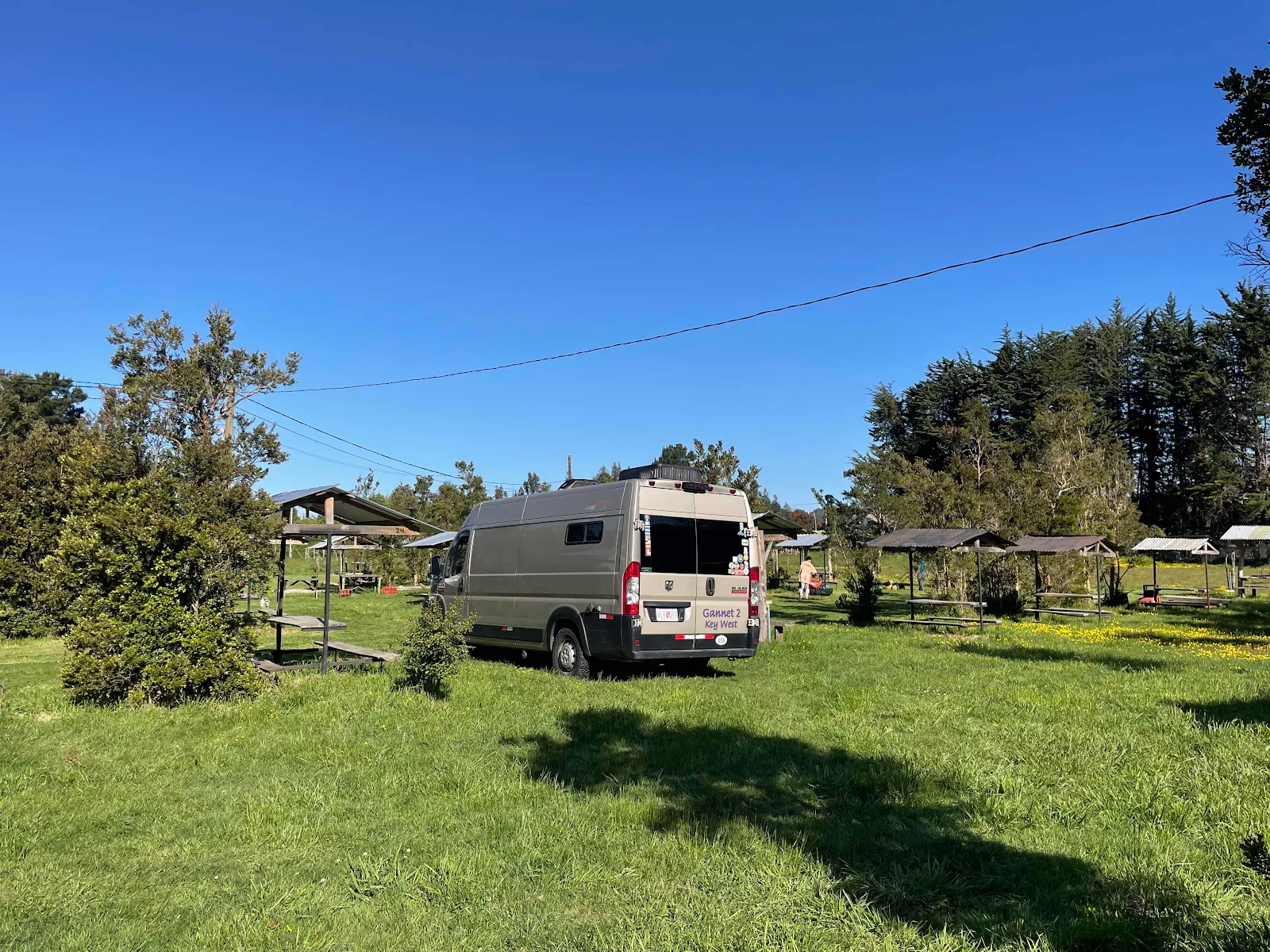
…in a field in Frutillar.

Friday, November 8, 2024

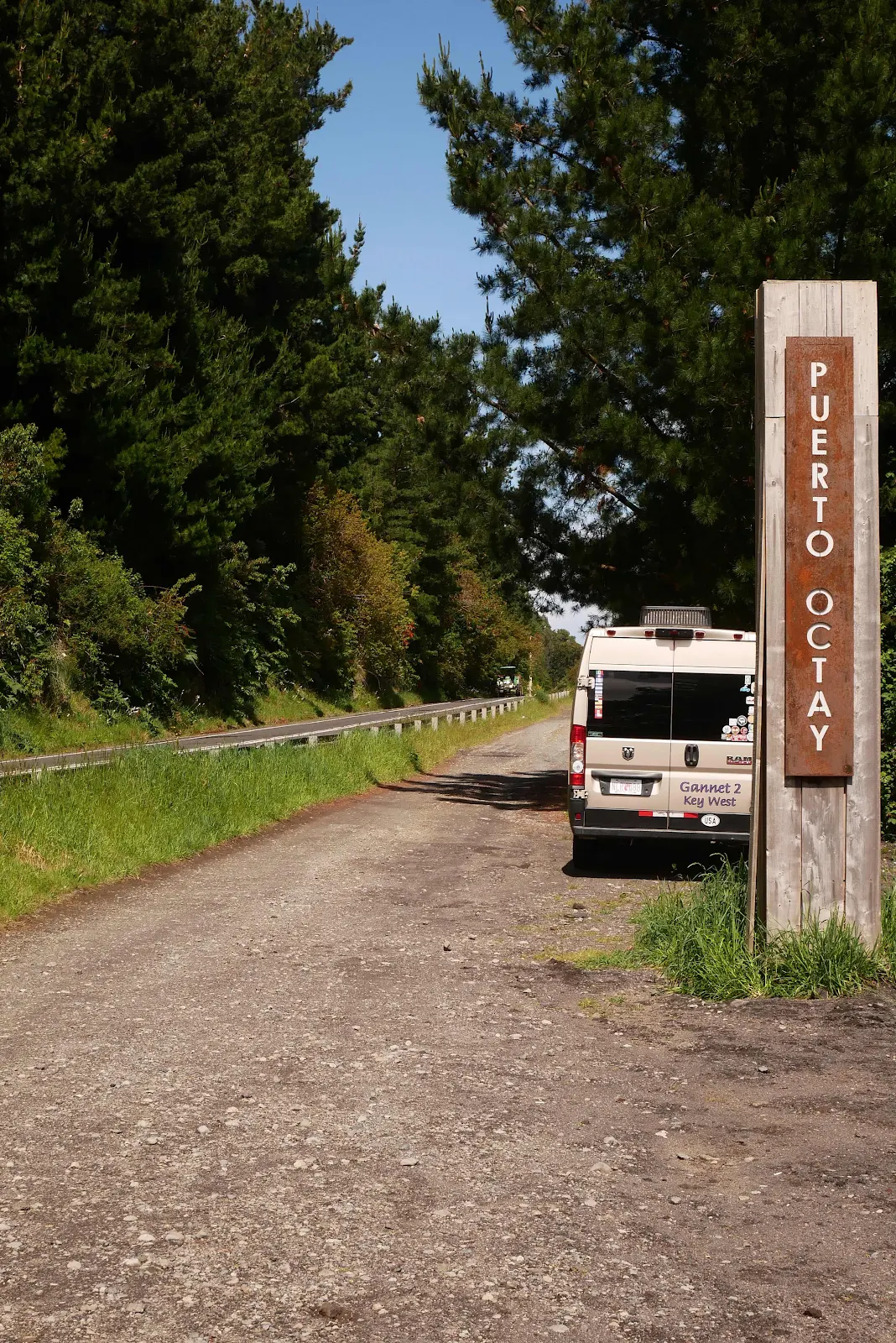
Puerto Octay

We had met a Chilean family on the beach in Peru in their motorhome and they had suggested some places with visiting. Puerto Octay was one such and it turned out really well. 

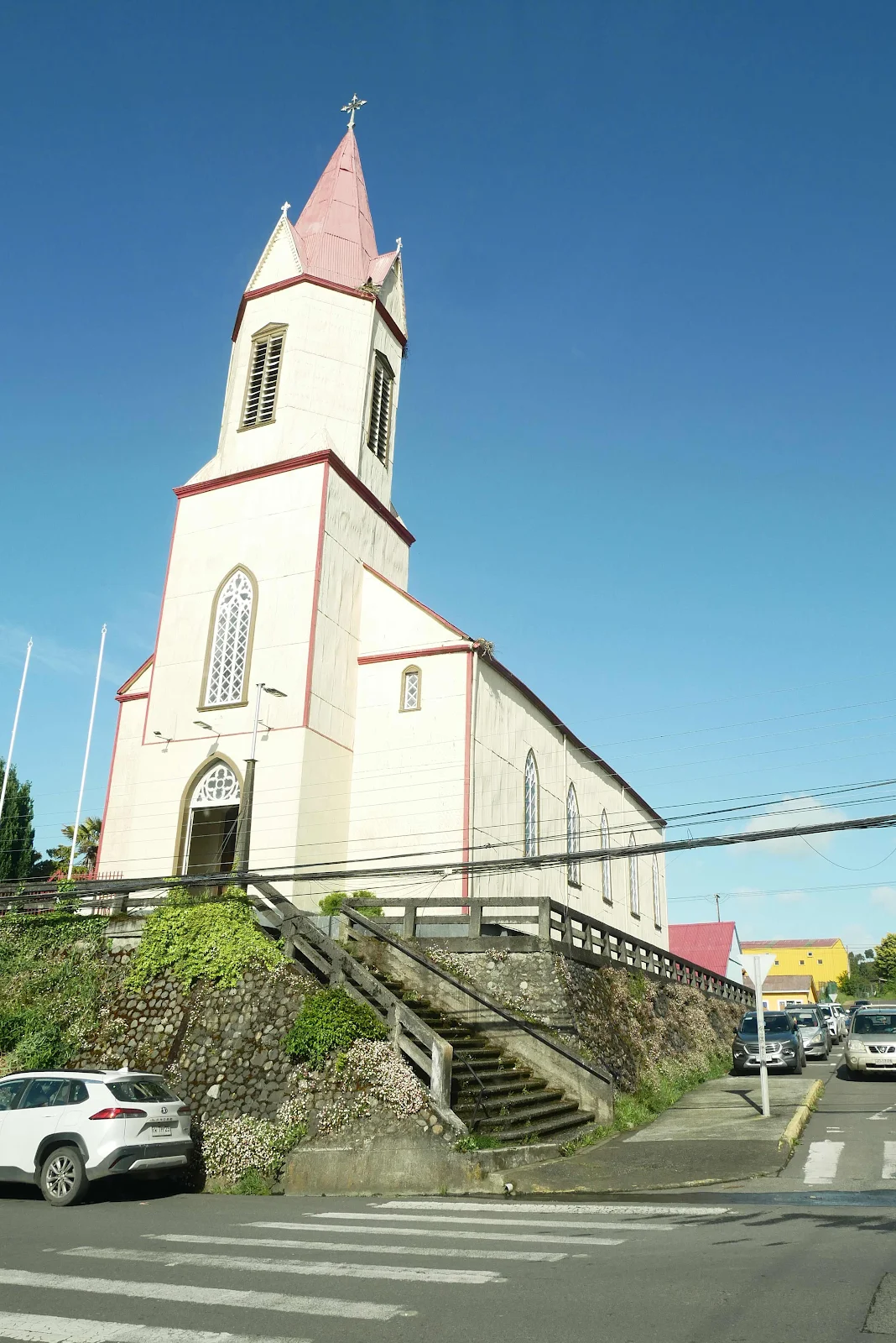
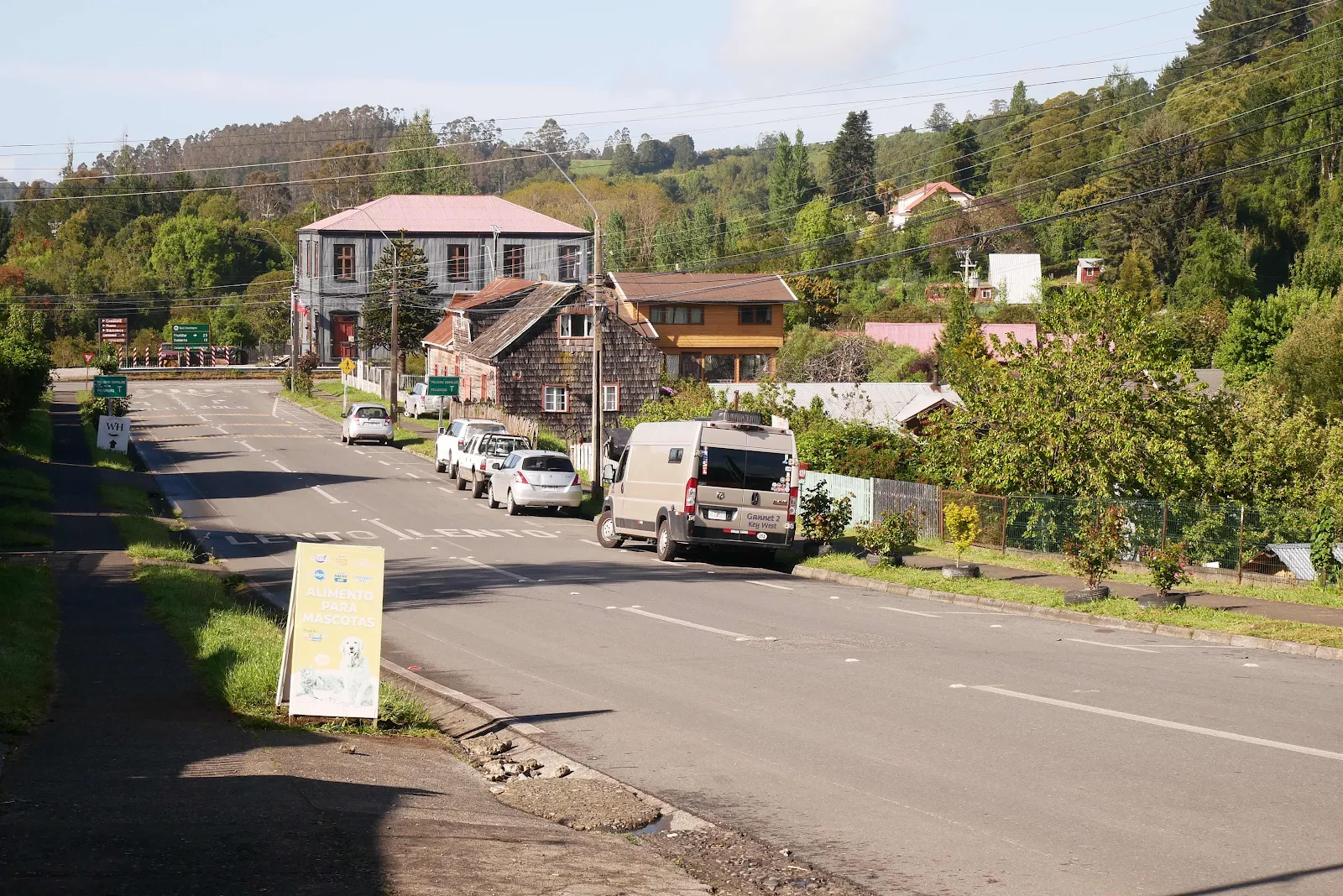
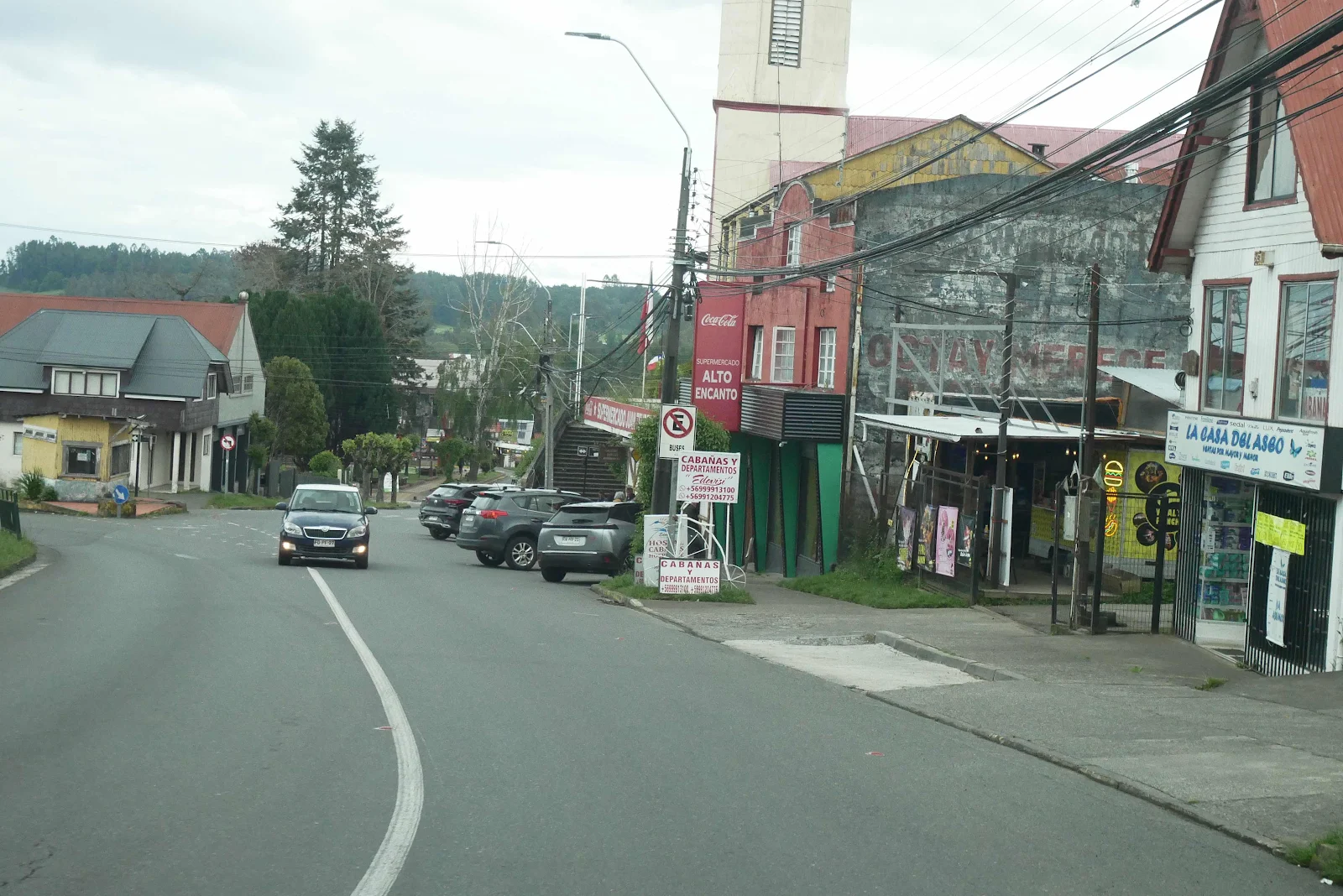
The day was a bit overcast and gray so the light was flat but as we descended into the little town we were ready for a break and a walk after three hours driving from our last stop in Valdivia. 

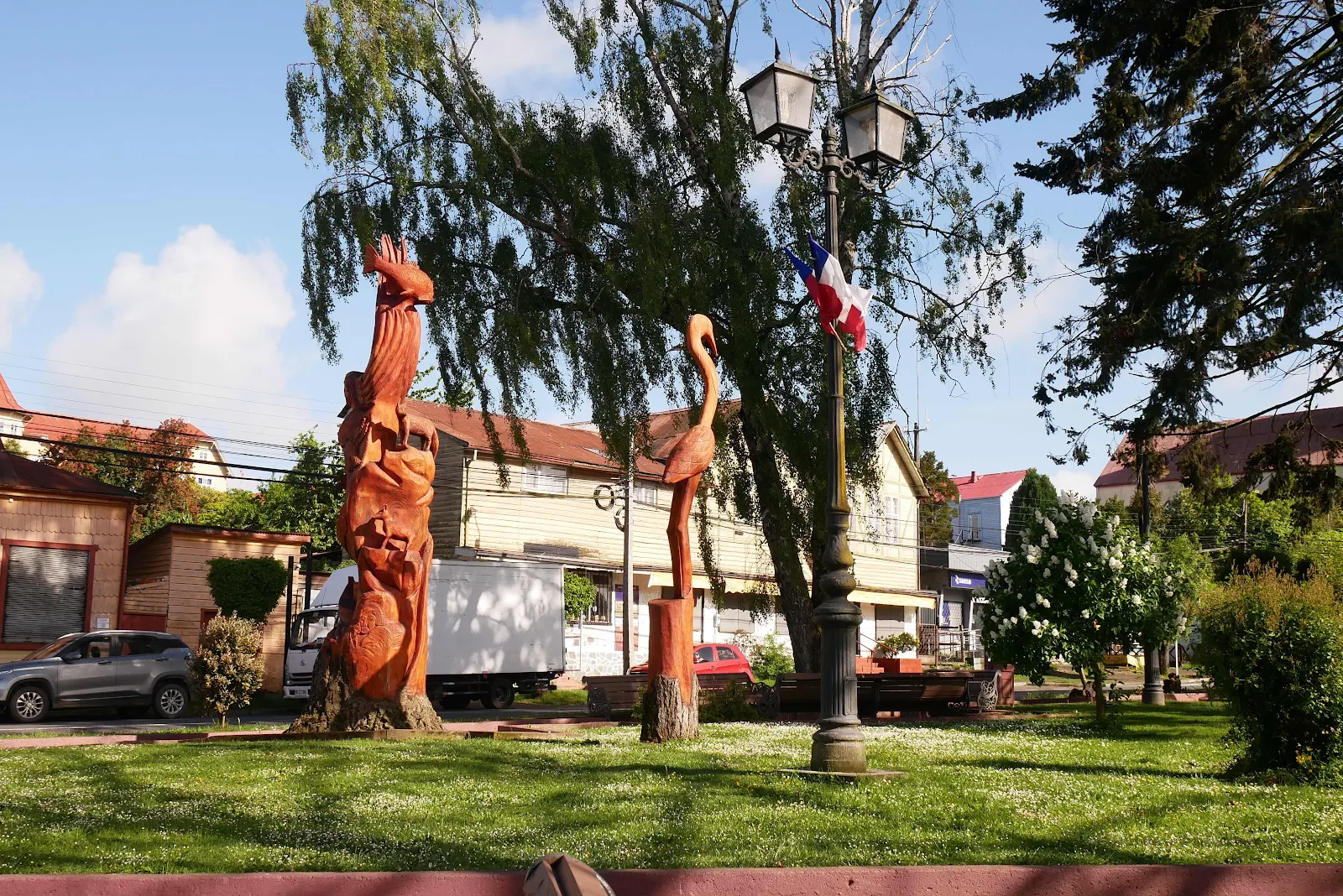
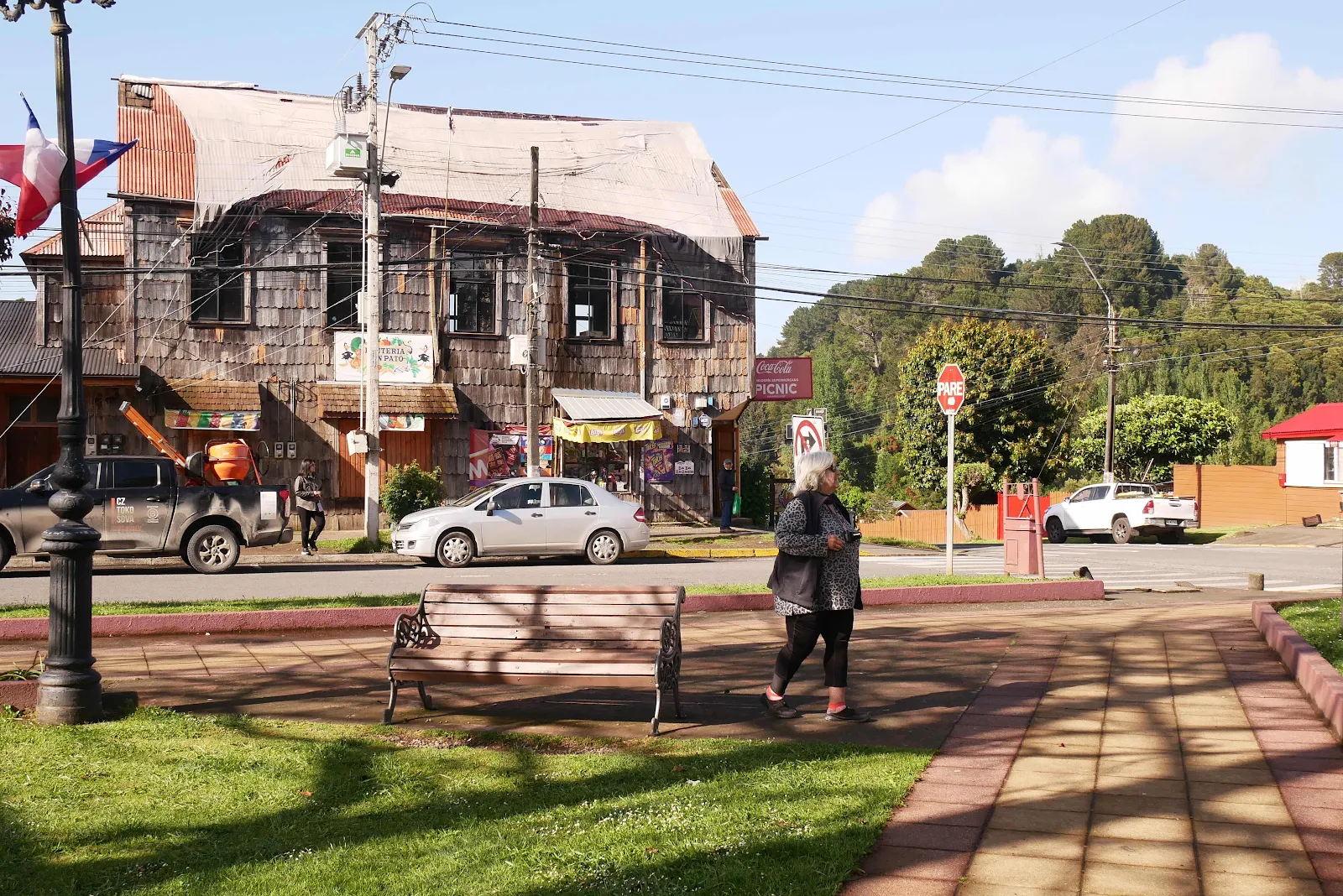
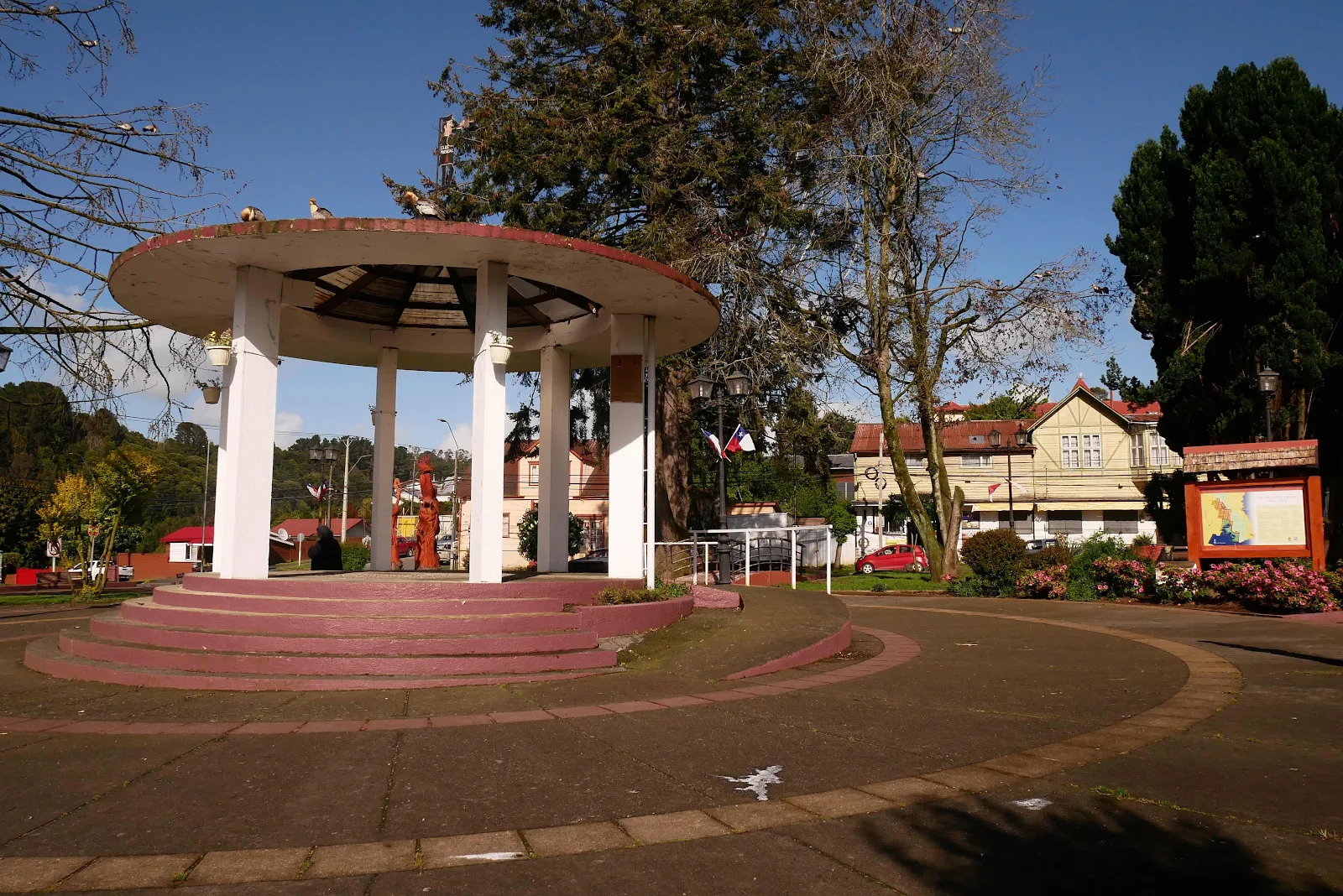
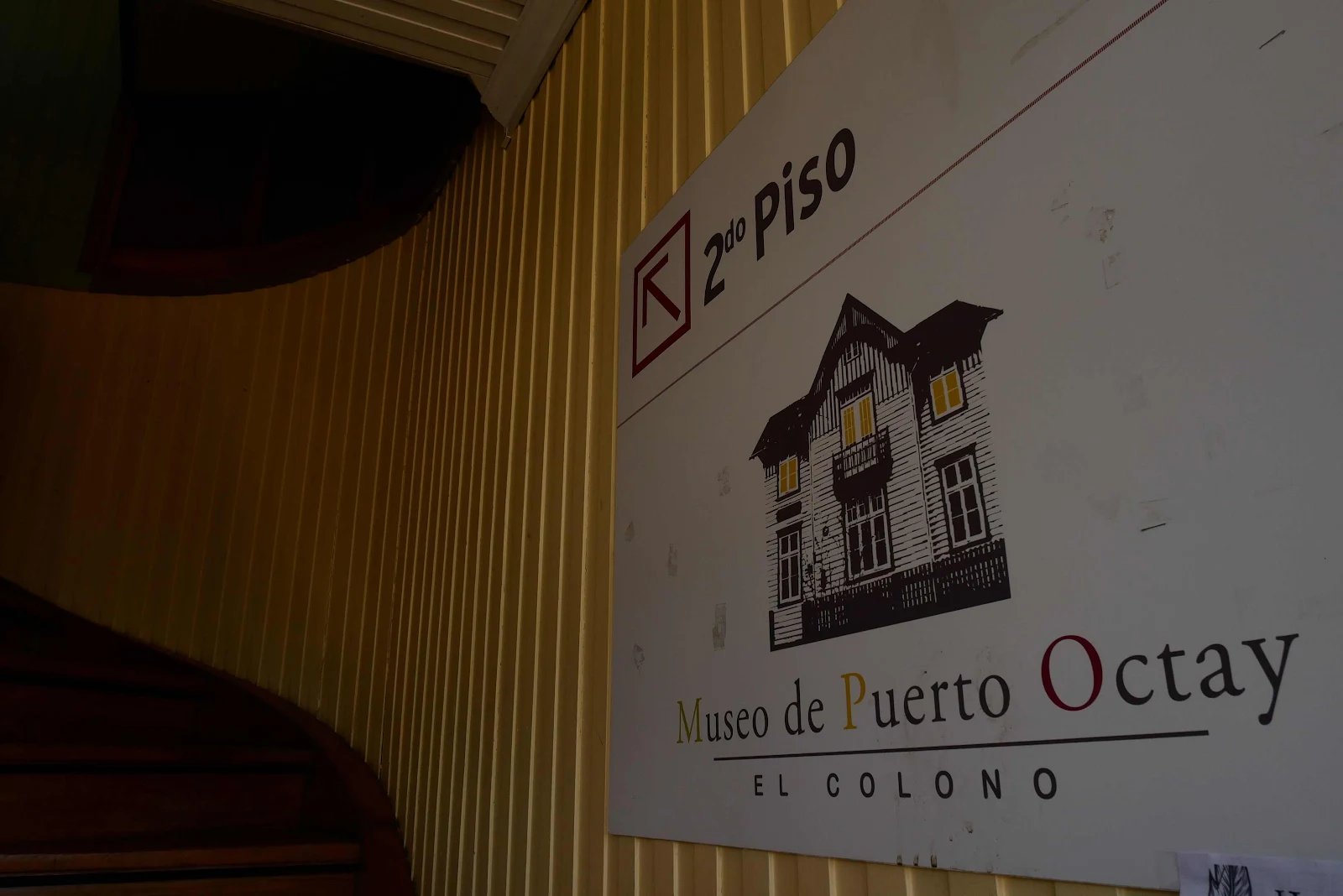
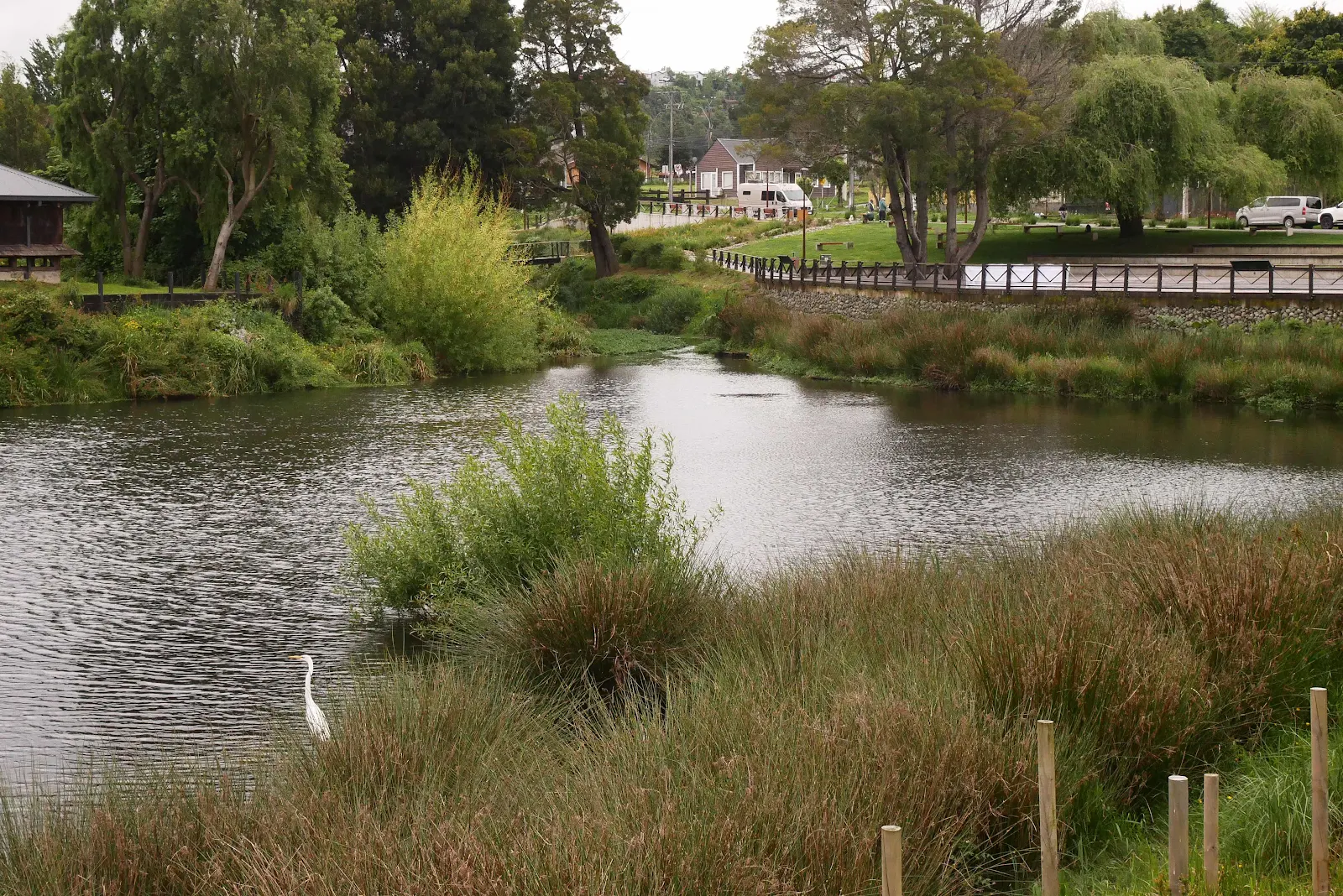
The museum we had planned to visit was closed so we went for a walk through the immaculately maintained park in the center of town. 

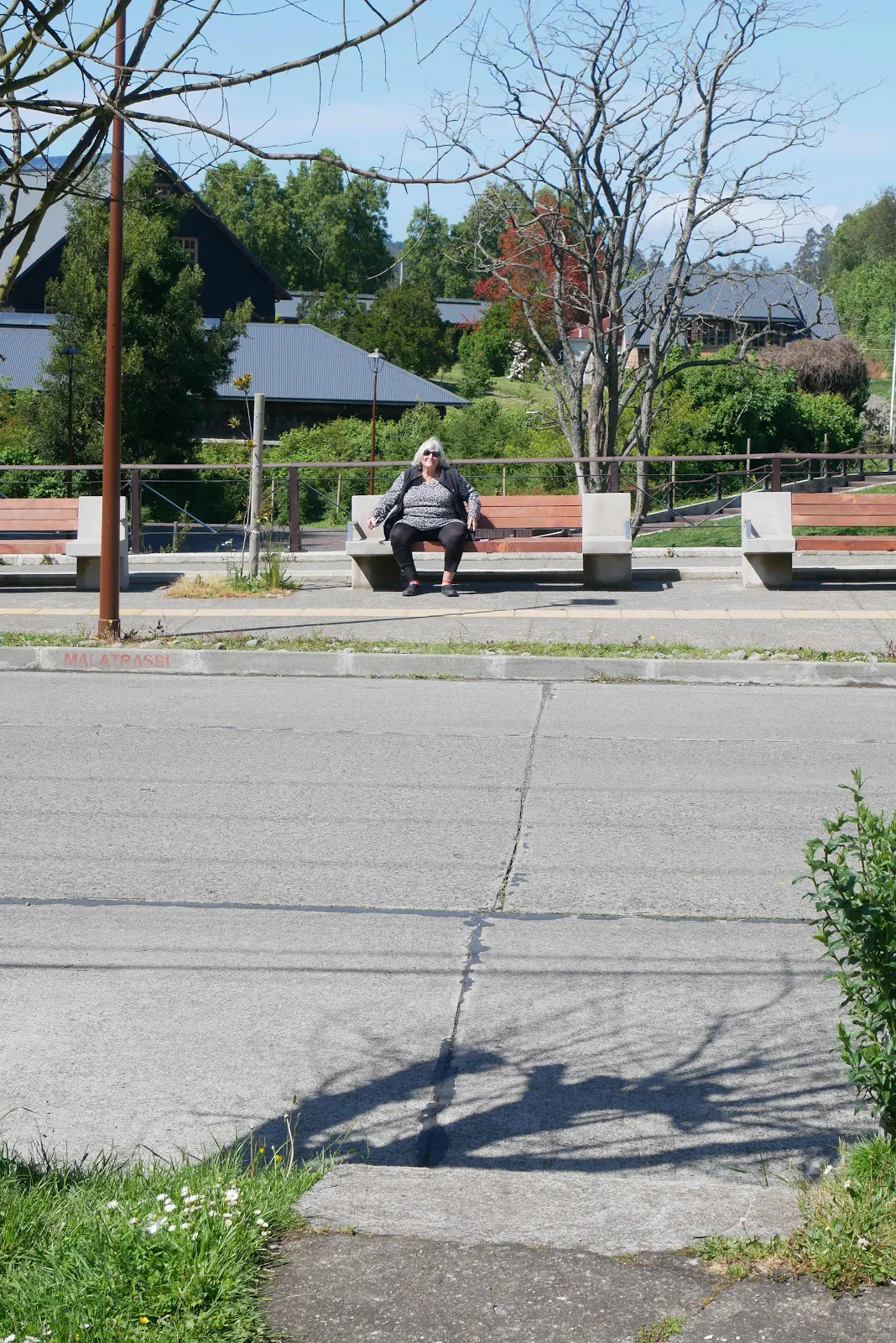
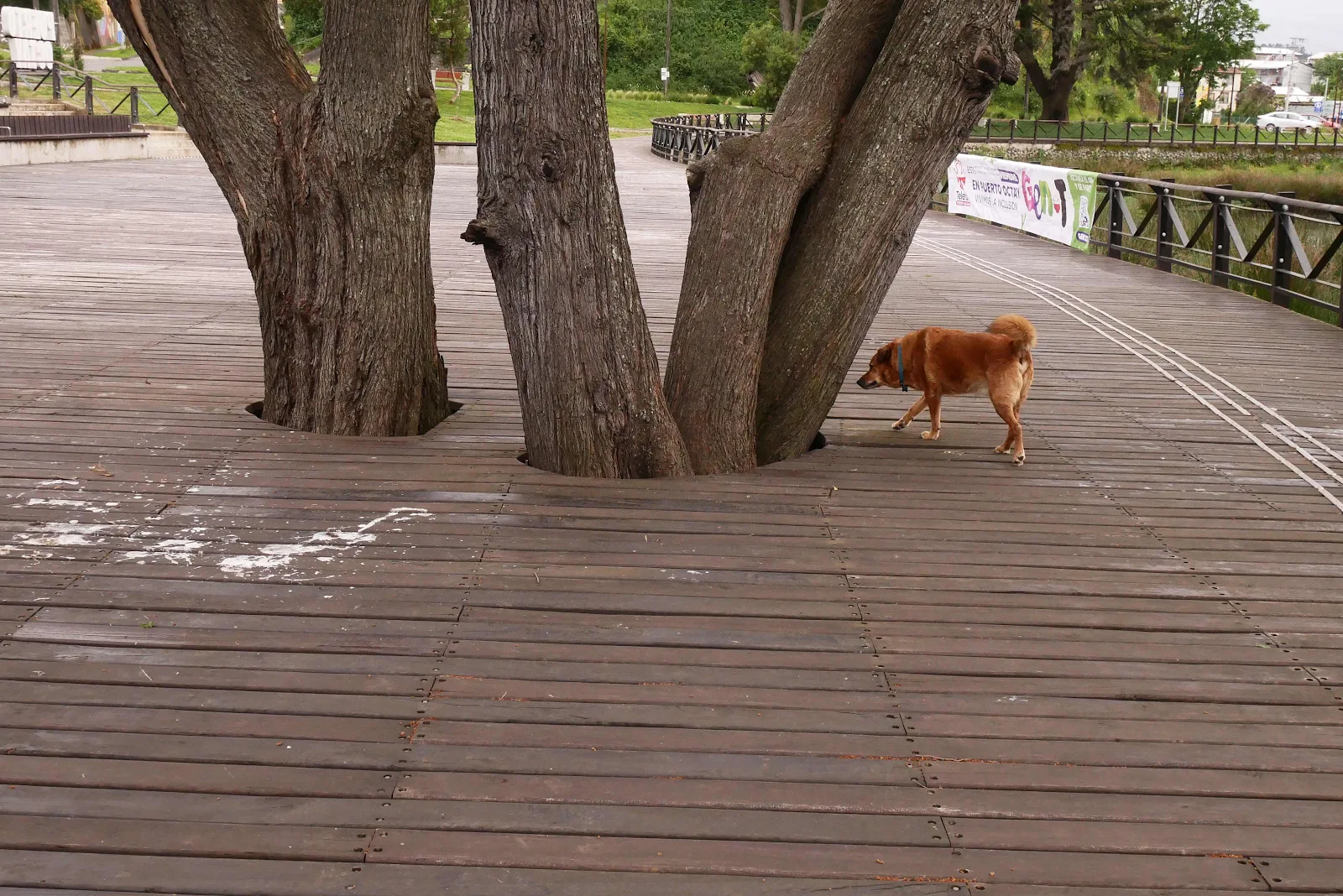
It’s off season still so there weren’t many people around but the two park maintenance men mentioned some other spots to see. You will notice there is not a speck of trash. 

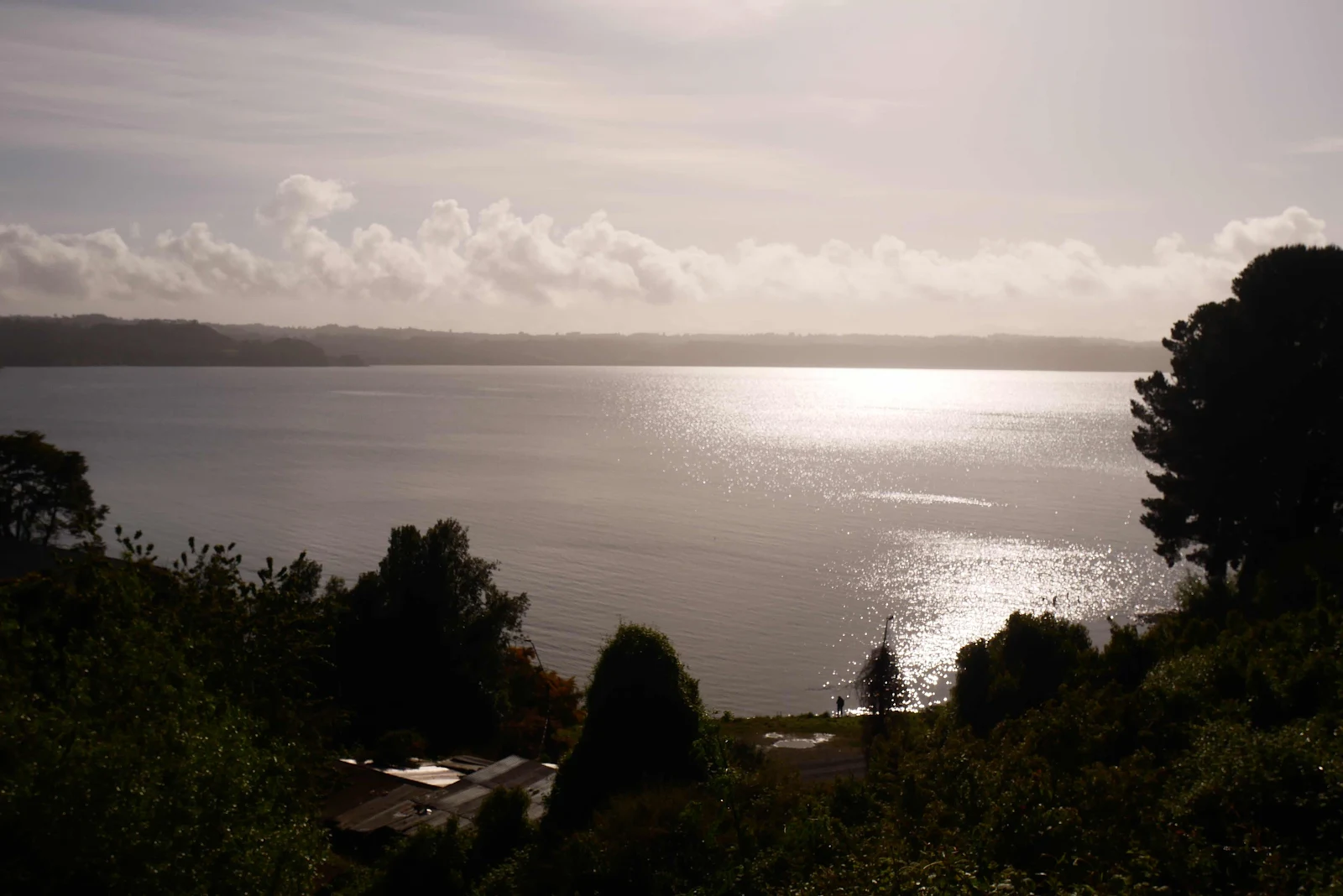
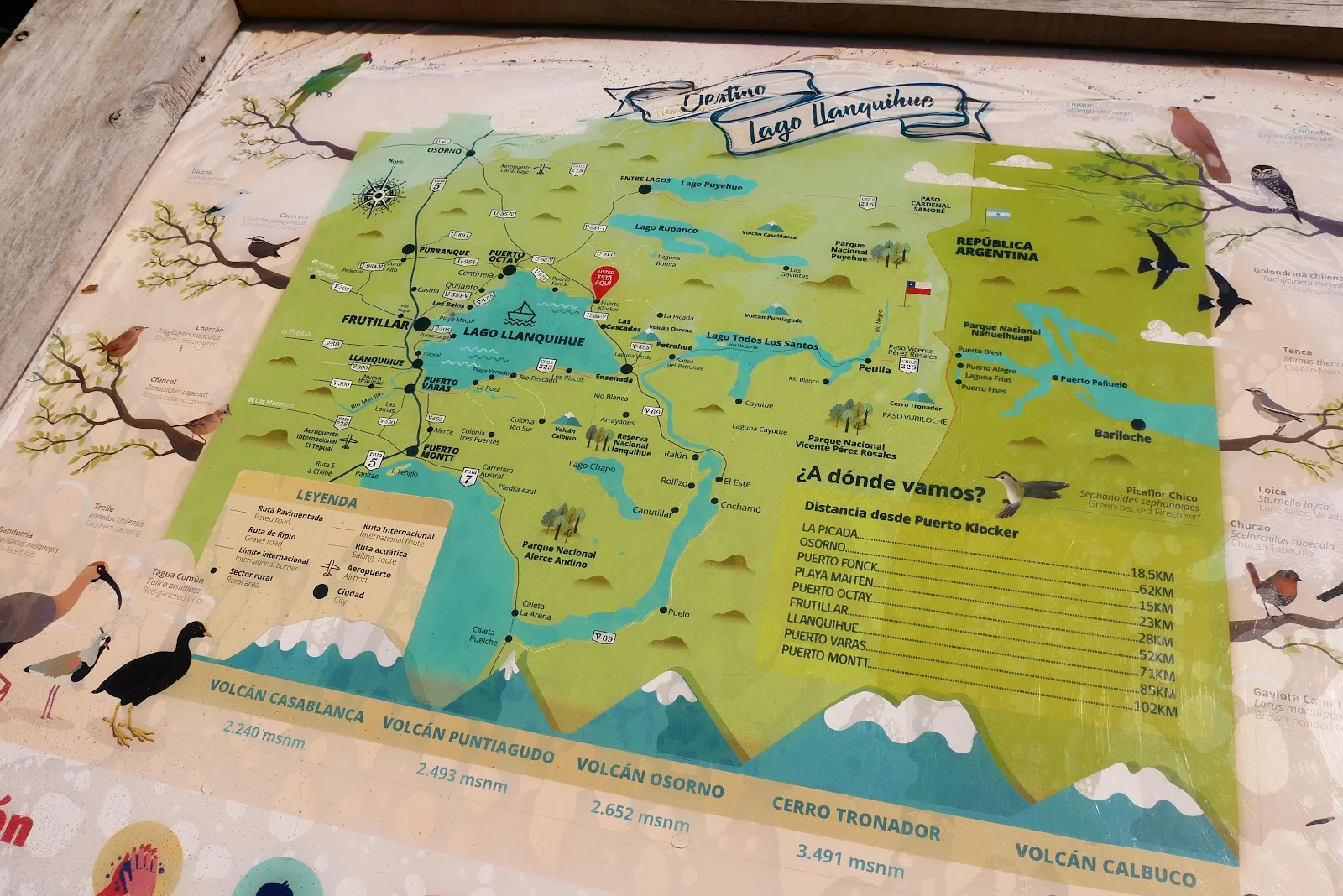
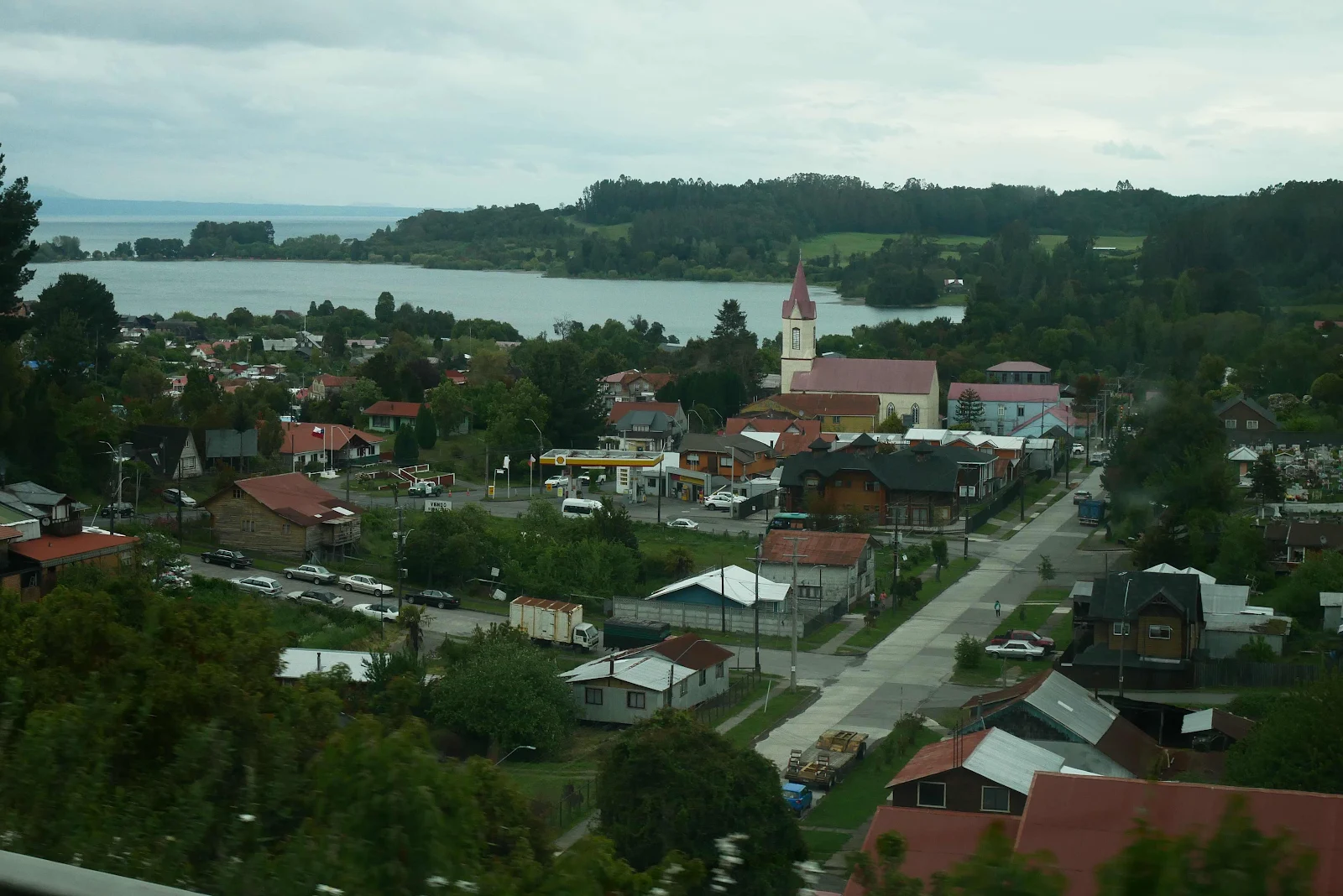
Lake Llanquihue (pronounced “yankee-way”) is the second largest in Chile and we ended up circumnavigating it,bin about an hour’s drive, catching occasional glimpses through the thick foliage lining the road. More to the point the lake in the early days of European settlement, was a highway and Puerto Octay was the point of departure for goods and people traveling here from the provincial capital of Osorno. Nowadays it’s a sleepy yet delightful little tourist village.


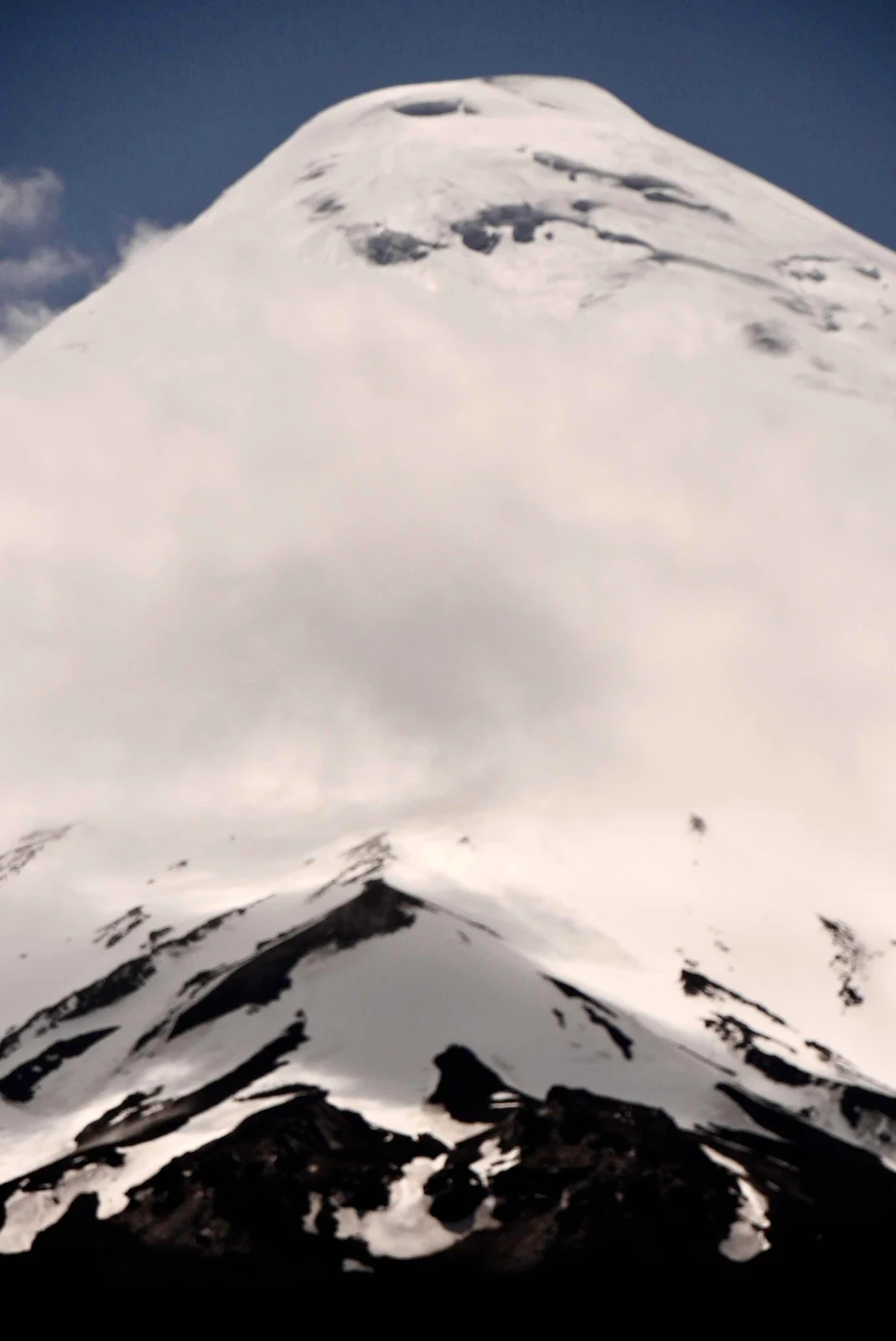
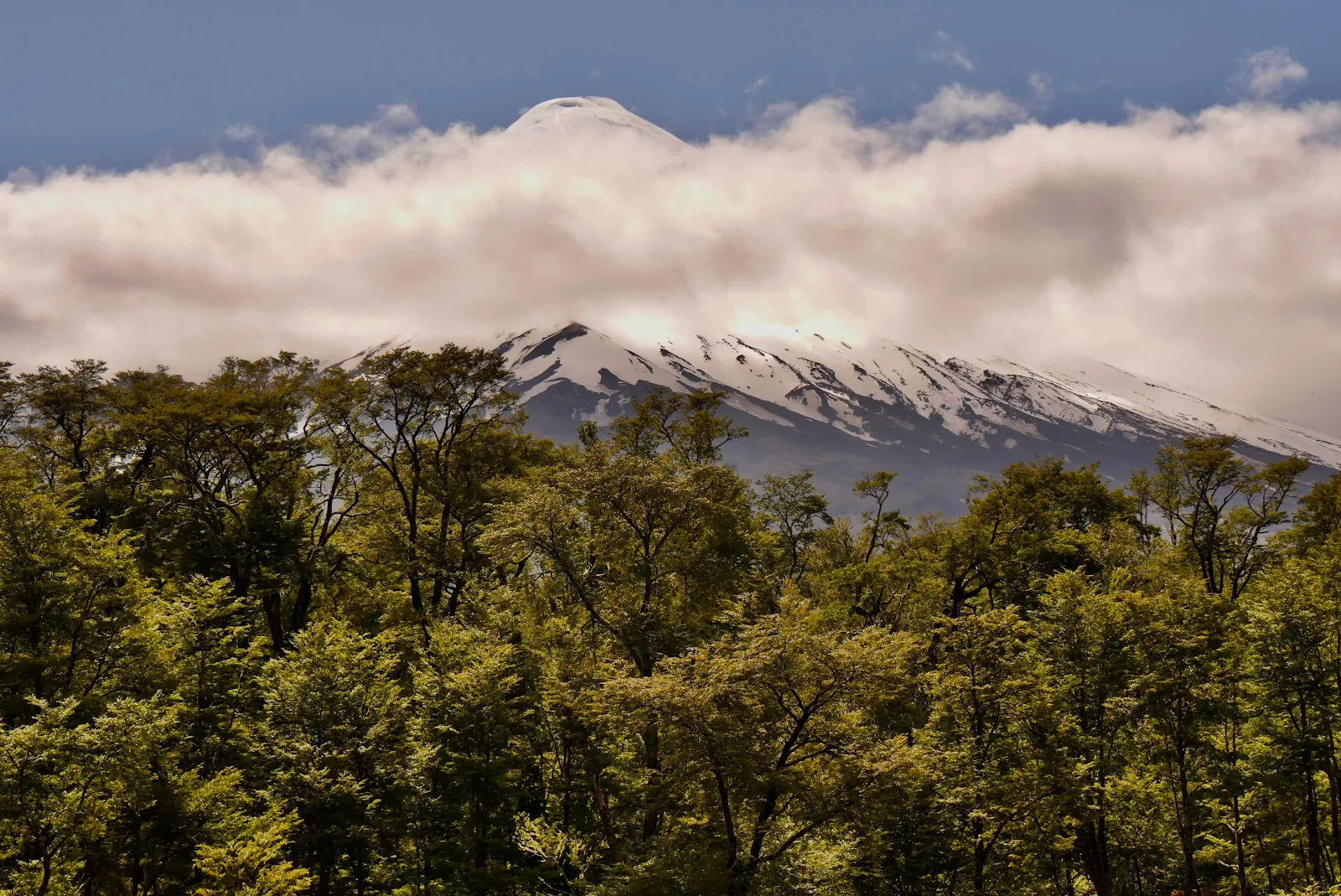
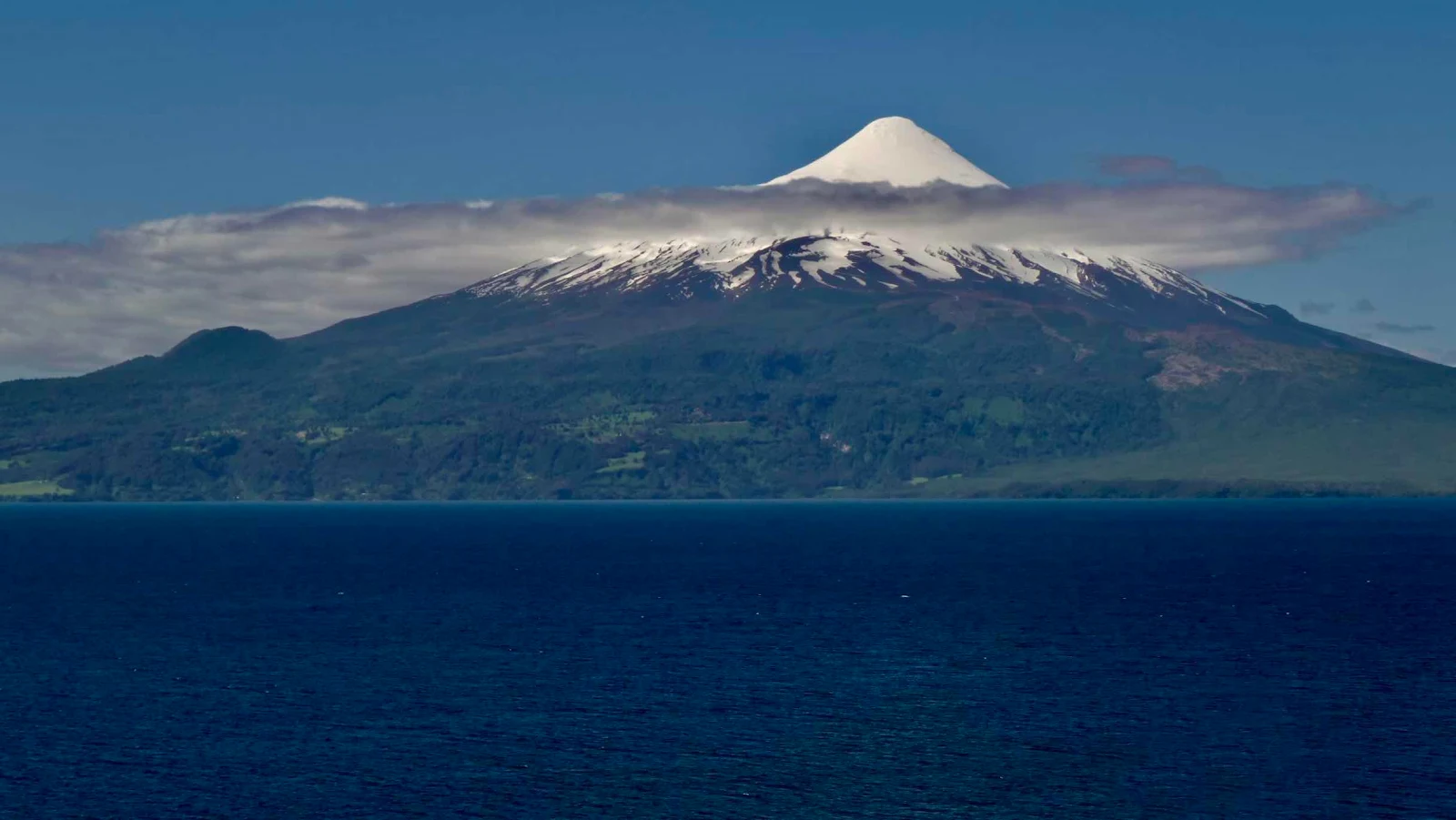
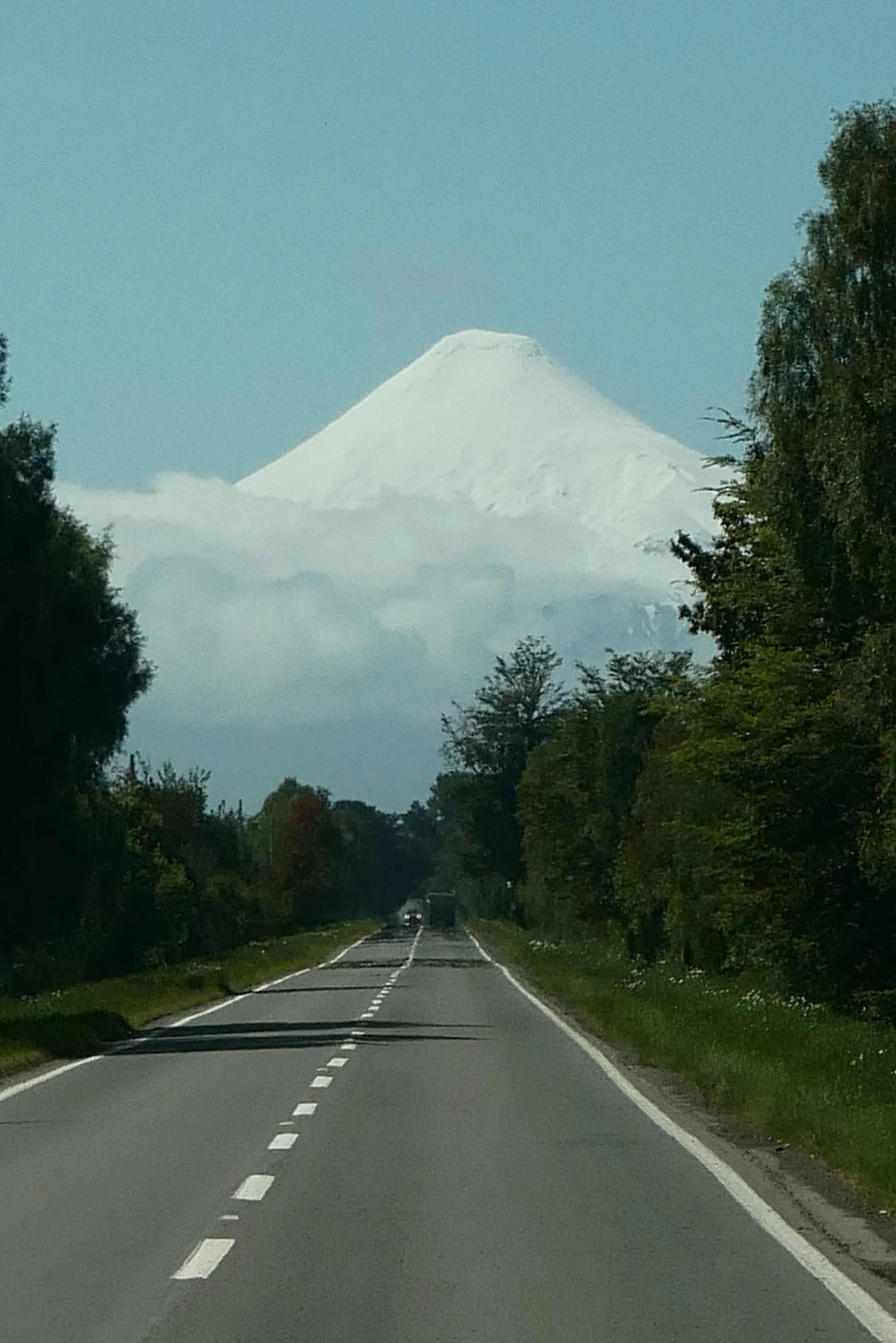
It is pretty big, similar perhaps to Lake Okeechobee except there are hills around here. And a pretty dominant volcano. 

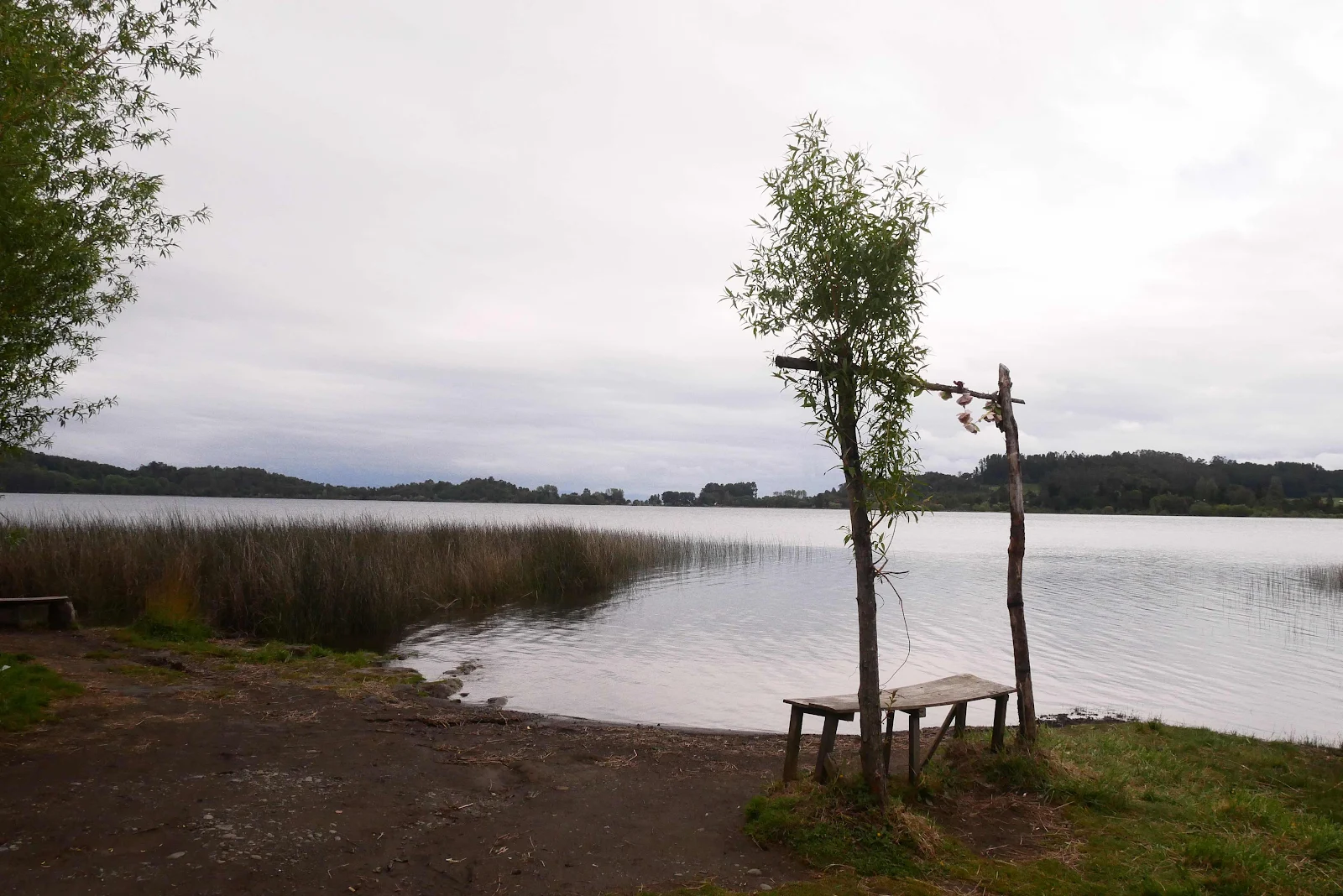
 iOverlander had a campground listed but it didn’t sound very appealing so we drove down to the wild camp spot suggested near the lakefront. 


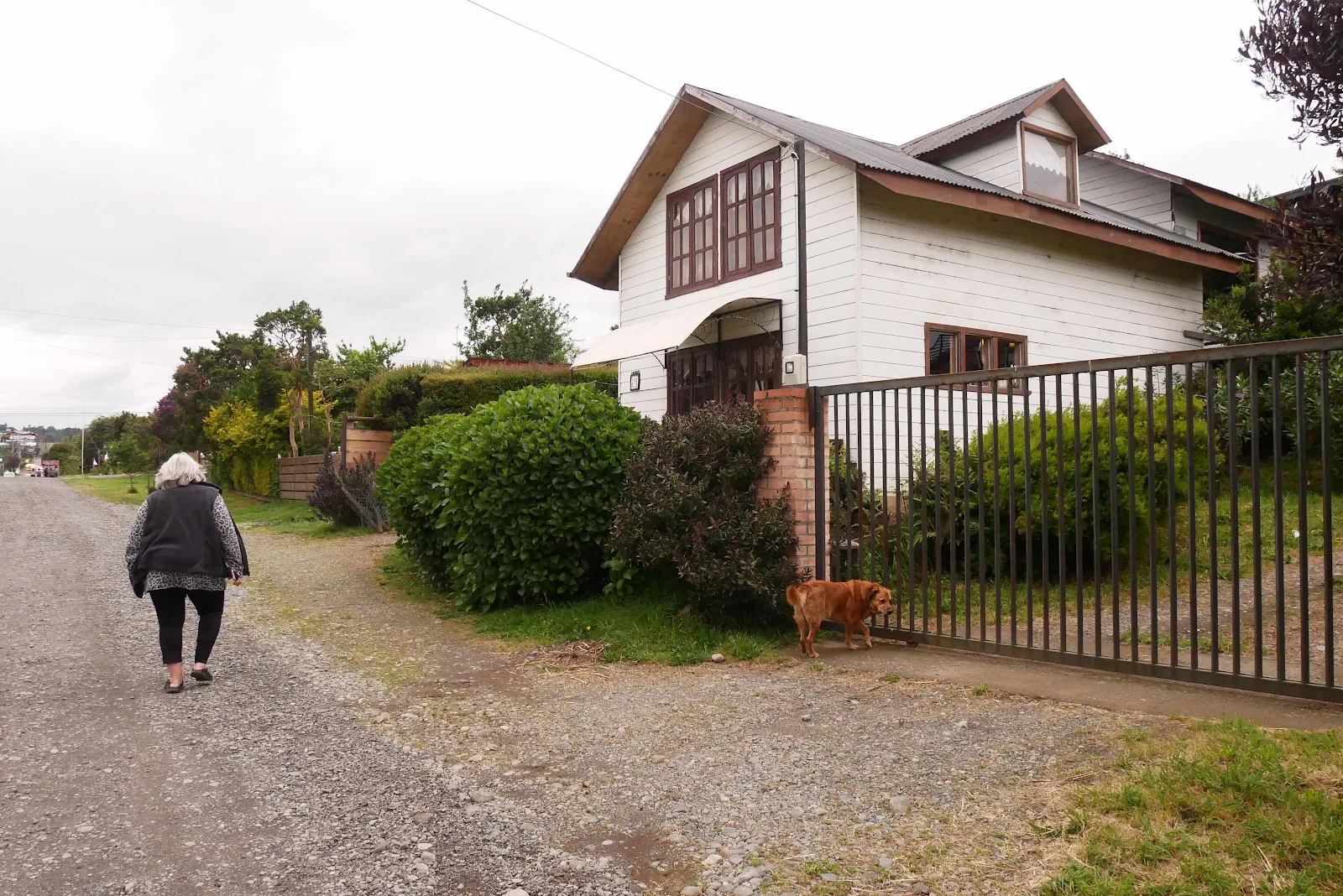
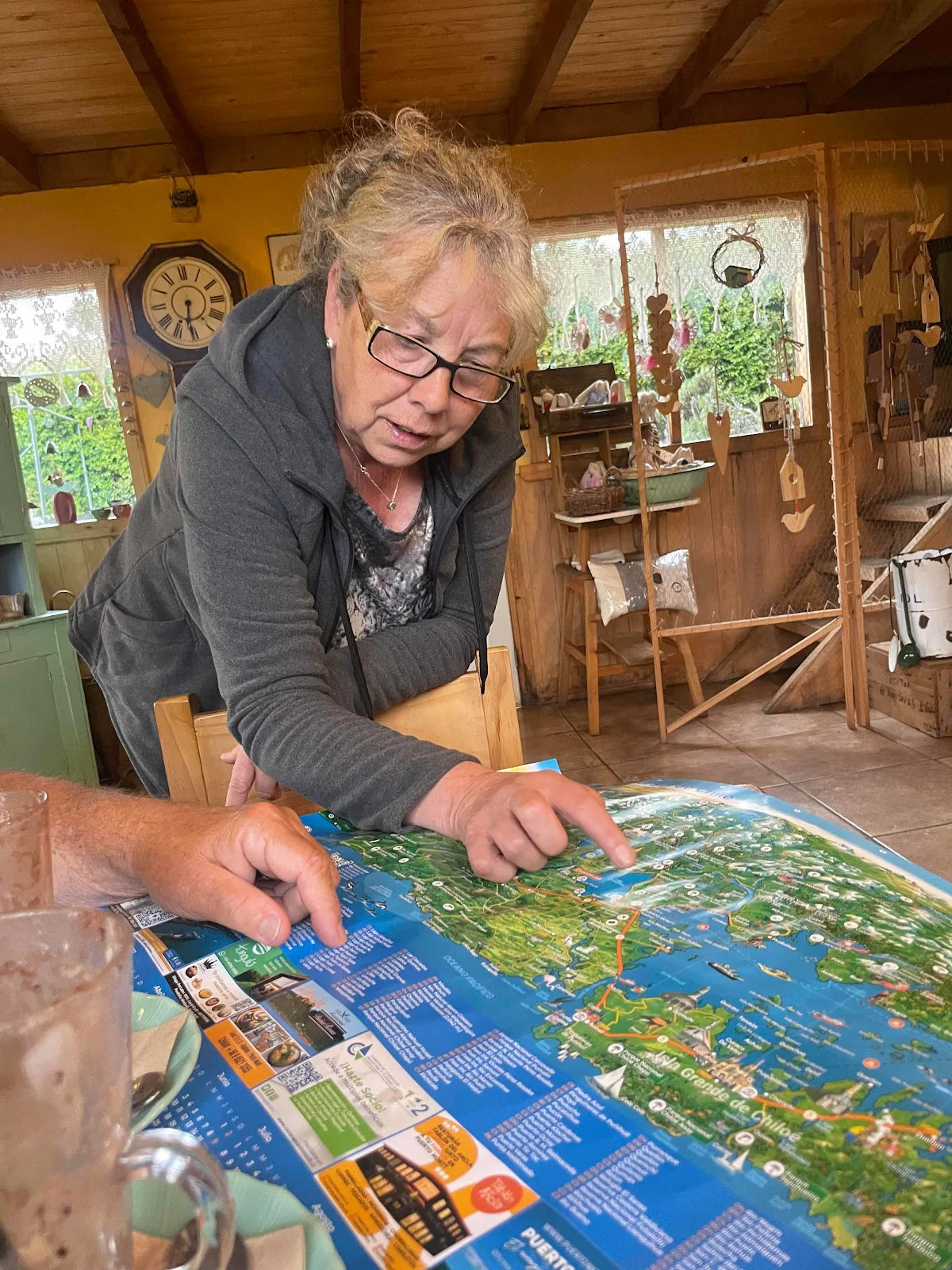
We didn’t get her name but she told us about the last eruption of the Osorno volcano across the lake, when it just started spewing smoke into the sky one day in 2017. She showed us photos of the column of smoke and ash rising ten miles into the sky. She noted with a wicked smile that they got no debris in Puerto Octay as the winds blew the ash into the Argentine town of Bariloche on the other side of the mountains. Later that night many townspeople fled as the earth started shaking  like a three hour earthquake but she stayed home with her cats. Then the next day everything stopped and that was that. She was about as blasĂ© as one might be about hurricanes if one lived in Florida. 

She also told us about some rather beautiful waterfalls which we had never heard of and they merit a post of their own tomorrow.

That was election night, rainy windy and cold and not as sleep filled as I might have liked but the day dawned sunny making the lake more beautiful than ever. 
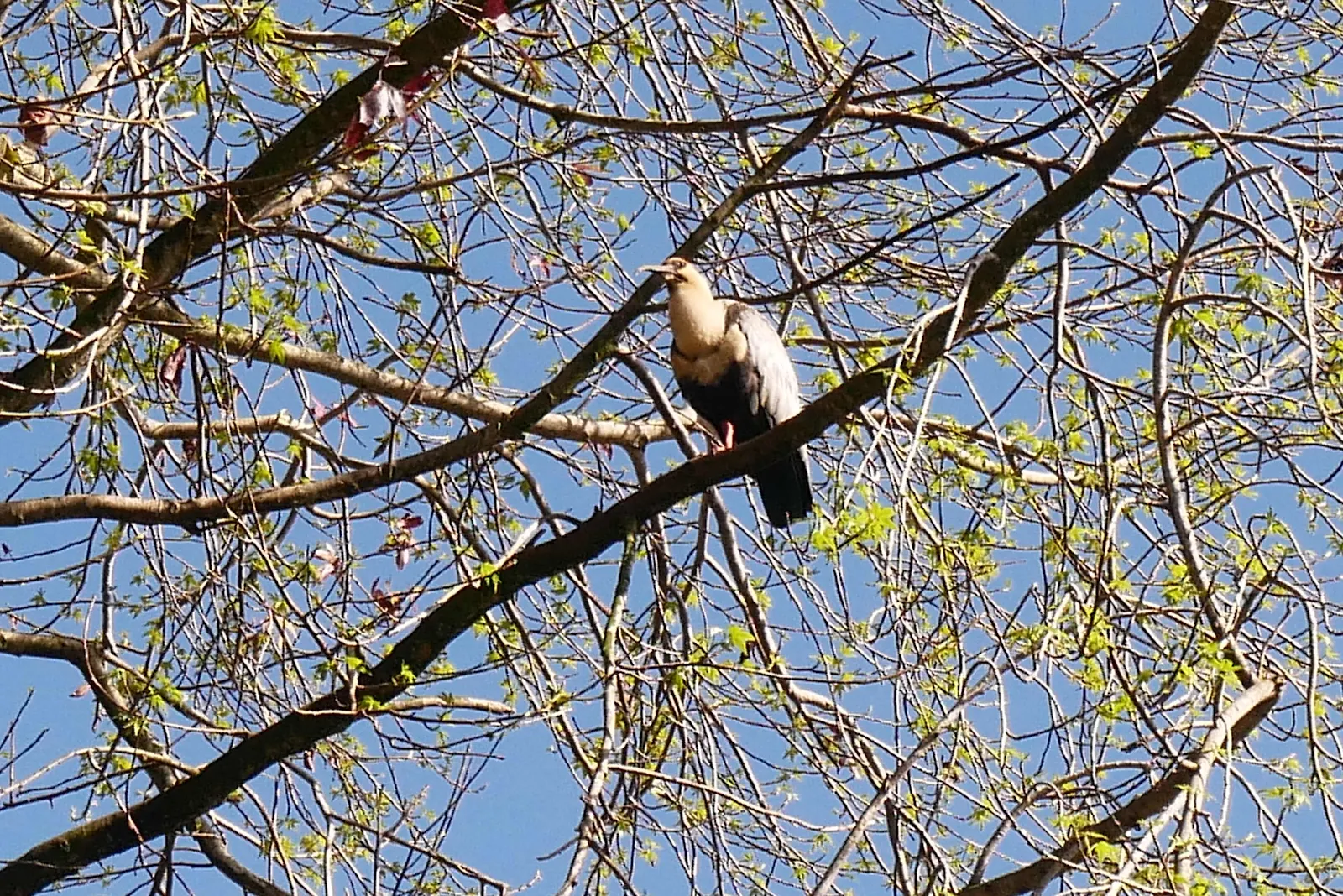
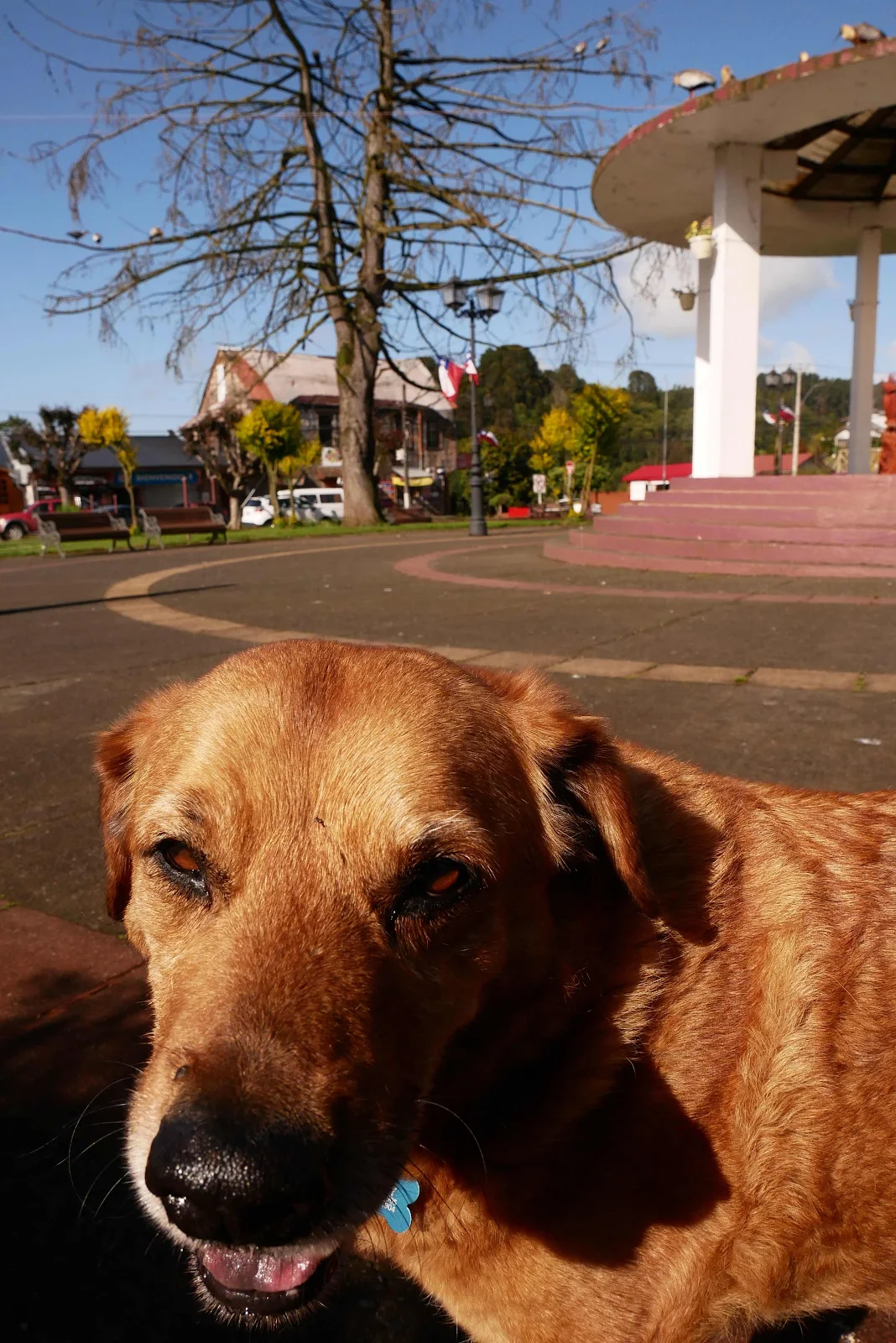
We went downtown to wait for the museum to open and wandered the main square filled with really loud noisy birds honking like geese.

Even on sunny days the temperature struggles to reach 65 degrees so it’s really quite pleasant after the sundress the cold damp night air. Getting out of bed is a chore for someone who likes heat. Luckily the Promaster has a powerful dashboard vent. 


Rusty stayed close as he found the squawking birds overpowering.  

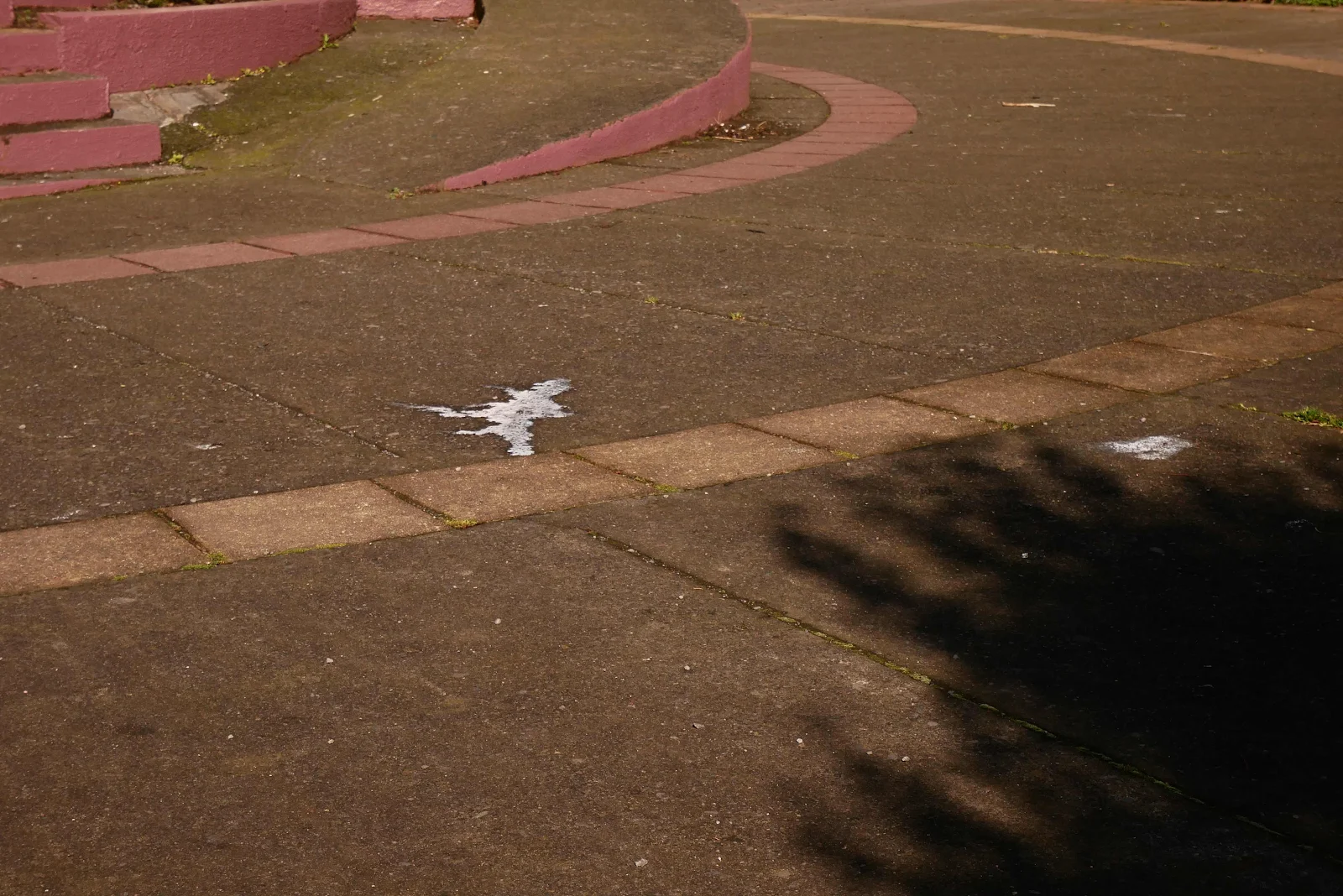
I saw long gray streamers fall through the branches of the trees in the square when I suddenly realized what they were. You don’t want to be standing under these creatures whatever they are called. 

But as always there is no trash; you have no idea how delightful that is after Peru. 

I’ll bet this place is packed in summer. 


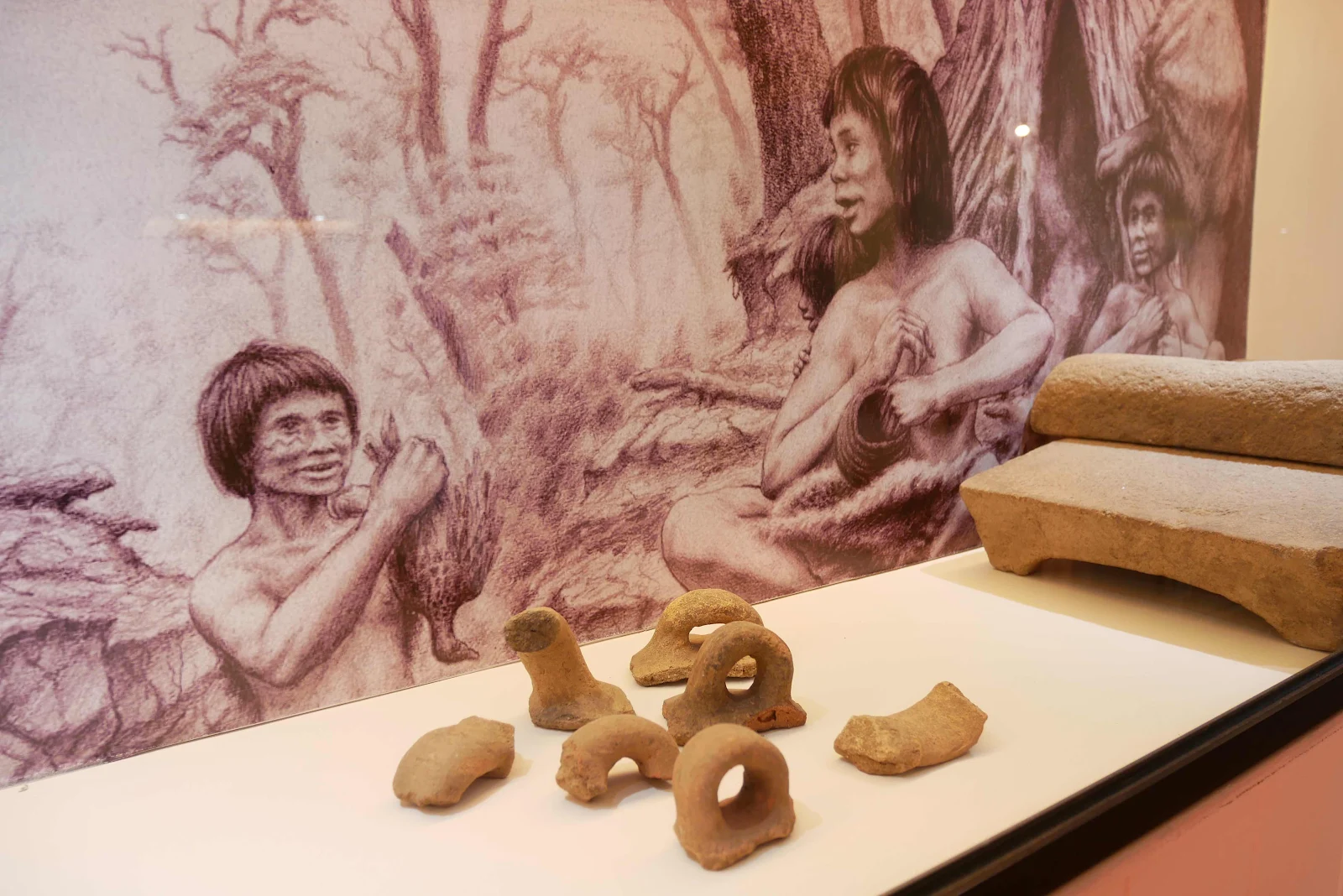
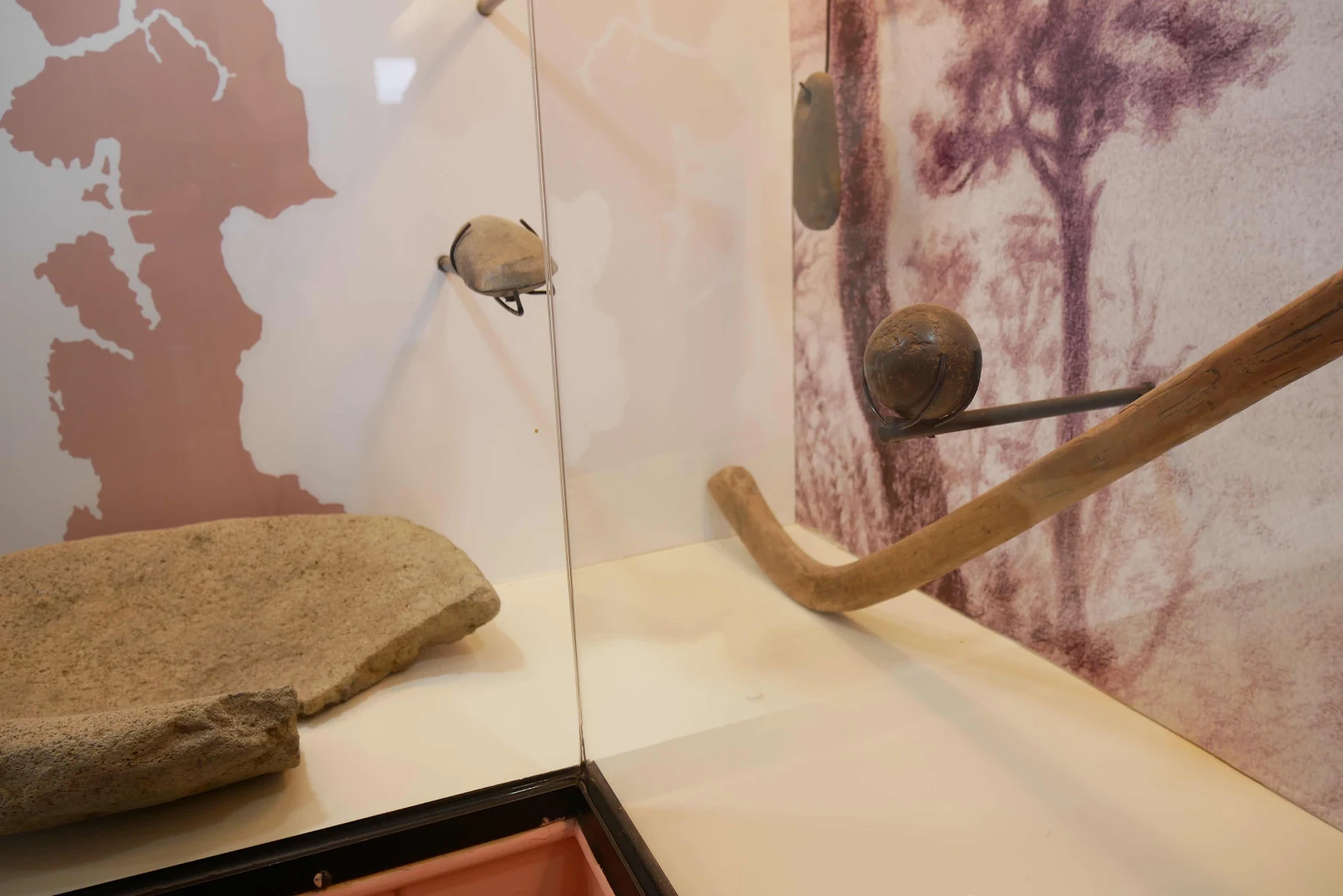
The museum told the story of prehistoric settlement possibly 12,000 years ago in what was a fertile well watered valley. 

The early 19th century saw Spain lose all her South American colonies and Chile figured out they like Argentina needed European settlers. 

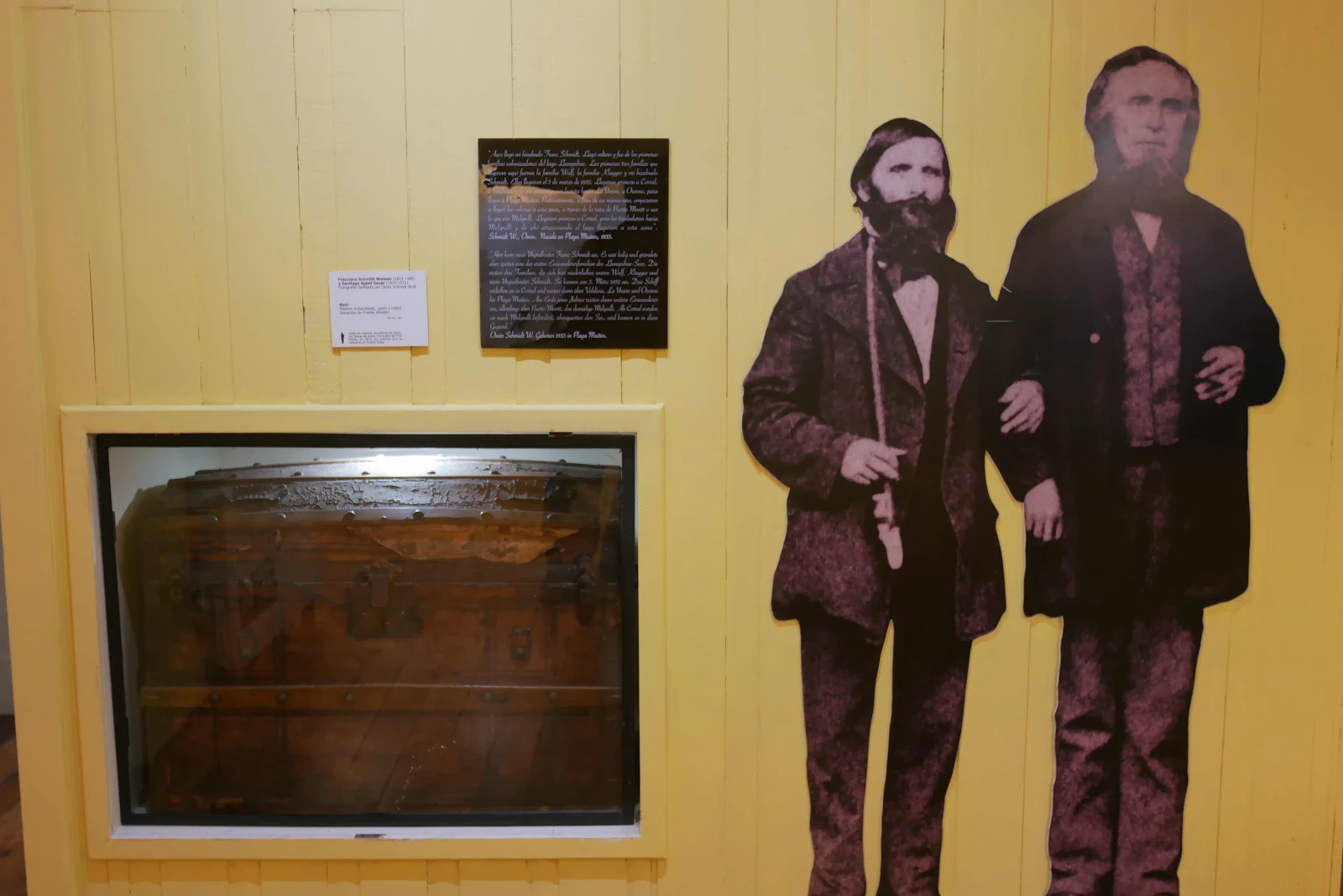
The museum blamed the demise of the local indigenous populations on Spanish slavery and in their place Chile opened up the area north of Puerto Montt to German immigrants. 


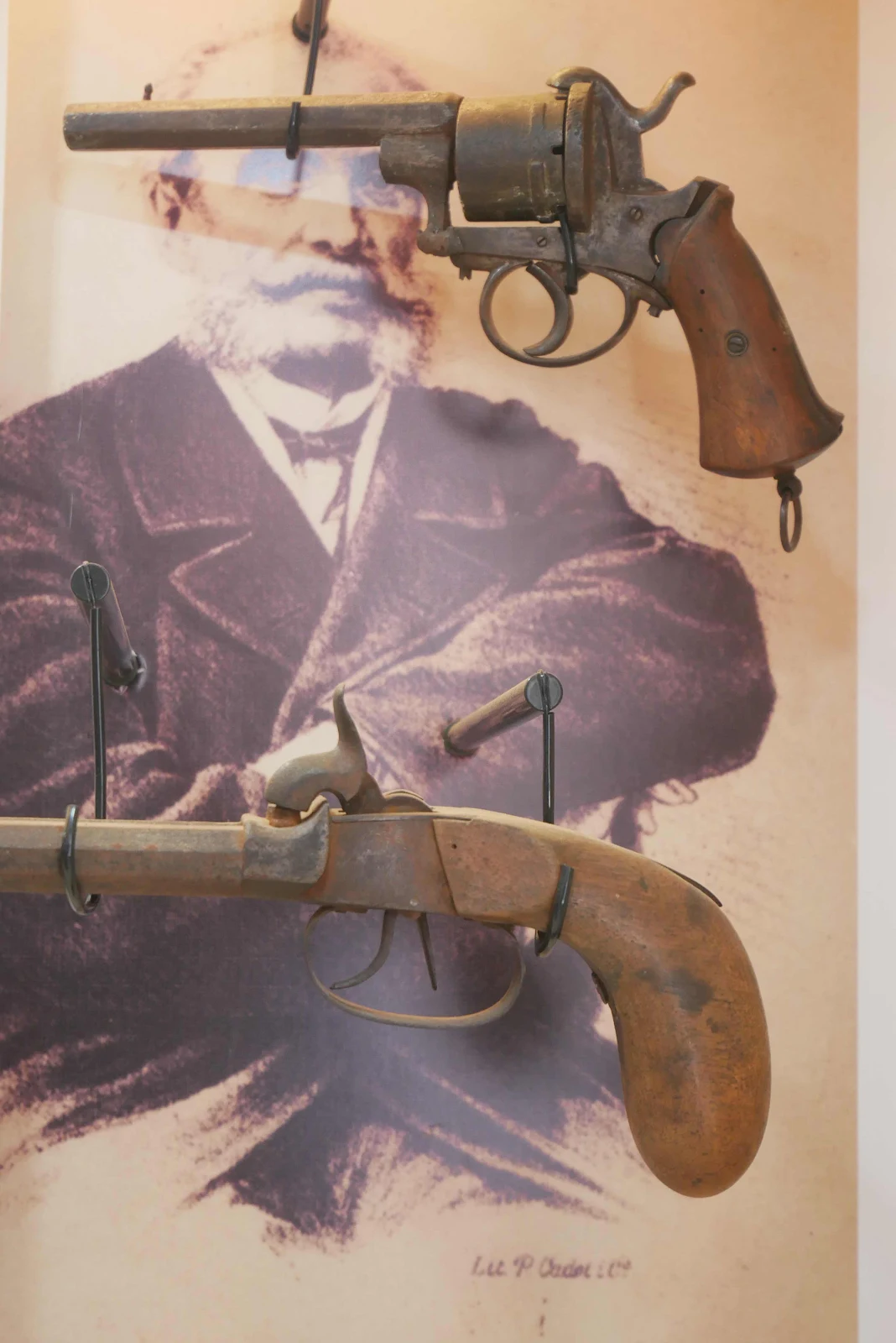
However there was a 200 year period where the Indians living around these lakes kept the Europeans at bay, forcing them to keep out of these lands and occupy a hollow Island to the south and stay close to Santiago in the north. But in the end the lure of rich agricultural pickings in these volcanic lands meant that the war could only end one way. 

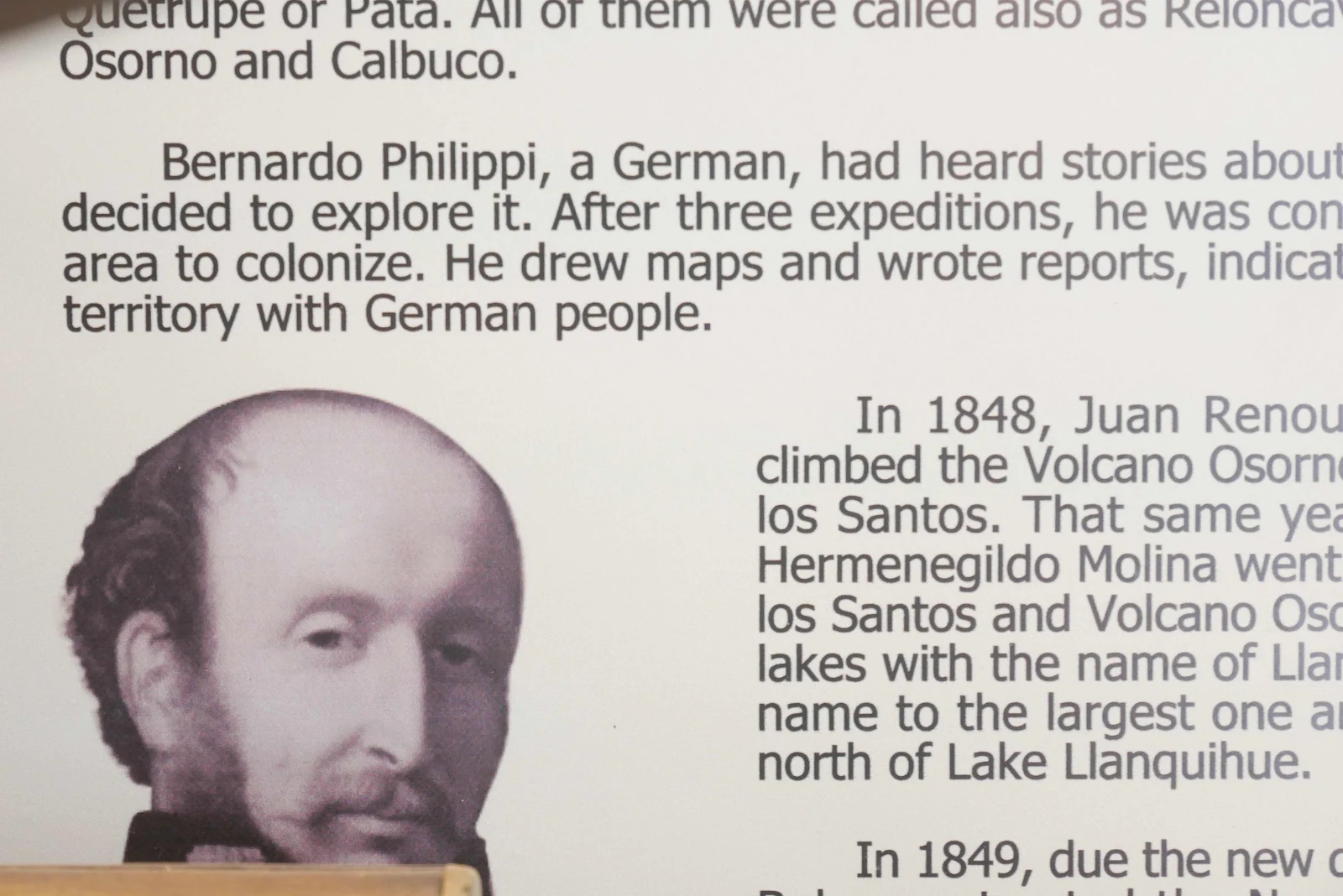
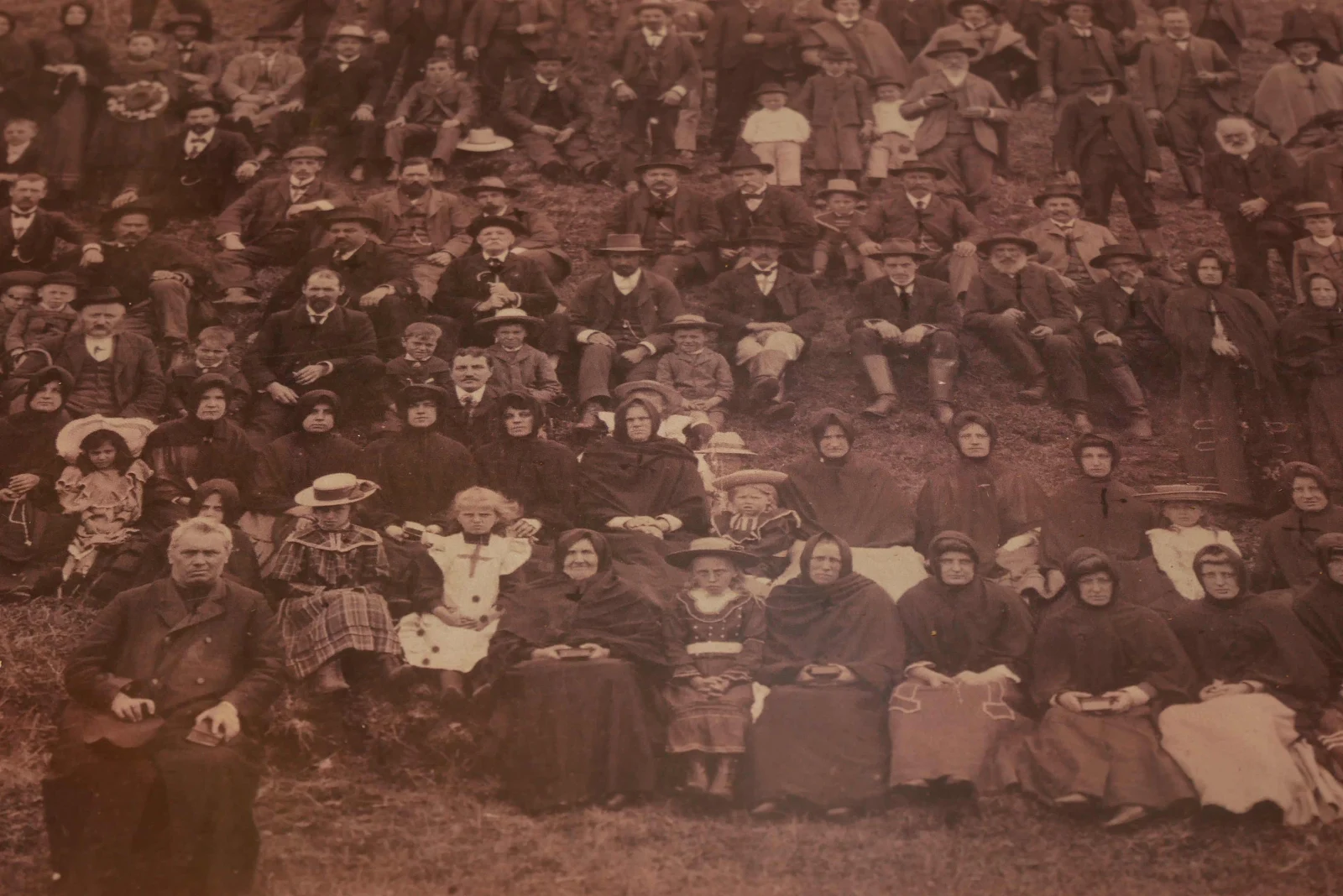
There came a wave of German migrants around 1850 which coincidentally was a time of revolution and uncertainty in Europe. 1848 and seen a bunch of revolts against the people in charge and I’m thinking a lot of people would have preferred to be farming in distant peaceful Chile. 

They did well too, and left their mark here to this day. 

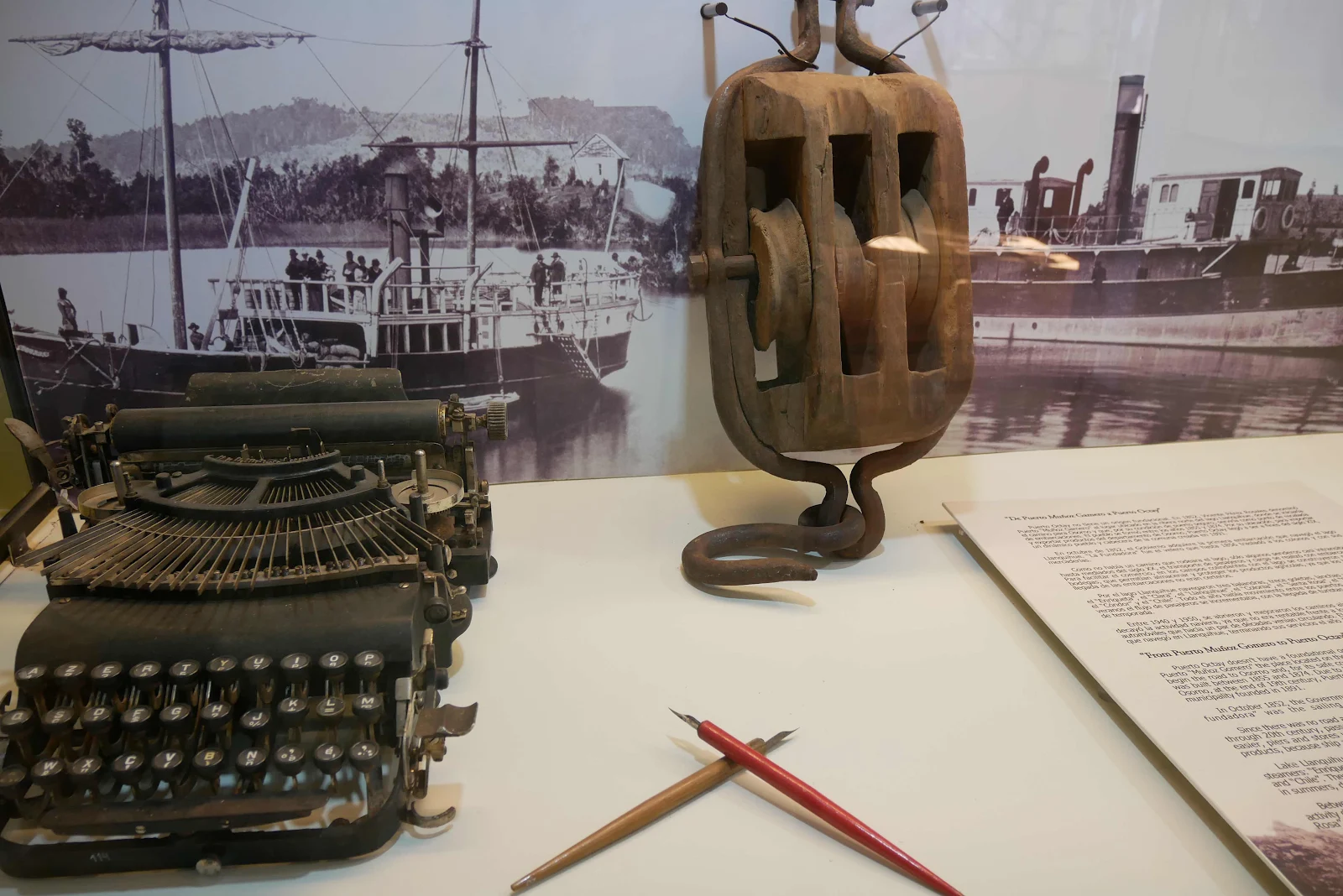
Puerto Octay was a busy steamer port until 1956 when road traffic finally knocked the last steamer out of service. 

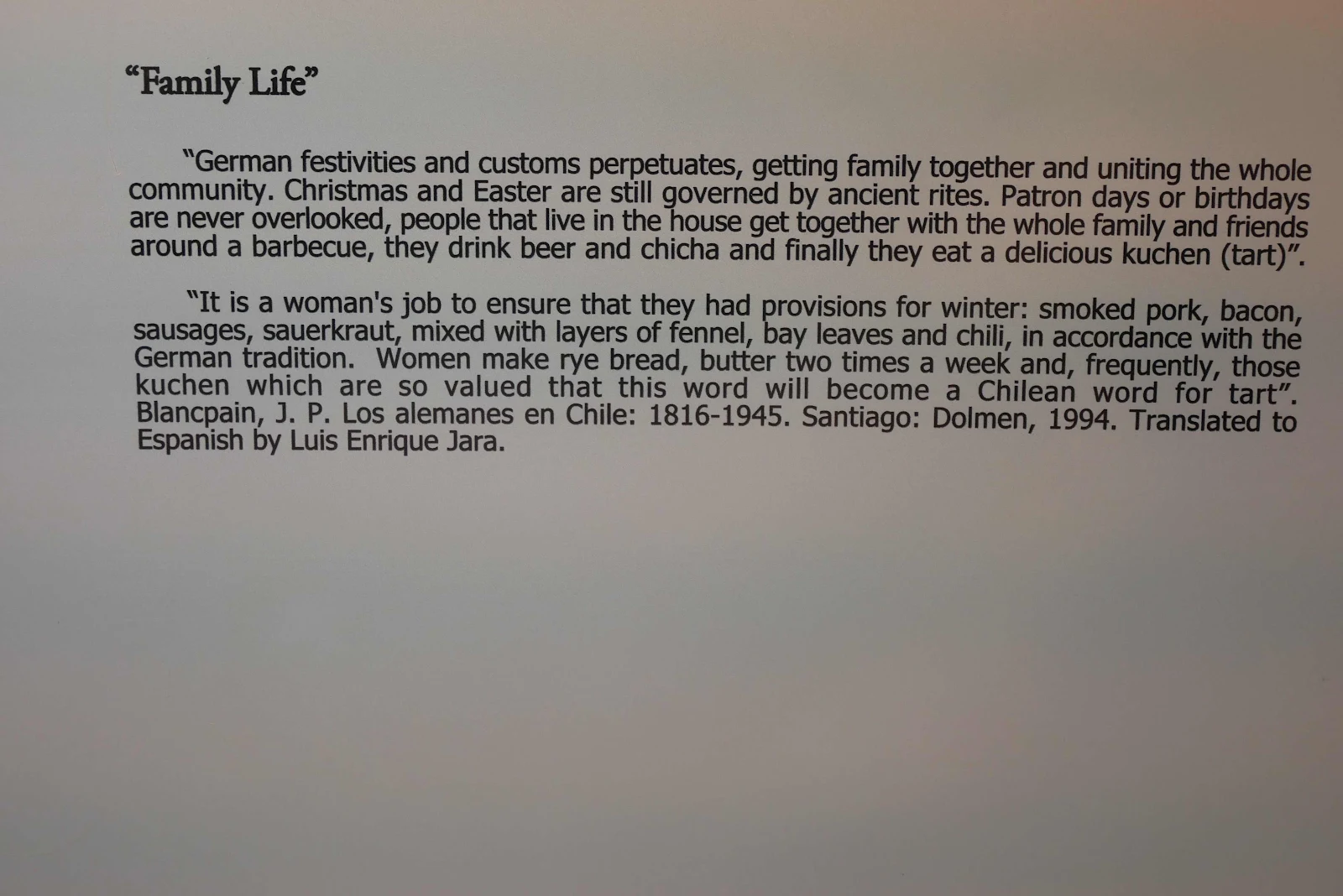
The German colony thrived and today the German influence is celebrated with beer and baked products everywhere produced by Chileans with German last names. 


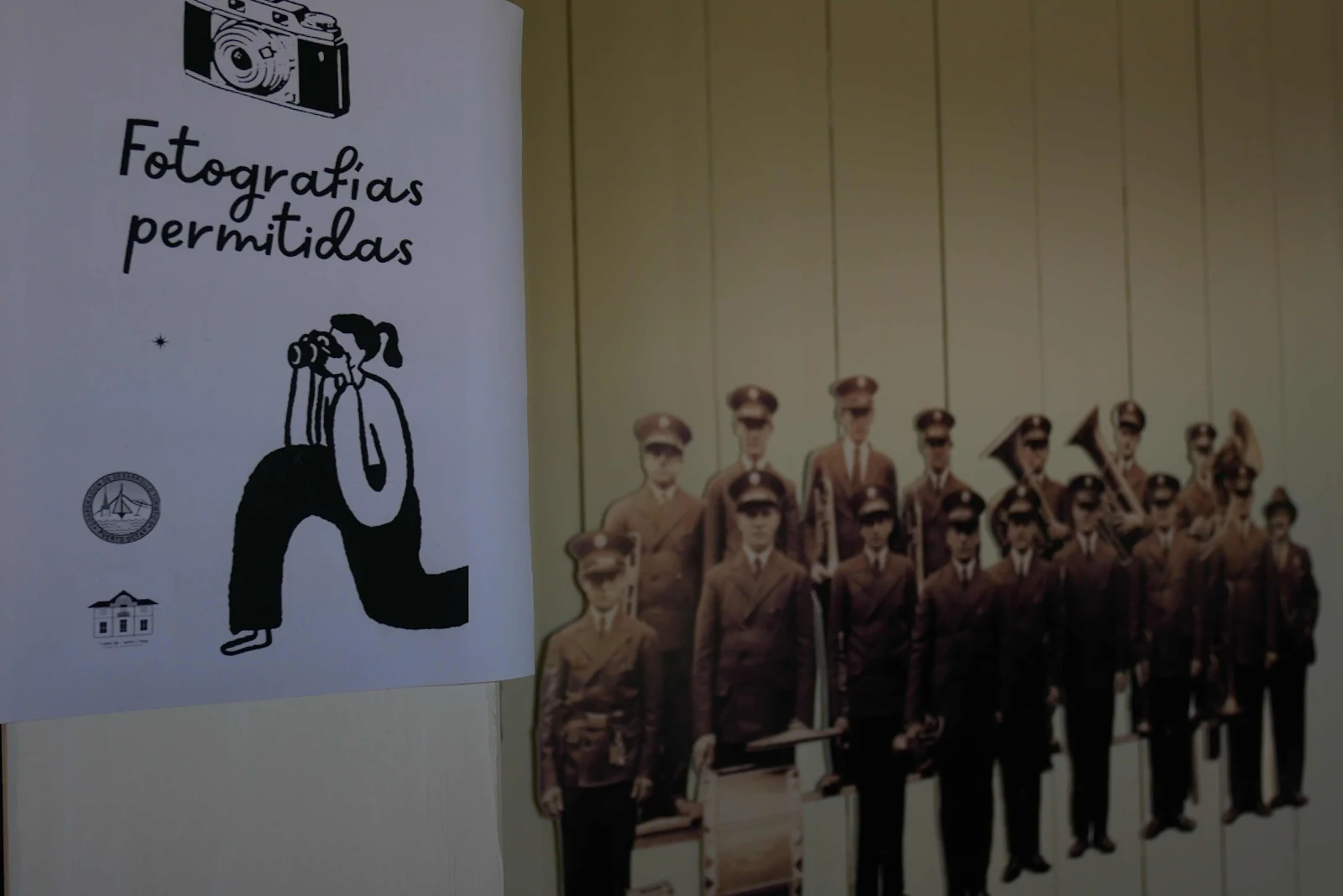
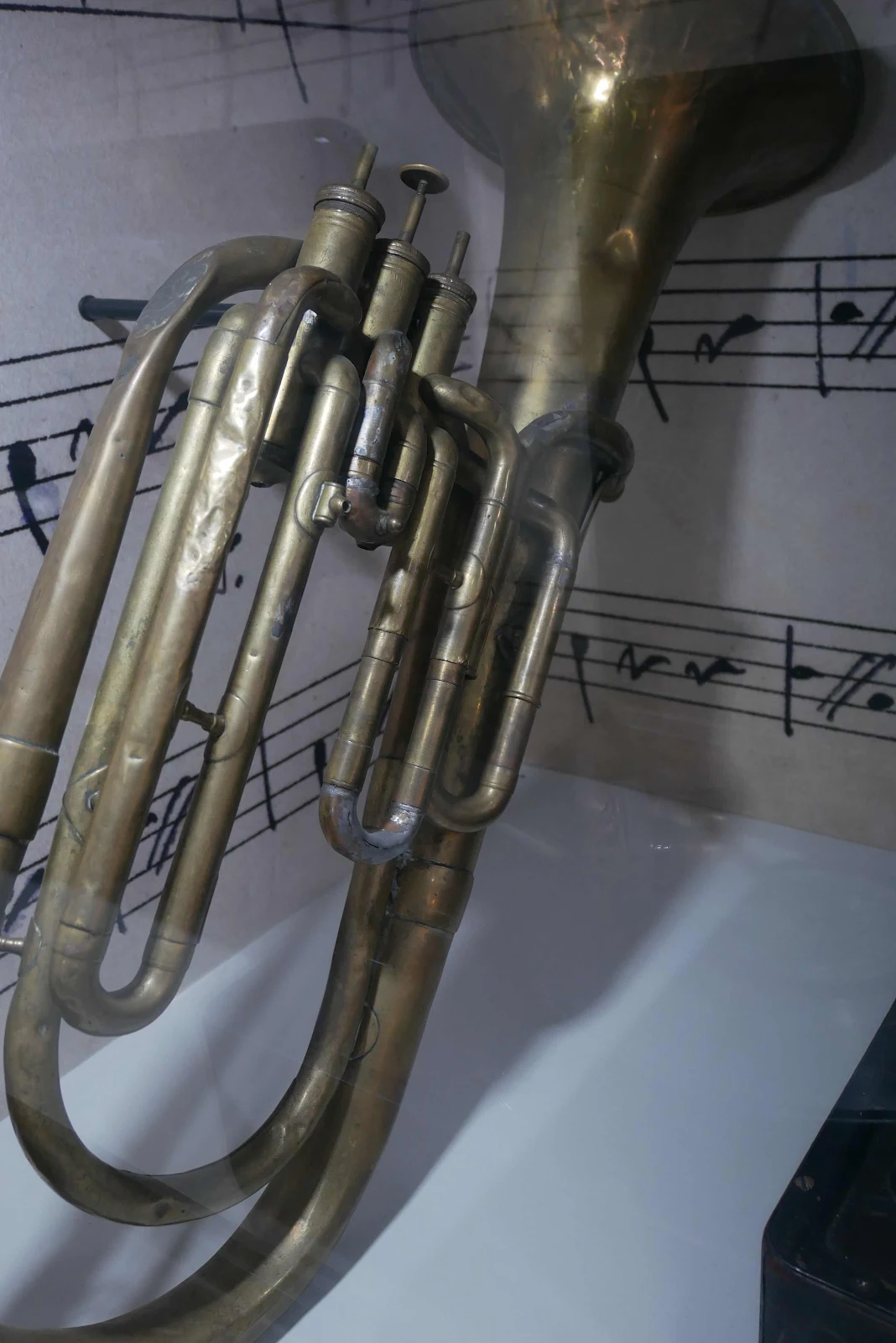
A euphonium played in the town band built in Hamburg in 1828. I learned to play it in school so I was drawn to this particular instrument. 

The word “kuchen” is used in Chile even now to mean a German pastry.  


And so we took off to see the waterfalls.