Monday, May 12, 2025

Iquique


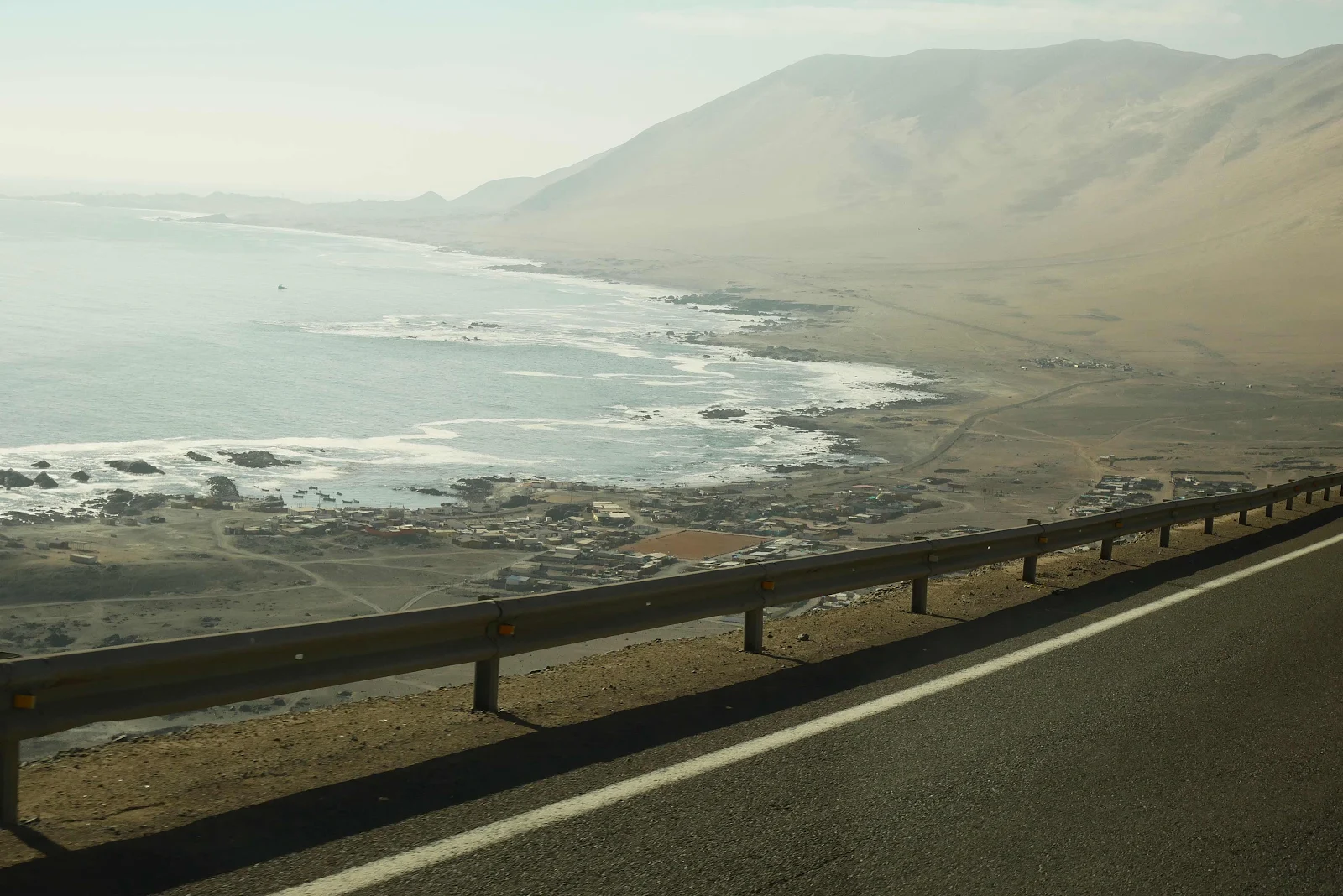
We have another day of desert driving ahead to reach northernmost Chile at Arica, but for the moment we are spending a night or three in Iquique (“ee-key-kay “) for a very specific reason. We’ve heard there’s an RV carpenter here called Mark with a workshop and we have a drawer we want fixed. 
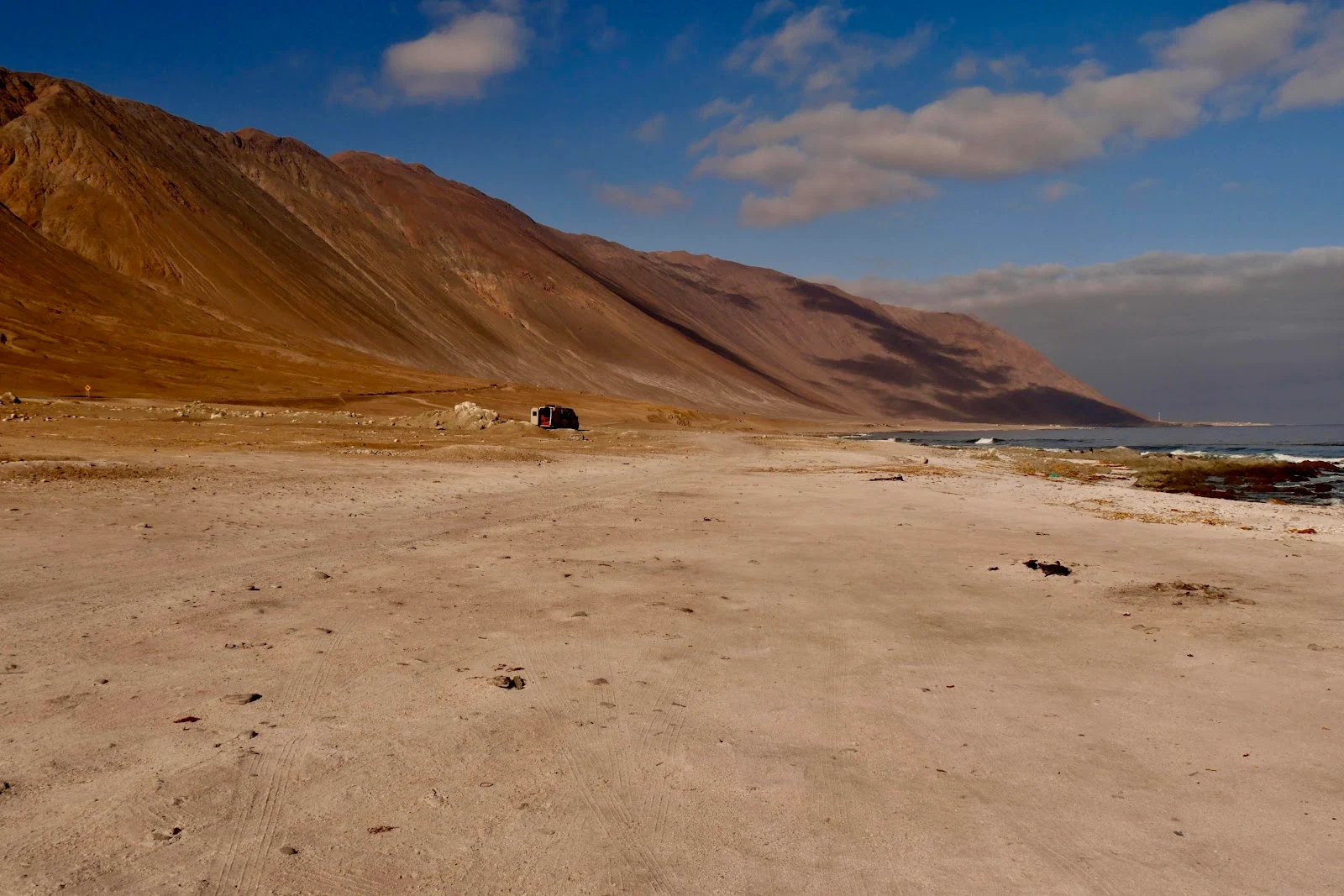
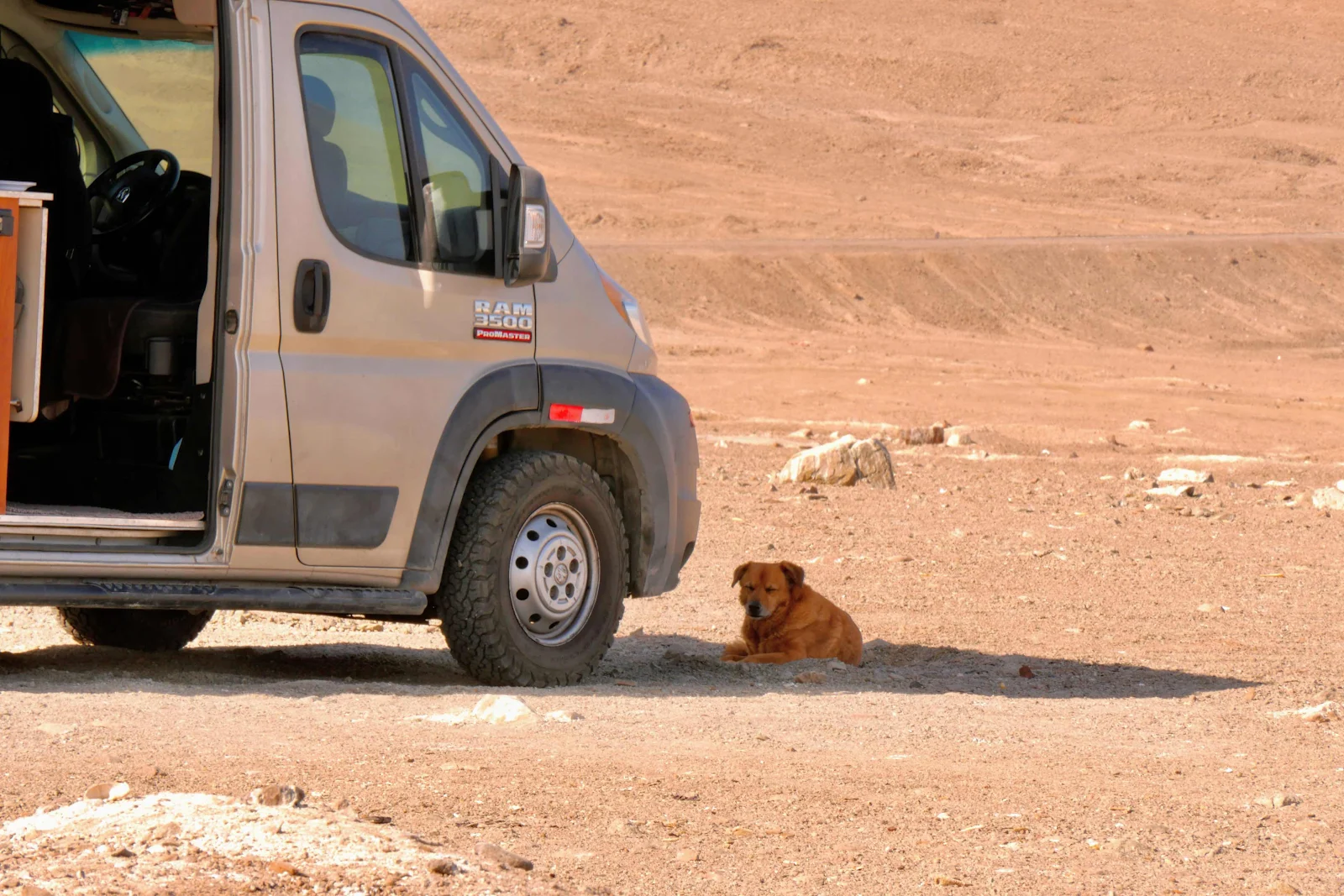
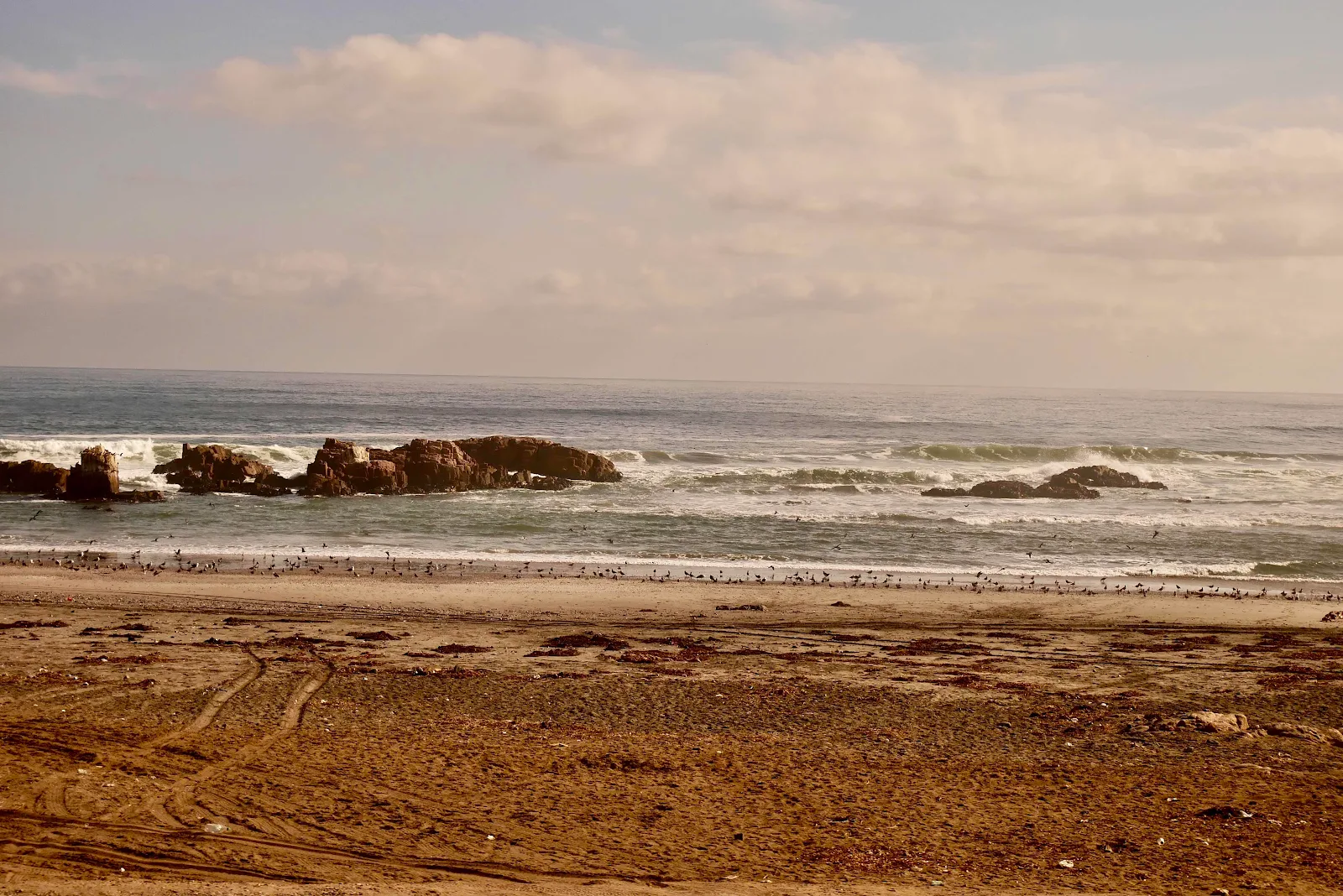
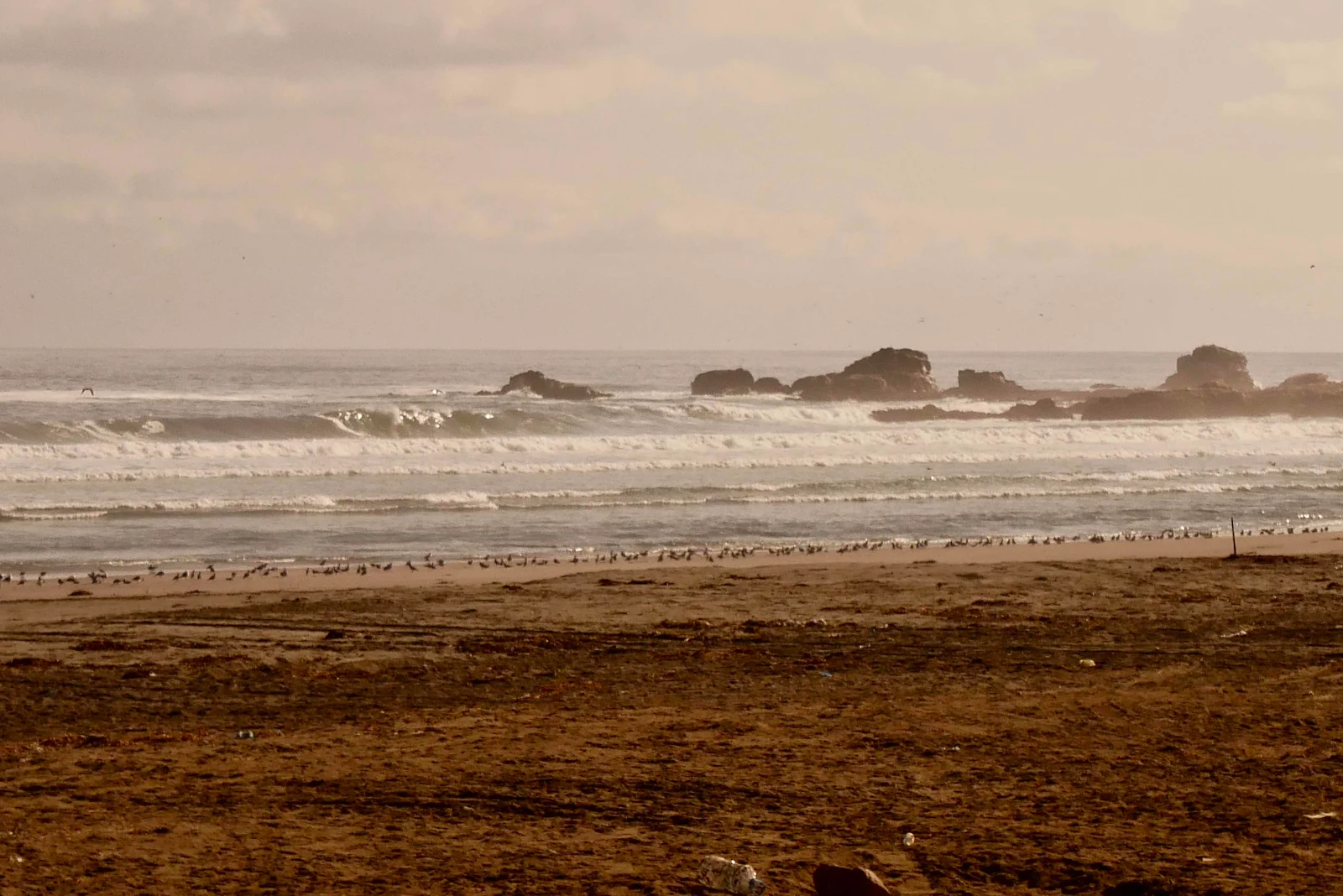
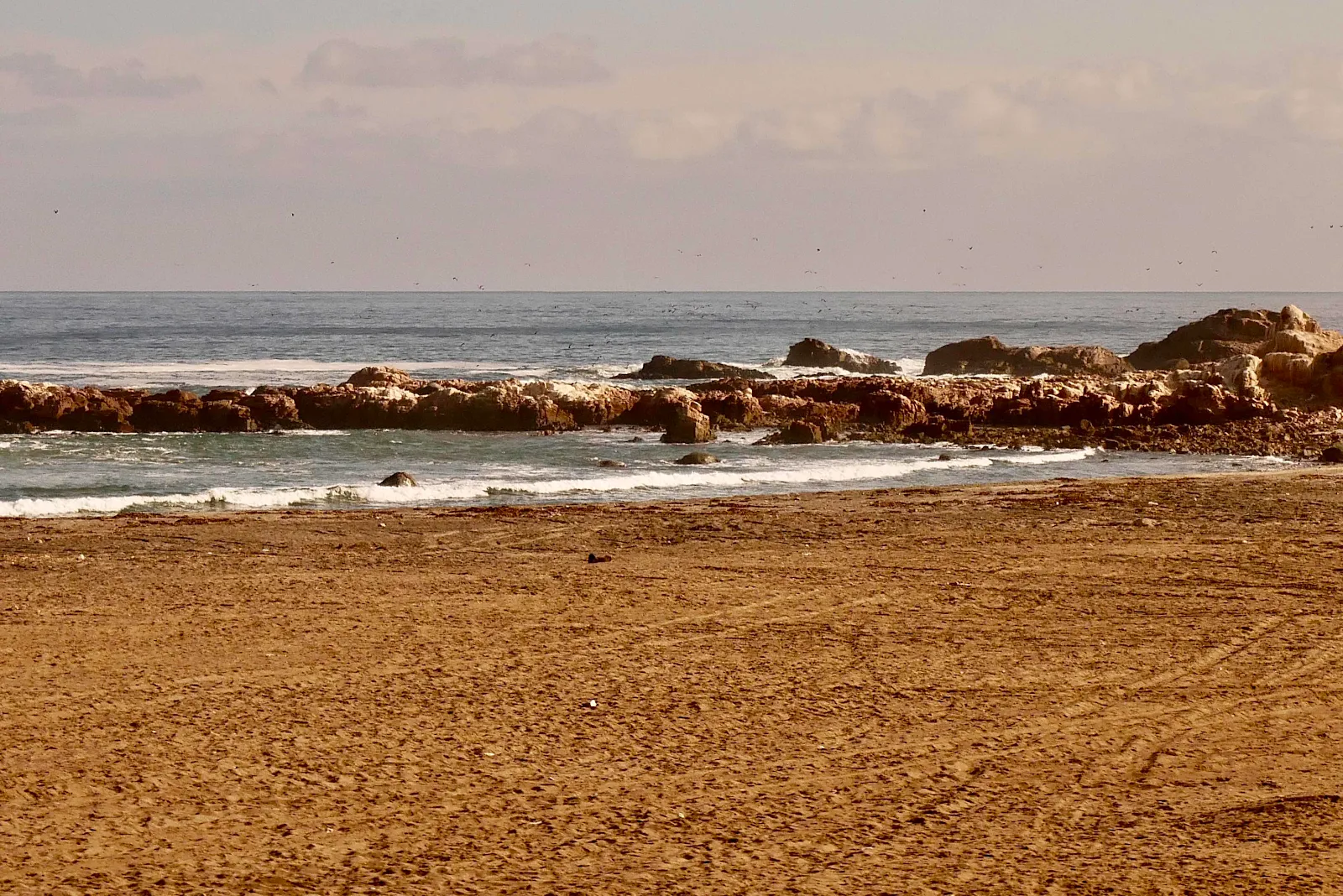
Layne was up before me and on a clear sunny morning she loved our beach anchorage. I woke just after nine to a hot cup of tea and a dog anxious  for a beach walk of course. 
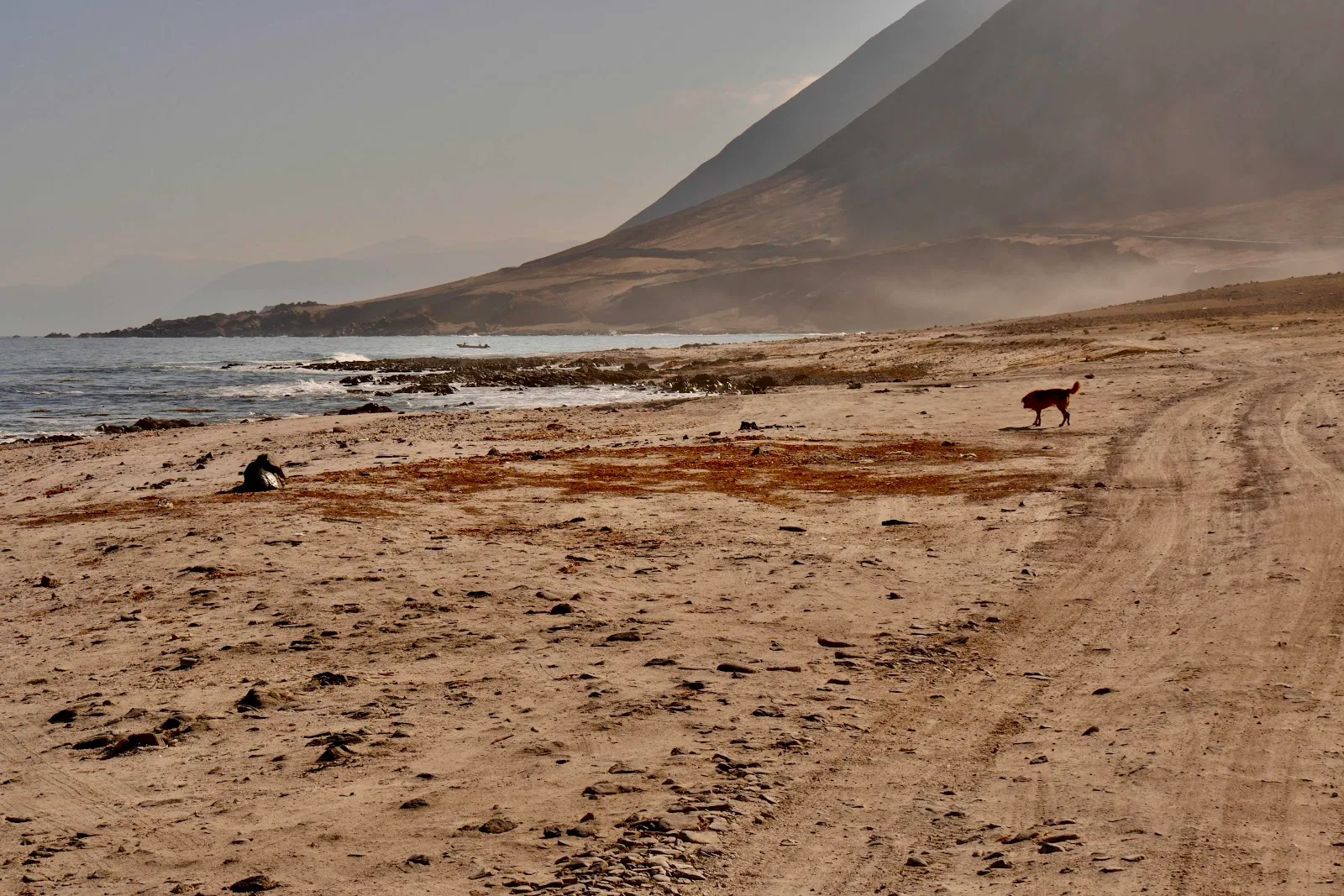


“You want another cup of tea?” Yes and Rusty wanted a bowl of water because we are demanding. 
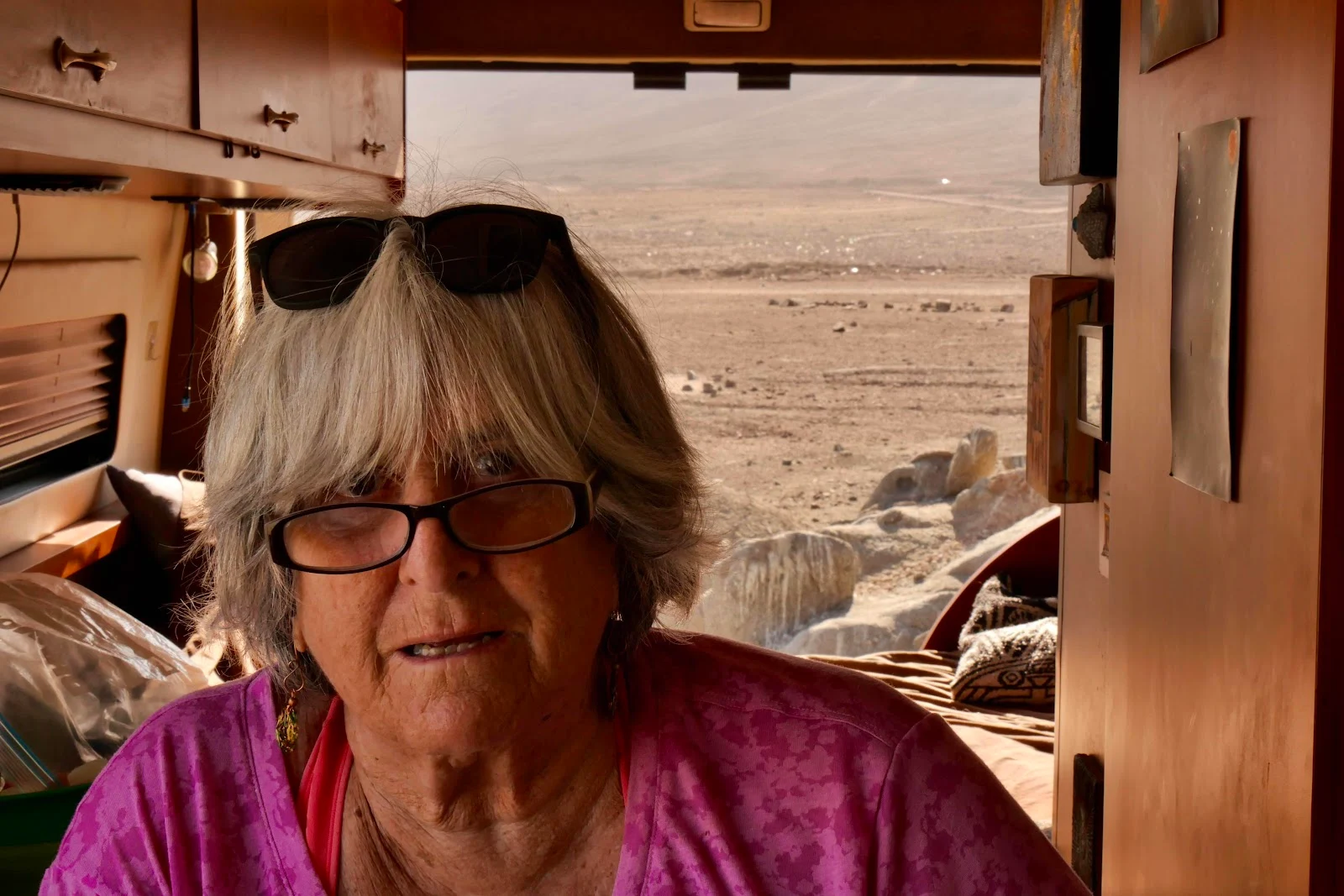


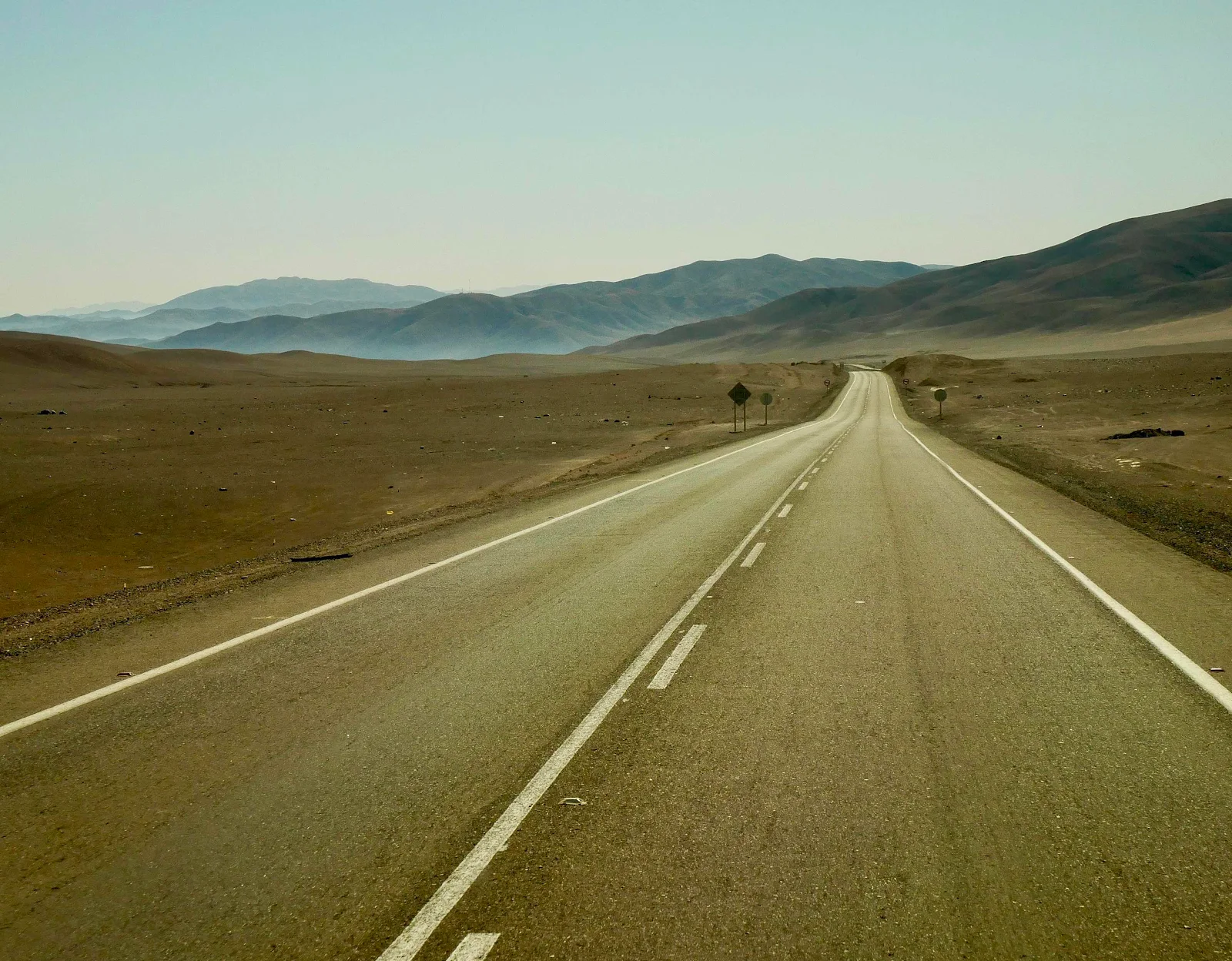
We finally got together and left around 2:30 in the afternoon. We are starting to realize we need to keep moving if we want to get to Brazil at the beginning of August so we can’t dawdle. That may not make sense yet but it will become apparent why we want to get to Porto Velho in dry season. Meanwhile, more of the endless Atacama Desert.
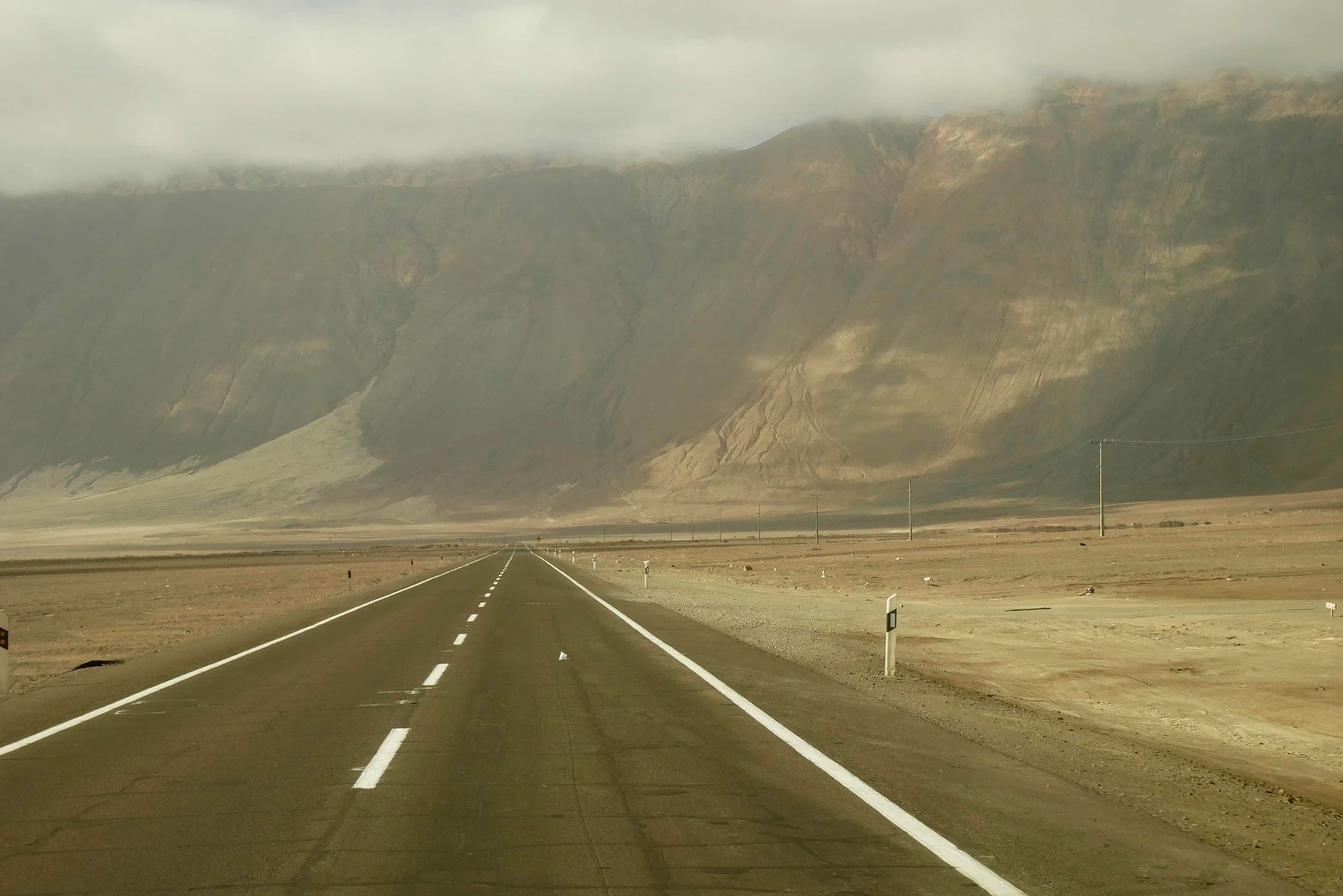
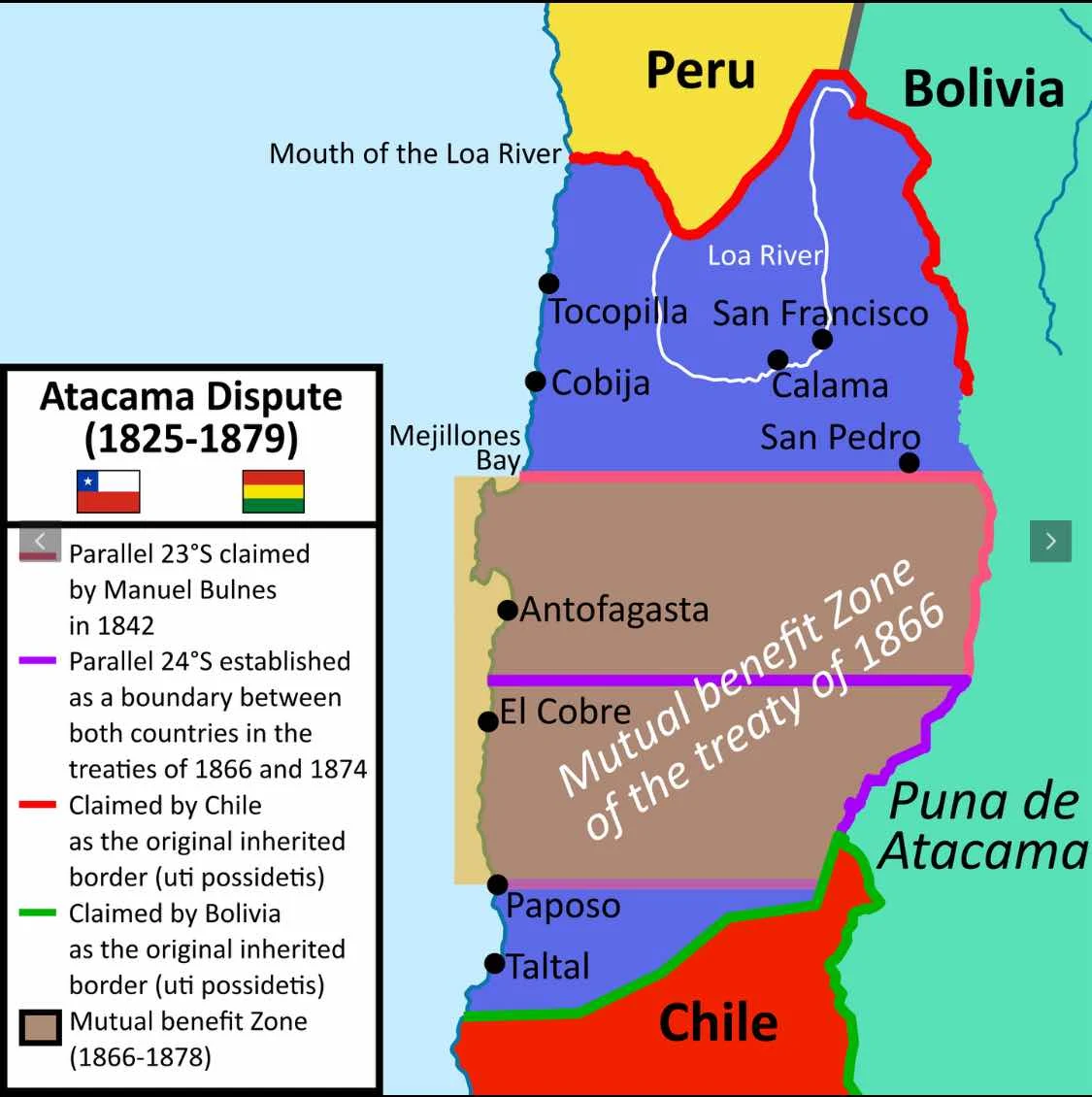
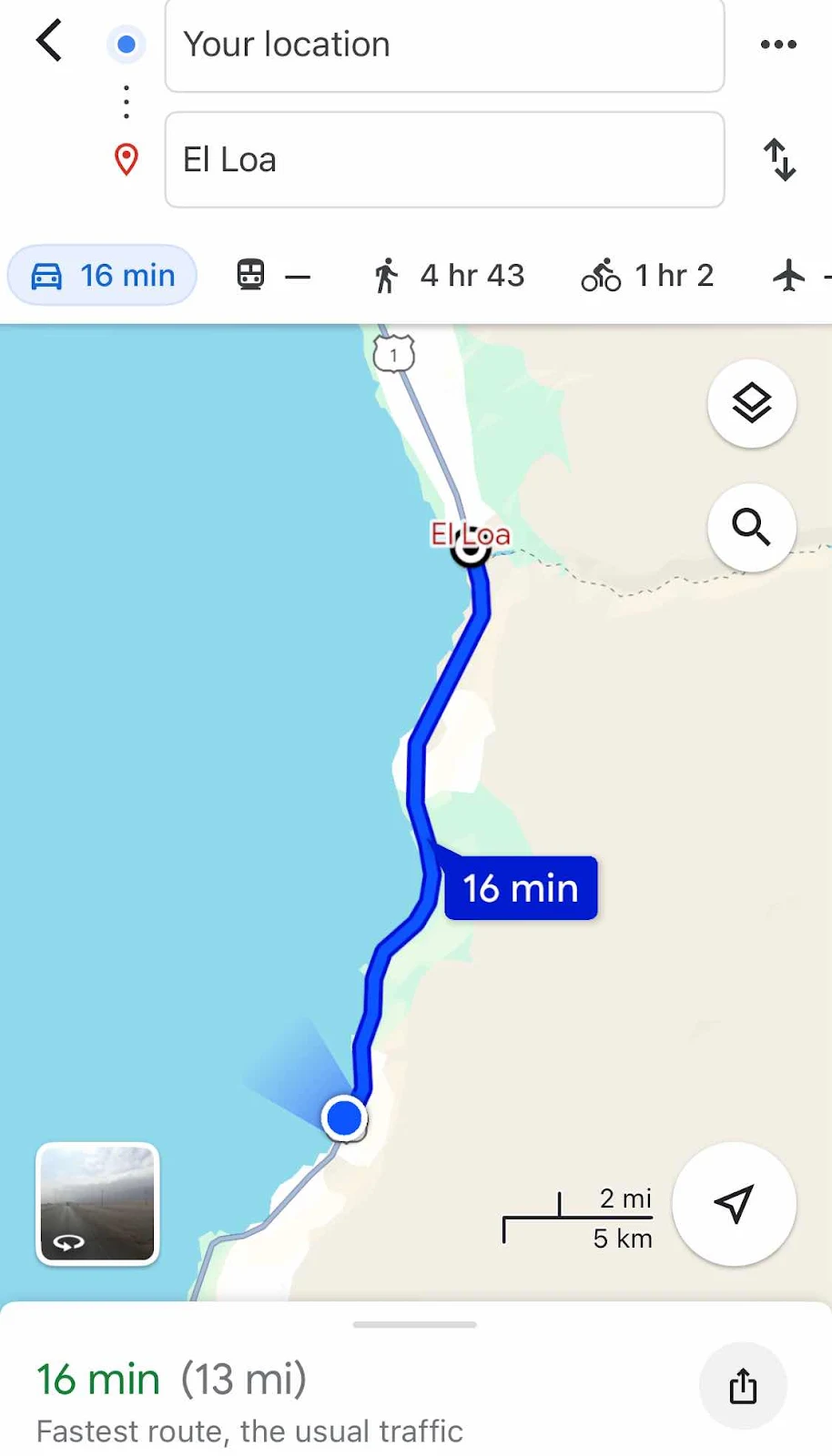
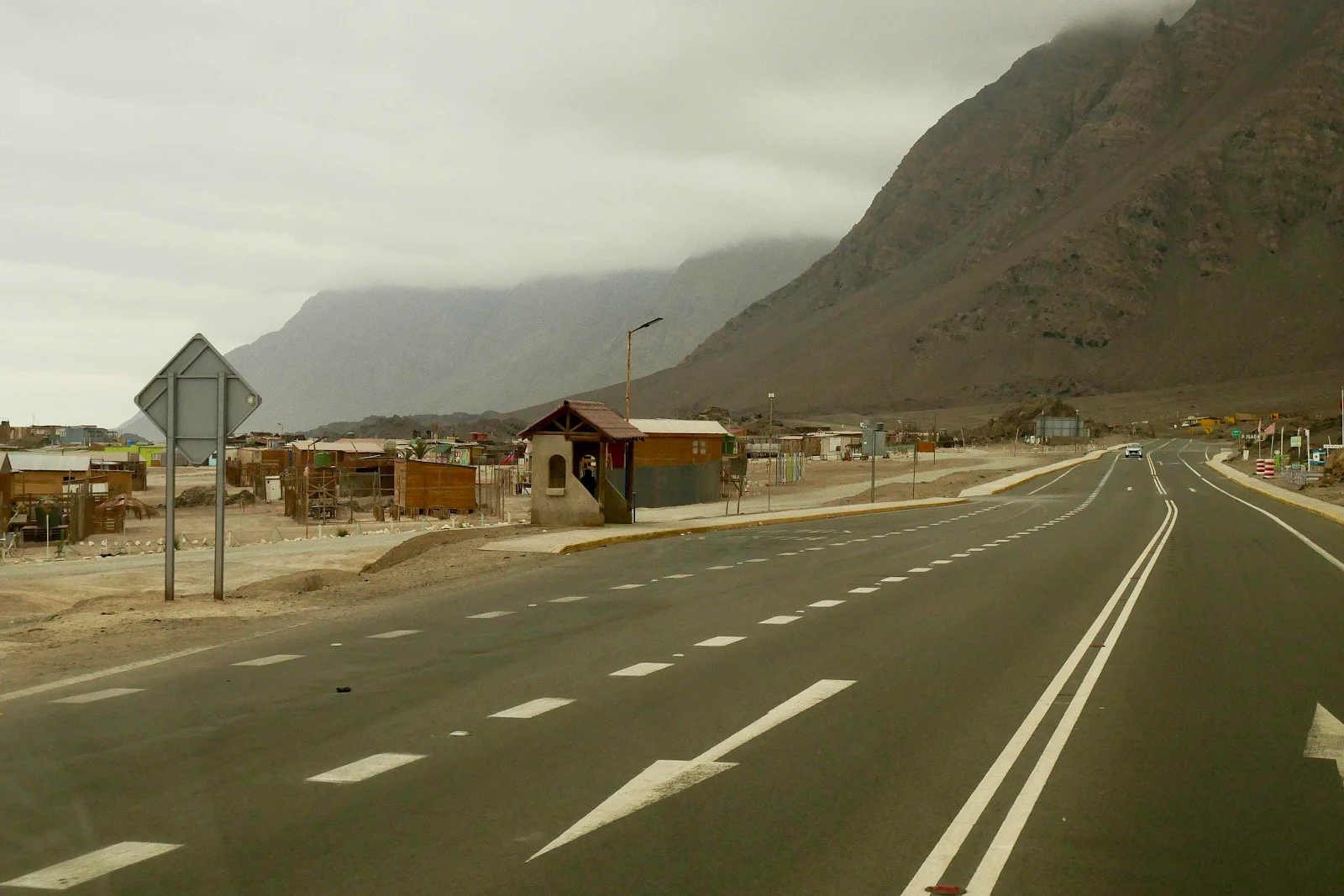
We had to pass a customs check at La Loa. In 1879 this was the border between Bolivia to the south and Peru to the north. Nowadays it’s the border between Chile’s northern region, which is a tax free zone, and the rest of the country. 
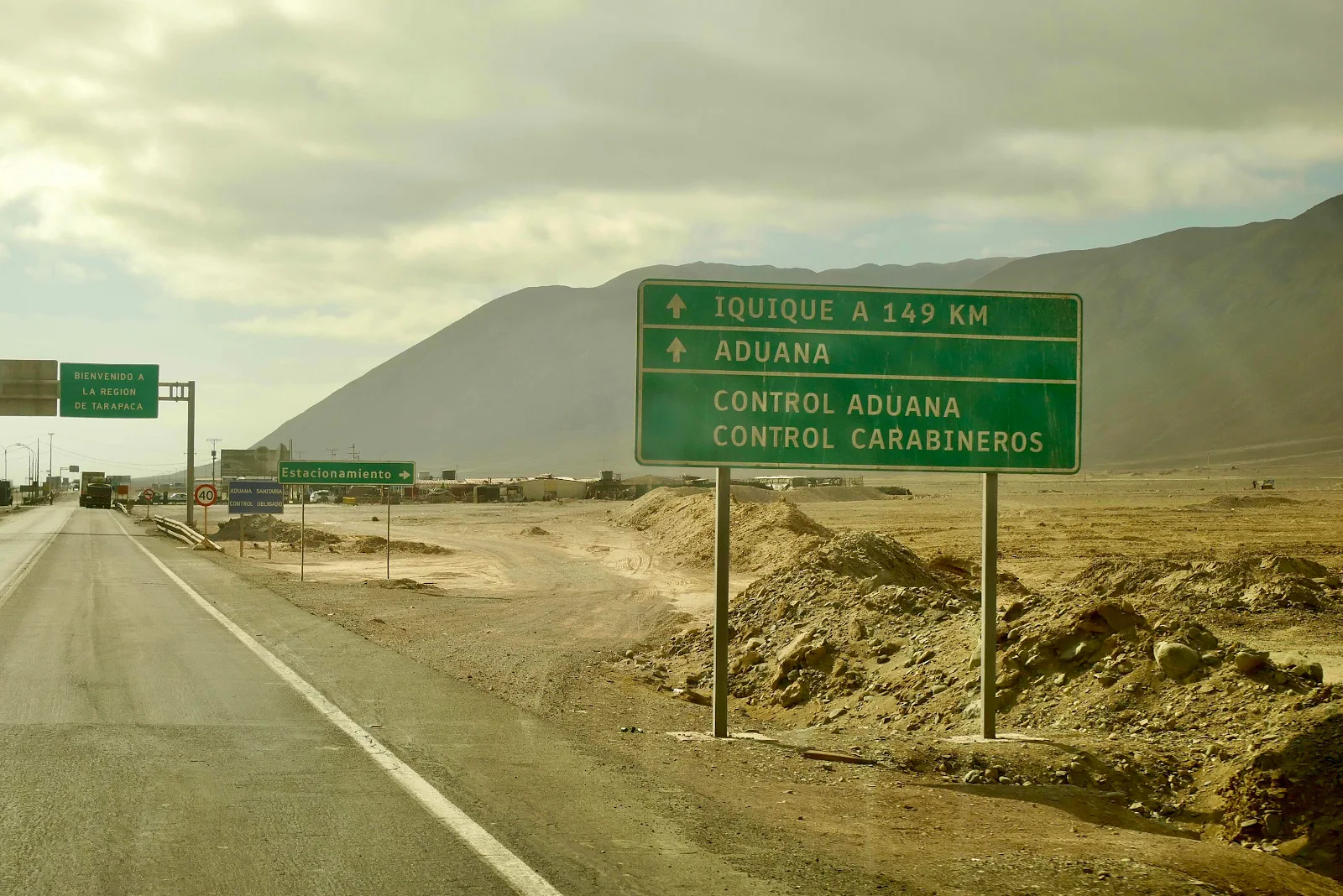
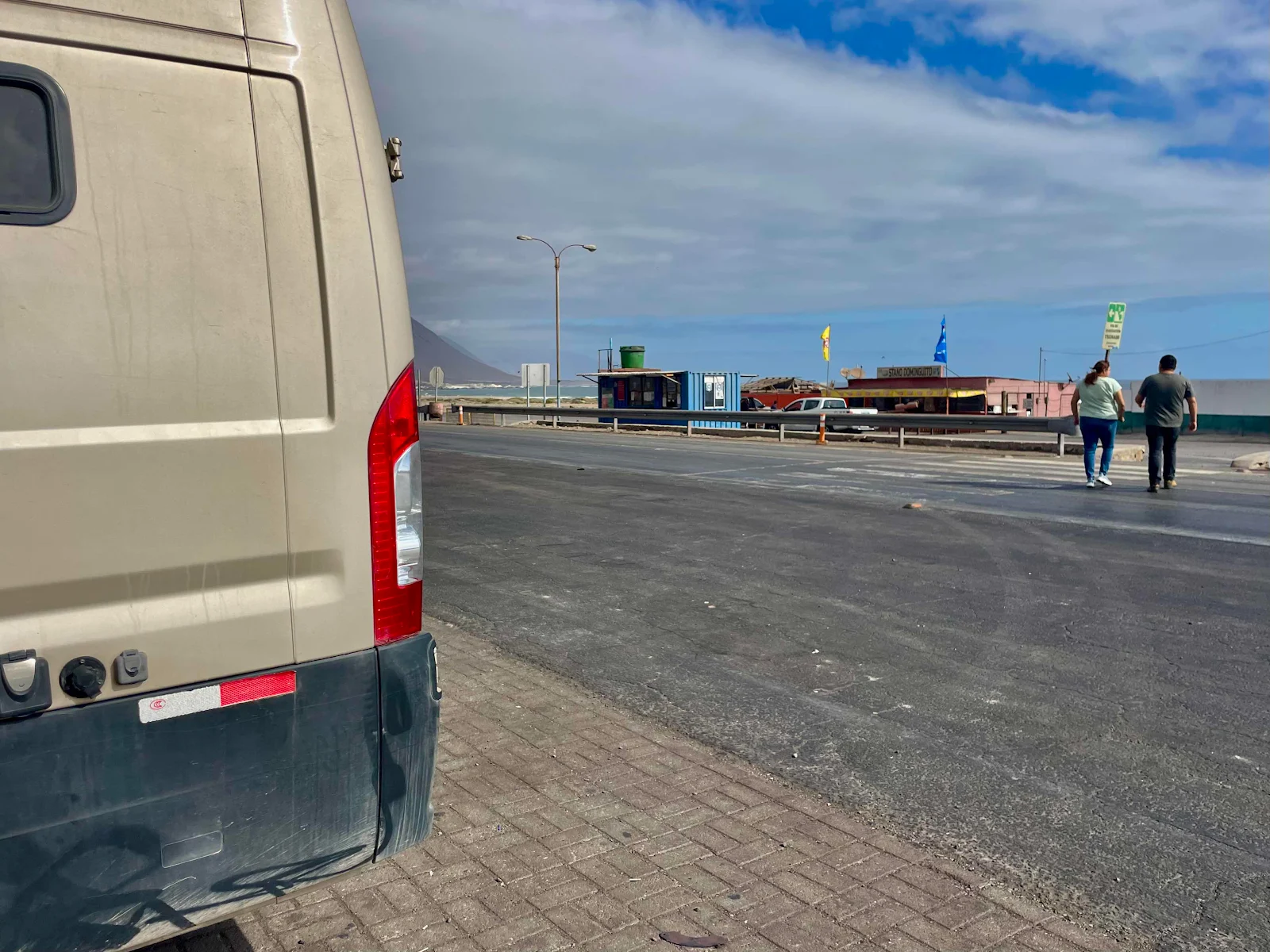
Going north it was a mere formality where we stopped, I walked across the highway to the blue shed where a customs official stamped GANNET2’s temporary import permit. Why? I have no idea but I asked no questions and kept driving. 


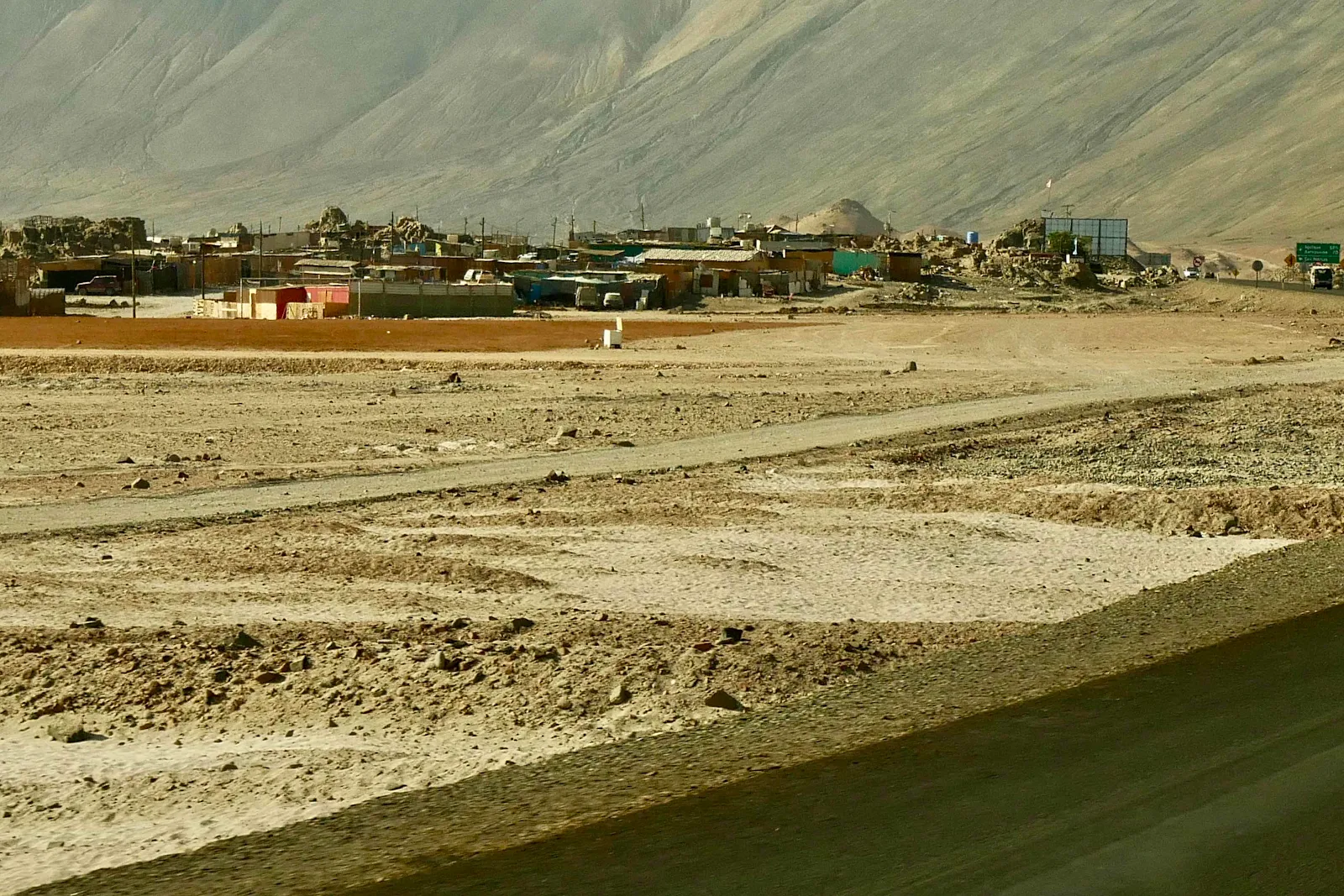
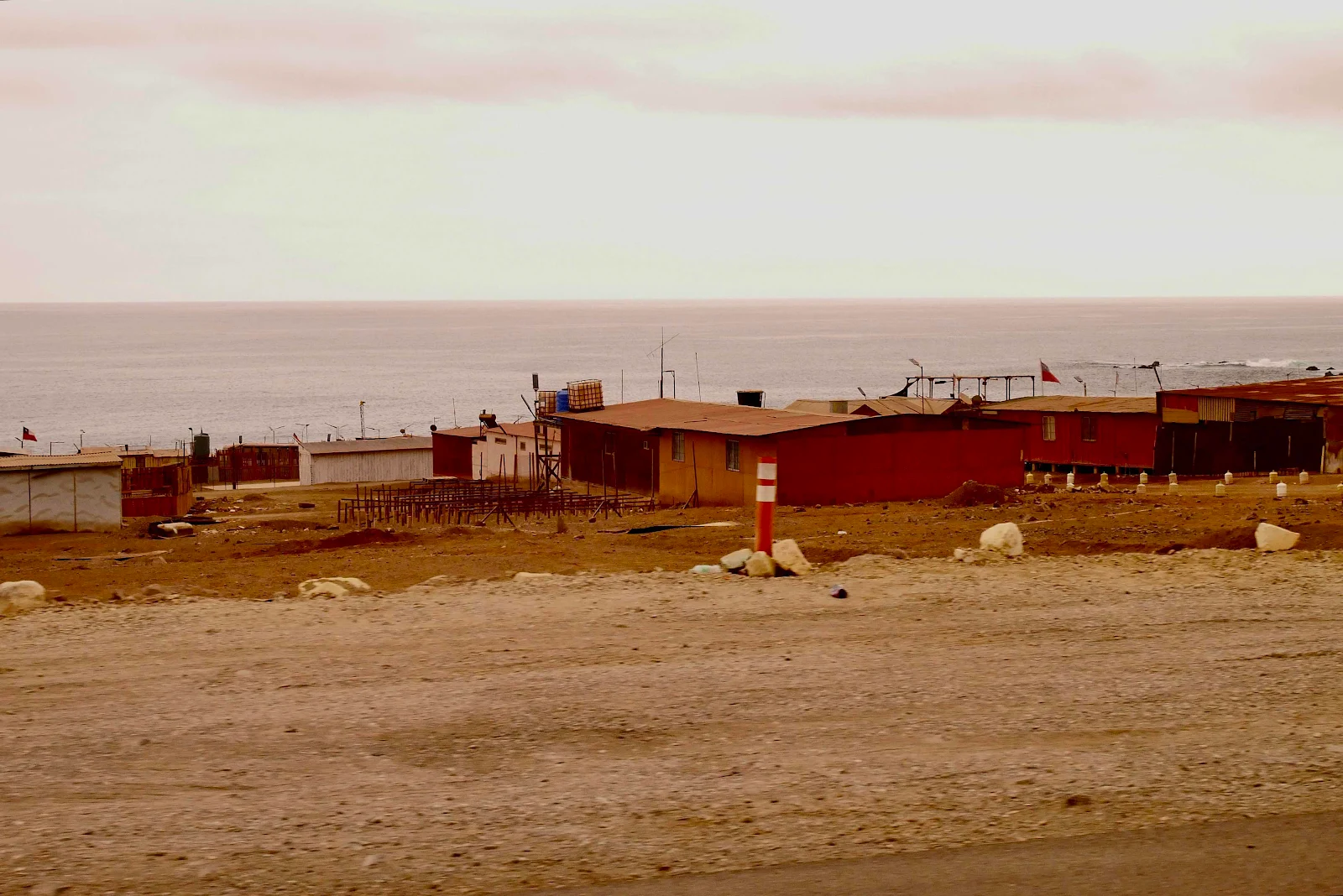
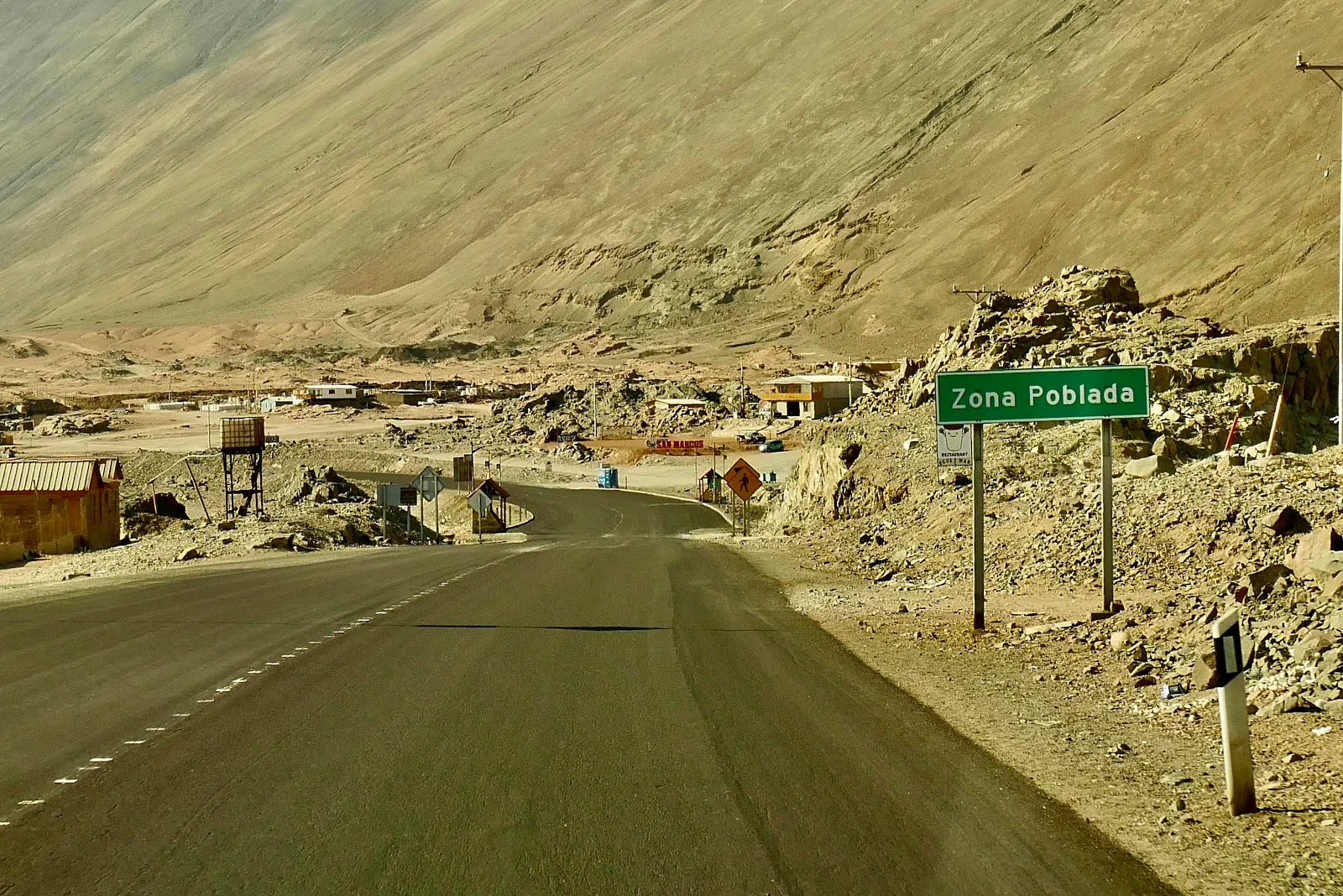
“Populated area.” In a manner of speaking. 


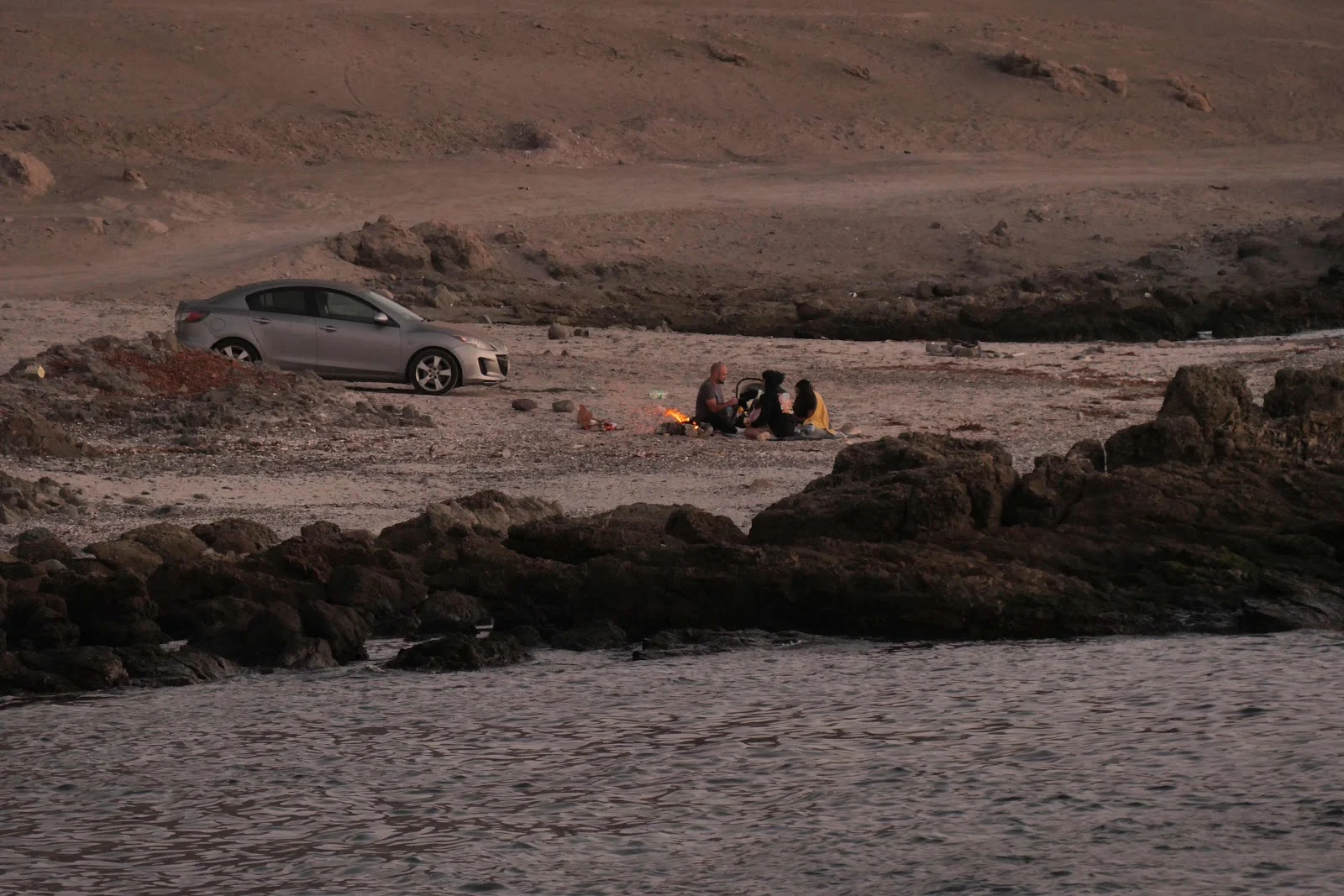
Campers! We’re not alone! 
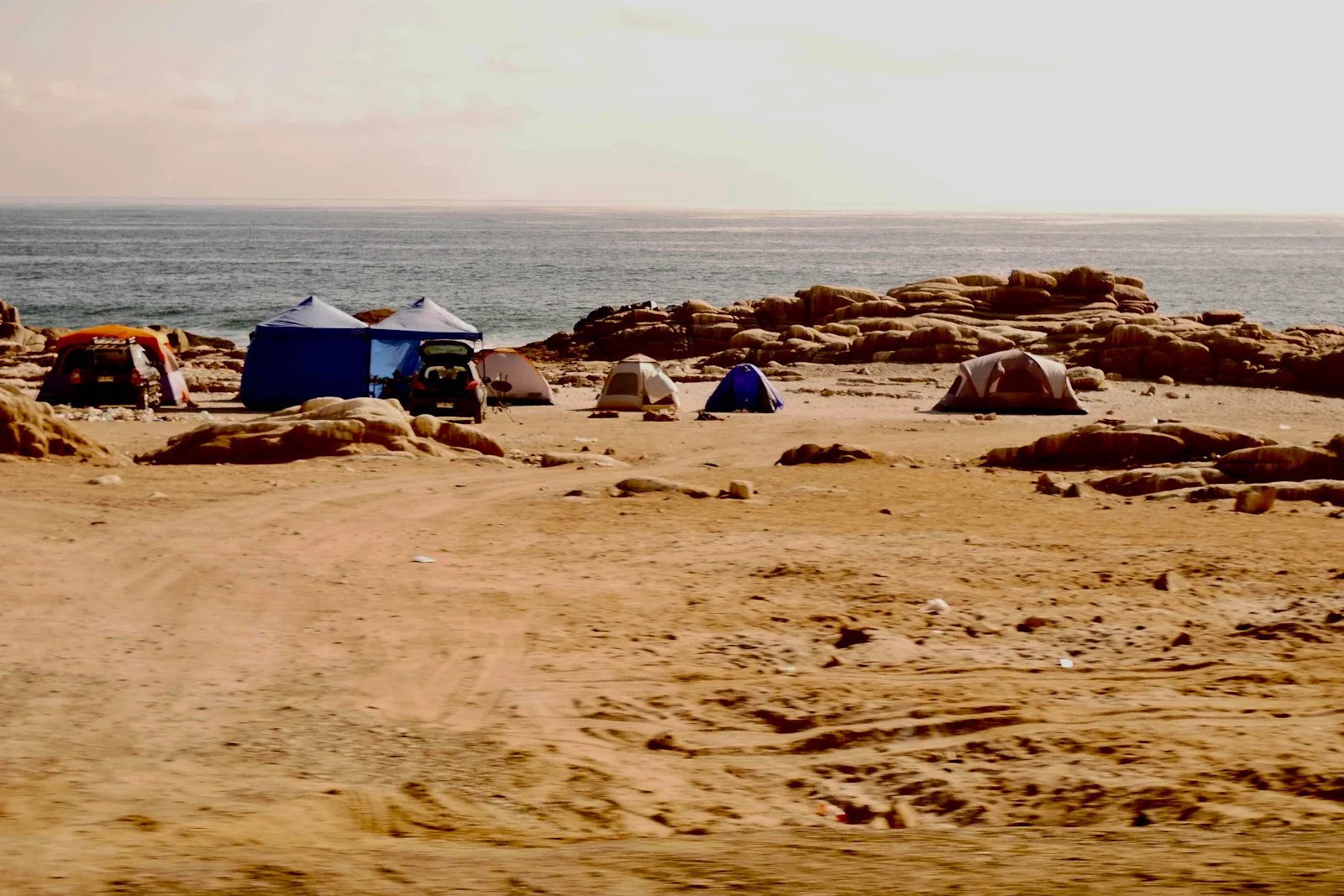


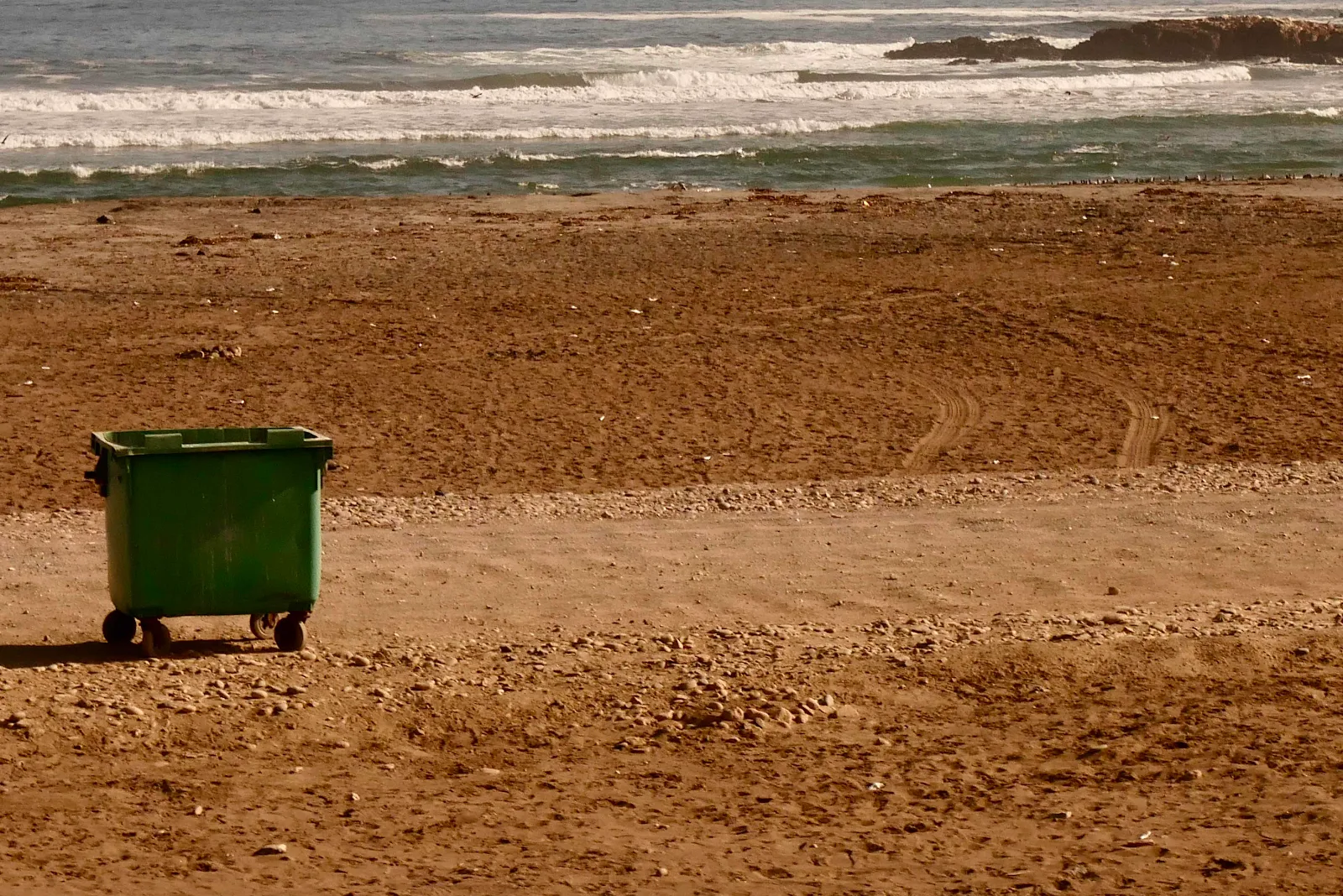
And check this out: a beach with trash service and as a result it’s clean. 


Time is pressing oddly enough. My passport expires next year so it’s time to get a new one. I can apply in Cusco Peru where there is a US consulate but the turn around time is six to eight weeks.  So our plan is to sit still in Peru for a while and use that time to let Layne make a Trader Joe’s run. The idea is she’ll go to see friends in California this time while Rusty and I wait in Arequipa Peru at our favorite campground. 
We want to visit northern Brazil starting in late July or early August when the dry season is established. That’s important because there are roads in Amazonia that are impassable in the rain.  The red earth of the region turns unpaved roads into mud pits that even well equipped four wheel drive vehicles struggle through and would be impossible for our heavy front wheel drive van. So at the back of our minds we have this nagging need to keep moving. 
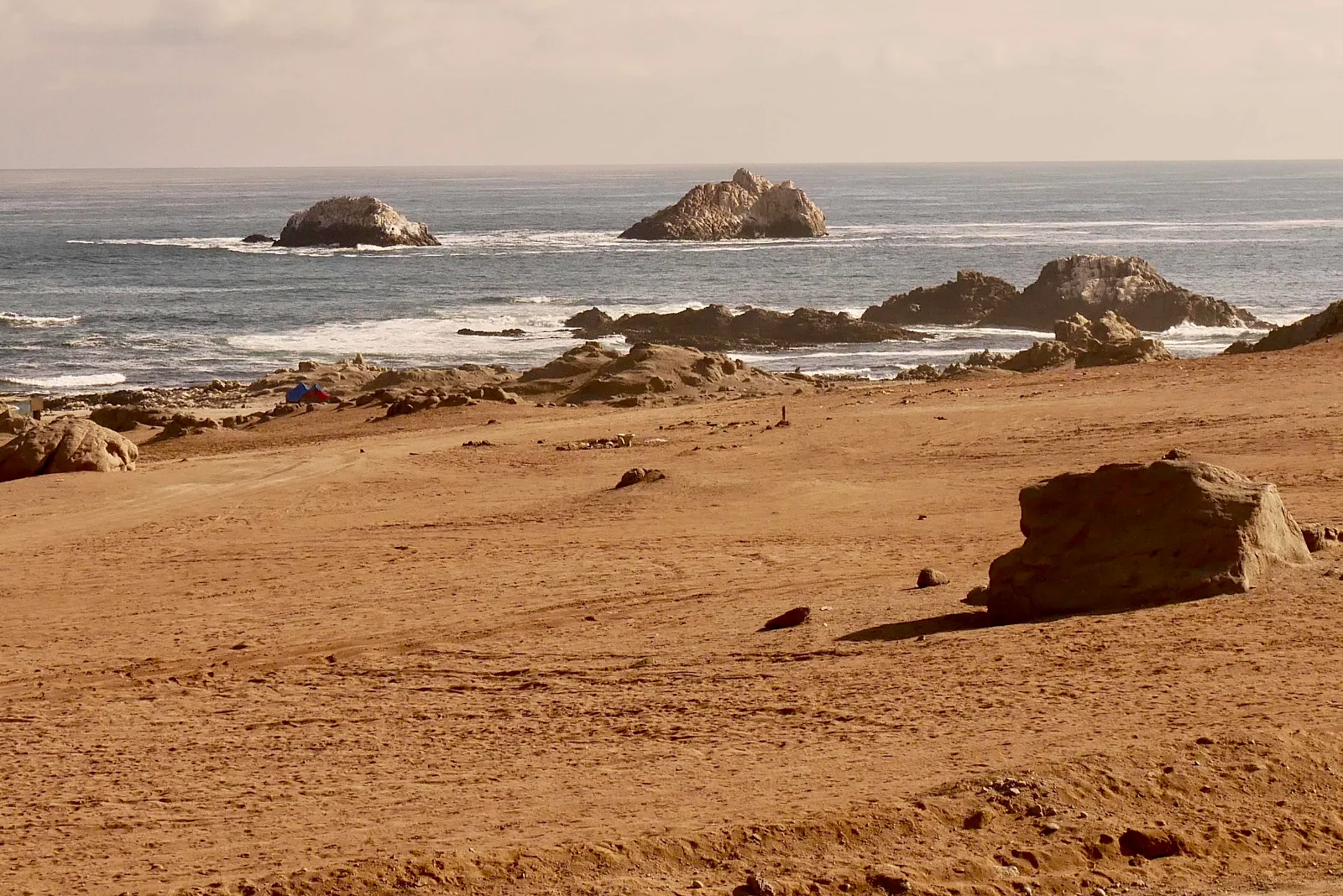
If not for that we’d be happy sitting on the beach here for a lot longer. The seasons and the weather are the biggest motivation to move when overlanding.  
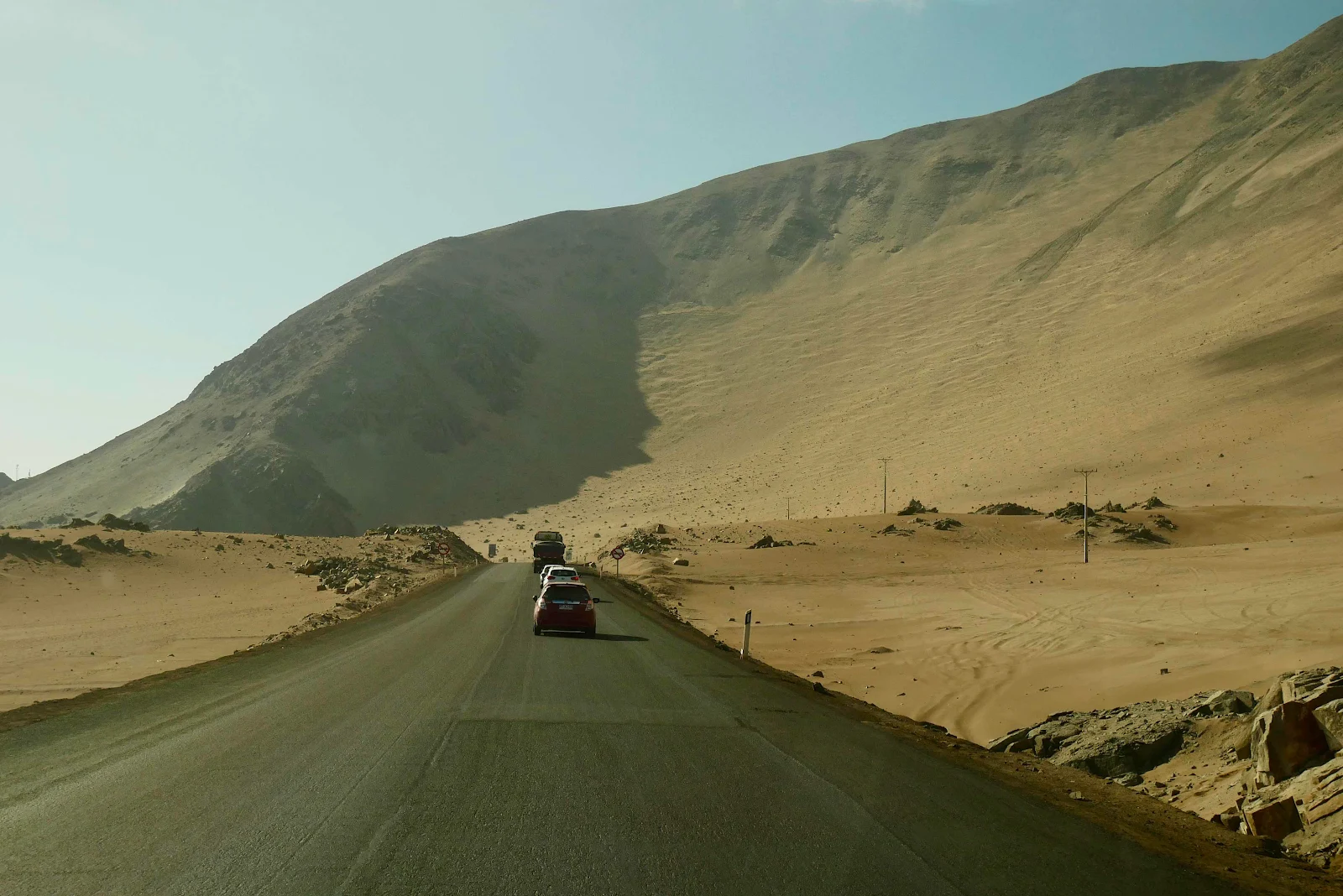


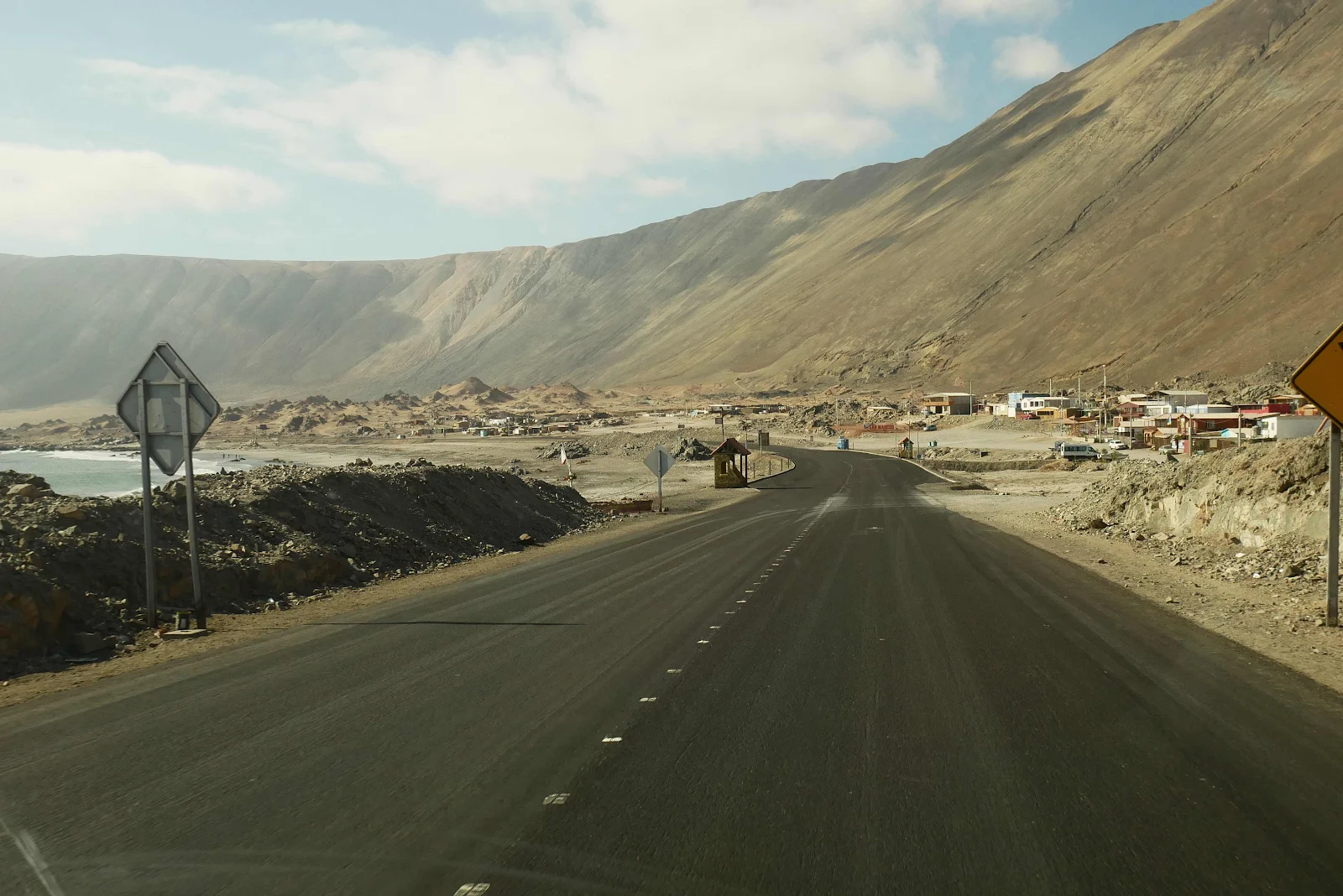
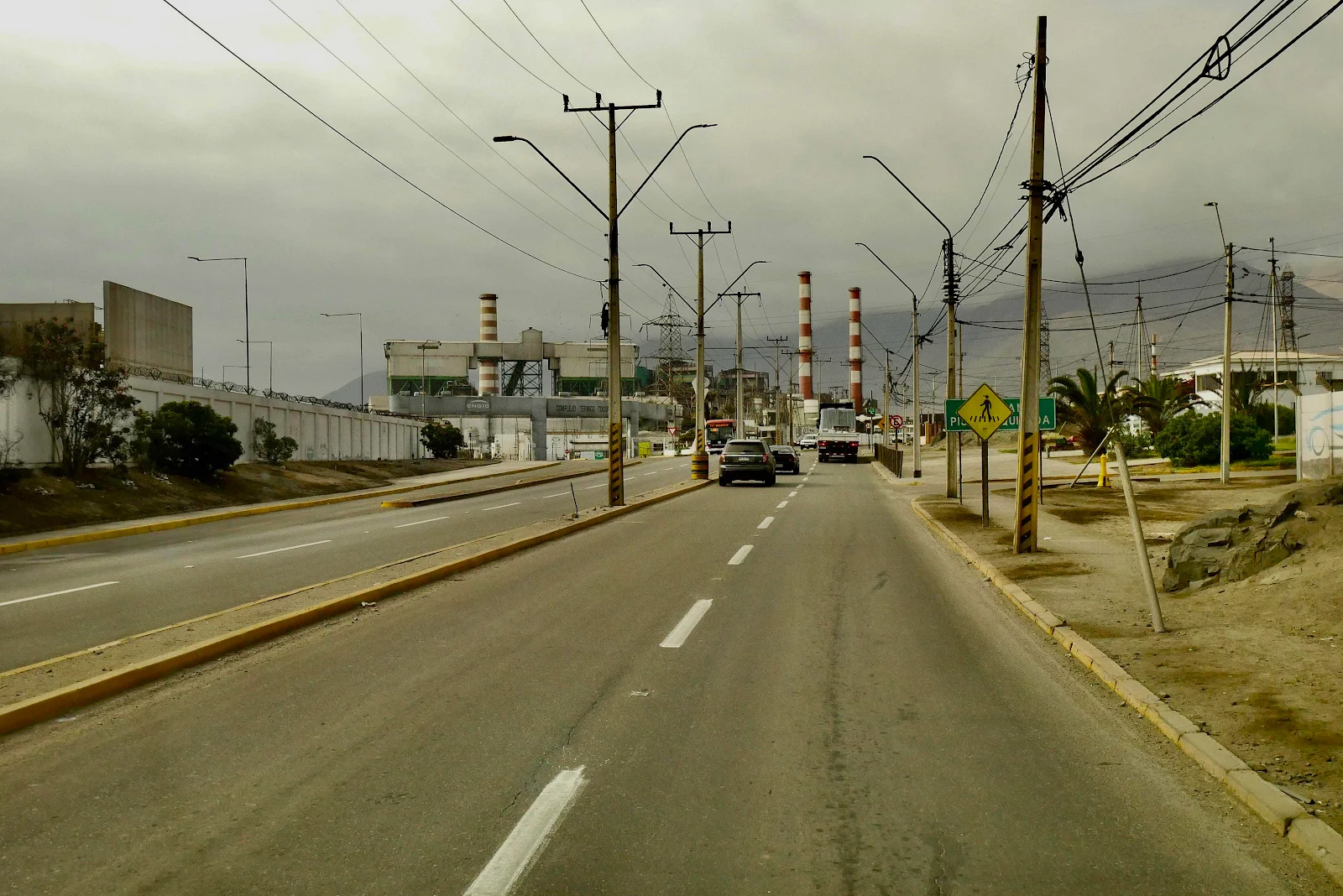
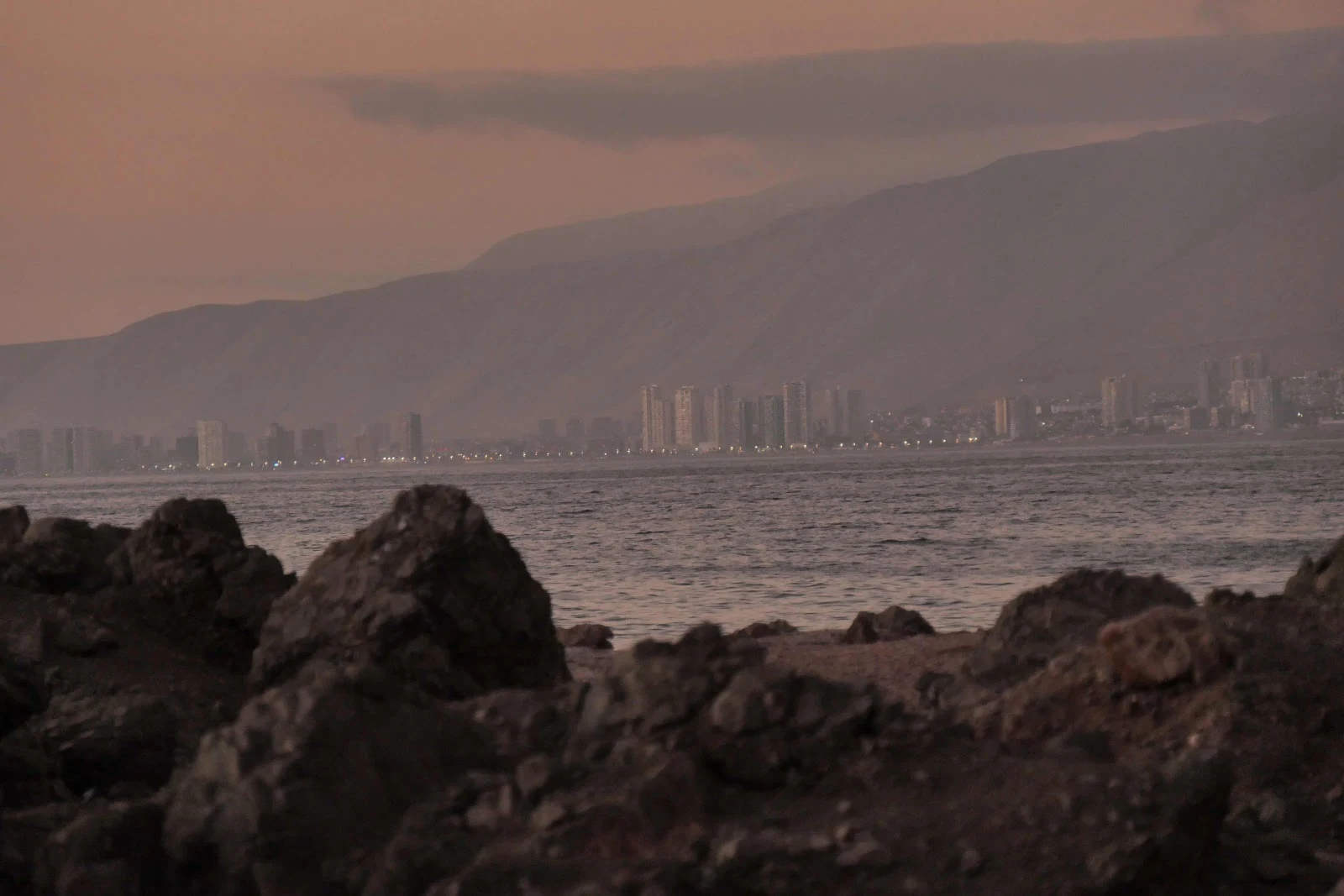
And just like that around five in the afternoon we arrive in Iquique. It looks modern and surprisingly full of skyscrapers from a distance, the promised land in the evening light. It’s spread across the water front for five or six miles at the base of the cliffs. 
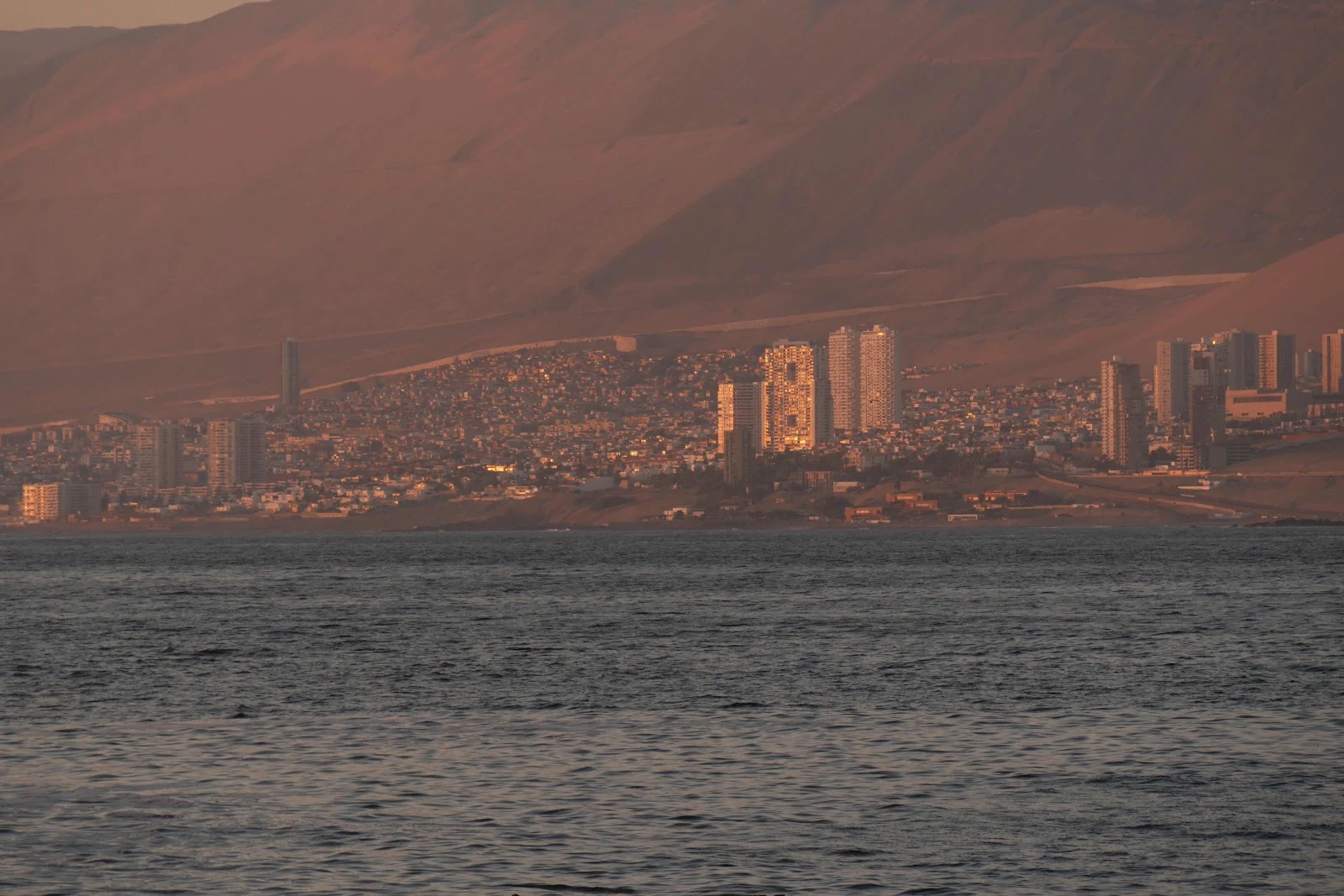
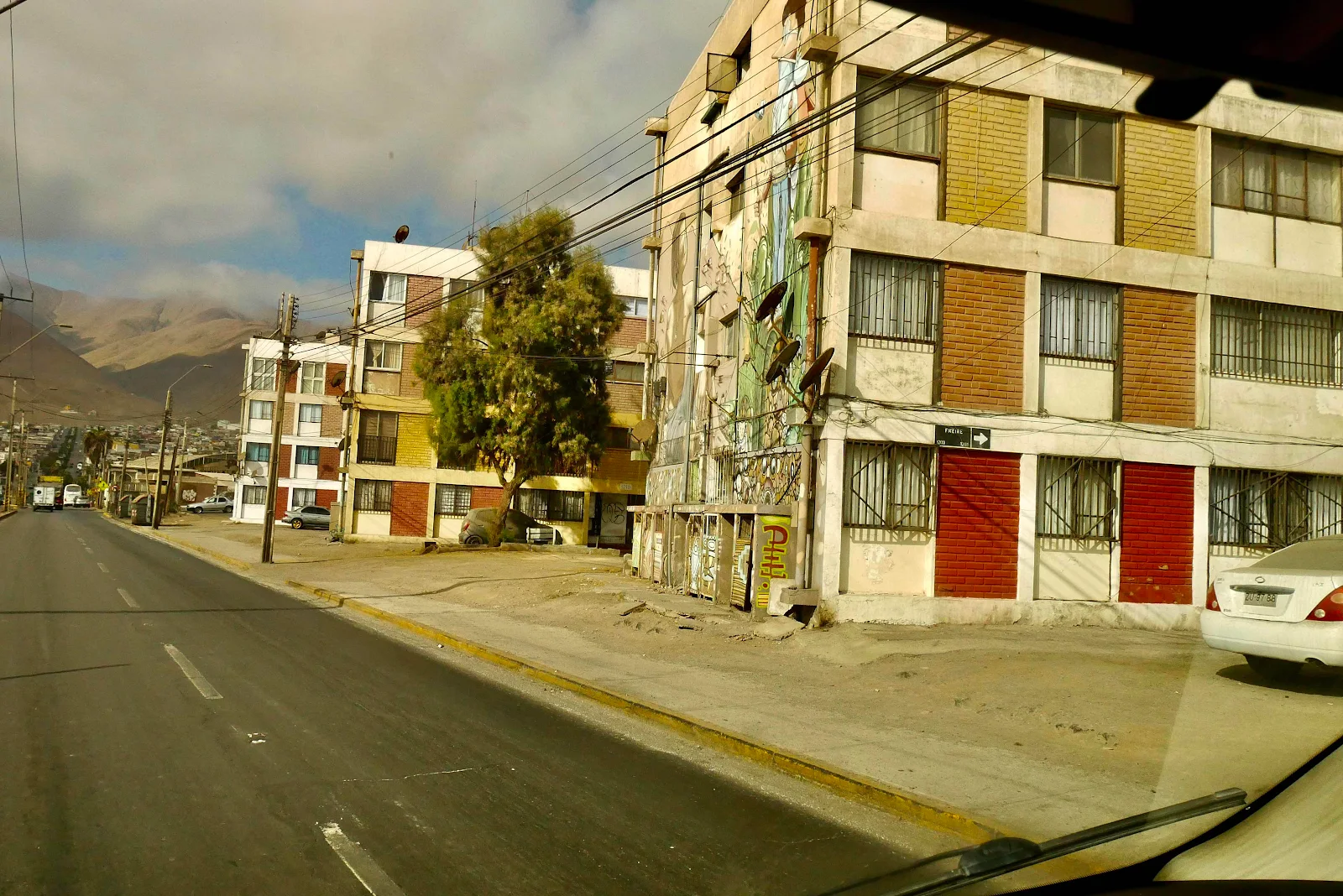
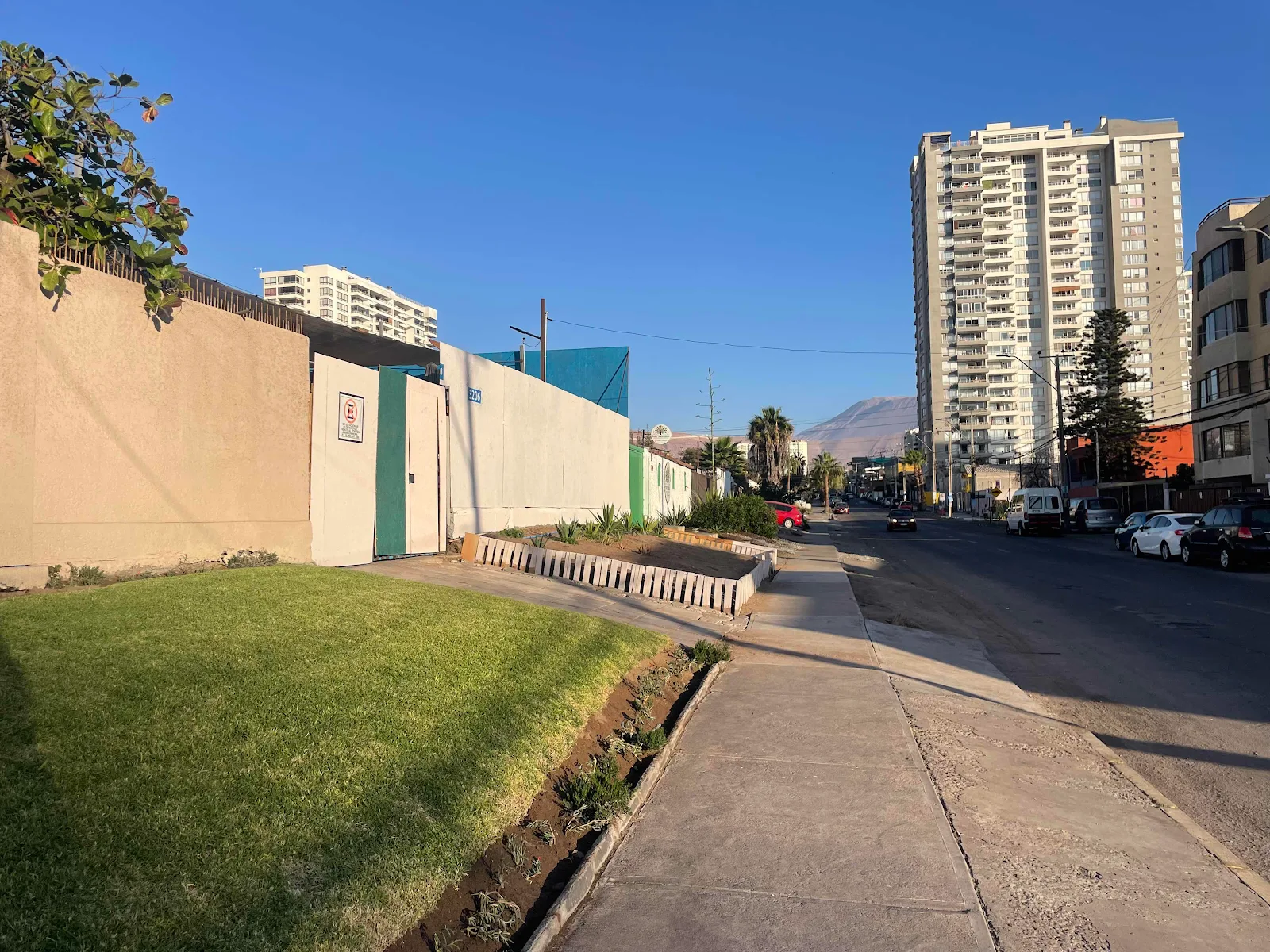
Up close the reality is slightly different as the city is showing rather a lot of signs of wear, lack of maintenance and rather rundown. The best campground we found is a parking lot with cold showers and electricity available for $22 a night. Not a great choice and it’s perhaps fortunate no one was around to open the gate. 
So we drive back around the bay and take a look at White Beach, Playa Blanca with a few wild camp options on iOverlander. 
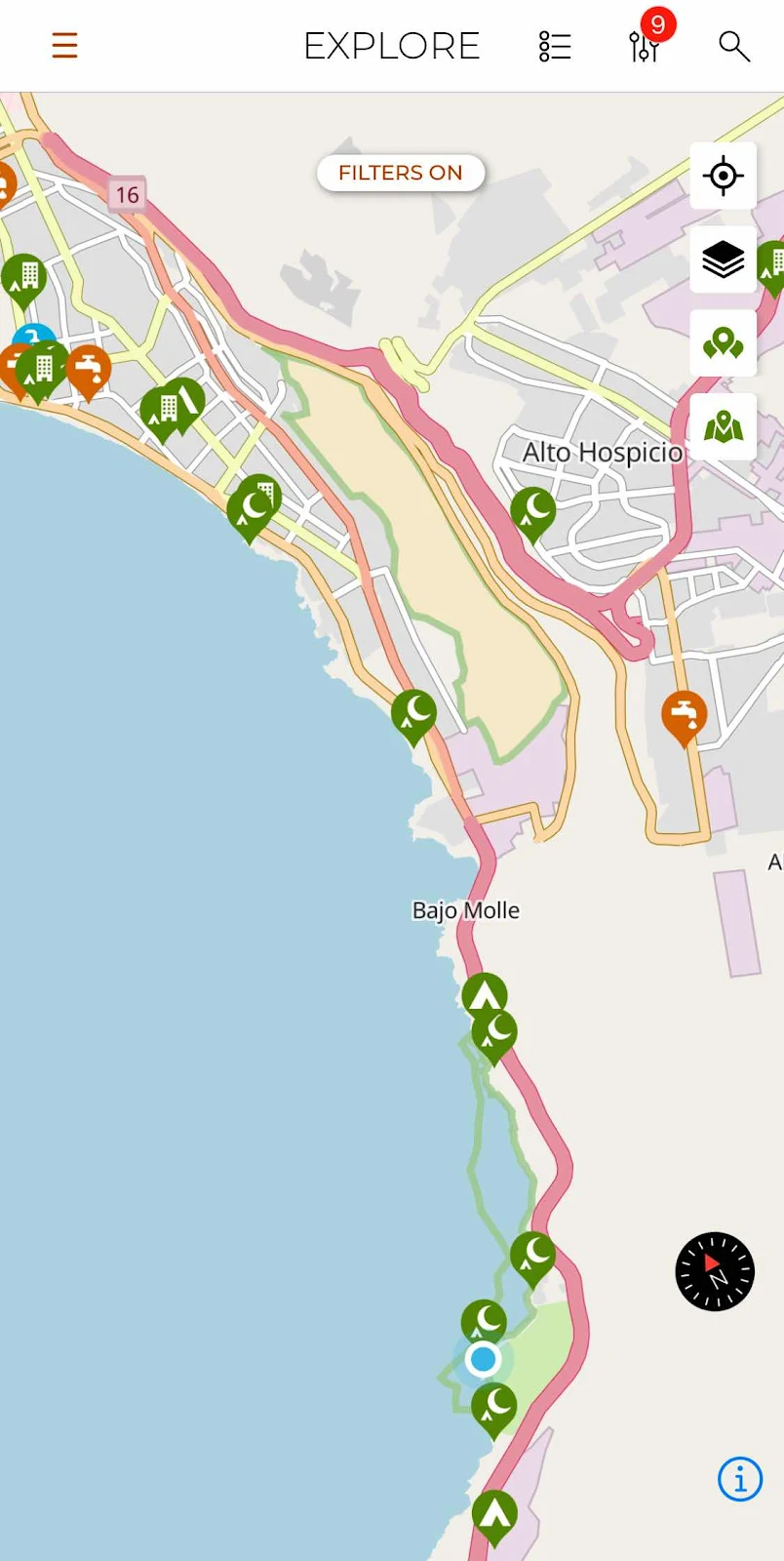
There was one campground charging $32 a night with “warm” showers and another with a pack of dogs which would drive Rusty nuts. So we decided to forgo a shower and camp on the beach.
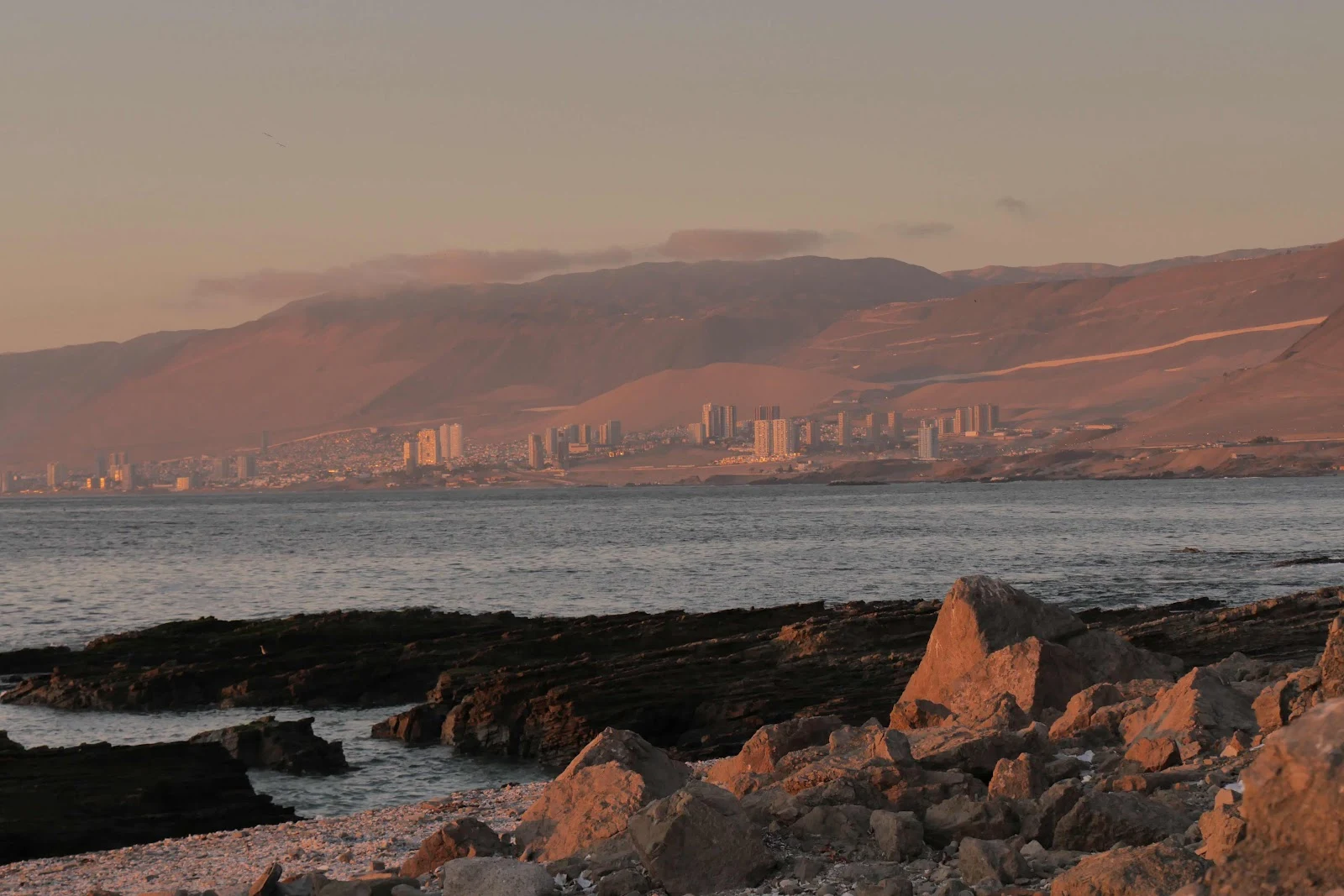
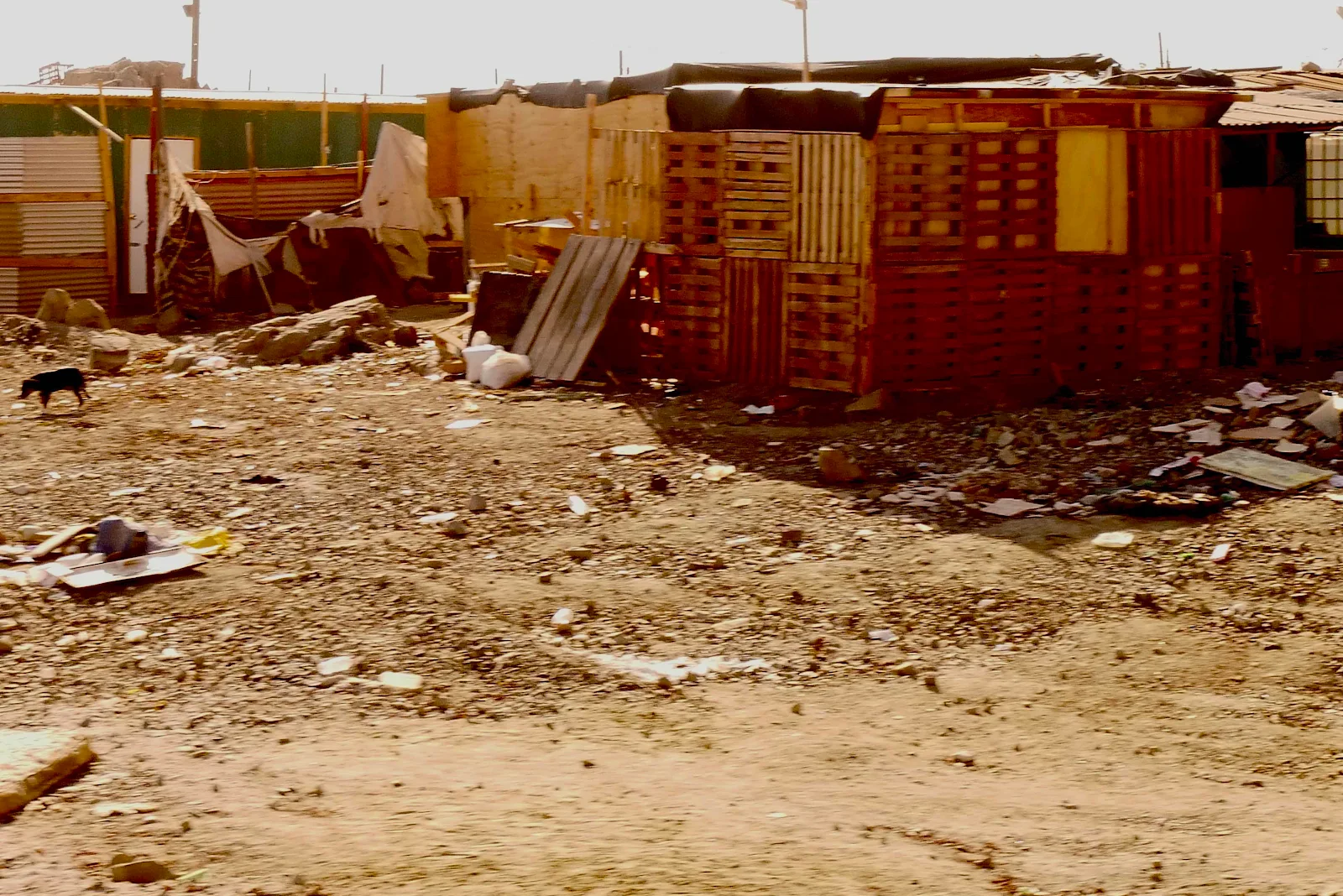
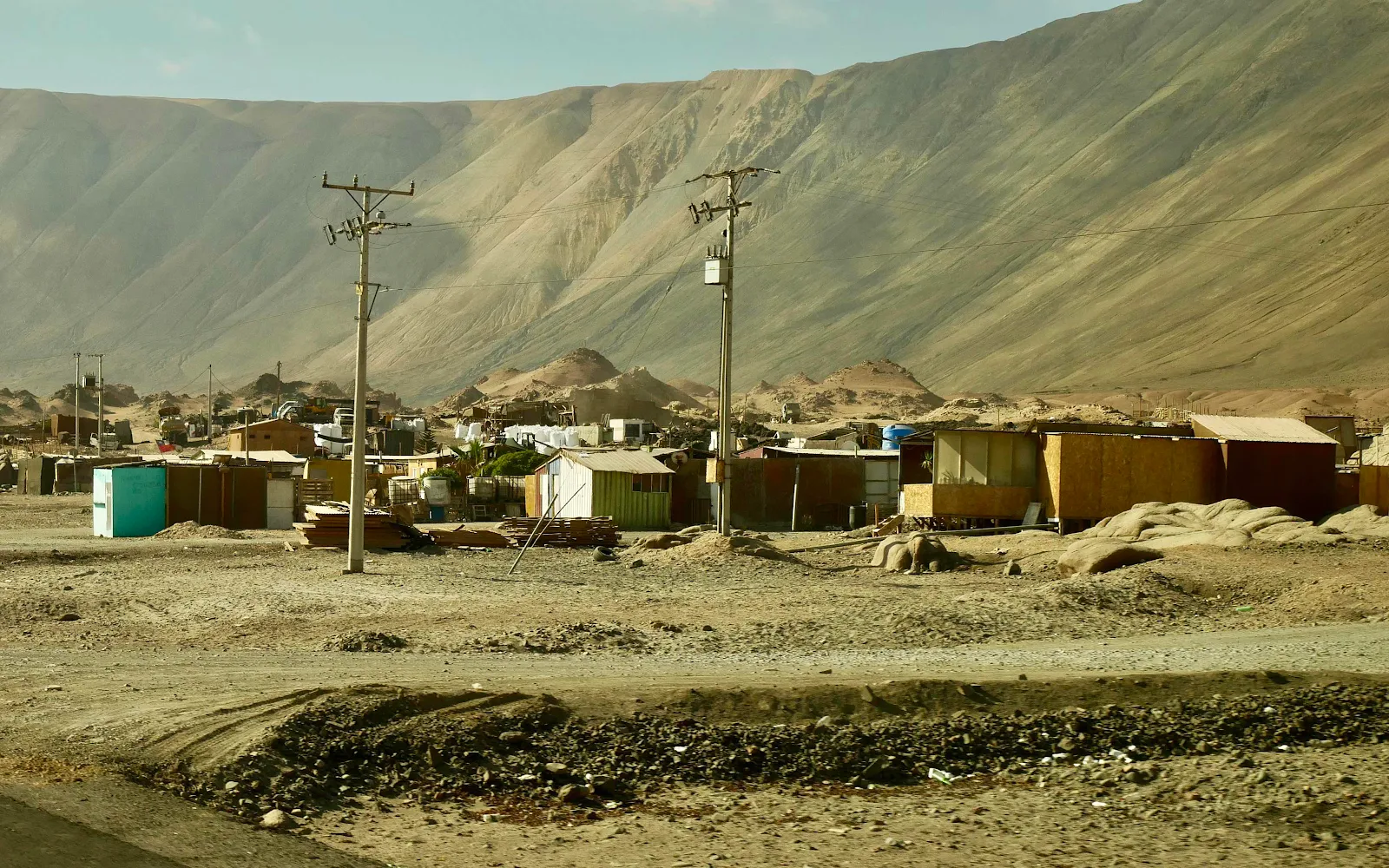
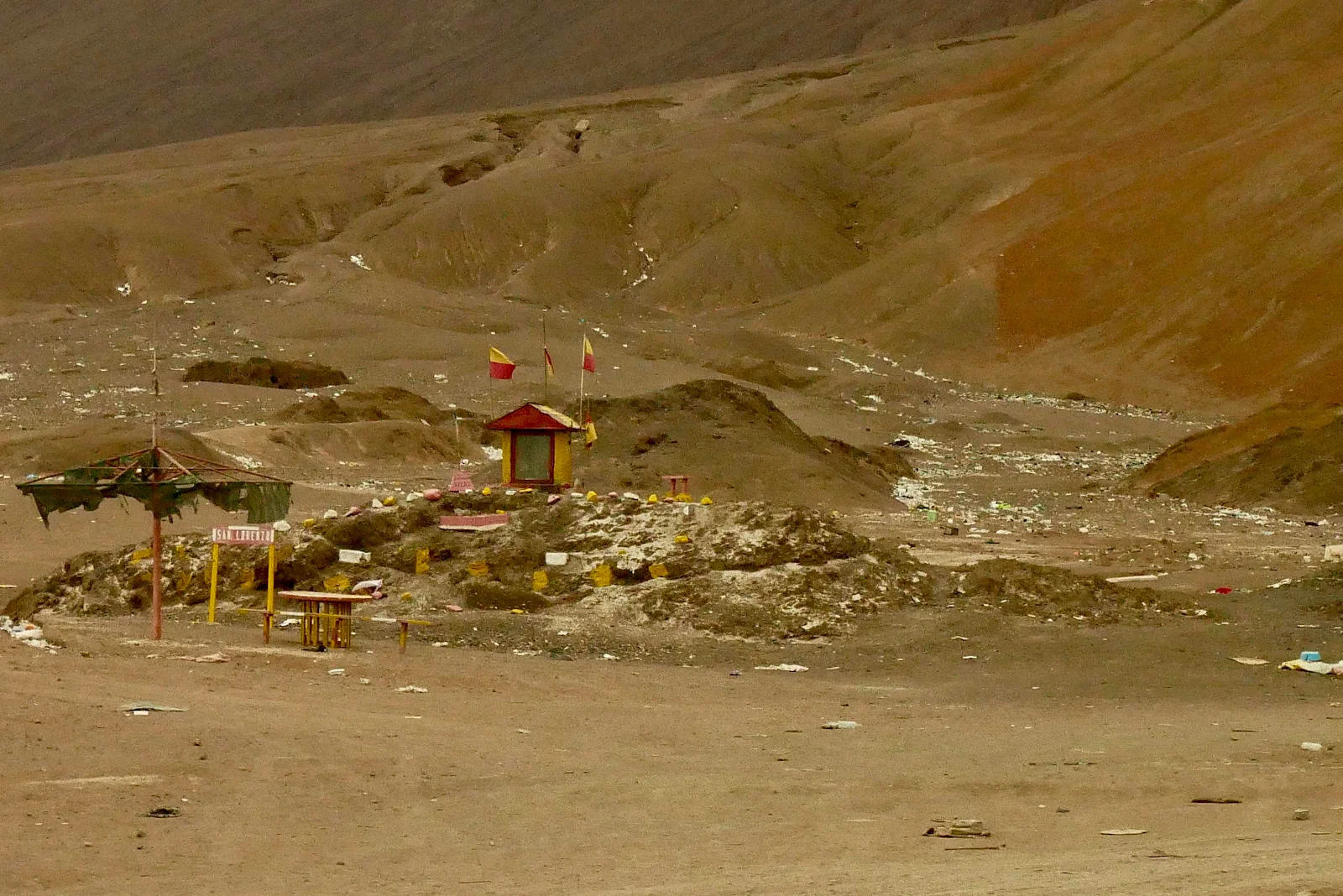
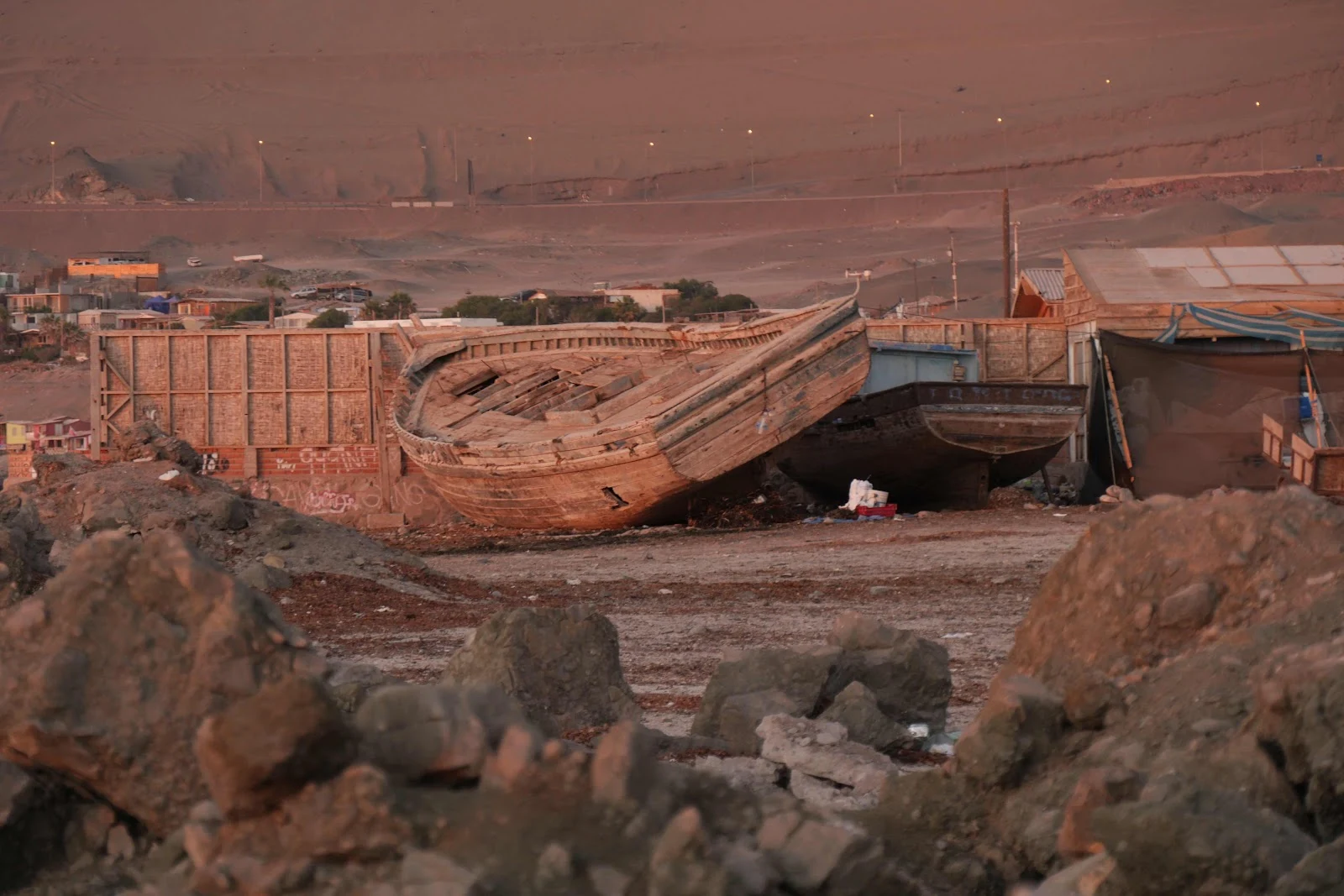
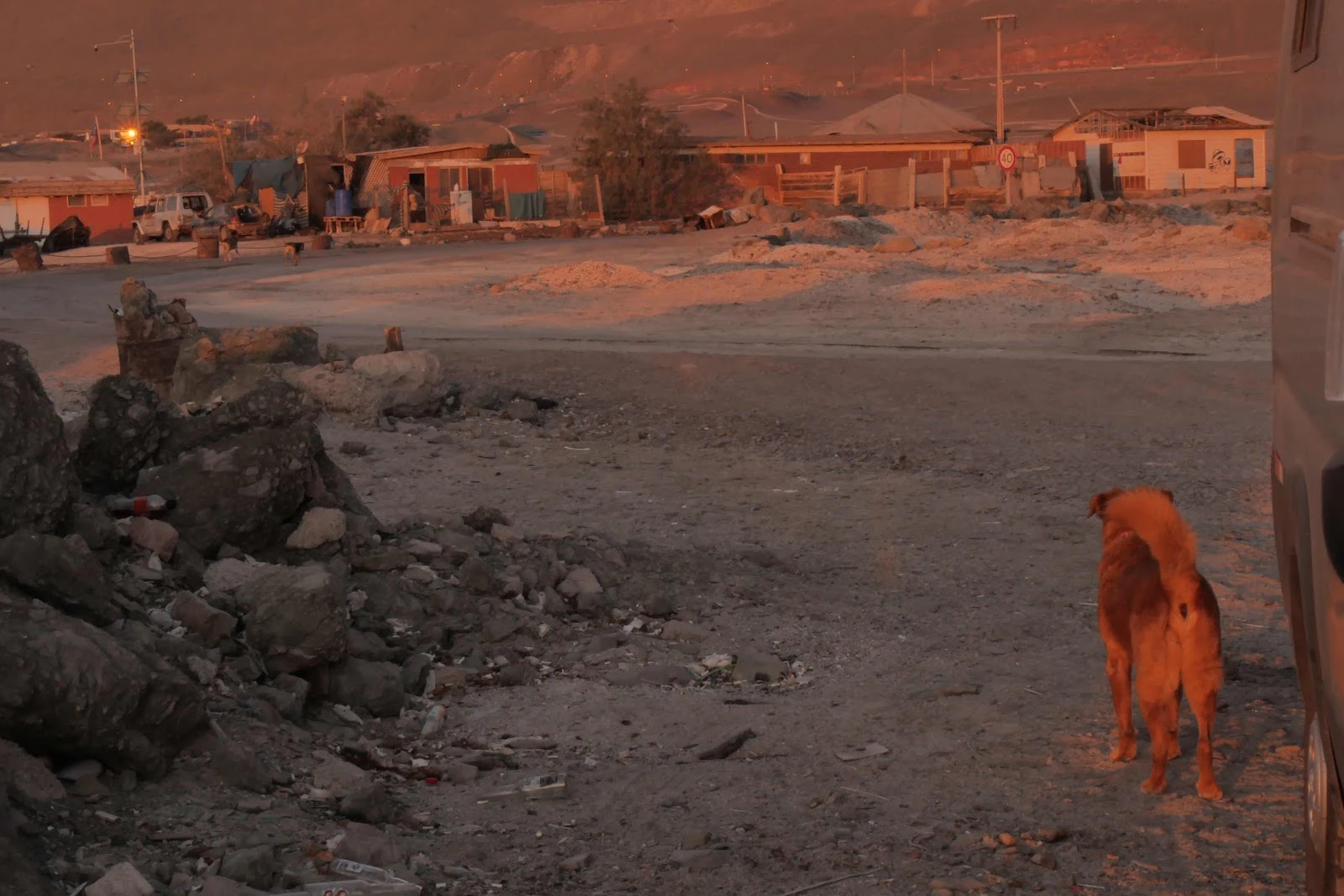
I think the word “squalid” sums it up nicely. The backdrop is spectacular of course and the sound of waves crashing is restful but the desert dust combined with impressive amounts of trash  and barely functional huts and abandoned vehicles give this place an air of post apocalyptic decrepitude. 
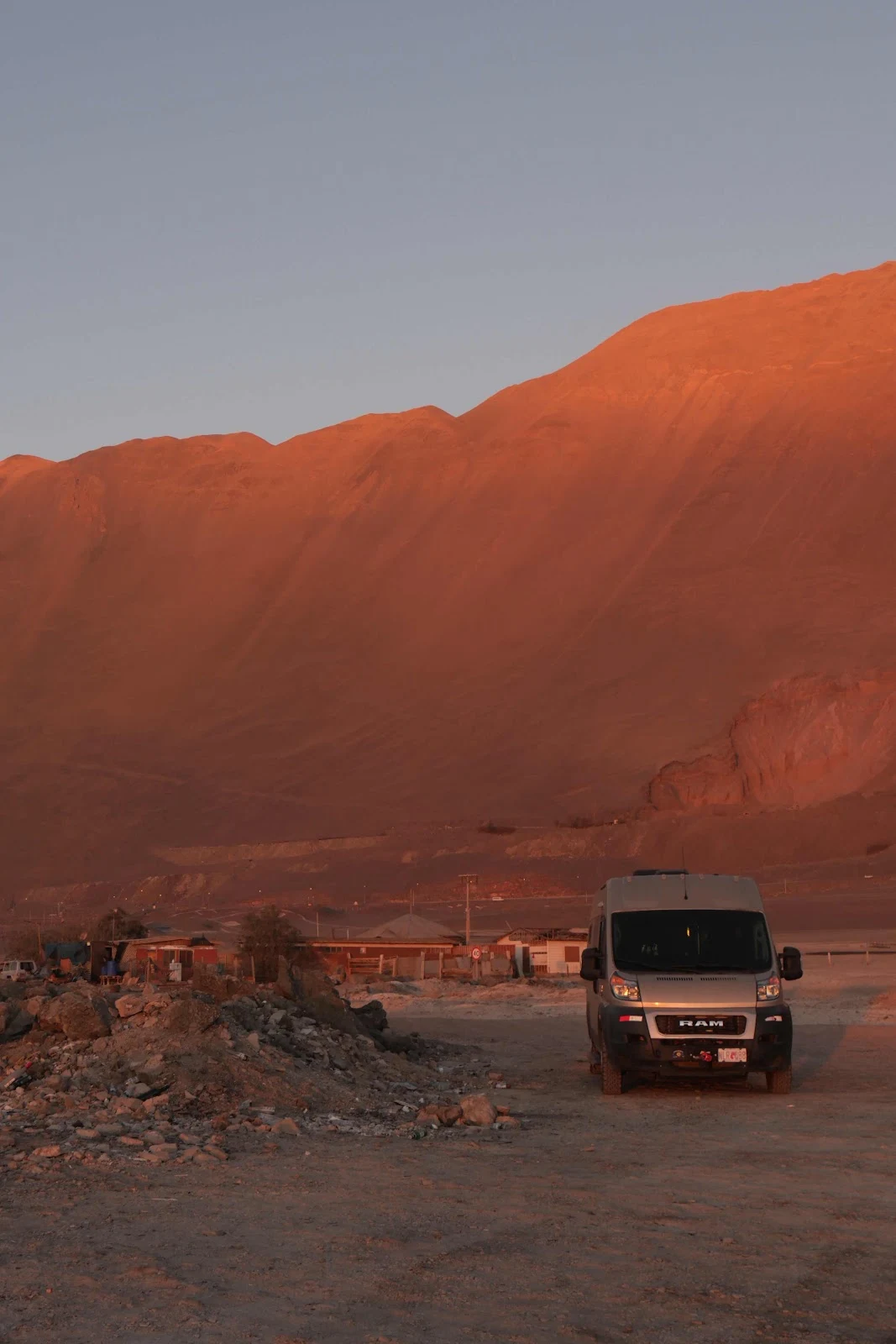
The garbage is everywhere but fortunately it’s all beer and booze bottles not household trash so it doesn’t actually smell. That’s the best I can say about it. 
It is ever more apparent we are here is because of that sticky drawer and the recommended carpenter who might be able to rebuild it. If he can and does we will stay long enough to get that done. There’s some shopping we can do as well because this a big city and it’s also time we got GANNET2 an oil change. But Iquique is a utility stop. 
It’s surprising how much a decent campground or even just a pleasant place to park, can make a city worthwhile to an overlander.
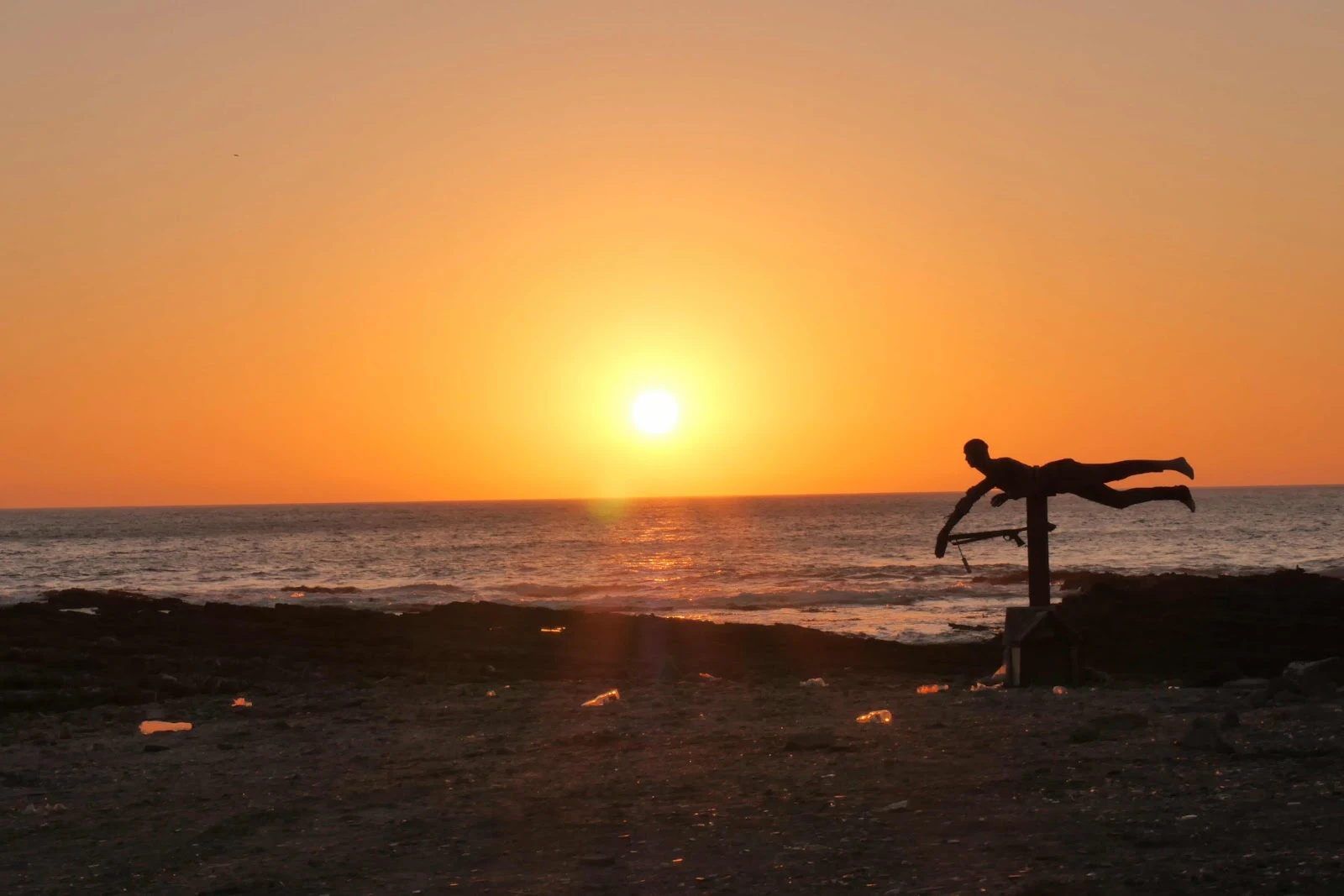
There’s a statue of a swimmer on the beach dedicated to Alejandra Carolina Donoso Alquinta. I looked her up and she was a 43 year old member of a dive club went spear fishing off the beach in heavy waves by herself and was found dead apparently knocked unconscious by hitting her head on the rocks and drowning. So they put up a statue. 
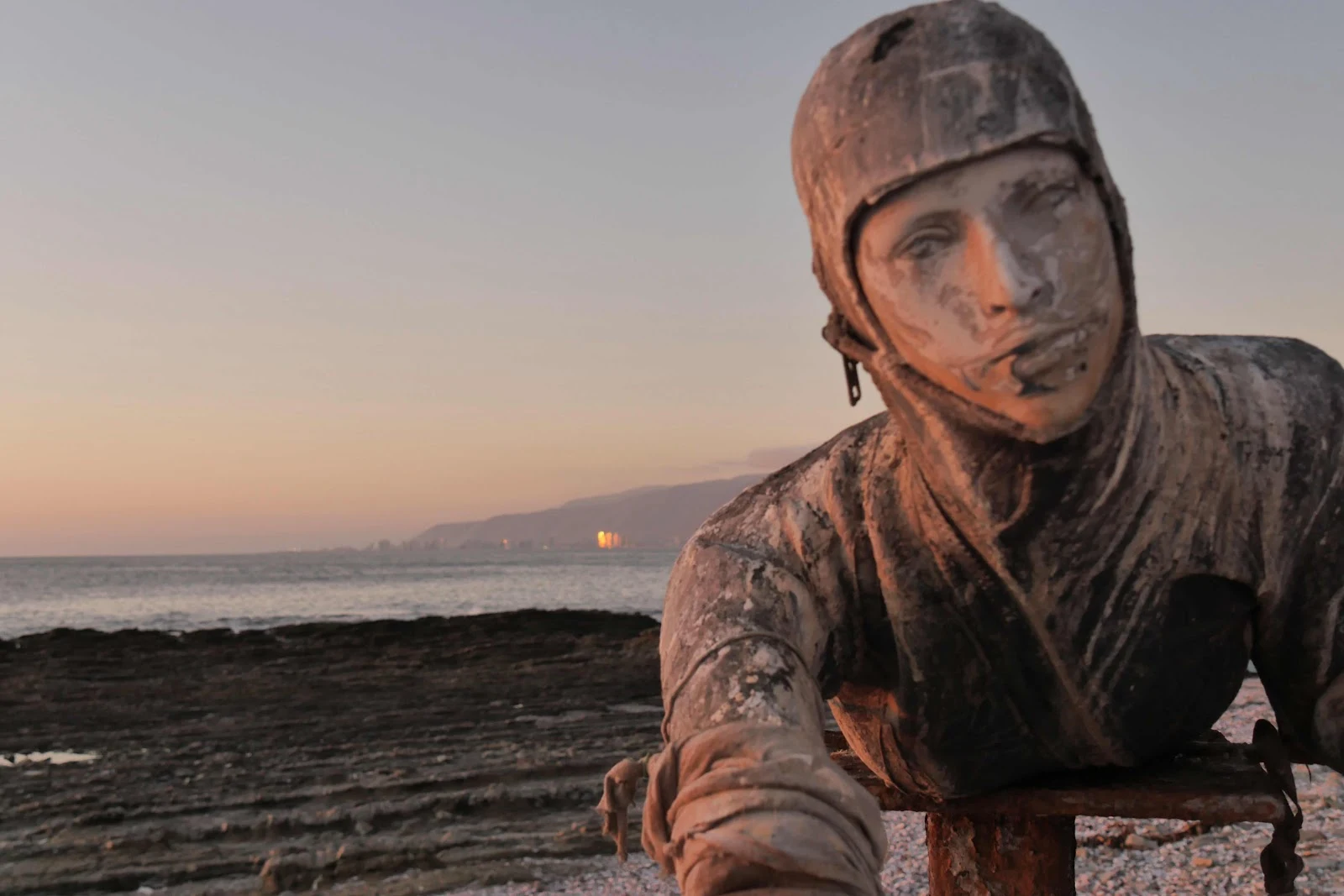
A sort of grim reminder to the rest of us to respect the ocean. I’m not sure Iquique is my kind of town.  


Sunday, May 11, 2025

Chile’s Pacific Coast Again

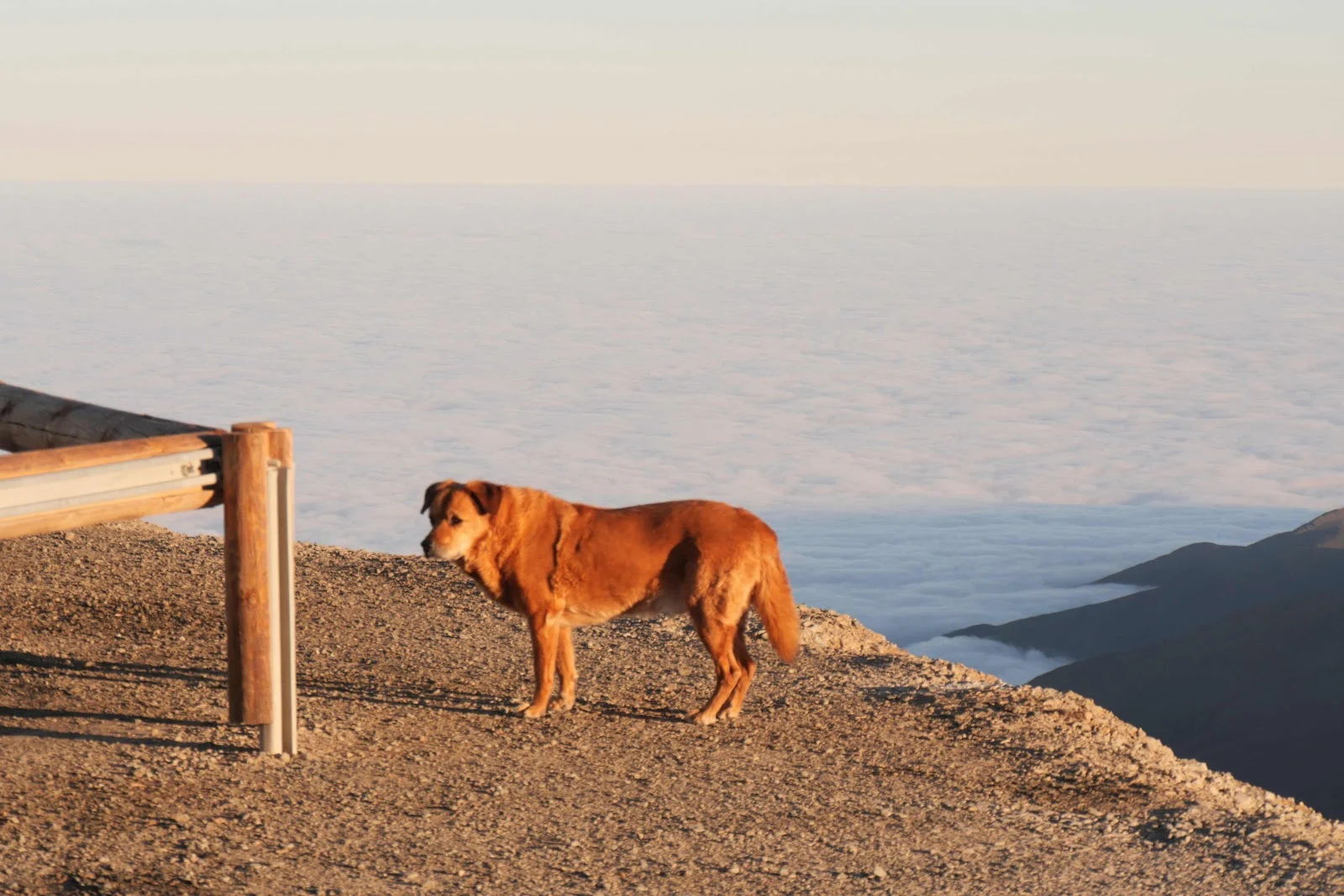
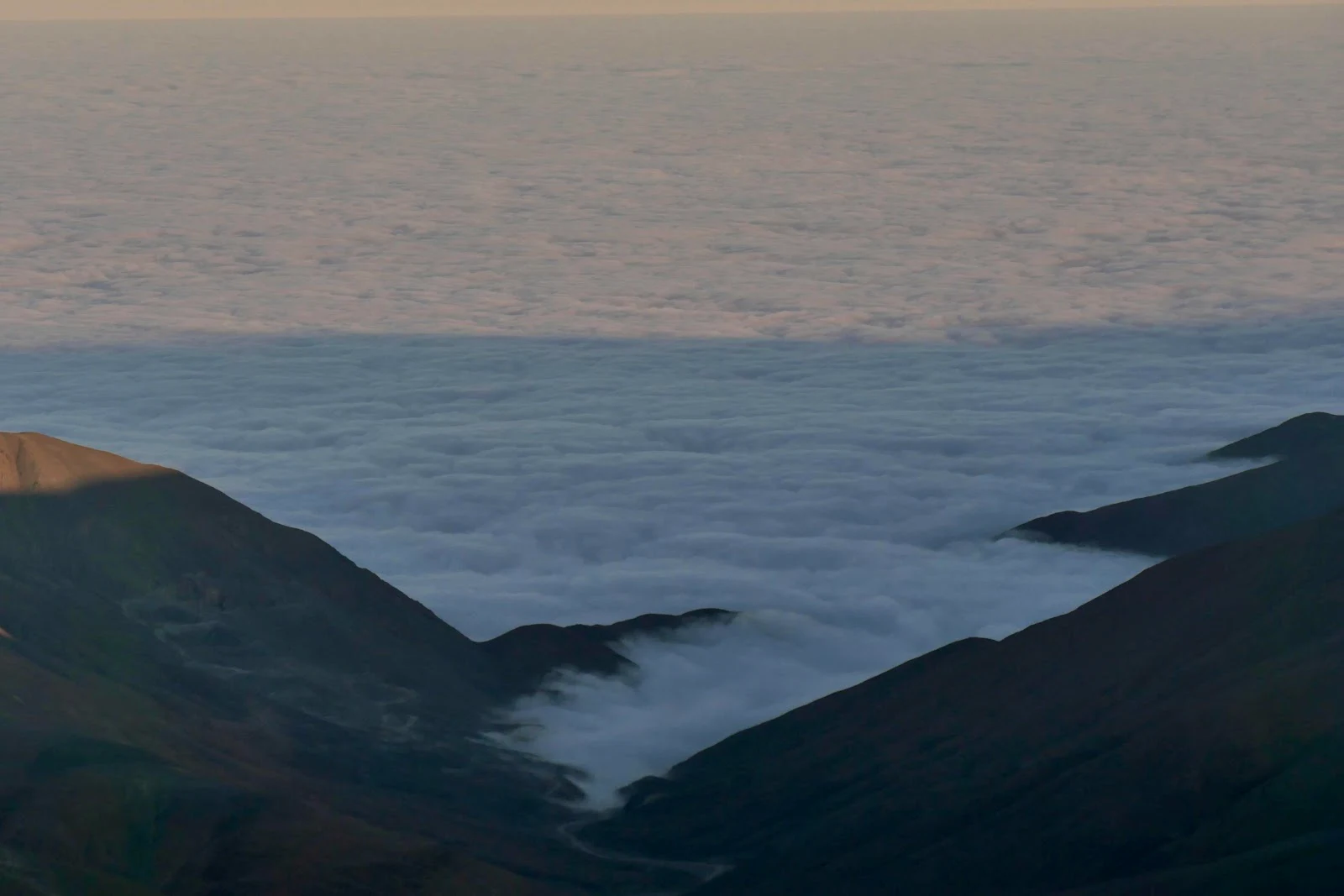
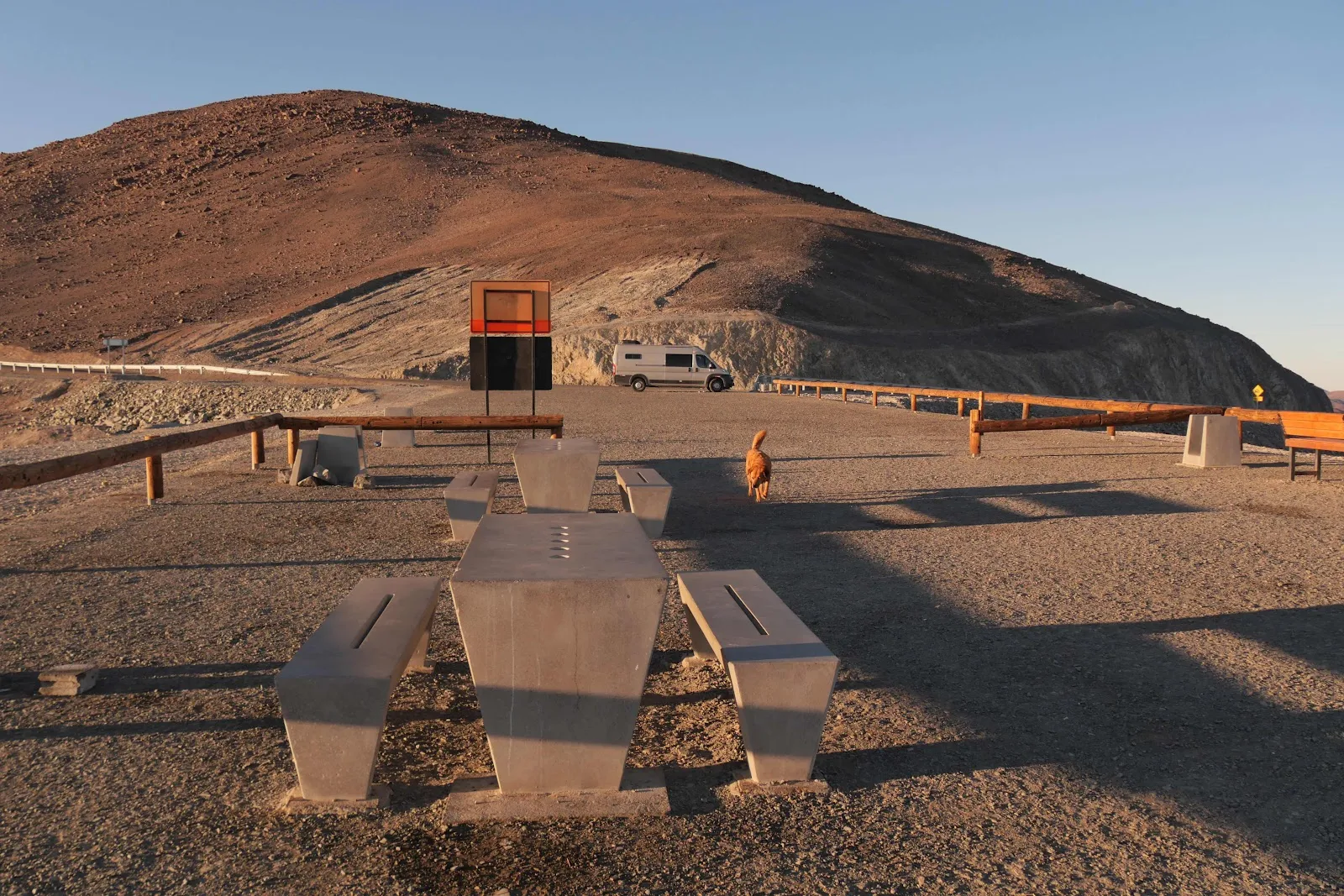
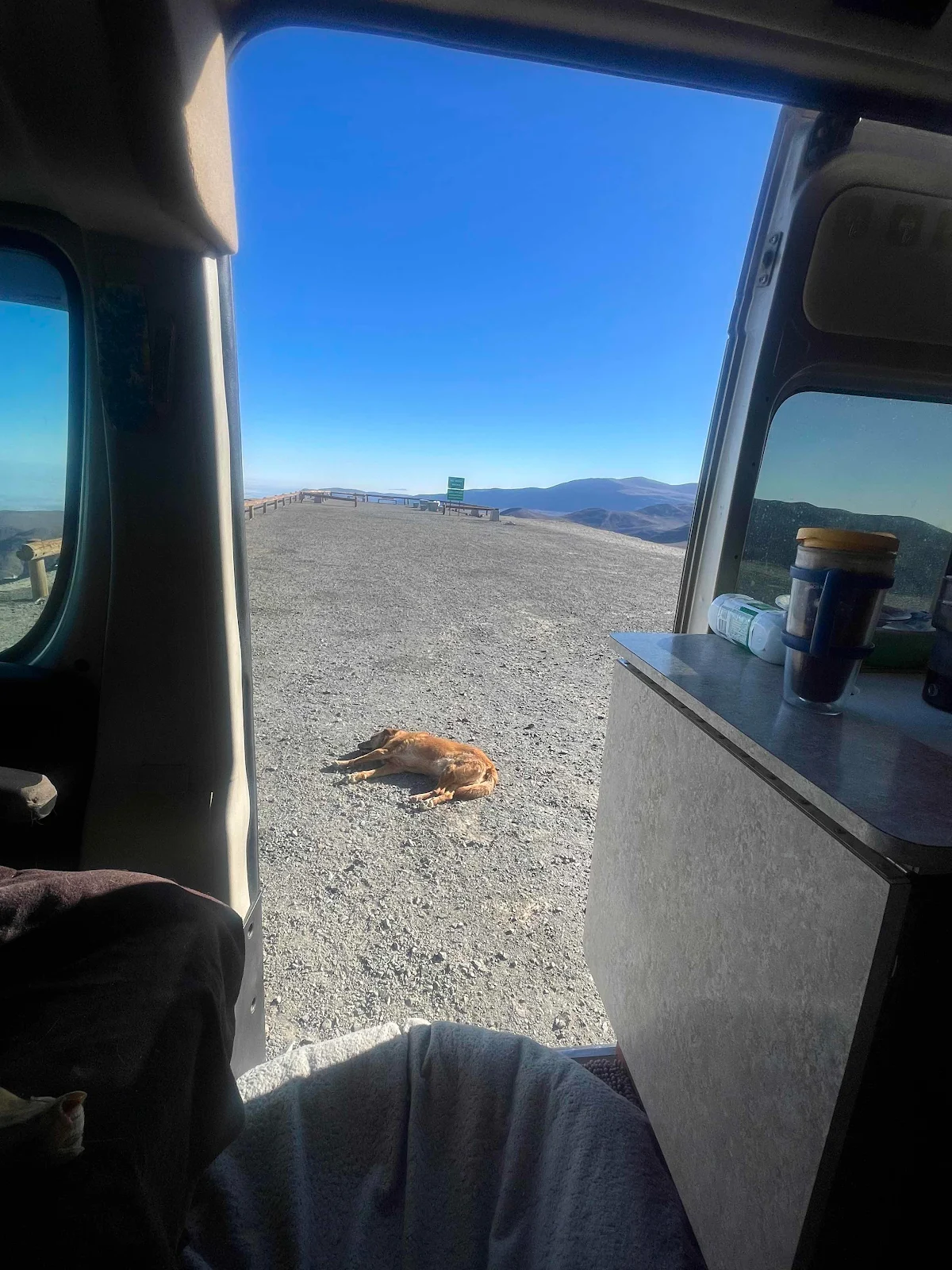
Camped at 5700 feet overlooking the mountains and a cloud covered ocean… and I get to see it thanks to Rusty who warbles in the morning like an off key wolf when he wants to go out. What choice do I have? I get up and we walk. 


This was a great iOverlander free camp and we were lucky as there was no wind at all, so it was actually warm up here. 

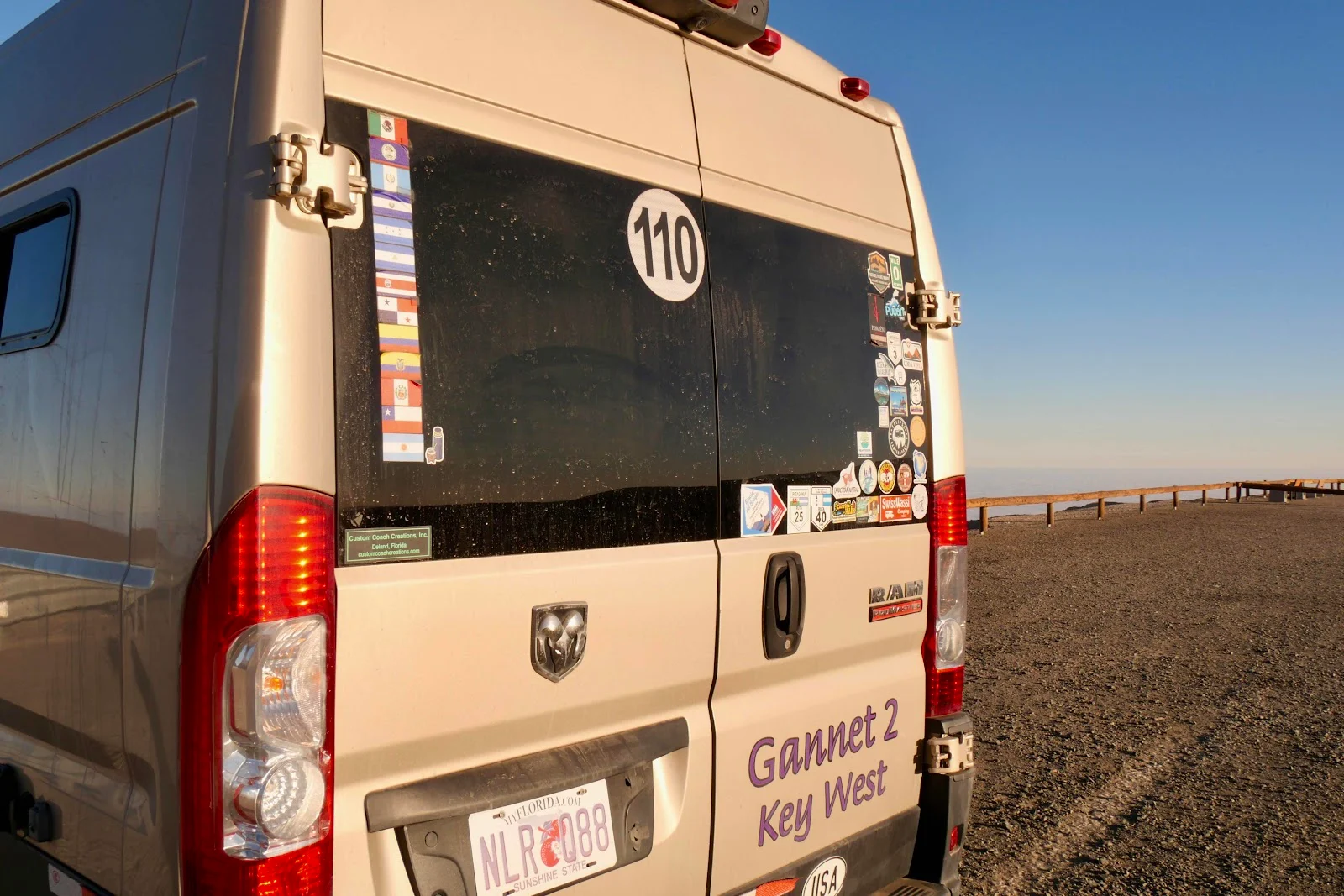
I was asked why we have a 110 kilometer an hour sticker on GANNET2 and the answer is because we were in Argentina where they require such stickers on big vehicles. Of course we are foreign registered so technically we are not required to display it as it’s not required in our home country, but my thinking is always what can I do to keep the local cops happy? If they expect to see it then I’ll put it there. Same story for the gruesome red and white reflective stickers that are peeling off our Promaster. They are required in Peru so I will be refreshing them next week before we cross the border. We also have a front license plate (called a “patente” in Chile and Argentina) which was not issued by Florida which is a rear plate only state.  I got a copy made on Etsy and stuck it on the front. Again, that’s to satisfy local police as they expect to see license plates on the front. 

Our plan was to get going earlier Saturday morning to have more time to find our camp for the night. Rusty found time to do his favorite thing. 

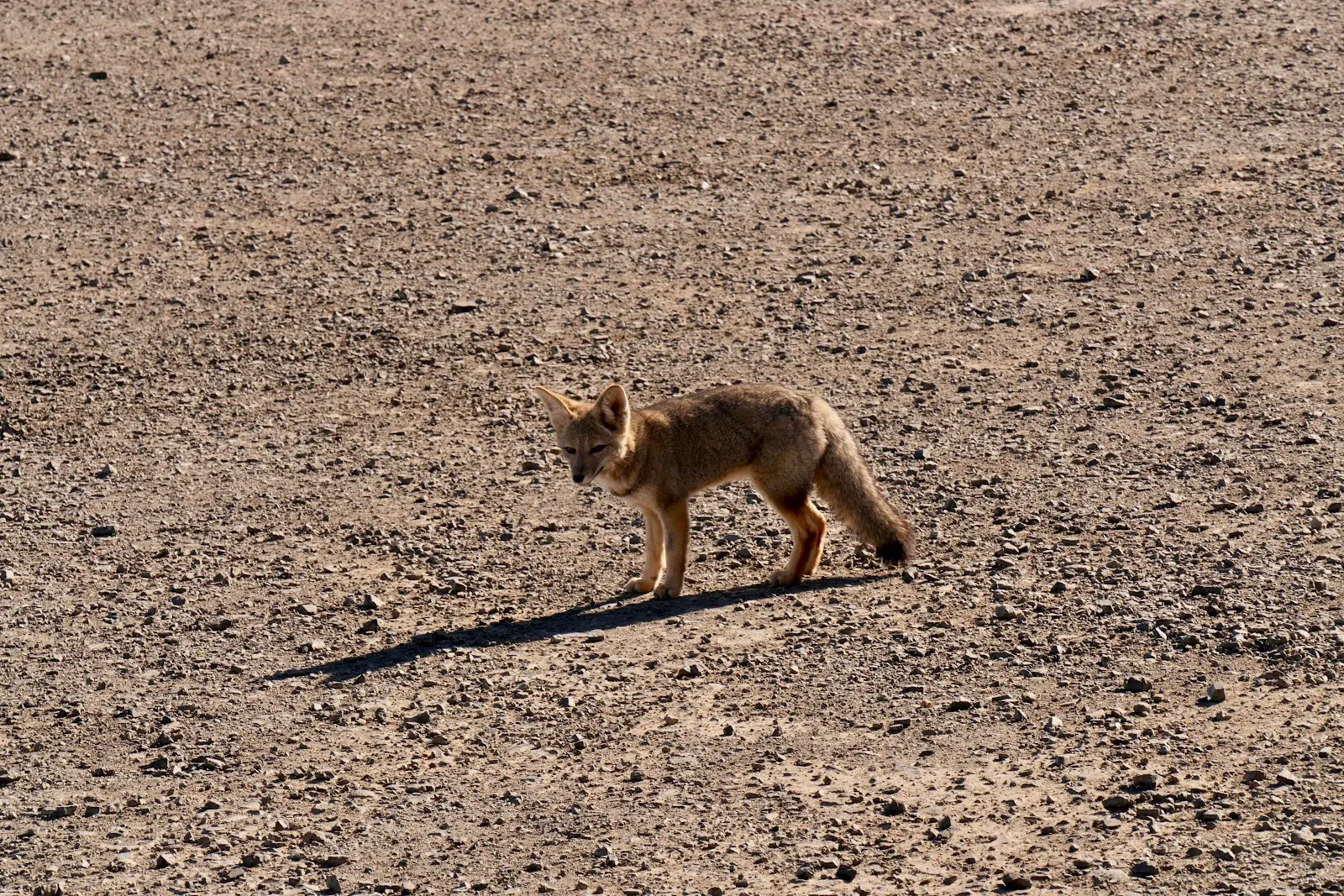
I was astonished to see a zorro -a fox- come by to say hello. He trotted off before Rusty noticed him. By the time our chief security officer awoke to the situation the fox was on his way and skipped out of sight as Rusty lumbered after him putting on a big barking show of protecting us. I can’t imagine what foxes live on out here but he looked very healthy. 

We drove inland a dozen miles to the PanAmerican where we turned north toward Antofagasta. The plan was to bypass the city which we’ve visited twice previously including during our failed attempt to get a visa for Bolivia. 

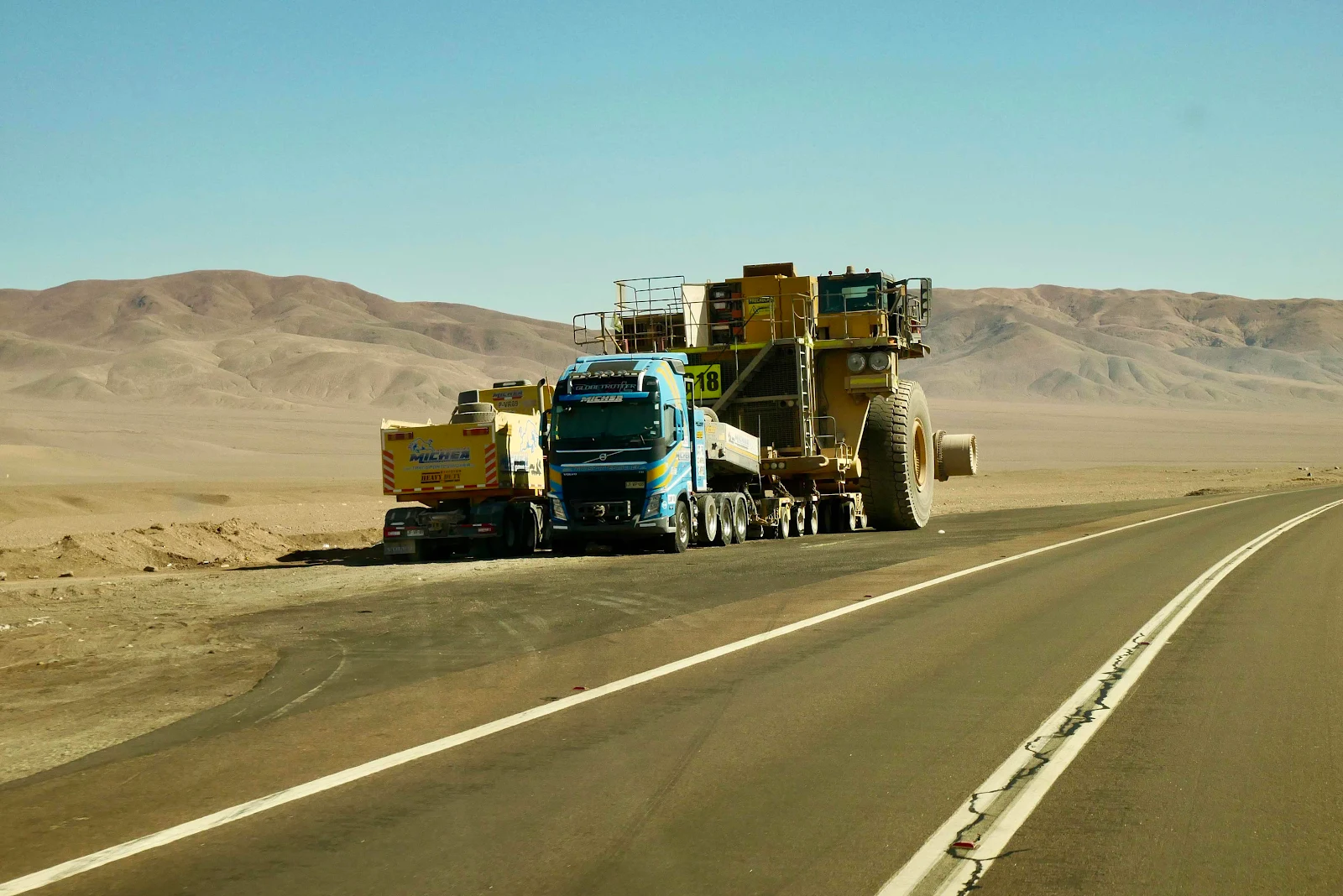
There is always a reminder this is mining country. Happily this lot were taking a break from slowing down traffic. 

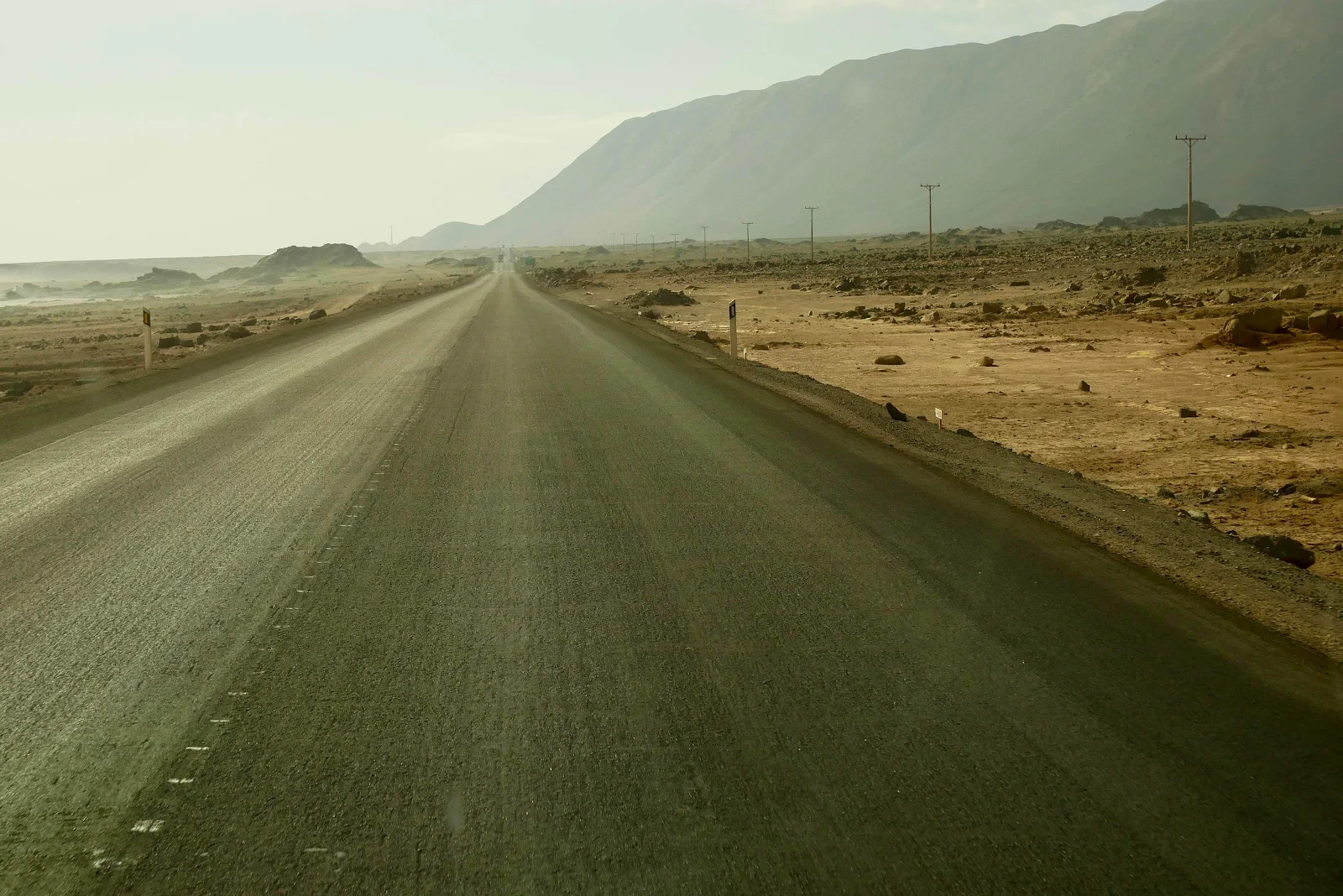
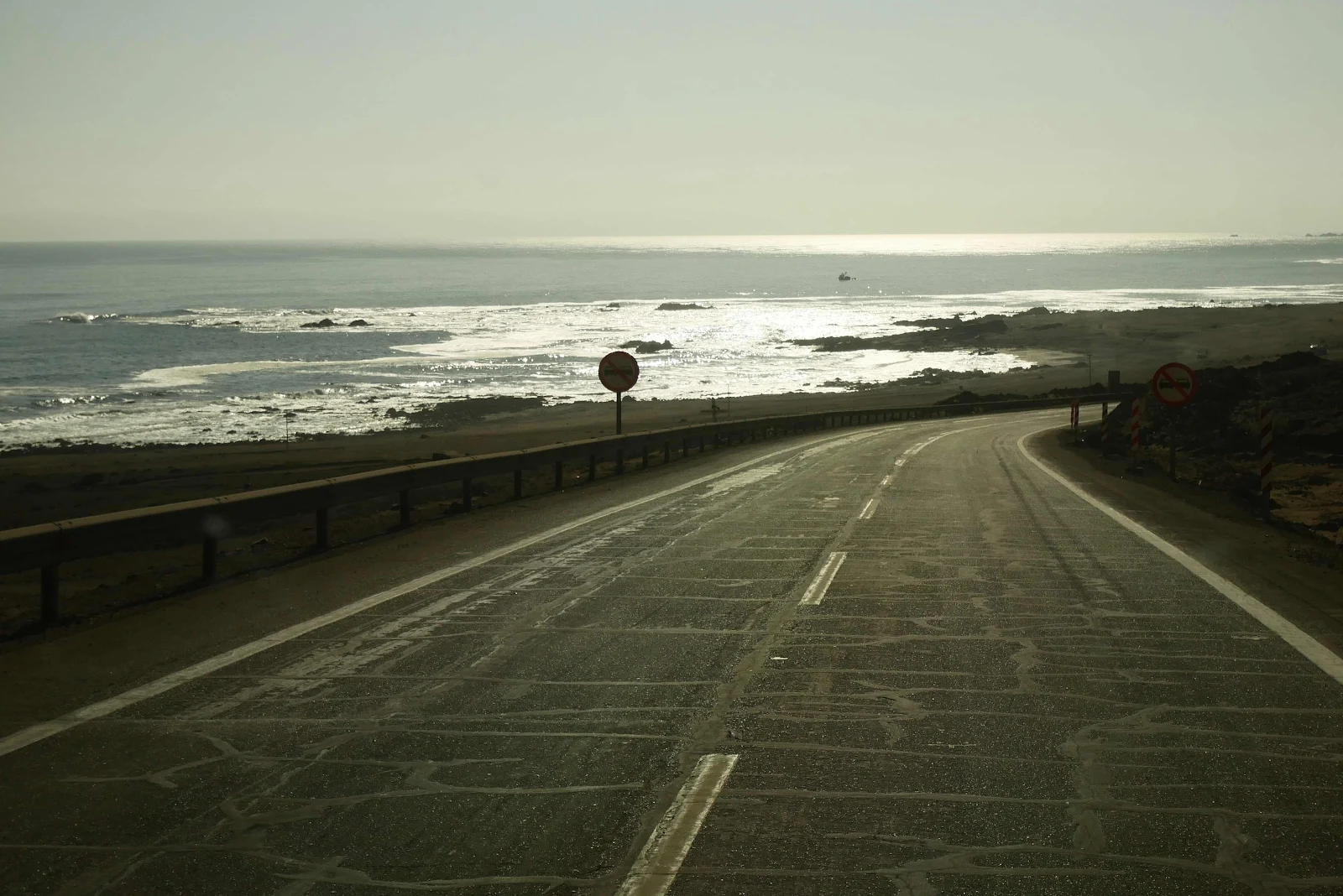
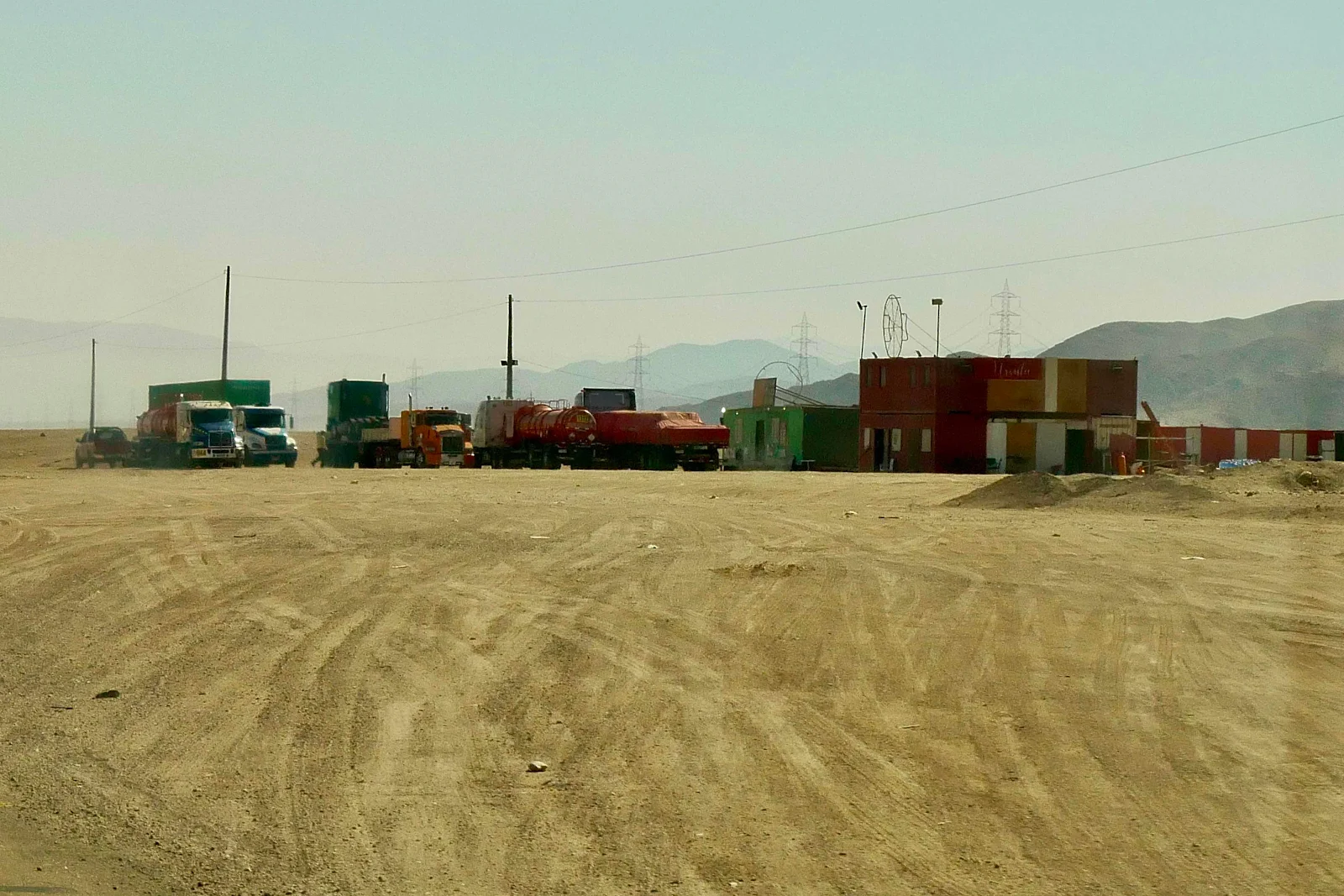
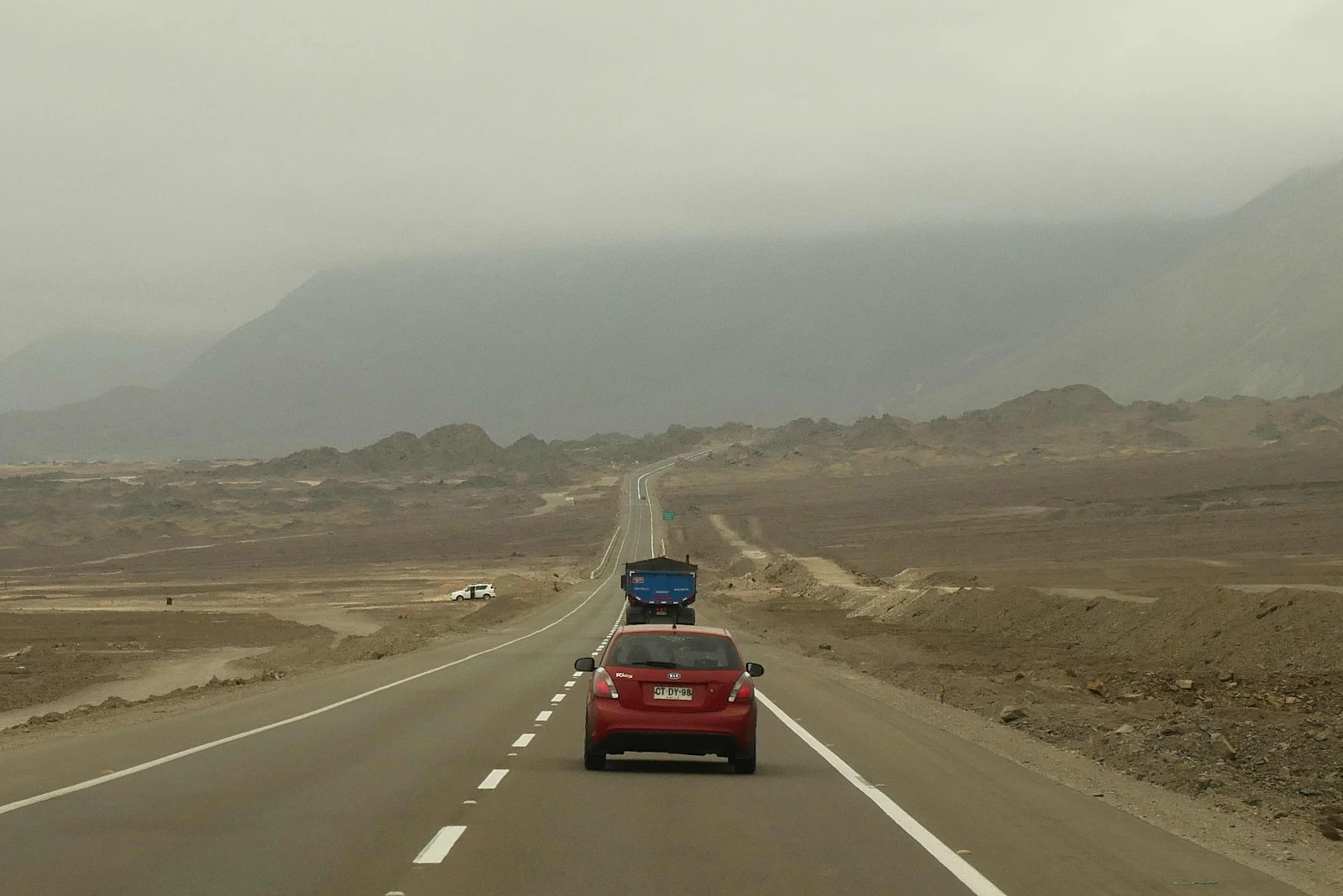
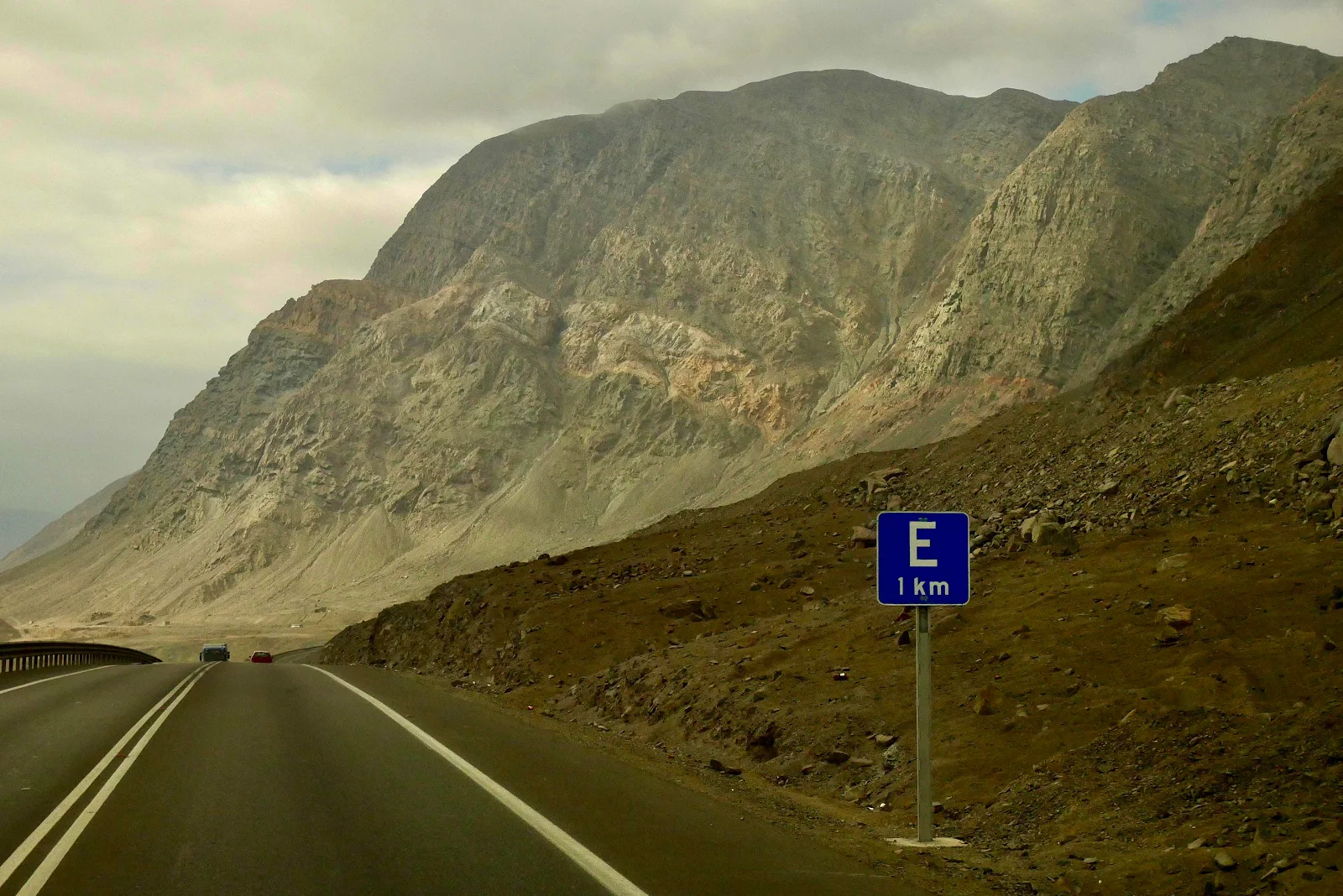
Driving the PanAmerican Highway, also known as Highway Five, through Chile makes travel easy. There are lots of rest stops, roadside facilities and things to eat. 

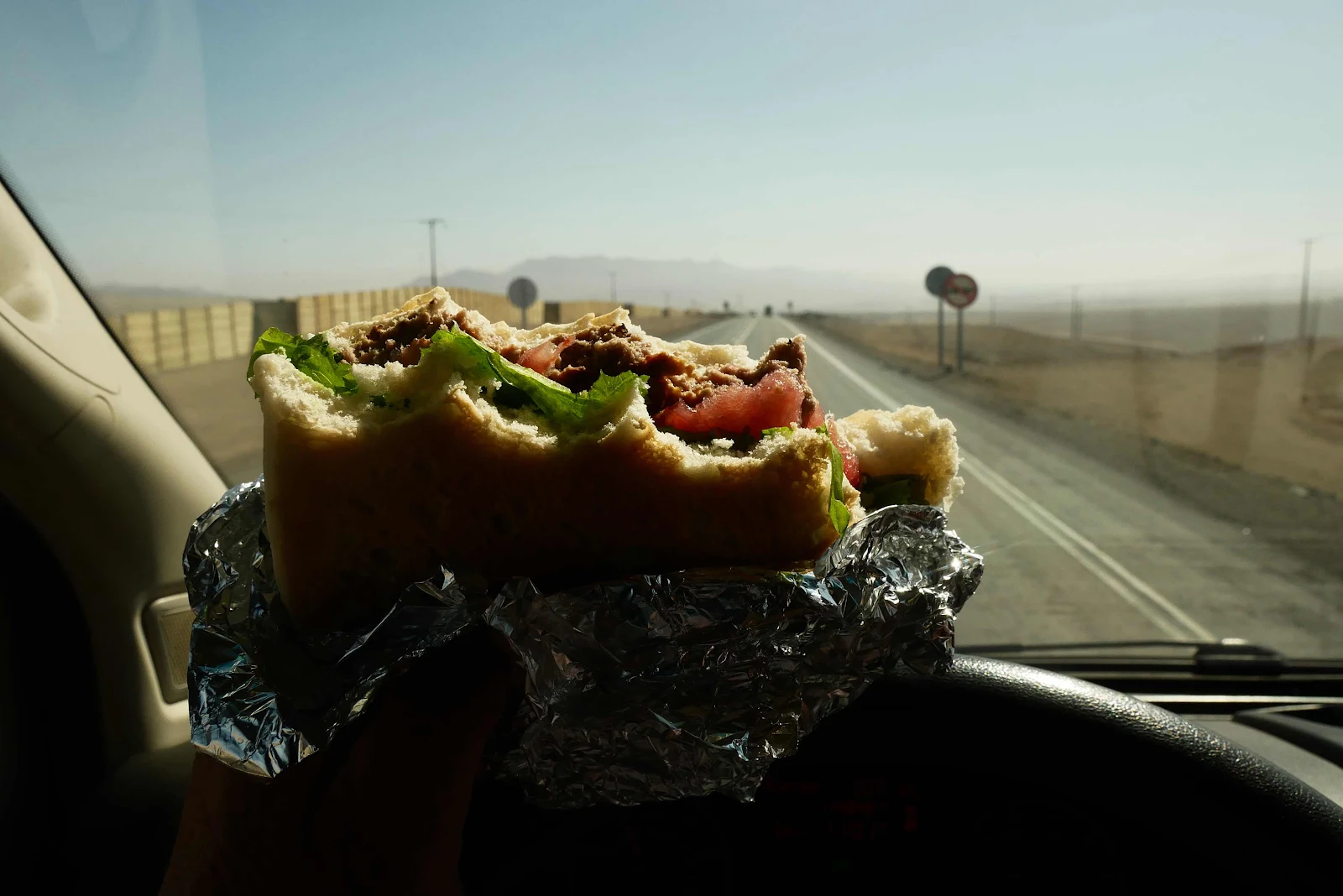
Lunch was a hamburger the size of my head. Layne got scrambled eggs and chorizo and the food stand lady  gave us a turkey sandwich for free so we could taste it. That was a surprise. 

Antofagasta is an industrial port city but it stretches up the hill to the highway where truck services line the road and it’s a dusty greasy mess, repair shops, truck washes and warehouses. We blew past as we had a hot shower on our minds. 

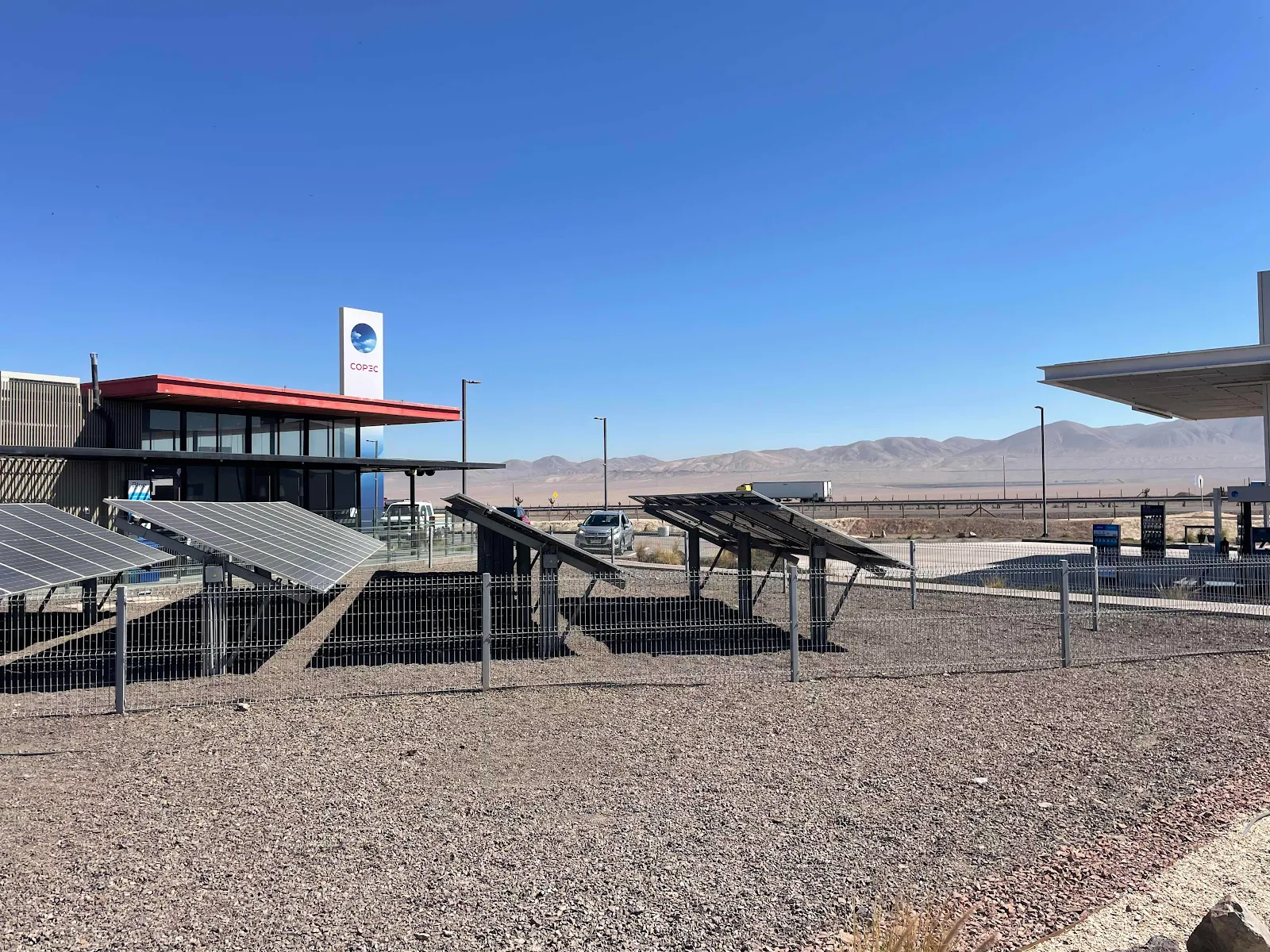
Copec charges a dollar for a hot shower, so after we got gas we also put on clean clothes. Having a shower in the van is important to  some people but for us we don’t want the complication and the humidity of hot water. The showers at Copec are clean and well organized and are a treat. 

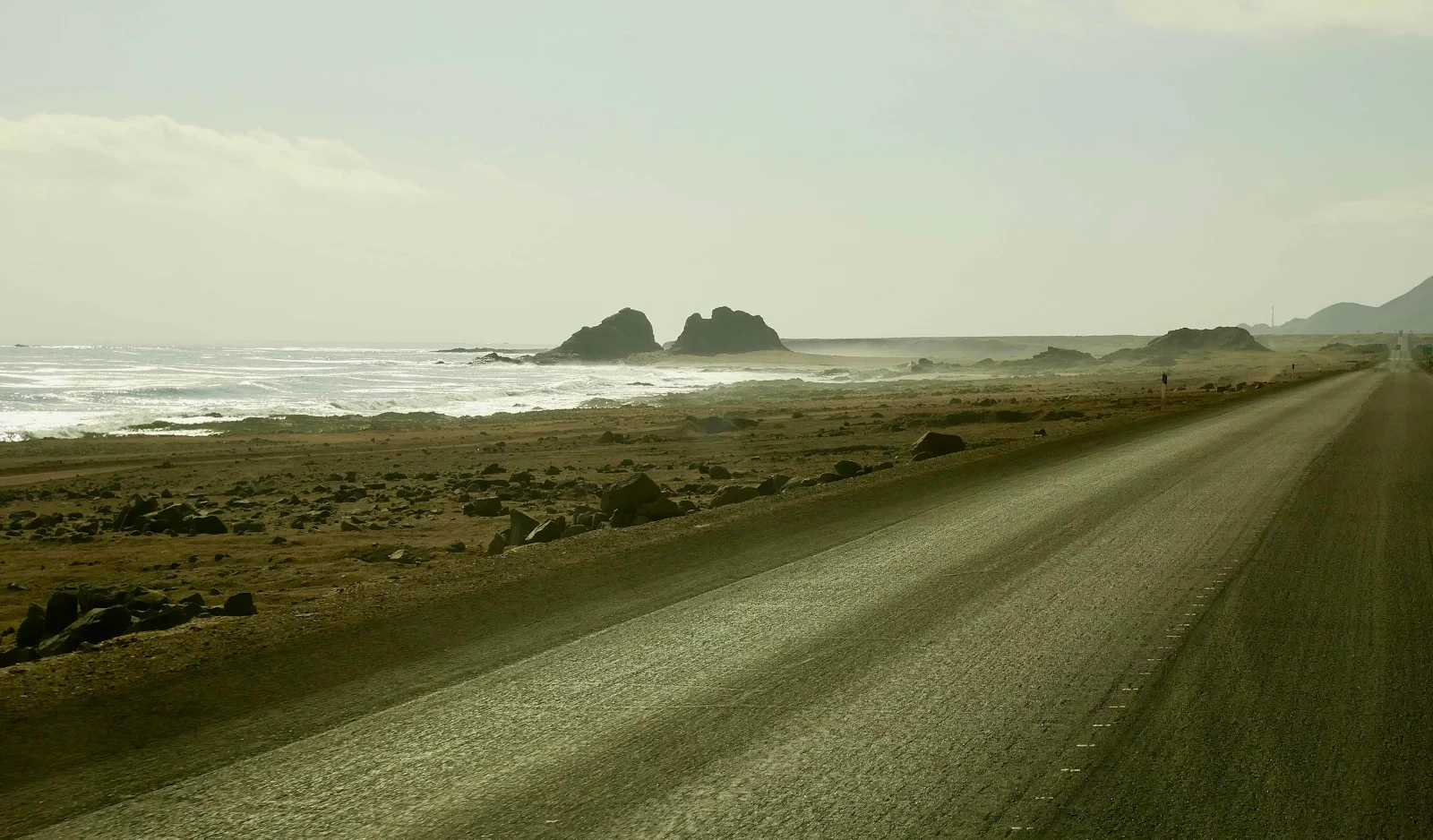
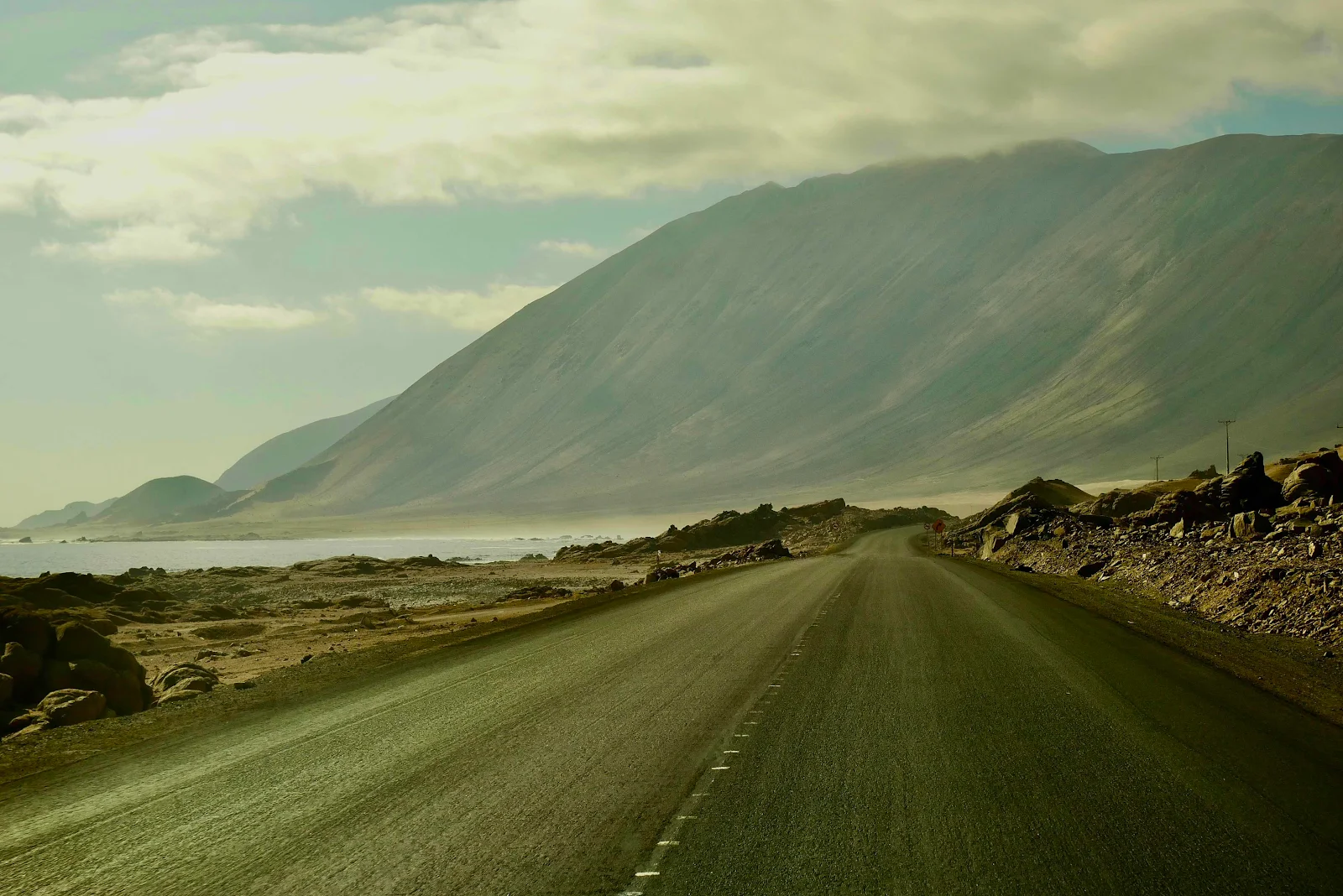
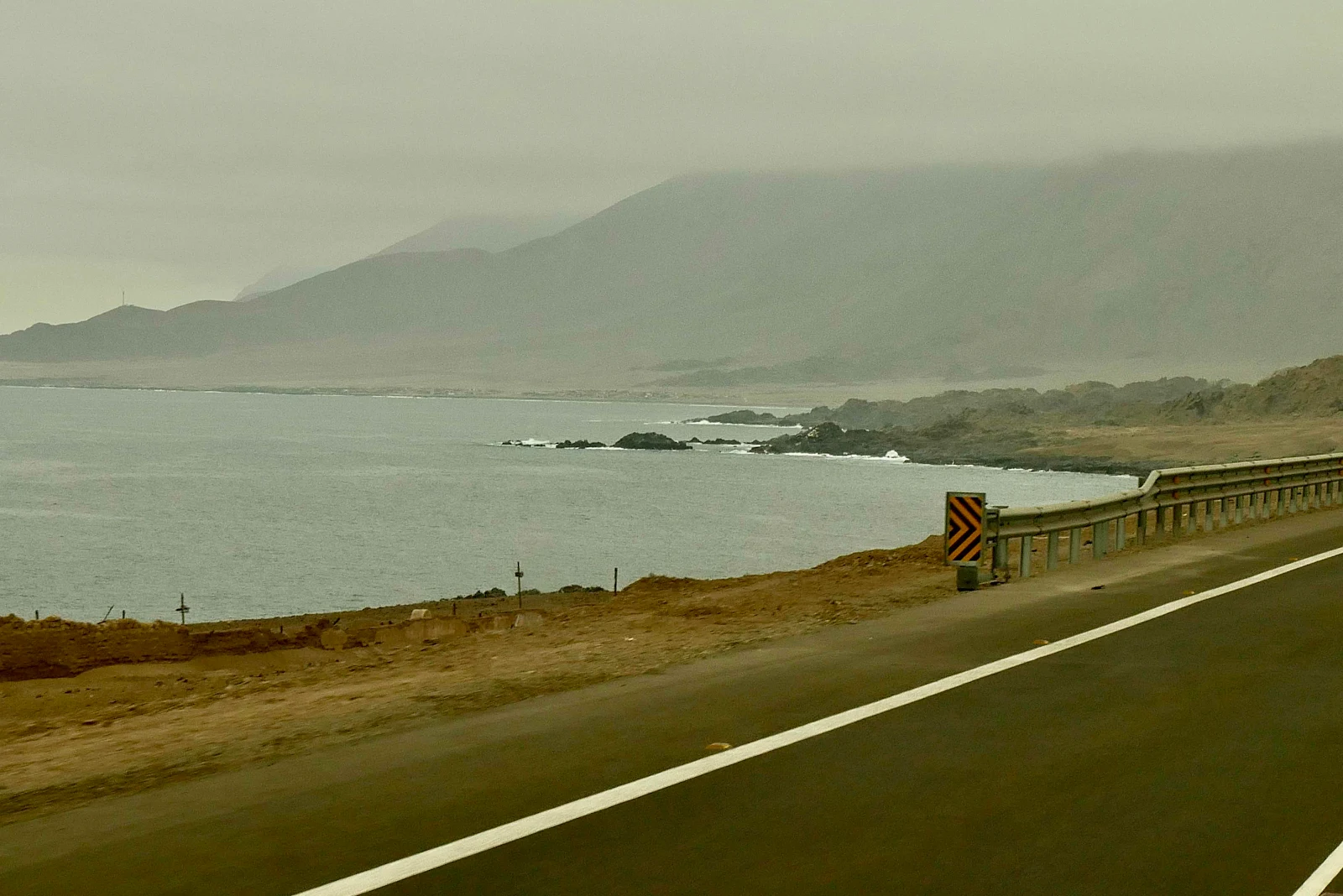
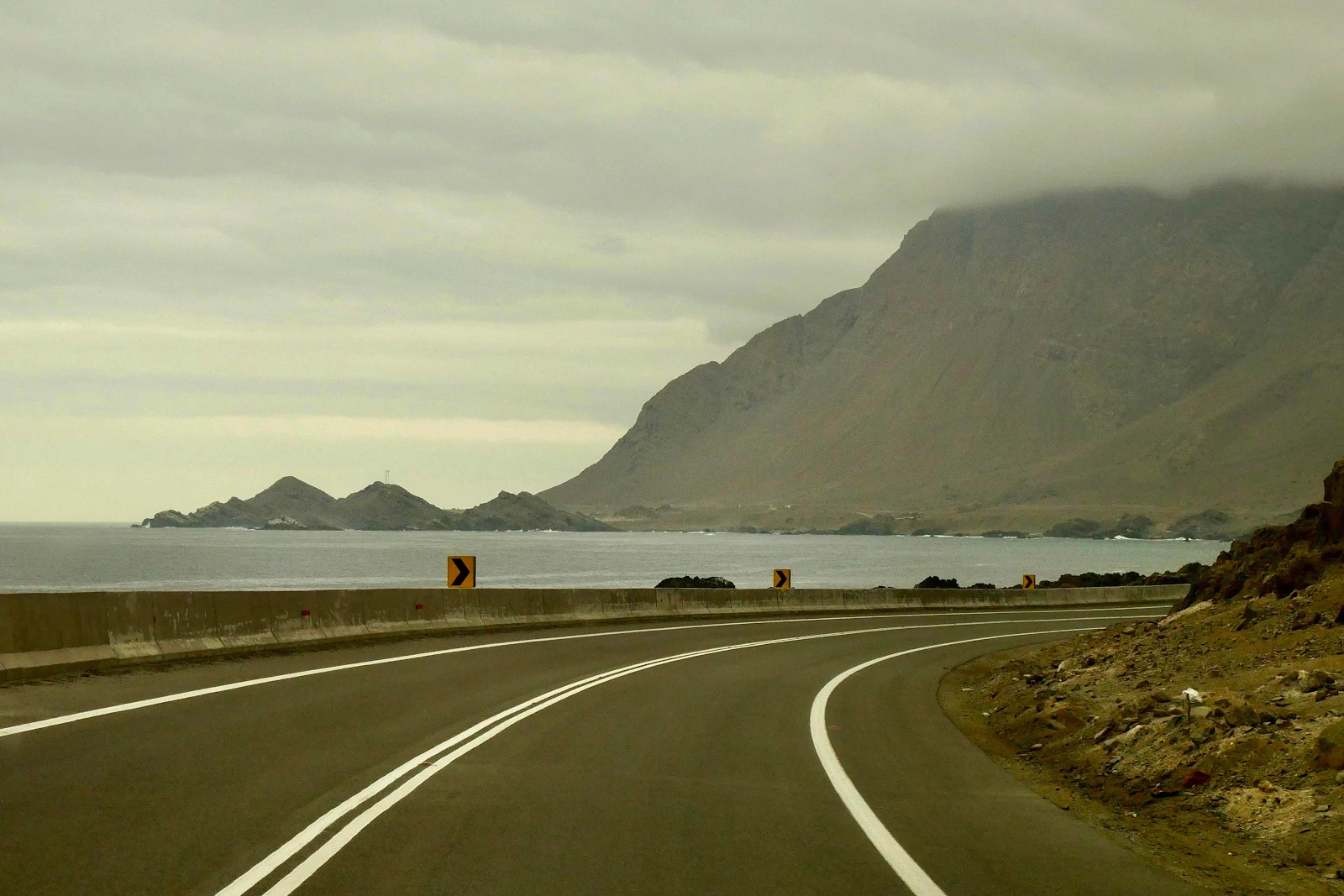
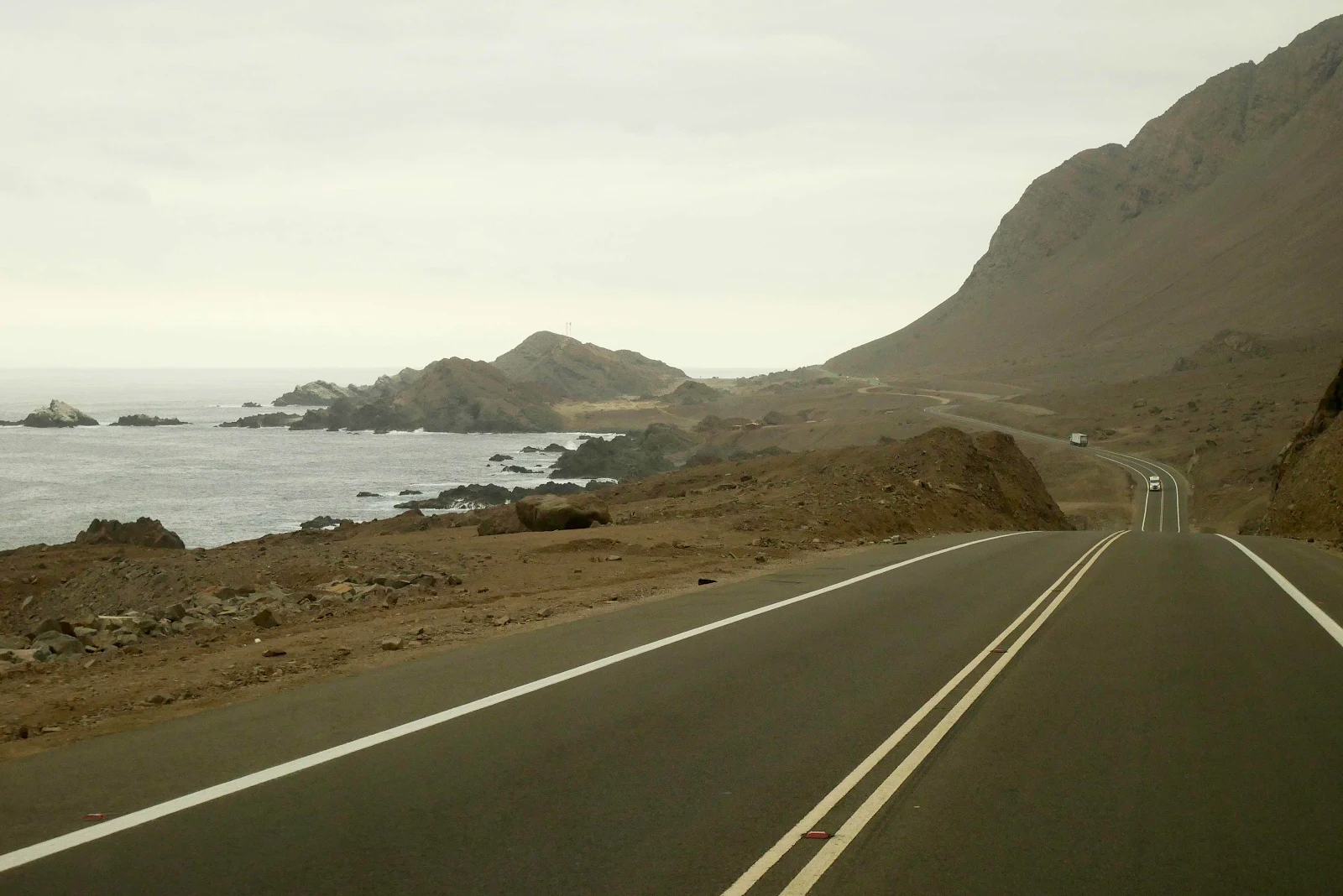
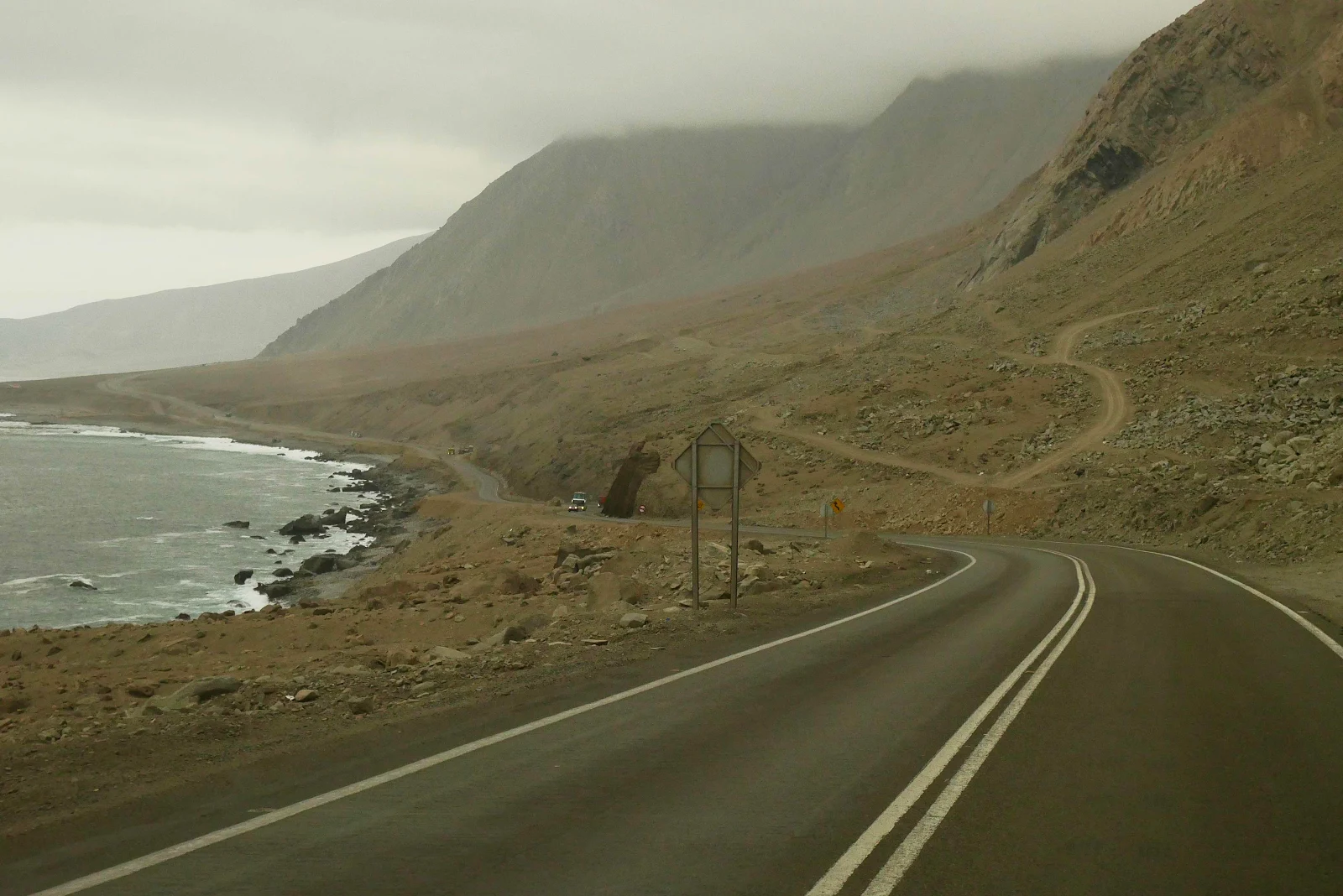
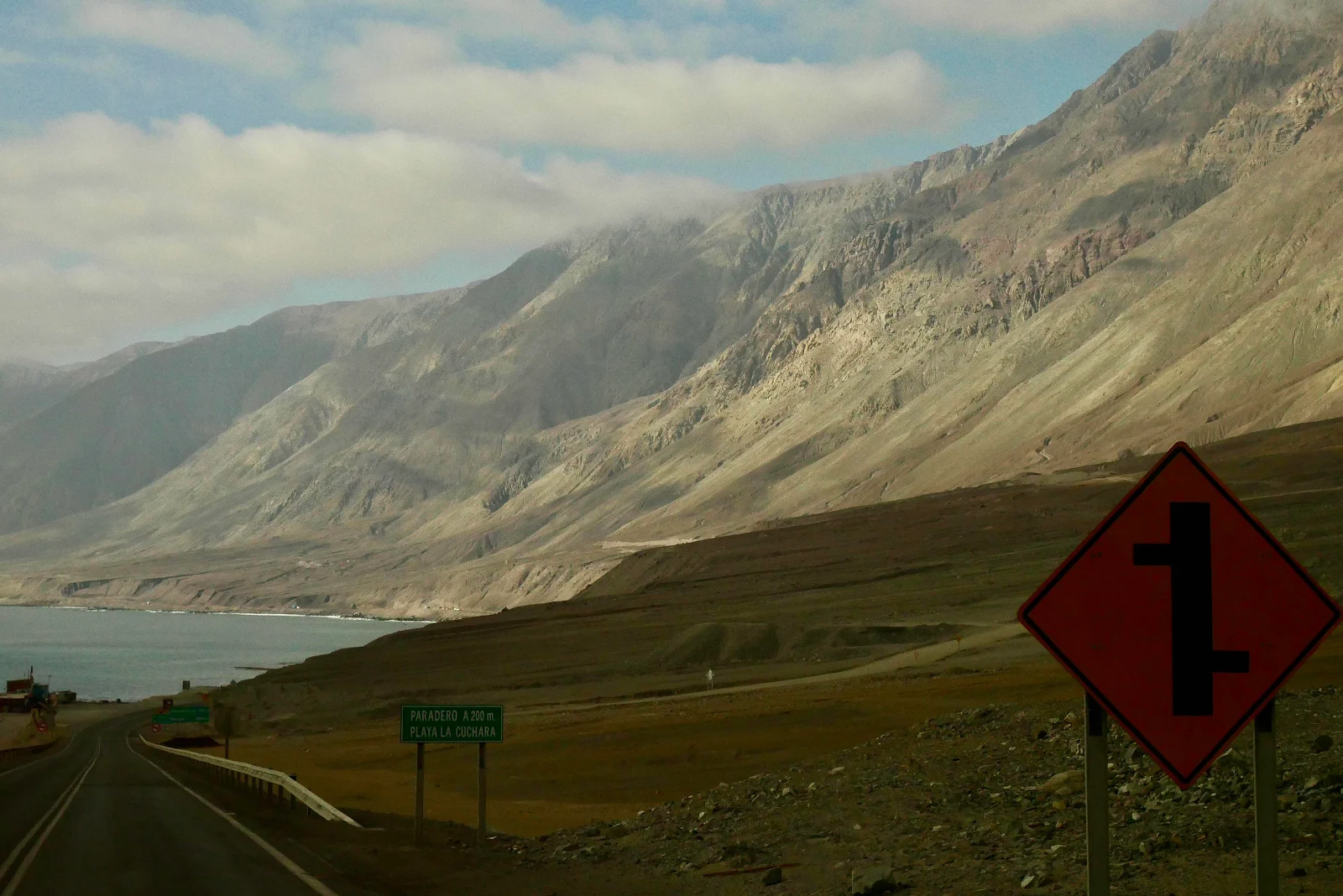
We turned back to the coast north of Antofagasta bypassing the city and got on coastal Highway One north. 

It was a cold overcast day with thick clouds overhead. That was annoying as the valley we had left behind was bright and sunny. 

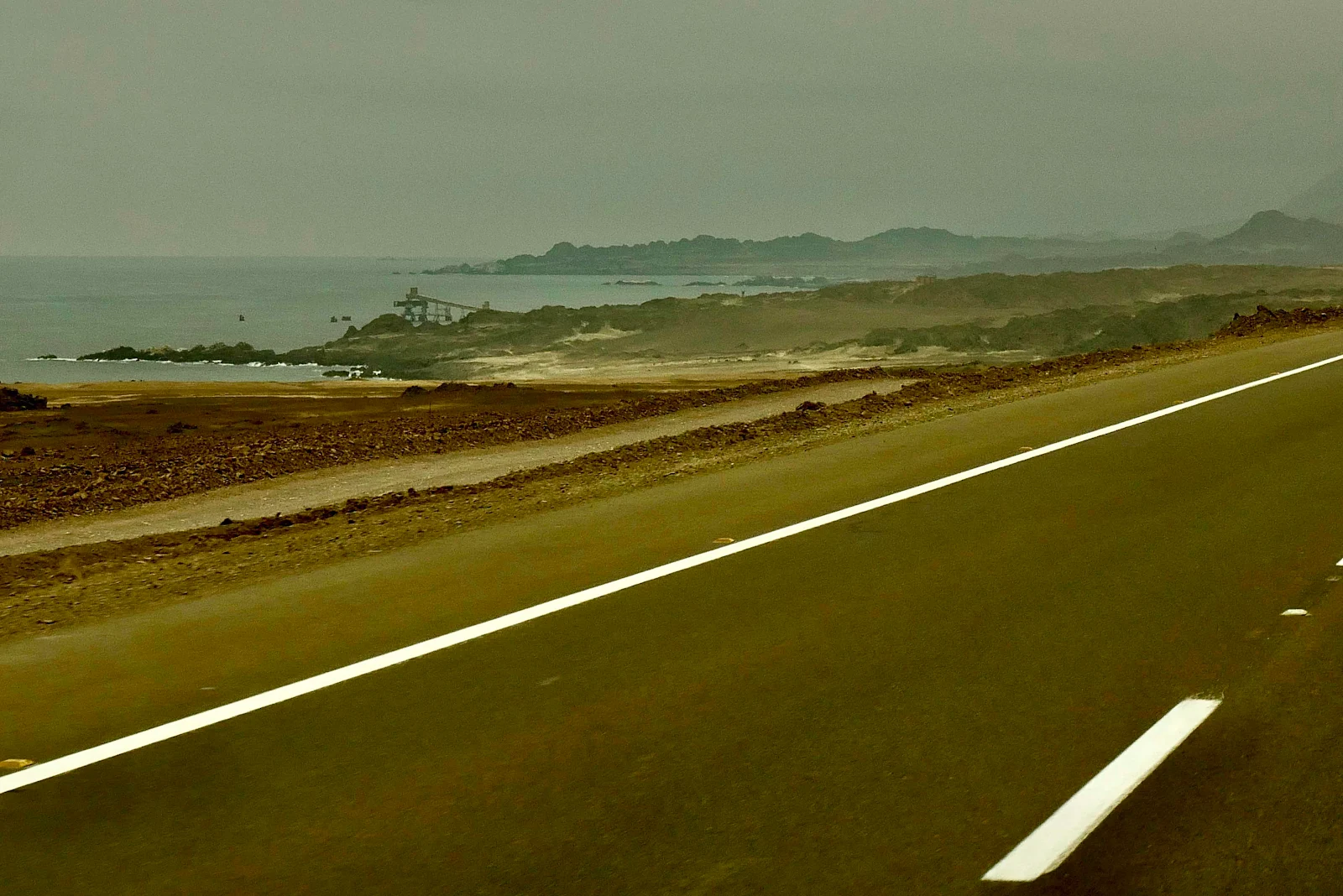
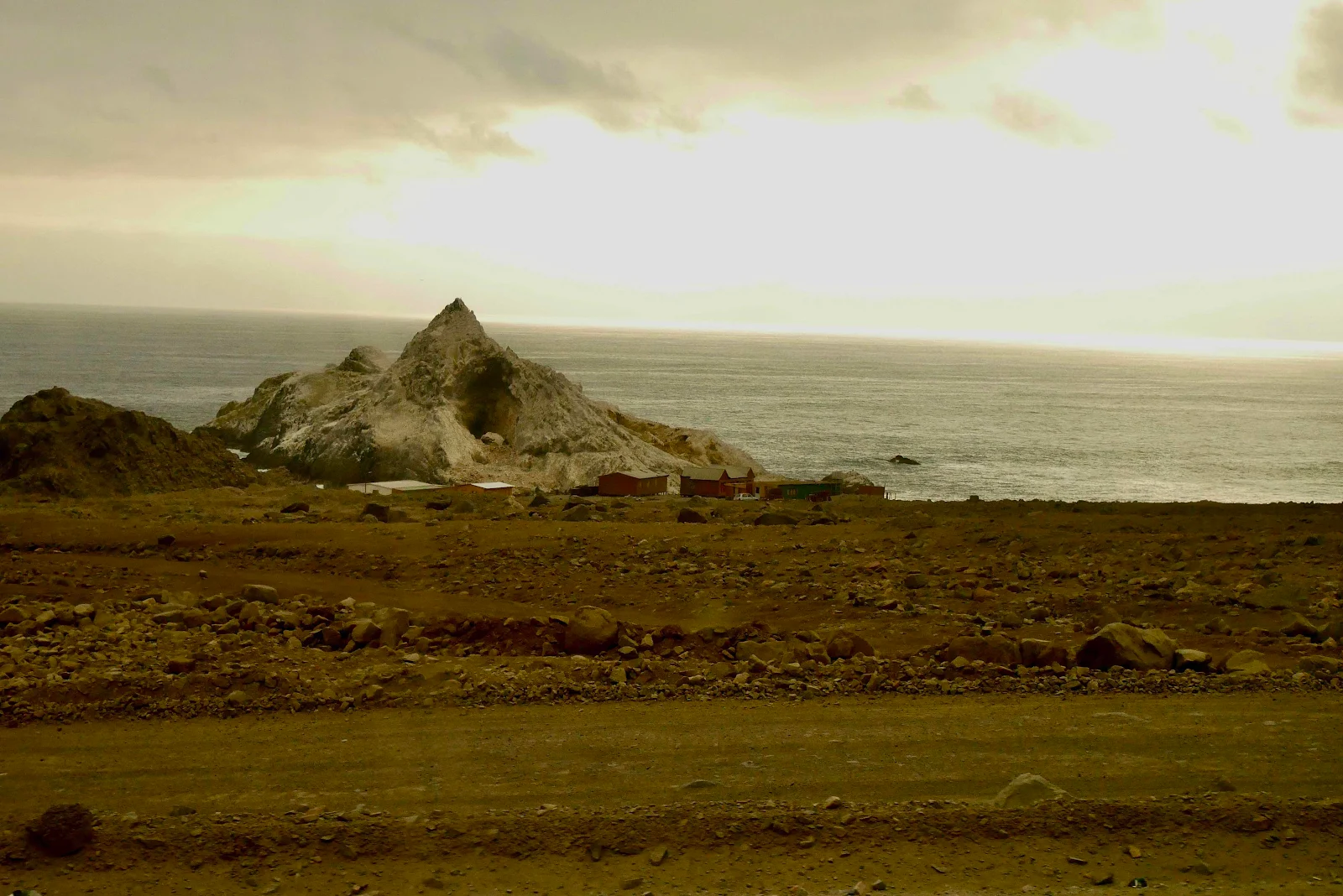
Below you can just saw an ore loading gantry which they use to fill ships using minimal port facilities. The ore ship anchors and backs up to the pier and gets loaded by the machinery on the pier. 

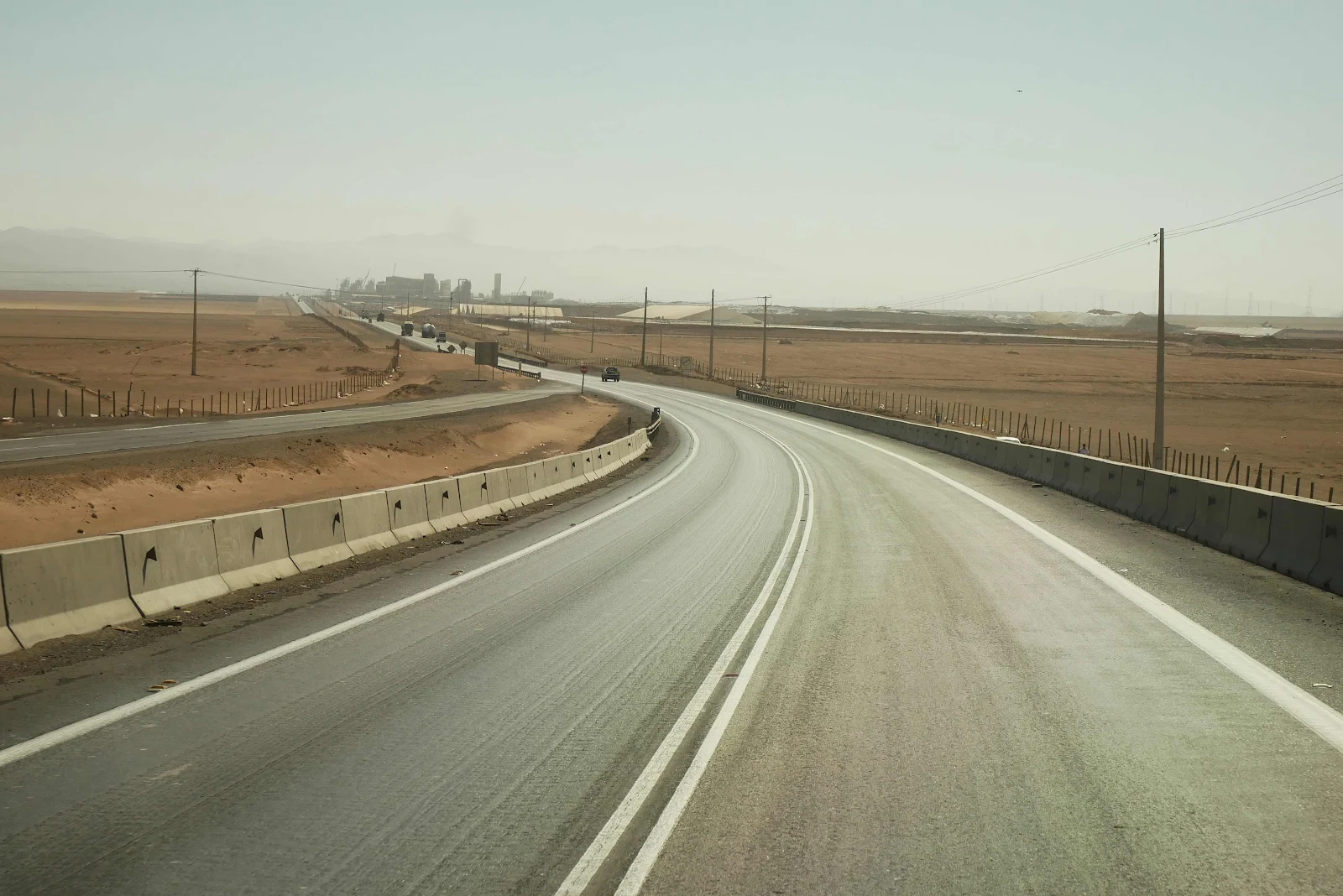
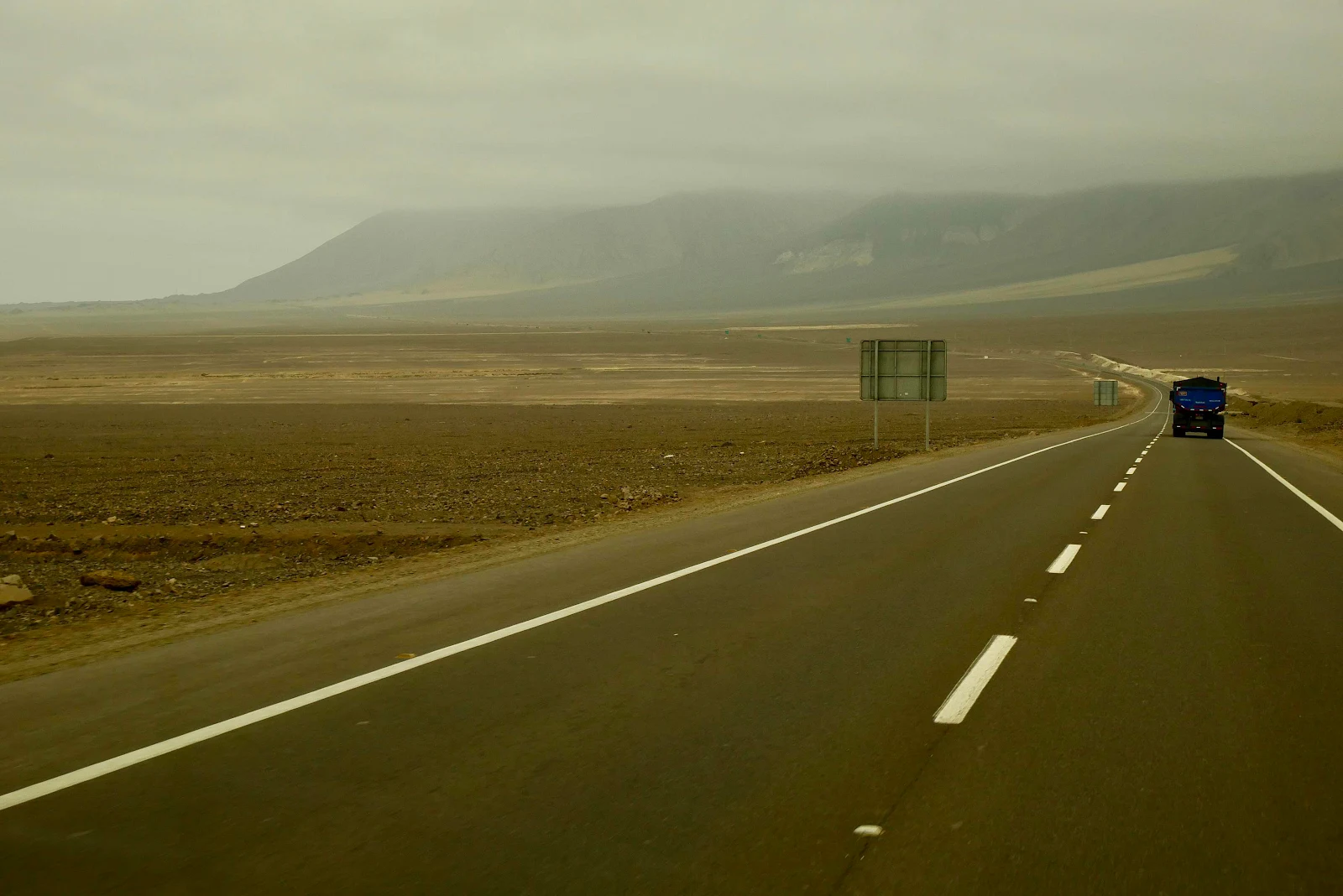
The road was filled with trucks traveling between Antofagasta and Iquique (ee-key-kay) and there was no sense at all that we were off the beaten path. This was a two lane freeway filled with traffic on a Saturday afternoon.  


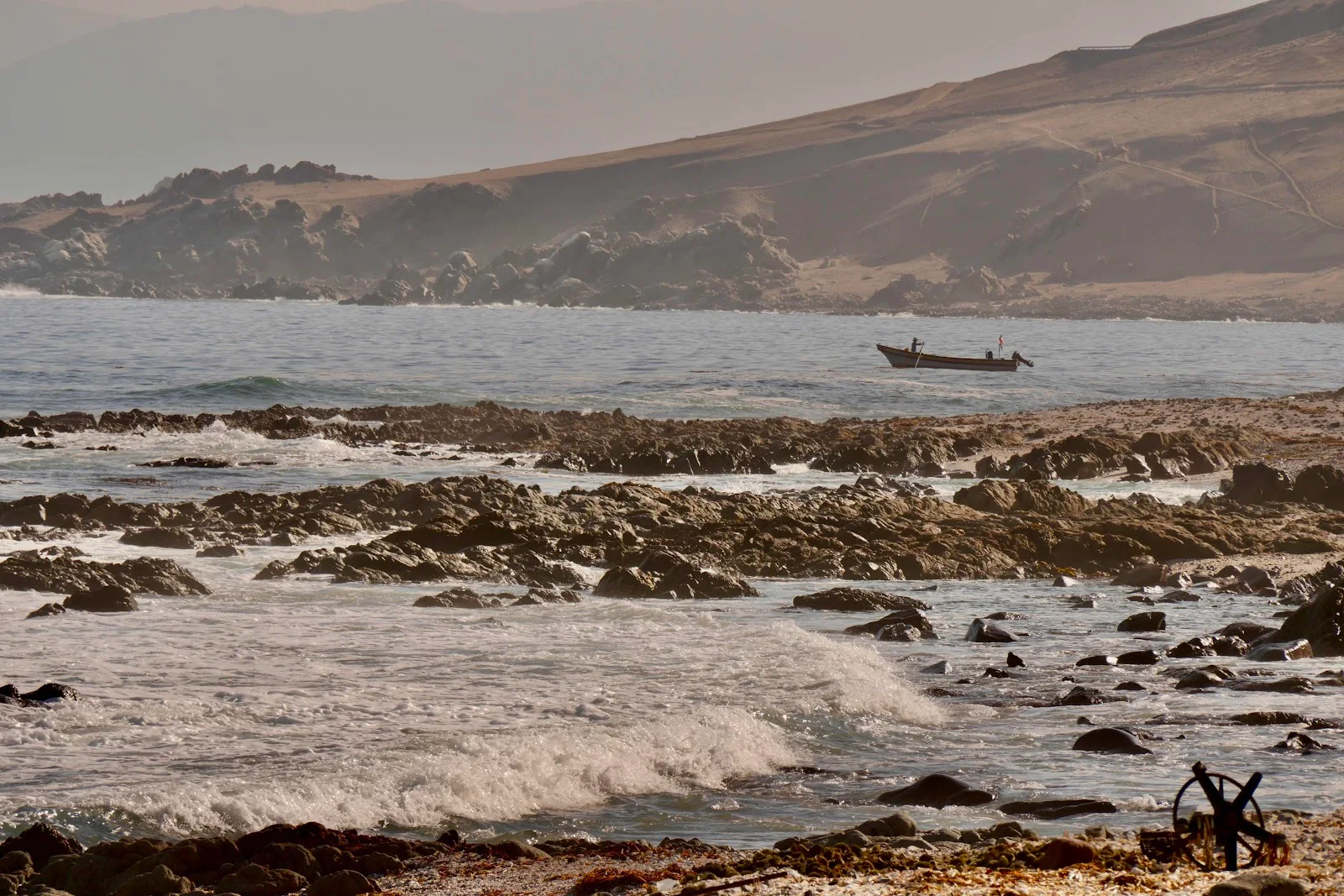
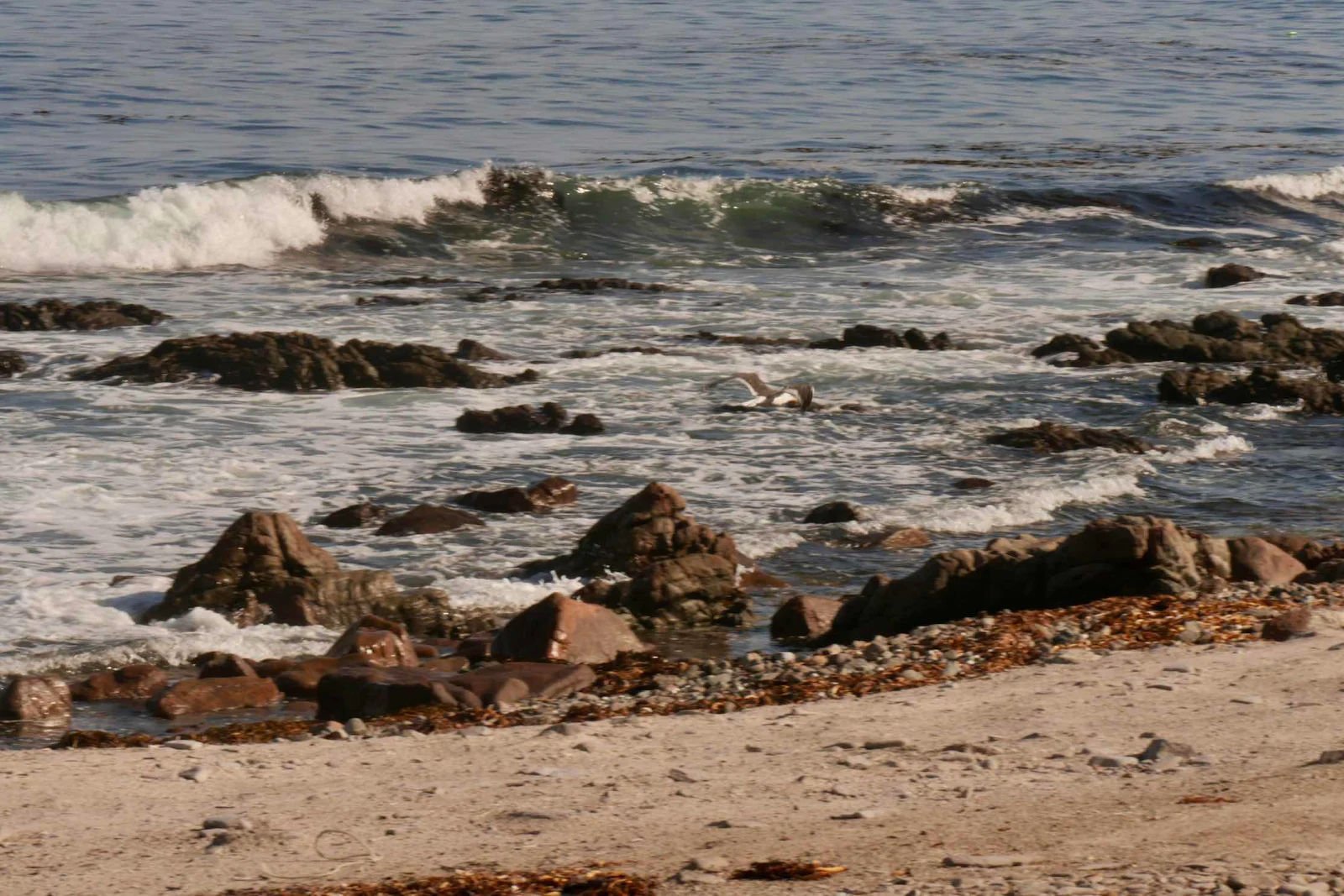
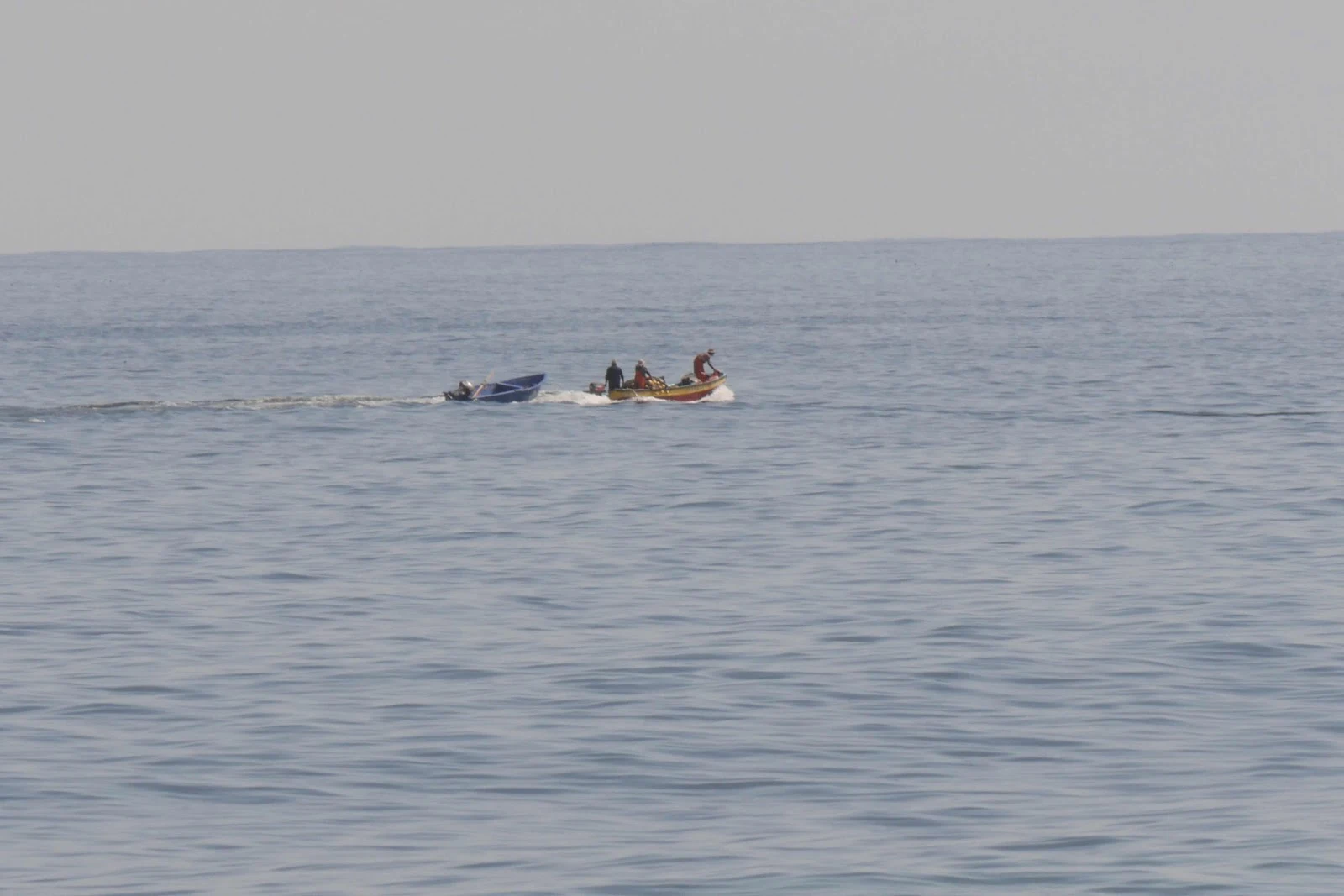
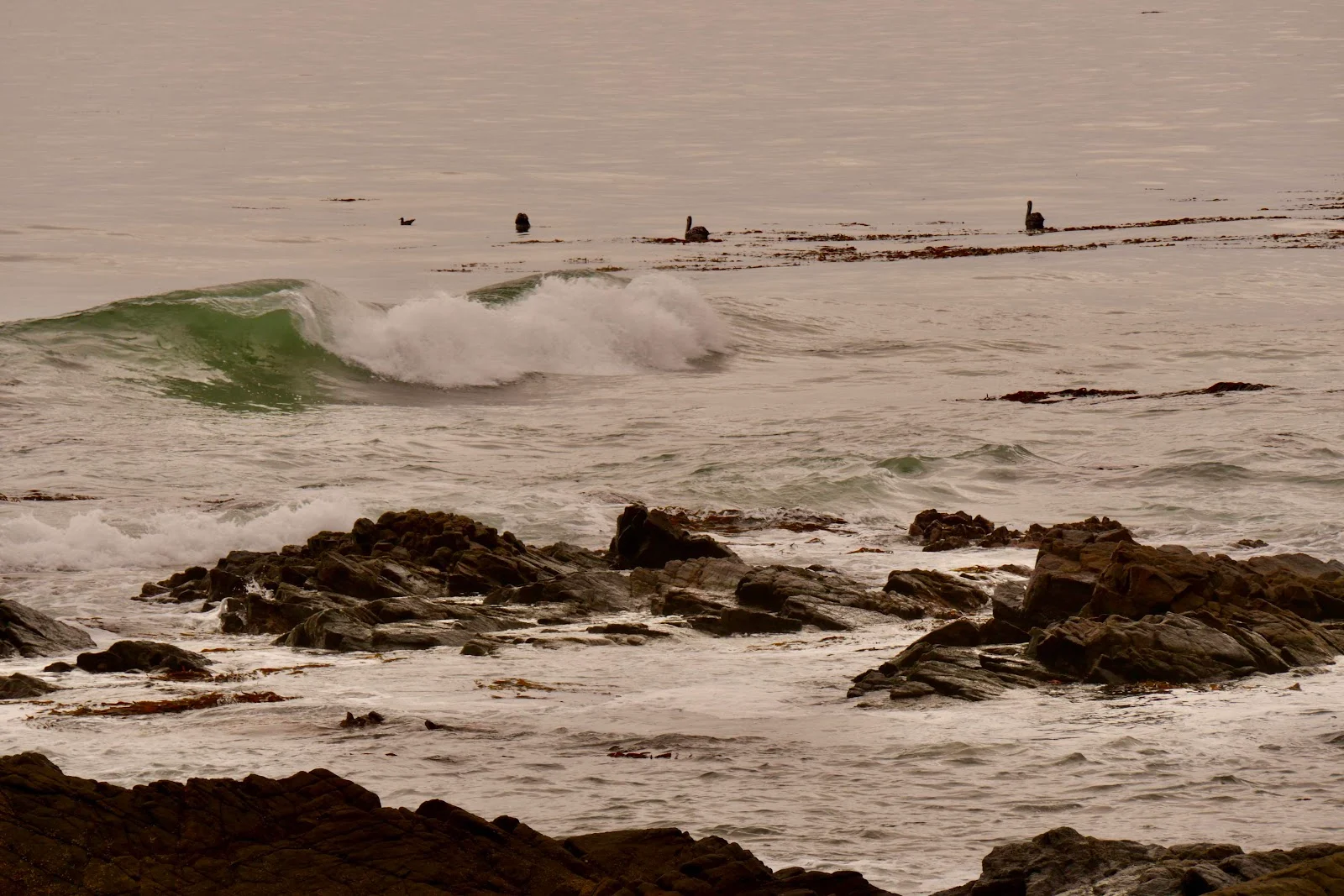
There’s many more people living along the shore here than Friday’s coastal drive which was very isolated. When we parked for the night some locals came by with fish so I guess fishing can be done even though the surf seems a bit much. 

Before the War of the Pacific in 1879 this stretch of coast belonged to Bolivia where Iquique and Arica to the north belonged to Peru. The Bolivians got it into their heads that Chile was mining illegally on their turf so they put their heads together with Peru and started a war with Chile.  

Chile was a small disorganized country at the time struggling to define its southern border with Argentina and trying to claim Patagonia as its own, a claim Argentina rejected by forcing Chile back to the natural Andean border that separated them. 

Chile had also gained control of its southern provinces near Puerto Montt by importing disaffected Europeans, mostly Germans to colonize and develop that area known today as The Lakes Region around Pucón and Frutiliar. The failed European revolutions of 1848 provided lots of people eager to start a new life in a new world. 

Unfortunately for Bolivia and Peru Chile thrashed them in the War of the Pacific.


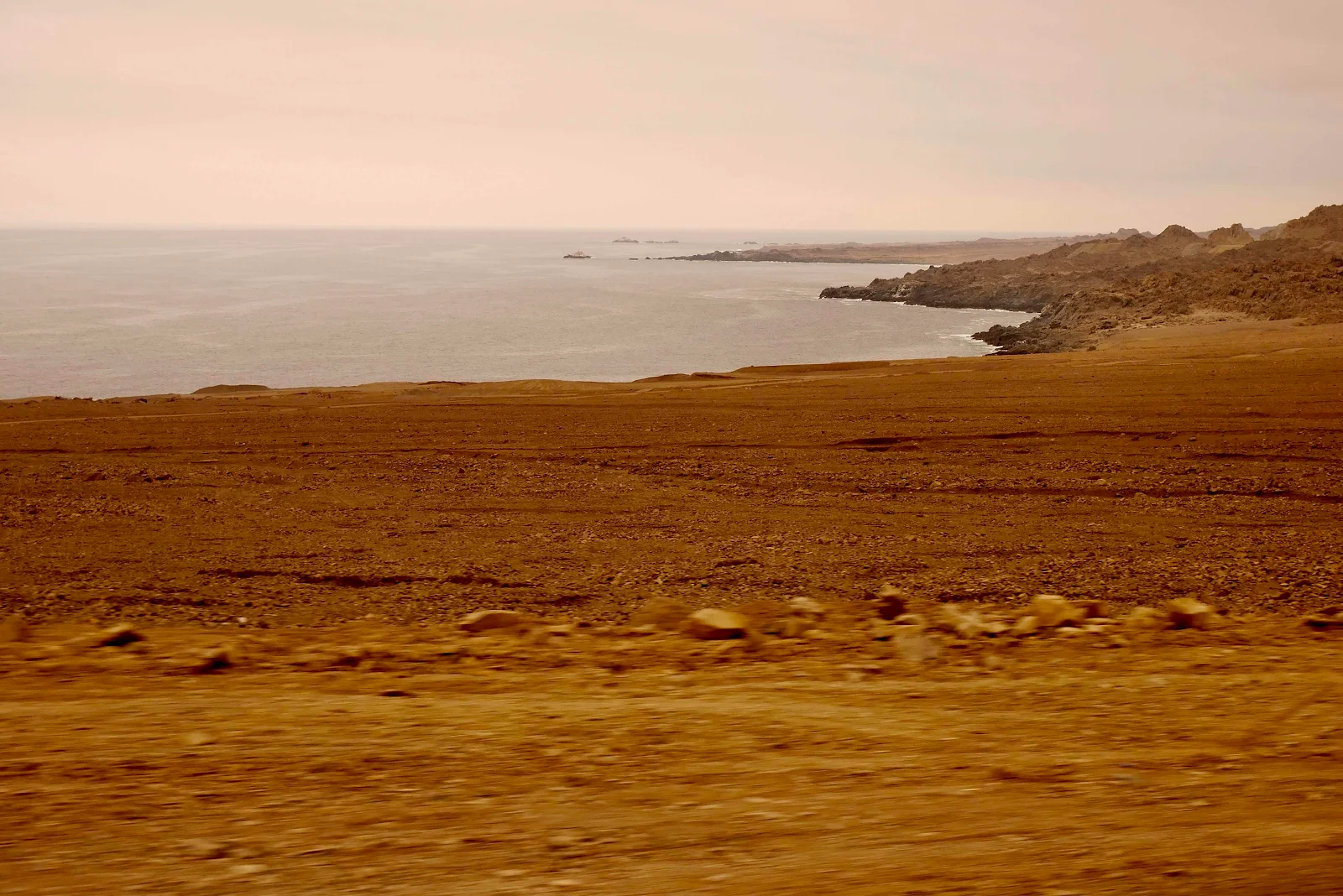
Bolivia lost its access to the sea, Peru lost two cities on the coast, Iquique and Arica, when Chile gained the northern border it controls today. This coast would look probably much the same as it is not really going to be easy to develop no matter who owns it. 


We ended up beach camping south of El Loa, the old border between Bolivia and Peru, now provincial border within Chile. 

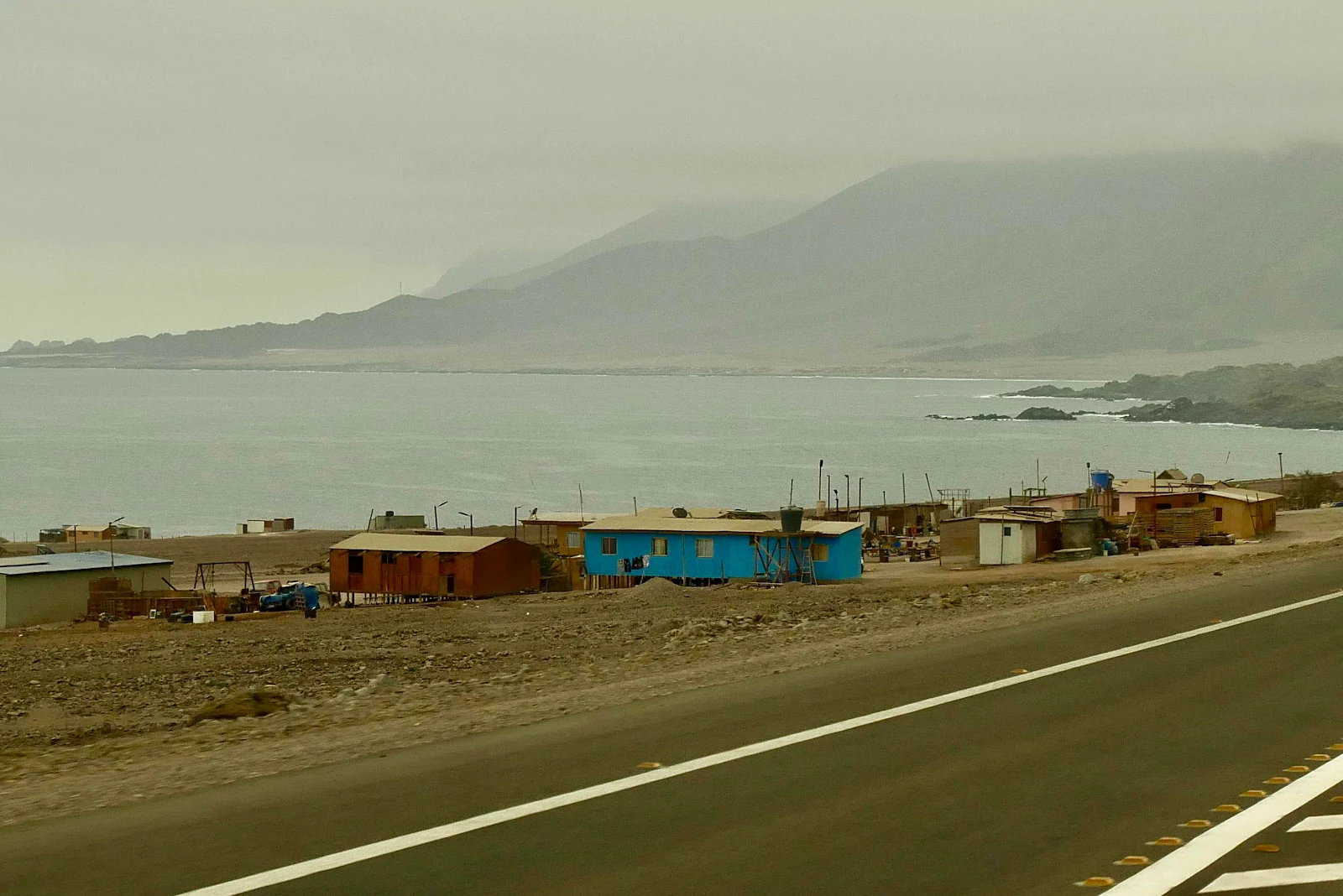
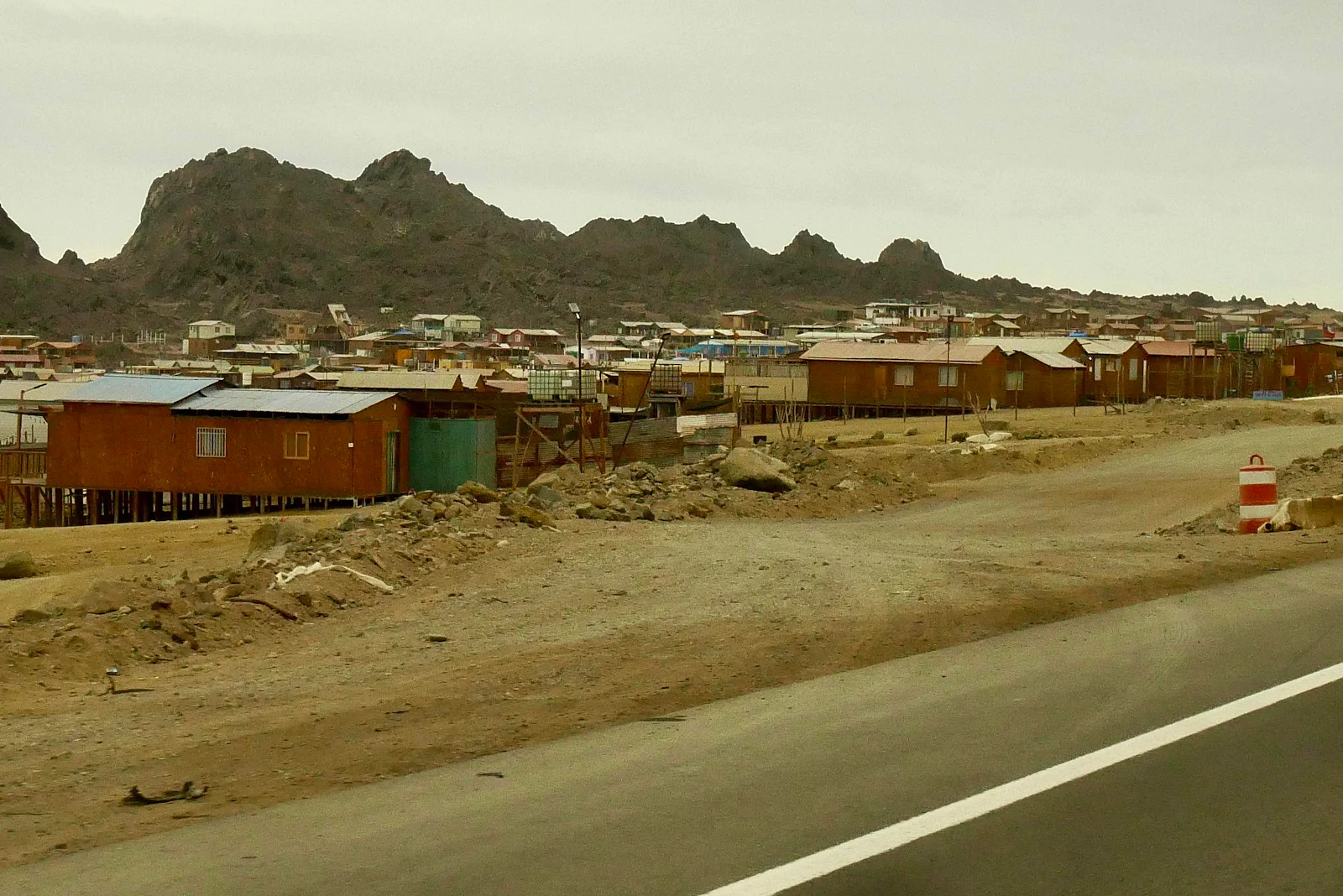
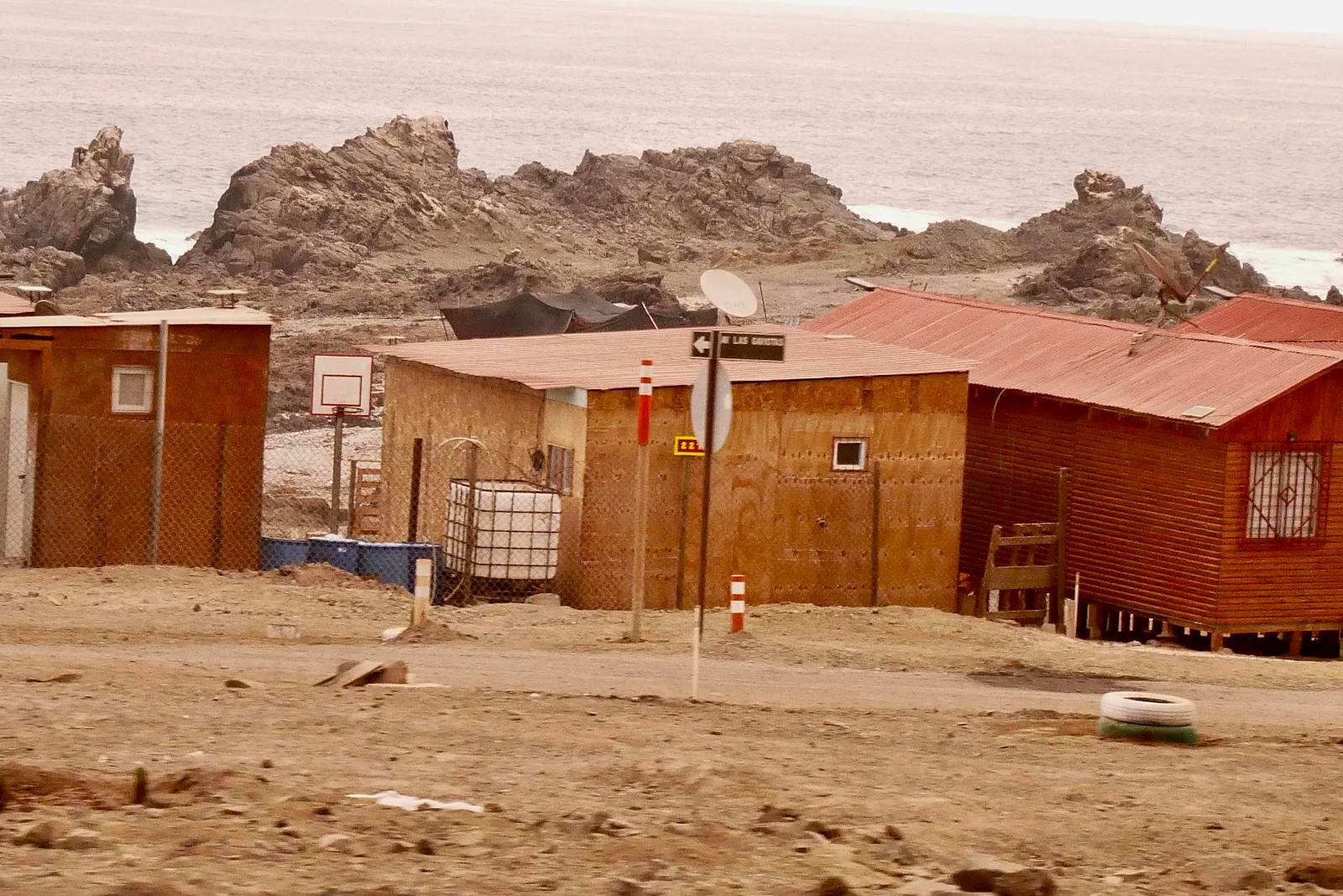
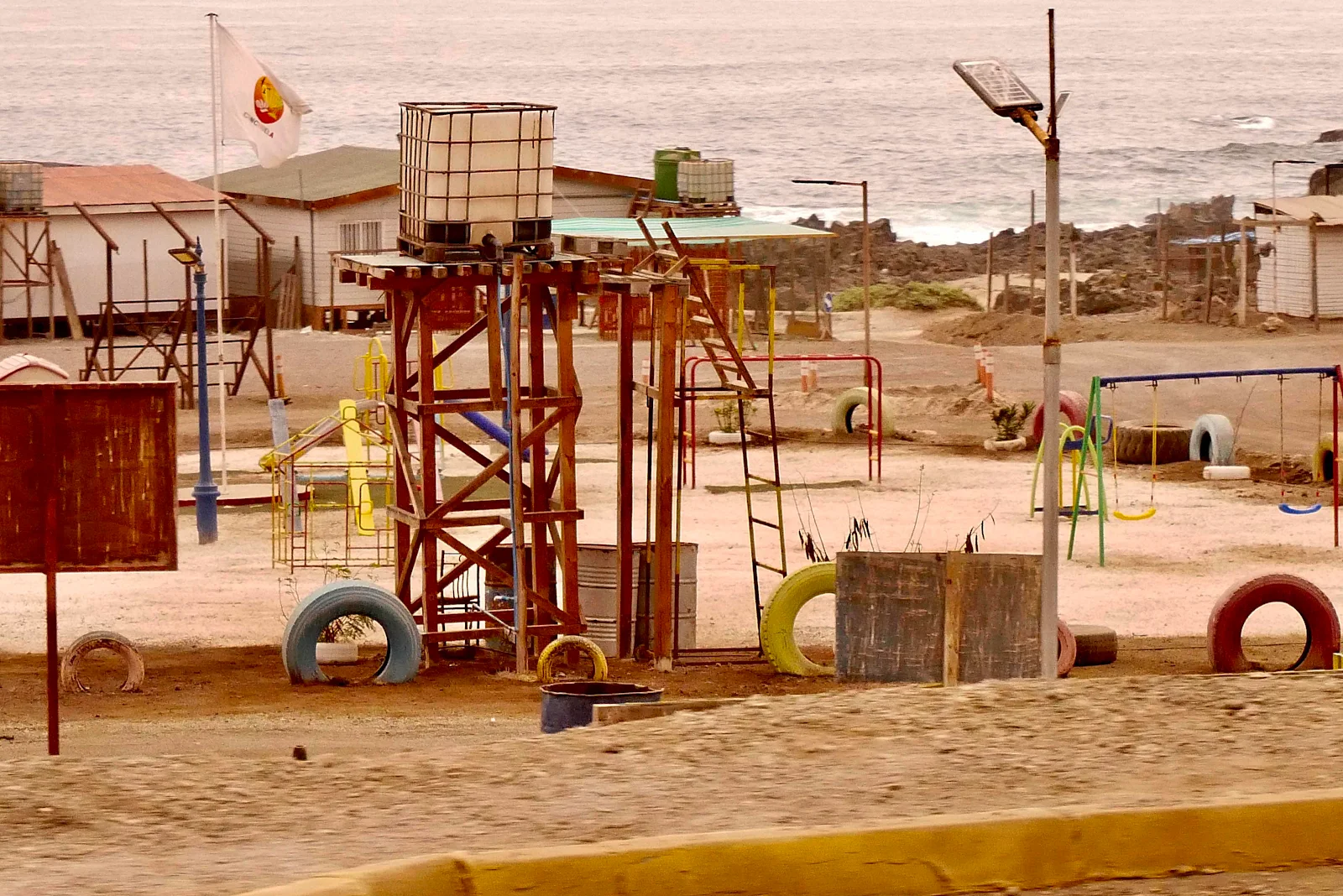
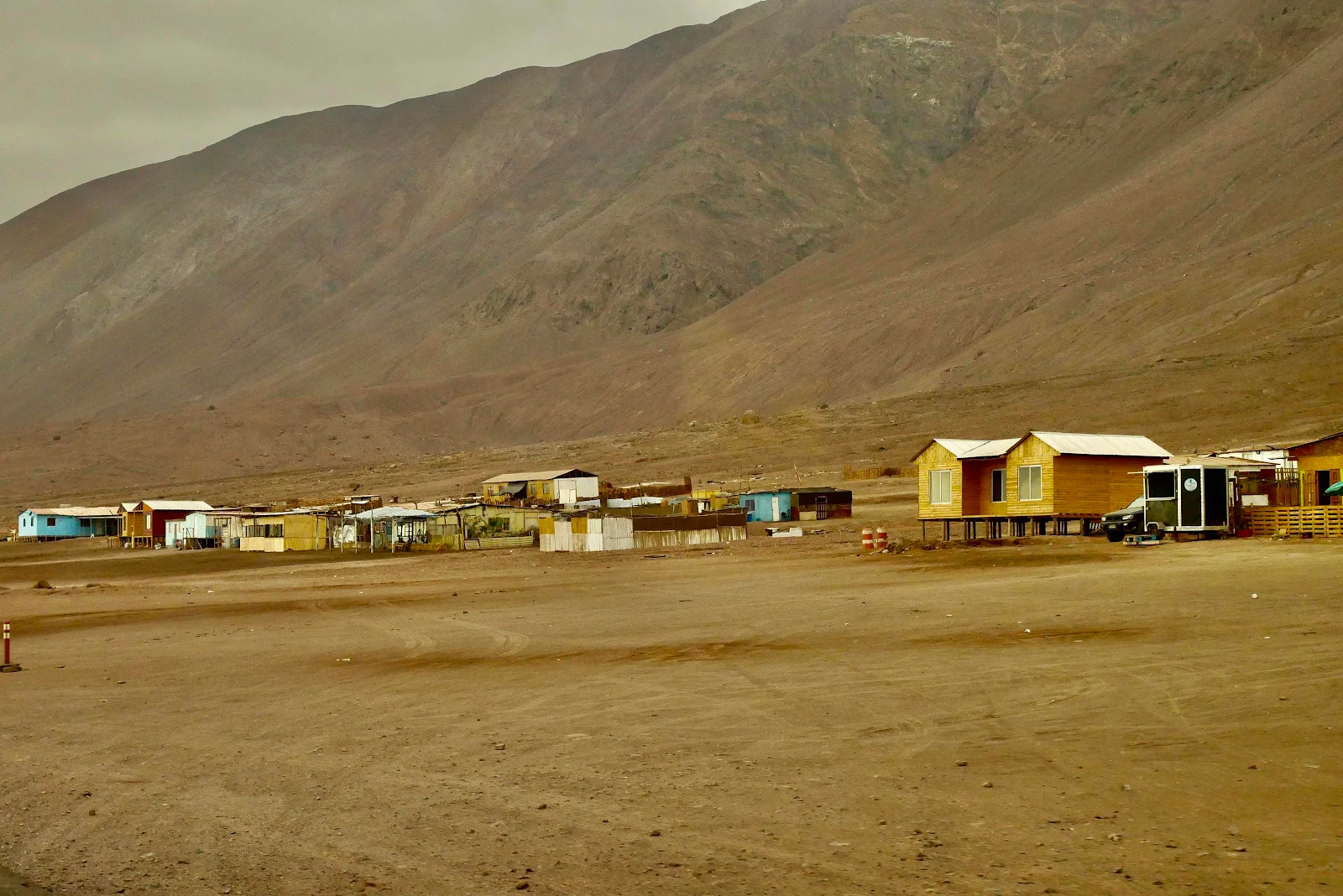
You’ll notice the by now familiar water tanks near the homes supplying families in this utility- free desert. Notice there are no power lines or trash collection.    


Another ore processing plant on the beach: 

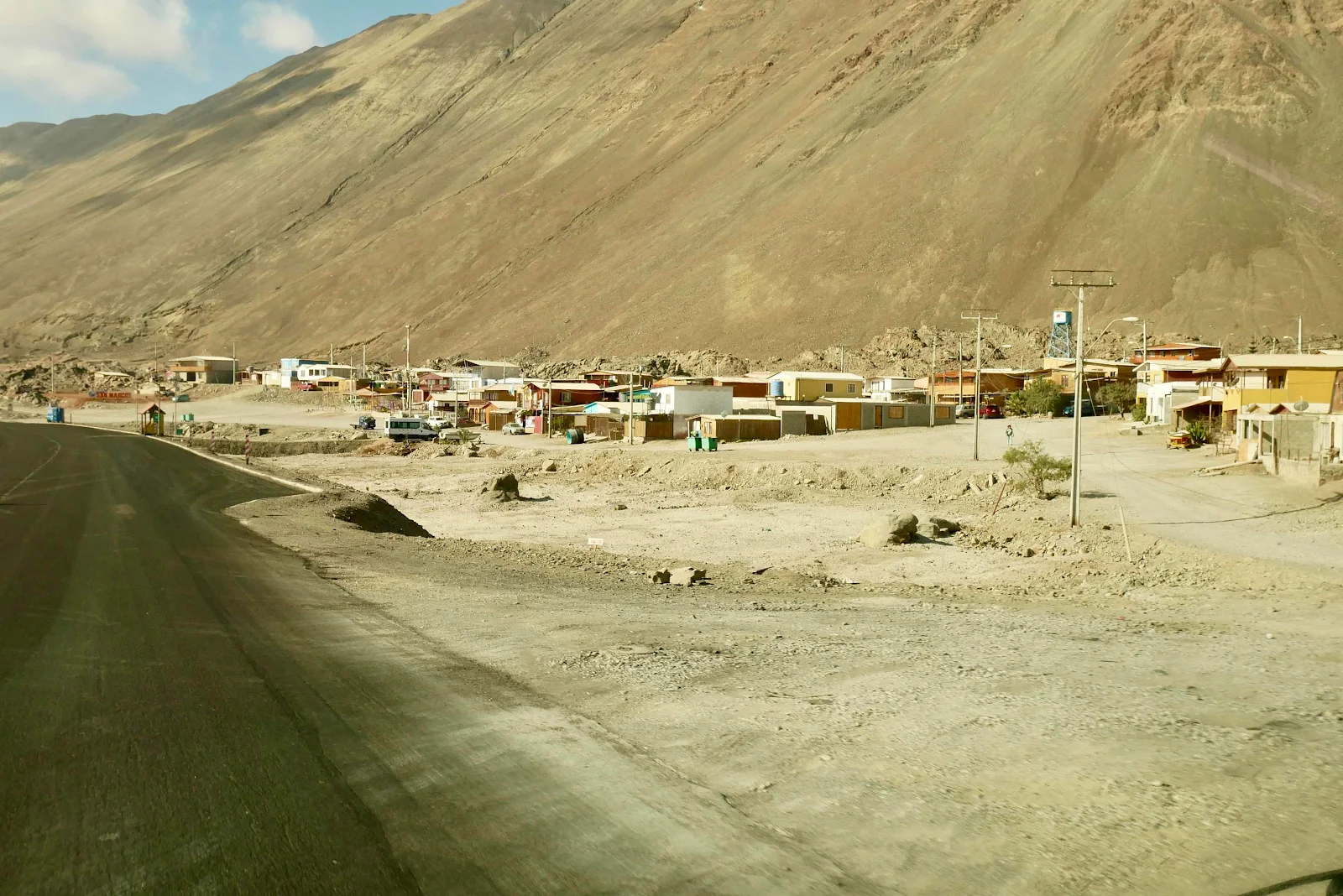
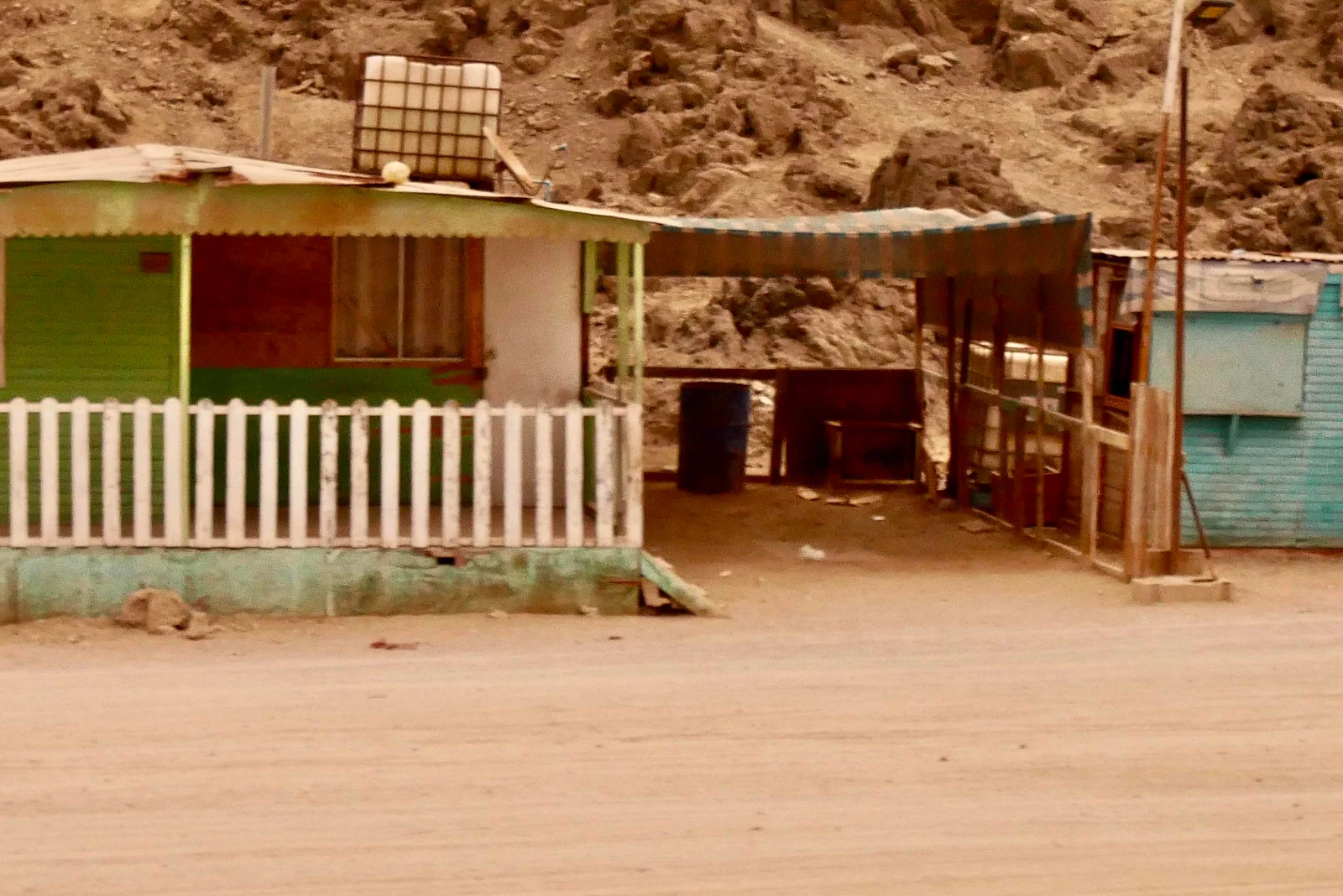
An actual town. 
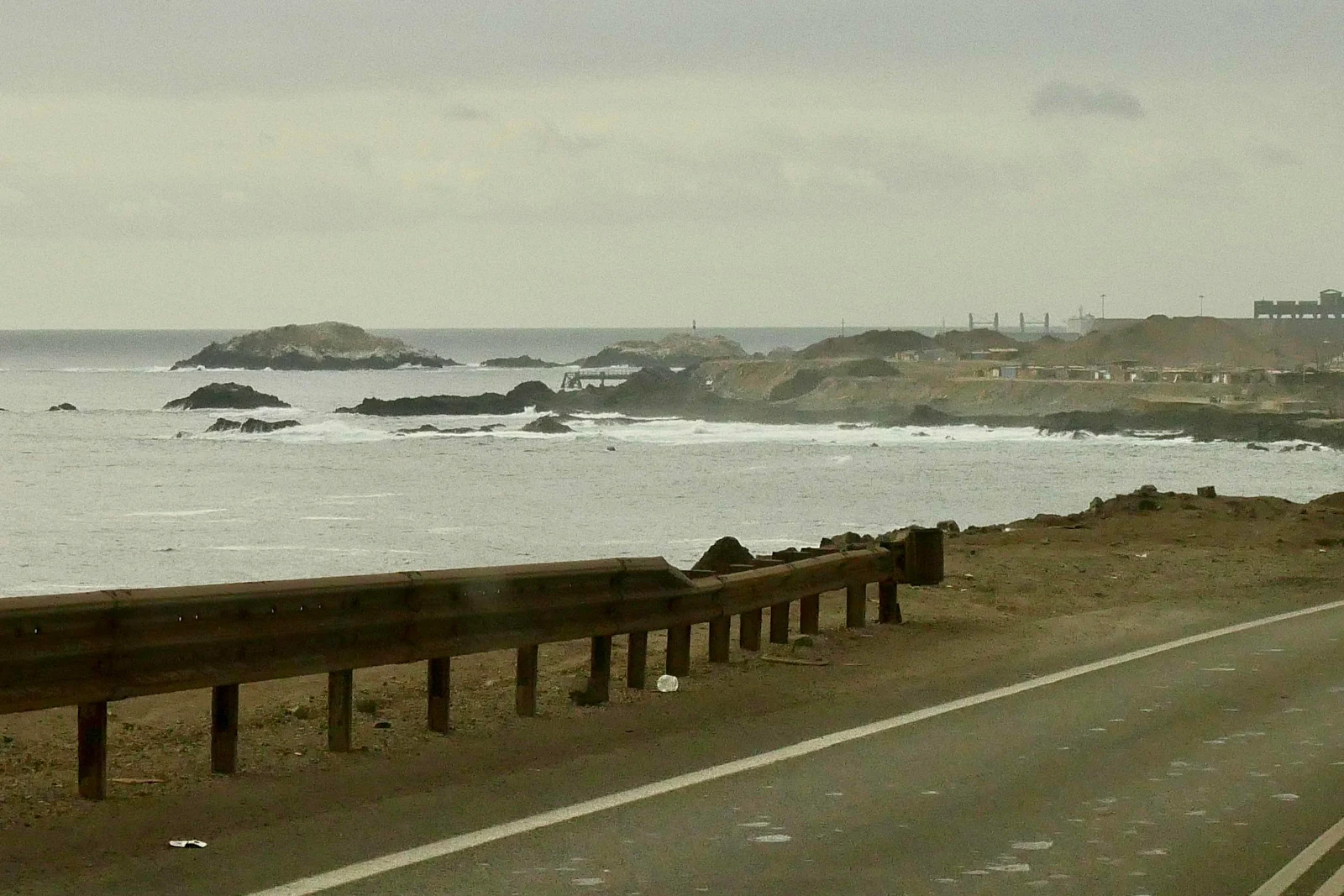
Tourism is not how they make a living here. 


These dirt tracks are all over the place leading to mining operations in the mountains. 


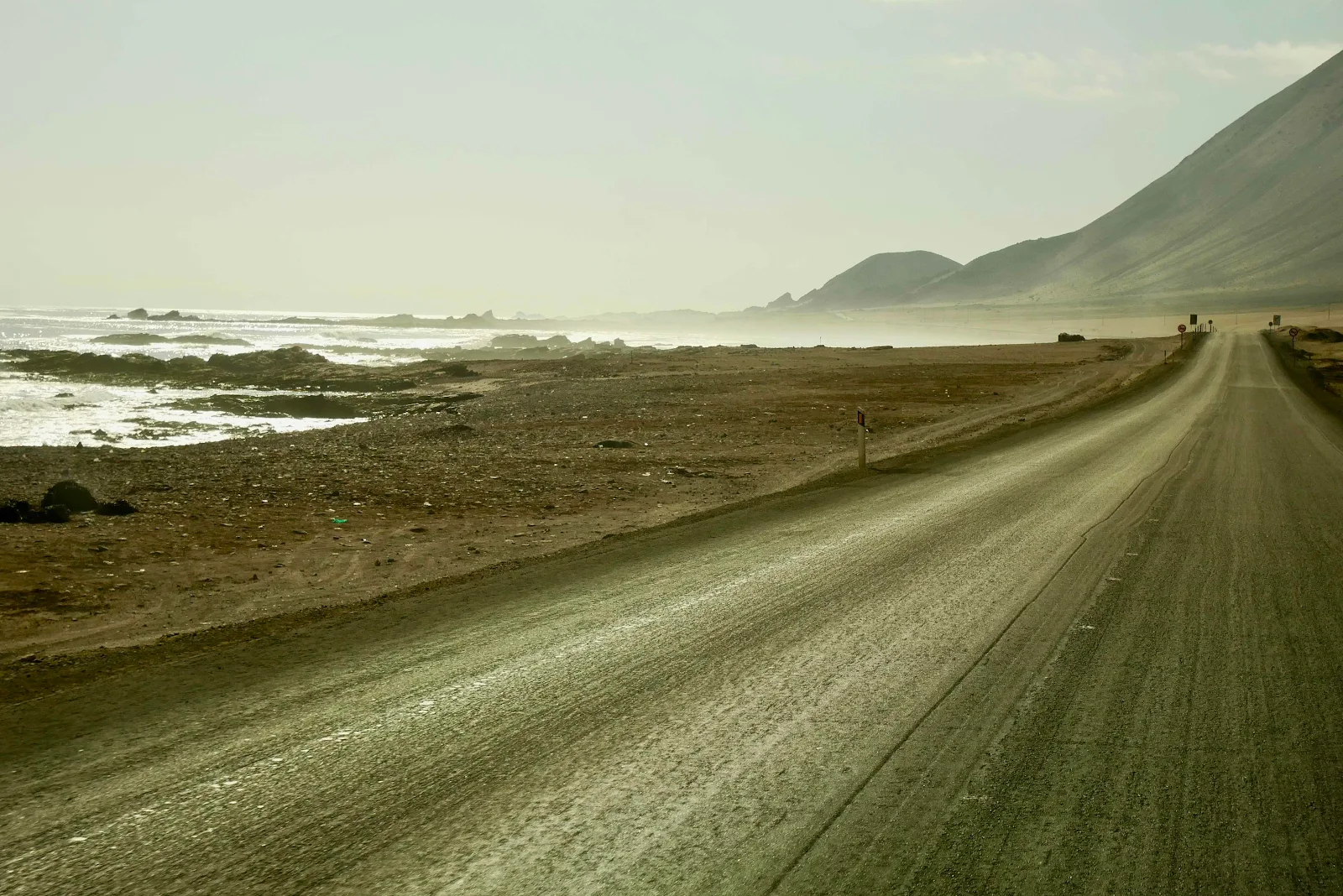
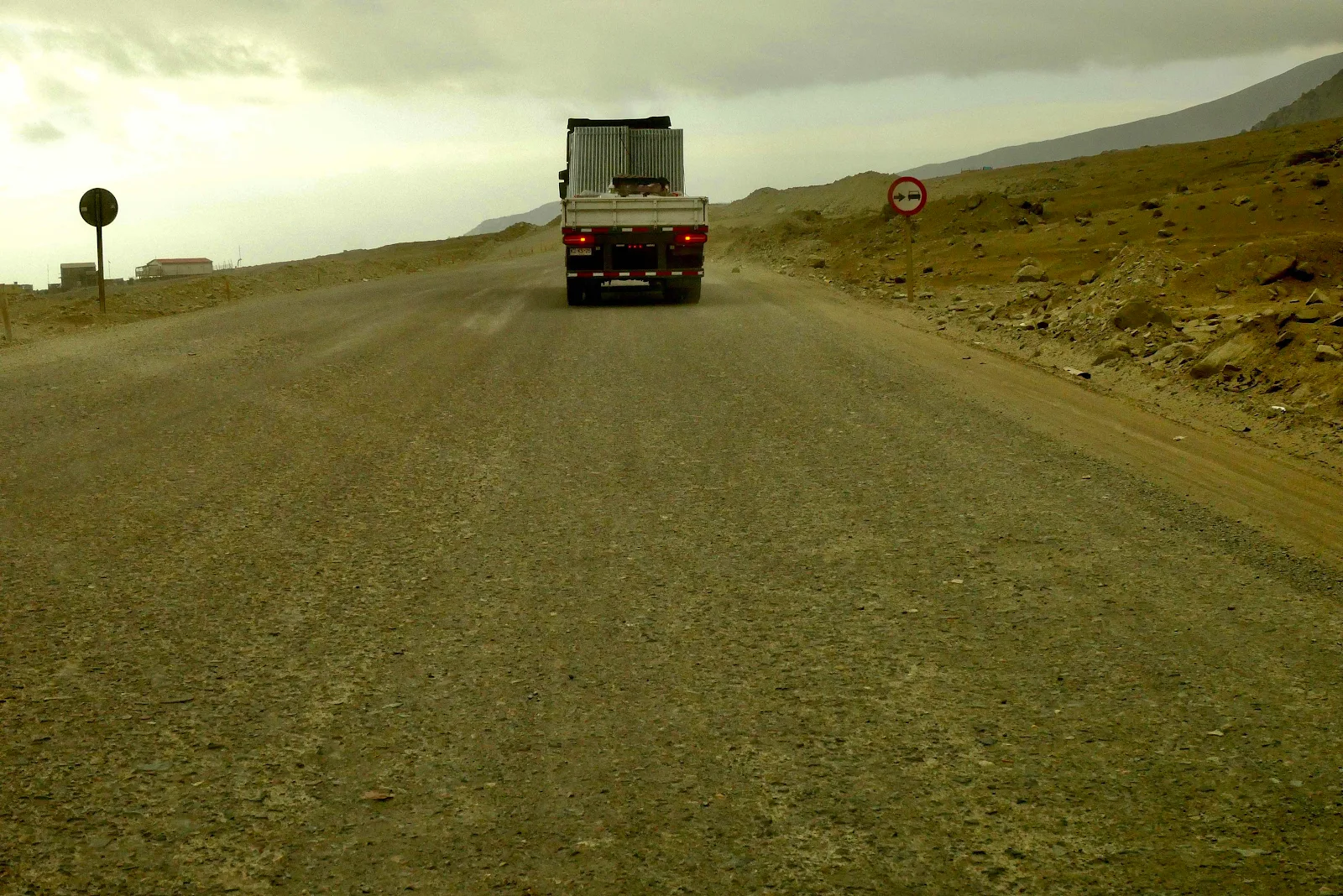
Oh and the road turned to dirt at one point. That was a nice surprise and of course we wondered how long that would last.  Only a couple of miles it turned out but it felt like Argentina for a minute there, land of the crappy disorganized highways. Oh and no passing by the way, not that truck drivers cared  as they shot past the dainty gringo picking his way ever so slowly. 


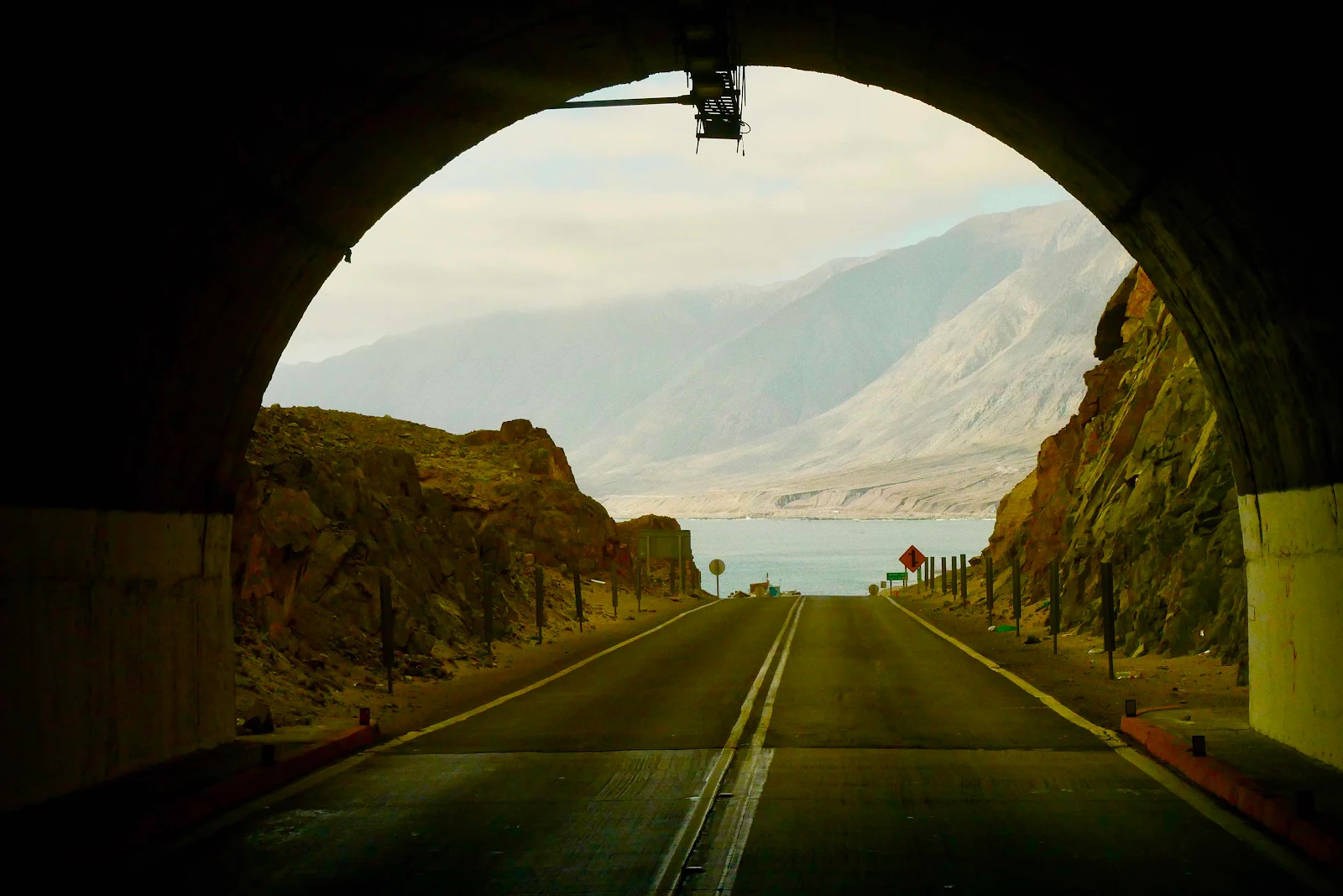
Through the tunnel into some sunshine. 


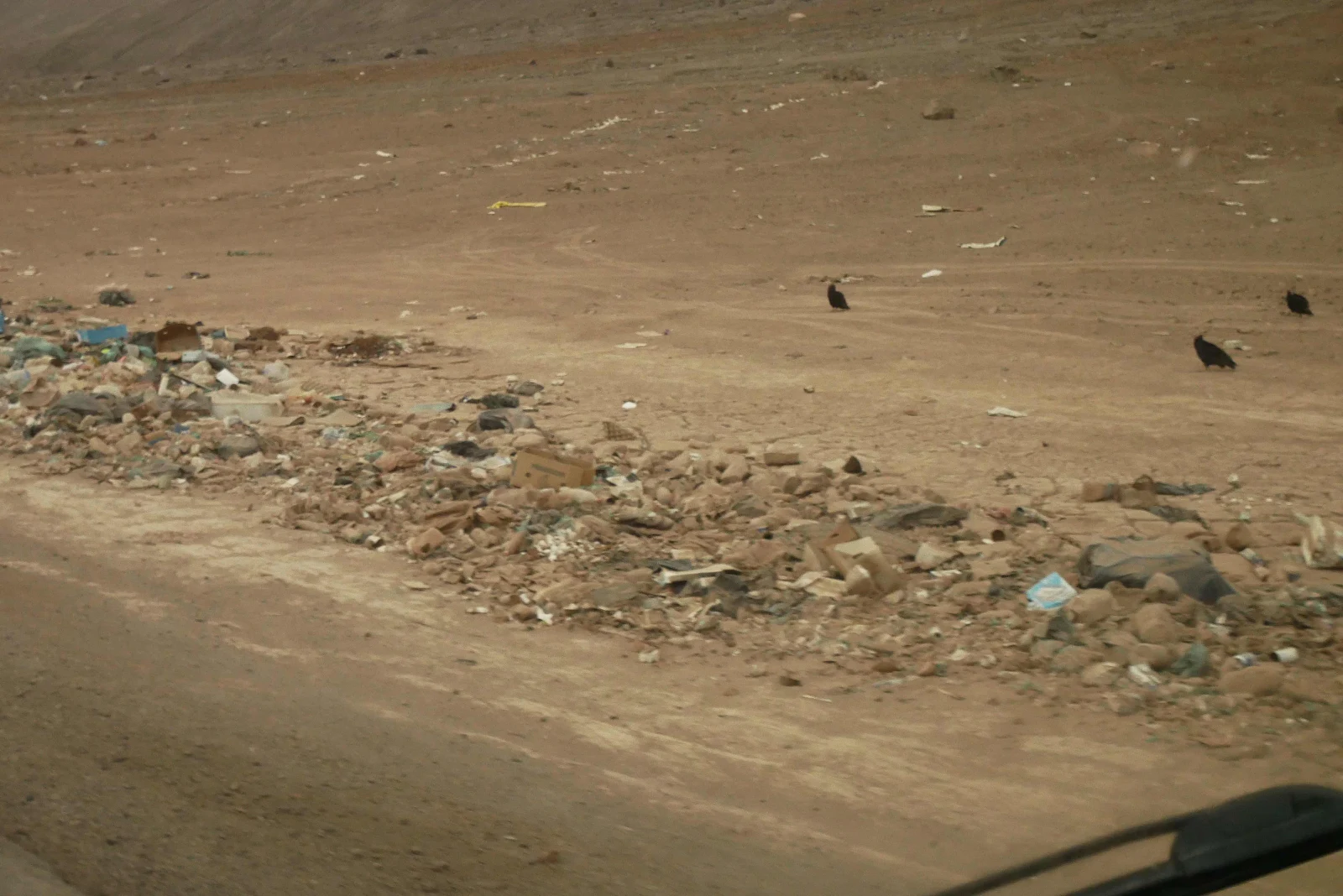
We are getting close to Peru and it shows. This is how they dispose of garbage in Peru and northern Chile. 


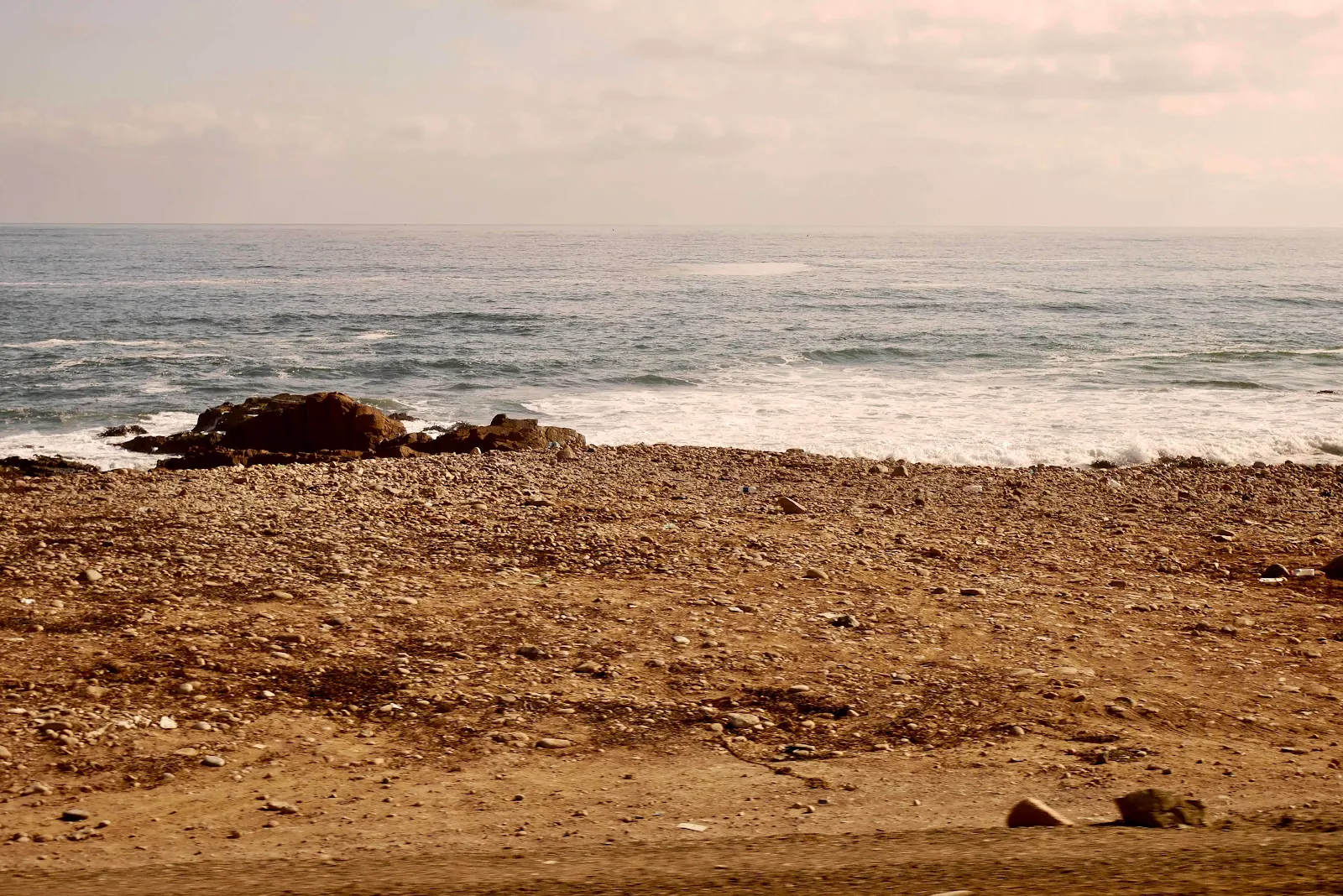
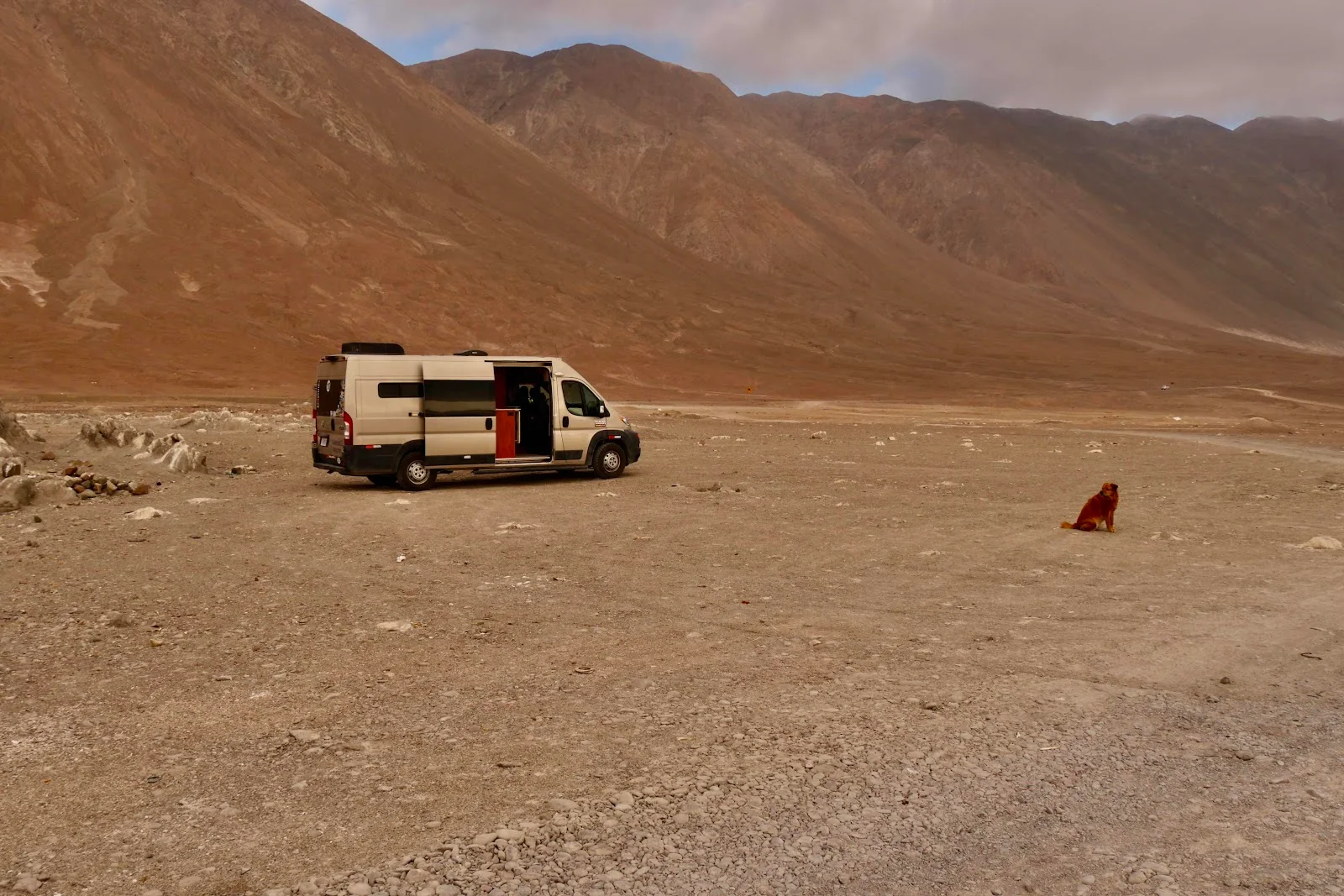
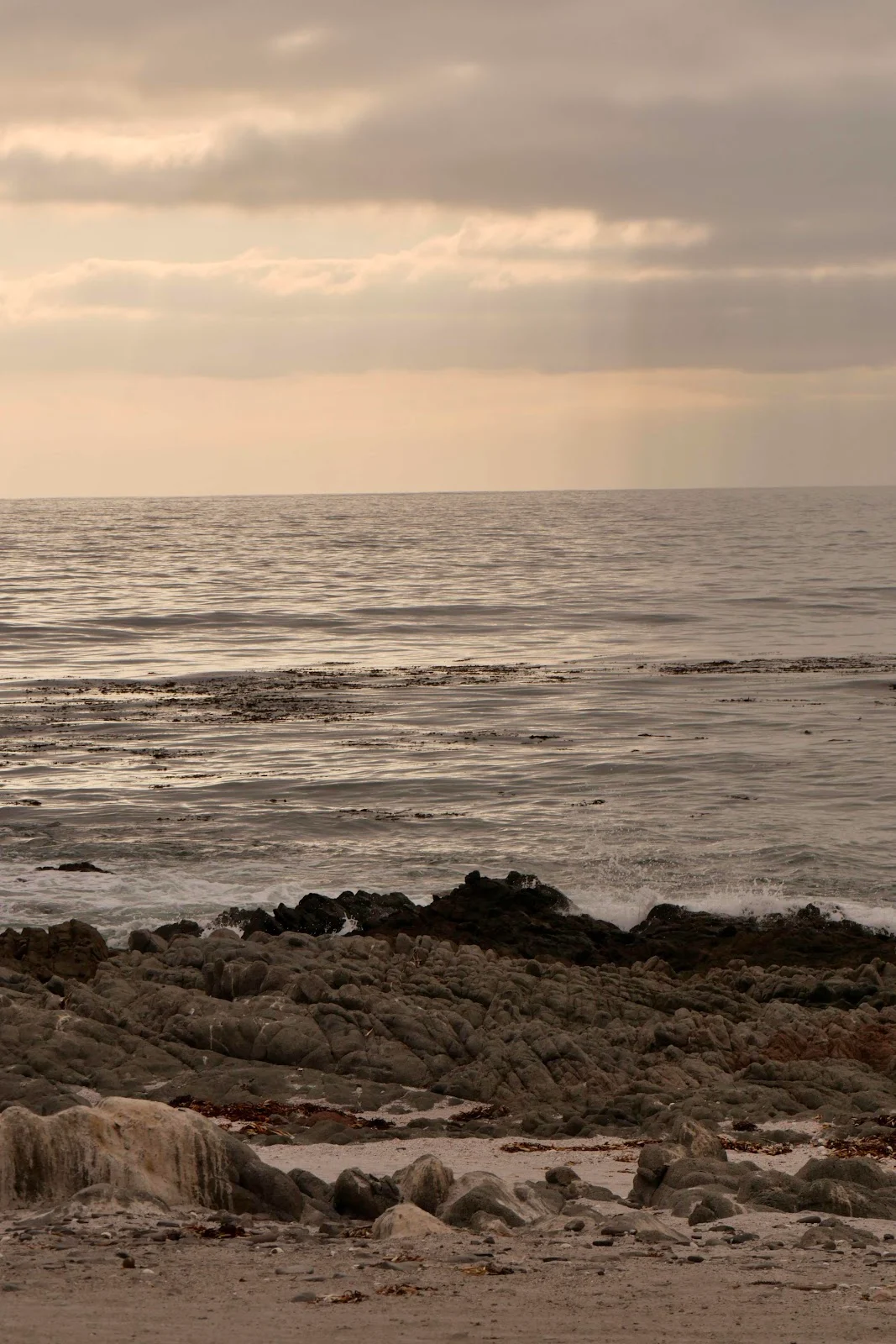
Our next iOverlander free camp. Not too much garbage and Rusty was exceeding glad to get out of the torture machine as he is not fond of winding roads.  


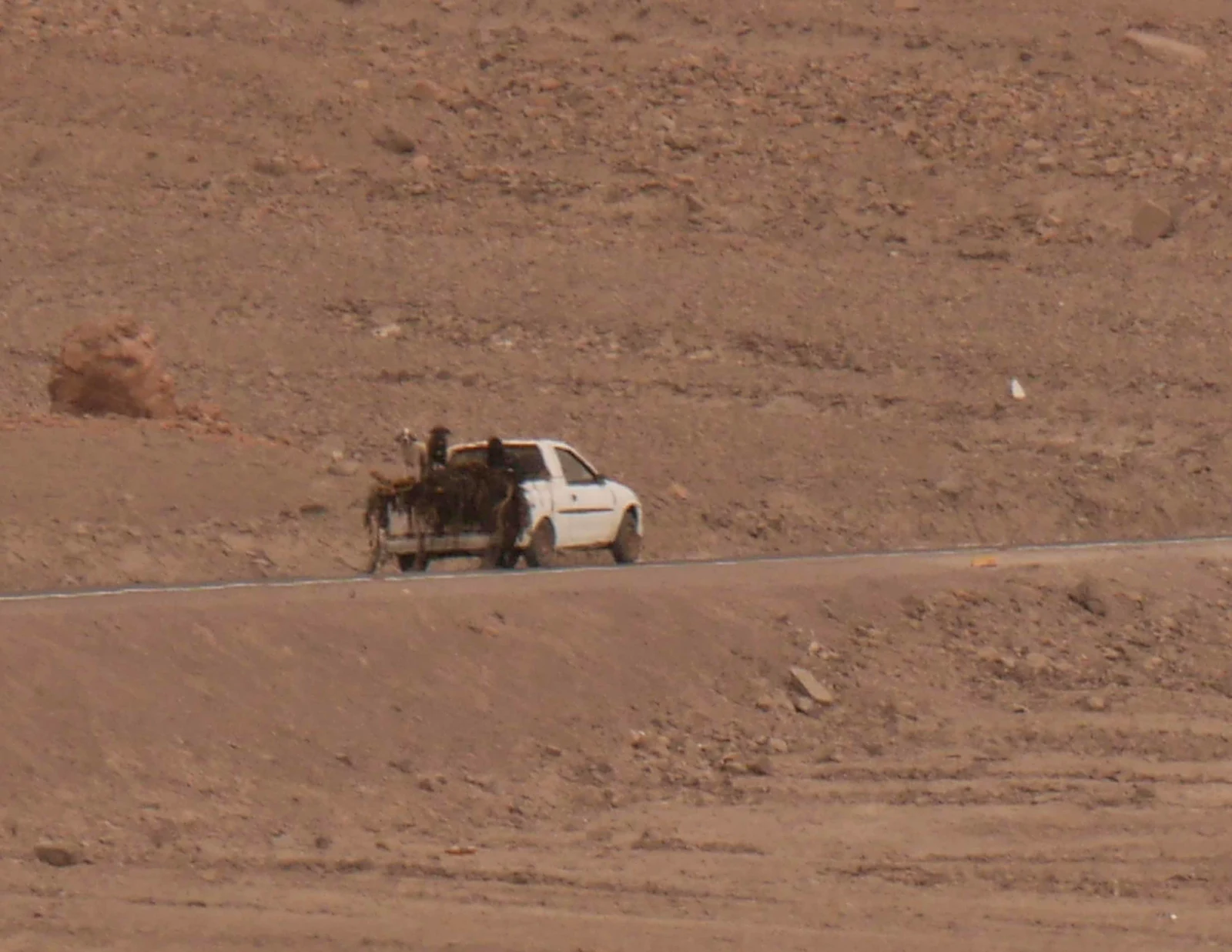
Seaweed collectors and their dogs going home: 

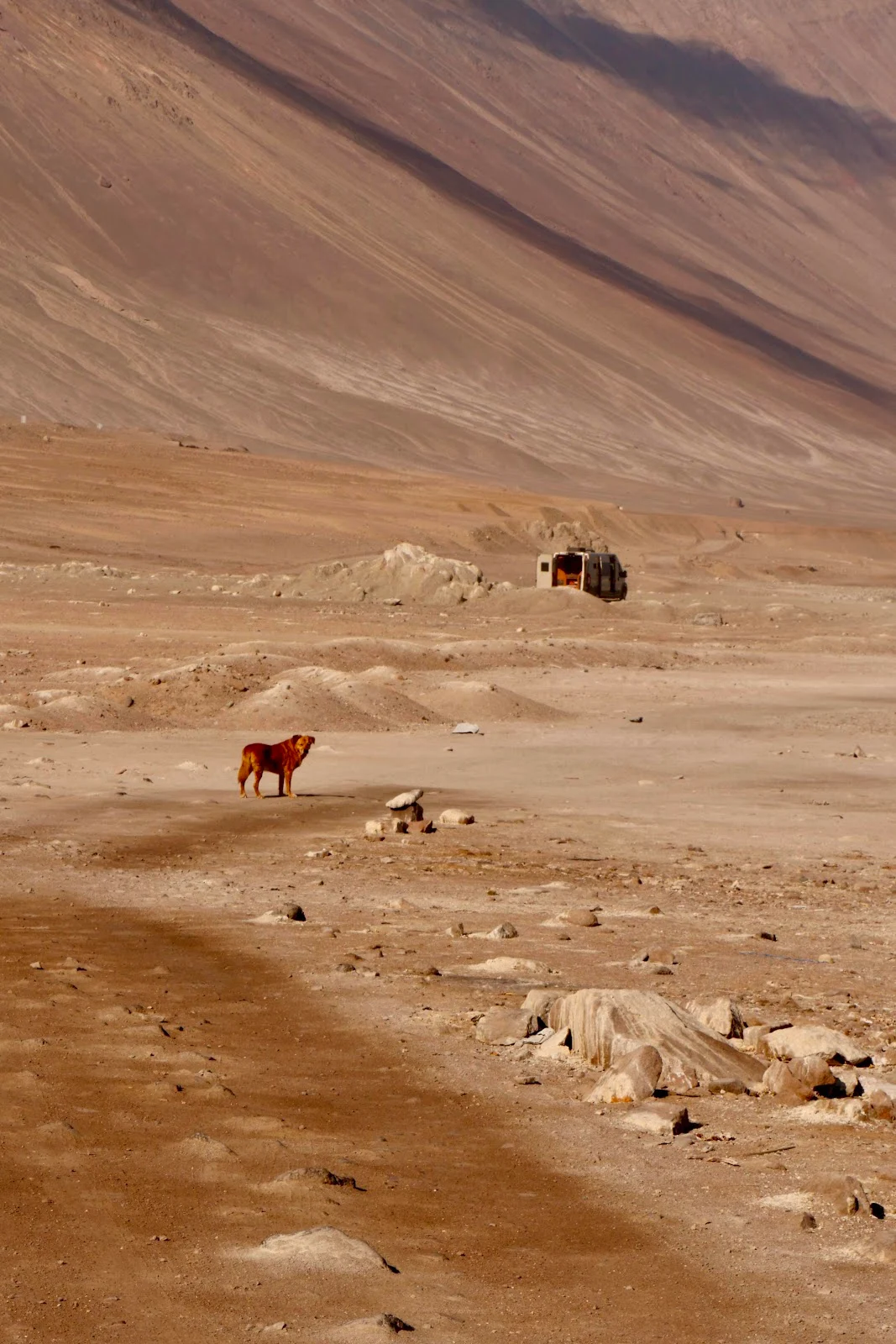
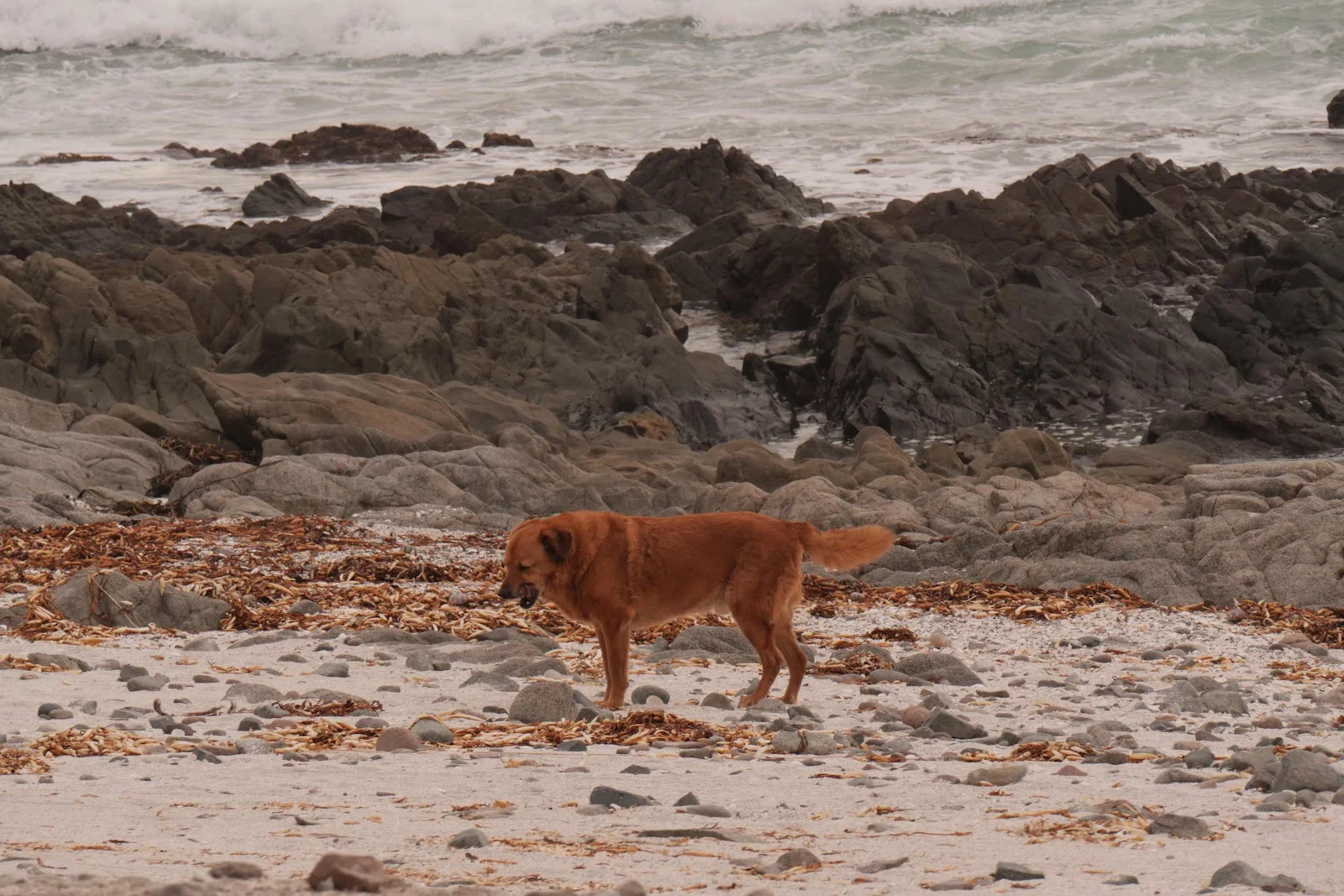
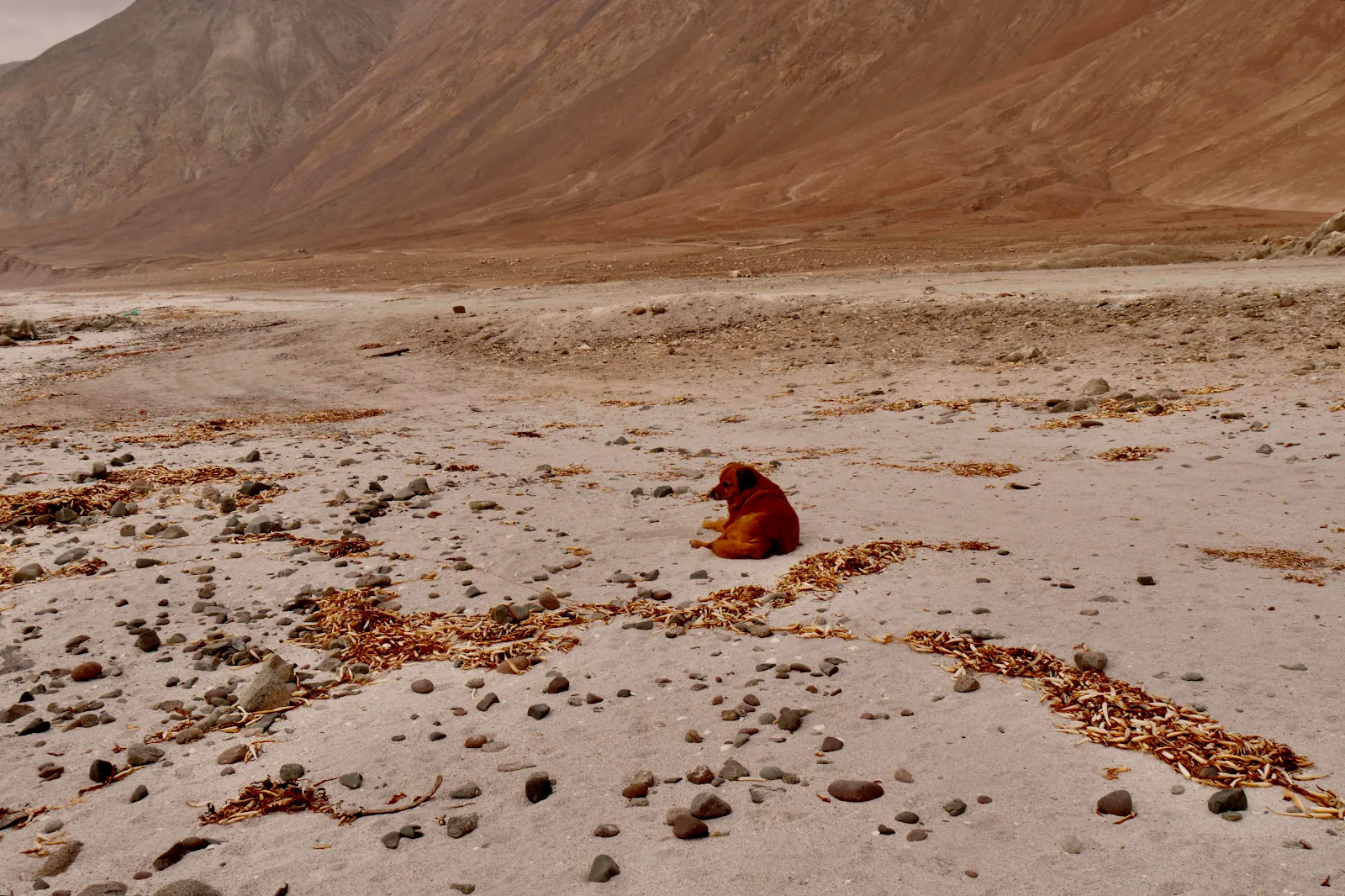
My dog found something but I didn’t investigate. 


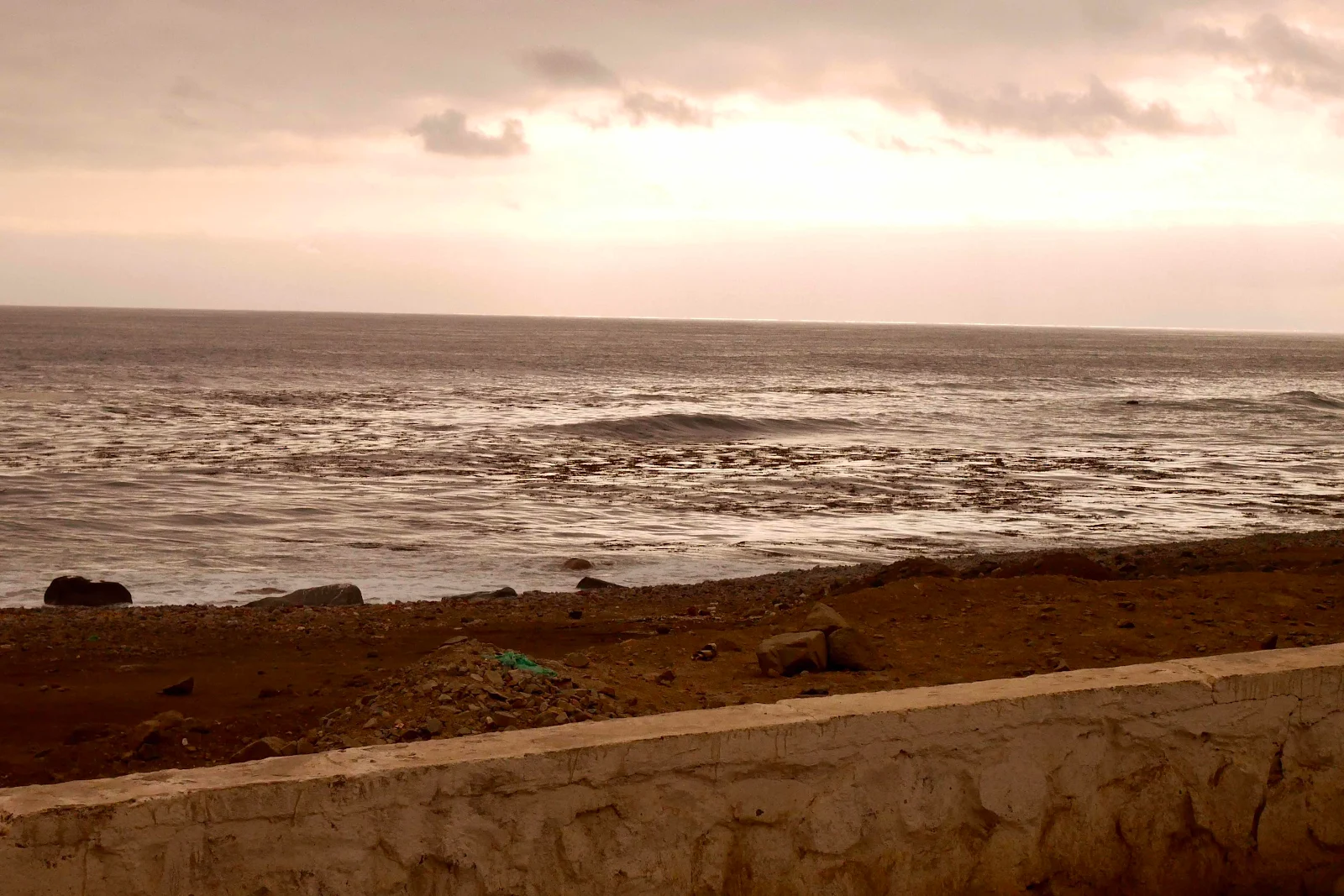
A rather strange exposed spot but there’s no wind and it will do nicely for a night. Not every camp  is amazing but this one’s not all bad. 

Tomorrow an organized campsite in Iquique. Peru will be 220 miles away.