The second of May 2008 a volcano previously considered dormant spewed a tower of ash twelve miles into the air. It started after prolonged seismic activity, at one o’clock in the morning just to add to the drama. No one felt compelled to evacuate and the government had no plan.
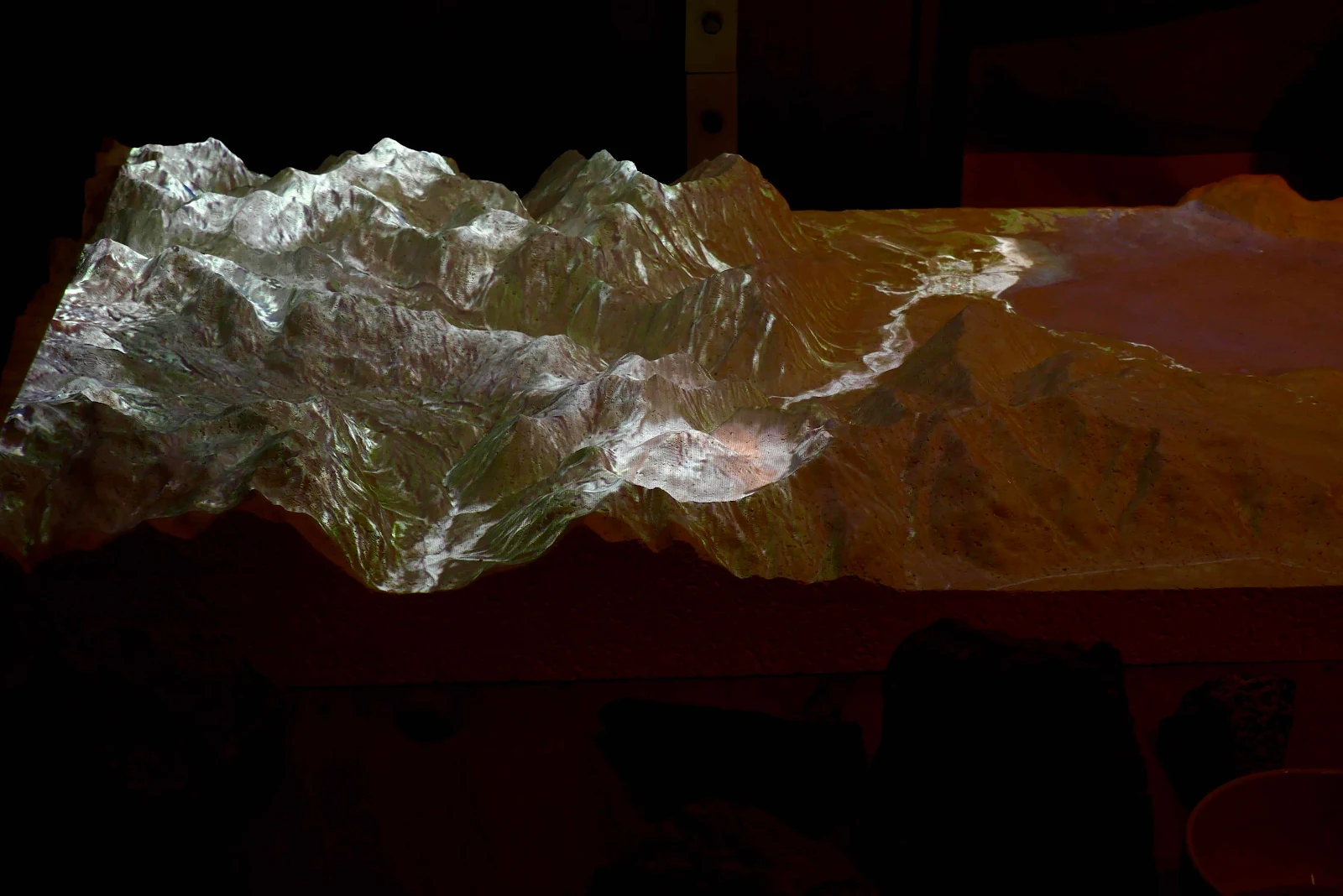
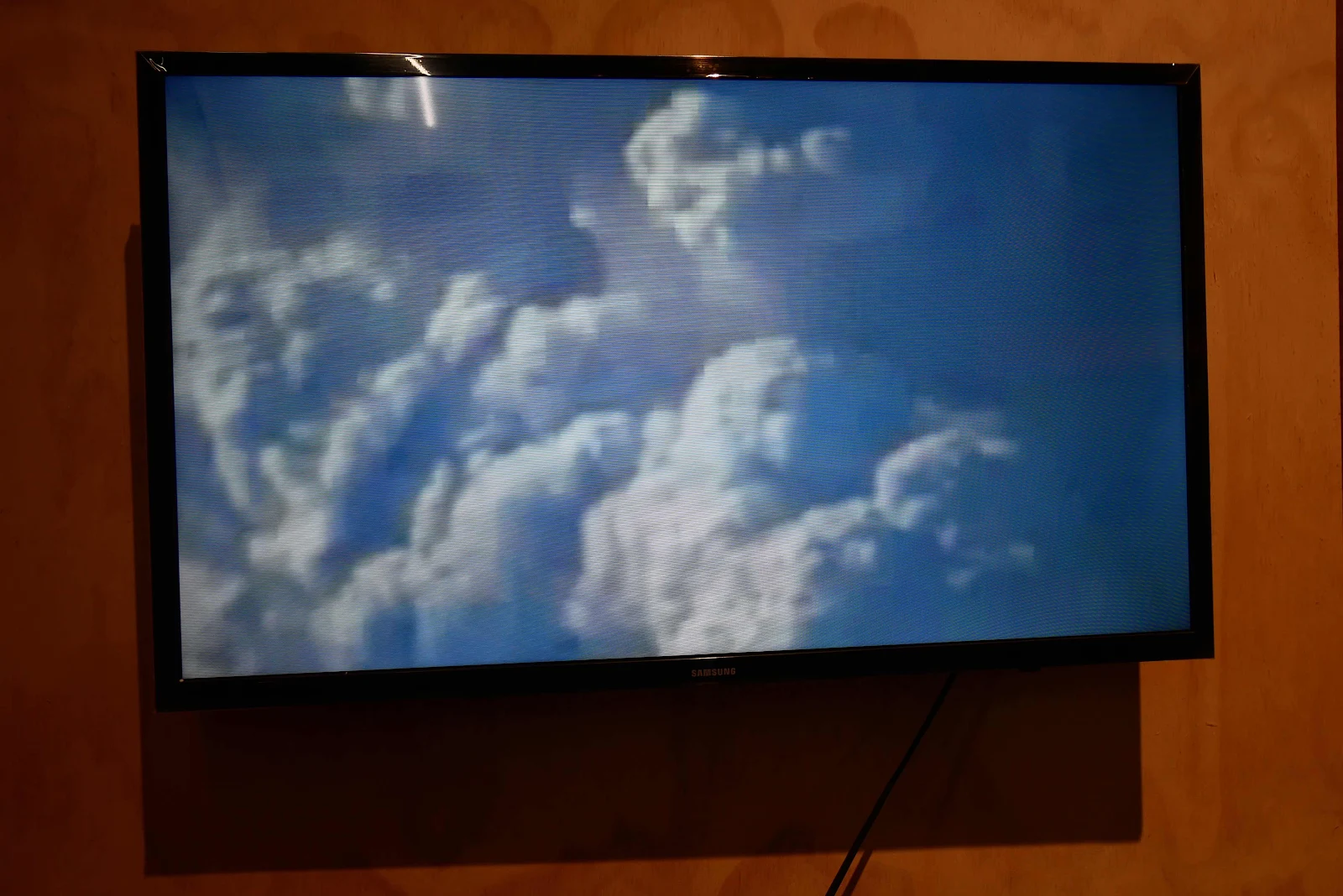
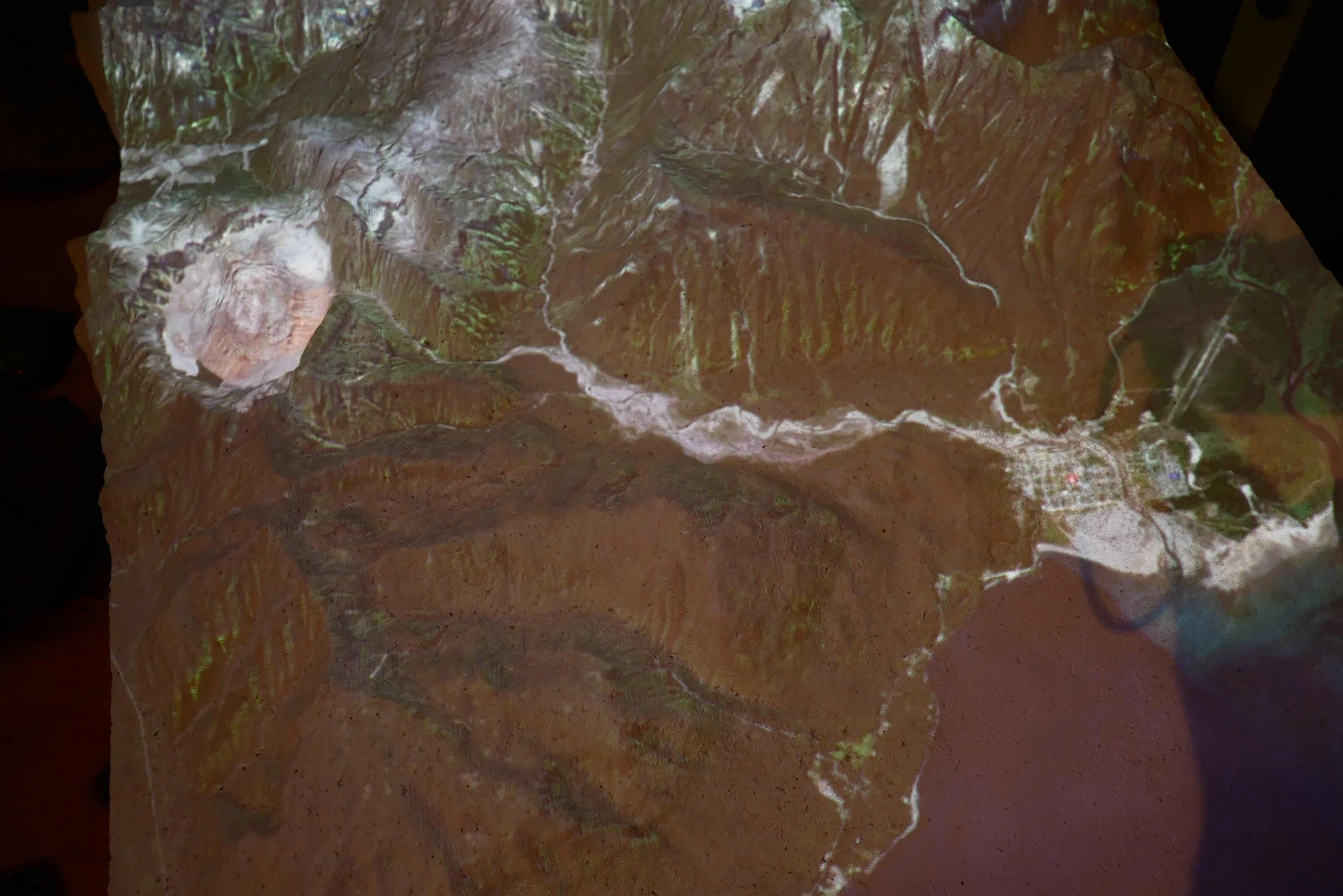
In the photo above of a model on display in the museum you can see the Chaitén volcano crater, the white circle and the town far below off to the right at the end of the white valley. Below you can see the column of ash from a video we watched.
Luckily the ash column didn’t collapse or the city would have vanished like Pompeii but the town was covered a several inches of fine gray talcum powder. No one evacuated. The government prepared no plans.
The volcano was so dormant ranchers used the crater as a summer pasture as it was circular and closed and secure for their cattle. That’s how dormant it was. See what a strange shape it was with a cond inside the crater? That’s because it was filled with an unusually liquid magma which was going to pour out and cause chaos.
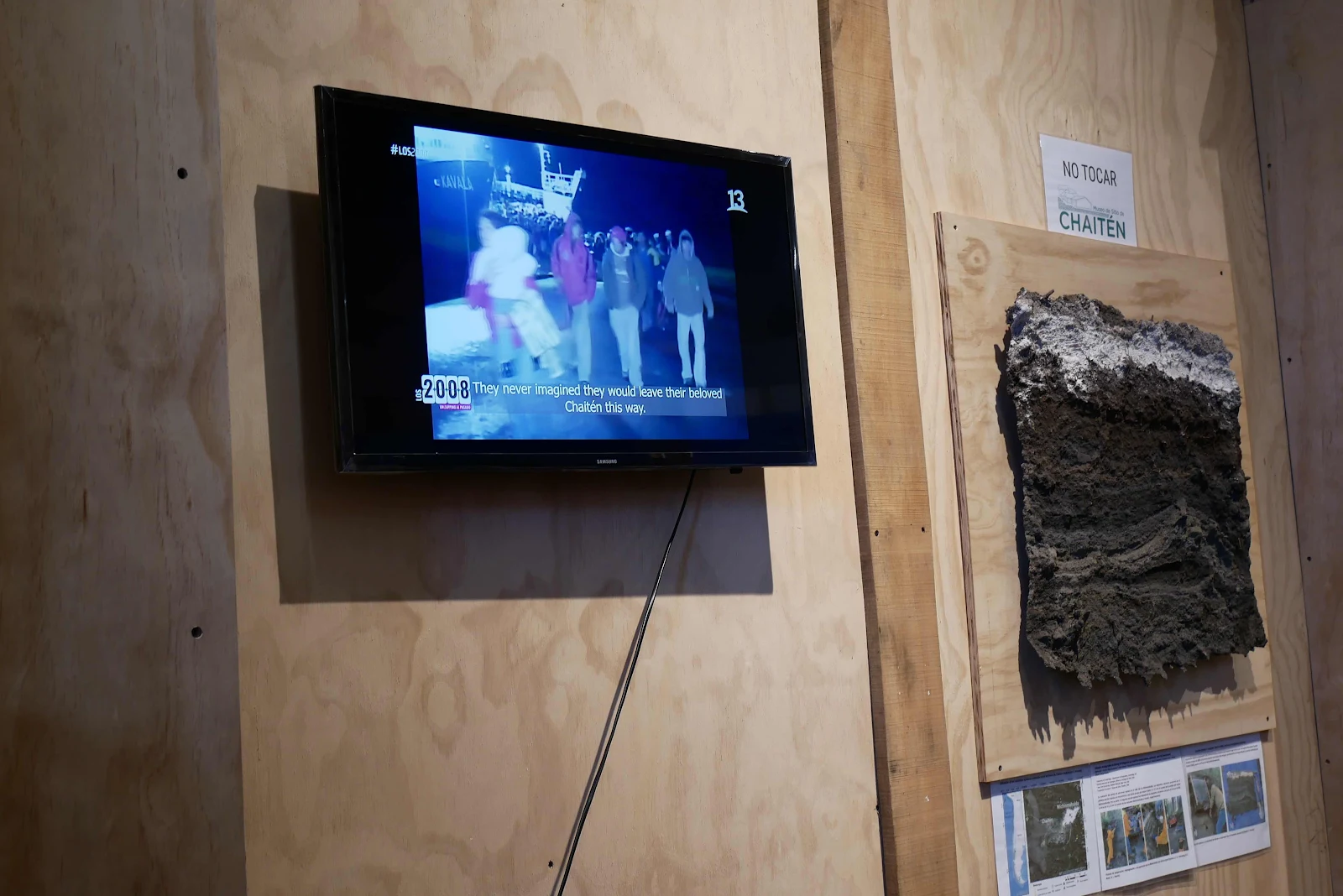
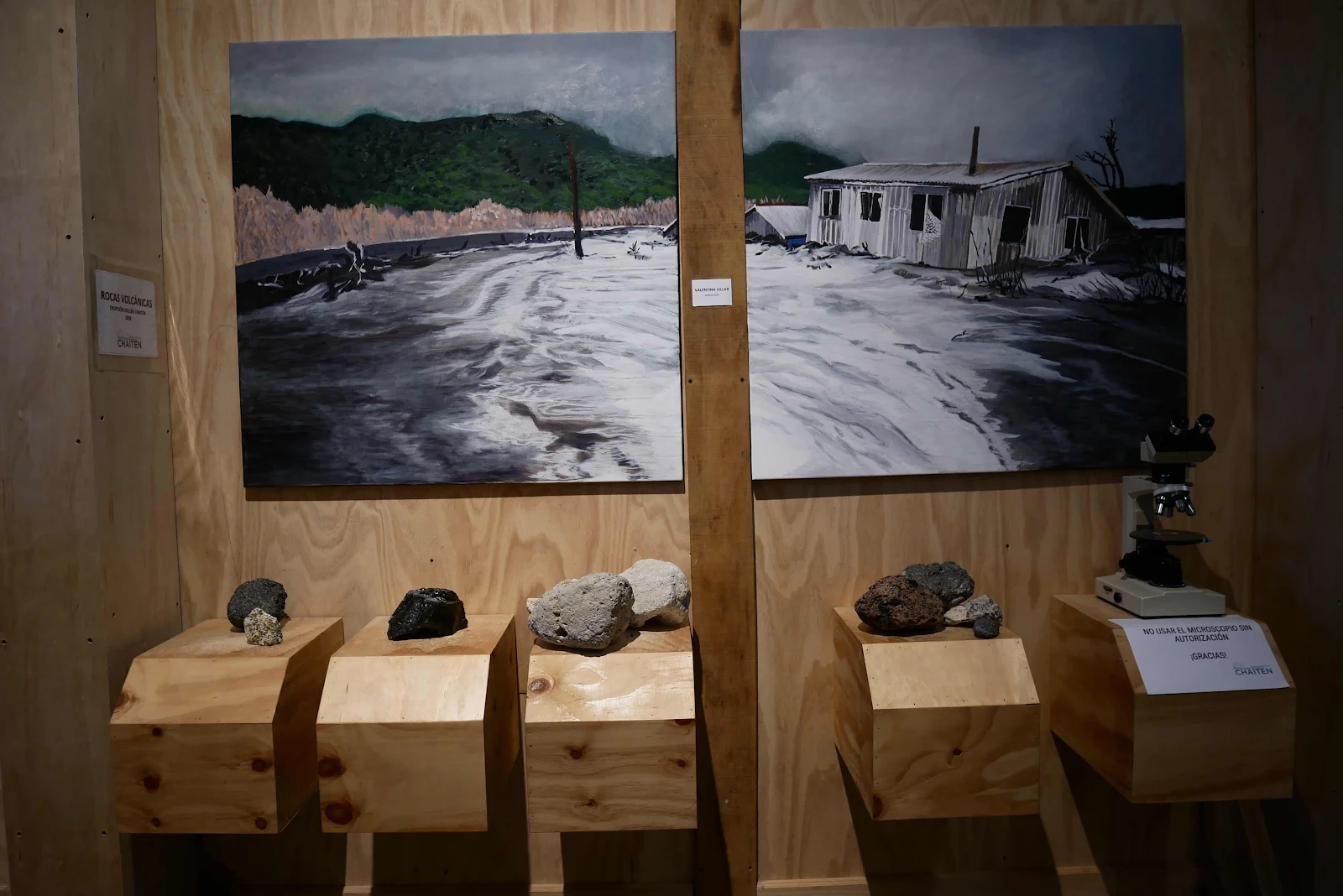
But first it started to rain and it rained so hard and so long the ash turned to cement. And then the magma started to flow and the water poured down the mountain in a huge flood of liquid lava water rocks tree trunks and that swept into town. The city of Chaitén got flooded, this wasn’t the classic lava flow from a volcano but it was a winter storm mixed with everything else that killed the town. The government suddenly struggled to get people, but not their animals, out.
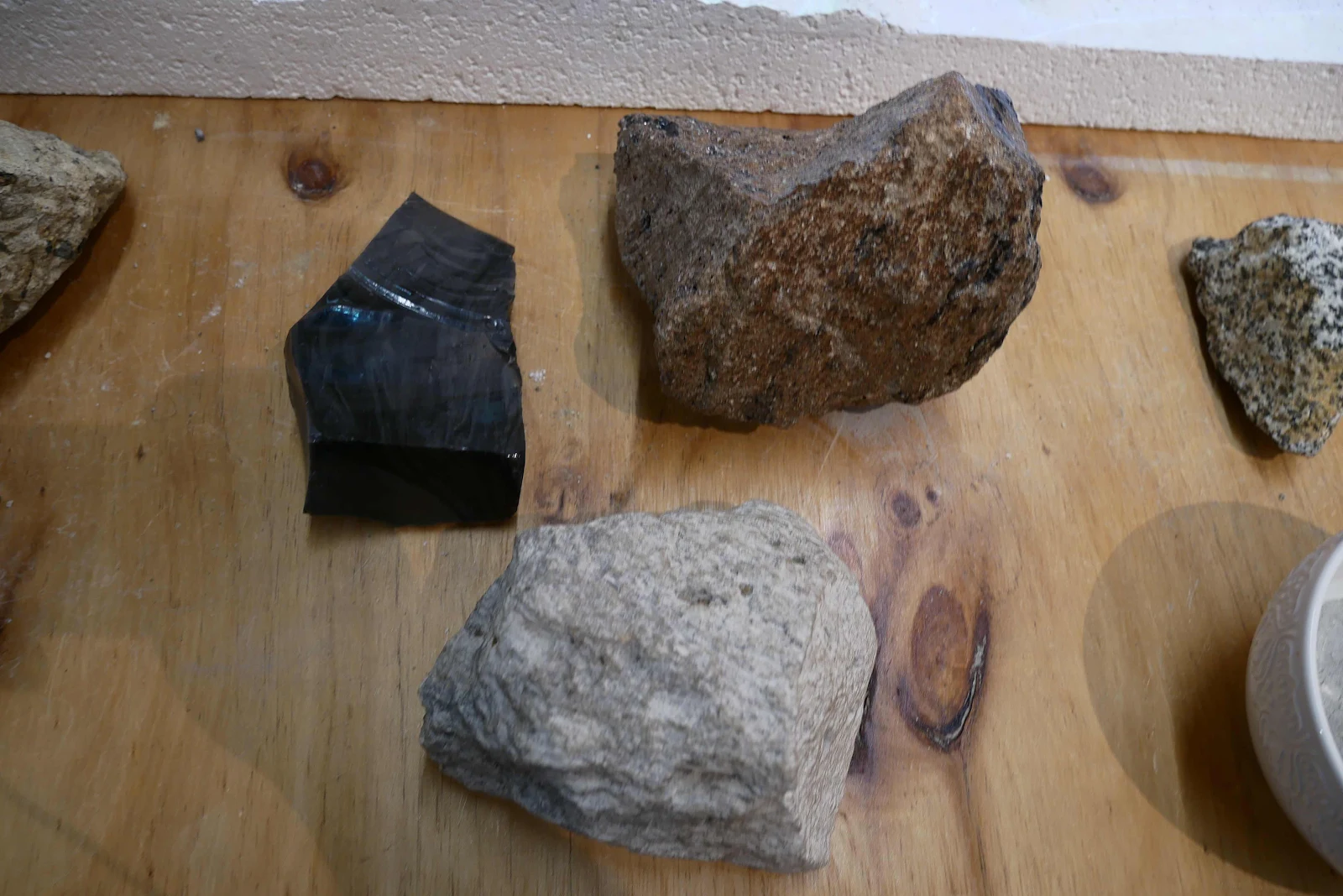
The black rock, obsidian, the brown rock and the white rock are all products of the eruption but they were produced by different cooling rates.
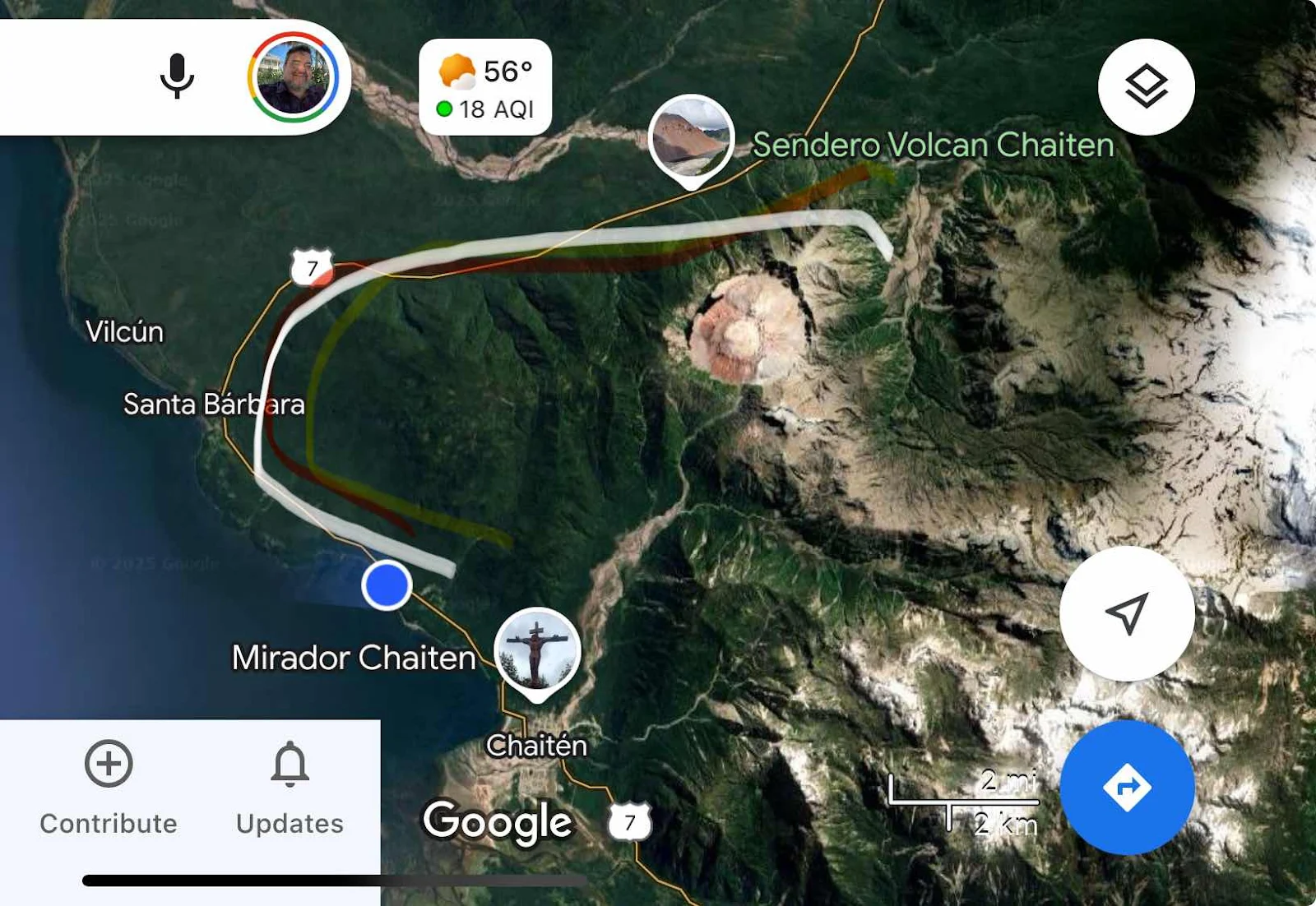
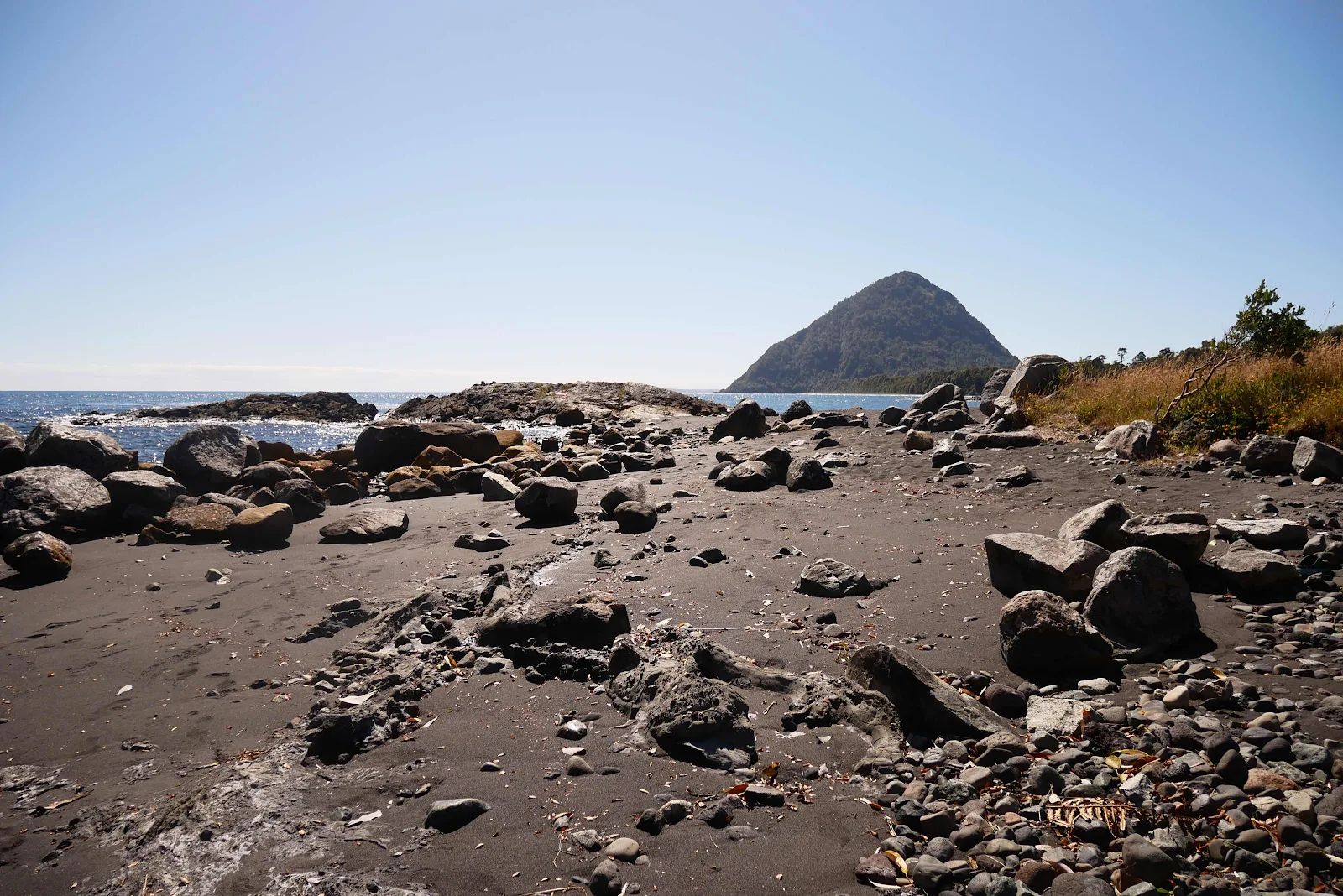
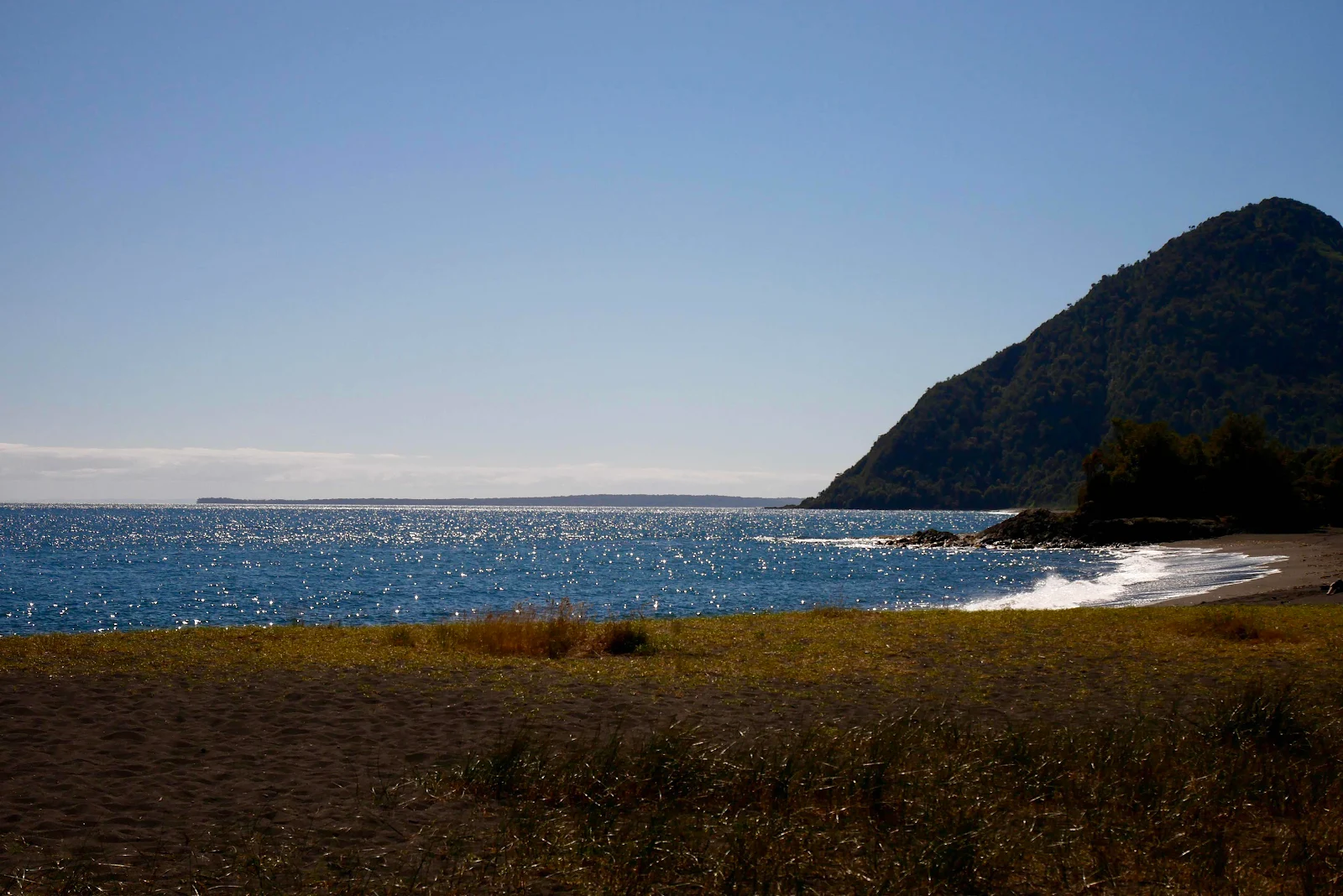
Below you can see why the flow went straight down the valley into Chaitén. The mess flowed out to sea a quarter of a mile and created a whole new coastline away from the city.
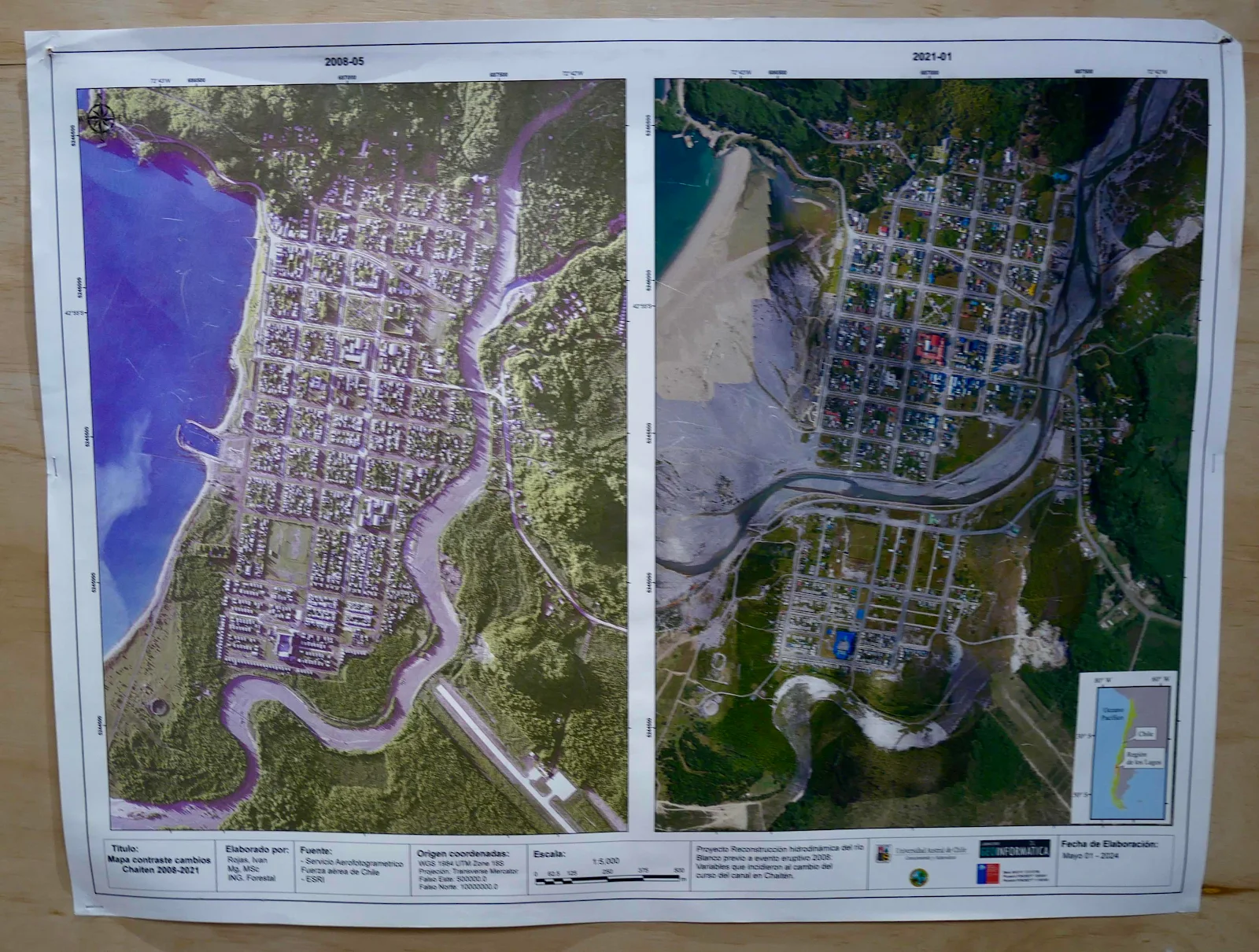
Below you see aerial photos, on the left before and on the right after.
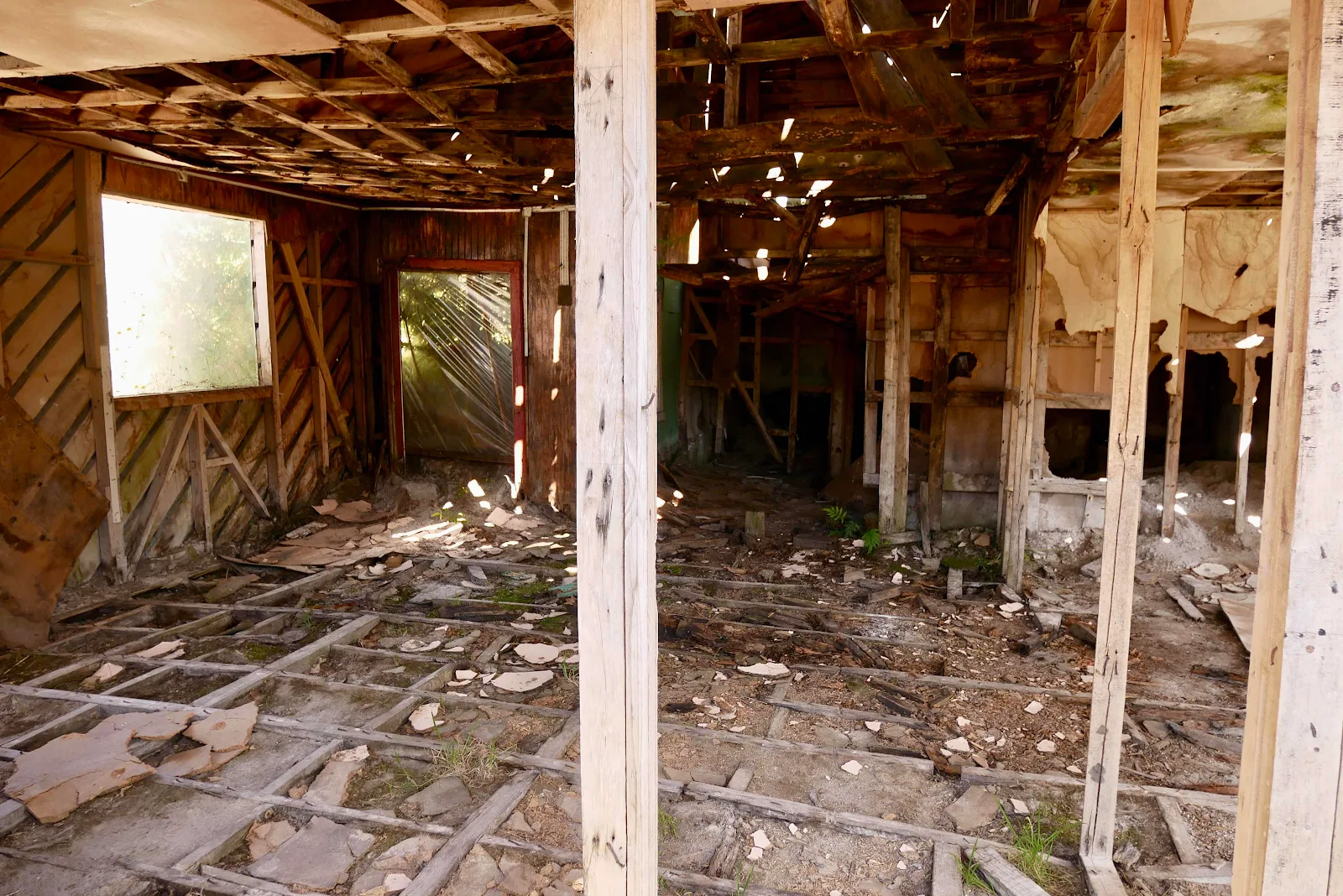
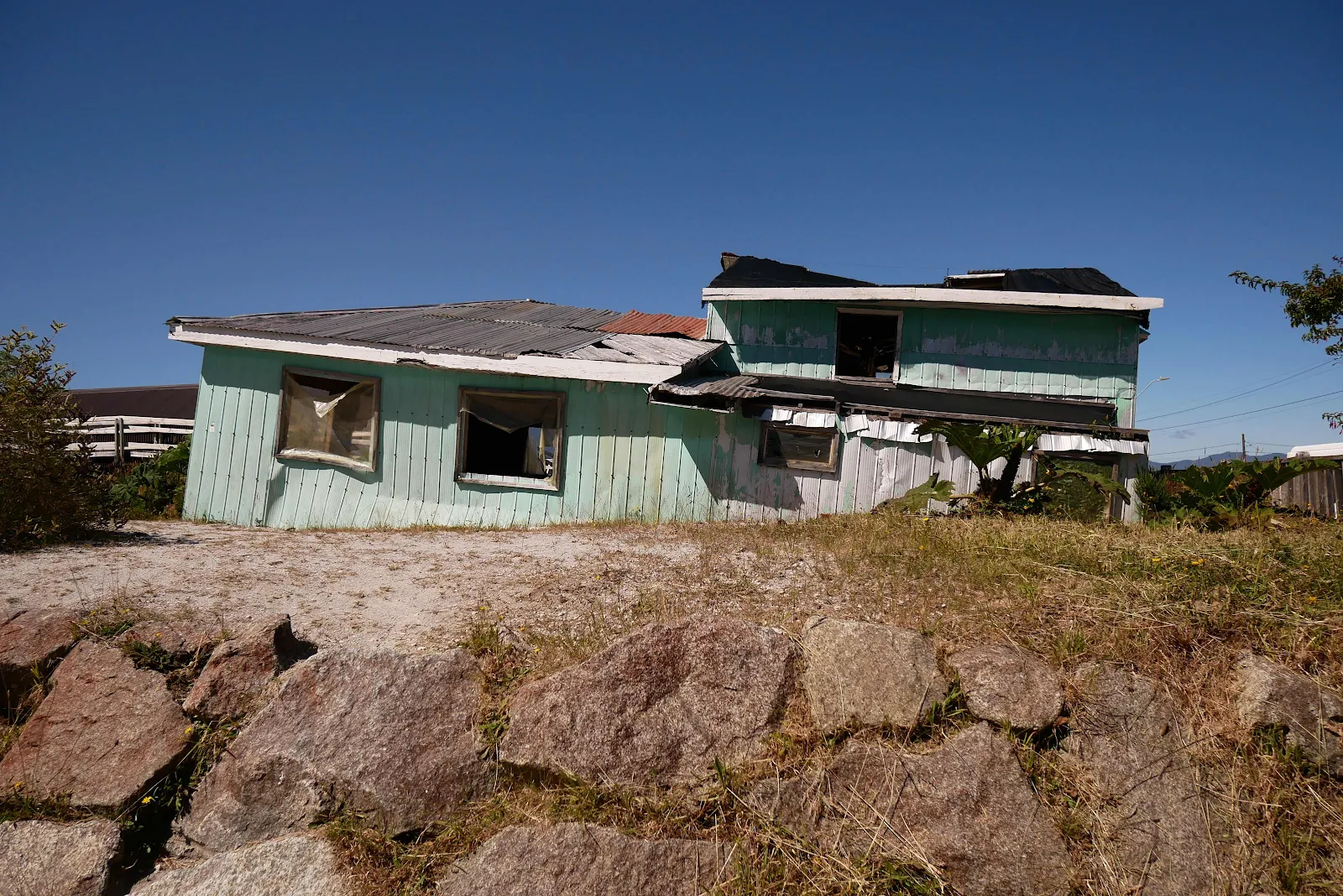
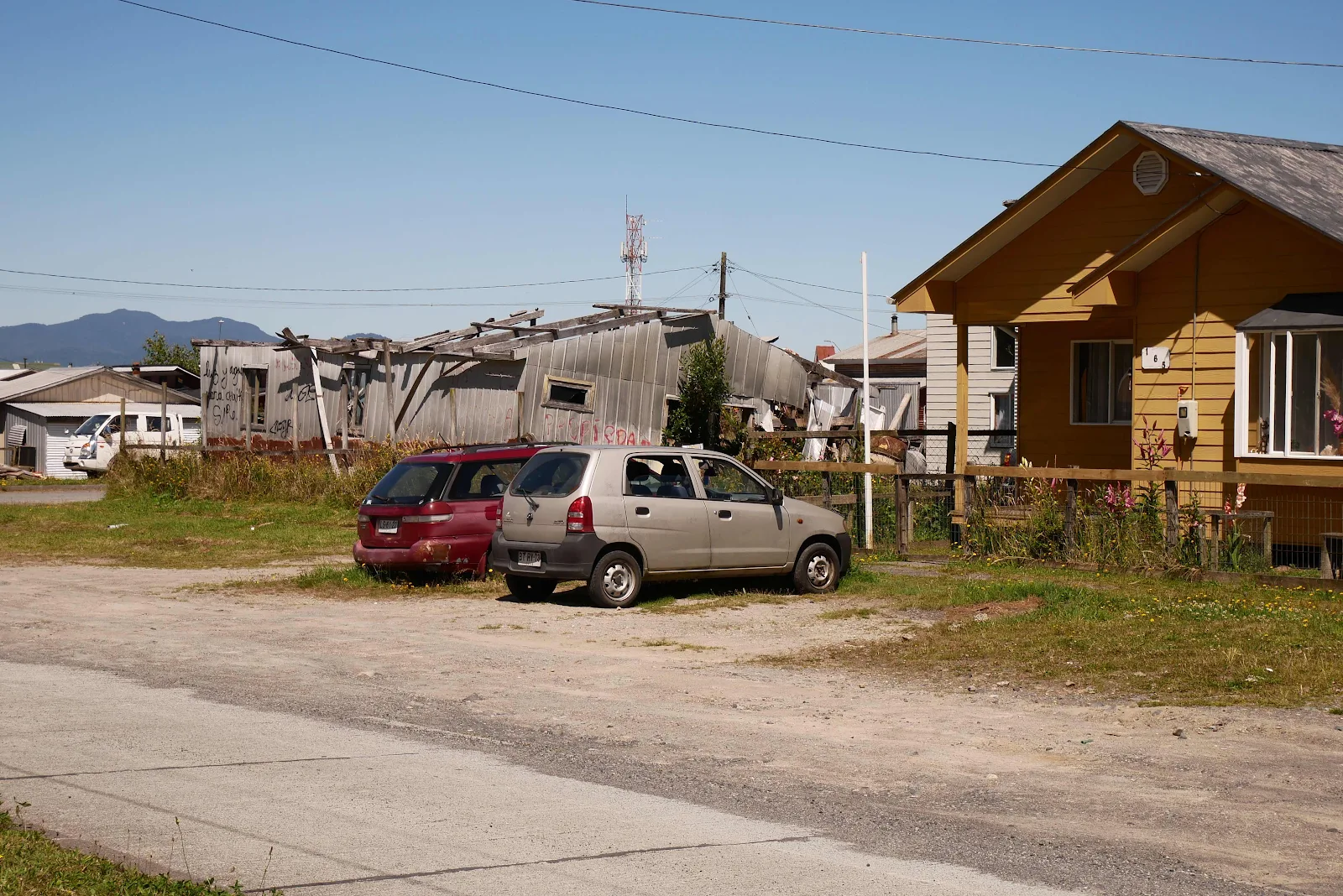
A flooded house never repaired. It reminded me of hurricane damaged homes.
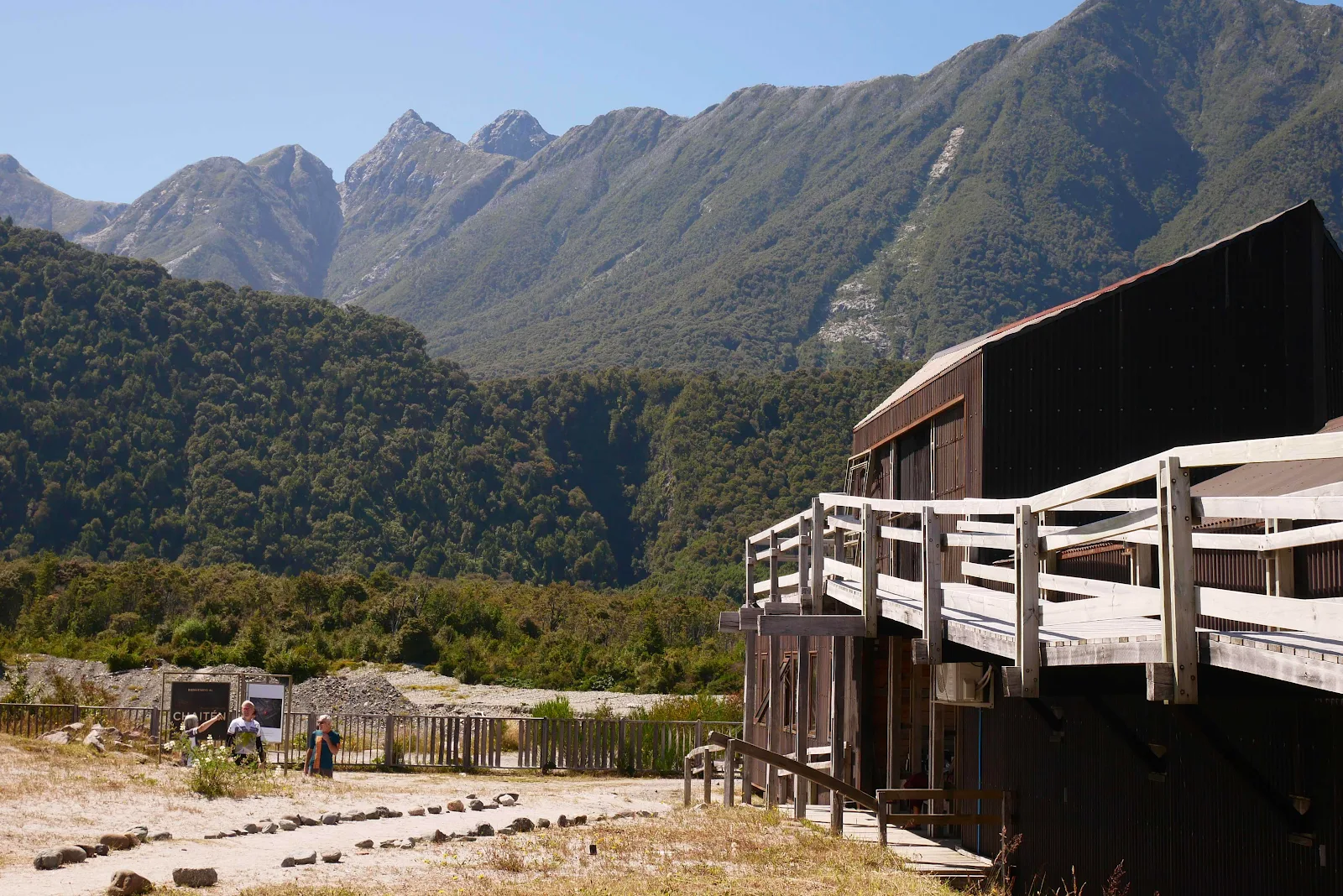
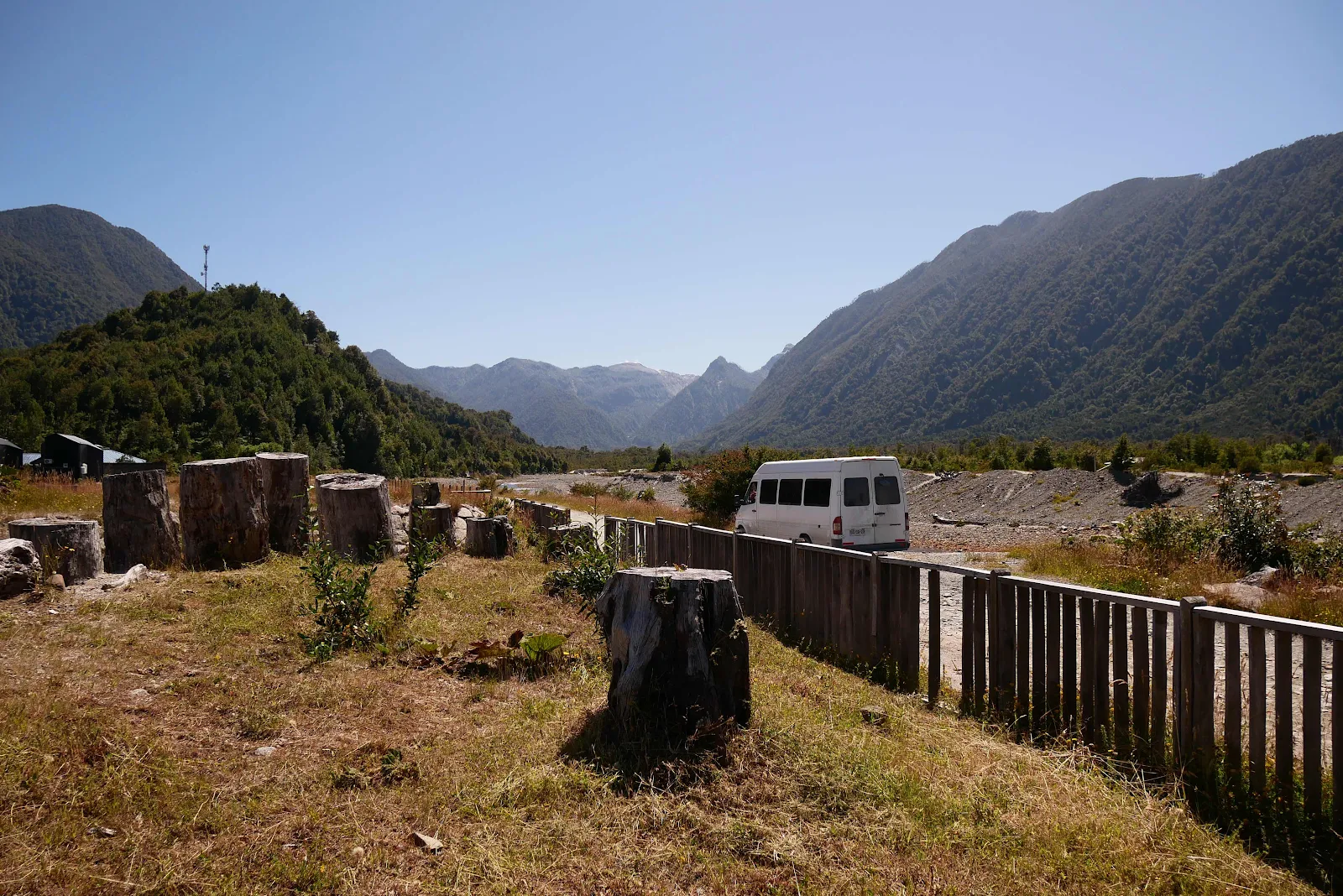
Down that valley came the flood.
That’s the path:
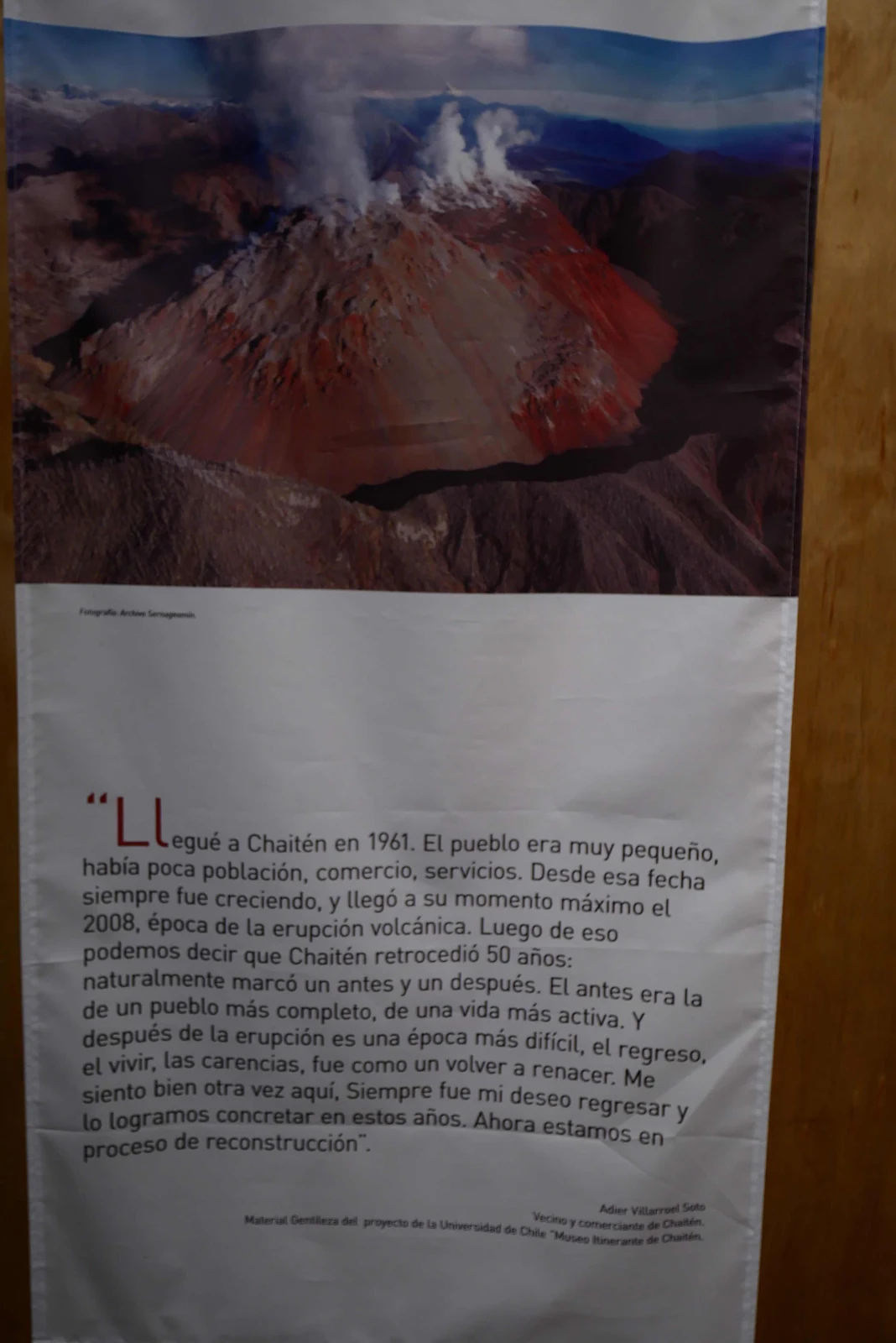
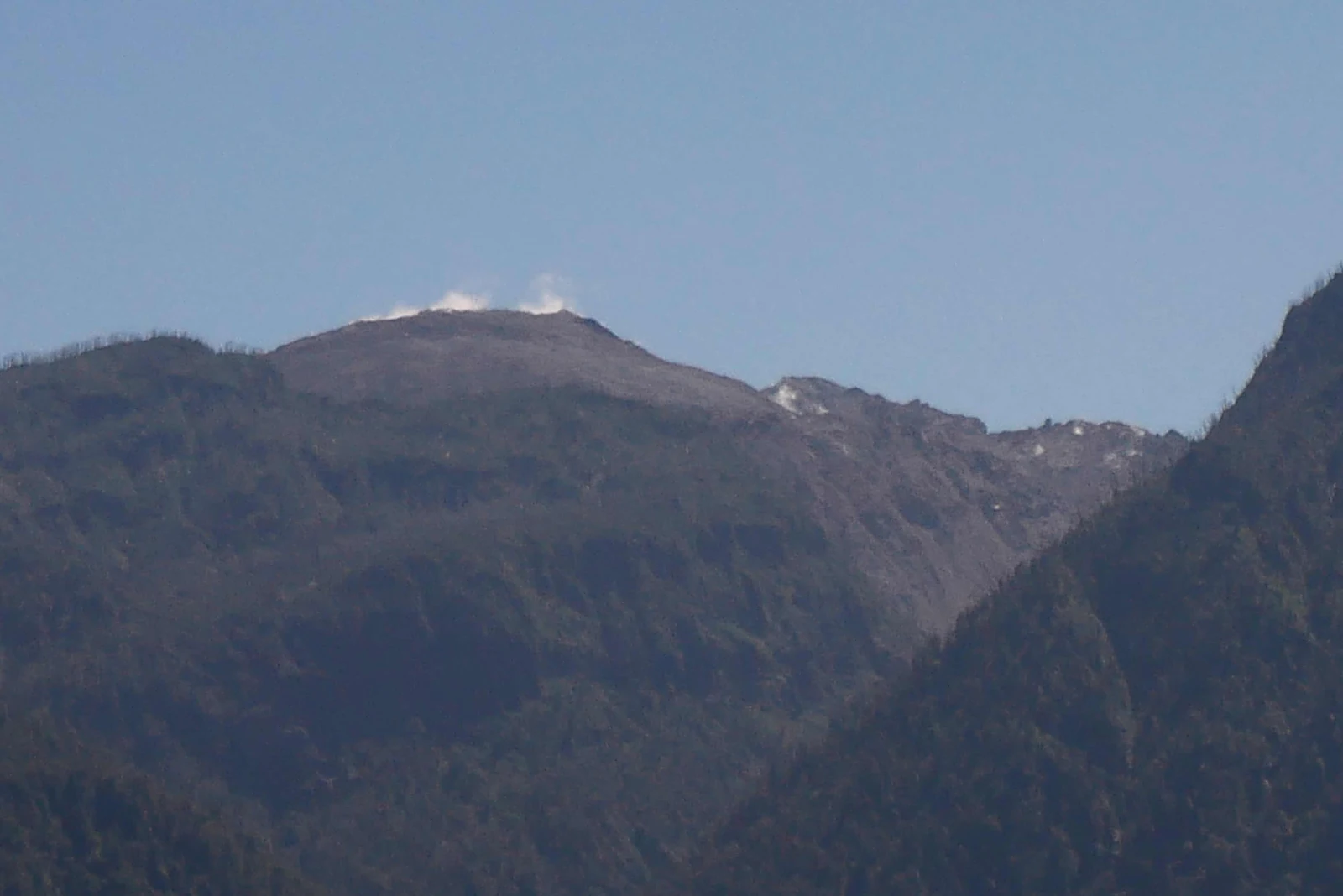
The wisps of steam are at the summit of the Chaitén volcano. You can hike up there nowadays if you want.
4,000 people from the city were displaced for two years and their pets were rescued I was pleased to see. The government set aside millions to relocate the town up the coast away from the valley that leads up to the volcano. And then as if on a schedule the city of Concepcion got flattened by an earthquake in 2010.
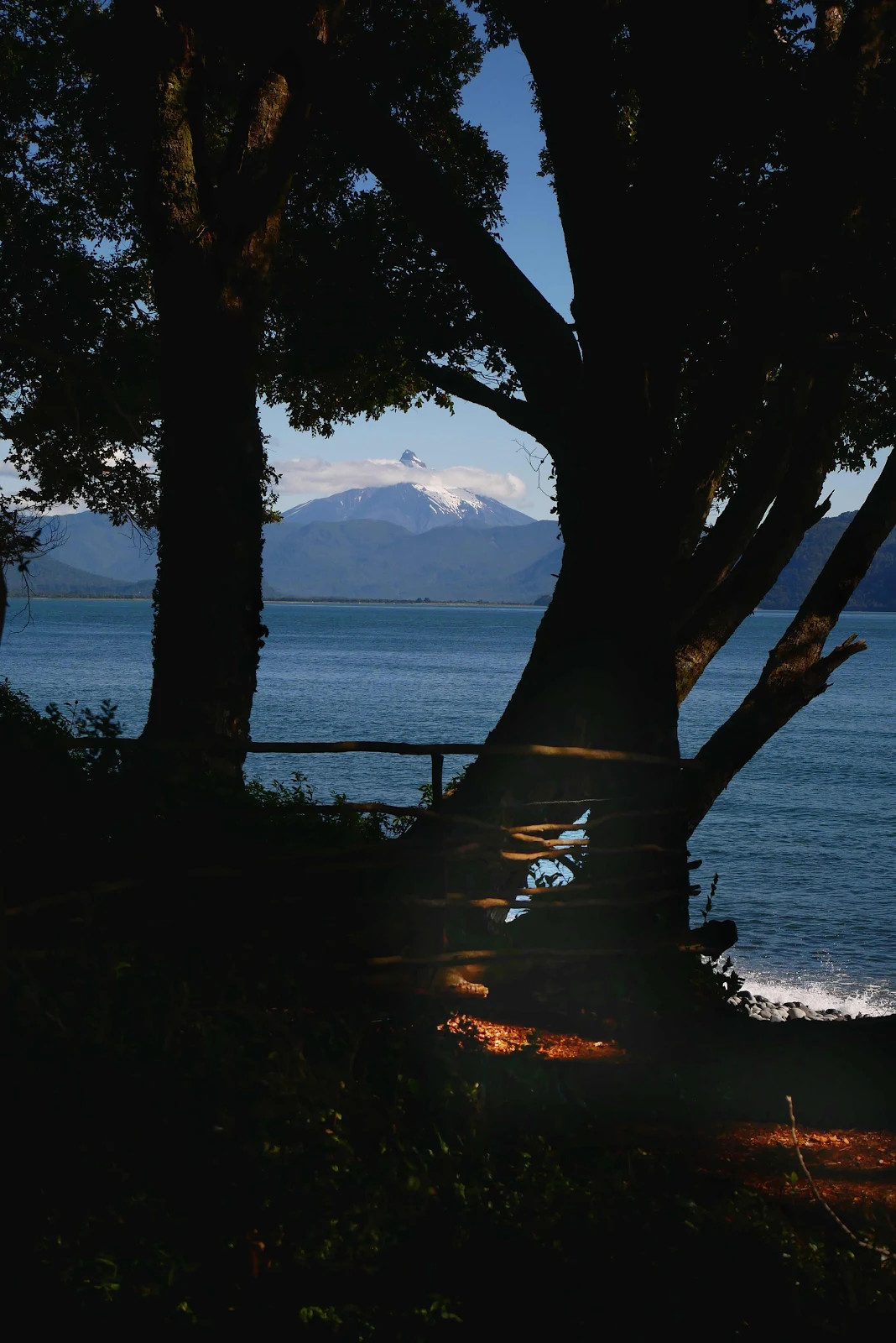
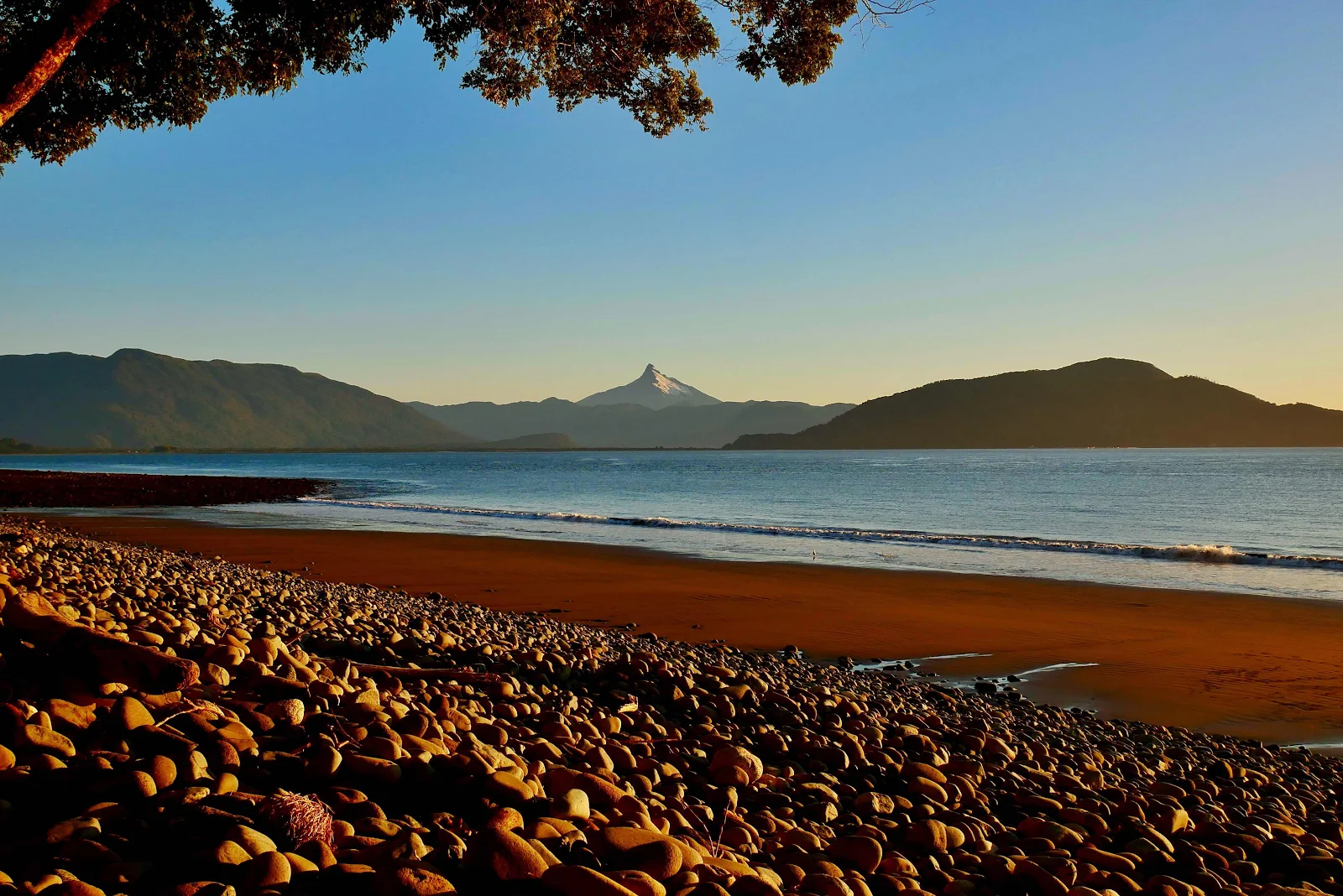
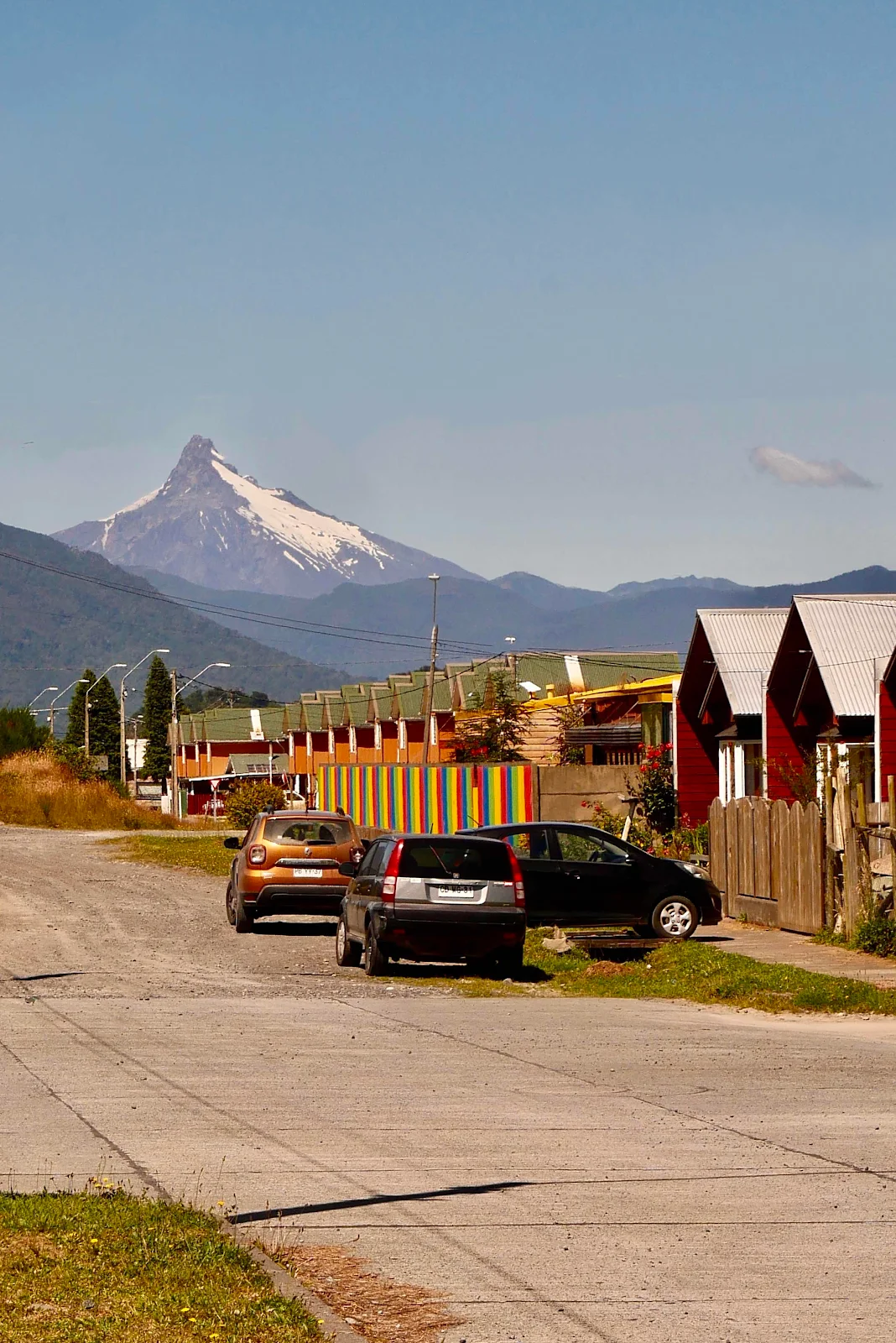
All the money and plans went to Concepcion where two million people were displaced and the two thousand former residents had to fend for themselves. So they did and the town that was declared dead is back. And that to the south is the Corcovado Volcano:
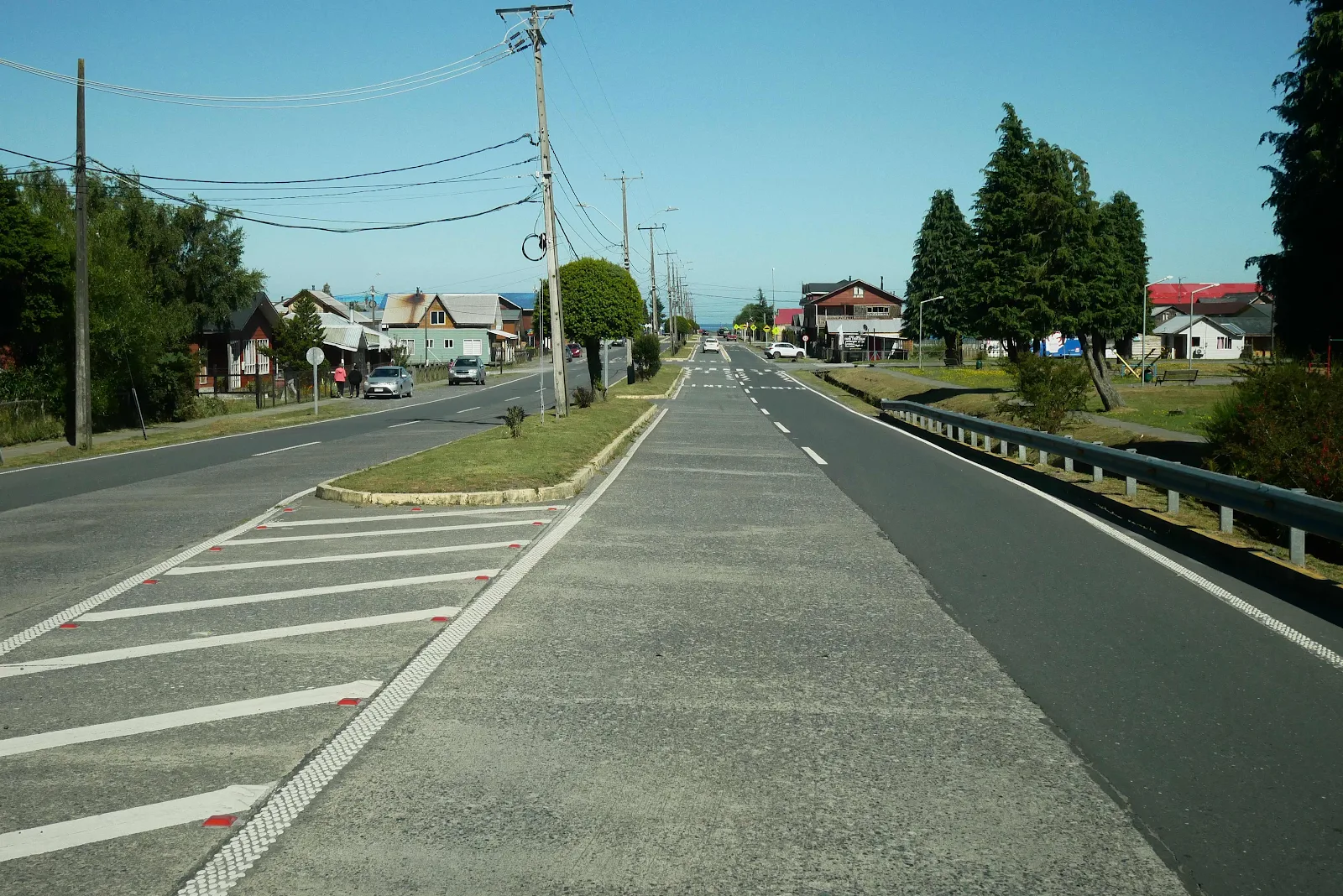
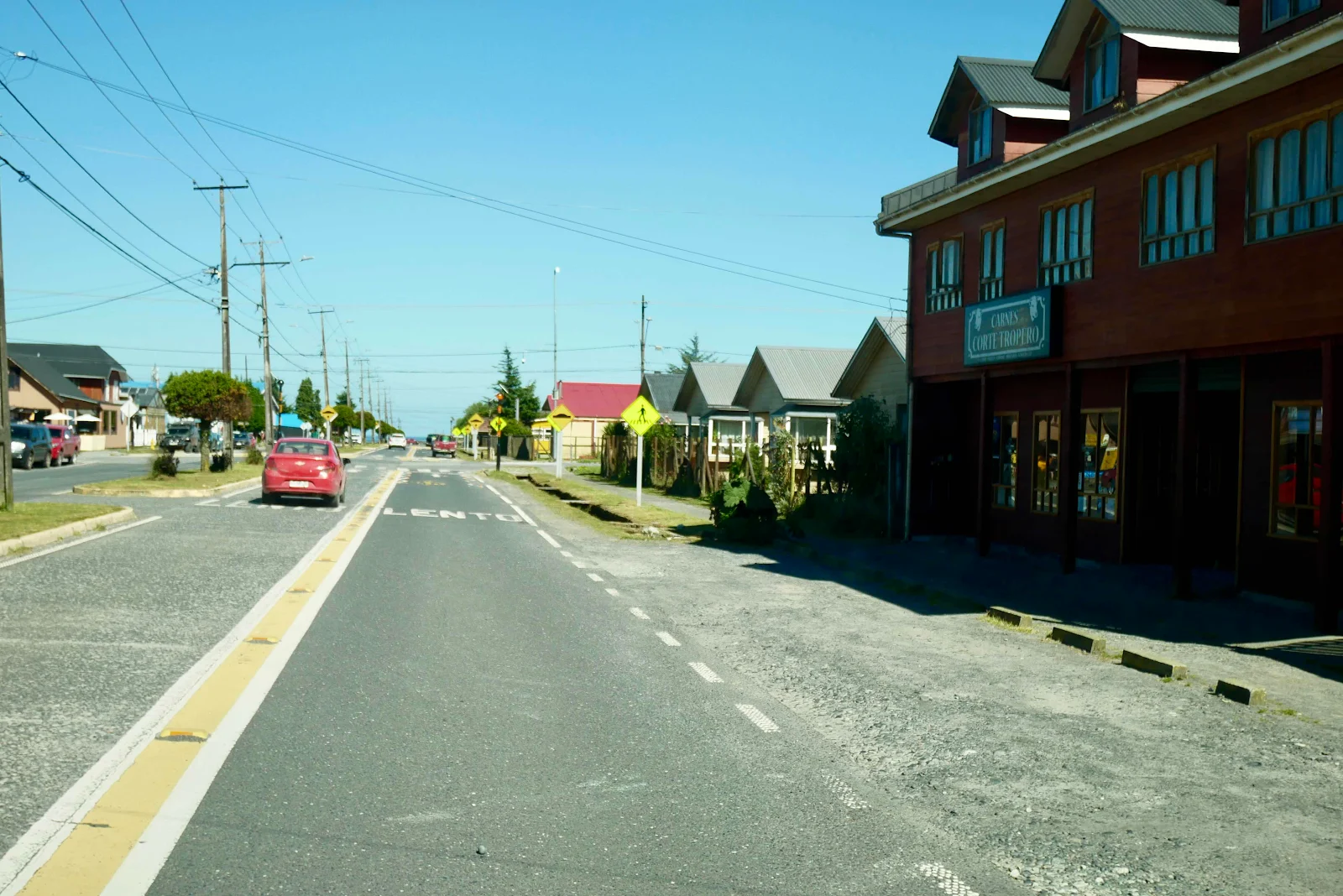
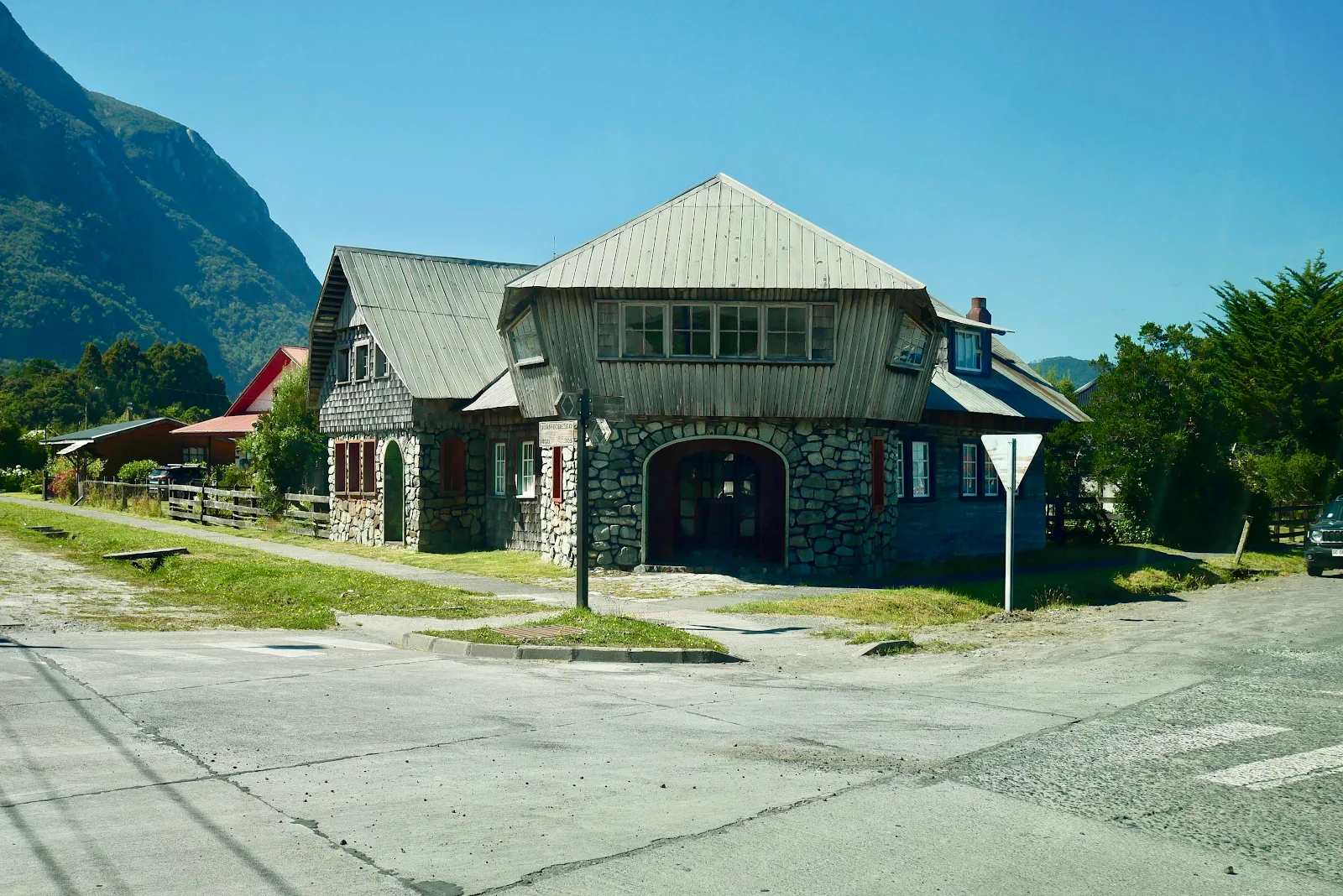
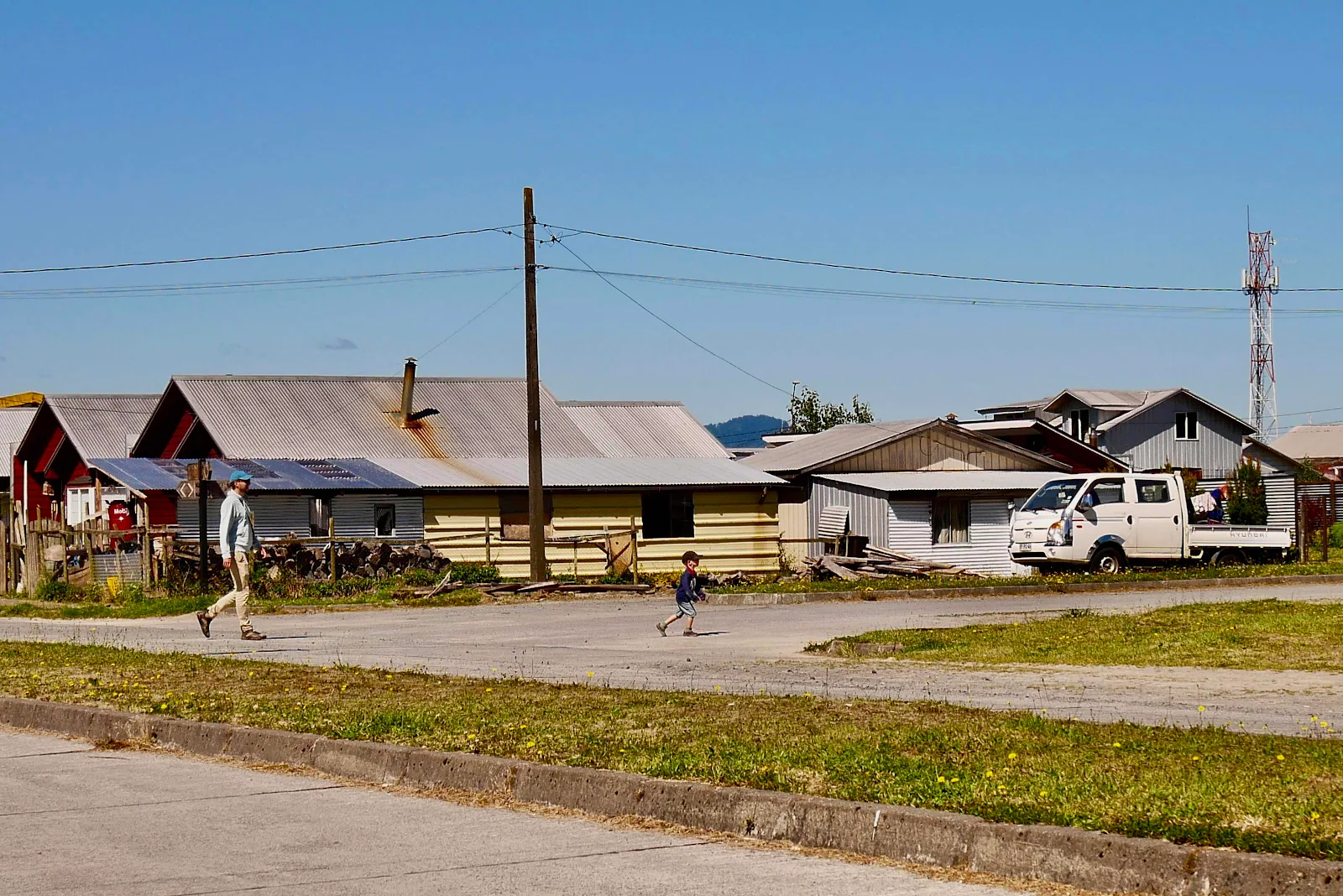
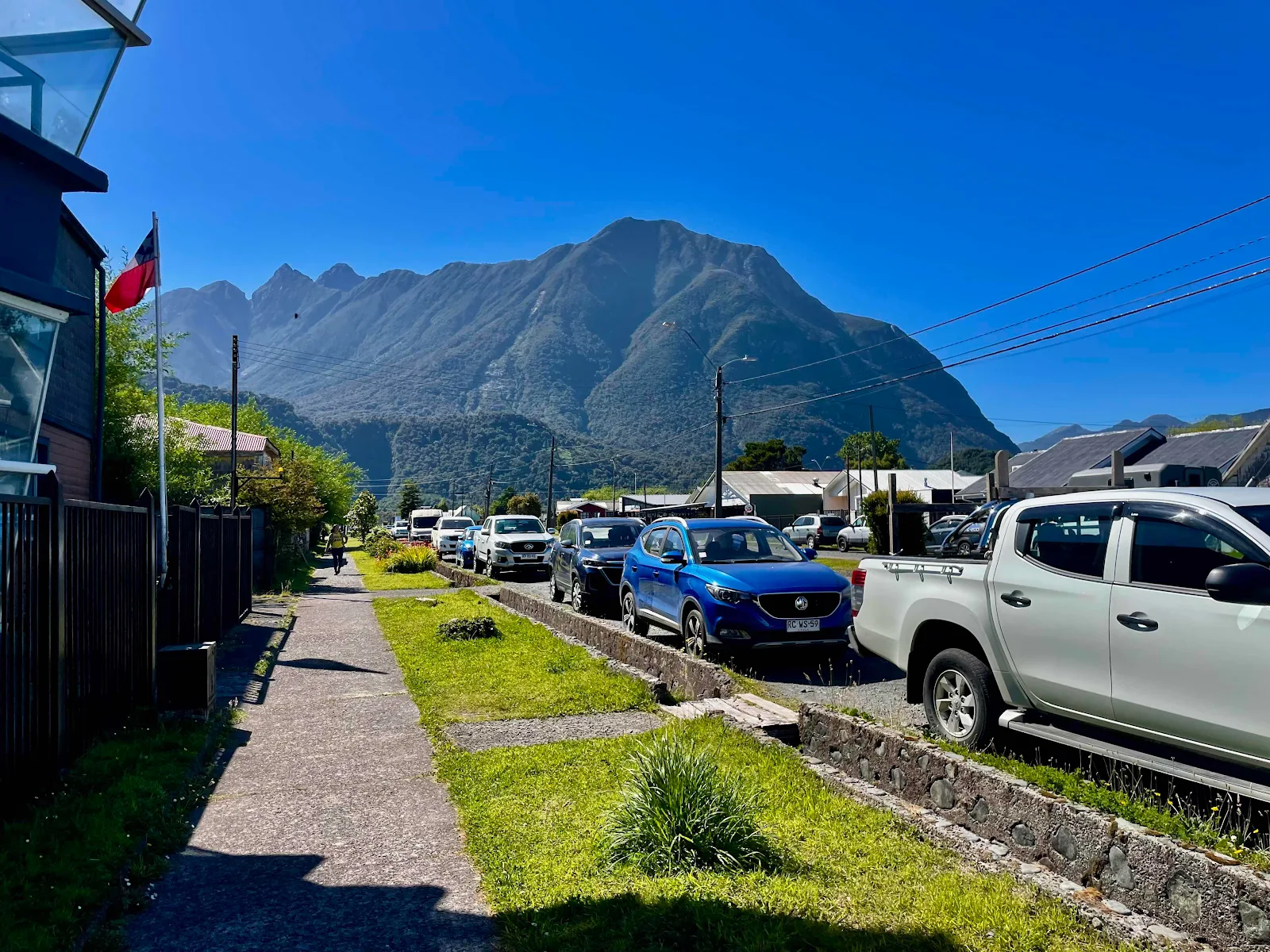
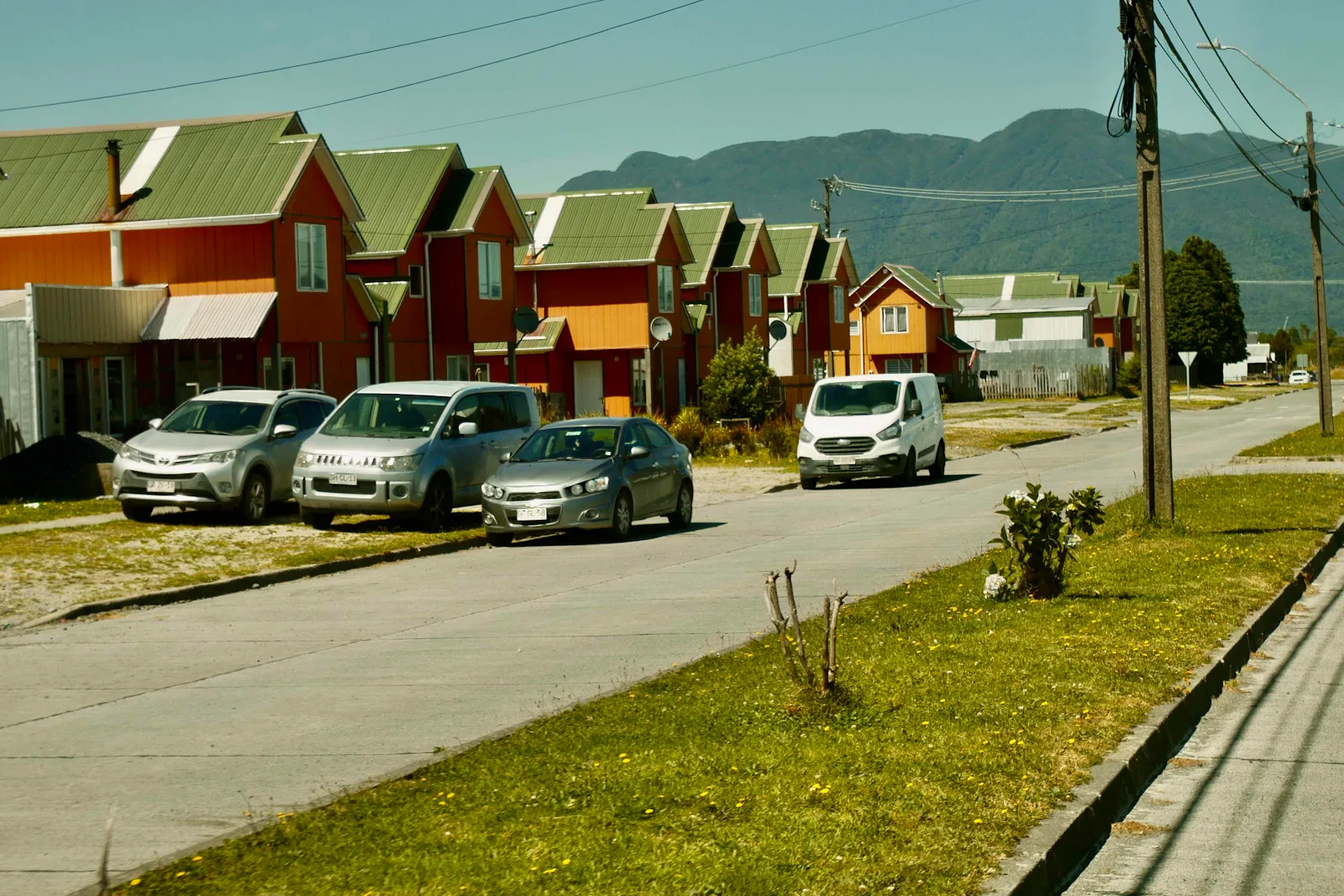
Six years after the last refugees returned the town looks pretty decent.
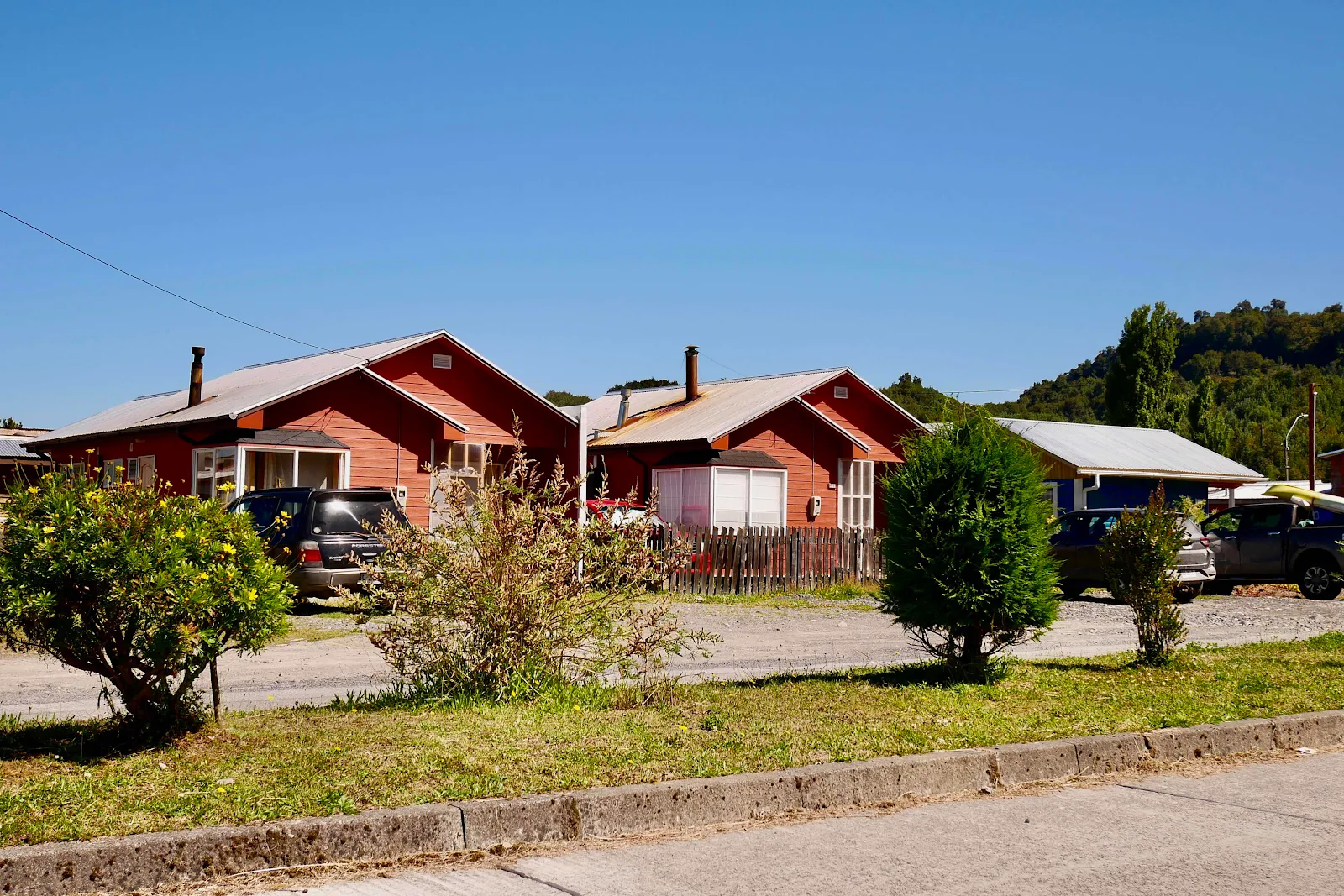
Check out the new housing:
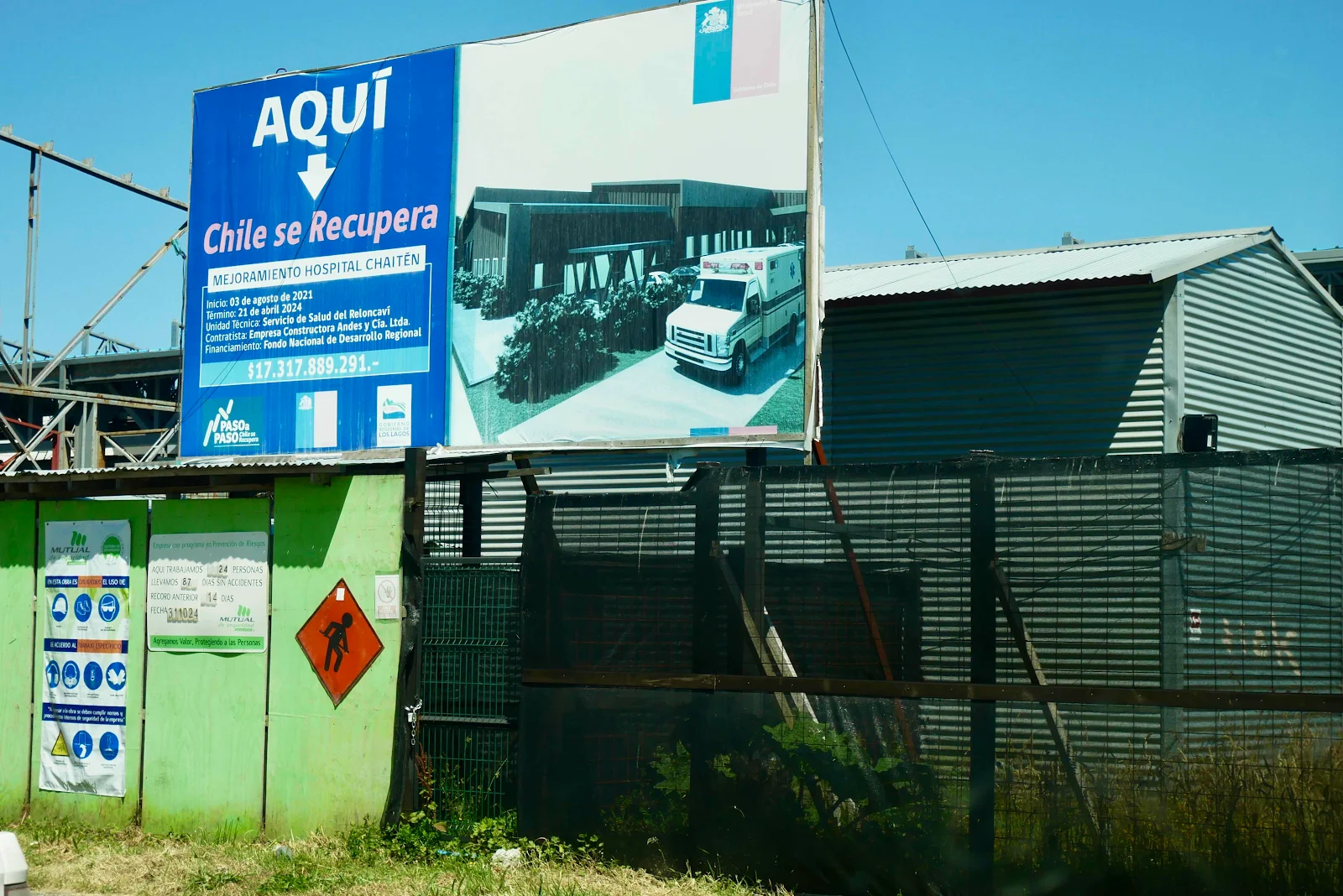
“Here Chile recovers.”
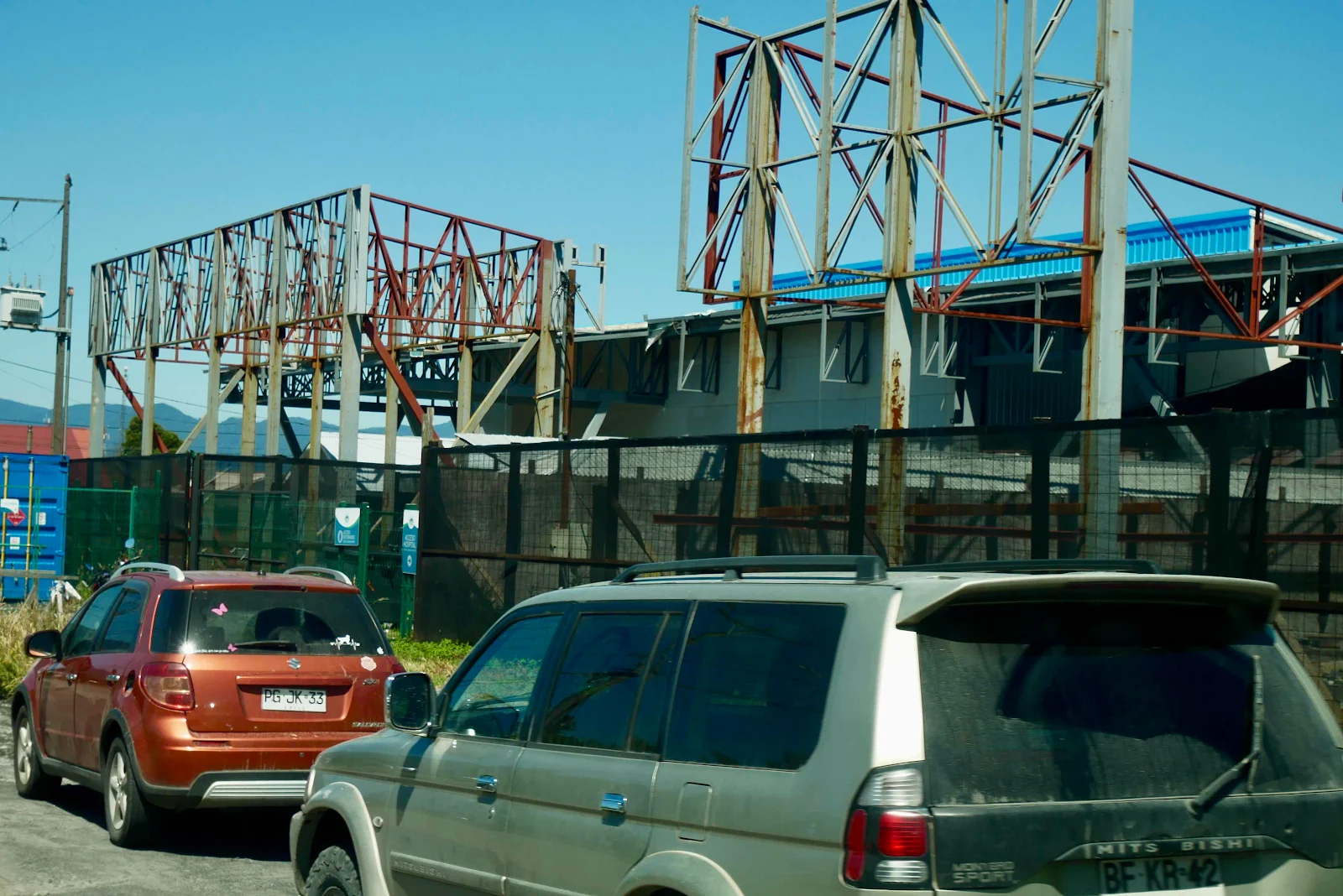
They are building a new hospital. One has to hope the volcano won’t blow up again before it again is expected to be dangerous in two hundred years.
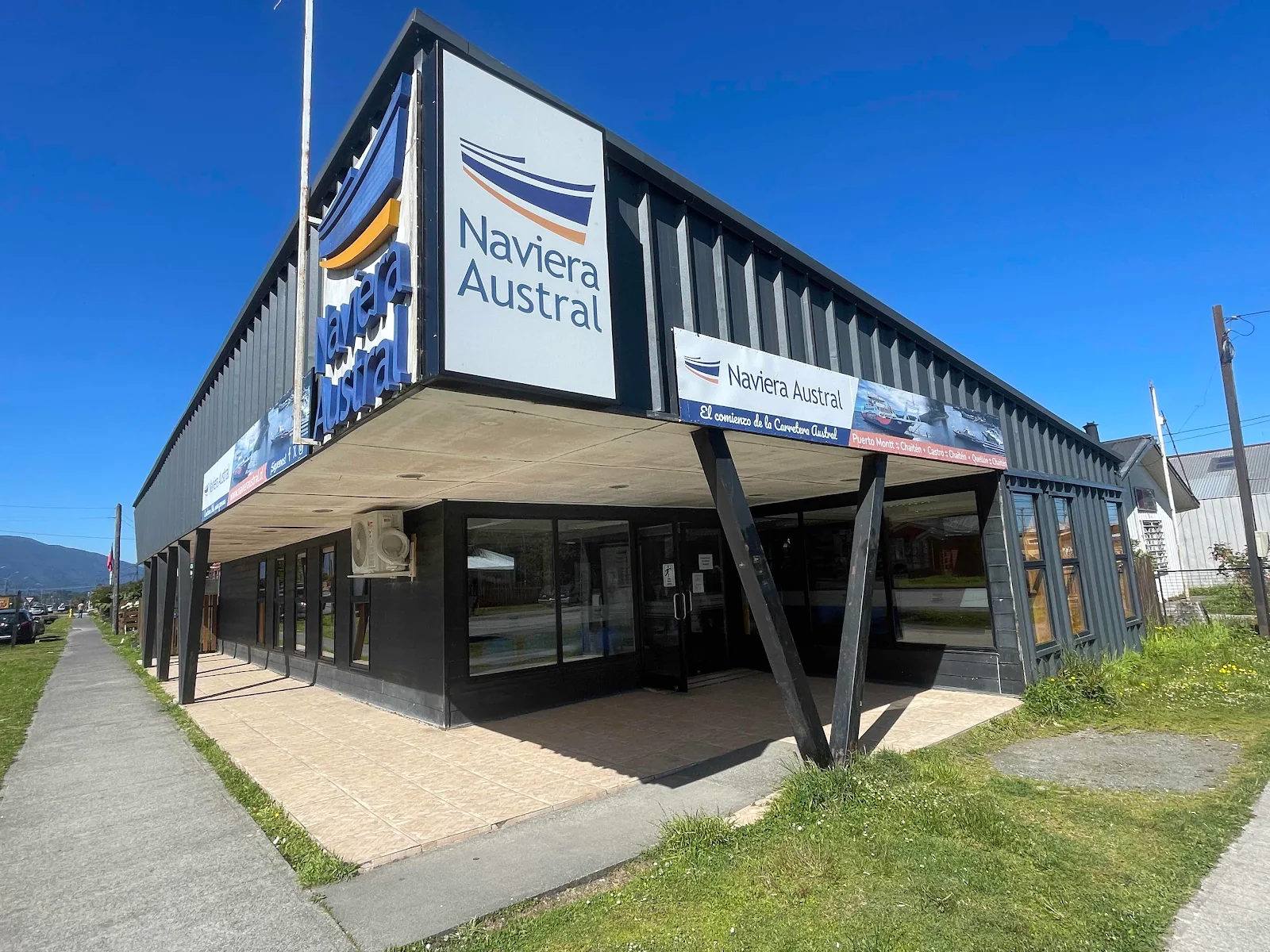
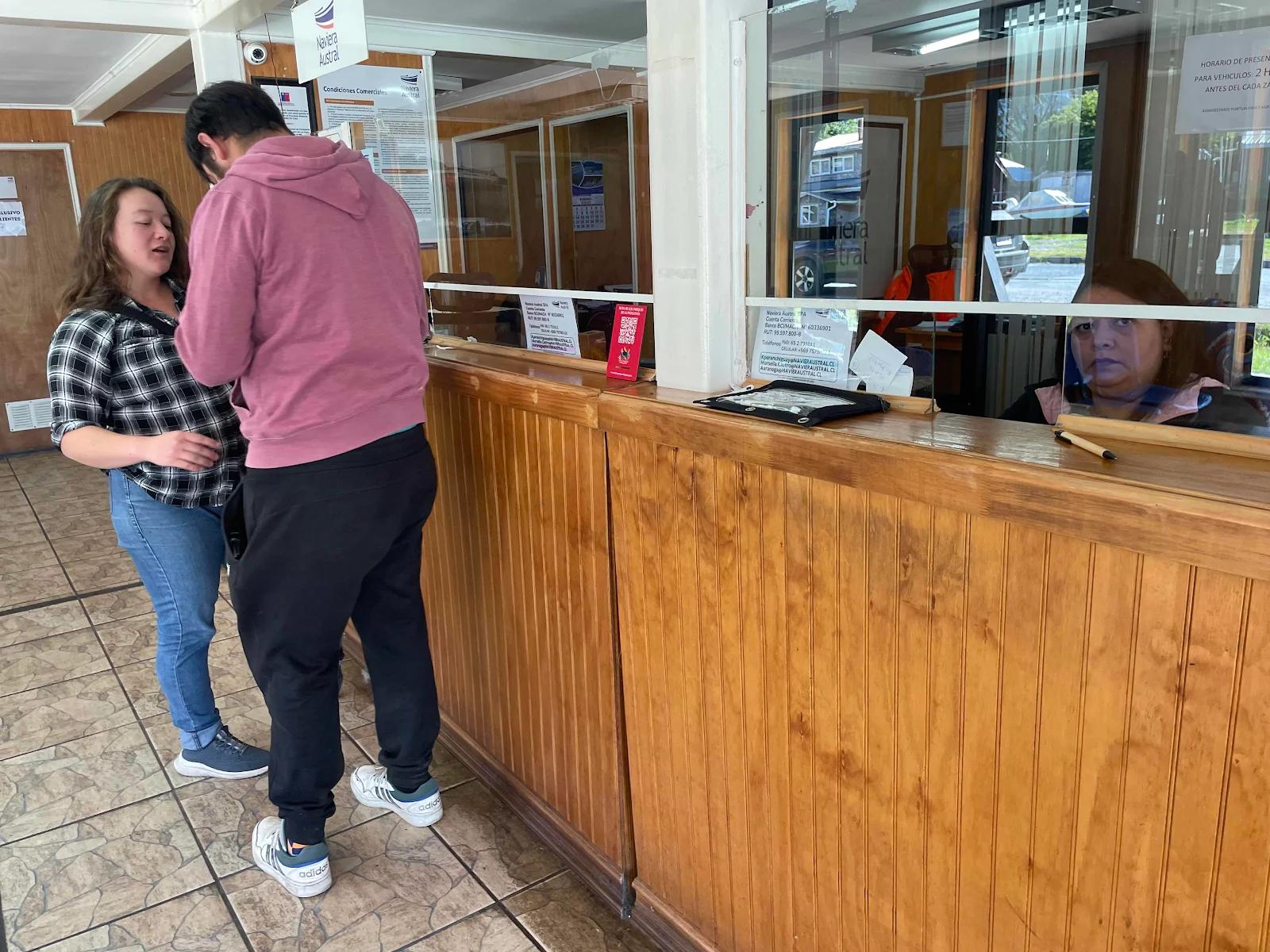
Then we had to get ferry tickets to cross the water to Chiloé Island. We were there for three days in December but we want to fiend more time exploring.
We are scheduled to cross to the city of Castro, the capital of Chiloé at 9 am Sunday in a seven hour crossing.
It means an early start so we can get Rusty walked and comfortable to ride the van with us. With all these ferries he’s an old sea dog by now. Later this year I want to be riding a barge down the Amazon and I am confident now he can handle it if we do it.
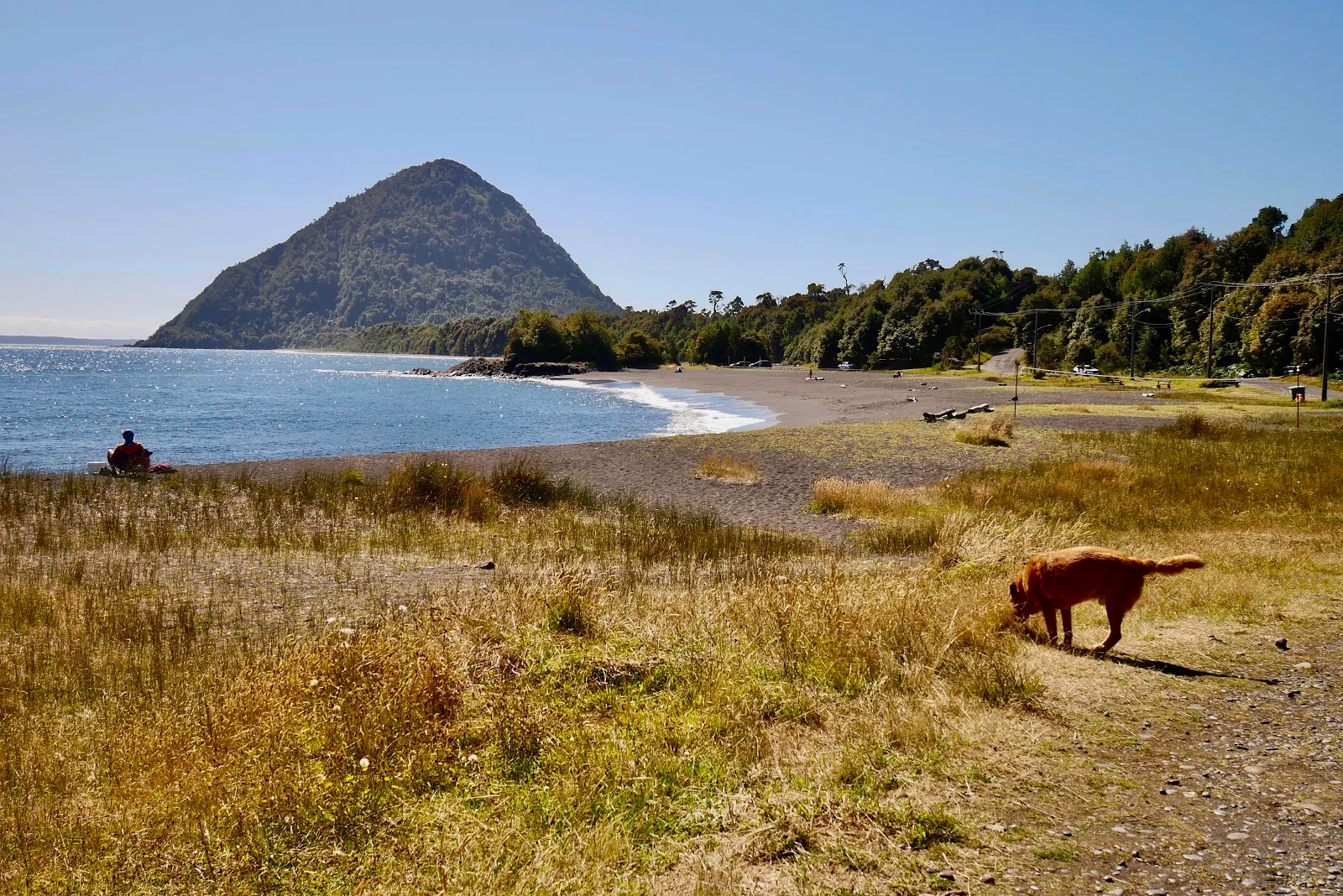
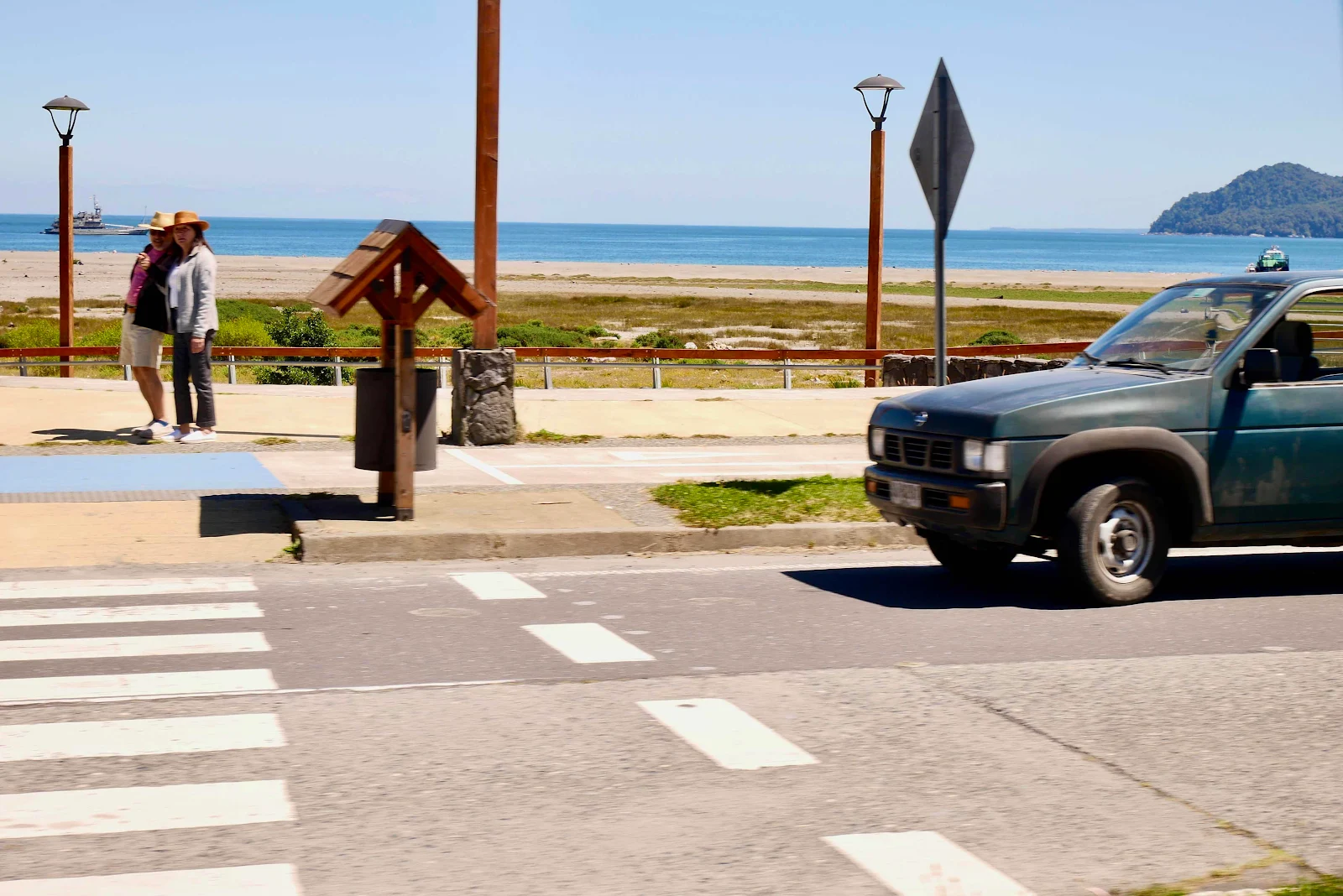
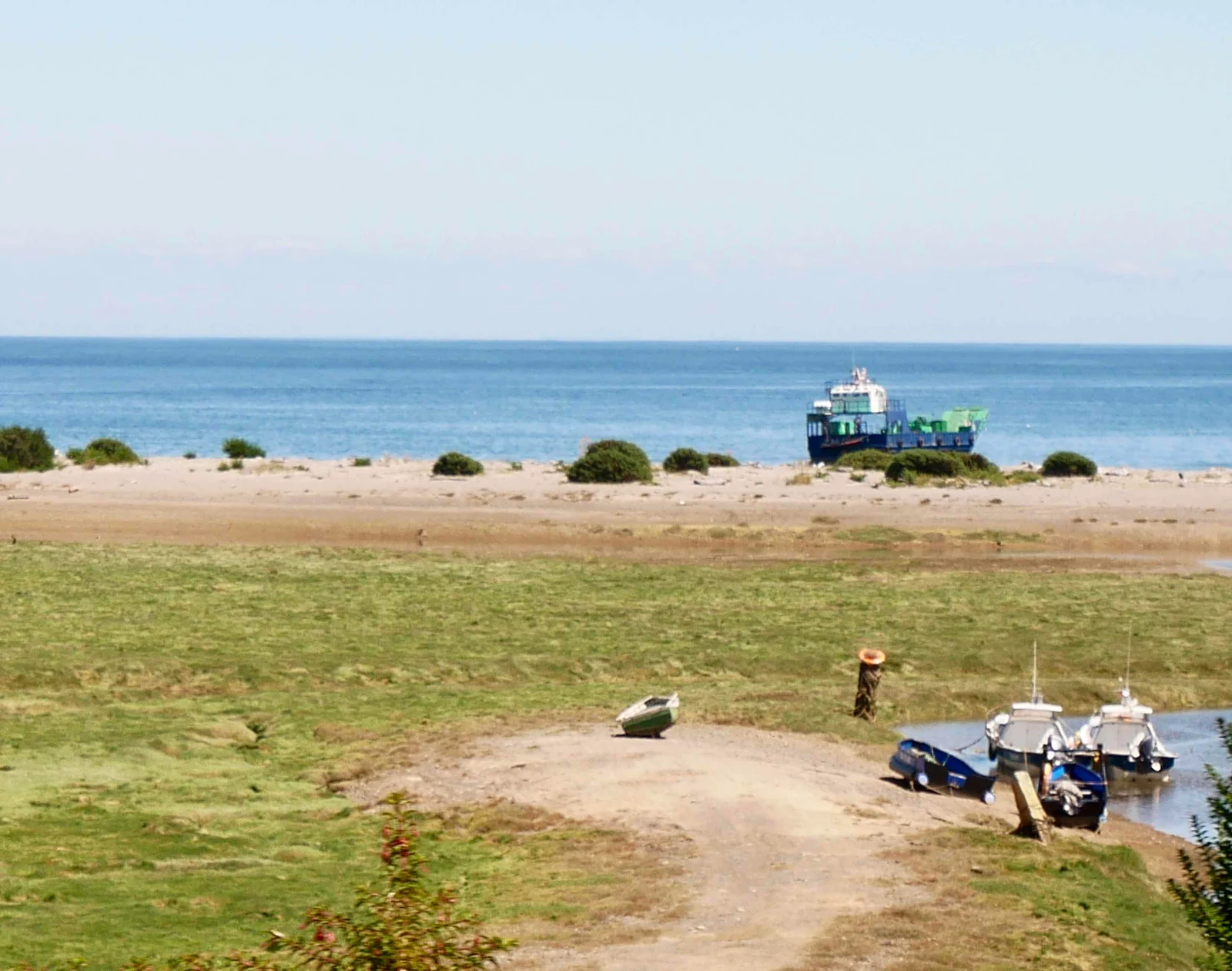
Even though the water is now four hundred yards away…they have a nice waterfront boardwalk now.
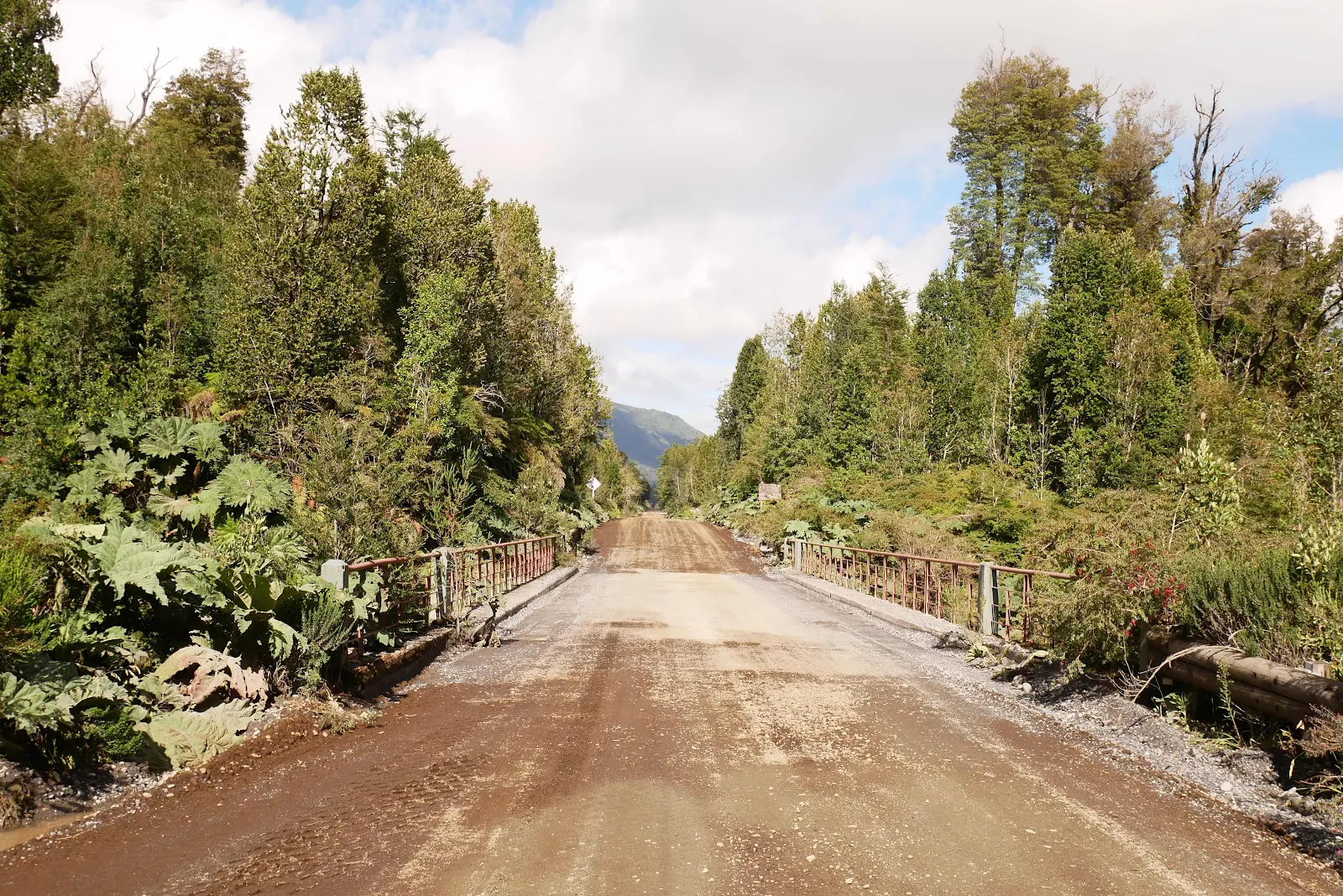
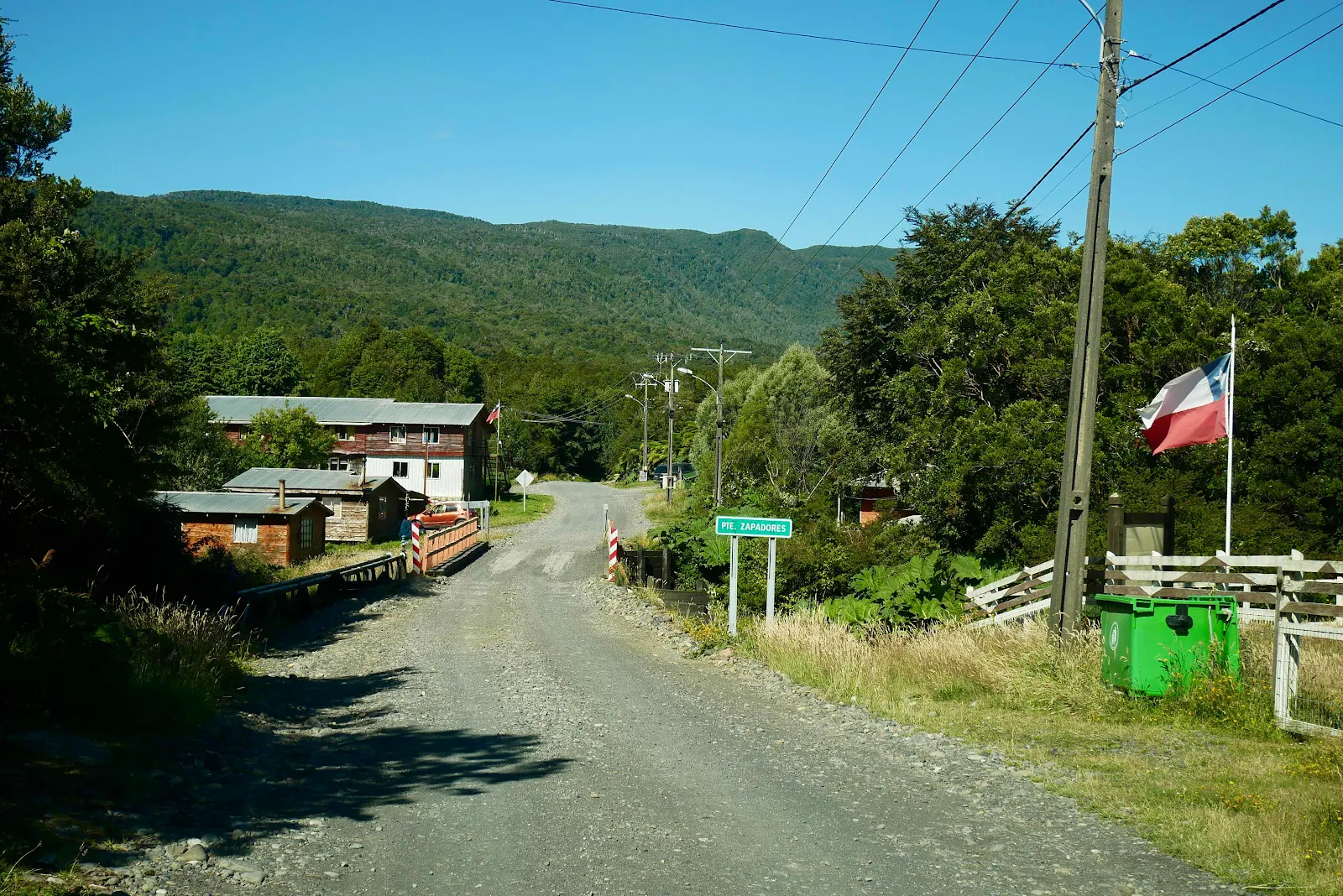
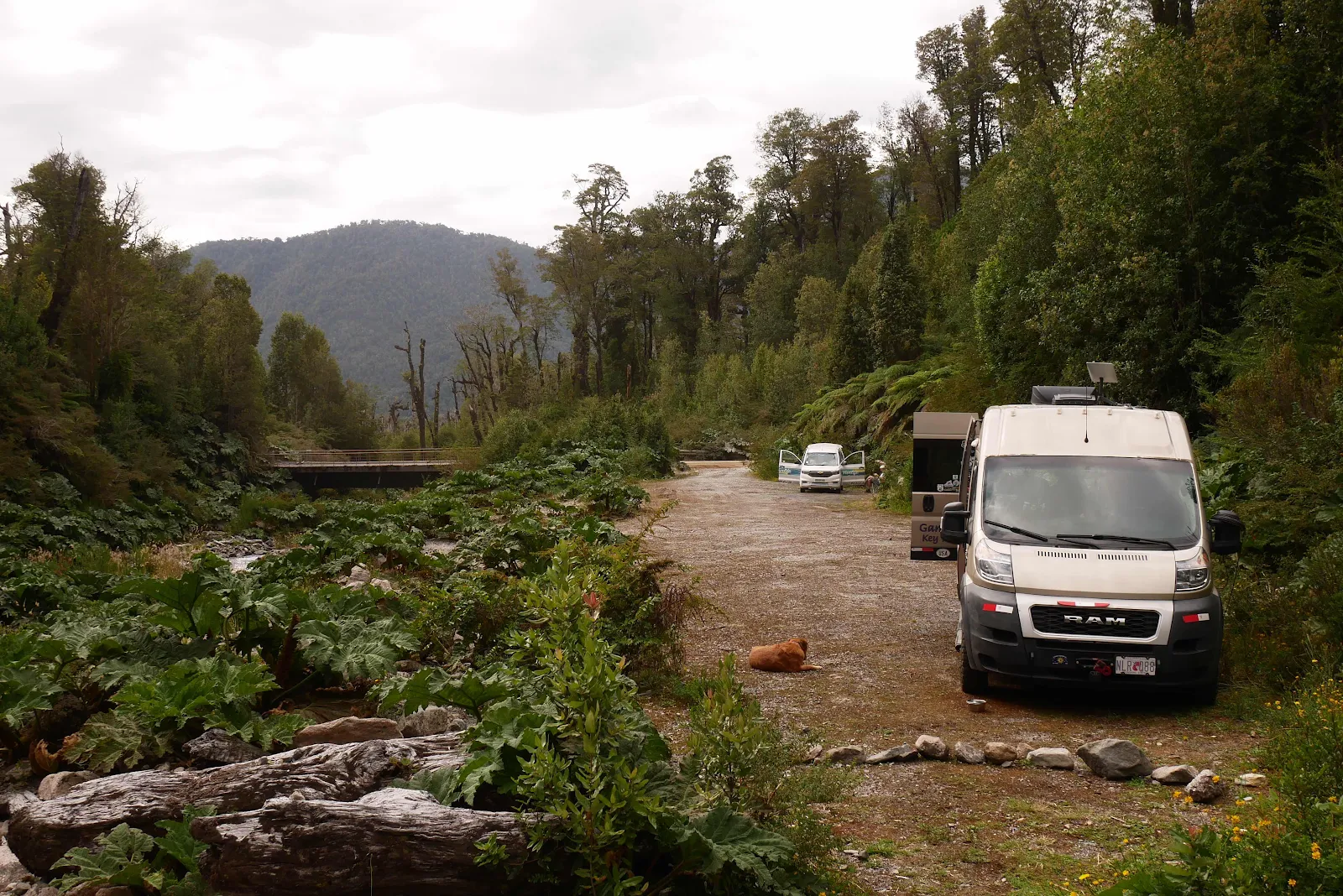
We drive north to look for a wild camp listed on iOverlander and naturally at one point the damned Carretera Austral turned to gravel again.
At least this time we only had one and a half miles of pavement and then we turned up a creek to camp. That’s the Pumalin National Park whose ranger station and trail head is a short walk up the road from here.
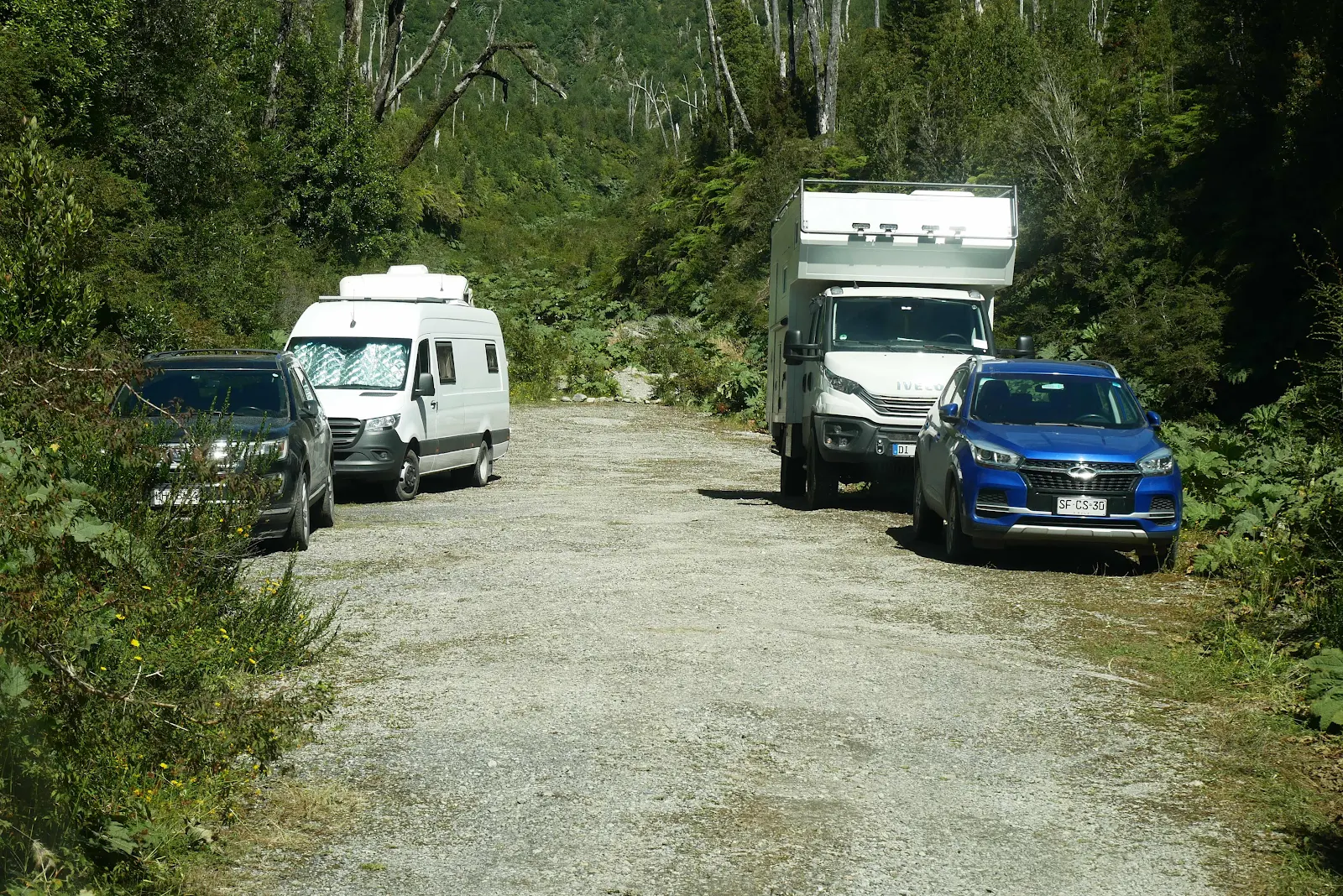
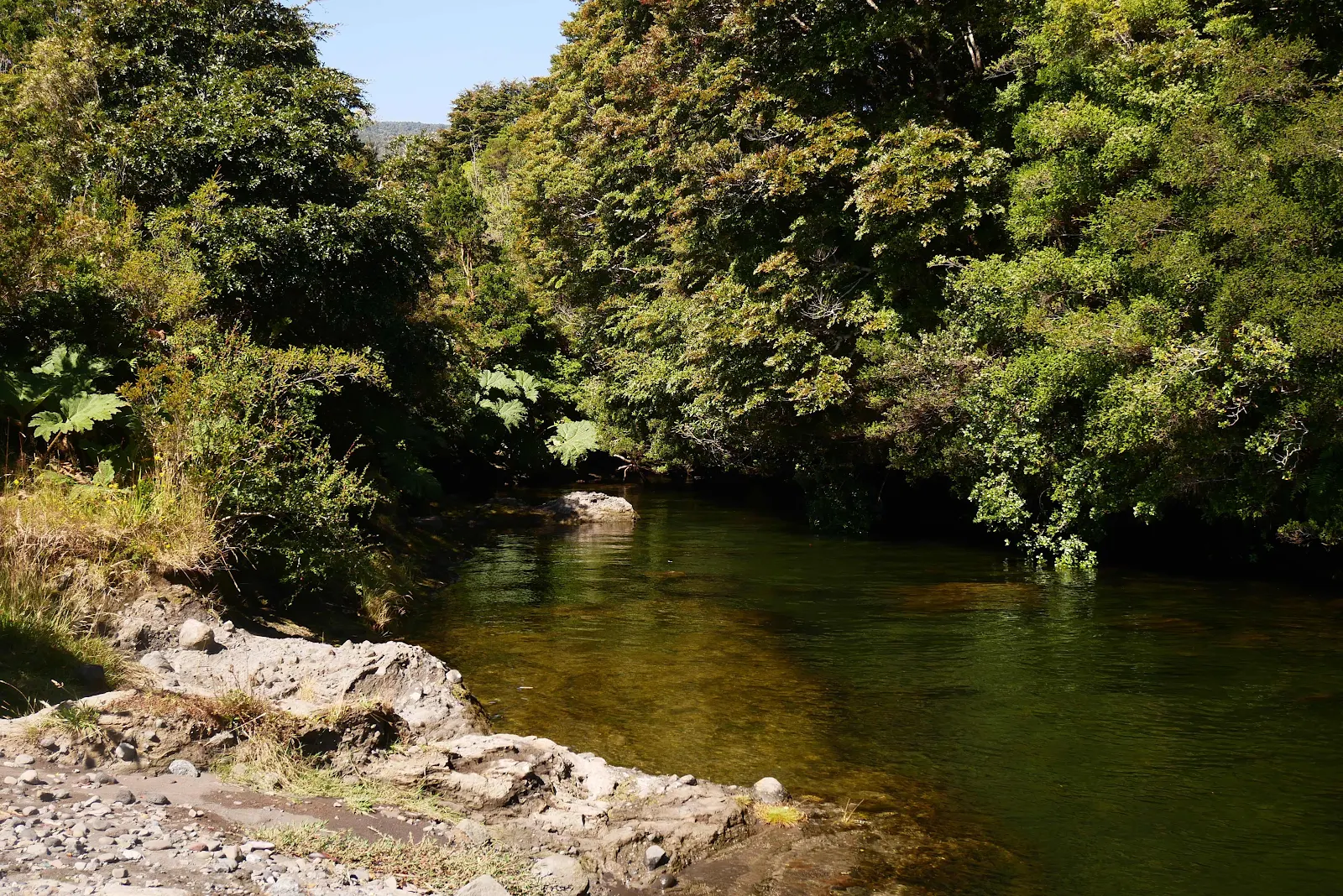
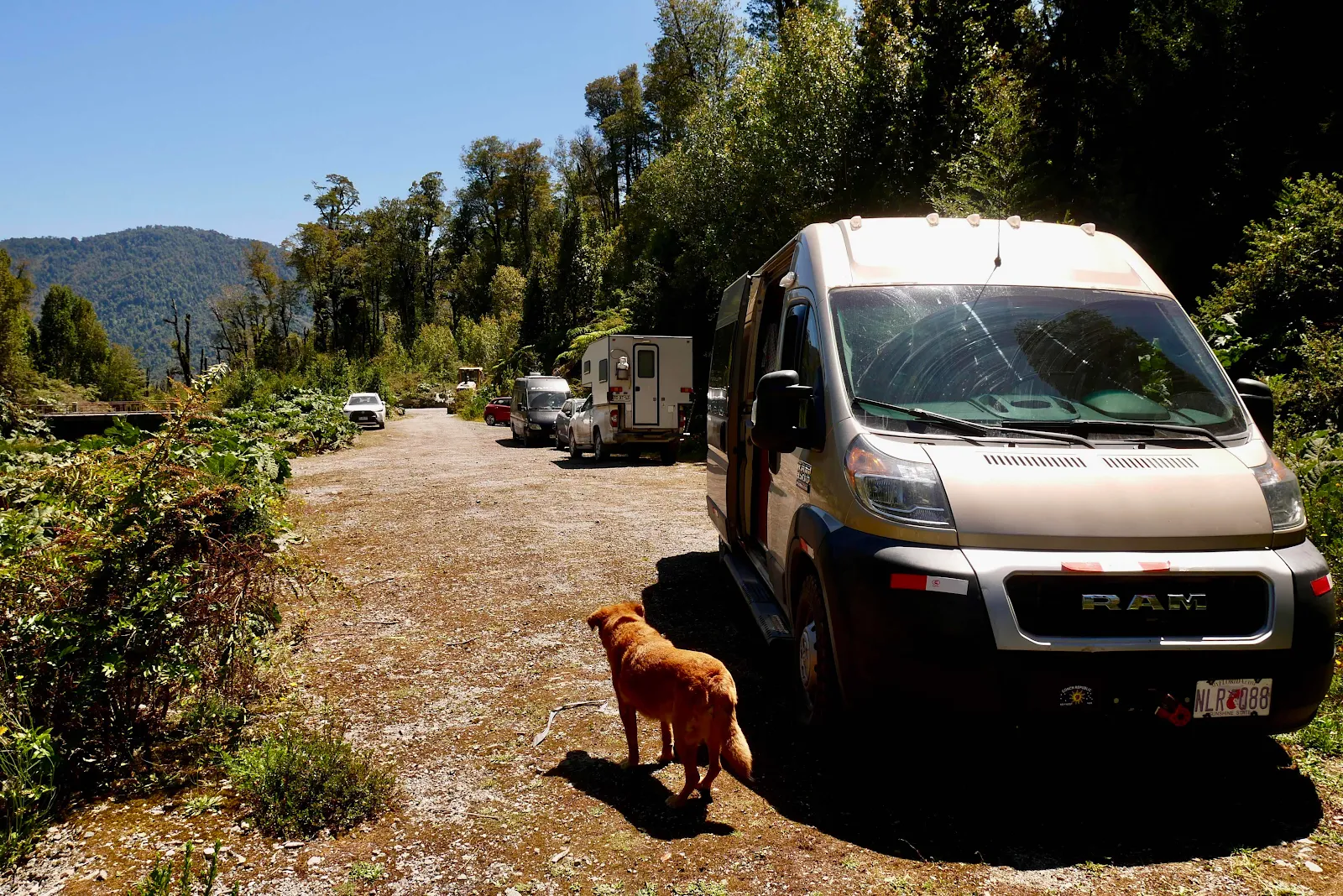
It’s a popular spot to park for the day or to camp alongside the creek.
It’s a pretty spot with no facilities but we go have the sounds of rushing water which is nice, when it’s not the sound of rain.
It rained our first night here after a lovely sunny day.
It’s just summer in Patagonia. A bit wet, sorry about that.